Walailak University’s Continual Collaborations with NGOs: Protecting Marine Resources for SDG 14
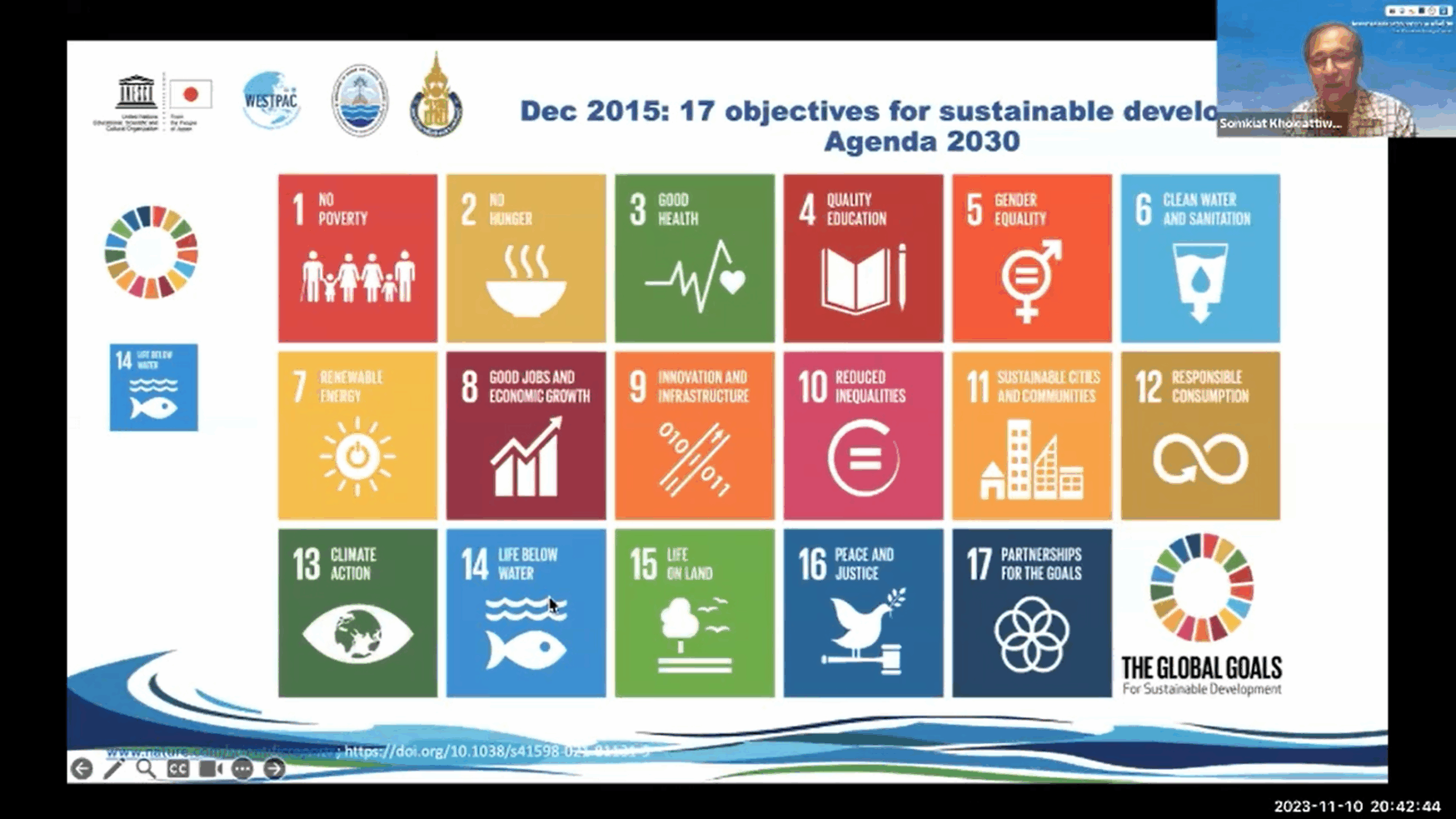
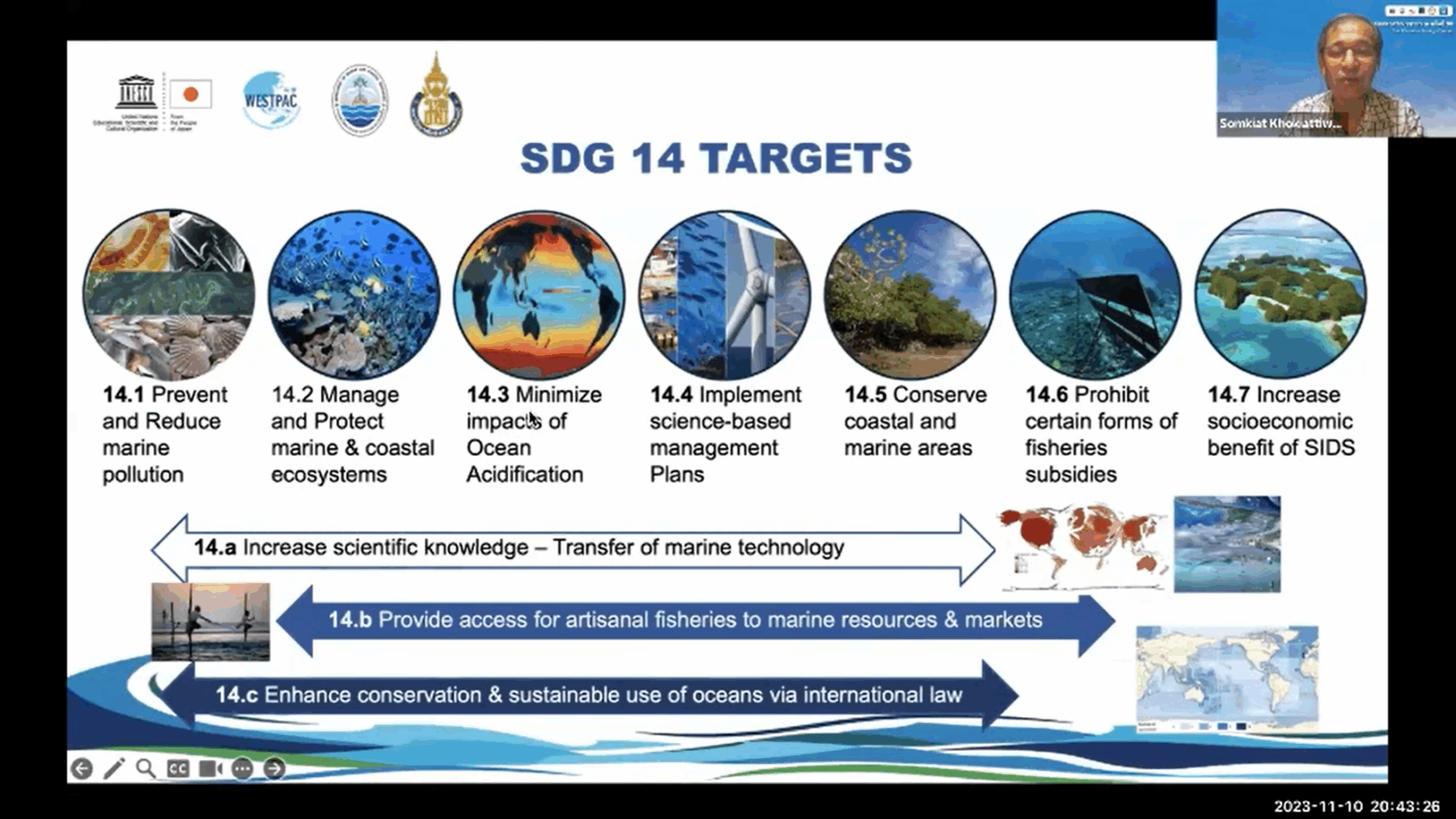
In 2024, Walailak University has continued working with NGOs to tackle SDG 14: Life Below Water through student volunteering programs, research programs, and the development of educational resources, as it is one of the leading universities in developing strategic solutions for freshwater and marine ecosystems. For this year, the Walailak University Marine Conservation Club still played pivotal roles in bringing volunteering students to implement various activities and outreach projects on marine resources conservation in collaboration with Trash Hero Tha Sala, a non-governmental organization working for creating a clean world that is free from plastic pollution. For the research program, Walailak University continued working with various NGOs on the blue swimming crab research project under Fishery Improvement Projects (FIPs). Additionally, WU developed educational resources in the form of online videos as part of the project to freely provide knowledge on topics regarding marine ecosystems.
WU’s collaboration with Trash Hero Tha Sala on Awareness Creation of Marine Pollution
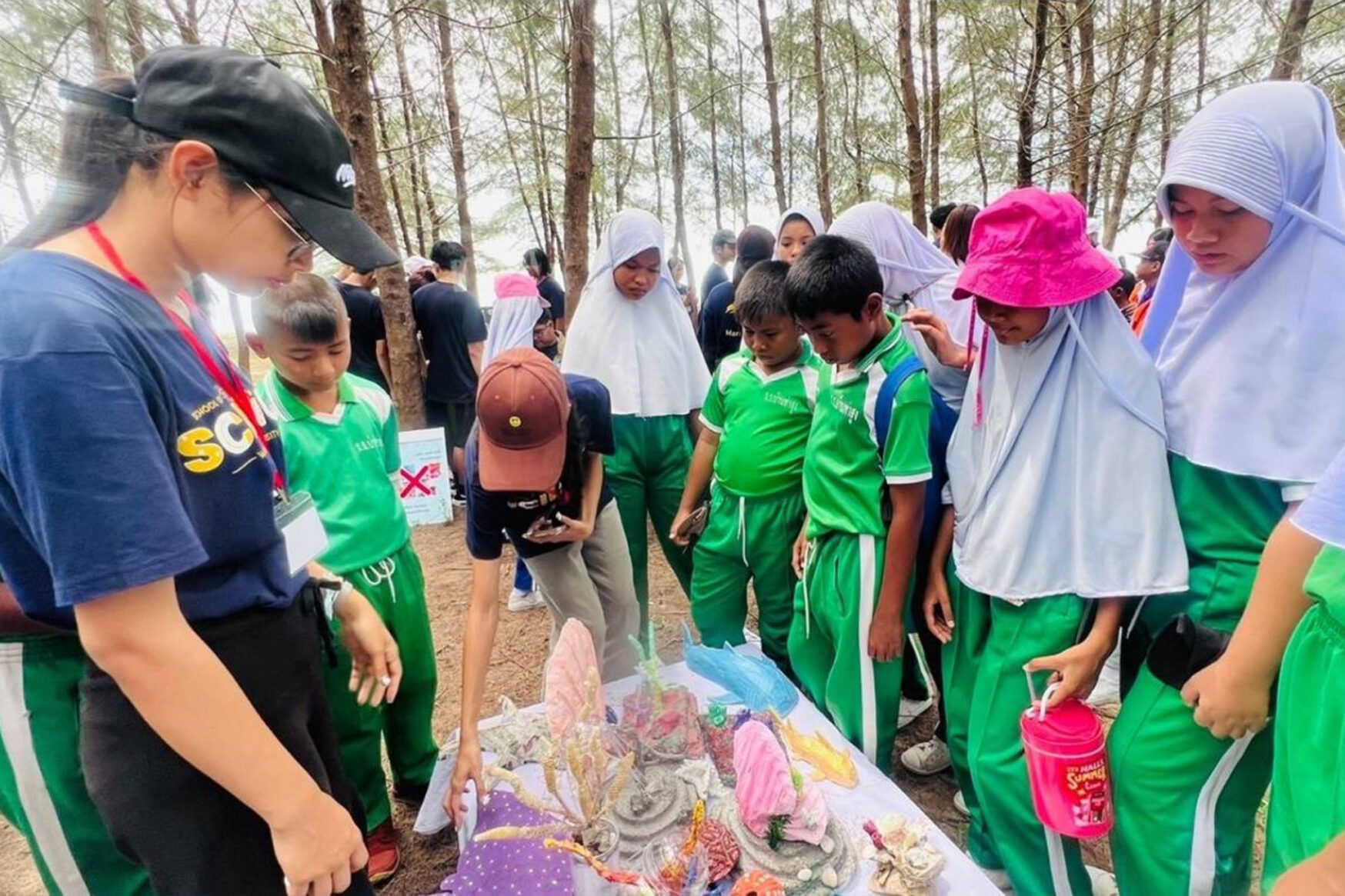
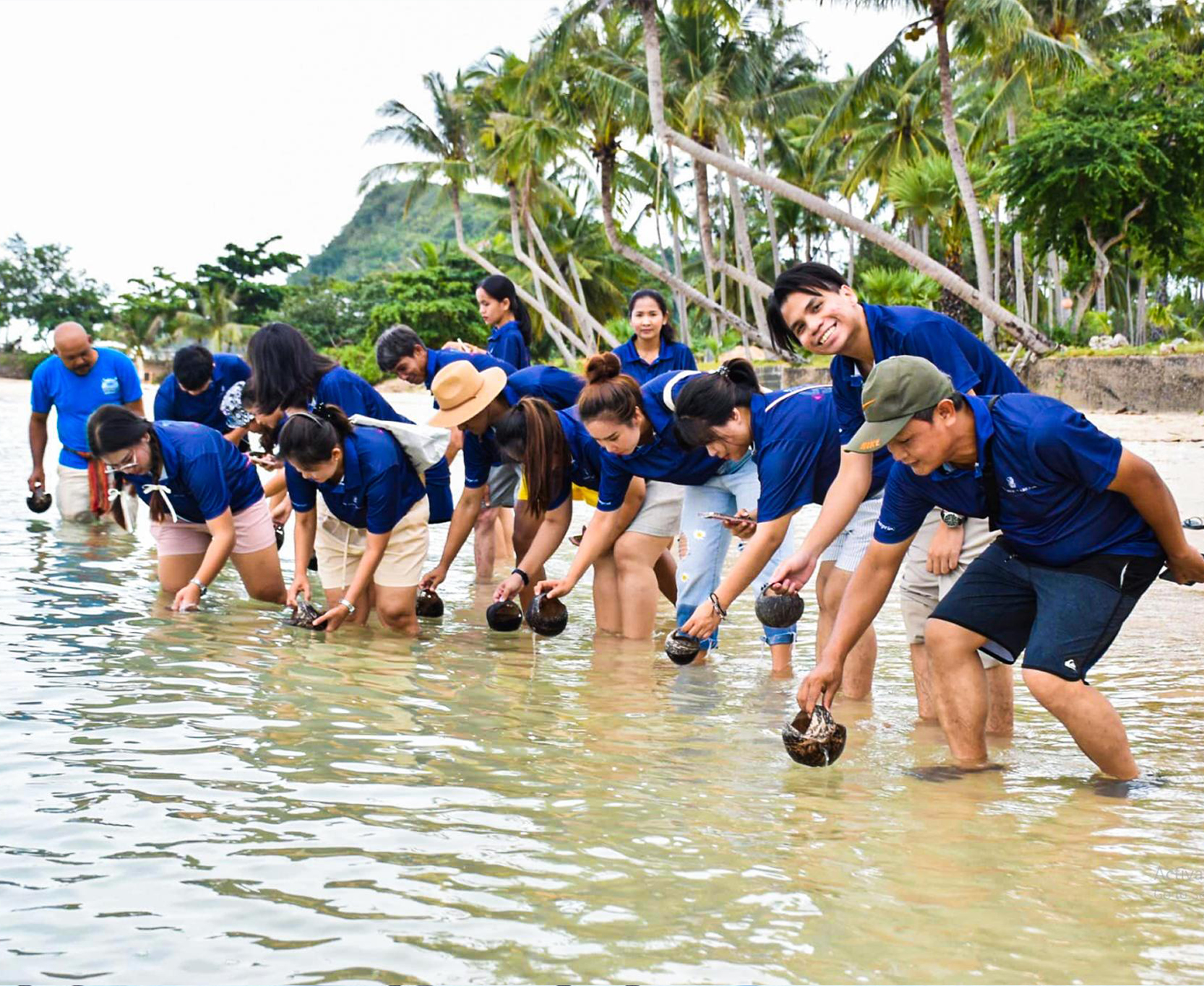
The Walailak University Marine Conservation Club is a student volunteering club established by a group of Walailak students in the School of Science (Marine Science Program). However, the club is freely open to all WU students to be members of the club. This club has been collaborating with NGOs in implementing volunteering programs towards SDG 14 for years, such as educational provision to local communities, waste collection campaigns, blue swimming crab preservation campaigns, plastic reduction awareness, etc.
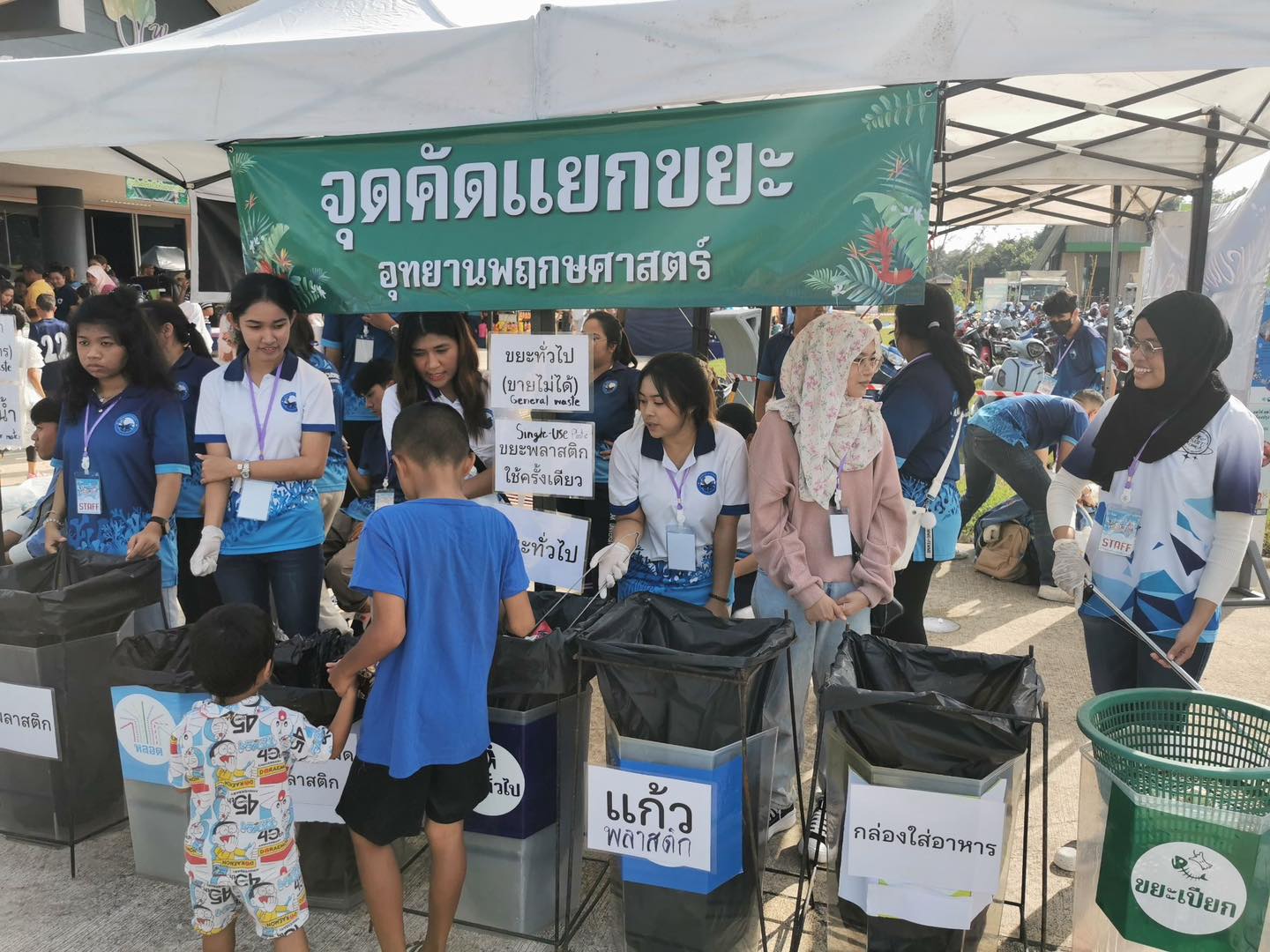
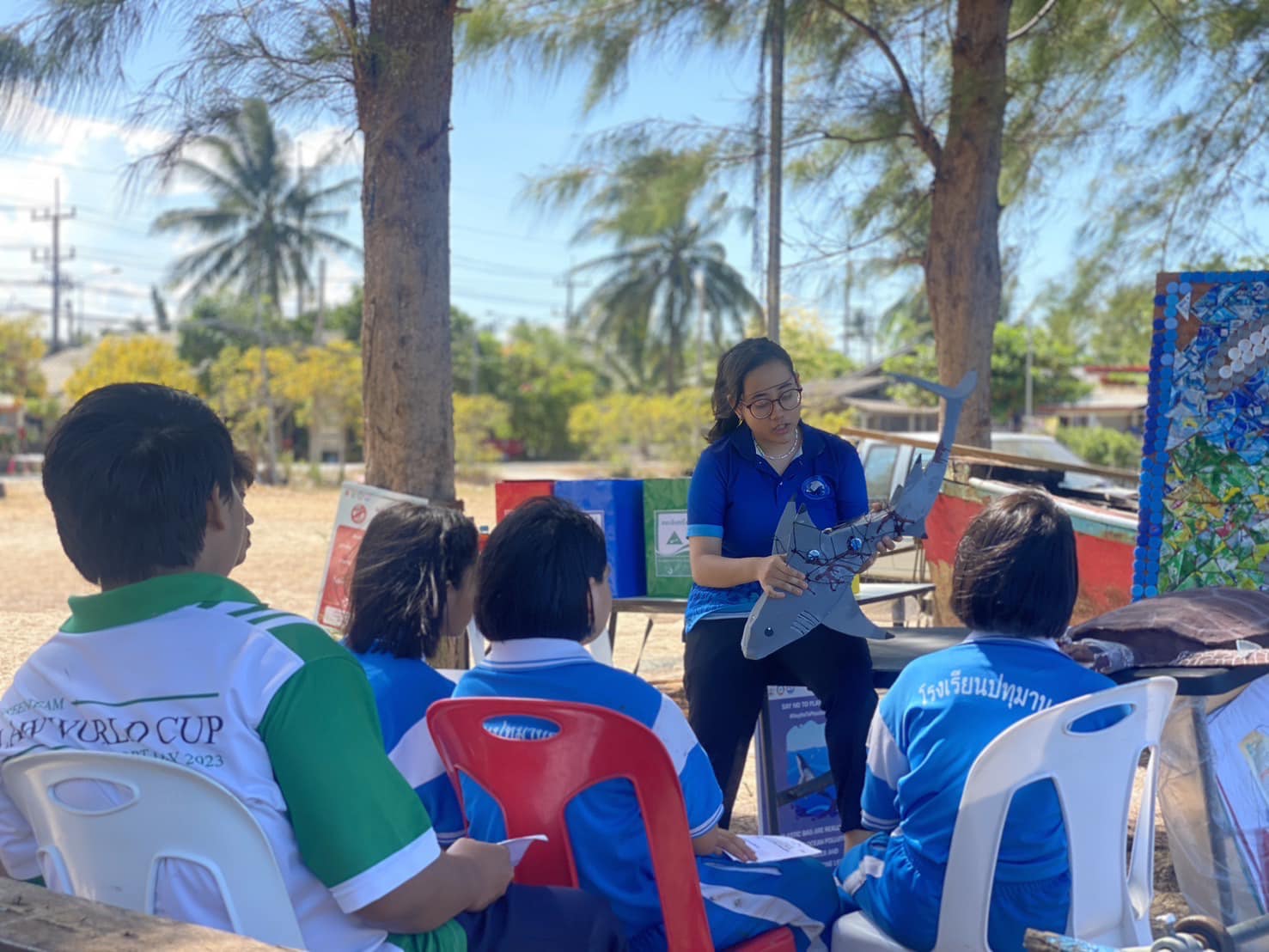
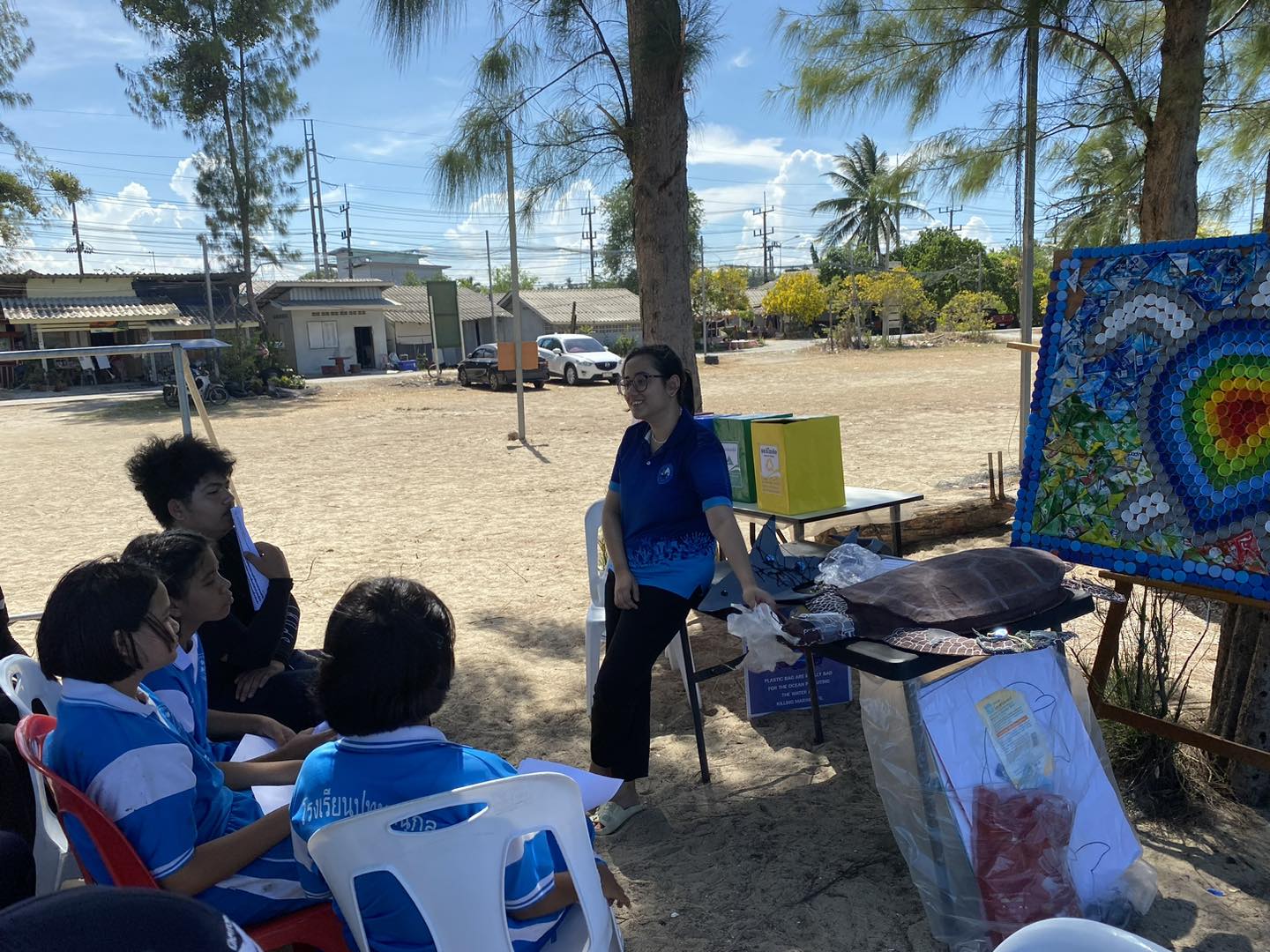
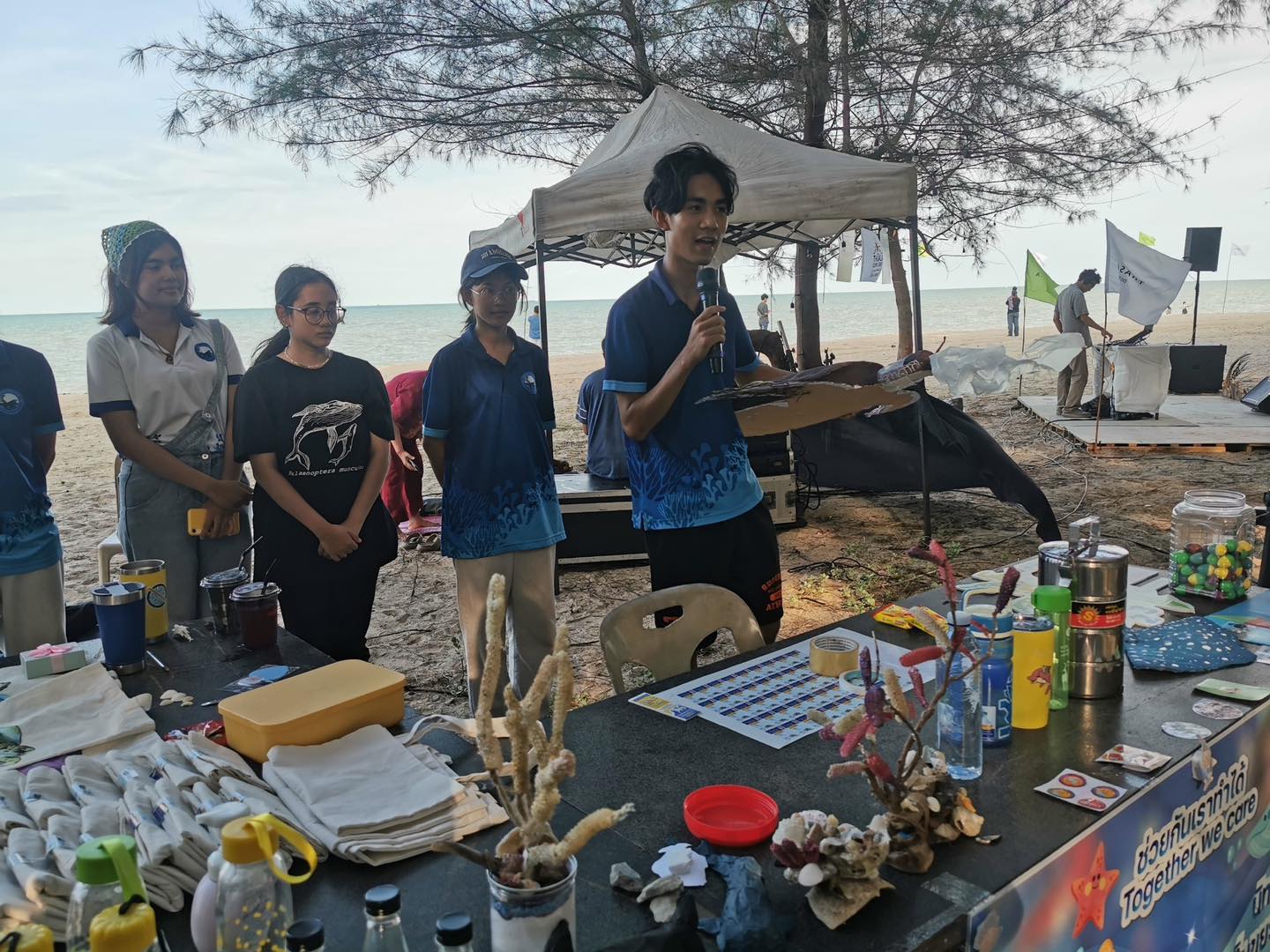
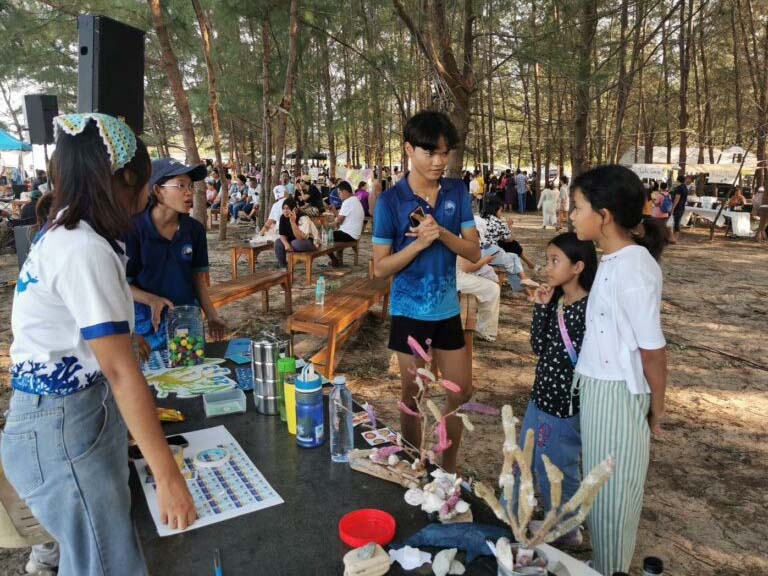
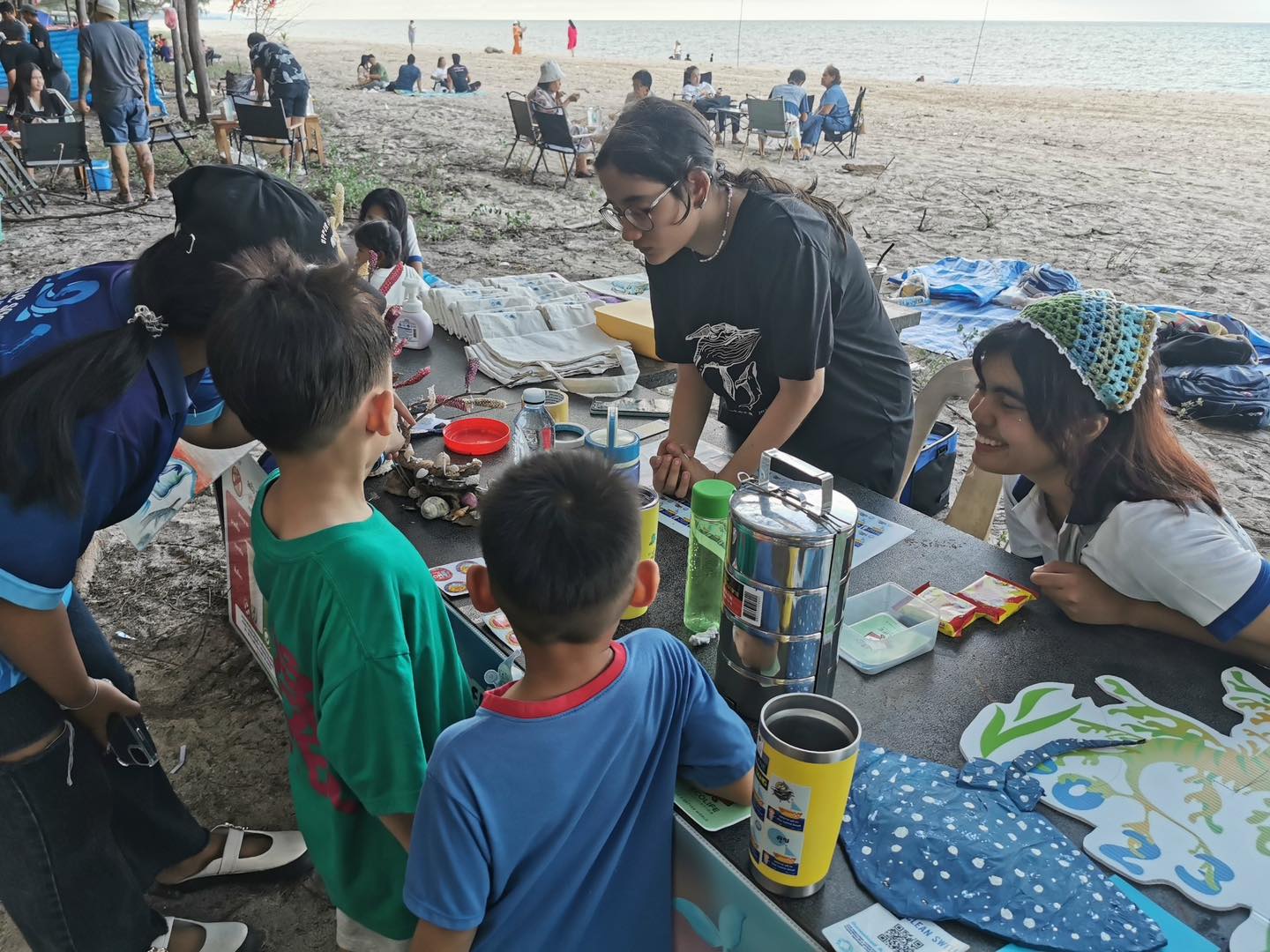
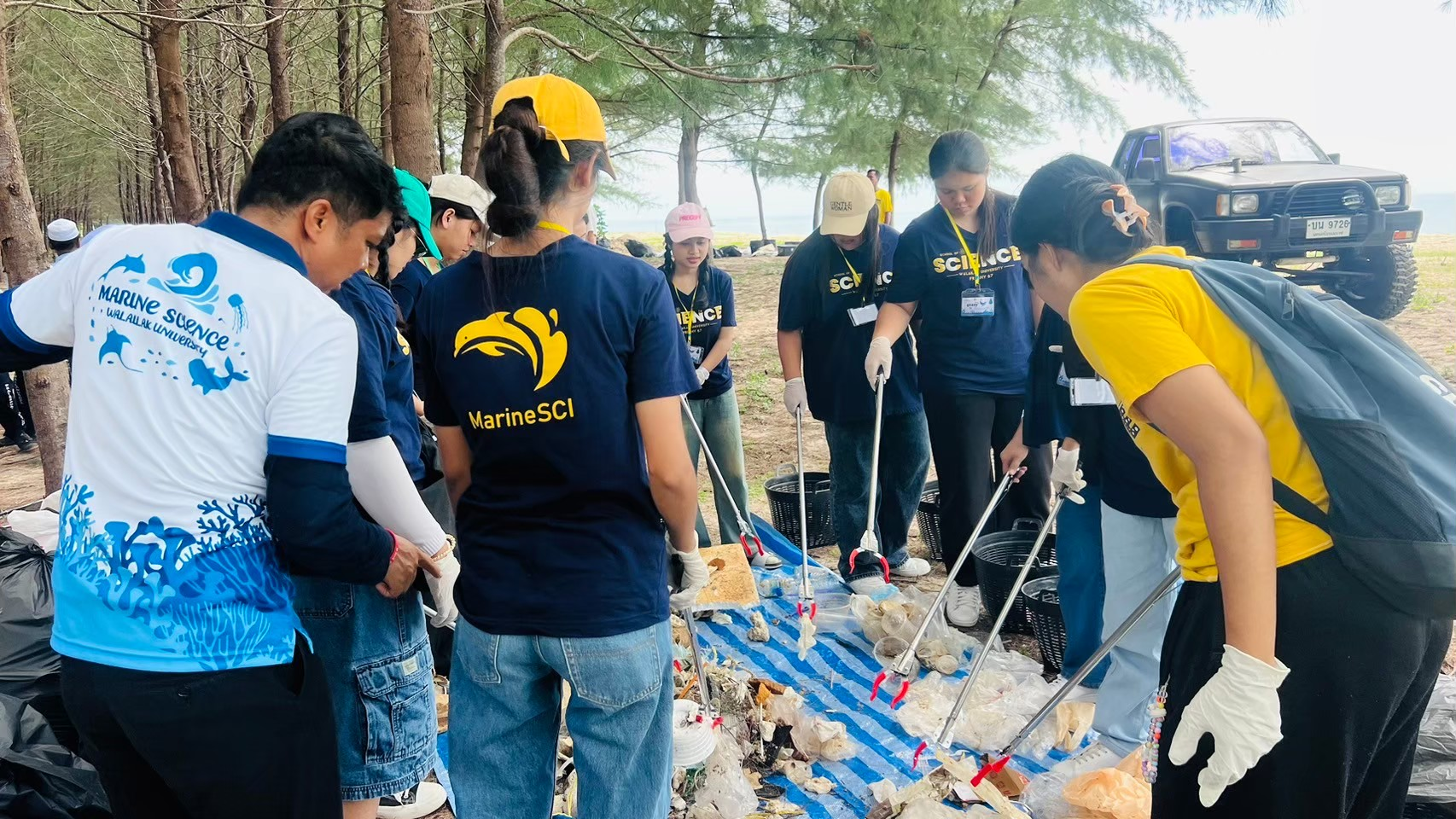
Figures : WU students who are members of the Walailak University Marine Conservation Club, implementing various activities to raise awareness about marine environment protection among the younger generation.
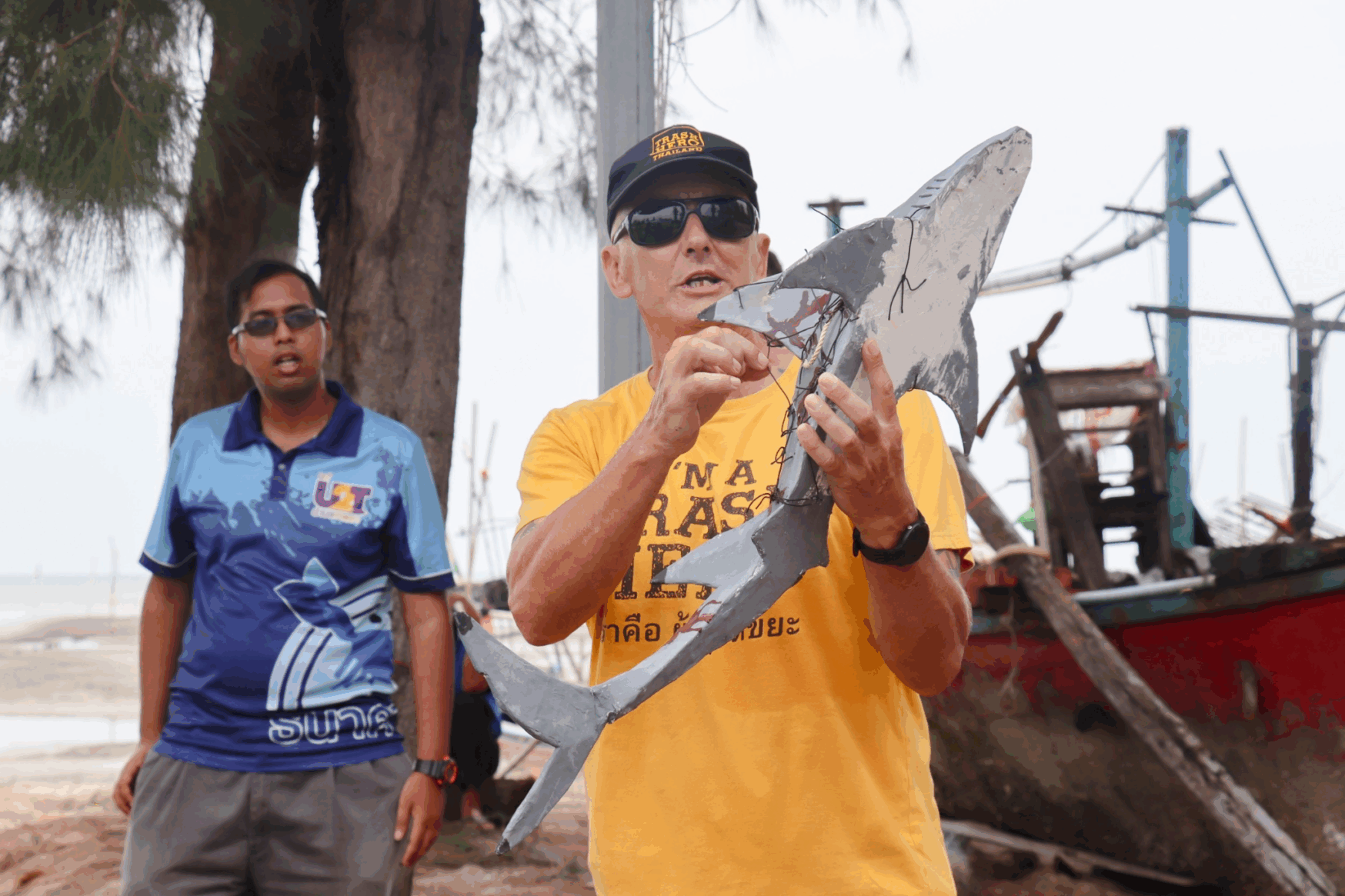
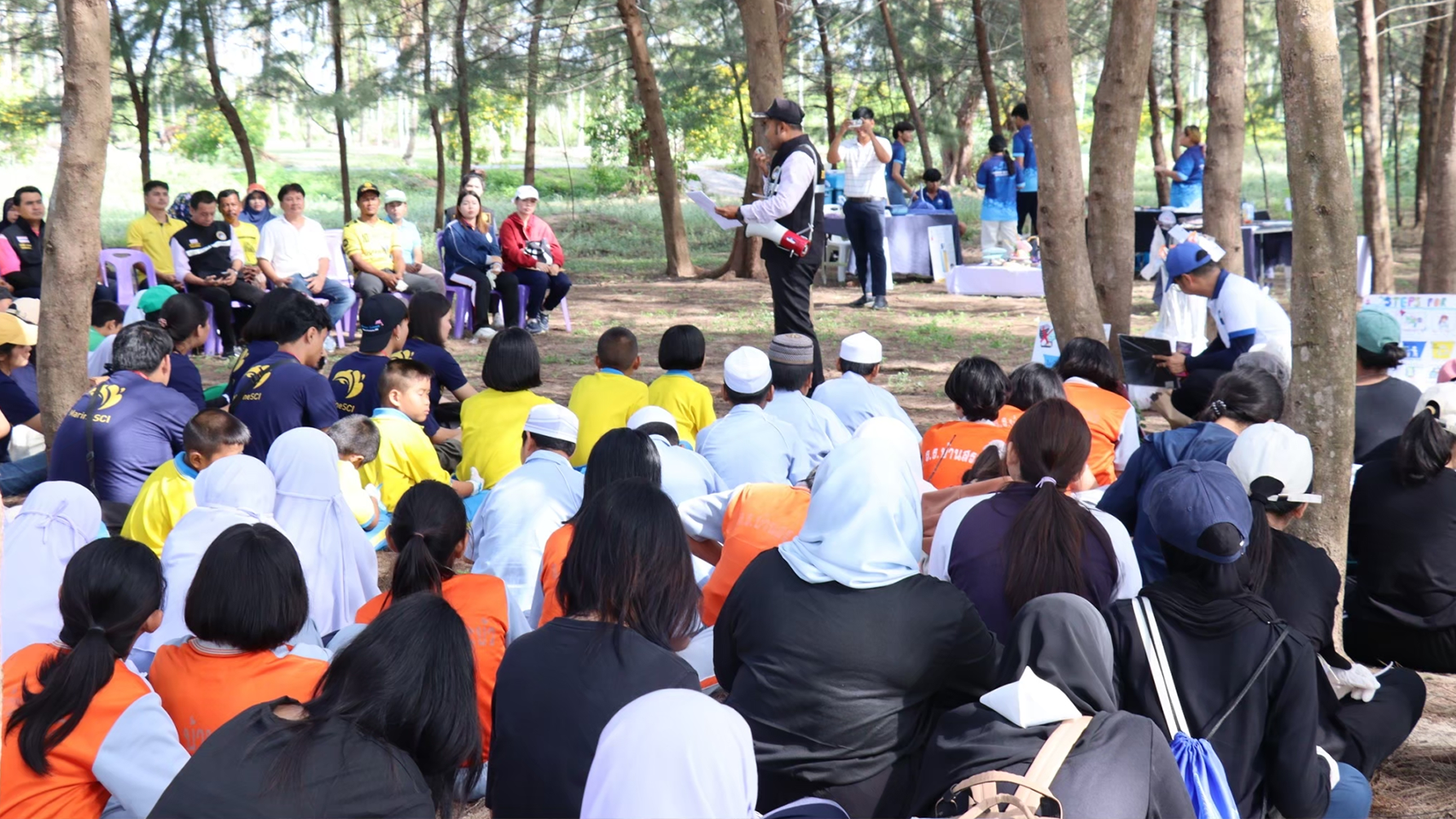
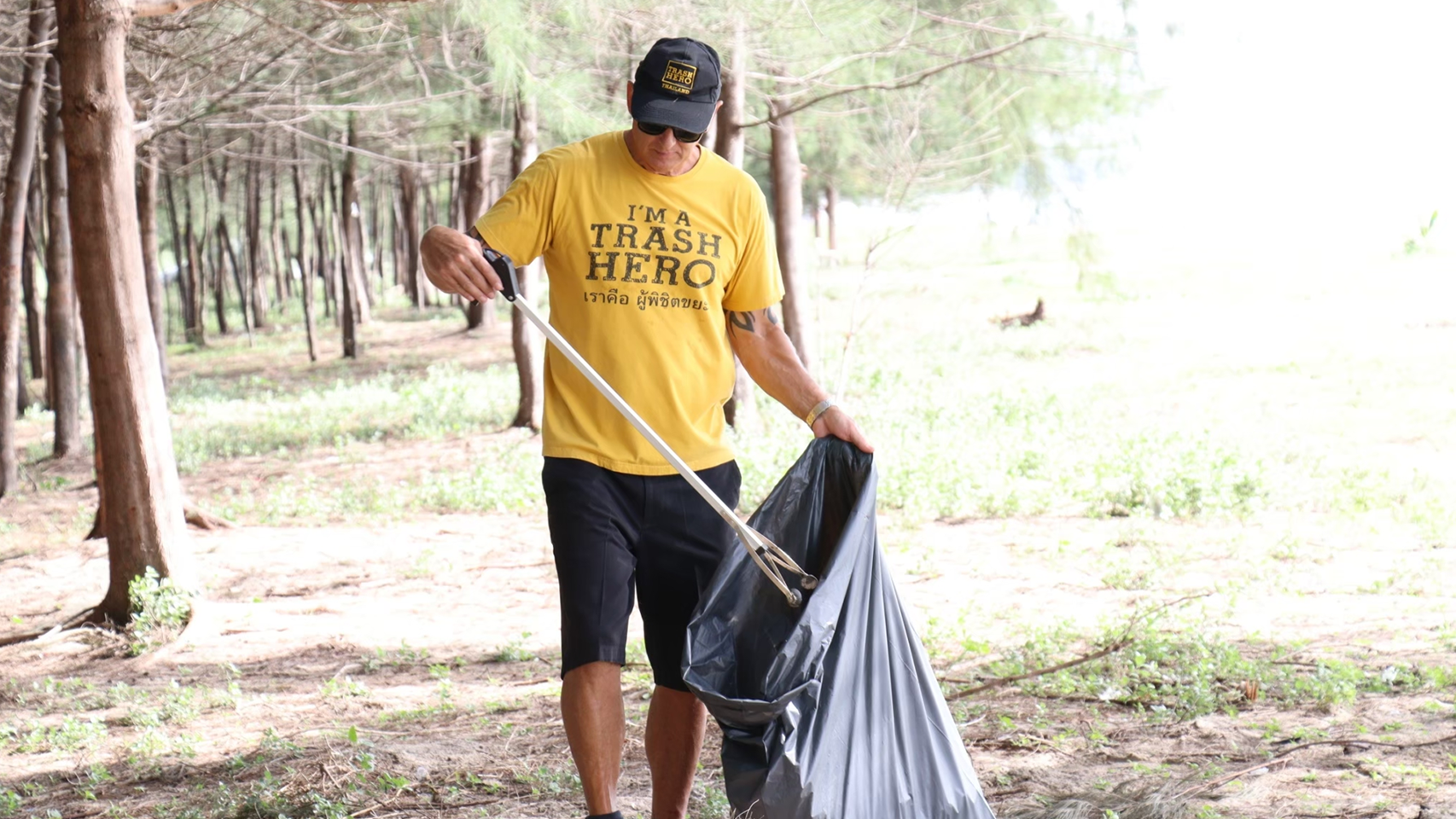
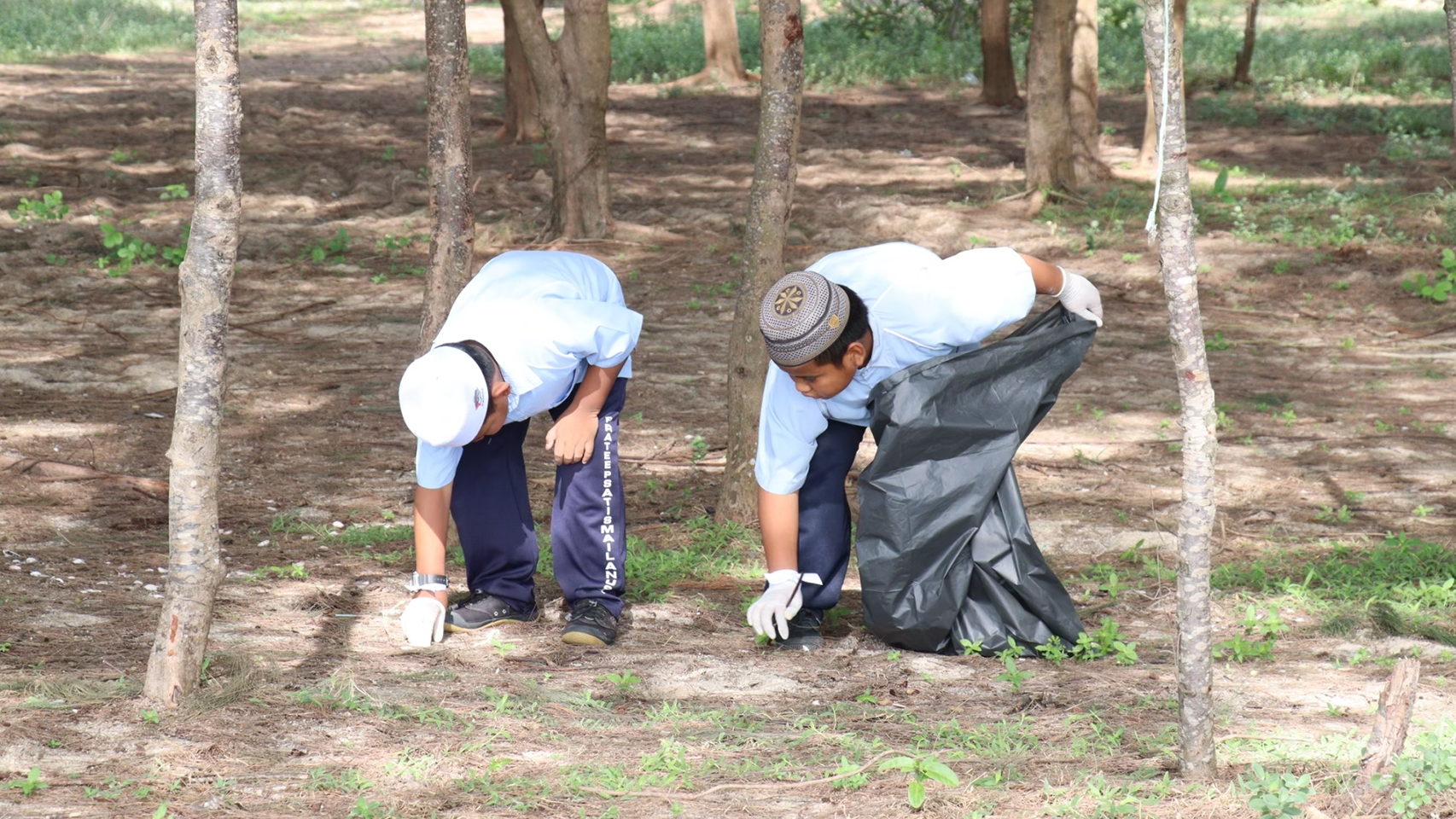
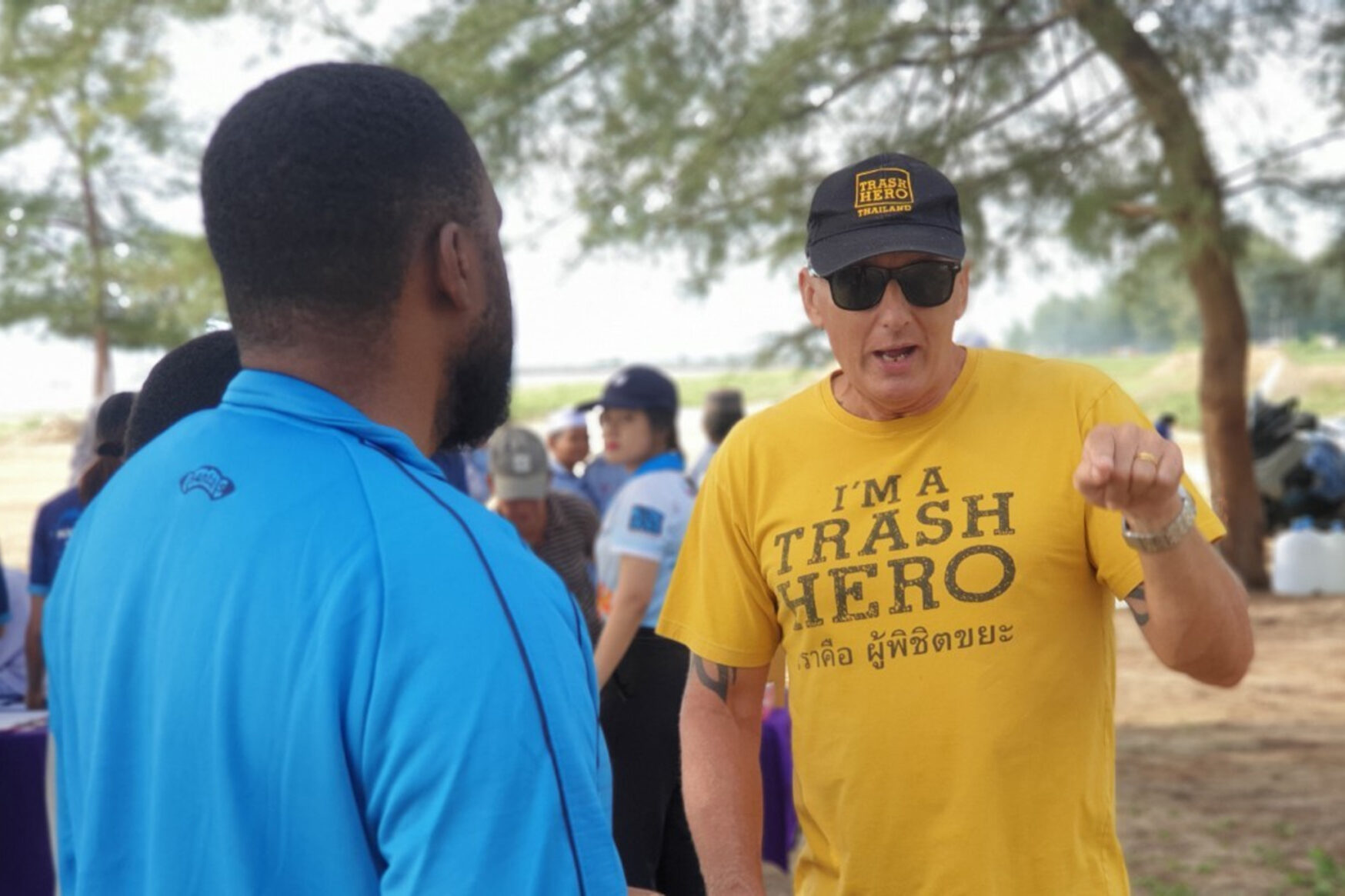
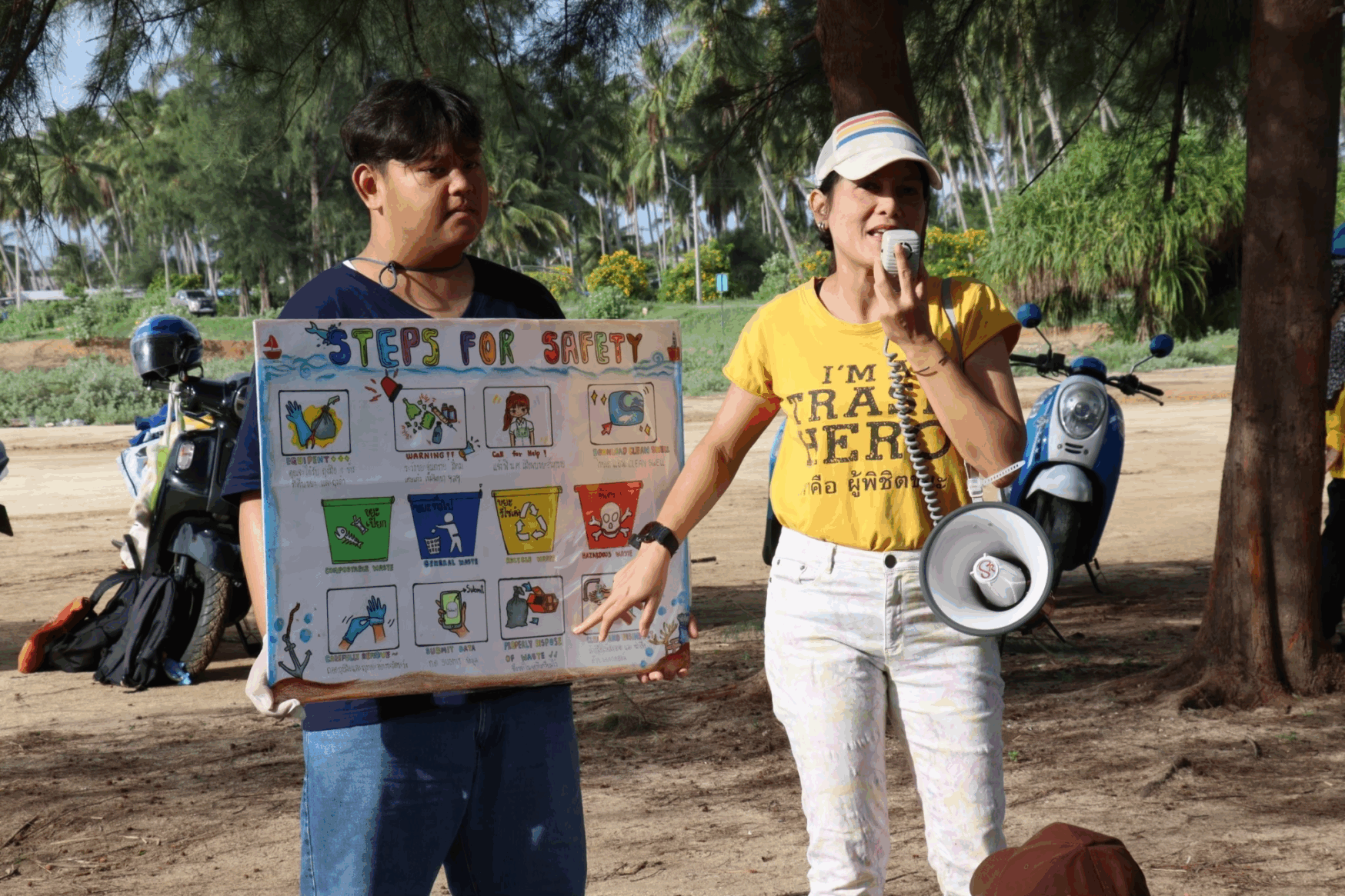
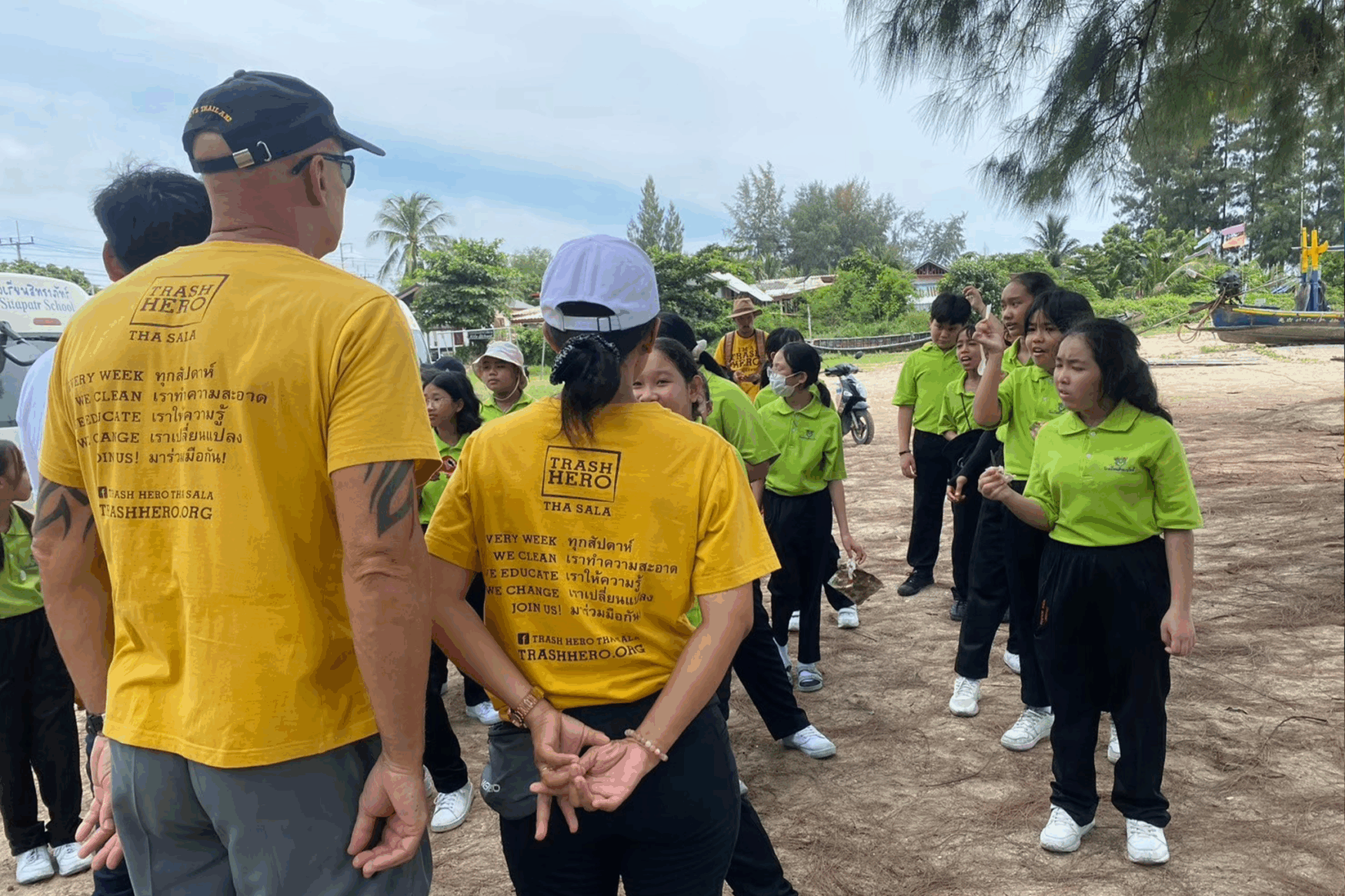
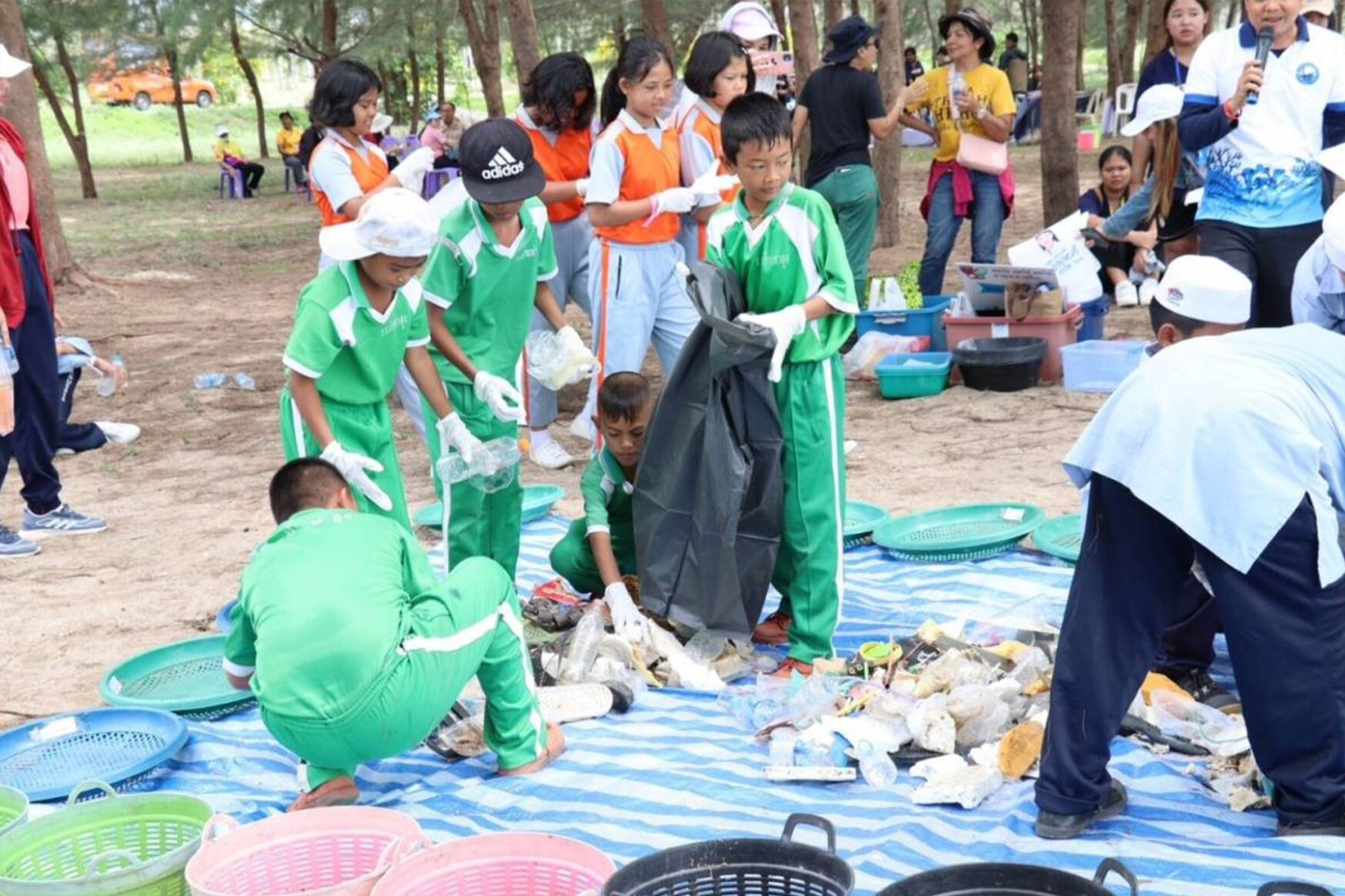
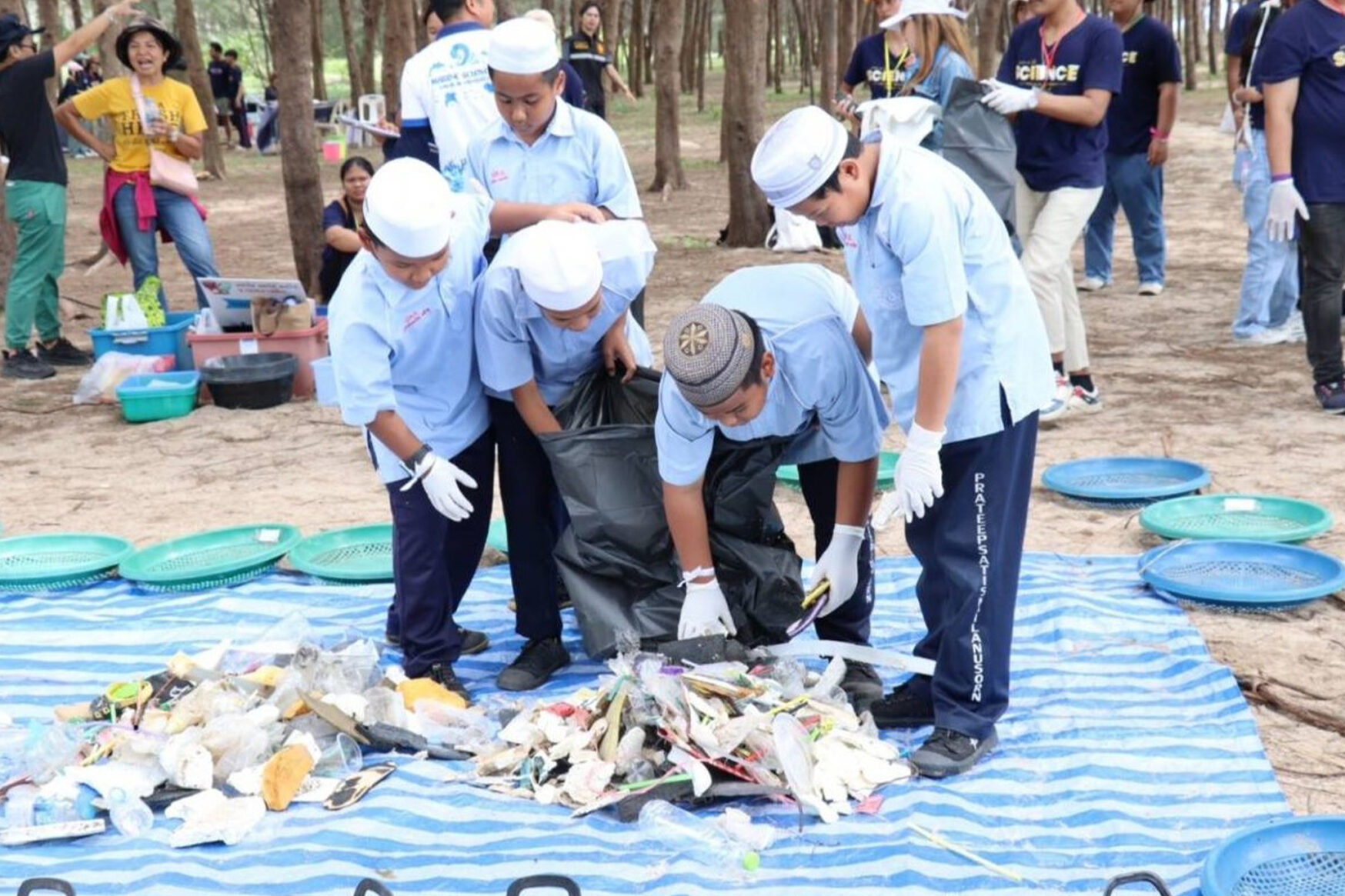
In 2024, the Walailak University Marine Conservation Club and Trash Hero Tha Sala collaboratively organized events to promote awareness of marine pollution to local people and students in Tha Sala District. The events included beach-waste collection activities, educational events on marine waste, sorting waste, etc.
These events were organized to seek to raise awareness about the critical importance of protecting marine resources, such as oceans and rivers, which serve as essential lifelines for the community’s livelihood.
In addition, a diagnostic assessment was conducted before and after the activity to measure participants’ understanding and awareness of marine pollution. The results indicated a significant improvement in their knowledge and positive attitude toward waste management and marine conservation.
Figures : The Walailak University Marine Conservation Club and Trash Hero Tha Sala organizing the Coastal Cleanup Initiative in 2024 at Bo Non Beach of Tha Sala District
Walailak University and NGOs Strengthen Collaborative Research for Sustainable Blue Swimming Crab Fisheries
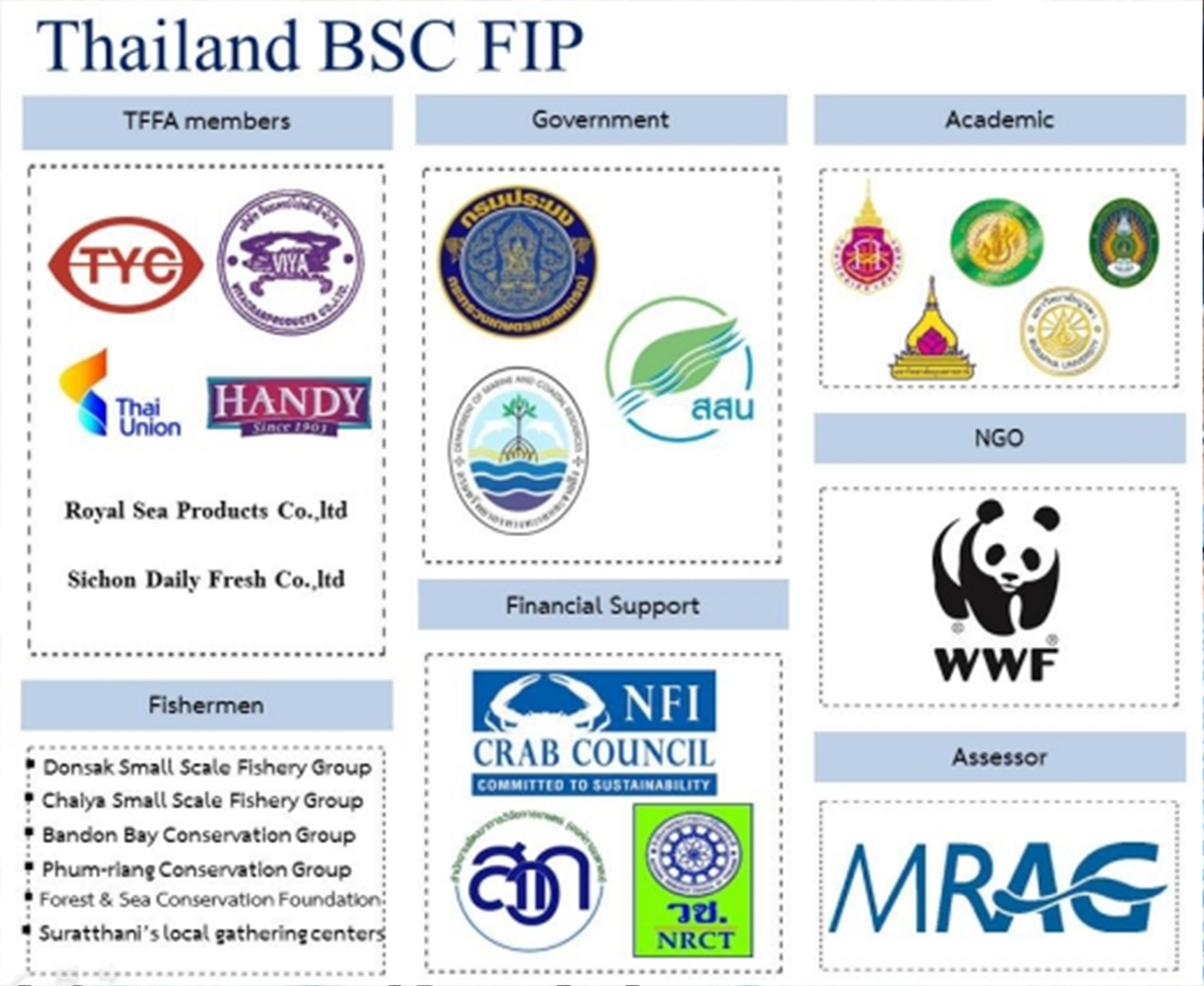
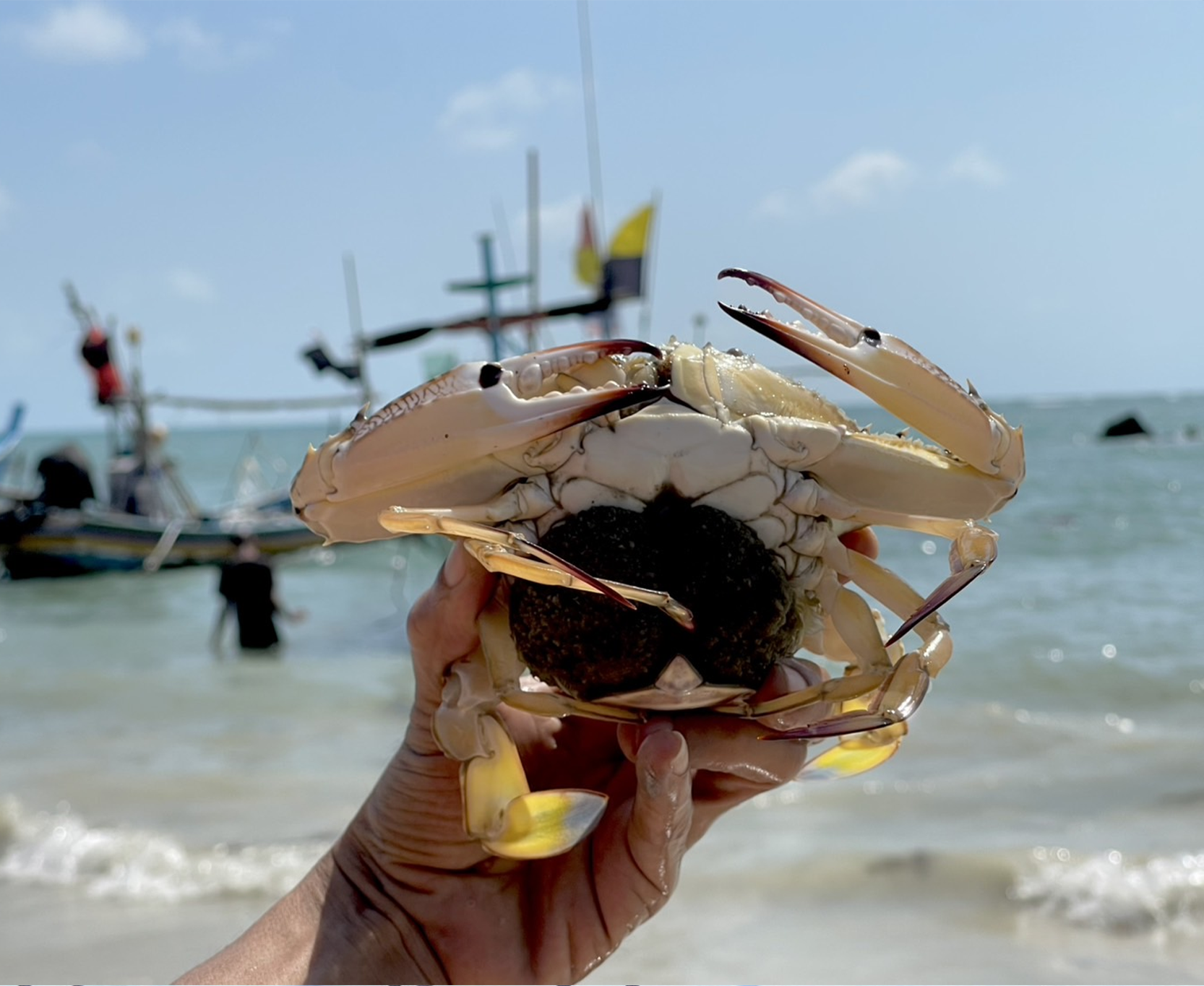
Walailak University has reaffirmed its leadership in marine resource research through dynamic partnerships with NGOs and international organizations working under the Thailand Blue Swimming Crab Fishery Improvement Project (Thailand BSC FIP). In collaboration with the World Wide Fund for Nature (WWF), the Marine Resources Assessment Group (MRAG), the Marine Science Association of Thailand, and the National Fisheries Institute (NFI) Crab Council, the university has driven forward evidence-based solutions to safeguard blue swimming crab populations in Ban Don Bay, Surat Thani Province.
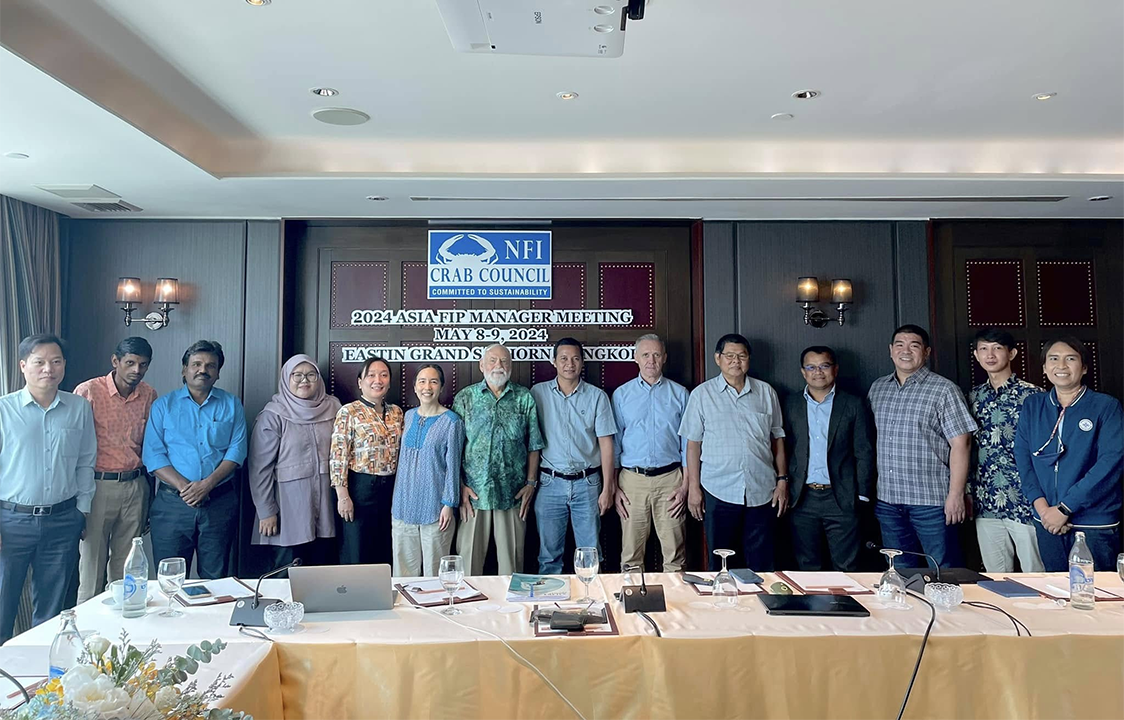
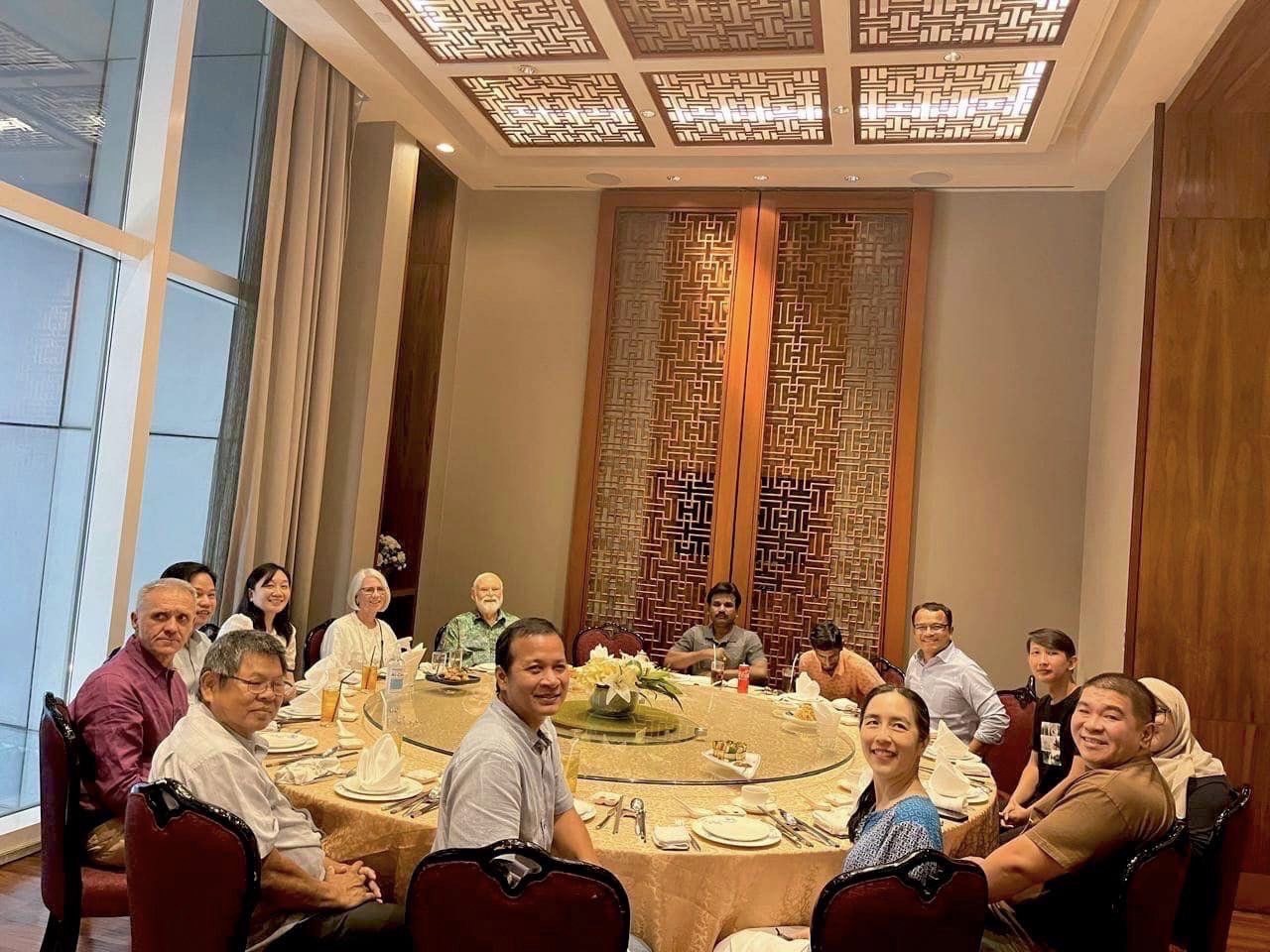
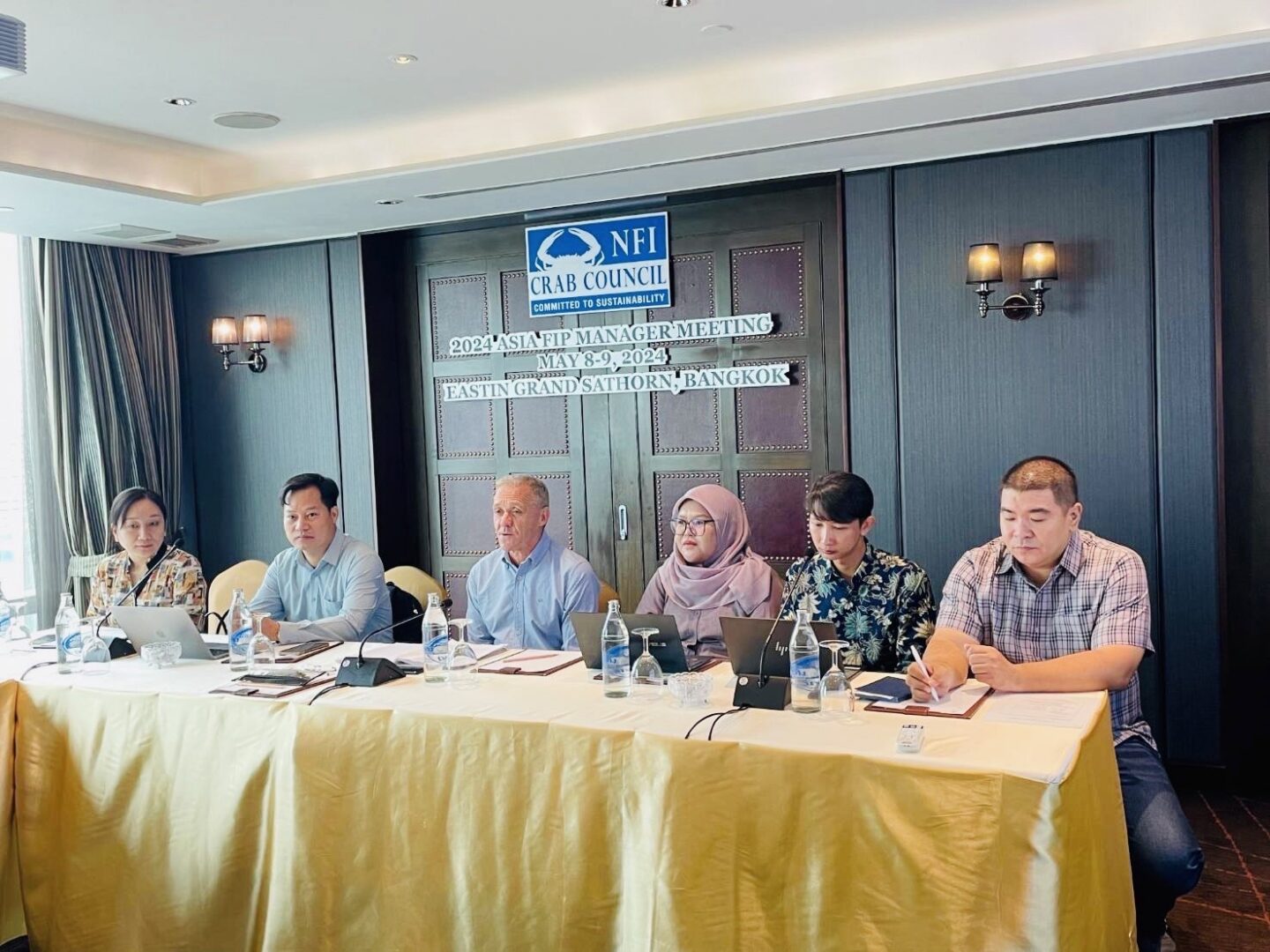
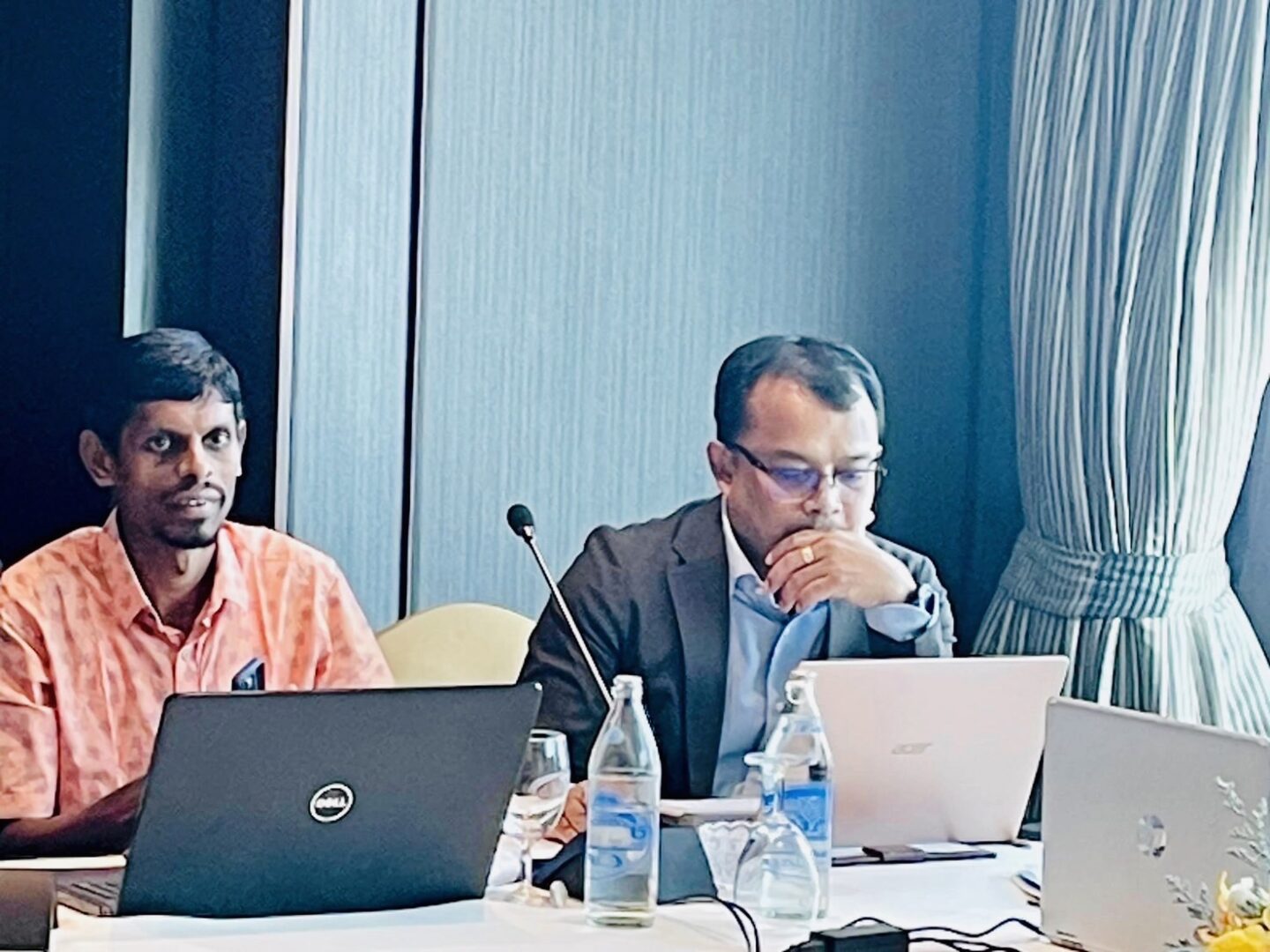
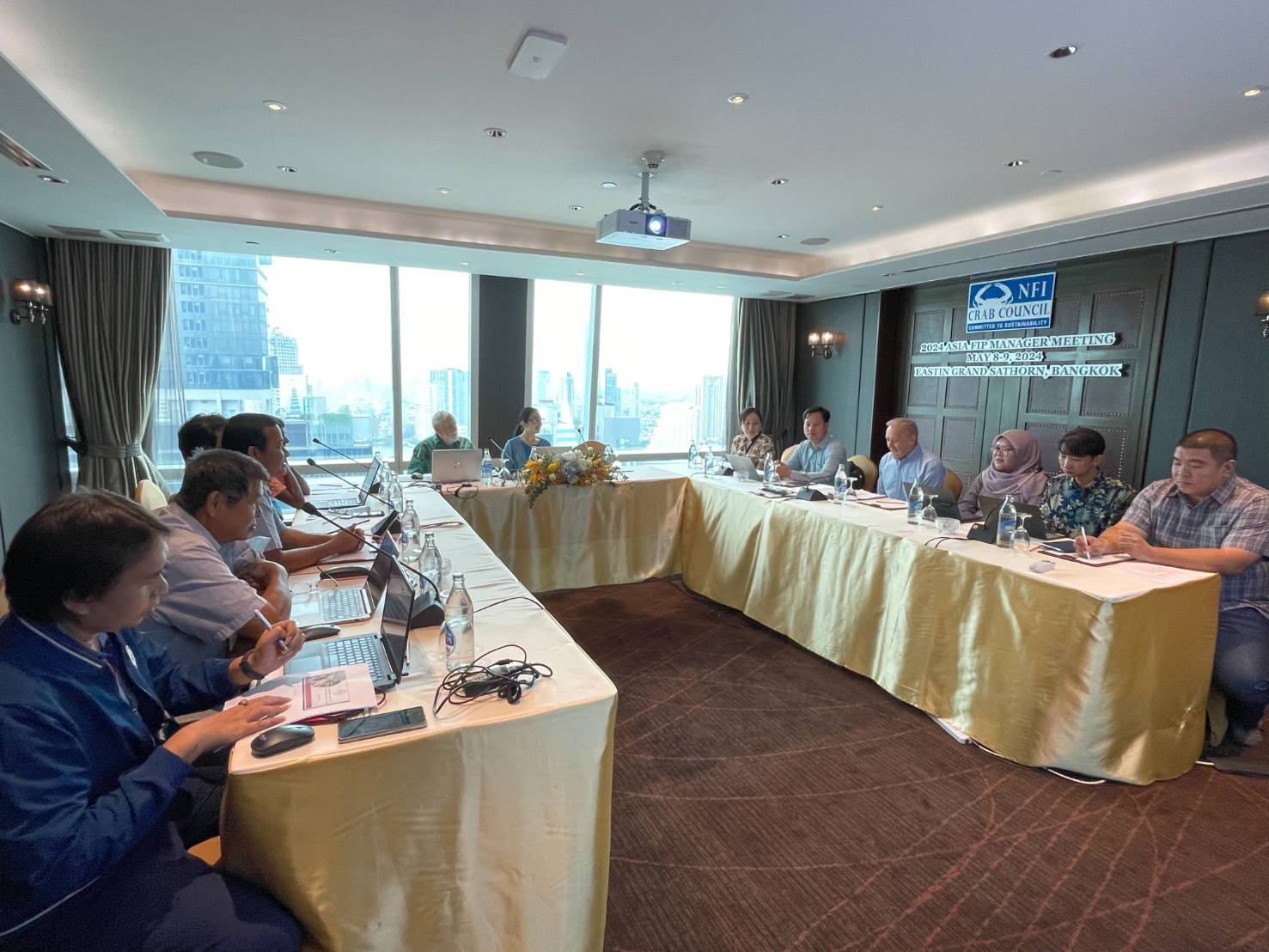
A key achievement of this partnership has been the collaborative development of best practices for sustainable fisheries management, drawn from both domestic research and regional knowledge exchanges. In 2024, Asst. Prof. Dr. Amonsak Sawusdee of Walailak University joined an international team of researchers and NGO representatives at the Asia BSC FIP Manager meeting, organized by the NFI Crab Council. This event brought together fishery improvement experts from Thailand, India, Sri Lanka, Vietnam, and Indonesia to share data, discuss challenges, and collaboratively shape strategies for more effective fisheries governance.
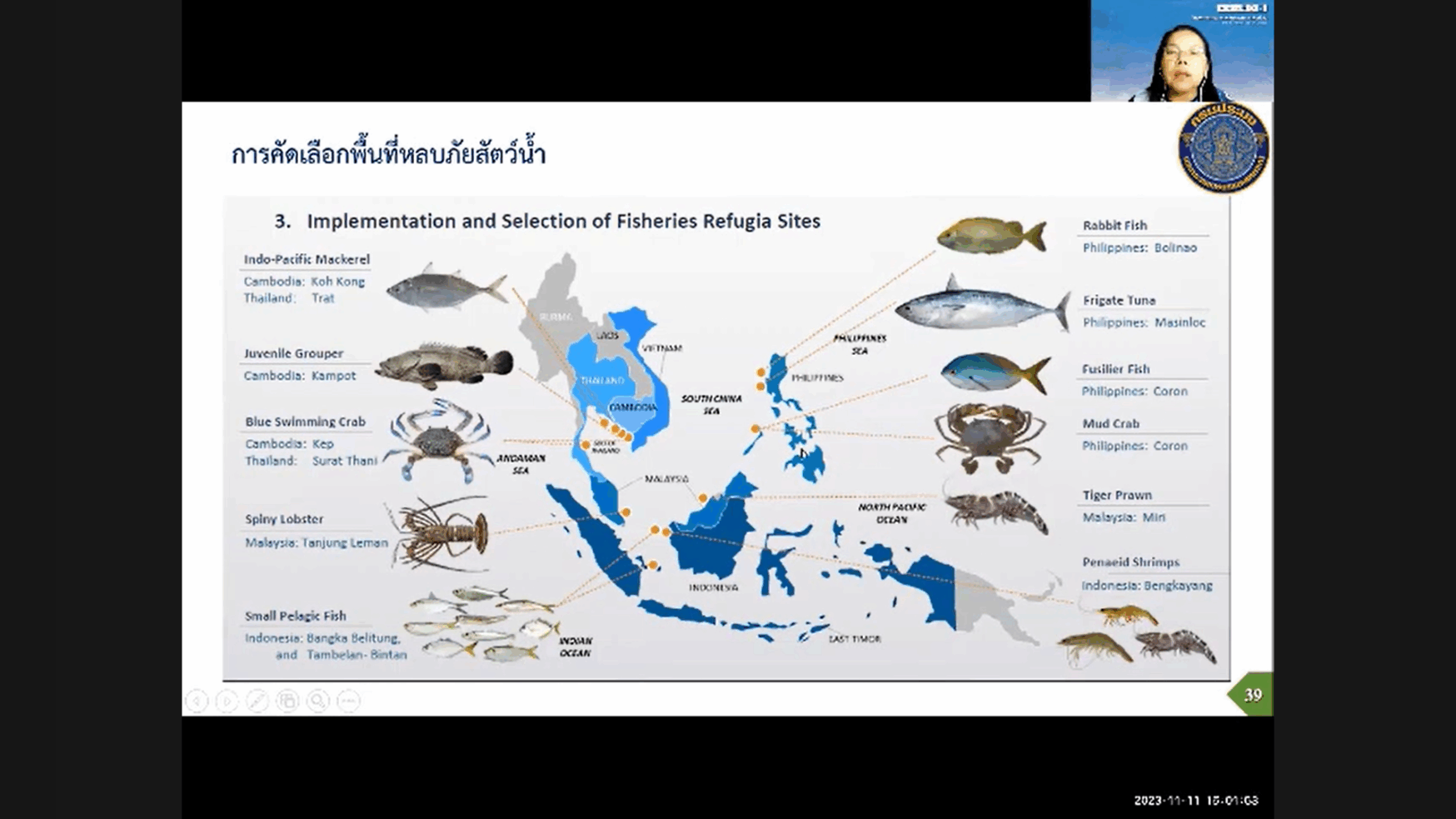
During this platform, Walailak University researchers presented Thailand’s progress, including successful initiatives like the Blue Swimming Crab Bank Project, fish habitat restoration programs, and community education on responsible fishing. These experiences informed wider discussions on practical, adaptable strategies that could be applied across the region.
Drawing from insights exchanged during the meeting, participating stakeholders collectively identified key best practices for crab fisheries management. These included the implementation of harvest control rules (HCRs) tailored to local ecological and socio-economic contexts, the establishment of minimum legal size limits and seasonal fishing closures to protect spawning crabs and juvenile populations, and the promotion of gear selectivity improvements to reduce bycatch and the capture of undersized marine animals.
To assess the effectiveness of these interventions, participating researchers and stakeholders measured key indicators, including crab population recovery, compliance with harvest control rules, and improvements in fishers’ adherence to sustainable practices.
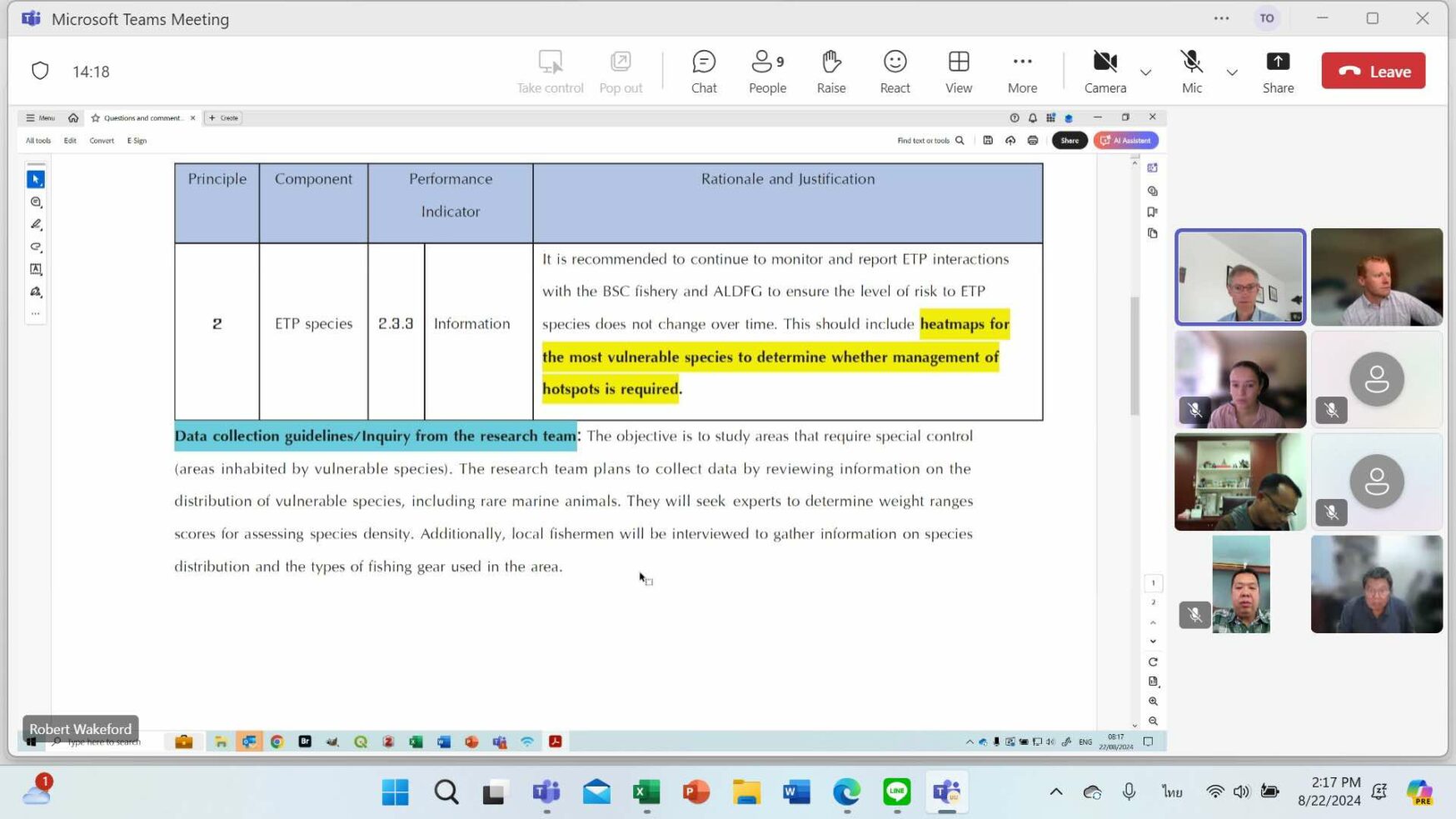
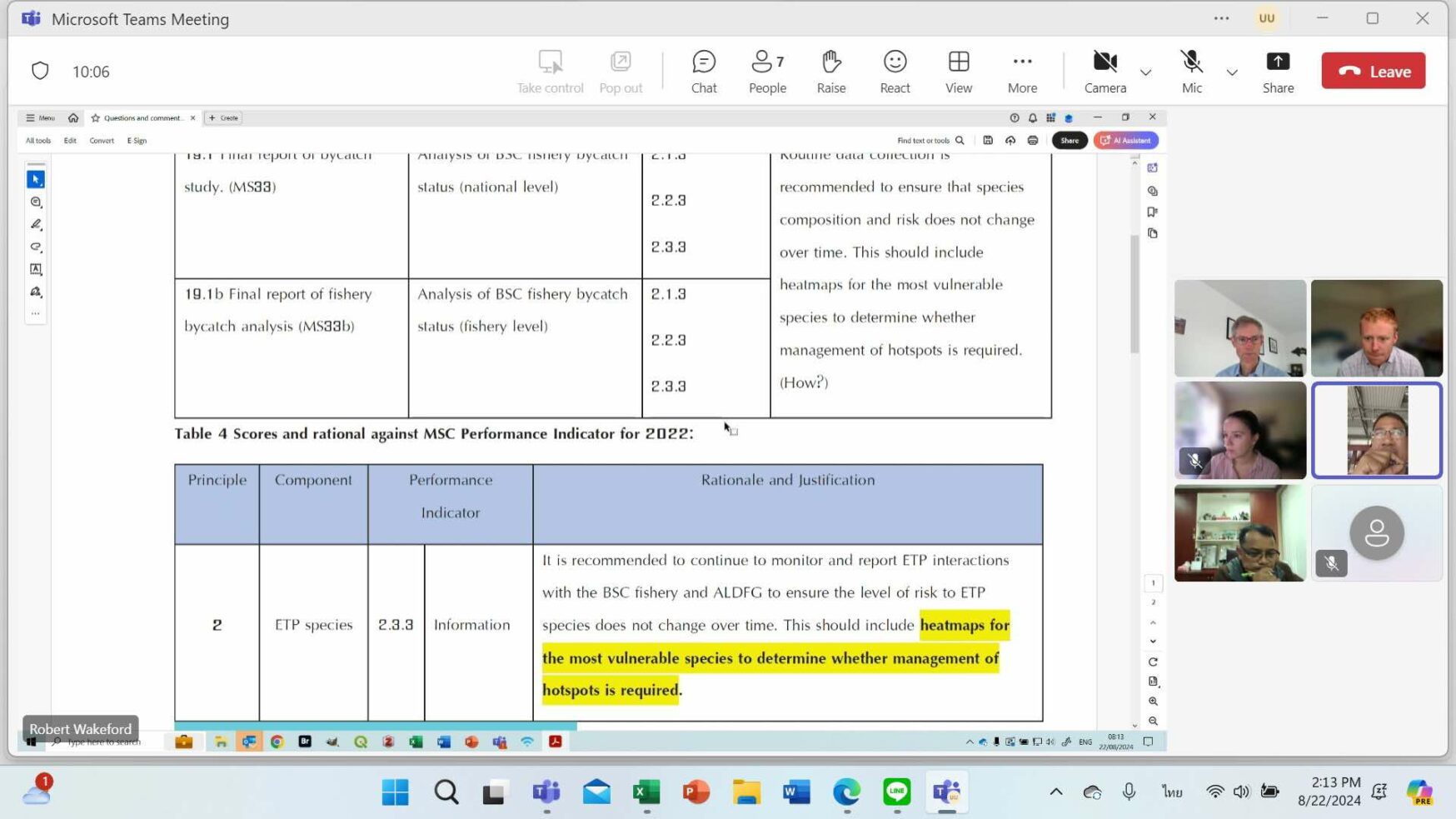
Other recommended practices involved the development of community-led crab bank programs to enhance resource replenishment, the introduction of awareness campaigns and training initiatives targeting fishers, processors, and local communities, and the use of heat maps and spatial data tools to monitor fishing effort, habitat conditions, and crab stock distribution.
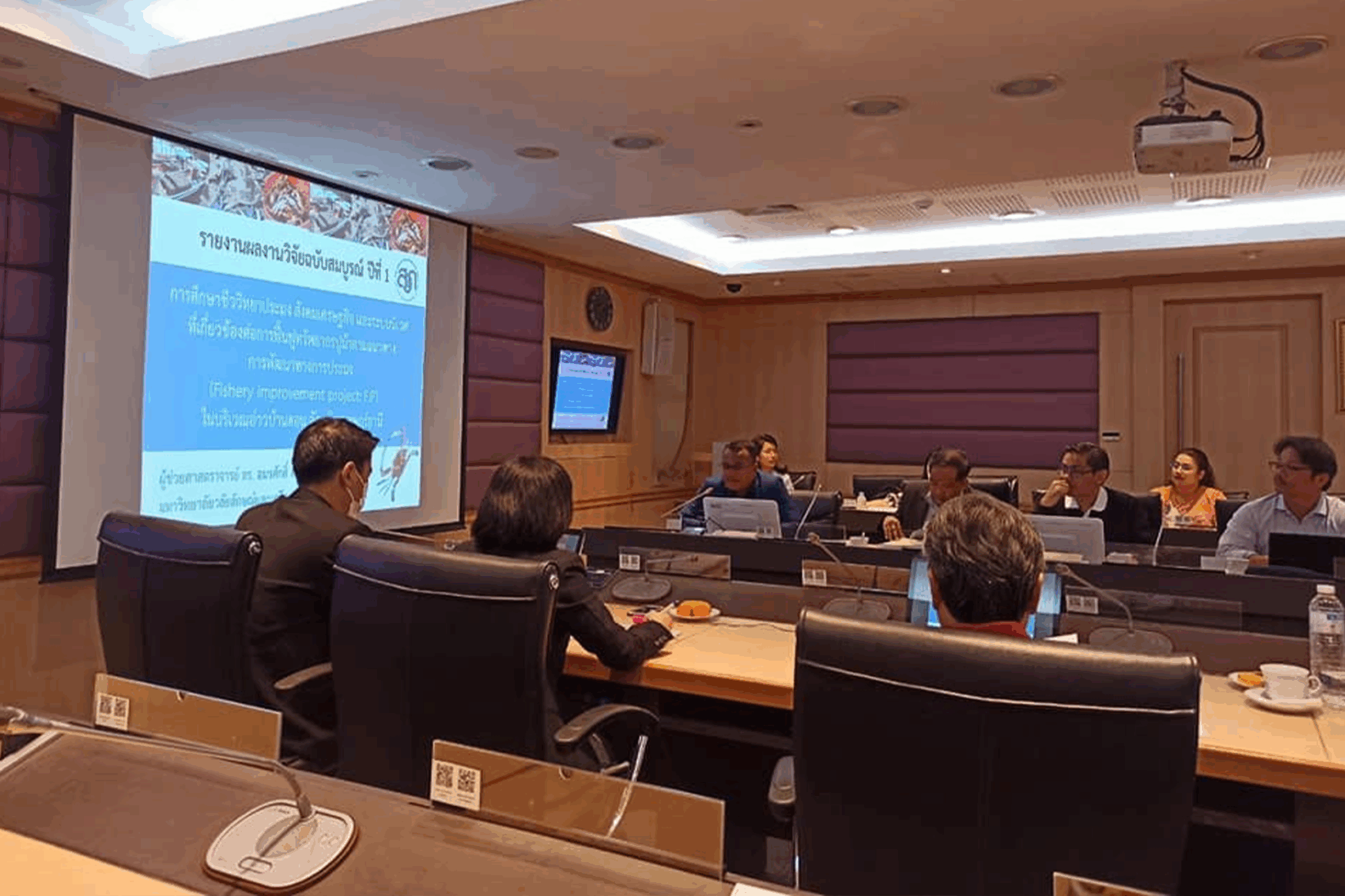
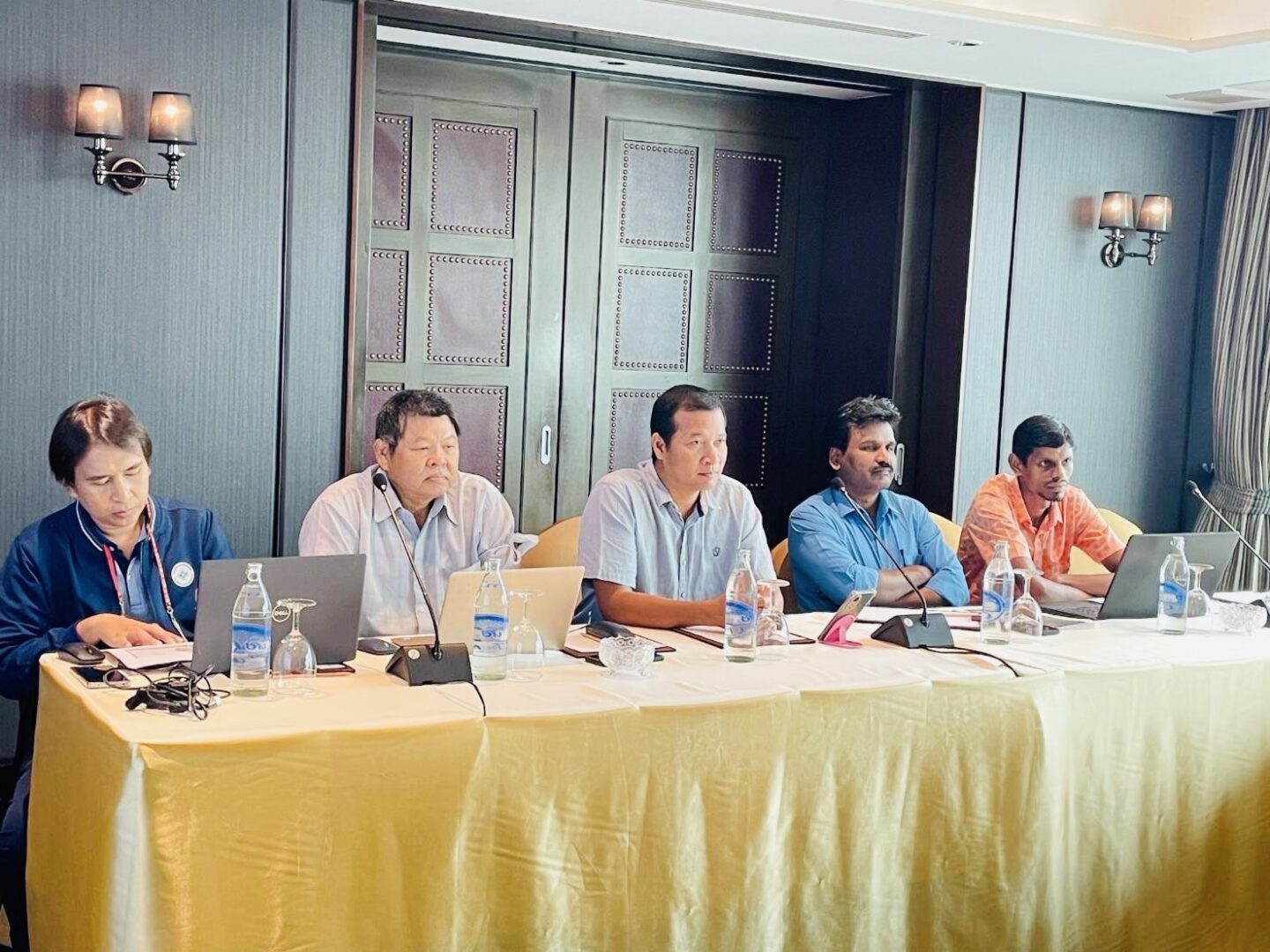
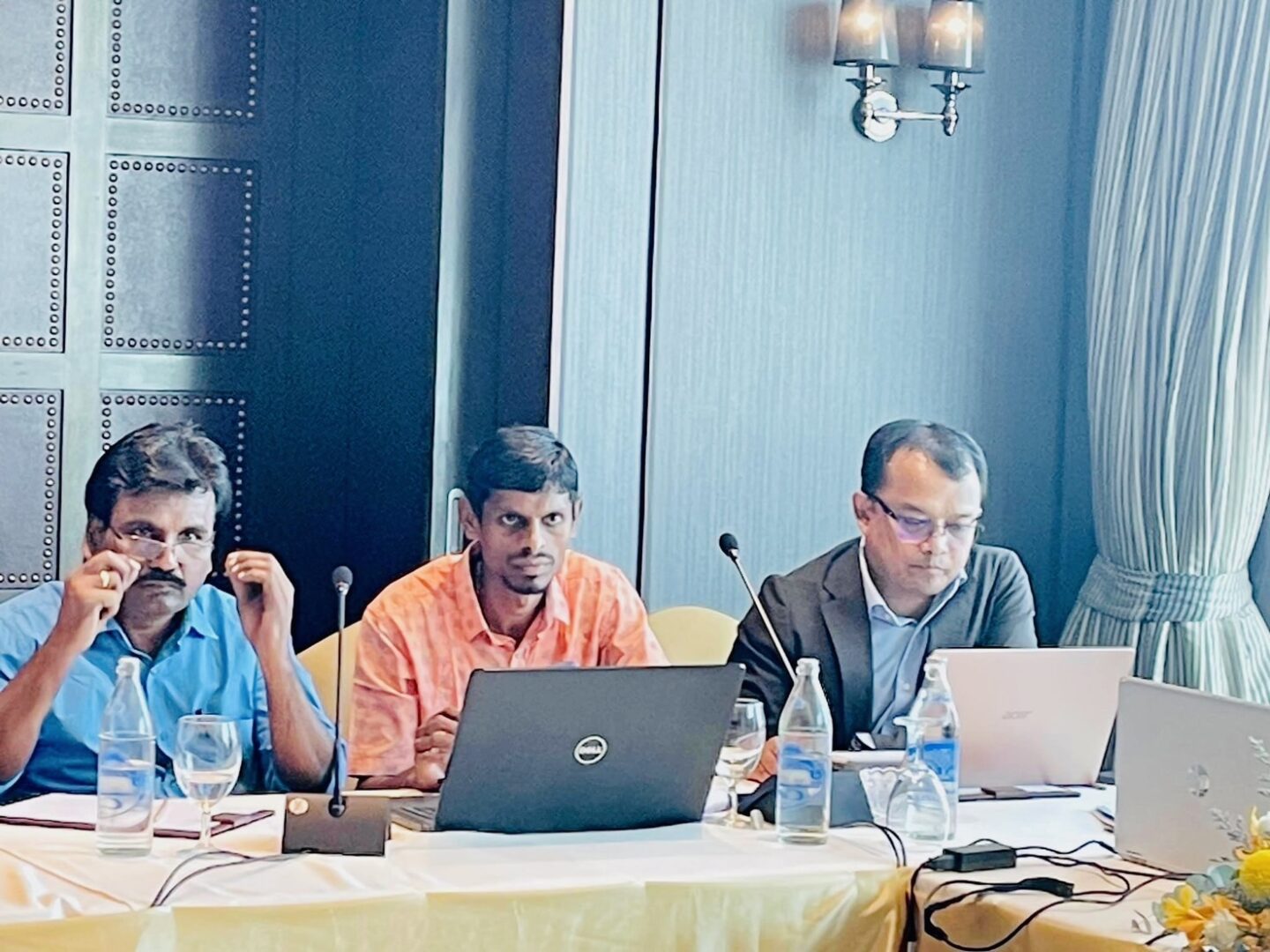
Figures : Asst. Prof. Dr. Amonsak Sawusdee and international researchers discussing the development of heat maps
Walailak University, in collaboration with NGOs and government partners, also proposed the revision of Section 57 of the Fisheries Act B.E. 2558 (2015) to formally introduce size-specific harvesting regulations for blue swimming crabs. This proposal emerged as one of the leading policy recommendations arising from the joint research activities and best practice consultations.
Through these collaborative efforts, Walailak University and its partners have strengthened the scientific and regulatory foundation for sustainable blue swimming crab fisheries in Thailand. By aligning local initiatives with regional best practices and evidence from international FIPs, the project sets a strong example for multi-stakeholder marine resource management in Southeast Asia.
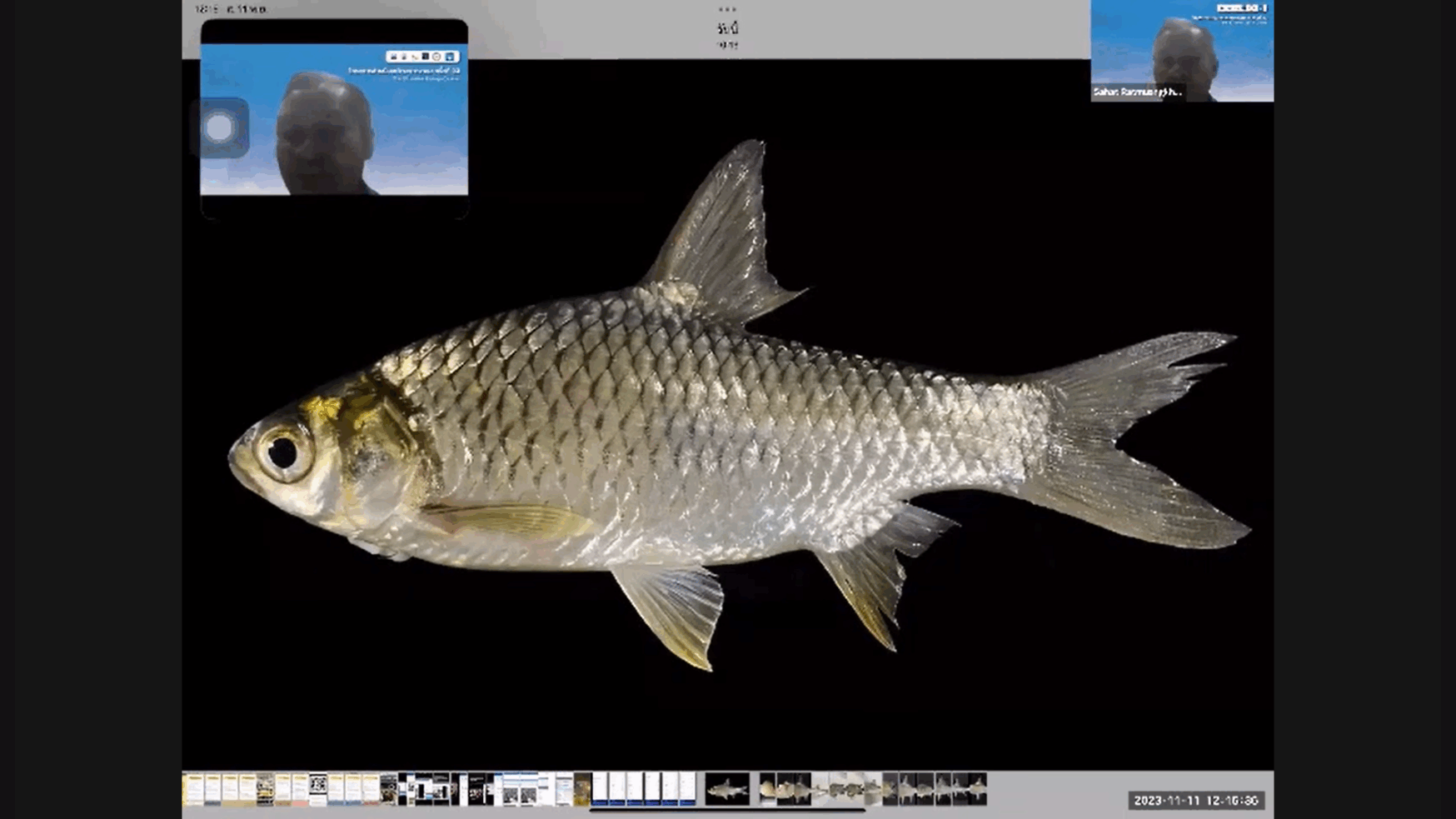
Figures : Asst. Prof. Dr. Amonsak Sawusdee participating in the meeting titled “2024 Asia BSC FIP Manager” with international researchers
WU’s collaboration with NGOs for Educational Resources Development on Marine Ecosystem Protection
Walailak University (WU), in collaboration with the Marine Science Association of Thailand (NGO Partner) and Chevron Thailand Exploration and Production, Ltd., has developed a series of educational video materials to raise awareness among youth and the general public about the importance of marine ecosystem protection. This initiative was organized as part of the 30th Marine Ecology Summer Course and served as one of the key public outreach and conservation campaigns under the Fisheries Improvement Projects (FIPs), which aim to promote sustainable fisheries and marine resource management in Thailand.
The educational video series covers a wide range of topics in marine science and environmental management, featuring lectures and demonstrations by distinguished experts from Walailak University and other leading academic institutions across Thailand. The content provides both fundamental knowledge and practical applications for understanding, conserving, and restoring marine ecosystems.
Educational Topics and Videos:
Coupled Field Measurement and Numerical Modeling for Coastal and Estuarine Study
Introduction and Concept of Marine Ecology
Effect of Ocean Properties on Marine Organisms
Bacteria and Their Roles in the Food Chain and Nutrients
Invertebrates
Ocean acidification
Techniques for Image Processing and Application in Scientific Research
Marine Restoration and Management
Sandy Beach
Rocky Shore
Marine Resource Management under a Fisheries Improvement Project (FIP)
Mudflat
Vertebrates: Pieces, Reptiles, and Aves
Coral Reef
Phytoplanktons
Zooplankton
Seagrass and Seaweet
The educational media can be freely accessed as part of WU’s initiatives in promoting lifelong learning for all. By providing open access to high-quality scientific knowledge, the initiative enhances public understanding of marine biodiversity, strengthens community engagement in conservation, and inspires the next generation of marine scientists and environmental stewards.