WU’s Action Plan to Minimize Physical, Chemical, and Biological Alterations of Related Aquatic Ecosystems
Walailak University (WU) has a plan to minimise physical, chemical, and biological alterations of related aquatic ecosystems to ensure that all aquatic ecosystems and the environment around the campus are protected. WU has various specific organizations, responsible for monitoring, improving, and minimizing physical, chemical, and biological alterations of related aquatic ecosystems on campus, such as the Center for Smart Farming and Landscaping Architecture and the School of Science (Marine Science), and the Center for Scientific and Technological Equipment. These organizations serve as key units responsible for research, monitoring, and implementing sustainable management practices to maintain the health of aquatic ecosystems on campus.
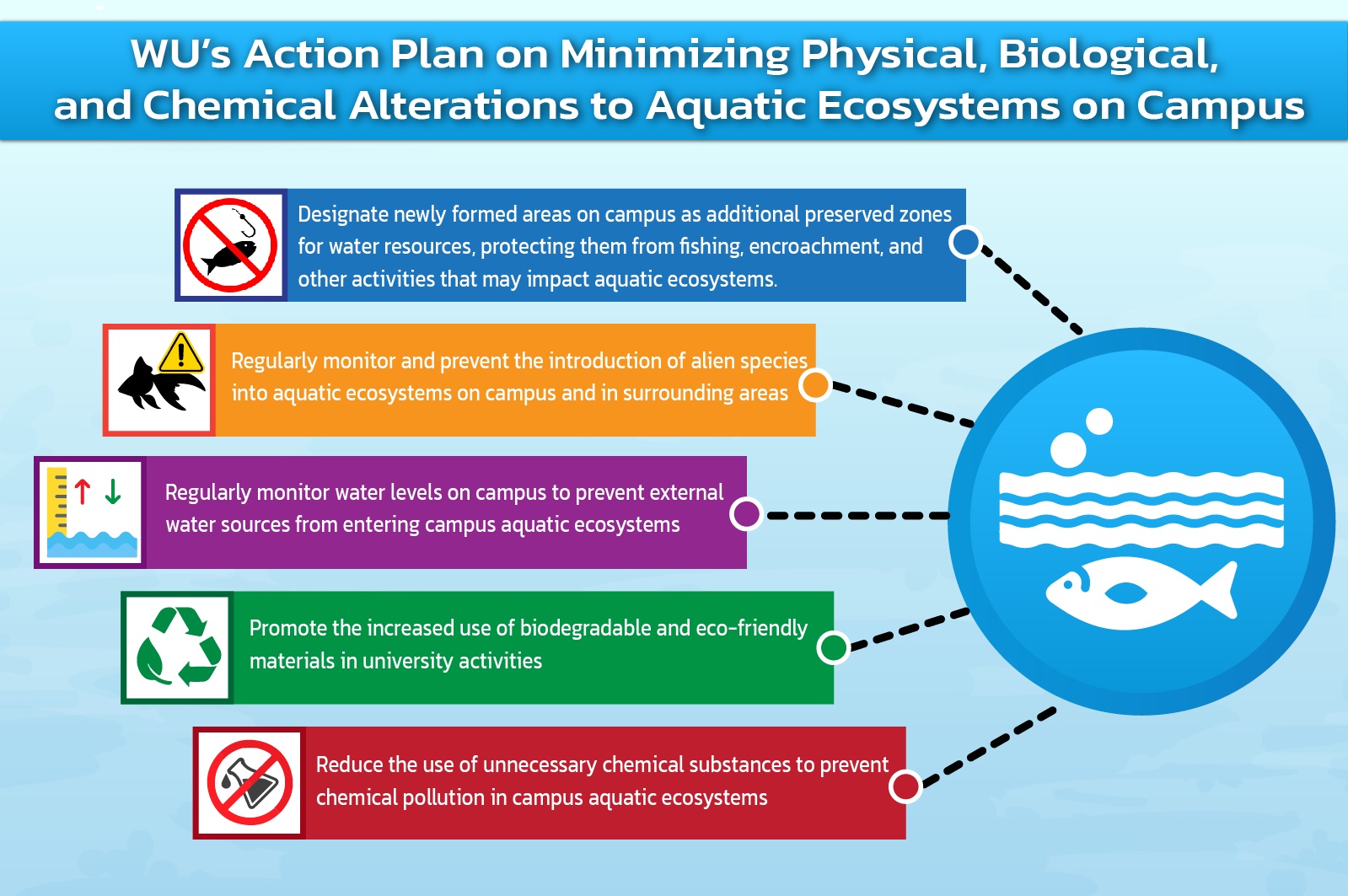
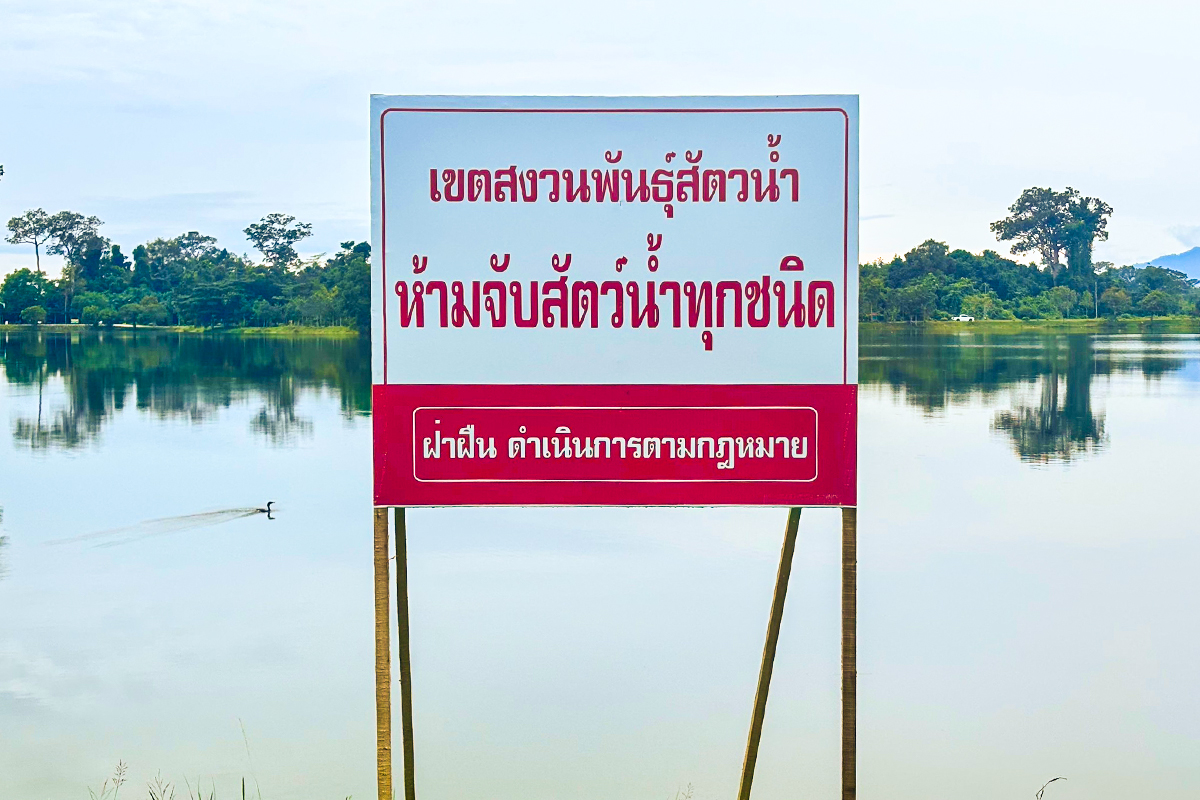
To designate newly formed areas on campus as additional preserved zones for water resources, protecting them from fishing, encroachment, and other activities that may impact aquatic ecosystems
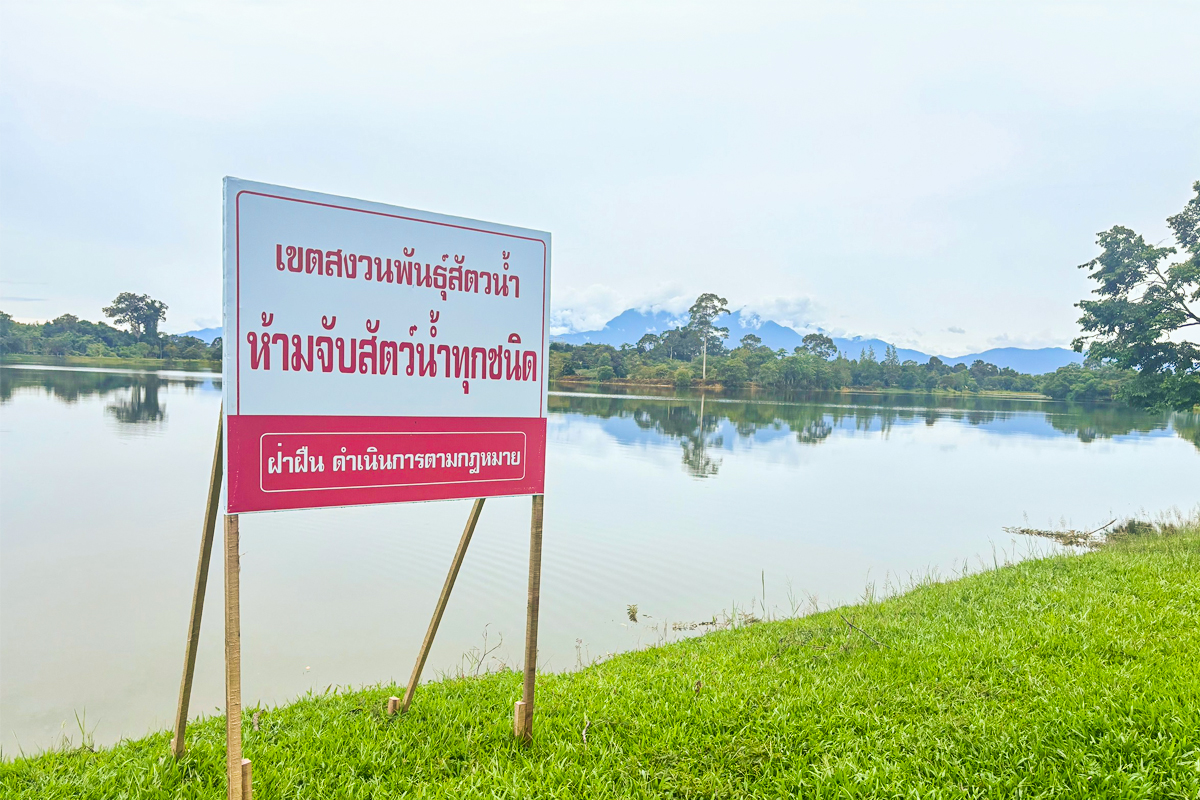
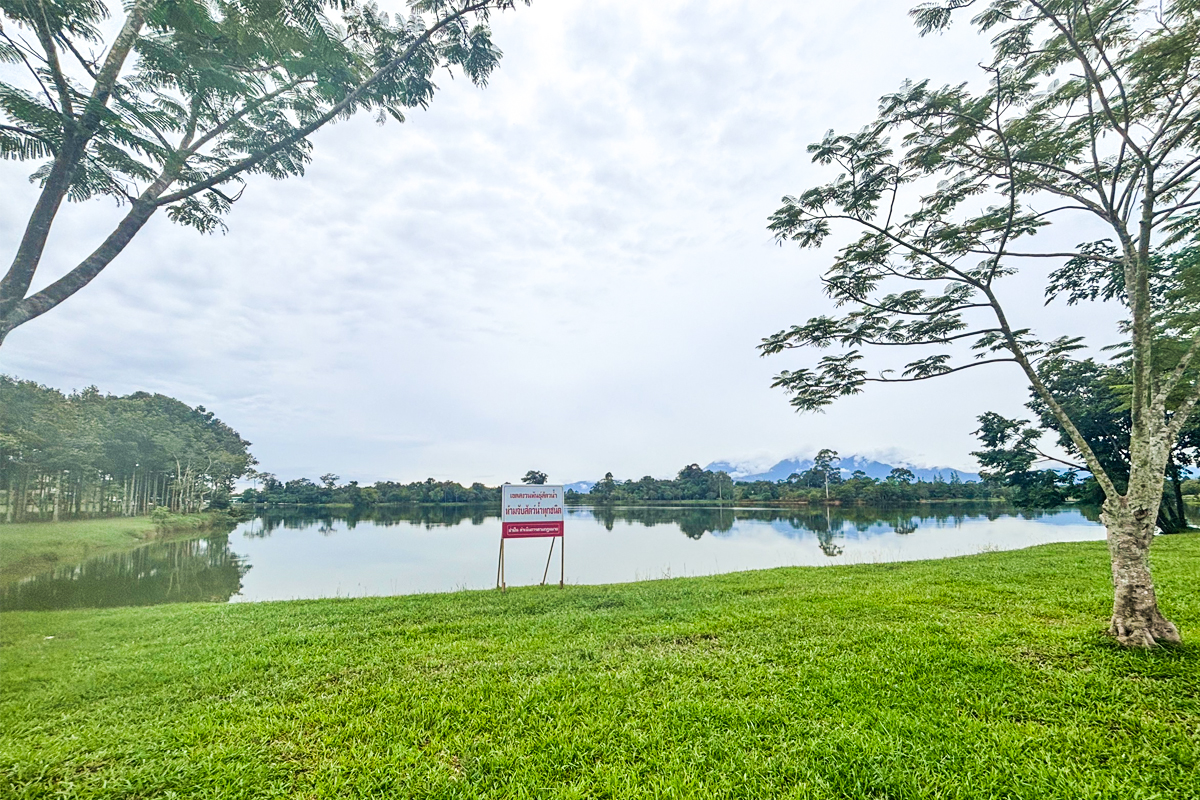
In the past, some local people surrounding the WU campus had smuggled fishing activities on campus, causing a decrease in the aquatic animals. Additionally, some human activities, such as leaving waste, caused negative impacts to the aquatic ecosystems. To tackle the challenges, Walailak University has designated water resource areas on campus as preserved zones from fishing and other human activities. WU installed clear labels around the water resource areas, such as natural ponds, swamps, reservoirs, streams, and rivers. Additionally, WU issues a punishment for people who violate with a fine of 5,000 baht.
To regularly monitor and prevent the introduction of alien species into aquatic ecosystems on campus and in surrounding areas
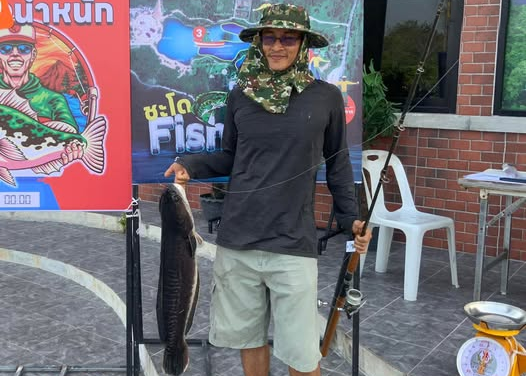
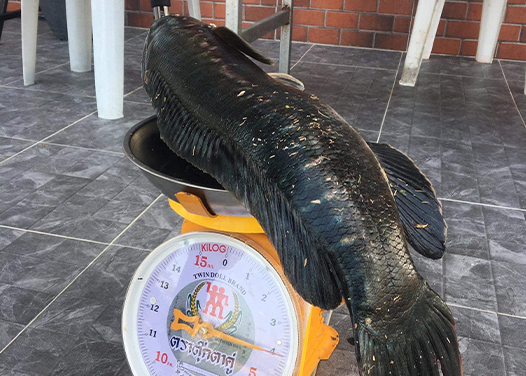
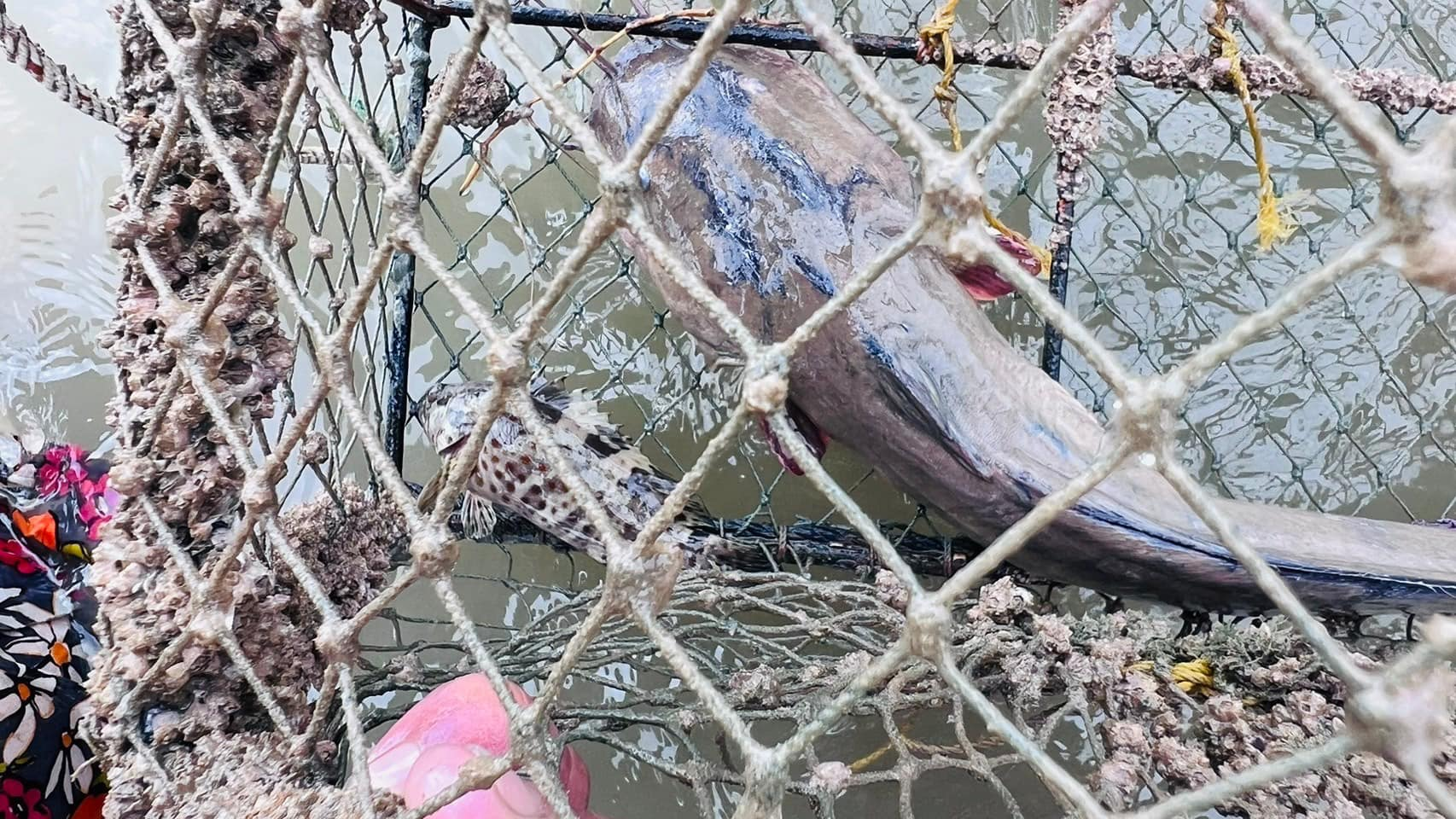
Walailak University regularly surveys aquatic animals in the campus water systems to monitor ecosystem health and detect the presence of alien species. In 2024, researchers from the School of Science (Marine Science) reported that no alien species were found in the campus aquatic ecosystems. However, a significant increase in the population of snakehead fish was observed in the Pruk Sachon Reservoir. As carnivorous predators, snakehead fish can reduce the populations of other aquatic species. To address this issue, Walailak University has permitted students, staff, and the general public to legally fish for snakehead fish in order to control their population and maintain ecological balance in the reservoir.
To regularly monitor water levels on campus to prevent external water sources from entering campus aquatic ecosystems
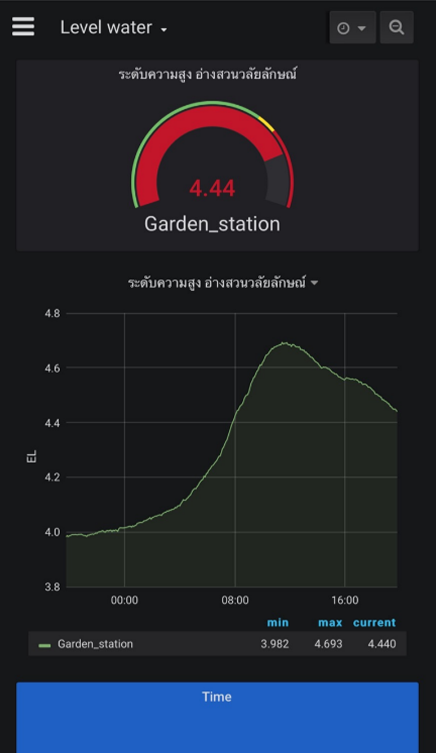
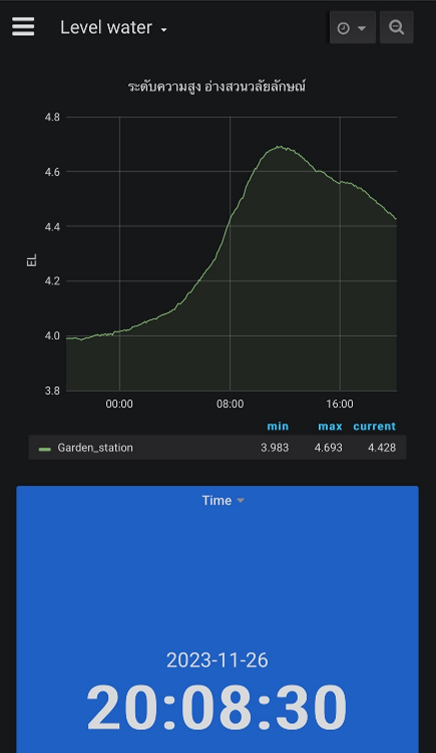
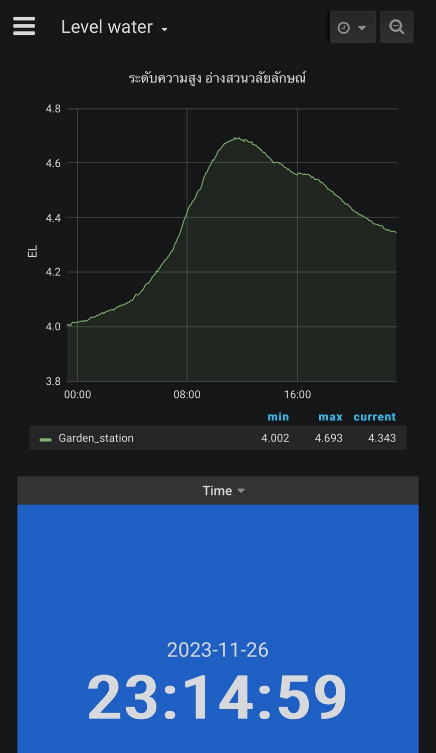
Walailak University has developed the Bot CDT Mobile Application, a flood situation alert system designed to provide rapid and reliable access to critical information while fostering active engagement across all sectors of society. As a digital and information technology–driven solution, the application plays a vital role in monitoring, preventing, and managing external water sources that may cause biological, chemical, or physical alterations by introducing polluted water, invasive species, or other threats to campus water resources.
The application is equipped with a range of advanced functions, including:
Data analysis from IoT sensors installed in various water sources,
Real-time water level alerts during critical conditions, and
Comprehensive weather reports, offering real-time temperature and rainfall data in high-risk or monitored areas.
To promote the increased use of biodegradable and eco-friendly materials in university activities
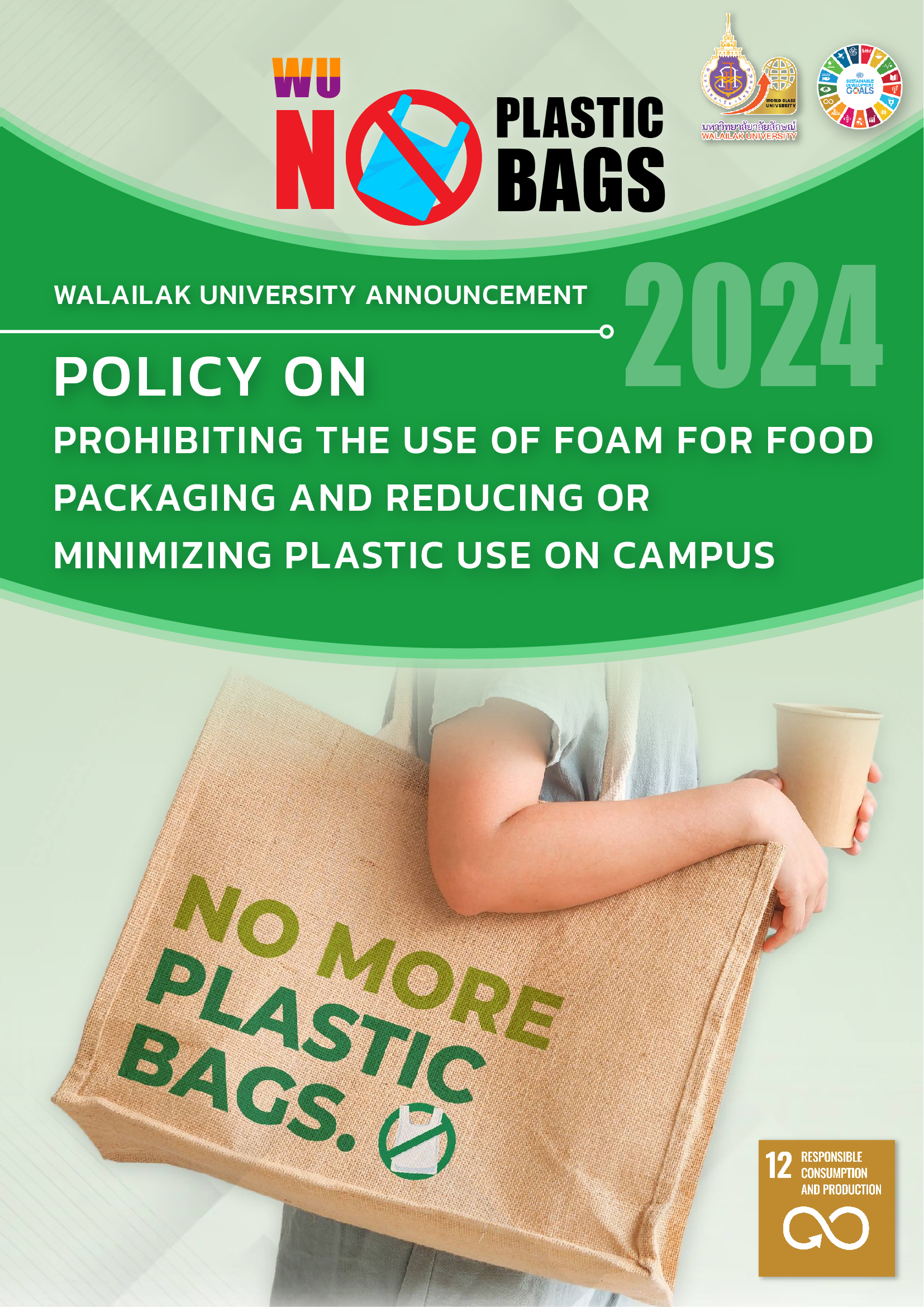
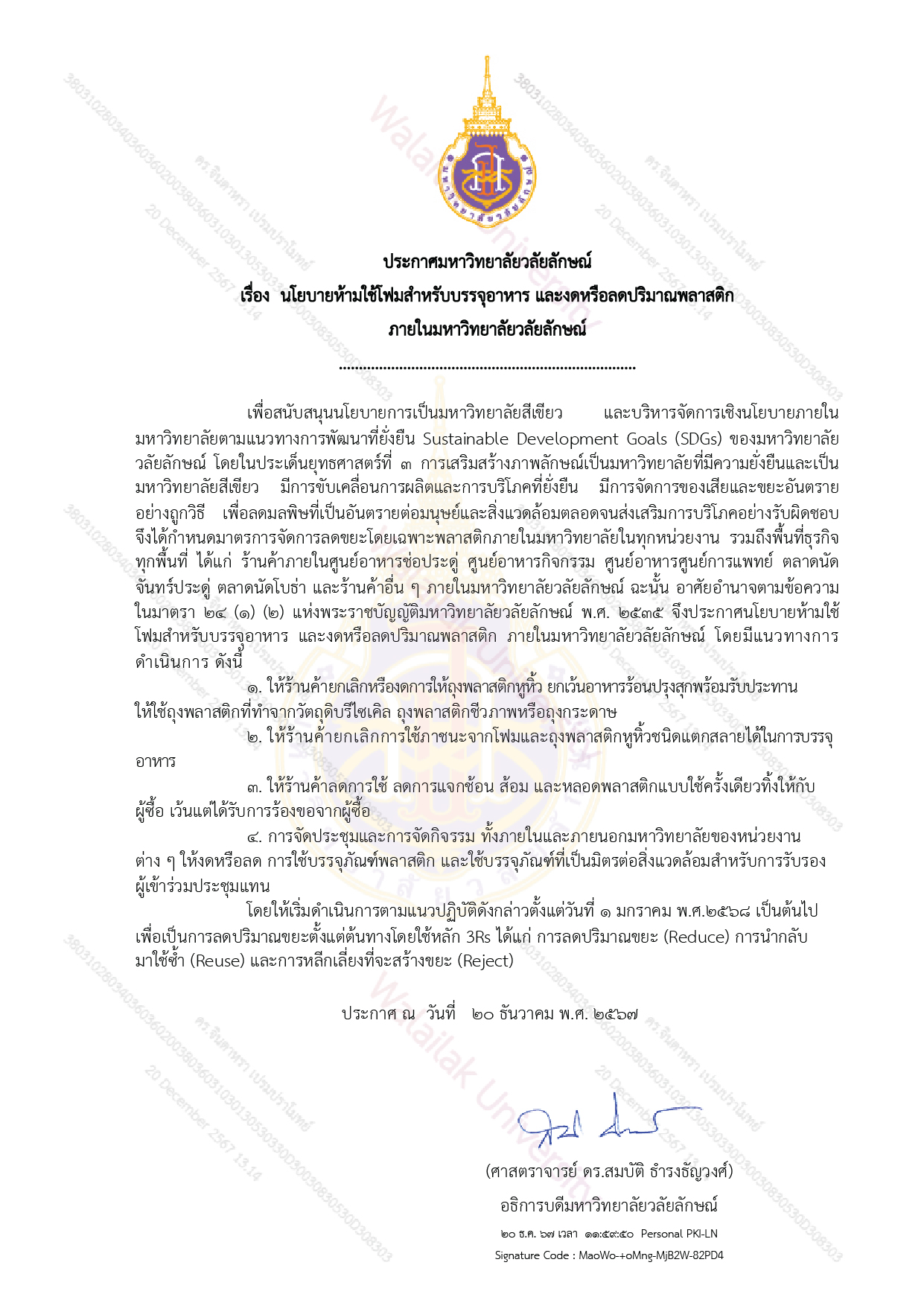
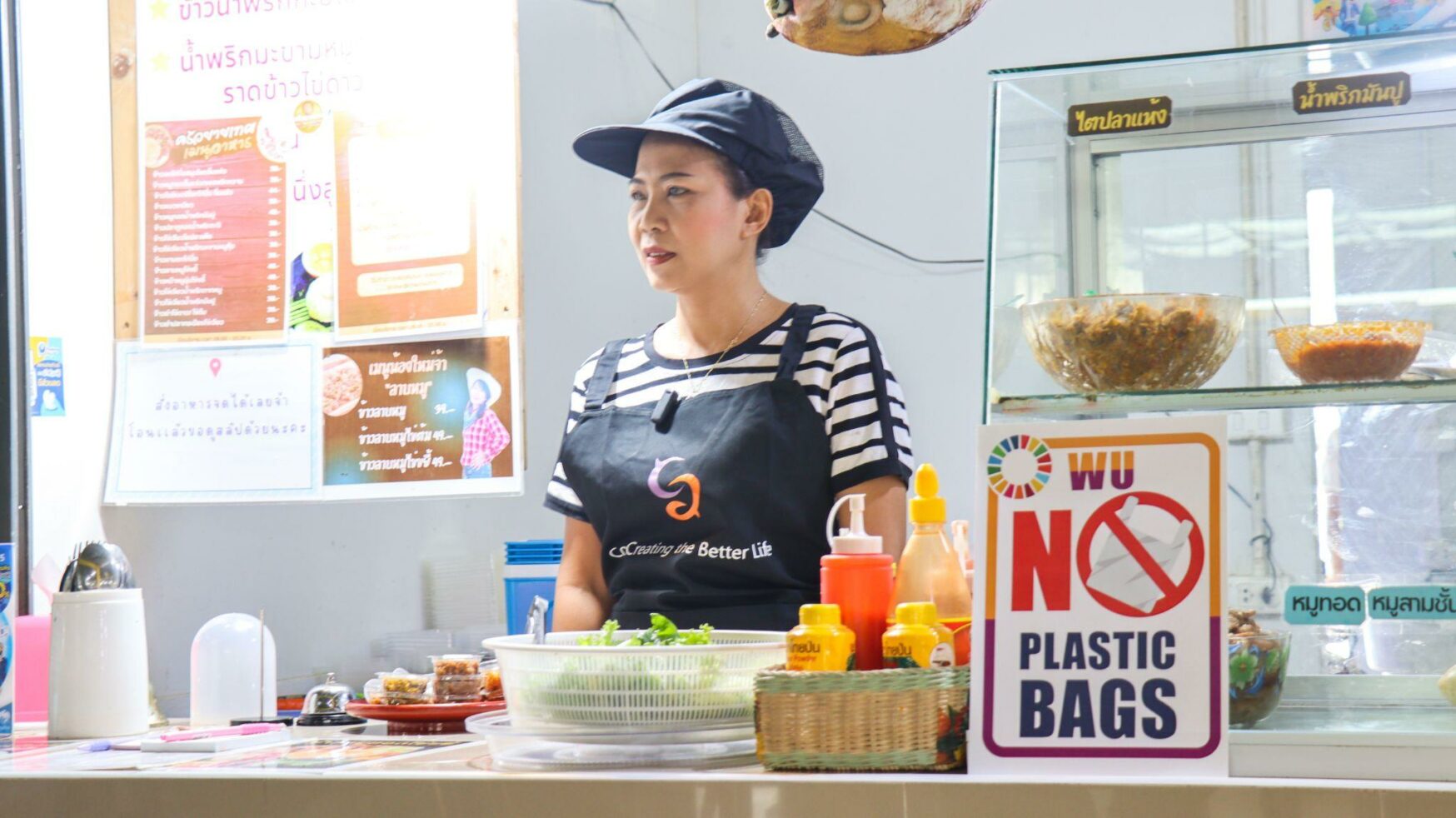
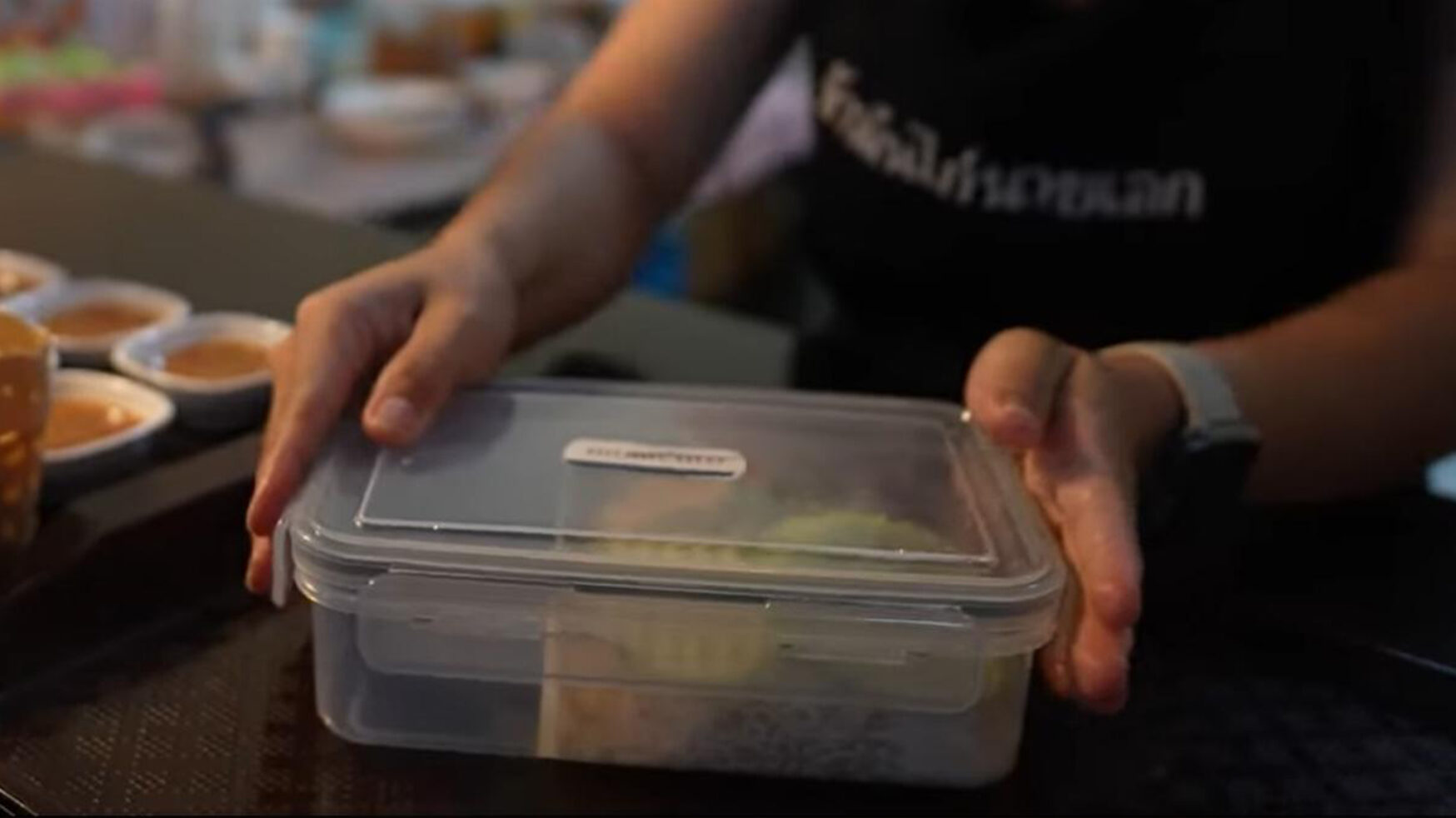
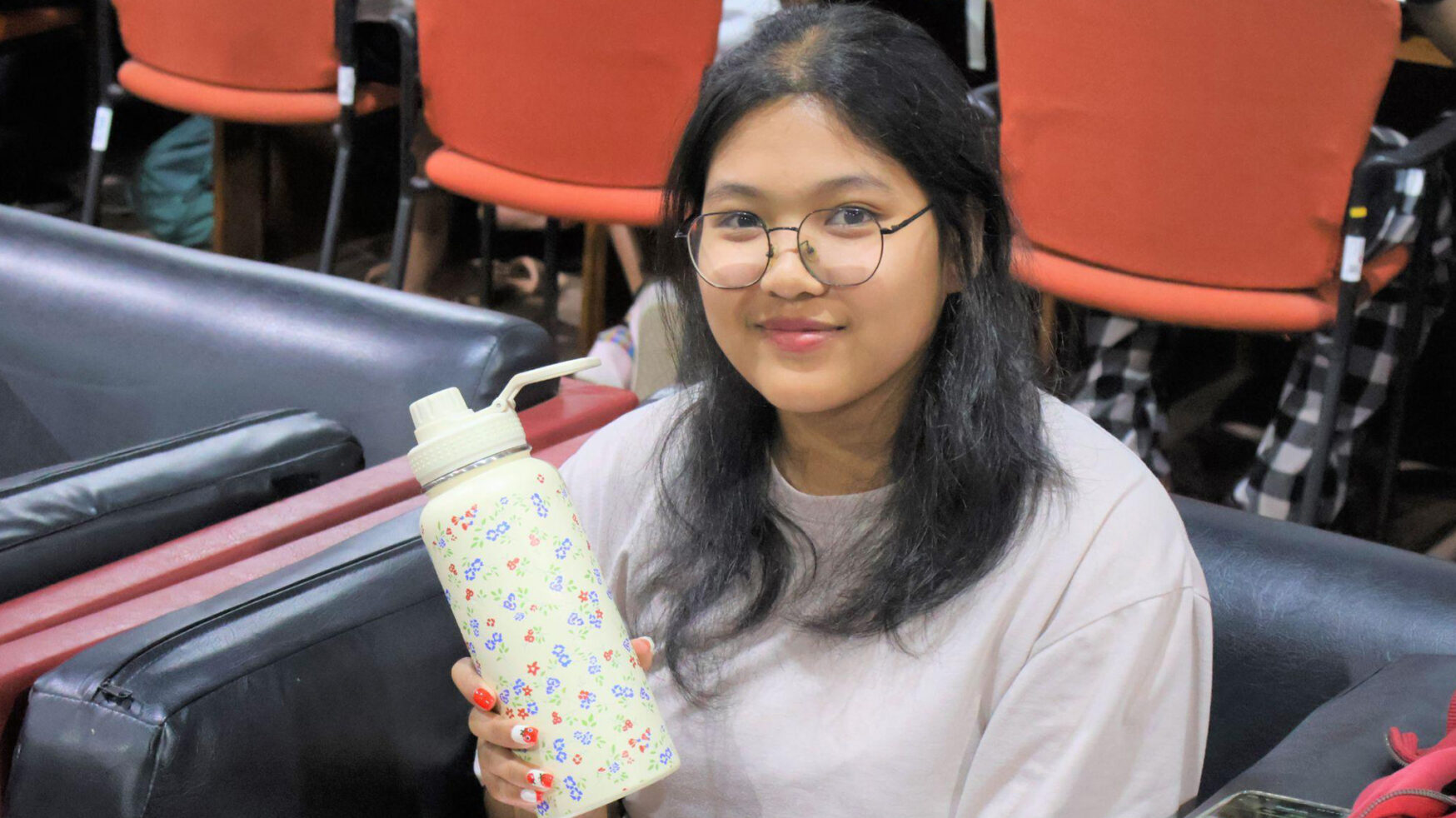
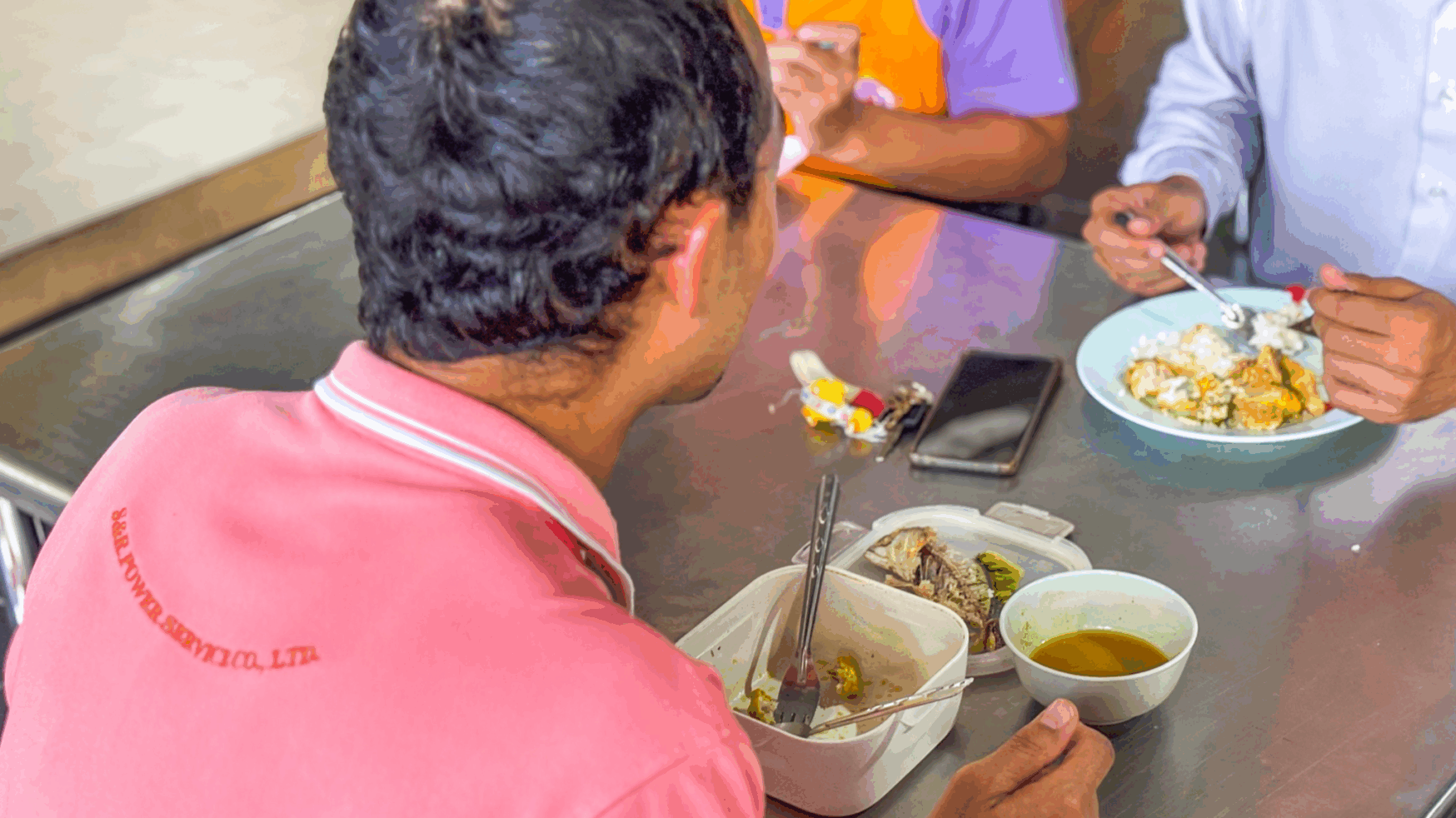
Walailak University aims to foster environmental responsibility among the WU community by promoting the use of biodegradable and eco-friendly materials in all university activities. In 2024, the University implemented a policy prohibiting the use of foam food containers and reducing or eliminating plastic usage across campus.
This policy encourages all members of the WU community—students, staff, and visitors—to minimize the use of single-use plastics and non-biodegradable food containers that can negatively impact ecosystems both on and off campus. By reducing plastic consumption, the University seeks to prevent waste accumulation and mitigate aquatic and terrestrial pollution. In cases where the use of plastic materials is unavoidable, Walailak University encourages the adoption of biodegradable and environmentally friendly alternatives that minimize ecological harm.
To reduce the use of unnecessary chemical substances to prevent chemical pollution in campus aquatic ecosystems
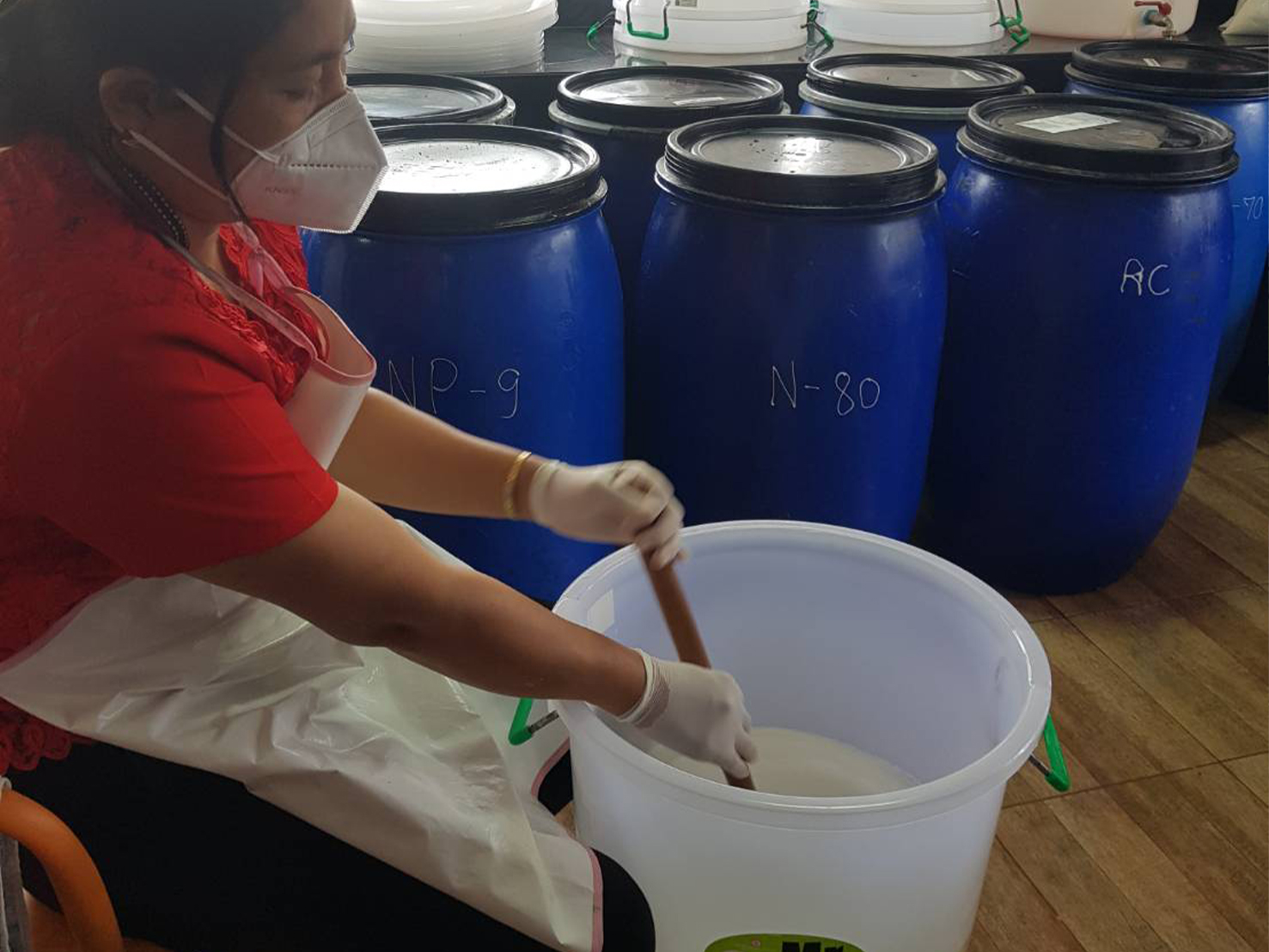
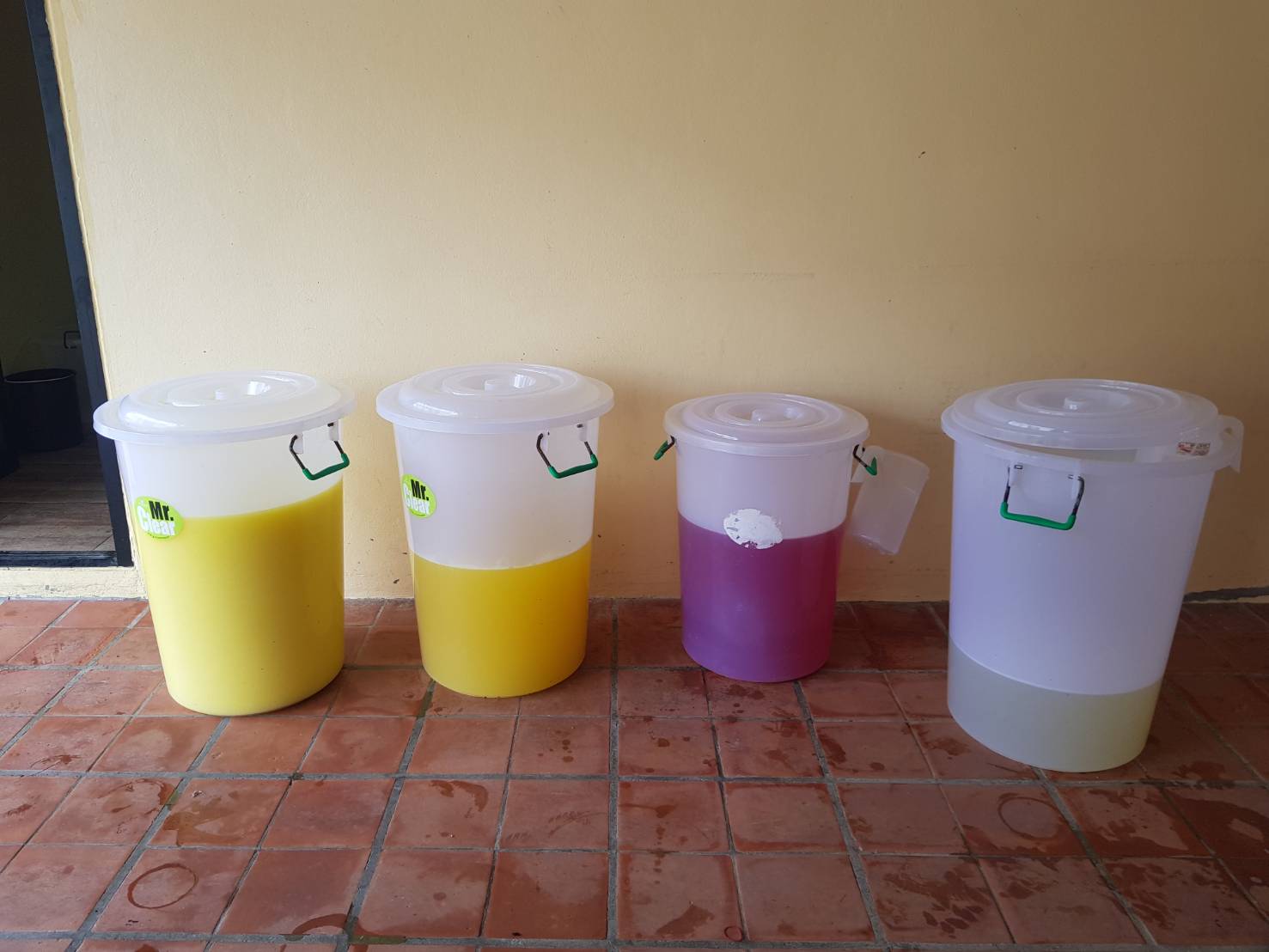
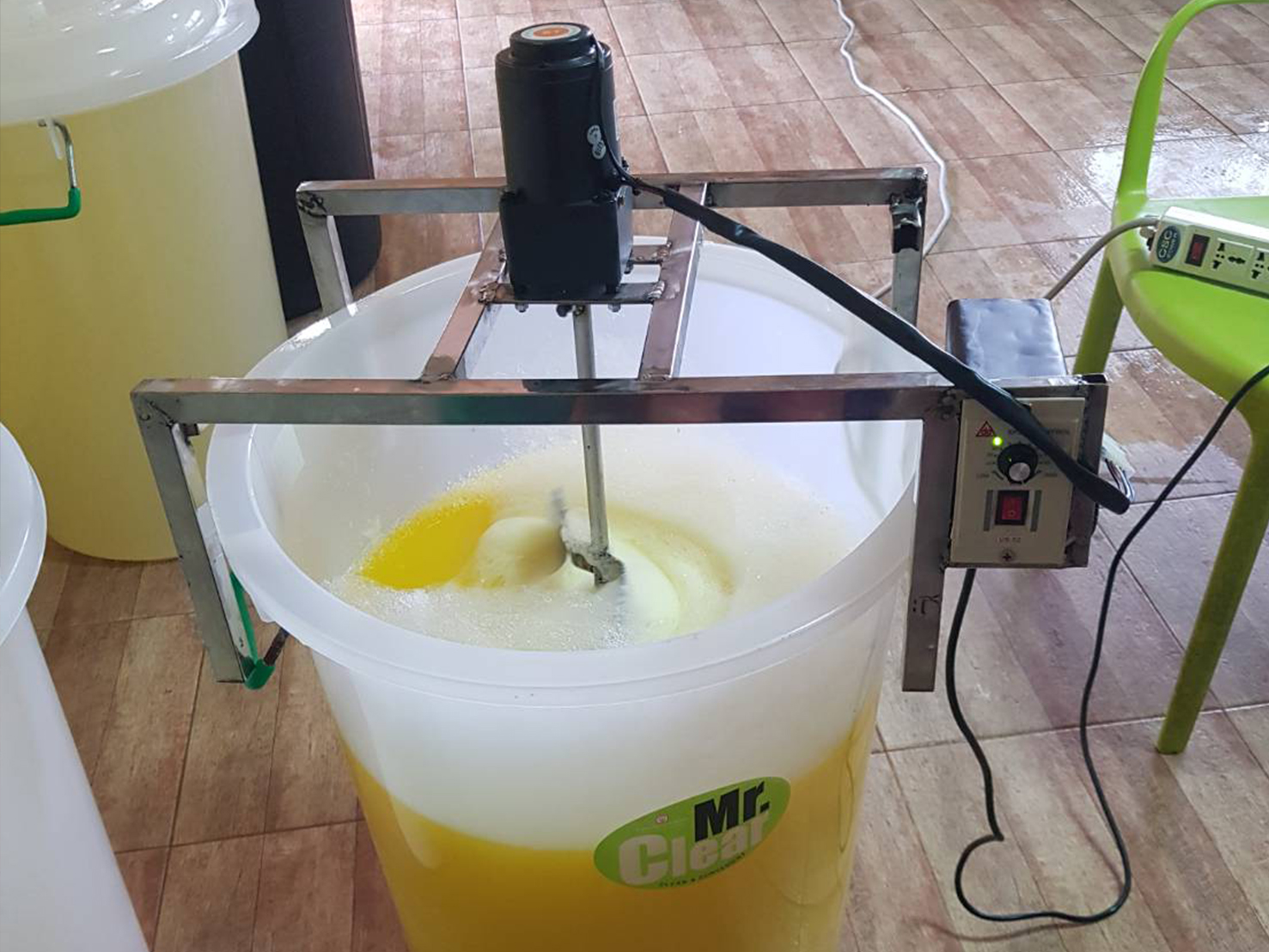
Some organizations at Walailak University use chemical substances in their operations, but the university takes proactive measures to minimize environmental impact. For example, WU housemaids use environmentally friendly cleaning products, which are developed by the chemists from the Center for Scientific and Technological Equipment, to reduce the risk of chemical pollution in campus water resources. In agriculture, WU employs Trichoderma, a beneficial microorganism that effectively controls various plant pathogens and insect pests. This not only reduces reliance on chemical pesticides but also supports soil health and biodiversity. These practices are part of WU’s broader commitment to sustainable management, ensuring that chemical use does not compromise the integrity of aquatic and terrestrial ecosystems on campus.
Action Plans to Minimize Off-Campus Physical, Chemical, and Biological Alterations of Aquatic Ecosystems
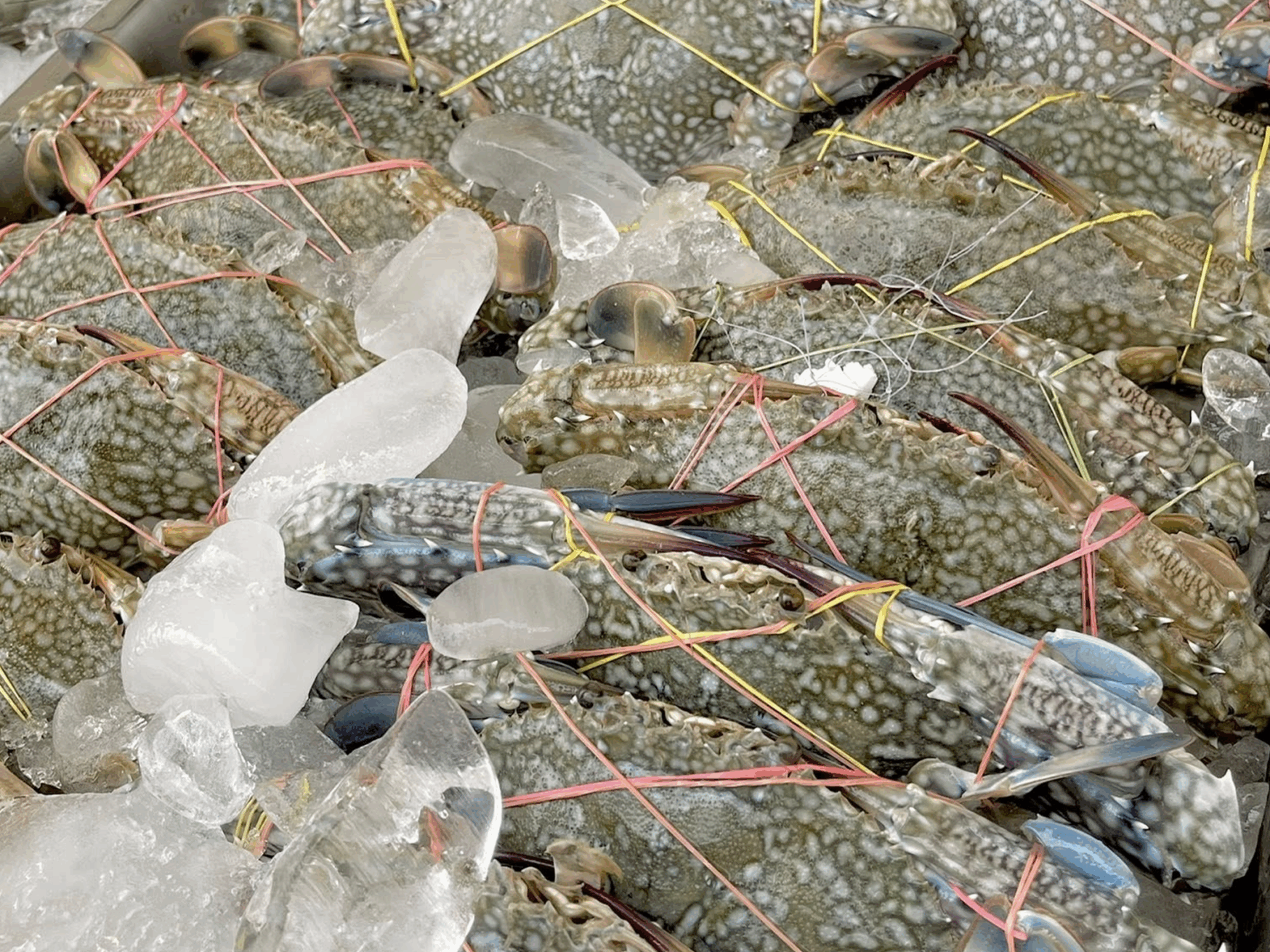
Walailak University has developed strategic plans to minimize disturbances to aquatic ecosystems and promote sustainable fisheries management, with particular attention to conserving the blue swimming crab population in Ban Don Bay, the aquatic ecosystem connected to the university. In 2024, the university advanced its involvement in shaping and advising on sustainable fishery policies under the Thai Fishery Improvement Project (FIP), reinforcing its commitment to addressing overfishing and reducing the environmental impacts of unsustainable fishing practices in Thai waters.
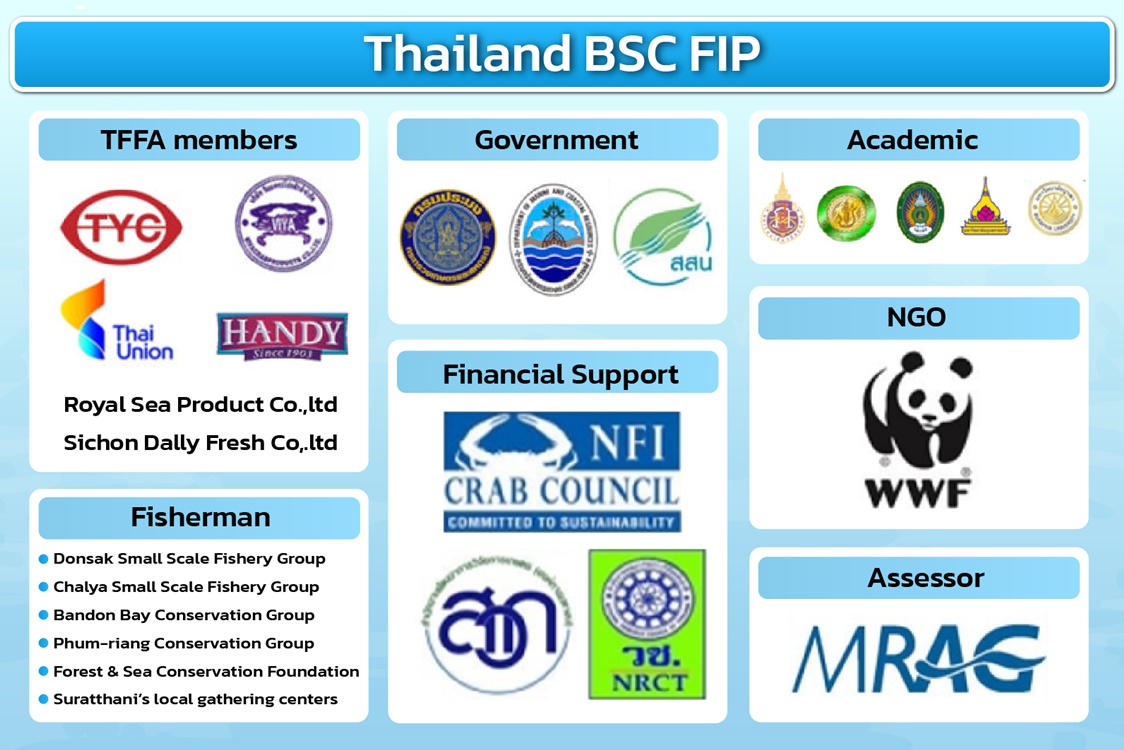
At the same time, Walailak University strengthened partnerships with key stakeholders for the Thai Blue Swimming Crab Fishery Improvement Project (BSC FIP), collaborating with national agencies, NGOs, and international partners such as the Marine Resources Assessment Group (MRAG), the NFI Crab Council (United States), and the Thai Sea Watch Association. Through this collaboration, the university contributed to the development of SDG-aligned policies promoting blue swimming crab conservation and submitted targeted policy measures and recommendations to the Department of Fisheries for implementation in 2024.
In 2024, Walailak University continued to advance research and practical initiatives aimed at conserving the blue swimming crab population and preserving the ecological balance of Ban Don Bay. These efforts have been instrumental in developing comprehensive and actionable management plans focused on biological sustainability, habitat protection, and pollution control.
Biological Management Plan
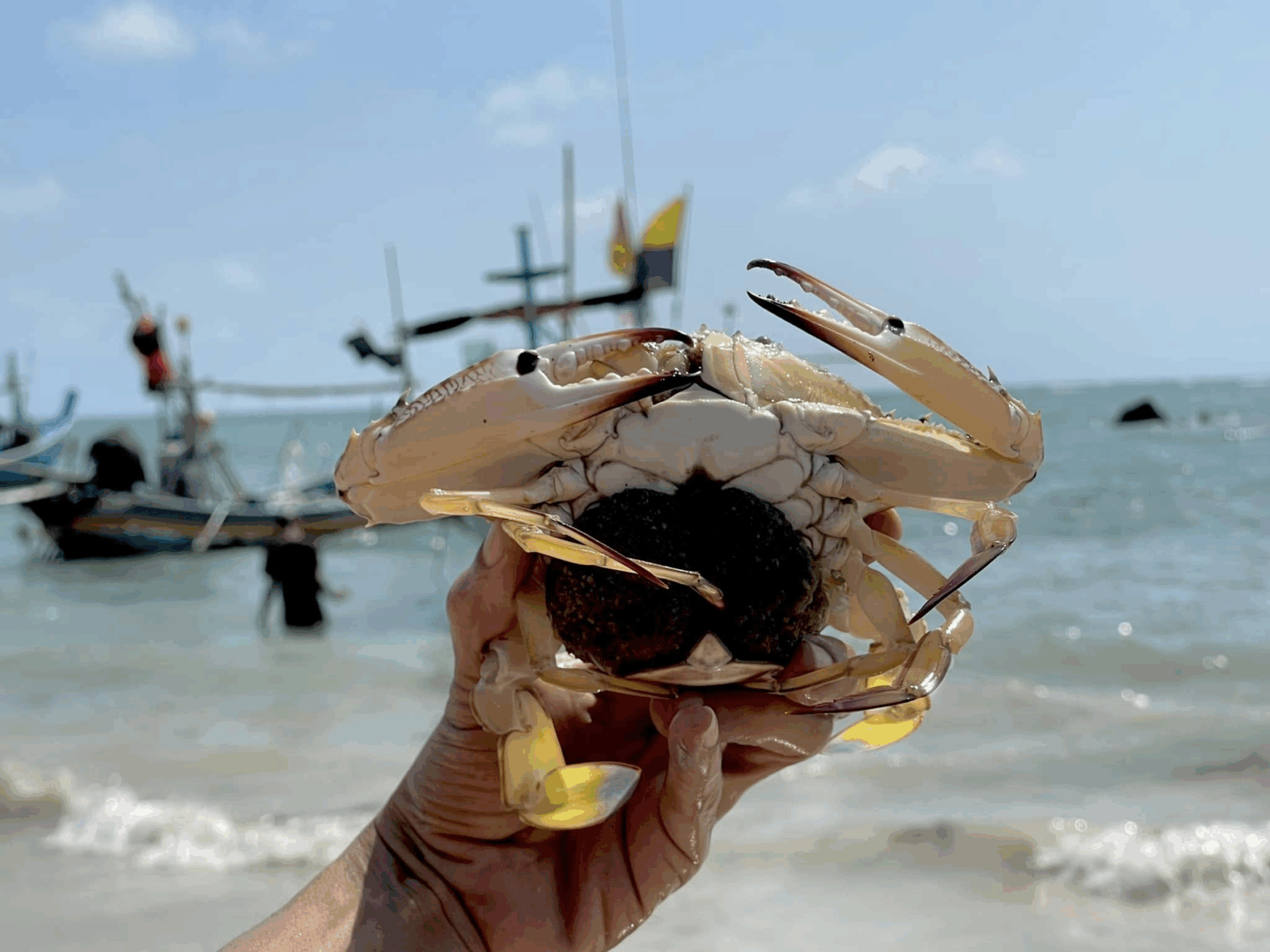
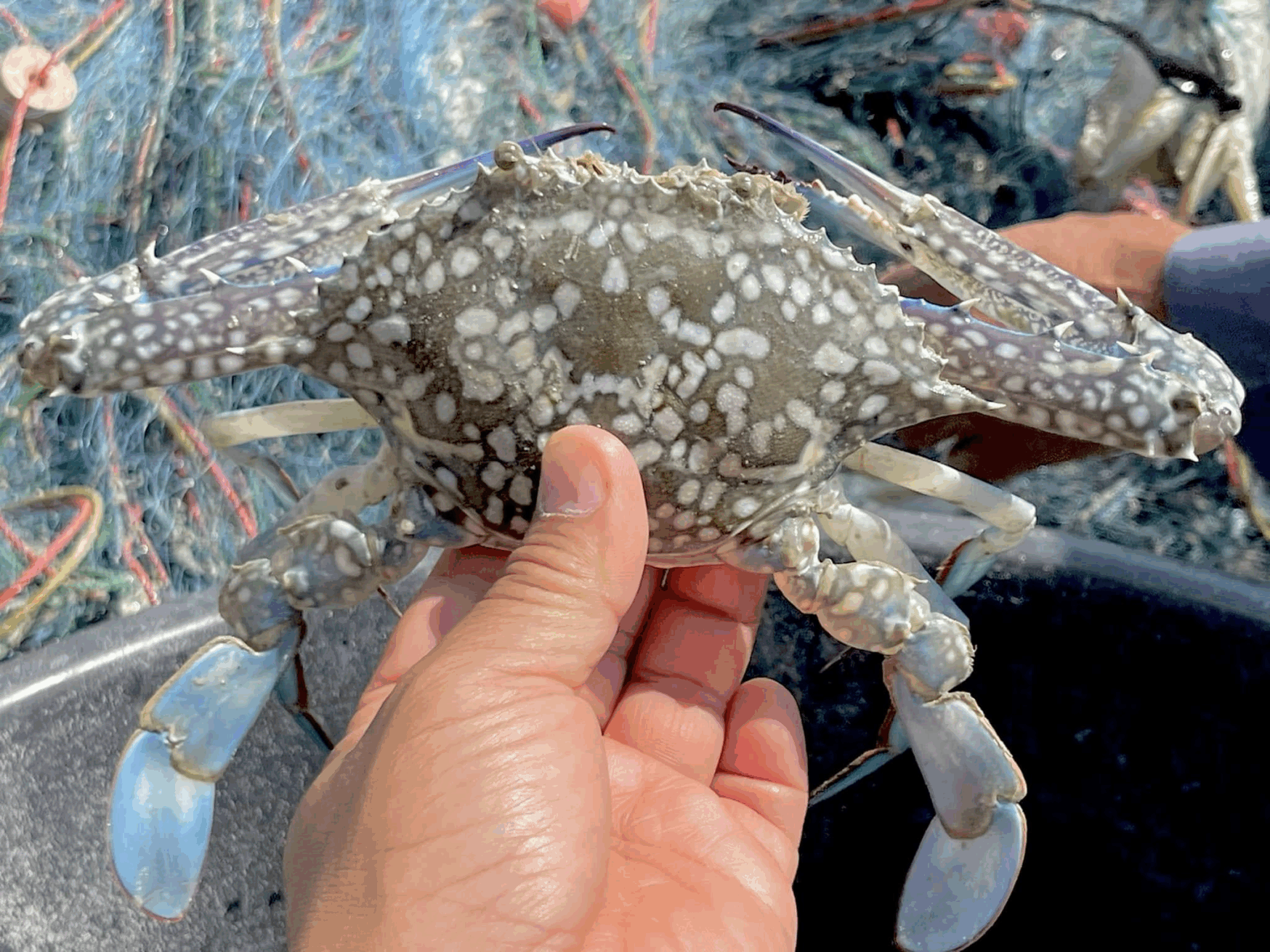
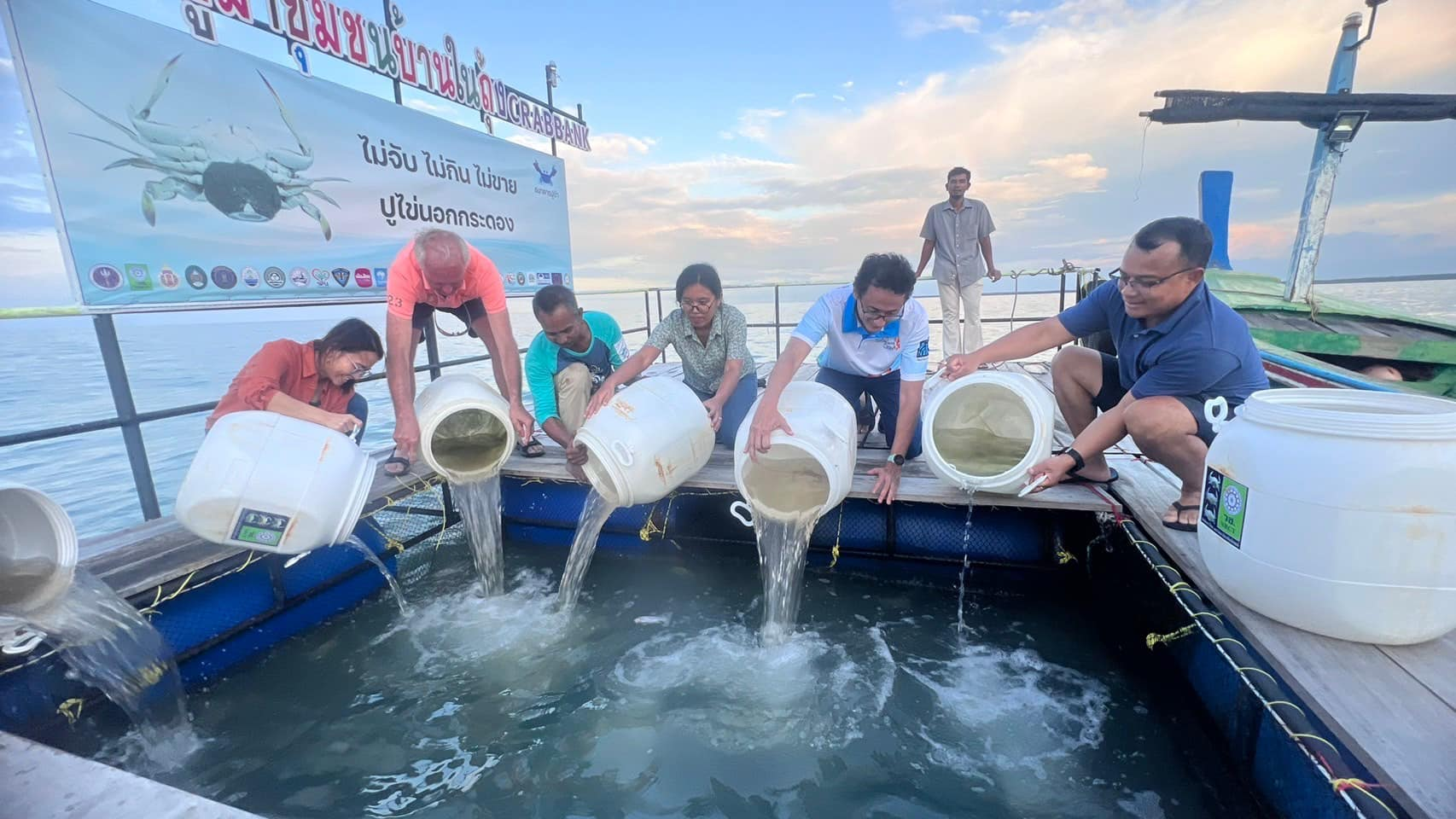
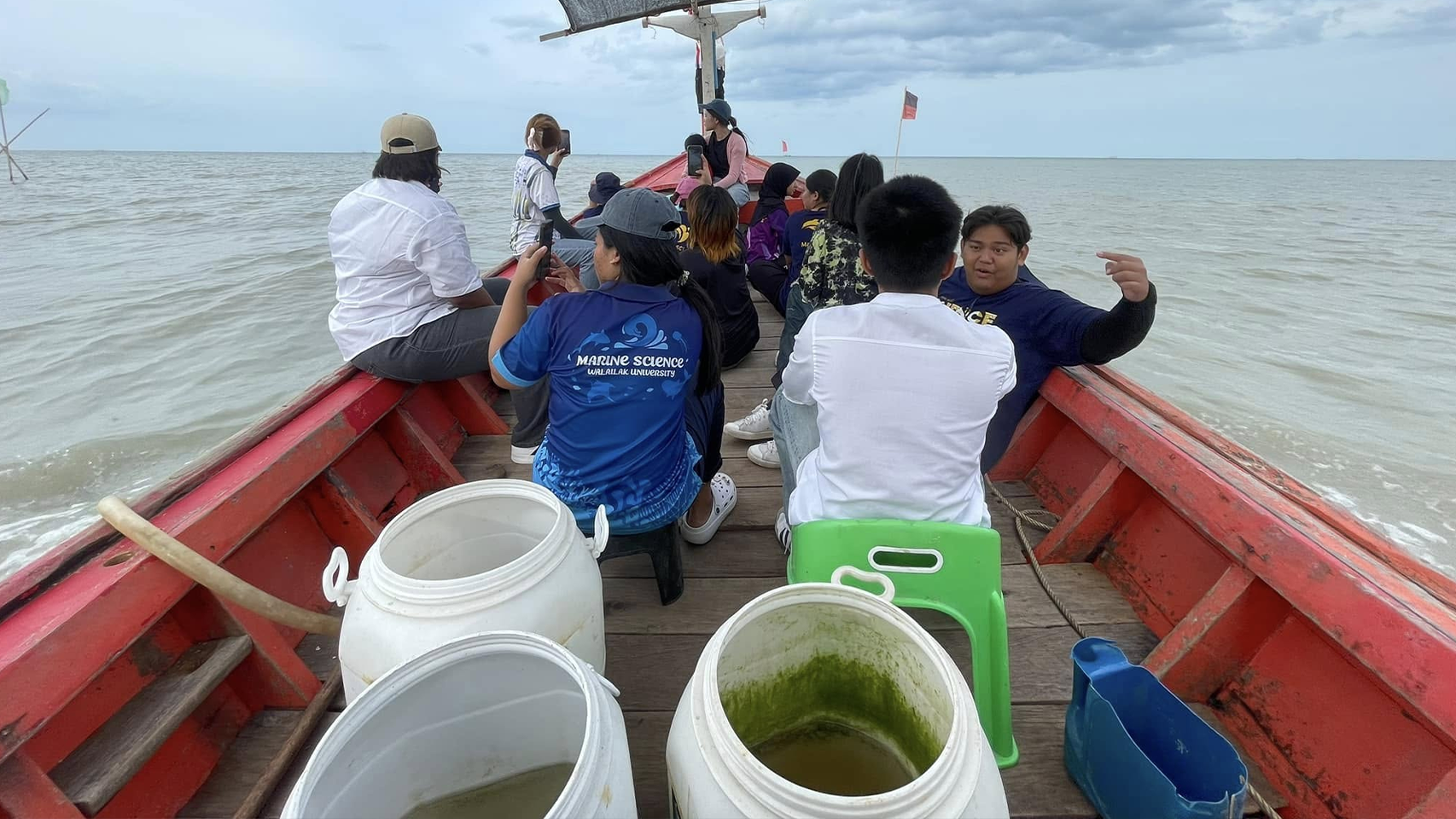
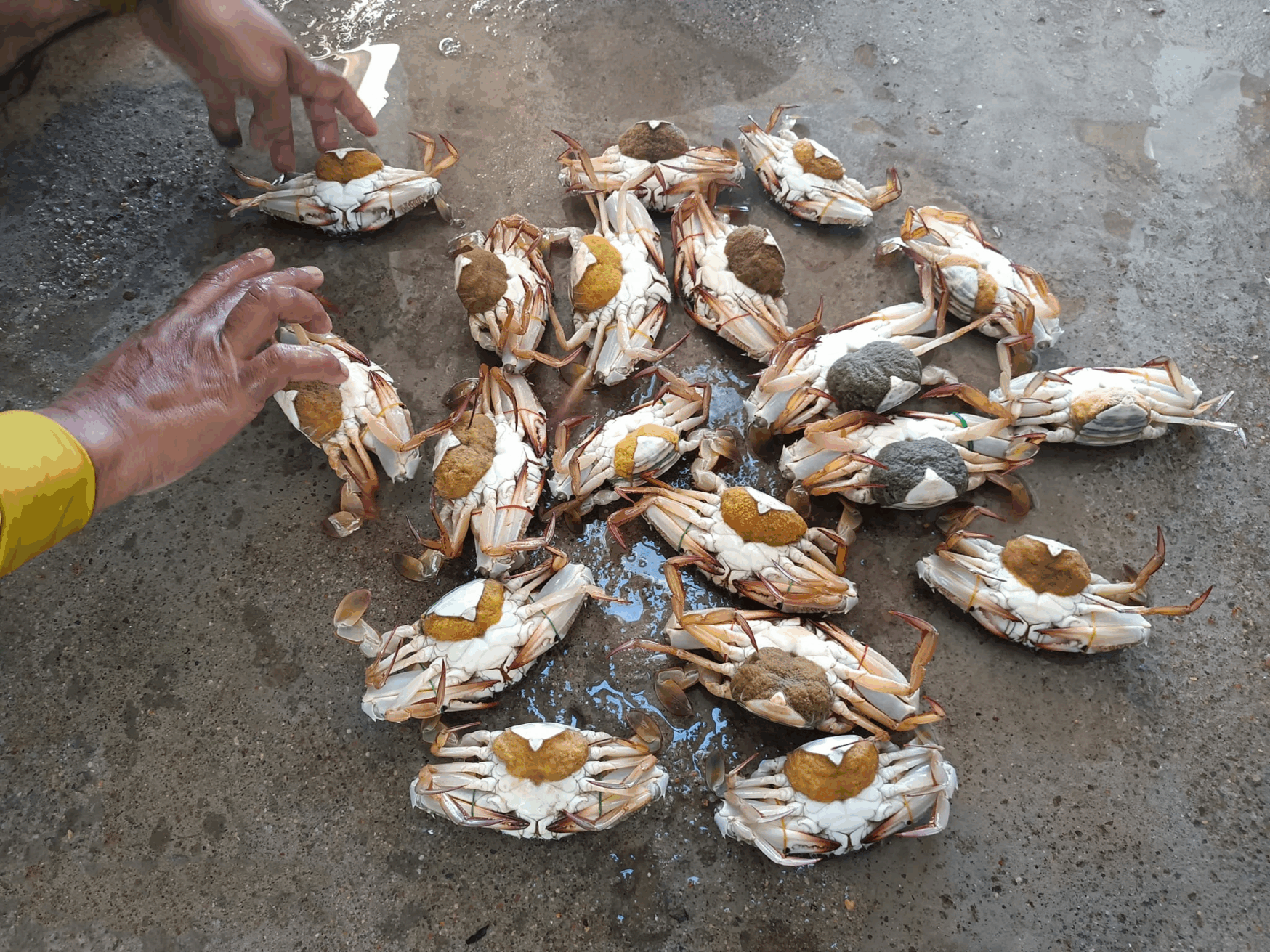
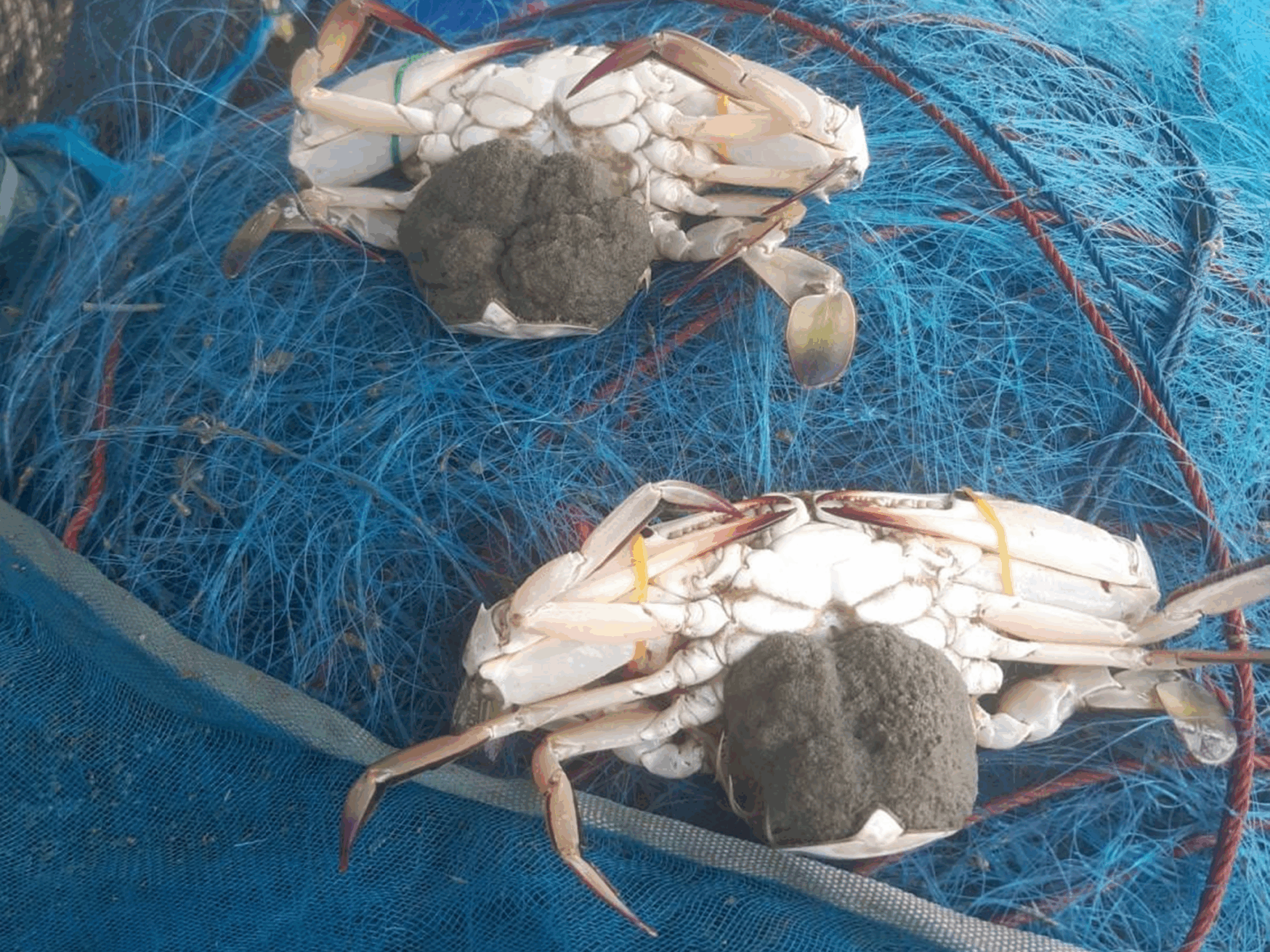
1. Enhancing Blue Crab Size and Spawning Control: Walailak University emphasizes community education programs that train local fishers to harvest only mature blue crabs, with a minimum size of 10–15 cm, while releasing berried females to designated hatcheries. Regular larval release activities during peak spawning seasons across Tha Chana, Chaiya, Don Sak, and Kanchanadit districts have significantly improved juvenile survival rates and supported natural population recovery.
2. Expanding Conservation Zones and Monitoring Populations: Under the guidance of Dr. Sawusdee, the university has advocated for the expansion of blue crab conservation zones and strengthened larval release efforts. This approach includes setting community-agreed minimum catch sizes, increasing the spawning potential ratio (SPR), and establishing continuous population monitoring systems to ensure adaptive and data-driven management.
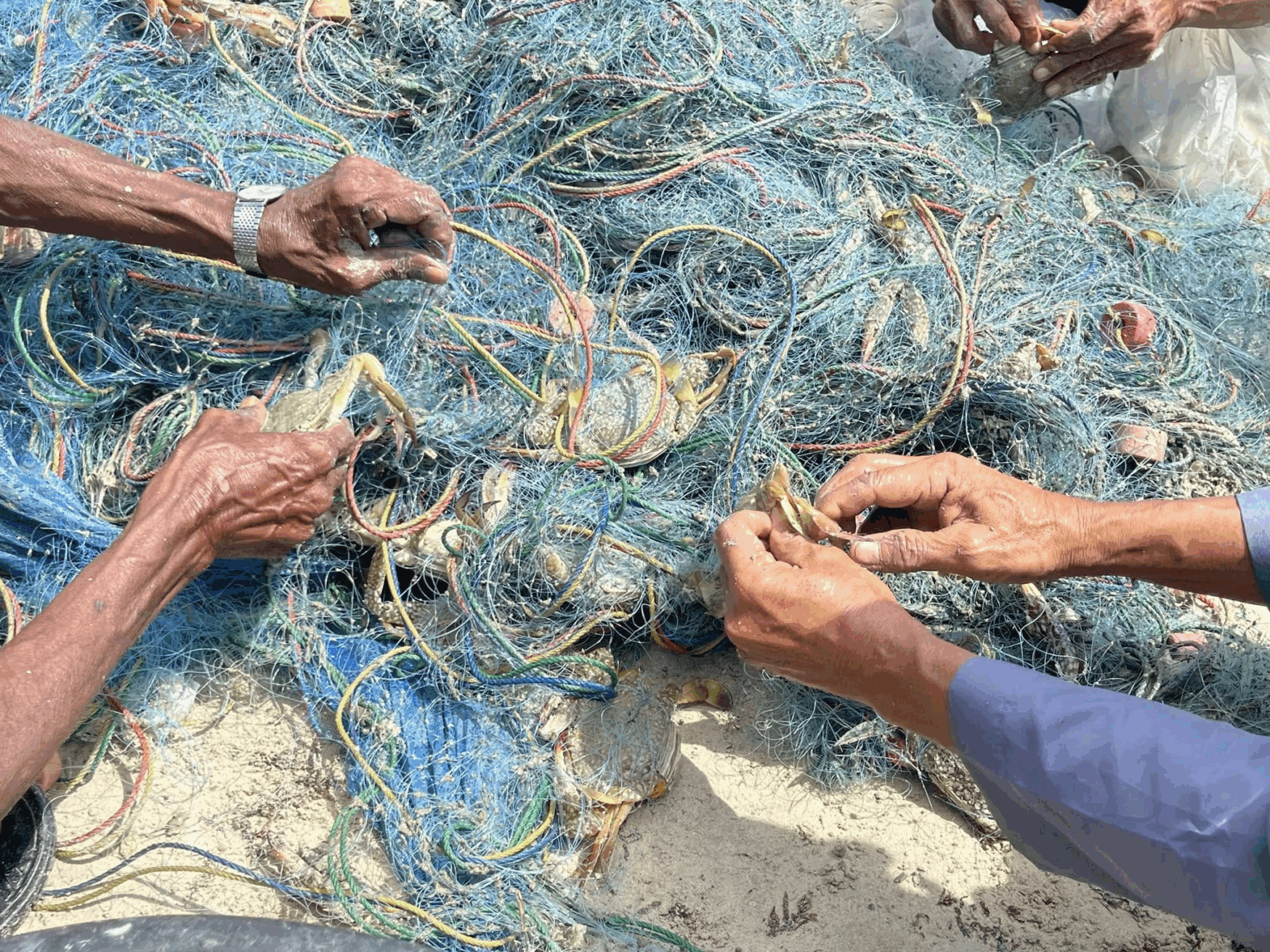
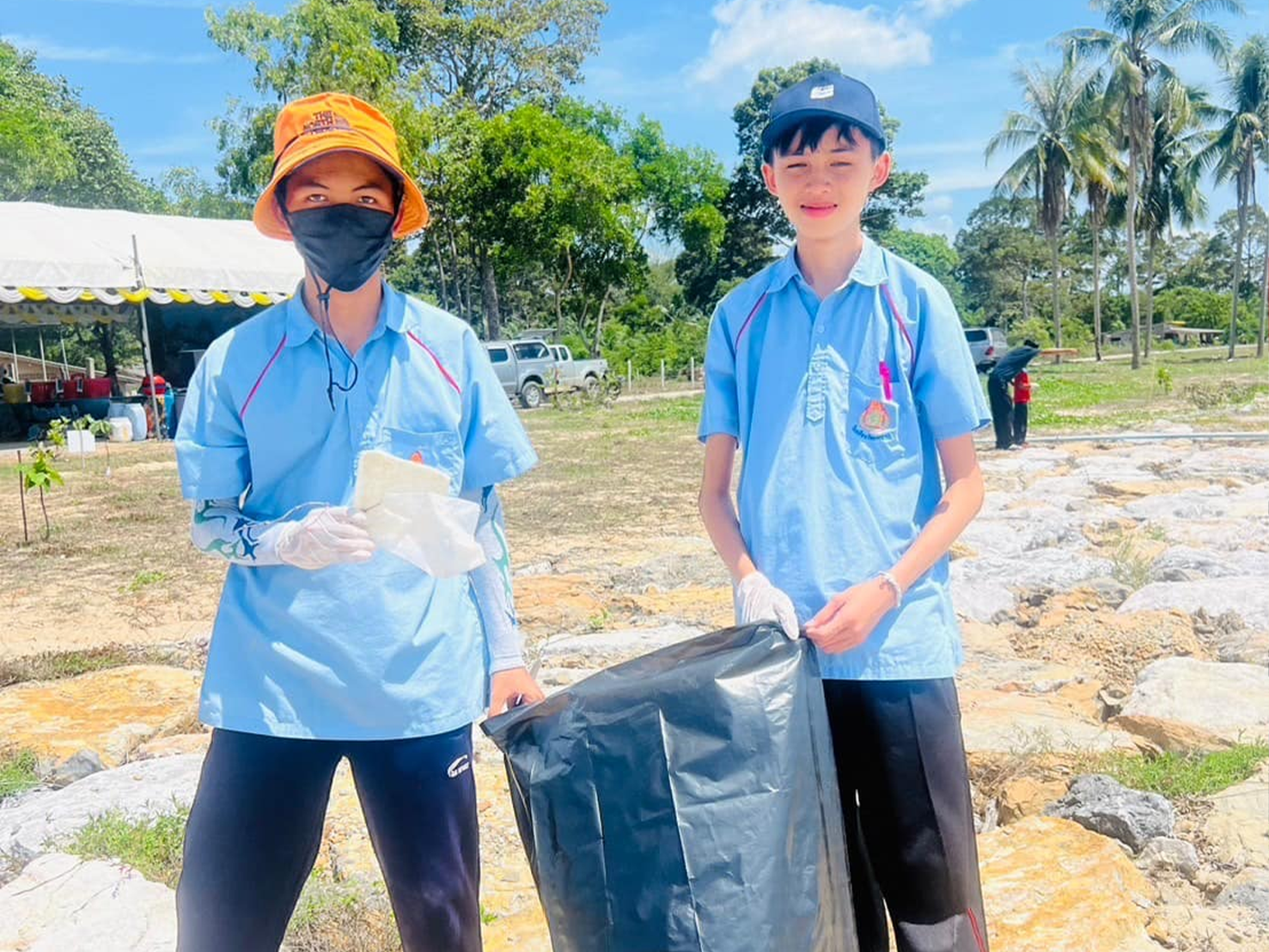
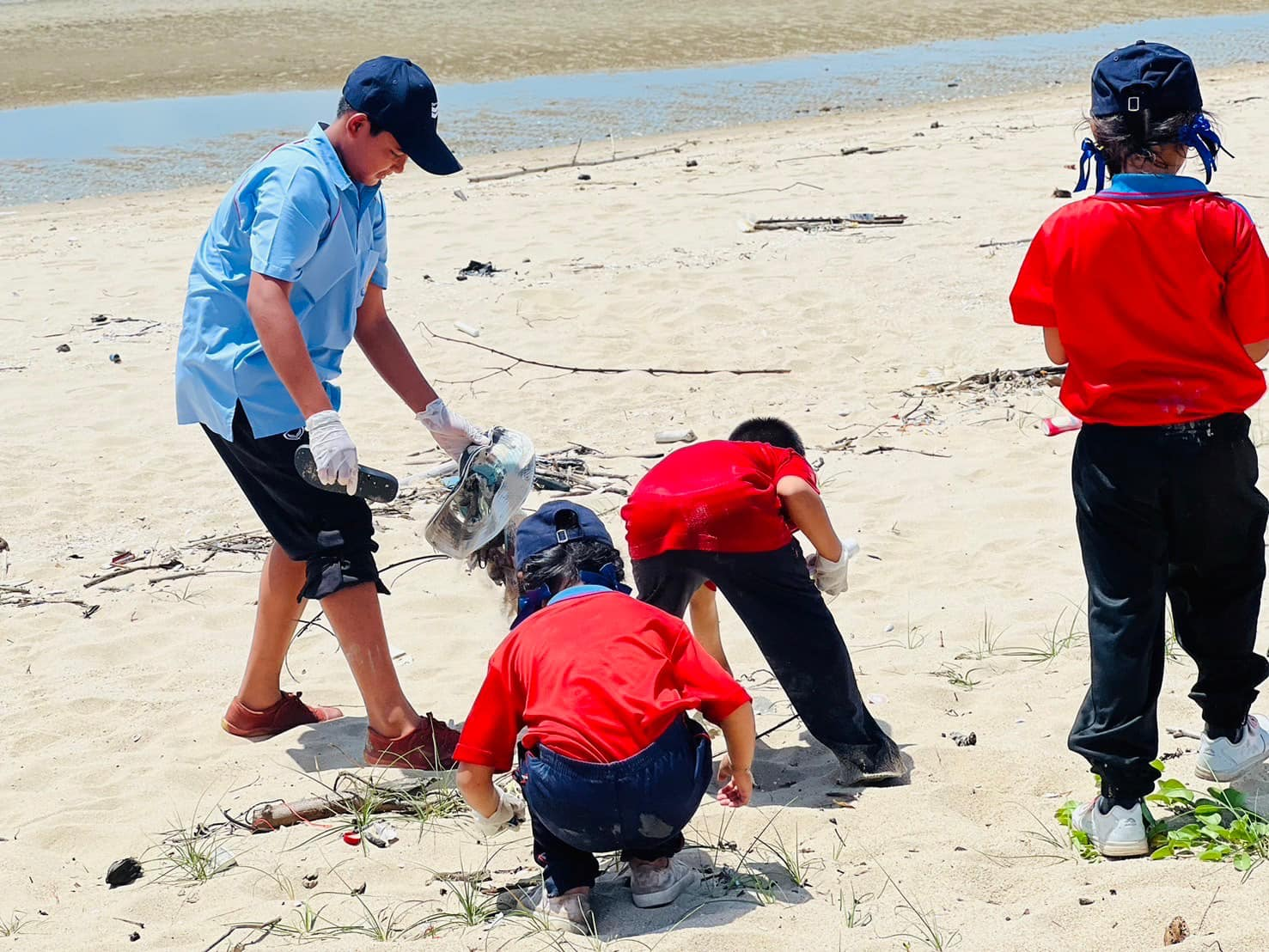
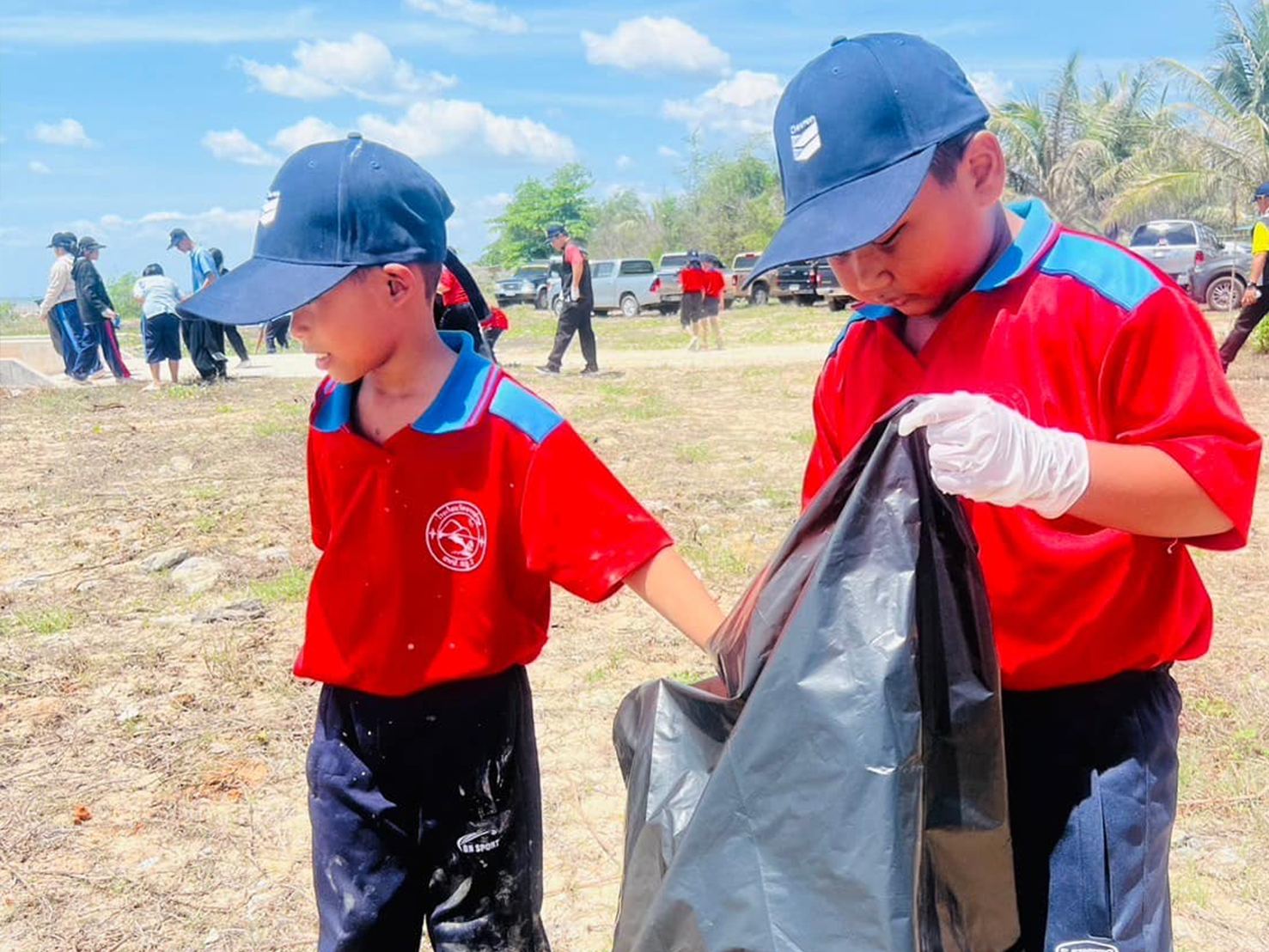
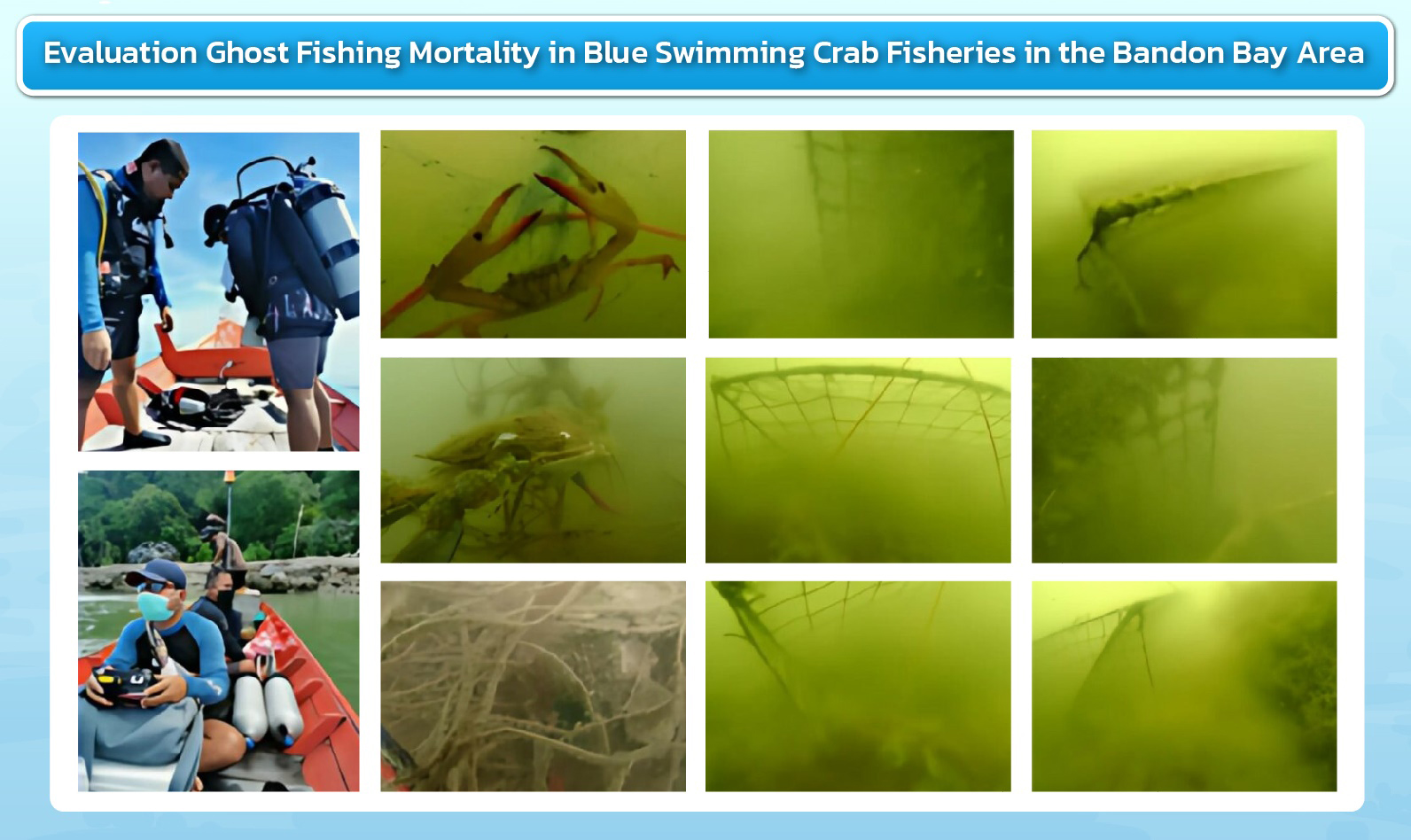
3. Preventing Ghost Fishing: Walailak University is developing a database to track lost and abandoned fishing gear, addressing one of the major threats to marine ecosystems. Through collaborative clean-up initiatives, the university and local partners work to remove ghost nets and other debris that endanger marine life in Ban Don Bay.
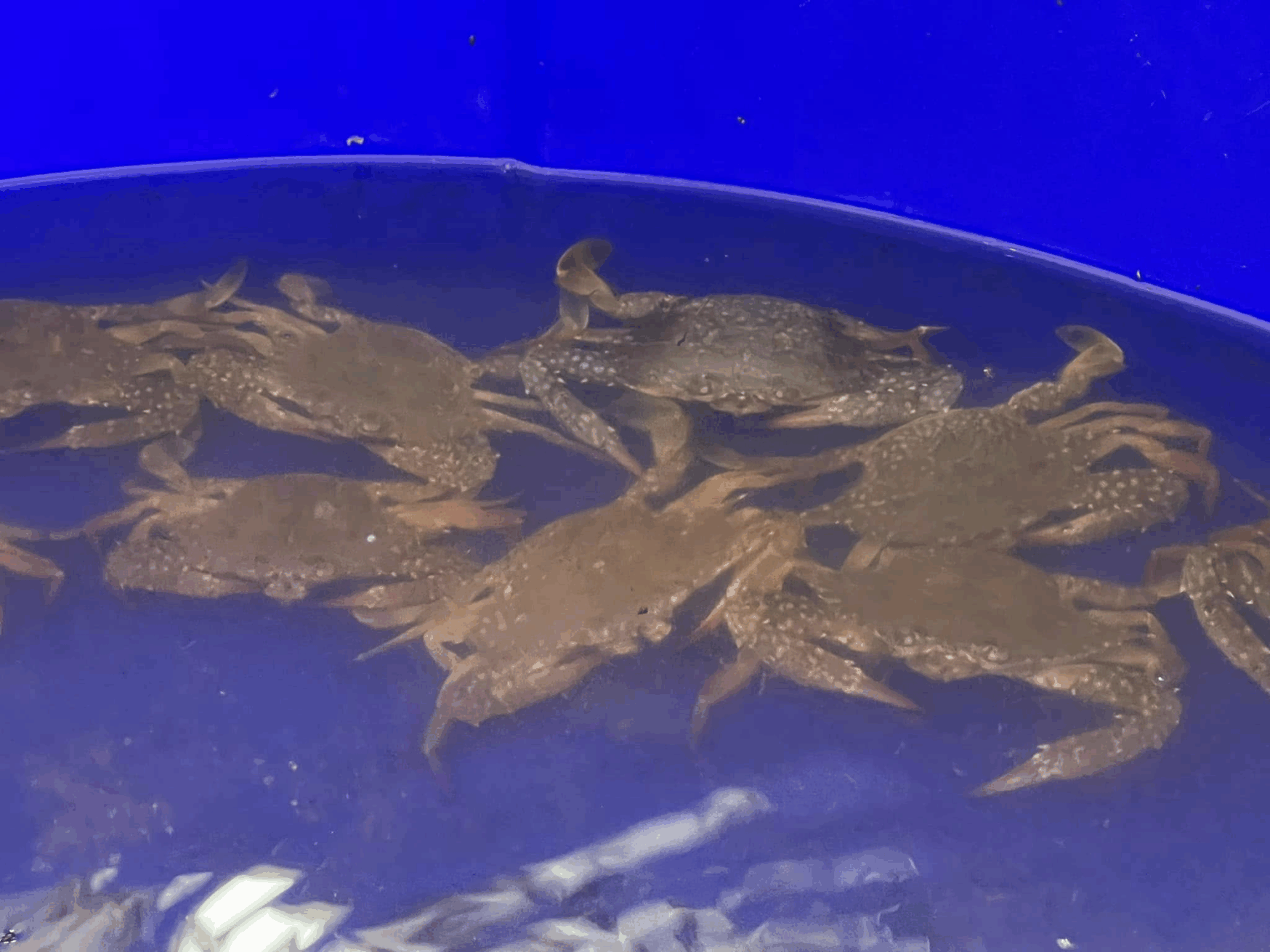
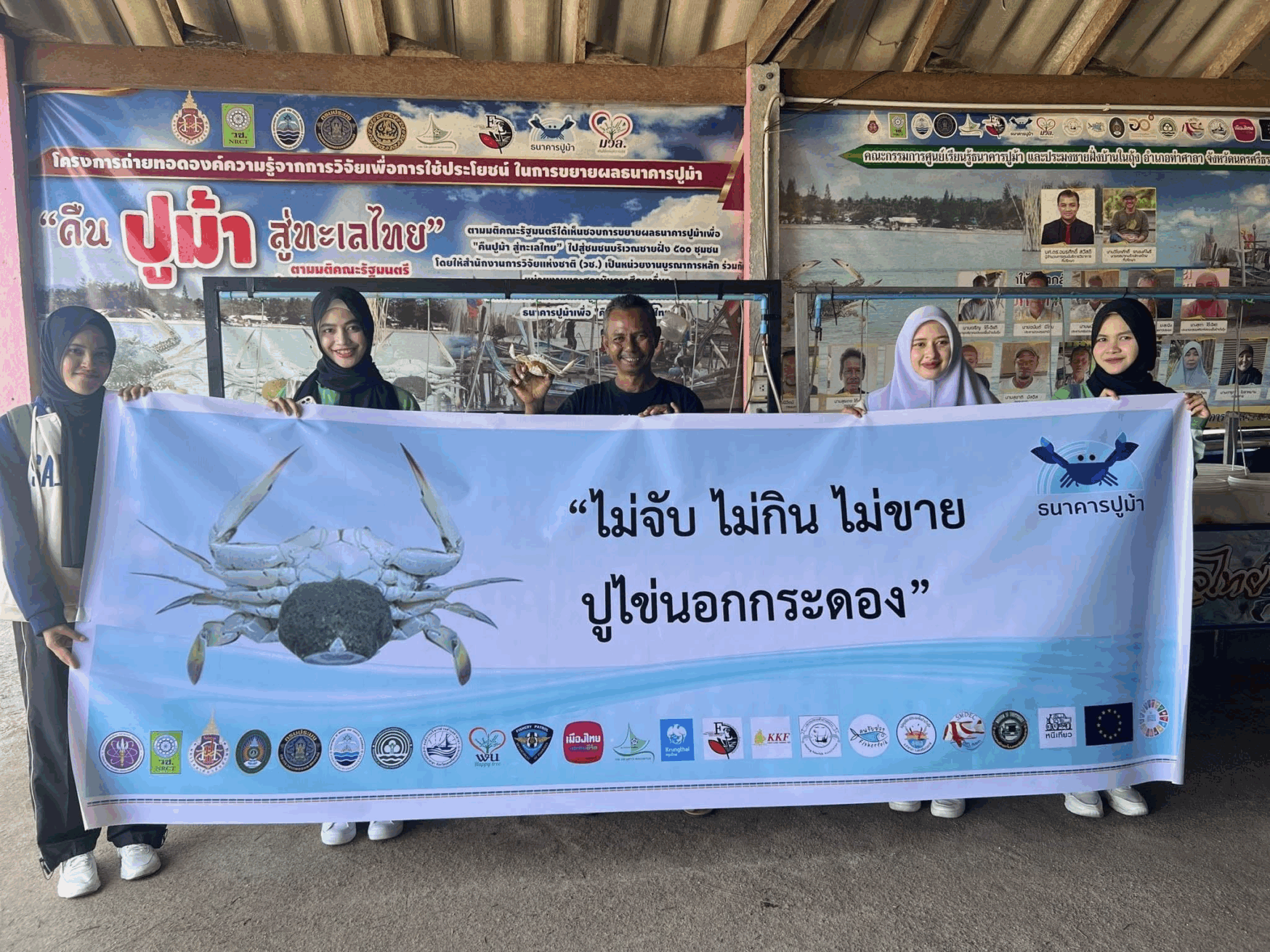
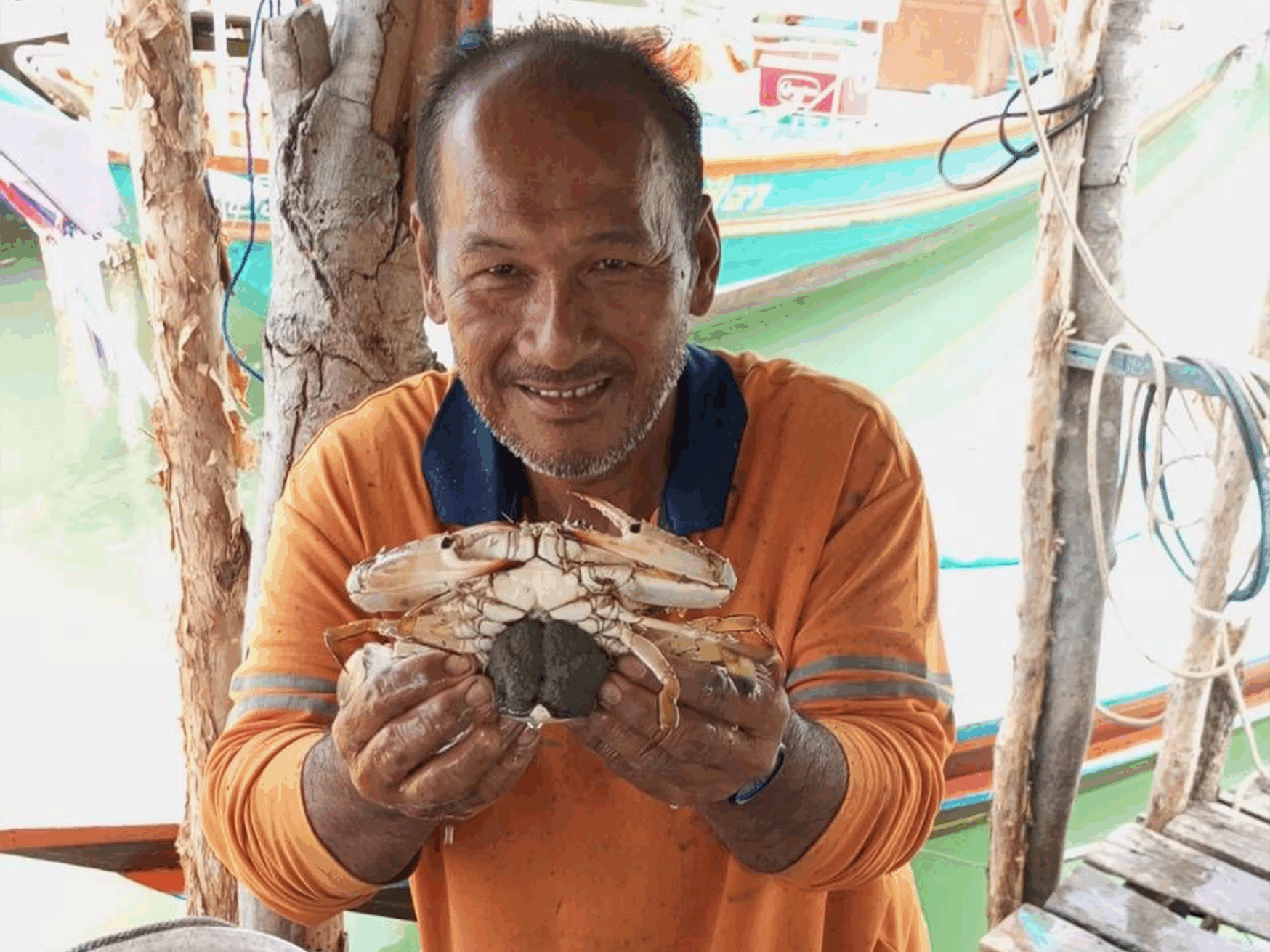
4.Protection of Berried Female Blue Swimming Crabs: Walailak University has organized a campaign urging local fishermen not to catch or consume berried female blue swimming crabs, as they play a crucial role in increasing the crab population in the sea.
Physical Habitat Protection Plan
Nursery and Fishing Area Zoning: The university promotes responsible fishing practices by designating nearshore areas in Tha Chana and Don Sak as nurseries for juvenile aquatic species, helping to maintain a healthy life cycle for blue crabs and other marine organisms.
Sustainable Fishing Equipment: WU educates local fishers on the use of environmentally friendly and legally compliant fishing gear, such as nets with a minimum 2.5-inch mesh size, to prevent seabed damage and minimize bycatch.
Coastal Impact Assessment and Area Management: Ongoing research evaluates coastal erosion, sedimentation, and wave effects to promote sustainable use of coastal zones and prevent habitat degradation.
Artificial Habitat Development: In partnership with the Department of Fisheries, Walailak University has constructed artificial habitats to enhance the natural environment for blue crabs, contributing to population growth and overall ecosystem resilience.
Chemical and Pollution Control Plan
Reducing Agricultural Runoff and Pollution: The university promotes the adoption of chemical-free farming practices to minimize agricultural runoff into Ban Don Bay. Regular monitoring of water quality for pollutants such as heavy metals, nitrates, and phosphates ensures protection of sensitive spawning and nursery areas.
SDG-Based Coastal Management Recommendations: Walailak University’s environmental monitoring and pollution control recommendations are being integrated into future SDG-aligned policies by the Department of Fisheries. This collaboration highlights the university’s ongoing commitment to sustainable fisheries management and marine conservation at both local and national levels.
The success of Walailak University’s initiatives in blue crab conservation has been strengthened through active collaboration with the Department of Fisheries, the Department of Marine and Coastal Resources, and various non-governmental organizations, including the Thai Sea Watch Association. A key component of this collaboration is the Thai Blue Swimming Crab Fishery Improvement Project (BSC FIP), which unites local and international partners such as the Marine Resources Assessment Group (MRAG) and the NFI Crab Council (U.S.). The project aims to align Thailand’s blue swimming crab fishery management with globally recognized sustainability standards.
In 2024, Walailak University, serving as a leading academic contributor to Sustainable Development Goal (SDG) policy advancement, joined these partners in submitting policy recommendations to the Department of Fisheries to enhance sustainable fishery management. The primary recommendations focused on the following areas:
Expanding Conservation Zones: Increasing the size and number of protected areas in Ban Don Bay to safeguard breeding and nursery habitats critical to blue crab population recovery.
Regulating Mesh Sizes: Enforcing stricter regulations on fishing net mesh sizes to prevent the capture of juvenile crabs and mitigate overfishing pressures.
Promoting Sustainable Fishing Practices: Providing continuous education and capacity-building for local fishers on responsible fishing techniques, while ensuring regular compliance monitoring.
Implementing Harvest Control Rules: Developing and enforcing harvest control measures based on sustainable yield models to balance ecological and economic objectives.
Monitoring via Length-Based Spawning Potential Ratio (LB-SPR): Conducting bi-monthly assessments of crab populations to evaluate reproductive potential and guide adaptive management decisions.
Monitoring Marine Animal Populations in Ban Don Bay
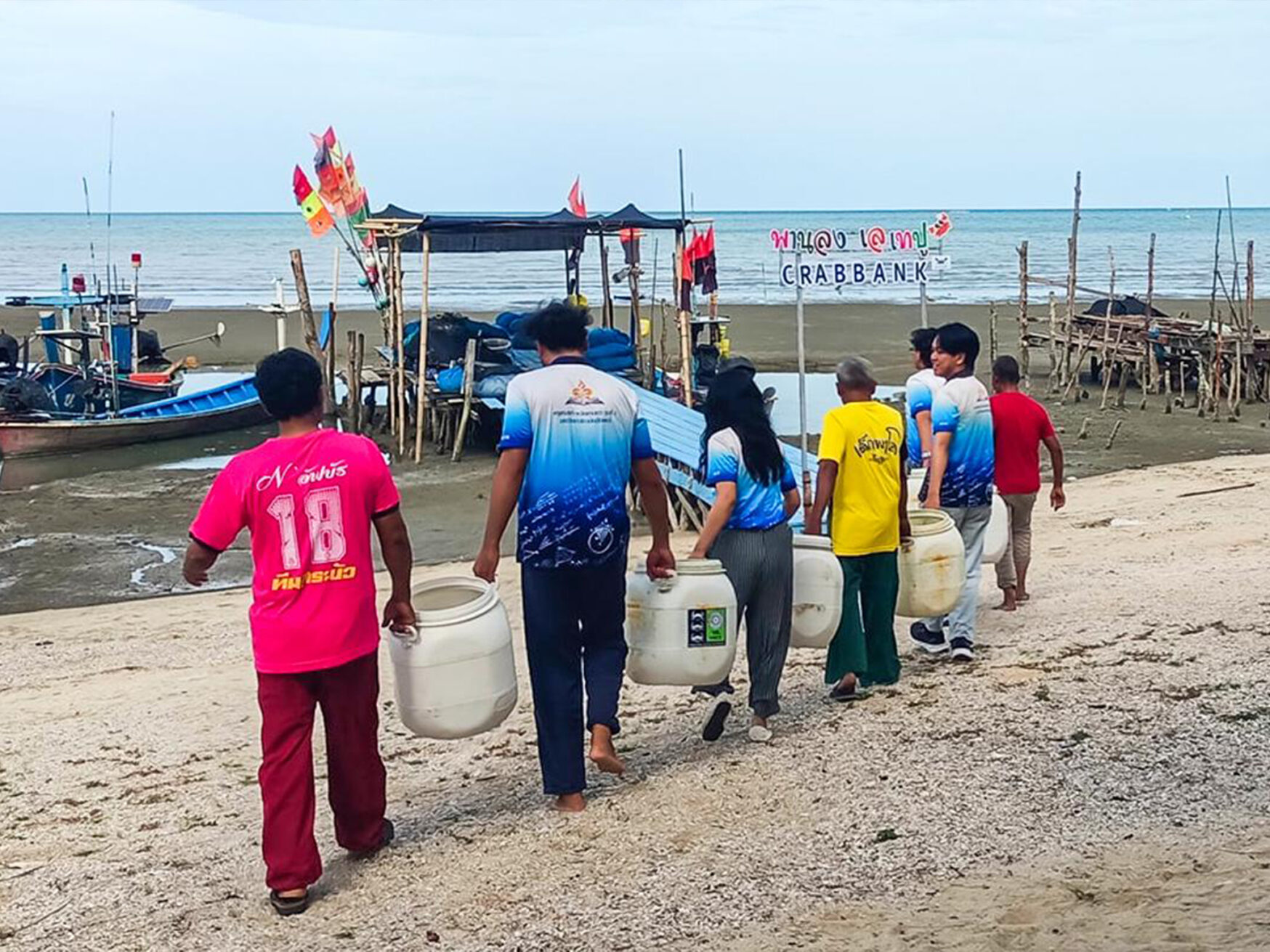
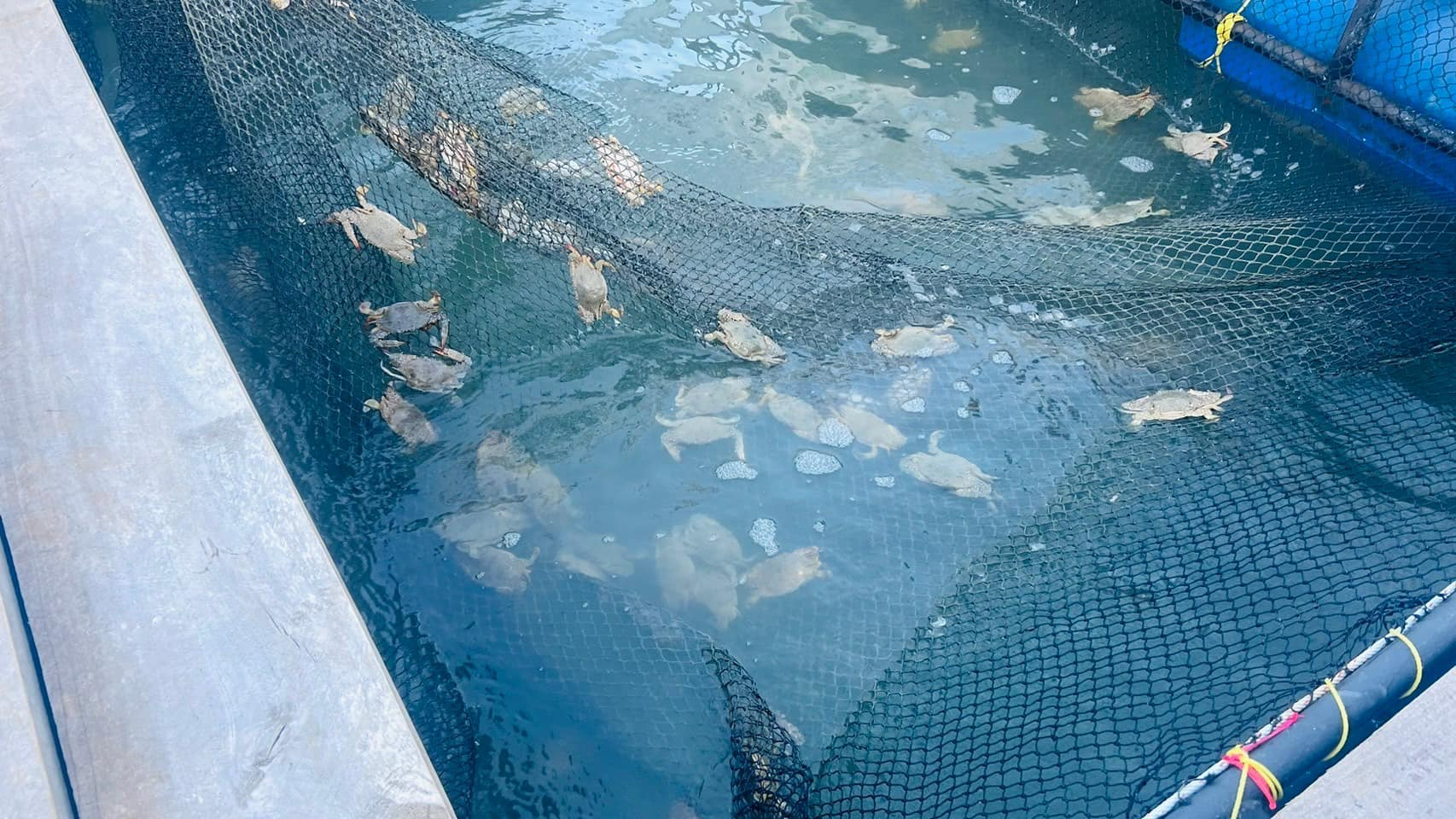
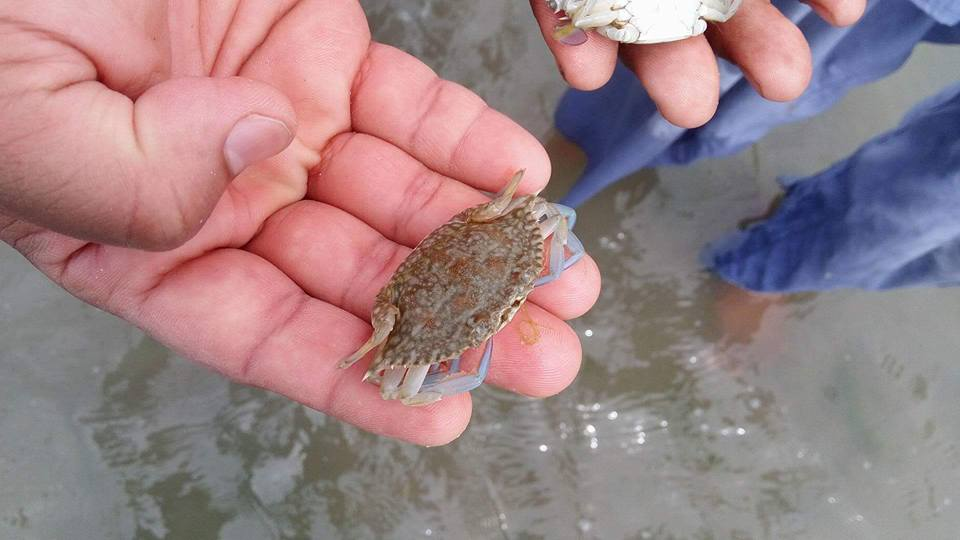
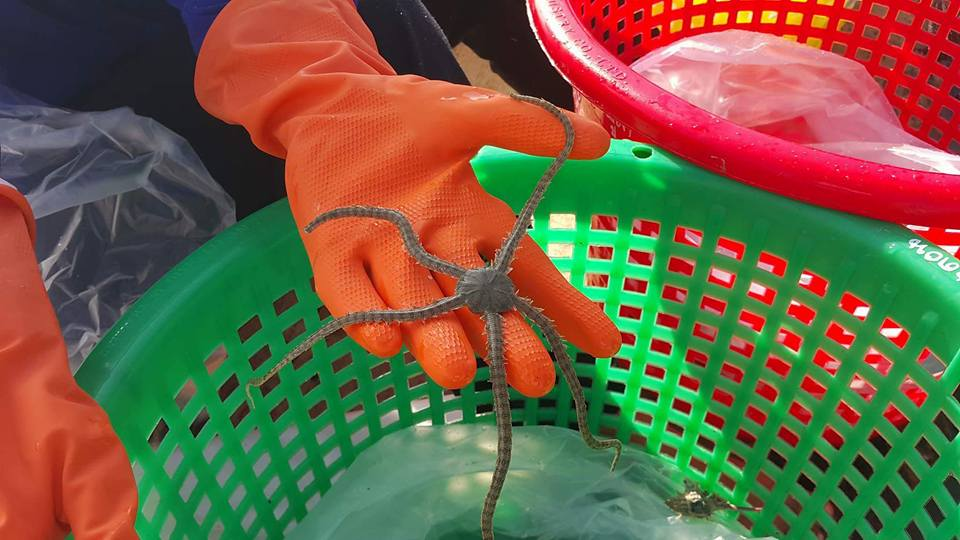
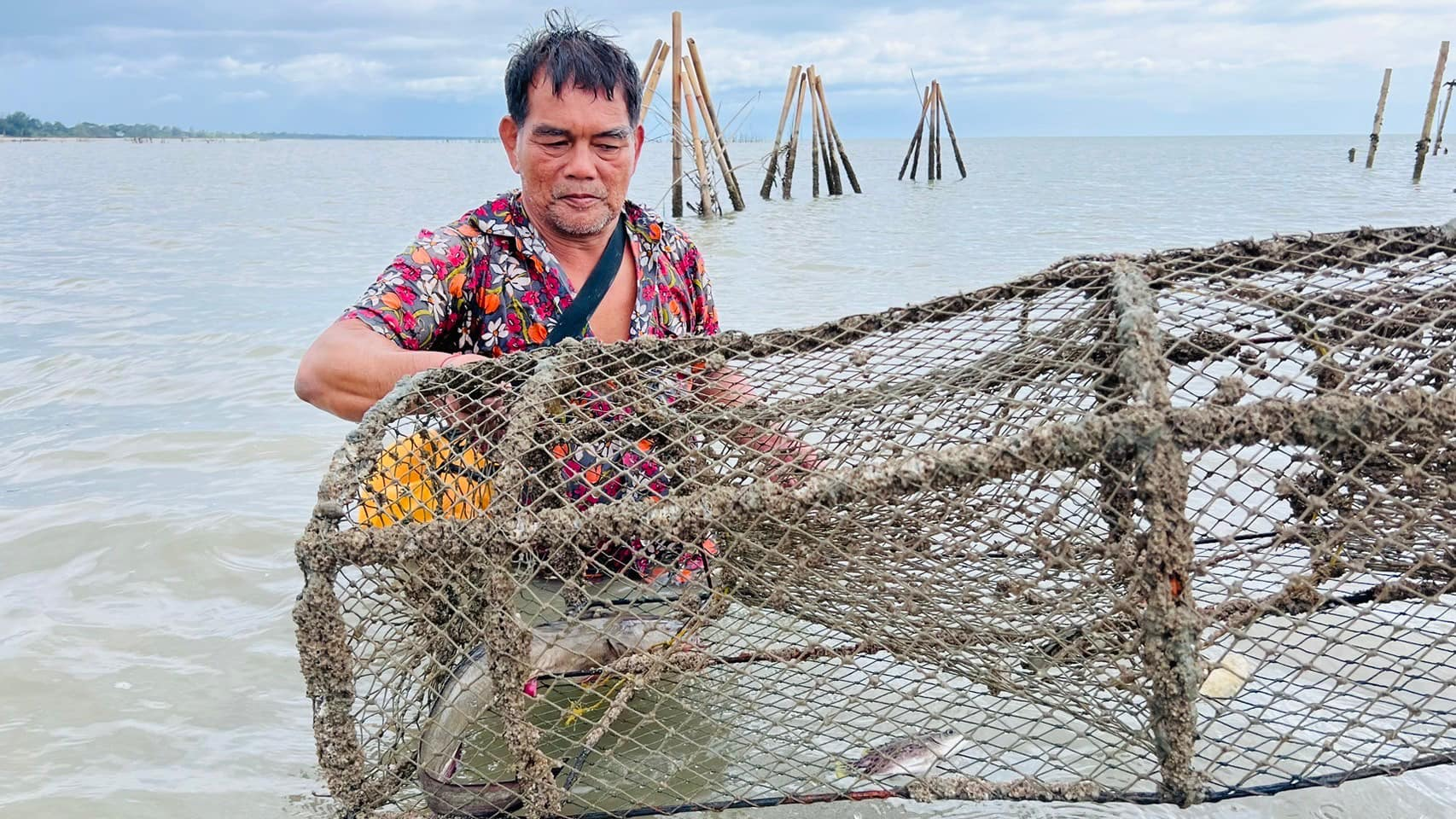
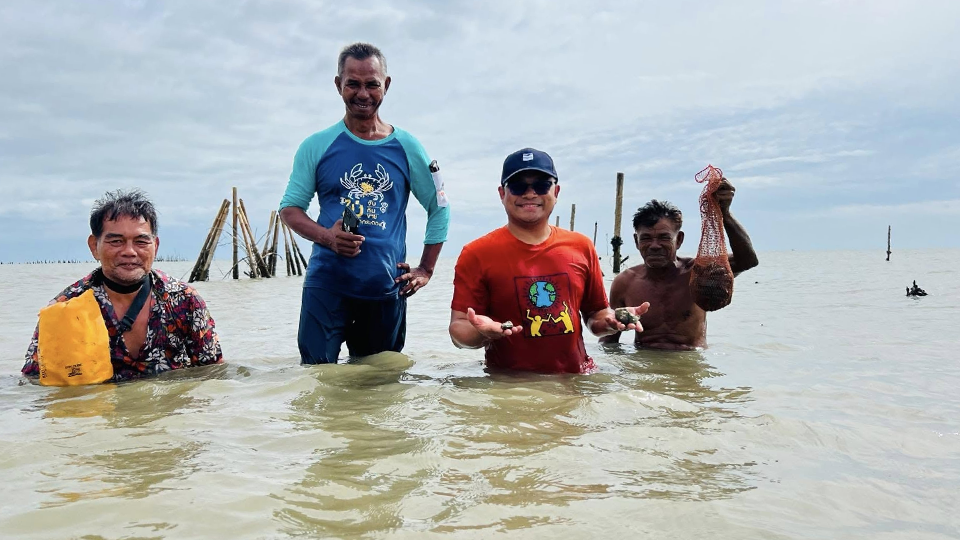
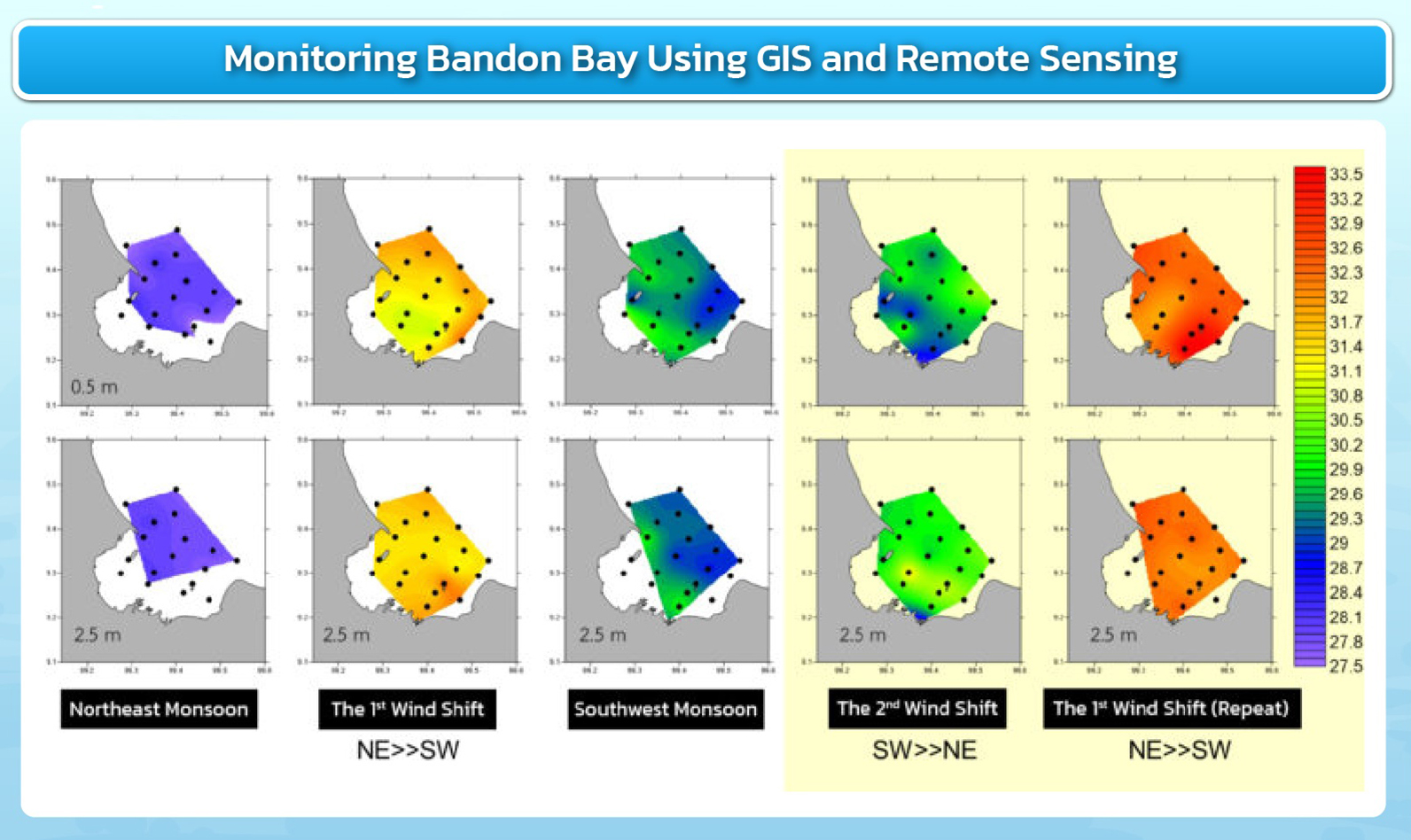
In 2024, Walailak University carried out a comprehensive study of marine animal populations in Ban Don Bay to evaluate biological and physical changes. The research found a notable increase in the population of blue swimming crabs at the megalopa stage. This positive development is attributed to the University’s targeted conservation initiatives, including the creation of blue swimming crab banks, the release of juvenile crabs, and the reintroduction of berried female crabs into the bay.
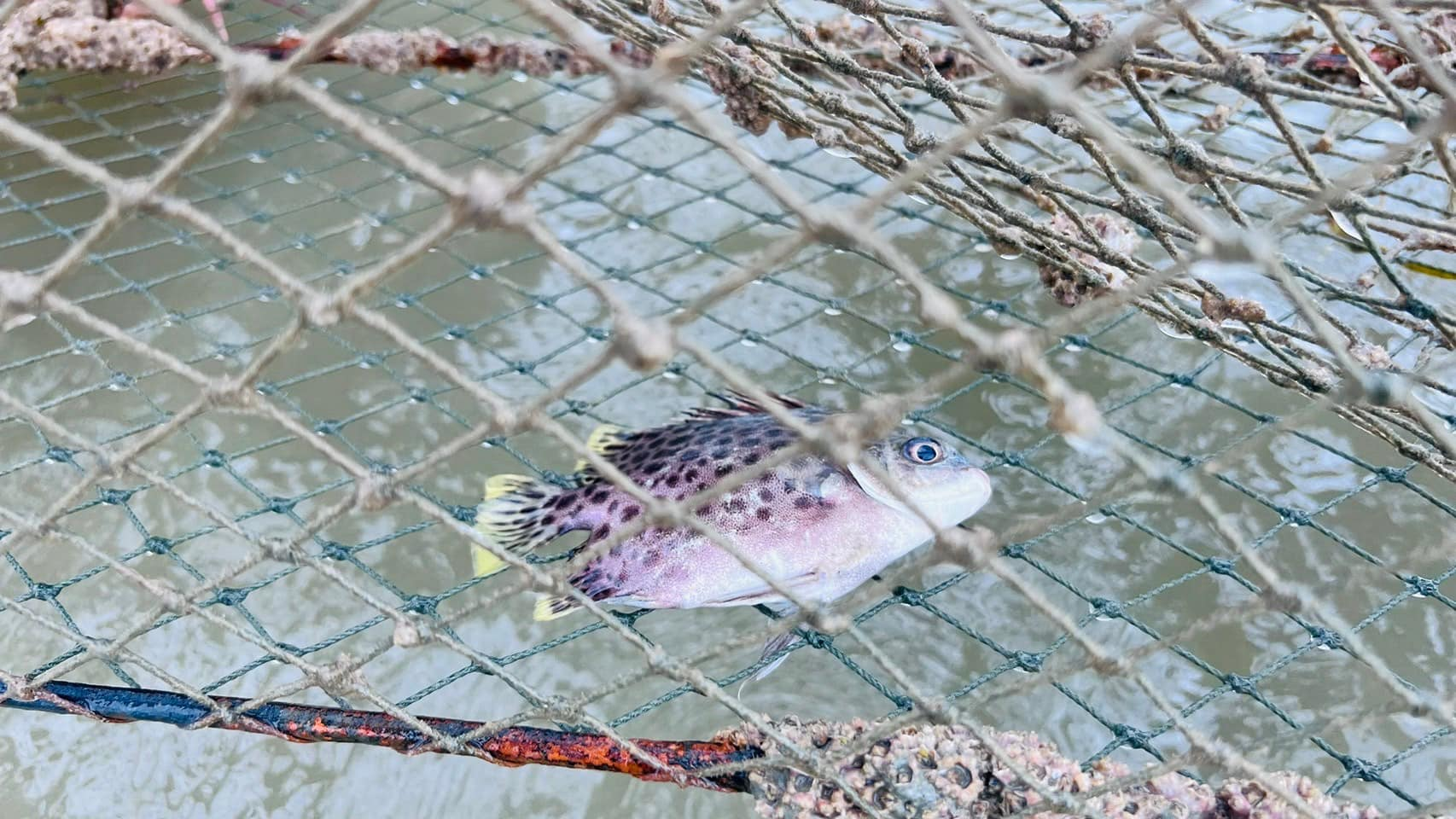
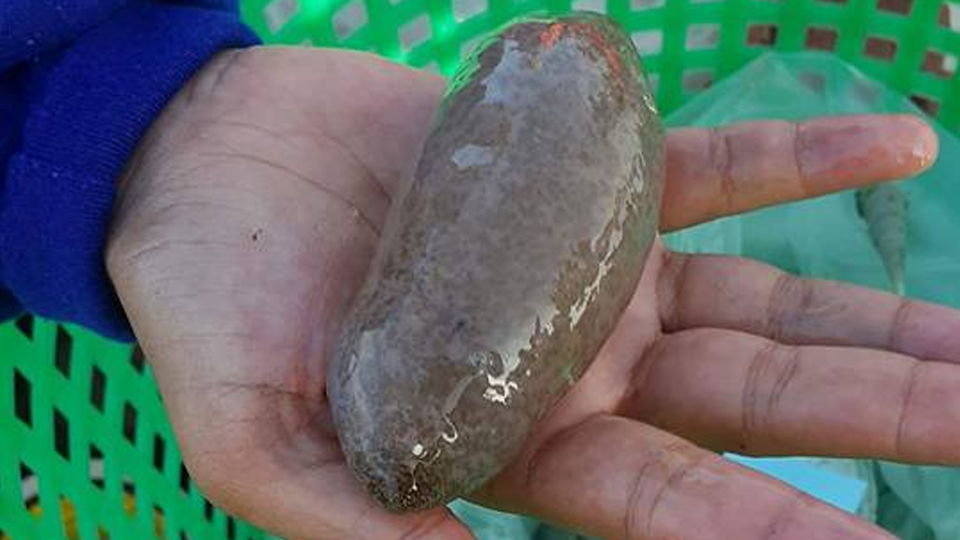
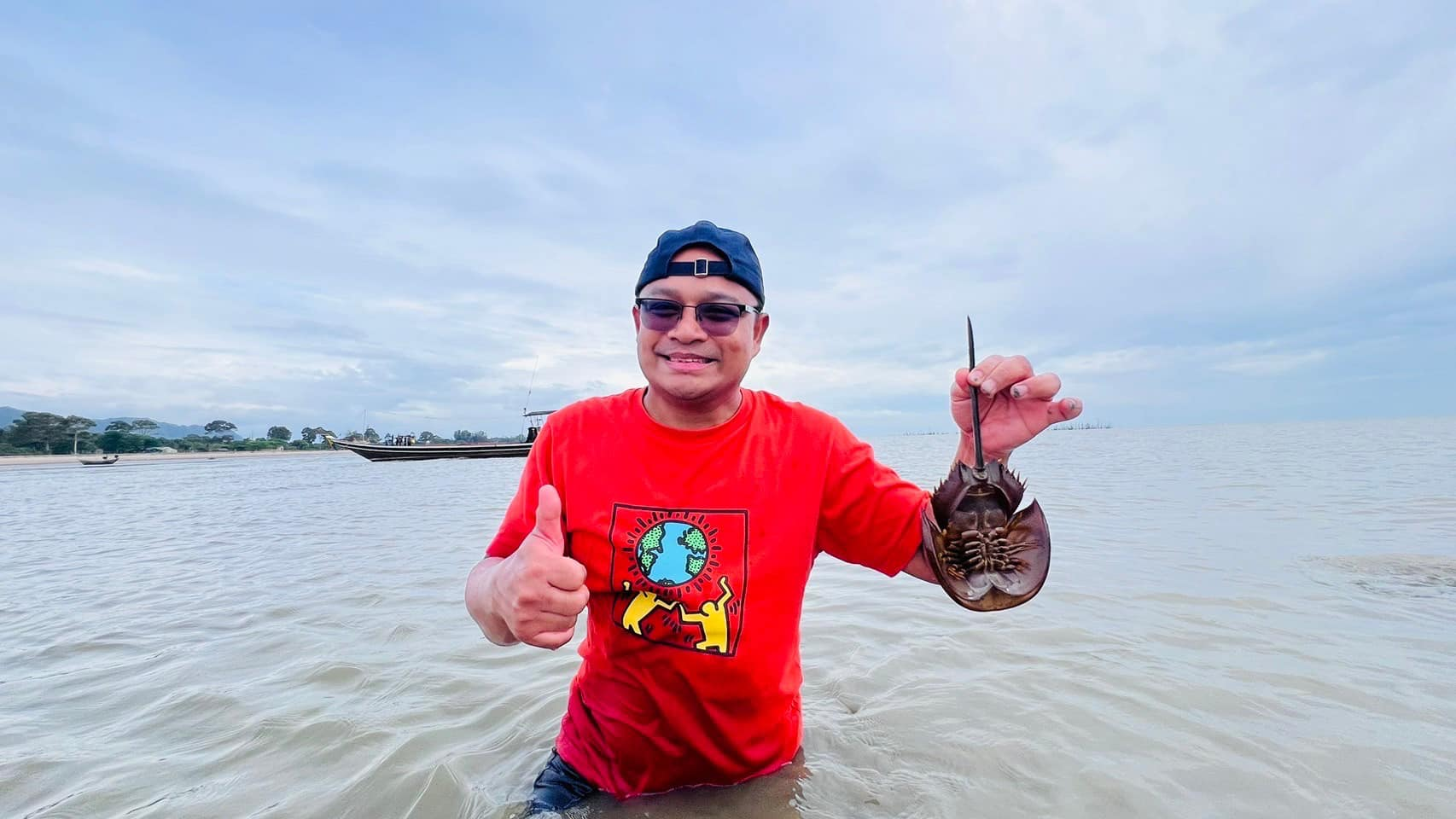
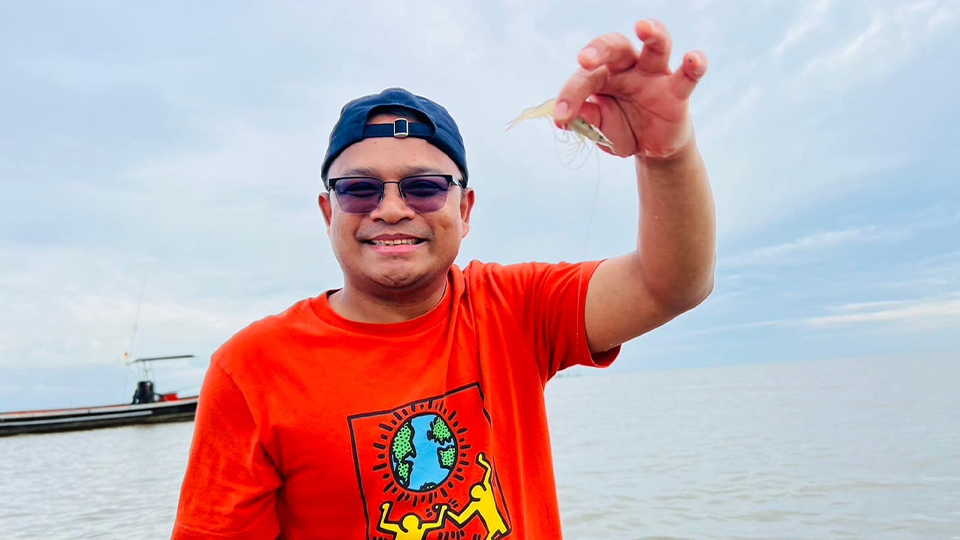
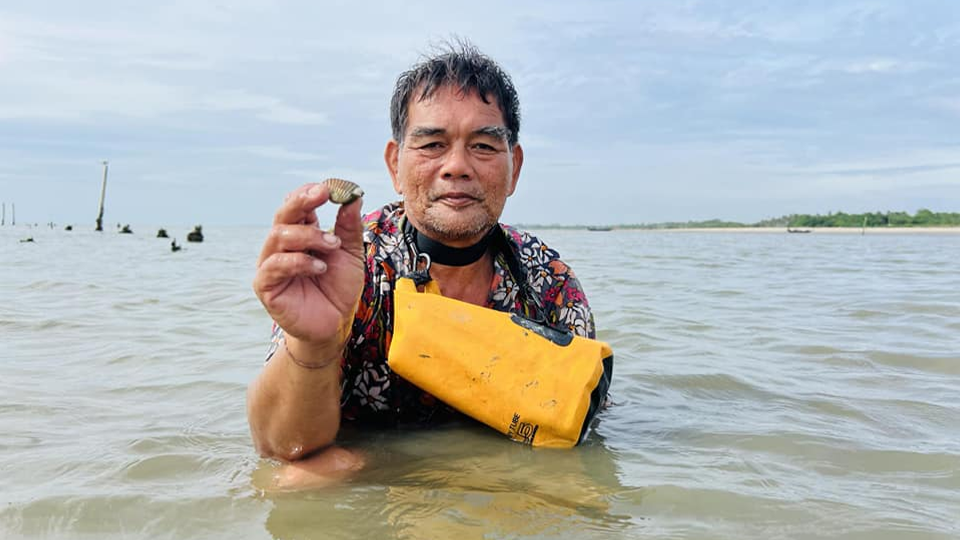
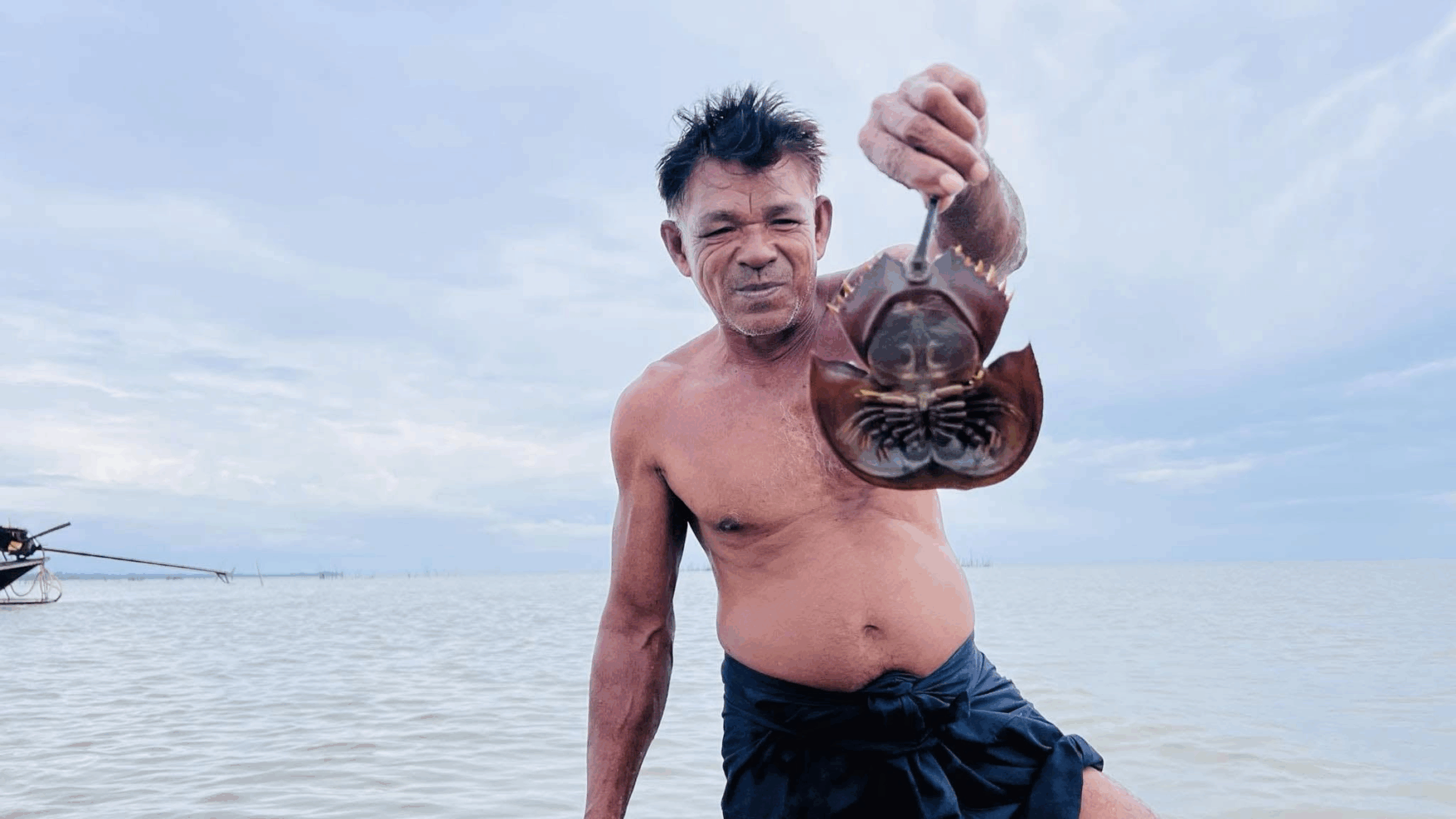
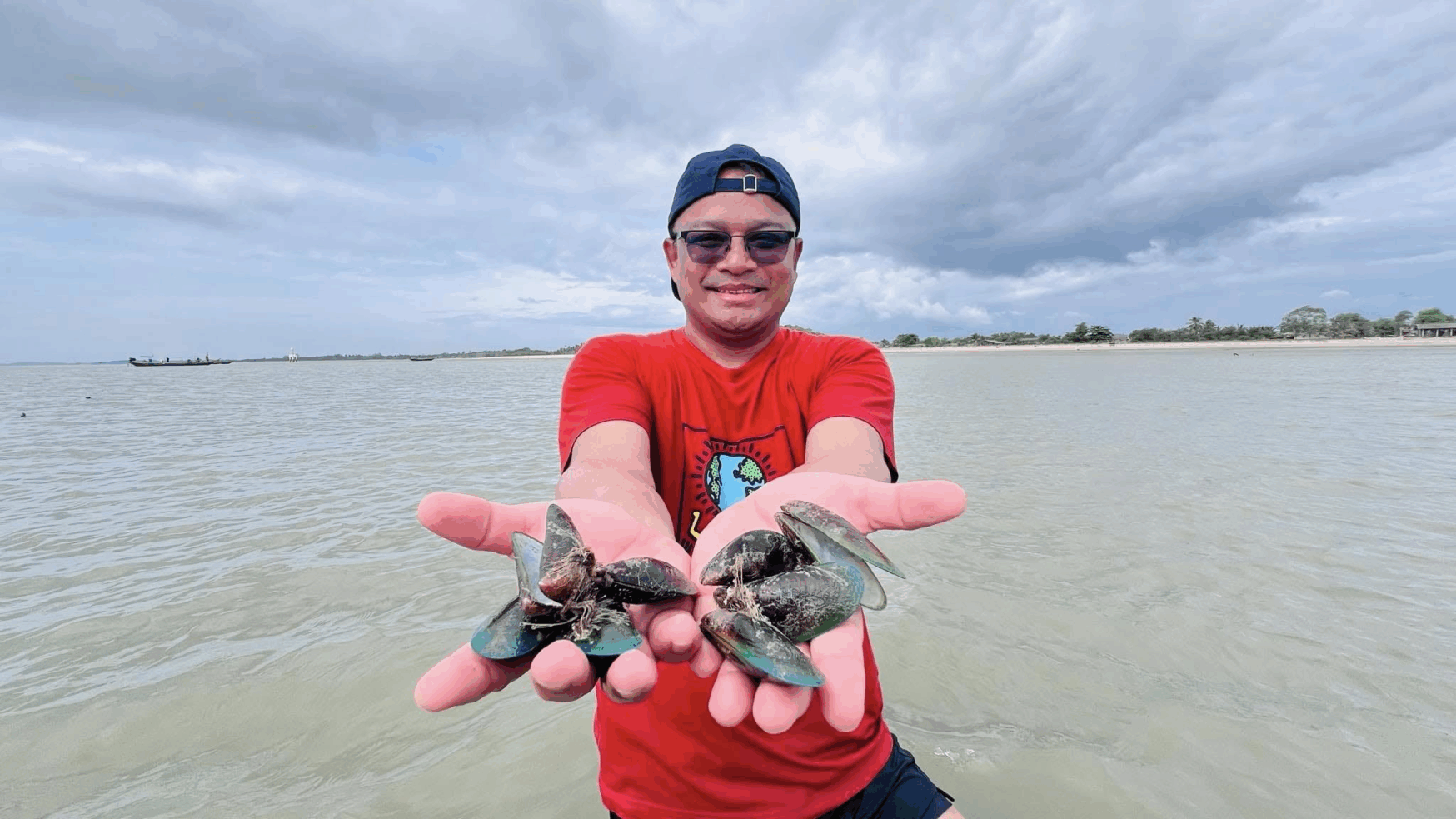
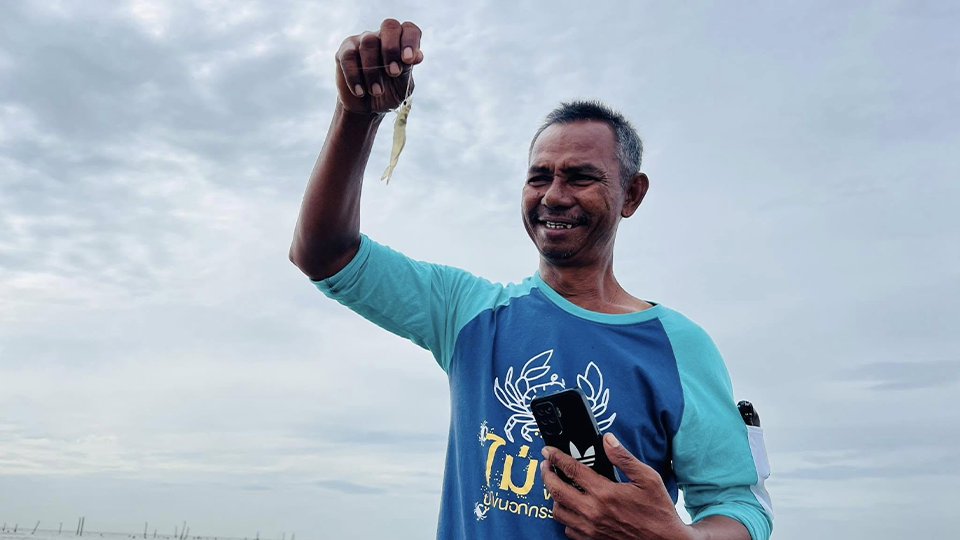
Moreover, the abundance of other marine species also improved following the installation of artificial fish habitats. Species such as blood clams, horseshoe crabs, mussels, scatophagus, and Pacific white shrimp exhibited measurable growth, demonstrating that habitat restoration and species-support programs are effectively promoting the recovery and sustainability of the bay’s marine ecosystem.
From Research to Recognition: Enhancing Thailand’s Fisheries Sustainability through Academic Innovation
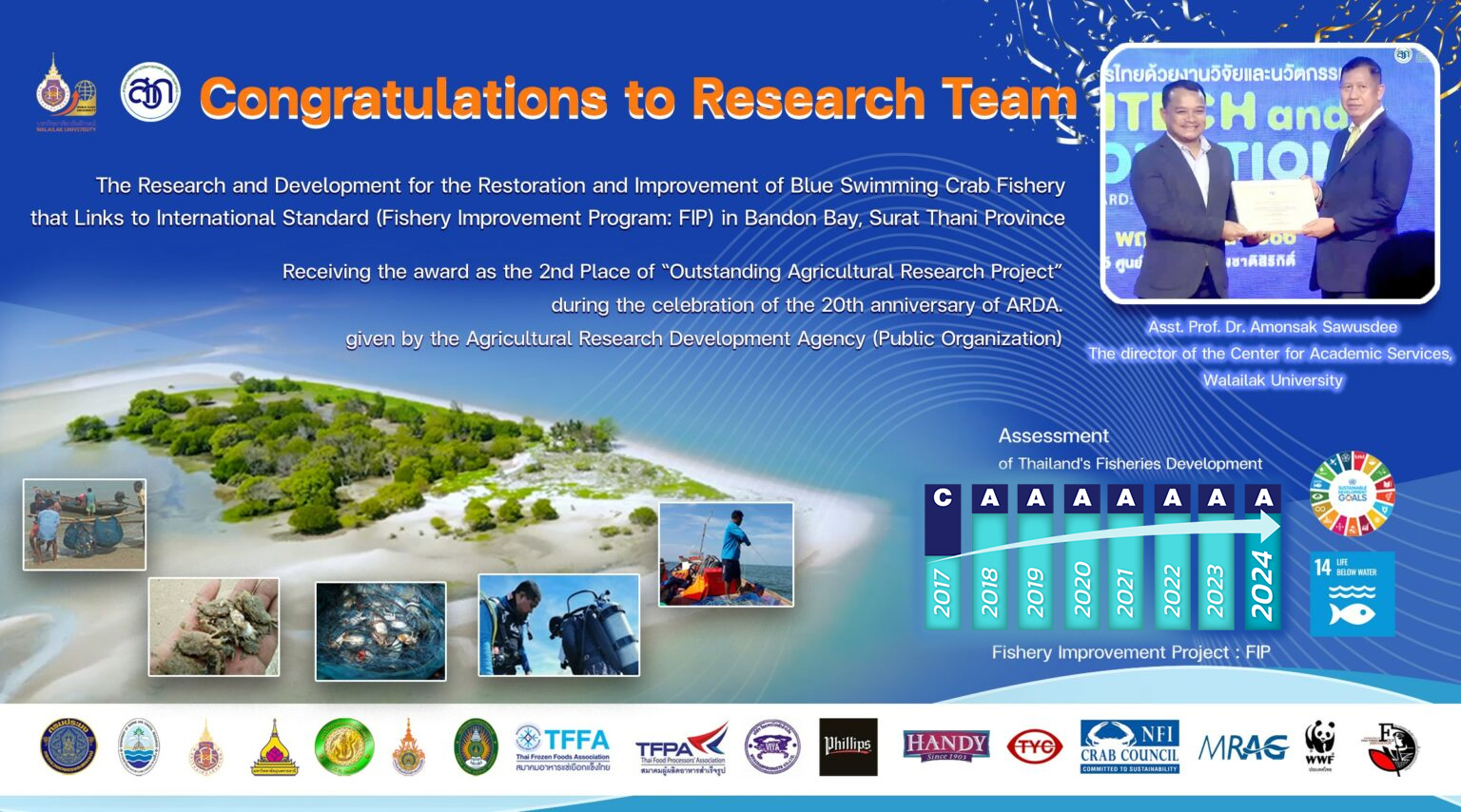
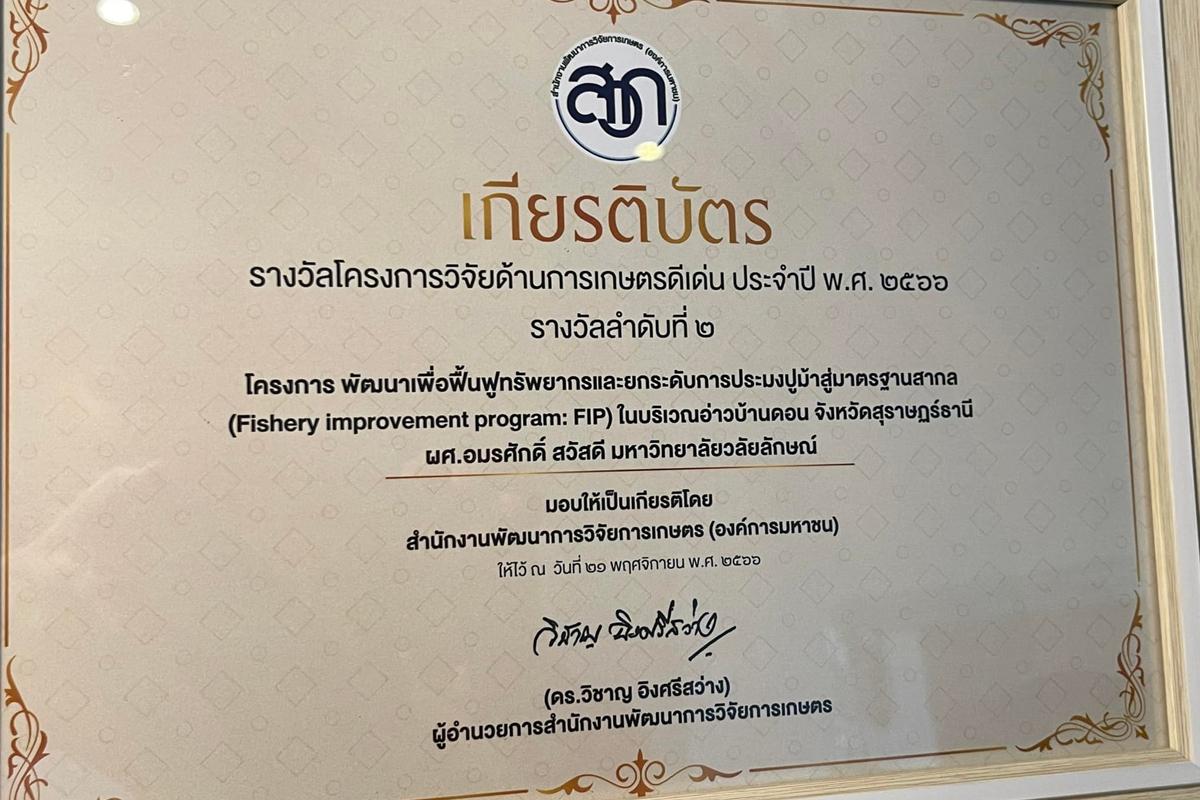
The Center for Academic Services (CAS) at Walailak University extends its congratulations to the research team behind the project “Research and Development for the Restoration and Improvement of Blue Swimming Crab Fishery Linked to International Standards (Fishery Improvement Program: FIP) in Ban Don Bay, Surat Thani Province.” This project earned second place in the Outstanding Agricultural Research Project category for 2024, recognizing its major contributions to advancing sustainable fisheries and aligning Thailand’s seafood industry with international sustainability standards.
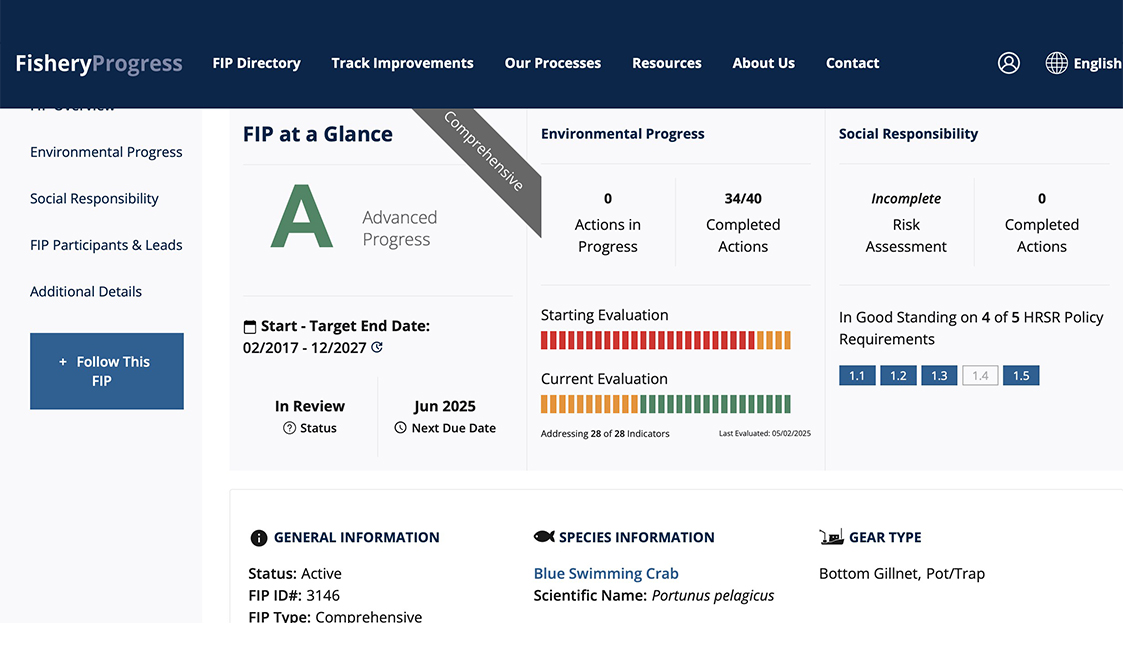
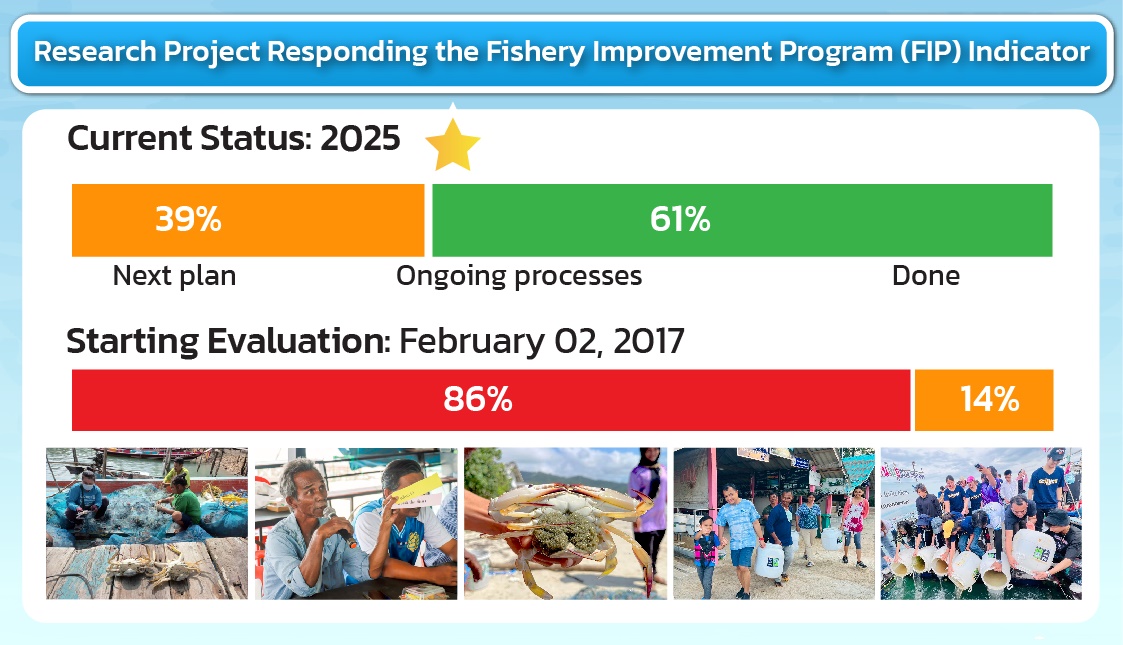
Led by Asst. Prof. Dr. Amonsak Sawusdee, Director of CAS, the project achieved remarkable progress, elevating the Fishery Improvement Program (FIP) rating from C level in 2017 to A level between 2018 and 2024. This improvement signifies strengthened resource management, effective stakeholder collaboration, and enhanced sustainability within Thailand’s blue swimming crab fisheries.
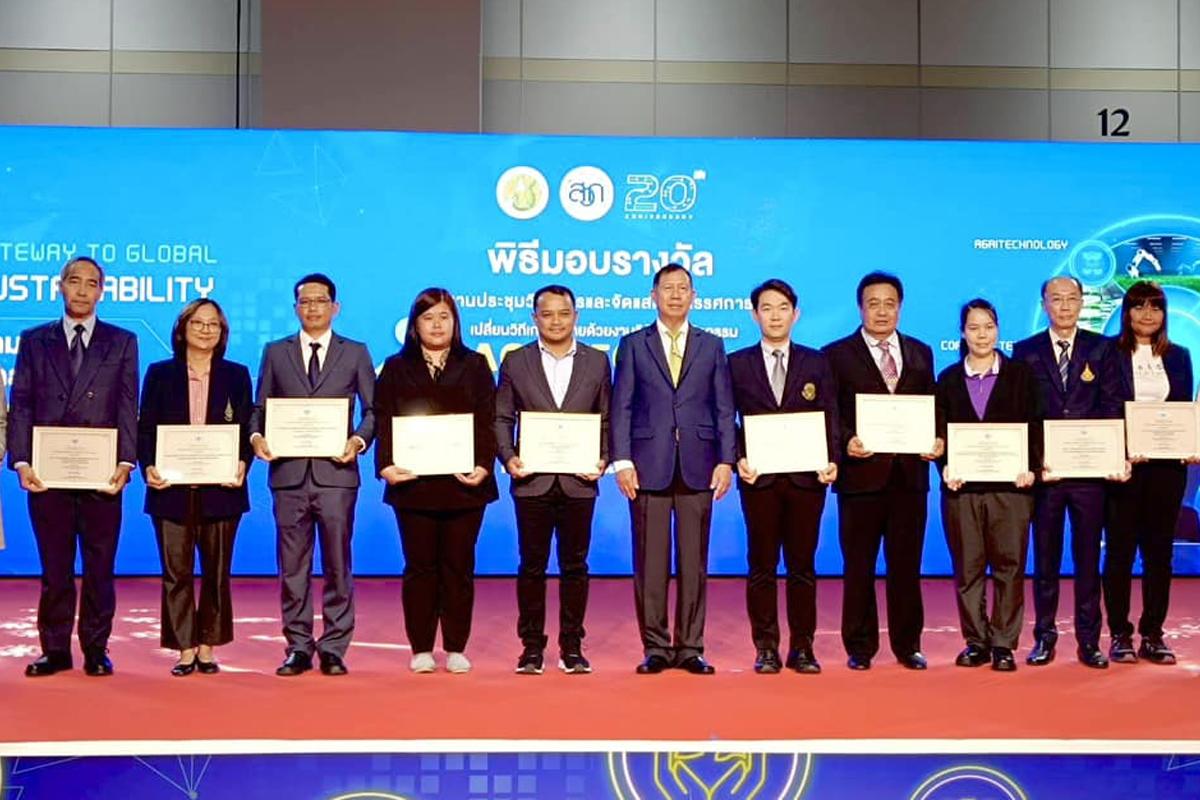
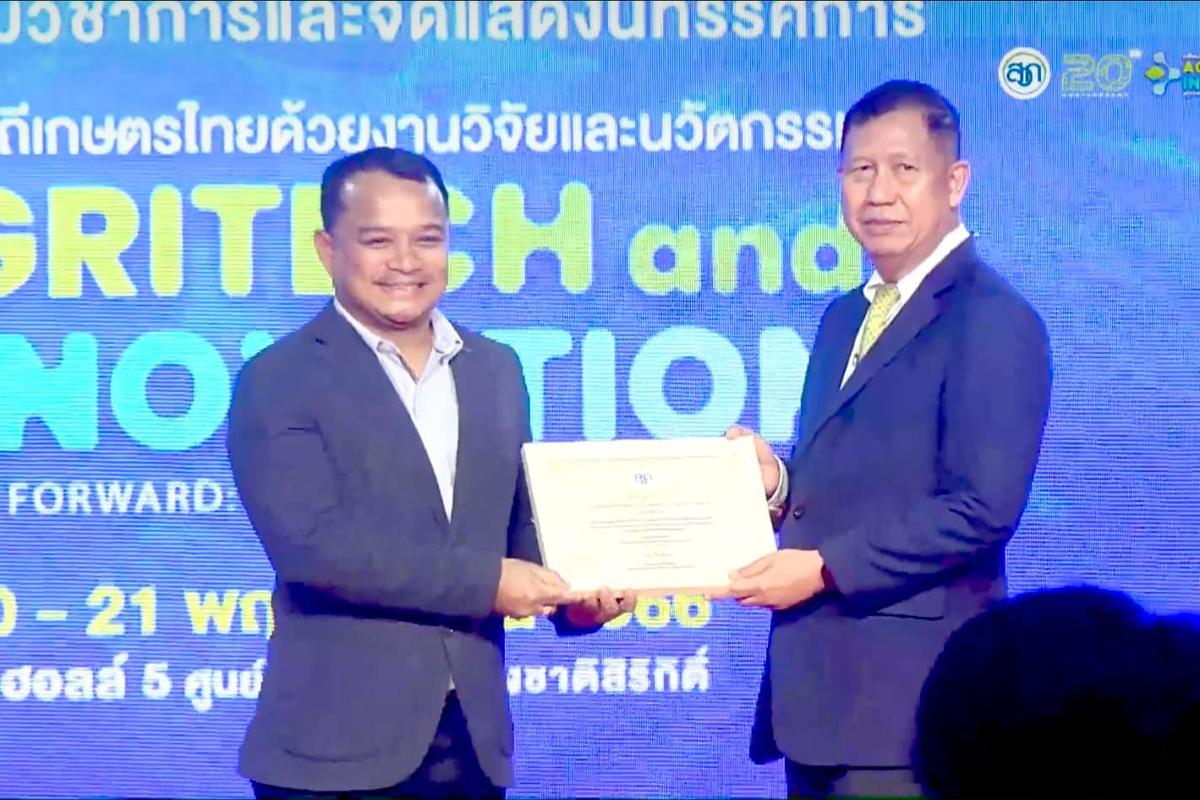
Dr. Amonsak accepted the award on behalf of his research team from Mr. Chavalit Chookajorn, Chairman of the Board Committees of the Agricultural Research Development Agency (ARDA), during the agency’s 20th Anniversary Celebration at the Queen Sirikit National Convention Center (QSNCC). The event, themed “AgriTech and Innovation: Moving Forward from Local to Global,” featured conferences and exhibitions highlighting cutting-edge agricultural innovations from across Thailand.
The project has produced several notable achievements, including:
Elevating the FIP rating to A level, reflecting enhanced sustainability and effective fishery management practices.
Increasing natural aquatic resources through improved blue crab conservation and restocking efforts.
Enhancing catch rates for both artisanal and commercial fishers, leading to higher community income.
Establishing nursery protection zones to safeguard spawning and juvenile habitats.
Developing strategies for blue crab banks, identifying suitable release sites, and managing local ecosystems for long-term stock recovery.
This initiative represents a multidisciplinary collaboration that brings together experts from public and private sectors across various fields—science, technology, genetics, fisheries, oceanography, social sciences, and economics. Collectively, the project exemplifies how academic research can drive sustainable resource management, environmental stewardship, and economic resilience in Thailand’s fisheries sector, setting a model for responsible growth in the global seafood industry.