Walailak University Provides Local Farmers and Food Producers with Access to Labs, Technology and Plant Stocks
Walailak University provides local farmers and food producers with access to university resources and knowledge to support the development of sustainable farming practices, food production, and local livelihoods. The university provides access to university facilities in three key areas: labs, technology, and plant stocks or plant-based learning resources. Access is provided through technology transfer activities, practical training, knowledge exchange, consultation services, and learning opportunities within the university.
These activities connect university resources with the needs of local farmers and food producers, enabling them to apply knowledge, technology, laboratory facilities, and plant resources in practical contexts. The areas covered include plant tissue culture, aquaculture, livestock waste management, biogas production, food processing, food product development, and the use of local agricultural resources. The activities and access opportunities are provided free of charge to the target groups.
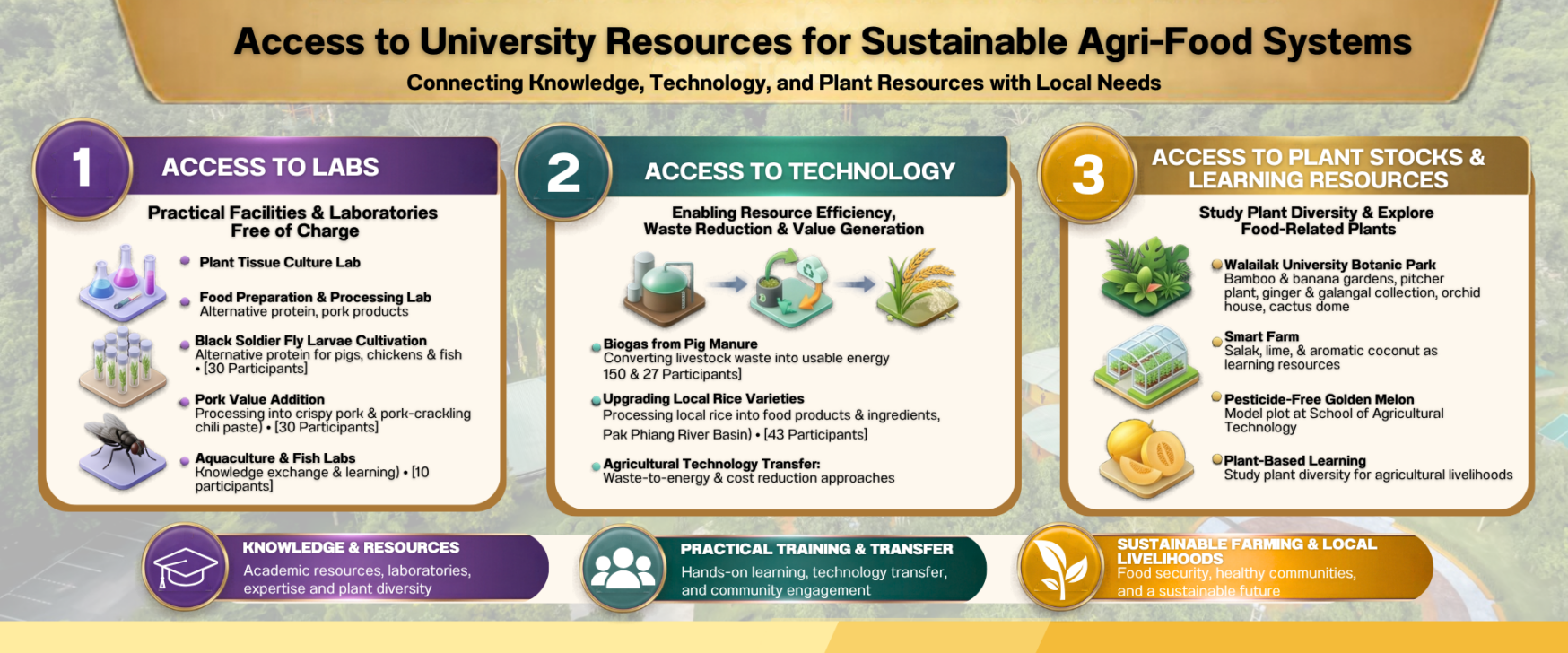
Access to Labs
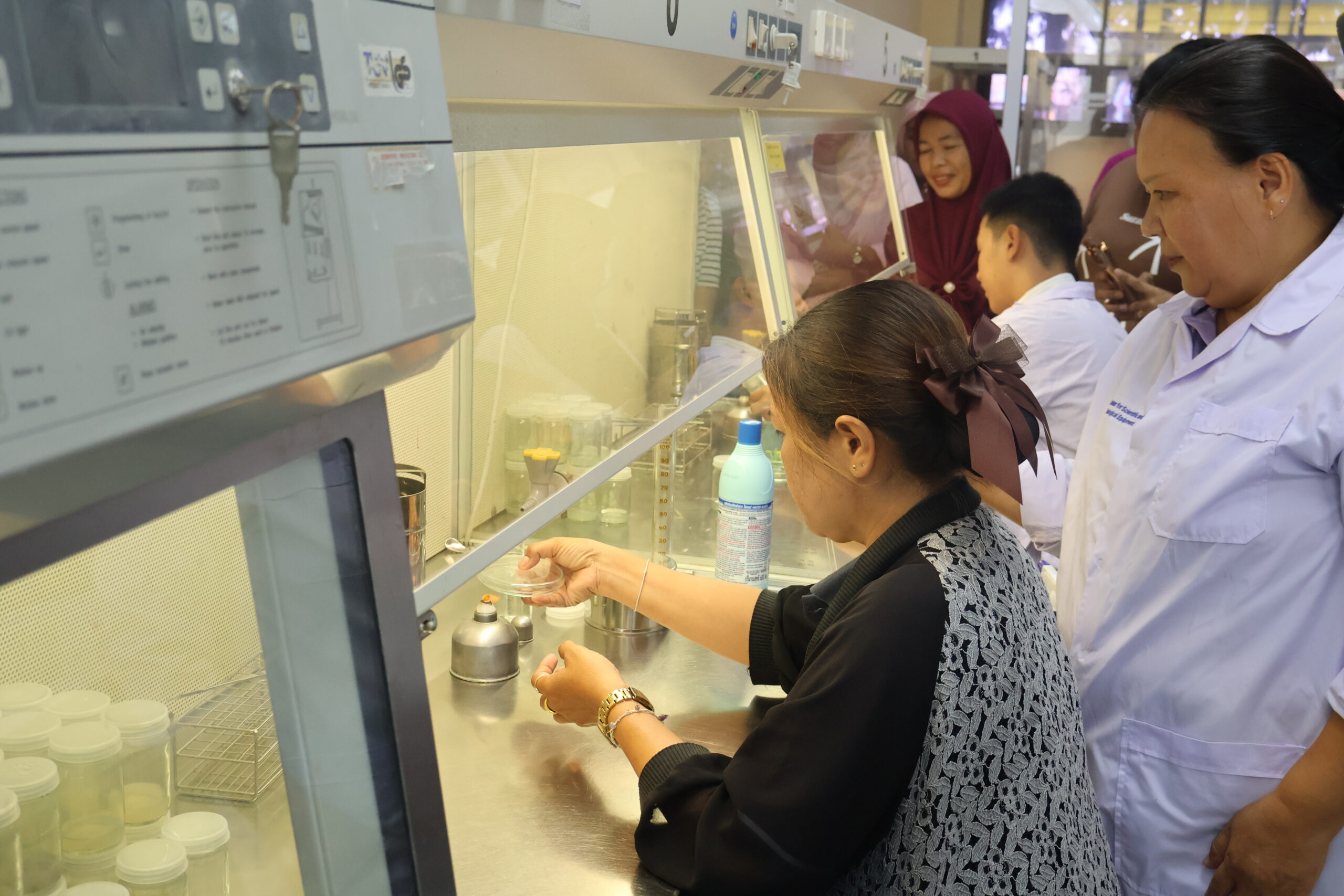
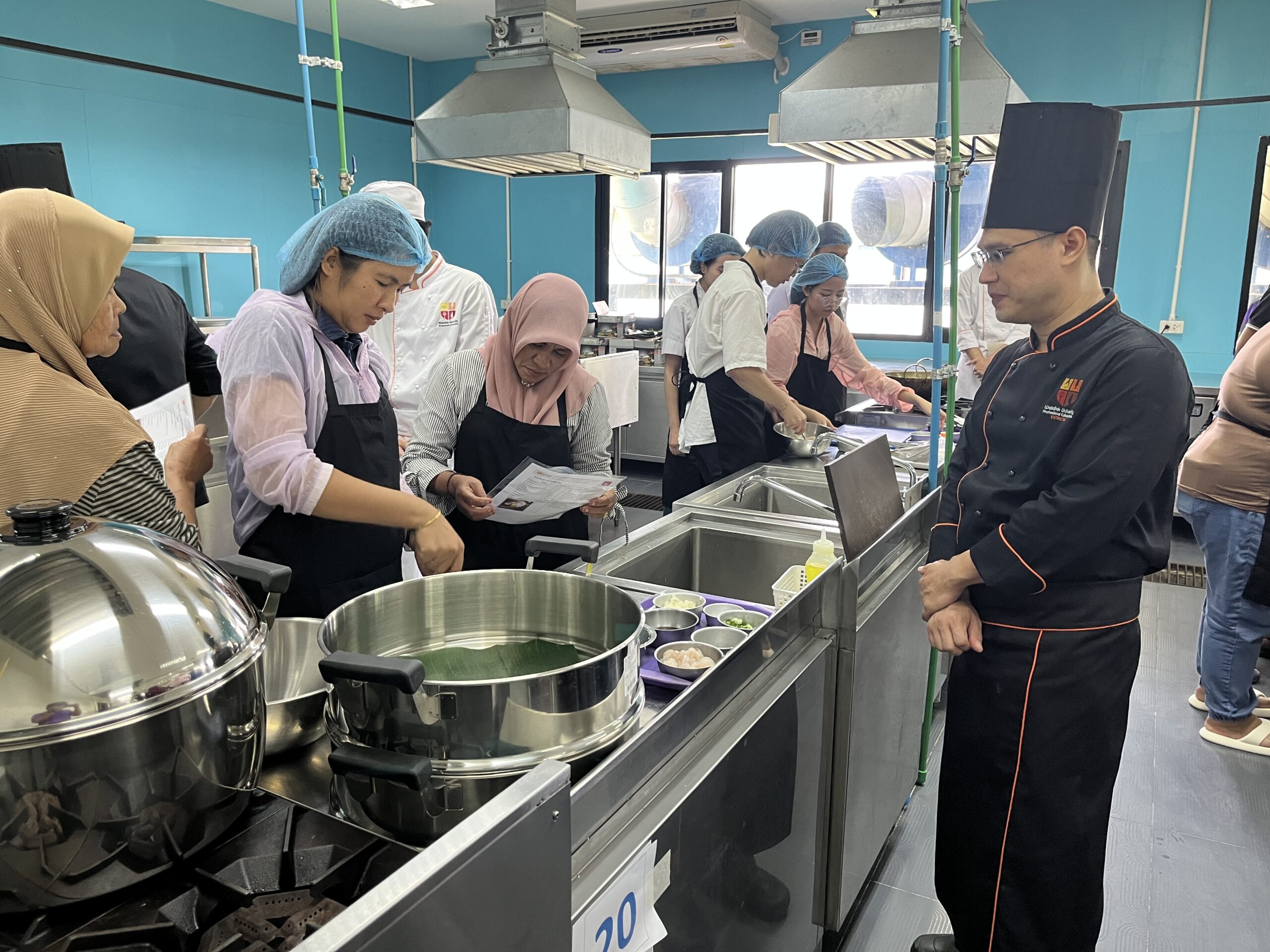
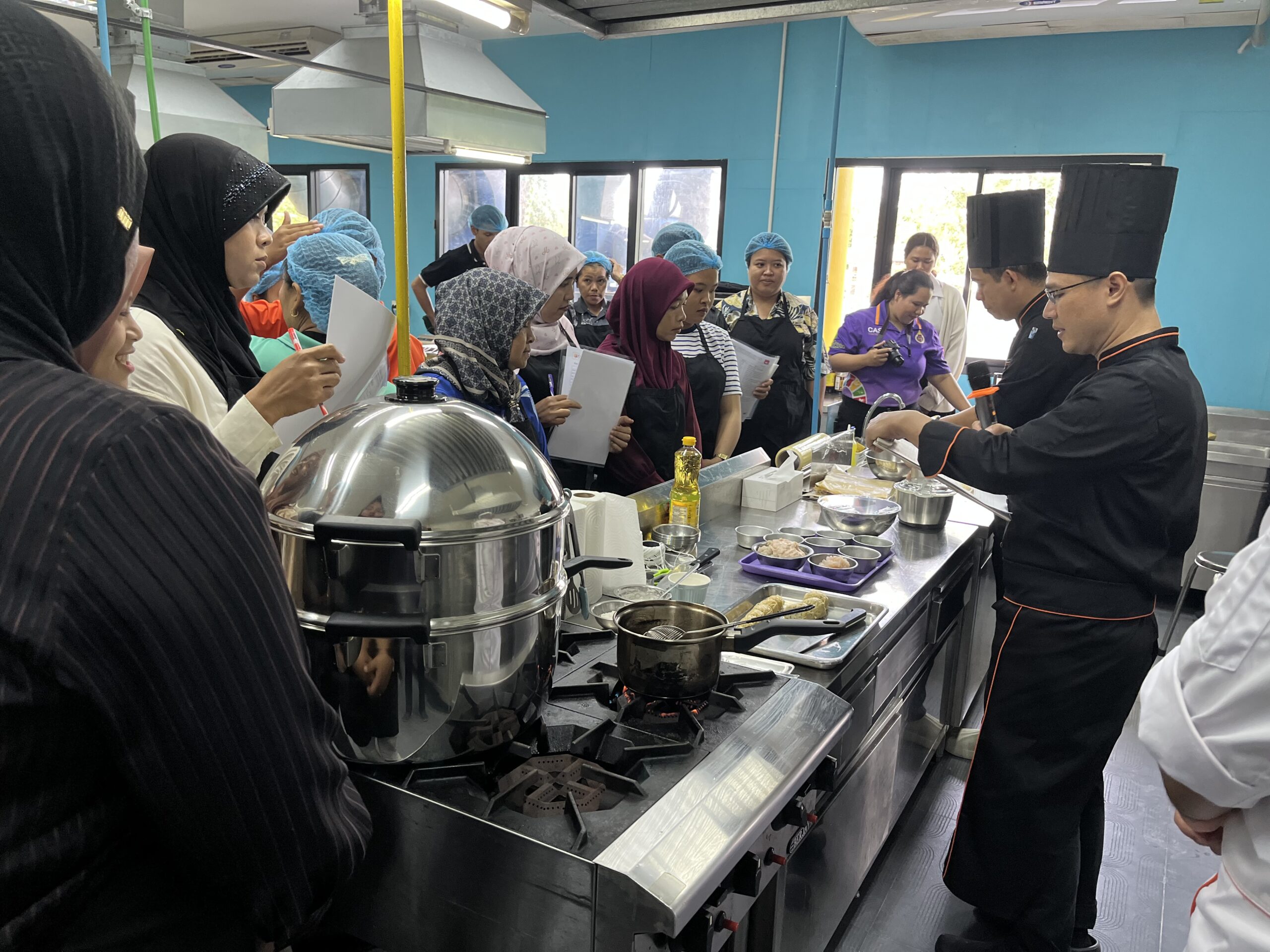
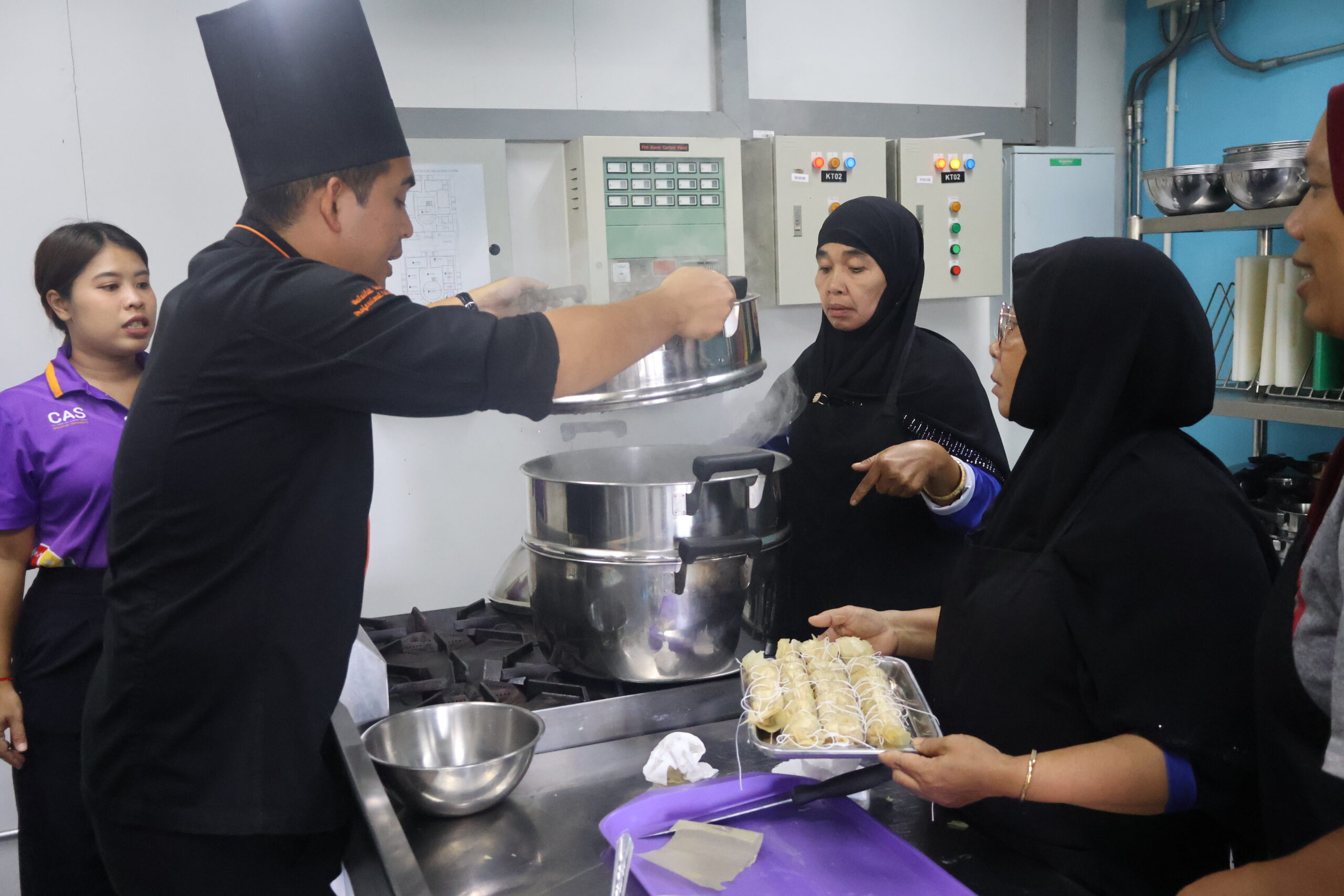
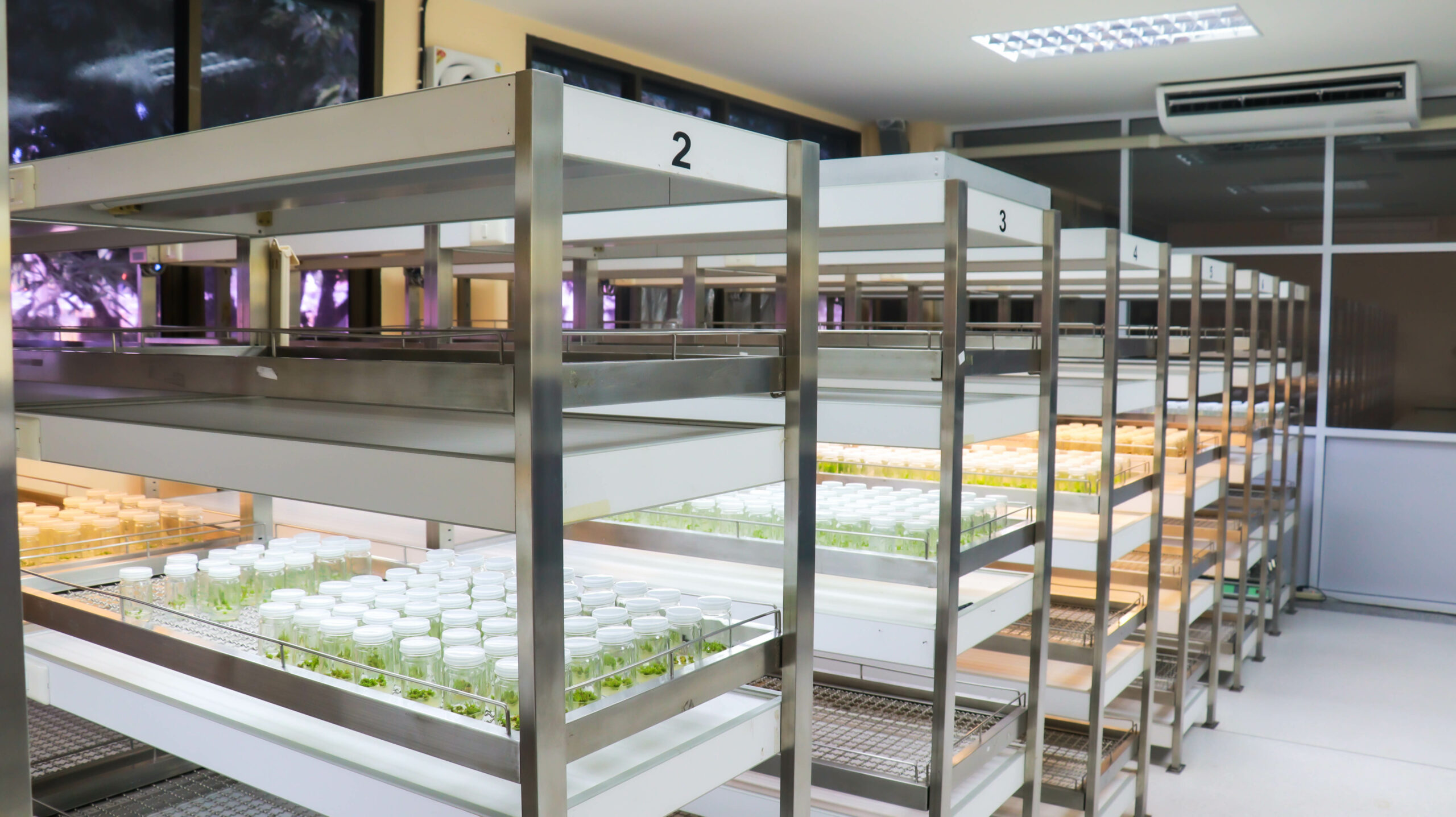
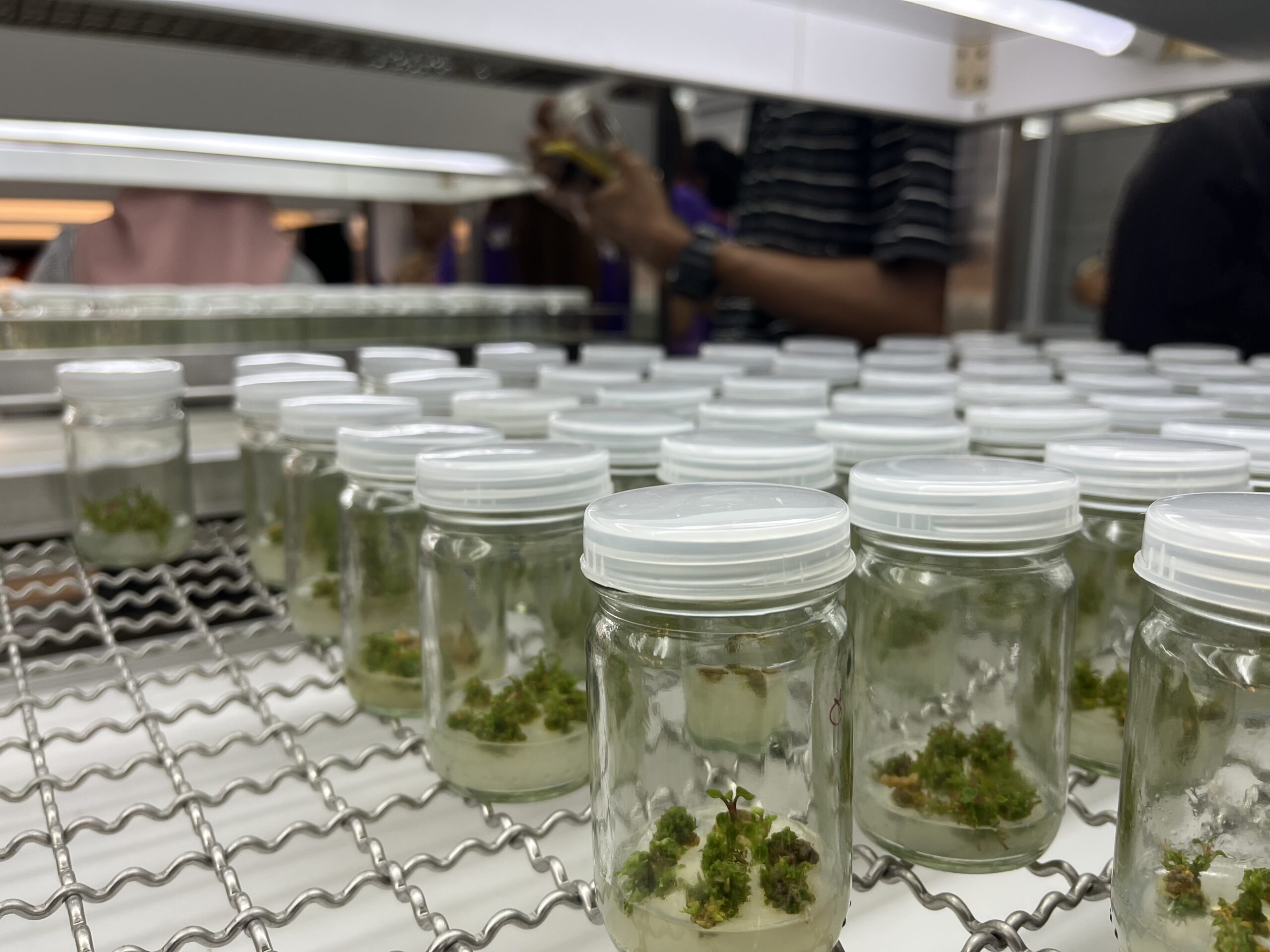
Walailak University provides local farmers and food producers with access to laboratories and practical facilities related to agriculture and food production. These facilities provide opportunities to learn and practice processes that can be applied to agricultural activities, food production, and local livelihoods. The available facilities include laboratories for plant tissue culture, food preparation, black soldier fly larvae cultivation, food processing, and aquaculture.
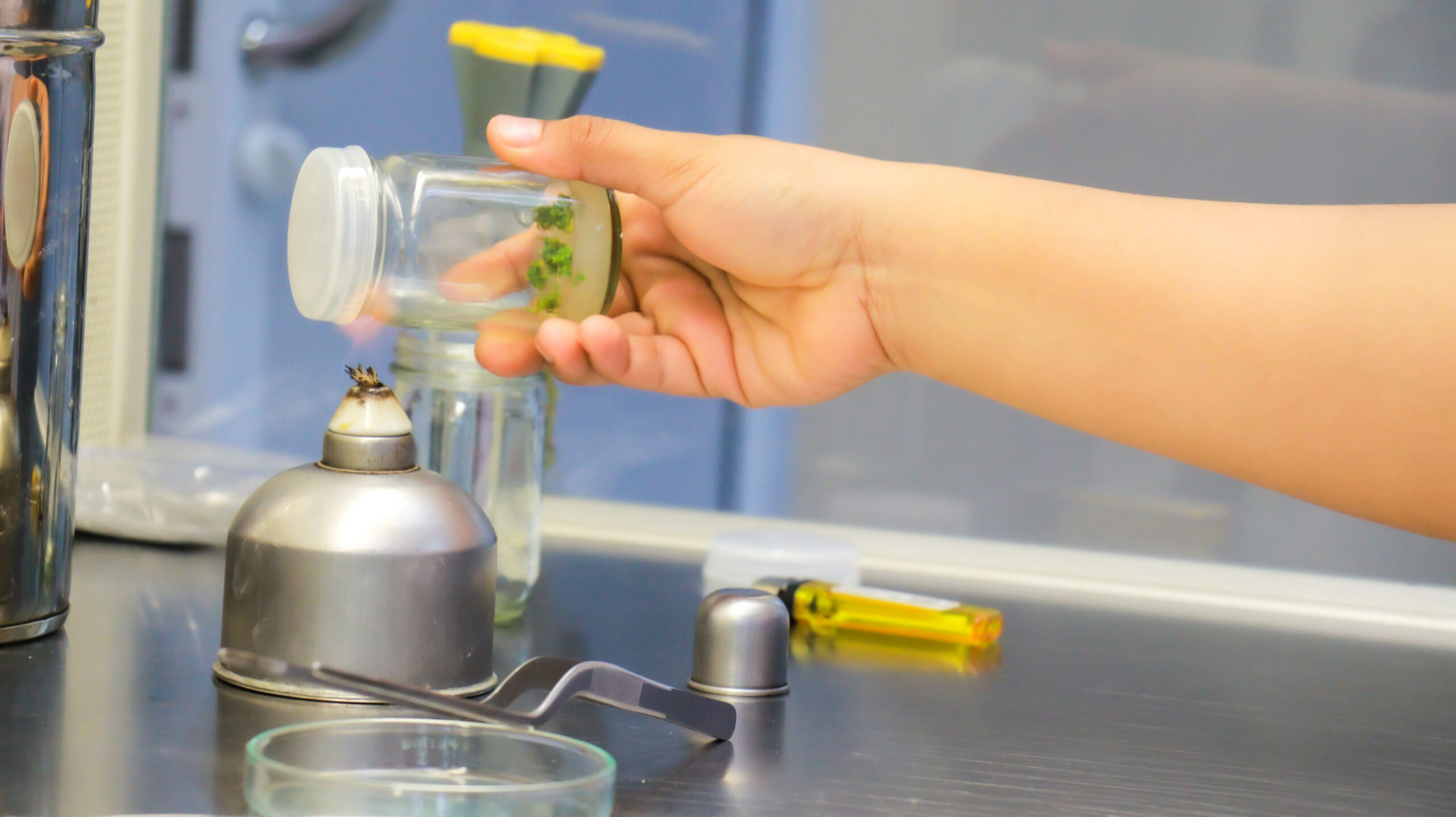
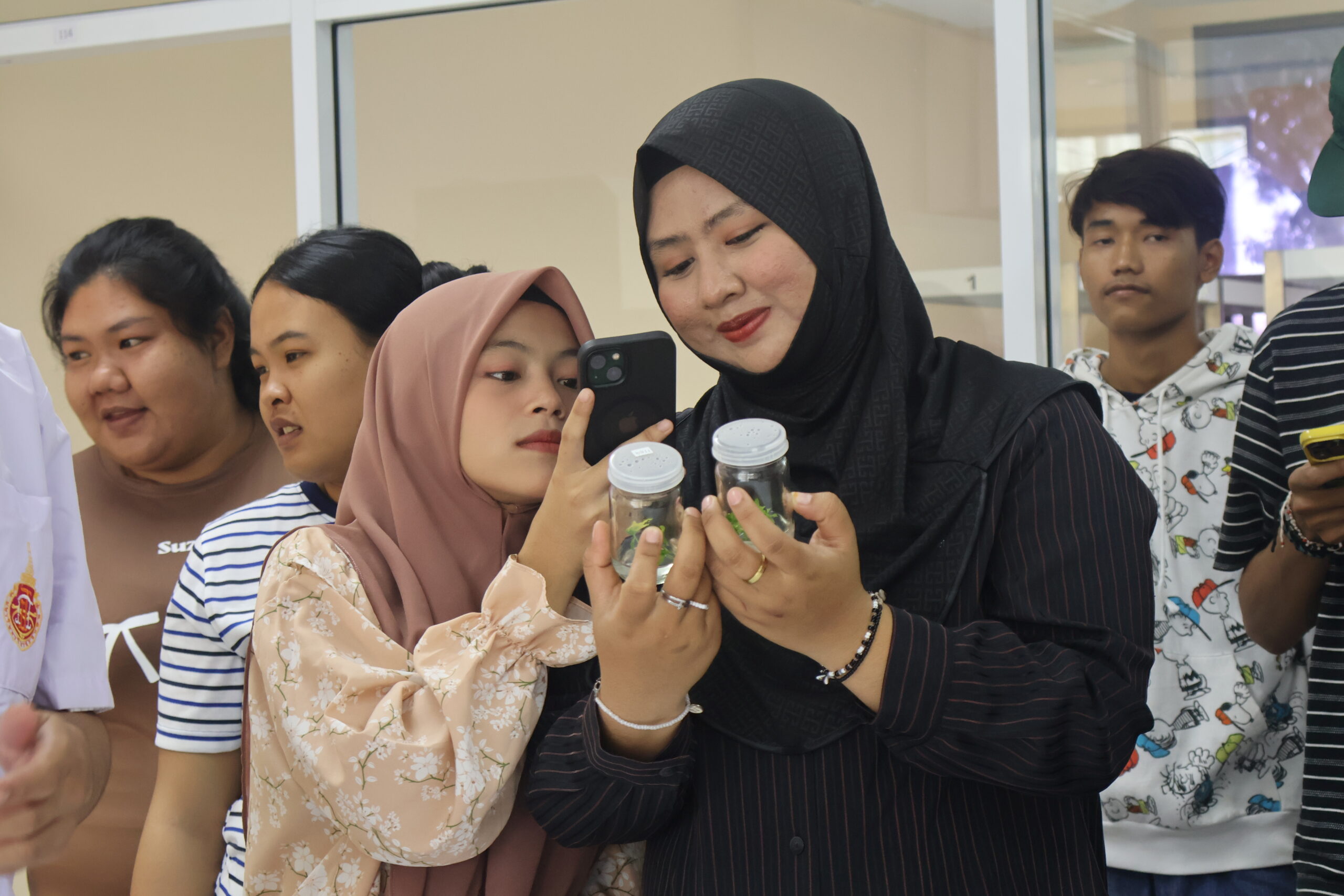
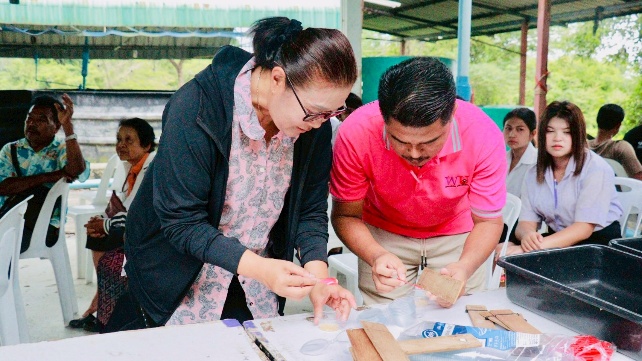
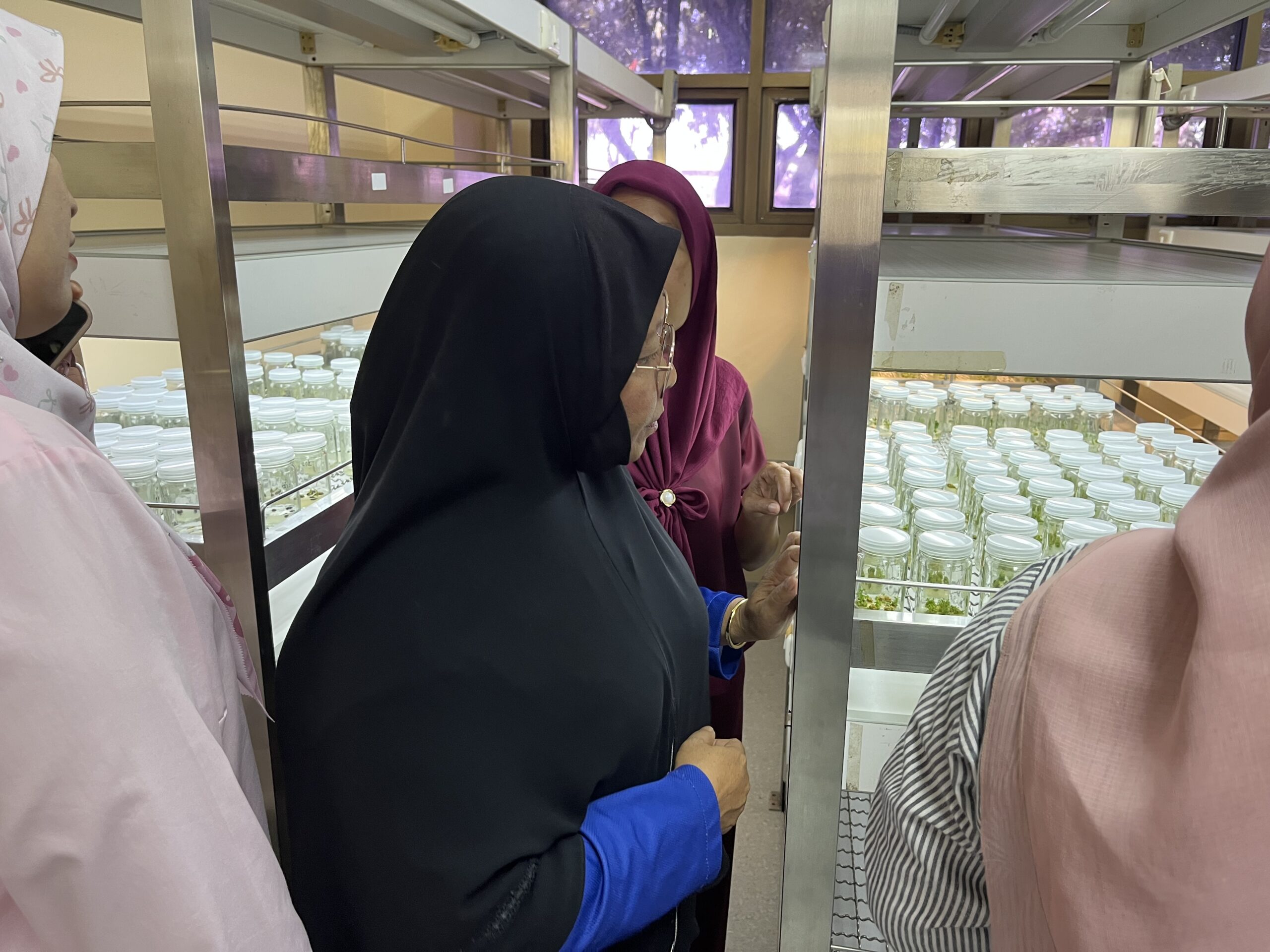
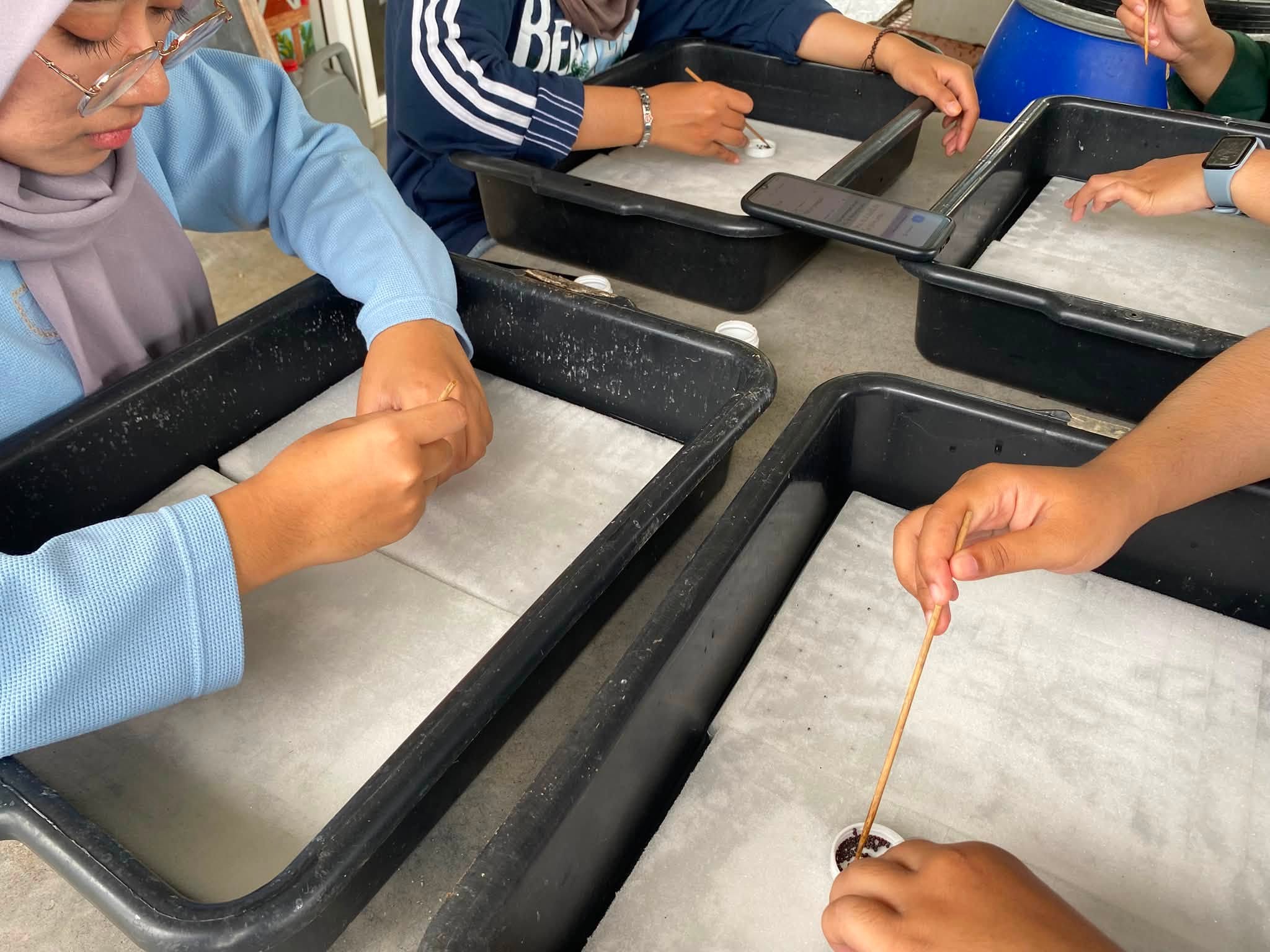
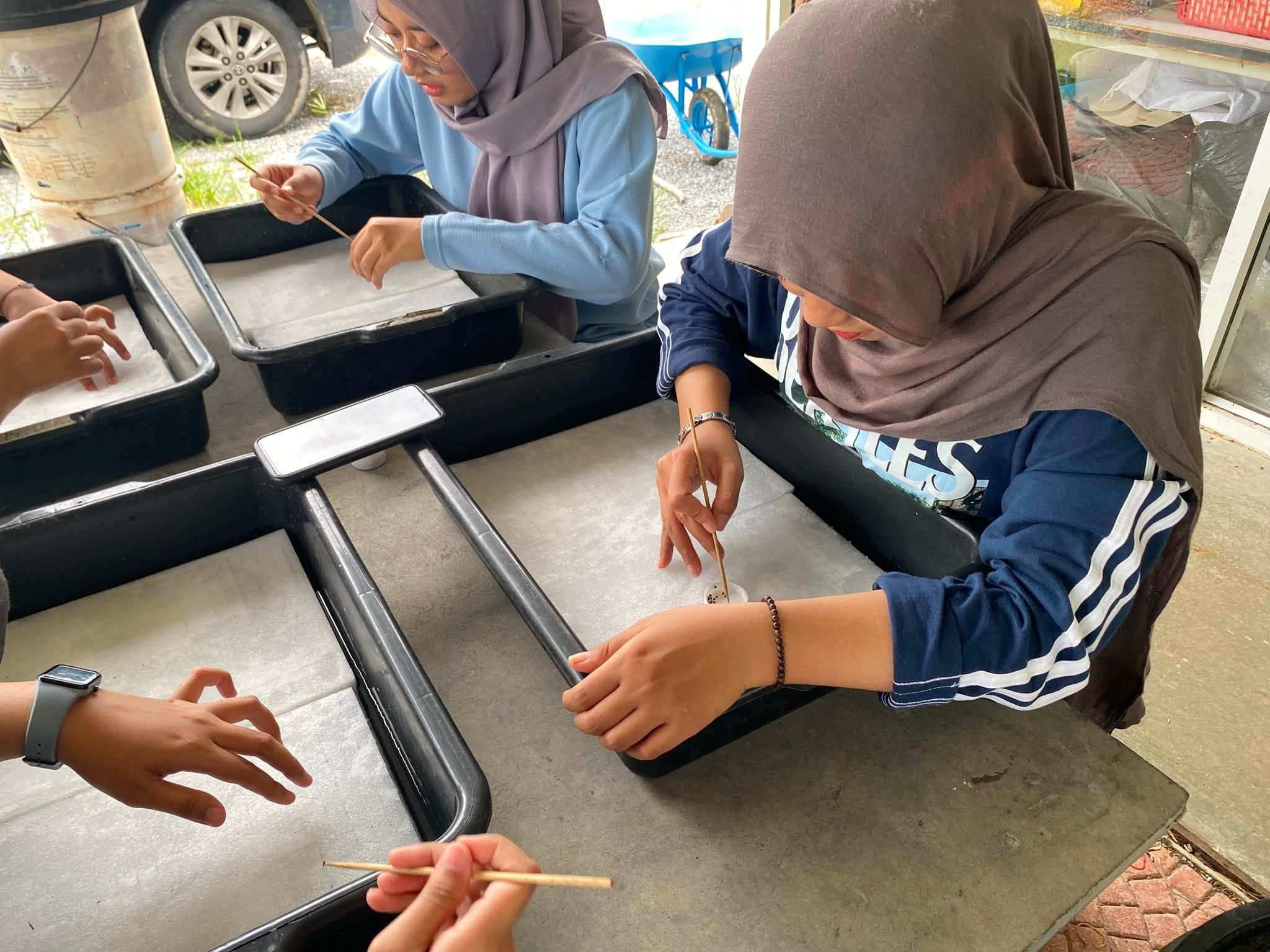
One example is the plant tissue culture laboratory, which supports knowledge transfer related to plant propagation and production for local farmers. The university also provides access to facilities and resources related to food preparation for food producers, allowing participants to learn practical processes for preparing and developing food products using local agricultural resources.
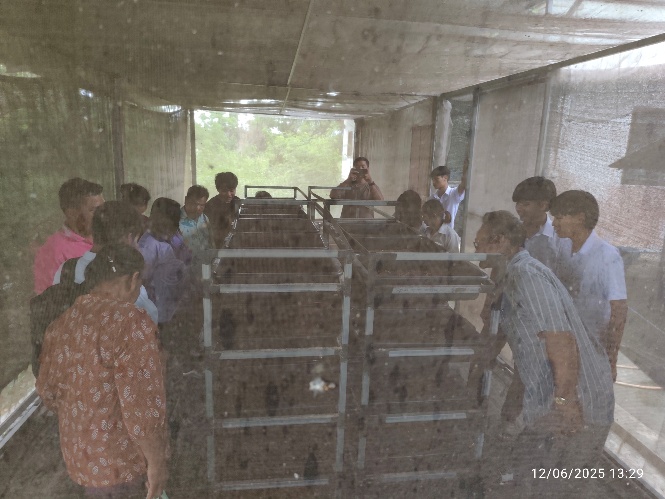
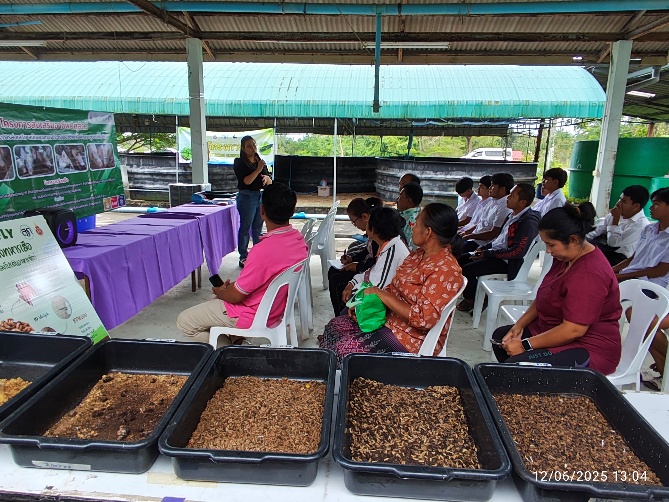
The university also organized a practical training activity on black soldier fly larvae cultivation, with 30 participants. The activity transferred technology for cultivating black soldier fly larvae as an alternative protein supplement for pigs, chickens, and fish. Through practical learning, local farmers and food producers were able to gain knowledge of the cultivation process and explore its application within their own production systems.
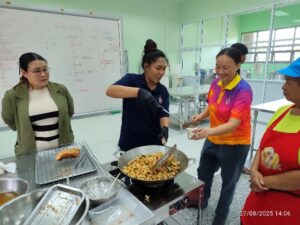
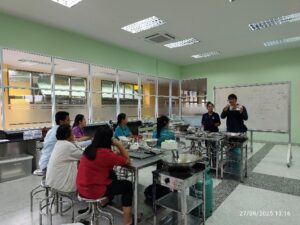
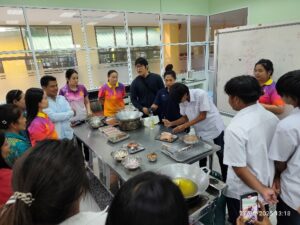
In the area of food processing, the university organized a practical training activity on processing pork into crispy pork and pork-crackling chili paste, with 30 participants. The activity demonstrated how food processing can be used to add value to agricultural products. In addition, a knowledge exchange activity on aquaculture was organized for 10 participants, providing local farmers with access to knowledge and learning resources related to aquaculture practices.
Access to Technology
In addition to labs, Walailak University provides local farmers and food producers with access to technology that can be applied to agricultural and food production systems. The technology transfer focuses on approaches that can improve resource efficiency, reduce waste, generate value from agricultural products, and support more sustainable farming practices.
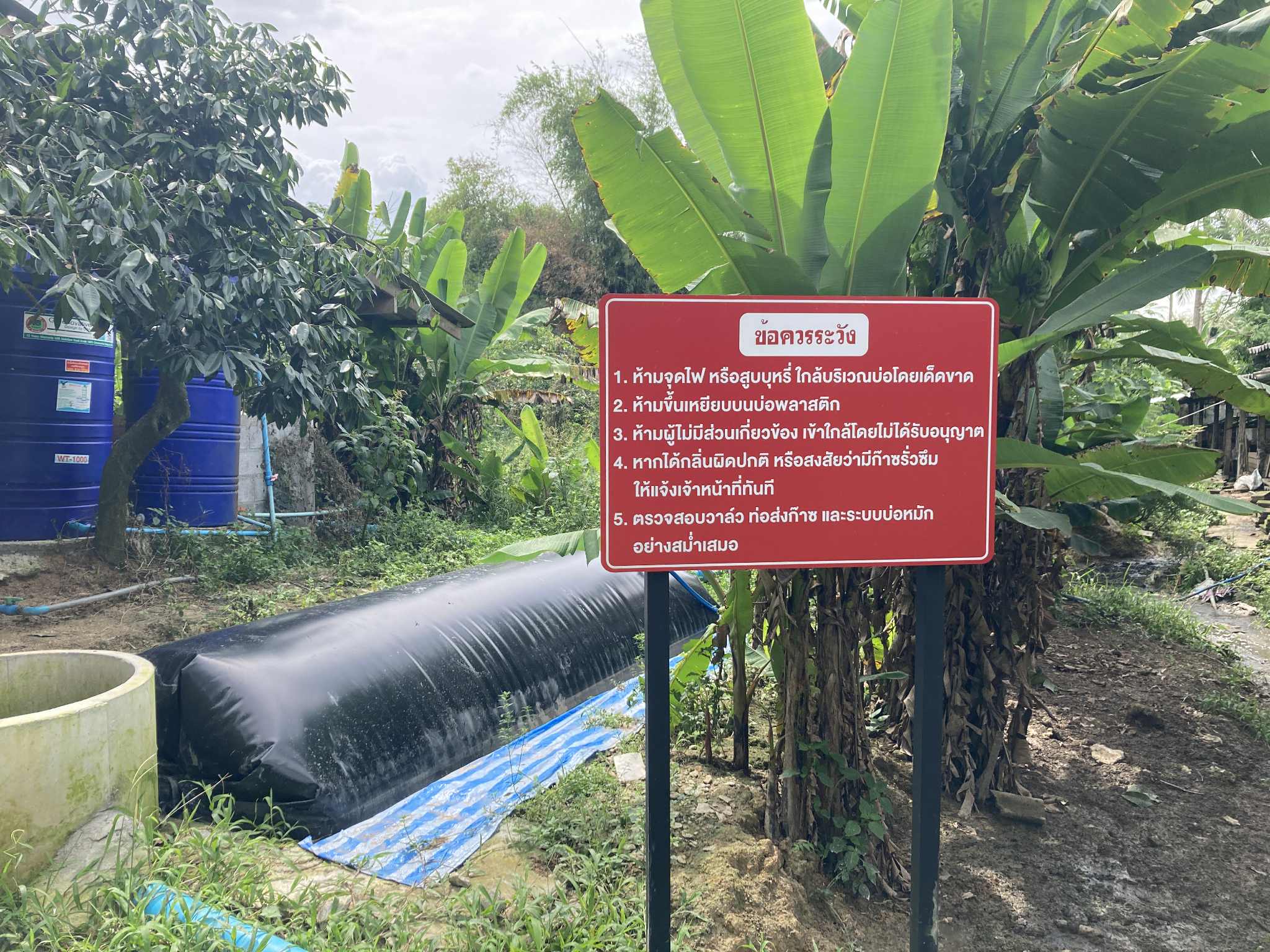
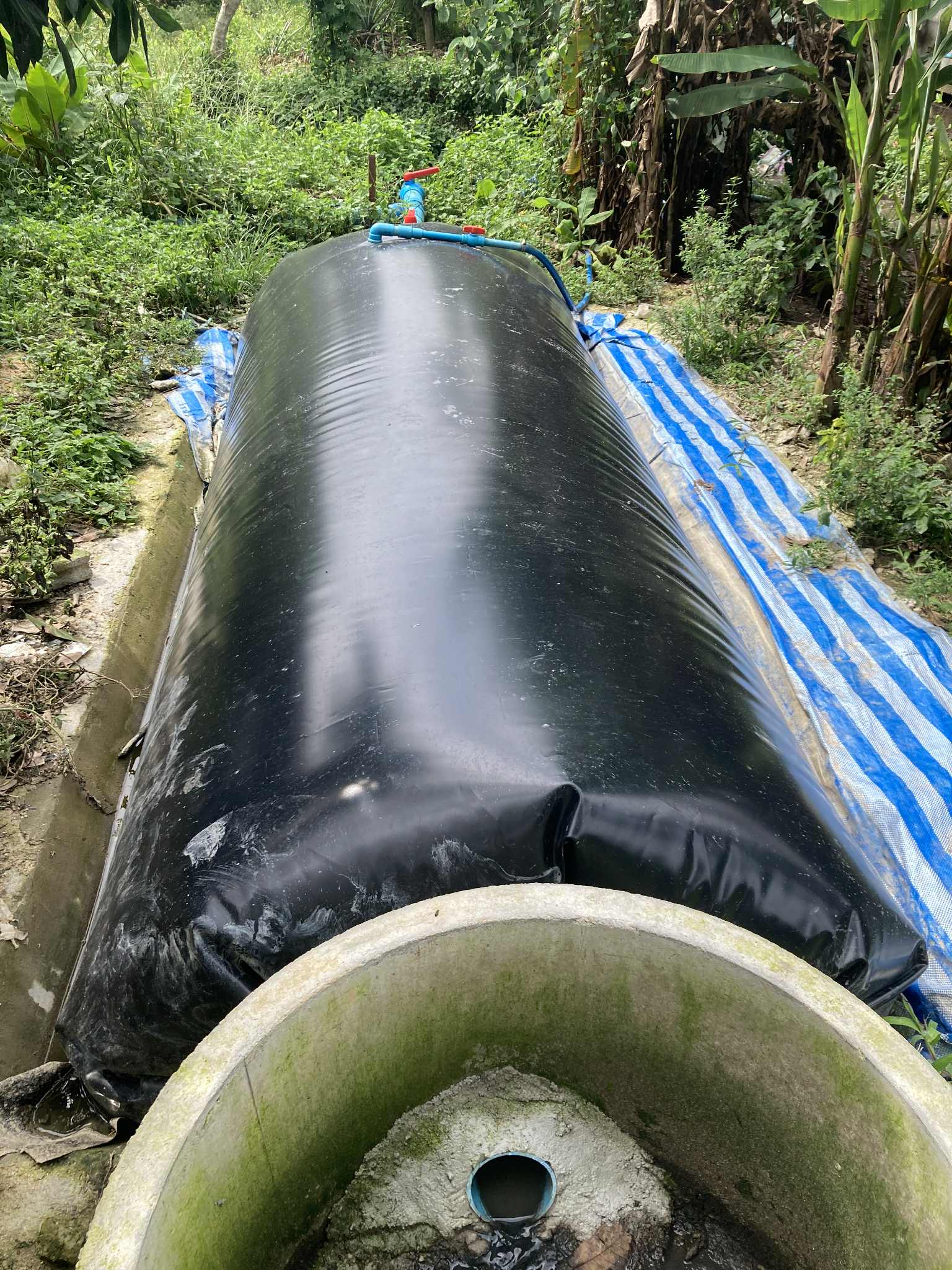
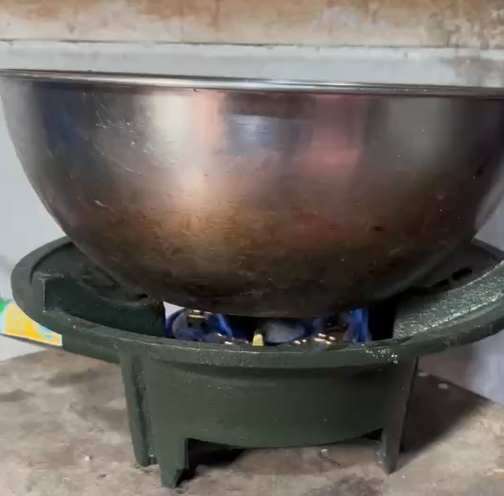
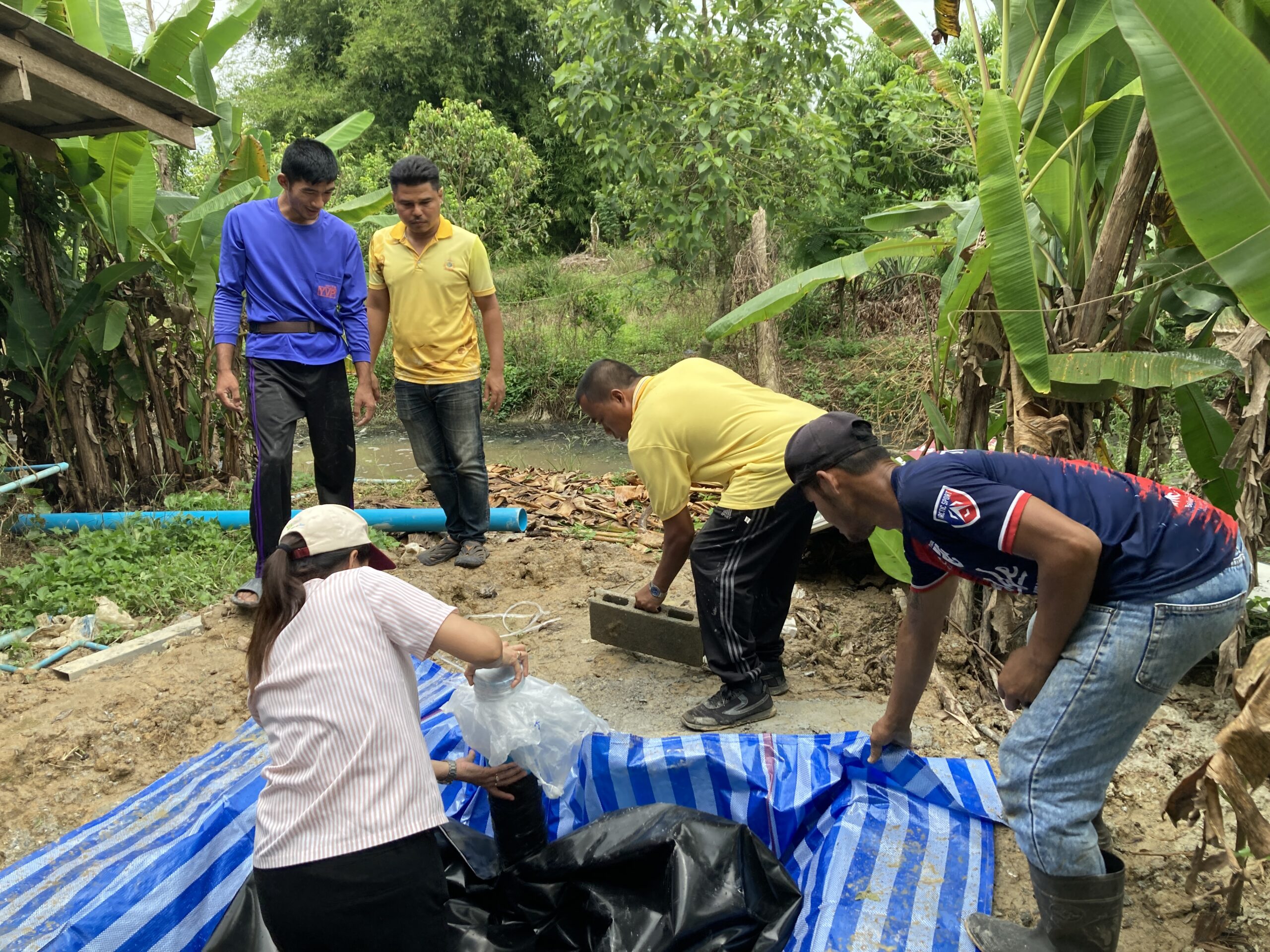
One example is the technology for managing pig manure through biogas production. The University transferred this technology to farmers as a means of converting livestock waste into a source of usable energy. Two technology transfer activities were organized, with 30 and 27 participants respectively. These activities connected university technology with livestock production in the local community and demonstrated an approach for managing agricultural waste while making productive use of resources.
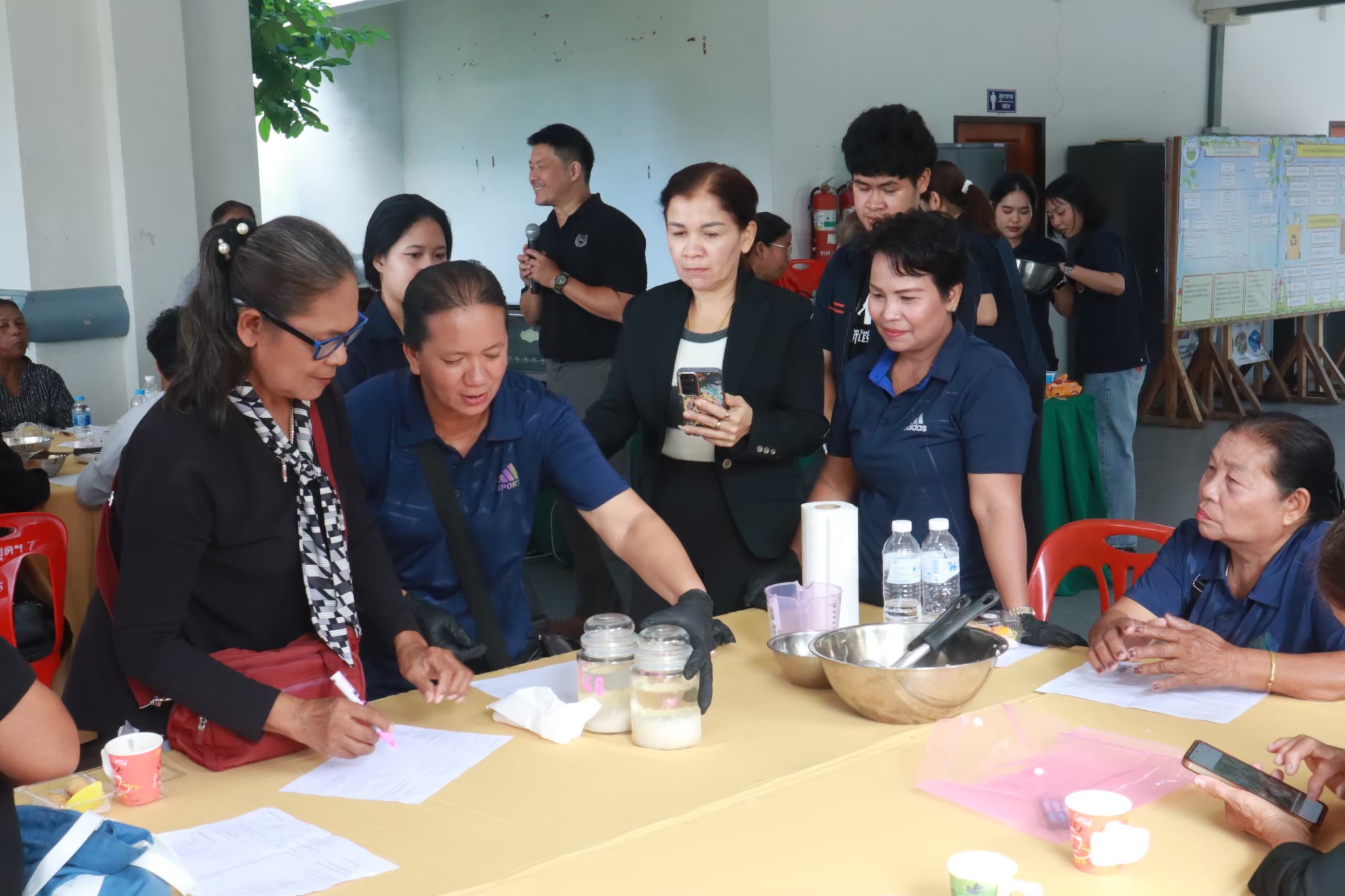
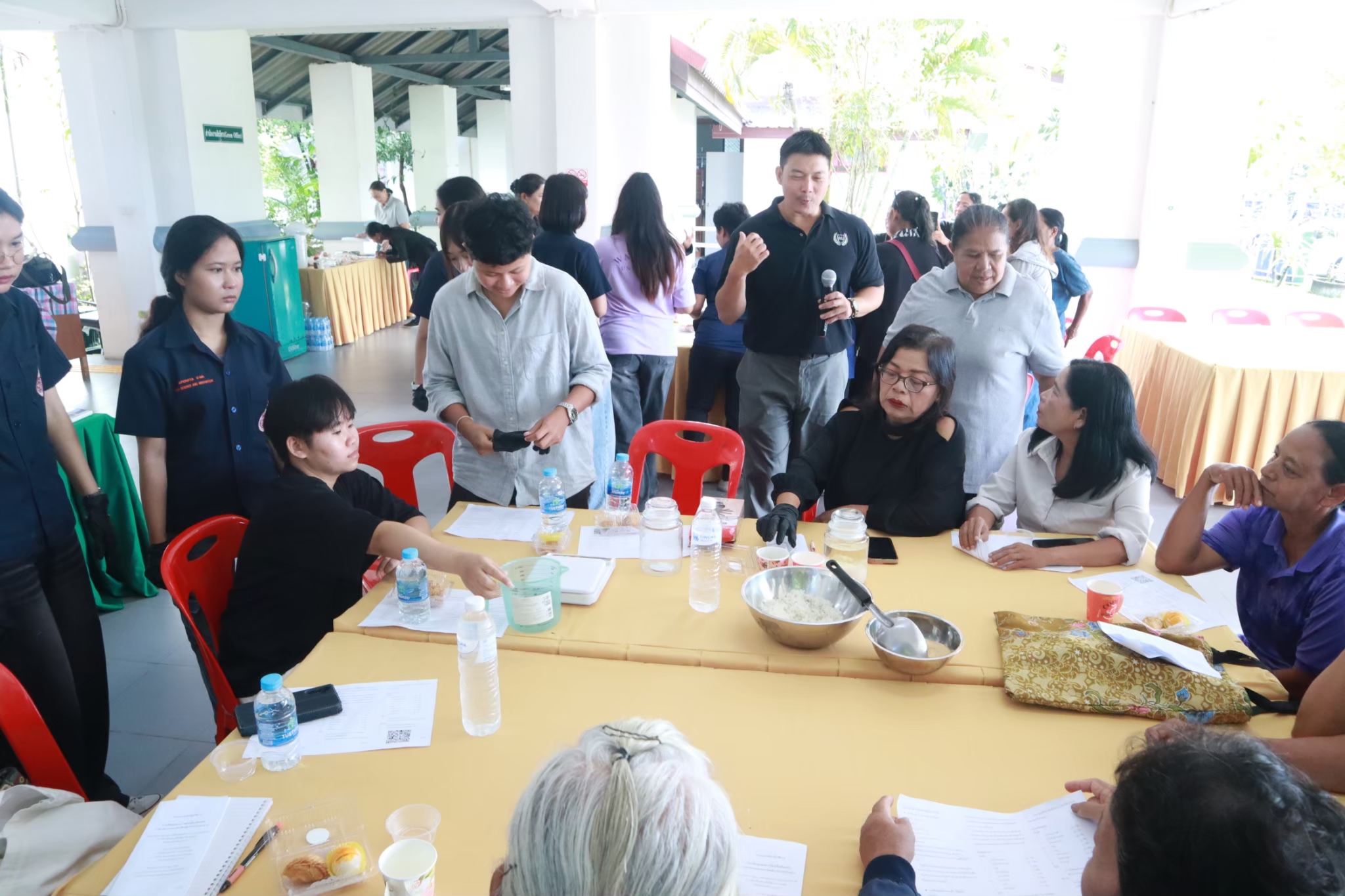
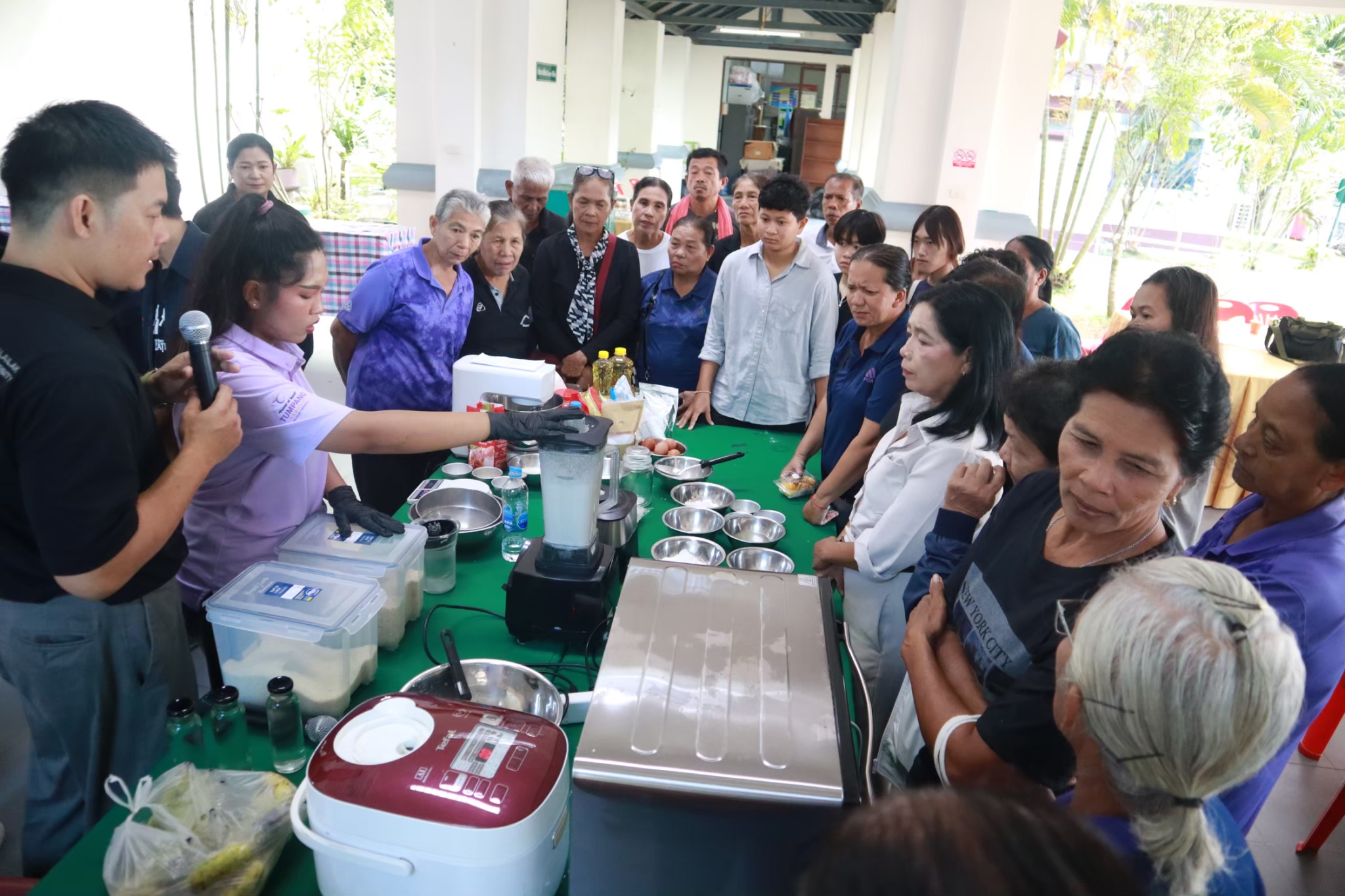
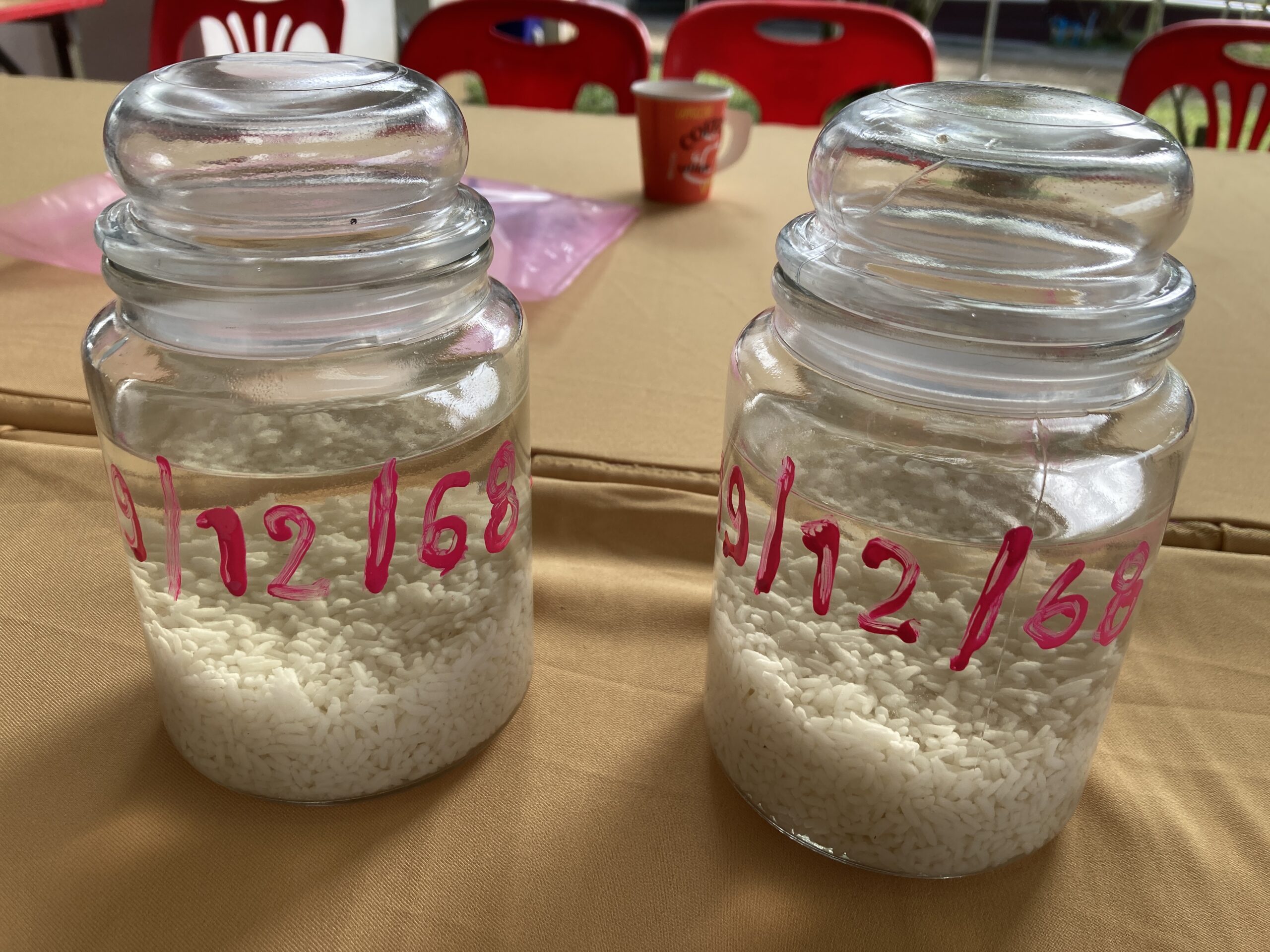
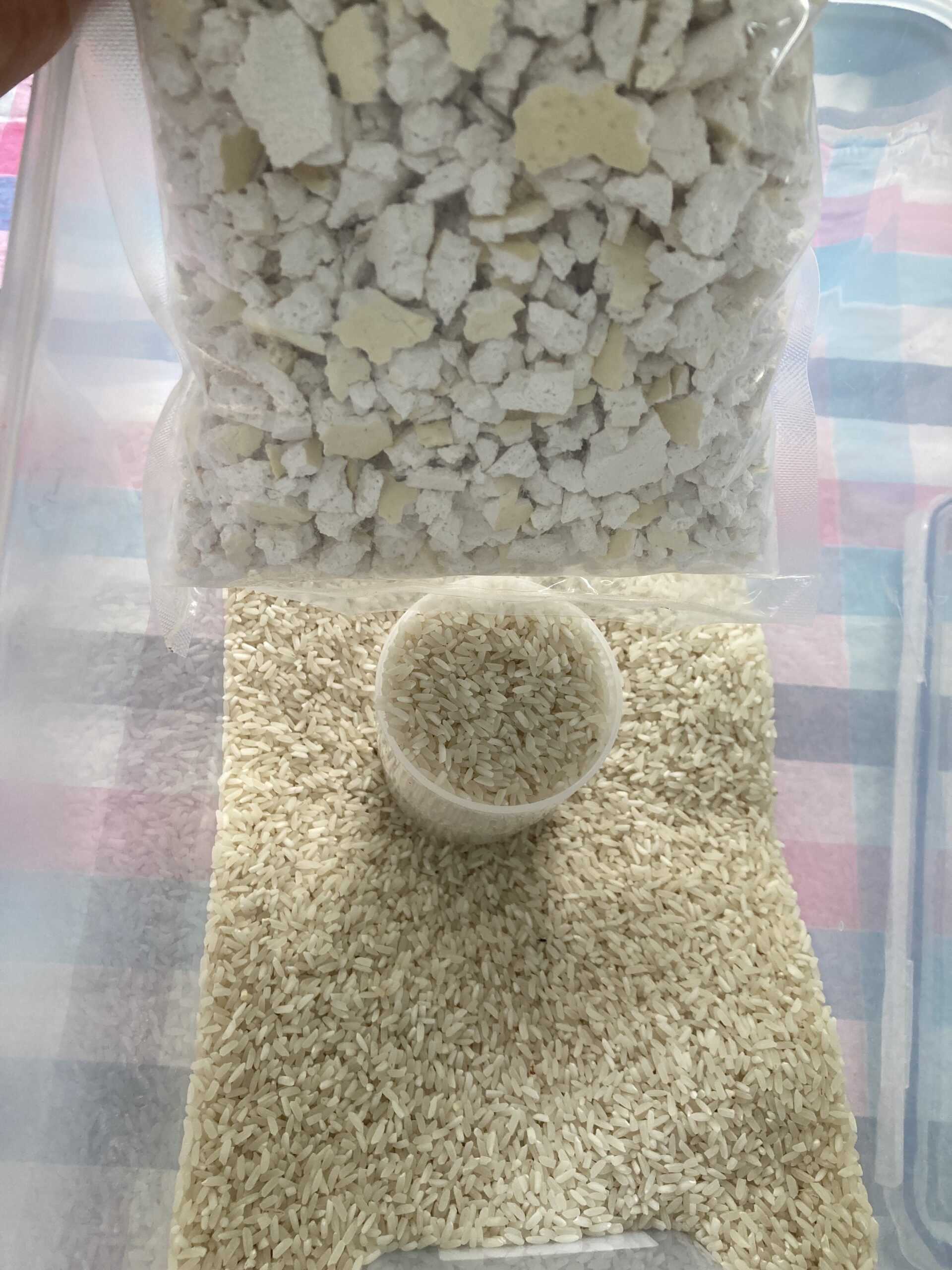
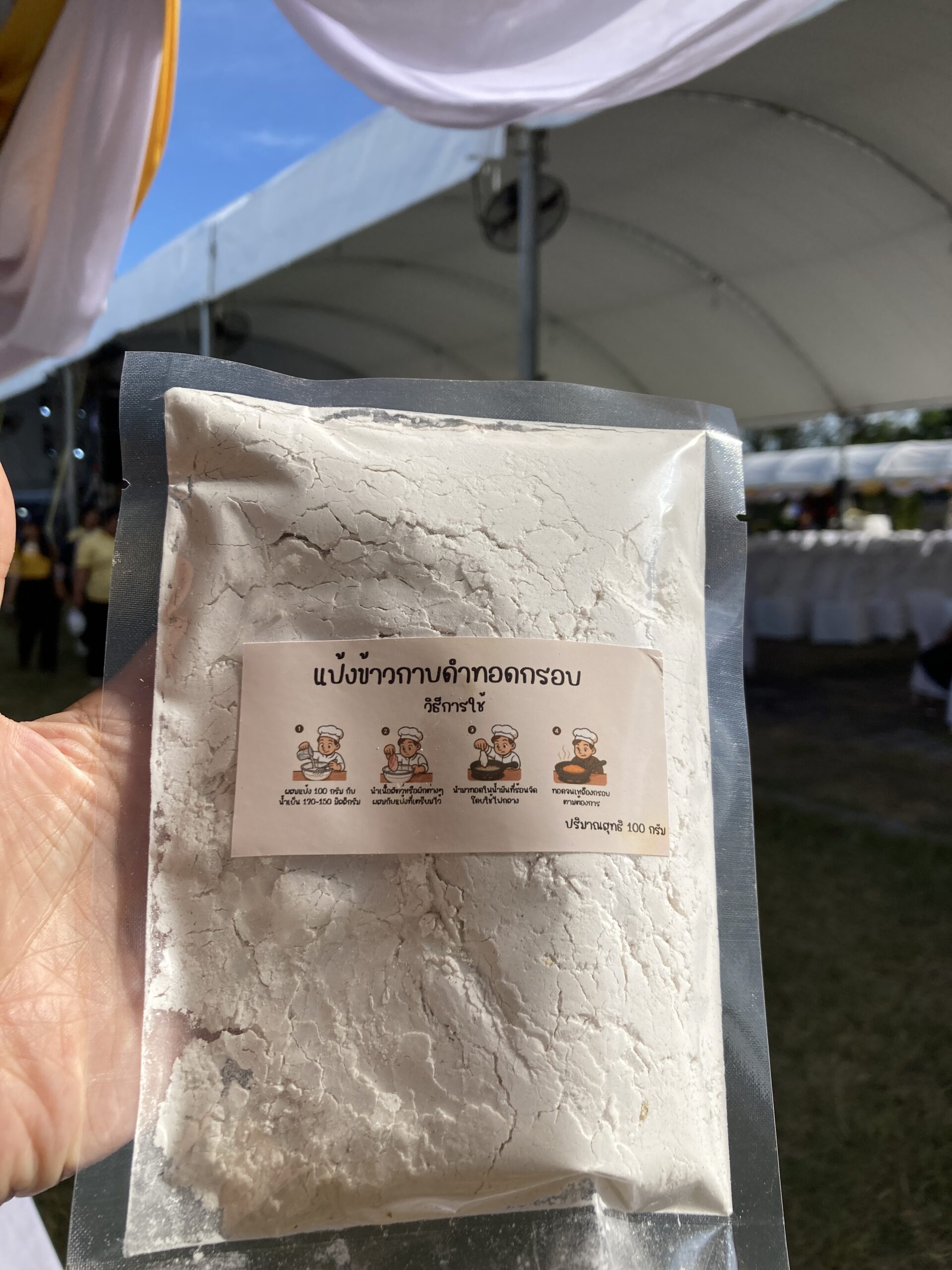
Another example is the technology for adding value to local rice varieties by processing them into food products and food ingredients. This work was developed through a research project aimed at upgrading community enterprises producing local rice products in the Pak Phanang River Basin, Nakhon Si Thammarat Province. The university transferred the research outputs to local communities, farmers, and interested participants through a practical training activity attended by 43 participants. The activity provided access to knowledge and technology for transforming local rice varieties into food products and ingredients. It therefore connected university research and technology with local agricultural production and provided opportunities for farmers and community enterprises to add value to locally produced rice.
The university’s access to technology is therefore not limited to receiving information. Local farmers and food producers are provided with opportunities to learn practical processes and explore how technology can be applied to their own production contexts, including livestock waste management, biogas production, food processing, and value-added agricultural products.
Access to Plant Stocks and Plant-Based Learning Resources
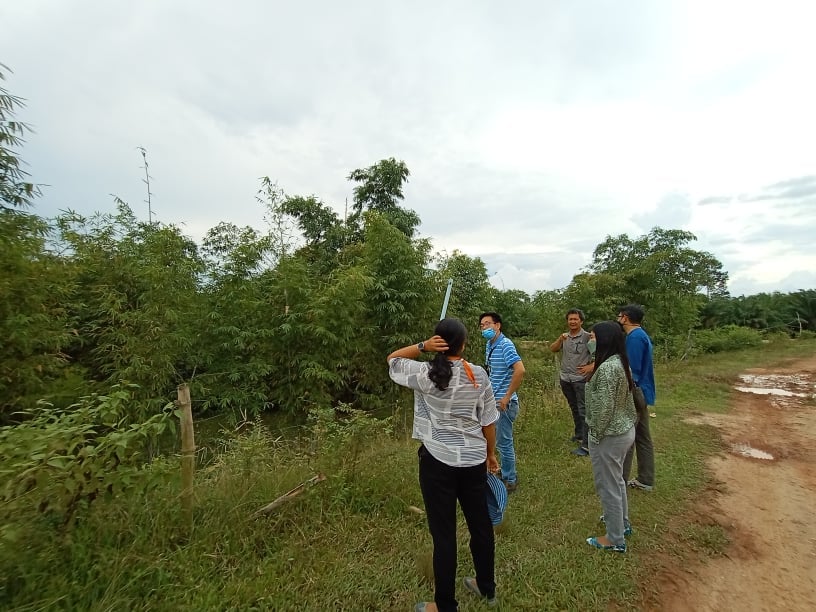
Walailak University also provides local farmers, food producers, and members of the public with access to plant stocks and plant-based learning resources. University plant resources and learning areas provide opportunities to study plant diversity, food-related plants, and plants that can support agricultural livelihoods.
In the area of plant propagation, the university provides knowledge and learning opportunities related to plant tissue culture, which can support plant propagation and production for local farmers. The university also maintains information on plants that can be used for food production or food preparation, as well as plants that have potential for supporting agricultural livelihoods.
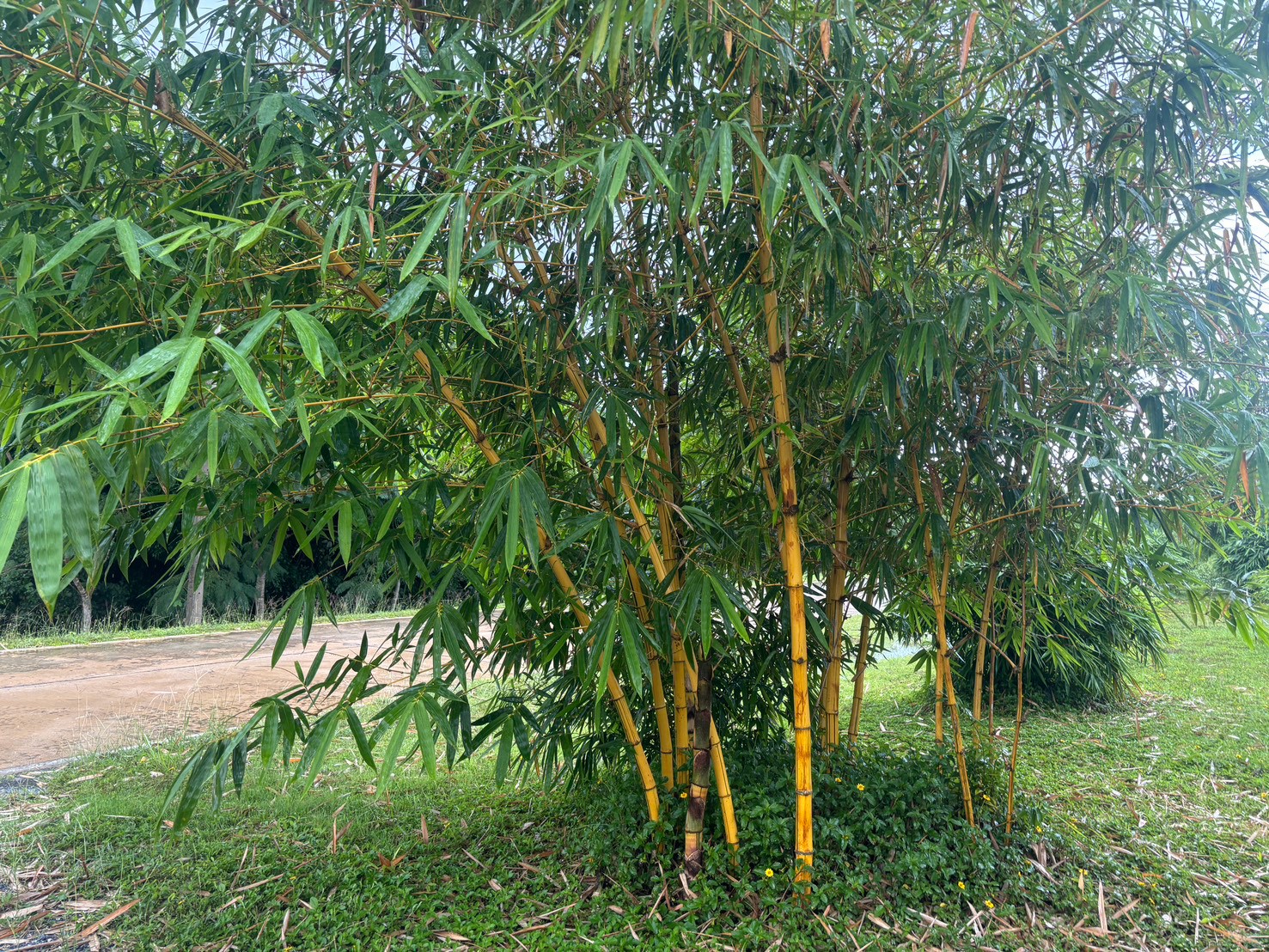
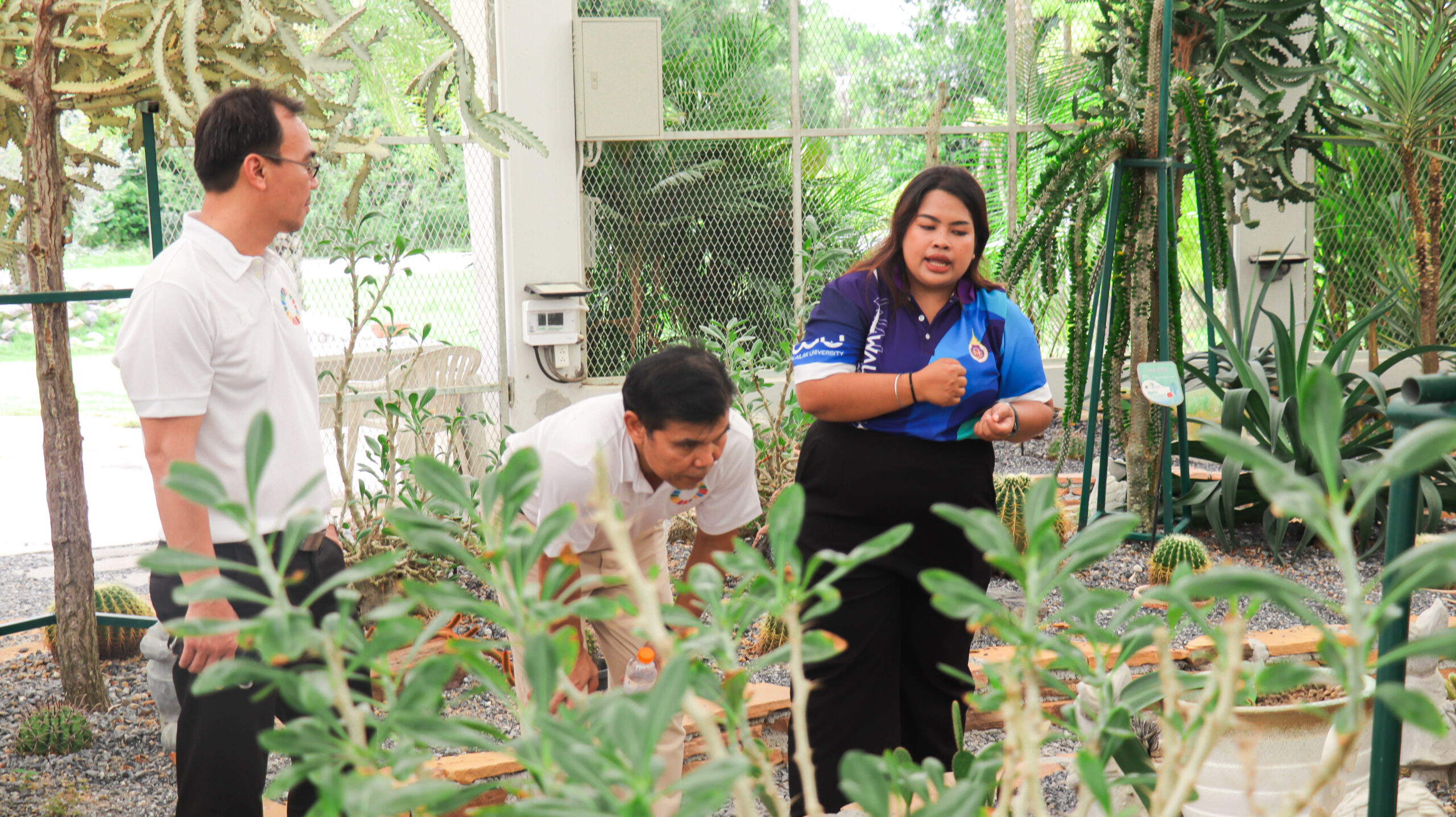
The Walailak University Botanic Park provides additional plant-based learning resources that are accessible to local farmers, food producers, and the general public. These resources include a bamboo garden, banana garden, pitcher plant greenhouse, ginger and galangal family plant collection, orchid house, bromeliad greenhouse, anthurium and ornamental plant greenhouse, and cactus dome. These learning areas provide opportunities to explore plant diversity and the potential uses of plant resources maintained by the University.
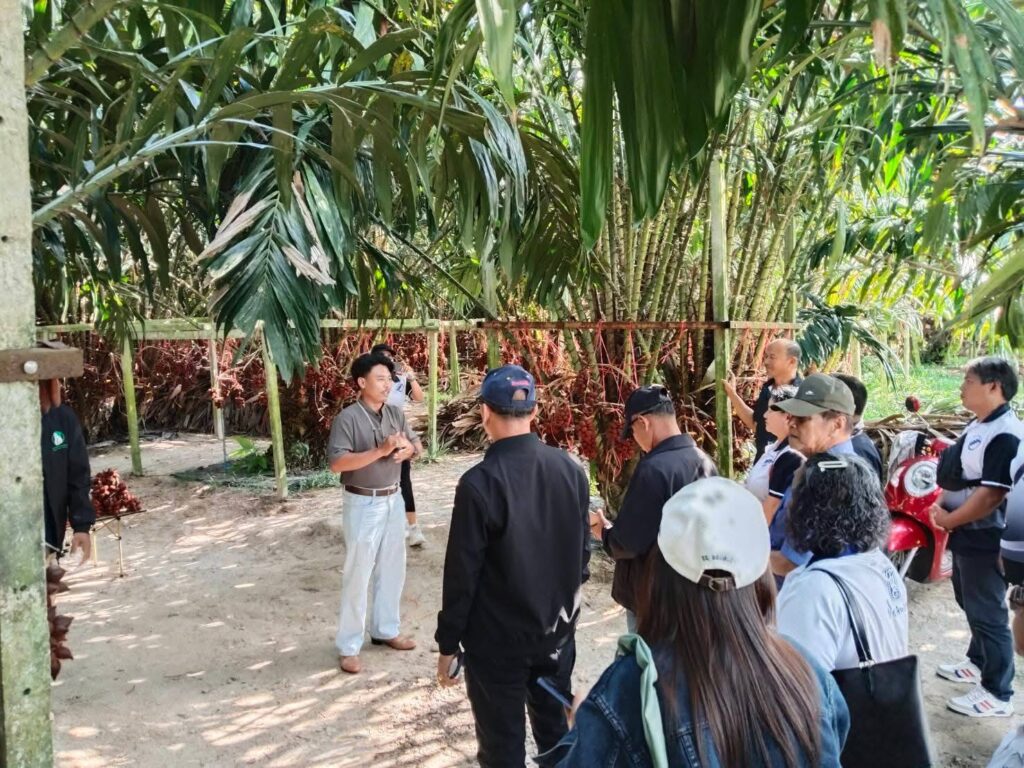
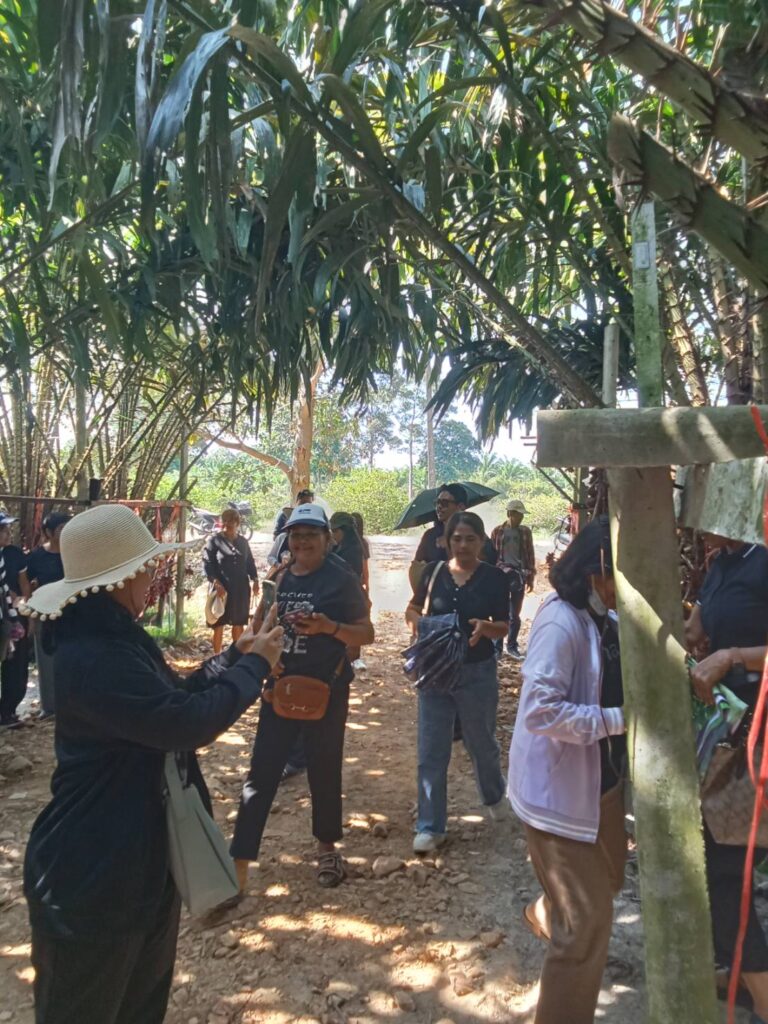
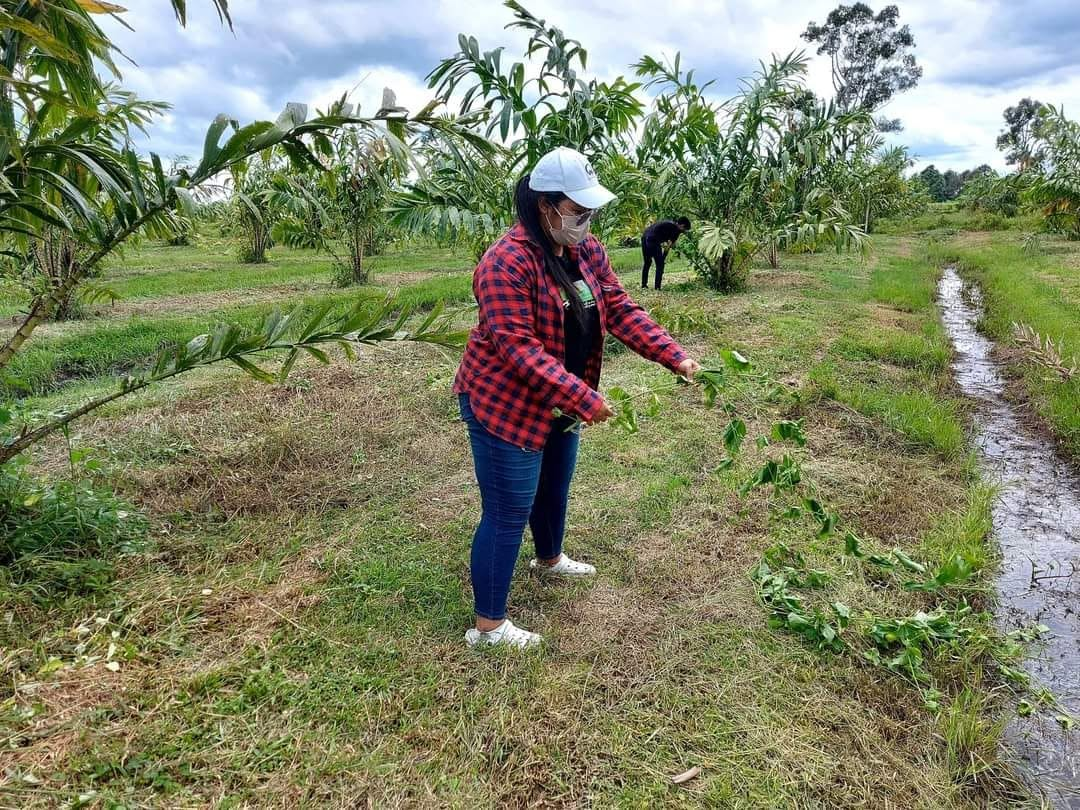
The university also provides access to plant-based learning resources through its Smart Farm, where plants such as salak, lime, and aromatic coconut are used as learning resources related to agricultural livelihoods.
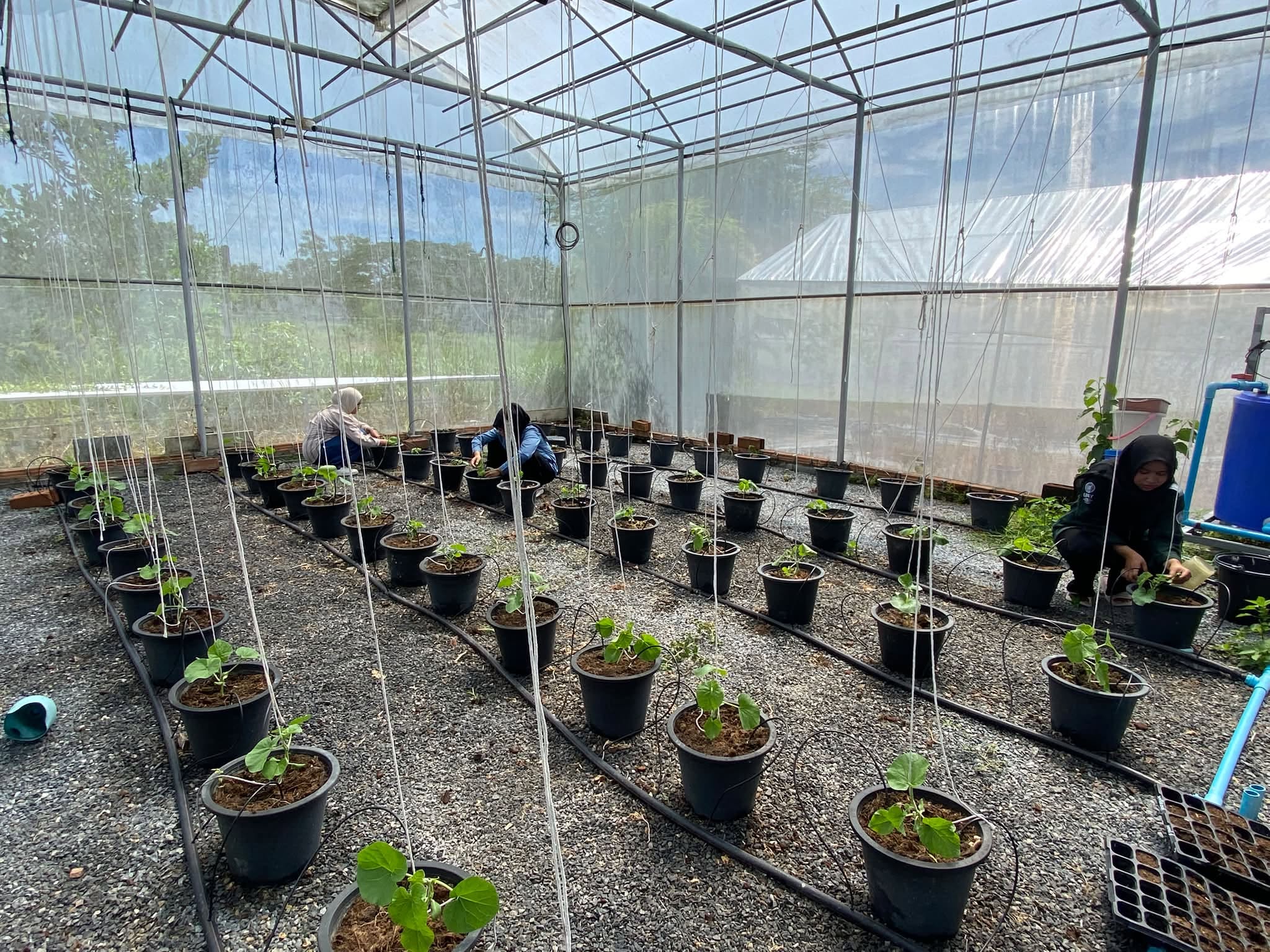
In addition, the School of Agricultural Technology has developed a model plot for pesticide-free golden melon production. The site serves as a learning resource accessible to local farmers, food producers, and the general public, providing an opportunity to learn about plant production practices and explore their potential application in agricultural activities.
Connecting University Resources with Sustainable Farming and Food Production
Walailak University’s activities provide local farmers and food producers with access to labs, technology, and plant stocks, creating multiple pathways for university resources to be connected with local agricultural and food production systems. The university facilities support a range of activities, including plant tissue culture, aquaculture, black soldier fly larvae cultivation, food preparation, food processing, agricultural product value addition, livestock waste management, and biogas production. Plant-based learning resources also provide opportunities to explore food-producing plants and plants that can support agricultural livelihoods. By providing access to these resources free of charge, the university reduces barriers to accessing university facilities and academic resources. This creates opportunities for local farmers and food producers to connect with university knowledge, technology, facilities, and plant resources and to apply them in practical agricultural and food production contexts. Through this approach, university resources are connected with local needs, supporting knowledge transfer, practical learning, resource efficiency, value addition, and the development of more sustainable farming and food production practices.
Forms of Knowledge Generated through the Events
The knowledge exchange and transfer events for local farmers and food producers in 2025 covered knowledge related to food production, agriculture, technology, innovation, and business development. The knowledge from each event was interconnected and could be applied according to the context of farmers and local producers. Four key areas of knowledge were identified.
Walailak University implements University access to local farmers and food producers through the provision of access to three key types of university facilities: labs, technology, and plant stocks. The activities include access to plant tissue culture, food preparation, black soldier fly larvae cultivation, food processing, aquaculture, biogas production from pig manure, value addition of local rice varieties, and plant-based learning resources at the Botanic Park, Smart Farm, and agricultural model sites. The university’s implementation demonstrates provision of access by making relevant resources, facilities, learning opportunities, and technology transfer activities available to local farmers and food producers free of charge. These activities demonstrate how Walailak University connects its academic resources, research, technology, university facilities, and plant resources with local farmers and food producers to support the application of knowledge and technology in agricultural and food production contexts and to promote sustainable farming practices.
Related Links
– https://cas.wu.ac.th/archives/34463
– https://cas.wu.ac.th/archives/35555