Walailak University Provides Local Farmers and Food Producers with Access to Labs, Technology and Plant Stocks
Walailak University Provides Local Farmers and Food Producers with Access to Labs, Technology and Plant Stocks
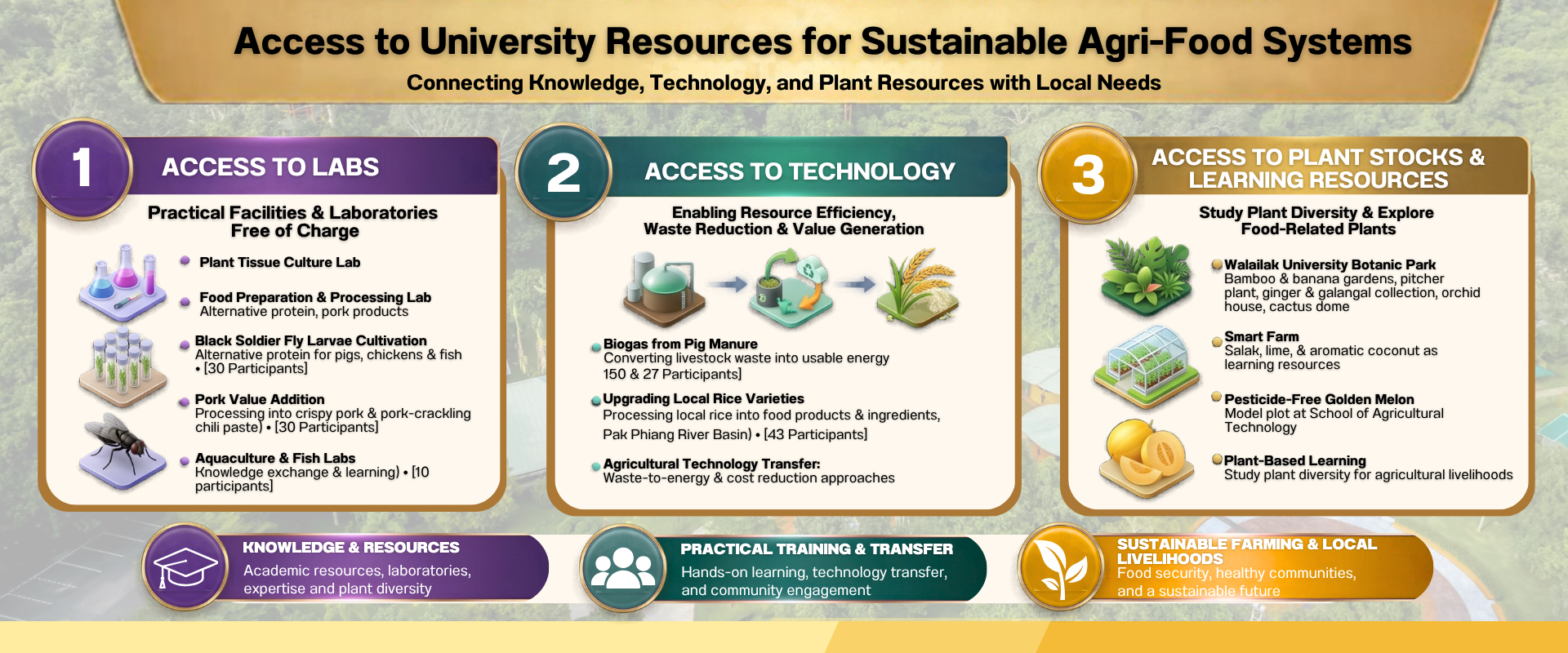
Walailak University provides local farmers and food producers with access to university resources and knowledge to support the development of sustainable farming practices, food production, and local livelihoods. The university provides access to university facilities in three key areas: labs, technology, and plant stocks or plant-based learning resources. Access is provided through technology transfer activities, practical training, knowledge exchange, consultation services, and learning opportunities within the university.
These activities connect university resources with the needs of local farmers and food producers, enabling them to apply knowledge, technology, laboratory facilities, and plant stocks in practical contexts. The areas covered include plant tissue culture, aquaculture, livestock waste management, biogas production, food processing, food product development, and the use of local agricultural resources. The activities and access opportunities are provided free of charge to the target groups.
Access to Labs
Walailak University provides local farmers and food producers with access to laboratories and practical facilities related to agriculture and food production. These facilities provide opportunities to learn and practice processes that can be applied to agricultural activities, food production, and local livelihoods. The available facilities include laboratories for plant tissue culture, food preparation, black soldier fly larvae cultivation, food processing, and aquaculture.
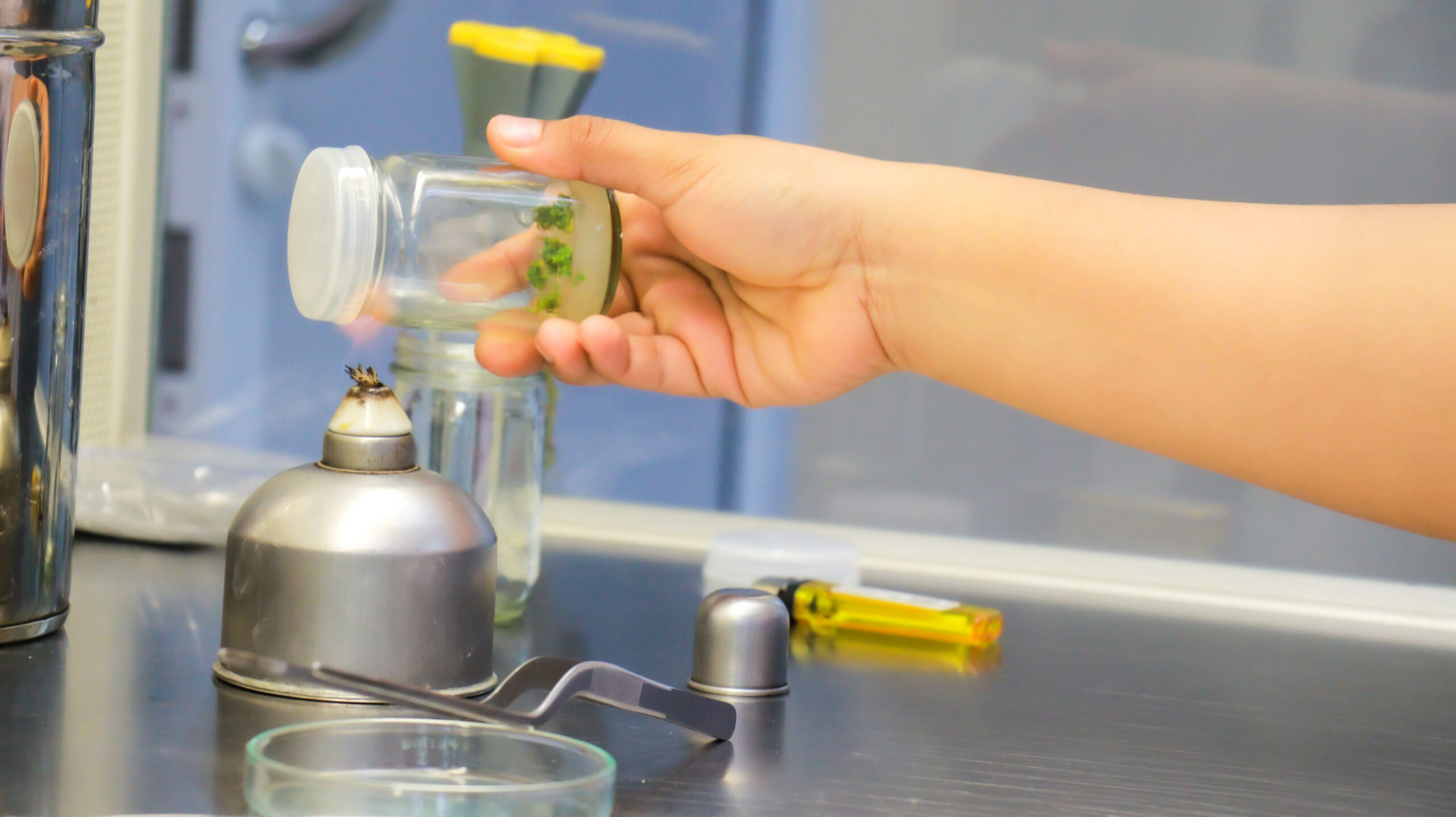
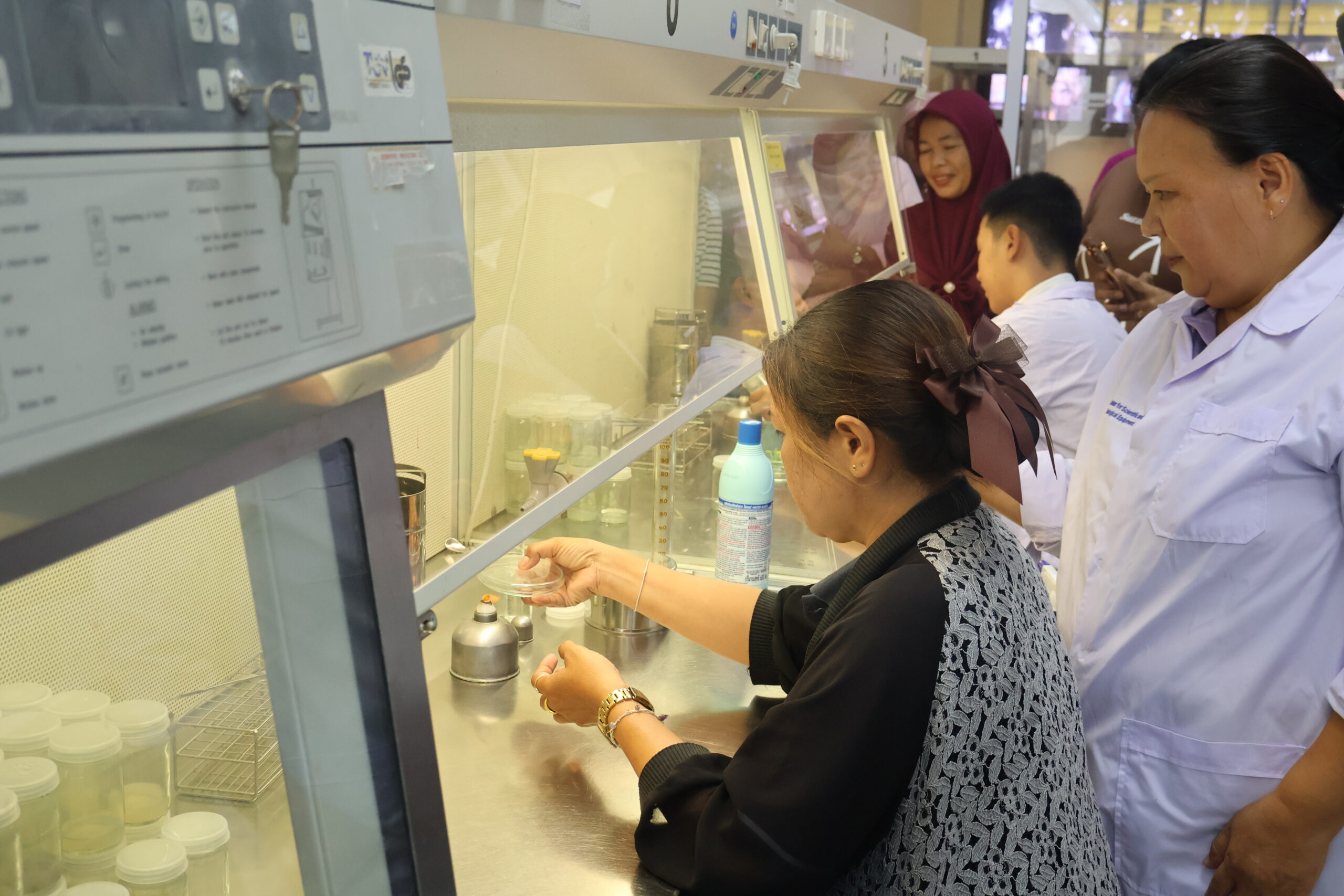
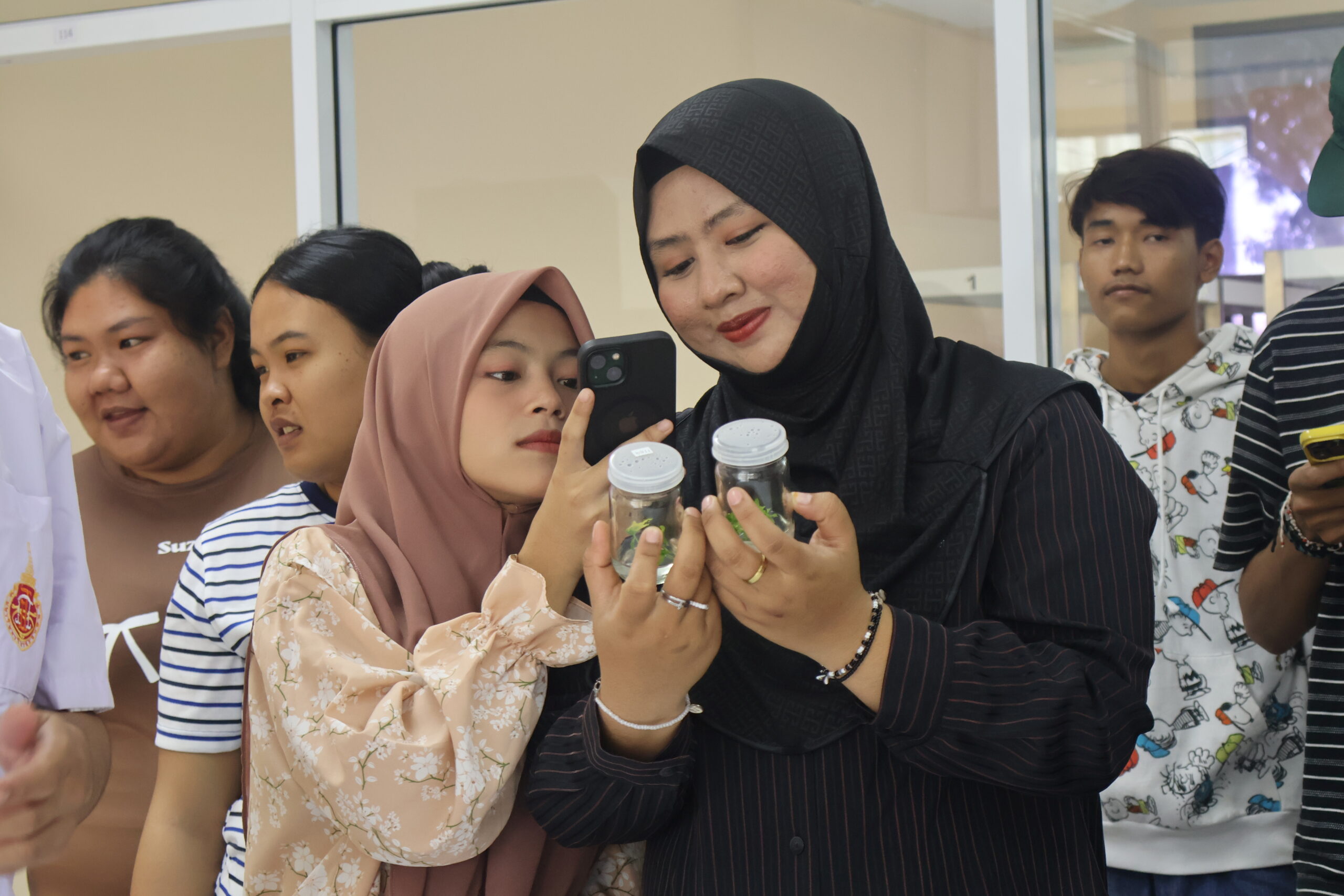
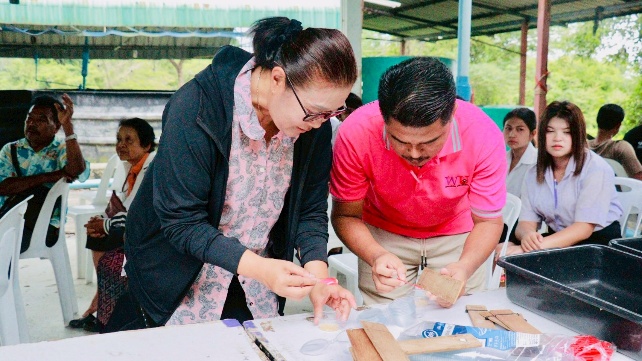
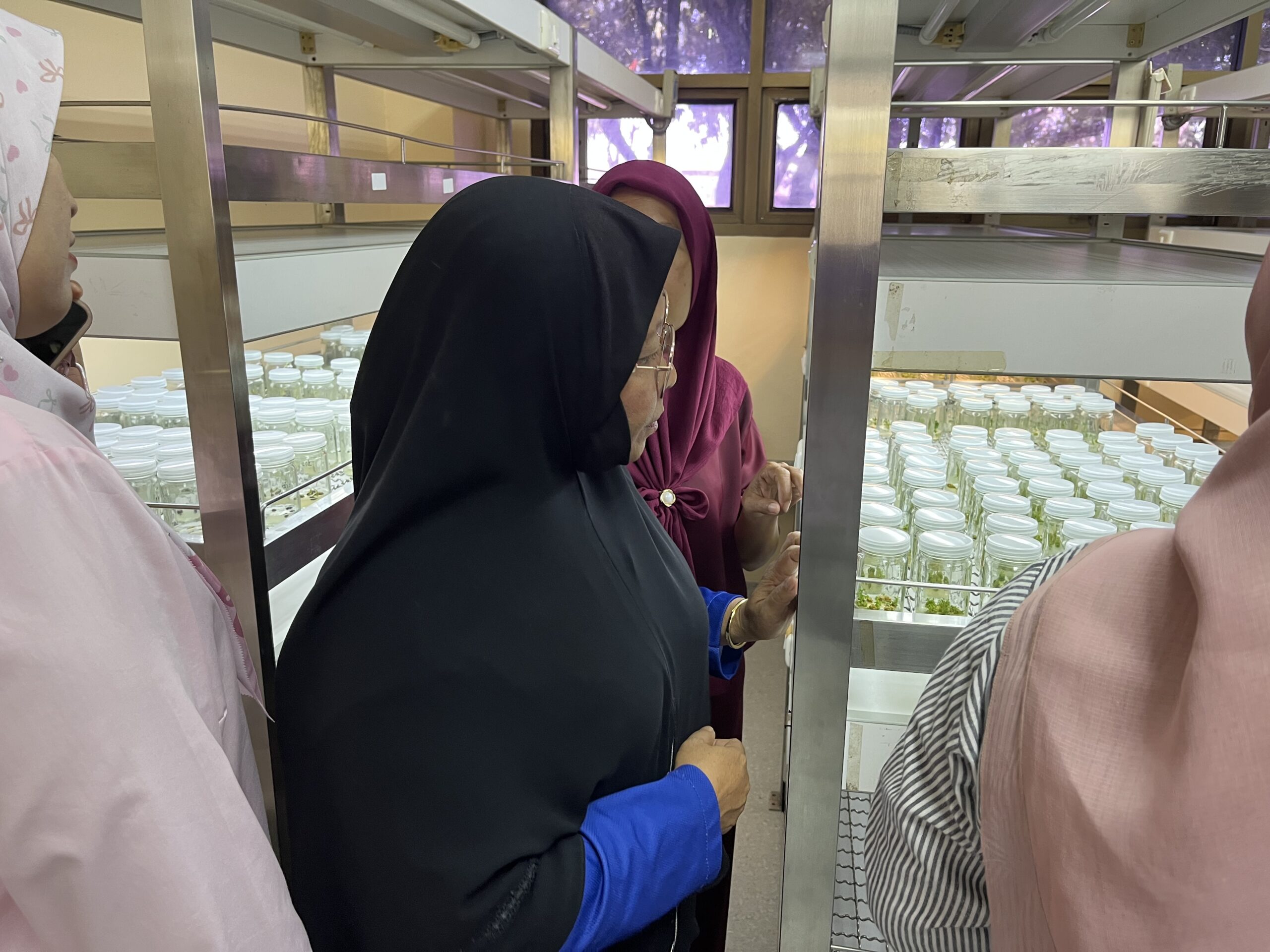
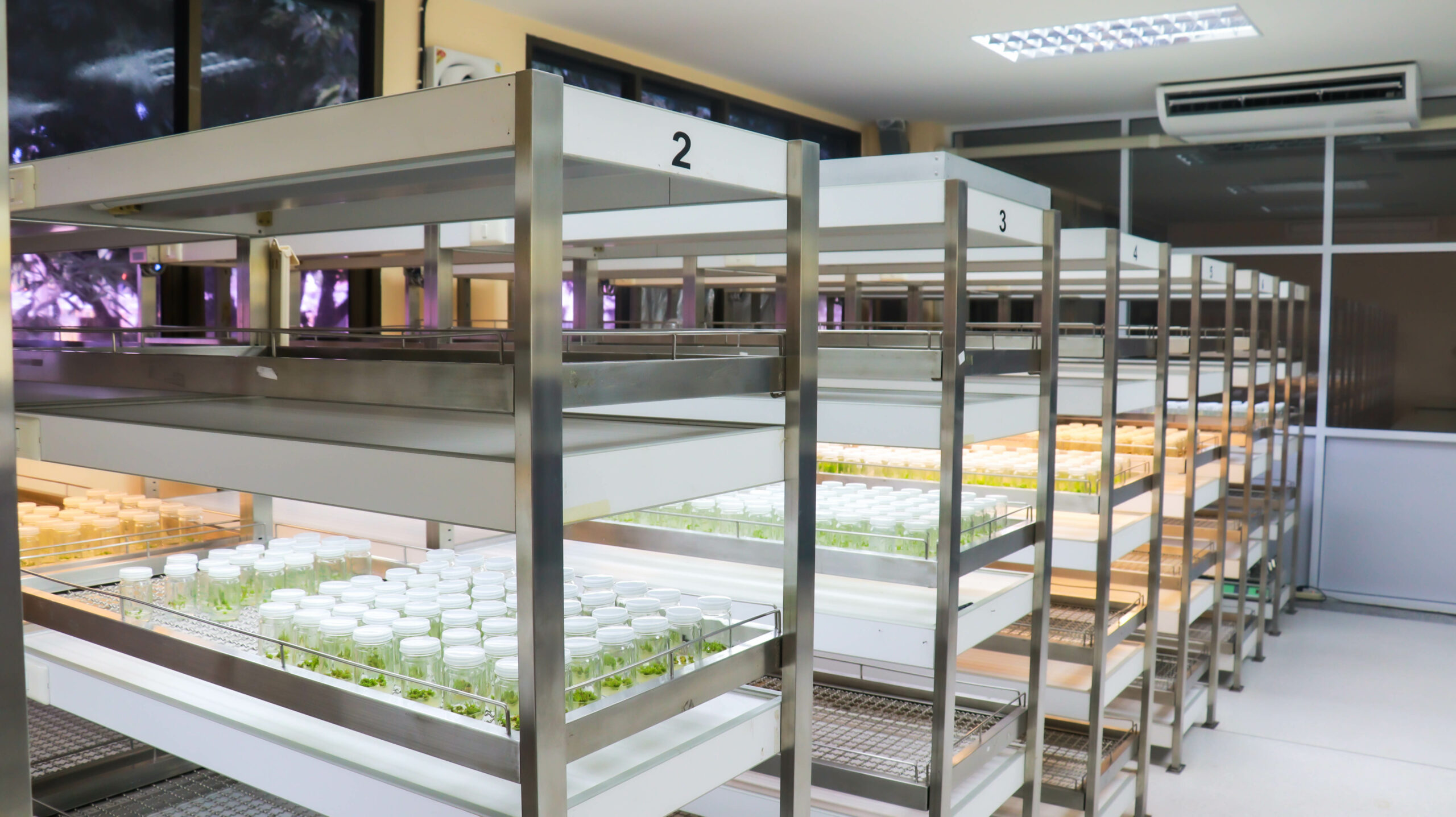
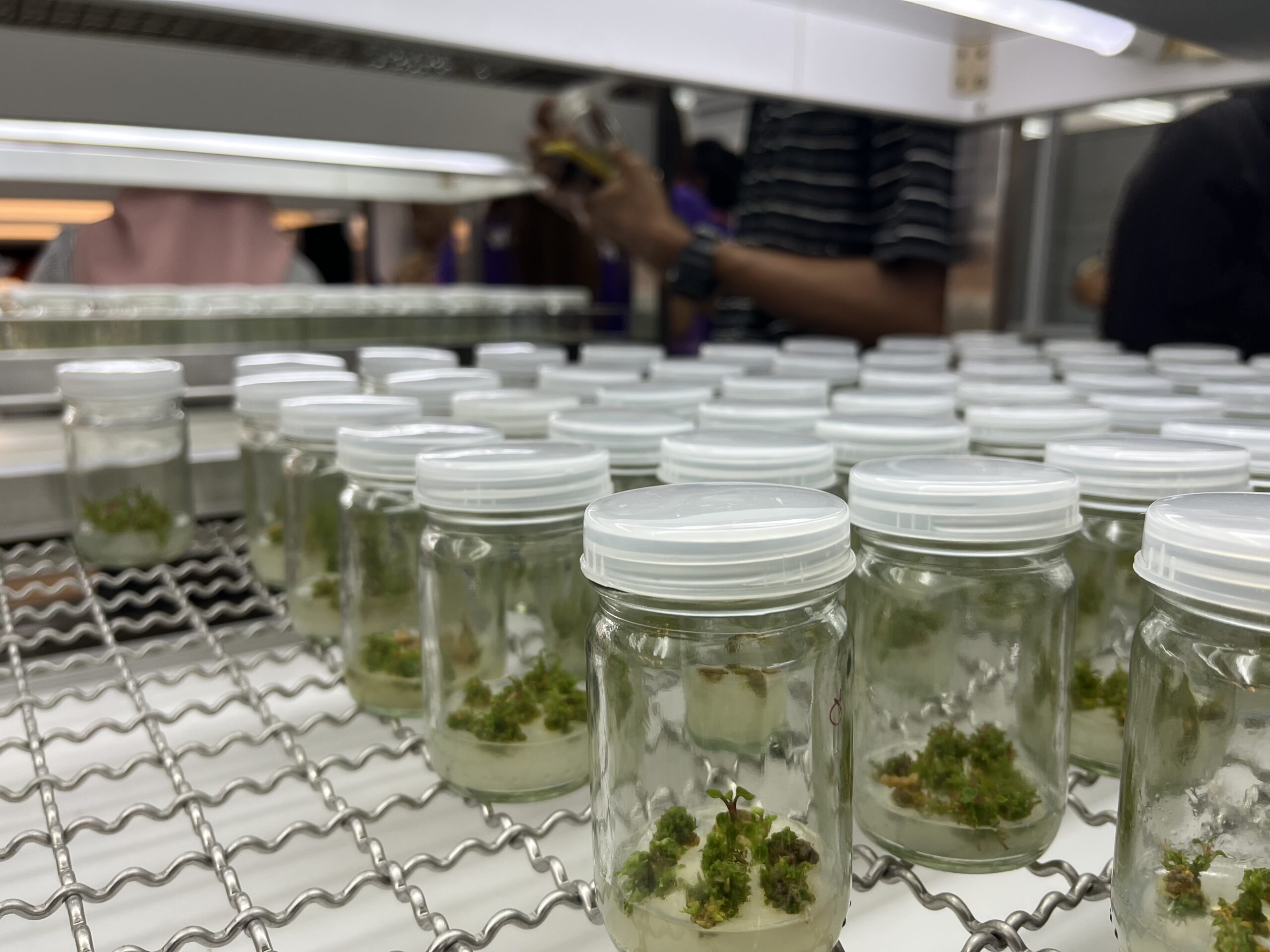
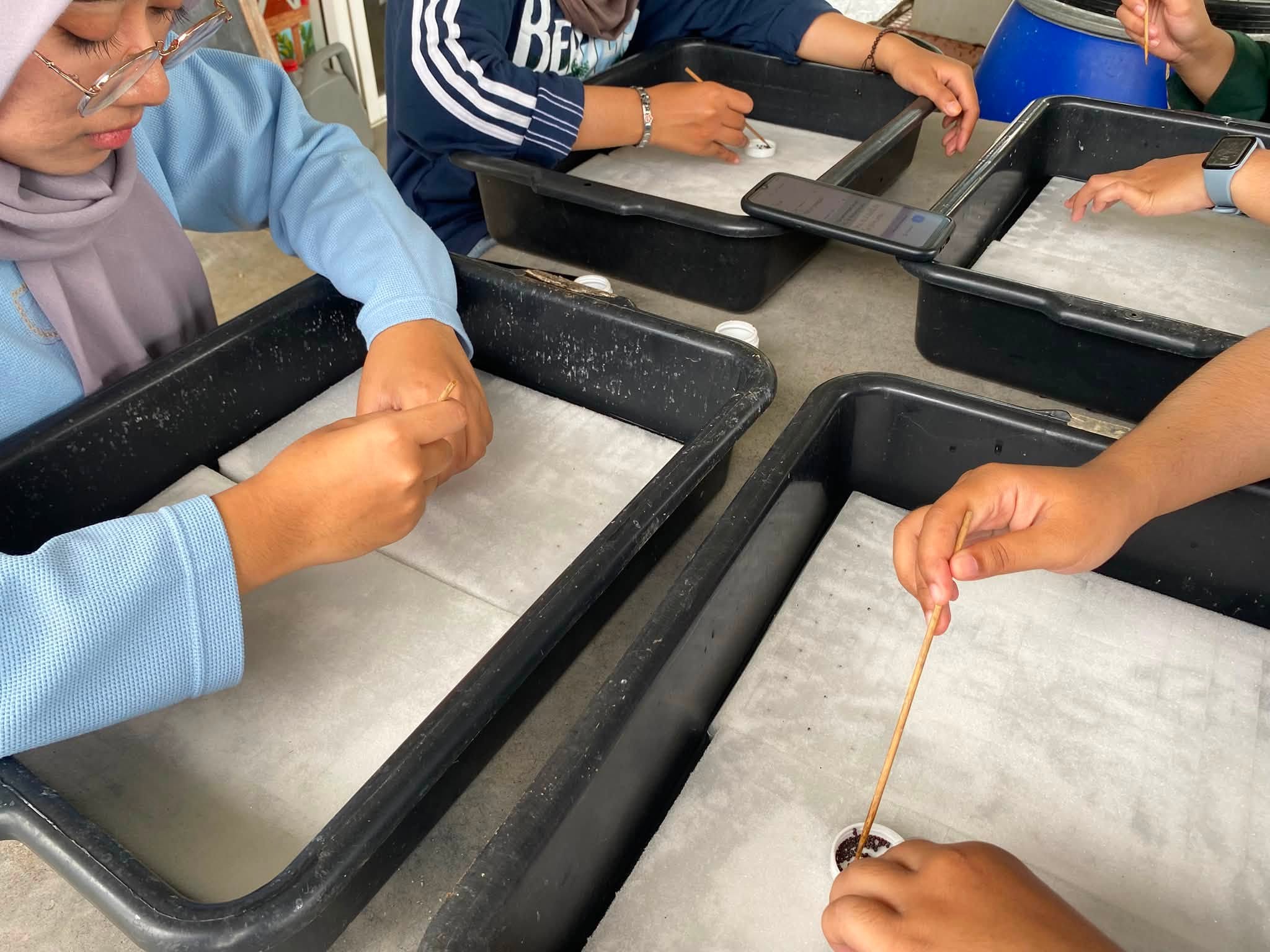
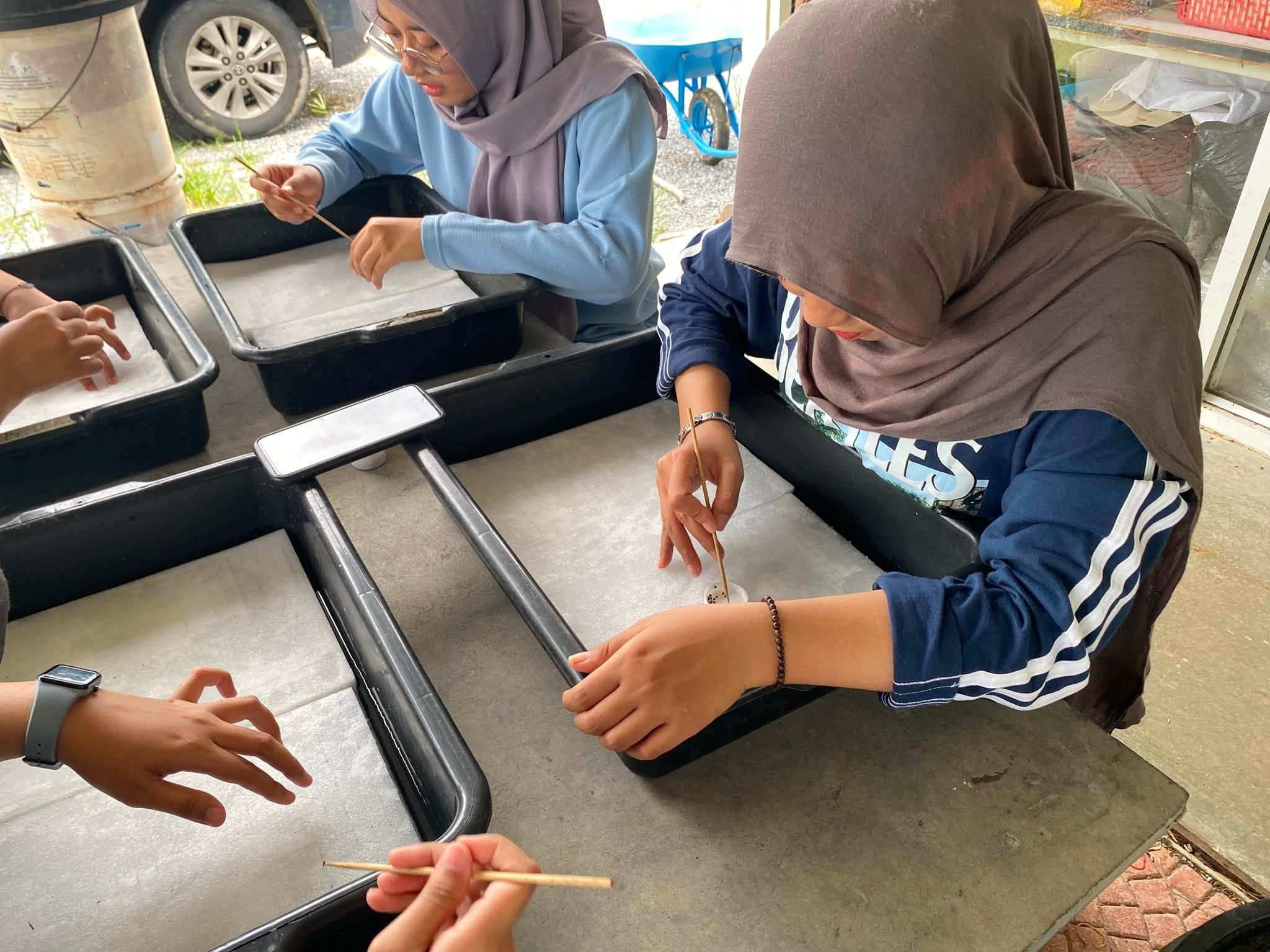
The activity provided local farmers with opportunities to access the tools and equipment used in the plant tissue culture laboratory, while gaining knowledge and hands-on experience in plant tissue culture techniques. Participants were able to practise using laboratory equipment and carry out the tissue culture process themselves, thereby developing a practical understanding of the principles and processes of plant propagation. The knowledge and skills gained from this activity can be applied to plant propagation and the further development of local agricultural production.
The Plant Tissue Culture Laboratory
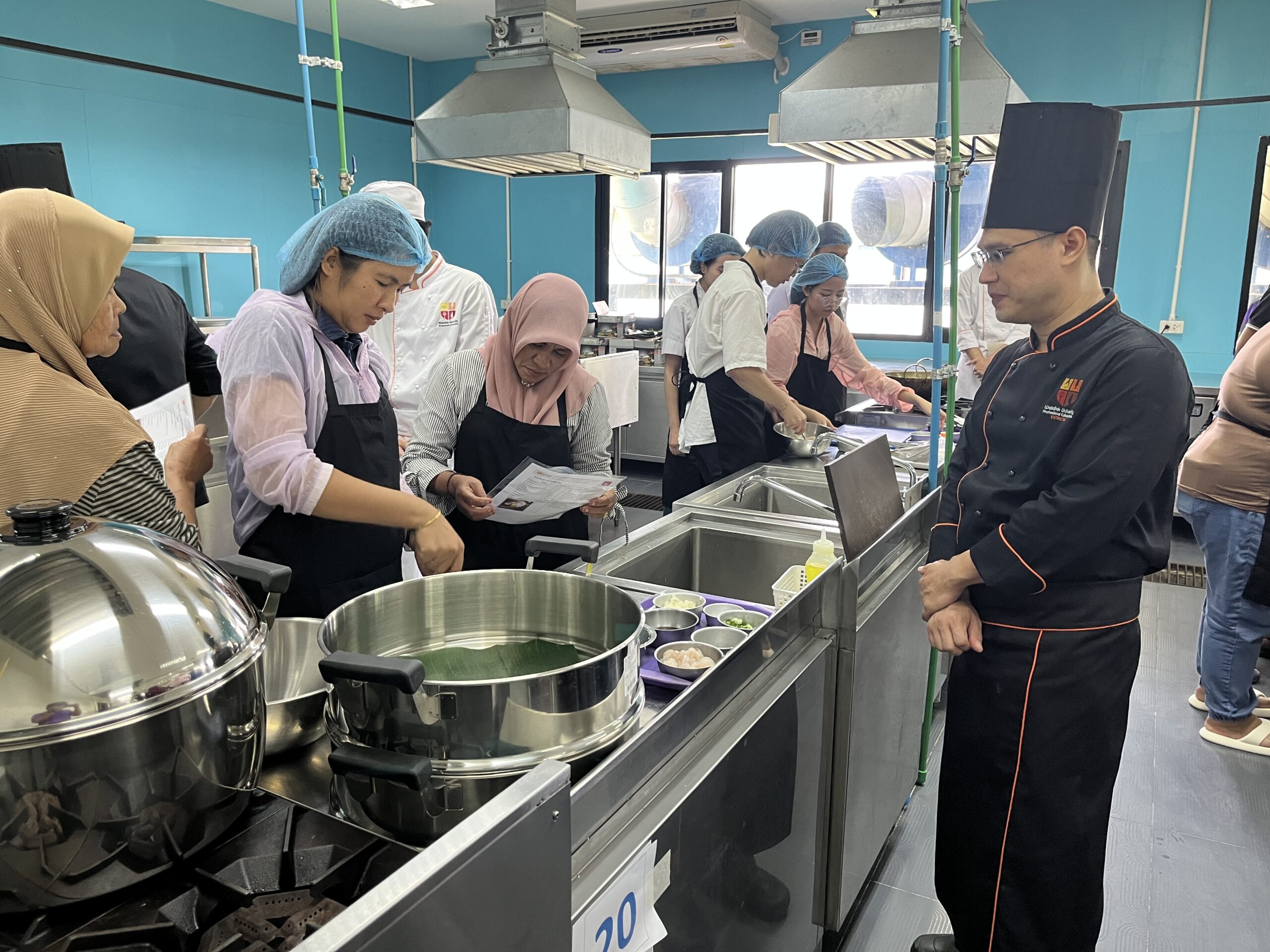
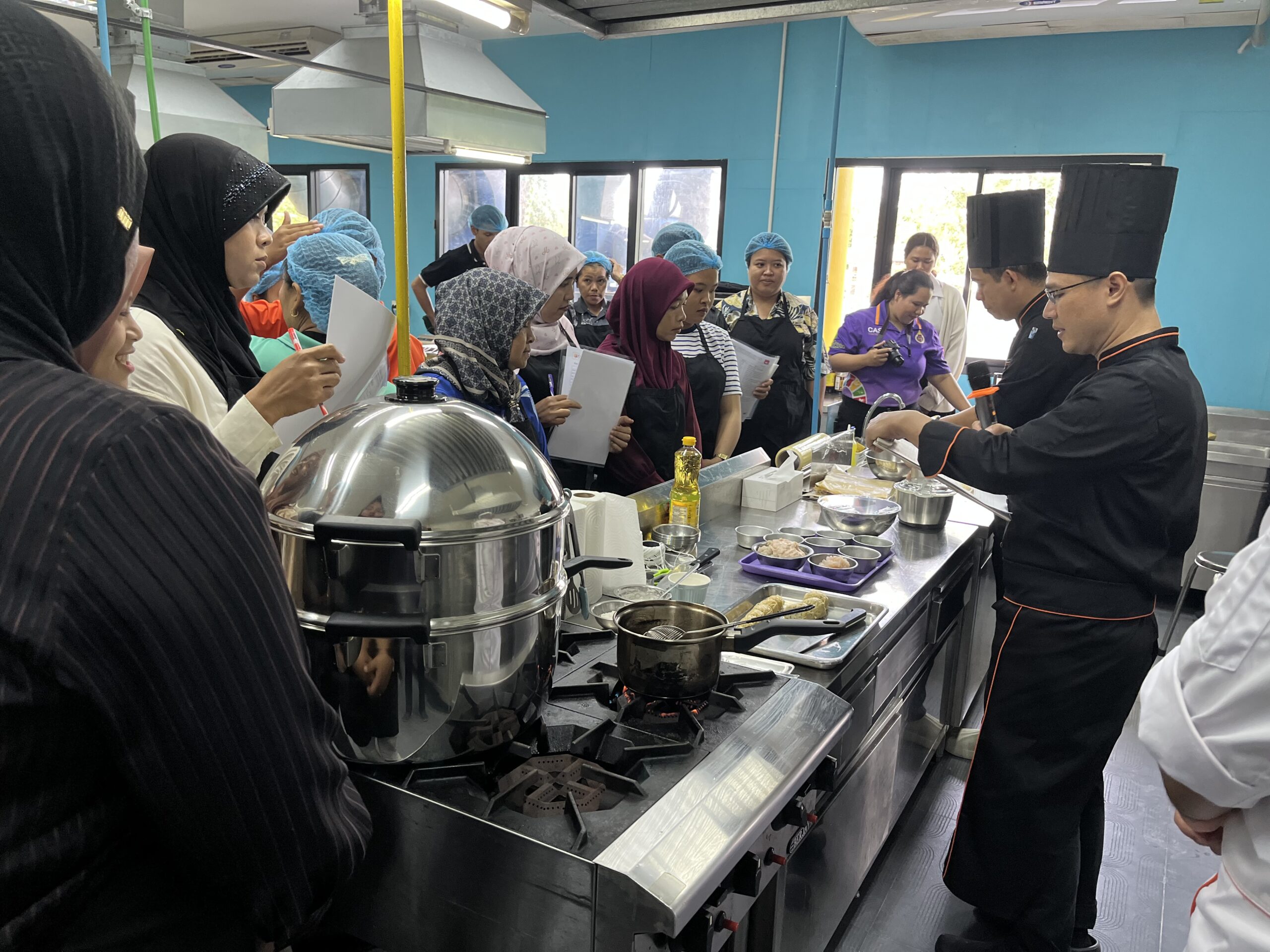
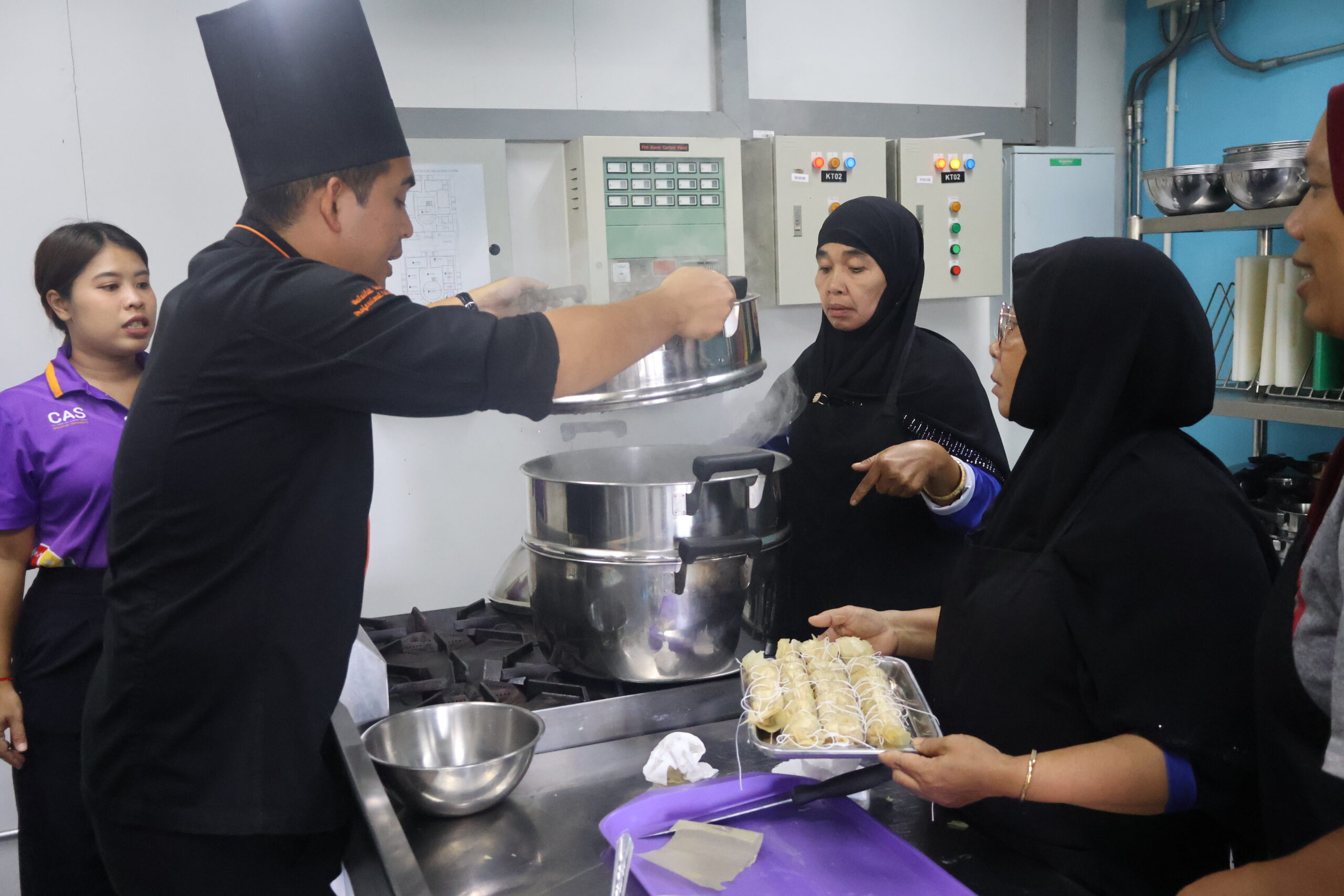
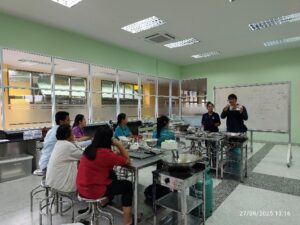
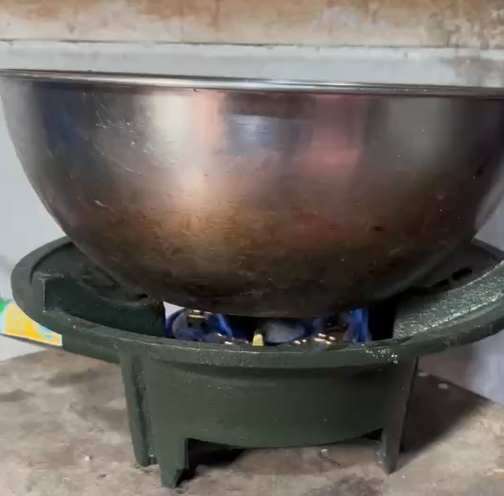
In addition, the university provides local food producers with free access to the Walailak Culinary Laboratory, enabling them to use the facilities, tools, and equipment necessary for food production. Available equipment includes food steamers, four-burner gas stoves, and various other kitchen appliances. This initiative supports improvements in food production processes, enhances product quality, and creates opportunities for local food producers to further develop their products and generate added value.
Walailak Culinary Laboratory
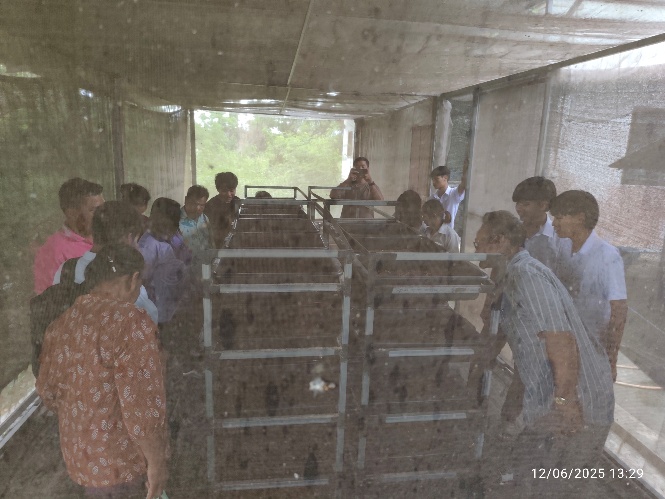
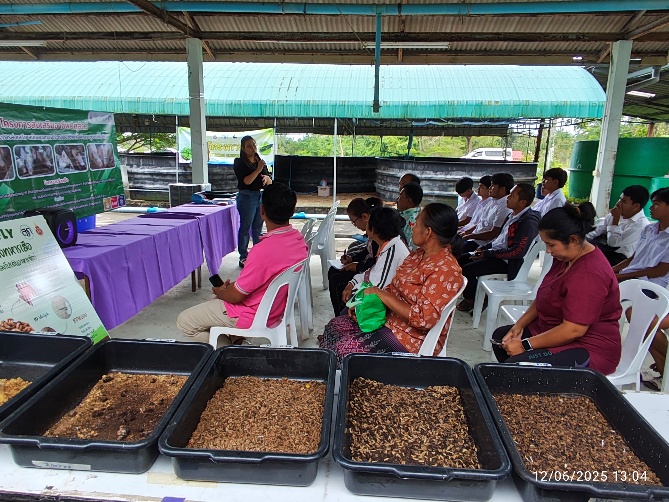
In addition, the university organized a practical training workshop on Black Soldier Fly Larvae (BSFL) cultivation, with 30 participants comprising local food producers and farmers. The activity provided participants with access to the laboratory facilities and essential equipment for BSFL cultivation, such as feeding substrate trays and rearing facilities. Participants also gained hands-on experience in the cultivation process to develop the knowledge and skills required to produce BSFL as an alternative protein source for animal feed, including feed for pigs, chickens, and fish. This initiative helps reduce animal feed costs while promoting the efficient use of resources in local agricultural production.
Black Soldier Fly Larvae Cultivation Laboratory
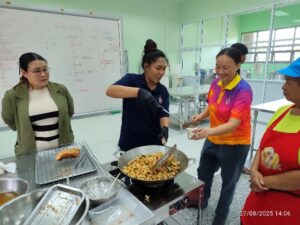
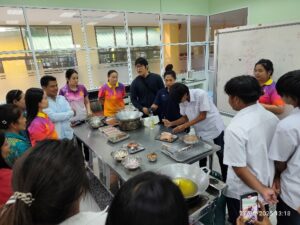
In addition, the university provides local food producers and farmers with opportunities to access and utilize the Food Science Laboratory, including the tools and equipment required for food processing. This initiative was implemented through a hands-on training workshop on pork processing, focusing on the production of crispy pork and crispy pork-crackling chili paste, with 30 participants. The workshop aimed to transfer food processing knowledge and practical skills through hands-on learning, thereby strengthening the capacity of local food producers and farmers to develop food products, add value to agricultural raw materials, and create further opportunities for livelihoods and income generation in the future.
Food Science Laboratory
Access to Technology
In addition to labs, Walailak University provides local farmers and food producers with access to technology that can be applied to agricultural and food production systems. The technology transfer focuses on approaches that can improve resource efficiency, reduce waste, generate value from agricultural products, and support more sustainable farming practices.
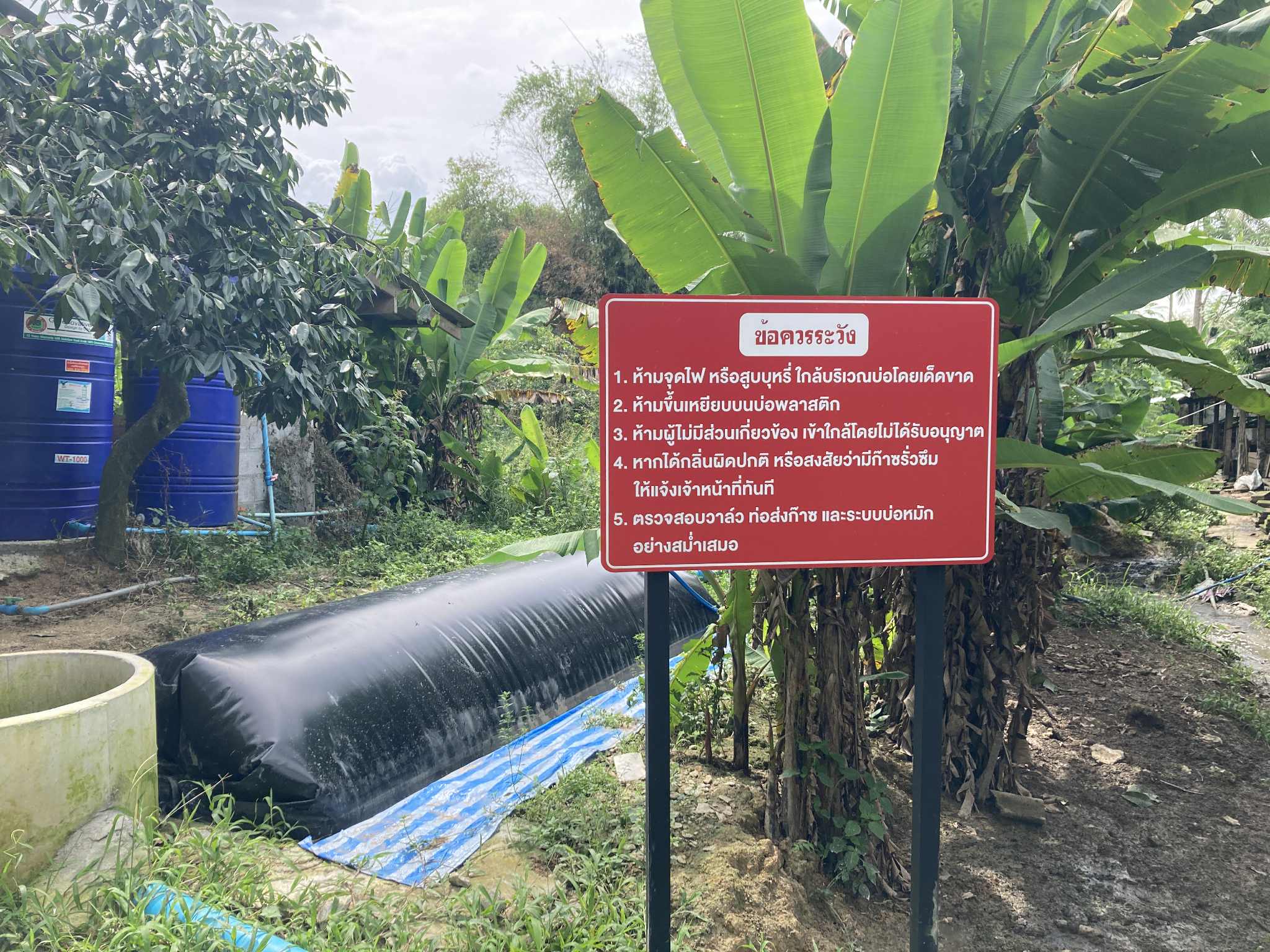
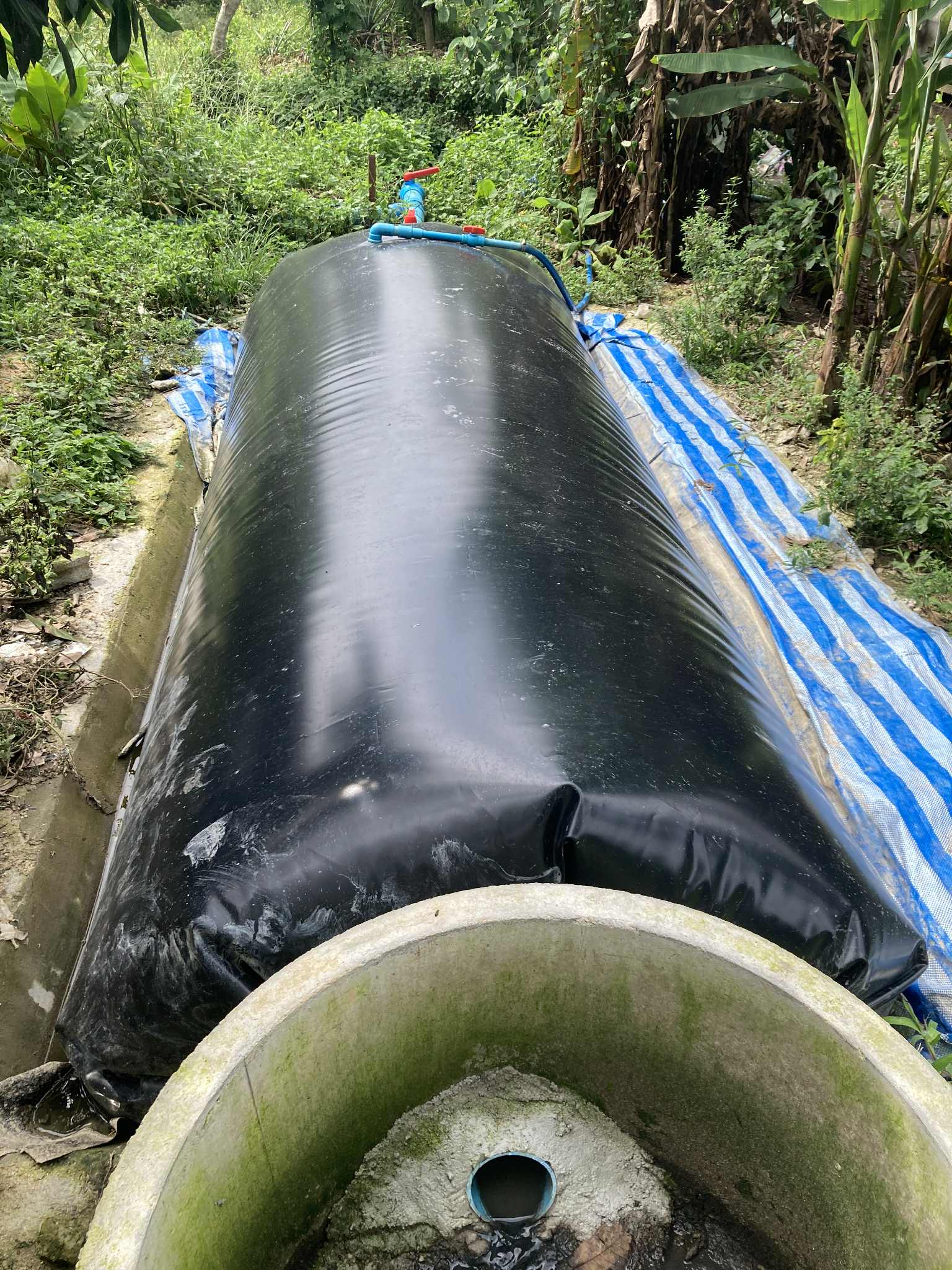
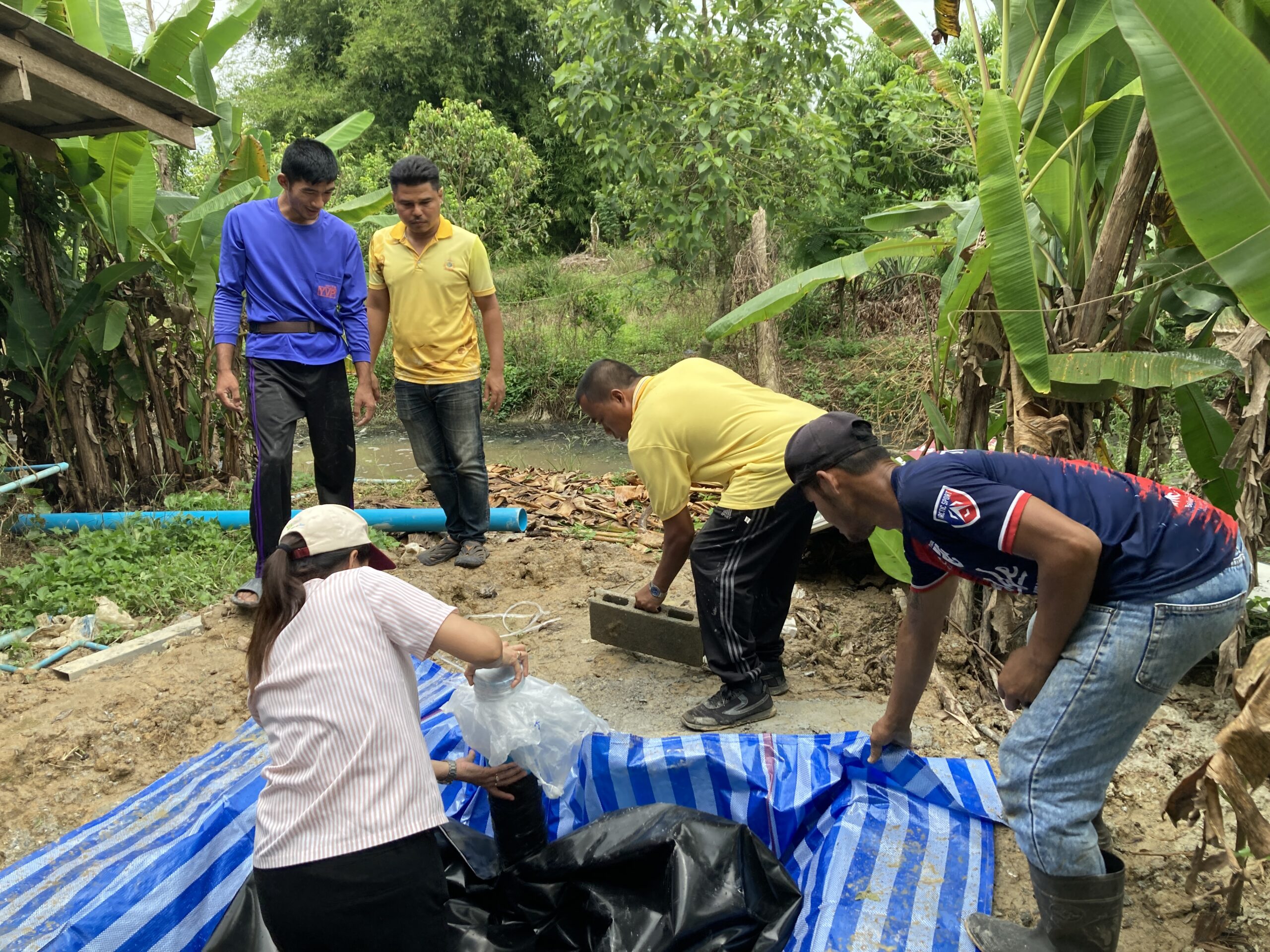
The first technology is the technology for managing pig manure through biogas production. This technology is transferred to farmers as a means of converting livestock waste into a source of usable energy. These activities connected university technology with livestock production in the local community and demonstrated an approach for managing agricultural waste while making productive use of resources.
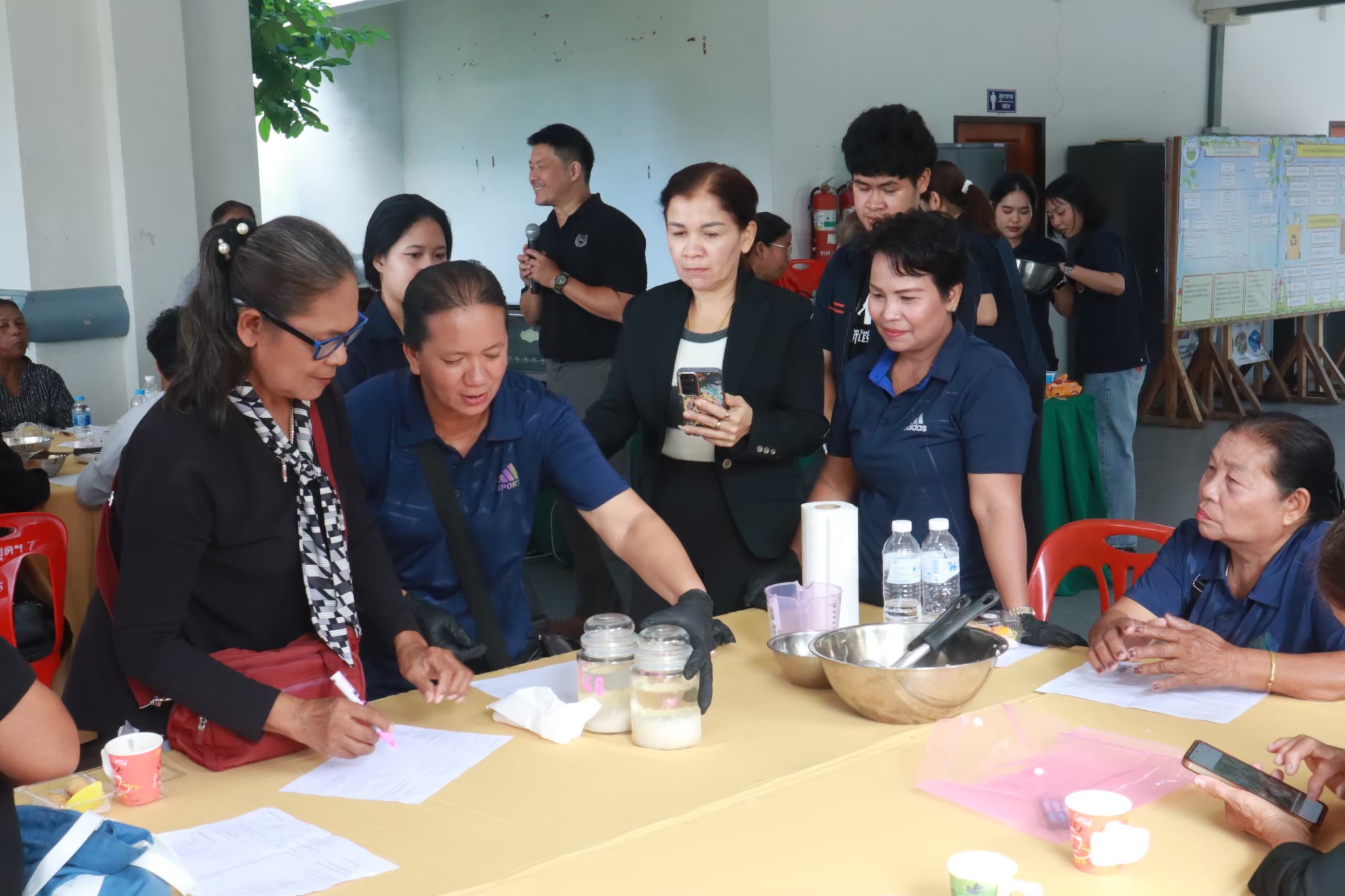
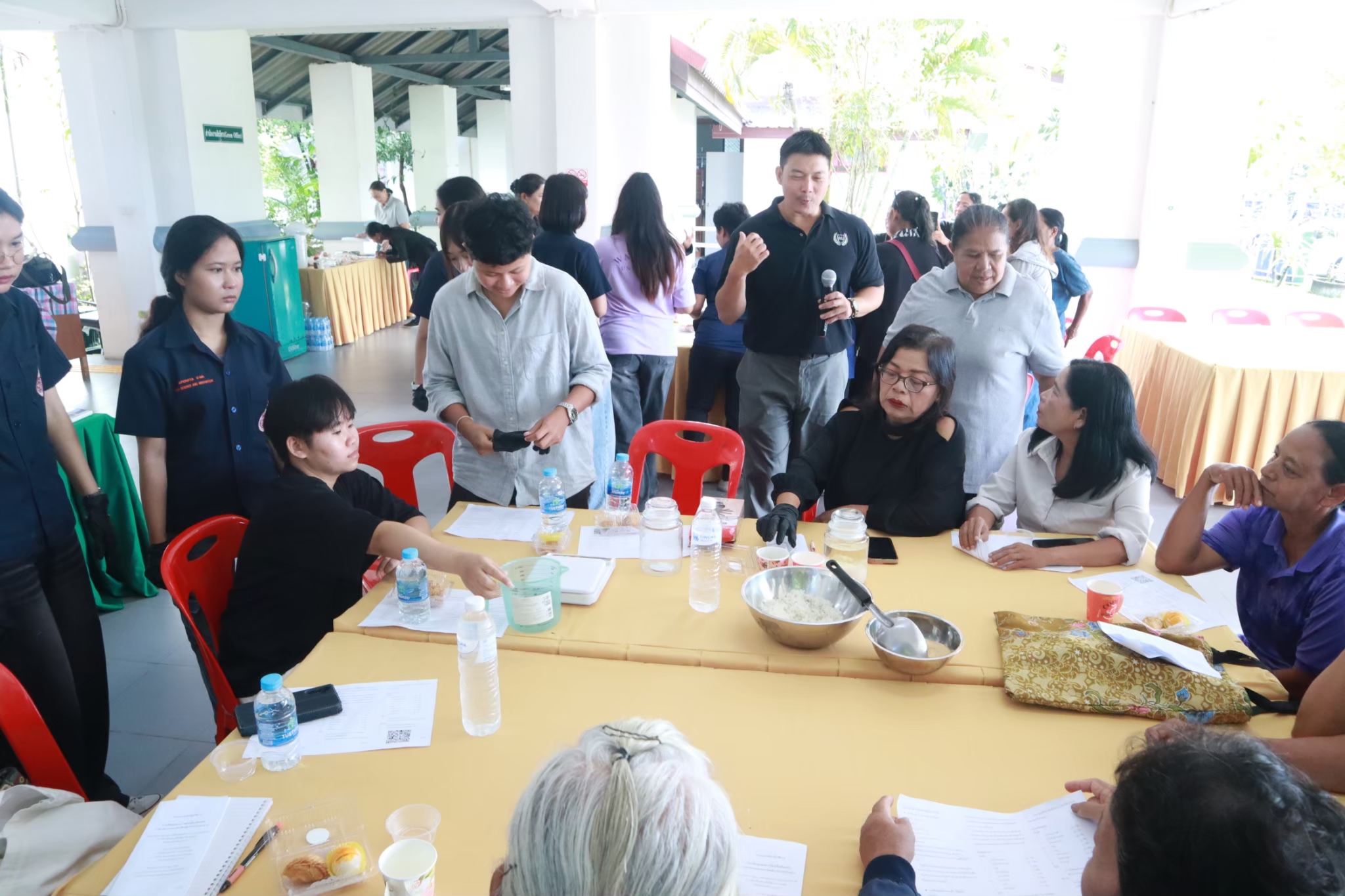
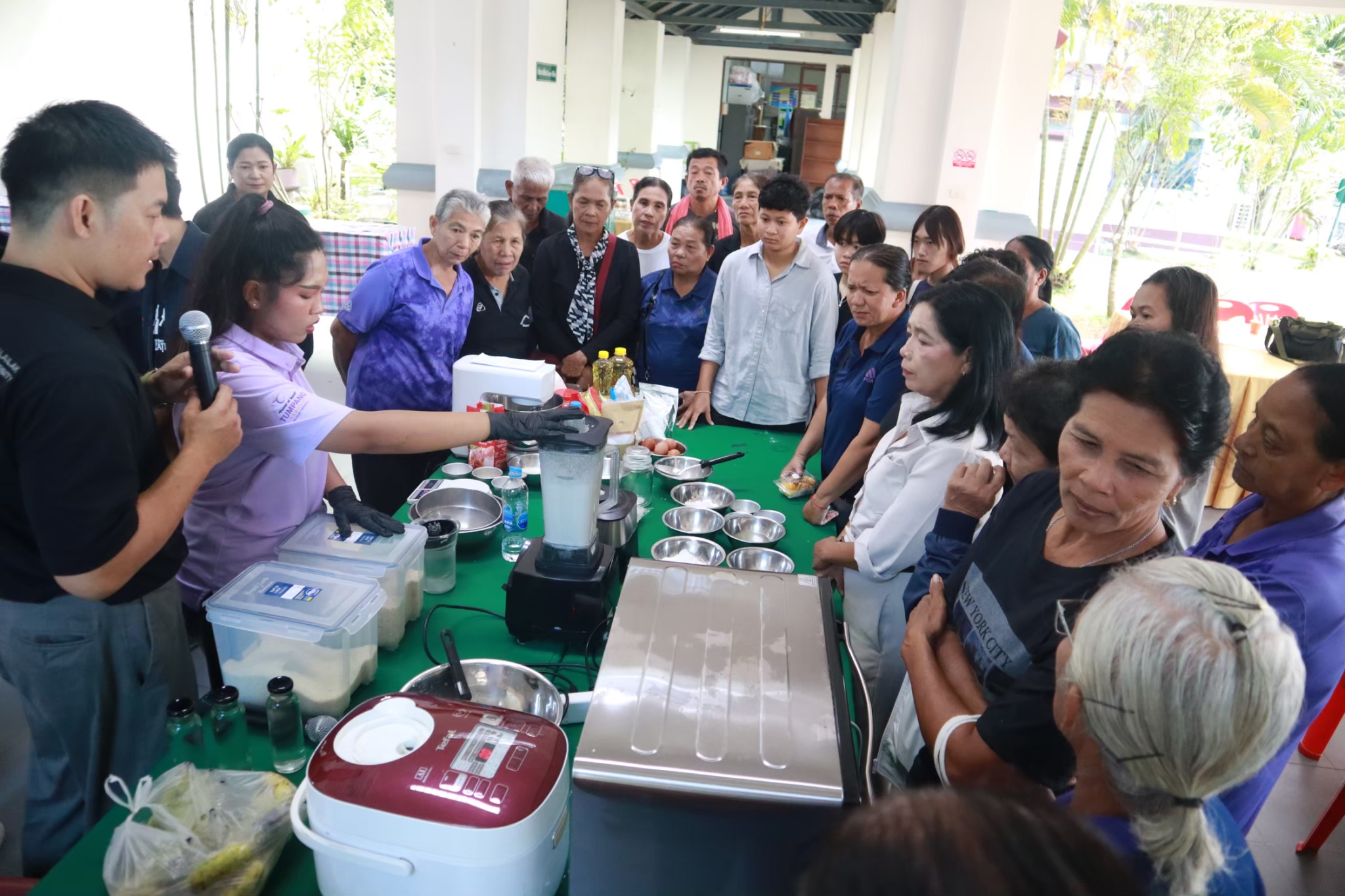
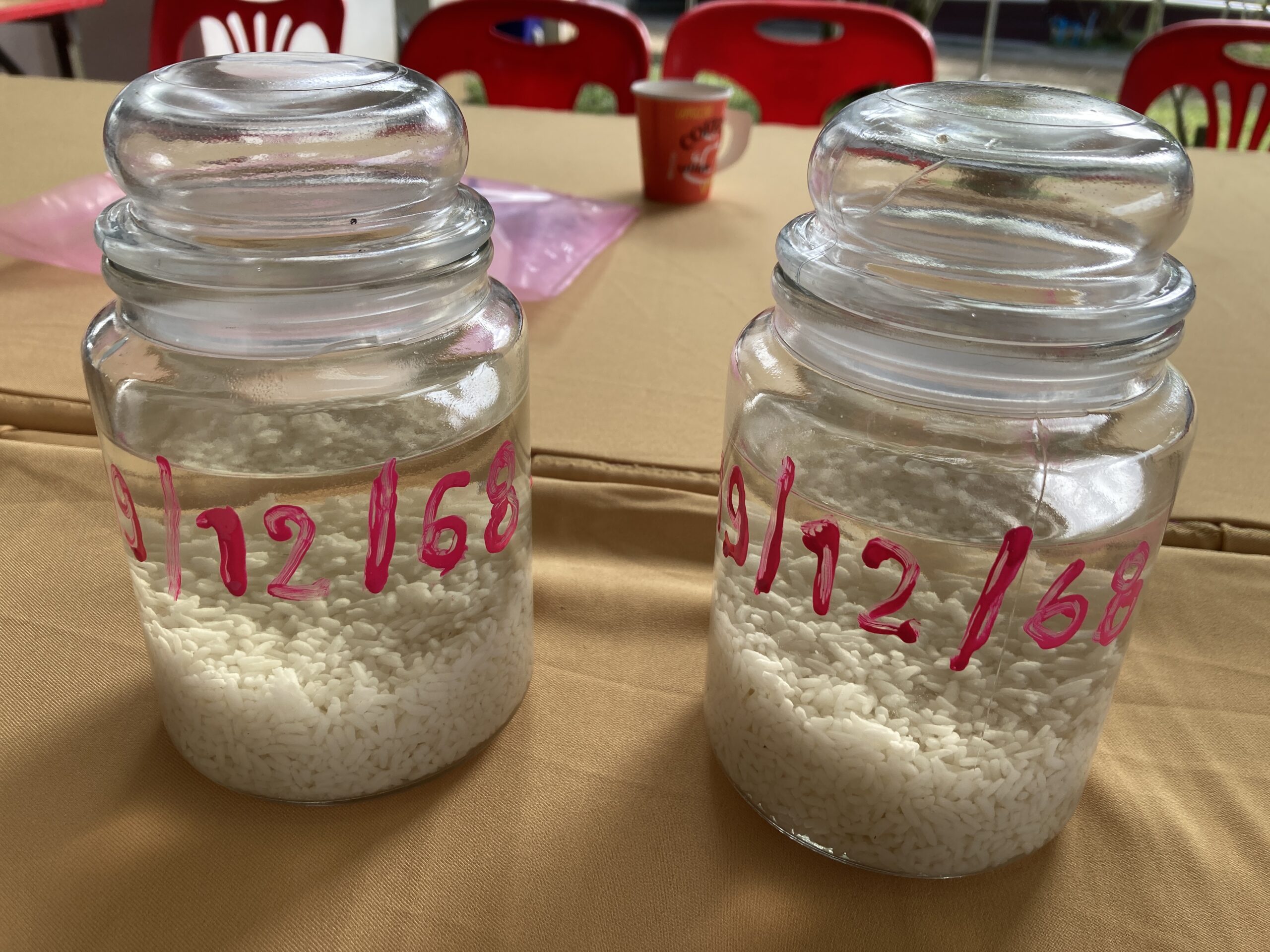
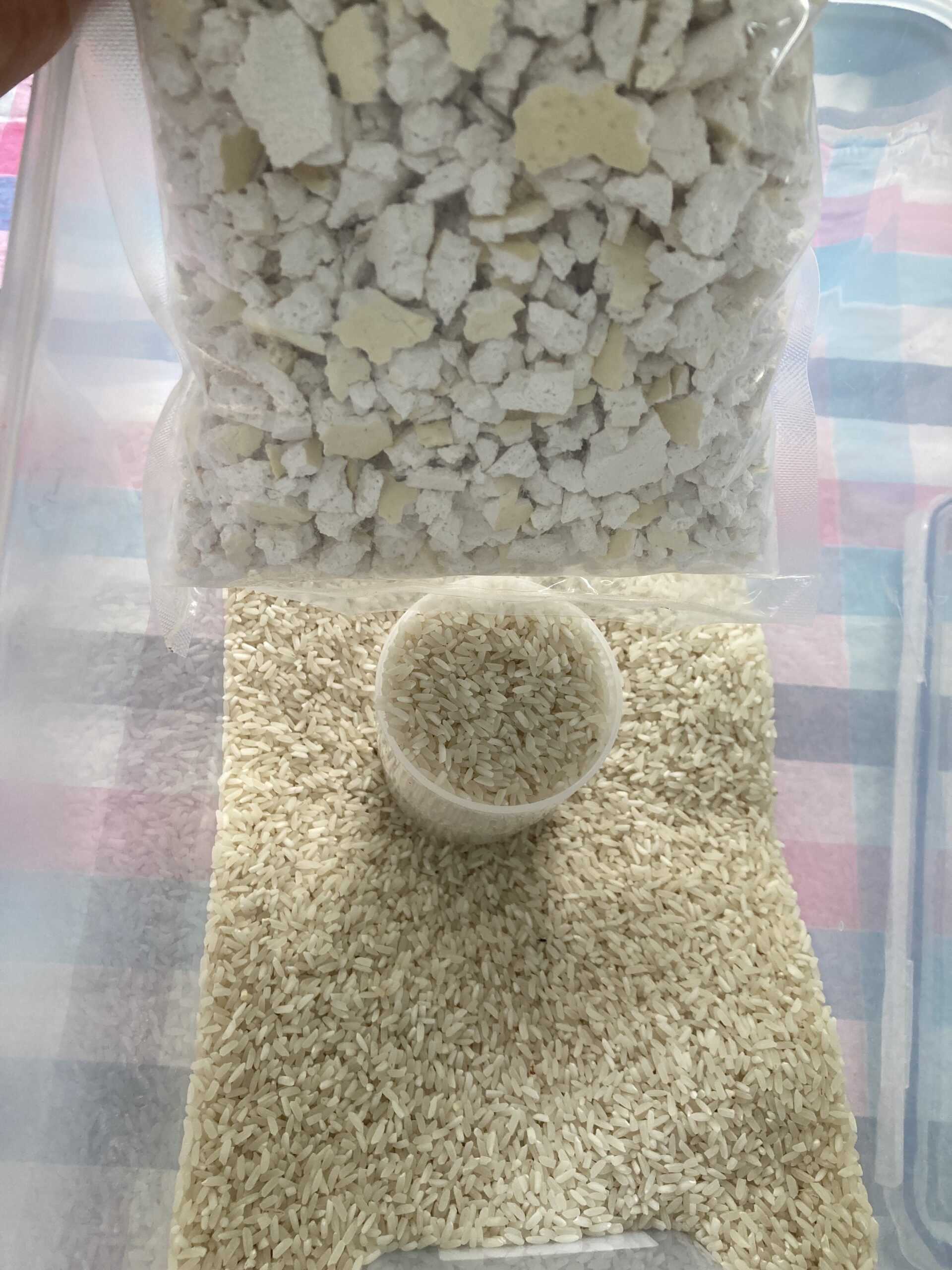
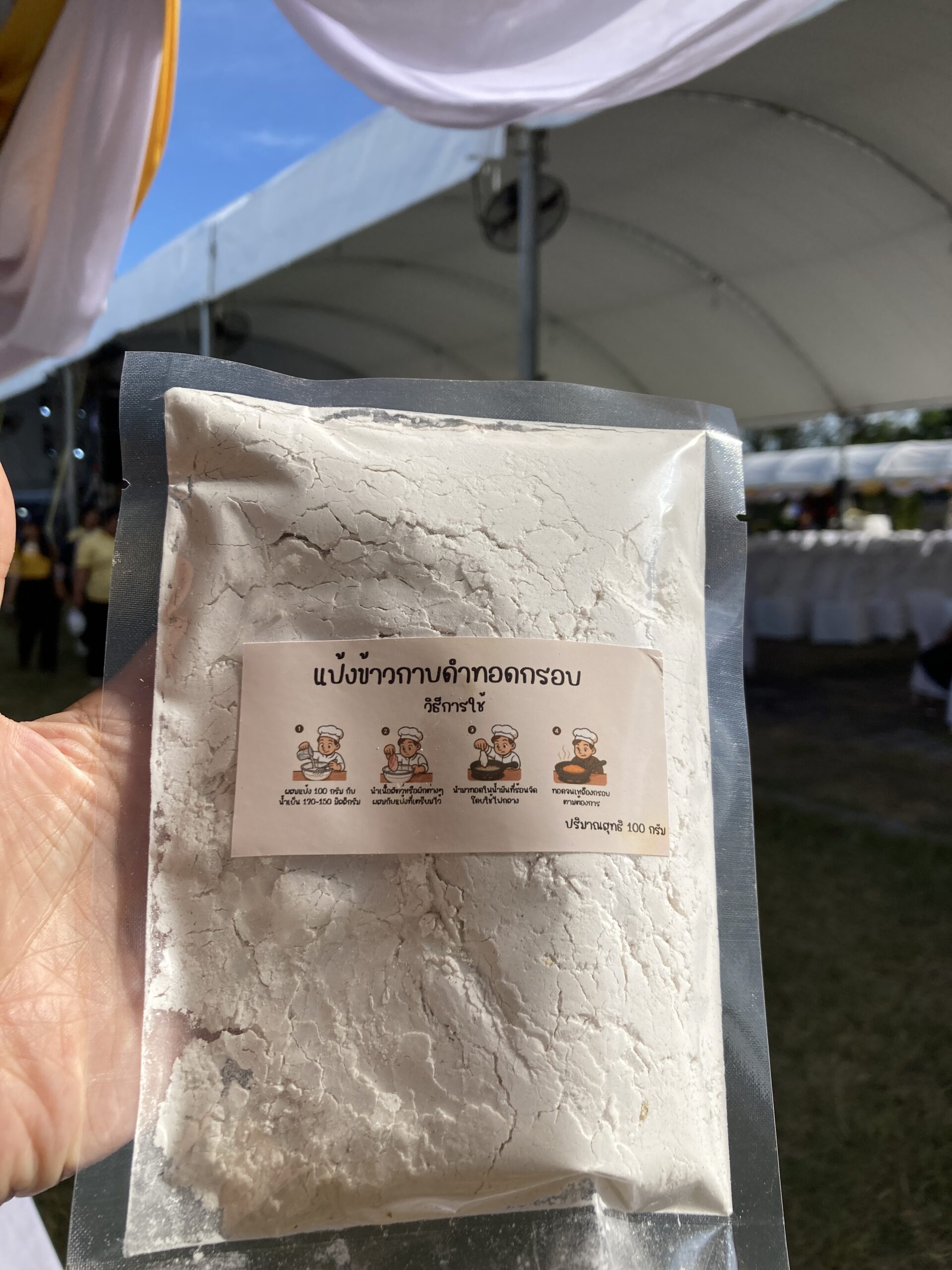
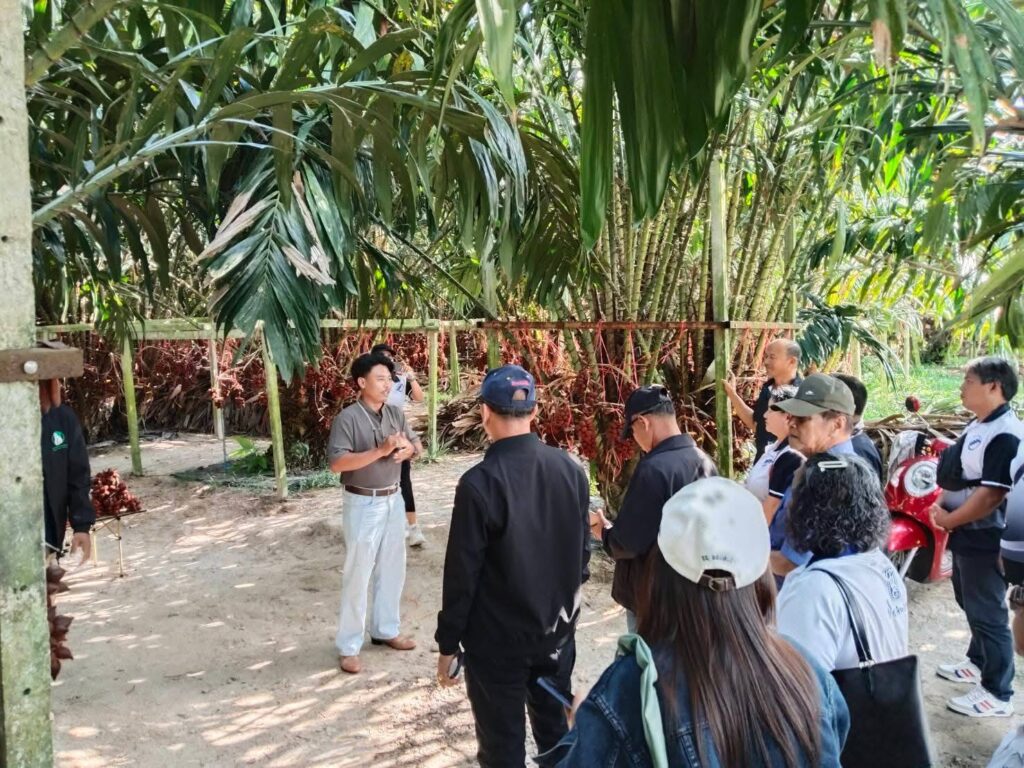
Another technology is the Transforming Indigenous Rice Varieties into Food Products and Ingredients Technology. This technology was developed through a research project aimed at upgrading community enterprises producing indigenous rice products in the Pak Phanang River Basin, Nakhon Si Thammarat Province. Then, the technology from research outputs are transferred to local communities, farmers, and interested participants through a practical training activity attended by 43 participants. The activity provided access to knowledge and technology for transforming local rice varieties into food products and ingredients. It therefore connected university research and technology with local agricultural production and provided opportunities for farmers and community enterprises to add value to locally produced rice.
The university’s access to technology is therefore not limited to receiving information. Local farmers and food producers are provided with opportunities to learn practical processes and explore how technology can be applied to their own production contexts, including livestock waste management, biogas production, food processing, and value-added agricultural products.
Access to Plant Stocks and Plant-Based Learning Resources
Walailak University also provides local farmers and food producers with access to plant stocks and plant-based learning resources. University plant resources and learning areas provide opportunities to study plant diversity, food-related plants, and plants that can support agricultural livelihoods.
In the area of plant stocks, the activity provided local farmers and food producers with free access to a plant tissue culture beginning with an introduction to the laboratory facilities and a step-by-step explanation of the plant tissue culture process. This was followed by practical demonstrations of plant tissue culture techniques, with opportunities for participants to gain hands-on experience and carry out the procedures themselves. The activity aimed to enhance participants’ understanding of systematic plant propagation techniques and equip them with practical knowledge that could be applied to the development and value enhancement of local economic crops, thereby supporting more effective agricultural development in the future.
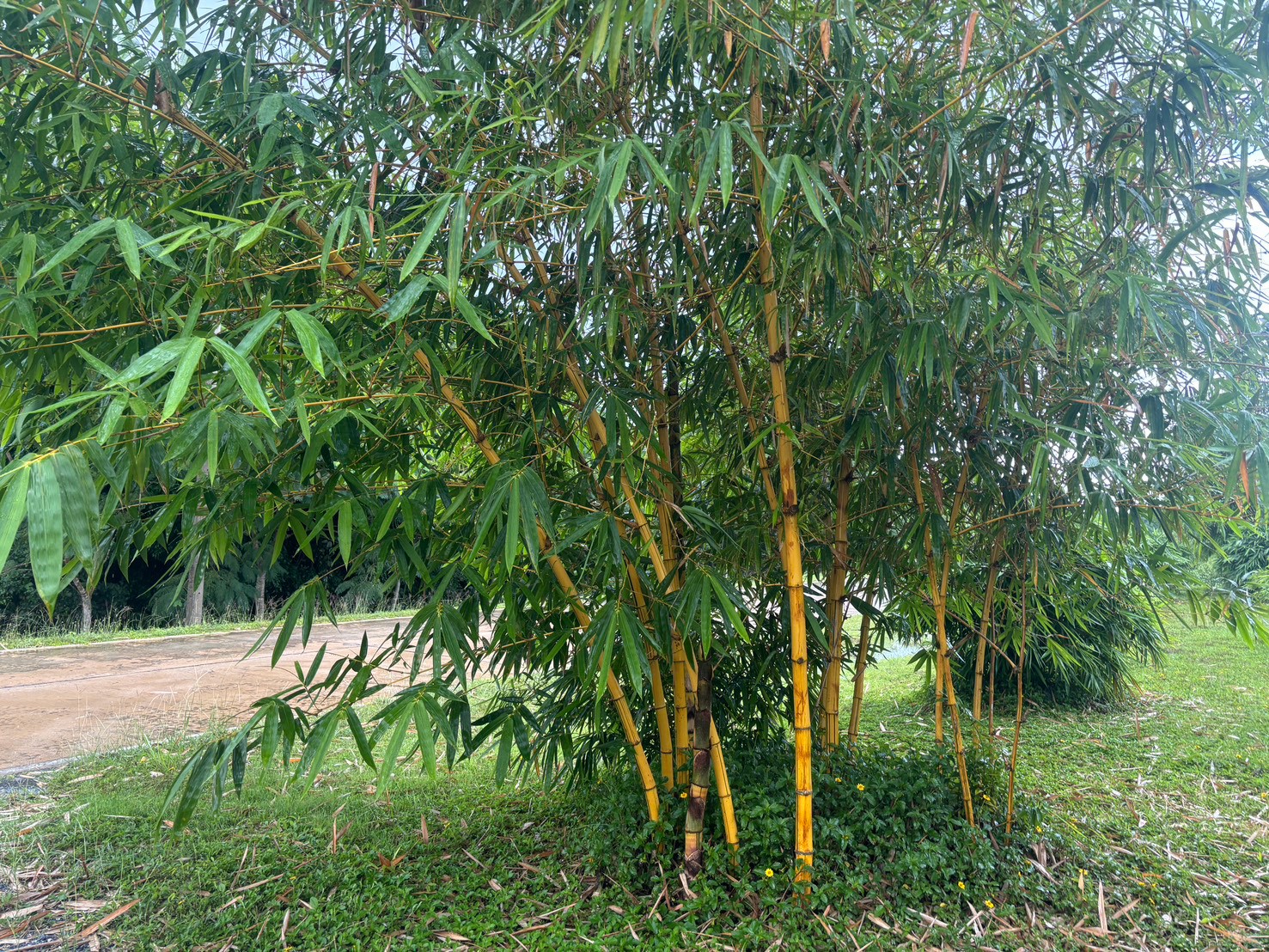
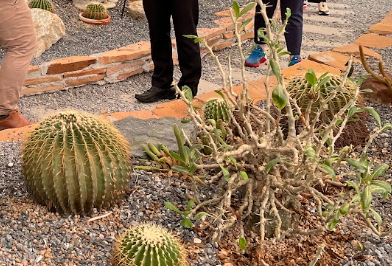
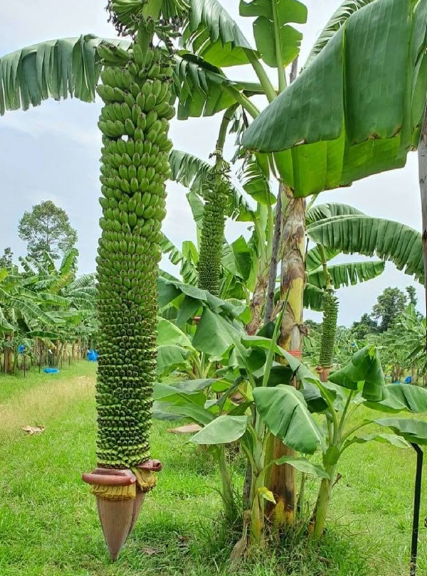
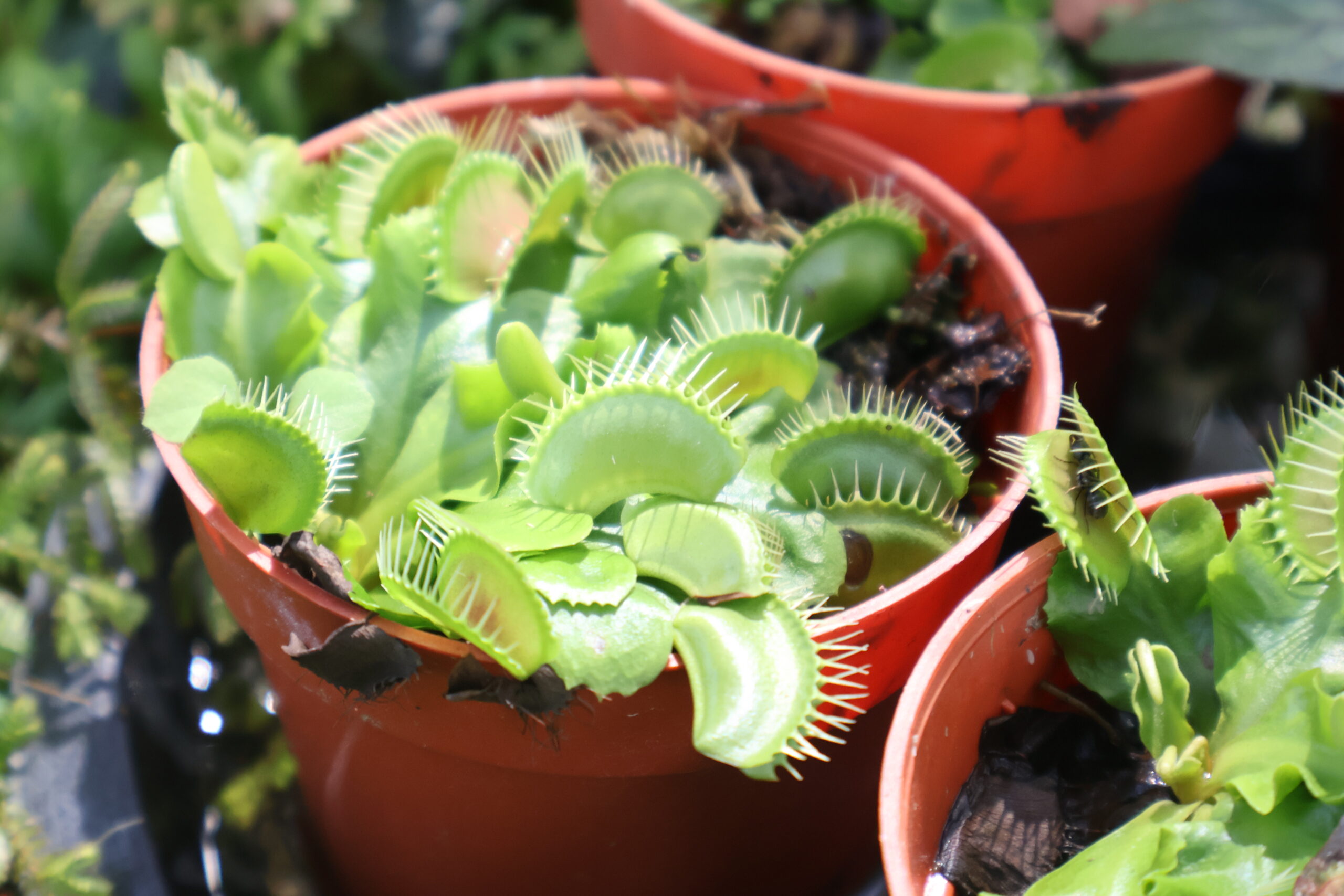
The Walailak University Botanic Park provides additional plant stock learning resources that are accessible to local farmers, food producers, and the general public. These resources include a bamboo garden, banana garden, nepenthes greenhouse, ginger and galangal family plant collection, orchid house, bromeliad greenhouse, anthurium and ornamental plant greenhouse, and cactus dome. These learning areas provide opportunities to explore plant diversity and the potential uses of plant resources maintained by the university.
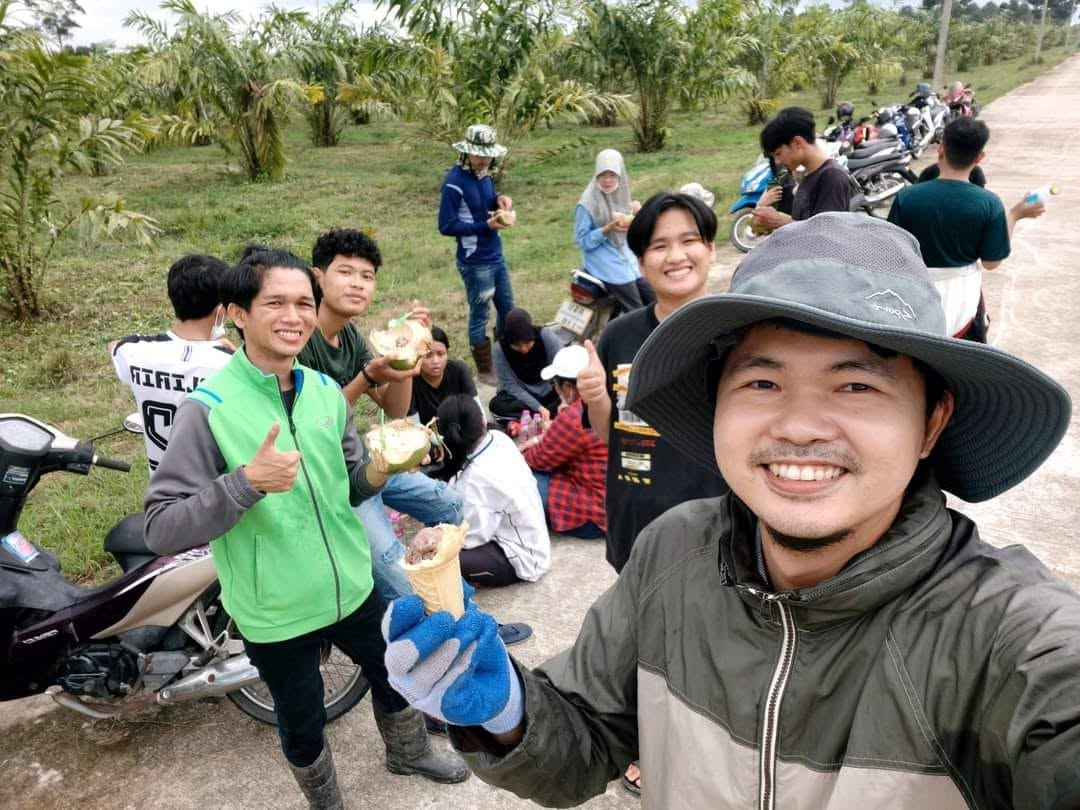
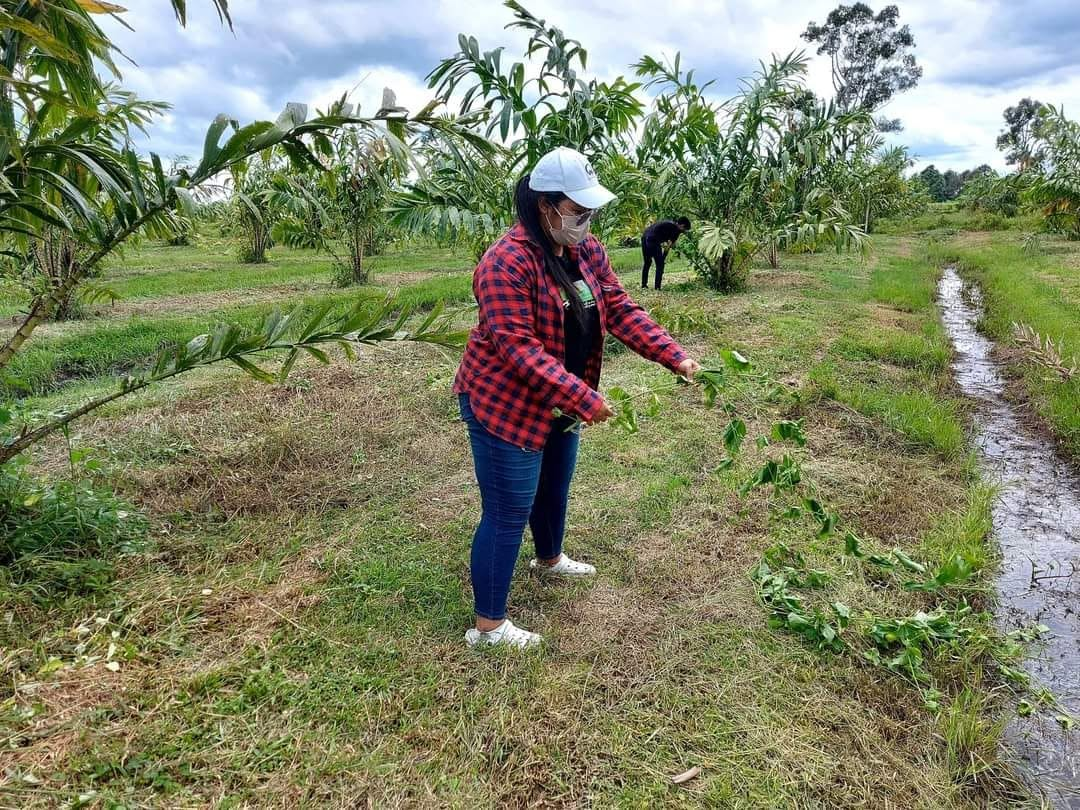
Moreover, the university provides access to plant stock learning resources through its Smart Farm, where plants such as salak, lime, and aromatic coconut are used as learning resources related to agricultural livelihoods.
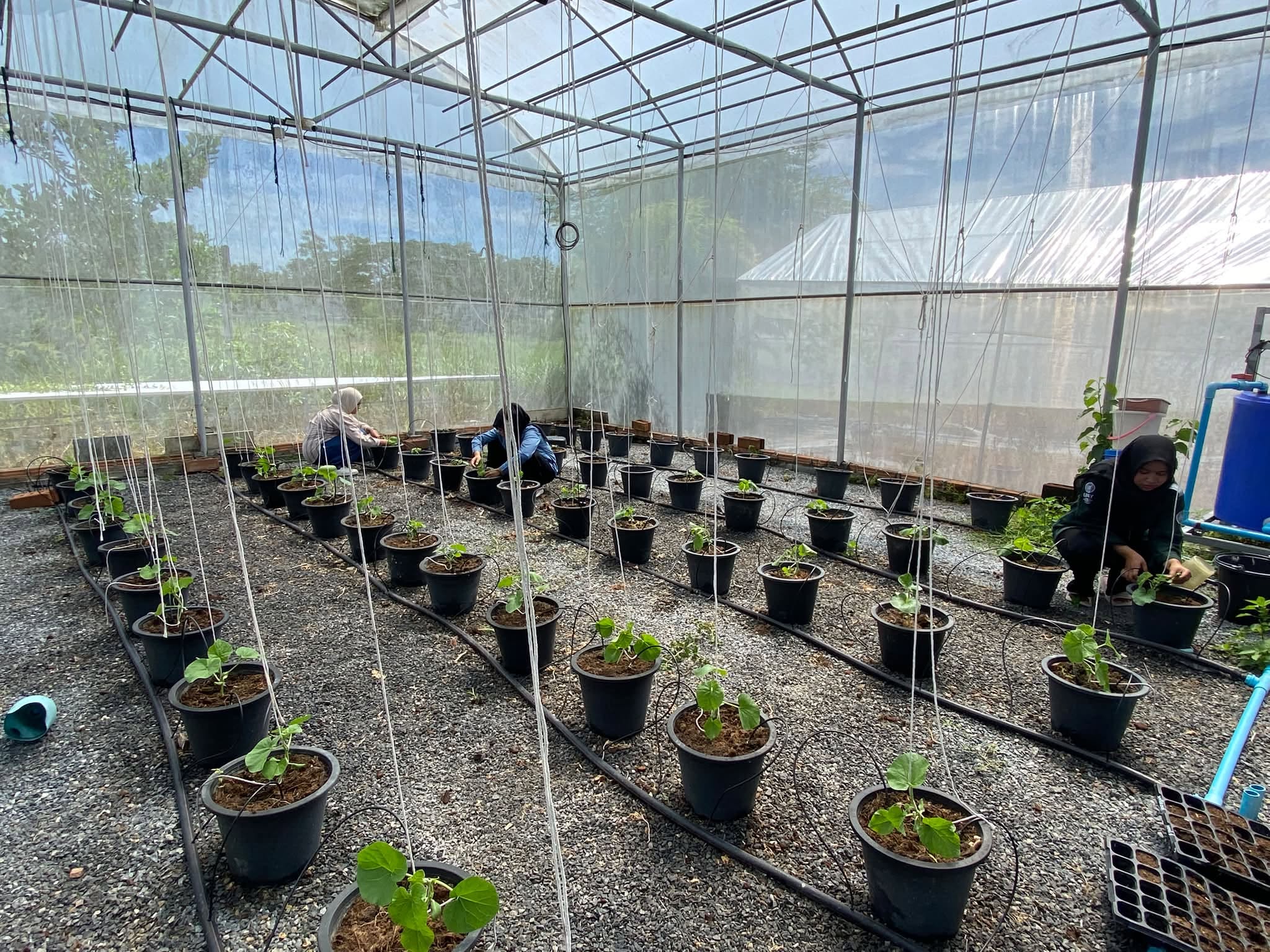
In addition, the School of Agricultural Technology has developed a model plot for pesticide-free golden melon production. The site serves as a learning resource accessible to local farmers, food producers, and the general public, providing an opportunity to learn about plant production practices and explore their potential application in agricultural activities.
Connecting University Resources with Sustainable Farming and Food Production
Walailak University’s activities provide local farmers and food producers with access to labs, technology, and plant stocks, creating multiple pathways for university resources to be connected with local agricultural and food production systems. The university facilities support a range of activities, including plant tissue culture, aquaculture, black soldier fly larvae cultivation, food preparation, food processing, agricultural product value addition, livestock waste management, and biogas production. Plant stock learning resources also provide opportunities to explore food-producing plants and plants that can support agricultural livelihoods. By providing access to these resources free of charge, the university reduces barriers to accessing university facilities and academic resources. This creates opportunities for local farmers and food producers to connect with university knowledge, technology, facilities, and plant resources and to apply them in practical agricultural and food production contexts. Through this approach, university resources are connected with local needs, supporting knowledge transfer, practical learning, resource efficiency, value addition, and the development of more sustainable farming and food production practices.
Walailak University implements University access to local farmers and food producers through the provision of access to three key types of university facilities: labs, technology, and plant stocks. The activities include access to plant tissue culture, food preparation, black soldier fly larvae cultivation, food processing, aquaculture, biogas production from pig manure, value addition of local rice varieties, and plant-based learning resources at the Botanic Park, Smart Farm, and agricultural model sites. The university’s implementation demonstrates provision of access by making relevant resources, facilities, learning opportunities, and technology transfer activities available to local farmers and food producers free of charge. These activities demonstrate how Walailak University connects its academic resources, research, technology, university facilities, and plant resources with local farmers and food producers to support the application of knowledge and technology in agricultural and food production contexts and to promote sustainable farming practices.
Related Links
– https://cas.wu.ac.th/archives/34463
– https://cas.wu.ac.th/archives/35555