
Advancing SDG 14 through Walailak University’s Collaborative Marine Conservation Initiatives with NGOs
Advancing SDG 14 through Walailak University’s Collaborative Marine Conservation Initiatives with NGOs
Marine ecosystems are increasingly affected by environmental pressures, including marine pollution, habitat degradation, biodiversity loss, and climate change. Addressing these interconnected challenges requires reliable scientific knowledge, effective educational opportunities, and coordinated action among universities, non-governmental organizations (NGOs), research institutions, and public-sector agencies. Collaborative partnerships are particularly important because no single institution possesses all the expertise, resources, and outreach capacity needed to address complex environmental issues. Research and diagnostic assessments can help identify environmental conditions, diagnose emerging ecological problems, and establish evidence-based priorities for conservation. At the same time, sharing scientific knowledge and developing practical research skills are essential for equipping future generations with the capacity to respond to environmental challenges. In this context, Walailak University recognizes the importance of strengthening partnerships with NGOs and other organizations to advance the Sustainable Development Goals (SDGs), particularly SDG 17 (Partnerships for the Goals) and SDG 14 (Life Below Water). Through collaborative research, student volunteering and engagement, and the development of freely accessible educational resources, such partnerships can expand opportunities for knowledge exchange, strengthen scientific capacity, and promote informed action towards the long-term conservation and sustainable management of marine ecosystems.
Walailak University Strengthens International Research Partnerships to Advance Sustainable Blue Swimming Crab Fisheries Management
Sustainable fisheries management requires reliable scientific evidence, effective governance, and collaboration among organizations with complementary expertise. Marine fisheries face interconnected challenges, including overfishing, declining aquatic populations, incomplete monitoring data, uncertainty in resource assessments, and the degradation of marine ecosystems. Addressing these challenges requires coordinated research programmes that can diagnose weaknesses in existing management systems, compare alternative scientific approaches, and develop evidence-based recommendations suited to local fisheries. Partnerships with non-governmental organizations (NGOs), international organizations, government agencies, and academic institutions are particularly important because they enable knowledge exchange, strengthen research capacity, and facilitate the development of best practices. Through these partnerships, research can contribute to the United Nations Sustainable Development Goals (SDGs), particularly SDG 14: Life Below Water, and SDG 17: Partnerships for the Goals.
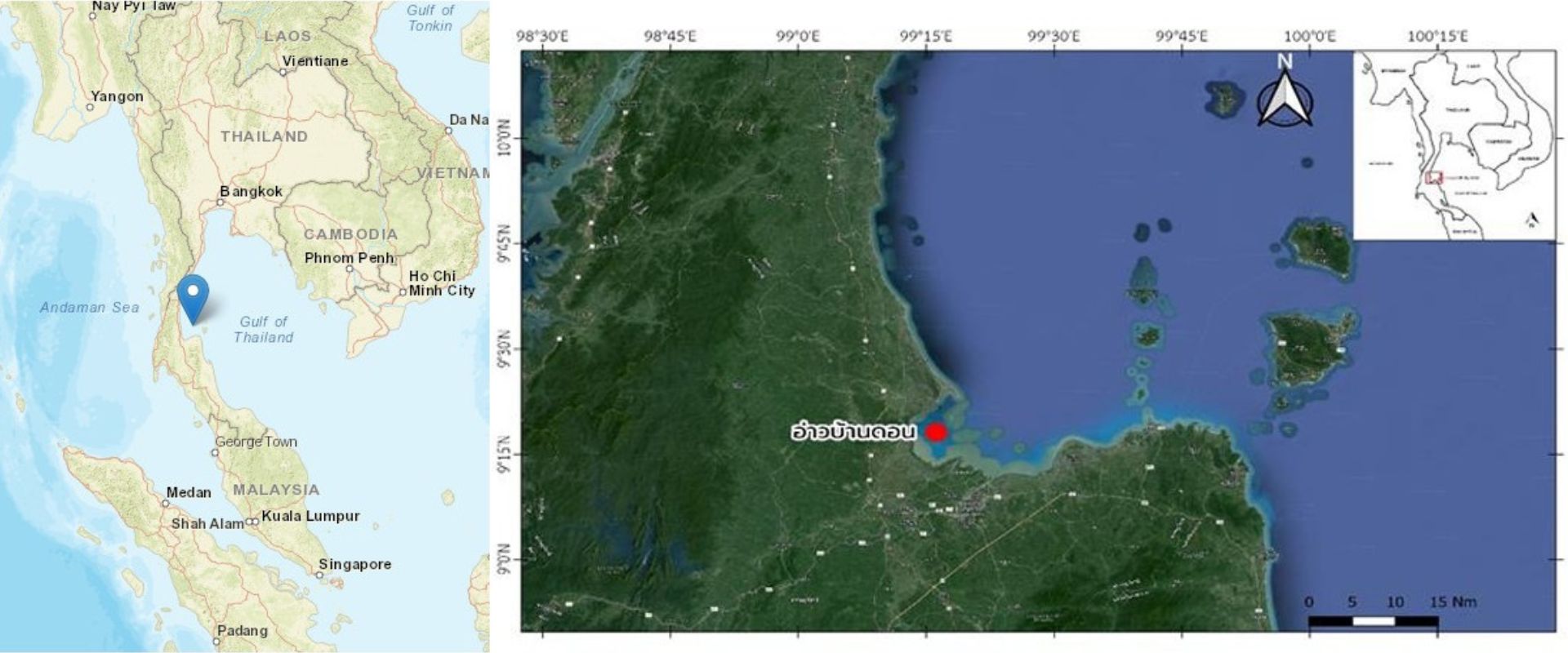
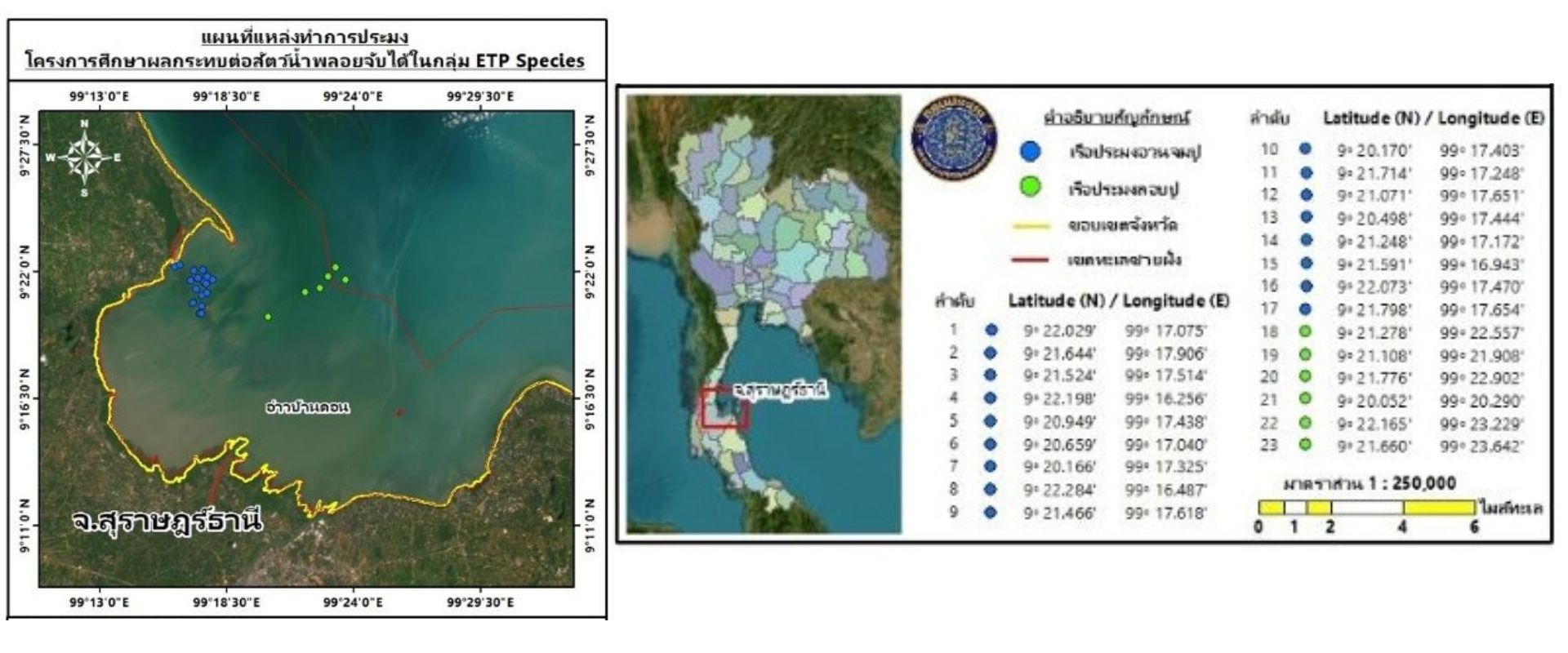
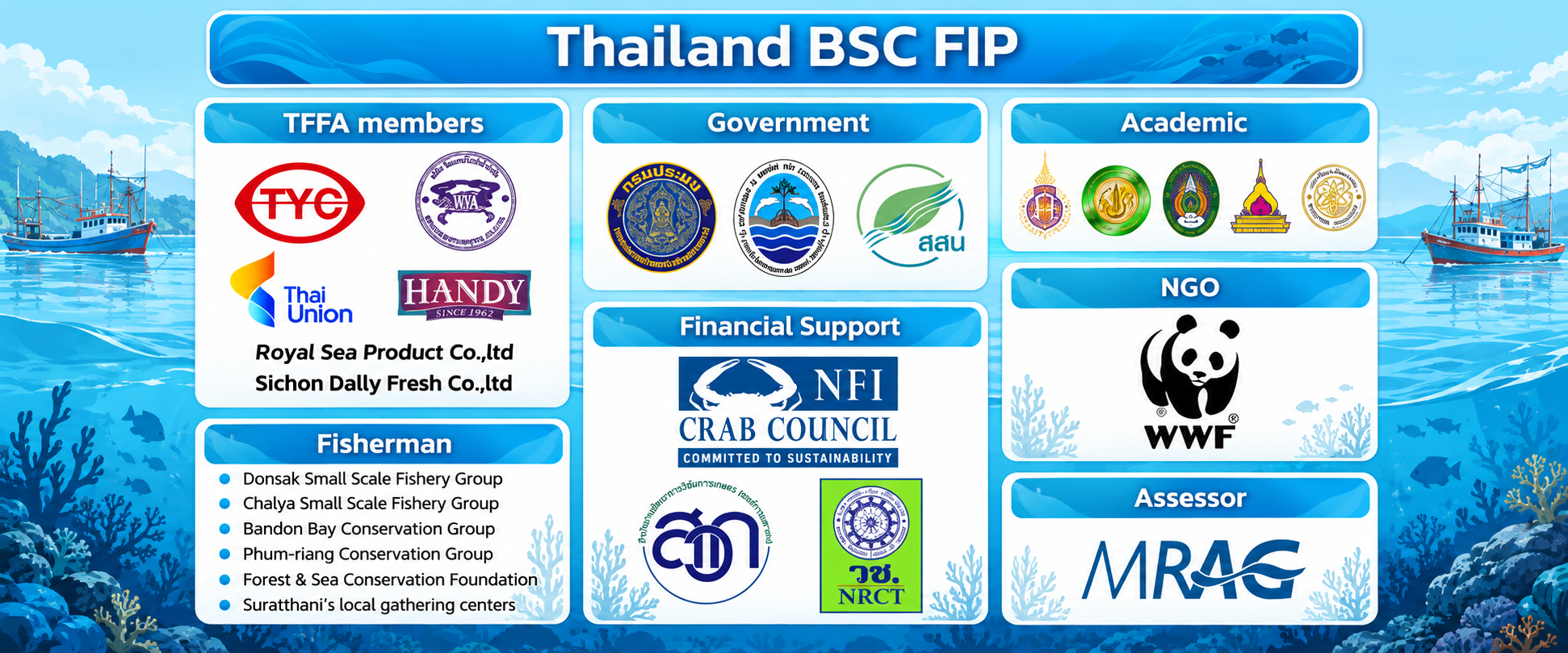
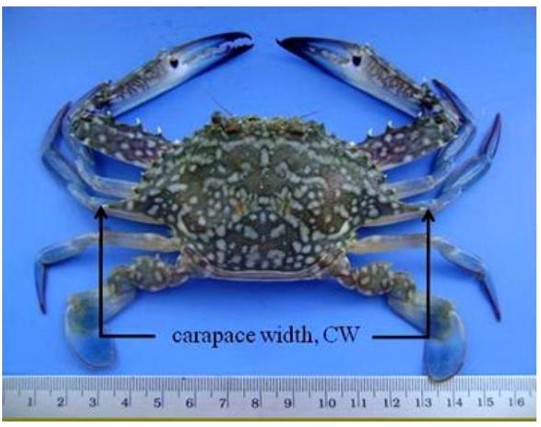
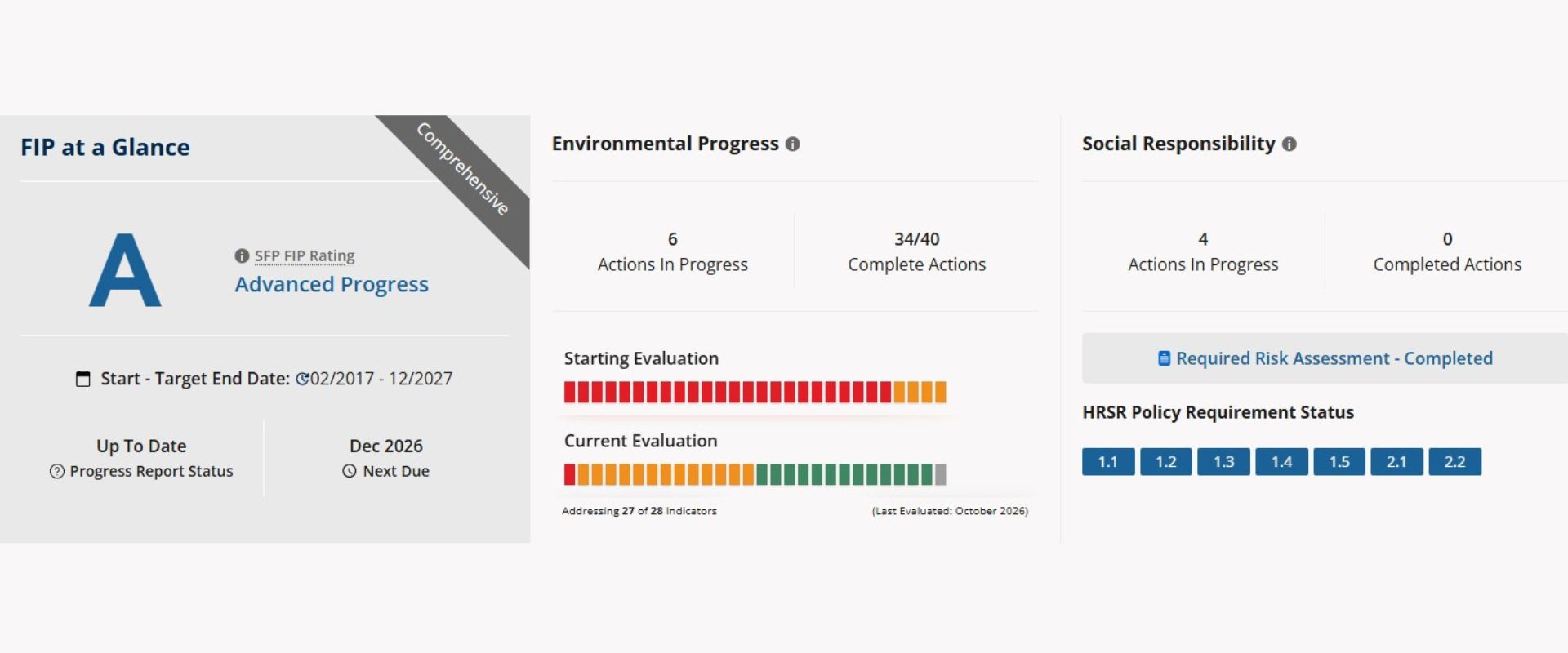
In 2025, Walailak University (WU) continued its contribution to collaborative fisheries research through the Thailand Blue Swimming Crab Fishery Improvement Project (Thailand BSC FIP). Working with the World Wide Fund for Nature (WWF), the Marine Resources Assessment Group (MRAG), the Marine Science Association of Thailand, and the National Fisheries Institute (NFI) Crab Council, WU supported collaborative efforts to improve the scientific understanding and management of blue swimming crab fisheries in Ban Don Bay, Surat Thani Province. The initiative also involved government agencies, academic institutions, fisheries associations, and other stakeholders, bringing together expertise in fisheries science, resource assessment, marine conservation, and fisheries governance.
Through this collaborative research programme, WU contributed to identifying gaps in existing fisheries management systems, examining alternative assessment methods, and developing recommendations to strengthen sustainable fisheries management. The initiative demonstrates how partnerships with NGOs and international organizations can support research-based solutions to shared environmental challenges while contributing to marine biodiversity conservation and the sustainable use of fisheries resources.
International Research Collaboration through the Thailand Blue Swimming Crab FIP
Fishery Improvement Projects (FIPs) are collaborative, multi-stakeholder initiatives designed to improve fishing practices and fisheries management systems. They bring together participants from the fishing sector, government, academia, civil society, and international organizations to identify sustainability challenges, develop improvement strategies, and evaluate progress. By combining scientific research with practical experience, FIPs can help translate technical knowledge into recommendations for improved fisheries governance and conservation.
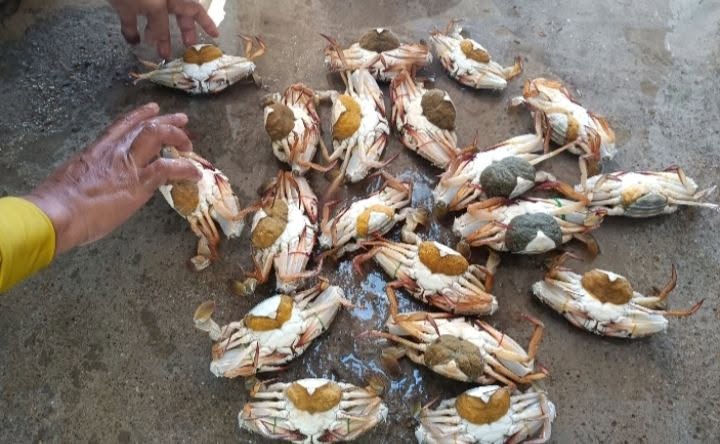
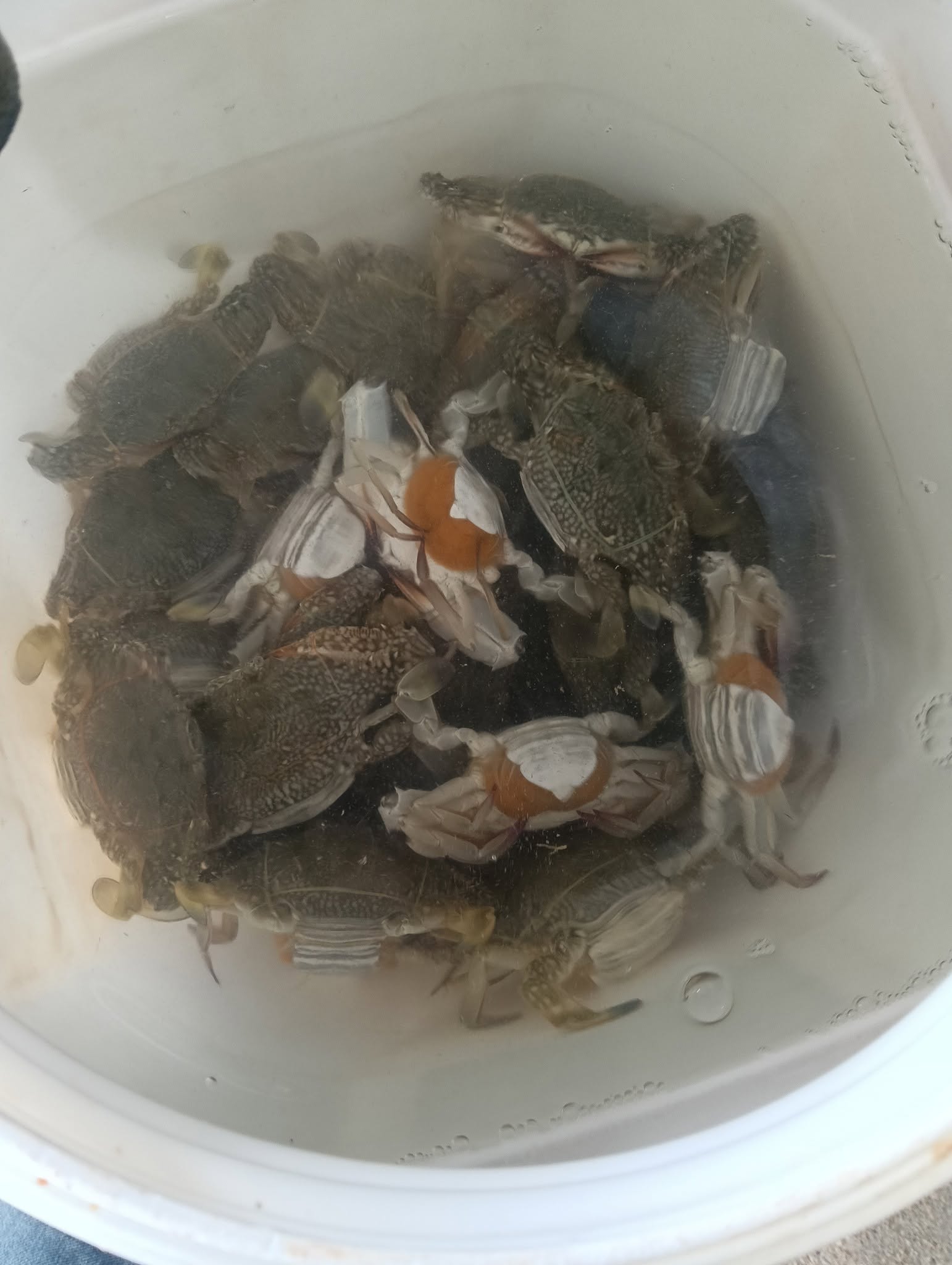
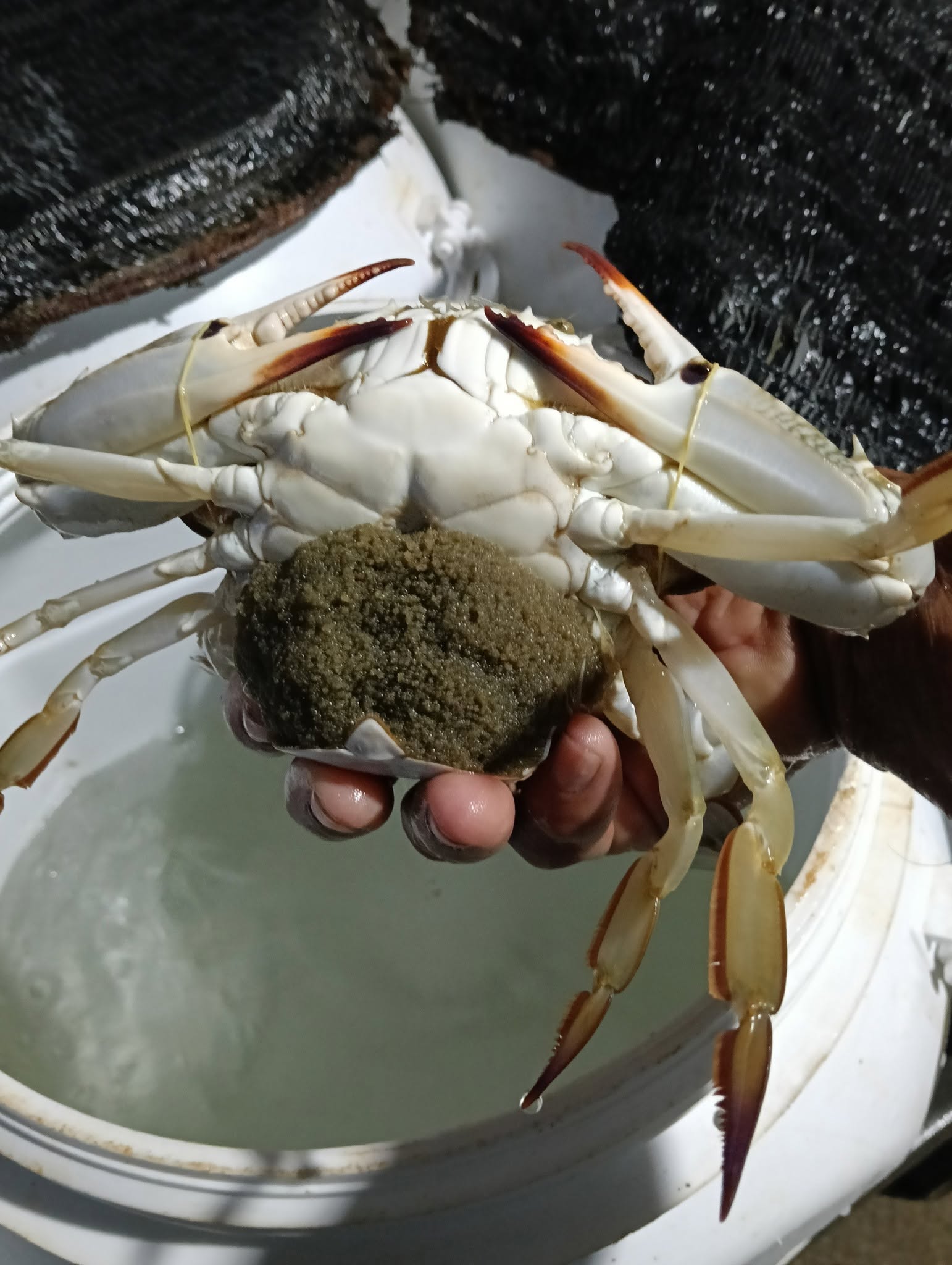
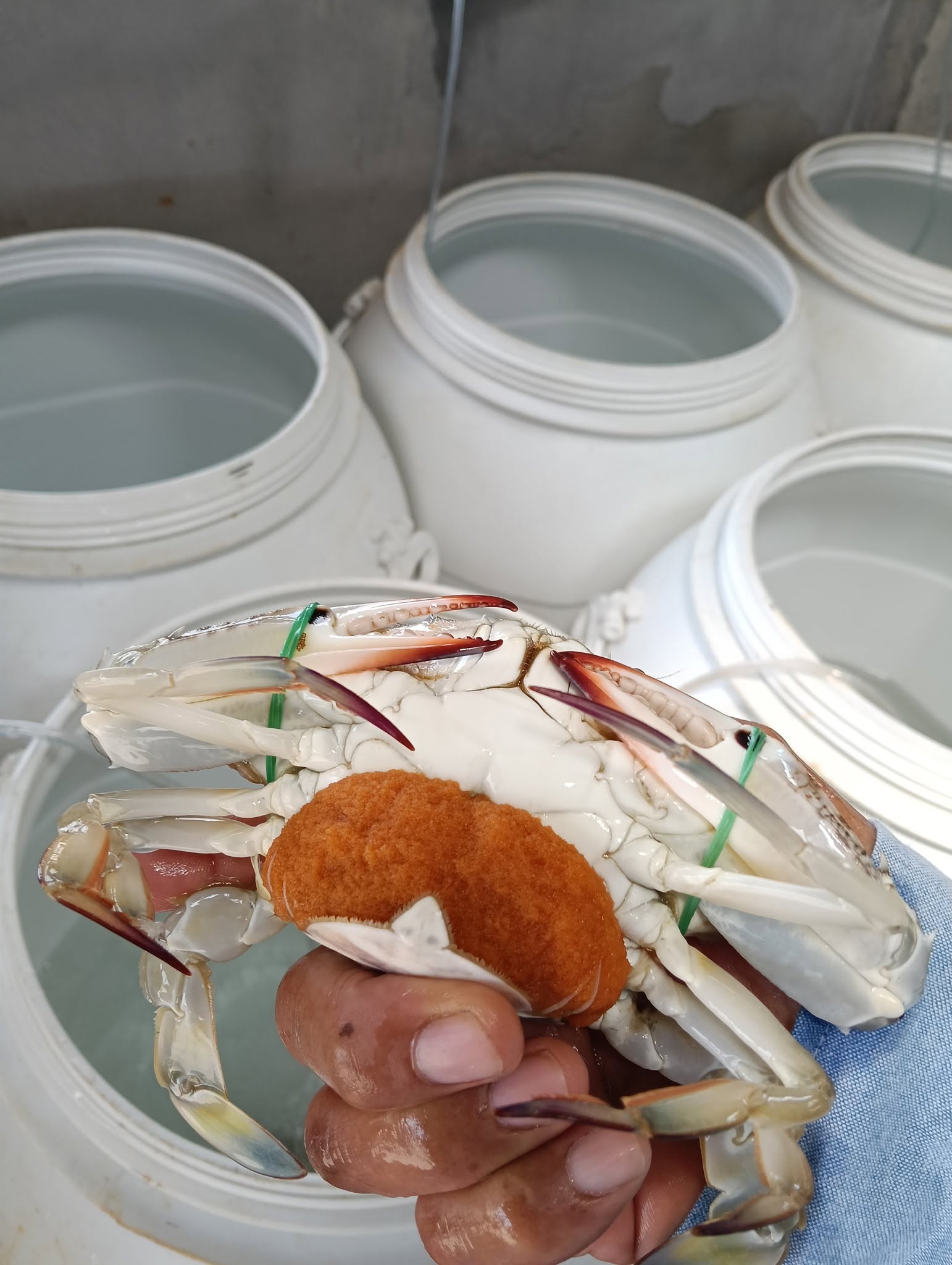
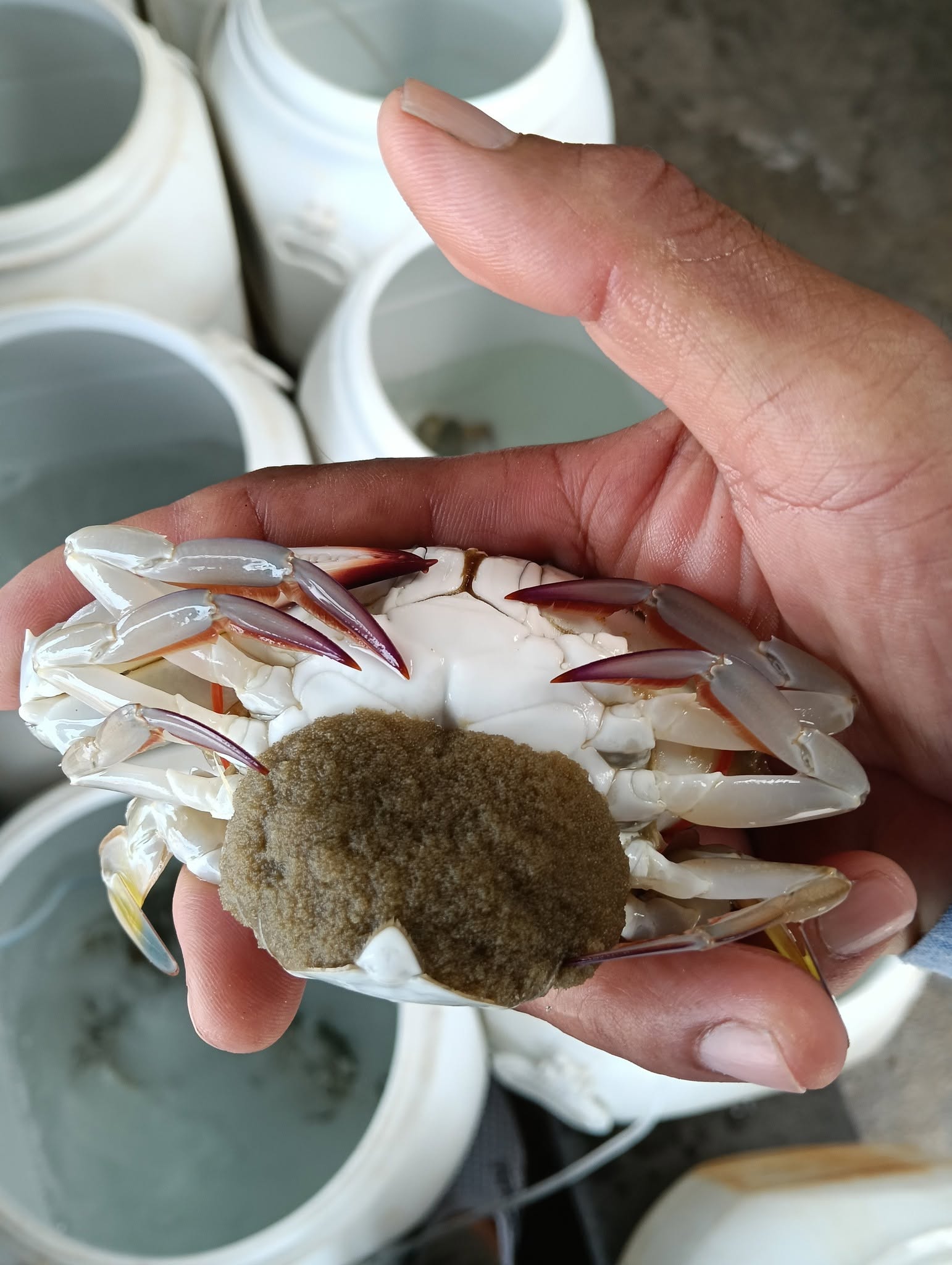
In Ban Don Bay, blue swimming crab populations experienced significant declines before the establishment of the BSC FIP. Major challenges included intensive fishing in inshore areas, the harvesting of undersized crabs and gravid females, and limitations in fisheries management plans, harvest strategies, and enforcement mechanisms. These conditions highlighted the need for a comprehensive research-based approach to investigate the ecological, technical, and governance factors affecting fisheries sustainability.
The Thailand BSC FIP provides a framework for investigating these challenges through coordinated research and collaboration. Its diagnostic approach helps identify weaknesses in resource assessment, fisheries monitoring, and management practices. By examining these issues alongside comparative scientific methods and international fisheries management experience, the programme supports the development of recommendations appropriate to Thailand’s fisheries context.
The collaboration connects Walailak University with a broad network of organizations, including WWF, MRAG, the Marine Science Association of Thailand, the NFI Crab Council, the Department of Fisheries, the Department of Marine and Coastal Resources, the Thai Frozen Foods Association, the Thai Sea Watch Association, local fisheries associations in Surat Thani, Kasetsart University, and Ubon Ratchathani University, among other partners.
These organizations contribute complementary expertise in fisheries science, stock assessment, marine conservation, seafood supply chains, public administration, and community-based fisheries management. International collaboration allows participating organizations to exchange technical knowledge, compare research approaches, and consider how management practices from different fisheries may inform improvements in Thailand. It also creates opportunities to identify transferable lessons for other fisheries facing similar sustainability challenges.
Walailak University’s Contribution to Research-Based Fisheries Policy
Walailak University contributes to the BSC FIP through the expertise of Asst. Prof. Dr. Amonsak Sawusdee, a marine scientist with more than a decade of experience in blue swimming crab research and coastal community engagement in southern Thailand. He also serves as a member of the National Scientific and Technical Committee appointed by the Department of Fisheries.
Through this combination of academic research and engagement with fisheries policy, WU helps connect scientific evidence with practical management needs. Its contribution includes identifying weaknesses in fisheries assessment systems, examining approaches to reducing uncertainty in resource estimates, and providing recommendations to the Department of Fisheries to strengthen the scientific basis of fisheries management.
This research is important because fisheries management decisions depend on the reliability of information used to estimate resource conditions and determine appropriate harvesting levels. Uncertainty may arise from incomplete sampling, variations in fishing effort, changes in resource abundance, and environmental fluctuations. Diagnostic assessments can help identify these limitations, compare available analytical methods, and determine where additional data or improved research approaches are needed.
Through the BSC FIP, WU and its partners can examine how alternative assessment methods and monitoring strategies may improve the management of blue swimming crab resources. This research-based approach considers the quality of available evidence, the assumptions underlying scientific models, and the institutional arrangements needed to translate research findings into management recommendations.
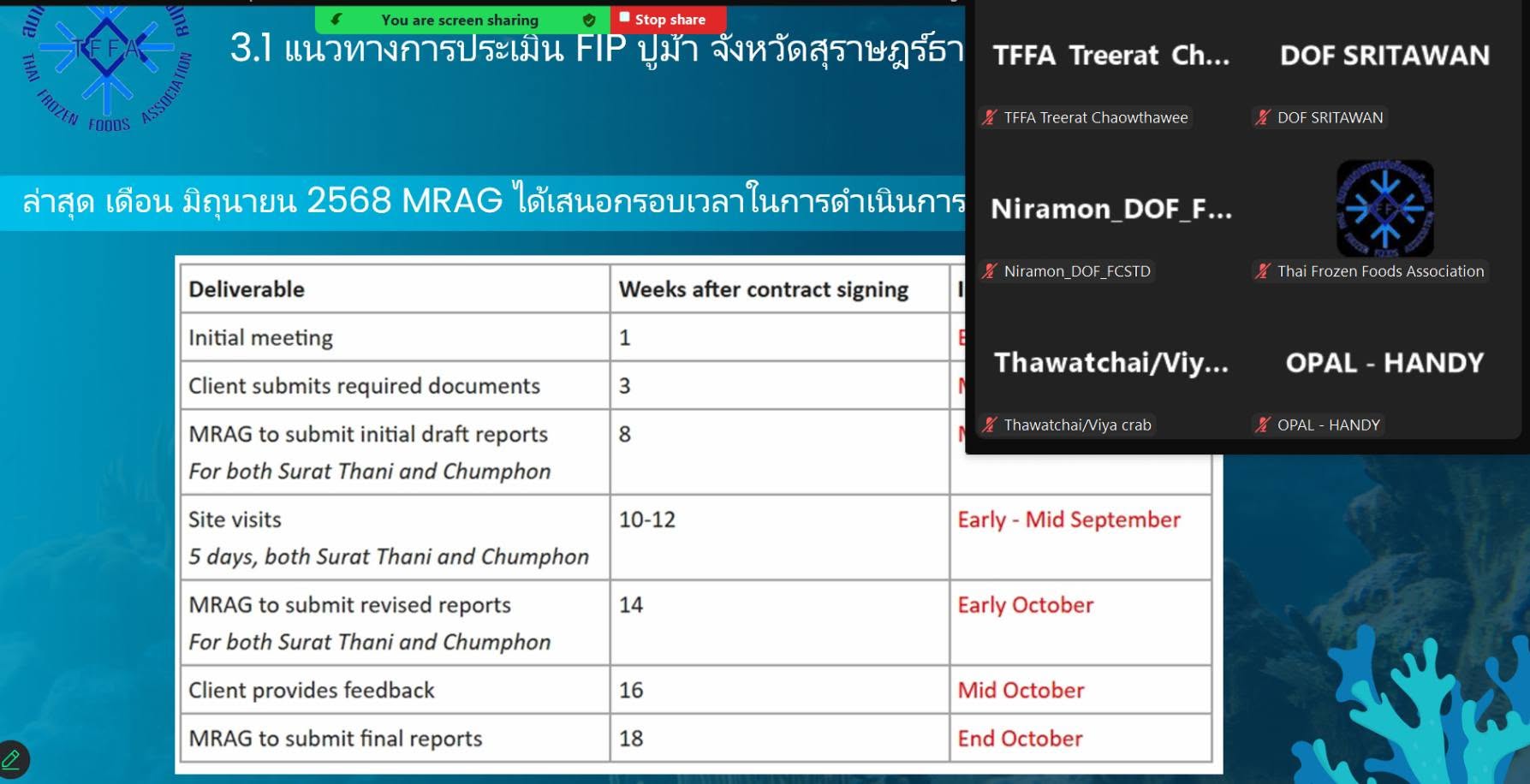
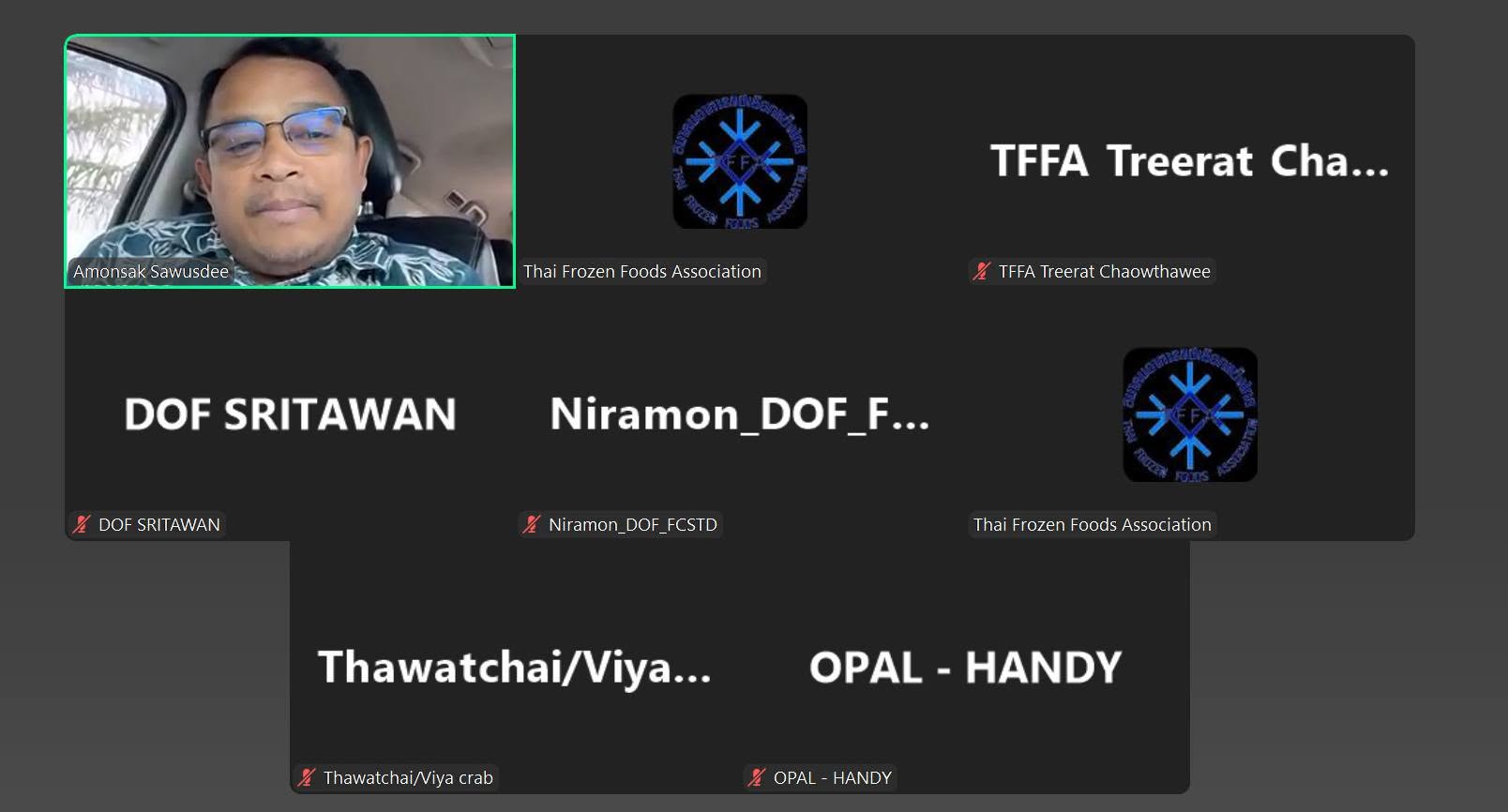
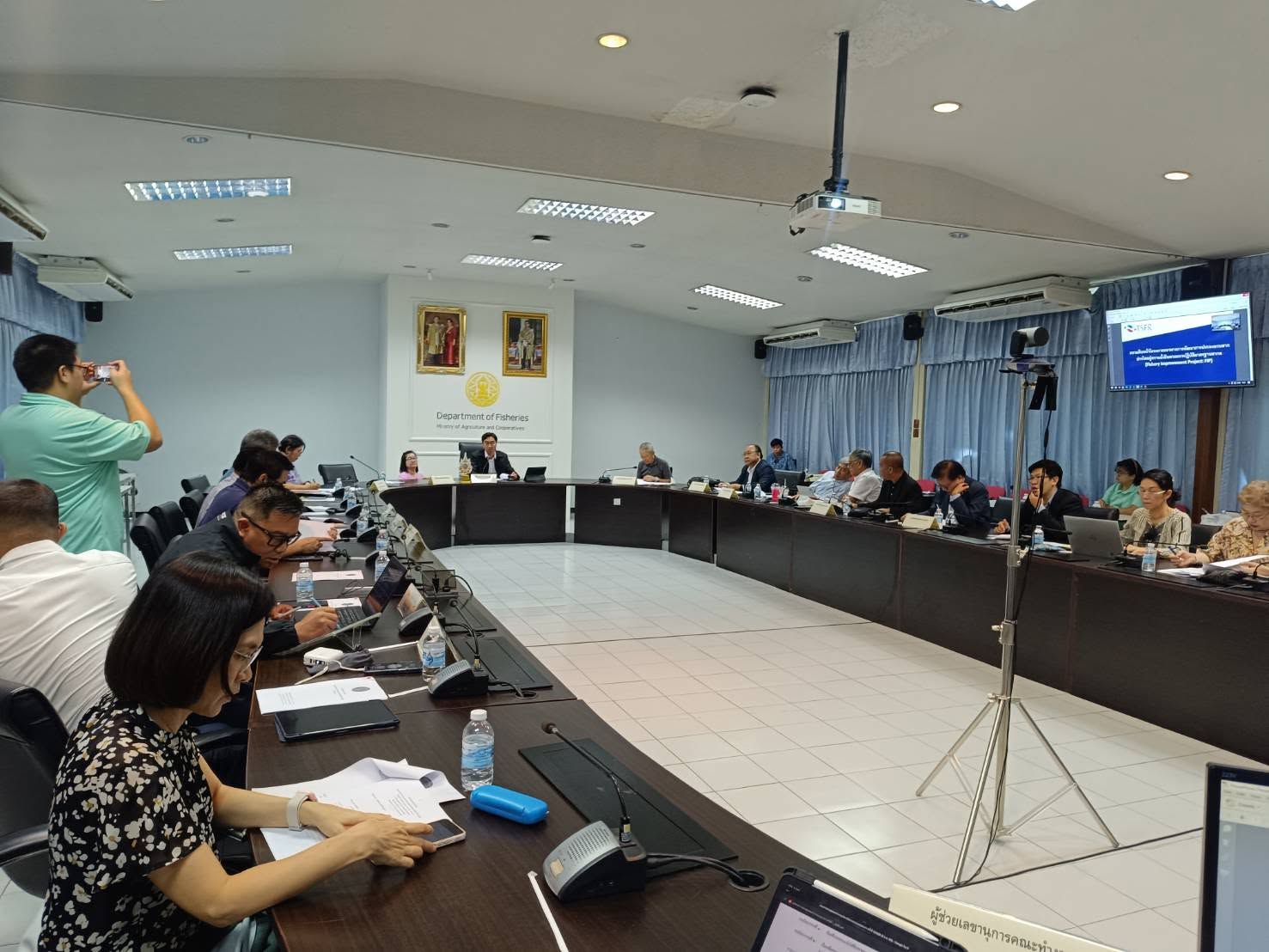
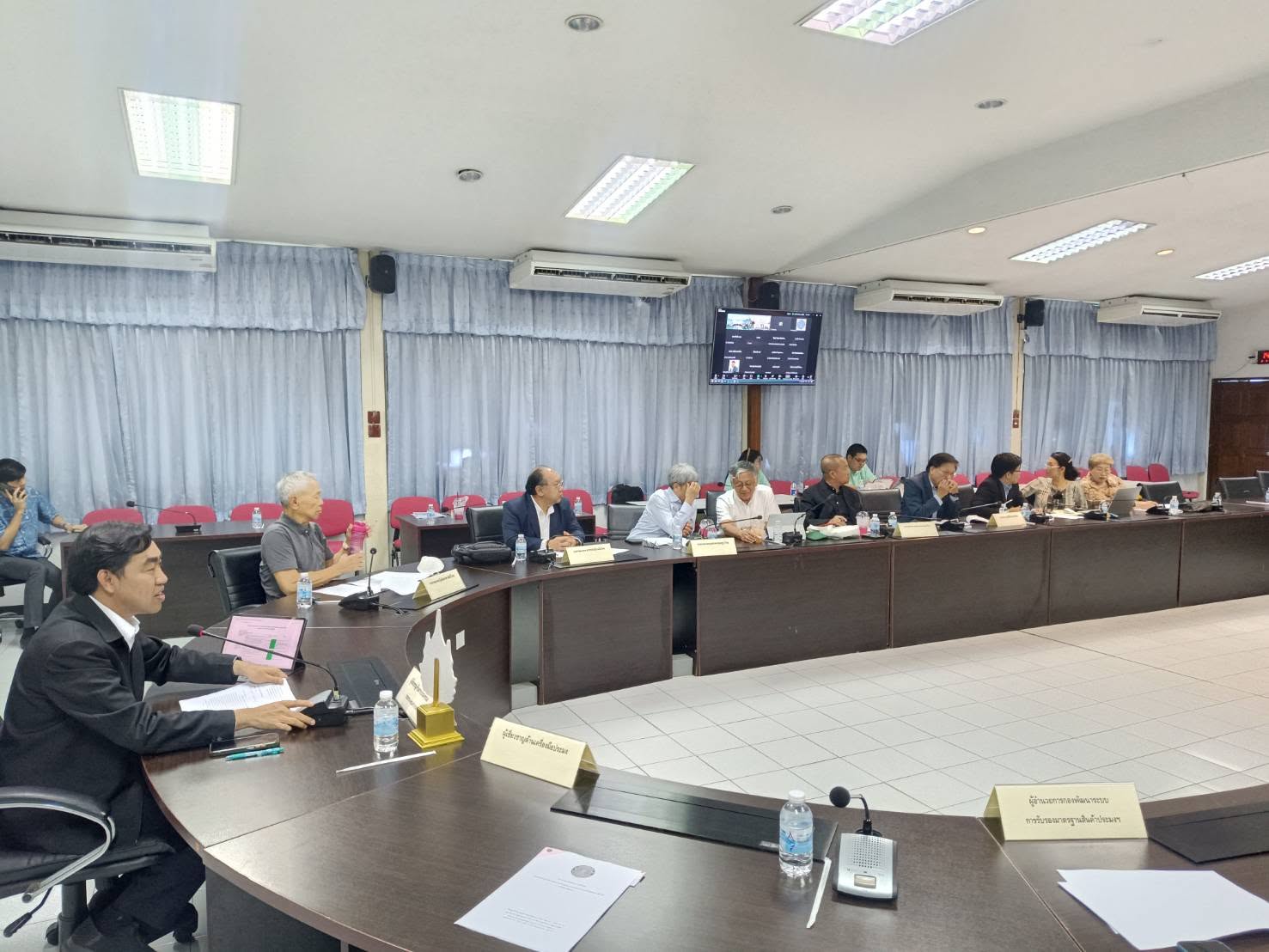
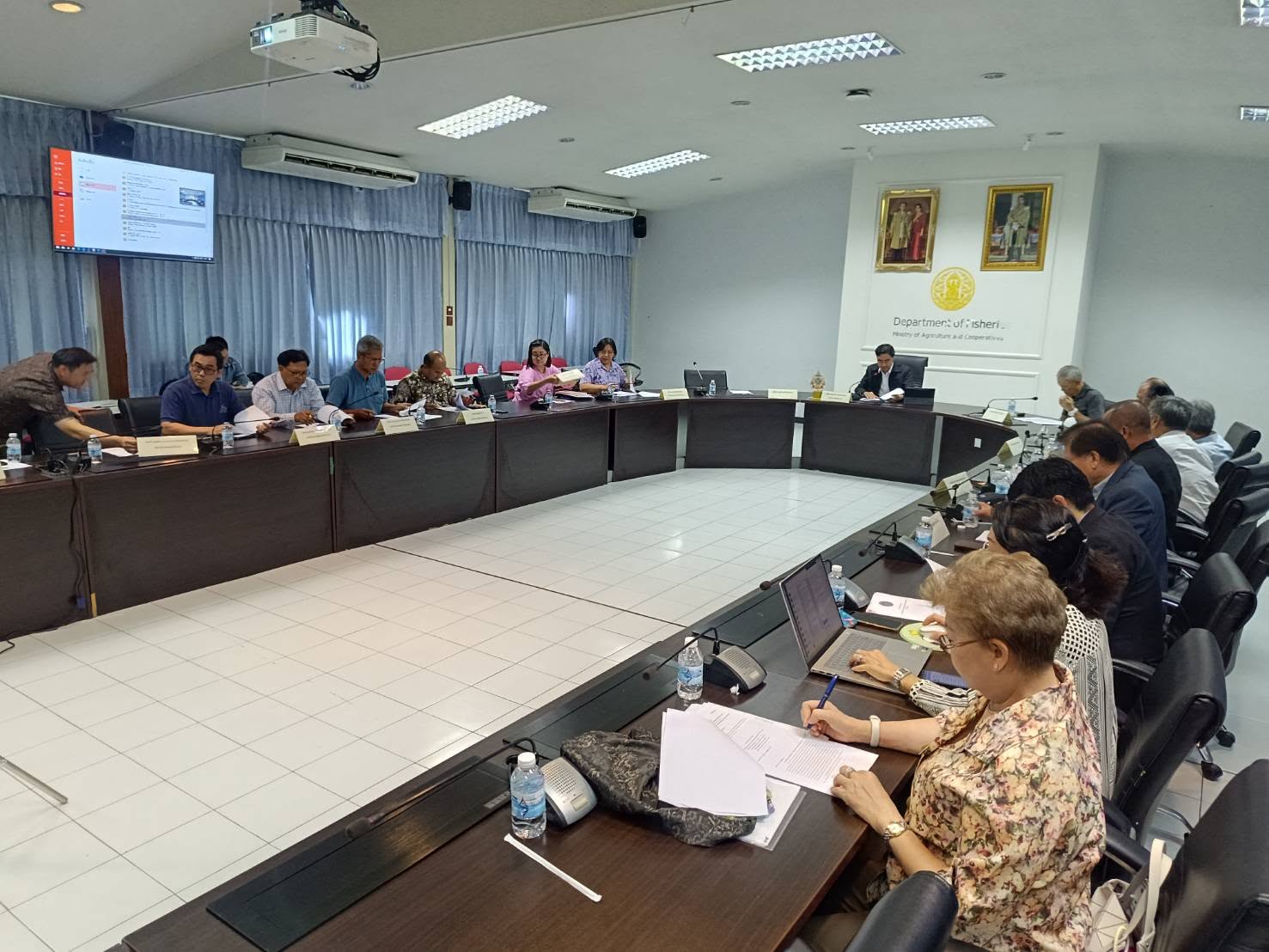
Collaborative Research to Strengthen Fisheries Assessments
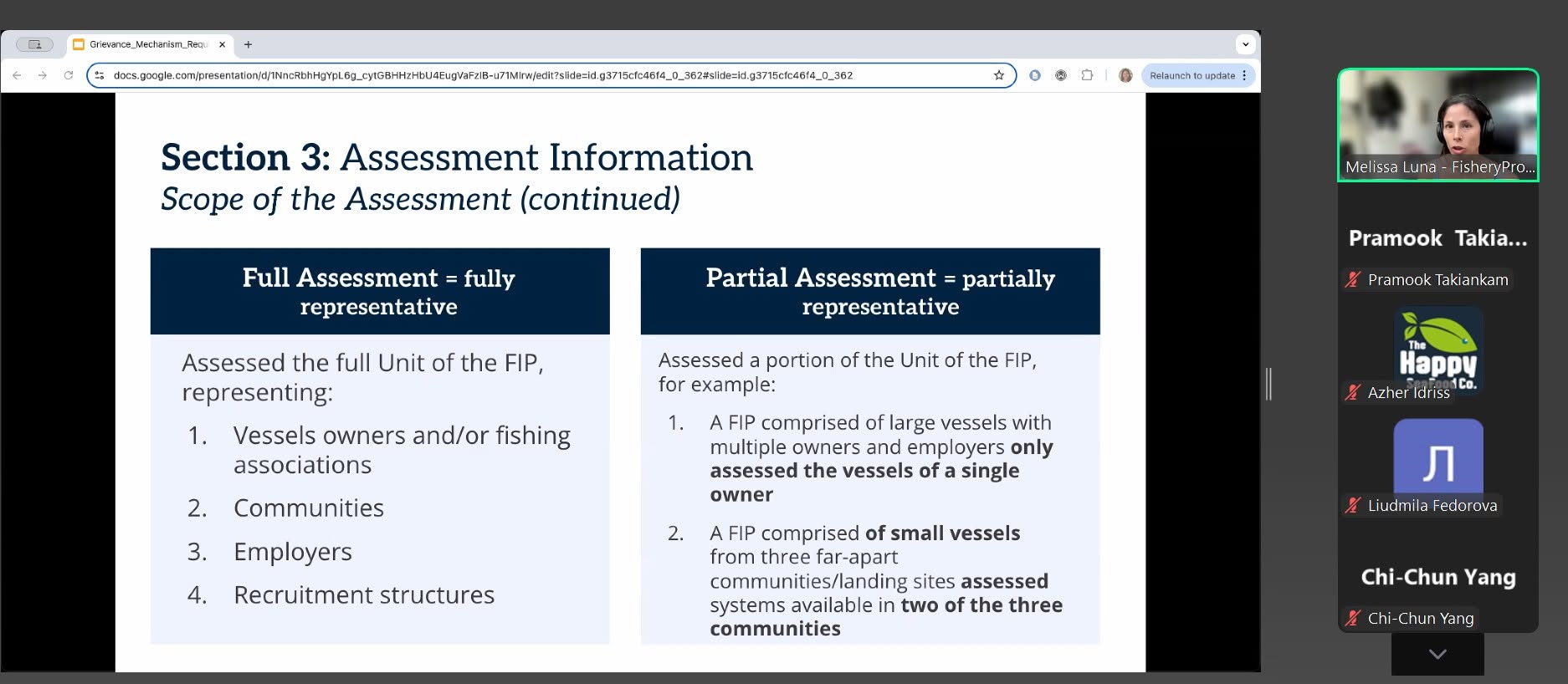
A central research priority within the BSC FIP is improving the reliability of fisheries assessments. The Department of Fisheries uses Maximum Sustainable Yield (MSY) as a reference point for fisheries management and establishes the Total Allowable Catch (TAC) at 95% of estimated MSY. This approach is intended to provide a precautionary buffer against uncertainty and reduce the risk of harvesting beyond sustainable levels.
Thailand’s fisheries monitoring systems include commercial fishing logbooks, Landing Declarations, vessel entry and exit notifications through the Fishing Info system, and monthly sampling of local fisheries. These sources provide information about catch volumes, fishing effort, and resource conditions. However, the reliability of management decisions also depends on the representativeness of the data, the suitability of assessment models, and the ability to account for changes in marine ecosystems.
Through research and collaboration, WU contributed recommendations addressing eight areas for strengthening fisheries assessments and management. These recommendations demonstrate how collaborative research can diagnose limitations in existing systems, examine alternative methods, and identify opportunities for improving the scientific evidence used in fisheries policy.
- Expanding sampling coverage and geographical representation
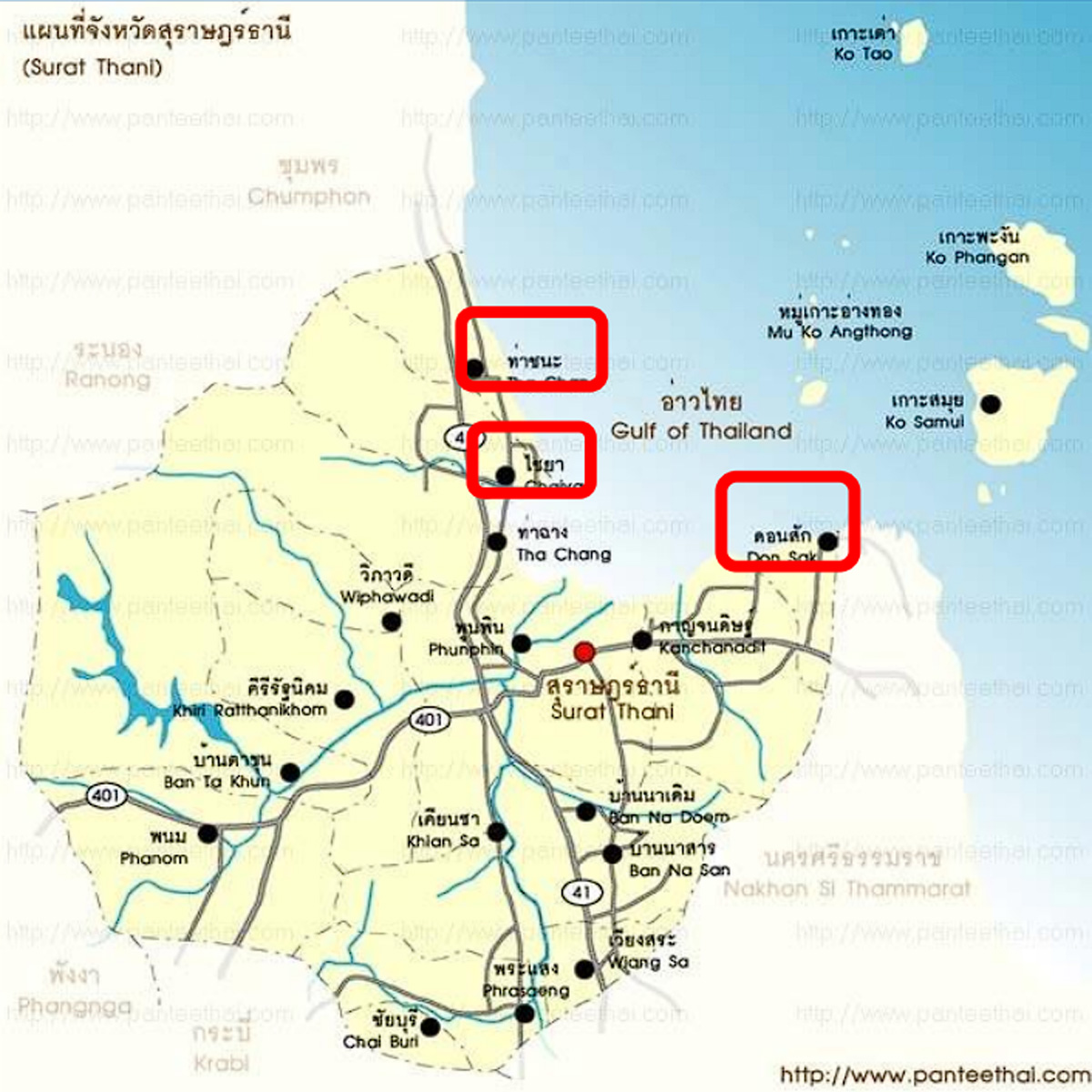
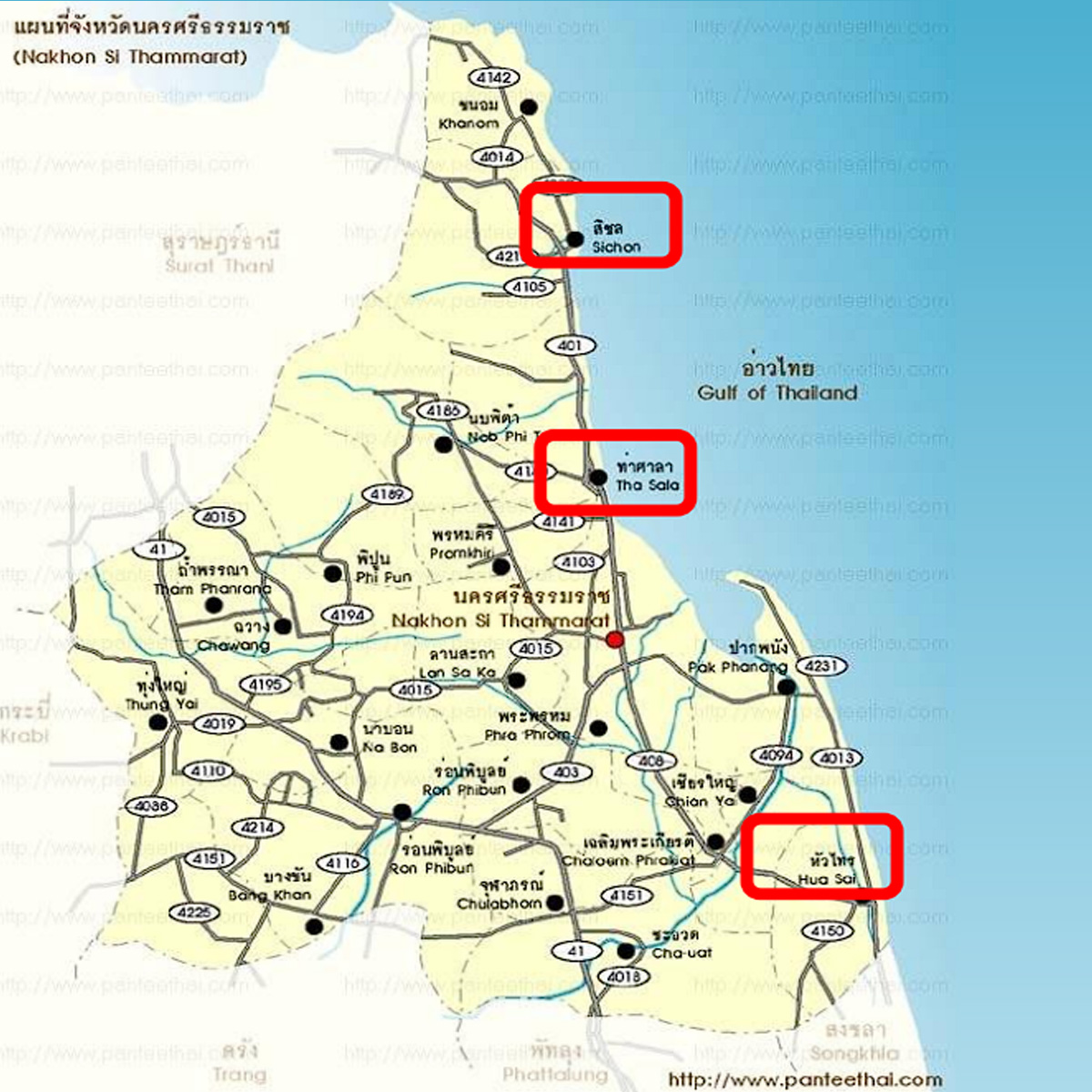
The first recommendation proposed expanding the number of Marine Fisheries Research and Development Centers responsible for field data collection from six to eight, adding one location in each of the Gulf of Thailand and Andaman Sea areas. The objective is to improve the geographical representation of fisheries sampling and strengthen the evidence available for assessing resource conditions.
Broader sampling coverage can help identify differences among fishing grounds and reduce the risk that assessments rely on data from a limited number of locations. More comprehensive monthly sampling can also support the early identification of changes in catch rates and fishing patterns.
For international best-practice development, this approach highlights the importance of matching sampling coverage to the geographical distribution and variability of fisheries resources. Its potential effectiveness can be evaluated through measures such as sampling frequency, geographical coverage, data completeness, and the consistency of resource estimates across locations.
2. Integrating fishery-independent survey information
The second recommendation proposed combining fishing vessel data with independent survey information from five fisheries survey vessels. Comparing these sources can help researchers diagnose discrepancies, assess resource abundance, and distinguish population changes from variations in fishing practices.
3. Comparing fisheries assessment models
The third recommendation involved comparing JABBA (Just Another Bayesian Biomass Assessment) and ASPIC (A Stock Production Model Incorporating Covariates). Comparing results can reveal uncertainties and improve confidence in resource estimates before adjusting MSY, TAC, or other management measures.
4. Updating biological information
The fourth recommendation focused on regularly collecting length-frequency data and updating biological parameters, including growth, mortality, and reproduction. Current information can improve understanding of population dynamics, support harvesting decisions, and help measure conservation effectiveness.
5. Strengthening catch verification and traceability
The fifth recommendation proposed improving fisheries statistics through mandatory logbooks, random inspections, landing verification, Landing Declarations, and the Thai-flagged catch certificate system. Reliable records can help diagnose reporting discrepancies, assess compliance, and strengthen resource assessments.
6. Maintaining precautionary harvesting limits
The sixth recommendation concerned precautionary fishing limits, including setting TAC at 95% of estimated MSY. Regular monitoring and assessment can determine whether these limits remain appropriate as new evidence emerges and resource conditions change.
7. Strengthening provincial fisheries governance
The seventh recommendation proposed strengthening provincial fisheries committees through regular consultation with academic experts. Researchers, local fishers, and conservation groups can contribute scientific evidence and practical knowledge to diagnose challenges and inform locally appropriate management decisions.
8. Applying ecosystem-based fisheries assessment
The eighth recommendation involved using Ecopath with Ecosim to assess interactions among species, food webs, and ecological processes. Integrating ecosystem modelling with biological monitoring and conventional stock assessments can provide a broader understanding of marine sustainability and support more comprehensive fisheries management.
Connecting International Research with Community-Based Blue Swimming Crab Conservation
The research recommendations developed through the BSC FIP are relevant to community-based conservation initiatives, including blue swimming crab banks. However, their long-term effectiveness also depends on wider factors, such as fishing pressure, regulatory compliance, reliable resource assessments, and effective fisheries governance.
The BSC FIP provides a framework for connecting local conservation experience with scientific research and national fisheries management. Improved catch data, biological monitoring, and assessment methods can help researchers evaluate changes in crab populations, investigate the effectiveness of conservation measures, and identify where further interventions may be needed.
Relevant indicators include catch rates, population characteristics, fishing effort, regulatory compliance, and fishing community livelihoods. Examining these factors can help identify lessons that may be adapted to other coastal fisheries, taking local ecological, social, and governance conditions into account.
Developing and Sharing Best Practices for Sustainable Fisheries
The Thailand BSC FIP highlights several principles for sustainable fisheries management. Combining commercial catch records, independent surveys, biological data, and ecosystem analysis can strengthen resource assessments. Comparing assessment models can help diagnose uncertainty, while collaboration among NGOs, government agencies, universities, private-sector organizations, and fishing communities can connect scientific expertise with practical management needs.
Ongoing measurement and evaluation are equally important. Indicators such as sampling coverage, verified catch records, updated biological information, consistency of assessment results, and scientific consultation can help assess progress. Where sufficient data are available, changes in resource conditions and community livelihoods can provide further evidence of outcomes.
Evaluating the implementation and results of these recommendations will help identify effective practices, remaining gaps, and opportunities to improve fisheries management. Sharing verified findings can also support learning among research institutions, NGOs, government agencies, and fisheries stakeholders.
Walailak University’s participation in the Thailand BSC FIP demonstrates how collaborative research can connect scientific evidence, fisheries policy, and community-based conservation. The initiative supports SDG 14: Life Below Water through research on resource assessment, responsible harvesting, biological monitoring, and sustainable marine resource management.
Continued collaboration among Walailak University, WWF, MRAG, the Marine Science Association of Thailand, the NFI Crab Council, and other fisheries stakeholders can support further evaluation of these recommendations and their outcomes. Through systematic measurement, evidence-sharing, and ongoing assessment, the partnership can contribute to more effective fisheries management, marine conservation, and the long-term sustainability of coastal communities.
Walailak University Partners with a Fisherfolk Association to Promote Student Volunteering for Marine Conservation
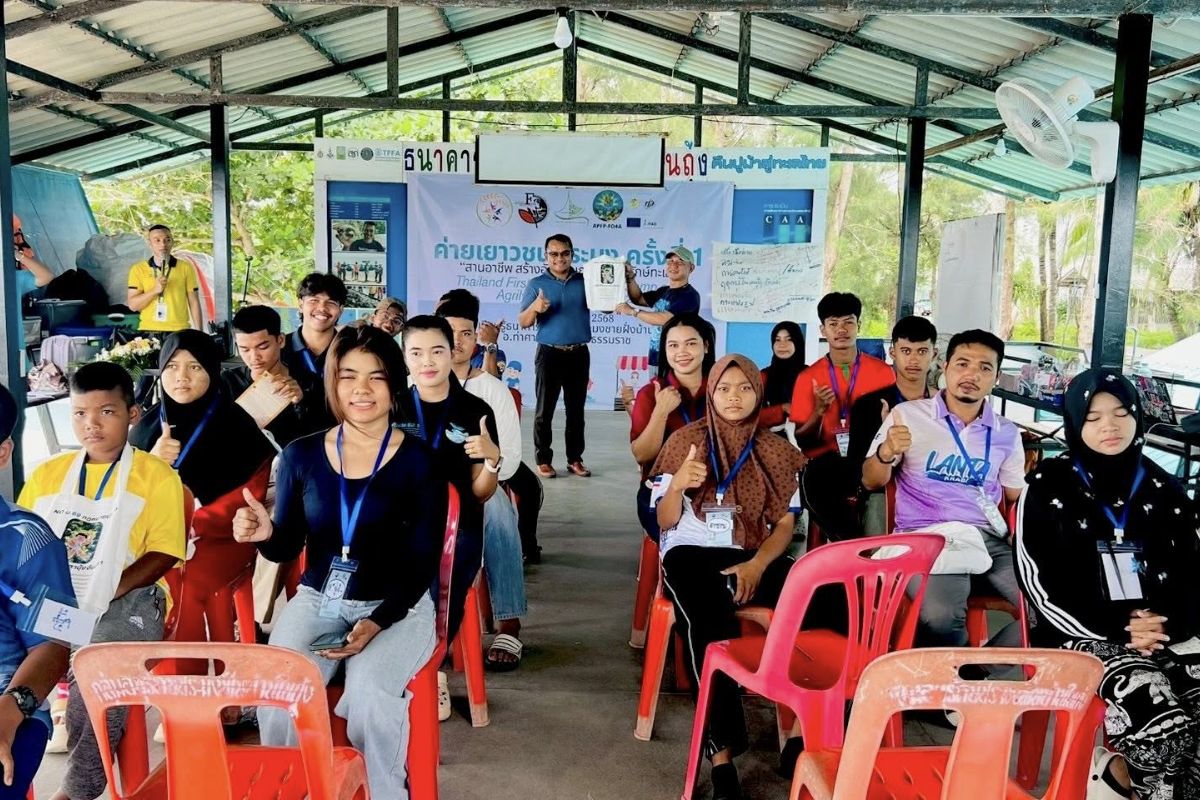
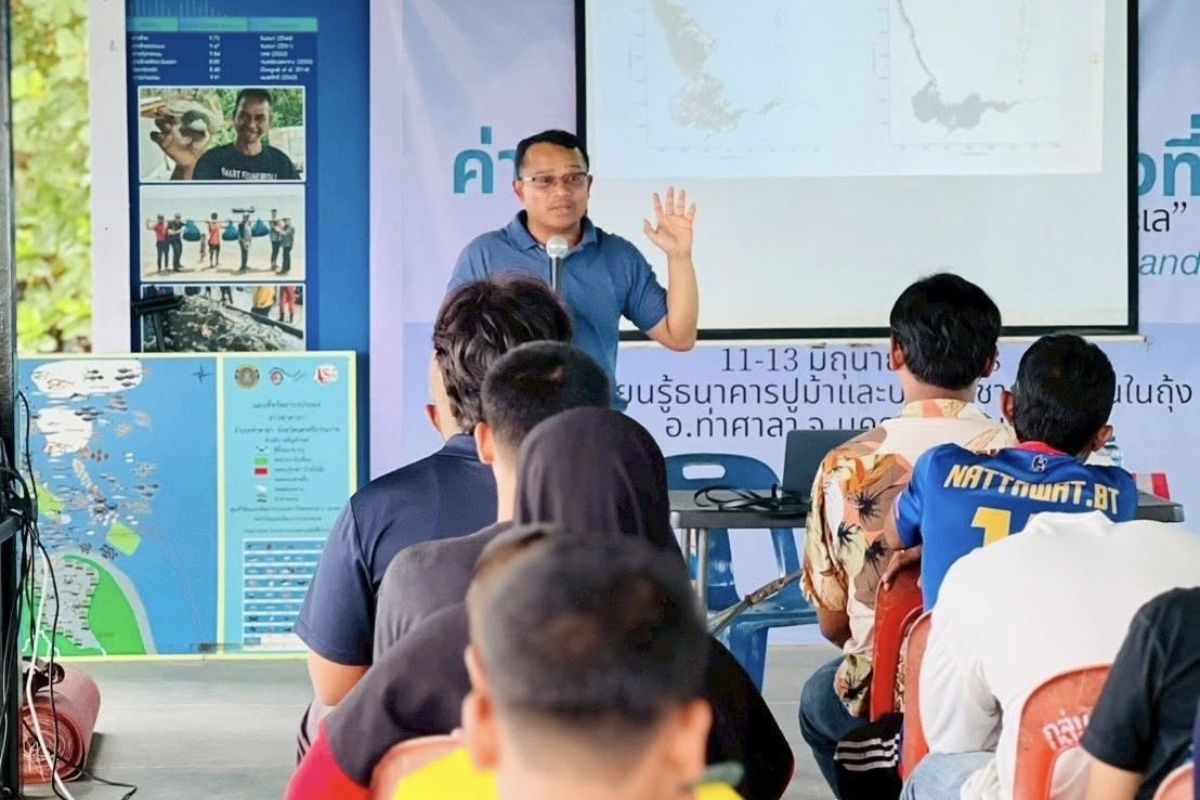
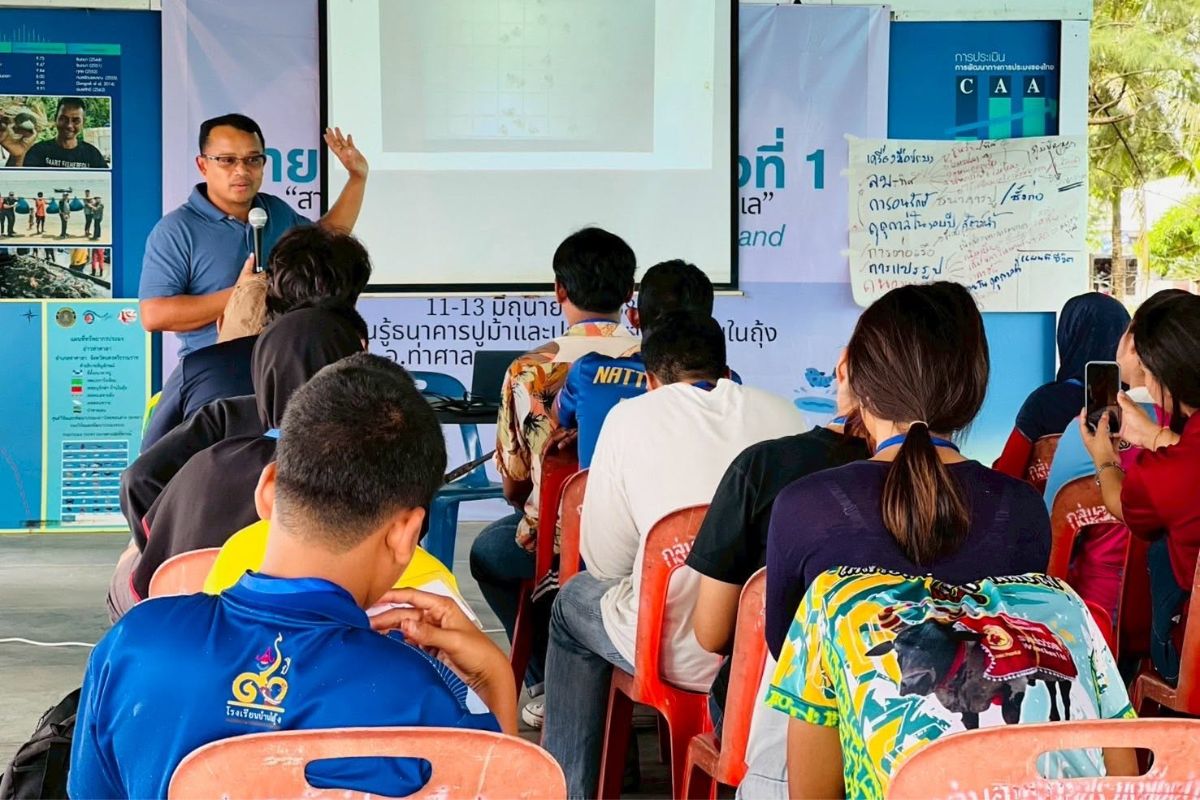
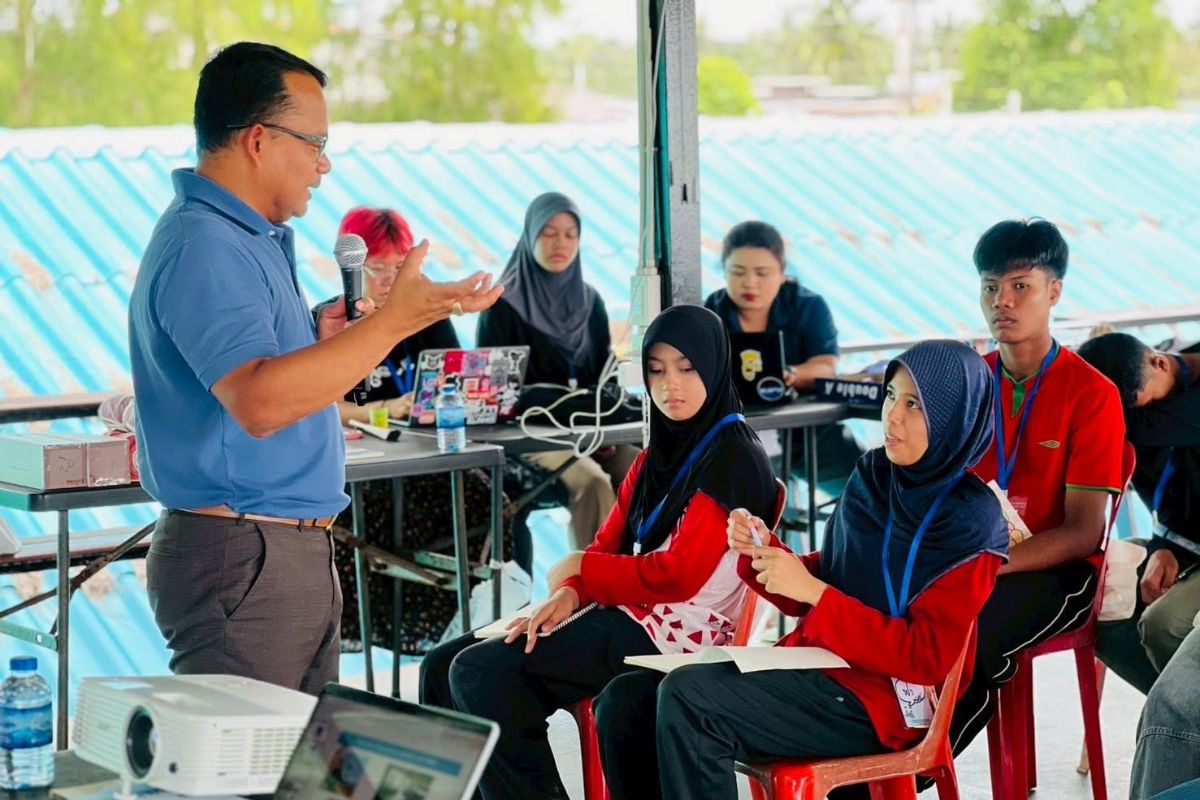
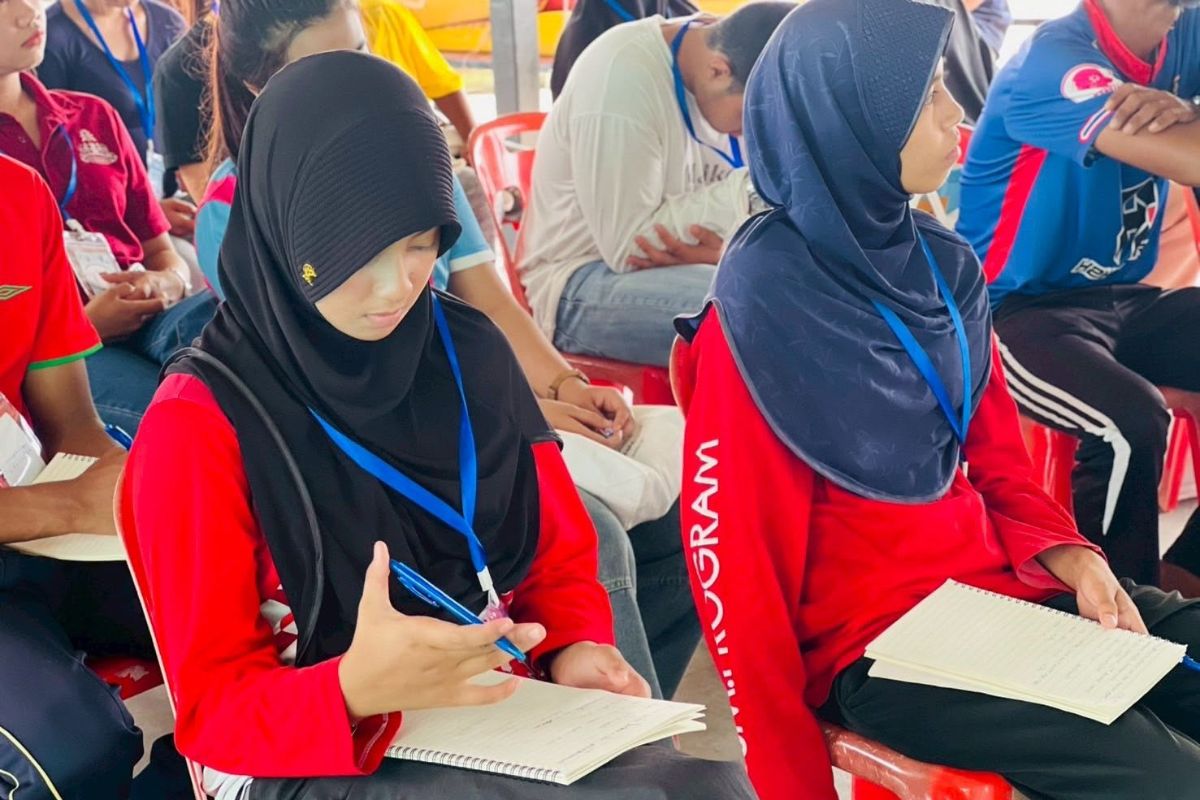
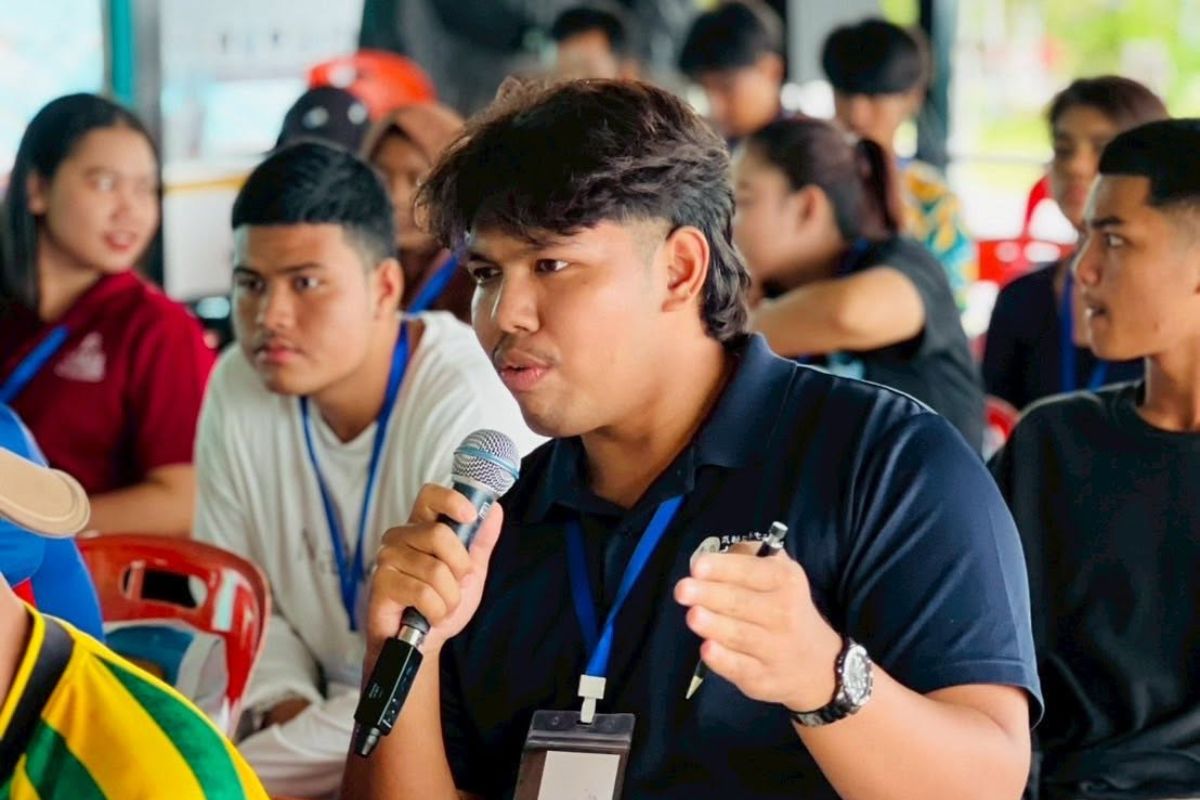
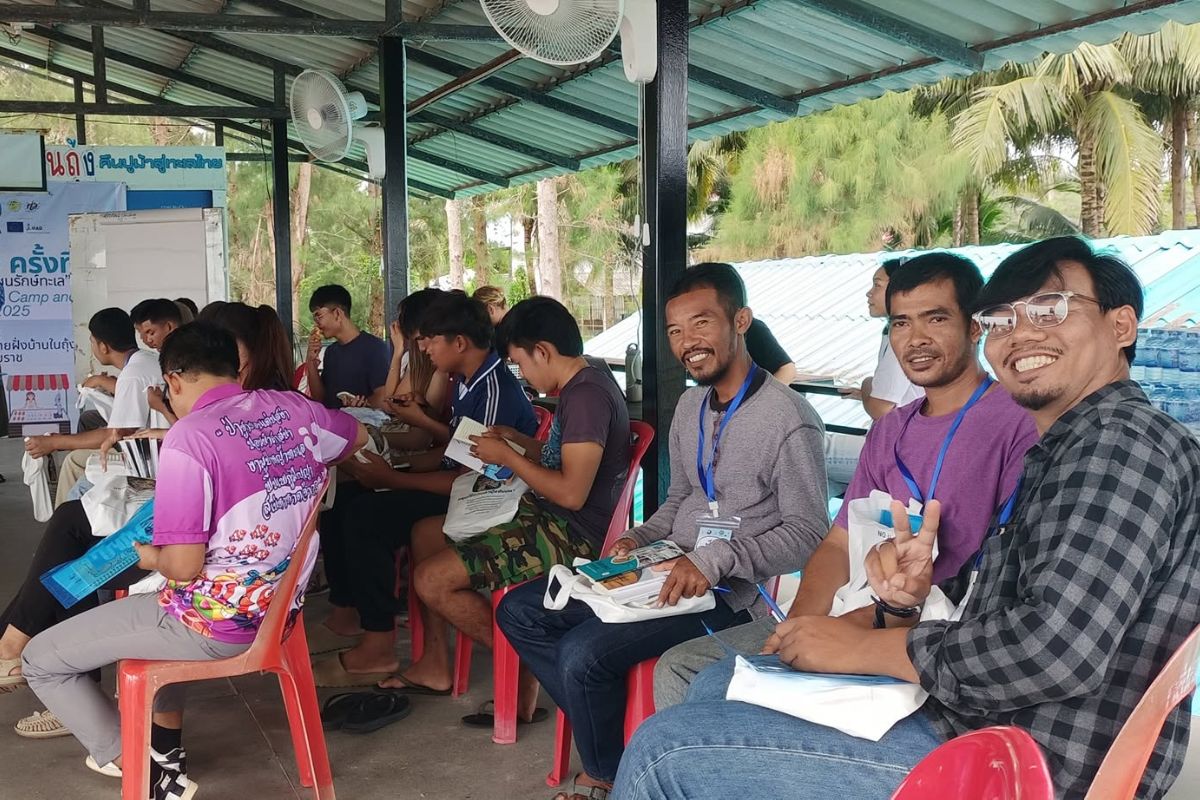
In 2025, Walailak University (WU) collaborated with the Ban Nai Thung Fisherfolk Association, an NGO partner, to organize the Thailand First Young Farmers’ Camp and Agrilympics (YFCA) 2025. The programme engaged young participants in sustainable fisheries, aquaculture, and tourism while raising awareness of challenges facing marine and coastal resources.
Through educational and engagement activities, students explored how overfishing, illegal, unreported and unregulated (IUU) fishing, and destructive fishing practices threaten marine biodiversity, aquatic resources, and coastal livelihoods. The programme emphasized responsible fishing, marine ecosystem conservation, and sustainable fisheries management.
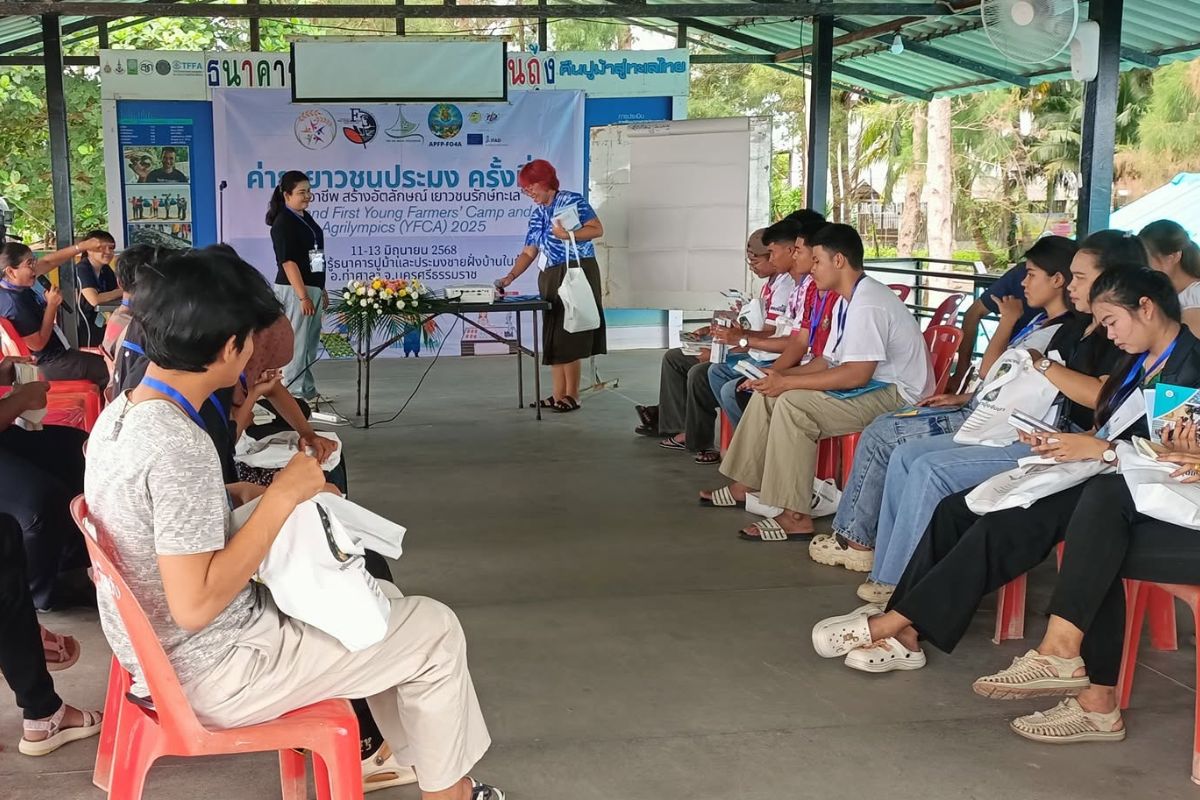
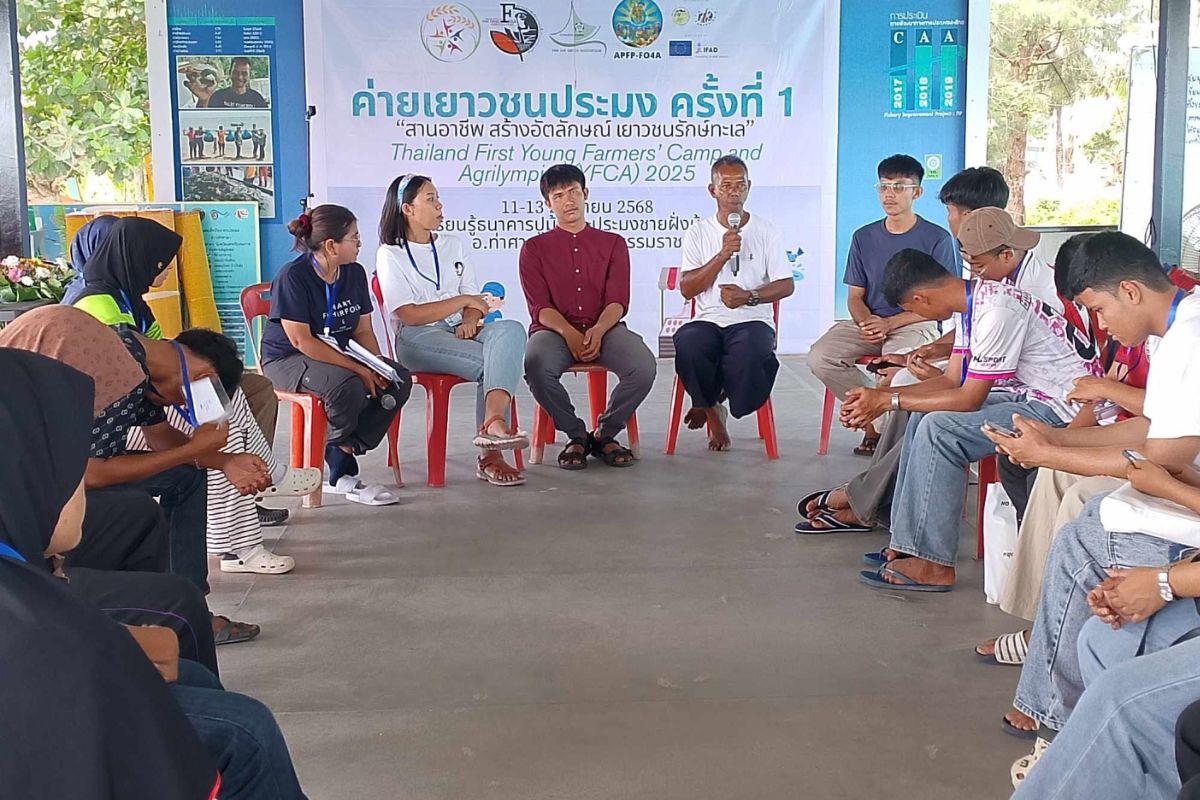
An important component was the release of juvenile blue swimming crabs to support natural populations. This practical conservation activity enabled students to participate directly in marine resource protection and understand how collective action can contribute to healthier marine ecosystems.
The programme also encouraged participants to become youth volunteers and share their knowledge with peers, families, schools, and local communities. By promoting awareness of sustainable fishing practices and the consequences of overfishing, students could help extend the programme’s educational impact beyond the camp itself.
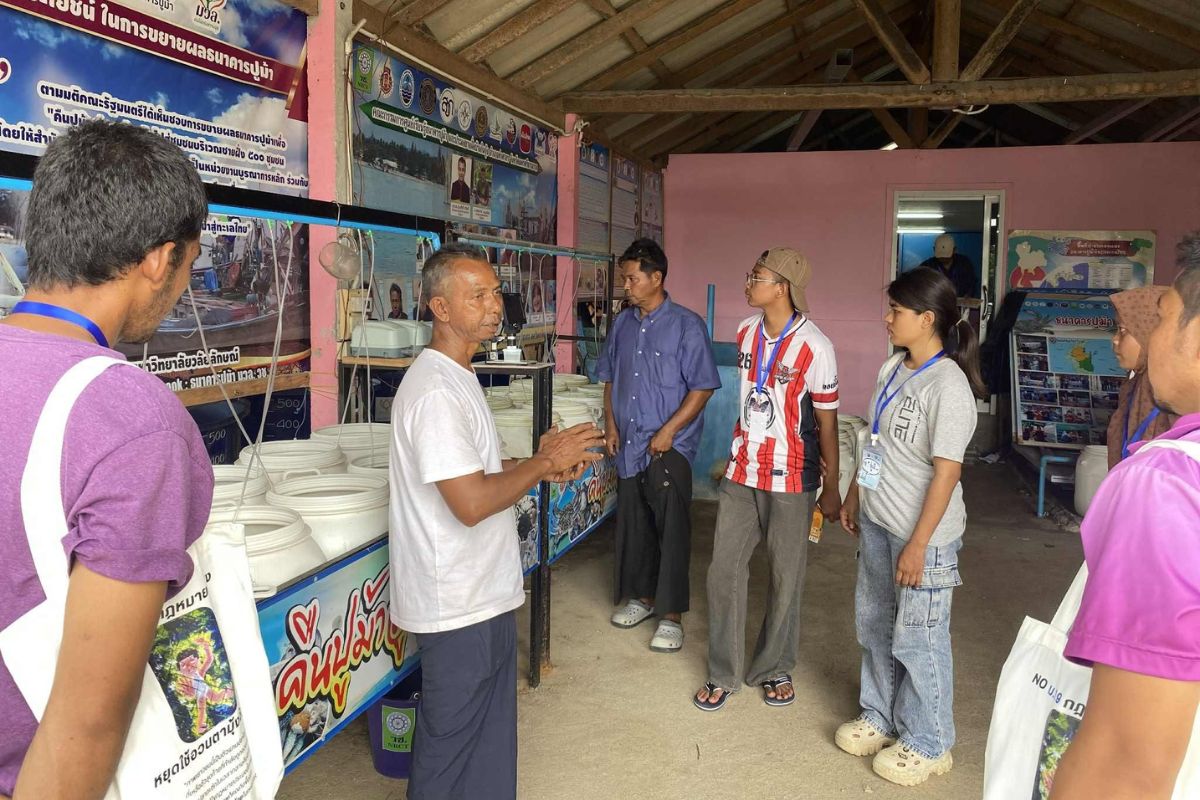
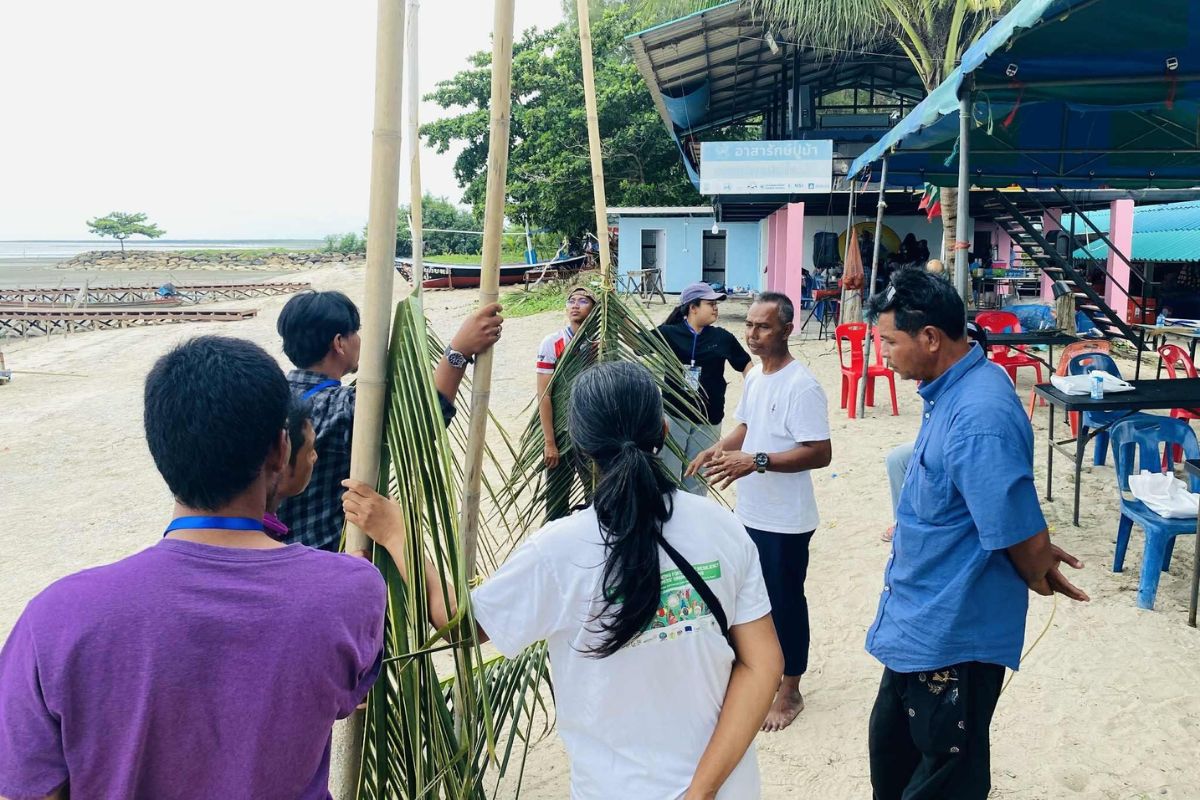
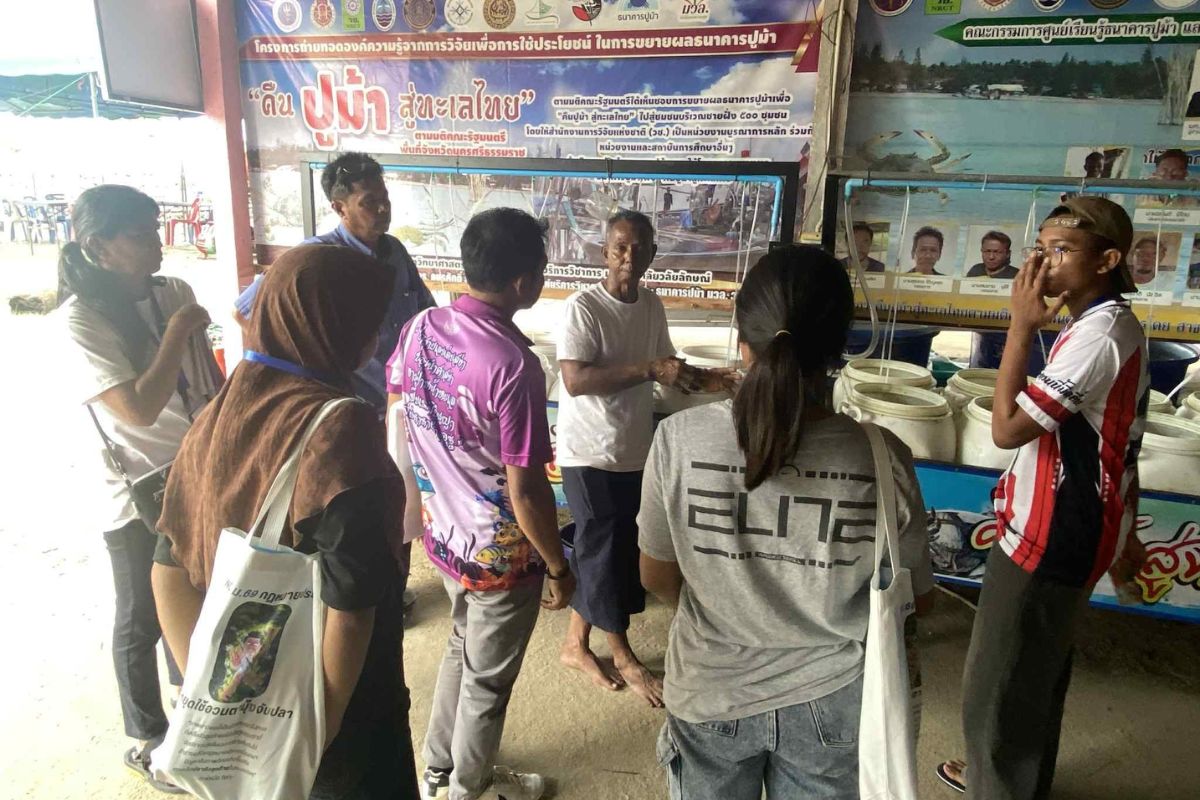
The collaboration highlights the value of connecting student volunteering with the practical knowledge of local fishing communities. Through engagement with the Ban Nai Thung Fisherfolk Association, students could gain a better understanding of local fisheries challenges while participating in conservation activities that support community efforts to protect marine resources. This partnership provides a foundation for experiential learning, youth participation, and shared responsibility for sustainable fisheries management.
The programme’s contributions can be measured through indicators such as student participation, volunteer engagement, the number of juvenile blue swimming crabs released, subsequent knowledge-sharing activities, and continued involvement in conservation initiatives. Evaluating these measures can help assess the programme’s reach and identify opportunities to strengthen future activities.
Through this NGO partnership, WU demonstrates how student volunteering can connect environmental education with practical conservation and community engagement. The initiative contributes to SDG 14: Life Below Water by encouraging young people to participate in marine conservation and promoting greater awareness of sustainable fisheries management. It also illustrates how collaboration with community-based organizations can support youth participation and collective action toward the Sustainable Development Goals.
Walailak University Strengthens NGO Partnerships through Marine Research, Student Engagement, and Open Educational Resources
In 2025, Walailak University (WU), in collaboration with Save Andaman Network Foundation, an NGO partner, the Marine and Coastal Resources Research Center (Upper Andaman Sea), and the Department of Fisheries, continued its efforts to advance the Sustainable Development Goals (SDGs) through collaborative marine ecological research, student engagement, and educational knowledge sharing. A key initiative was the 32nd Marine Ecology Summer Course, which brought together academic institutions, research organizations, and civil society partners to promote marine biodiversity conservation and the sustainable management of marine ecosystems. Through this initiative, WU demonstrated how partnerships between universities, NGOs, and public-sector organizations can support scientific research, strengthen educational opportunities, and disseminate knowledge relevant to environmental sustainability.
The collaboration contributed to SDG 17 (Partnerships for the Goals) by facilitating knowledge exchange, encouraging cooperation among institutions, and expanding opportunities for students to participate in research-based learning. It also supported SDG 14 (Life Below Water) by promoting a better understanding of marine ecosystems and the environmental challenges affecting the Andaman Sea. By connecting research activities with student development and educational resources for the wider public, the initiative provided a practical example of how collaborative partnerships can translate shared expertise into educational and environmental benefits.
Strengthening Multi-Institutional Collaboration through Marine Ecology Education
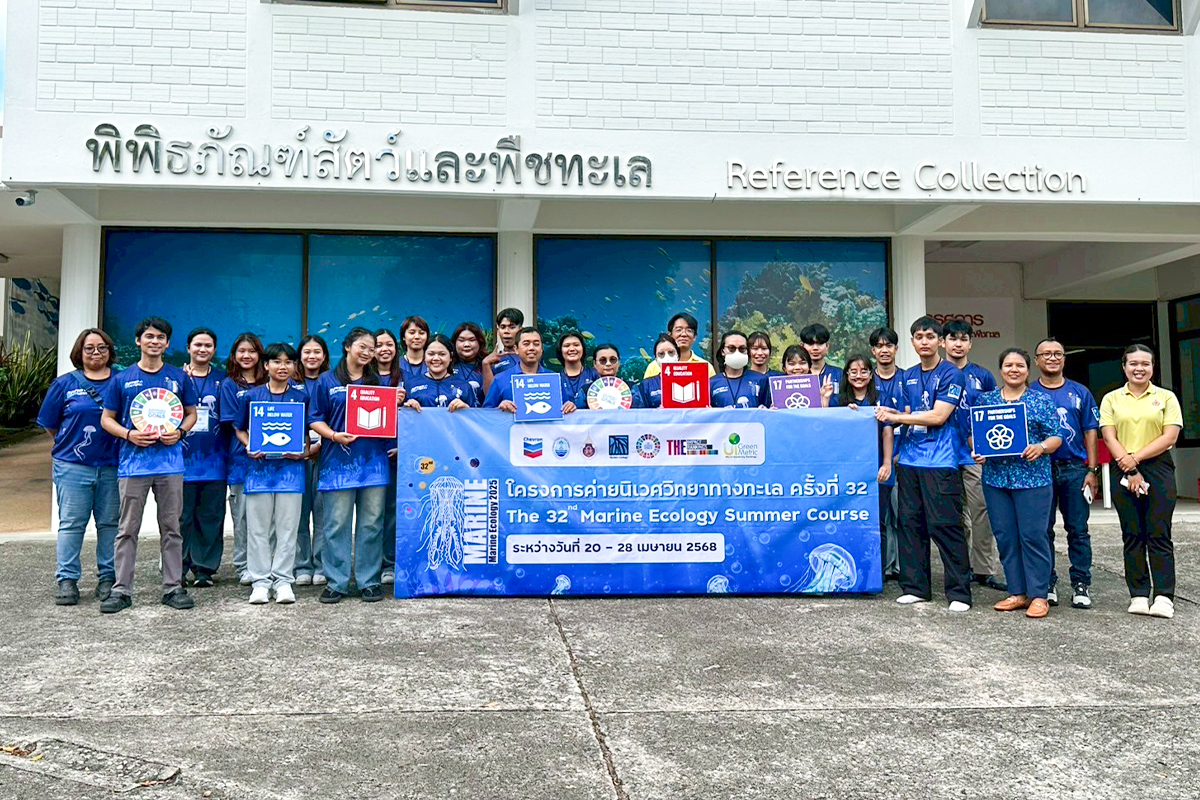
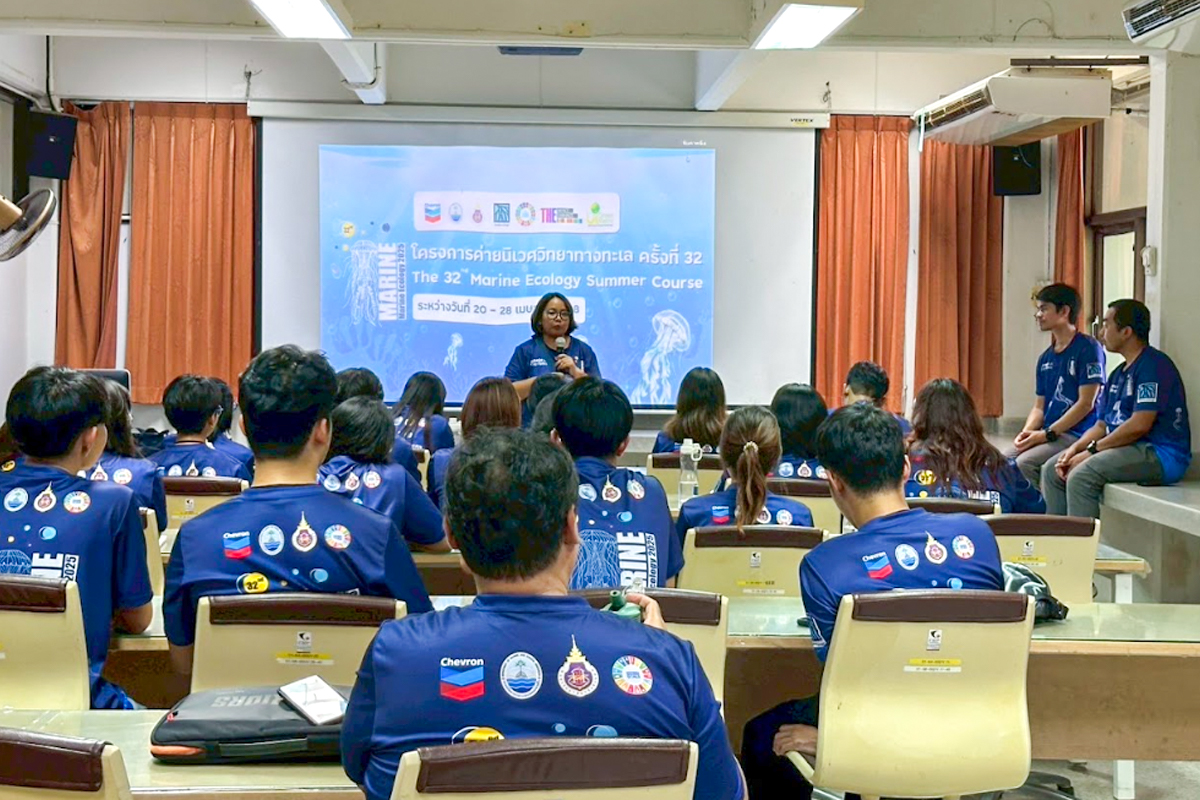
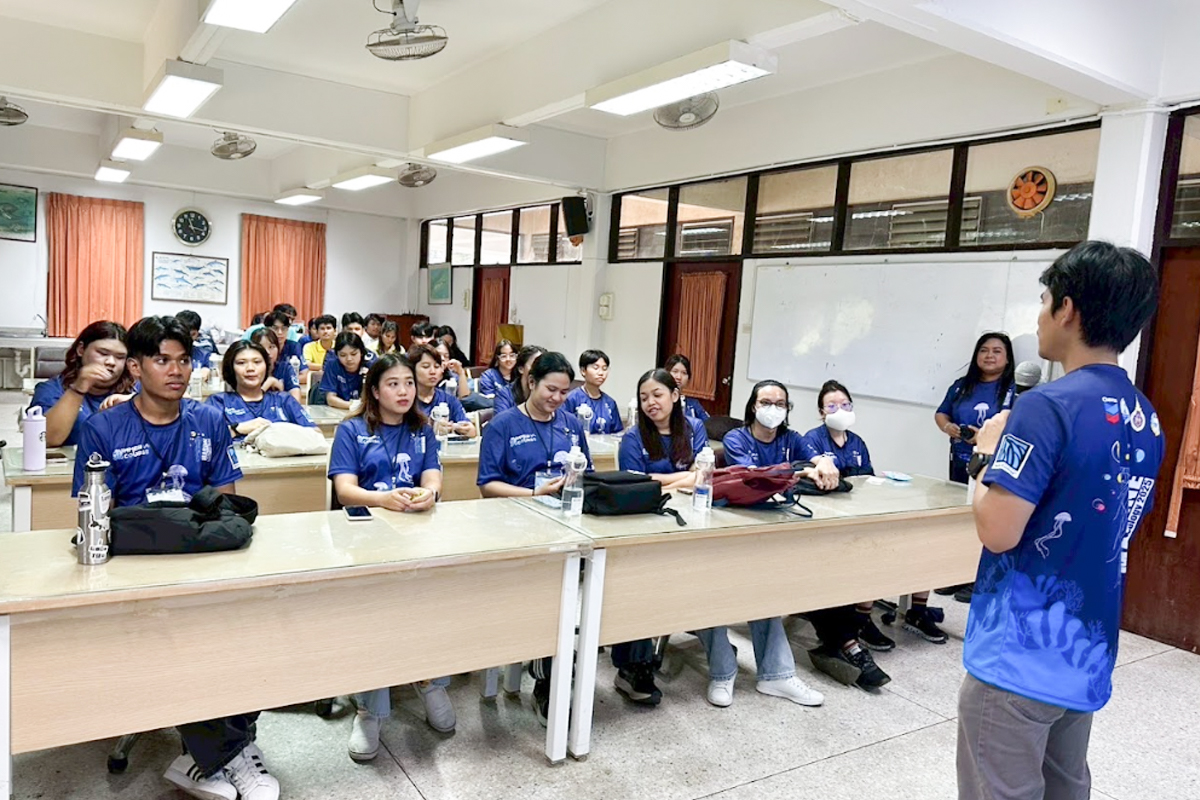
The 32nd Marine Ecology Summer Course served as a platform for collaboration among higher education institutions, research organizations, an NGO partner, and public-sector agencies. The initiative brought together participants from 22 universities across Thailand, creating opportunities for students to learn from specialists, exchange knowledge, and develop practical competencies in marine ecology and environmental assessment.
A total of 93 volunteering students participated in the course. Walailak University contributed the largest group, with 24 students, while Prince of Songkla University contributed seven students and its Phuket Campus contributed another 10 Kasetsart University sent 12 students, and Burapha University’s Chanthaburi Campus contributed seven. Other participating institutions included Bangkok University, Khon Kaen University, Chulalongkorn University, Chiang Mai University, Rajamangala University of Technology Srivijaya, Naresuan University, Burapha University, King Mongkut’s Institute of Technology Ladkrabang, Mahasarakham University, Mahidol University, Maejo University, Rangsit University, Rajabhat Maha Sarakham University, Ramkhamhaeng University, Srinakharinwirot University, Silpakorn University, and Ubon Ratchathani University.
The participation of students from these institutions expanded the educational reach of the initiative beyond a single university. It created opportunities for learners from different academic backgrounds to exchange perspectives, learn from experienced researchers, and build connections that may support future academic cooperation. Such cross-institutional engagement is an important component of SDG 17 because effective responses to environmental challenges require the sharing of knowledge, research capacity, and educational opportunities among multiple organizations.
Through lectures, field investigations, sample identification, data analysis, and research presentations, students developed practical skills while engaging with real-world environmental questions. The course also encouraged participants to work collaboratively in studying different marine and coastal ecosystems, interpret their findings, and communicate scientific information. These activities supported the development of research capacity and promoted a collaborative learning environment in which scientific knowledge could be exchanged among students, academic institutions, and participating organizations.
Collaborative Research and Practical Learning for Marine Conservation
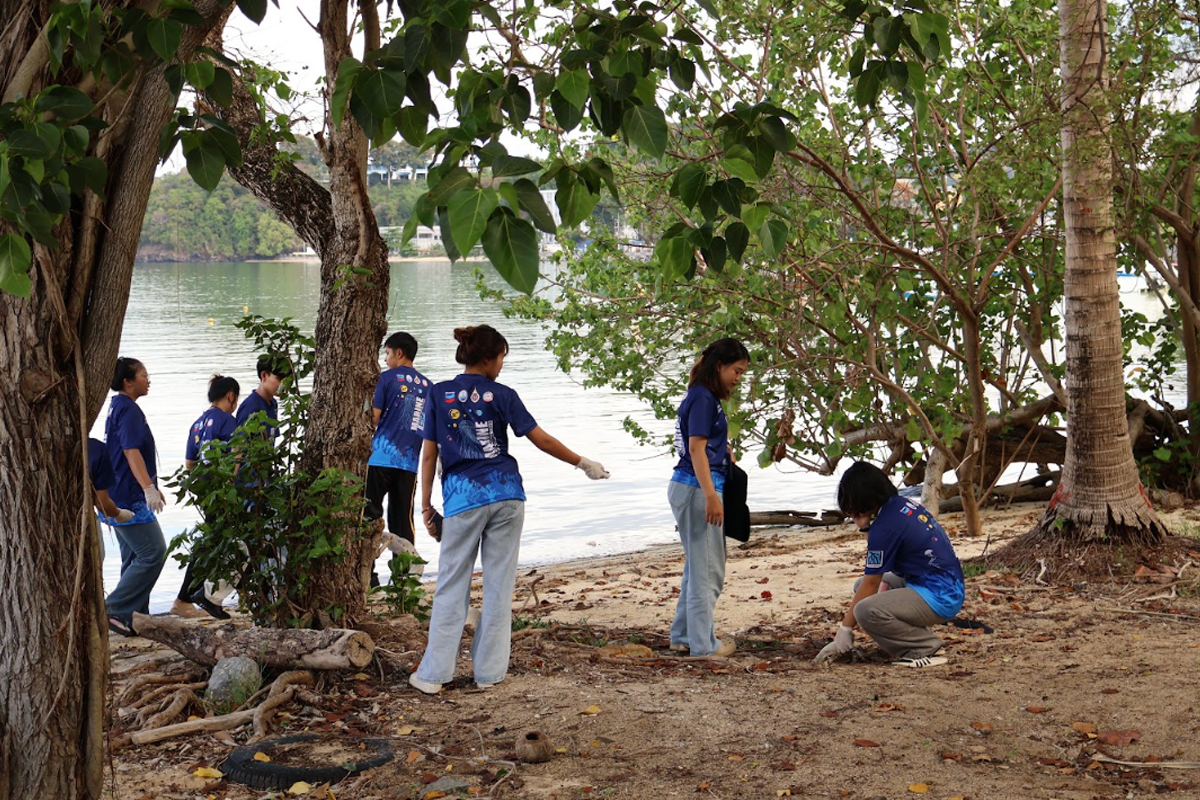
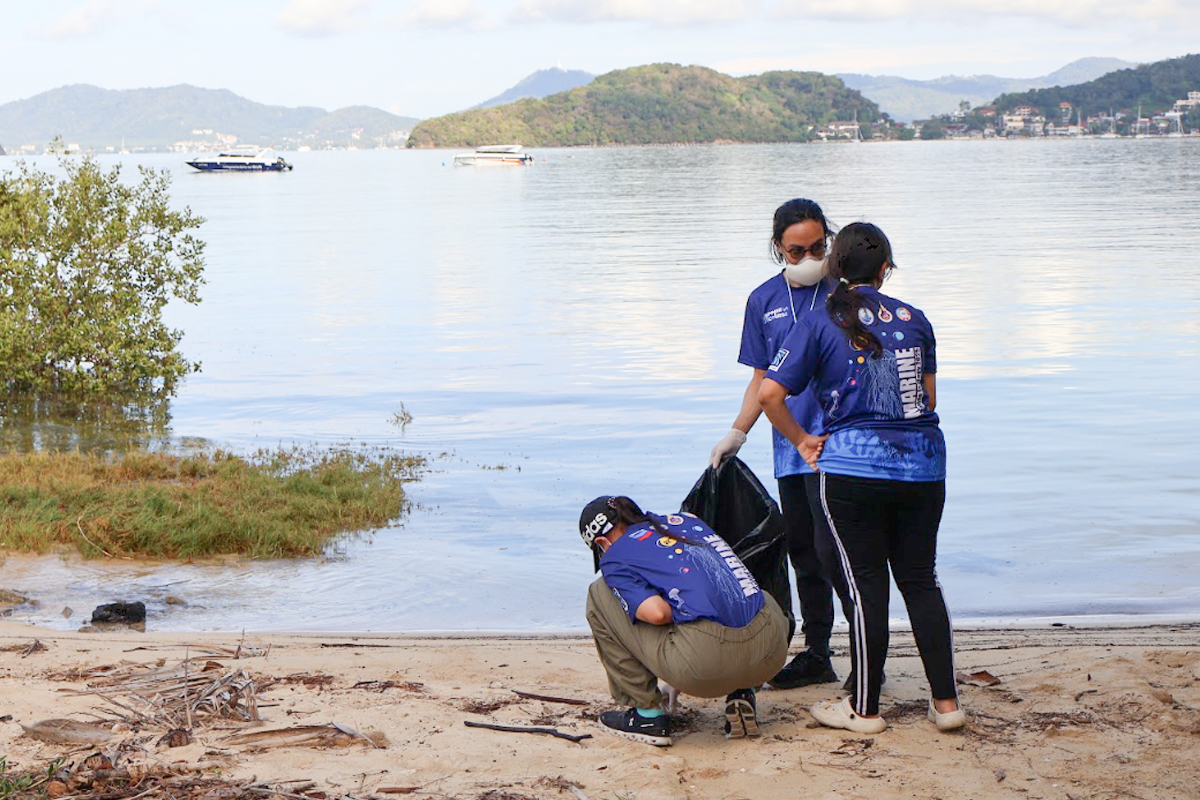
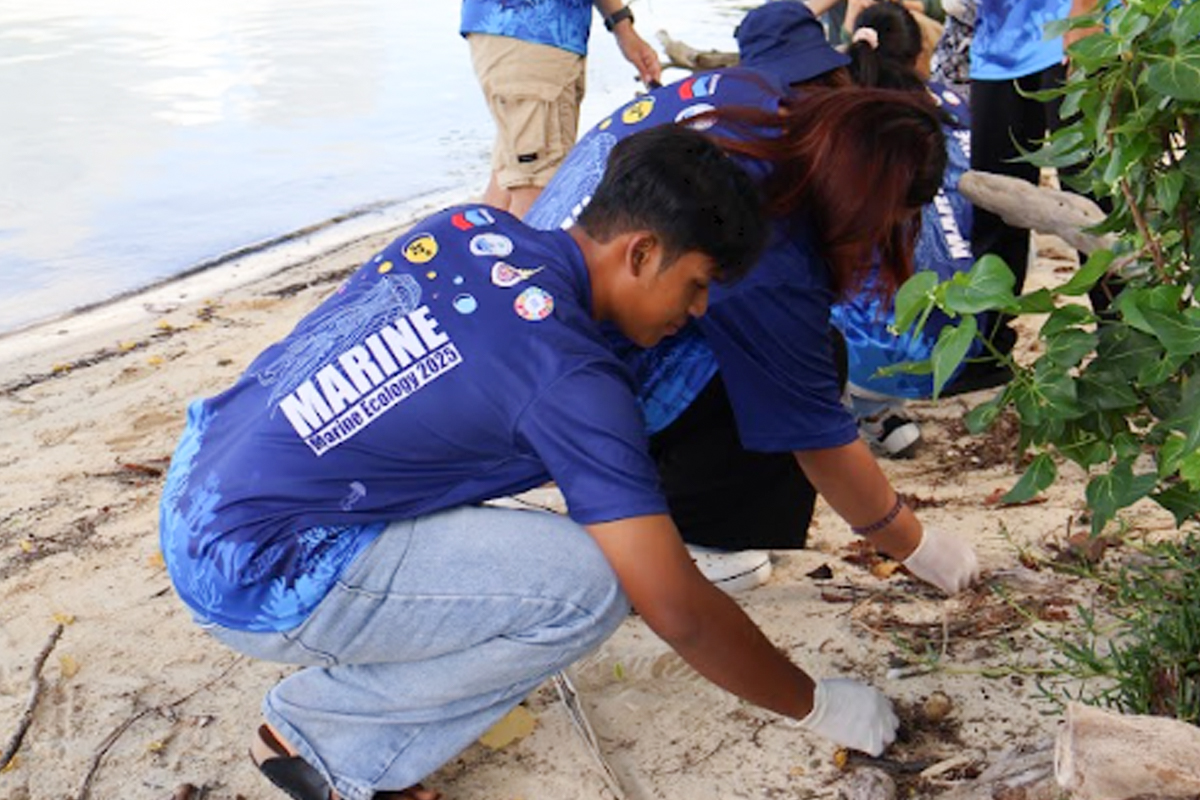
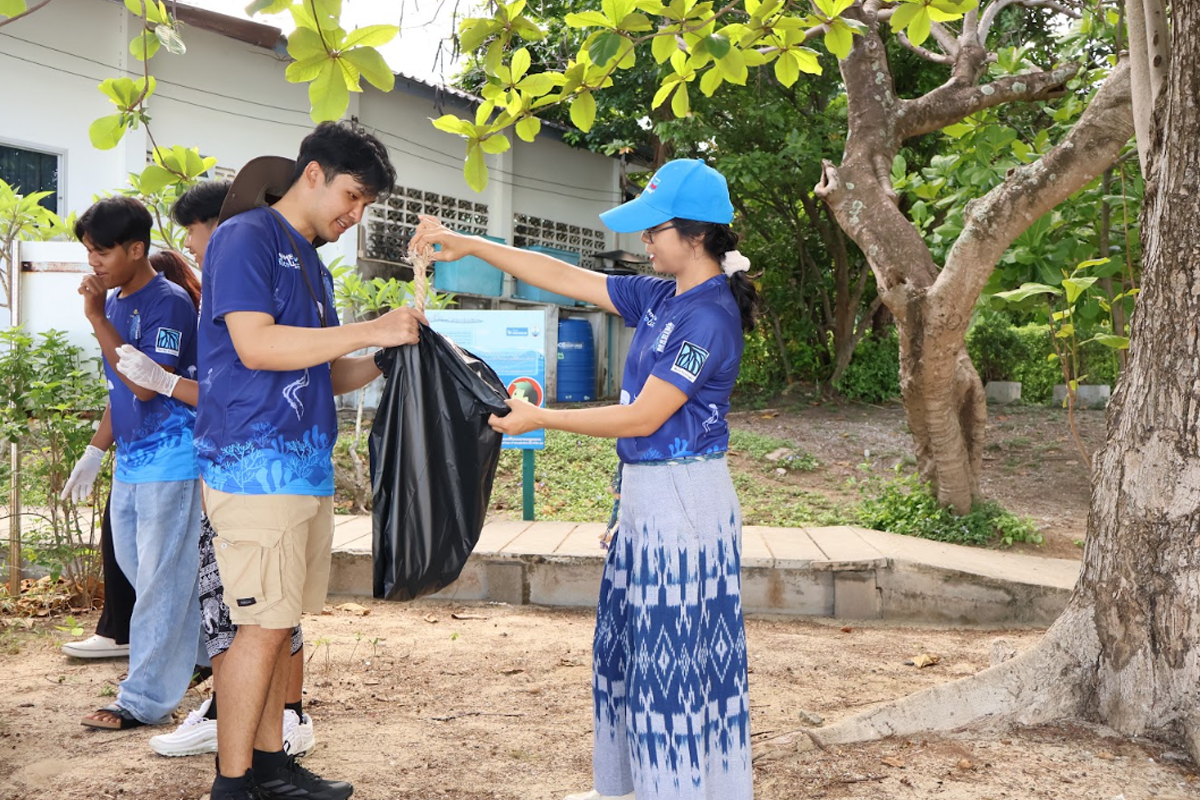
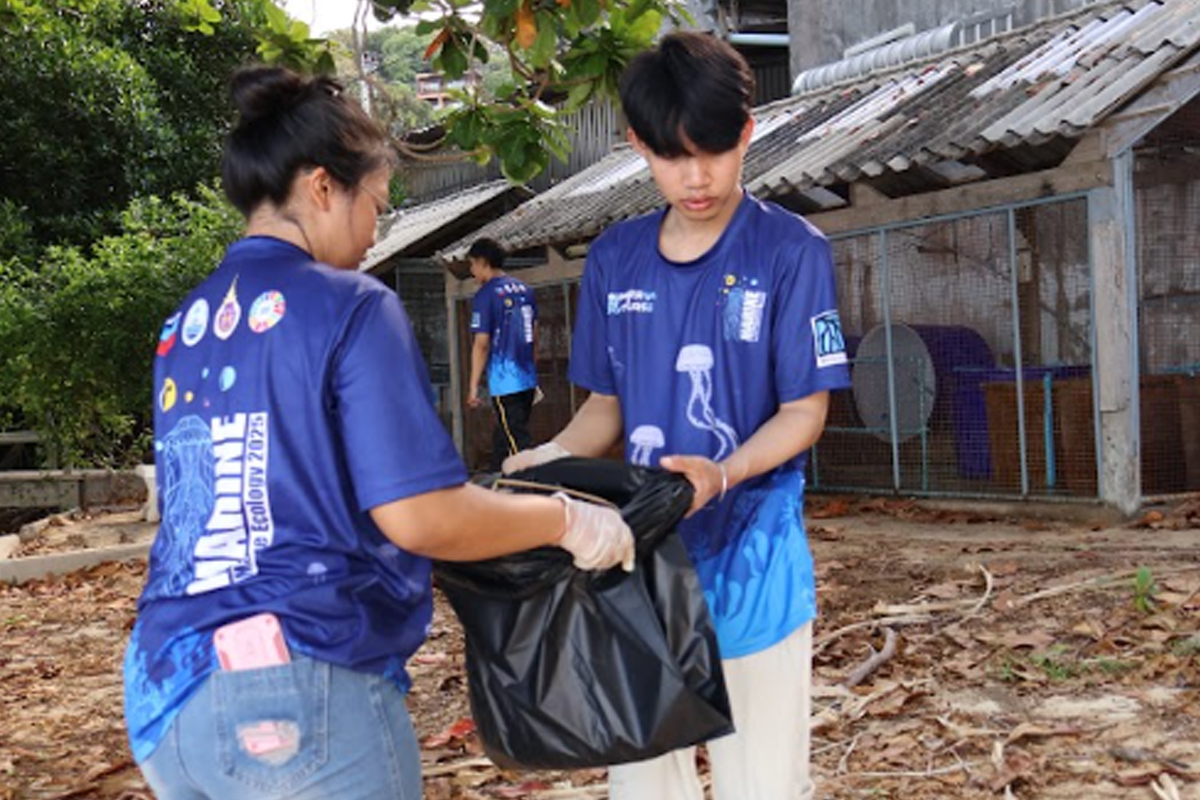
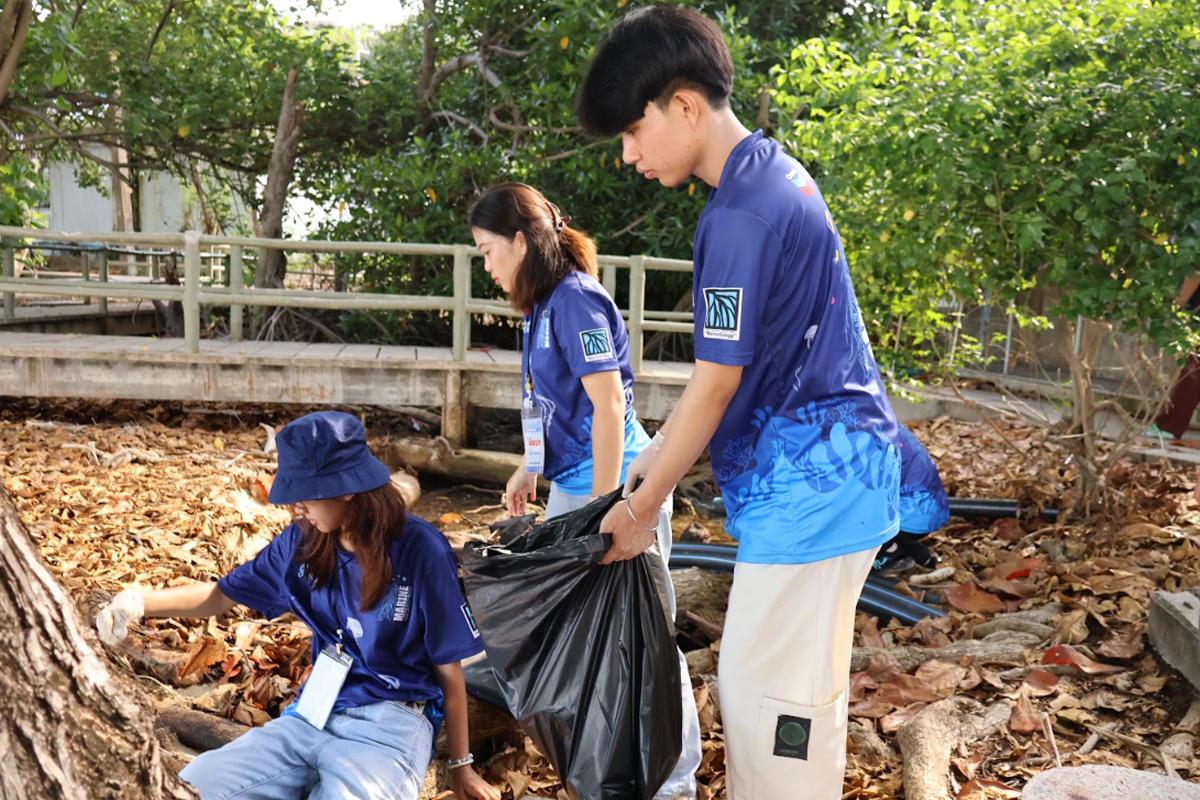
The course incorporated field-based investigations around Phuket and the Andaman Sea to help participants understand the diversity and ecological characteristics of marine and coastal environments. Activities covered mangrove forests, mudflats, seagrass beds, rocky shores, sandy beaches, and coral reefs, as well as the physical and biological processes that influence marine ecosystem health.
Students undertook oceanographic investigations and seawater sampling around islands near Phuket, studied coastal habitats, conducted beach-profile surveys, and collected sediment and plankton samples. The course also included investigations of microplastics, water quality, and coral reef ecosystems. Participants received practical training in scientific sampling, sample sorting and identification, field-data analysis, and the preparation and presentation of research findings.
These activities connected theoretical knowledge with practical scientific methods. Water-quality measurements and oceanographic sampling helped students investigate the environmental conditions of marine waters, while sediment and plankton sampling supported the study of marine habitats and biological communities. Investigations of seagrass beds, mangroves, rocky shores, sandy beaches, and coral reefs introduced participants to the ecological functions of different coastal habitats and their importance to marine biodiversity. Microplastic studies also provided opportunities to examine plastic pollution as an environmental challenge requiring continued research and coordinated action.
The research-based learning approach strengthened the relationship between scientific education and environmental problem-solving. Students learned to collect and interpret information systematically, recognize potential environmental pressures, and communicate findings through research presentations. These competencies can support further investigations into marine biodiversity, habitat degradation, pollution, and ecosystem sustainability.
The participation of Save Andaman Network Foundation and other collaborating organizations also placed the educational initiative within a broader framework of institutional cooperation. By bringing together different organizations with relevant knowledge and experience, the initiative supported opportunities for scientific exchange and collective learning. This approach reflects the principles of SDG 17, under which partnerships can help mobilize expertise, strengthen institutional capacity, and support shared progress towards environmental and sustainable development objectives.
Expanding Public Access to Educational Resources
In addition to the practical training provided through the summer course, Walailak University developed educational media featuring lectures delivered by specialists and experts. These learning resources were made available free of charge to the public through an online platform, extending the educational benefits beyond the students who attended the course in person.
The lectures covered a broad range of subjects related to marine ecology, biodiversity, environmental management, and emerging environmental challenges. Topics included mangrove ecosystems, marine restoration and management, marine microplastics, oil spills, seagrass beds, coral reefs, zooplankton, phytoplankton, ocean acidification, mudflats, rocky shores, sandy beaches, and shoreline erosion. Other subjects addressed marine vertebrates and invertebrates, the effects of ocean properties on marine organisms, introductory marine ecology, and the effects of global warming on Thailand’s seas.
The educational materials also included knowledge on international standards for blue swimming crab resource restoration, the application of geospatial technology in marine resource management, and techniques for adjusting and applying photographs in scientific work. Together, these subjects provided learning opportunities across marine science, environmental monitoring, resource management, and scientific communication.
Making these resources freely available online helped extend the potential reach of the initiative to learners, educators, researchers, civil society organizations, and members of the public who could not attend the course. The resources also provided opportunities for knowledge acquired through specialist lectures to be shared beyond the original learning environment. By combining in-person research training with online educational media, WU supported different ways of accessing scientific knowledge and encouraged broader public engagement with marine environmental issues.
This approach directly supports the educational and knowledge-sharing dimensions of SDG 17. Partnerships become more effective when the knowledge generated by participating institutions can be shared with wider audiences rather than remaining confined to individual organizations or specialist groups. Open educational resources can help reduce barriers to learning, support environmental awareness, and provide reference materials for future educational activities and research.
Measuring Educational Reach and Partnership Benefits
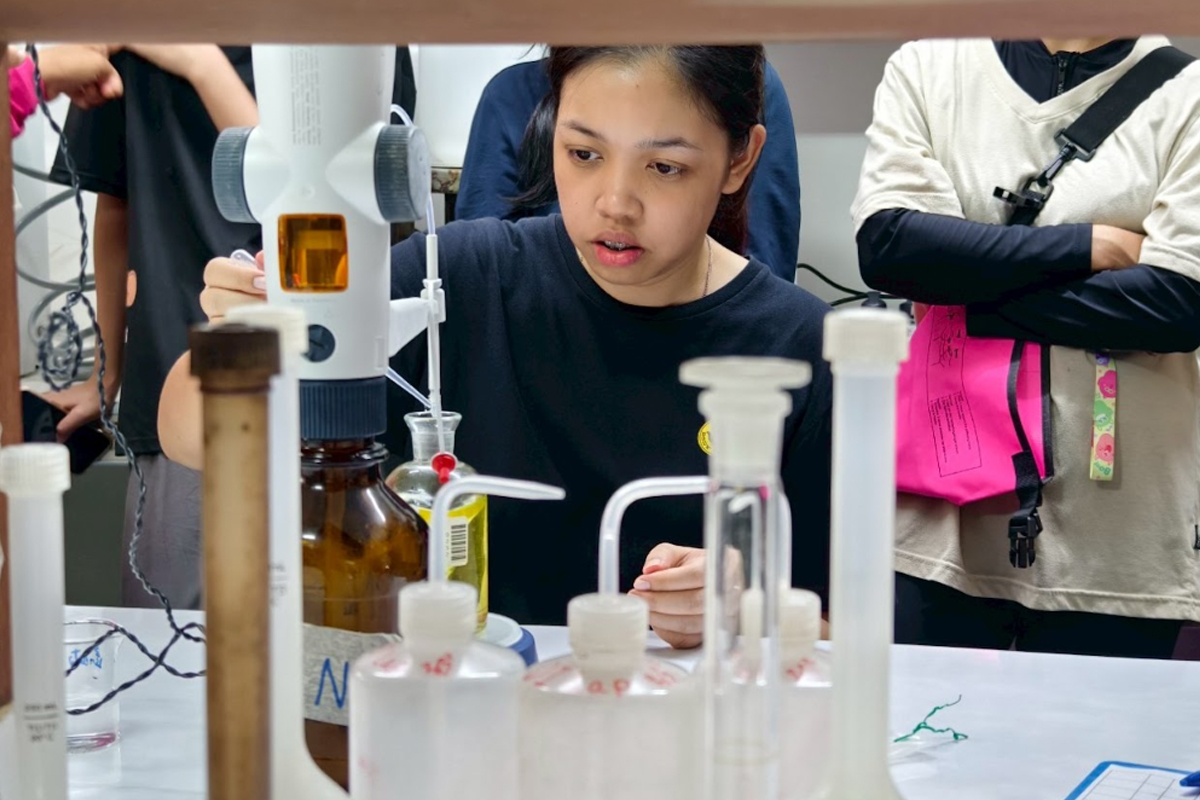
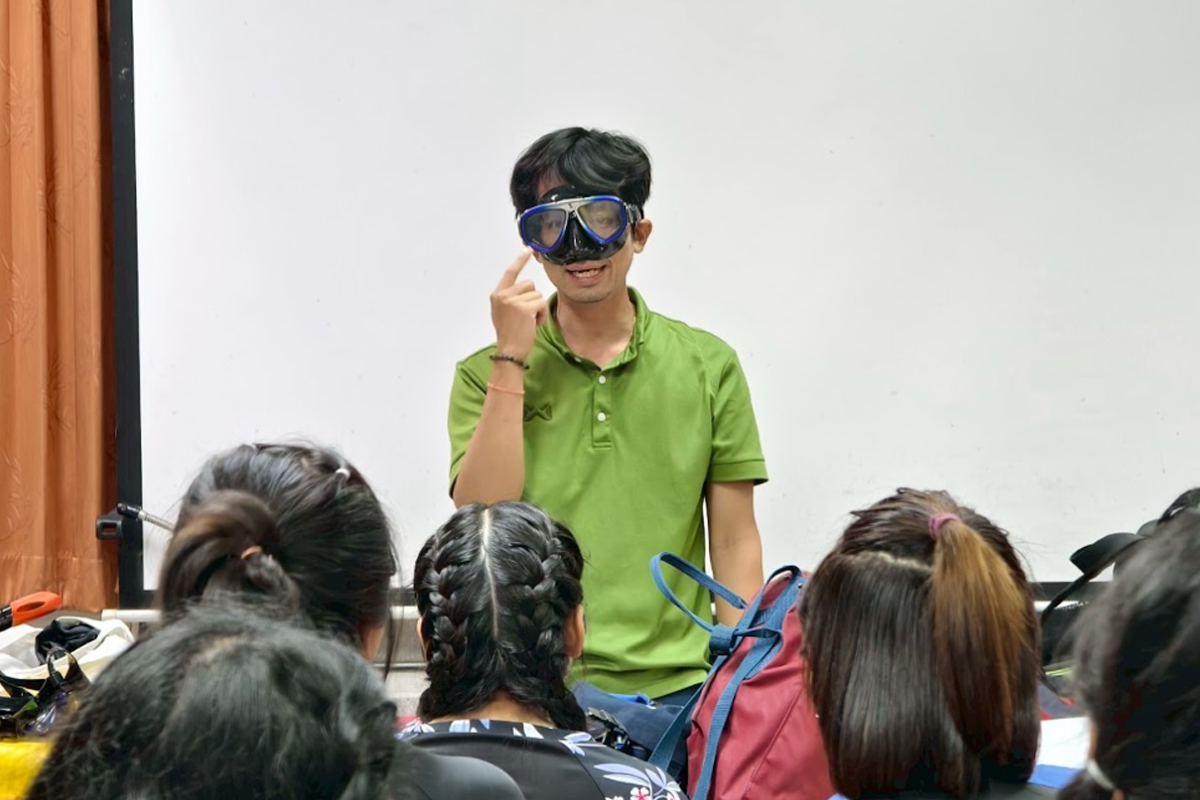
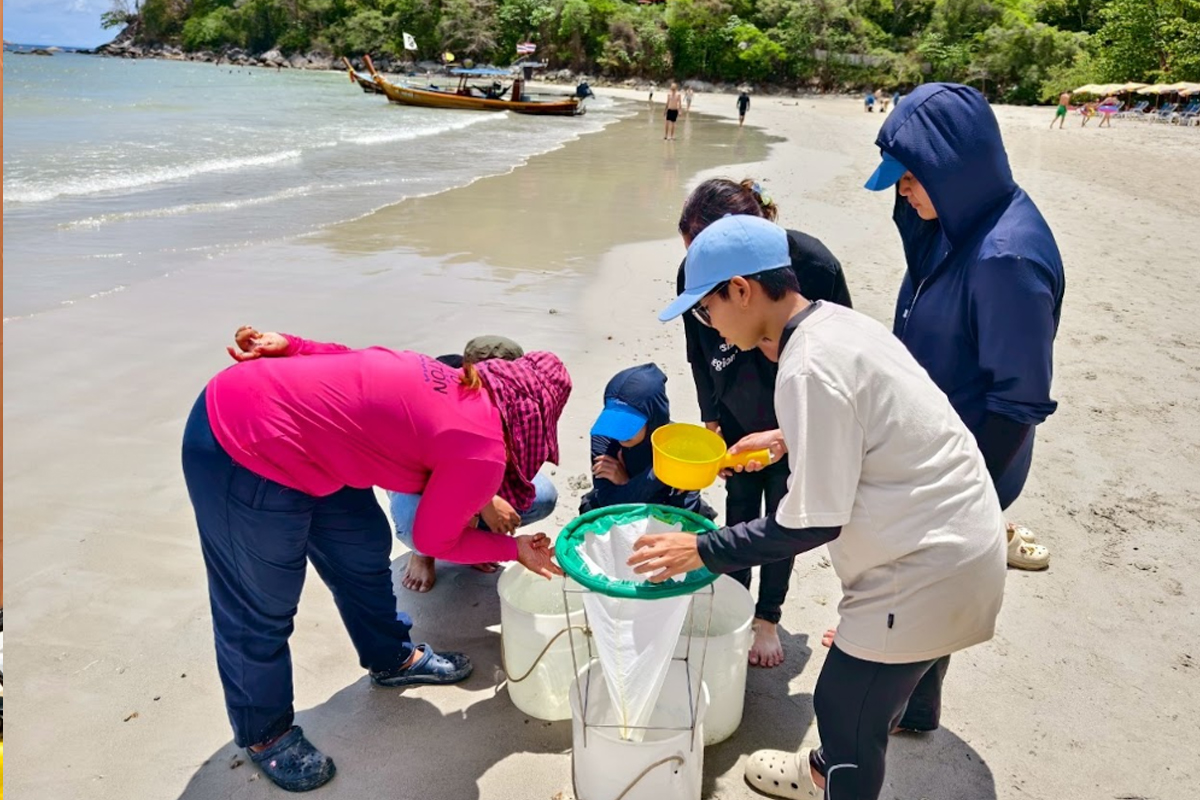
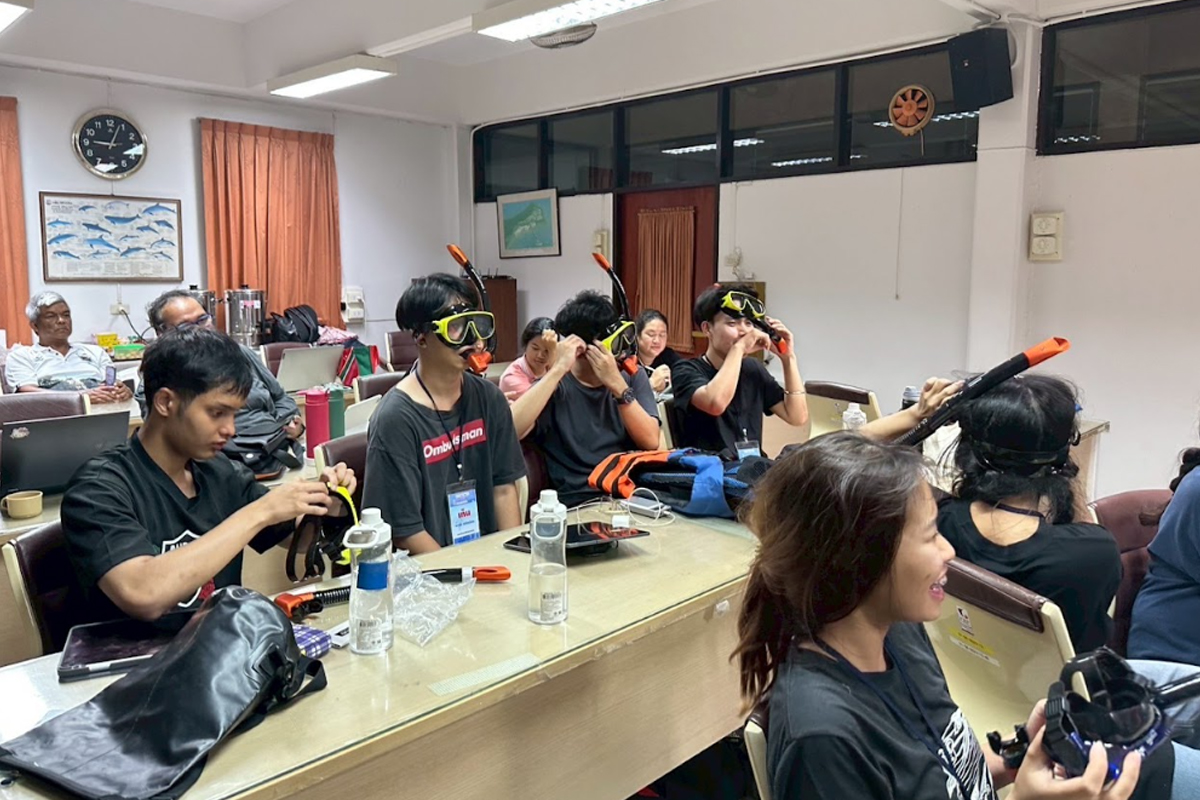
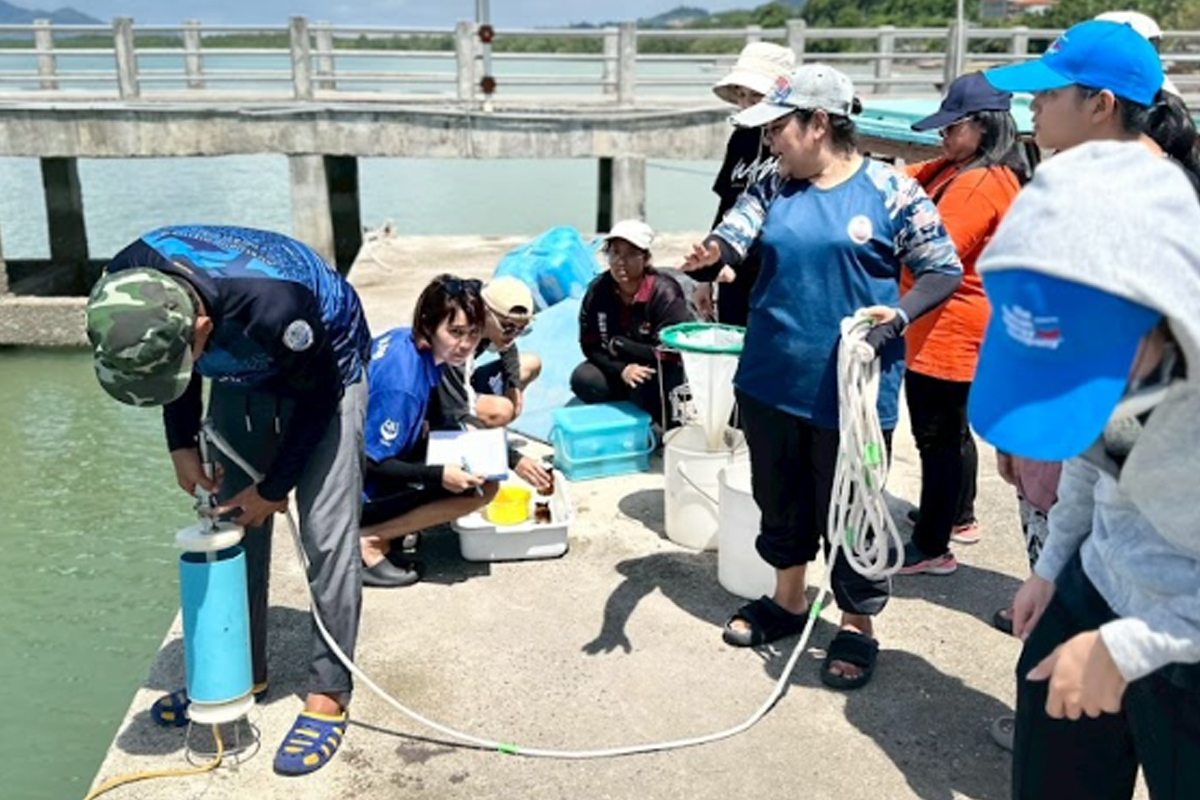
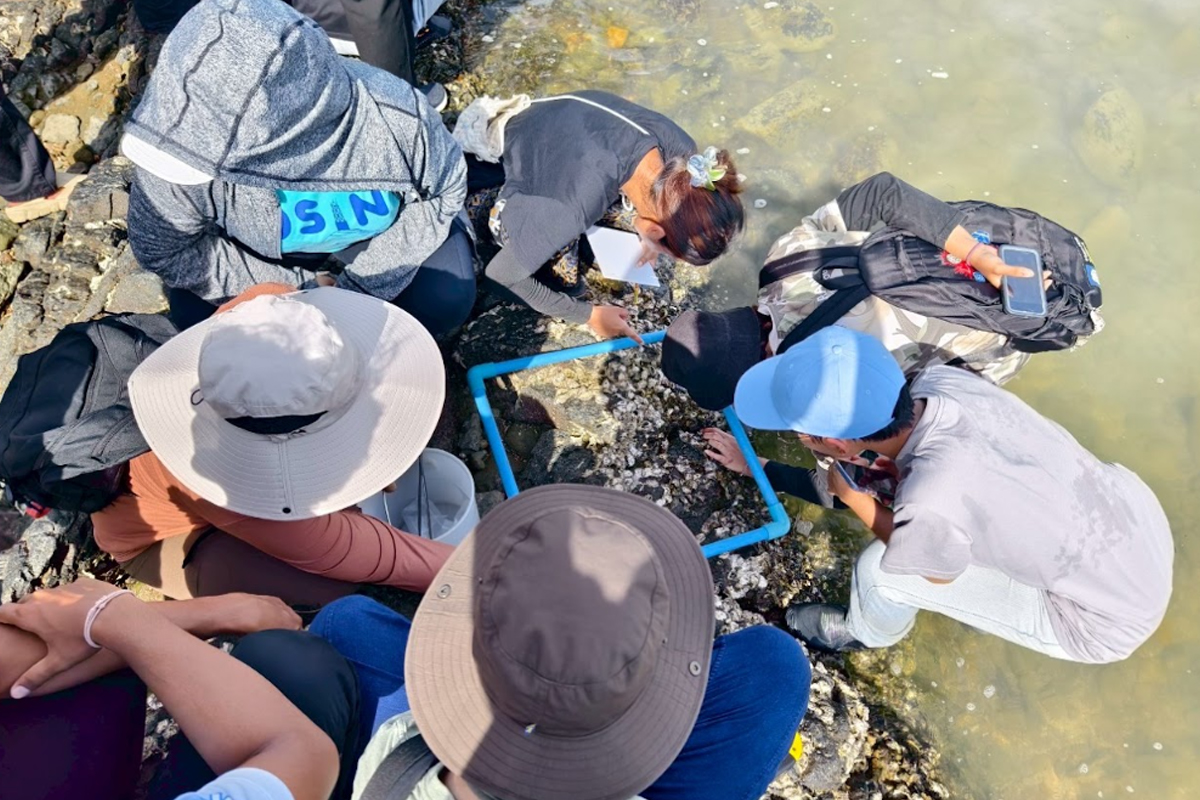
The participation of 93 students from 22 universities provides a measurable indication of the educational reach of the 32nd Marine Ecology Summer Course. These figures demonstrate that the initiative brought together learners from a wide range of higher education institutions and provided a shared setting for practical training and scientific knowledge exchange. The diversity of participating universities also illustrates the potential of collaborative educational programmes to connect academic communities across Thailand.
The development of free online educational media represents an additional measure of the initiative’s contribution to knowledge dissemination. The range of lecture topics demonstrates the breadth of scientific and environmental knowledge addressed through the programme. Further measurement of its long-term impact could include the number of online lectures published, resource views and downloads, participating institutions in subsequent activities, student learning outcomes, and the extent to which the materials are reused in teaching or research. These indicators would help assess the continuing educational benefits of the collaboration and identify opportunities to improve future programmes.
Similarly, systematic documentation of fieldwork, research outputs, and student presentations can provide useful evidence of the initiative’s contribution to scientific capacity-building. Environmental measurements and research data collected during the course may also support further investigation of marine and coastal ecosystems, subject to the availability and scope of the resulting datasets. Together, these measures can help demonstrate how collaborative research and educational programmes contribute to knowledge development and support future environmental initiatives.
Through the 32nd Marine Ecology Summer Course and the development of freely accessible educational resources, Walailak University demonstrated how collaboration with an NGO partner, research organizations, public-sector agencies, and higher education institutions can support shared sustainable development objectives. The initiative combined multi-institutional participation, practical research training, scientific knowledge exchange, and public education to strengthen understanding of marine ecosystems and the challenges affecting their long-term sustainability.
The participation of 93 students from 22 universities helped expand opportunities for cross-institutional learning, while the online lectures provided an additional channel for sharing specialist knowledge with the wider public. These activities supported educational capacity-building and demonstrated the value of partnerships that connect scientific expertise with learning opportunities and environmental awareness. The collaboration also reinforced the relationship between SDG 17 and SDG 14 by showing how knowledge exchange and coordinated action can support marine biodiversity conservation.
Ultimately, the initiative illustrates that effective partnerships involve more than cooperation between organizations; they also require opportunities to share knowledge, develop people, and make useful educational resources accessible to wider communities. By continuing to strengthen its relationships with NGOs, research organizations, public institutions, and universities, Walailak University can further expand collaborative learning, support evidence-based environmental research, and promote measurable progress towards the SDGs. These efforts contribute to a stronger foundation for marine conservation, responsible resource management, and the long-term sustainability of marine and coastal environments for future generations.
Related Links
https://www.youtube.com/playlist?list=PLn1M6nhsvhDWhgcXLOG3R9n94VzxO0dg1
เมื่อวันที่ 31 มกราคม… – ศูนย์บริการวิชาการ มหาวิทยาลัยวลัยลักษณ์ | Facebook
โครงการค่ายนิเวศวิทยาทาง… – ศูนย์บริการวิชาการ มหาวิทยาลัยวลัยลักษณ์ | Facebook
ค่ายนิเวศวิทยาทางทะเล 32 พลังคนรุ่นใหม่อนุรักษ์ท้องทะเลอย่างยั่งยืน
https://cas.wu.ac.th/archives/33537
เชฟรอนสานต่อภารกิจสร้างนักวิทย์ทะเลรุ่นใหม่เพื่อขับเคลื่อนโลกสู่ความยั่งยืน — ประเทศไทย.chevron.com
Faculty of Agriculture, Chiang Mai University, คณะเกษตรศาสตร์ มหาวิทยาลัยเชียงใหม่
บังมุ คนหาปลา – ค่ายเยาวชนประมง ครั้งที่… | Facebook
บังมุ คนหาปลา – ค่ายเยาวชนวันแรกเนี่ยวเรียนหว่า | Facebook
🎉ค่ายเยาวชนประมง ครั้งที่ 1 🫶🏻 สานอาชีพ… – Amonsak Sawusdee | Facebook