
Blue Planet Allies: Walailak University and NGOs Championing Marine Resource Protection for SDG 14
Walailak University has emerged as one of Thailand’s leading universities with a strong commitment to SDG 14: Life Below Water, owing to its strategic location near the Gulf of Thailand and its proximity to rich marine environments. The university has been collaborating with NGOs in promoting marine conservation, conducting research on coastal ecosystems, and raising awareness about the importance of protecting marine biodiversity. Through partnerships with NGOs, Walailak University actively contributes to reducing marine pollution, restoring coastal habitats, and supporting sustainable fisheries.
The Walailak University Marine Conservation Club is a student volunteering club established by a group of Walailak students in the School of Science (Marine Science Program). However, the club is freely open to all WU students to be members of the club. This club has been collaborating with NGOs in implementing volunteering programs towards SDG 14 for years, such as educational provision to local communities, waste collection campaigns, blue swimming crab preservation campaigns, plastic reduction awareness, etc.
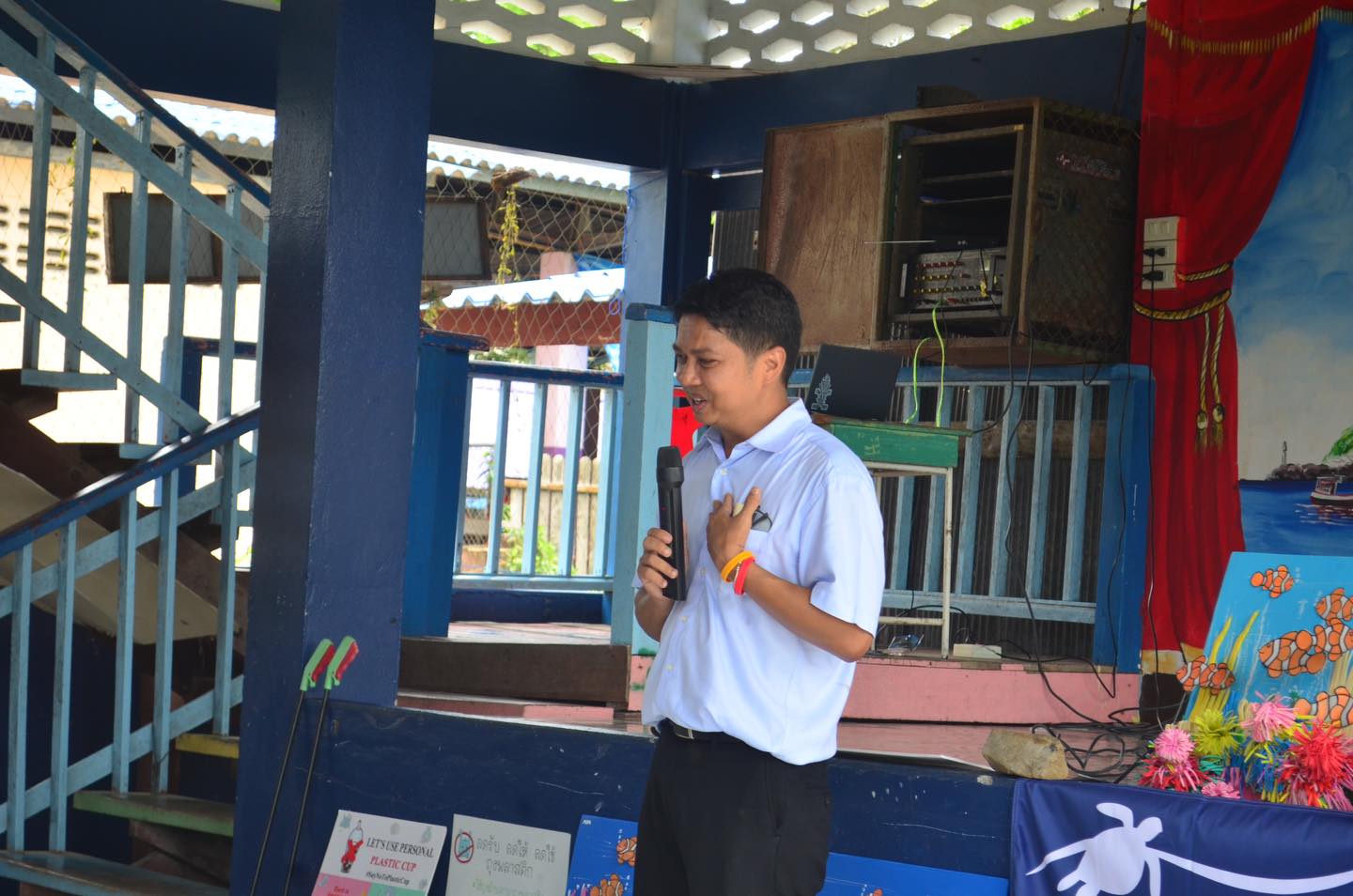
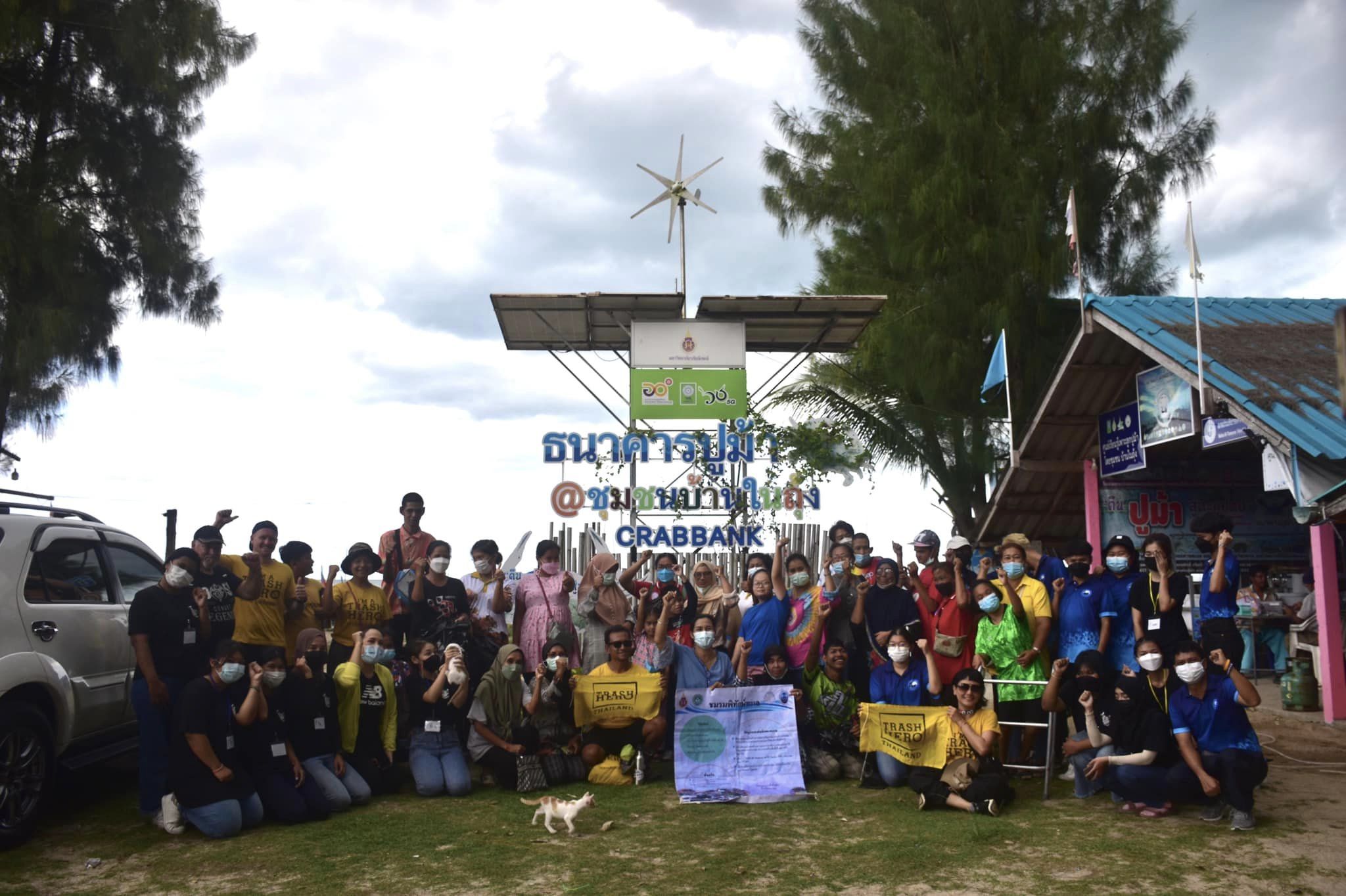
Figures : Mr. Phusit Horpet, a lecturer and marine scientist at Walailak University serving as a faculty advisor of the club and WU students who are members of the club.
Walailak University, through the WU Marine Conservation Club, has been establishing partnerships with NGOs, including Trash Hero Tha Sala, an NGO in Tha Sala District promoting communities to clean and reduce waste, and Ban Nai Thung Local Fishery Association, an NGO working for the fishermen’s society in Tha Sala District, Nakhon Si Thammarat, to promote marine resource protection for local communities and issues relating SDG 14.
Walailak University, through the Center for Academic Services and the WU Marine Conservation Club, in collaboration with Trash Hero and the Ban Nai Thung Local Fishery Association, has been spearheading the Local Waste Collection Initiative in Tha Sala District for several years. This ongoing engagement is dedicated to making the district’s marine environment waste-free through strong partnerships with local communities and government organizations. By actively engaging local communities in clean-up activities and educational campaigns, the initiative seeks to raise awareness about the critical importance of protecting marine resources, such as oceans and rivers, which serve as essential lifelines for the community’s livelihood.
In addition to waste collection, the initiative promotes sustainable waste management practices, encouraging recycling and reducing single-use plastics and discipline in waste sorting. By fostering a culture of environmental responsibility, it empowers local communities to take ownership of marine conservation efforts, ensuring the long-term health and sustainability of the district’s natural resources. Through this united effort, the project not only enhances the cleanliness of the local marine ecosystem but also strengthens the community’s connection to the environment and their commitment to preserving it for future generations.
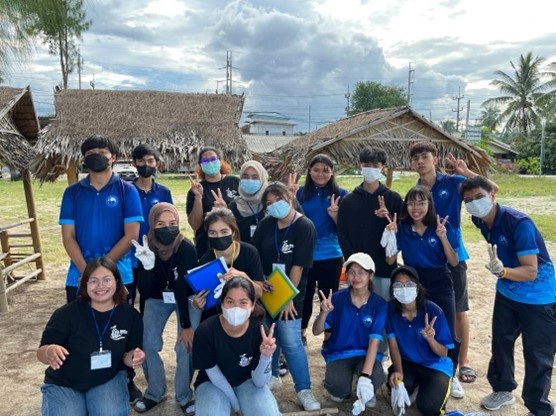
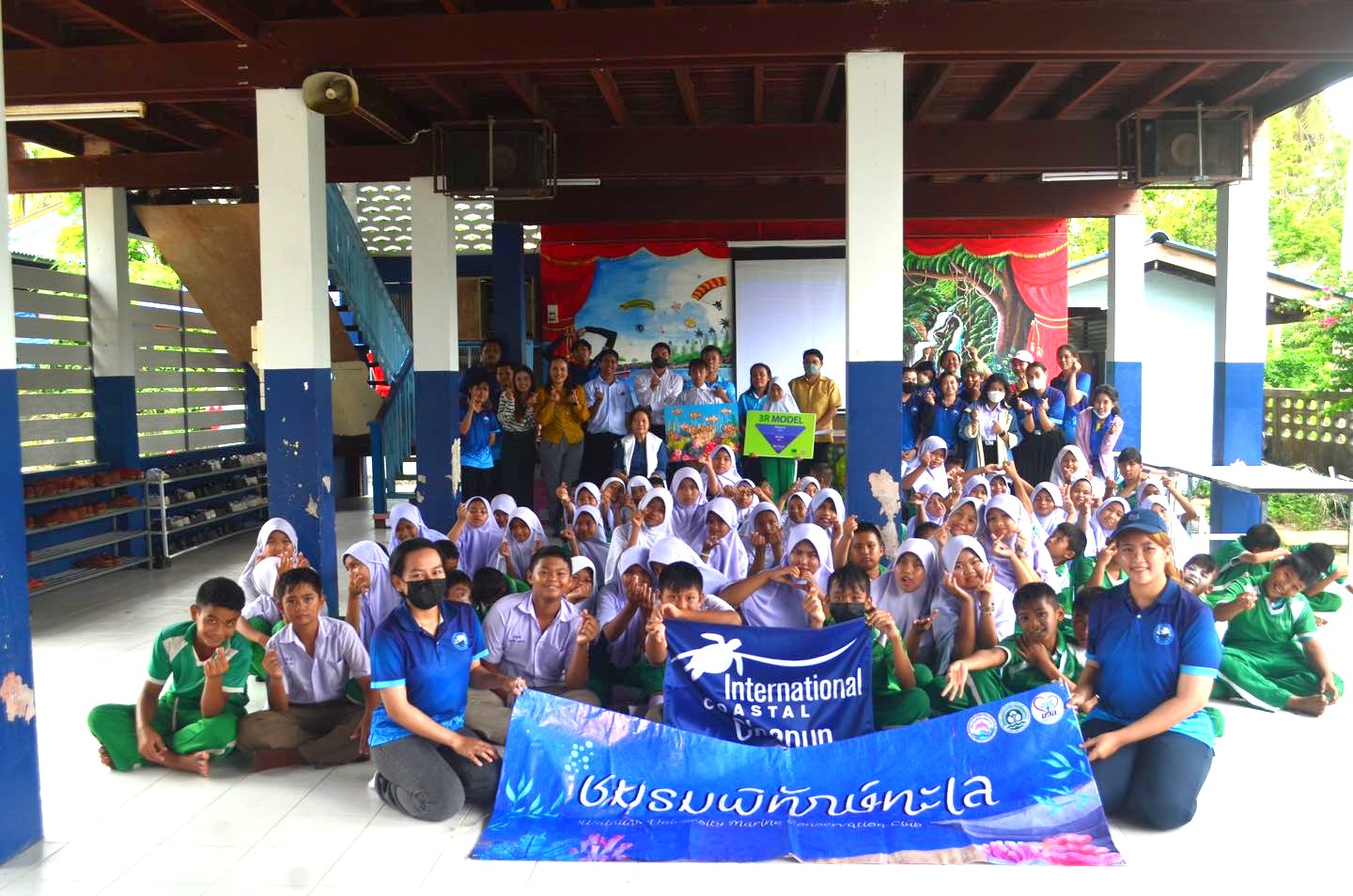
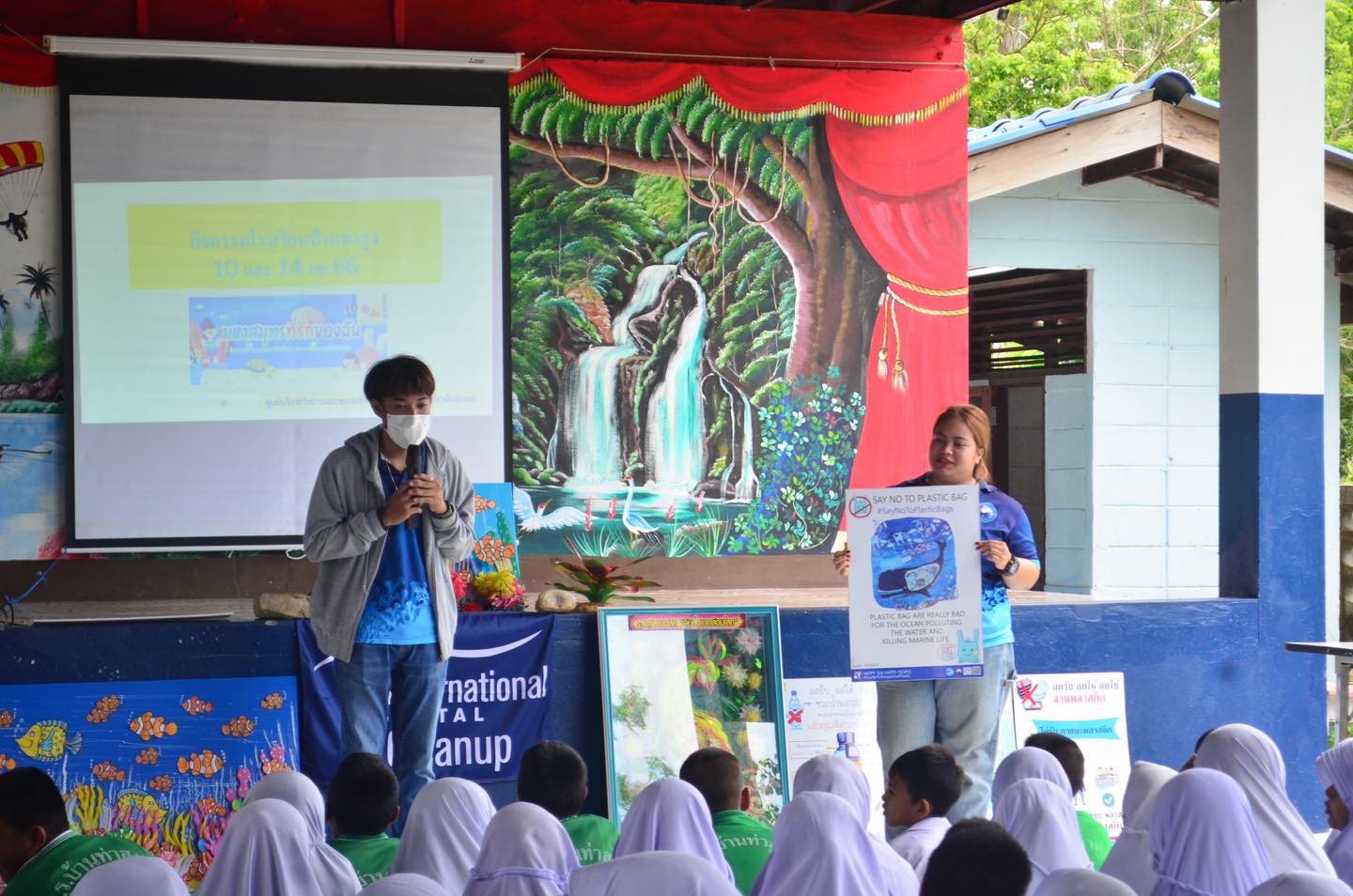
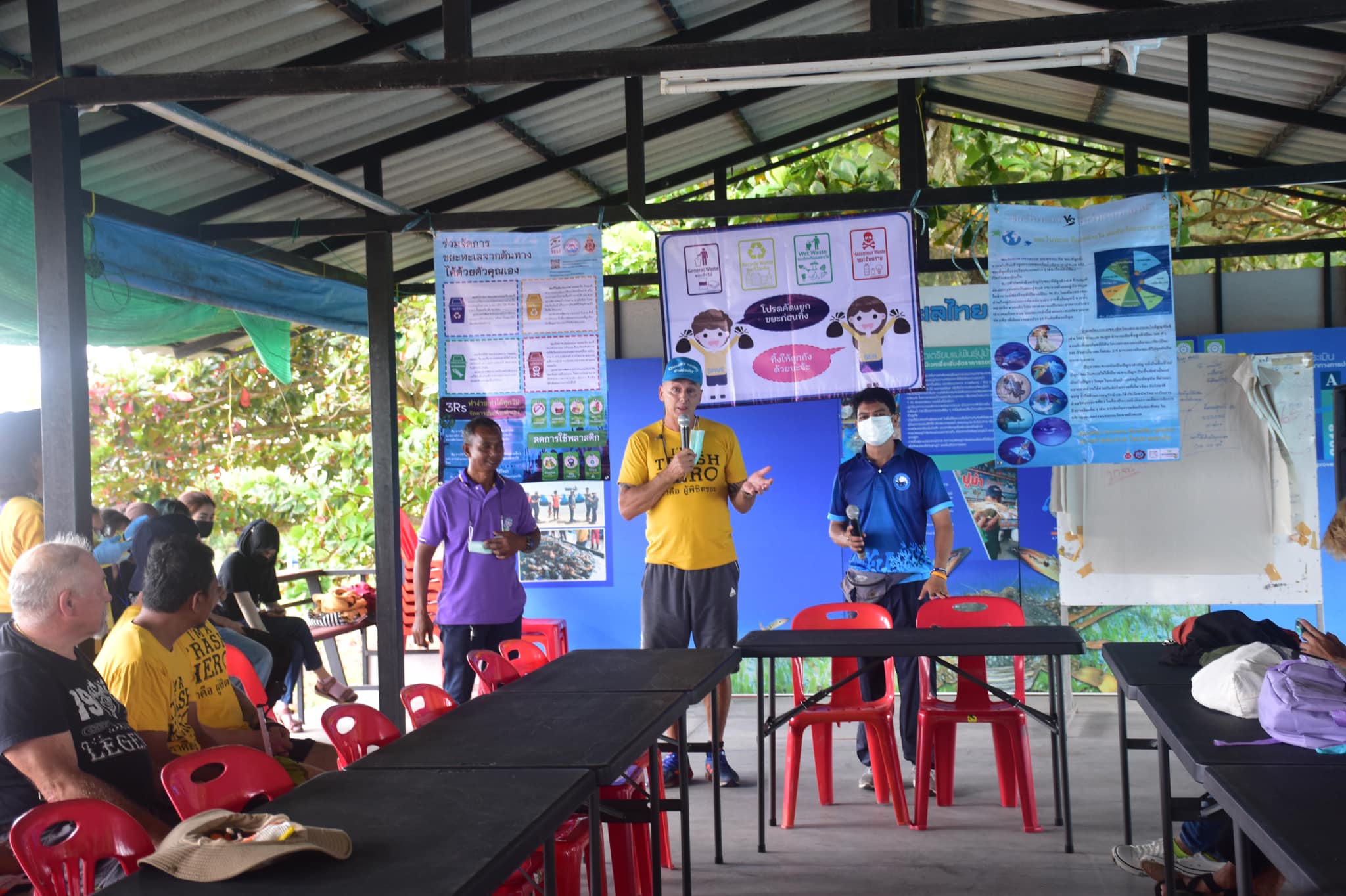
Figures : The WU students of the club organizing the Local Waste Collection Initiative at Ban Tha Sung School, Tha Sala District, Nakhon Si Thammarat.
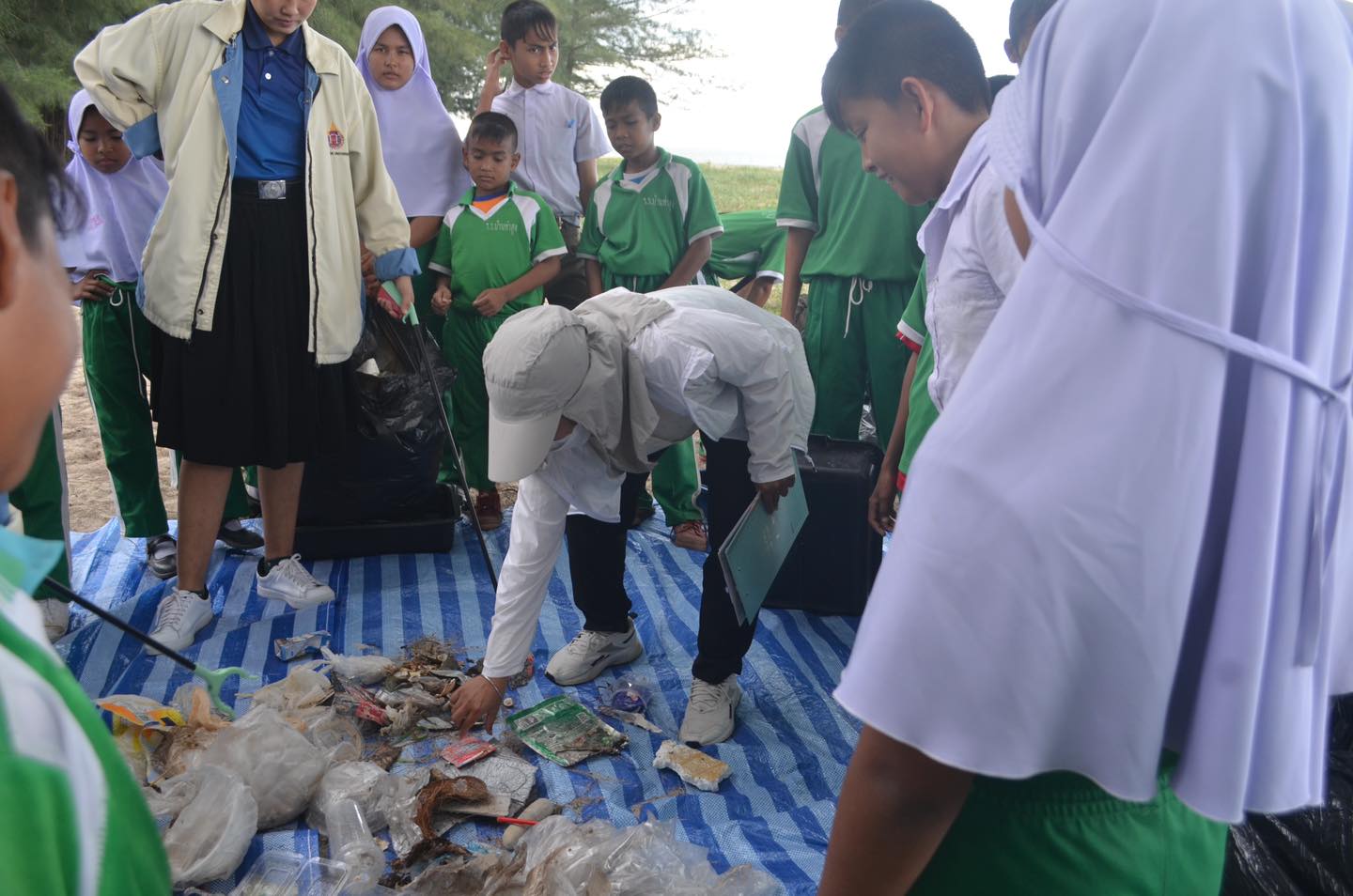
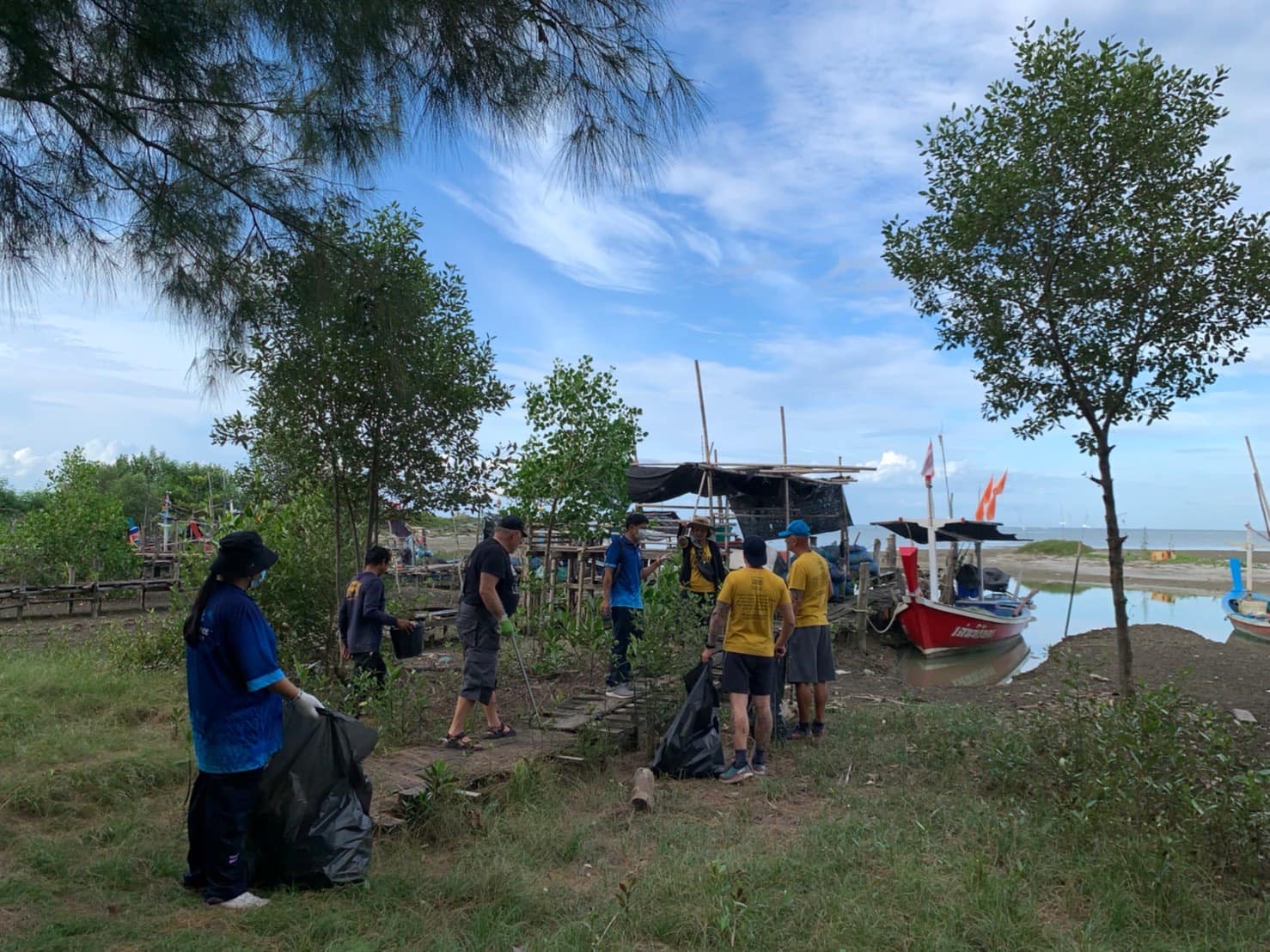
Figures : The club collaborating with Ban Nai Thung Local Fishery Association and Trash Hero Tha Sala (NGO Partners) implementing the Local Waste Collection Initiative.
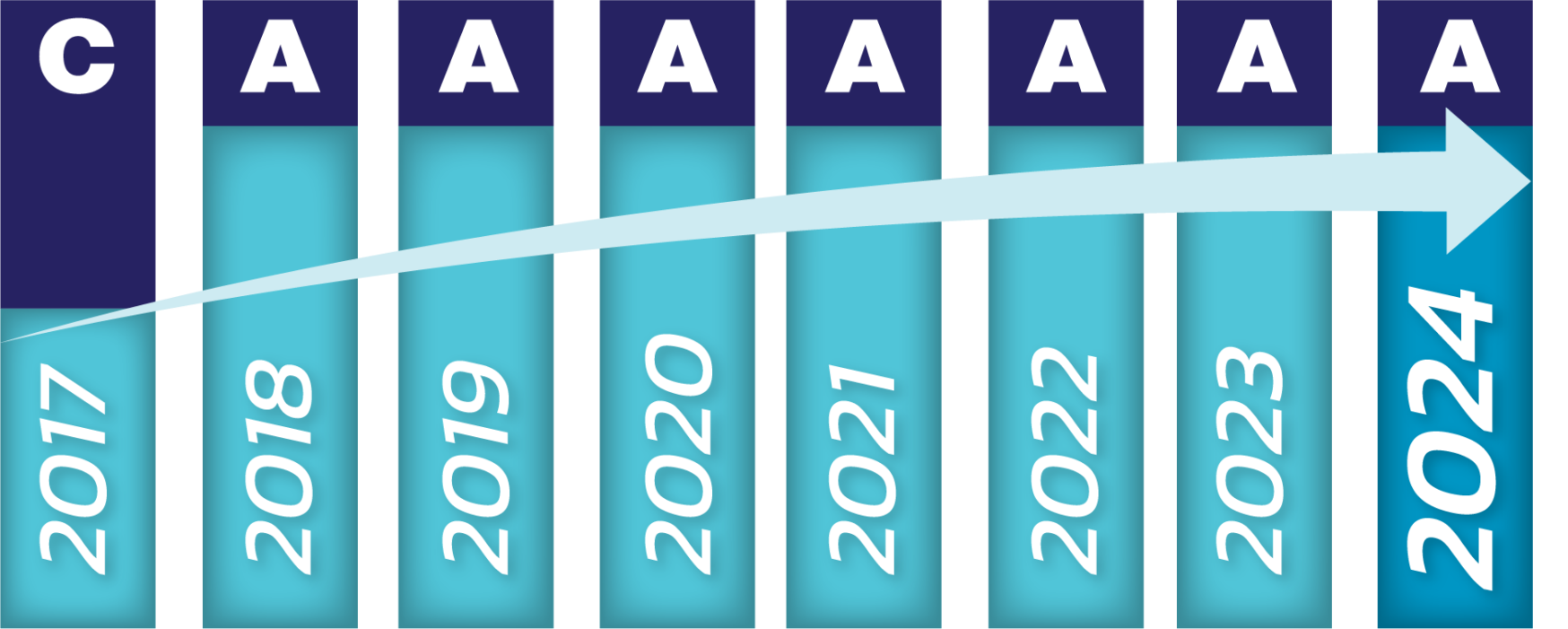
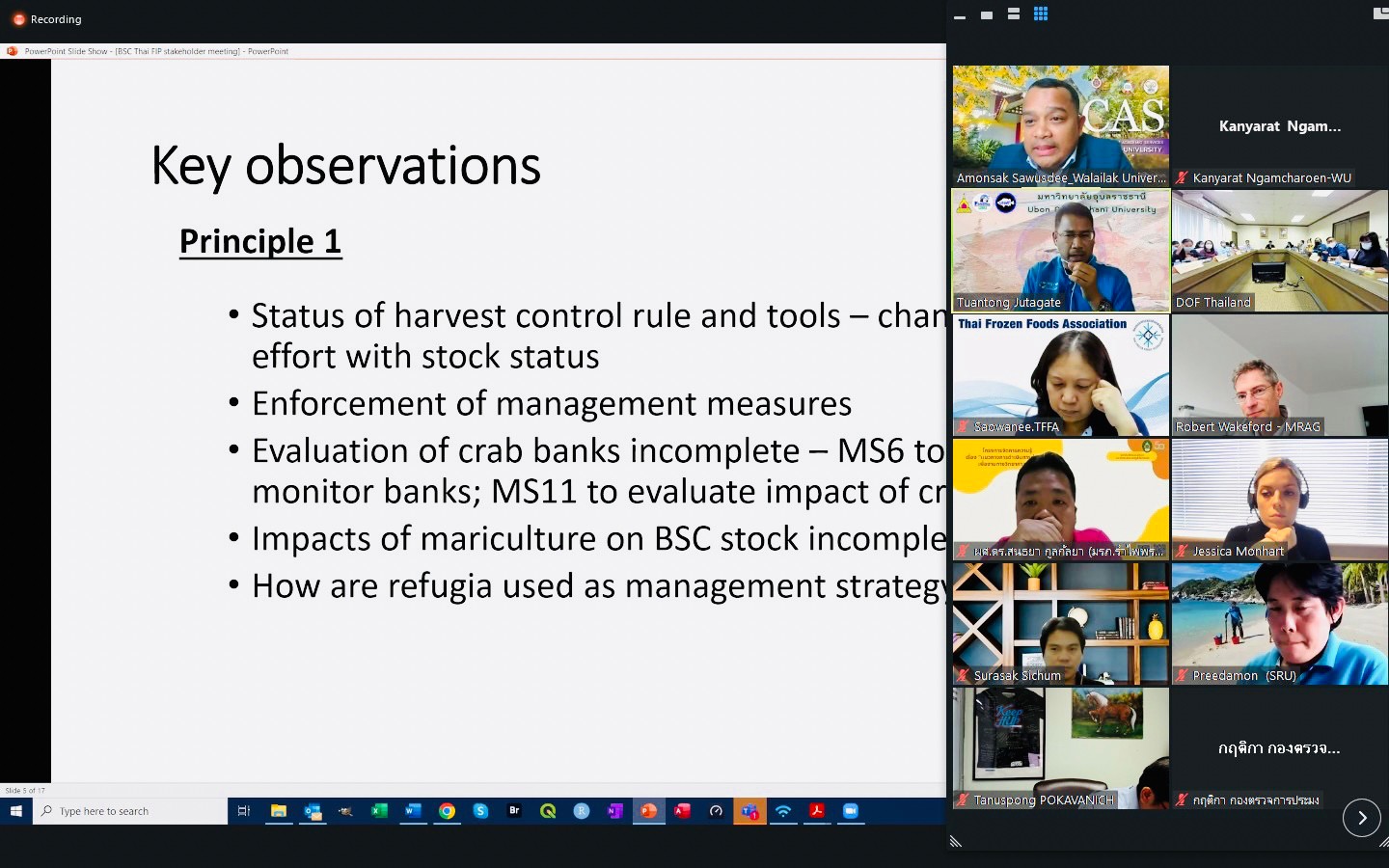
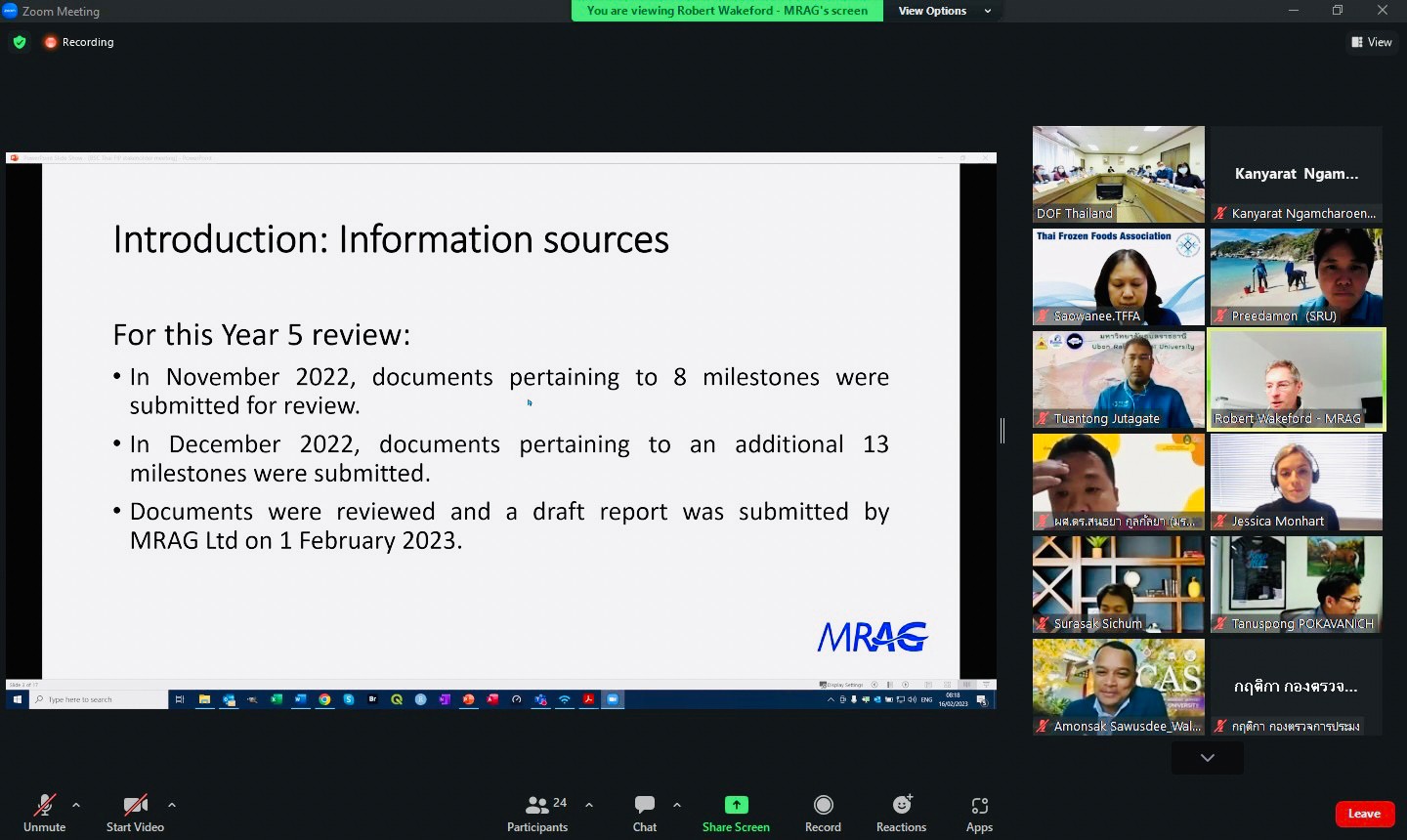
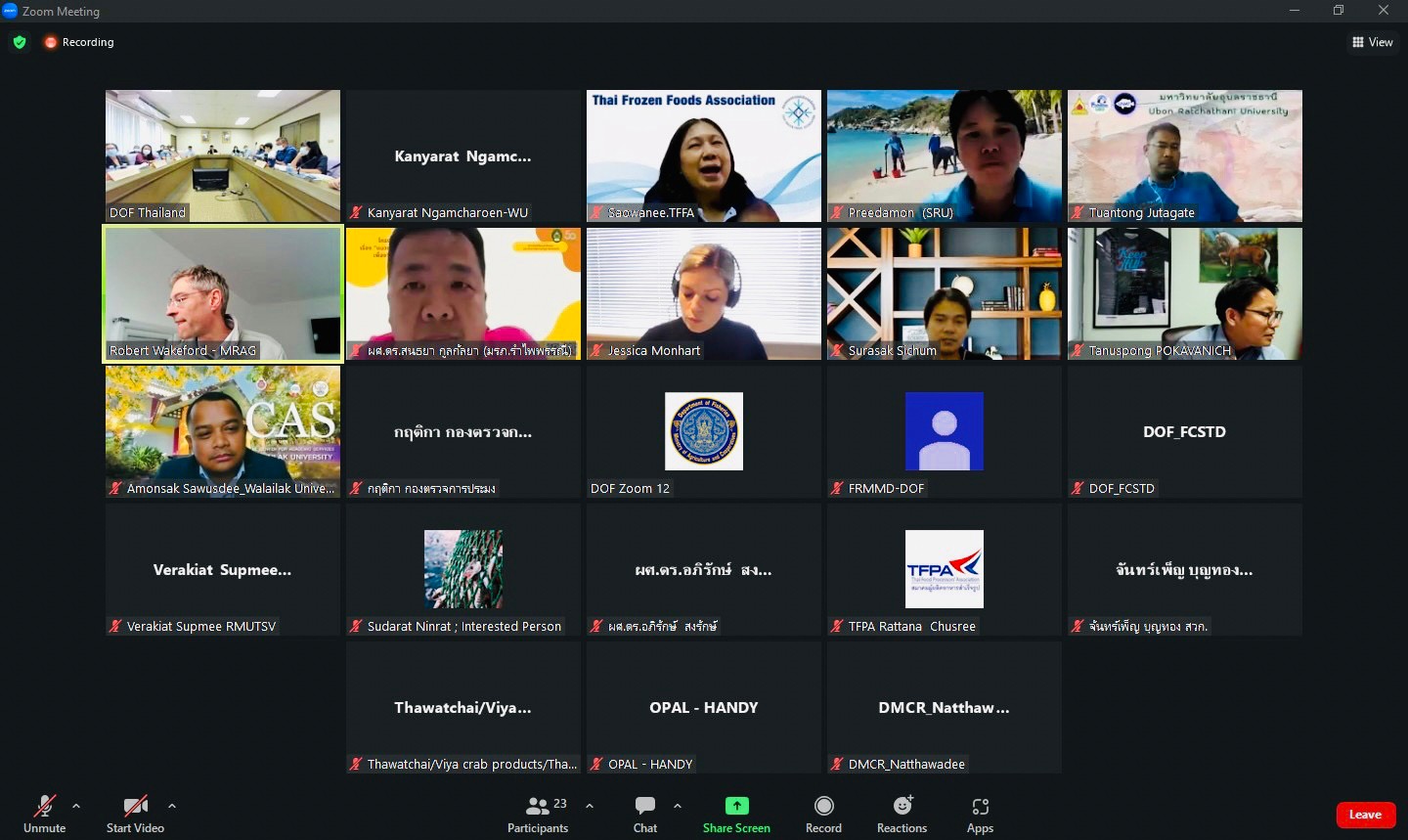
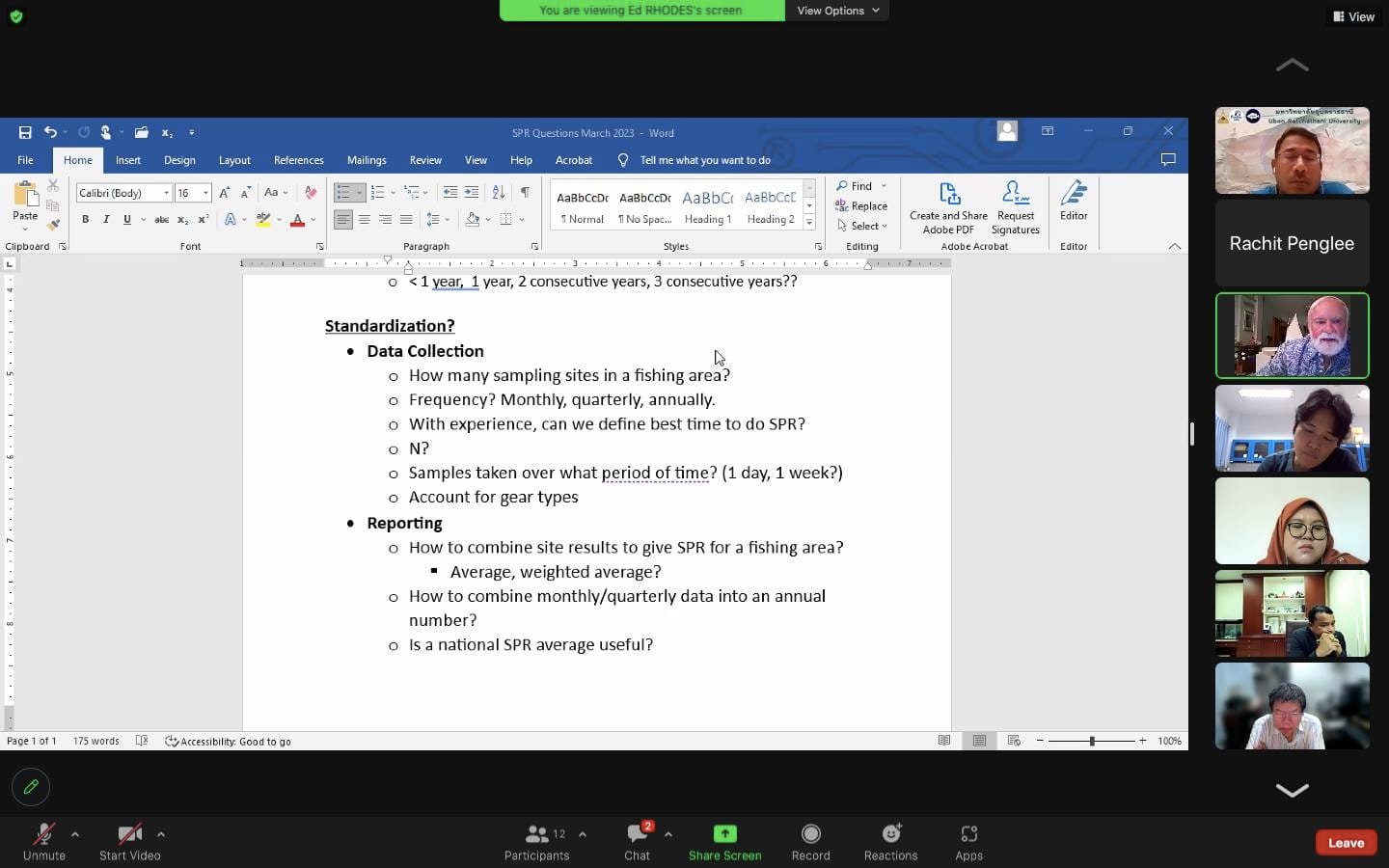
In 2023, Walailak University, through Asst. Prof. Dr. Amonsak Sawusdee and the NGOs and partners participated in an online meeting to present the progress of the project with partners to the staff of the Marine Resources Assessment Group. All partners agreed to further develop best practices and strategies to tackle the issues. The best practices and strategies included:
- Thailand needs to report the stock of blue swimming crabs in the Gulf of Thailand, including Surat Thani.
- In increasing the population of blue swimming crabs, there need to be more strategies besides the establishment of blue swimming crab banks and releasing the larvae.
- Conducting studies on the impacts of clam farms on the blue swimming crab population.
- Setting management strategies based on the achievements of fishery refugia projects.
- Setting recommendations on ghost gears and their effects on ecosystems.
- Add more information about the projects on the restoration of mangroves, corals, and seagrass conducted by the Department of Fisheries.
- The Department of Fisheries should provide additional details regarding the monitoring of illegal fishing activities by local fishing vessels.
- Add information about the repurchase of fishing vessels from the Department of Fisheries.
- “Promote the proposed solutions for addressing fishing issues from fishermen to be adopted as policies by the Department of Fisheries.”
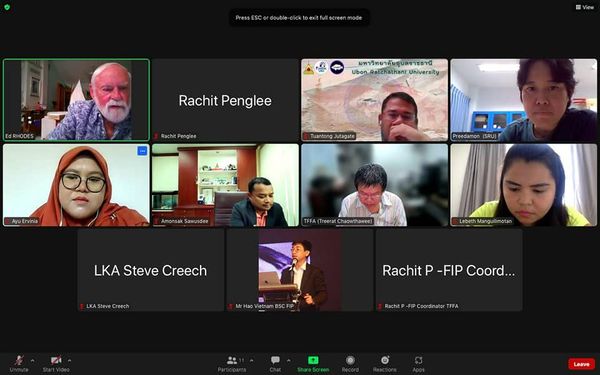
Figures : Asst. Prof. Dr. Amonsak Sawusdee and the partners participating in online meetings to report the research’s progress.
During the meeting, it was reported that the research achieved a 65% success rate and received an A rating for progress. Furthermore, in 2023, additional non-fishing zones were designated, focusing on areas expected to foster the growth of baby blue swimming crabs. These zones aim to help sustain the population of the species while simultaneously boosting the incomes of local fishermen. The initiative is part of a broader strategy to balance environmental conservation with economic growth, ensuring that marine resources are responsibly managed for long-term benefits. As a result, both biodiversity and local livelihoods are expected to thrive.
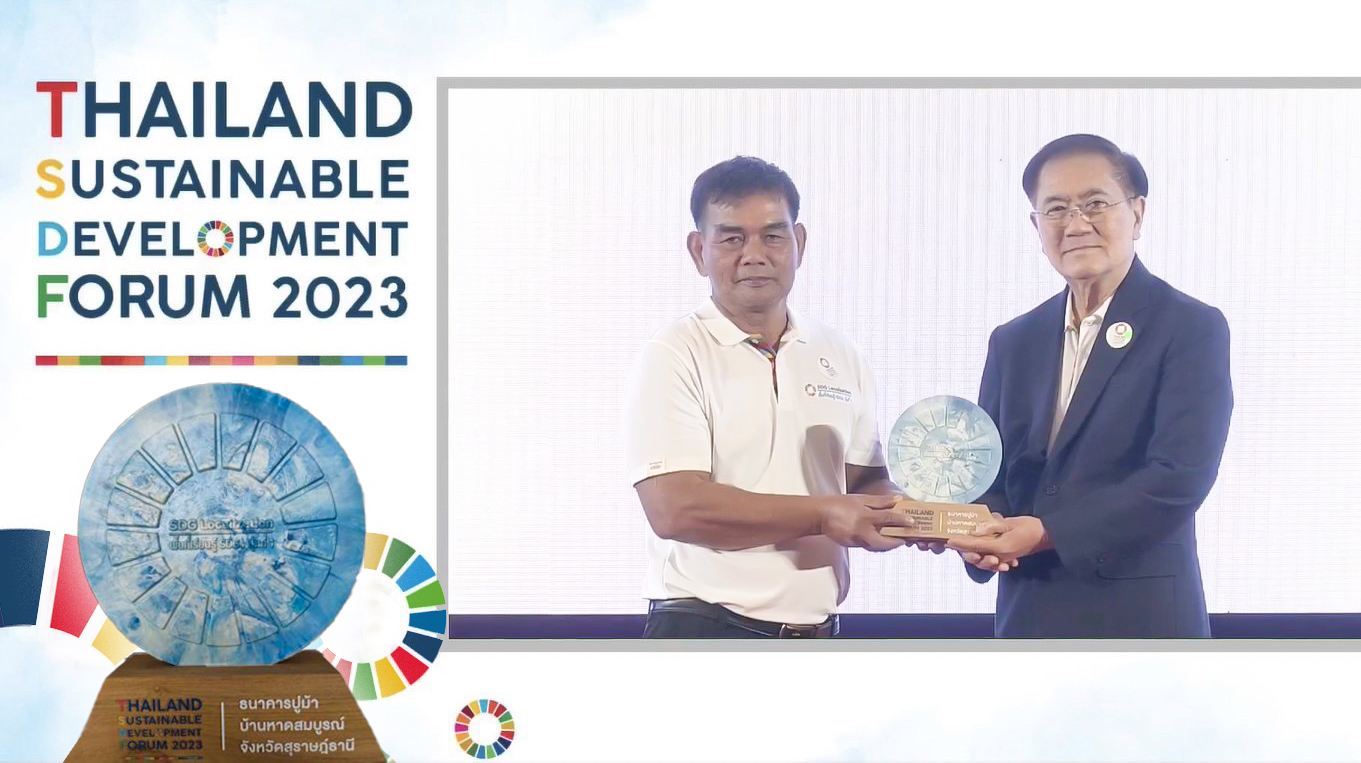
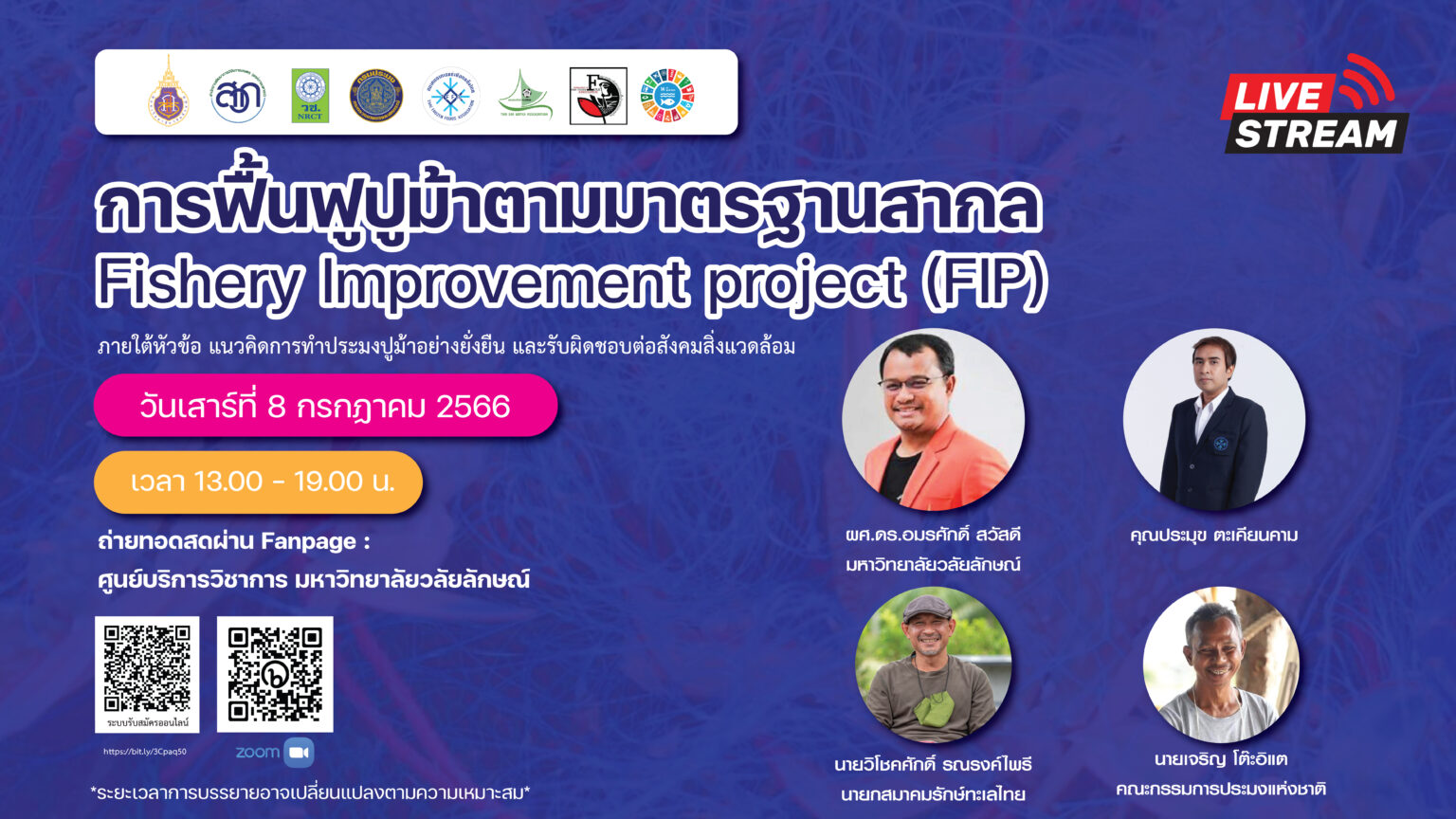
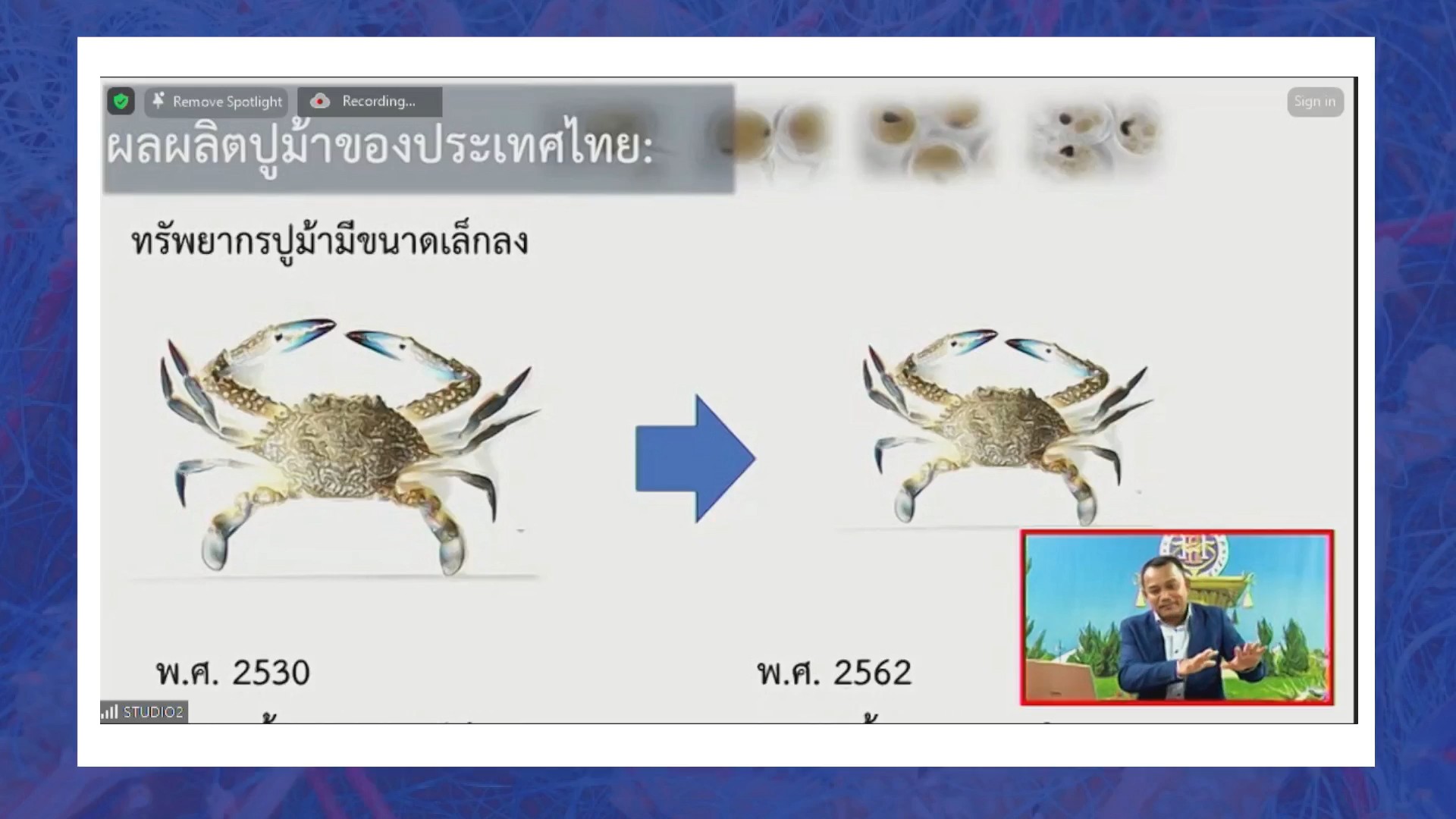
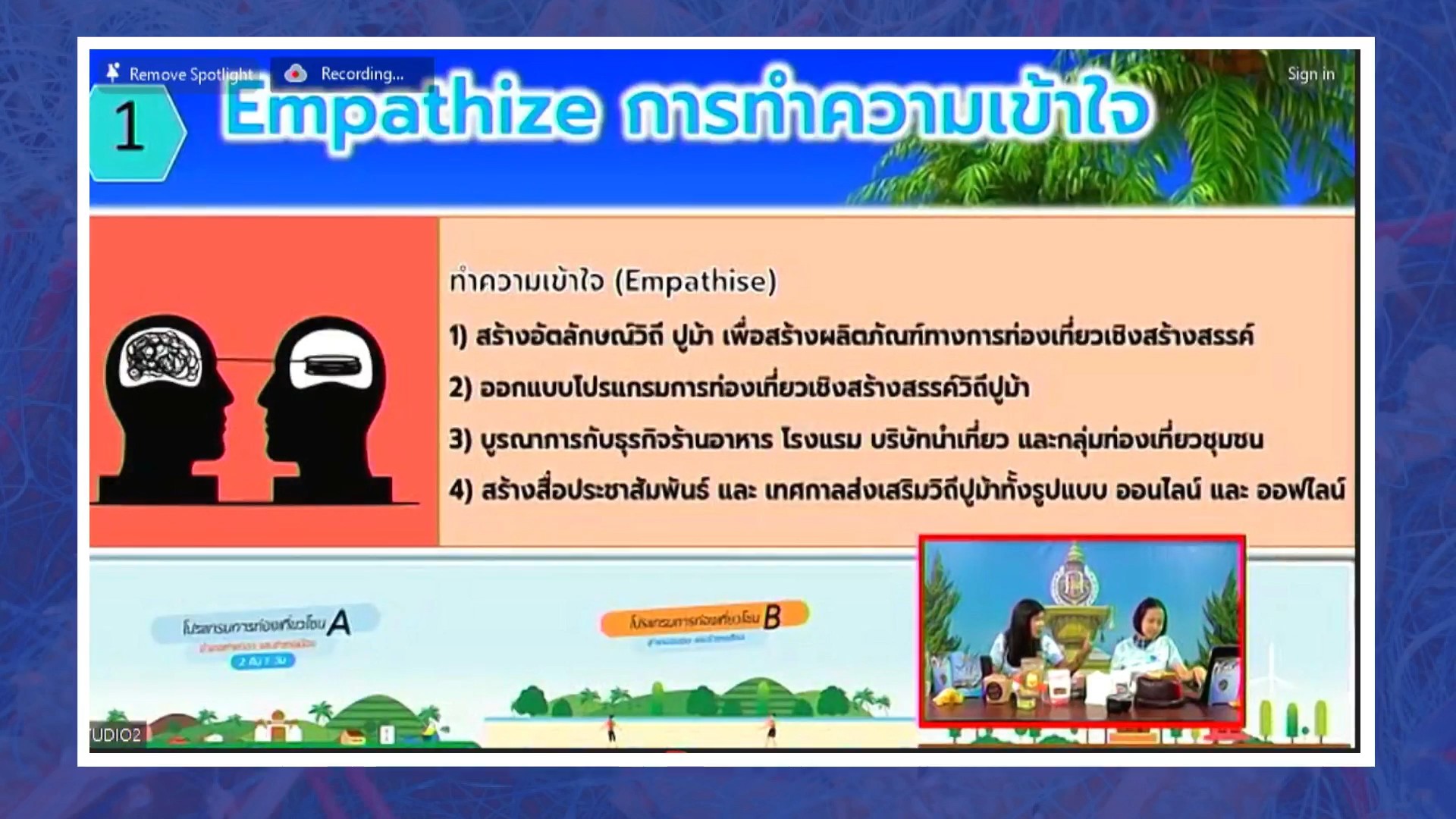
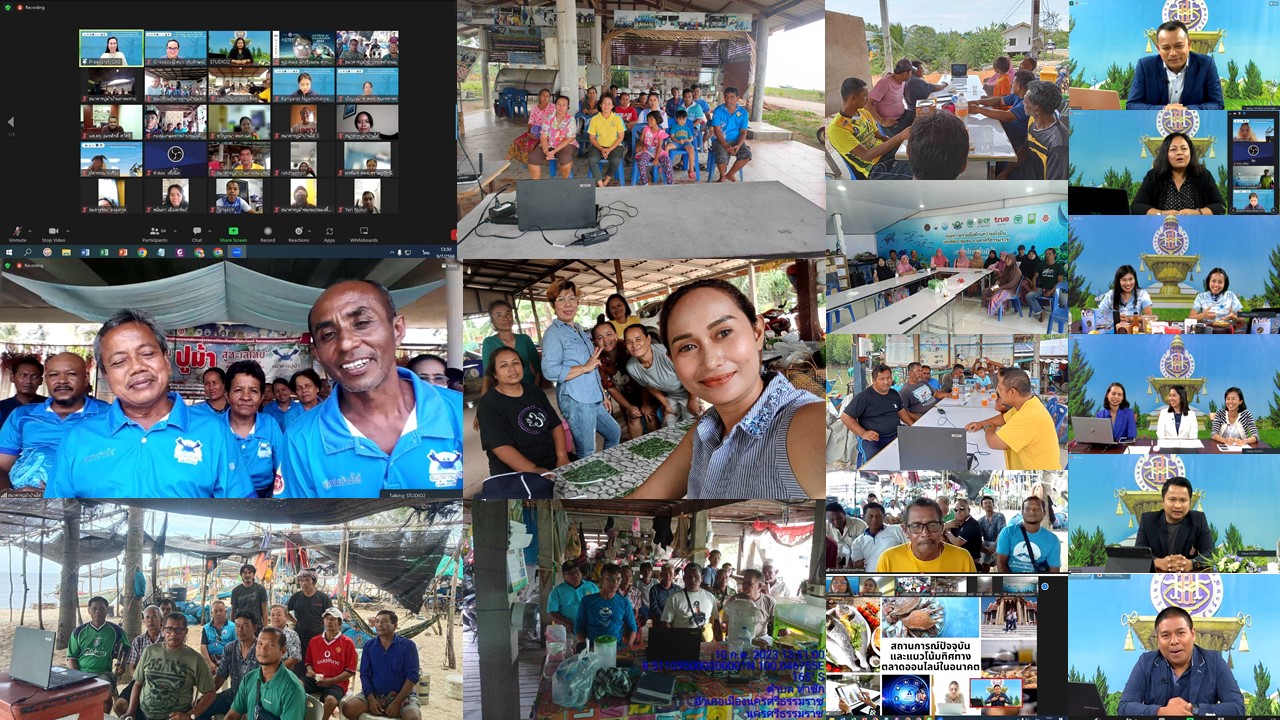
For the development of educational resources, in 2023, Walailak University, in collaboration with the Ban Nai Thung Local Fishery Association and the Thai Sea Watch Association, offered valuable educational opportunities to local fishermen through Facebook Live sessions titled “Enhancing Skills for Fishermen and Entrepreneurs in Sustainable Agricultural Business Management”. These initiatives were designed to enhance knowledge about sustainable fishing practices and improve the livelihoods of local fishermen. Over 300 fishermen from the southern region of Thailand participated in these sessions. For those who could not attend live, the recorded sessions are available at https://www.facebook.com/profile.php?id=100070072481128&sk=live_videos
The courses that Walailak University and the NGOs provided to the local fishermen covered 6 issues, including:
Figures : The Media Development for Providing Educational Opportunities titled “The Enhancing Skills for Fishermen and Entrepreneurs in Sustainable Agricultural Business Management”.

Goal 17: Partnerships for the Goals
Goal 14: Life below water
Goal 13: Climate Action
Goal 4: Quality Education