The Local, National, and Global Health Institution Collaborations: Walailak University’s Role in Advancing Public Well-being
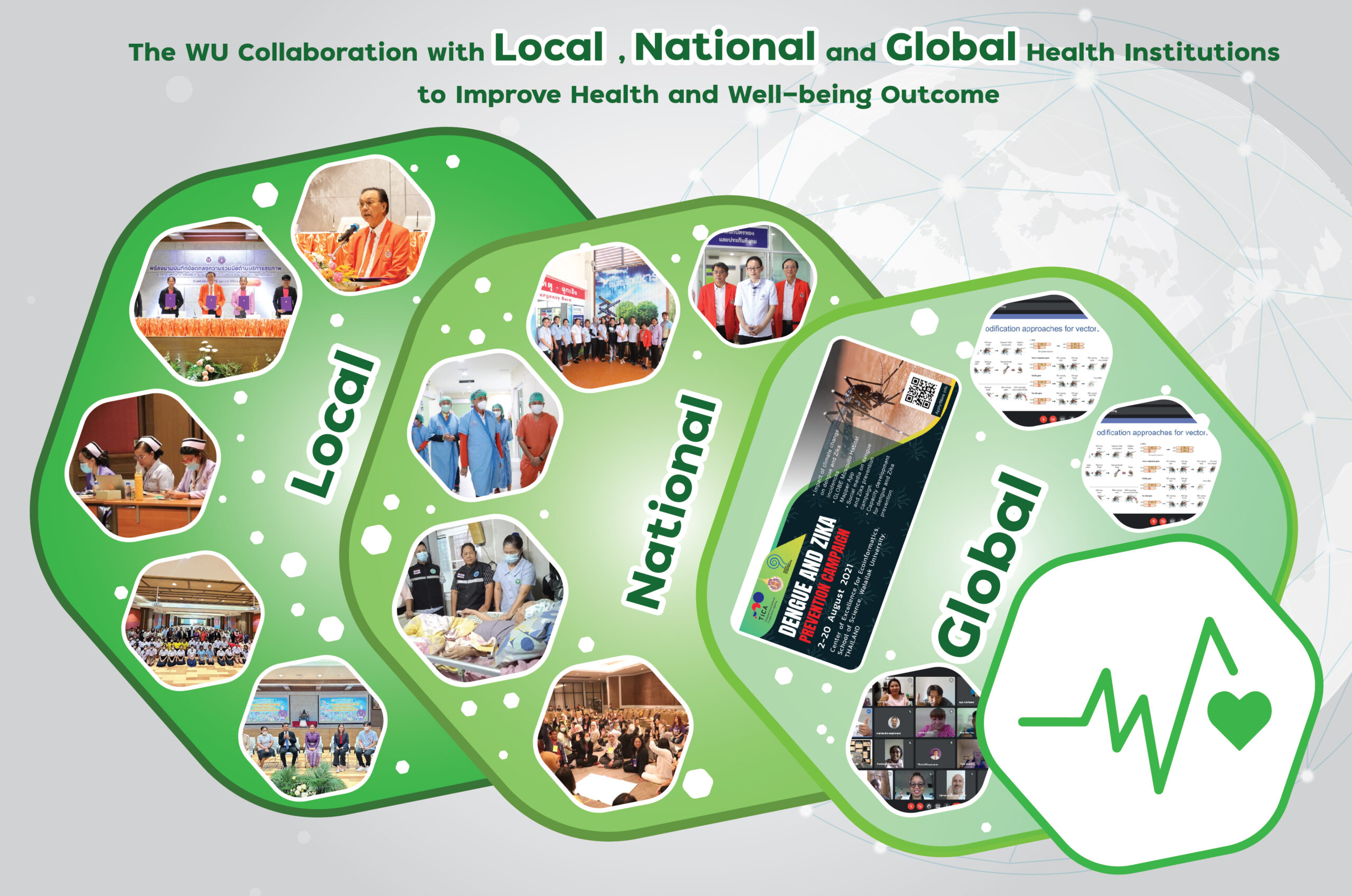
Collaboration with Local Health Institutions
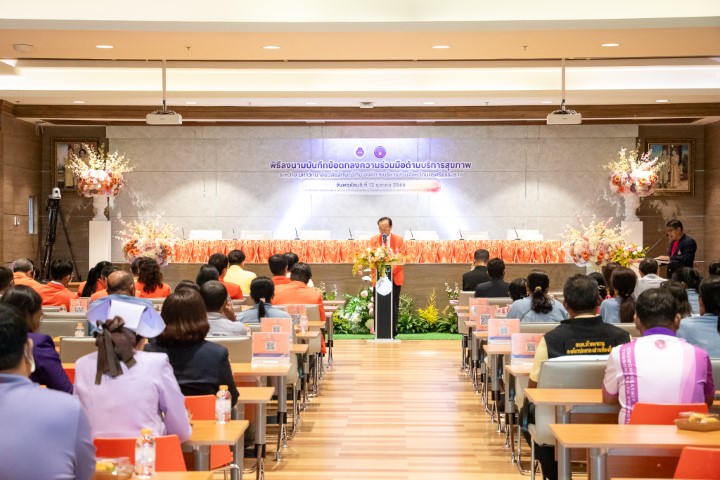
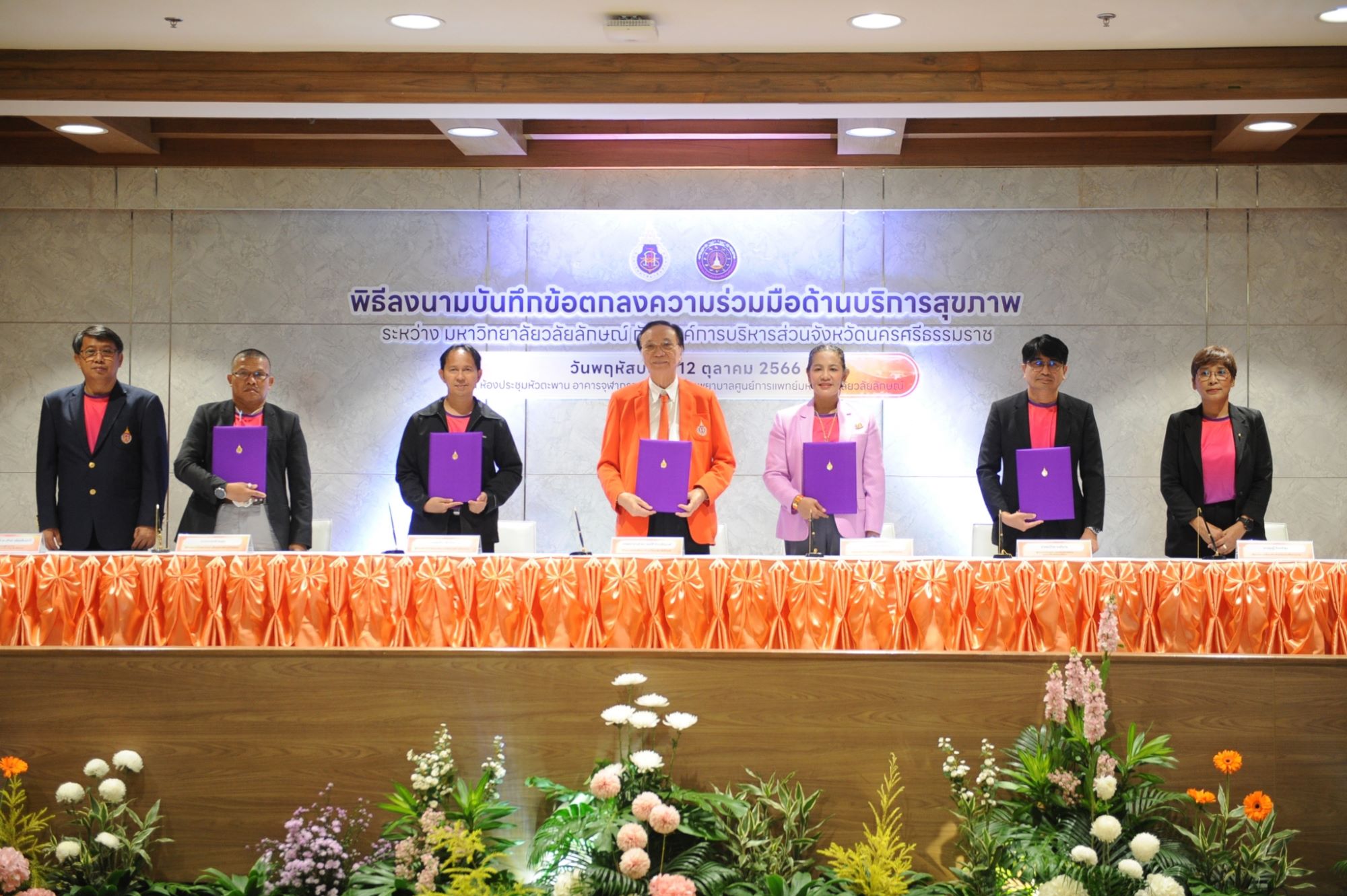
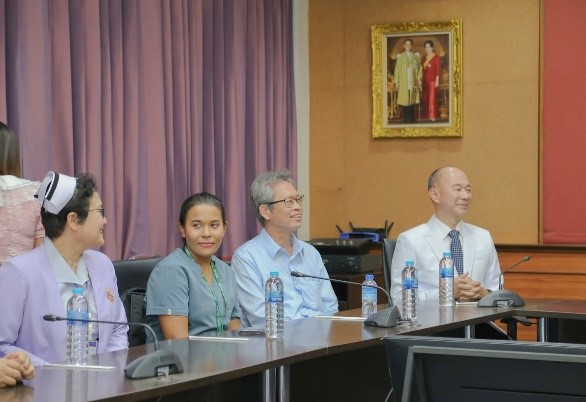
Figures : The Memorandum of Understanding (MOU) signing ceremony with Local Health Institutions
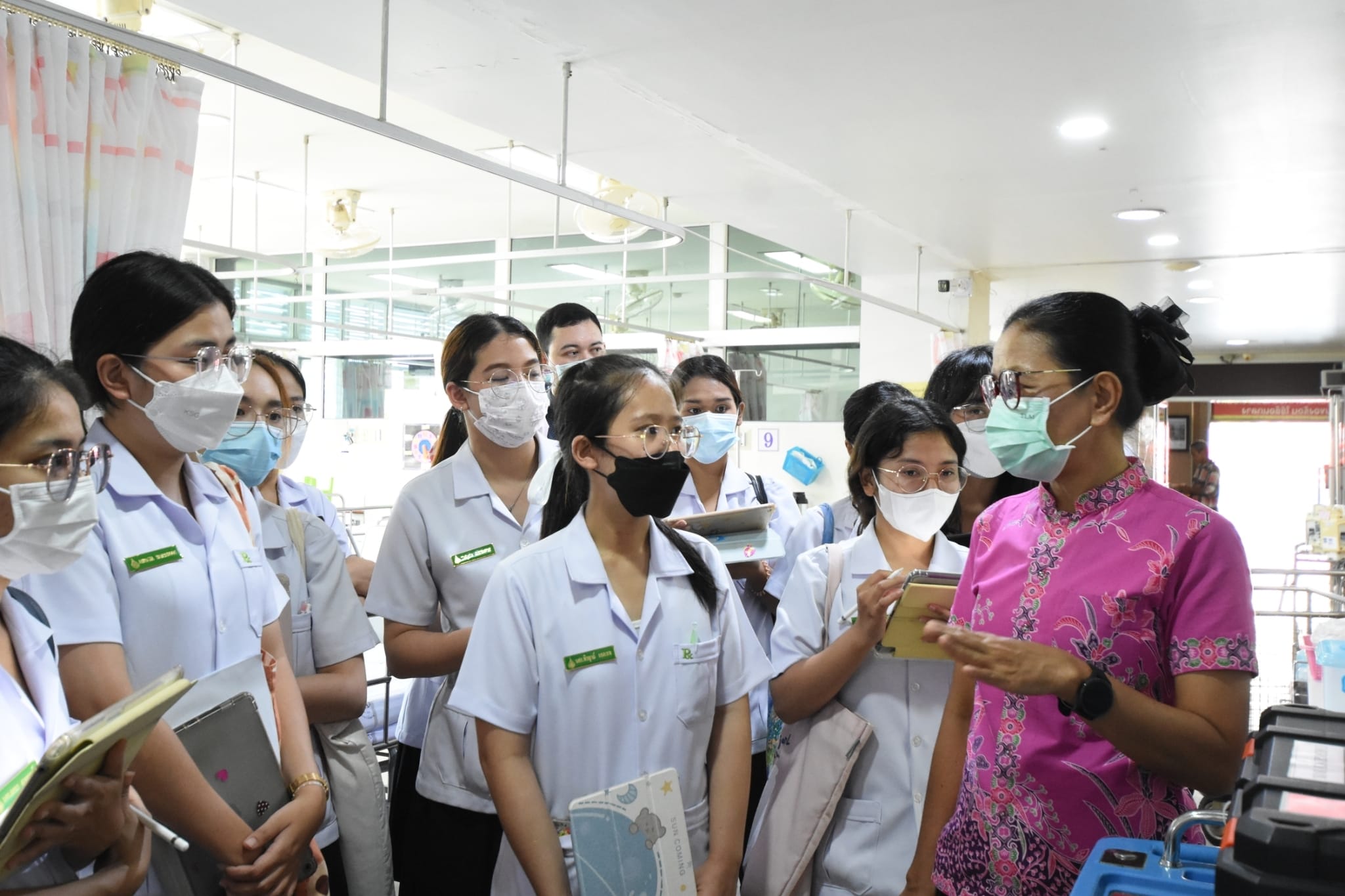
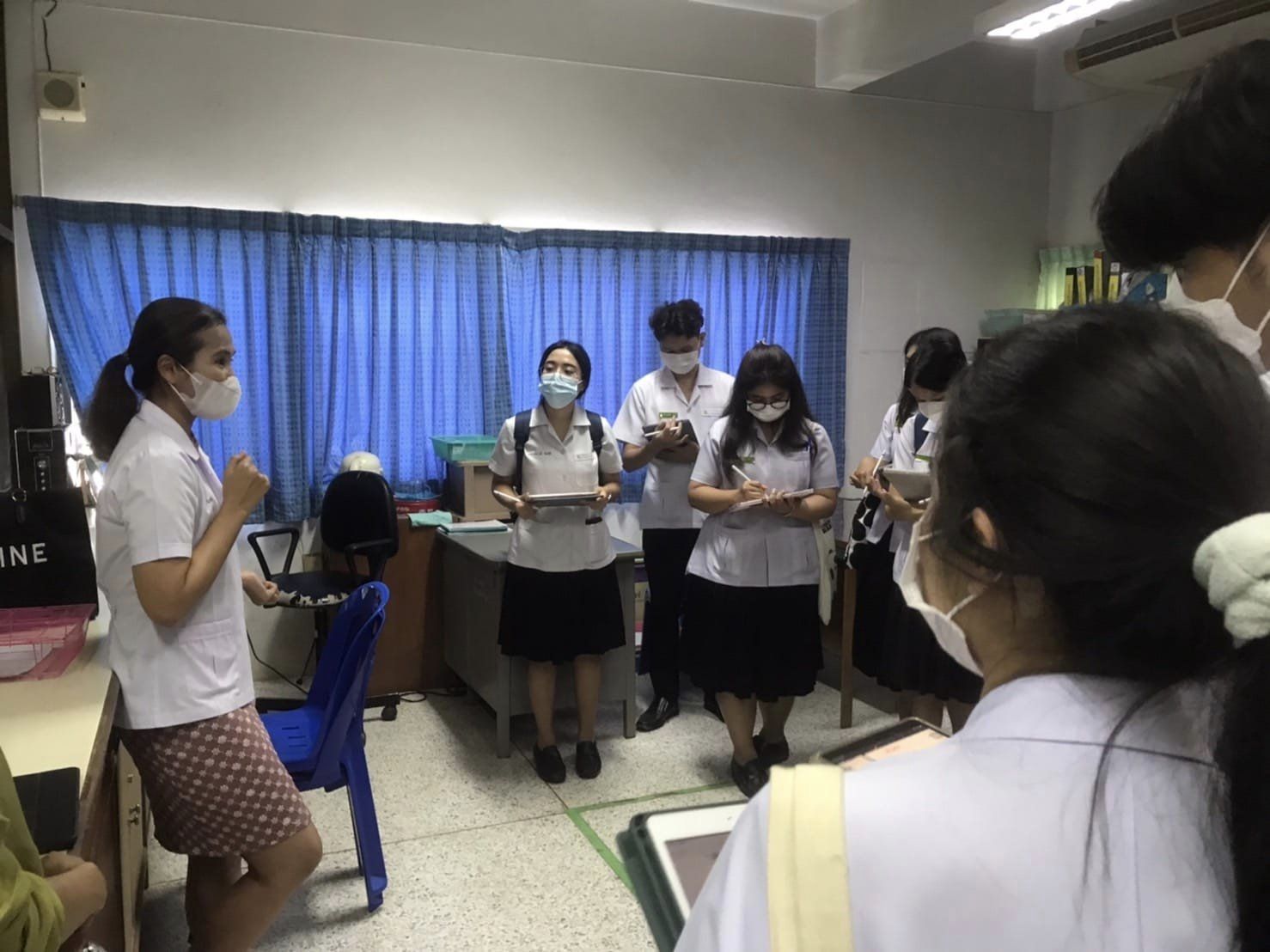
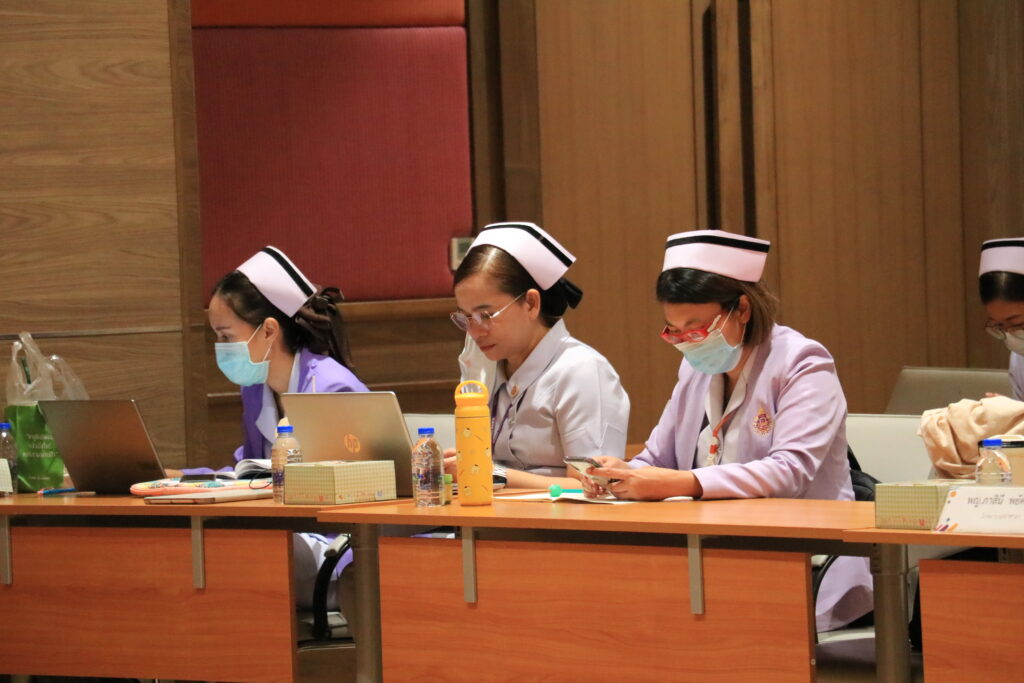
Figures : The collaboration with local health institution for Walailak student study visits
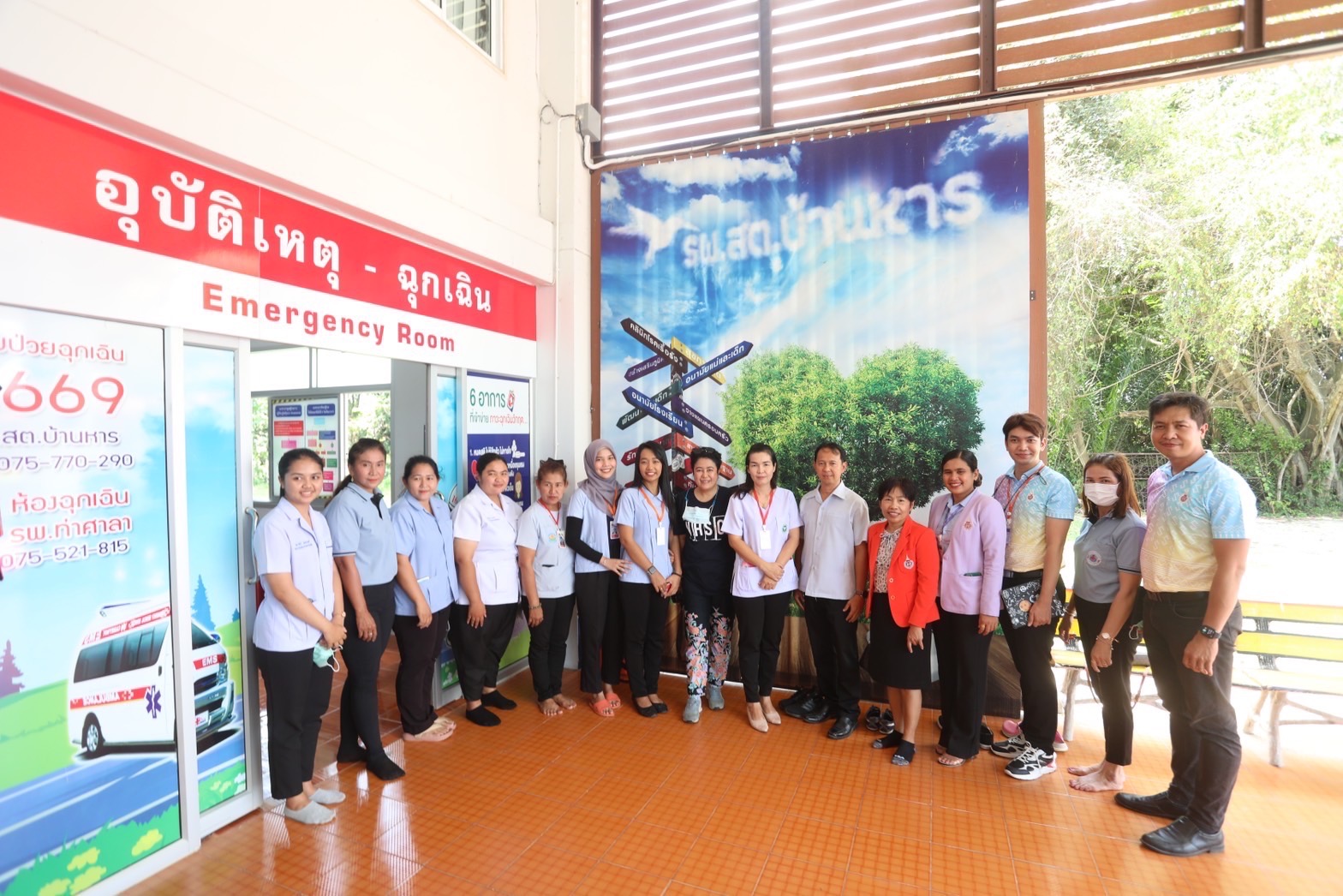
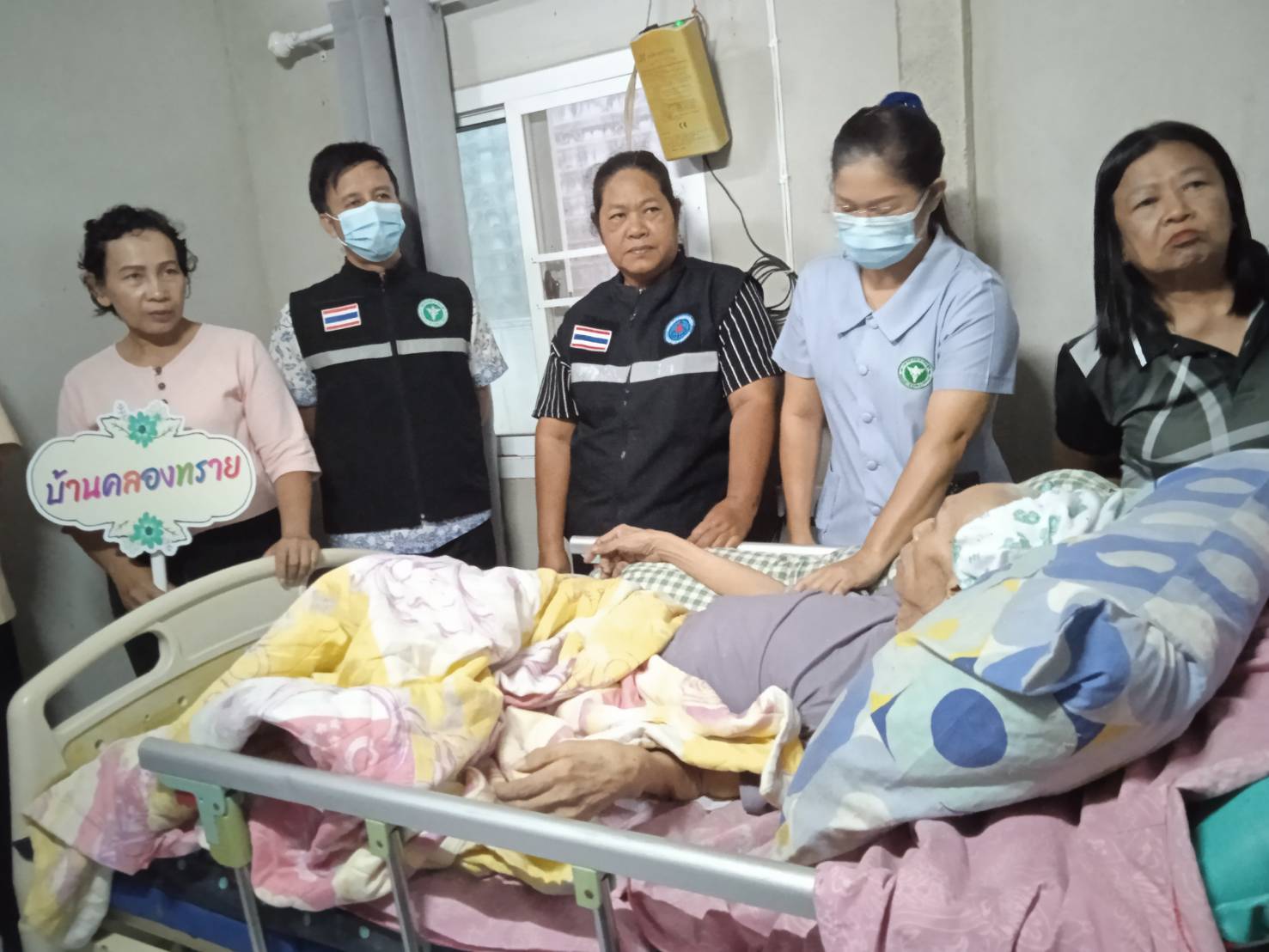
Figures : The collaboration with local institution for academic service from Walailak staff
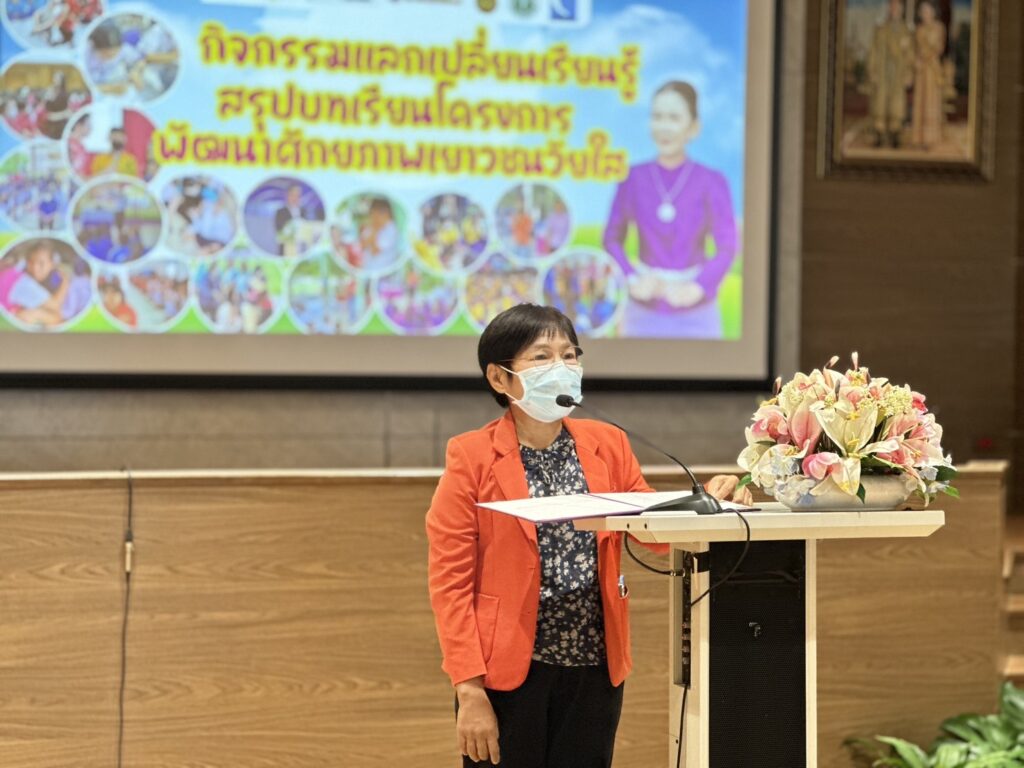
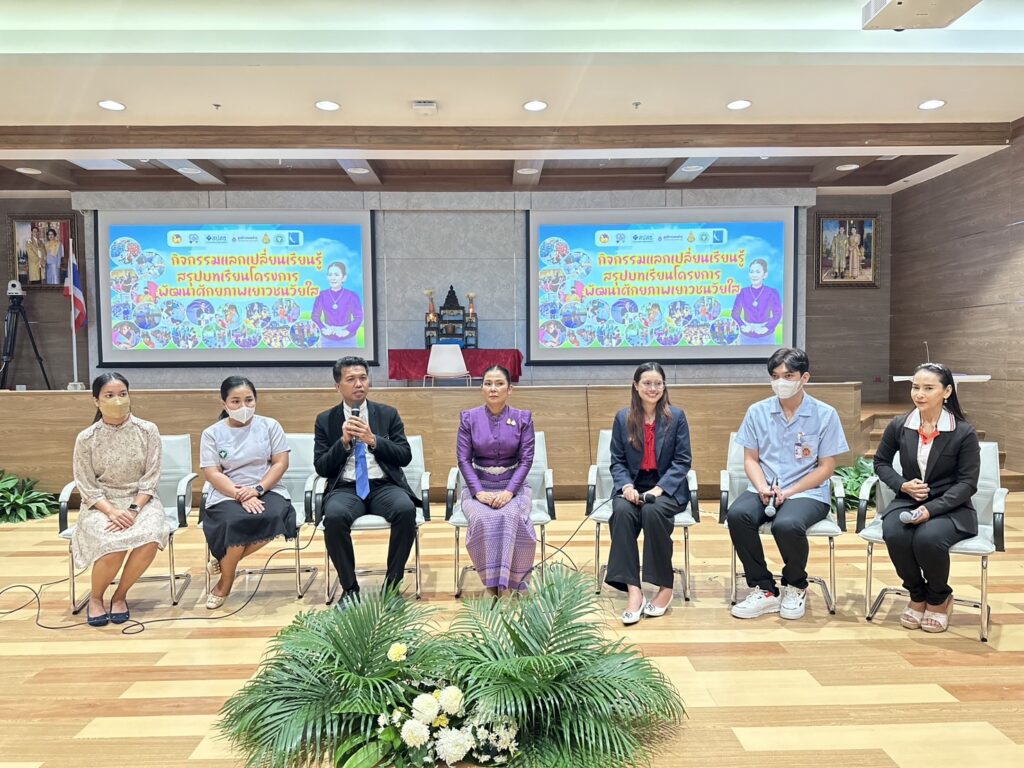
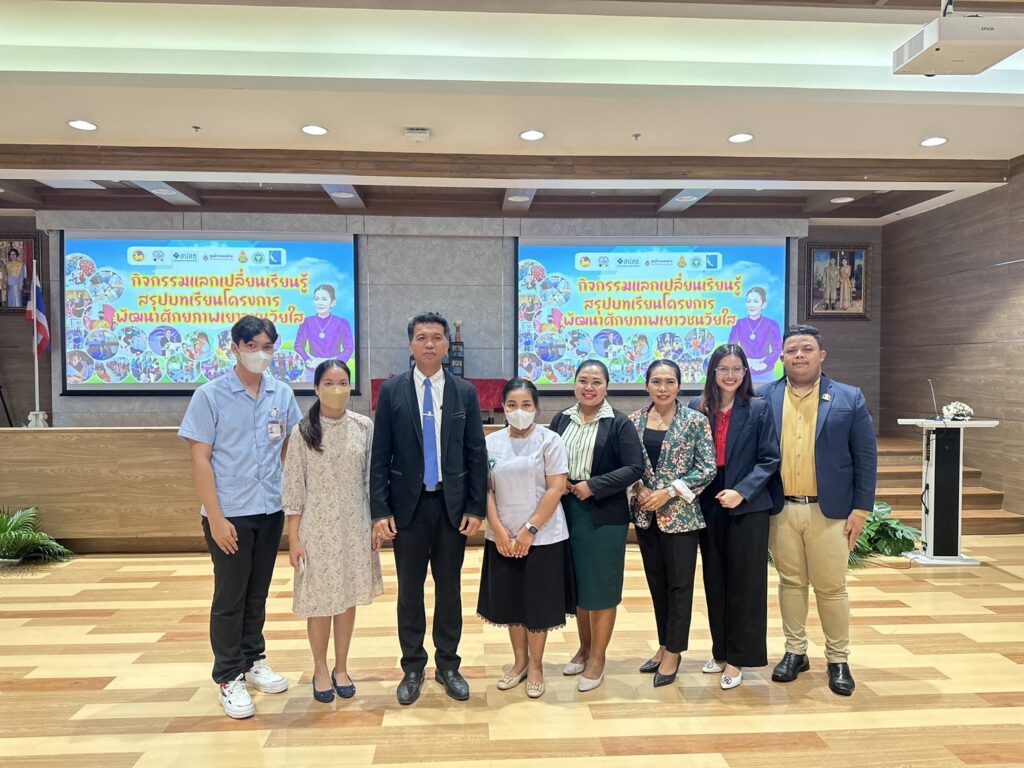
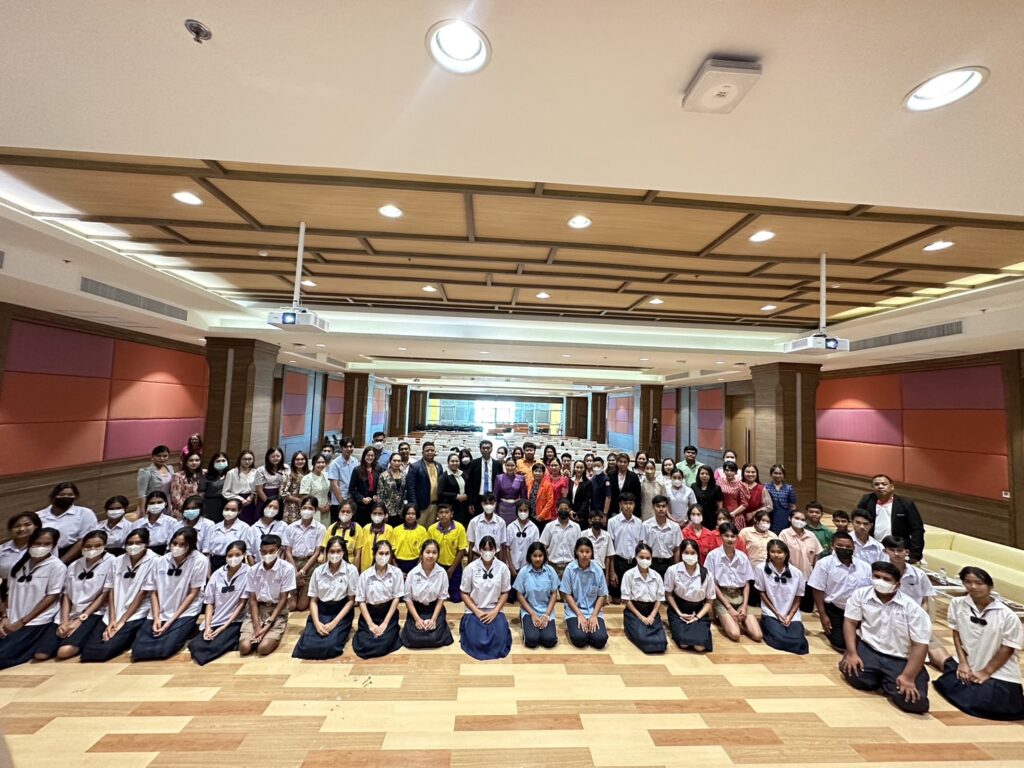
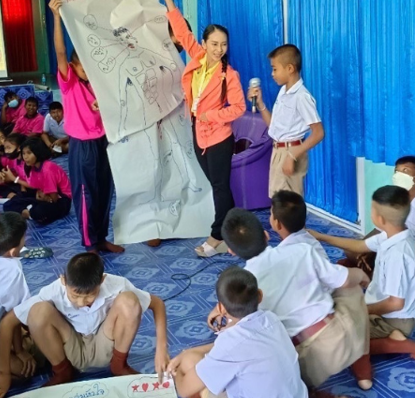
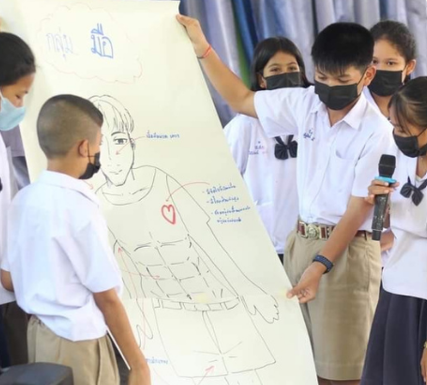
Figures : The collaboration with local health institutions to implementing the “Youth Mentors: Friends with Advice” project
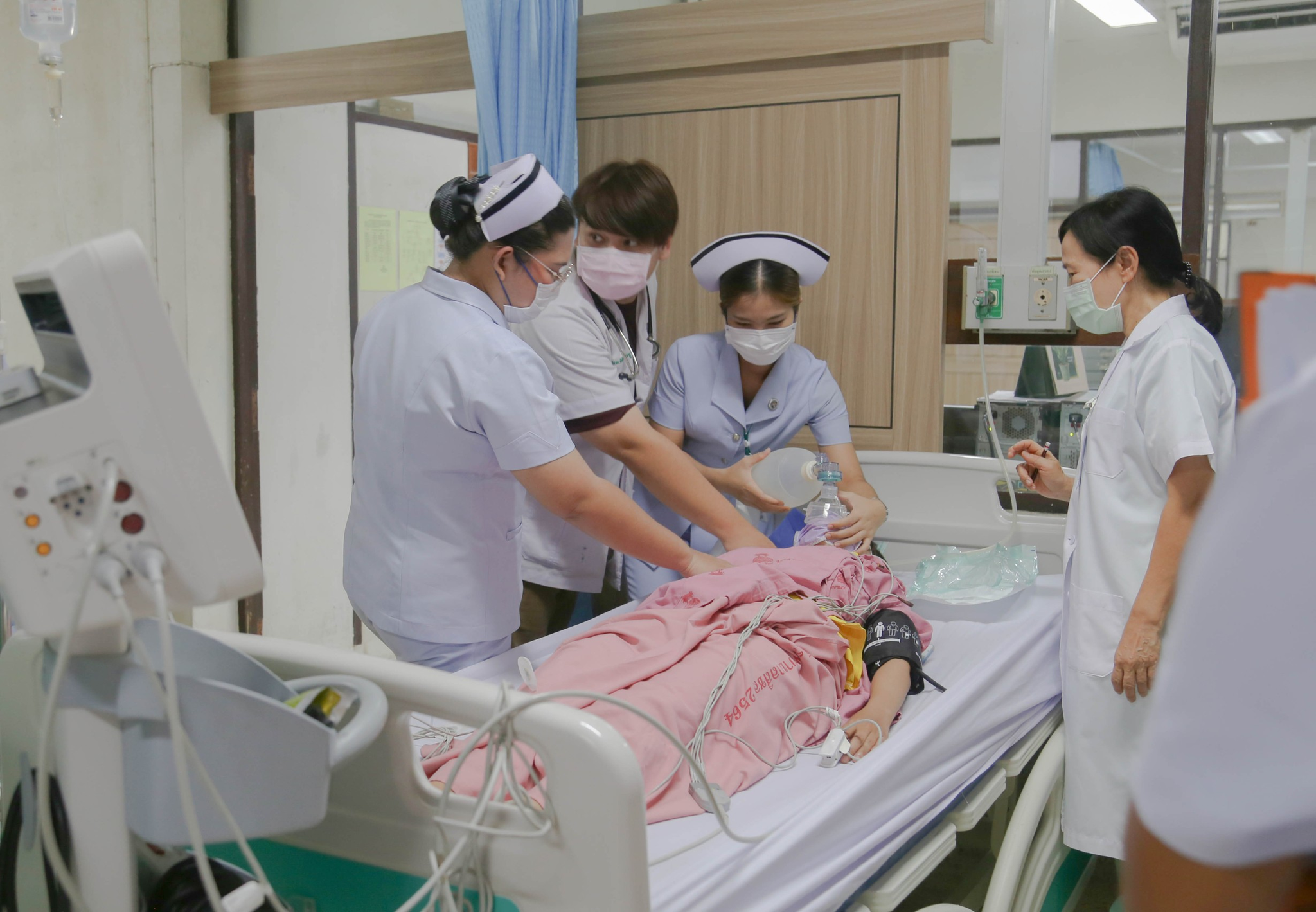
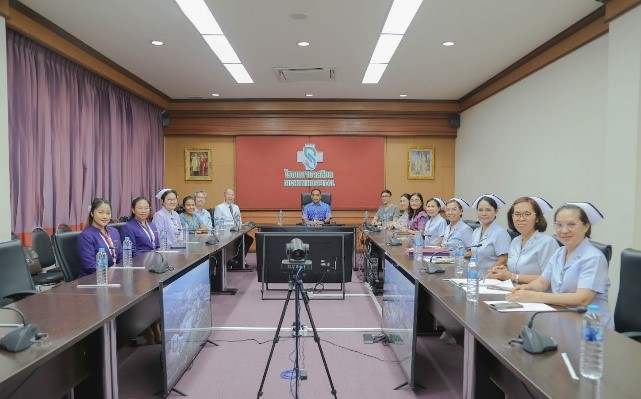
Figures : The collaboration with Sichon Hospital to enhance the healthcare system
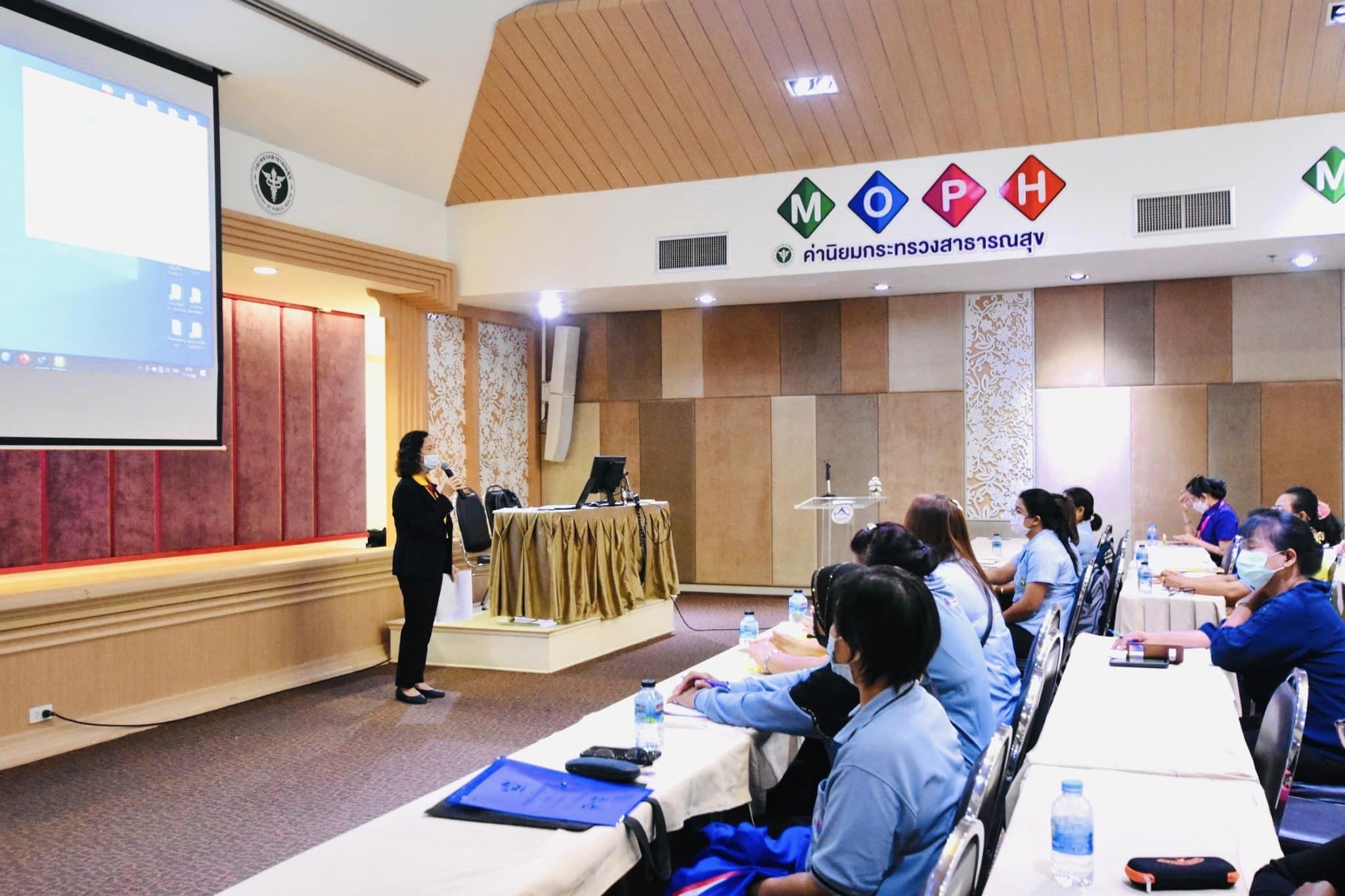
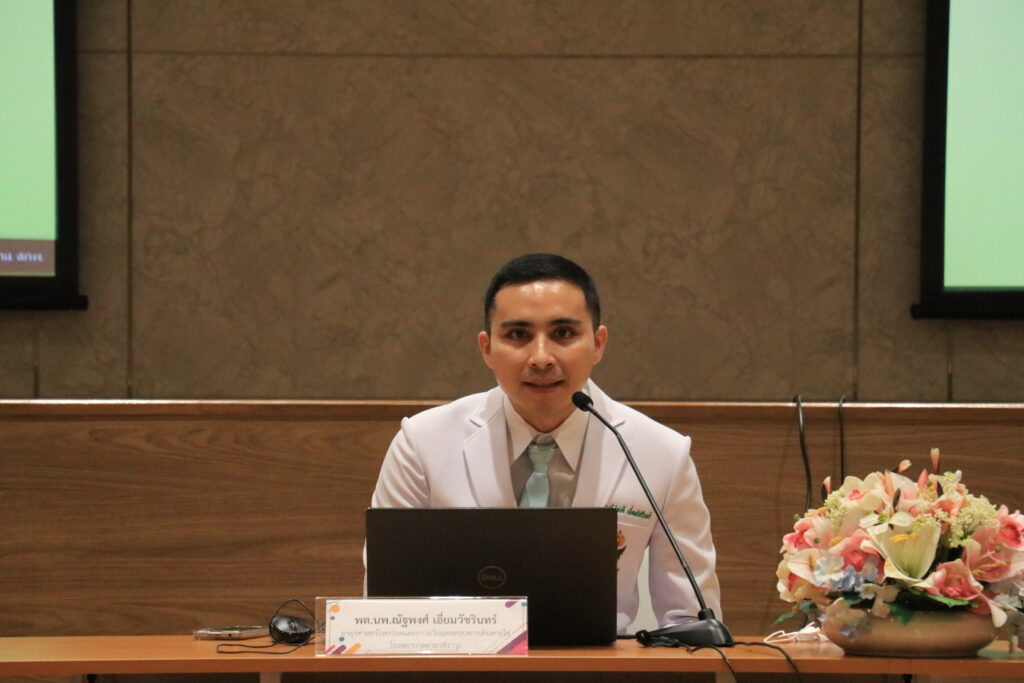
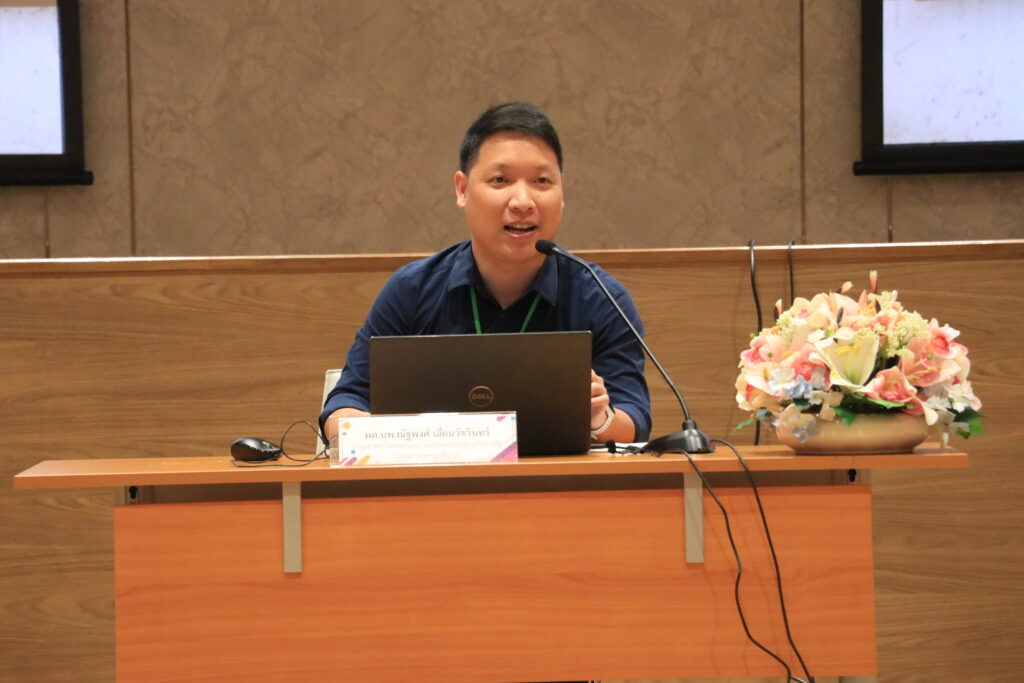
Figures : The collaboration with local health institution for organizing an academic conference on the topic “Common Problems in Thoracic Disease for General Practitioners
Collaboration with National Health Institutions
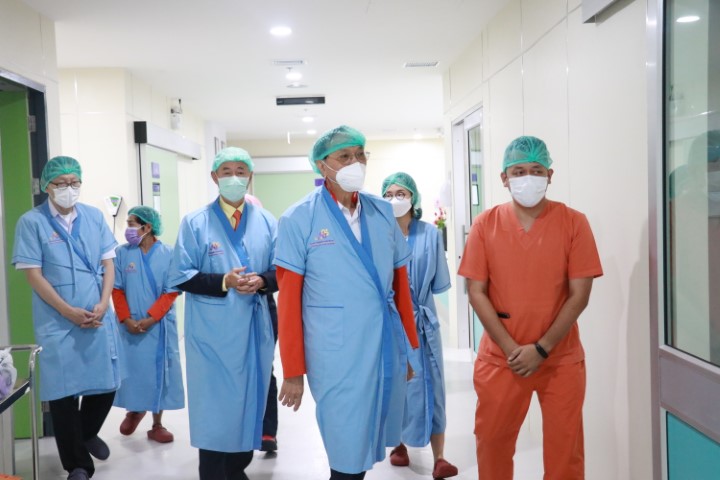
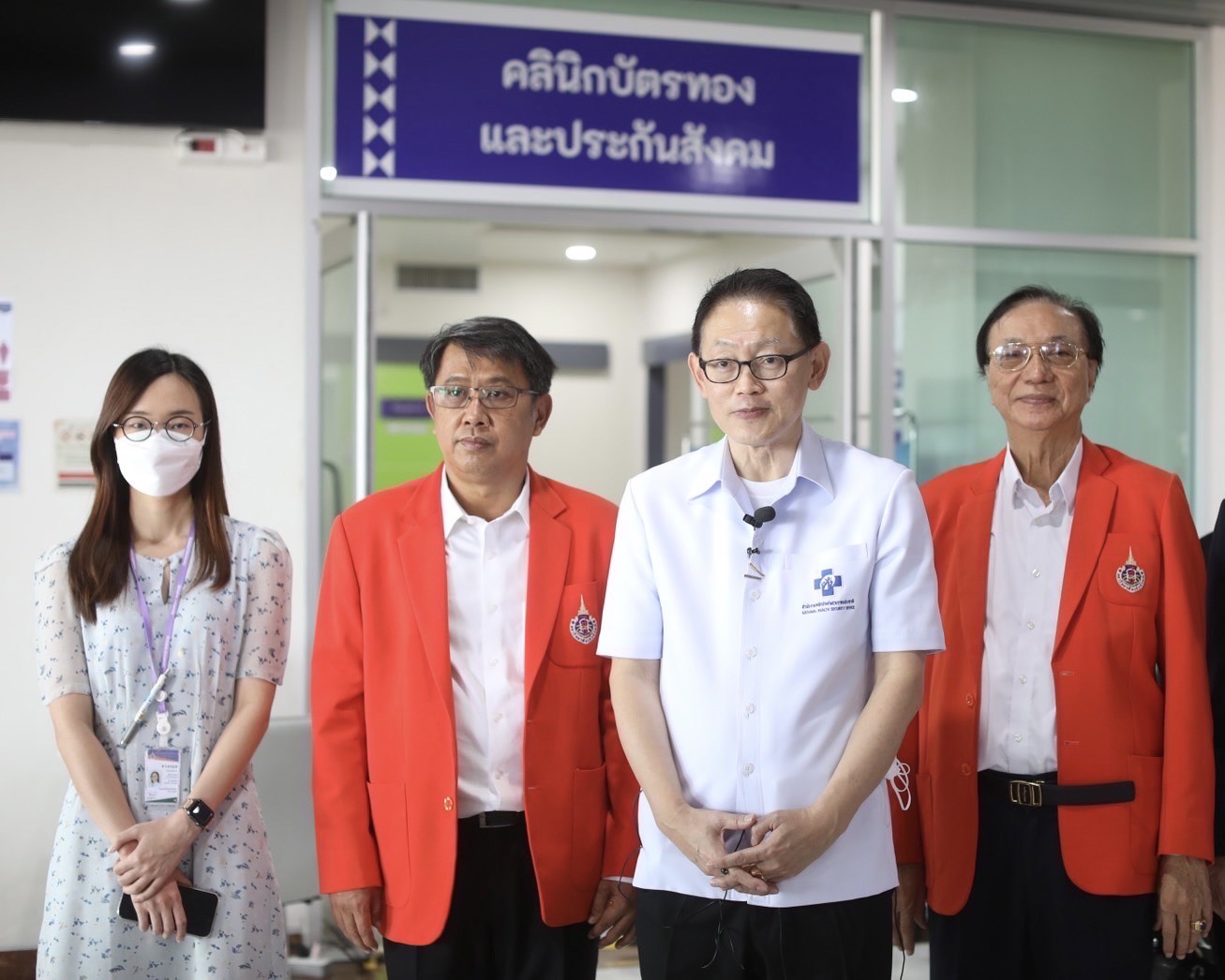
Walailak University plays a significant role in collaborating with national-wide health organizations, particularly in promoting universal health coverage and developing community health across the country. A notable collaboration was the university’s hosting of Dr. Jadej Thammatacharee, Secretary–General of the National Health Security Office (NHSO), who led executives and staff from NHSO Region 11 Surat Thani on a visit to Walailak University Hospital. During the visit, Dr. Jadej gave a special lecture on “The Role of Walailak University Hospital in Supporting Thailand’s Universal Health Coverage,” alongside discussions on reimbursement methods and community–based care within the universal health coverage (UC) system in urban areas. Walailak University Hospital serves as a model for providing healthcare to over 8,000 UC beneficiaries, in collaboration with Ban Han Subdistrict Health Promotion Hospital, Thung Chon Subdistrict Health Promotin Hospital, and Satit Walailak Pattana Community Subdistrict Health Promotion Hospital. In 2026, the hospital will officially open its medical school, allowing medical students to study in a full–fledged academic environment.
Figures : The collaboration with Secretary–General of National Health Security Office to led executives and staff from NHSO Region 11 Surat Thani on a visit to Walailak University Hospital

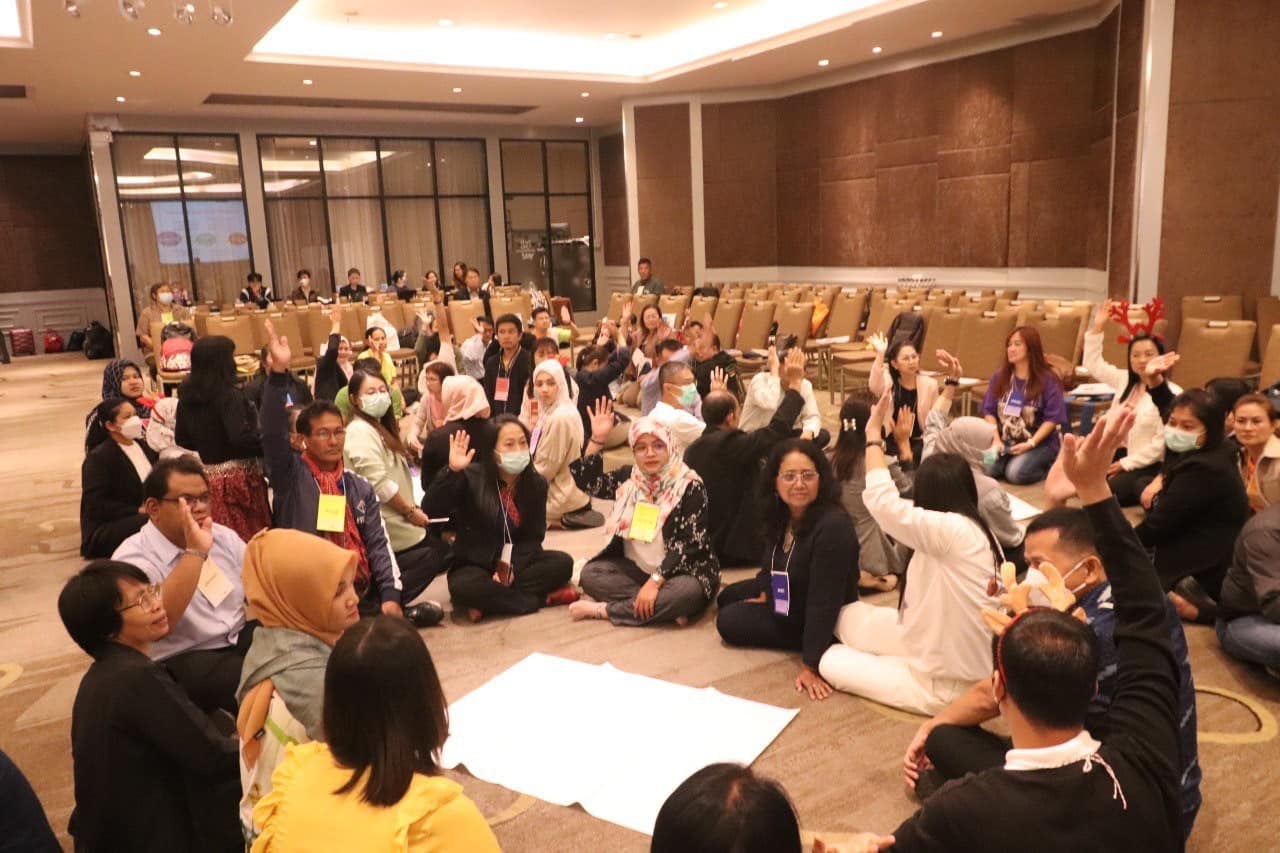
Figure : The collaboration with the University Hospital Network of Thailand (UHosNet) on the topic of “Smart City and Innovative Healthcare Quality.”
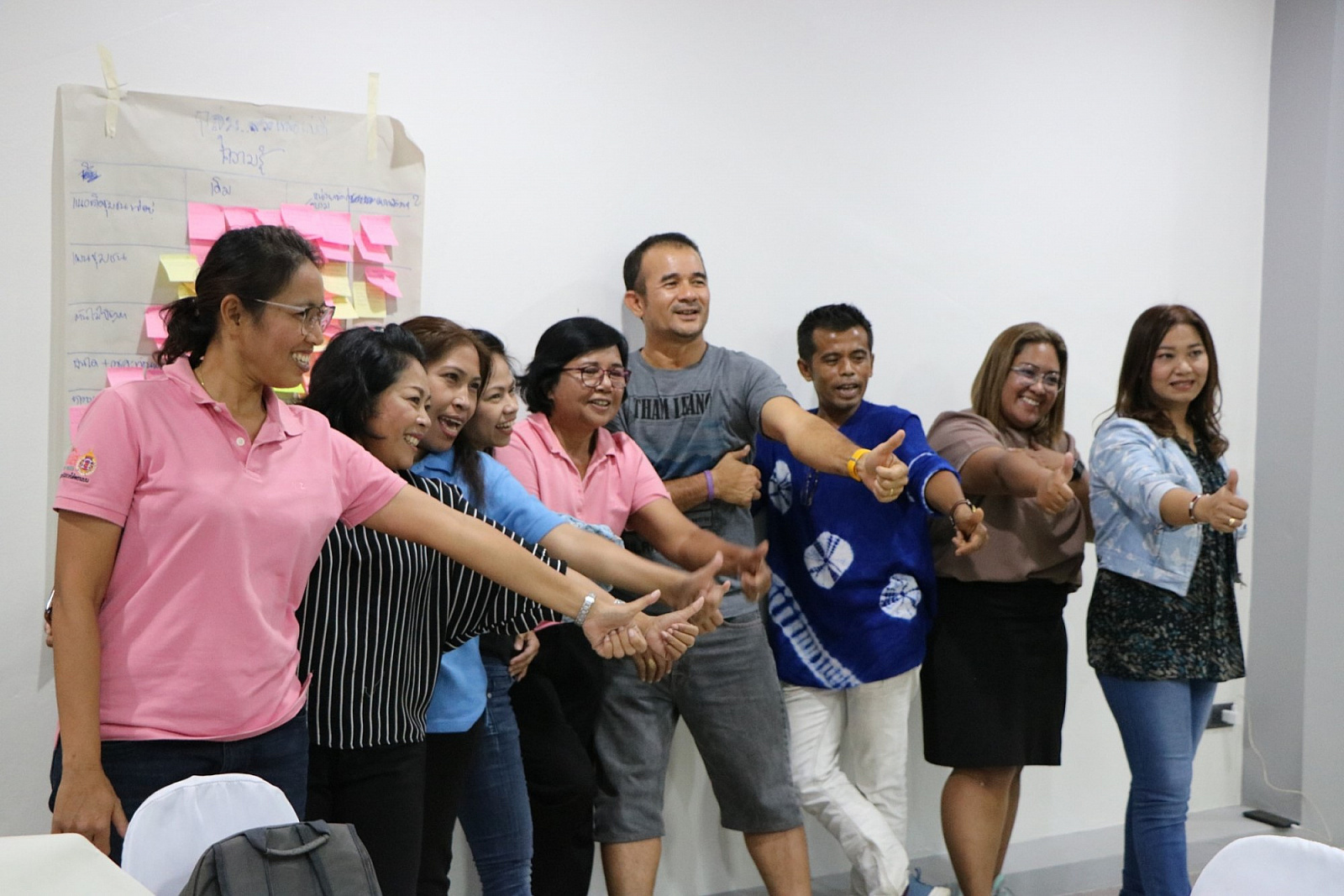
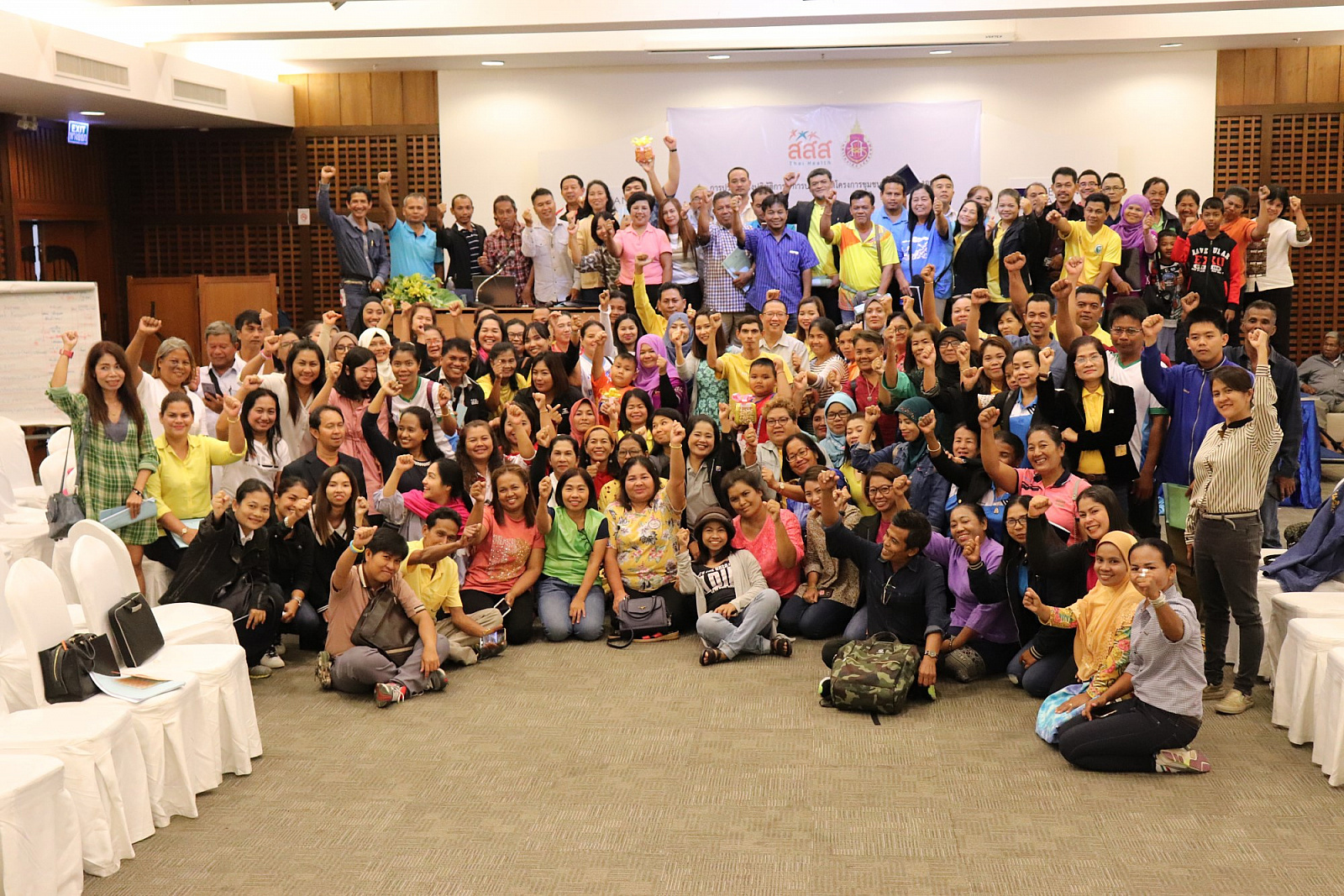
Figures : The collaboration with ThaiHealth to organize the “Livable Community of Upper Southern Thailand” project
Additionally, the School of Nursing at the university has organized activities under the project “Positive Communication about Condoms in Educational Institutions in Nakhon Si Thammarat Province” through collaboration with various organizations. One of the key partners is the Path2Health Foundation, a national health institution that also funded this initiative. This project targets youths aged 10-15 years in the schools within the 7 provinces in the upper south of Thailand to reduce the rates of teenage pregnancy, abortion, and sexually transmitted infections. The focus is on providing correct knowledge about condom use, promoting access to condoms, and fostering positive attitudes towards sexual education. The activities include training sessions, public awareness campaigns, and condom distribution. The expected outcomes are to decrease the rates of teenage pregnancy and sexually transmitted infections while enhancing understanding and positive attitudes towards condom use among the youth.
This project has equipped students in the local area with knowledge and a positive attitude towards condom use, boosting their confidence in preventing HIV infections, sexually transmitted diseases, and unplanned pregnancies. It also encourages open discussions about sexuality in schools and families. The evaluation results revealed that student leaders who communicated positively about condom use exceeded their targets. Students’ awareness and positive attitudes towards condoms contributed to up to 80% condom usage. Additionally, it was found that parents and teachers were more capable of teaching sex education to students, leading to positive and safer societal changes regarding sexuality.
Collaboration with Global Health Institutions
When mentioning the positive condom communication project in educational institutions in Nakhon Si Thammarat province, Walailak University has been working with health institutions with global operations, PATH (Program for Appropriate Technology in Health), which has been involved in monitoring and evaluating the outcomes of the project’s activities.
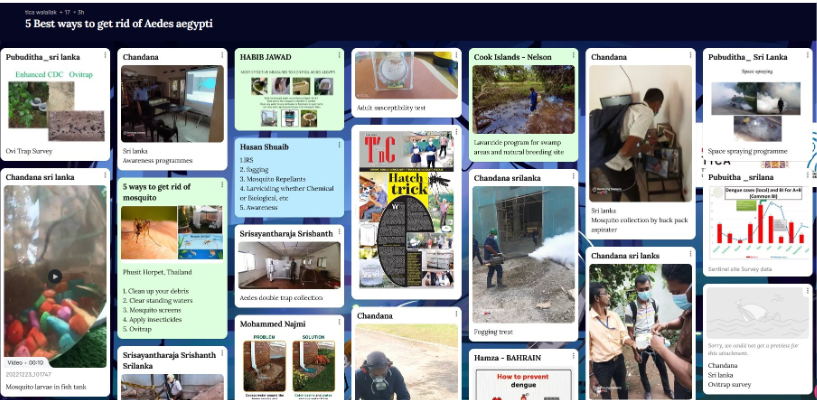
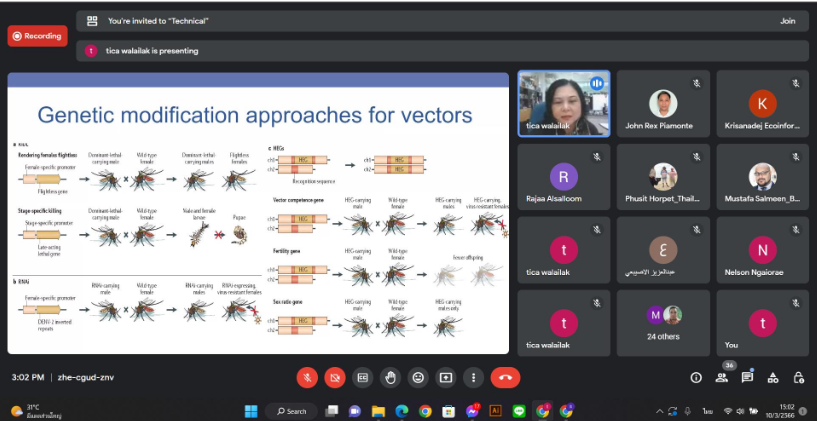
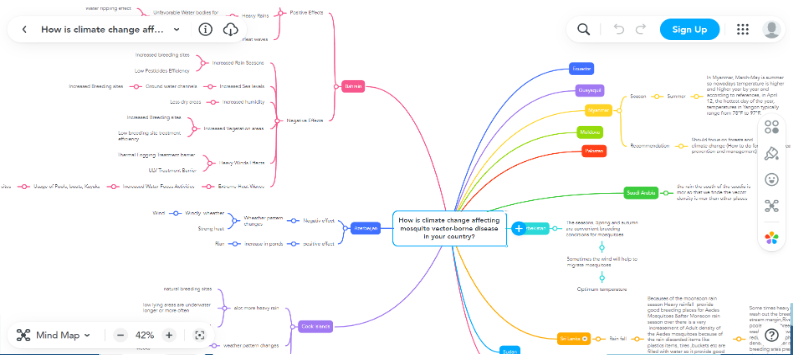
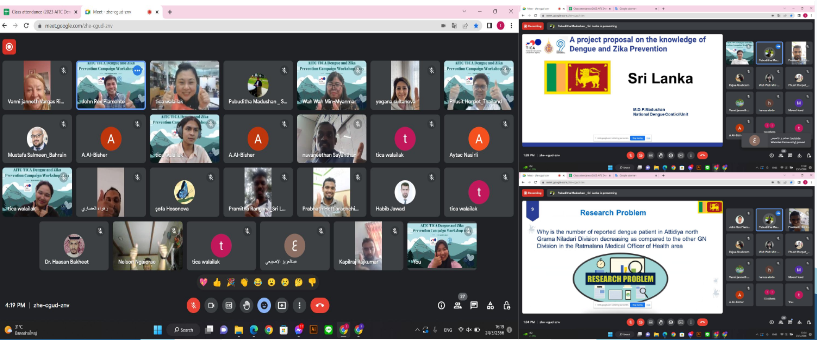
Also, Walailak University has expanded its health collaborations to the international level to foster global learning and health development. One of the key collaborations is the international training program AITC: Dengue and Zika Prevention Campaign, organized in collaboration with global health institutions: the Ministry of Health of the Cook Islands and medical research institutes from Sri Lanka. The program provided training on the prevention and control of Dengue and Zika, with participants from 14 countries around the world. The project aimed to enhance understanding of disease prevention and control, as well as the application of modern technology for effective disease management. Furthermore, the campaign encouraged preventive and control activities for Dengue and Zika in the participants’ home countries. A total of 25 participants from 14 countries praised the knowledge shared by the expert speakers and staff, who provided excellent insights. The participants followed up with in-depth questions and received detailed, comprehensive answers. Many expressed interest in participating in future activities. This project emphasized the importance of improving the quality of life, particularly in low-income countries with lower health standards.
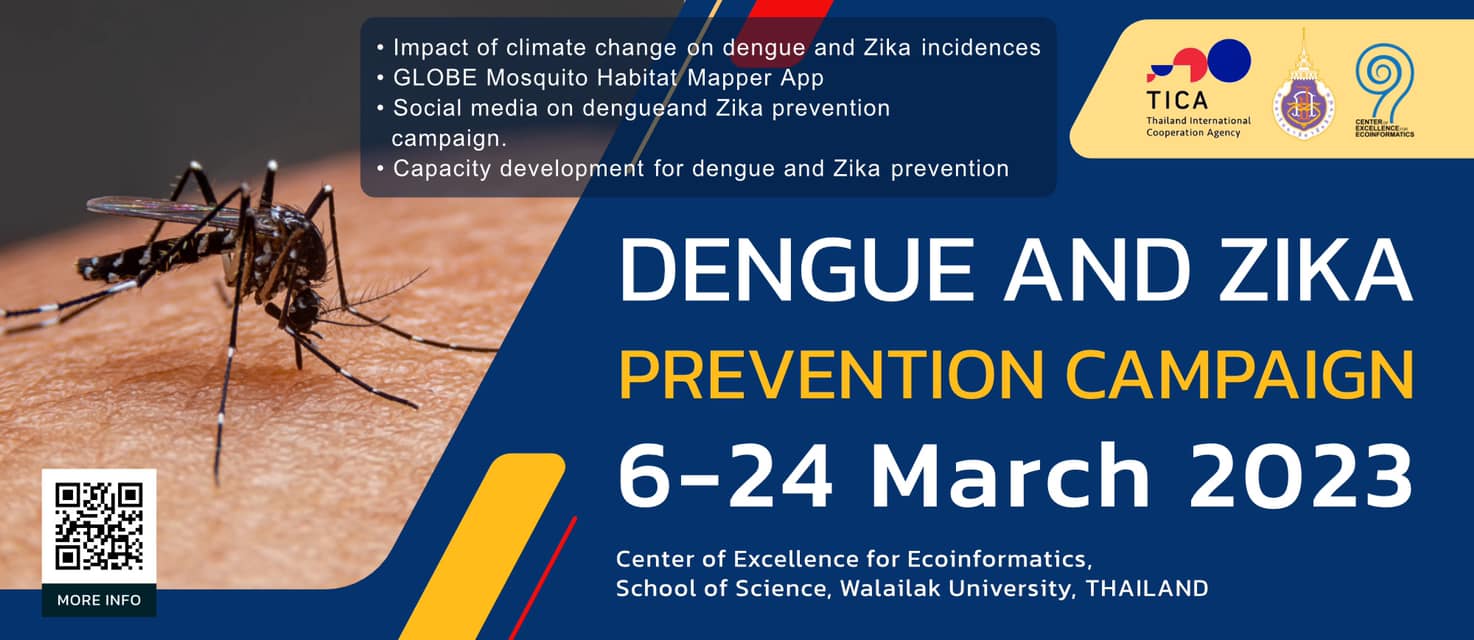
Figures : The collaboration with global health institution for the international training program AITC: Dengue and Zika Prevention Campaign
As a result of collaboration at all levels, each year faculty members from Walailak University work closely with communities at all levels to diagnose issues related to health and well-being. This involves active participation from the community in jointly addressing these issues through development initiatives. The approach integrates cooperation to foster teamwork and ensures stakeholder engagement across all sectors.
At the end of each year, the outcomes of these initiatives are assessed, the project’s success is measured, and plans are made for continued efforts in the following year. This demonstrates the university’s consistent efforts in health and well-being annually. The initiatives have received high levels of acceptance and satisfaction from the community and beneficiaries.
Walailak University plays a vital role in enhancing the health and well-being of people at all levels—local, national, and global. Collaborations with health institutions at each level encompass a wide range of activities, including study visits, academic services, conferences, training programs, and health-related research projects. All these efforts share a common goal: to improve the quality of life for people and promote equitable access to quality healthcare services.