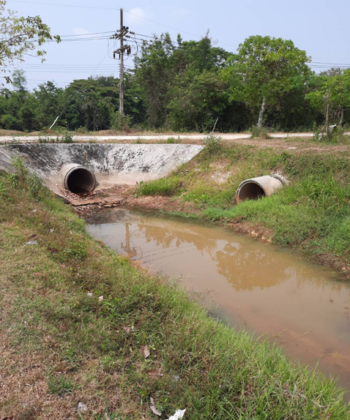
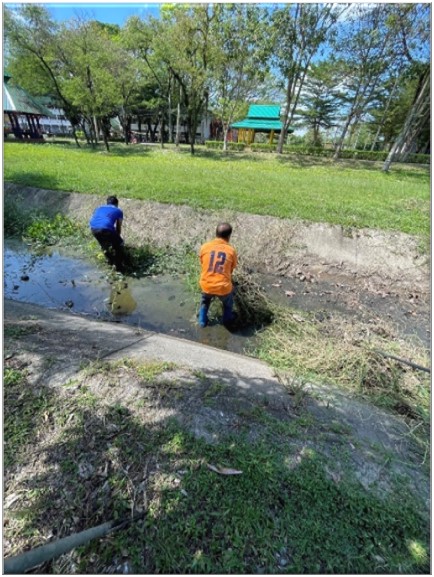
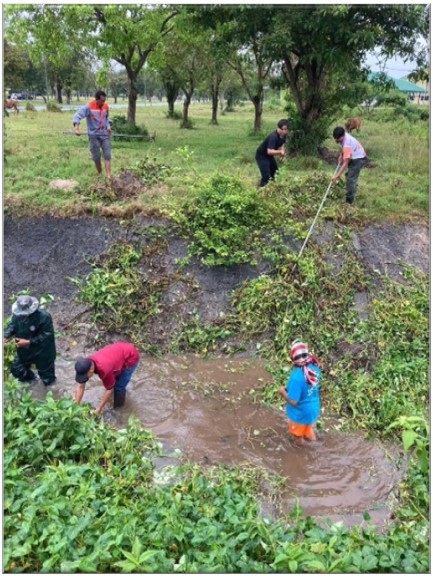
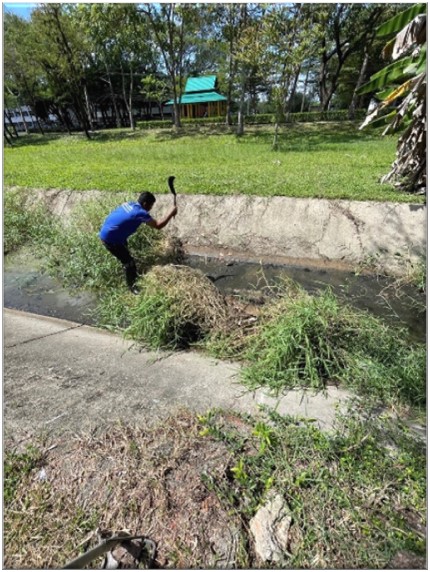
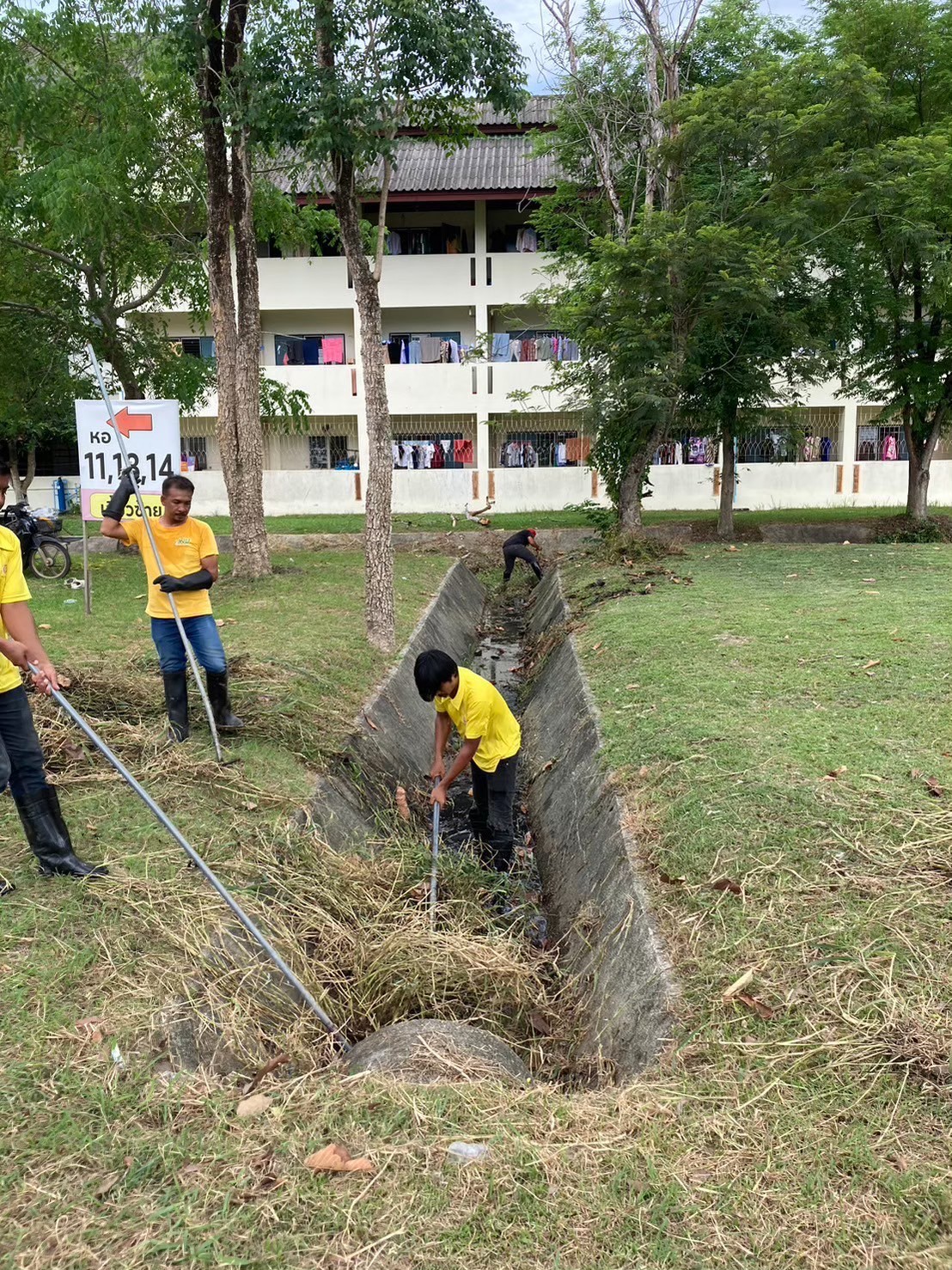
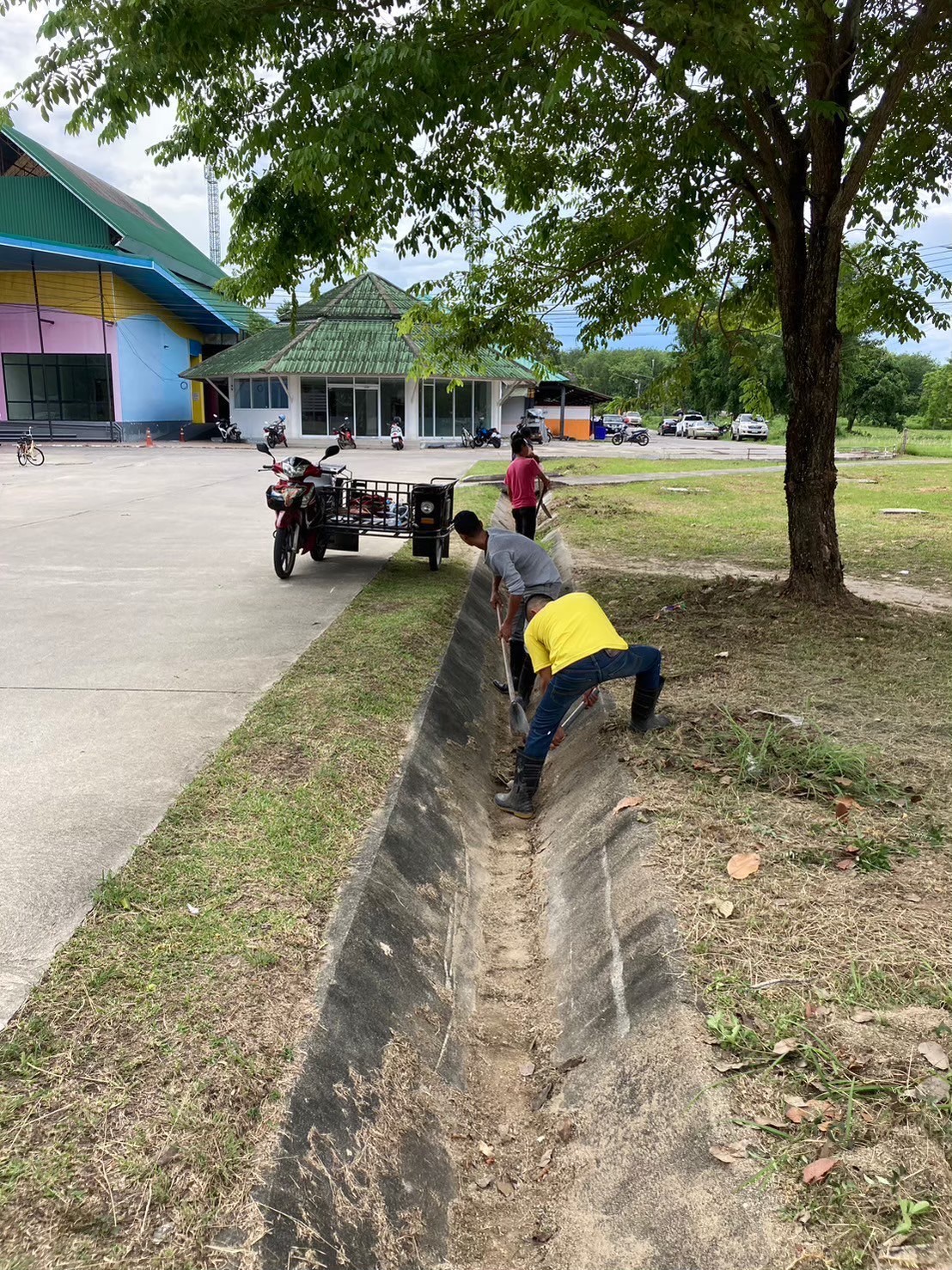
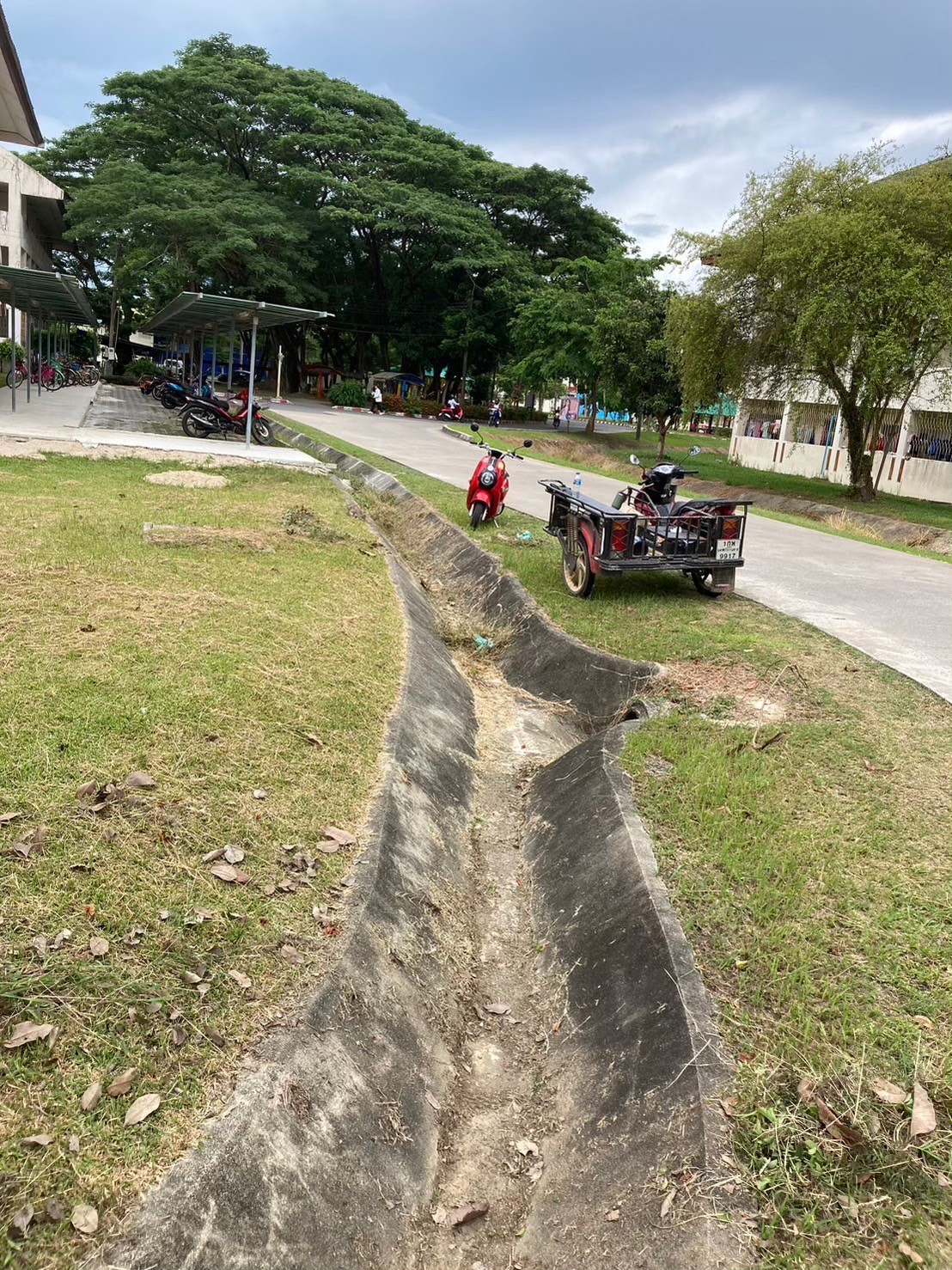
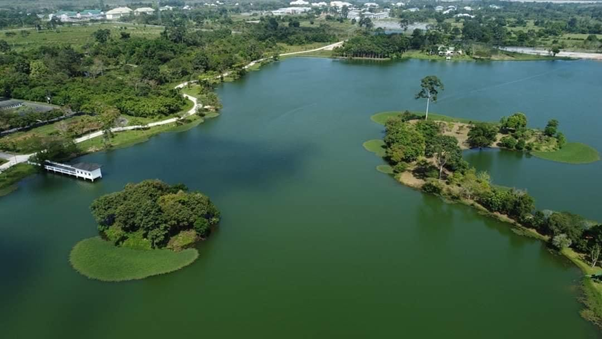
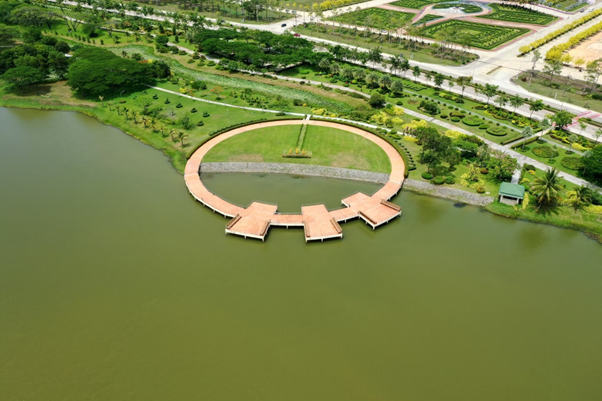
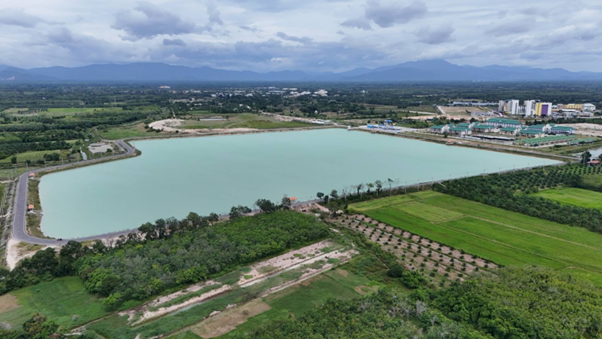
Walailak University, located in southern Thailand and covering the largest campus area in the country, faces frequent flooding due to heavy rainfall. The university manages its water consumption by producing potable water for on-campus use, utilizing on-site reservoirs to store high-quality rainwater. Currently, the university is deeply committed to sustainable water management and actively processes to prevents polluted water entering the water system, including pollution caused by accidents and incidents at the university. Consequently, various proactive initiatives ensure that water resources remain clean and free from pollutants to conserve, appropriately use and protect the quality and quantity of water sources surrounding the university.
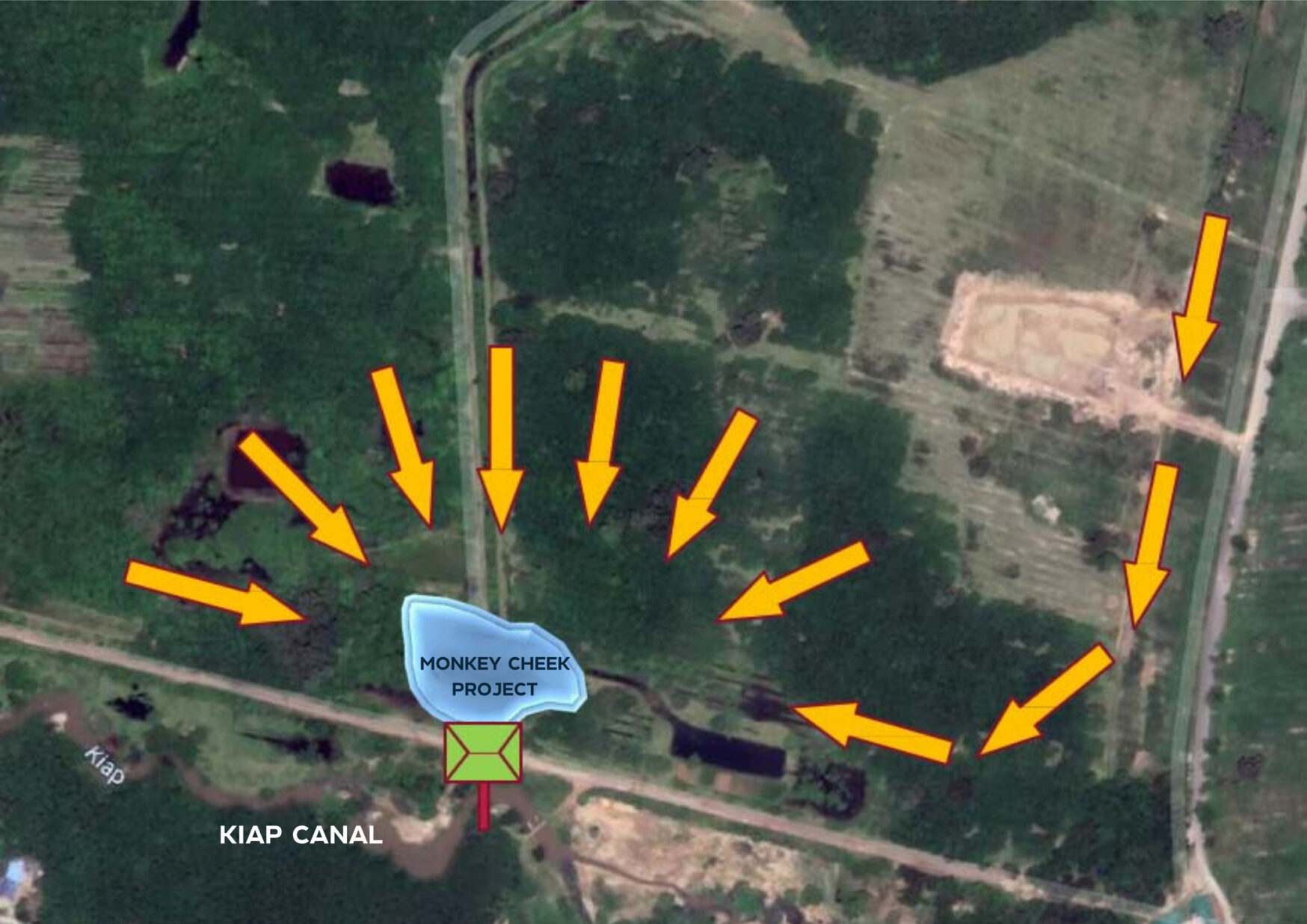
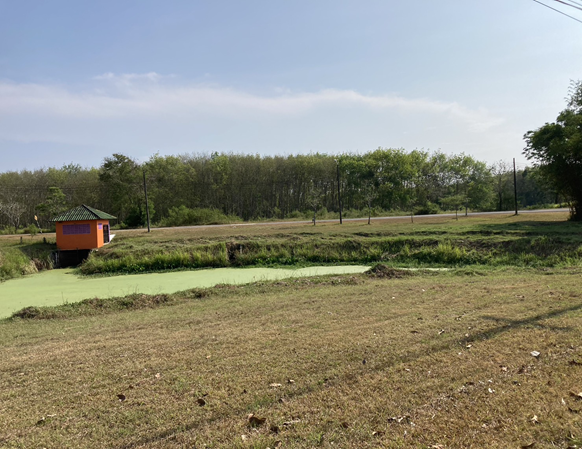
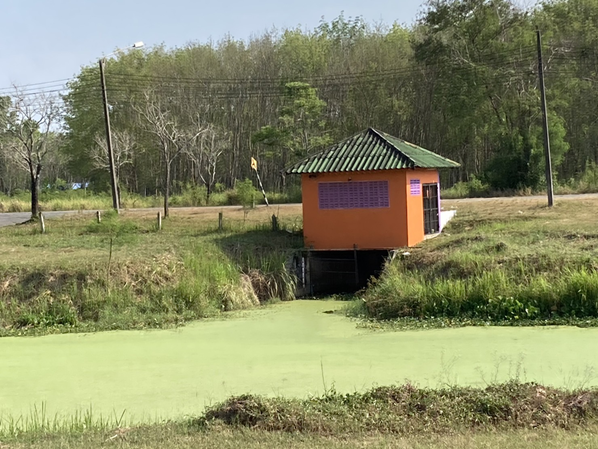
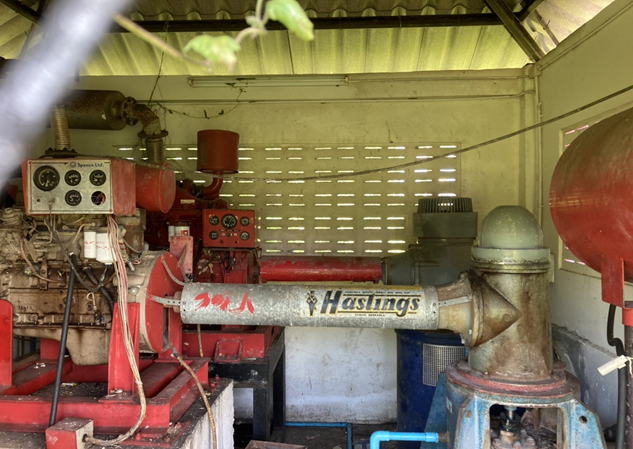
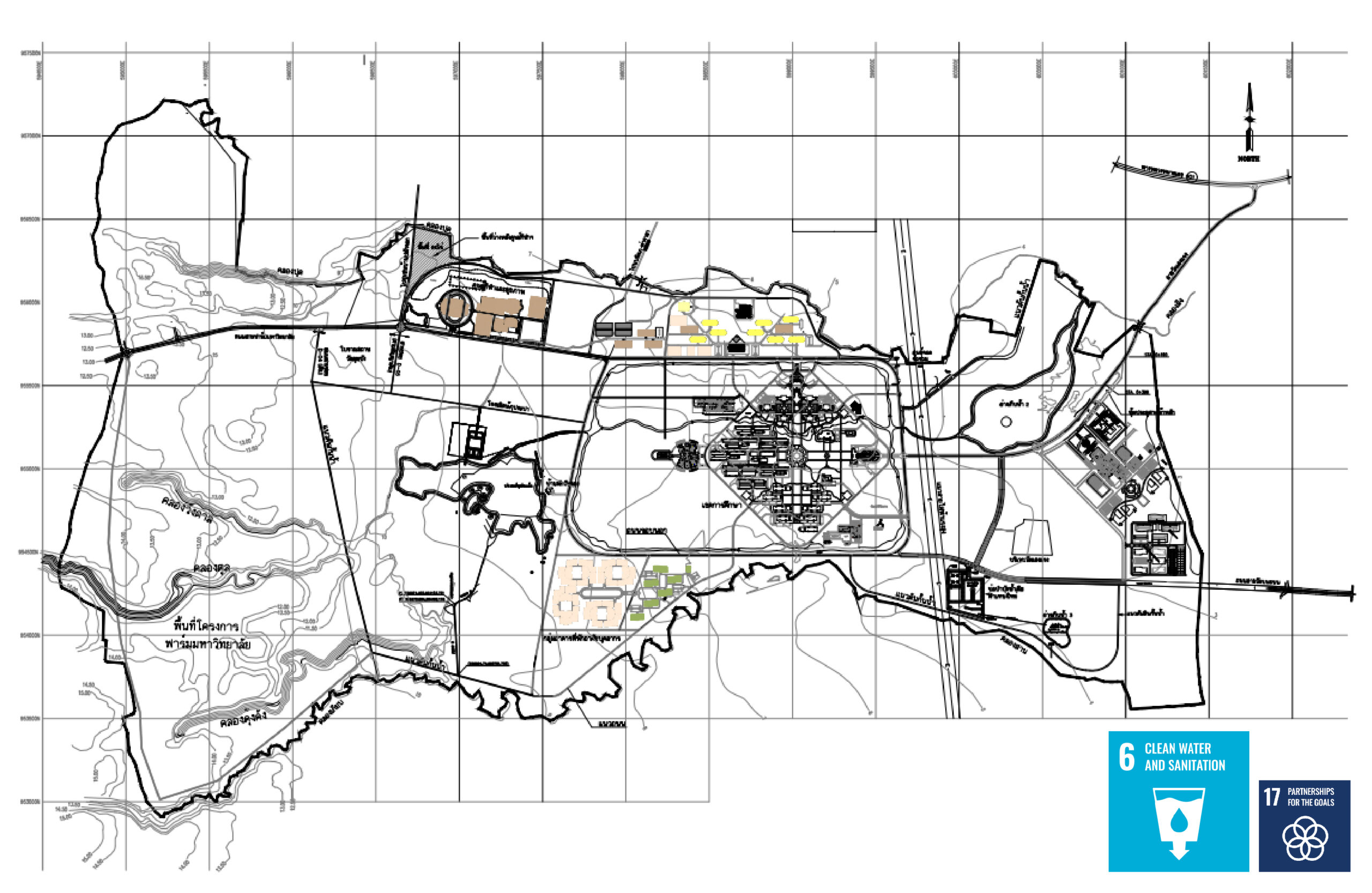
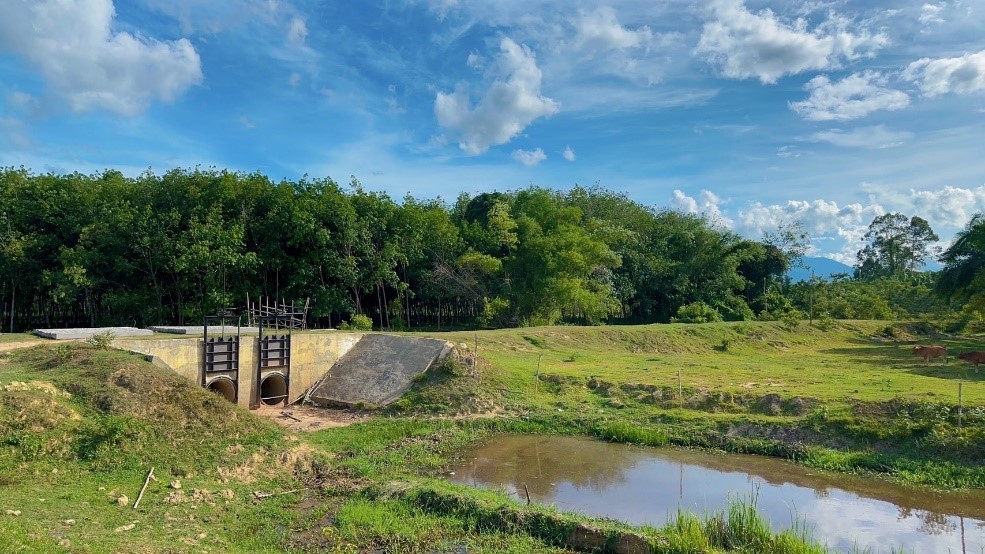
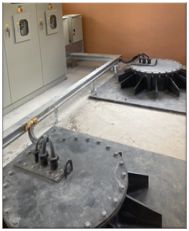
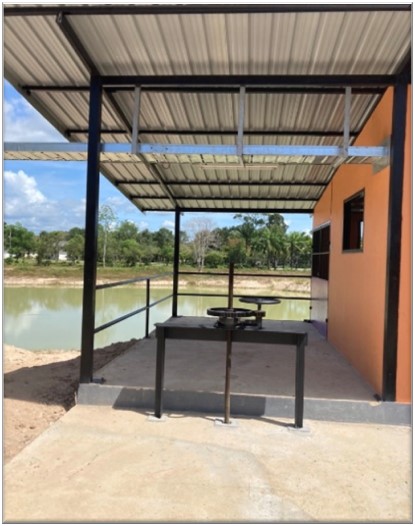
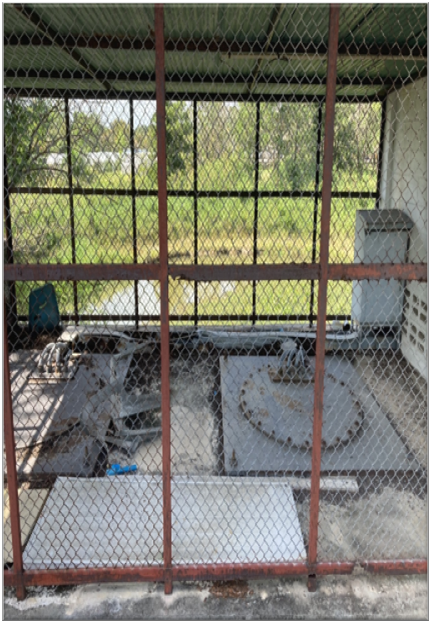
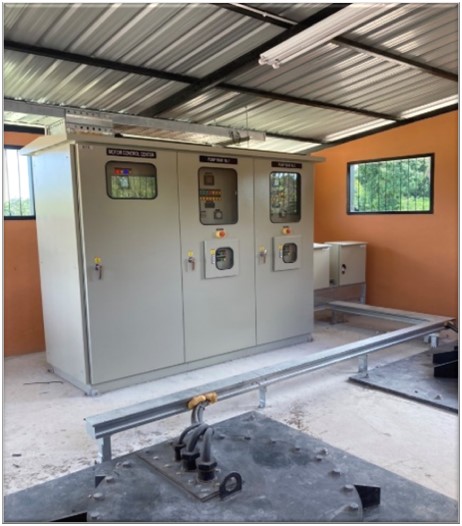
3. The Pump Station for Drainage: The university has installed water pumps to control and manage floodwater. This is one of the processes to prevent polluted water entering the water system, ensuring that external water does not contaminate internal water sources. At the Eastern Canal pumping station, two engine-driven pumps with a capacity of 1.0 cubic meters per second have been installed, alongside additional electric and engine pumps in academic zones and around the reservoirs.
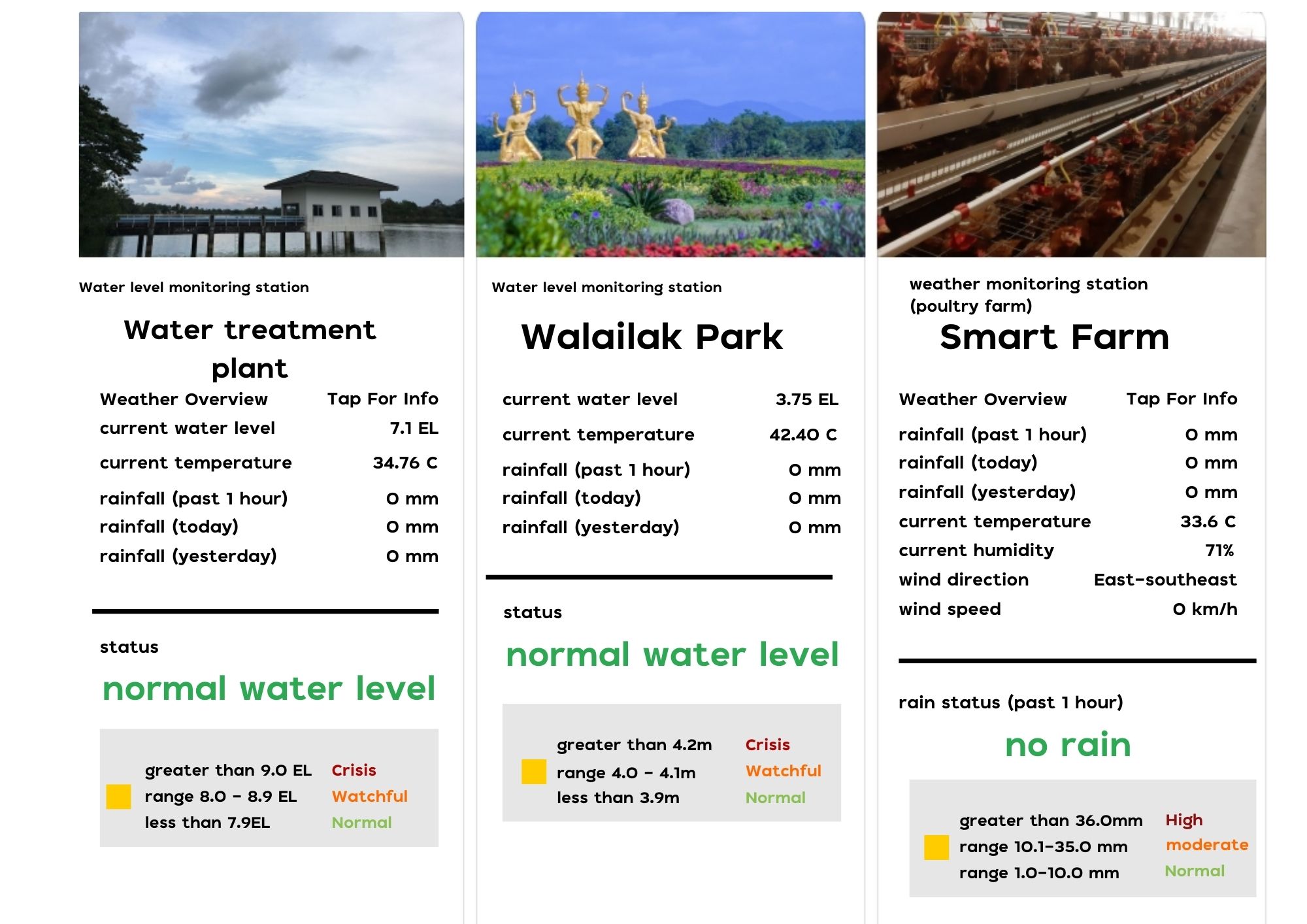
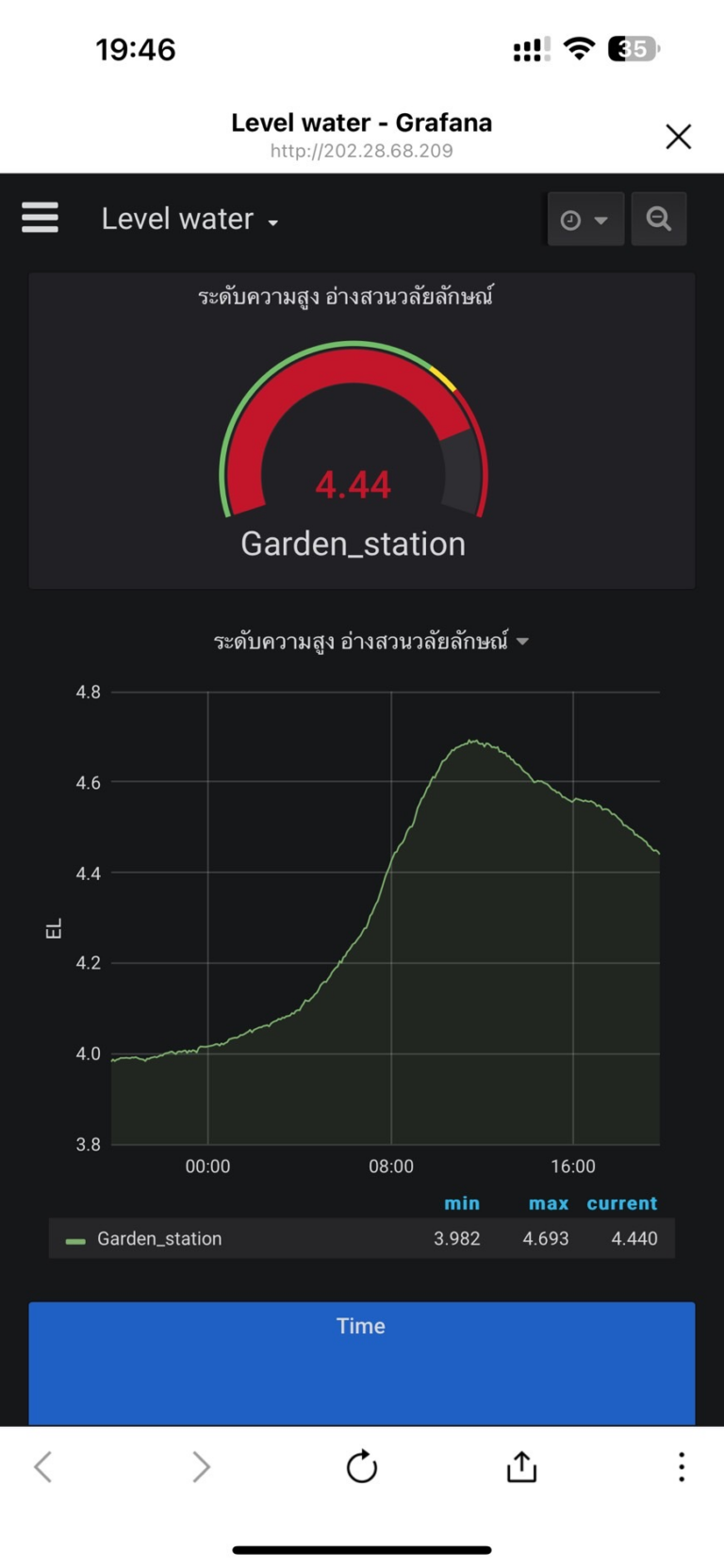
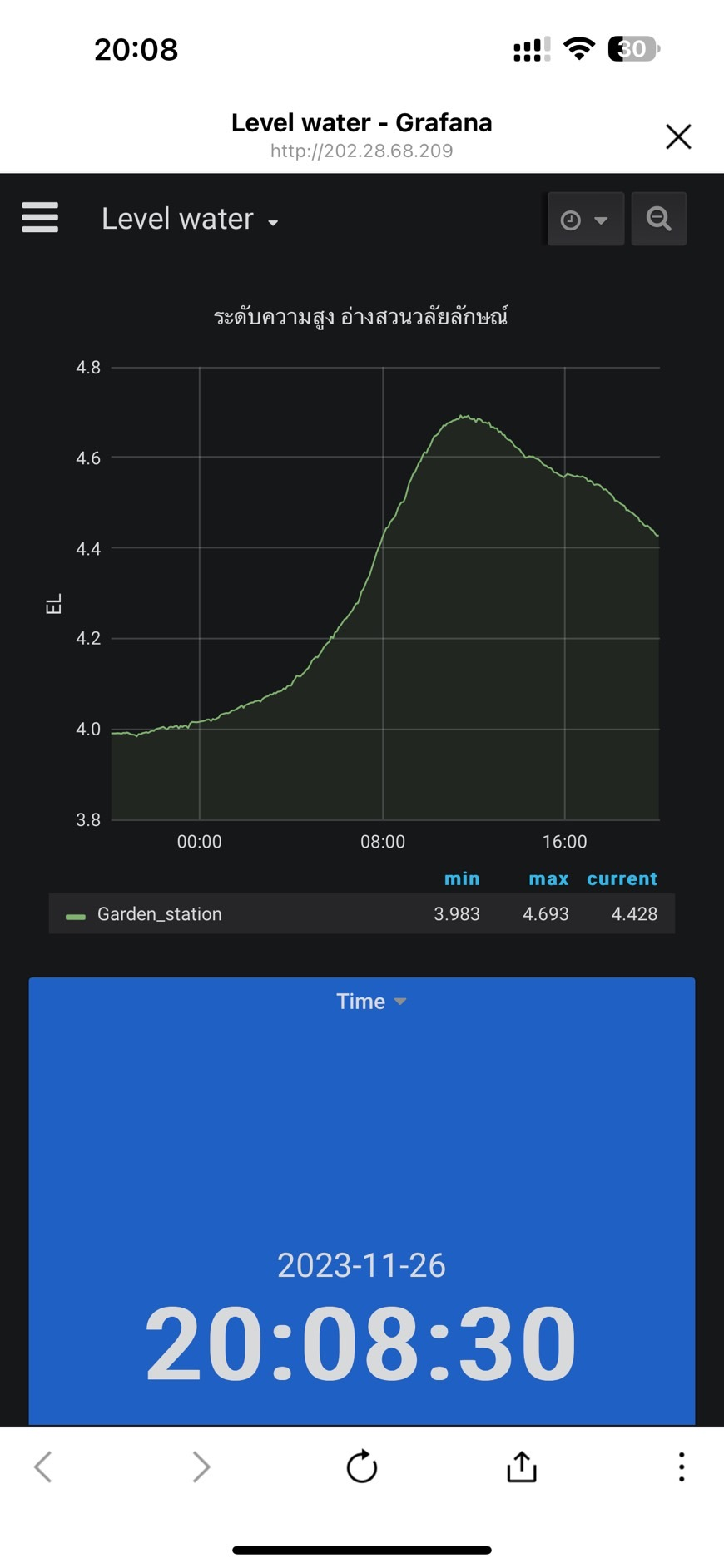
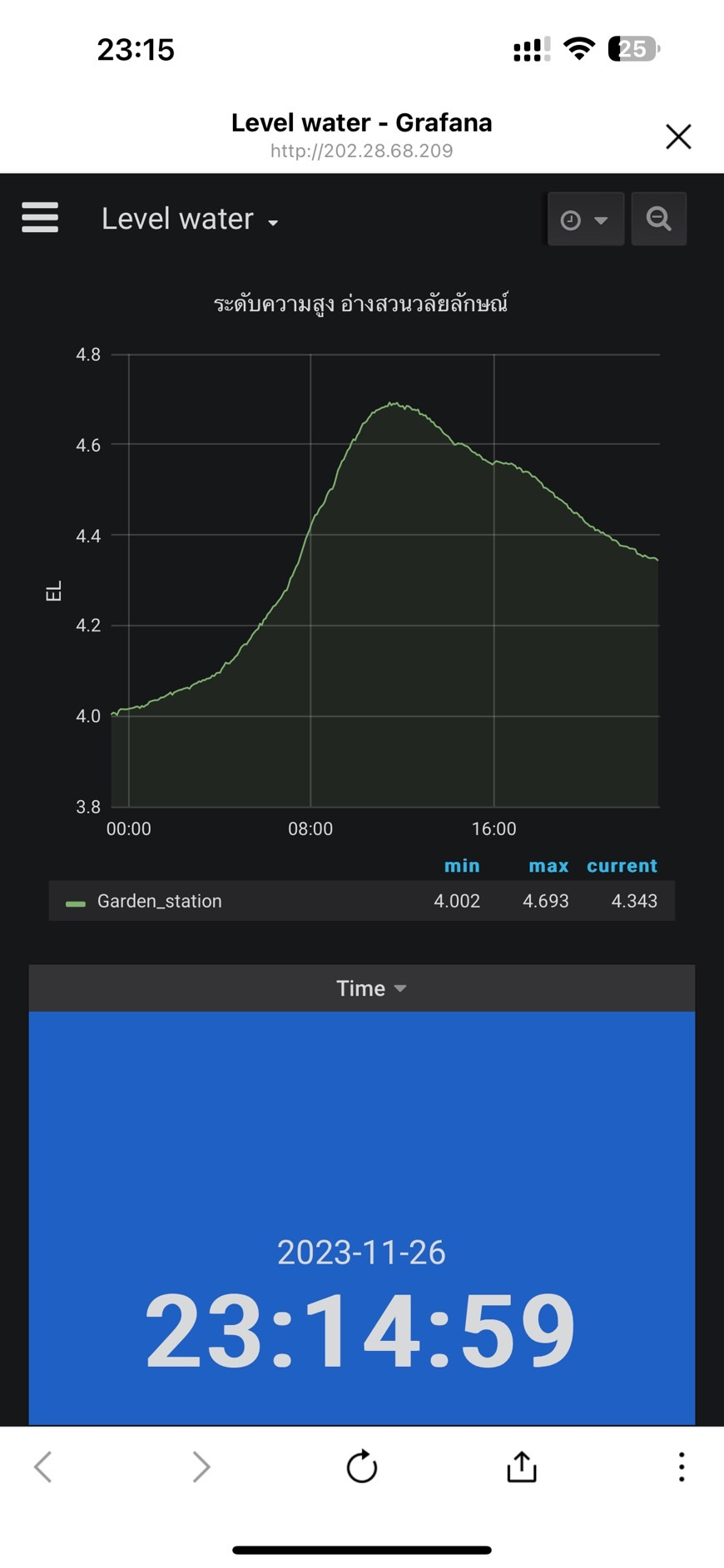
4. Mobile Application (Bot CDT) for Monitoring and Reporting Water Situations: This application, one of the predominant facilities of WU for preventing polluted water from entering the water system, provides real-time water management data, including daily and hourly rainfall measurements. The system allows for rapid reporting of water conditions, helping to mitigate flood damage during heavy rainfall. Knowing the real-time water situation allows for efficient water management, preventing flooding and entering external water systems.
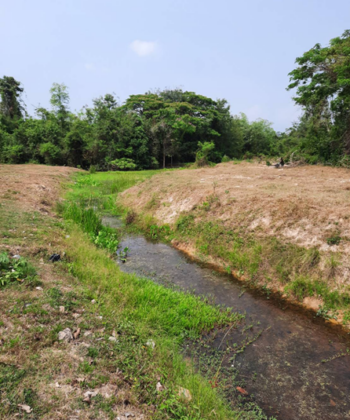
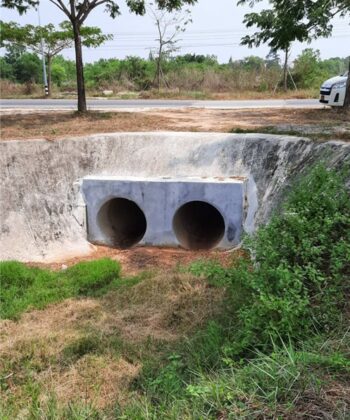
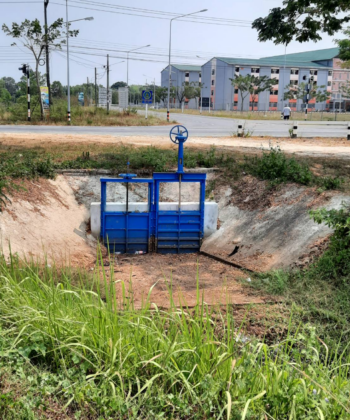
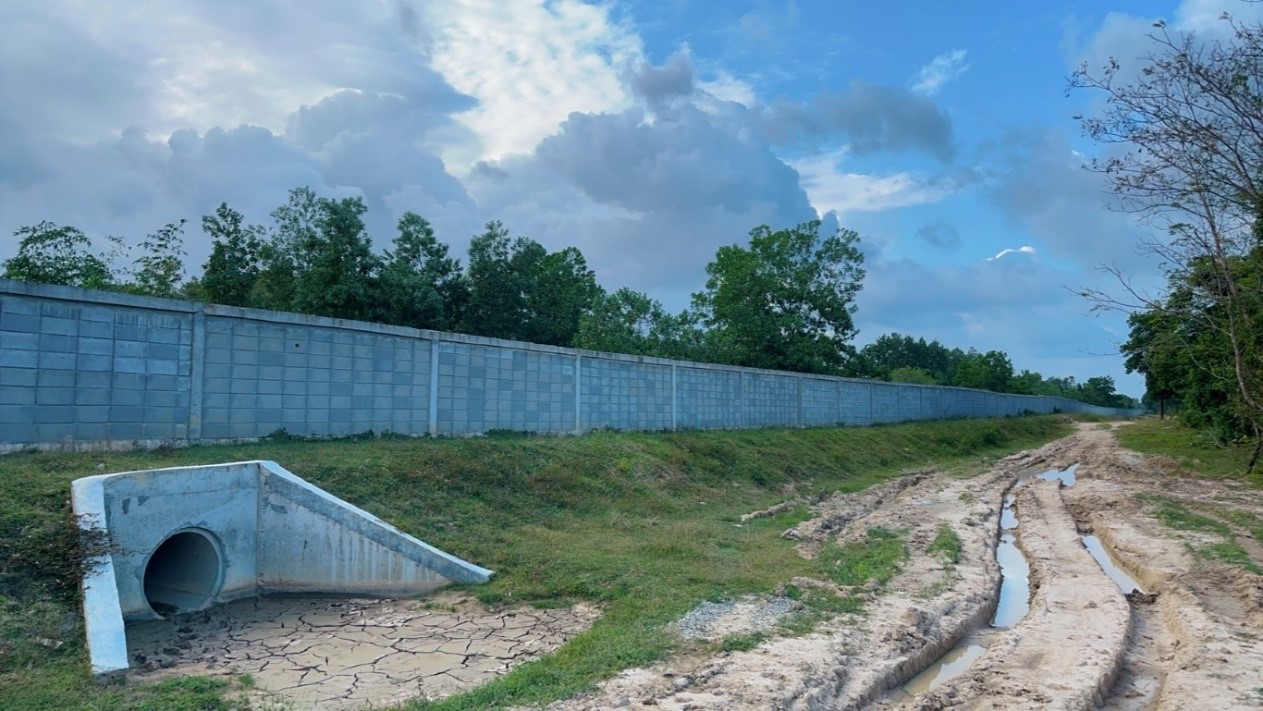
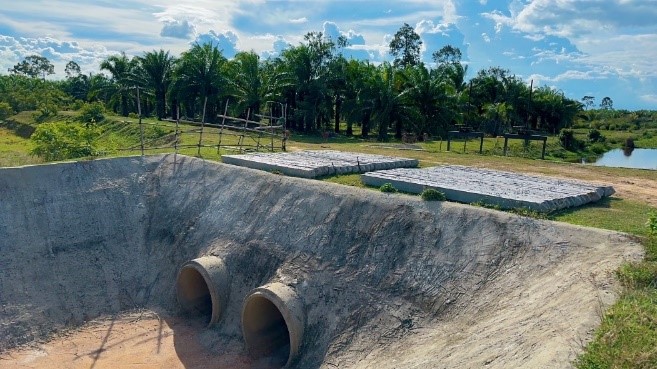
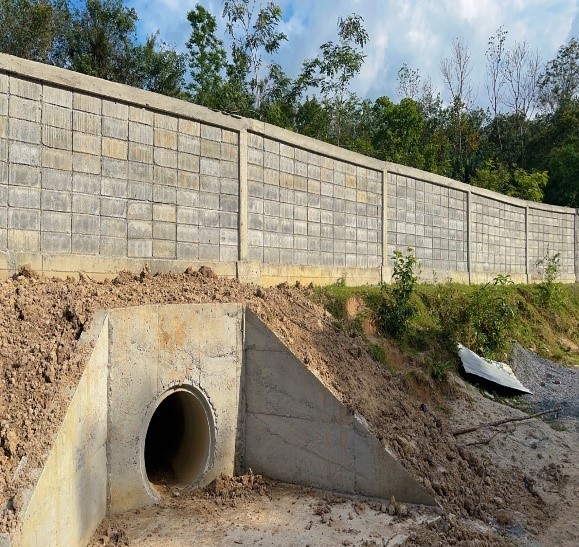
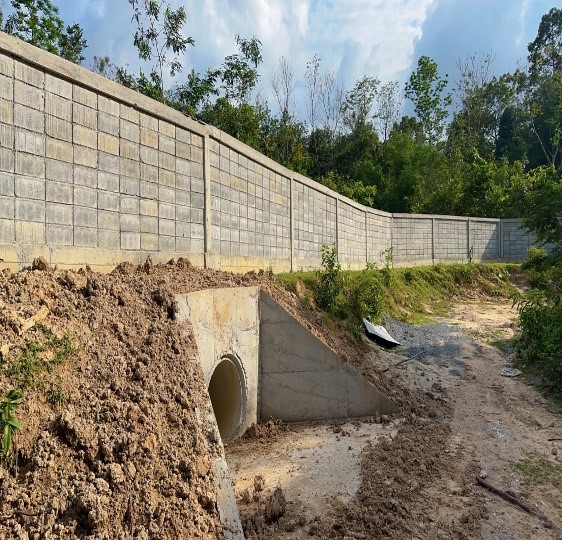
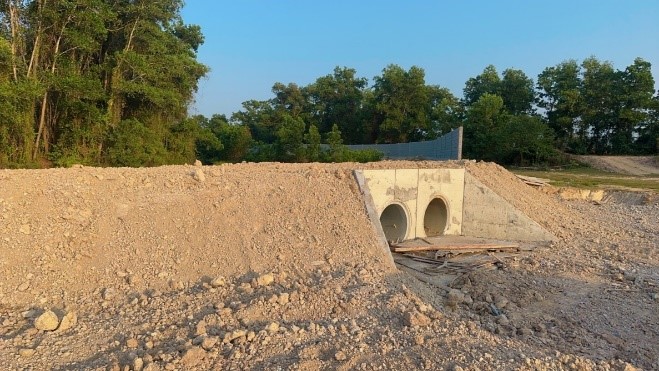
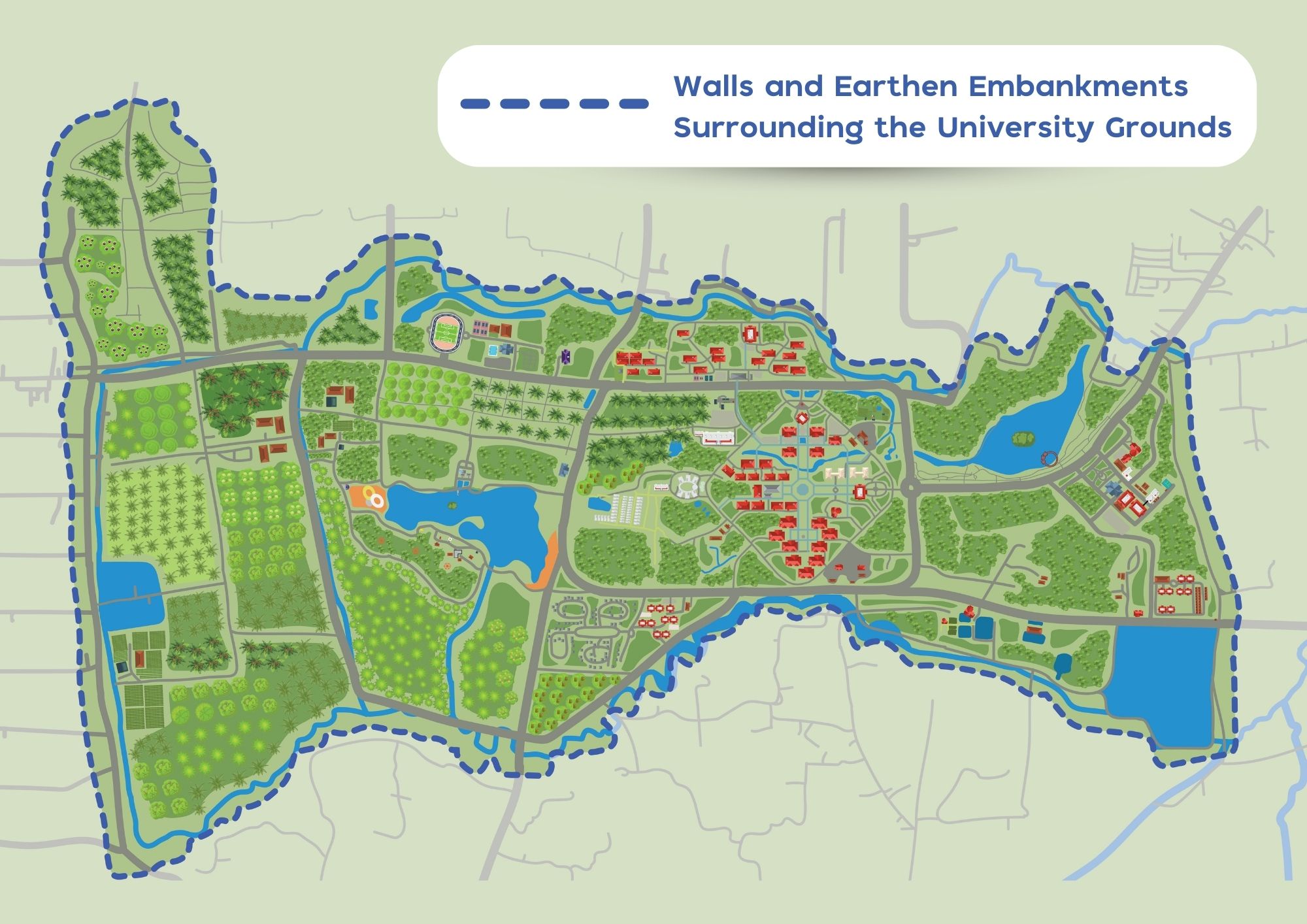
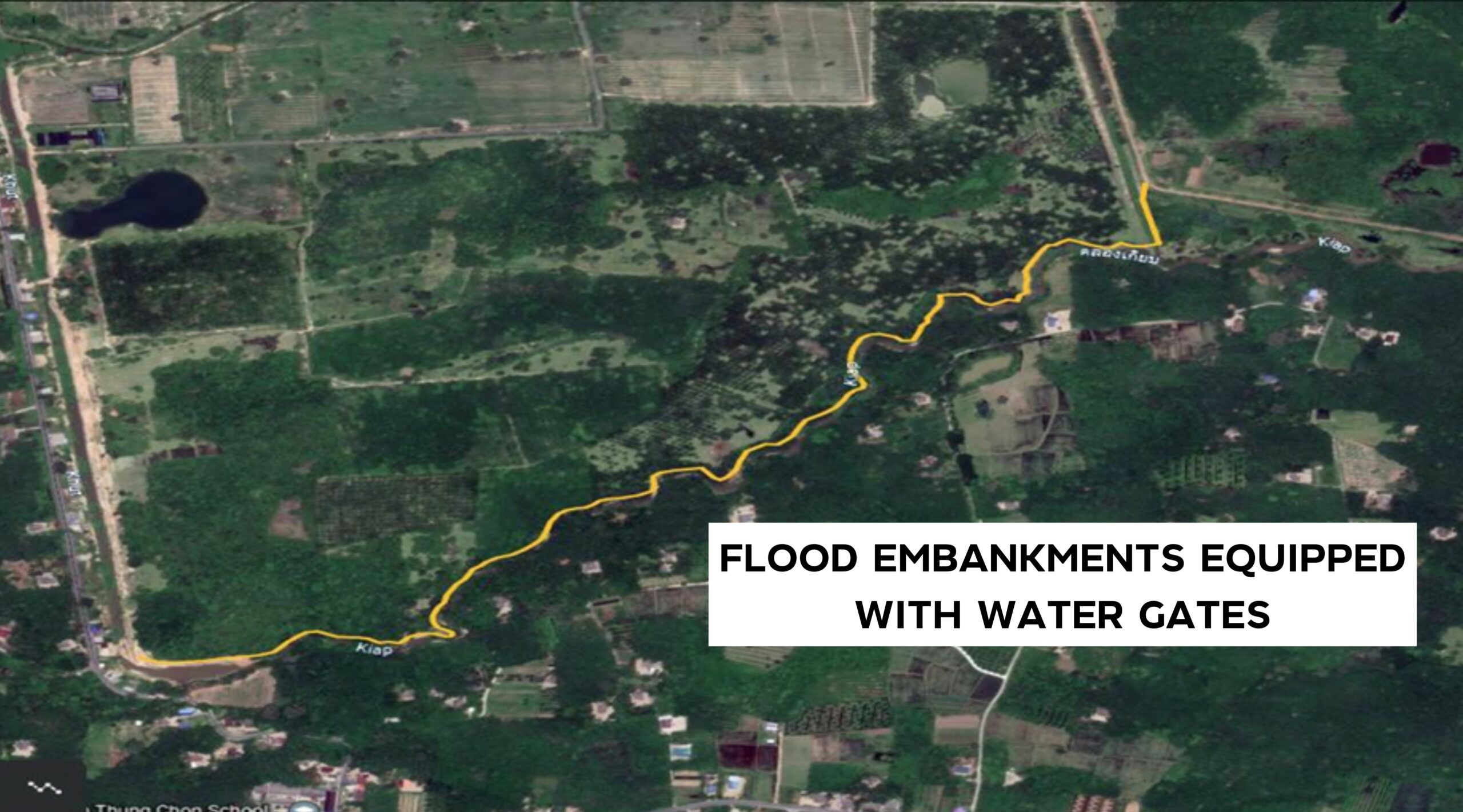
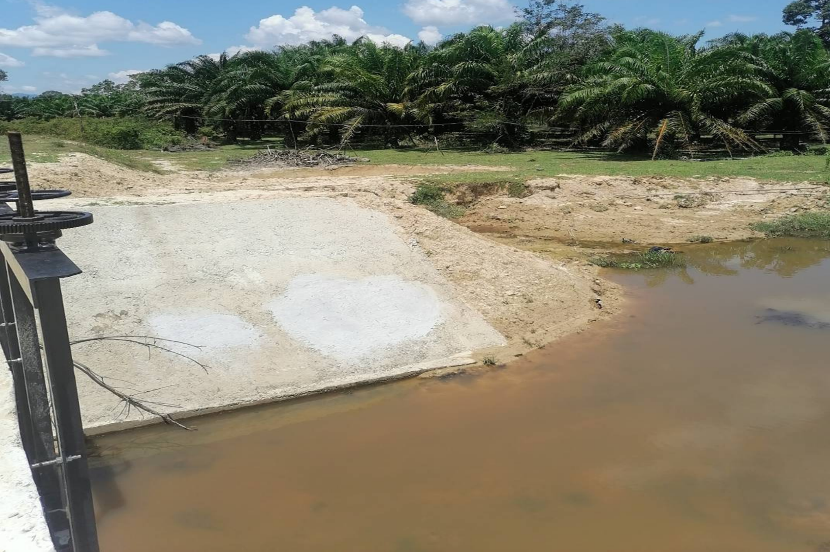
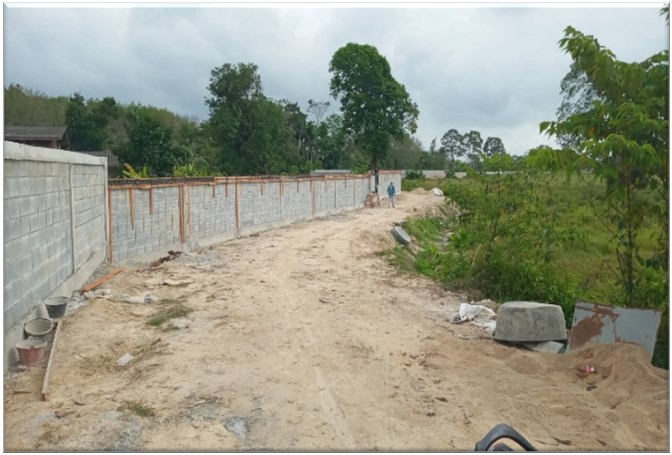
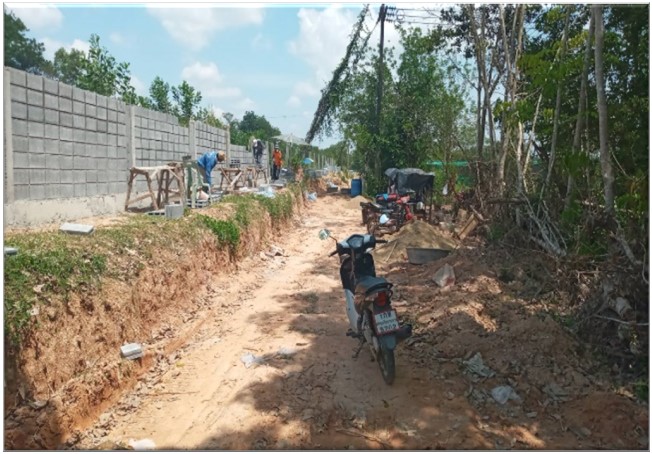
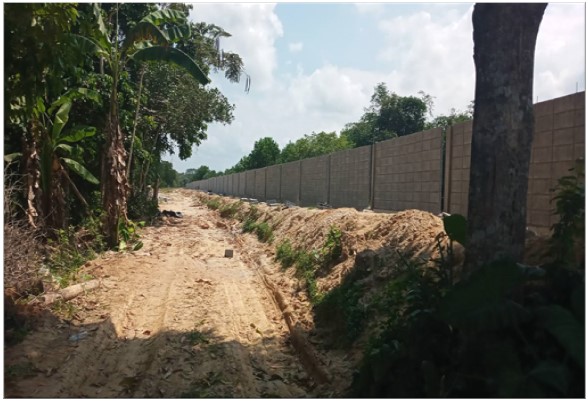
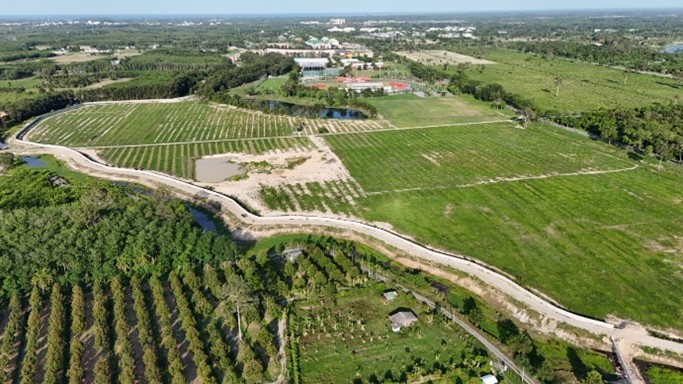
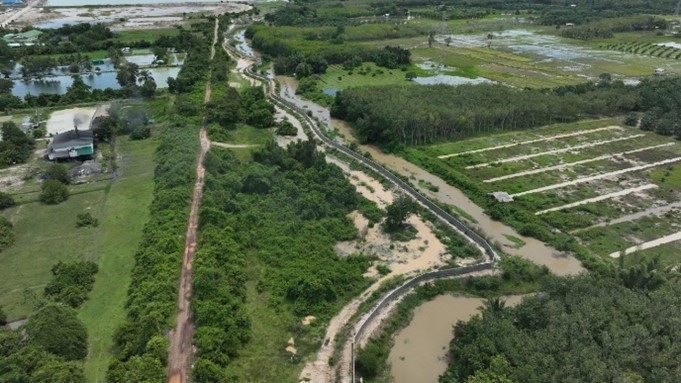
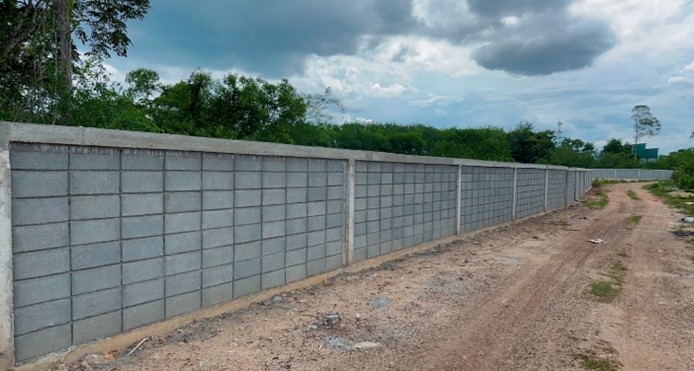
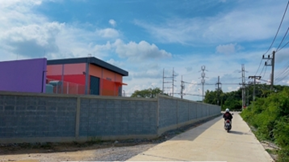
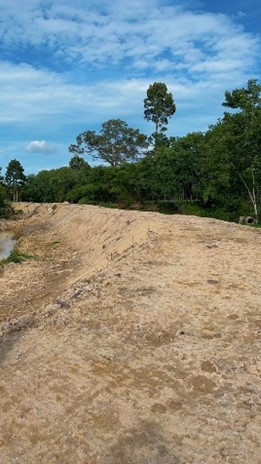
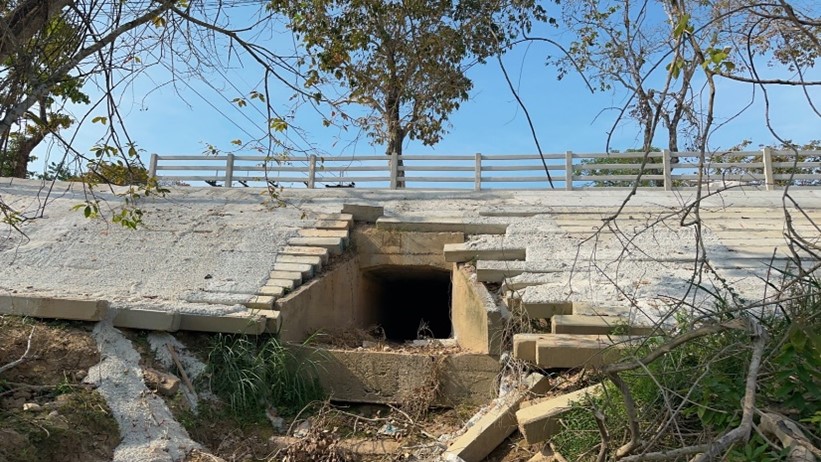
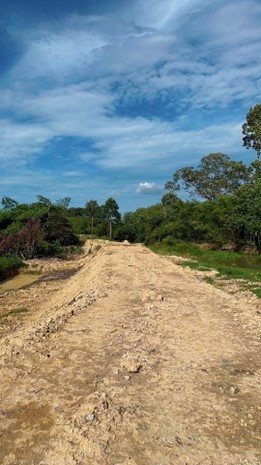
5.Construction of Embankments and Flood Walls: To protect the university’s water production system, flood embankments and walls have been constructed around the campus. These structures help store water and prevent external polluted water from entering the university’s water production areas.
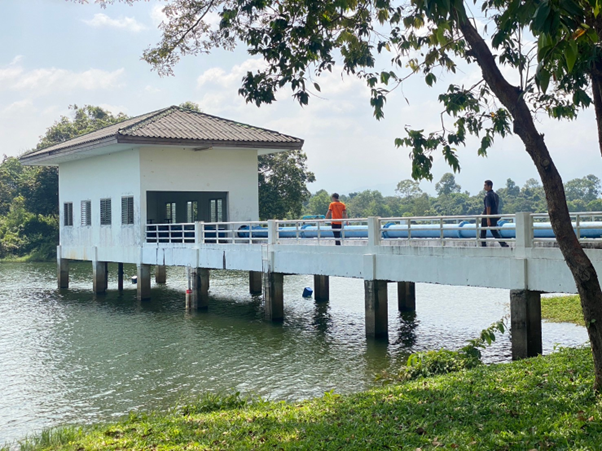
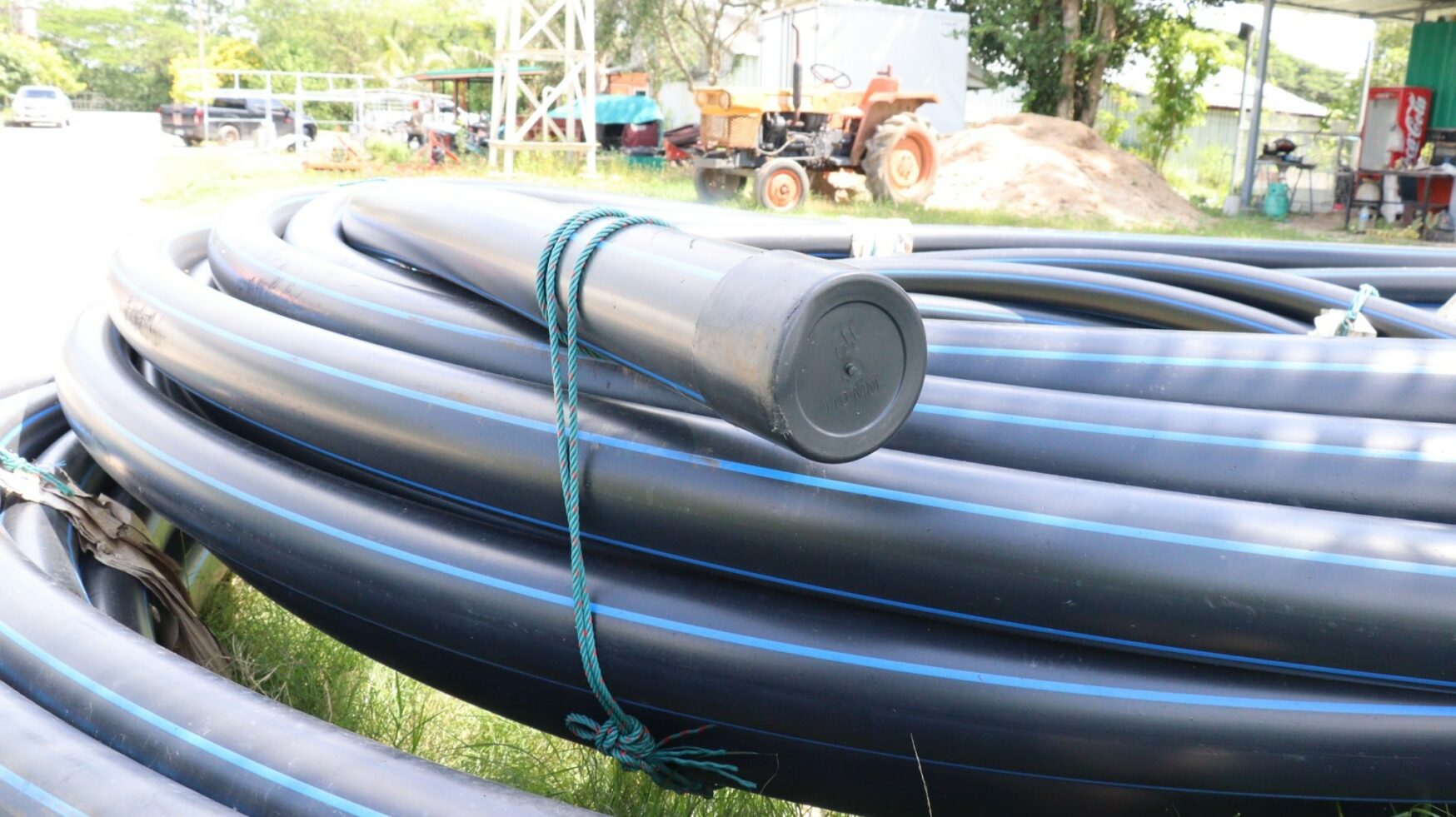
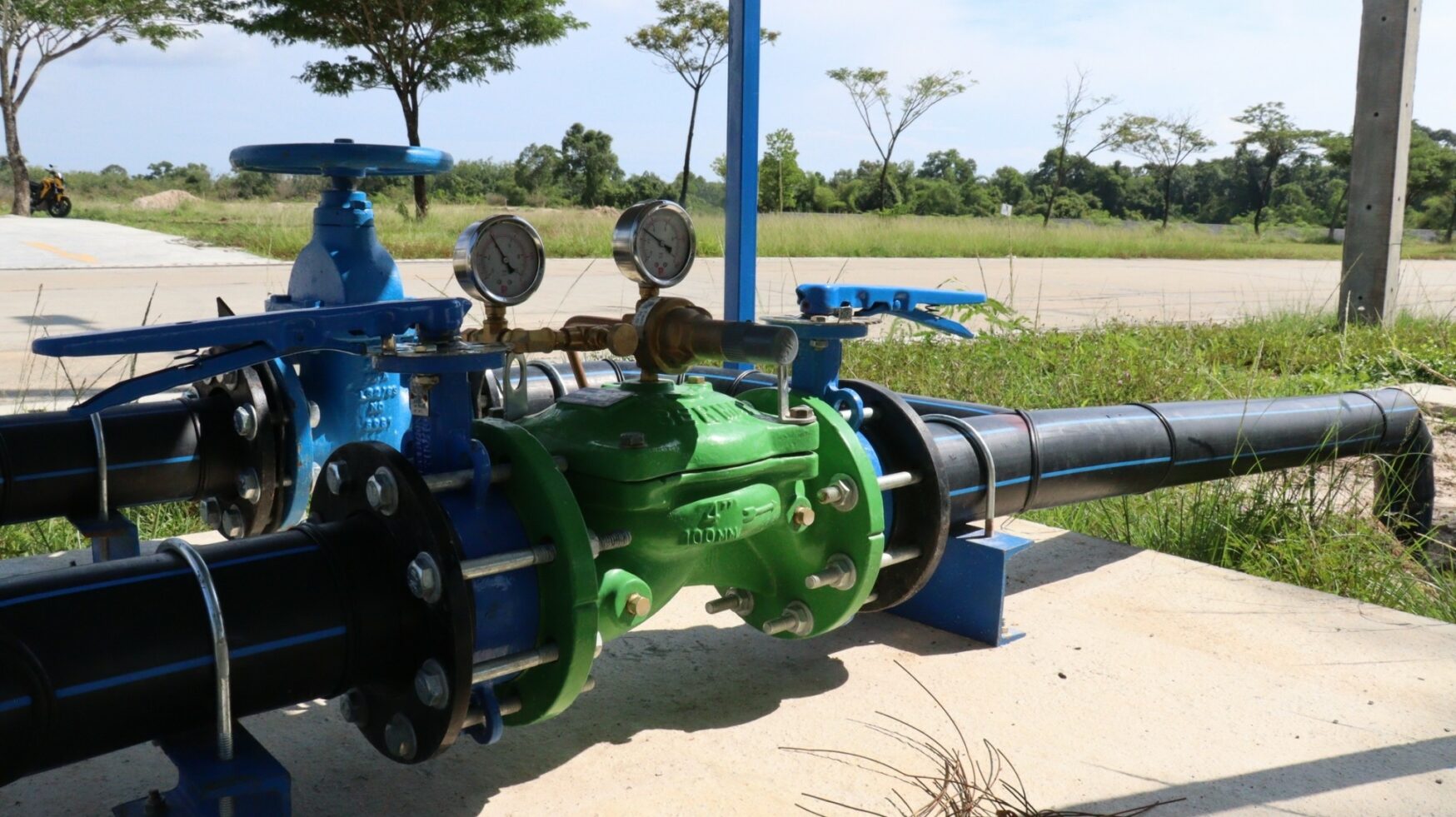
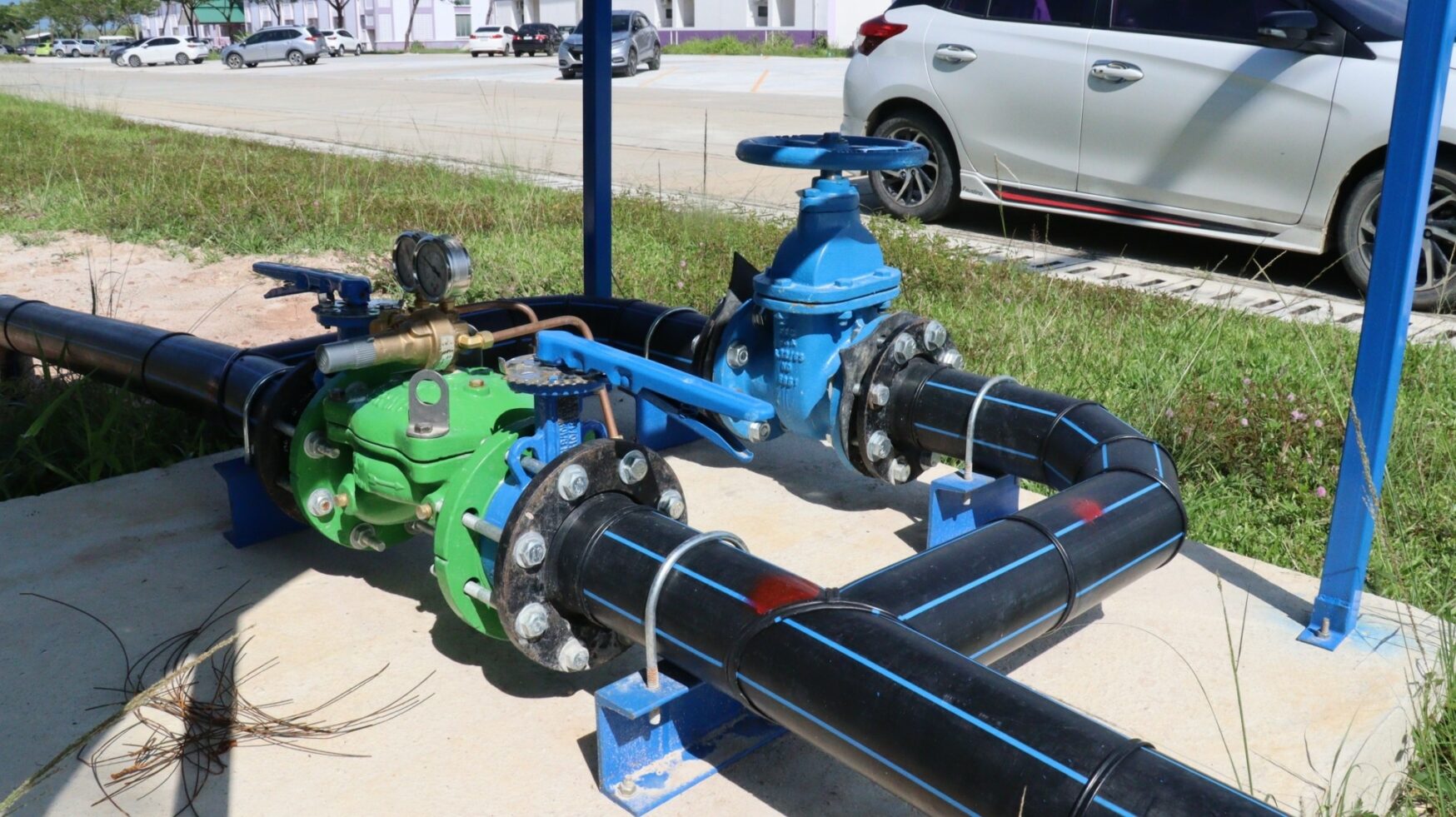
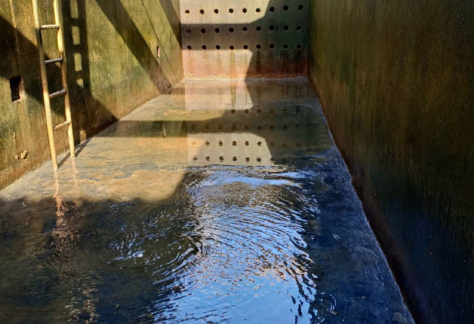
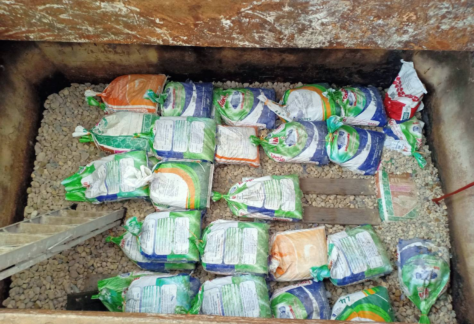
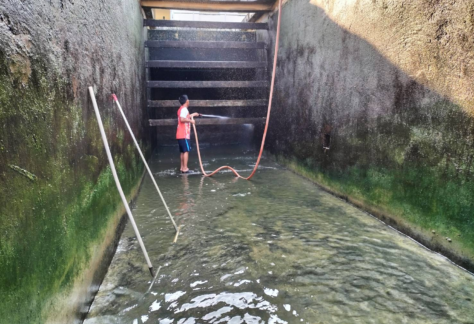
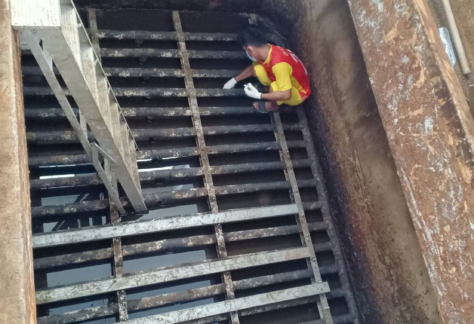
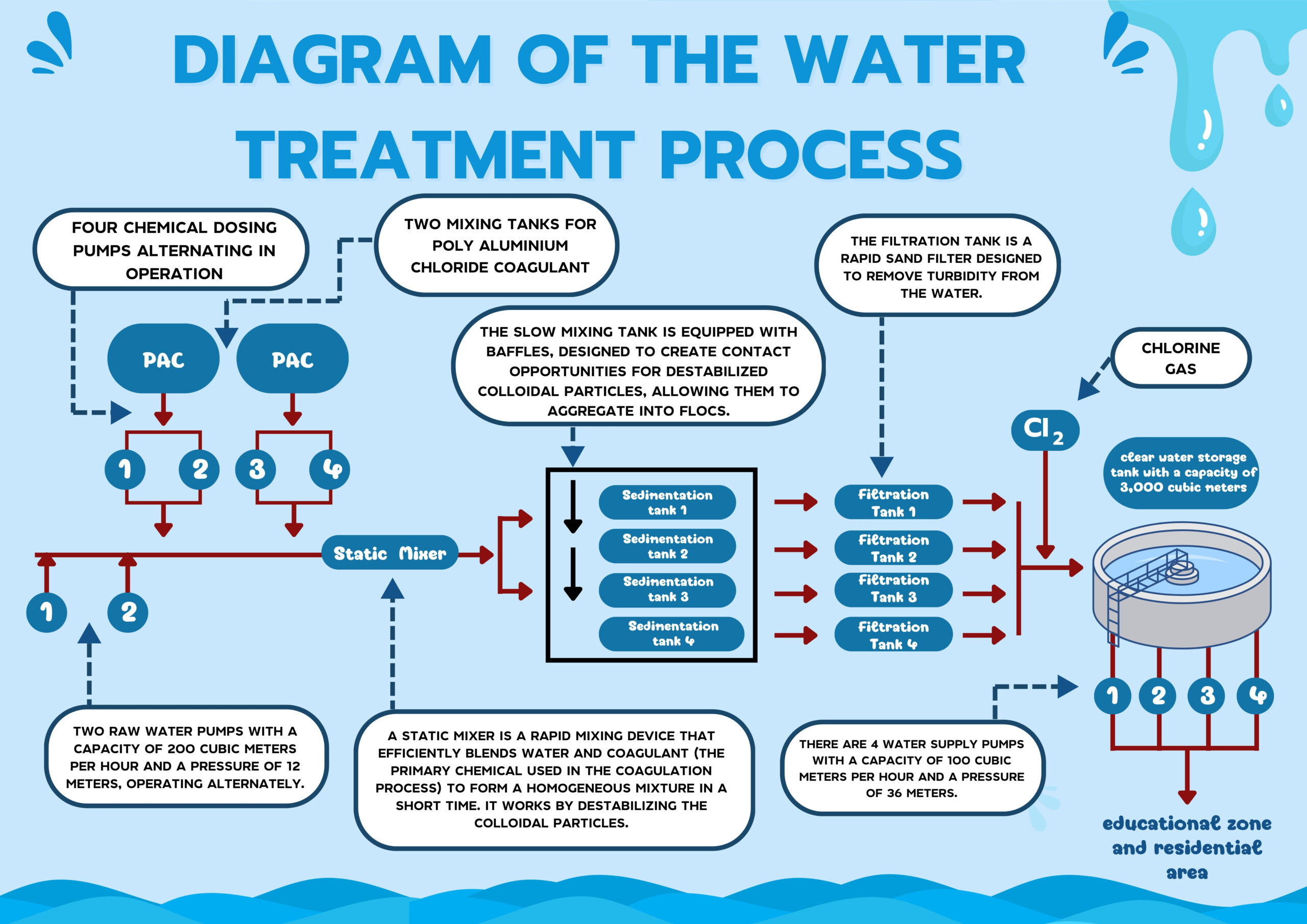
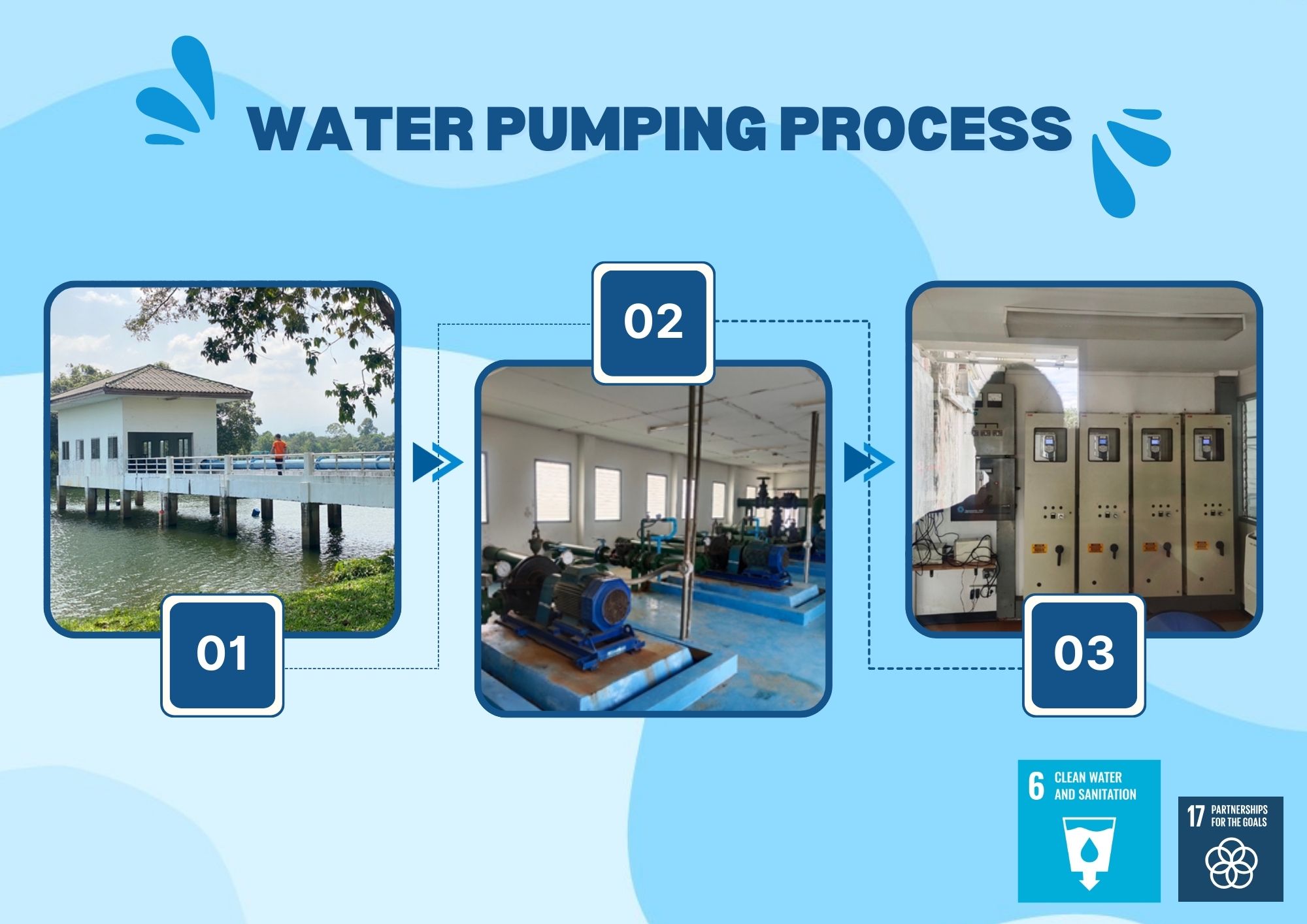
7. Water Supply System Maintenance: The university produces 200 cubic meters of potable water per hour using water drawn from on-site reservoirs. Chlorine is added to disinfect the water before it enters the storage tanks. The university regularly maintains its water supply system, ensuring that filters are backwashed to restore their efficiency and prevent blockages. Parameters such as color, turbidity, and pH are monitored to maintain water quality. Other equipment, including backup generators, pumps, and pipelines, are regularly maintained to ensure the production of high-quality, pollutant-free water.