Free Drinking Water Service  

Free Drinking Water Service  
Walailak University currently spans over 21,000,000 square meters, making it the largest university in Thailand by land area. The university has developed its environment into a Residential University, a fully integrated campus community with comprehensive infrastructure, utilities, and various amenities. It provides a beautiful, convenient, safe, and peaceful living environment for students, faculty, staff, and residents. The comprehensive utilities and services, along with additional facilities, are designed to enhance the quality of life in both education and work, allowing individuals to fulfill their roles effectively and with high quality. The campus serves as a learning hub for both formal and informal education, accessible to the university community, local residents, and the general public. This environment fosters physical, intellectual, emotional, and social growth, creating a welcoming and sustainable community where university members and surrounding communities live in harmony and support one another.

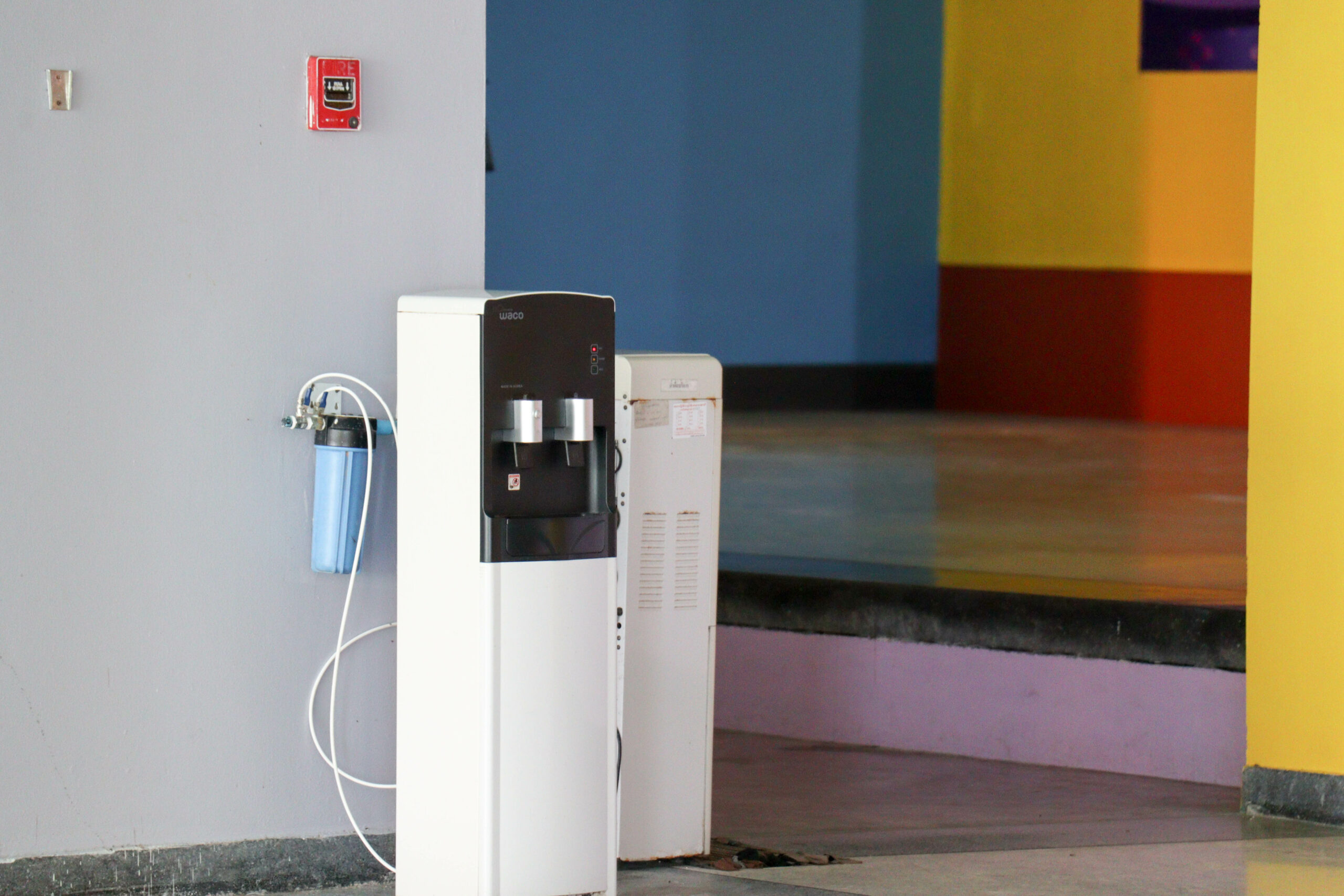
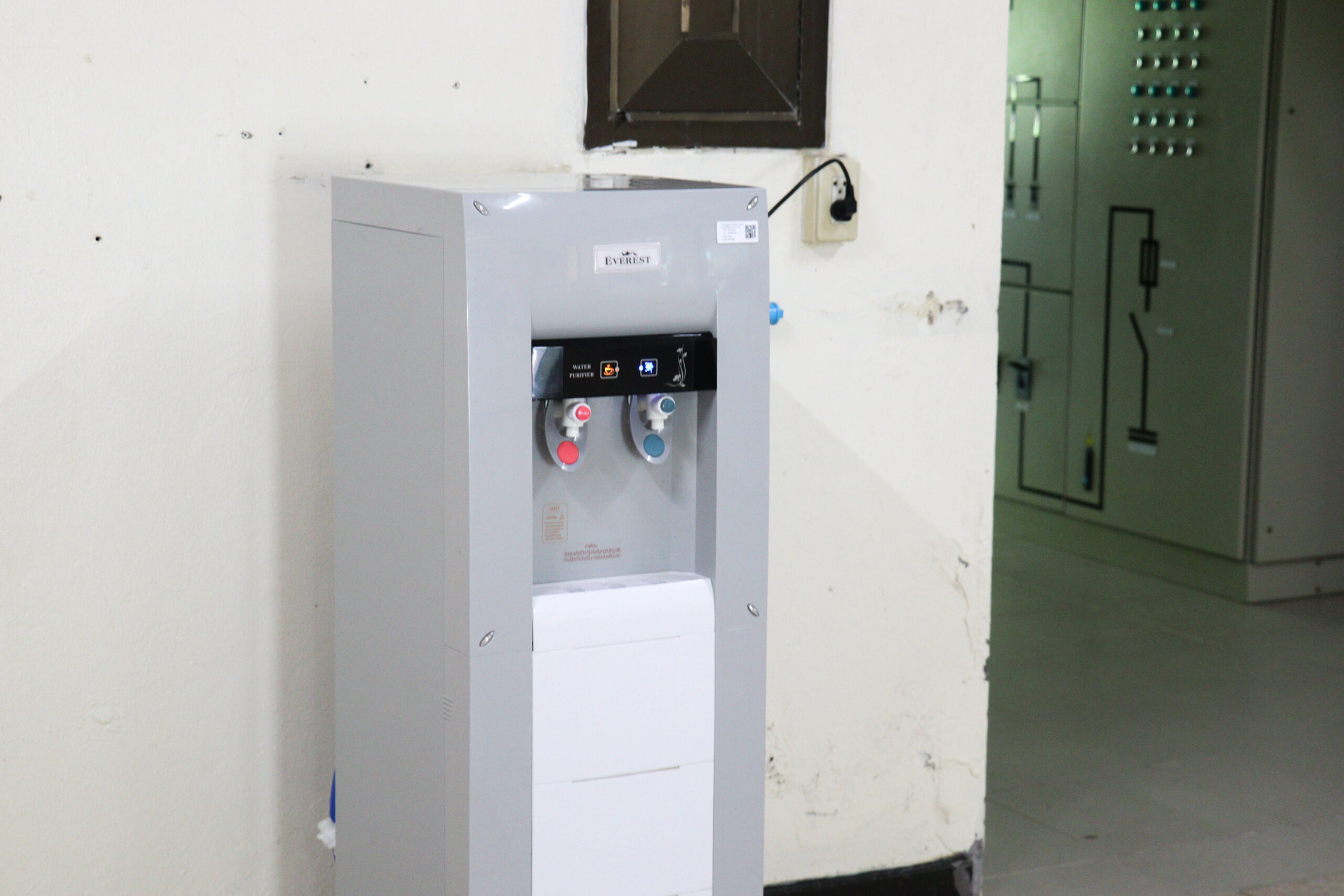
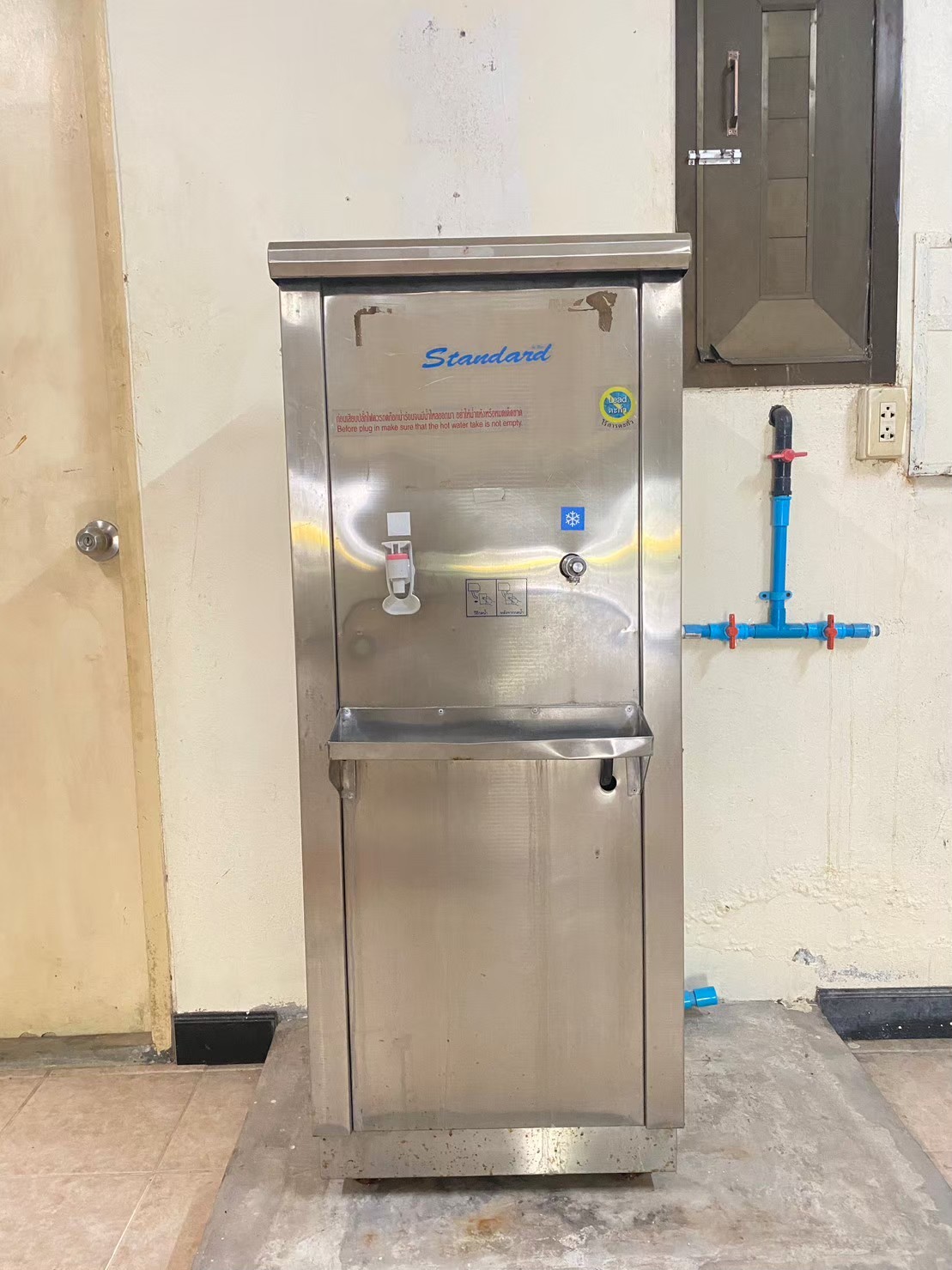
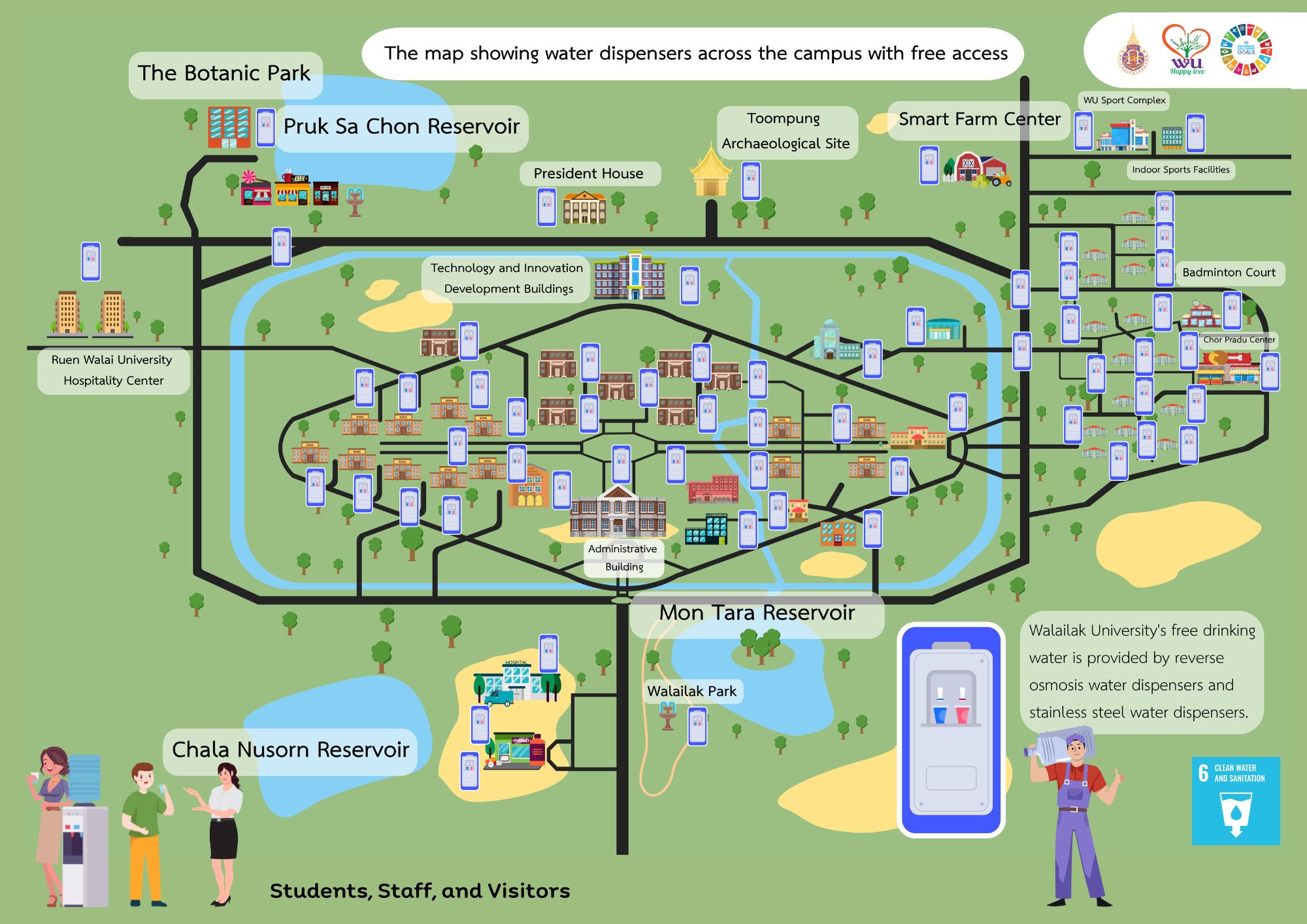
Figure : Provision of Free Drinking Water Dispensers in Every Building at Walailak University for Students, Staff, and Visitors 

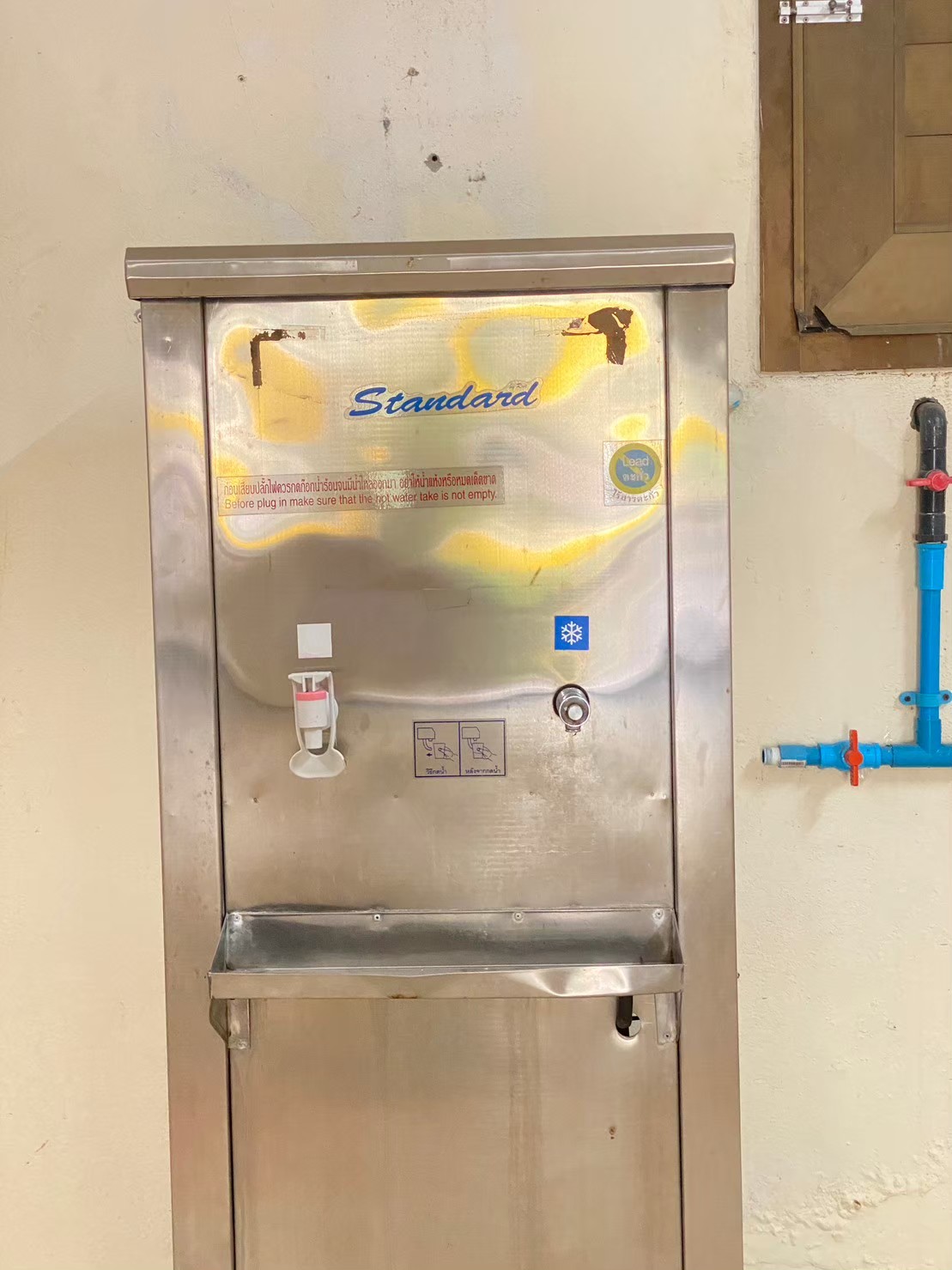
In 2023, Walailak University supported public utilities and public services to enhance the quality of life and ensure a happy working environment. As part of this, the university provides free drinking water dispensers in every building for students, staff, and visitors, with a total of 144 dispensers. These include both RO system dispensers and stainless-steel dispensers offering two temperature settings, providing both hot and cold water in one unit. The university offers over 90 RO system water dispensers at various locations, including Lecture Buildings 1, 3, 5, and 7; Thai Buri Building; Academic Buildings 1–9; Scientific and Technological Equipment Buildings 3, 5, 6, 7, and 8; Anatomy Buildings 1 and 2; Administrative Building; Library and Educational Media Building; Research Building; Digital and Technology Building; Small Animal Hospital; Veterinary Anatomy Building; Sports Science Building; Architect & Design Building; Innovation Building; Central Services Building; Walailak Botanic Park; Water production plant; equipment storage building; WU Smart Farm; Division of Land and Building; Legal Officer Building; Indoor Sport Building; Large Animal Hospital; Cooperative Education Building; Student Dormitory 4, 10, 16, 17, 18, 19, 20, 21, 22; Vehicle Hub; Landscape Architecture and Environment Building; Landscape Architecture and Environment Repair Center, totaling 97 units. Additionally, more than 40 traditional stainless steel water dispensers are placed in areas such as Student Dormitories 1, 2, 3, 4, 5, 7, 10, 11, 13, 14, 16, 17, 18; Chor-Pradu Cafeteria and Activity Cafeteria, totaling 47 units. There are also plans to install an additional 12 dispensers in newly constructed buildings by 2024.

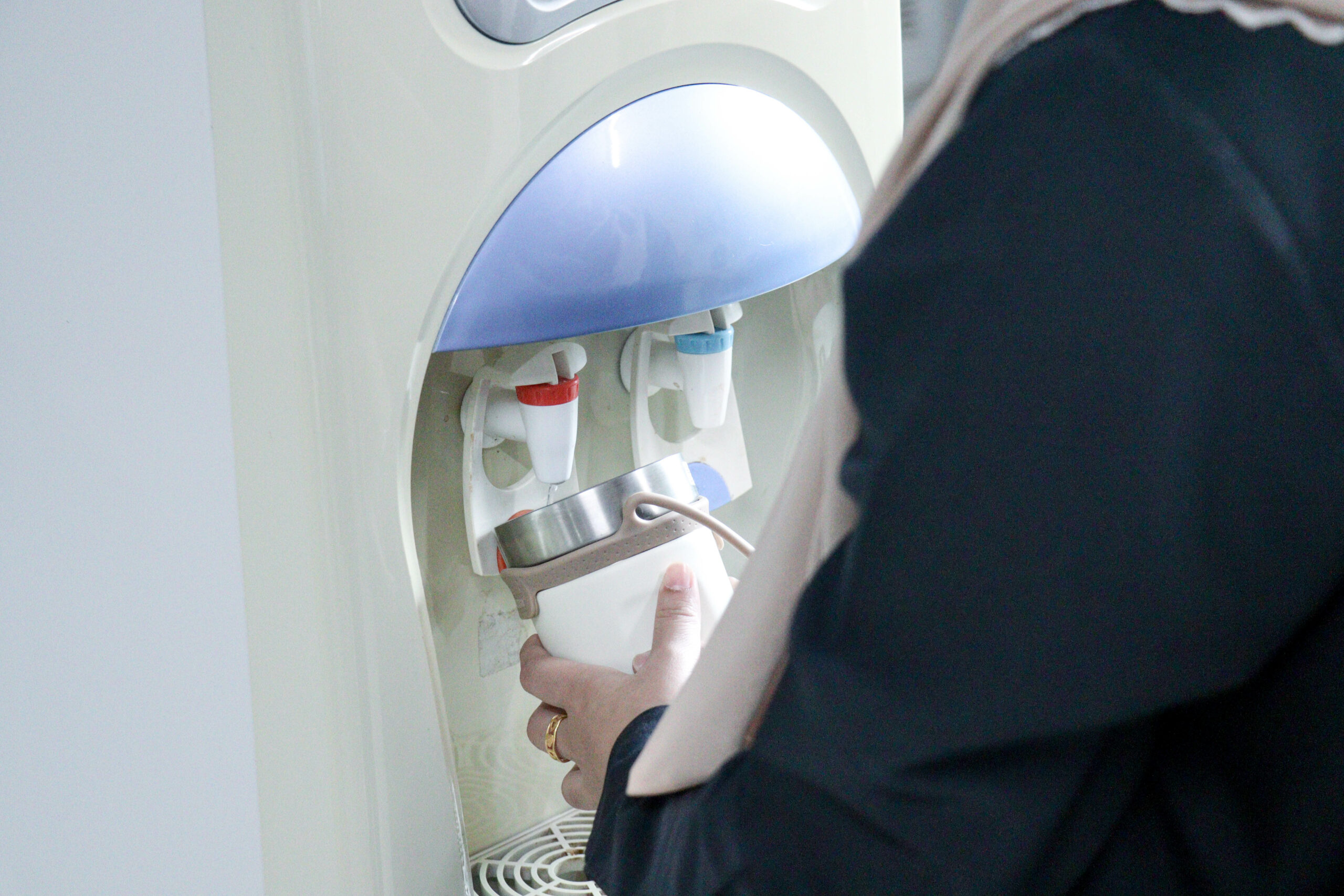
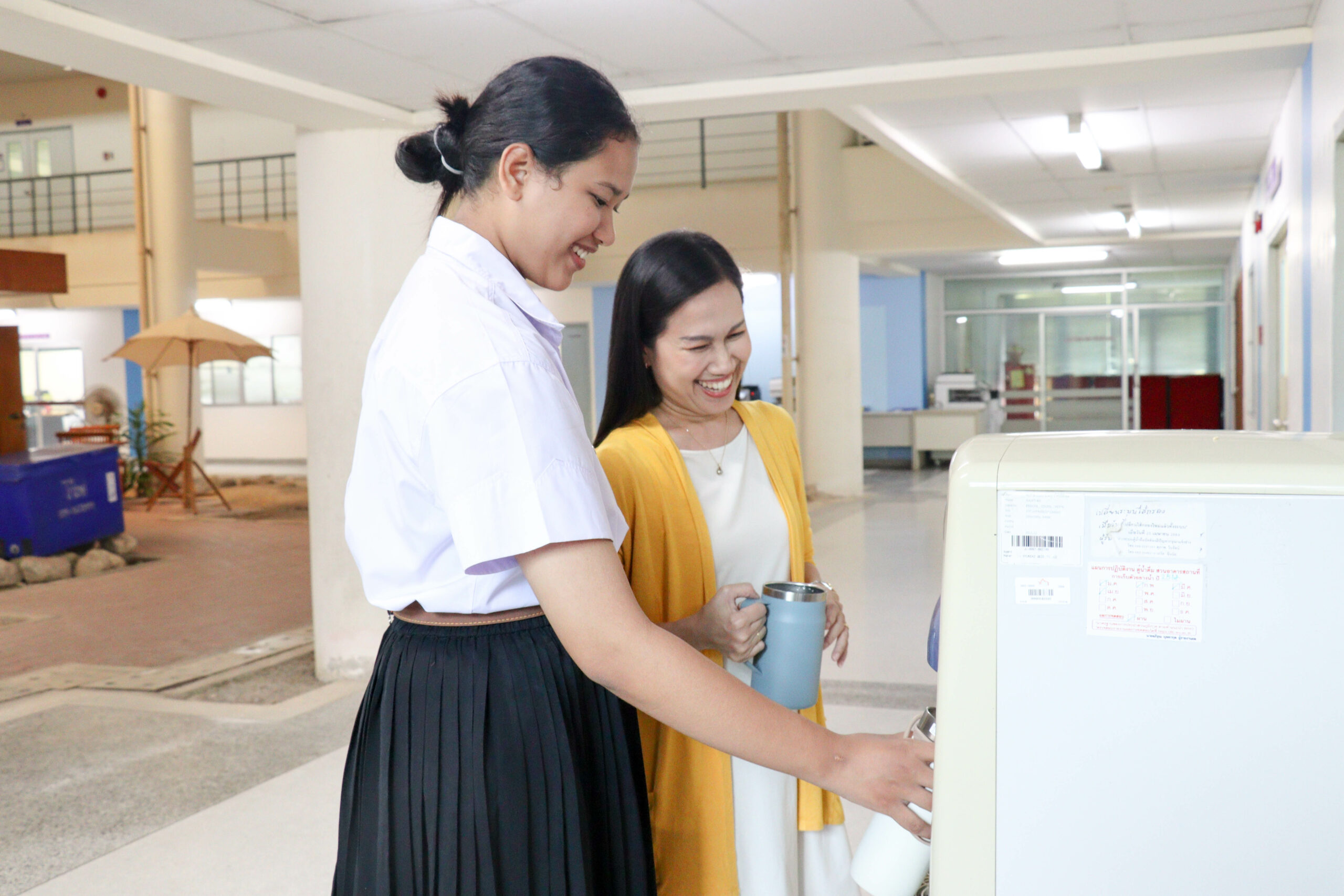
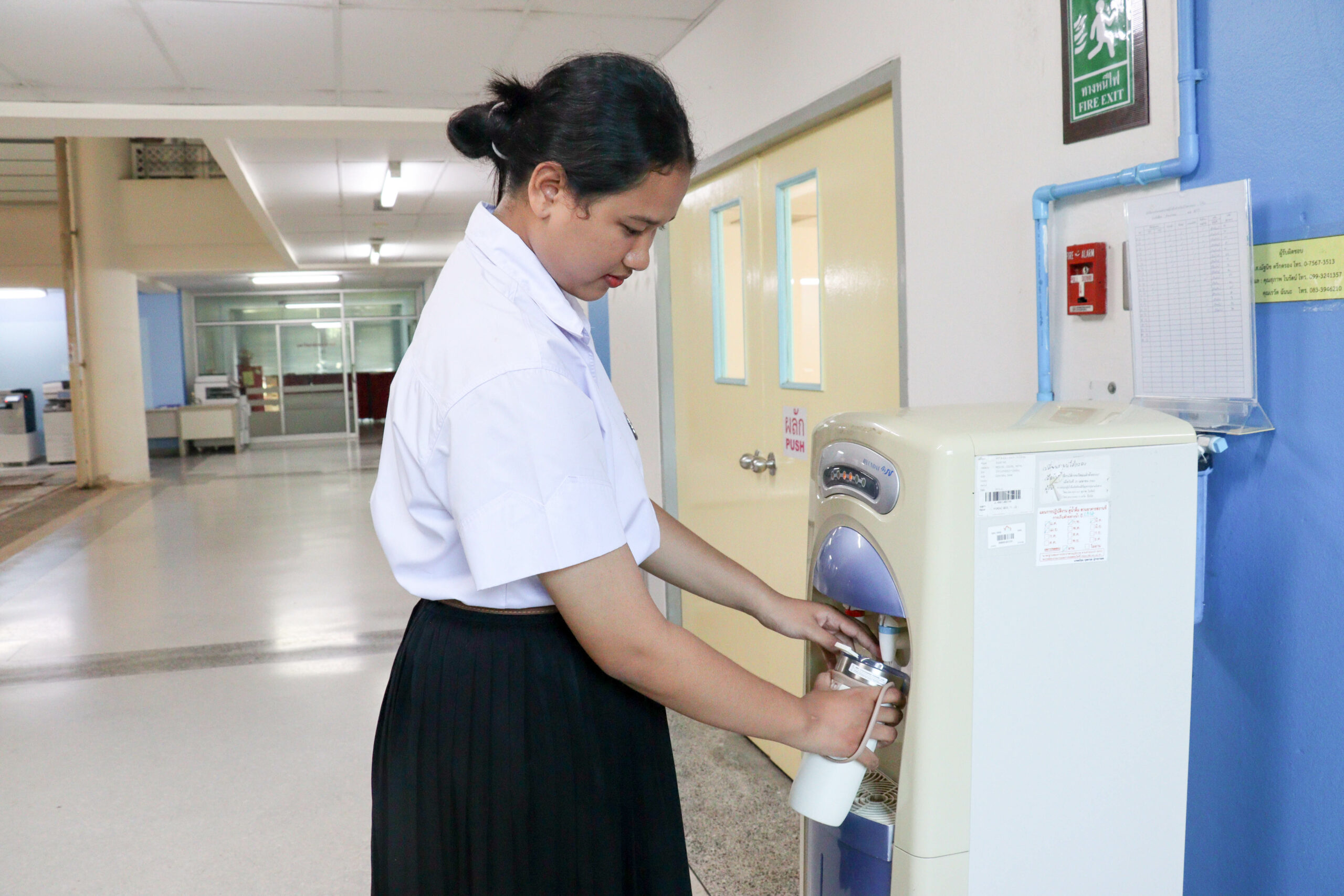
Figure : Free Drinking Water Dispensers at Walailak University 

The RO system water dispensers feature a four-stage filtration system that filters particles as small as 0.0001 microns, ensuring that the water is free from contaminants, sediment, heavy metals, viruses, and bacteria. Each unit has a cold-water tank with a 5-liter capacity and a hot water tank with a 4-liter capacity, with a production capacity of 190 liters per day. The cold-water temperature ranges from 4 to 12°C, while the hot water temperature is between 70 to 85°C. The power consumption is 100W for cold water and 600W for hot water.

Figures : Free Water Dispenser at Walailak University: RO System with Two Temperature Options, Providing Both Hot and Cold Water in a Single Unit

The university conducts regular water quality checks and maintenance of the water dispensers, adhering to the Thai Industrial Standard for Type 2 drinking water (non-packaged drinking water). Filters are replaced every six months as scheduled. The quality of drinking water is inspected, and the dispensers are cleaned monthly, including the exterior surfaces, water outlets, dispenser trays, and surrounding areas. This ensures public health and safety for all users, maintaining cleanliness and safety at all free drinking water dispensers throughout the campus. The university also tests for bacteria, including coliform and E. coli, using the in-house method “CSE-WI-MA-03” for E. coli and coliform, based on The Examination of Water and Wastewater, APHA, AWWA, WEF, 23rd edition 2017, part 9223 B.

Figure : Inspection of Drinking Water Dispenser Cleaning at Walailak University

The heavy metals tested include iron (Fe), manganese (Mn), copper (Cu), zinc (Zn), lead (Pb), cadmium (Cd), chromium (Cr), barium (Ba), and arsenic (As). Additionally, the water is tested for fluoride (F), chloride (Cl), nitrite (NO2), nitrate (NO3), and sulfate (SO2-4).

The results from the 2023 water quality tests of both types of dispensers (new RO water dispensers and stainless-steel dispensers) showed no contamination from coliform, E. coli, or heavy metals. Additionally, regular checks on the condition of the dispensers ensure that they are safe to use at all locations. 

In addition to ensuring water quality so that everyone has access to free clean drinking water, Walailak University encourages staff, students, and visitors to bring reusable cups, bottles, or personal water containers to fill at the dispensers. This helps reduce plastic waste from disposable bottles, keeping the university clean and also saving students and staff the cost of purchasing bottled water daily.

Goal 6: Clean Water and Sanitation