The Landscapes for Hydroponic Farming and Drought Tolerant Plants to Minimize Water Usage
Walailak University, located in southern Thailand, is a green university with a large Botanic Park spanning 2,160,000 square meters. The Botanic Park aims to conserve plant and animal genetics, preserve biodiversity, and provide a learning environment for students while also serving as a recreational space for the local community and visitors from across the country. It is also a hub for environmental education and research. Walailak University aspires to become a fully integrated educational and residential institution, equipped with comprehensive infrastructure and facilities, all within a beautiful and pollution-free environment (Green University).
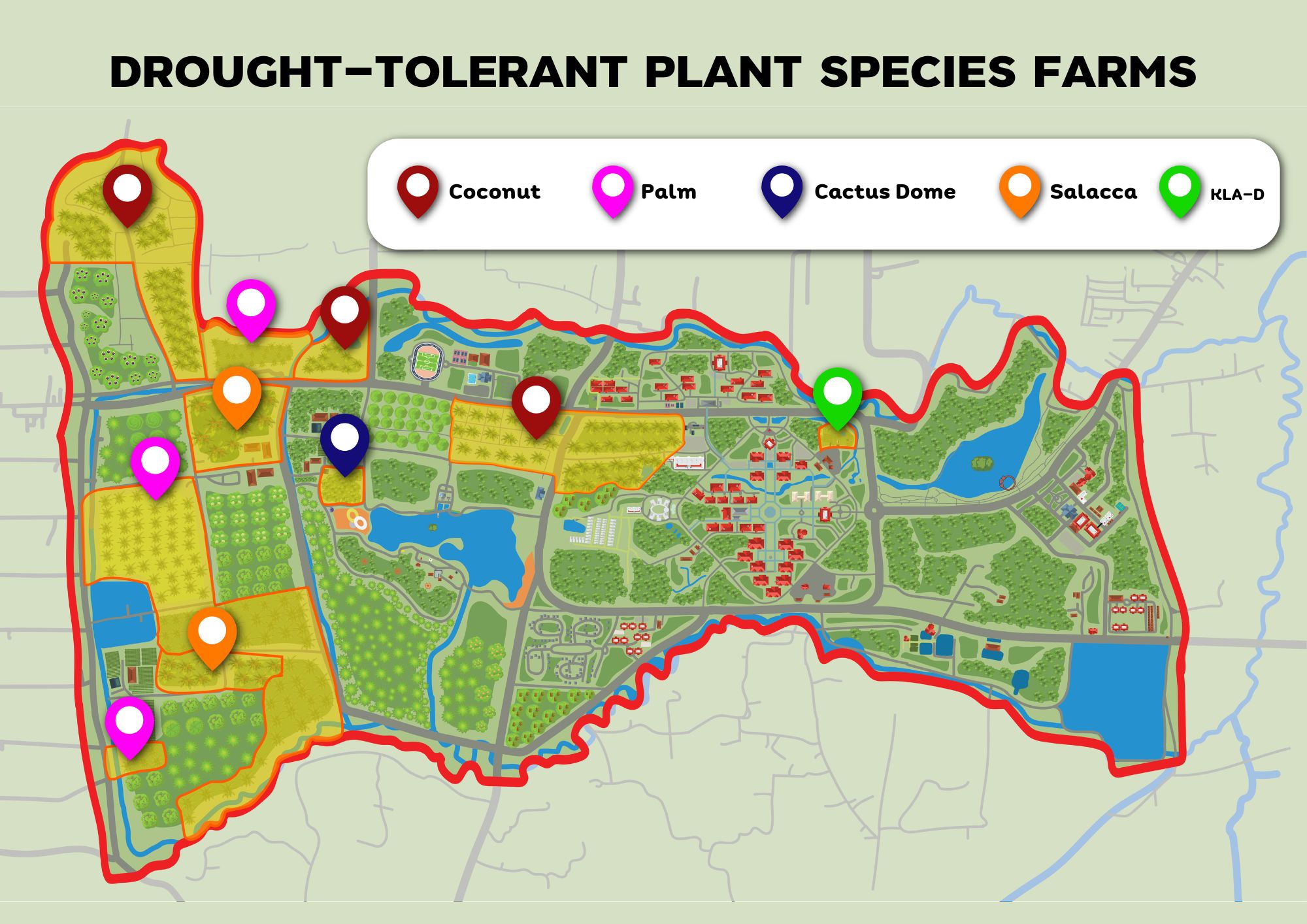
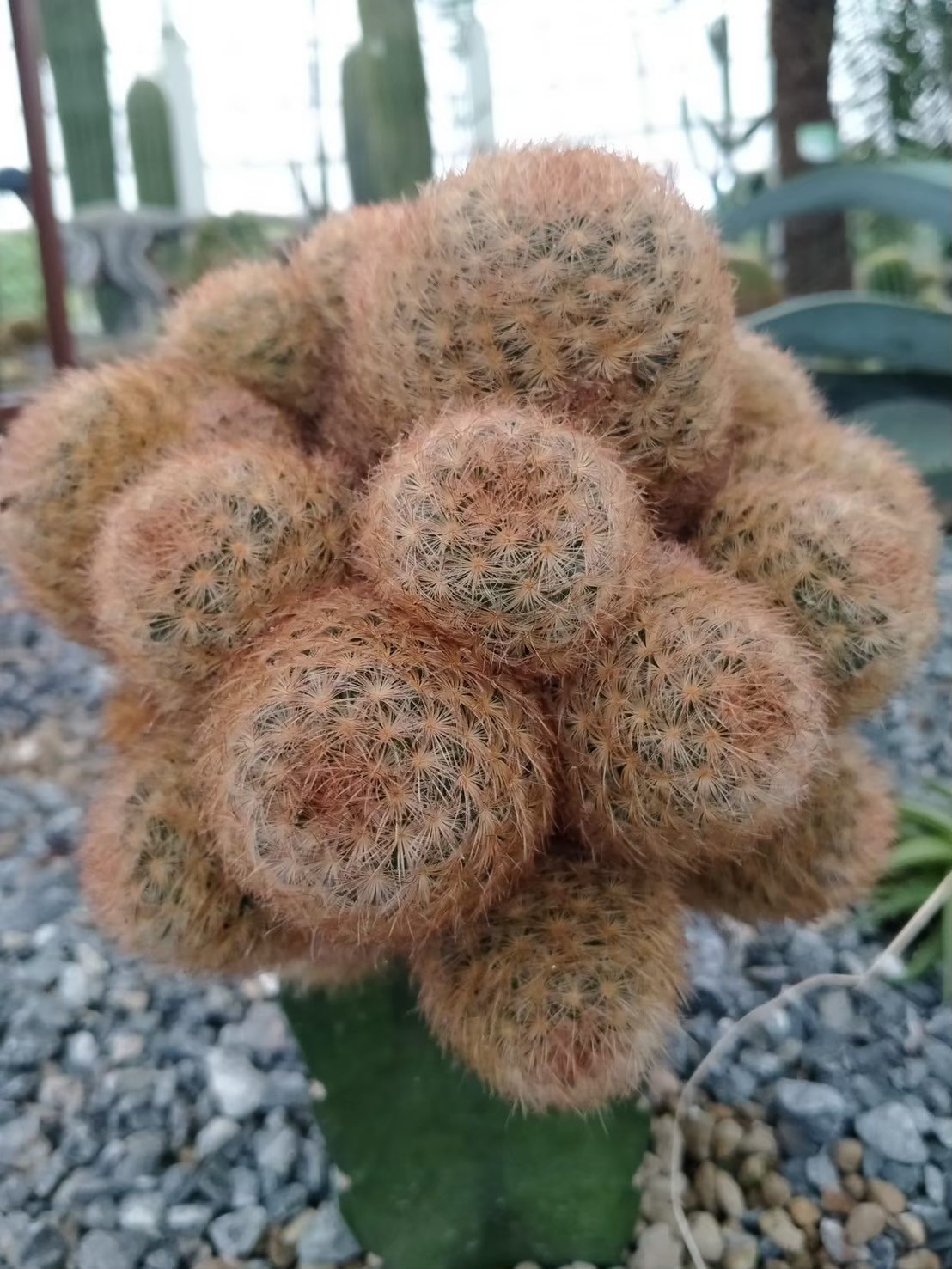
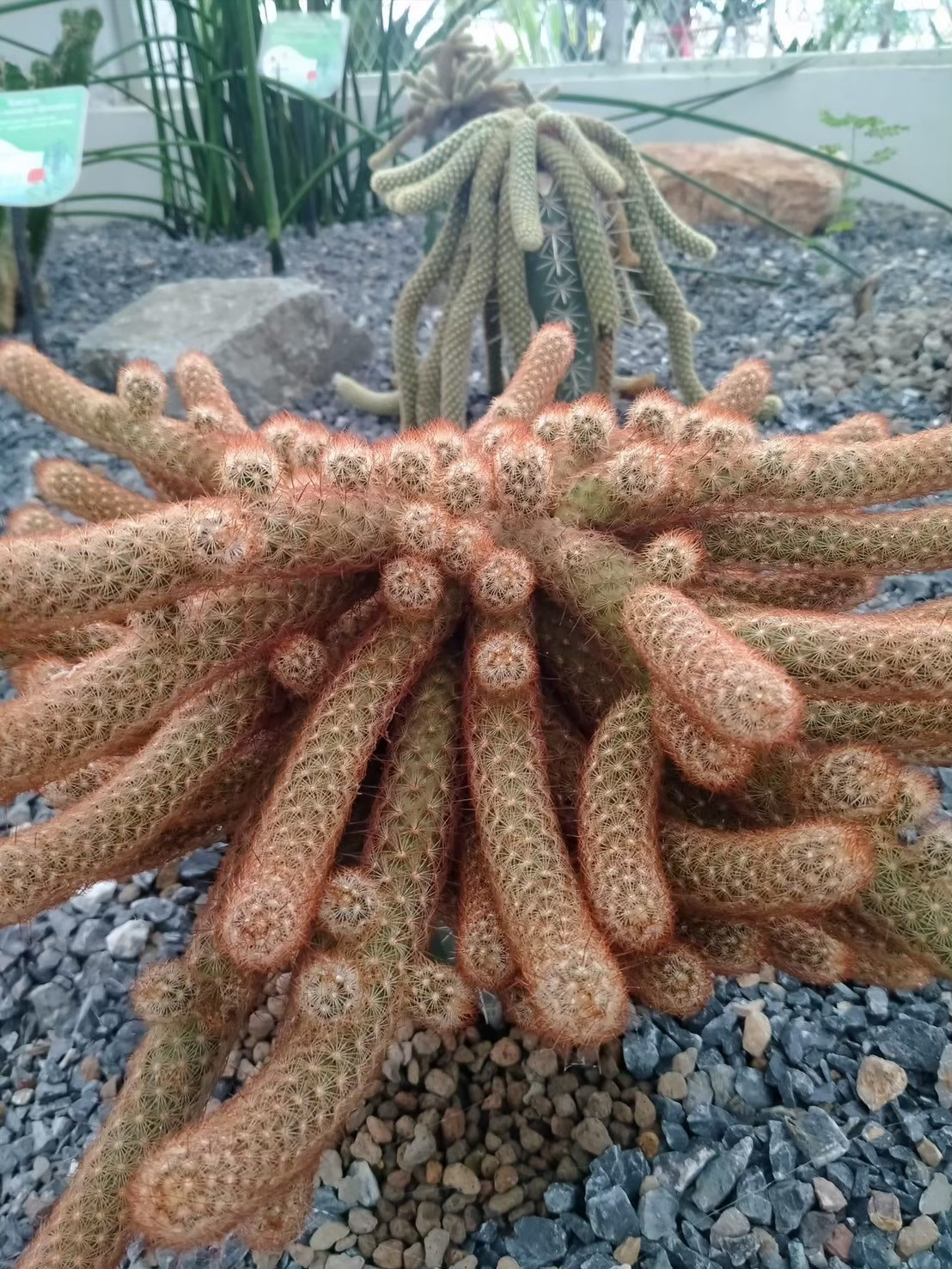
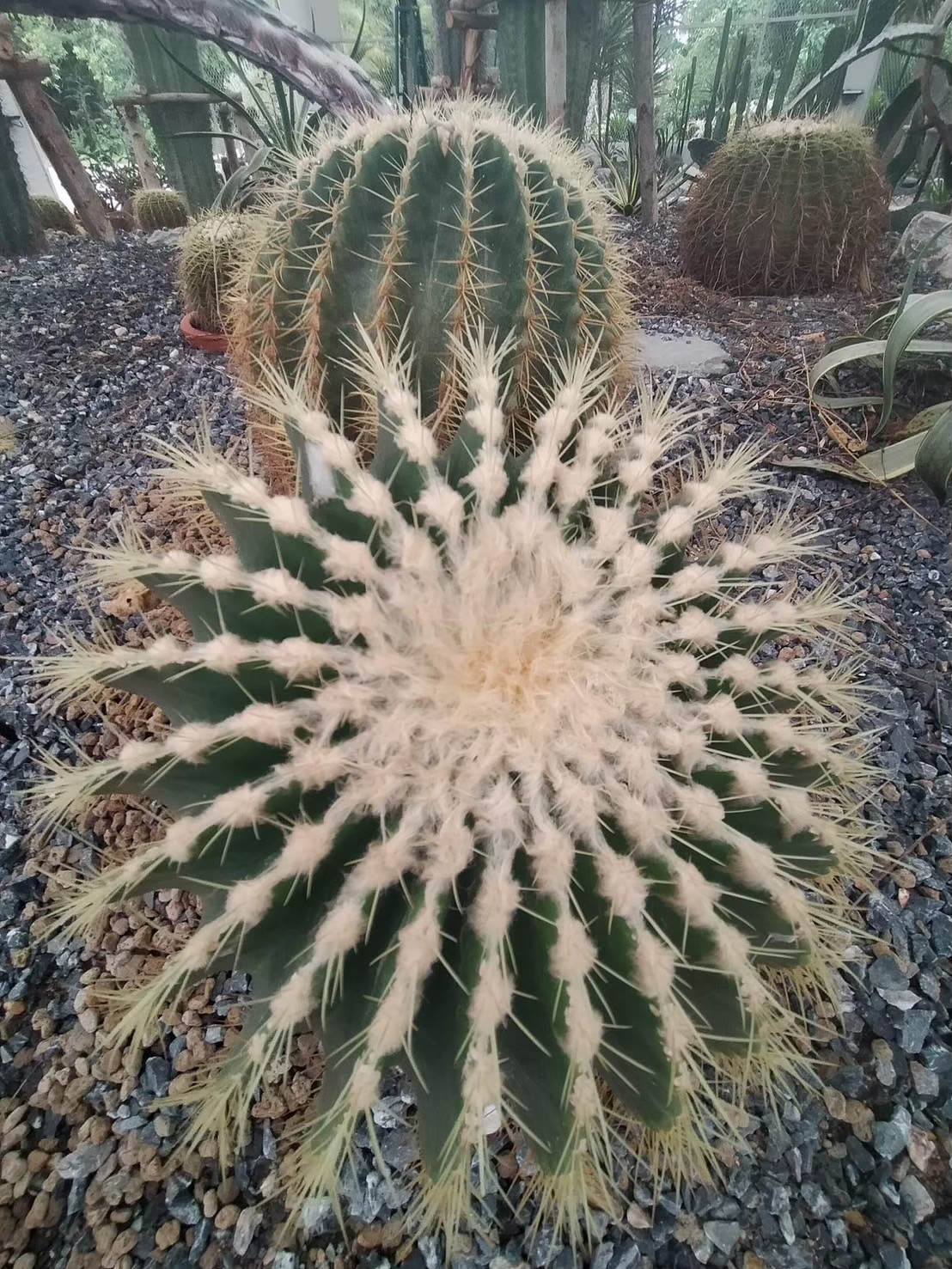
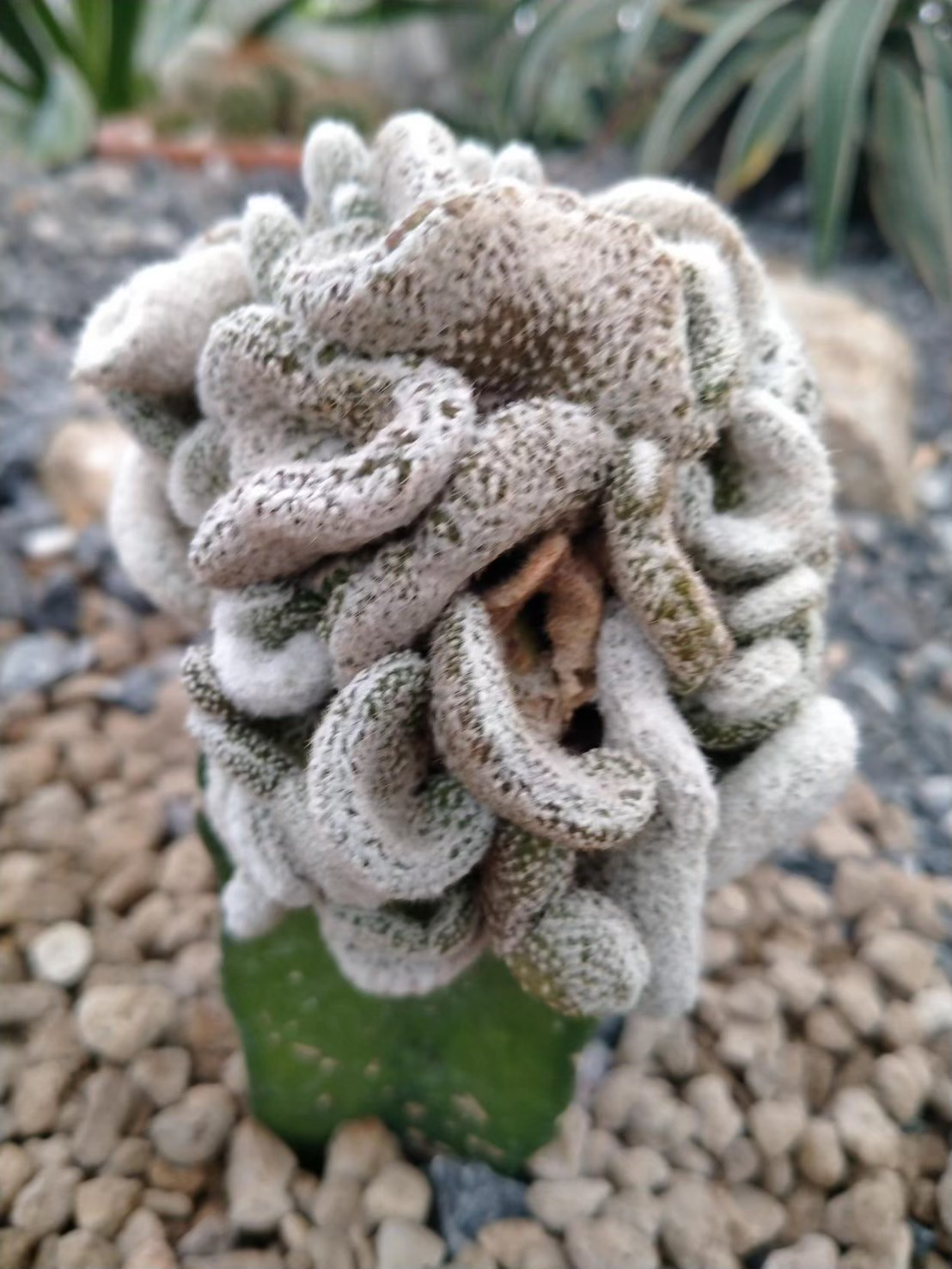
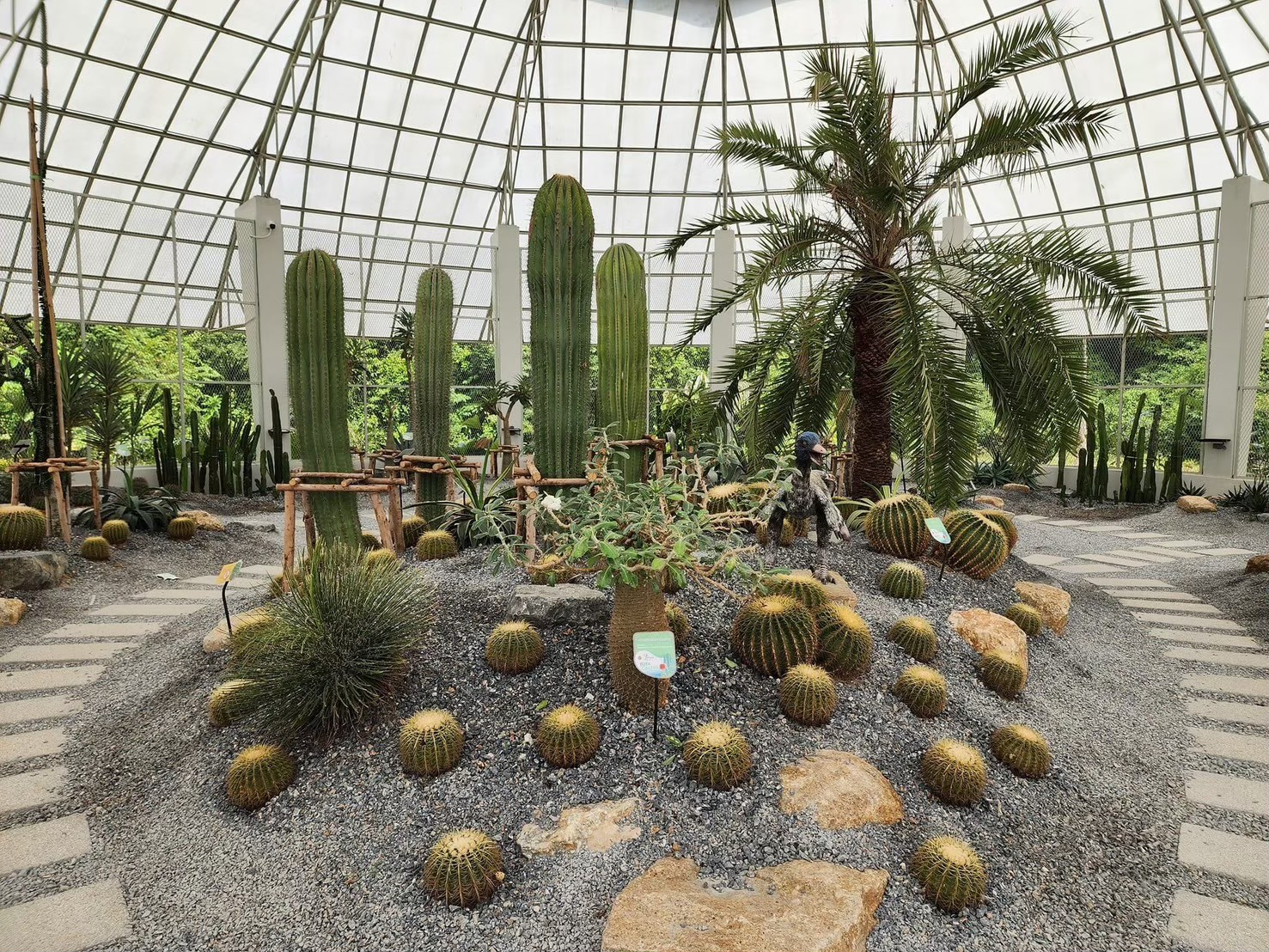
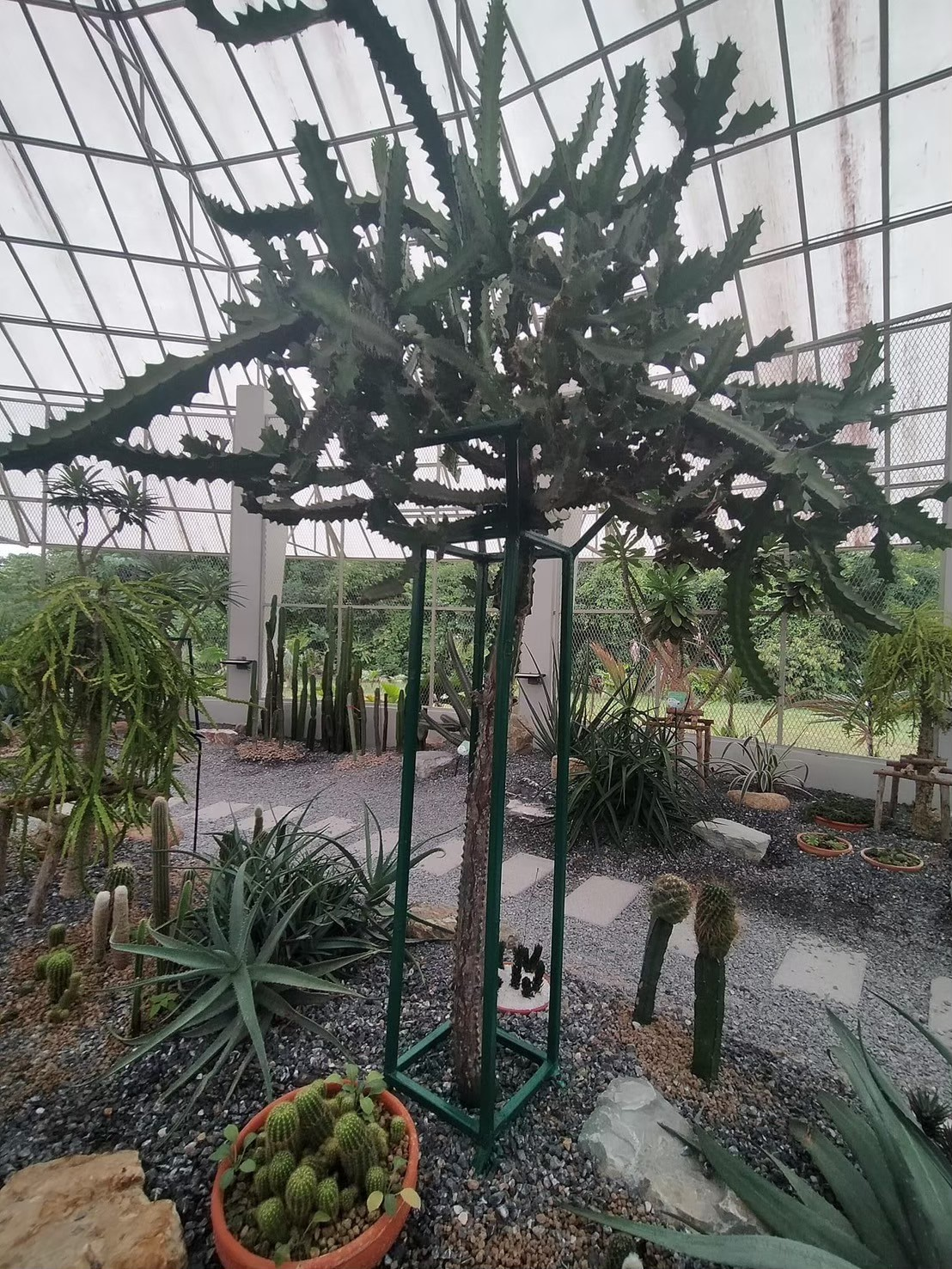
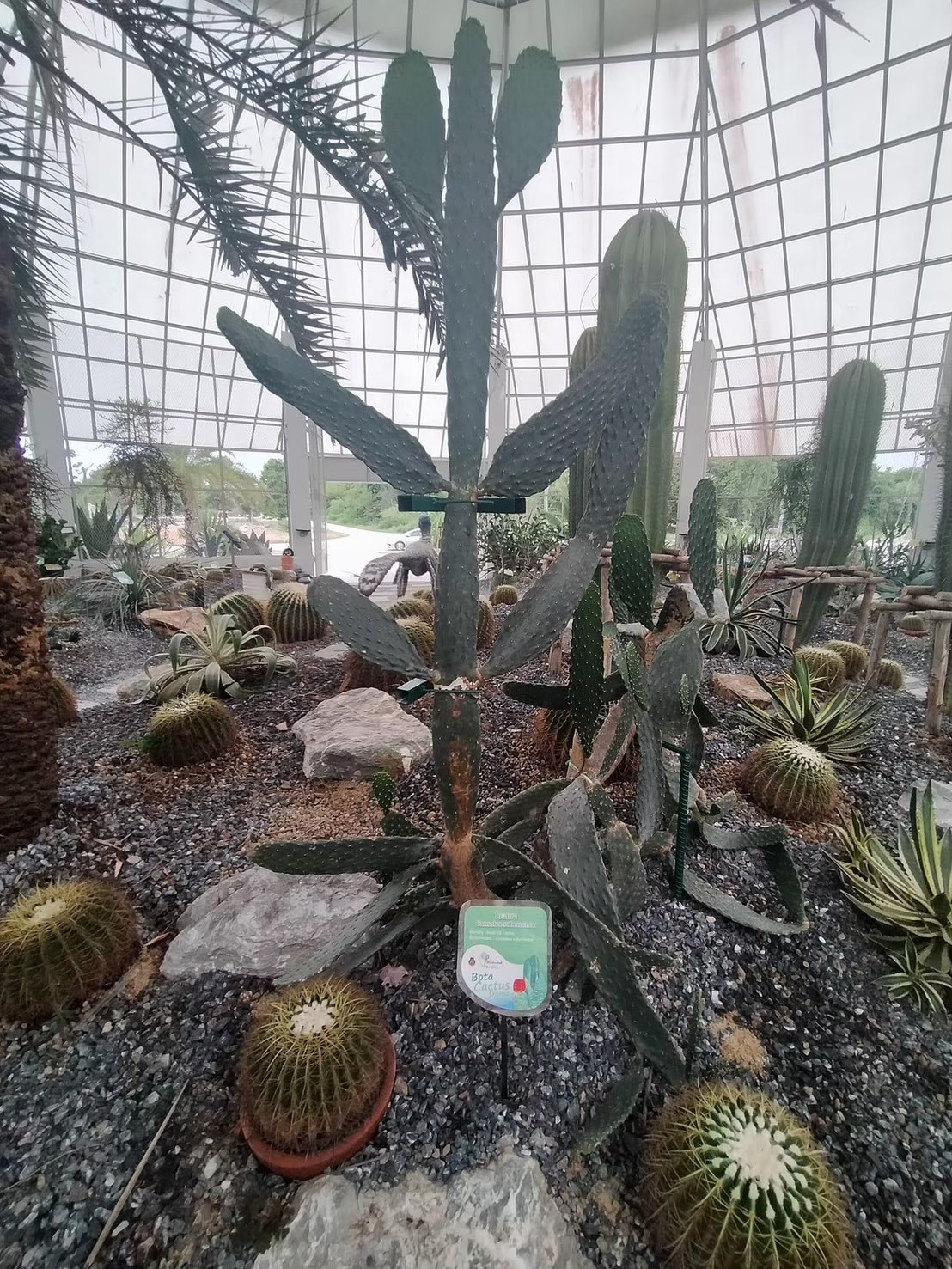
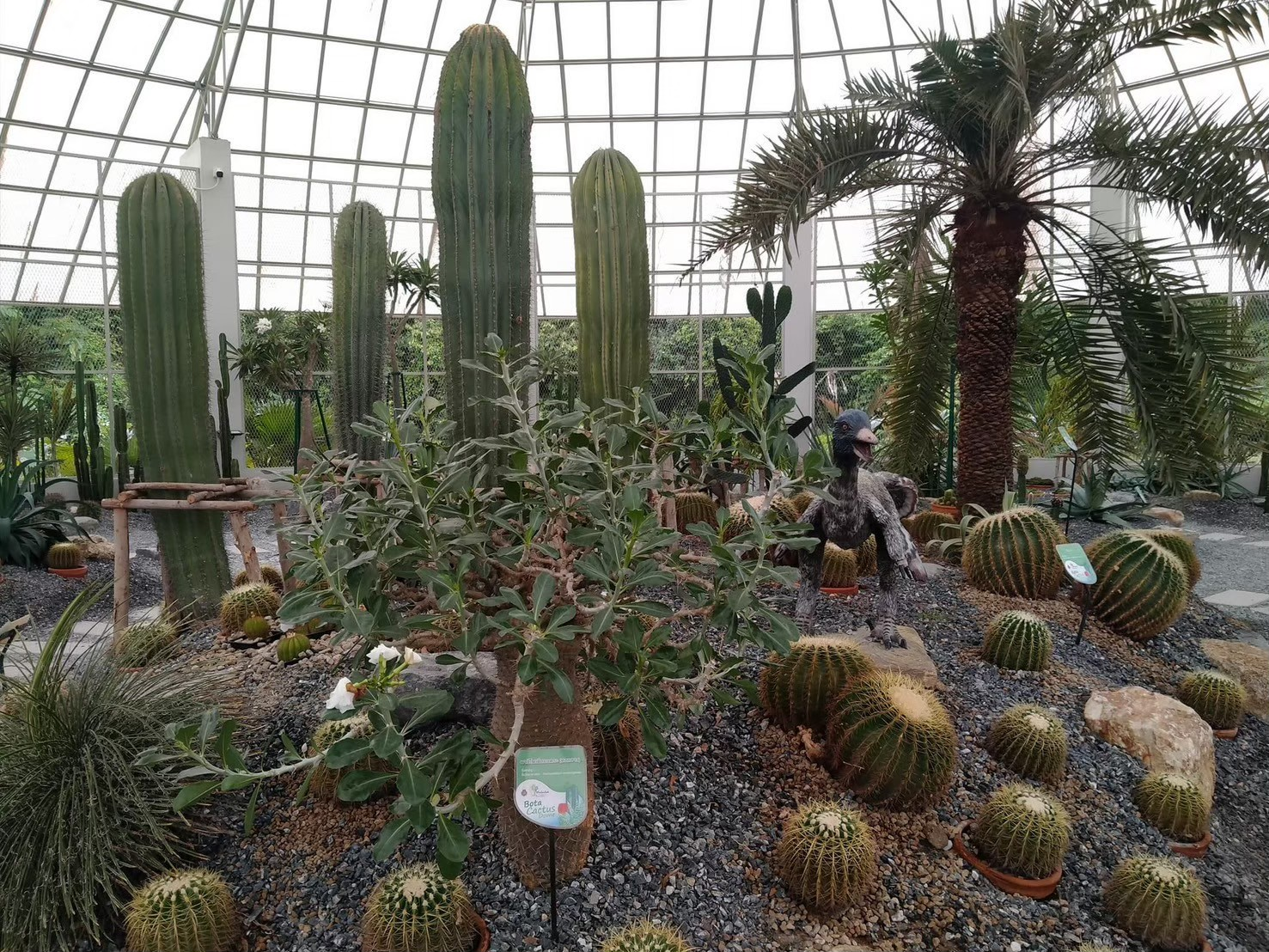
Currently, the university has planted landscapes to minimize water usage by using drought tolerant plants and promote water conservation. Various drought-tolerant species have been planted, such as in the BOTA Cactus Dome located in Walailak Botanic Park. The dome is the largest cactus dome in southern Thailand, housing a collection of cactus species, drought-tolerant plants, and succulents. The primary goal of the cactus dome is to serve as a collection and exhibition space for these plant species and as and important learning resources for students and the general public interested in the flora of southern Thailand. The dome features 22 cactus species, 3 succulent species, 12 drought-tolerant plant species, totaling 220 plants, including one olive tree, 34 palm species, and three creeping tamarind trees. It serves as a significant study resource for students, researchers, and visitors, enhancing the beauty of the landscape and increasing public interest in Walailak Botanic Park.
Figures : The Largest Cactus Dome in Southern Thailand: BOTA Cactus Dome at Walailak University
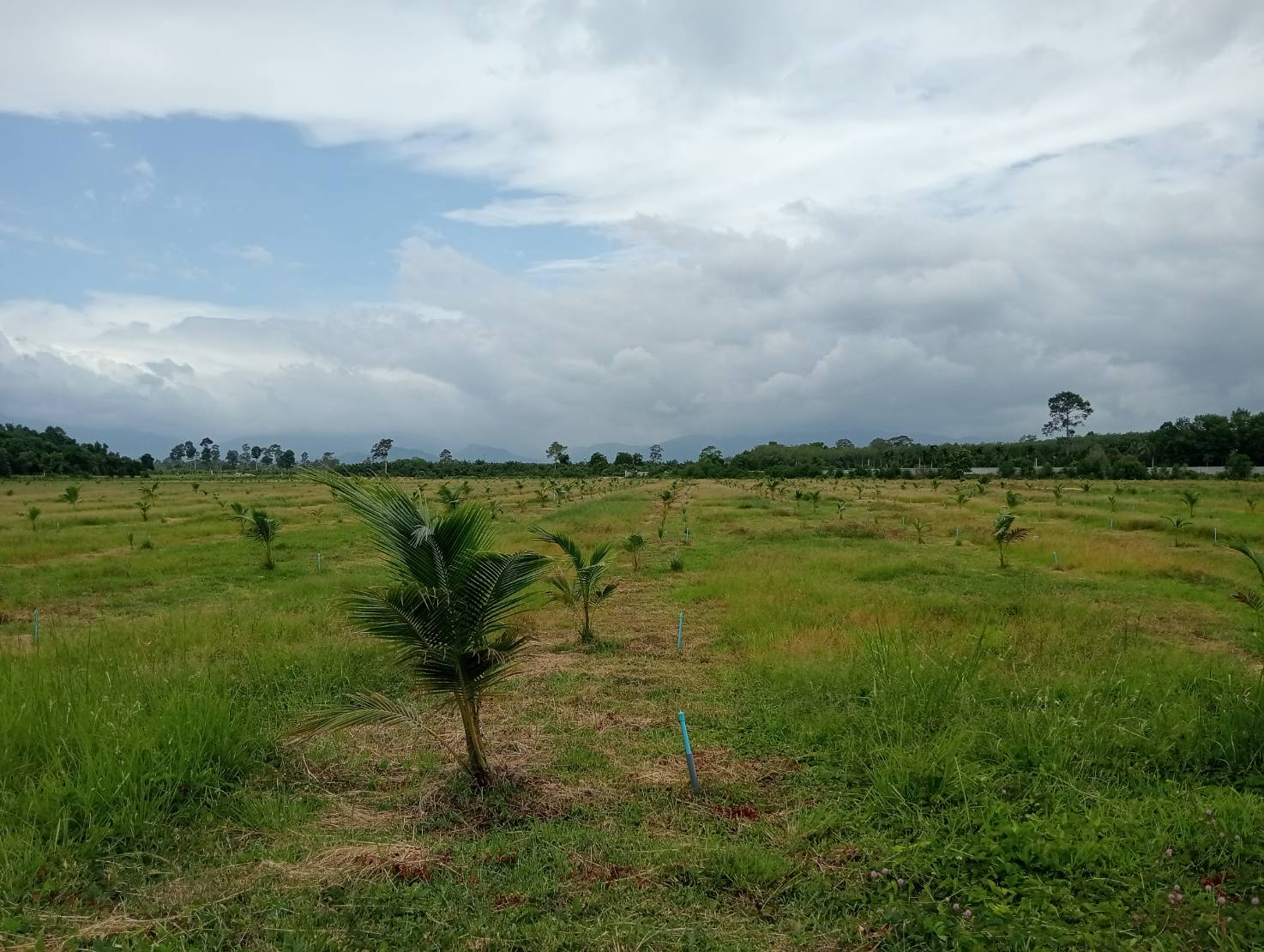
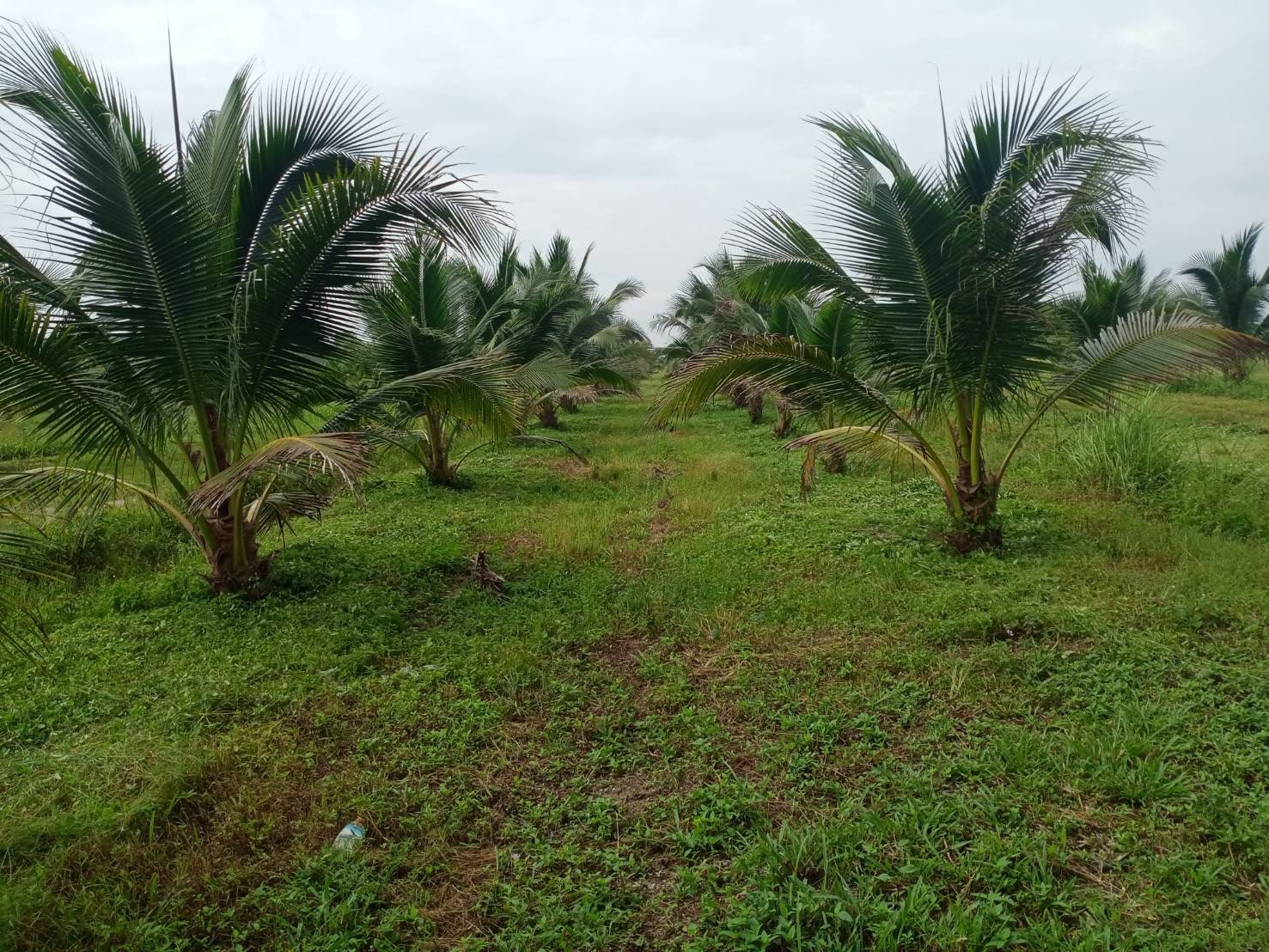
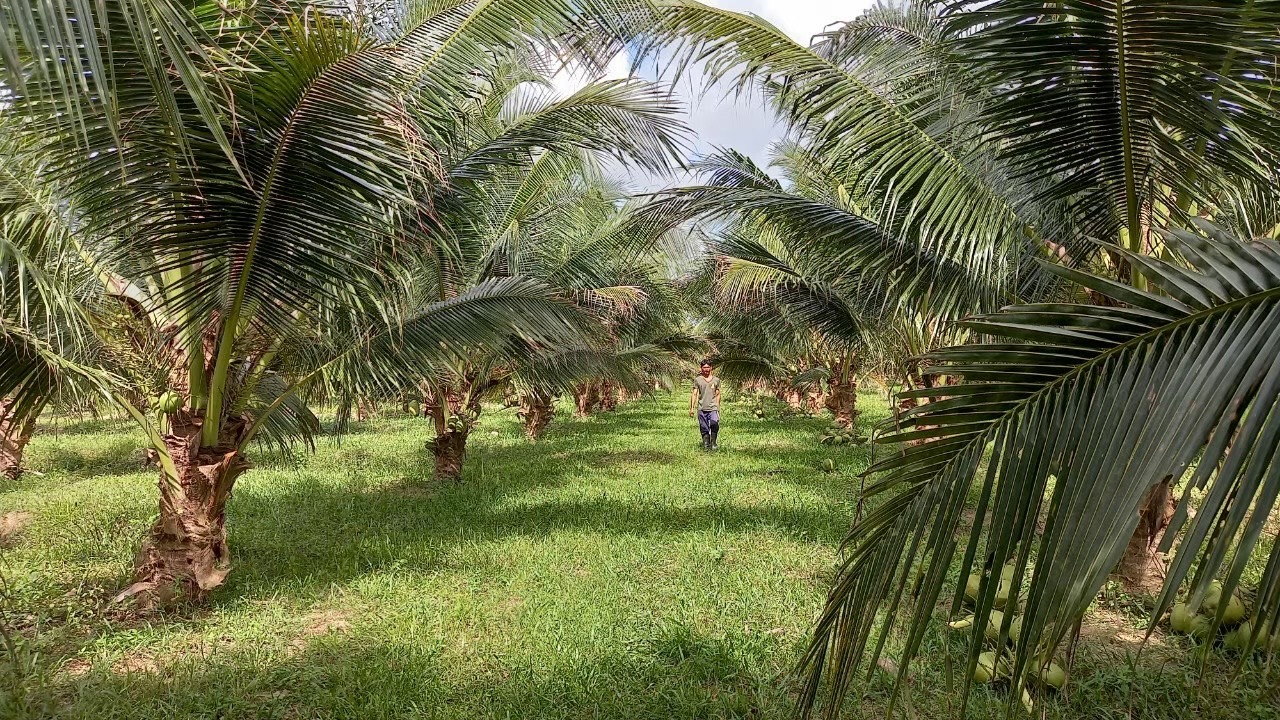
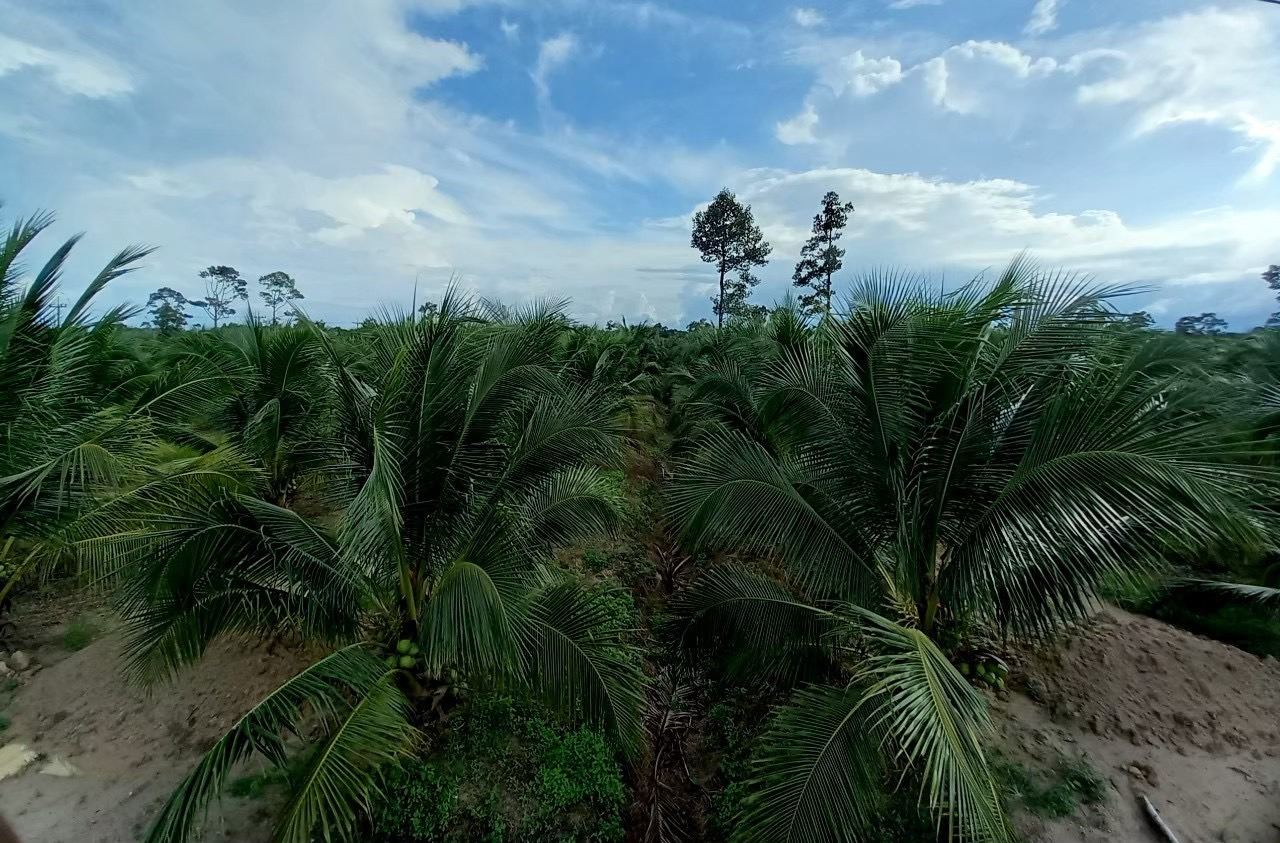
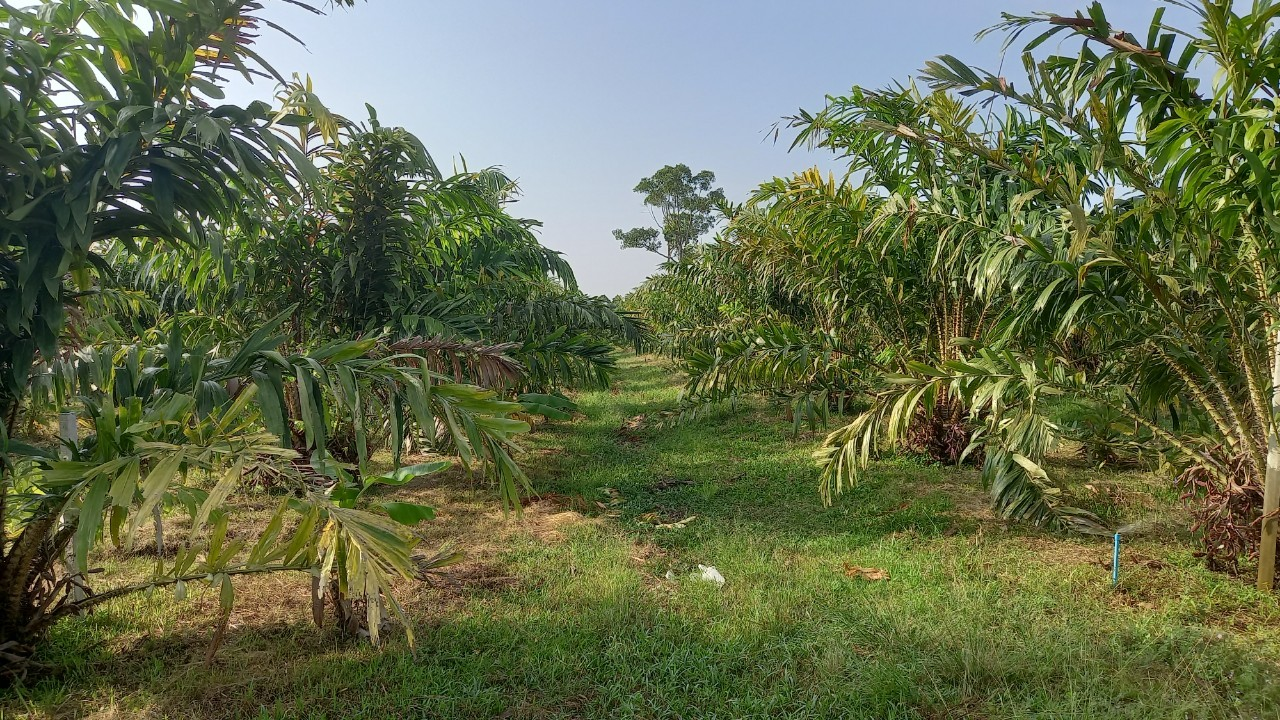
Figures : The Aromatic Coconut Plantation Area at Walailak University
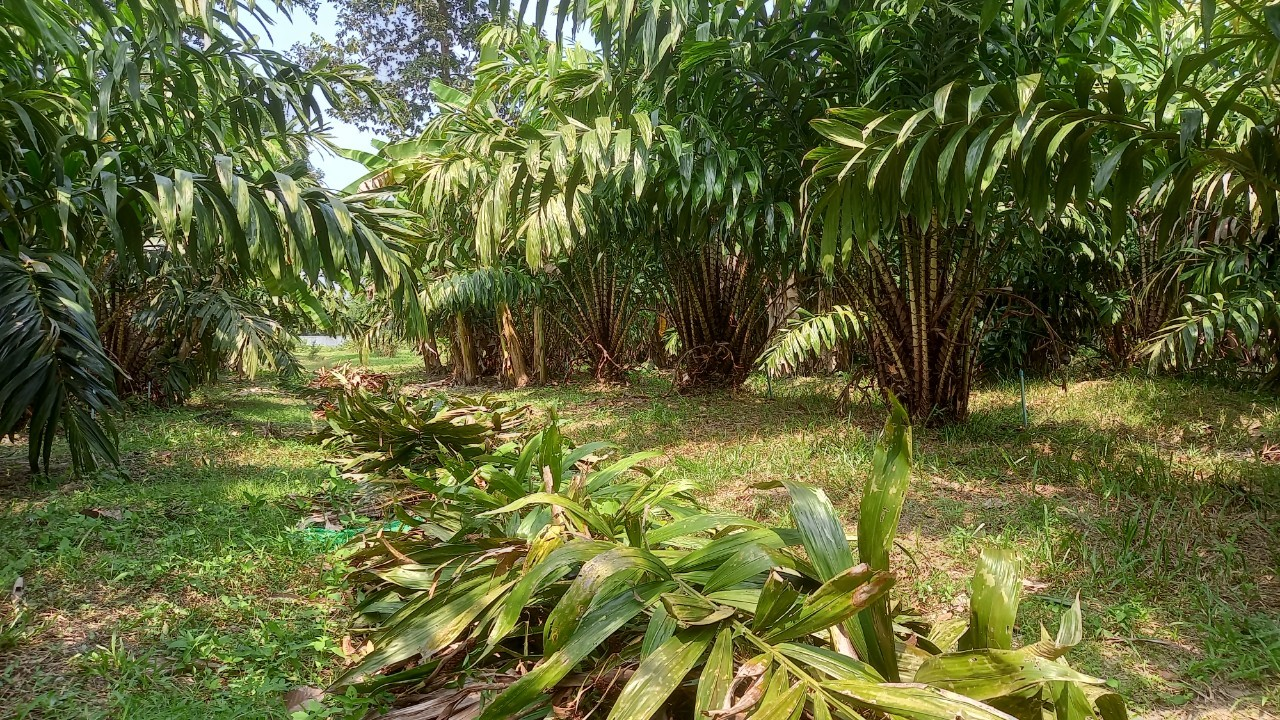
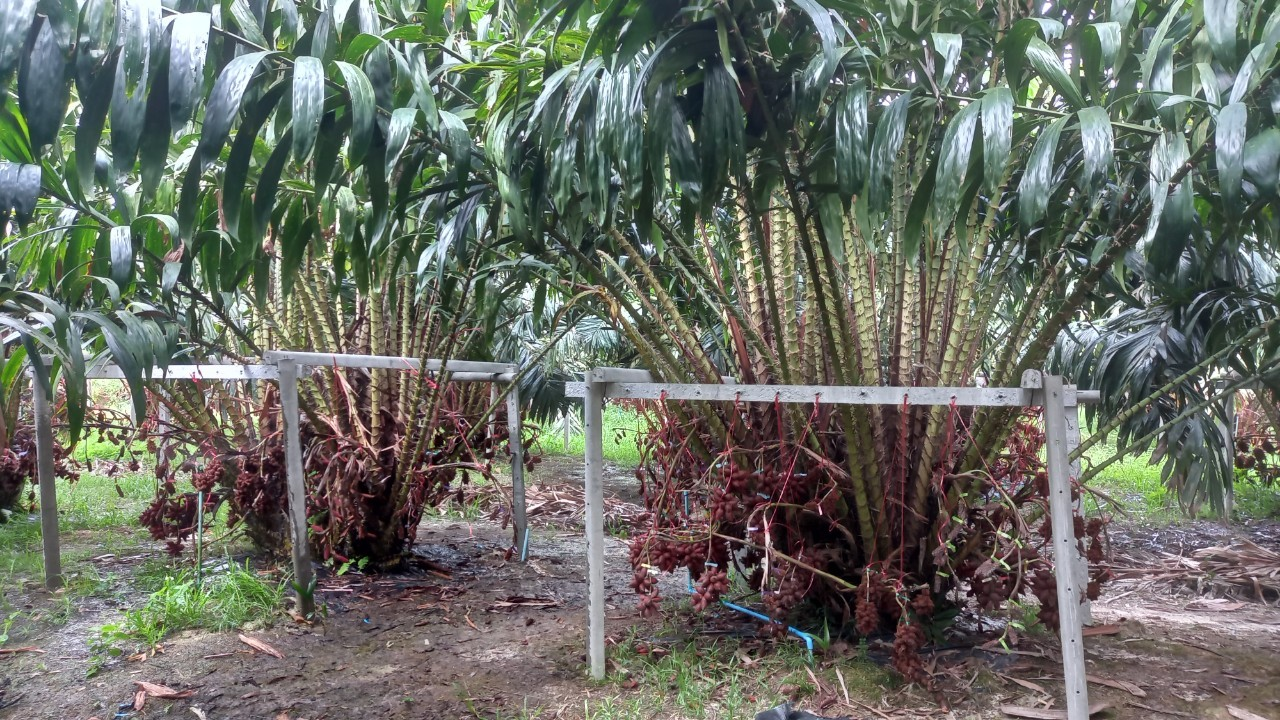
Figures : The Salak Plantation Area at Walailak University
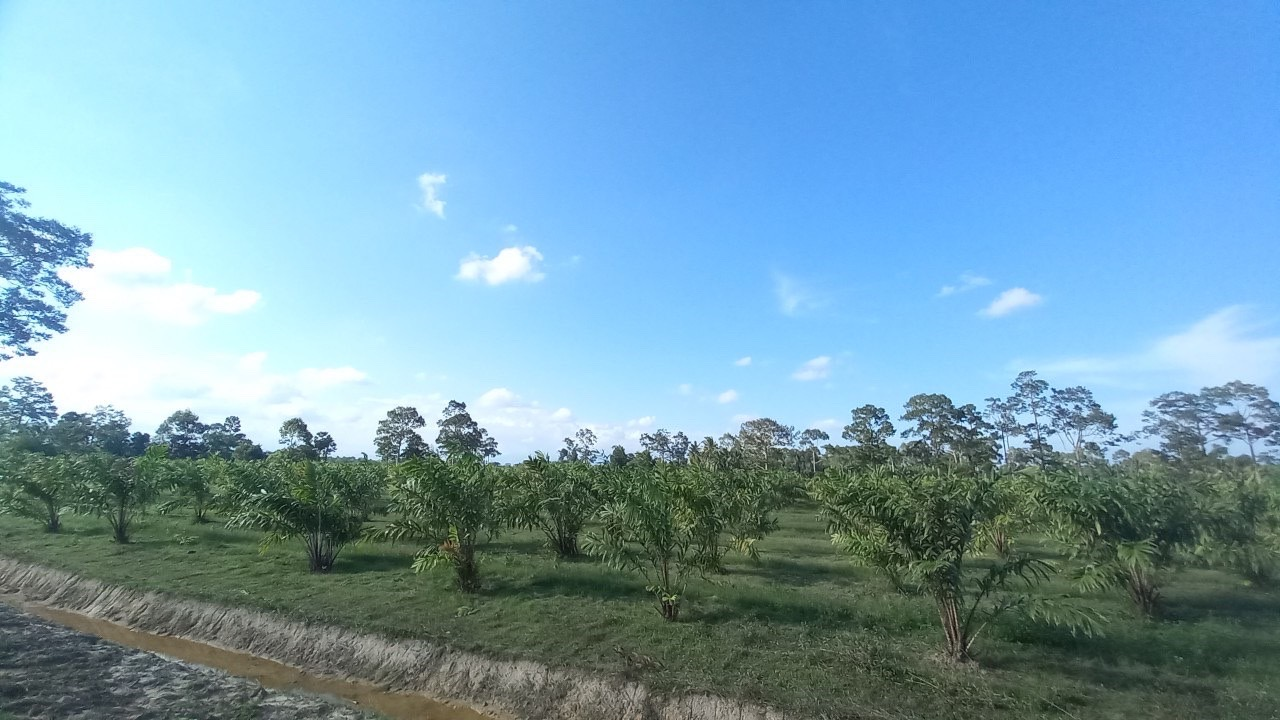
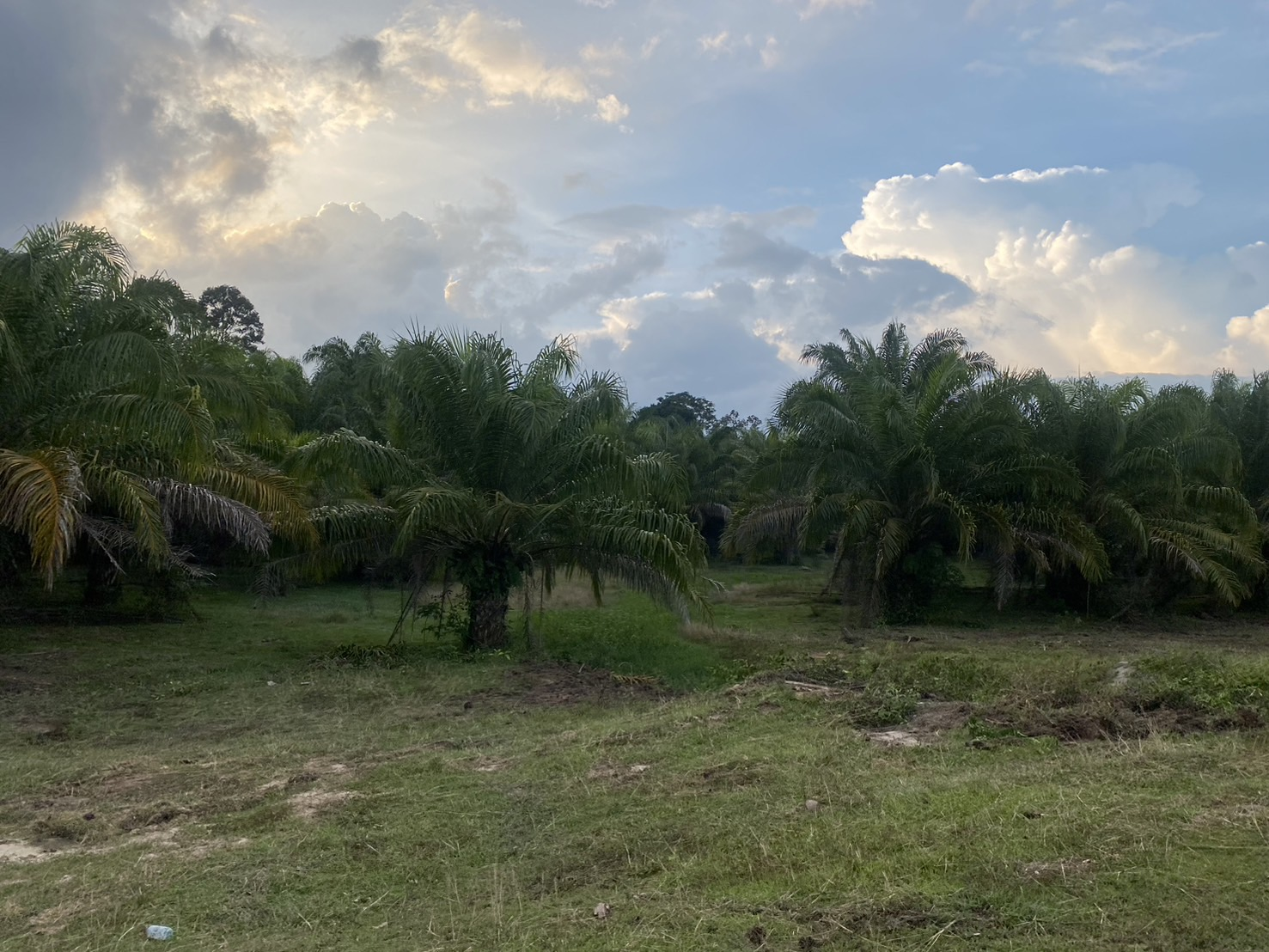
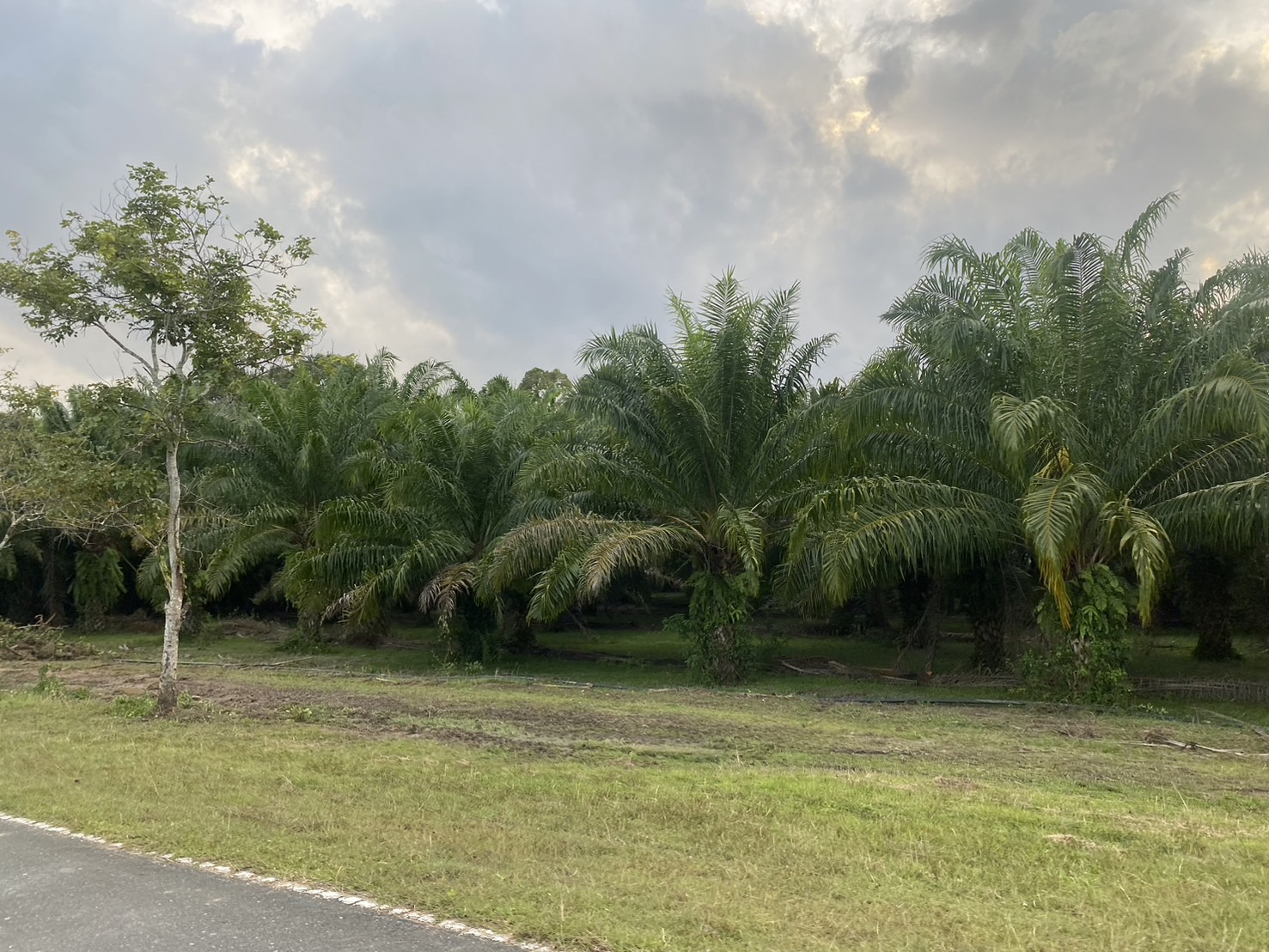
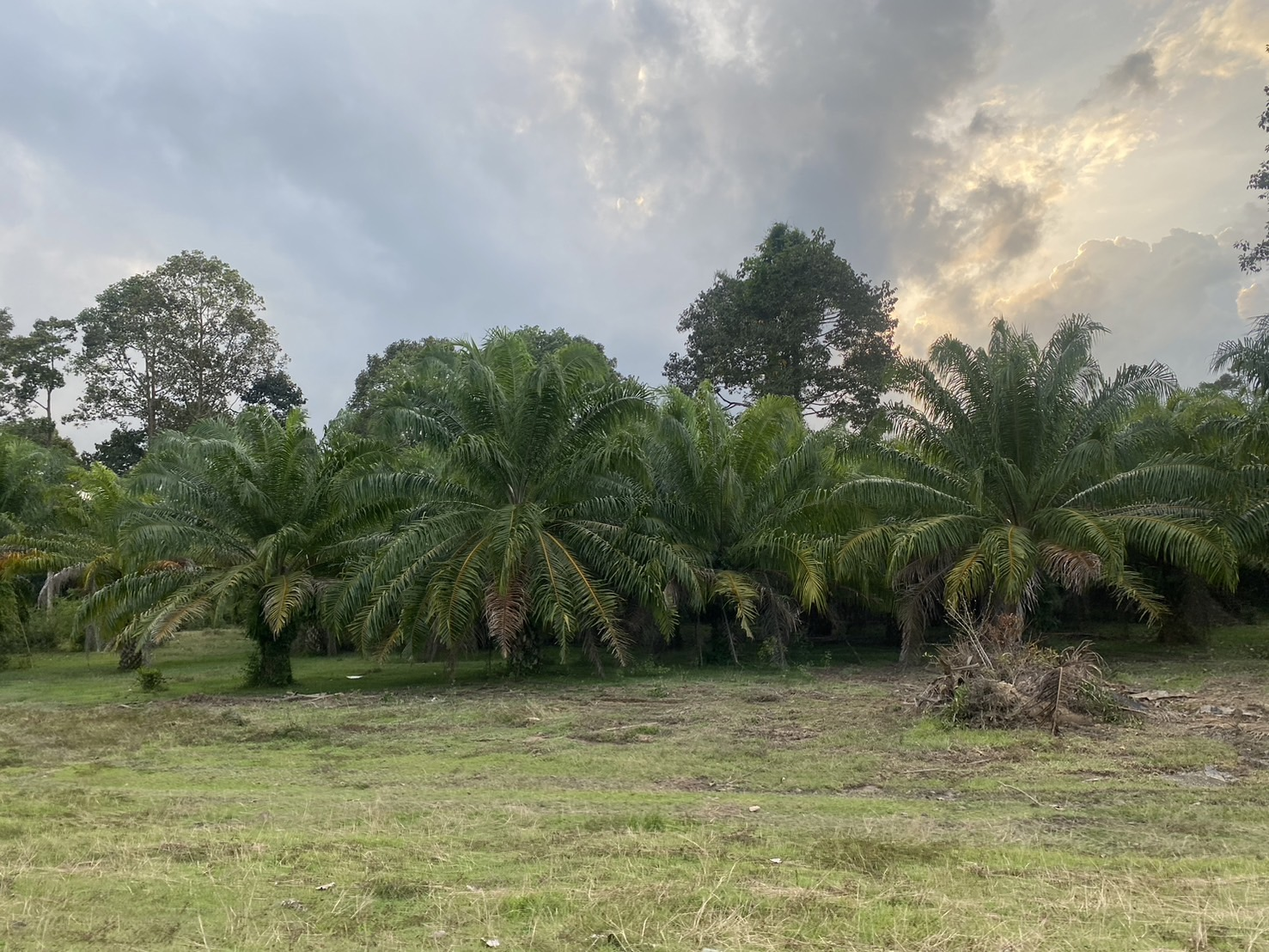
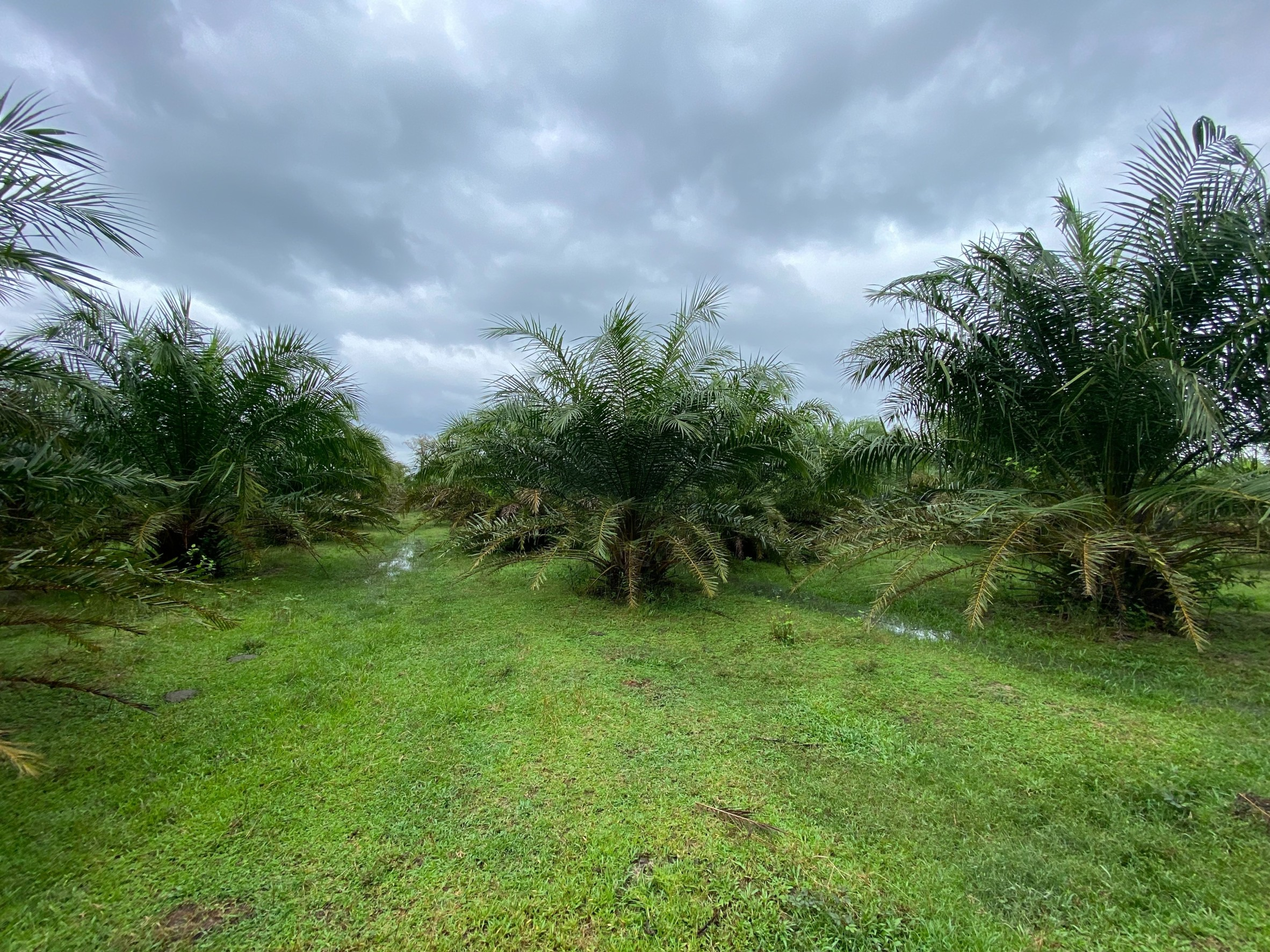
Figures : The Oil Palm Plantation Area at Walailak University
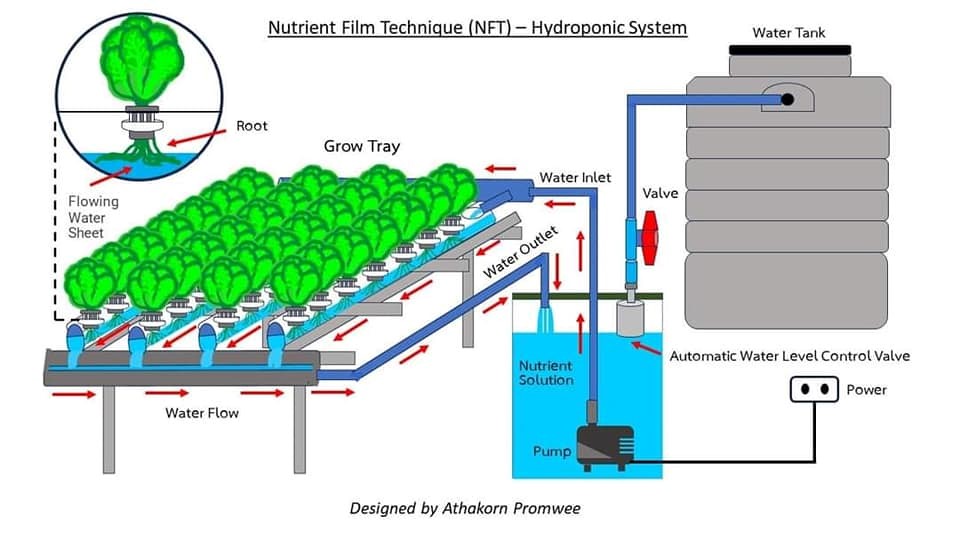
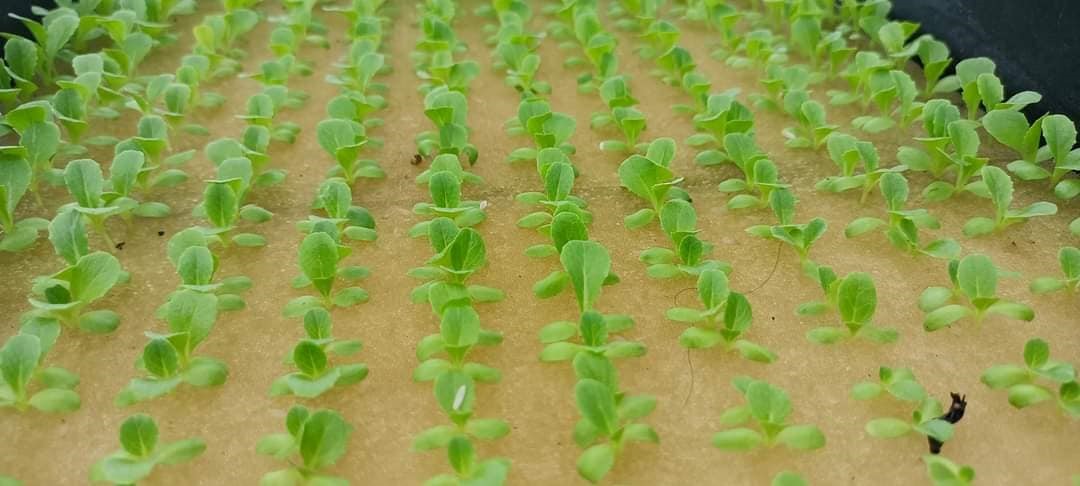
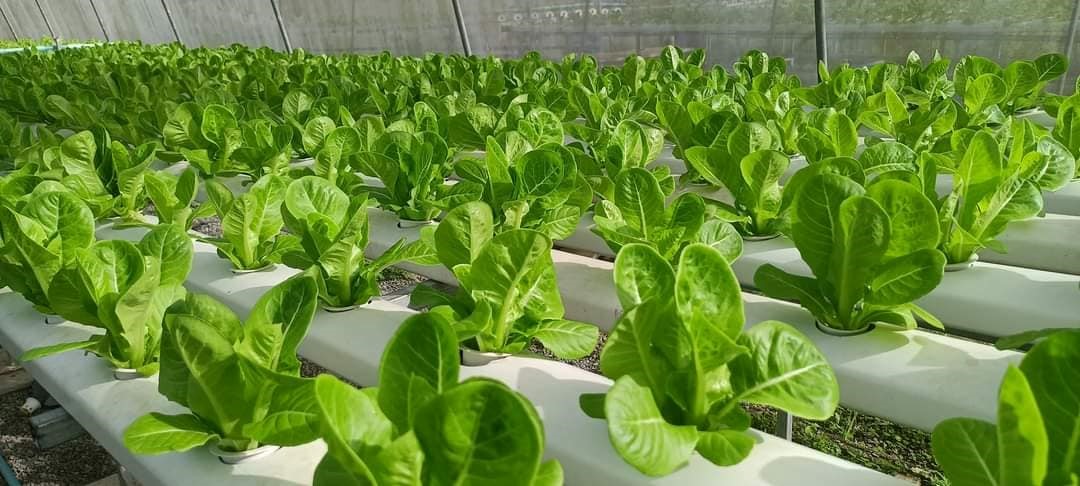
The university has also designated areas for soilless culture and other water-saving technologies for plant production. For example, the university grows vegetables using hydroponic systems, which require significantly less water compared to traditional soil farming. In conventional farming, much of the water seeps deep into the soil and is lost to the plants. However, in hydroponic systems, the plant roots are immersed in a nutrient solution, ensuring continuous moisture and nutrient absorption for growth and development. This system allows for water recycling, filtration, replenishment, and reuse. Excess nutrient solution can serve as a backup water source for future plantings under the hydroponic system. Hydroponic cultivation can reduce irrigation water use by 70-90% and uses 85-90% less water than traditional soil-based agriculture.
Figures : Soilless Culture Technology or Hydroponic Farming at Walailak University