
Empowering Local Communities with Water Management Tools: Walailak University’s Commitment to Actively Promoting Conscious Water Usage and Collaboration
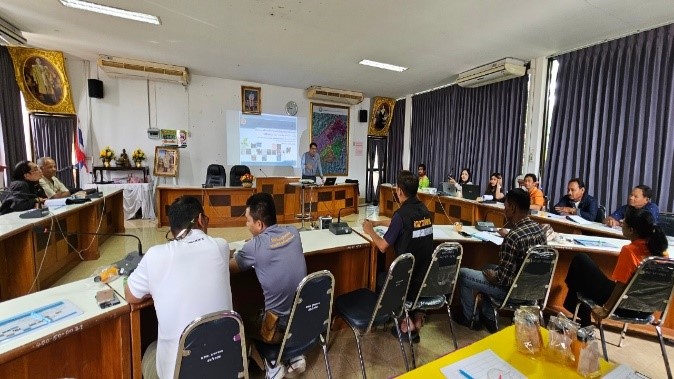
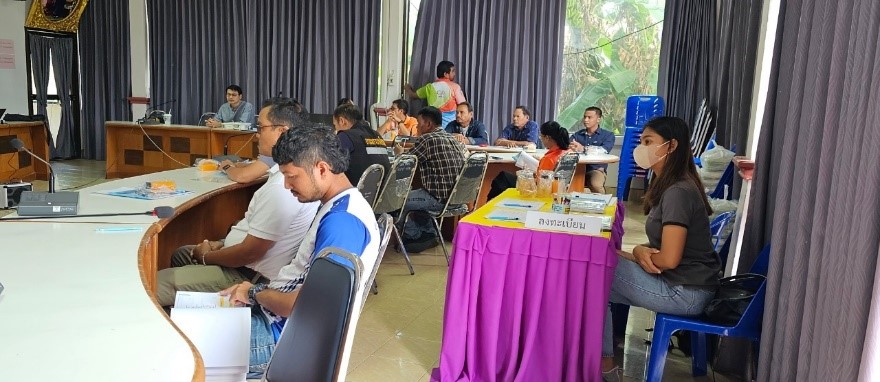
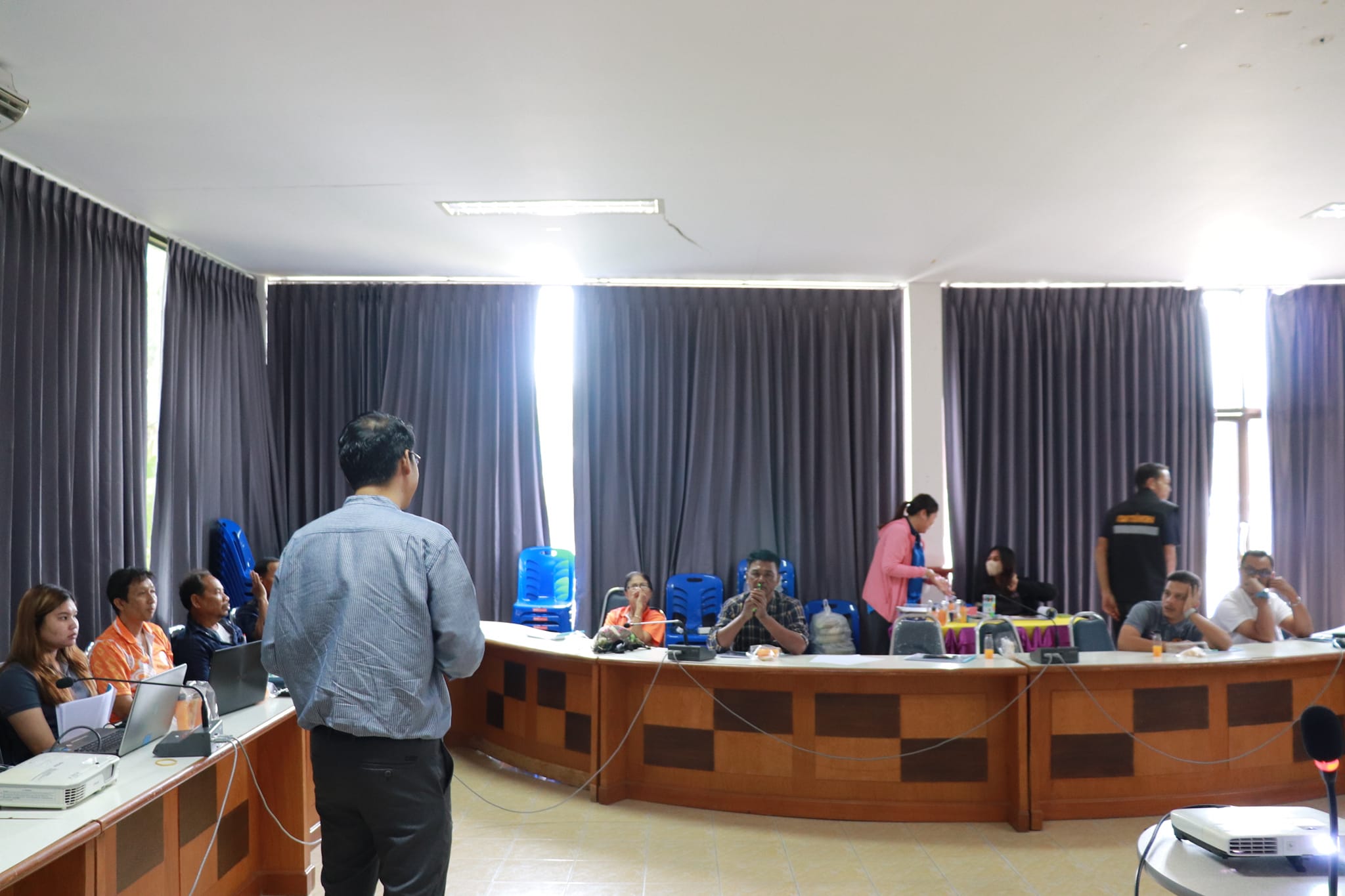
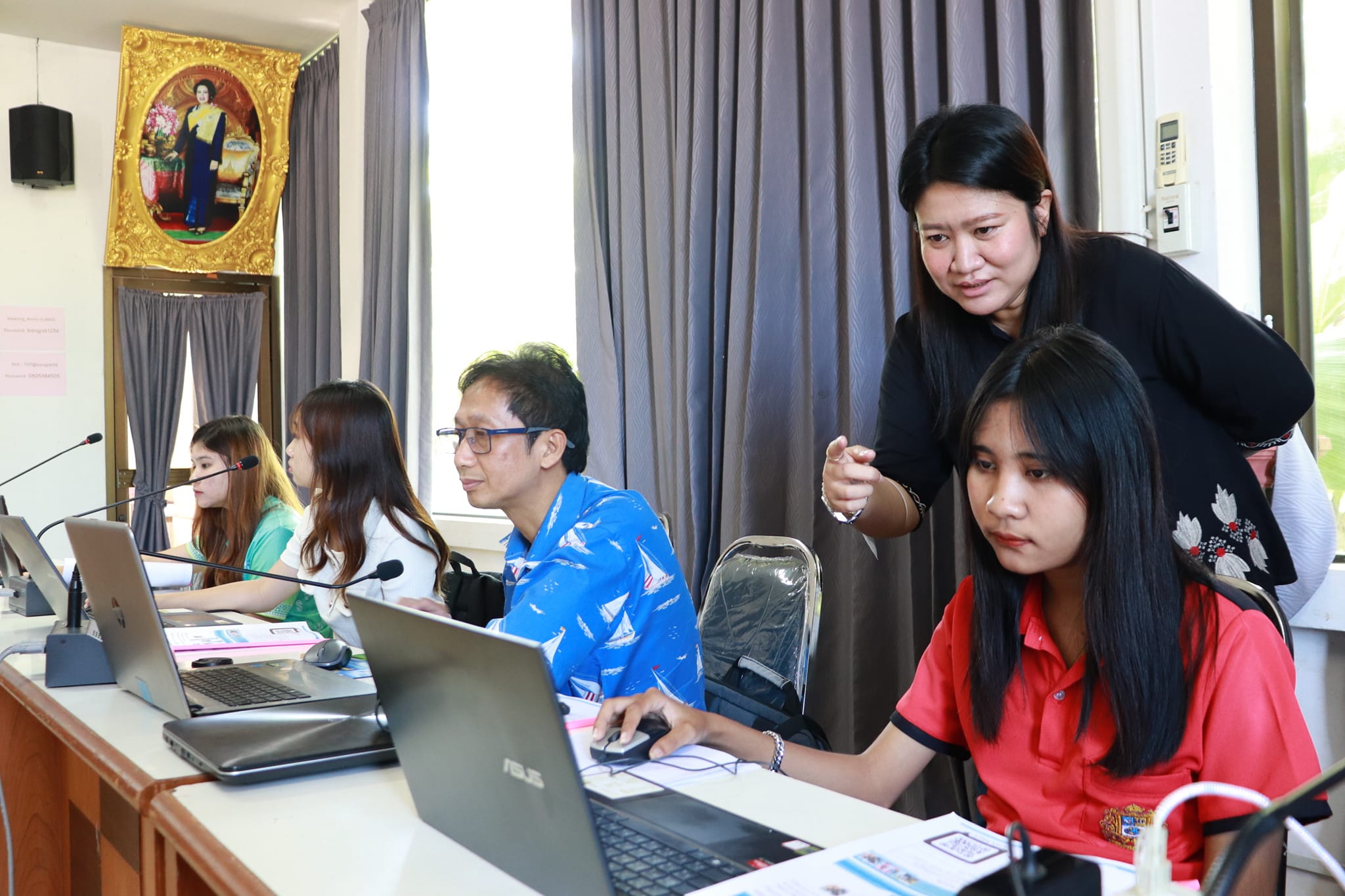
In 2023, the university organized free training sessions to raise awareness of conscious water usage in wider community including local residents and various organizations in the area. Additionally, the university developed and designed a decision support program for water management planning at the sub-district level focusing on actively promoting conscious water usage. The case study was conducted in Khnab Nak Subdistrict, Pak Phanang District, Nakhon Si Thammarat Province, where the program was used to analyze water data for agricultural purposes and for water consumption needs. The project was aimed at fostering awareness through participatory processes between Walailak University and stakeholders engagement. A focus was placed on areas where water is primarily used for agricultural activities, encouraging local residents to take part in driving the initiative. It also emphasized the importance of water, its sources, and the benefits of conserving water for consumption, ensuring collaboration among all sectors in wider community to use water efficiently.
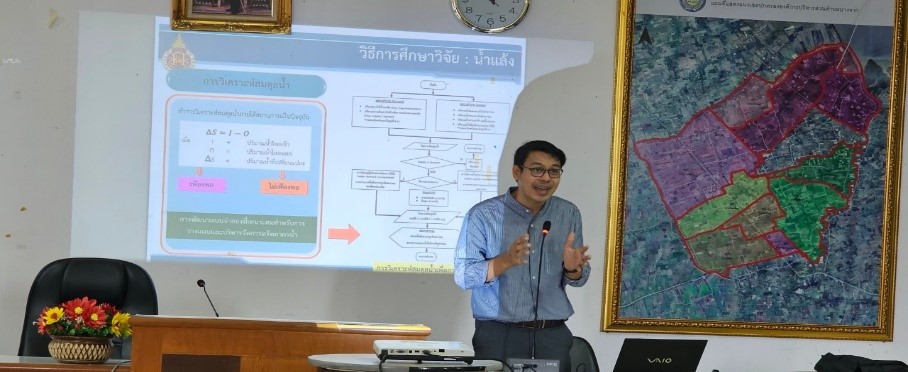
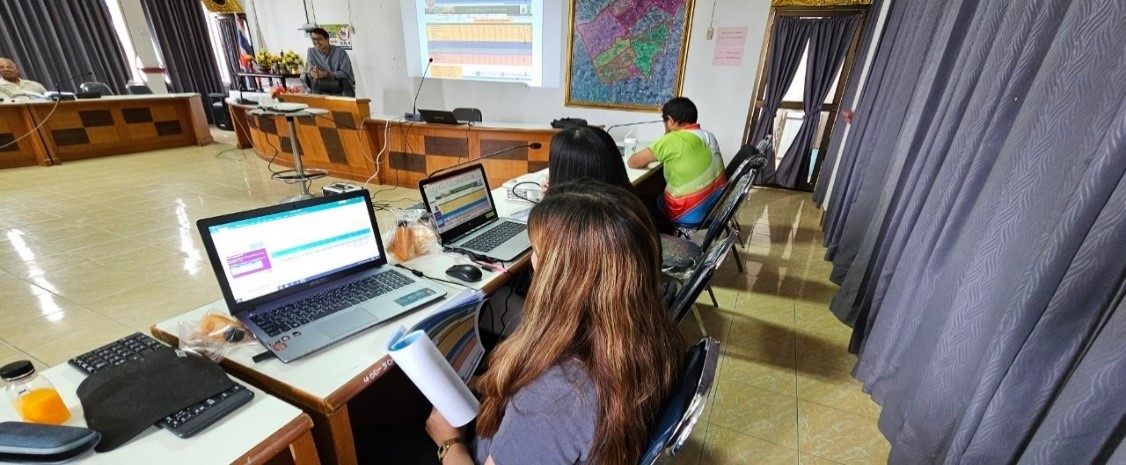
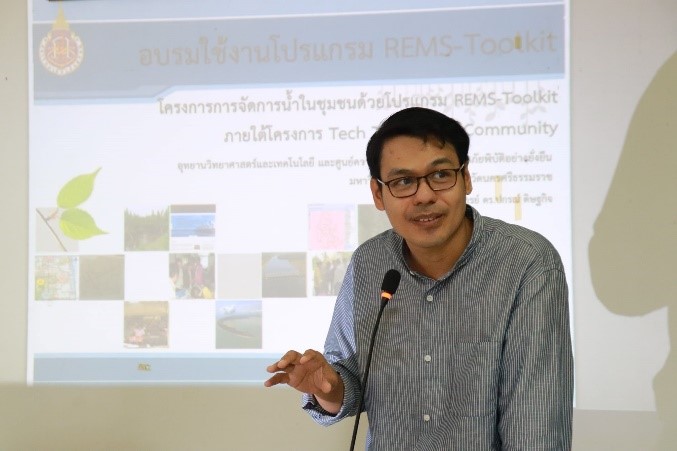
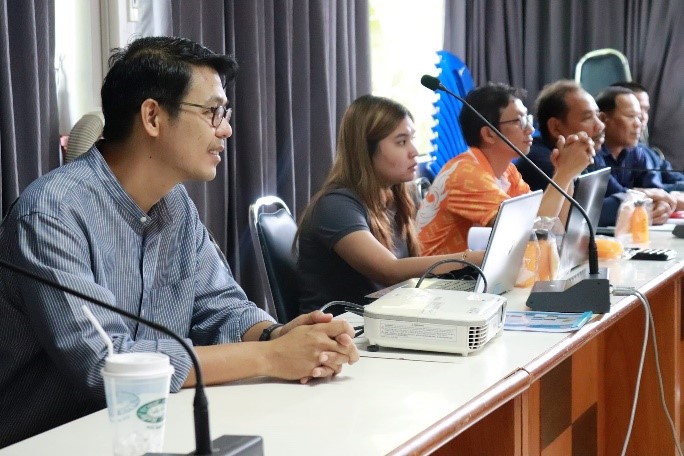
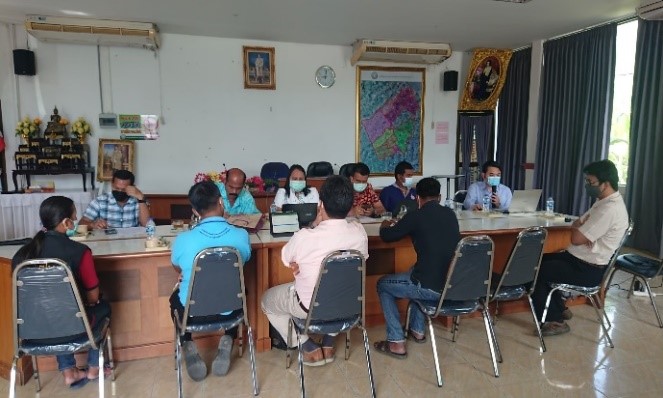
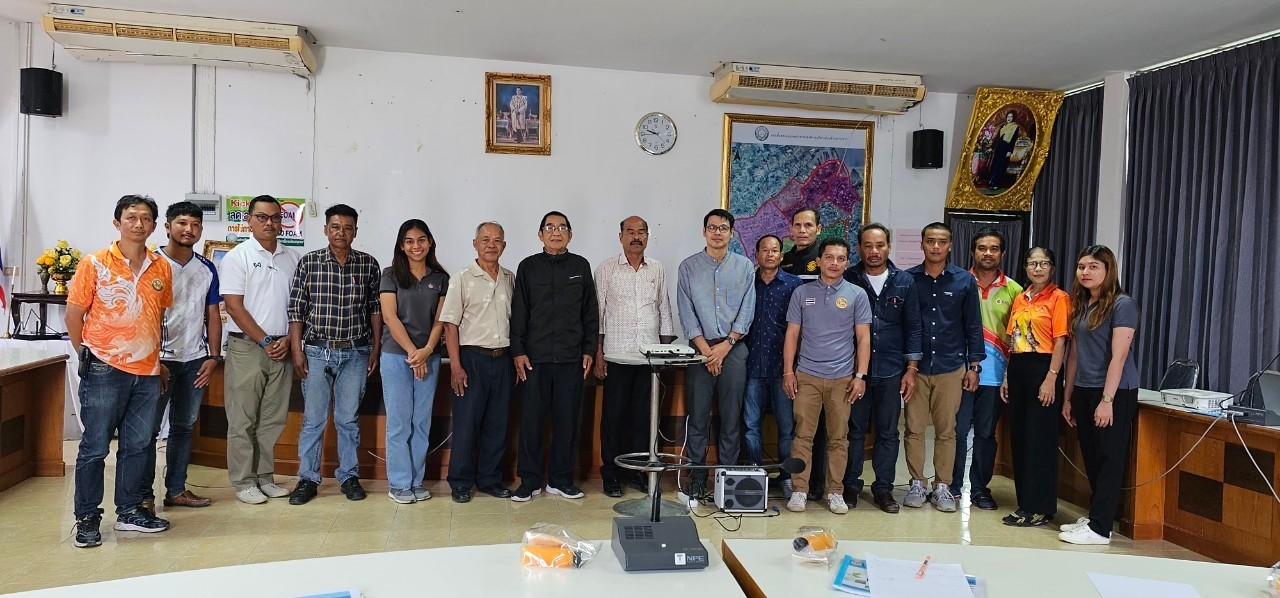
Figures : The university conducted training sessions to raise awareness on conscious water usage in wider community including local residents and organizations, offering these sessions free of charge.
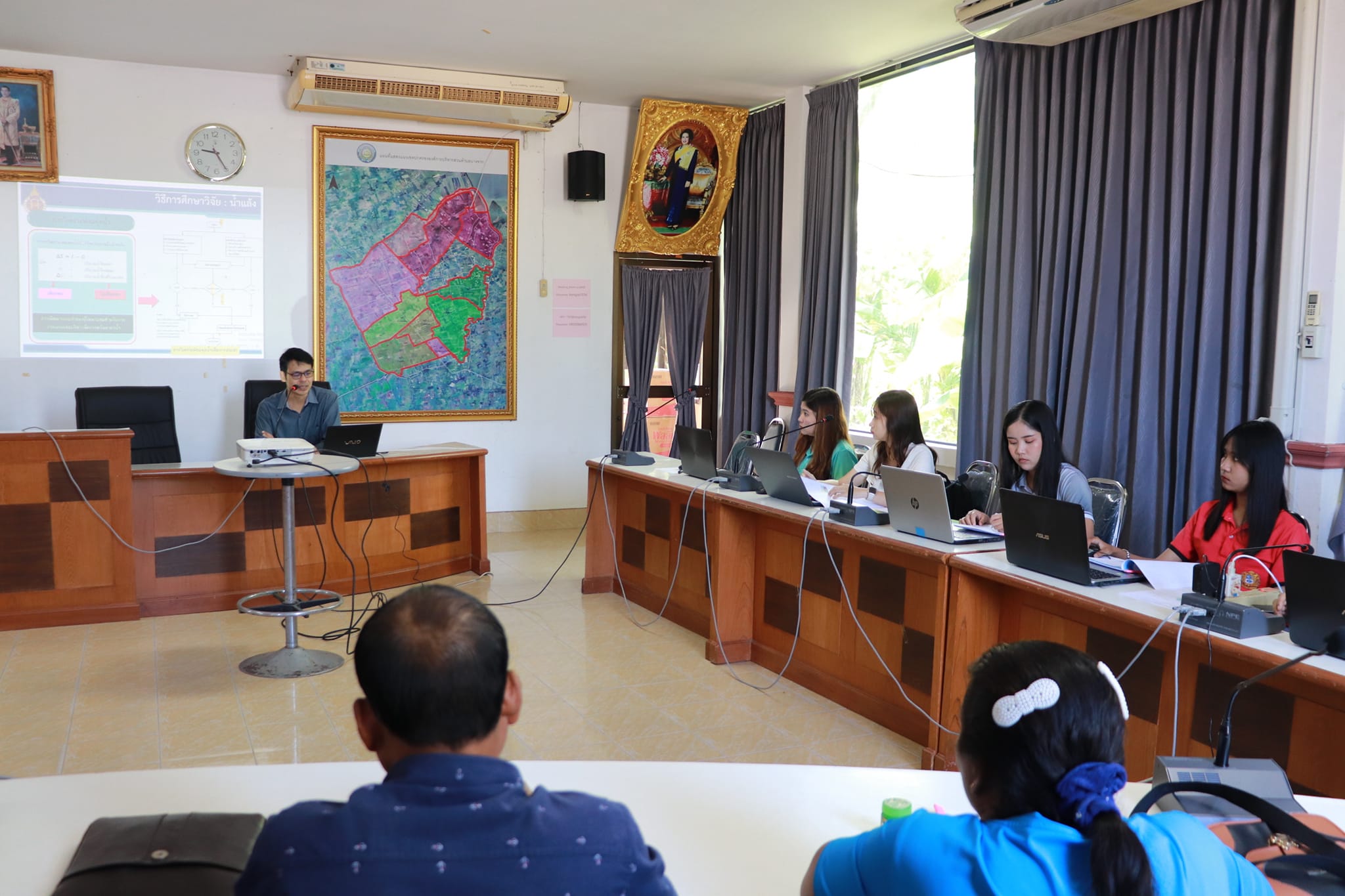
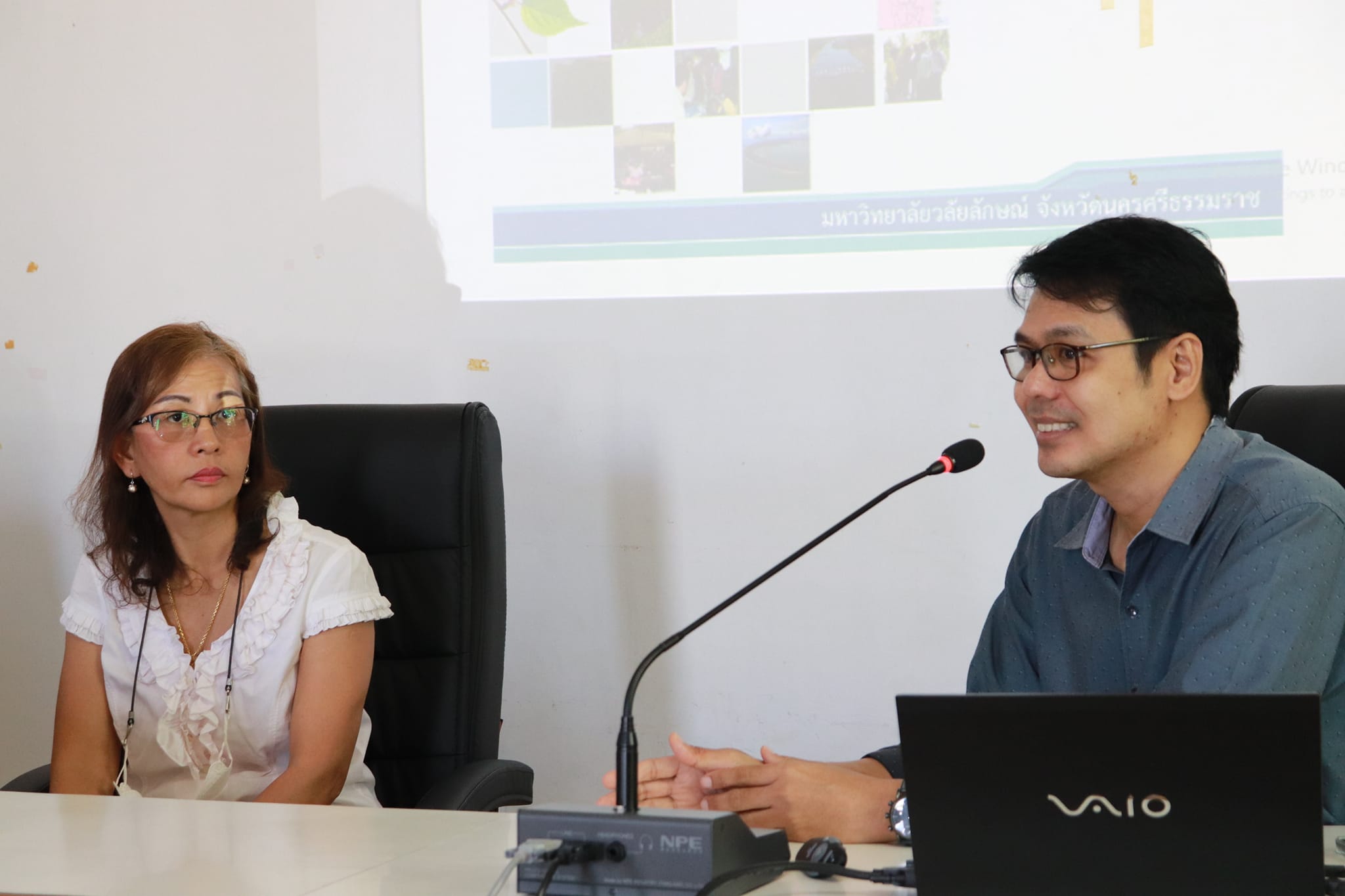
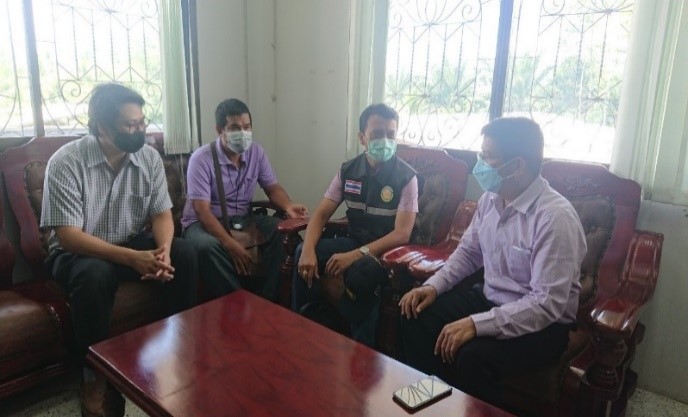
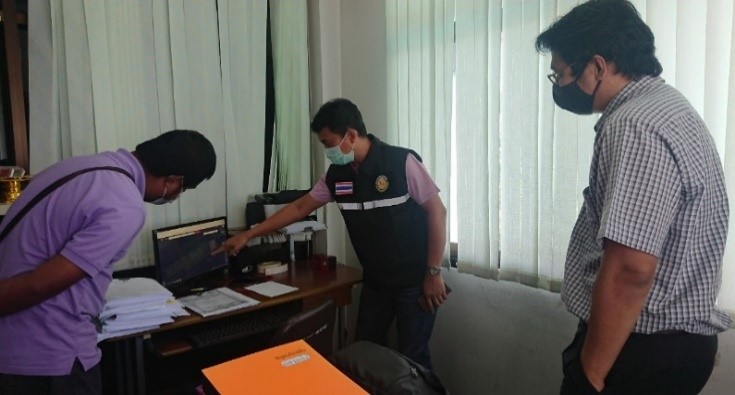
Figures : The university supports and promotes conscious water usage in wider community through a participatory process between Walailak University and the beneficiaries.

Figure : A toolkit for community water supply management for actively promoting conscious and efficient water usage in the wider community.
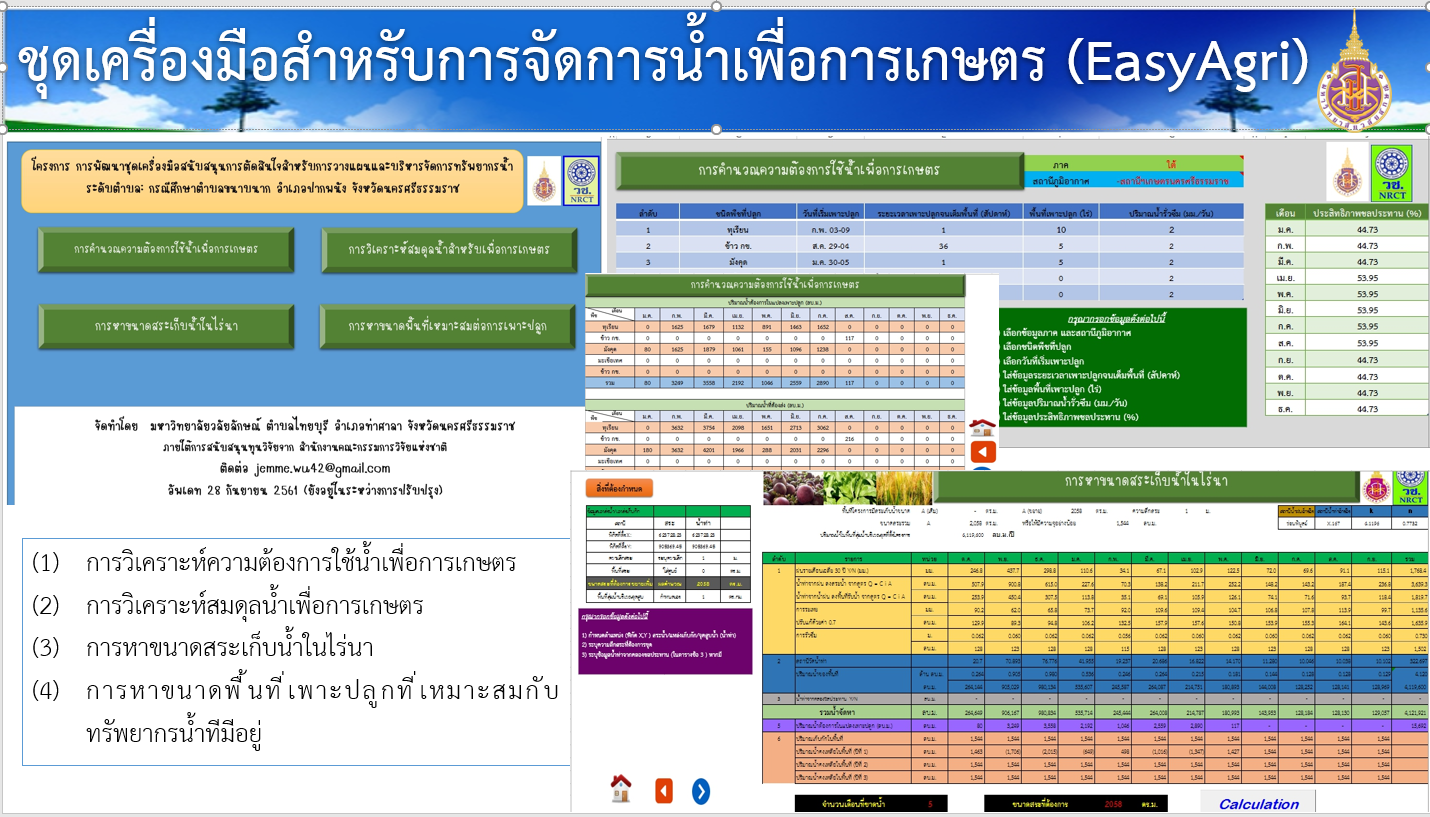
Figure : A toolkit for agricultural water management for actively promoting conscious and efficient water usage in the wider community
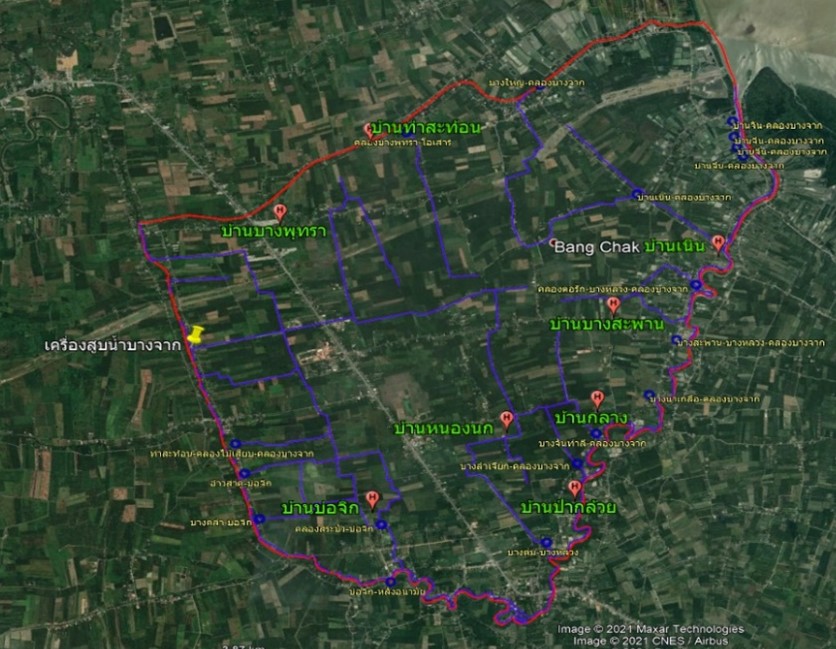
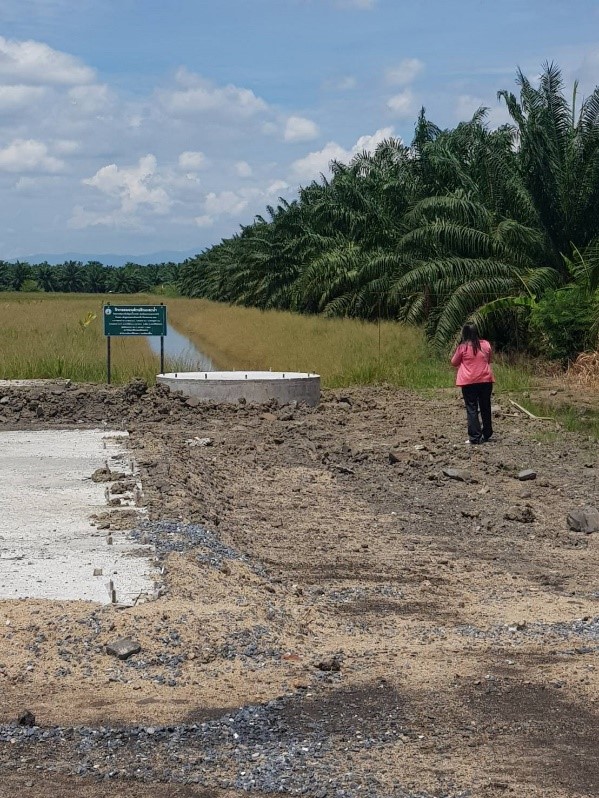
Figures : Support and promote conscious water usage in Khanaab Nak Subdistrict, Pak Phanang District, Nakhon Si Thammarat Province.
Moreover, upon the completion of each activity, diagnostics are conducted on promoting conscious water usage in the wider community to advance development and foster improved engagement with agencies or participants. In addition, evaluations and measurements of success are undertaken for each activity, followed by planning for continuous efforts in the following year. Previous activities have demonstrated high levels of acceptance and satisfaction among participants and beneficiaries.
Goal 6: Clean Water and Sanitation