Walailak University Pioneers Sustainable Commuting Initiatives to Support Urban Sustainability and Reduce Environmental Impact 

Walailak University Pioneers Sustainable Commuting Initiatives to Support Urban Sustainability and Reduce Environmental Impact 

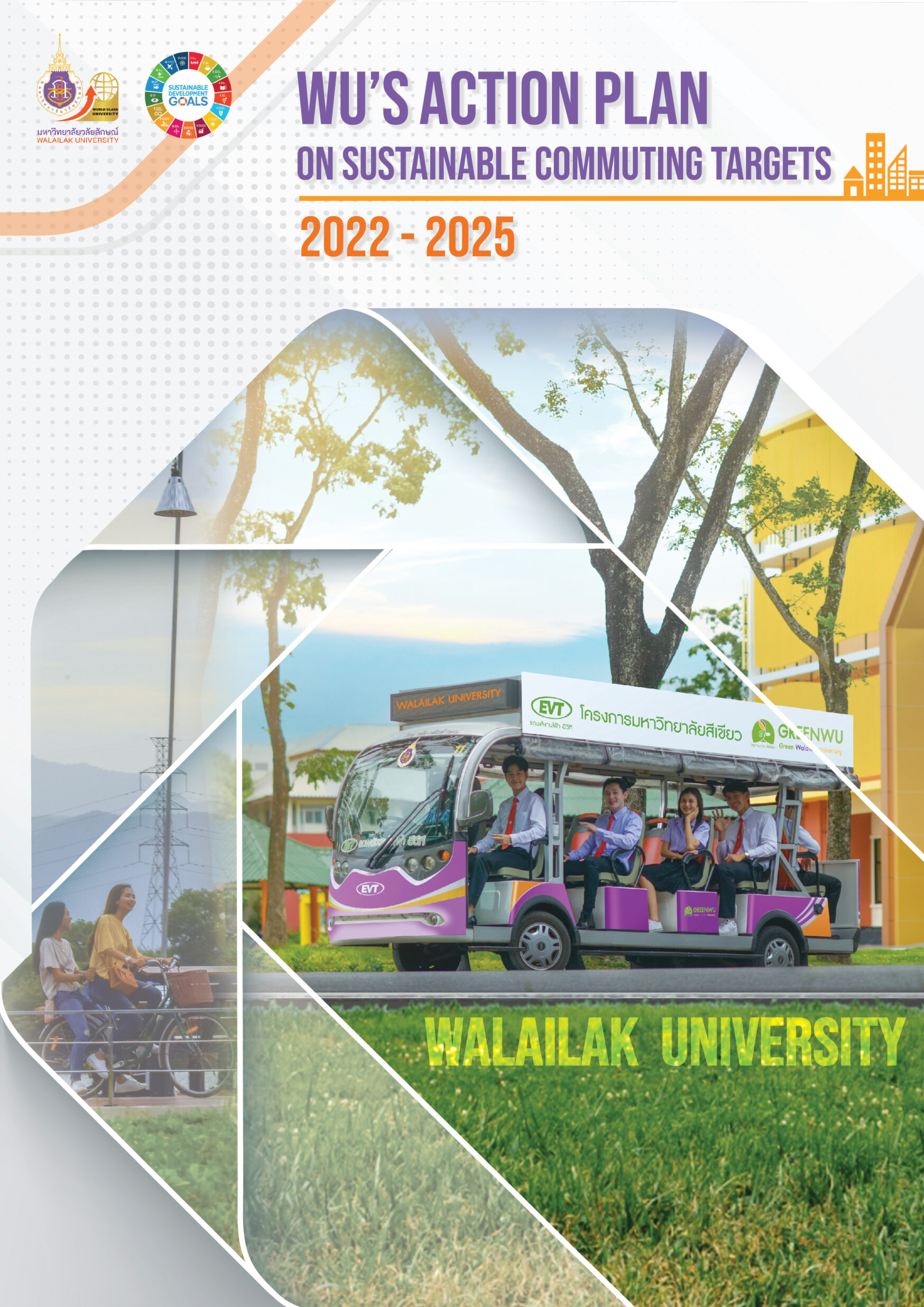
Walailak University is committed to measuring and setting targets for more sustainable commuting by implementing a comprehensive approach that includes cutting-edge technologies, forward-thinking policies, and innovative measures. The university’s 20-year strategic plan (BE 2561-2580) aligns with Thailand’s 20-Year National Strategic Framework (BE 2560-2579), the 12th National Economic and Social Development Plan (BE 2560-2564), and the Thailand 4.0 policy. This robust plan, consisting of 9 strategic issues, 36 objectives, 94 key performance indicators, and 78 strategies, aims to support the nation’s sustainable development, positioning Walailak University as a key player in shaping Thailand’s future.

A core focus of Walailak University’s mission is the promotion of sustainable, eco-friendly practices. The university has set ambitious targets to become a model for green living, both on and off campus. This includes initiatives that foster community engagement and environmental awareness across departments, staff, students, and all stakeholders. These efforts span various aspects of green campus policies, such as landscape management, energy conservation, waste reduction and management, water management, transportation, and environmental education.
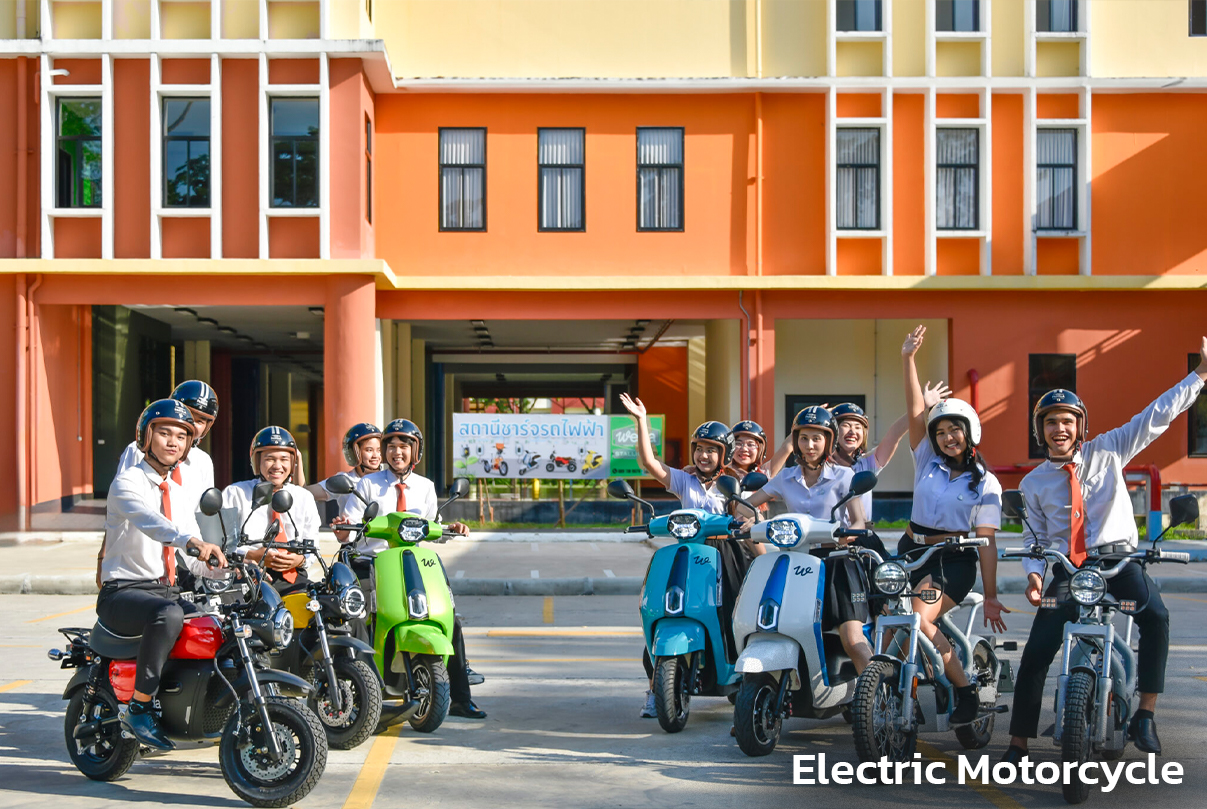
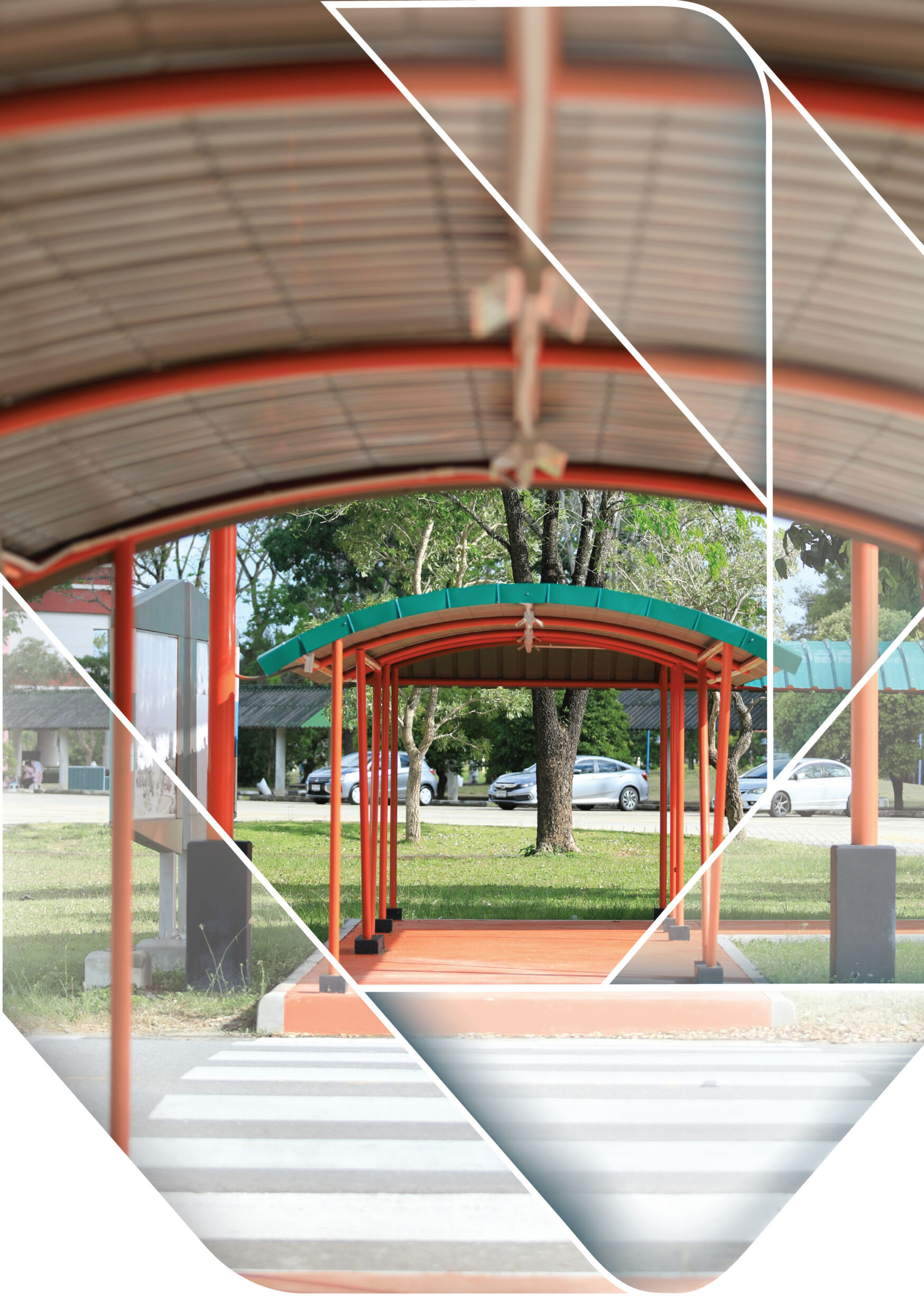
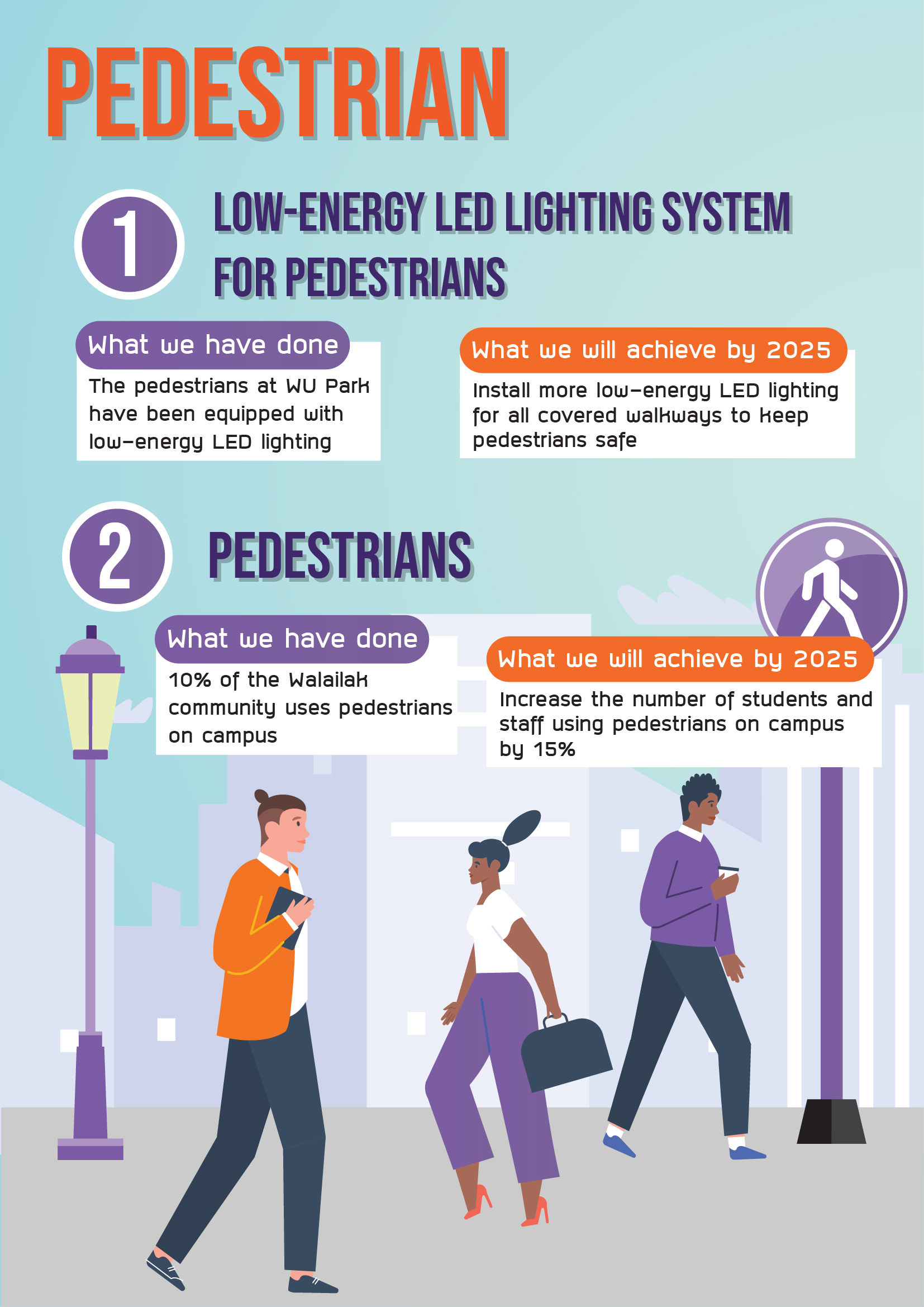
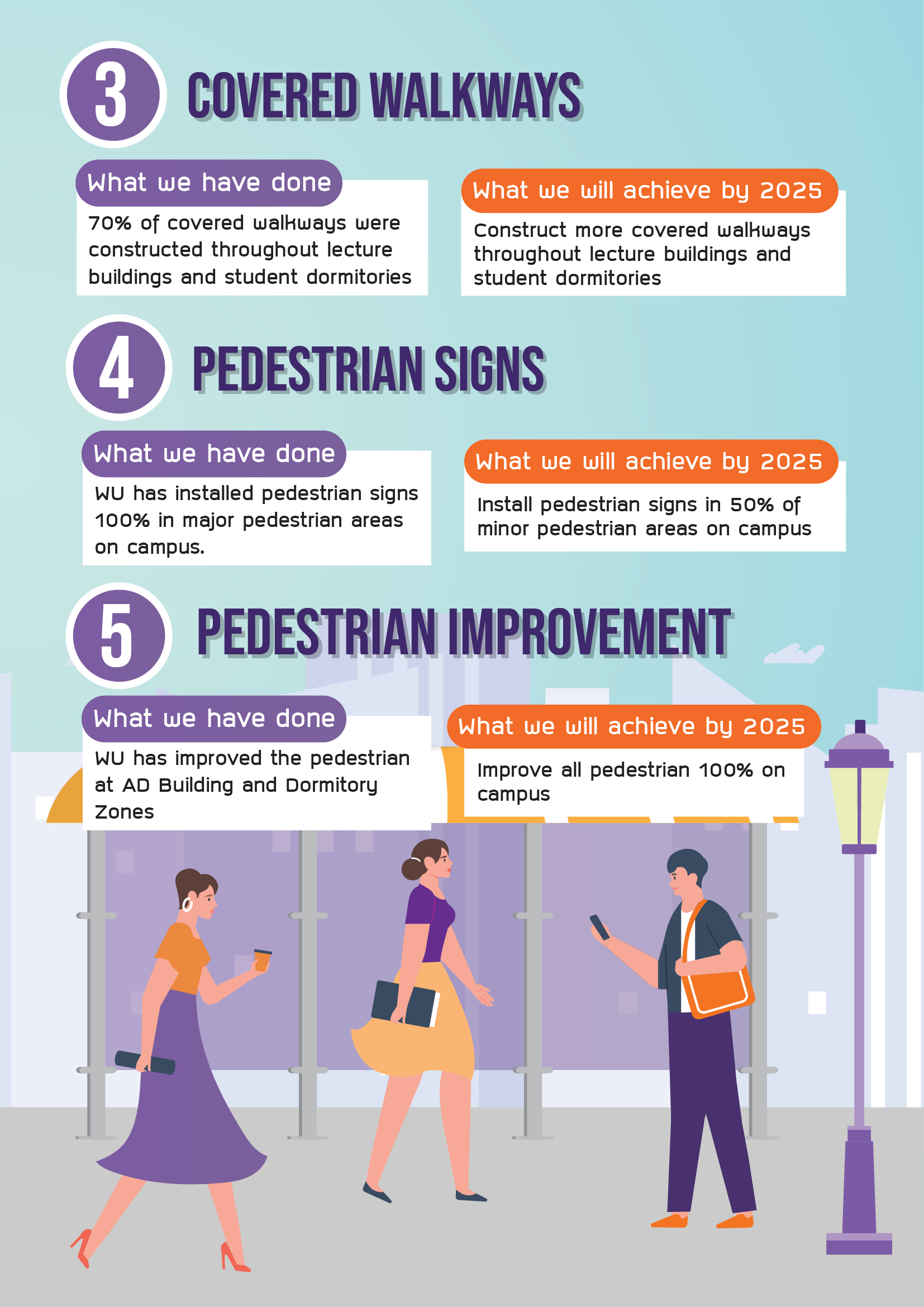
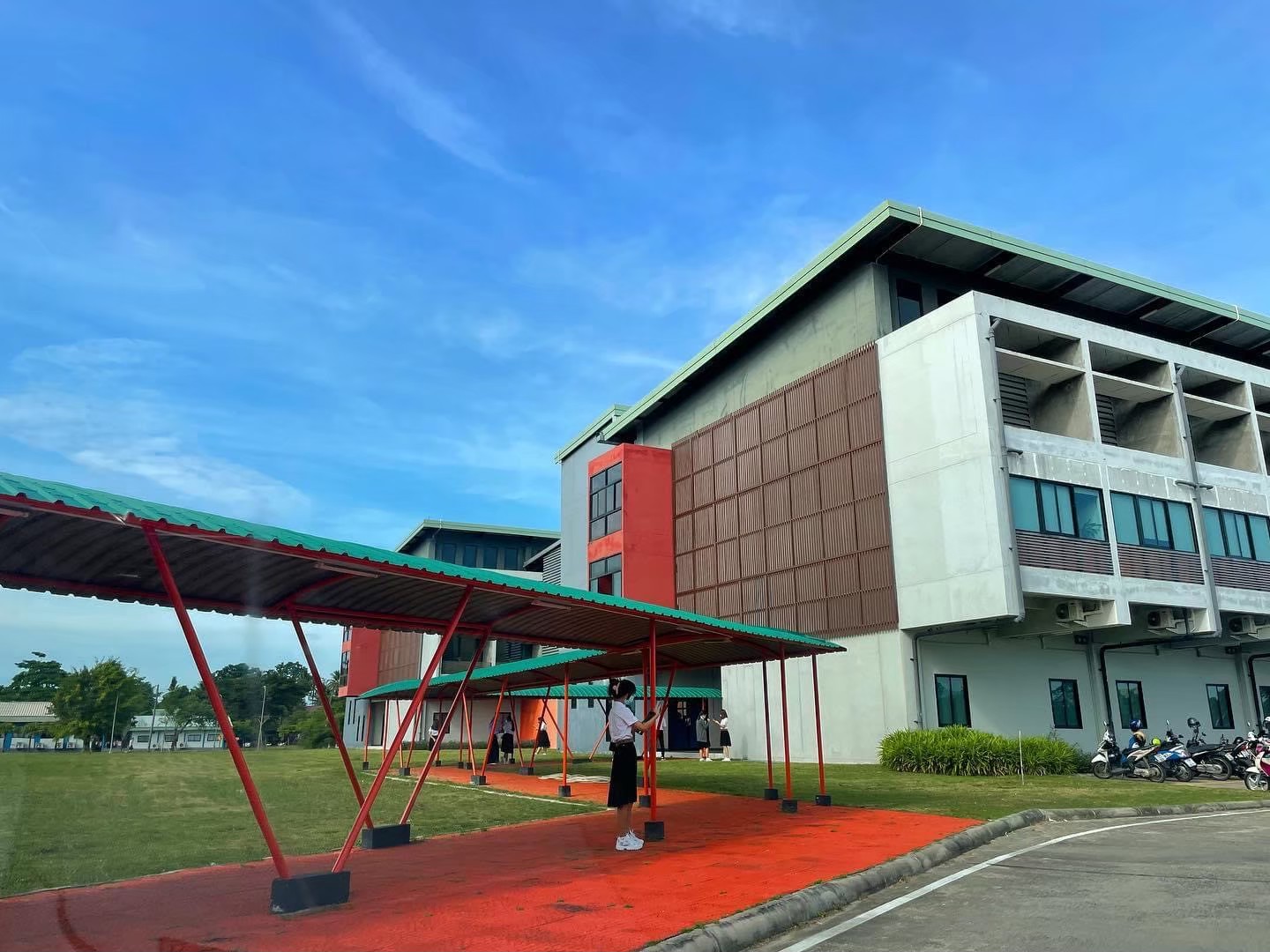
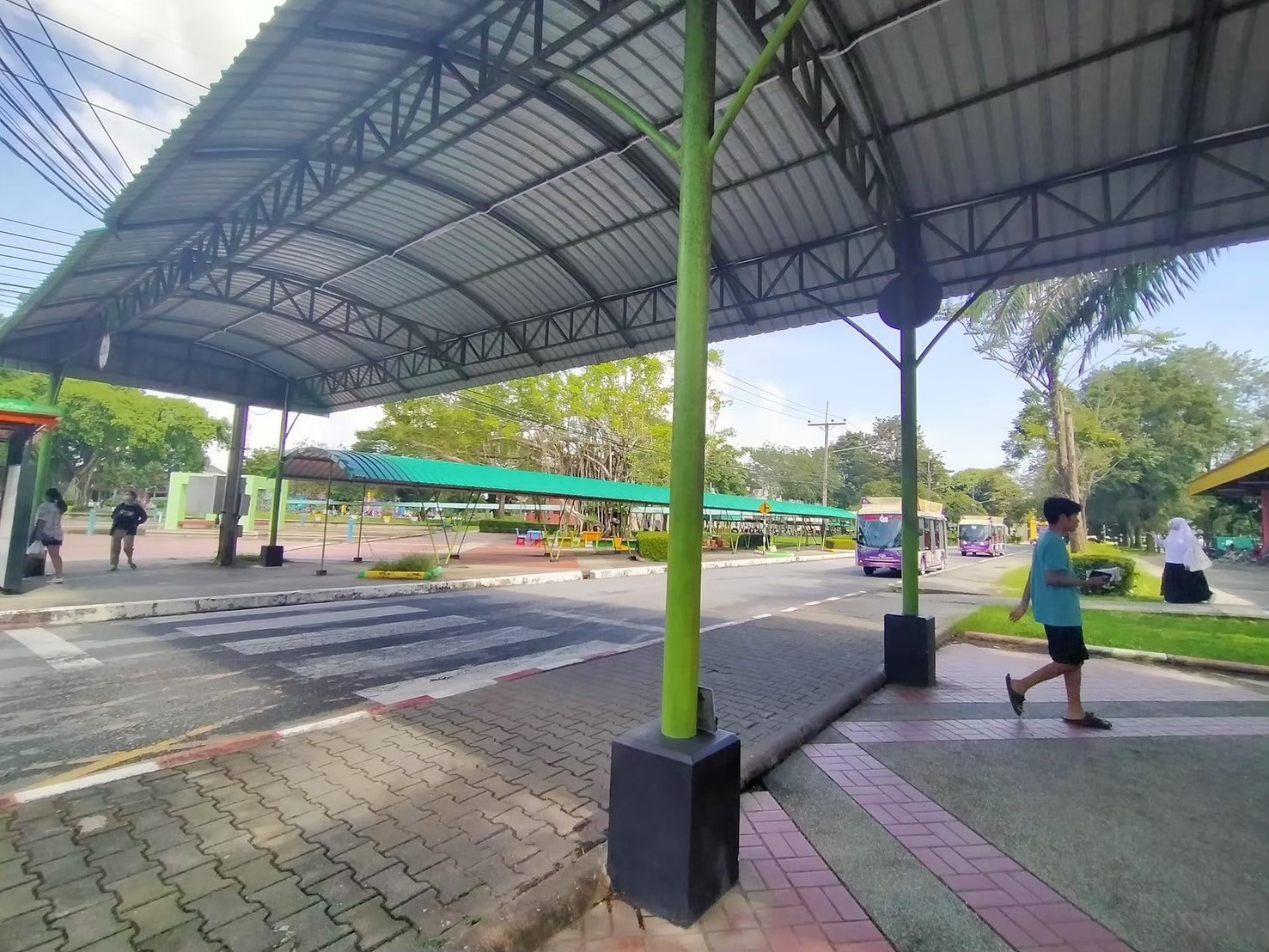
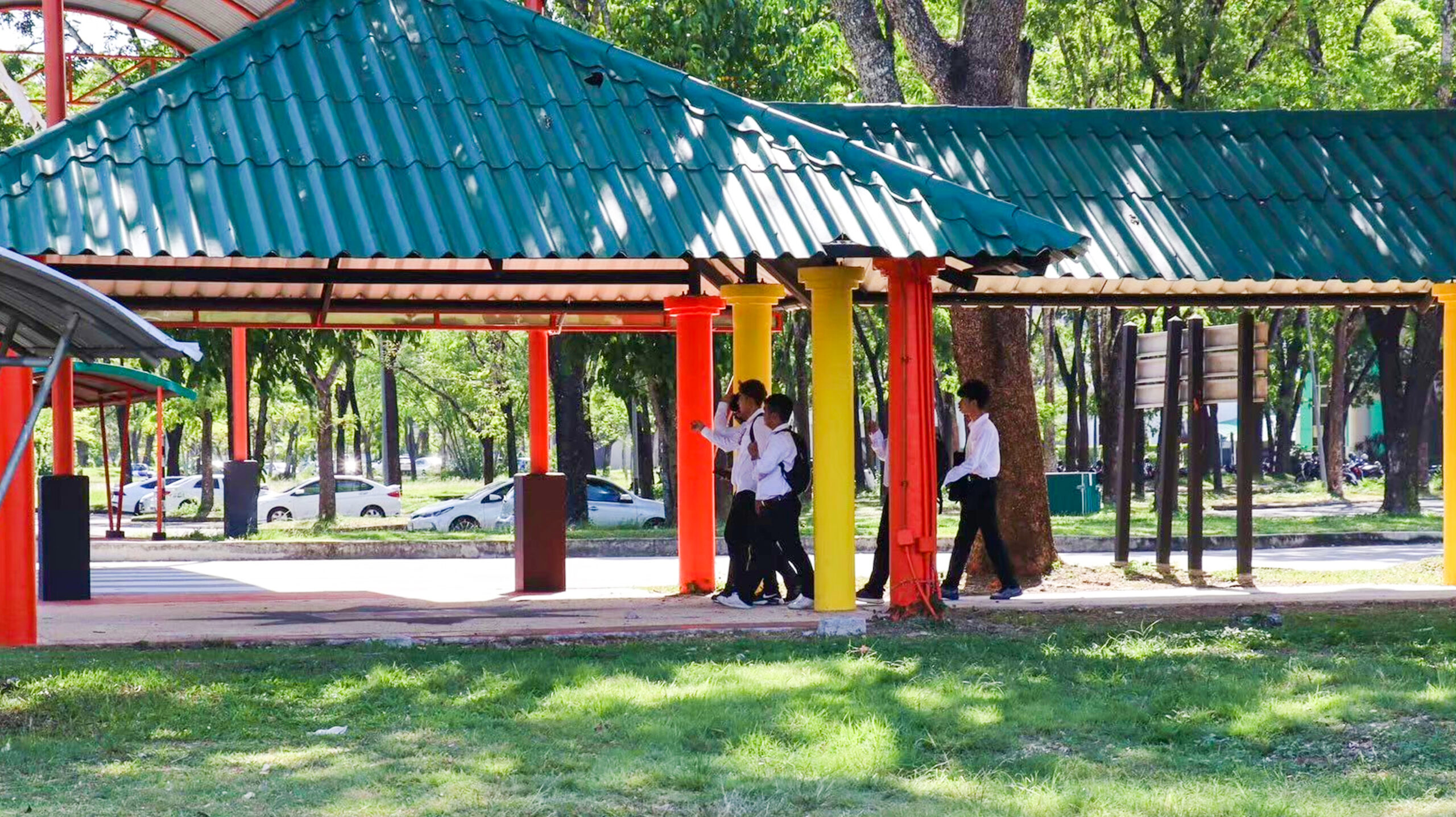
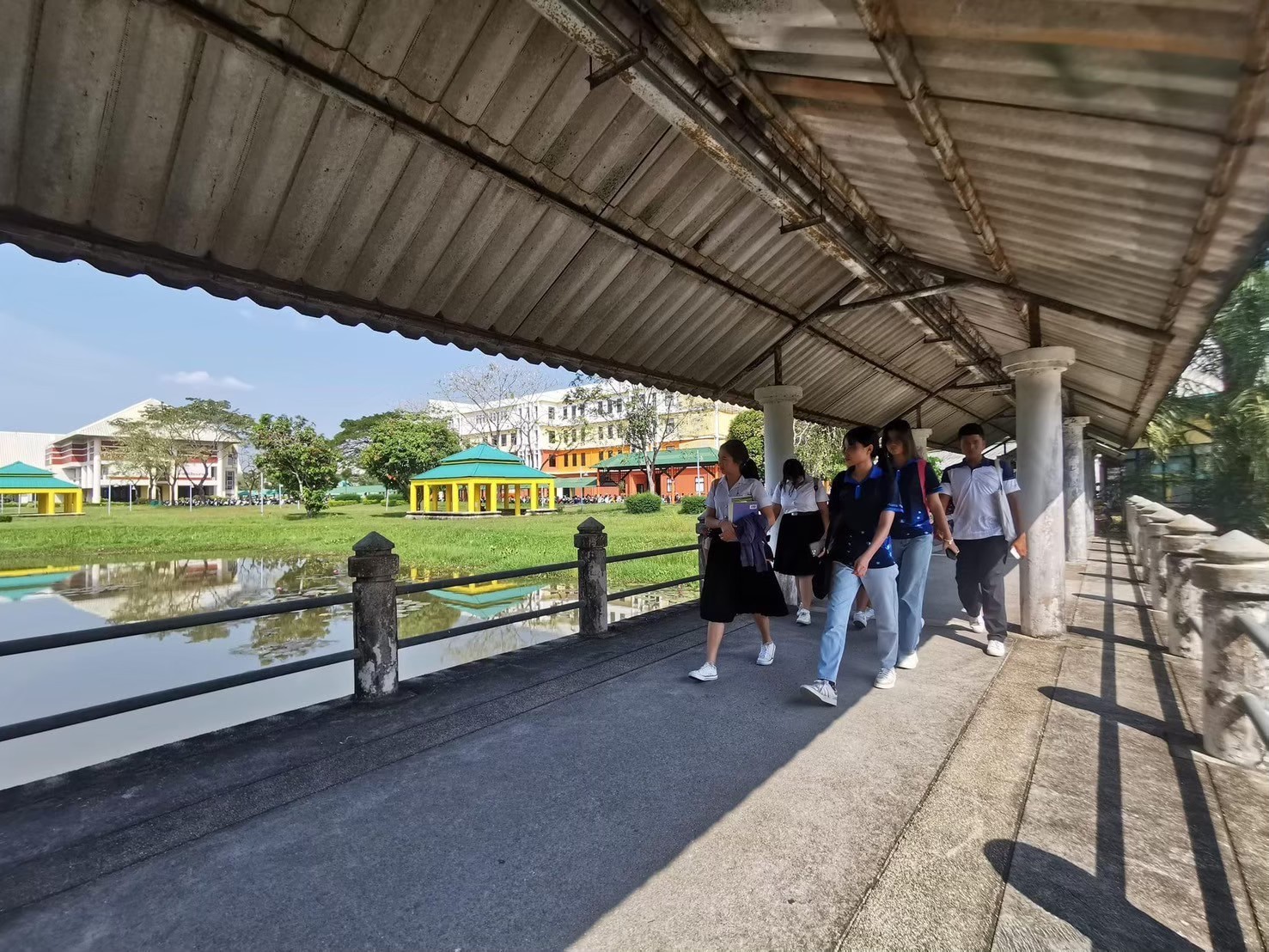
In 2023, the university upgraded its pedestrian pathways and covered walkways to promote walking as a sustainable mode of transportation, reducing the carbon footprint of personal vehicles. This initiative not only enhances the aesthetic appeal of the campus but also contributes to improved health and well-being for students and staff. Additionally, the expansion of walkways around the Walailak Botanic Park has further encouraged outdoor activity. The university also introduced an electric vehicle (EV) initiative, which has seen a growing number of students and staff opting for electric motorcycles, scooters, and mopeds, significantly reducing vehicular emissions on campus.

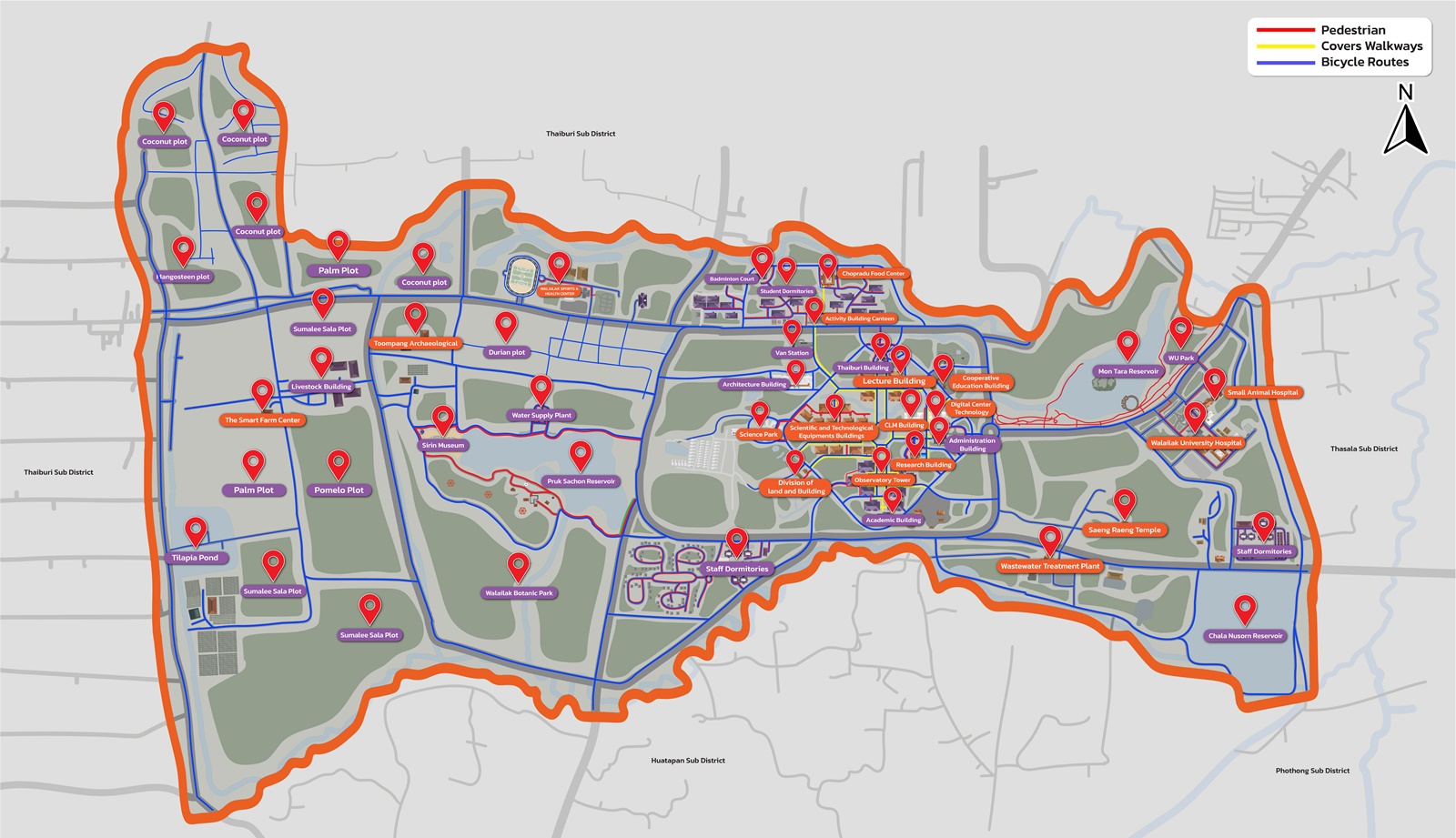
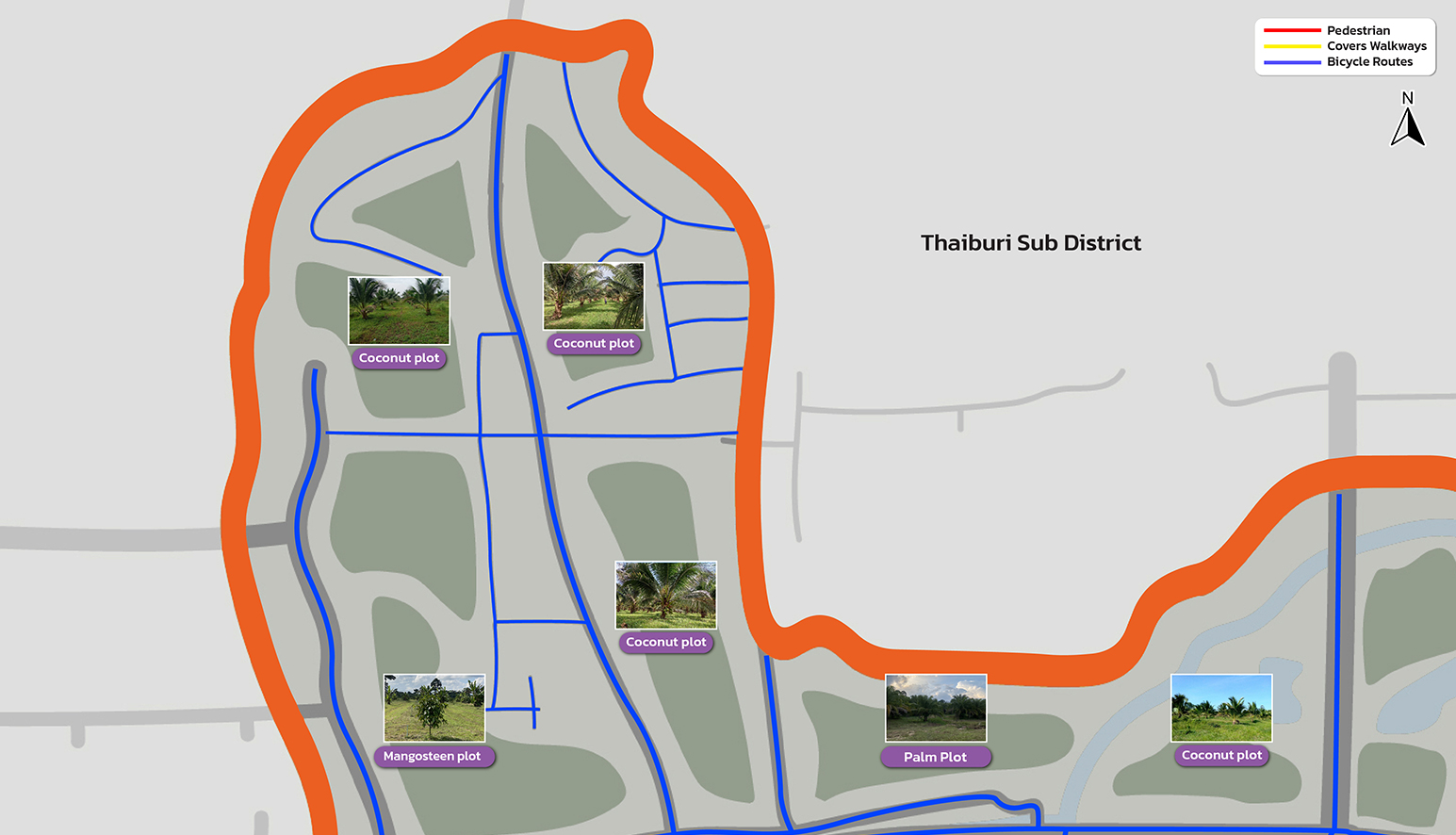
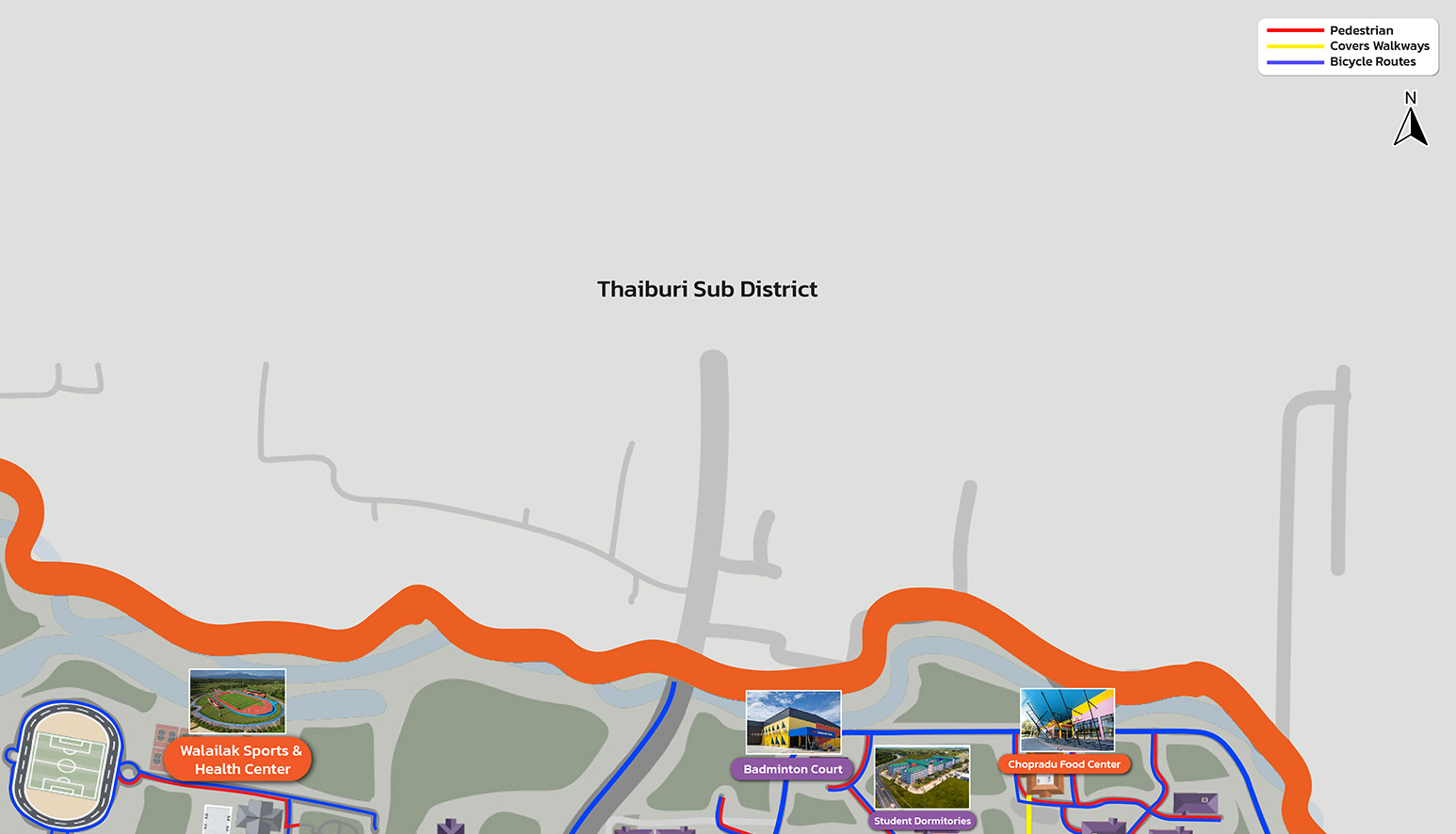
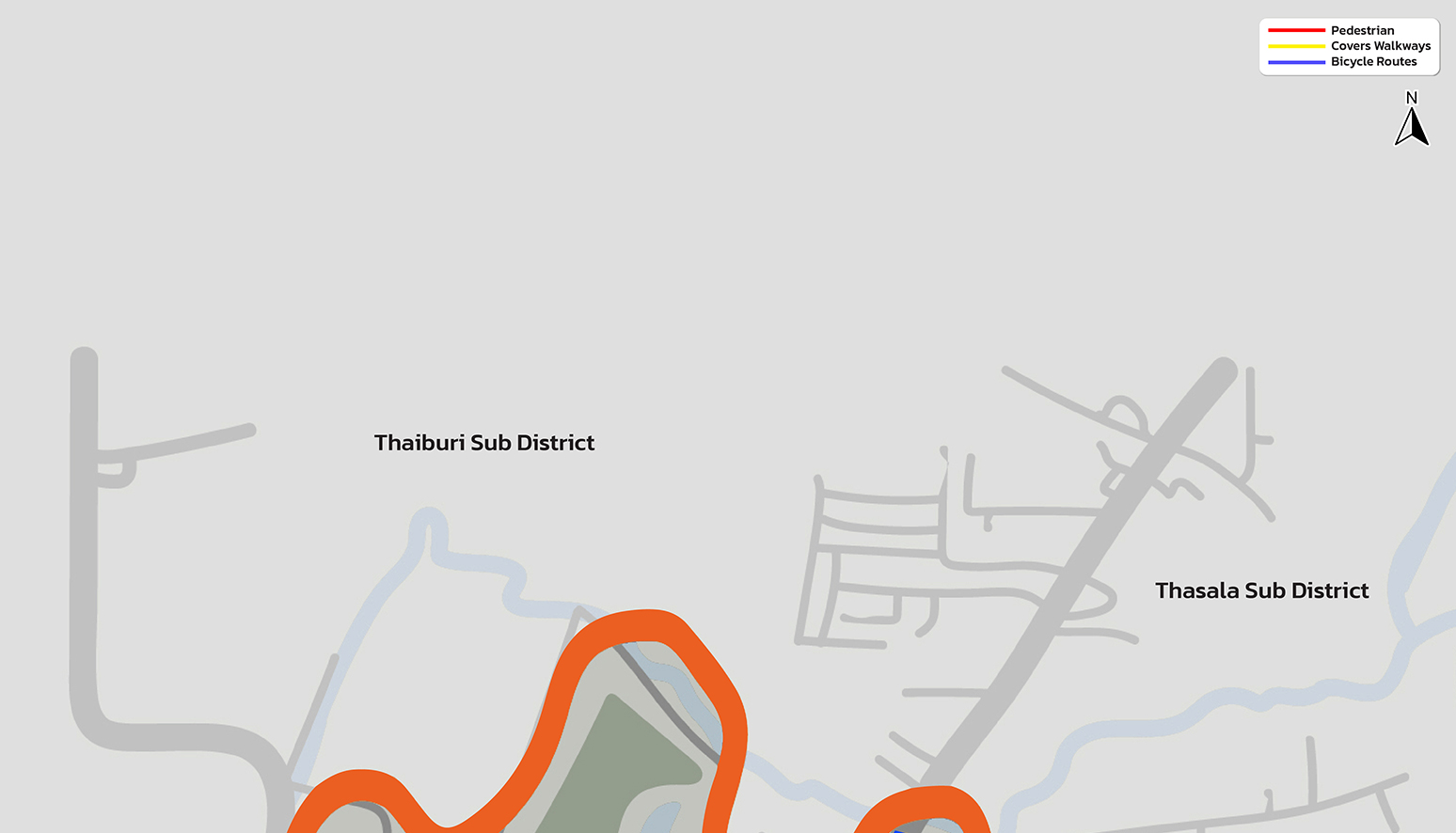
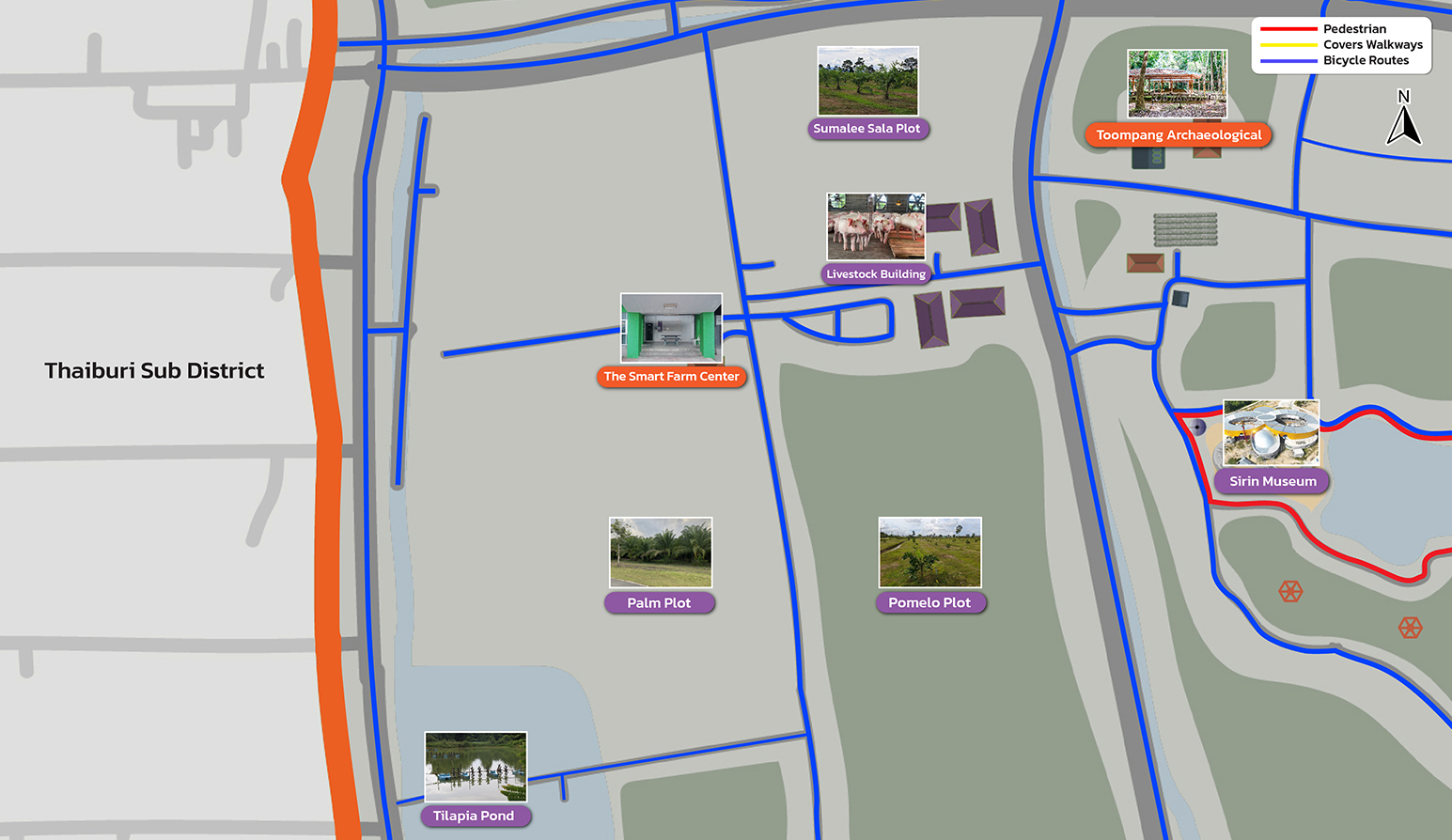
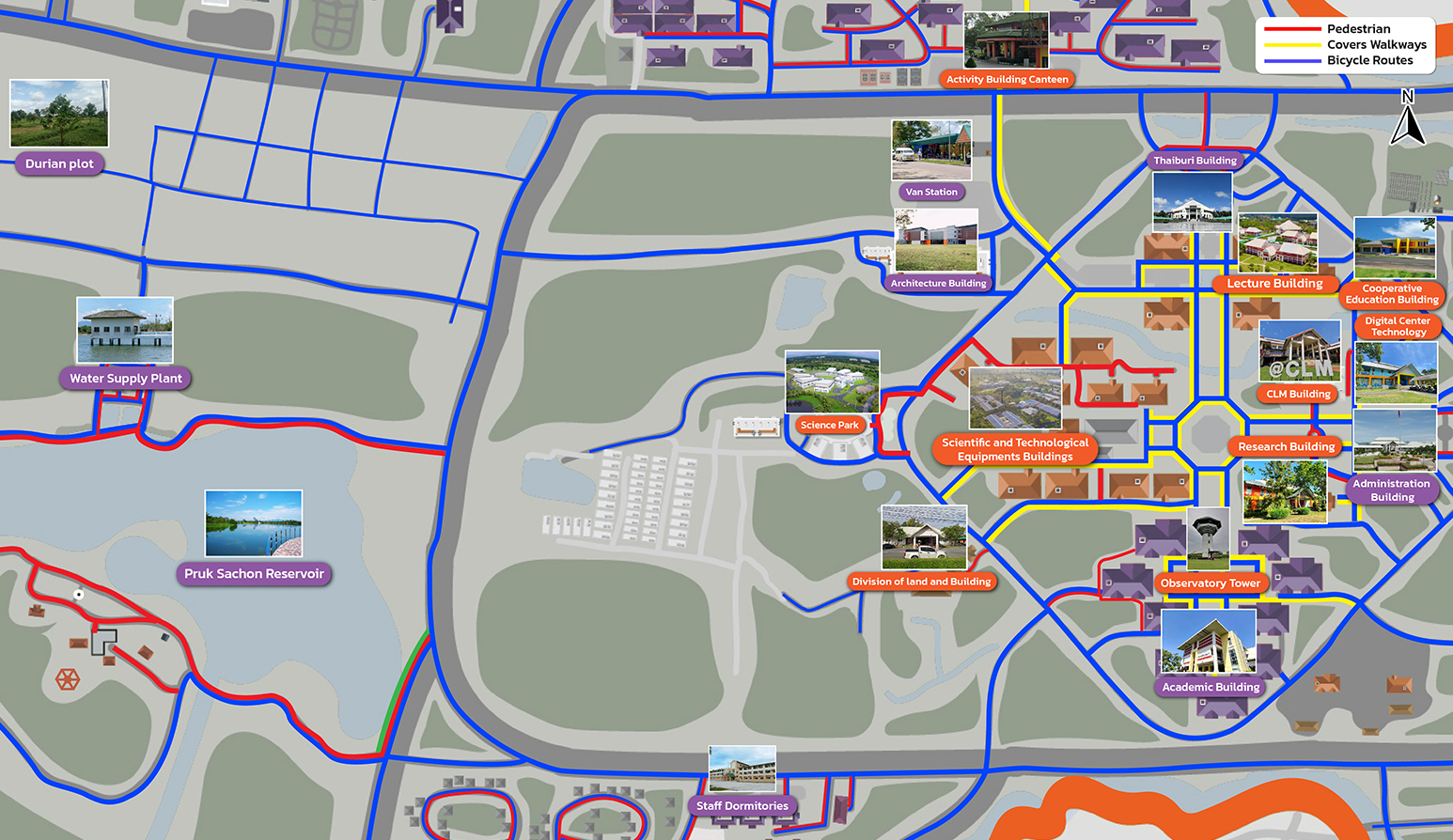
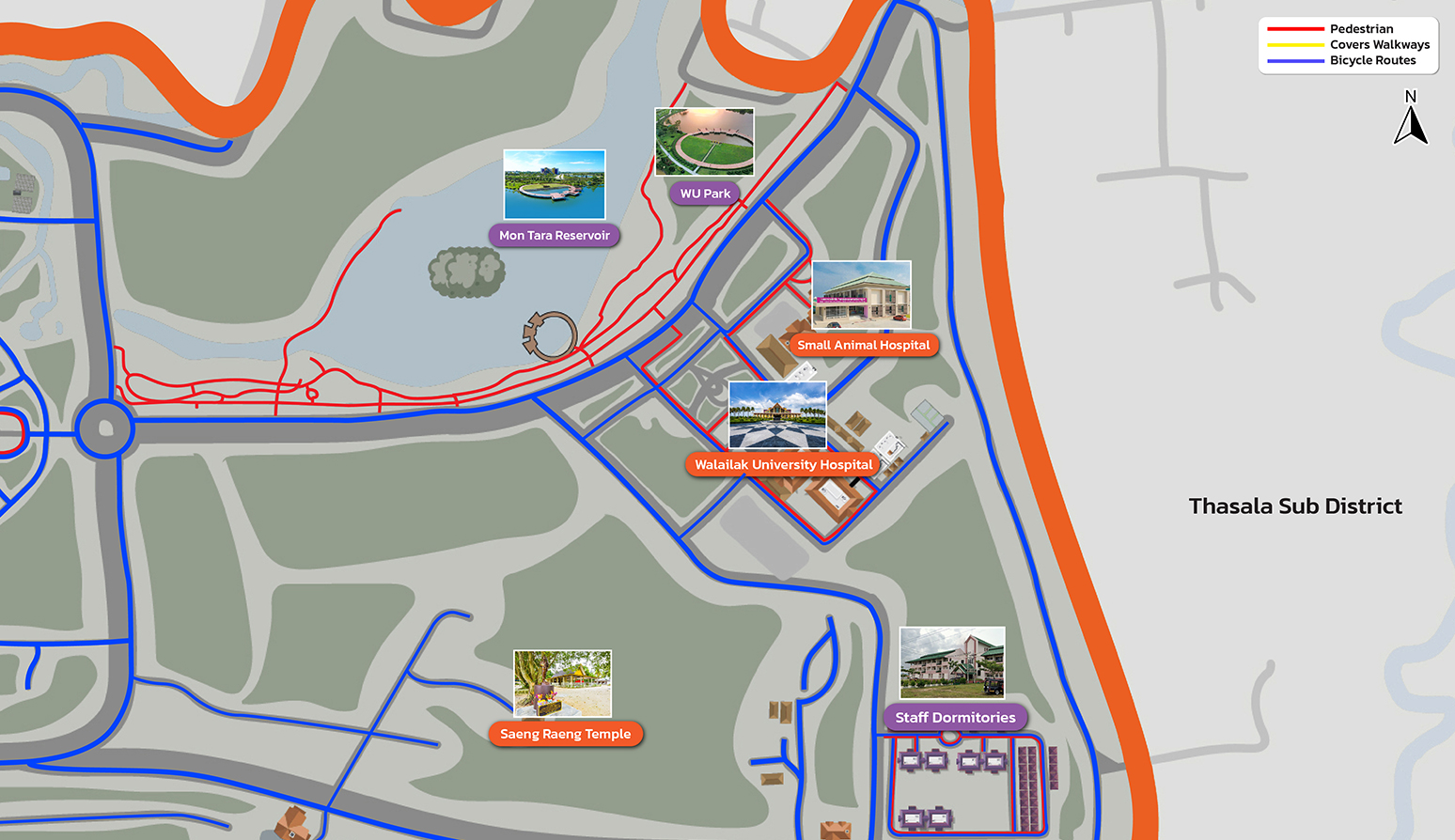
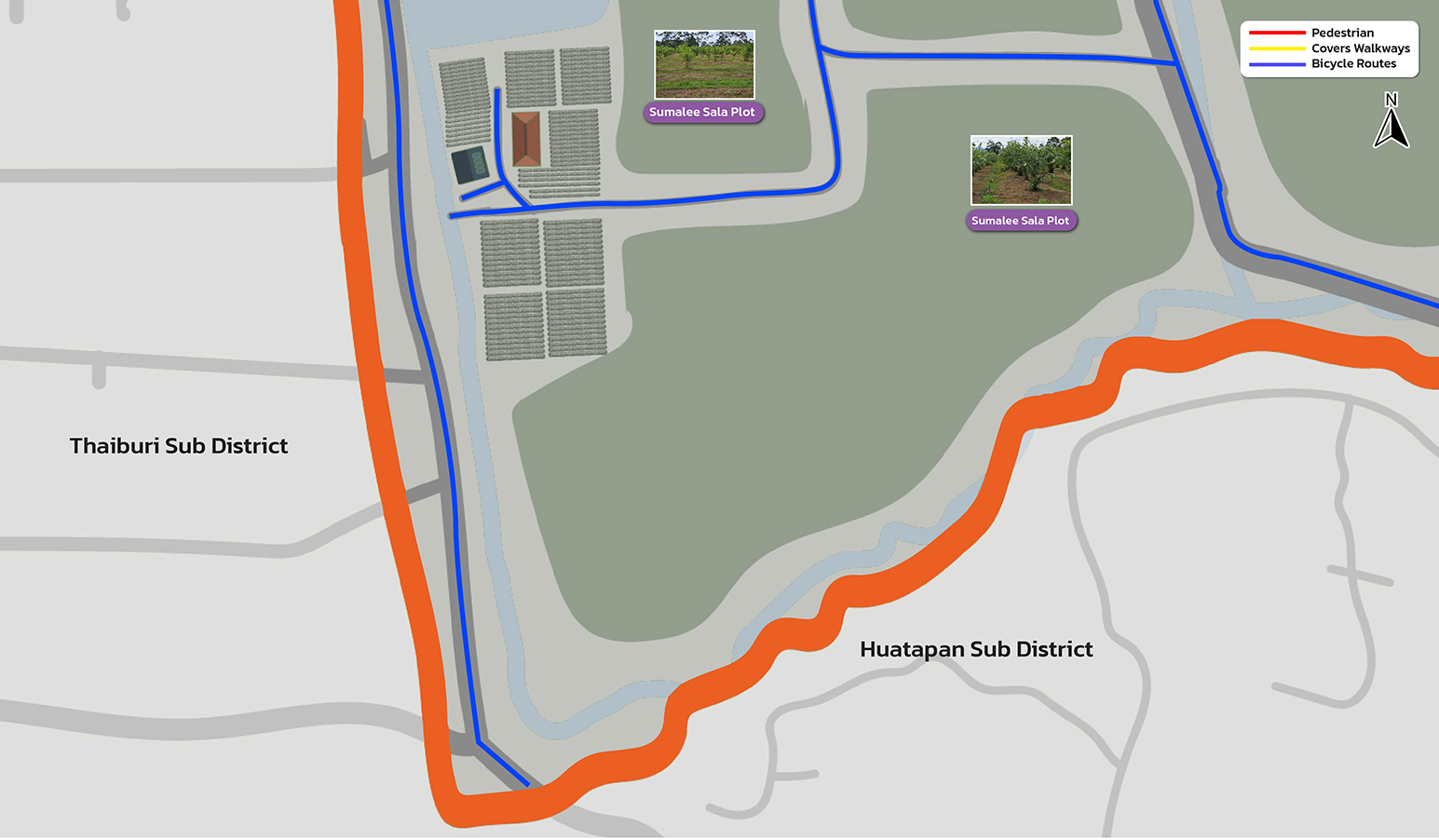
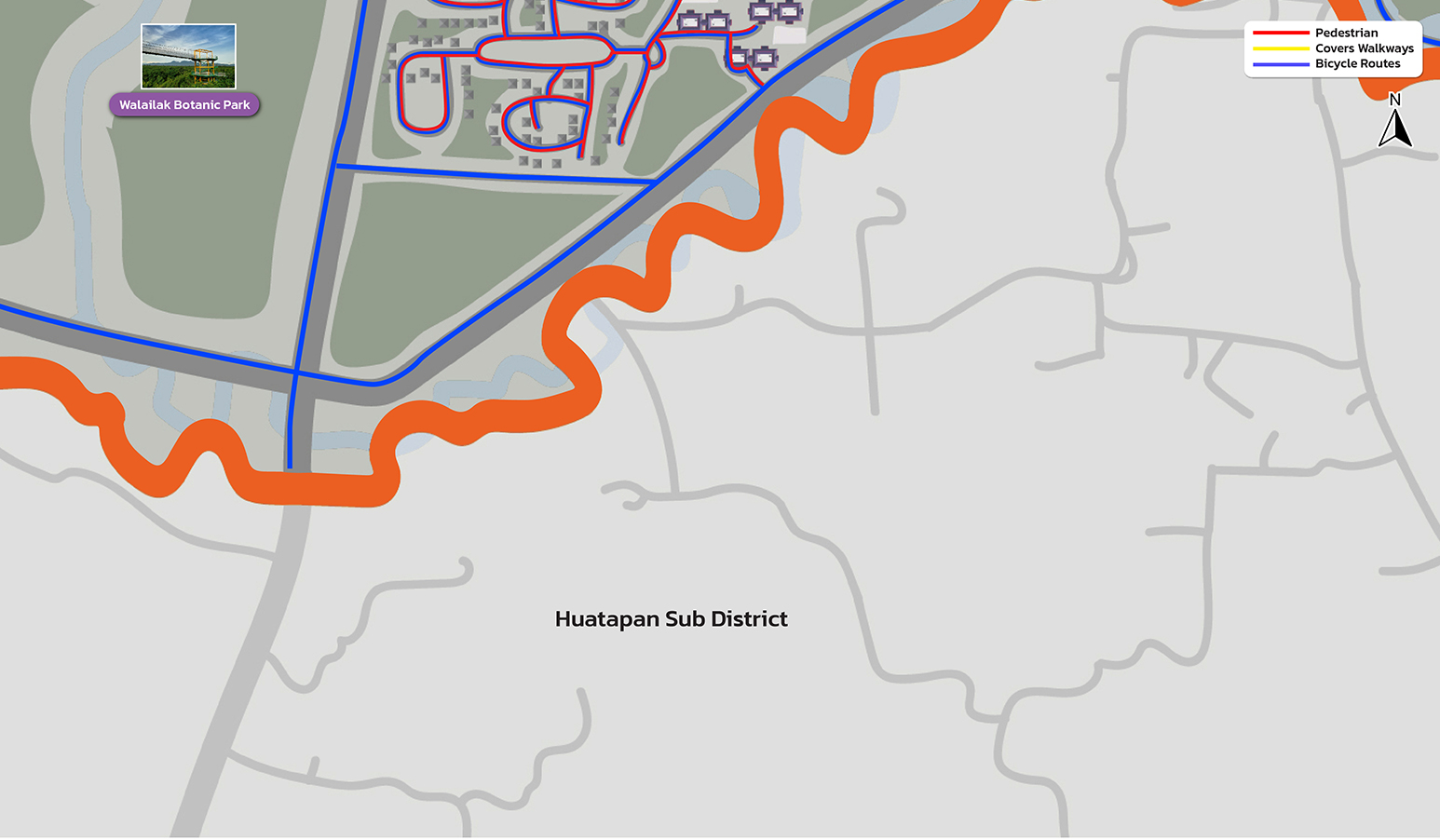
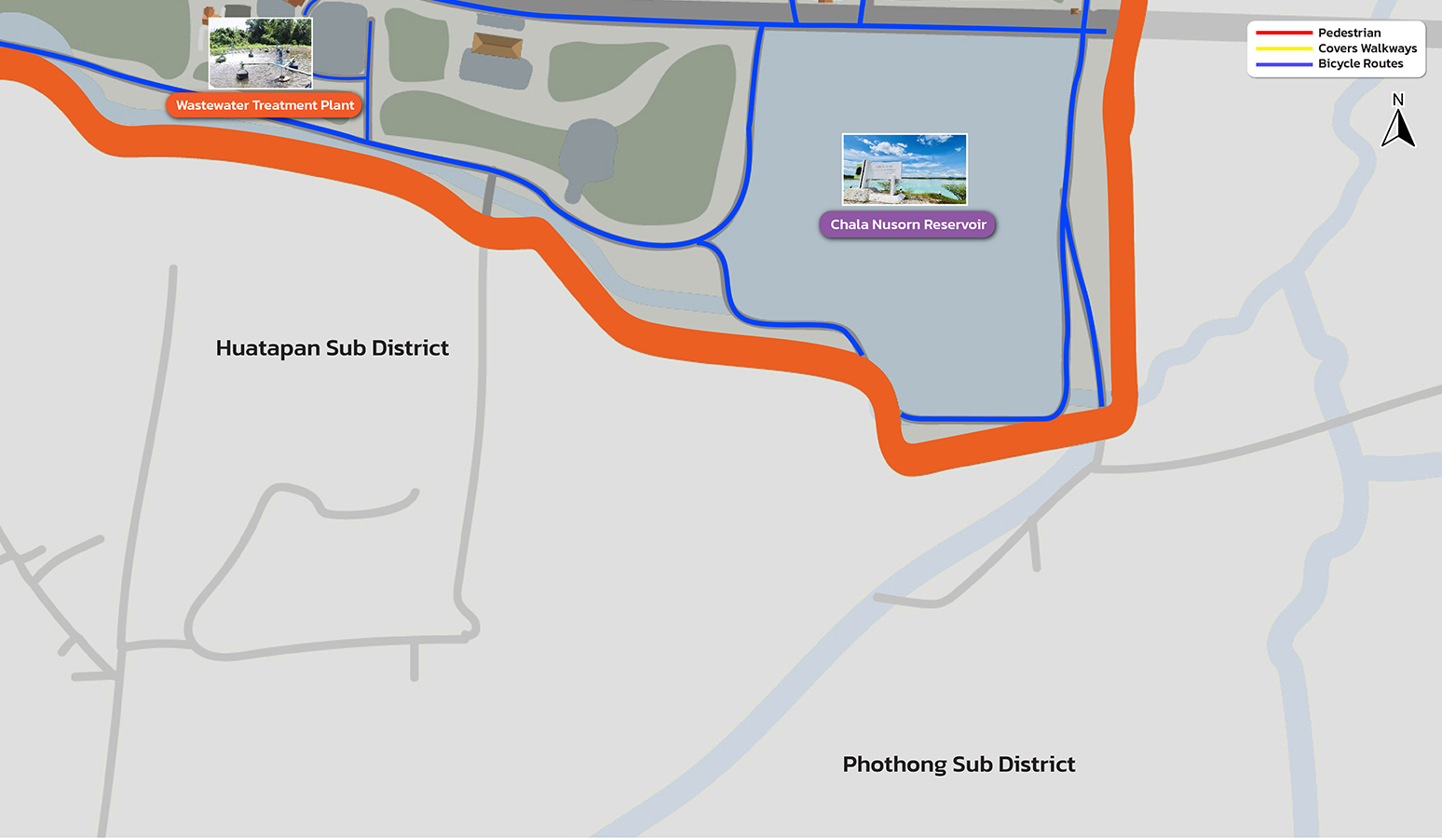
Figure : Map showing Pedestrian, Covers Walkways, Bicycle Routes  at Walailak University across the campus.

Click on the map for a clearer view with more details.

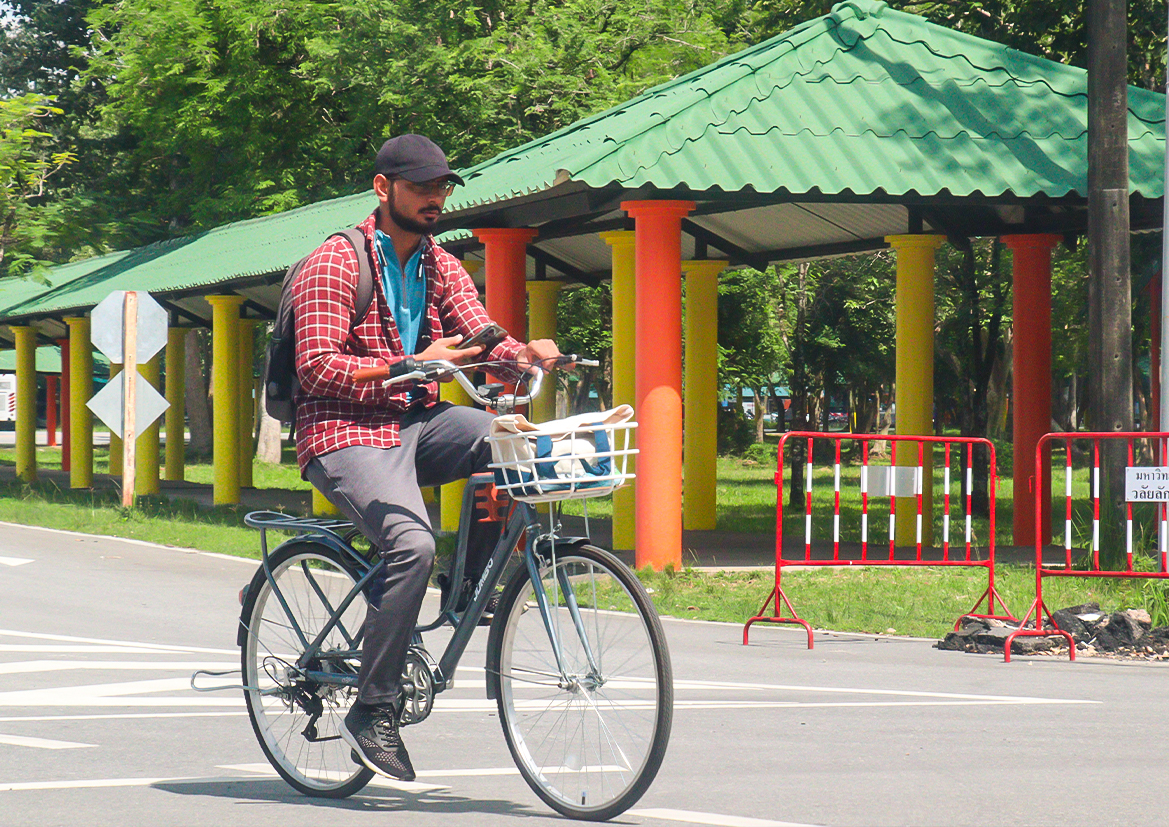
Walailak University continues to promote alternative commuting options such as walking, cycling, carpooling, and vanpooling. The policy to restrict vehicle access to certain areas of the campus has been a pivotal move, encouraging more foot traffic between buildings. This initiative has successfully reduced fuel consumption, curbed greenhouse gas emissions, and mitigated traffic congestion, creating a more harmonious campus environment.
Currently, the university offers a variety of sustainable commuting options, including:
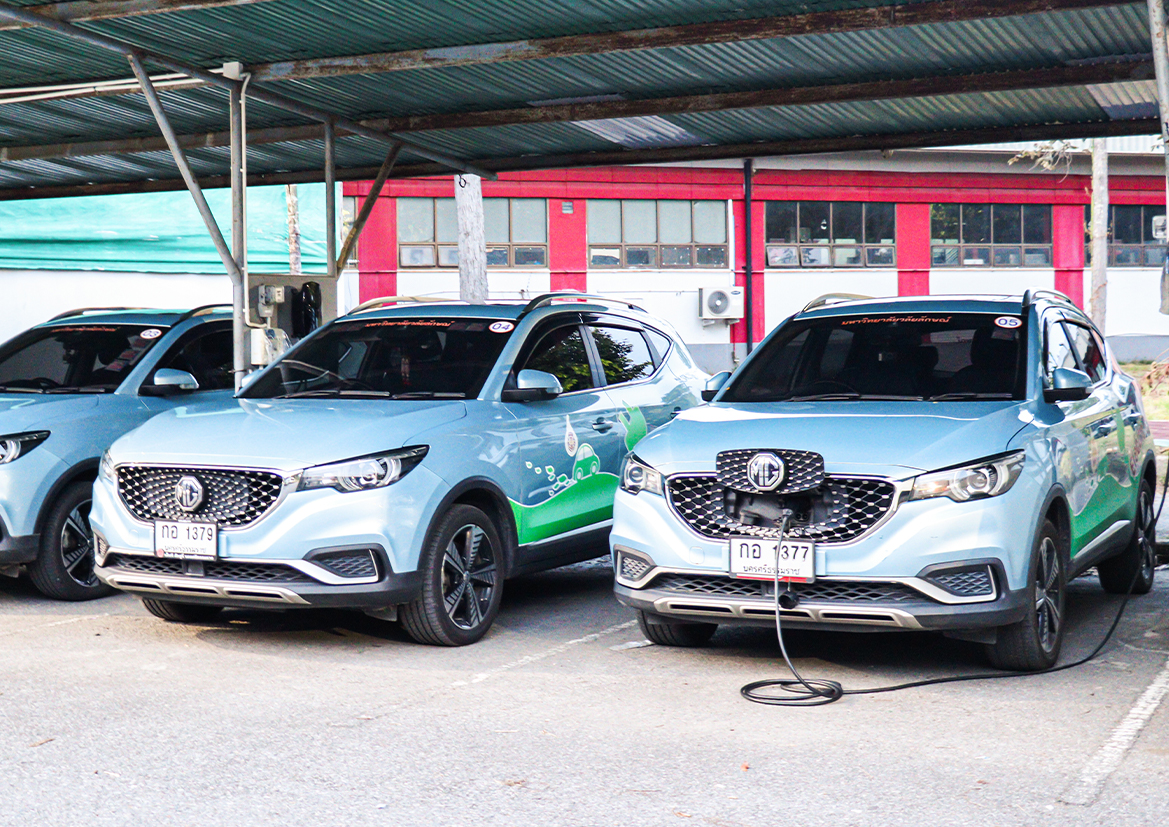
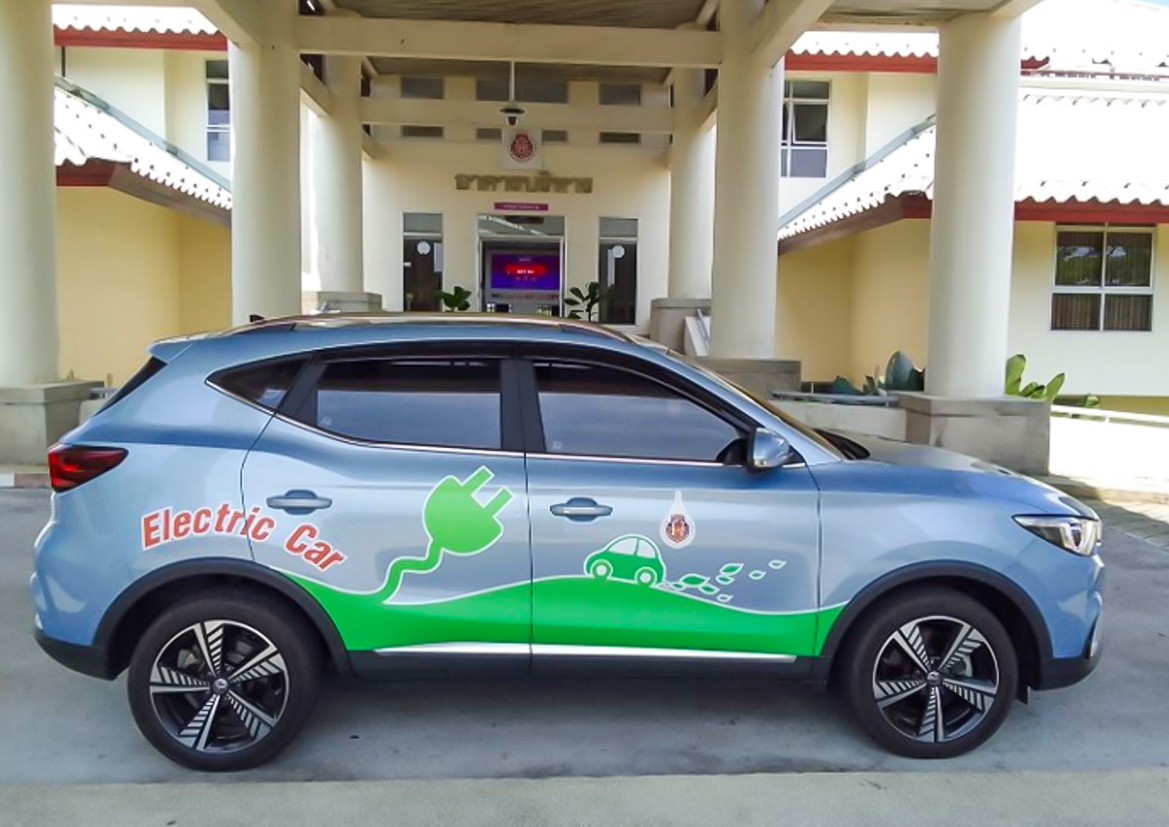
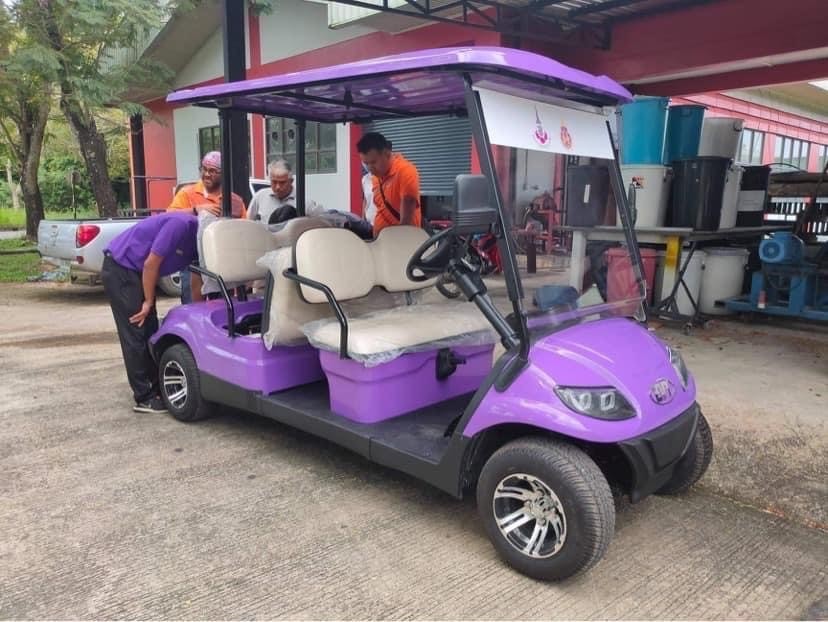
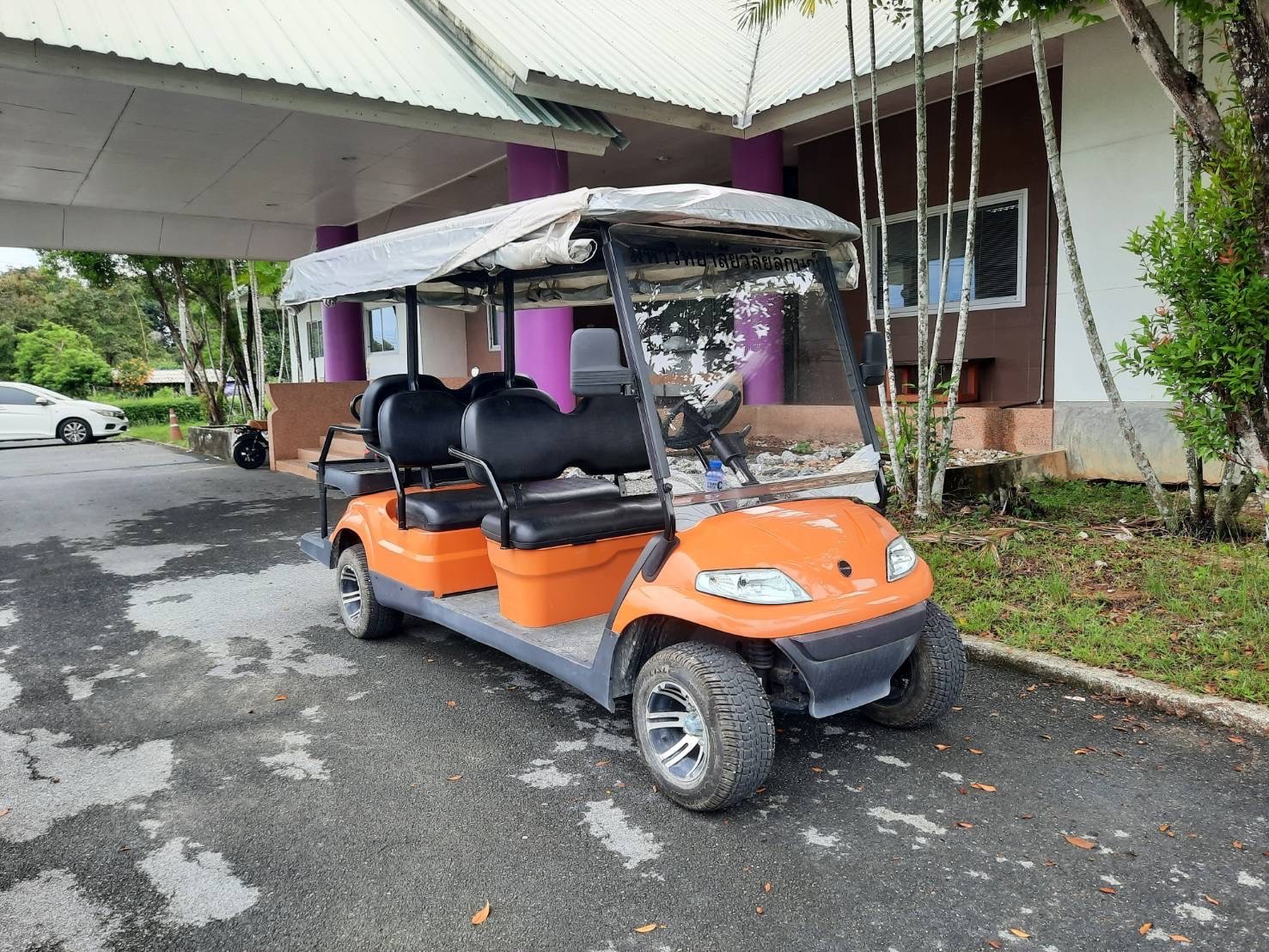
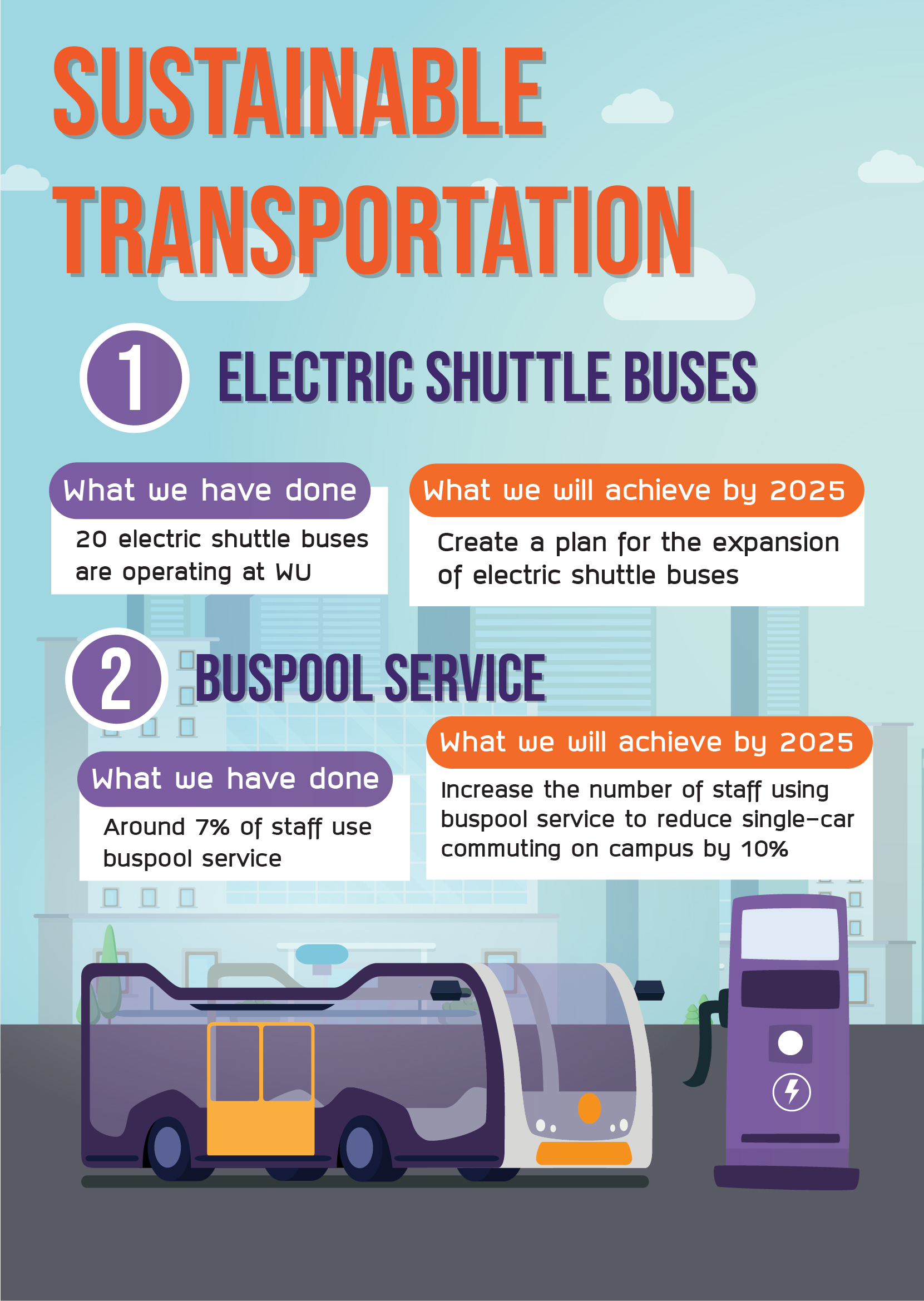
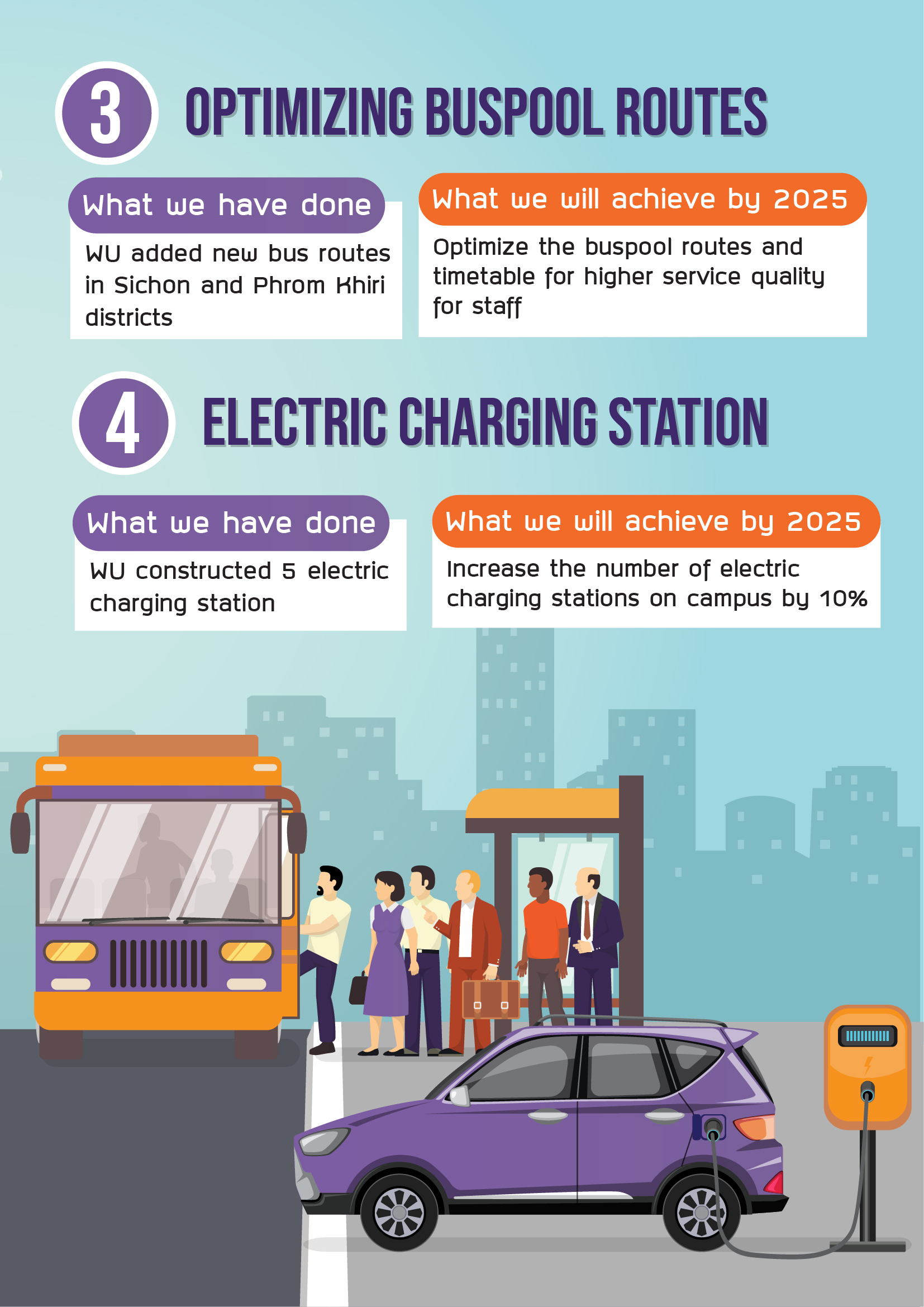
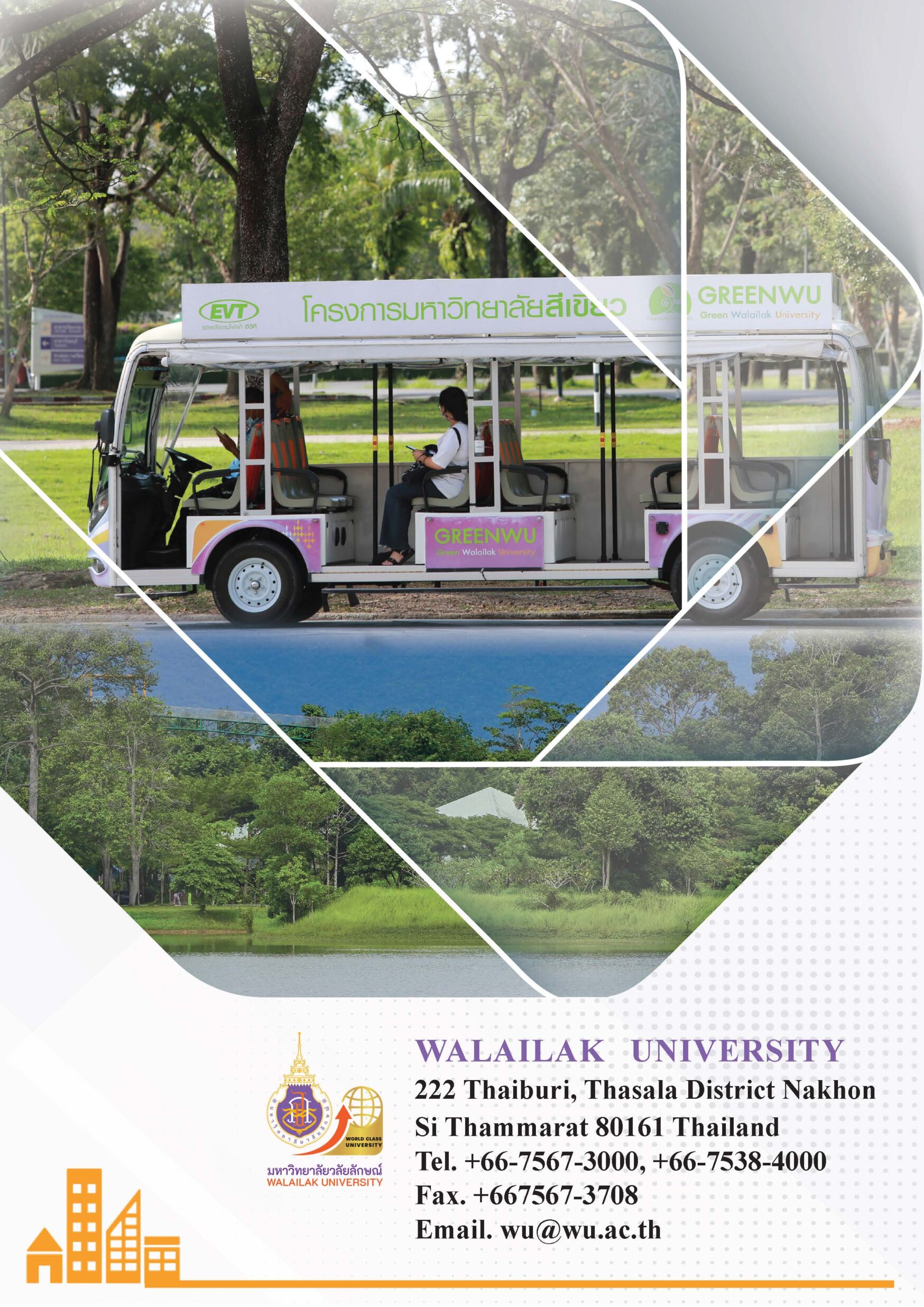
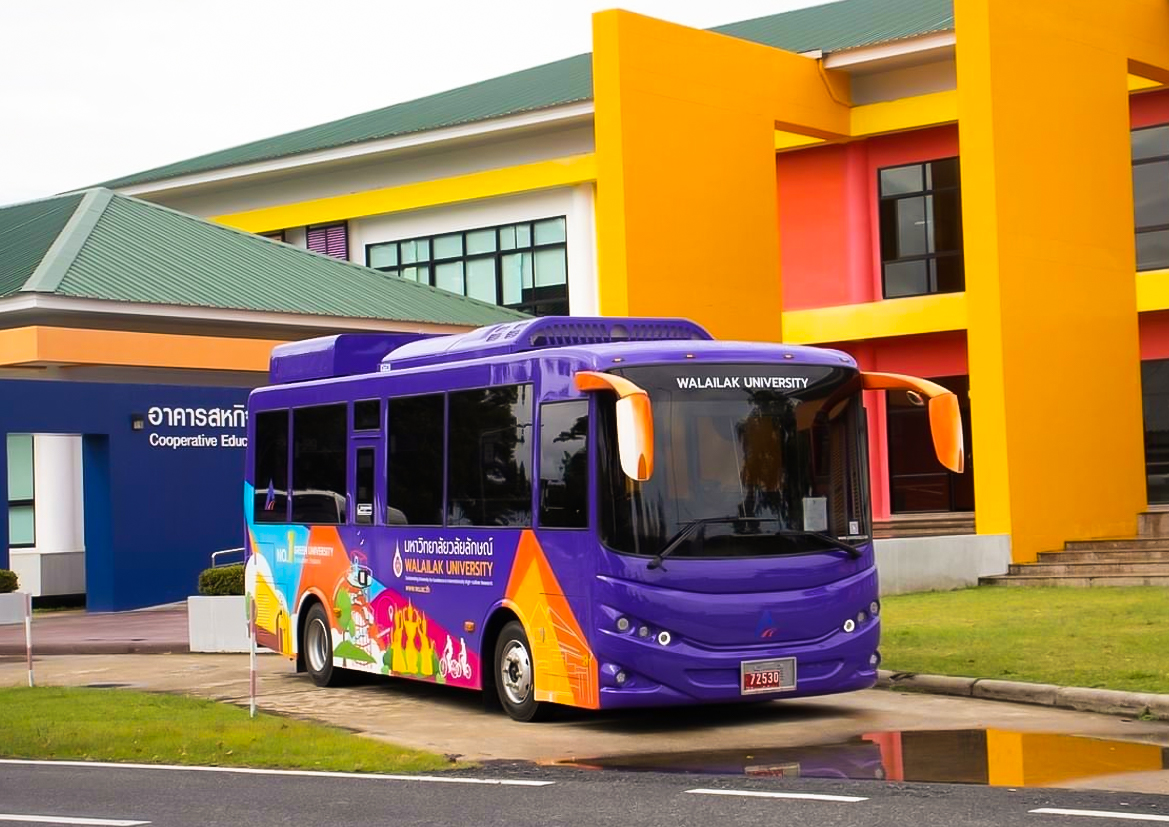
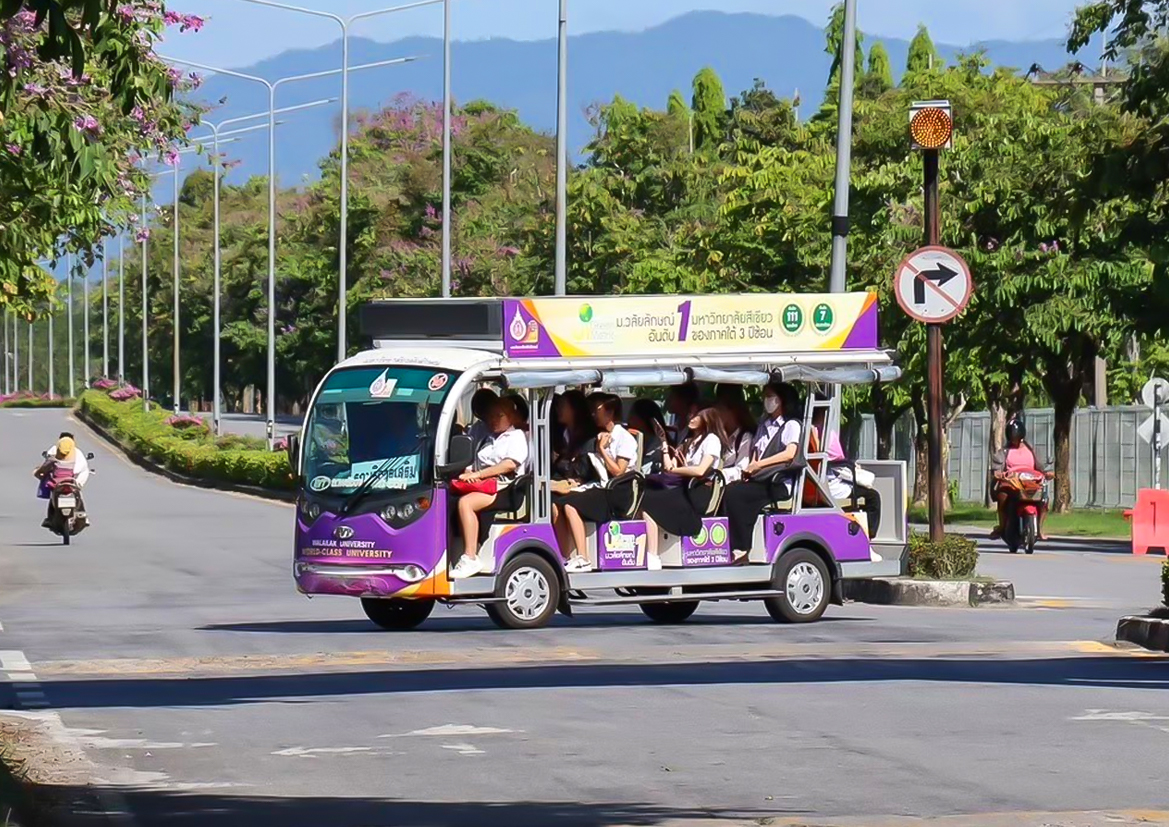
      • Electric Vehicles: WU operated a growing fleet of electric cars, buses, shuttle buses, motorcycles, golf carts, scooters, and mopeds, furthering the university’s carbon reduction efforts.
      • Pedestrian Walkways: By providing walkways, both covered and uncovered, WU is designed for easy pedestrian access for all
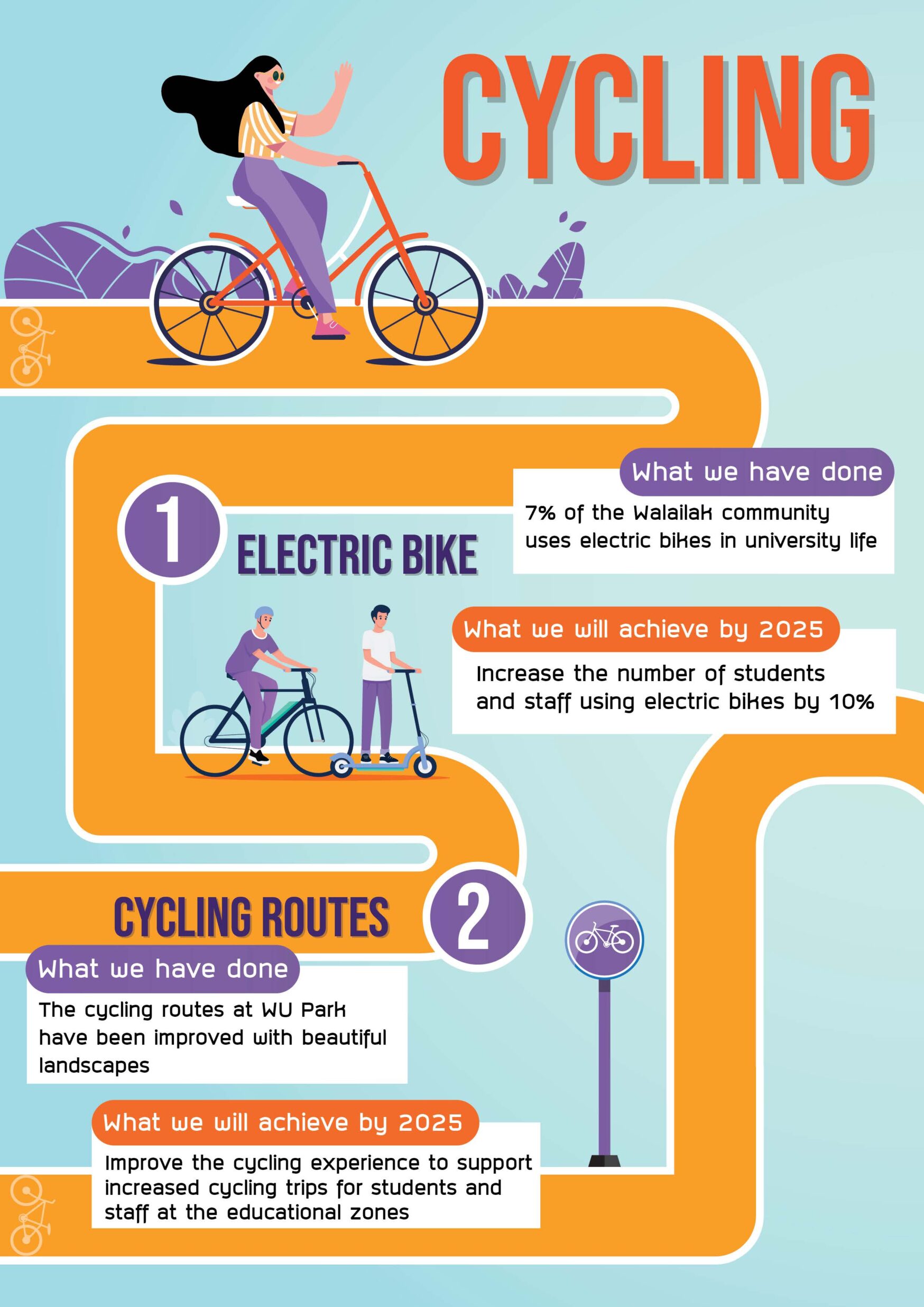
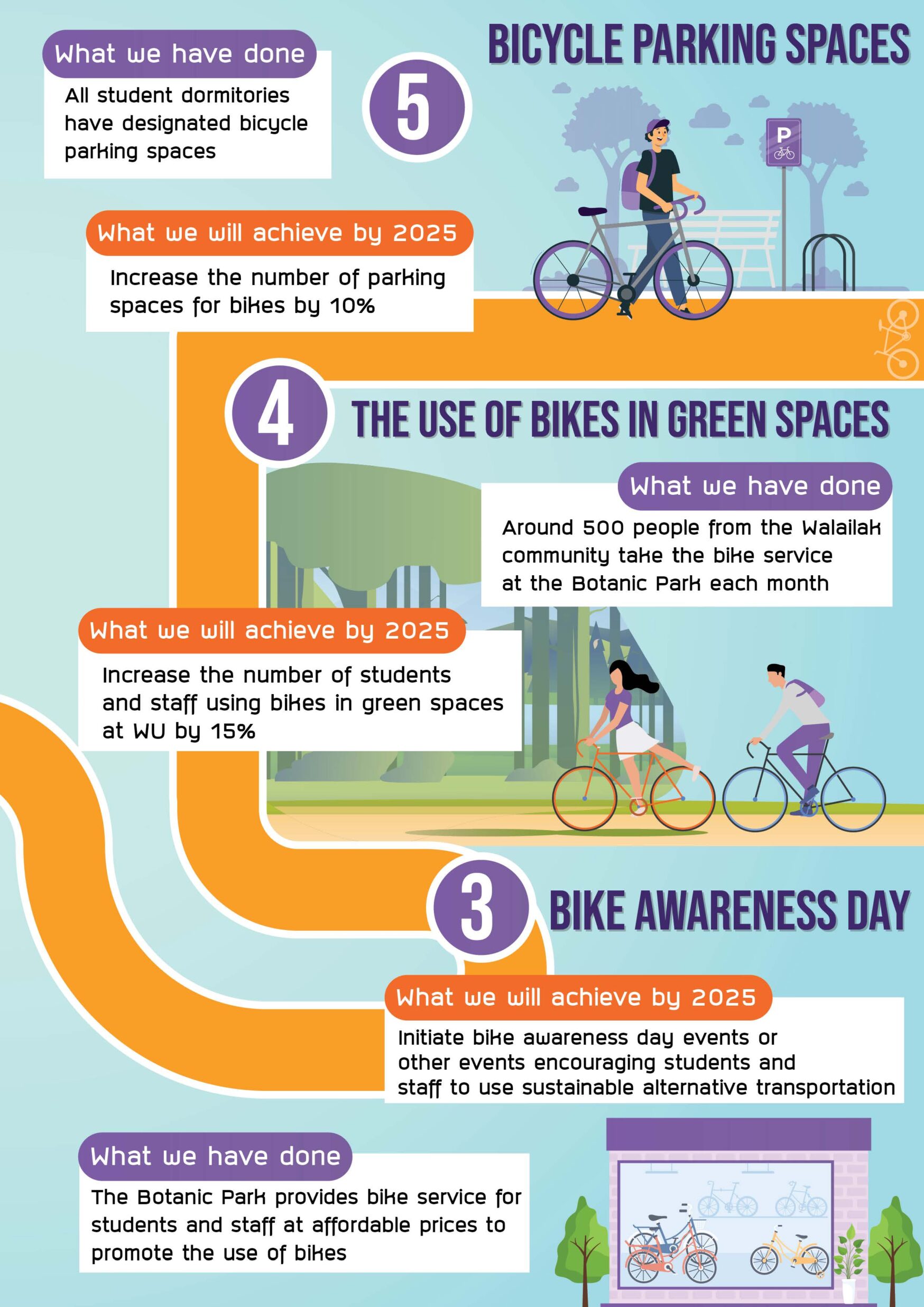
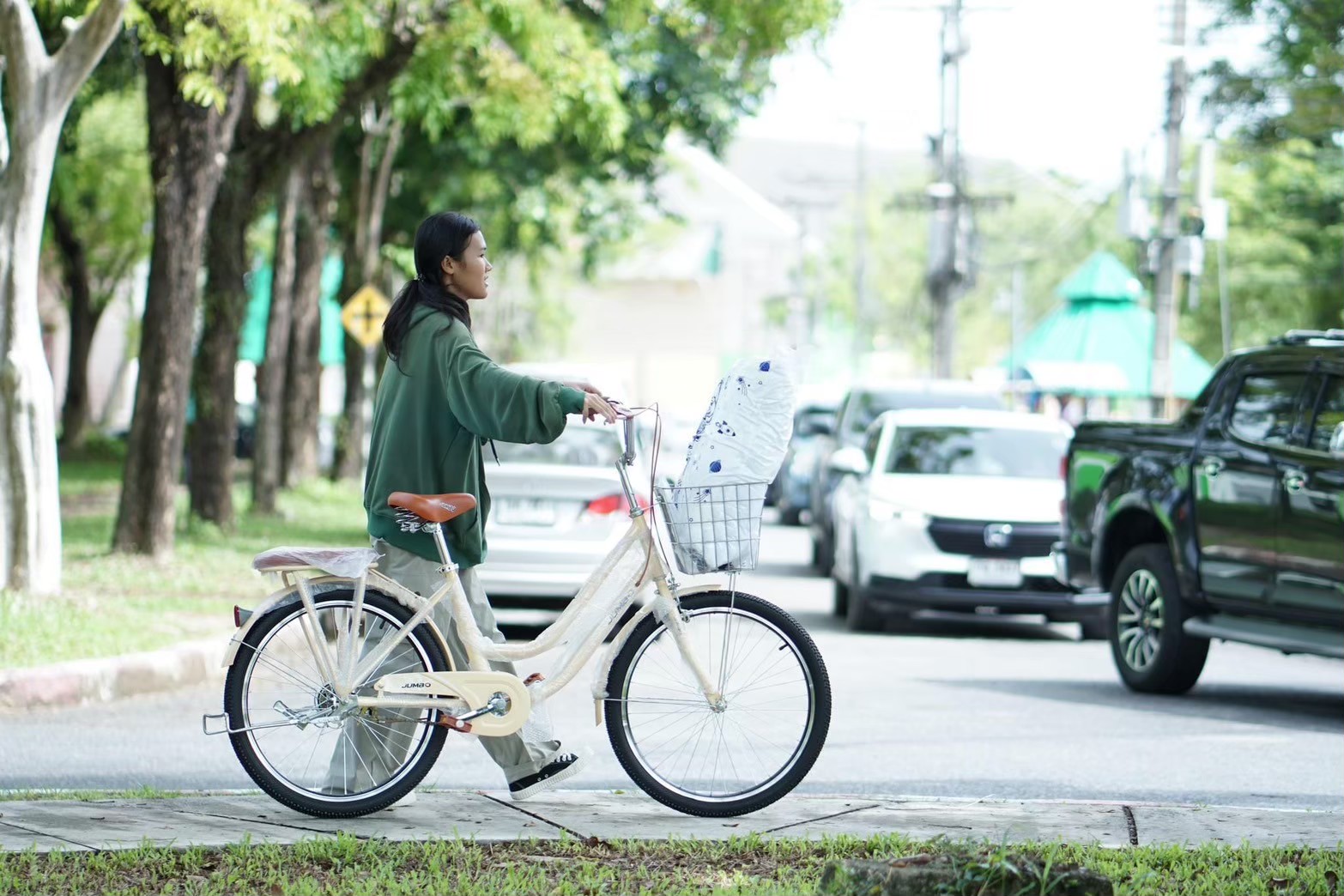
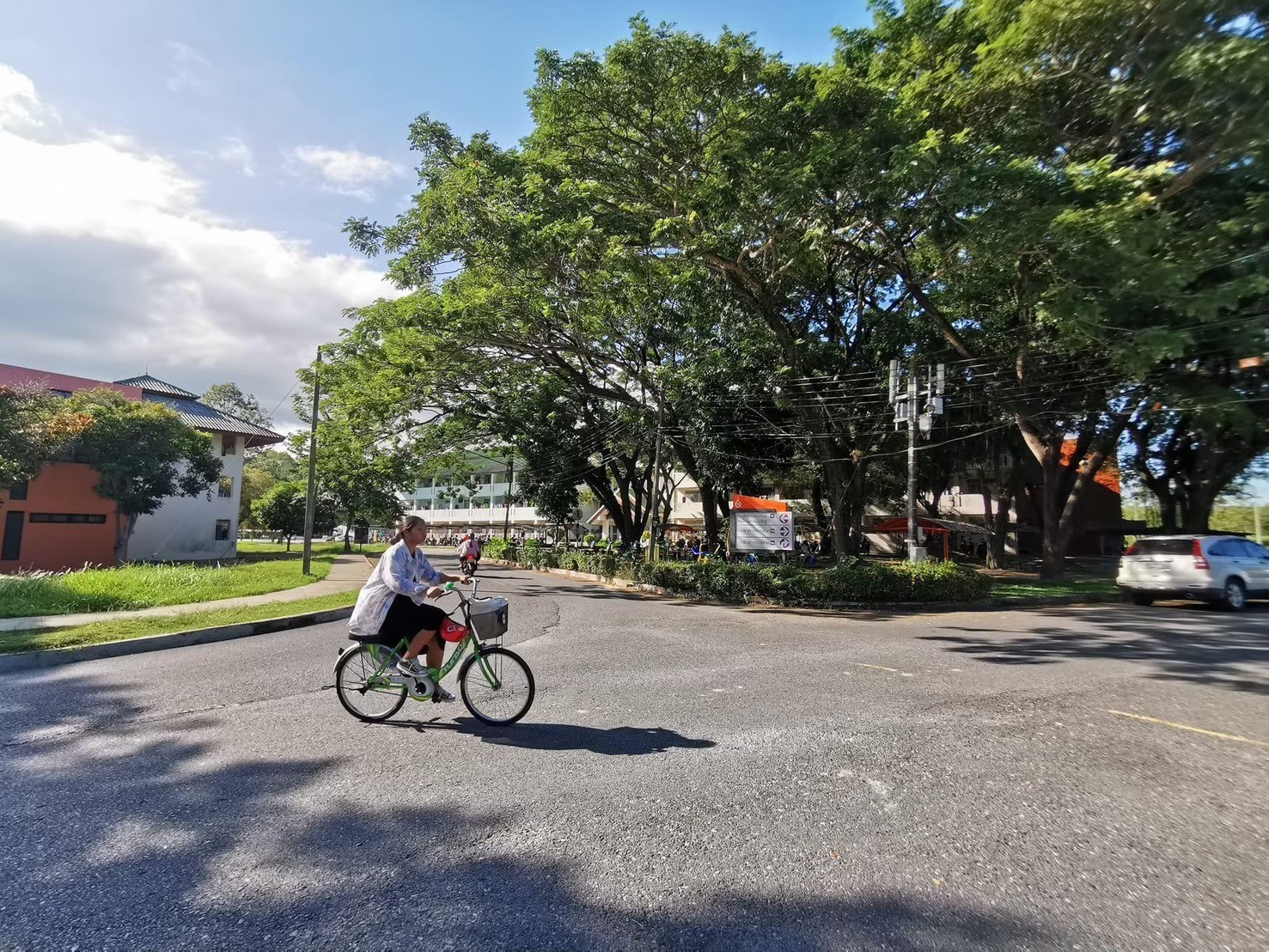
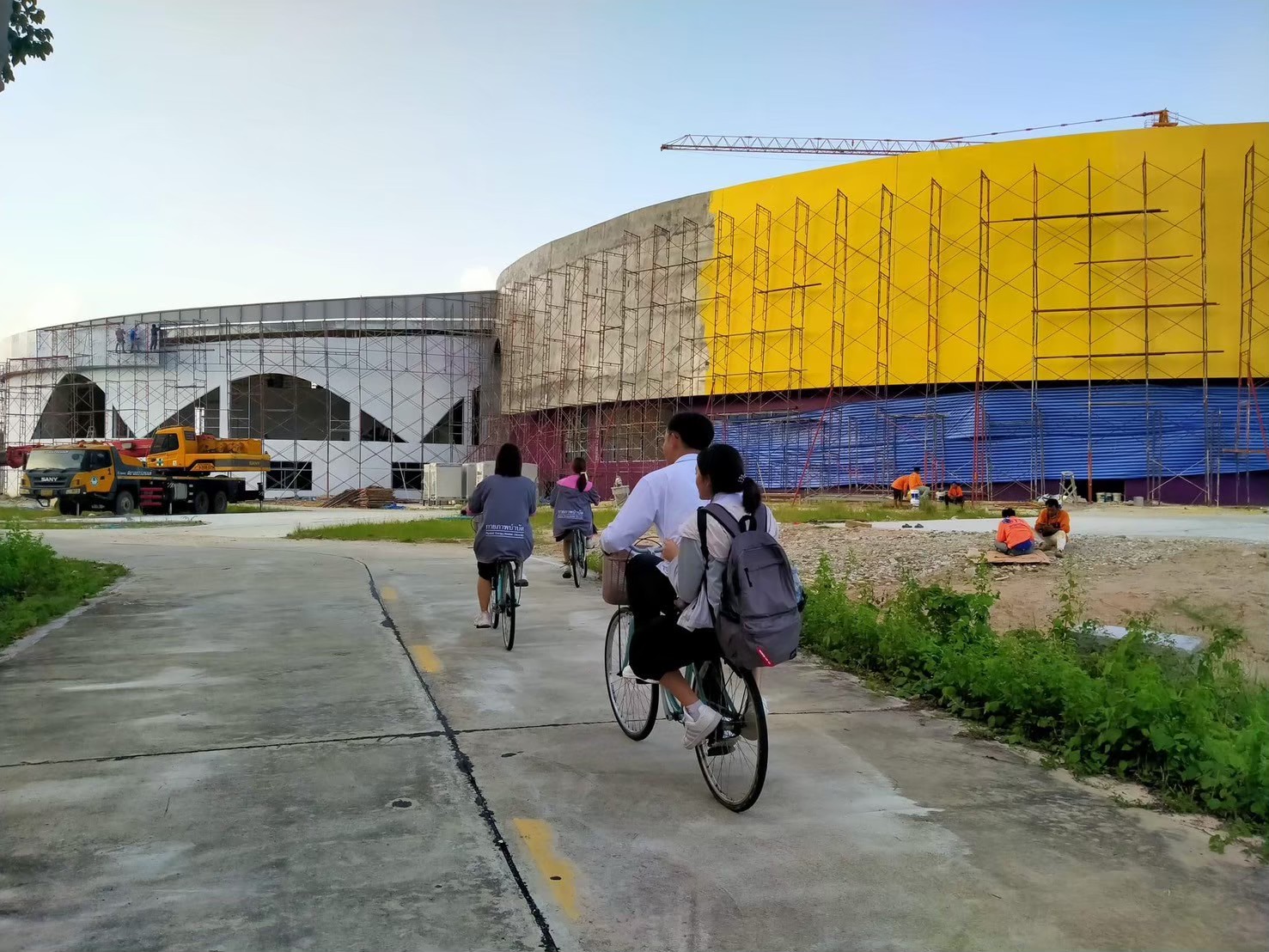
      • Bicycle Lanes: Dedicated bicycle lanes are constructed within the campus, encouraging students and staff to cycle between facilities.
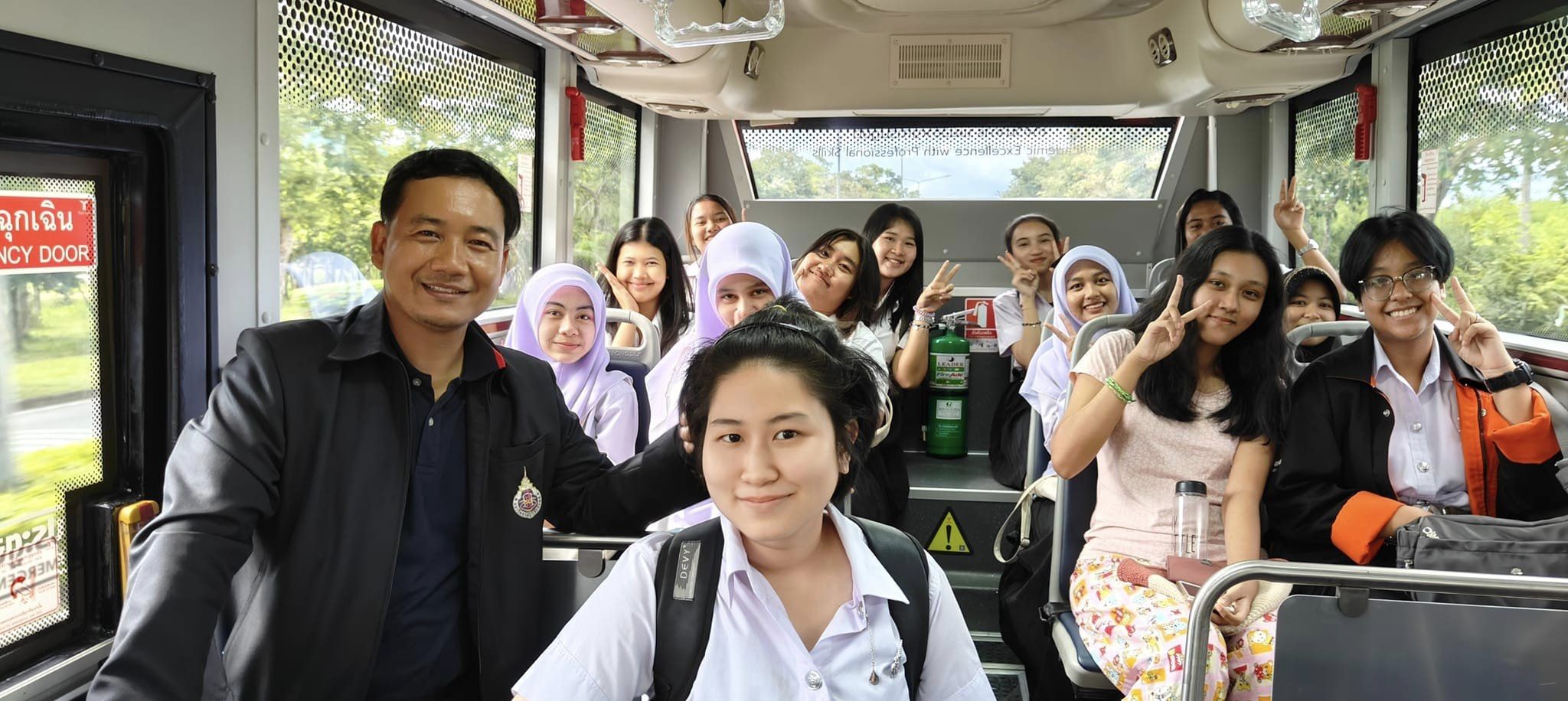
    • Shuttle Bus Services: WU shuttle bus routes efficiently are connected to different parts of the campus, making transportation convenient and sustainable.
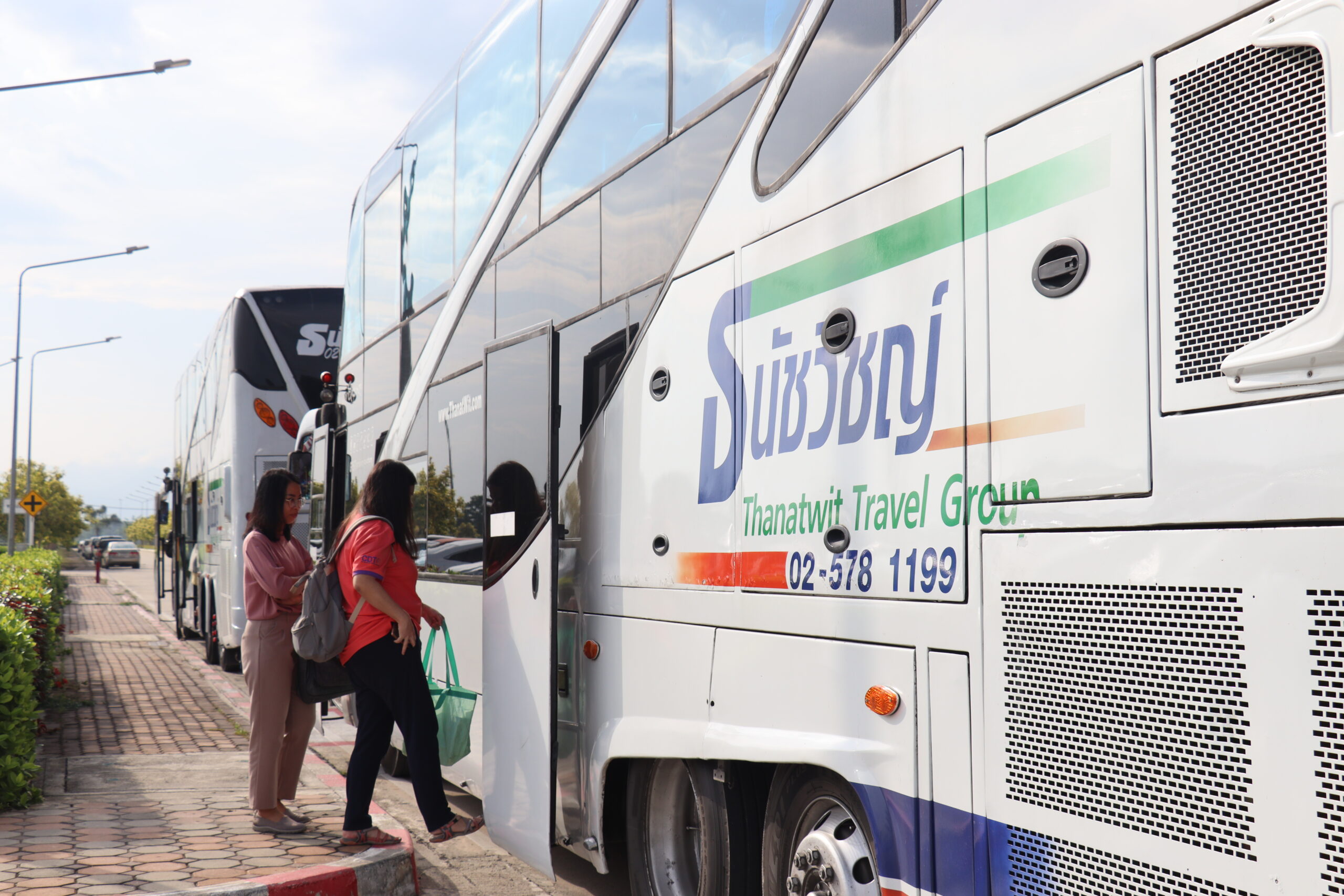
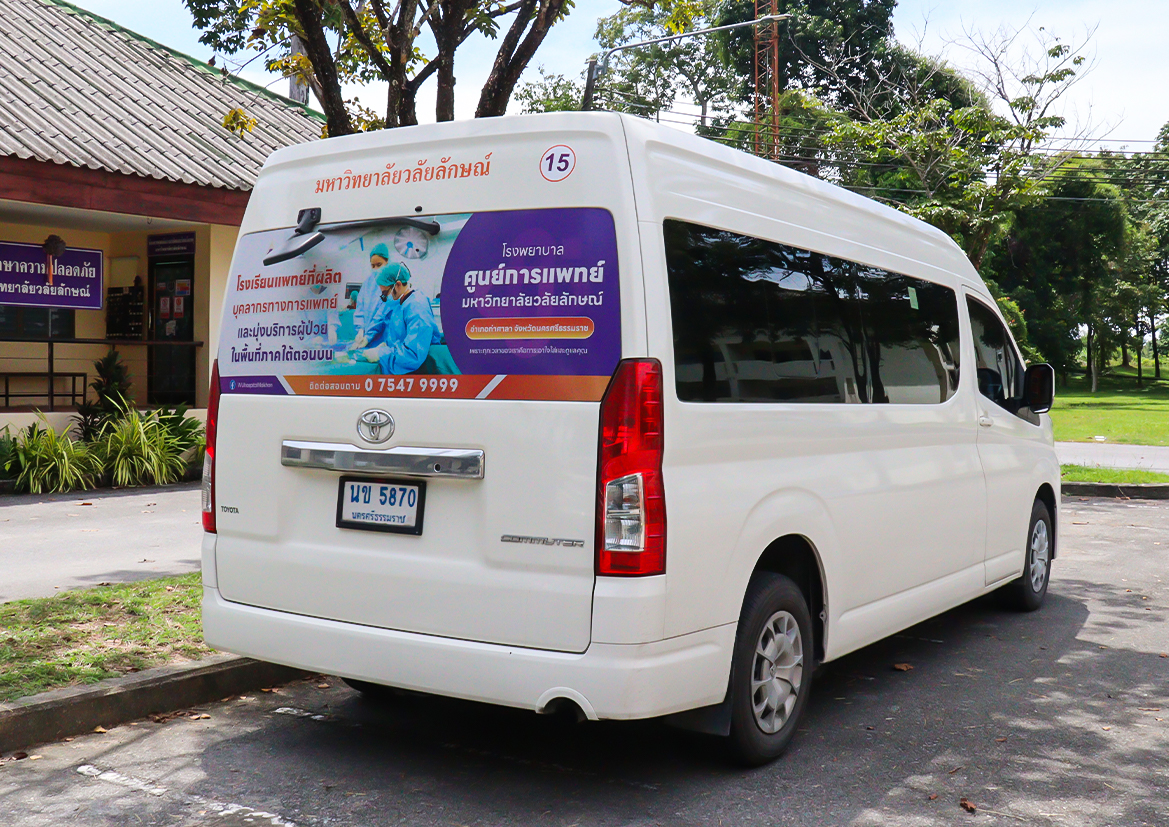
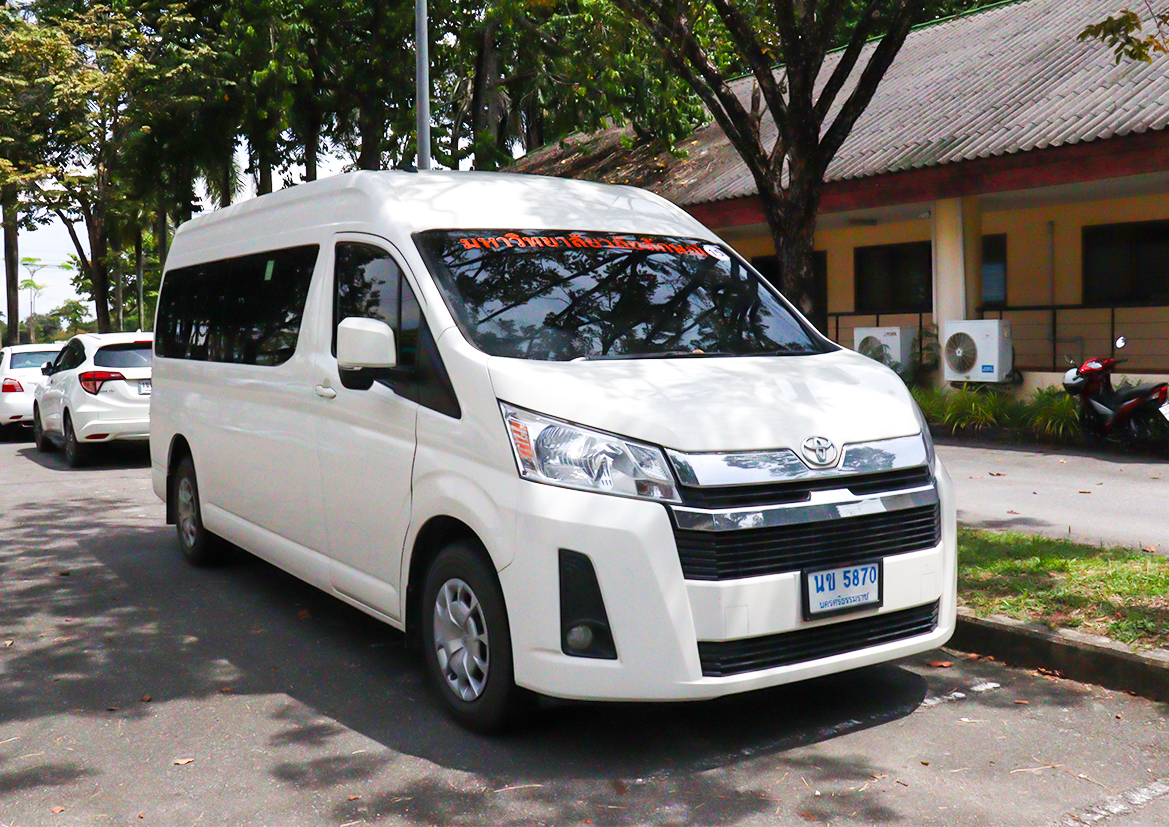
    • Buspool and Vanpool Routes: WU buspool and vanpool routes act as shared transportation services, reducing individual vehicle use to enhance the green university commitment.
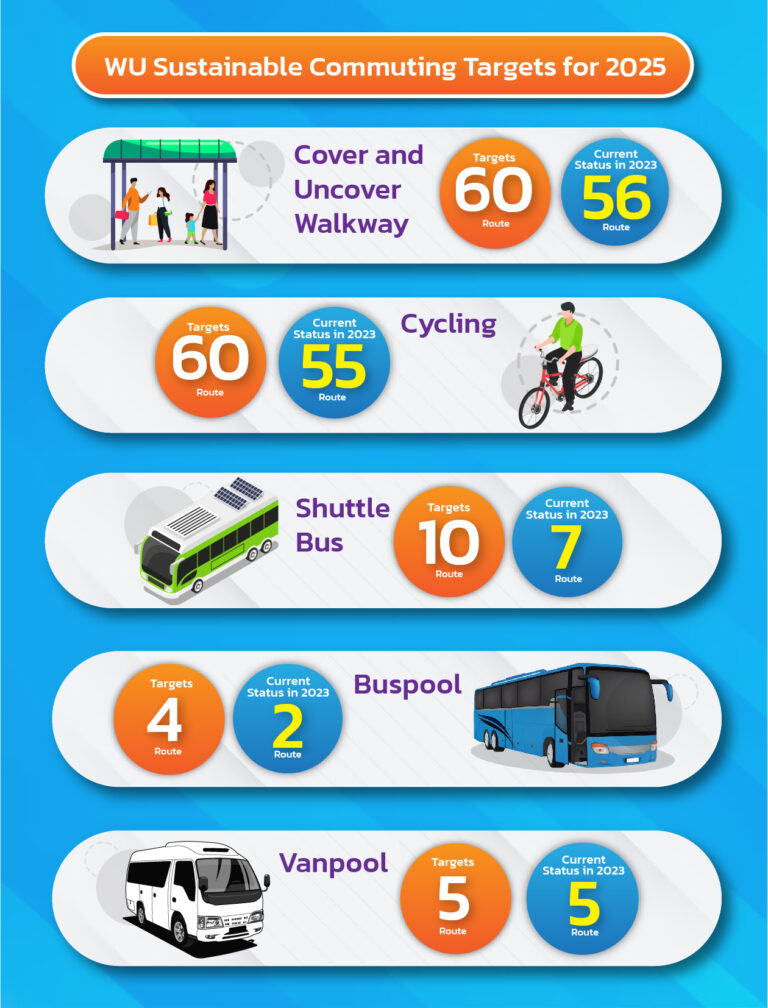
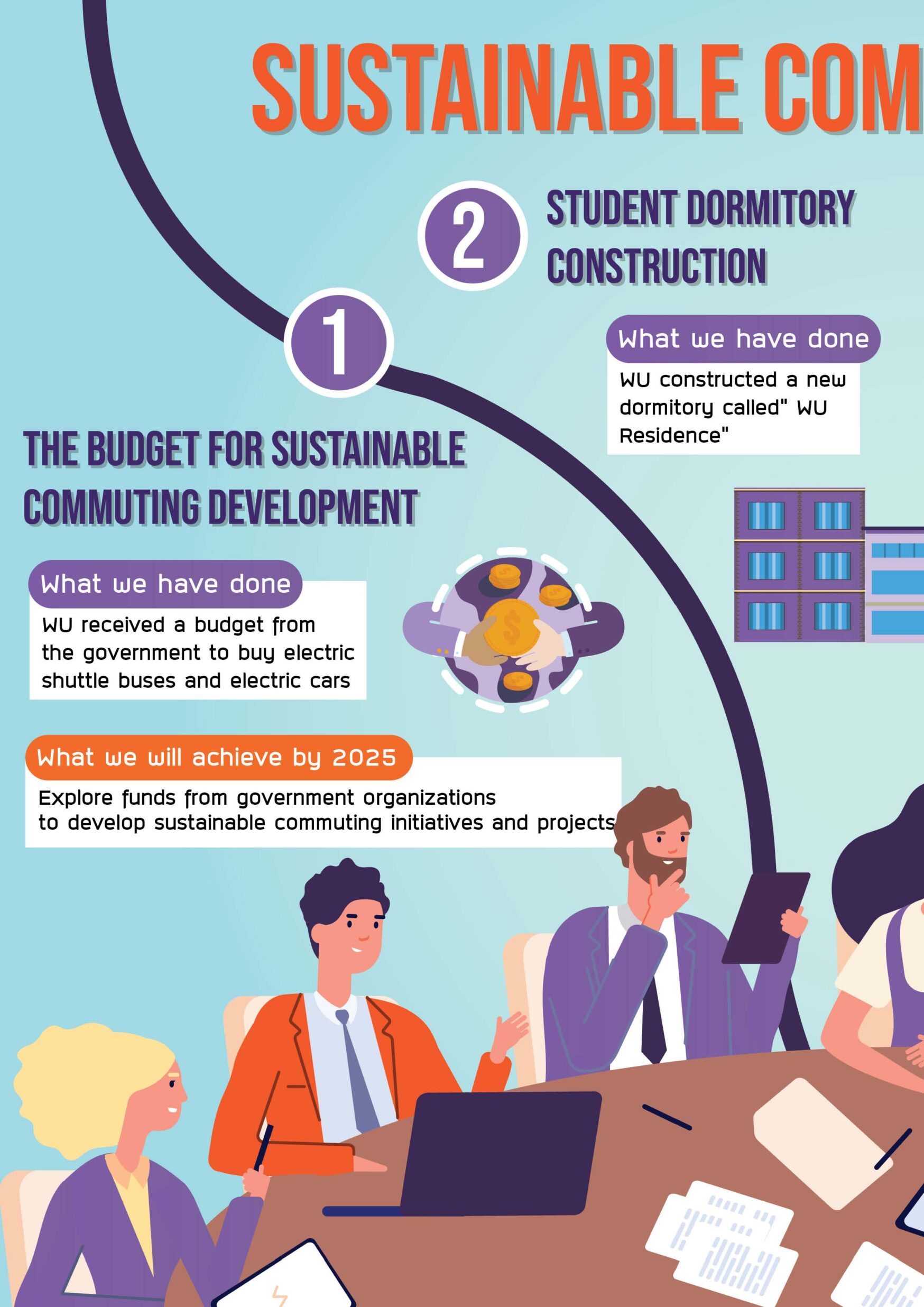
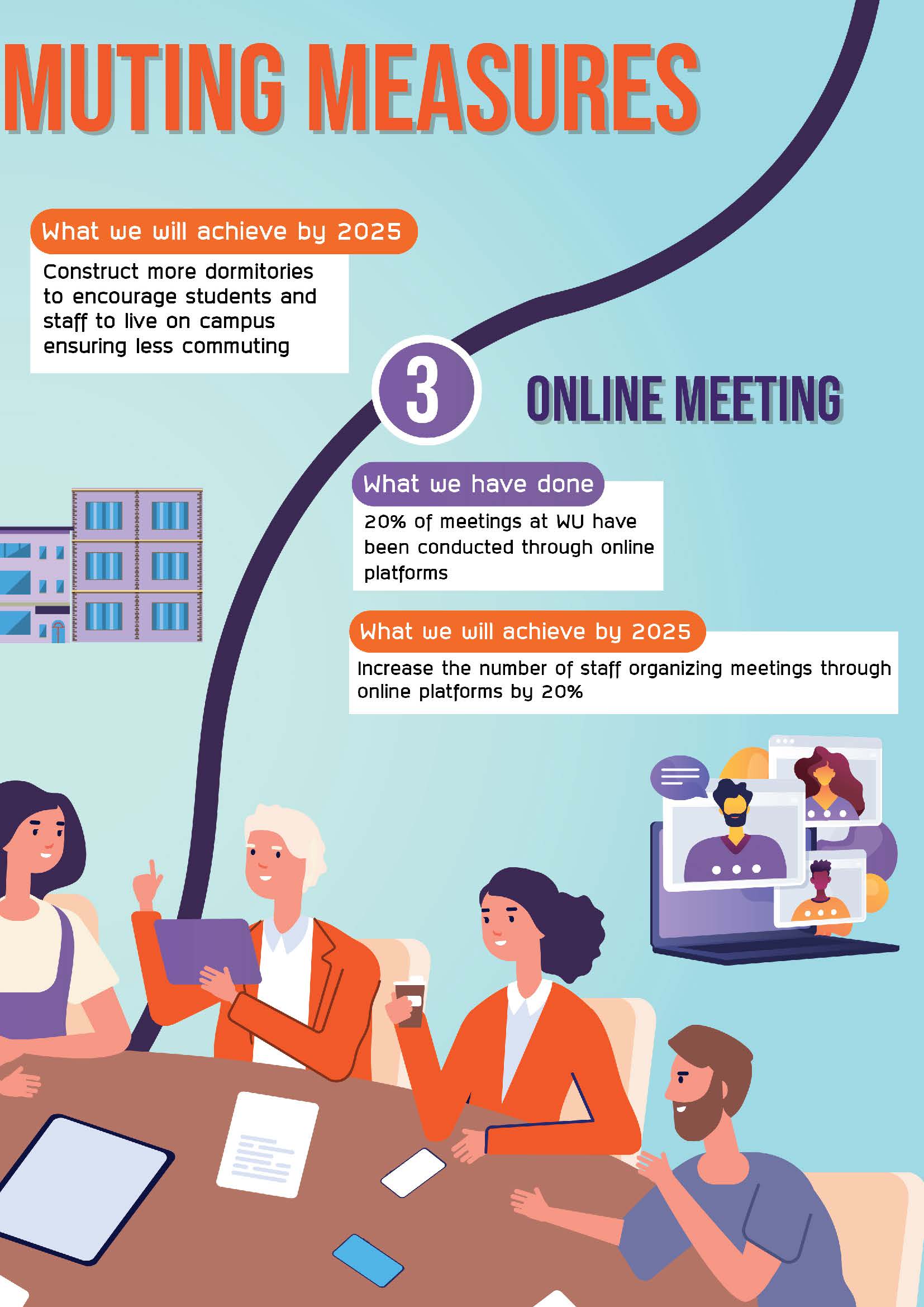
In the pursuit of sustainable transportation, the university has established clear targets for further promoting eco-friendly commuting methods, such as walking, cycling, and the expanded use of electric vehicles. These initiatives are aimed at reducing carbon emissions, improving traffic flow, and fostering a culture of sustainability across the university community as the details are shown below.

Goal 11: Sustainable cities and communities

Goal 3: Good health and well-being

Goal 7: Affordable and Clean Energy

Goal 17: Partnerships for the Goals