
16Oct 2024 by Kittipong Bunlear
Walailak University Adopts EIT Standards and Building Control Regulations for Sustainable Construction and Healthy Environments
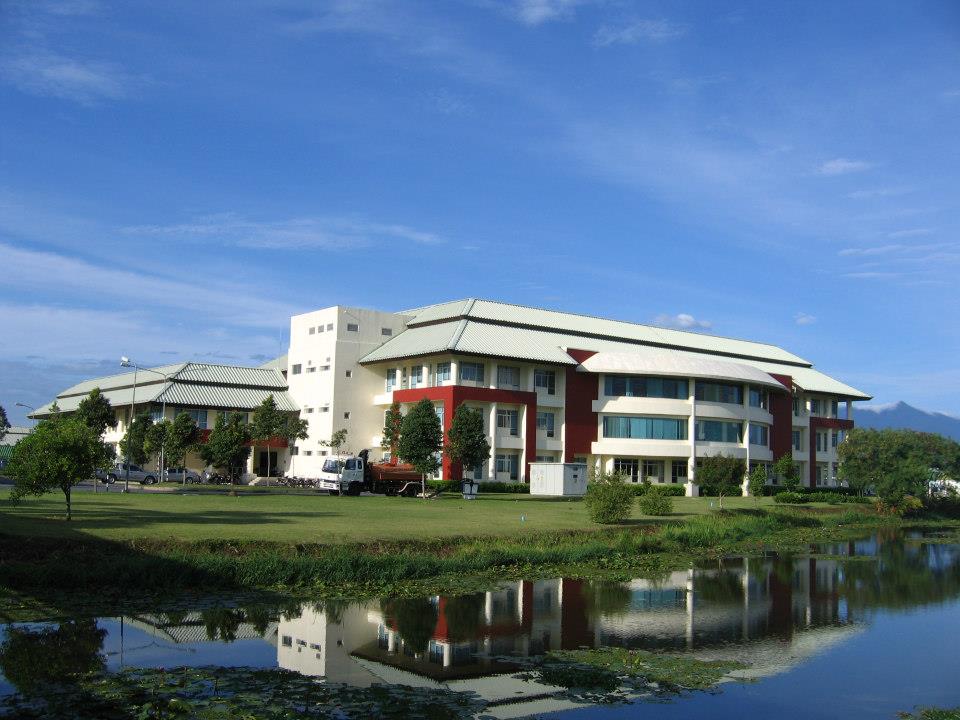
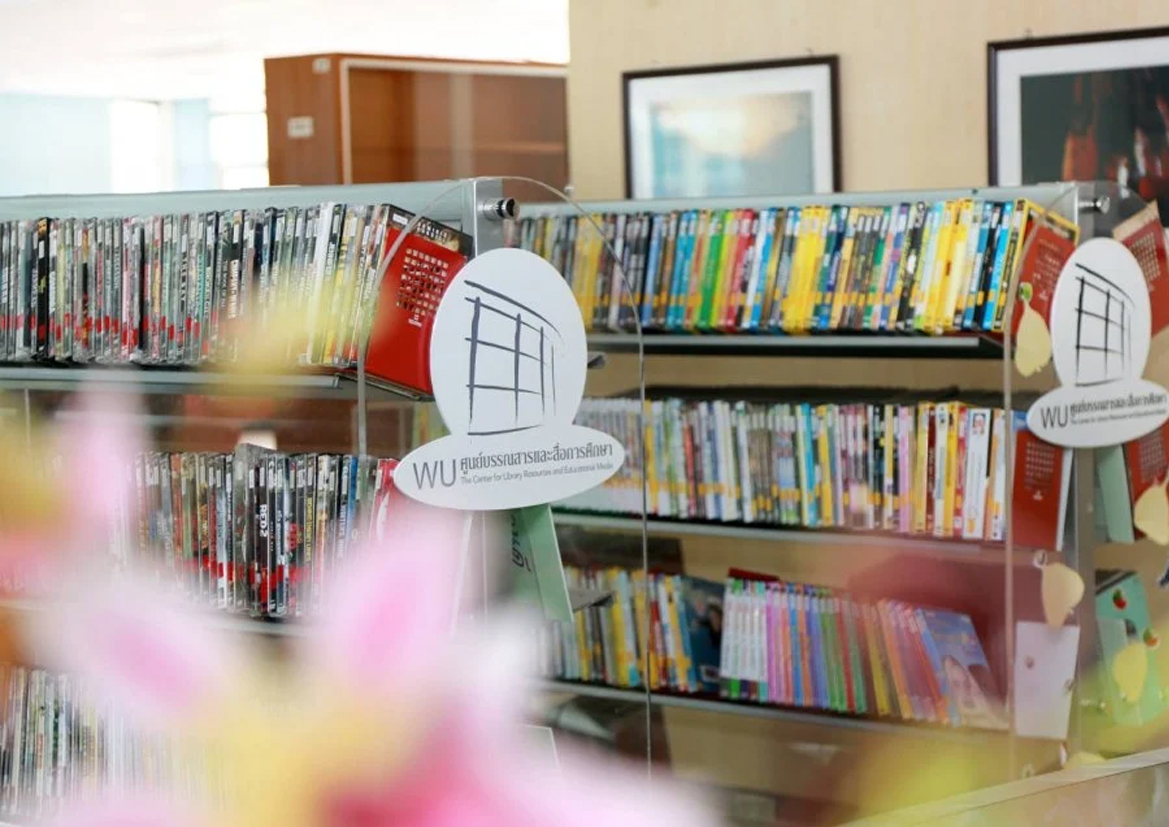
Walailak University (WU) has long prioritized sustainability and adherence to high standards in its infrastructure development and energy management initiatives. The university ensures that all new buildings and renovations comply with the EIT Standard (The Engineering Institute of Thailand under His Majesty the King’s Patronage), which emphasizes precision and careful implementation. Construction and maintenance are supervised by licensed architects and engineers in collaboration with the Division of Landscaping and Building, ensuring compliance with the Ministerial Regulations on Building Control. Besides, WU’s Center for Library Resources and Educational Media has been recognized as meeting the Building Energy Code (BEC), the national standard for energy efficiency in buildings. This recognition, granted by the Department of Alternative Energy Development and Efficiency (DEDE) under the Ministry of Energy, highlights the building’s exceptional performance in areas such as structural design, electrical and lighting systems, air conditioning, and energy-consuming equipment.
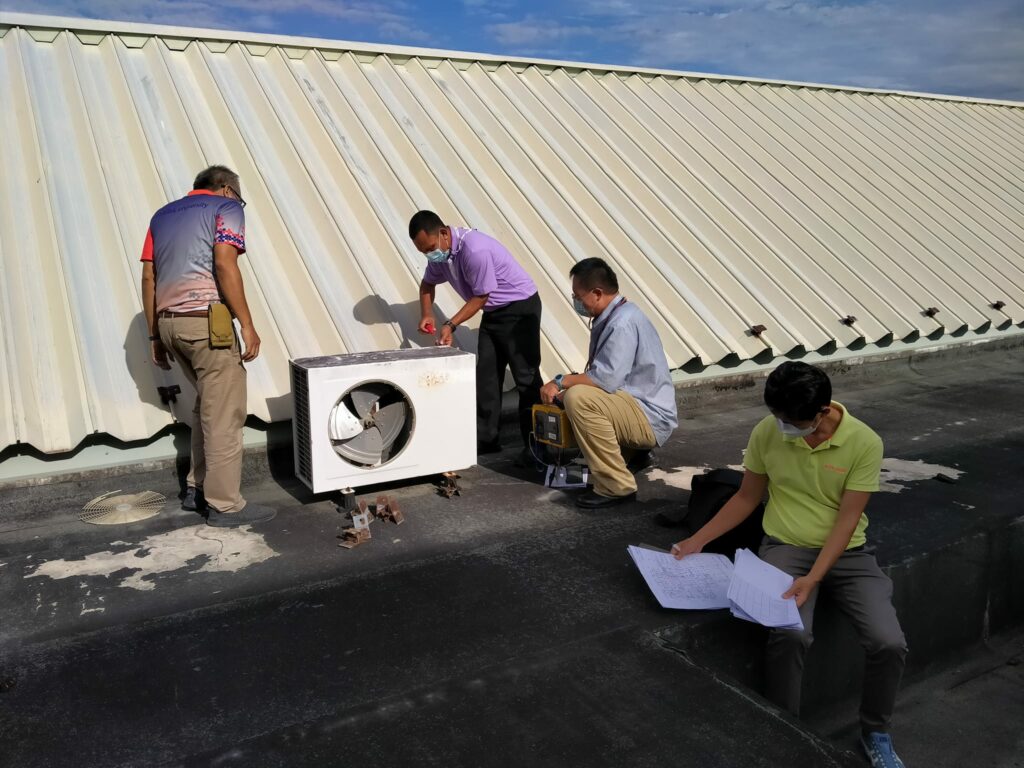
In alignment with these standards, Walailak University has adopted a comprehensive energy efficiency development plan to reduce overall energy consumption and achieve a 10% annual reduction target, in line with the Energy Efficiency Development Plan (EEDP). By integrating energy-efficient appliances, renewable energy solutions, and advanced management systems, the university continues to demonstrate its commitment to sustainability and conservation across campus.
In 2023, Walailak University built new buildings to sustainable standards. To complete several projects that adhere to rigorous standards, WU focuses on the well-being of users and environmental sustainability. Key planning of these developments includes attention to air quality, lighting, water management, movement, temperature control, and sound management.
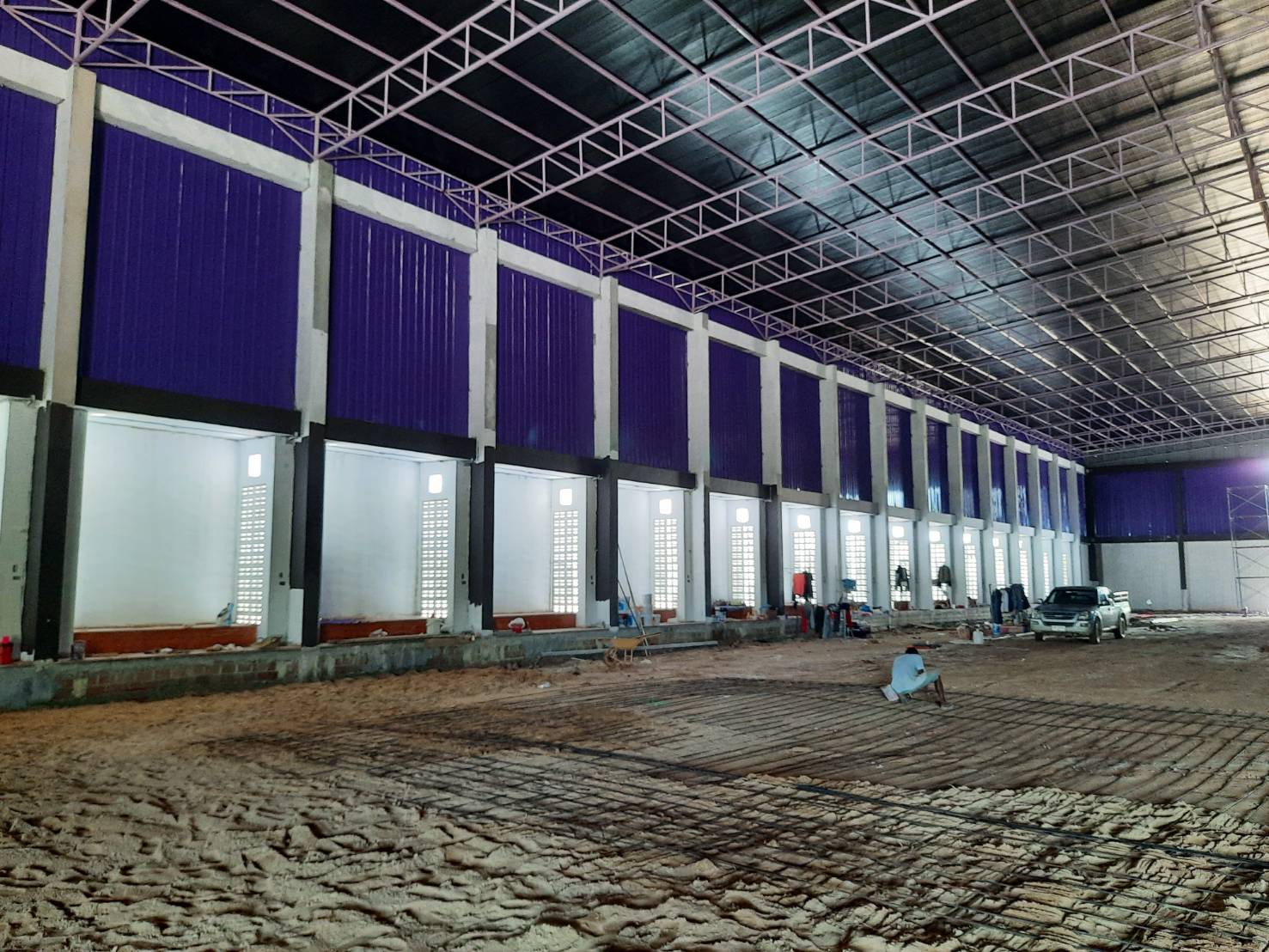
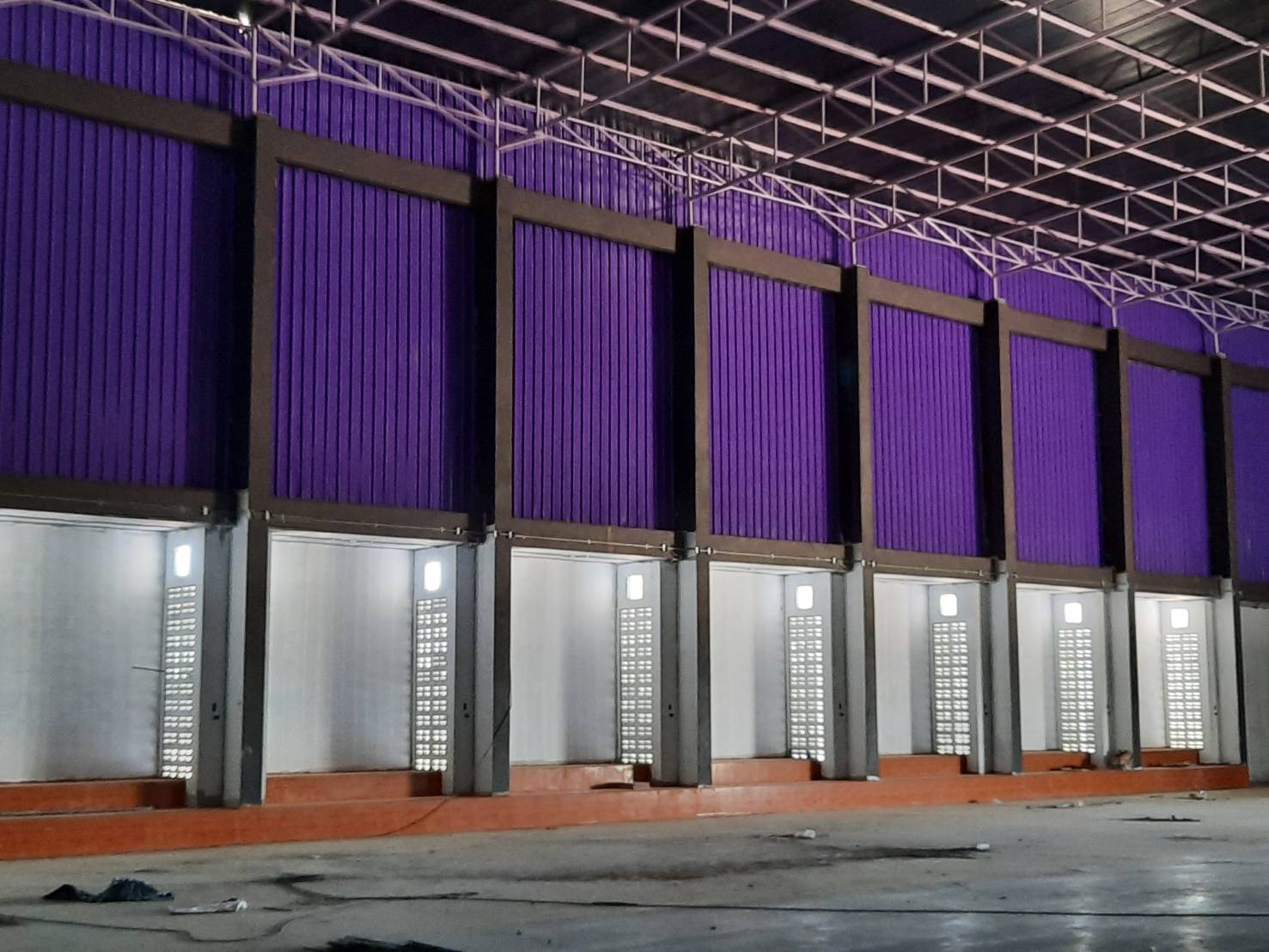
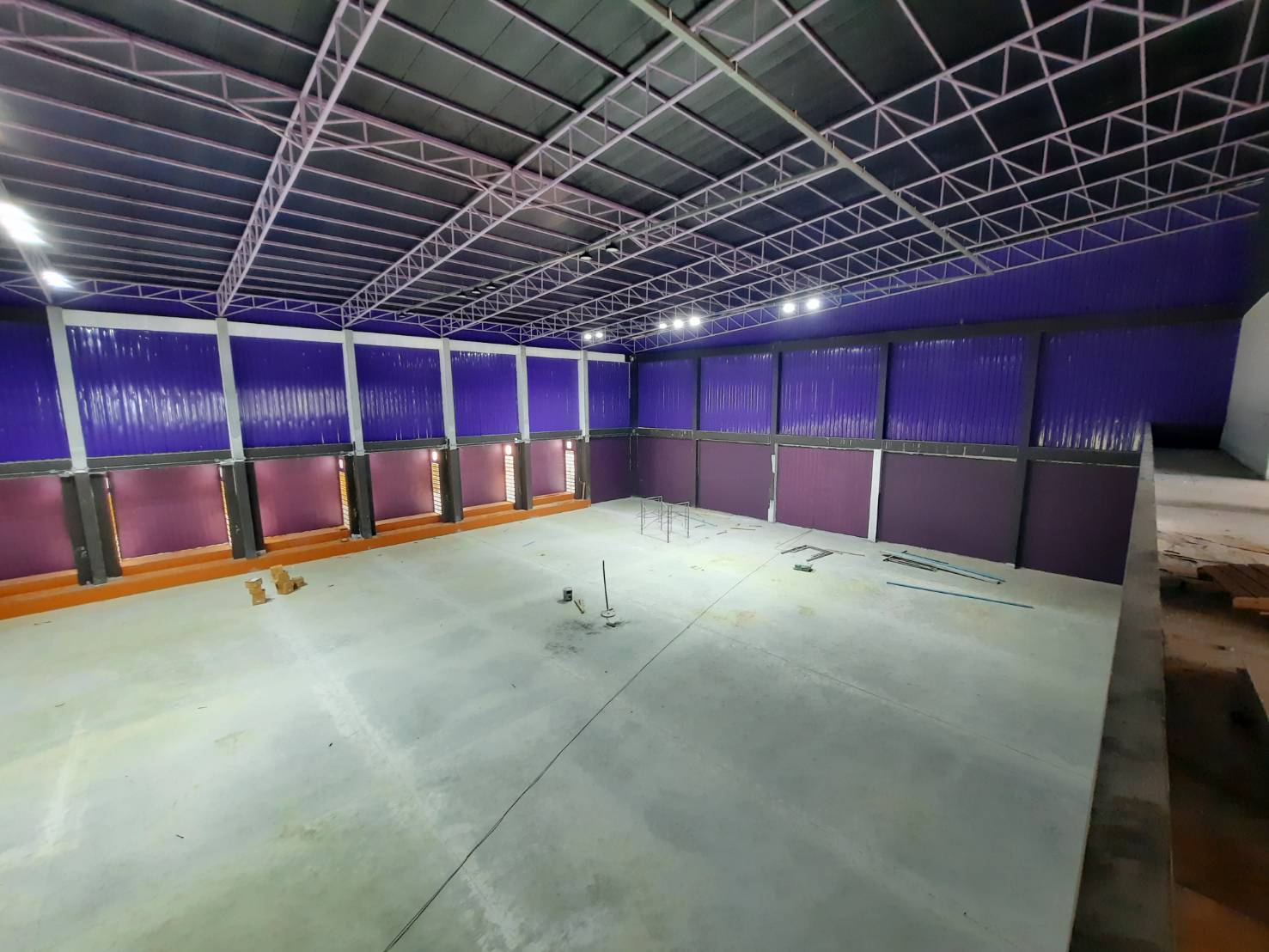
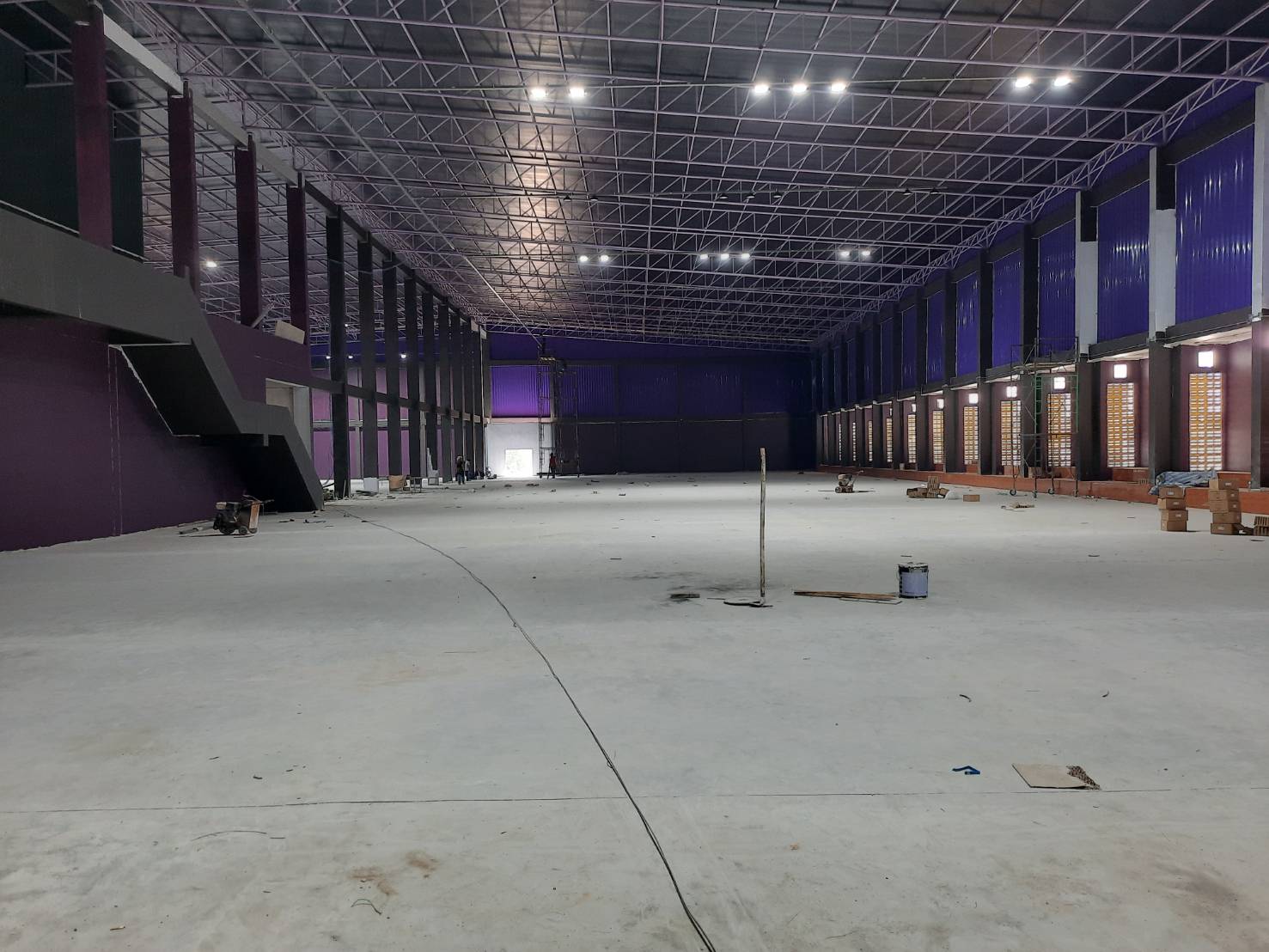
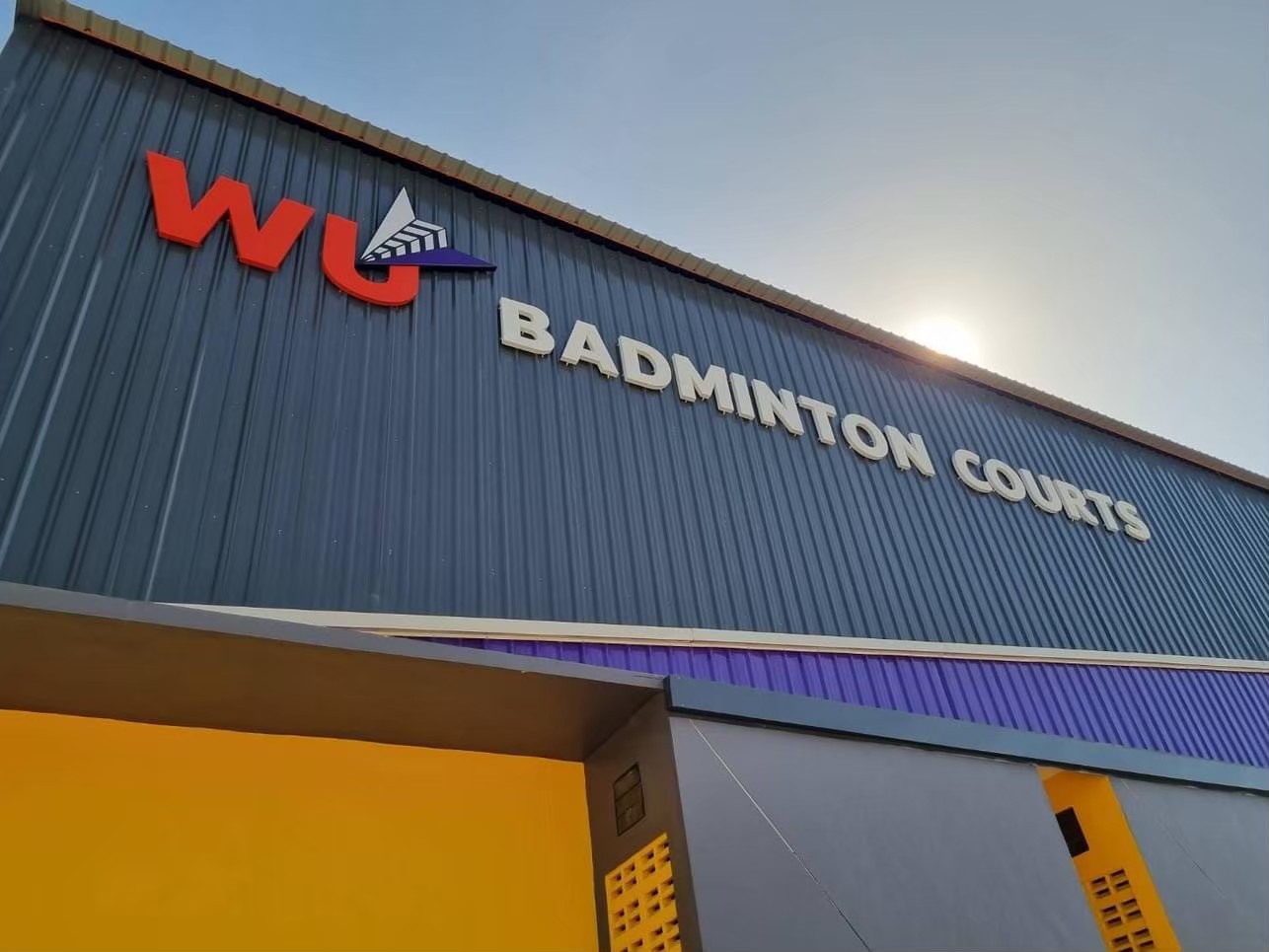
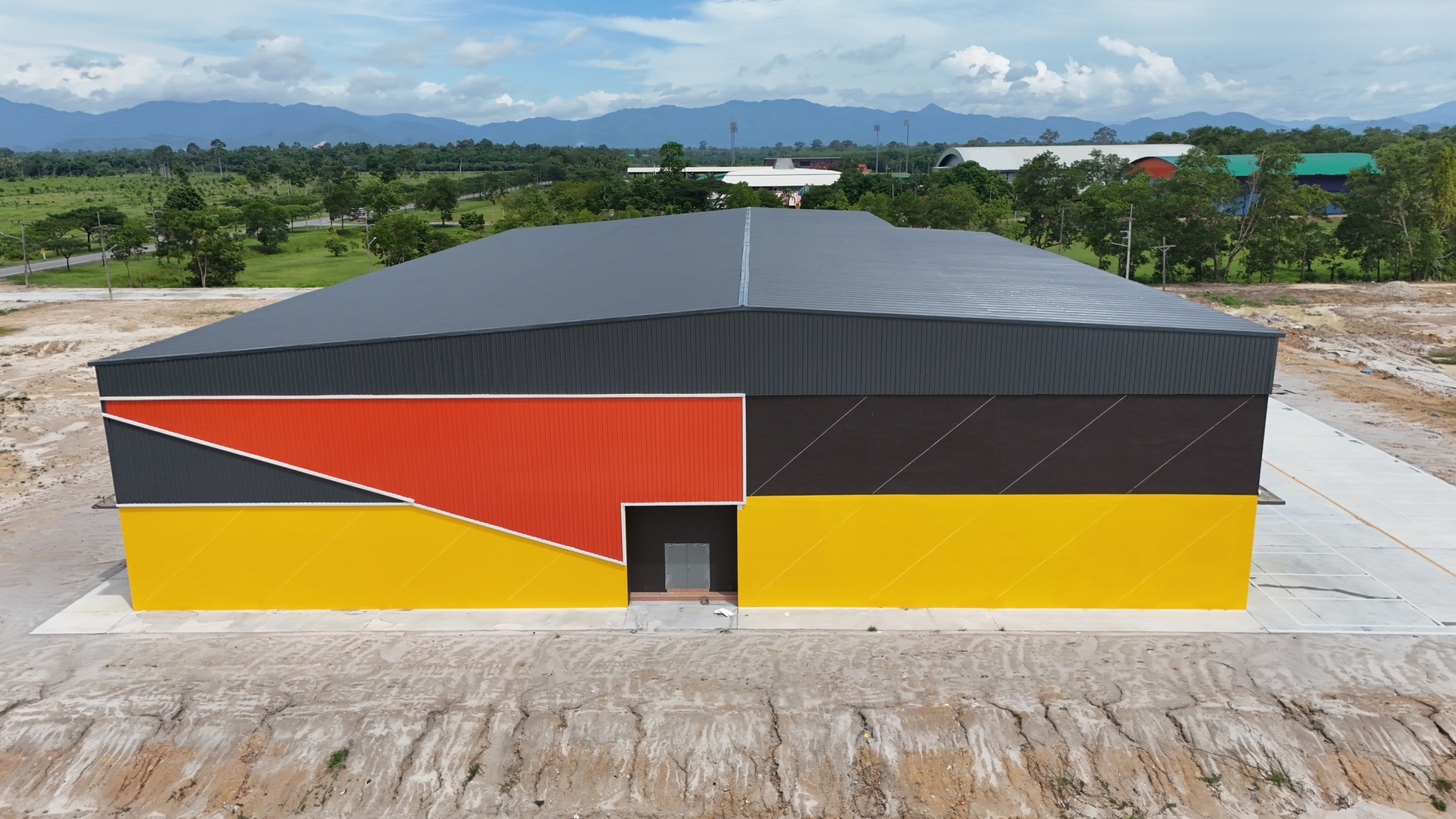
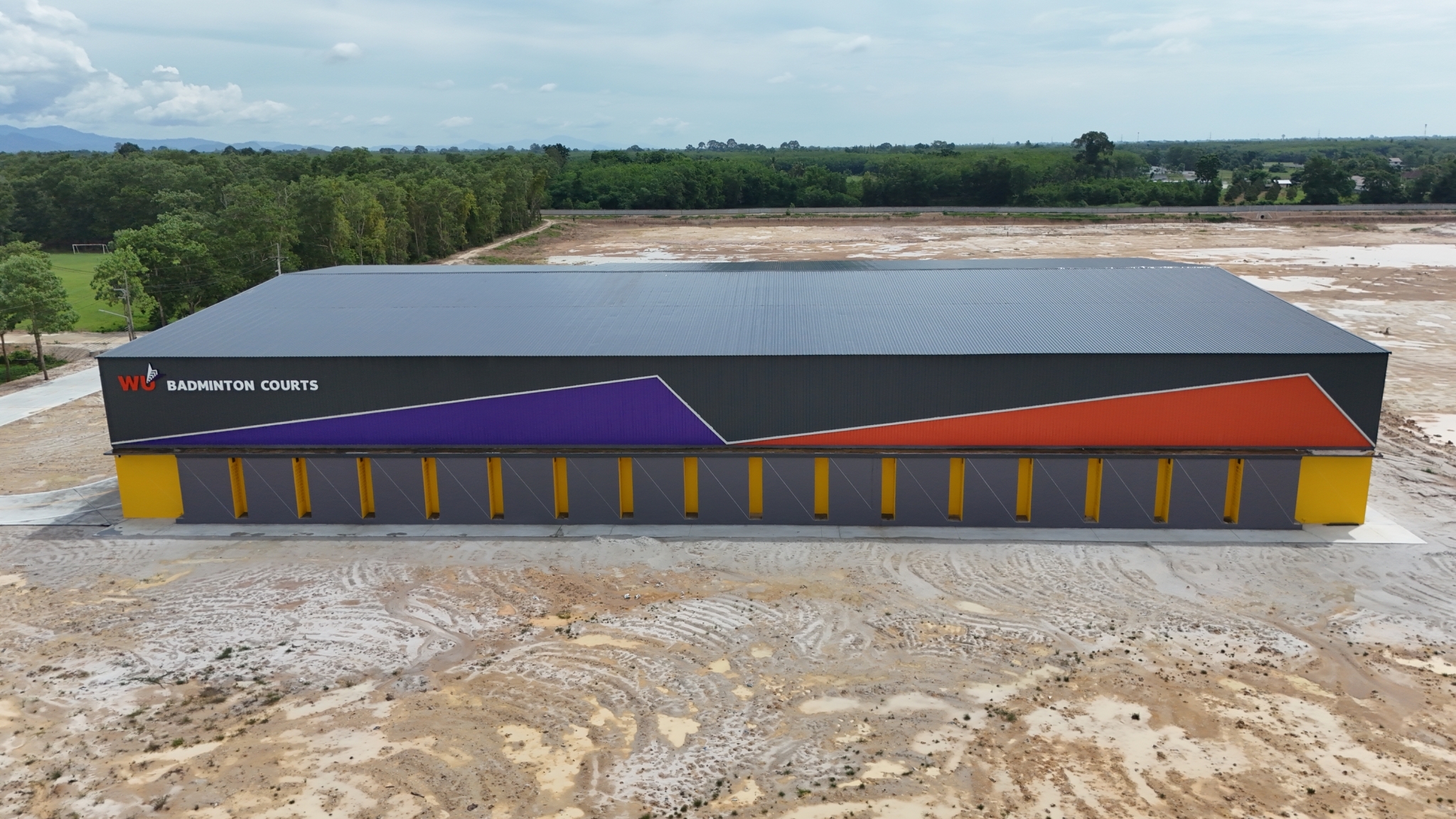
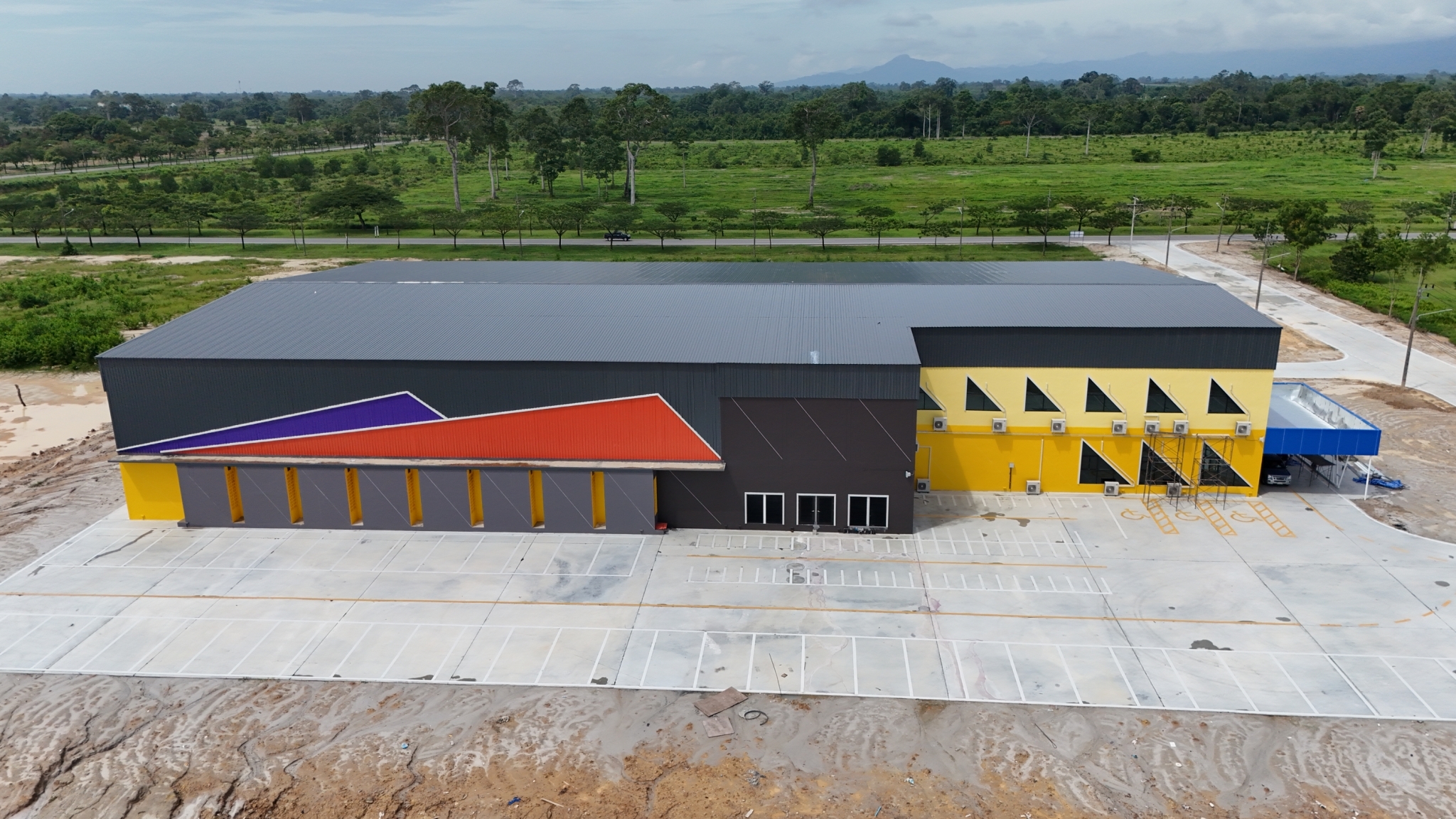
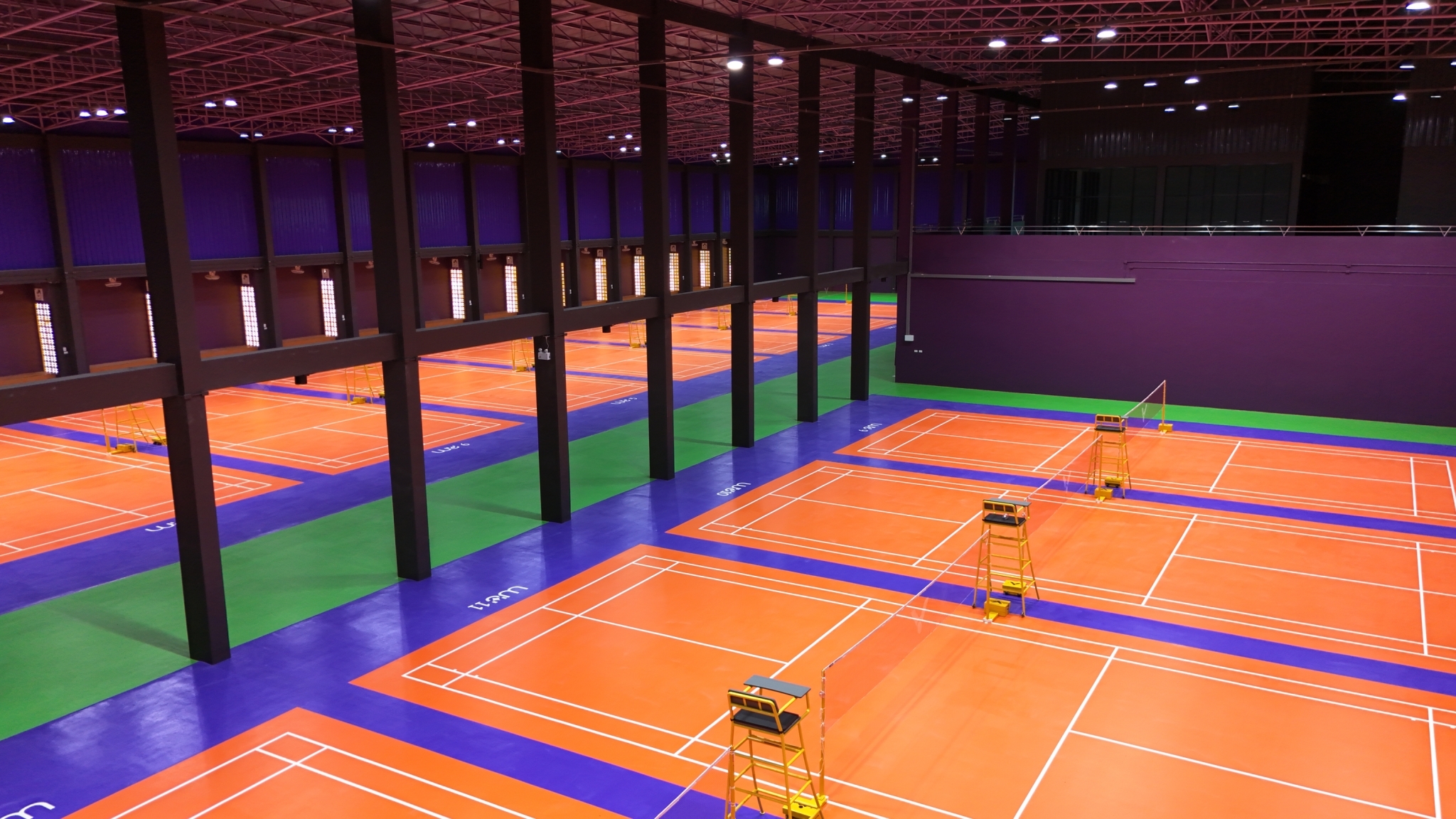
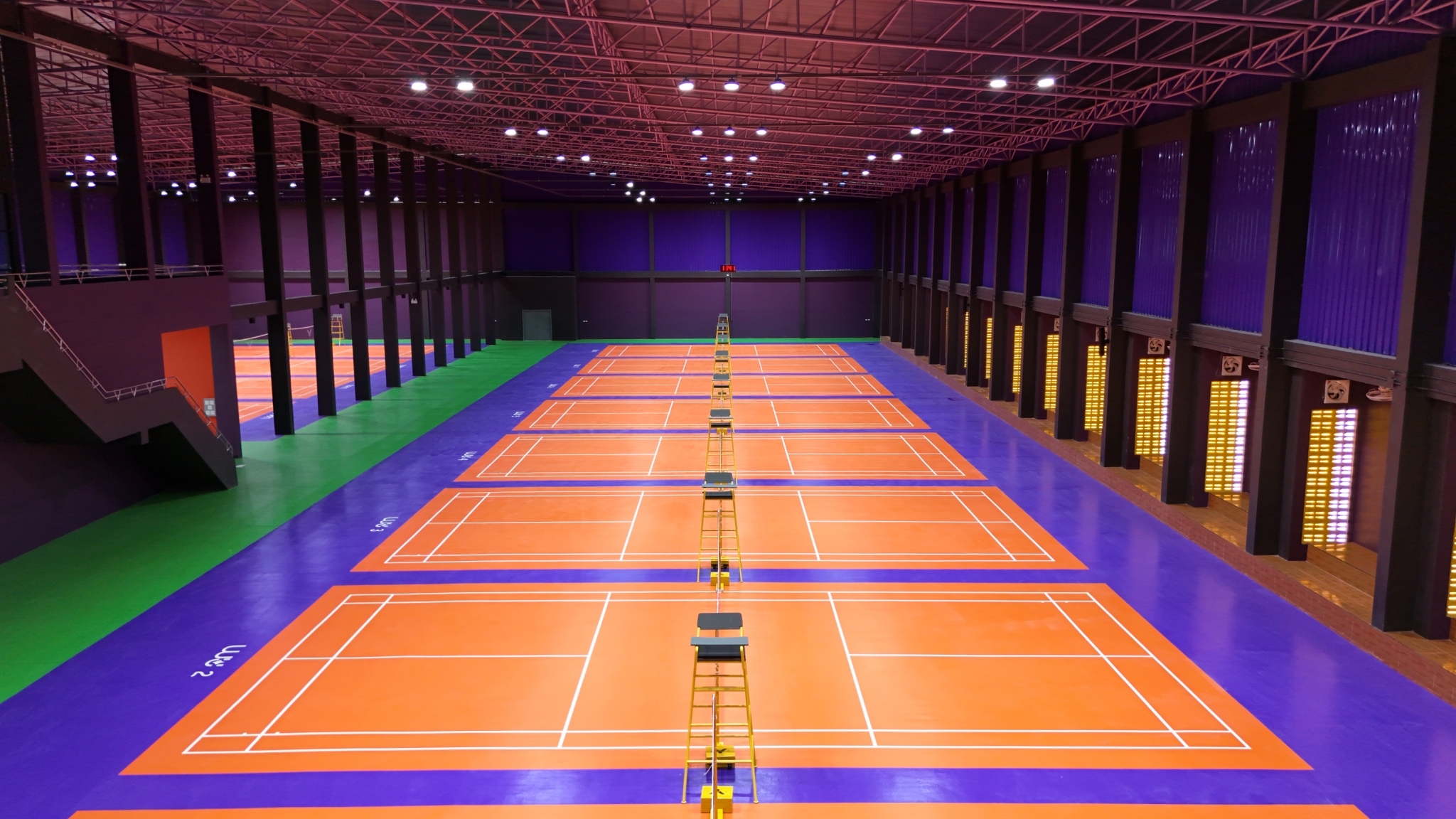
1. WU Badminton Court: The WU Badminton Court was constructed with the primary goal of promoting sports and health among students and the local community. This 12-court facility was designed following EIT standards, ensuring optimal conditions for physical activity. The flooring was specifically designed to support movement and reduce injury risk, while the lighting system ensures sufficient brightness for sports activities. Ventilation and air circulation are carefully managed, contributing to a healthy indoor environment and reducing stress for users. The building design reflects the university’s commitment to mental and physical well-being.
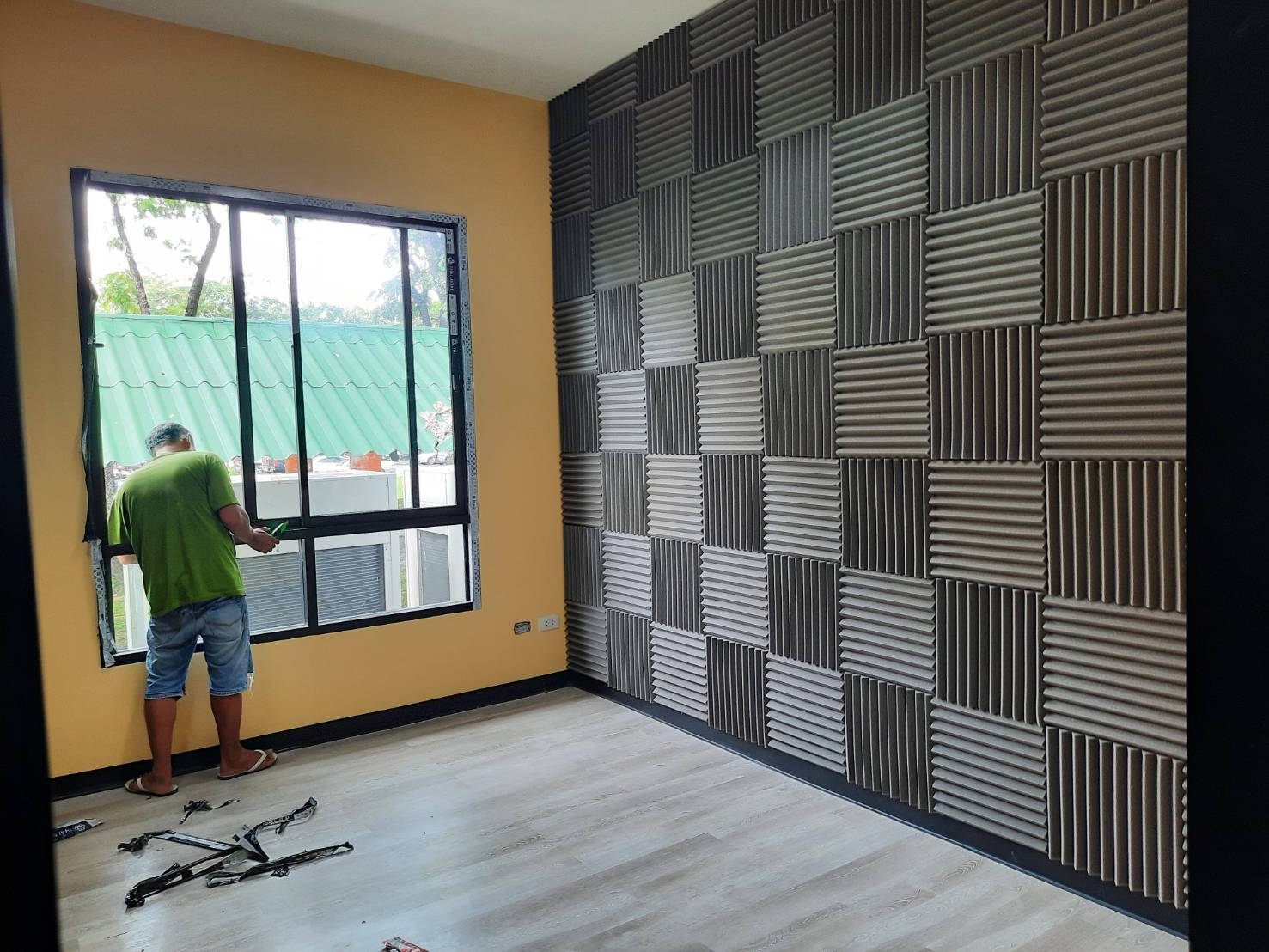
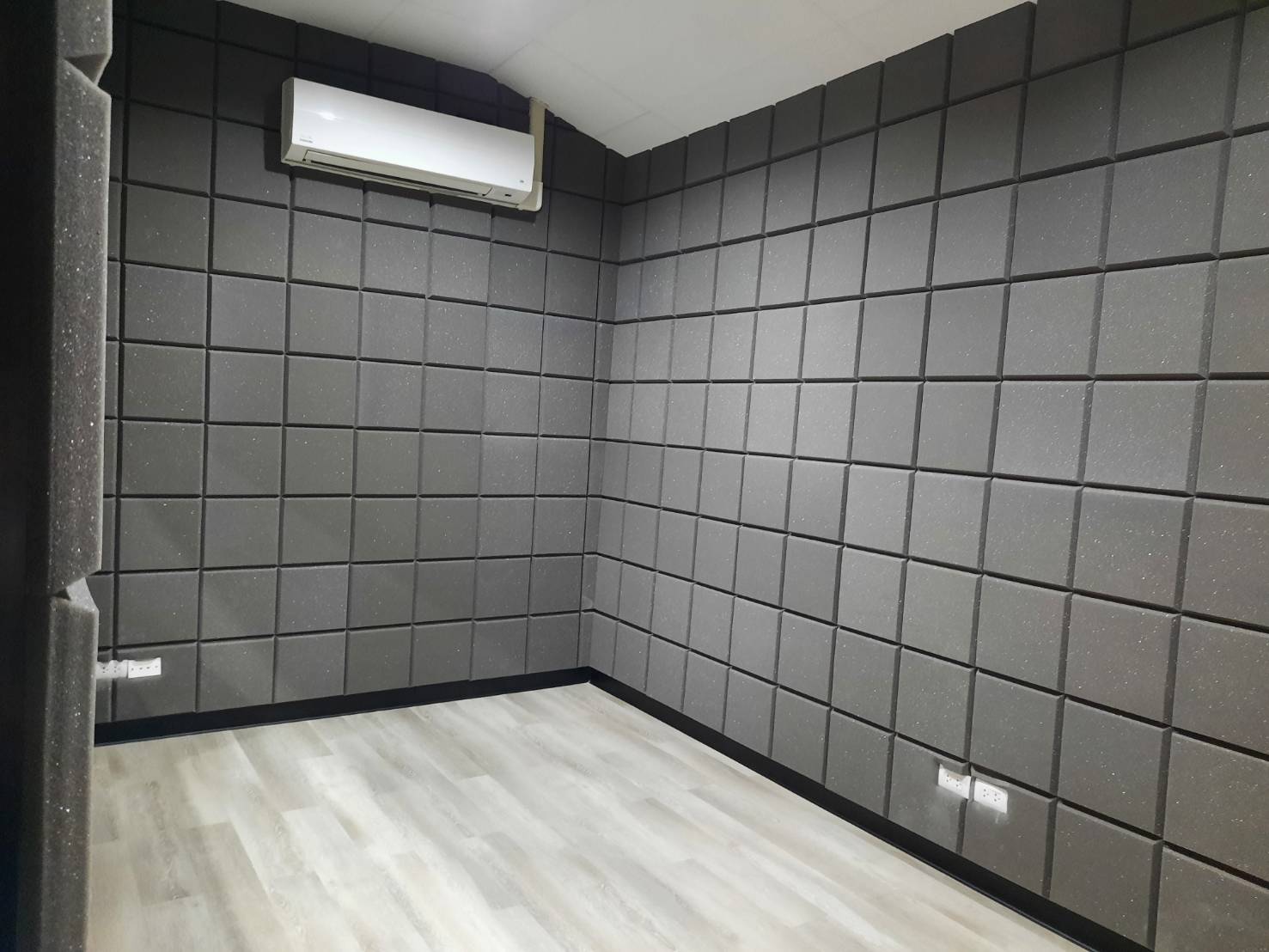
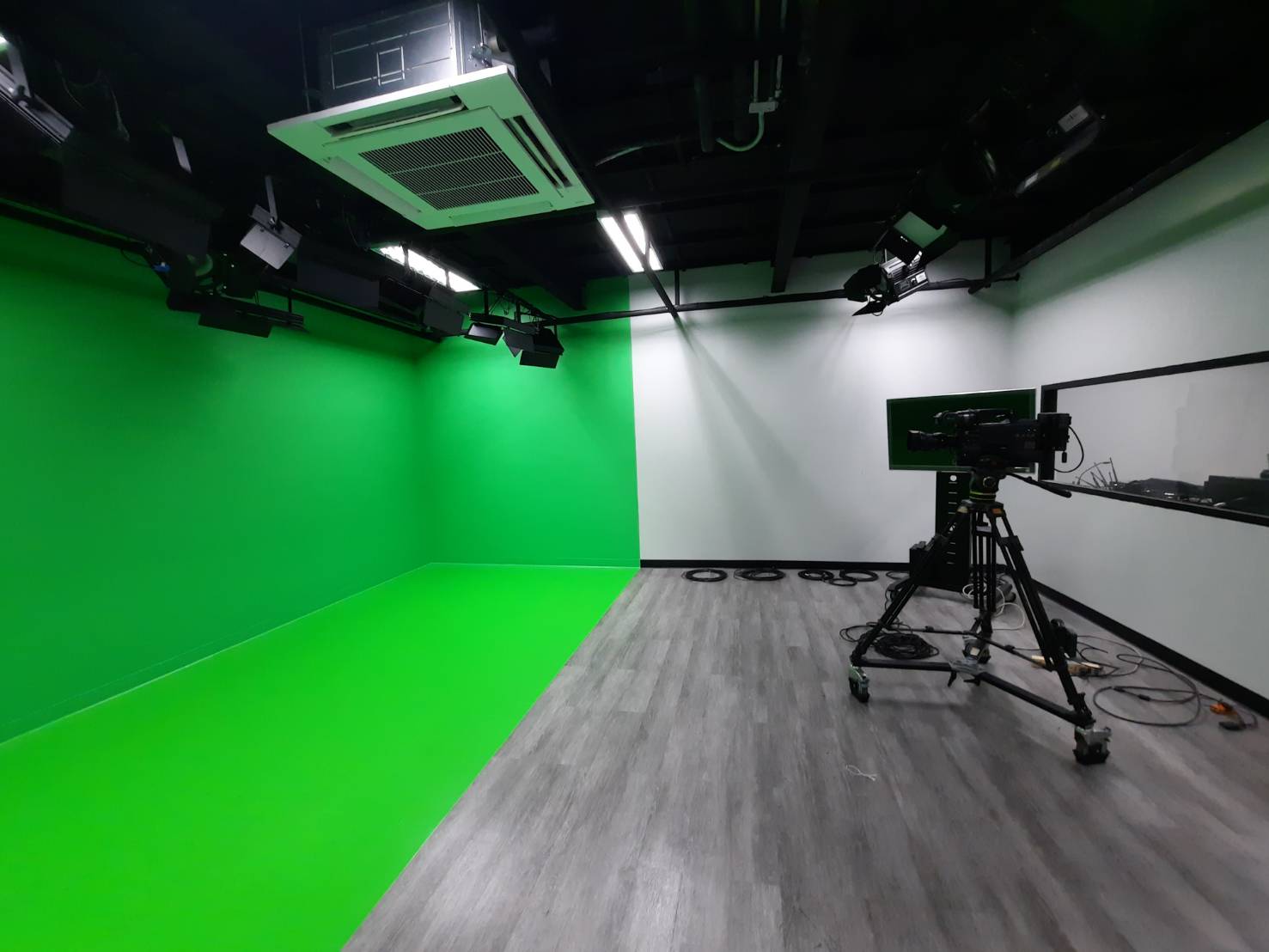
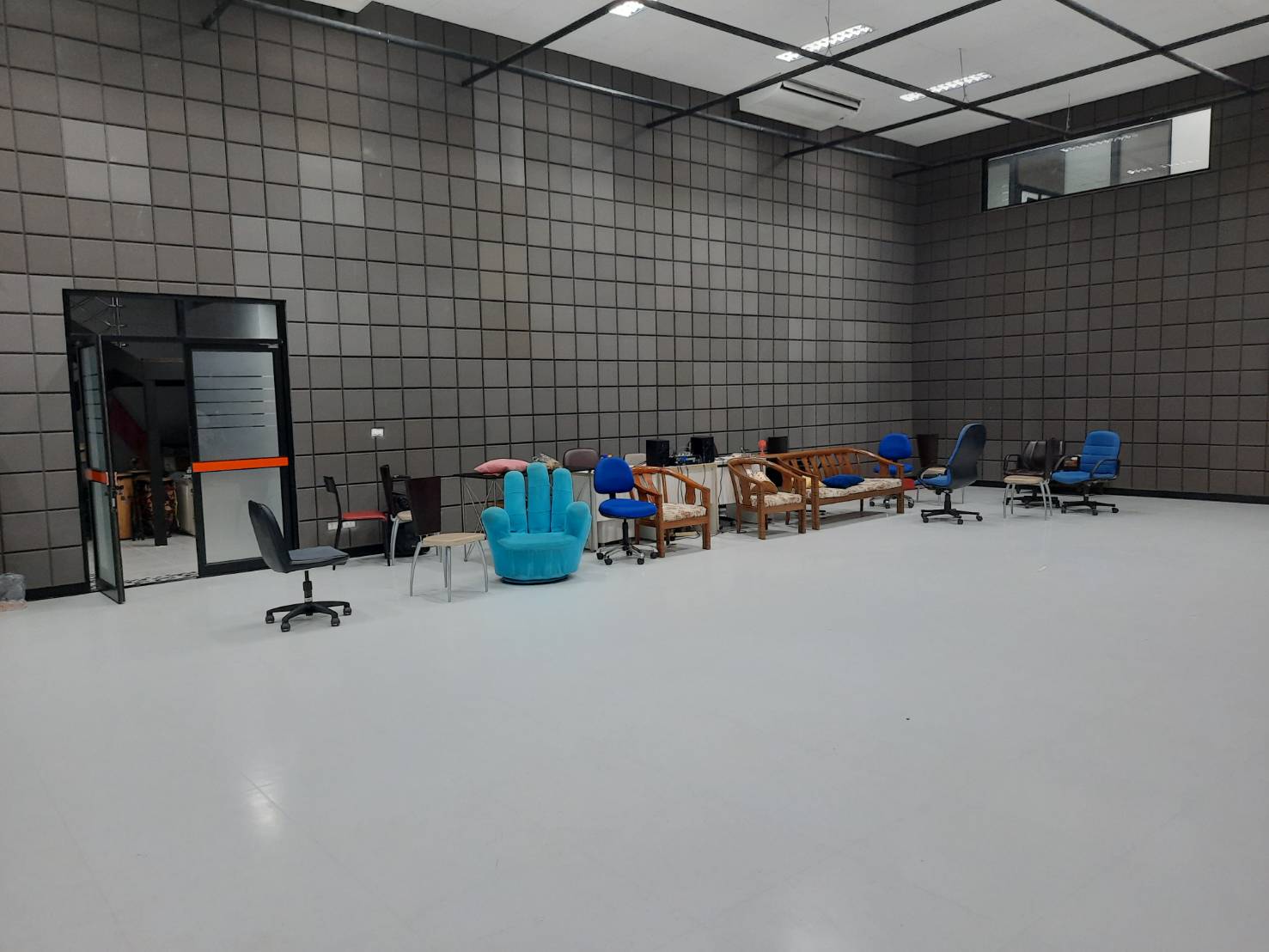
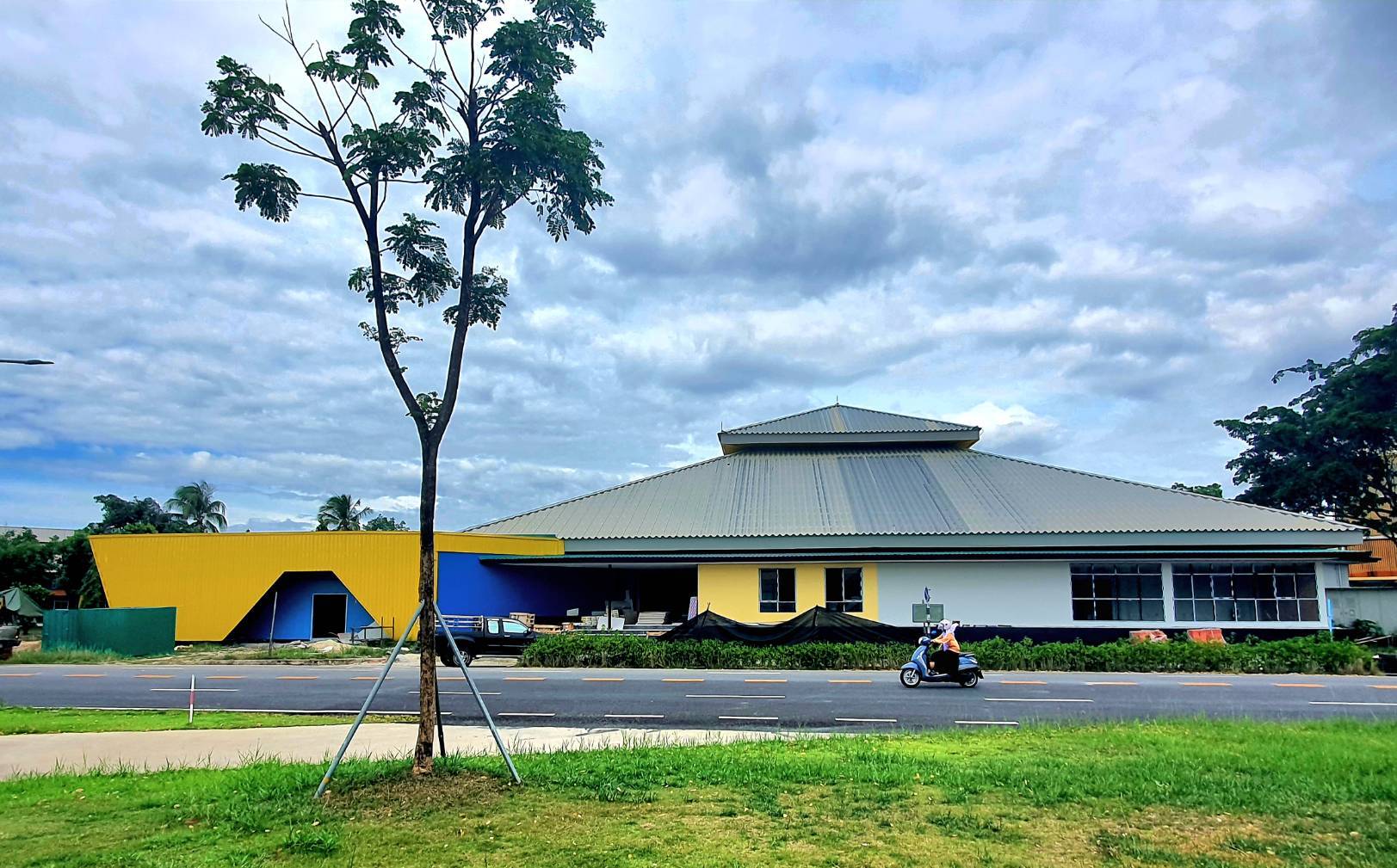
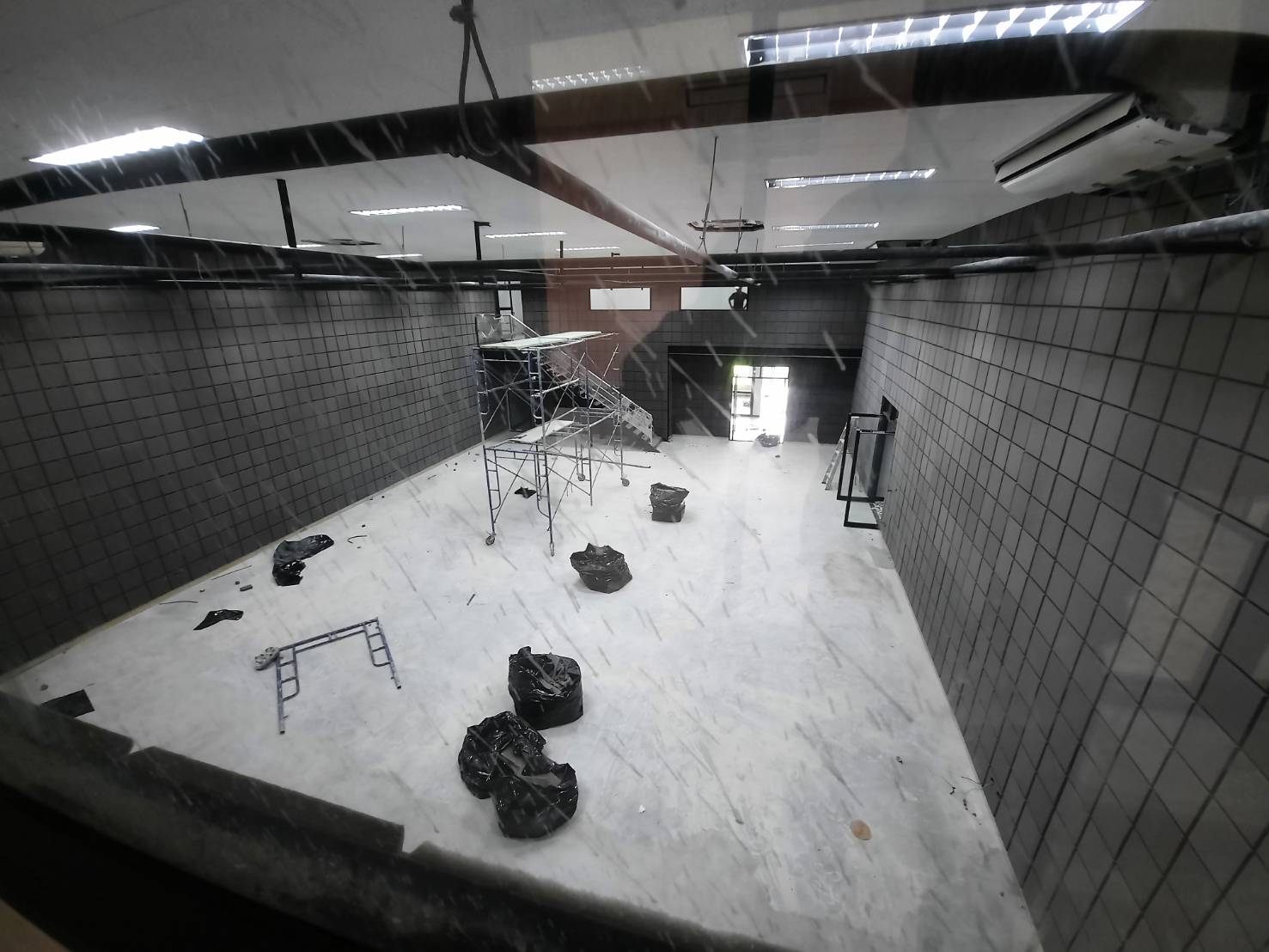
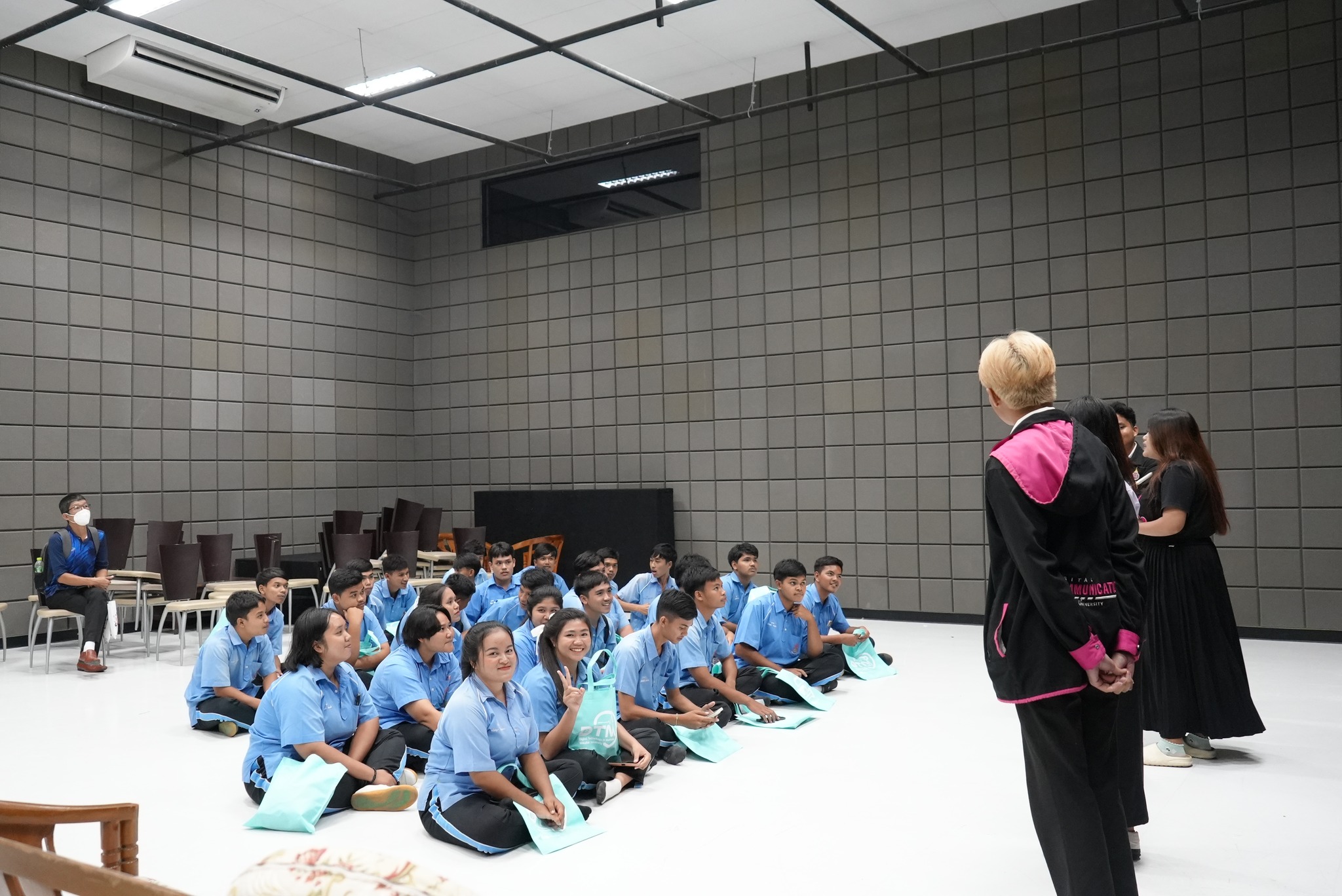
2. Informatics Studio: The Informatics Studio, the transformation of the Food Center 4, is an academic facility designed to support cutting-edge teaching, particularly for vMix GO live broadcasting and student practical learning. The building meets the Ministerial Regulations on Building Control by incorporating suitable lighting from energy-efficient sources and ensuring proper acoustics. Sound management is key, with the building’s materials and structural design aimed at minimizing internal noise and blocking external noise interference. This ensures that students can work in an environment that enhances focus and productivity.
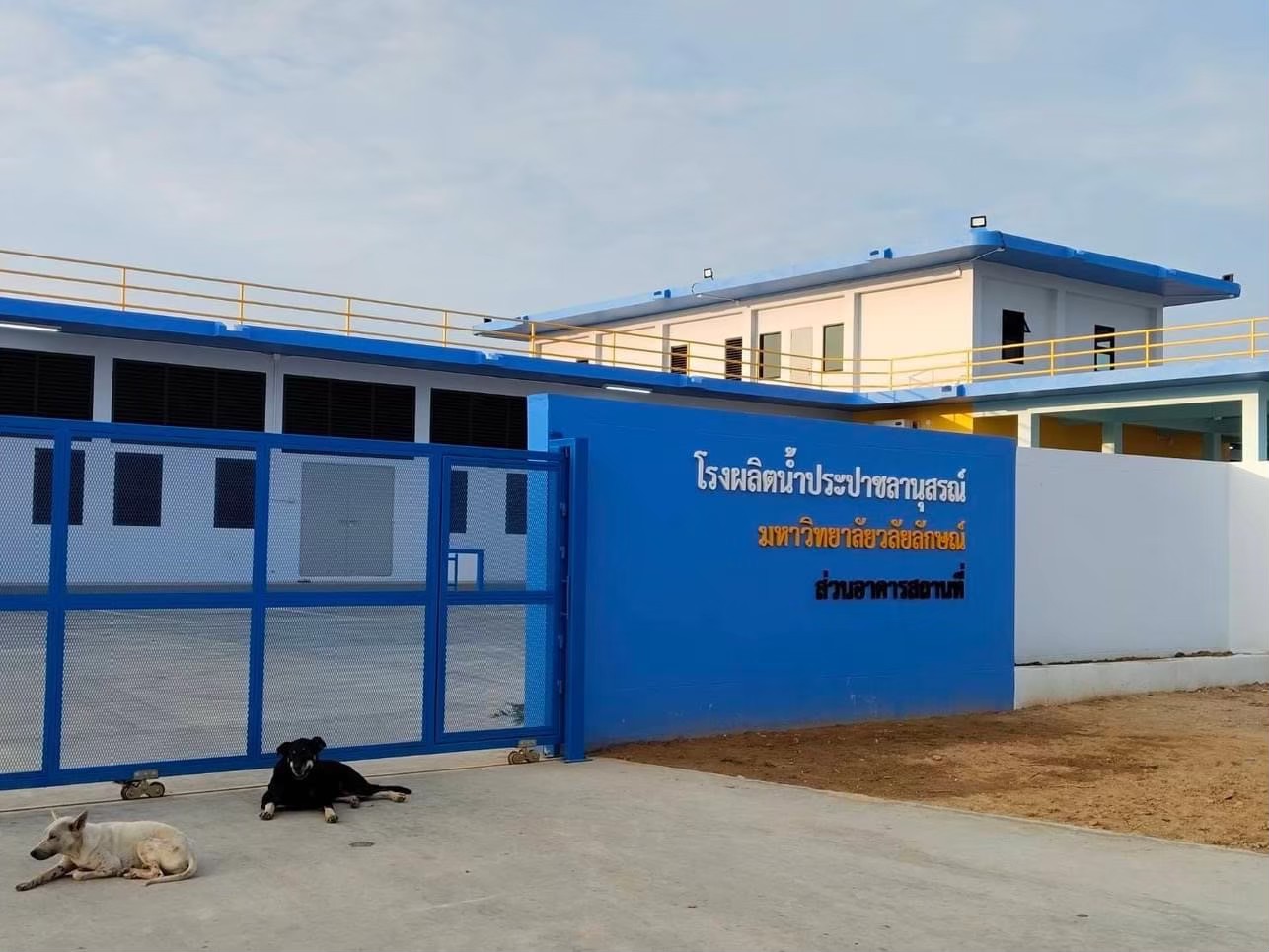
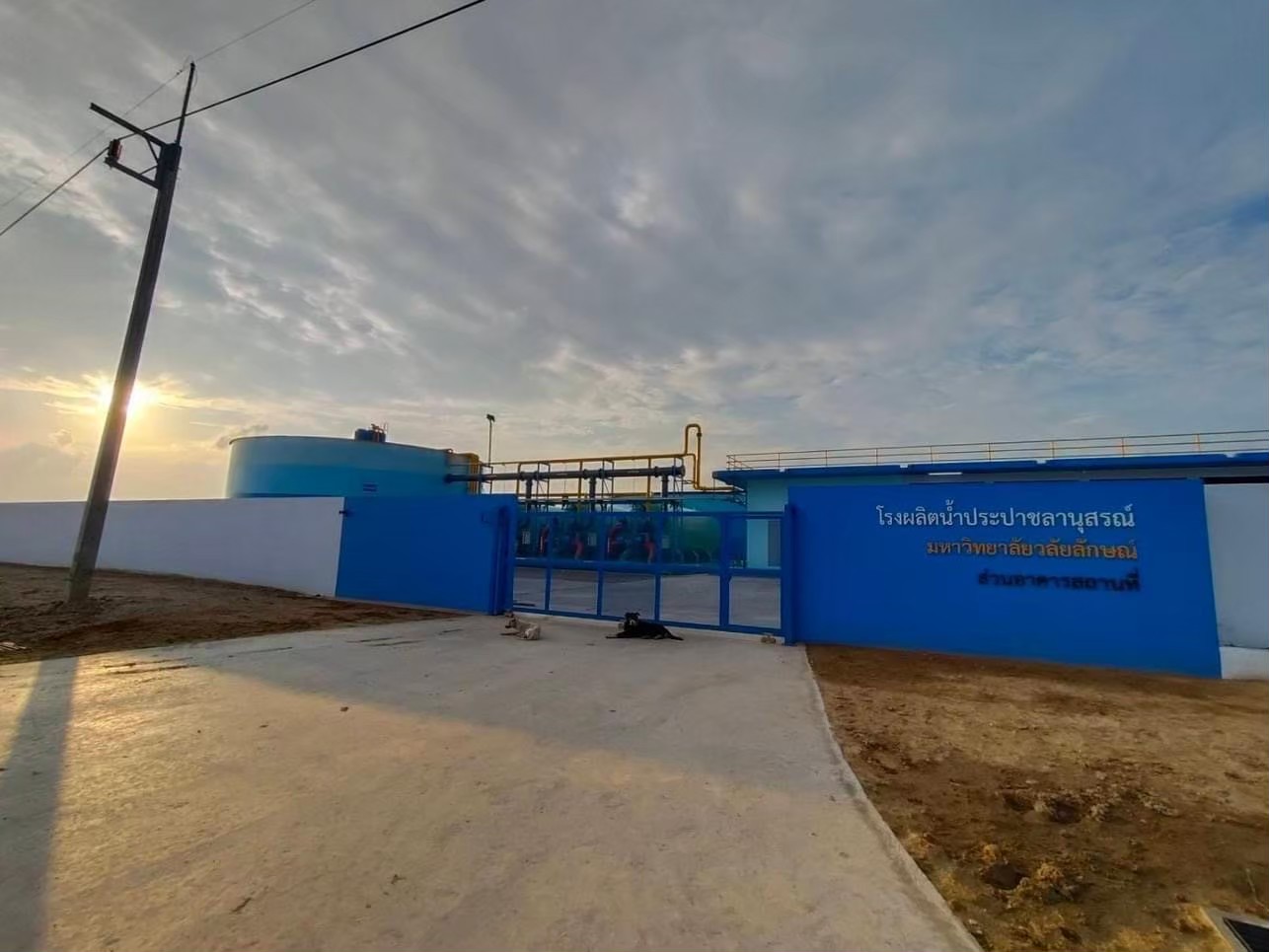
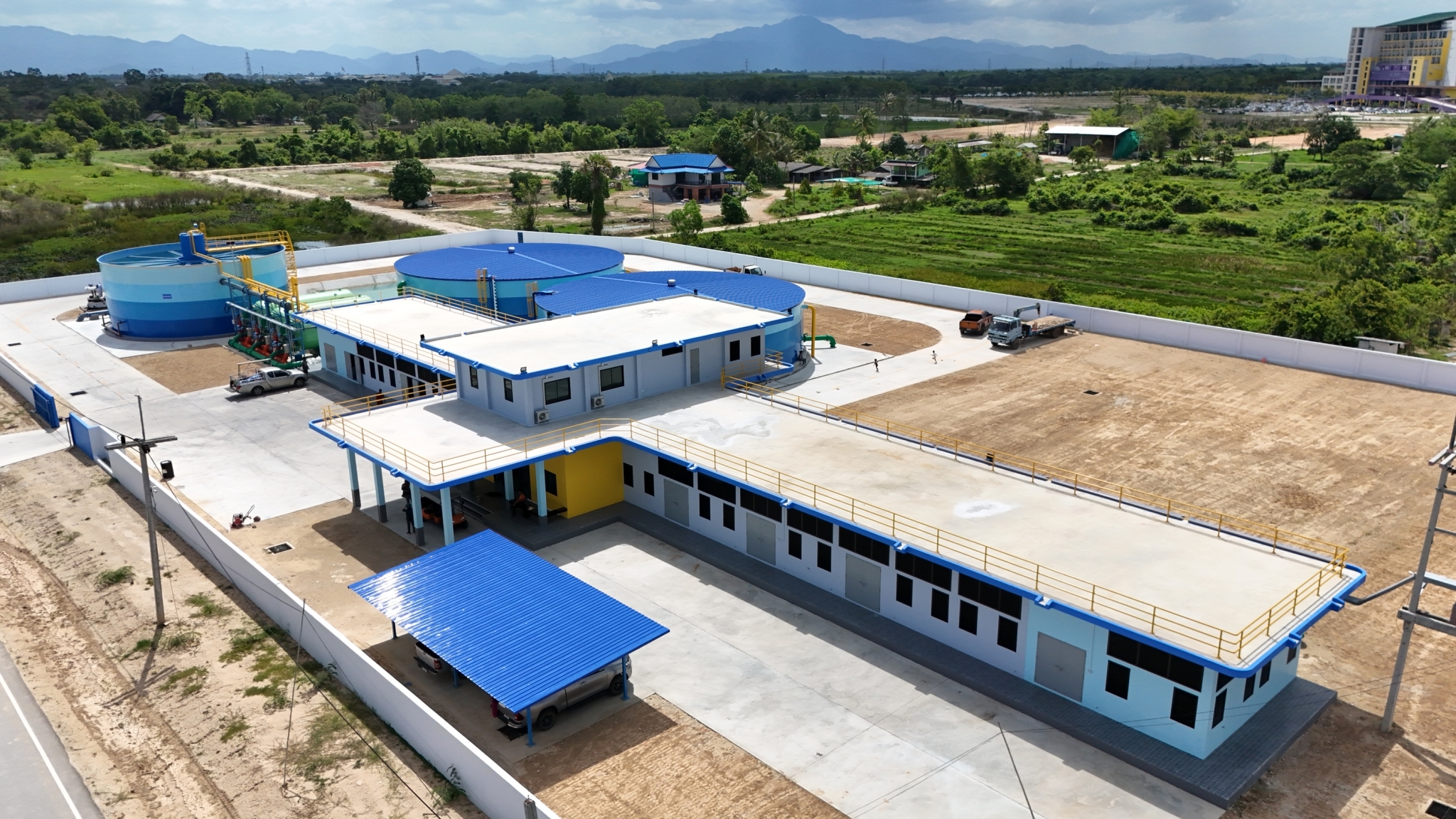
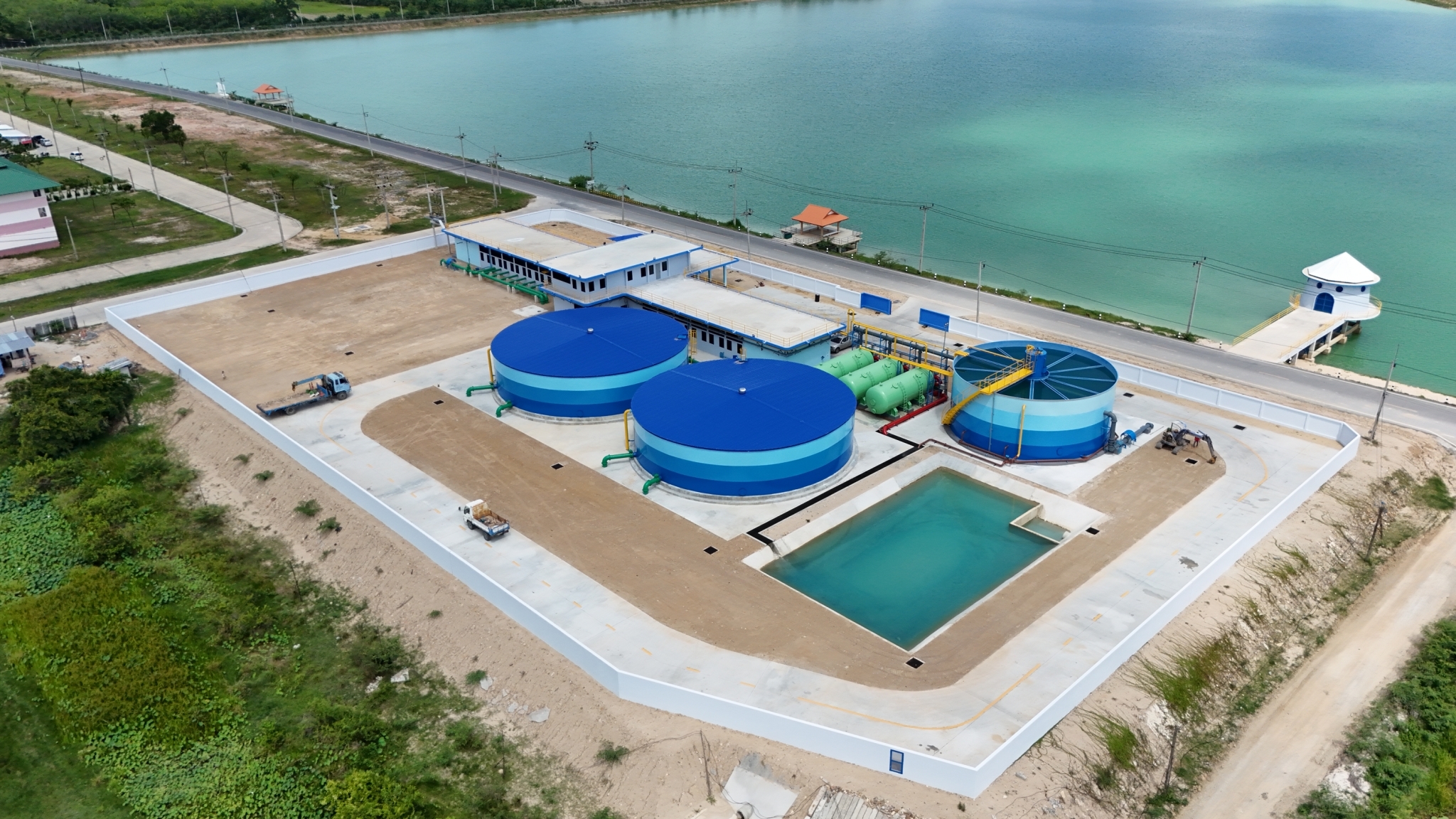
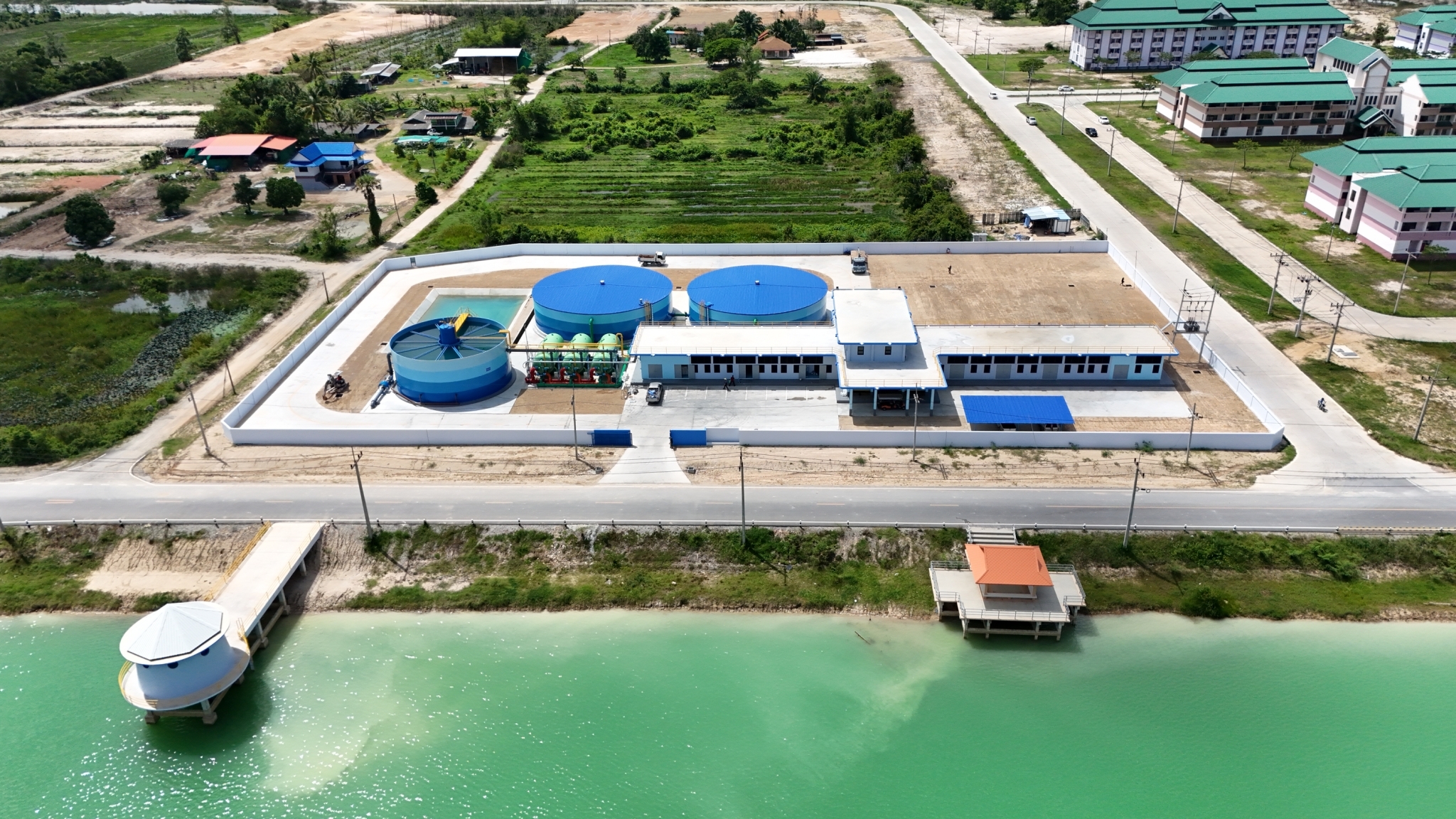
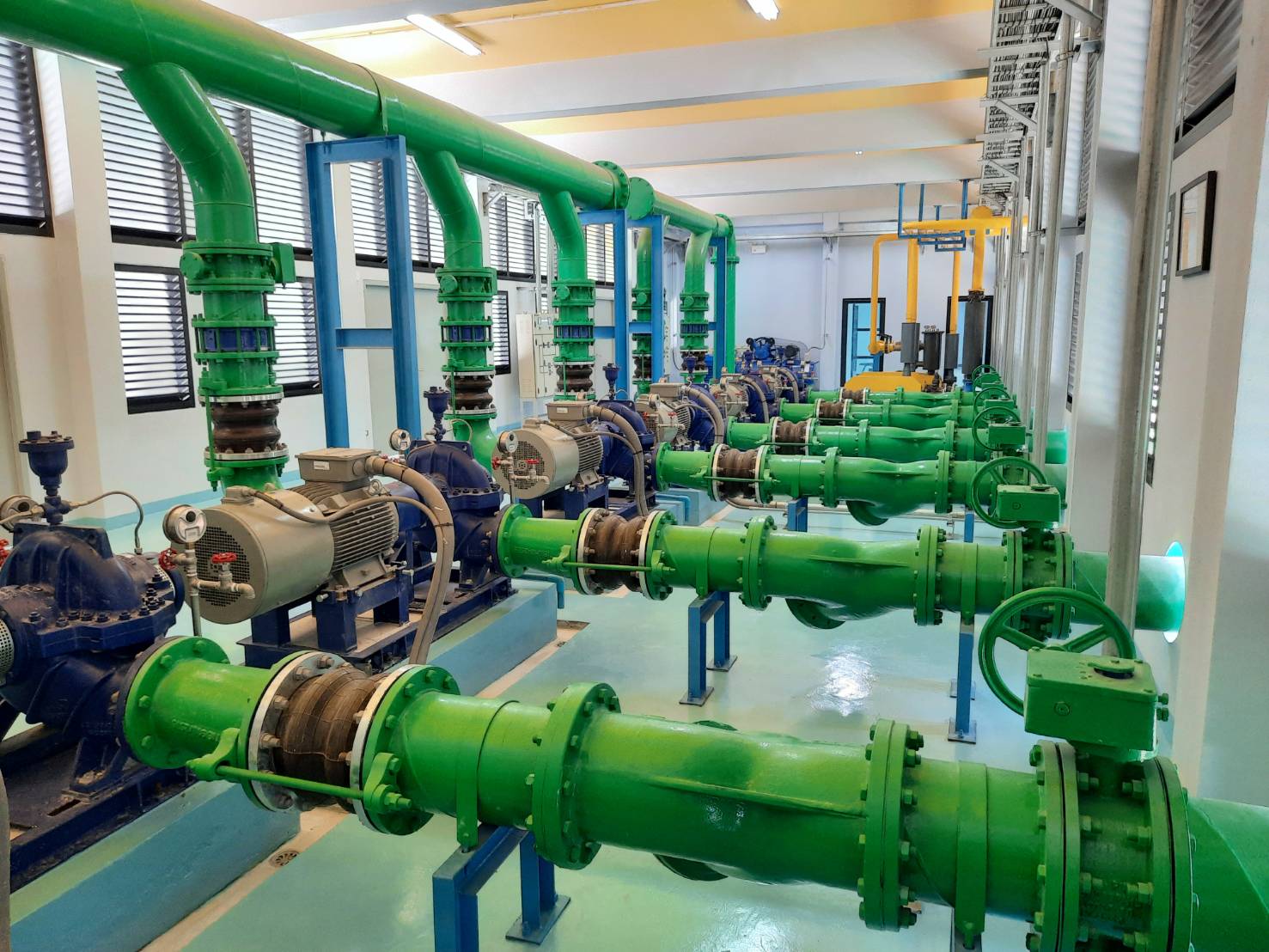
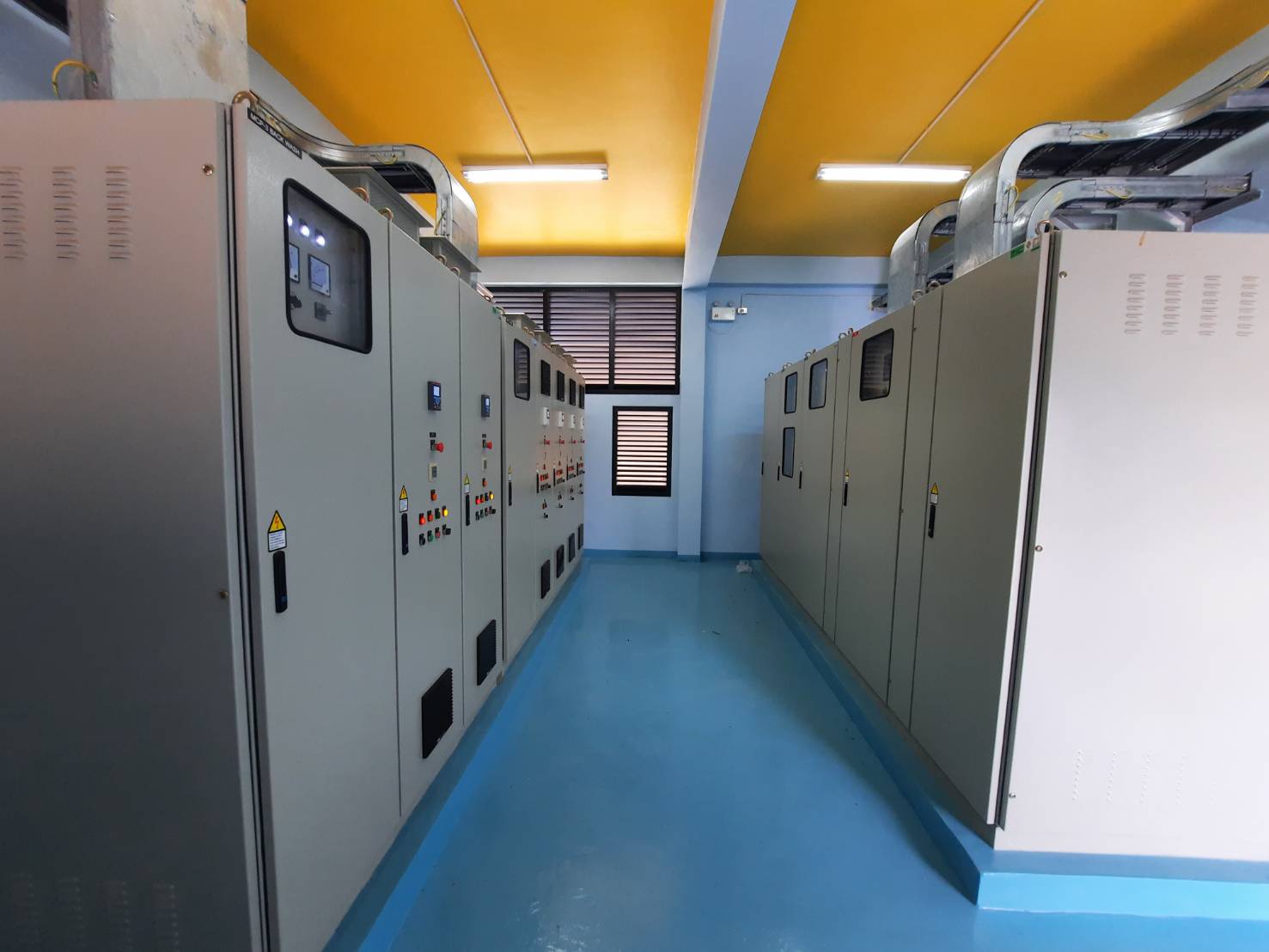
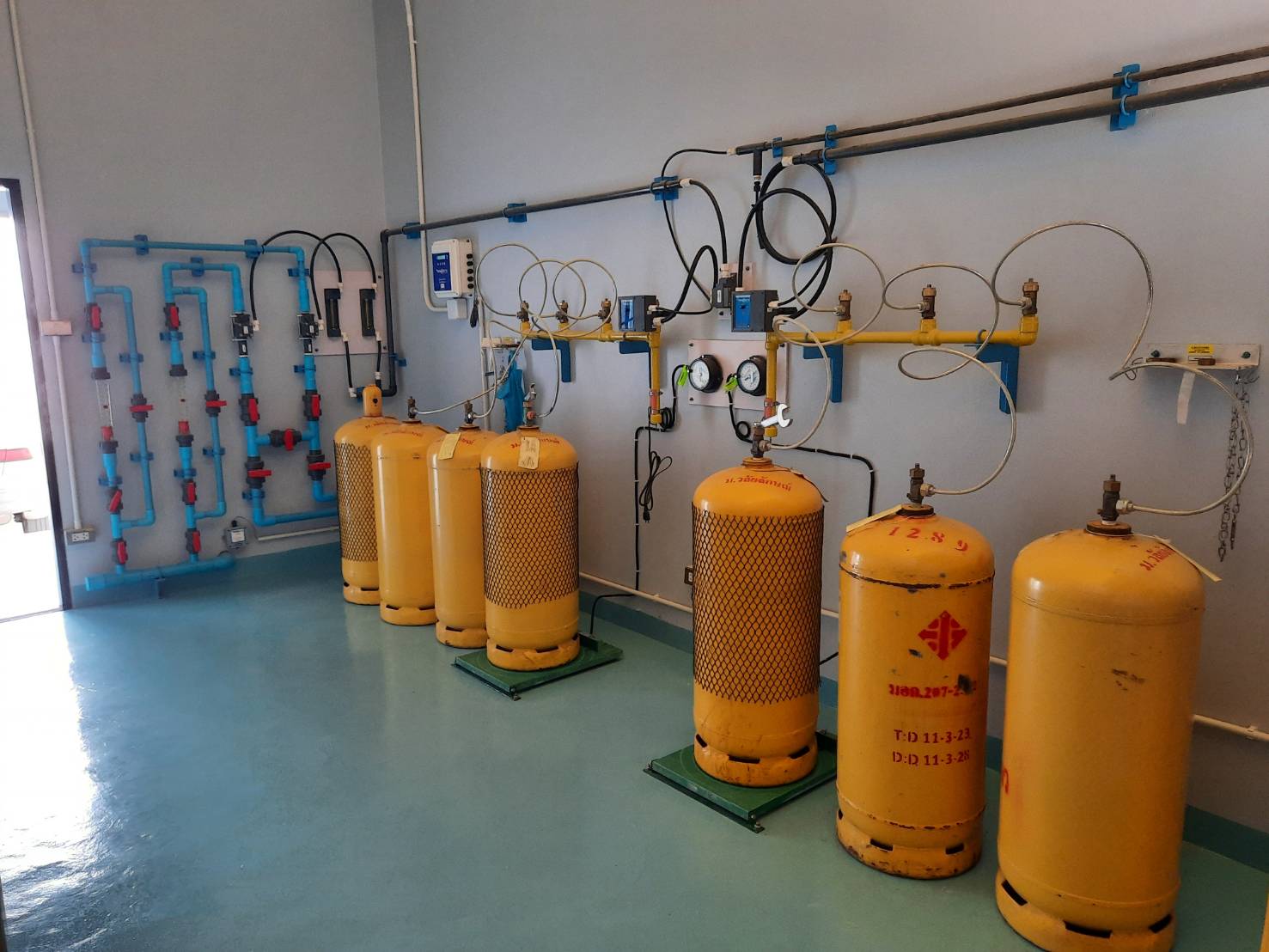
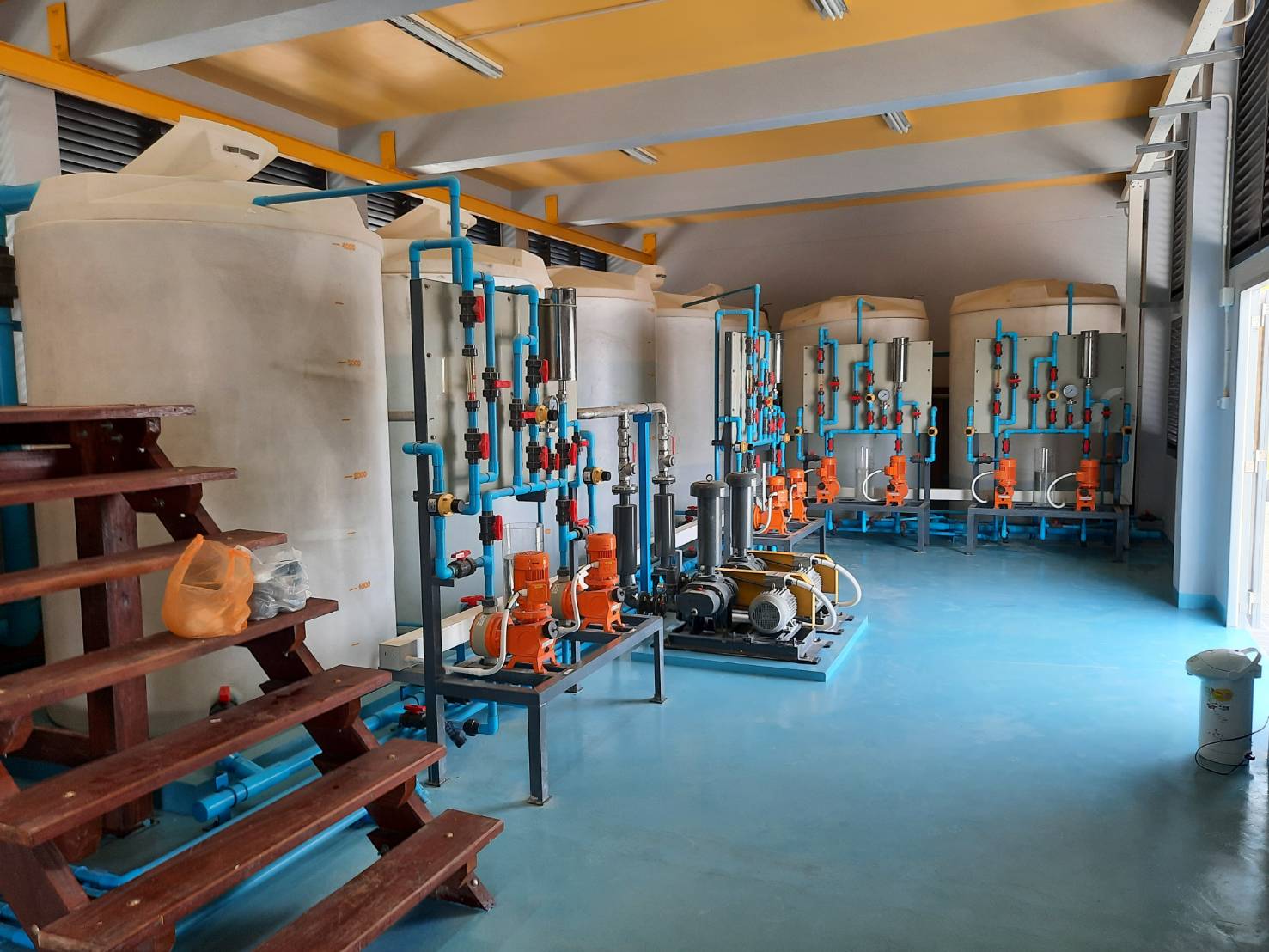
3. Water Production Plant No. 2: A critical infrastructure project, Water Production Plant No. 2, was constructed behind Walailak University Hospital, with a production capacity of 9,600 cubic meters per day. This facility was designed to support the university’s growing population, including its student body, operational buildings, and medical center. The plant adheres to both EIT Standards and Building Control Regulations, ensuring a high-quality water supply that is essential for the health and well-being of the university community. This project marks a significant step in improving the overall health standards within the campus by ensuring access to safe drinking water.
This new facility now houses laboratories and offices, further enhancing the learning environment. The university remains committed to using safe construction materials and maintaining environmentally friendly practices in all its projects, contributing to both the academic advancement and environmental stewardship of the campus.
By integrating EIT standards and adhering to the Ministerial Regulations on Building Control, Walailak University demonstrates its dedication to creating sustainable, health-conscious, and well-managed facilities that benefit both its community and the environment.





Goal 11: Sustainable cities and communities
Goal 3: Good health and well-being
Goal 9: Industry, Innovation and Infrastructure
Goal 17: Partnerships for the Goals
Post Views: 115