
16Oct 2024 by Kittipong Bunlear
Transforming Contaminated Lands into Green Hubs of Academic Excellence and Sustainable Development
In its early days, Walailak University was situated on what was once a vast, overgrown forest, with much of the land left untamed and later used for agricultural purposes. Some areas were designated for farming, which unfortunately introduced pollutants into the environment. These activities, such as crop cultivation and animal husbandry, contributed to environmental degradation due to the use of chemicals and fertilizers. Over time, the university began to repurpose these lands by building on these brownfield sites, transitioning them for more sustainable uses, and one notable area was the former shrimp farming zone.
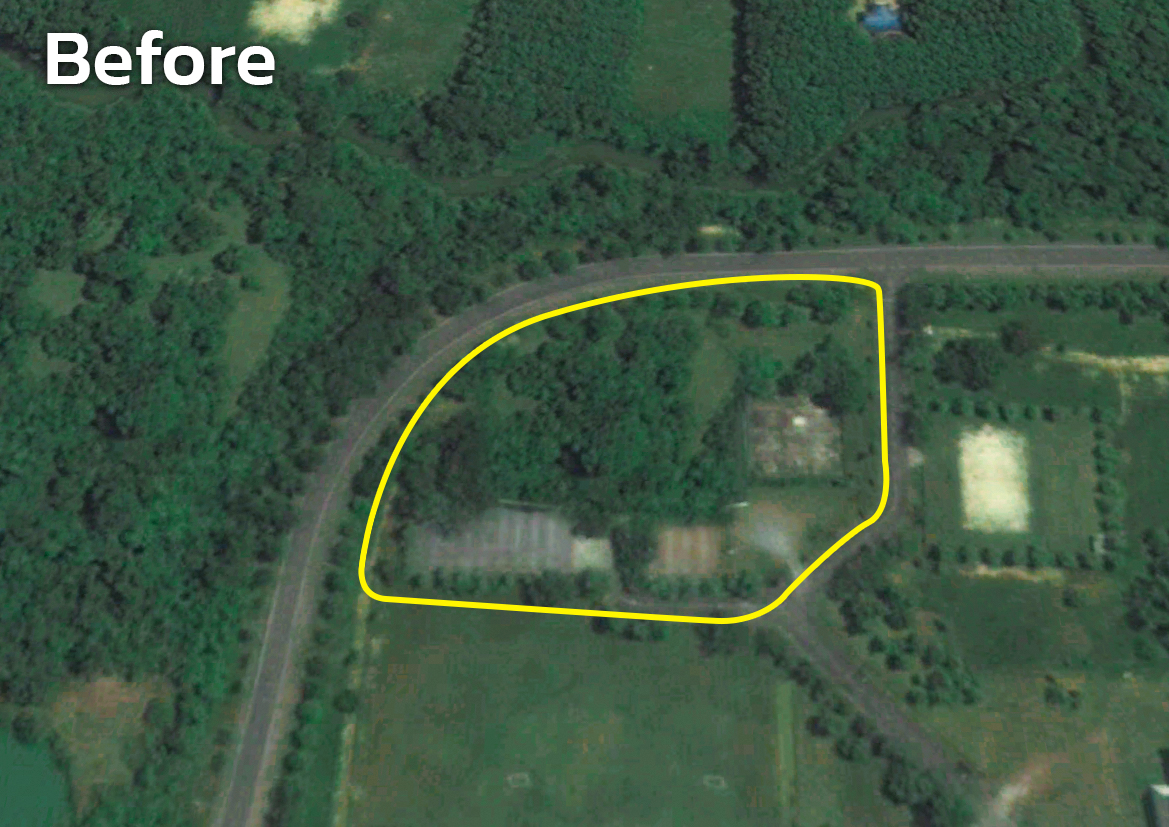
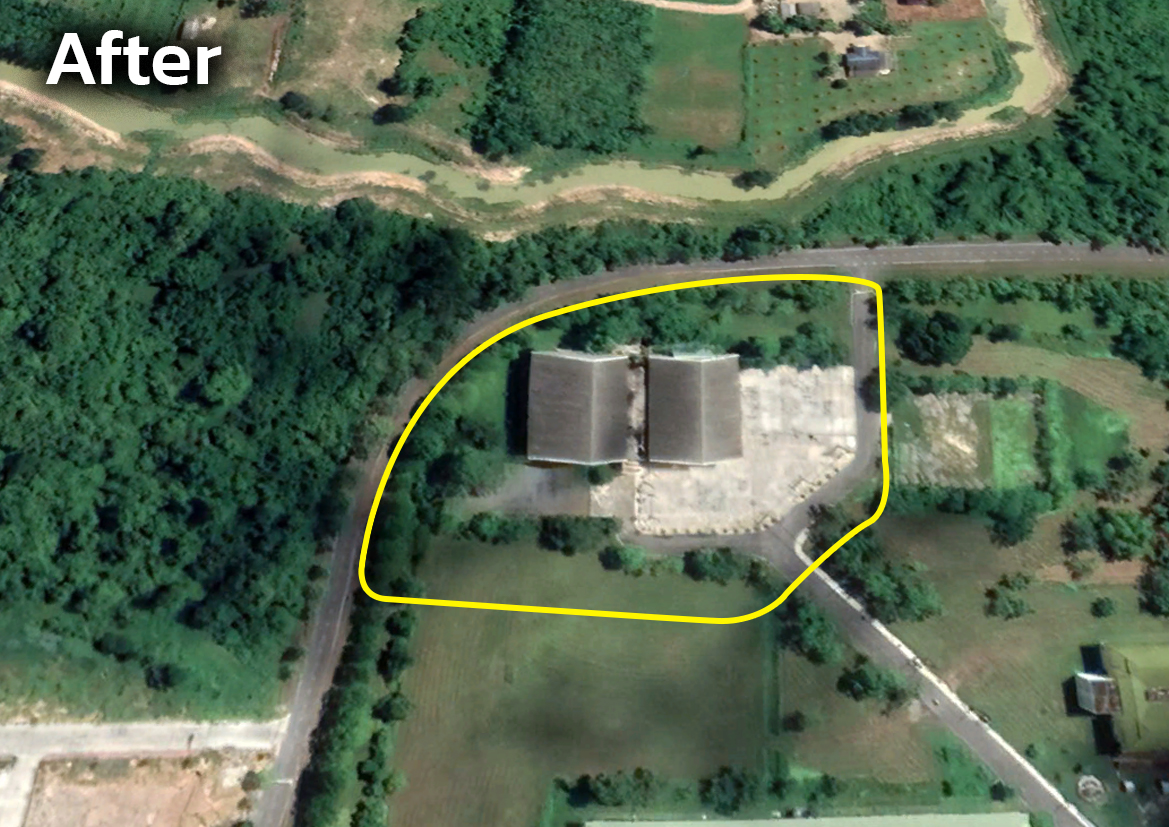
In 2022, Walailak University took significant steps to rehabilitate this area, which once housed shrimp ponds and had fallen into disuse. Previously used for agricultural and aquacultural experiments by the School of Agricultural Technology and Food Industry, these ponds had become contaminated by chemicals such as disinfectants and antibiotics. The university transformed this brownfield site into an asset, constructing the Landscape Architecture Building, and reclaiming the land for academic and operational purposes.
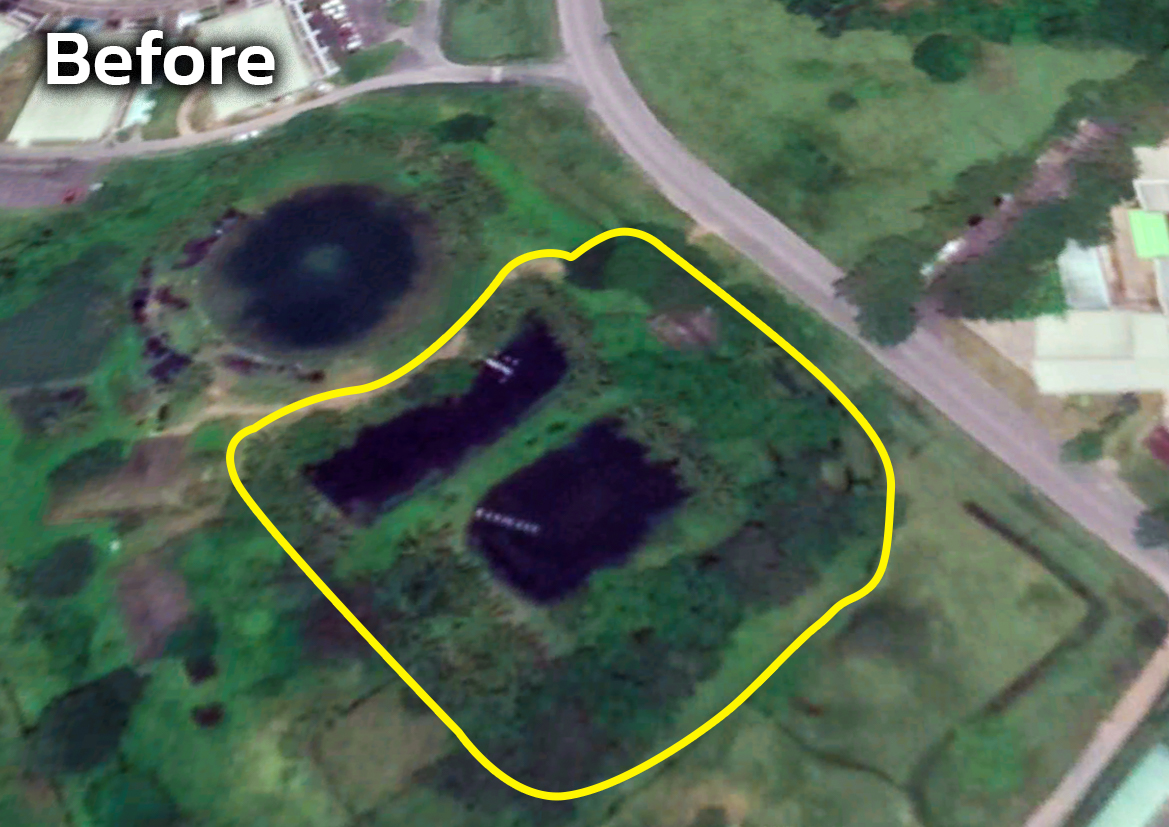
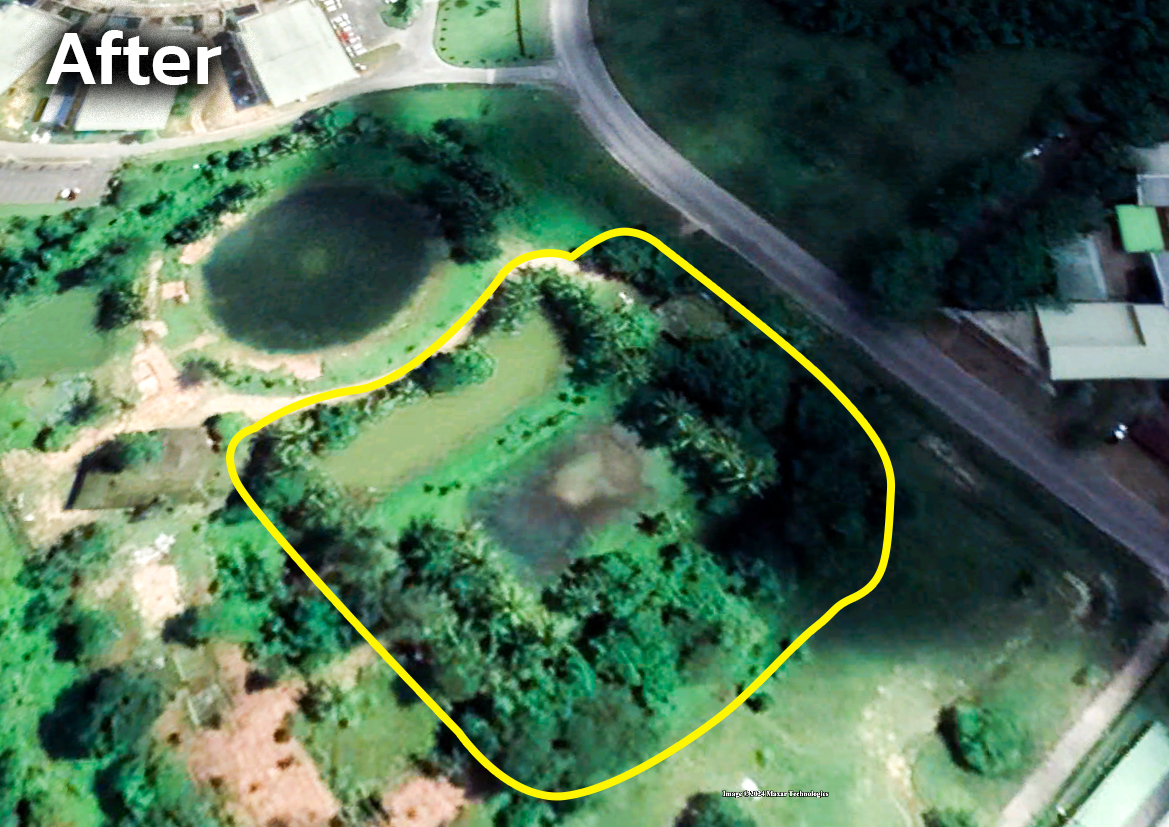
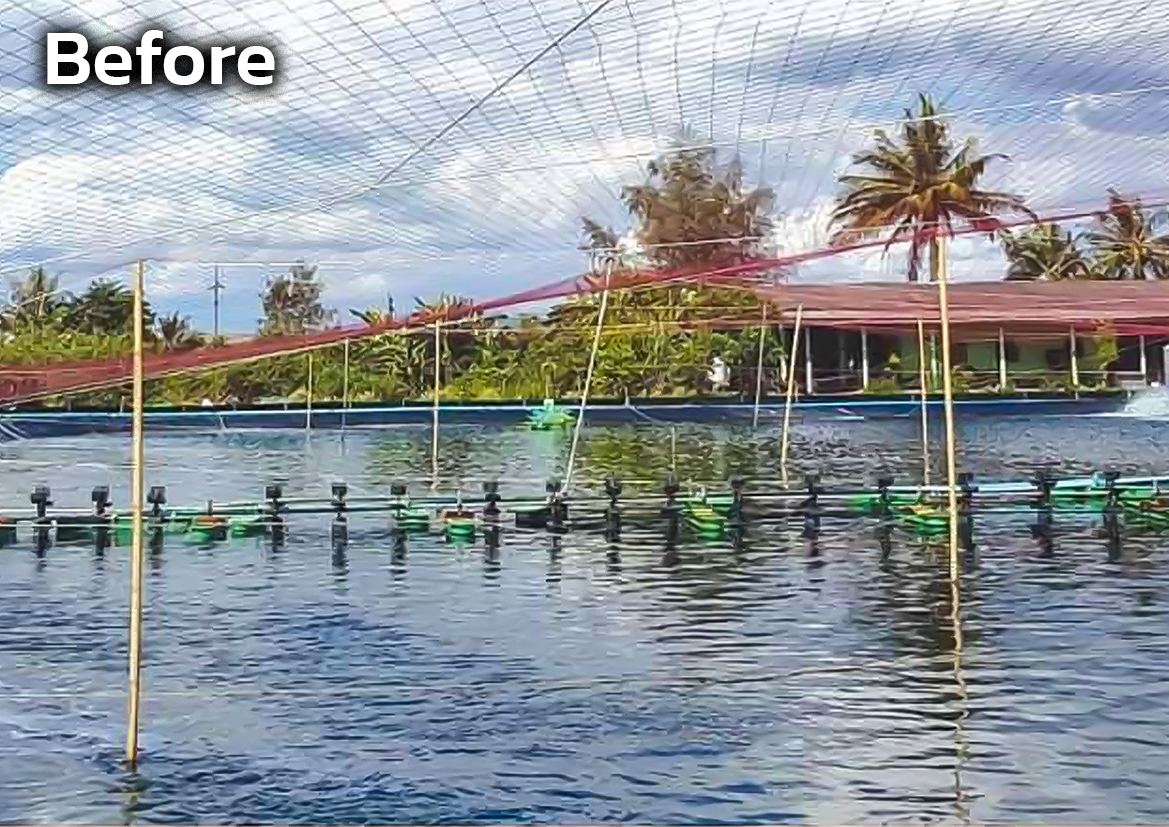
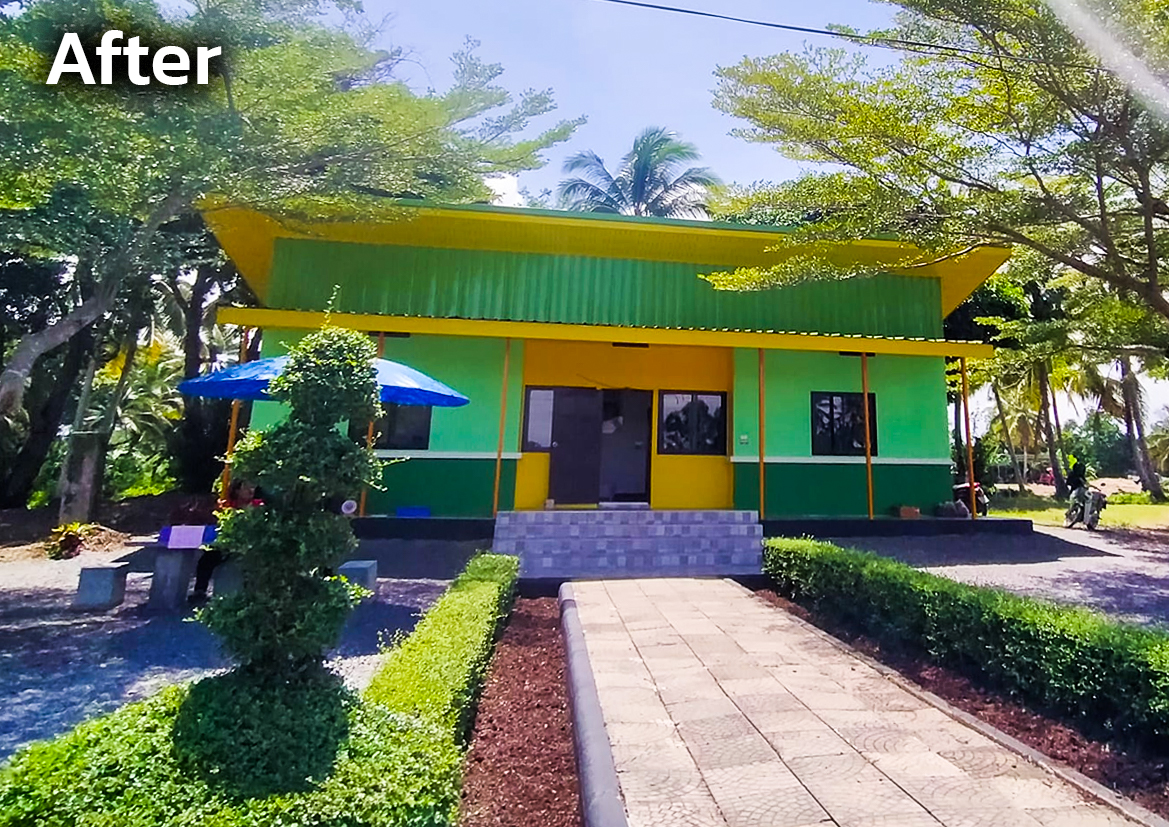
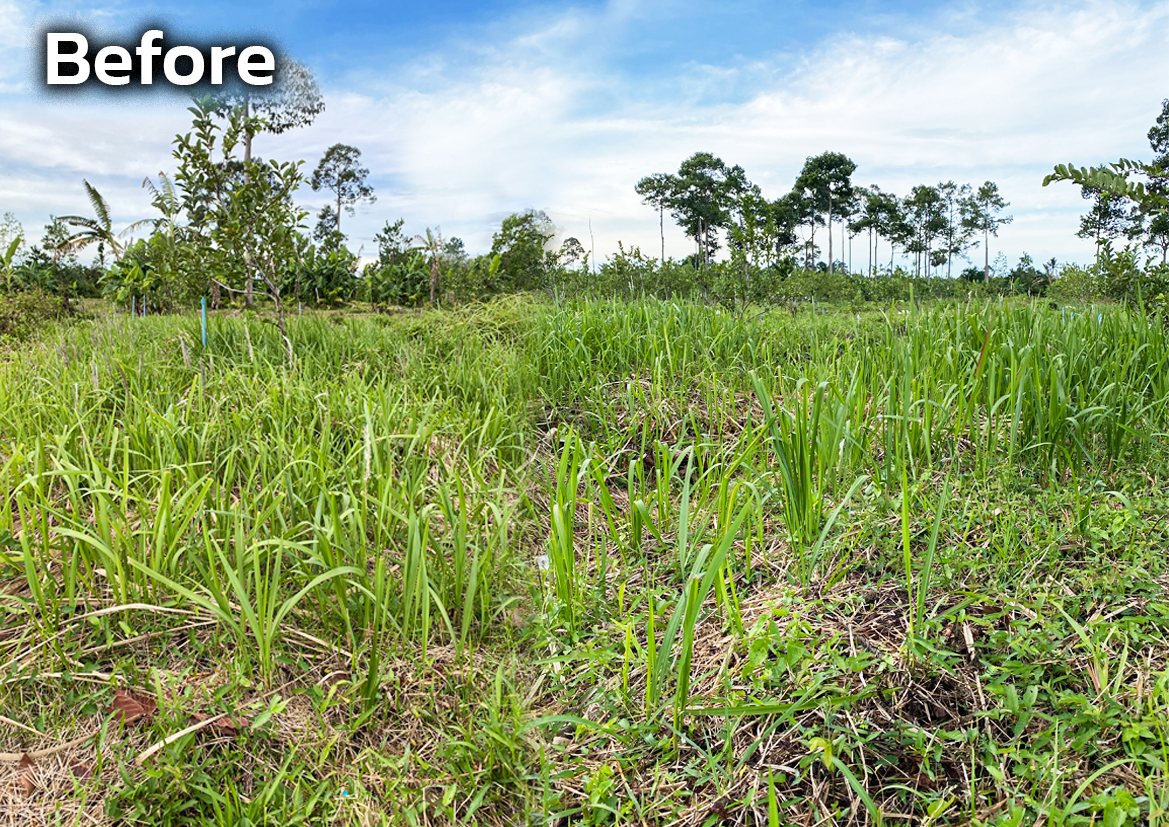
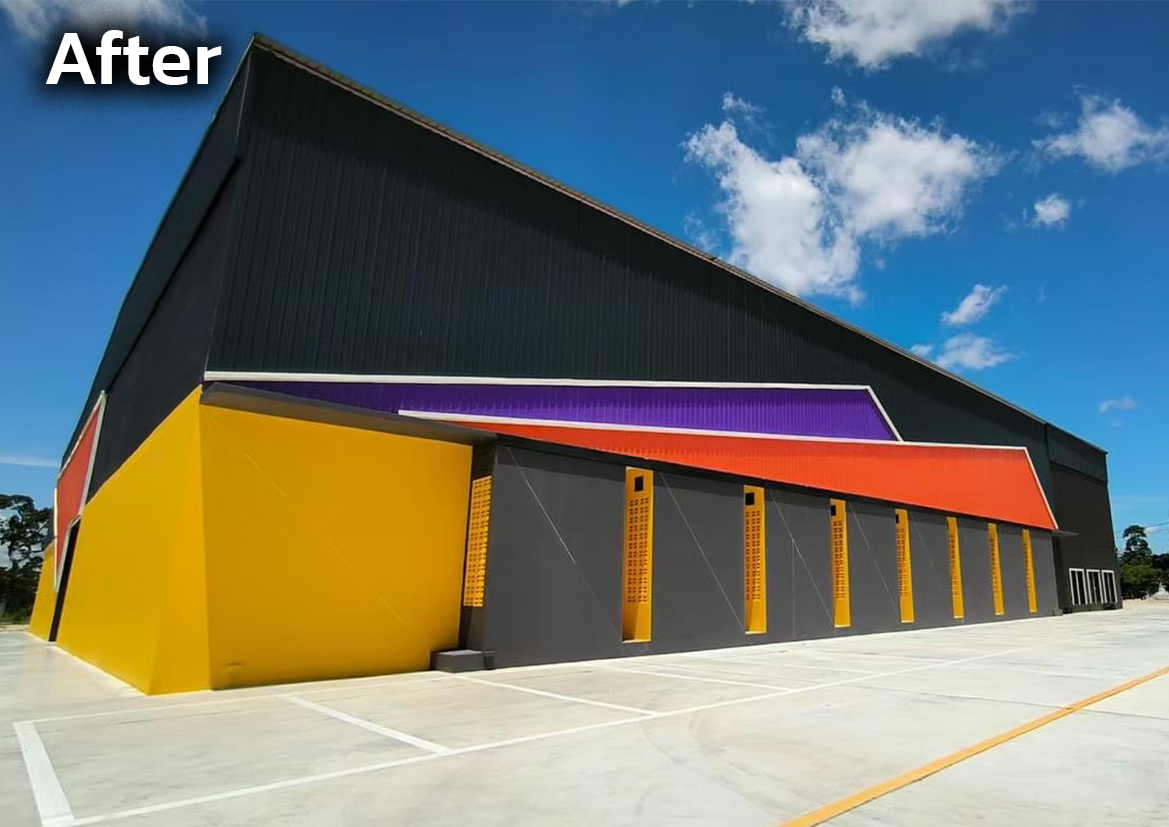
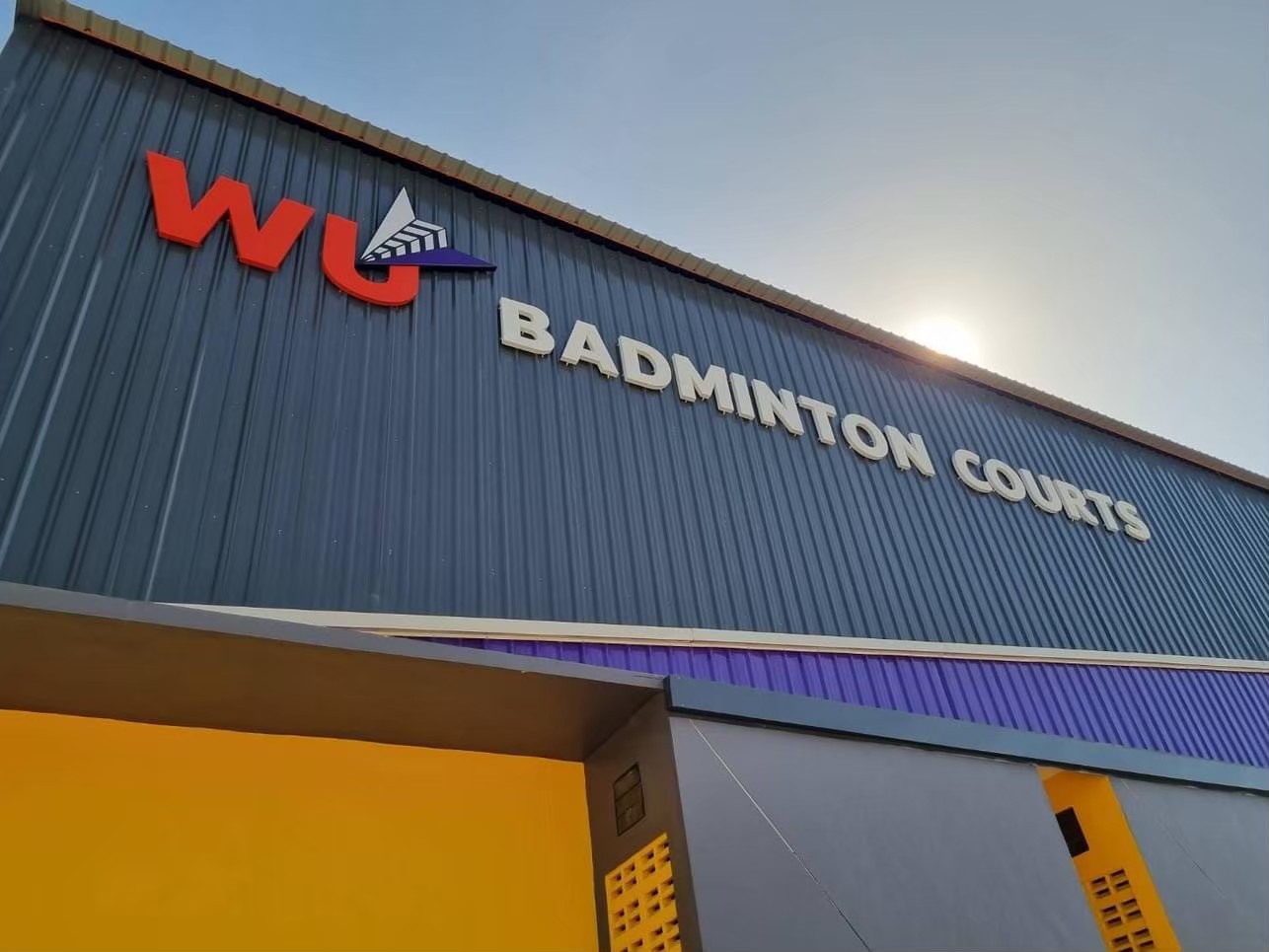
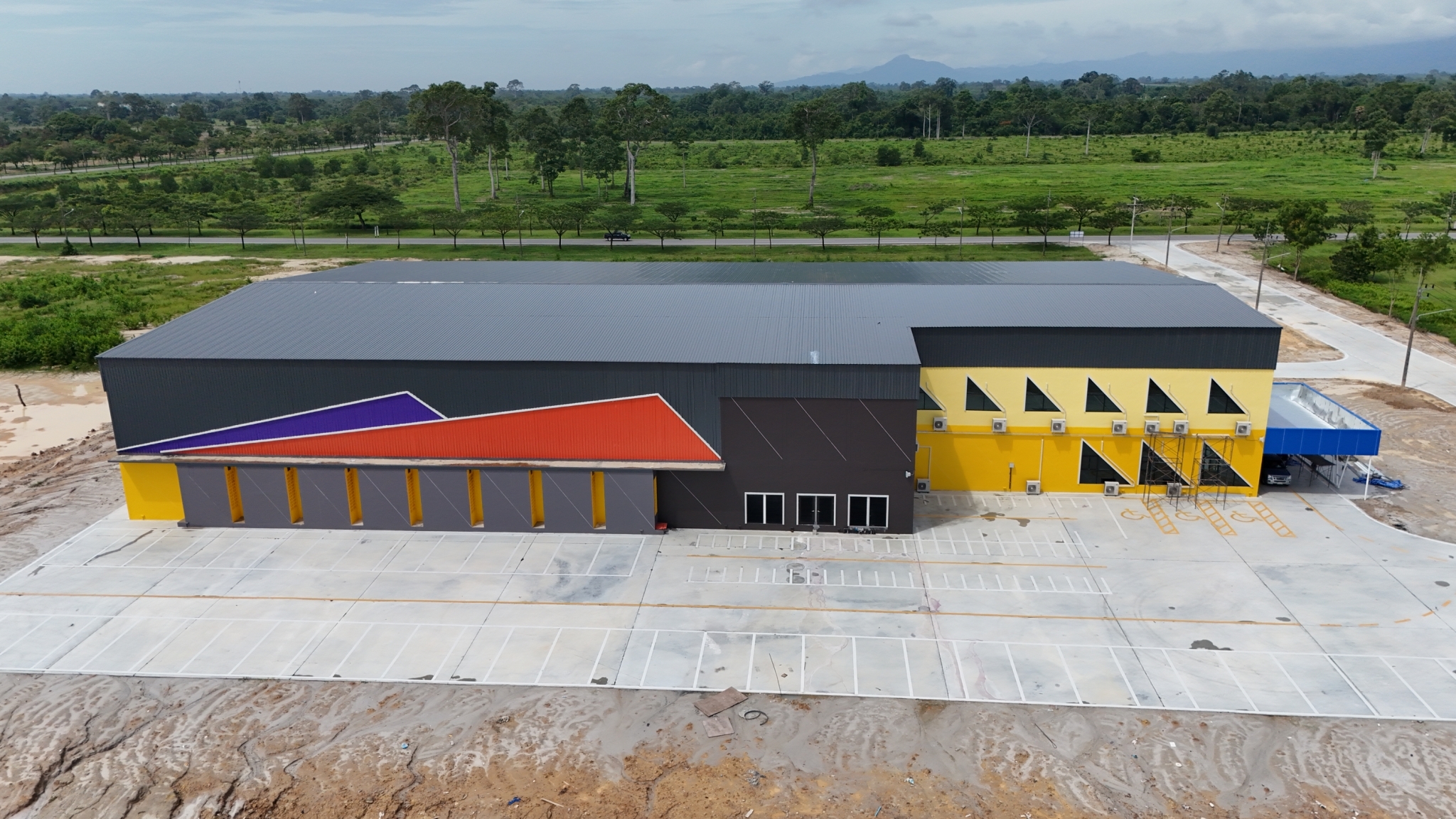
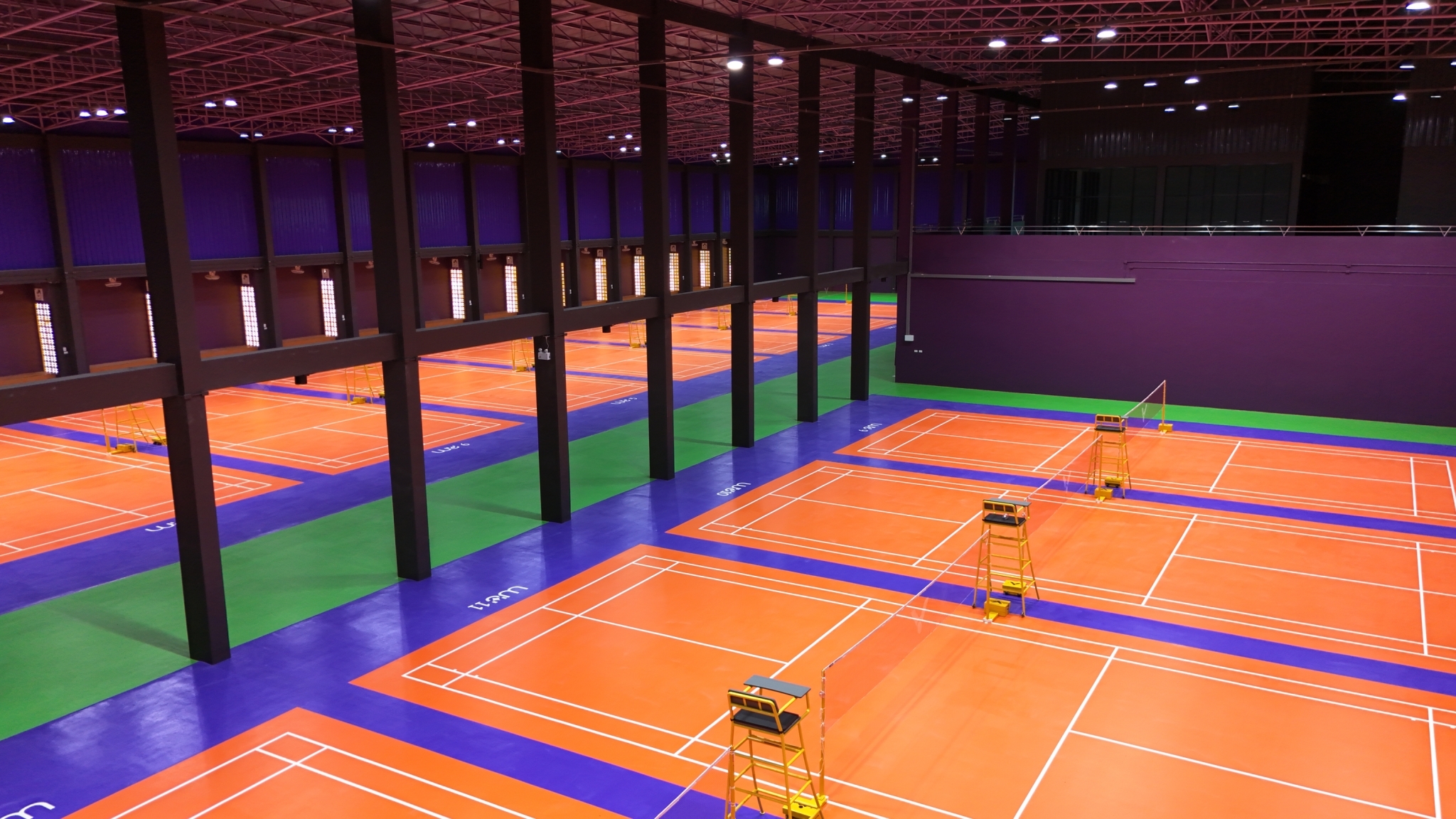
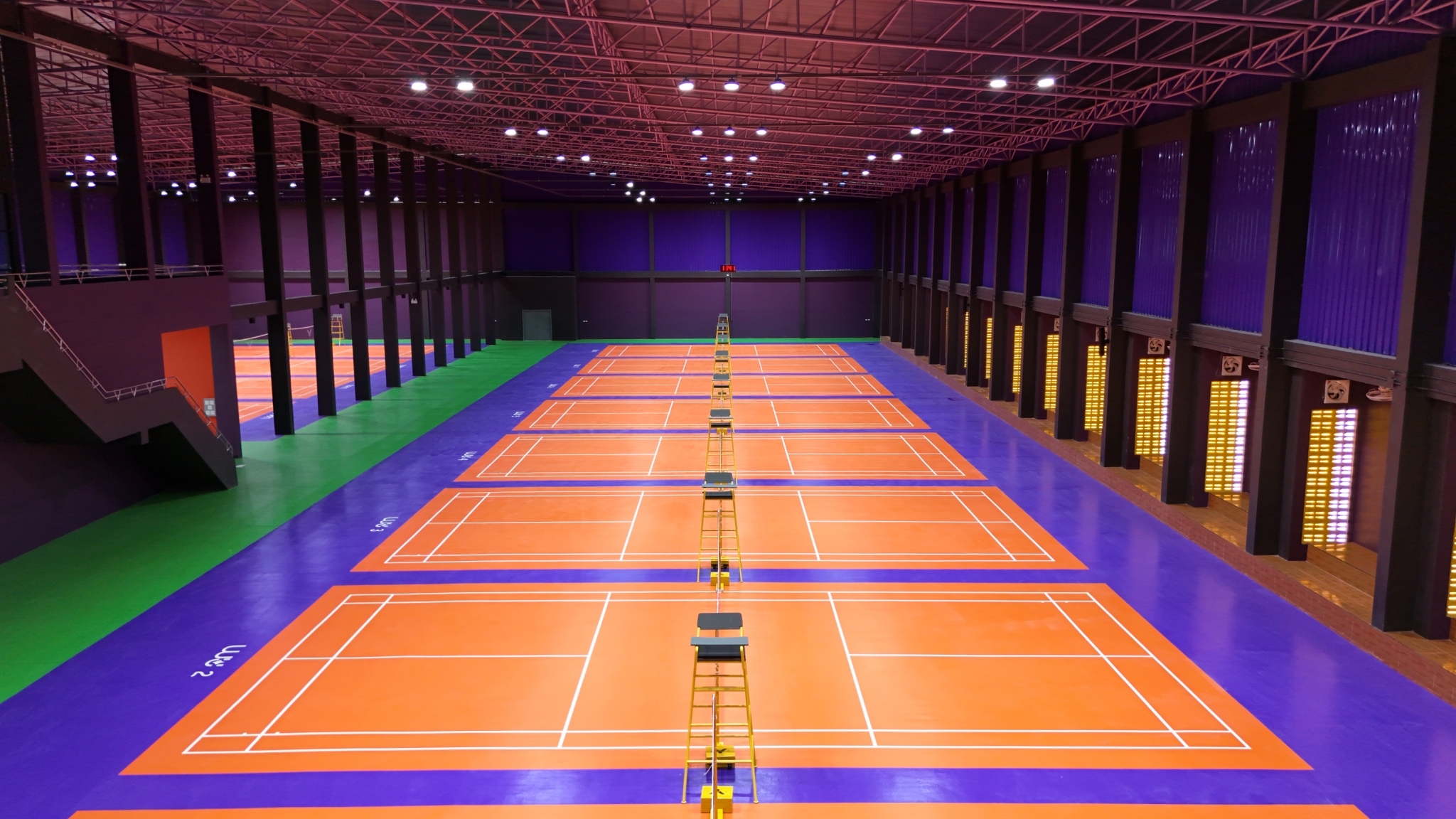
The redevelopment continued into 2023 when another neglected area, once used for fruit tree cultivation and subject to heavy chemical spraying, was identified for further transformation. This area had been marred by residual pollutants, but the university converted it into the WU Badminton Court, enhancing the campus’s infrastructure and repurposing contaminated land for community wellness.
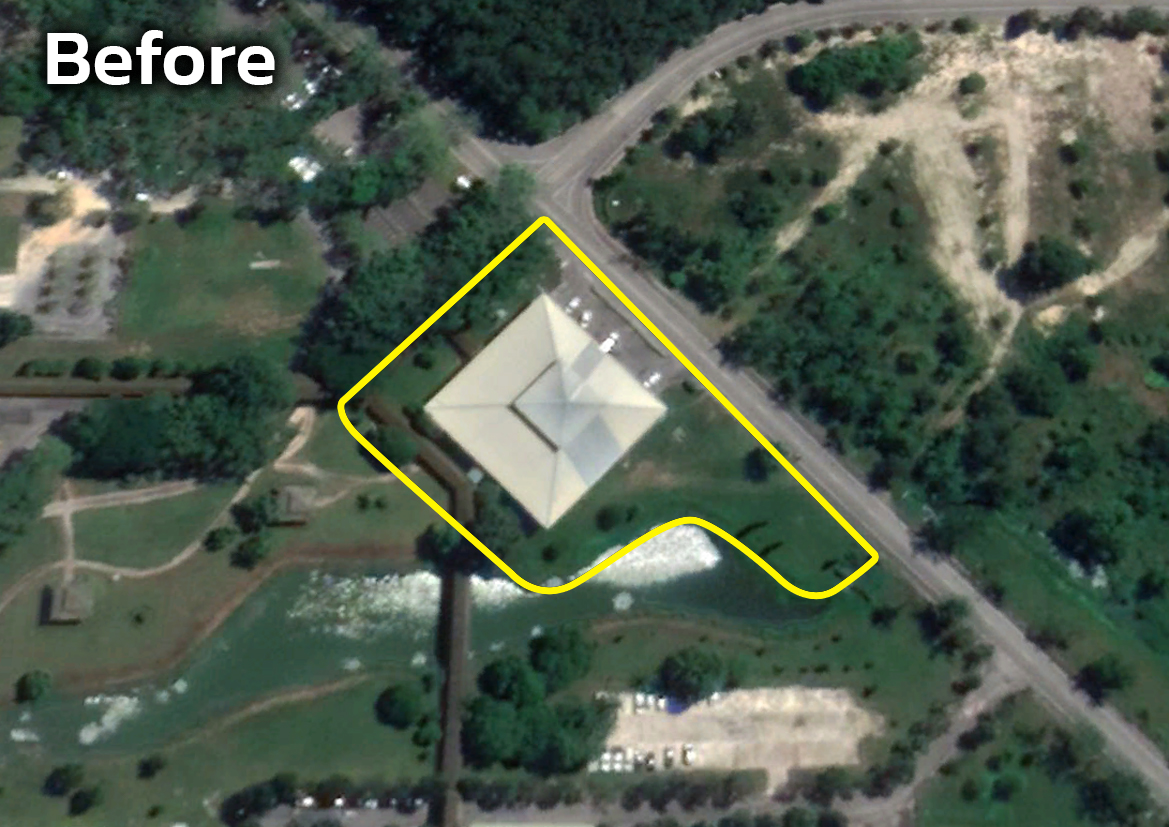
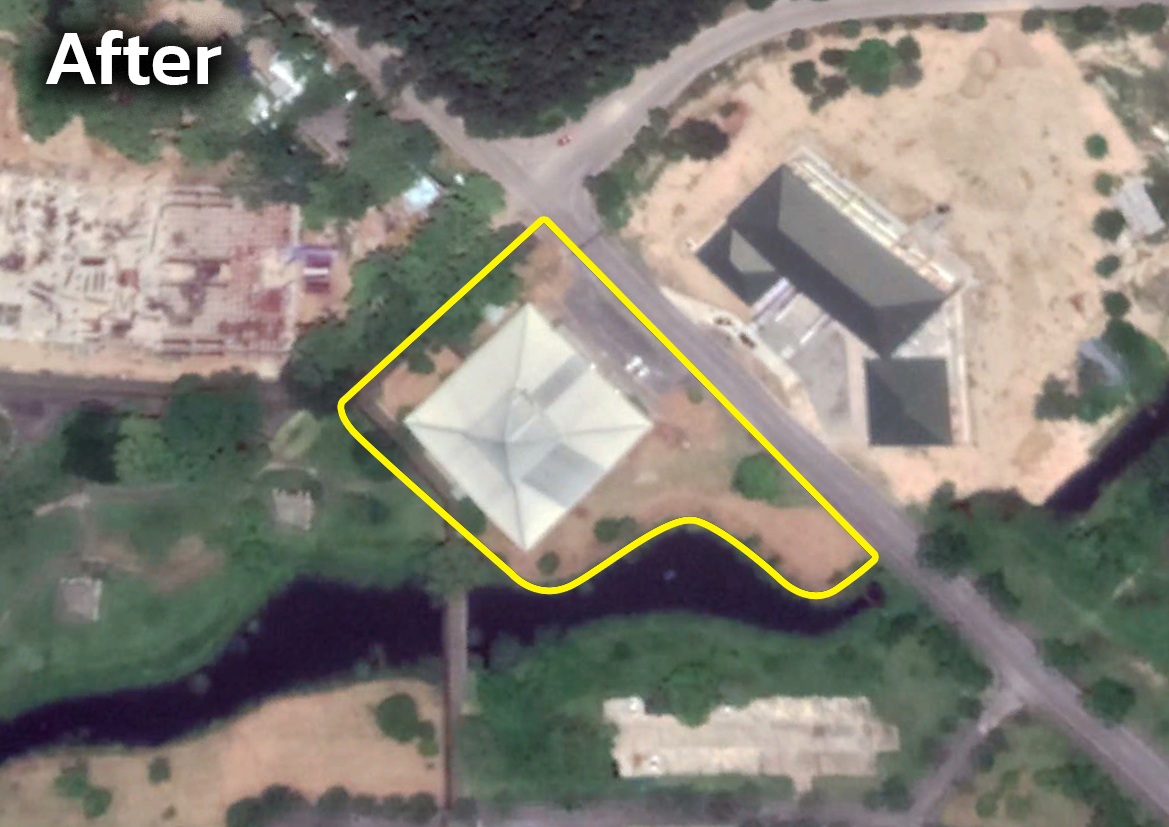
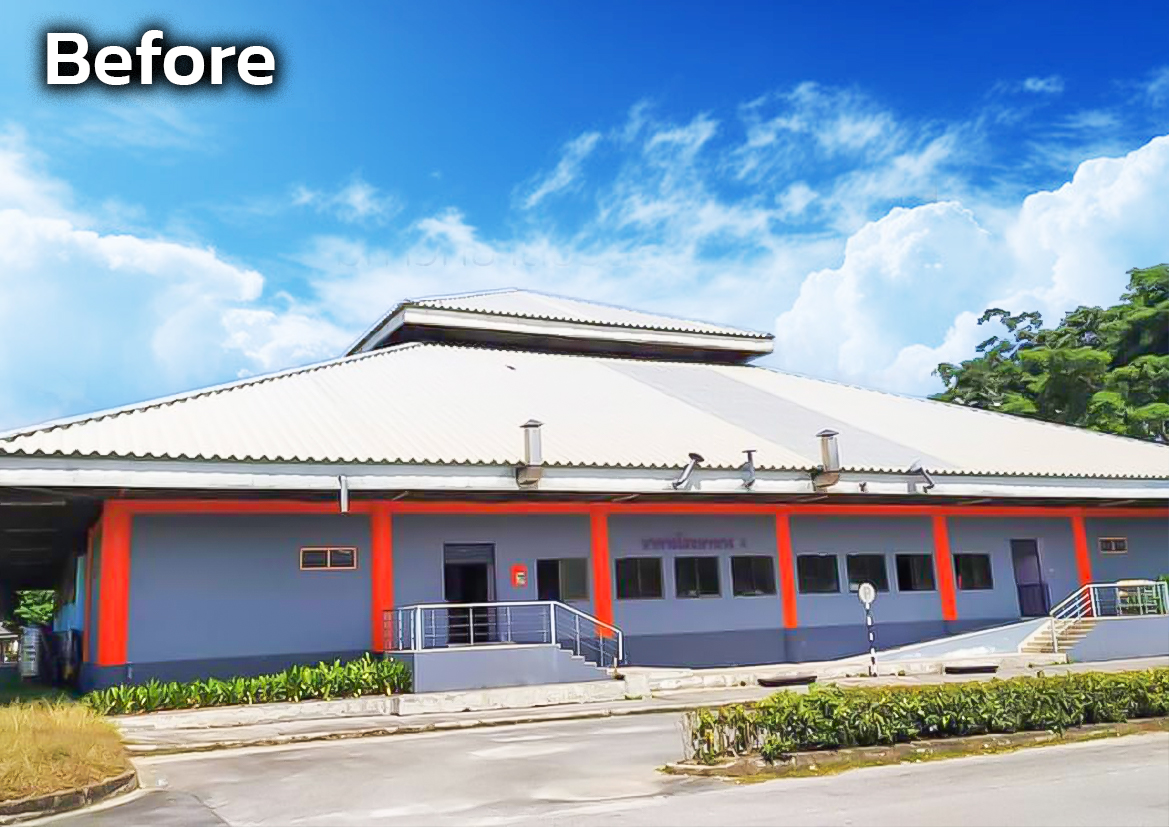
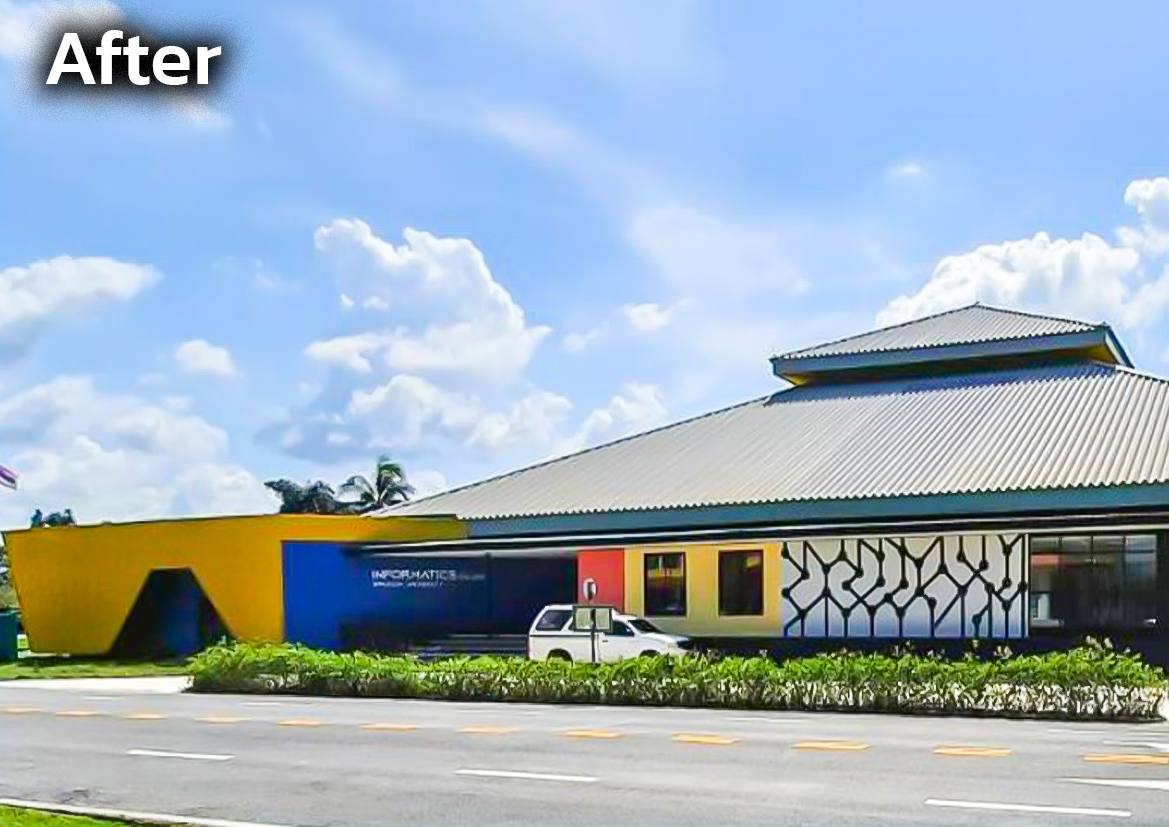
Moreover, in its ongoing effort to adapt and improve the campus, the university converted Food Center 4 into the Informatics Studio for the School of Informatics. This space now houses new laboratories and offices for faculty and support staff, with the Informatics Studio serving as a cutting-edge facility for the Communication Arts program, which has relocated all its operational labs and academic activities to this newly renovated building.
Through these thoughtful transformations, Walailak University exemplifies its commitment to sustainable development, not only by mitigating environmental impacts from past agricultural practices but also by enriching its educational facilities, fostering both academic growth and environmental stewardship.

Goal 11: Sustainable cities and communities
Goal 3: Good health and well-being
Goal 9: Industry, Innovation and Infrastructure
Goal 17: Partnerships for the Goals
Post Views: 94