Implementing Ethical Sourcing Policies: Promoting Sustainable Food Production and Consumption
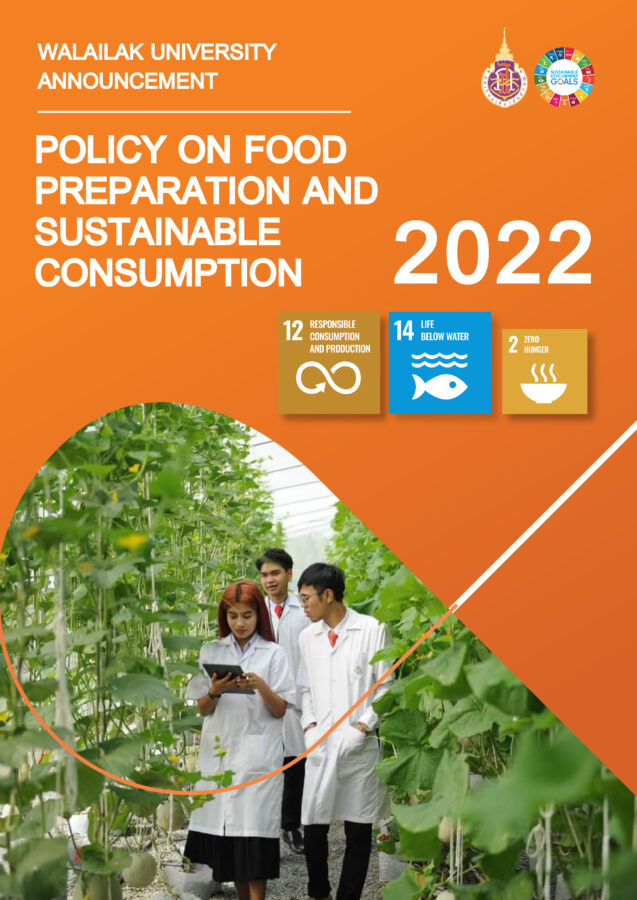
Walailak University has consistently implemented practices related to food preparation and sustainable consumption within the university. In 2022, a formal policy on food preparation and sustainable consumption within Walailak University was created and officially announced. Since its official implementation, the university has continued to carry out these practices with dedication and consistency up to the present day.
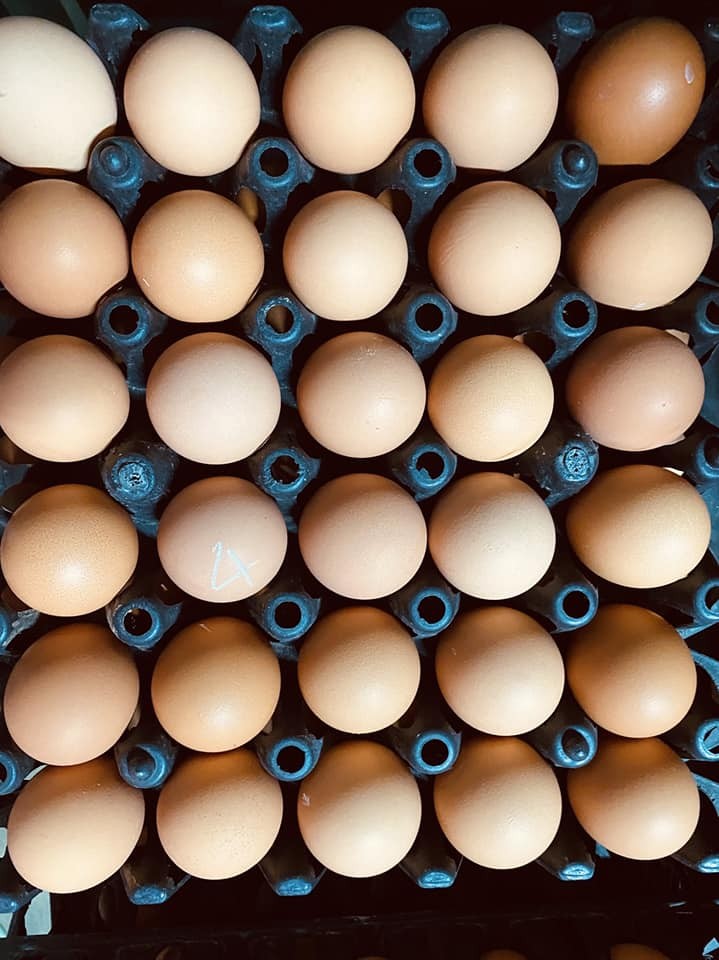
- Meat and animal products, including seafood, should be derived from qualified farms certified by reliable agencies, such as Good Agricultural Practices (GAP).
- Sources of processed seafood, aquatic animals and products must not involve those in conflict with the European Union’s guidelines on illegal unreported and unregulated fishing, destructive fishing practices, overfishing practices, use of forced and child labor or unfair employment of labor in the seafood supply.
- Environmentally and socially friendly transportation of uncontaminated meat, including animal and aquatic products, must be ensured.
- Food service provides must attach great importance to the principles of food hygiene and safety in all steps of food production: cleaning, raw material storage, hygienic care of cooking utensils and packaging, cooking, and distribution.
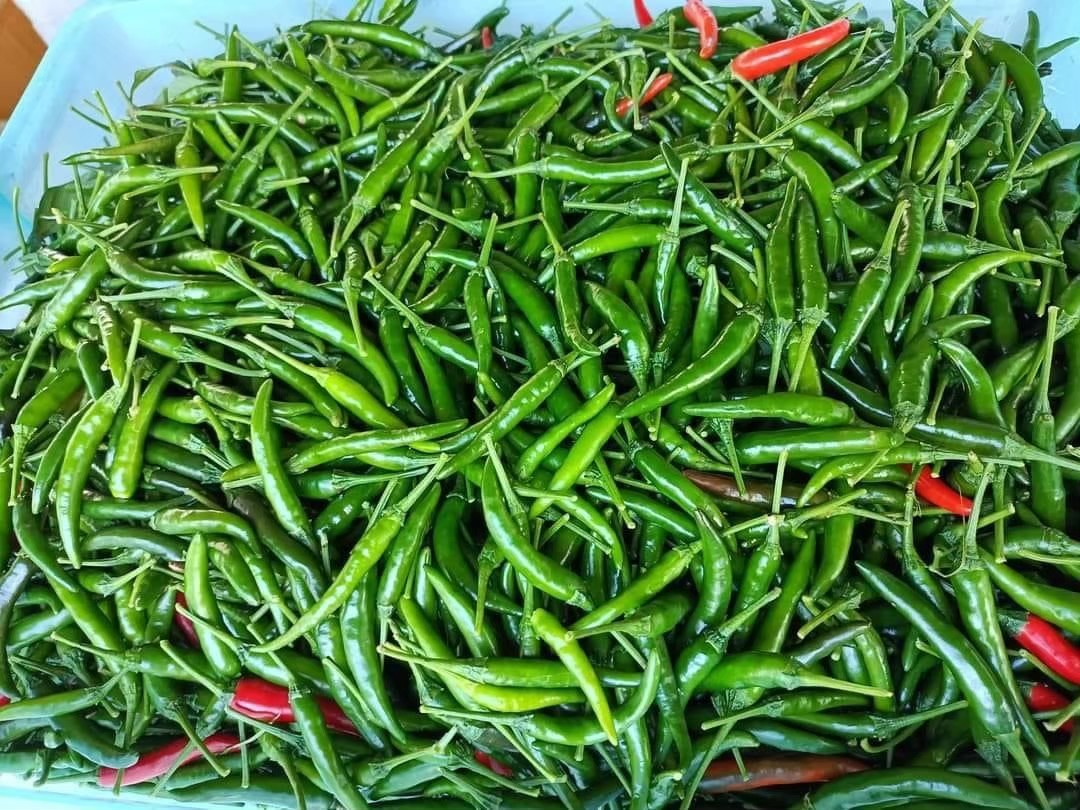
- Nontoxic fruits and vegetables should be seasonal products, locally farmed by neighboring communities, and cultivated with good agricultural practices.
- All of the food service providers on campus must attend the food safety orientation organized by the Center of Walailak University Property Management.
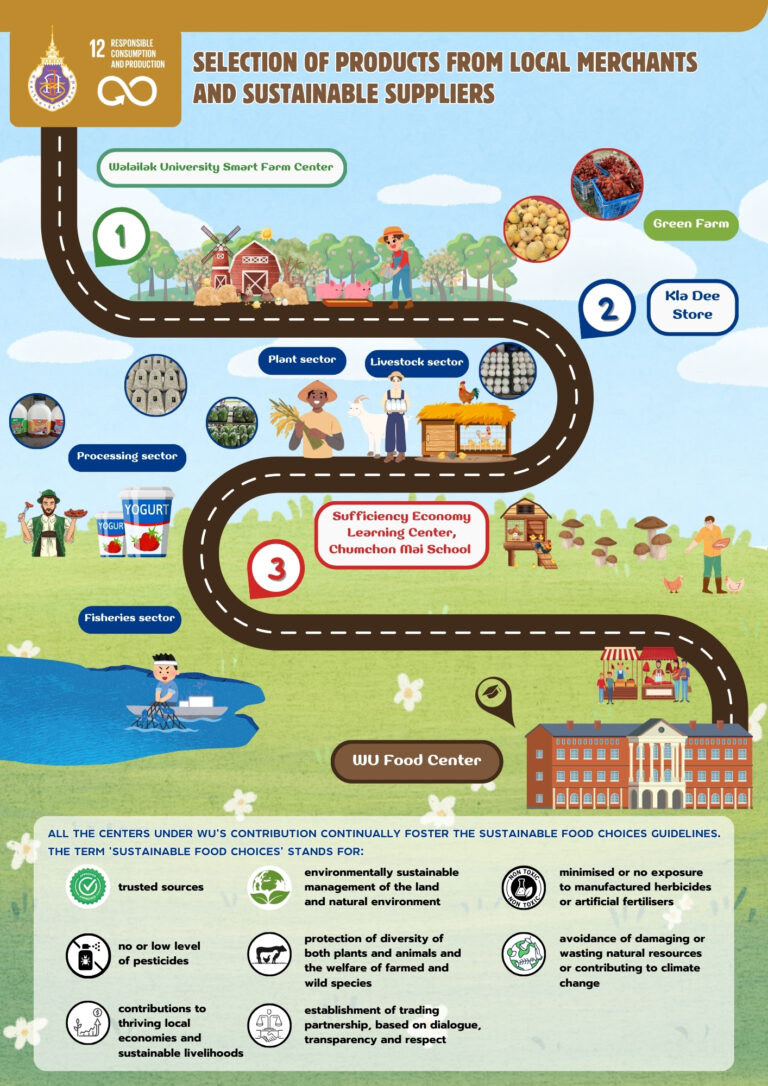
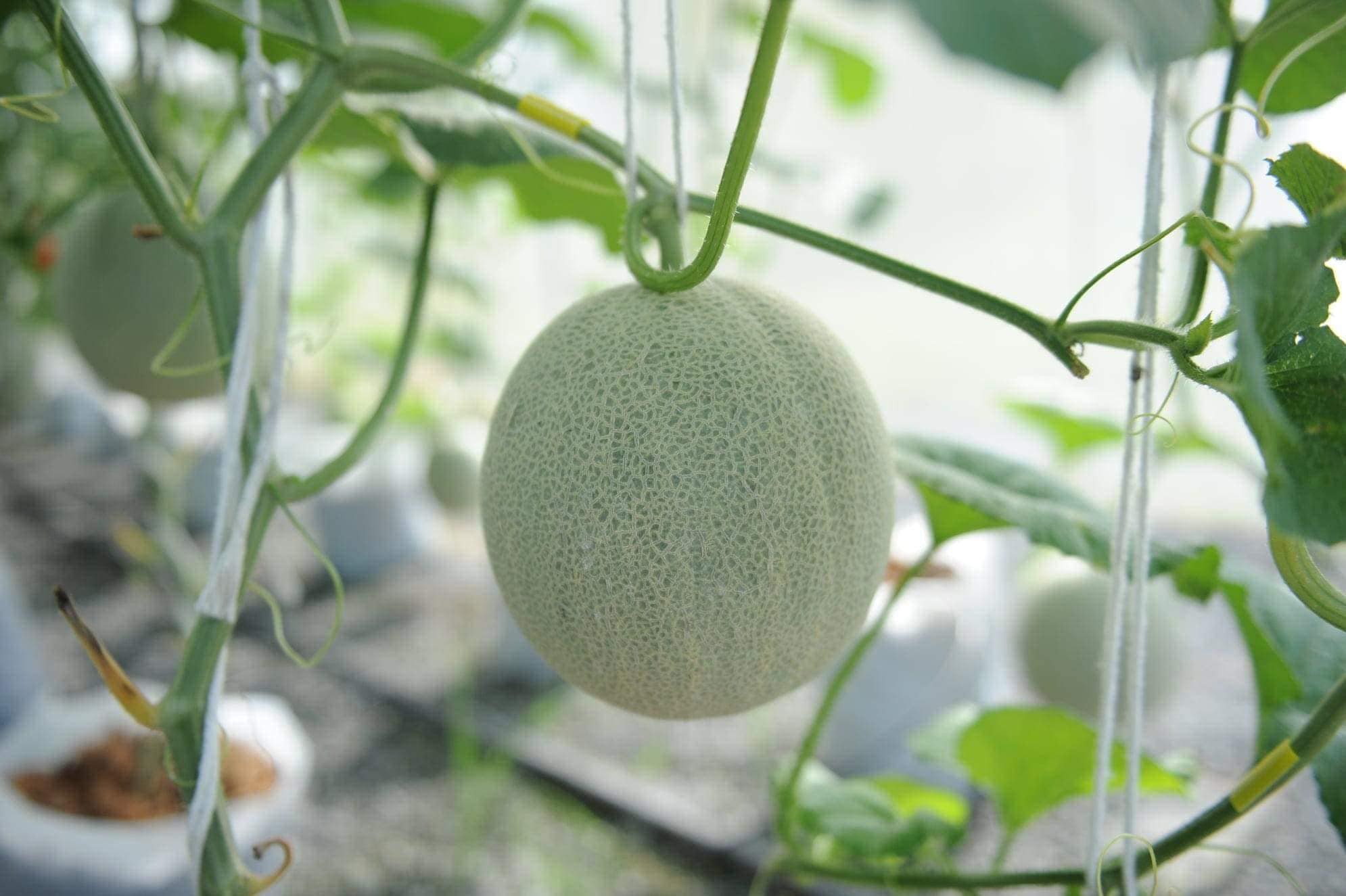
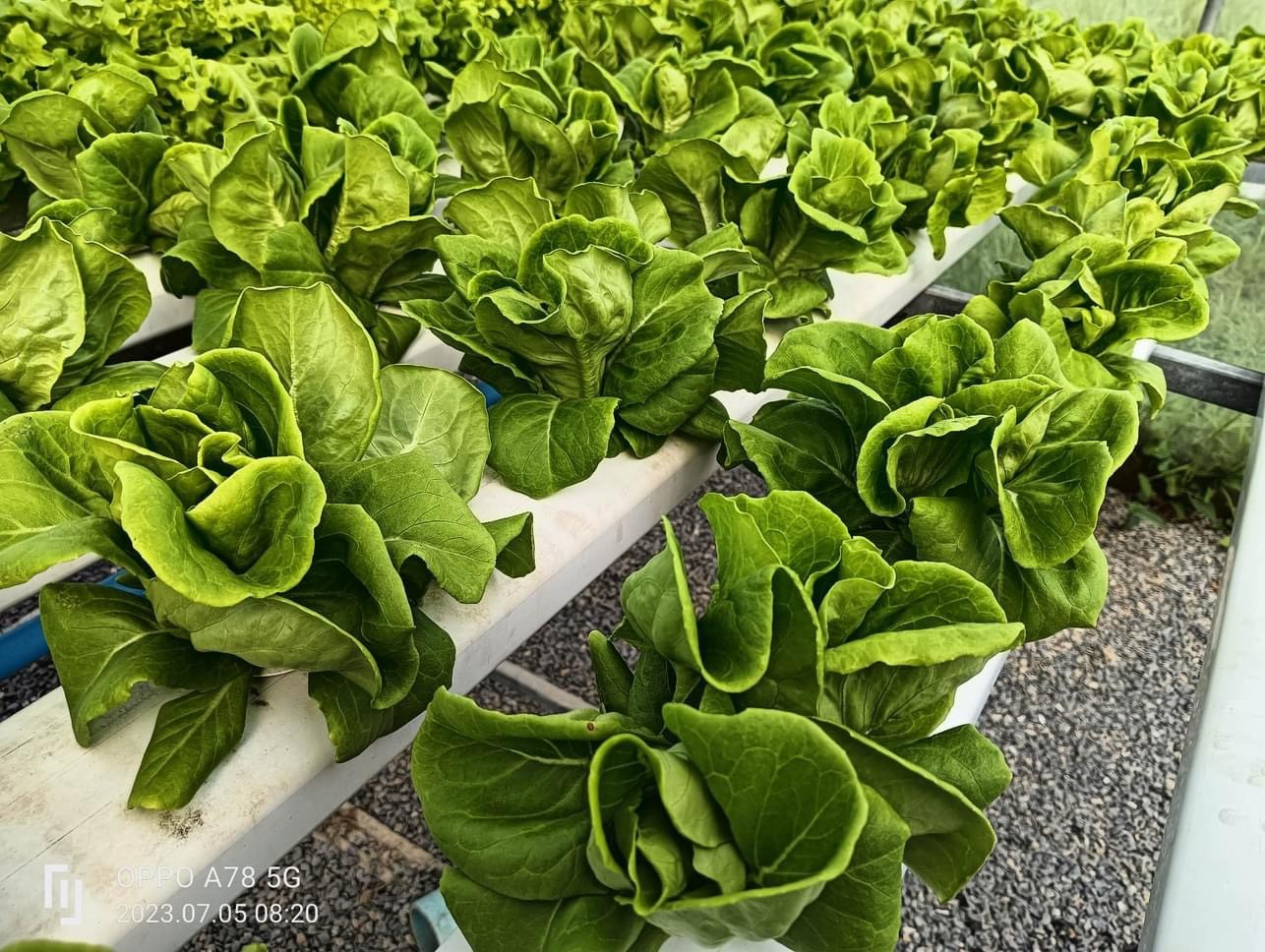
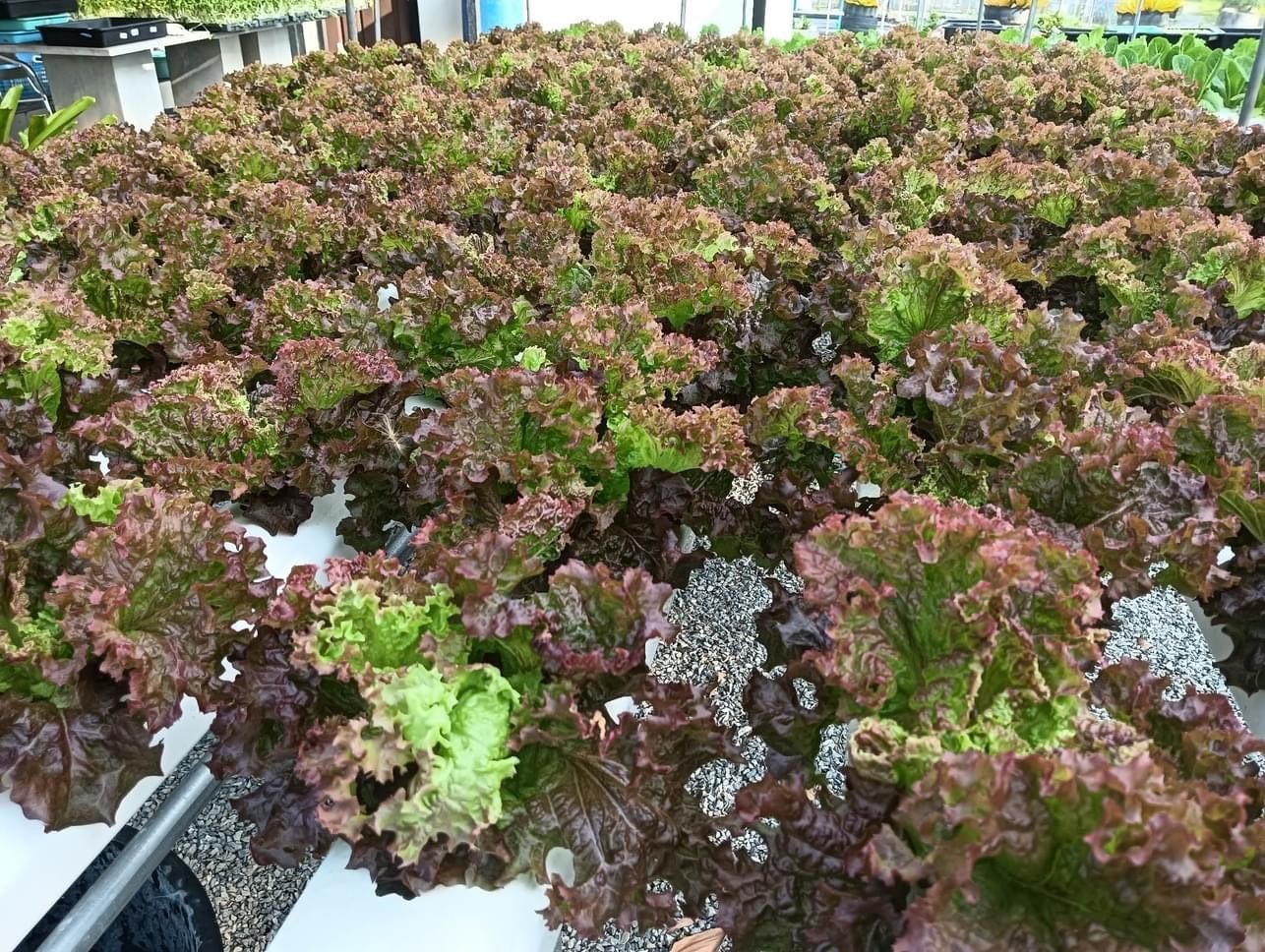
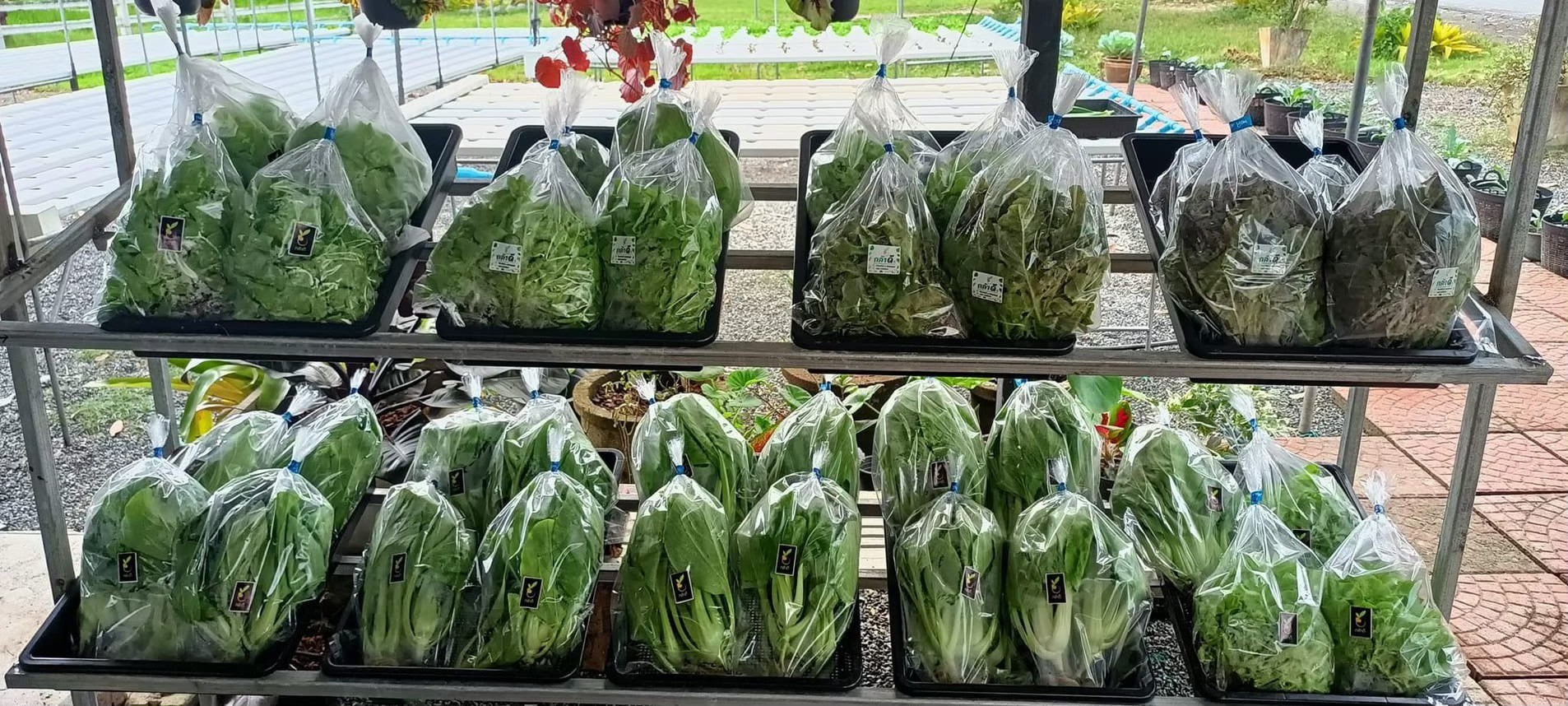
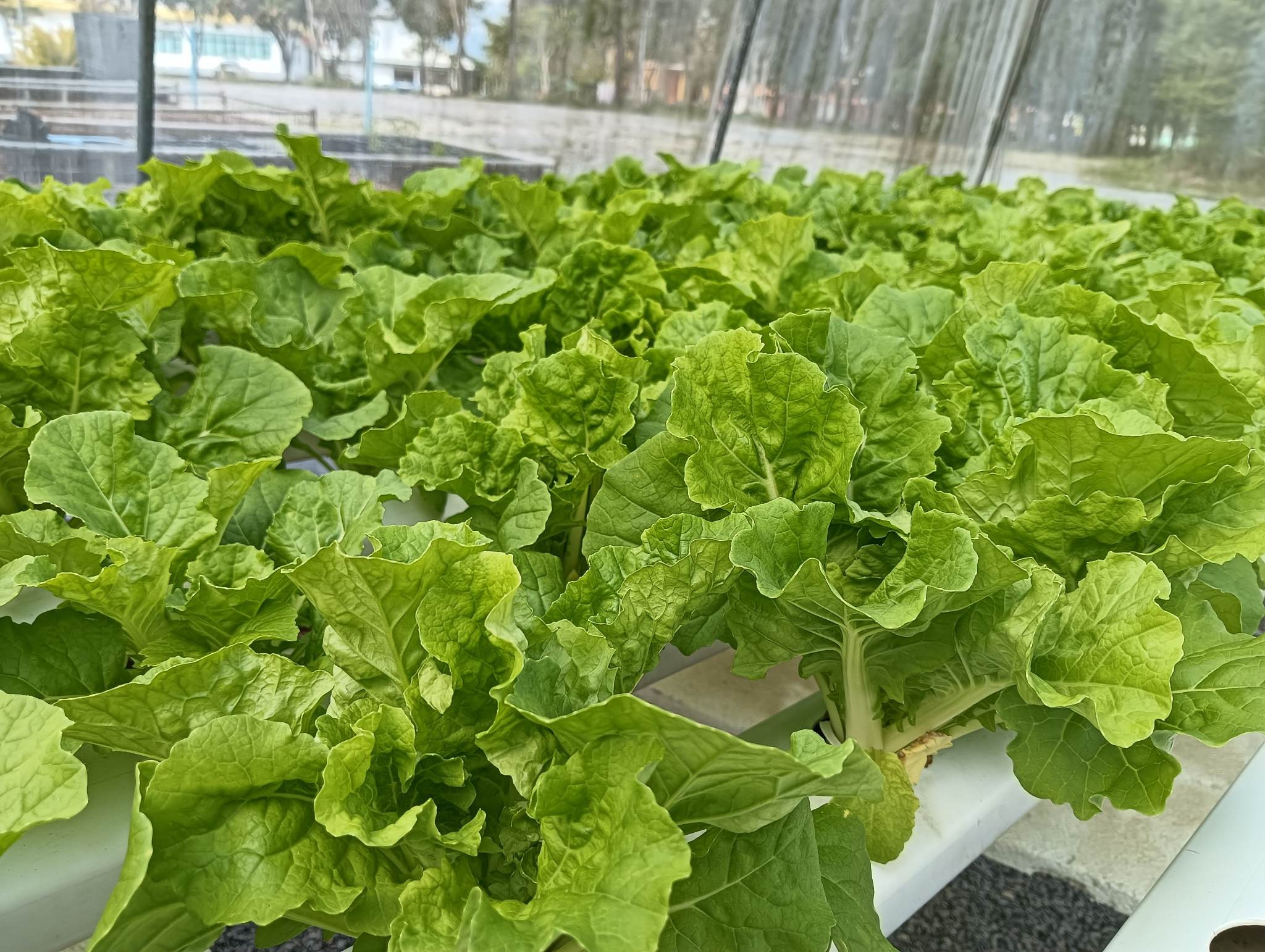
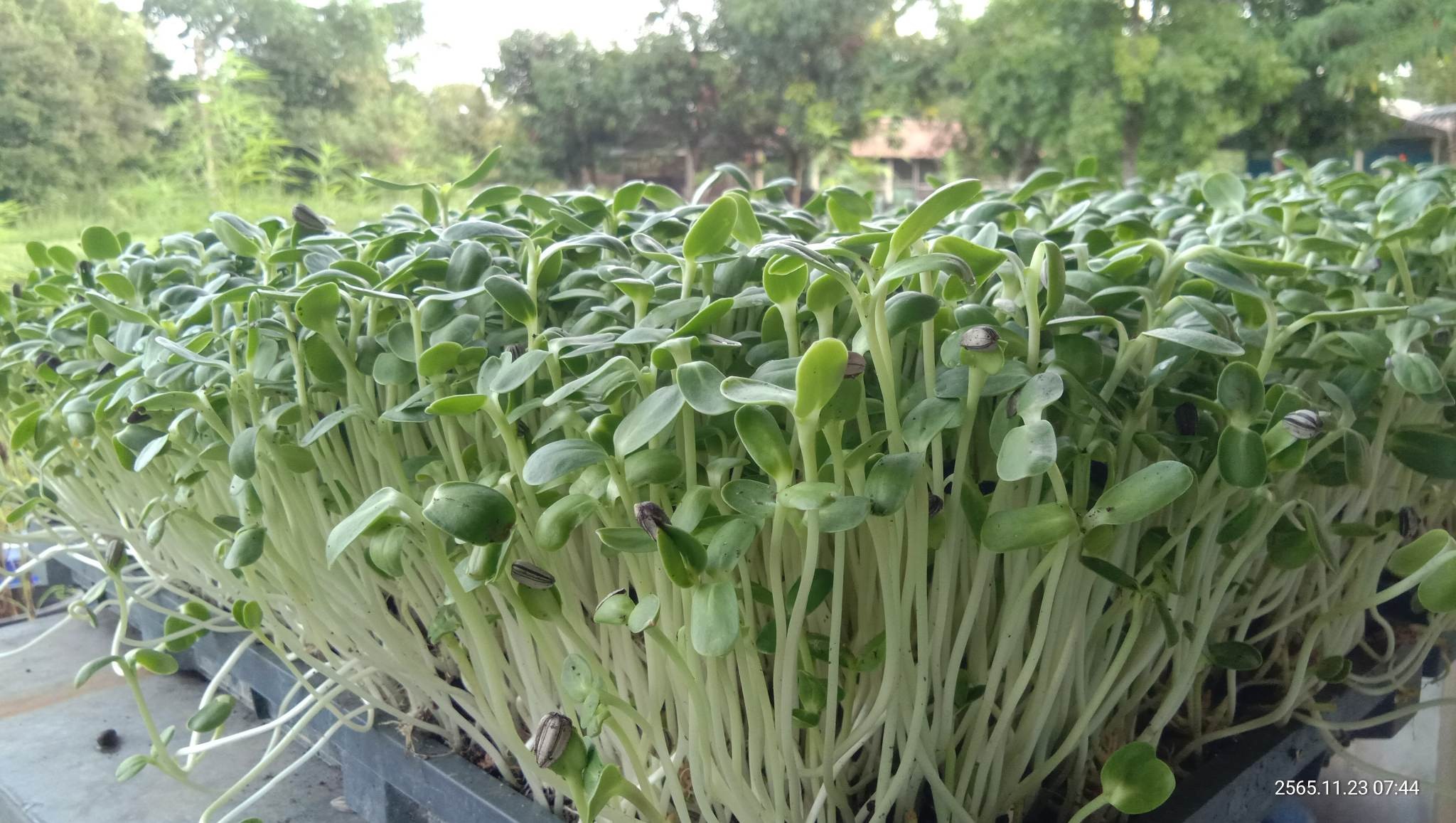
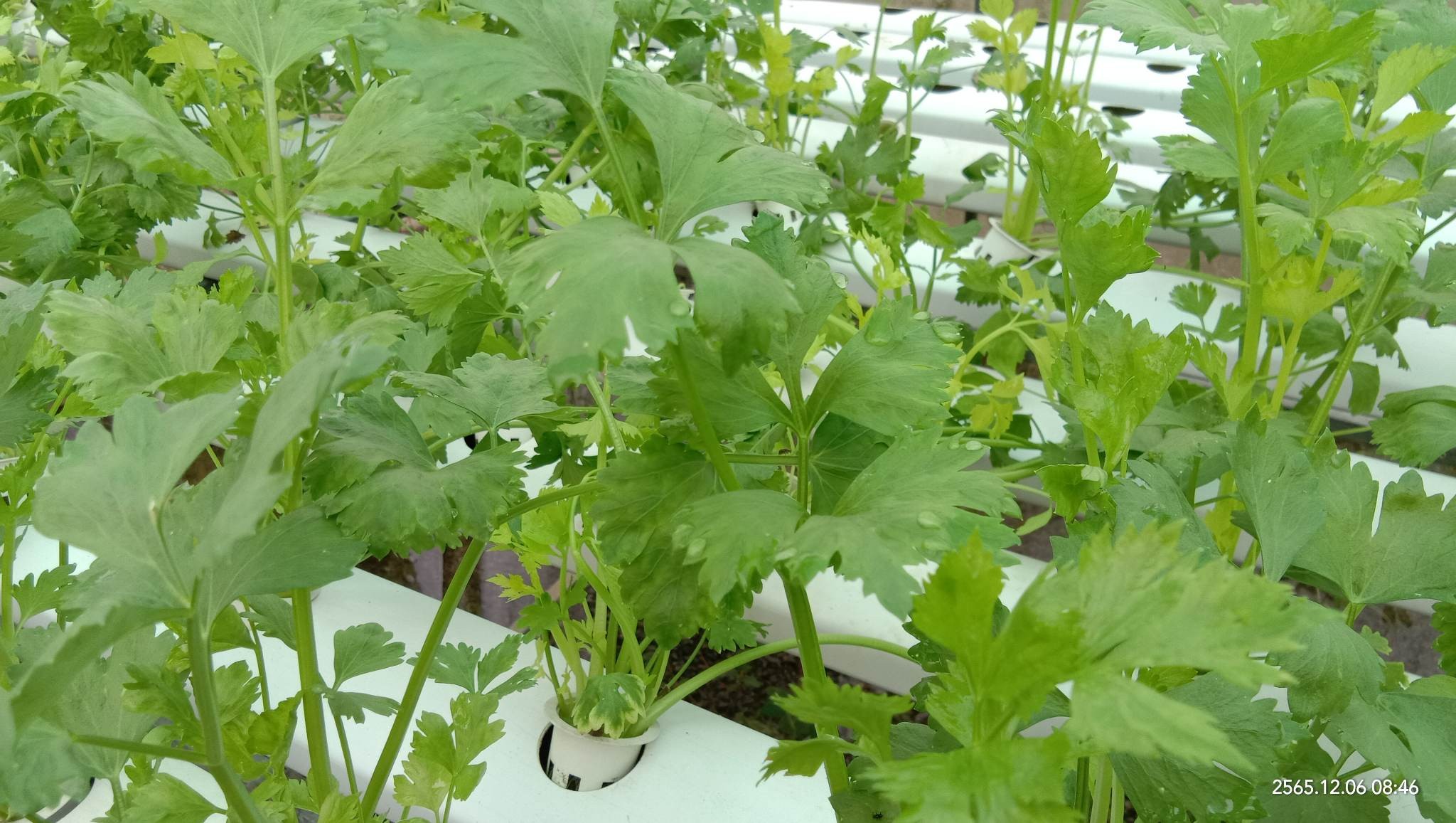
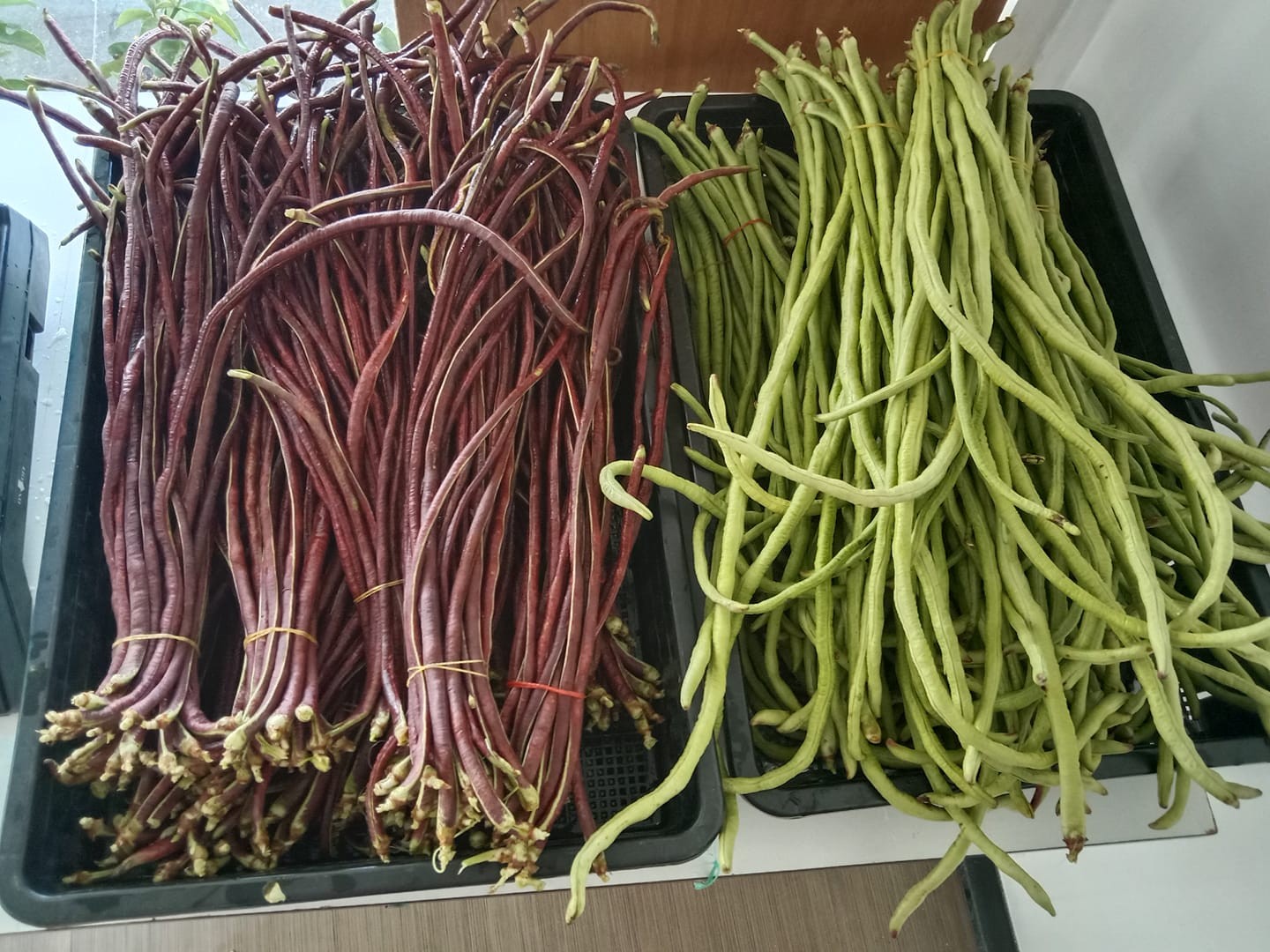
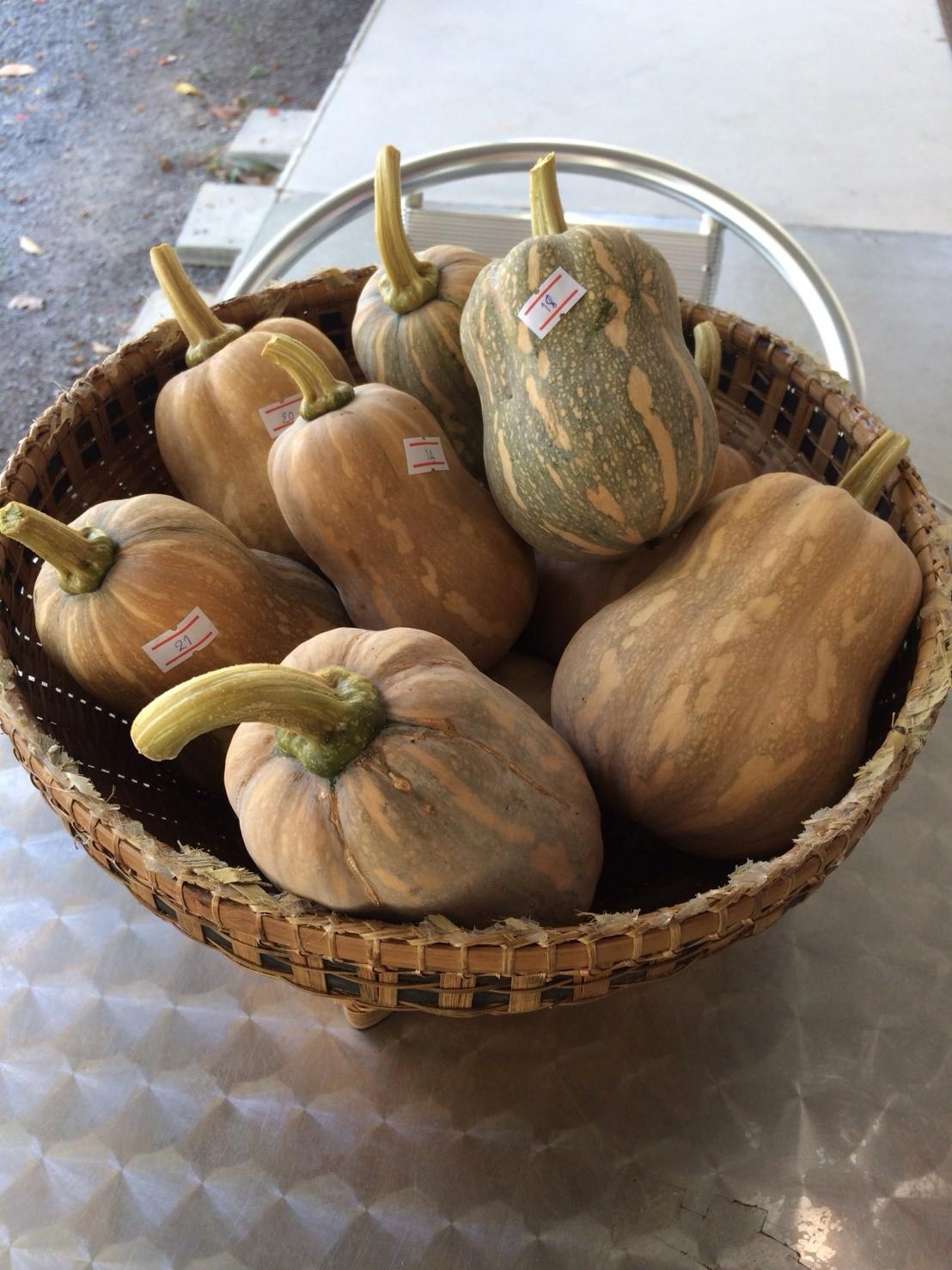
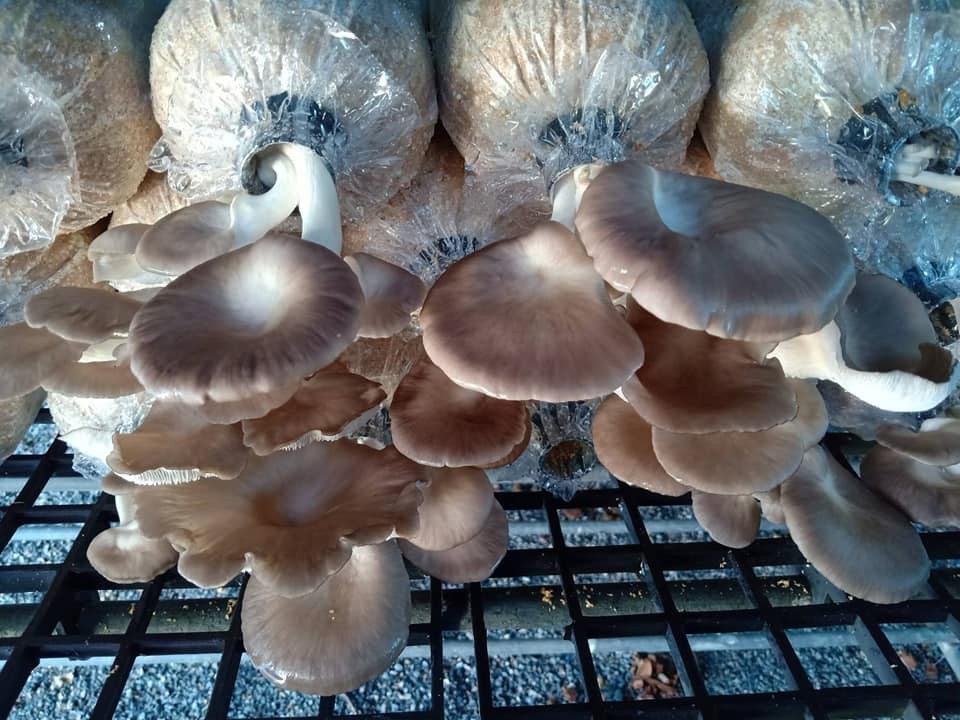
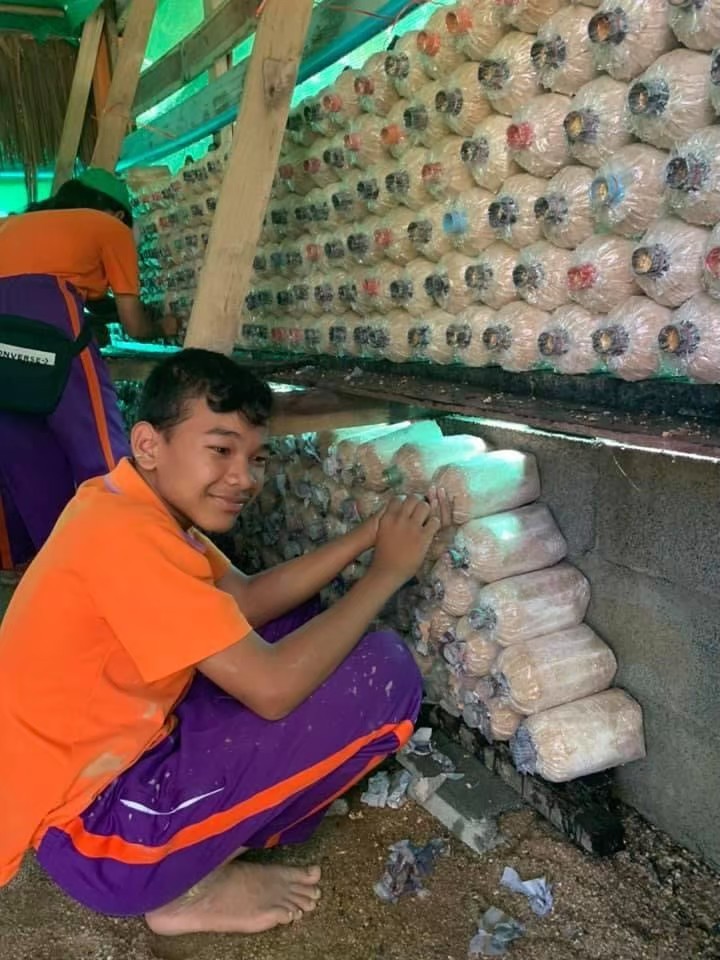
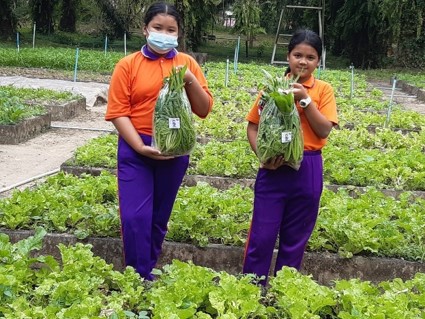
1. Plant sector: This includes the production of organic vegetables, utilizing innovations such as netted vegetable cultivation, vertical farming innovation, water-saving rice cultivation innovation, and the cultivation of organic fruit trees, herbs, passion fruit, grapes, melons, and oil palms, as well as seed development and production.
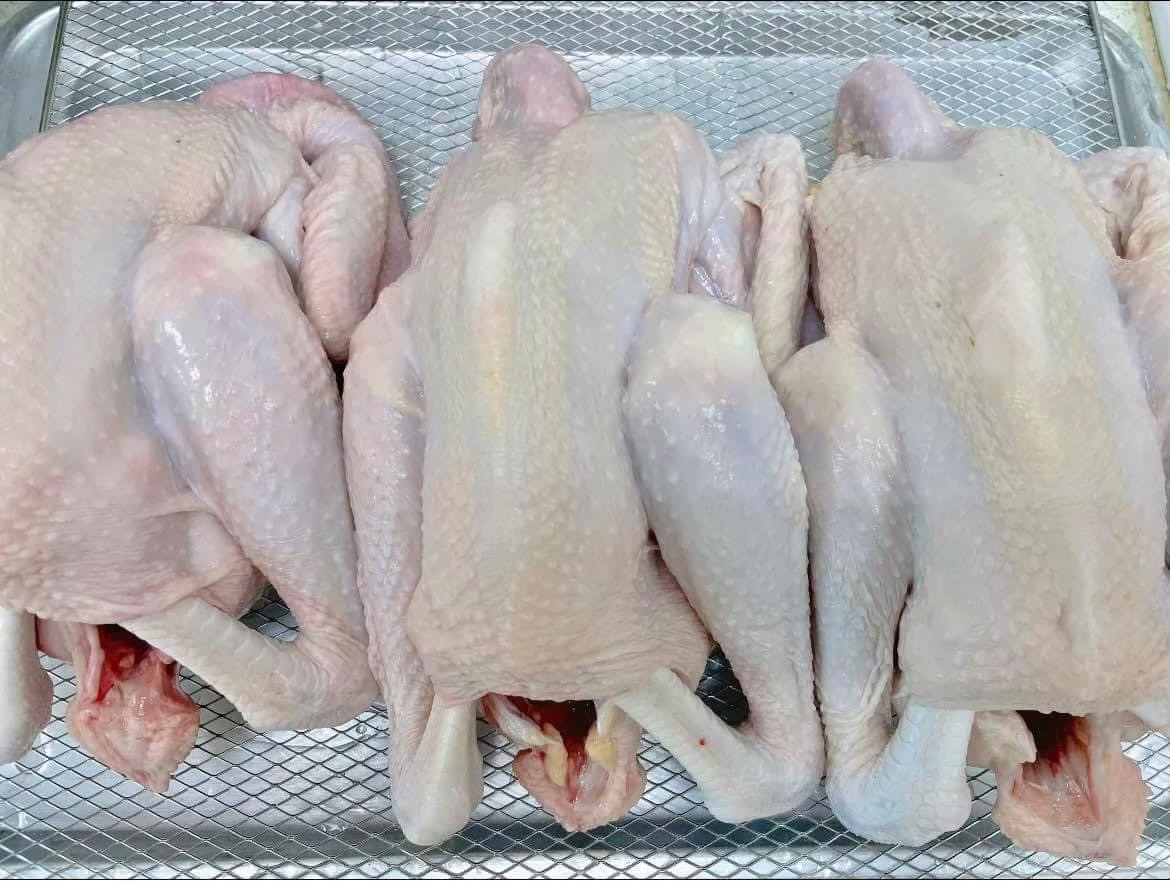
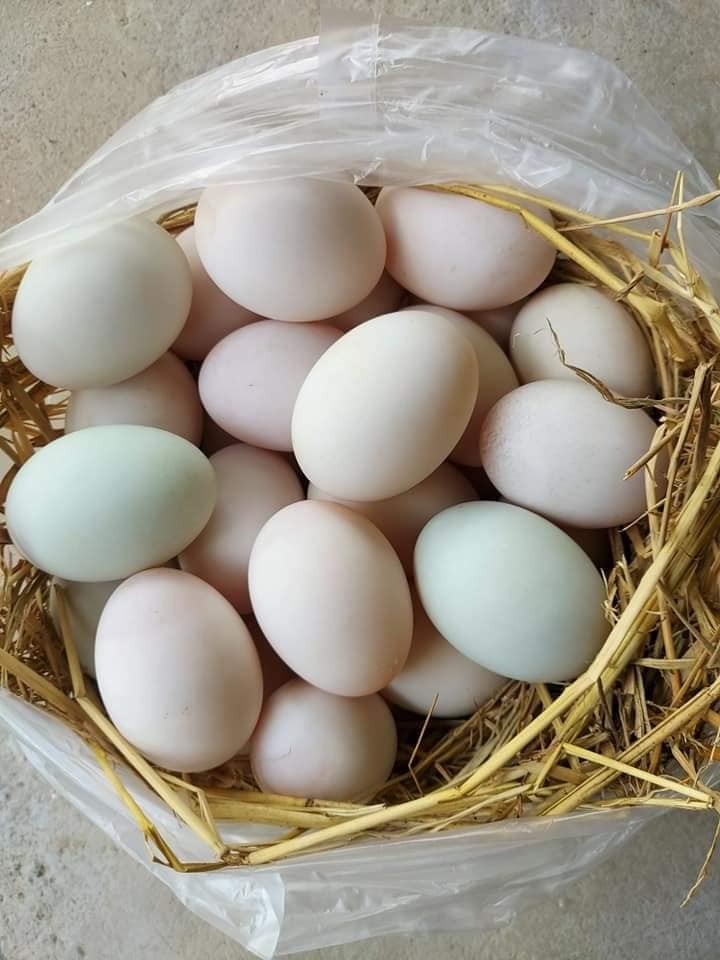
2. Livestock sector: This involves raising livestock for economic purposes using organic animal feed. The center conducts tests on raising economic animals with organic feed, including dairy goats, broiler chickens, and laying ducks, alongside integrated fish farming.
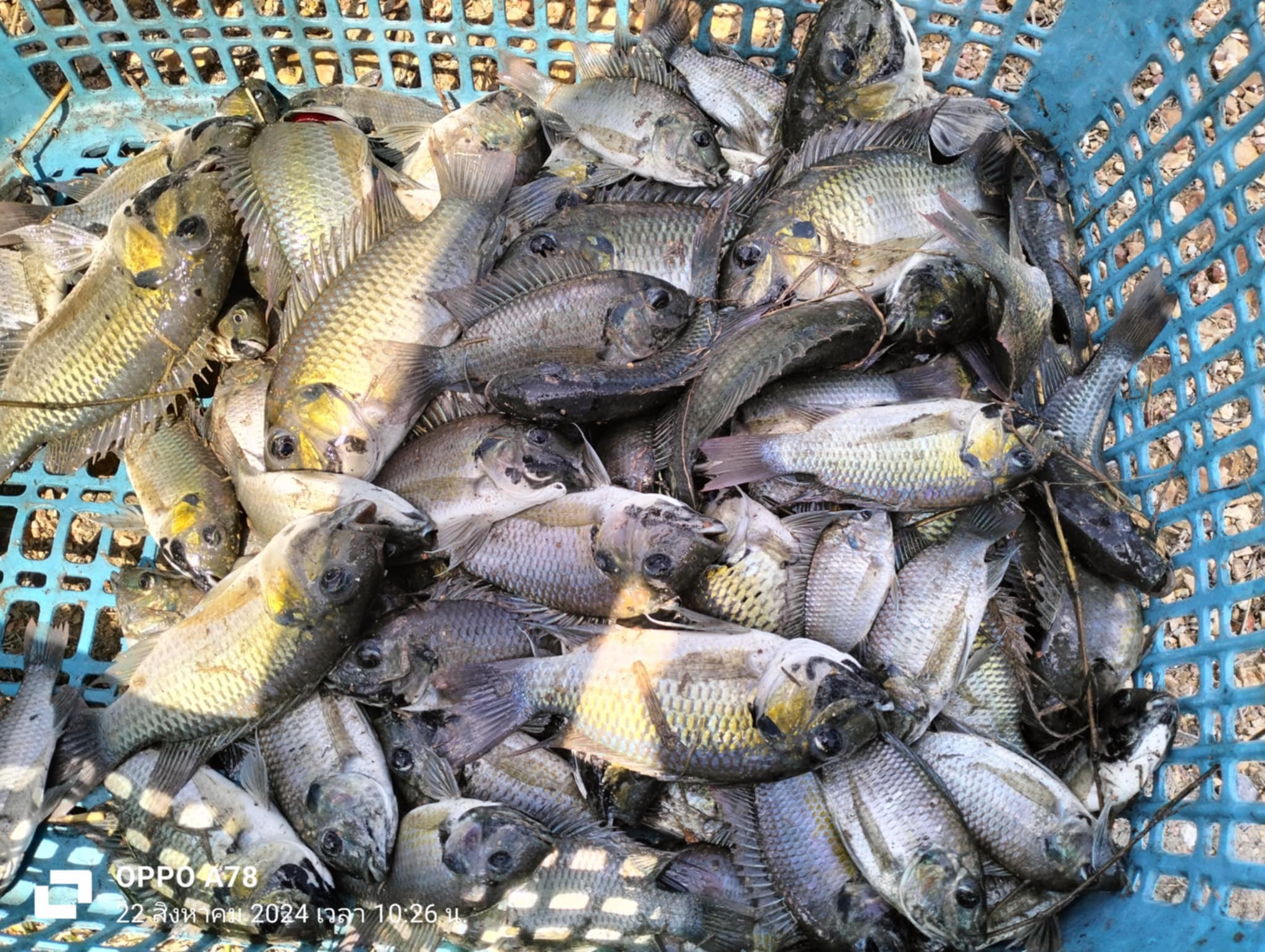
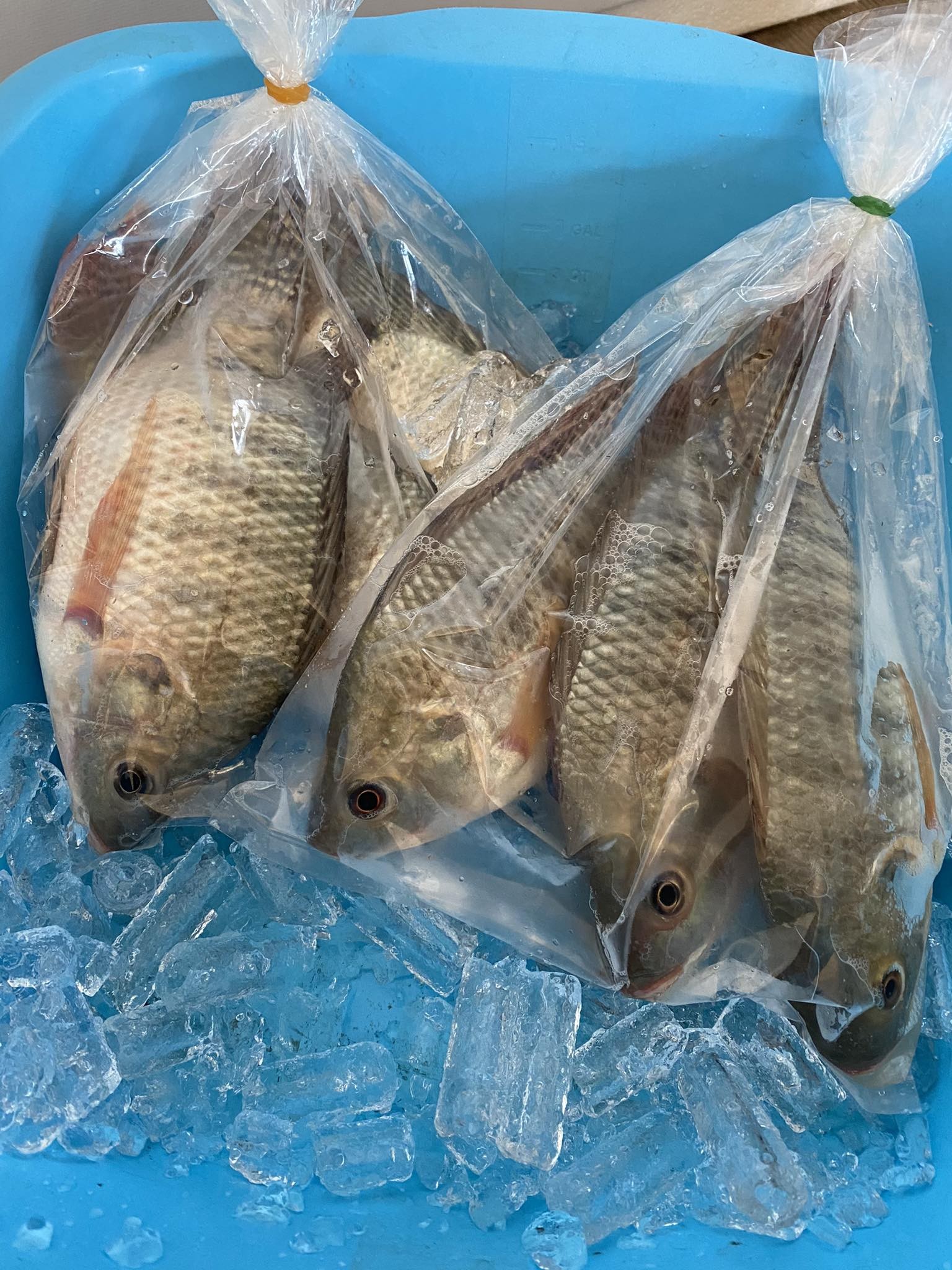
3. Fisheries sector: This involves the farming of red tilapia in cages, testing innovations such as automatic fish feeders powered by solar energy. It also integrates aquaponics, which combines plant cultivation with aquaculture.
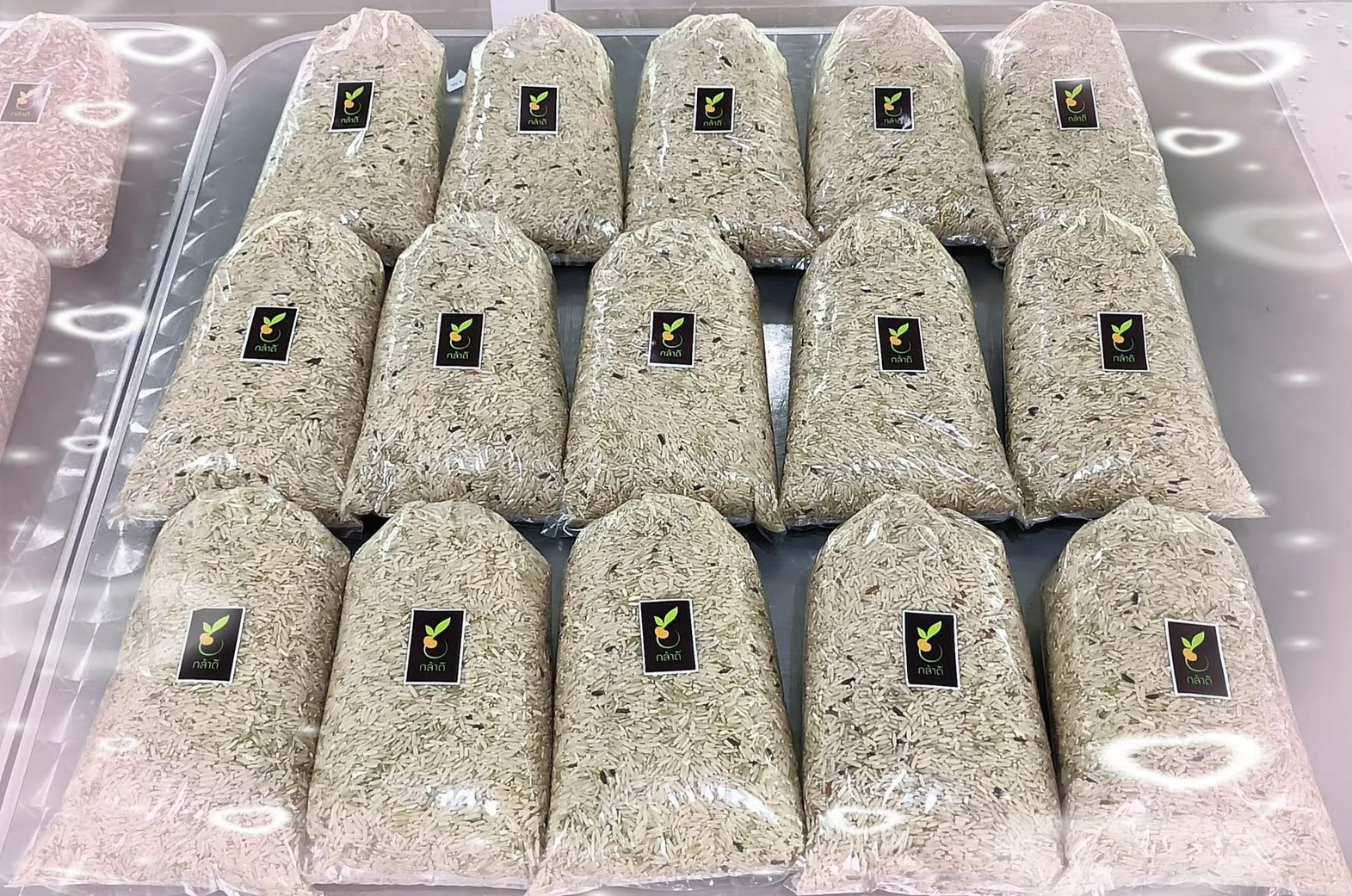
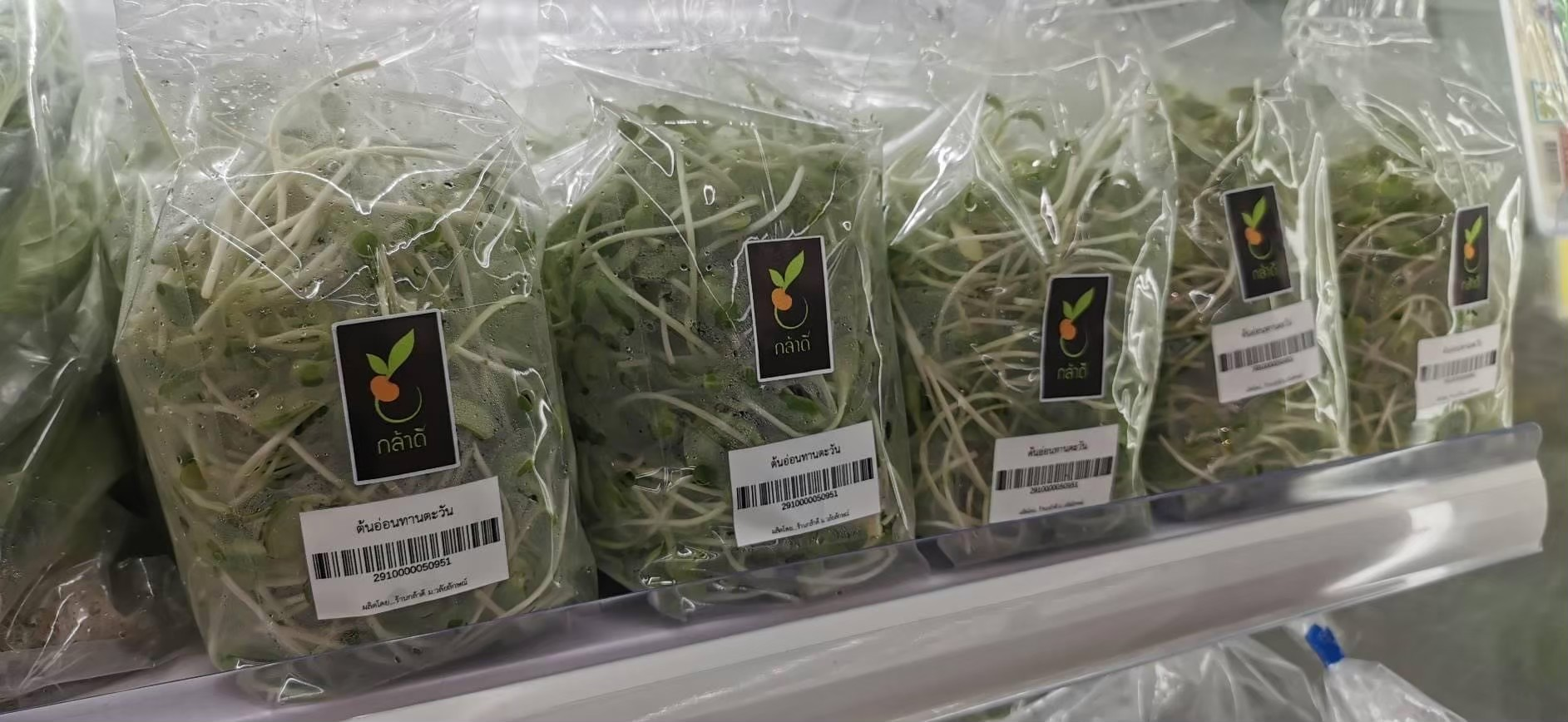
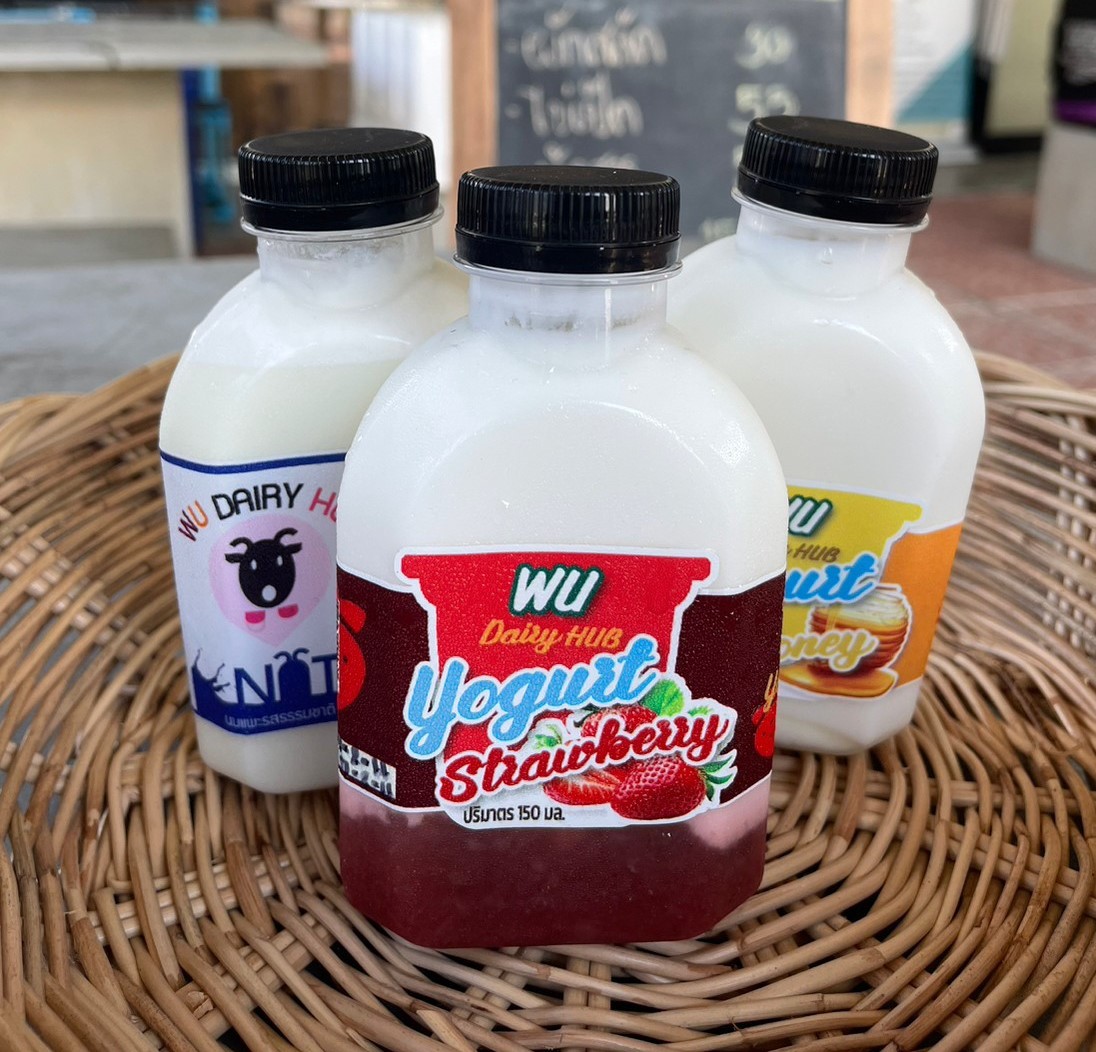
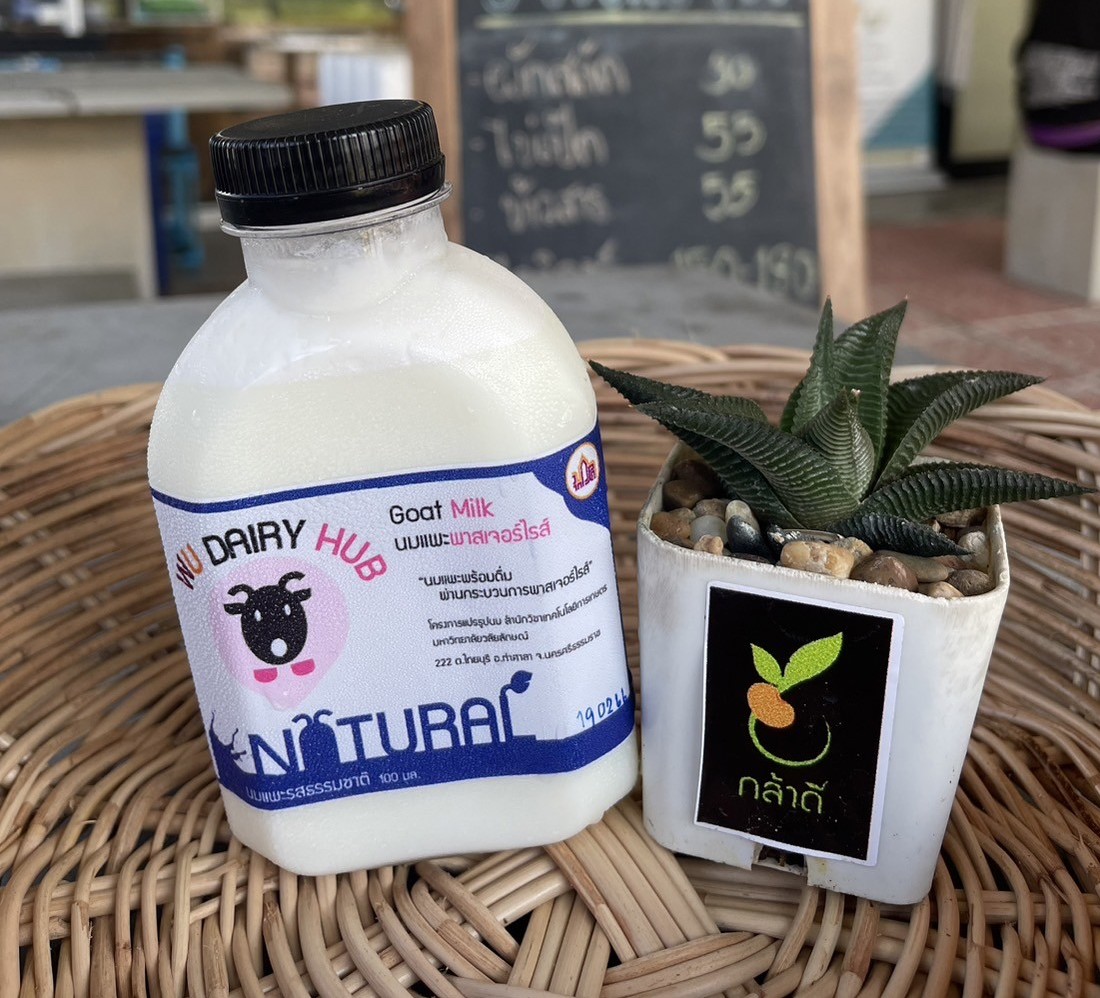
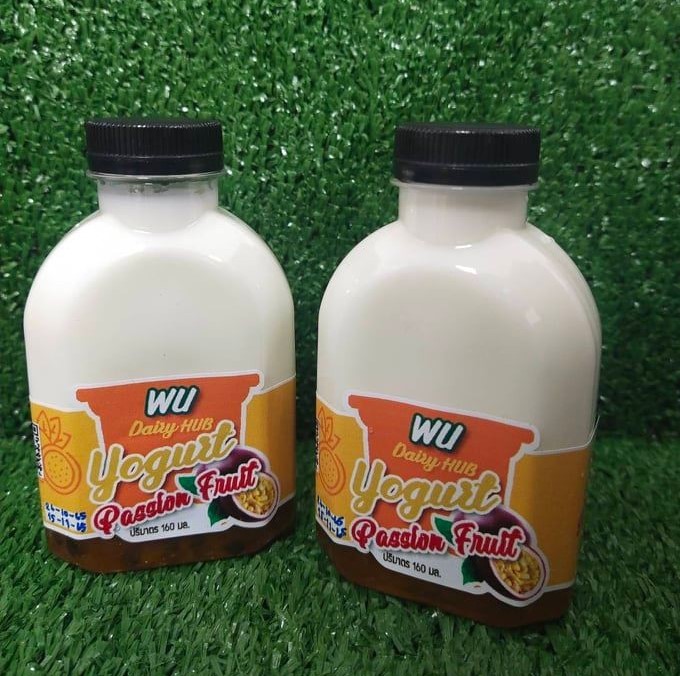
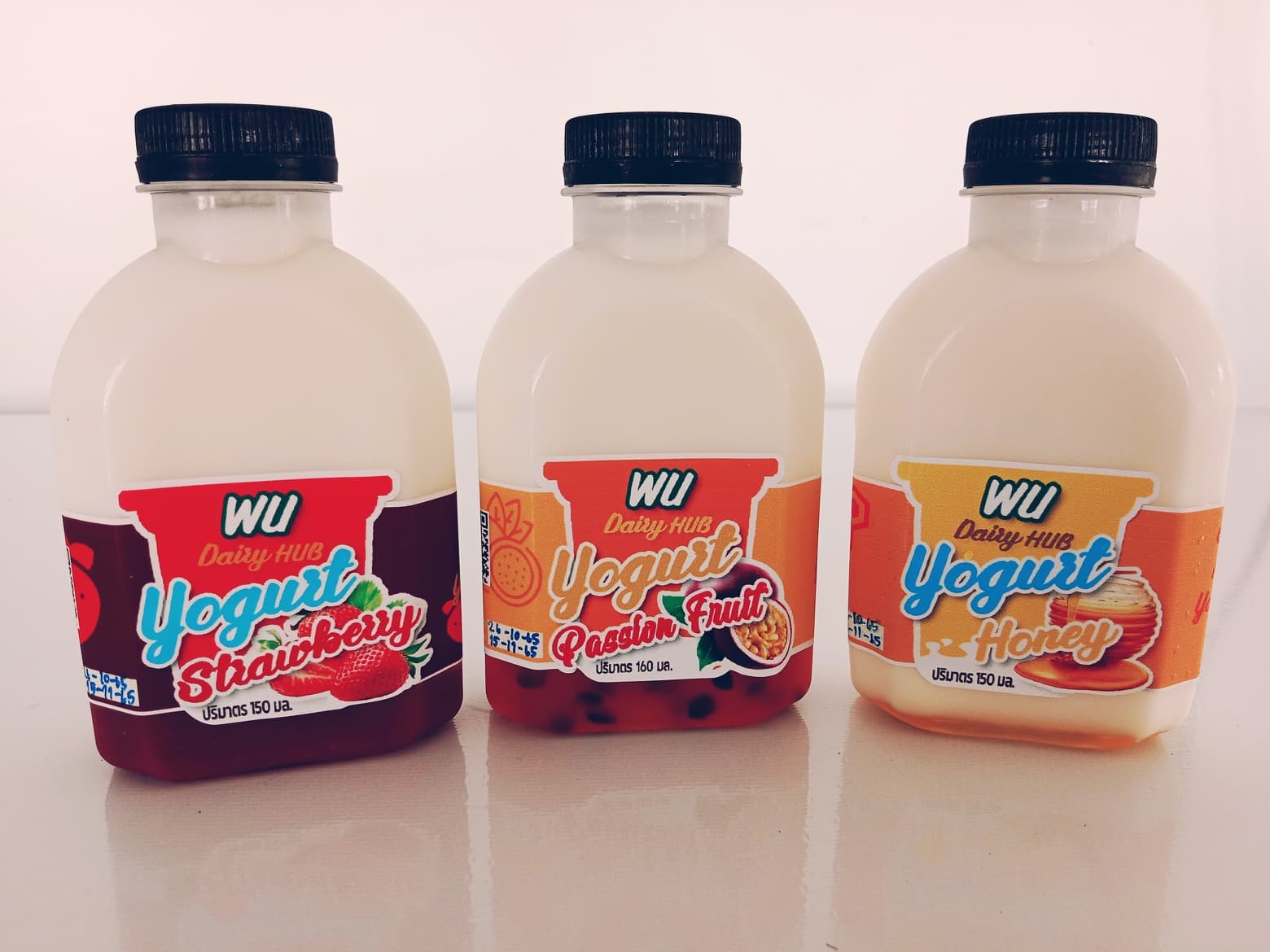
4. Processing sector: This involves processing products from the center for commercial sale. The products include tilapia sausage, salted eggs, fresh vegetables, gac fruit ice cream, gac fruit yogurt, and fruit cider/vinegar. These products are sold through the “Kla-Dee” store, a mock company operated by the student club from the School of Agricultural Technology and Food Industry.
Sufficiency Economy Learning Center, Chumchon Mai School
Related links:
https://am.wu.ac.th/%E0%B8%87%E0%B8%B2%E0%B8%99%E0%B8%97%E0%B8%B5%E0%B9%88-1/
https://green.wu.ac.th/the–impact–ranking/#SDG12
https://act.wu.ac.th/?page_id=12366
https://youtu.be/b2QjUl34bUY?si=c-Sgc6HHlmknmiy5
https://www.facebook.com/WU–Food–Center-458478738276888
https://www.facebook.com/p/Smart-Farm-WU-100084352017851/?_rdr