
Enhancing Sustainability Through Waste and Hazardous Materials Management Policy
Walailak University is dedicated to advancing sustainability through its comprehensive Waste and Hazardous Materials Management Policy, which encompasses clear processes and practices for the responsible management of all types of waste, including hazardous materials.
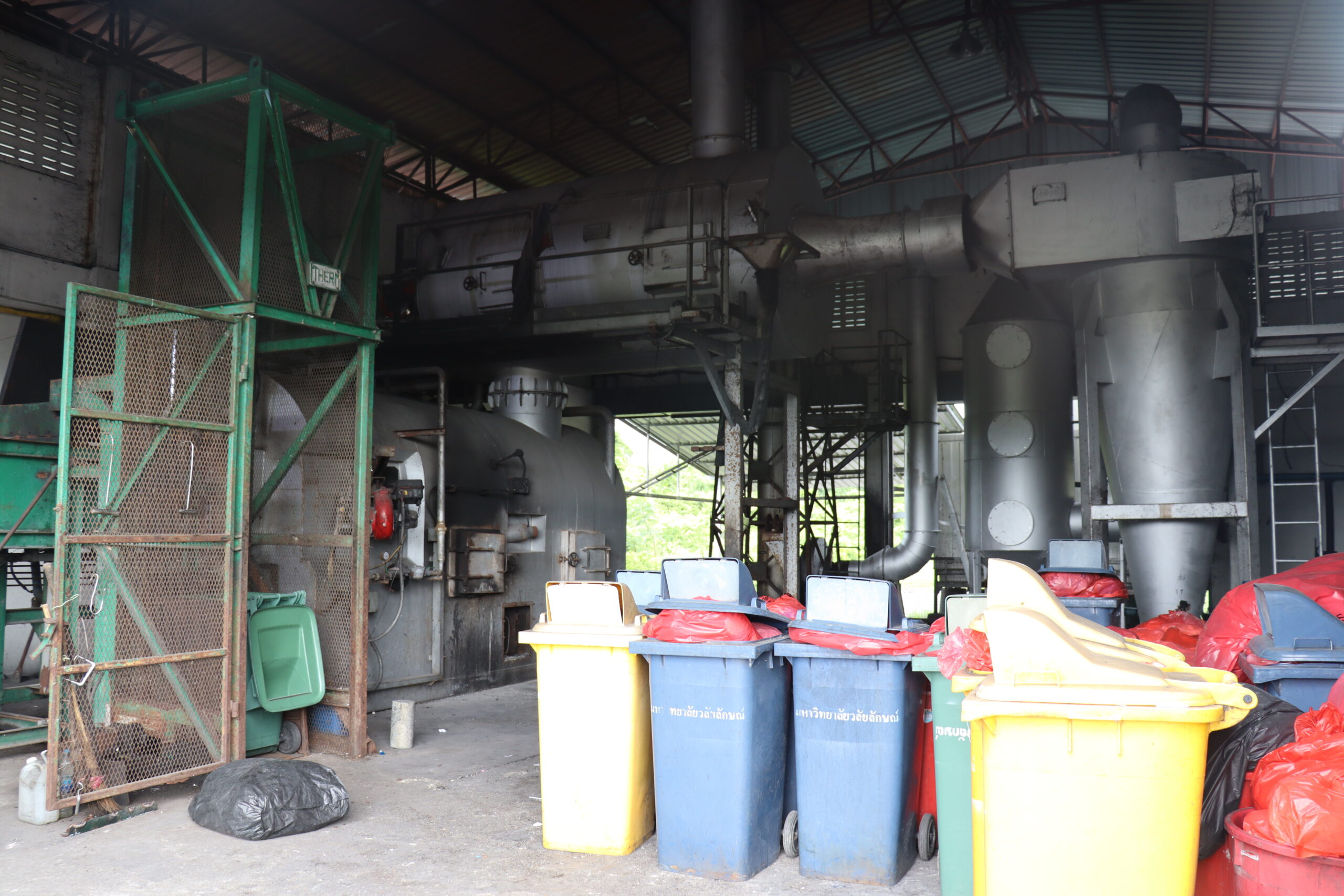
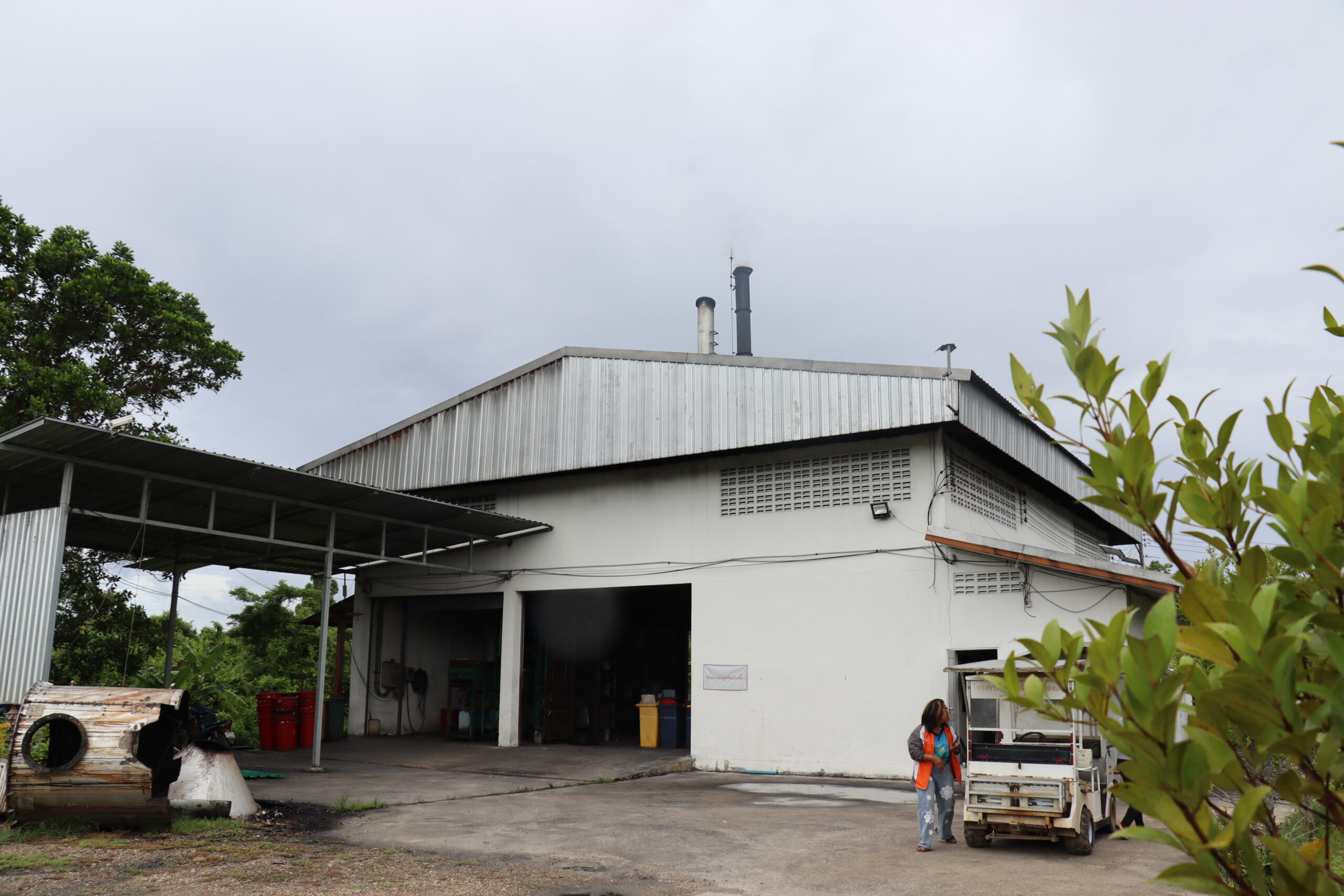
Walailak University has consistently implemented practices related to general waste, hazardous waste, infectious waste, and wastewater. After that, this policy was created to be addressing general waste, hazardous waste, infectious waste, and wastewater, ensuring that waste is continuously managed efficiently and with minimal environmental impact. However, before this policy was established, the university had already developed a collaborative agreement to address these issues. Since its official implementation, the university has continued to carry out these practices with dedication and consistency up to the present day.
The waste management process begins at the departmental level, with a strong emphasis on waste reduction as the top priority. The policy focuses on the efficient use of raw materials and resources in production. If waste is generated, efforts must be made to reuse or recycle it as much as possible, taking into account the potential benefits of each type of waste and related legal regulations. The ultimate goal is to reduce the amount of waste requiring treatment or disposal, with disposal being considered the last method.
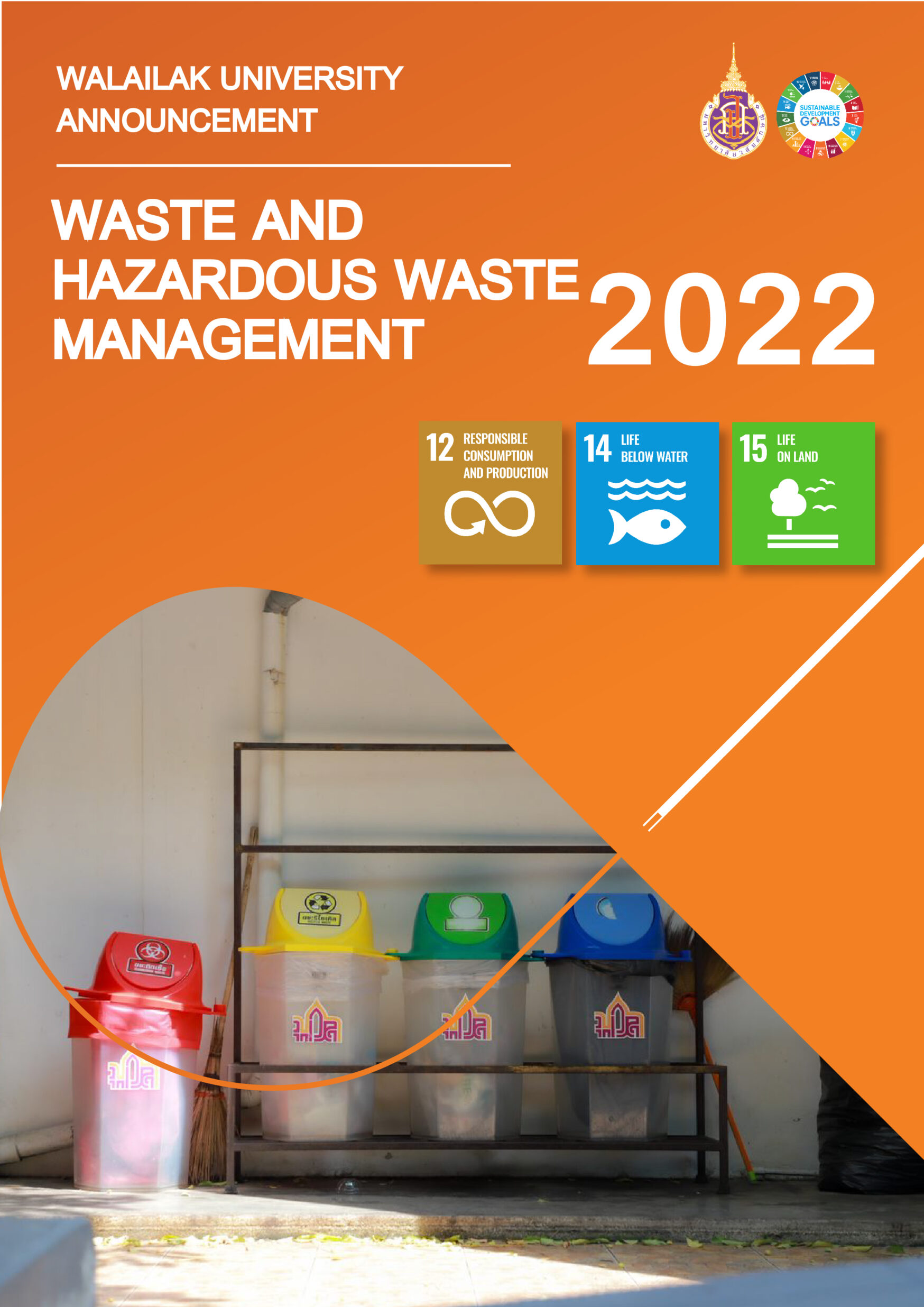
1. All of WU’s offices and facilities must operate under the framework of the Green University Policy on Waste and Hazardous Waste Management for a sustainable society and environment, both terrestrial ecosystems and aquatic ecosystems. Besides, all of WU’s offices and facilities shall apply the principle of 3Rs – Reduce, Reuse and Recycle to develop WU as a zero-waste university
2. WU’s Center of Waste Management Landscape Architecture and Environment, is responsible for managing general waste, hazardous waste, and wastewater. The center shall also measure the amount of waste sent to landfills and for recycle at WU as a mechanism to monitor WU’s performance on environmental sustainability and waste generation.
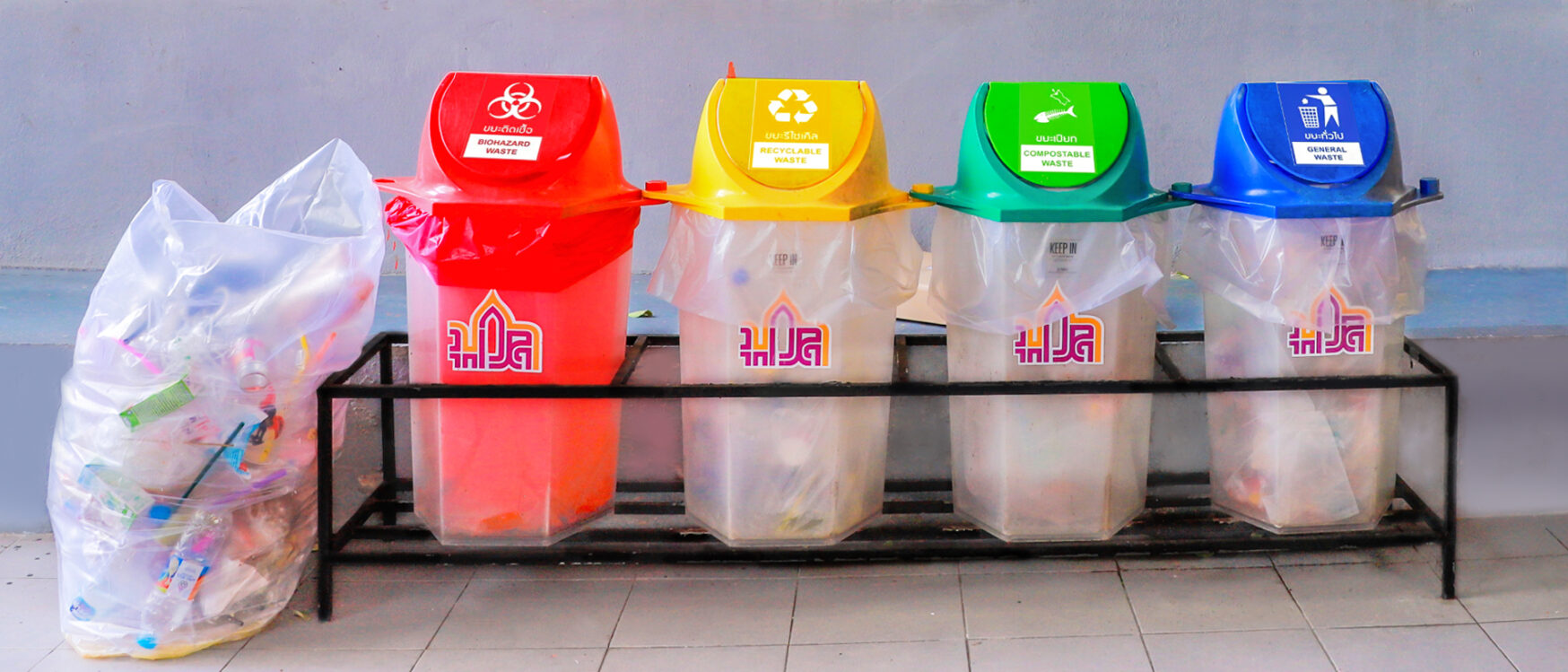
3. Waste will be sorted into the following categories:
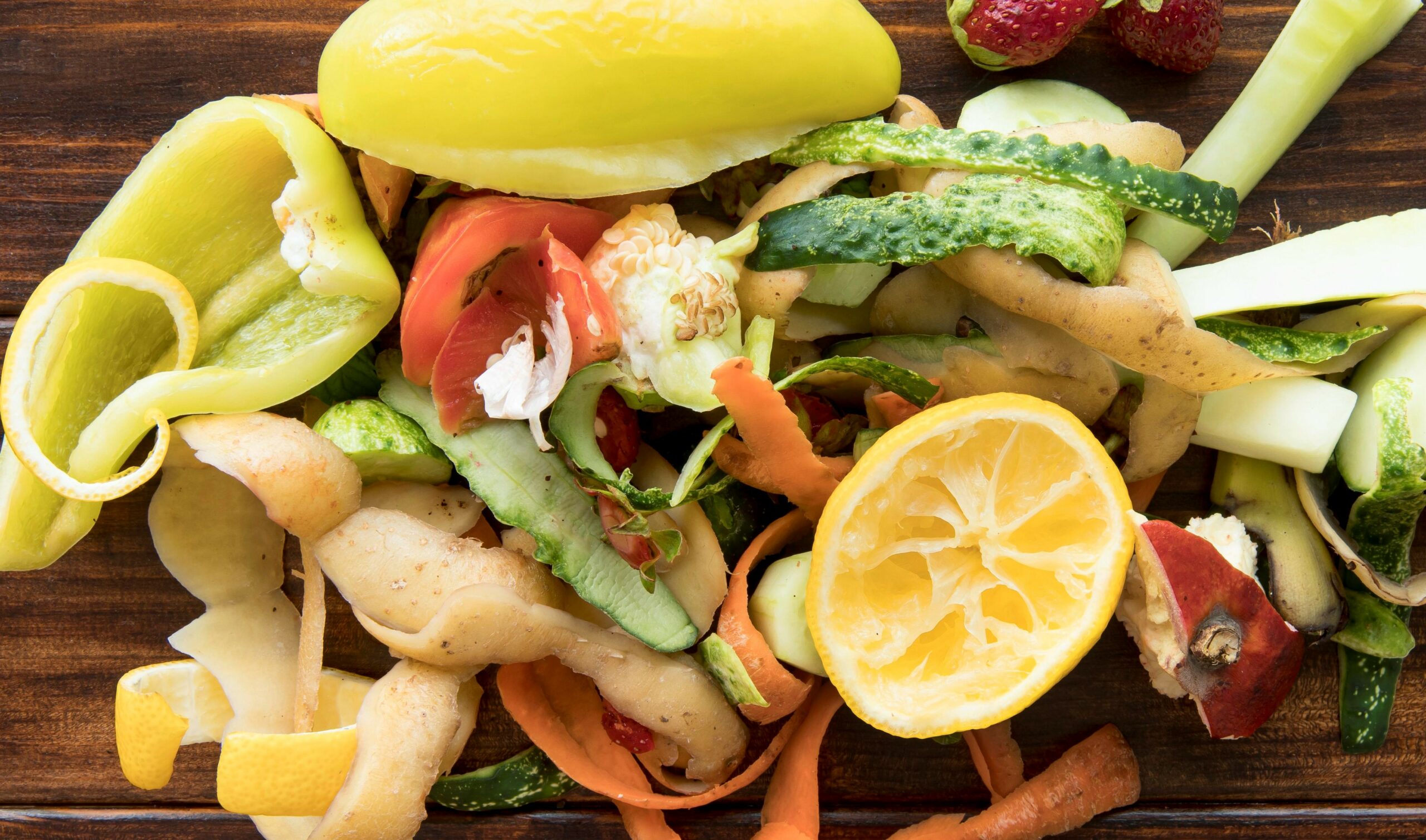
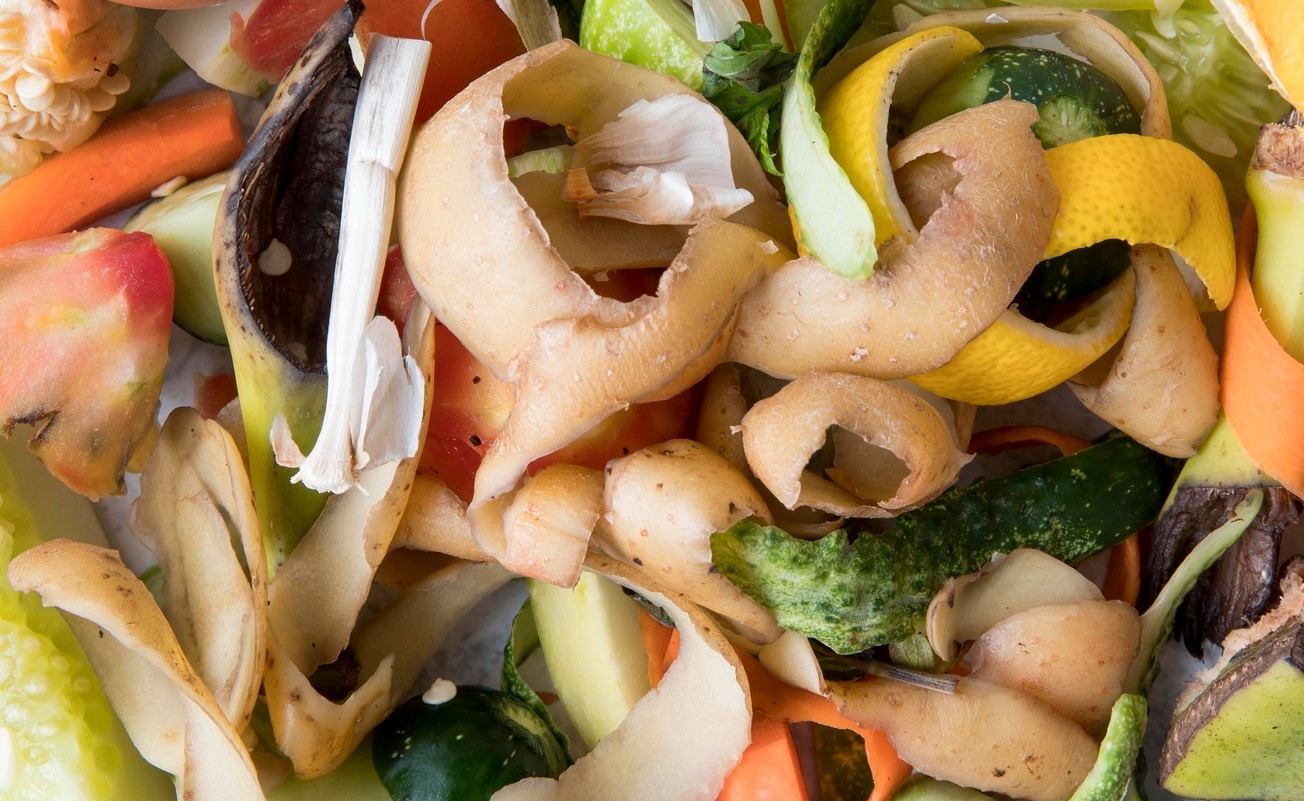
- Composable waste means waste that can be compostable and used as compost when it decays, e.g., vegetable scraps, food scraps, and animal remains.
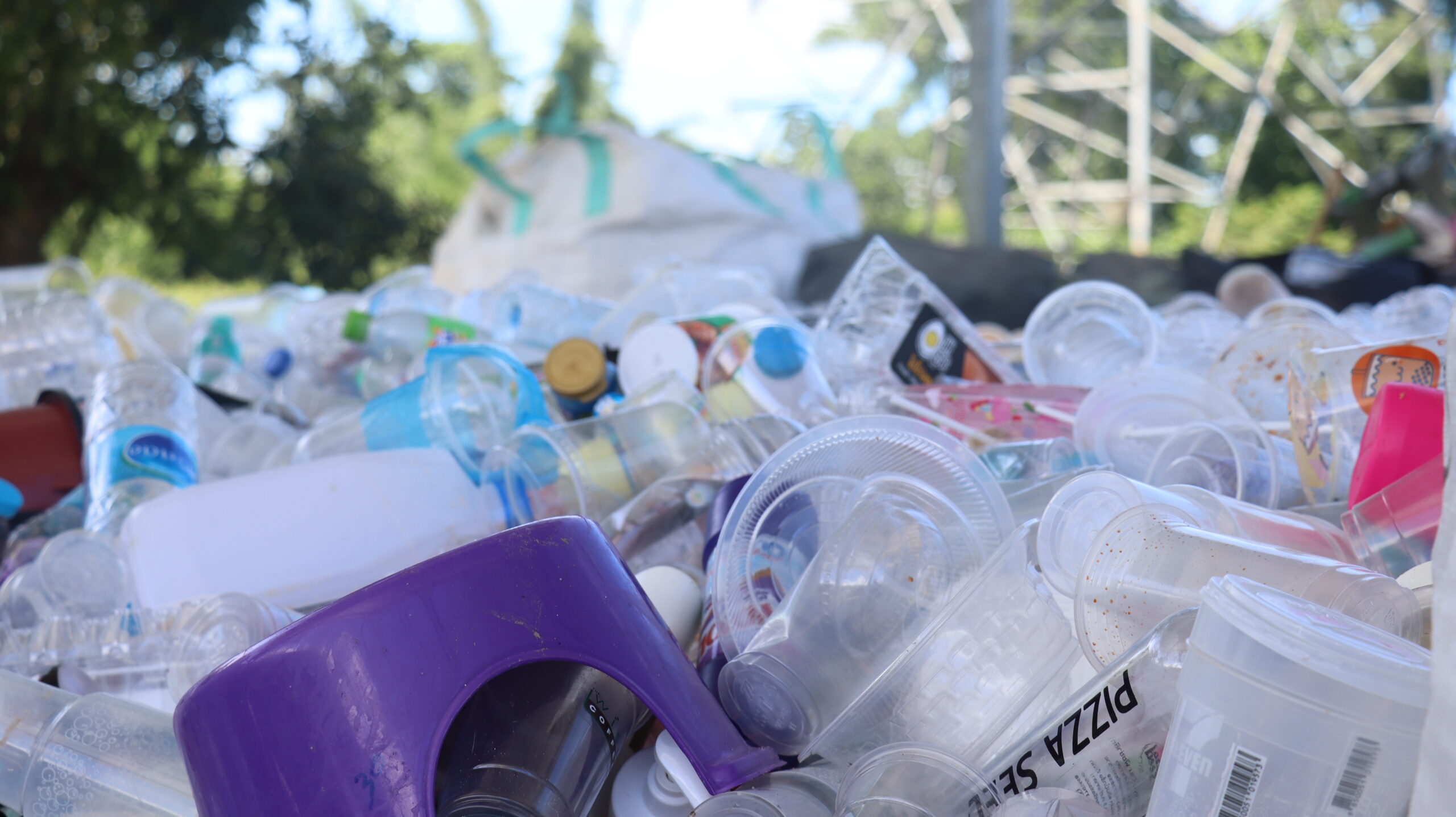
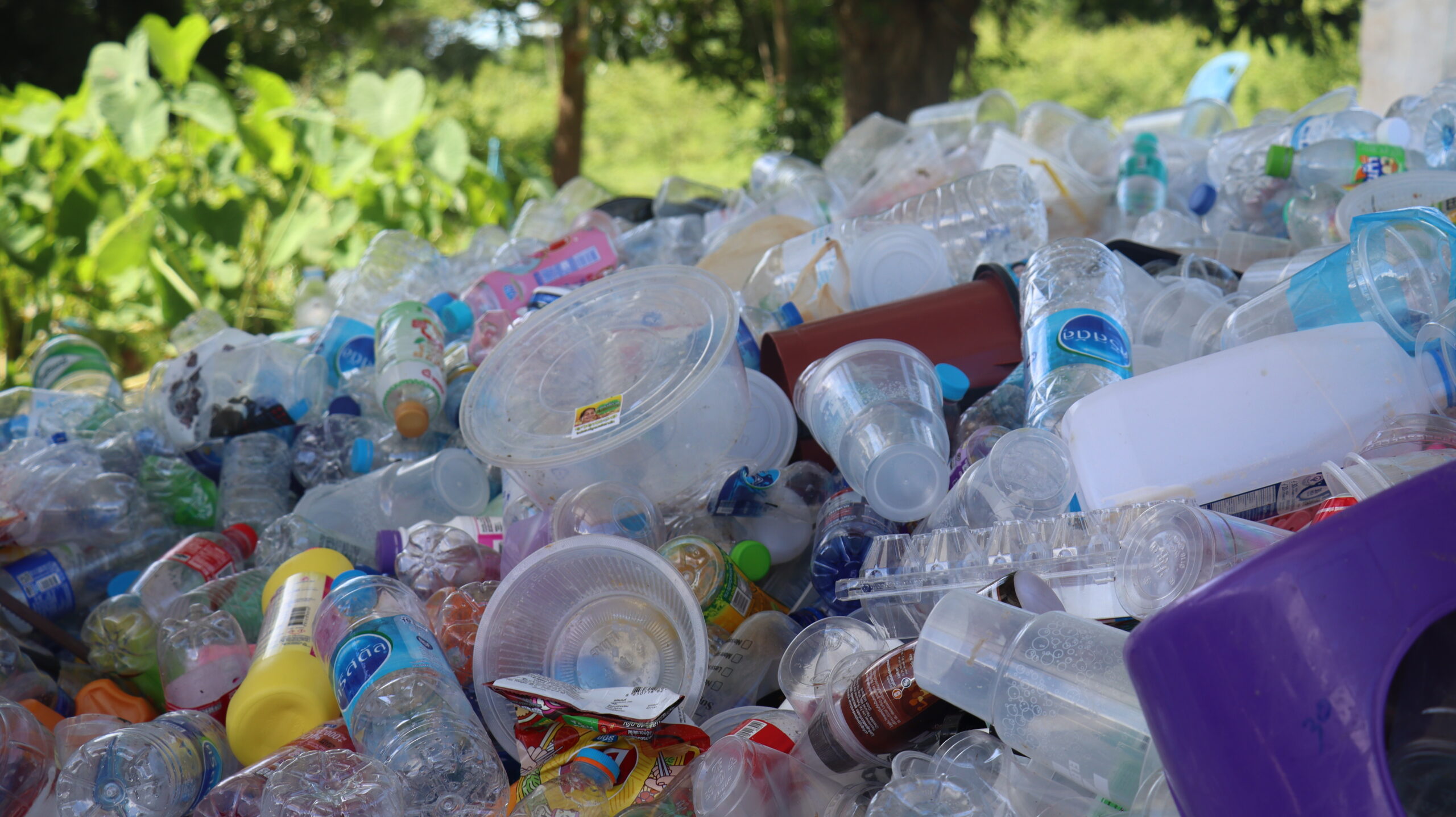
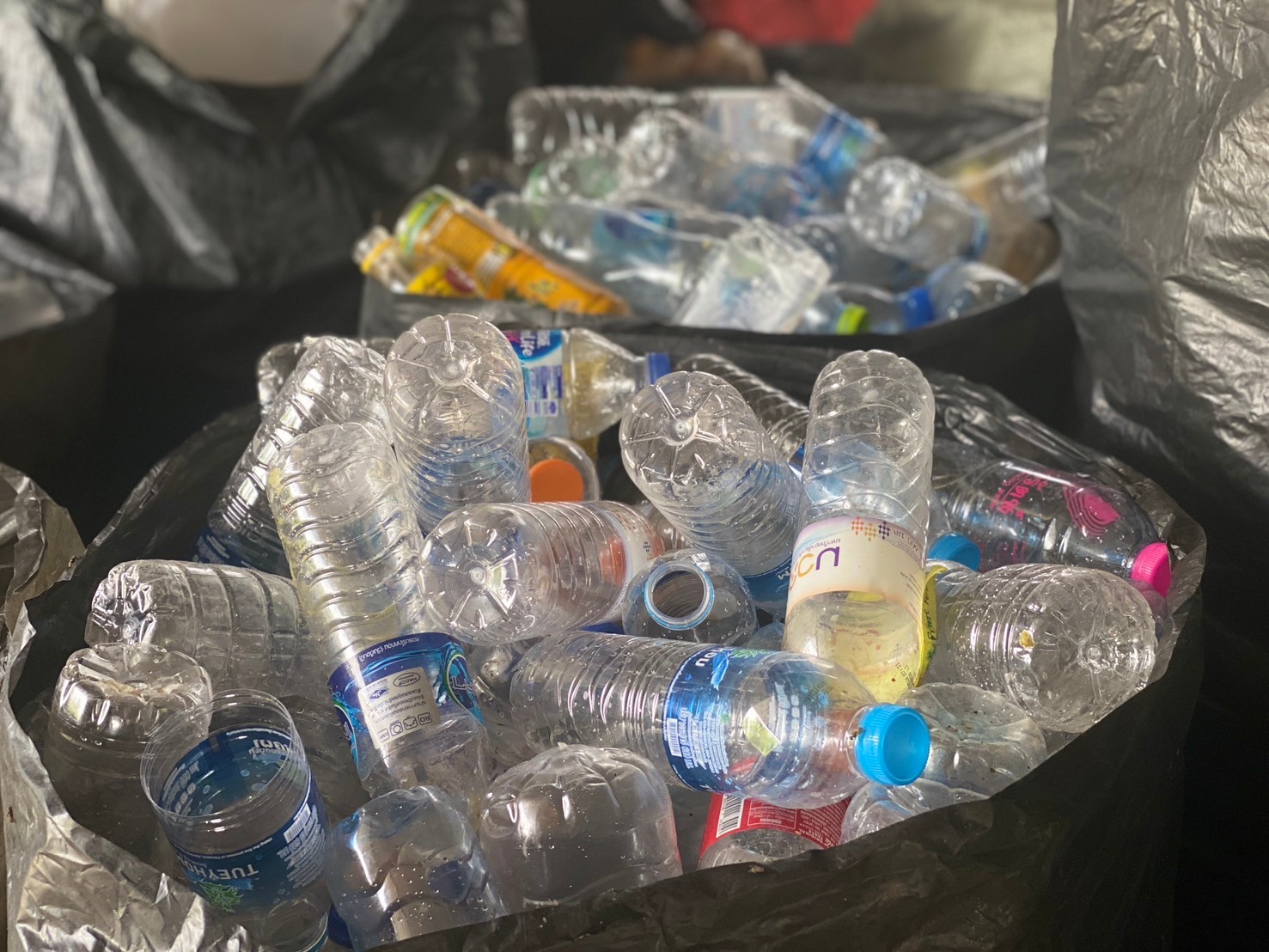
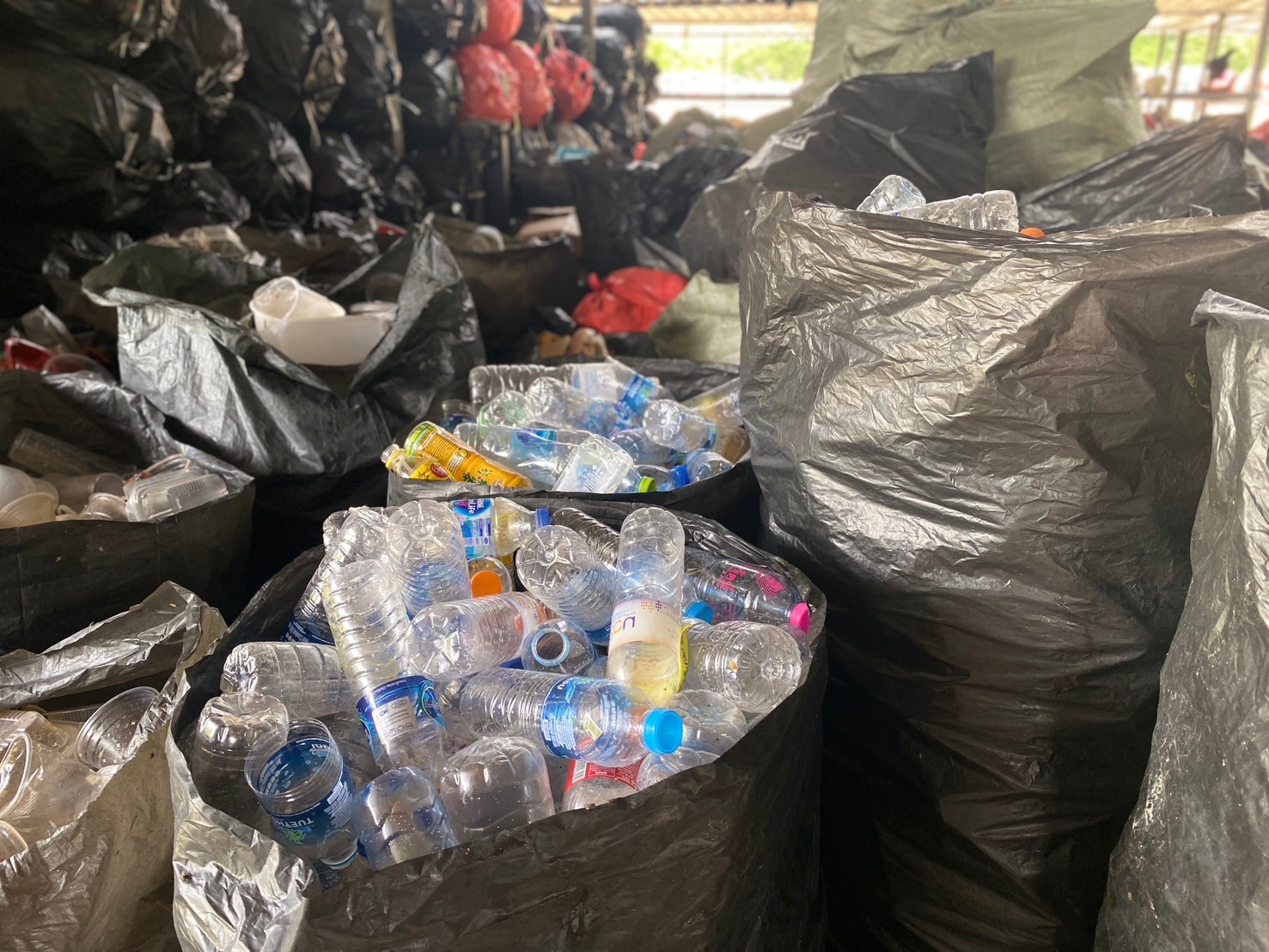
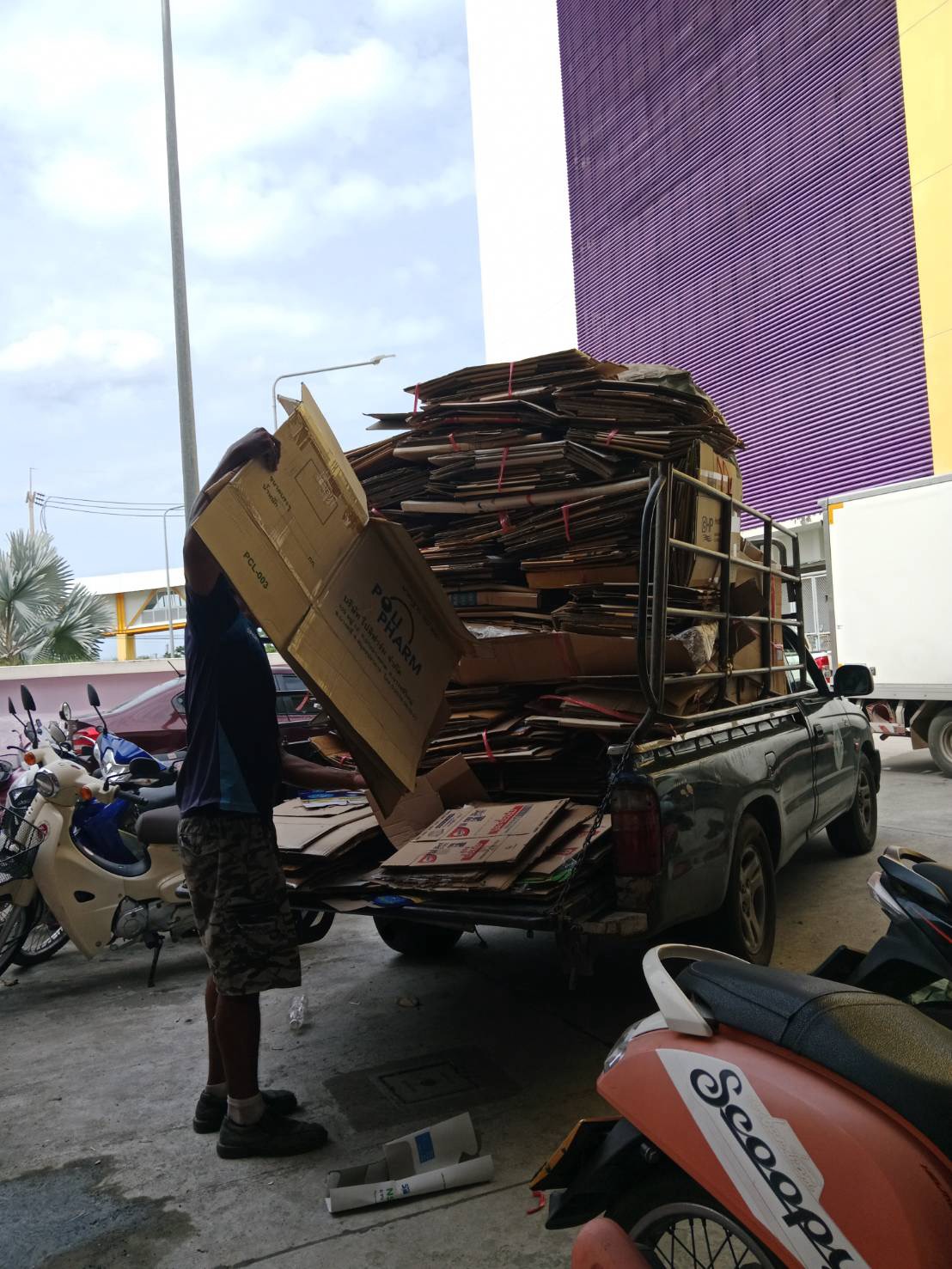
- Recycled waste means waste that can be processed into products, materials, and substances, e.g., plastic scraps, glasses, and papers.
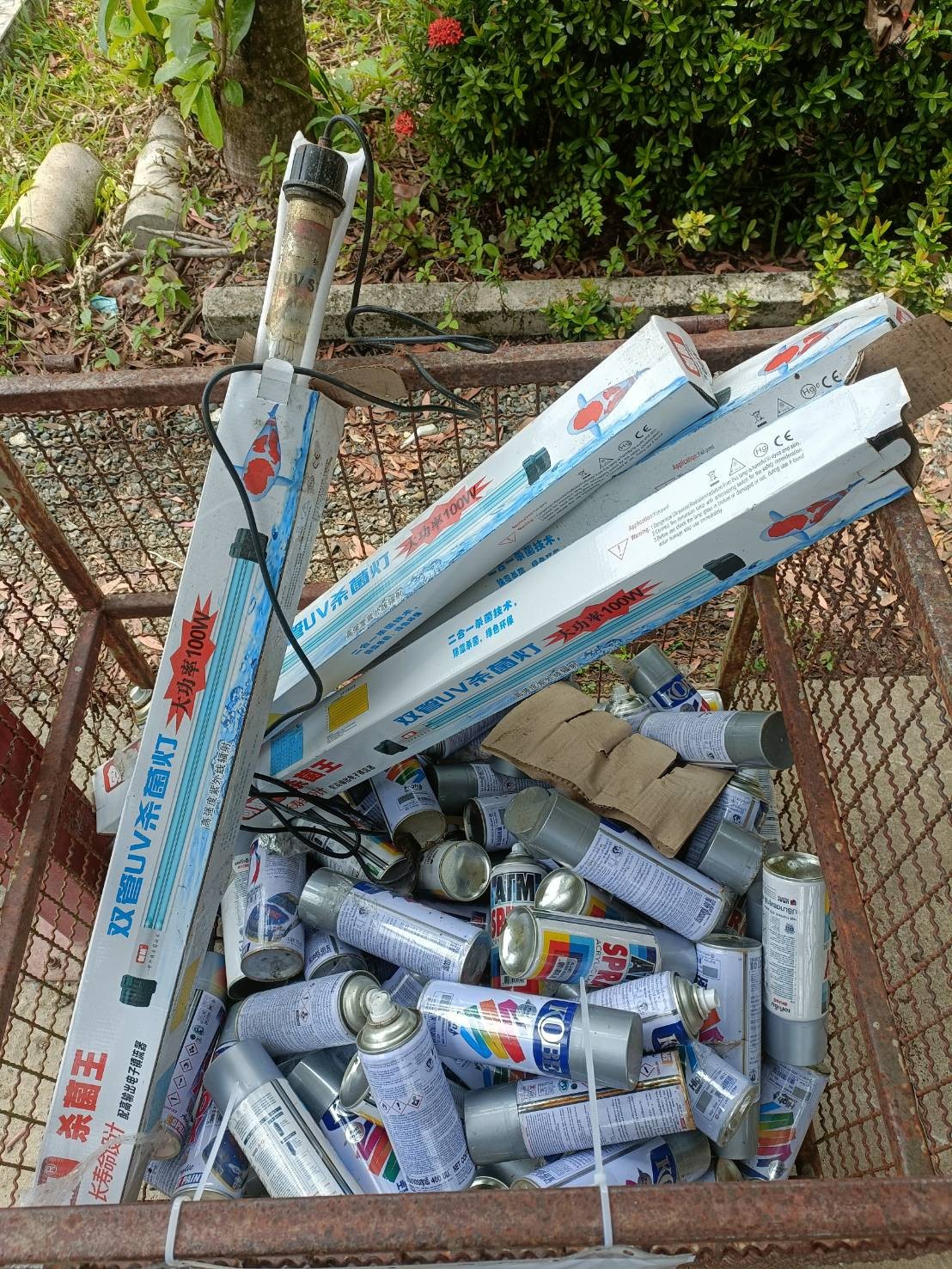
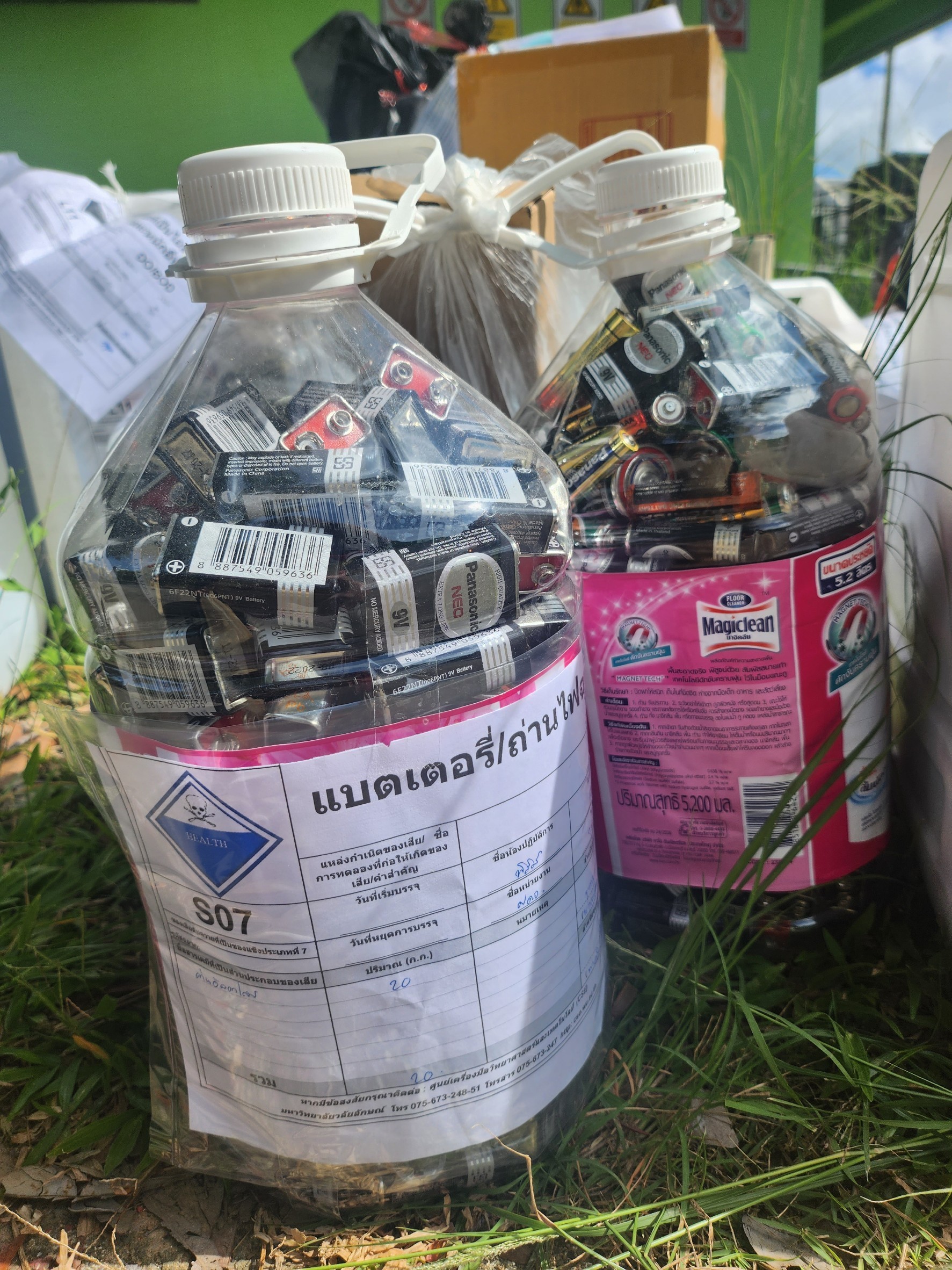
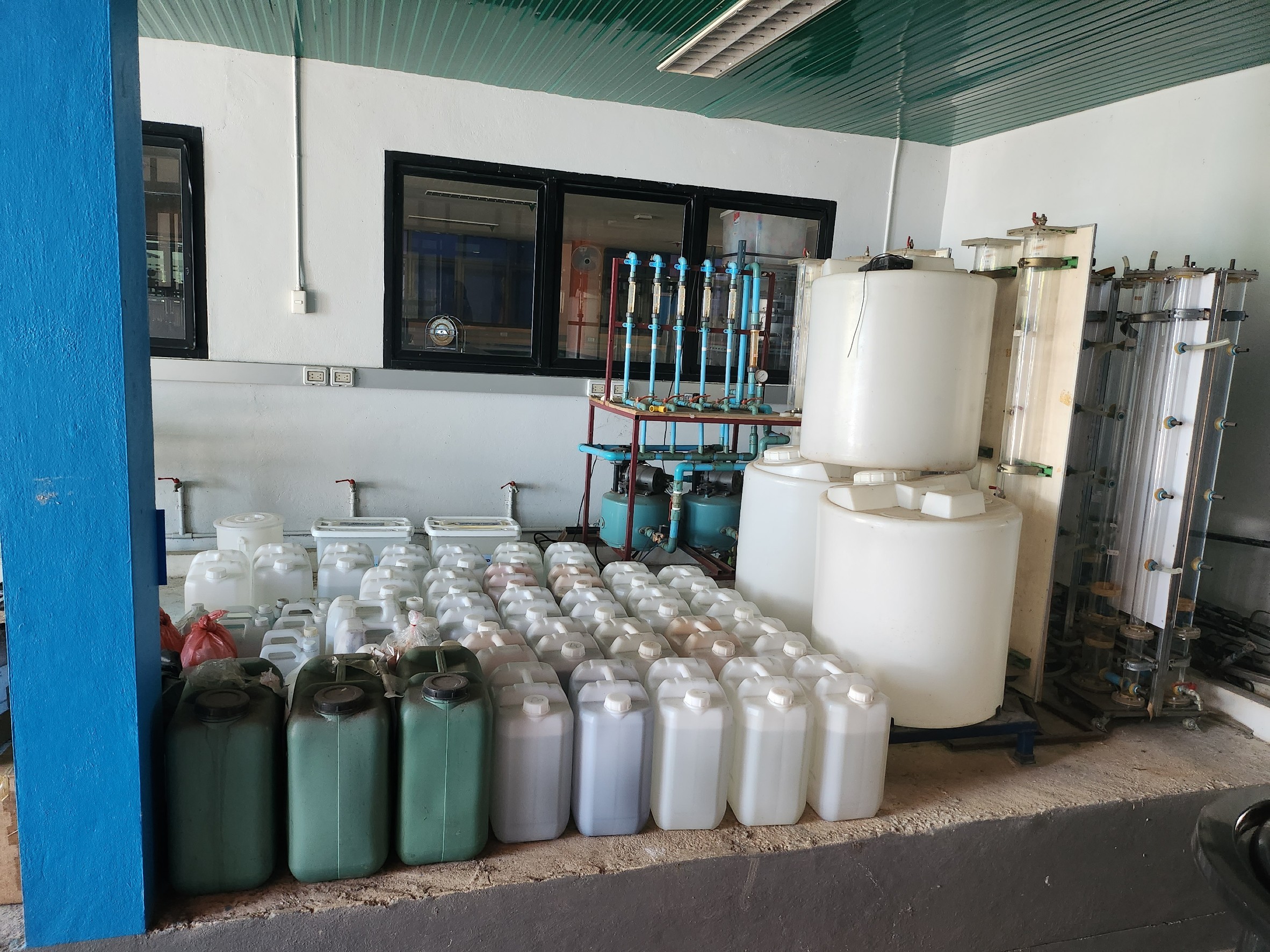
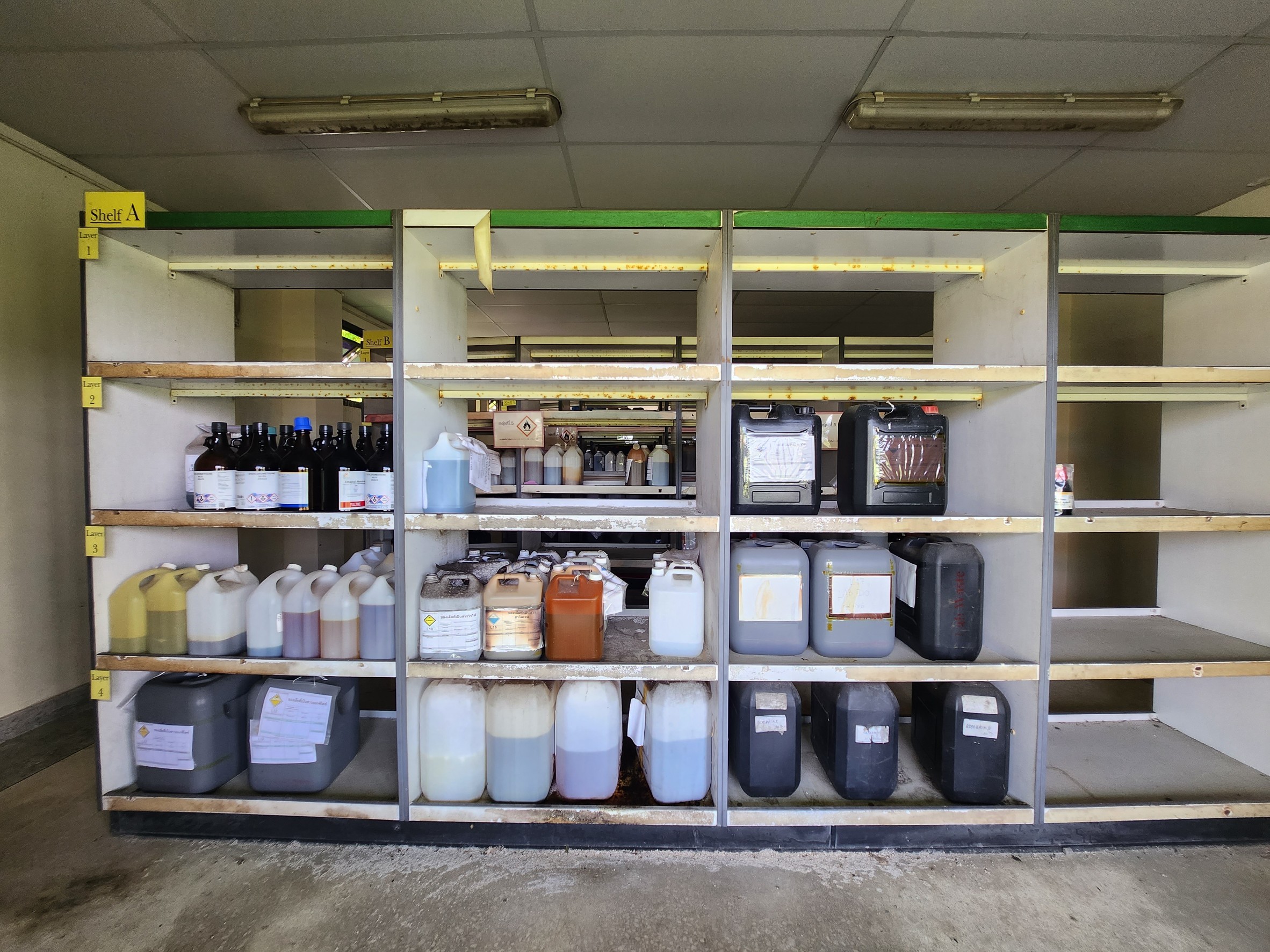
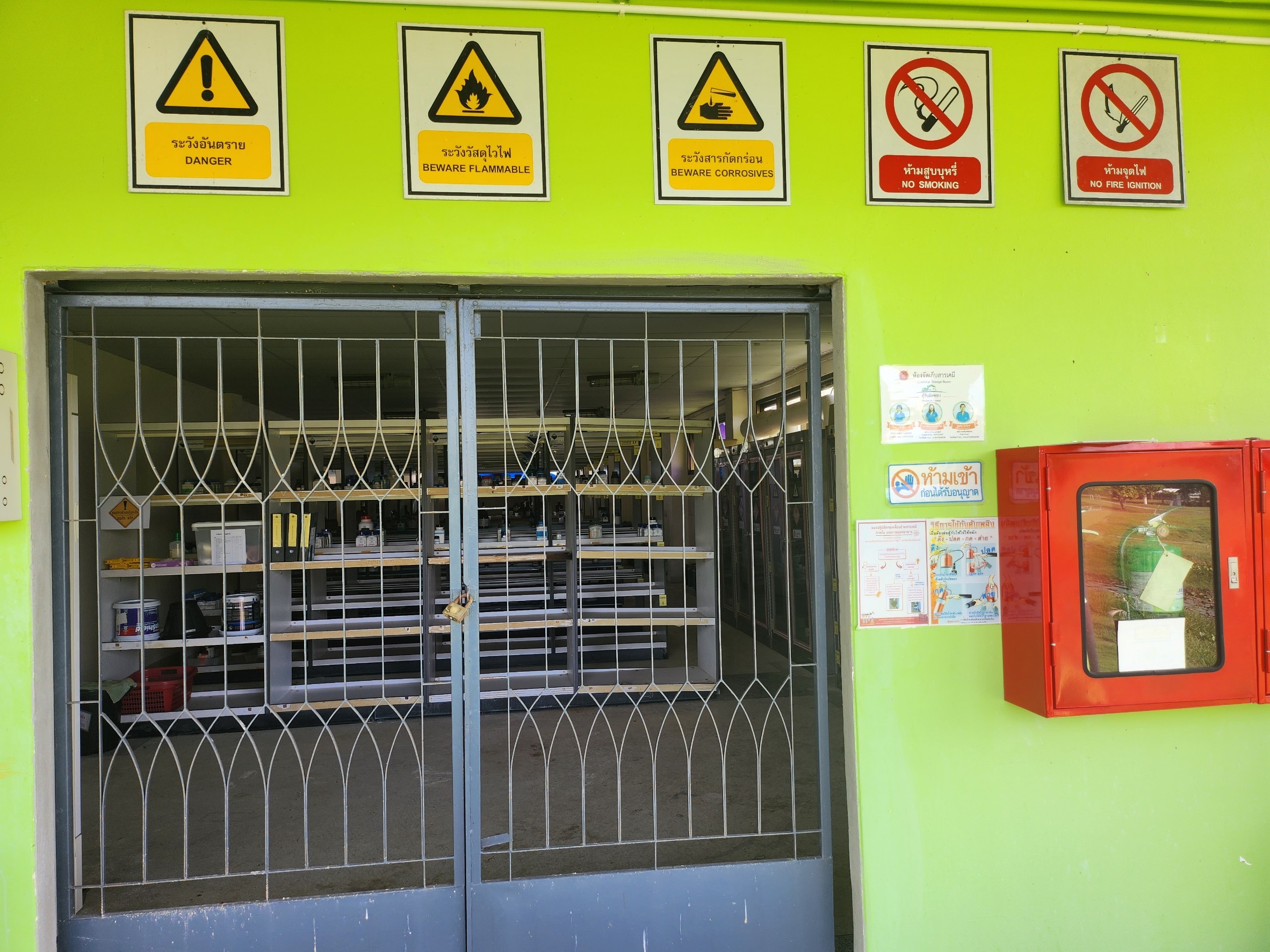
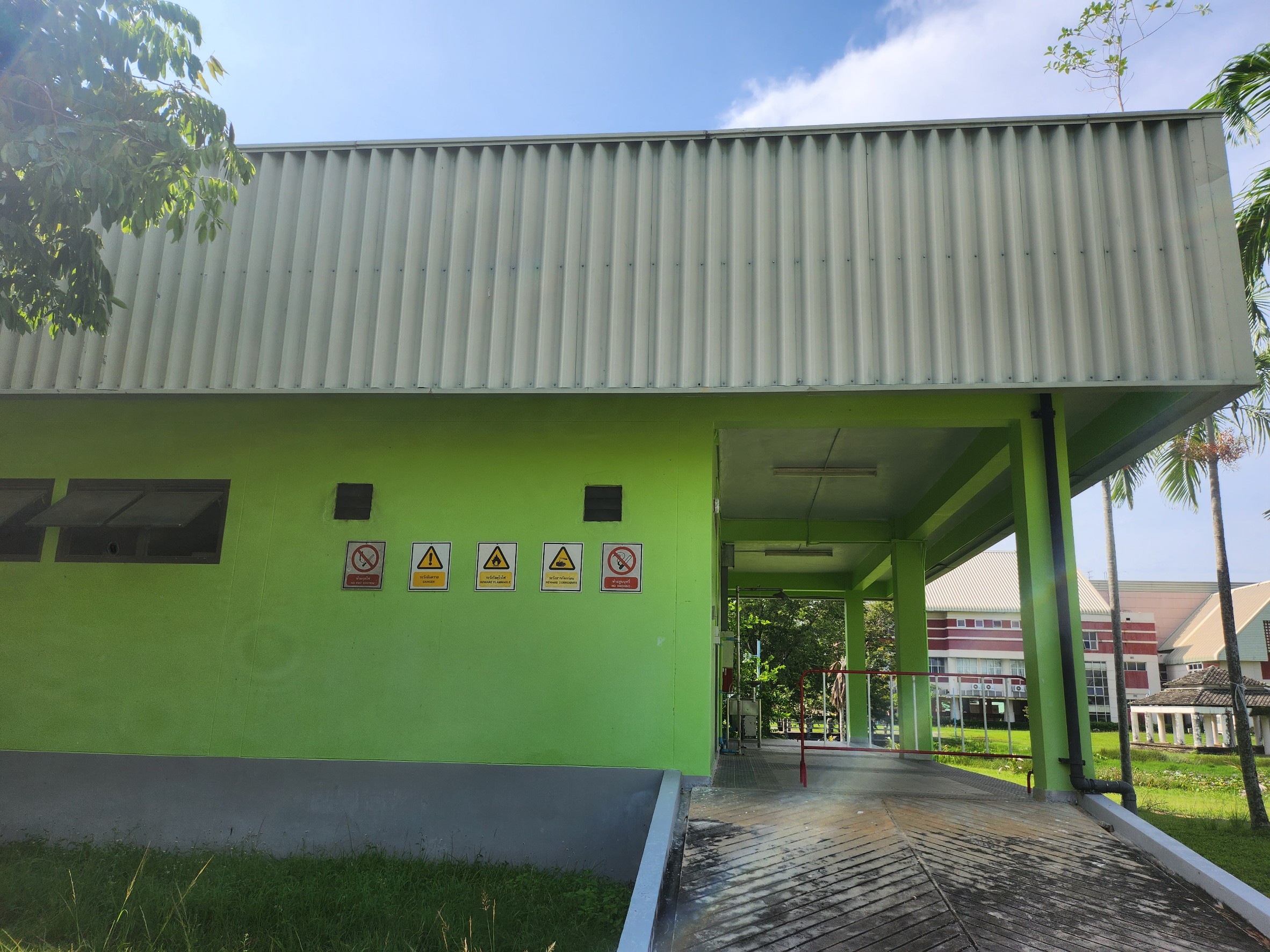
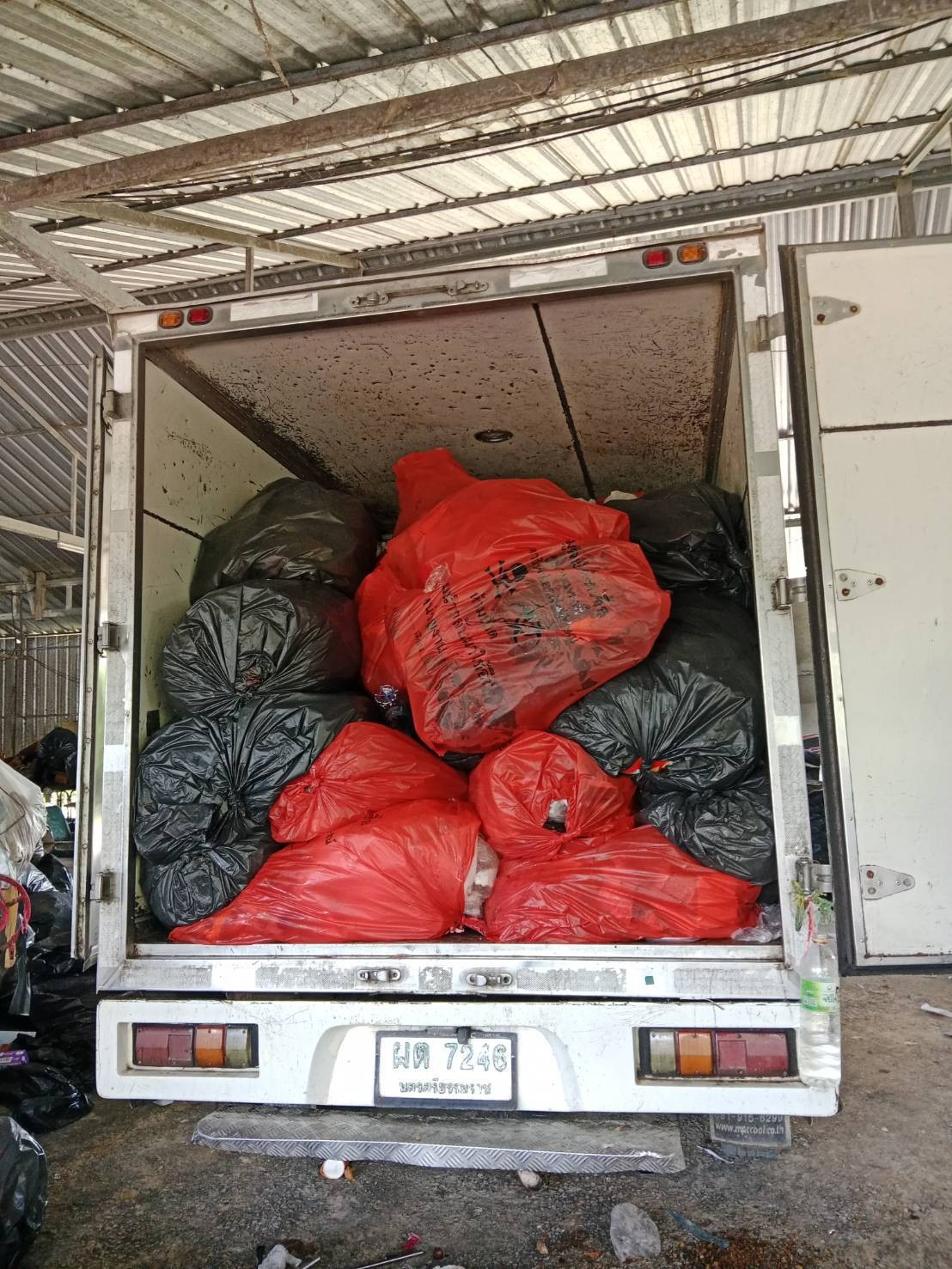
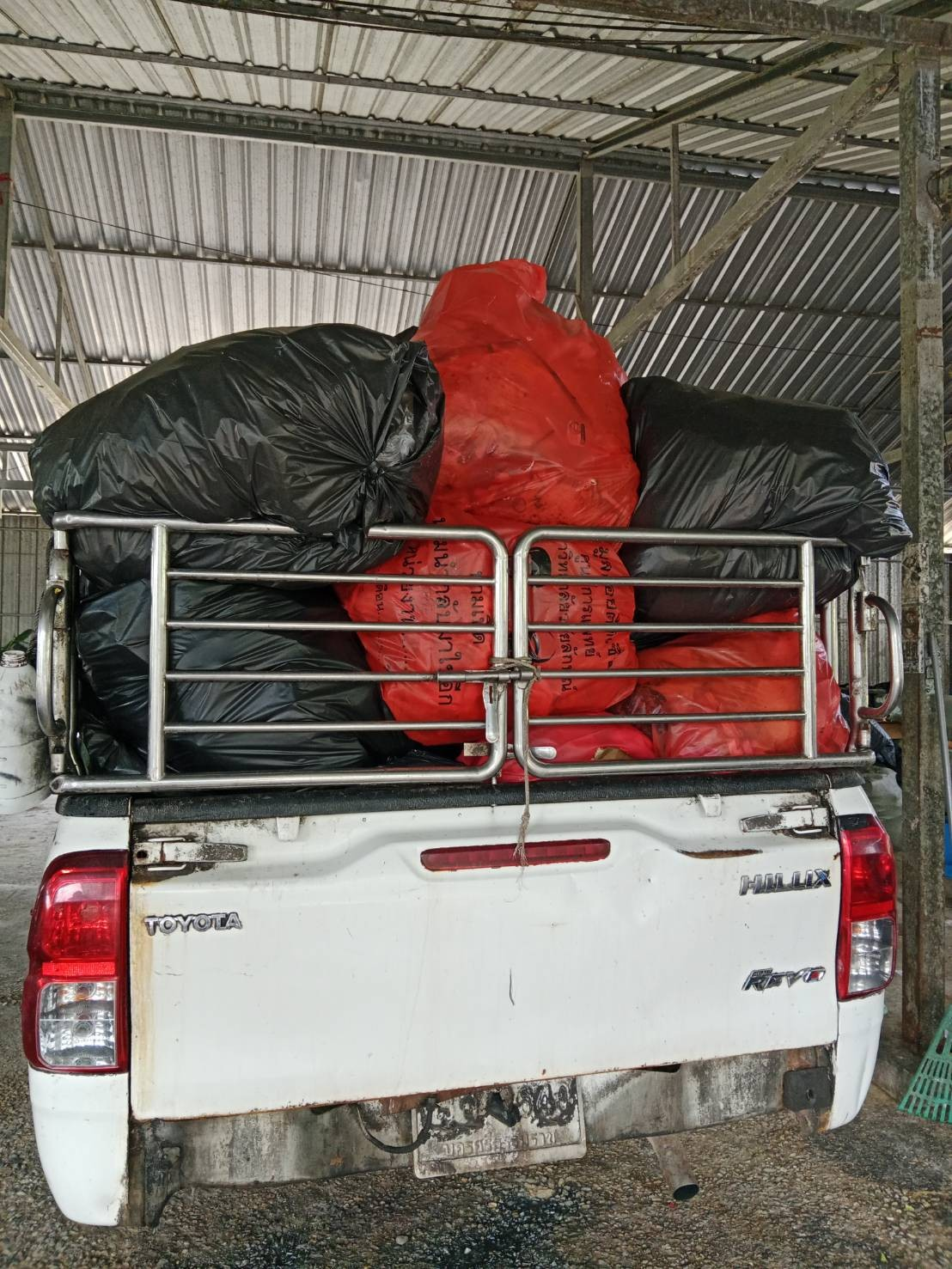
- Hazardous waste means waste that is composed or contaminated with substances, secretions, or chemicals such as aerosol cans, engine oil bottles, toilet cleaner bottles, nail polish bottles, etc.
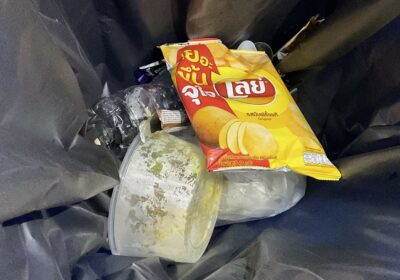
- General waste means other types of waste with properties that are difficult to decompose and not qualified to be reused, such as instant noodle sachets, candy shells, candy bags, plastic bags, etc.
4. WU shall strengthen the collaboration in research and innovation and technology development to efficiently manage waste and hazardous waste for sustainability.
5. WU shall integrate knowledge of waste and hazardous waste management in textbooks and classroom lessons to raise awareness of sustainability and create a corporate culture to actively take social and environmental responsibility.
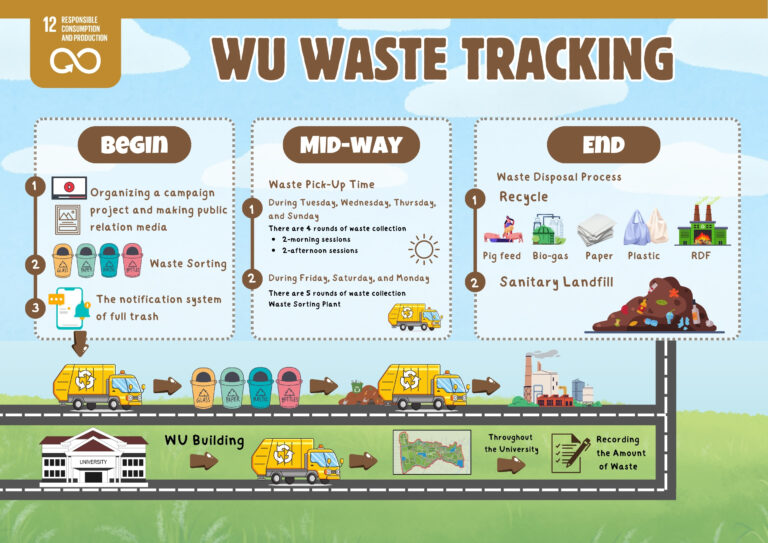
1. Waste Management at the Source:
(1) Implementing awareness campaigns and producing VDO materials to promote waste prevention, raise awareness, and educate users on the importance of waste reduction. This also includes publicizing the proper methods for separating and disposing of various types of waste.
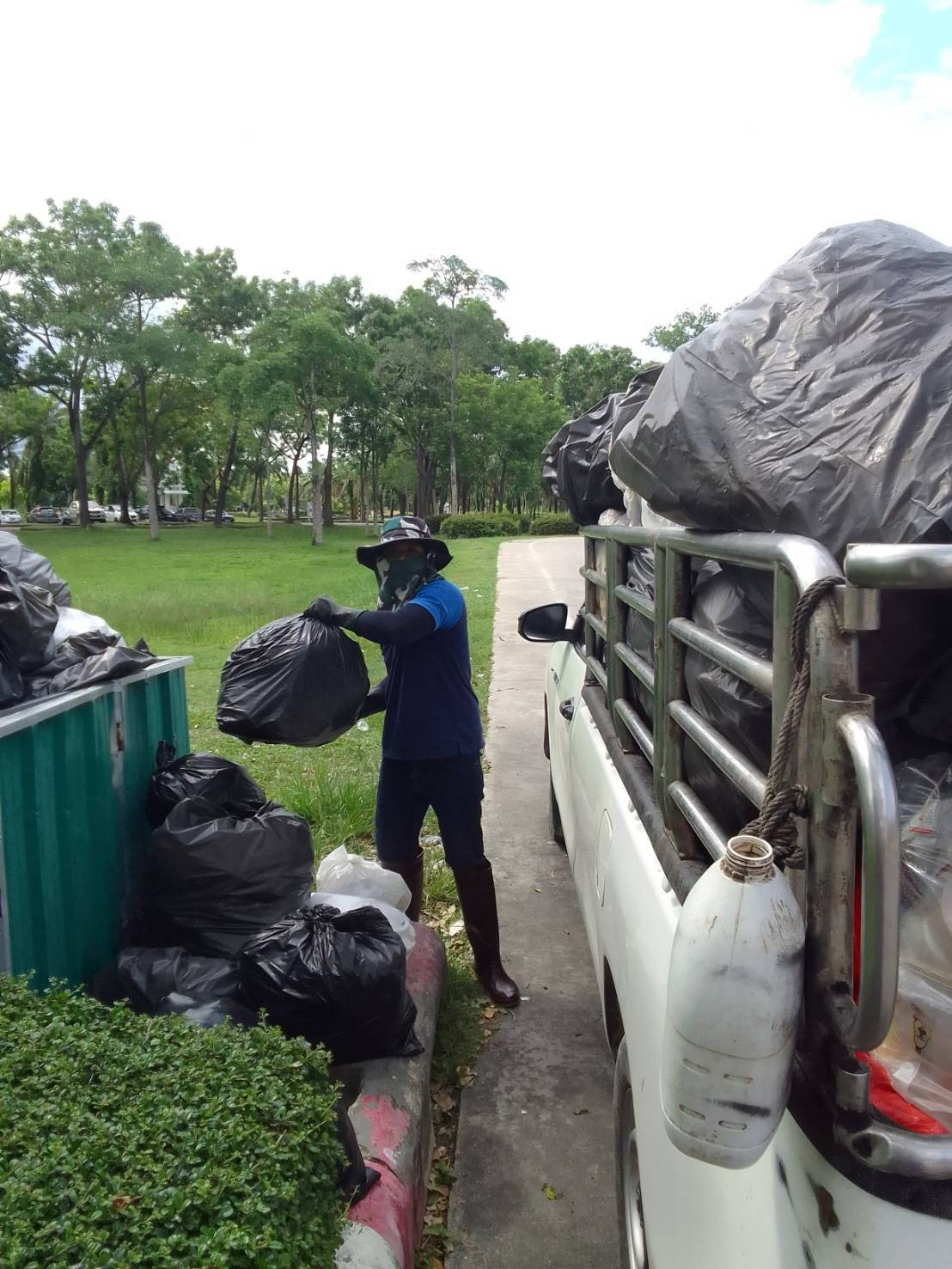
(2) Sorting waste according to labeled signs and color-coded bins, which include green bins for compostable waste, blue bins for general waste, red bins for hazardous waste, and yellow bins for recyclable waste. These bins are placed at designated areas in all university buildings, helping to foster awareness of waste separation and reduce the time required for staff to manually sort the waste.
2. Intermediate Waste Management
3. Final Waste Management
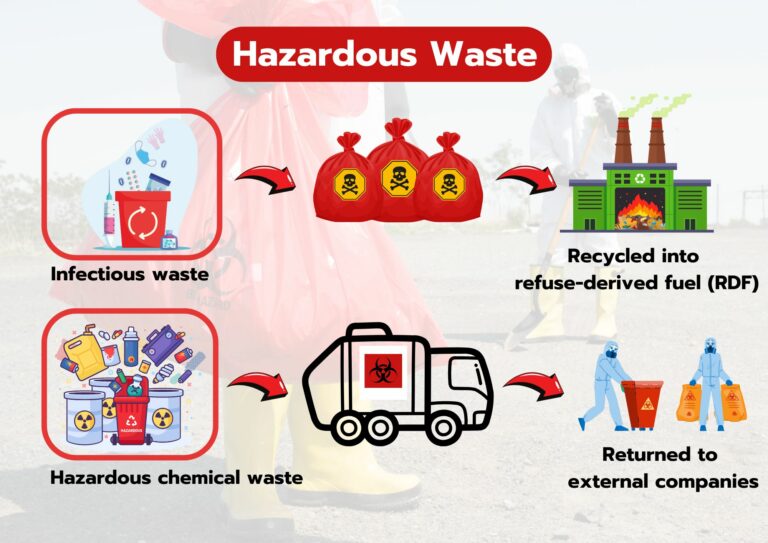
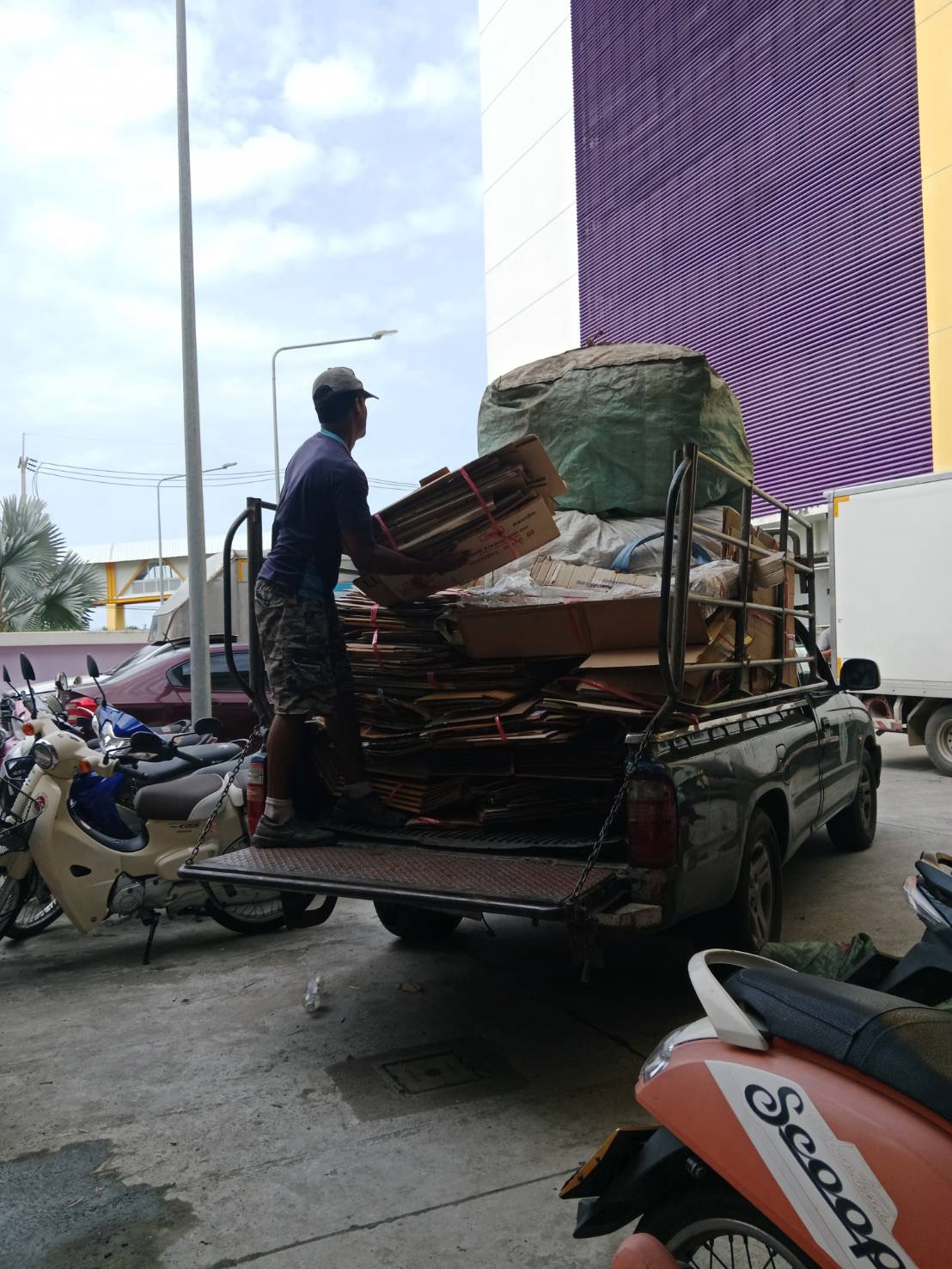
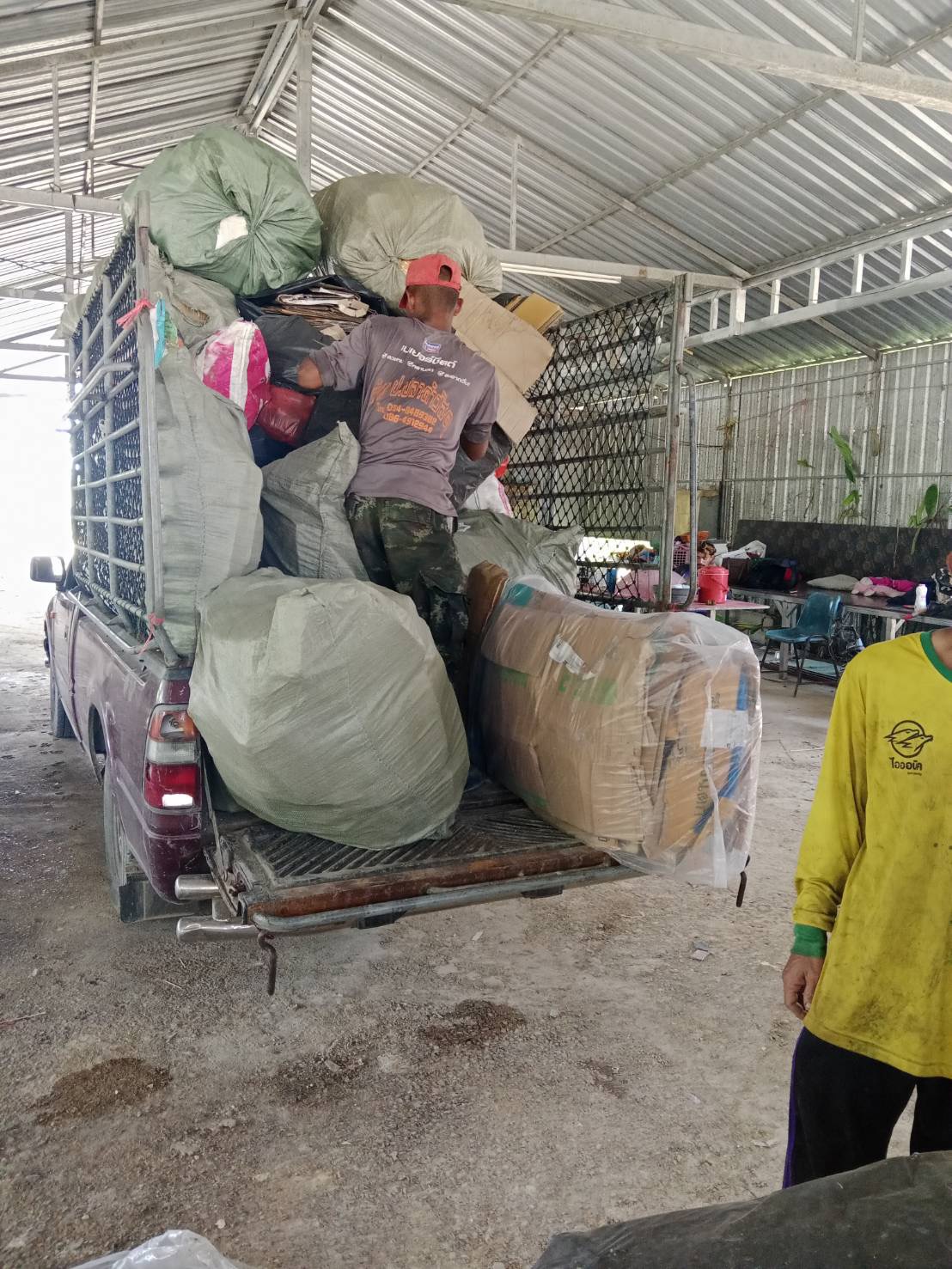
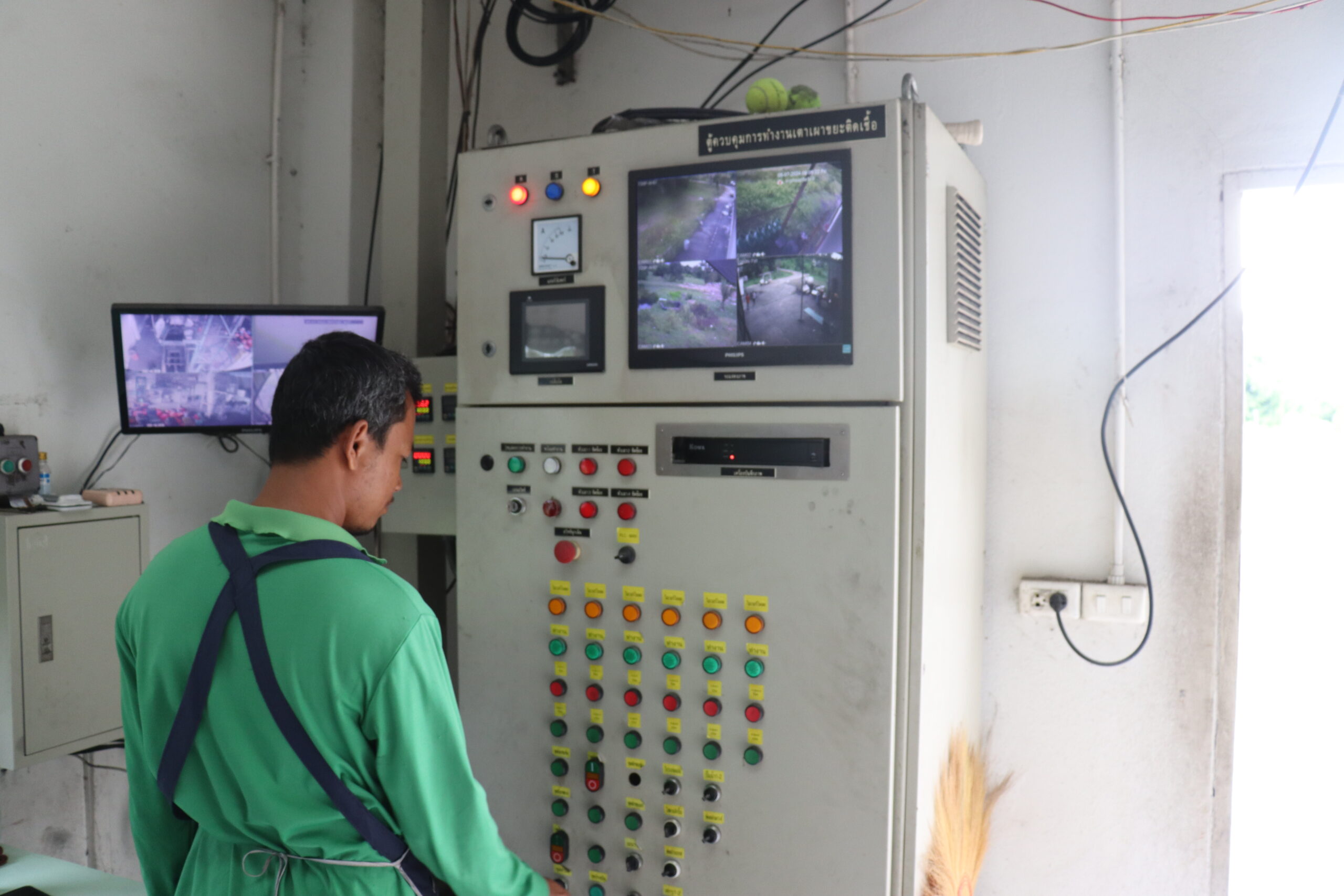
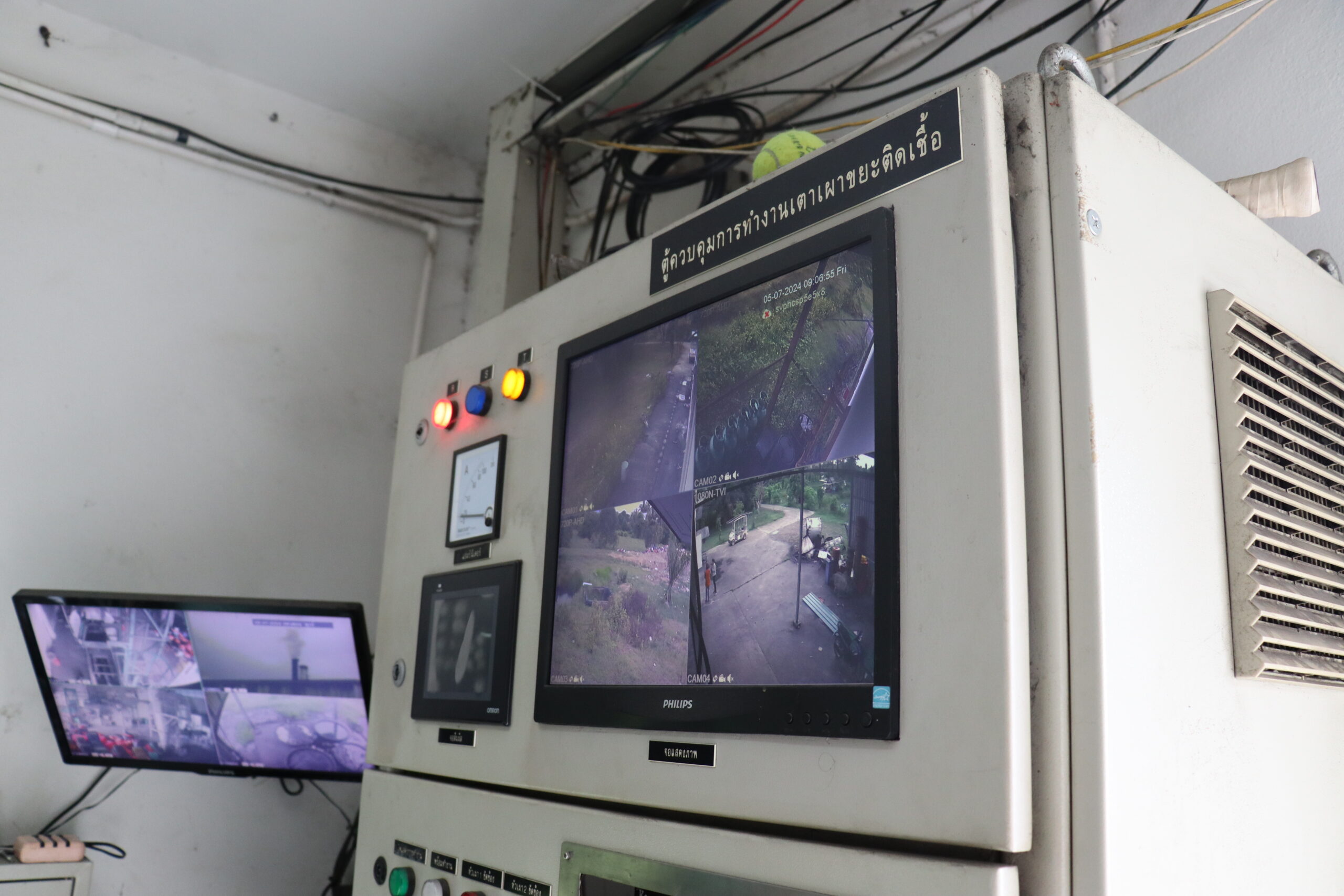
3.1 Waste that can be reused, such as paper, glass, and plastic, is recycled and sold to the university’s waste bank. Organic waste is reused as animal feed within the university. General waste, which is difficult to decompose or uneconomical to recycle, as well as combustible waste, is recycled into refuse-derived fuel (RDF).
3.2 Non–hazardous waste that cannot be reused will be disposed of through proper sanitary landfill methods.
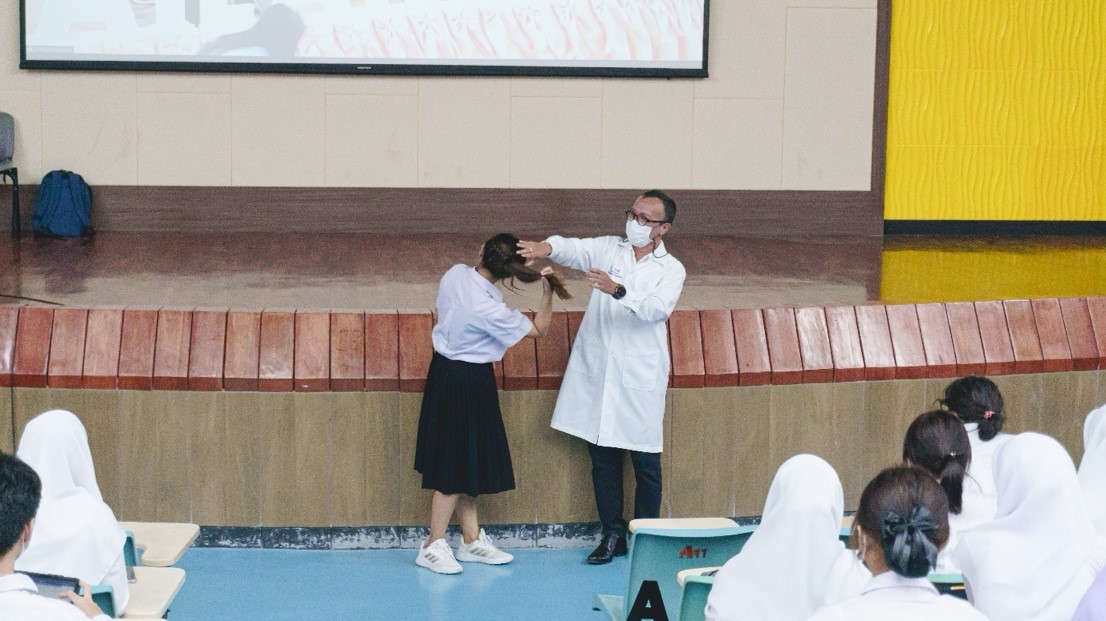
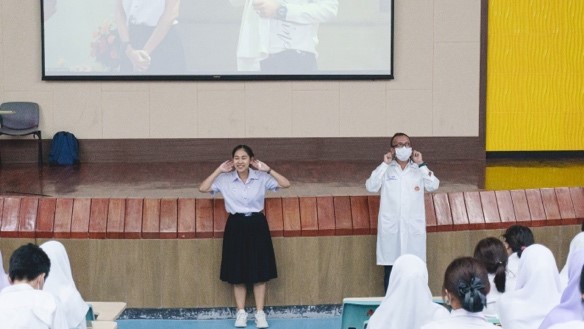
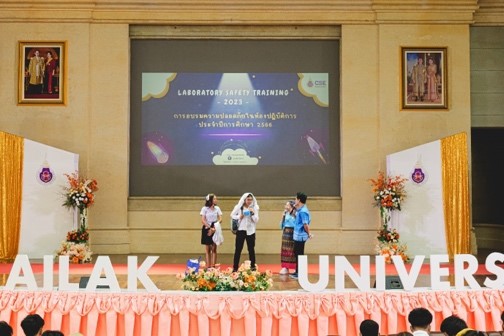
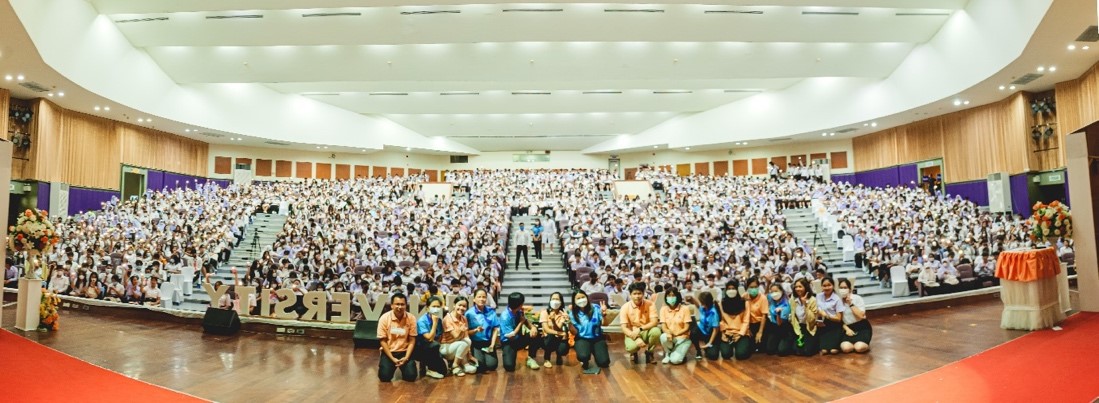
Additionally, Walailak University organizes annual safety training activities for students and staff, covering laboratory safety protocols. These include general practices for chemical handling, microbiological work, the use of laboratory animals, protocols for personal accidents, fire safety procedures, and the use of safety tools and personal protective equipment (PPE). The training aims to provide basic guidelines for individuals working in laboratories, to reduce risks and prevent accidents. Moreover, the training enhances understanding and skills for safe laboratory practices.
Figures: The Laboratory Safety Training Activities for Students and Staff

Goal 12: Responsible Consumption and Production