
Walailak University Extends Sustainable Consumption and Plastic Minimization Policies to Suppliers by 2023
Walailak University has implemented policies, regulations, and measures aimed at reducing the use of plastics and single-use packaging. These guidelines extend to outsourcing suppliers, including vendors supplying goods, equipment, and materials, as well as food vendors and external individuals operating in food centers or shops on the university premises. The policy also applies to suppliers of office equipment and those contracted by the university for the construction of buildings and infrastructure on campus. This policy was reviewed in 2023 from policy titled Walailak University Announcement on the Policy to Reduce Single-Use Plastic Waste at Walailak University, initially established in 2019. The reviewed policy was implemented as a practical guideline and has been actively enforced throughout the year 2023.
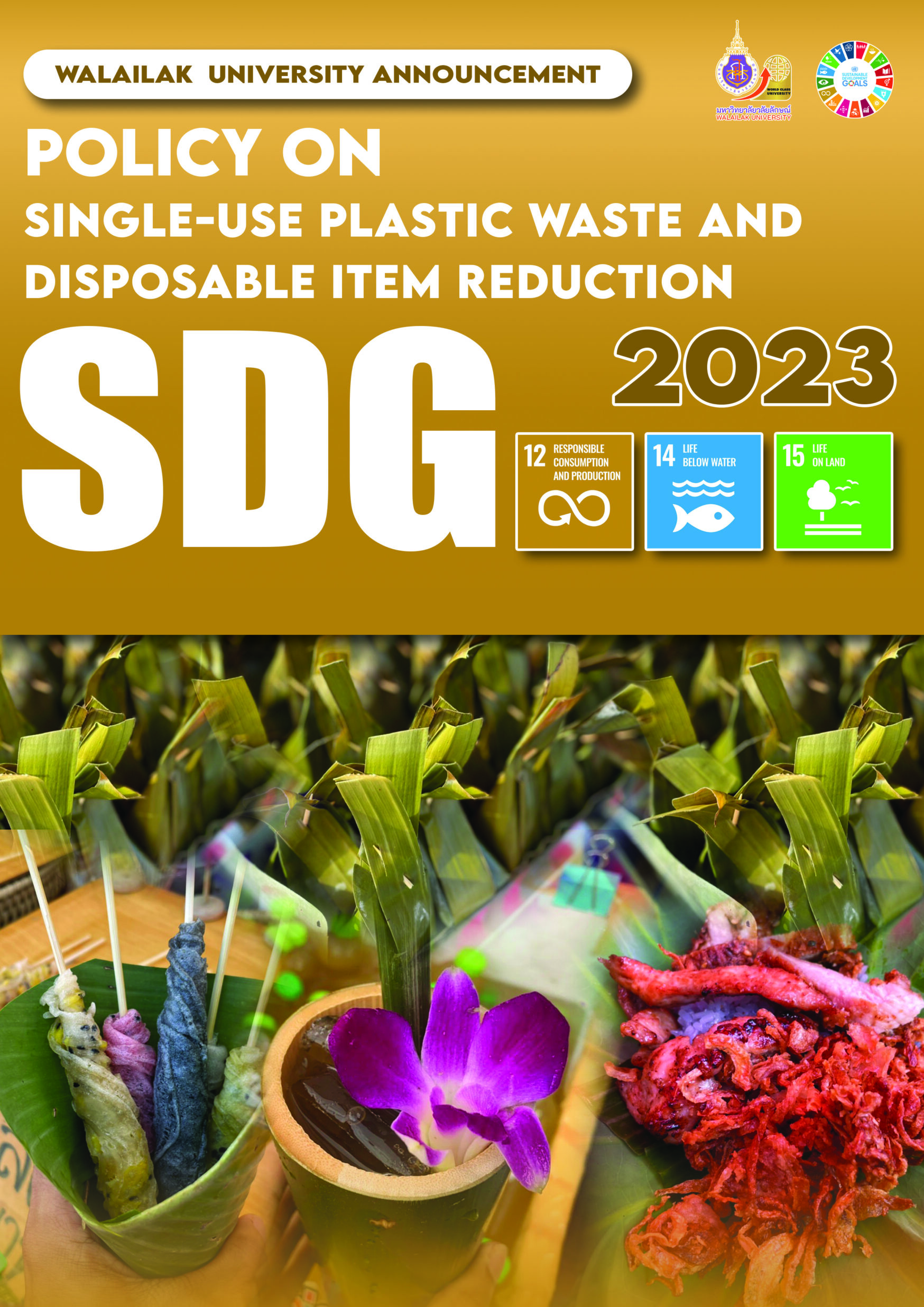
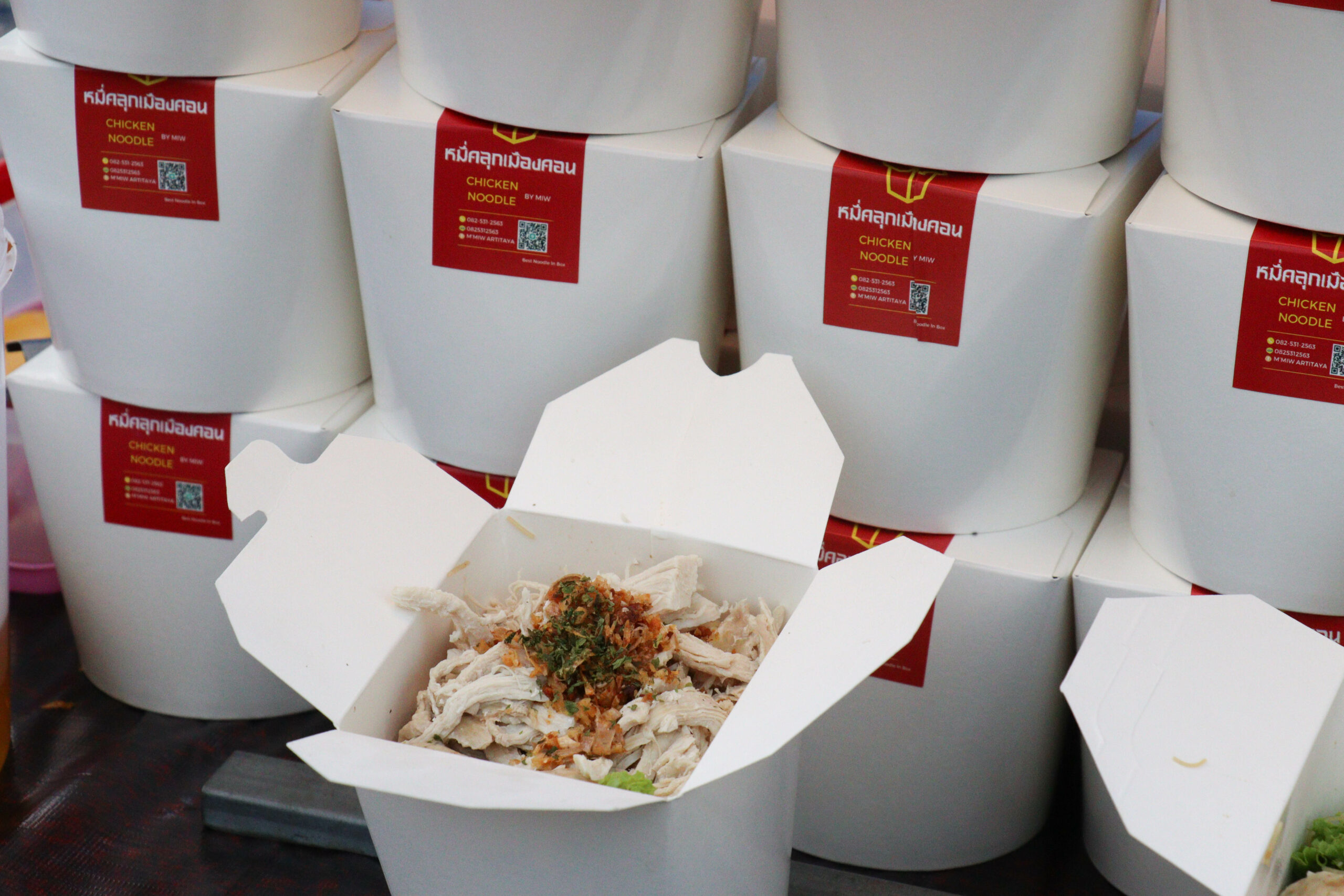
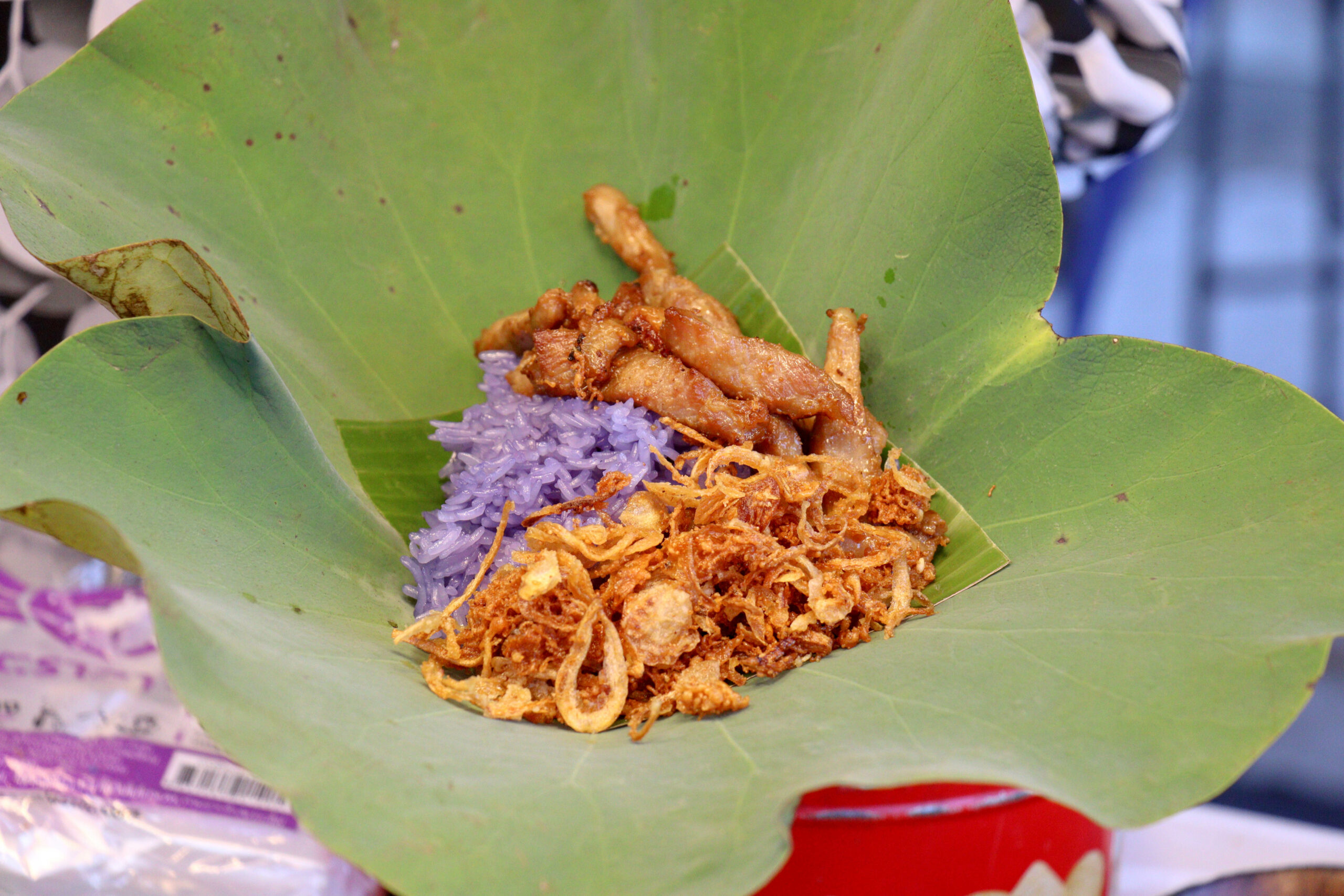
1. Vendors, operators, or outsource suppliers are required to stop giving out free plastic bags with handles. For ready-to-eat cooked meals, vendors must use recycled plastic bags, biodegradable plastic, or paper bags.
2. Foam boxes (synthetic containers) and degradable plastic bags are no longer permitted for use by vendors, operators, or outsourced suppliers.
3. Vendors are required to switch from single-use plastic cups to either bioplastic-coated paper cups or reusable cups.
4. A discount is offered by vendors for customers who bring their reusable cups when purchasing beverages.
5. Vendors are asked to reduce the distribution of single-use plastic utensils (e.g., forks, spoons, and straws), only provided upon customer request.
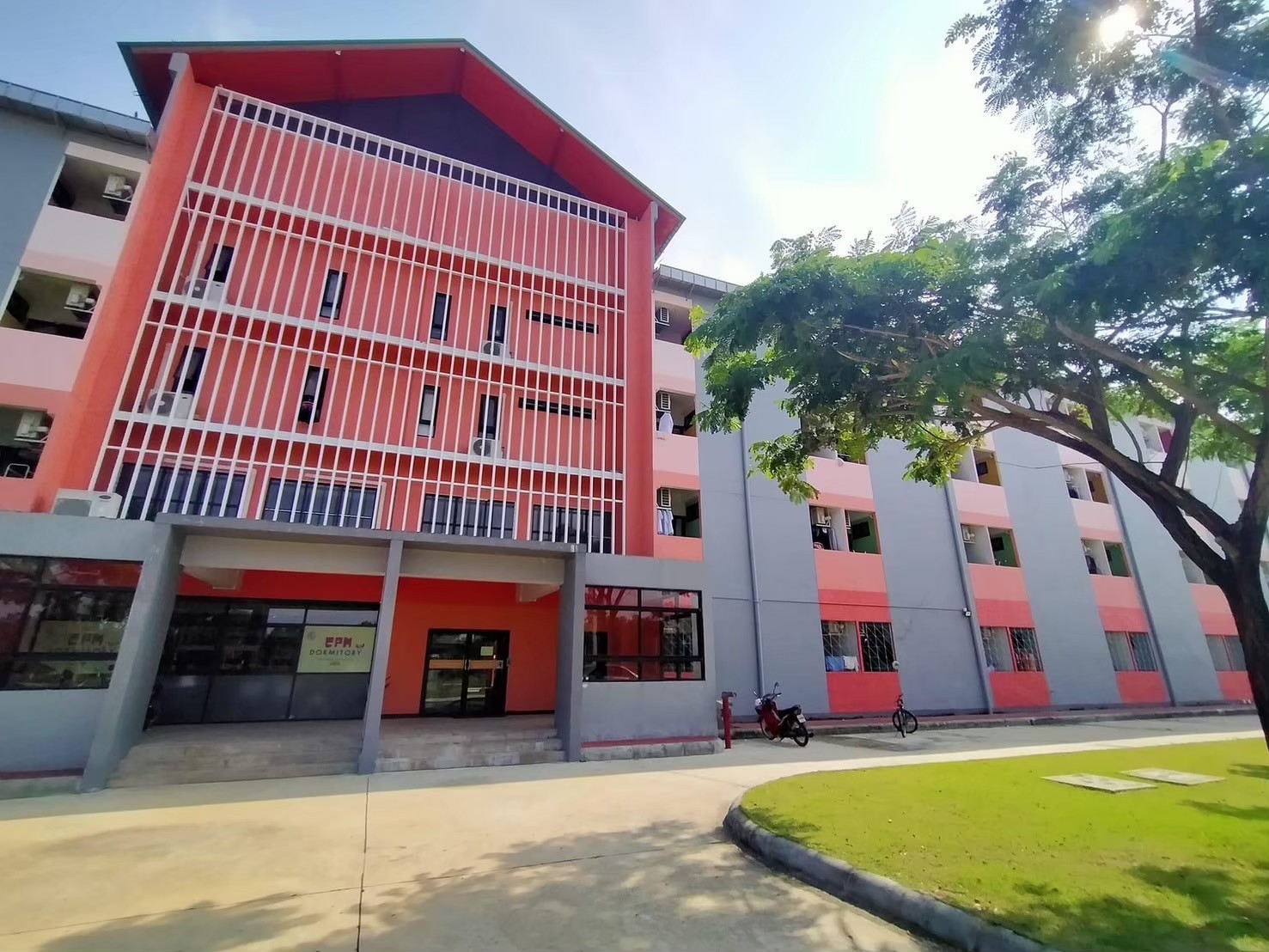
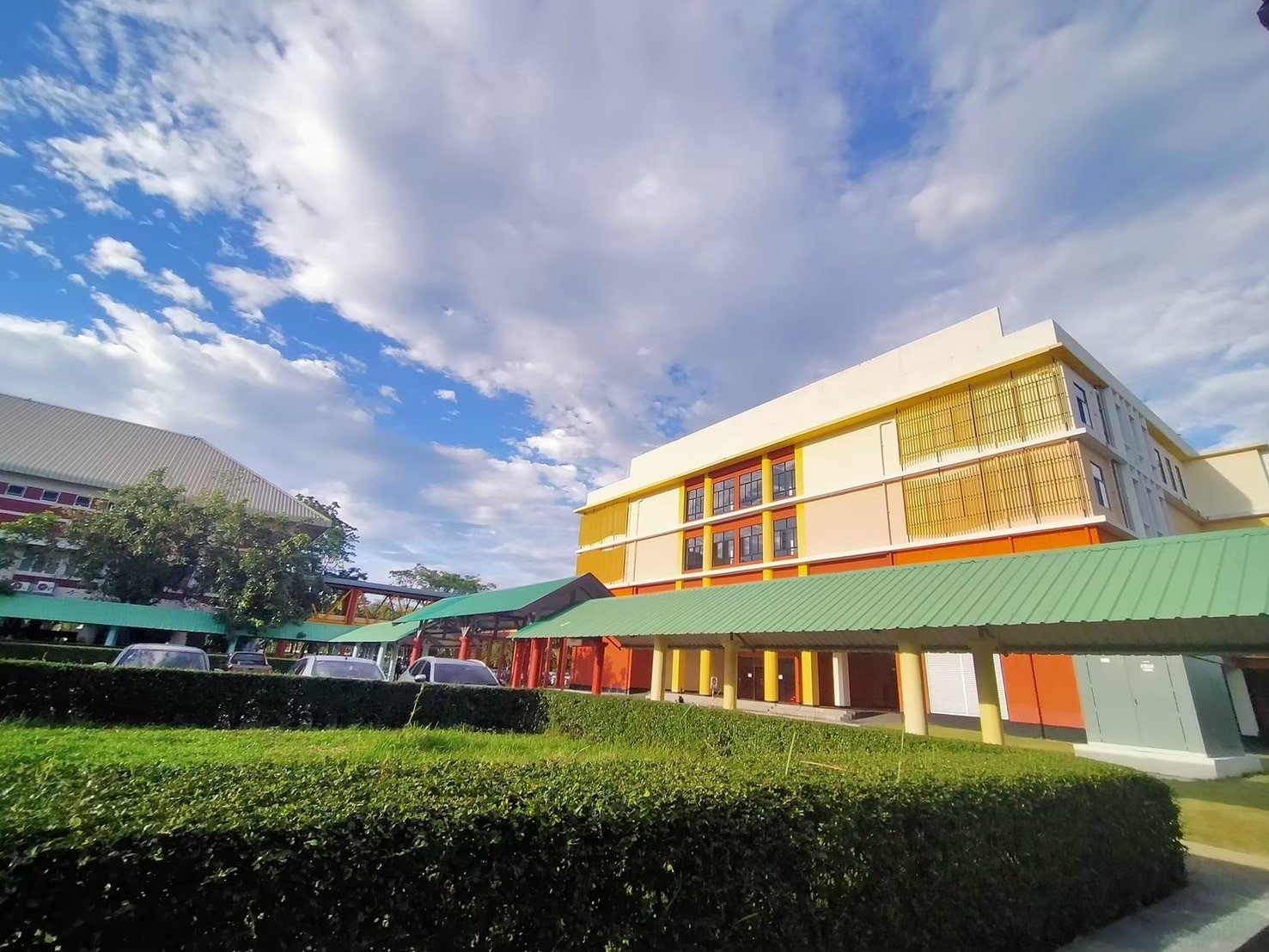
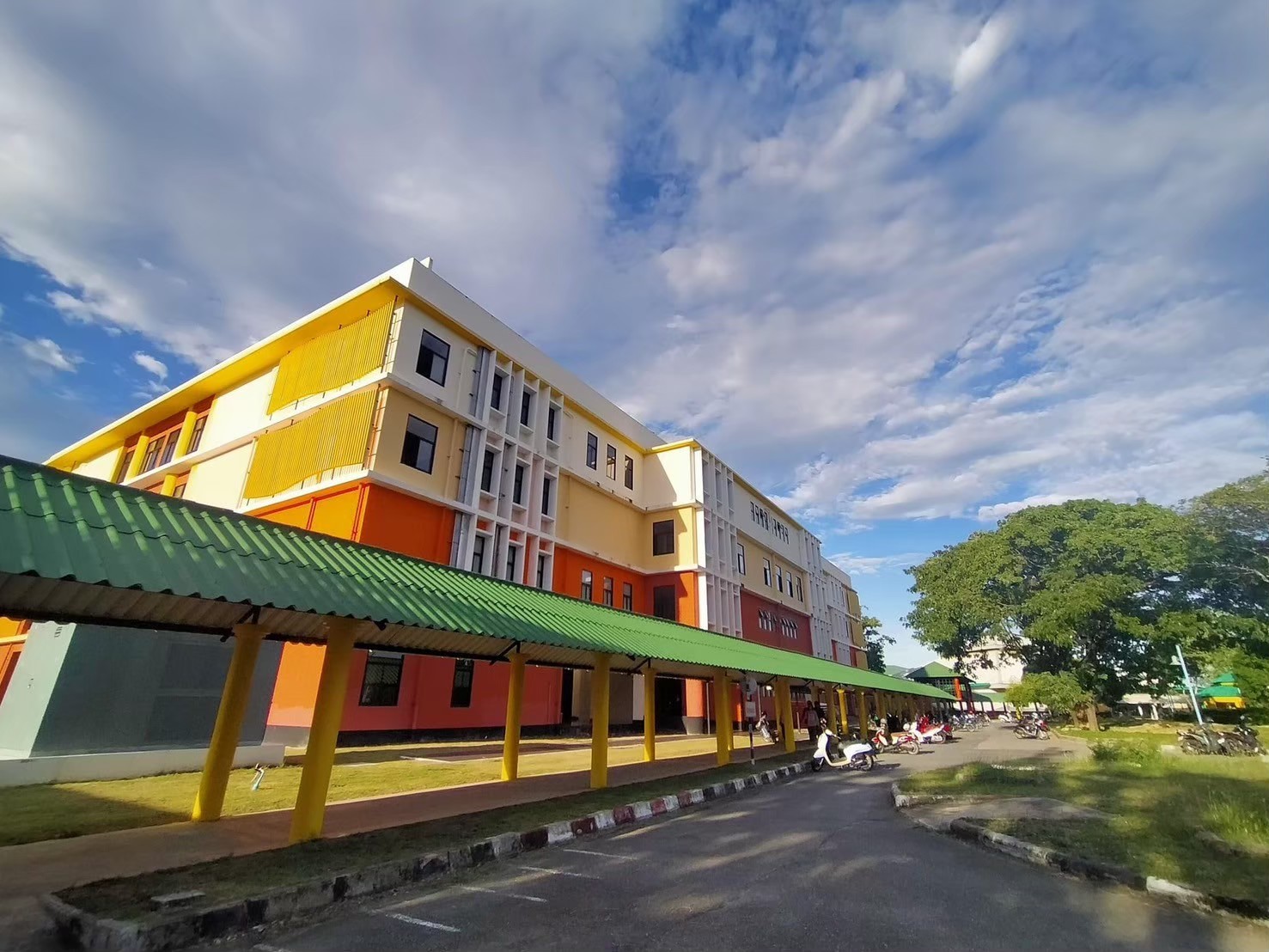
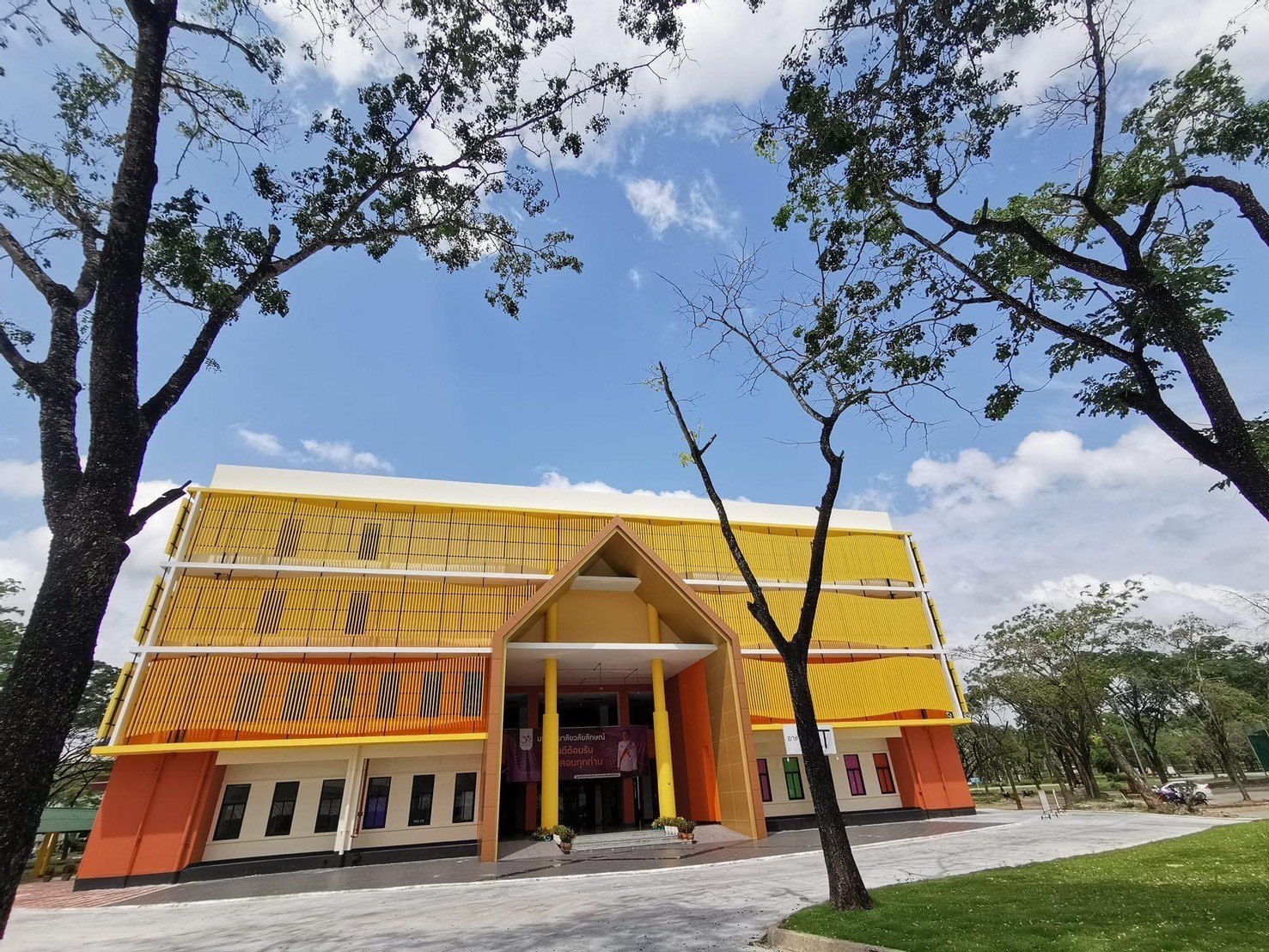
External vendors, service providers, and various businesses operating within Walailak University have strictly adhered to the university’s announcements to promote a healthier and more sustainable environment. The university encourages and supports the use of environmentally friendly materials, products, and equipment by office suppliers and construction contractors working on campus. These initiatives aim to reduce the usage of single-use items, conserve energy, reduce pollution, and protect public health. Additionally, certain products can be reused or involve recyclable construction materials. External vendors and service providers have implemented the following building contracts:
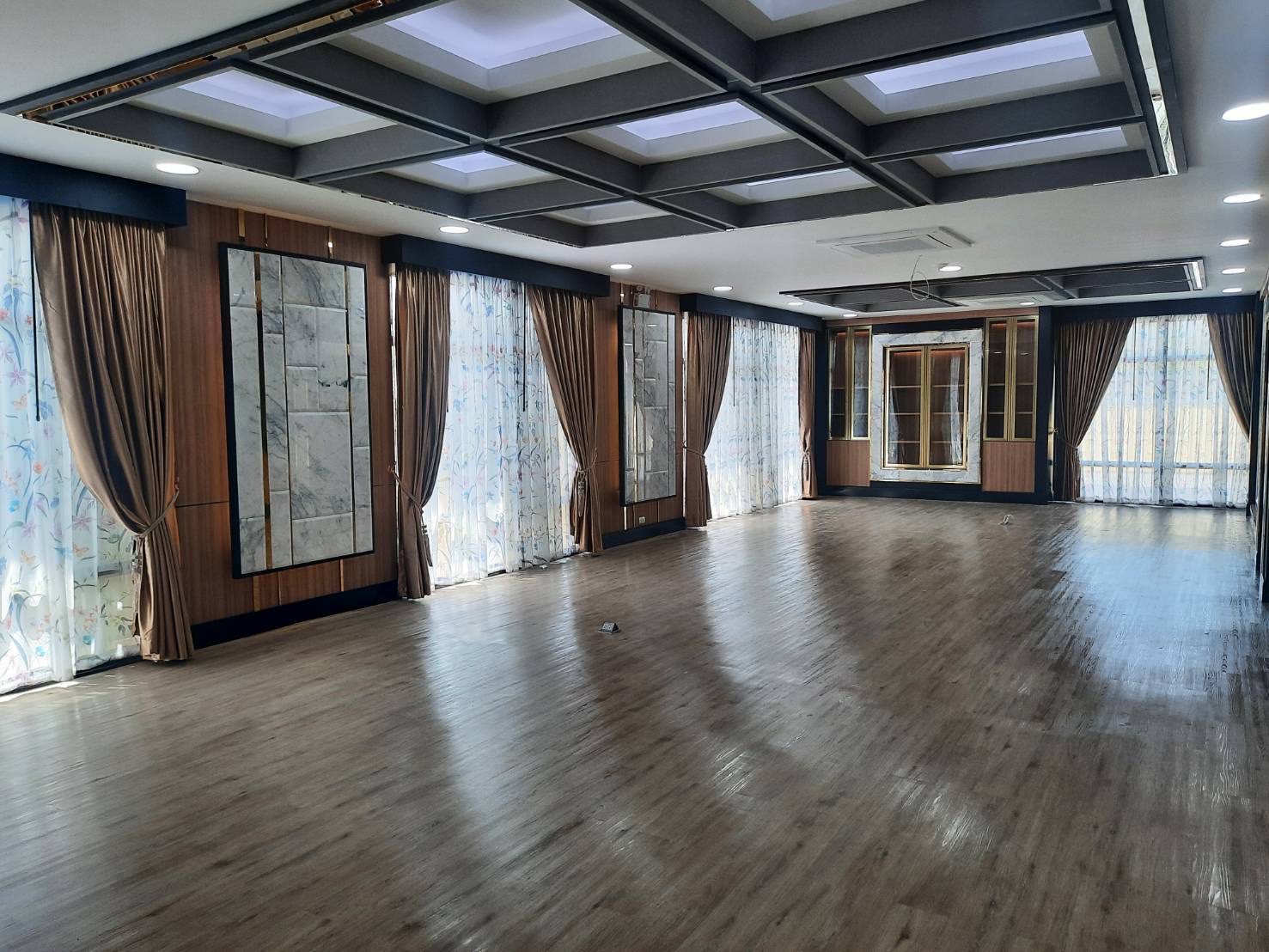
1. Reusing Wood Materials: External contractors have adopted the use of reclaimed wood from old buildings and structures, repurposing it for flooring or decorative features that add unique character while reducing the amount of waste produced.
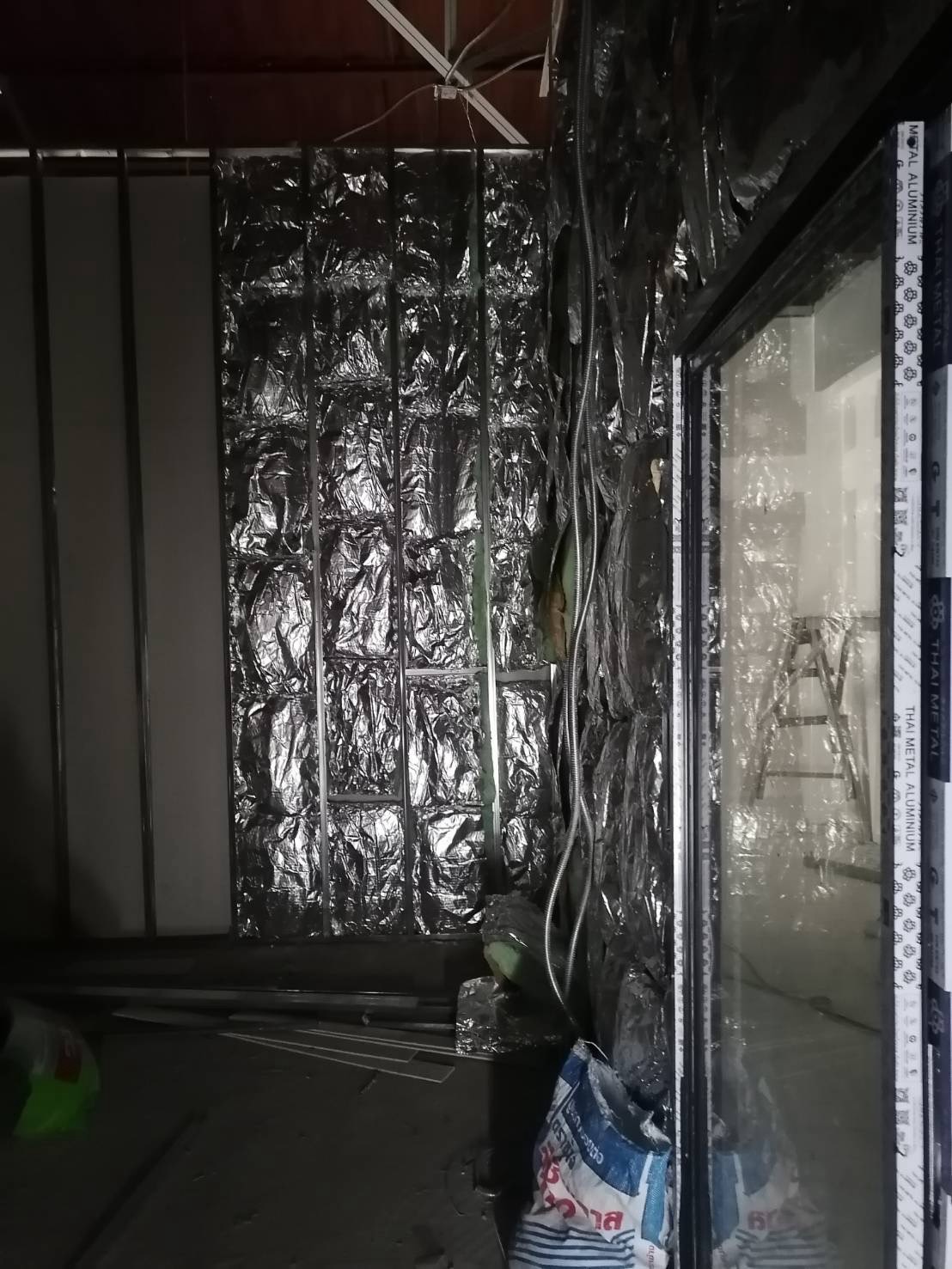
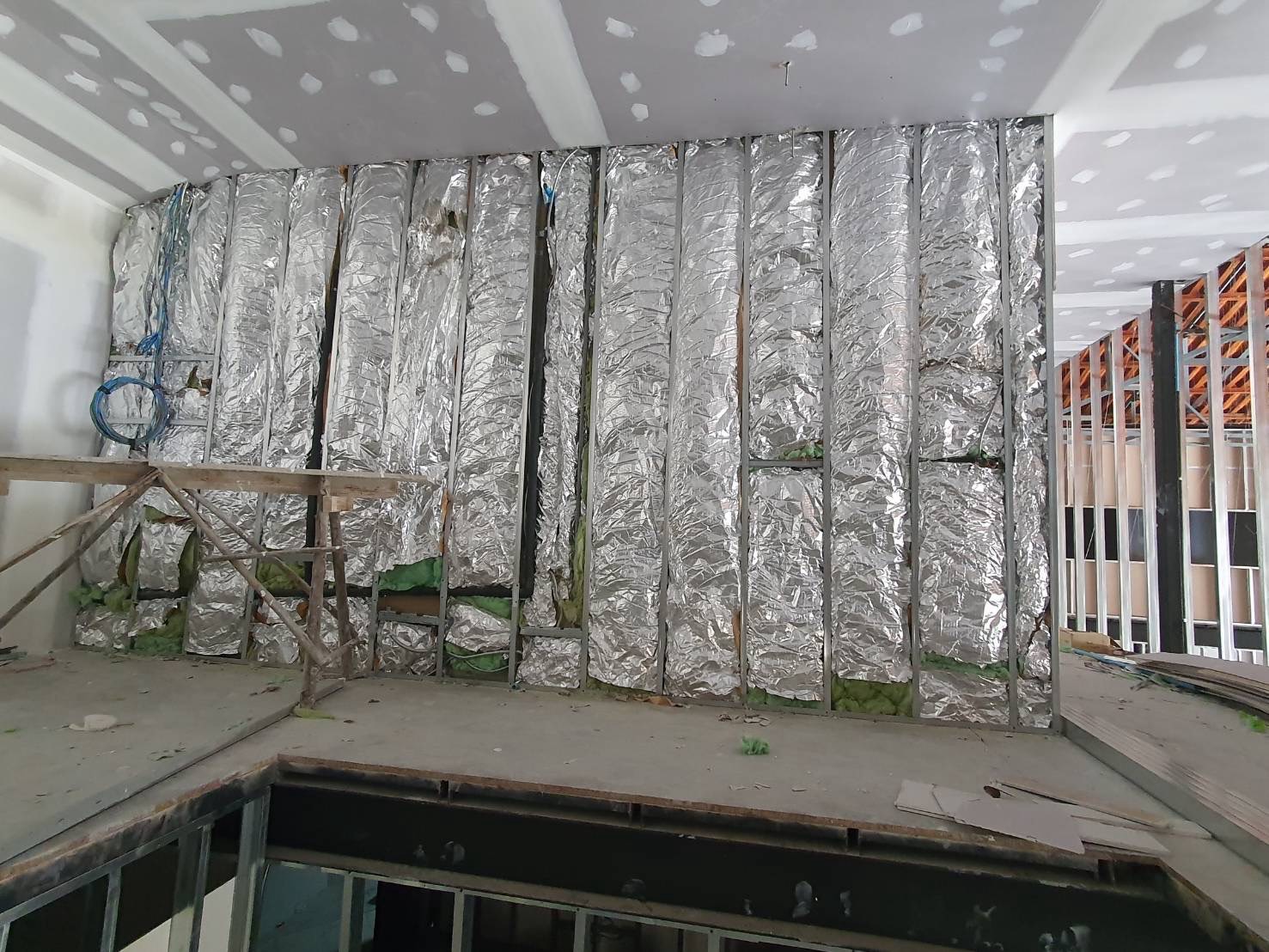
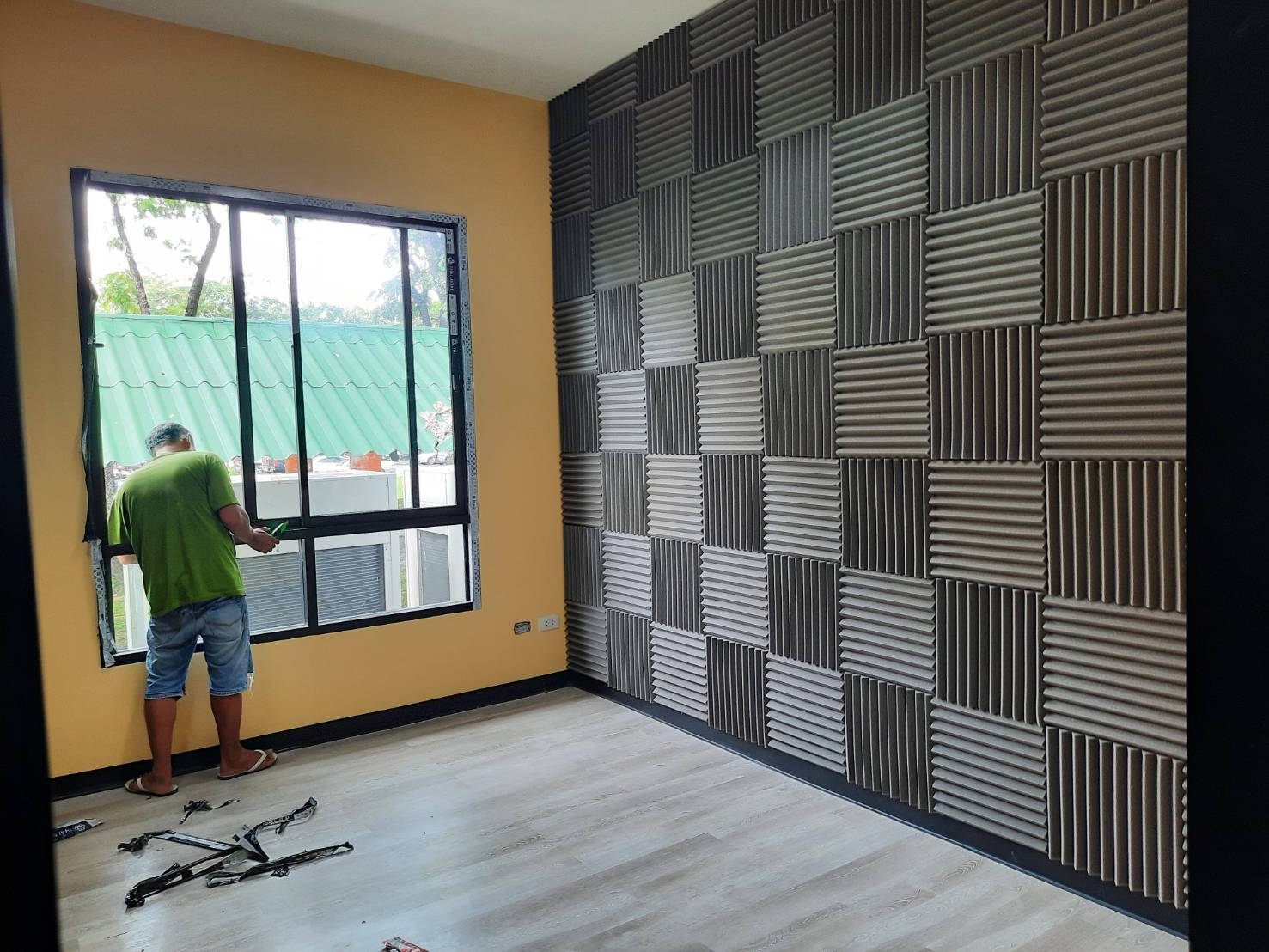
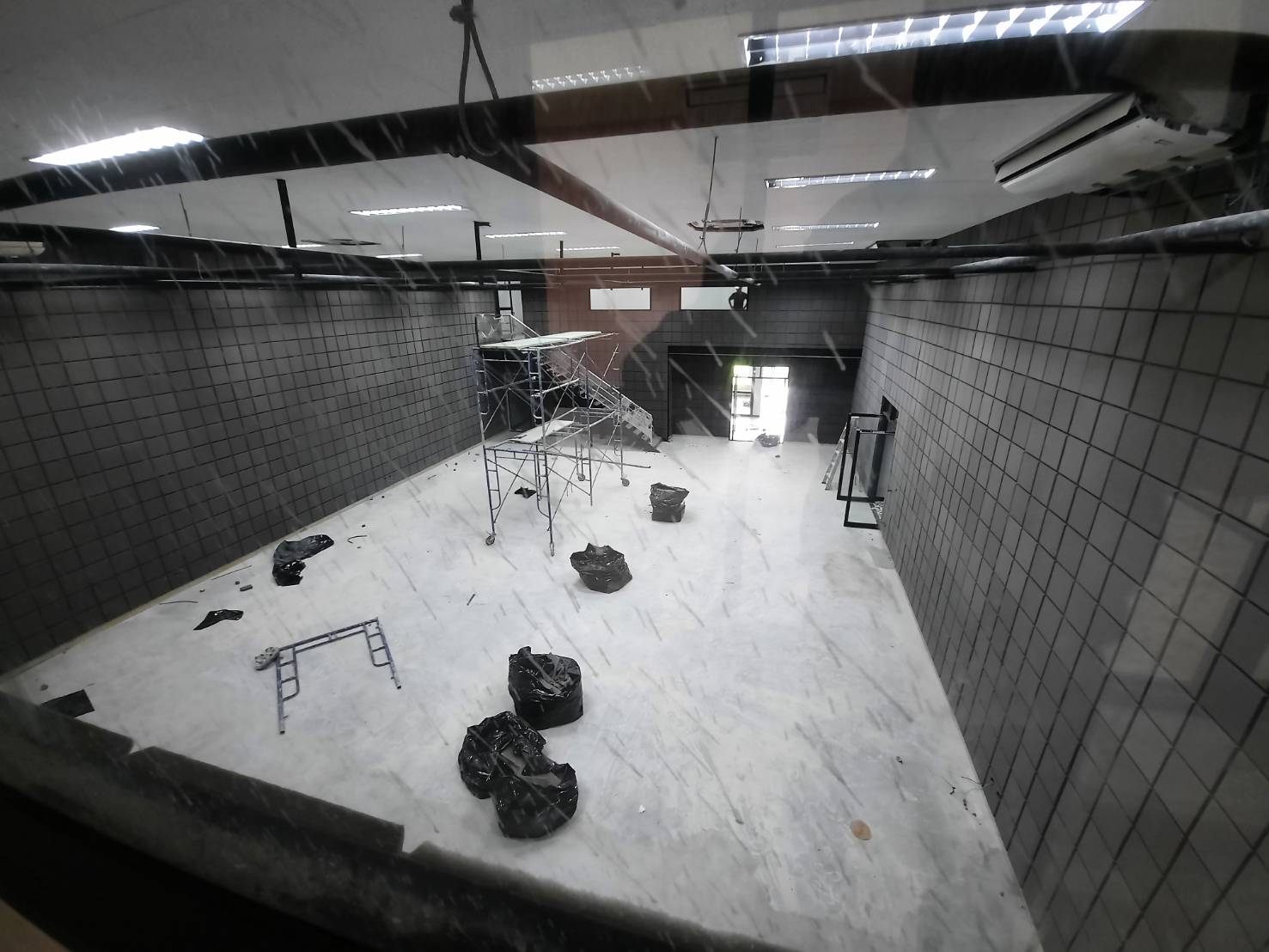
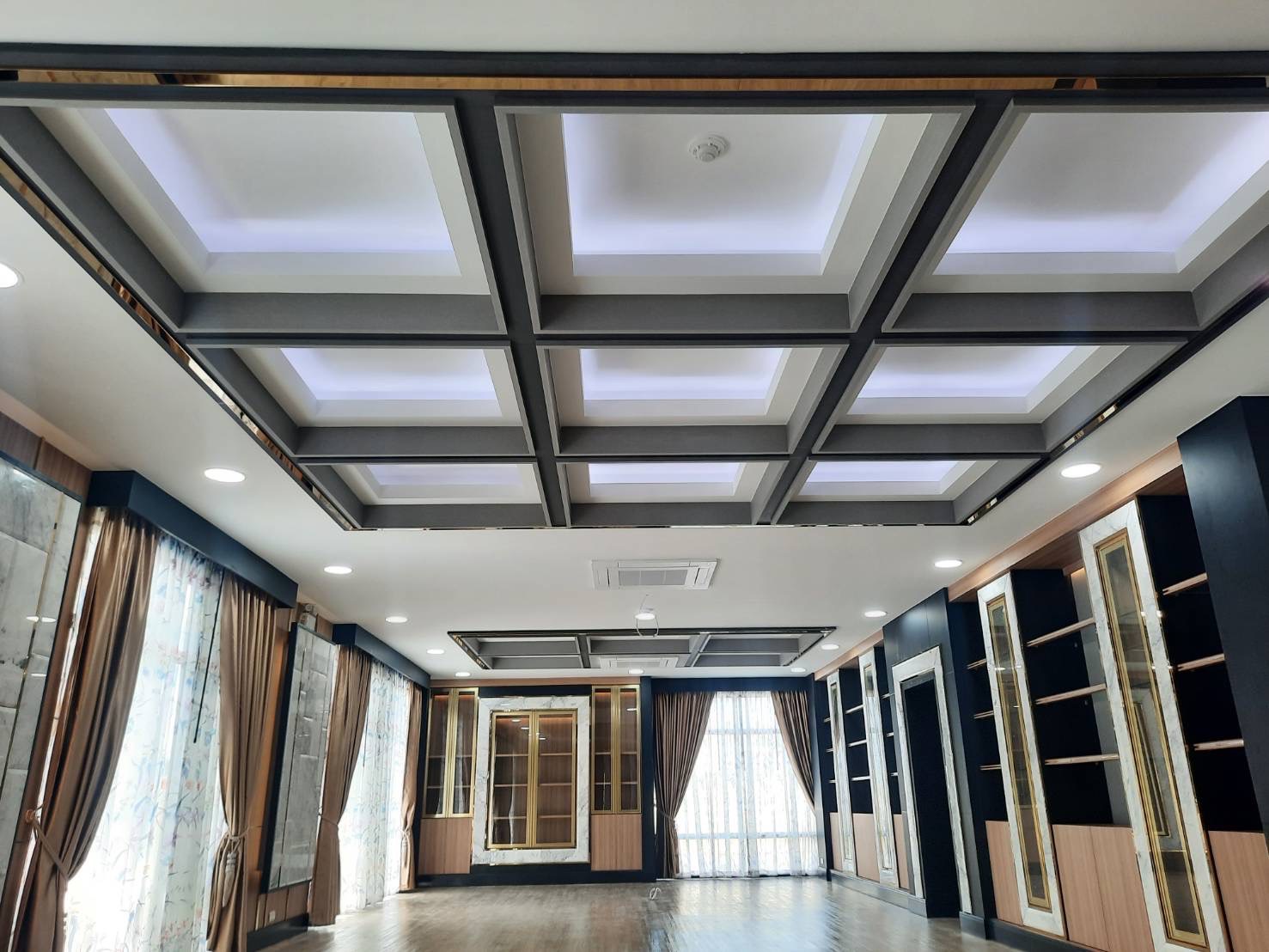
2. Use of Feltech Insulation: Contractors use Feltech soundproof and thermal insulation made from 100% polyester fibers, with 85% of the materials being recycled. This insulation reduces sound transmission by up to 45 decibels and improves energy efficiency by maintaining room temperature, cutting energy consumption by 50%.
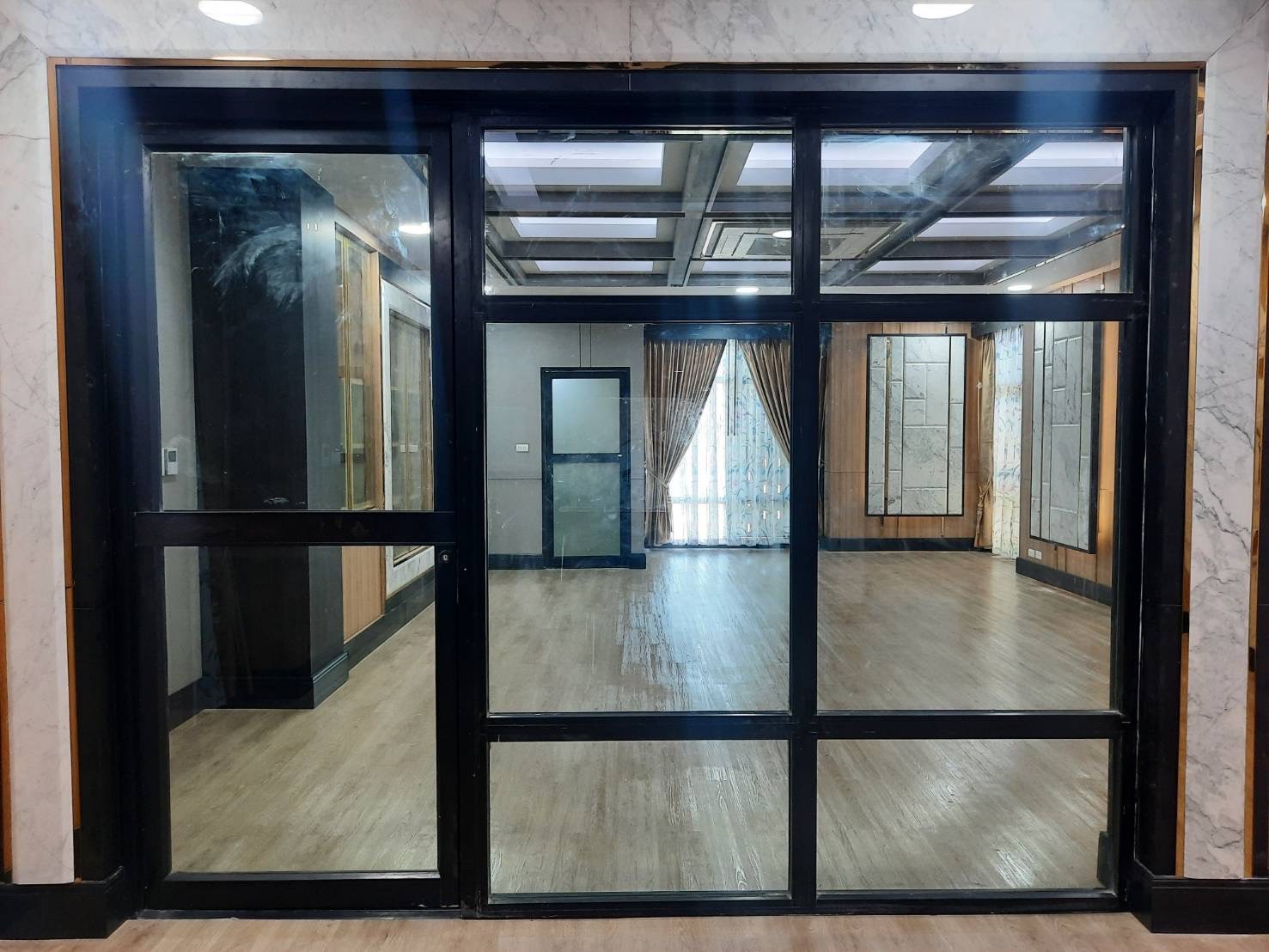
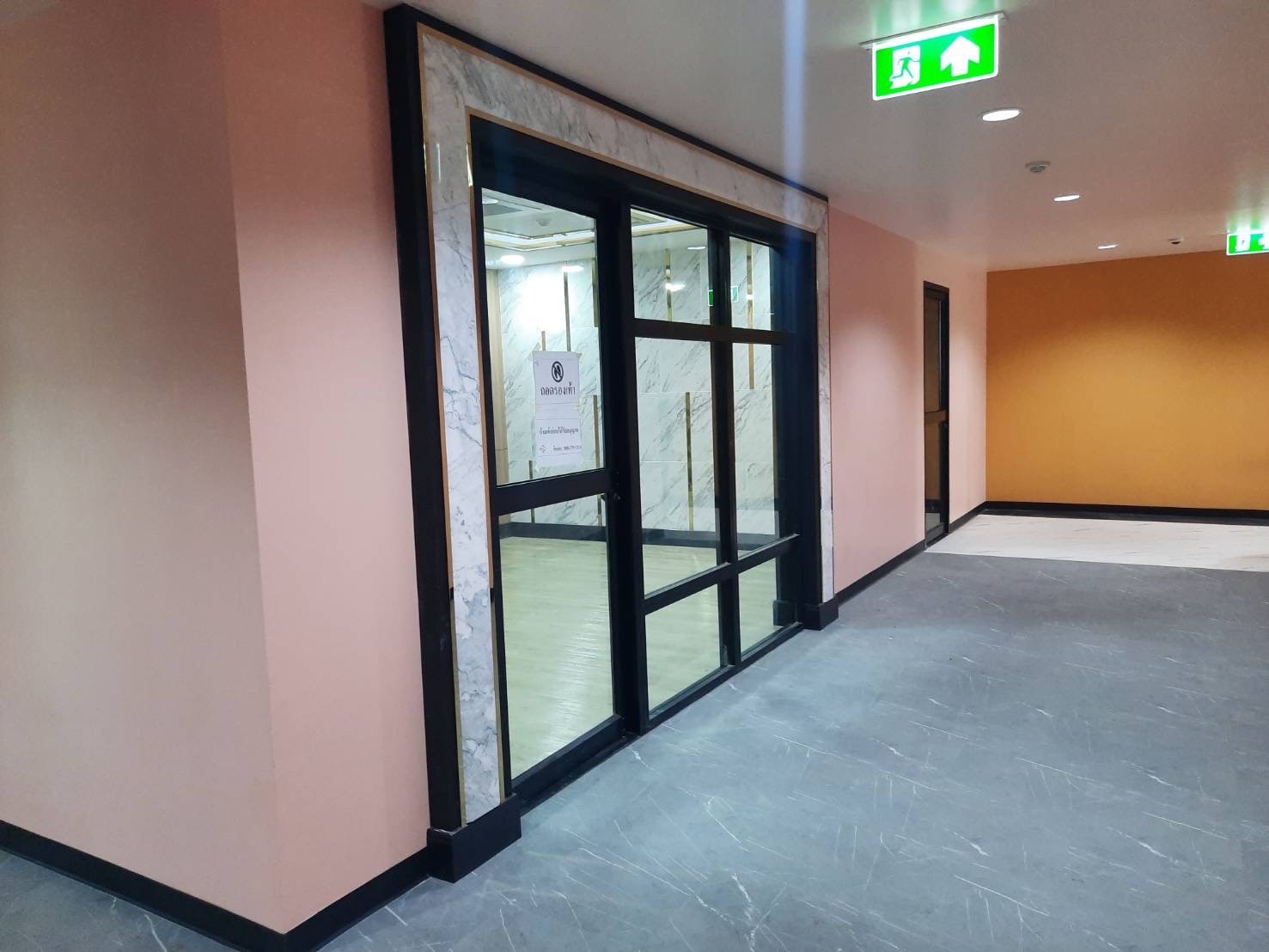
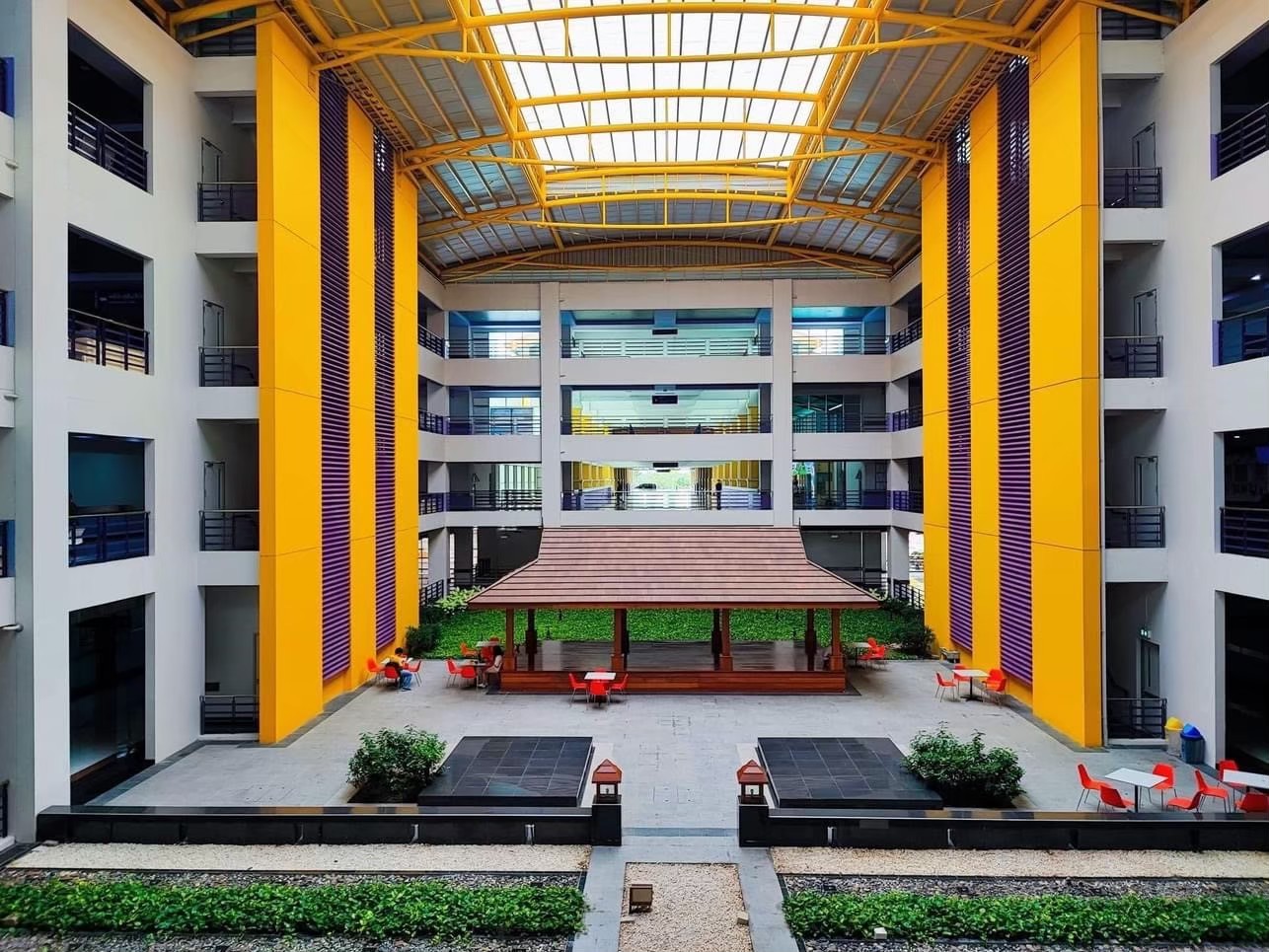
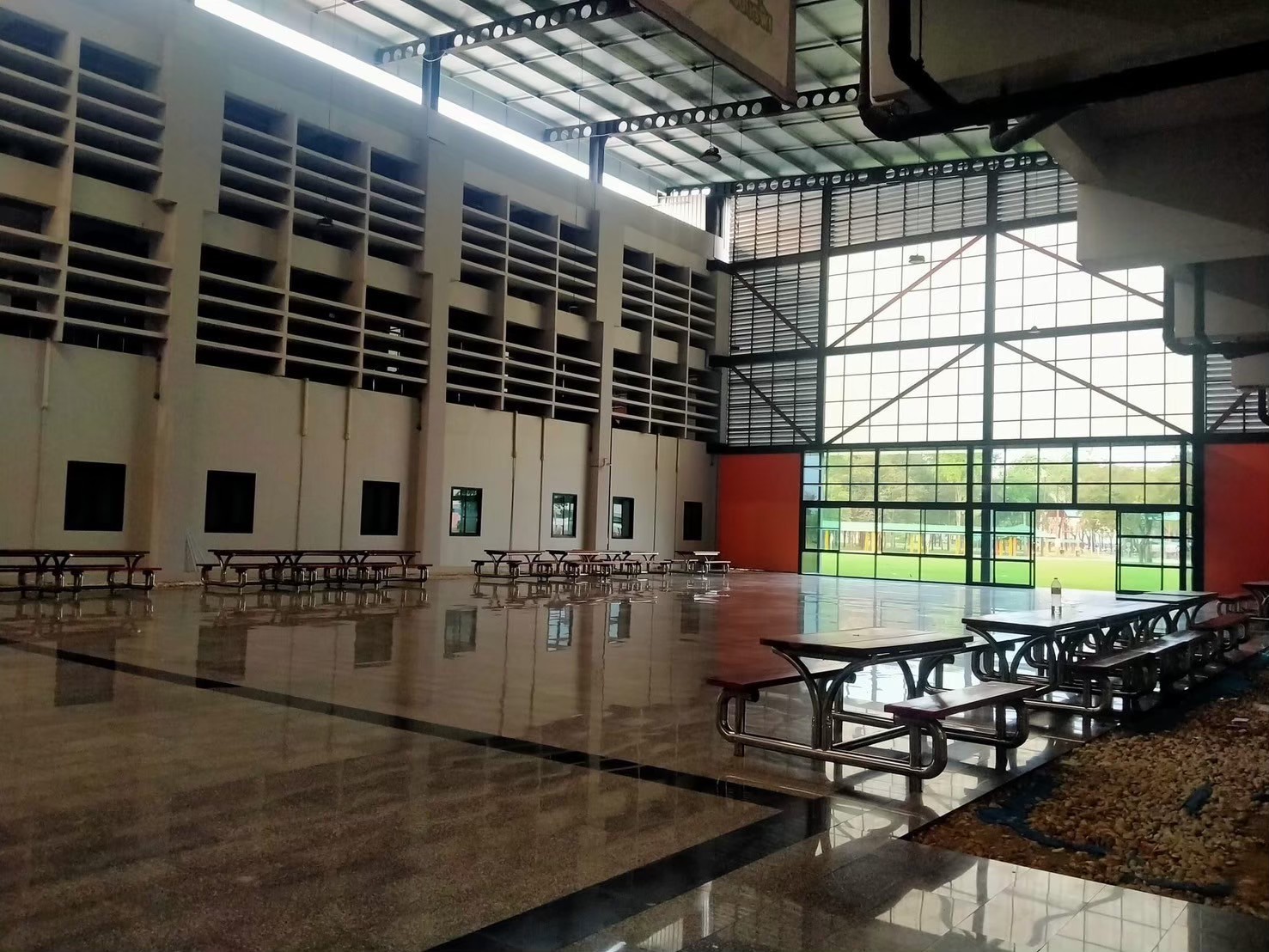
3. Energy-Saving Windows with Built-in Blinds: Contractors have designed windows with integrated blinds, which are energy-efficient and combine light-filtering technology with insulated glass. These windows reduce heat radiation, block UV rays, and help cool the interior of the buildings, thereby improving energy efficiency.
4. Solar Panels with Organic Designs: Contractors have integrated solar panels made from organic materials into the design of building facades. These panels convert sunlight into electricity, reducing the need for artificial lighting and promoting energy conservation while also enhancing the aesthetic appeal of the buildings.

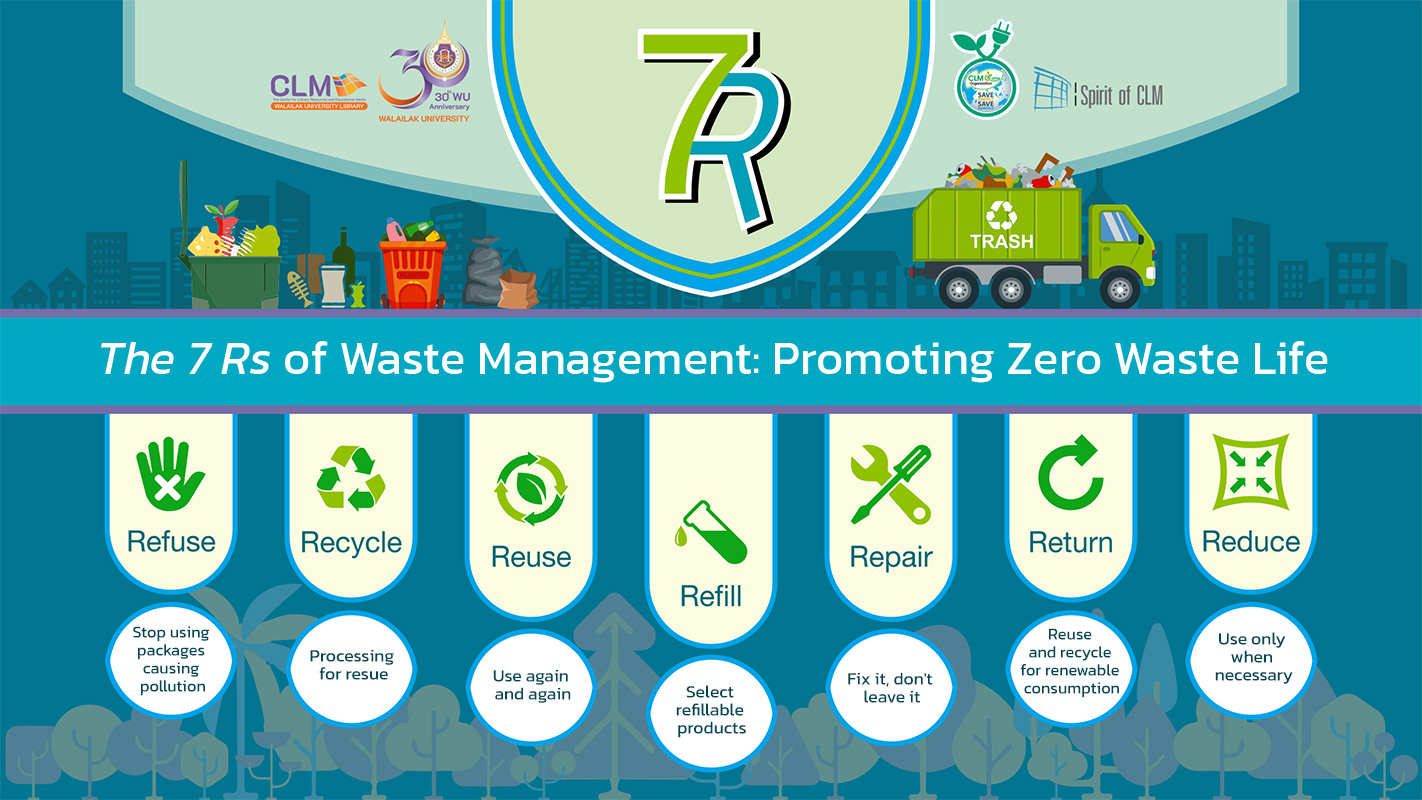
Related links:
https://cas.wu.ac.th/sdgs/wp-content/uploads/sites/3/2023/11/Policy-on-Single-use-Planstic.pdf
https://green.wu.ac.th/wp–content/uploads/2021/09/Love-to-reduce-choose-to-discard.pdf
https://dla.wu.ac.th/th/archives/3184
https://green.wu.ac.th/wp–content/uploads/2021/11/12.3.1.pdf
https://botany.wu.ac.th/?page_id=26259
https://library.wu.ac.th/km/1626-2/
https://www.facebook.com/photo/?fbid=637276775115400&set=pcb.637337501775994



Goal 12: Responsible Consumption and Production