Walailak University’s Interventions to Prevent Hunger Among Students       

Walailak University’s Interventions to Prevent Hunger Among Students       

Walailak University (WU) has implemented several initiatives to address food insecurity among its students, ensuring that all students have access to sufficient, affordable, and nutritious food. Among these are the Free Examination Support Food Station and the Free Food Intervention at the Botanic Park. These interventions, active for several years, provide essential support for students facing food access challenges due to economic constraints.

Free Examination Support Food Station

Walailak University recognizes that some students, particularly those from low-income backgrounds, struggle to access adequate and nutritious food, especially during exam periods when they require energy to study effectively. A lack of proper nutrition during these critical times can negatively impact academic performance, increase stress levels, and even contribute to higher dropout rates among economically disadvantaged students.

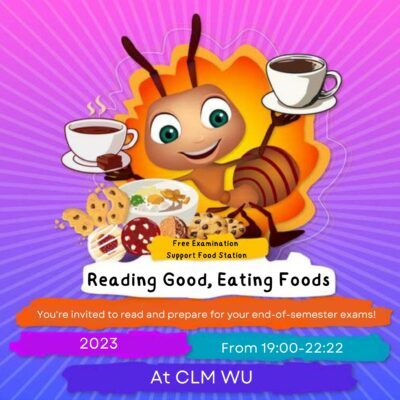
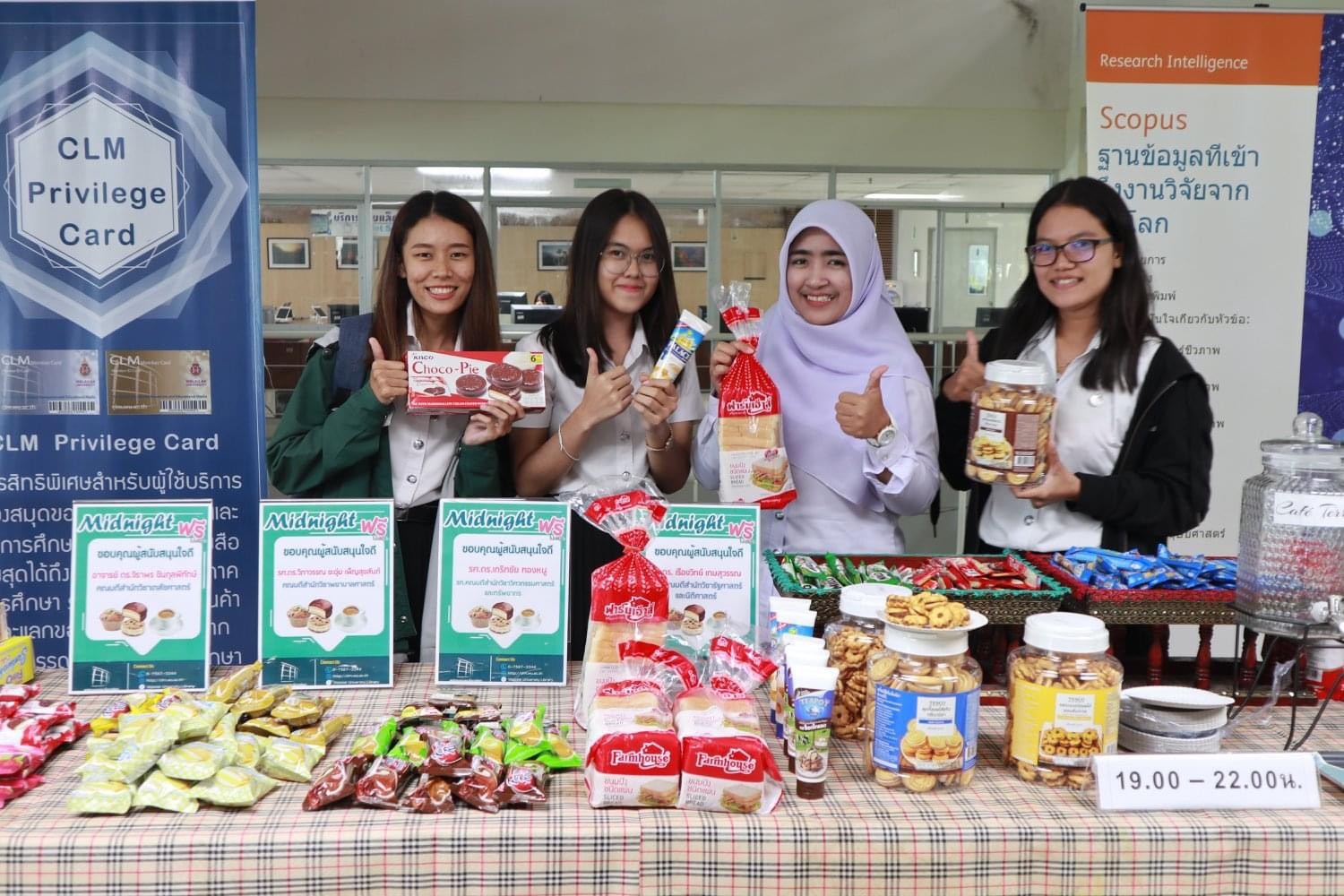
Figure : A poster to promote the Free Examination Support Food 

To address this issue, the Center for Library Resources and Educational Media at WU has established the Free Examination Support Food Station since 2018. This initiative is available each academic term and provides students with free food, snacks, fruits, desserts, and beverages to support their exam preparation. The food station is located within the library, making it easily accessible to students who spend long hours studying. Contributions come from the library center, university administrators, faculty, and staff.
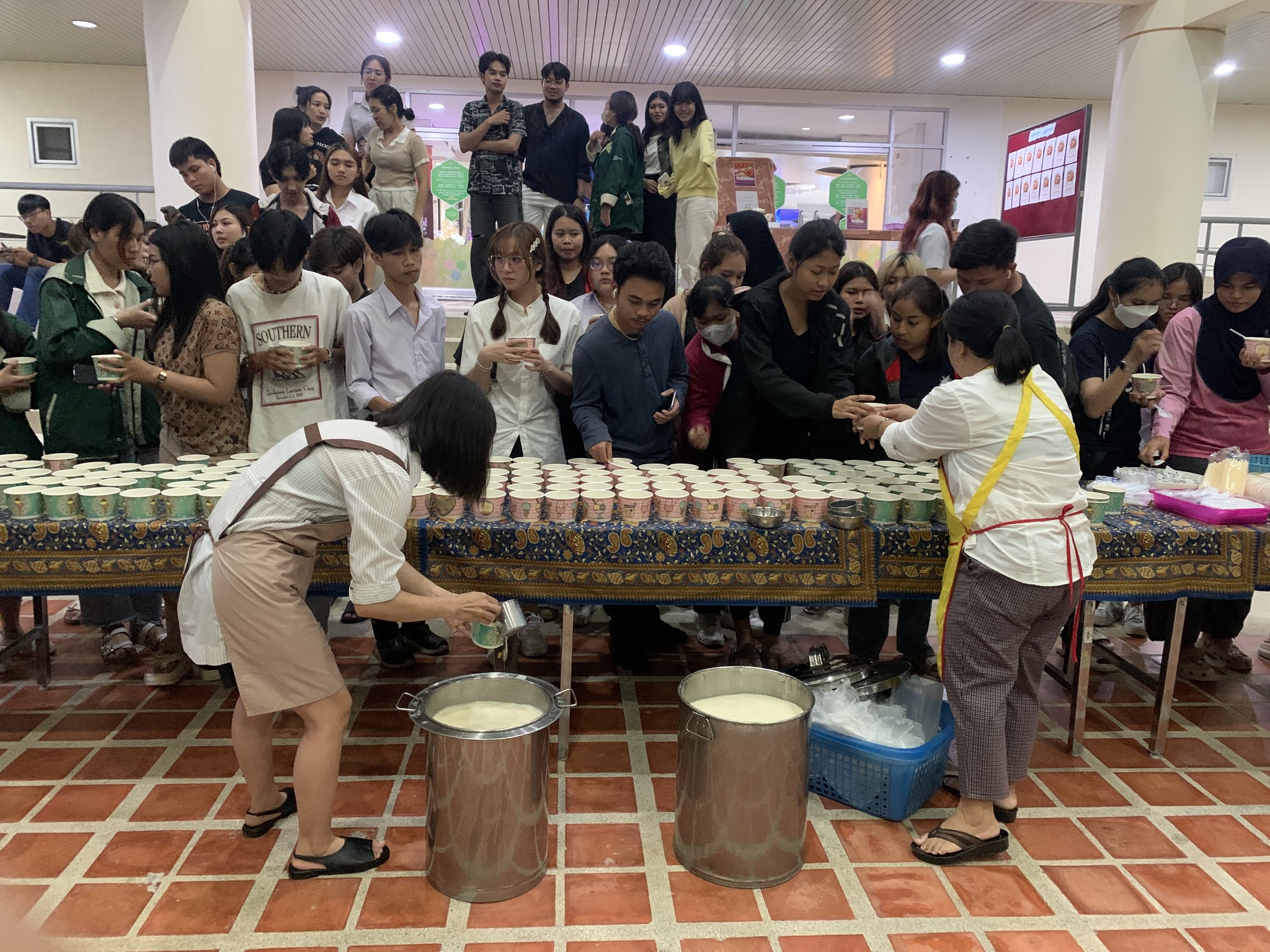
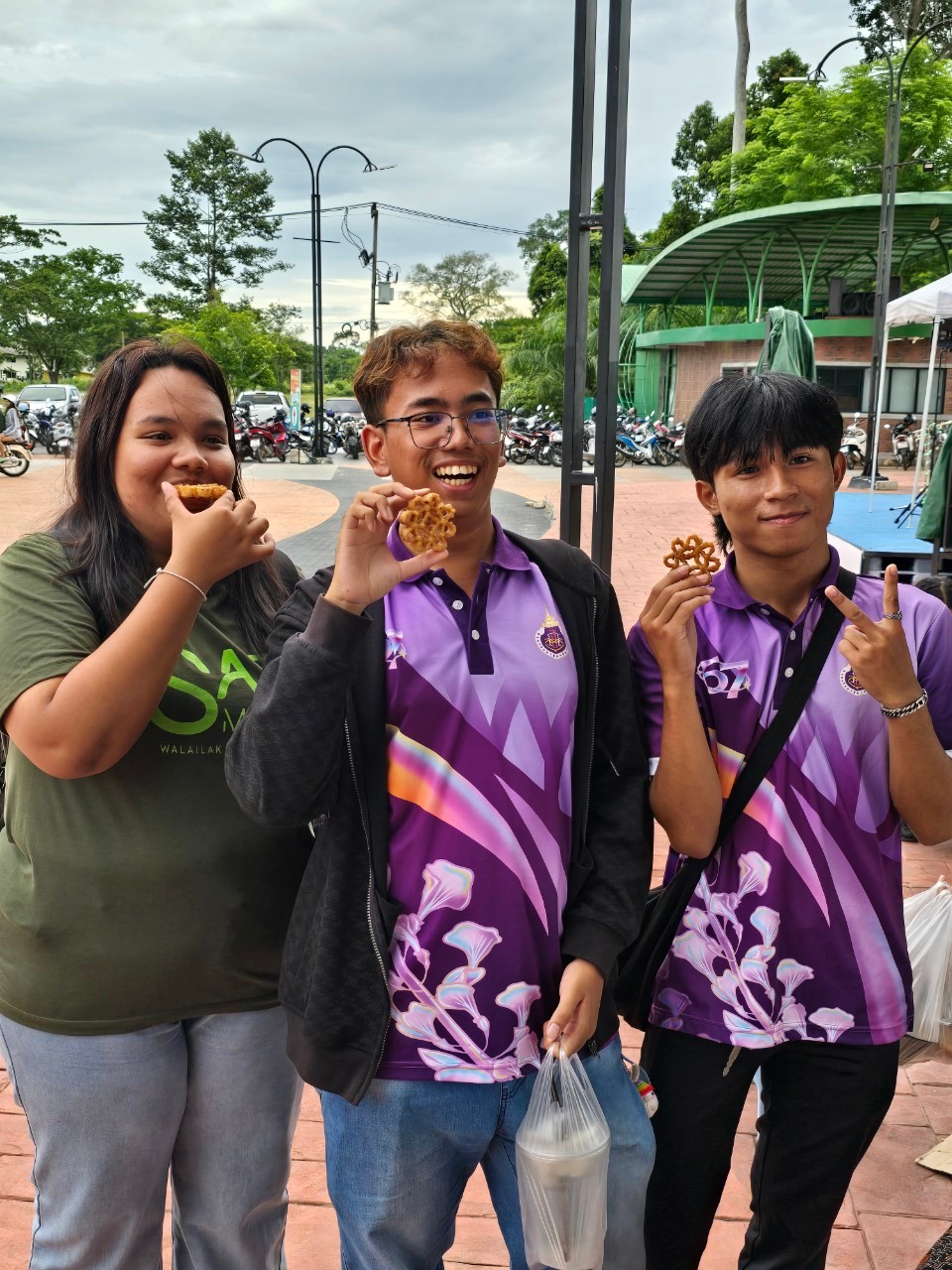
Throughout the academic year 2023, more than 400 students from diverse backgrounds, including economically disadvantaged students, female students, Muslim students, and members of the LGBTQ+ community, accessed food from this program. The initiative not only helped alleviate hunger but also fostered a sense of community, showing students that their well-being is a priority for the university. This support has enabled students to focus on their studies and approach exams with less stress, ultimately contributing to their academic success.

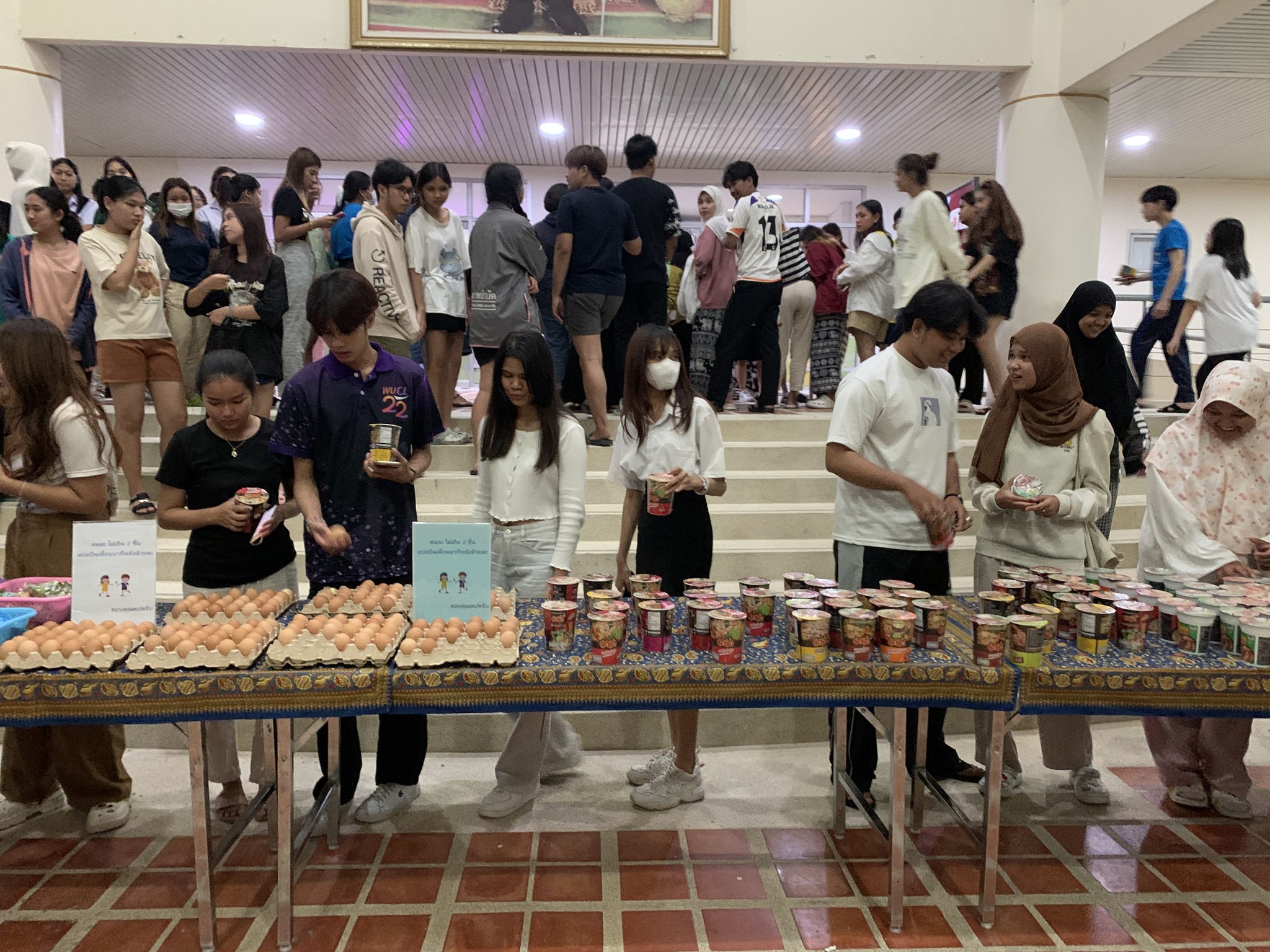
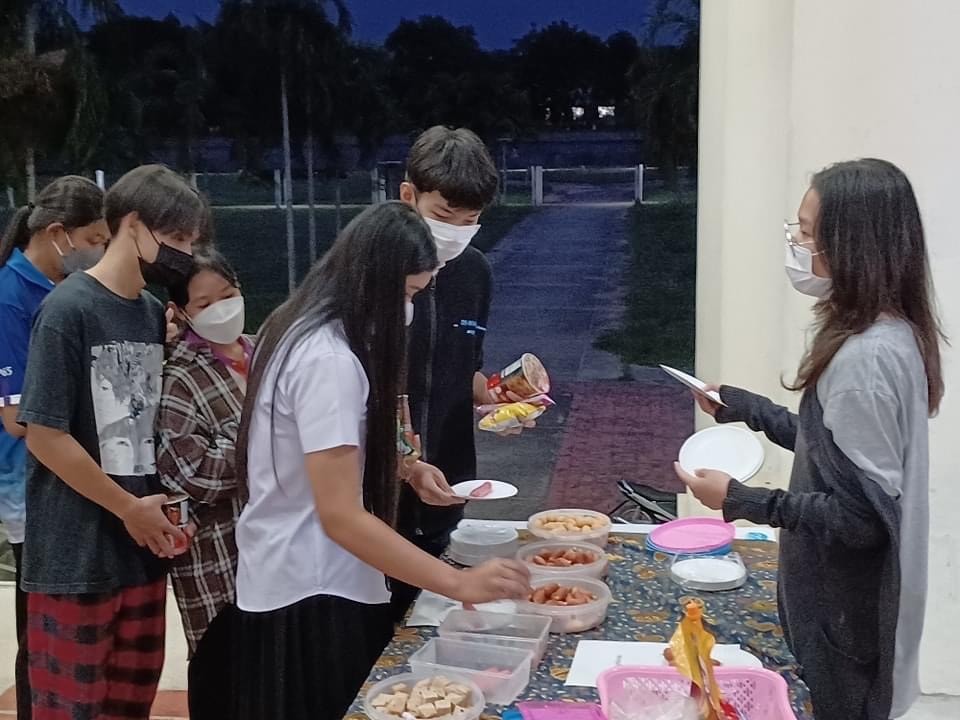
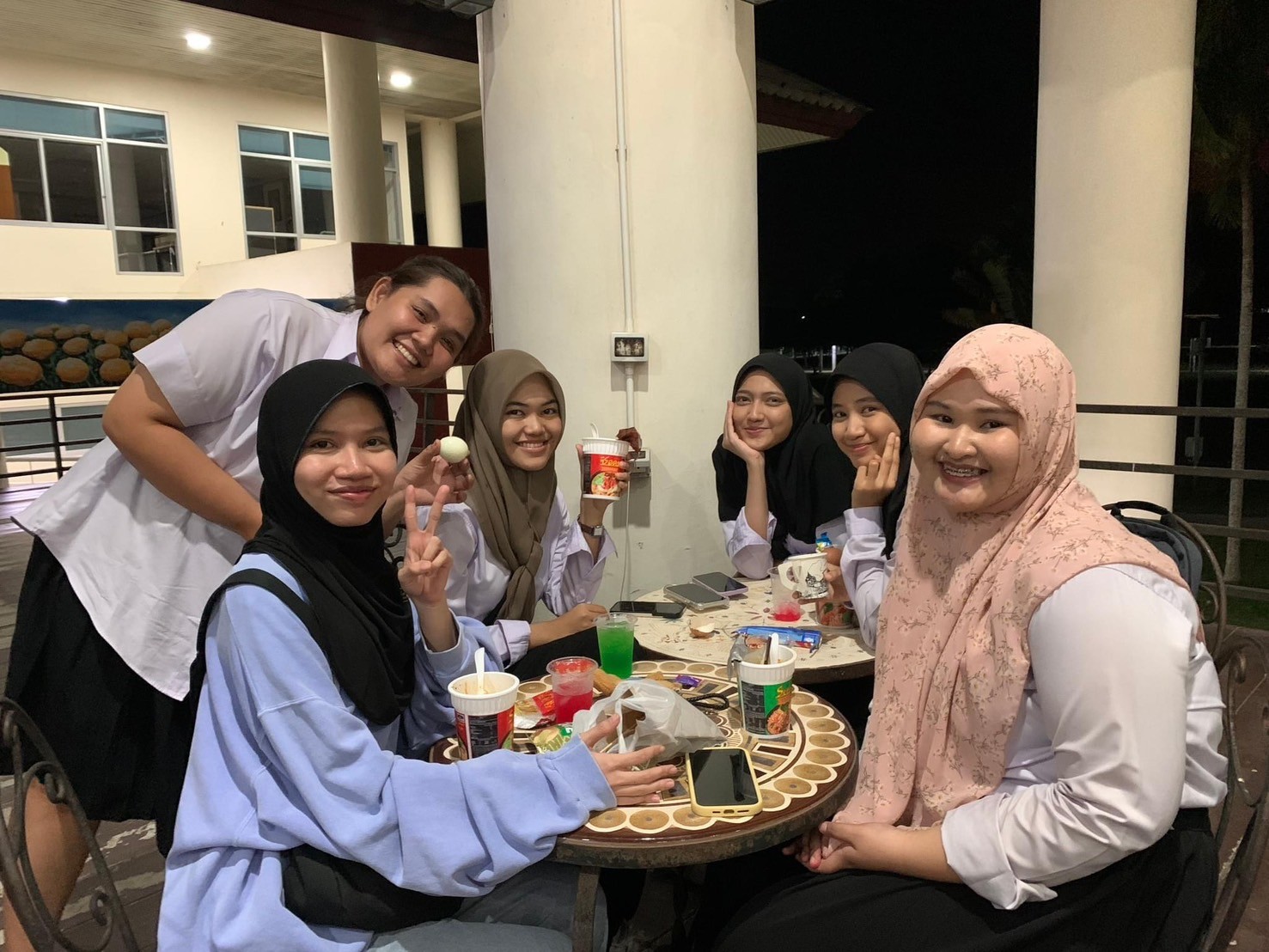
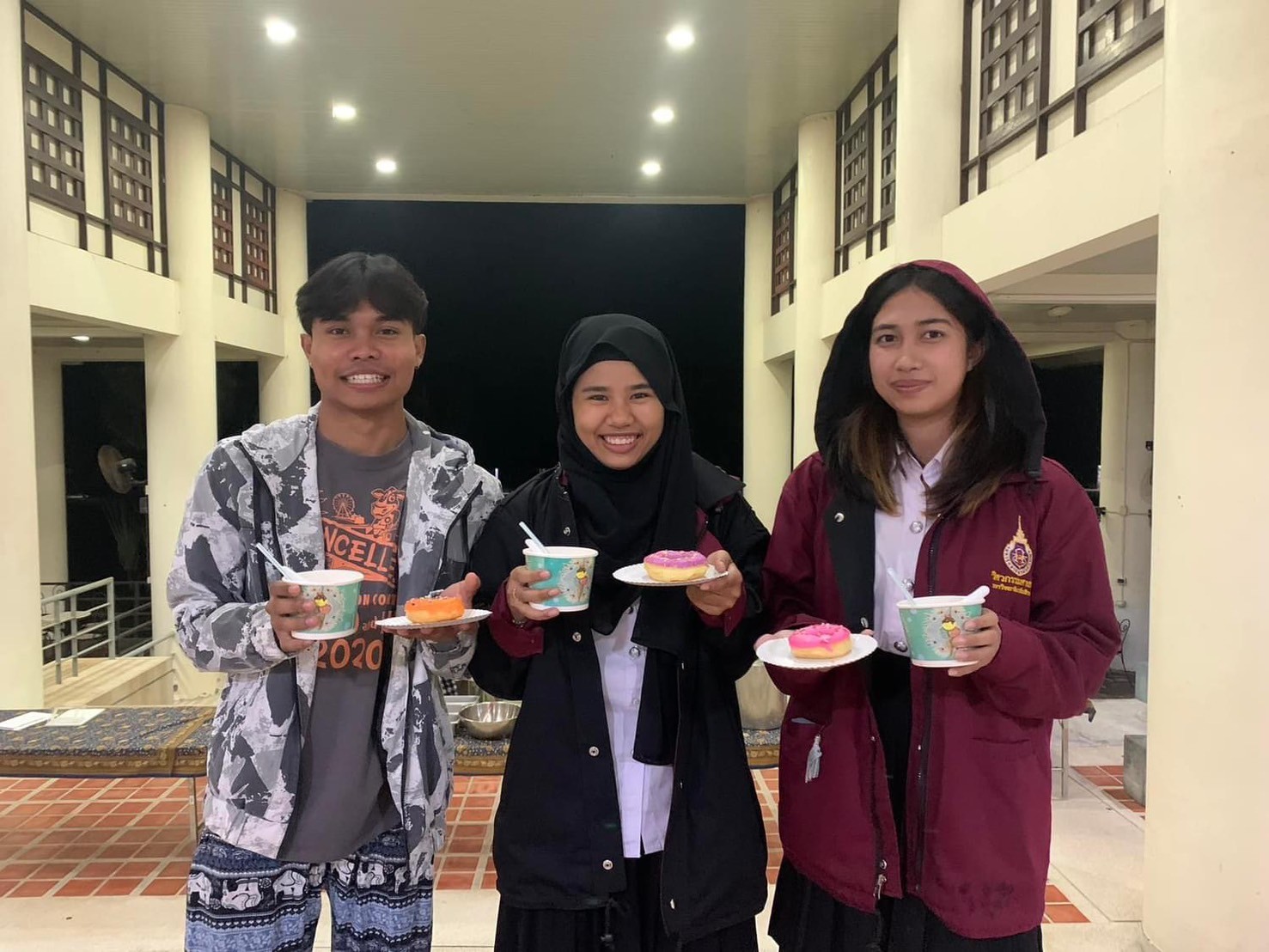
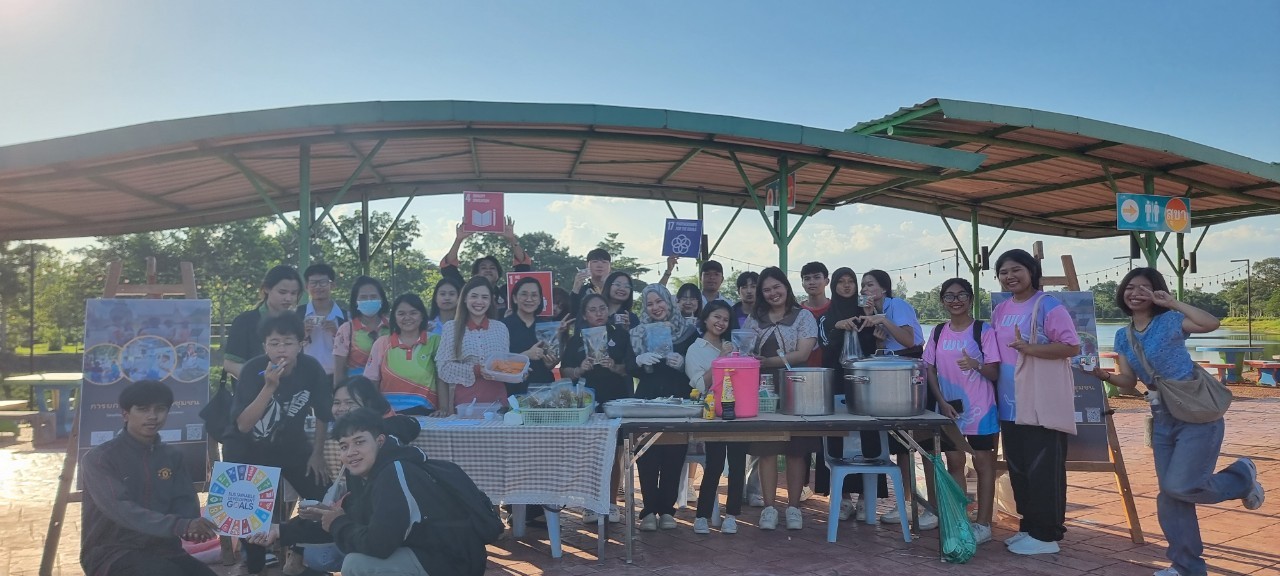
Figures : Students participating in the university’s food security

Free Food Intervention at the Botanic Park

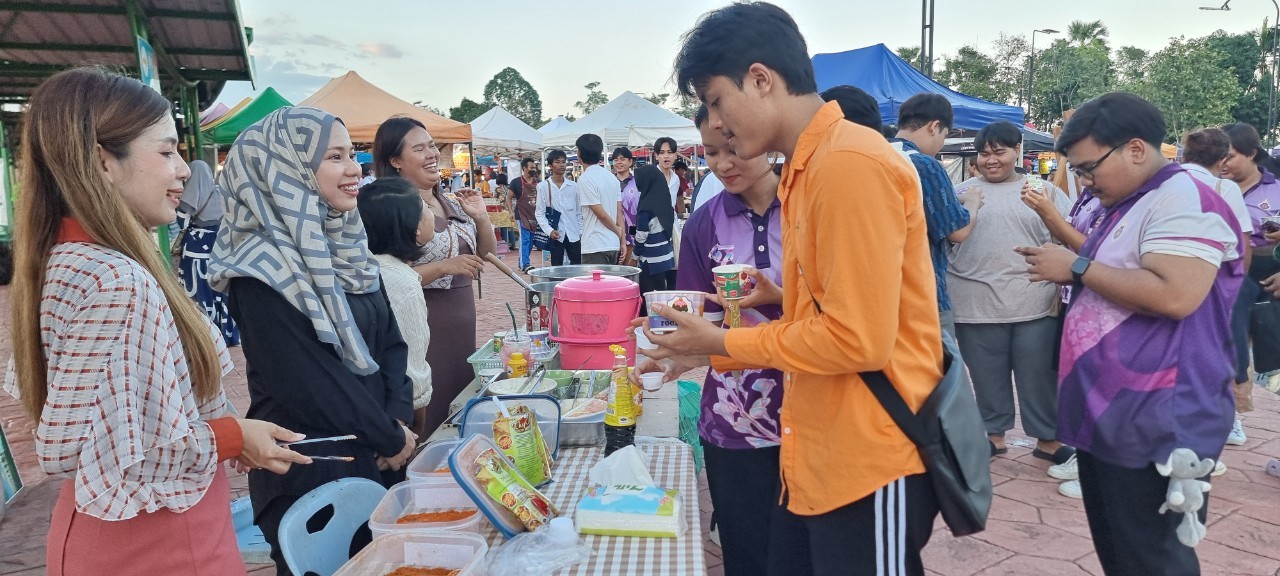
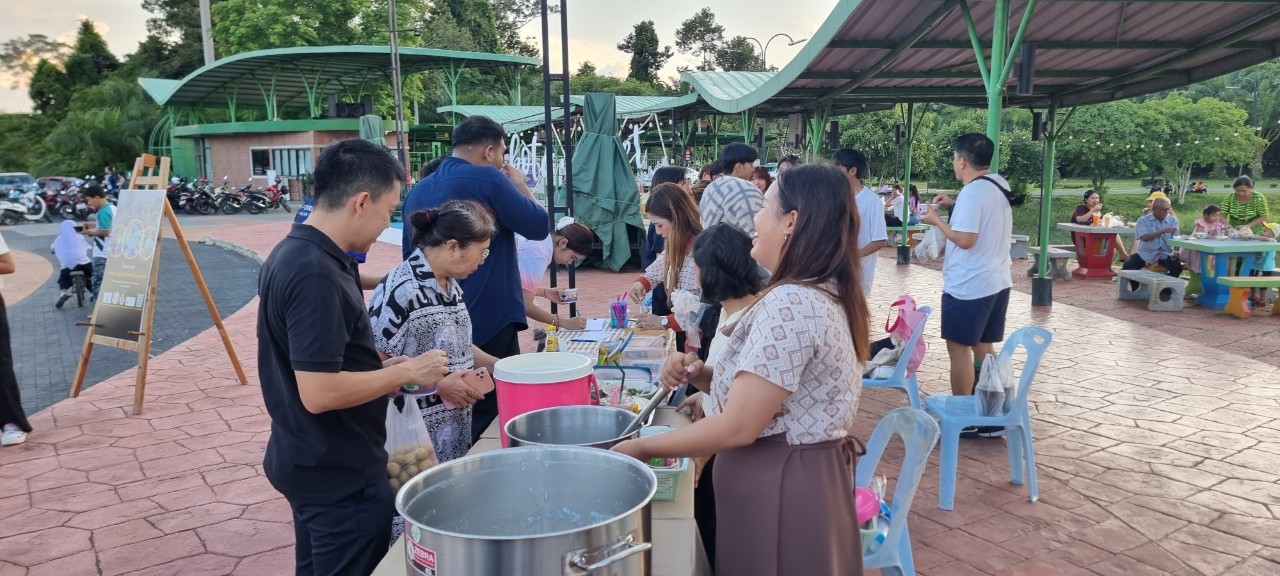
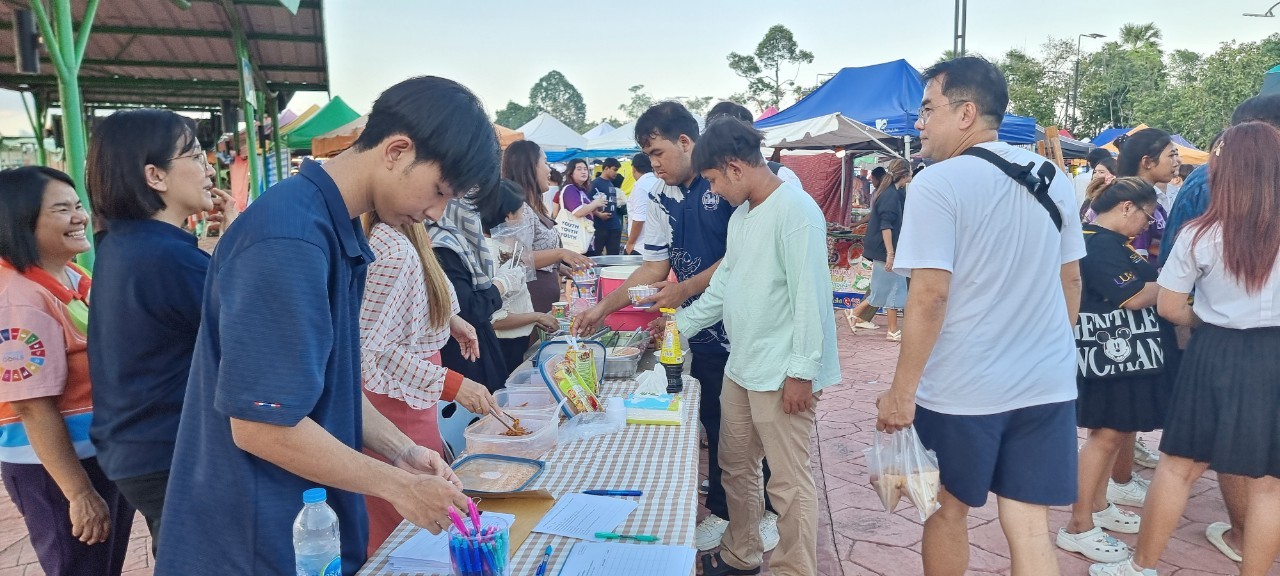
Free Food Intervention at the Botanic Park, serving as the food bank for food security promotion for students and staff is another key initiative by Walailak University (WU) aimed at improving food security and reducing hunger among students and staff. This program, managed by the Center for Academic Services and the WU Botanic Park, is organized on a monthly basis throughout the academic year. Each month, it provides free, nutritious meals to students and staff from low-income backgrounds, ensuring consistent access to food resources and supporting hunger prevention efforts on campus.

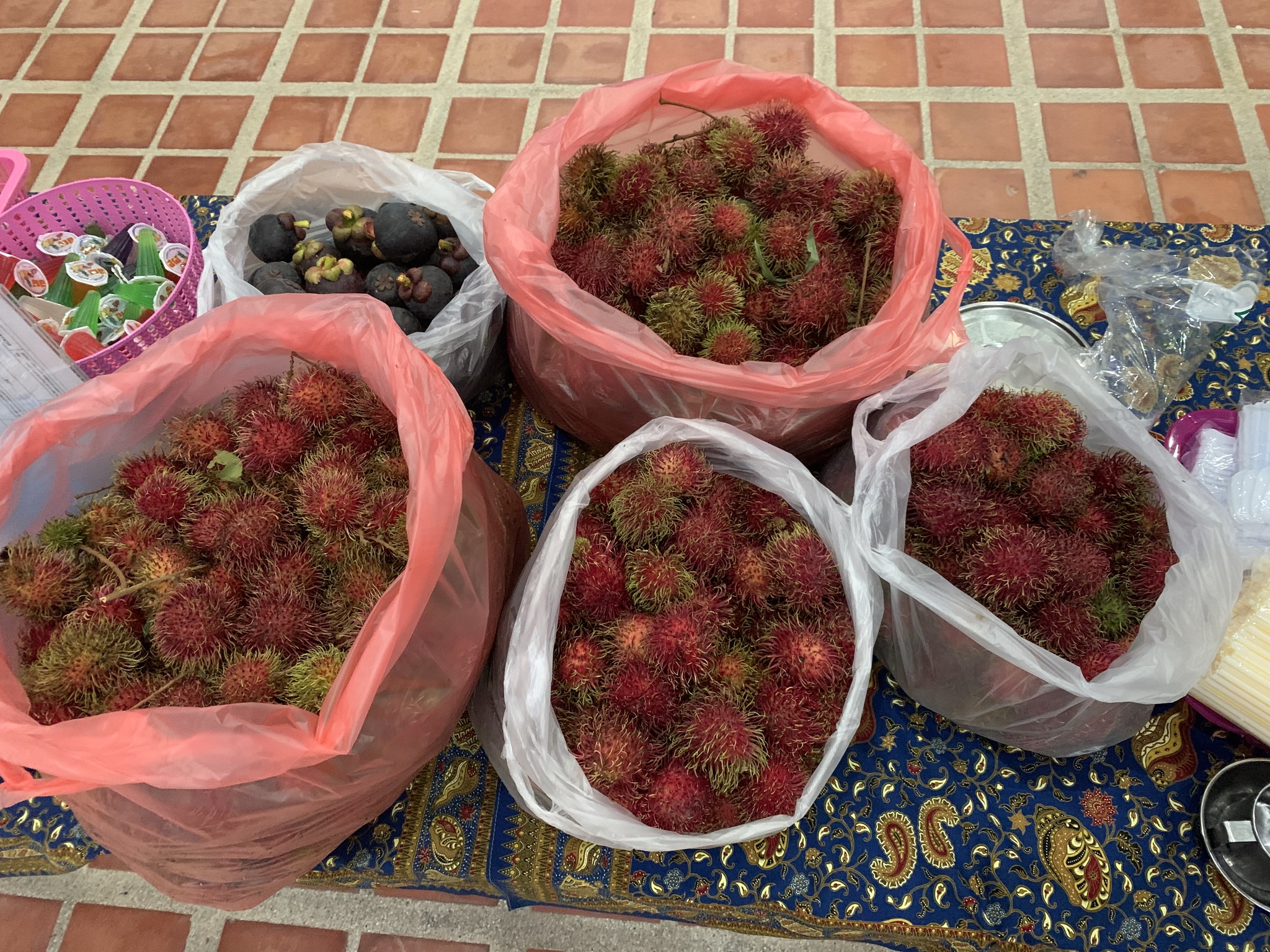
The food provided by the intervention was primarily sourced from local communities and developed by WU researchers, ensuring a variety of food choices that cater to diverse dietary needs, including halal, vegan, and vegetarian meals. This initiative not only supports students in need but also promotes the consumption of locally sourced food, contributing to both student welfare and community engagement.

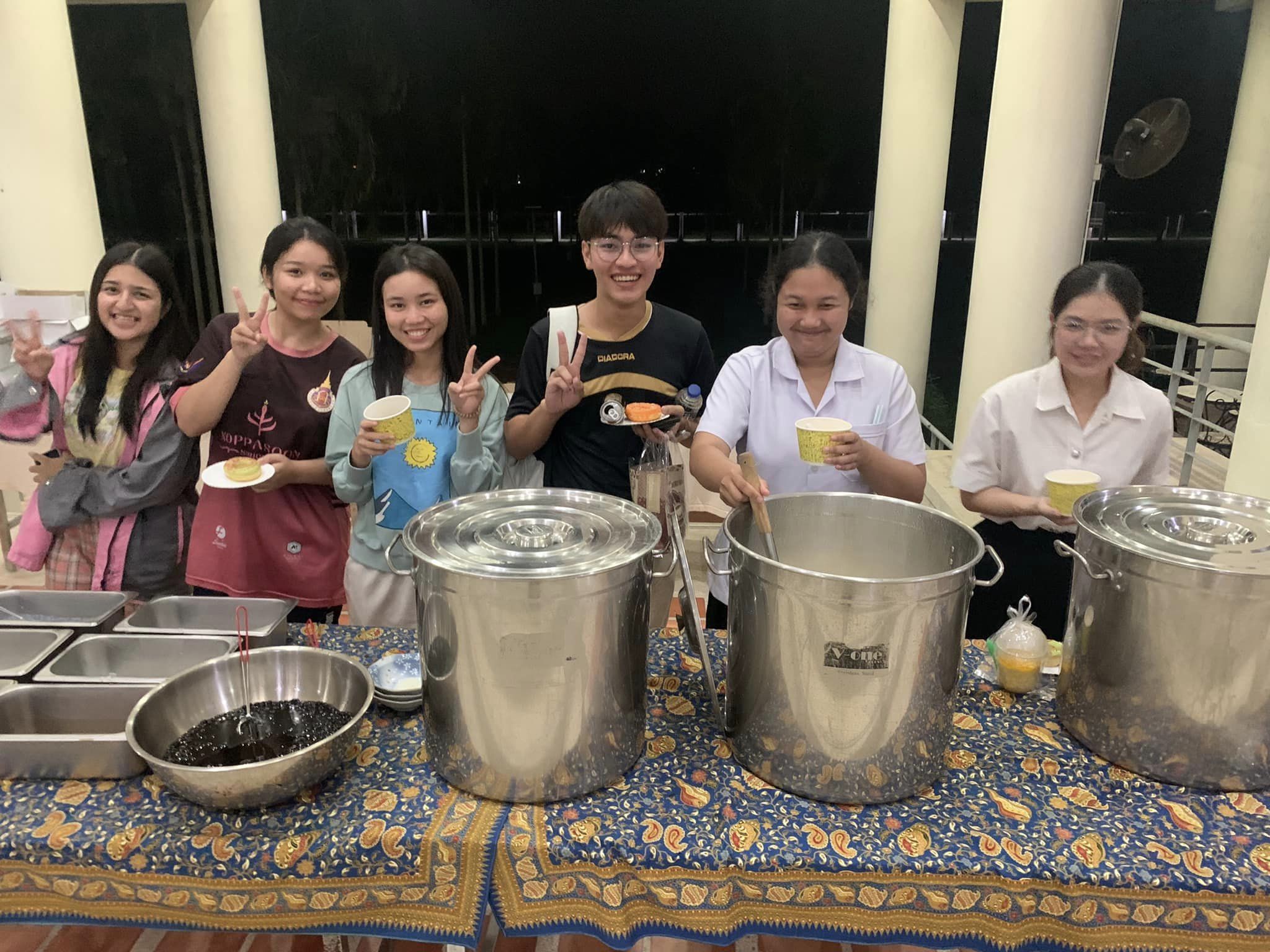
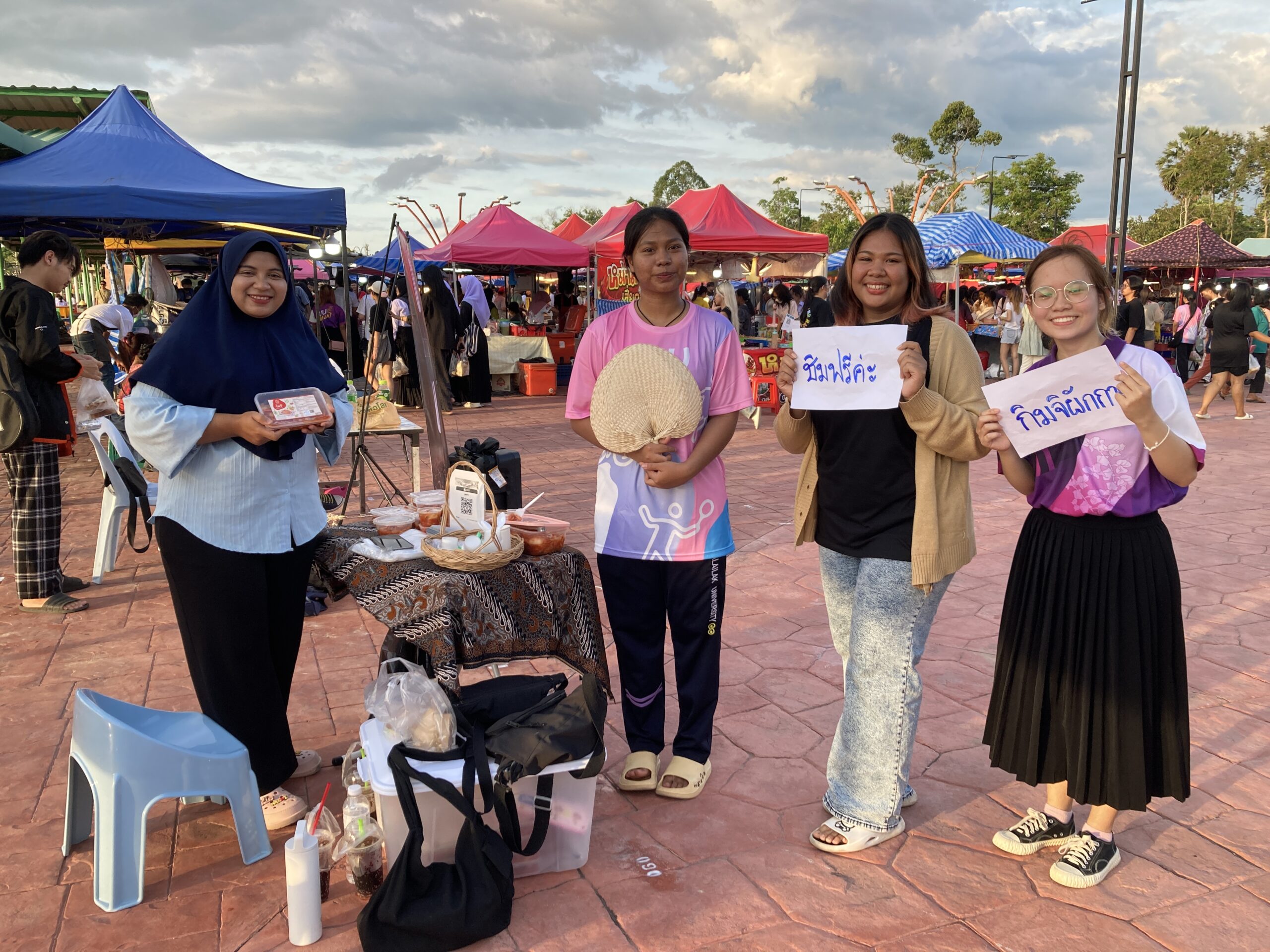
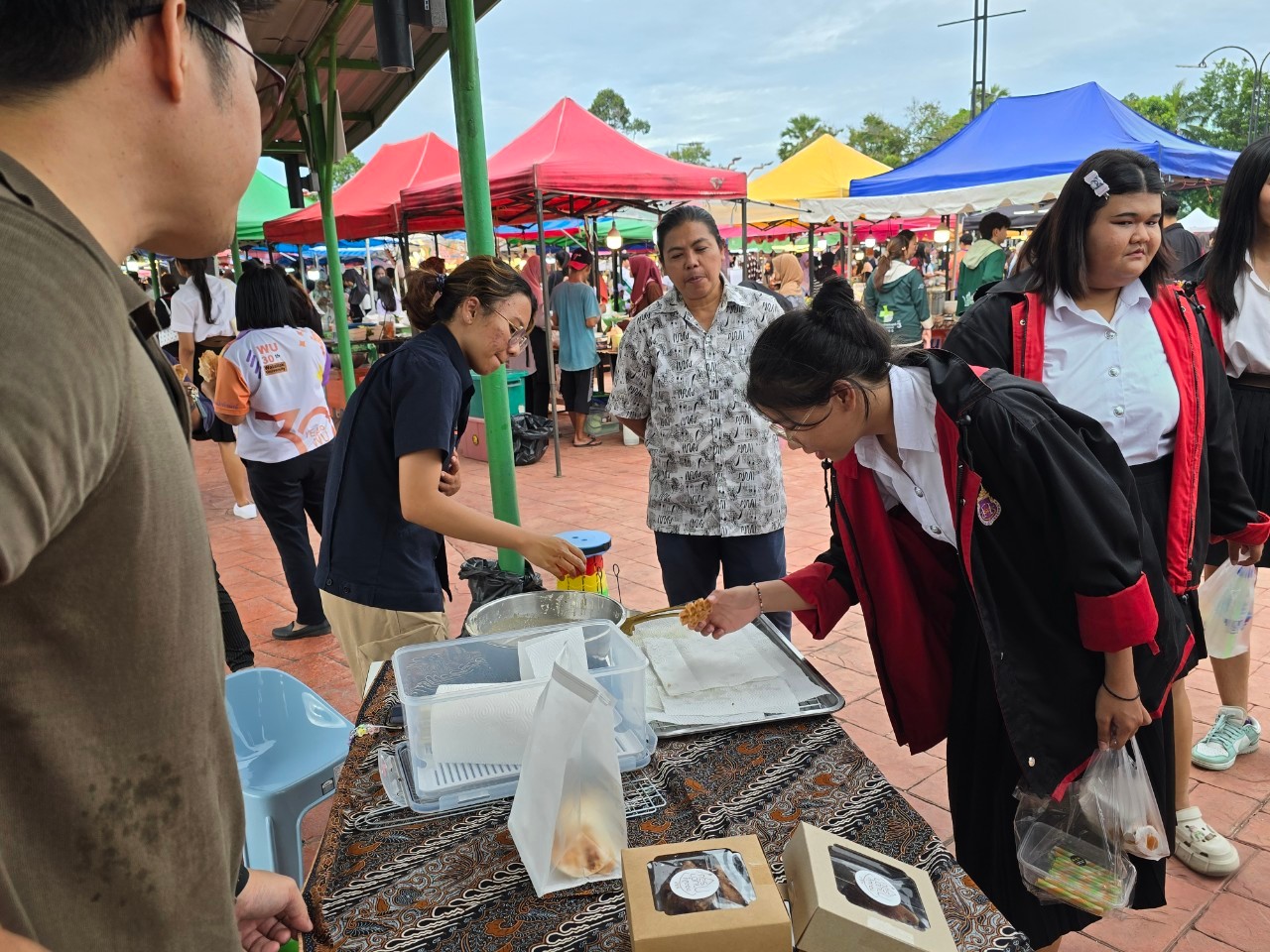
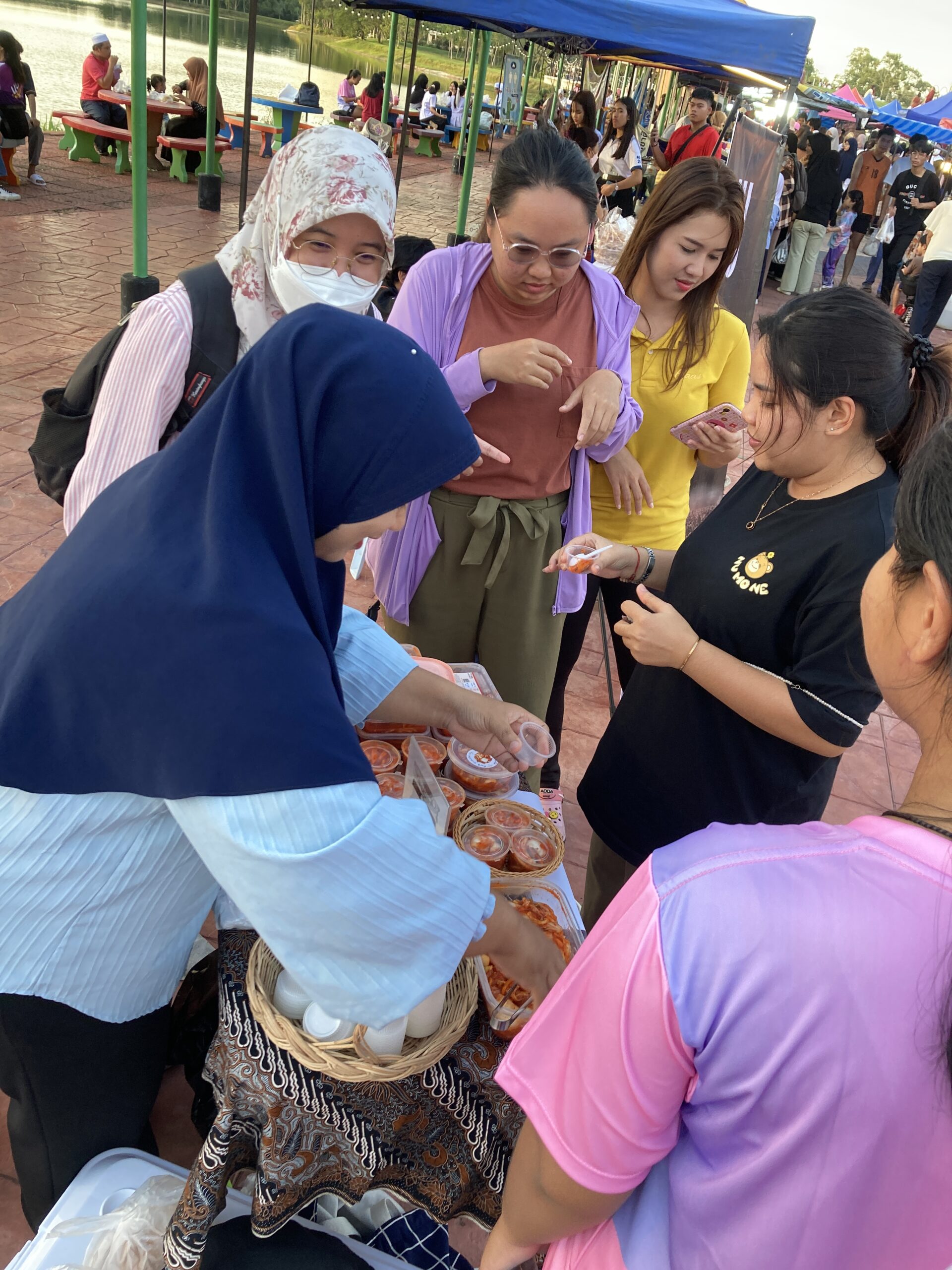
Figures : Students enjoying food at the Free Food Intervention in WU’s Bota Green Market.

Impacts on Alleviating Students’ Hunger

Both the Free Examination Support Food Station and the Free Food Intervention at the Botanic Park play a crucial role in alleviating hunger among WU students, ensuring they can focus on their studies and continue their university journey without the added burden of food insecurity. These programs not only help students meet their basic nutritional needs but also significantly reduce their living expenses, allowing them to allocate their limited financial resources toward other essential needs, such as education materials and housing.
By addressing food security, Walailak University is actively supporting student retention and academic success. These initiatives also foster a supportive and inclusive campus environment, where students feel cared for, knowing that their well-being is a priority. The long-term impact of such programs can extend beyond graduation, as students who have their basic needs met are more likely to succeed academically and graduate, contributing to society as skilled professionals.

Goal 2: Zero hunger

Goal 1: No poverty

Goal 3: Good health and well-being

Goal 17: Partnerships for the Goals