Walailak Food Outlets: Sustainable Food Choices for ALL
Walailak University’s Center of Property Management oversees the recruitment of food operators across campus through transparent and respectful procedures to ensure that the food operators provide sustainable and inclusive food choices for students, staff, and visitors. The university’s food outlets include the Chor Pradu Food Center, the Activity Building Food Center, the WUH Food Center, retail convenience stores, food kiosks, cafeterias, vending machines, Walailak University markets, and the Kla-D shop. All these outlets offer sustainable food options, and vendors must comply with the 2022 Policy on Food Preparation and Sustainable Consumption. The center places great importance on fair trading to ensure that all food vendors at WU food centers, food kiosks, cafeterias, and retail convenience stores have equal opportunities to operate their businesses on campus. This initiative aims to establish trading partnerships based on dialogue, transparency, and respect.
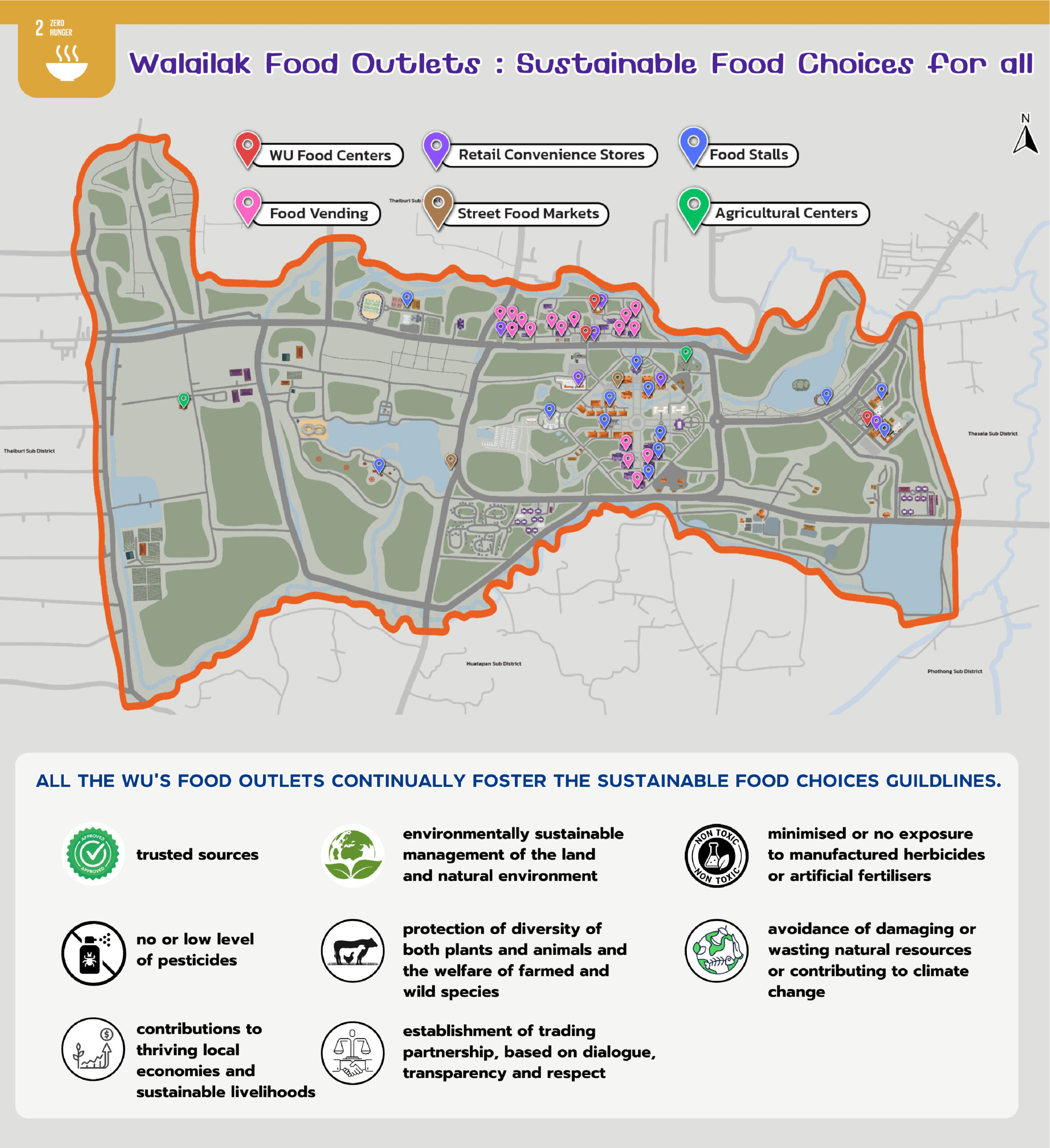
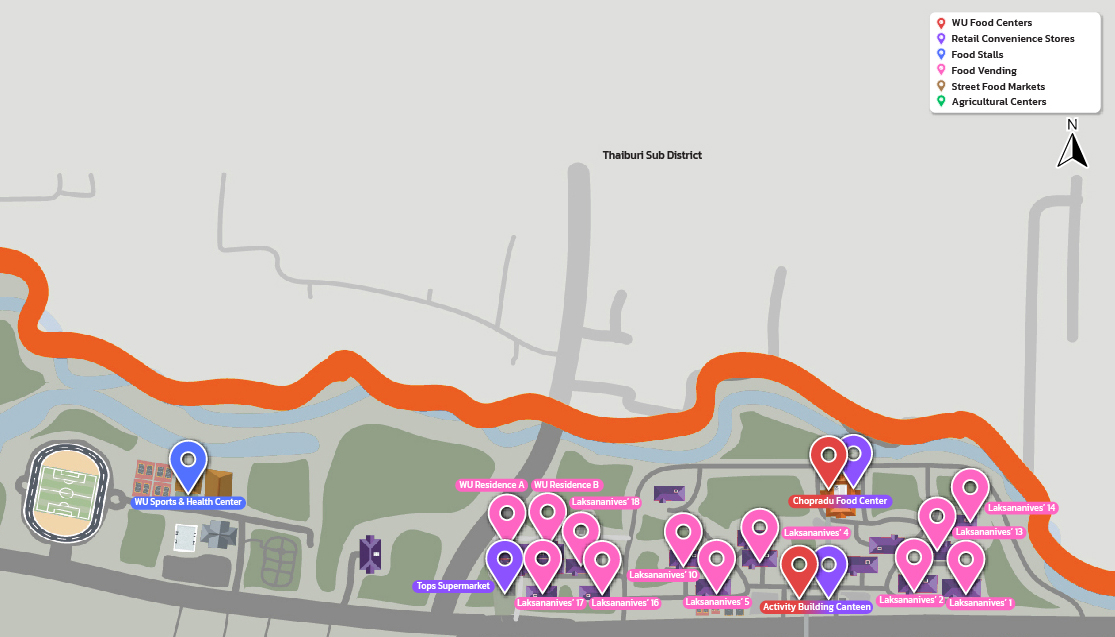
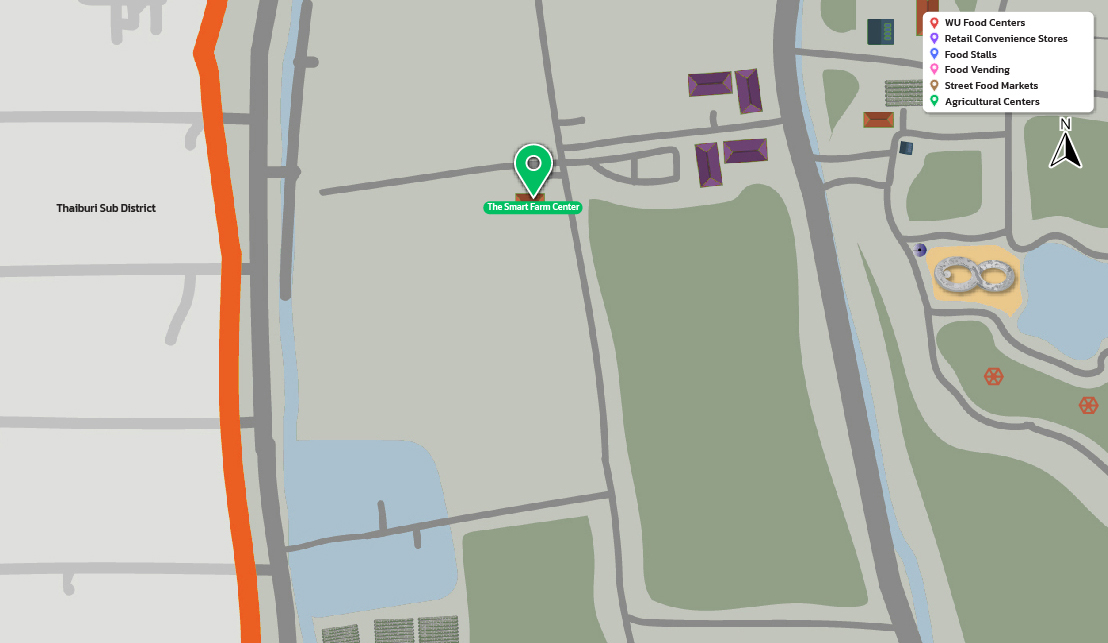
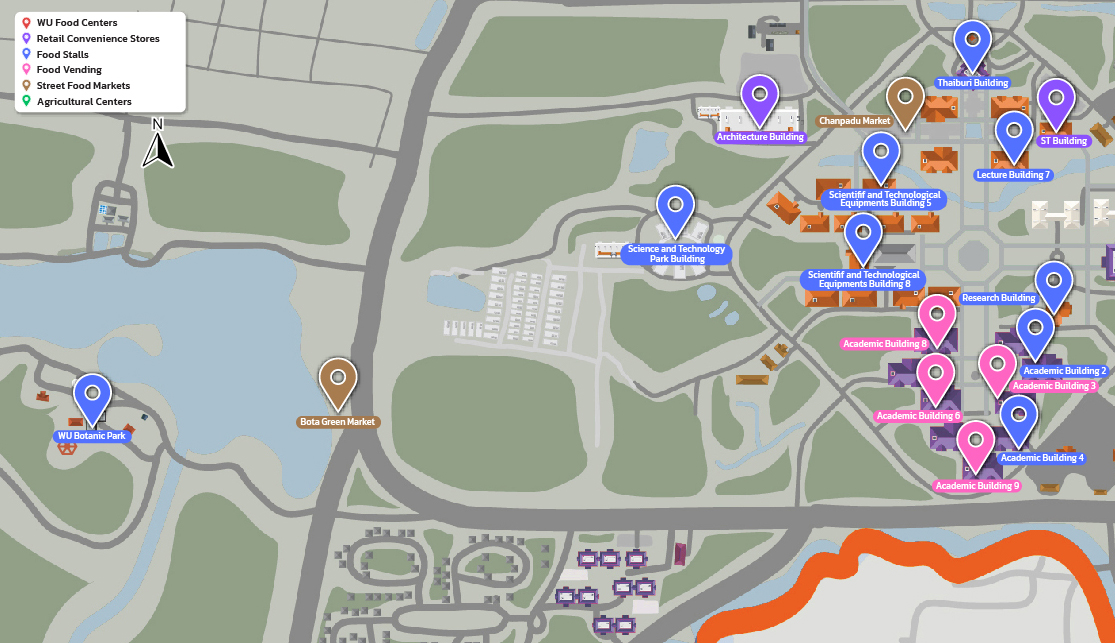
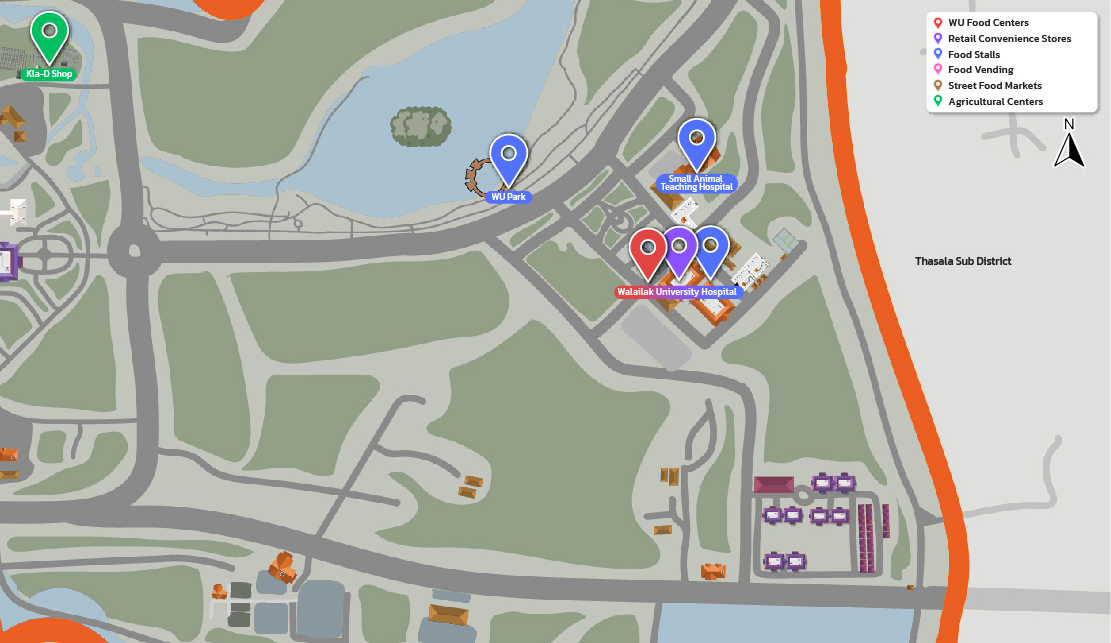
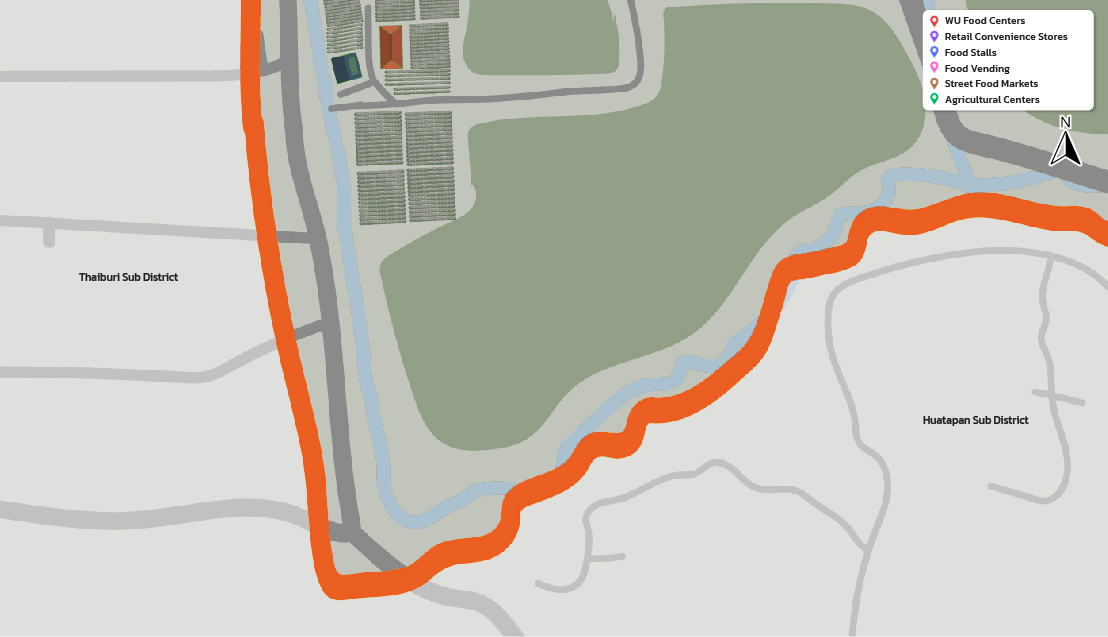
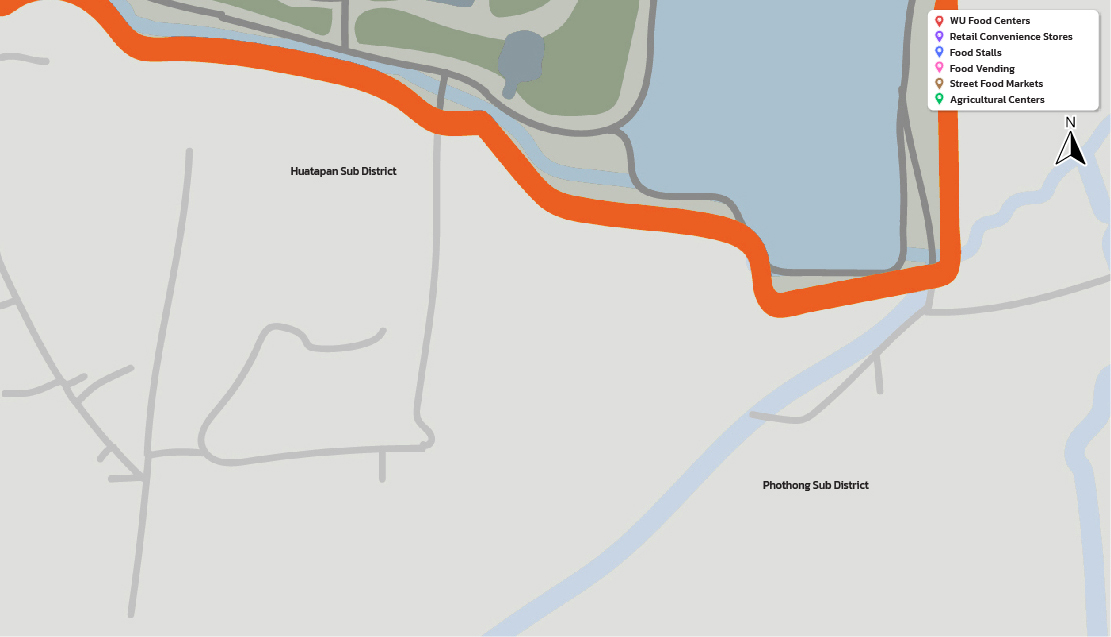
Click on the map for a clearer view with more details.
WU Food Centers
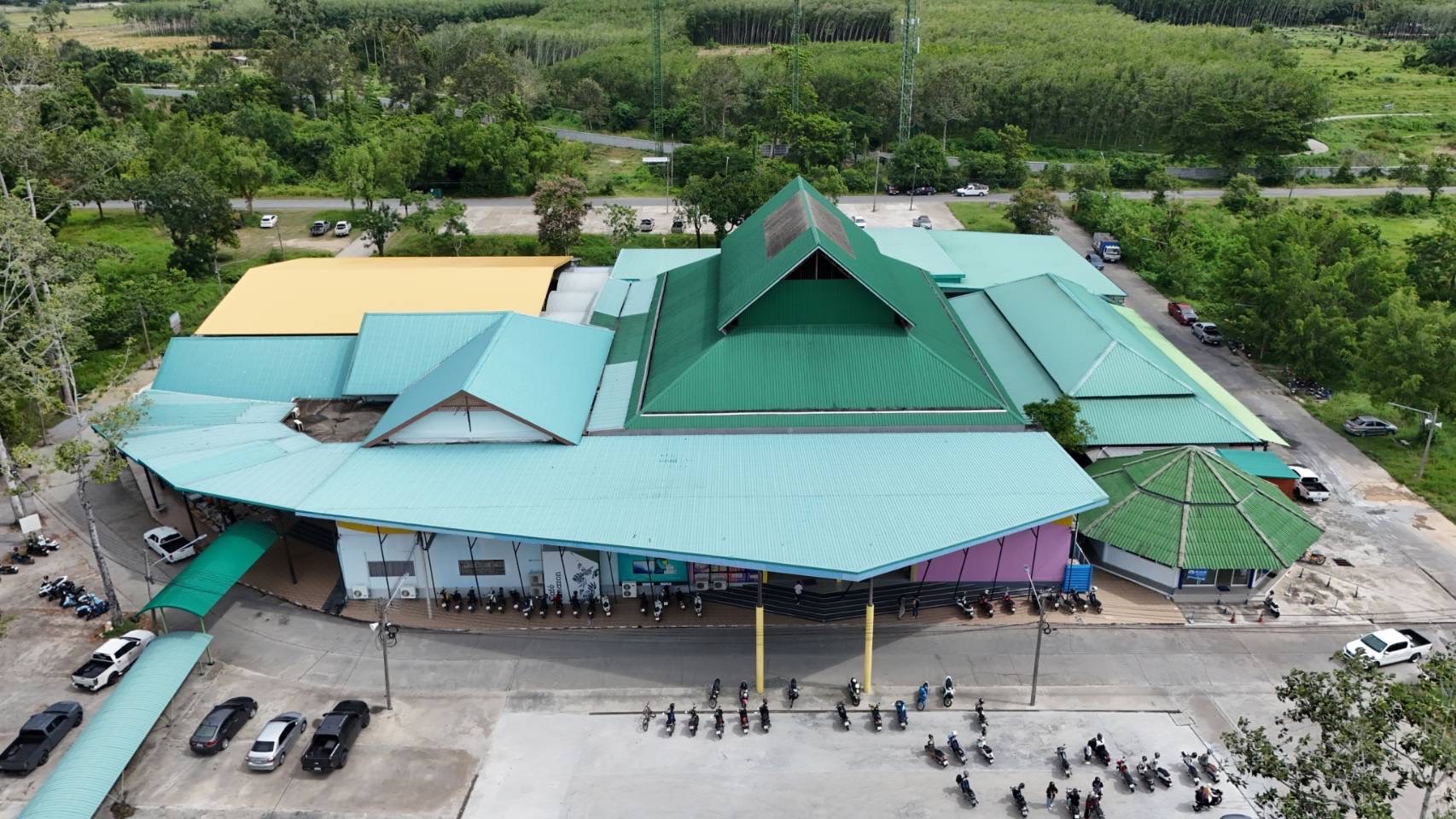
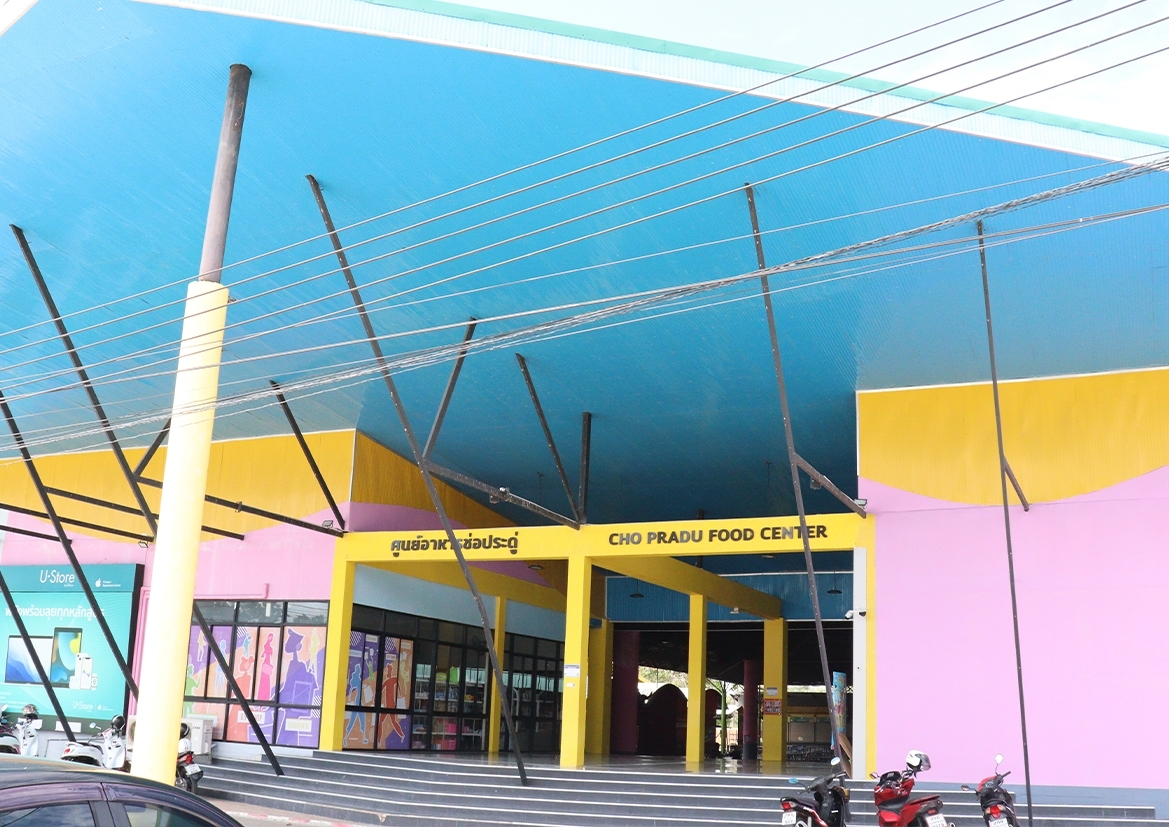
Cho Pradu Food Center
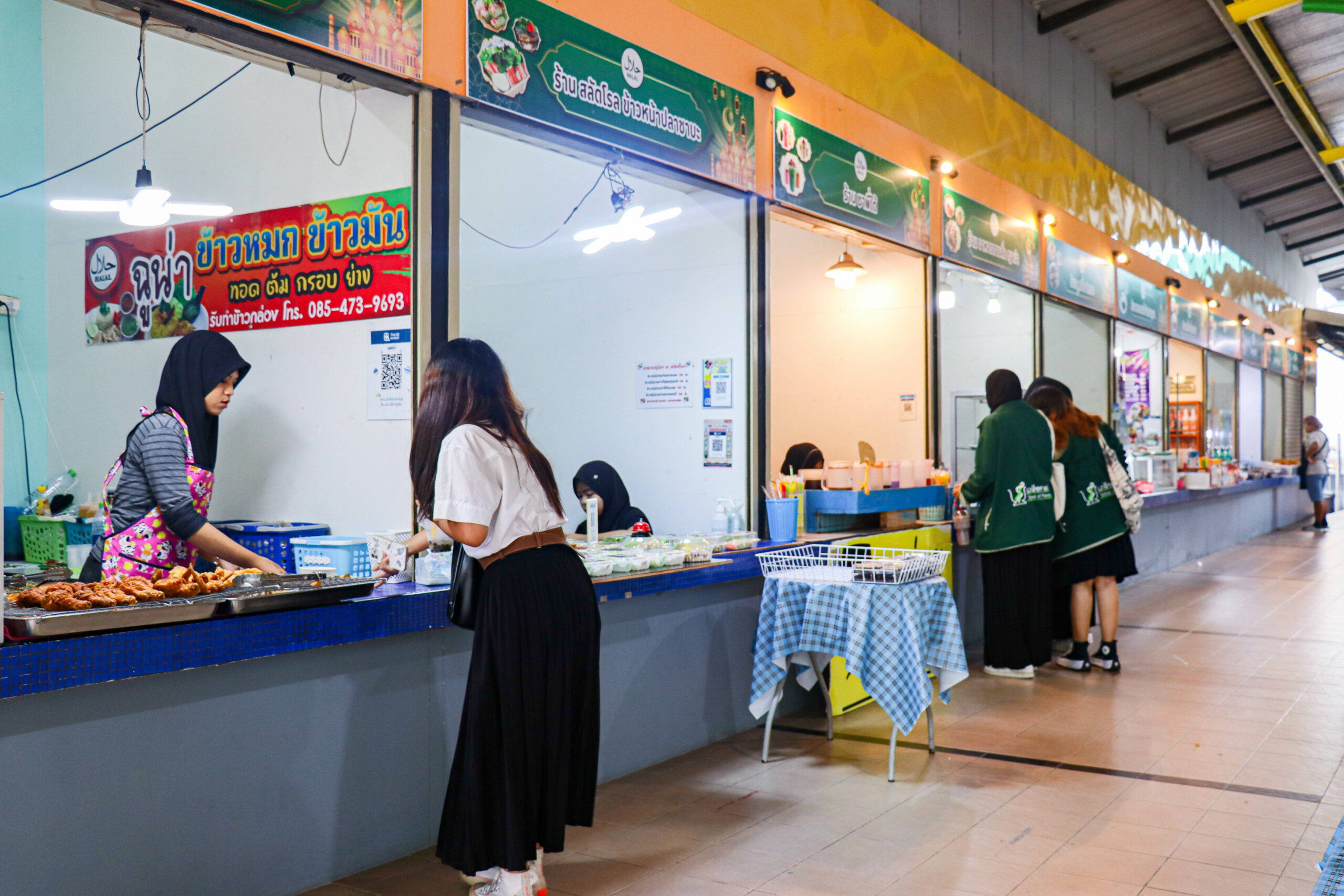
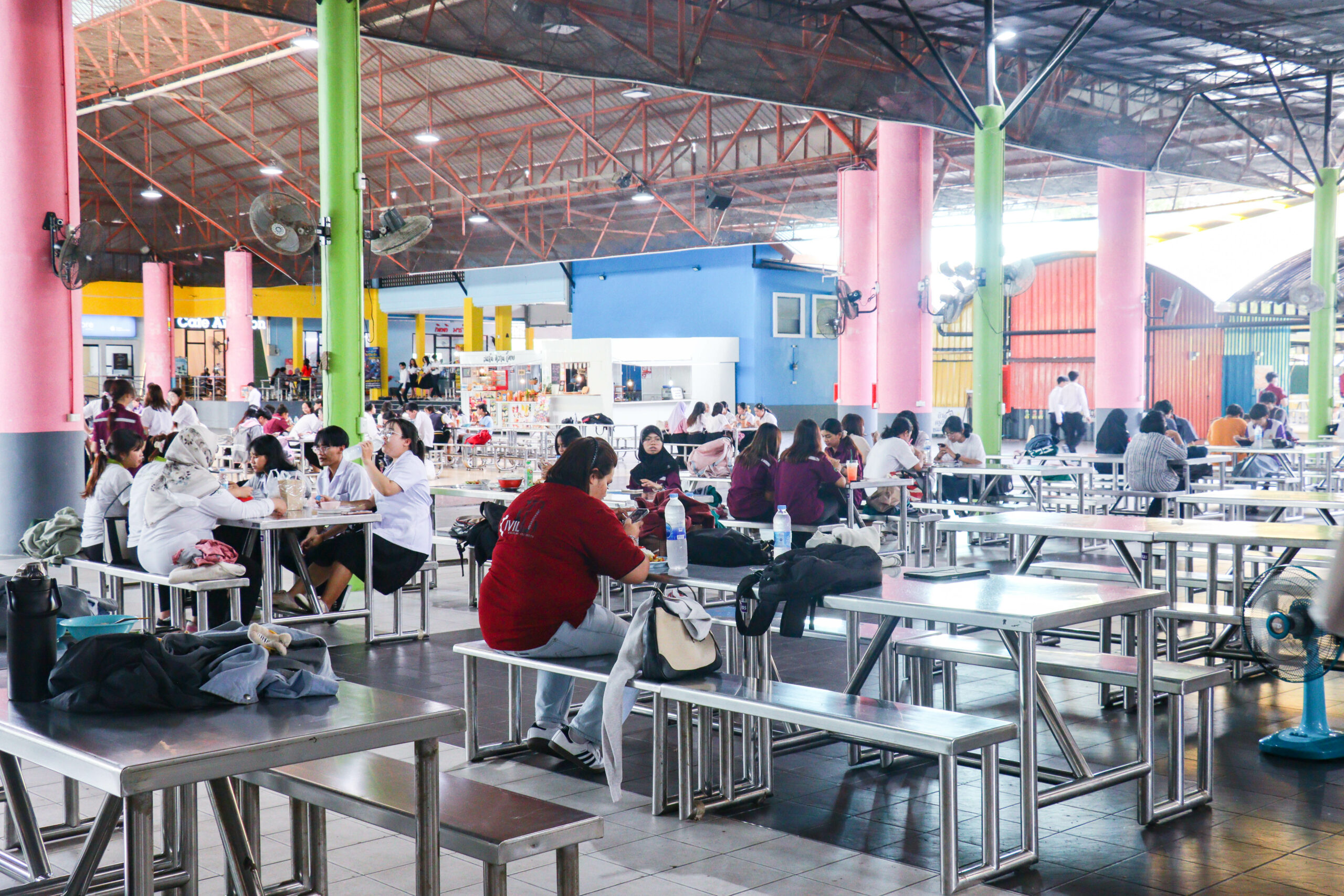
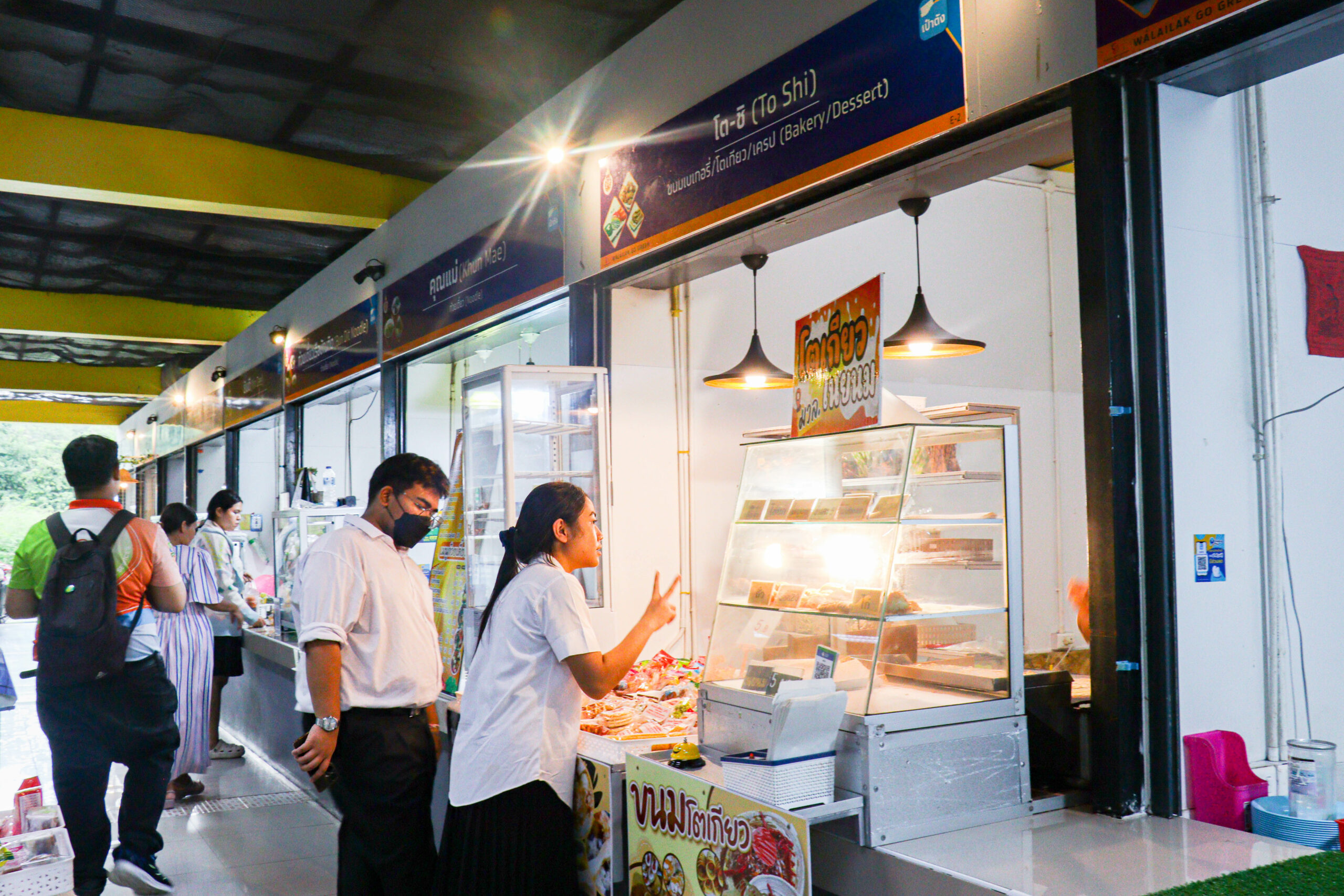
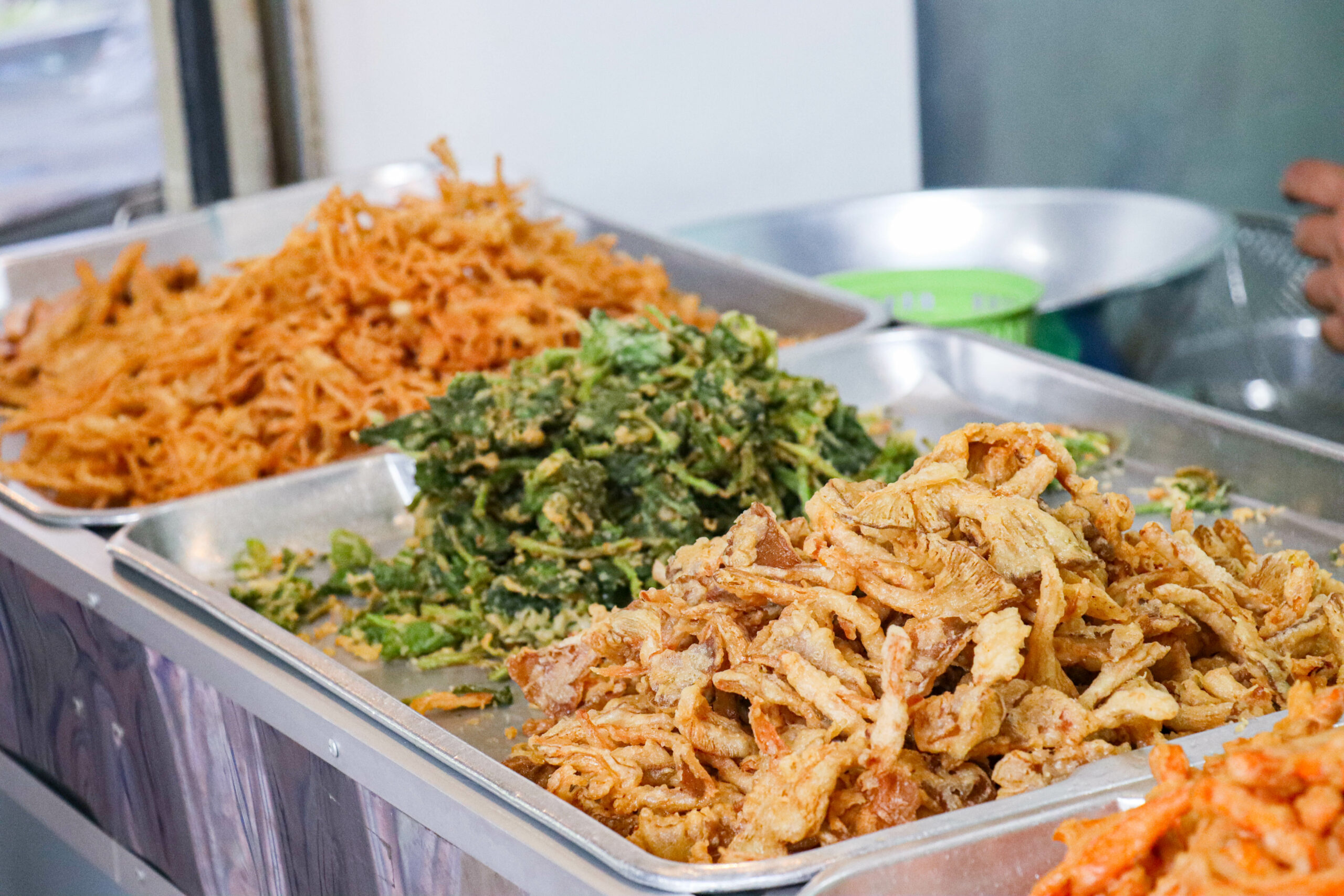
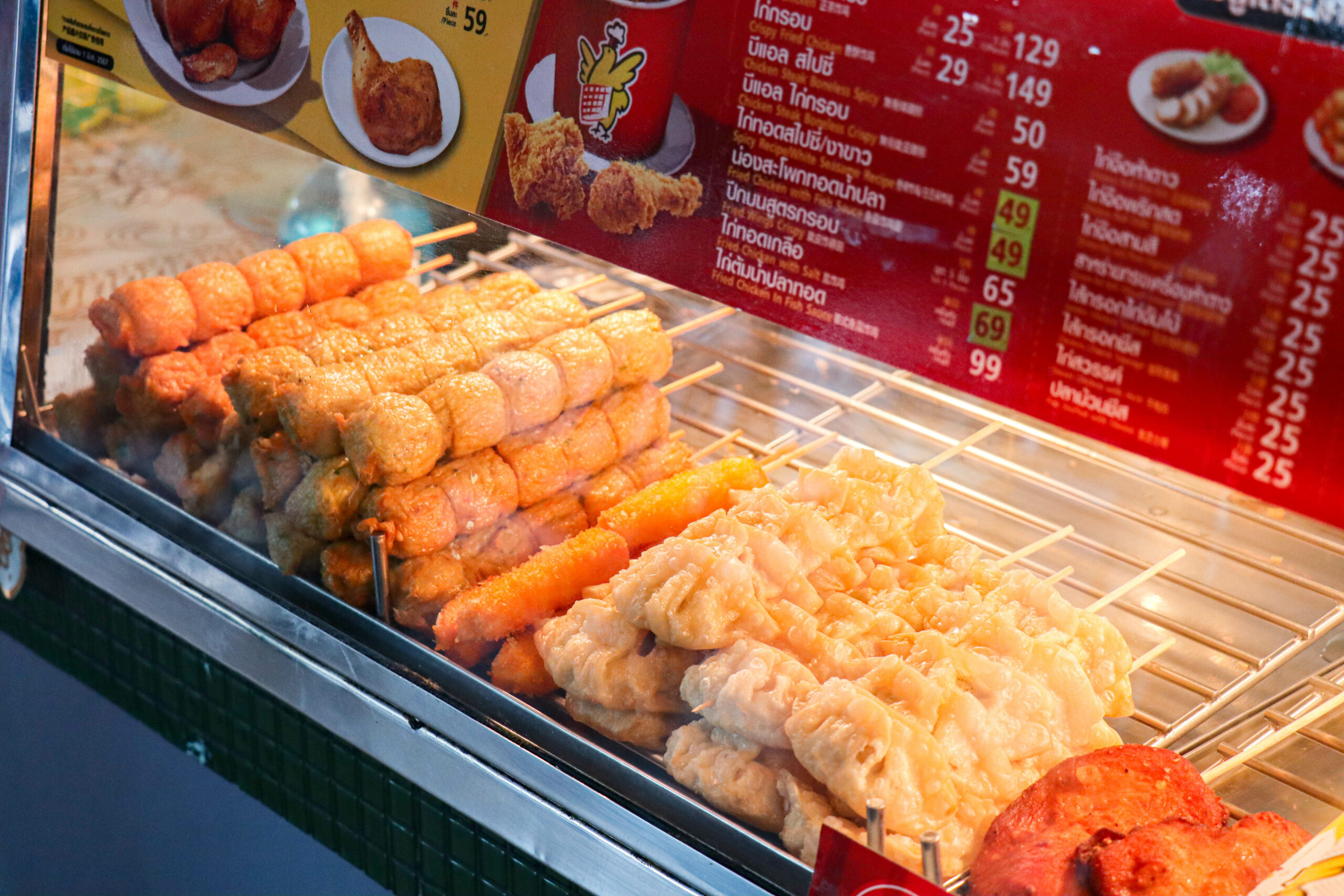
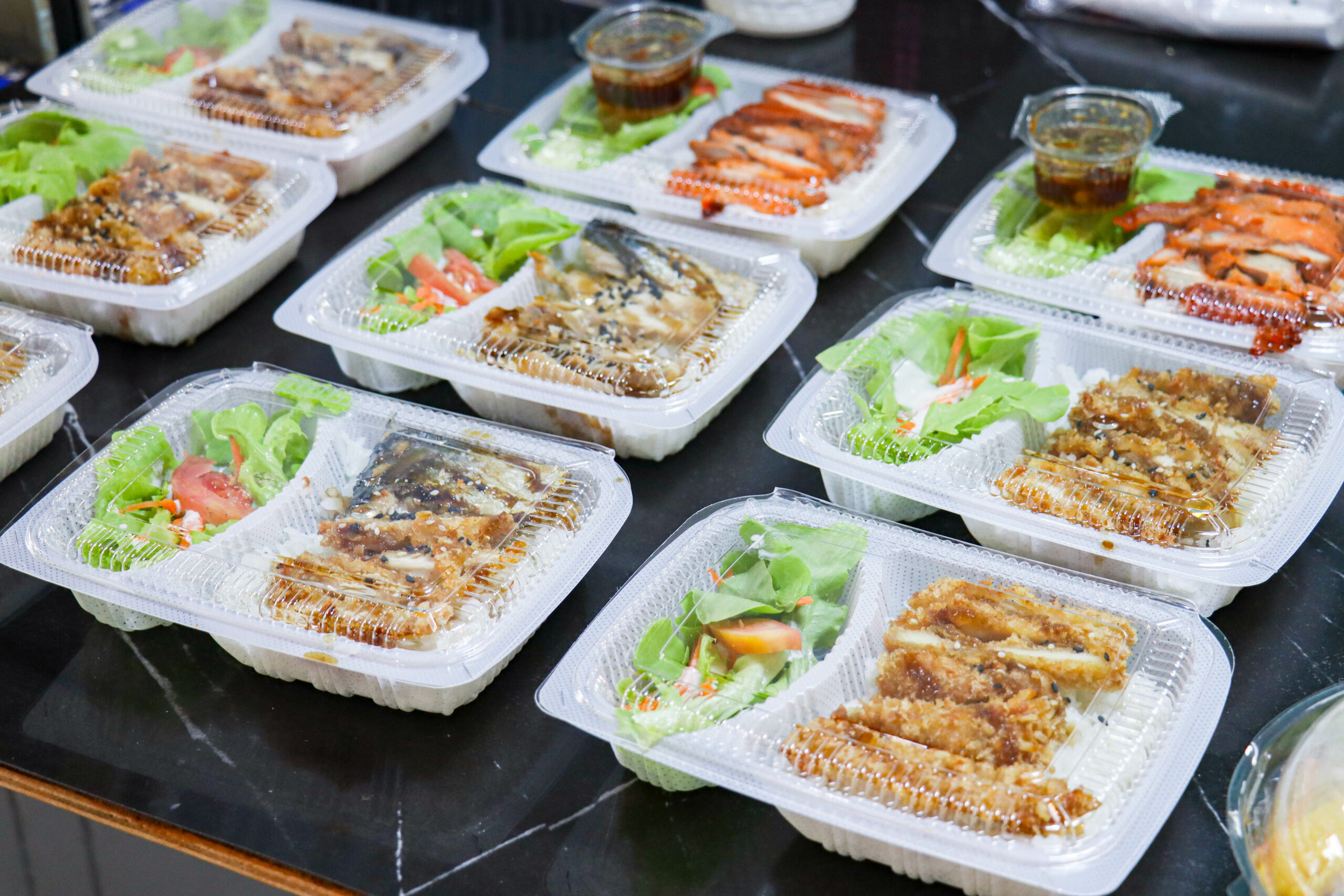
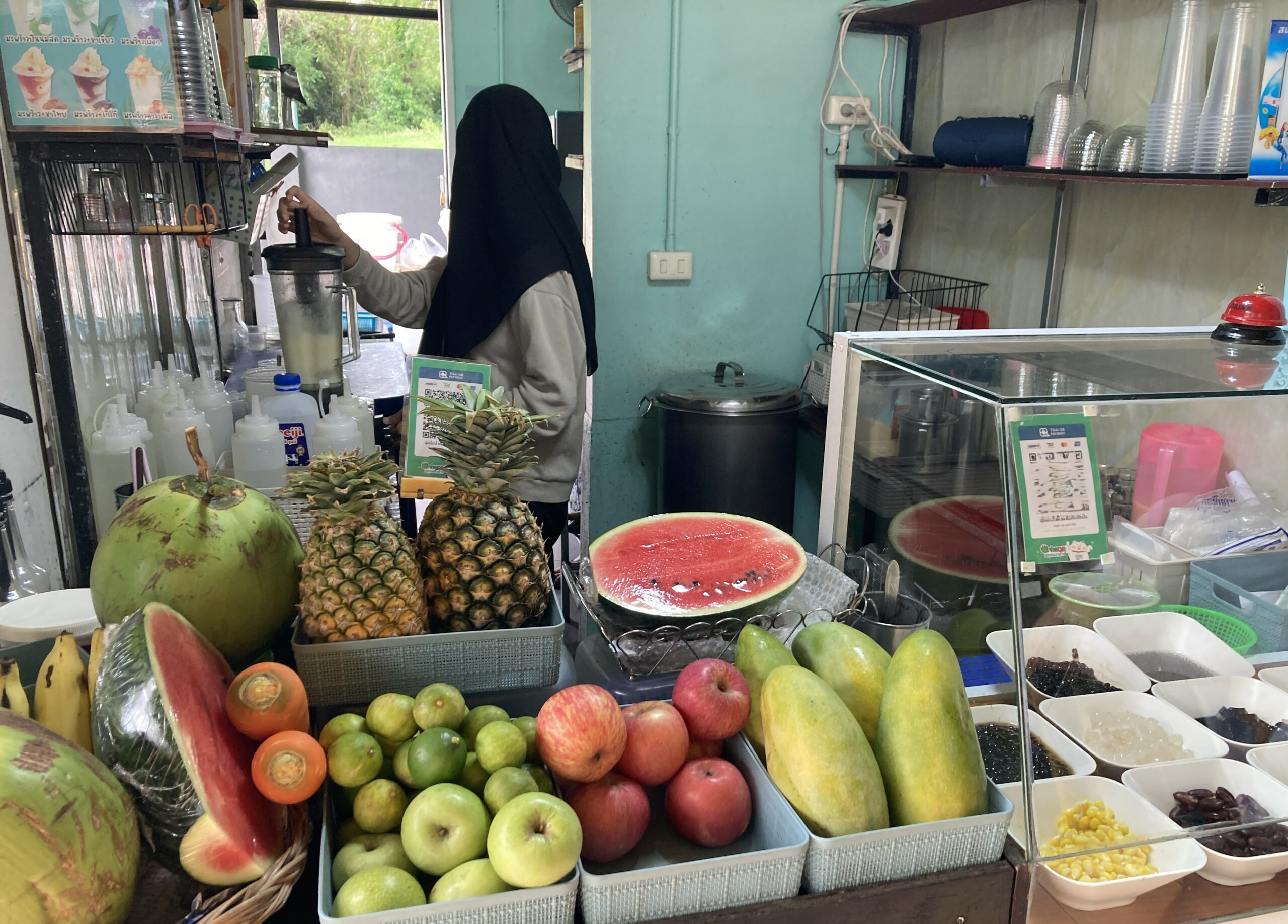
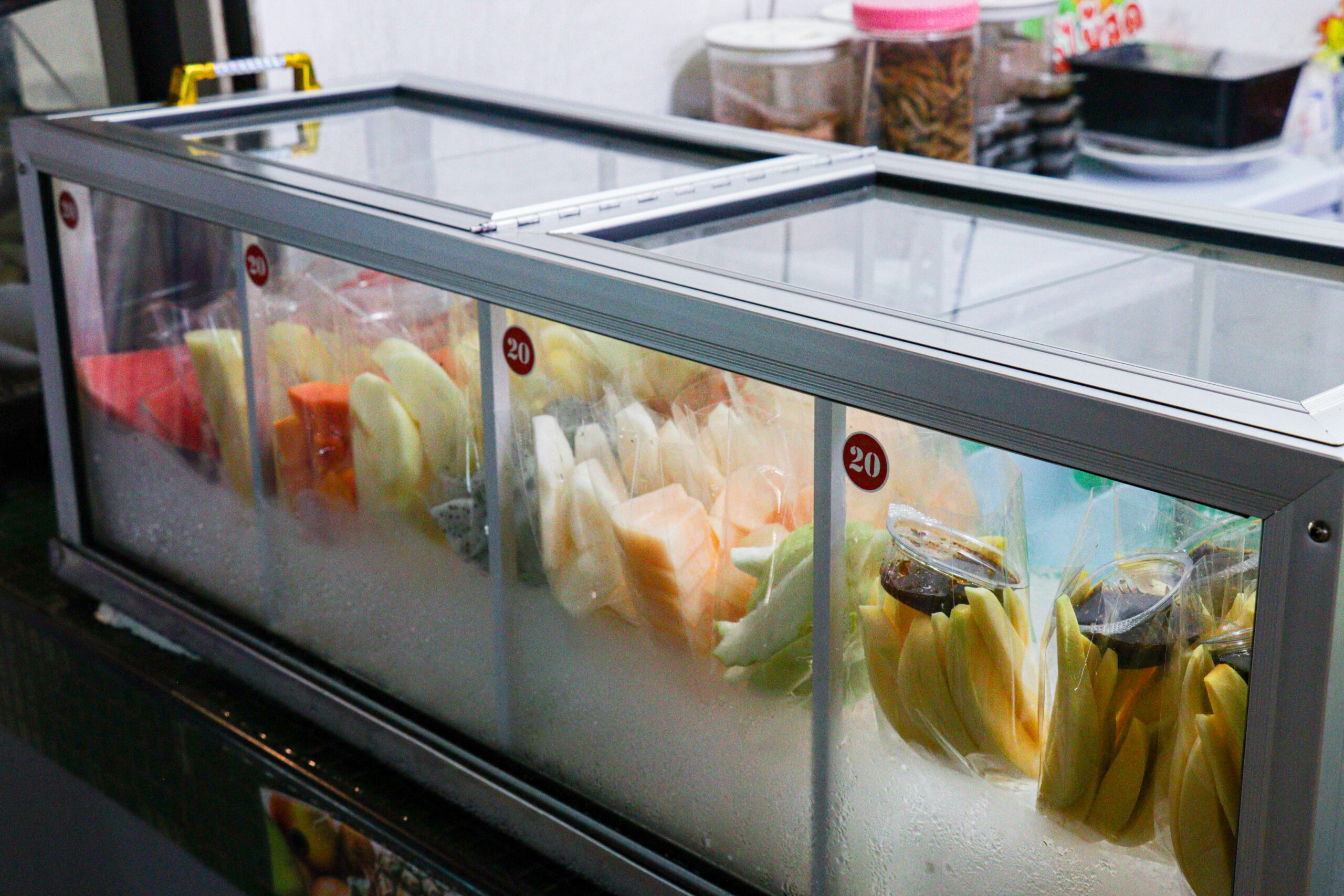
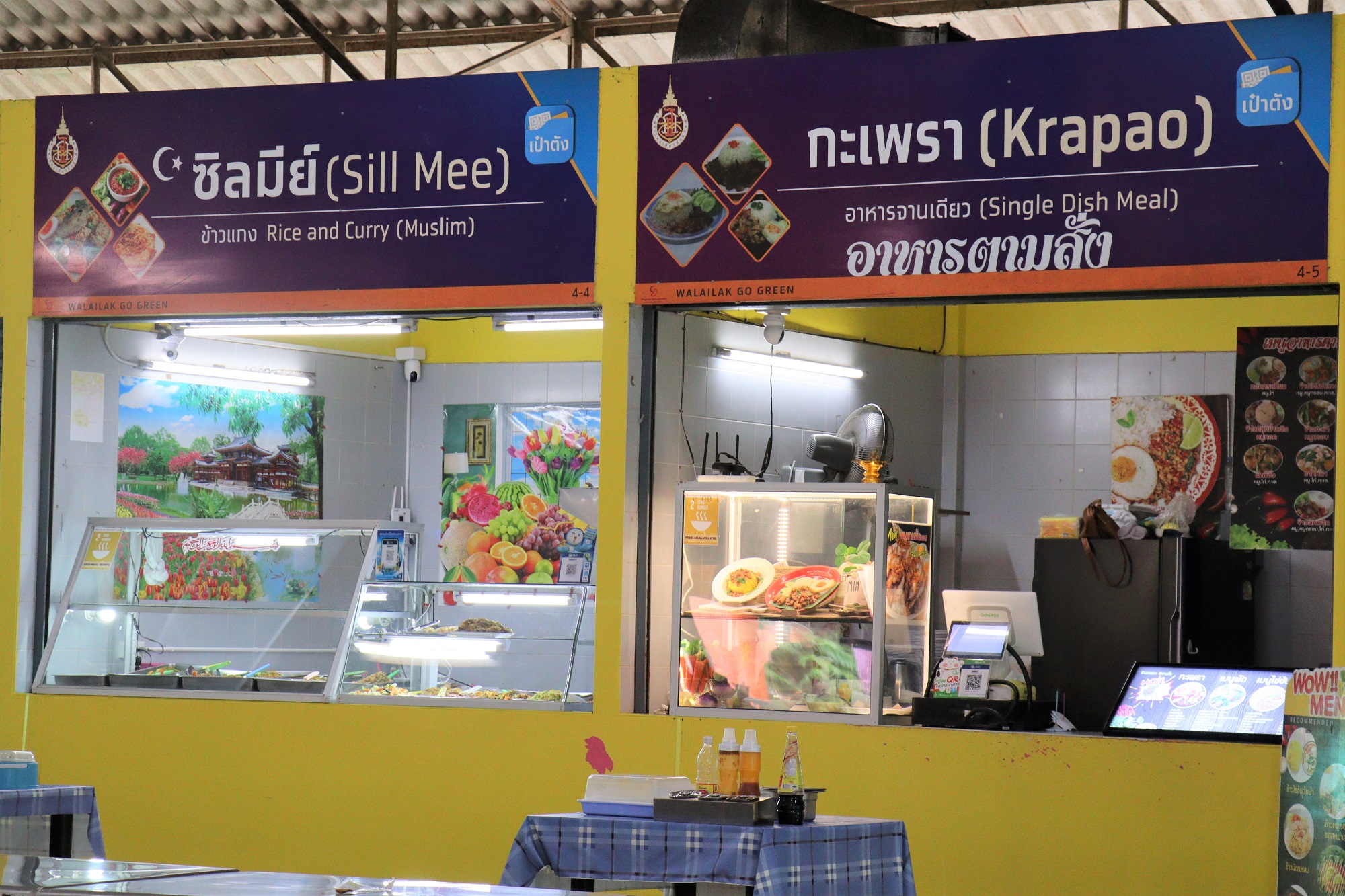
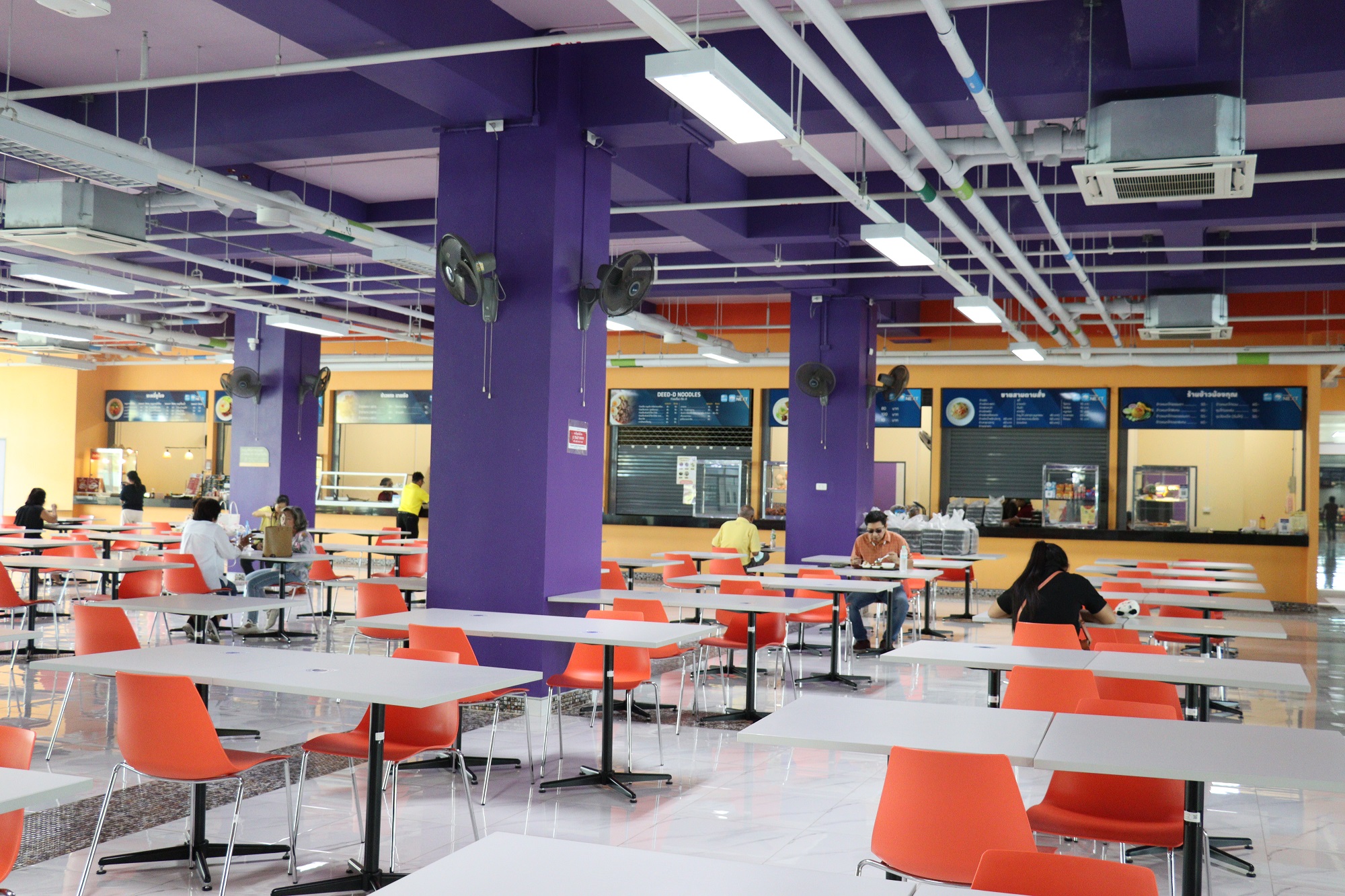
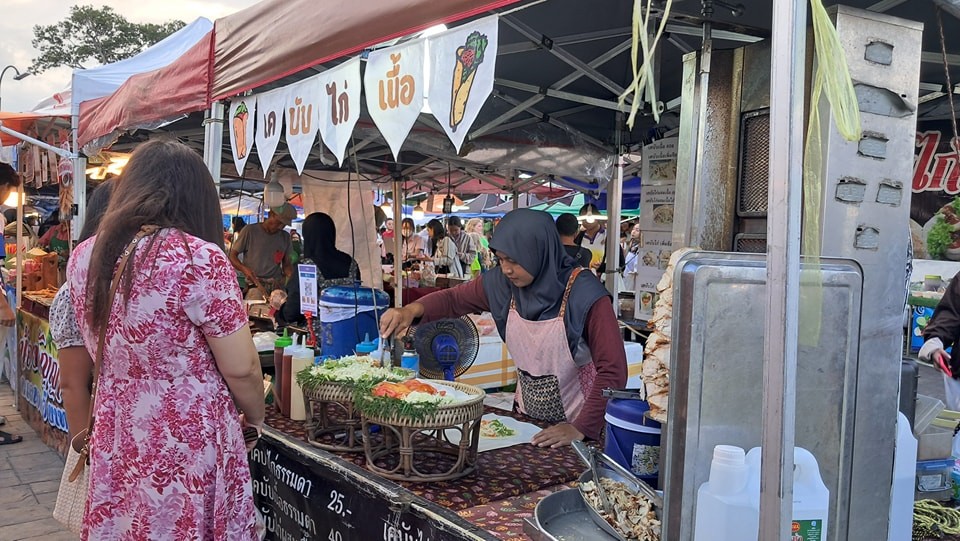
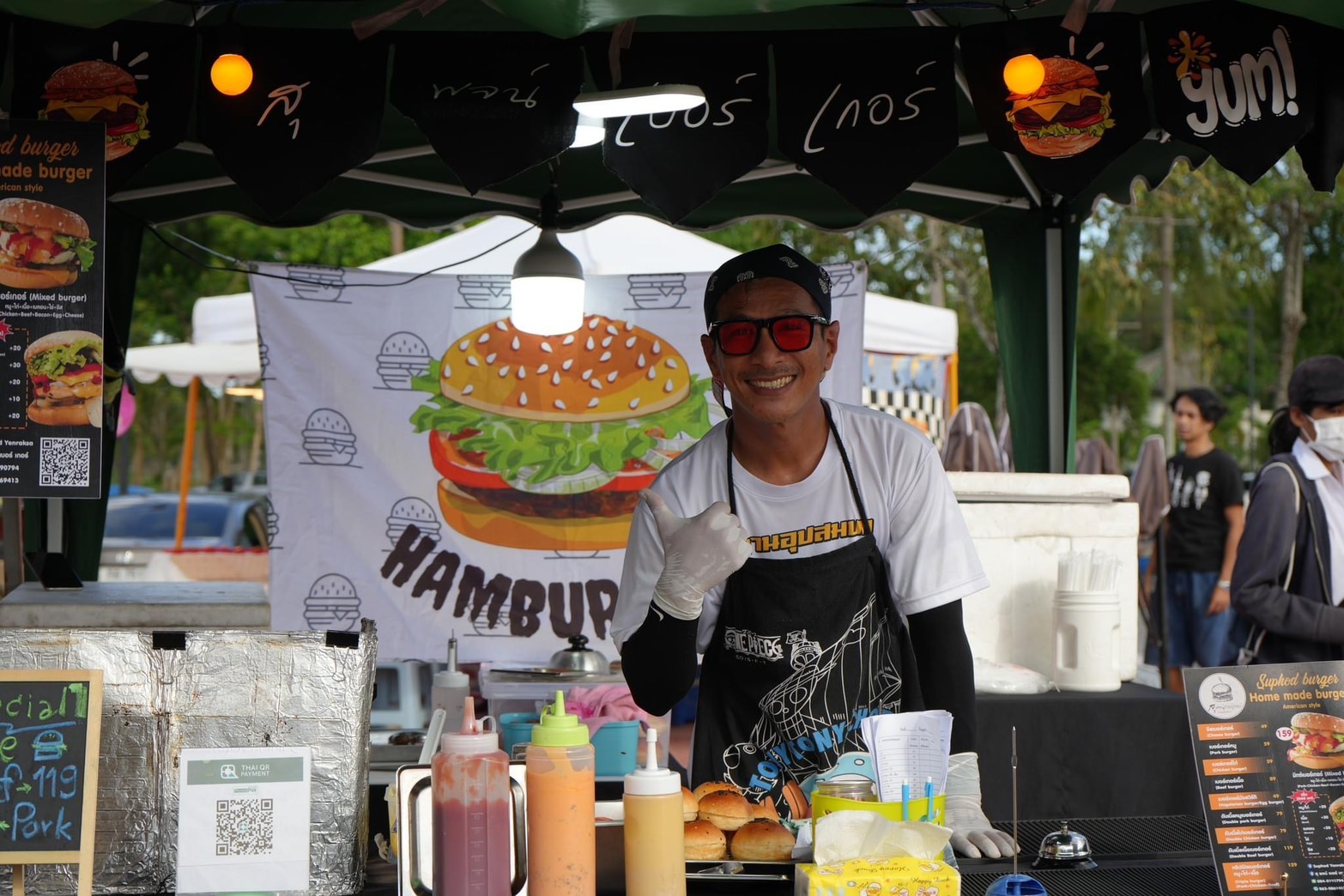
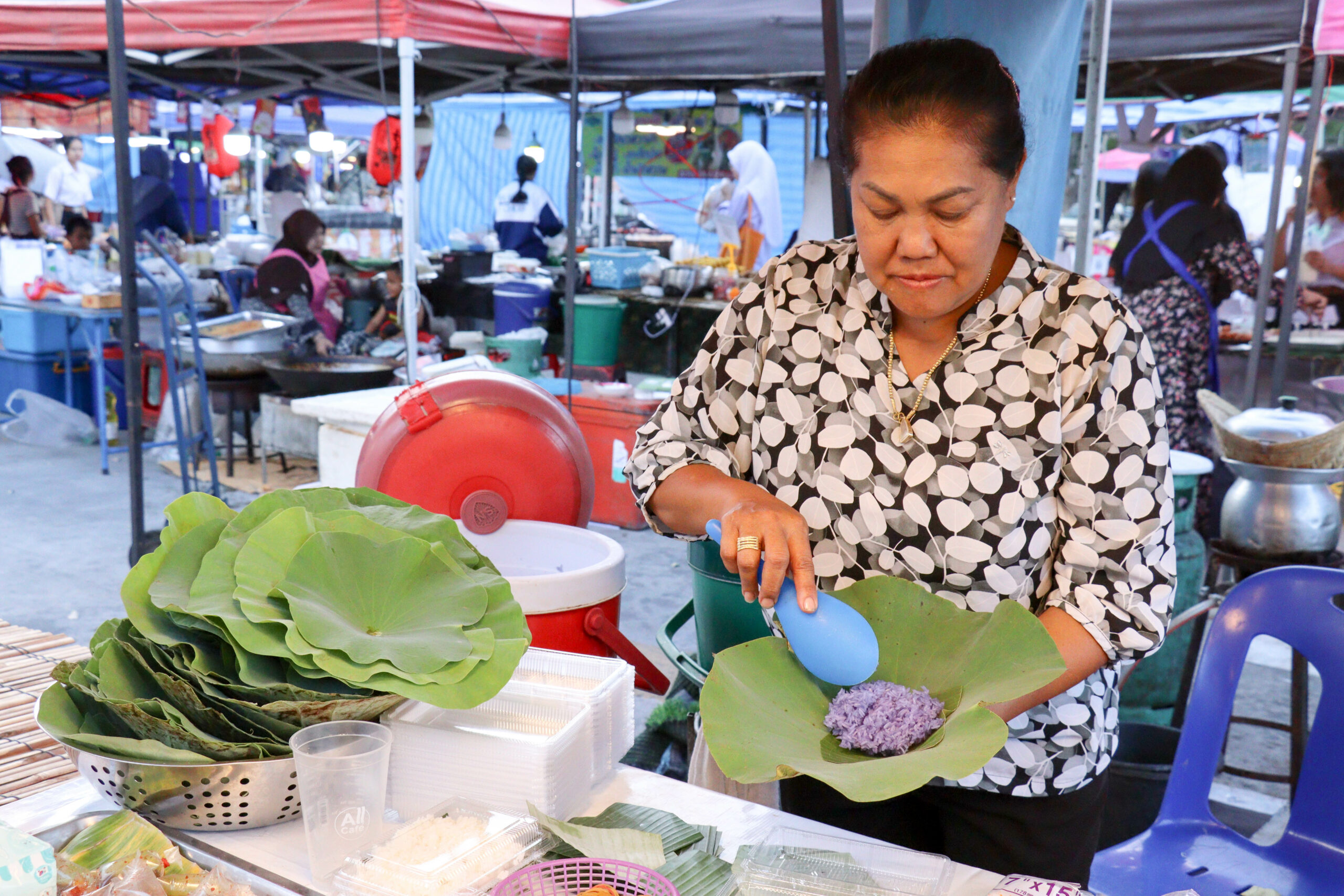
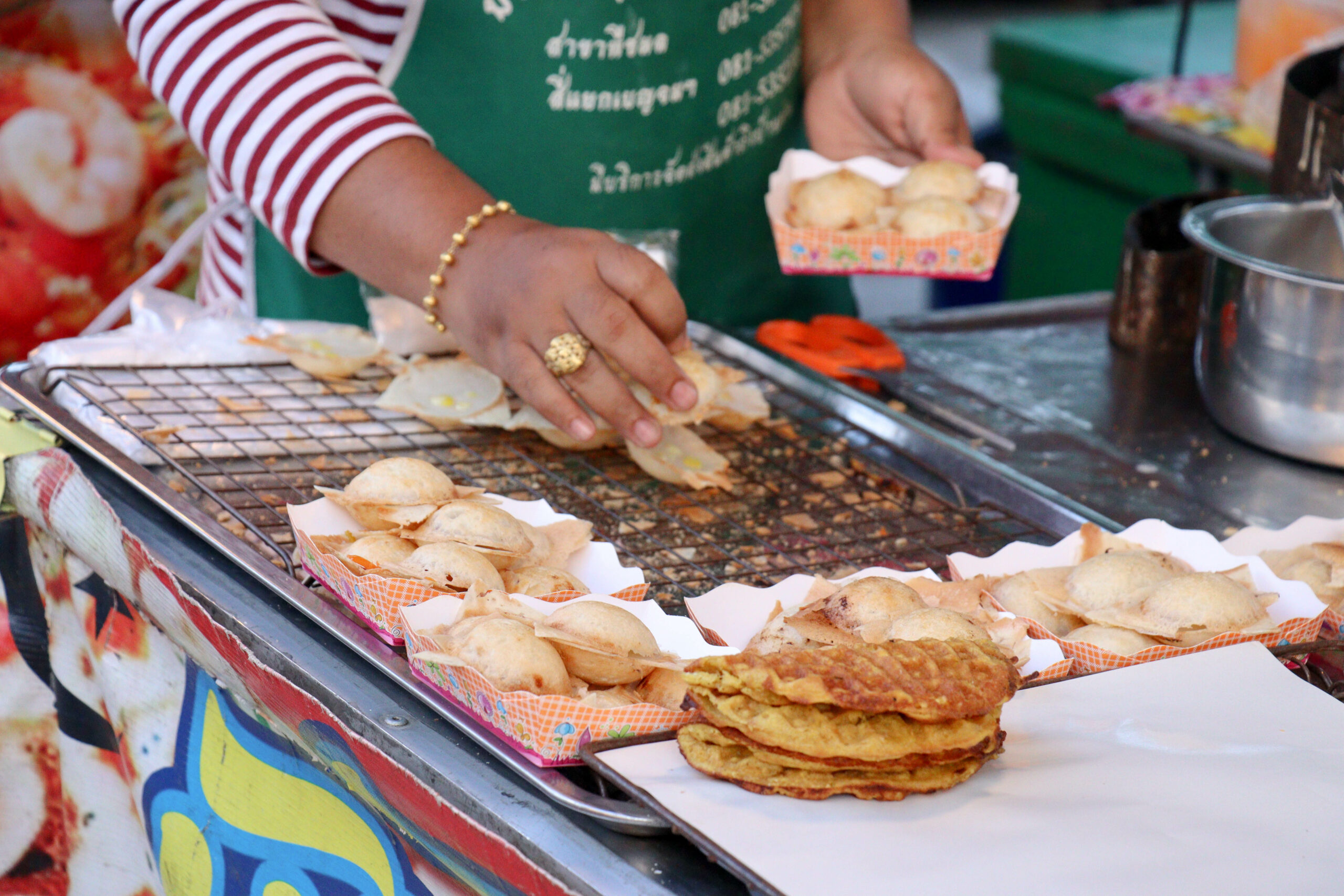
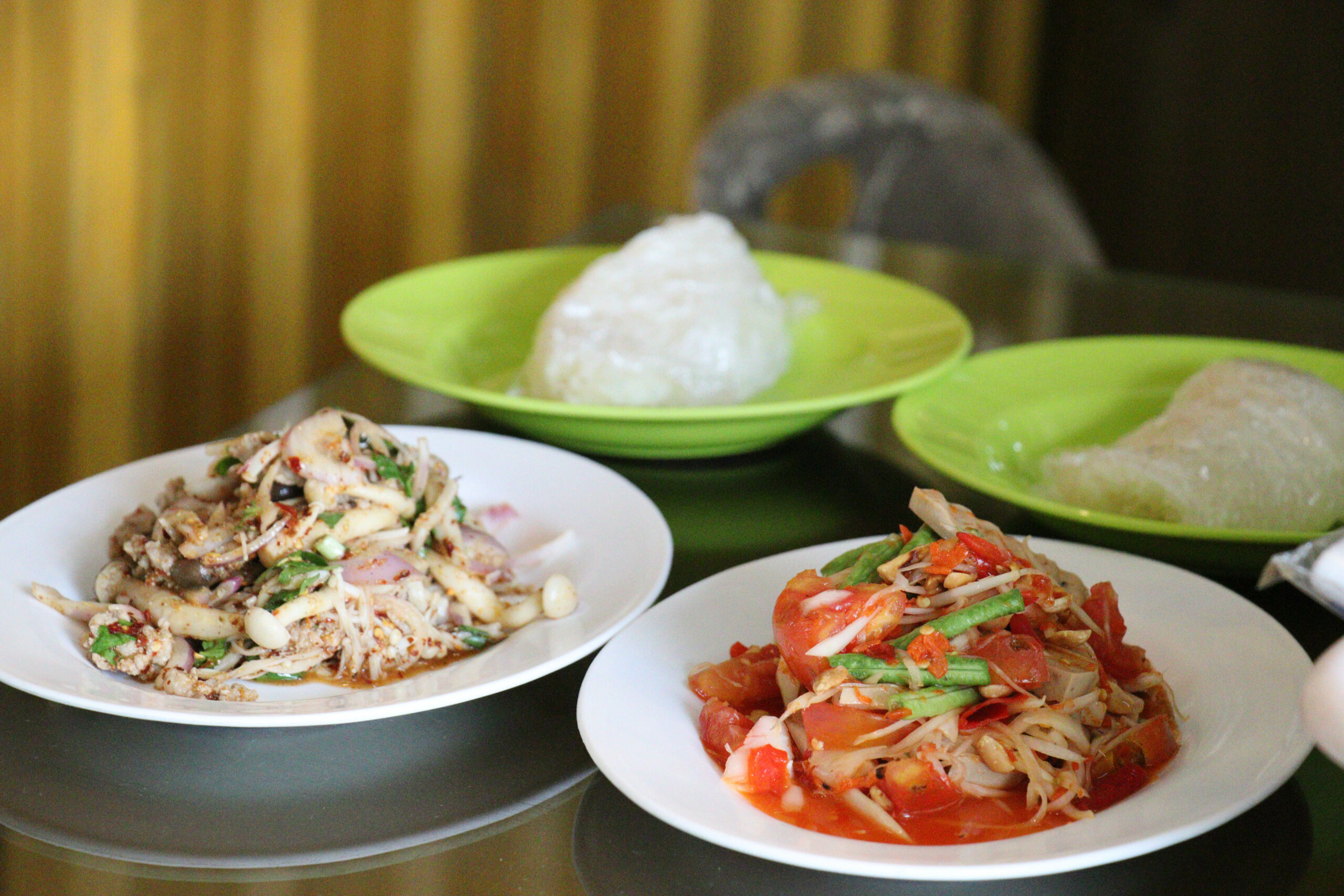
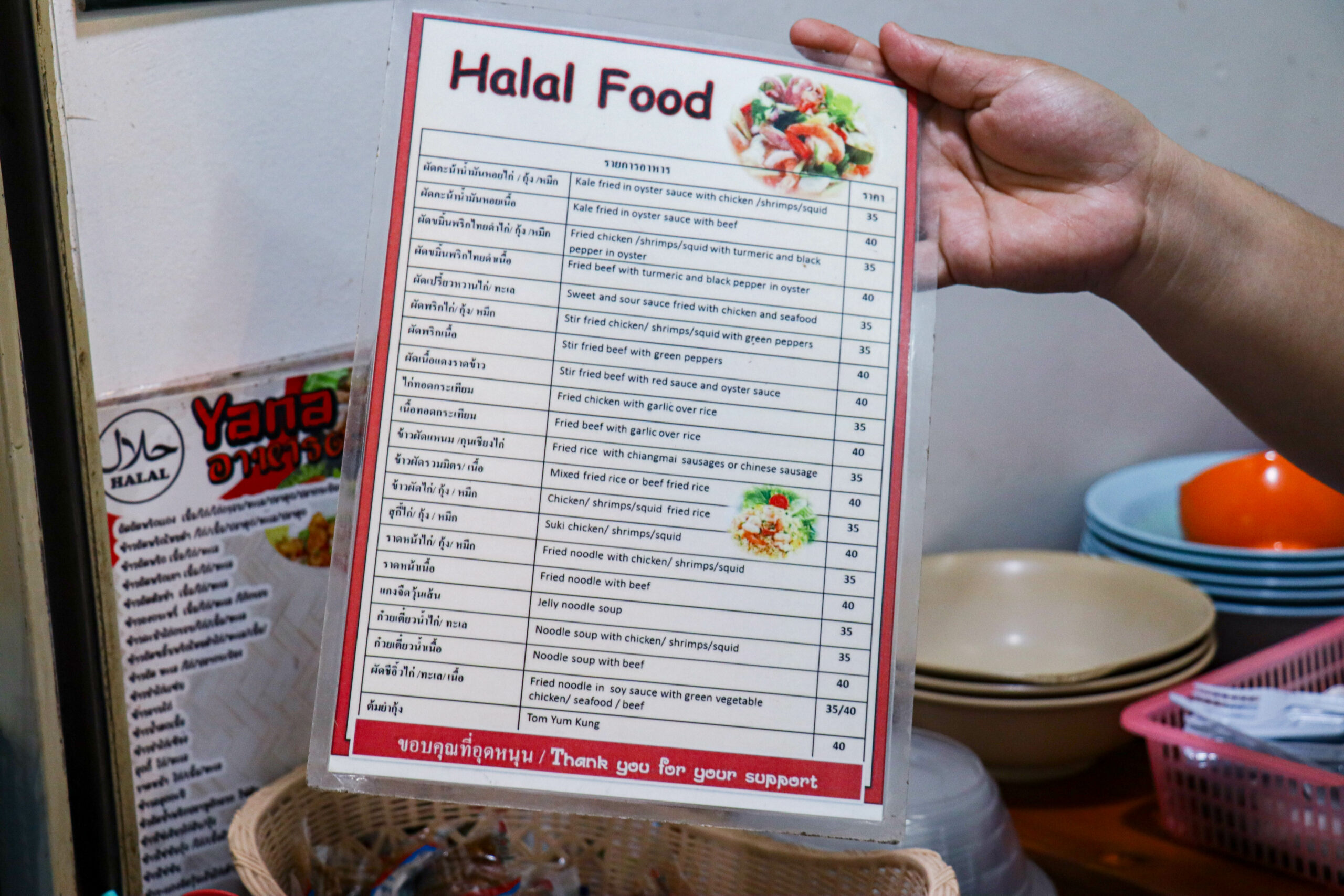
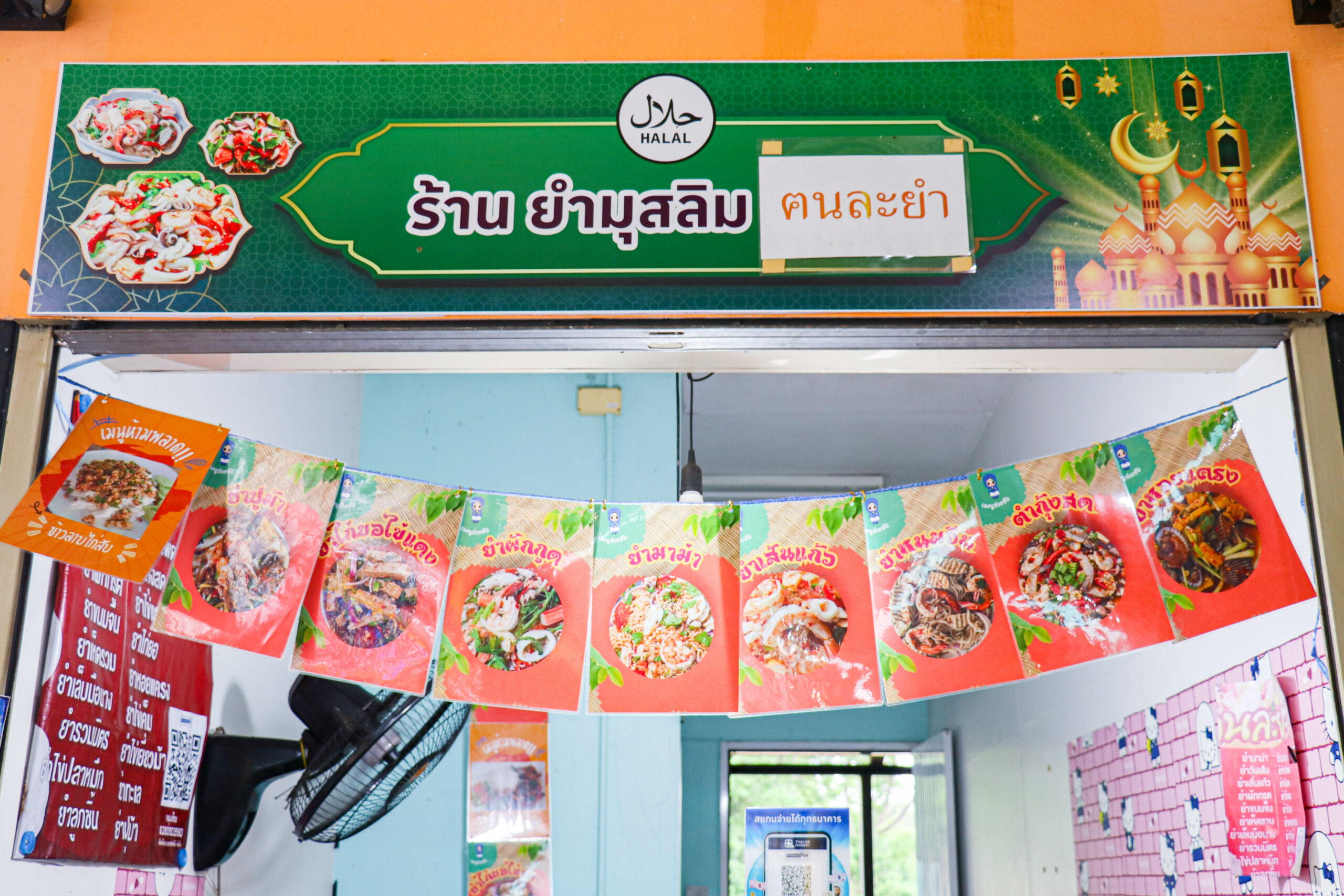
This food center comprises 85 food outlets and 12 local food stalls. It offers halal, vegan and vegetarian food, and fruit.
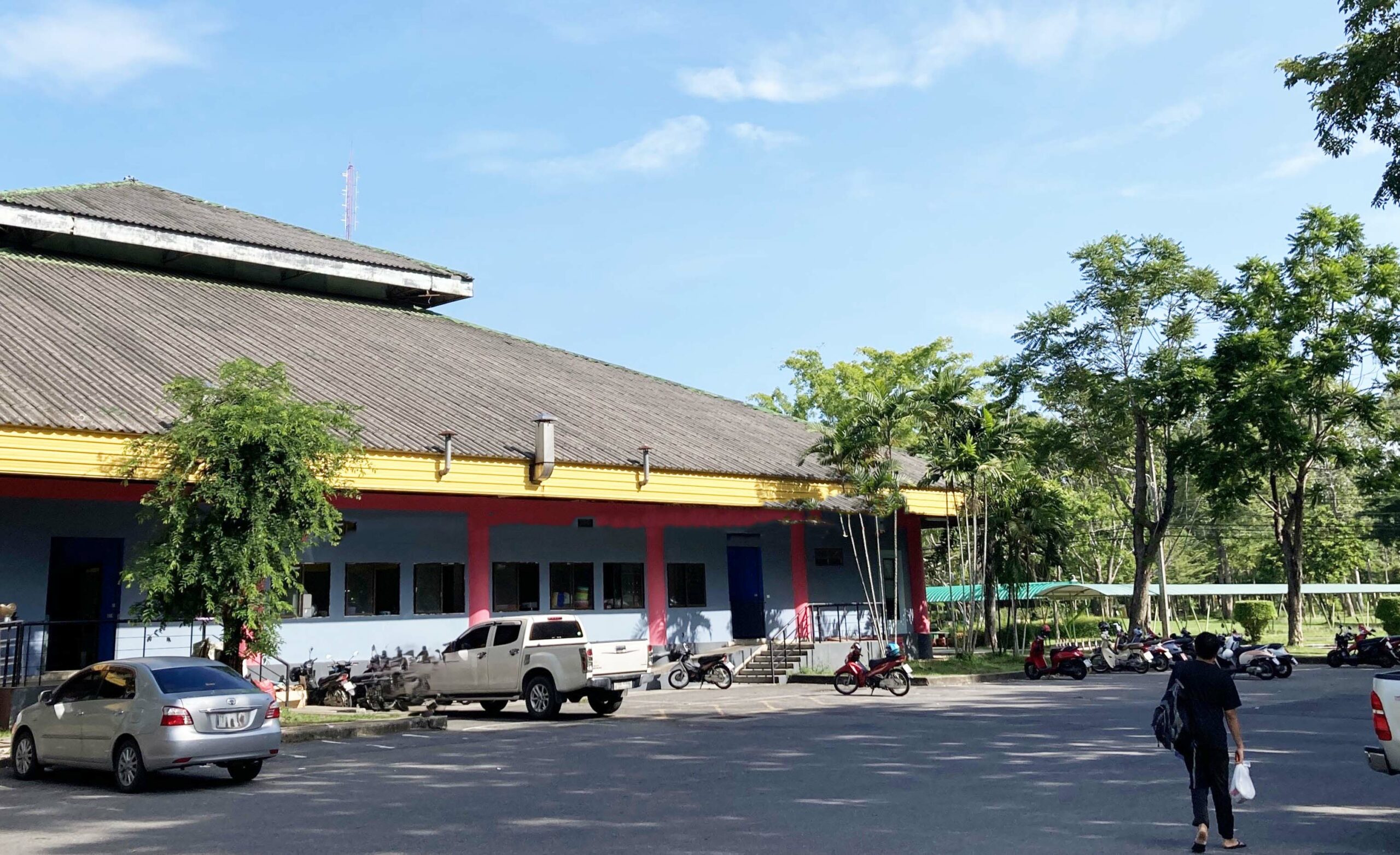
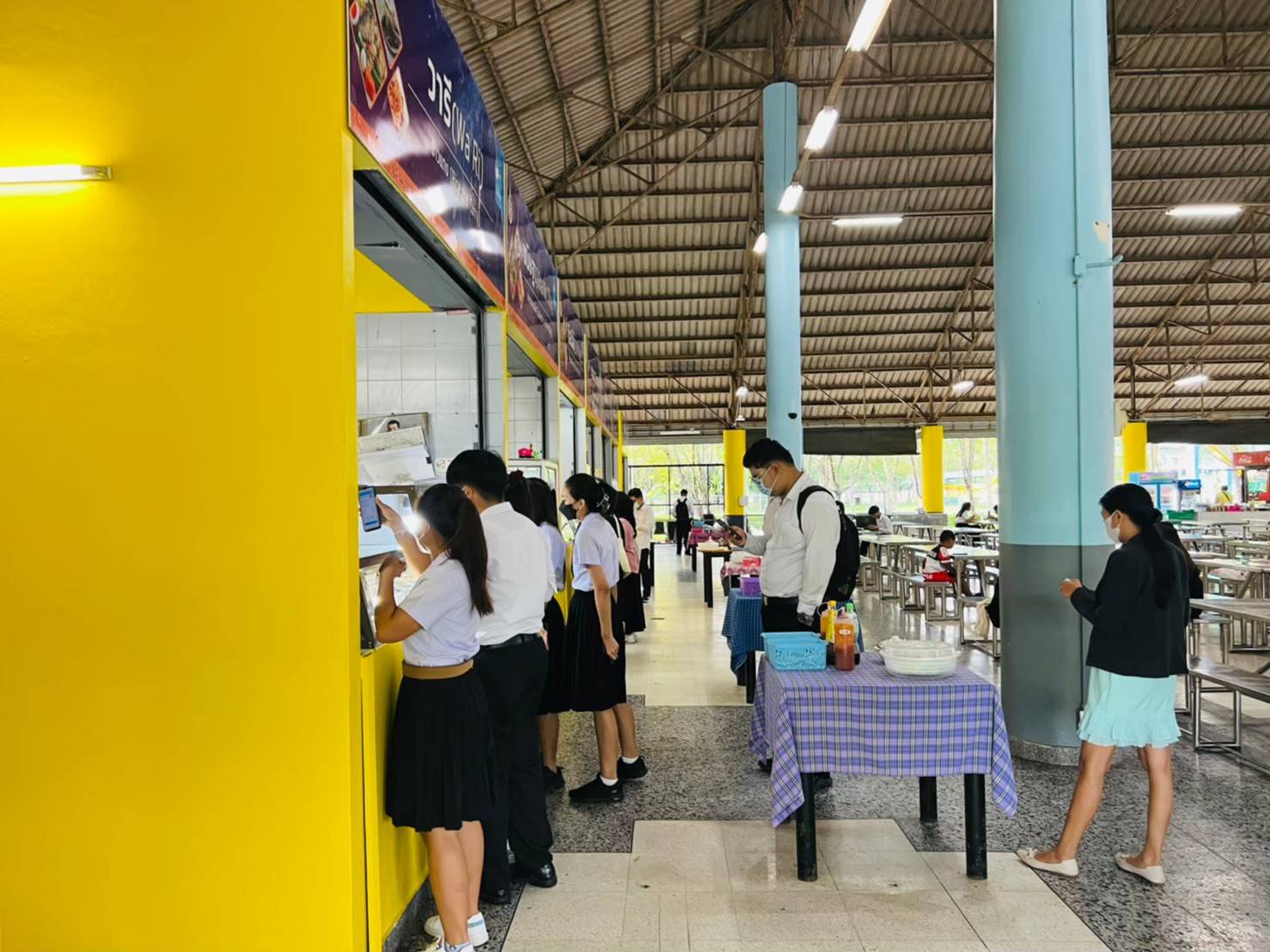
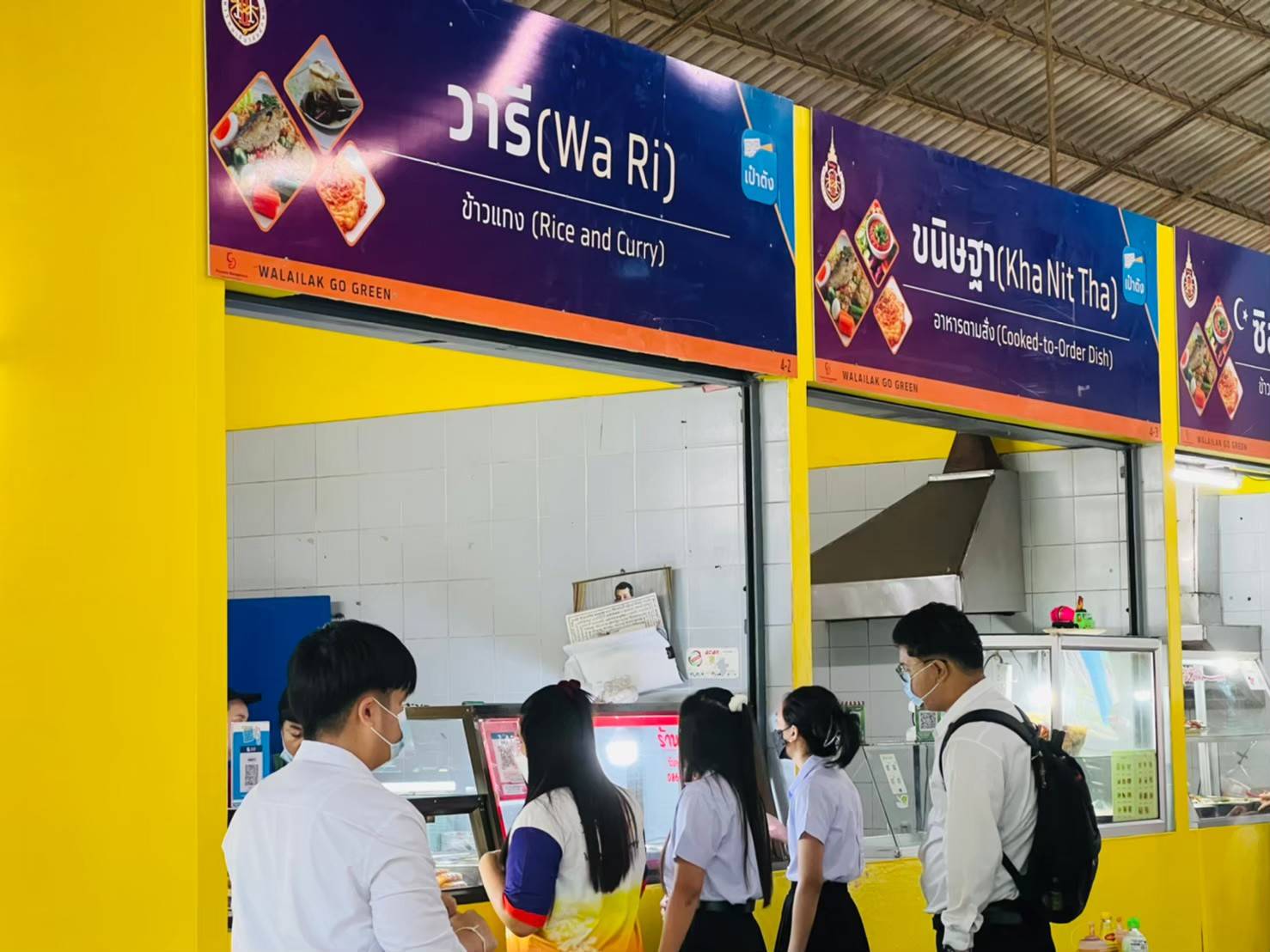
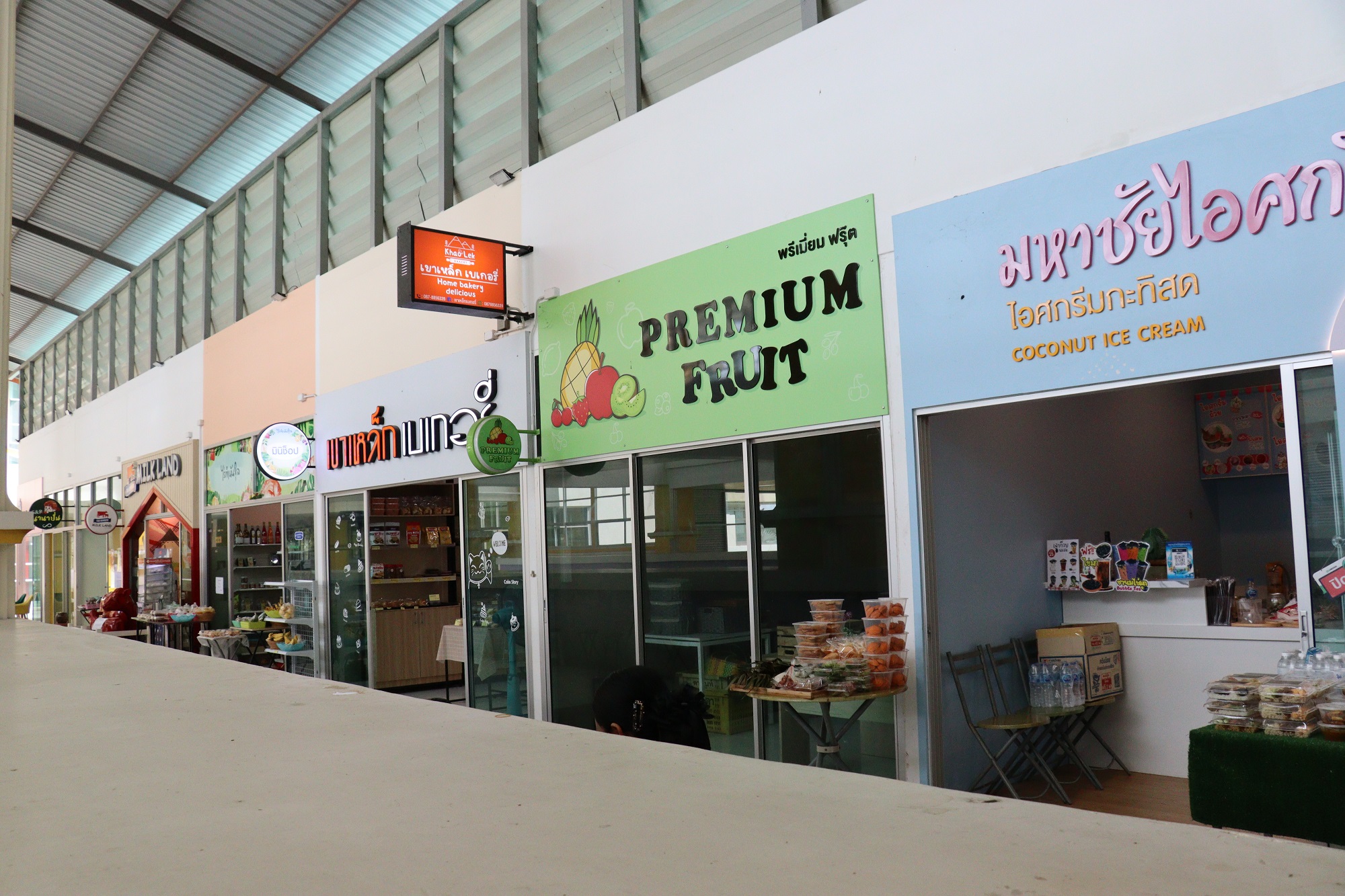
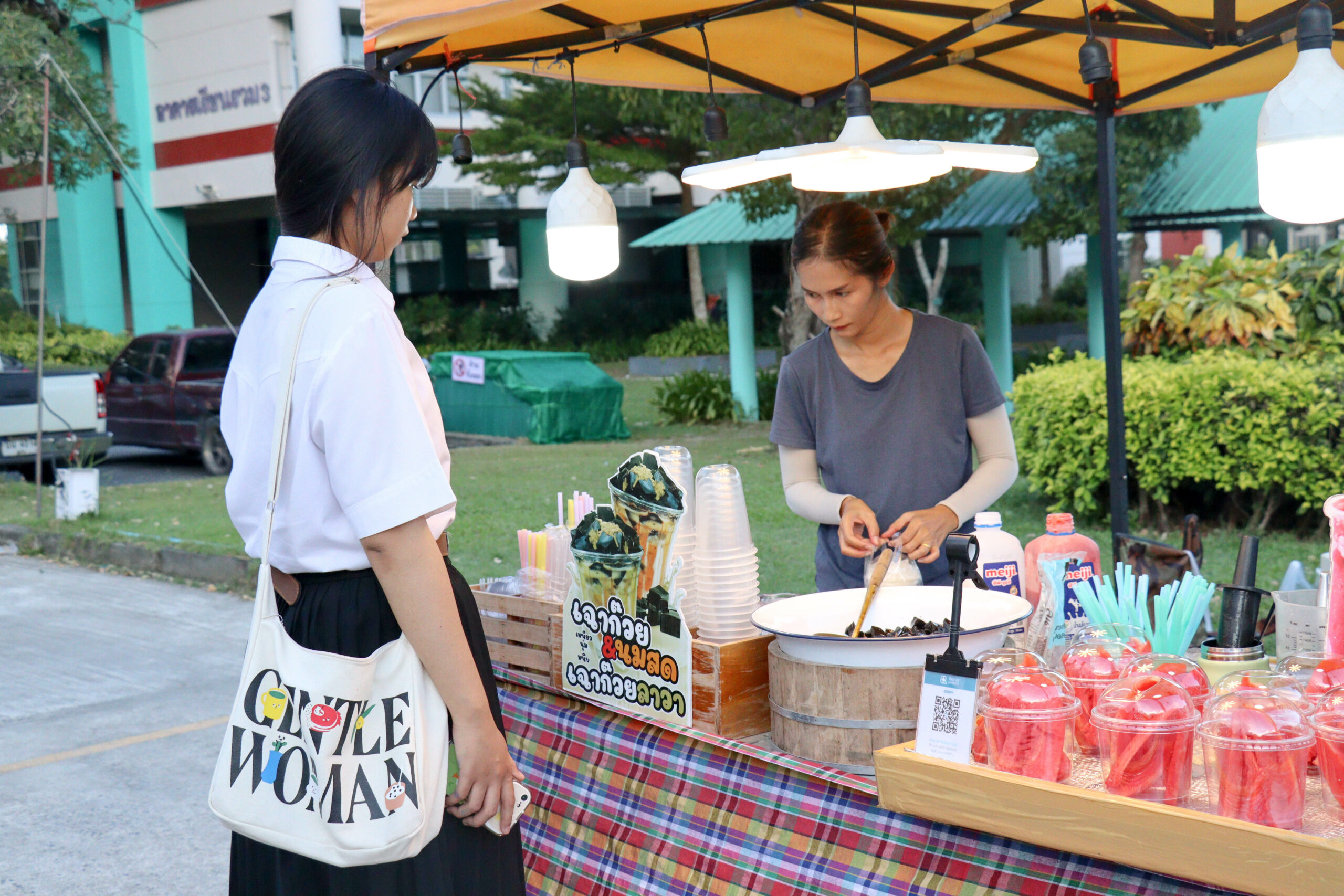
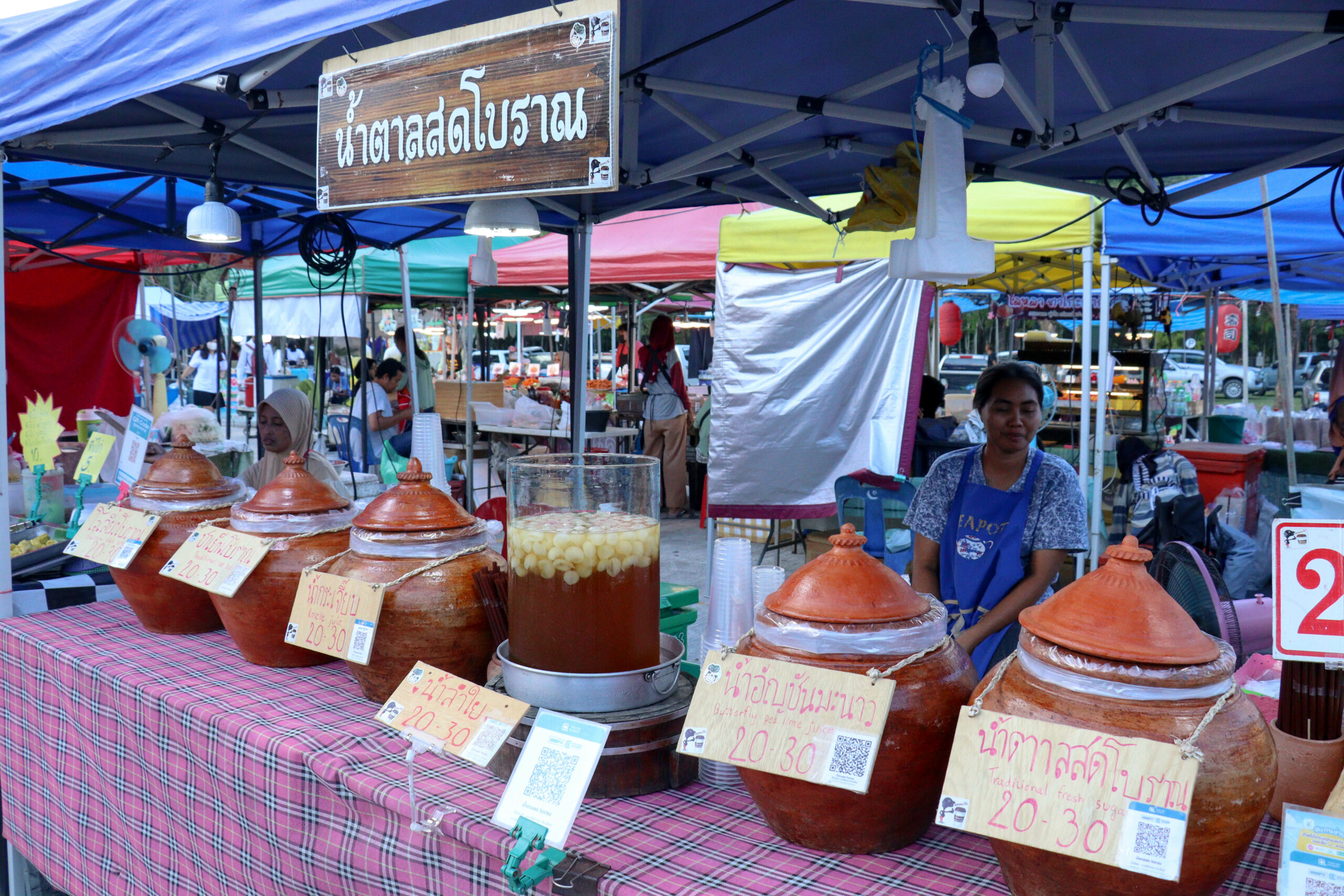
Figures : Food outlets and food stalls at the Chor Pradu Food Center.
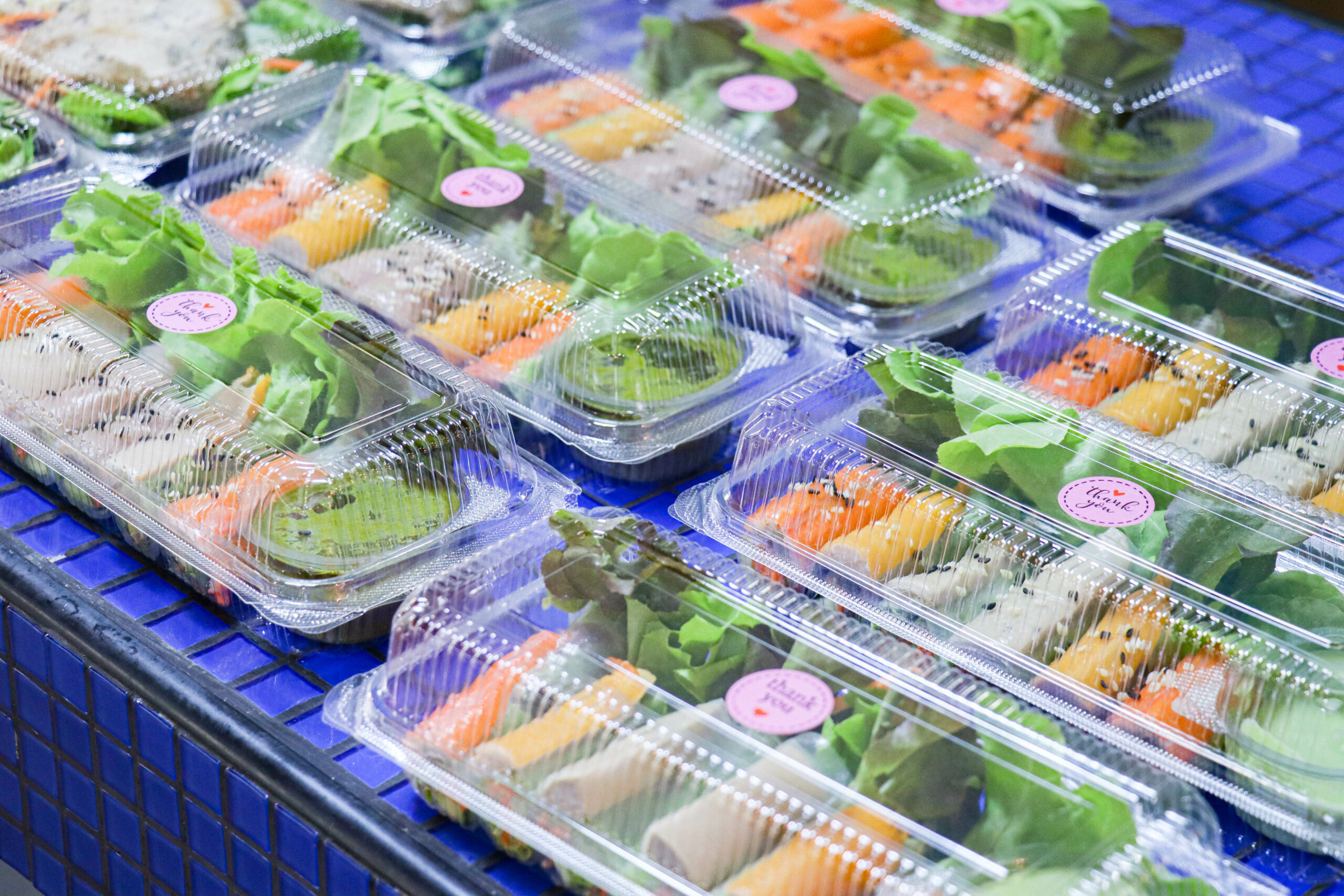
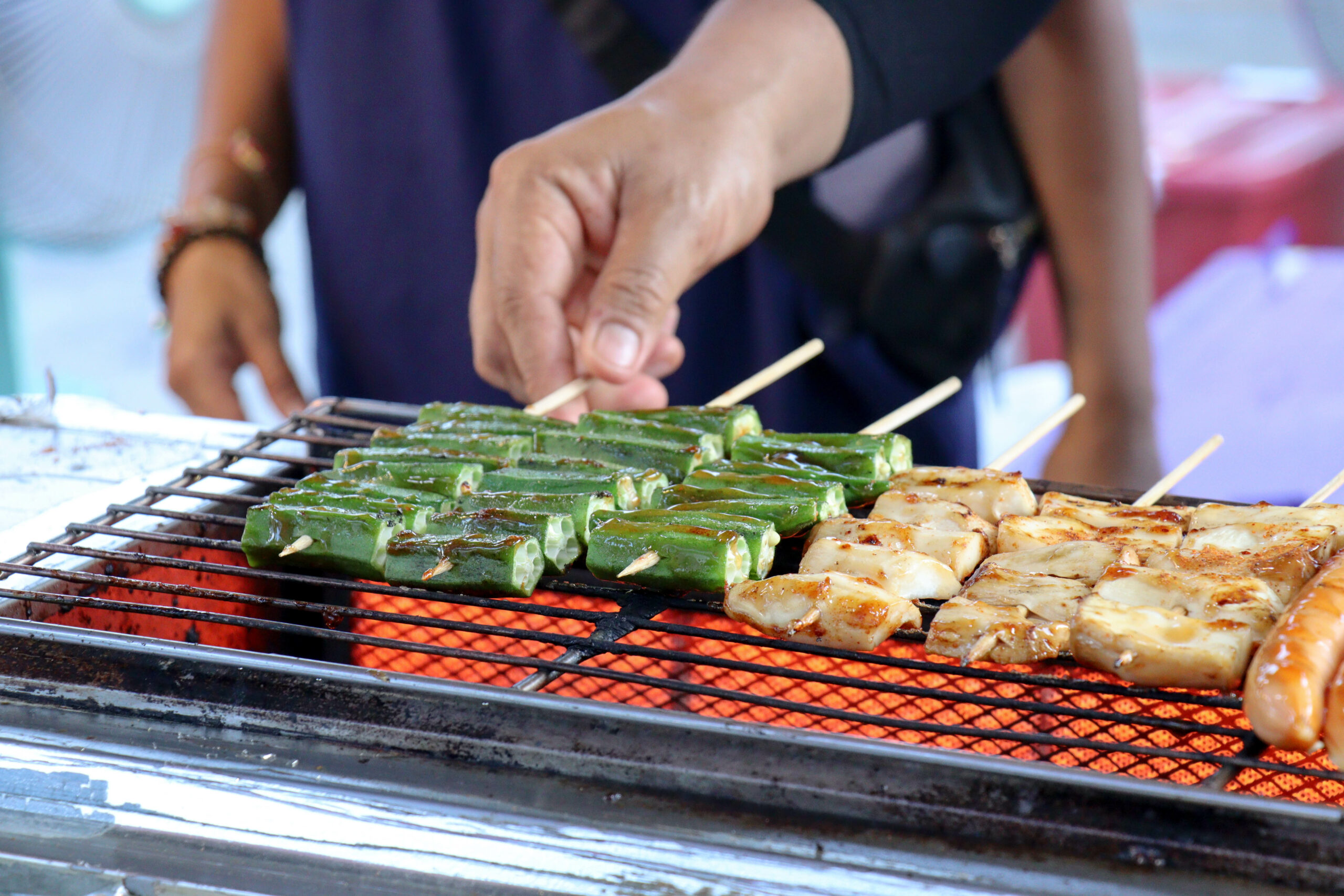
Figures : Vegan and vegetarian food at the Chor Pradu Food Center.
Activity Building Food Center
There are 8 food outlets and 9 local food stalls available at this food center. The halal food and vegan and vegetarian food are also available at this food center.
Figures : Food outlets and food stalls at the Activity Building Food Center.
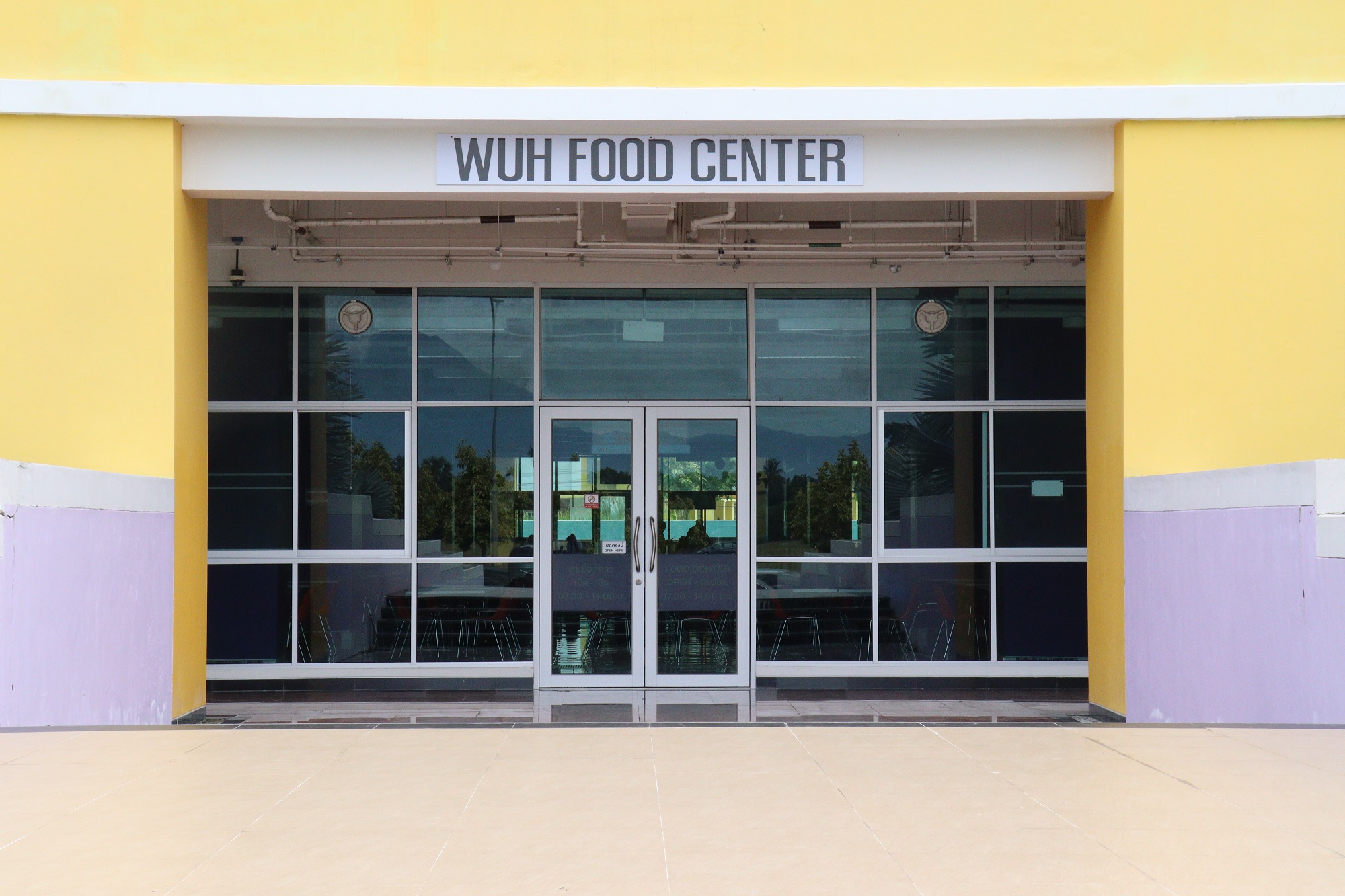
Walailak University Hospital Food Center
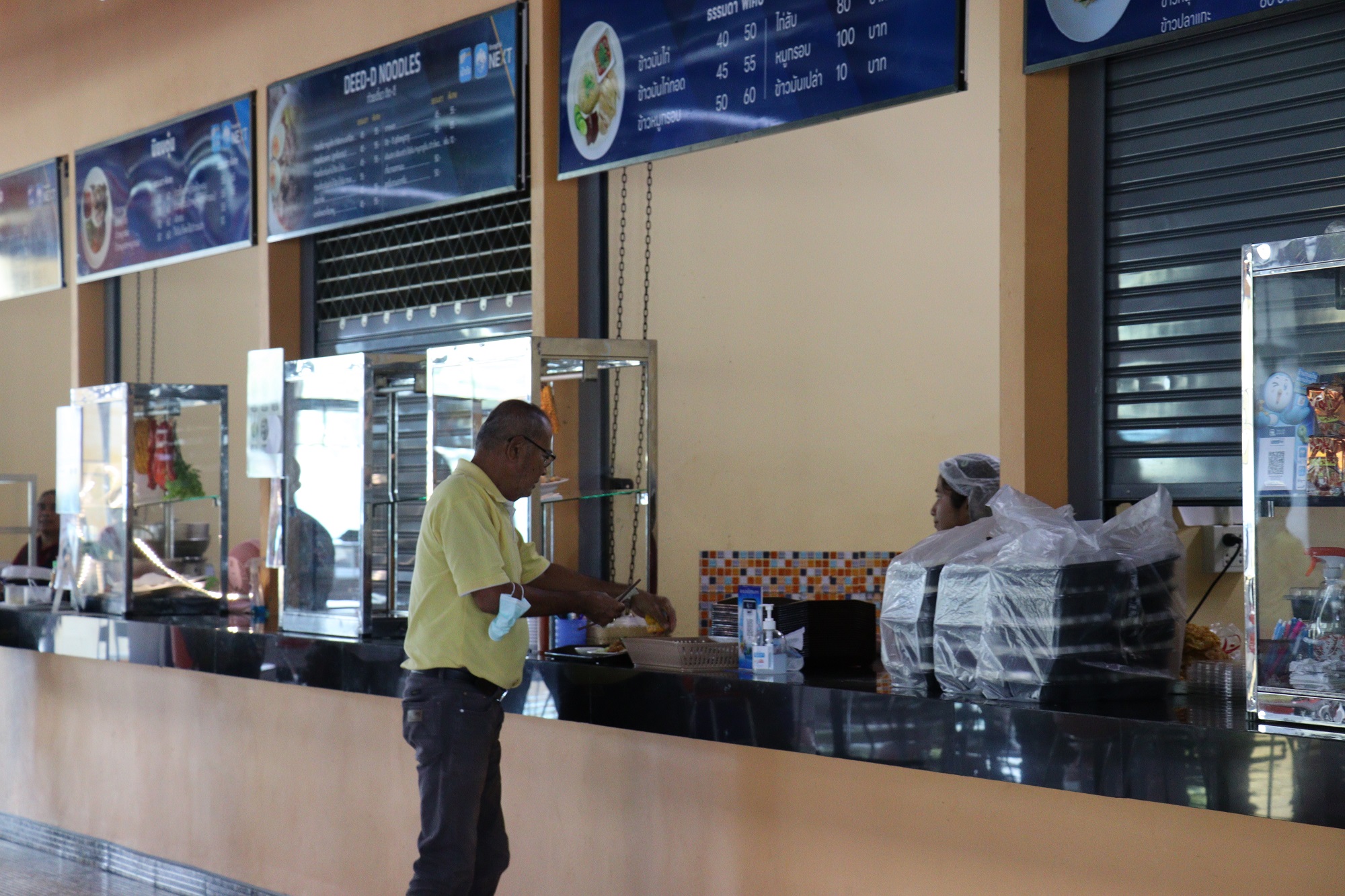
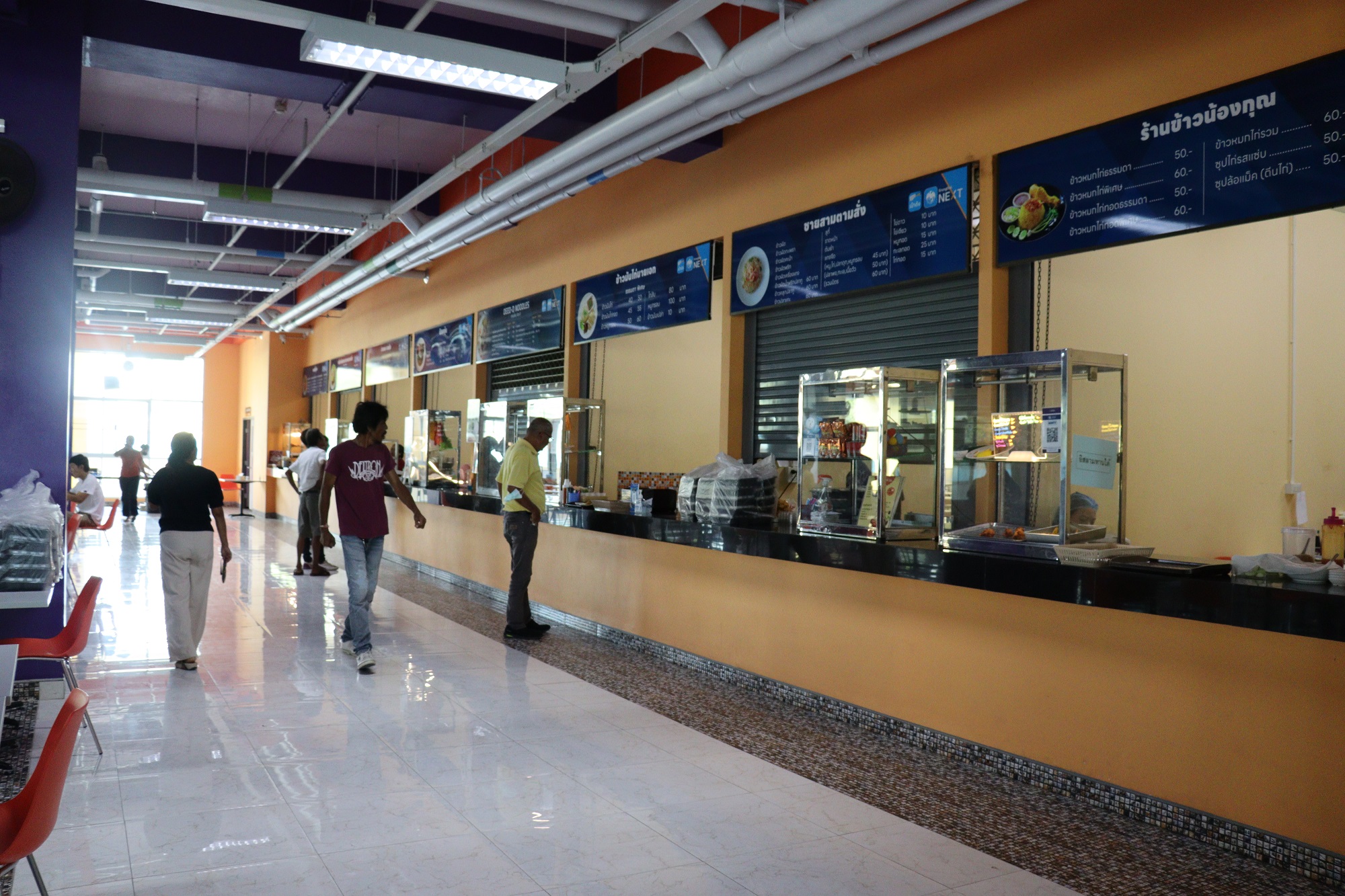
There are 13 food outlets at this food center and 11 local food stalls. This food center also offers halal food, vegan and vegetarian, and fruits. In addition, it offers medically-tailored meals for patients staying at the hospital that include vegan and vegetarian food.
All food vendors at the three food centers purchase food ingredients and materials from trusted local sources in Tha Sala District to demonstrate WU’s contributions to thriving local economies and sustainable livelihoods. All the trusted sources selling food ingredients and materials implement sustainable practices, including sustainable management of the land and natural environment, low levels of manufactured herbicides or artificial fertilizers, and pesticides, the protection of wildlife of plants and animals, and their welfare. In addition, the Center of Property Management always places importance on fair trading procedures among all food operators to ensure the establishment of trading partnerships, based on dialogue, transparency, and respect.
Retail Convenience Stores
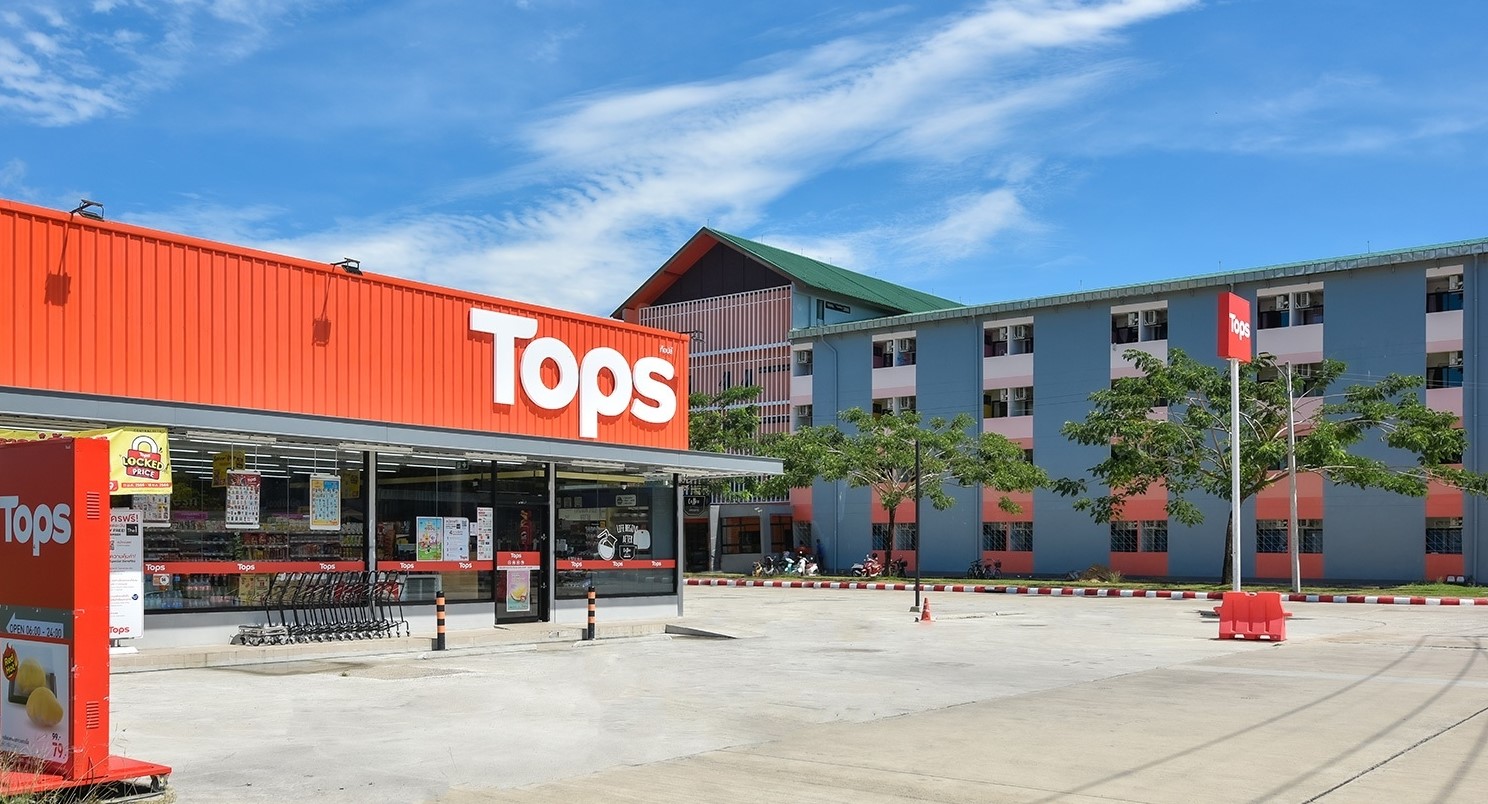
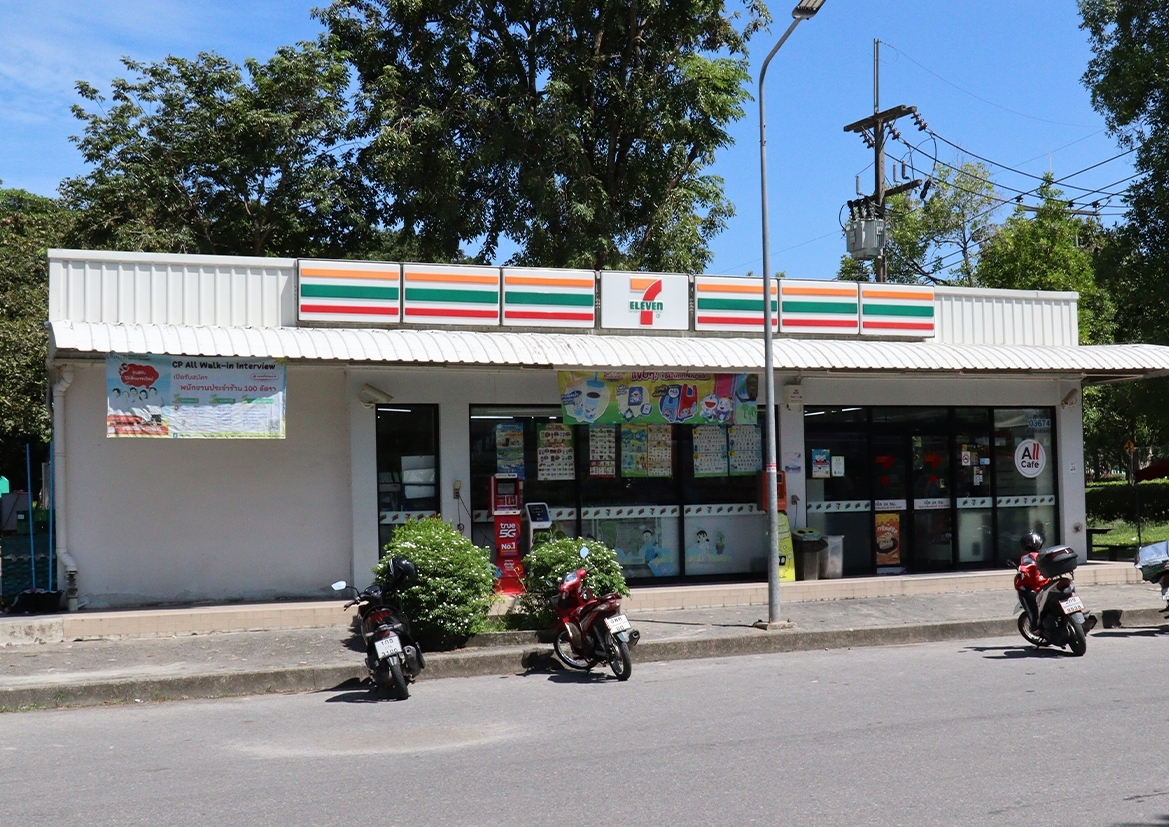
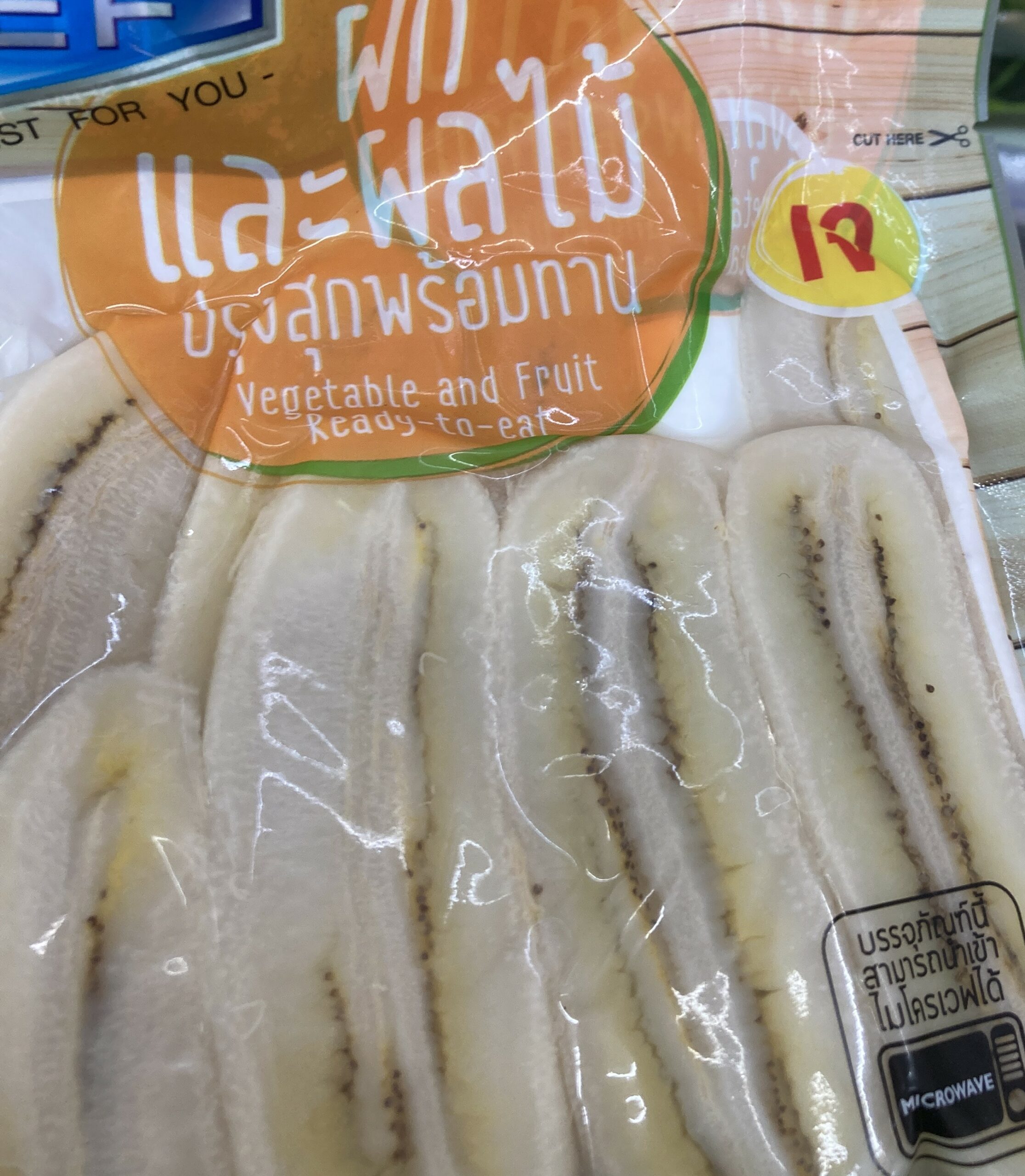
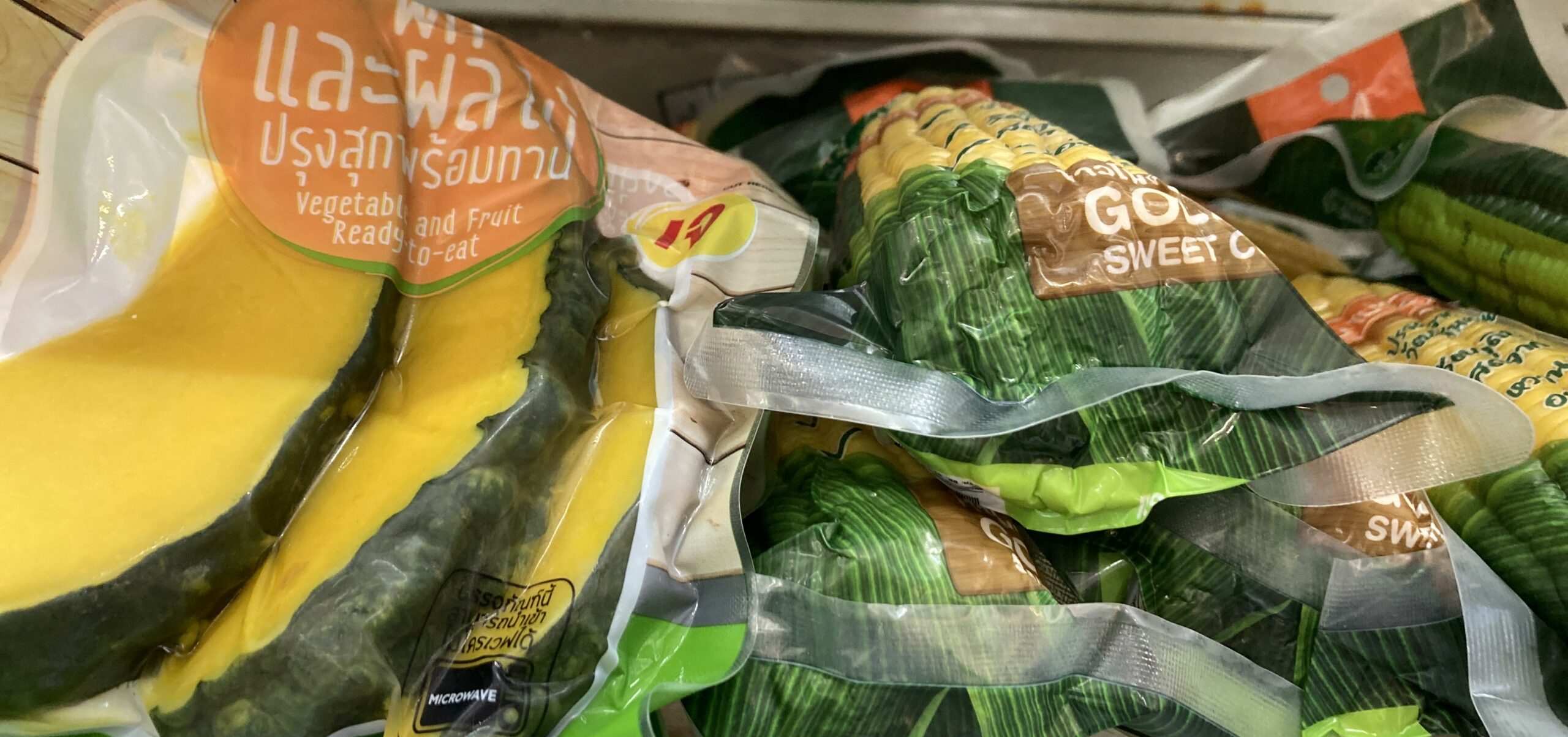
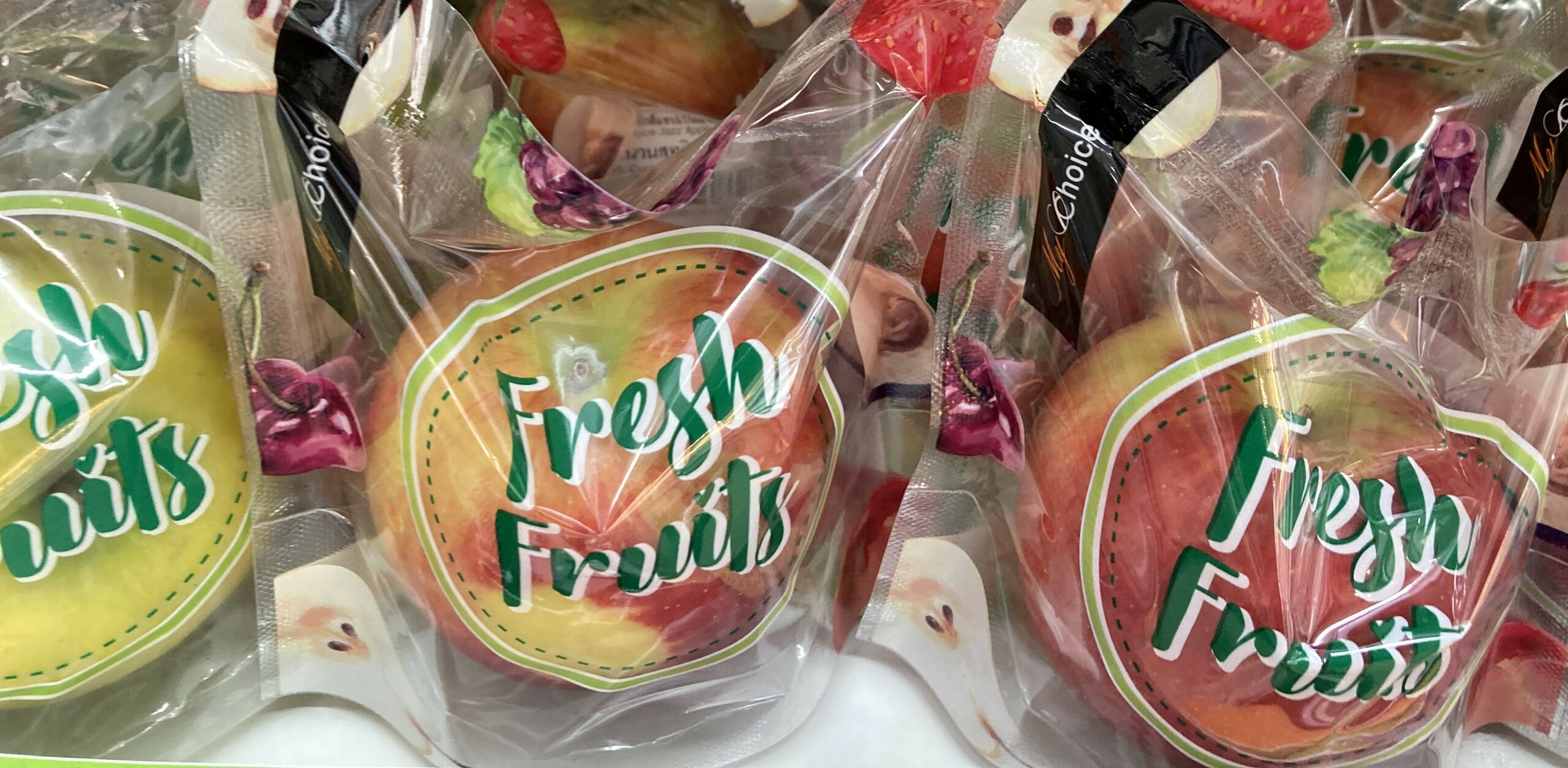
There are 6 retail convenience stores offering vegetarian and vegan food, located across the university with 24-hour opening, including Walailak University Hospital, lecture buildings, etc. These retail convenience stores source food products from trusted sources such as SMEs and local enterprise groups that are certified with sustainable standards such as GMP, HACCP, GAP, and Halal.
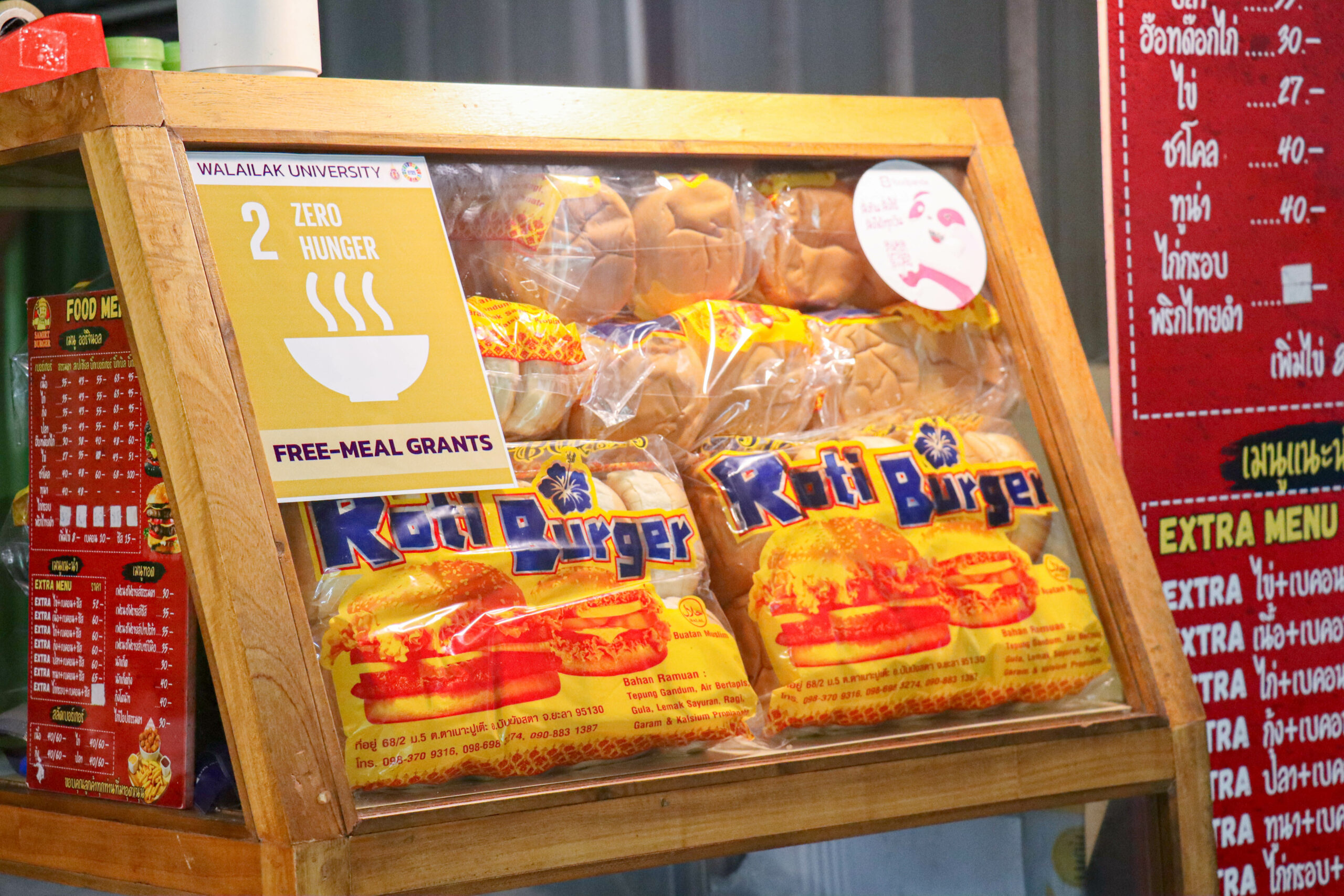
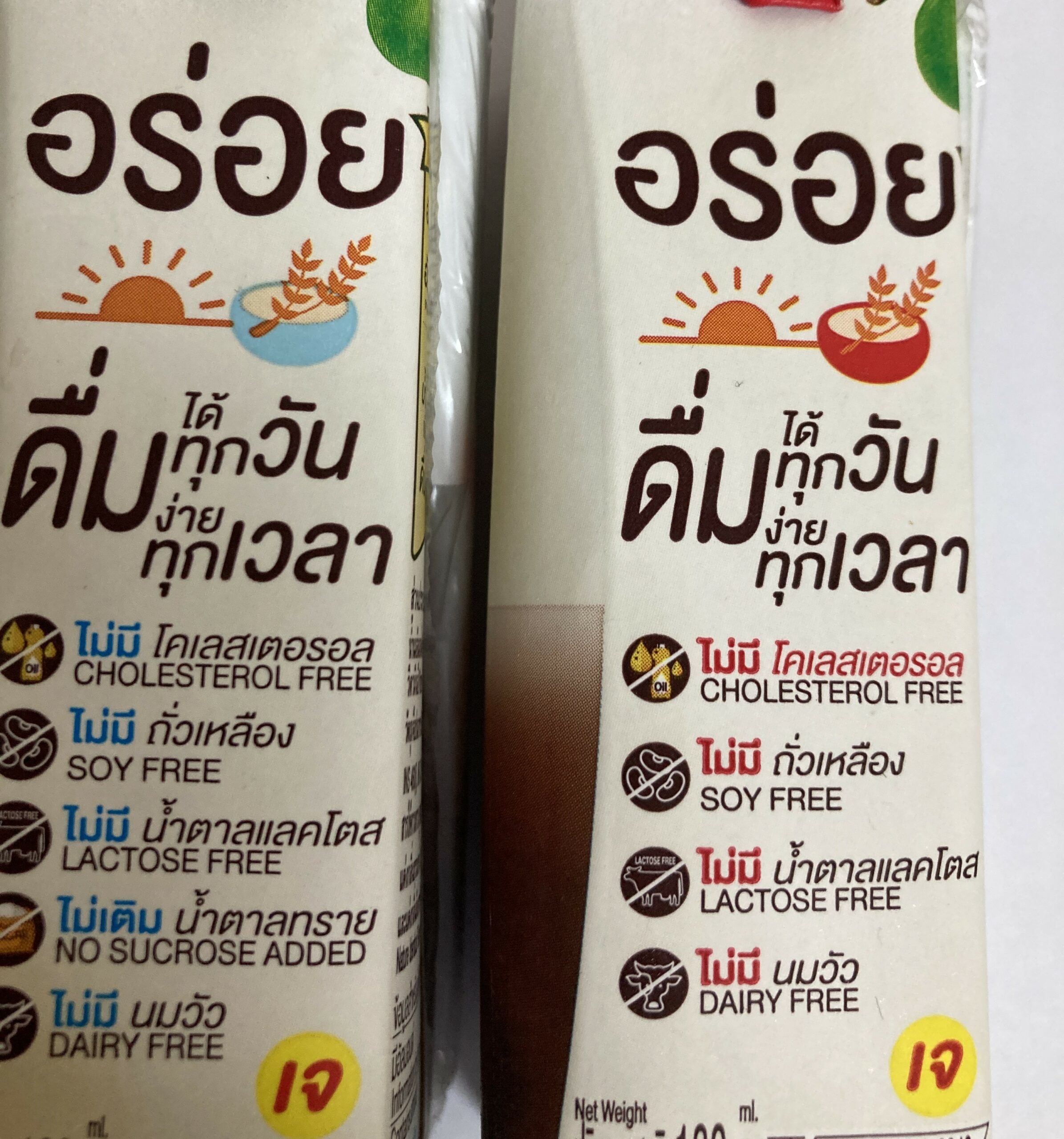
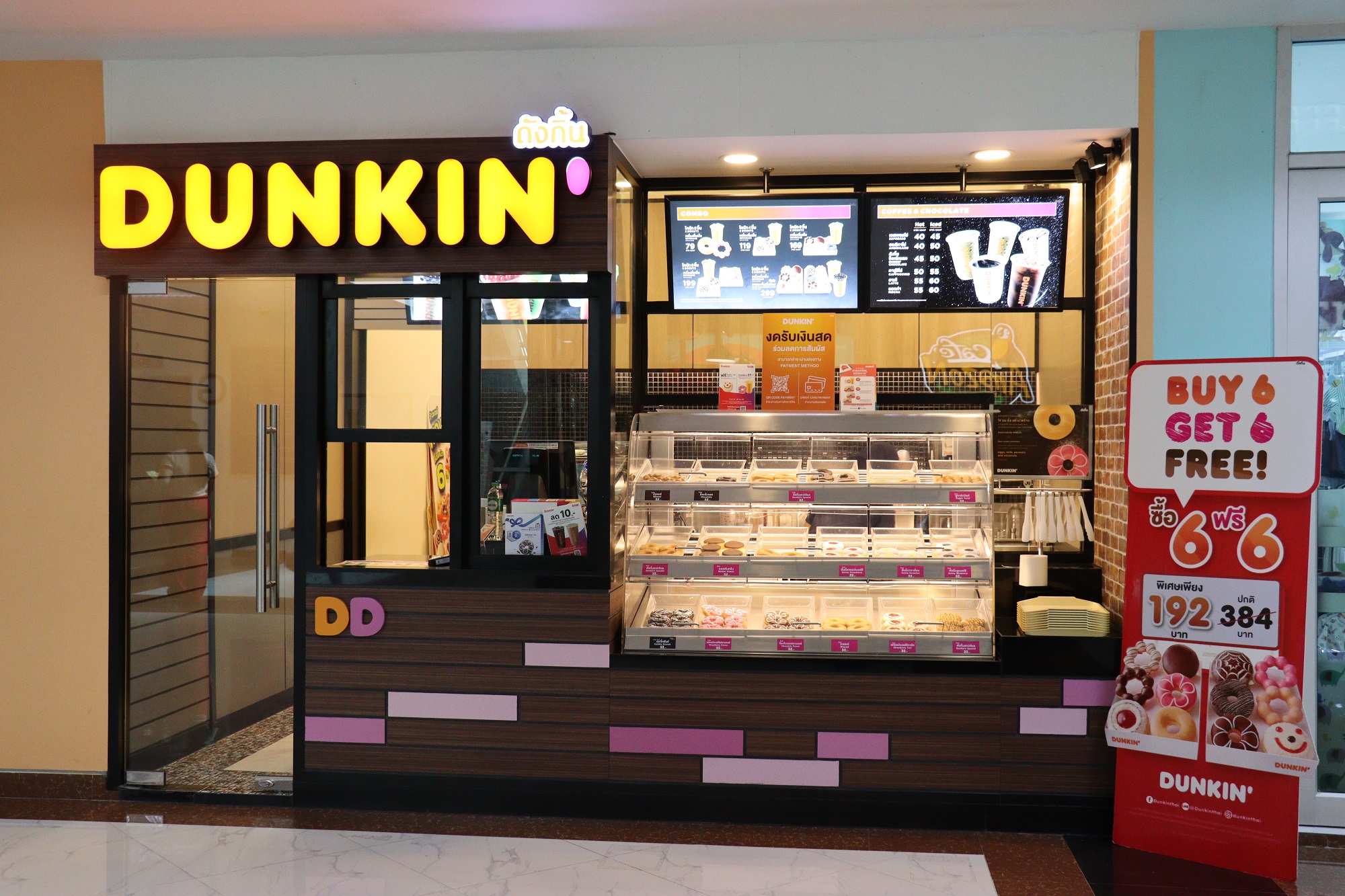
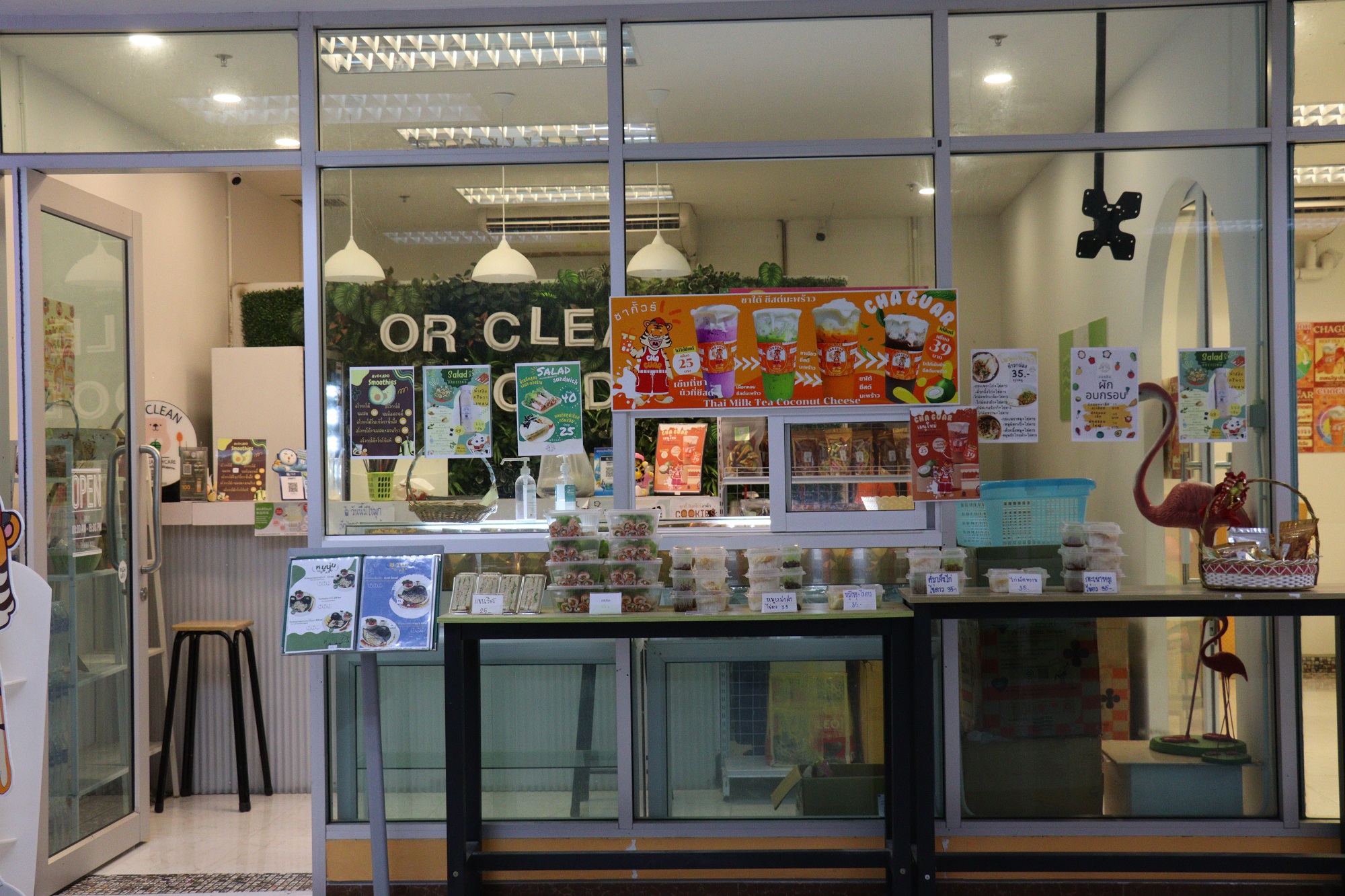
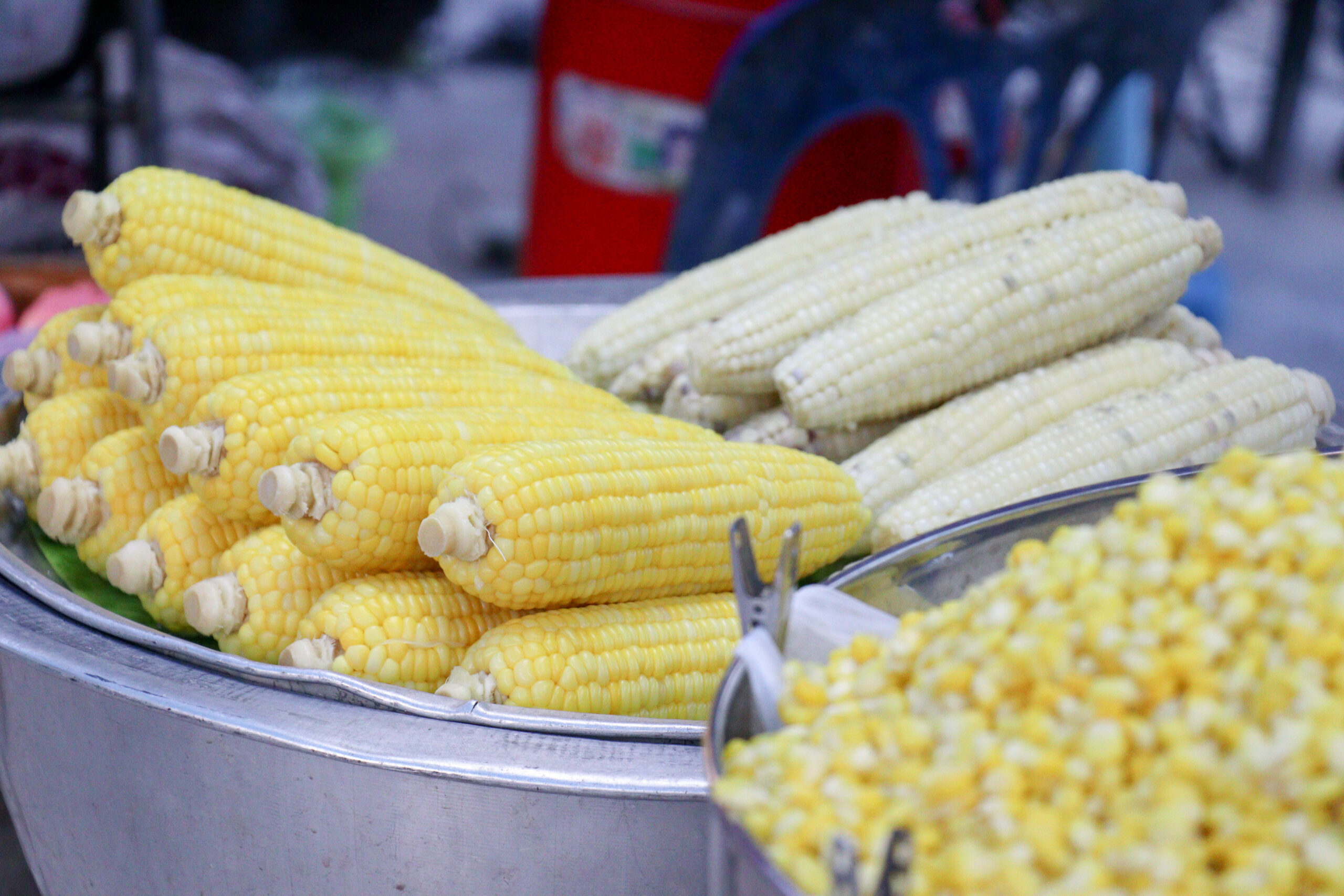
Figures : Food products at the retail convenience stores.
Food Kiosks and Cafeterias
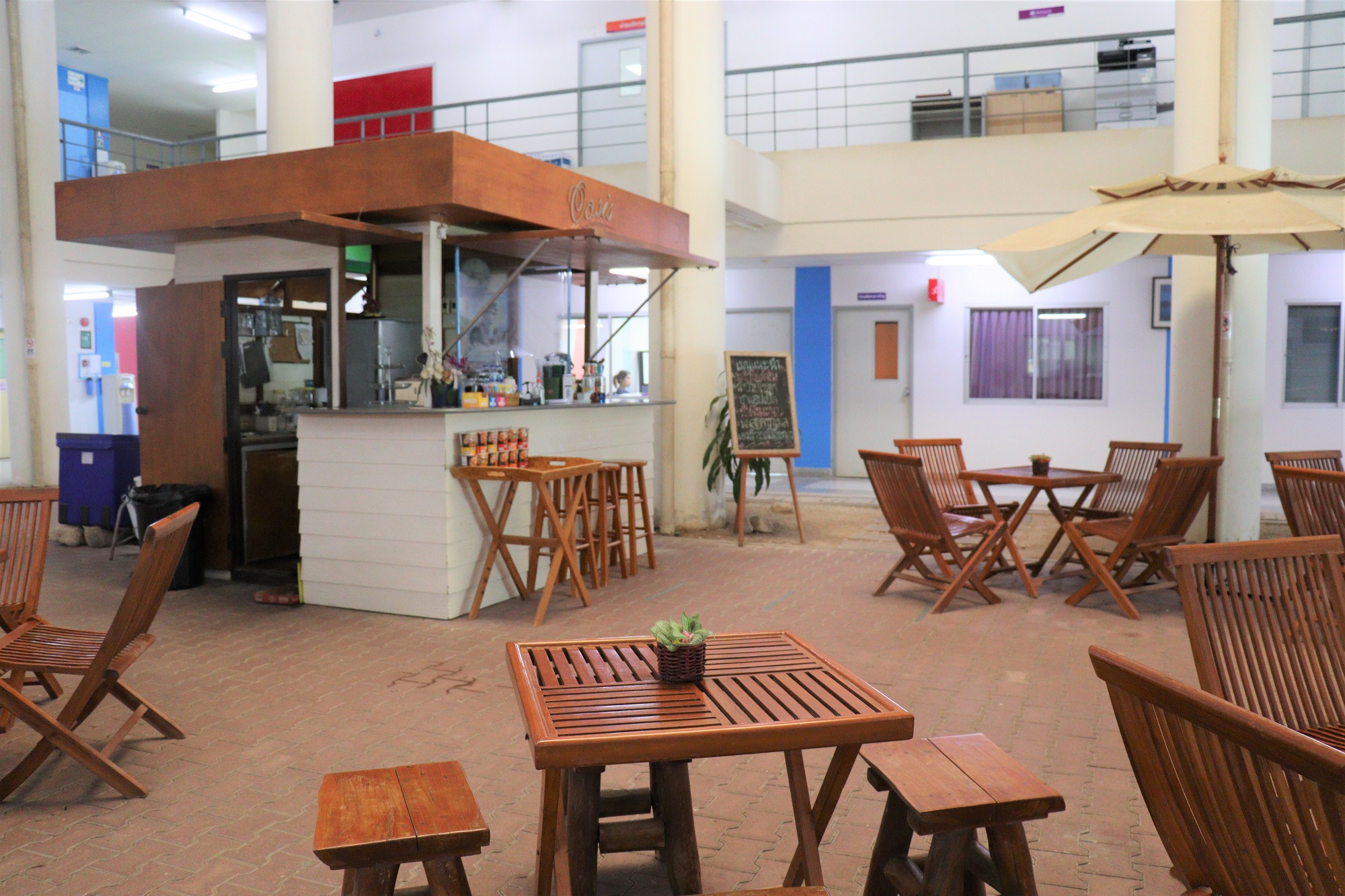
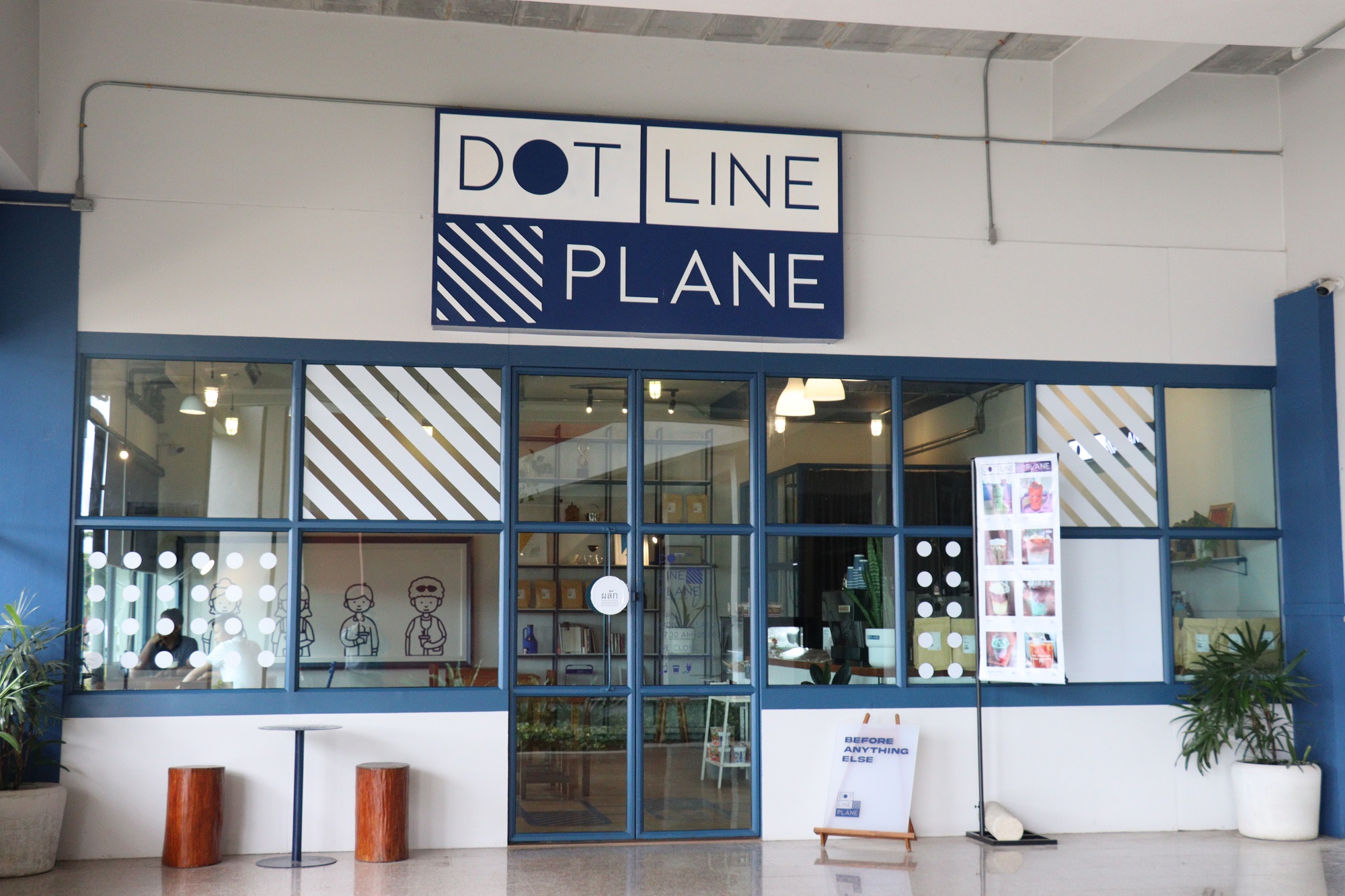
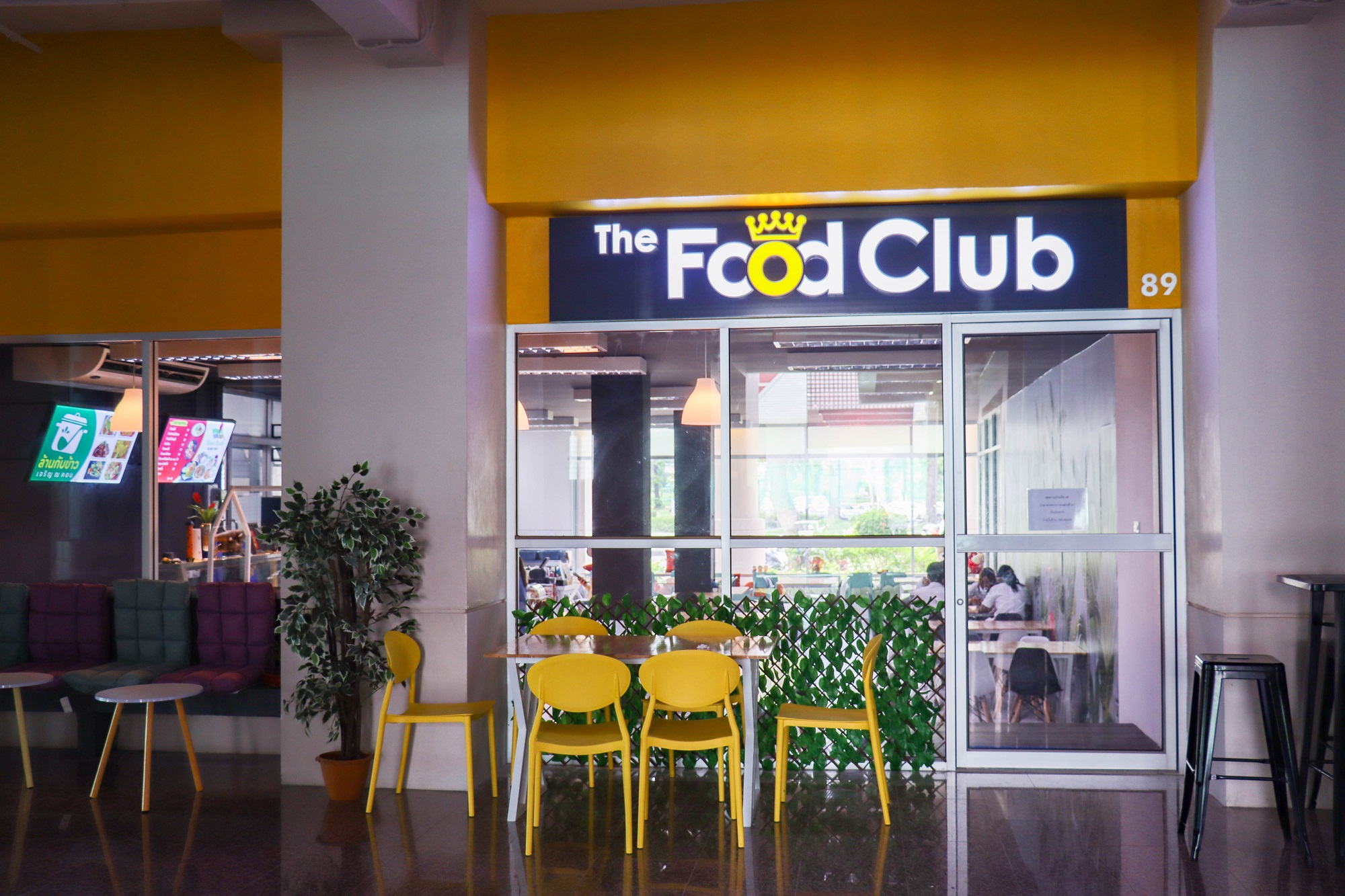
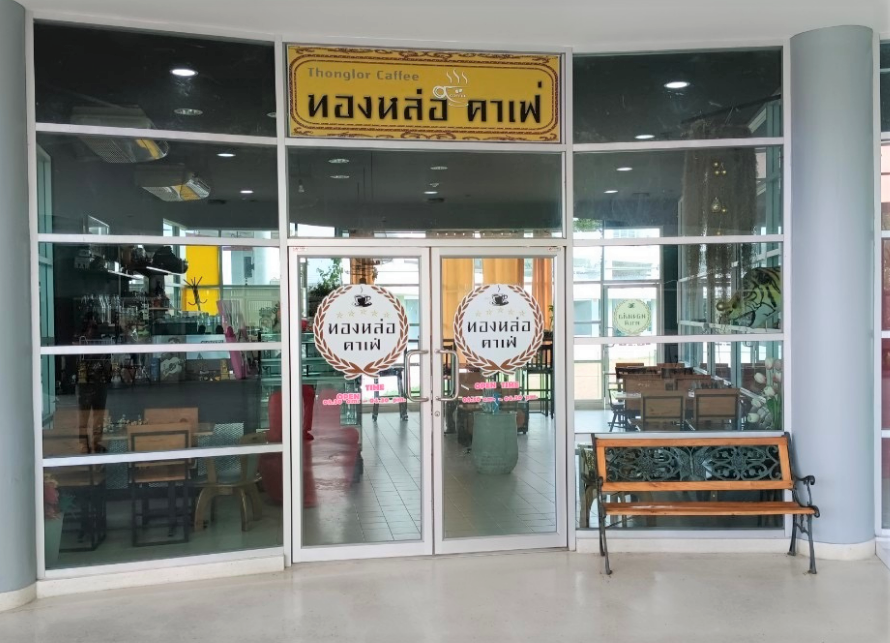
There are 28 food kiosks and cafeterias available across the university, offering a variety of food and beverages. They are located in various places on campus, such as Lecture Buildings, Research Buildings, Scientific Equipment Buildings, WU Hospital, etc. These food kiosks and cafeterias are also encouraged to source food ingredients and materials from trusted sources and avoid damaging or wasting natural resources or contributing to climate change of their food in their food processing. All food kiosks and cafeterias are encouraged to use GAP-certified agricultural products in their food processing, such as coffee beans, fruits, vegetables, etc.
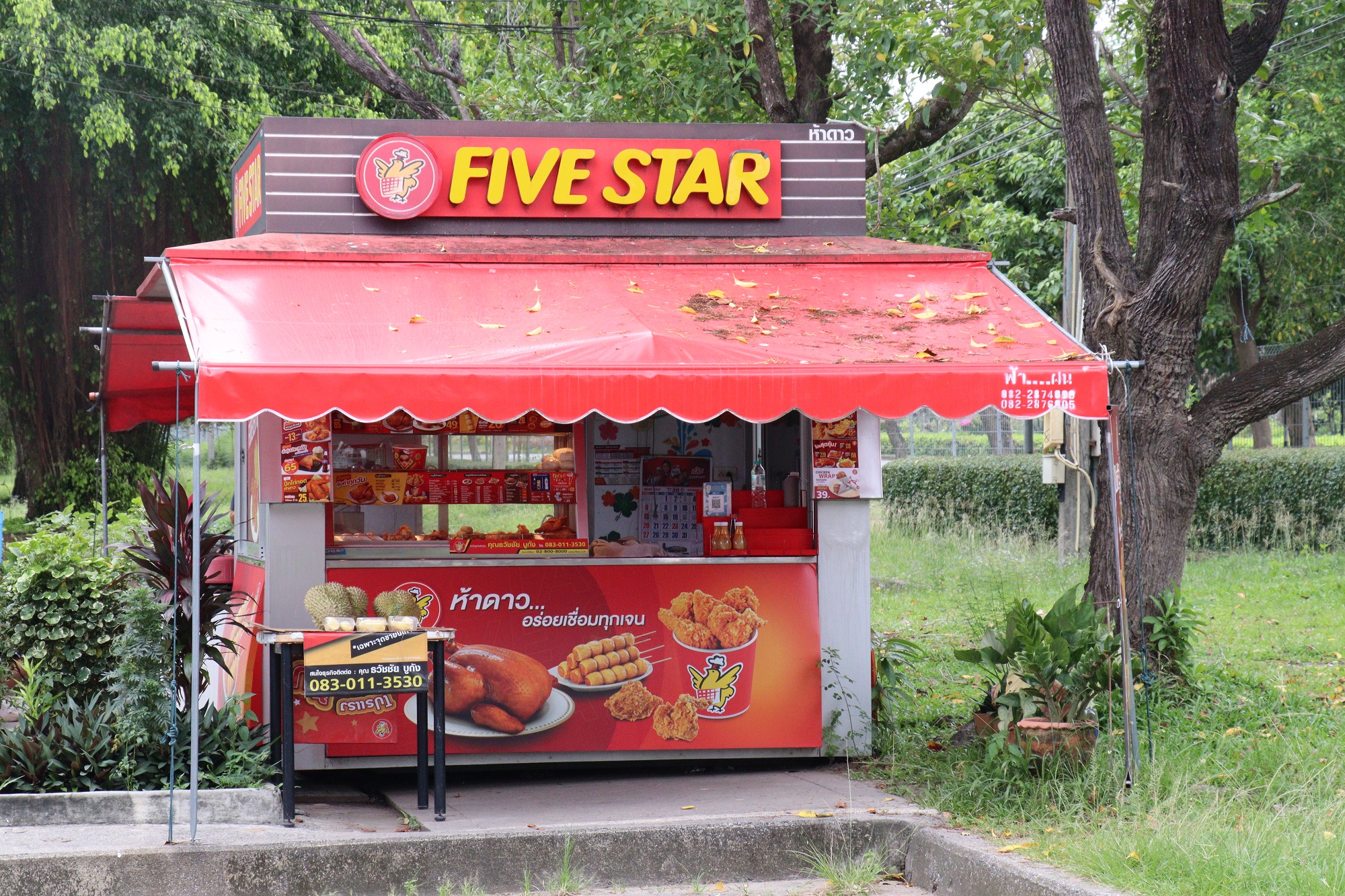
Figures : The Food Kiosks and Cafeterias at Walailak University.
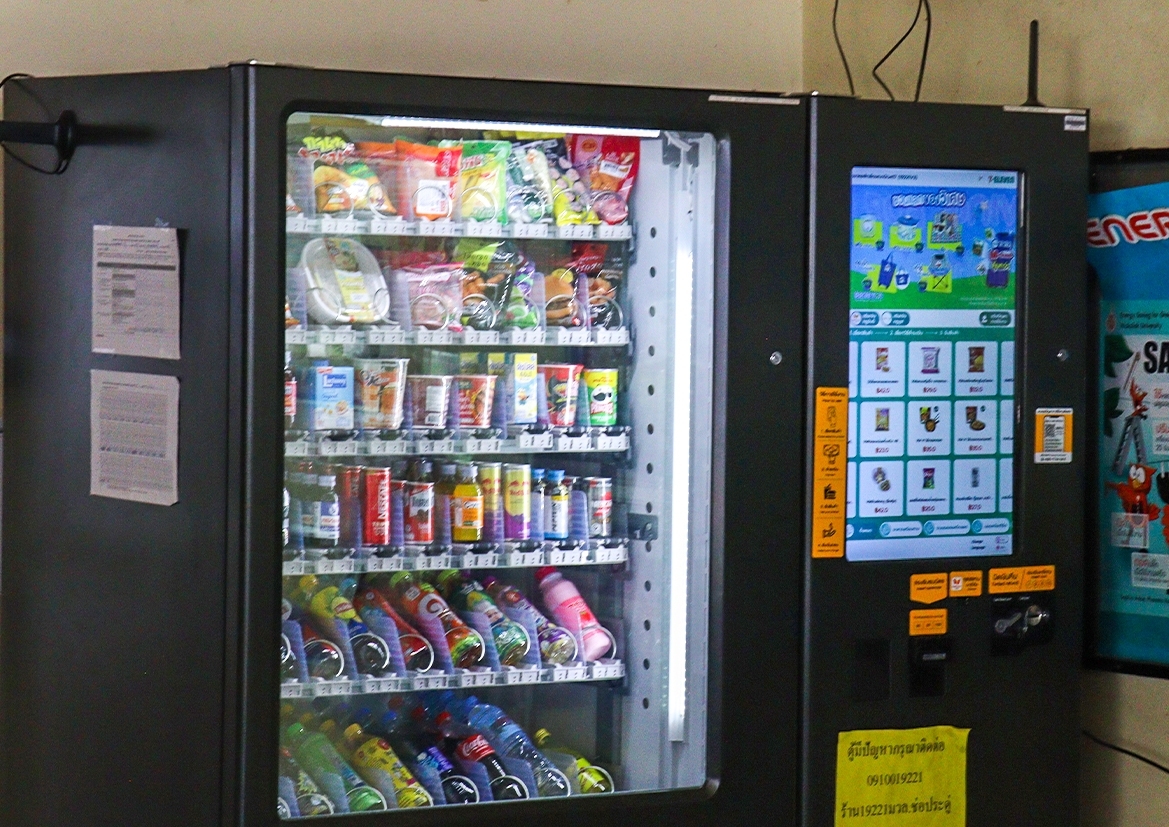
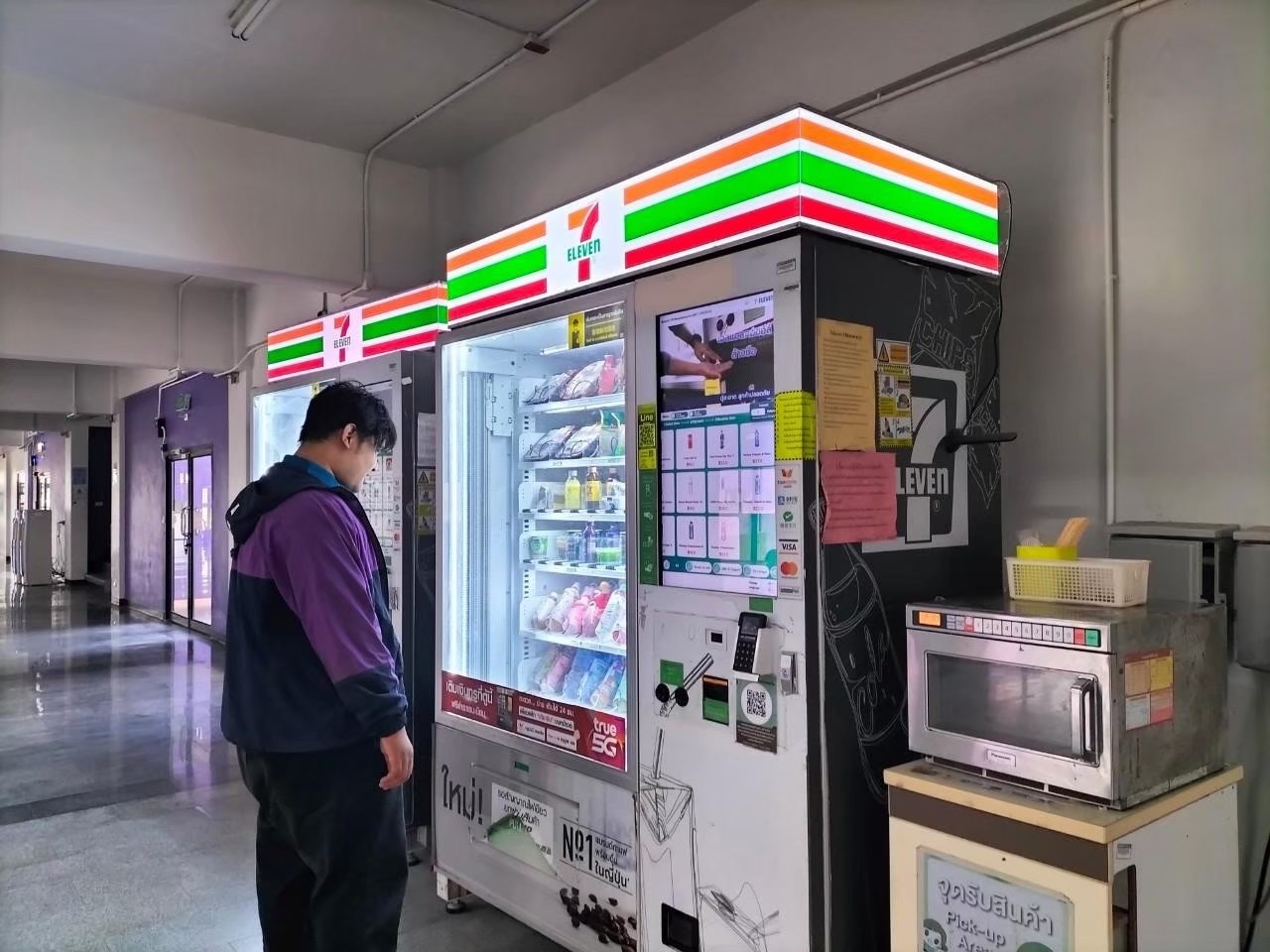
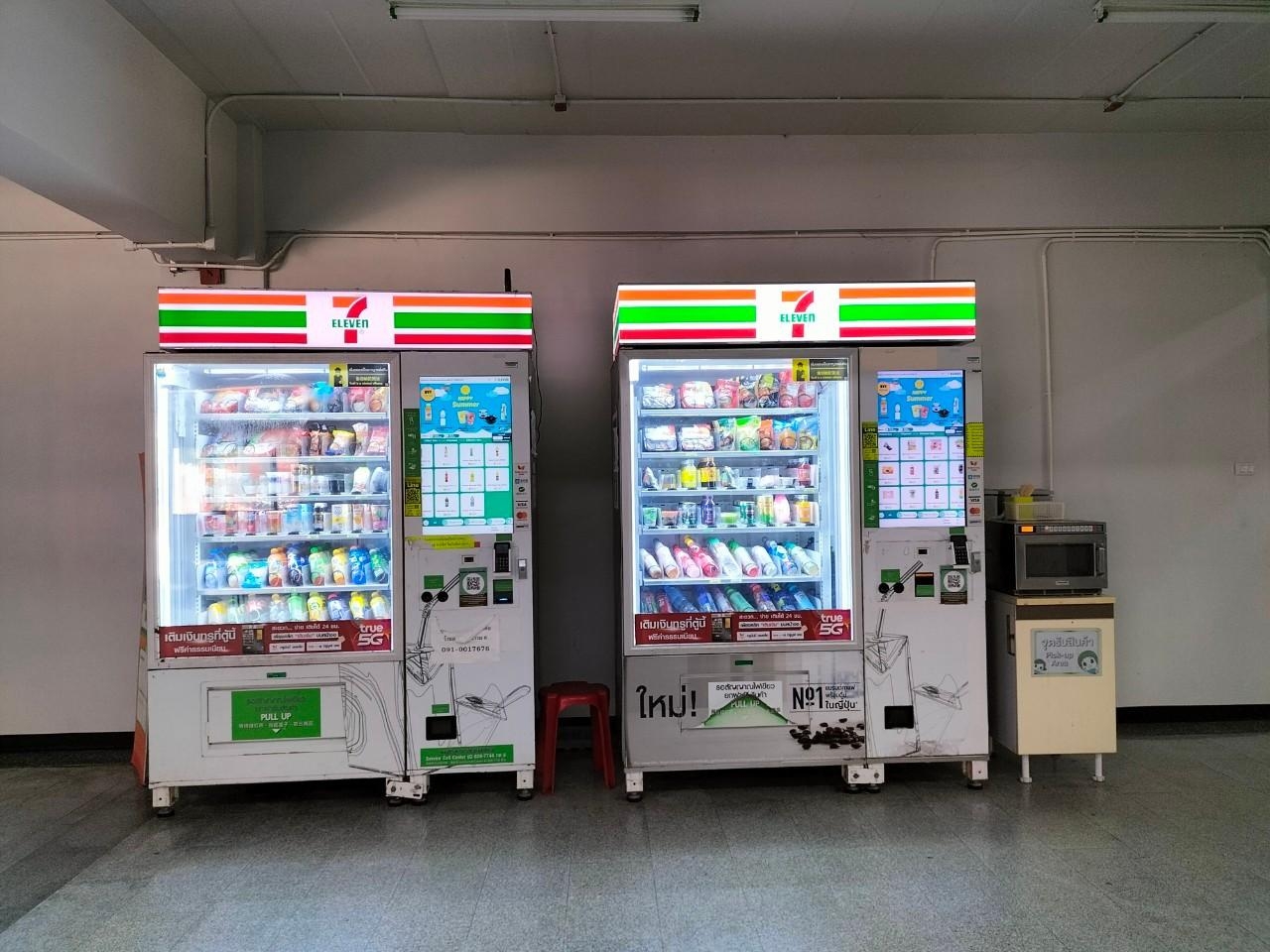
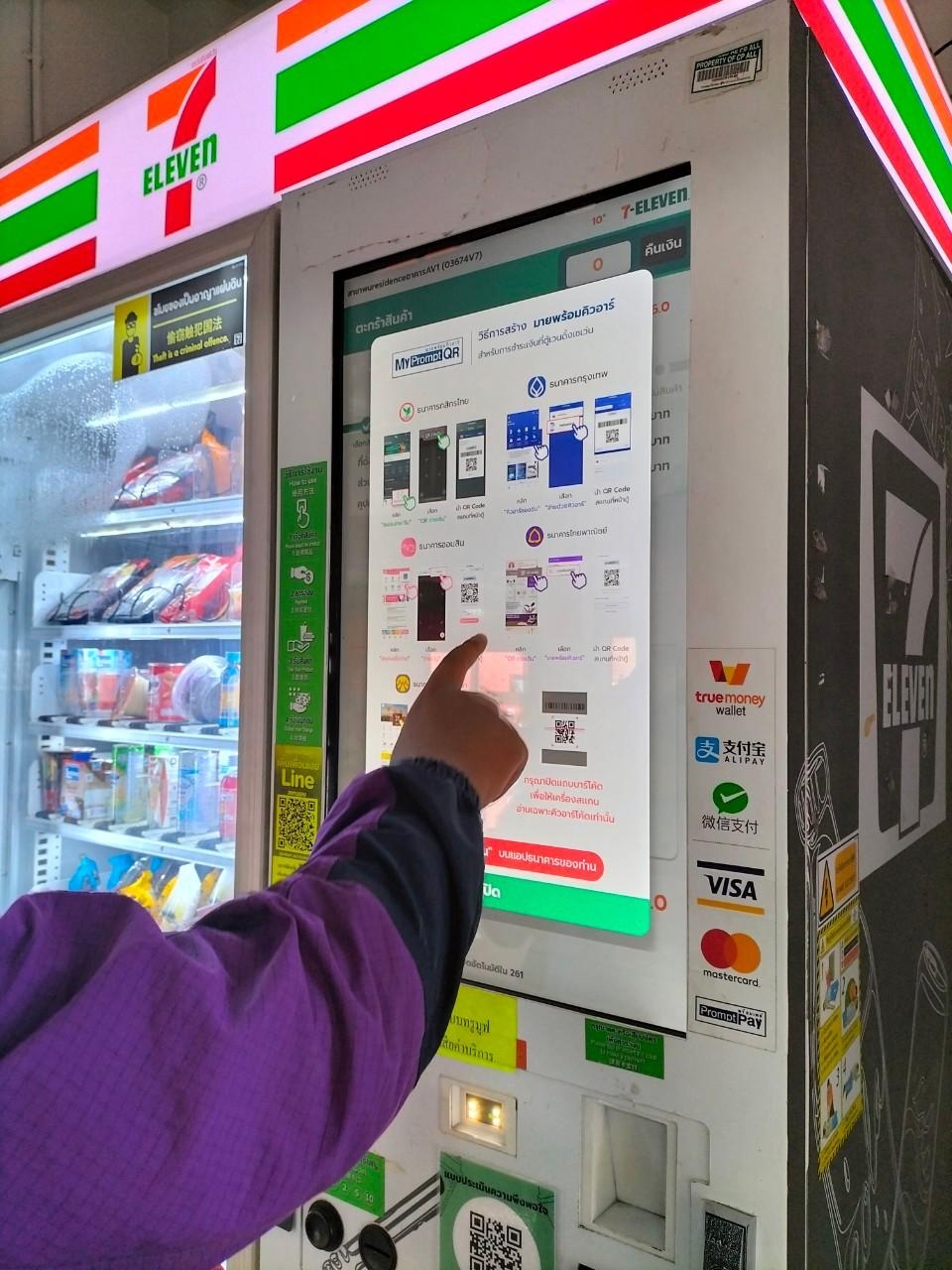
Food Vending Machines
Figures : Food Vending Machines at Walailak University.
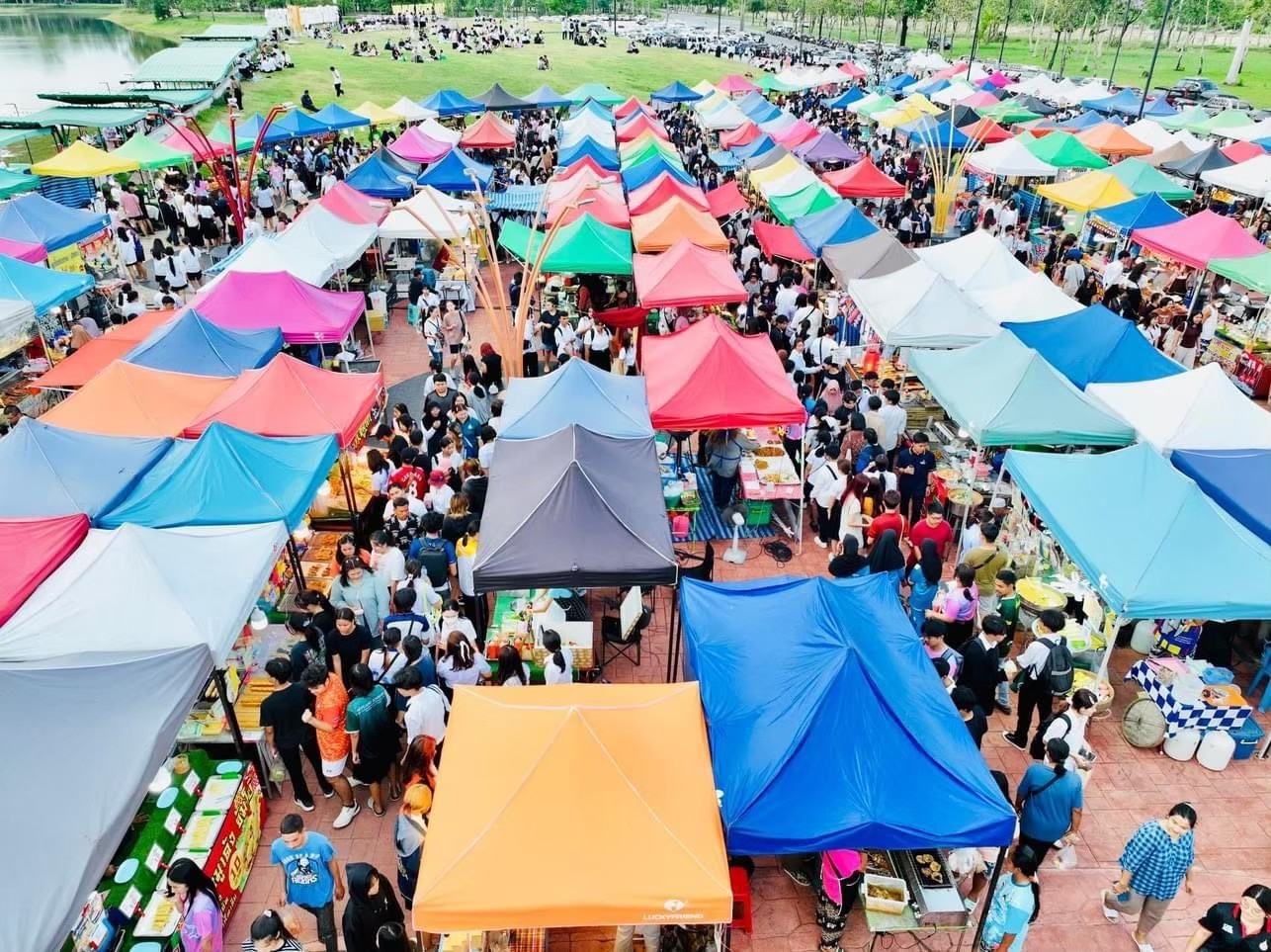
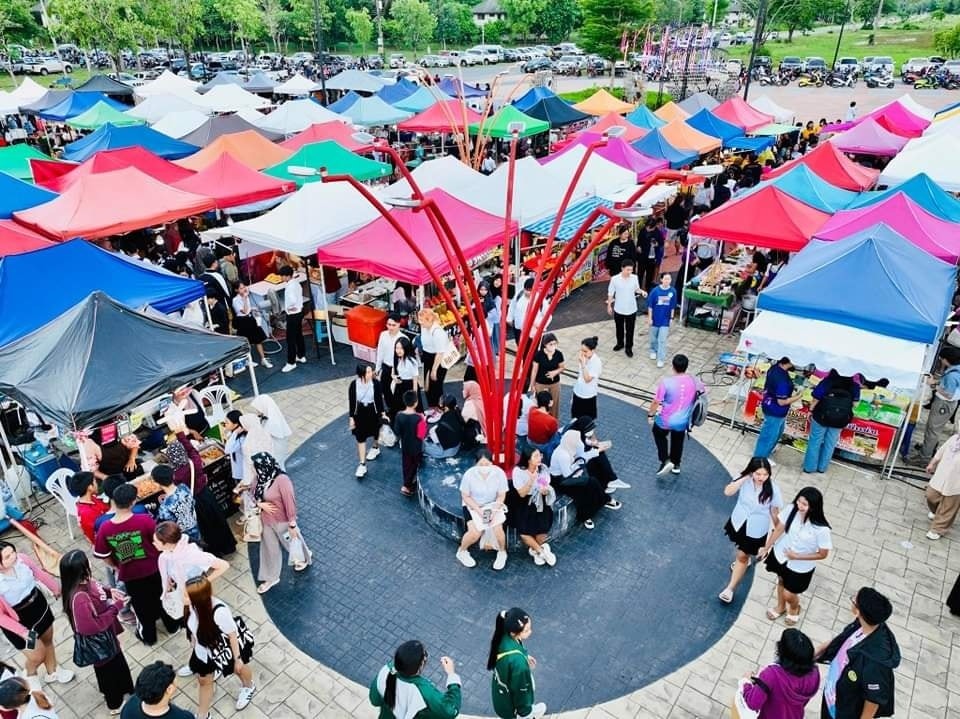
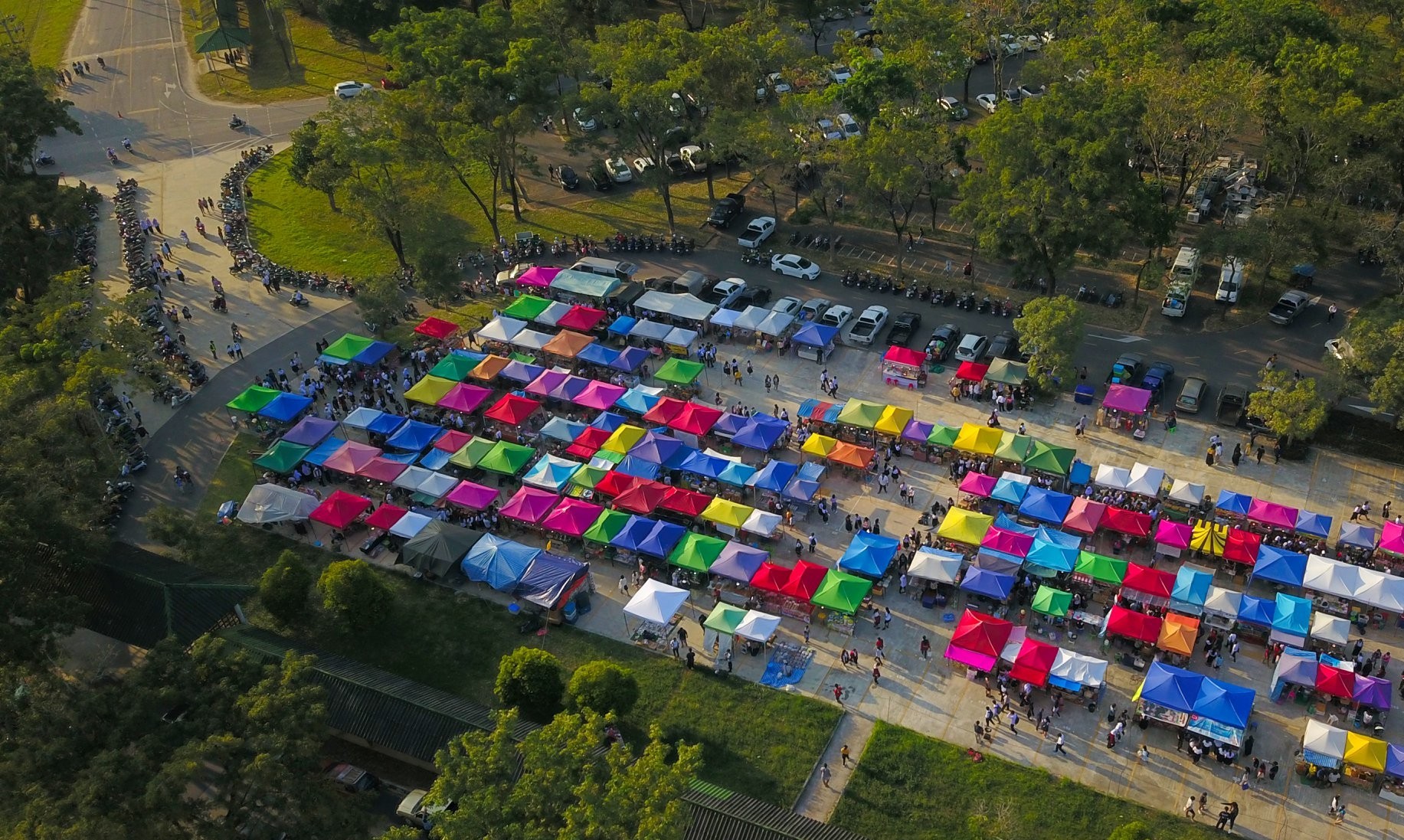
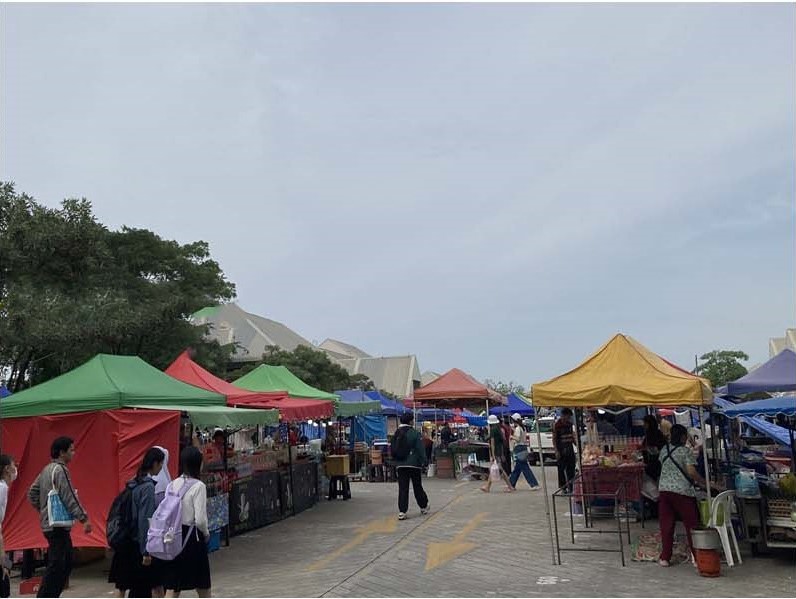
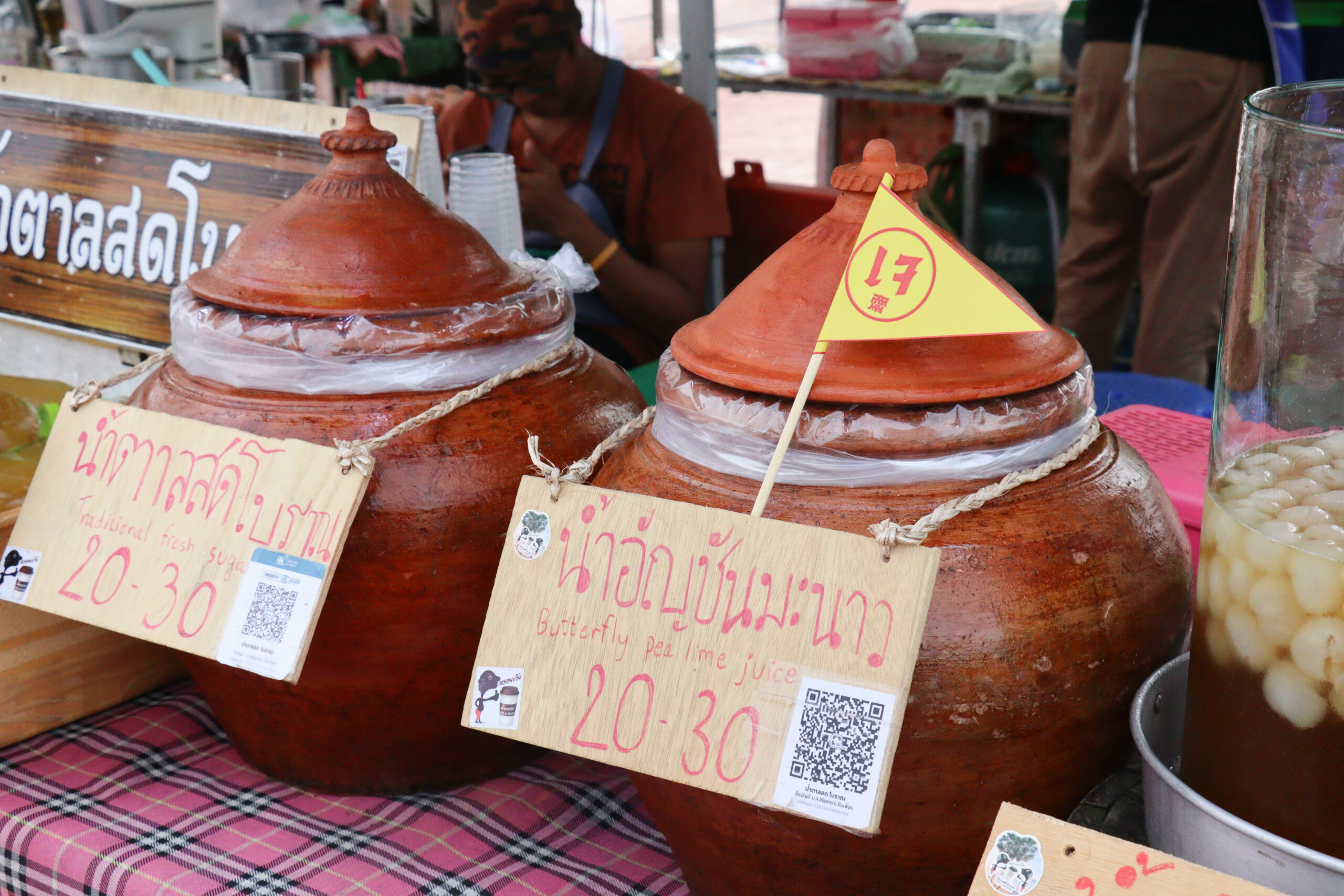
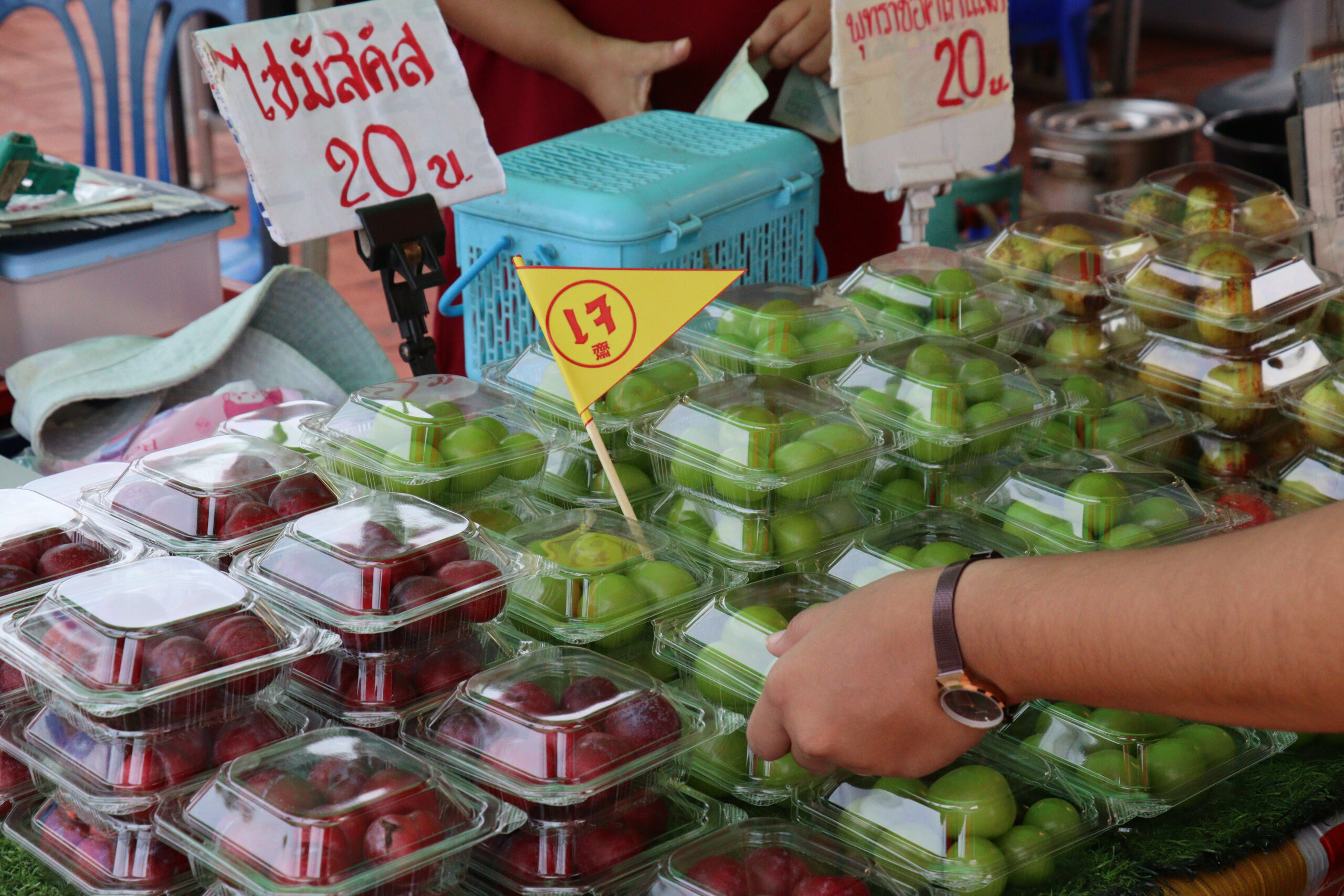
Walailak University Markets
Figures : The Bota Green Market.
Figures : The Chan Pradu Market.
Agricultural Centers
WU Agricultural Innovative Demonstration and Development Center in Honor of Rama IX
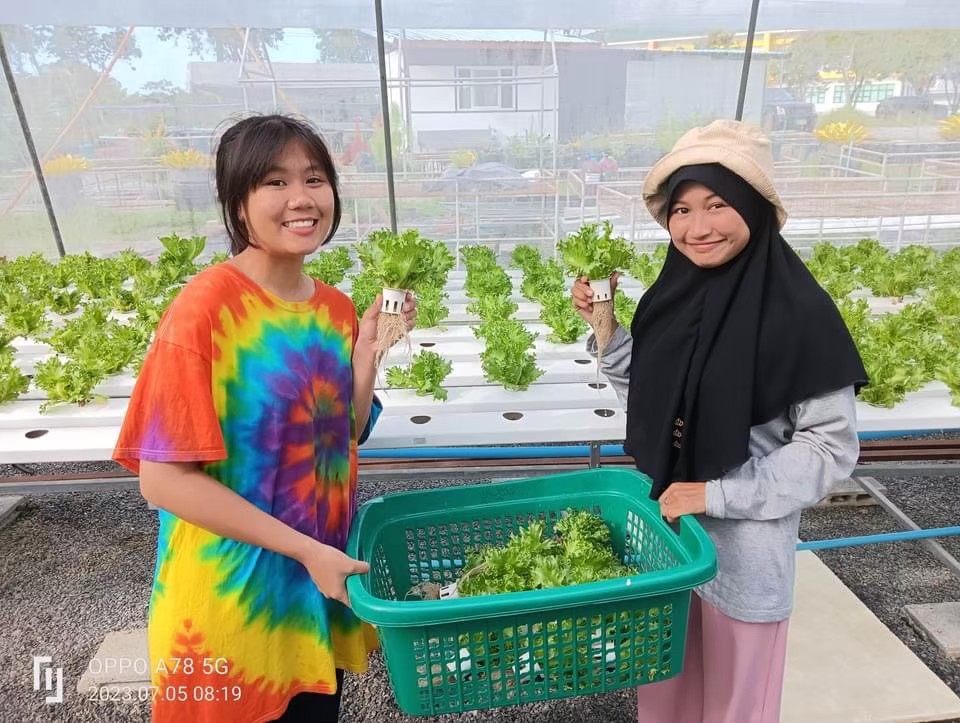
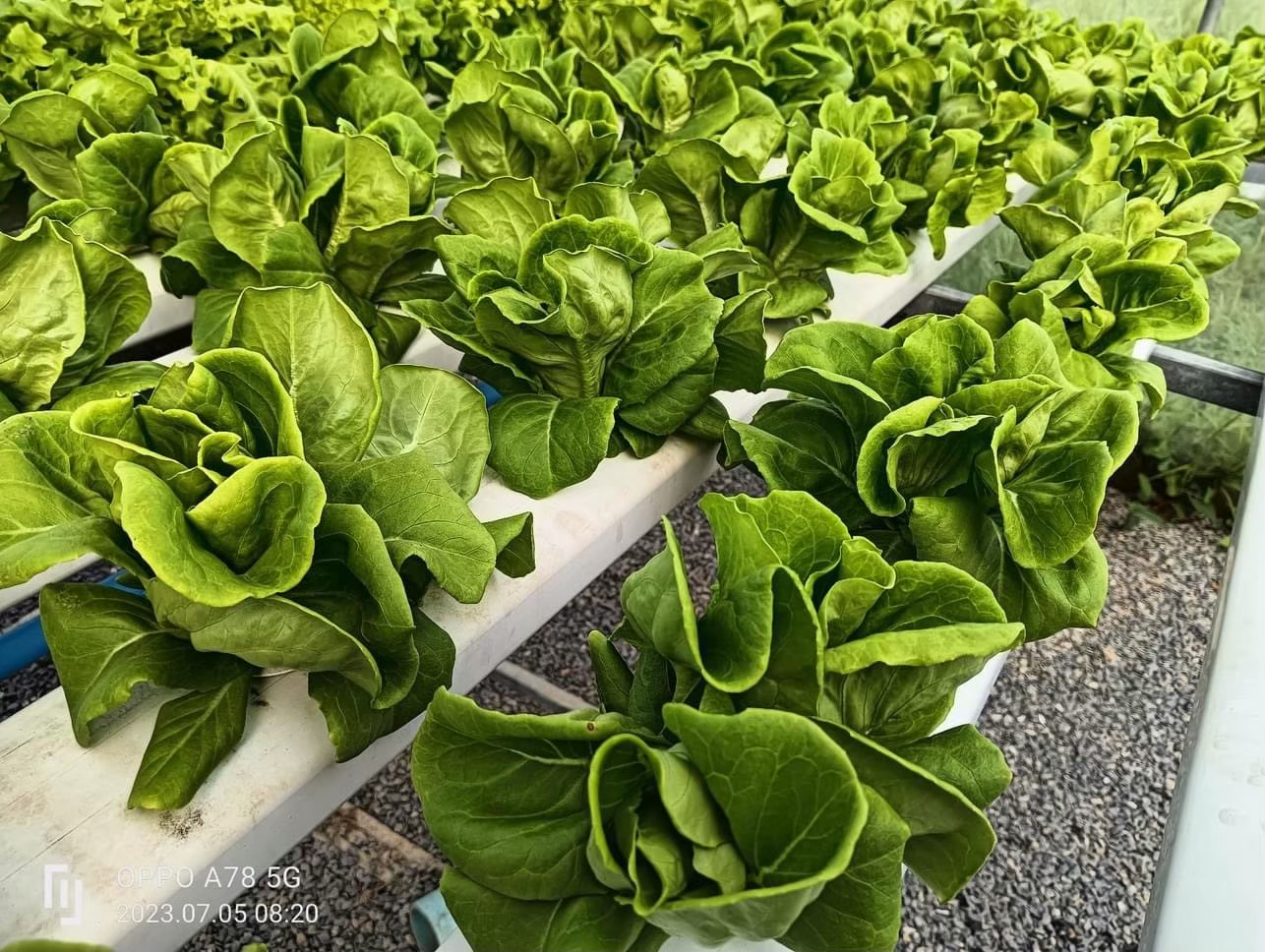
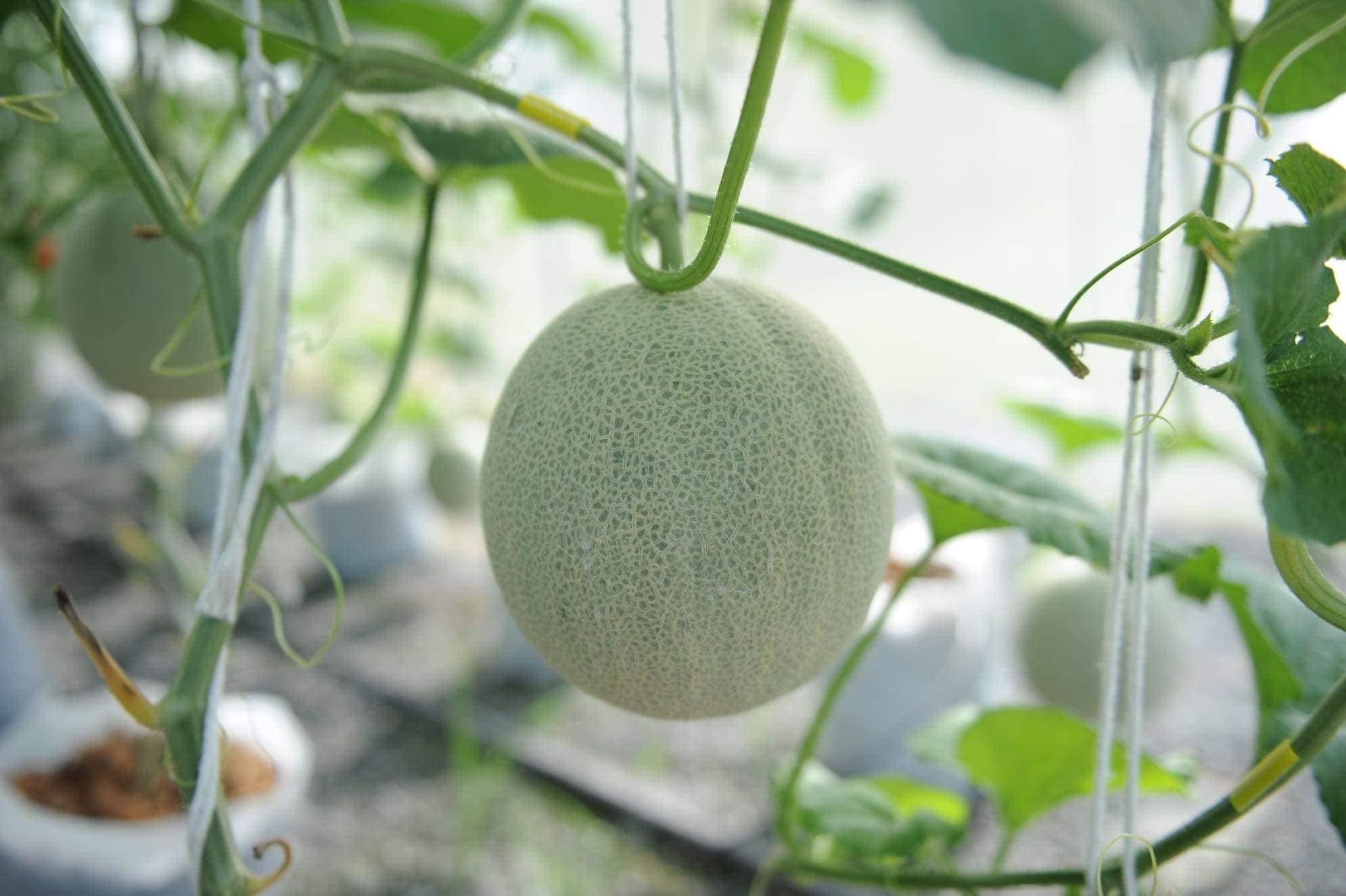
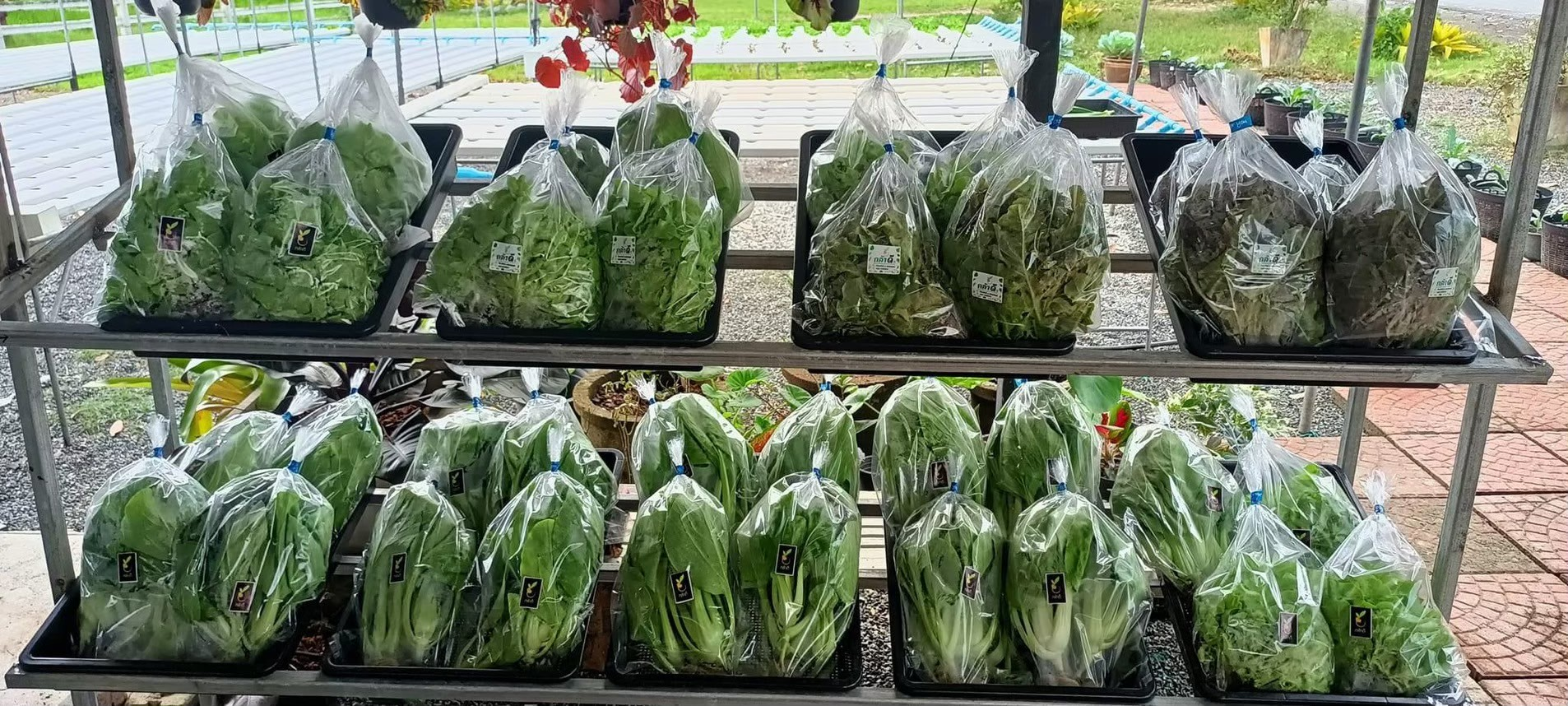
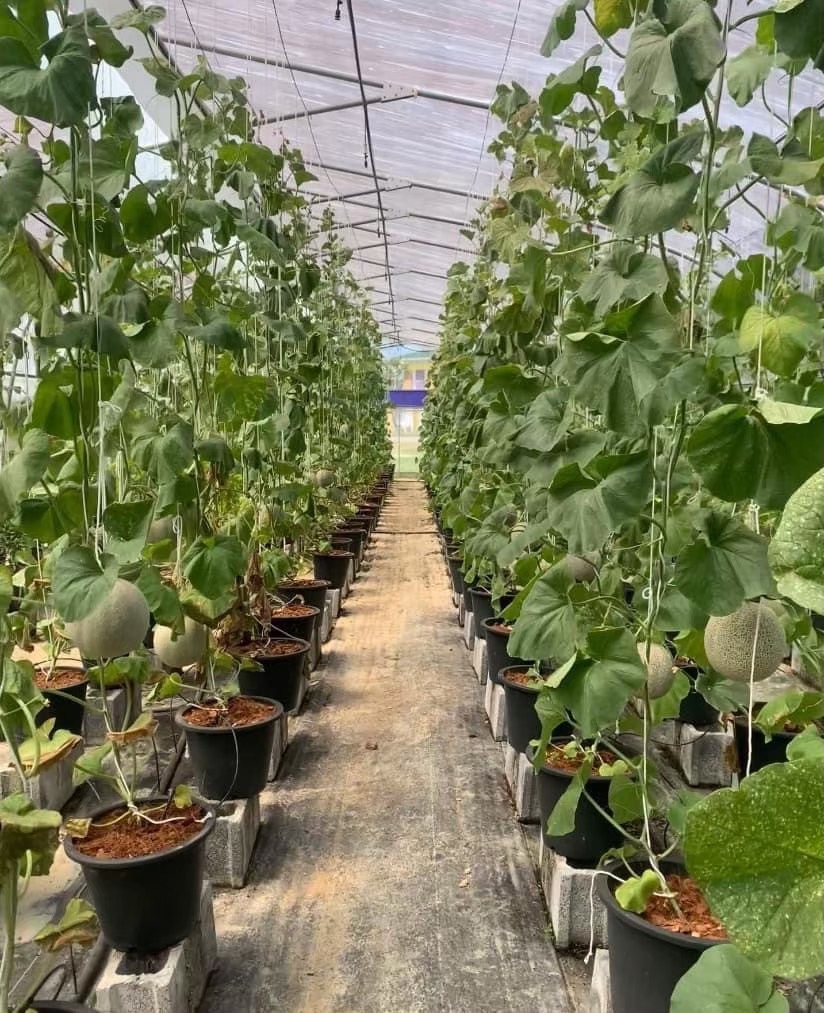
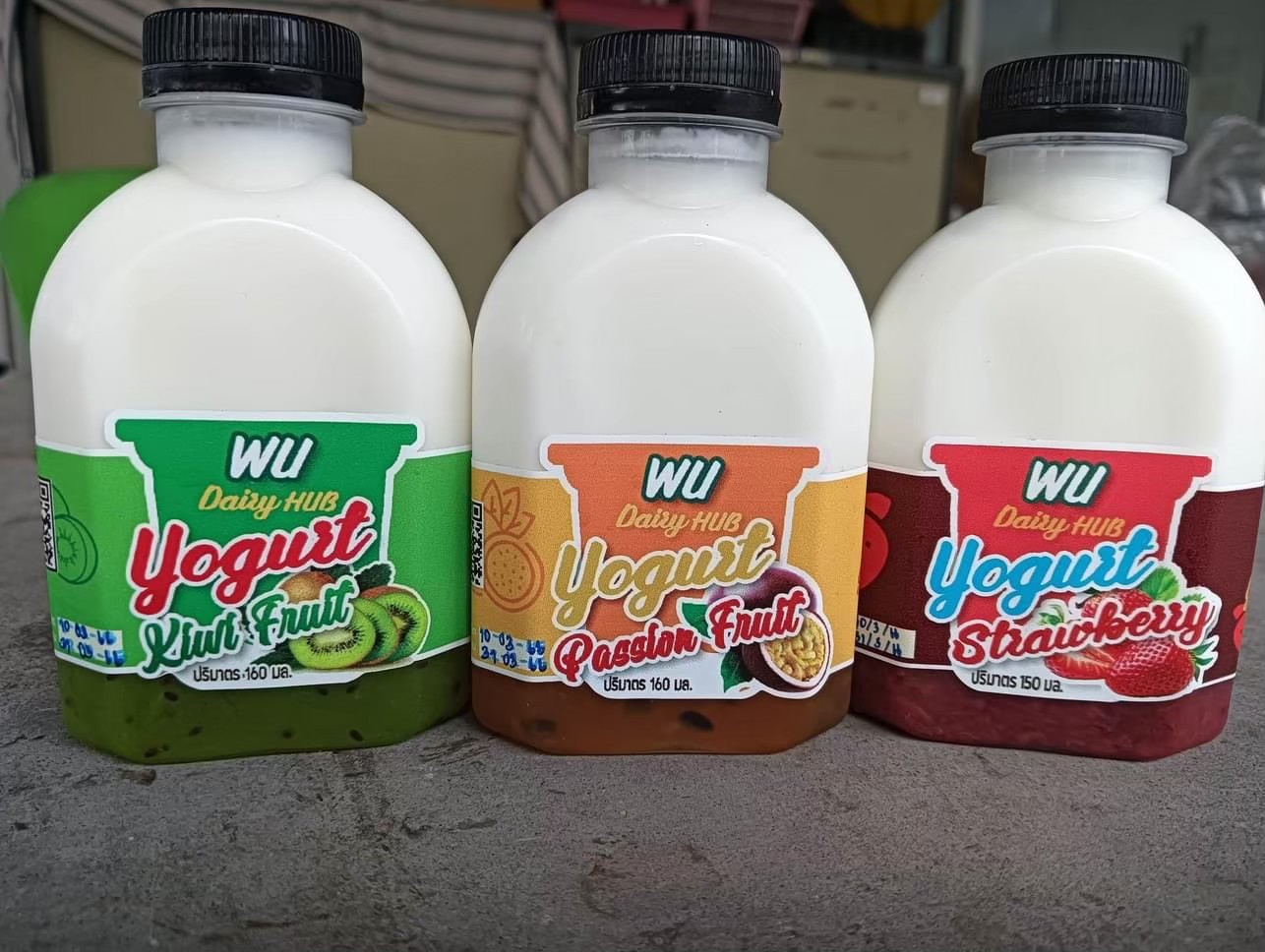
The Kla-D Shop offers agricultural products sourced from the WU Agricultural Innovative Demonstration and Development Center in Honor of Rama IX. All products are produced using sustainable practices that comply with Good Agricultural Practices (GAP) standards. The center, established to supply food materials and ingredients for vendors at Walailak University, ensures that agricultural products are sustainably harvested to provide responsible food choices for the Walailak community. Additionally, the center collaborates with the Center of Property Management to maintain sustainable standards and reduce the risk of receiving products harvested through unsustainable methods on campus.
Figures : Kla–D Shop distributes agricultural products to food sellers at Walailak University.
The Center for Smart Farming and Landscaping Architecture
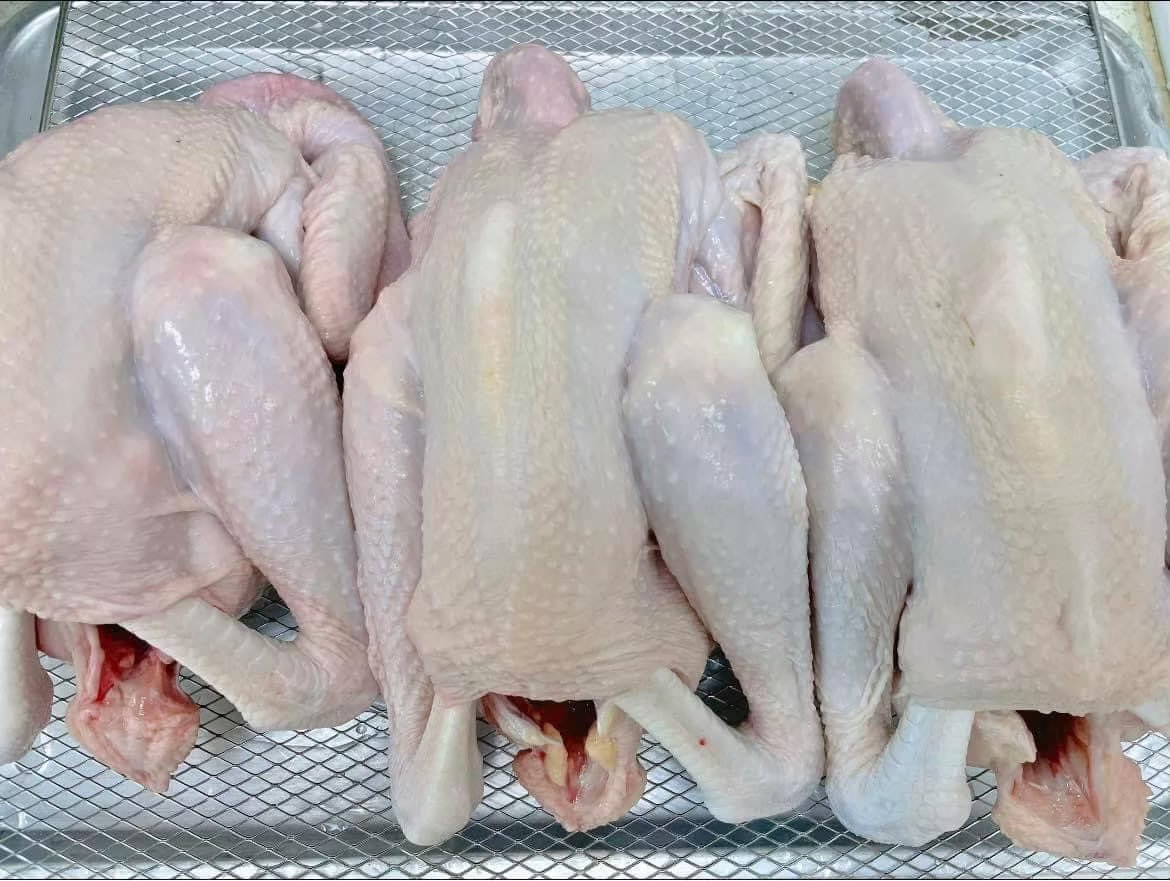
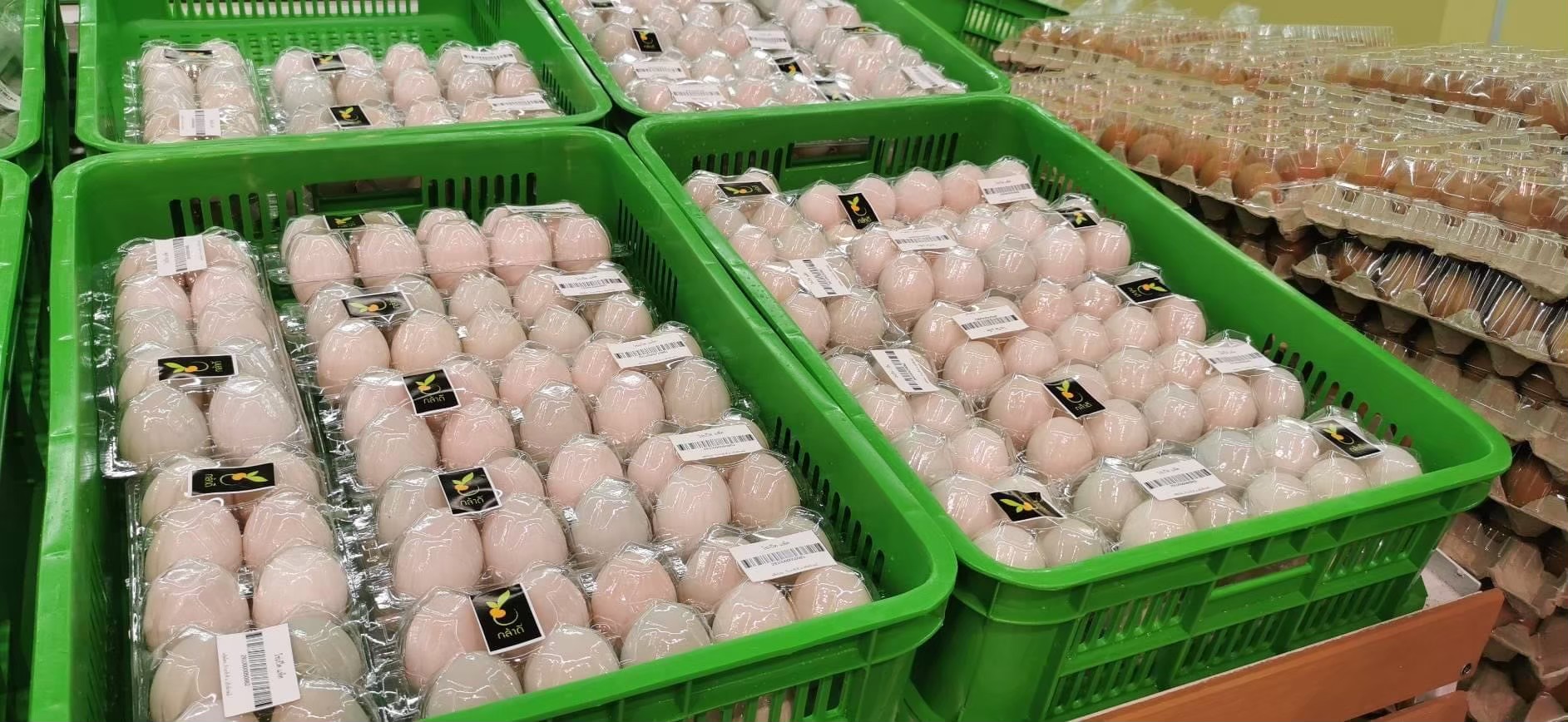
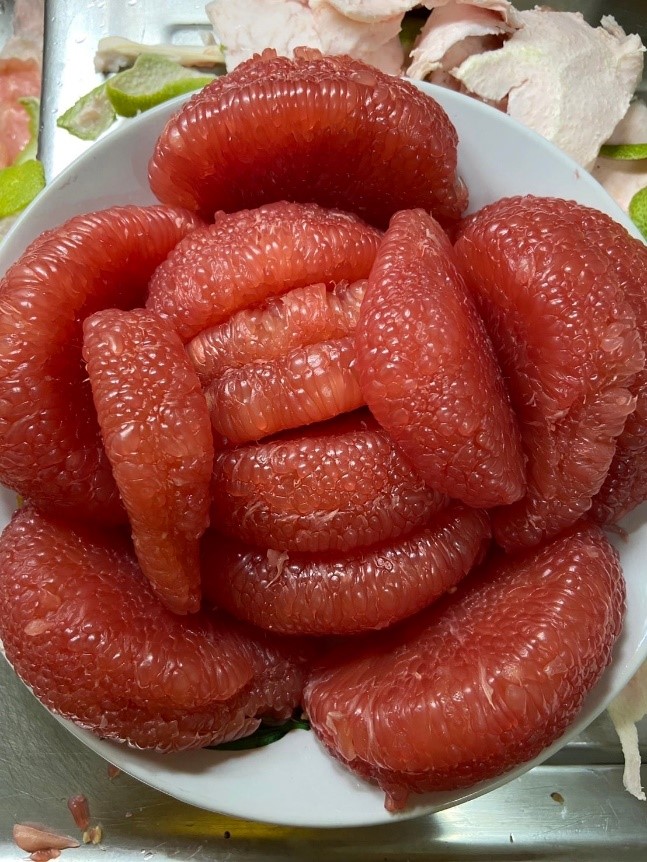
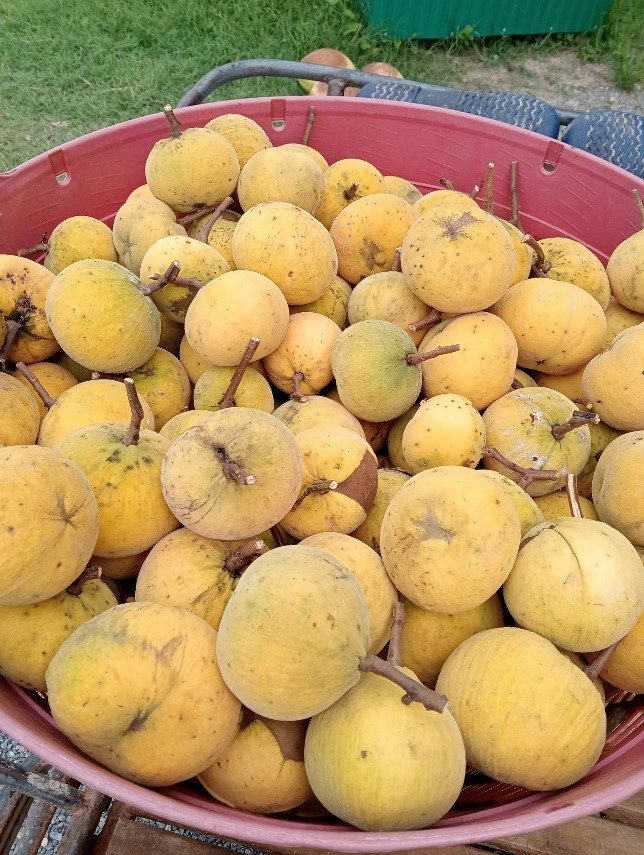
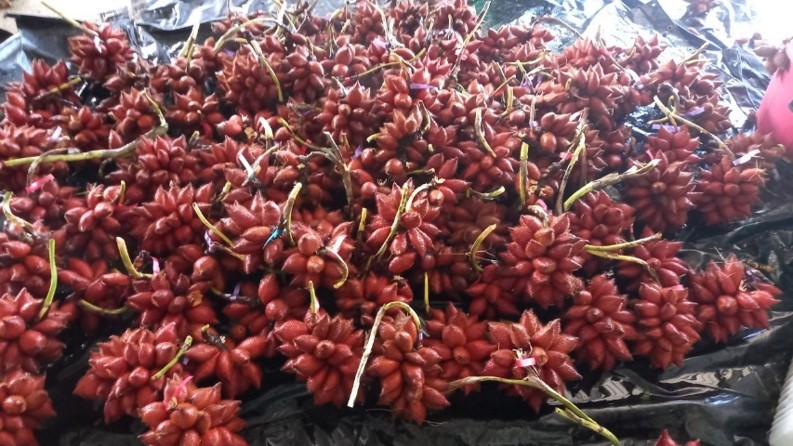
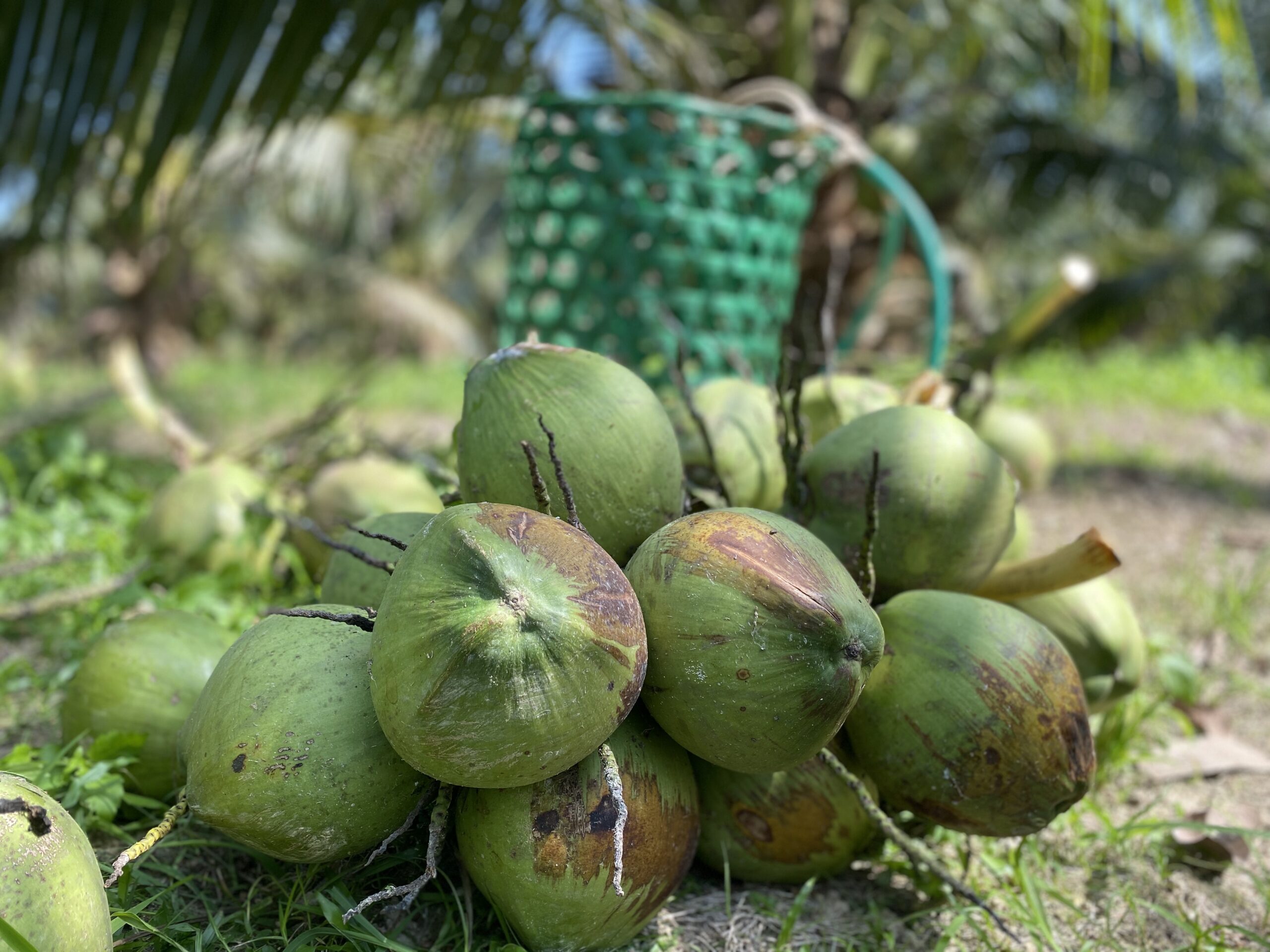
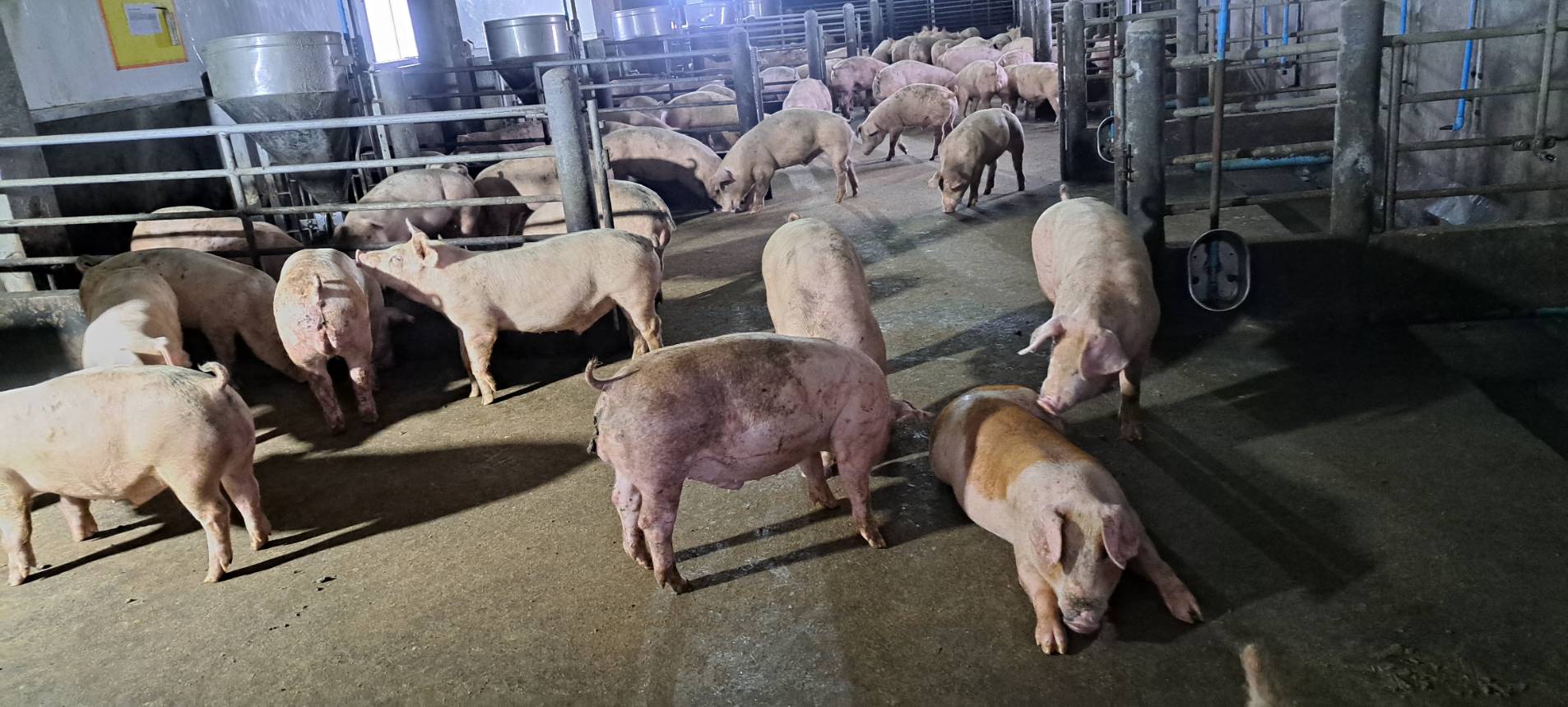
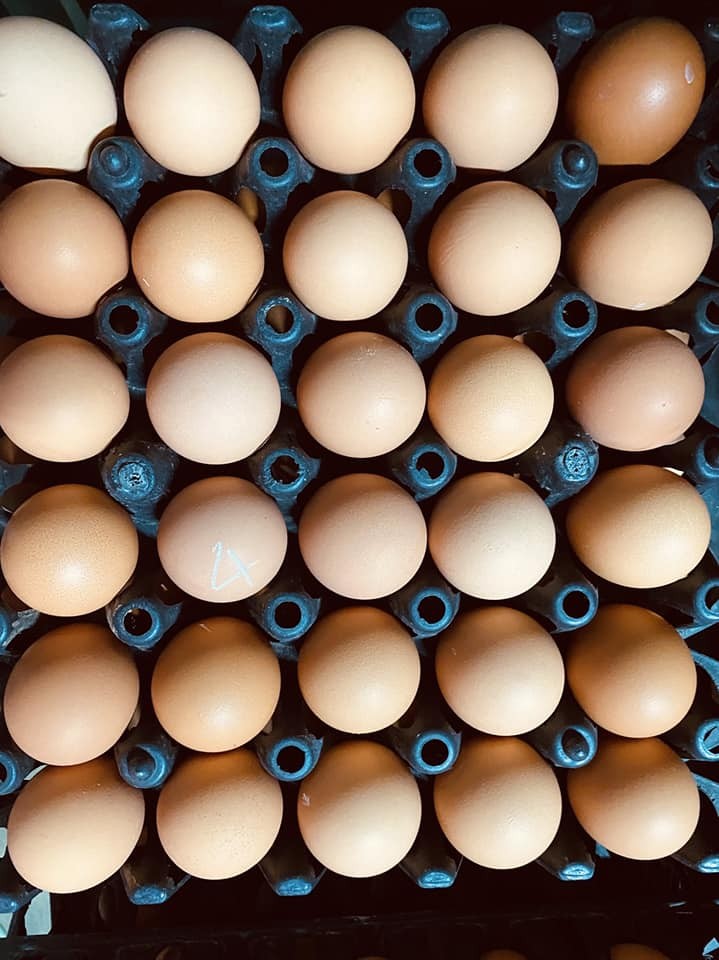
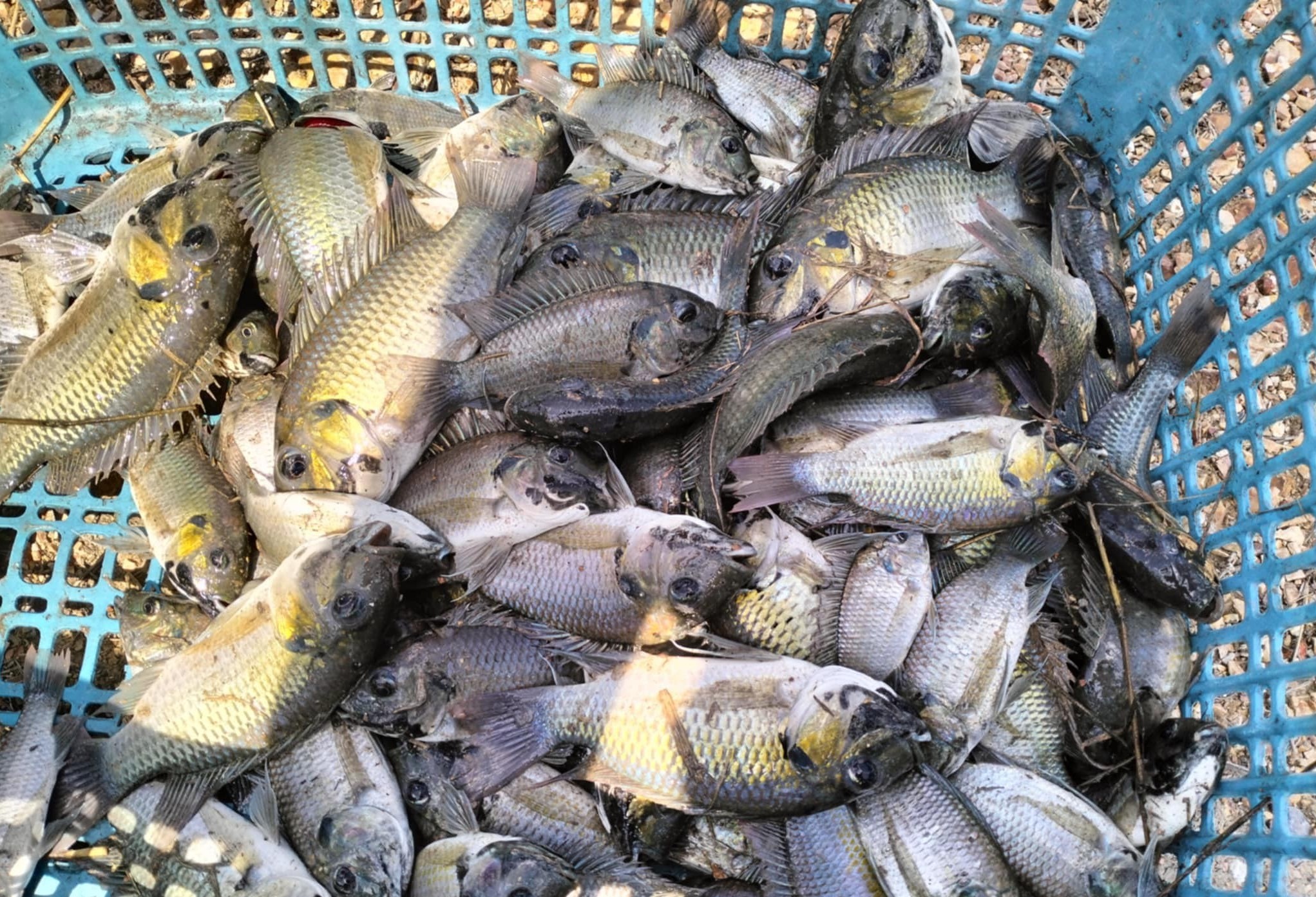
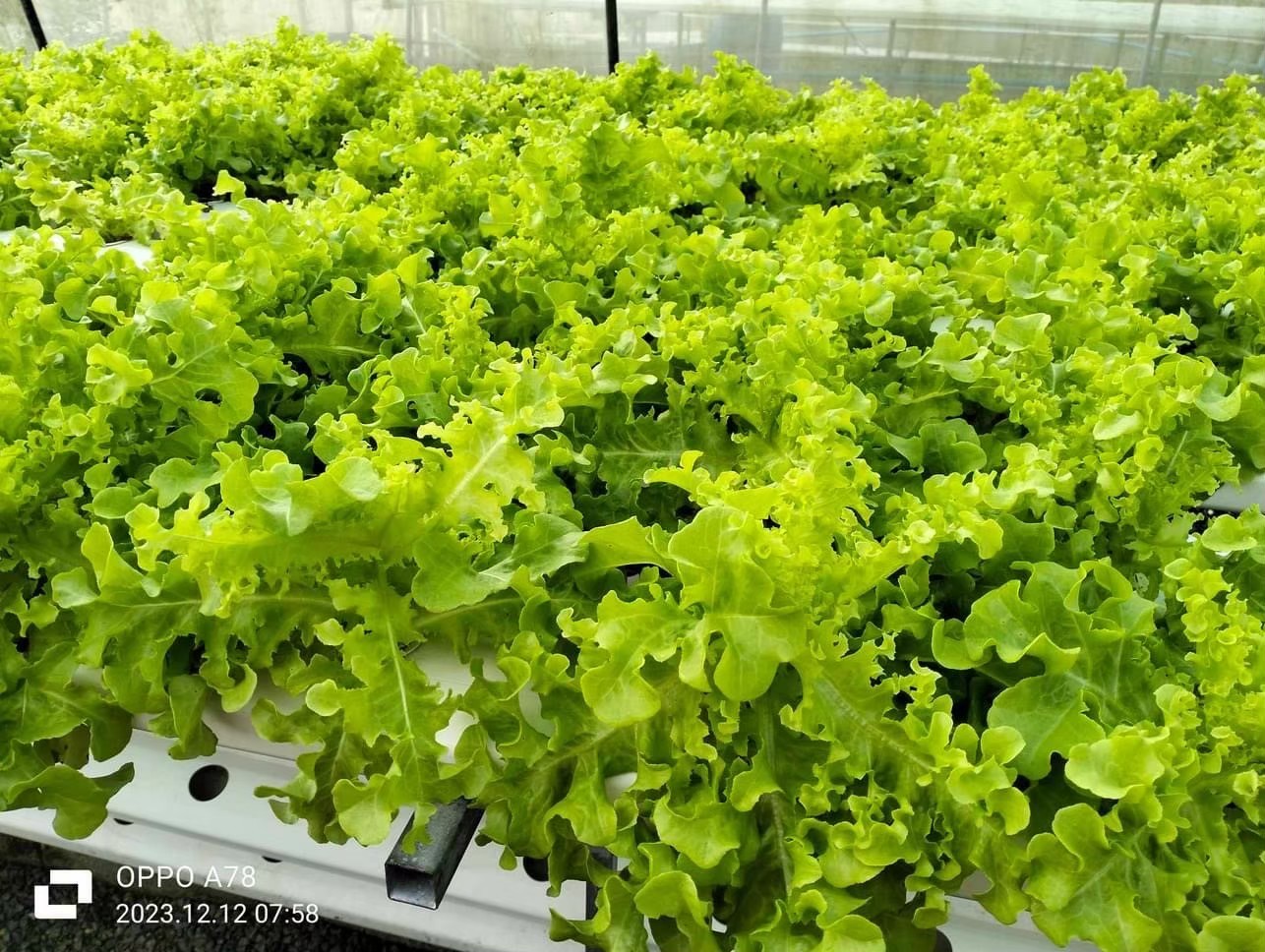
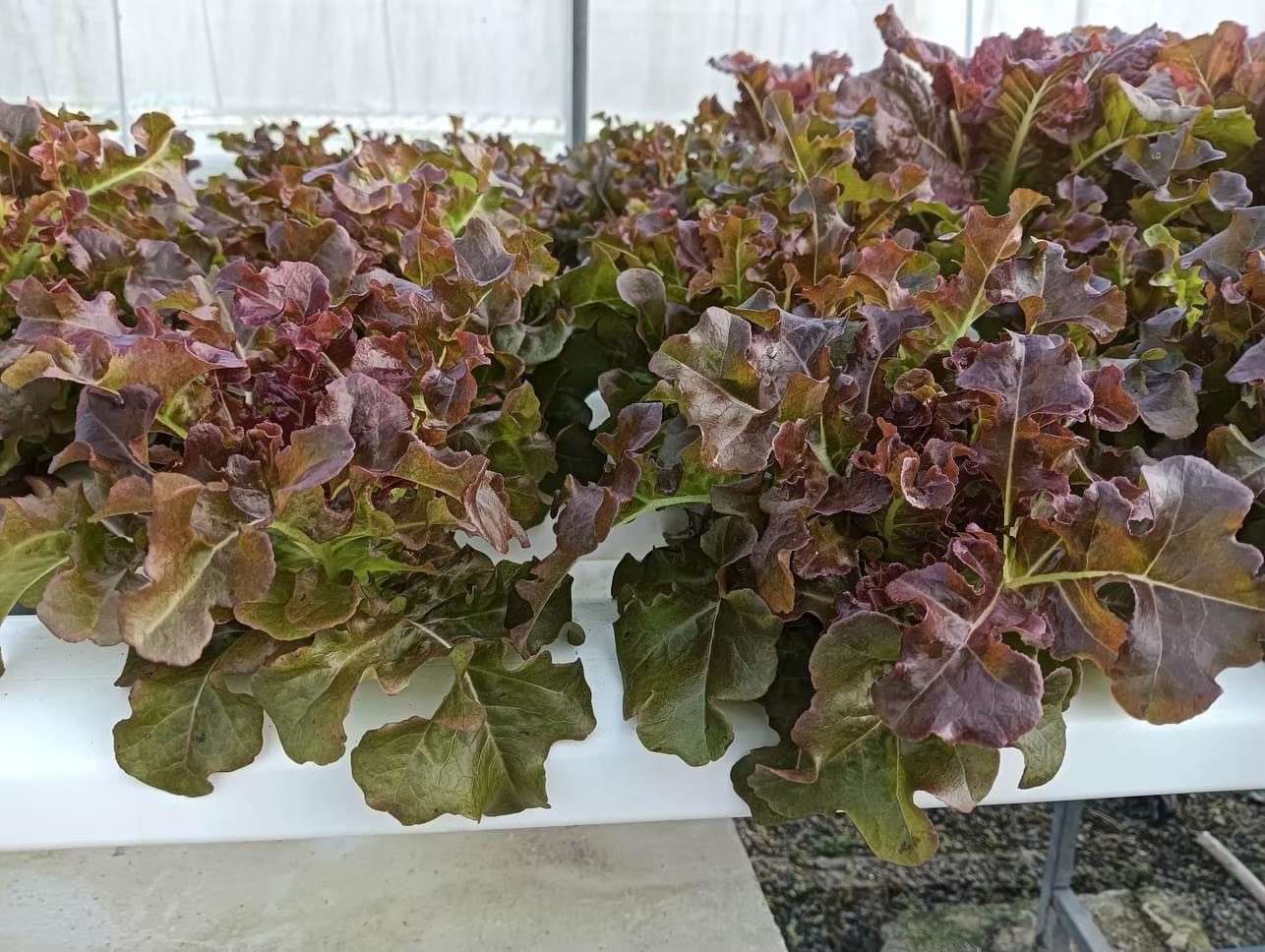
The Center for Smart Farming and Landscaping Architecture alongside the WU Agricultural Innovative Demonstration and Development Center in Honor of Rama IX, produces agricultural products for food operators at Walailak University, offering a variety of food choices for the community. The center’s products include rambutan, guava, salak, coconut, bananas, Green Farm System-produced eggs, vegetables, pork, and more.
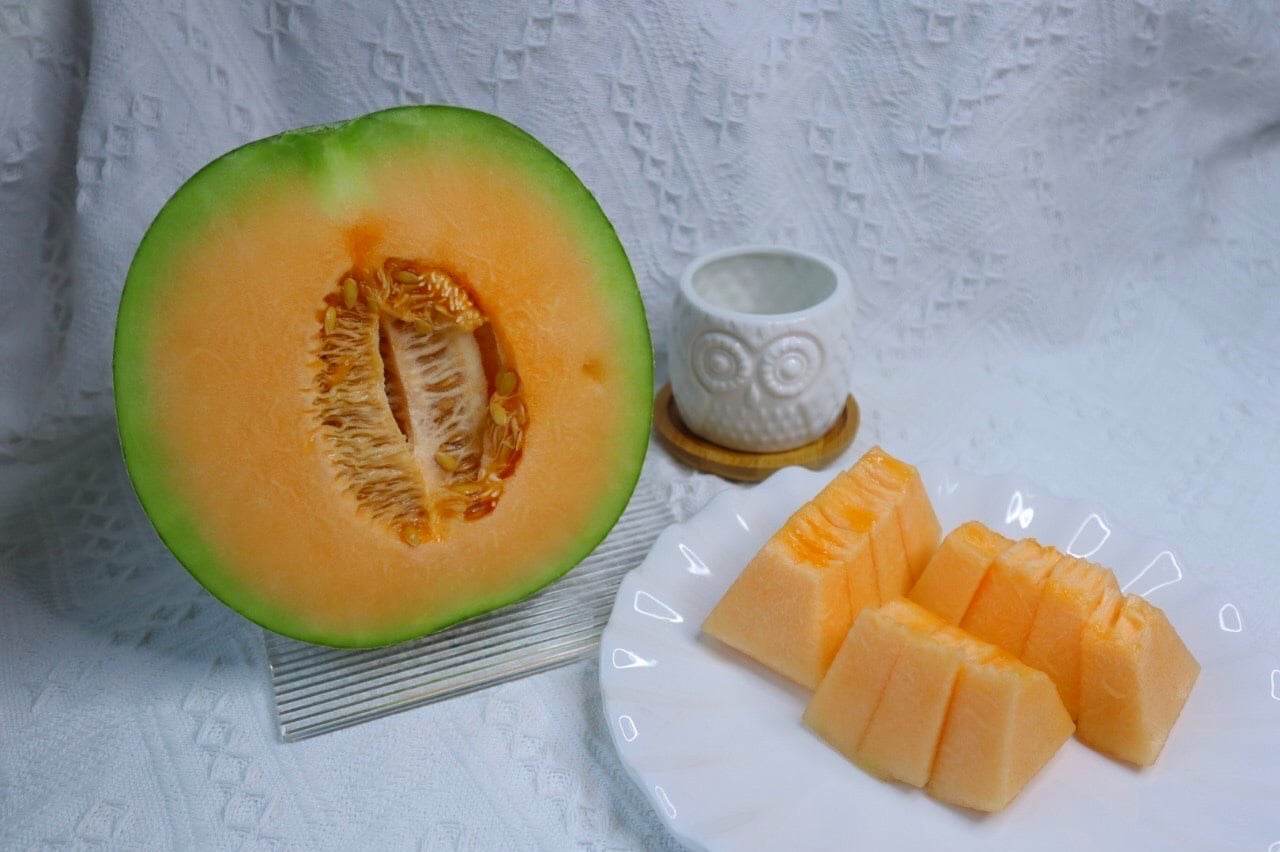
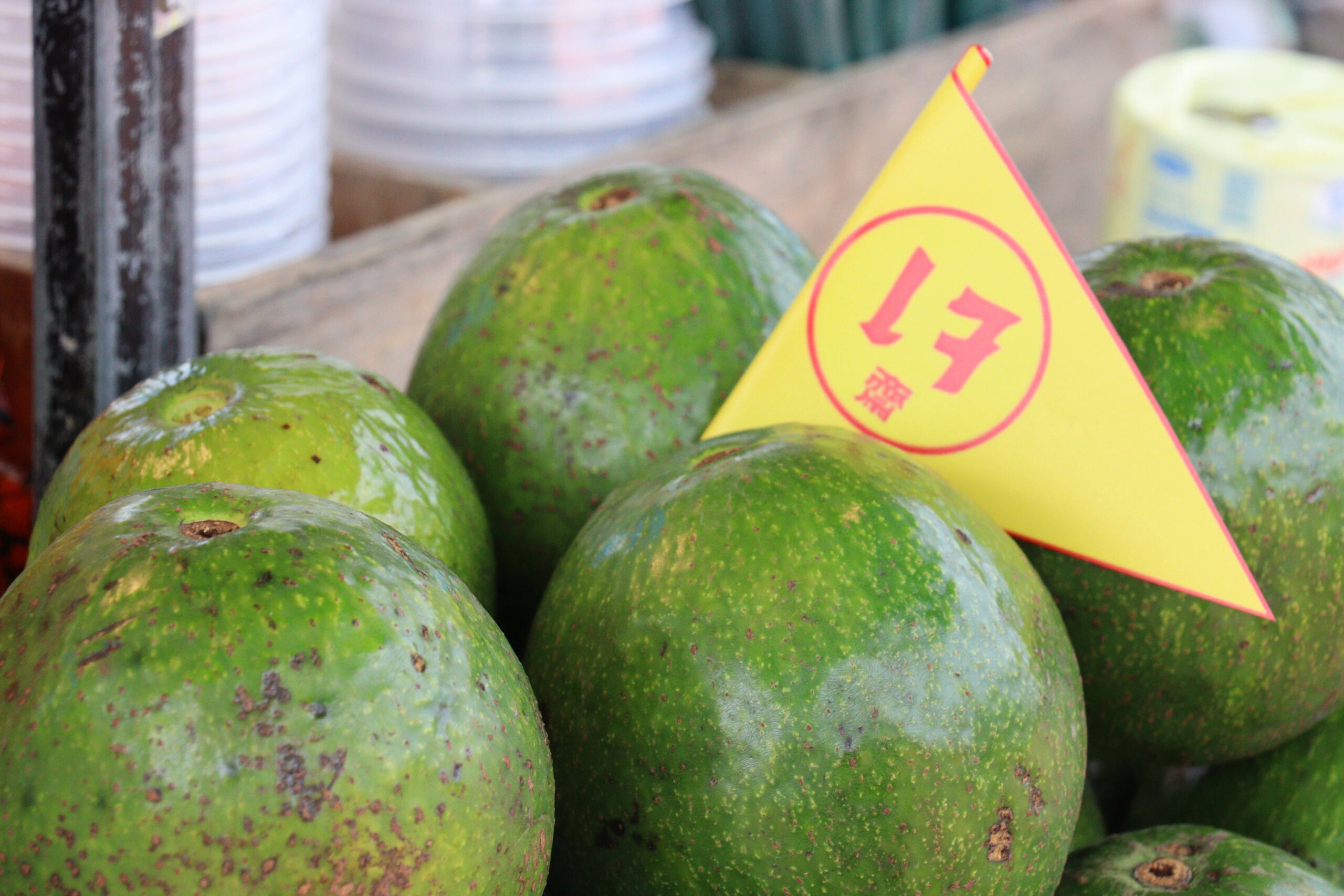
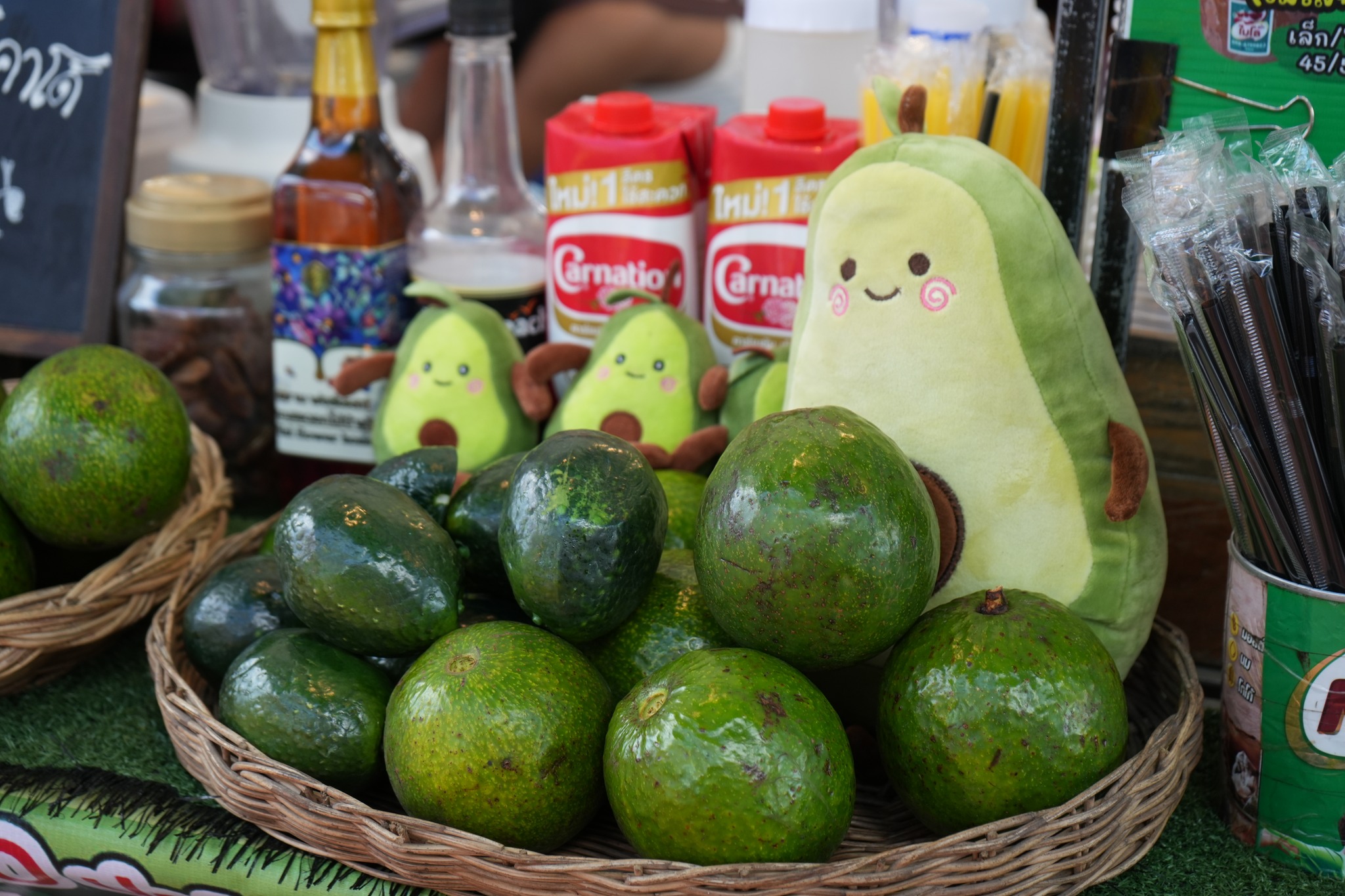
Figures : Fruits from The Center for Smart Farming and Landscaping Architecture.
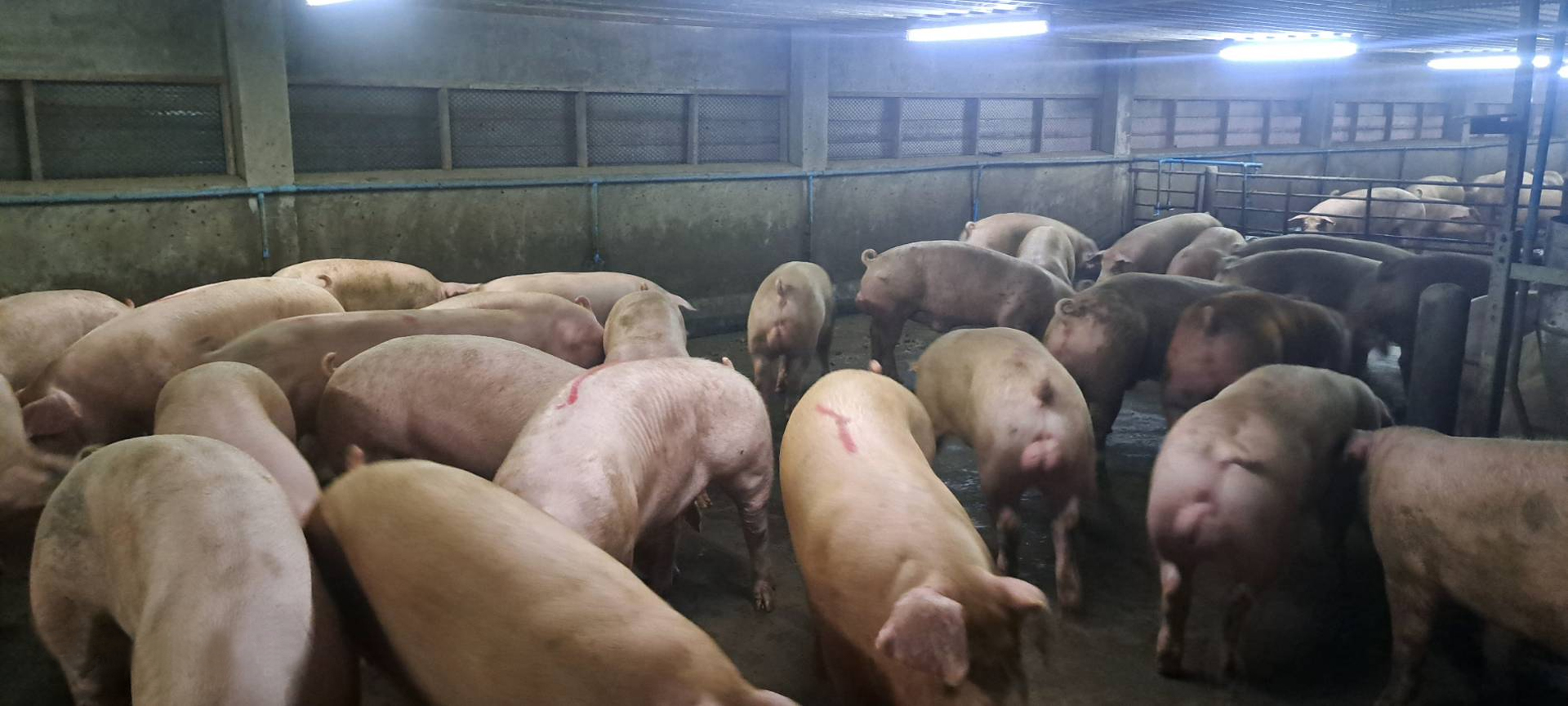
Figures : The pig farming based on the Green Farm System.
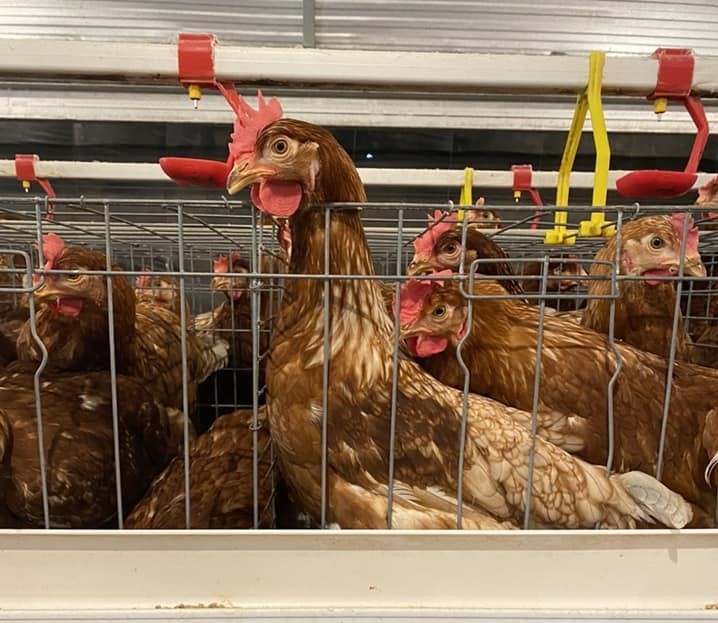
Figures : The chicken farming system for eggs.
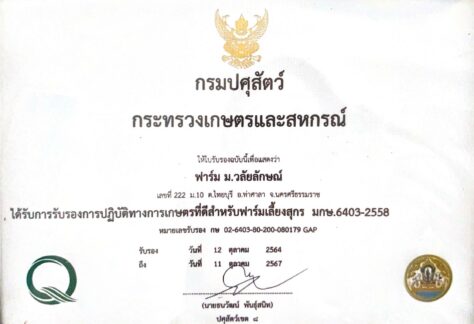
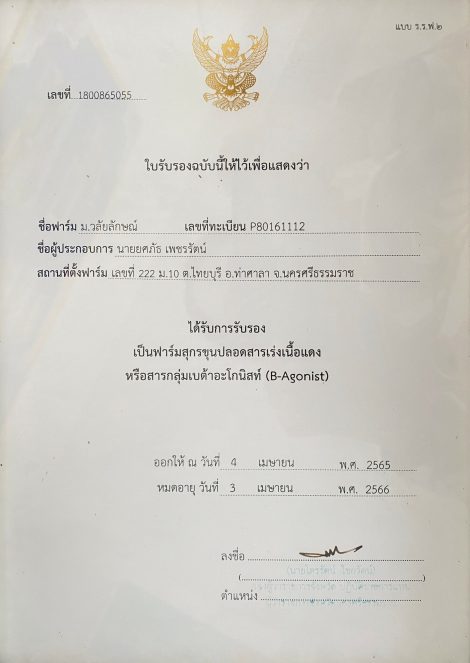
Figures : The Center for Smart Farming and Landscaping Architecture is certified under the Thai Agricultural Standard (TAS).
-
-
- Walailak University Announcement on “The Regulations and Penalties of Food Operators 2015”
- Walailak University Announcement on “The Regulations of Canteen Management and Operation Practices 2017”
- Walailak University Announcement on “The Lease Agreement of Food Operators 2017”
- The Regulations of the Department of Health, Ministry of Public Health, concerning Food Hygiene and Sanitation for Food Handlers
- Walailak University Order regarding the Appointment of the Committee on Food Safety and Sanitation 2015
-
The Process of Sustainable Food Sourcing
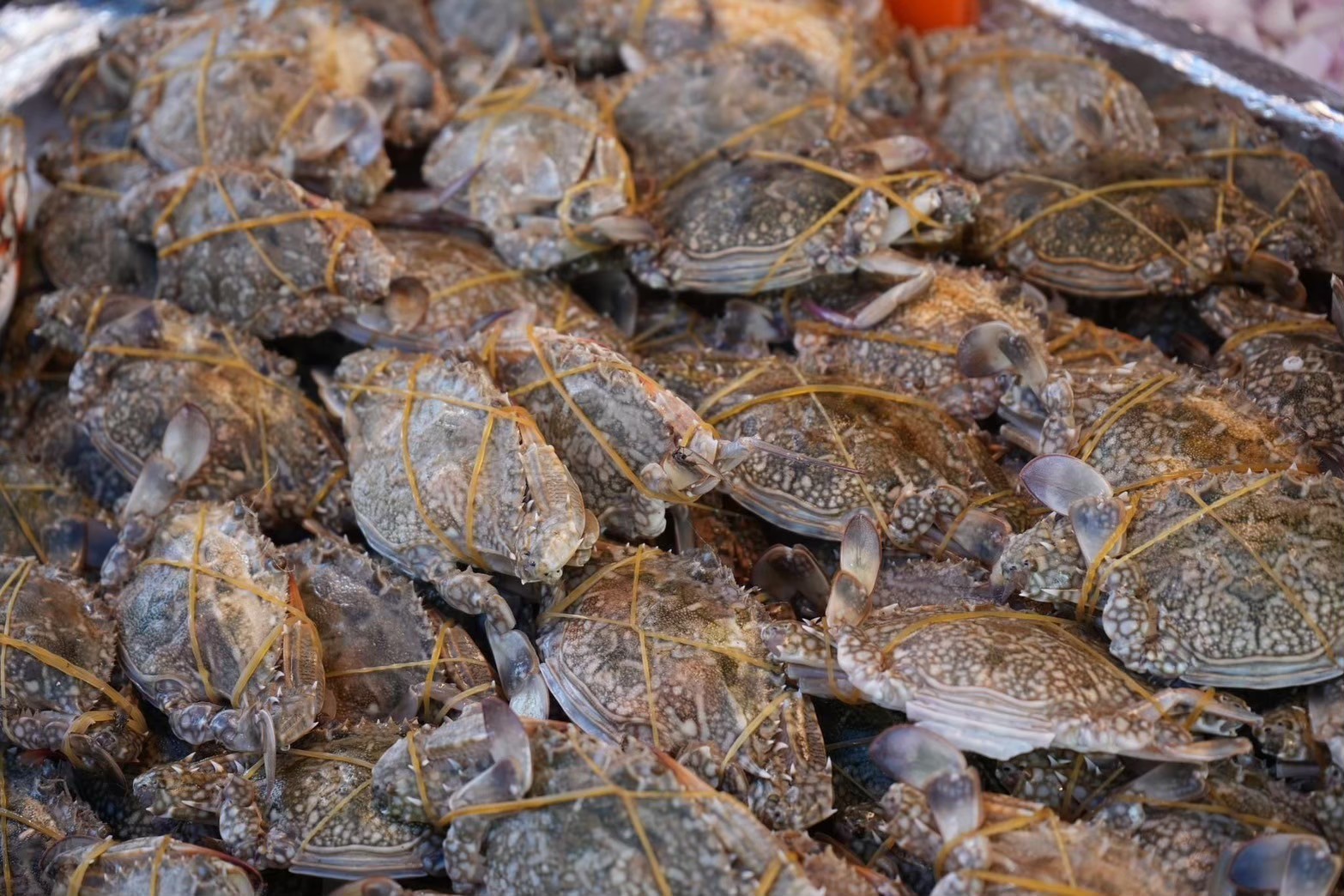
Meat and animal products, including seafood, should be derived from qualified farms certified by reliable agencies, such as Good Agricultural Practices (GAP).
Sources of processed seafood, aquatic animals, and products must not involve those in conflict with the European Union’s guidelines on illegal unreported, and unregulated fishing, destructive fishing practices, overfishing practices, use of forced and child labor, or unfair employment of labor in the seafood supply.
Environmentally and socially friendly transportation of uncontaminated meat, including animal and aquatic products, must be ensured. Fruits and vegetables should be seasonal fruits and vegetables, and Walailak University prioritizes the purchase of raw materials and others available in local communities with good agricultural practices.
Nontoxic fruits and vegetables should be seasonal products, locally farmed by neighboring communities, and cultivated with good agricultural practices.
Food Variety on Campus
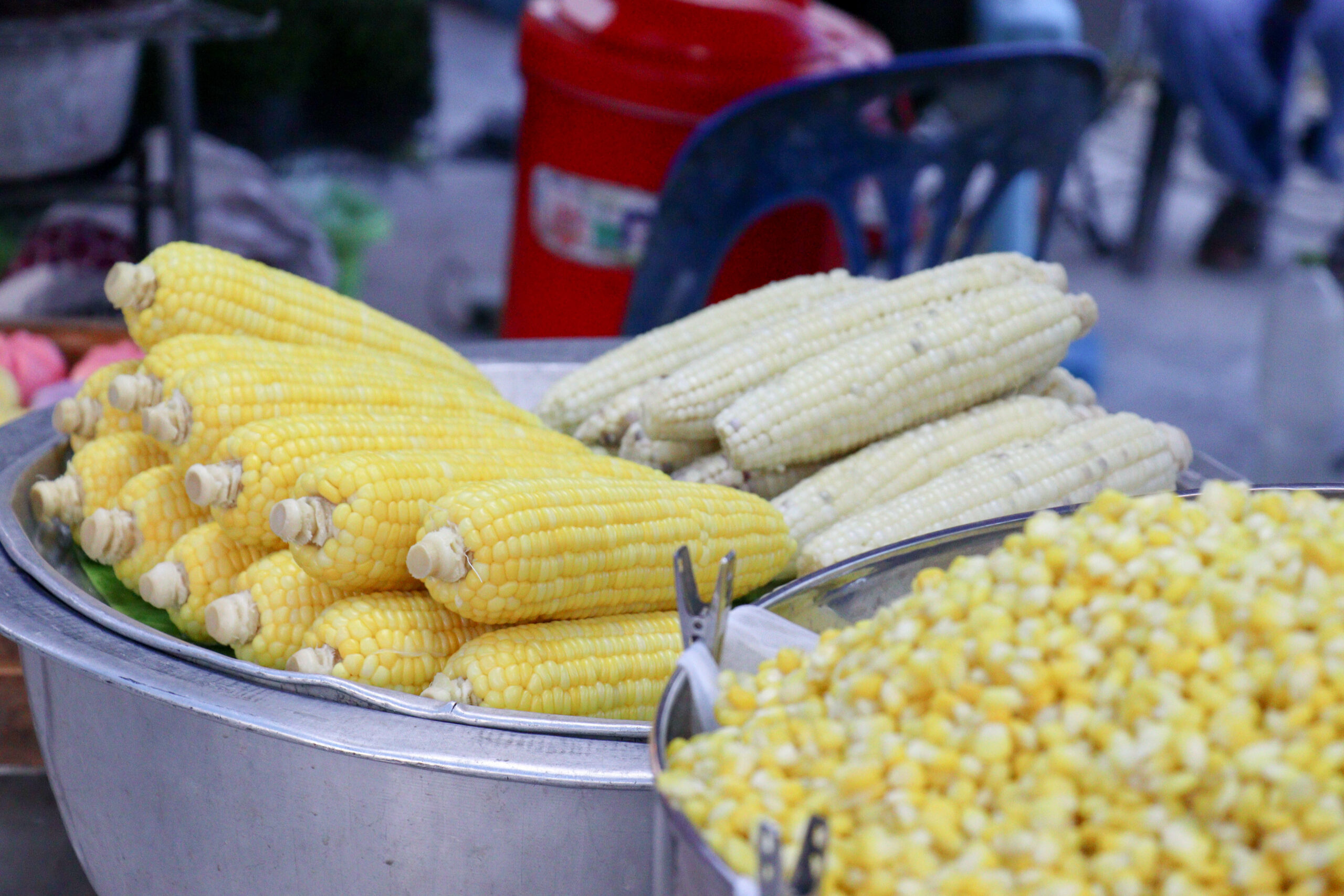
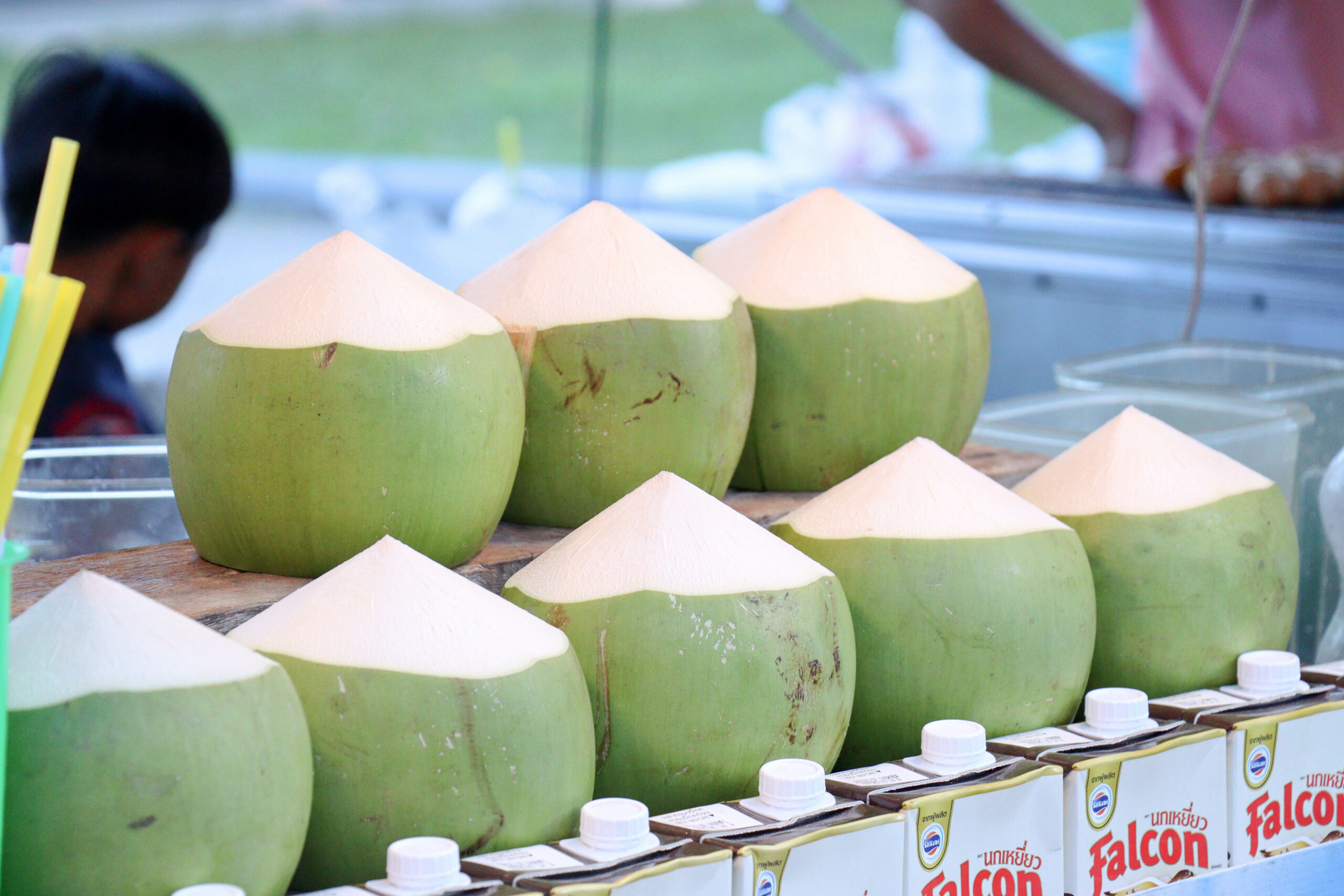
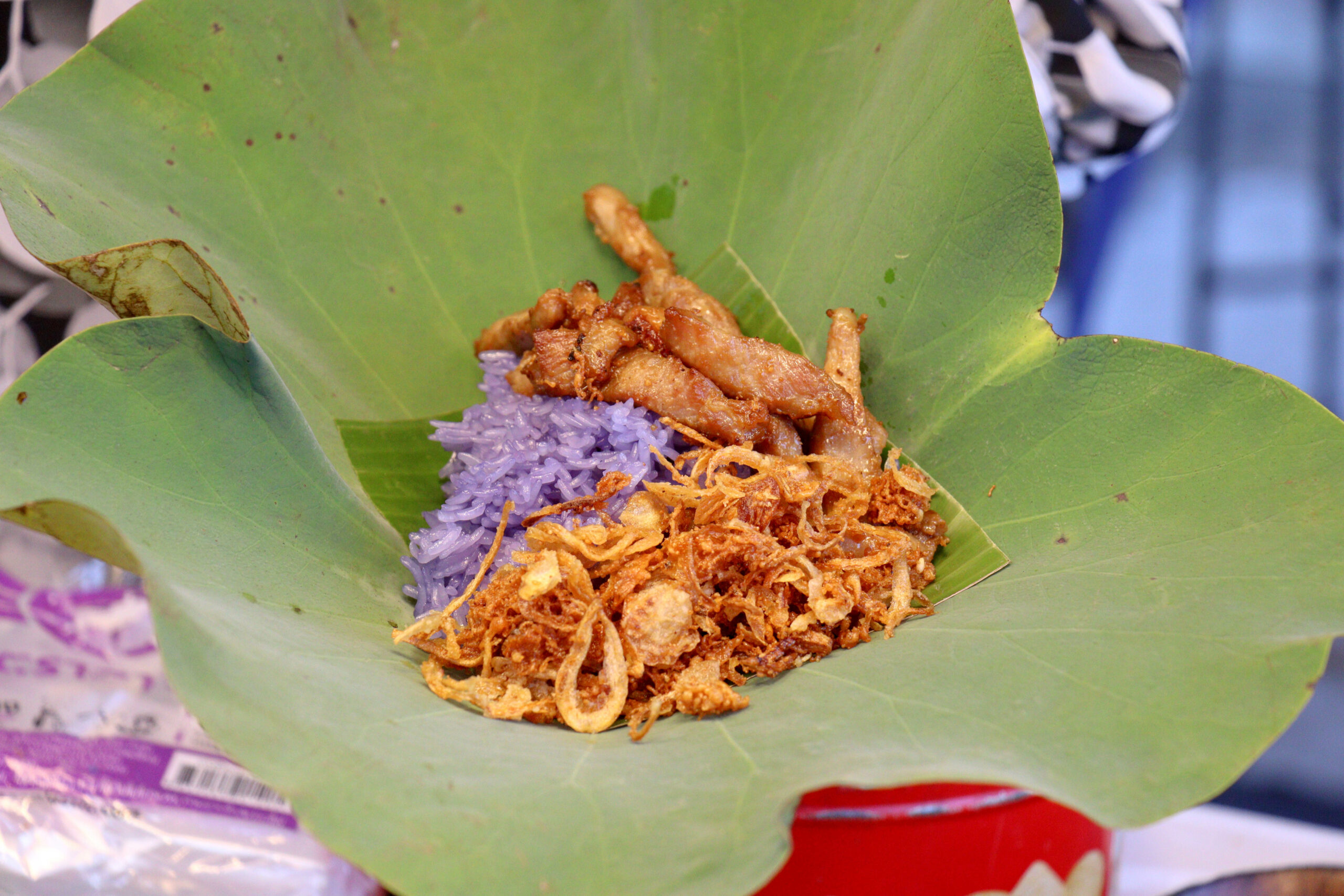
Figures : The food choices at Walailak University that are sourced from local communities.
Figures : The food choices at Walailak University that are halal food.
Figures : The food choices at Walailak University that are vegetarian and vegan food.
The Process of Sustainable Food Sourcing
- The Announcement of Walailak University Subject: 2022 Policy on Food Preparation and Sustainable Consumption
- Walailak University Order No. 1180/2560 regarding the Appointment of the Food Sanitation System Development Committee In the cafeteria Walailak University (dated October 18, 2017)
- Announcement of Walailak University on rules, regulations the prohibitions and penalties for tenants of space for business of shops and restaurants within in Walailak University (dated October 9, 2017)
- Walailak University Order No. 392/2019 regarding the appointing a working group to control restaurant service of entrepreneurs within Walailak University cafeteria (dated April 9, 2019).
- Announcement of Walailak University regarding the guidelines for restaurant management within the theater Walailak University Food (dated February 8, 2019)
- Announcement of Walailak University terms and details that attached to the contract for renting Walailak University area for food distribution service in Walailak University canteen (dated 23 July 2019)
- Regulations of the Department of Health, Ministry of Public Health Food sanitation standards for restaurants.
Related links:
https://act.wu.ac.th/?page_id=12366
https://botany.wu.ac.th/?p=25968
https://am.wu.ac.th/restaurant/
https://farm.wu.ac.th/?p=13140
https://www.facebook.com/walailakPMC
https://www.facebook.com/profile.php?id=100063503803528
https://www.facebook.com/kladeewalailak/
https://www.facebook.com/p/SMART-FARM-Walailak-University-100076309869908/