Organic Waste Treatment (WS3)
Organic Waste Treatment
Walailak University generates 244.36 tons of organic waste annually, classified into two major categories: food waste from the university cafeteria, which amounts to 51.06 tons, and waste leaves and twigs from the garden, totaling 193.30 tons. The food waste originates from leftovers, food scraps, and biodegradable waste produced during meal preparation and consumption in the university’s cafeterias. Effective management of this waste could include the implementation of converting organic waste into compost and converting organic waste into animal food on the university’s farm, thereby reducing reliance on landfill disposal and mitigating methane emissions.
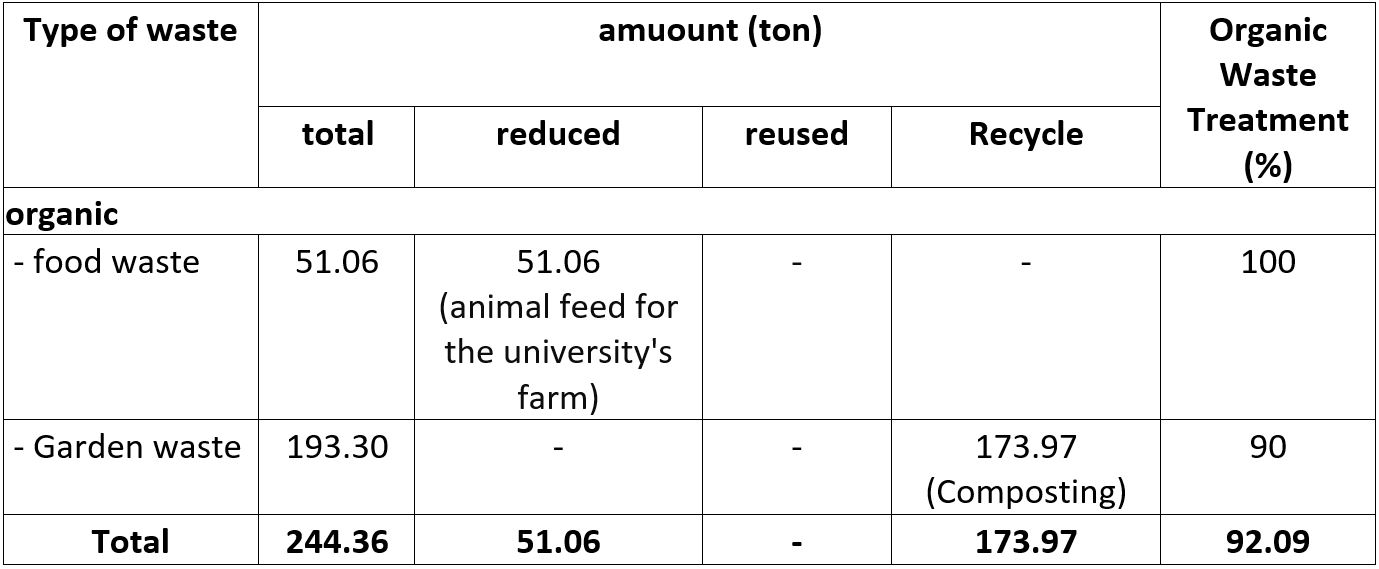
*Note: Due to the incompatibility of certain agricultural waste materials, only 90% of the waste can be composted.
Percentage of Organic Waste Treatment = 92.09 %
Walailak University effectively manages organic waste, totaling 244.36 tons, which is divided into two main categories: food waste from the cafeteria and green waste from the garden. The university’s approach to managing these waste streams demonstrates a commitment to sustainability, resource recovery, and reducing its environmental footprint.
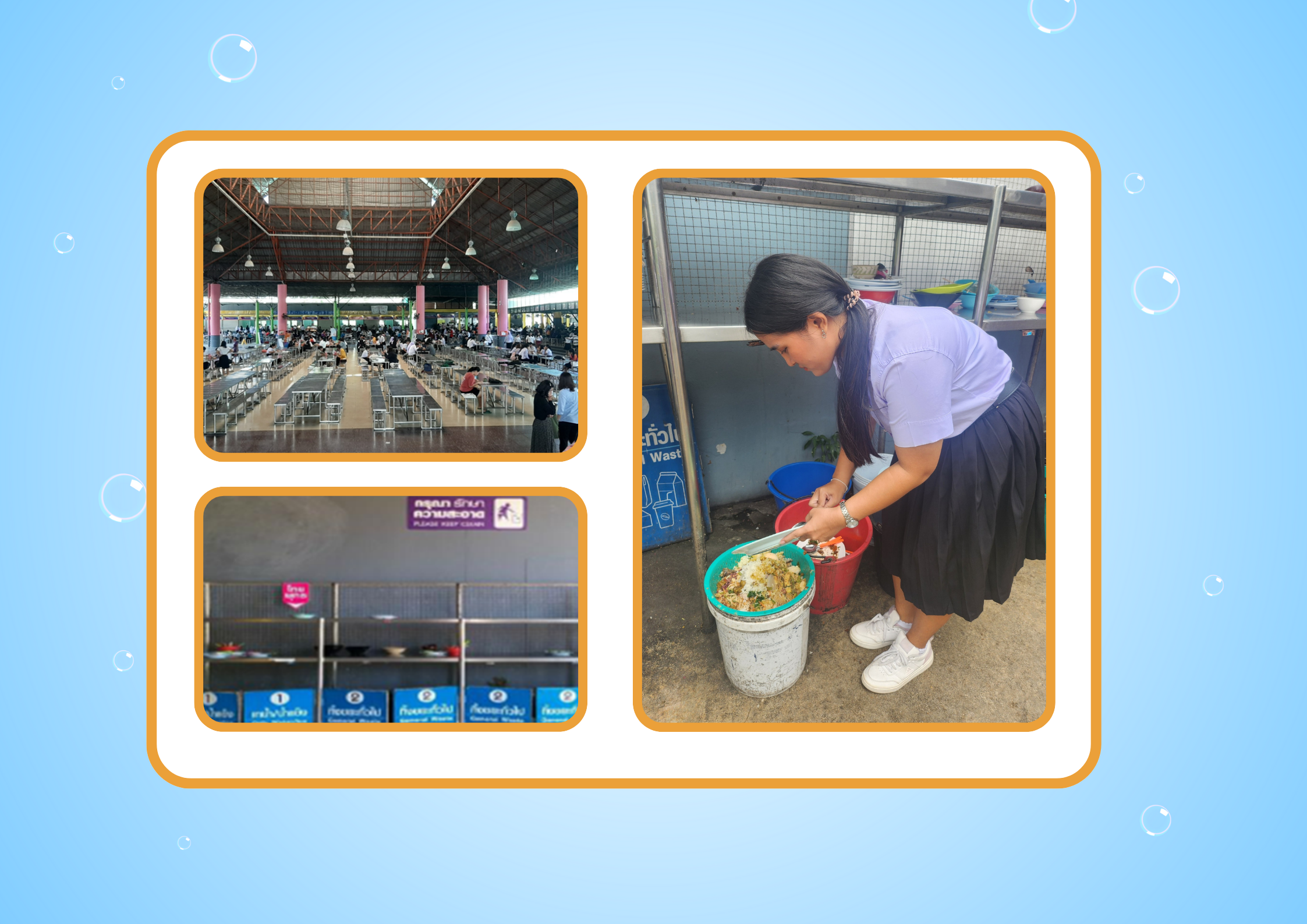
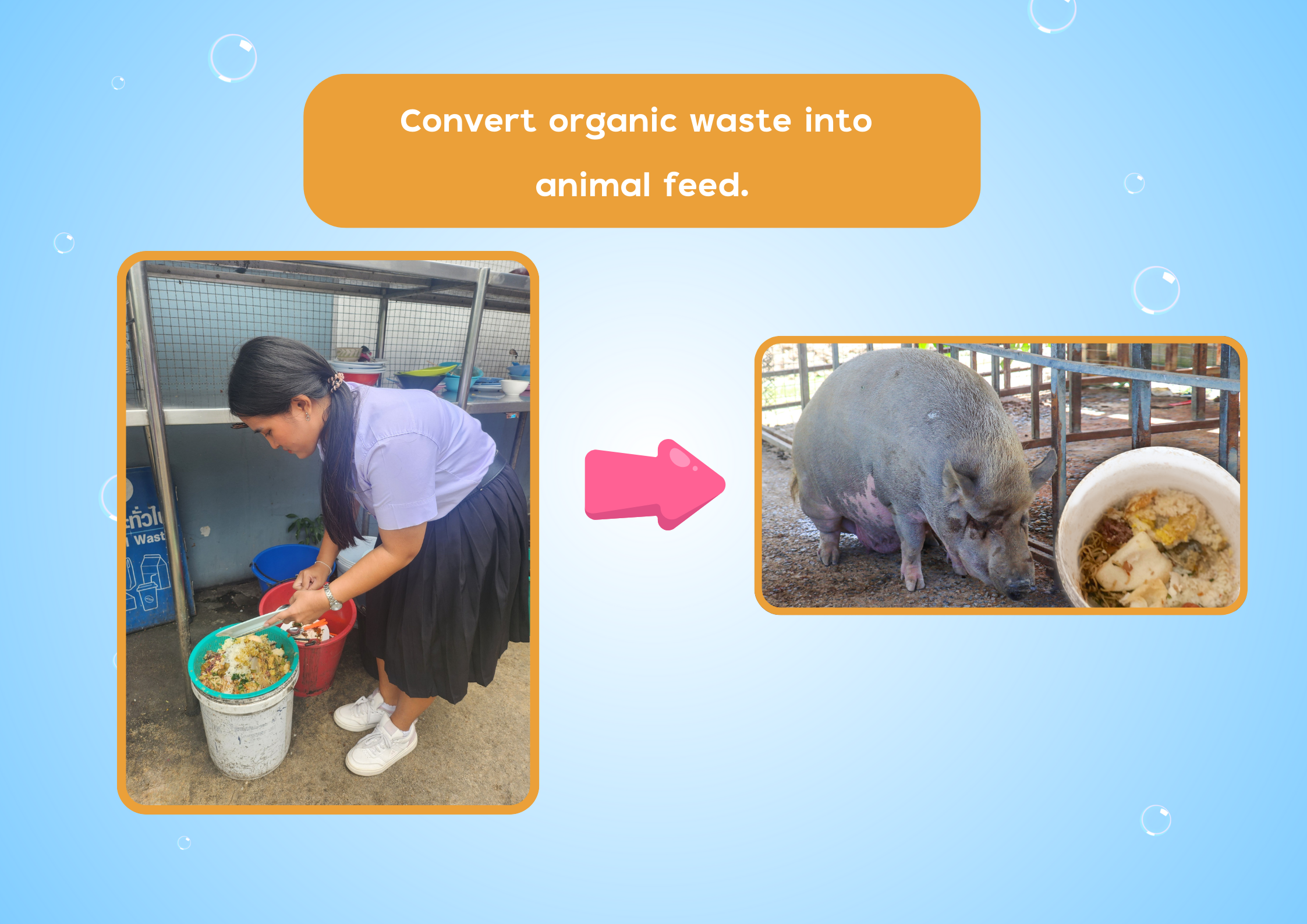
1. Food waste management: The university produces 51.06 tons of food waste annually, primarily from its cafeteria and various buildings on campus. This waste is meticulously sorted at the point of origin and collected in designated green trash bins. In collaboration with the restaurant owners, the food waste is repurposed as animal feed for livestock on the university’s farm, thus diverting it from landfills. This not only reduces waste but also supports a circular economy by transforming food waste into a valuable resource.
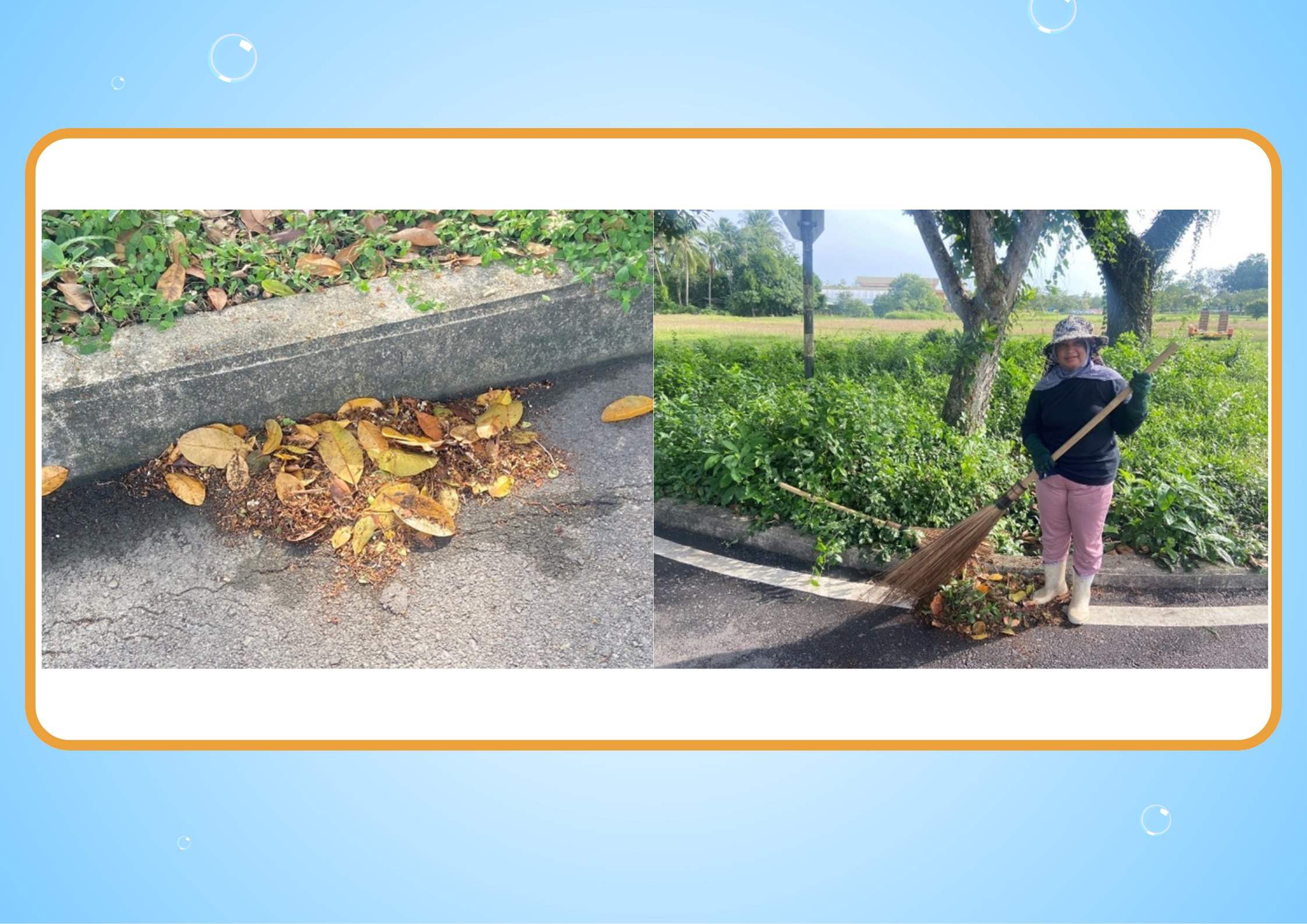
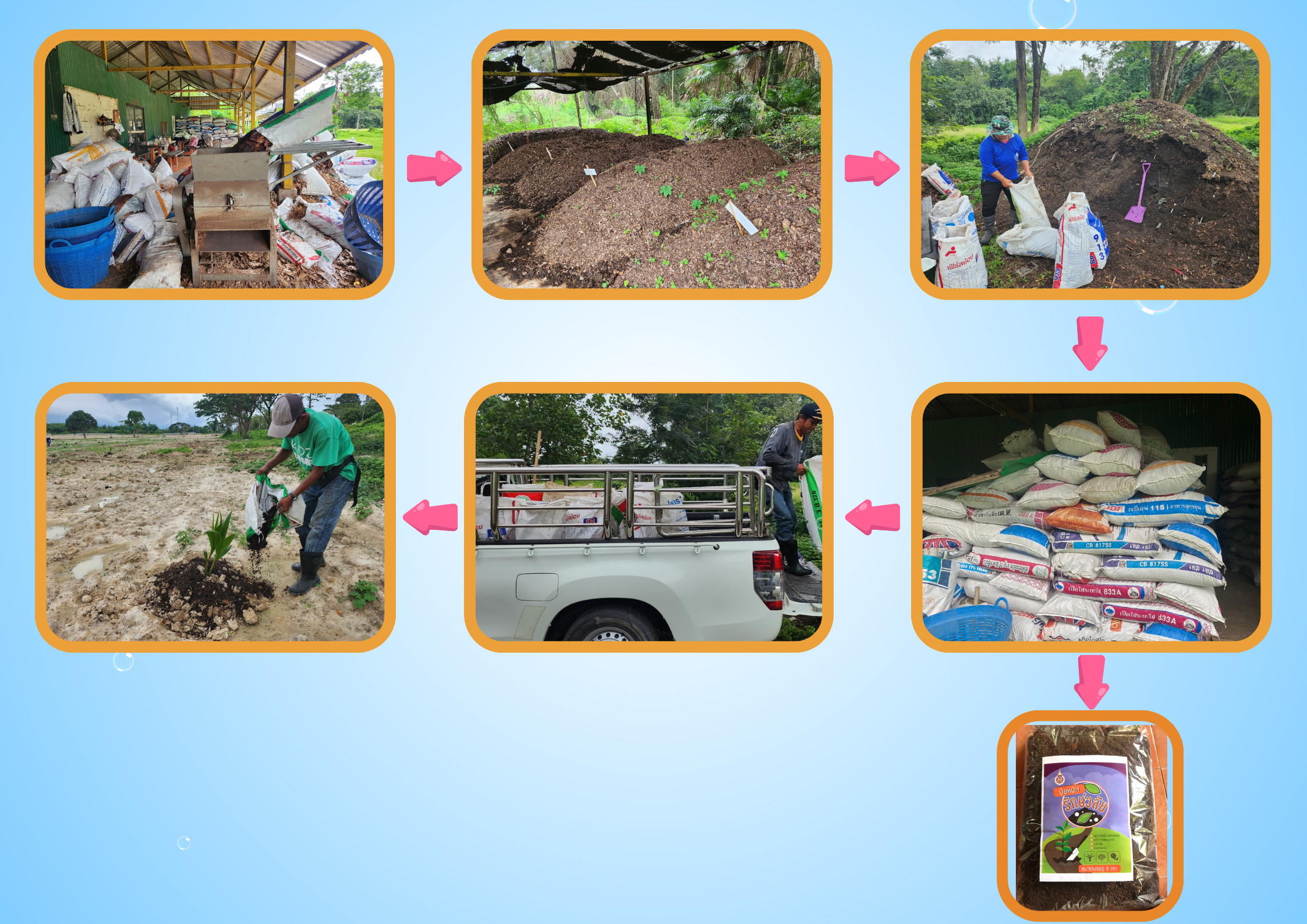
2. Garden waste management: The university generates 193.30 tons of garden waste from its extensive gardens, including leaves, twigs, and plant trimmings. This waste is processed using shredding machines and composted through an aerated pile method. Raw materials for the composting process include garden waste, cow manure, and effective microorganisms (EM). In 2024, 173.97 tons of green waste were composted, producing high-quality compost used to enrich the soil in the university’s gardens, contributing to a sustainable landscaping system.
By treating and utilizing 92.09% of the organic waste generated, Walailak University adheres to best practices in organic waste management as recommended by UI GreenMetric guidelines. The university’s system of reducing, reusing, and recycling organic waste demonstrates a comprehensive strategy aimed at environmental sustainability, minimizing the ecological impact of waste, and contributing to the university’s green campus initiatives. This integrated approach aligns with global sustainability goals, such as SDG 12 (Responsible Consumption and Production) and SDG 13 (Climate Action), by reducing waste, lowering carbon emissions, and enhancing the resilience of campus operations.
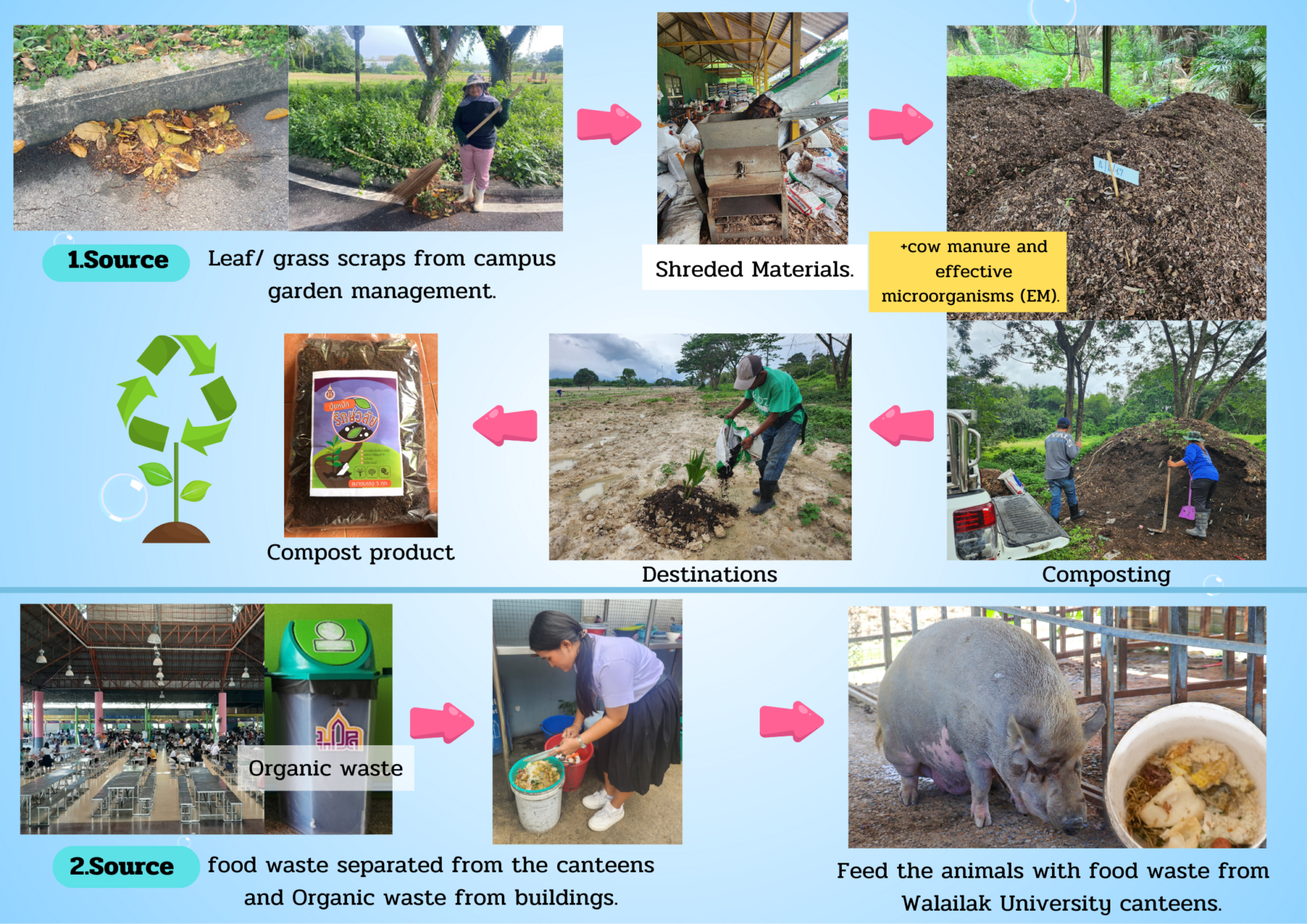
Organic Waste Treatment and Utilization.
Compost from green (garden) waste is used to maintain soil for growing plants on campus and compost products.
Organic waste utilization for animal feed.
Walailak University has implemented a holistic organic waste management system, including on-campus sorting, composting, and repurposing waste as animal feed. The system emphasizes separating organic waste at the source. Composting transforms leaves and food scraps into valuable compost for campus greenery, reducing fertilizer costs. Additionally, food waste is used as animal feed on the university’s farm, cutting waste and costs. These efforts will reduce greenhouse gas emissions by 216.1 tonCO2eq in 2024, demonstrating the university’s commitment to sustainability.

In 2024:
– the utilization of organic waste for animal feed resulted in a reduction of 51.26 tonCO2eq of greenhouse gas emissions.
– By separating organic waste such as branches, leaves, and weeds to produce compost or soil conditioners, this process not only helps reduce waste volume but also lowers greenhouse gas emissions by 164.84 tonCO2eq.
(based on the LCIA method IPCC 2013 GWP 100a V1.03.)