
25Oct 2024 by Fadia Choenthanomwong
Planning, implementation, monitoring and/or evaluation of all programs related to Energy and Climate Change through the utilization of Information and Communication Technology (ICT).
Planning, implementation, monitoring and/or evaluation of all programs related to Energy and Climate Change through the utilization of Information and Communication Technology (ICT)
Walailak University has integrated Information and Communication Technology (ICT) into its planning, implementation, monitoring, and evaluation of programs related to energy and climate change.

Planning, implementation, monitoring and/or evaluation of all programs related to Energy and Climate Change through the utilization of Information and Communication Technology (ICT)
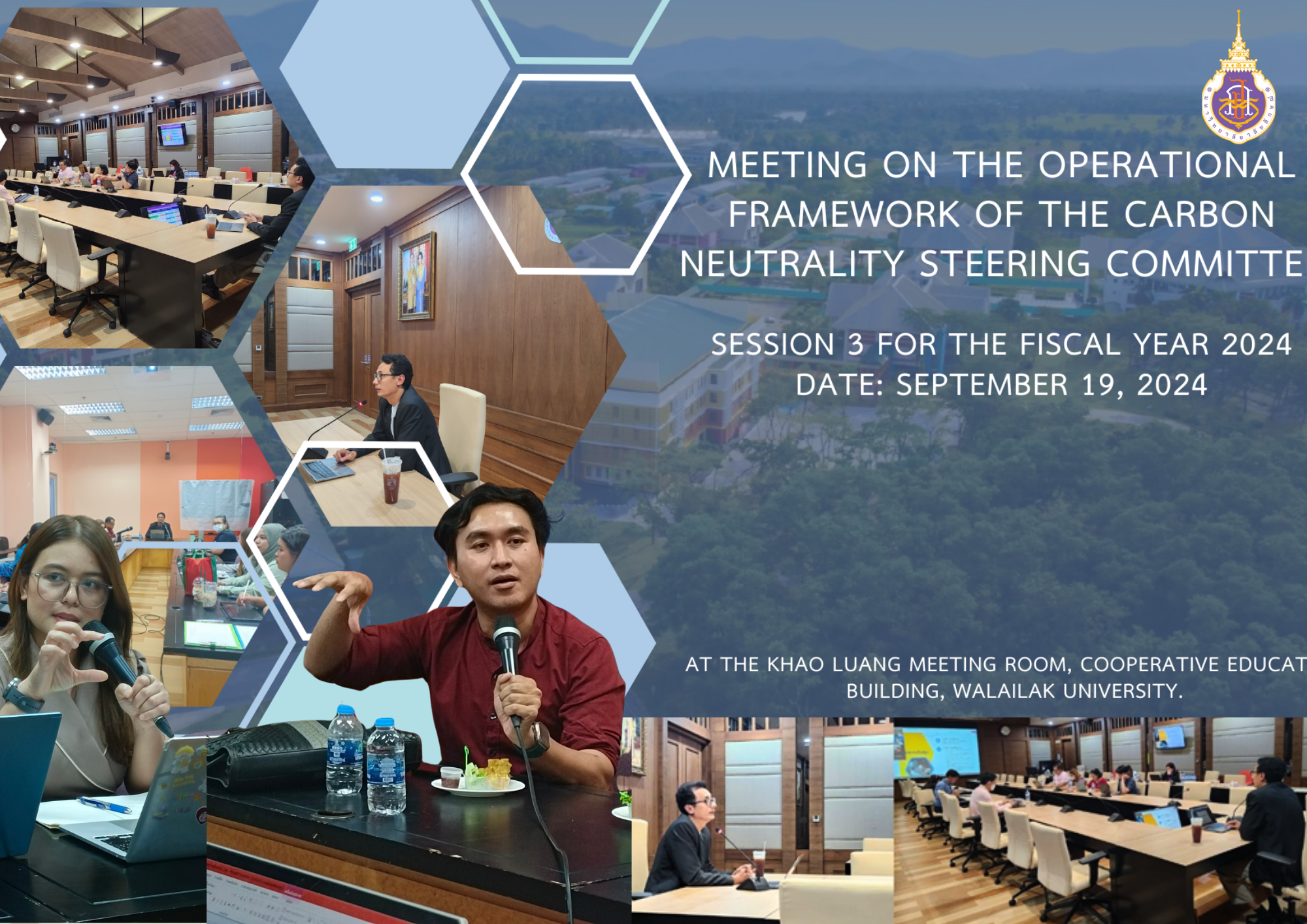
The Establishment of the Carbon Neutrality Steering Committee at Walailak University.
- This committee leads the planning process, setting goals and strategies for reducing the university’s carbon footprint and achieving carbon neutrality. ICT plays a role in data collection and analysis for decision-making.
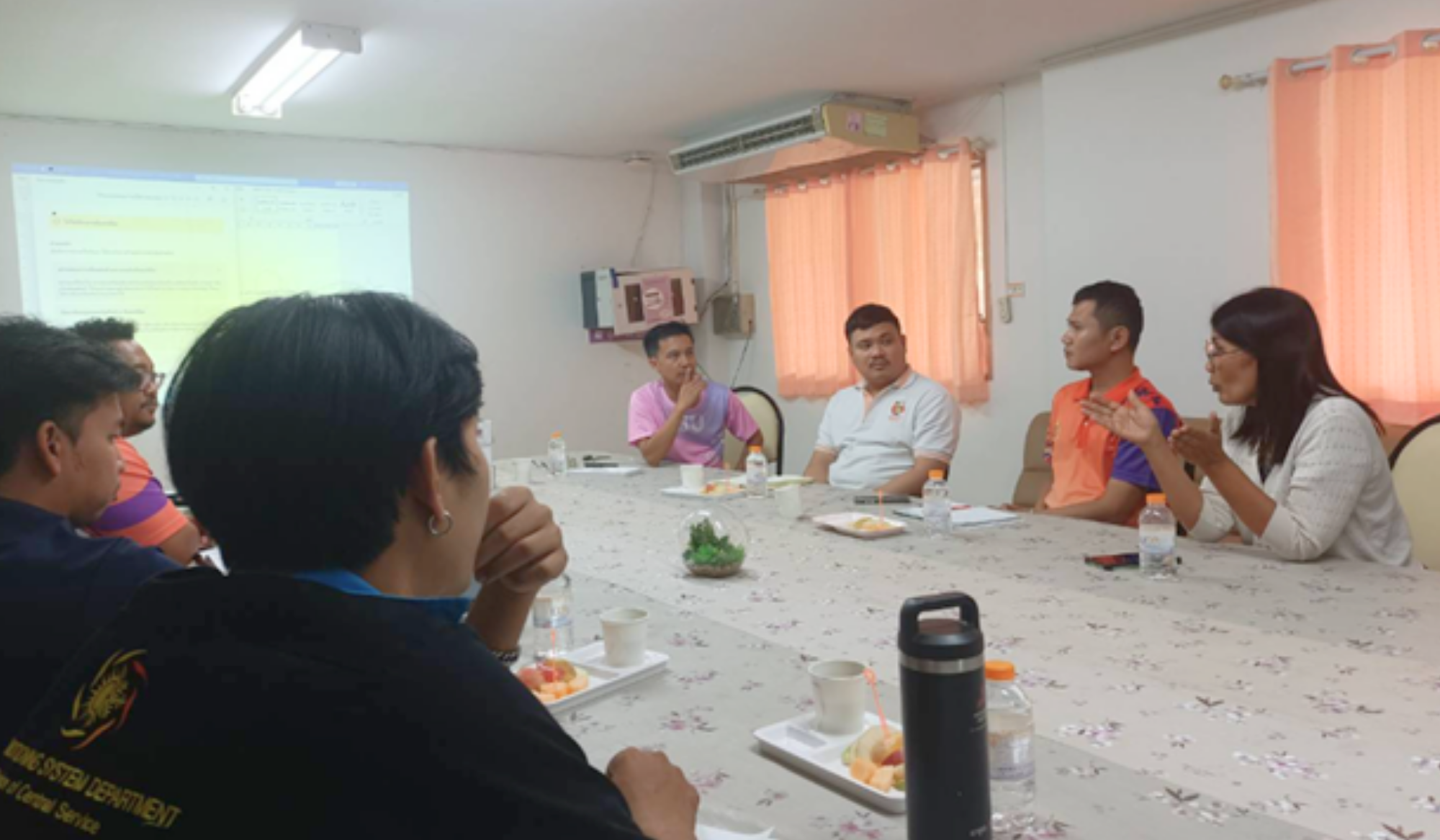
Meeting on turning on – off air conditioners with Wi-Fi system and air conditioner maintenance.
- The university holds regular meetings to optimize the on-off scheduling of air conditioners through a Wi-Fi system, ensuring energy efficiency and reducing unnecessary power consumption. ICT tools are used to monitor and control air conditioning operations.
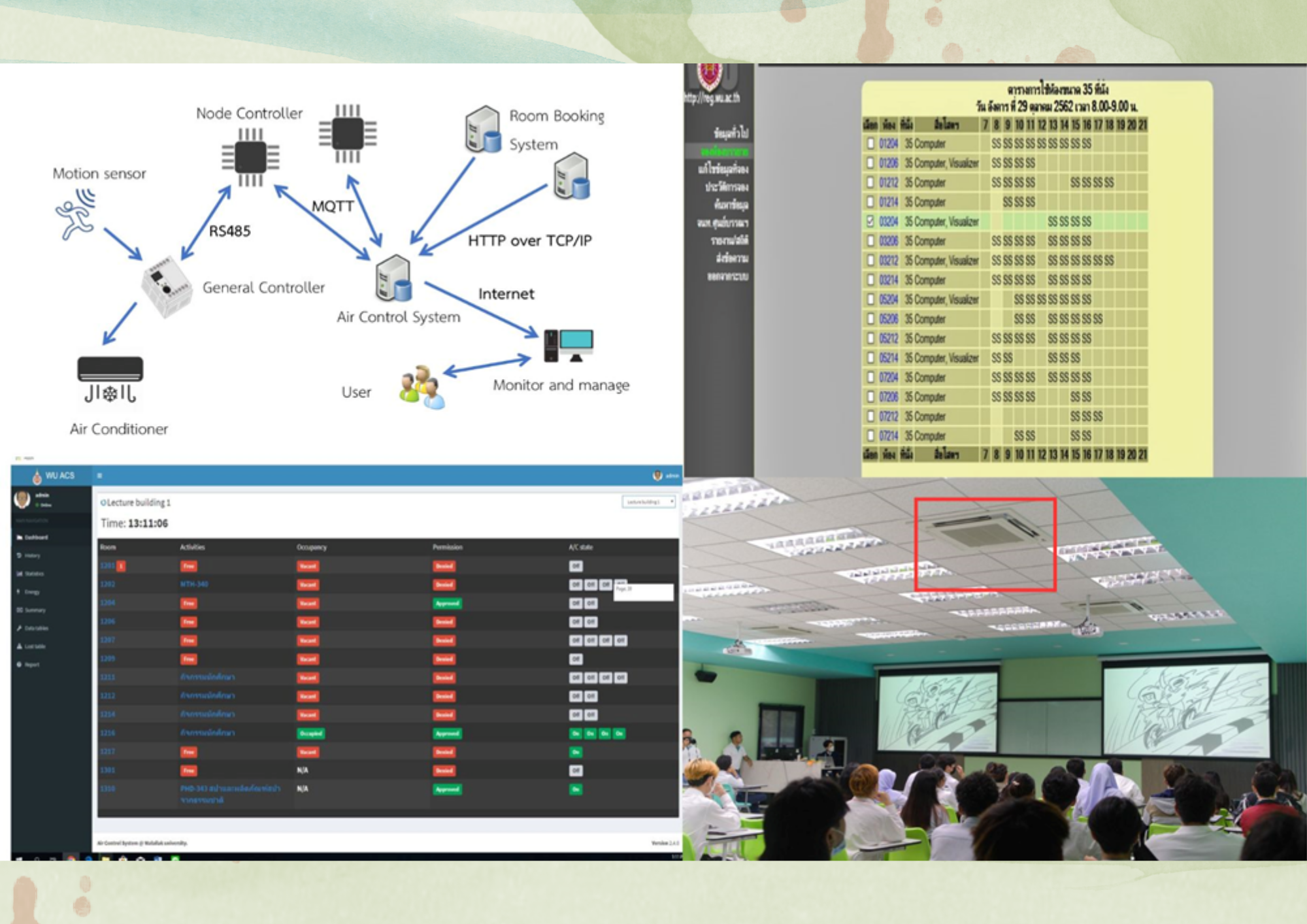
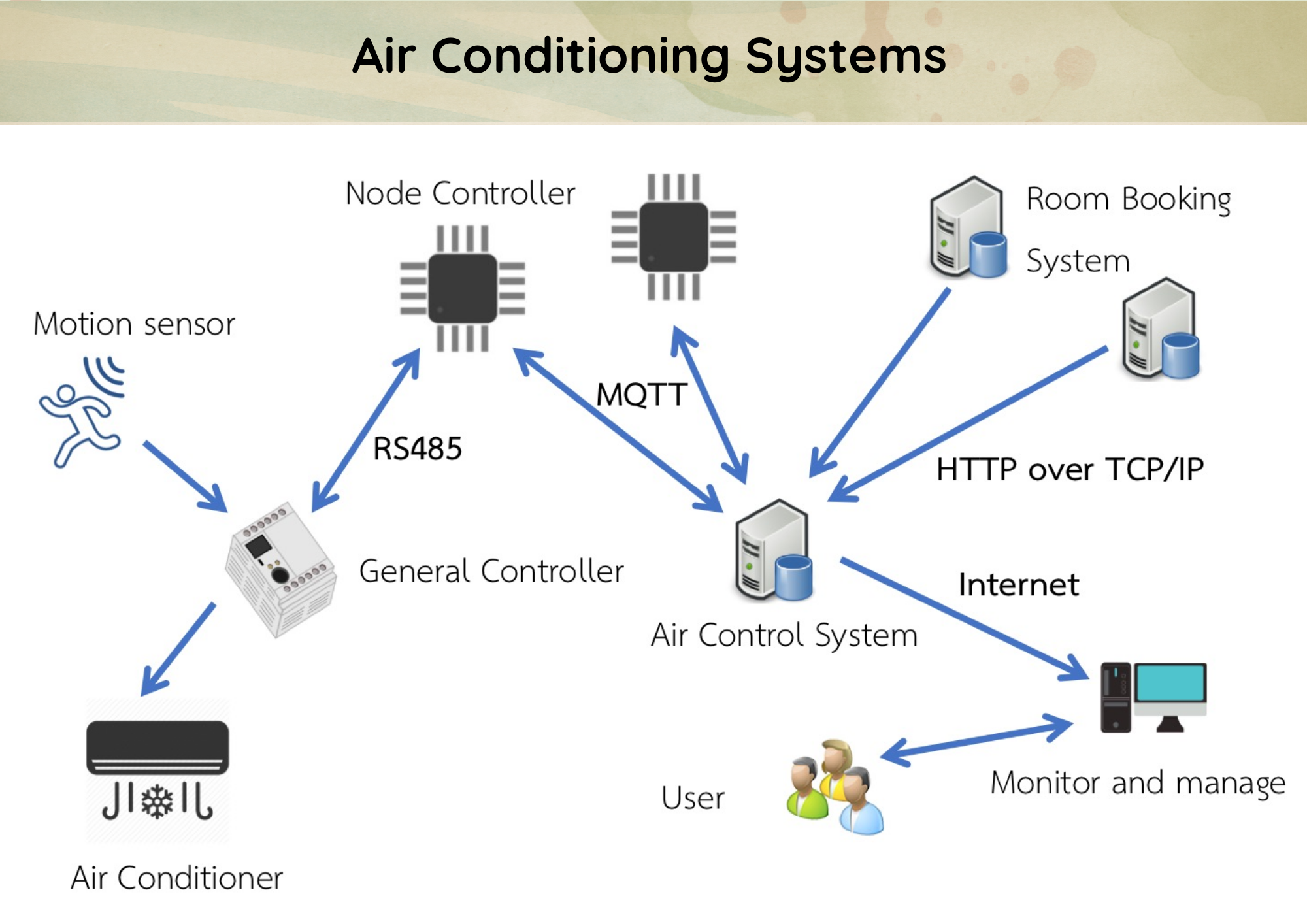
Air conditioning control system.
- A smart air conditioning system has been implemented, utilizing ICT to manage indoor climate control more effectively. The system adjusts usage based on occupancy and temperature, reducing energy waste.
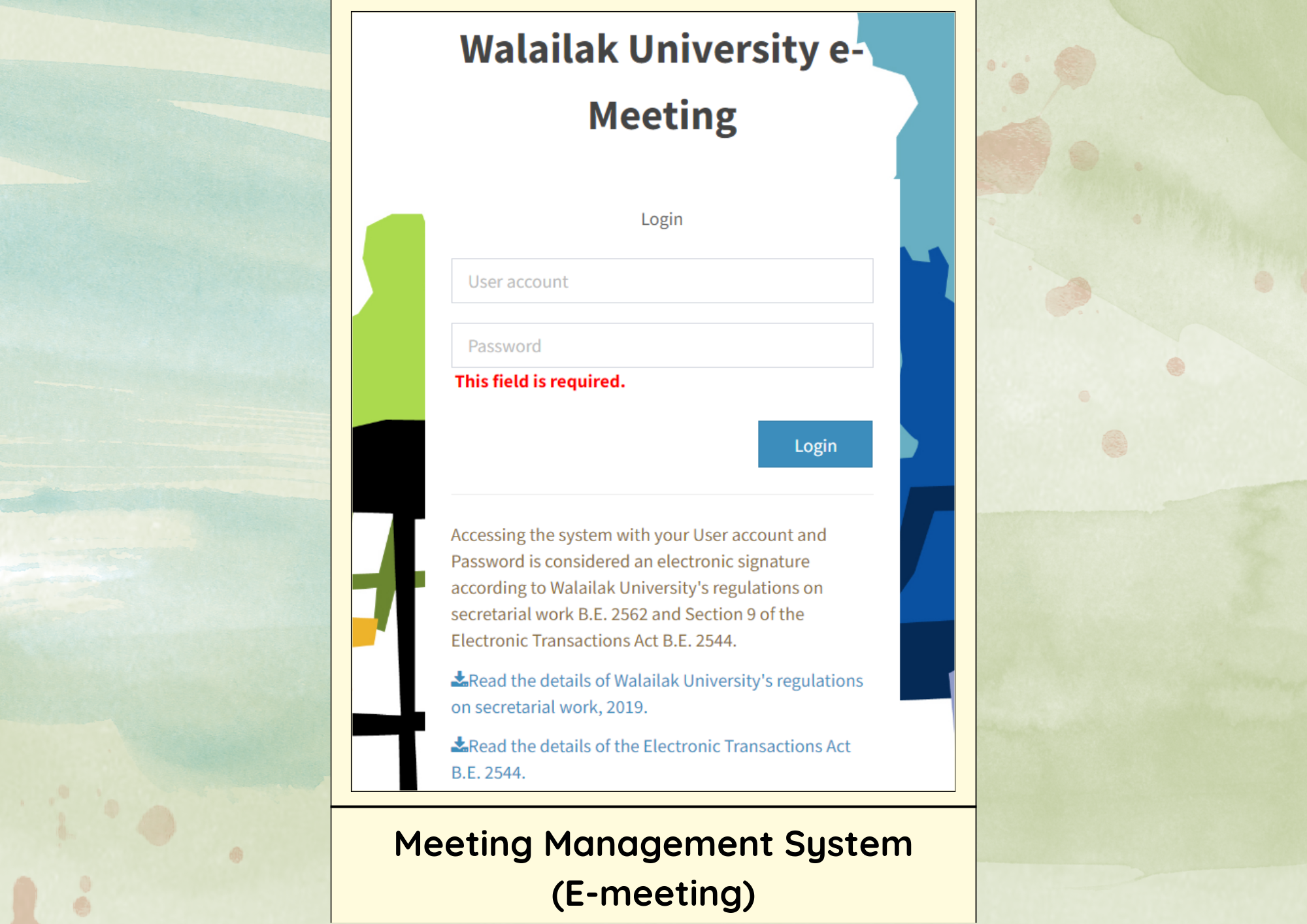
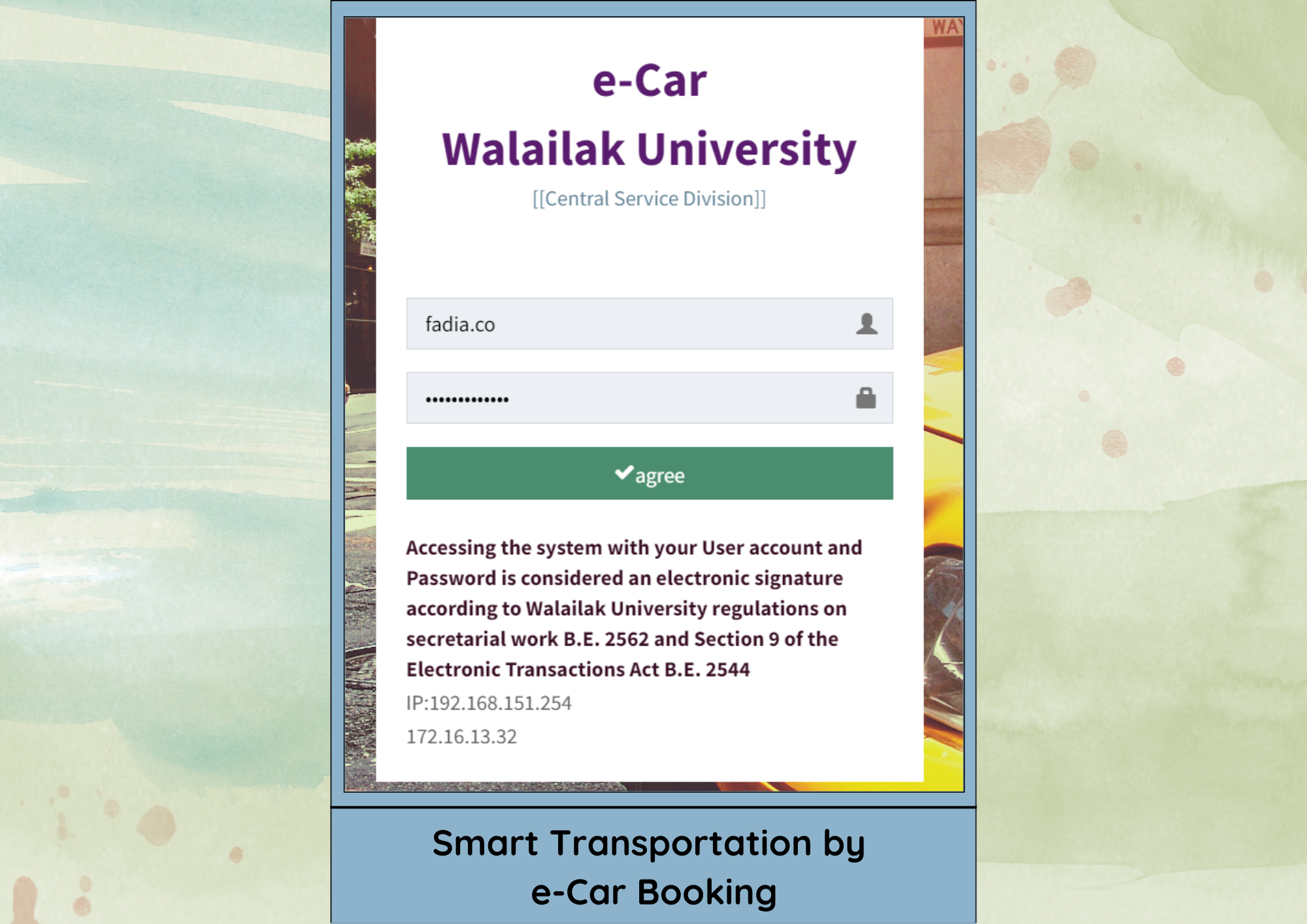
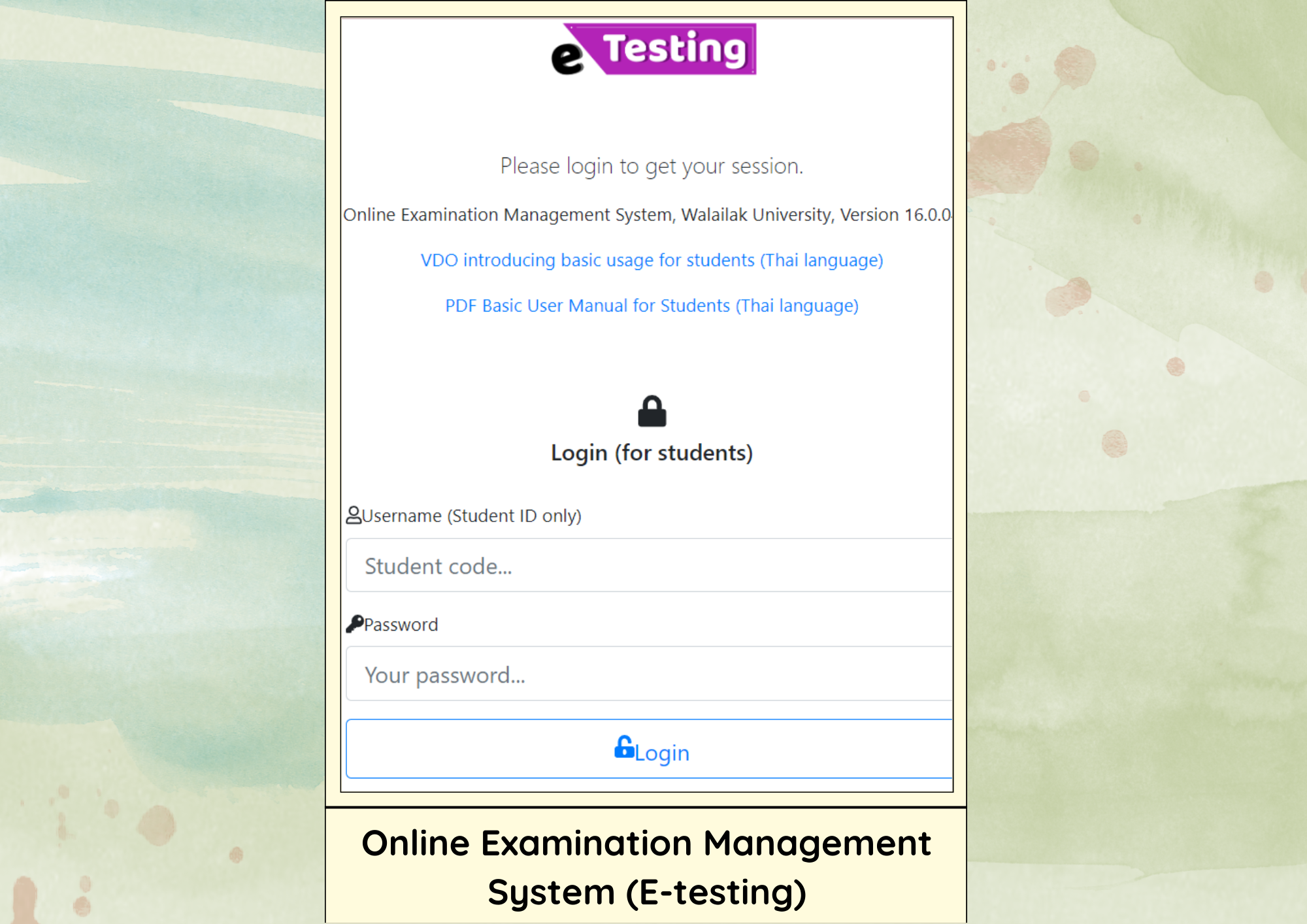
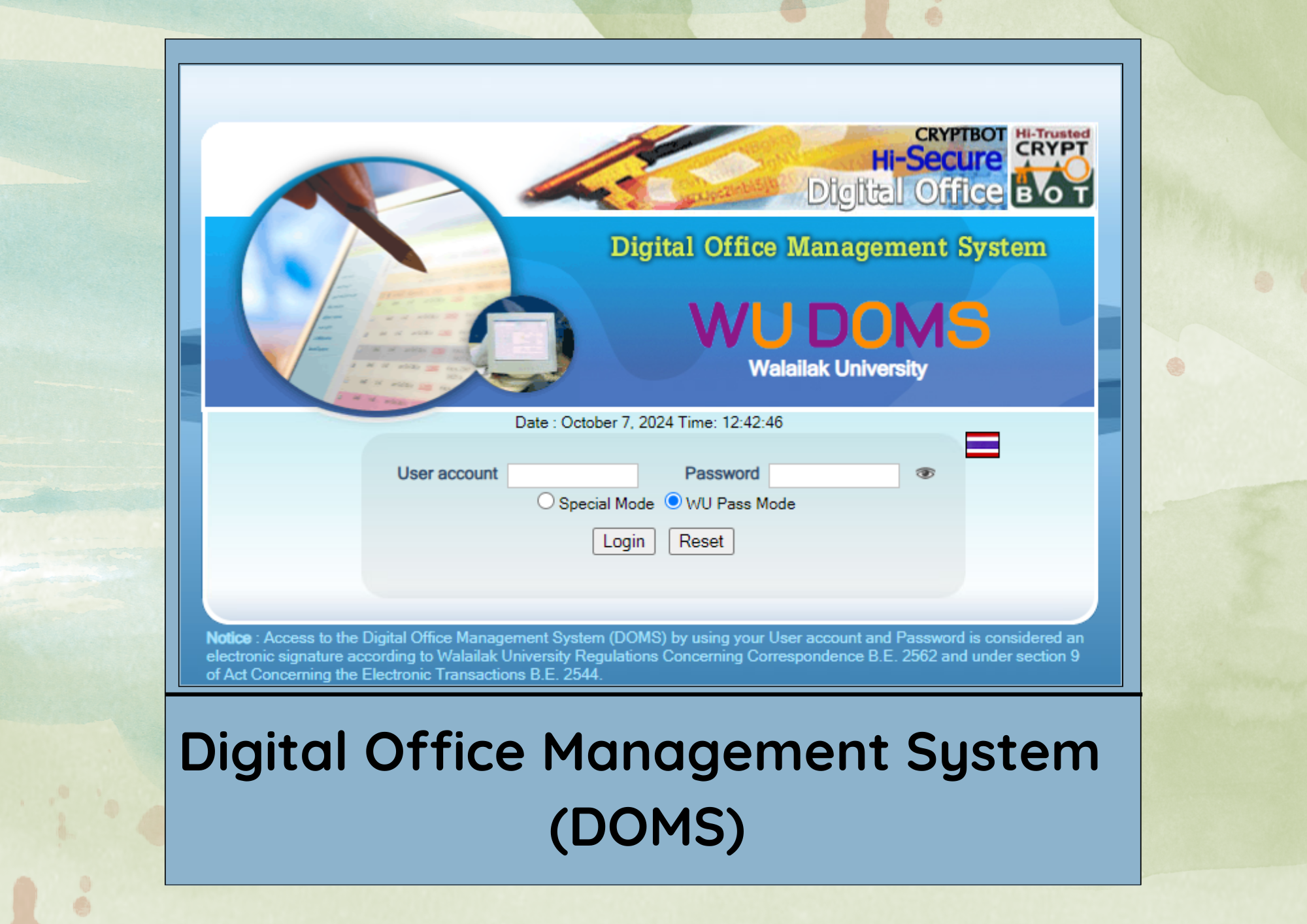
The Smart WU University system.
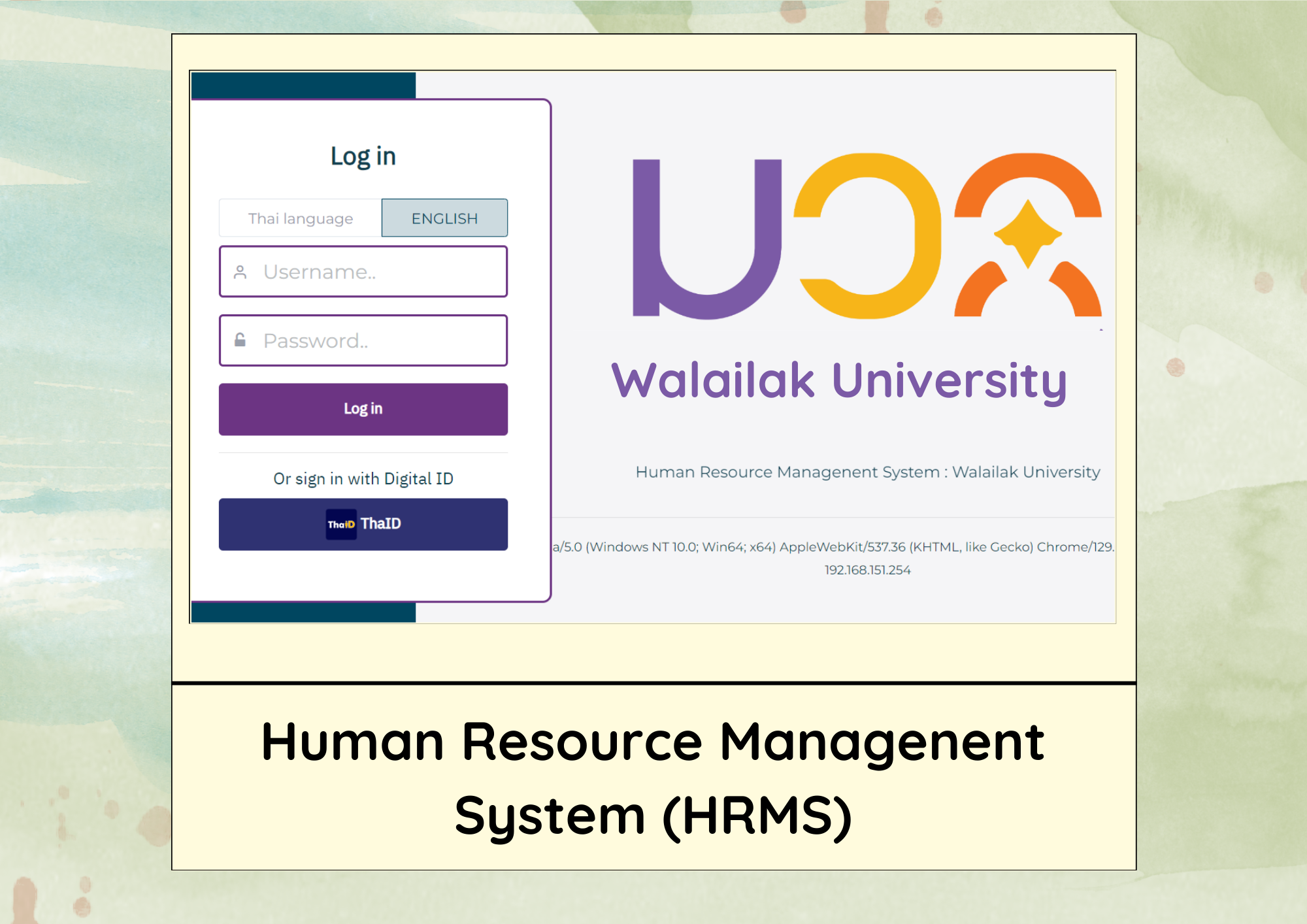
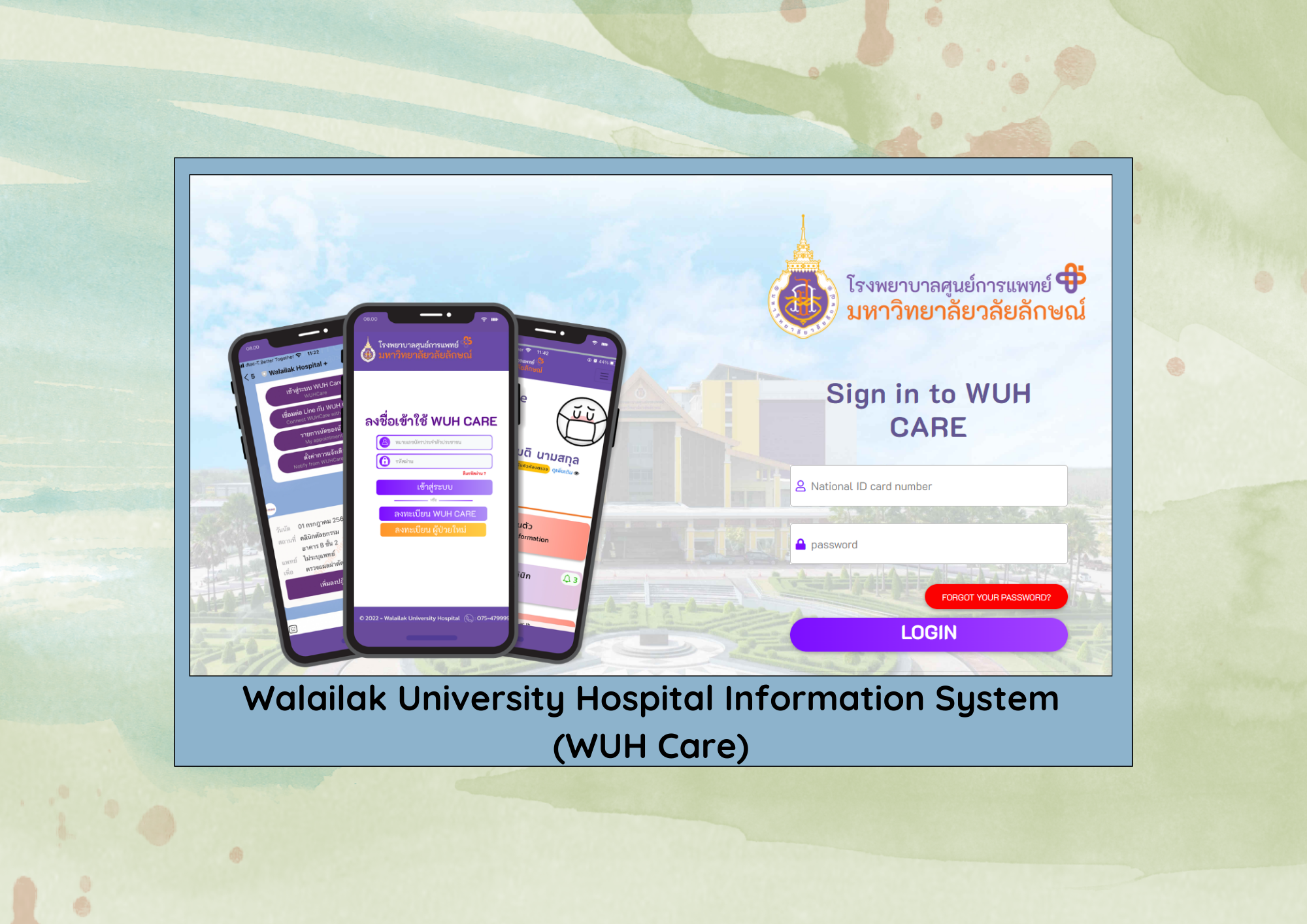
- Walailak University has been instrumental in reducing energy consumption and greenhouse gas emissions through several innovative initiatives. By promoting digital solutions, the system significantly minimizes reliance on paper, leading to decreased energy usage associated with paper production and disposal. The integration of tools such as the DOMs system for intra- and inter-university correspondence has streamlined communication processes, reducing the need for physical documents and consequently lowering transportation-related emissions. Additionally, the E-car system for car reservations encourages carpooling and efficient vehicle usage, contributing to reduced fossil fuel consumption and emissions. Moreover, the Human Resource Management System (HRMS) for personnel workload management optimizes resource allocation and enhances operational efficiency, further decreasing energy usage within the university. By leveraging these technologies, Walailak University not only enhances administrative efficiency but also actively supports sustainability goals by significantly curtailing energy use and minimizing its carbon footprint. Through these initiatives, the Smart WU University system aligns with the university’s commitment to achieving carbon neutrality and fostering a sustainable campus environment.
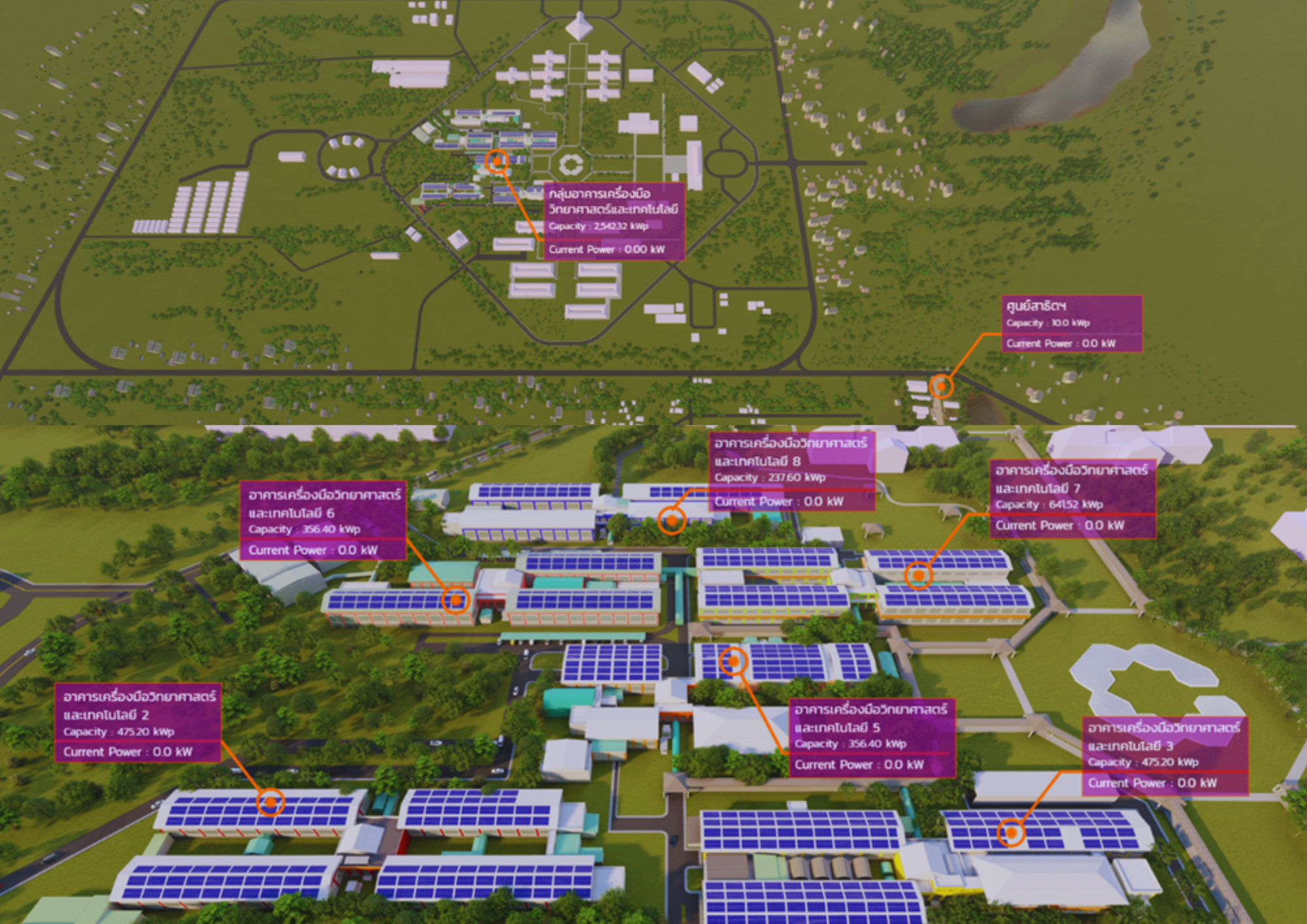
Real-time renewable energy monitoring program.
- The university has implemented a program to monitor renewable energy usage in real-time. This system tracks the performance of solar energy installations and provides data for evaluation and continuous improvement of energy consumption patterns.
These ICT-driven initiatives demonstrate Walailak University’s commitment to energy efficiency and climate change mitigation.

Post Views: 45