Water Quality Standards and Guidelines for Water Discharges

Water Quality Standards and Guidelines for Water Discharges

Walailak University has water quality guidelines and standards for wastewater treatment from buildings and all campus areas to uphold water quality in order to protect ecosystems, wildlife, and human health and welfare. In addition to these guidelines and policies, the university has developed a comprehensive manual on campus wastewater treatment, which is described in detail in the e-book and attached PDF file below.
WU recognizes the importance of supporting maintenance staff involved in building operations, enabling them to conduct preliminary checks and address any issues with proper procedures. Wastewater treatment procedures at Walailak University prevent wastewater from entering nearby ecosystems through established standards and measures. Importantly, the procedures do not impact the Walailak community or surrounding areas with odor or noise pollution. The university also demonstrates the safety of treated wastewater by utilizing it in Nile tilapia farming, indicating its non-harmful nature.
The following outlines the management measures for wastewater treatment at Walailak University:

1. Water Treatment System: The system includes water treatment ponds serving all university buildings, featuring wastewater collection ponds, grease traps, pump stations, aerated lagoons, and related facilities.

2. Initial Physical Treatment: All responsible staff must perform initial physical treatment of wastewater before release, in compliance with standards. Buildings must have wide drainage grates and grease traps to intercept greases and solids before wastewater enters the disposal system.

3. Documentation: Building staff must record the wastewater treatment system’s performance to ensure consistency with standards and request sanitation information from the Division of Landscape and Building.

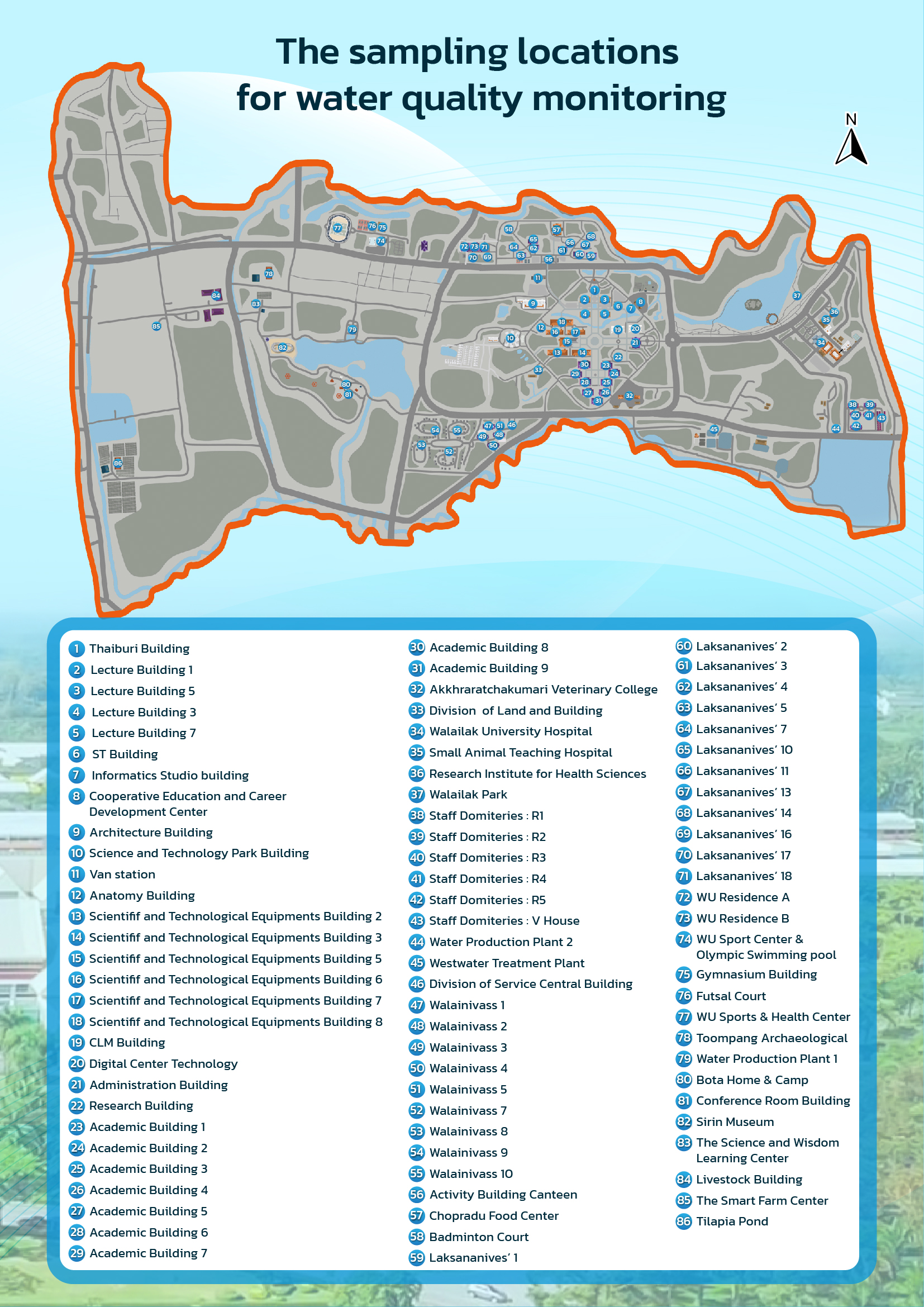
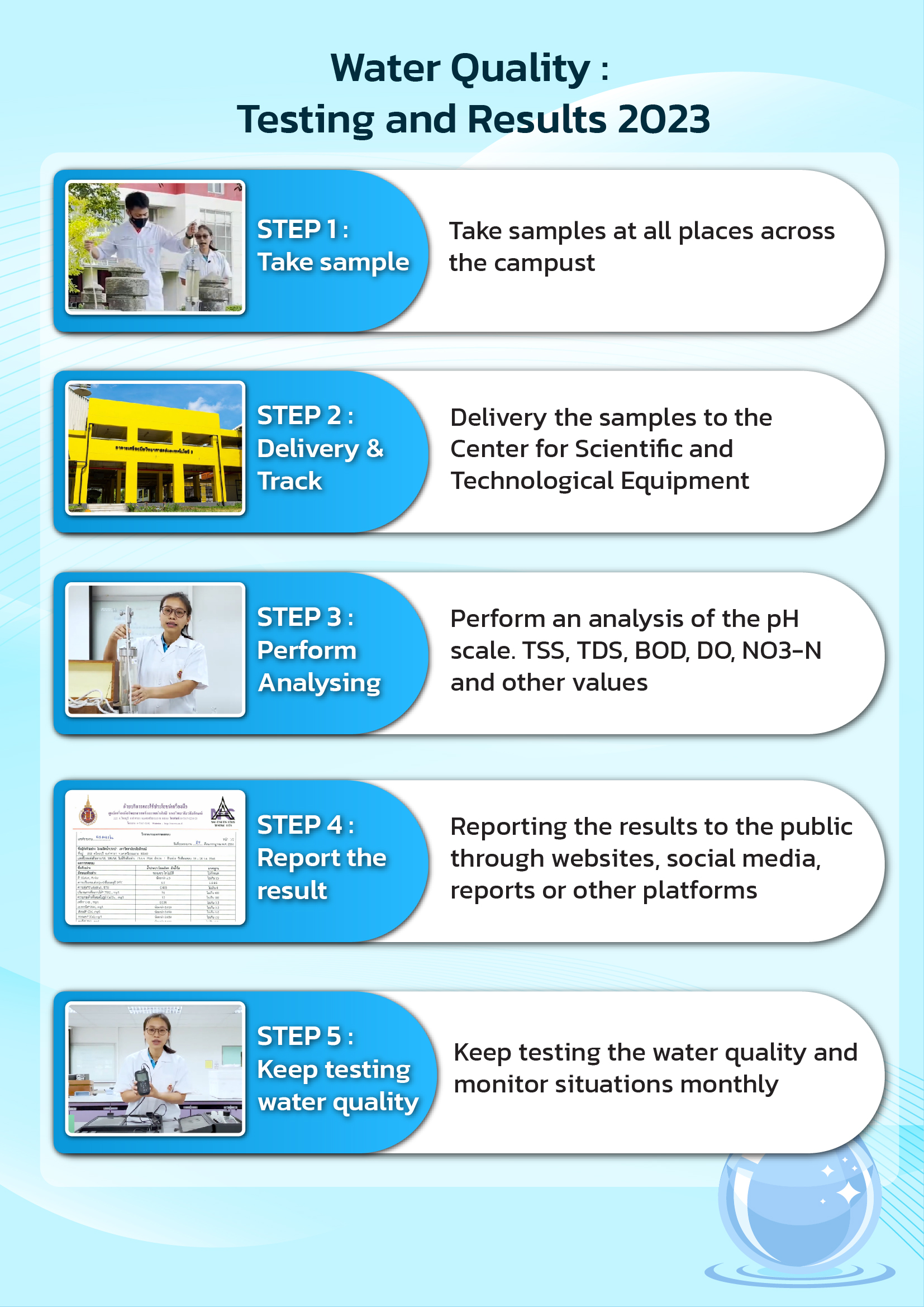
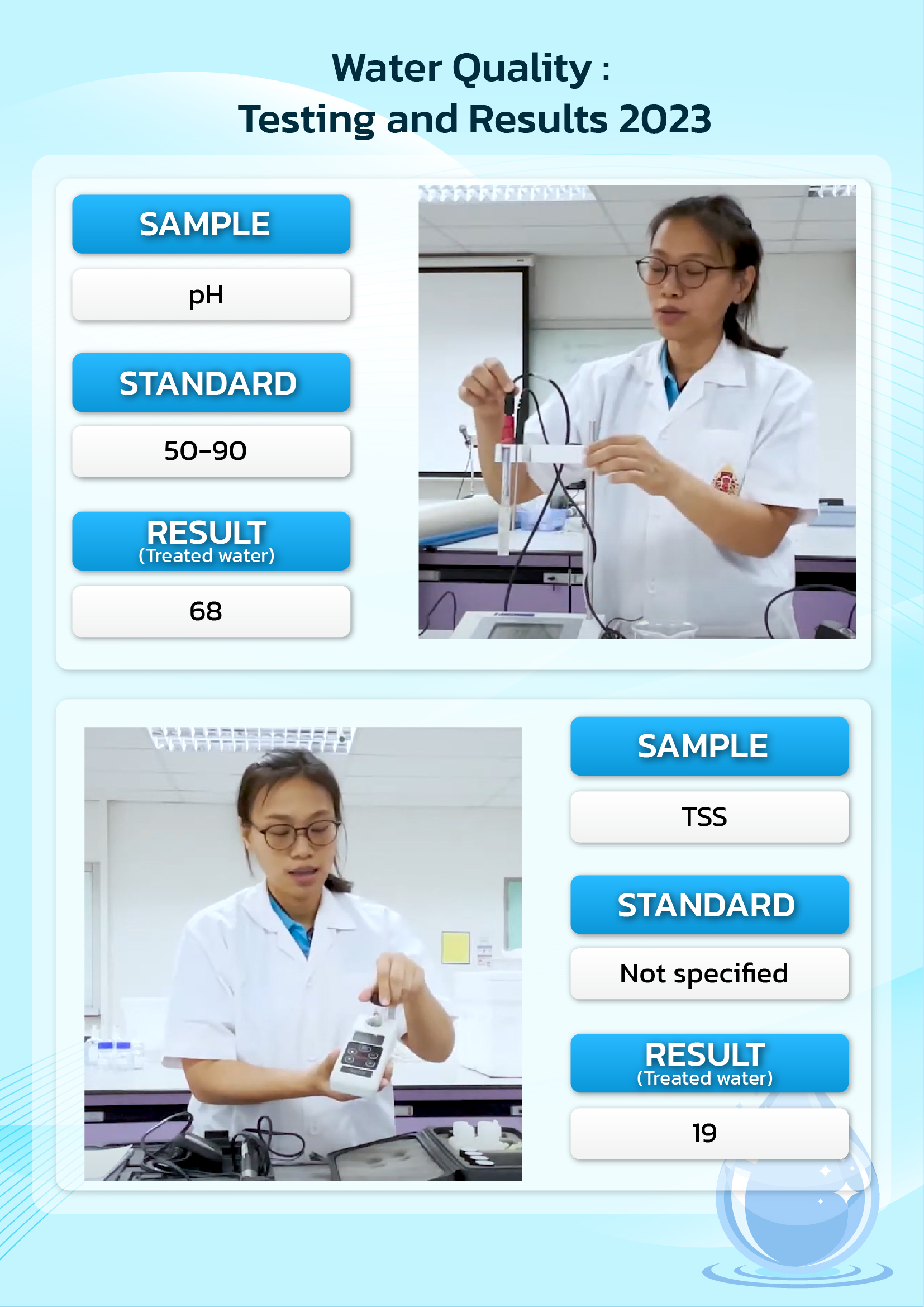
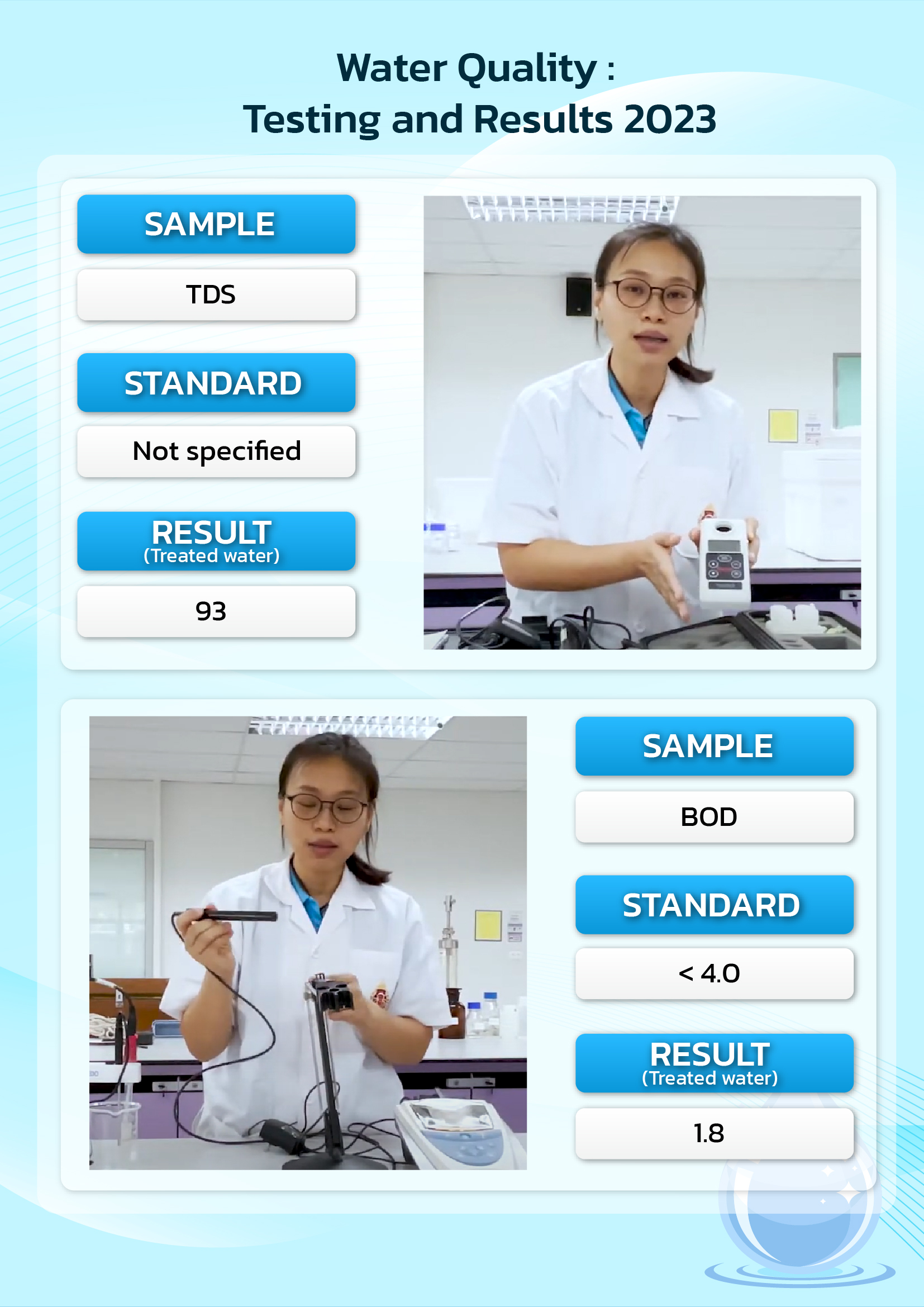
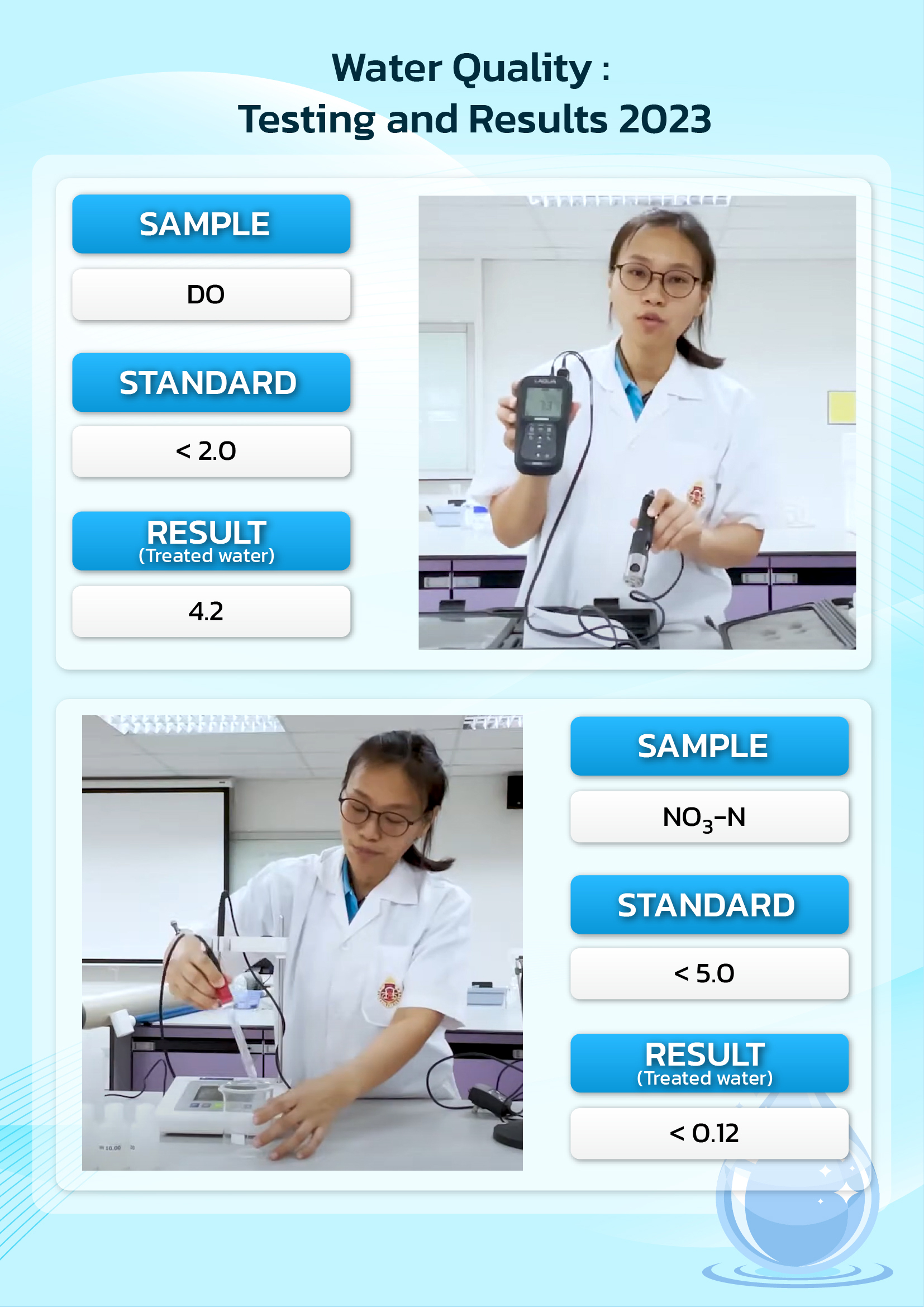
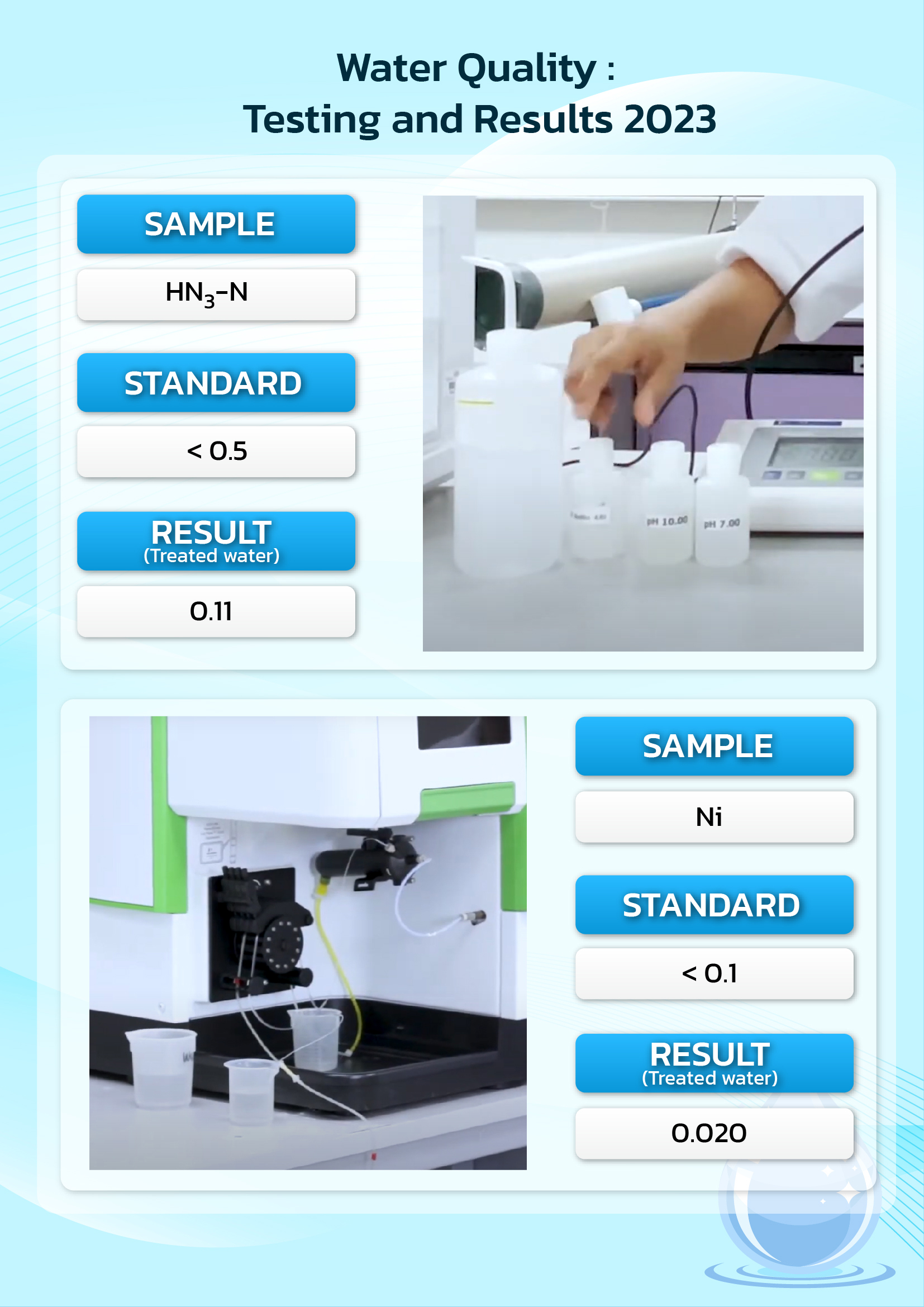
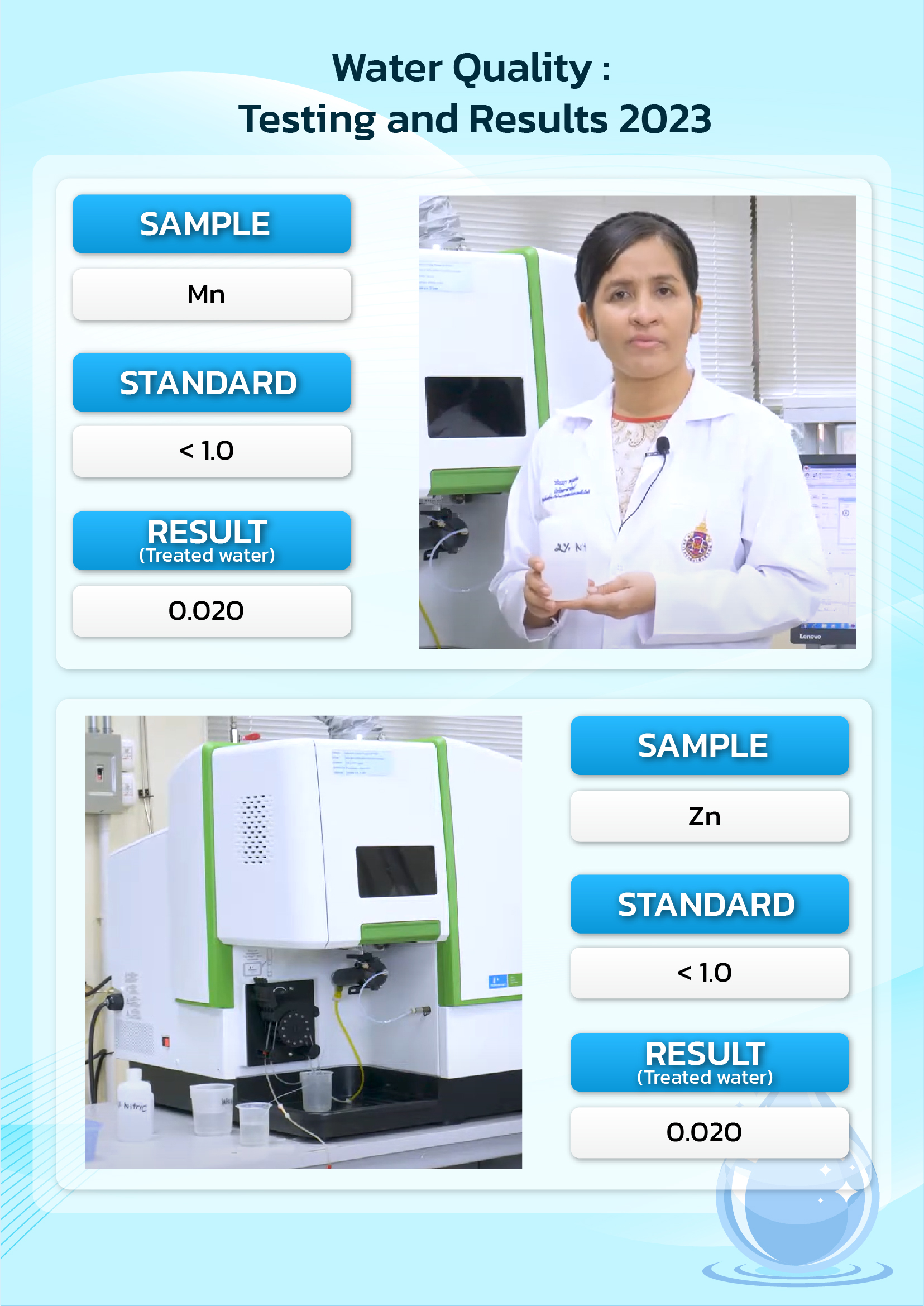
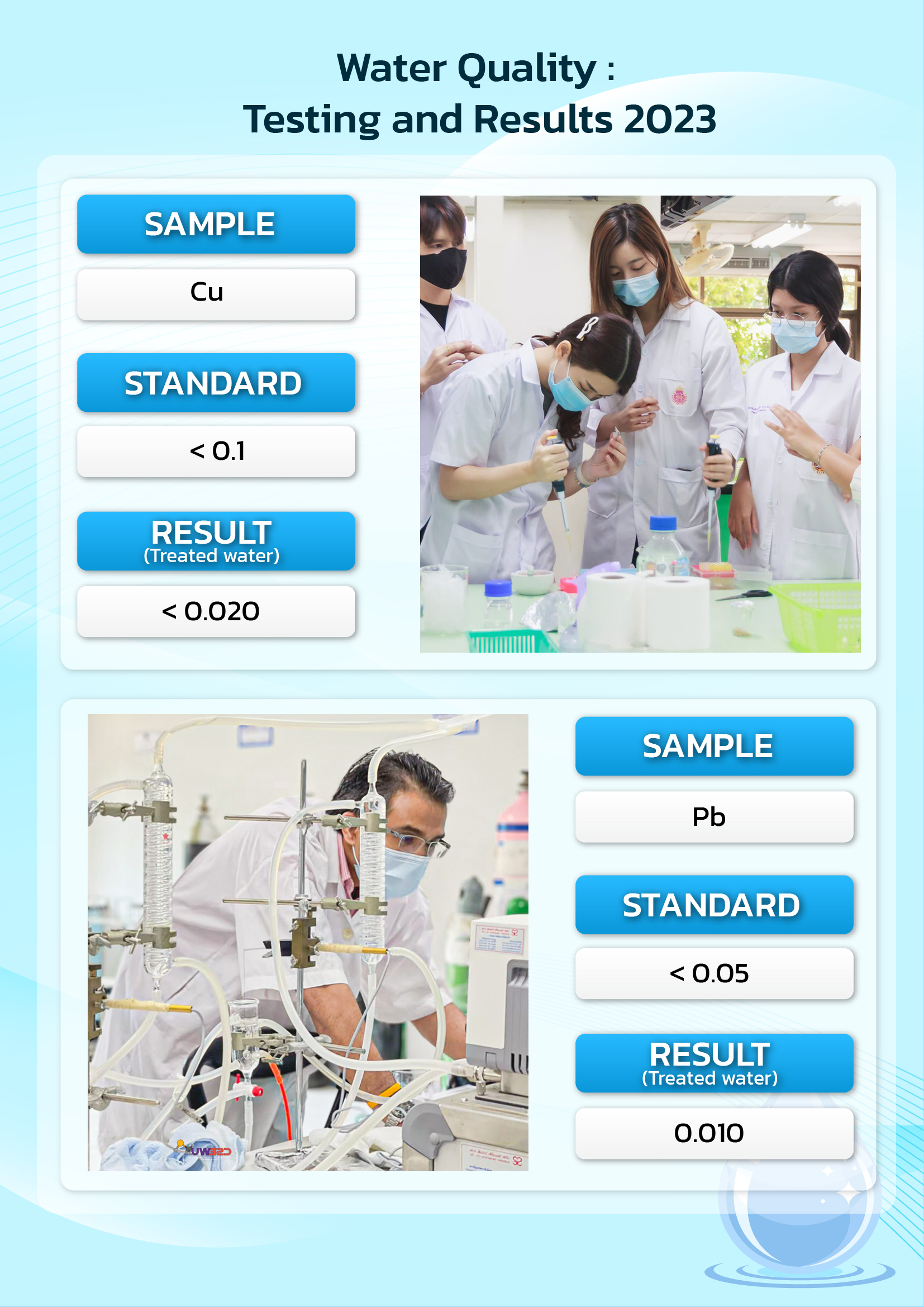
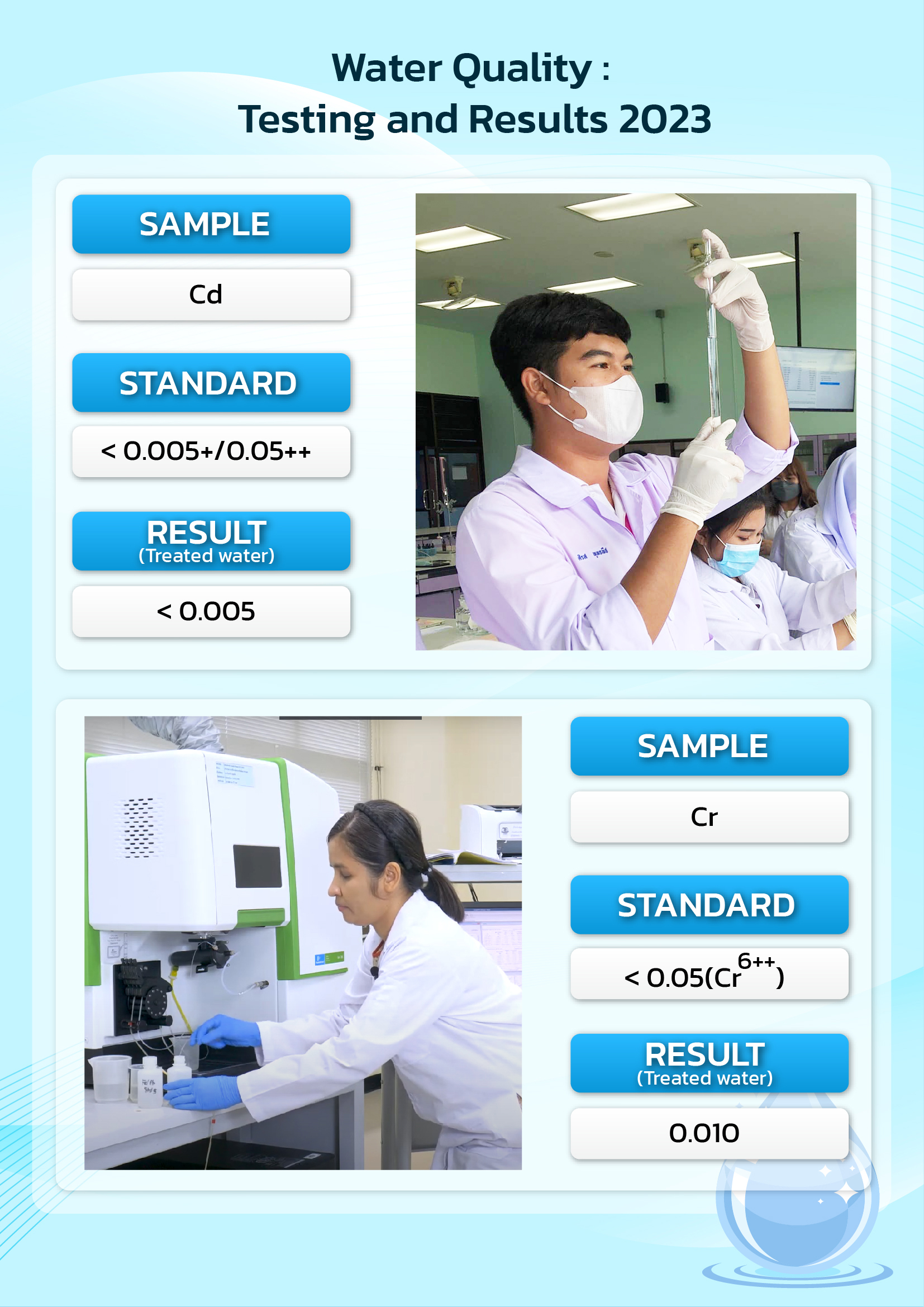
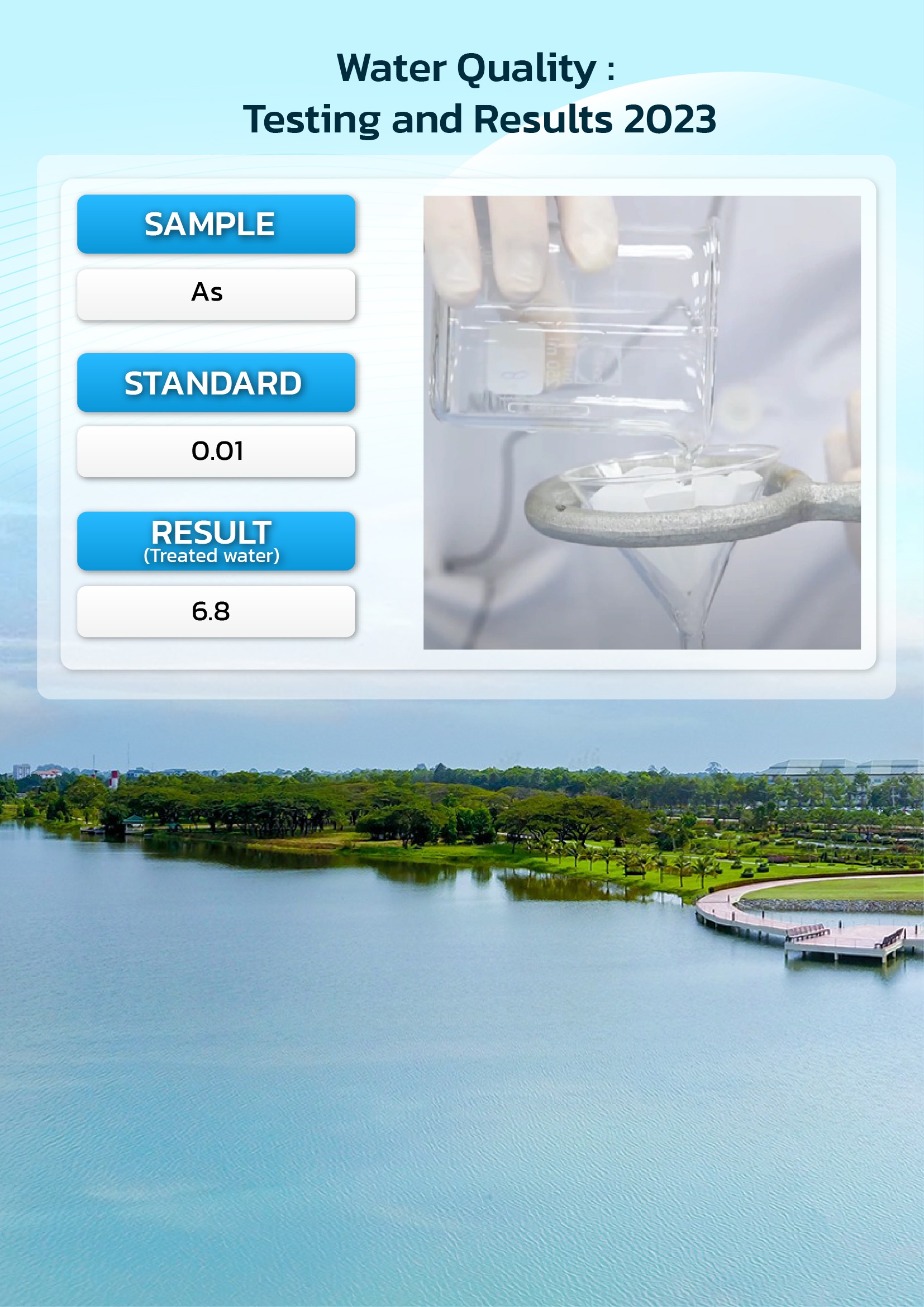
4. Monitoring and Quality Assurance: The Division of Landscape Architecture and Environment oversees waste and hazardous waste management and wastewater treatment. Wastewater from all buildings is processed through aerated lagoons, preventing it from entering surrounding water systems. The division is responsible for regularly monitoring and recording pH levels, dissolved oxygen (DO), total suspended solids, total dissolved solids, biochemical oxygen demand, and nitrate-nitrogen.

5. Compliance with Environmental Standards: Building staff must continuously improve greywater quality per the Notification of the National Environmental Board, No. 8, B.E. 2537 (1994), issued under the Enhancement and Conservation of National Environmental Quality Act, B.E. 2535 (1992).

6. Grease Traps: All buildings must use grease traps to prevent grease from contaminating greywater, maintaining initial water quality before subsequent processing. Building staff are responsible for monthly disposal of collected grease and oils.

7. Equipment Maintenance: Building staff and relevant organizations must regularly monitor wastewater treatment equipment, including covers, wastewater pumps, aerators, and submersible sewage pumps. Any malfunctioning equipment must be repaired promptly.

Goal 14: Life below water

Goal 6: Clean Water and Sanitation 

Goal 15: Life on Land