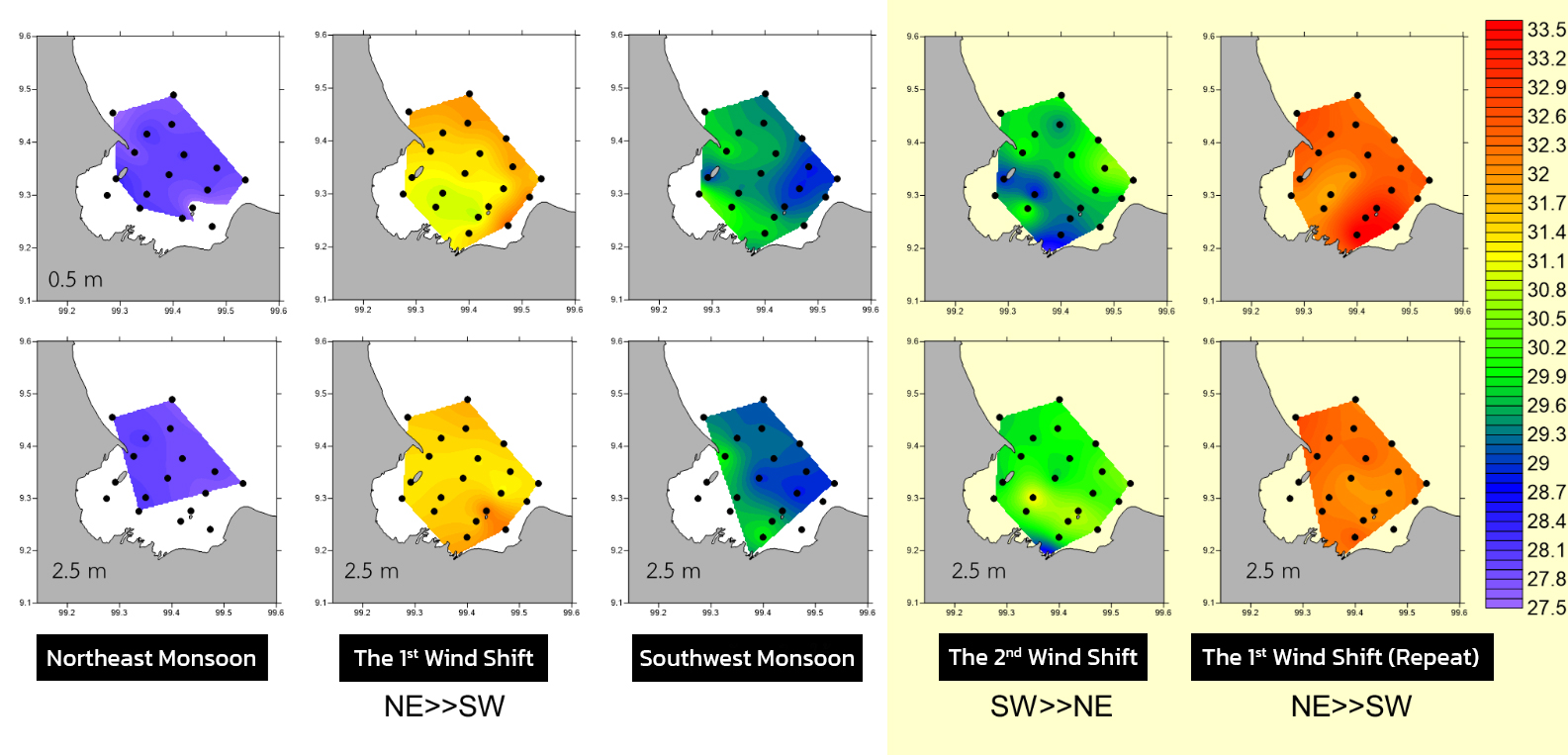
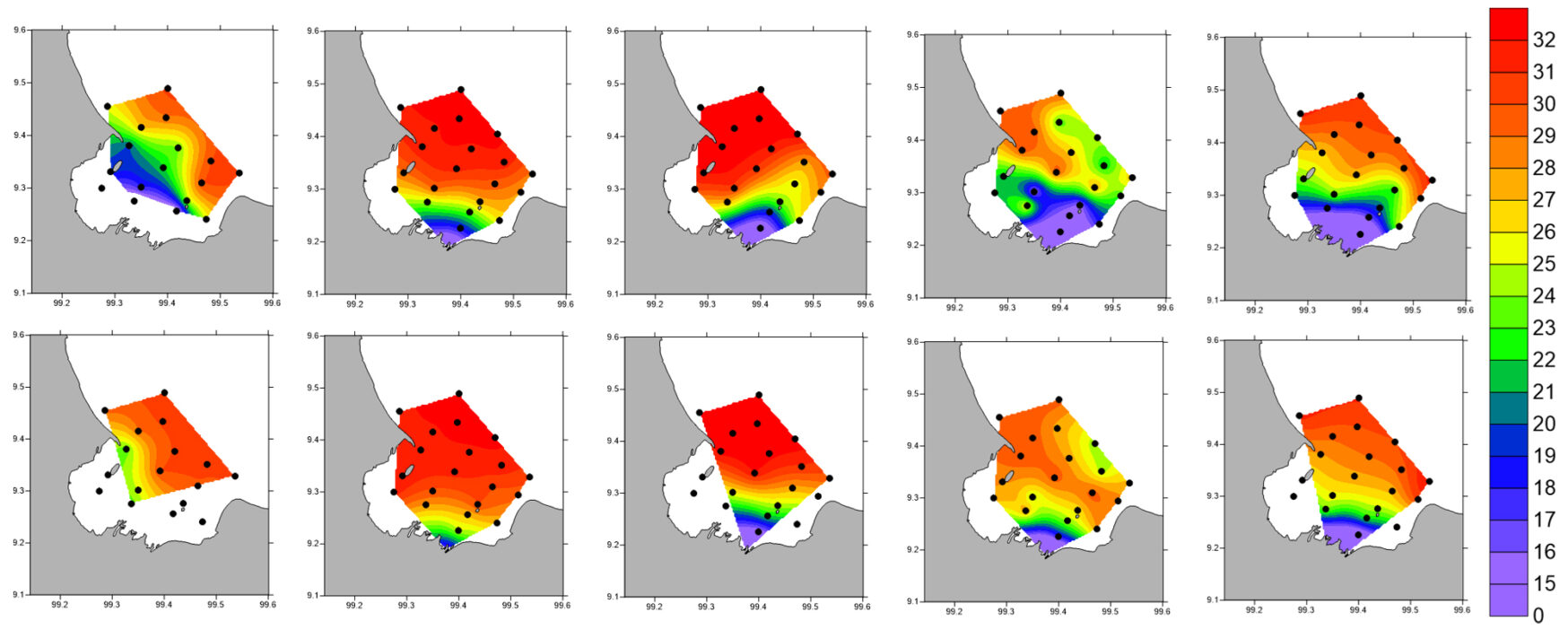
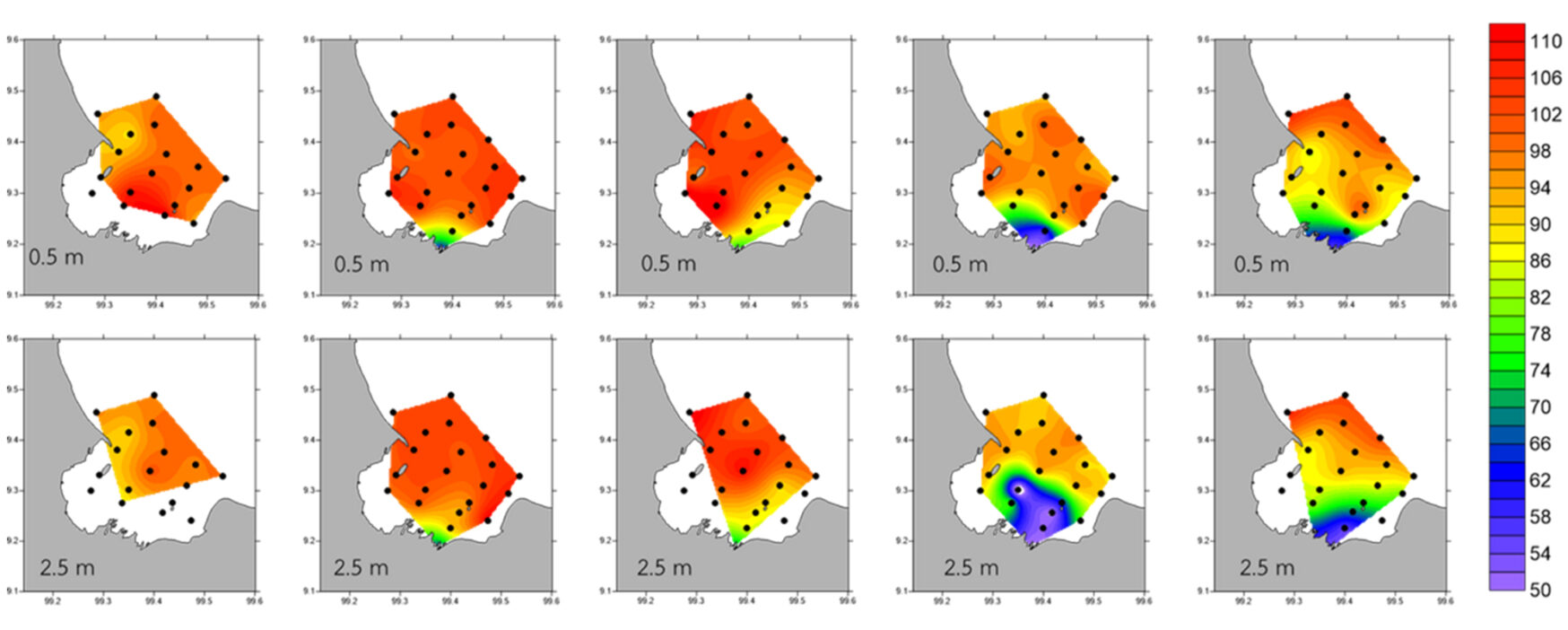
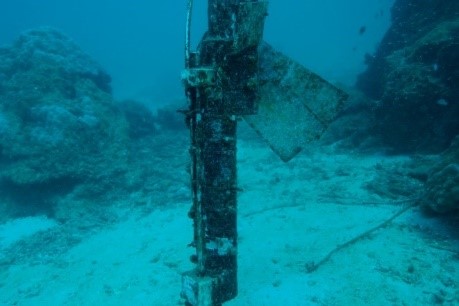
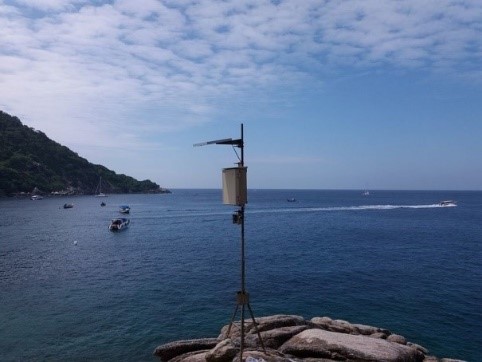
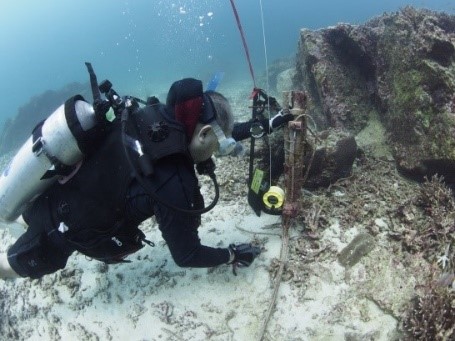
Coral reefs are crucial for marine biodiversity, yet they face threats from coral bleaching and rising sea temperatures. Since 2020, WU has led a coral reef monitoring project using a CTD (Conductivity, Temperature, and Depth) sensor network to track environmental changes around Racha Island in Phuket. In 2023, WU continually drove the project and expanded to include Khon Khae Bay and Patok Bay, providing real-time data on sea biological and chemical conditions that affect coral reef health. This information is essential for developing conservation strategies and aids policymakers in protecting the biodiversity of these reef ecosystems, contributing to long-term resilience and sustainability.
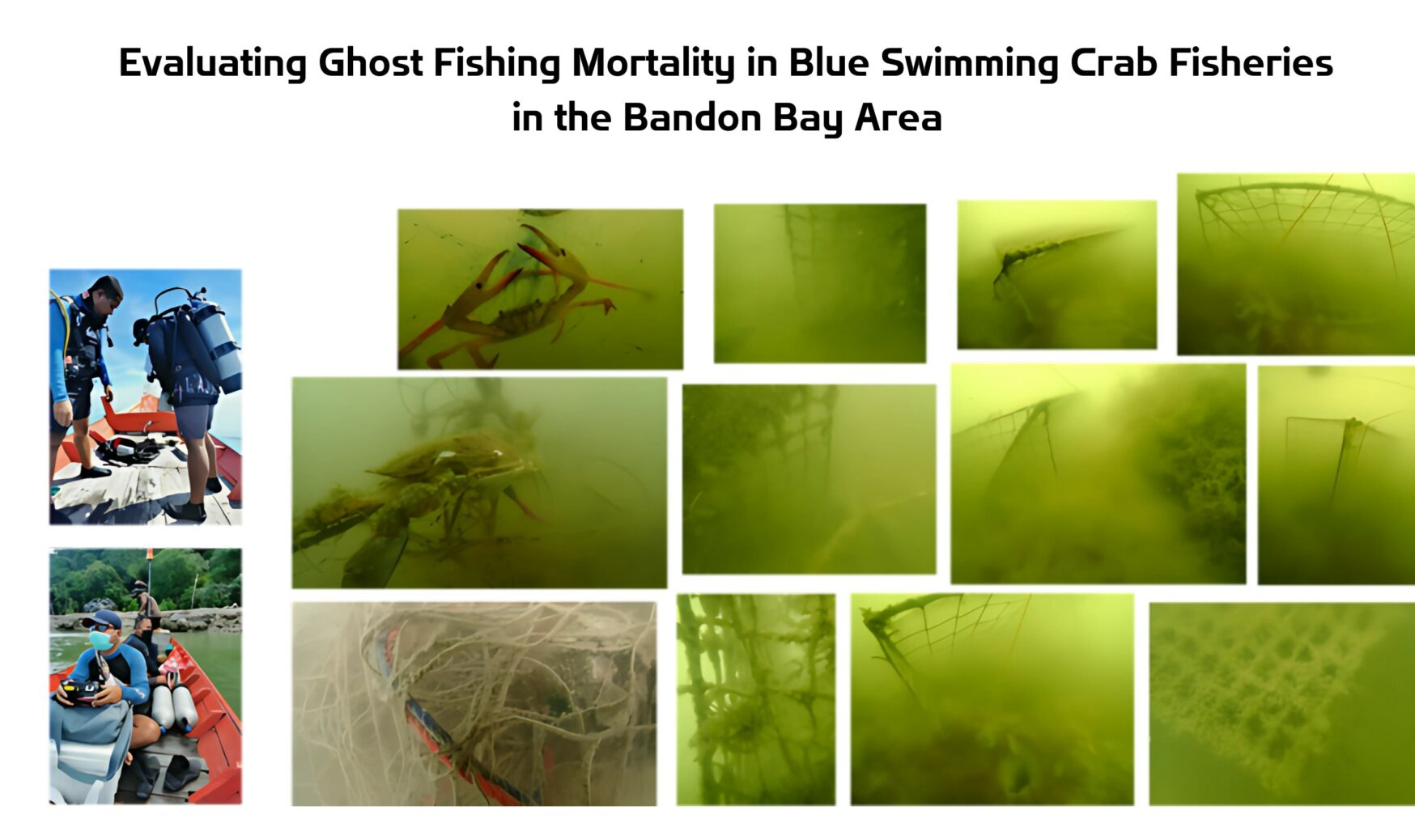
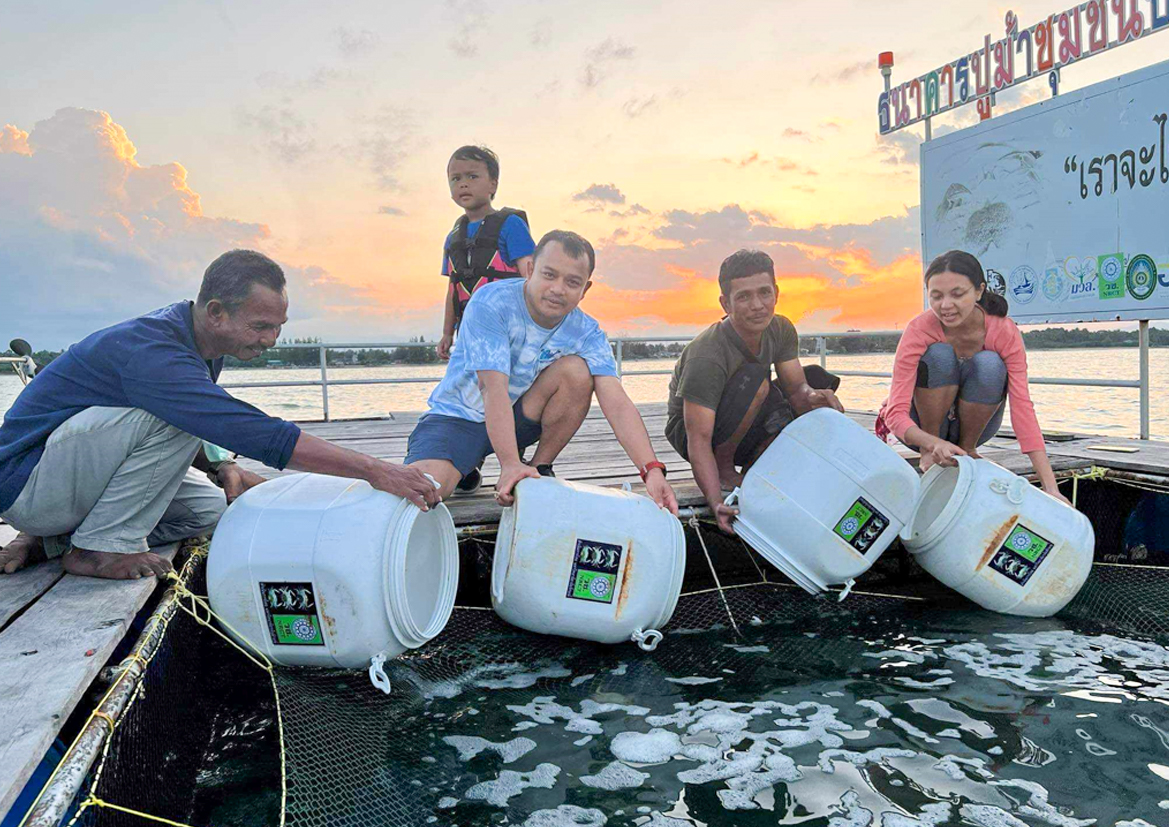
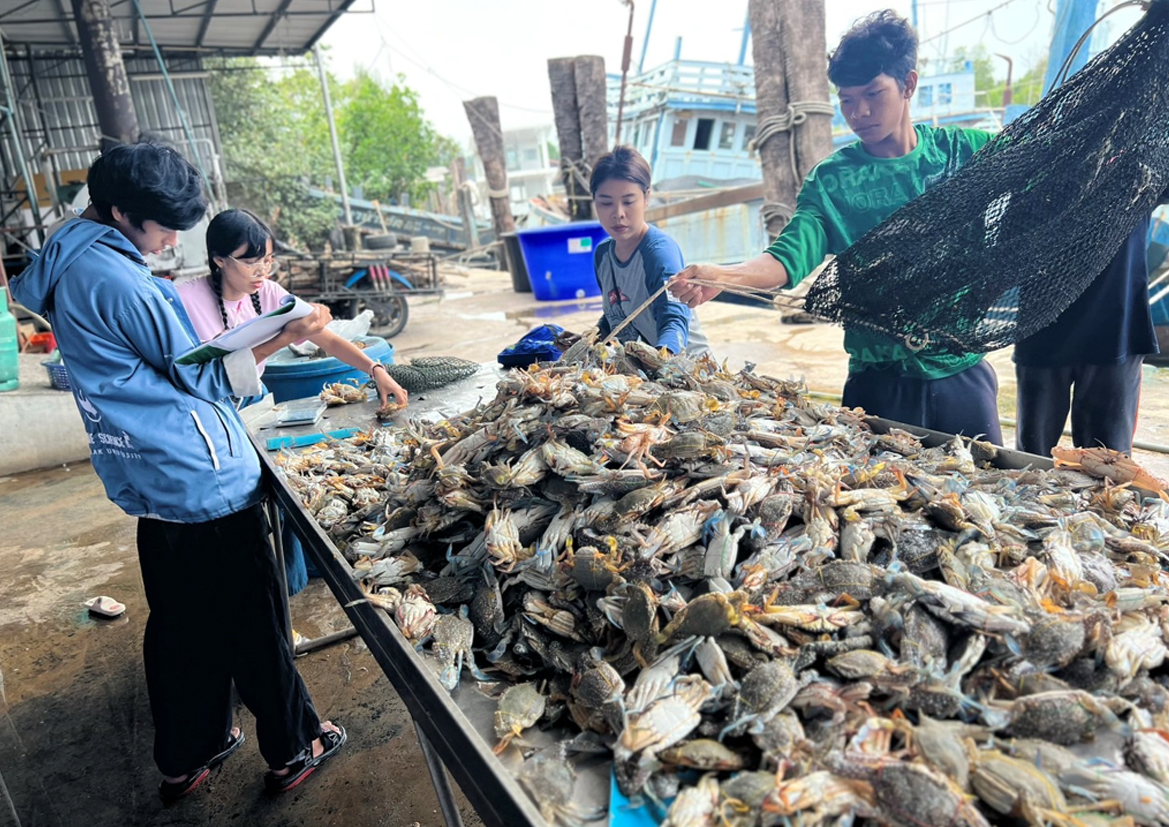
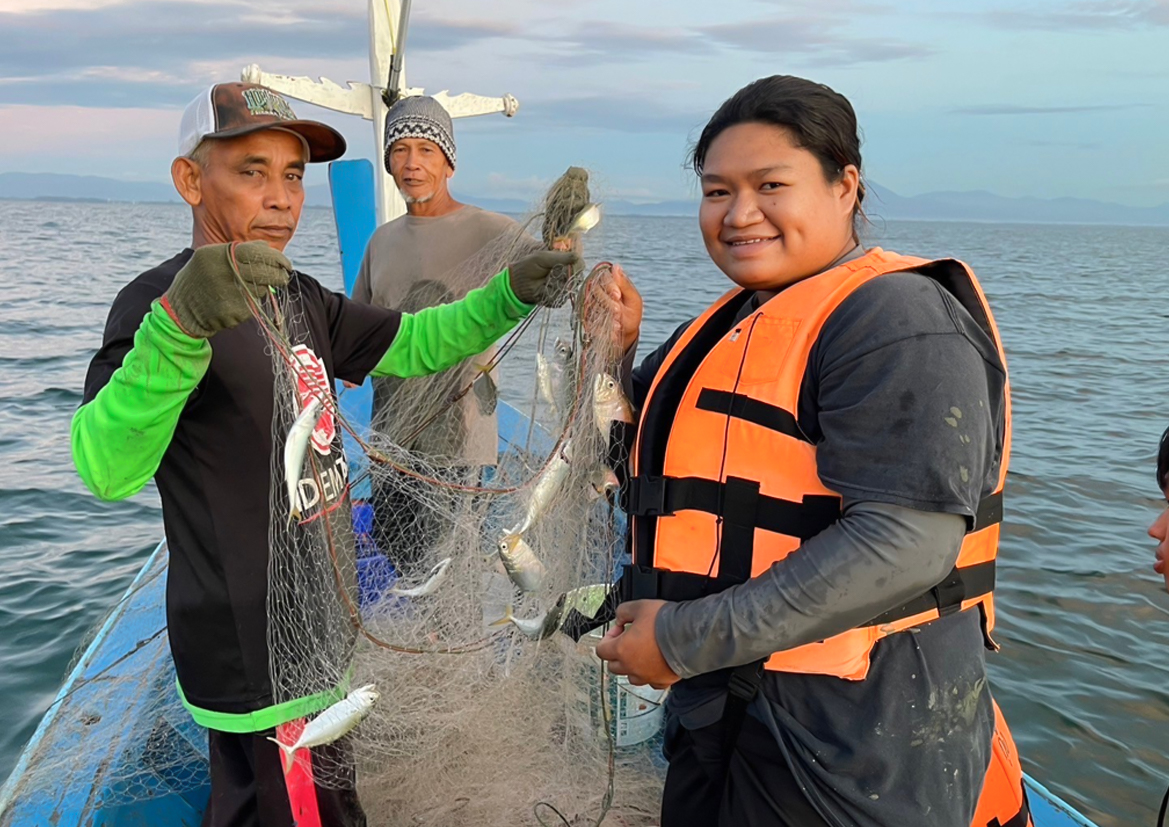
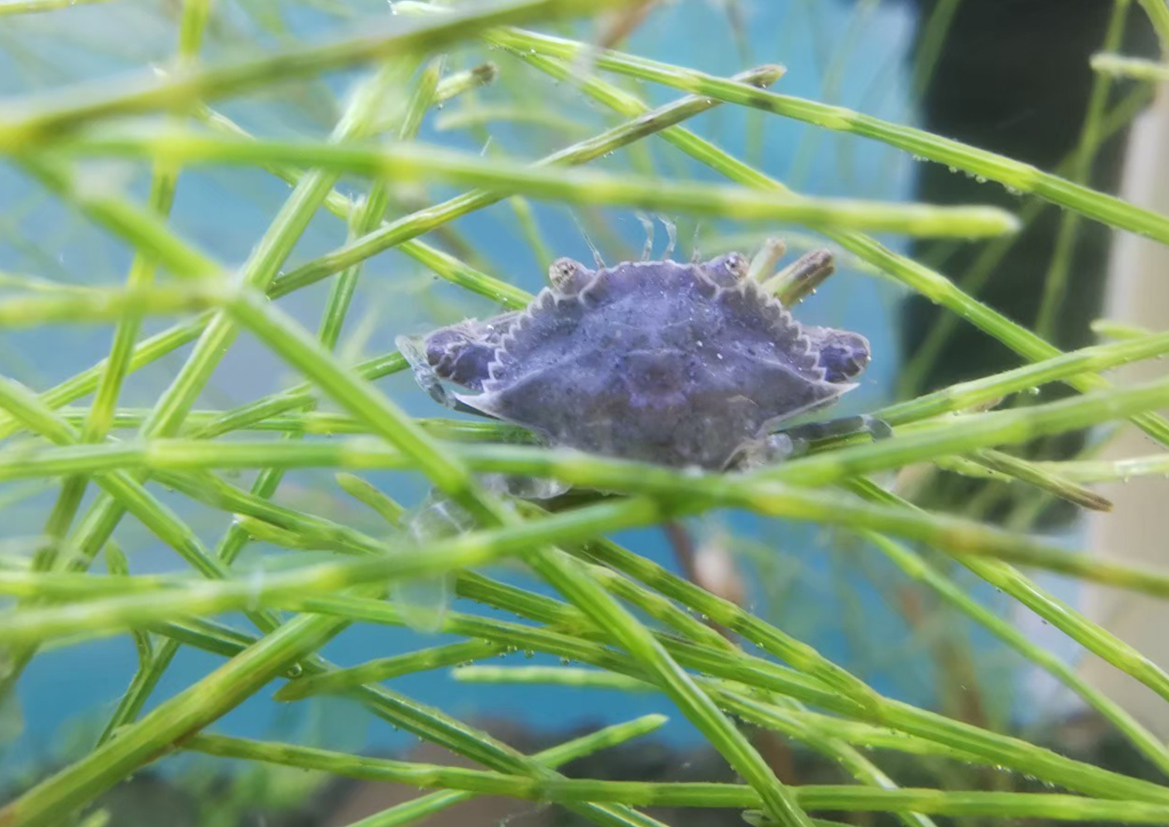
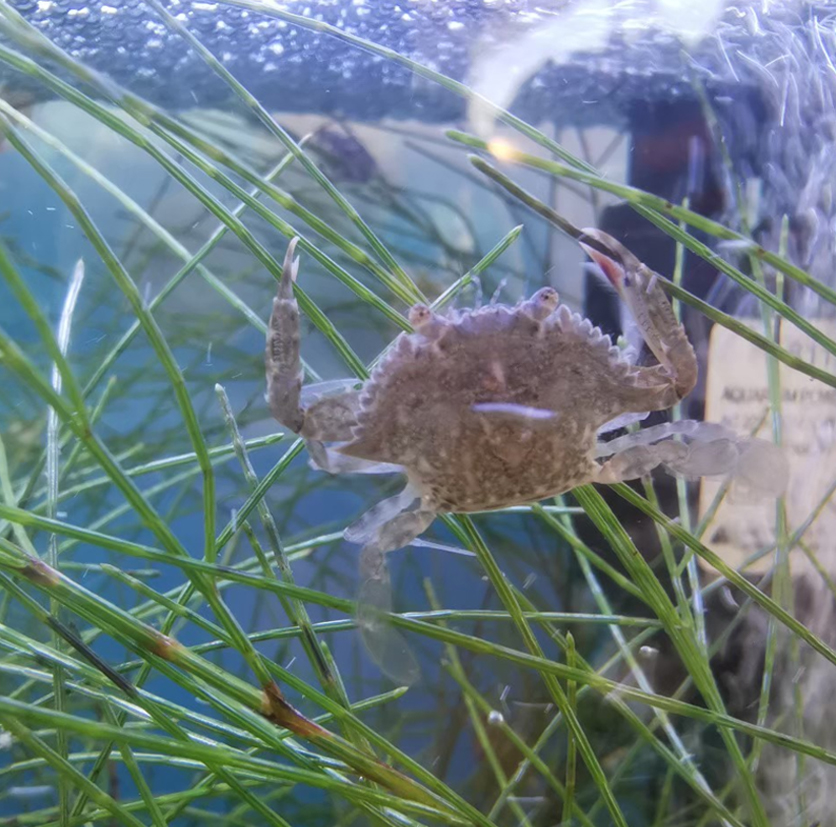
In 2023, WU partnered with 62 coastal fishing communities in Nakhon Si Thammarat to monitor crab and fish populations, key biological indicators of ecosystem health. The project has notably increased crab populations, driven by the establishment of community-based crab-hatching stations. This effort has led to a rise in average catch rates from 10 kg to 15 kg per day, highlighting the project’s positive impact on biodiversity and creating a more balanced marine food web.
The economic impact of these “crab banks” on local fishing communities is also significant. Before the crab bank project began in 2018, local fishers reported an average daily crab catch of only 5 kg per boat. After one year, catches increased to an average of 8 kg per boat per day. With the project’s expansion over several years and the establishment of crab banks in more coastal areas, average catches rose further to 10–15 kg per boat per day. This increase in catch rates reflects similar trends in commercial fishing, where daily catches rose from 40–60 kg to 80–100 kg per boat, occasionally exceeding 100 kg during peak seasons. This consistent improvement in catch volumes underscores the crab bank project’s success in supporting local fisheries, improving community livelihoods, and fostering sustainable marine resource management.
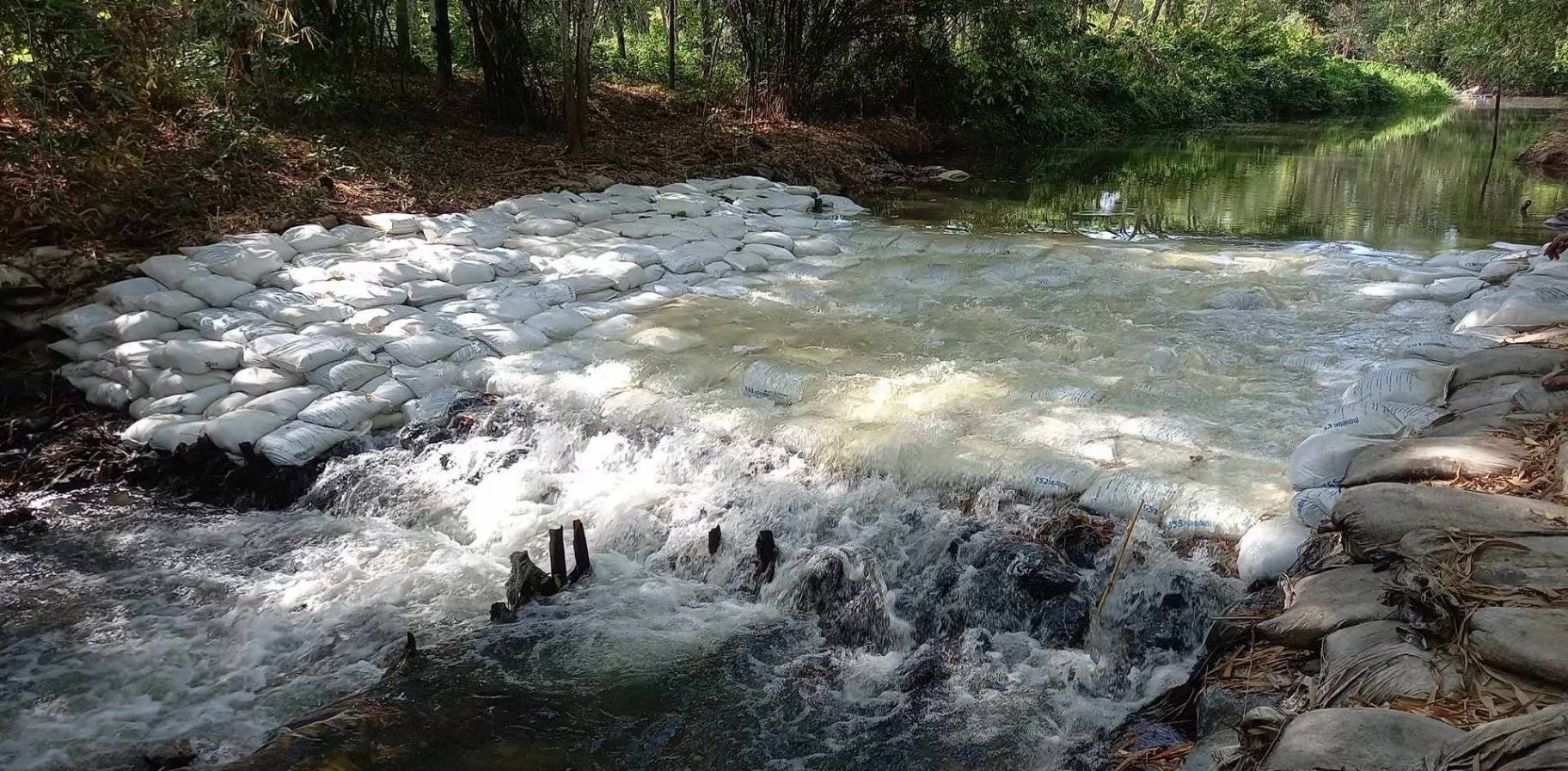
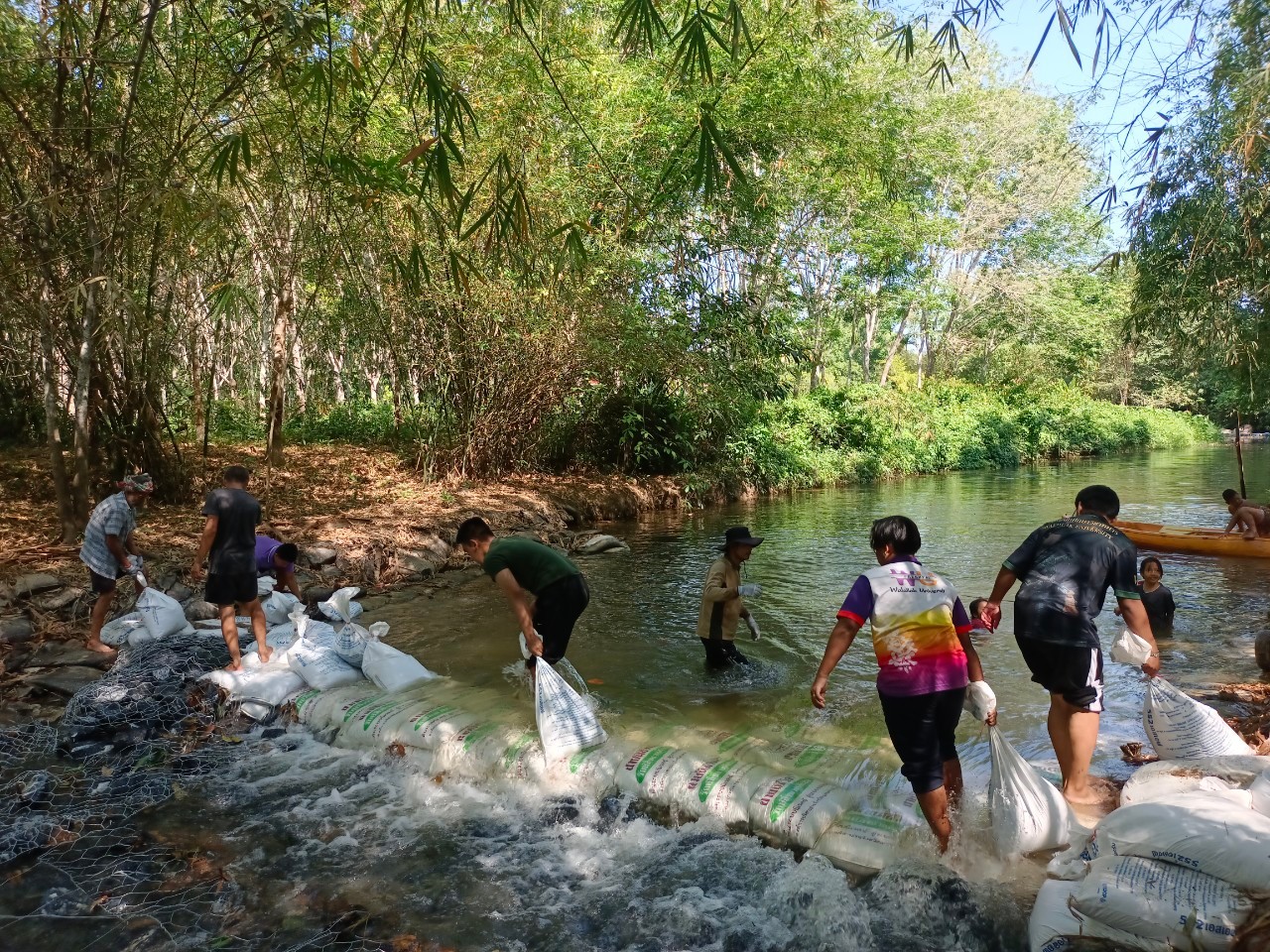
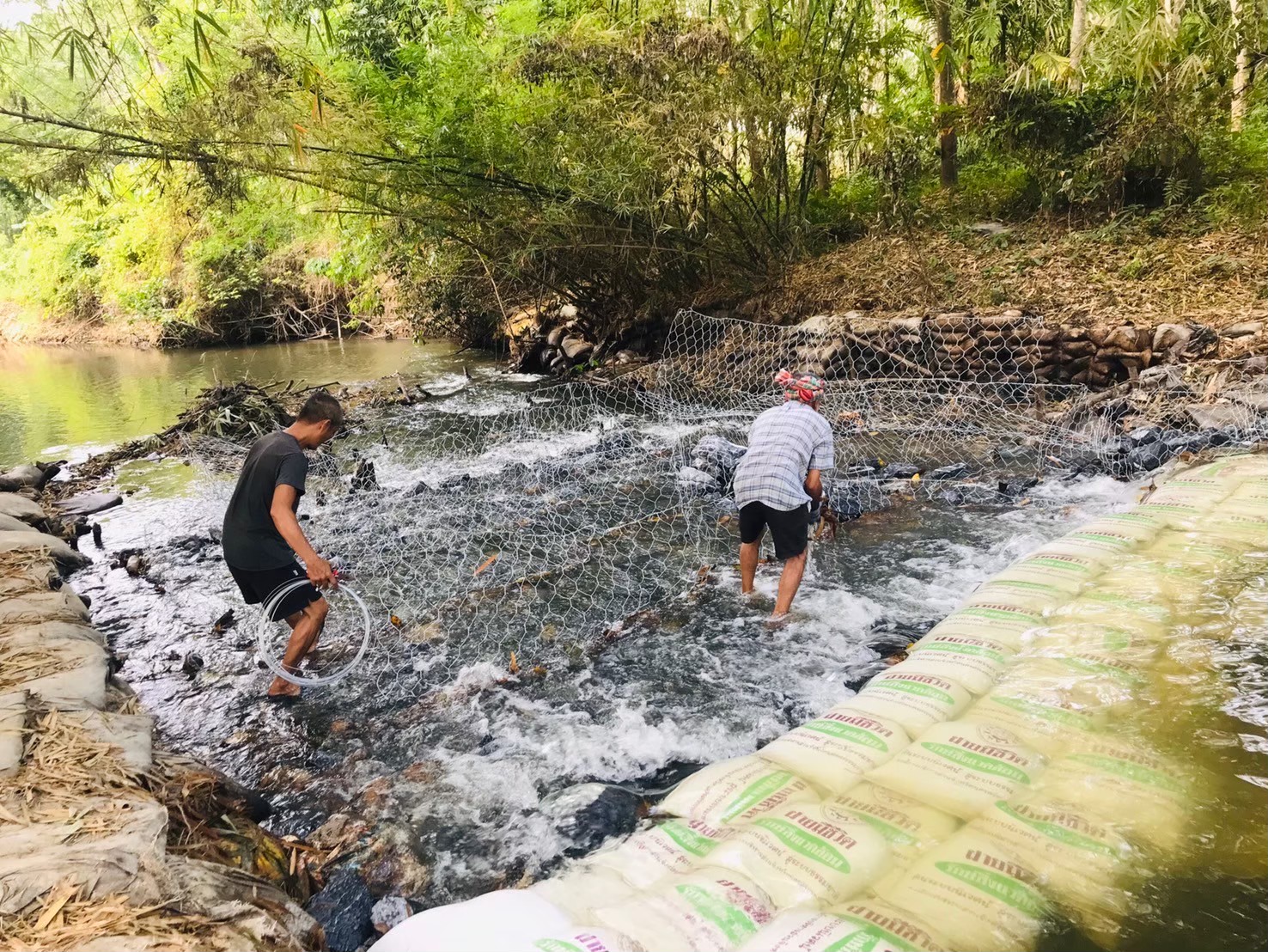
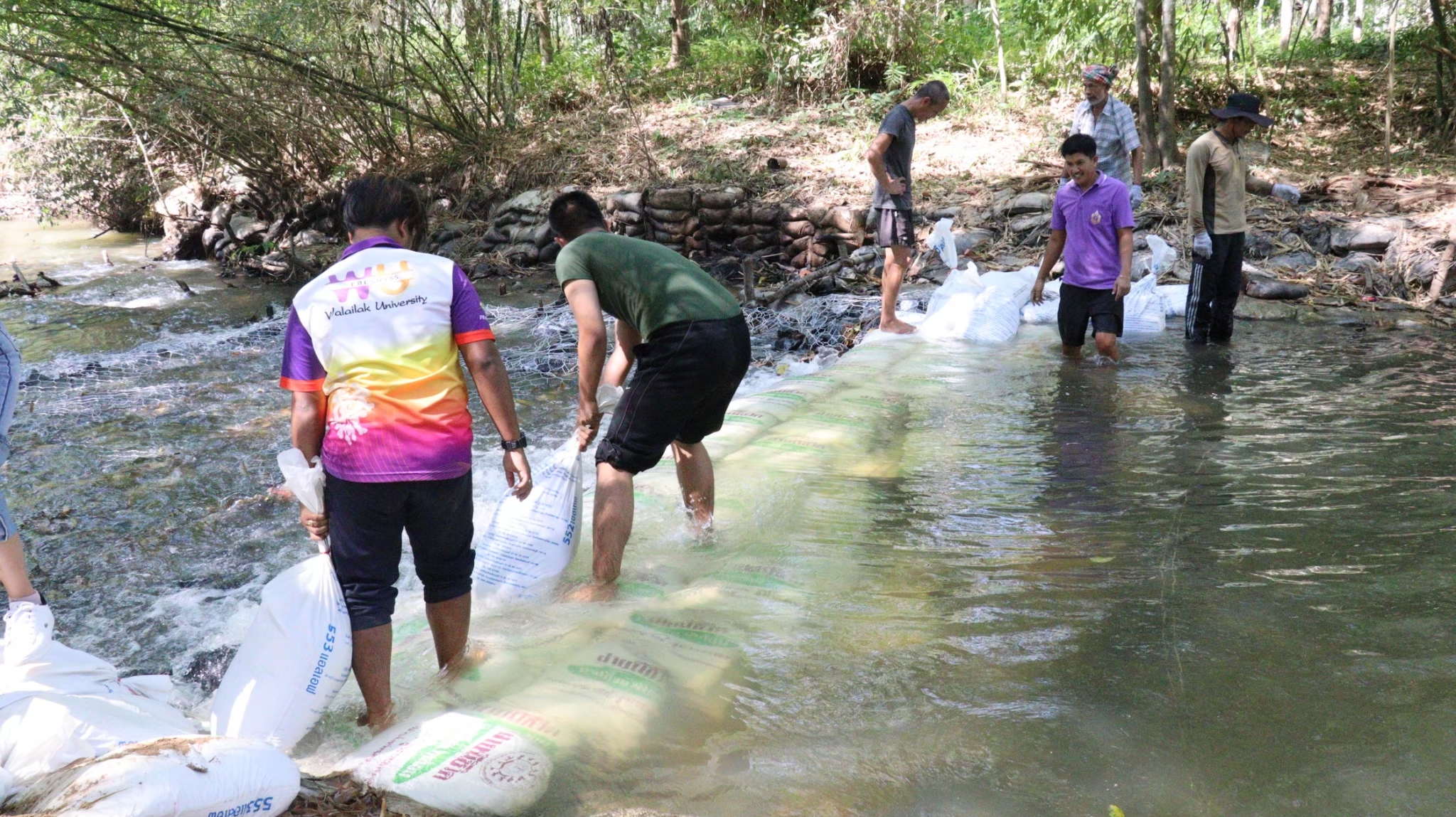
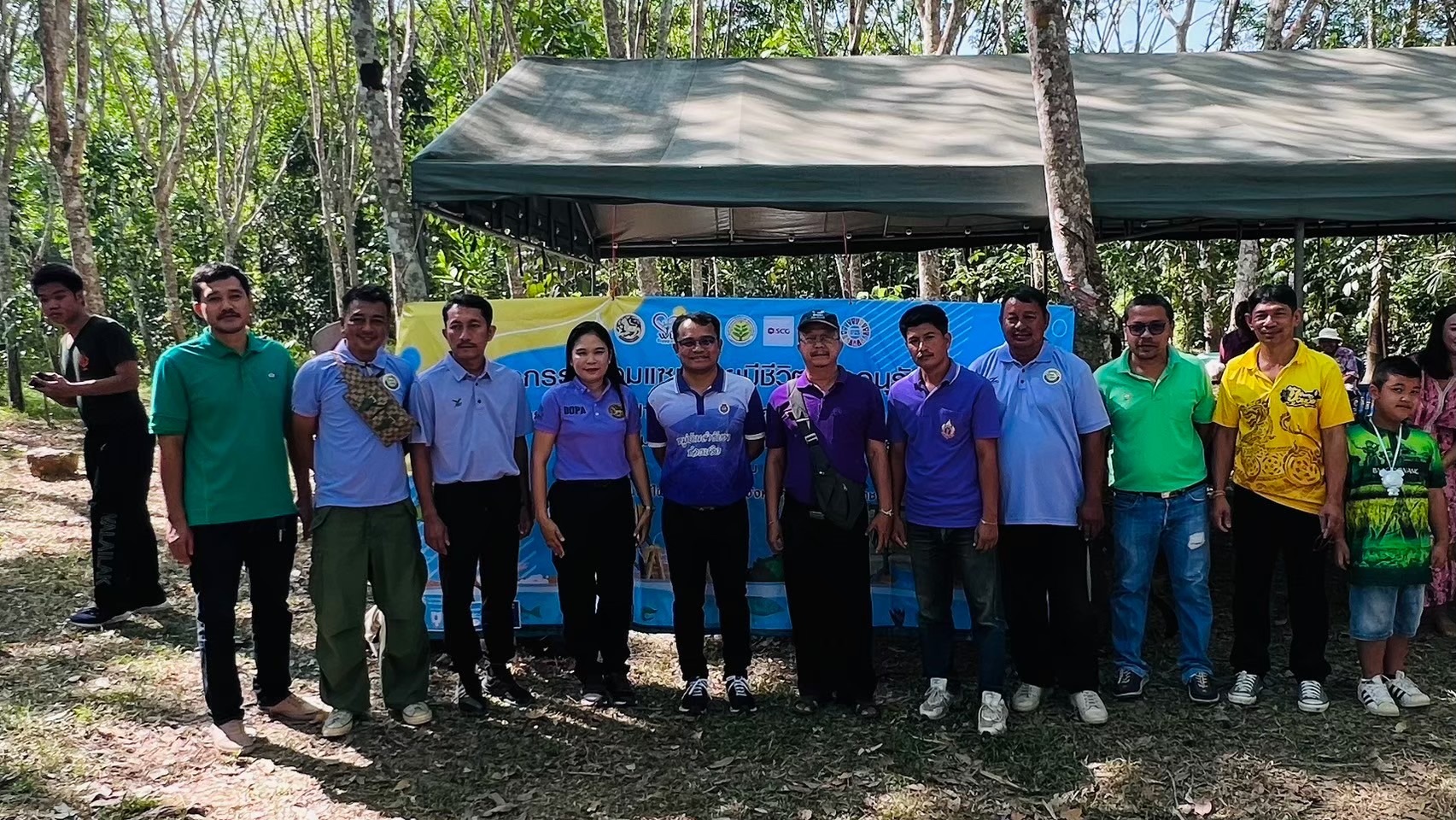
In 2023, WU launched the “Living Weir” project in the Na Mai Pai area of Thung Song District, Nakhon Si Thammarat Province, addressing a local water shortage crisis affecting agricultural communities. Collaborating with local citizens, government entities, and Deutsche Gesellschaft für International Zusammenarbeit (GIZ) Germany, the project created a sustainable water conservation system. Built in the midstream of the Wang Hip River, the living weir follows the principles of ecosystem-based adaptation and integrates community knowledge with the sufficiency economy philosophy. The project includes a digital monitoring system to assess the ecological and hydrological impacts of the weir, examining areas such as river restoration, environmental impact, and community benefits.
The Living Weir has had significant positive impacts, including water conservation, physical erosion reduction, and biodiversity enhancement by providing aquatic habitats and a stable water source for community use. These outcomes foster resilience against climate change while reducing the risk of severe water flow and providing essential resources for agriculture and daily consumption. The initiative exemplifies WU’s dedication to sustainable water management beyond the campus, incorporating educational programs on water conservation and disaster preparedness for local communities.
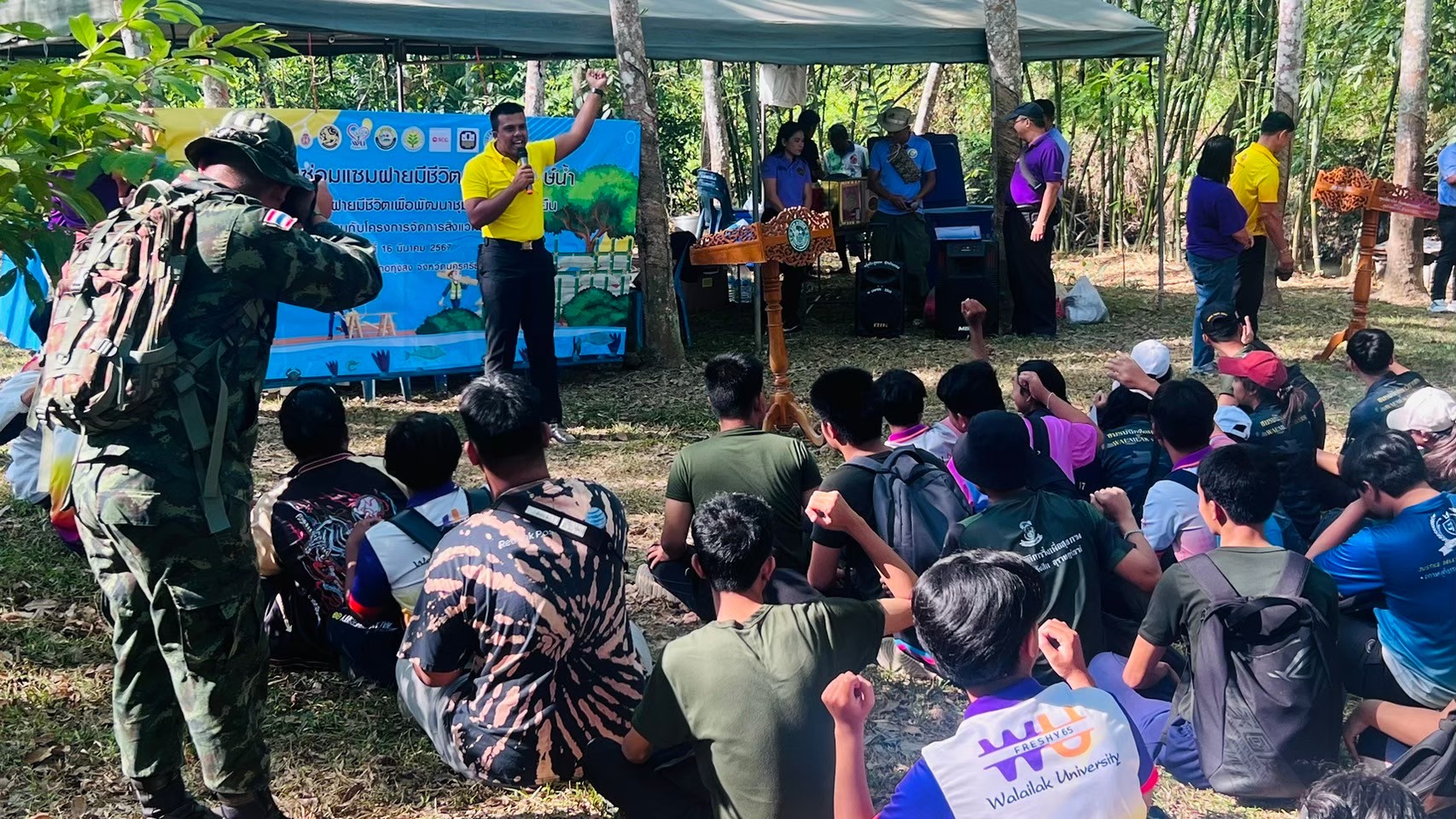
Beyond direct monitoring efforts, WU has taken proactive steps to support water conservation and ecosystem resilience in the Pak Phanang River Basin, a crucial water resource in southern Nakhon Si Thammarat Province. In 2022, WU initiated workshops with local residents, officials, and academics in partnership with organizations like the Department of Disaster Prevention and Mitigation and GIZ, focusing on water management and GIS-based strategies for flood and drought resilience. Expanding on this in 2023, WU launched two flagship programs, “The Royal Initiative of the Pak Phanang River Basin Development” and “The Living Weir Development for Sustainable Community”, to address water security and ecosystem diversity.
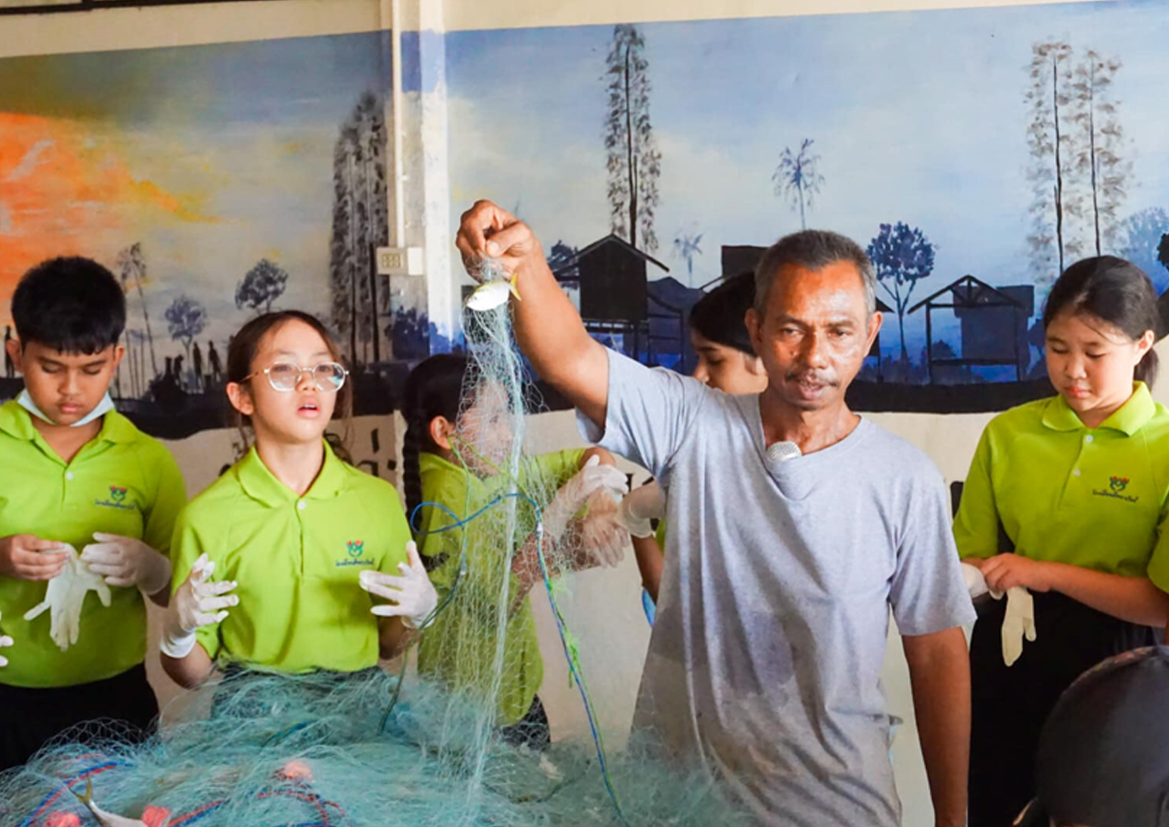
The Pak Phanang River Basin, with its distinct ecosystems from freshwater to brackish zones, has been increasingly threatened by climate-induced saltwater intrusion and agricultural contamination. Led by Asst. Prof. Dr. Pakorn Ditthakit and WU’s Center of Excellence in Sustainable Disaster Management, programs offer free, targeted education on sustainable water practices, enhancing both agricultural productivity and community adaptation to environmental challenges. Through these collaborative initiatives, WU aims to secure the basin’s water resources, promote biodiversity, and empower local communities with sustainable resource management skills.
Through its diverse initiatives, Walailak University demonstrates a strong commitment to monitoring and conserving the health of aquatic ecosystems and water resources. From the GIS-based mapping of Bandon Bay to the establishment of living weirs, WU integrates community involvement with technological innovation, fostering sustainable practices and resilience. By prioritizing community education and collaboration, WU ensures long-term benefits for aquatic ecosystems and empowers local communities in water conservation, reflecting its dedication to sustainable environmental stewardship.