
WU’s Policy on Ending Discrimination in the Workplace
In 2024, Walailak University issued its Policy on Employment and Labor Management, B.E. 2567 (2024) to ensure that all staff are safeguarded against discrimination of any kind. This policy underscores the university’s commitment to fostering an inclusive and equitable workplace.
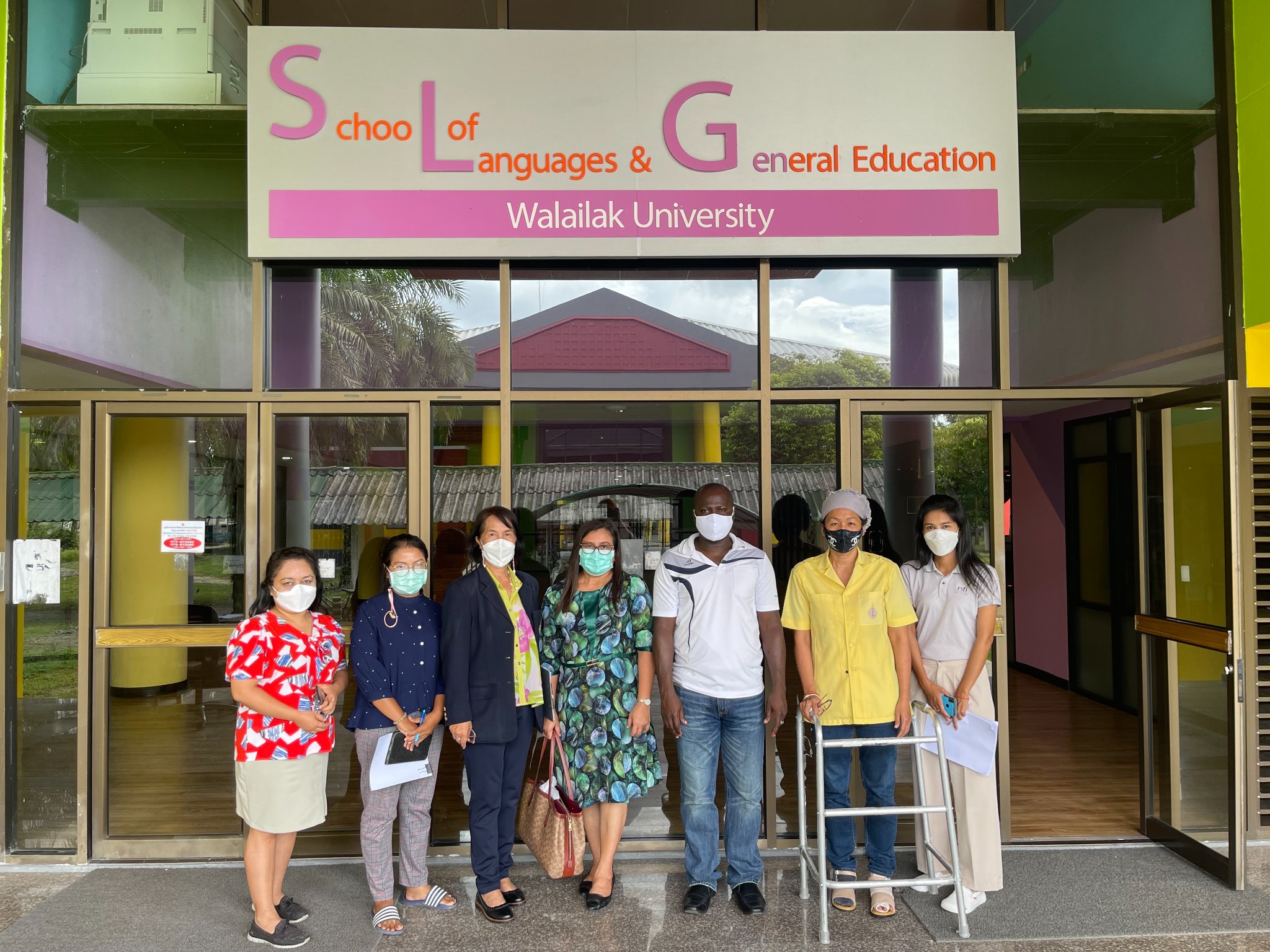
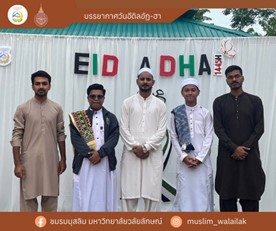
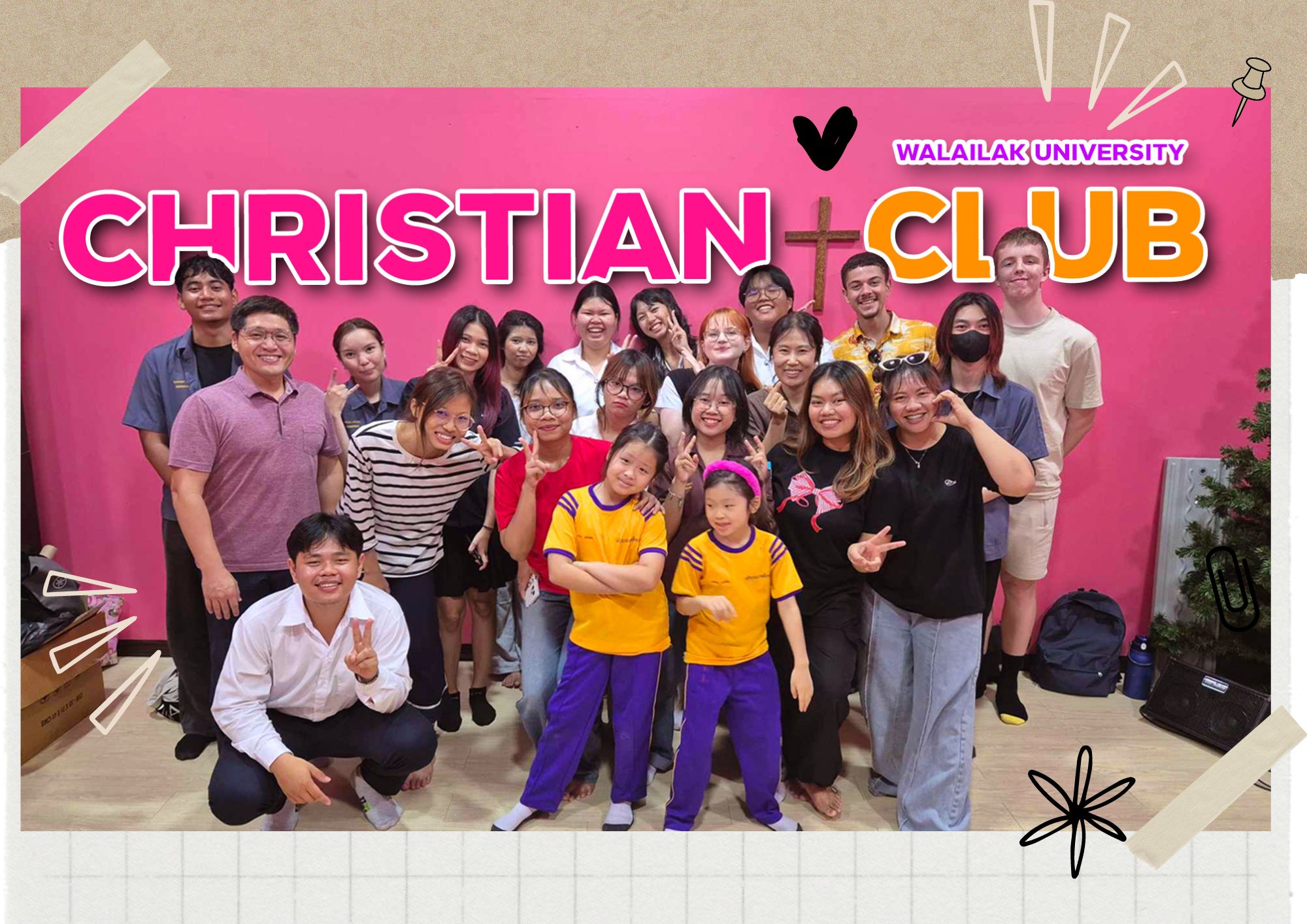
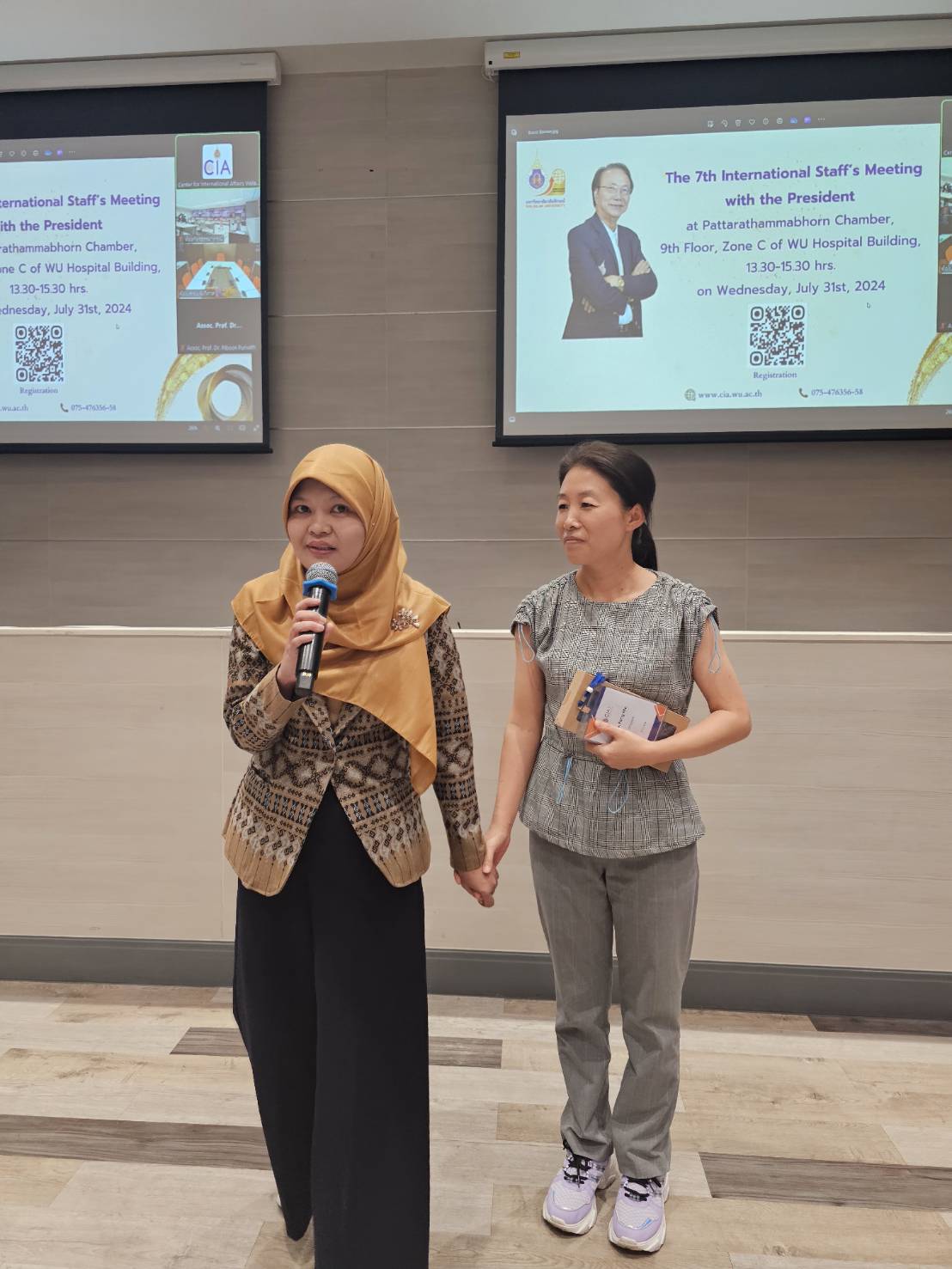
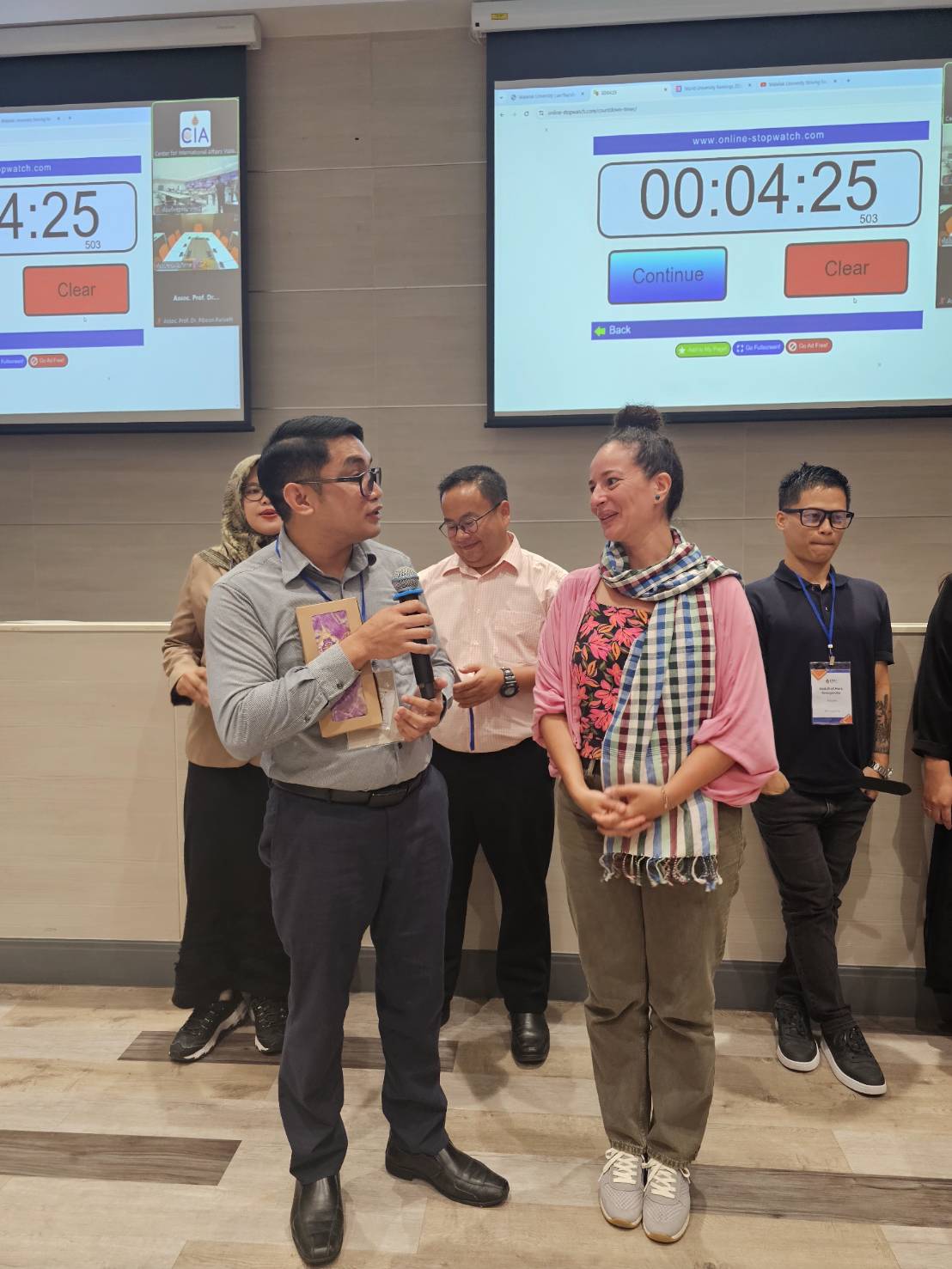
The university values religious diversity, with Muslim and Christian staff playing a significant role in driving its success. Both groups are supported through unions that organize and facilitate their religious activities. Furthermore, women and LGBTQ+ staff are fully integrated into the workforce, with appropriate facilities provided to ensure their comfort and productivity. Women occupy several senior leadership roles within the university, including positions as vice presidents, deans, vice deans, and directors, reflecting Walailak University’s dedication to promoting gender equity and empowering women in academia and administration.
Related links:
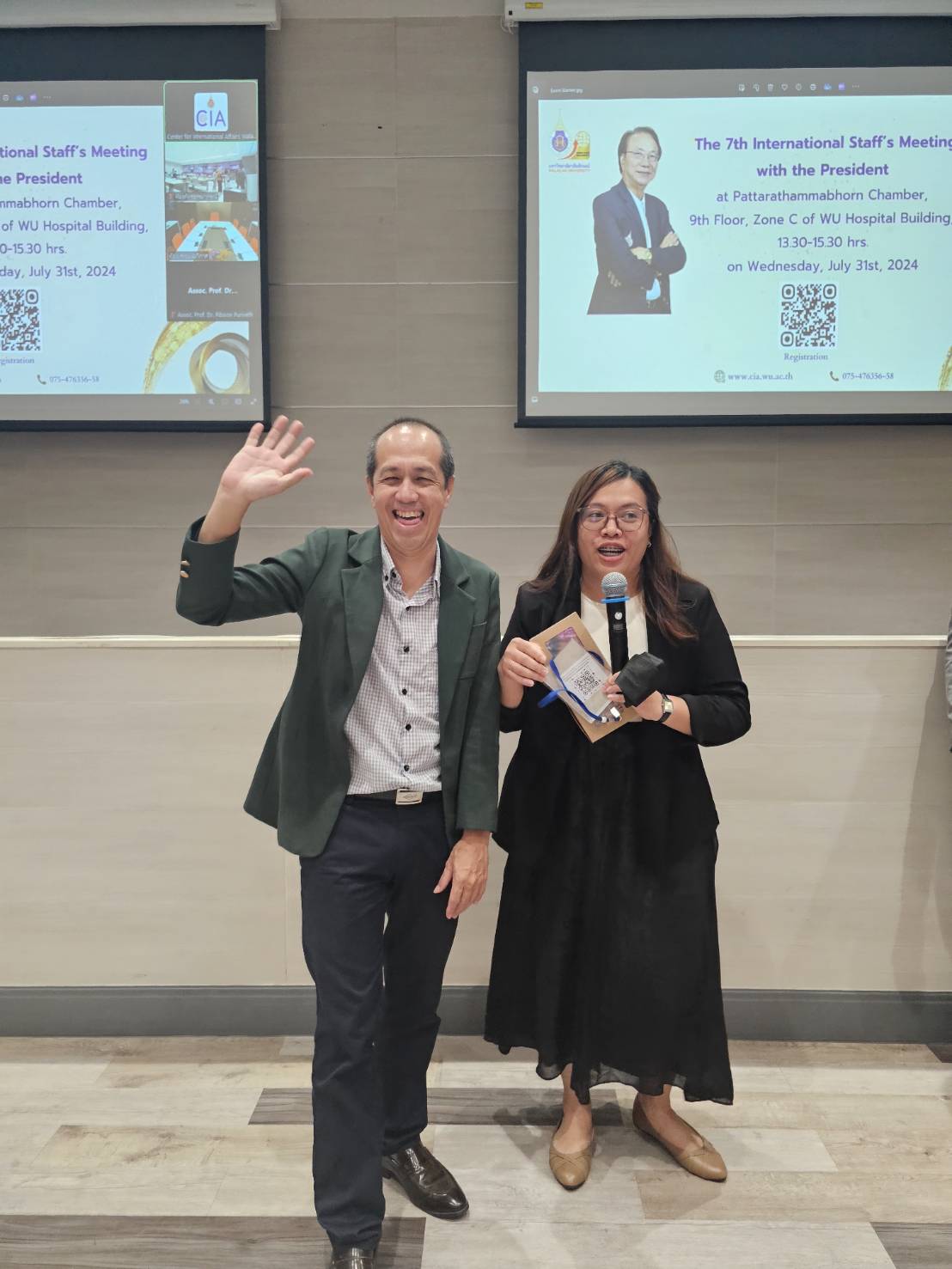
https://cia.wu.ac.th/the-7th-presidents-meeting-with-international-staff/
https://www.wu.ac.th/th/news/23924/
https://www.facebook.com/p/ชมรมมุสลิม-มหาวิทยาลัยวลัยลักษณ์
https://www.facebook.com/christian.club.wu/
https://solgen.wu.ac.th/?page_id=6011
https://wuic.wu.ac.th/th/%e0%b8%84%e0%b8%93%e0%b8%b2%e0%b8%88%e0%b8%b2%e0%b8%a3%e0%b8%a2%e0%b9%8c/


Goal 10: Reduced Inequalities