
09Feb 2025 by Kittipong Bunlear
A Smart & Green Campus: Sustainable Initiatives at Walailak University
Global warming refers to the increase in the Earth’s average temperature due to the greenhouse effect. This phenomenon is primarily caused by human activities that increase the amount of carbon dioxide in the atmosphere through the burning of various fuels, transportation, and industrial production.
Consequently, Walailak University (WU) has a carbon management and reduction process to promote energy conservation and efficiency, focusing on the use of renewable energy, alternative energy, and clean energy, aiming towards becoming a Smart & Green University and reducing carbon dioxide emissions through diverse operational initiatives, such as:
Waste Management
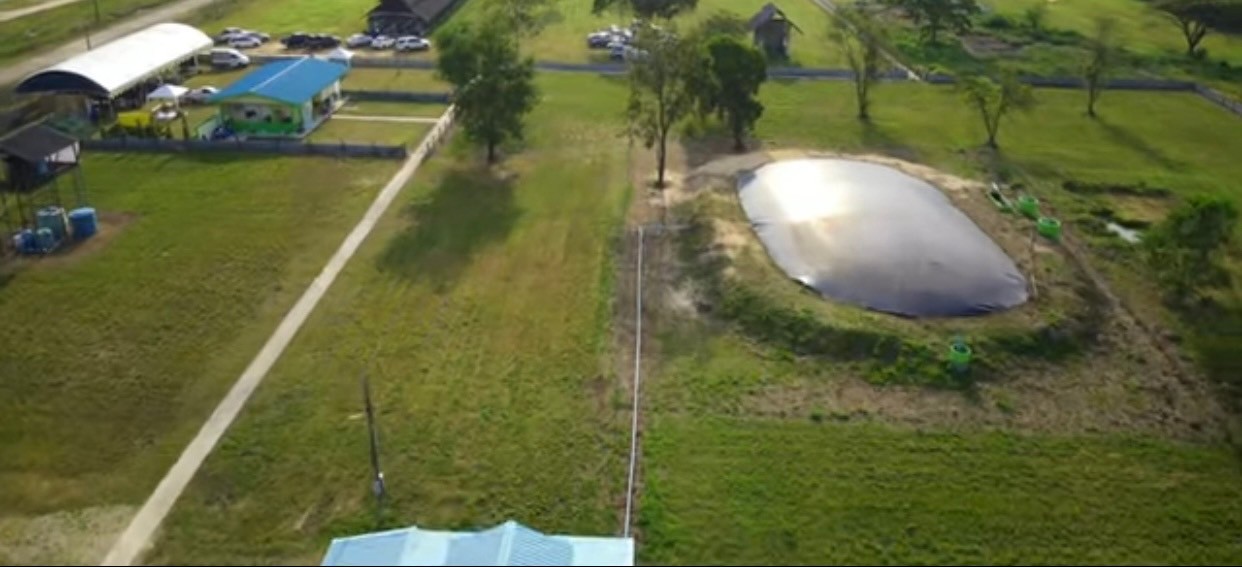
Efficient waste management processes contribute to reducing greenhouse gas emission. This can be achieved through various technologies such as: Methane capture from anaerobic digestion of food waste for beneficial use; using organic food waste as animal feed. and producing biogas from organic waste, including food scraps, animal waste and agricultural residues.
Transportation
the university utilizes electric shuttle buses for on-campus transportation, serving students and staff while reducing the need for personal vehicles and cutting carbon dioxide emissions. Additionally, bus/carpooling systems are employed to transport employees to and from work, further lowering personal vehicle use and emissions.

Agriculture/Forestry
the university enhances carbon dioxide absorption by increasing the number of trees around the campus and buildings, as trees absorb more CO2 through photosynthesis than they emit. Additionally, agricultural waste is repurposed as mulch to reduce burning and further decrease carbon emissions.

Energy
The university produces renewable energy from solar, hydropower, and wind, for internal use. It has installed a 2,000 kWh solar rooftop system on several campus buildings and is replacing electrical equipment to enhance energy efficiency. replacing electrical equipment to enhance energy efficiency. replacing electrical equipment to enhance energy efficiency.
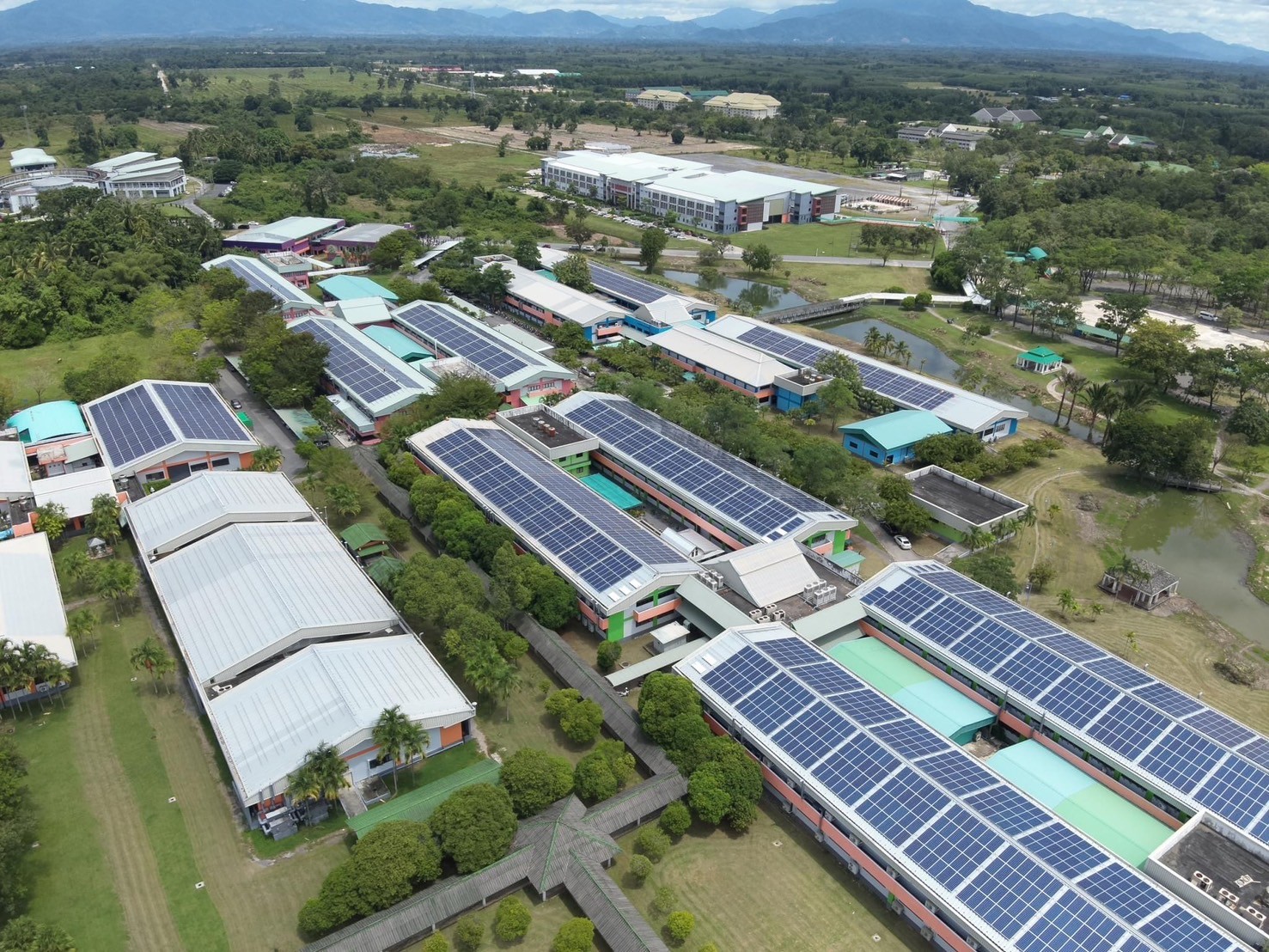
As a result of these activities, the university has been able to produce 3,755,164.10 kWh/year of renewable energy, able to produce 3,755,164.10 kWh/year of renewable energy, contributing to the reduction of carbon dioxide emissions. contributing to the reduction of carbon dioxide emissions.

Goal 7: Affordable and Clean Energy
Post Views: 71