
09Feb 2025 by Kittipong Bunlear
Reducing Energy Consumption Plan
Energy is essential for humans in the modern era. Currently, the world’s energy consumption primarily comes from fossil fuels, accounting for as much as 95% of total usage. Since fossil fuel energy is a non-renewable resource, WU has recognized this problem and developed an energy efficiency plan in place to reduce overall energy consumption through the Green University Project. This initiative aligns with the government’s Energy Efficiency Development Plan (EEDP), with the goal of reducing the university’s total energy consumption by 10% per year.
To ensure the effectiveness of university’s plan and the government’s energy policy, efficient energy use, energy saving, and waste reduction have been seriously and continuously implemented. The university has announced energy-saving plan to instill a shared culture among students and staff across all departments, leading to the achievement of 10% energy consumption reduction plan through various implementations, such as:
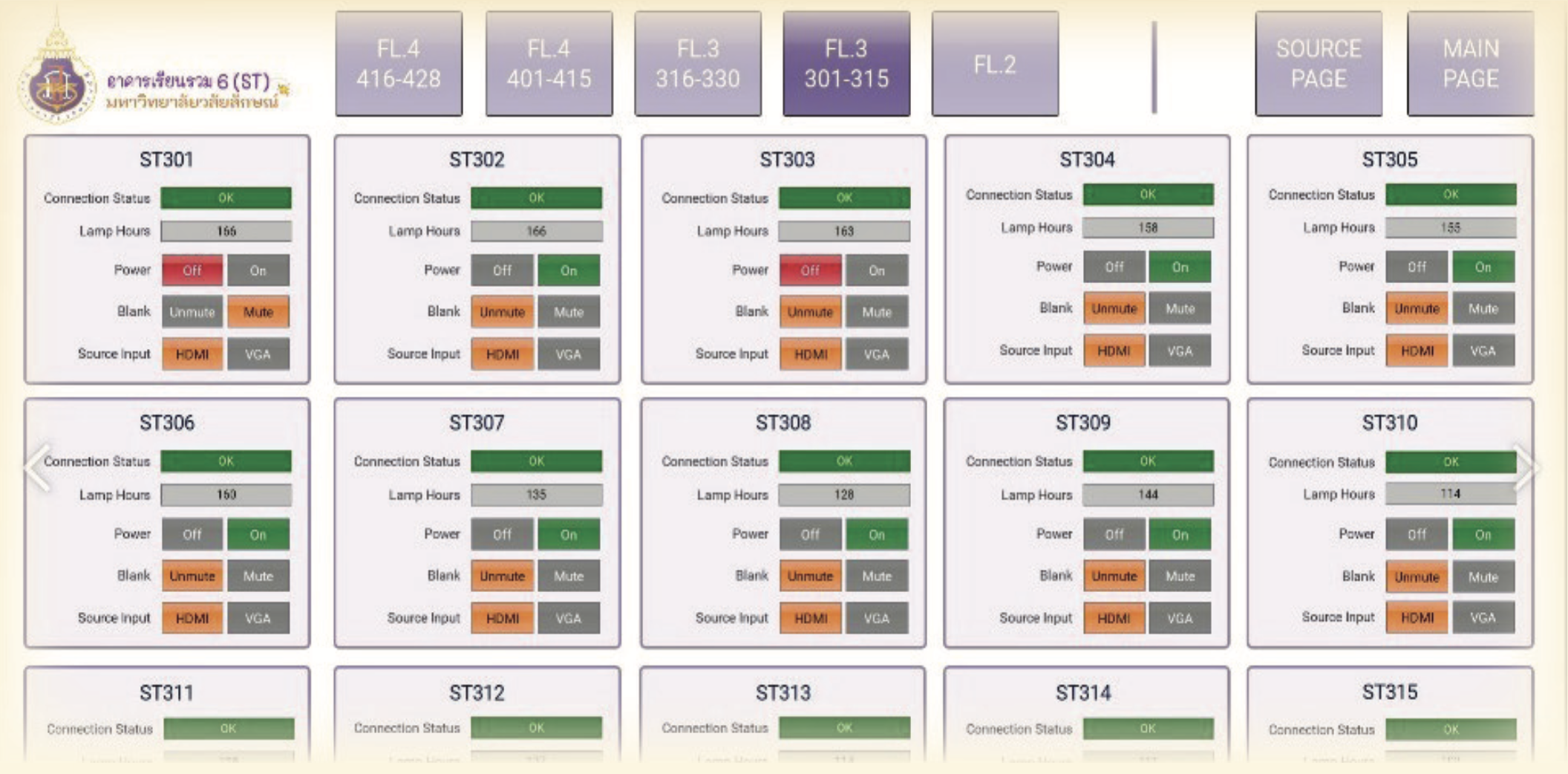
- Air Conditioning Control System: WU employs computerized technology to automatically control the opening and closing of air conditioning units based on room reservation data imported from the network management system that manages room usage schedules.
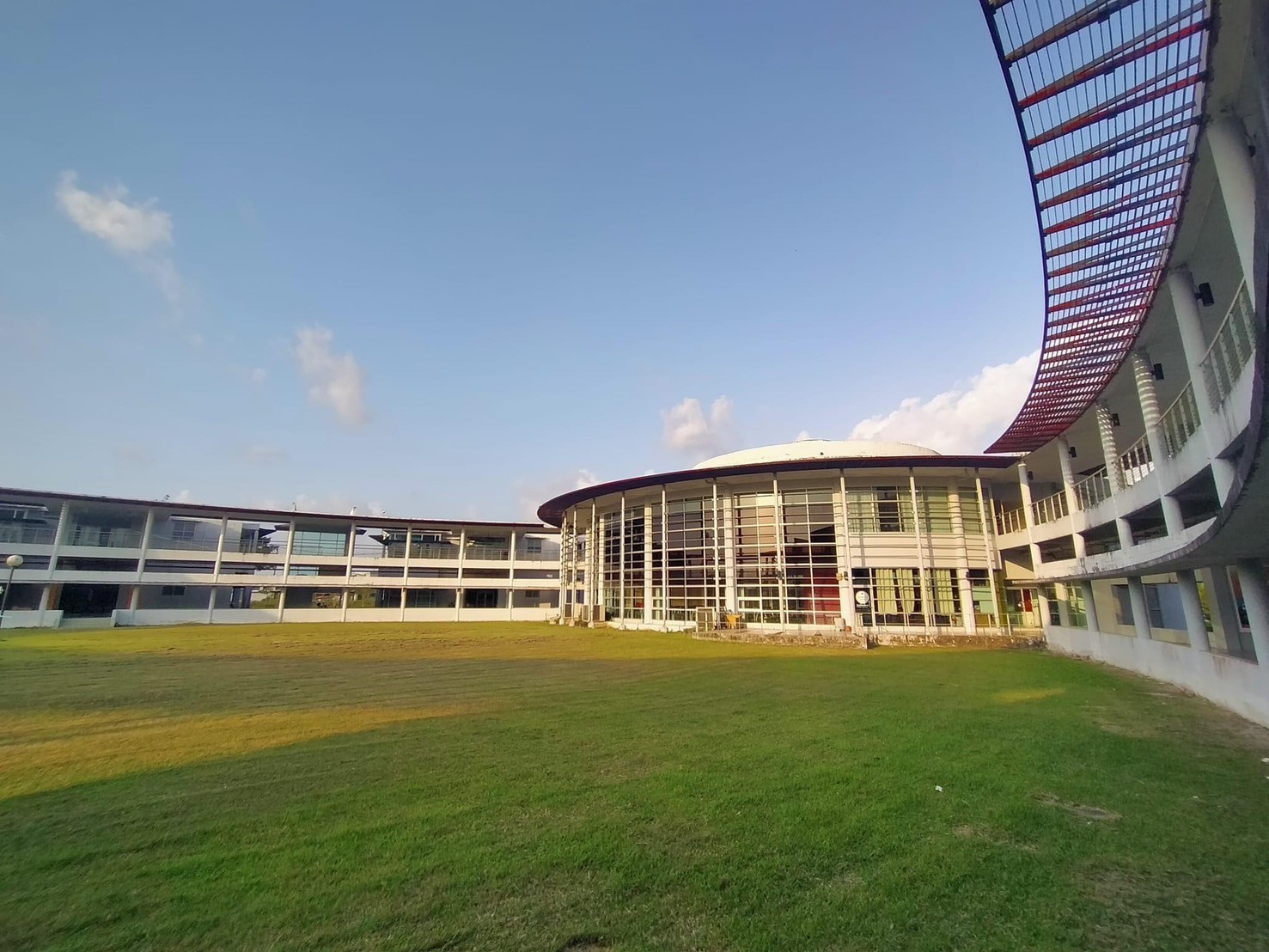
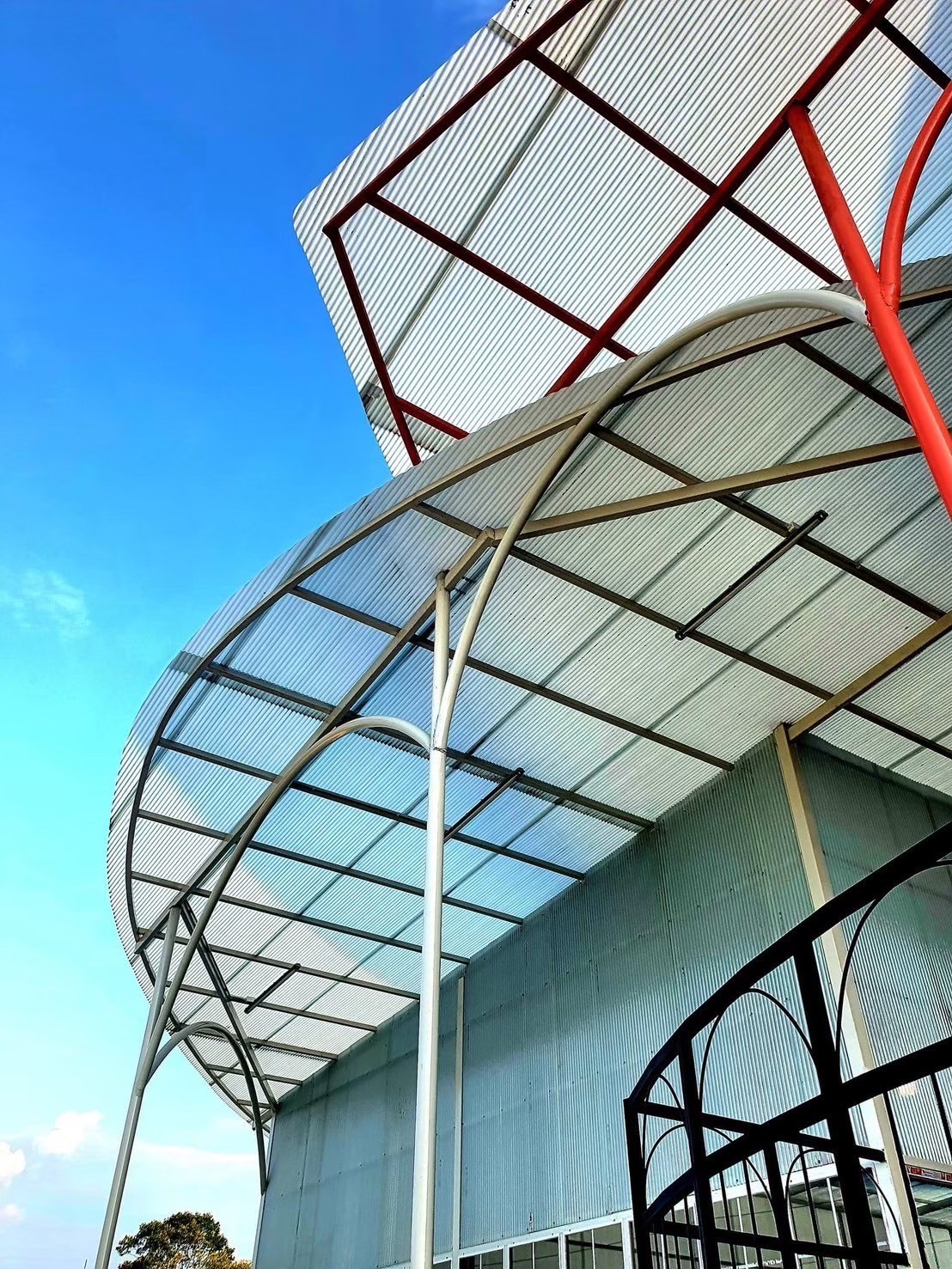
- Building Design and Renovation: WU has a policy of continuously improving organizational resource efficiency in line with operational needs, technology utilization, and best practices, for example, designing buildings with automatic sensor lighting systems in bathrooms, heat-reducing windows, and translucent roofs.
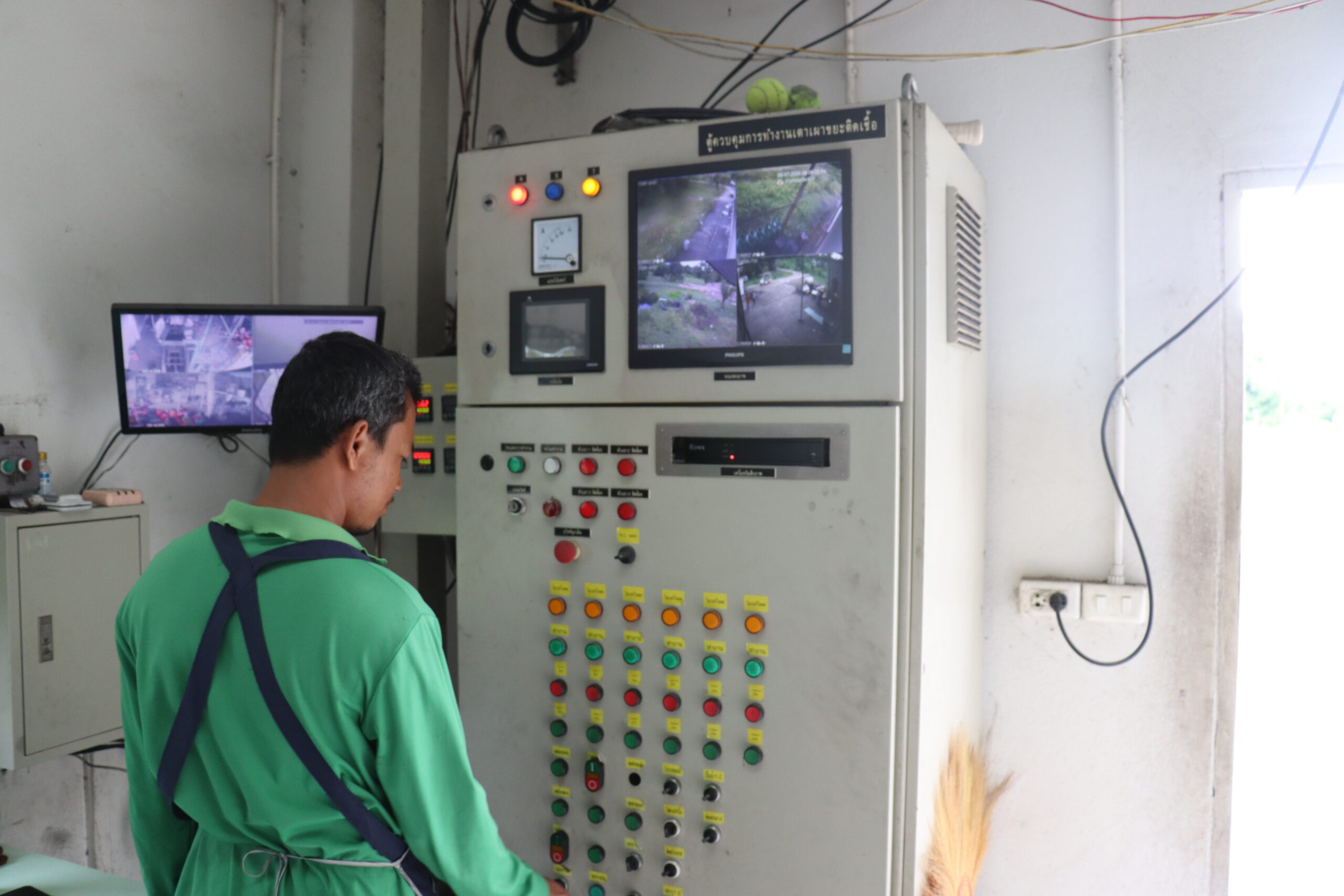
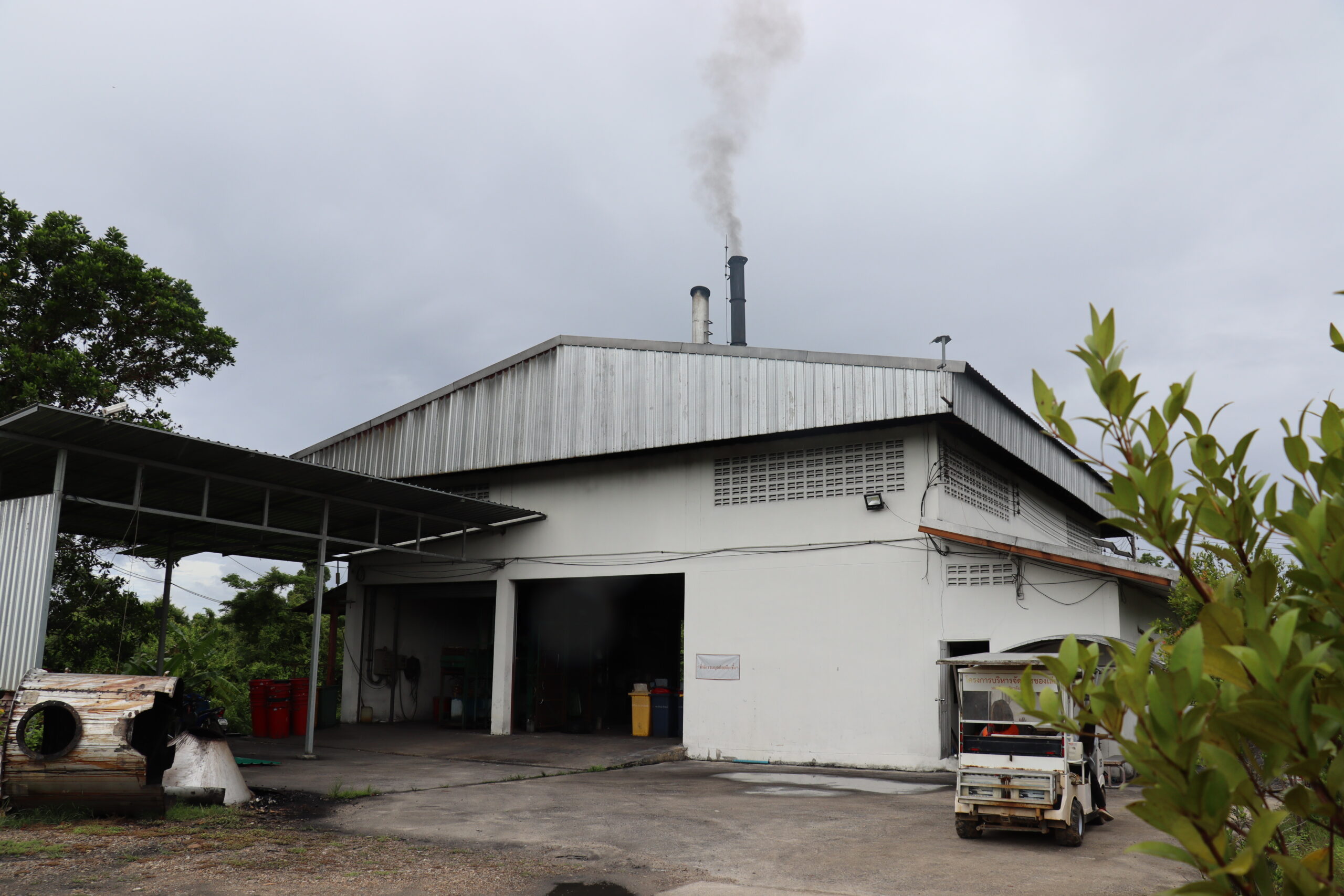
- Renewable Energy from Waste: WU produces Refuse Derived Fuel (RDF) from waste through various processes to convert it into solid fuel with suitable properties such as heating value, moisture content, and density, suitable for use as fuel for generating electricity or producing thermal energy. This is utilized to supply electricity to units and the university.
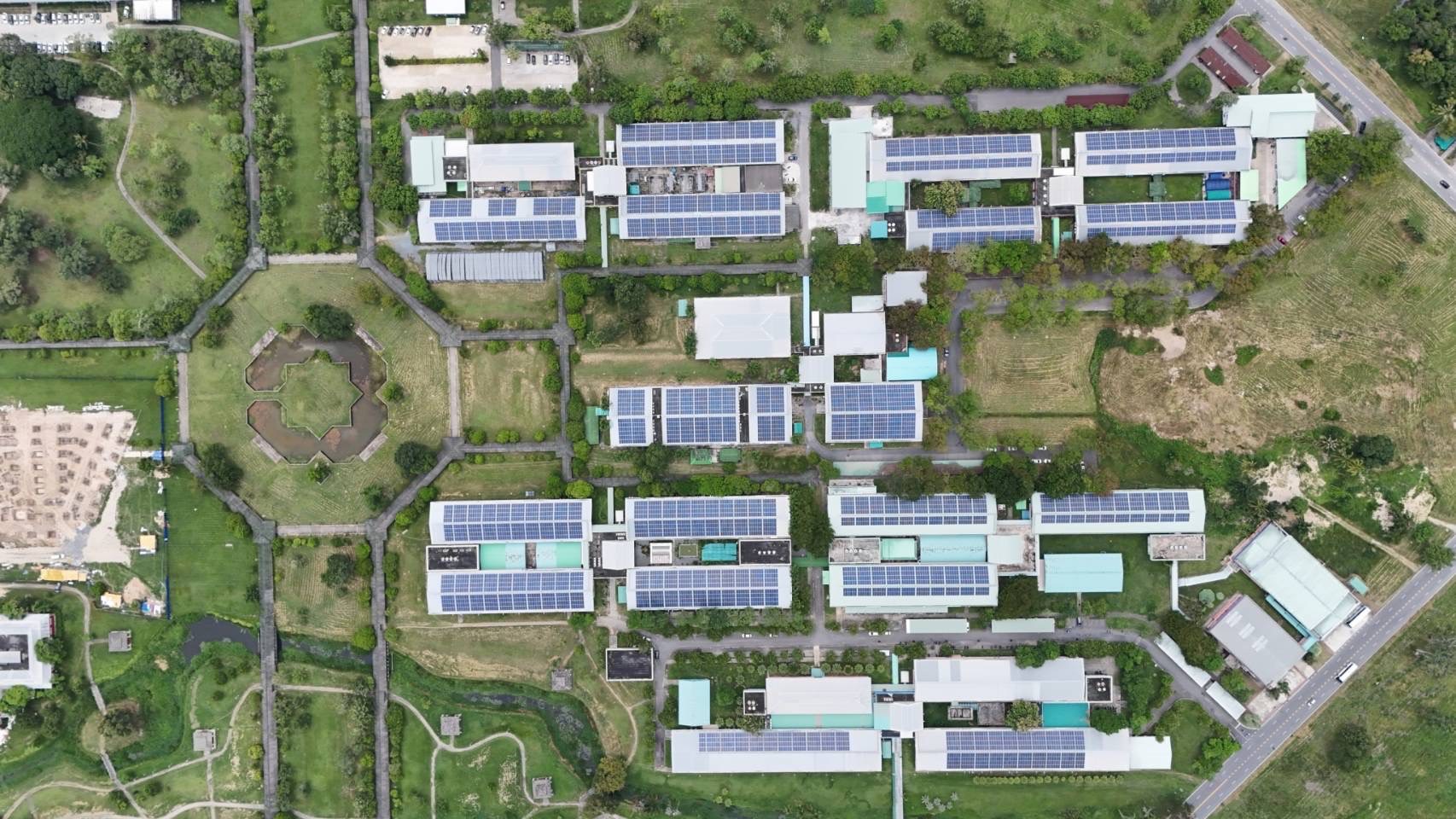
- Renewable Energy in the Organization: Support is provided for several units to install solar panels, converting solar energy into electricity as a renewable energy source. Solar energy is clean, low-impact, and supports the university’s sustainability and carbon neutrality goals.Moreover, there are wind energy and biomass energy for converting it to energy used in organization
As a result of these efforts, electricity consumption in 2023 decreased by 10.28%, aligning with the university’s plan. It was found that electricity usage per person in 2022 was 1110.50 kWh, whereas in 2023, it was 996.3 kWh per person.
Goal 7: Affordable and Clean Energy
Post Views: 21