Walailak University Food Security Programs: Addressing Student Food Insecurity and Hunger
Food insecurity and hunger among students are pressing issues faced by many universities worldwide, including Walailak University. Despite being located in an area abundant in food resources, some students—particularly those with financial constraints—struggle to access sufficient and nutritious meals. This problem affects not only their physical and mental health but also their learning performance.
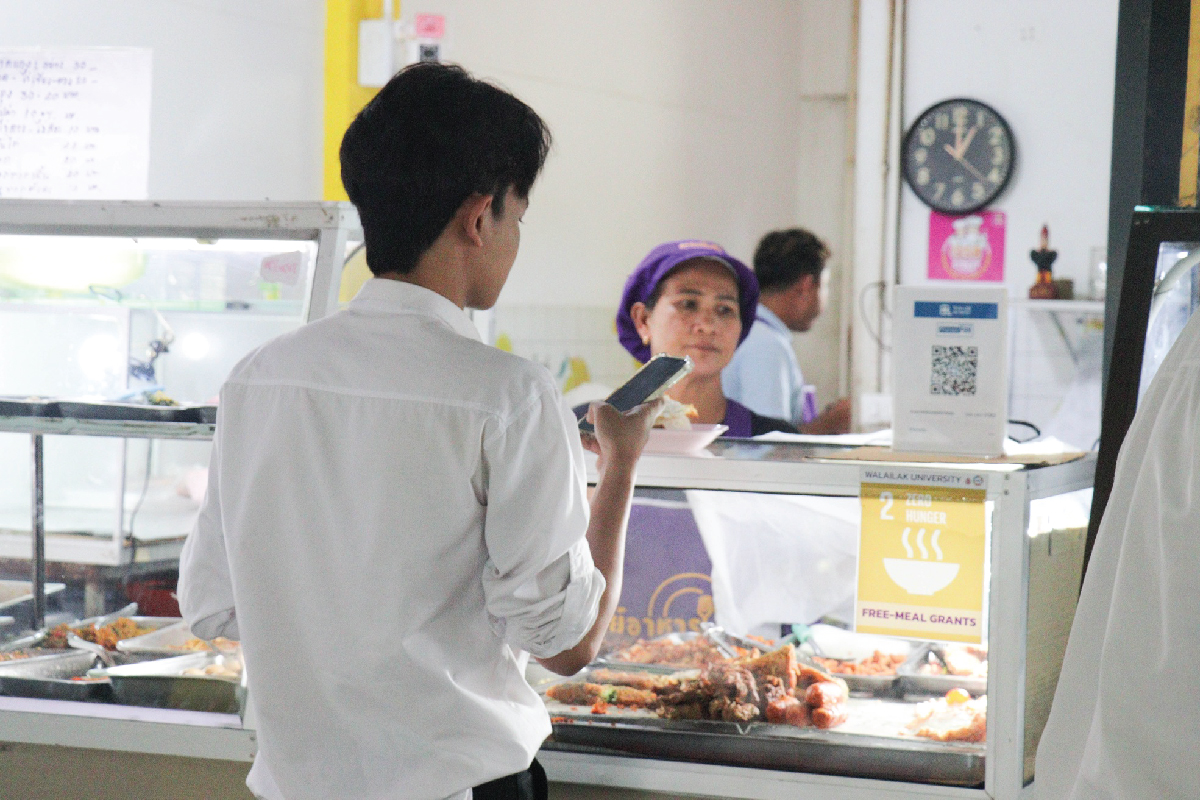
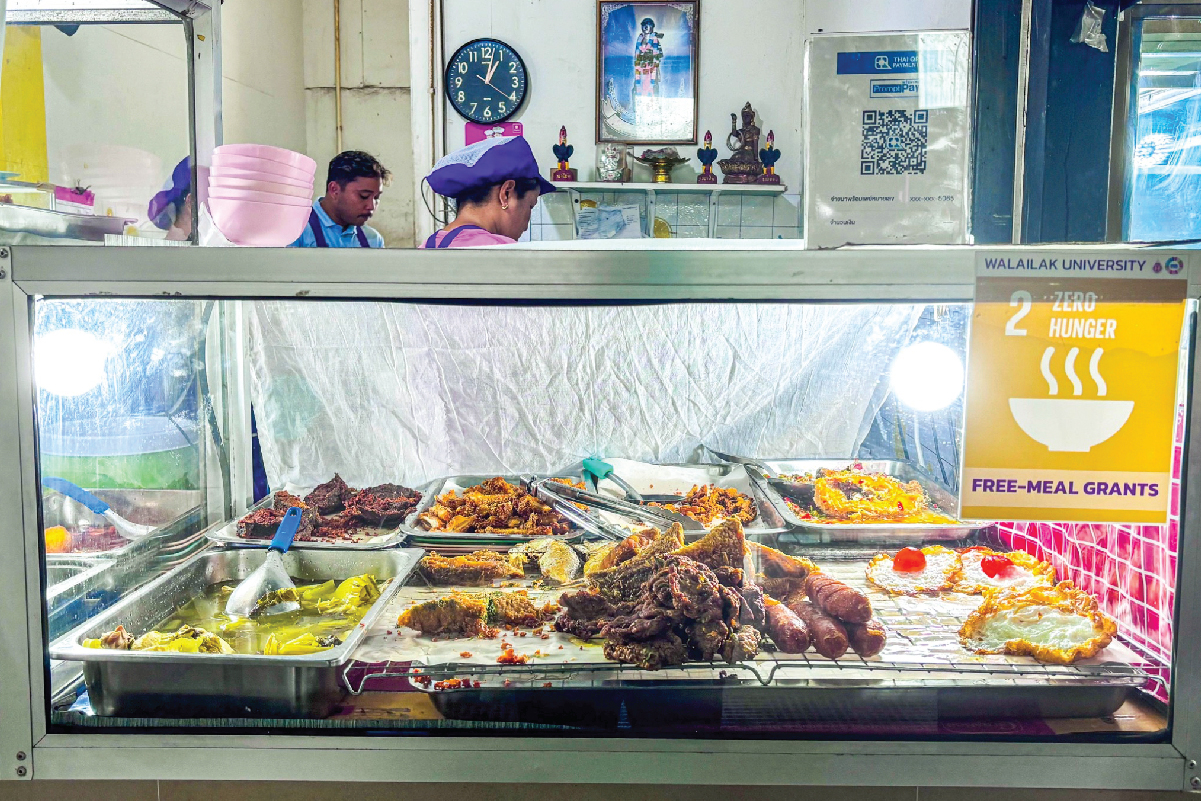
Recognizing the importance of this issue, Walailak University has programs in place on student food insecurity by launching the “Free Meal Grants” Program in 2004 to provide food assistance to underprivileged students. The initiative is managed by the Center of Property Management (CPM) in collaboration with campus food vendors, with a screening system facilitated by the Division of Student Support and Development (DSSD) and academic advisors to ensure that support reaches the right target groups. In parallel, the university also allocates scholarship programs, both as grants and loans, covering tuition fees and living expenses, including food costs. These programs are supported by the university itself, government agencies, and the private sector. Together, these initiatives contribute to building long-term food security for students.
Free Meal Grants
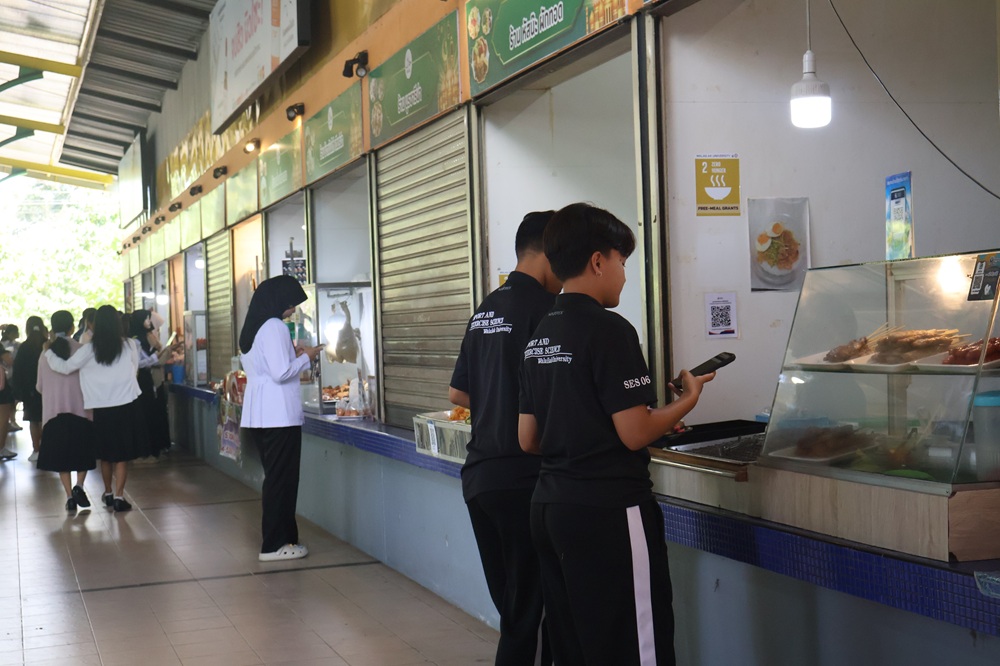
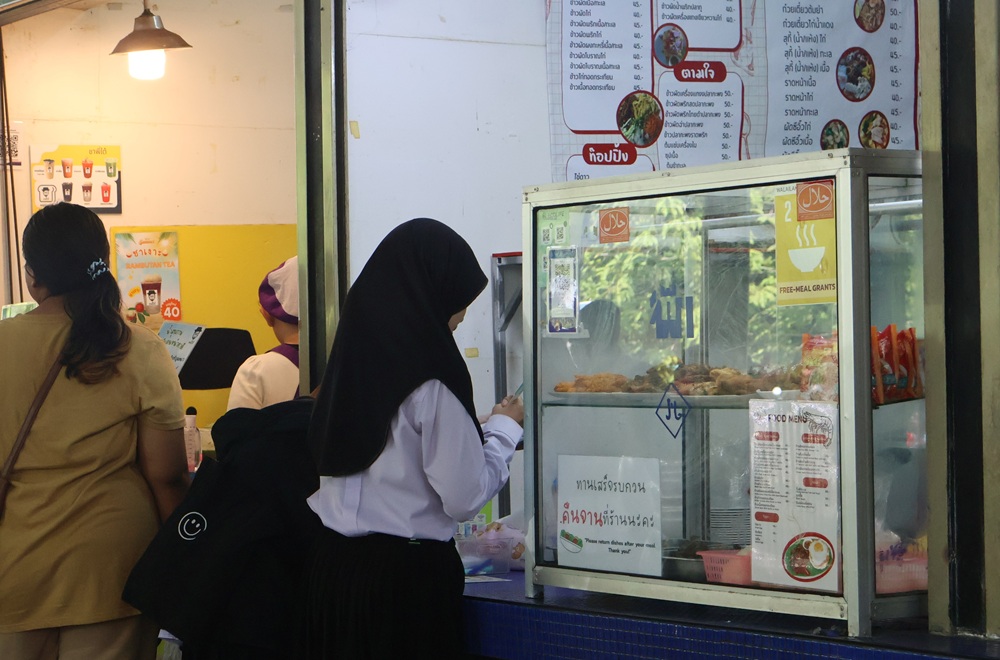
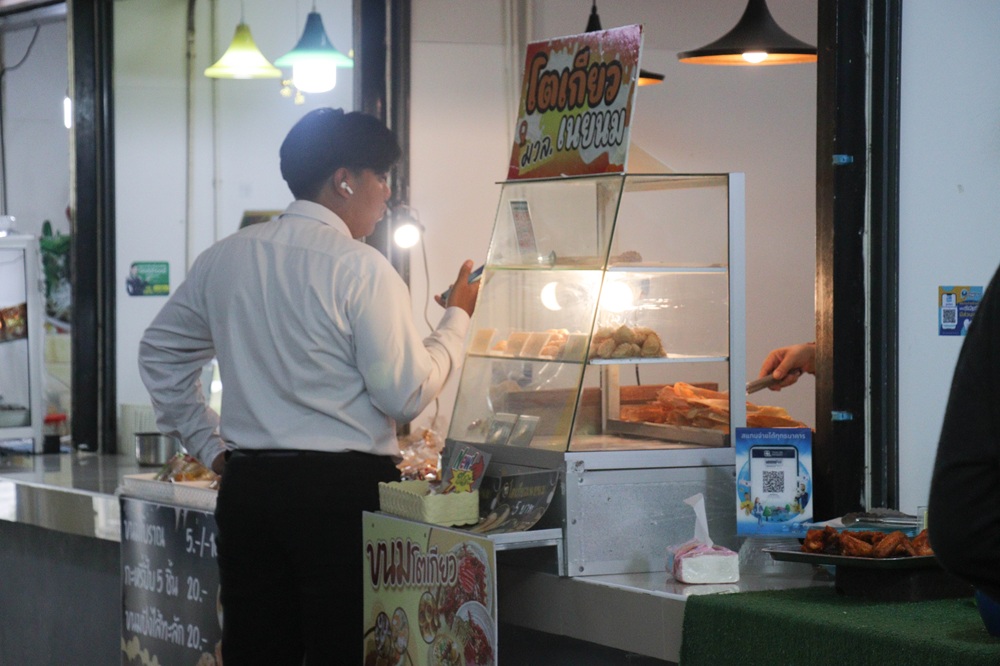
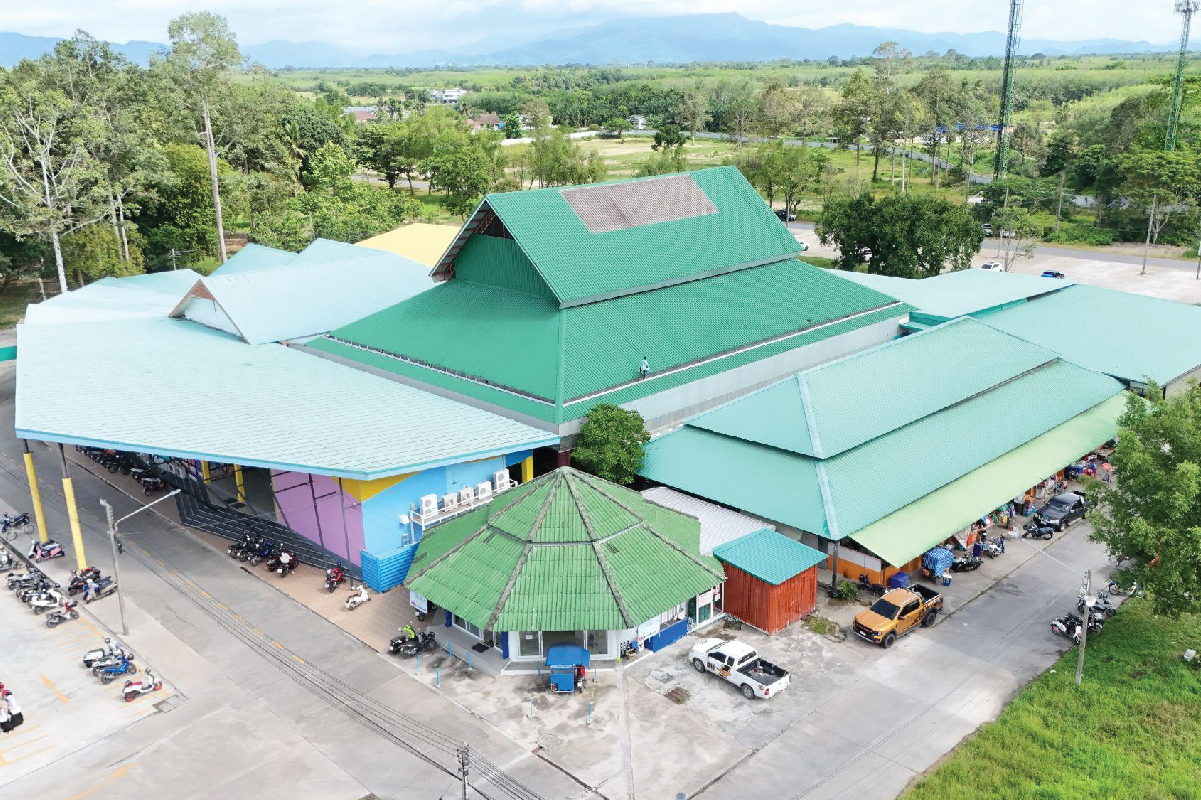
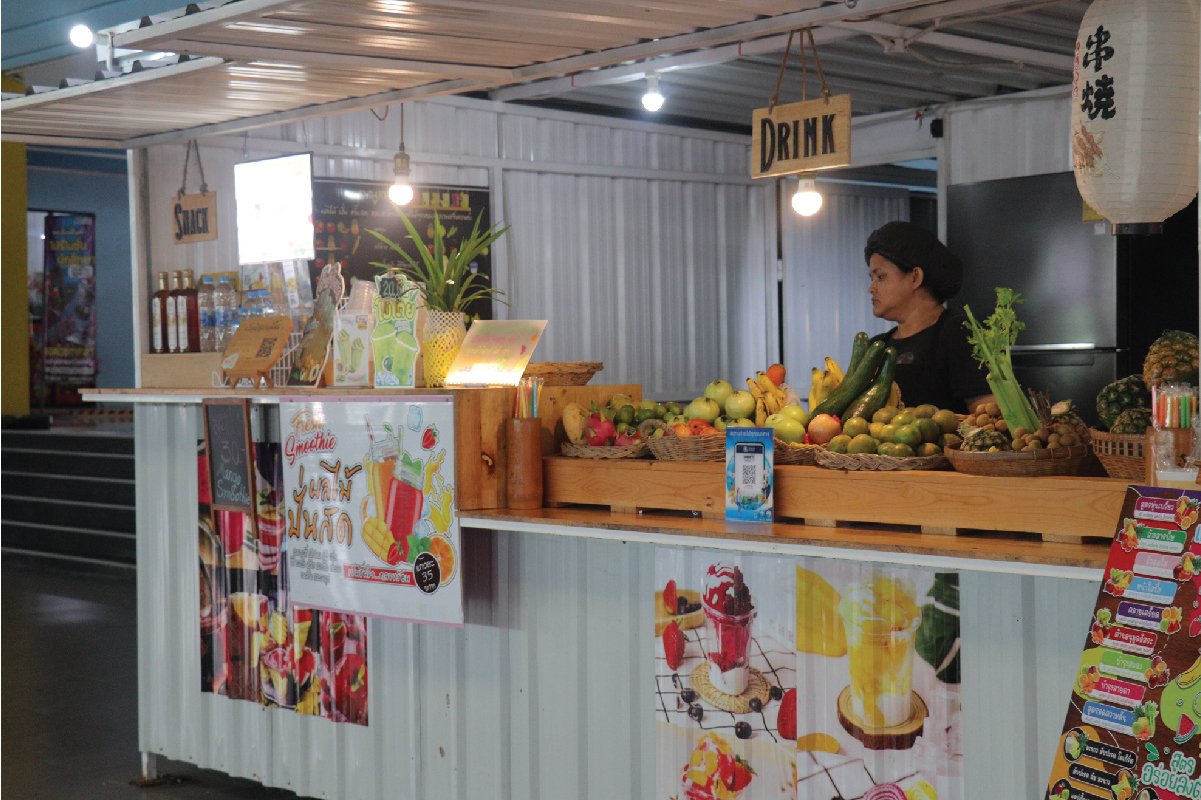
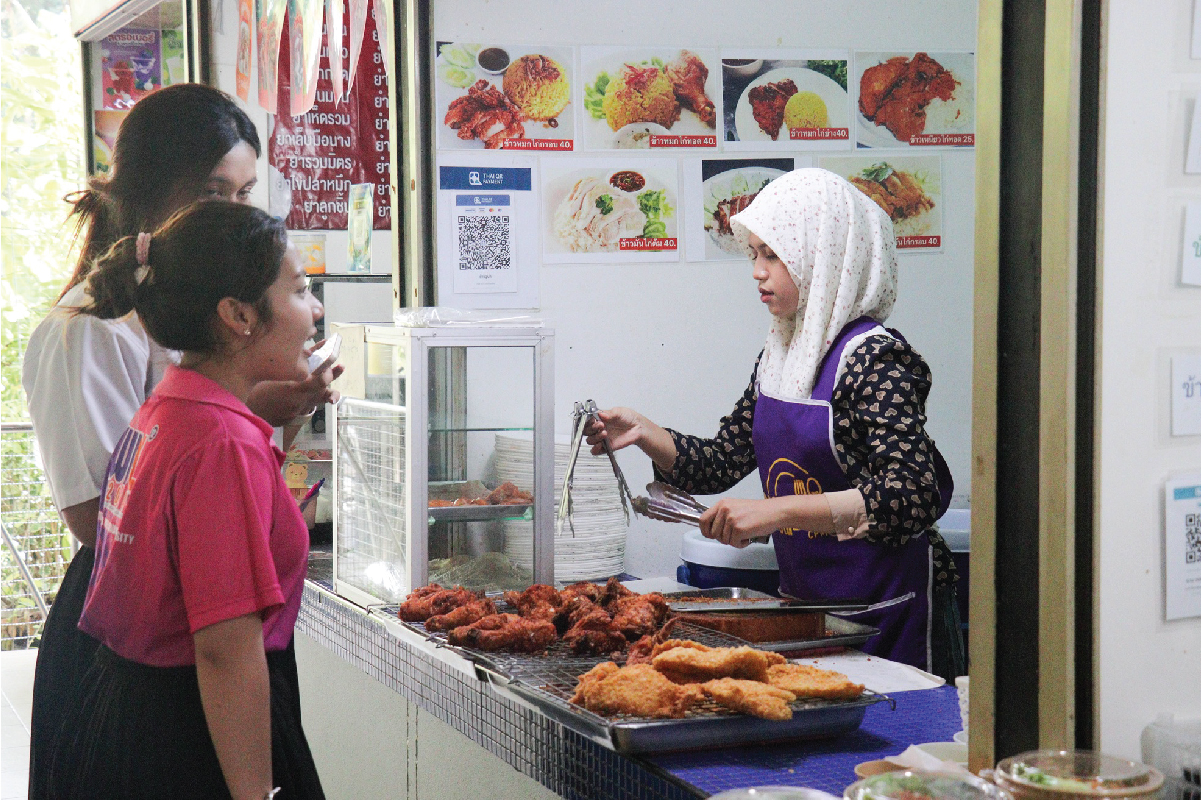
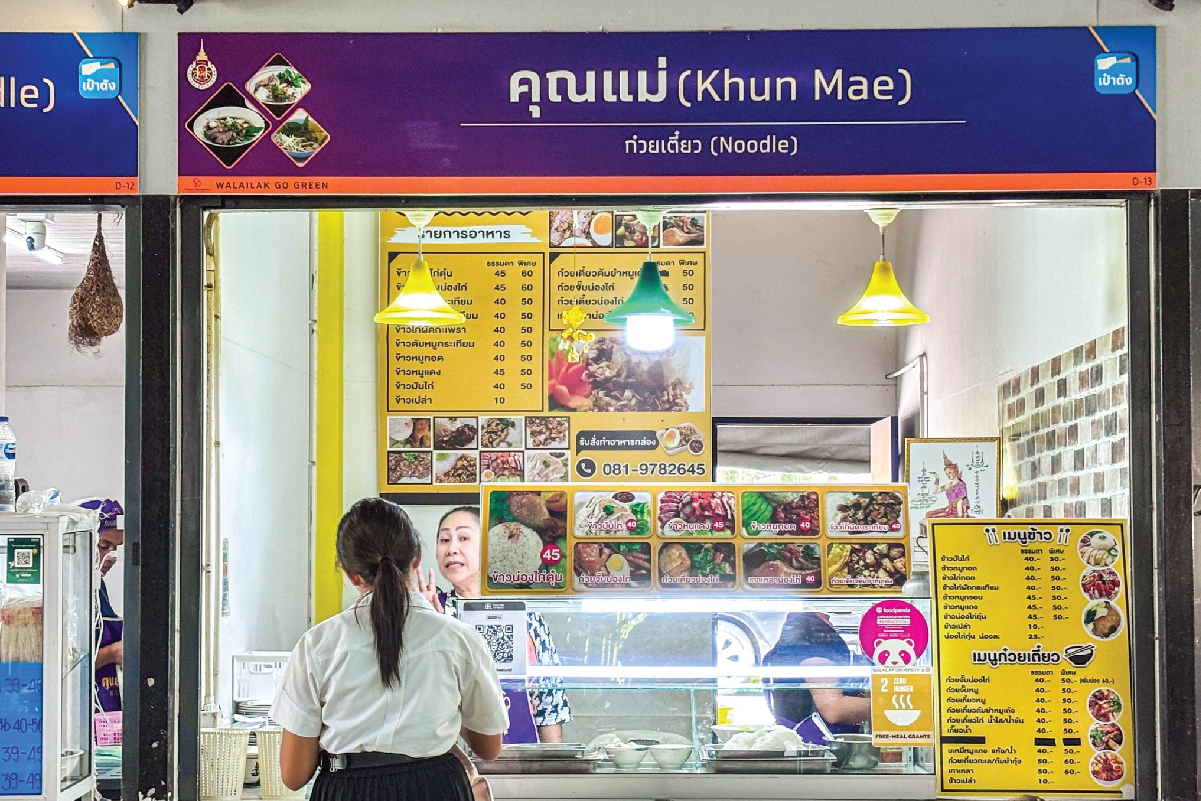
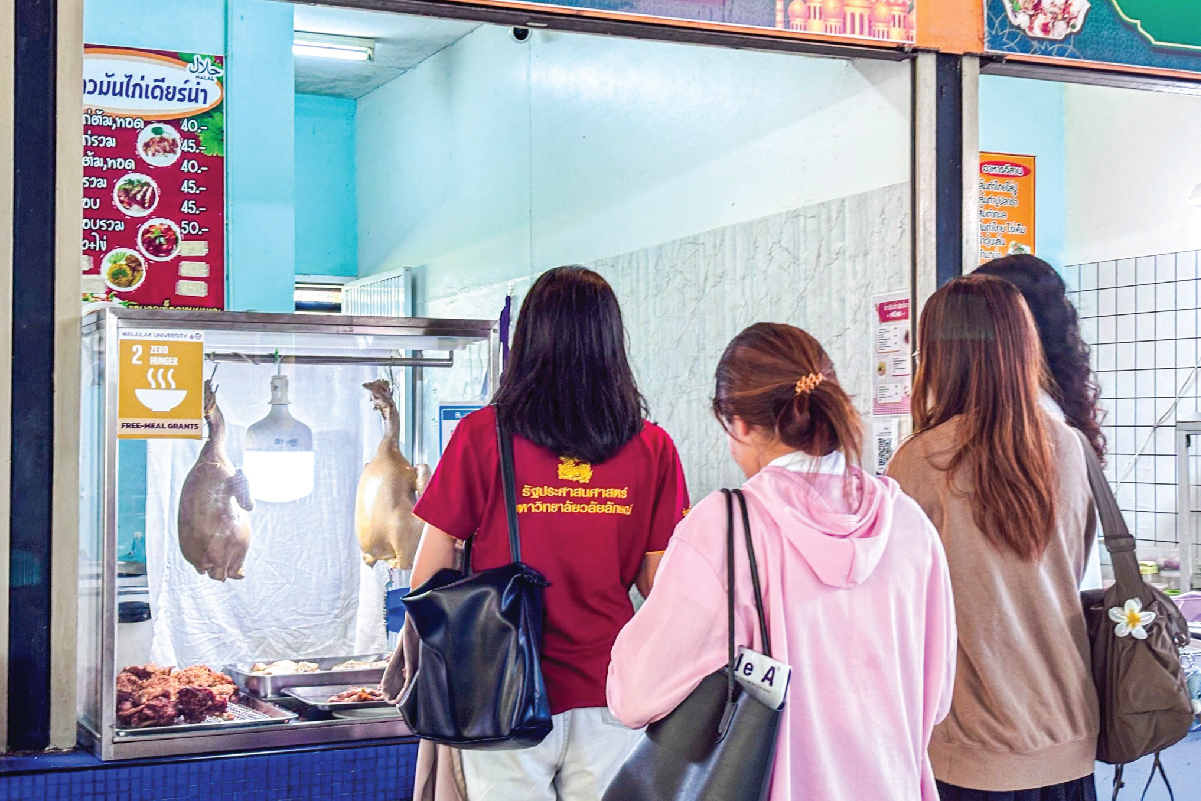
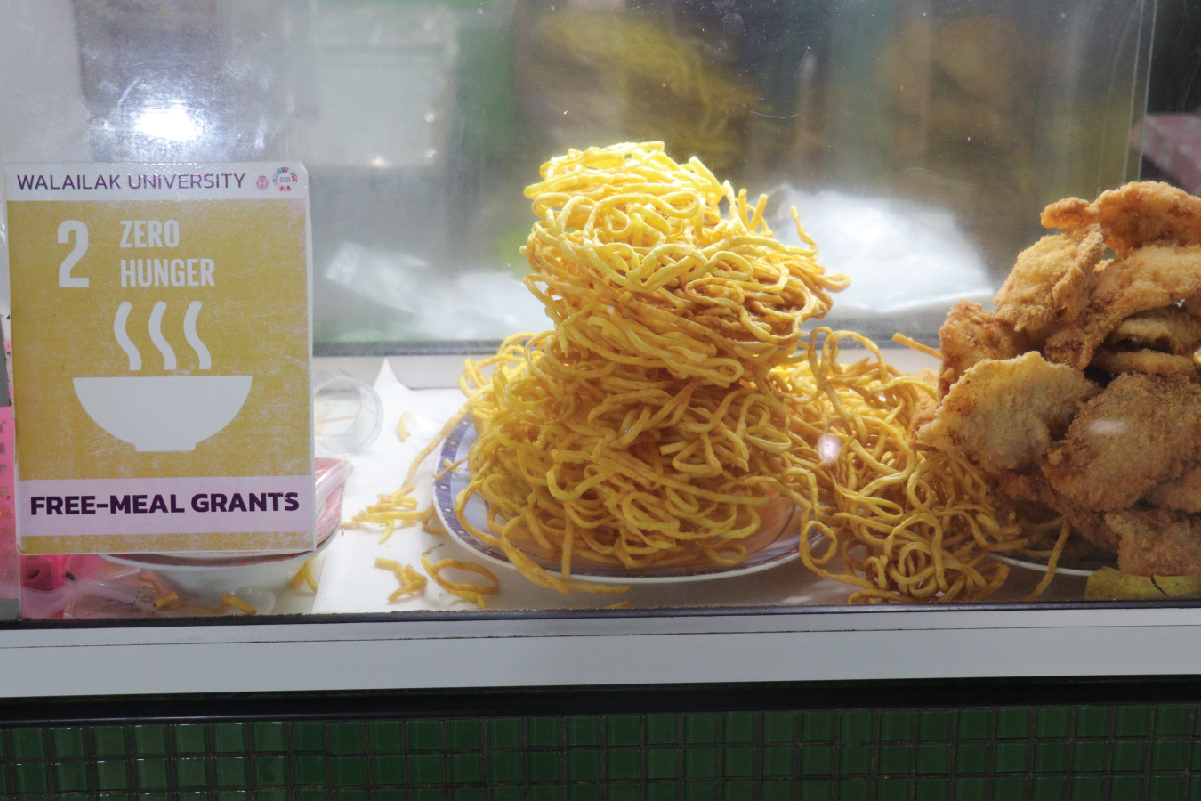
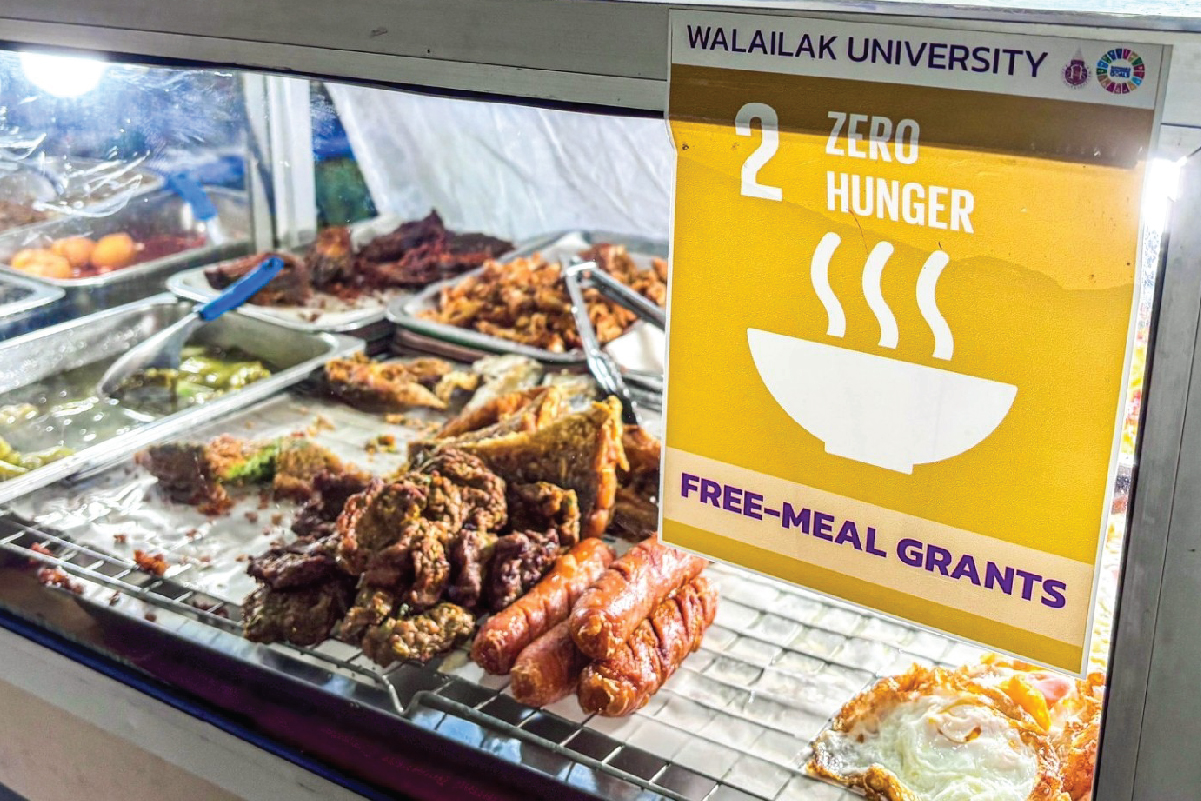
The Free Meal Grants Program was established in 2004 by CPM as the main coordinating unit working in collaboration with food vendors at Chor Pradu Food Center and the Student Activity Building Food Center. Supported by donors and partner networks, the program aims to assist students facing food insecurity so they can continue their studies until graduation.
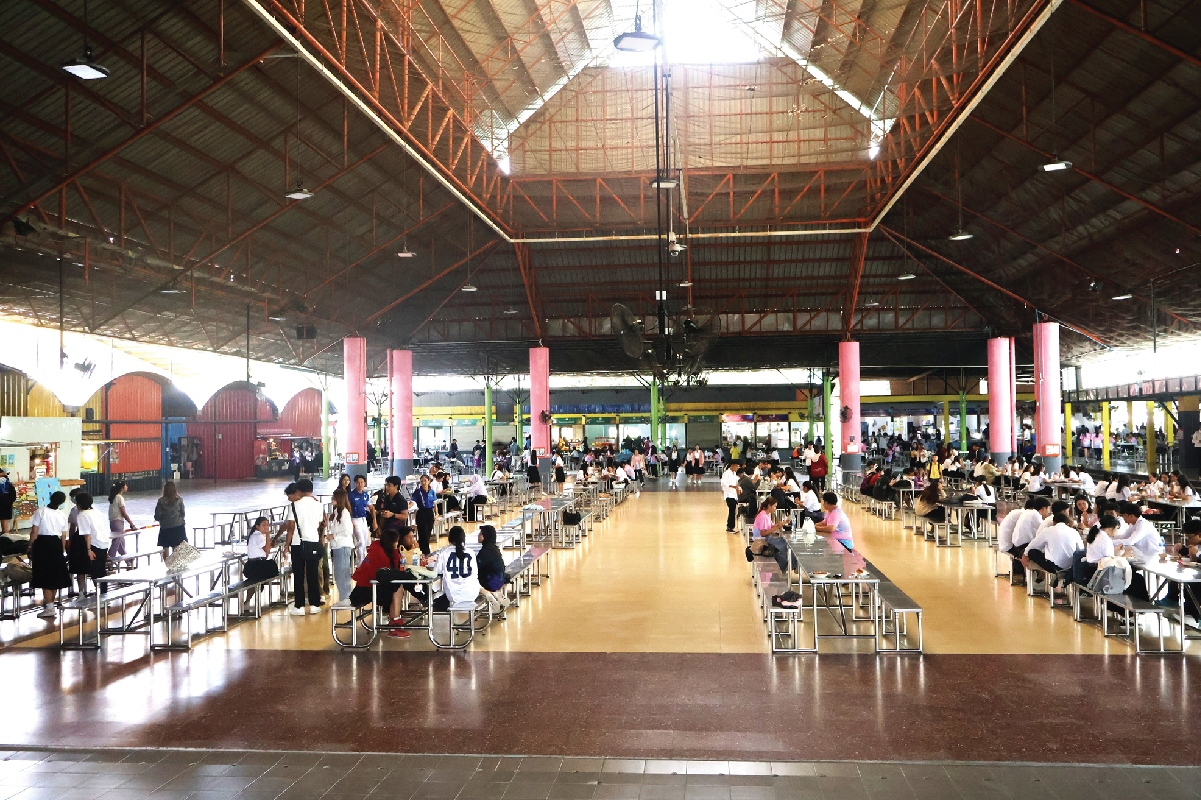
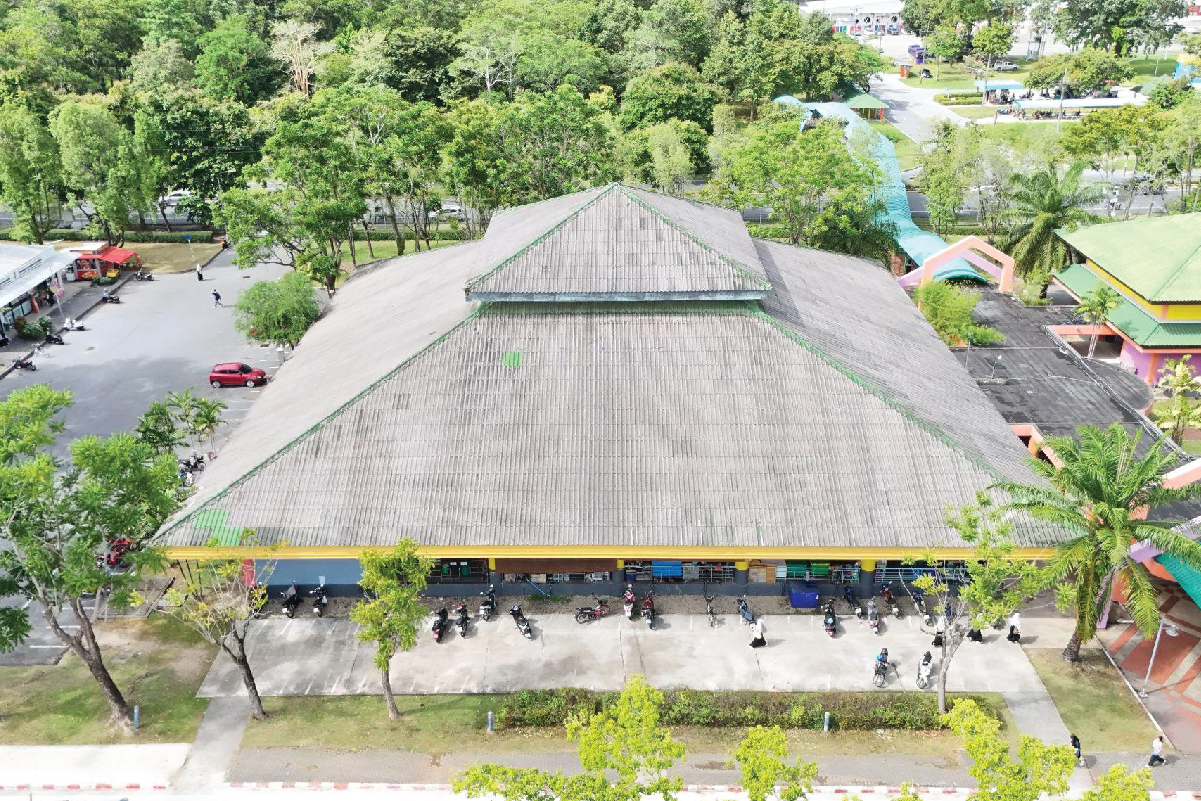
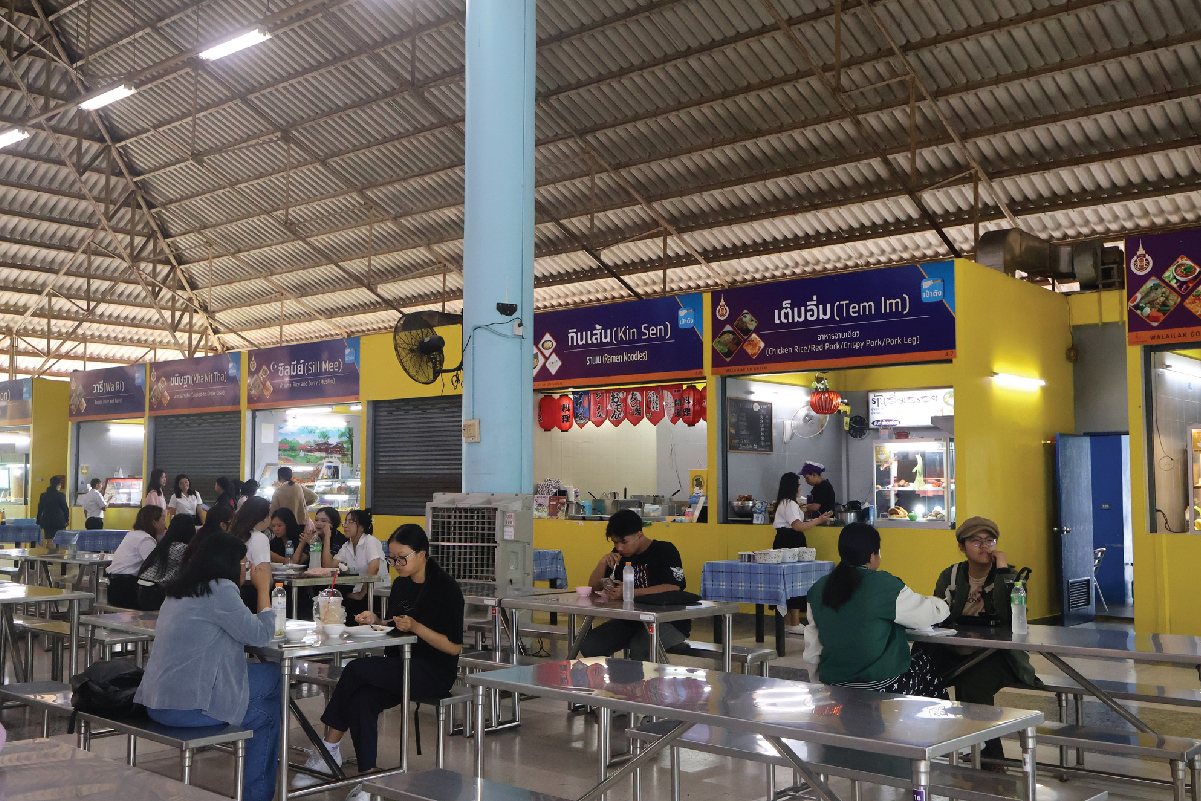
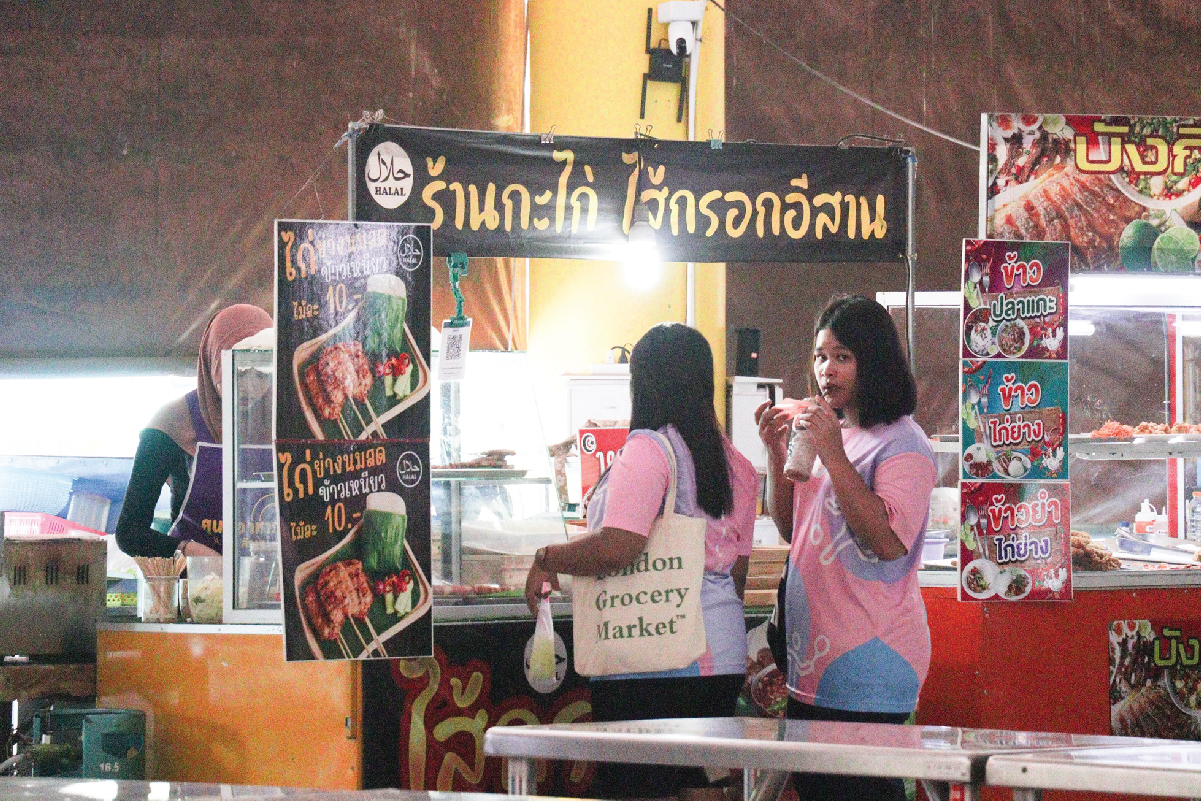
Figures : Chor Pradu Food Center (WU Food Center 1) .
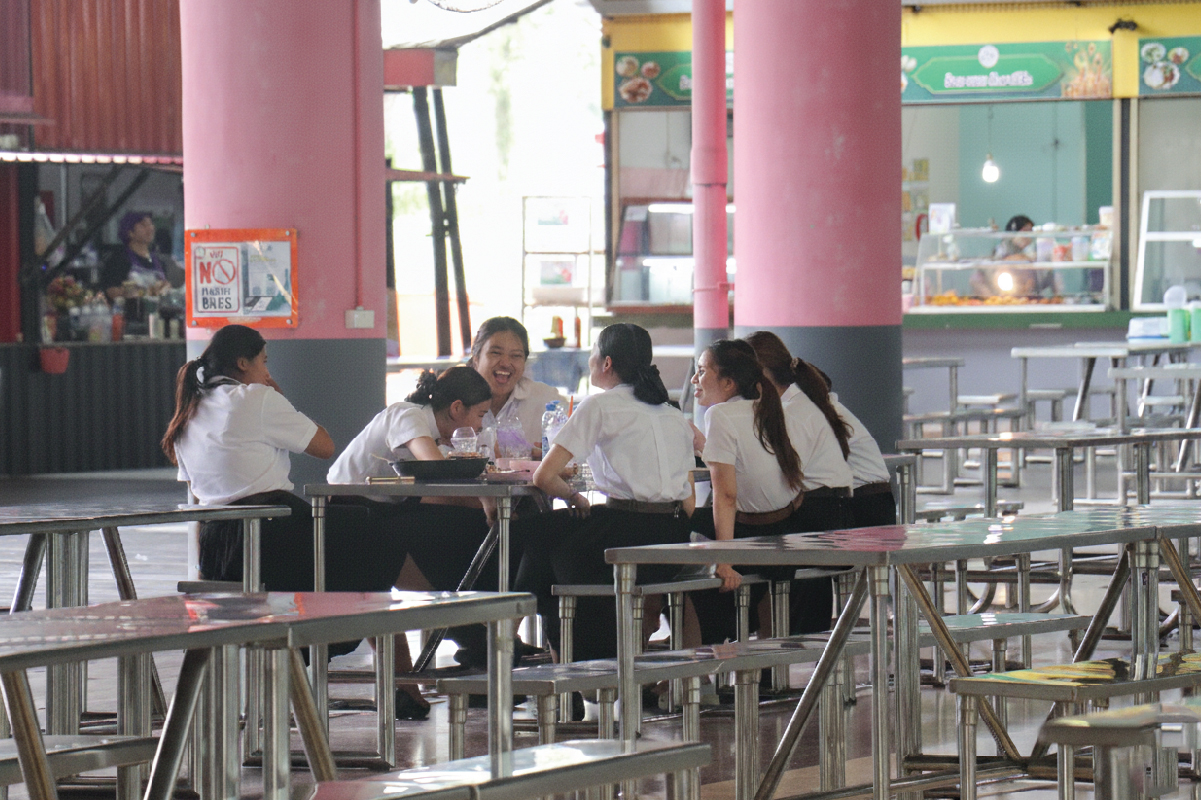
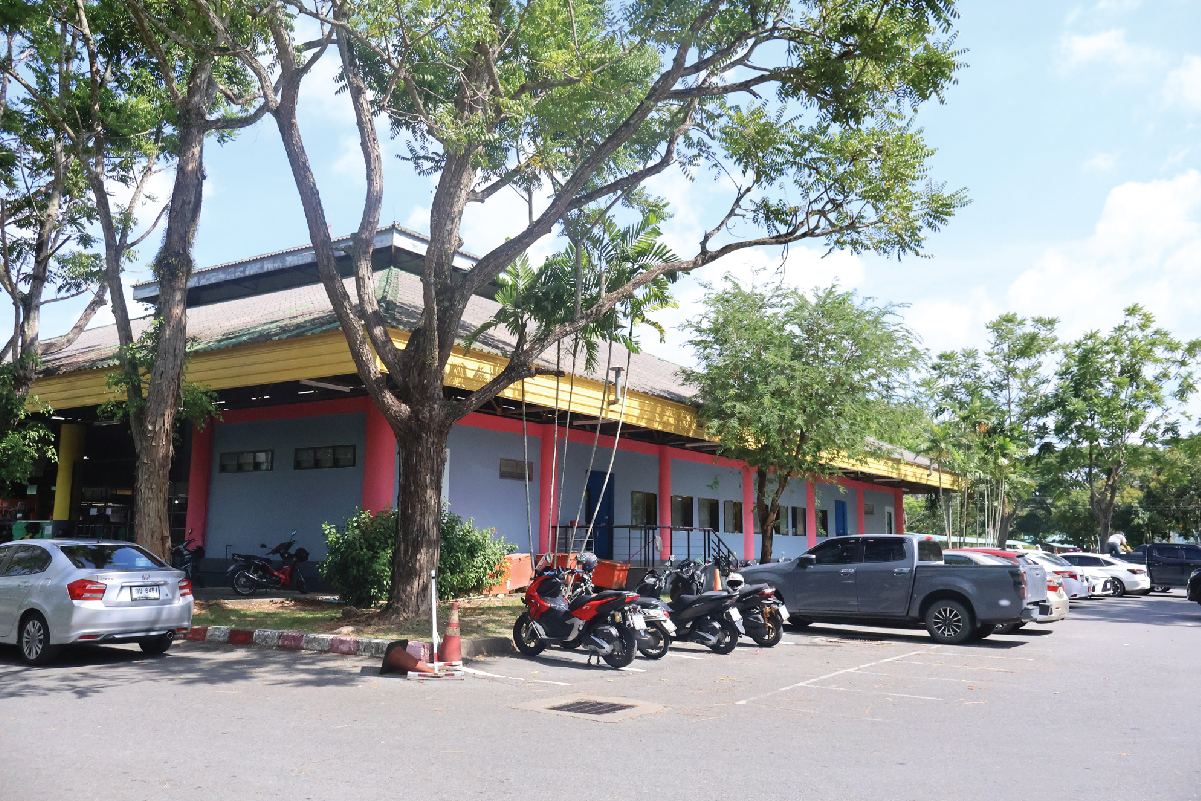
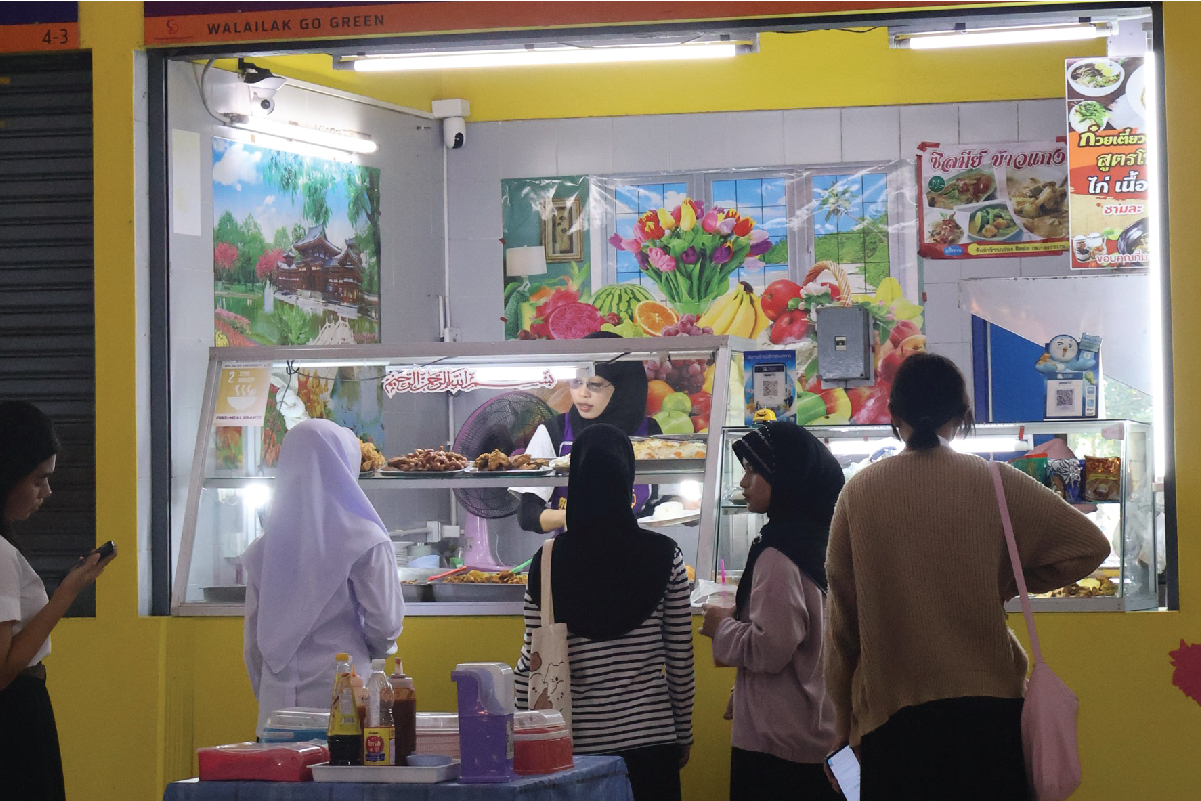
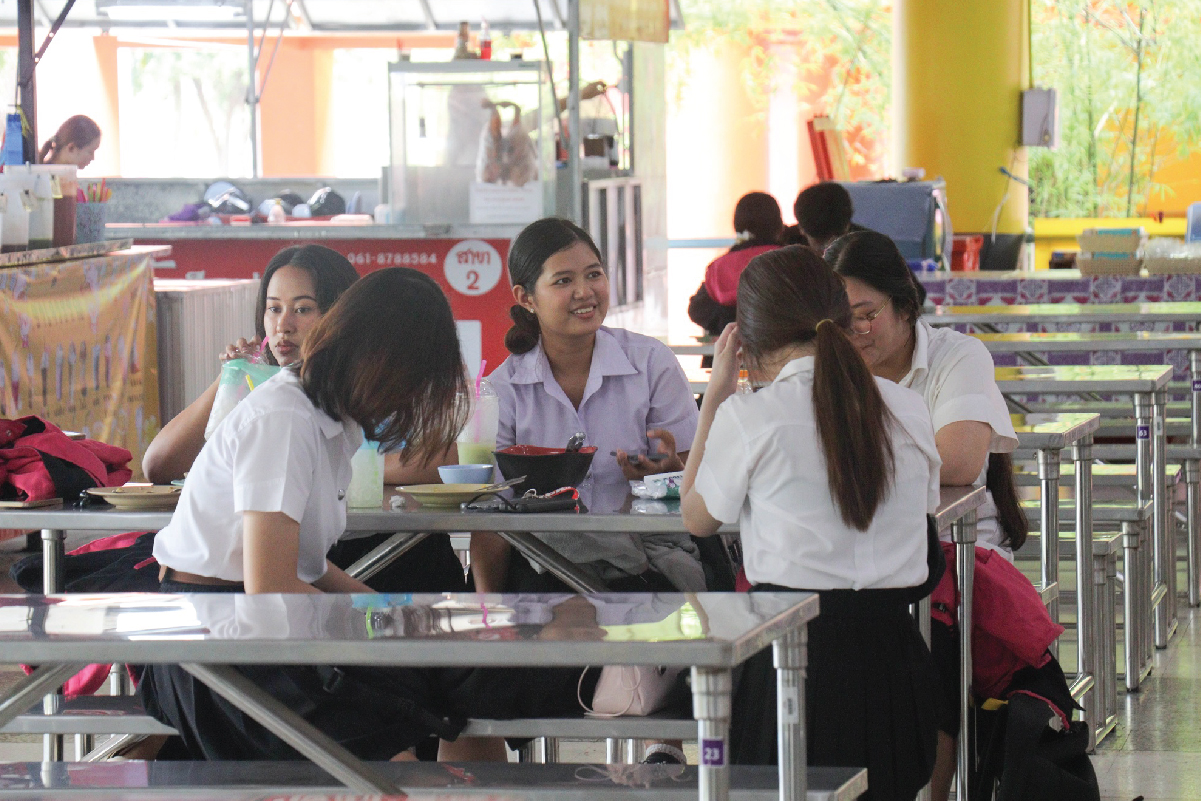
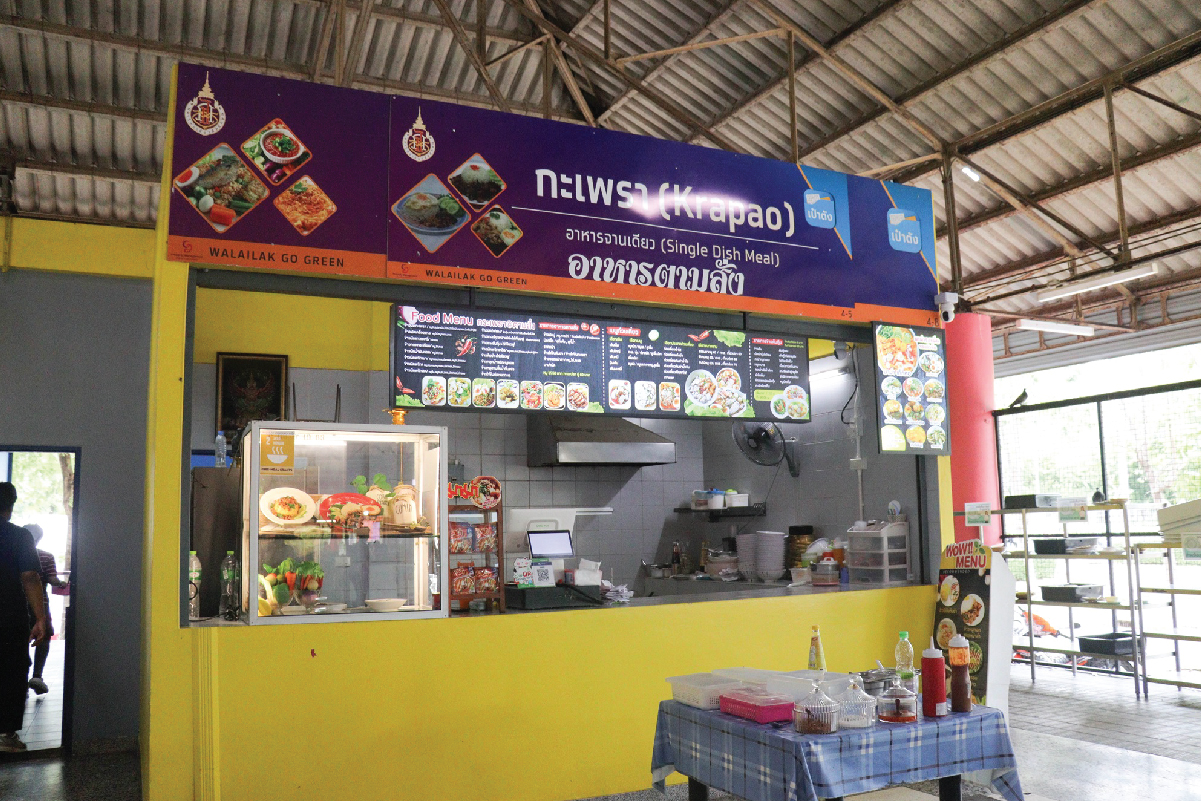
Figures : Student Activity Building Food Center (WU Food Center 2) .
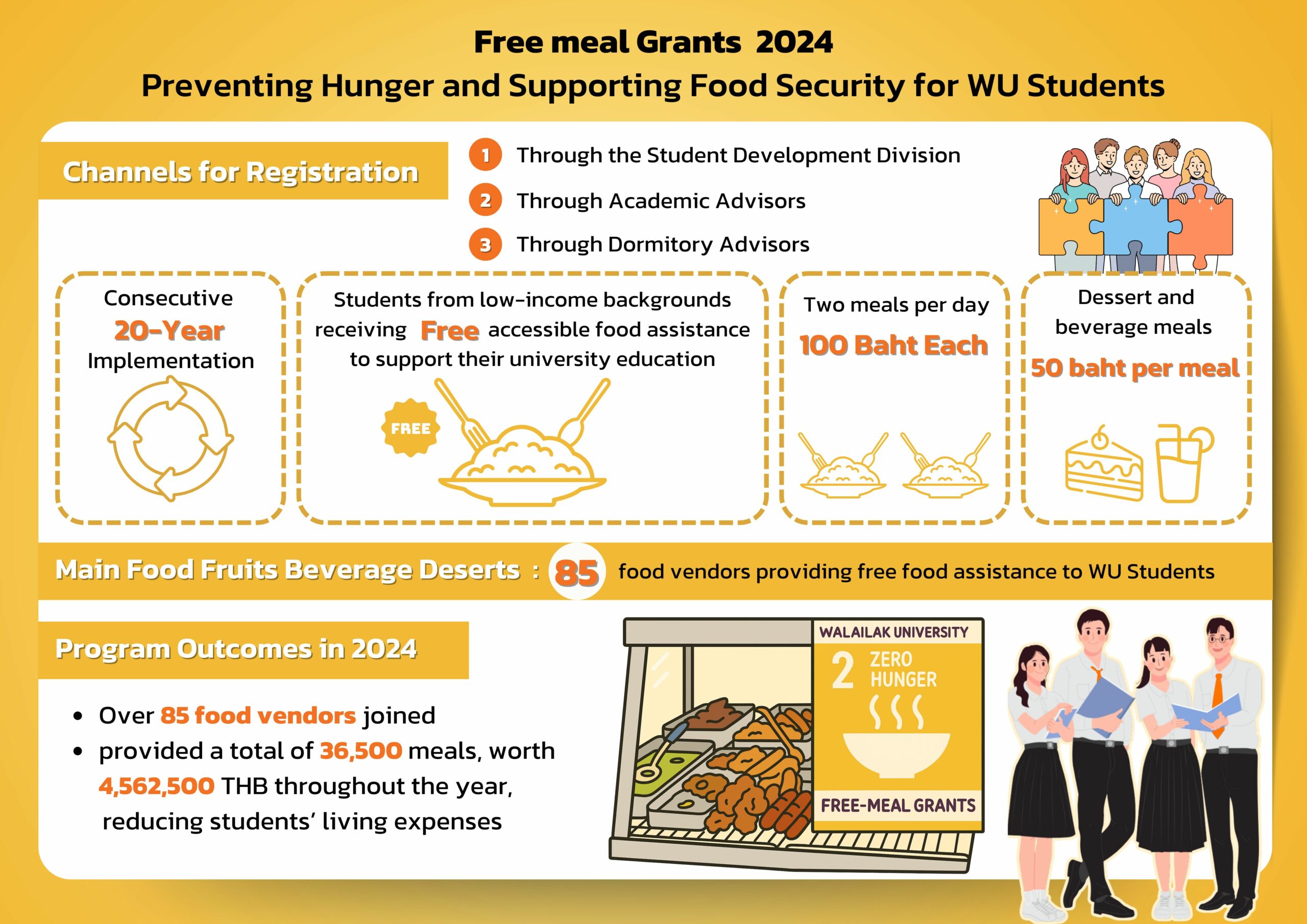
Channels for Registration
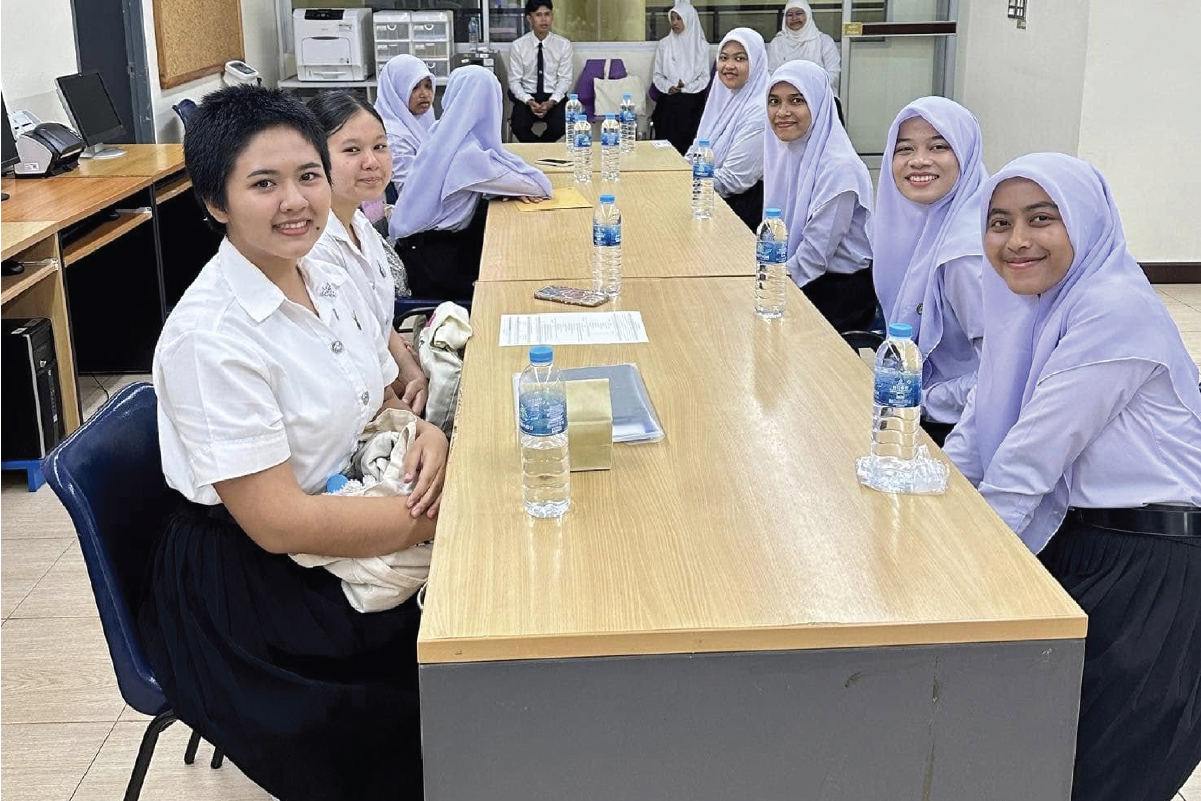
Students experiencing financial hardship, particularly in accessing food, can request assistance through various channels provided by the university to ensure convenient, prompt, and inclusive access:
1. Through the Division of Student Support and Development (DSSD)
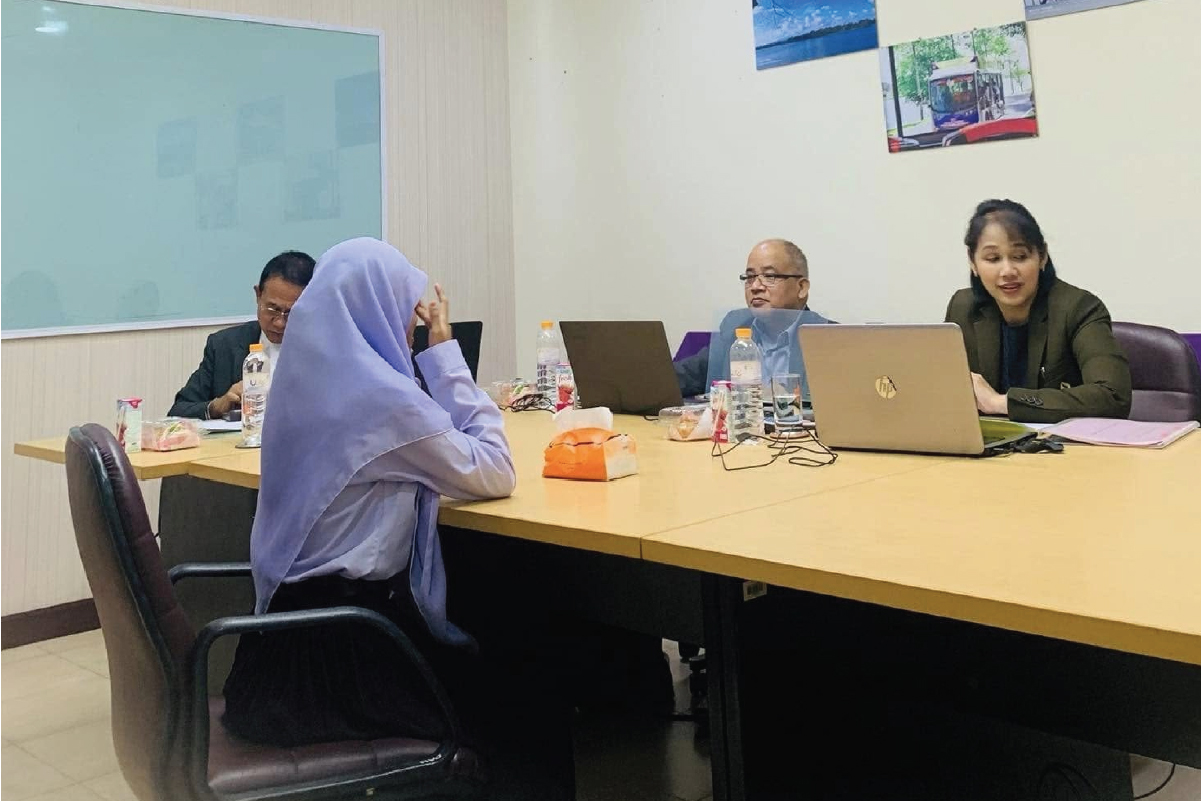
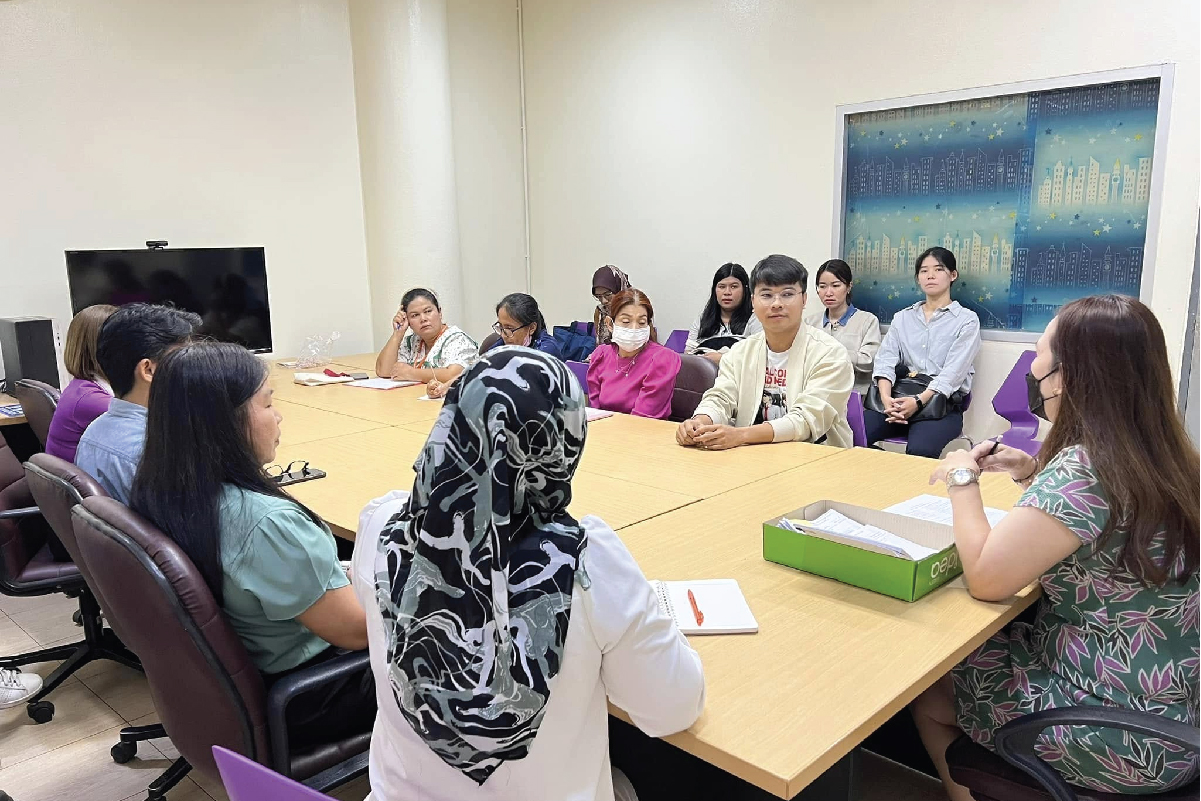
Students may directly contact the staff of the DSSD, which is primarily responsible for student welfare and well-being. The staff provide counseling, assess the student’s hardship, and compile the information to propose support from the project to CPM.
2. Through Academic Advisors
Academic advisors, who work closely with students in each program, play a key role in observing or receiving initial information about student difficulties. When a student expresses a need or shows signs of requiring help, the advisor assesses the situation and gathers relevant information before forwarding it to the DSSD for further action under the project.
3. Through Dormitory Advisors
Students residing in university dormitories may contact their dormitory advisors, who are under the supervision of the CPM. These advisors are assigned to oversee student life, safety, and welfare. If a student experiences food insecurity or requests to join the program, the advisor will collect the information and report it to the CPM for appropriate support.
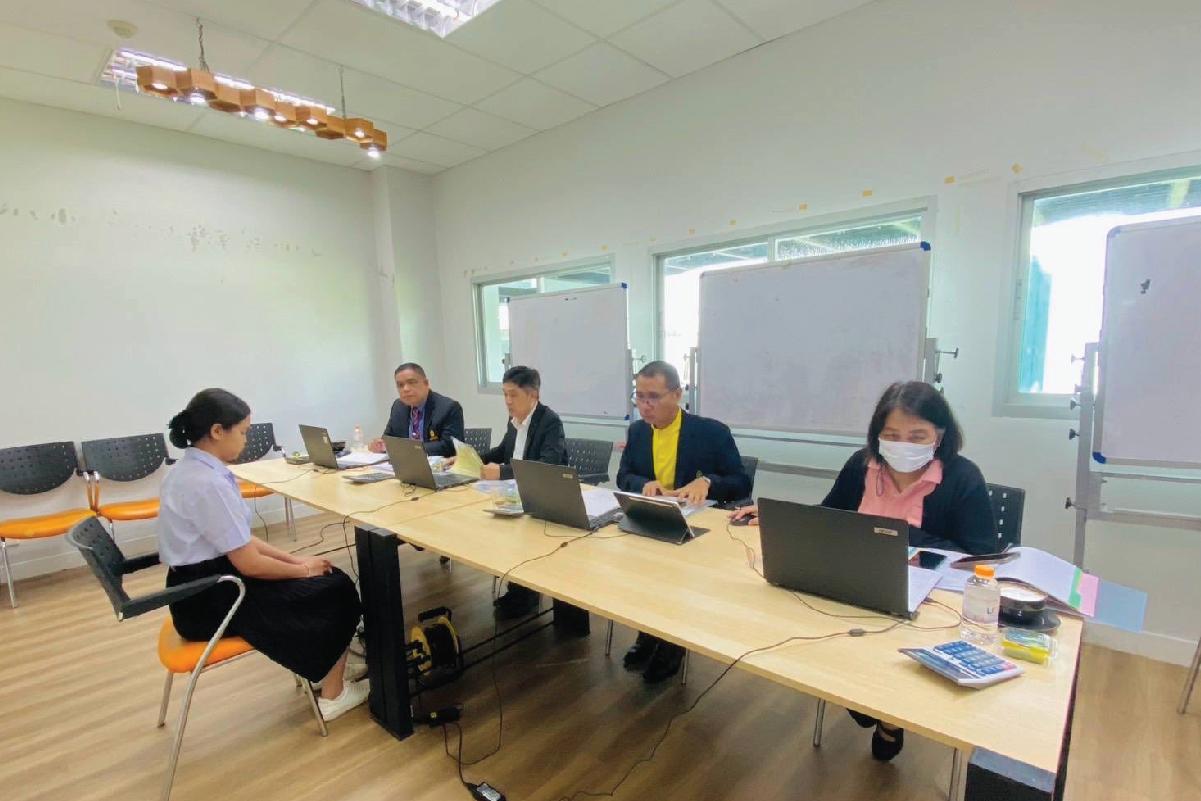
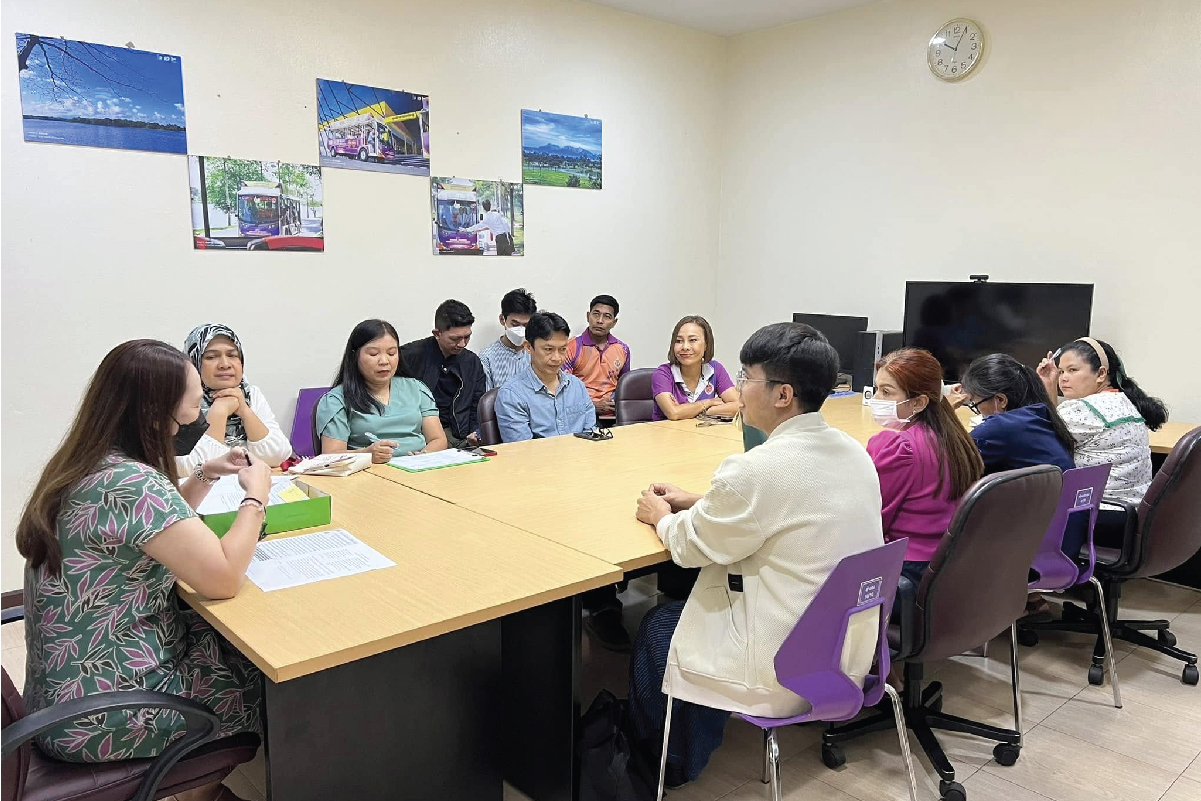
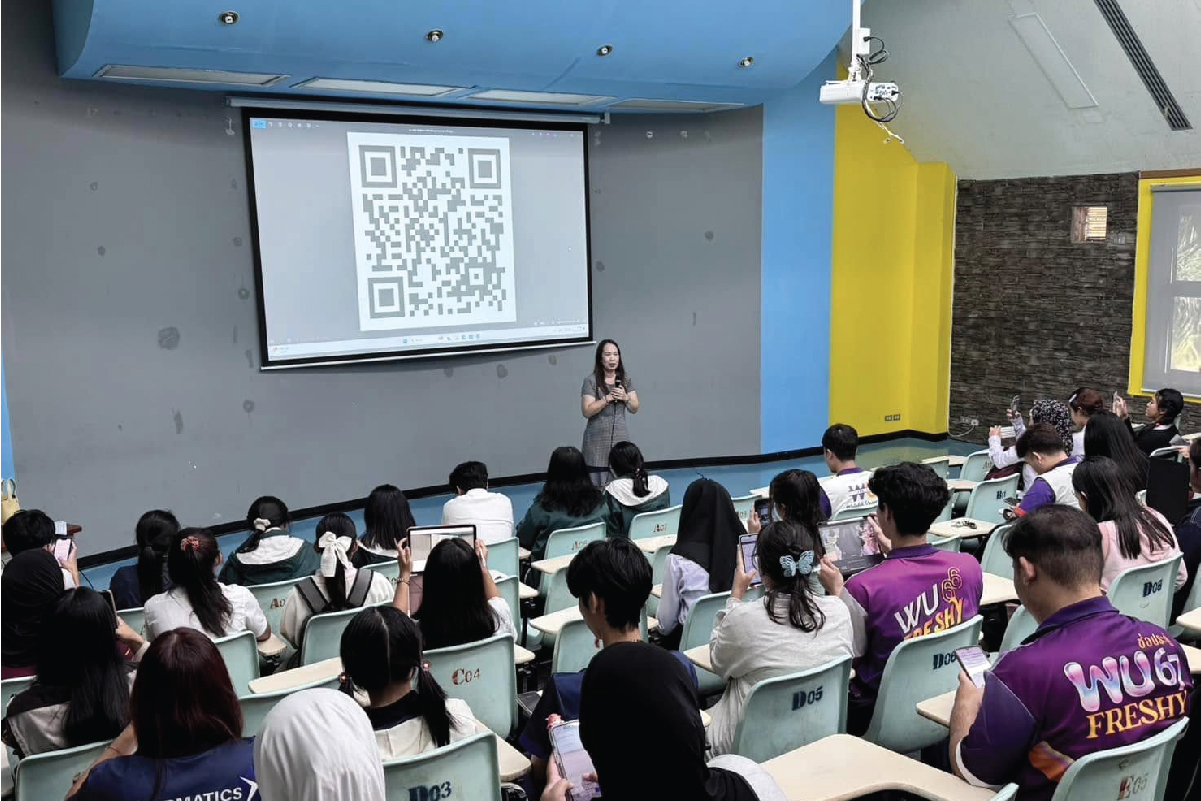
Once the information from each channel is received, the staff or advisors compile a list and report the number of students needing assistance to the CPM, which serves as the main unit managing the program. The CPM then considers and allocates meals to eligible students accordingly.
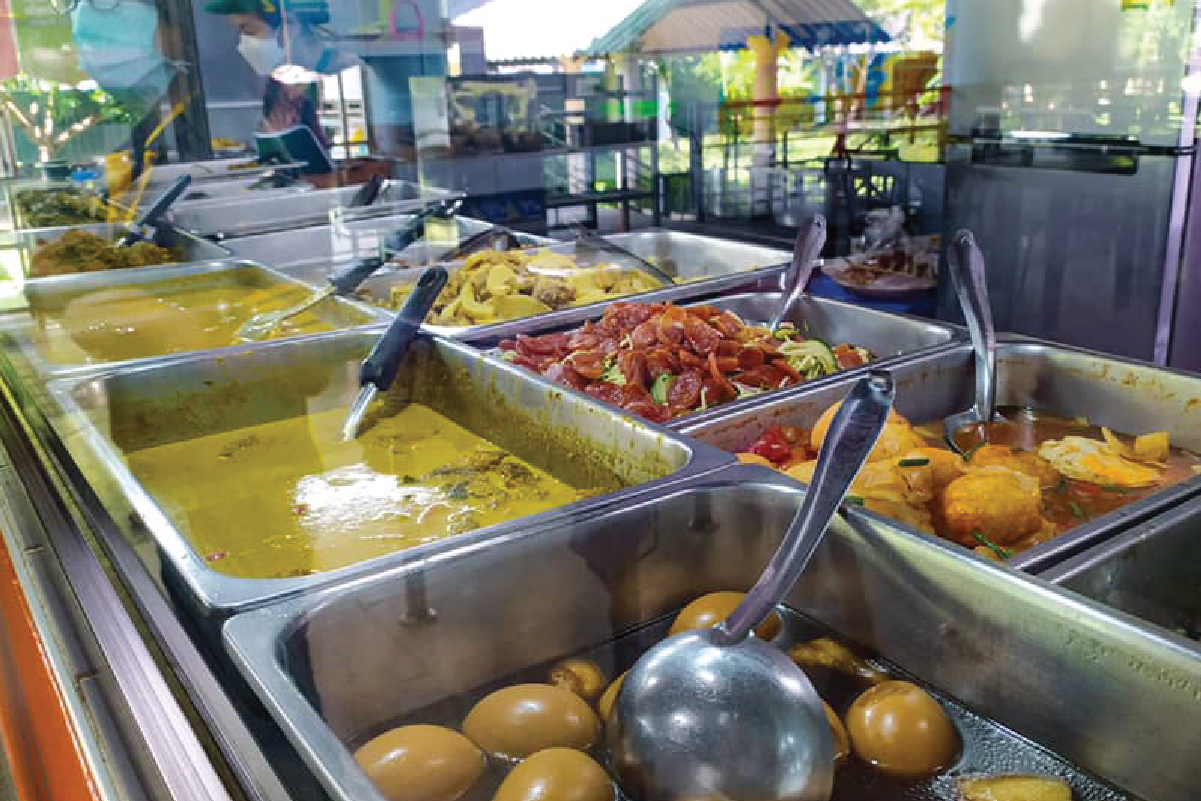
In 2024, the number of students receiving assistance from the program increased compared to the previous year. More than 85 university food vendors participated, providing halal meals and nutritionally balanced food. Each student received two meals per day, along with dessert, valued at approximately 100 THB per day. The program provided a total of 36,500 meals, worth 4,562,500 THB throughout the year, reducing students’ living expenses. As a result, the program significantly improved the quality of life for the participating students.
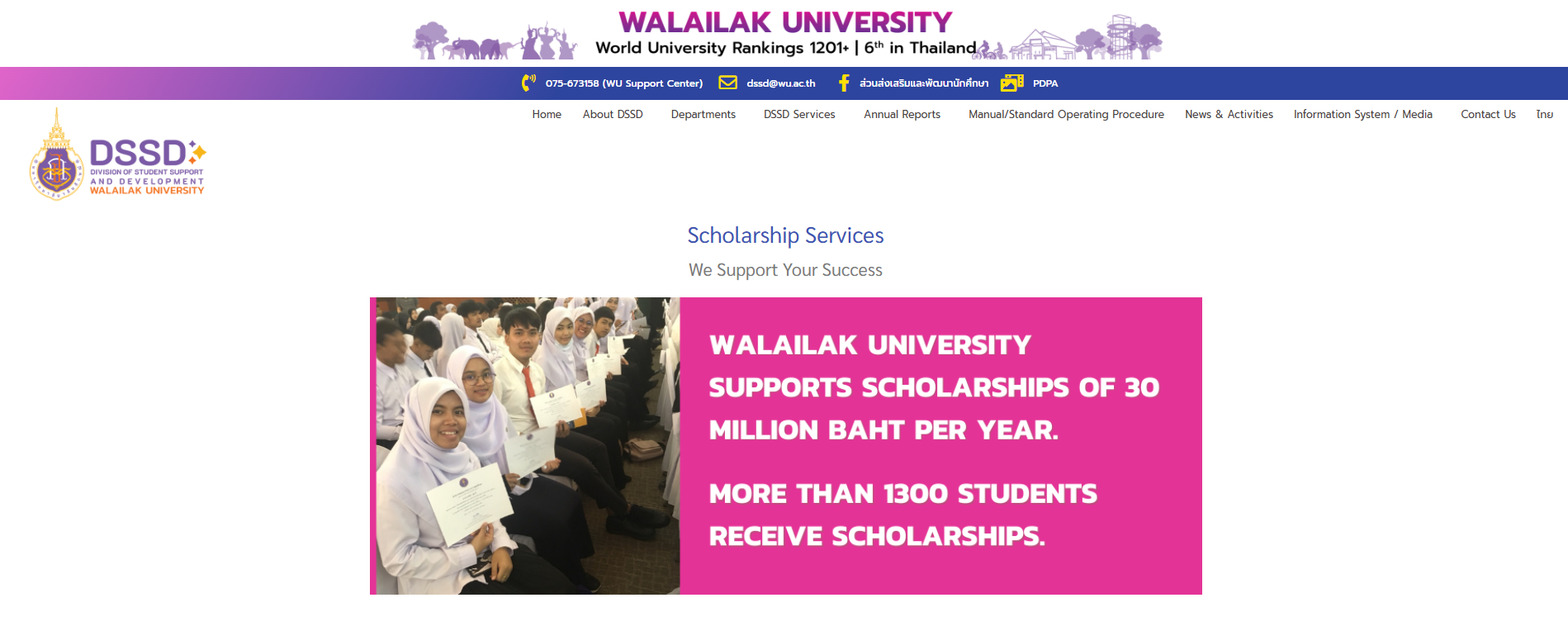
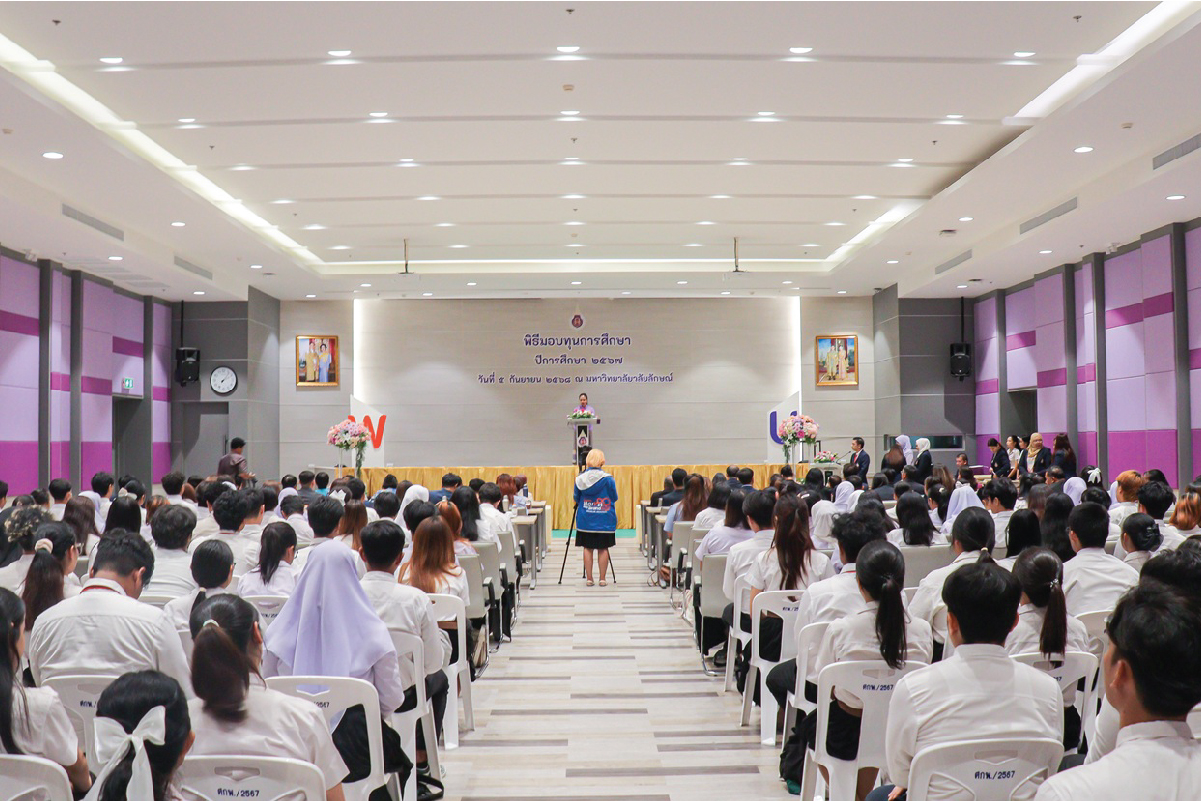
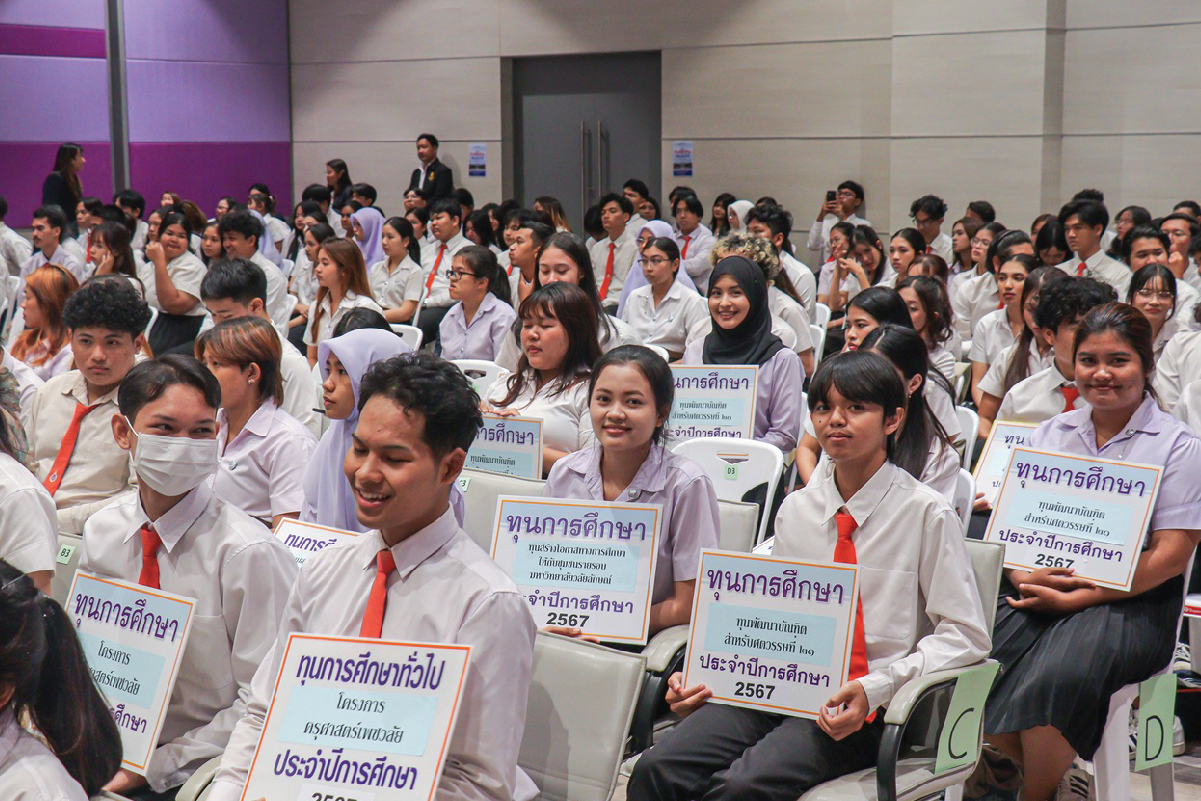
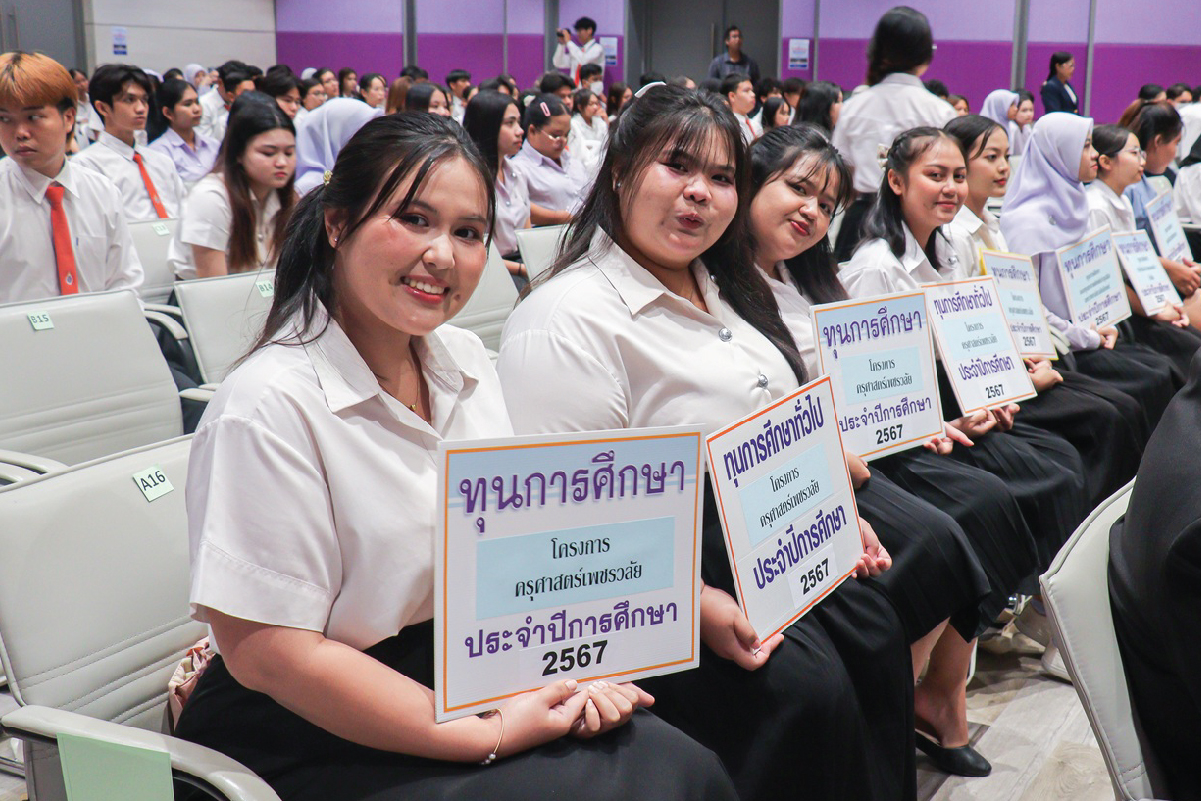
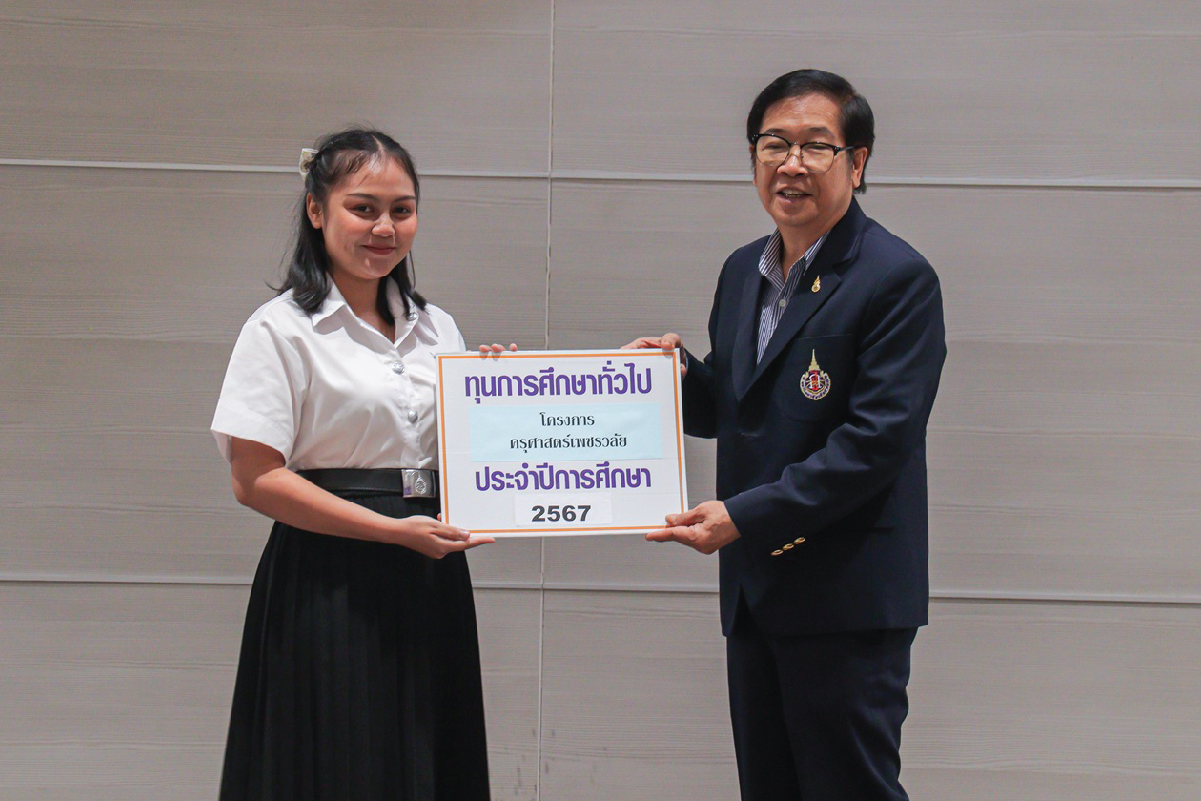
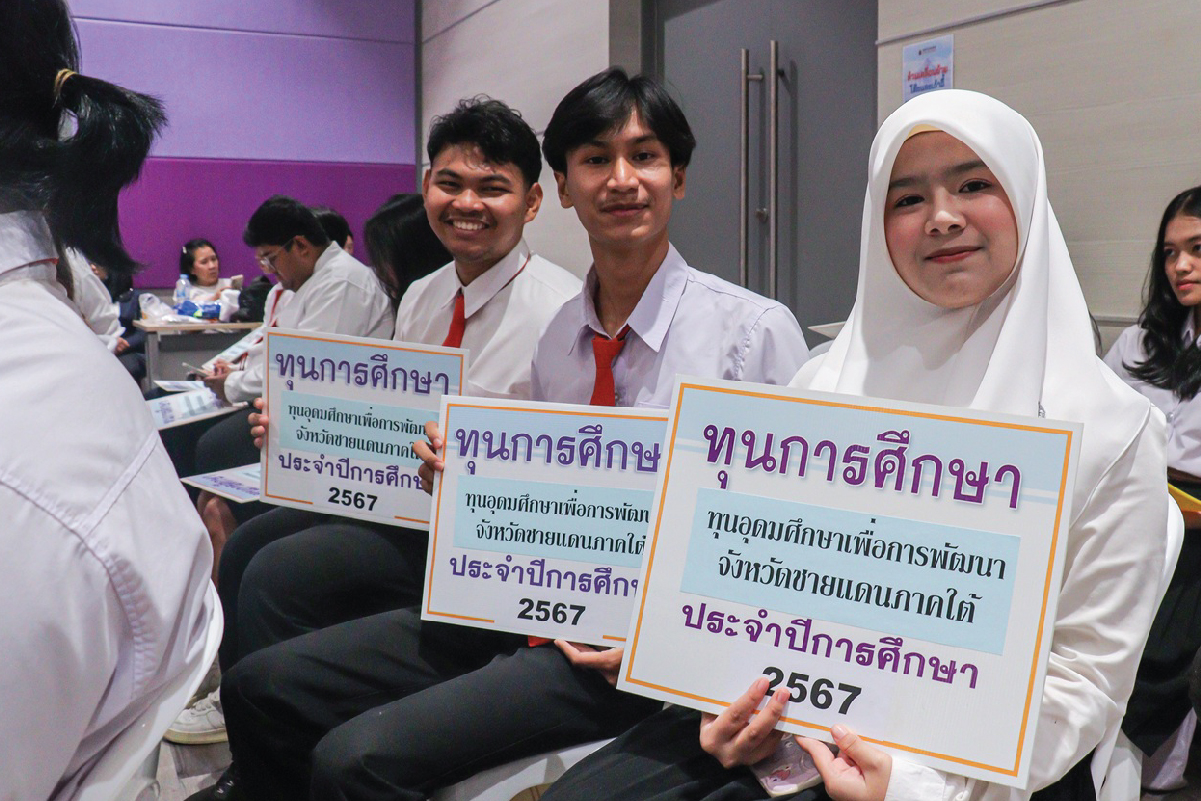
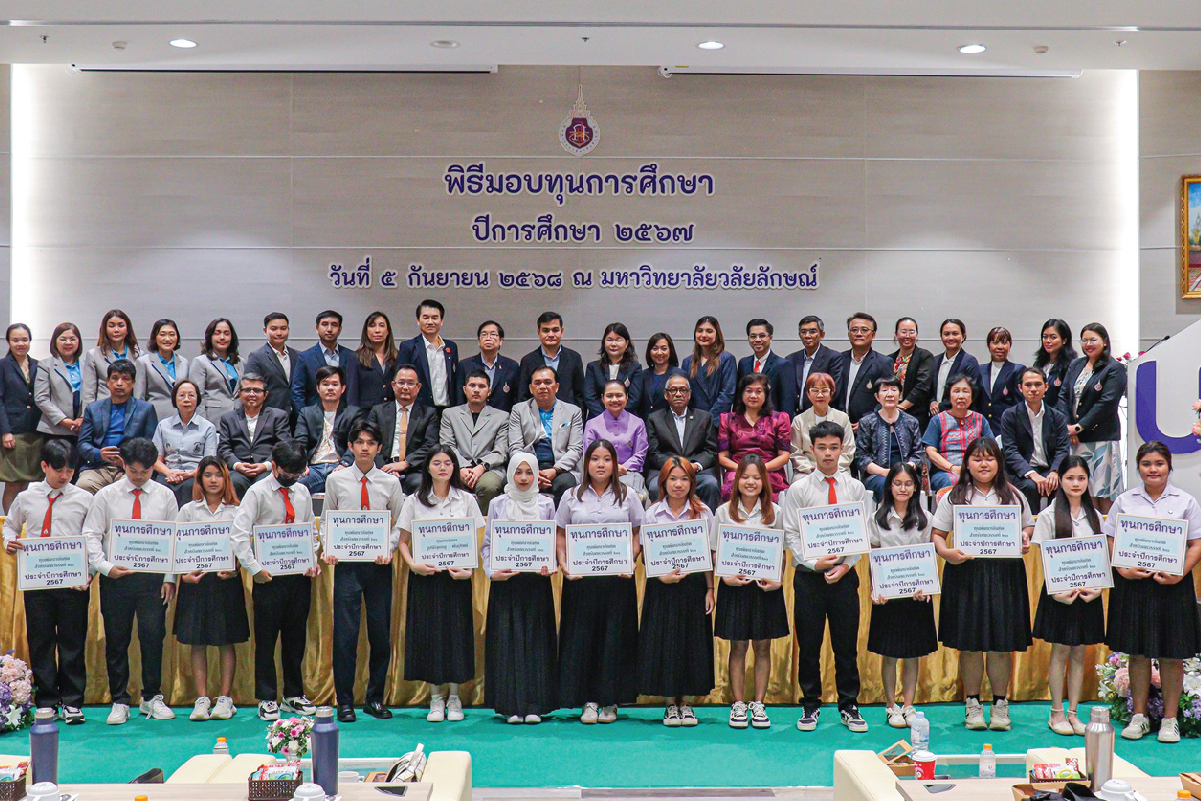
In addition to the “Free Meal Grants” Program, which provides immediate food assistance in urgent situations, Walailak University has established a scholarship support system that plays a vital role in ensuring long-term food security for students. The scholarships are offered in various forms, including grants and loans, covering tuition fees, accommodation, learning materials, as well as living expenses and food—fundamental costs for students’ daily lives.
These scholarships not only allow students to continue their education without worrying about financial burdens but also help ease the pressure on families, especially those from low-income households, who may otherwise have to choose between paying for food and tuition. In this sense, scholarships serve as a “lifeline” that enables students to enjoy quality university life with proper nutrition throughout their studies.
Each year, Walailak University allocates a significant budget to support these scholarships, in collaboration with external partners including government agencies, the private sector, and alumni donors. As a result, a large number of students benefit from both educational opportunities and improved quality of life. This initiative lays a strong foundation for sustainable student development.
Non-repayable Scholarships
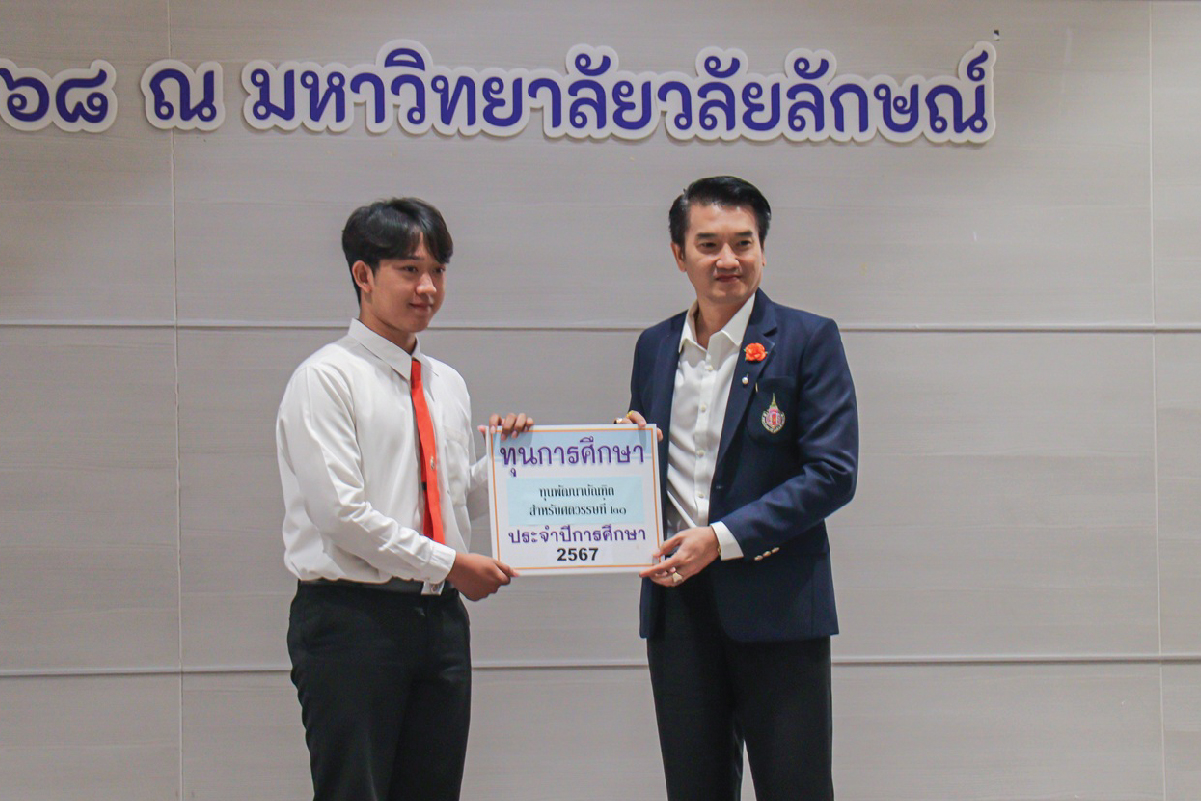
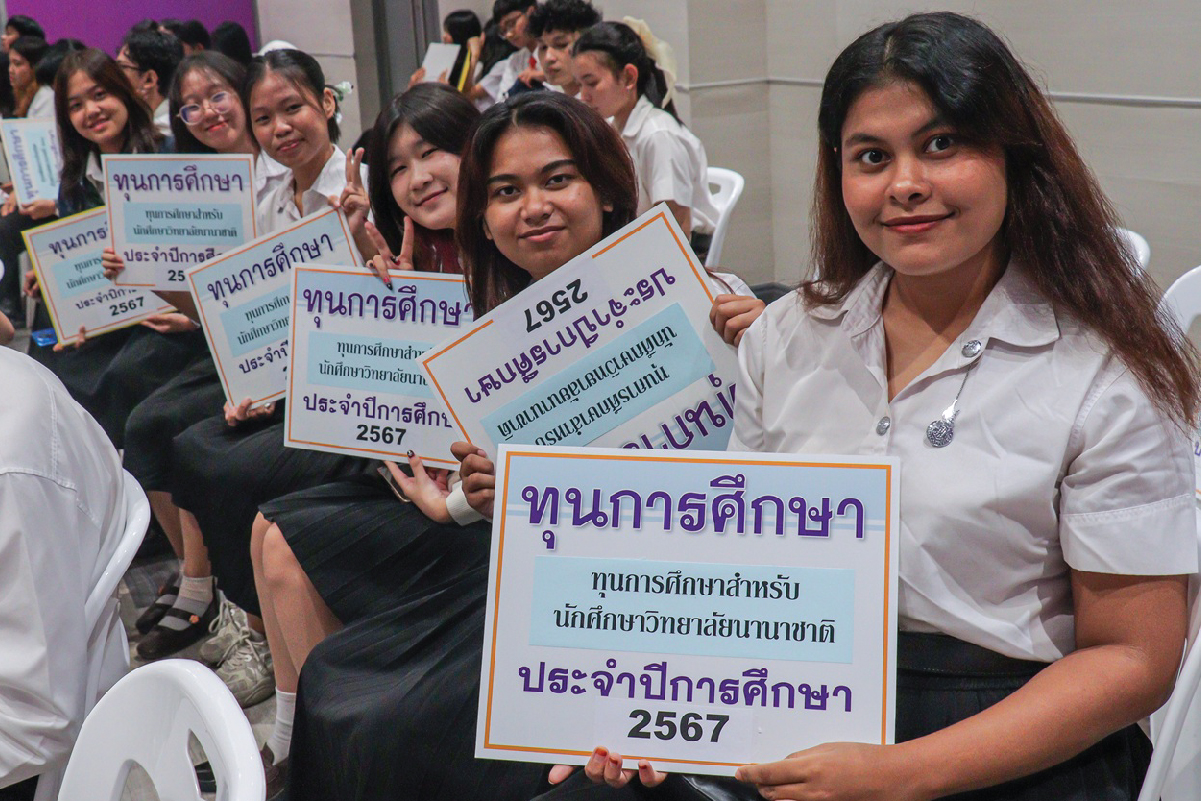
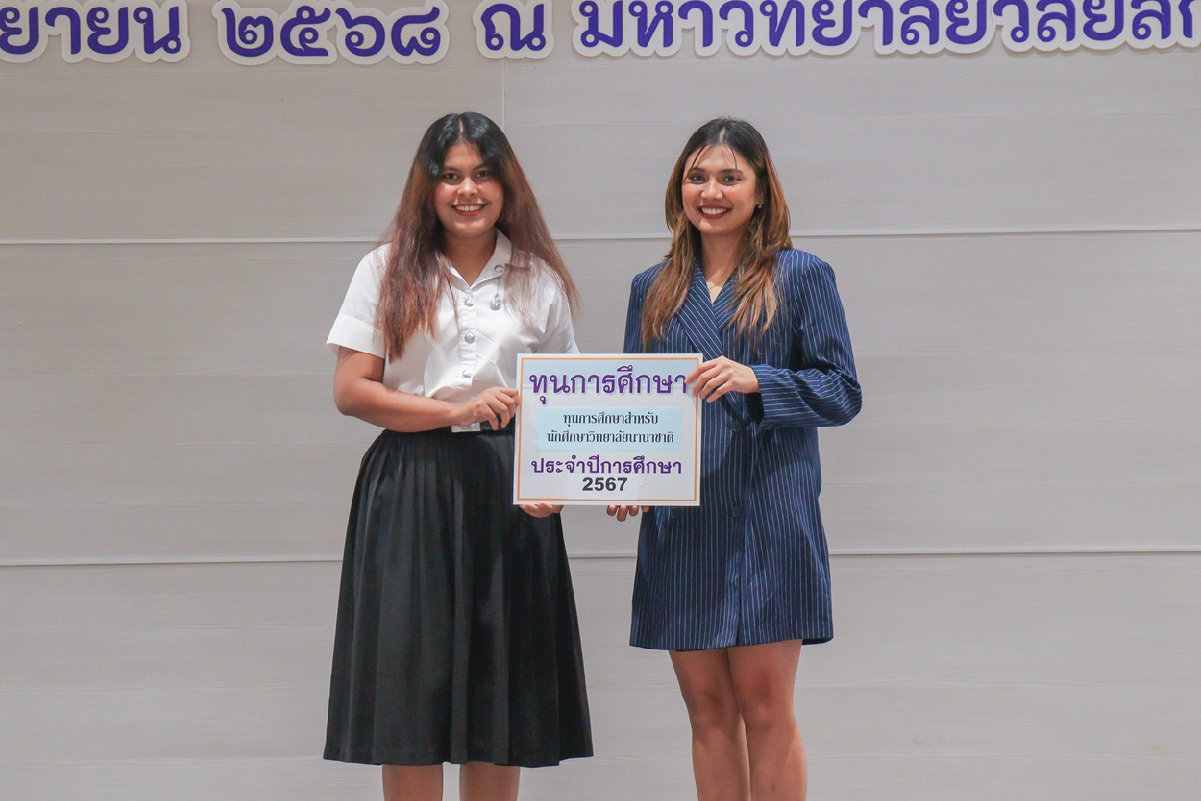
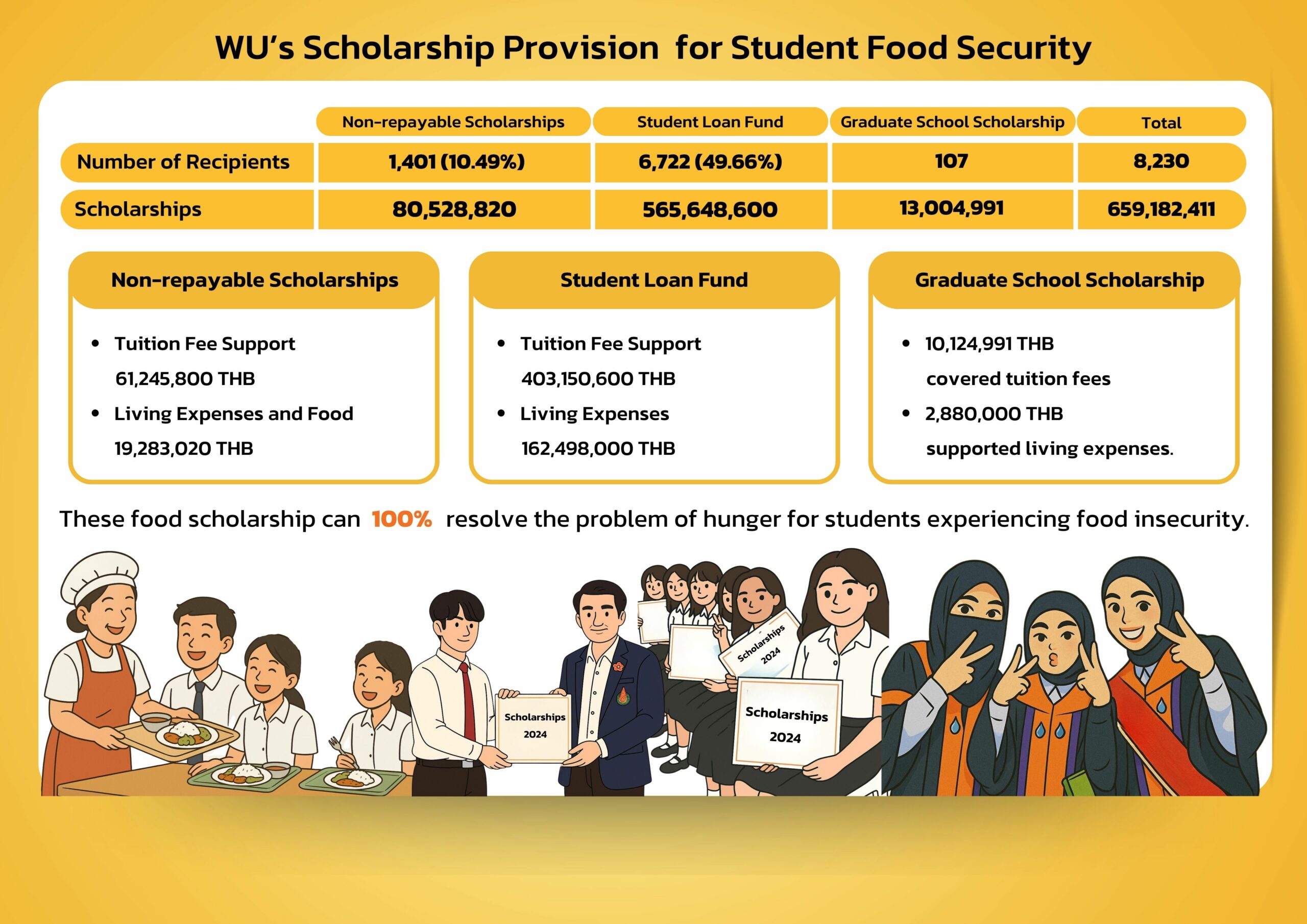
The university provides non-repayable scholarships to financially disadvantaged students, both annually and continuously, enabling them to complete their studies without financial concerns over food or living expenses. In 2024, these scholarships were supported by Walailak University (61,245,800 THB) and 146 government and private sector partners (19,283,020 THB), with a total value of 80,528,820, divided as follows:
Tuition fees: 61,245,800 THB
Living expenses and food: 19,283,020 THB
A total of 1,401 students received these scholarships. These scholarships not only covered tuition but also provided daily living and food support, thereby strengthening students’ nutritional security.
Student Loan Fund
Walailak University also administers government-backed student loans, enabling students to borrow for both tuition fees and living expenses. Students from families earning less than 360,000 THB per year are eligible to borrow 3,000 THB per month for living costs. In 2024, a total of 6,722 studentsreceived loans, with a combined loan value of 565,648,600 THB, divided as follows:
In 2024, a total of 107 graduate students from 21 countries received scholarships amounting to 13,004,991 THB, of which 10,124,991 THB, while 2,880,000 THB supported living expenses.
Summary of Food Security Support in 2024 by Scholarships
In 2024, Walailak University allocated a total of 659,182,411 THB in scholarships to 8,239 students, or 61.72% of the total student body (13,344 students). Of this amount, 38,412,820 THB directly supported food security (living expenses), while 474,521,391 THB indirectly supported students through tuition.
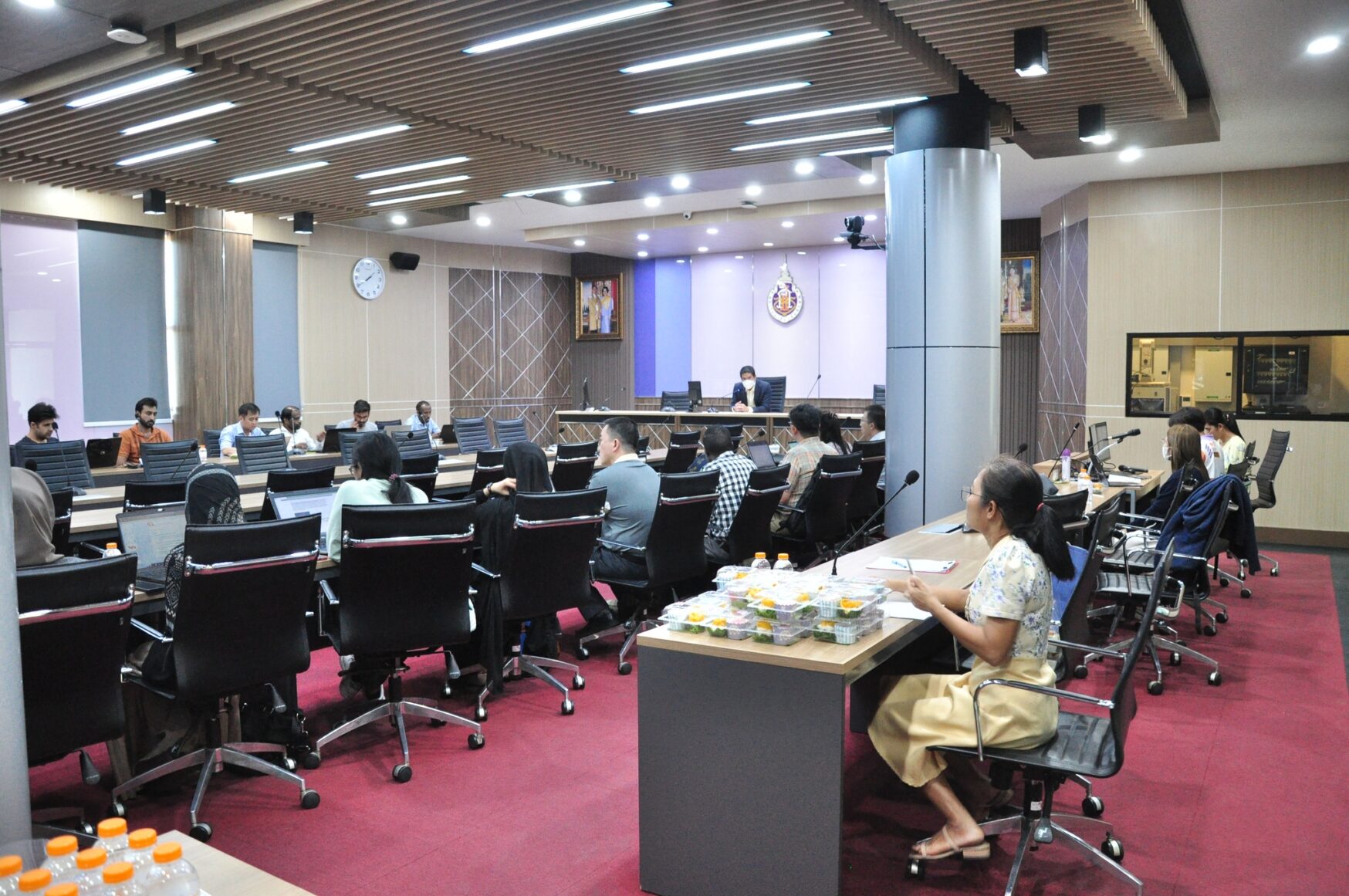
From diagnostics on student food insecurity and hunger situations, Walailak University has been developing programs to address student food insecurity through the engagement of various sectors. Based on measurements that assess the impact and effectiveness of the implemented solutions and activities, Walailak University has clearly demonstrated its strong commitment to enhancing and supporting students’ quality of life through two existing programs: the Free Meal Grants Program, which provides urgent and targeted food assistance, and the Scholarship Programs, which help ease students’ long-term financial burdens.
Together, these mechanisms play a crucial role in reducing hunger, ensuring food security, and enabling students to fully focus on their studies. Through systematic, comprehensive, and continuous implementation, Walailak University has succeeded in ensuring that more than half of its students have access to adequate and nutritious food. This, in turn, has significantly contributed to the sustainable improvement of students’ overall quality of life.