Practical Food Security Interventions for Students at Walailak University
Eliminating hunger is an urgent priority. While establishing large-scale projects may sometimes cause delays in implementation, short-term or one-off food distribution initiatives can provide immediate assistance to students in need and help address hunger more rapidly. Based on diagnostics and a data-driven approach, Walailak University implements targeted interventions to prevent or alleviate hunger among students through various activities, with the active engagement of multiple departments, as detailed below:
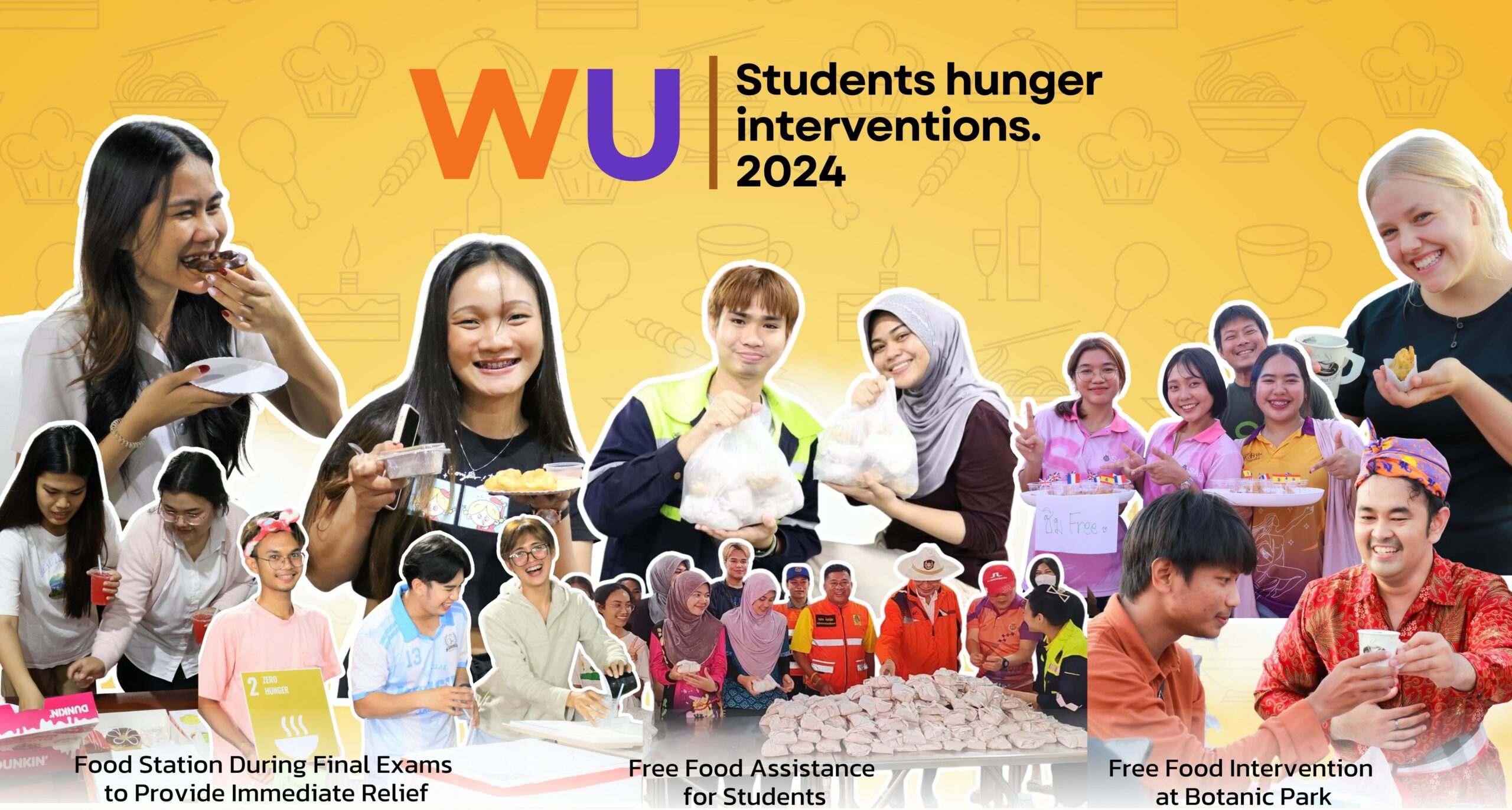
Food Station During Final Exams to Provide Immediate Relief
Walailak University recognizes that hunger among students can negatively affect their health and learning performance, especially during final exams when students spend most of their time reviewing lessons. Many lack the time to find food, and with food outlets closed at night, some face hunger during long study hours.
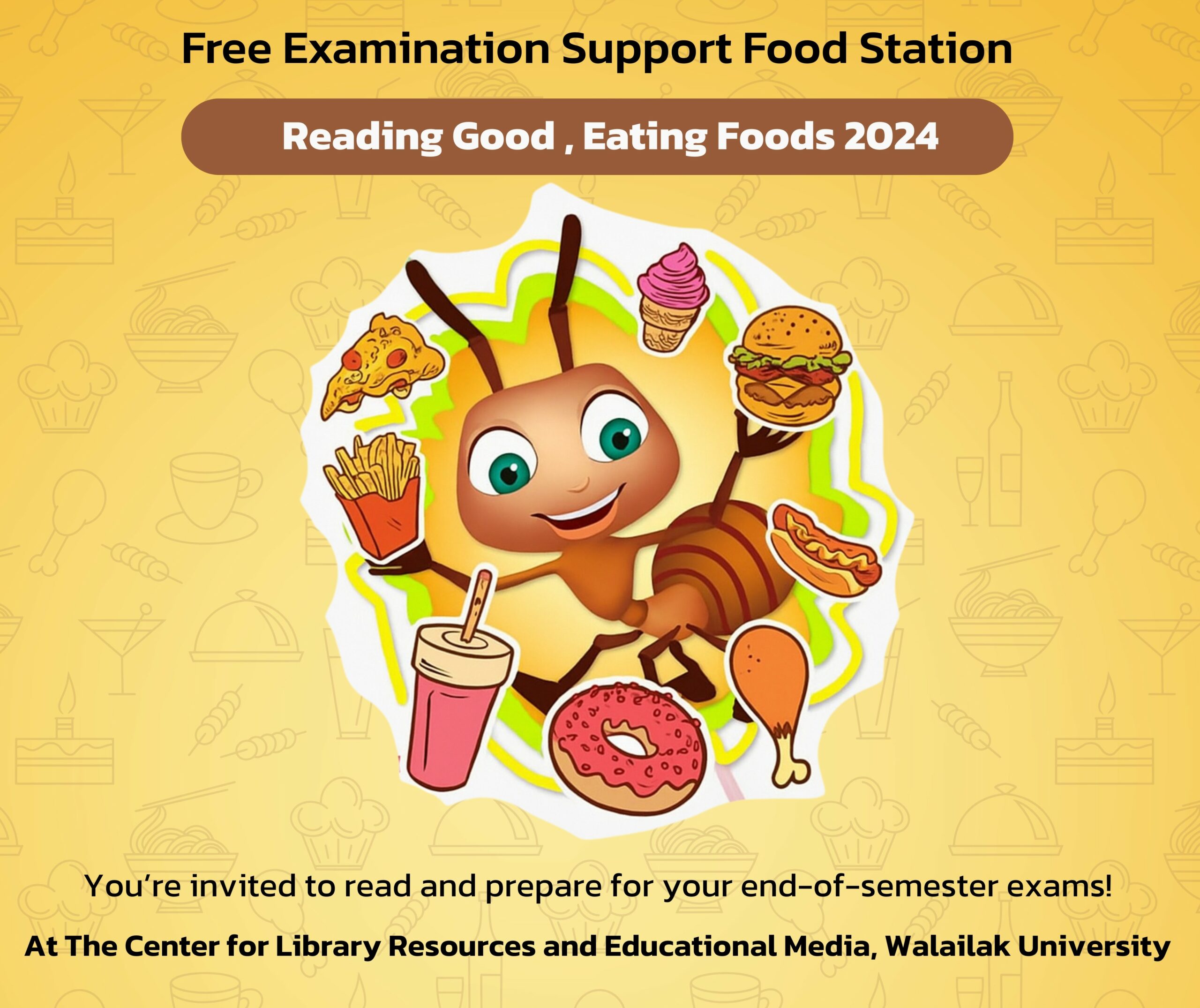
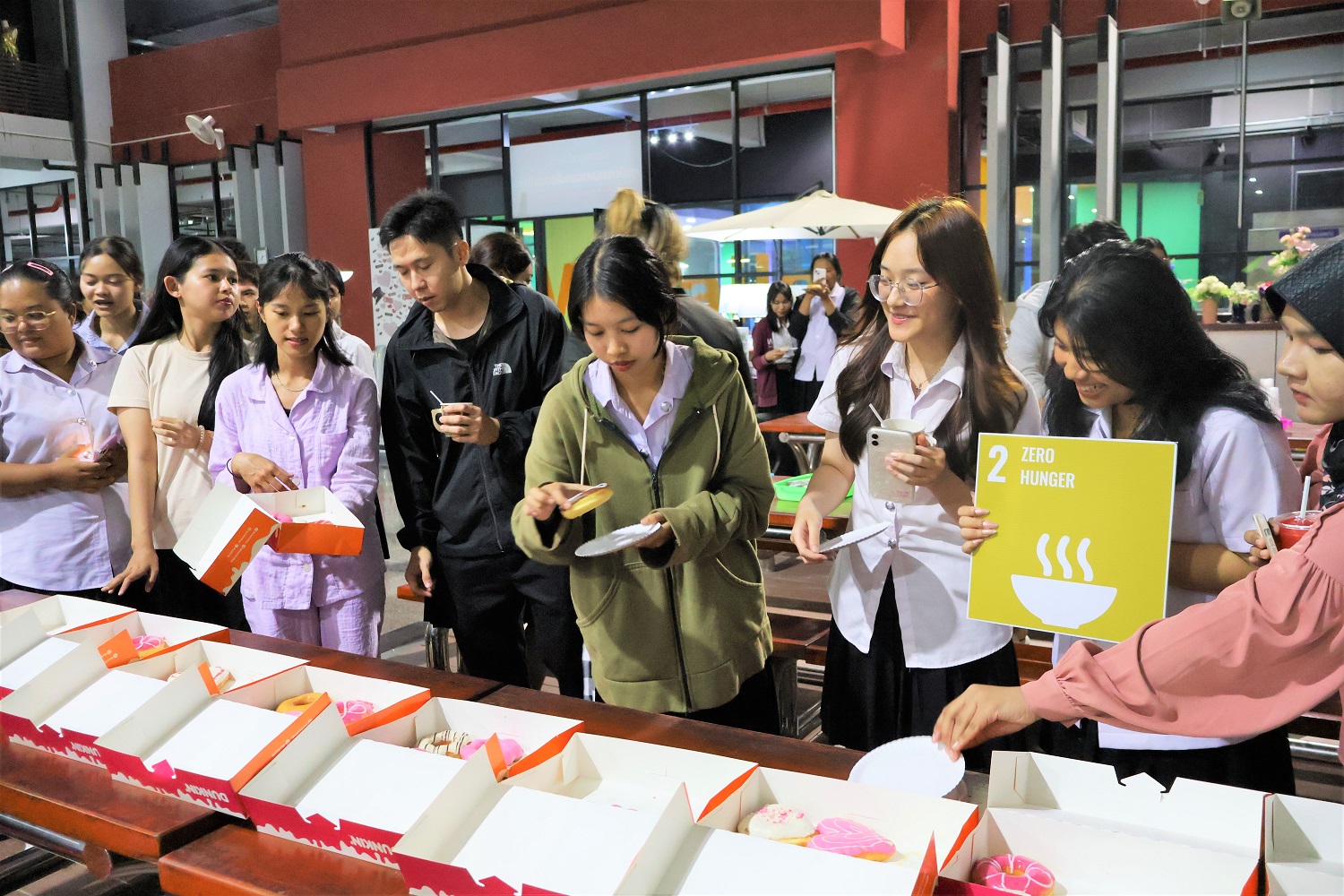
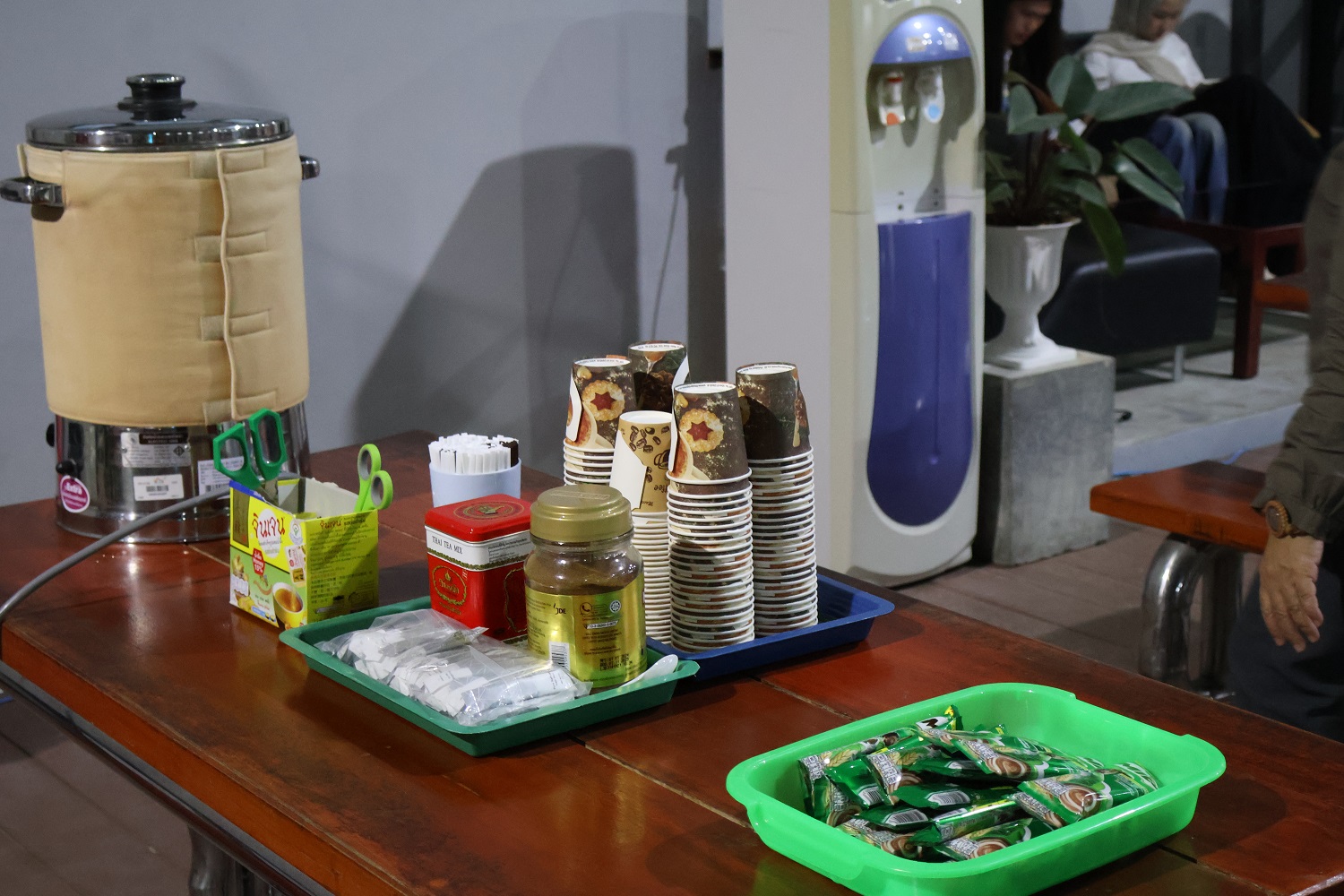
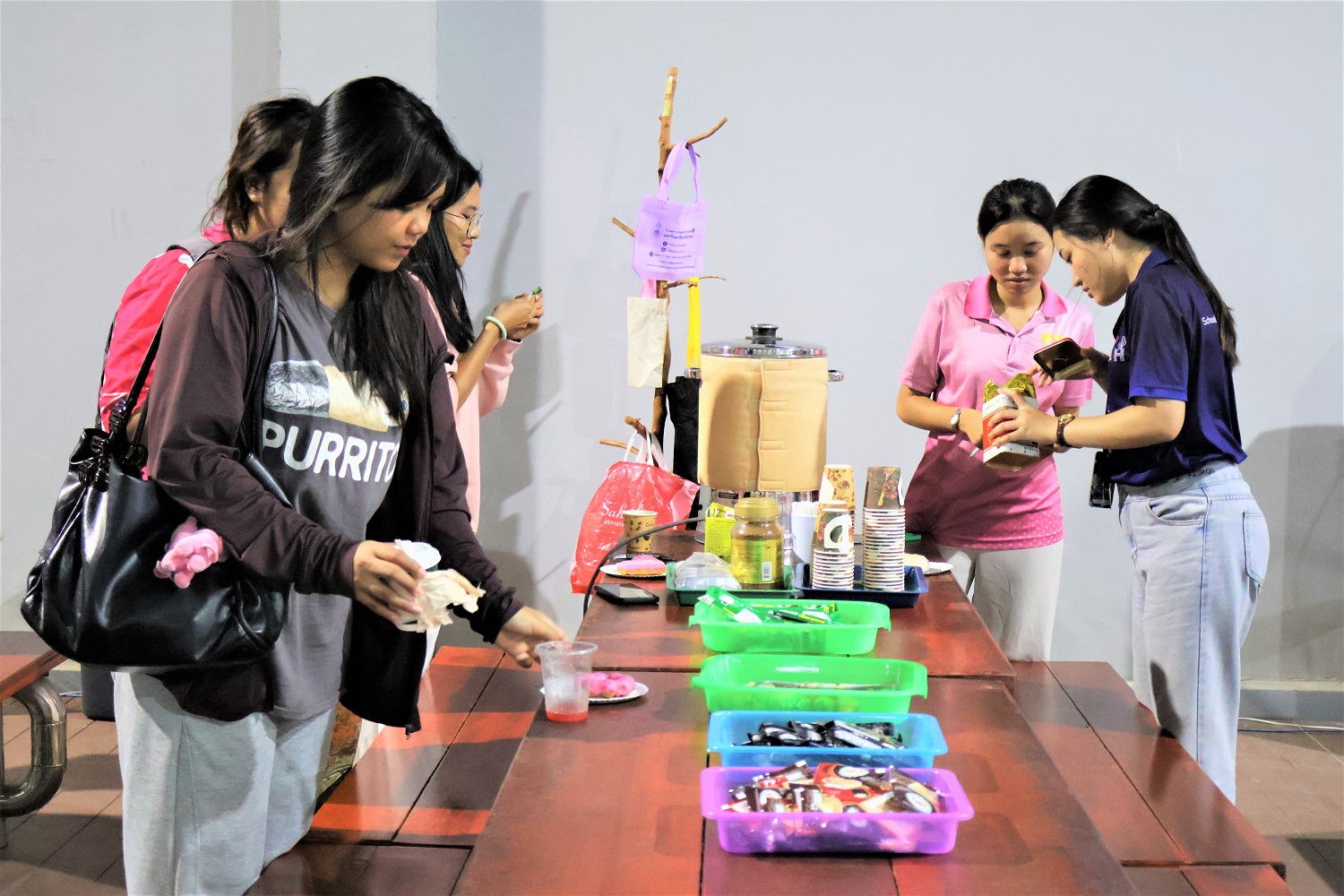
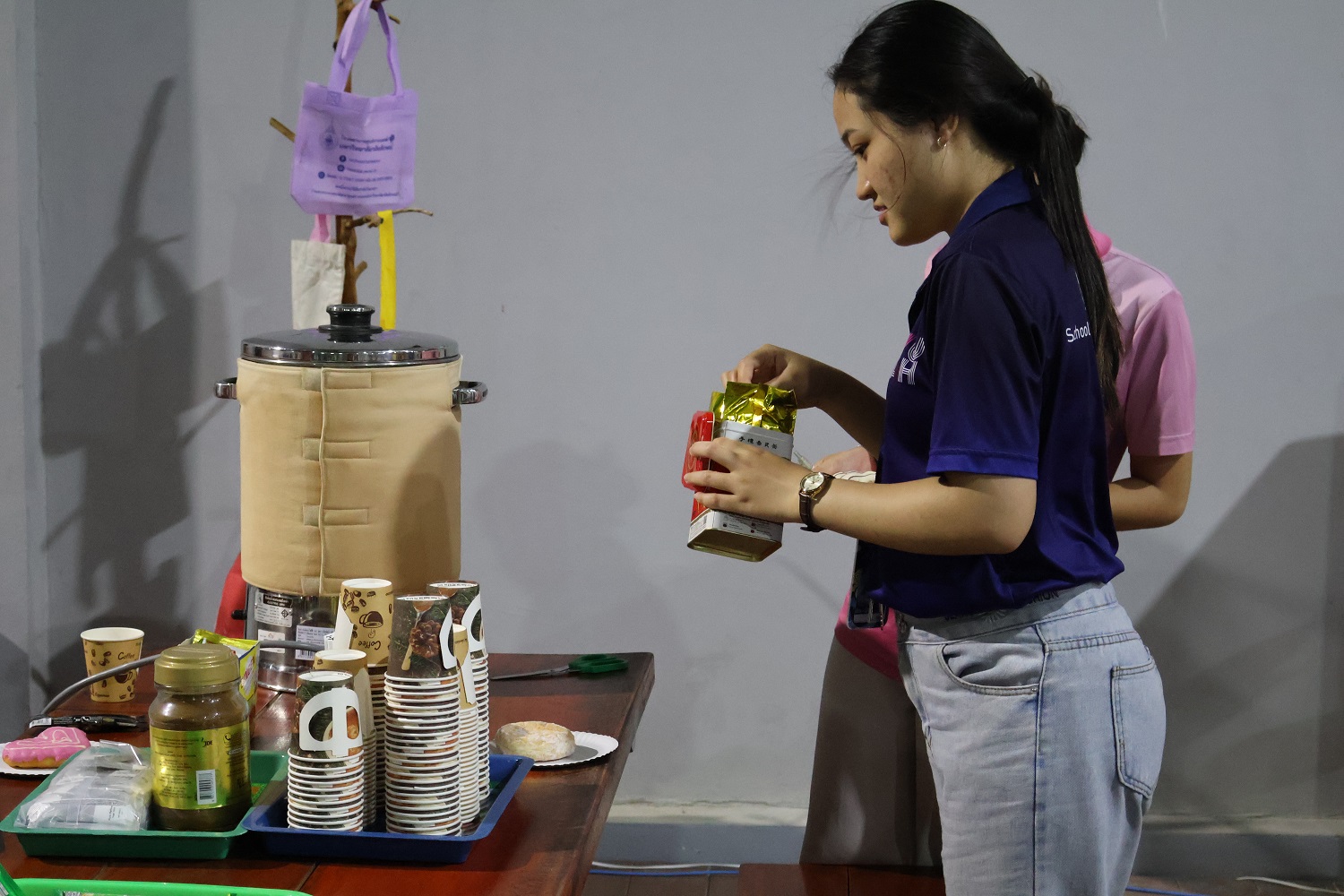
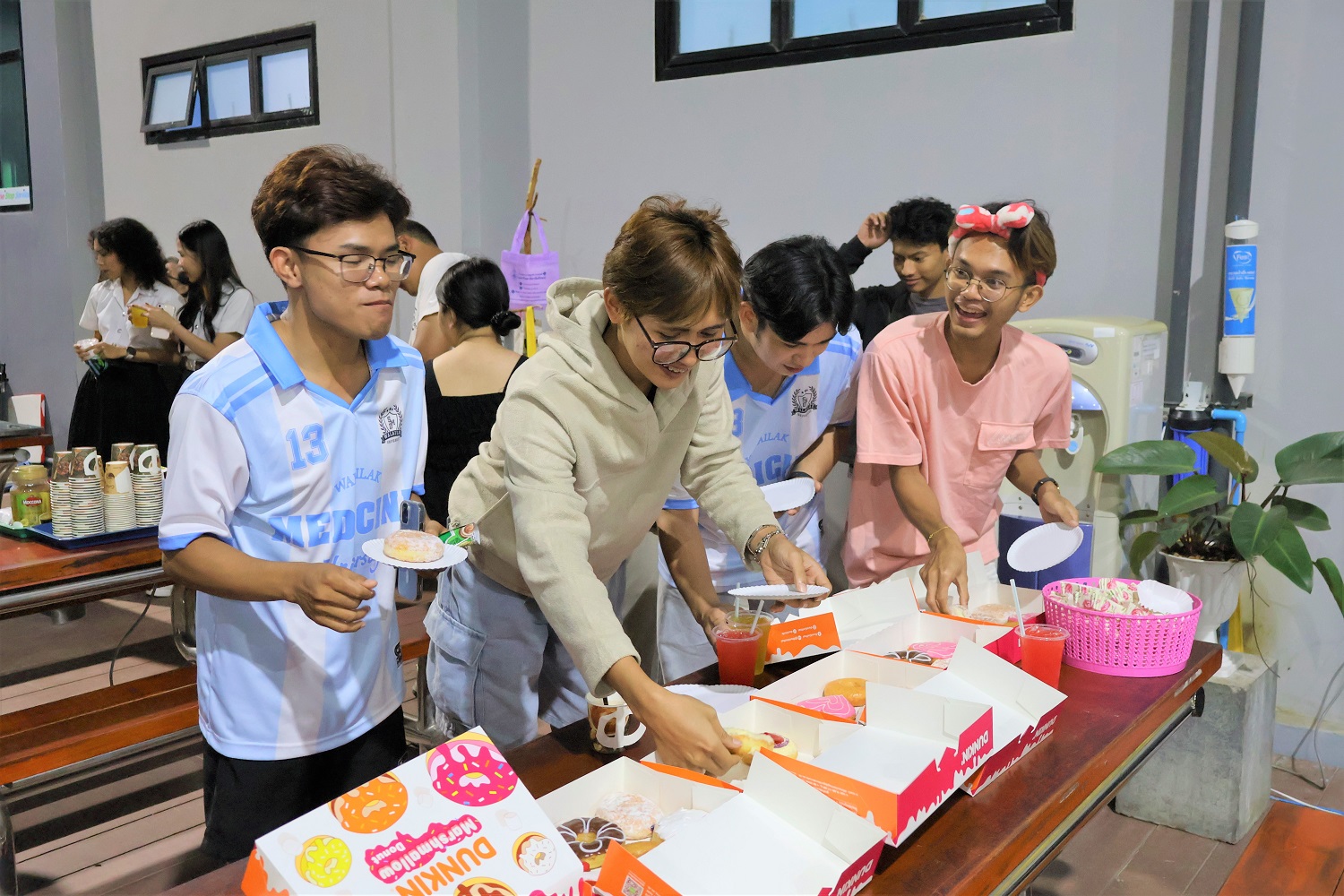
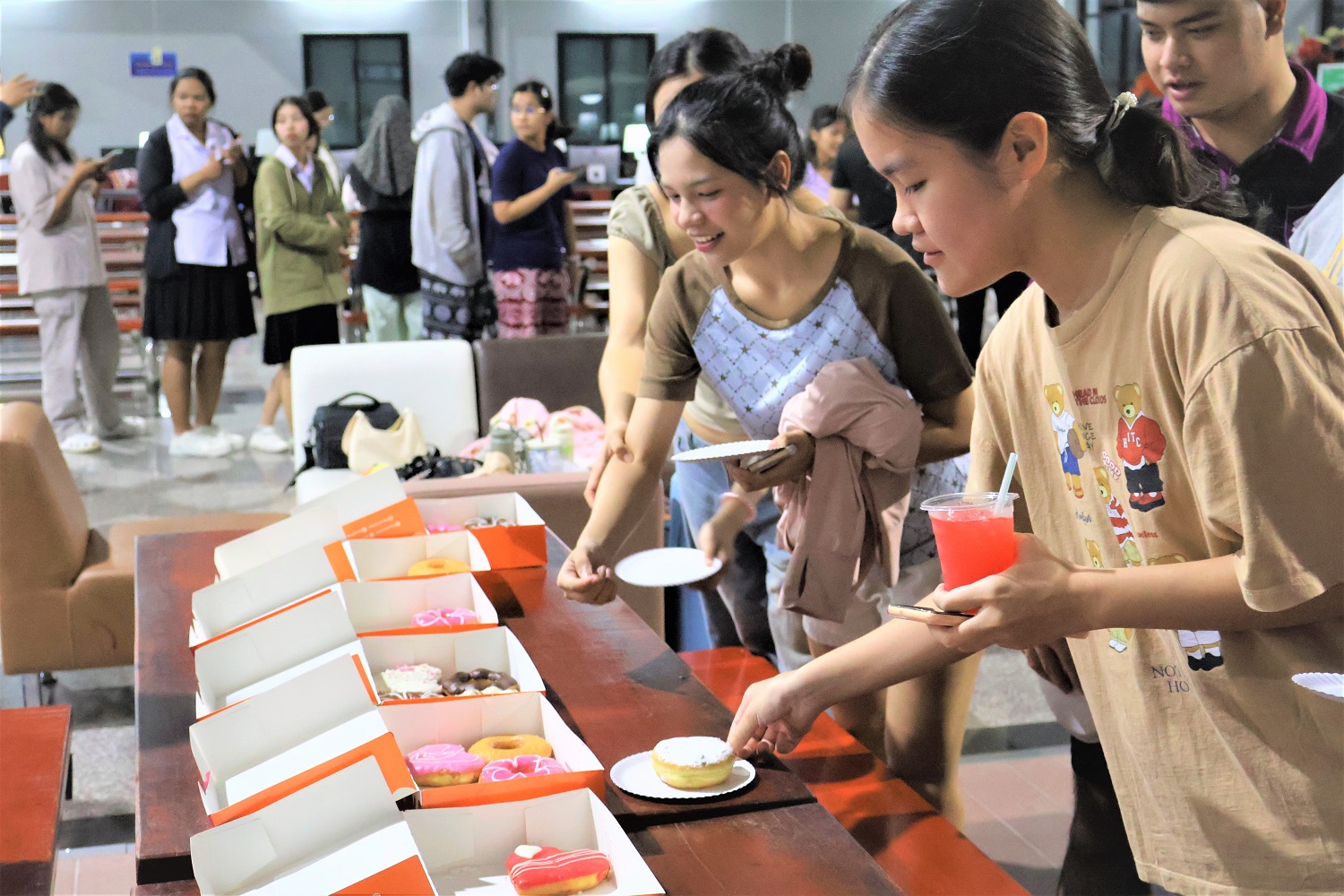
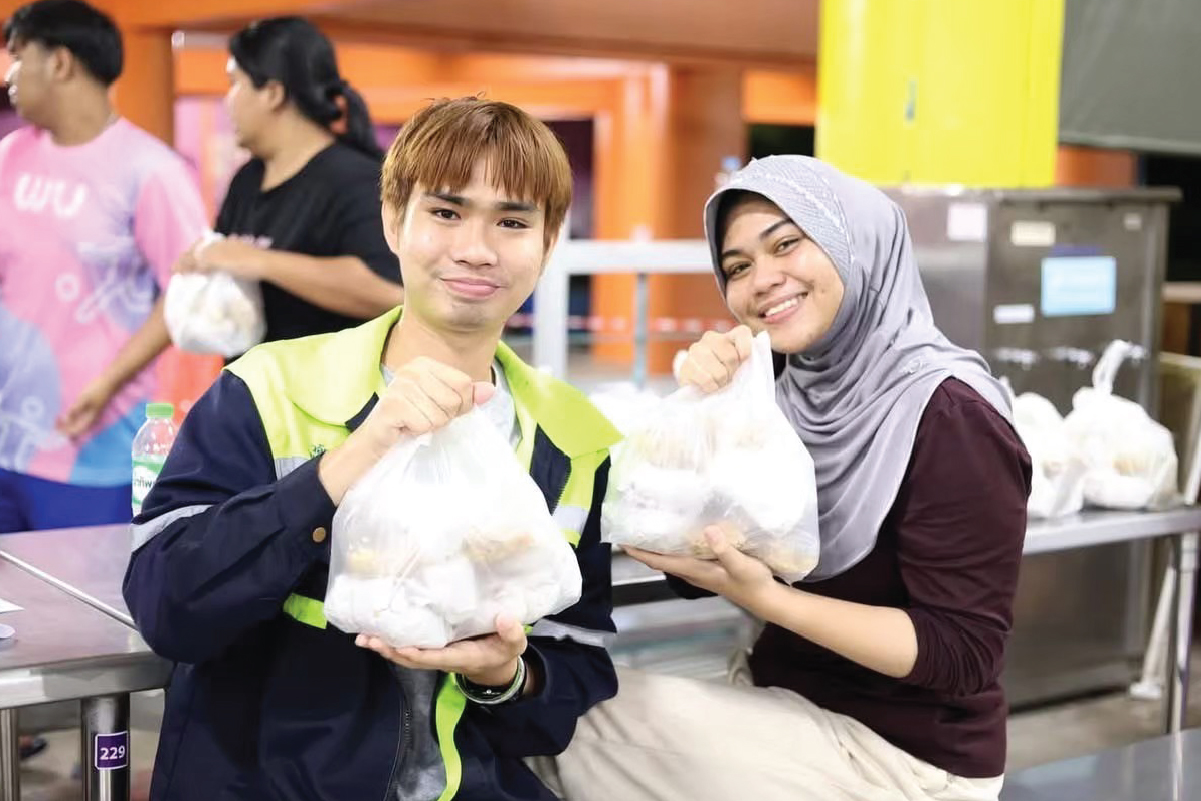
To provide a quick and targeted solution, the university organizes the “Reading Good, Eating Foods” activity, distributing snacks and drinks at night during the exam period. This initiative has been held annually since 2018, with financial support from administrators, faculty members, and university staff. Its goal is to relieve hunger among students during periods of heavy academic workload.
In the 2024 academic year, the activity was held from 7:00–10:00 p.m. in front of the Center for Library Resources and Educational Media Building, serving 385 students. A variety of foods and drinks were provided, including:
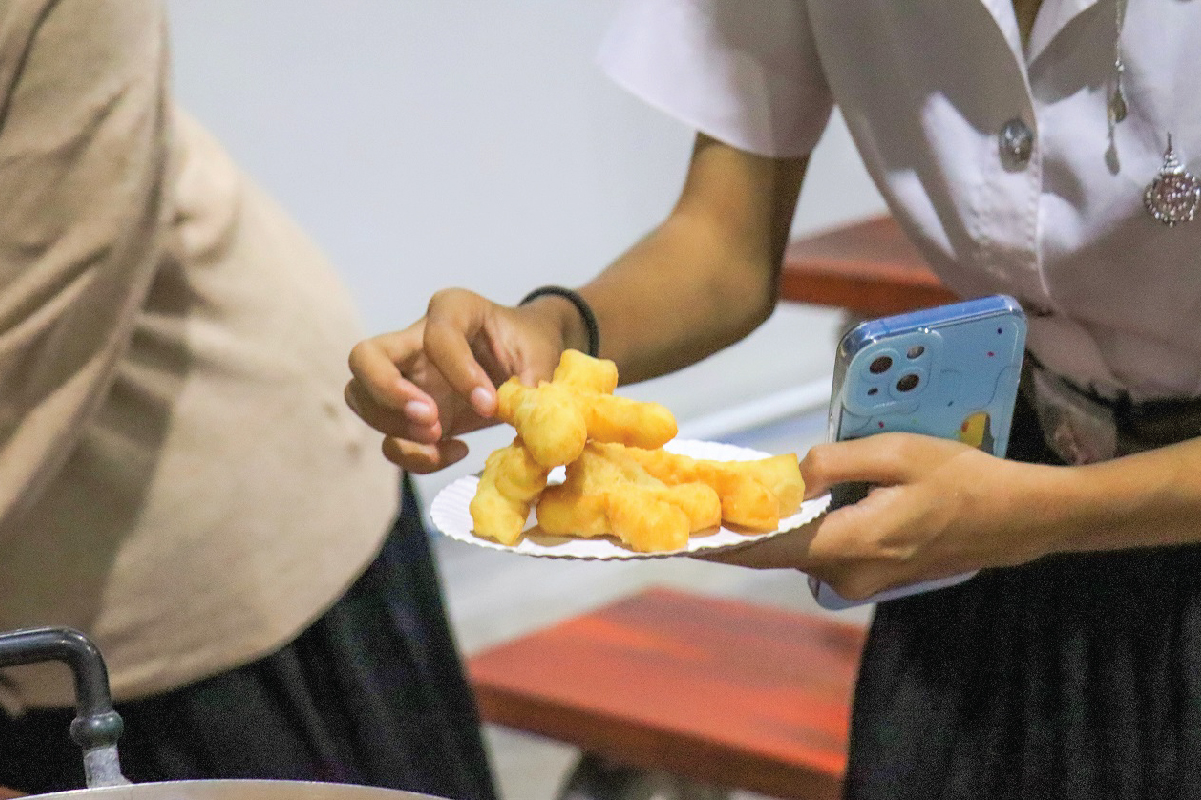
Food: soy milk with toppings, steamed buns, donuts, instant noodles/instant porridge cups, and boiled eggs, etc.
Snacks: Gussen wafers, Choco Pie, custard cakes, etc.
Drinks: coffee, Milo, Ovaltine, ginger tea, etc.
The measurement conducted through a satisfaction survey revealed a very high level of approval, with an average score of 94.40%. This result indicates that the initiative effectively met students’ needs and provided a direct, practical approach to preventing or alleviating hunger among them. The activity serves as a clear example of a flexible and immediate intervention that eliminates the need for large-scale project procedures.
The “Reading Good, Eating Foods” initiative demonstrates how universities can implement responsive measures to address hunger effectively while fostering sustainable support and engagement across all university sectors.
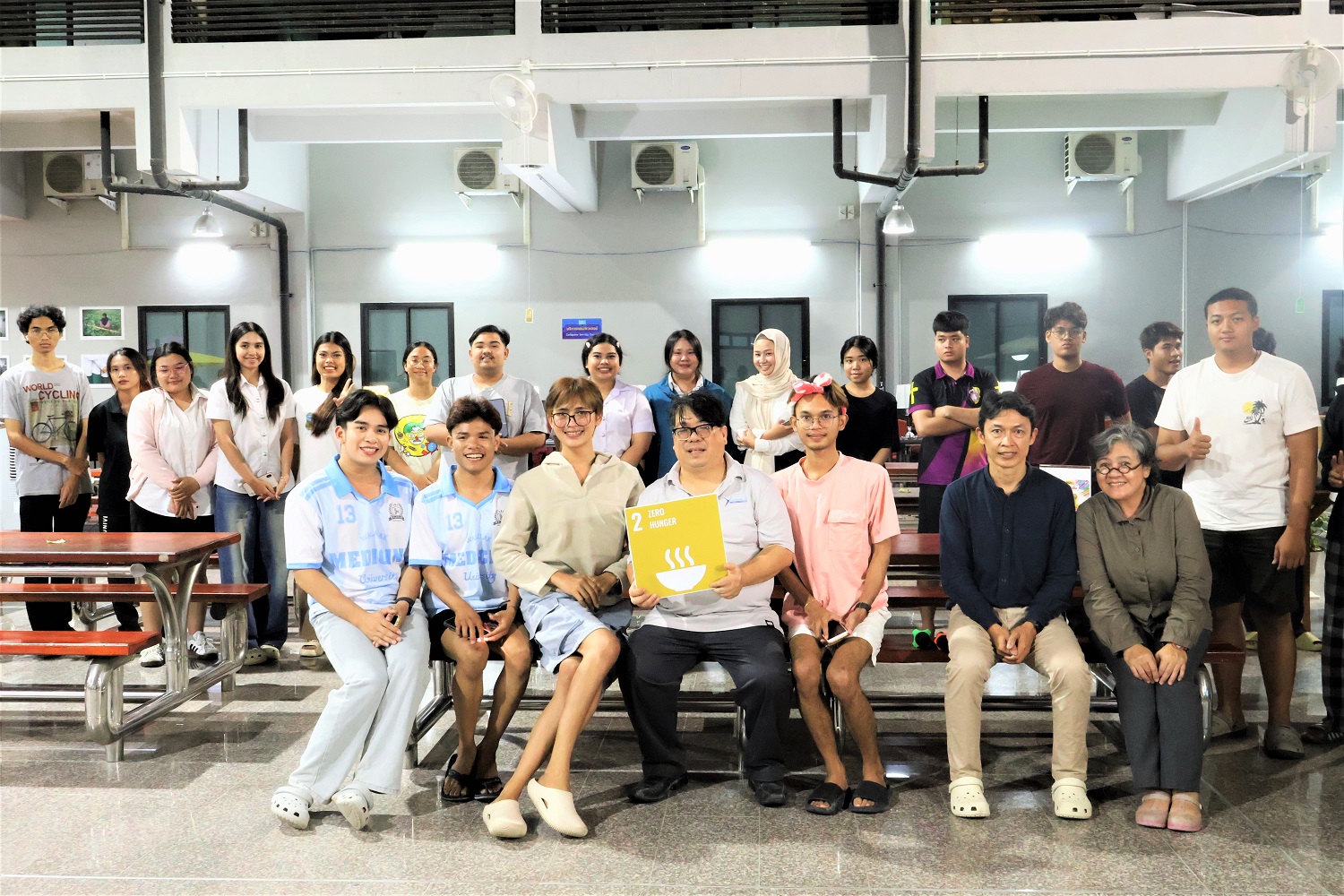
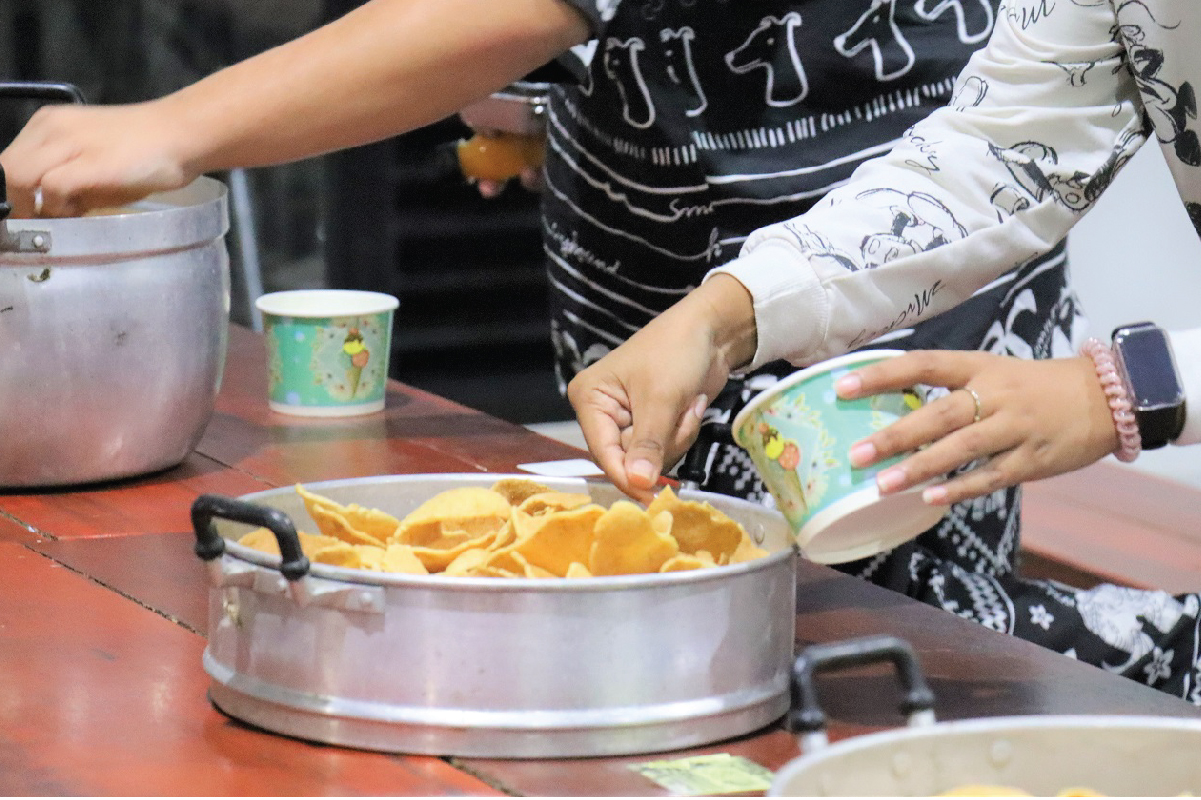
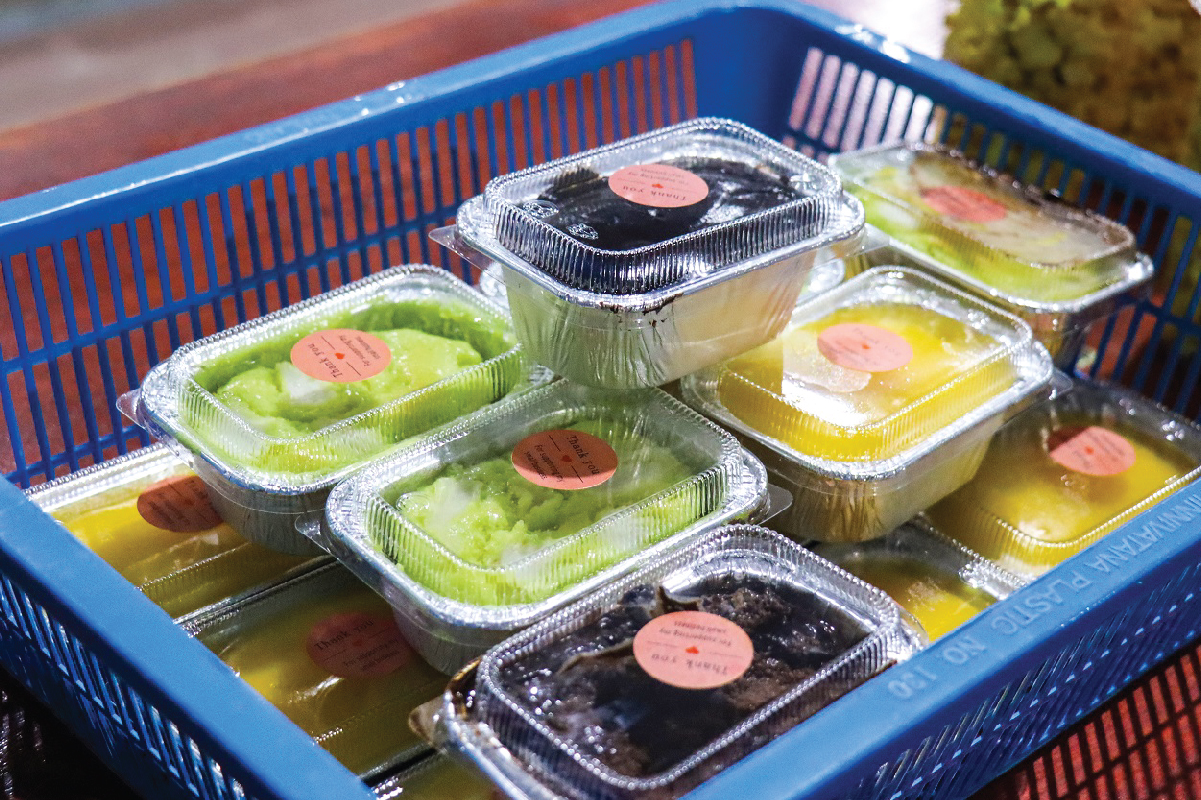
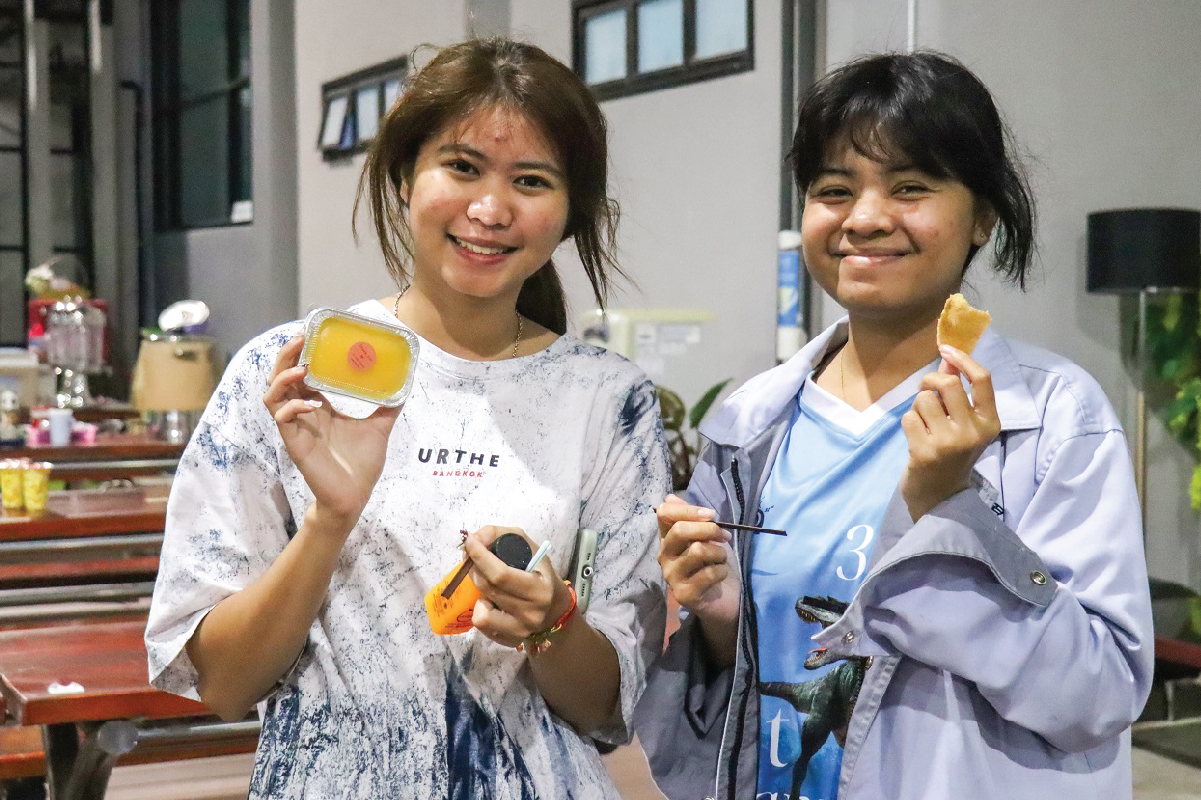
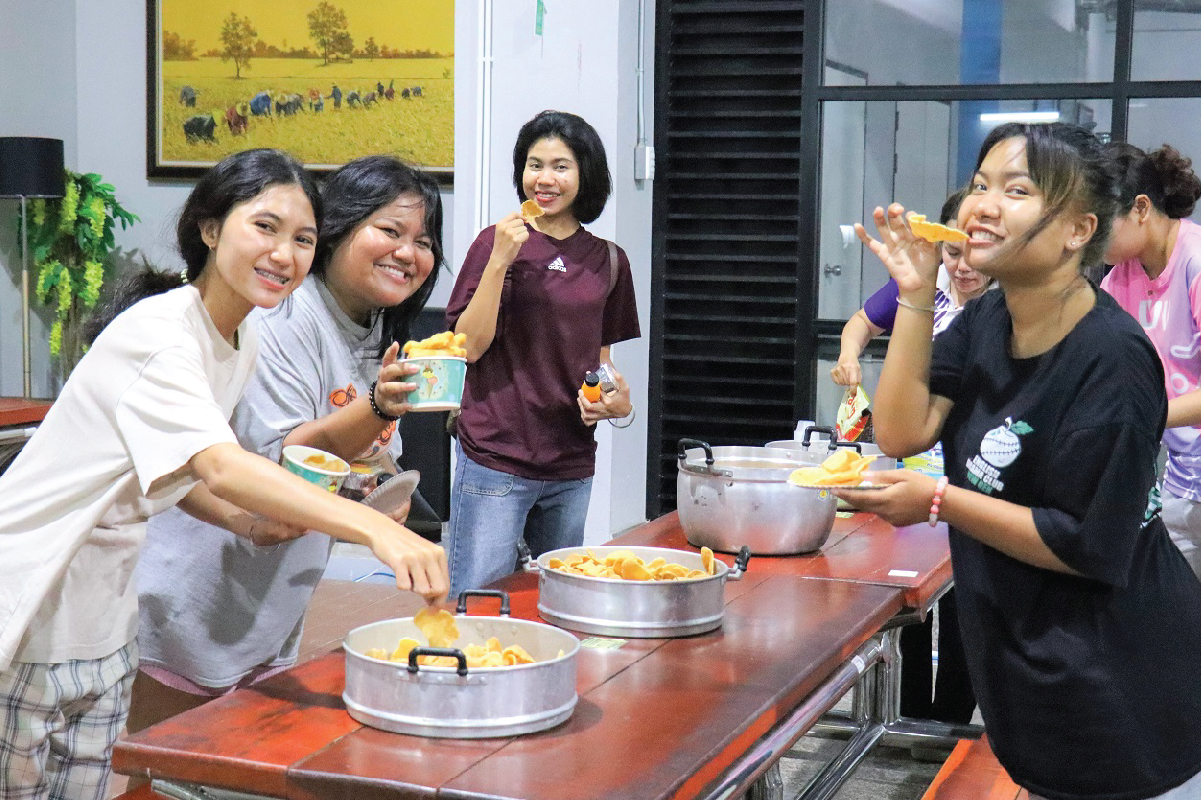
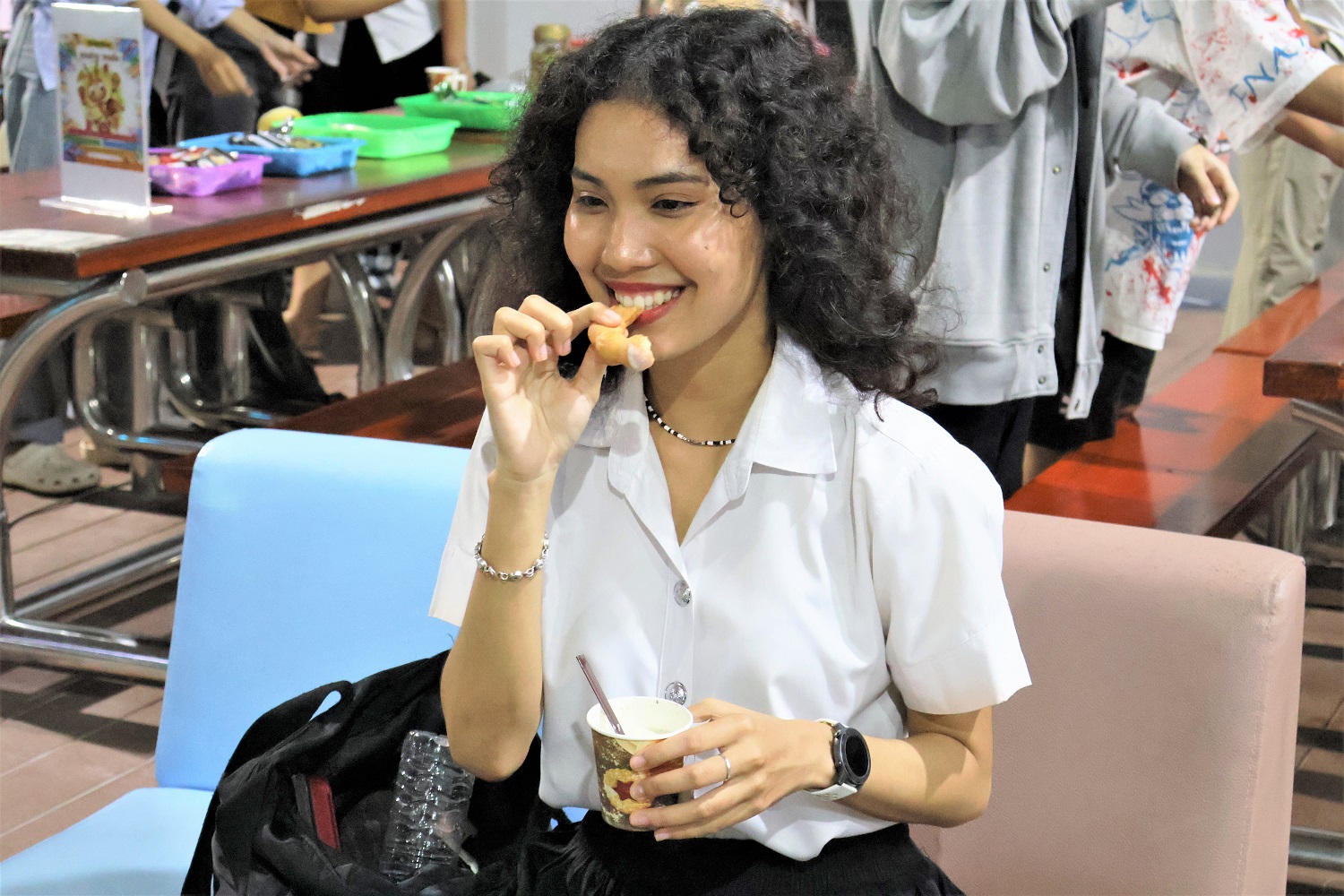
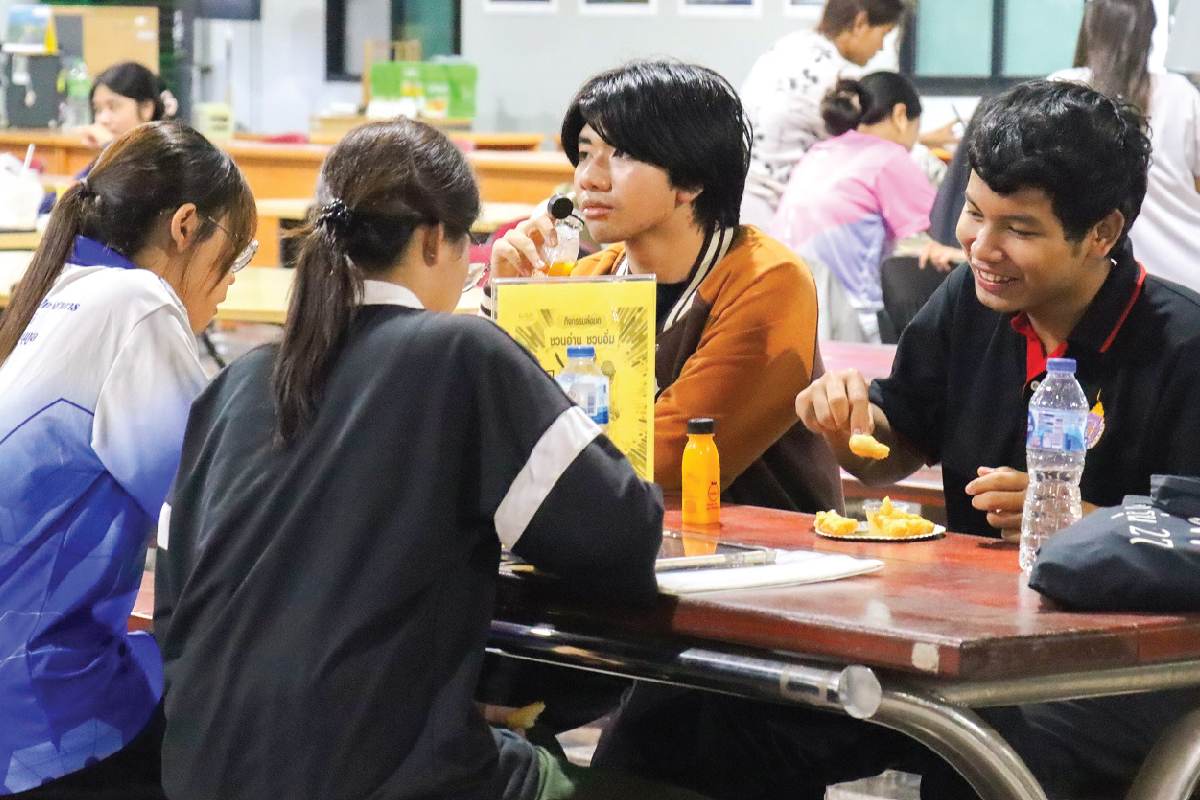
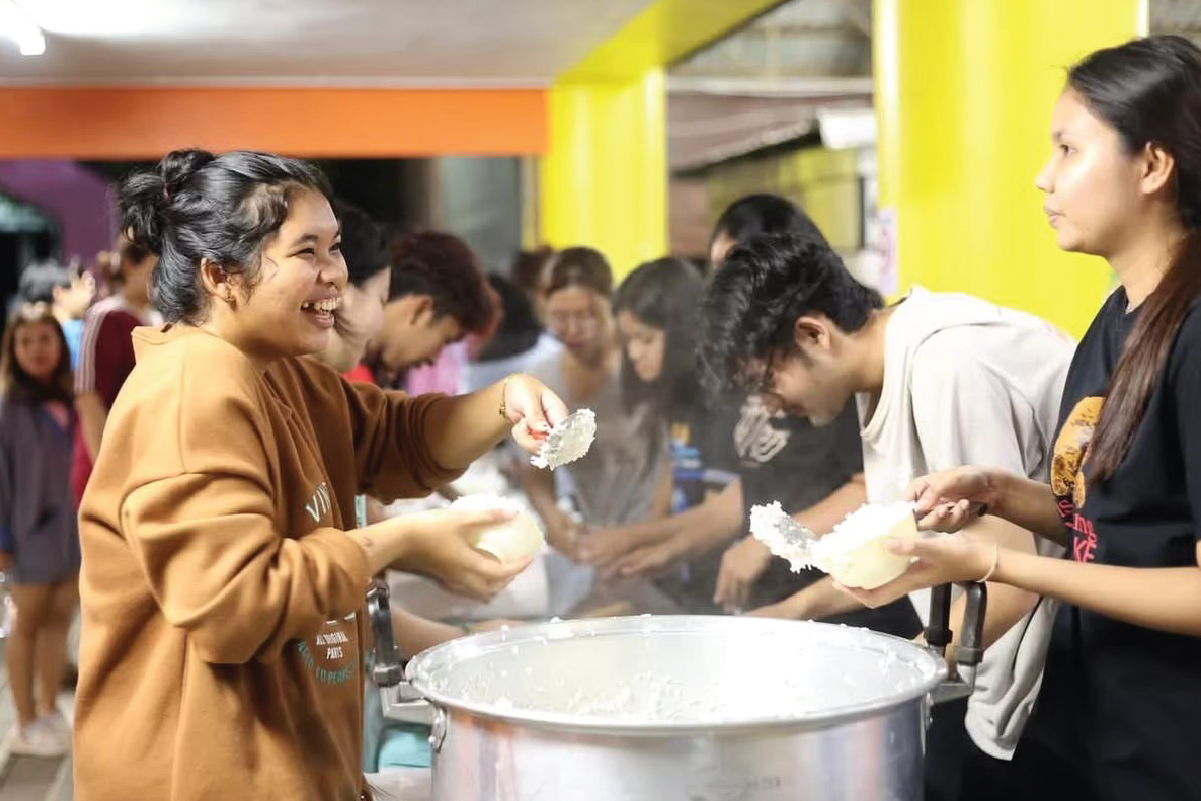
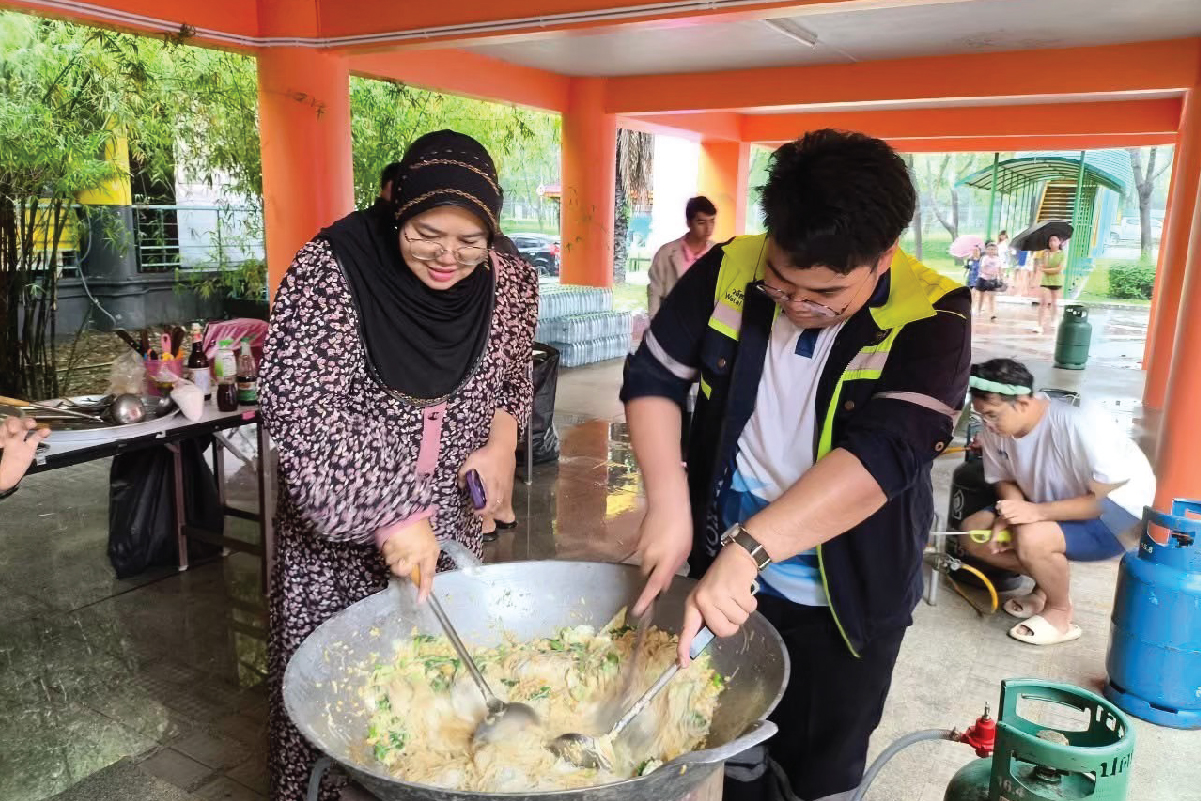
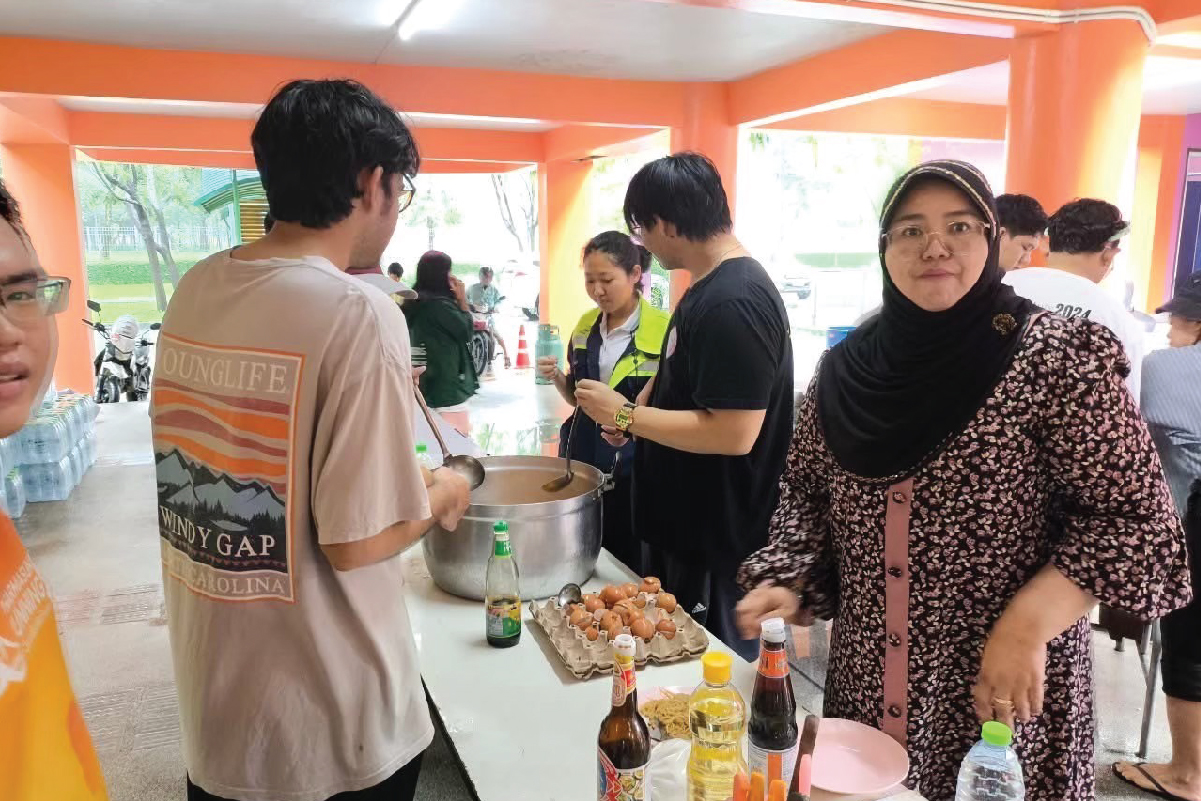
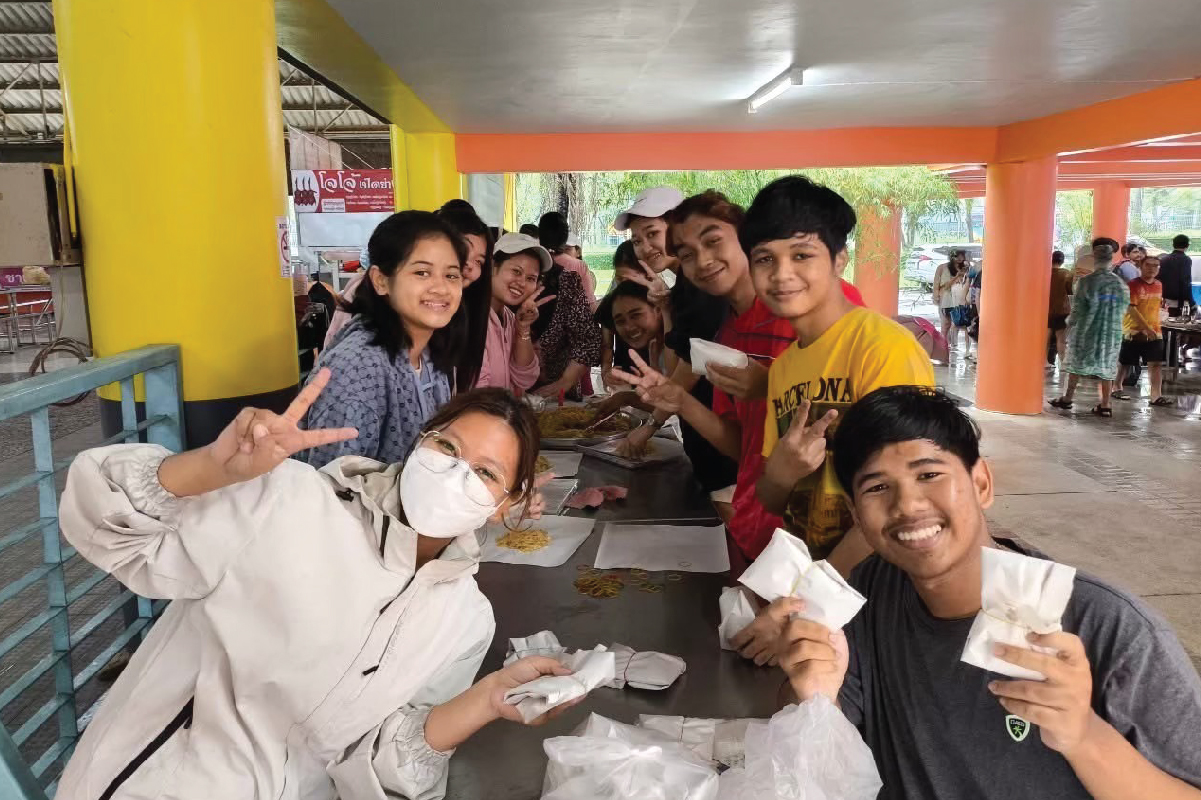
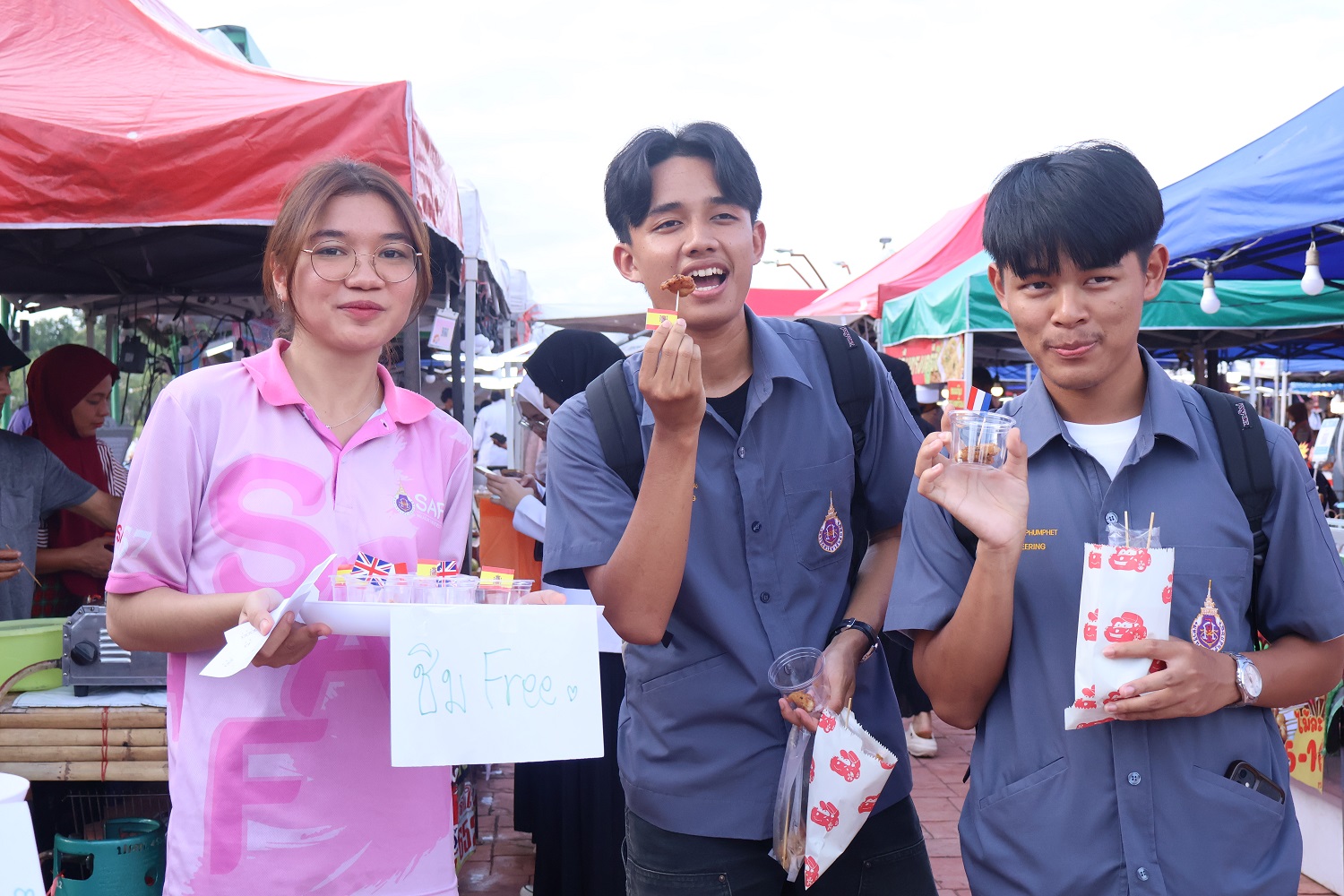
Figures : Students participating in the university’s food security
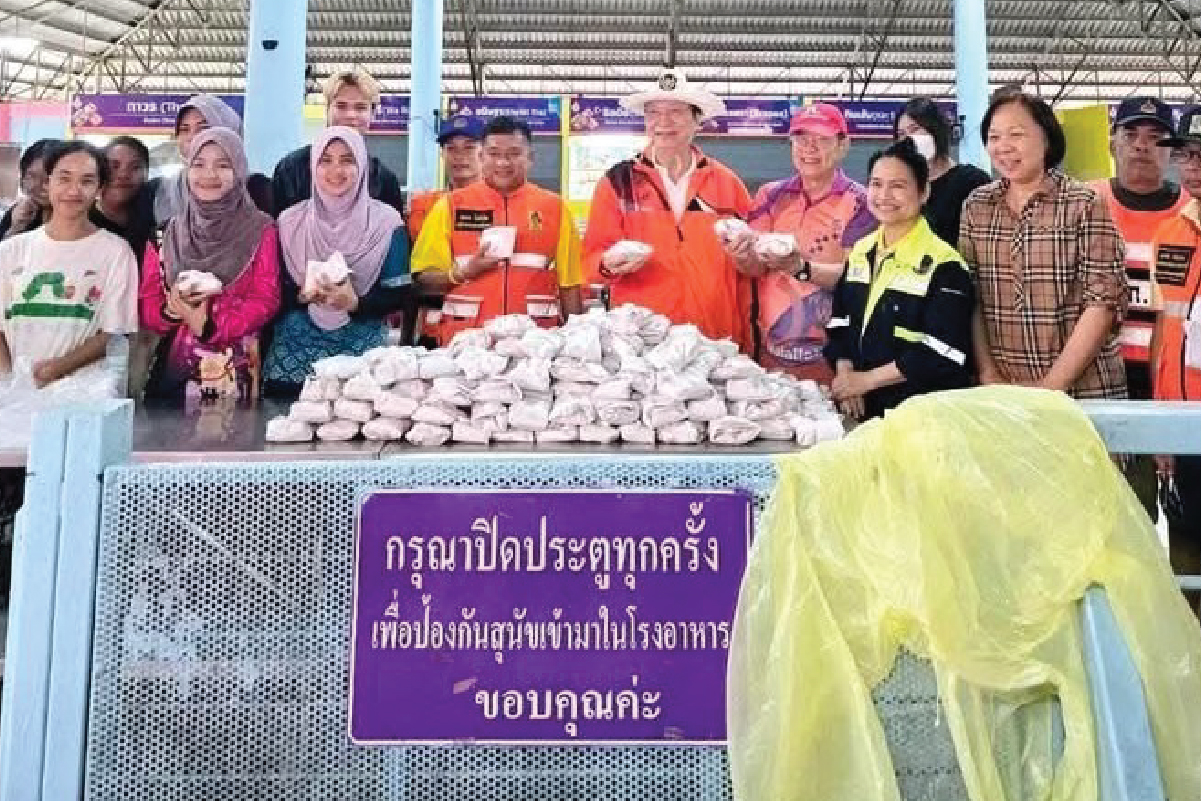
In late 2024, Walailak University provided interventions to prevent or alleviate hunger among students for accessing the Flood Relief Center which was the occasional/one off event. This event was direct and practical because the students were struck by severe flooding, leaving dormitory students both on- and off-campus without access to food, as roads were cut off and restaurants were forced to close.
The initiative reached 1,873 off-campus dormitory students and 600 on-campus dormitory students, totaling 2,473 students. The activity was supported with food supplies and donations amounting to 132,568.74 THB.
Free Food Intervention at the Botanic Park, functioning as a food bank to promote food security for students and staff, is one of Walailak University’s key initiatives to alleviate hunger and enhance well-being within the campus community. The program, jointly managed by the Center for Academic Services and the WU Botanic Park, operates on a monthly basis throughout the academic year. Each month, it provides free, nutritious meals to students and staff from low-income backgrounds, ensuring reliable access to food resources and supporting efforts to prevent hunger on campus.
The meals distributed through this intervention are primarily sourced from local communities and further developed by WU researchers to ensure diversity and nutritional balance. A wide range of options–including halal, vegan, and vegetarian meals–are offered to meet diverse dietary requirements. Beyond addressing immediate food needs, the initiative fosters the consumption of locally produced food, thereby strengthening student welfare while also promoting community engagement.
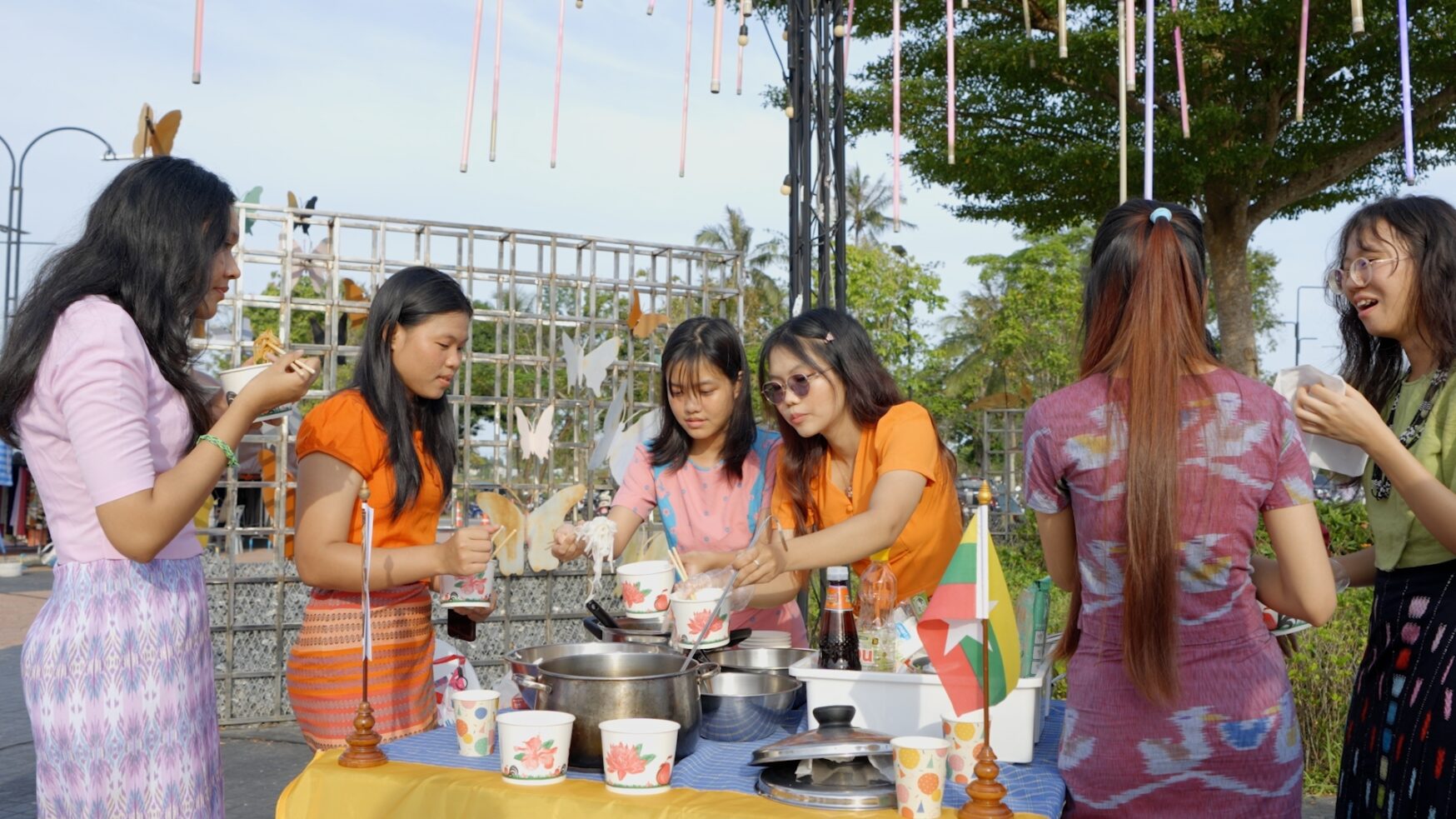
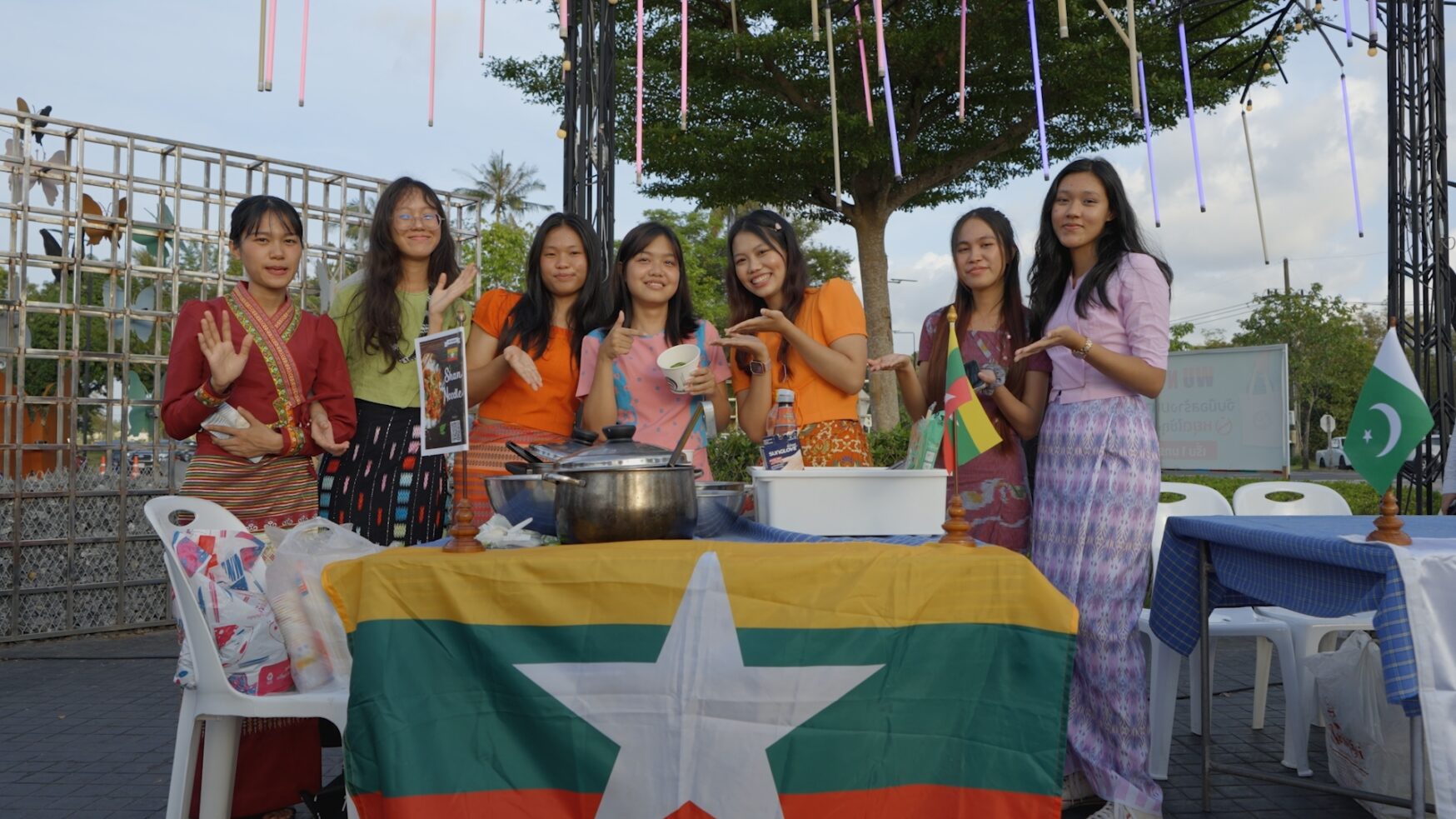
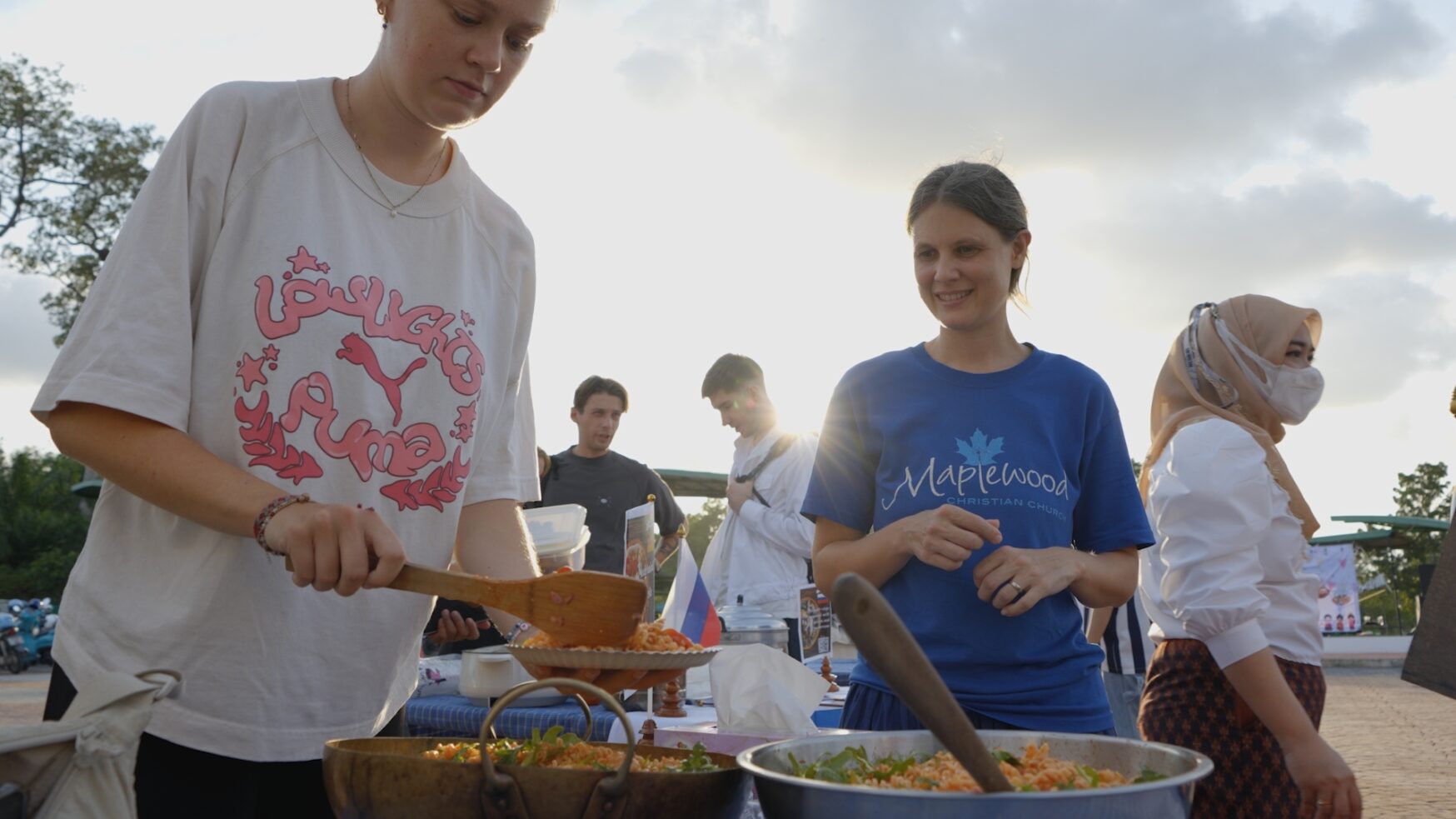
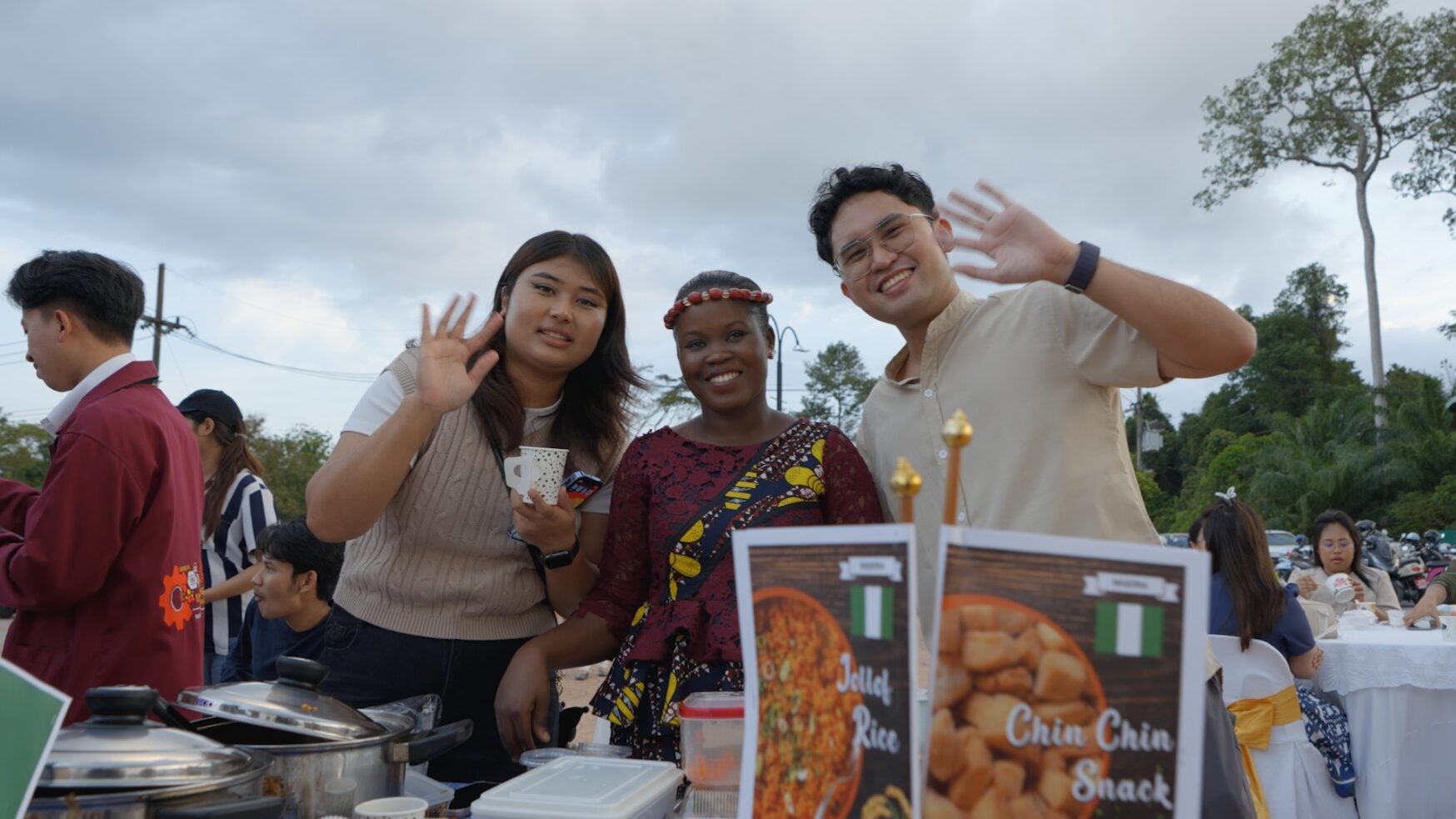
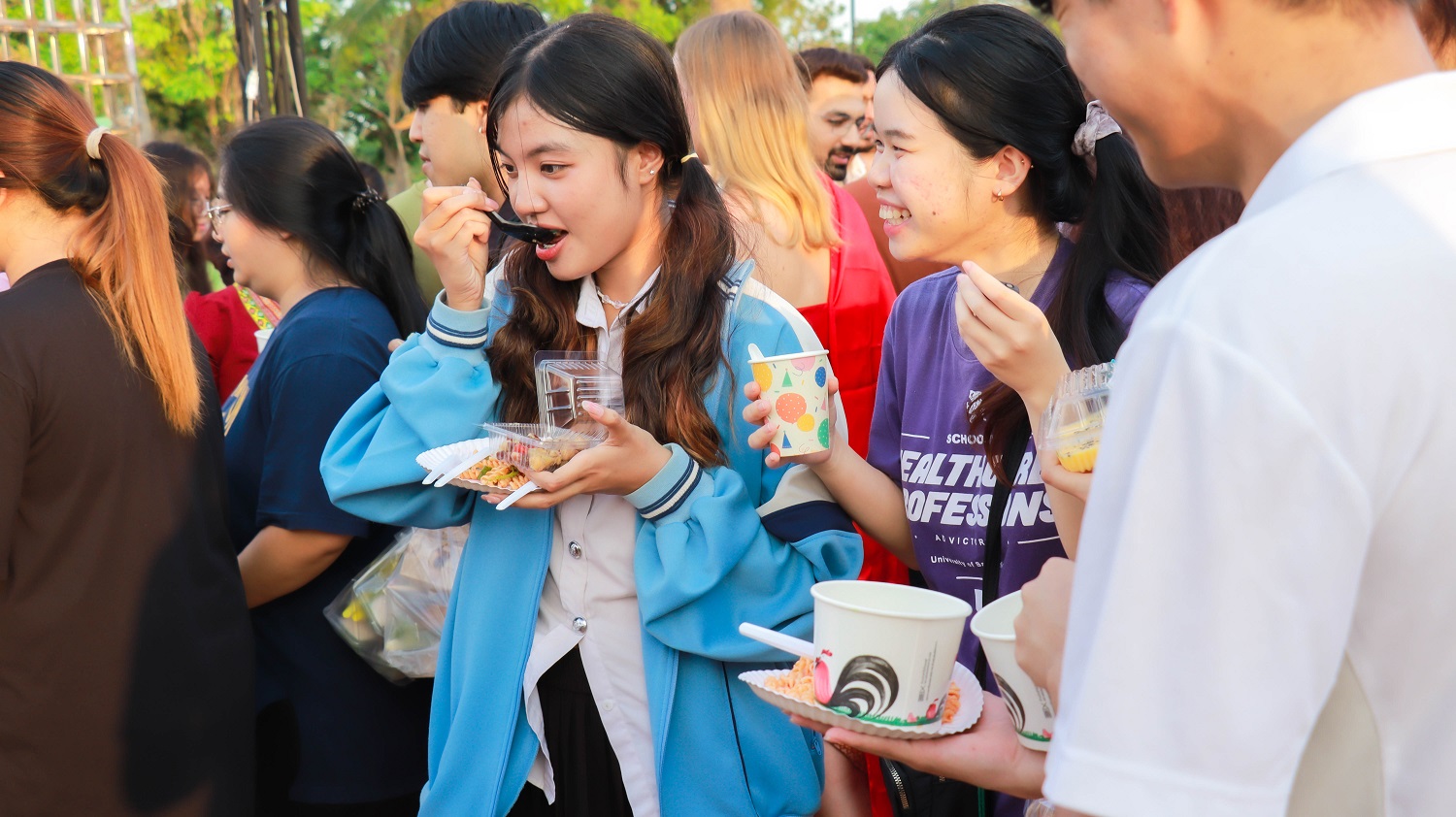
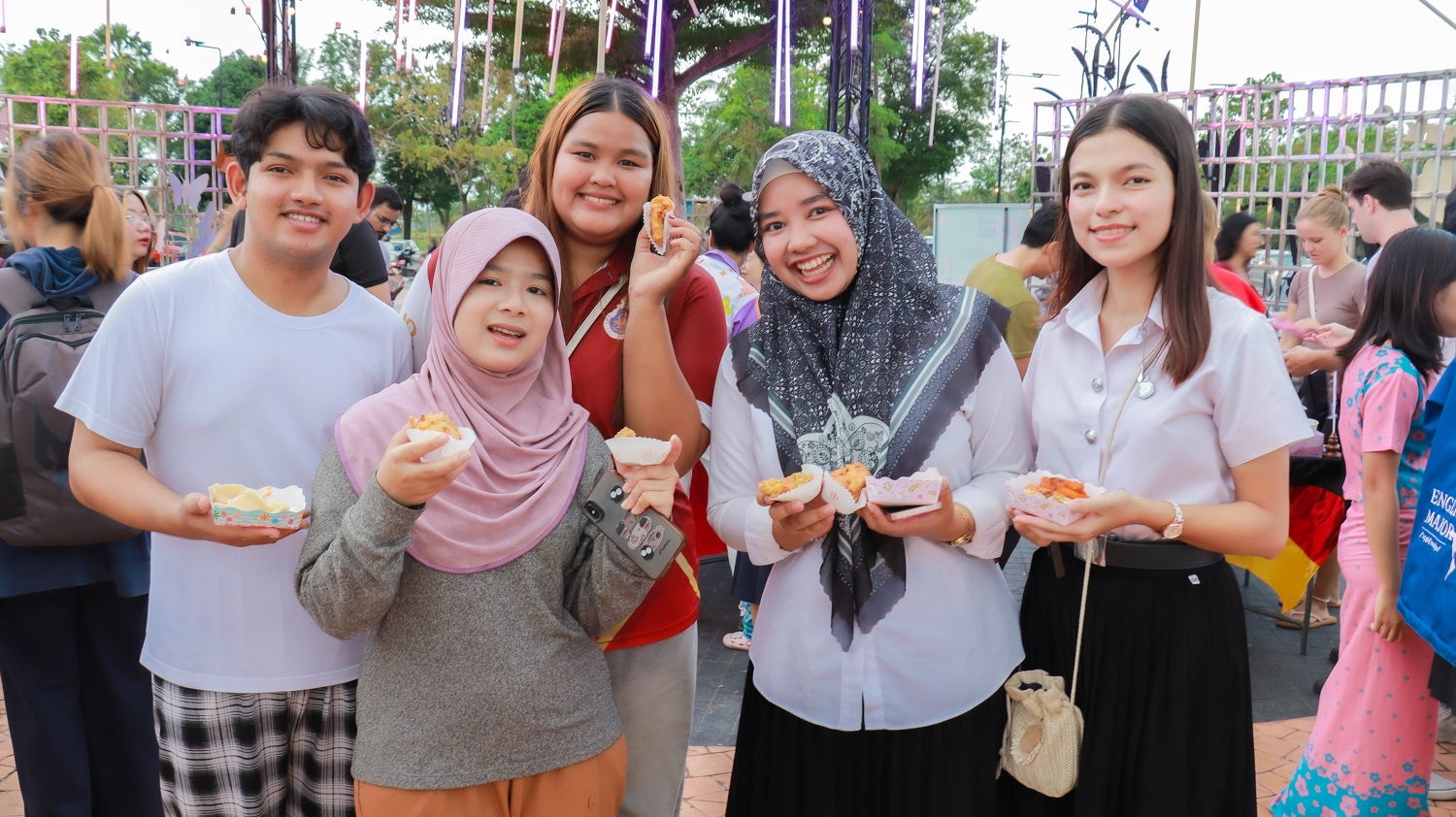
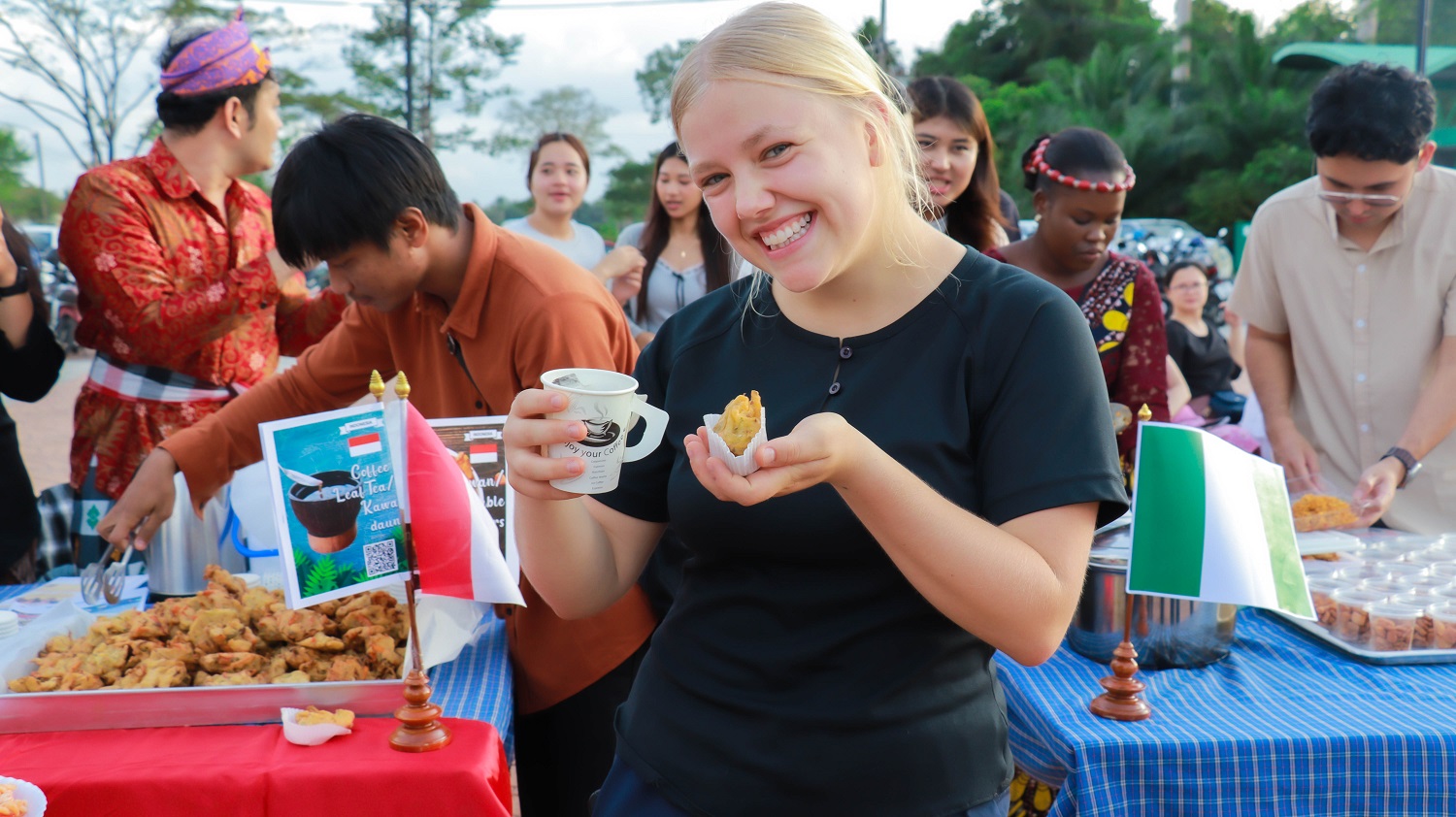
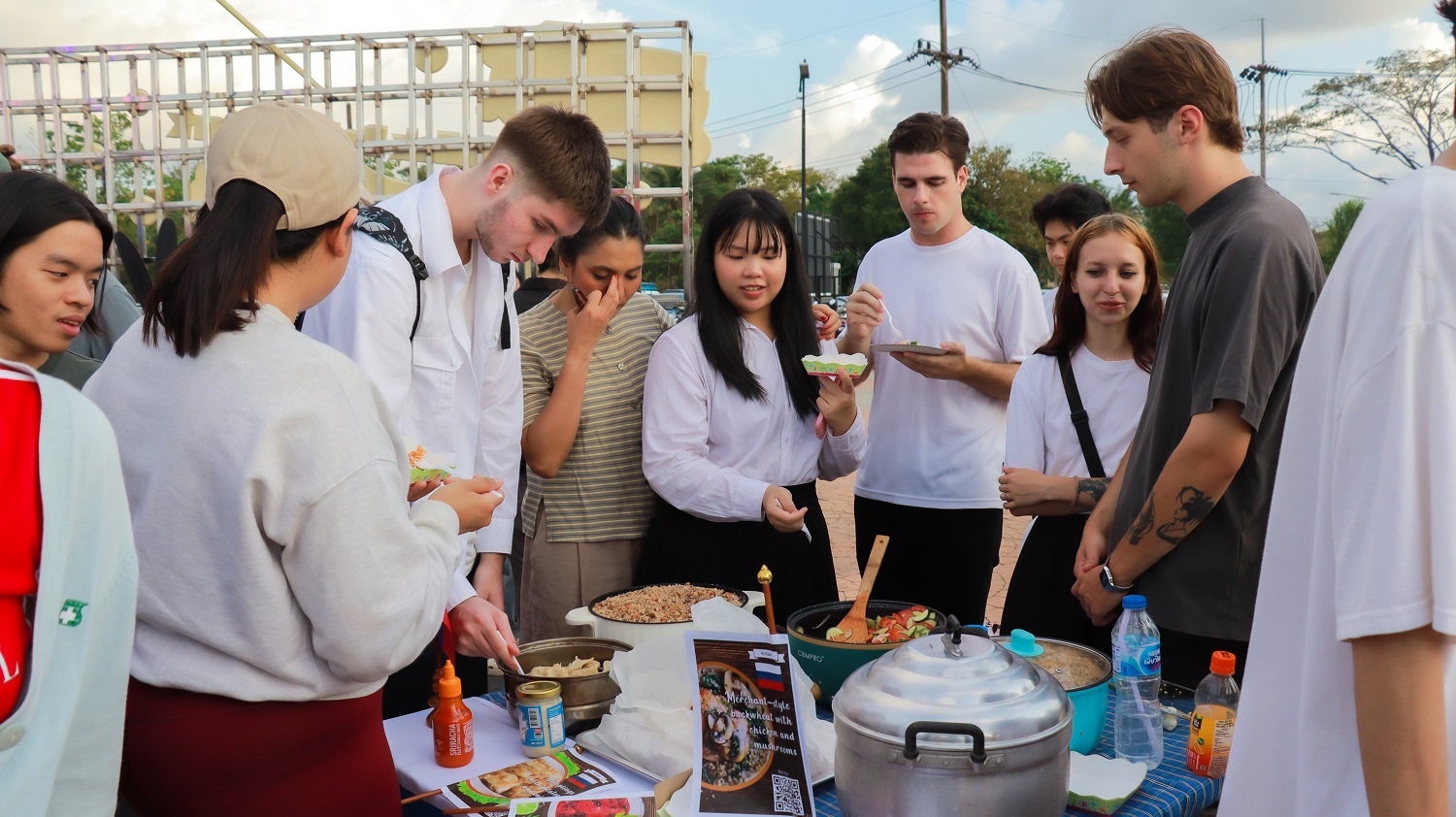
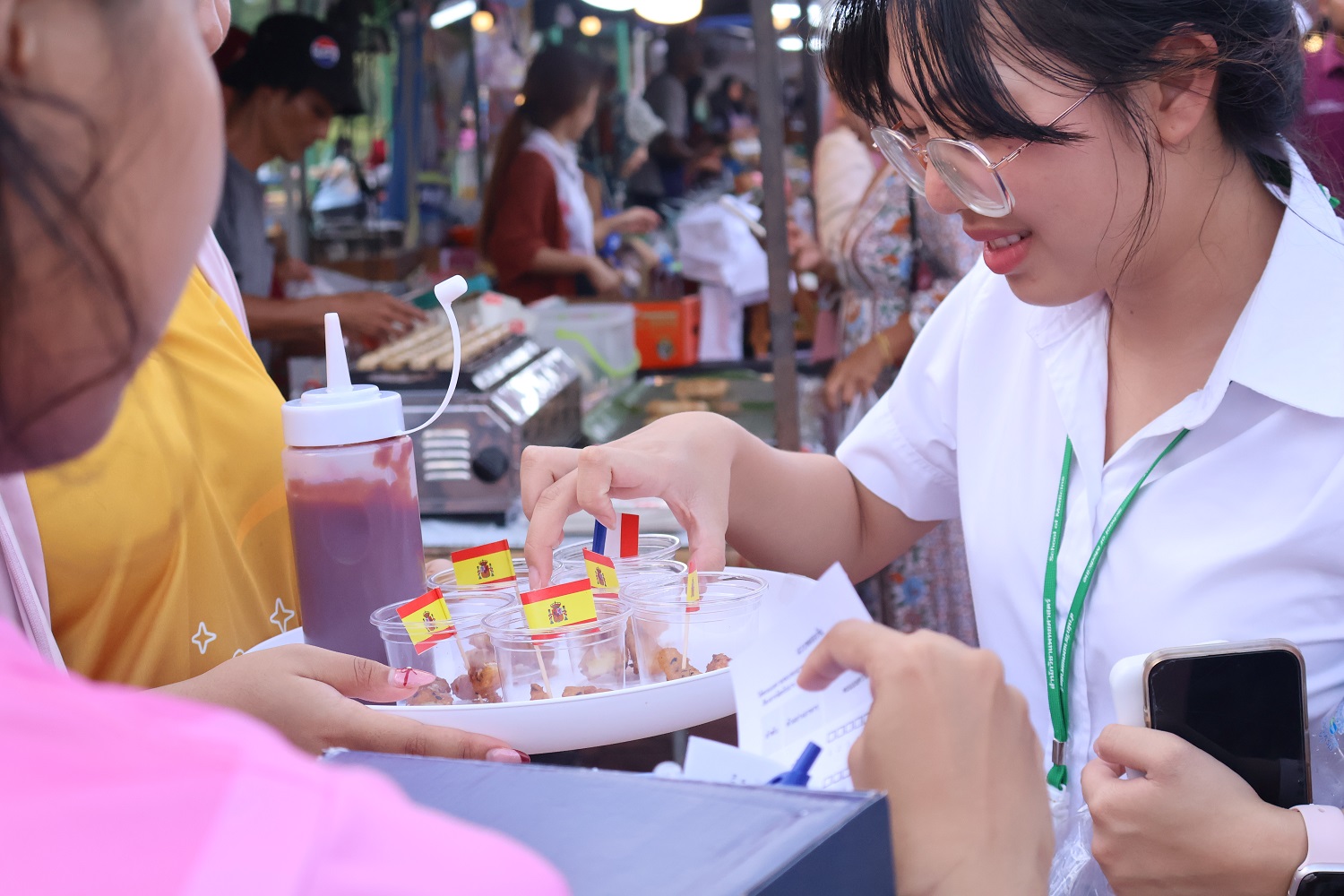
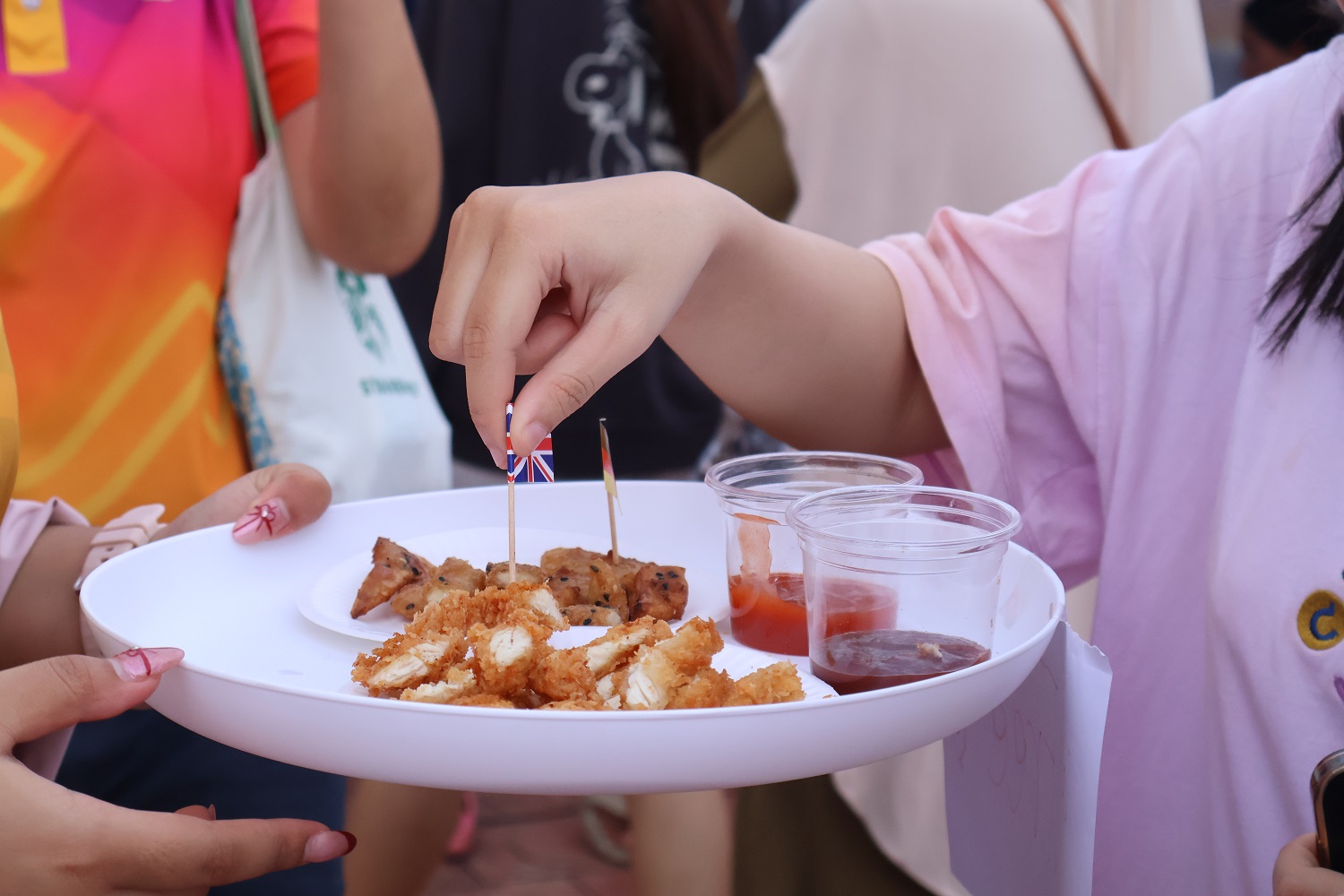
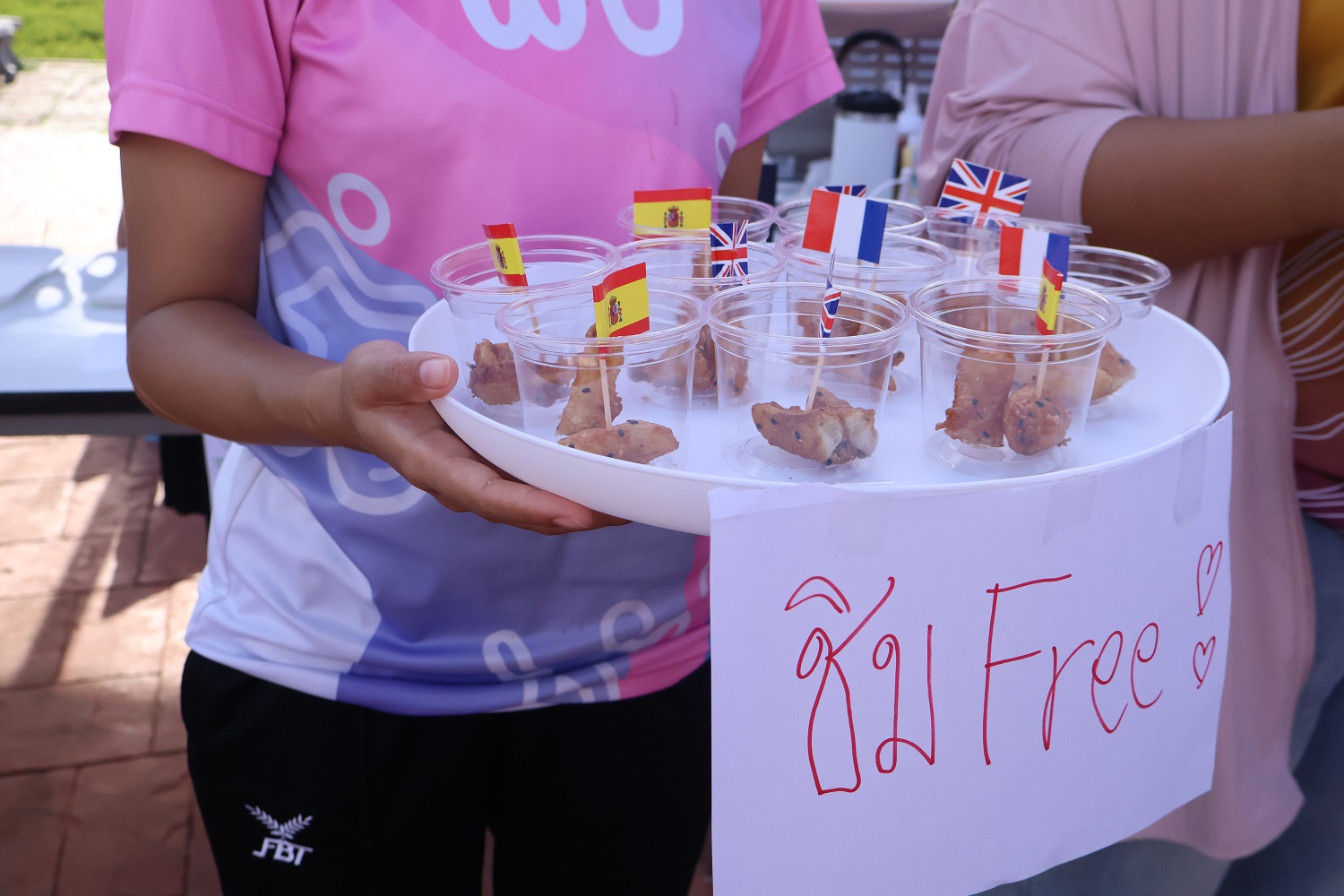
Moreover, the Center for International Affairs provided interventions to prevent or alleviate hunger through International Food Festival for staff and students at Botanic Park to provide food support for both Thai and international students, aiming to reduce food insecurity within the university, and to promote access to a diverse range of meals for students and staff — including halal, vegan, and vegetarian options. The event featured an international food presentation showcasing both savory and sweet dishes prepared by international students from nine countries. These included Jollof rice and Chin Chin from Nigeria, fried vegetables and herbal drinks from Indonesia, pesto pasta salad from Germany, apple charlotte, candied berries, potato and buckwheat dumplings from Russia, gyoza from China, Shan noodles from Myanmar, kimbap and tteokbokki from Korea, as well as Pakistani tea and Thai cotton candy.