Walailak University Food Outlets: Sustainable and Inclusive Food Choices for All
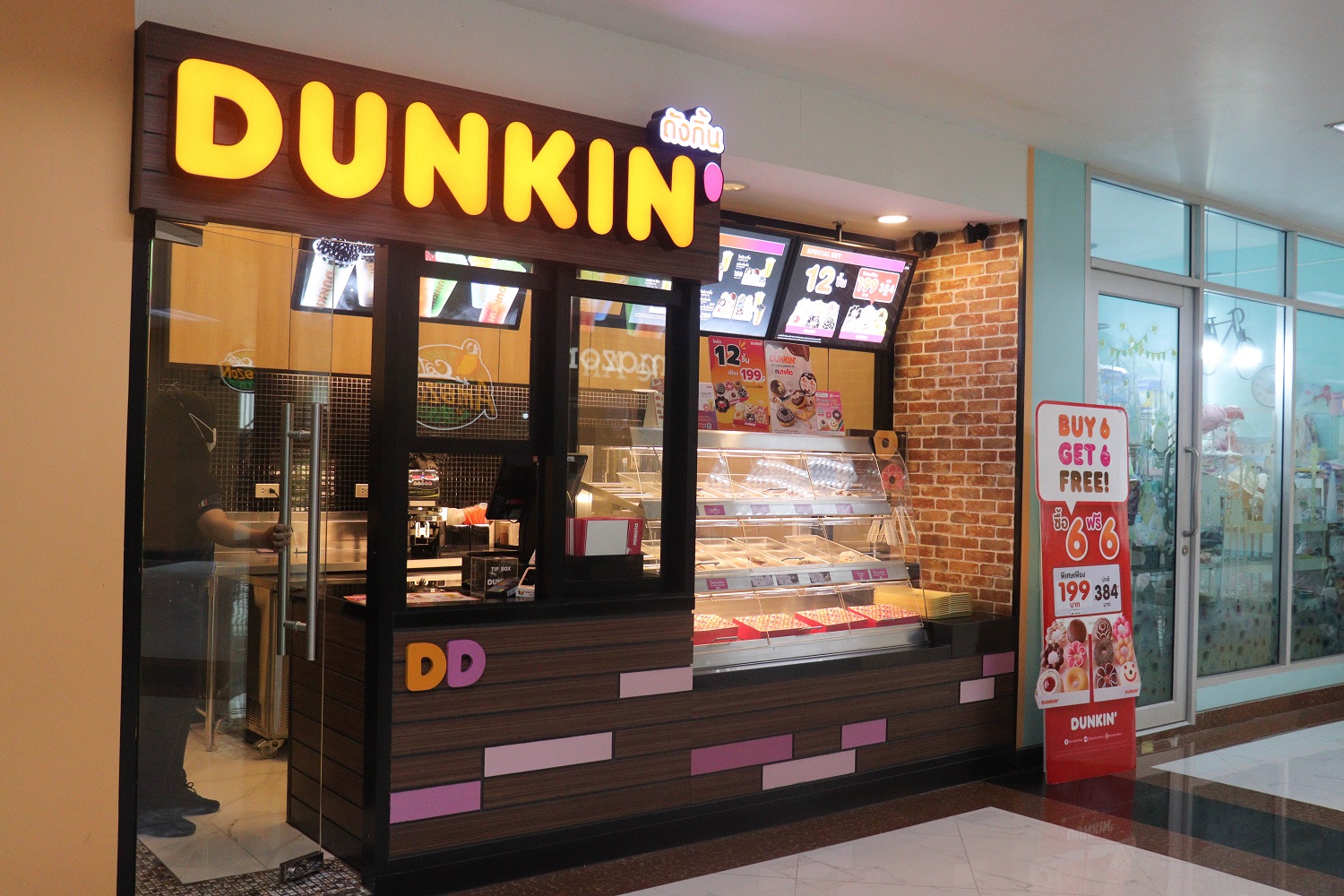
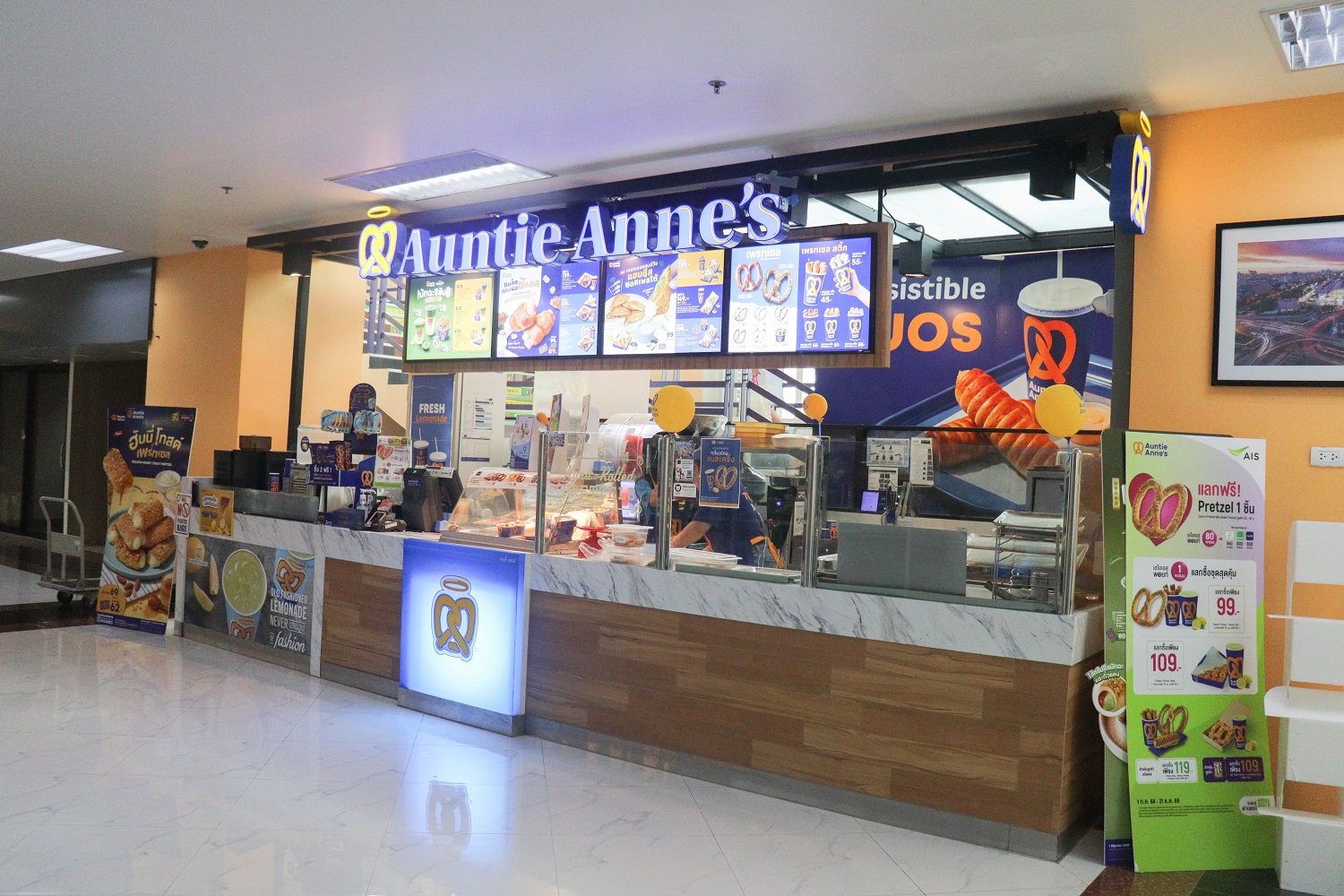
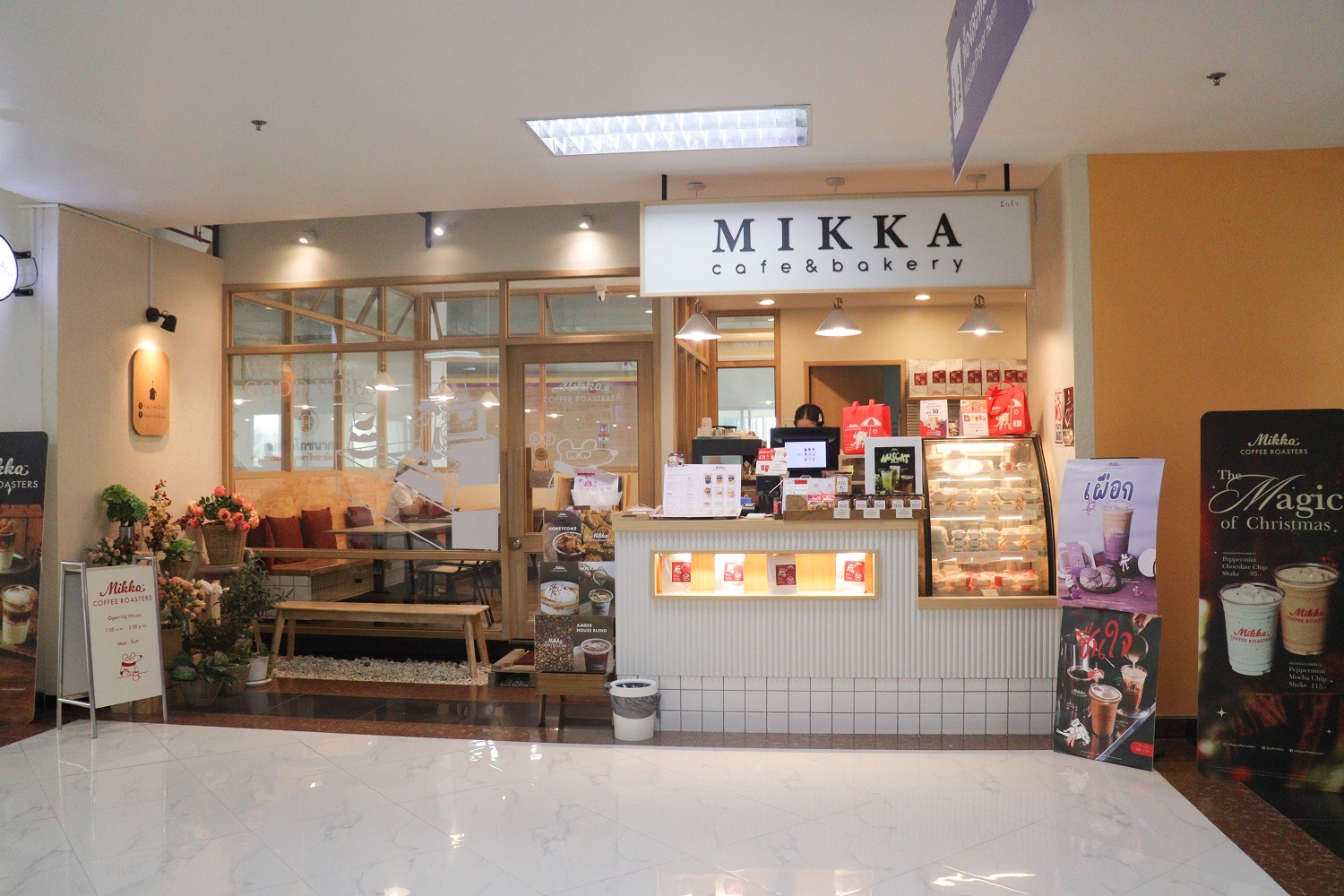
Walailak University, through its Center of Property Management, is committed to providing sustainable and inclusive food choices for all on campus including students, staff, and visitors. All food outlets recruitment follows transparent and respectful procedures to ensure fair opportunities and environmentally responsible practices. WU’s diverse all food outlets include the Cho Pradu Food Center, Student Activity Building Food Center, Walailak University Hospital Food Center, retail convenience stores, food kiosks, cafeterias, vending machines, university markets, and Kla-D shop. These all-food outlets follow the 2022 Policy on Food Preparation and Sustainable Consumption, ensuring that food options align with environmental sustainability, health, and inclusivity.
Walailak University employs a data-led approach to evaluate its sustainability performance, identifying strengths, gaps, opportunities, and strategic directions across its operations. Through systematic assessment, the university gains a comprehensive understanding of its sustainability landscape—particularly in areas related to responsible consumption, food security, and inclusive campus services. Based on diagnostic insights, the university develops targeted sustainability strategies to strengthen partnerships around sustainable practices. A notable initiative is led by the Center of Property Management, which is committed to providing sustainable and inclusive food choices for all on campus—students, staff, and visitors alike (including vegetarian and vegan food). This initiative ensures that all food outlets operate under transparent and respectful recruitment procedures, promoting fair opportunities and environmentally responsible practices. Through active engagement with community stakeholders, the university’s diverse range of food outlets—including the Cho Pradu Food Center, Student Activity Building Food Center, Walailak University Hospital Food Center, retail convenience stores, food kiosks, cafeterias, vending machines, university markets, and the Kla-D shop—serve as key platforms for promoting awareness and participation in sustainable consumption, adhering to the 2022 Policy on Food Preparation and Sustainable Consumption. These outlets exemplify inclusive engagement by providing food choices that support environmental sustainability, health, and cultural diversity.
The Road to Sustainable Food Choices on Campus
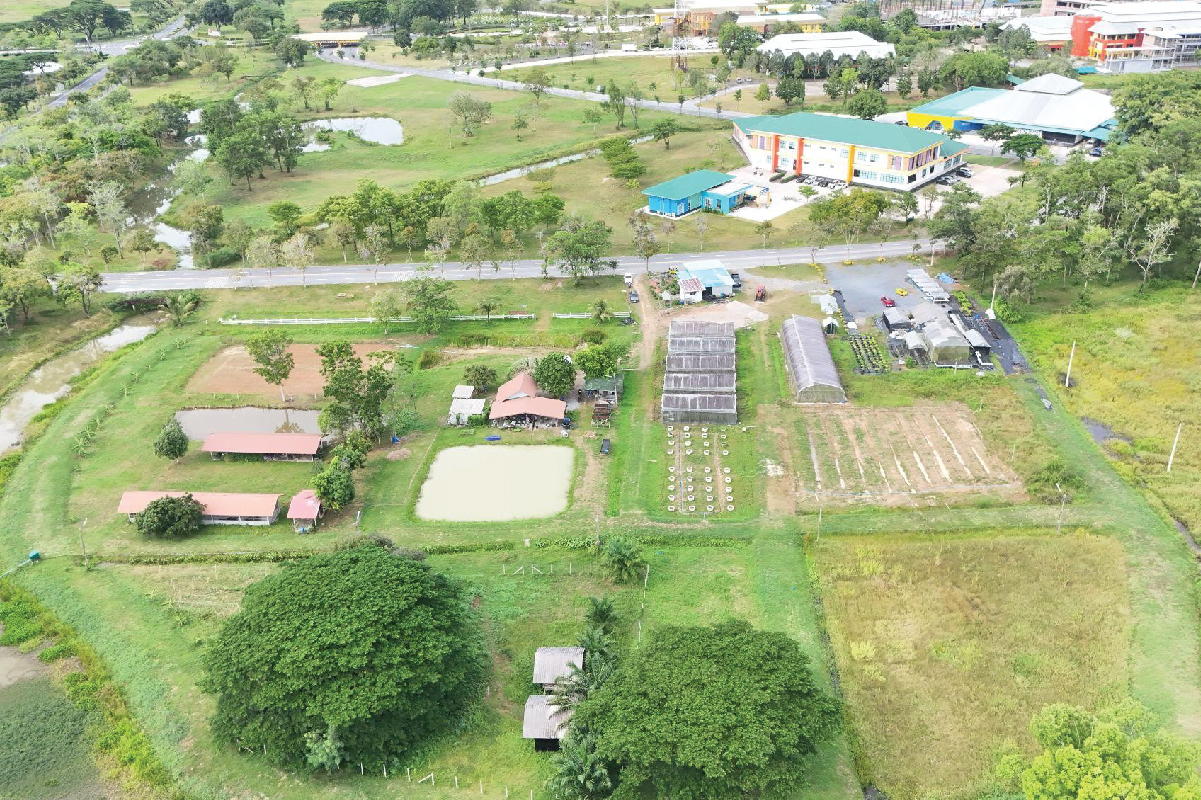
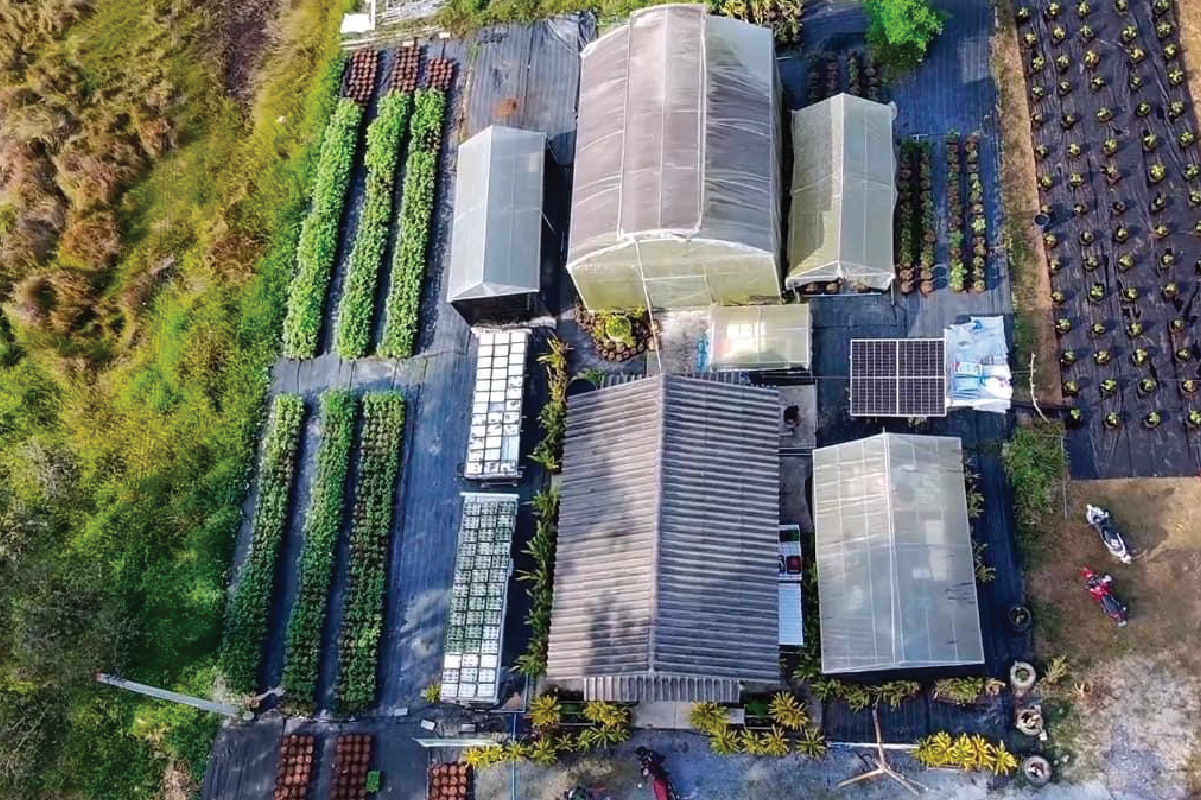
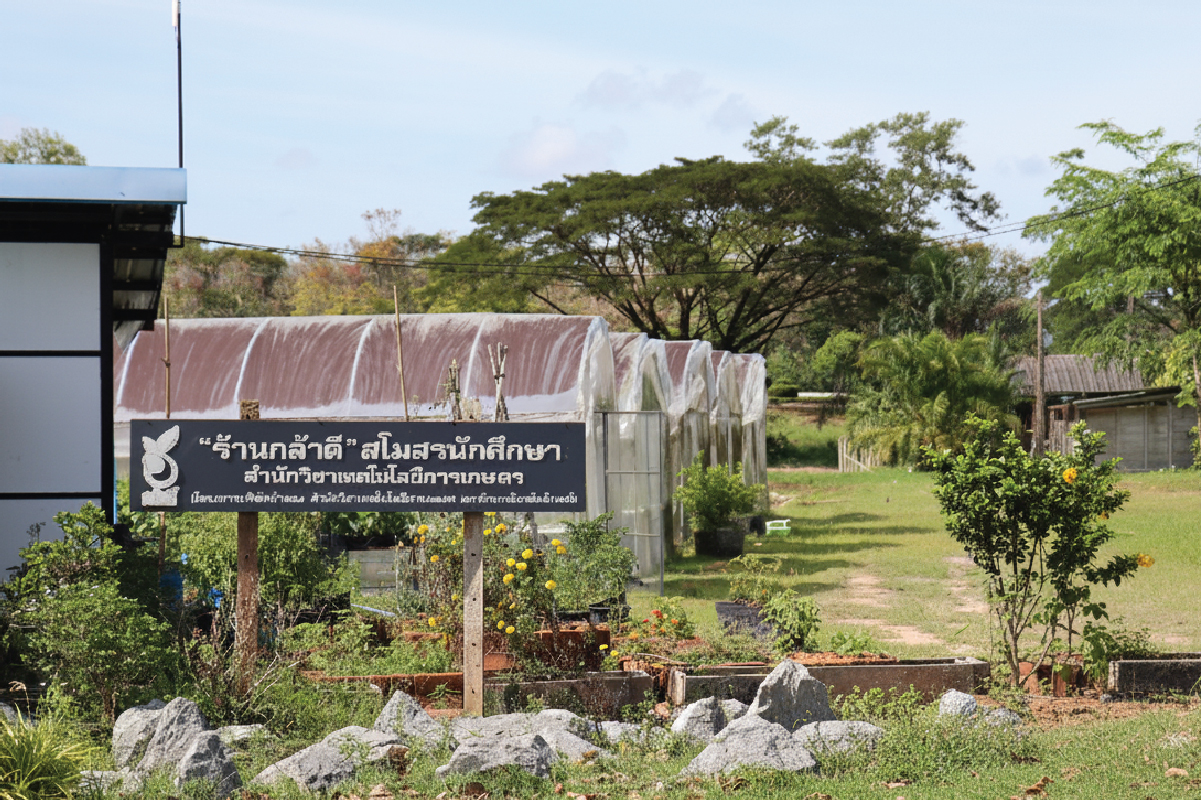
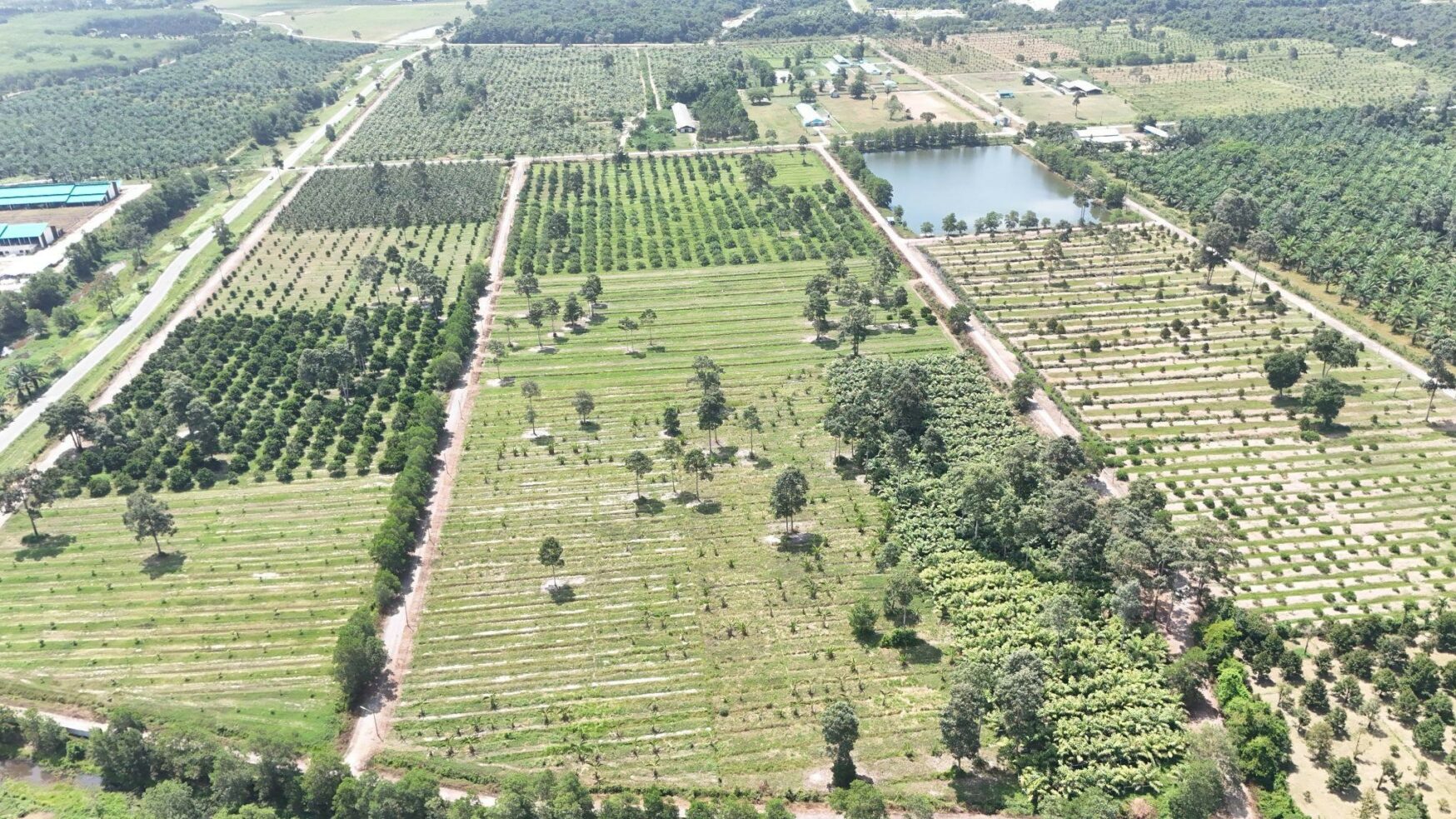
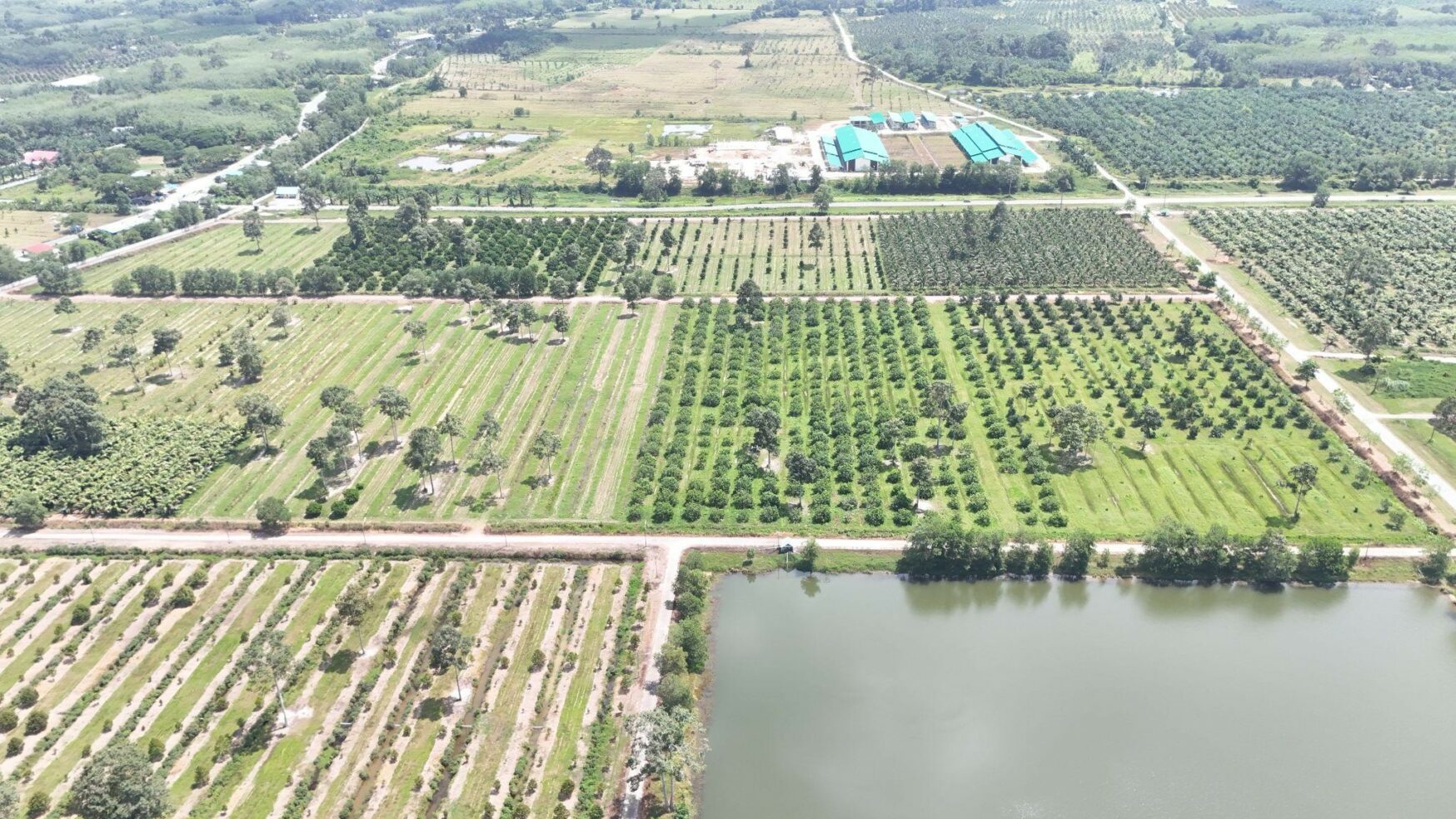
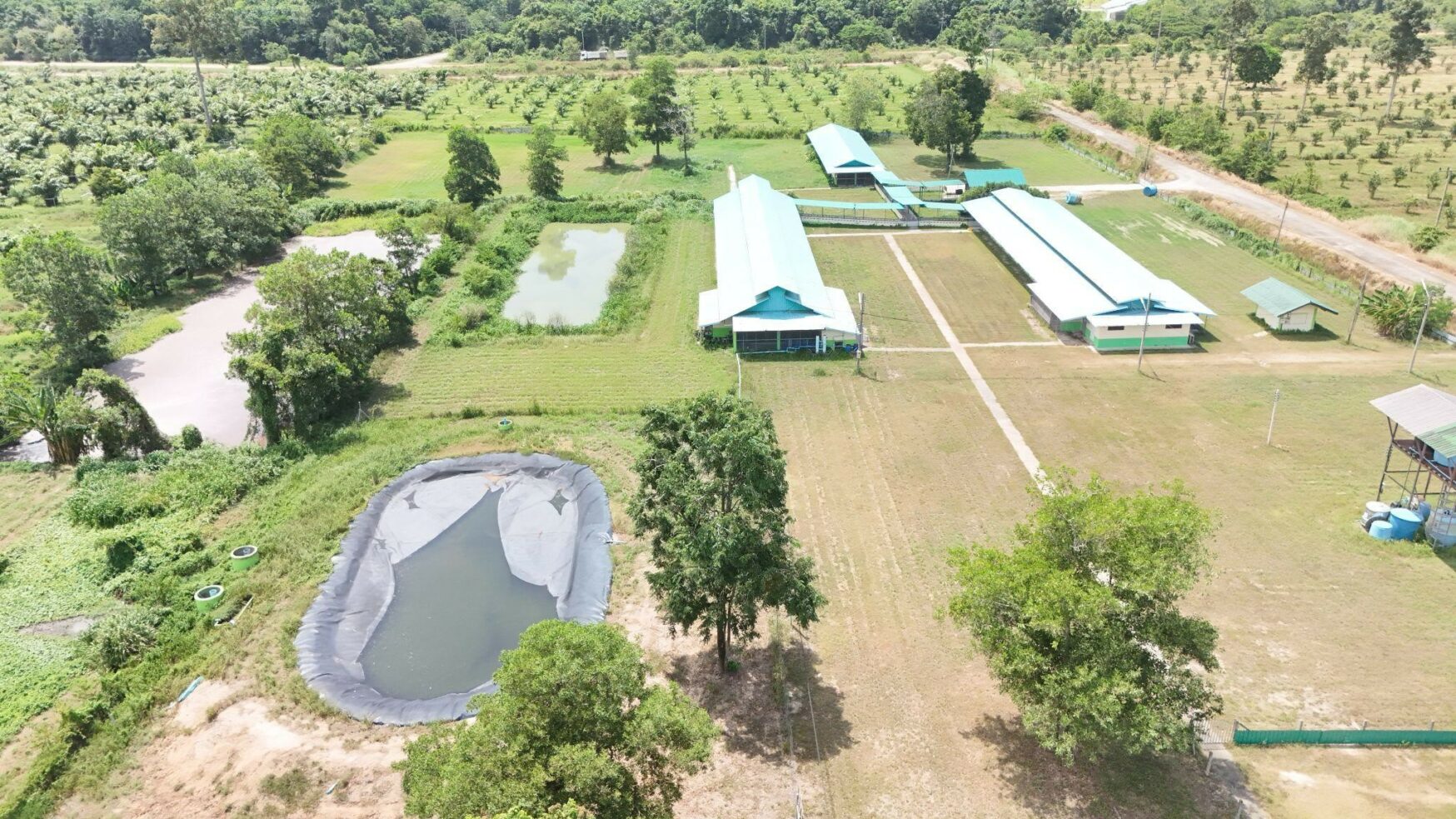
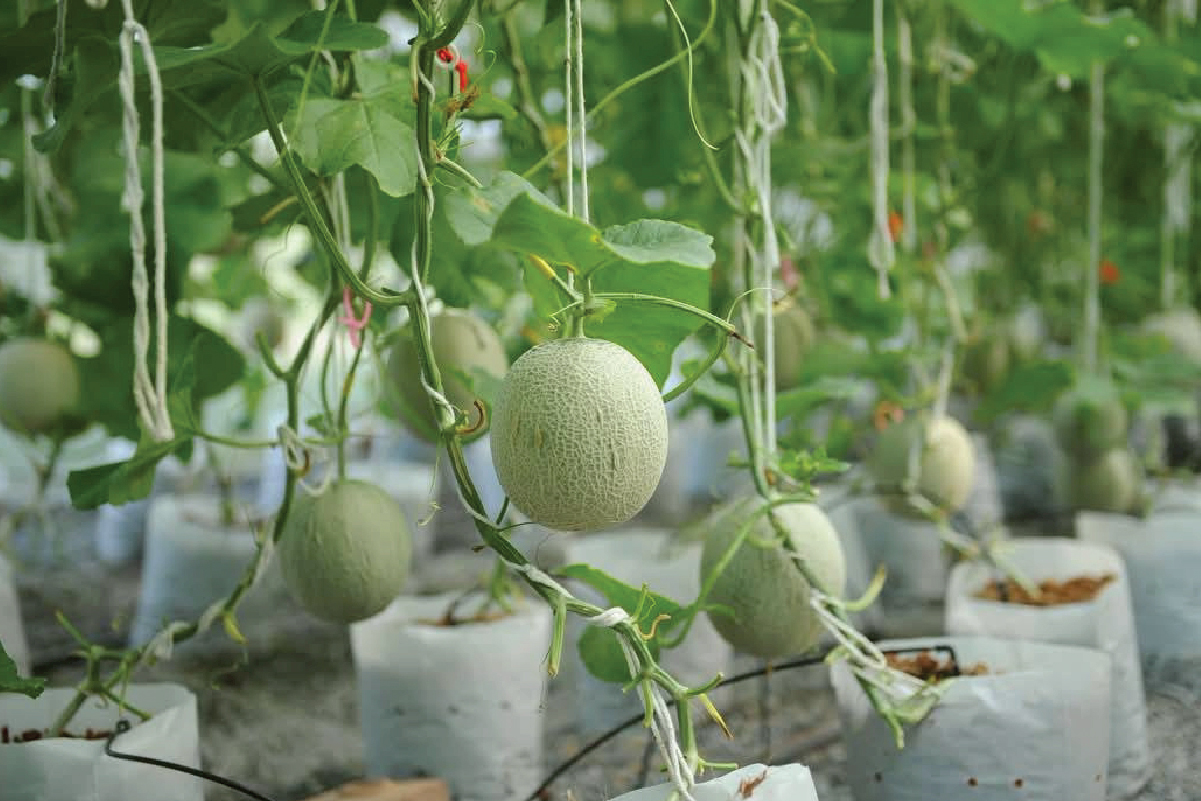
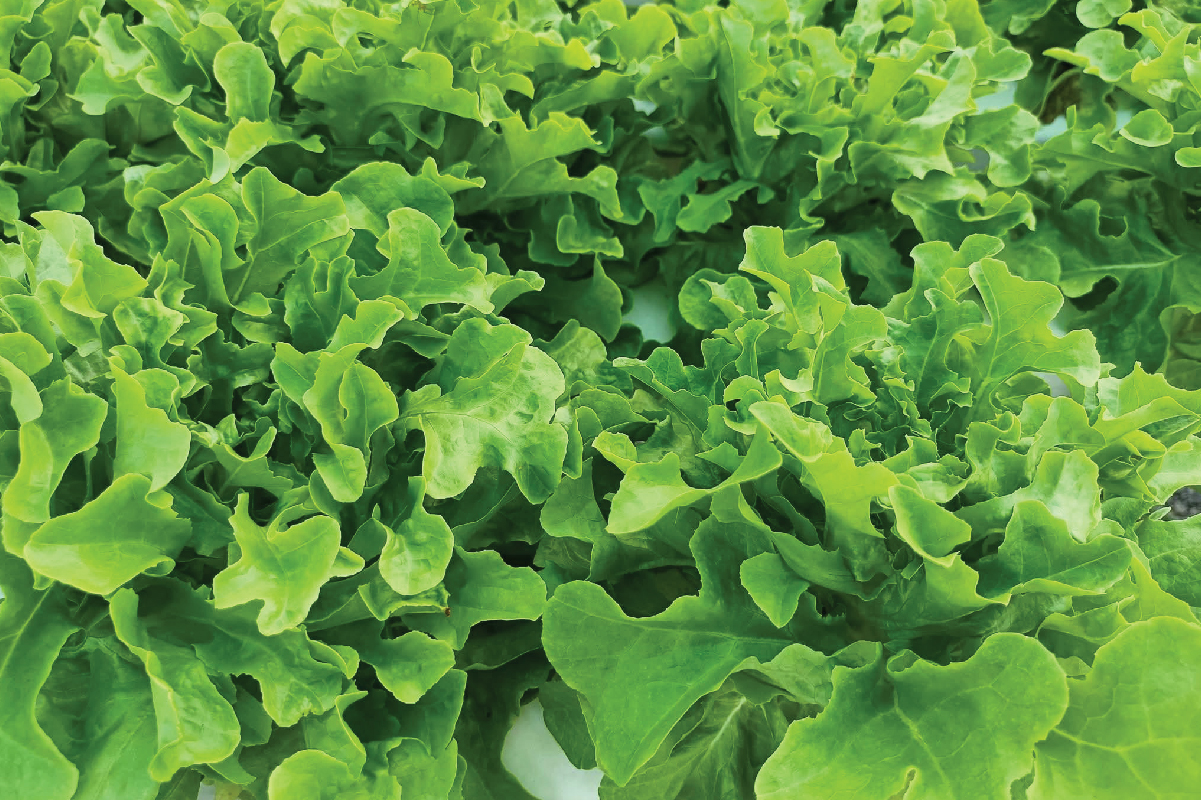
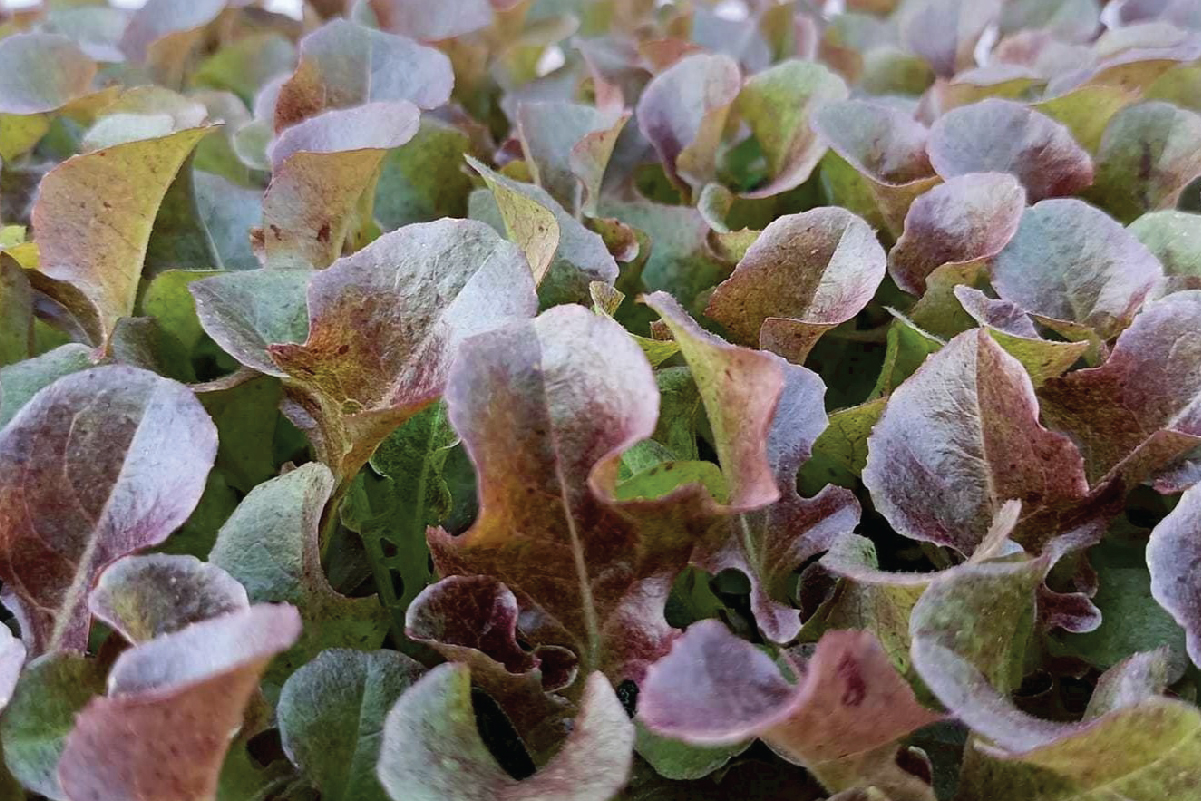
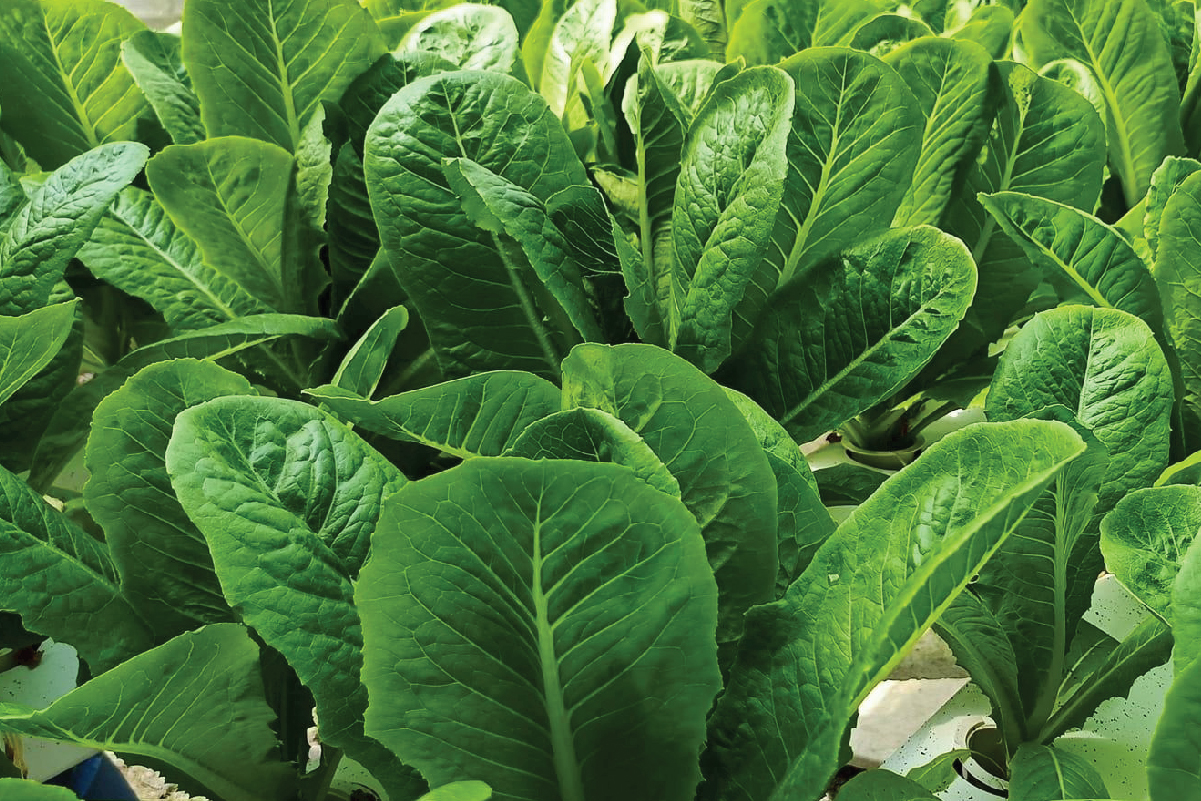
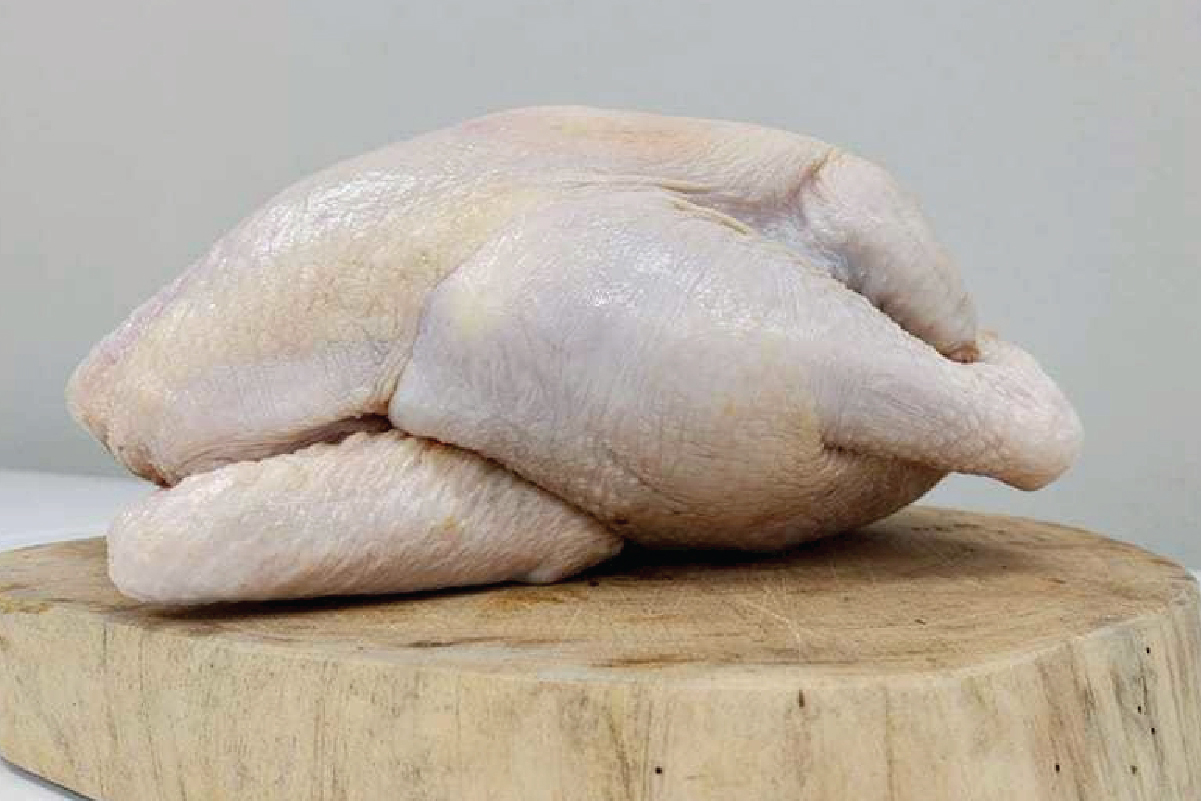
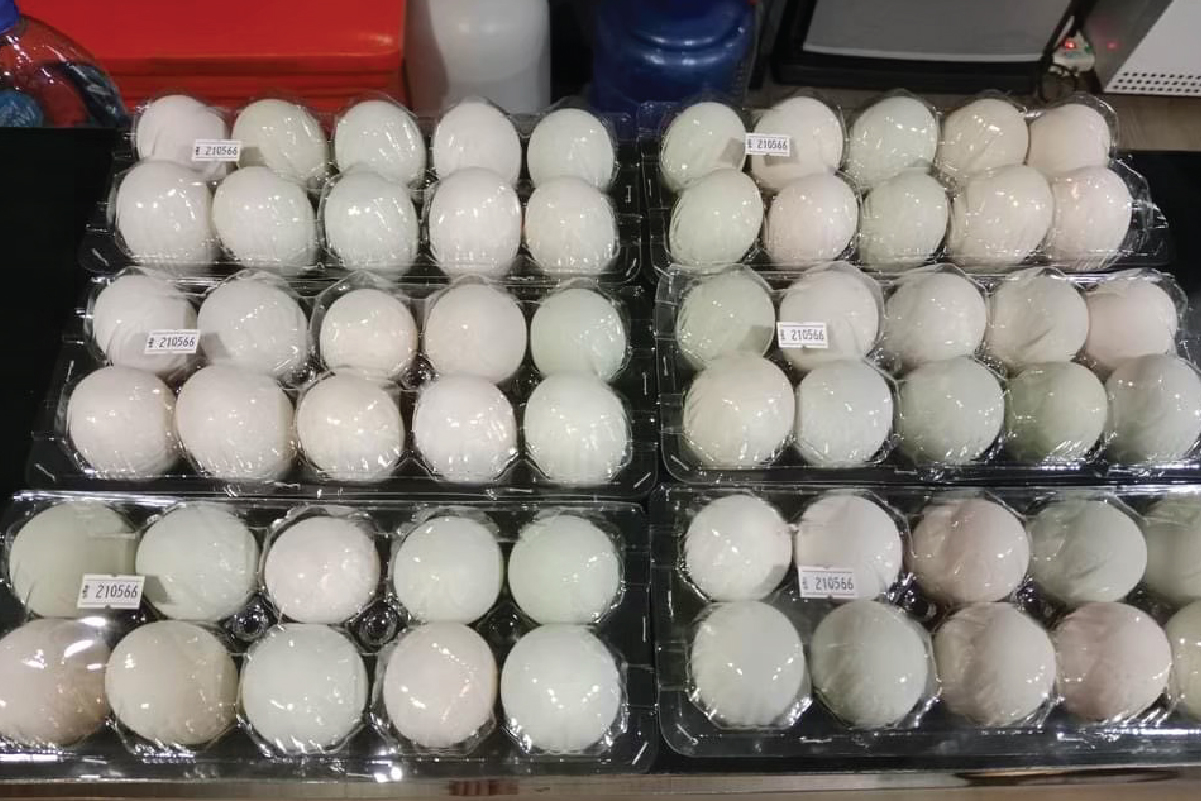
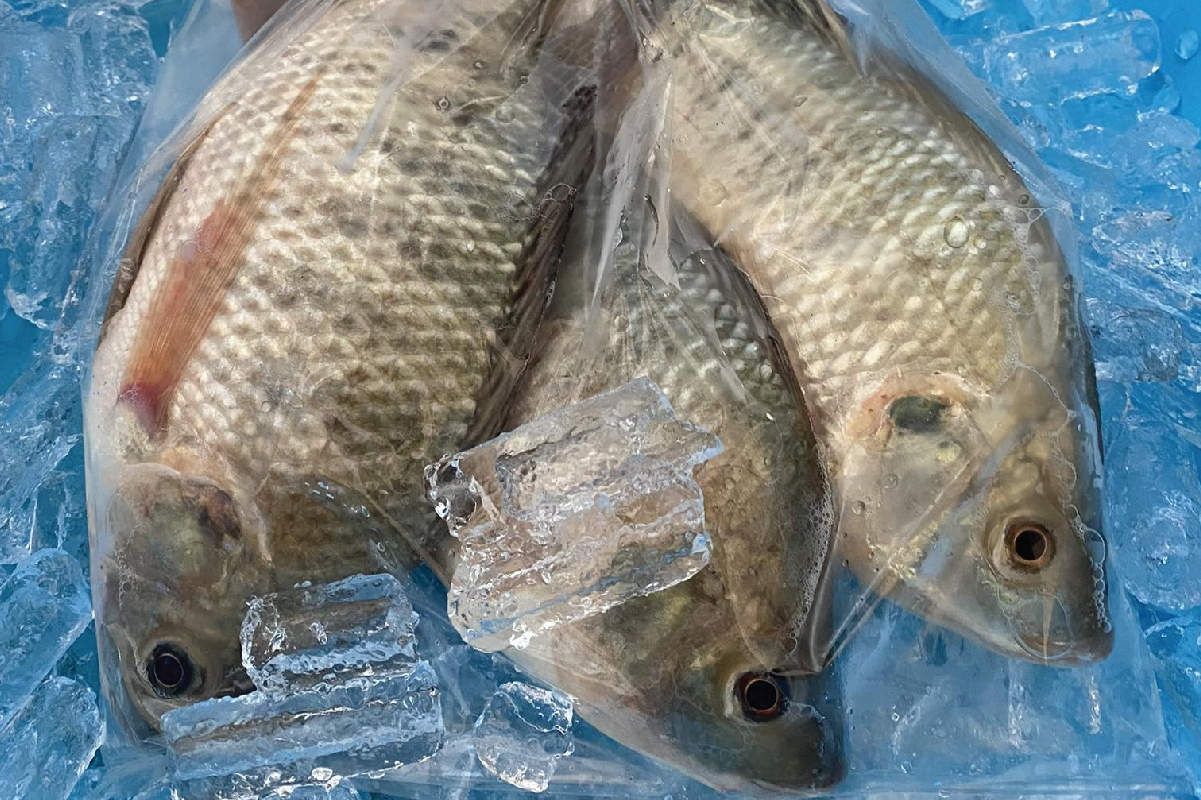
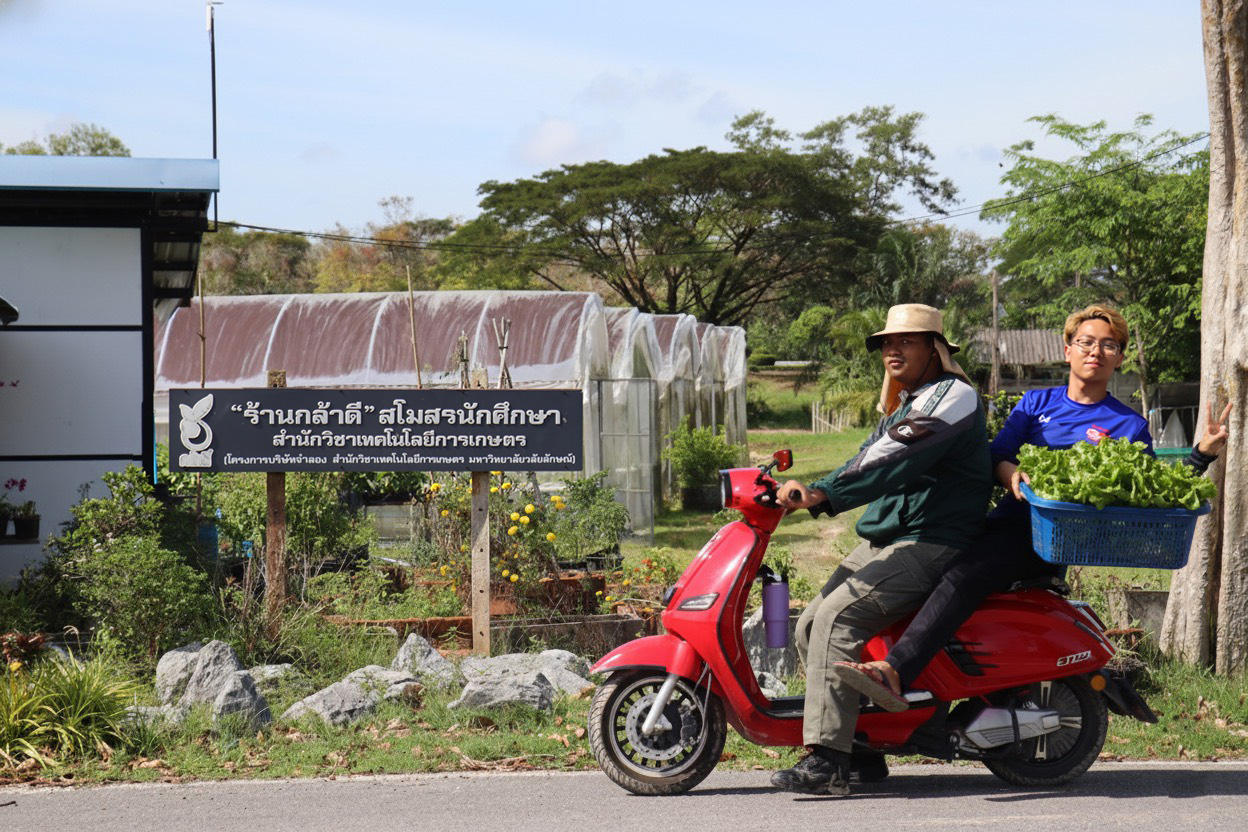
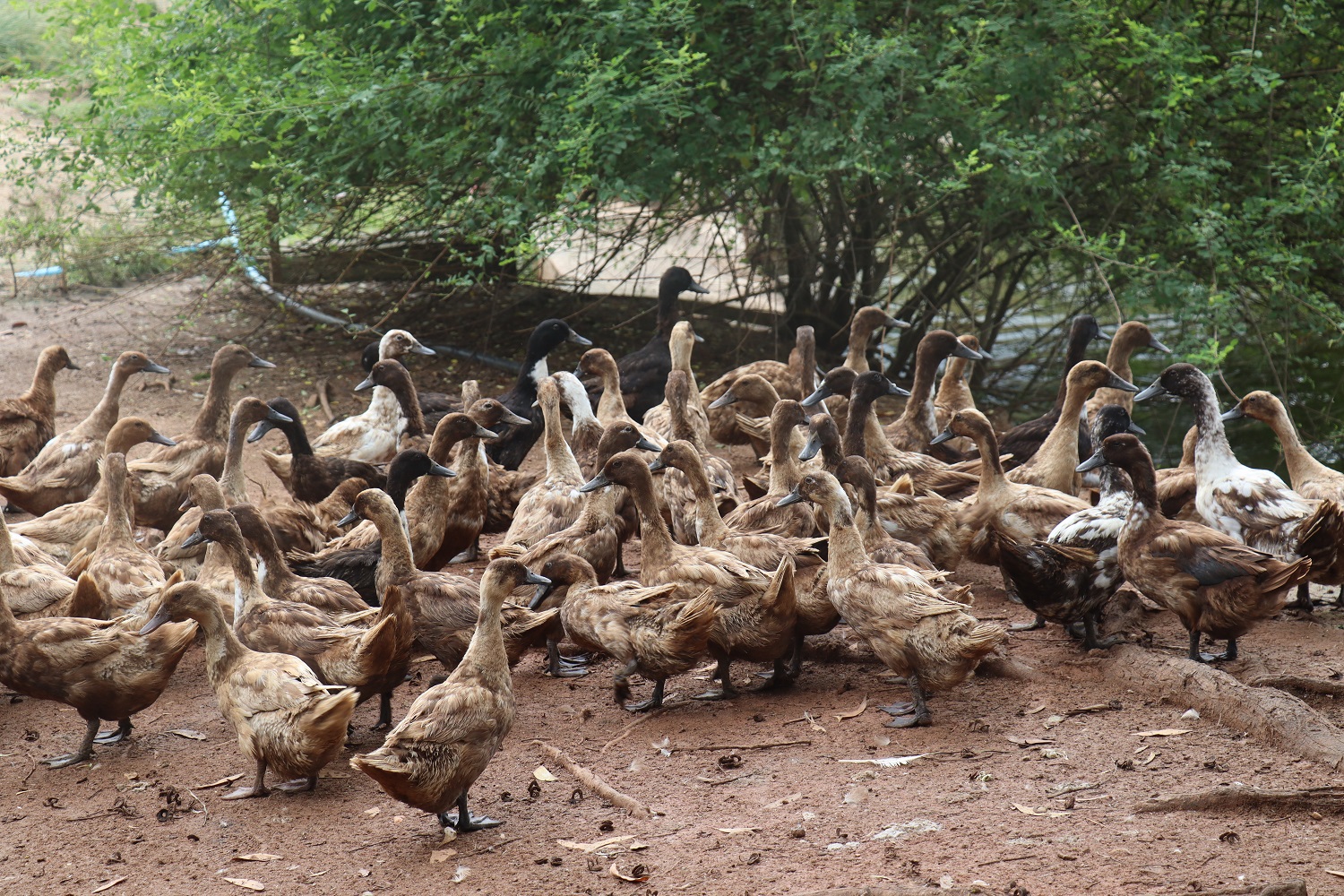
Walailak University provides sustainable food choices for all on campus through the WU Agricultural Innovative Demonstration and Development Center in Honor of Rama IX (Kla-D) and the Center for Smart Farming and Landscaping Architecture. Both centers adhere to Good Agricultural Practices (GAP) and Good Manufacturing Practices (GMP) in producing vegetables, fruits, eggs, pork, and other food items.
Figures : WU Agricultural Innovative Demonstration and Development Center in Honor of Rama IX
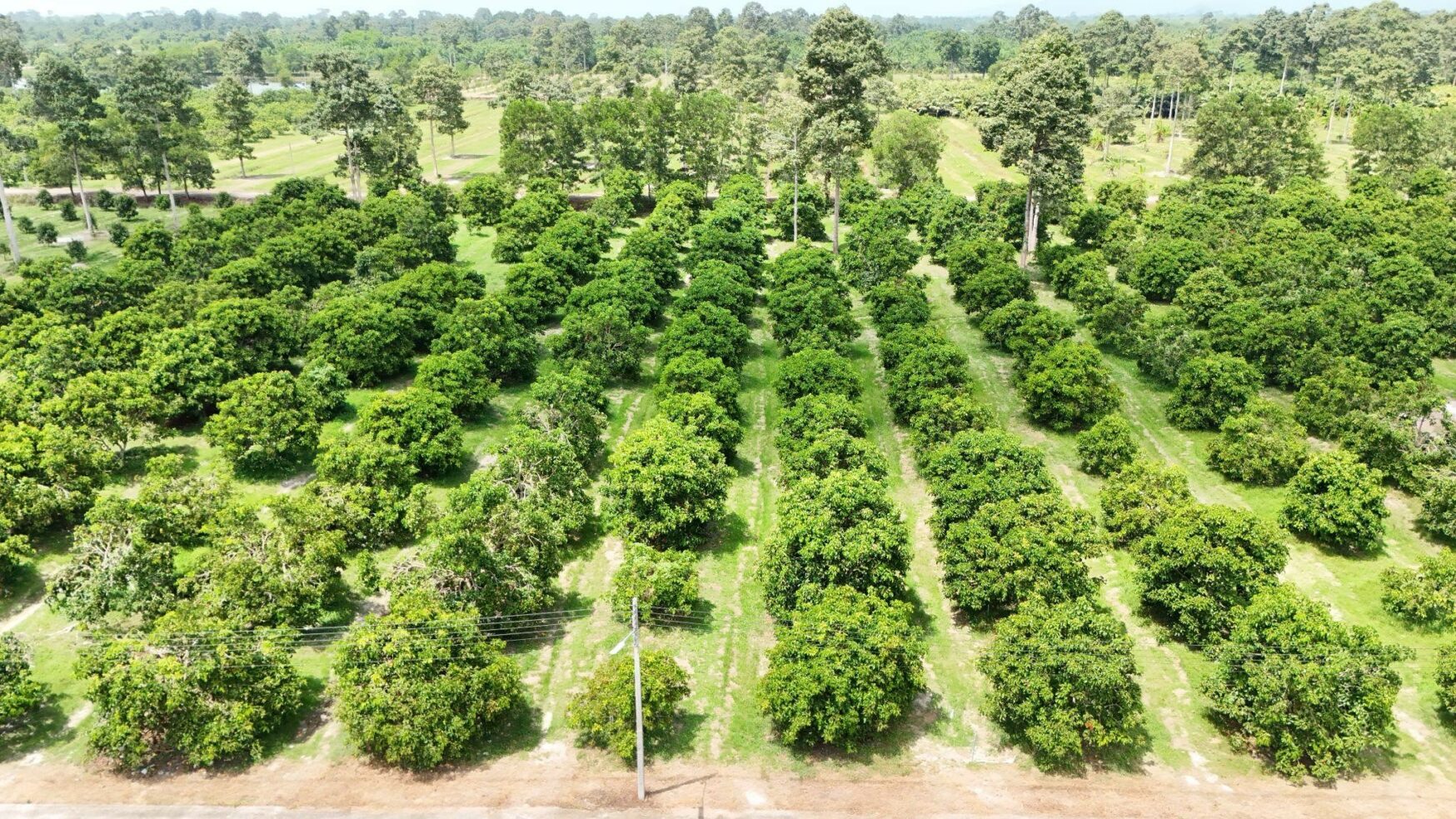
Figures : The Center for Smart Farming and Landscaping Architecture
These products are distributed to all food outlets, providing sustainable food choices for all on campus.This existence of choices at all food outlets can lead to the road of sustainable food choices on campus. Additionally, the details of these two centers as below:
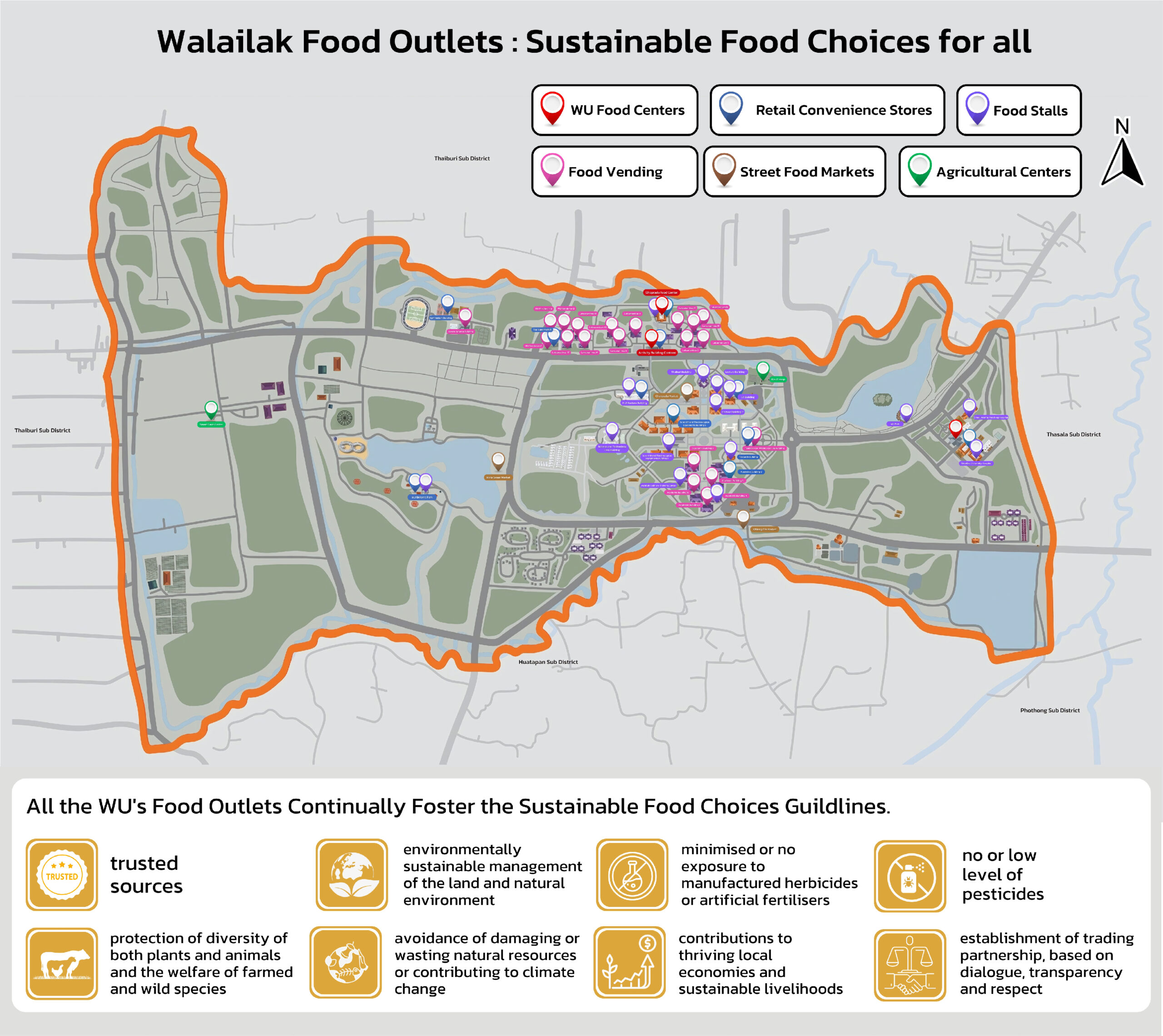
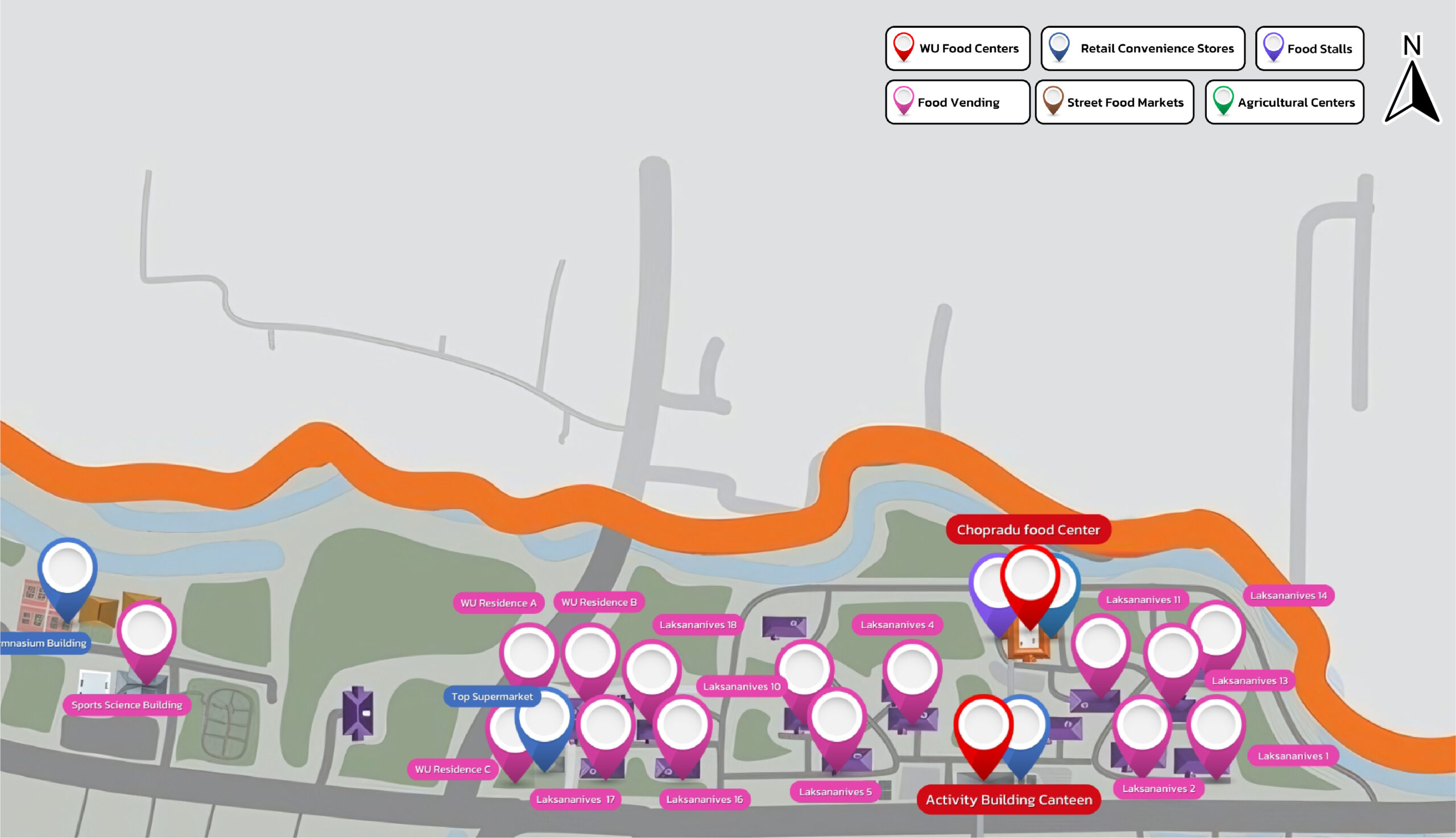
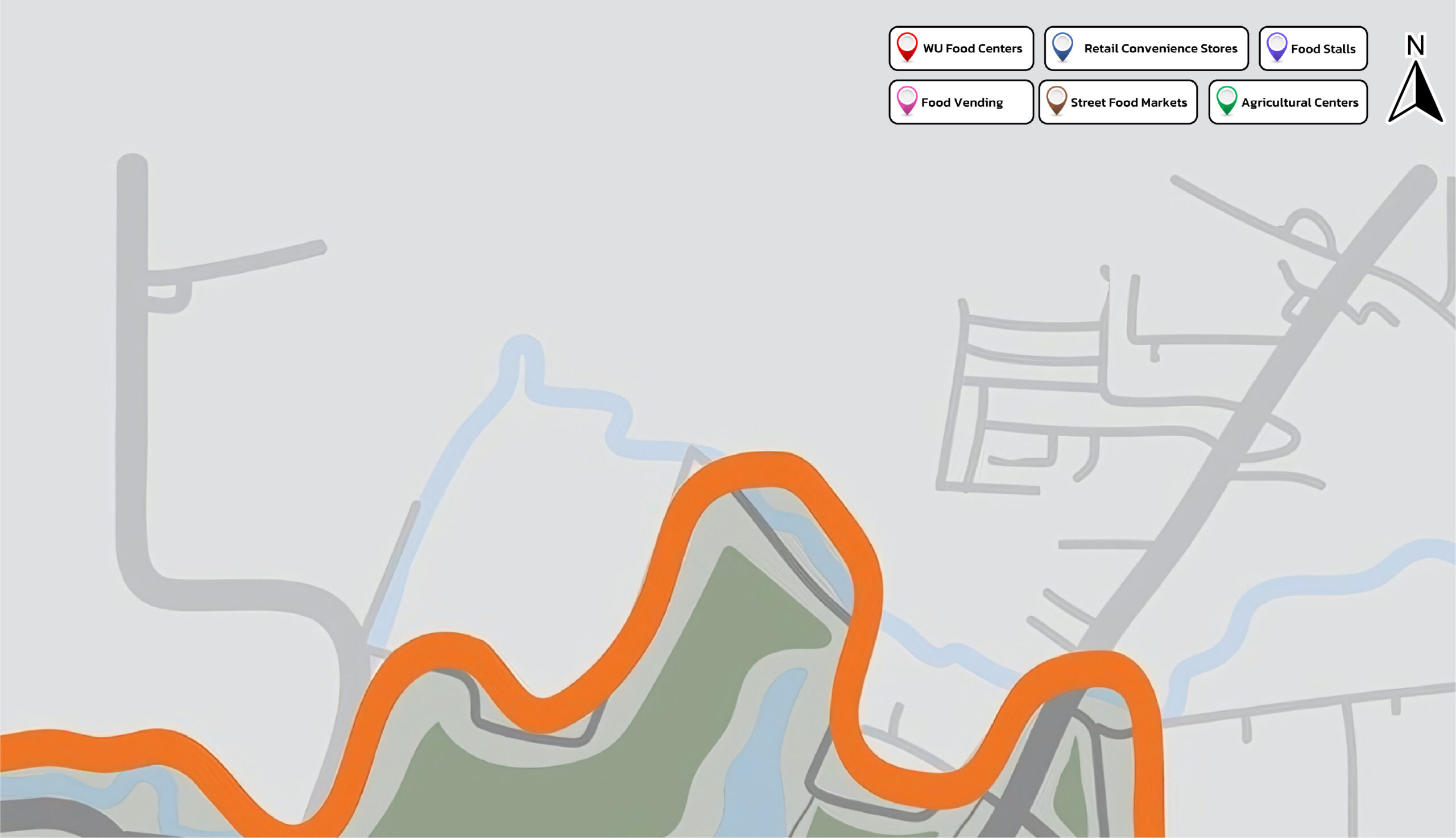
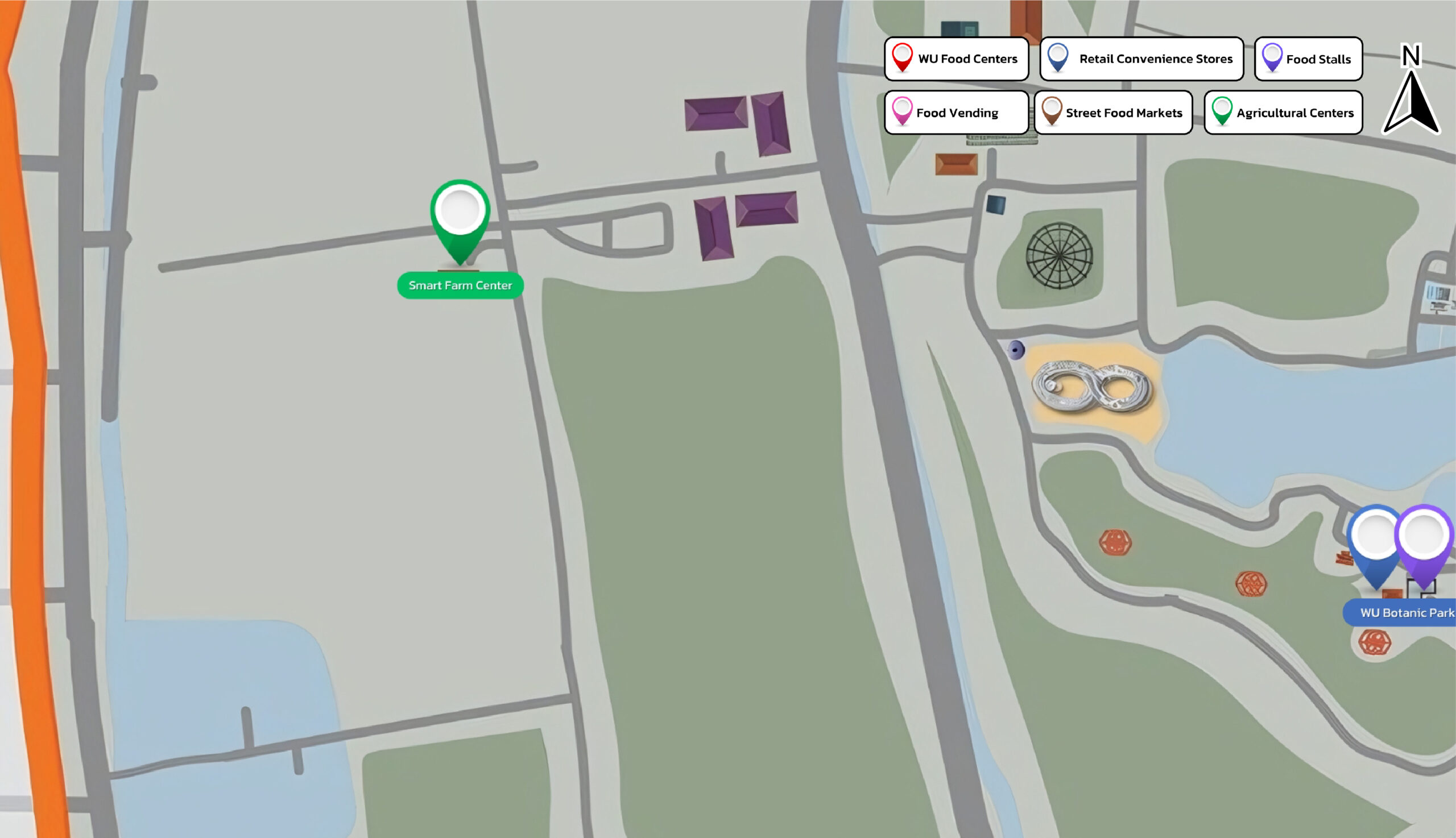
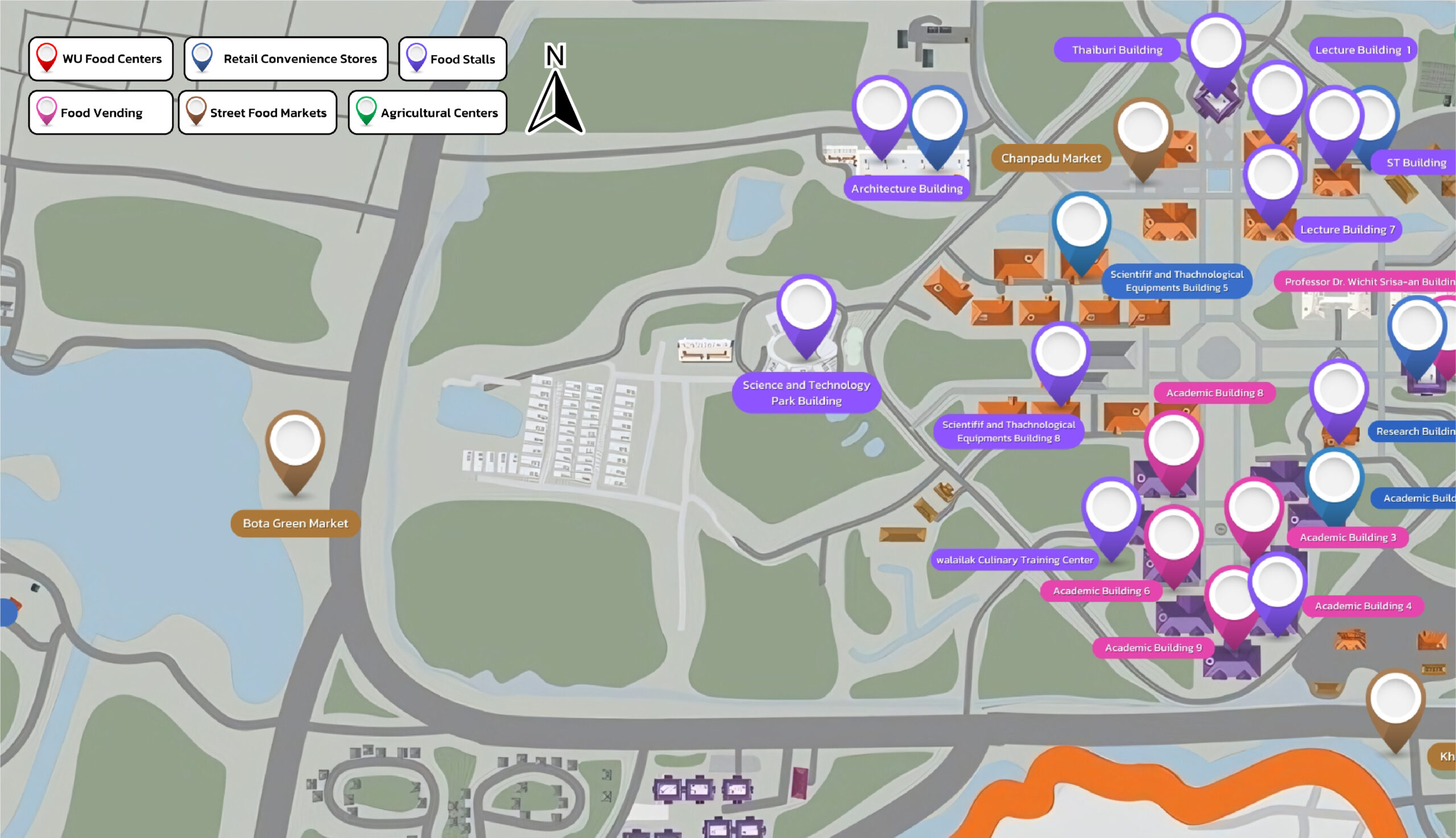
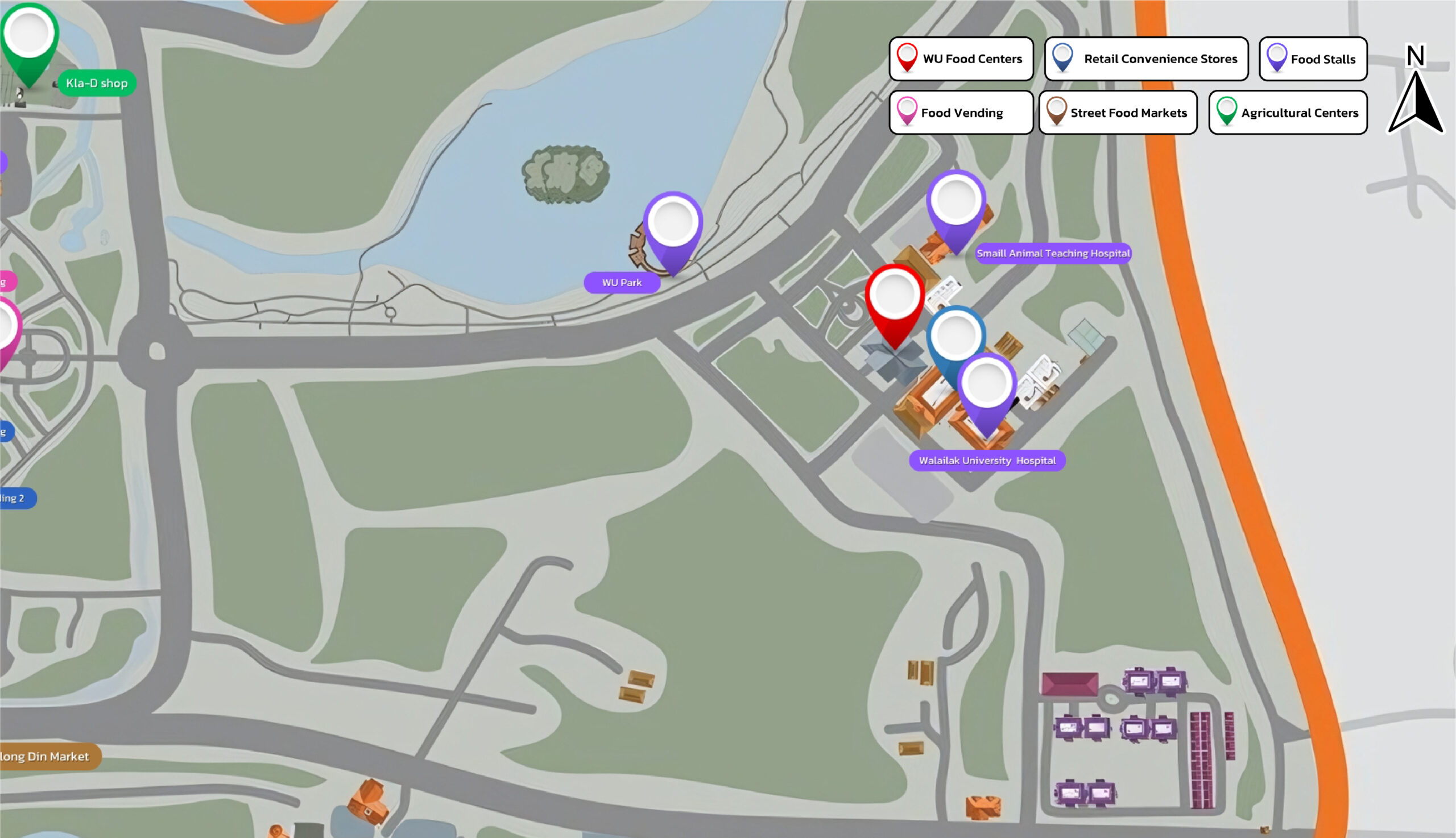
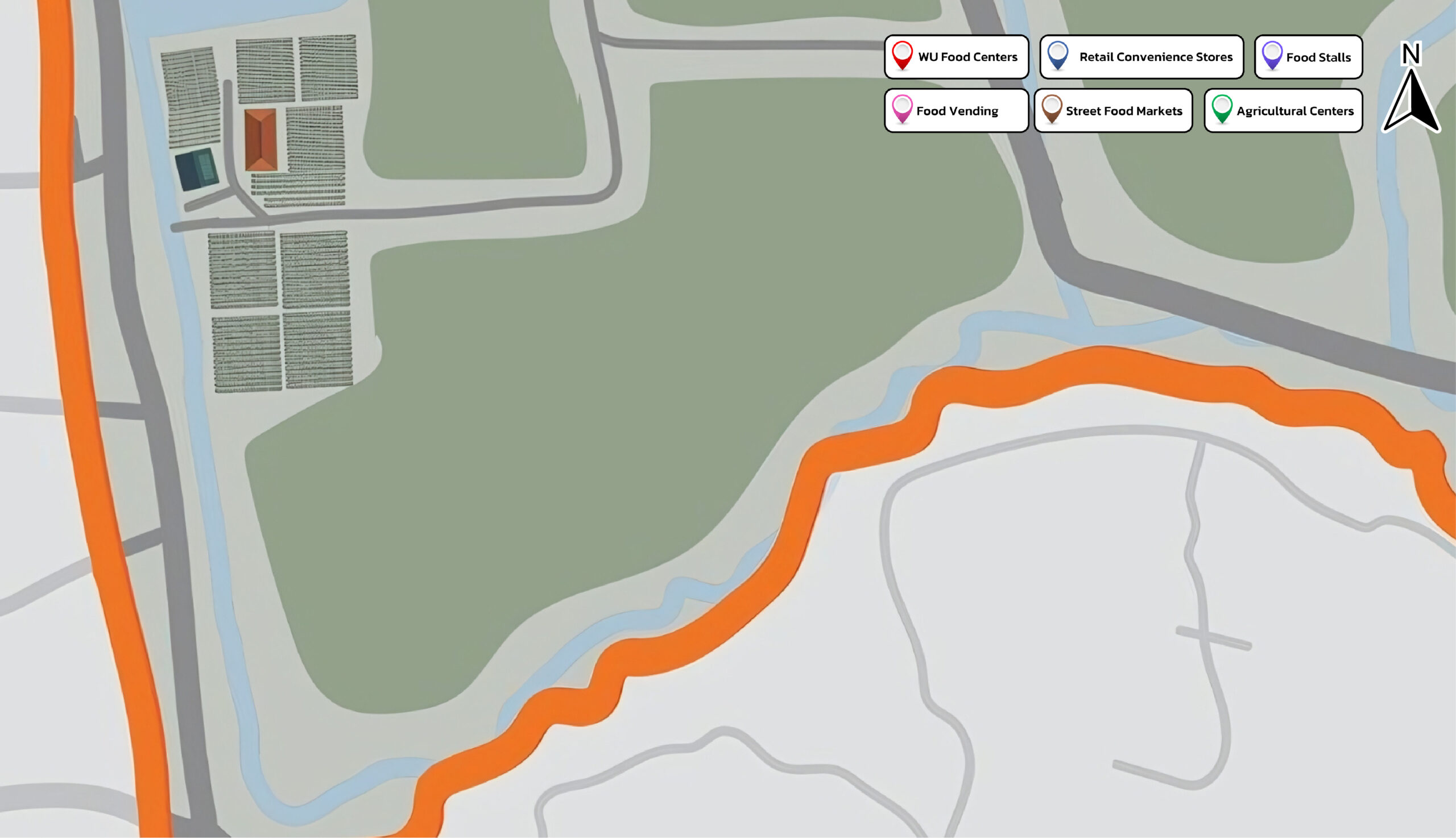
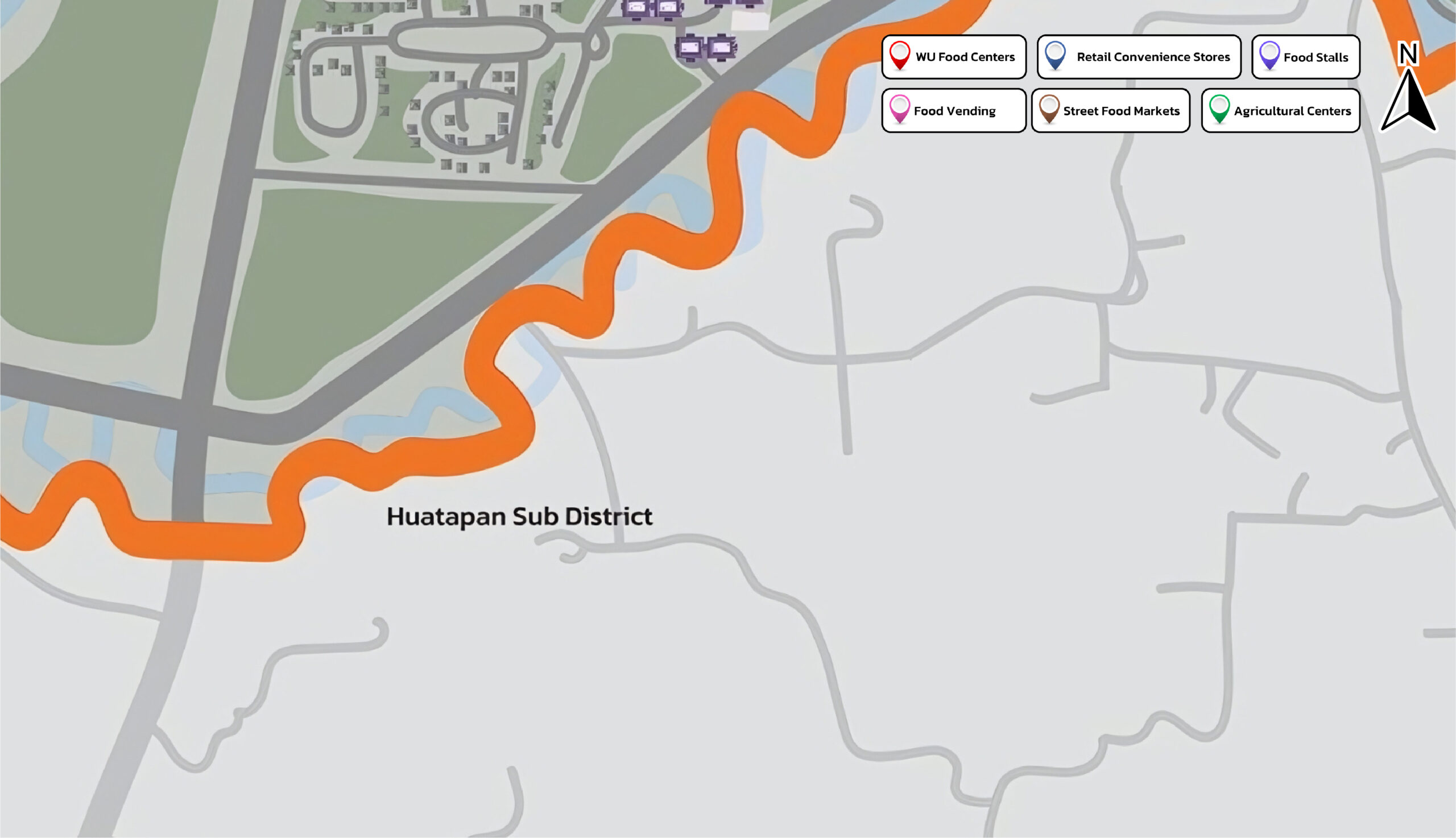
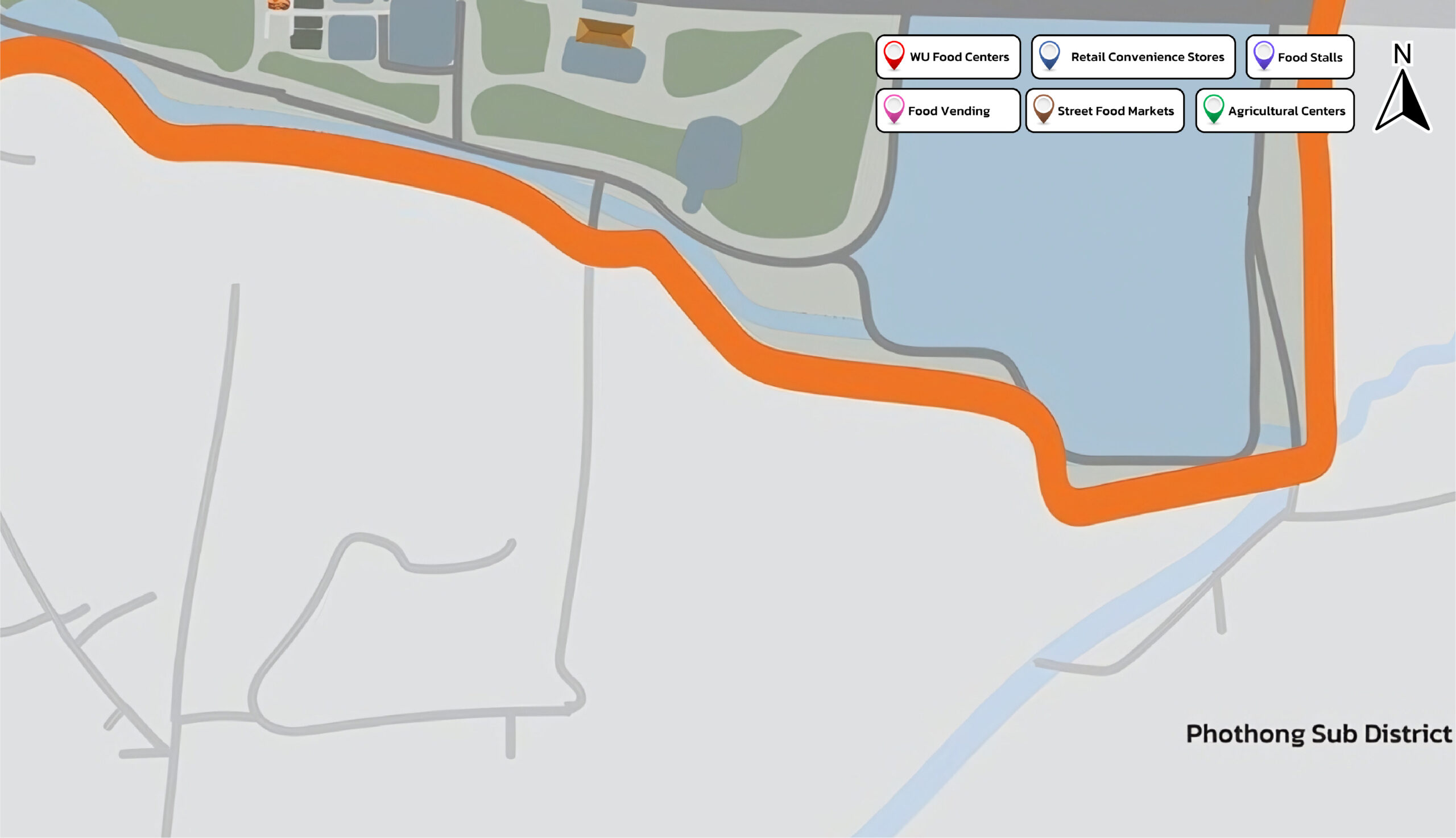
Clickon the map for a clearer view with more details.
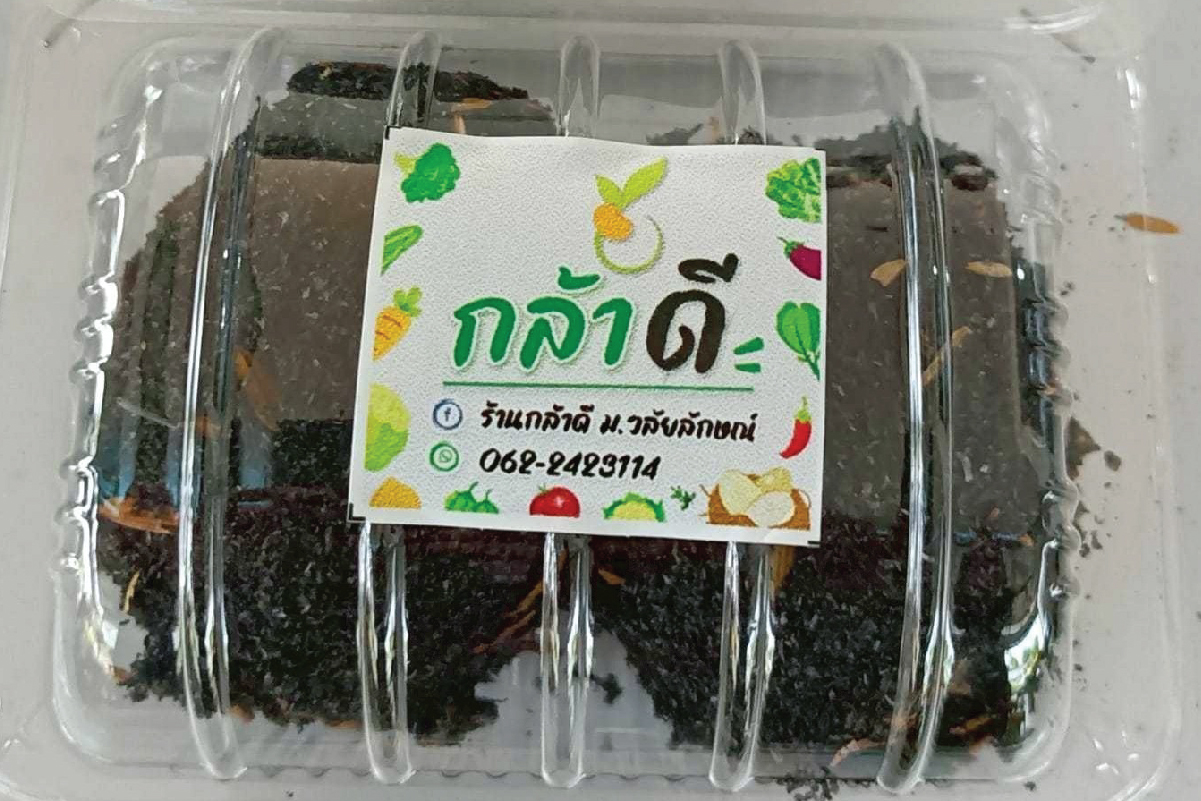
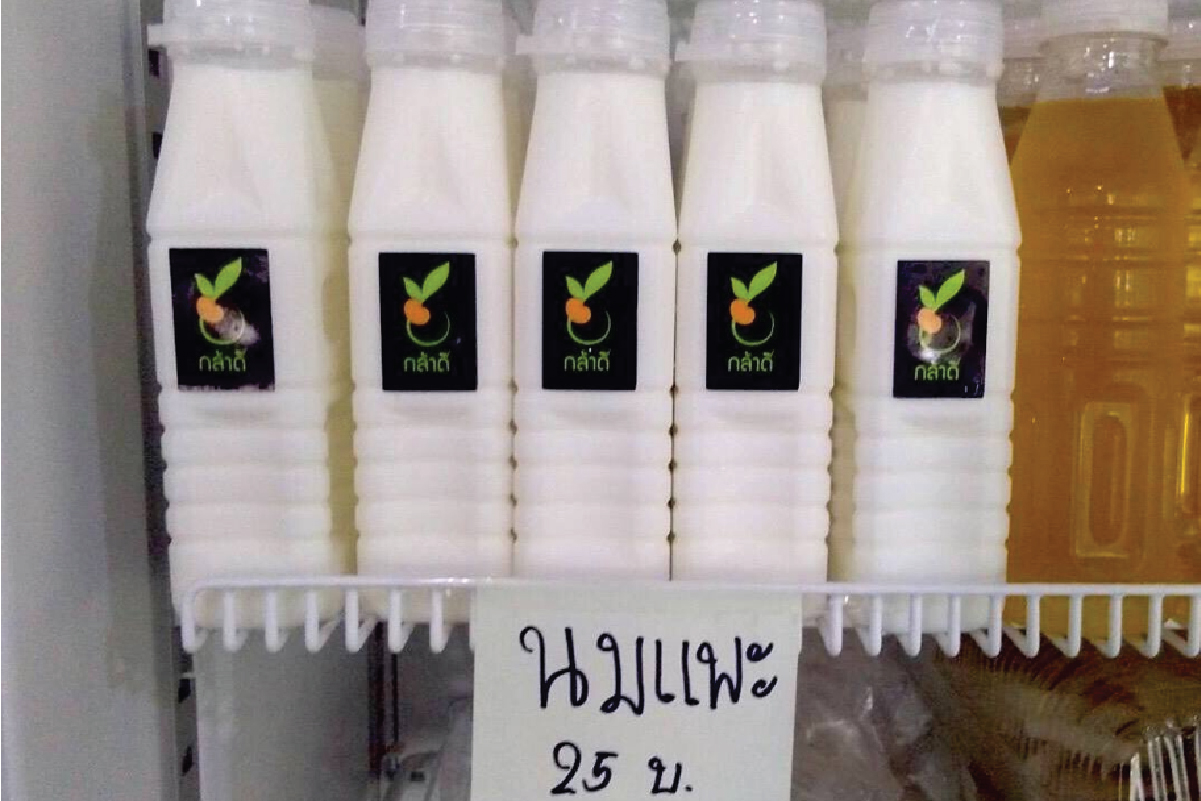
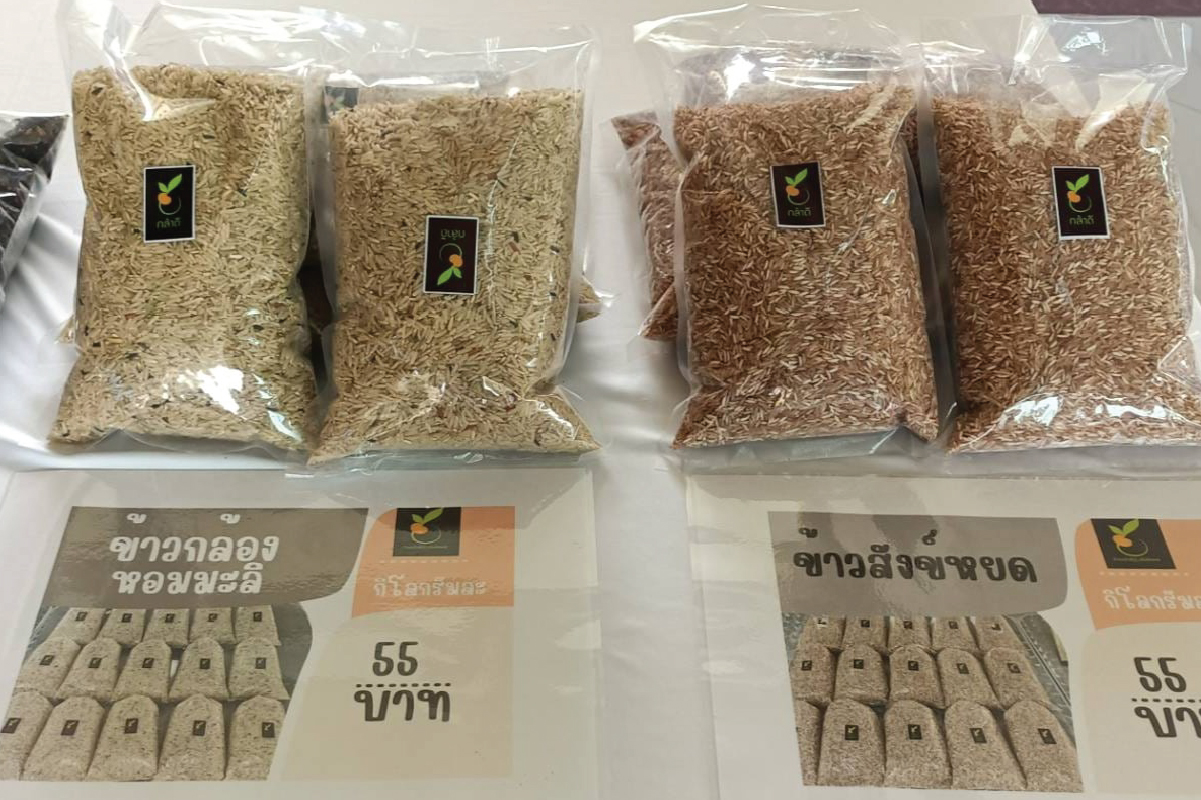
The Kla-D Shop offers agricultural products sourced from the WU Agricultural Innovative Demonstration and Development Center in Honor of Rama IX. All products are cultivated using sustainable methods in full compliance with Good Agricultural Practices (GAP) standards. Established to supply fresh food materials and ingredients for vendors at all food outlets at Walailak University, the center ensures that products are responsibly harvested to support sustainable consumption within the campus community. In collaboration with the Center of Property Management, the center also upholds sustainable standards and reduces the risk of unsustainable sourcing on campus.
Figures : Kla–D Shop distributes agricultural products to food sellers at Walailak University.
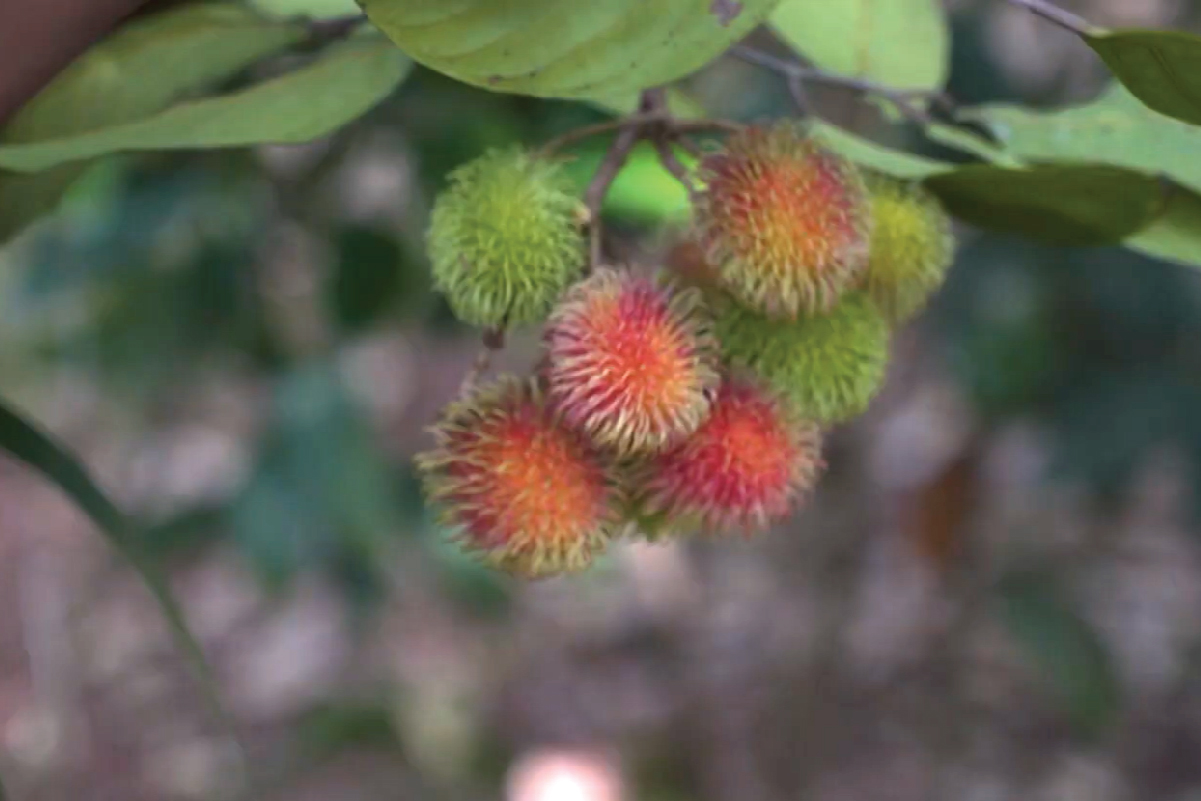
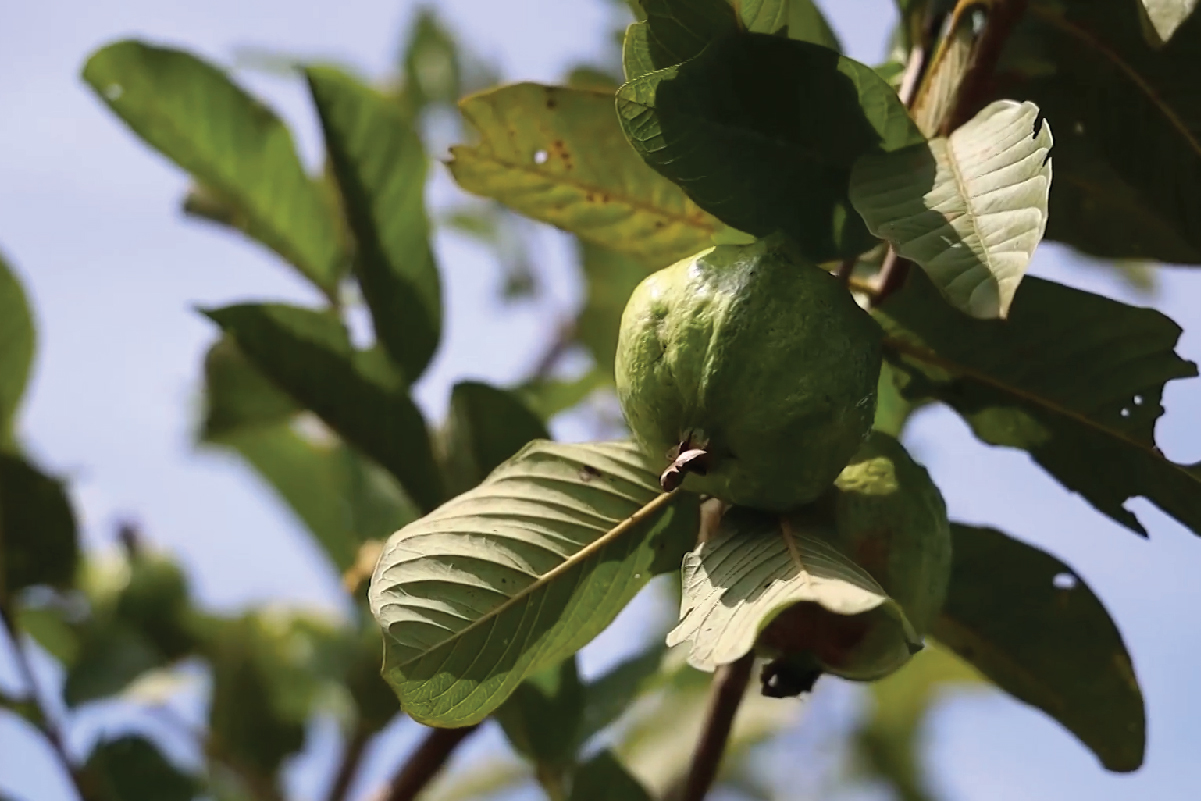
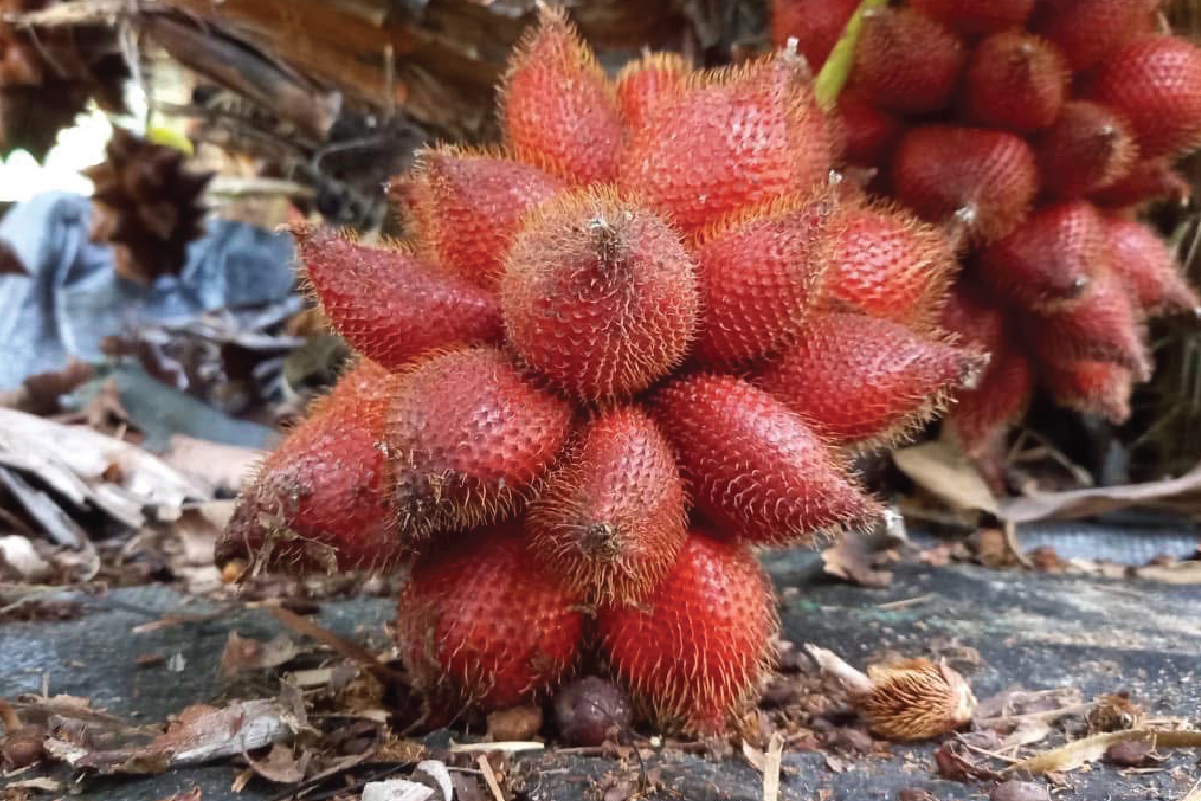
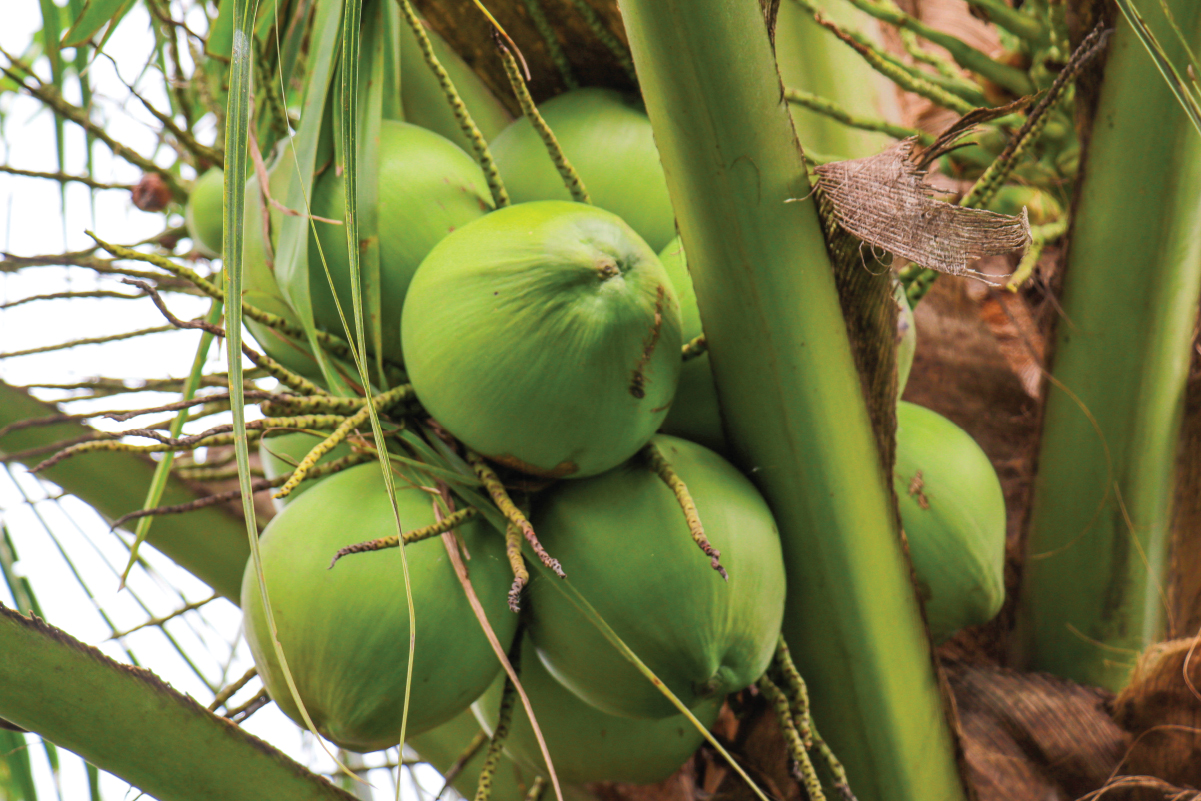
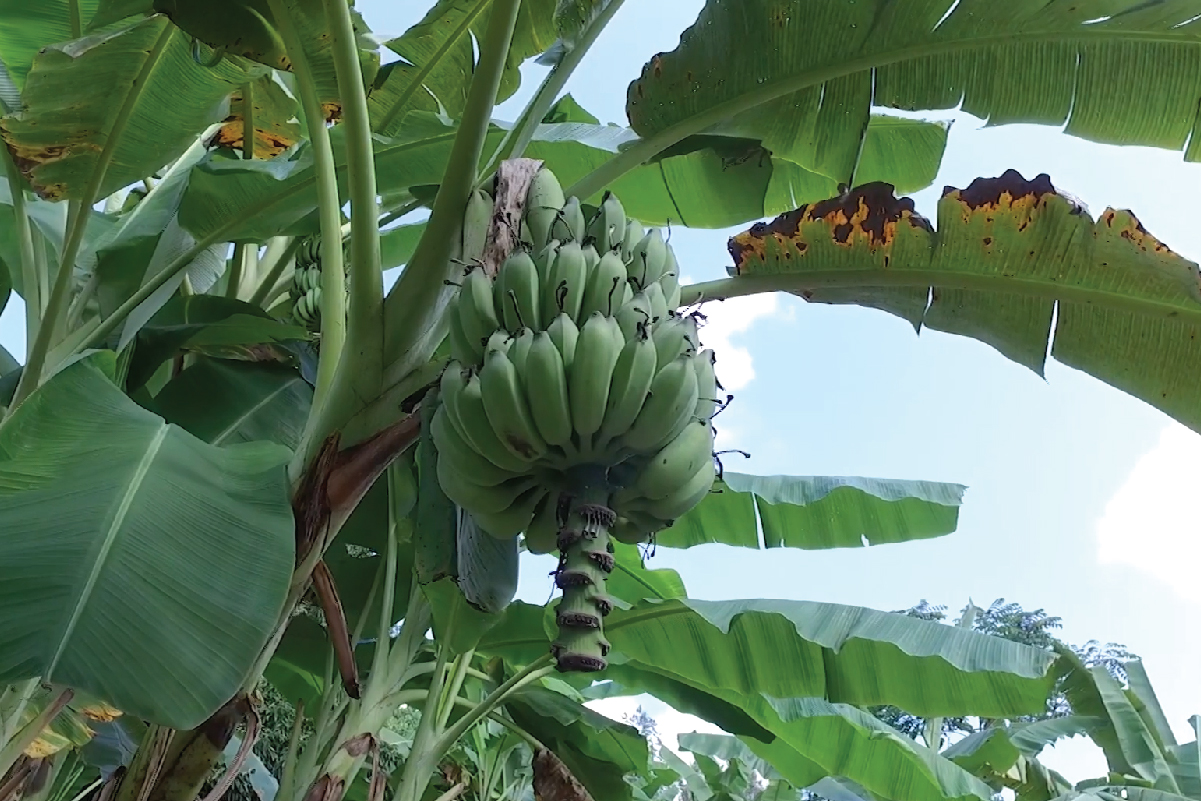
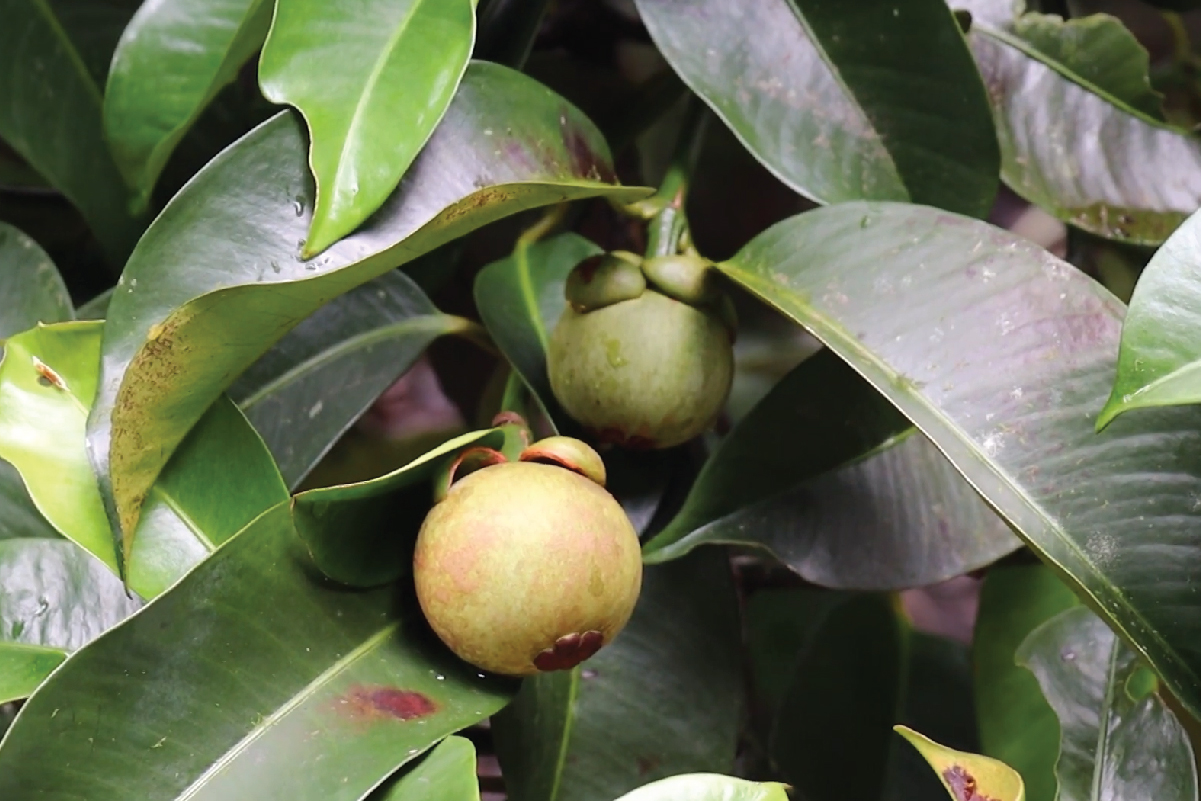
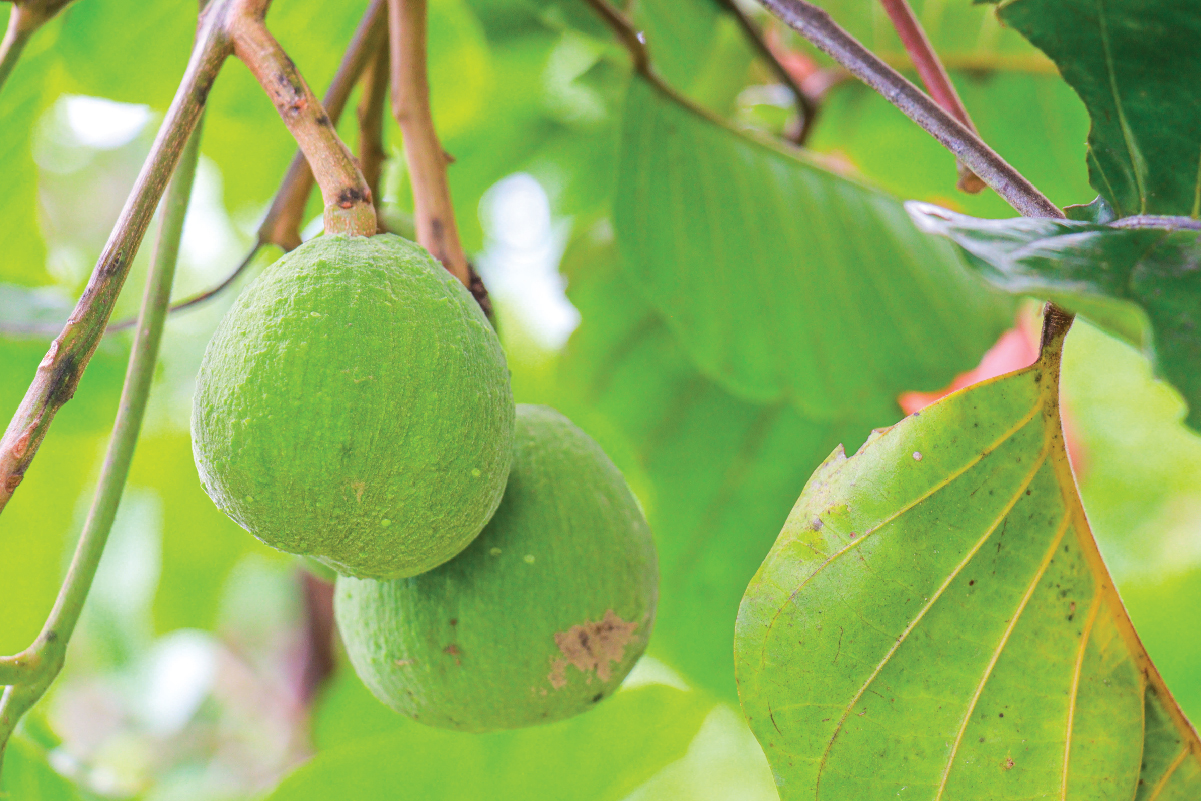
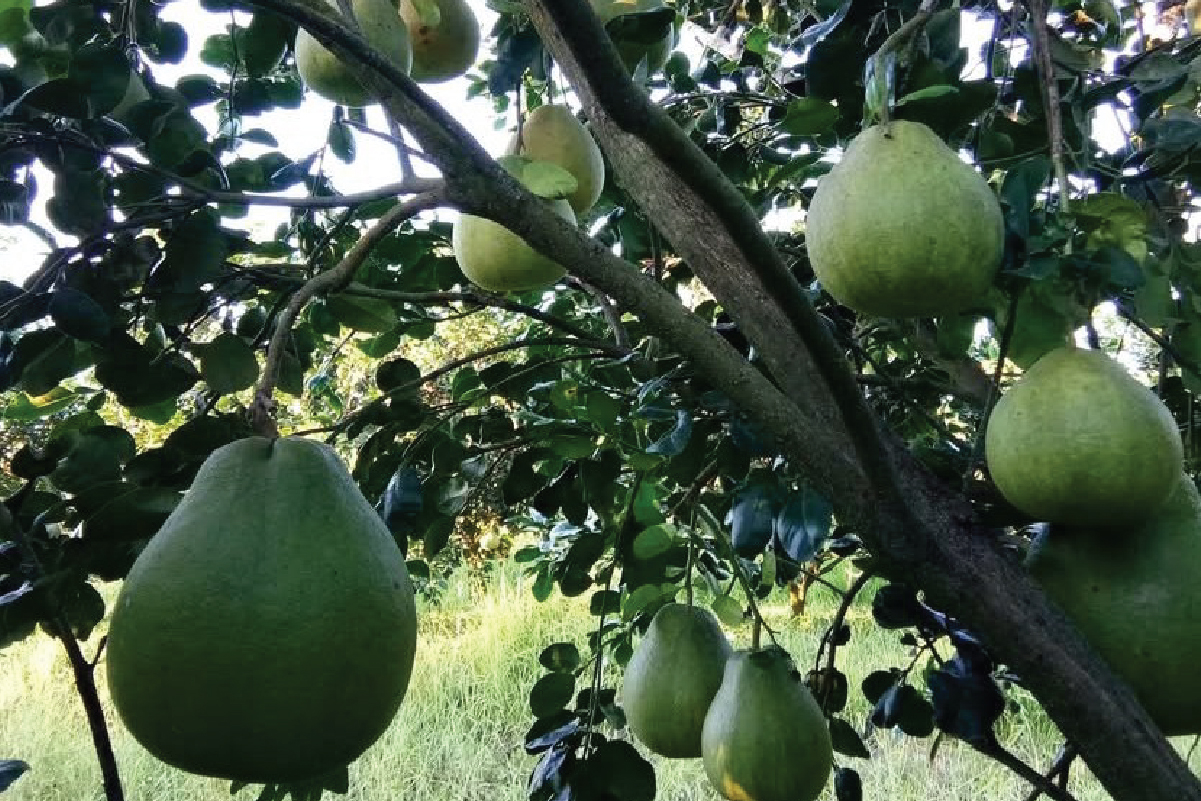
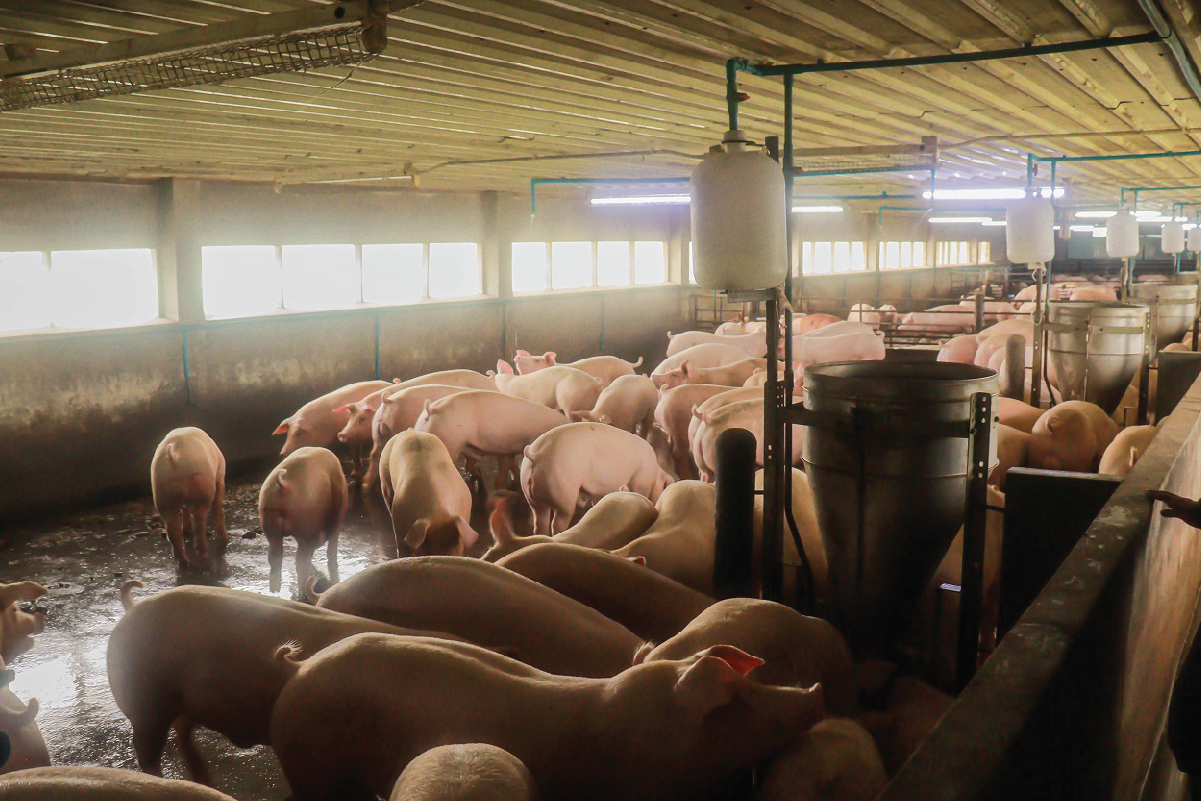
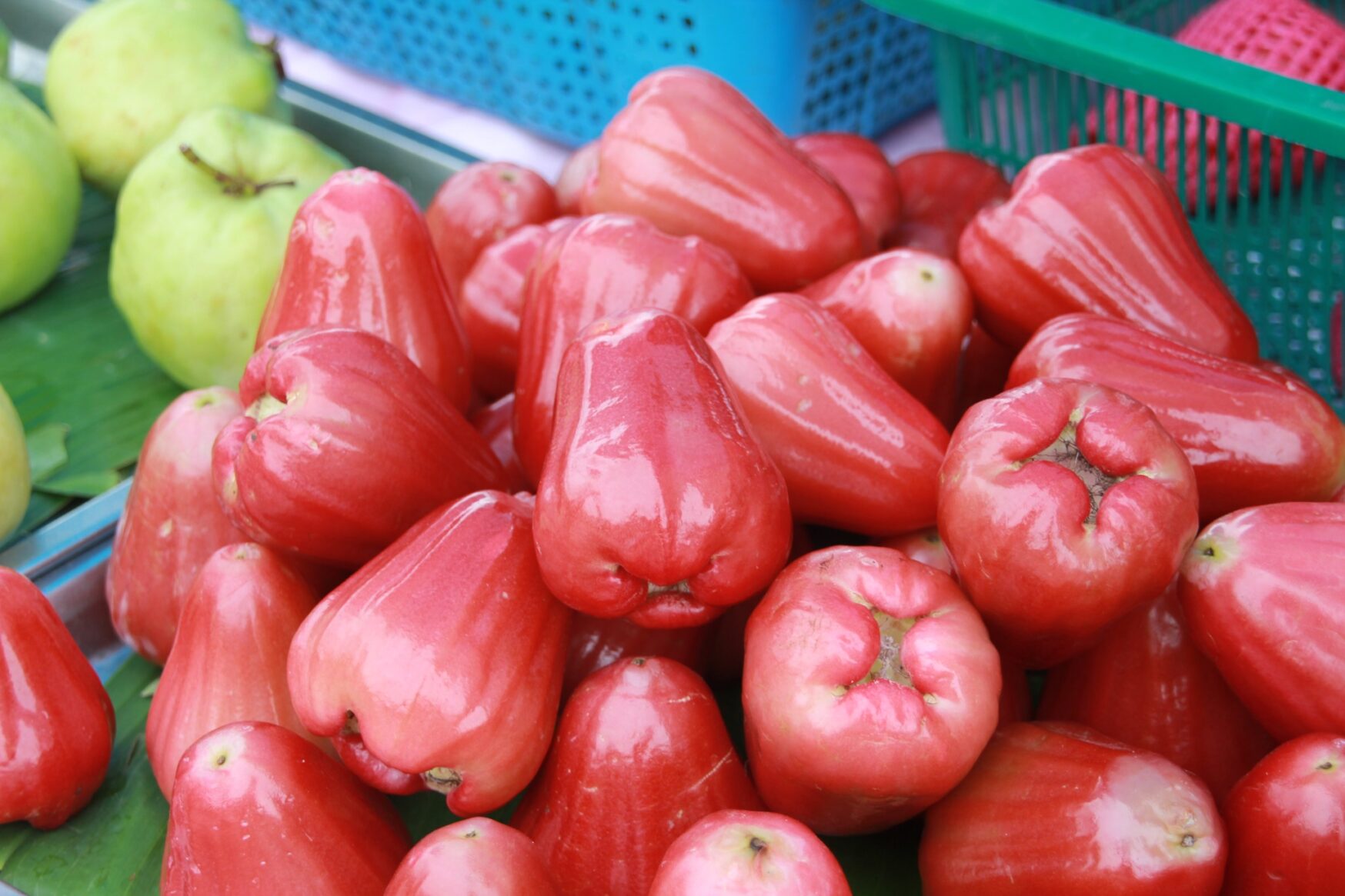
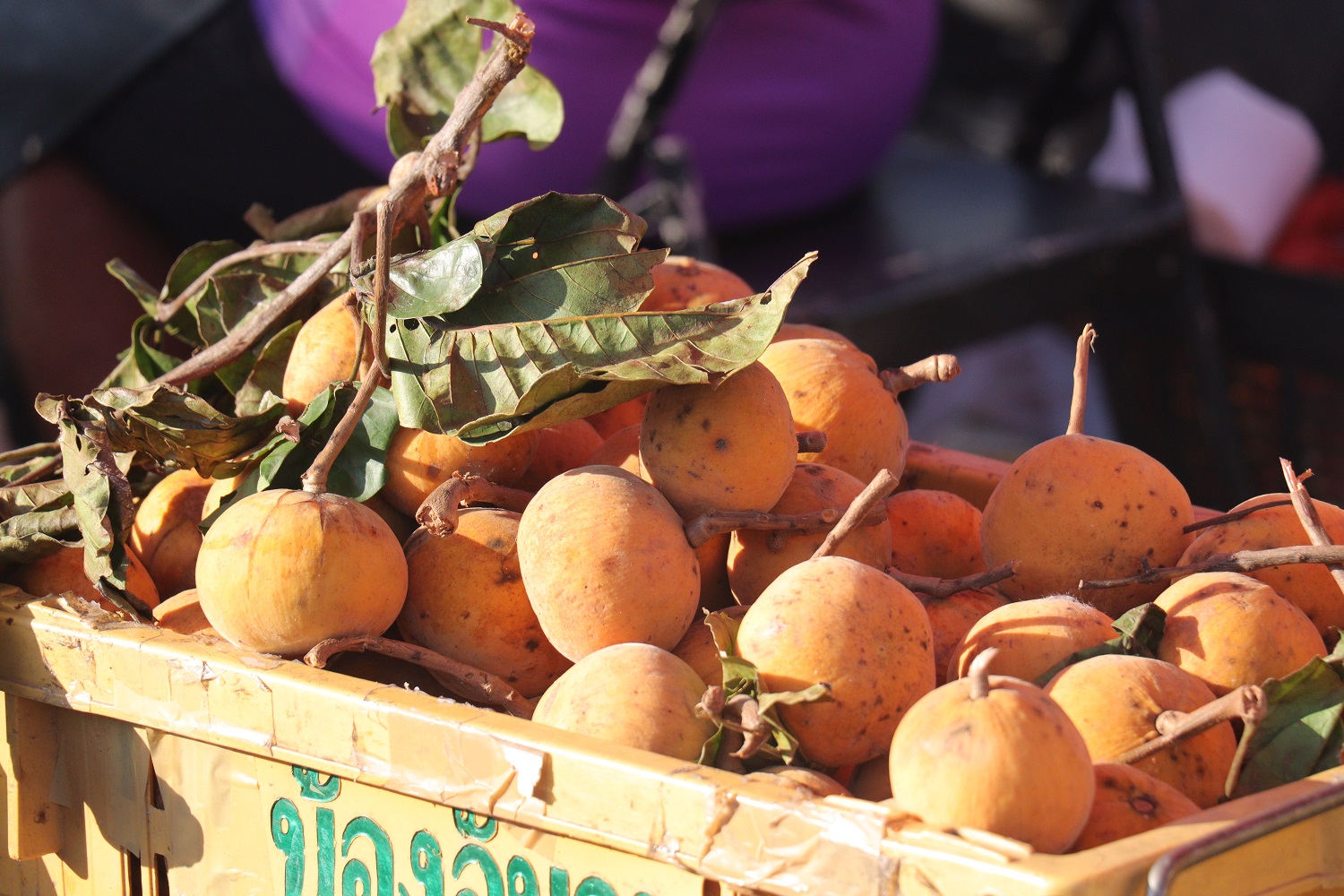
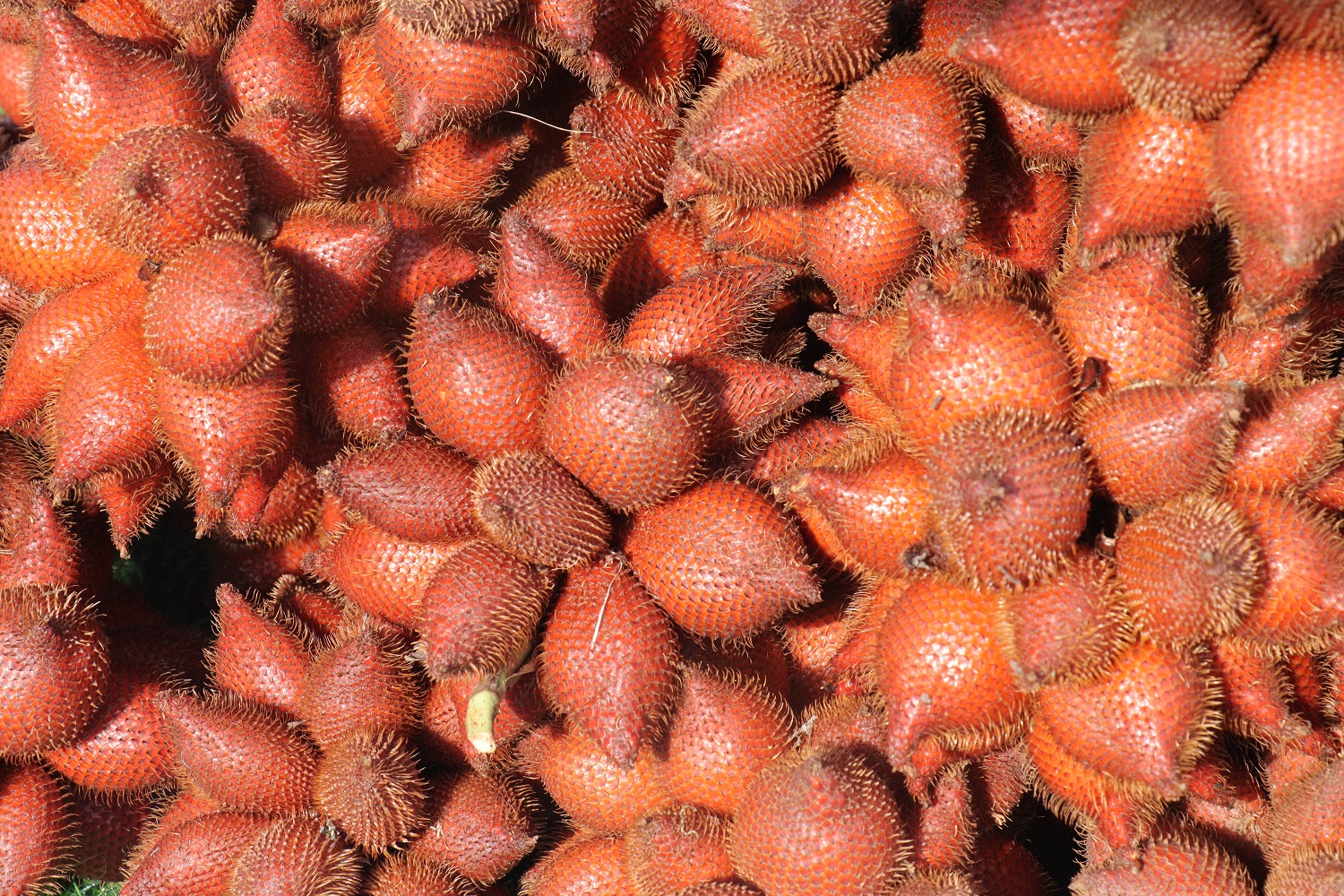
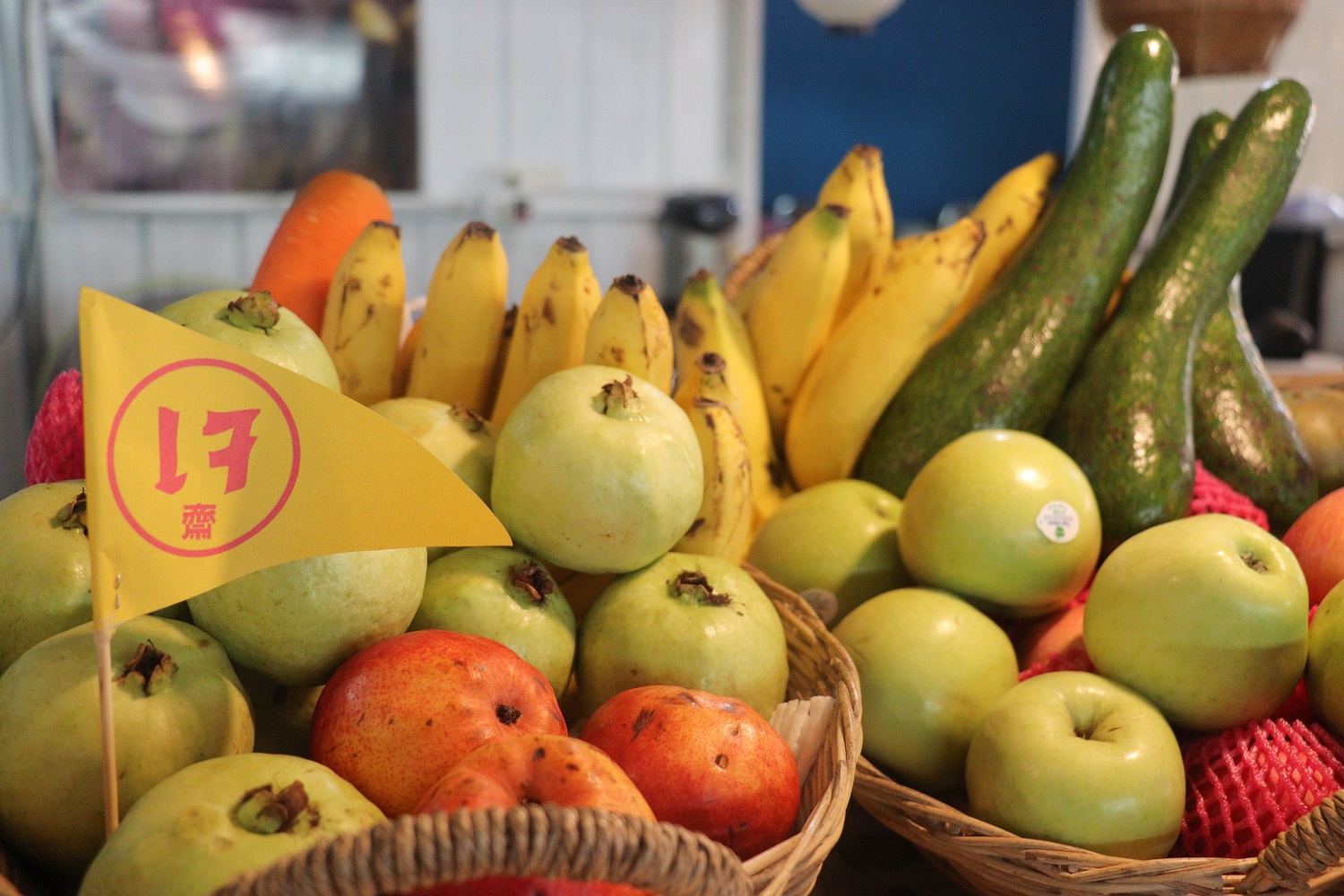
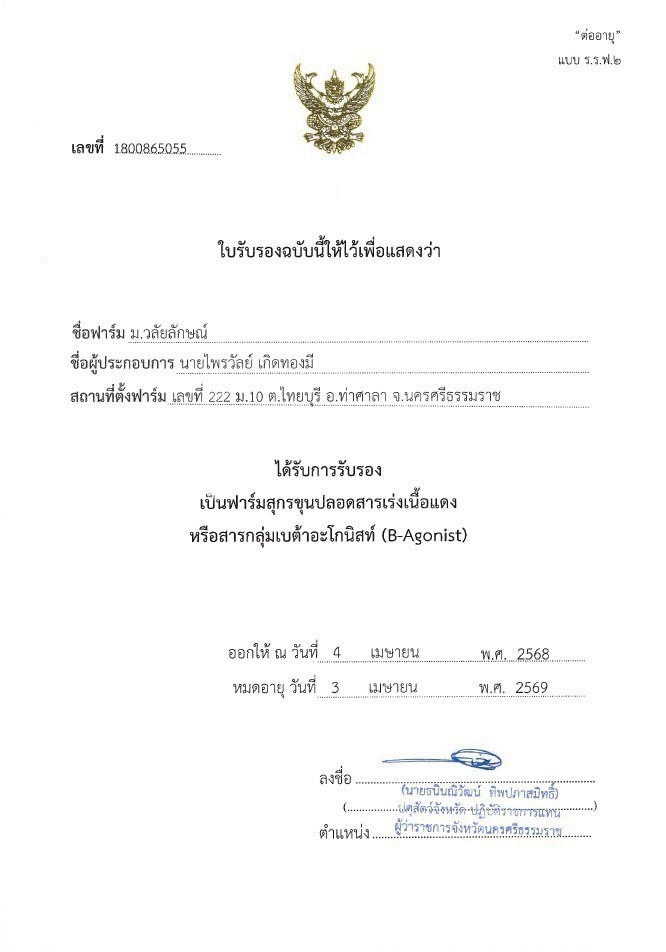
Working alongside the WU Agricultural Innovative Demonstration and Development Center in Honor of Rama IX, the Center for Smart Farming and Landscaping Architecture produces high-quality agricultural products for food operators at Walailak University. Its wide range of products includes rambutan, guava, pomelo, salak, coconuts, bananas, pork, etc. under the Green Farm System, thereby providing diverse and sustainable food options for the university community.
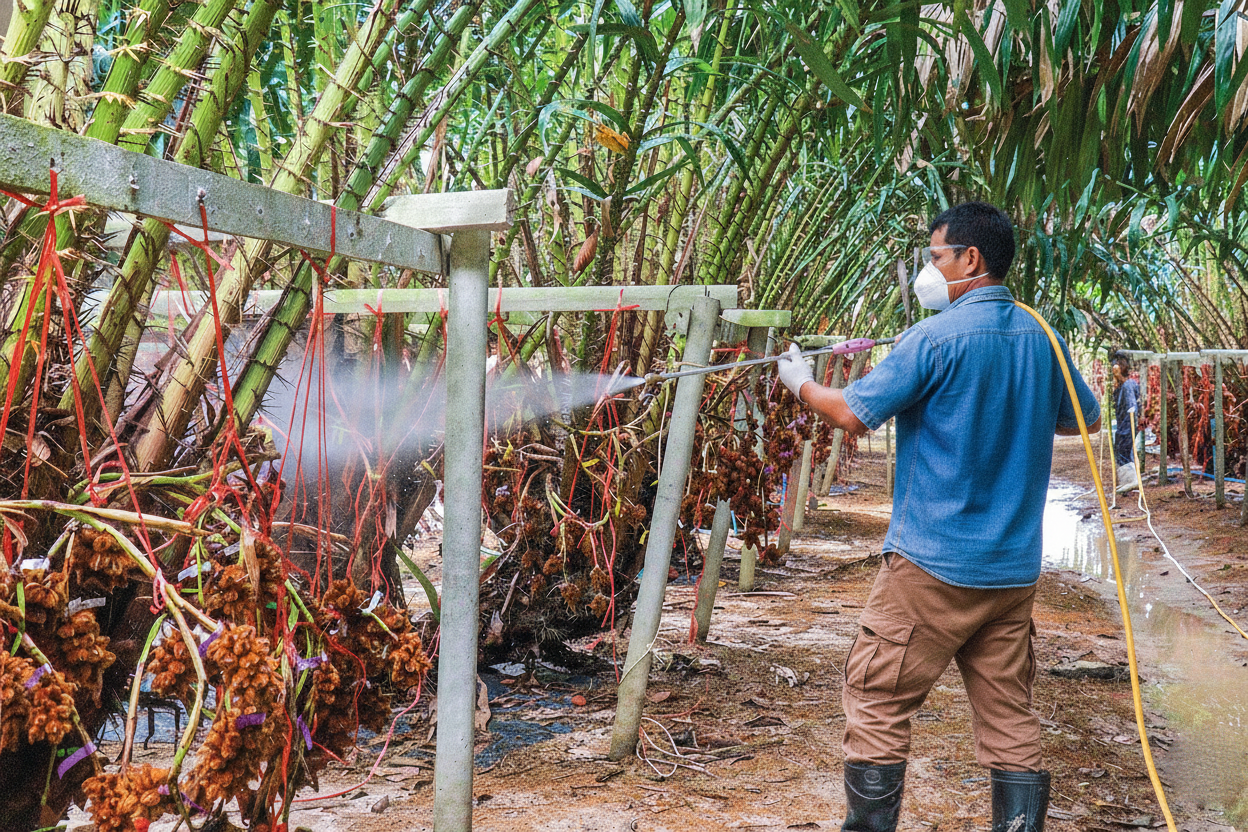
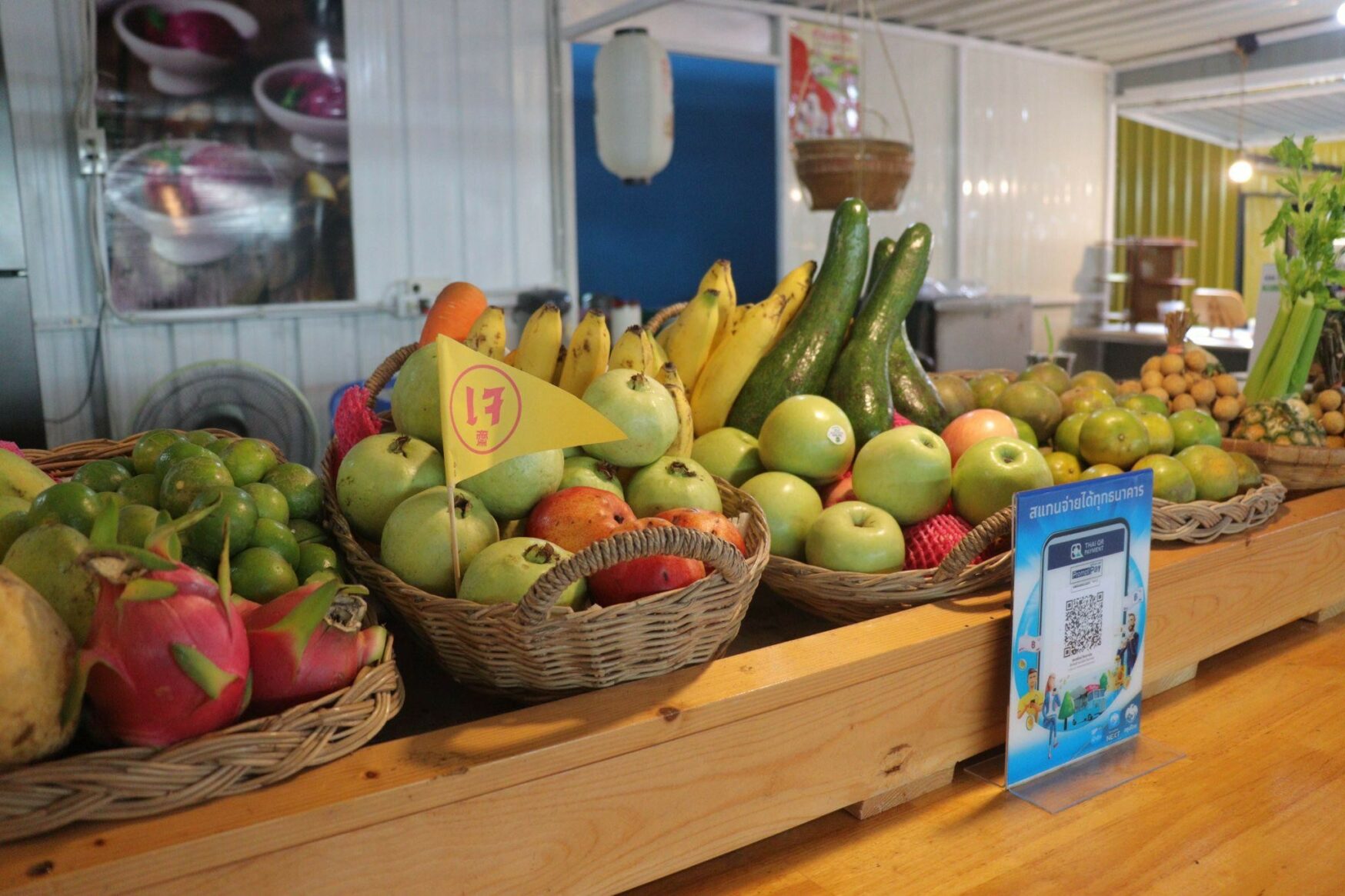
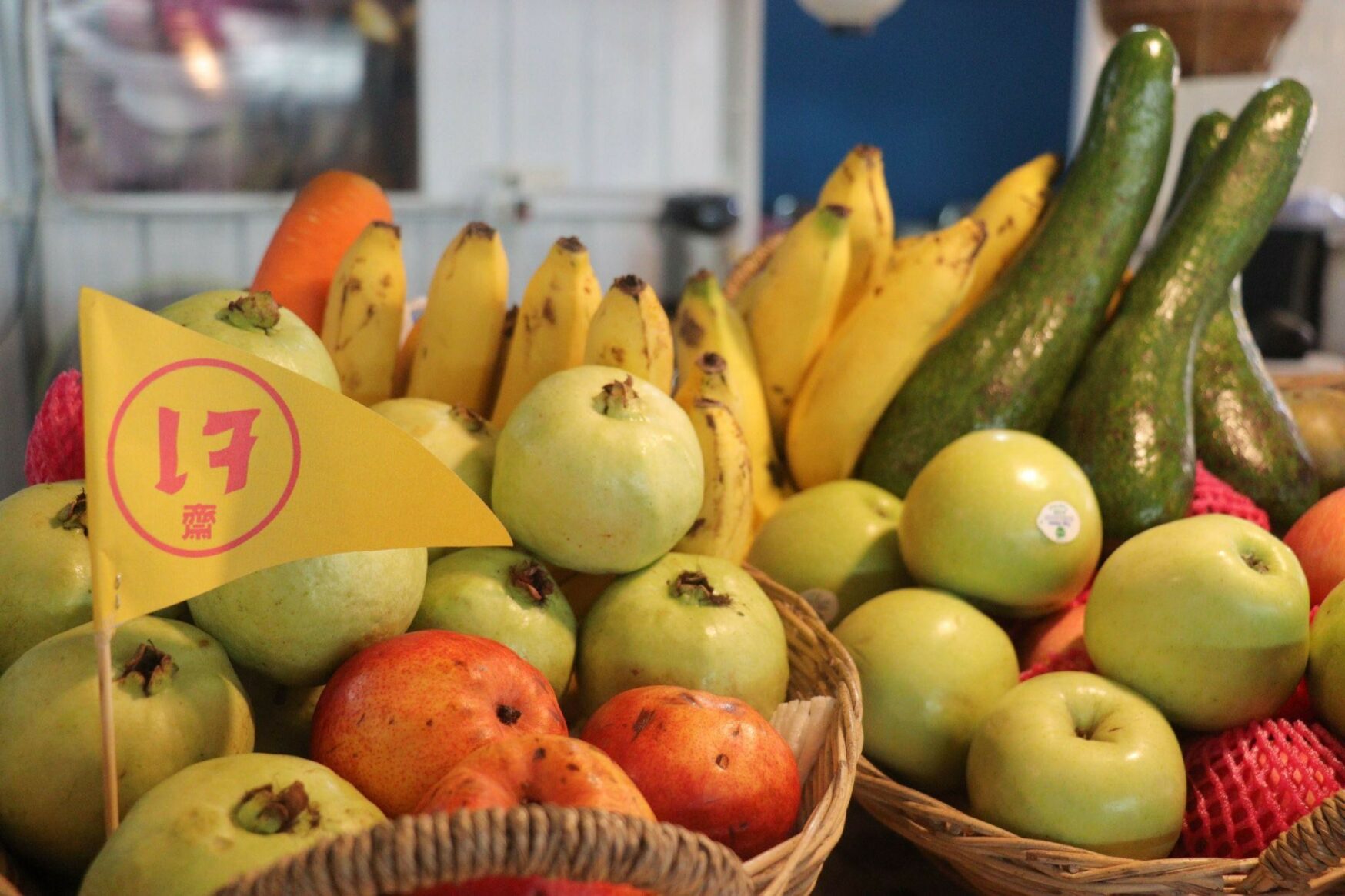
Figures : Fruits from The Center for Smart Farming and Landscaping Architecture.
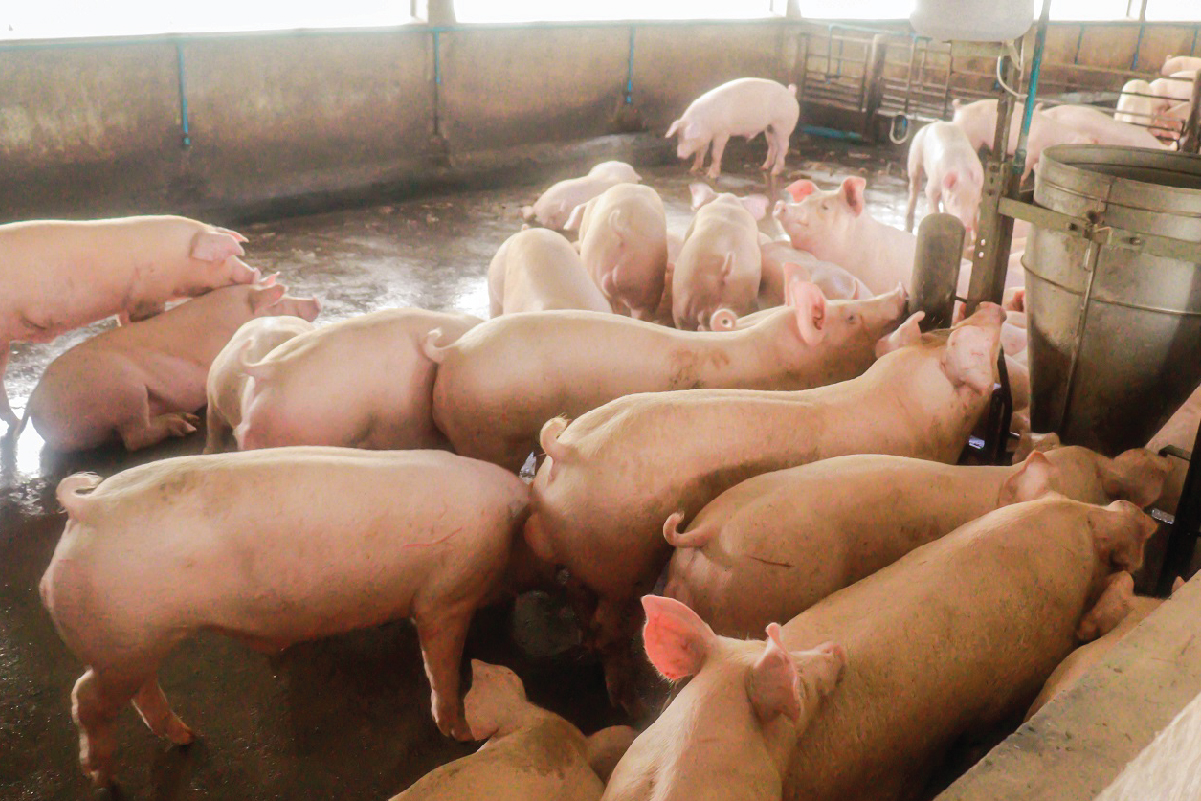
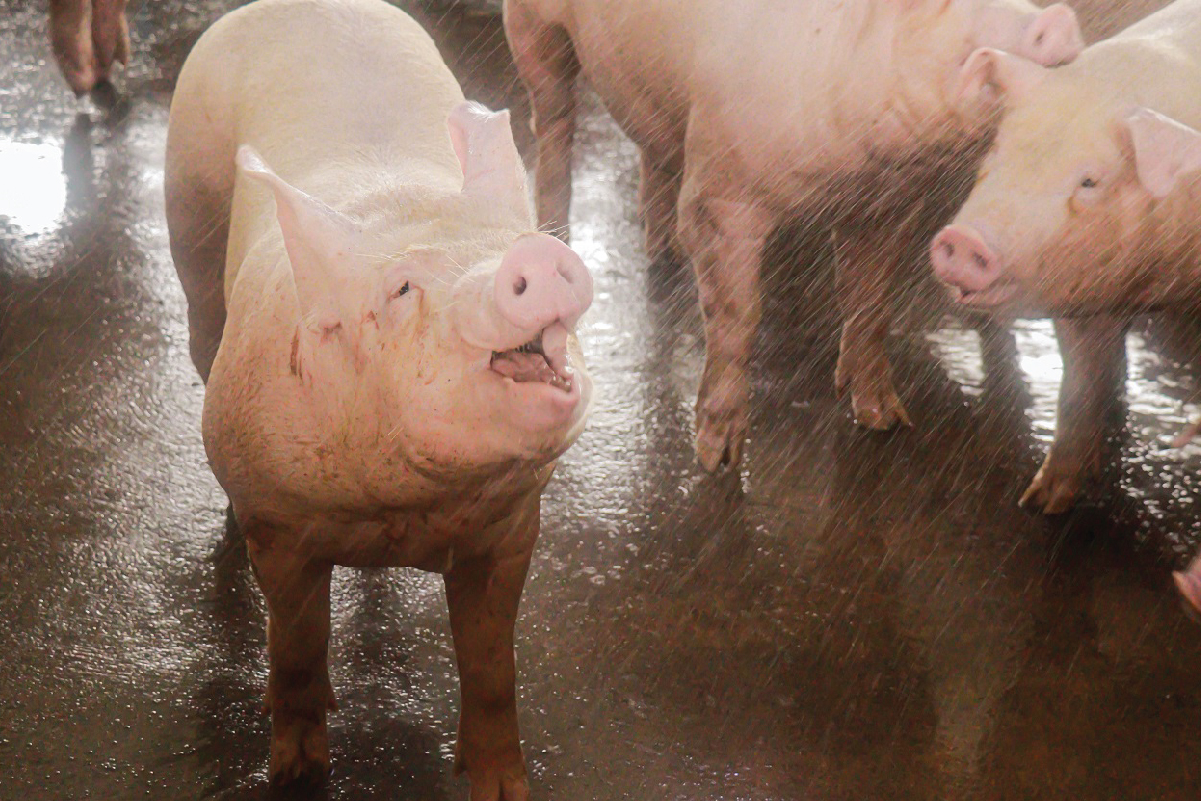
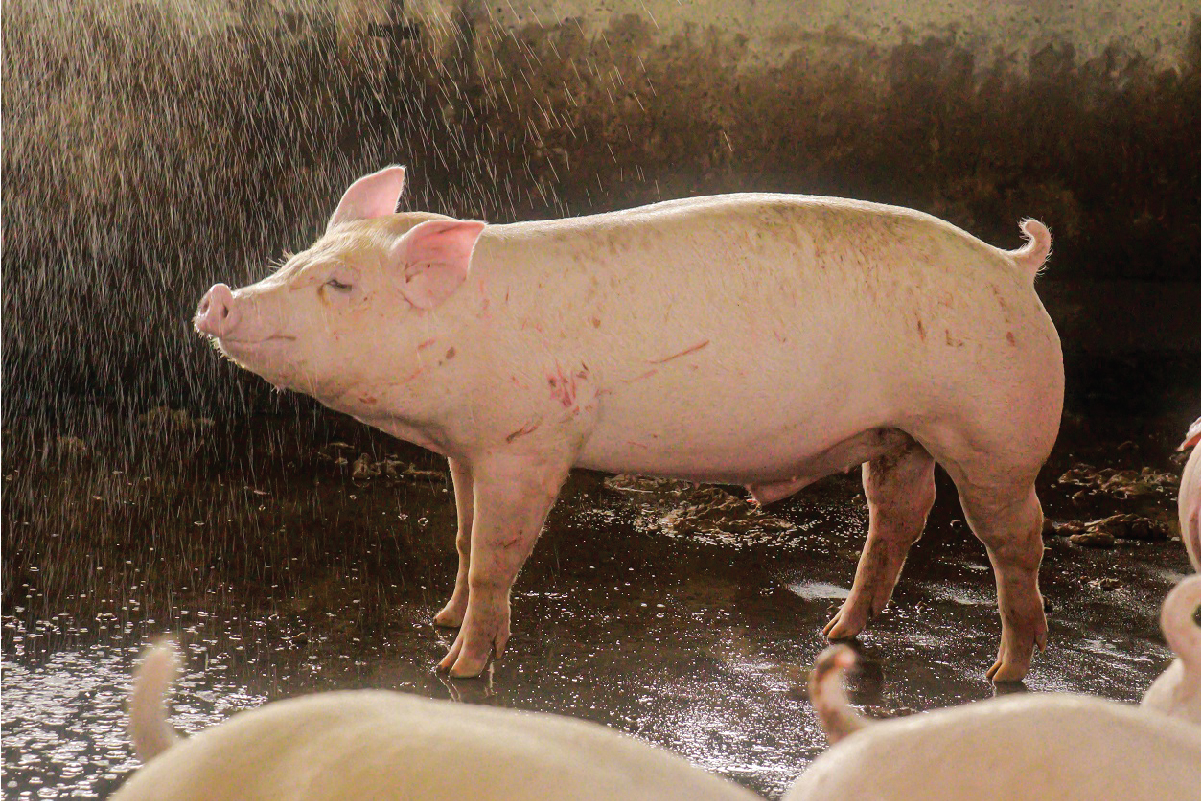
Figures : The pig farming based on the Green Farm System.
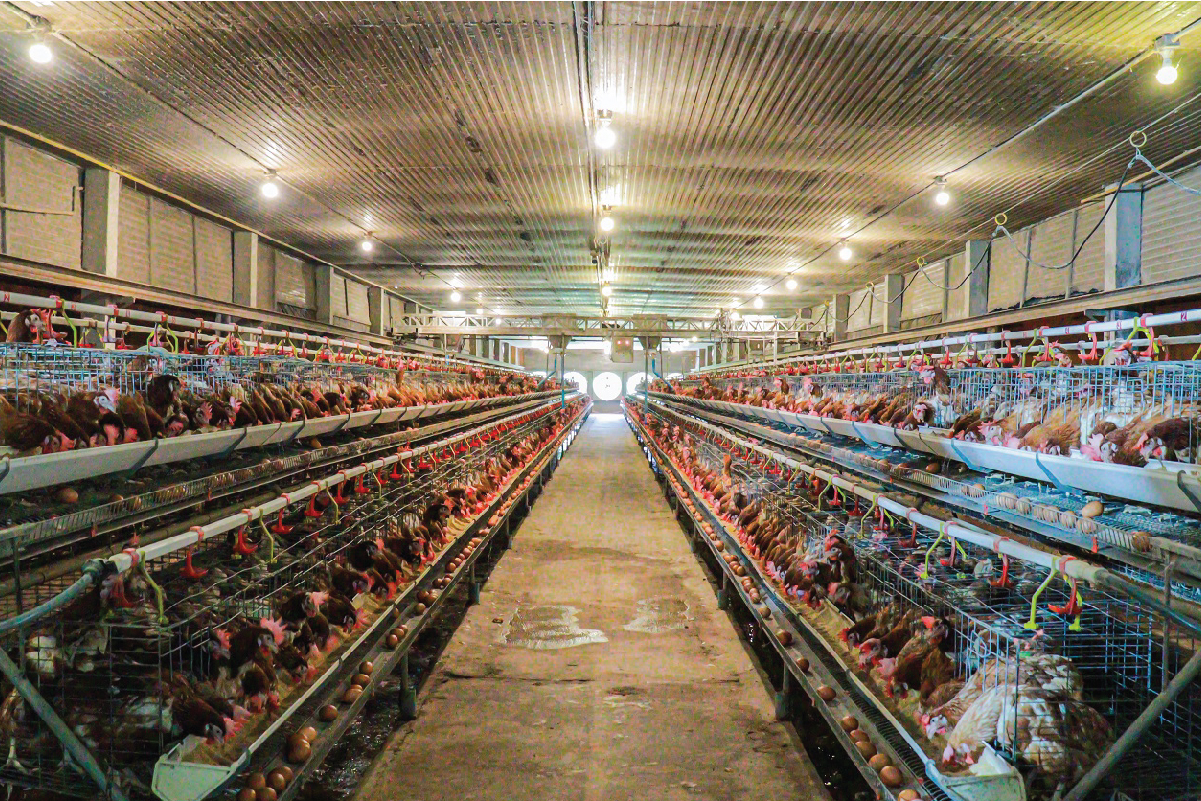
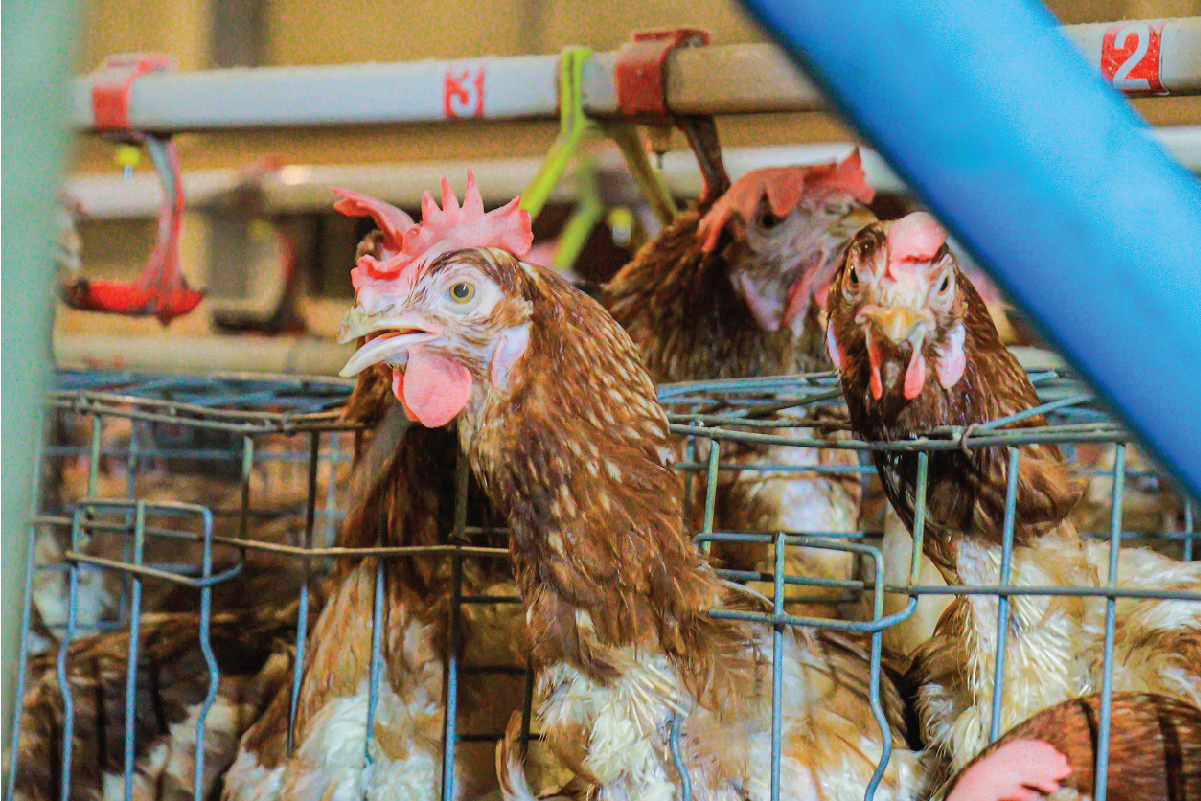
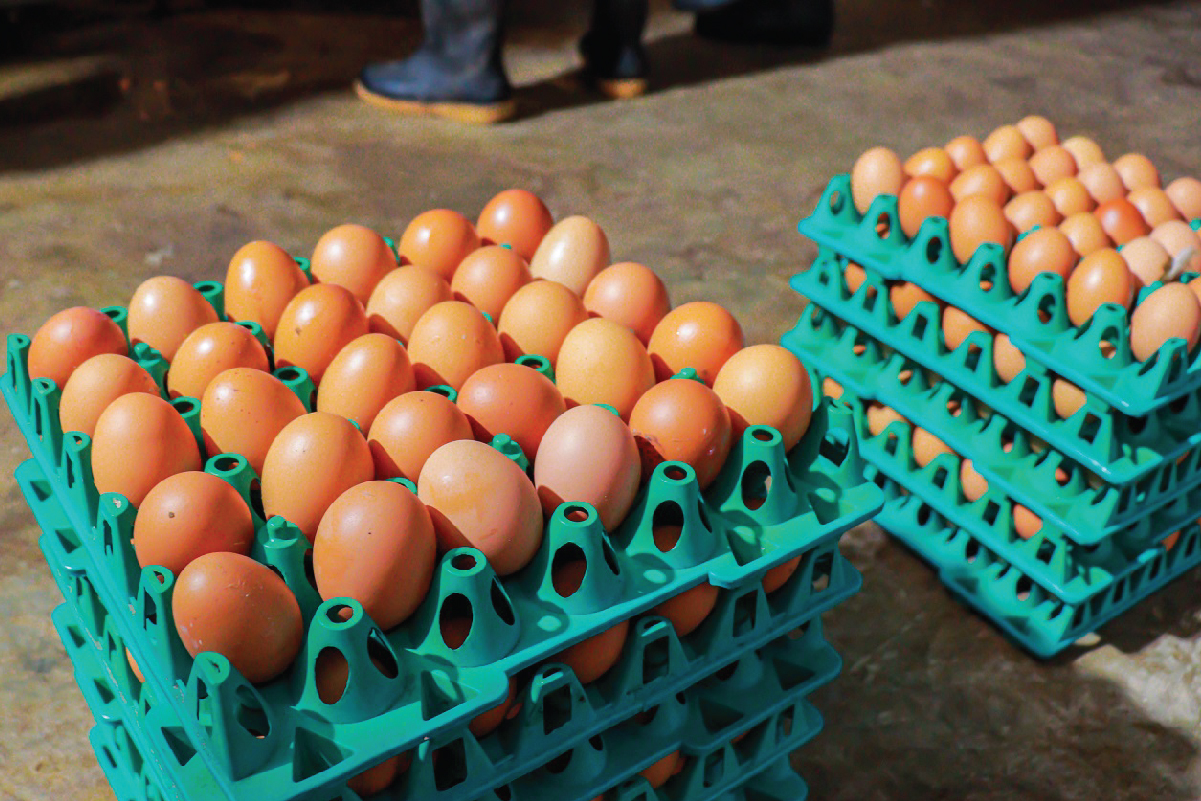
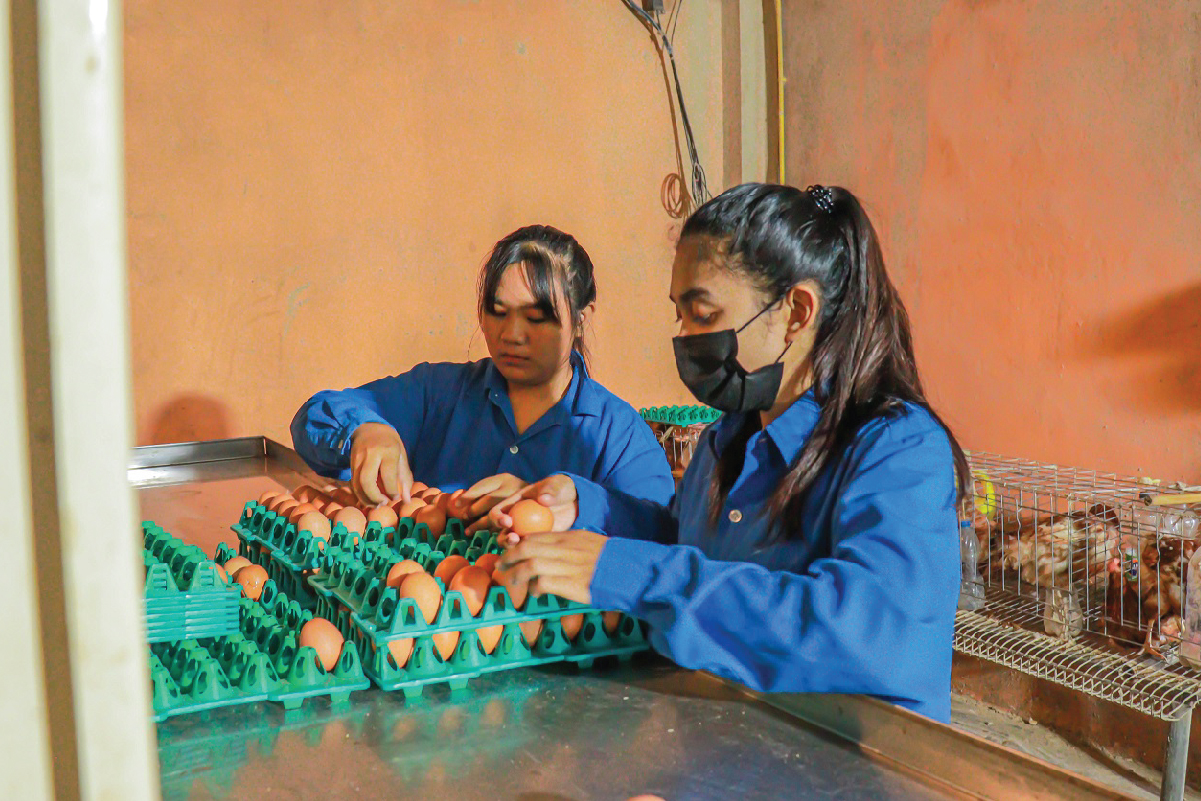
Figures : The chicken farming system for eggs.
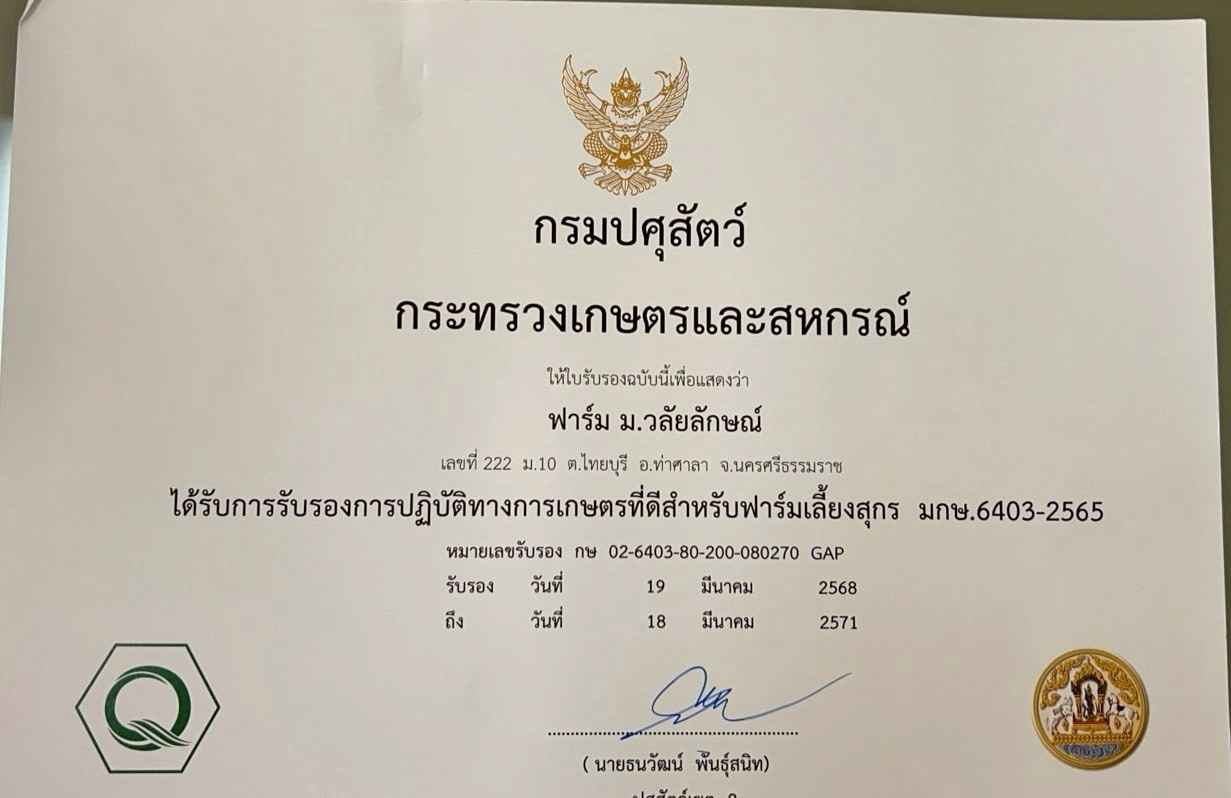
Figures : The Center for Smart Farming and Landscaping Architecture is certified under the Thai Agricultural Standard (TAS).
Fair and Inclusive Food Vendor Management
All vendors at all food outlets operate under fair trade principles, ensuring equal business opportunities through practices rooted in dialogue, transparency, and respect. The university prioritizes local vendors from Tha Sala District, strengthening the local economy and supporting community livelihoods. Vendors are encouraged to source ingredients locally, reducing greenhouse gas emissions and supporting sustainable agriculture. Ingredients are carefully screened for quality, pesticide residue, animal welfare, environmental impact, and fair labor practices. The use of forced or child labor is strictly prohibited. Consequently, the university can ensure sustainable food choices for all on campus.
All Food Outlets for Sustainable Food Choices
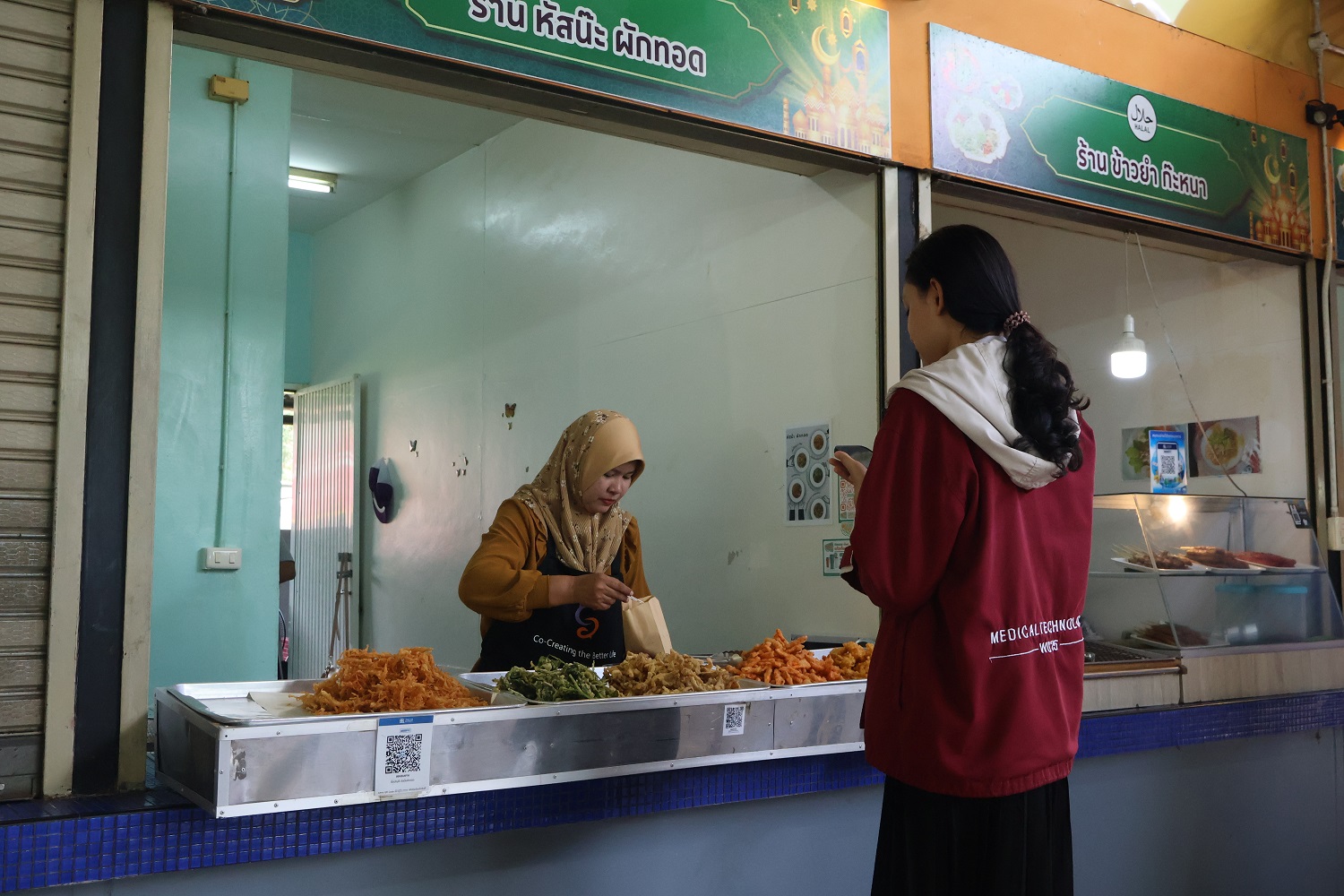
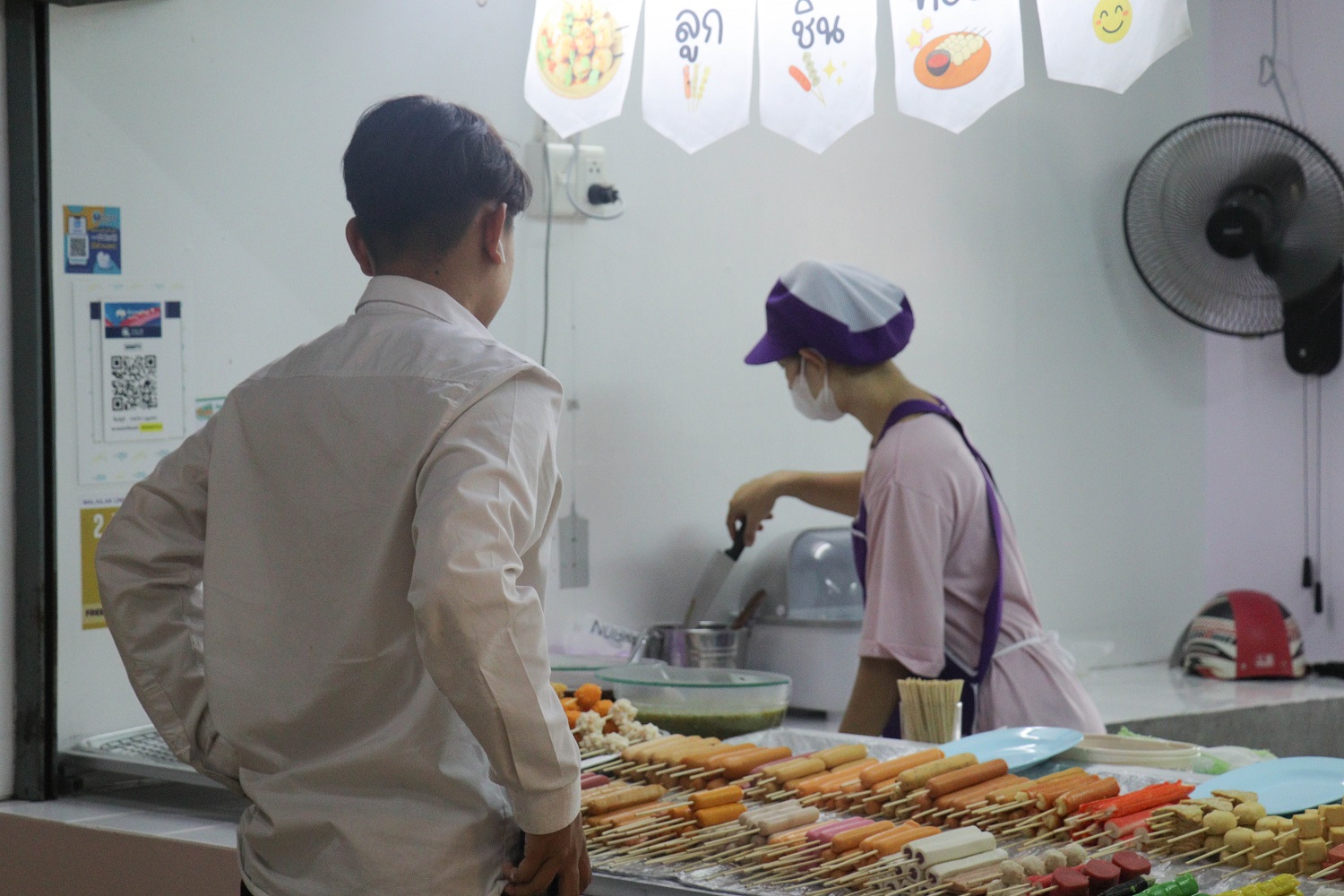
Walailak University ensures that every member of its community has access to safe, healthy, and sustainably produced food through a wide variety of food outlets across campus. From large food centers and retail stores to smaller kiosks, cafeterias, vending machines, and local markets, each outlet is committed to providing diverse dietary options—including halal, vegetarian, and vegan—while prioritizing environmentally responsible and ethically sourced ingredients. By integrating sustainability into every level of food distribution, the university fosters responsible consumption and supports local producers, making sustainable food choices a standard for everyone on campus.
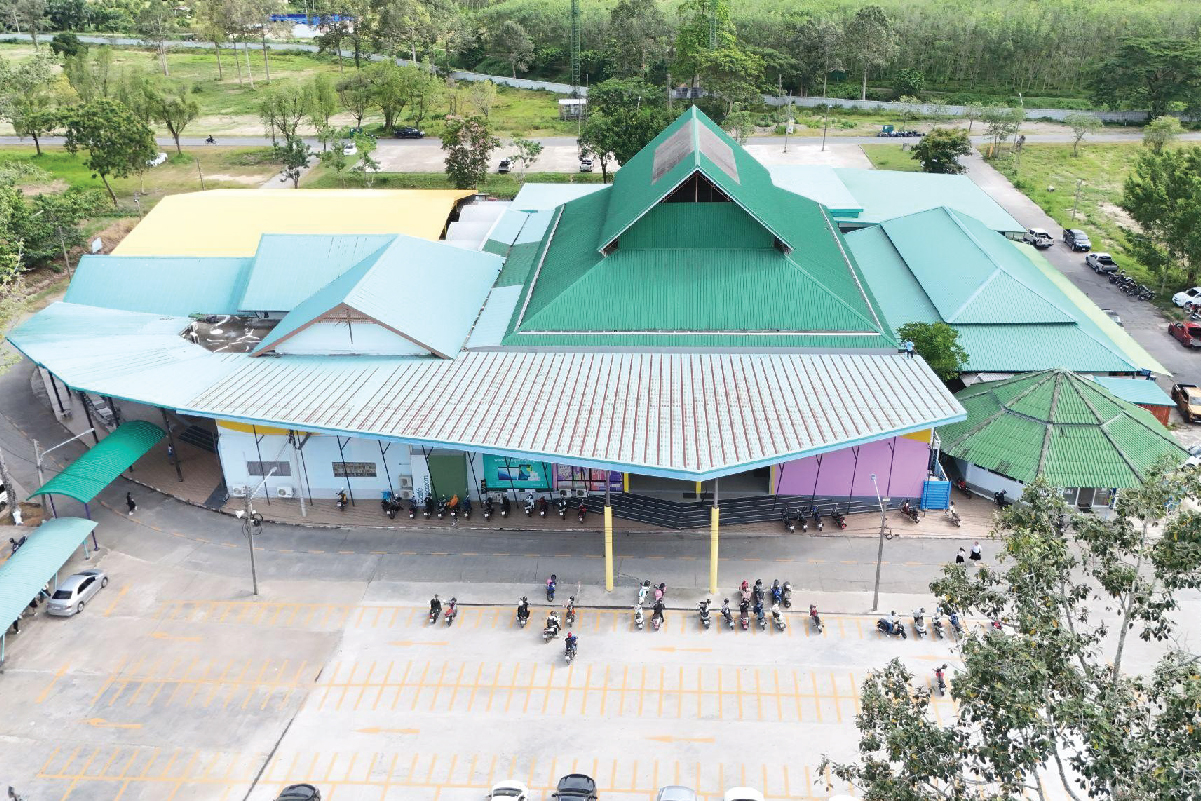
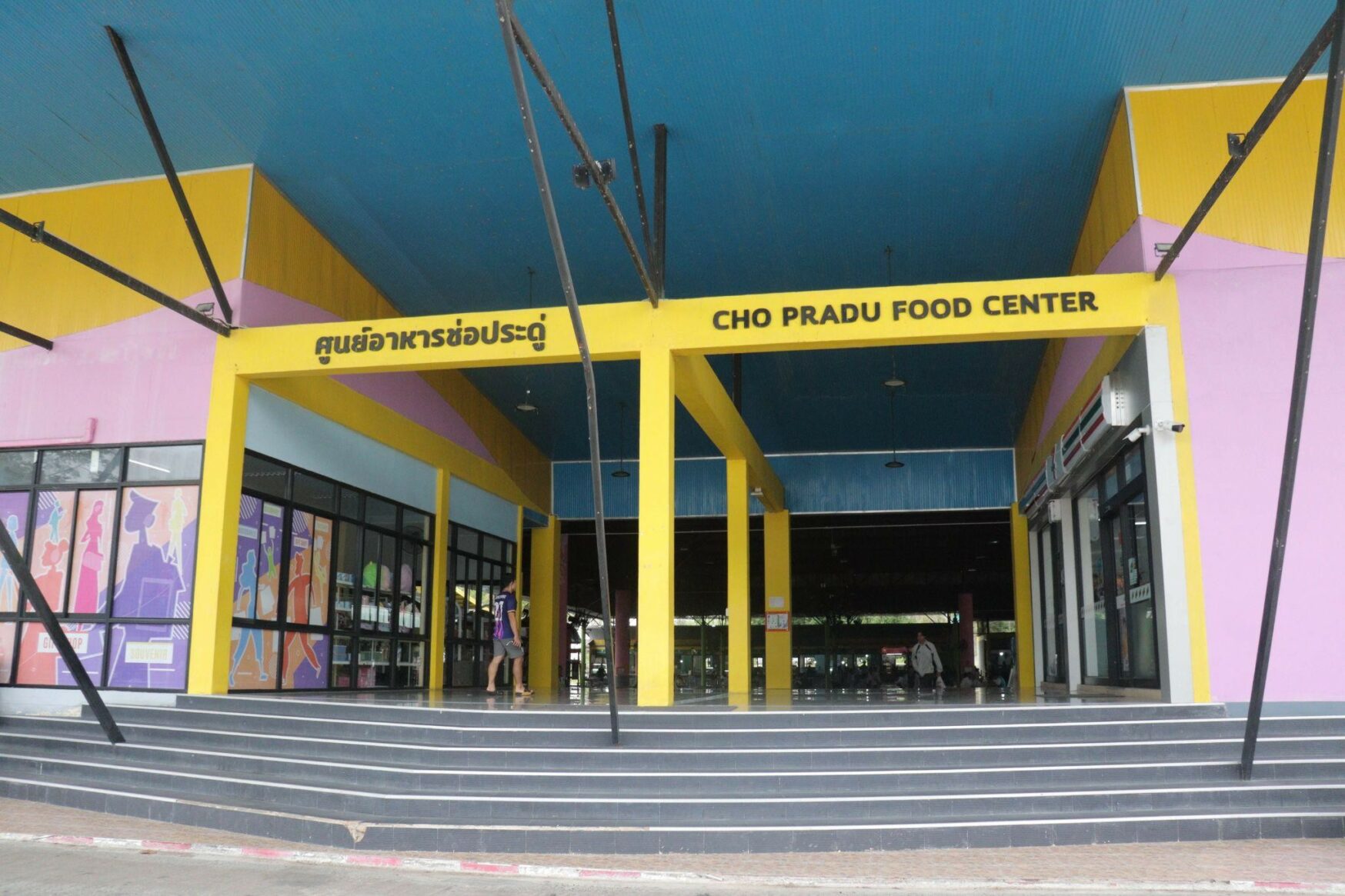
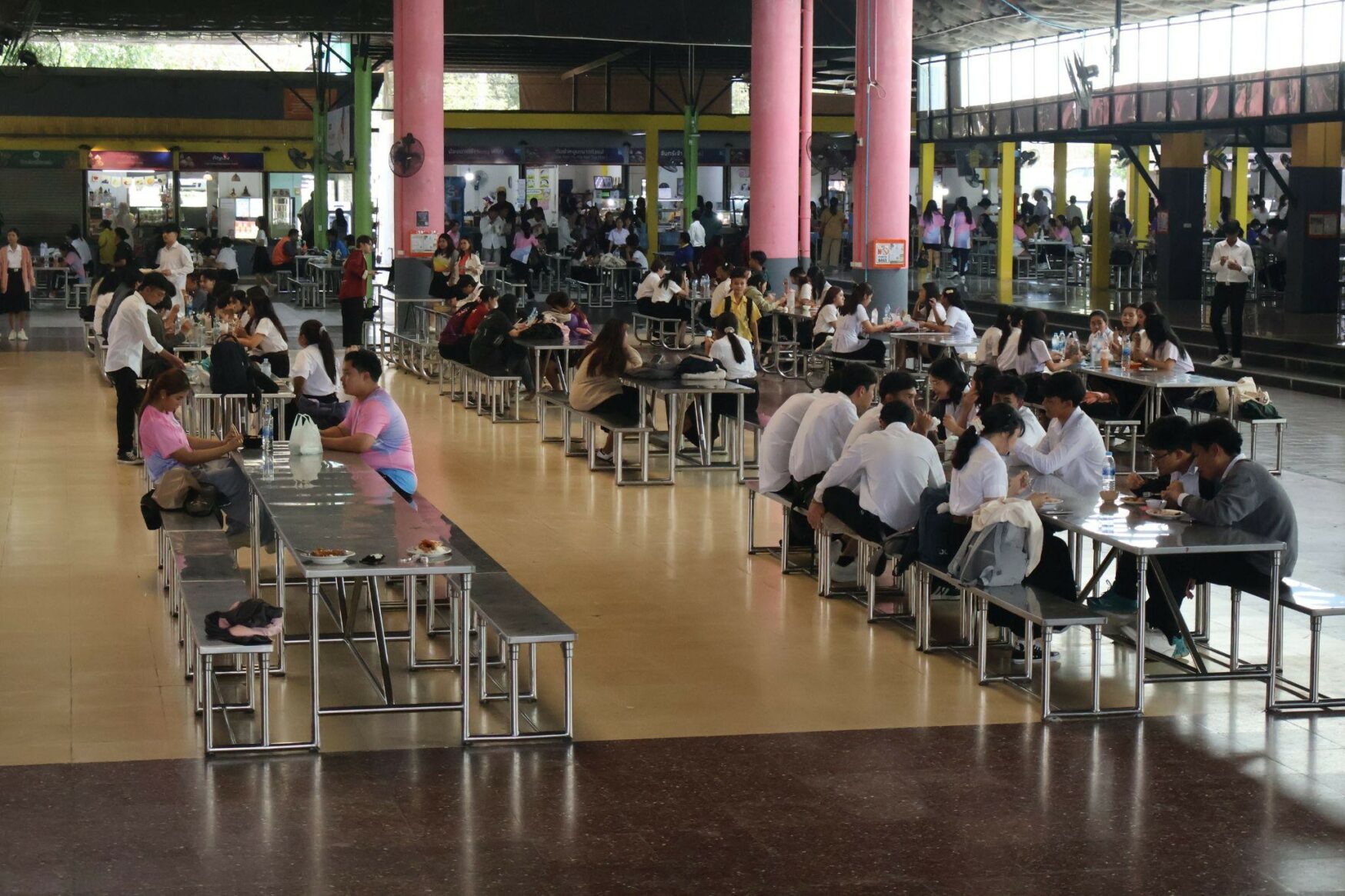
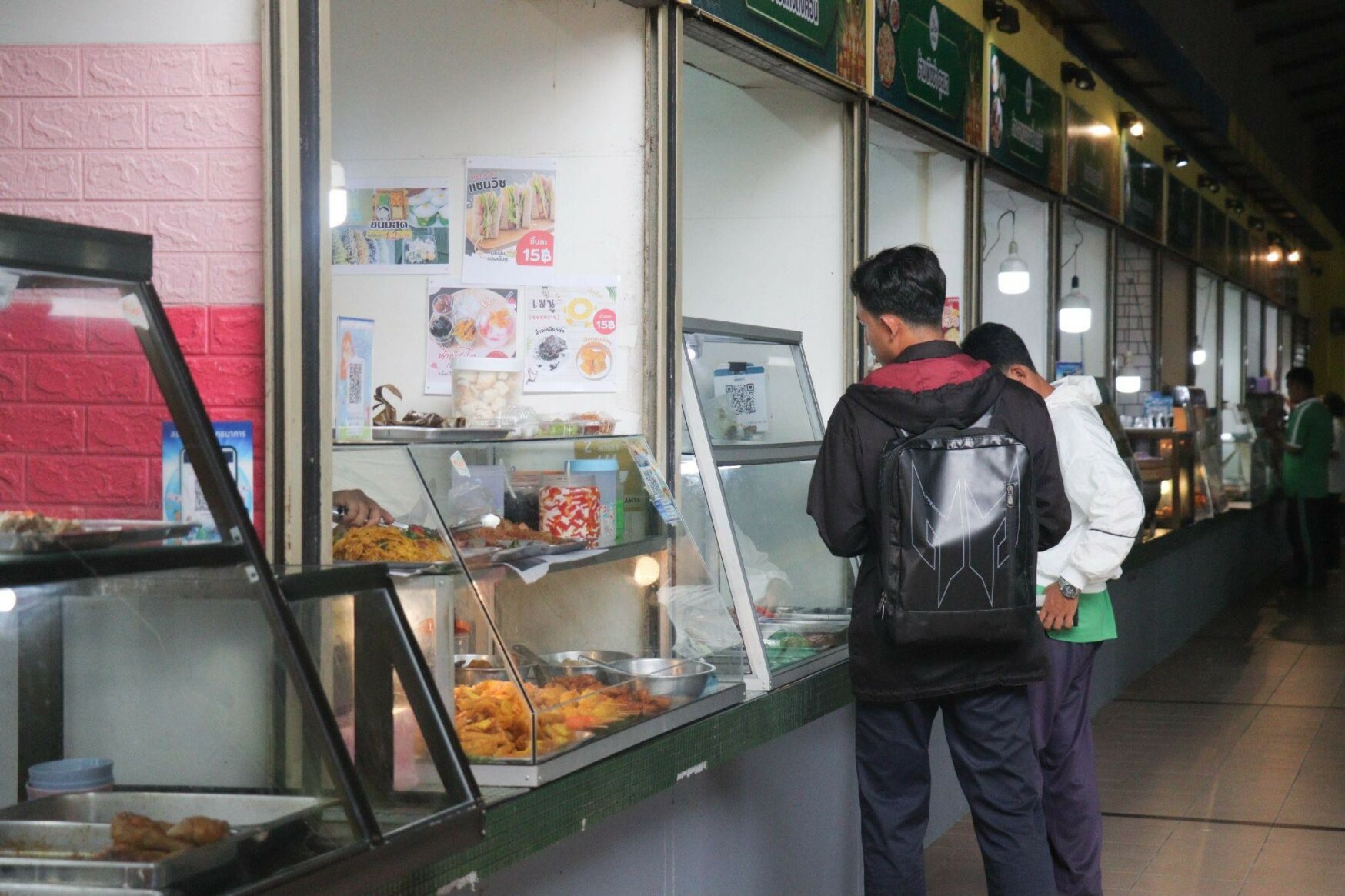
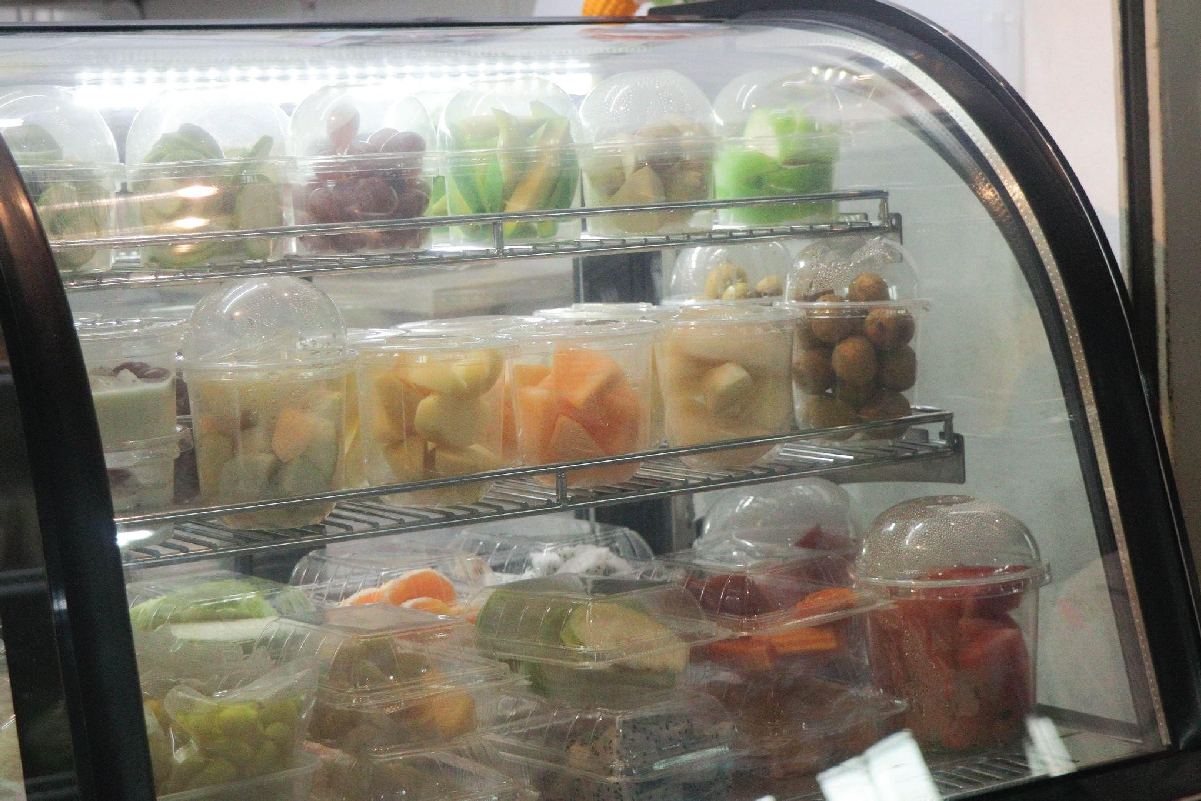
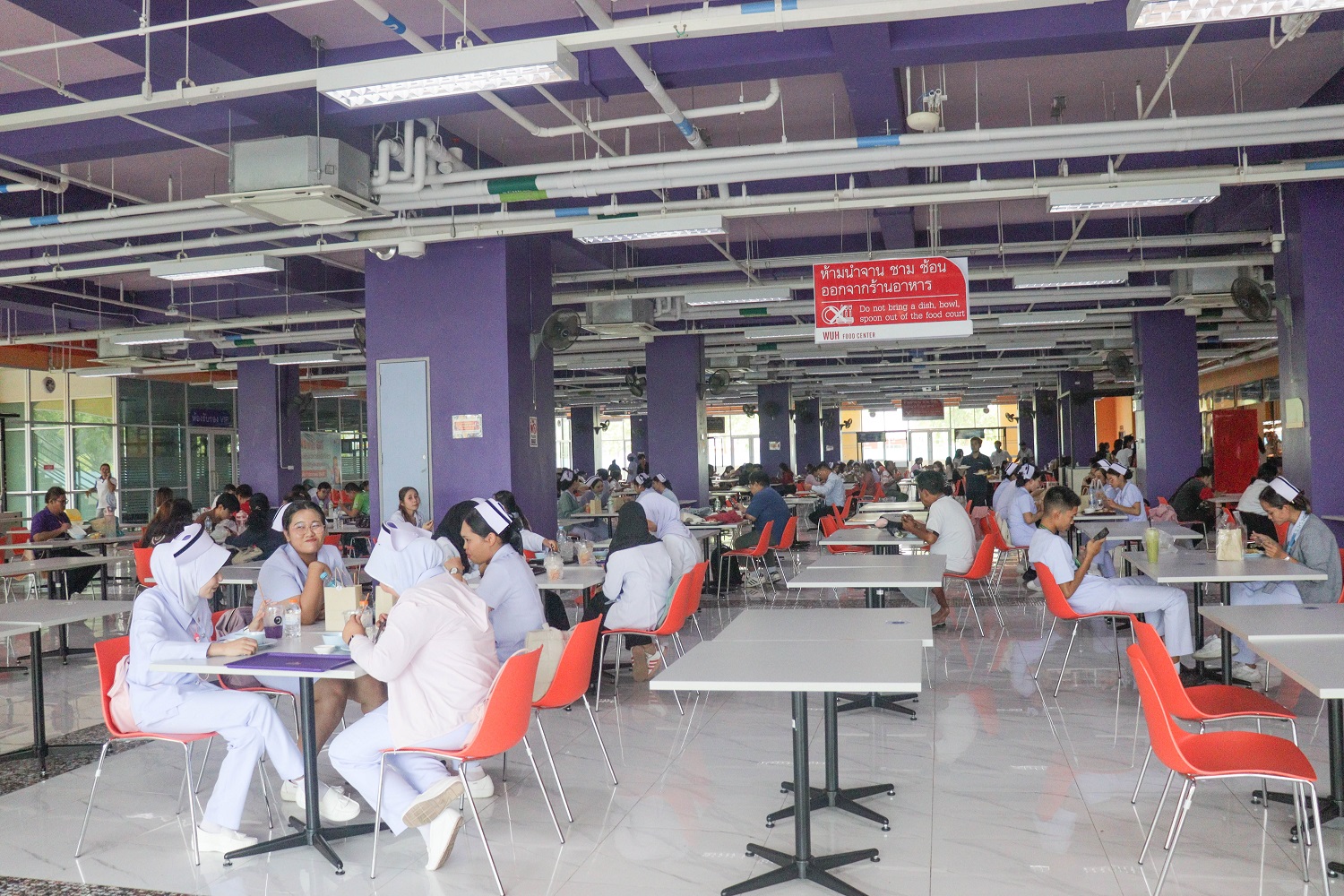
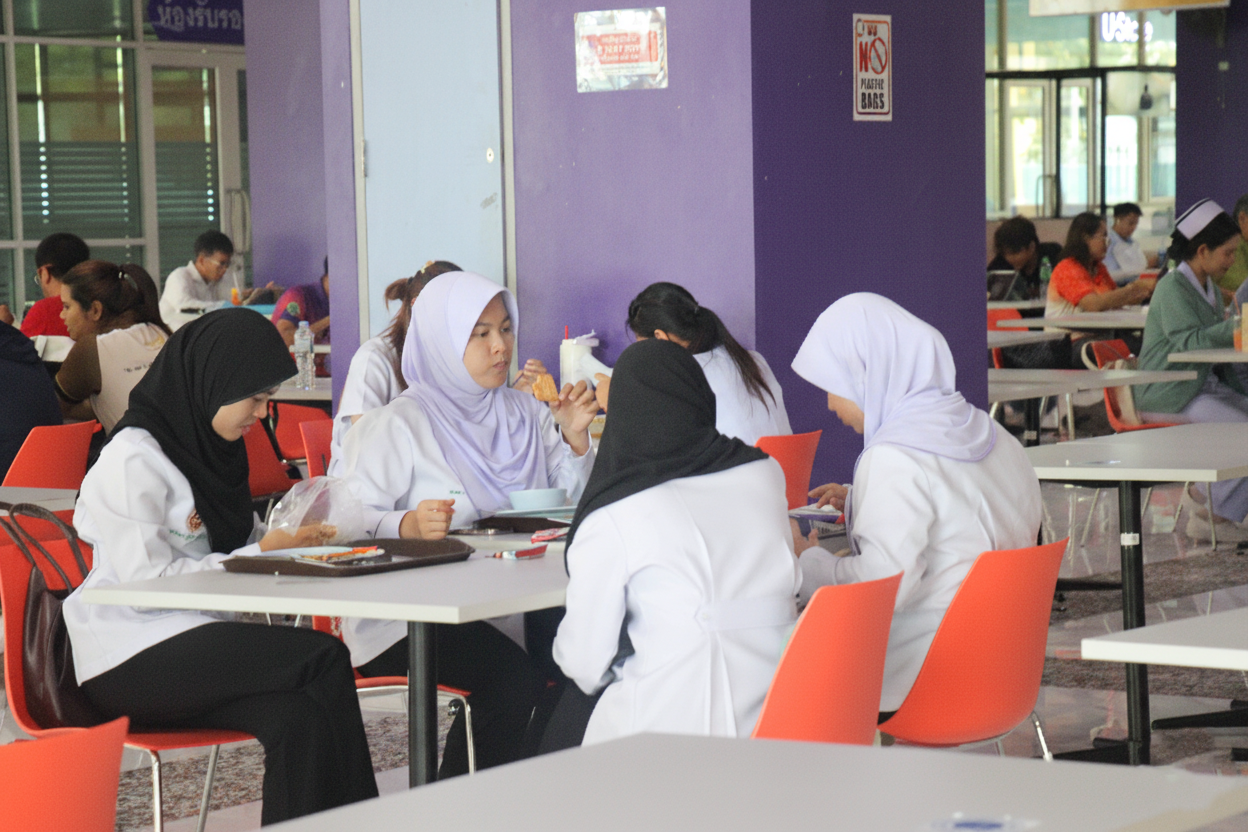
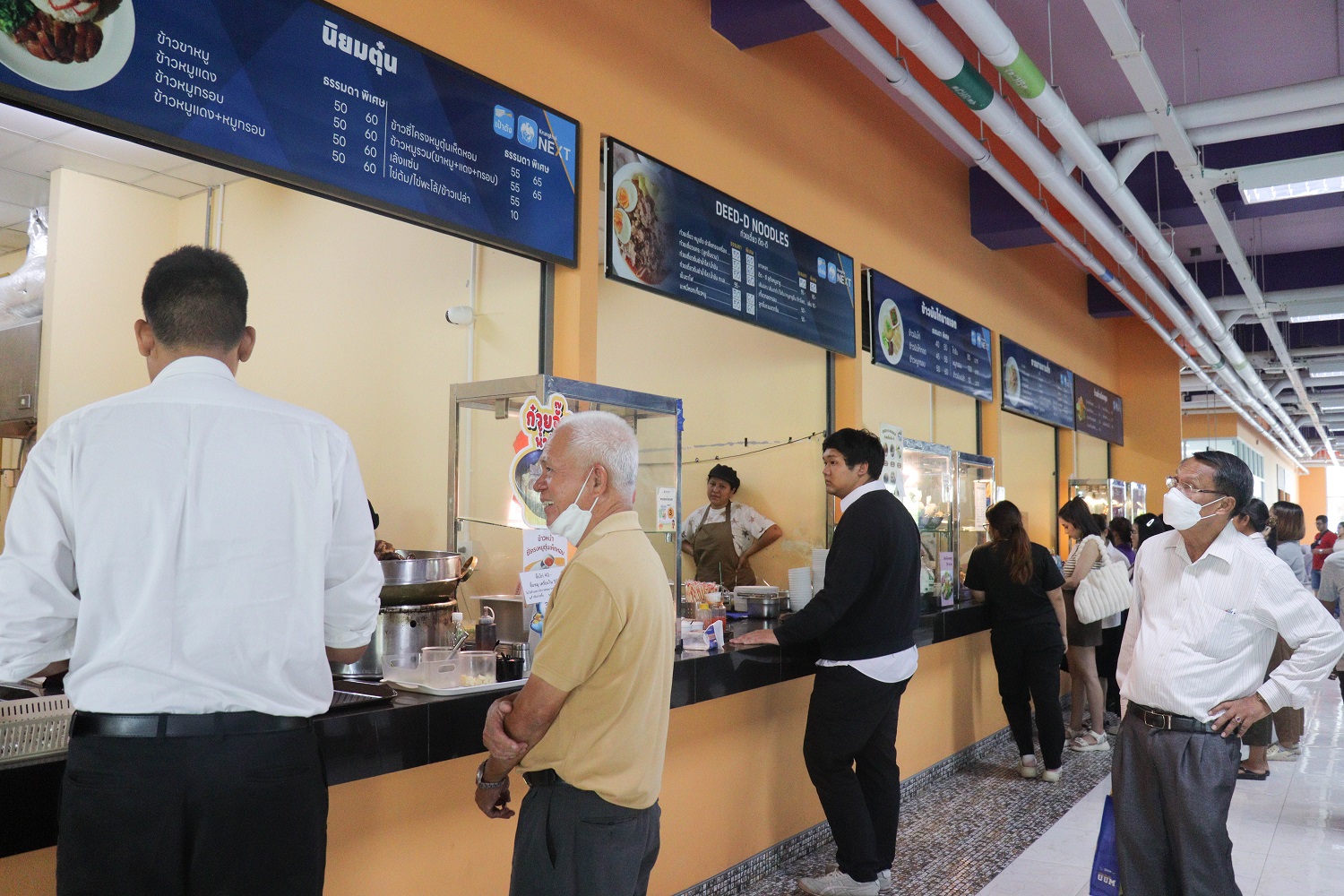
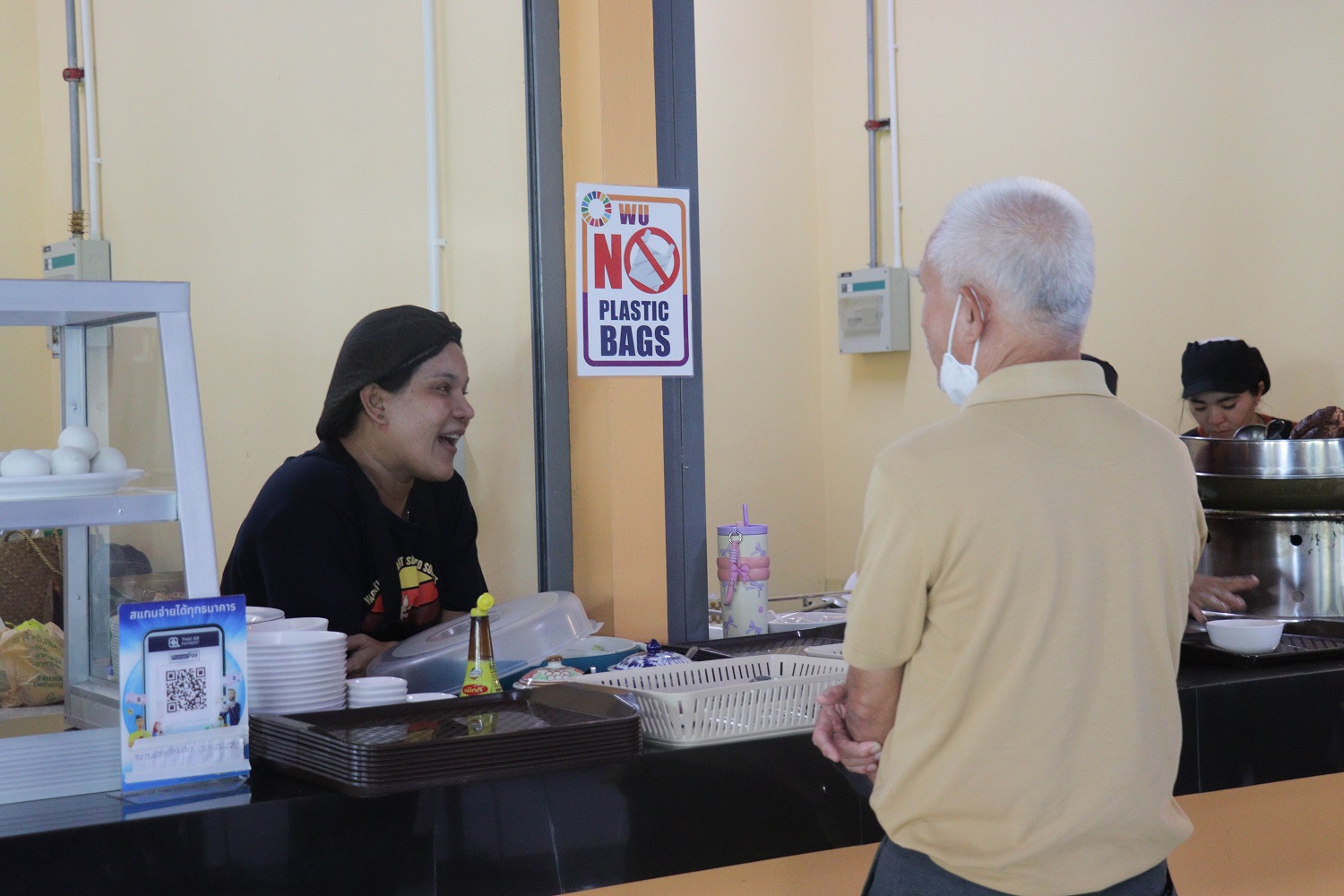
It includes 66 food outlets and 12 local food stalls. All of food outlets offer sustainable food choices including halal, vegetarian, vegan food, and fresh fruits.
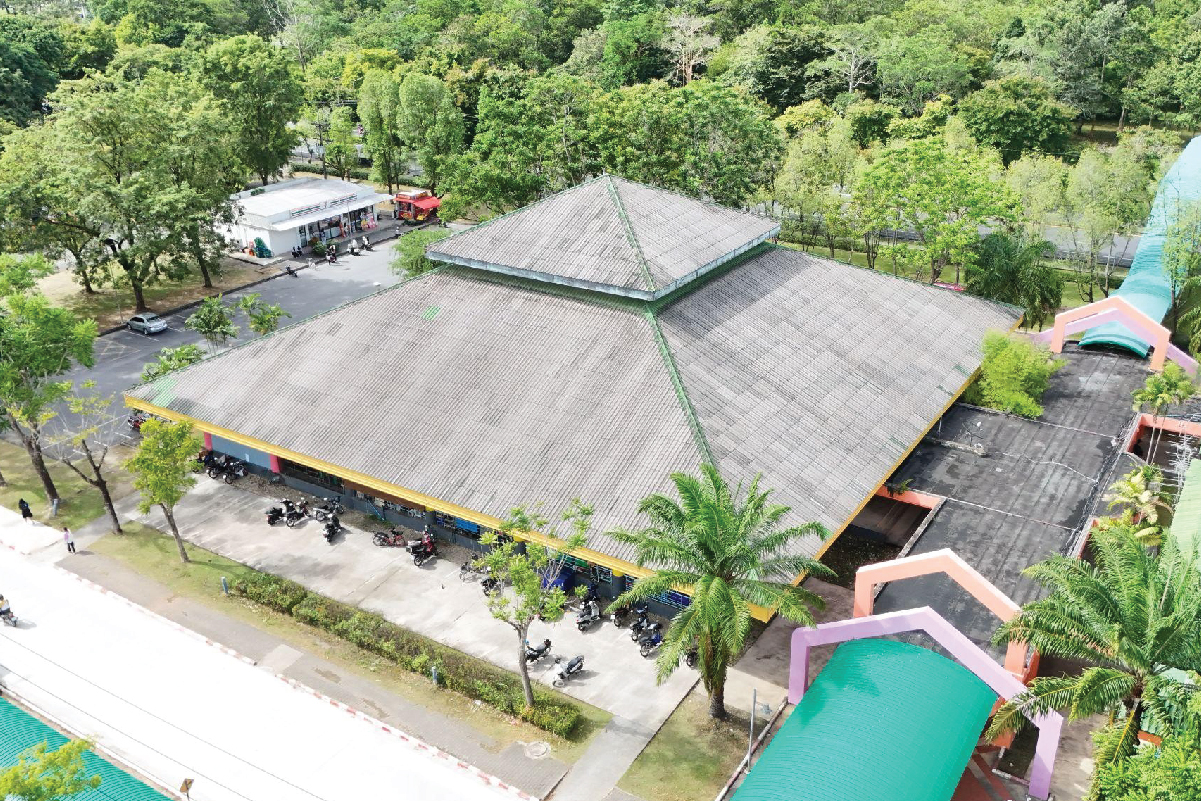
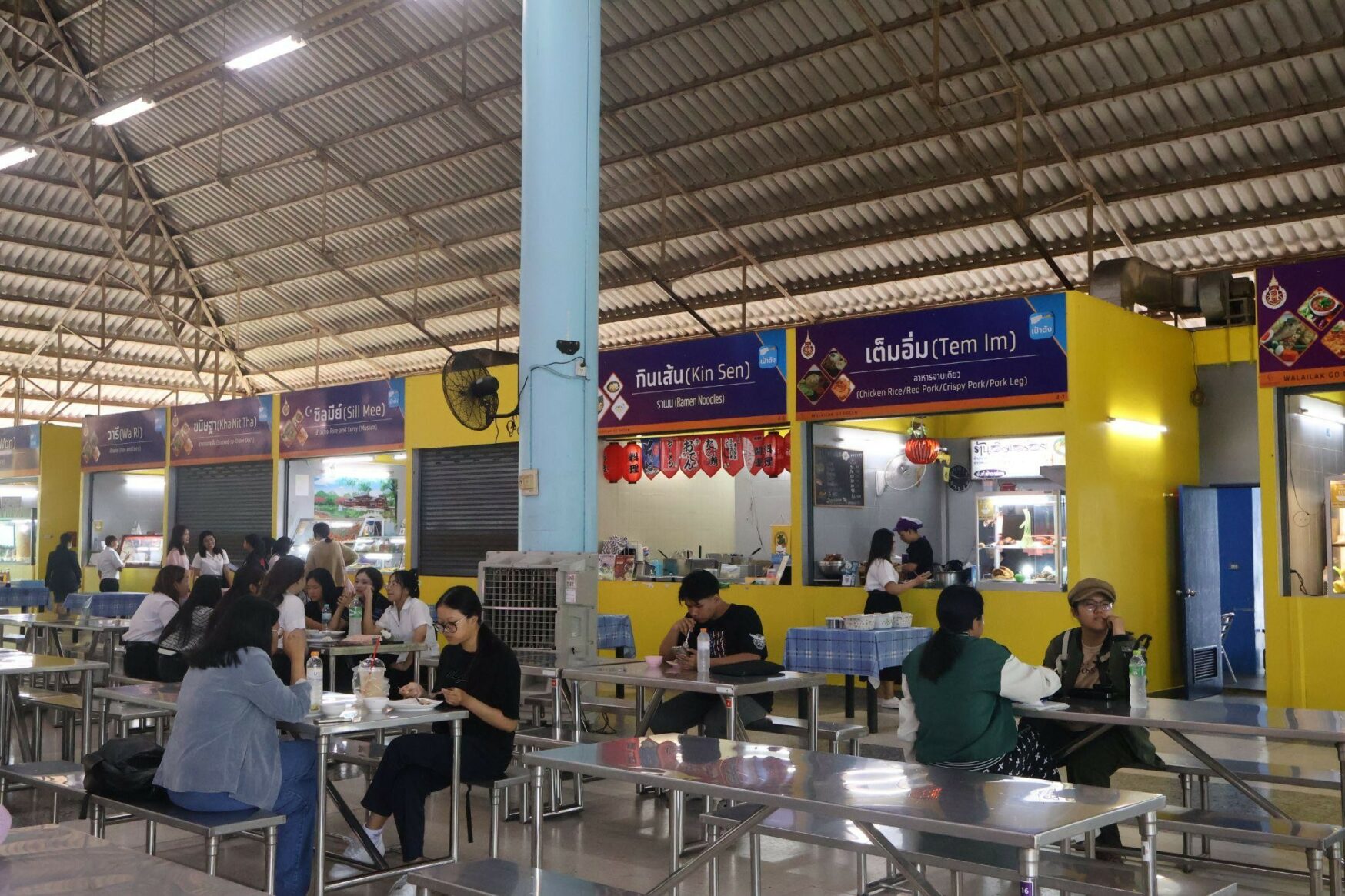
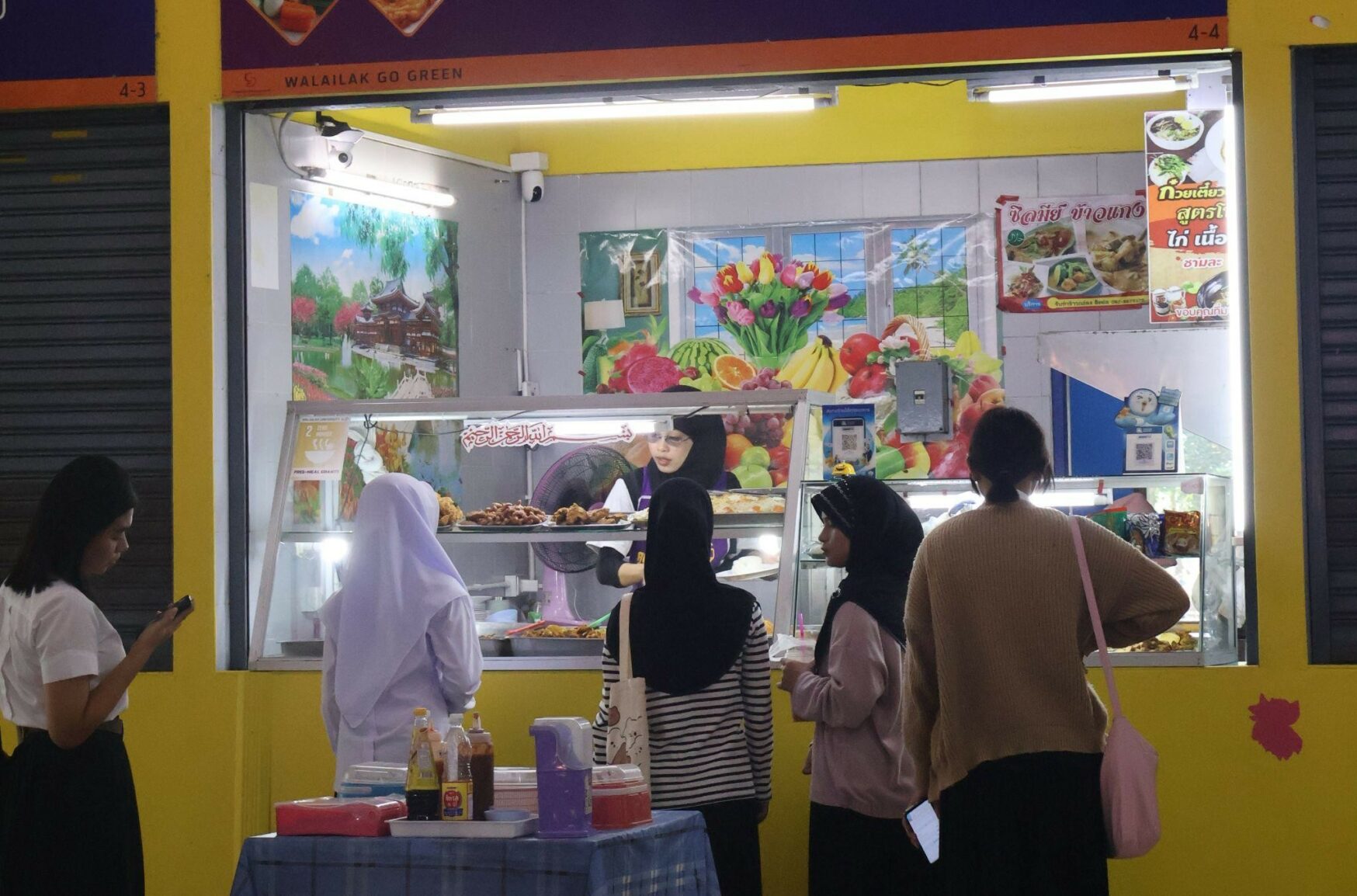
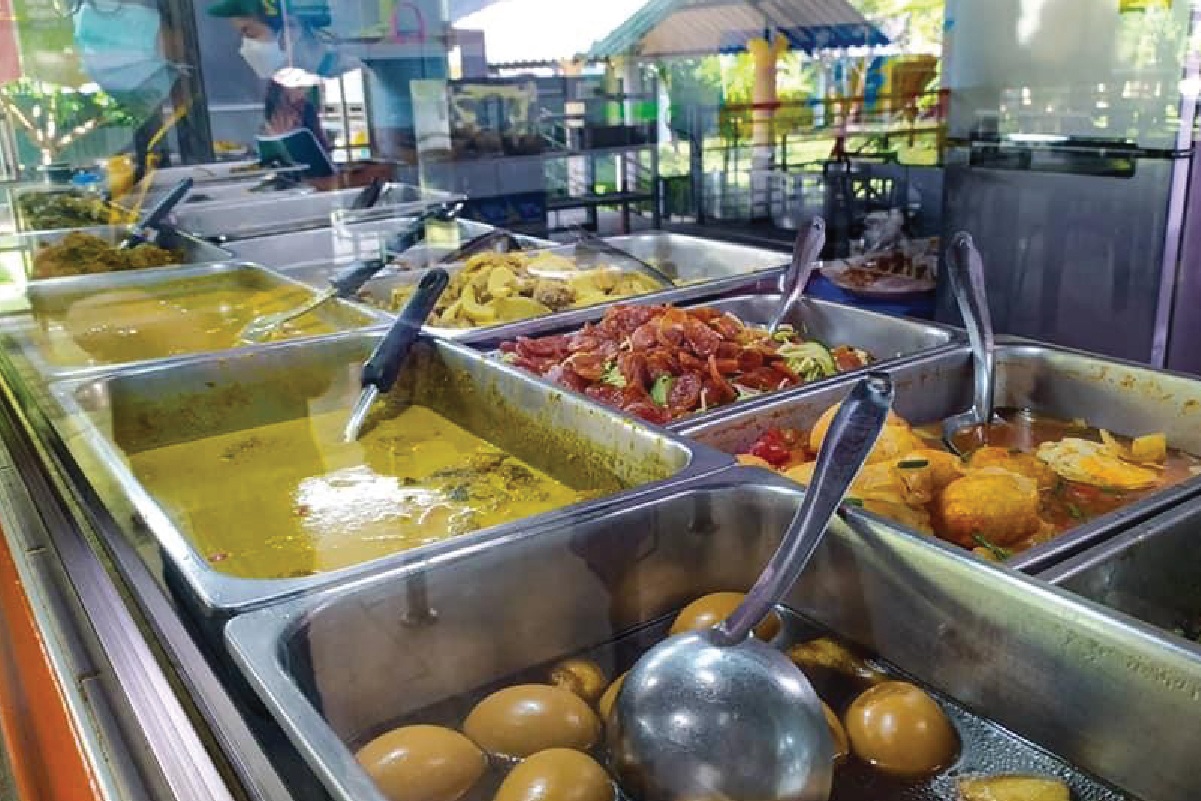
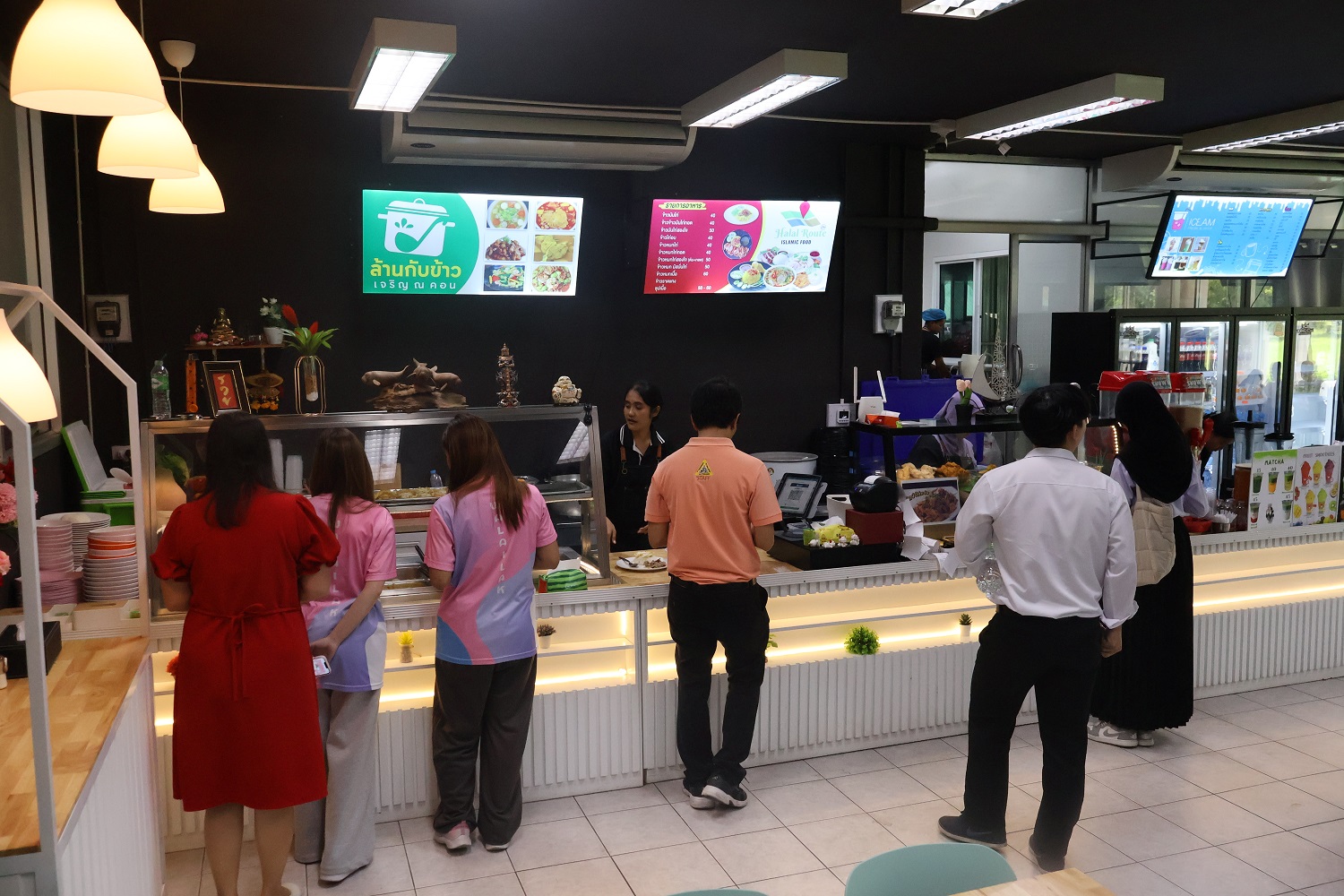
Figures : Food outlets and food stalls at the Chor Pradu Food Center.
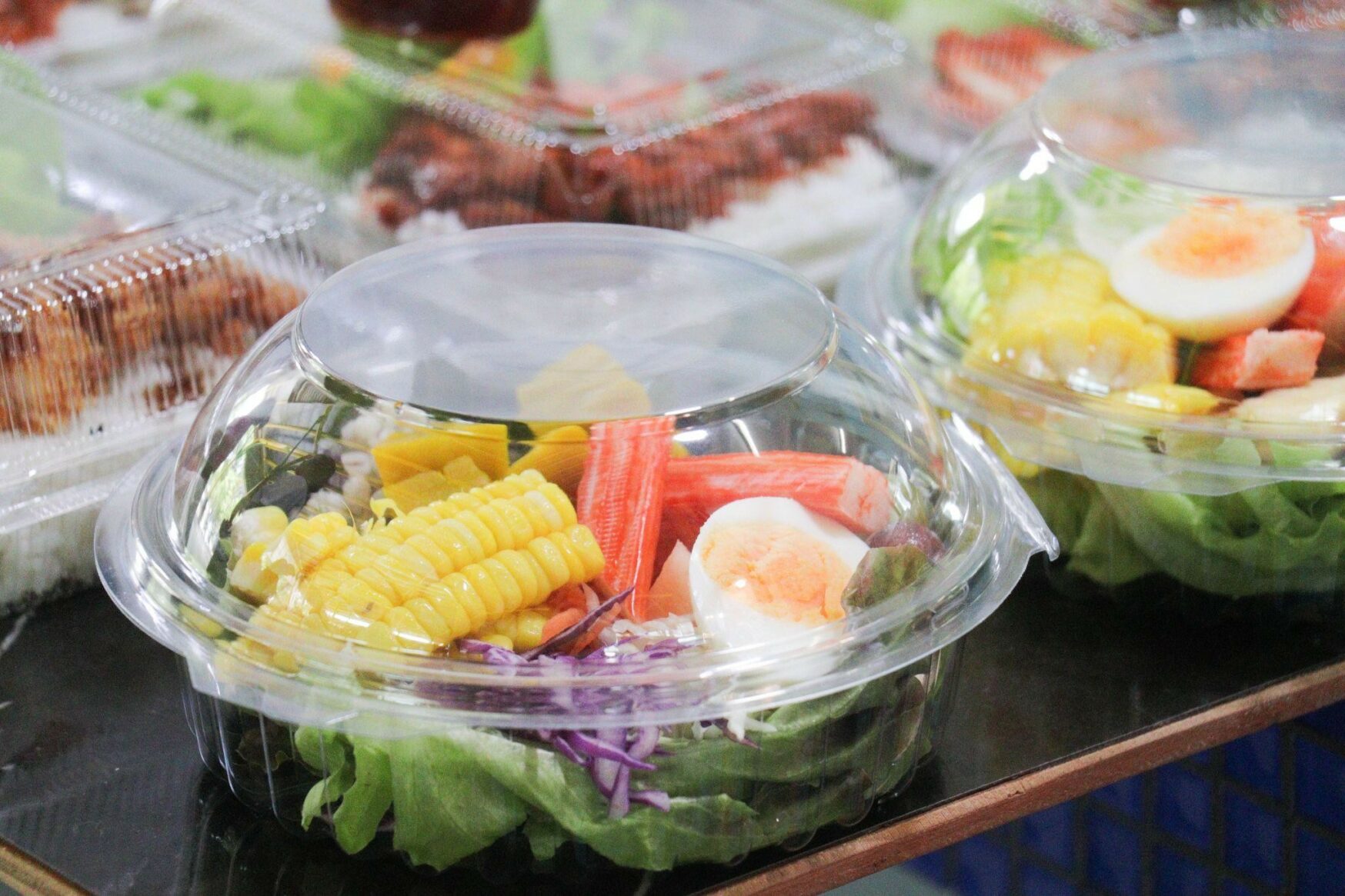
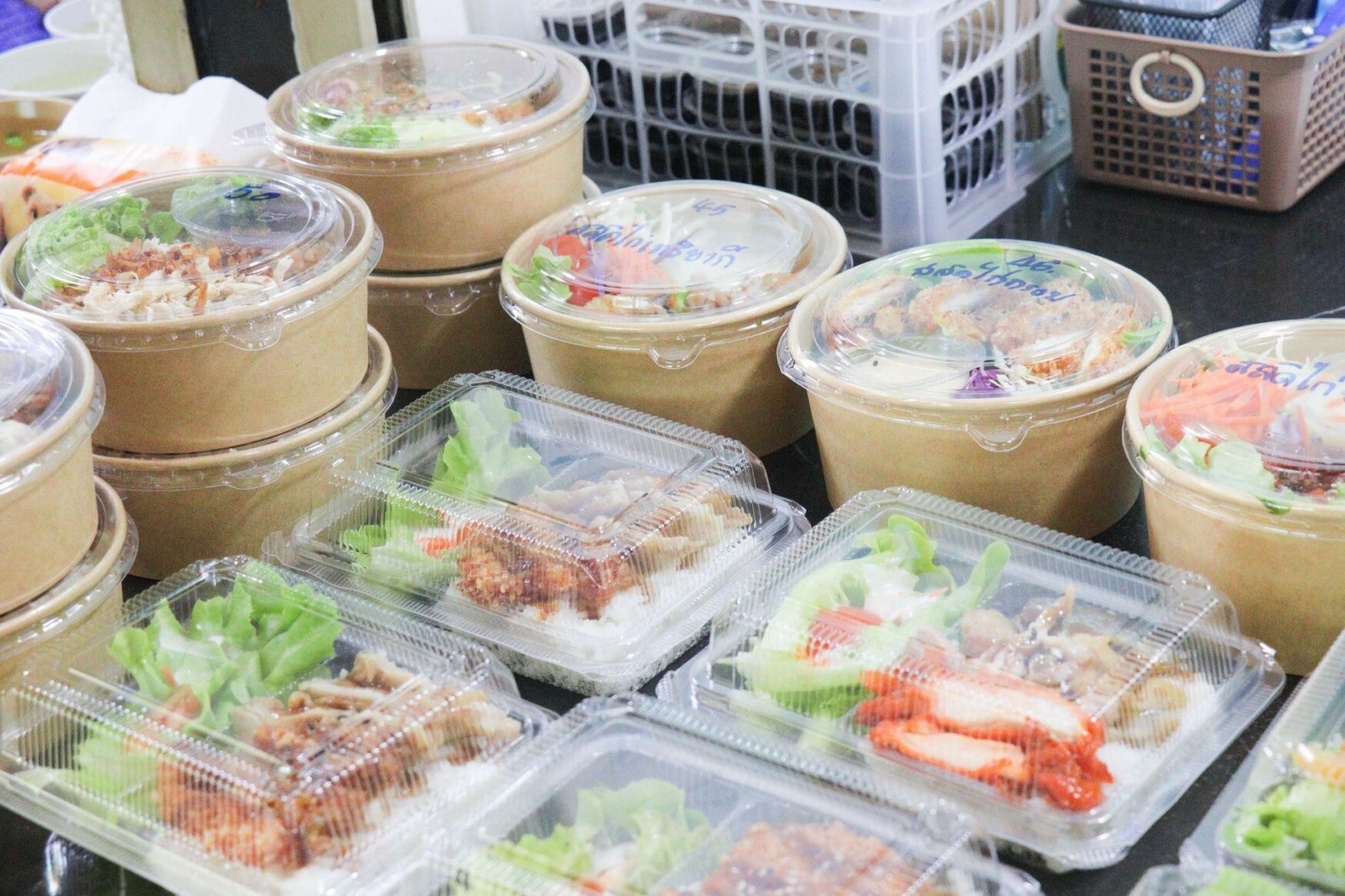
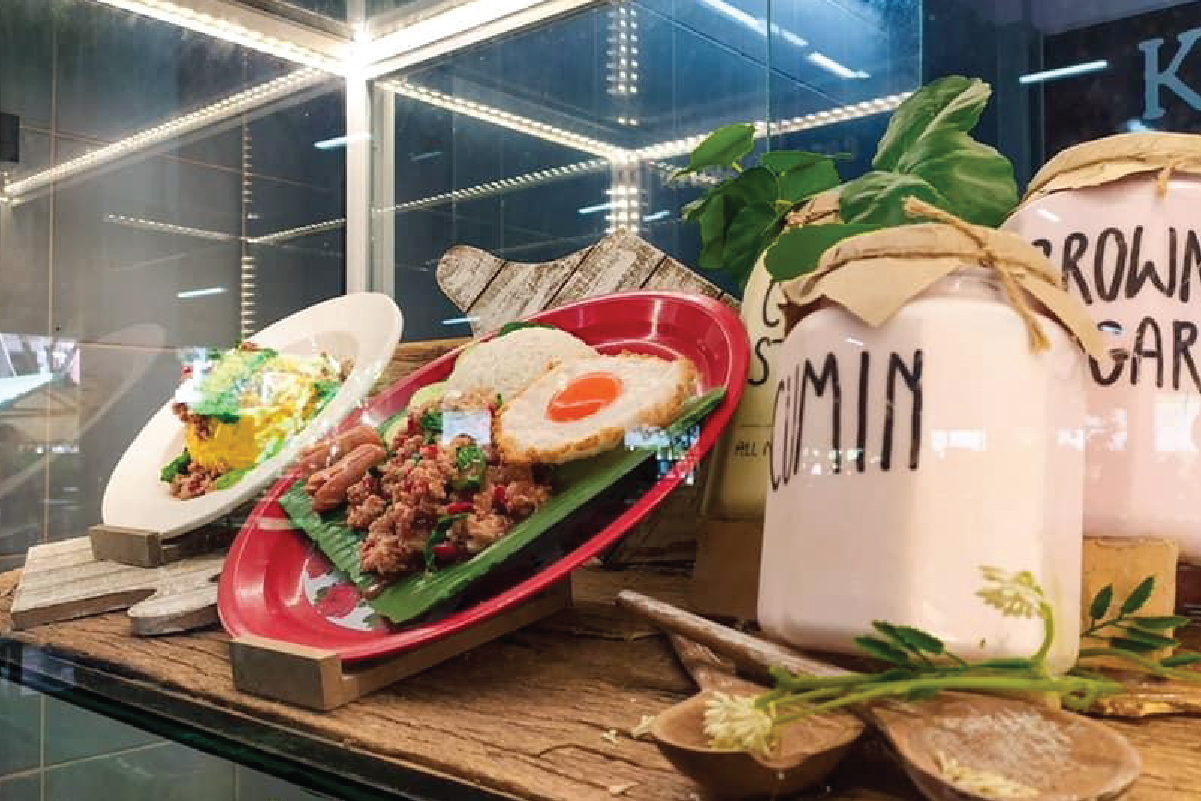
Figures : Vegan and vegetarian food at the Chor Pradu Food Center.
Student Activity Building Food Center
It contains 8 outlets and 9 local food stalls. All of food outlets offer similar dietary options, including halal and plant-based meals.
Figures : Food outlets and food stalls at the Activity Building Food Center.
Walailak University Hospital Food Center
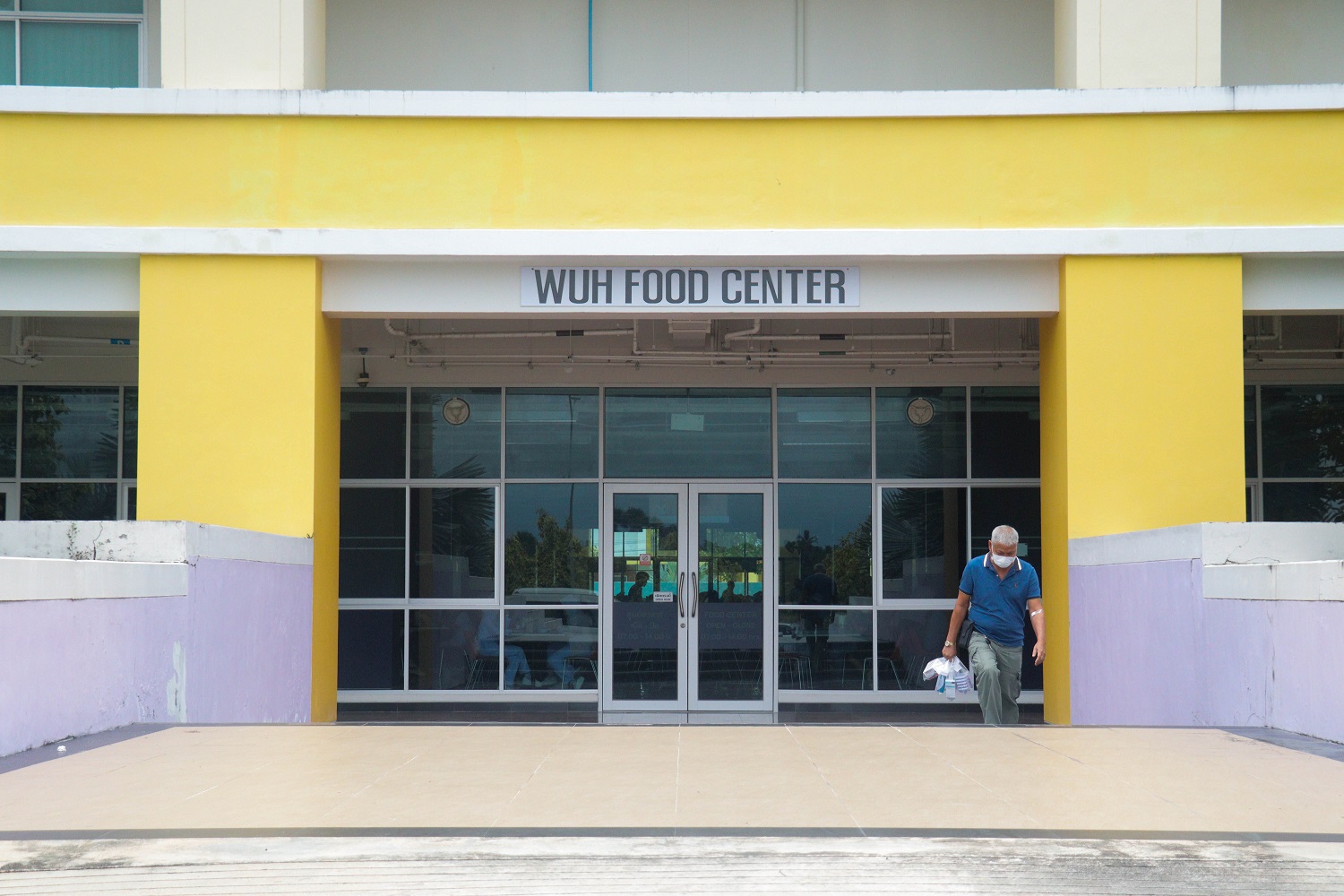
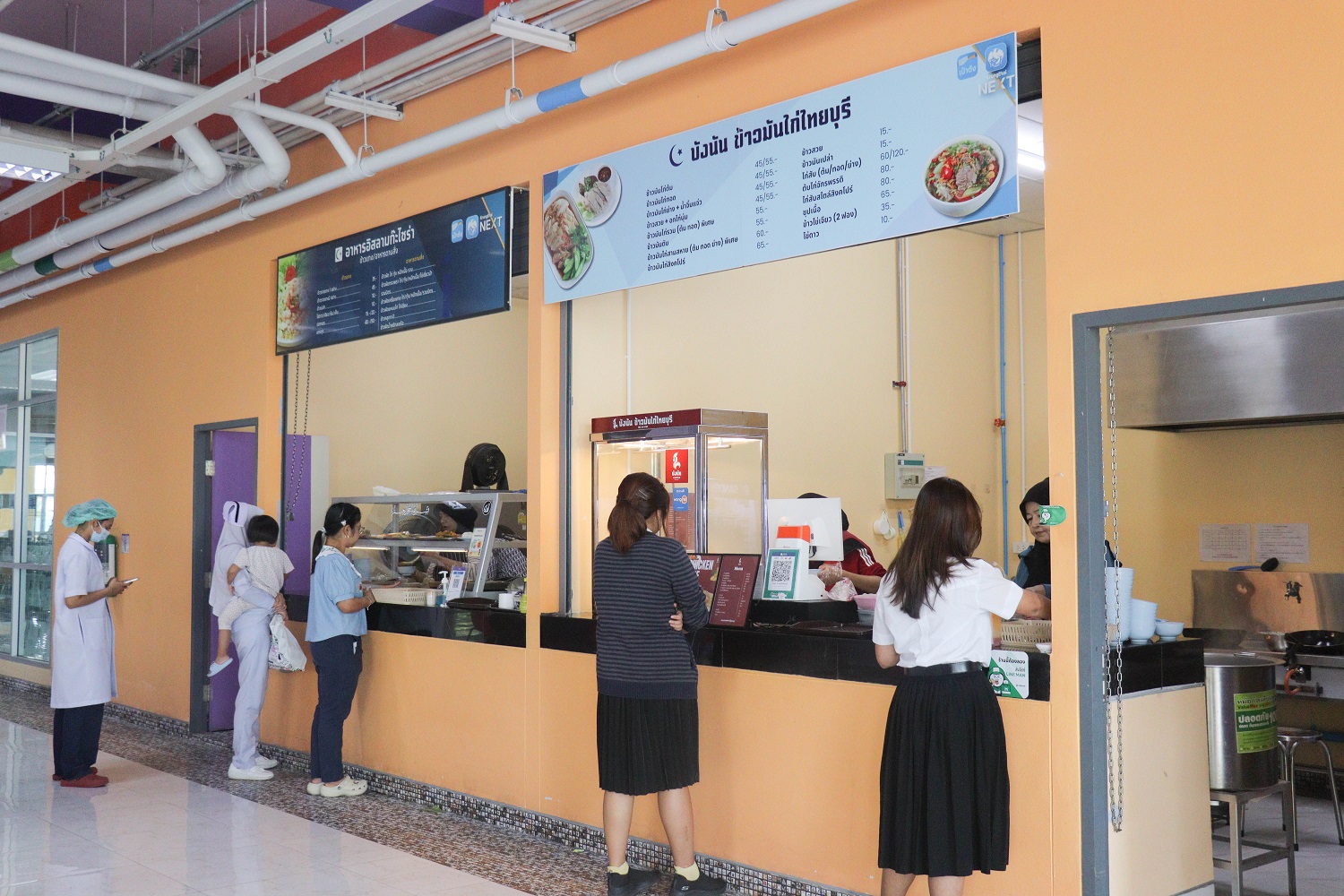
It features 19 food outlets. All of food outlets provide halal, vegetarian, vegan food, fresh fruits, and so on.
Figures : Food outlets and food stalls at Walailak University Hospital Food Center.
All three centers source ingredients from trusted local suppliers who follow sustainable farming practices and sustainable food choices—ensuring no or low level of pesticides or chemical usage, environmental protection, and ethical production.
Additional Food Outlets
Retail Convenience Stores
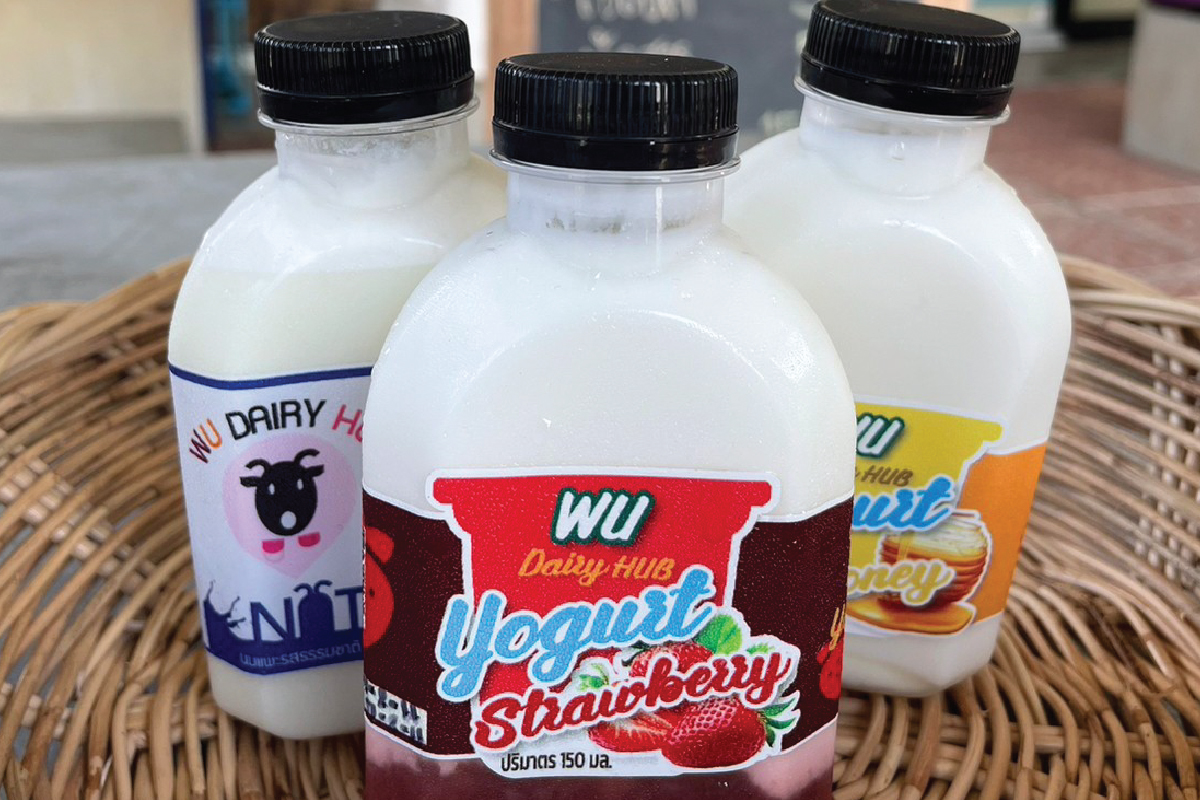
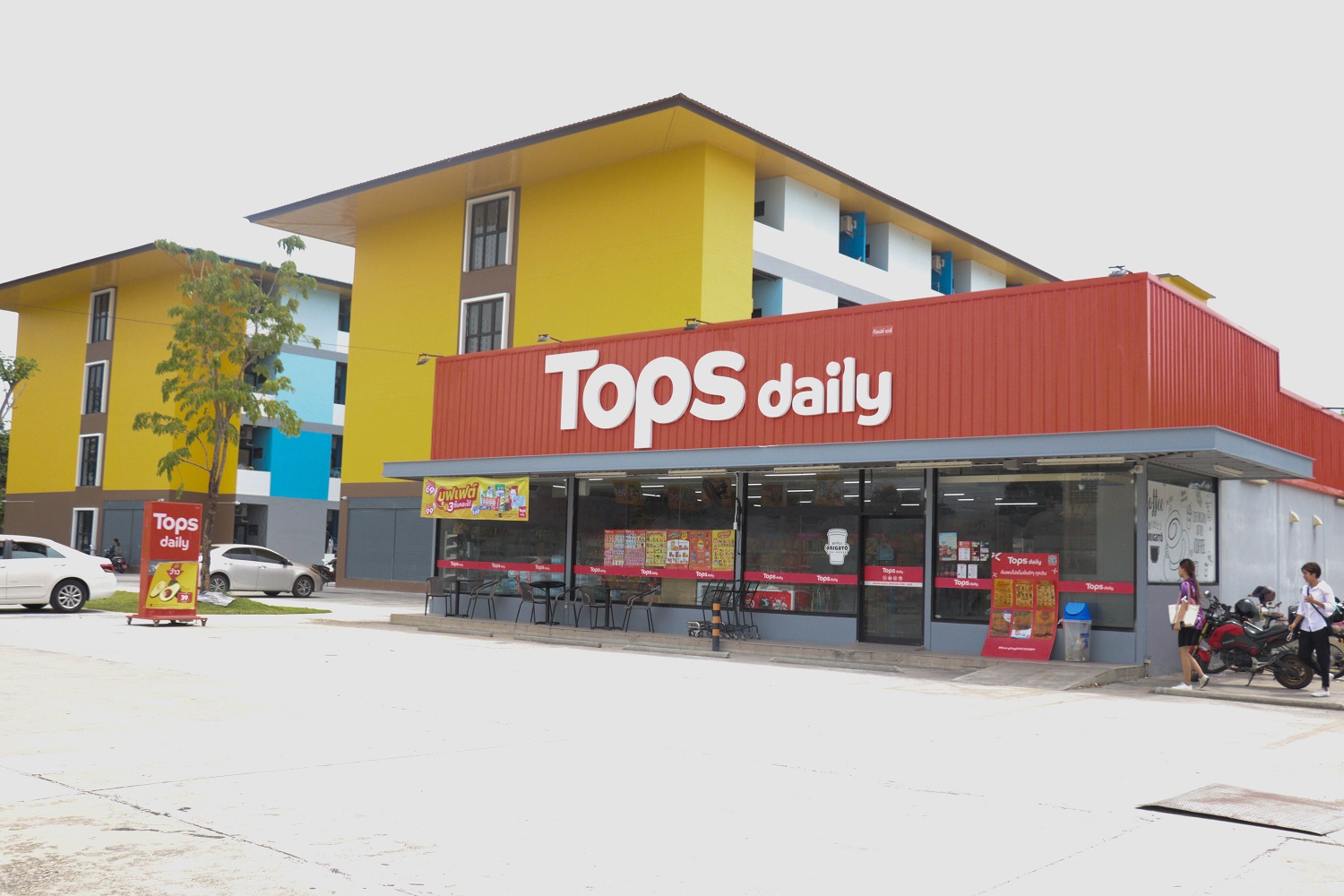
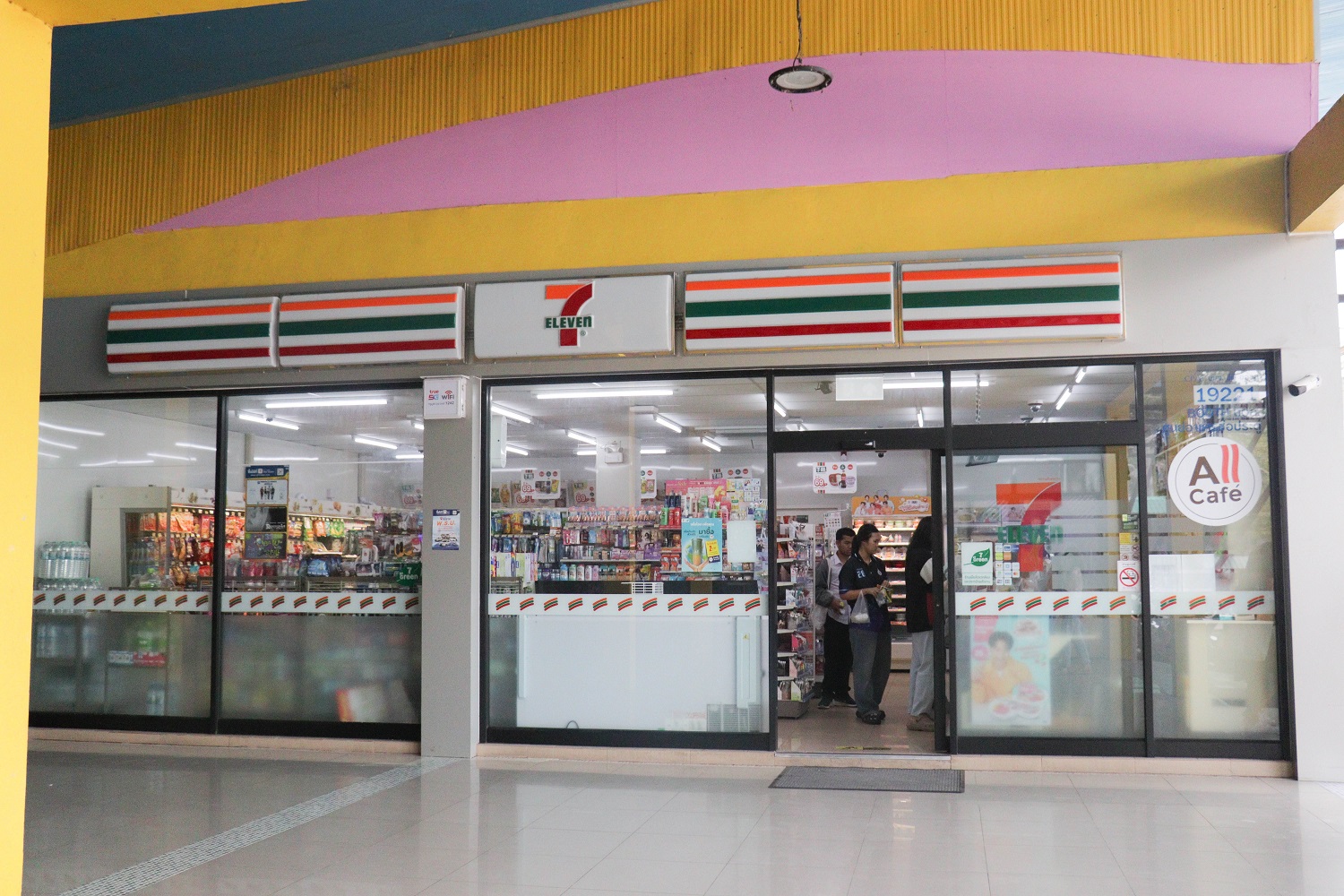
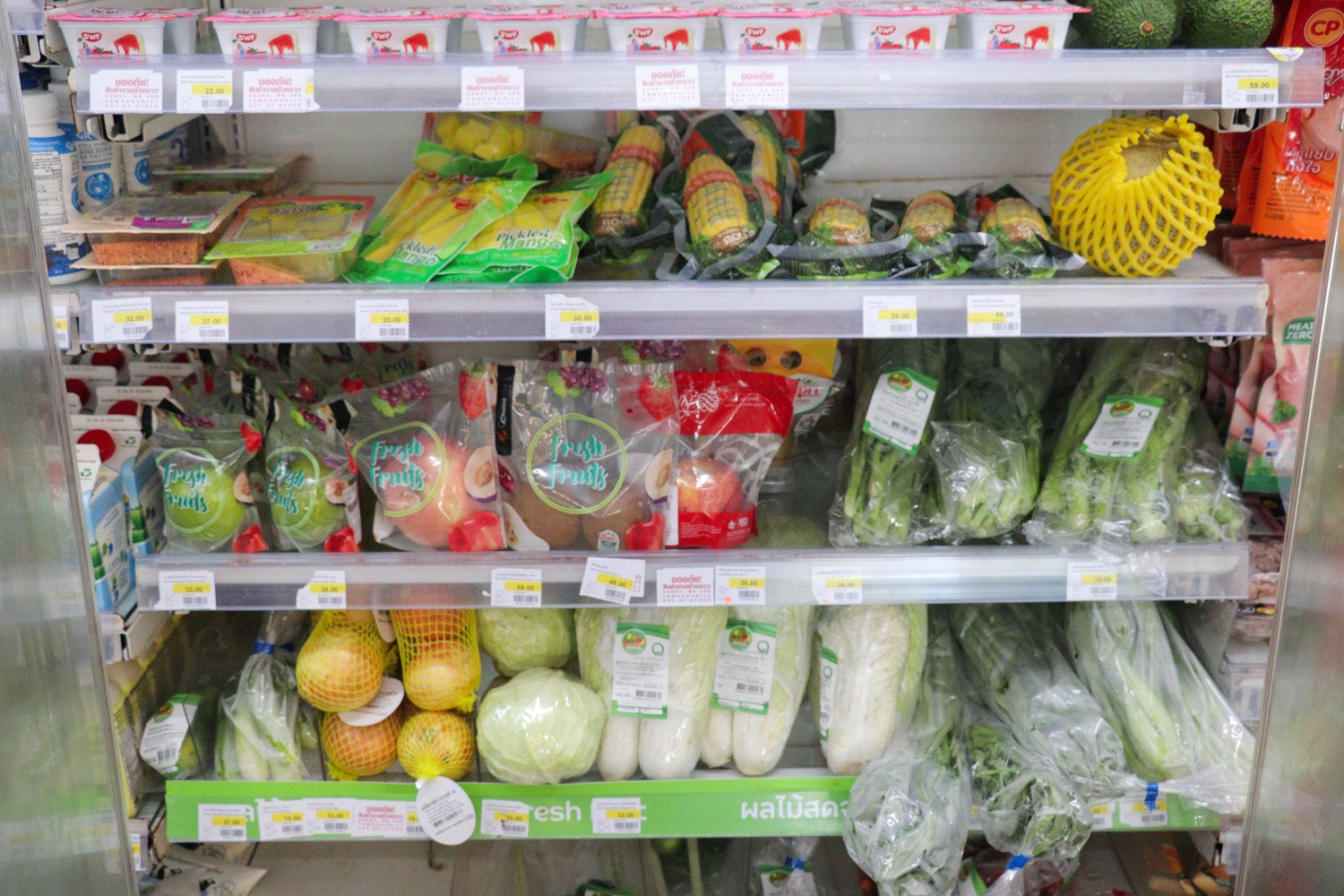
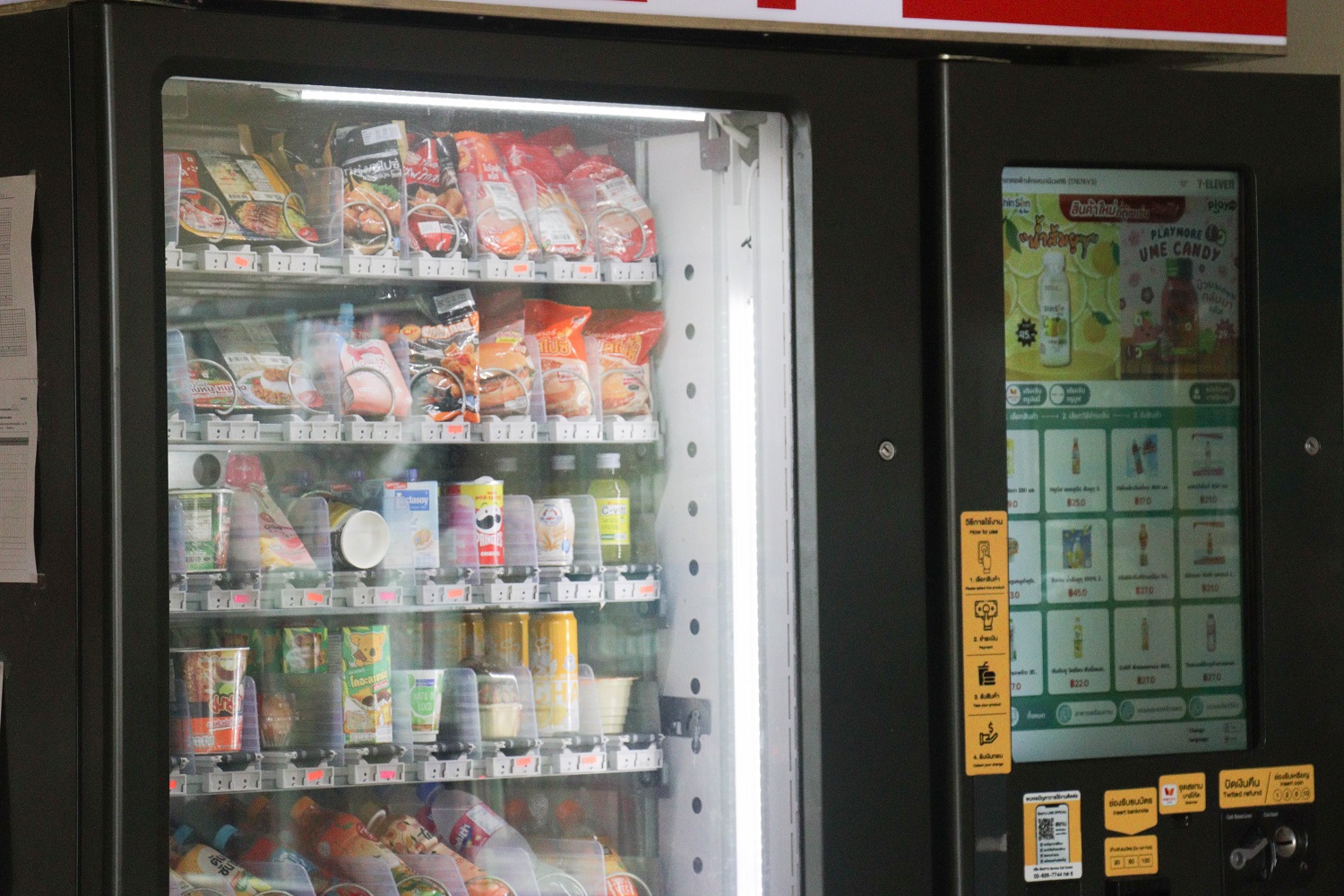
There are 7 retail convenience stores across campus. They offer vegetarian and vegan food sourced from SMEs and local enterprises certified with standards such as GAP, GMP, HACCP, and Halal.
Figures : Food products at the retail convenience stores.
Food Kiosks and Cafeterias
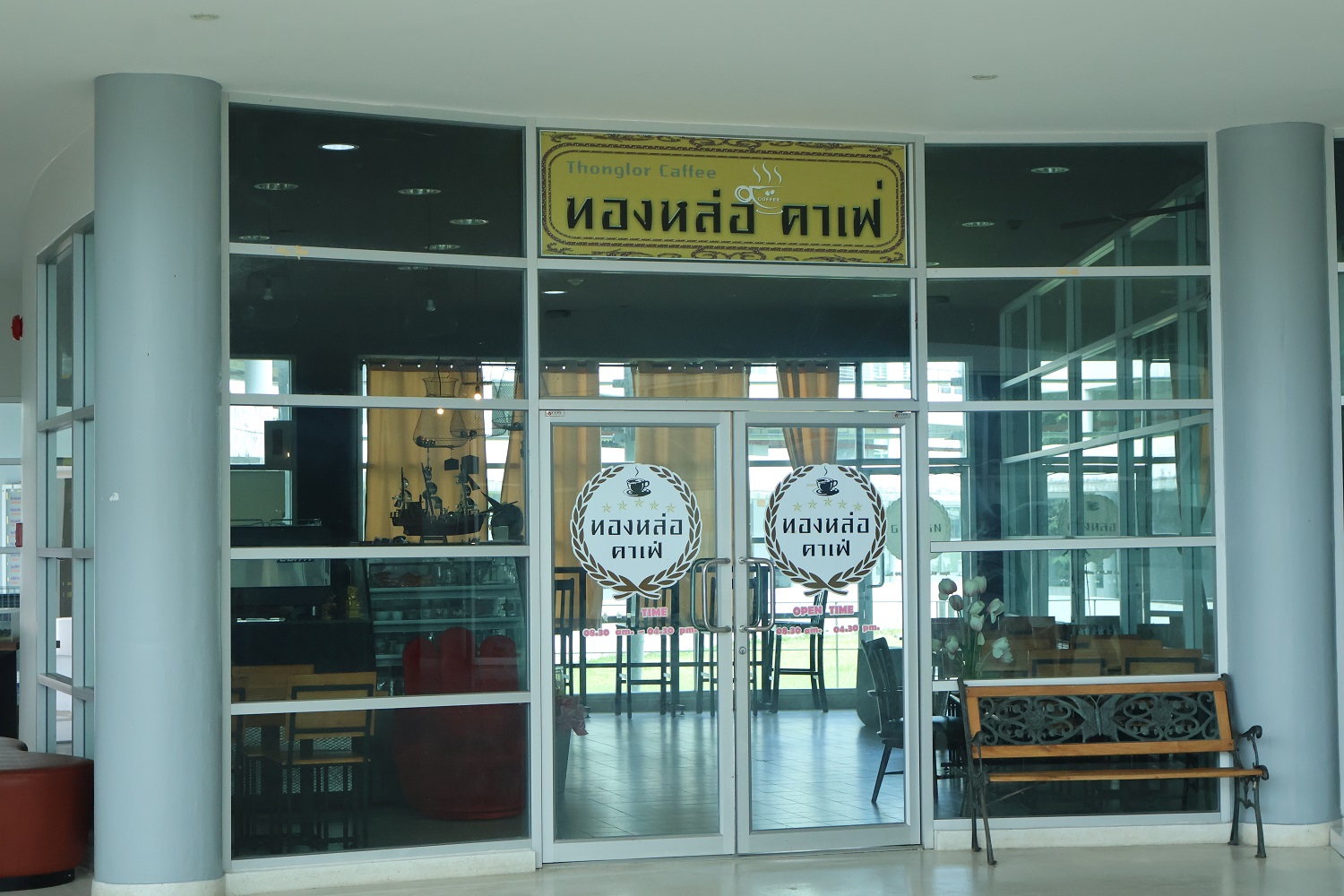
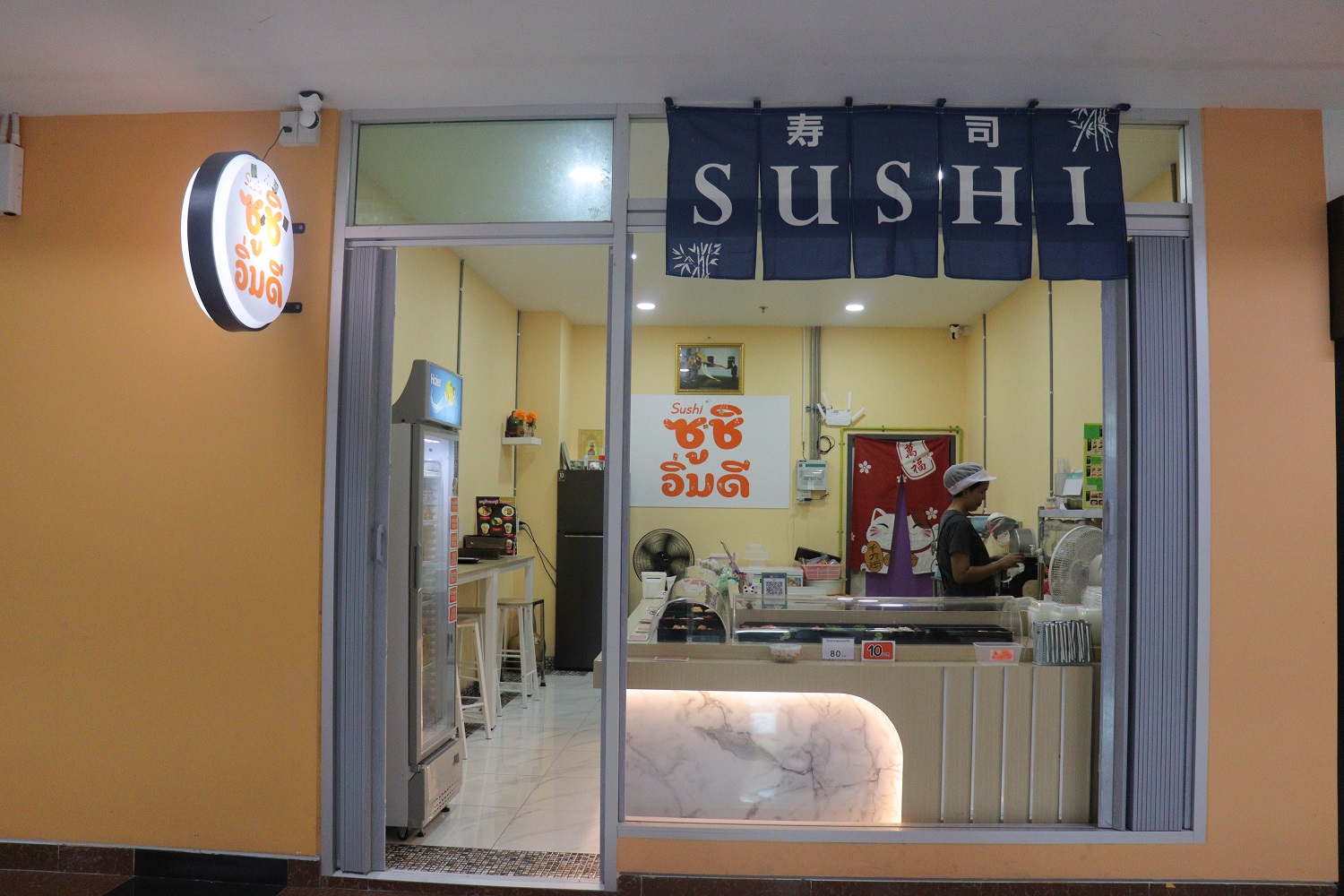
15 food outlets across various campus locations offer a variety of food and beverages which cover all sustainable food choices such as vegetarian and vegan food. These vendors are encouraged to use sustainably sourced and GAP-certified ingredients and minimize resource waste in food processing.
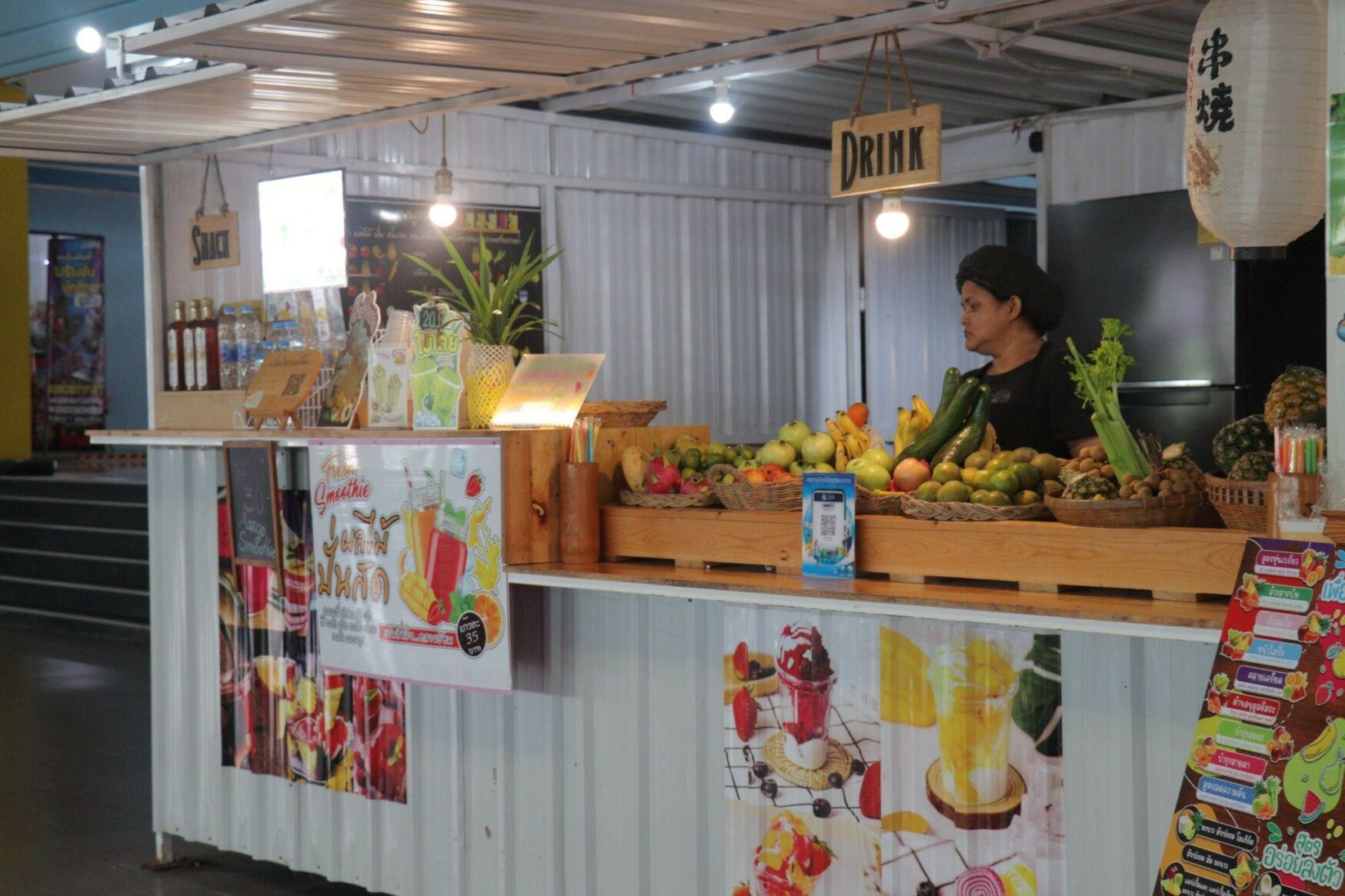
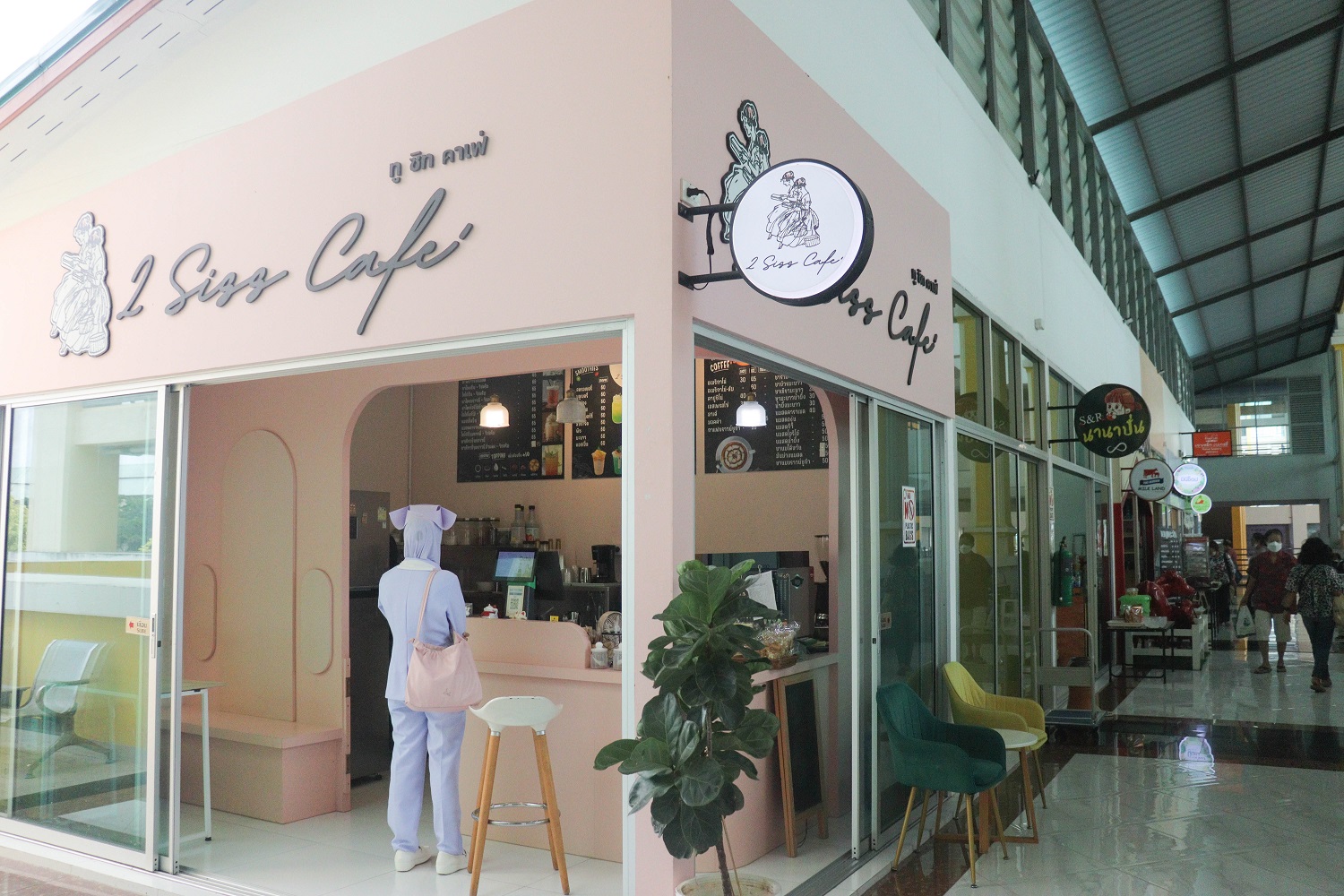
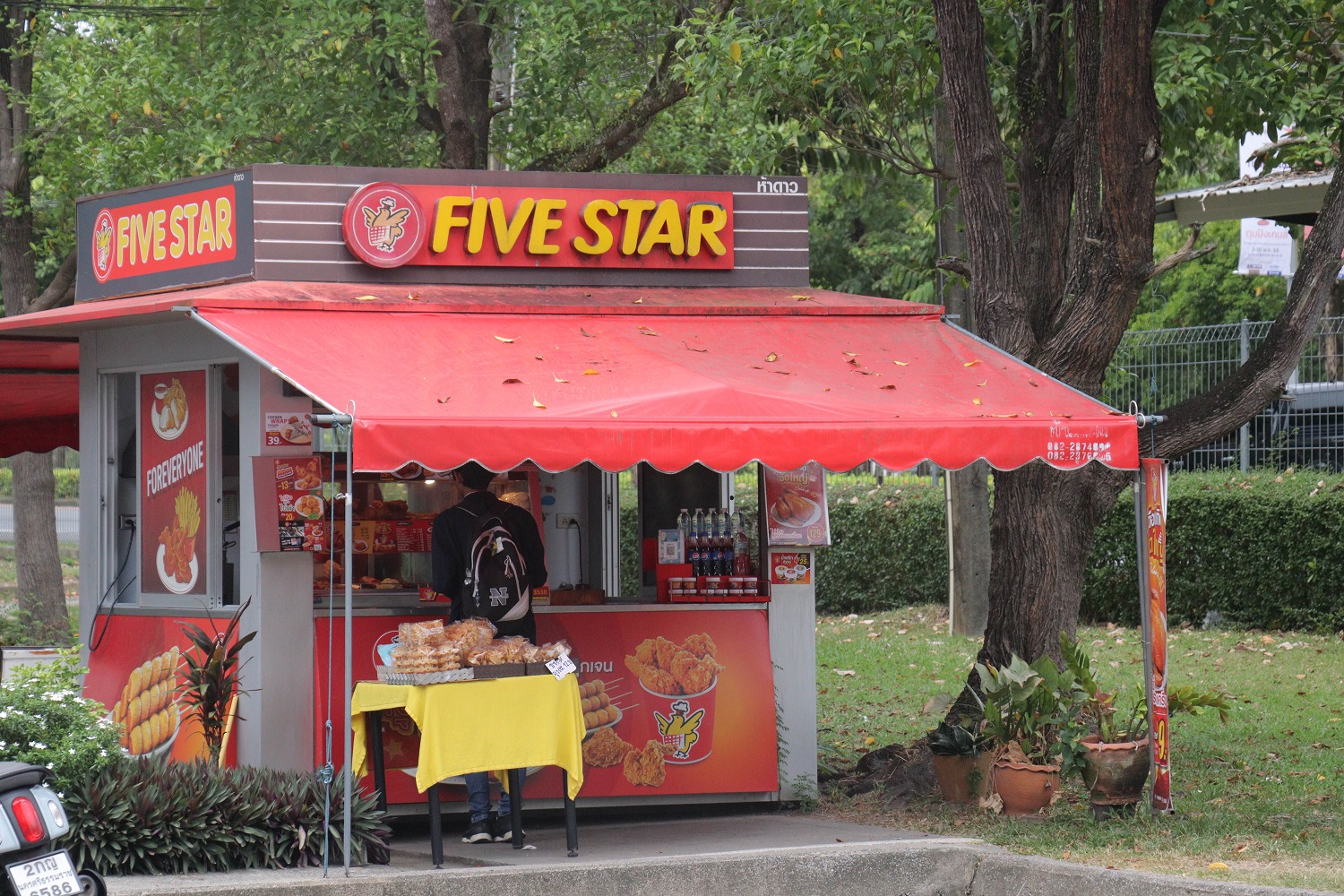
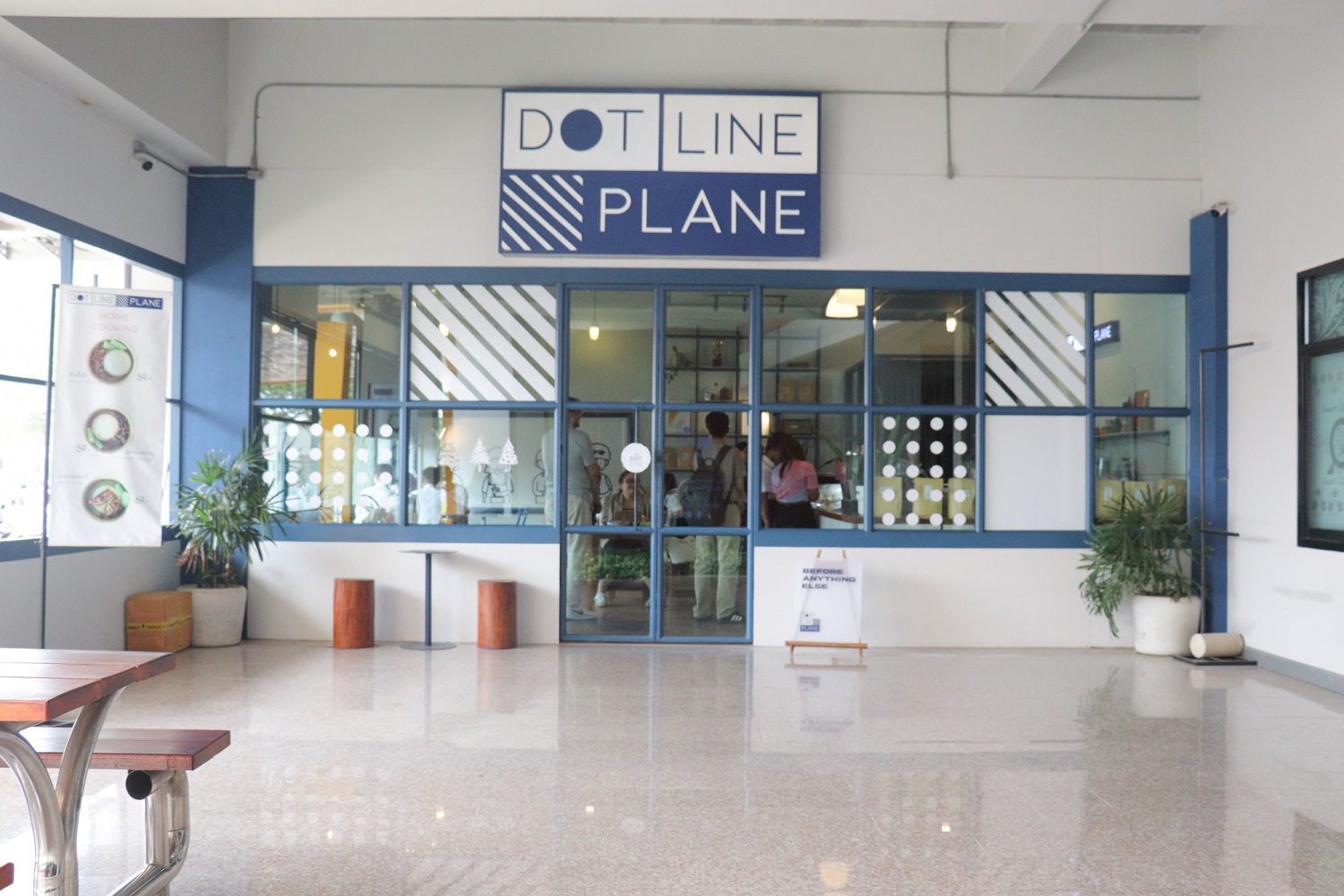
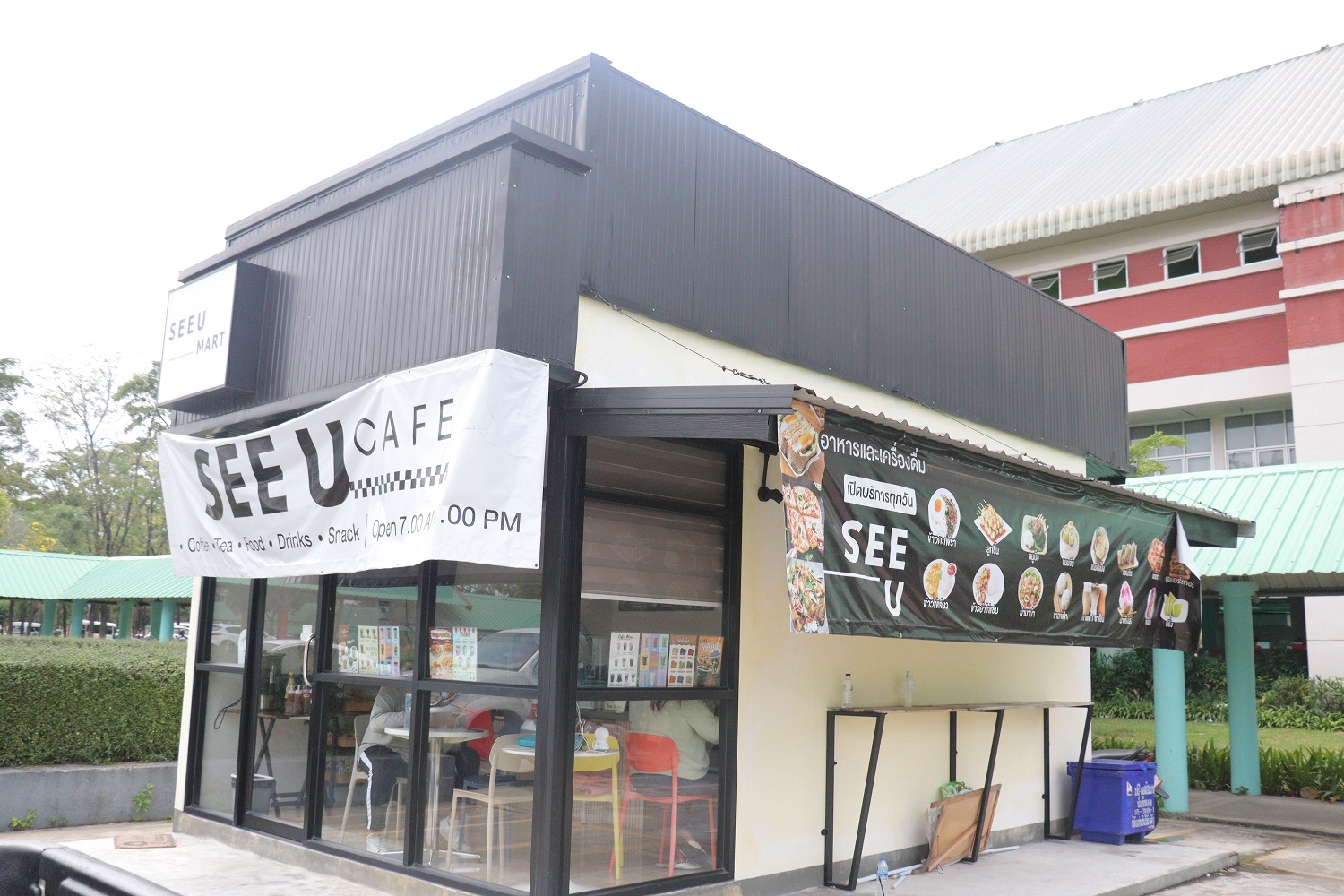
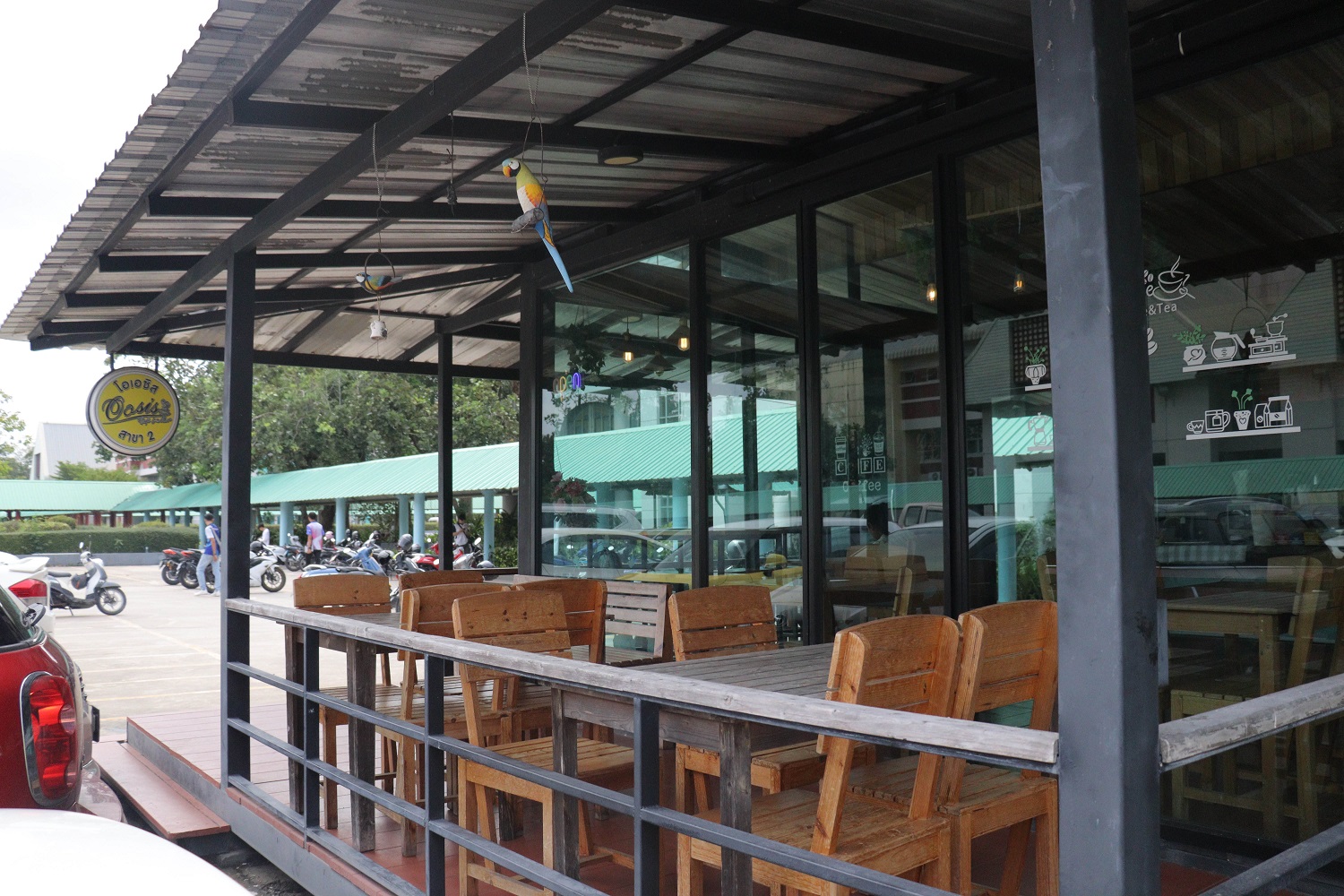
Figures : The Food Kiosks and Cafeterias at Walailak University.
Vending Machines
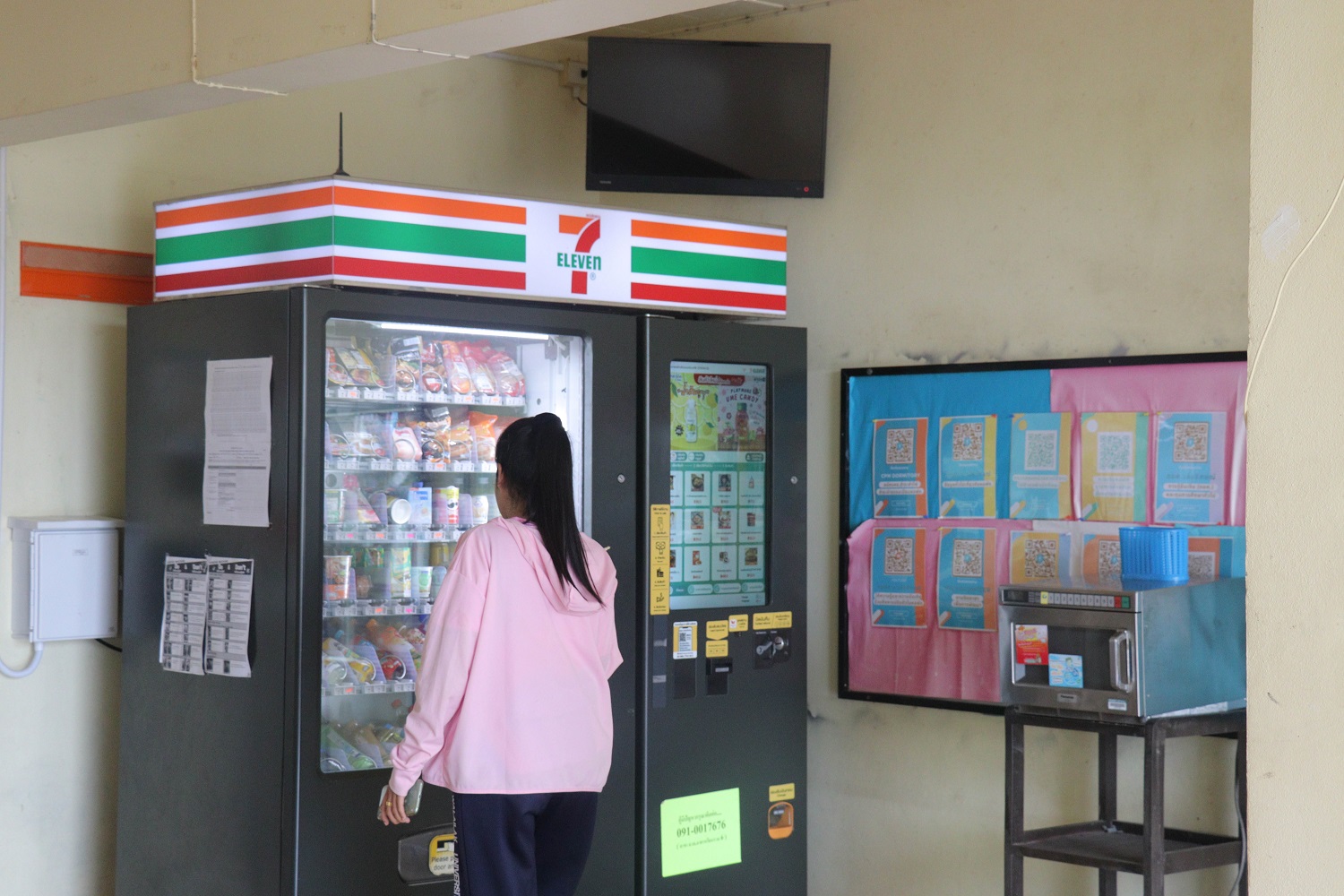
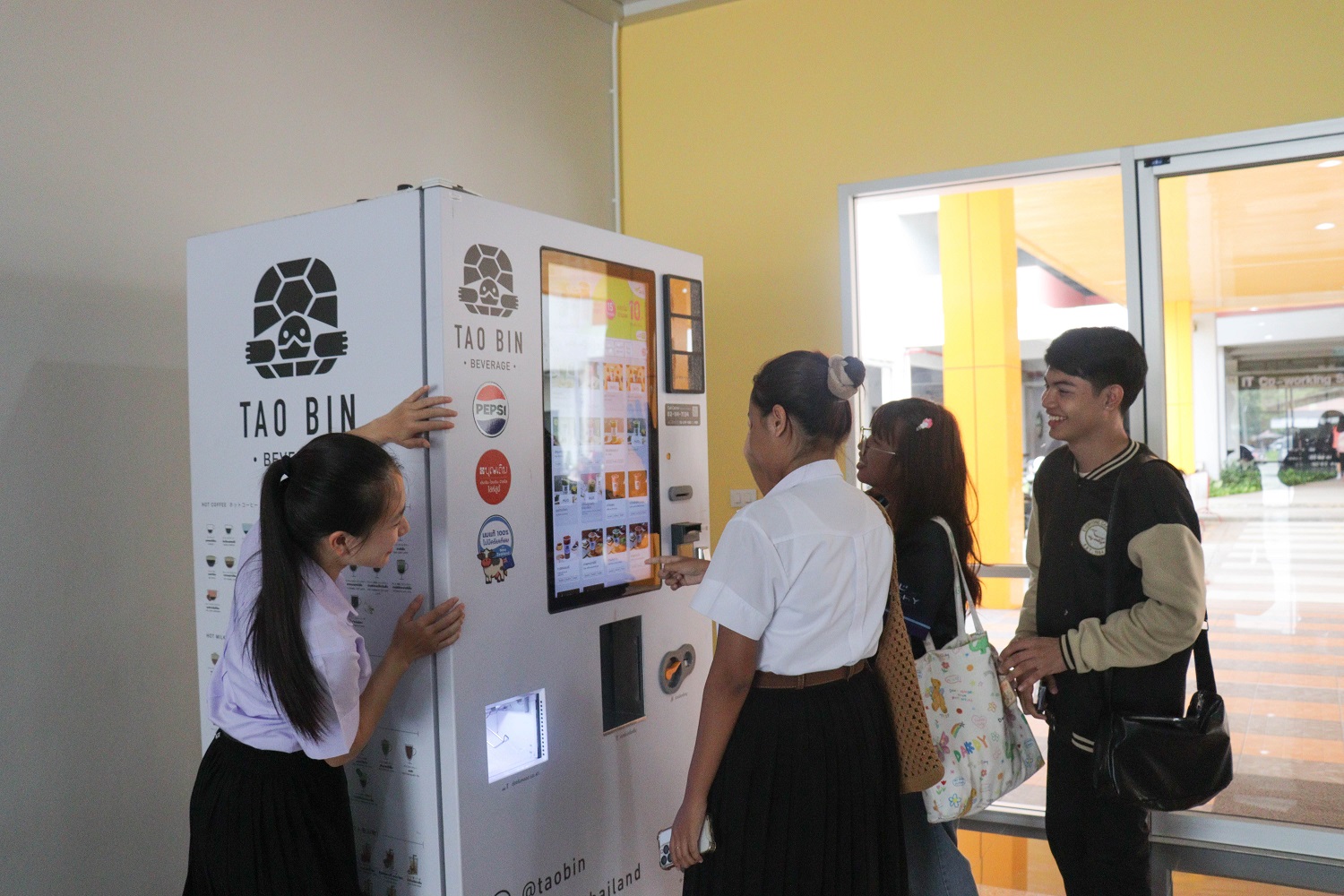
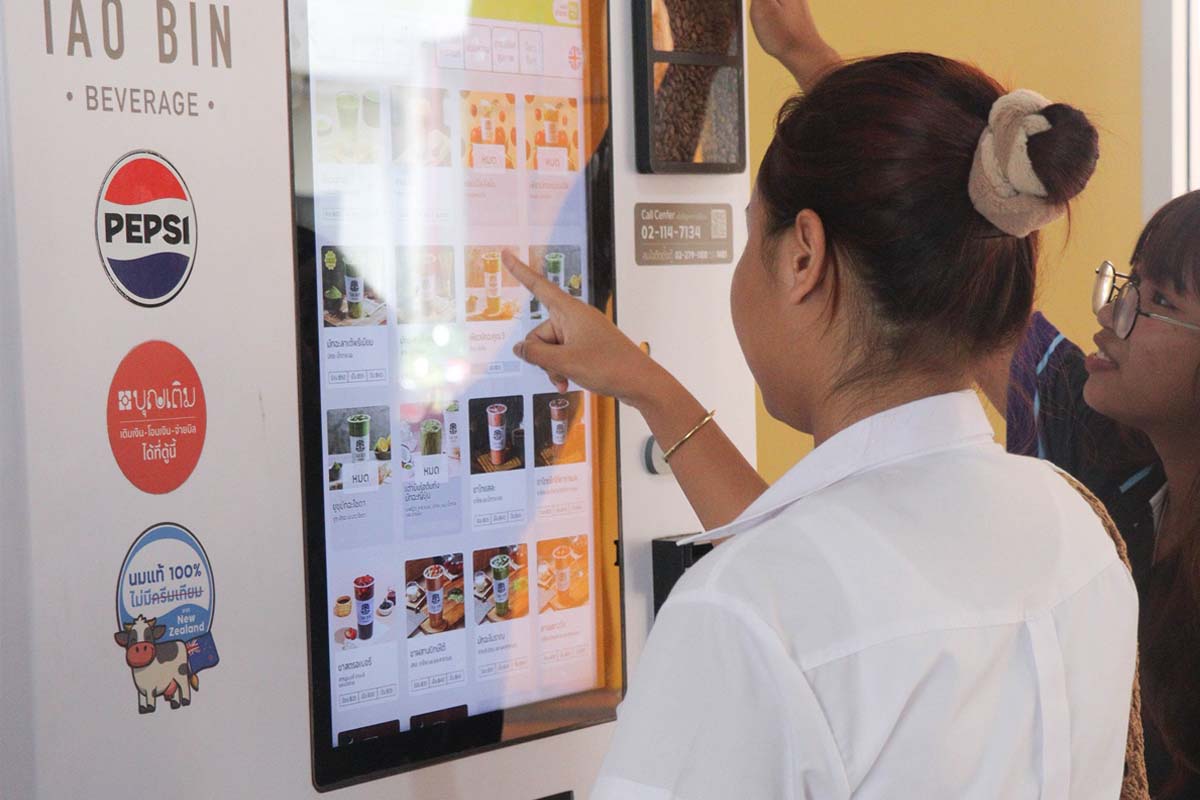
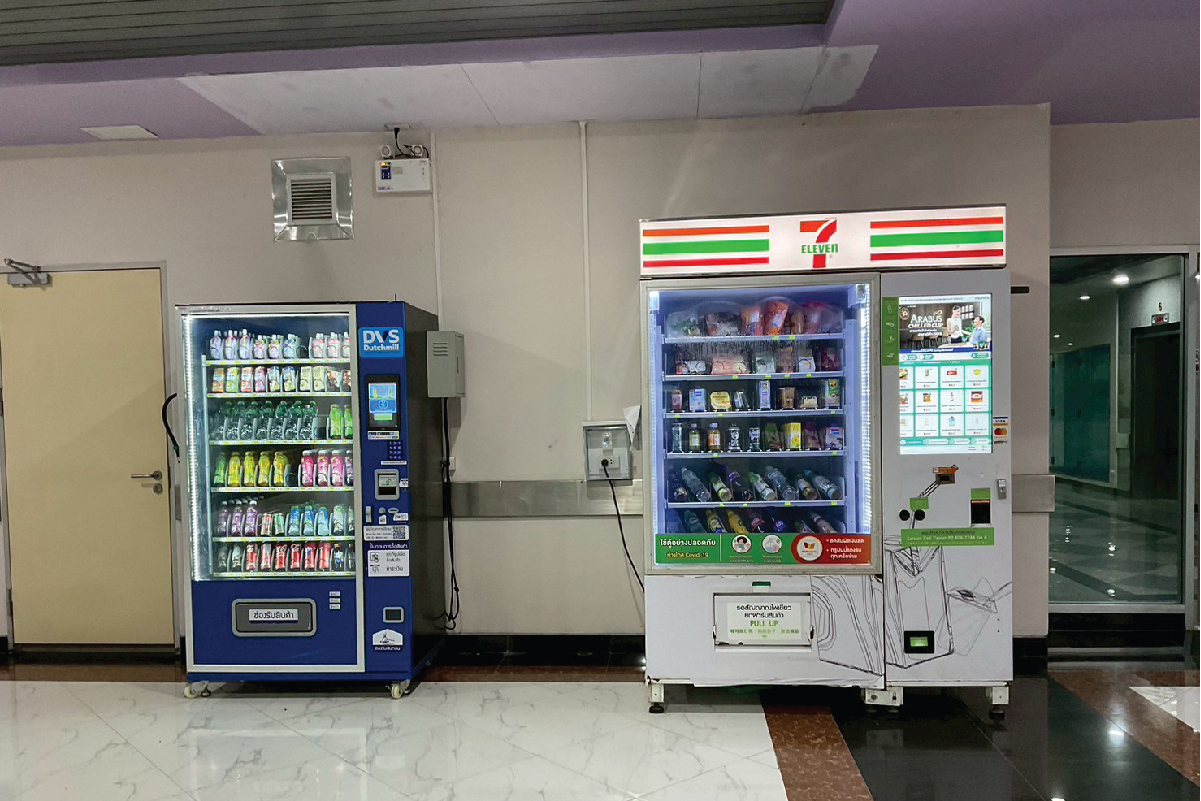
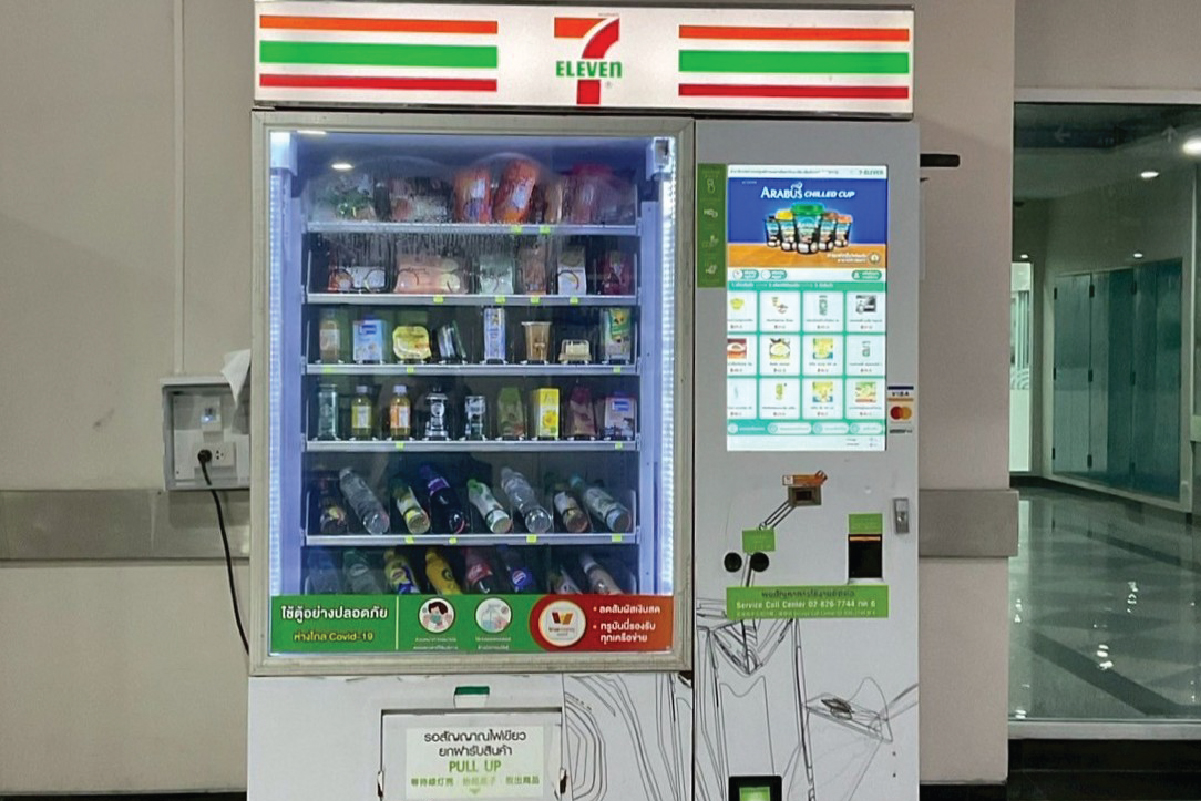
A total of 18 vending machines have been installed across key areas of the university, including food centers, student dormitories, and academic buildings to offer convenient access to food products from trusted SMEs. Each food vending machine offers a comprehensive range of sustainable food choices, serving as a tool to ensure the university provides sustainable food choices for all on campus.
Figures : Food Vending Machines at Walailak University.
University Markets
Bota Green Market Chic & Chill (Thursdays at Walailak Botanic Park)
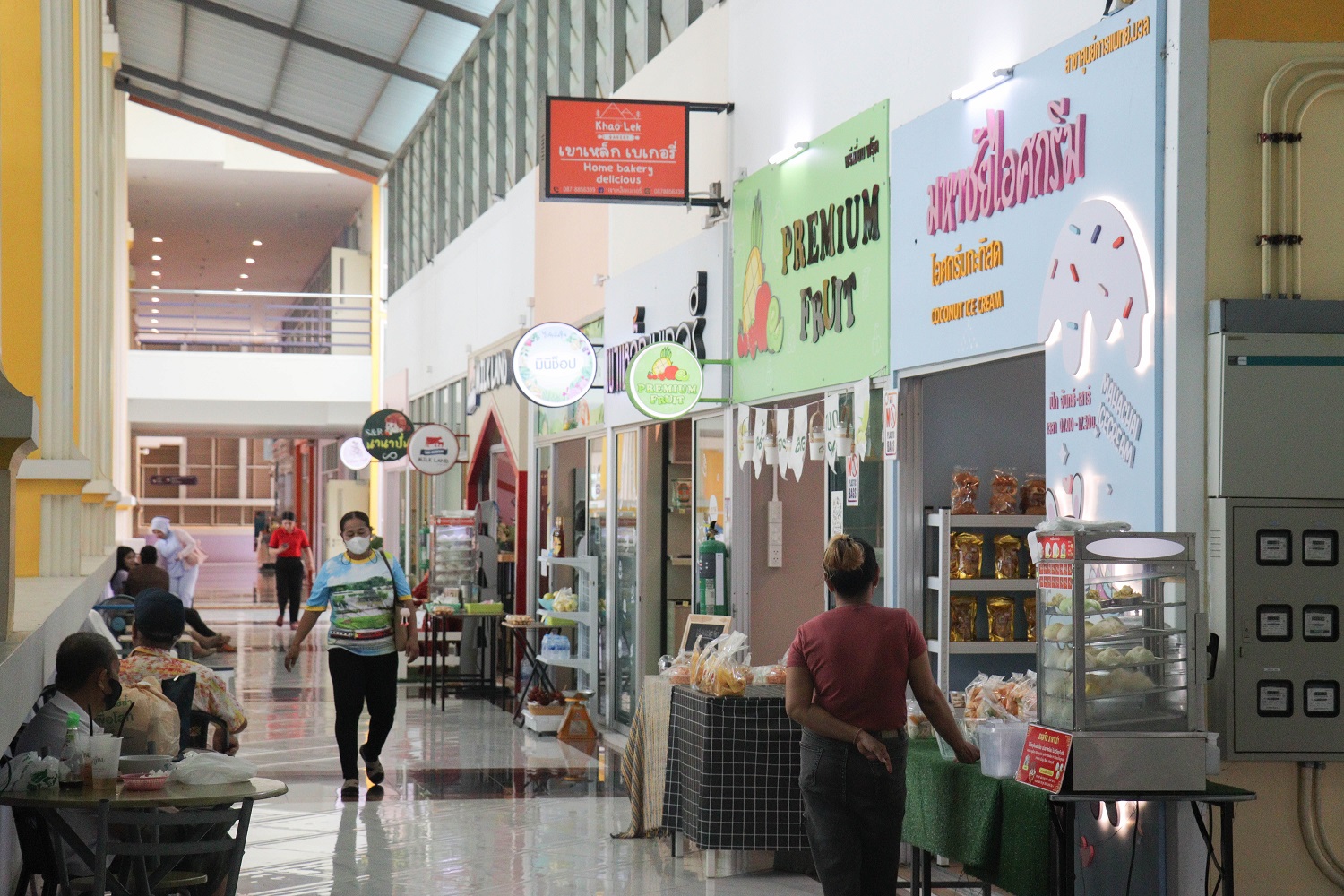
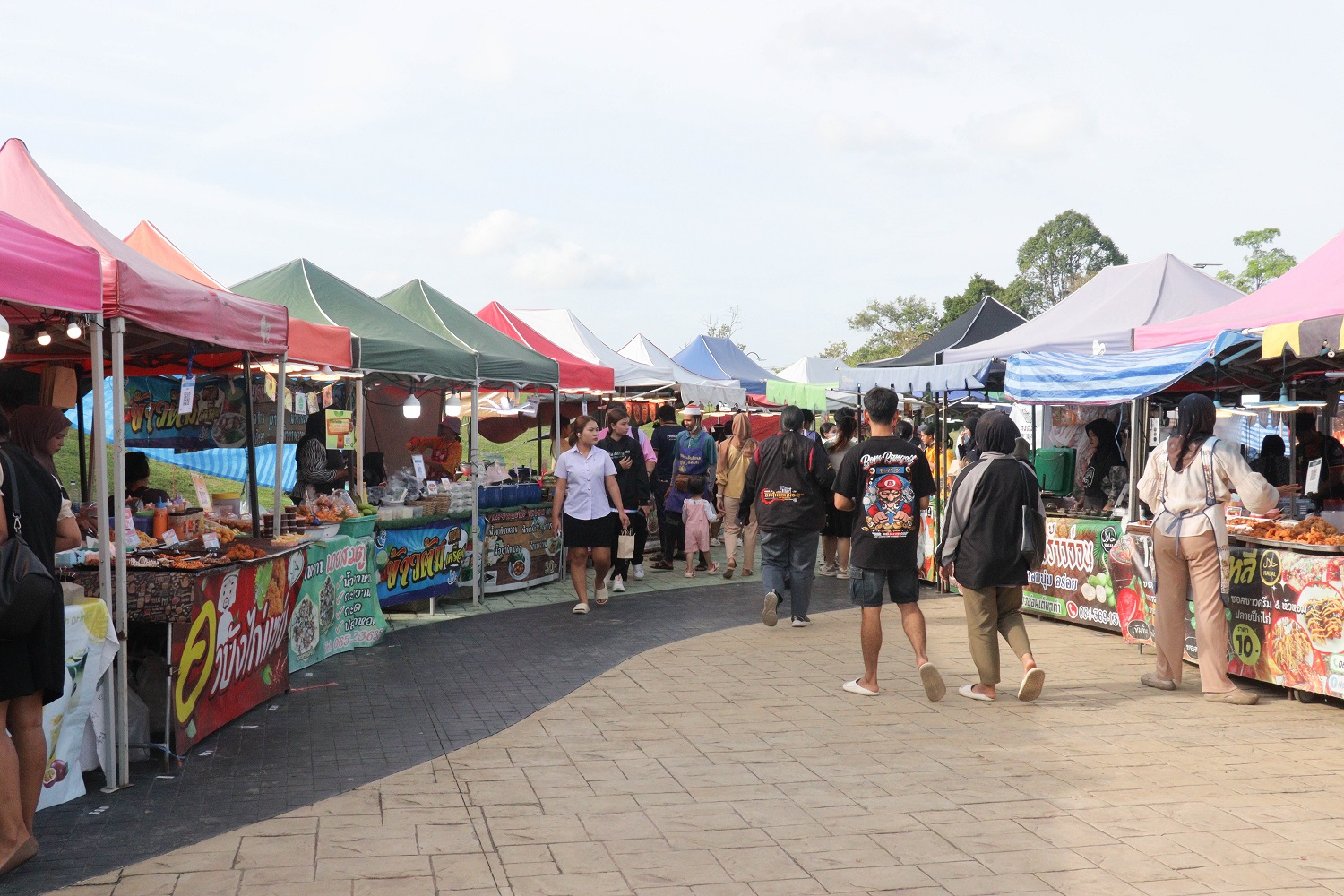
Walailak University Botanic Park has launched the BOTA Green Market, a new standard marketplace aligned with environmental standards to enhance community income and promote sustainable development. Held every Thursday, the market features 175 community-based stalls offering a wide variety of foods with an emphasis on sustainable food choices on campus. Each food outlets at Bota Green Market offers a comprehensive range of sustainable food choices to ensure the university provides sustainable food choices for all on campus.
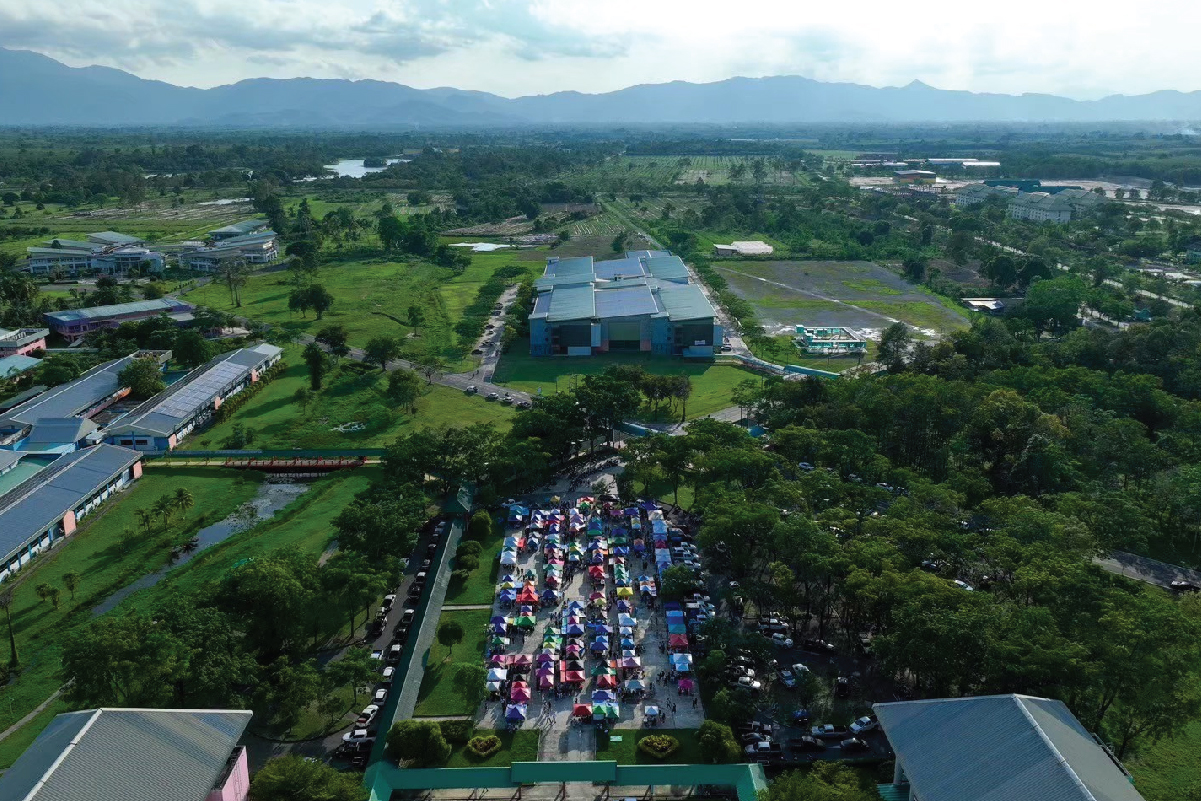
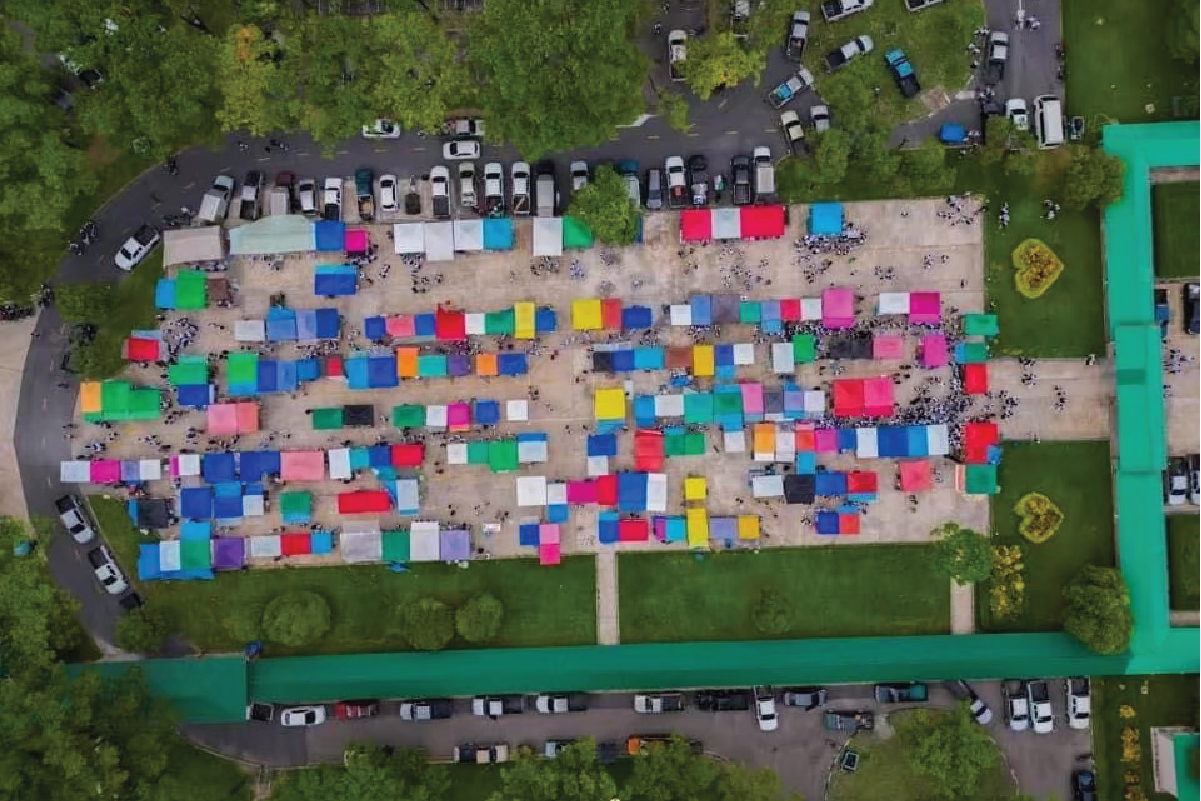
Chan Pradu Market (Mondays near Lecture Buildings 1 and 3)
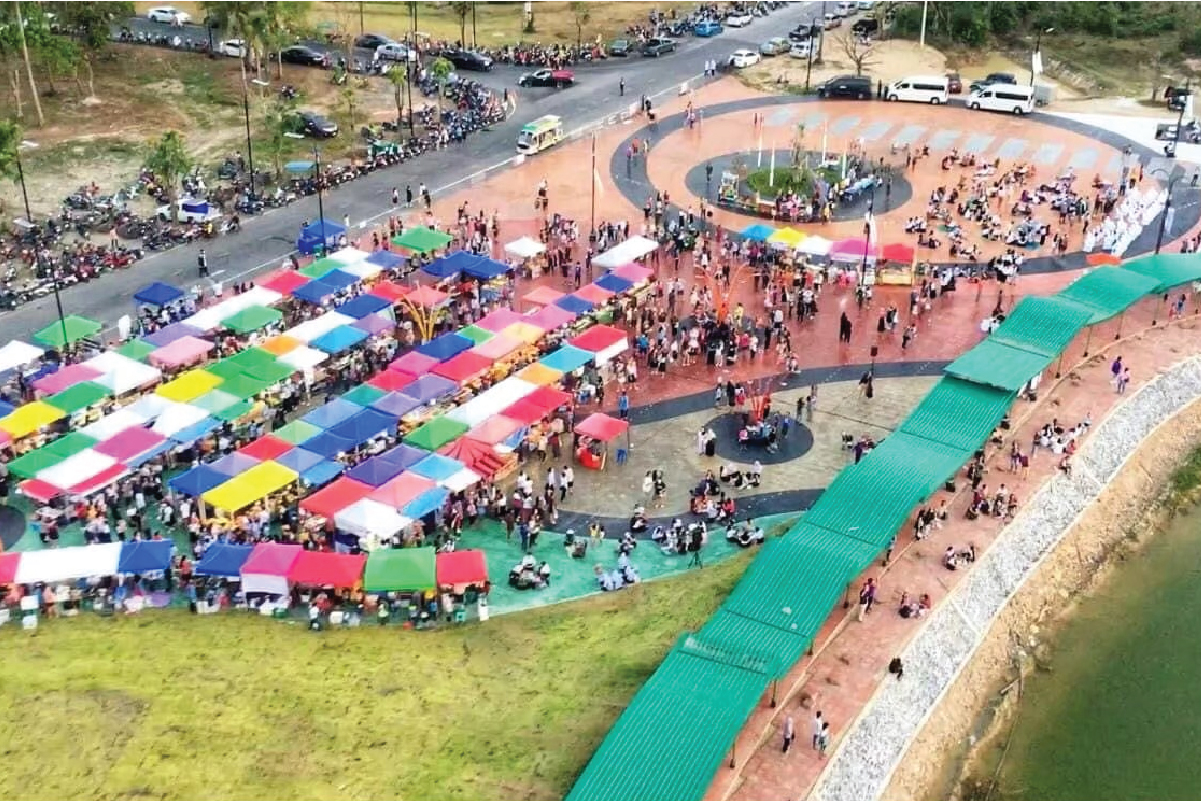
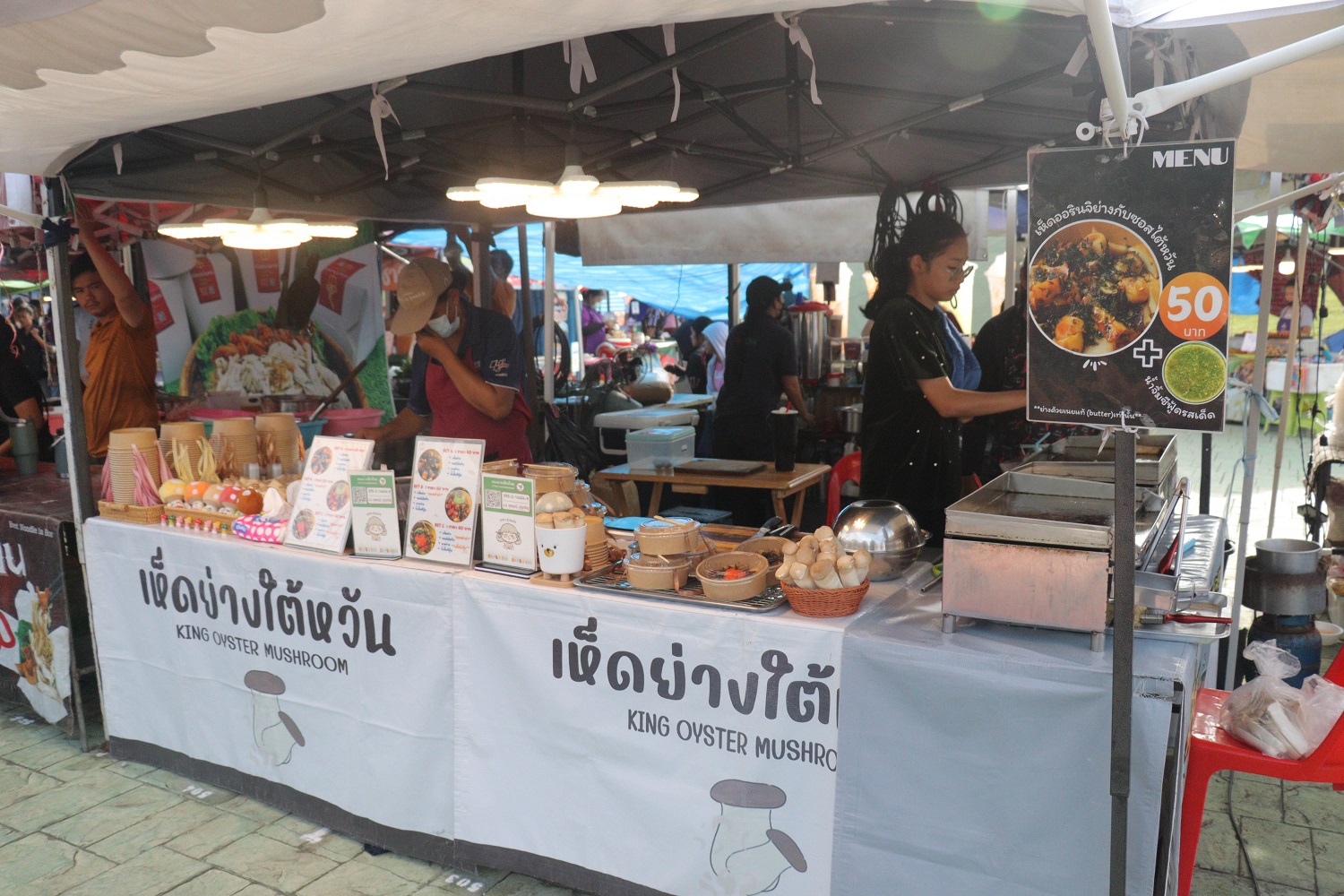
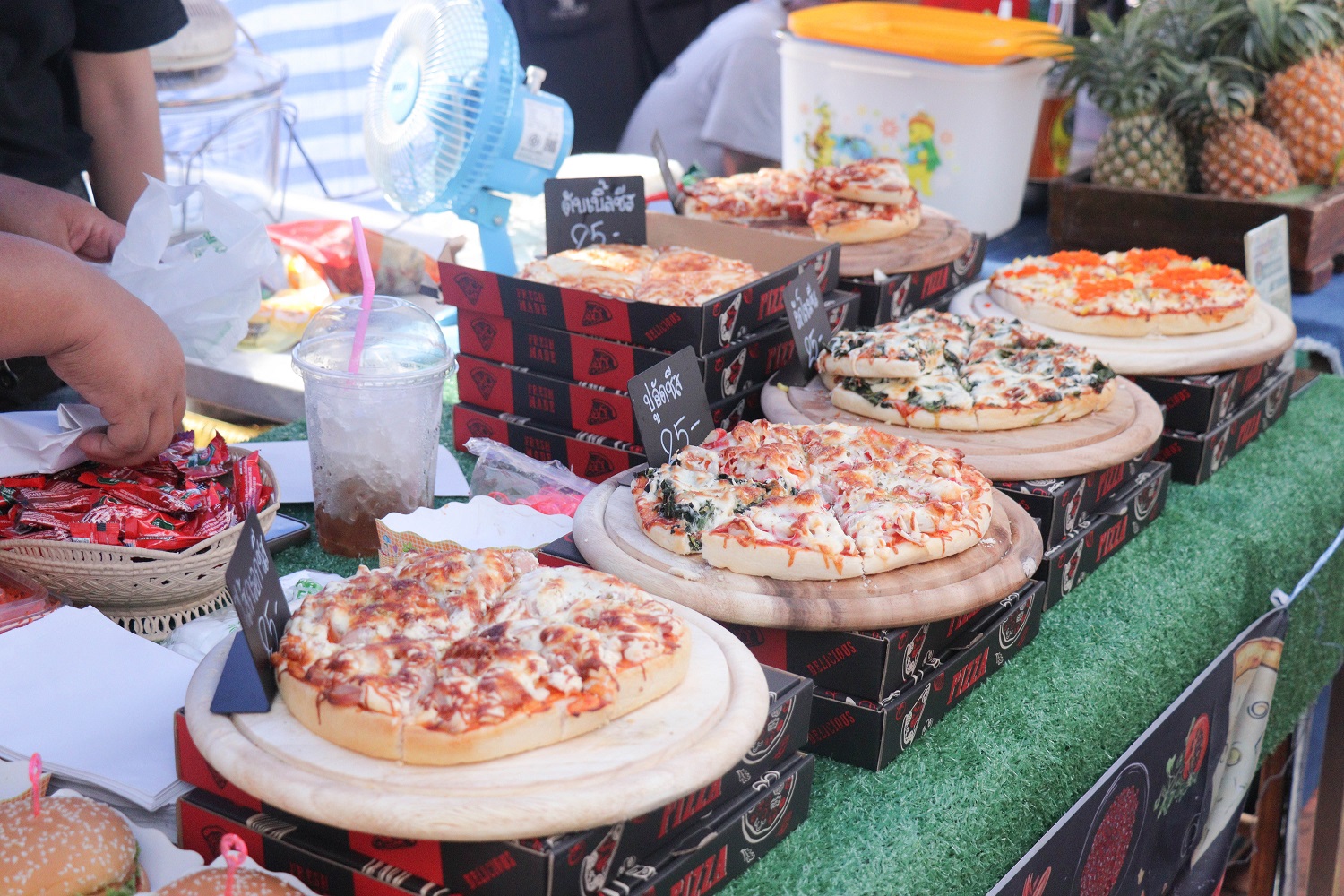
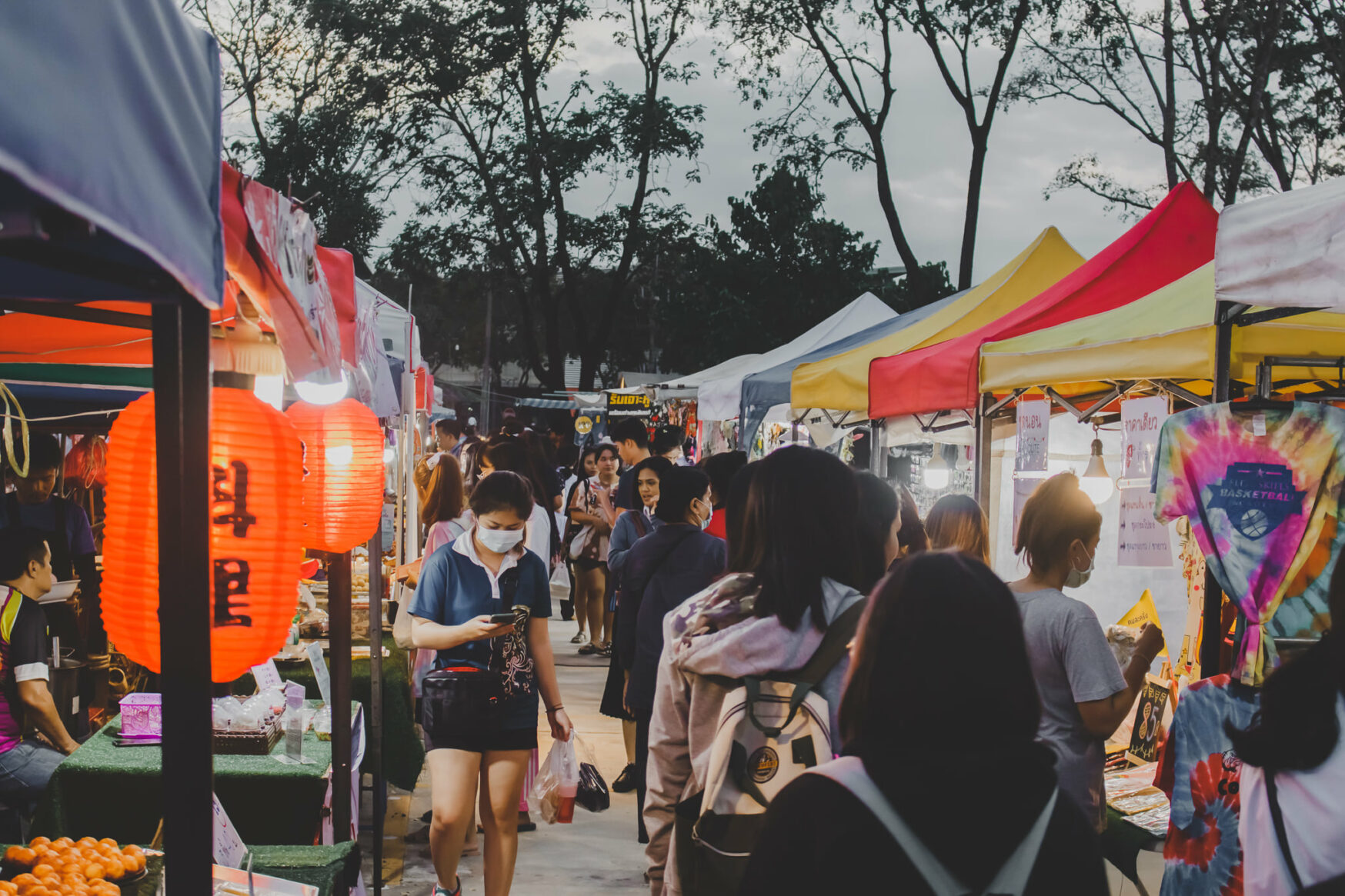
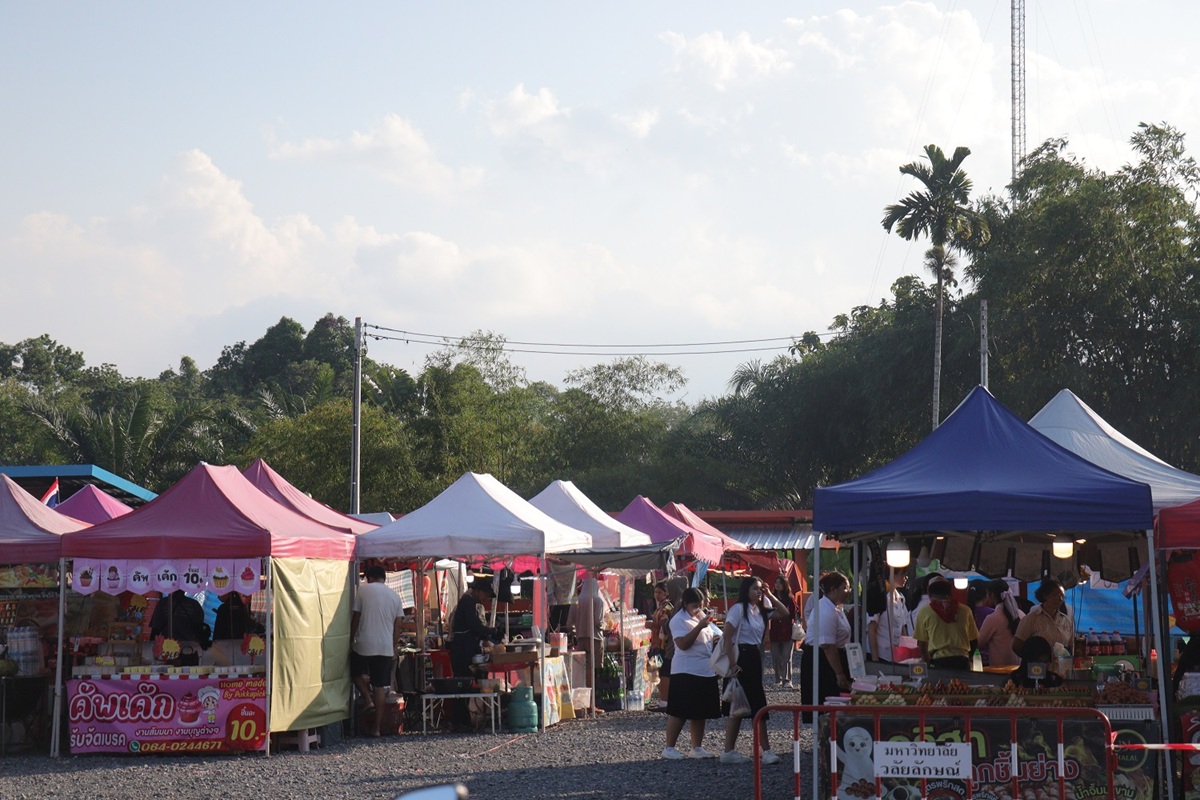
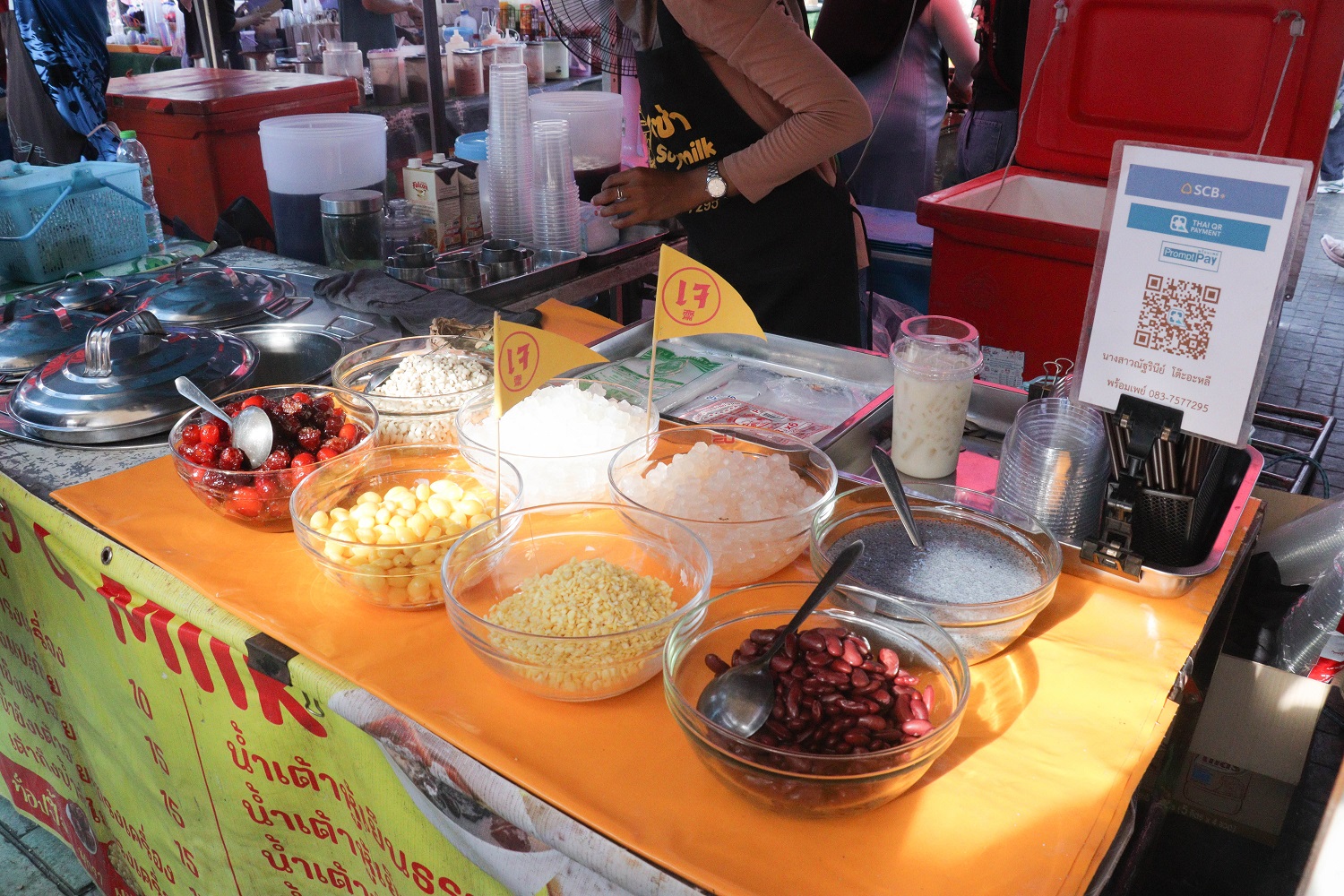
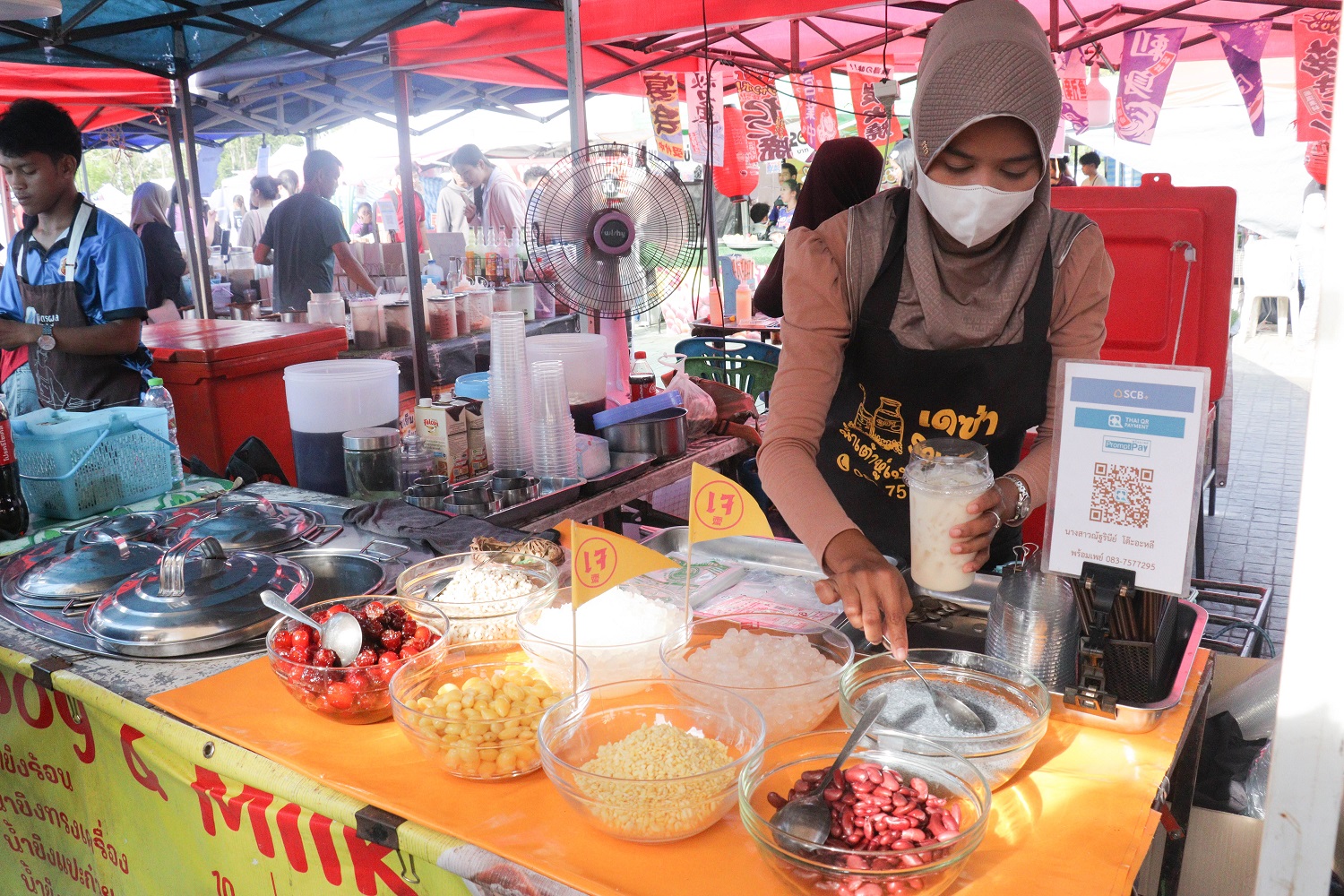
The Chan Pradu Market was initiated by the Walailak University Student Organization, bringing together local vendors and interested sellers to offer a diverse range of foods with an emphasis on sustainable food choices on campus, such as vegetarian and vegan options. The market consists of 174 stalls providing food that is safe from harmful substances, environmentally friendly, and sourced from trusted suppliers.
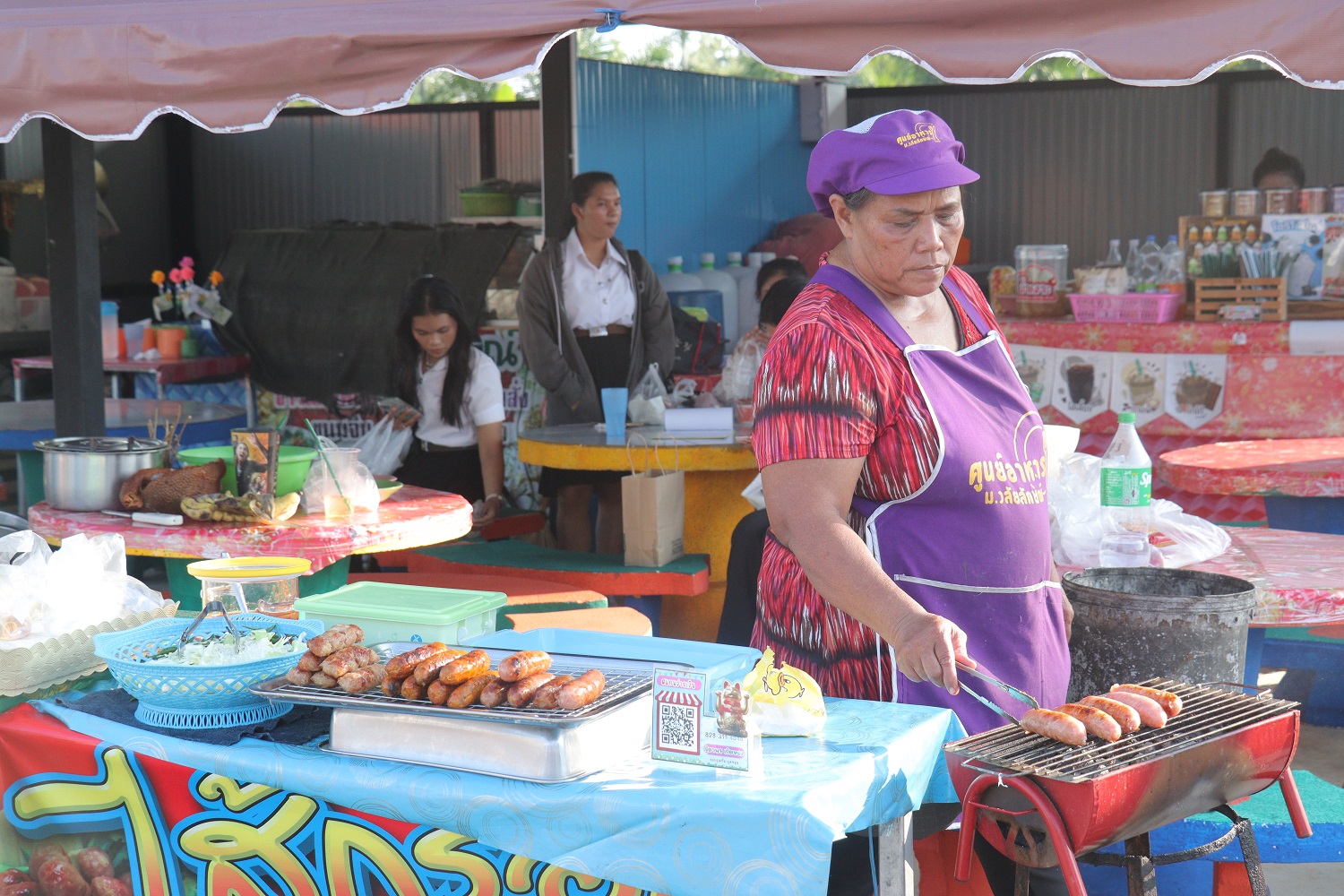
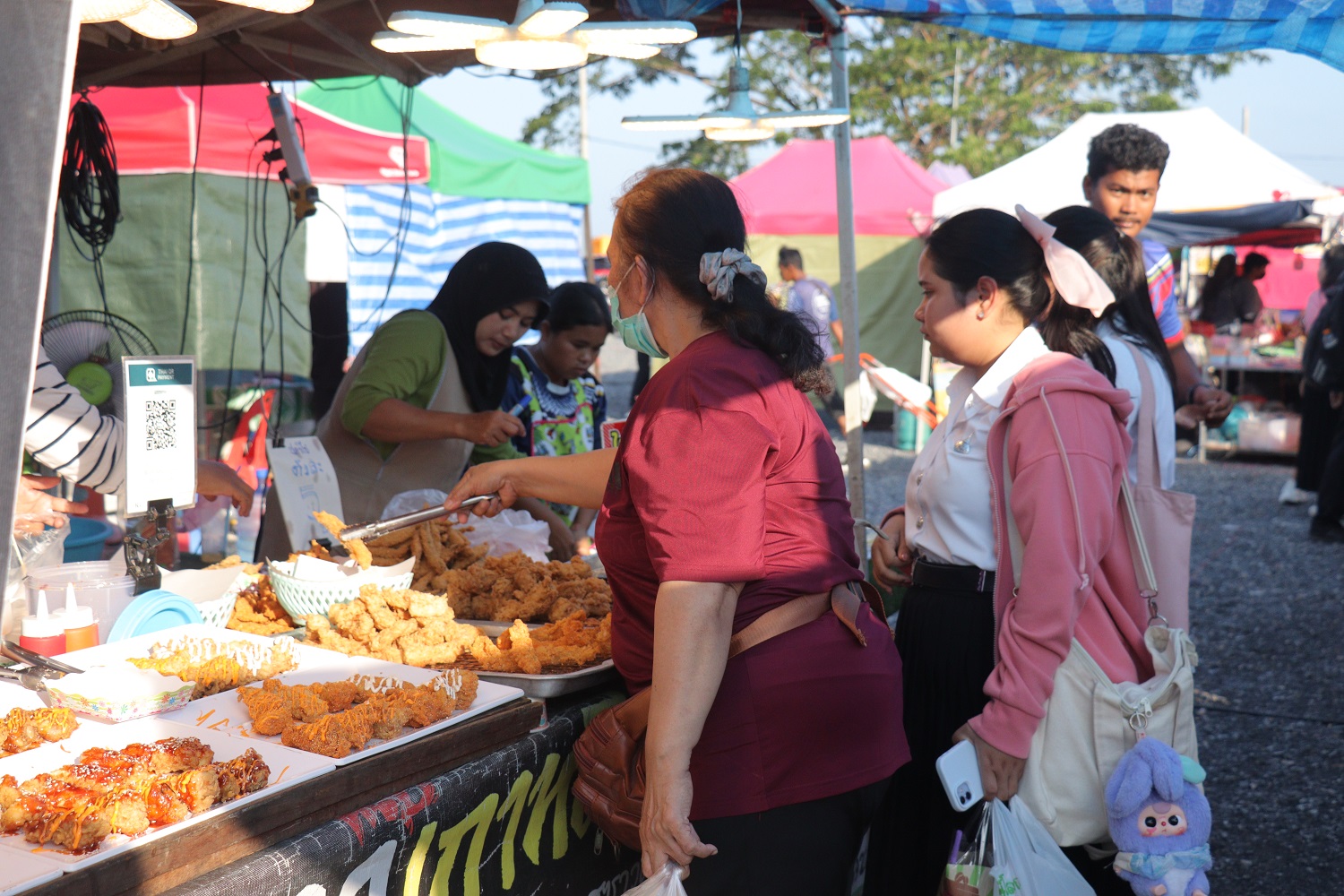
Figures : The Chan Pradu Market
The Khlong Din Market
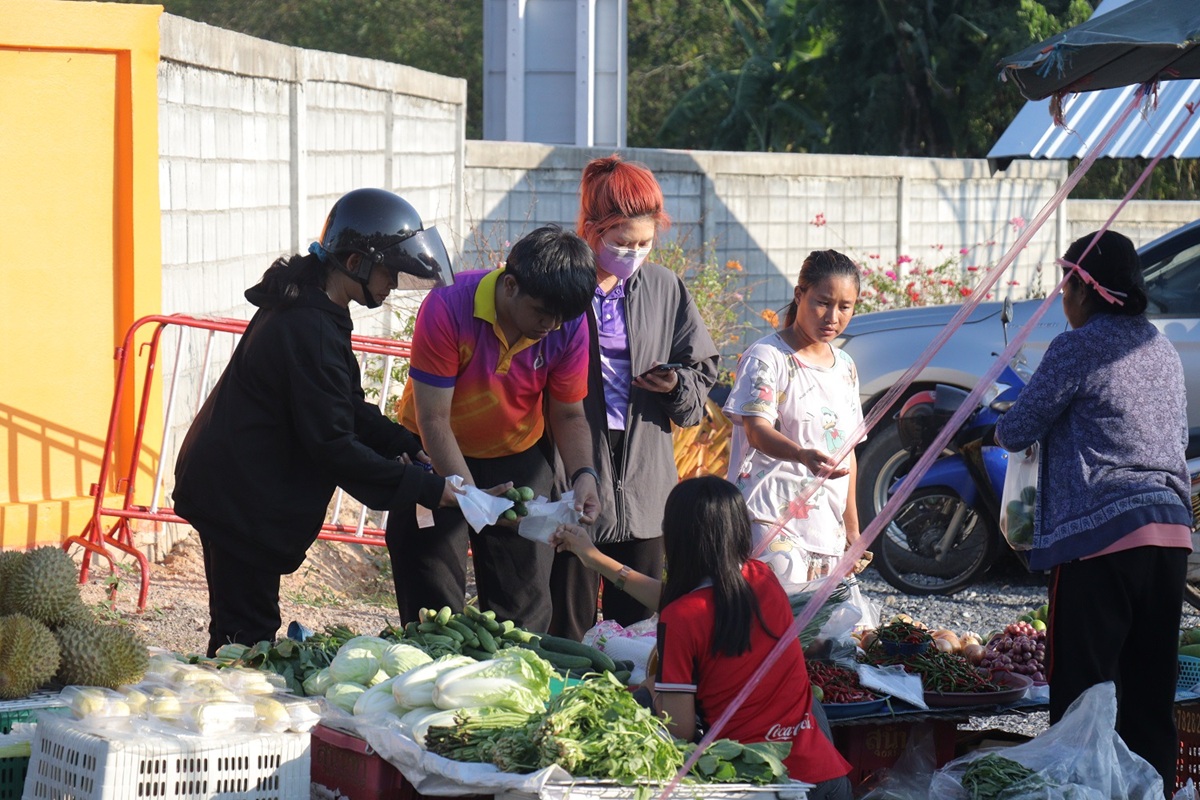
Khlong Din Market provides an opportunity for local vendors to offer a variety of quality products, ensuring access to sustainable food choices, including food, snacks, and other goods. The market is open every Tuesday from 3:00 p.m. onwards, with a total of 10 stalls. Each food outlets at Khlong Din Martket offers a comprehensive range of sustainable food choices to ensure the university provides sustainable food choices for all on campus.
All vendors are 100% local from Tha Sala District and must use certified, sustainably sourced ingredients.
Regulatory Framework
All food vendors must comply with multiple university and national regulations, including:
WU Policy on Food Preparation and Sustainable Consumption (2022)
Regulations on Food Hygiene and Sanitation (Ministry of Public Health)
Canteen Management and Lease Agreements (2015–2019)
Food Safety and Sanitation Committees and Working Groups
Sustainable Food Sourcing Guidelines
Animal and seafood products must come from certified, reputable sources (e.g., GAP-certified farms).
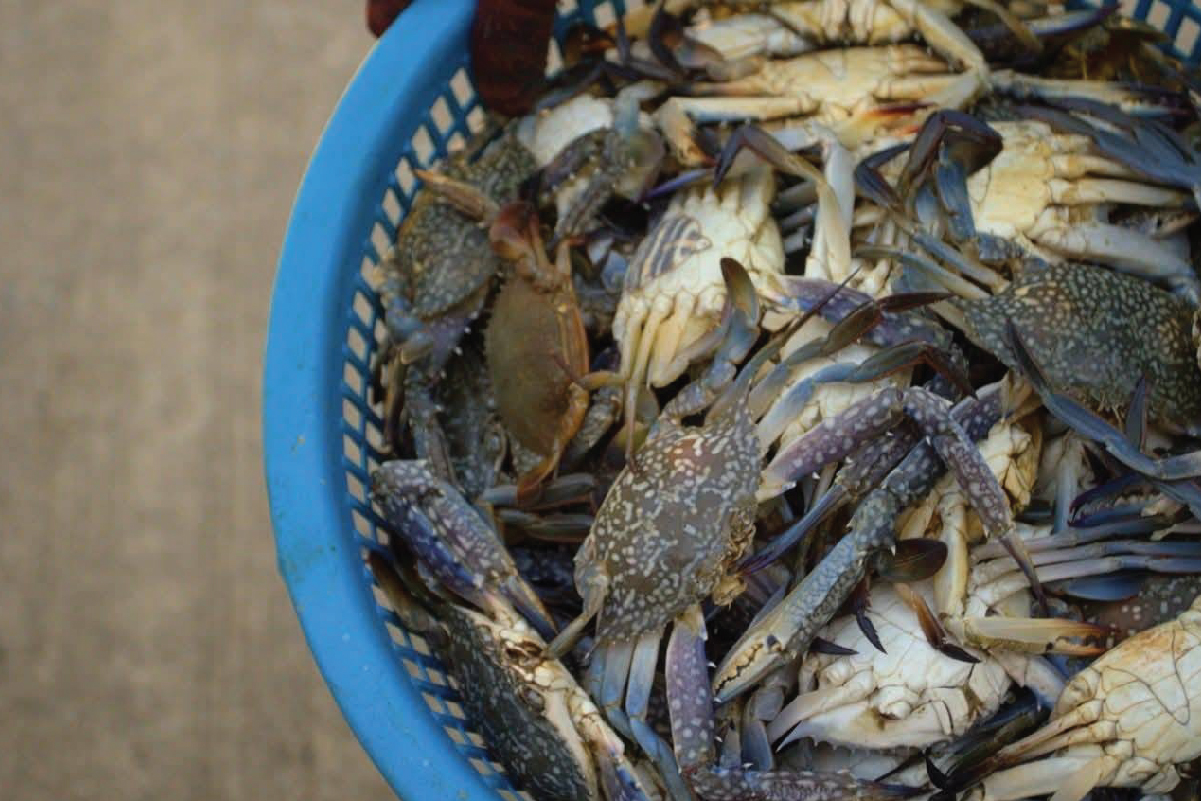
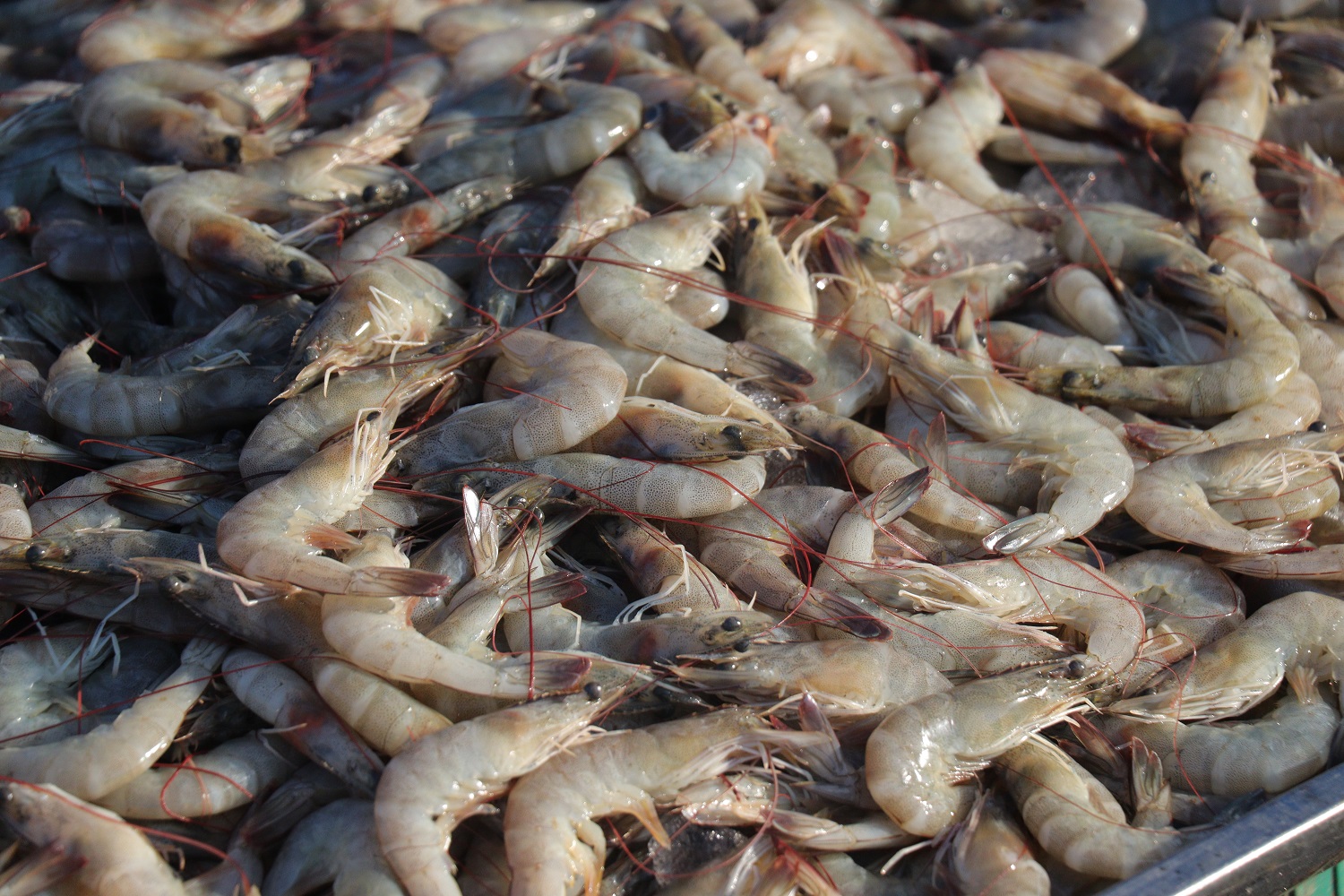
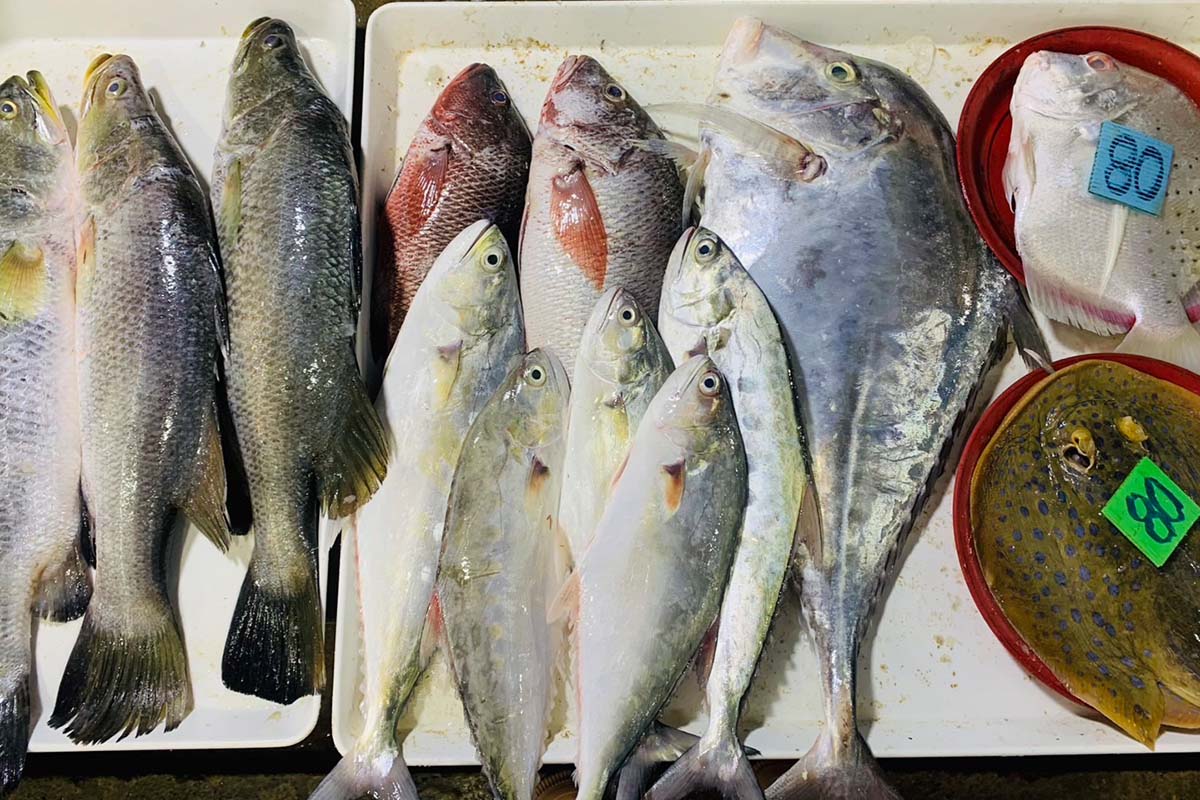
Seafood must meet EU guidelines, avoiding illegal, unregulated, or unethical fishing practices.
Transport methods must ensure hygiene and minimize environmental impact.
Produce must be seasonal, locally grown, and free from harmful chemicals.
All food operators must use ingredients sourced from trusted suppliers following ethical, social, and environmental standards.
Commitment to Diverse and Healthy Food
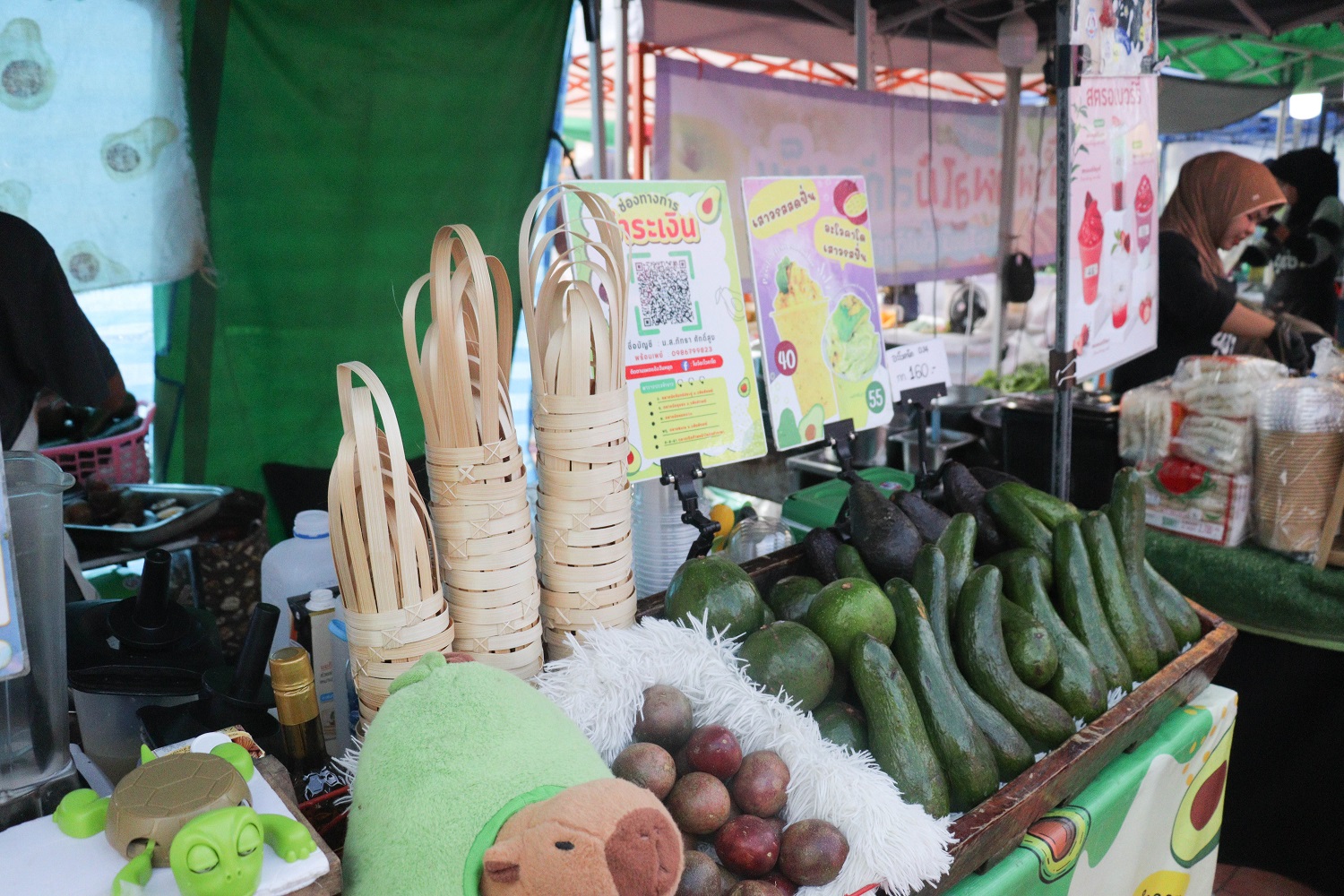
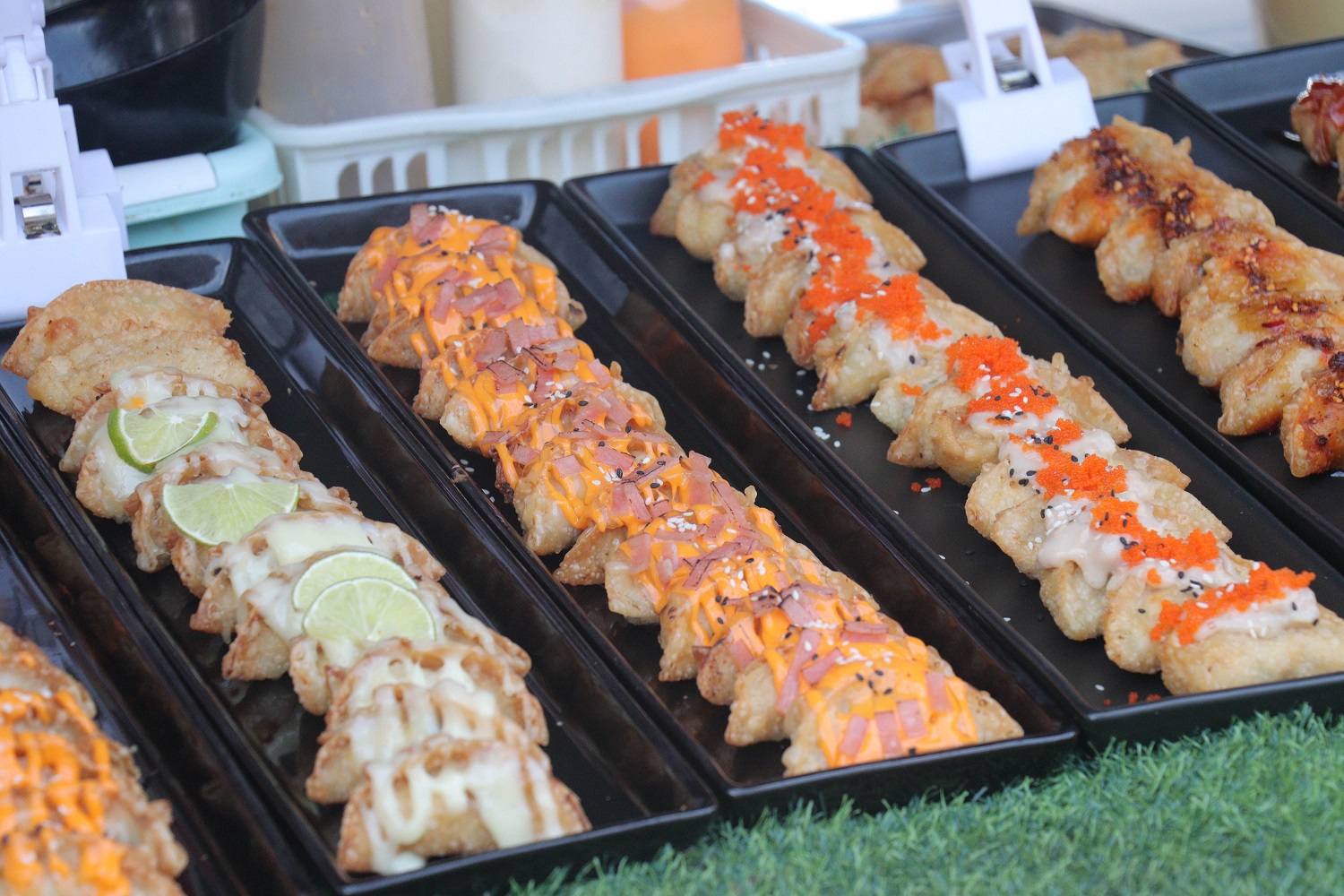
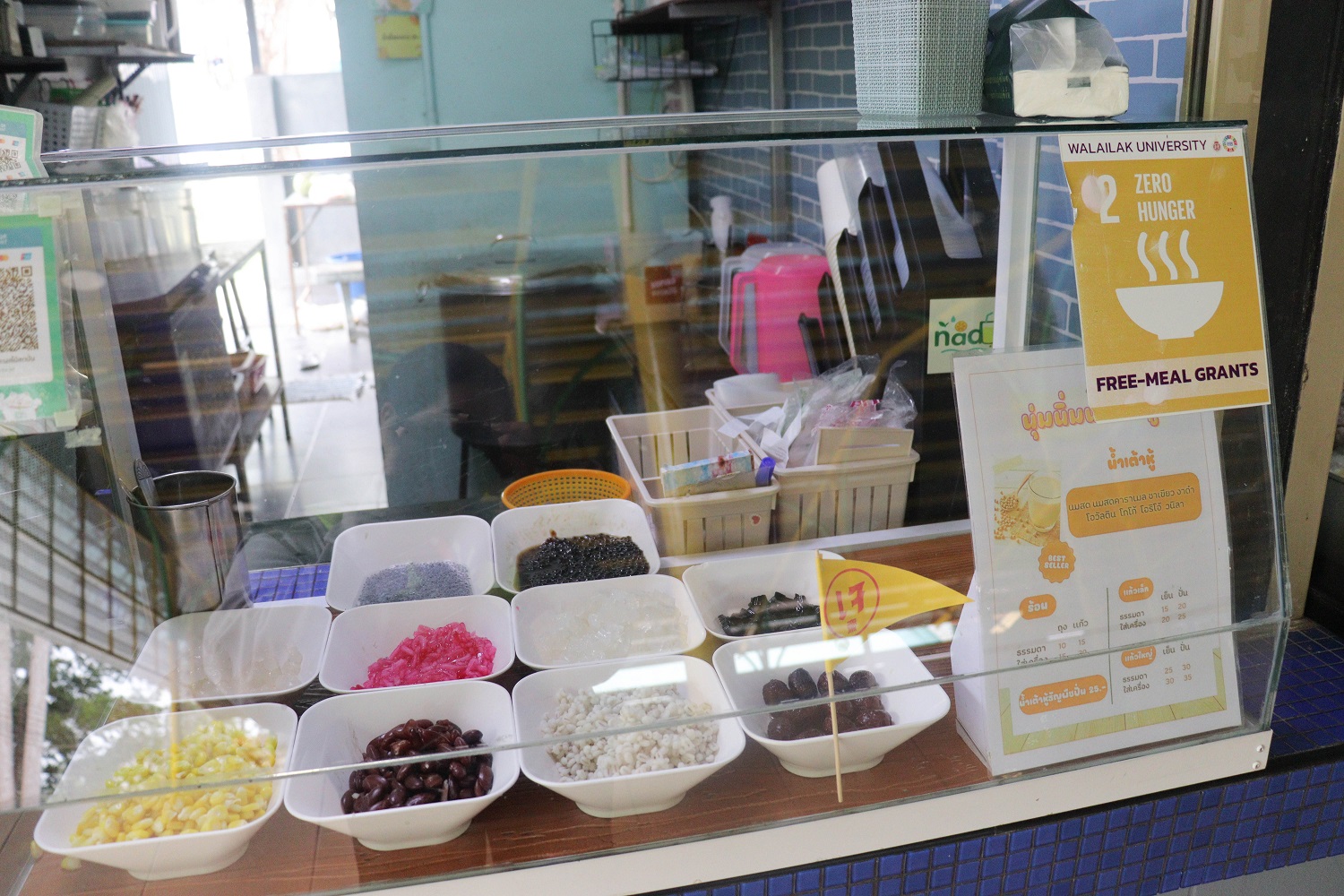
With over 100 food outlets, Walailak University guarantees students and staff access to sustainable food choices on campus. Offerings reflect various dietary needs, cultural preferences, and health concerns—including vegetarian, vegan, halal, and locally inspired dishes—ensuring that sustainable, inclusive, and healthy food is available to everyone on campus.
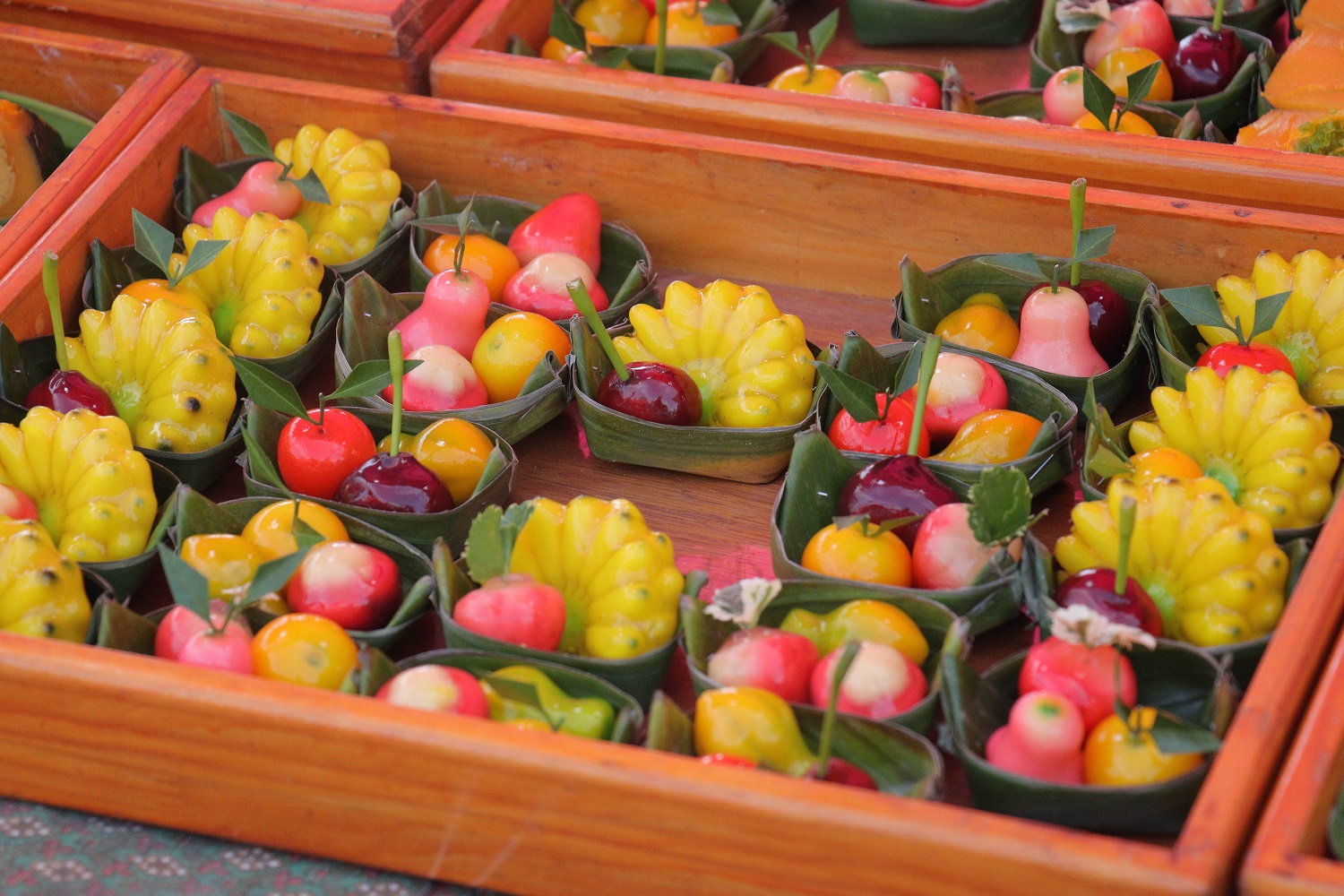
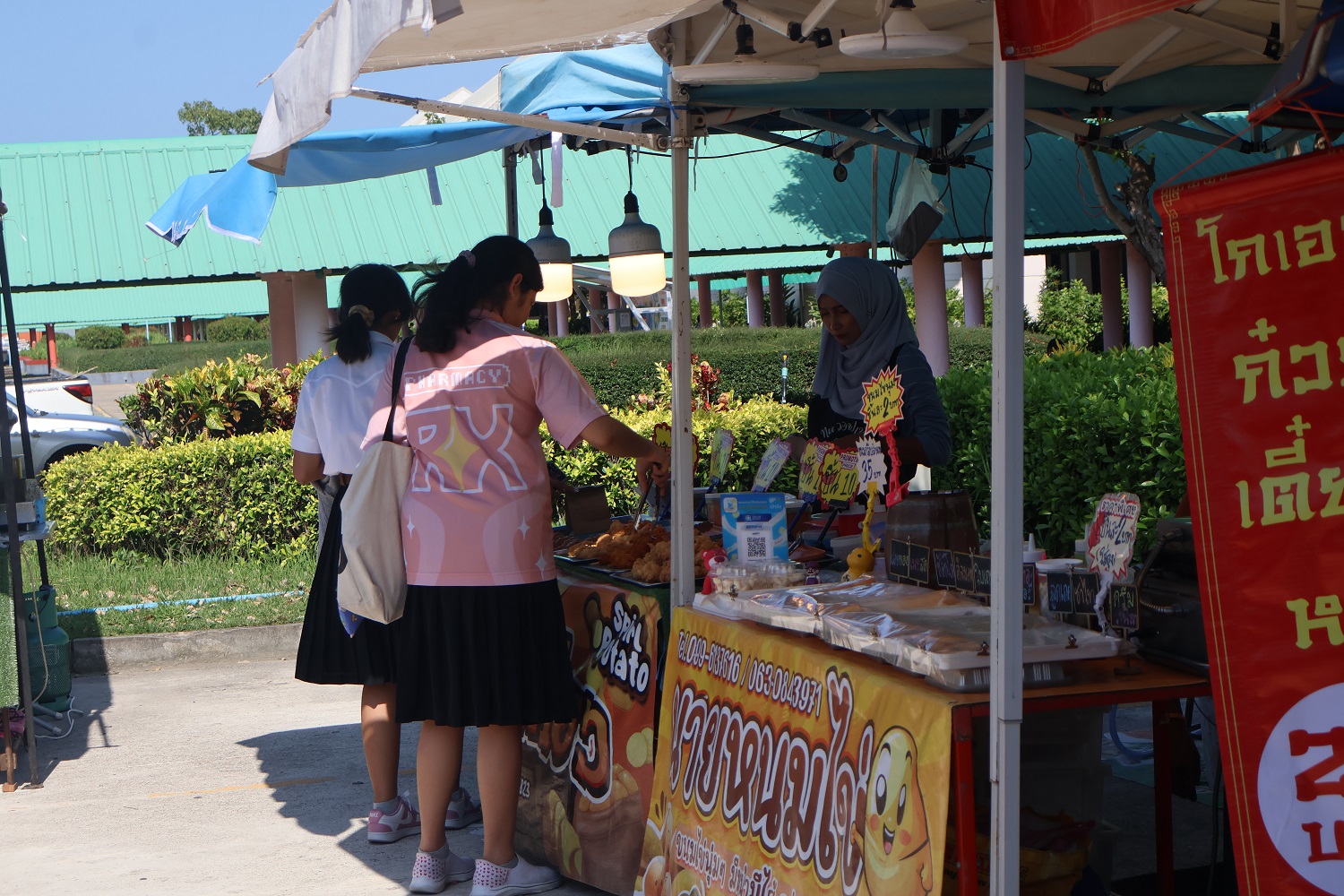
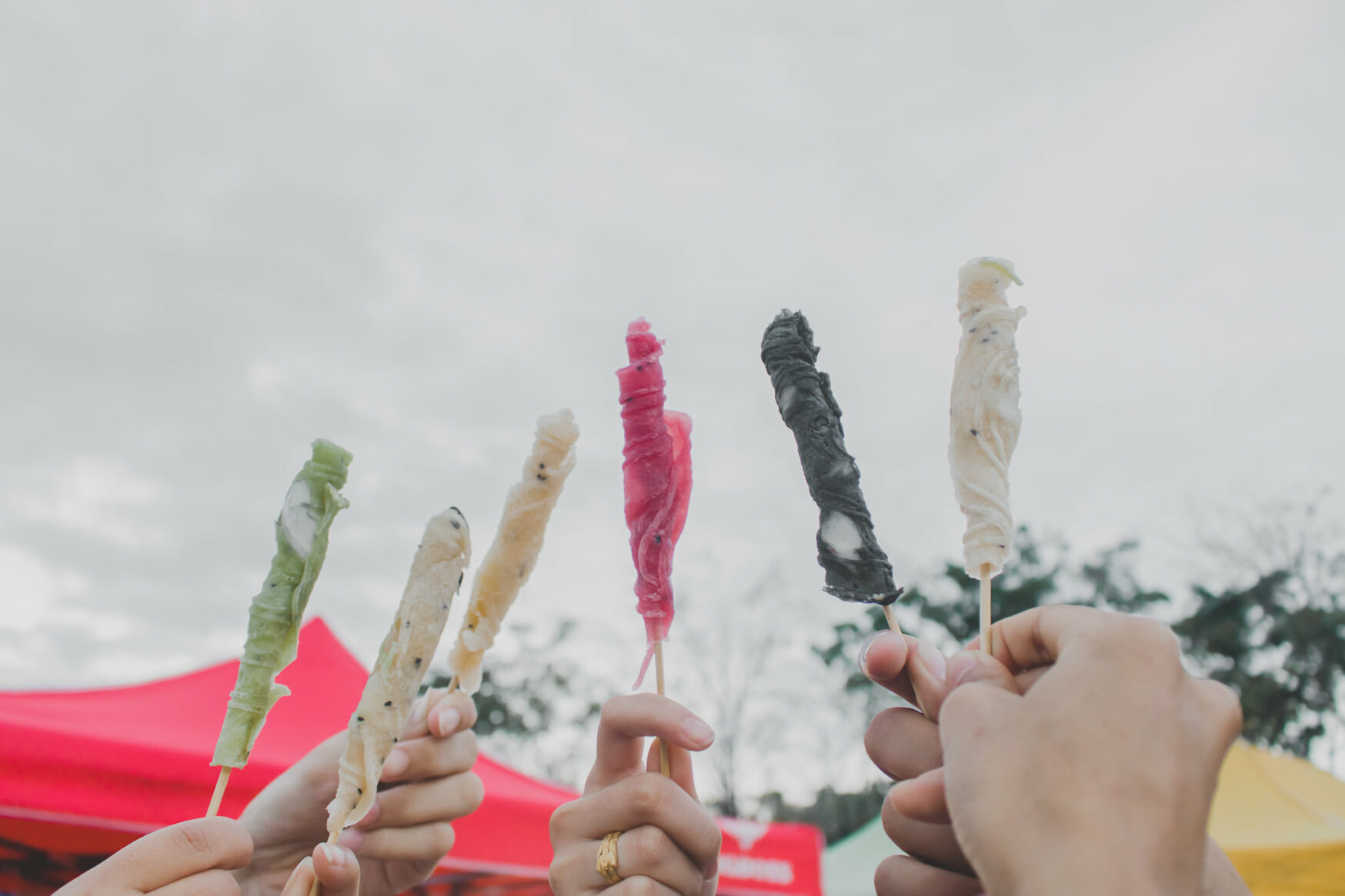
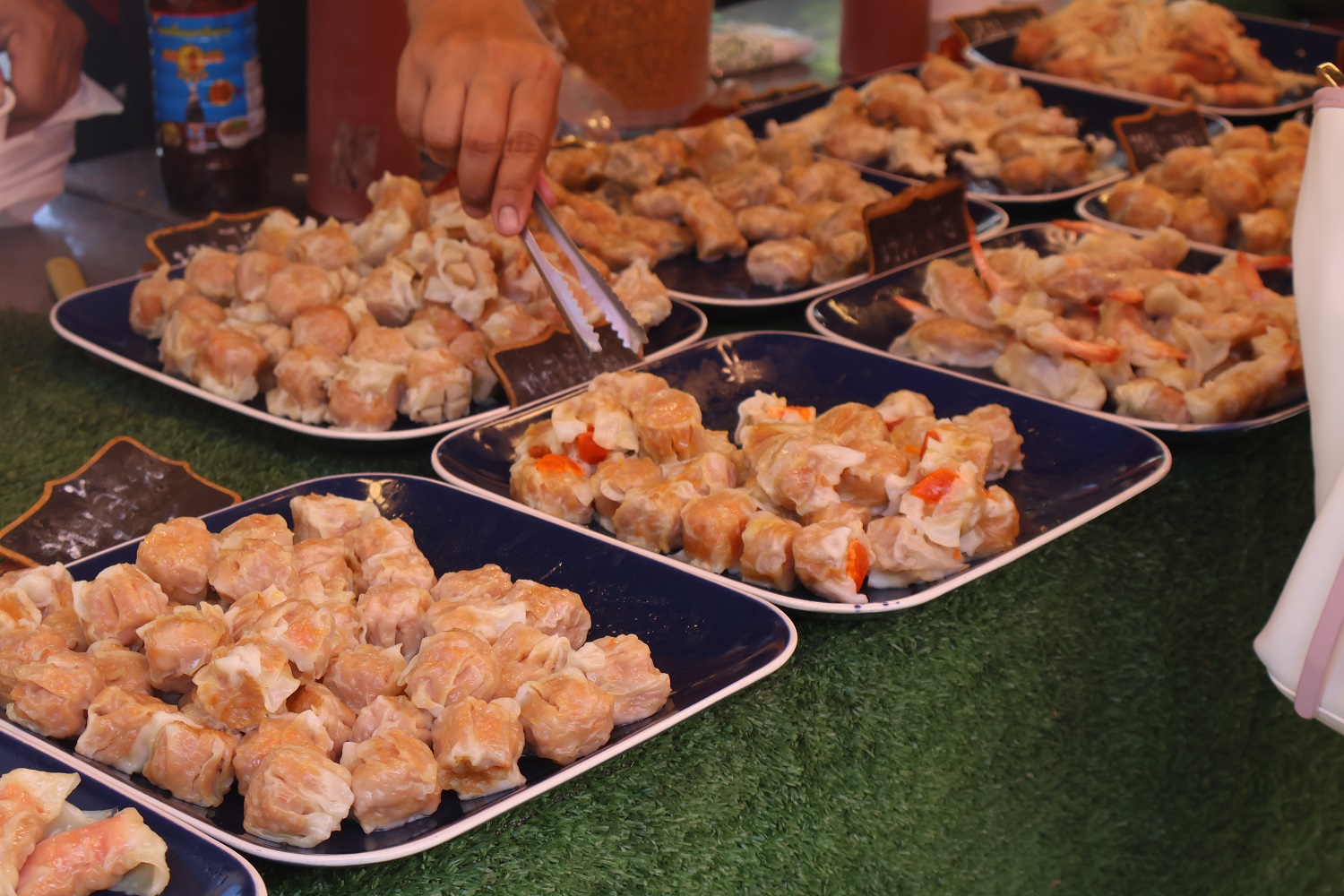
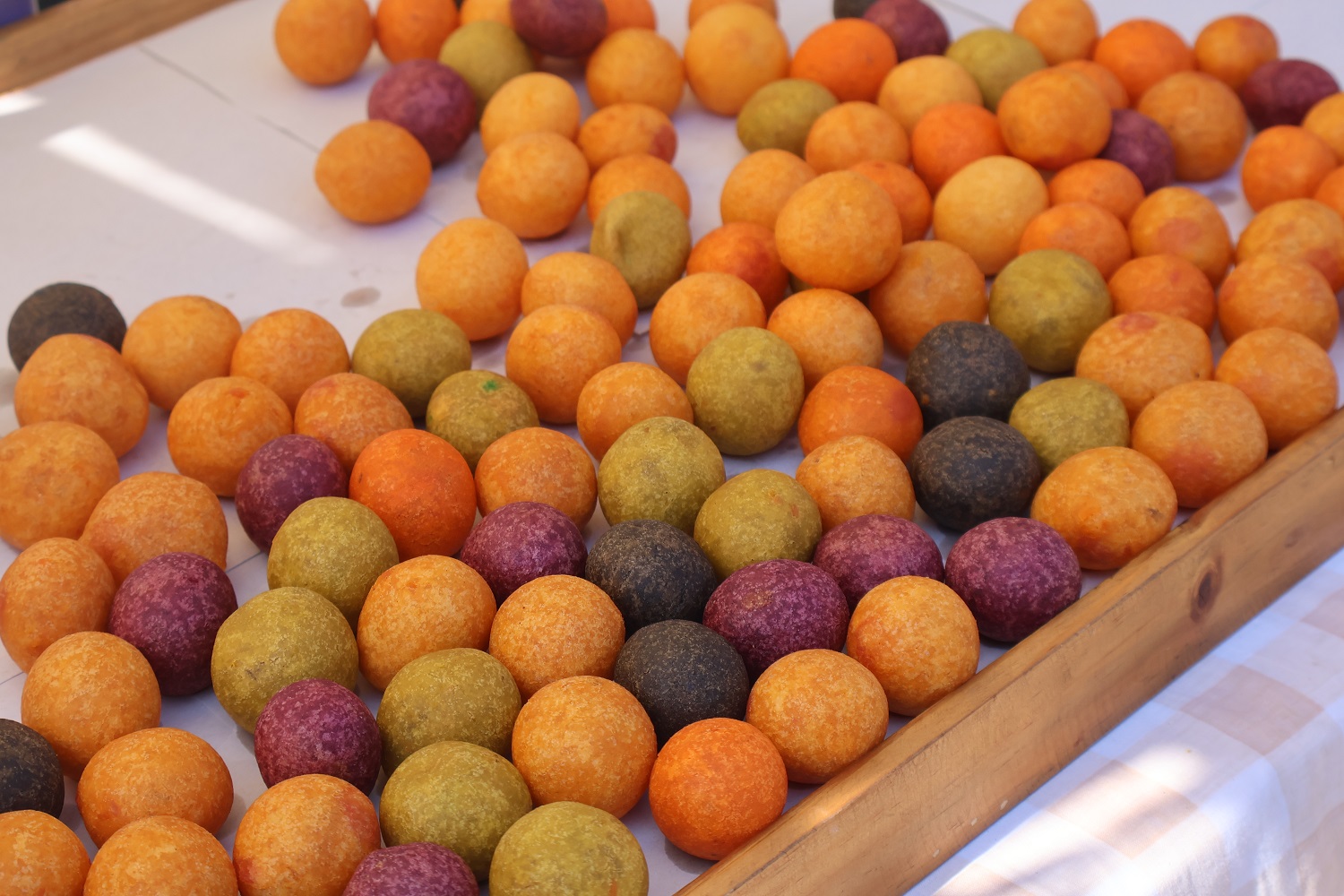
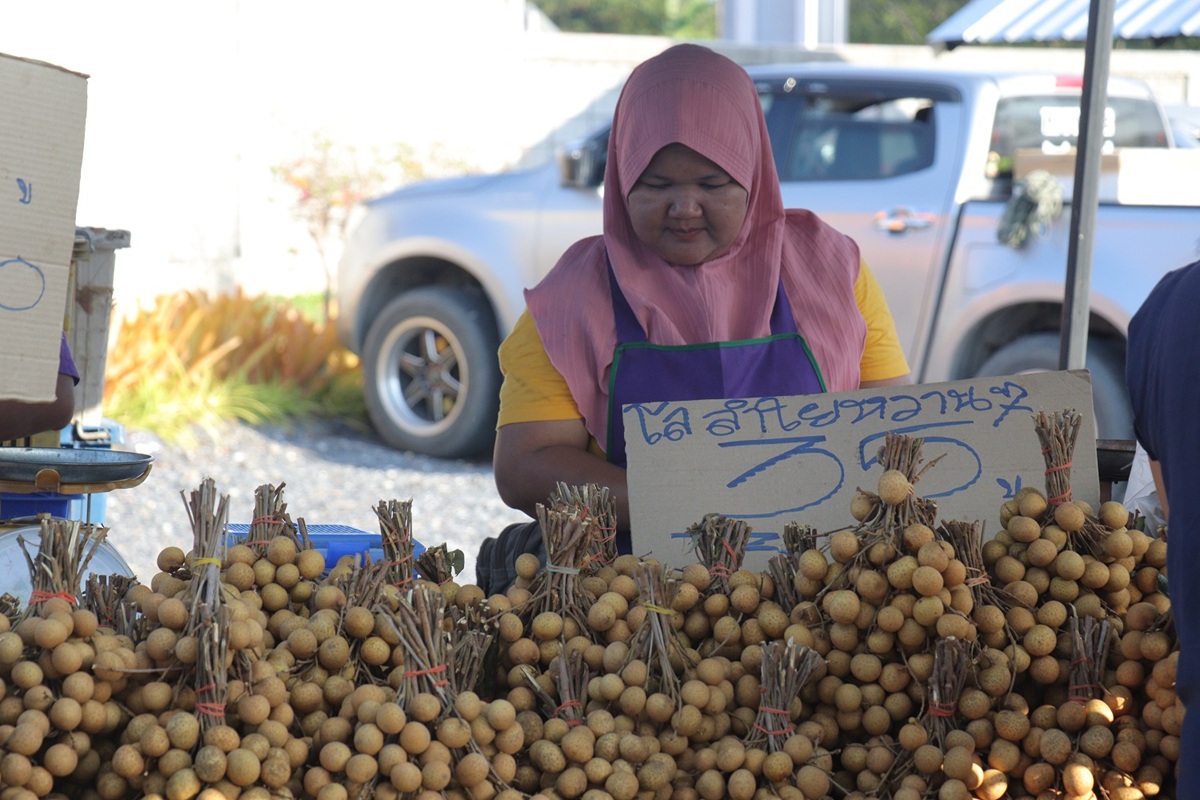
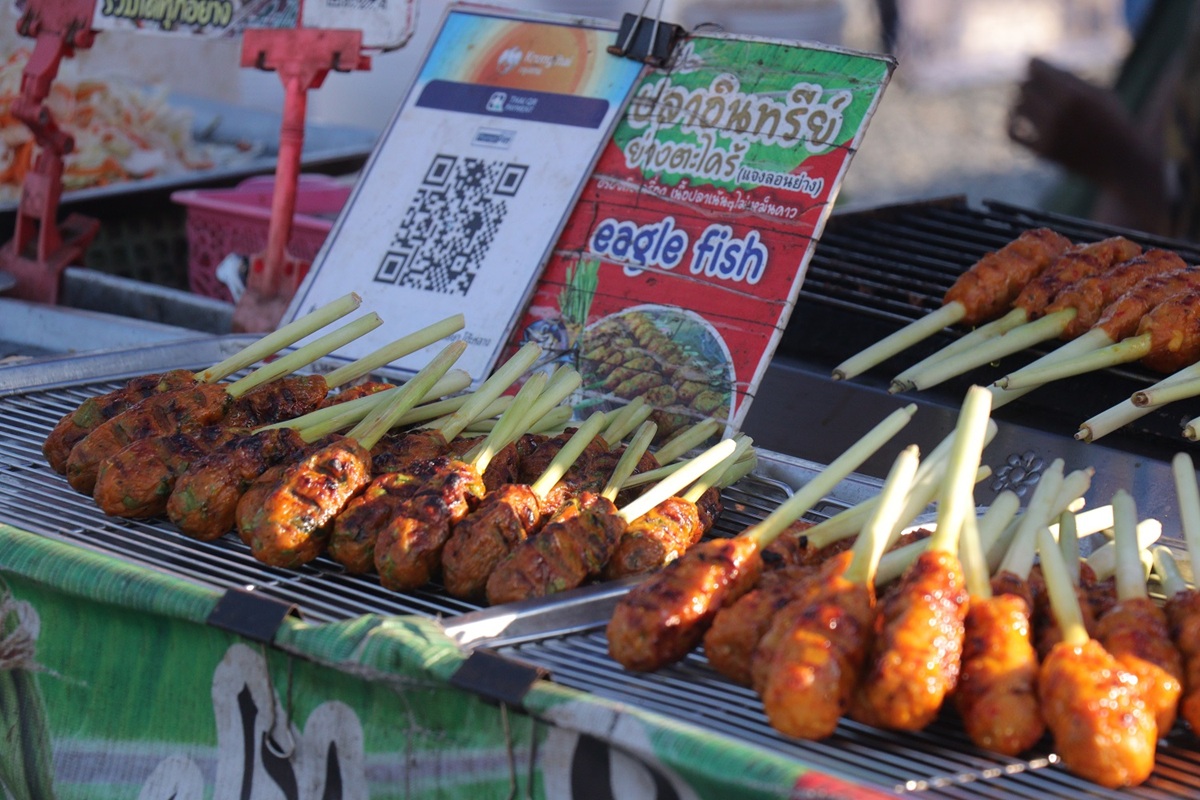
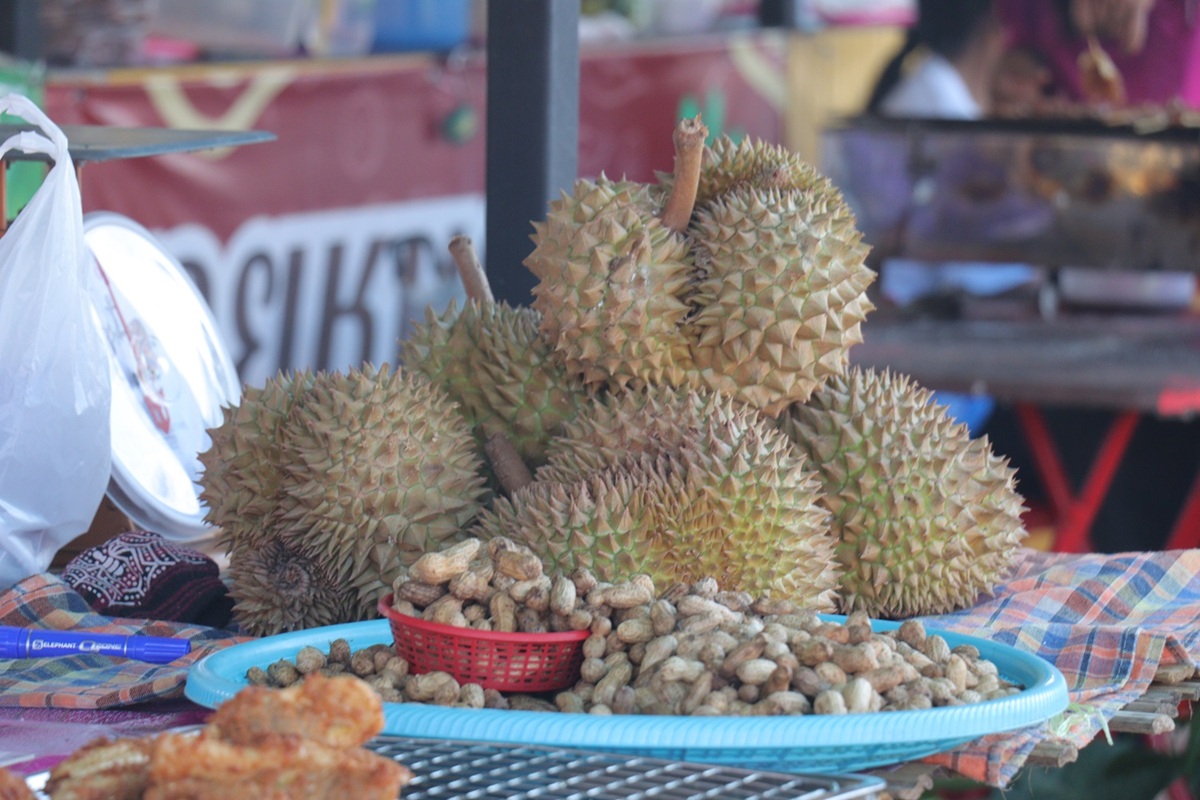
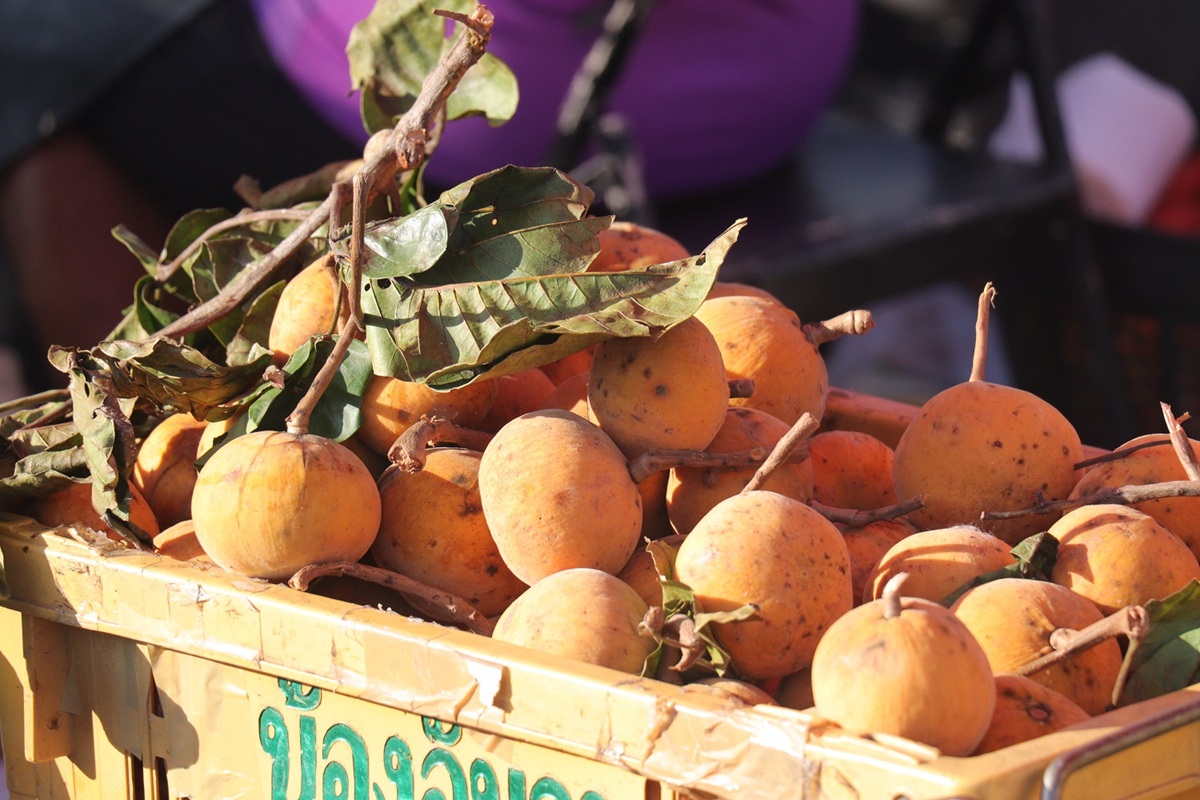
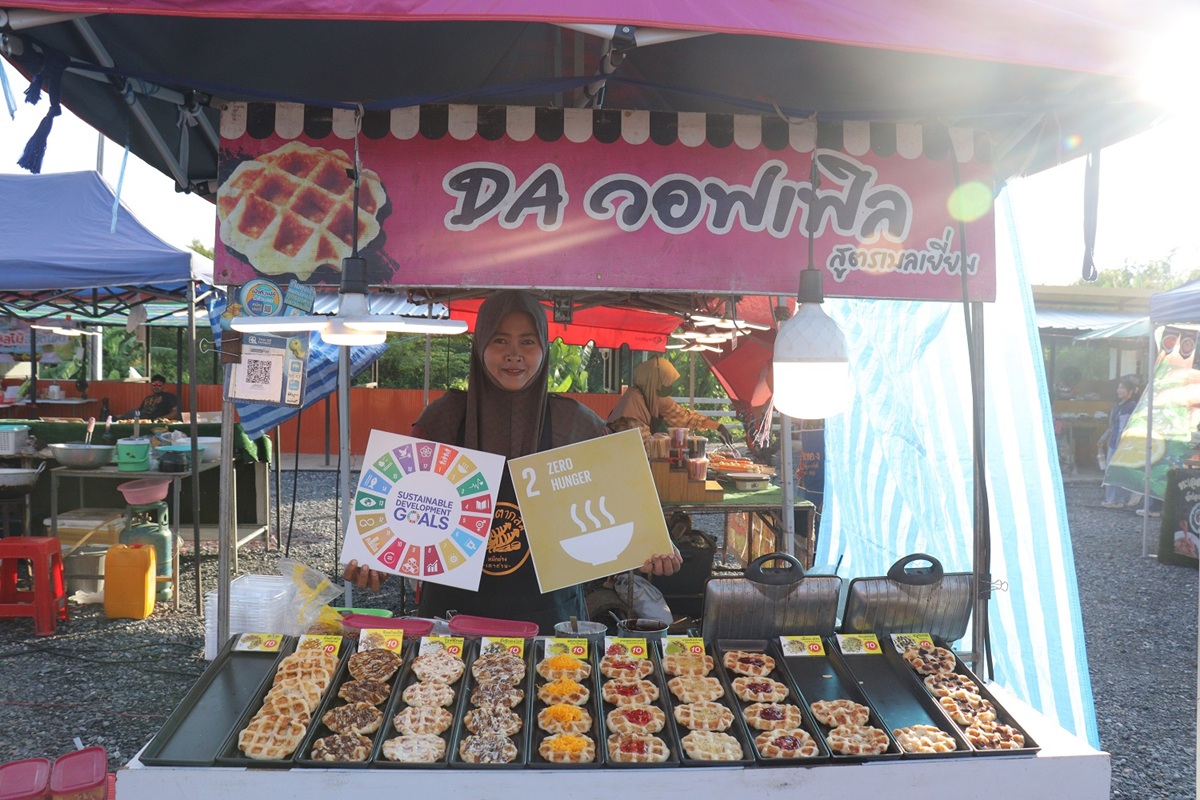
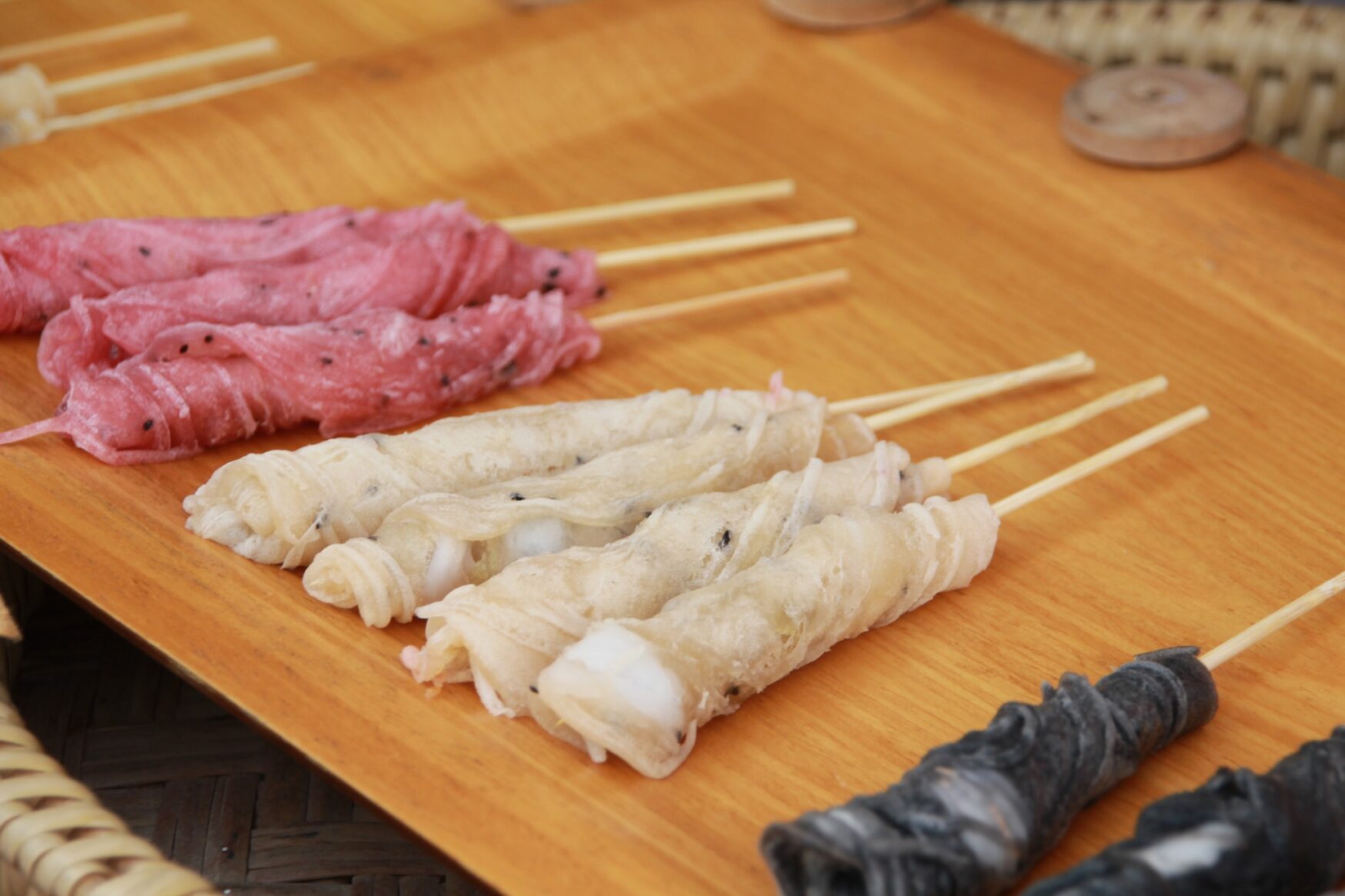
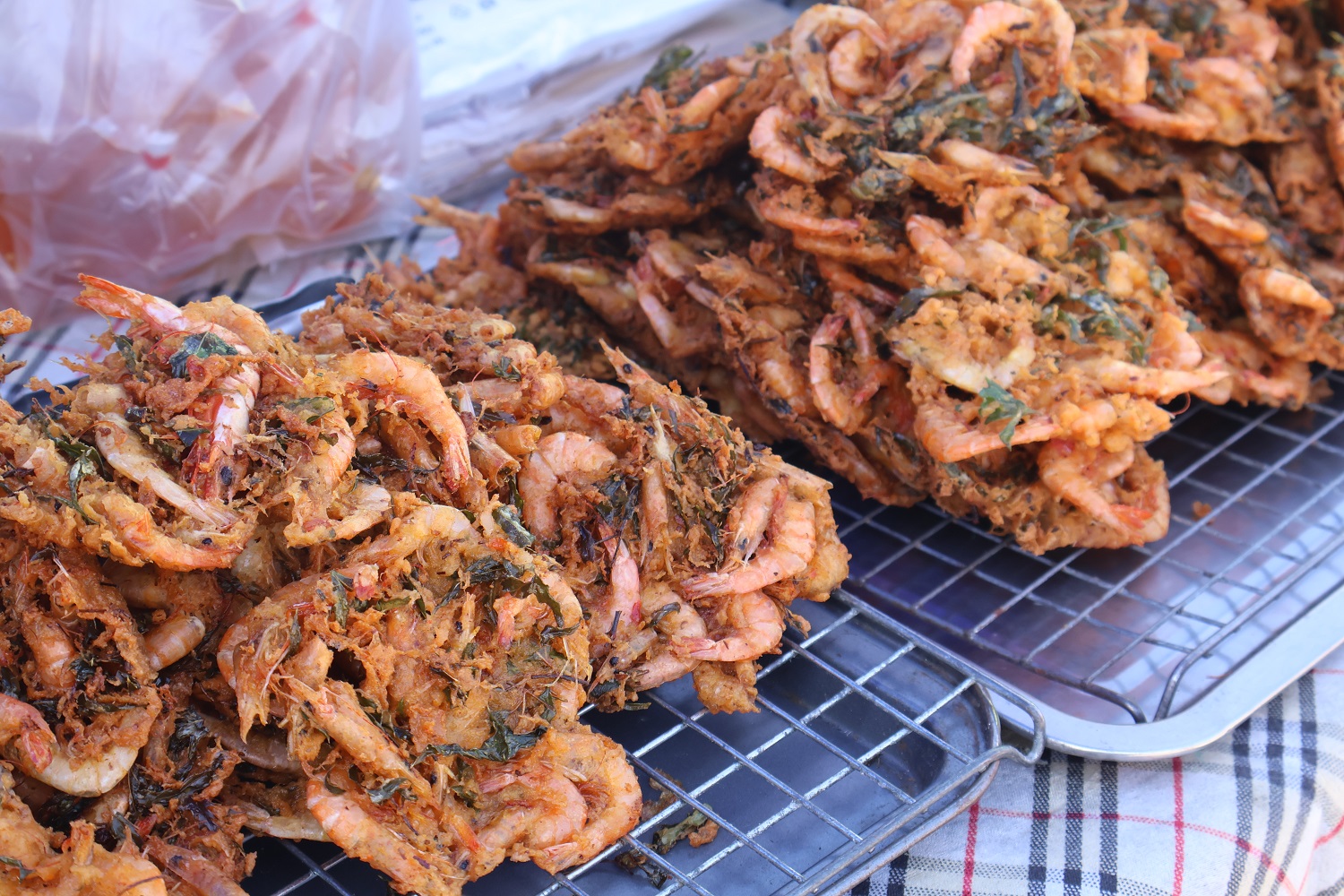
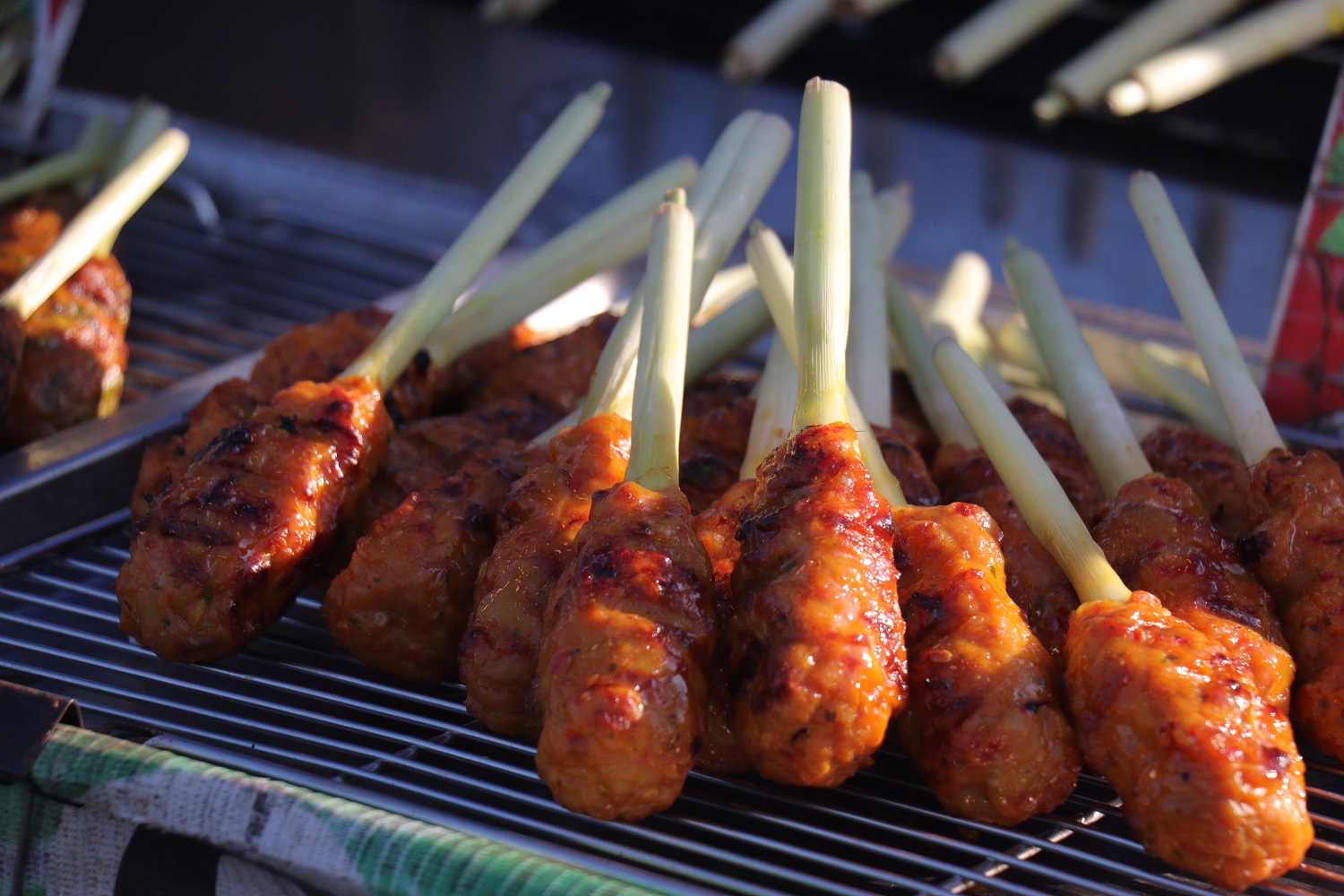
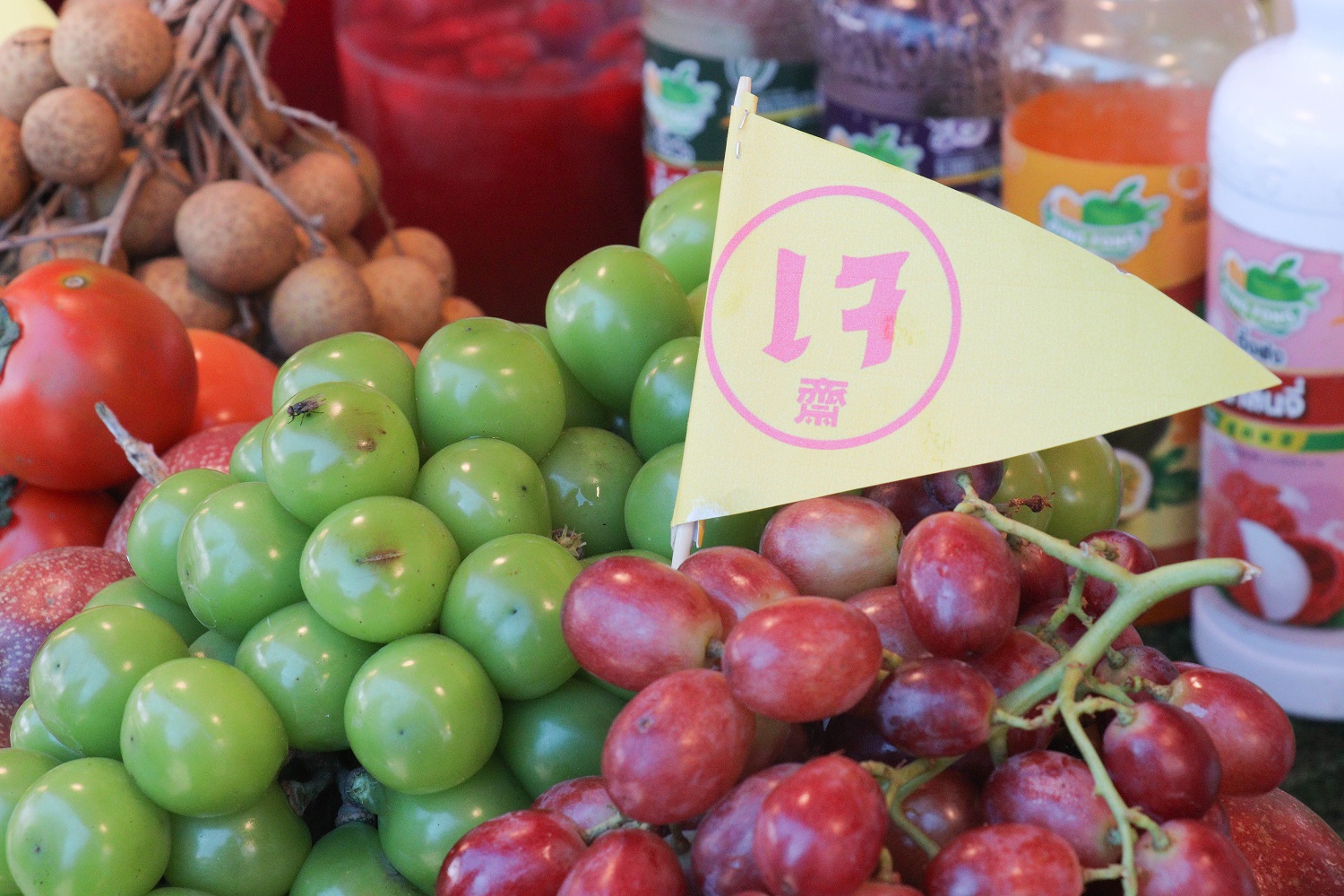
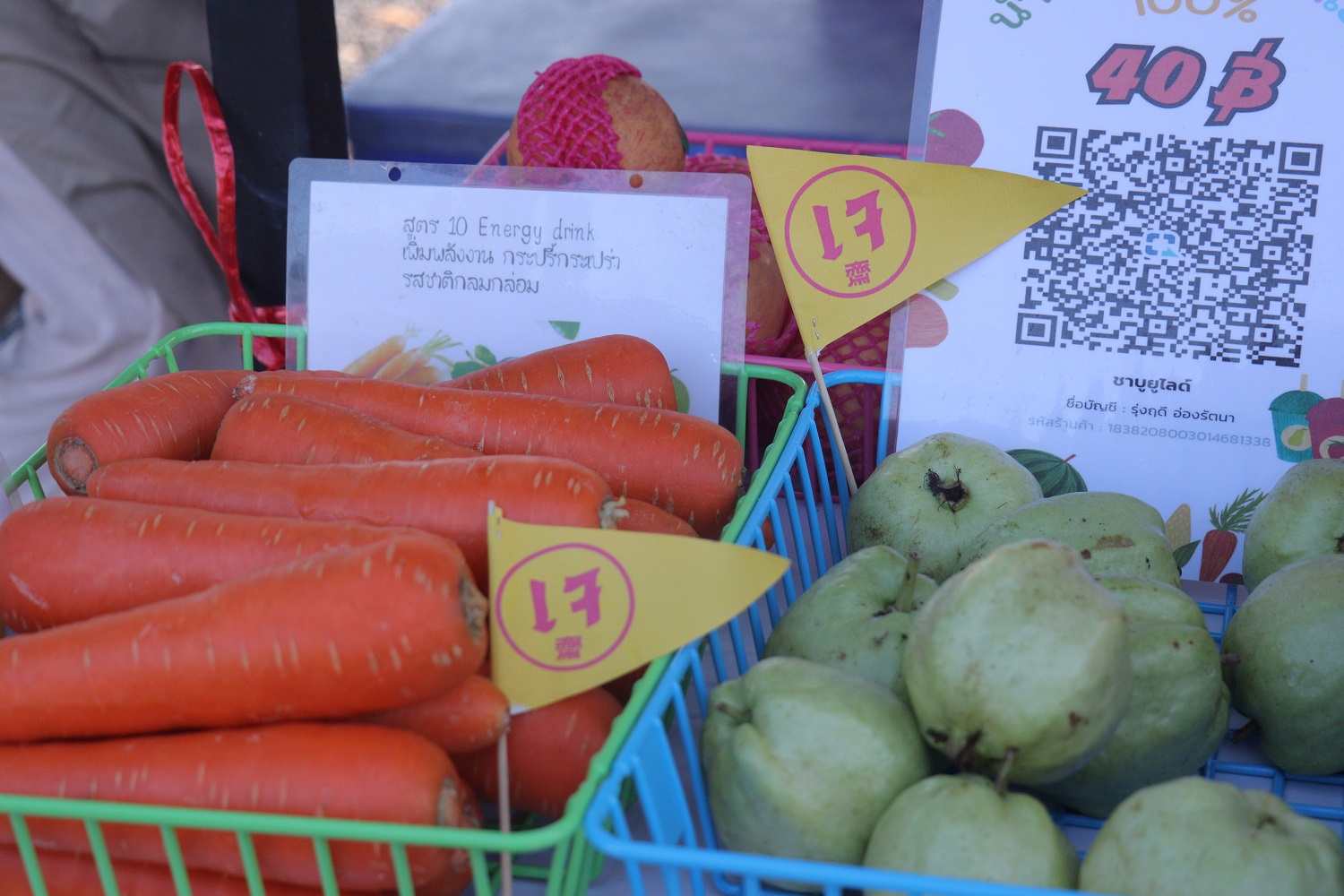
Figures : The food choices at Walailak University that are sourced from local communities.
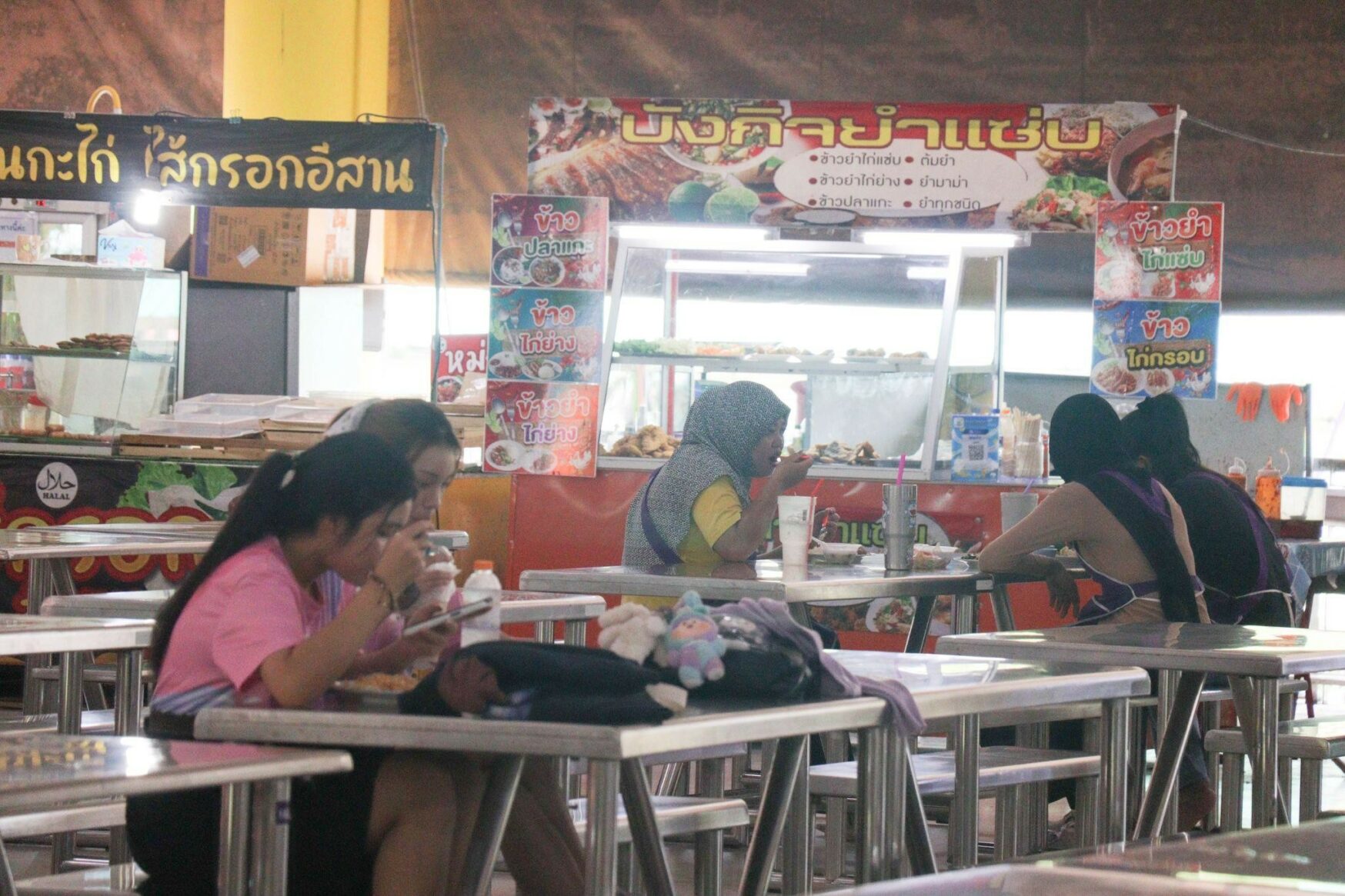
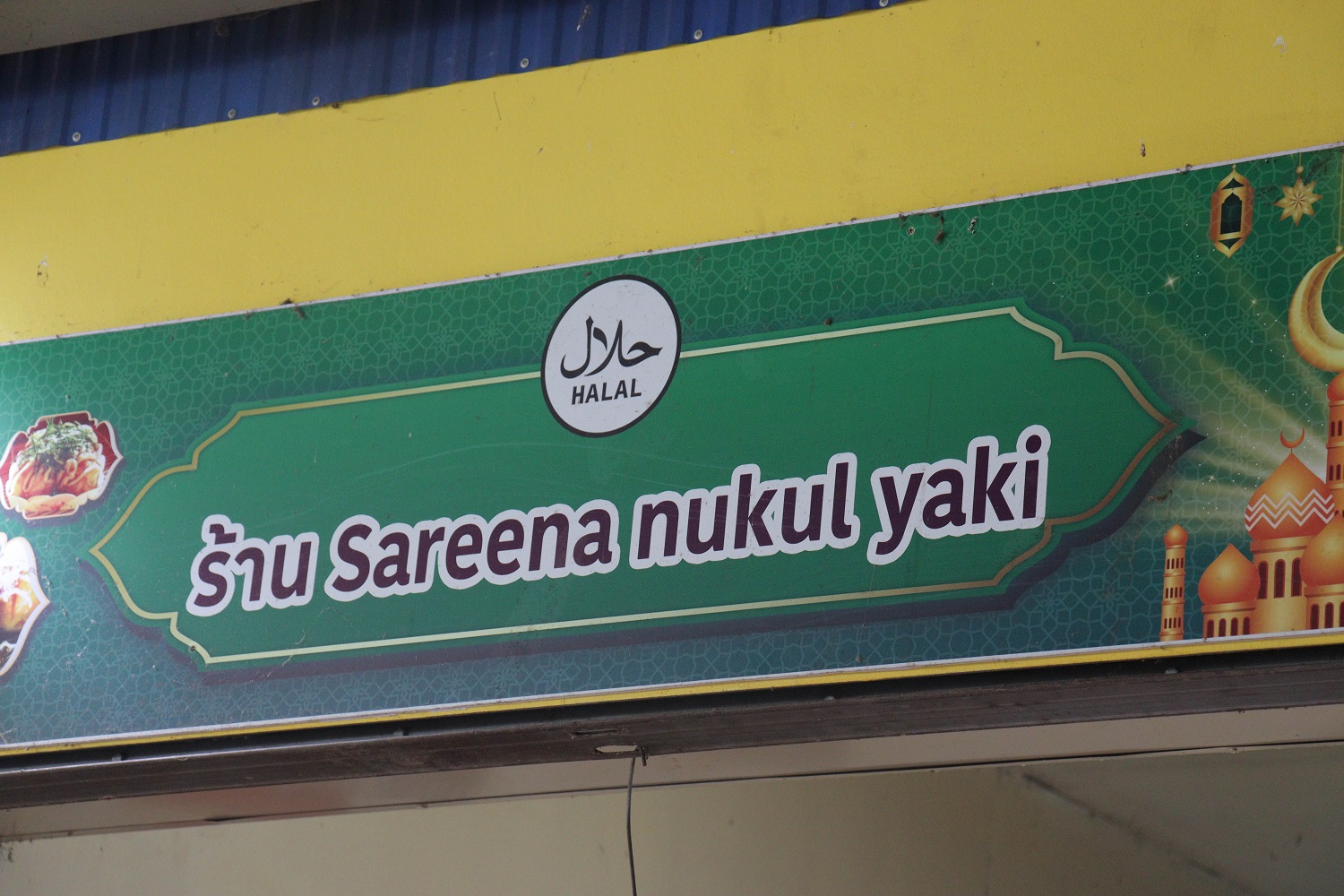
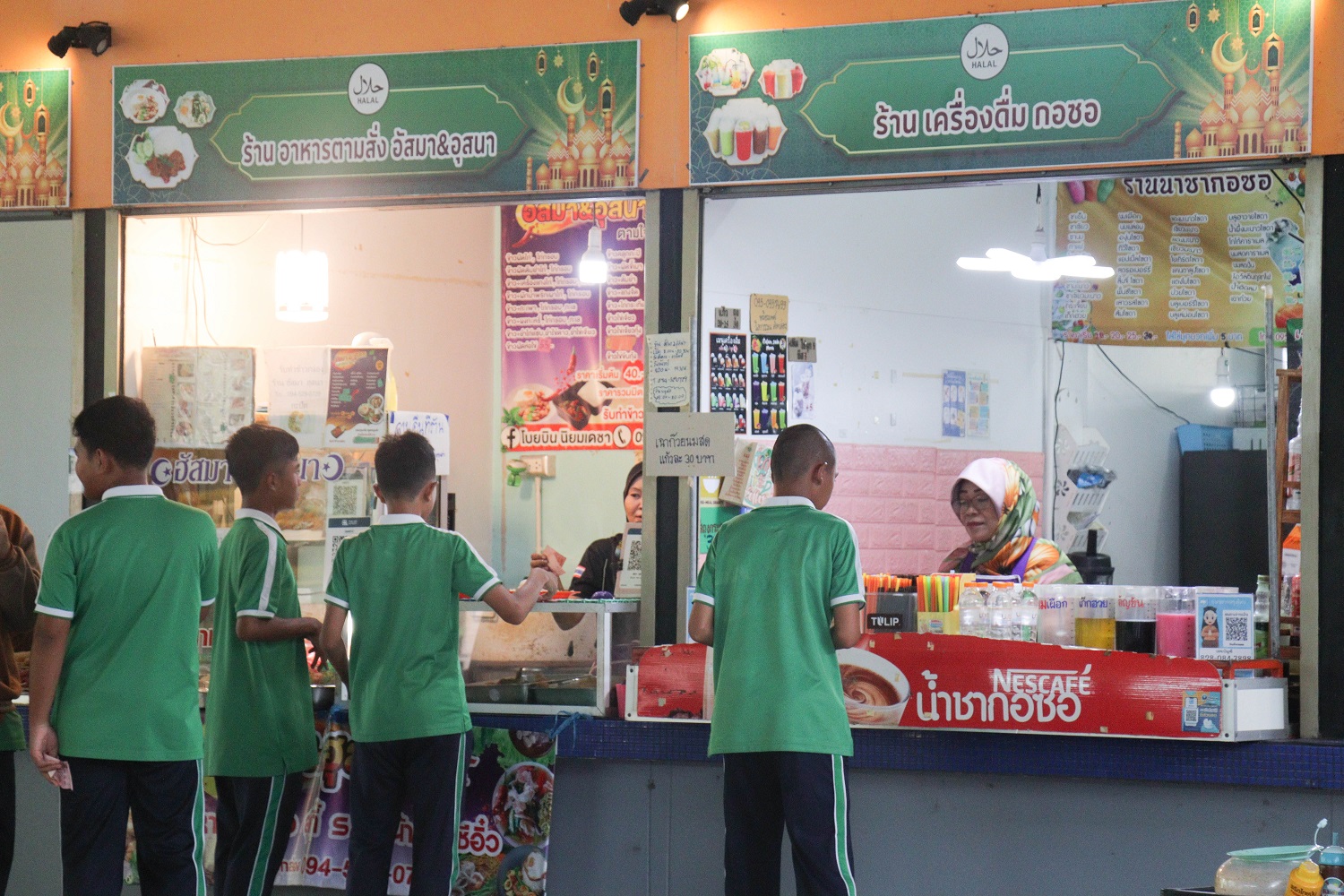
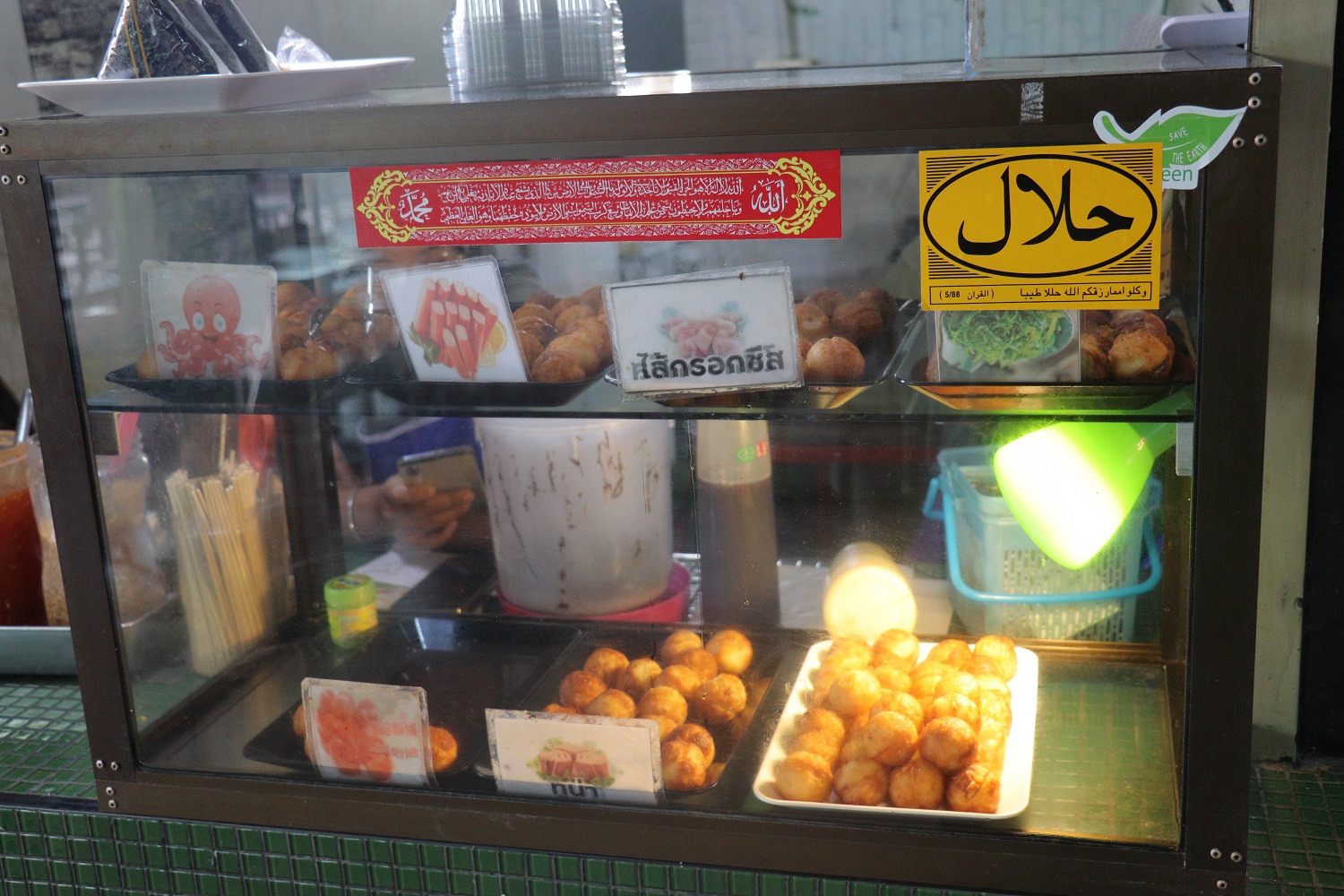
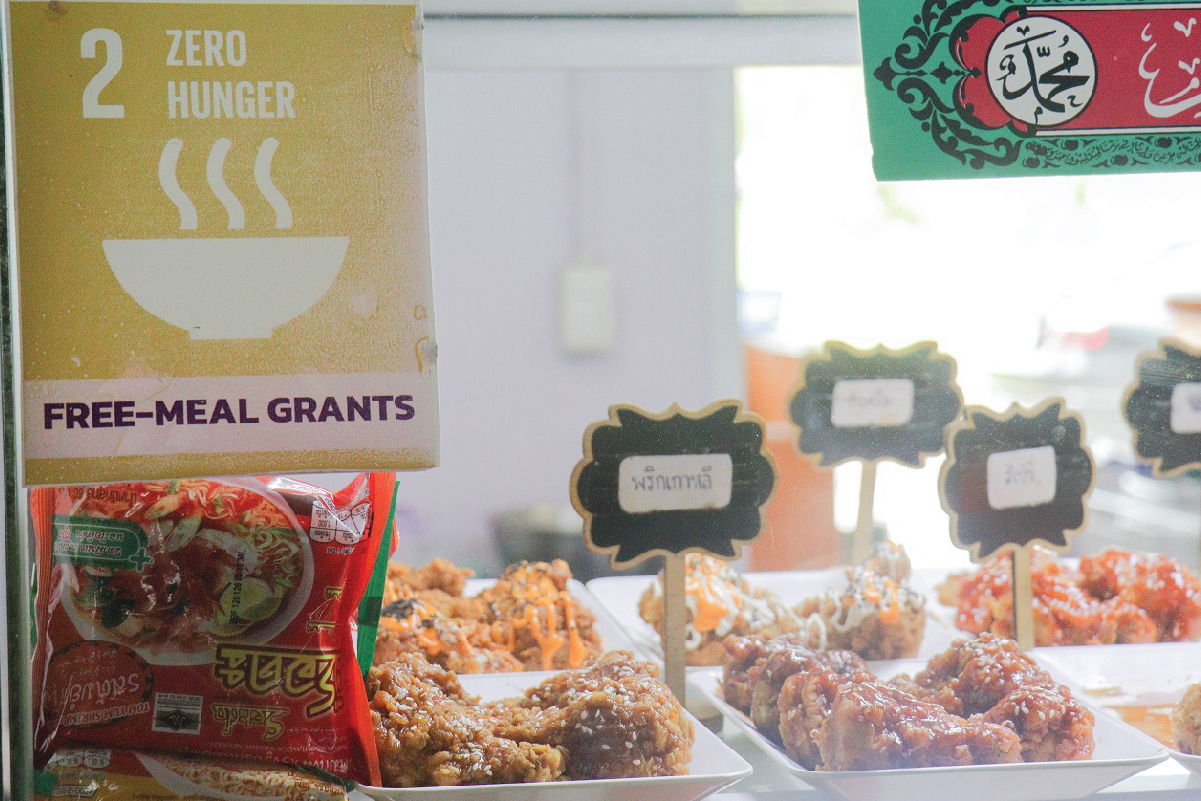
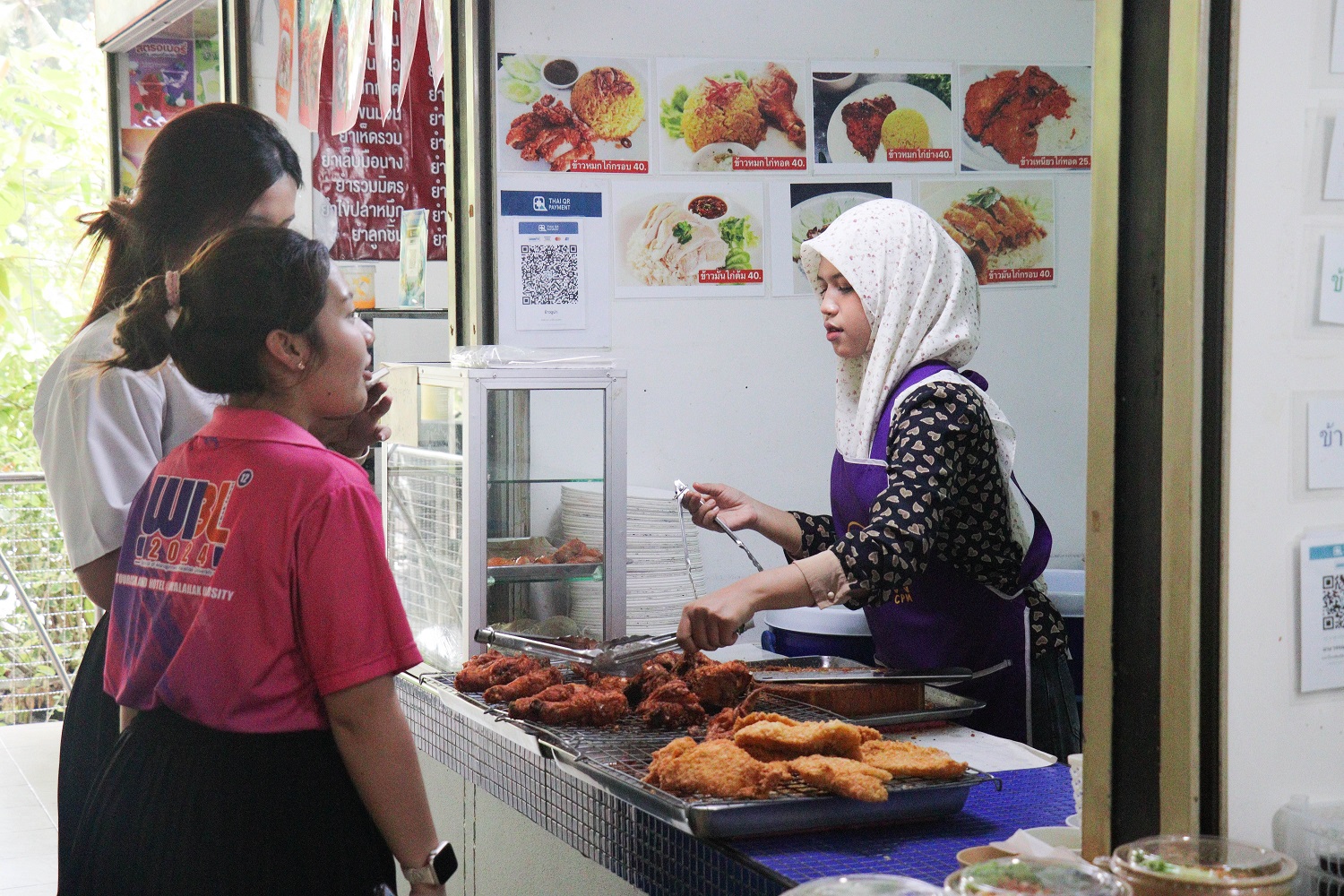
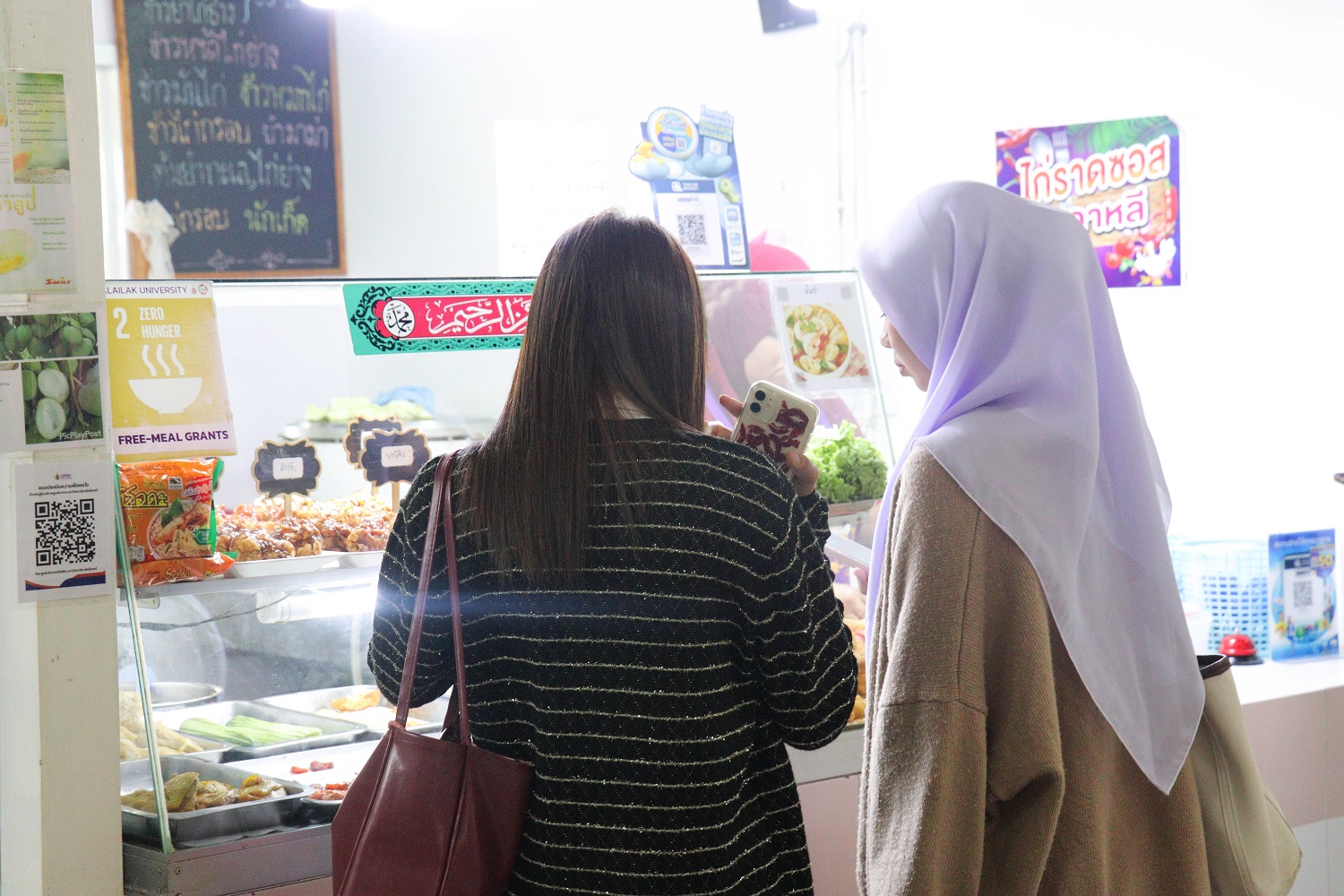
Figures : The food choices at Walailak University that are halal food.
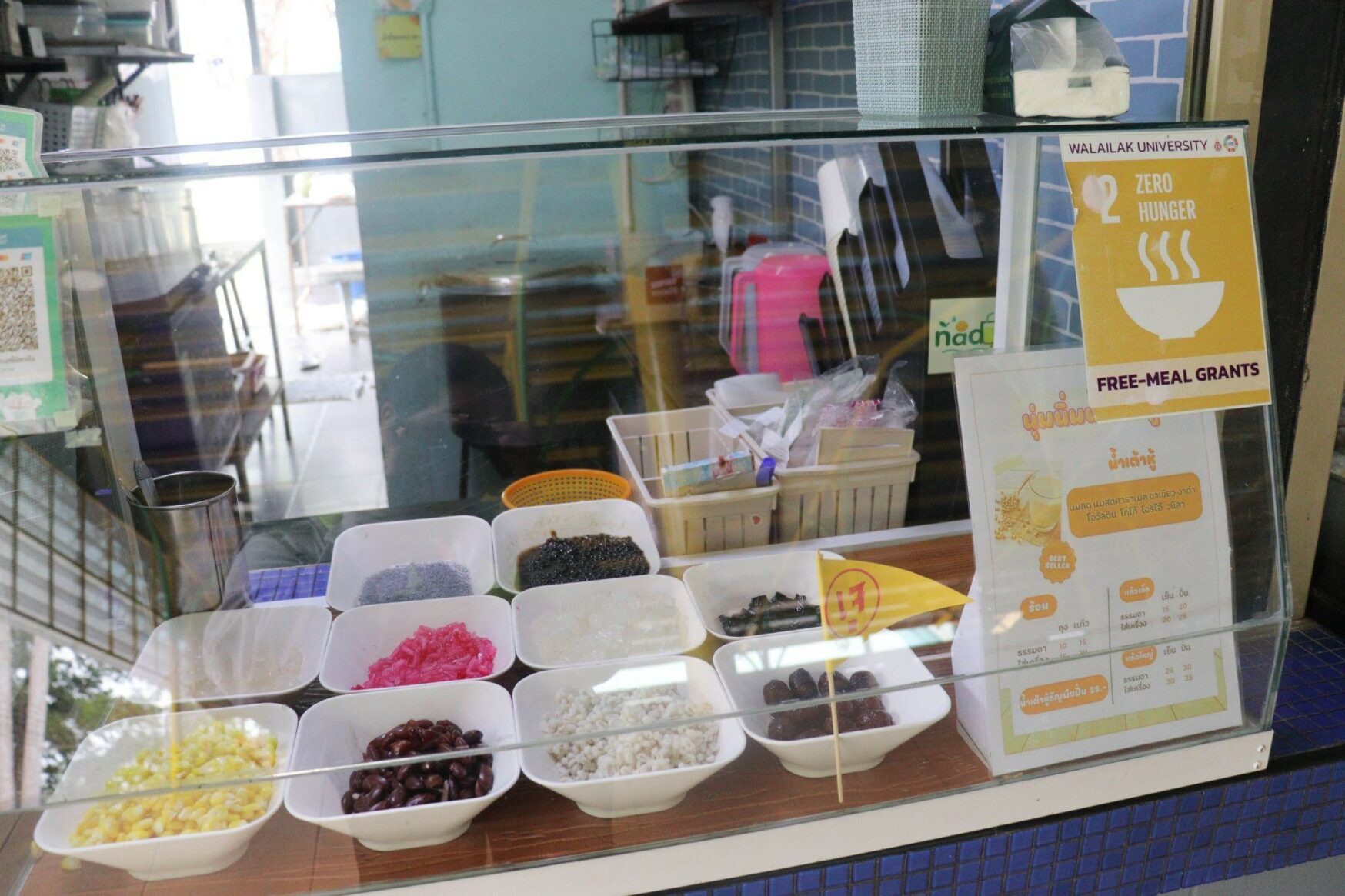
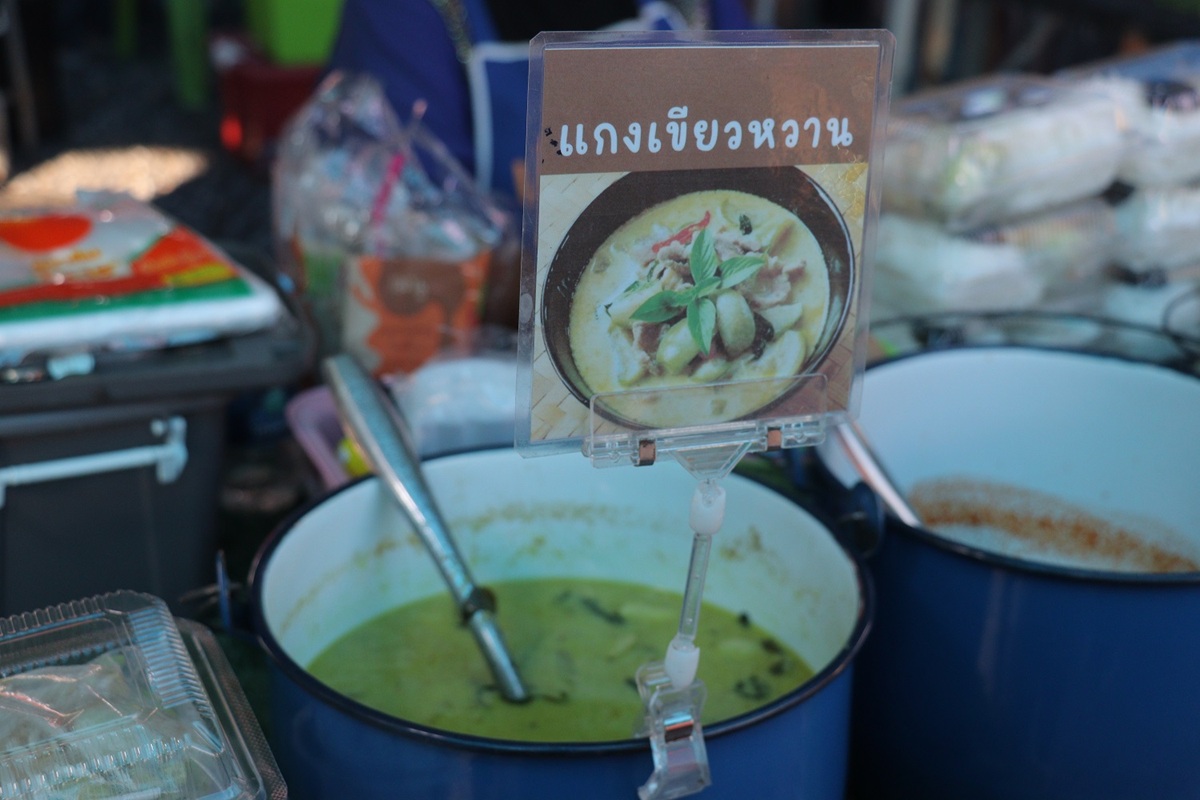
Figures : The food choices at Walailak University that are vegetarian and vegan food.
The university continuously assesses the impact and effectiveness of its initiatives to optimize performance and ensure sustainable growth. All food outlets adhere to the 2022 Policy on Food Preparation and Sustainable Consumption, which guides regular monitoring and improvement of food services to align with environmental and health standards. Through this measurement process, Walailak University demonstrates its ongoing commitment to integrating sustainability into institutional strategy, reinforcing its role as a model for responsible and inclusive campus management in support of the SDGs. Importantly, all individuals on campus can access sustainable food choices at all food outlets.