Walailak University’s Interventions in Preventing Staff Hunger
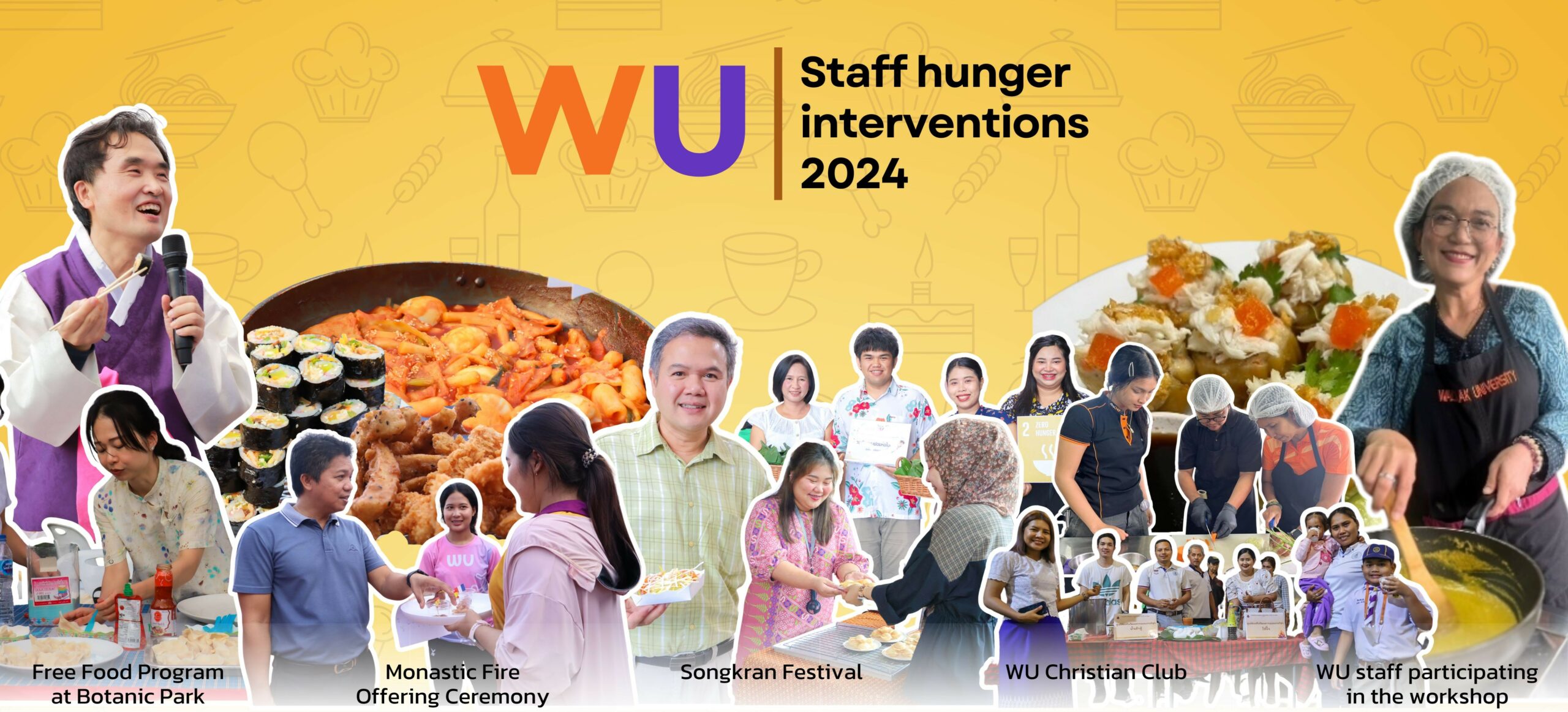
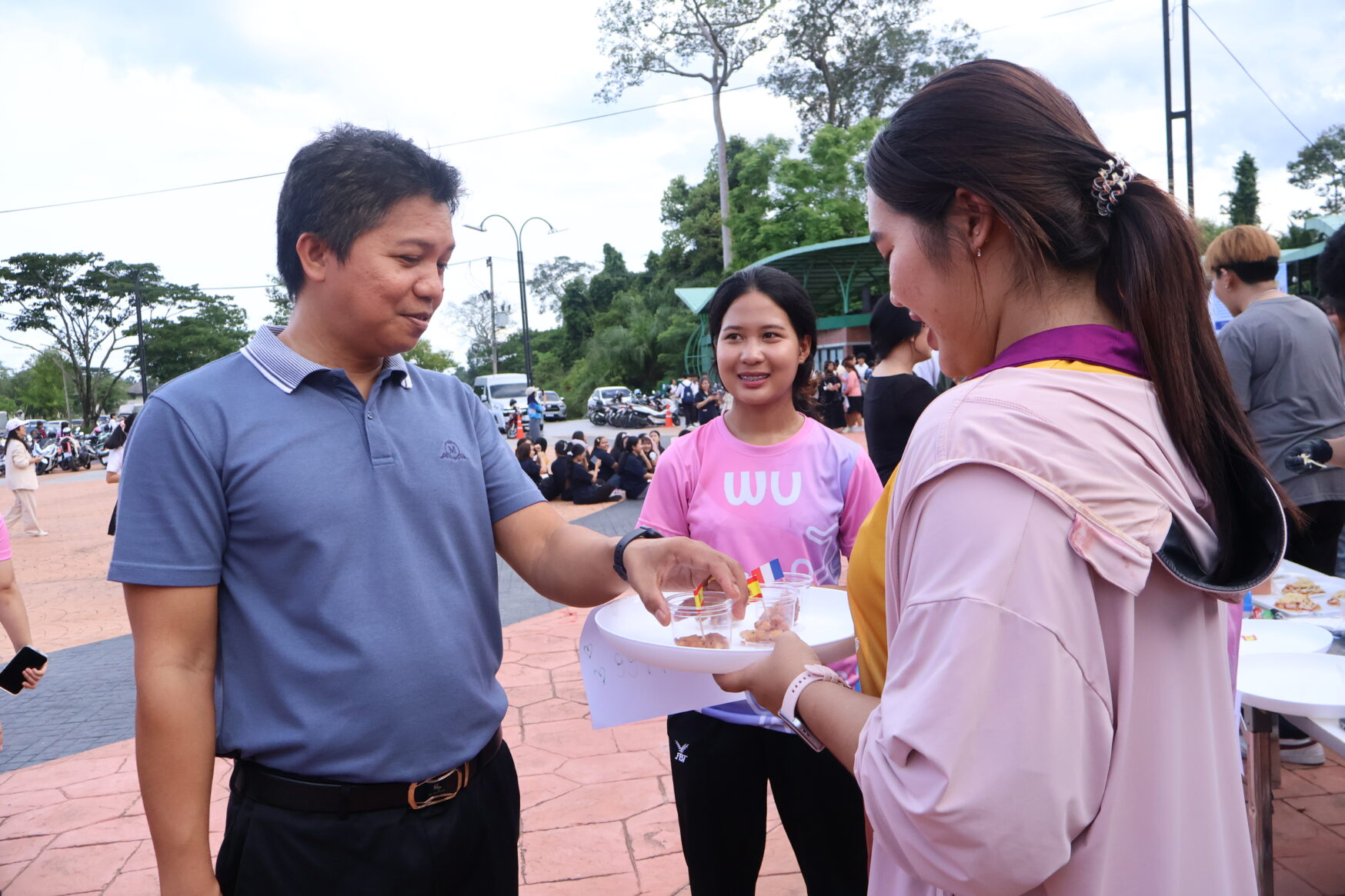
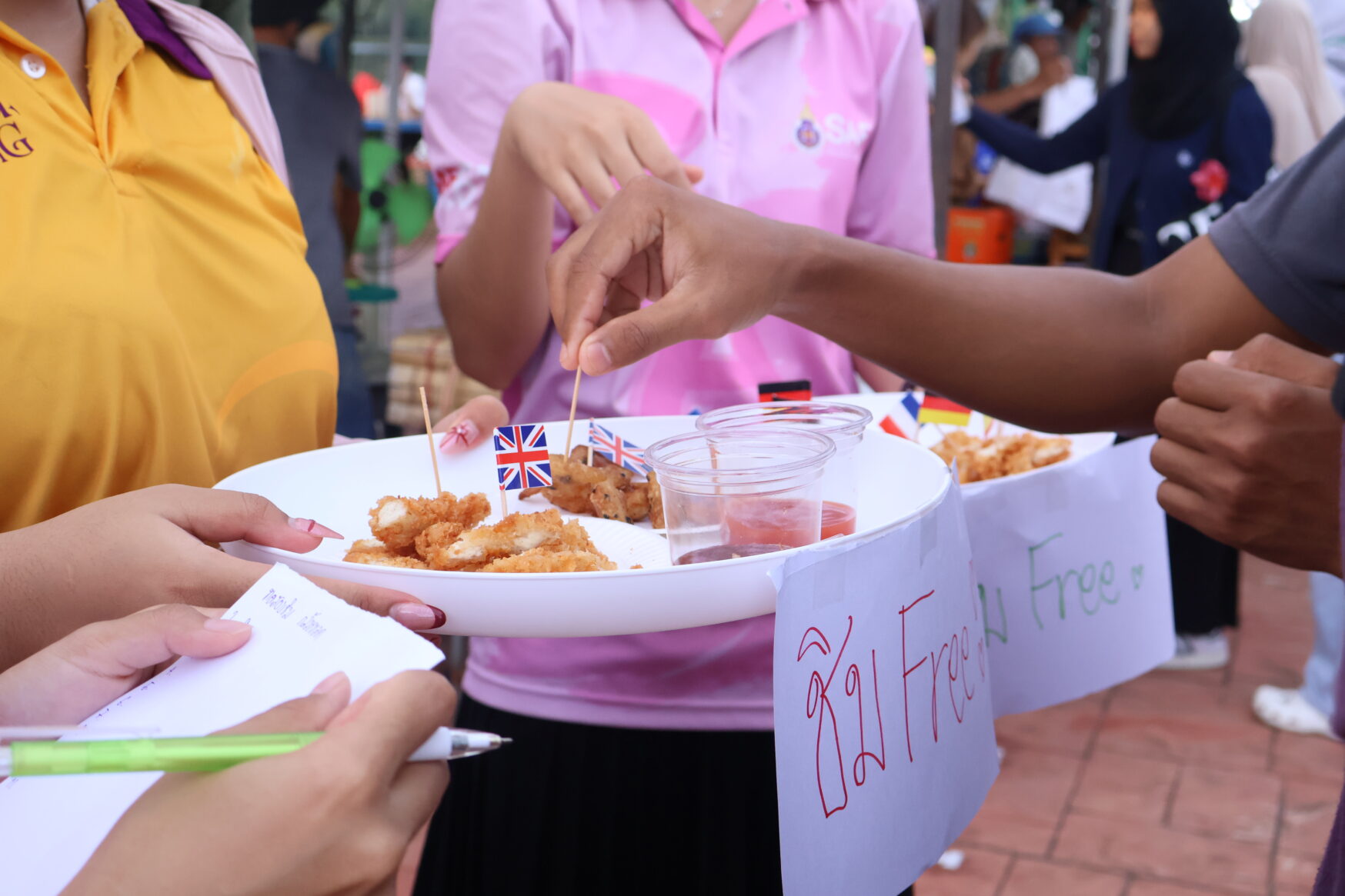
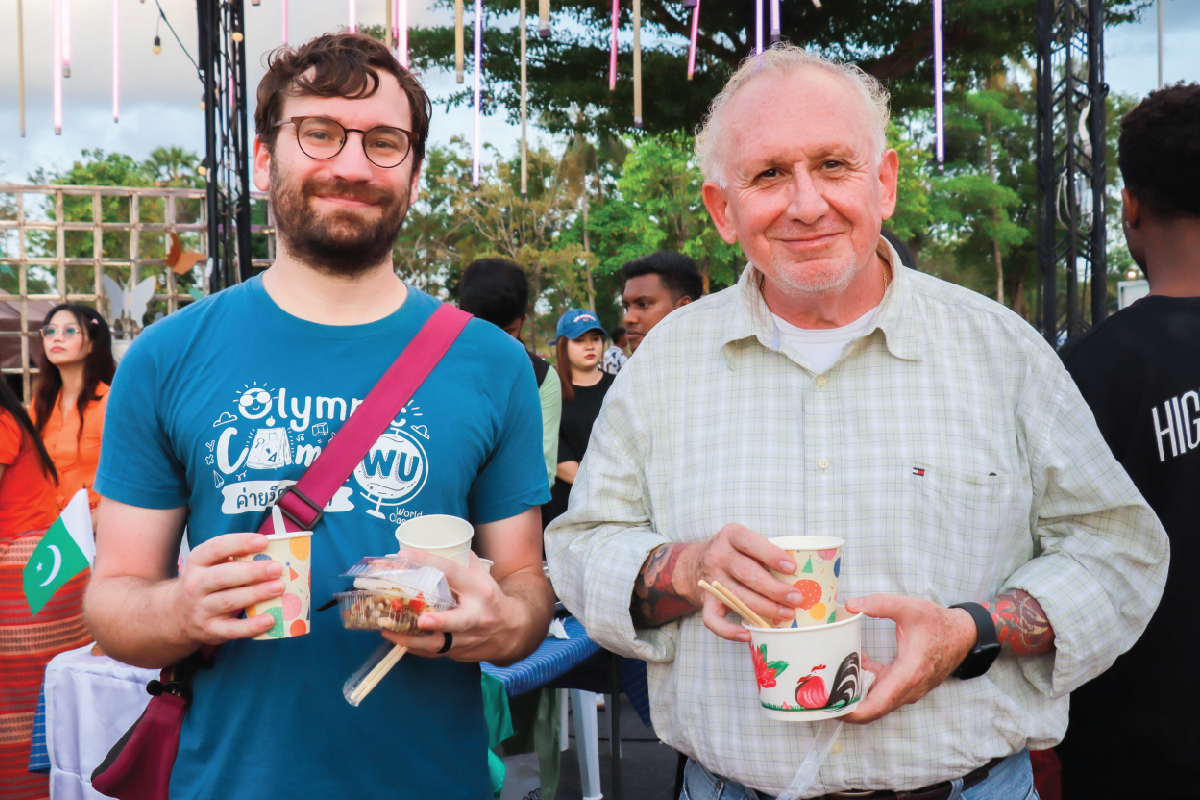
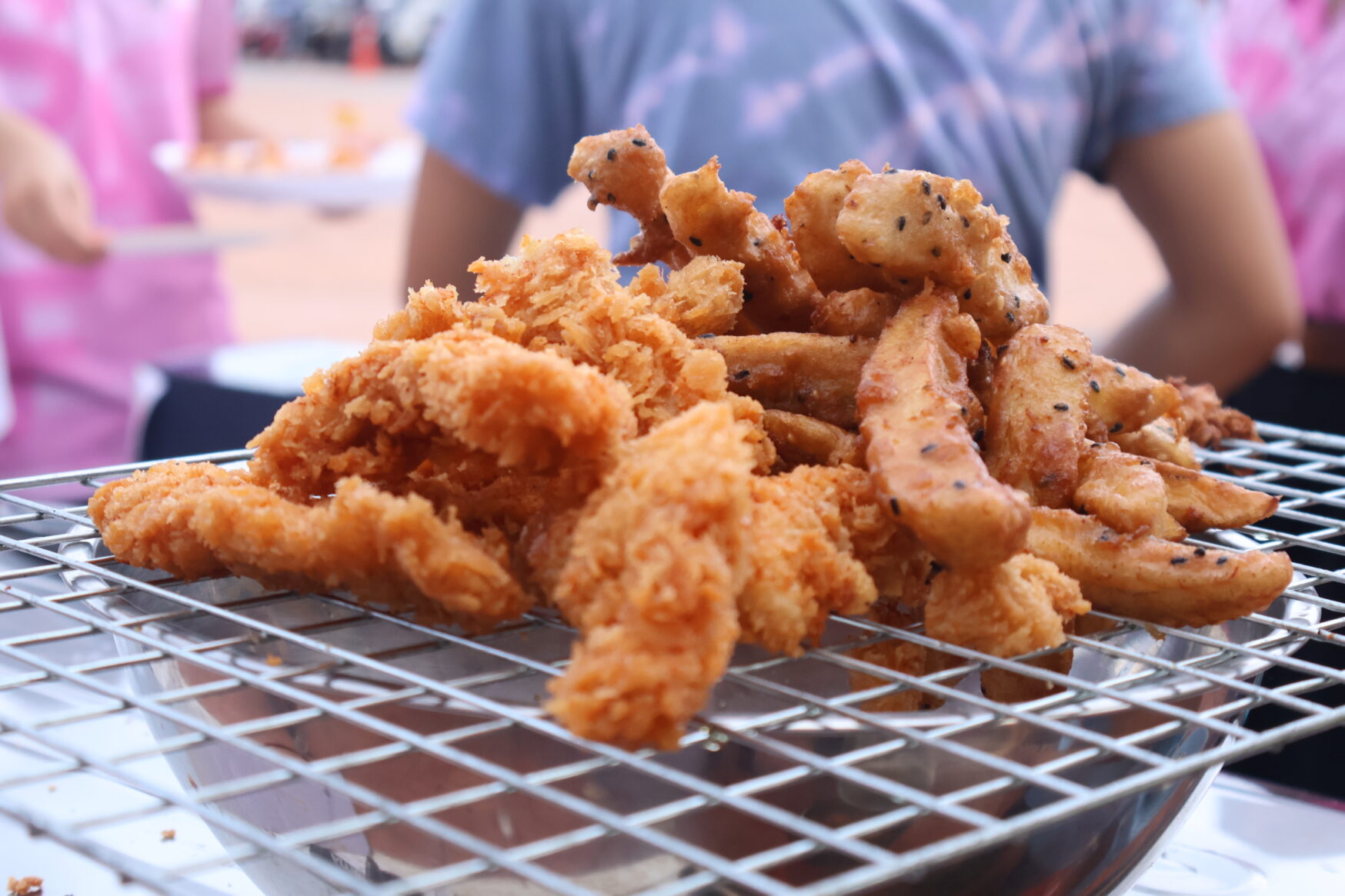
Walailak University recognizes that food insecurity among staff can negatively affect their productivity, concentration, and overall quality of life. Limited access to nutritious meals may lead to fatigue and reduced focus, ultimately impacting work performance and job satisfaction. Based on diagnostics aimed at mitigating these issues, the university has provided targeted interventions in the form of occasional or one-off events that directly and practically respond to staff needs. These include the development of the Free Food Program at the Botanic Park and various events offering free meals, organized with the active engagement of multiple departments.
Free Food Program at Botanic Park
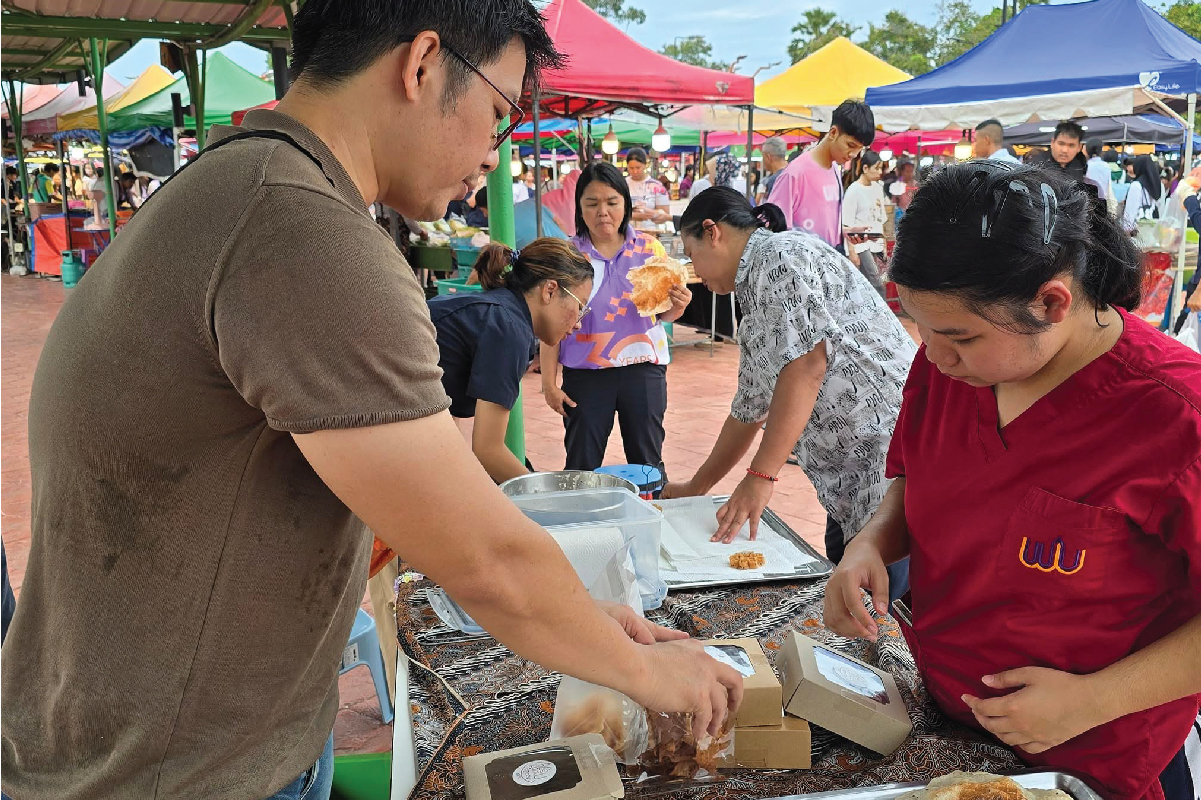
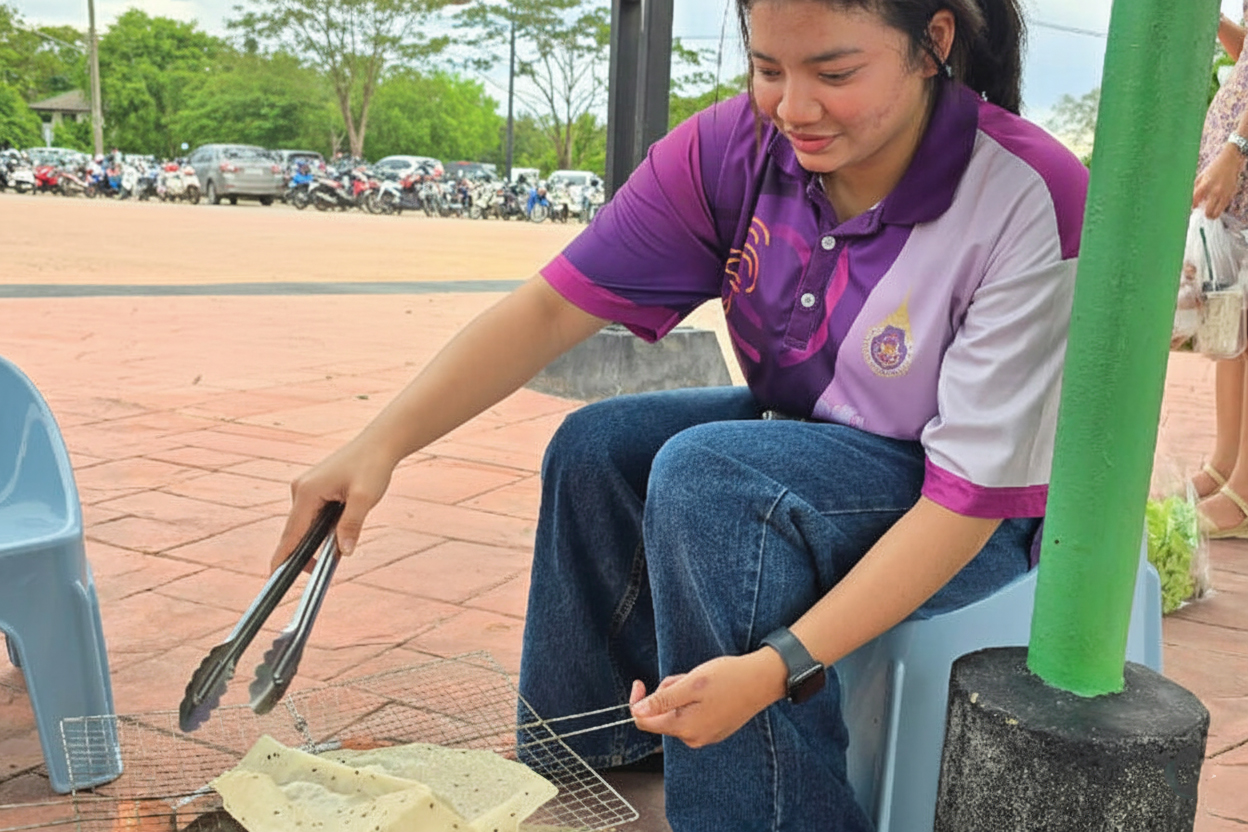
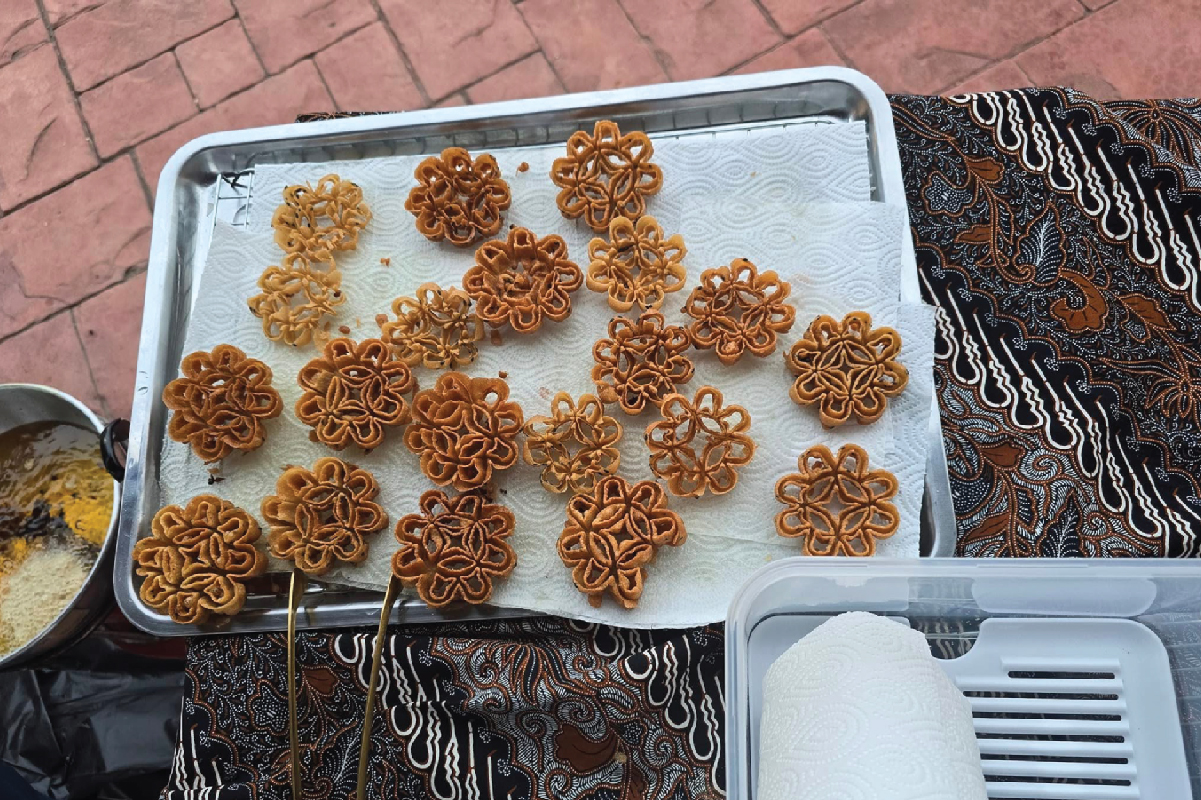
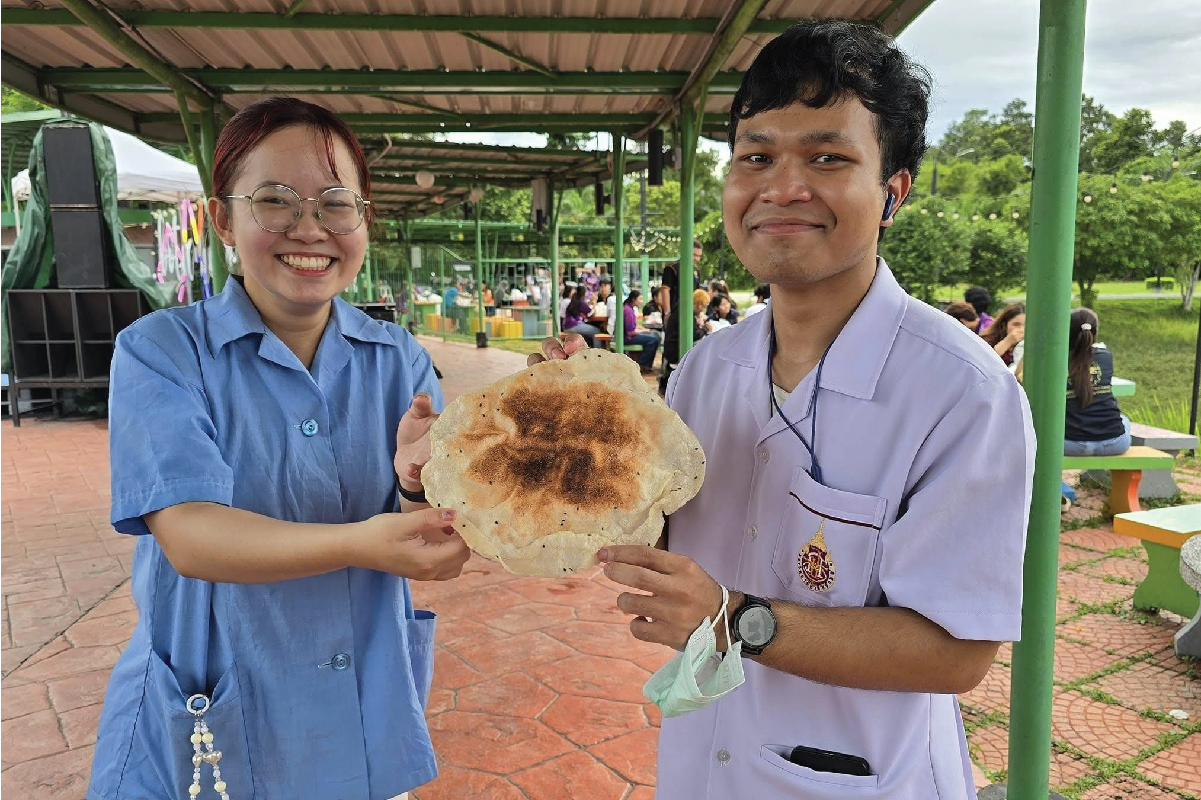
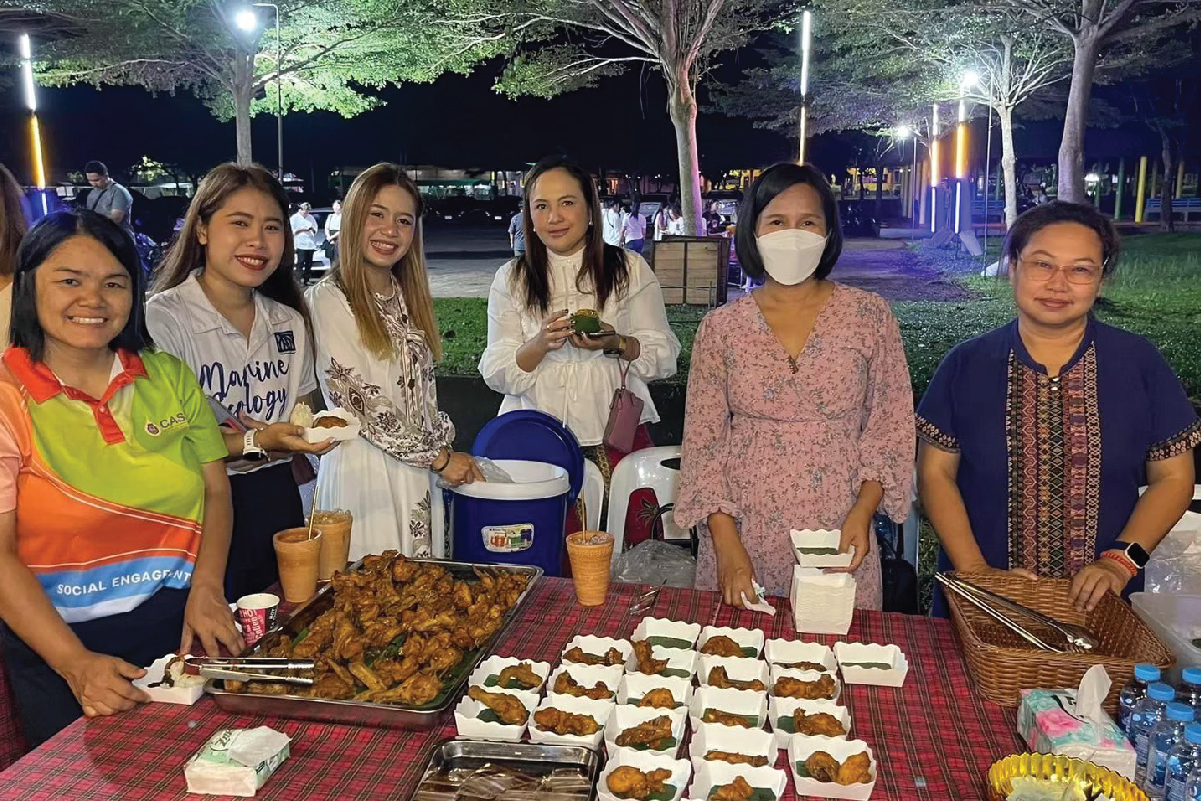
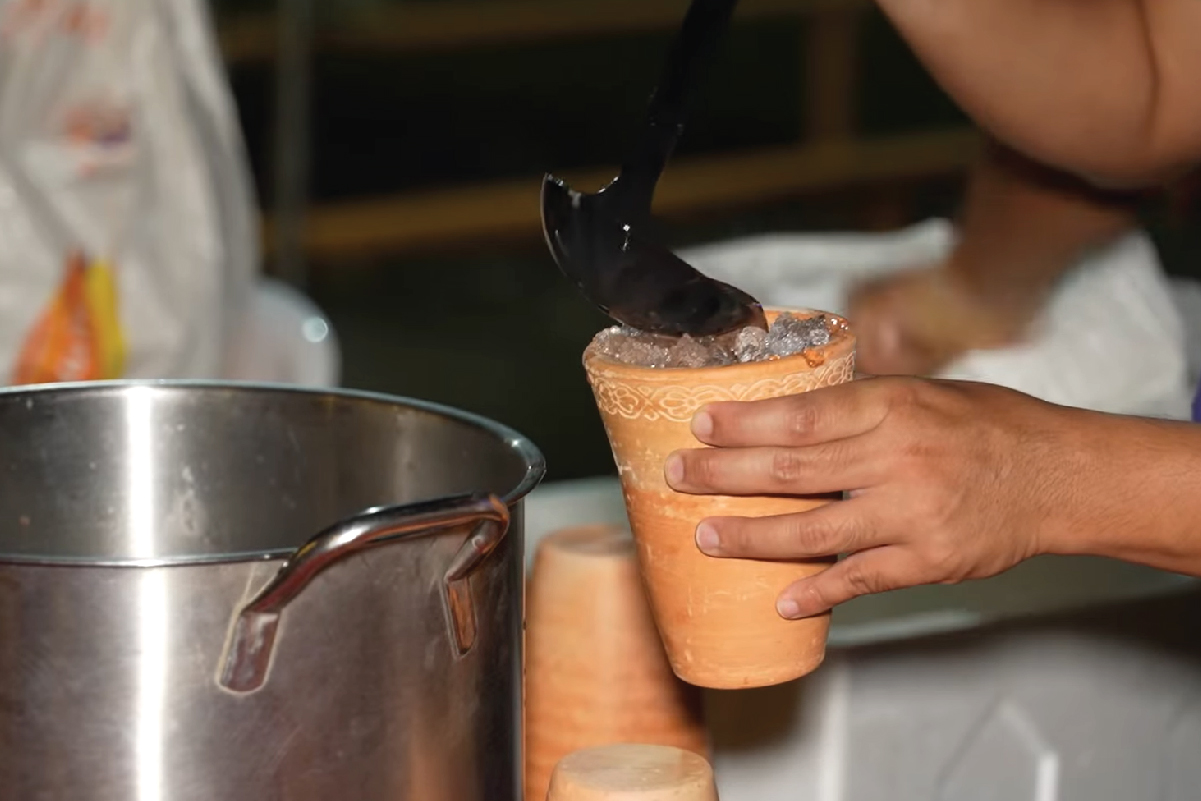
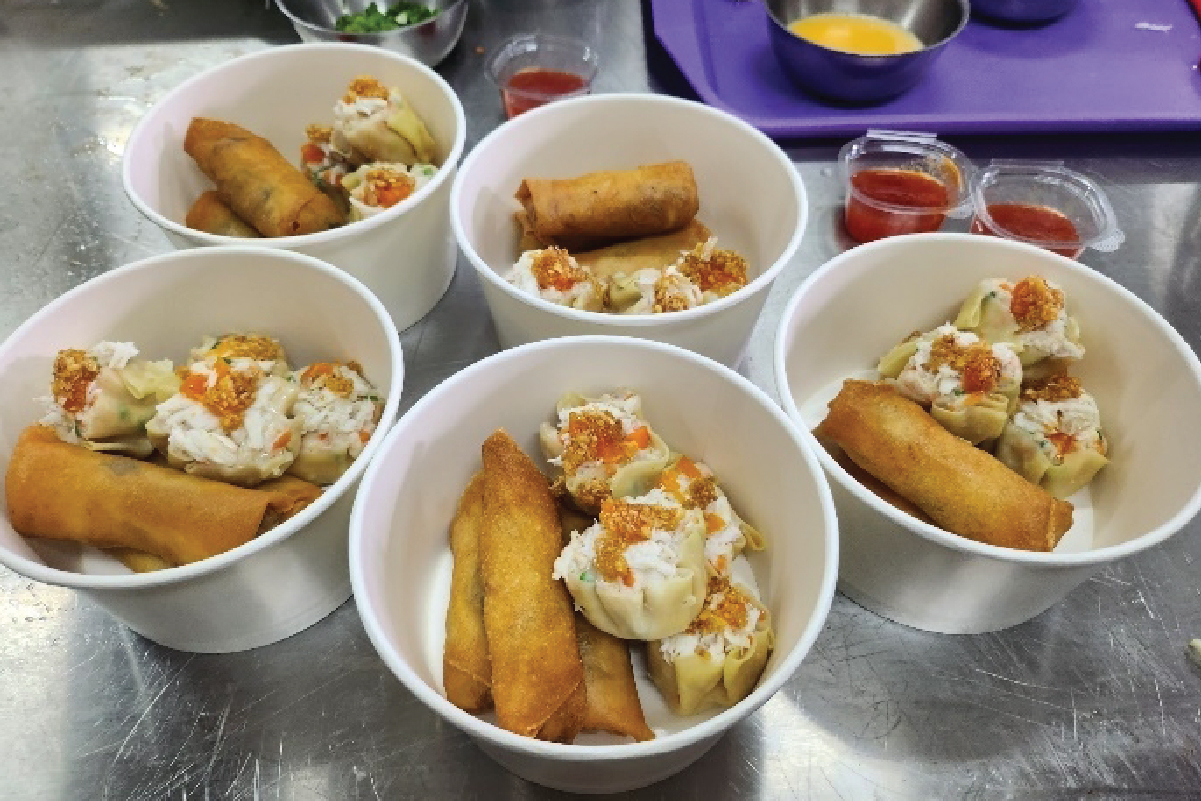
Walailak University has launched a key initiative to support food security and reduce hunger among its staff through the Free Food Program at Botanic Park, which also functions as the university’s food bank. Conducted on a monthly basis, this program provides free, nutritious meals developed by WU researchers to meet rigorous nutritional standards. The meals are primarily sourced from local communities, reflecting WU’s strong partnerships with local farmers and food producers, thereby fostering sustainable agriculture and stimulating the local economy. The program features a wide variety of meal options designed to meet different dietary needs, including halal, vegan, and vegetarian choices, ensuring inclusivity and broad access.
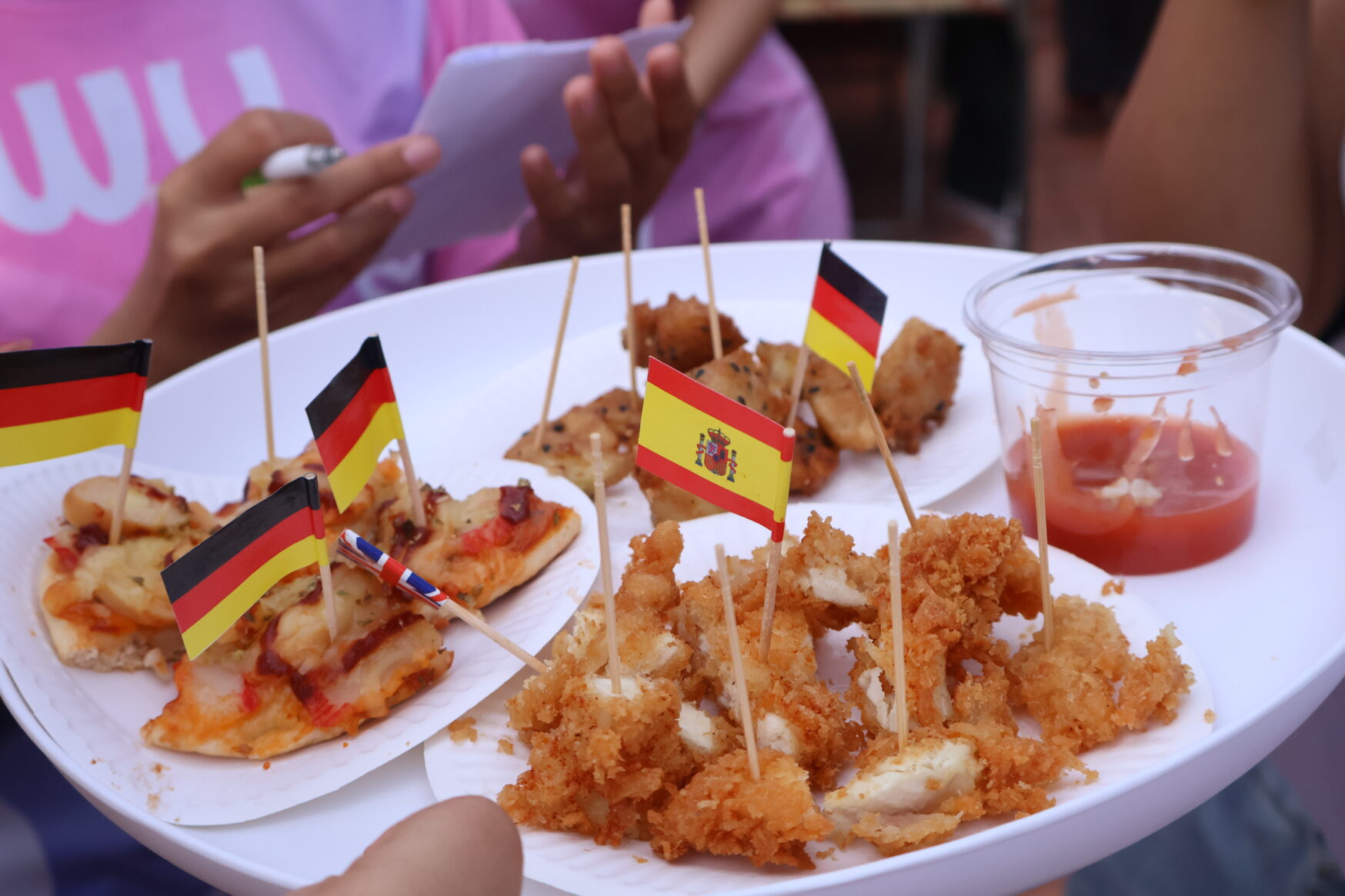
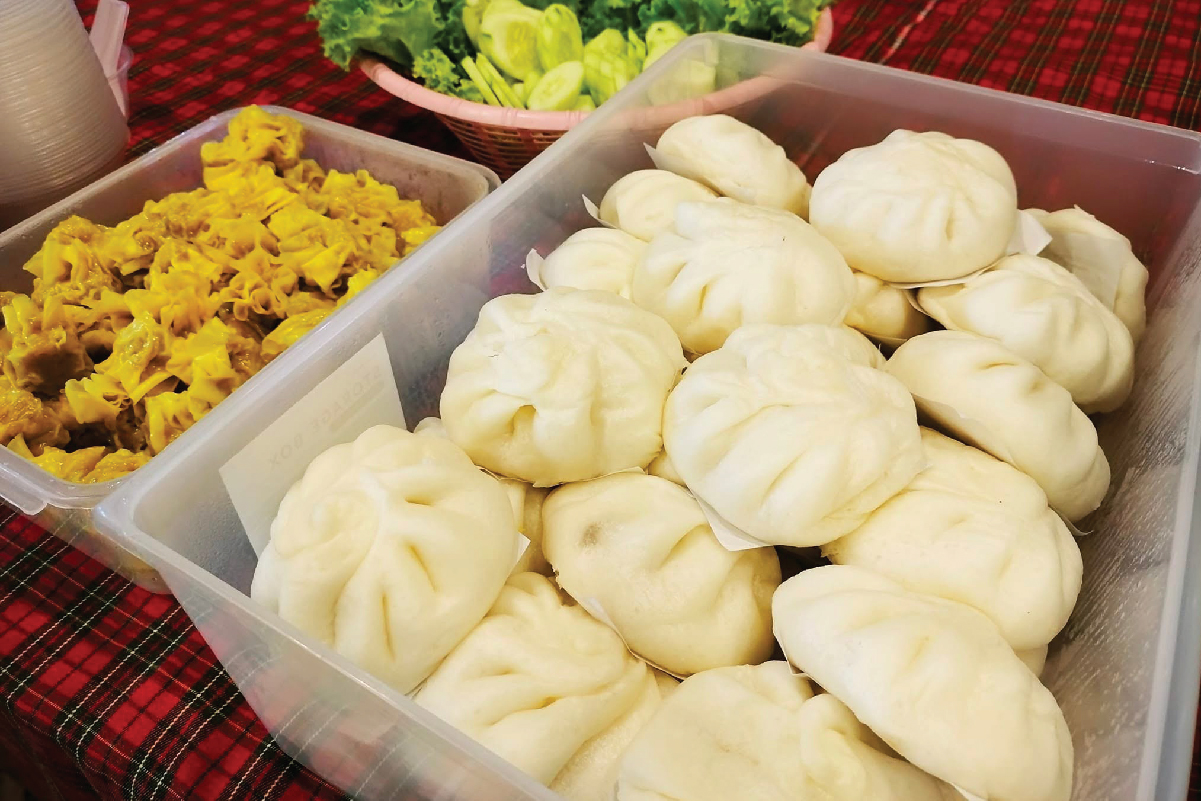
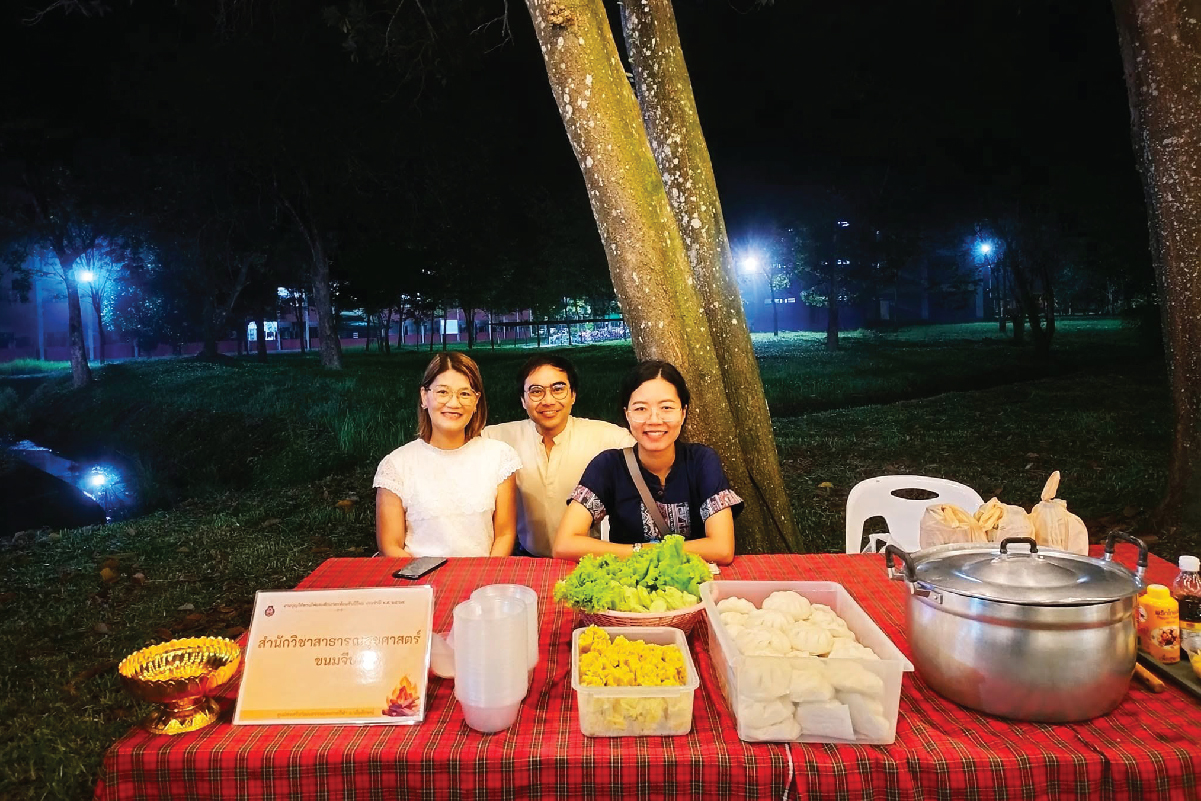
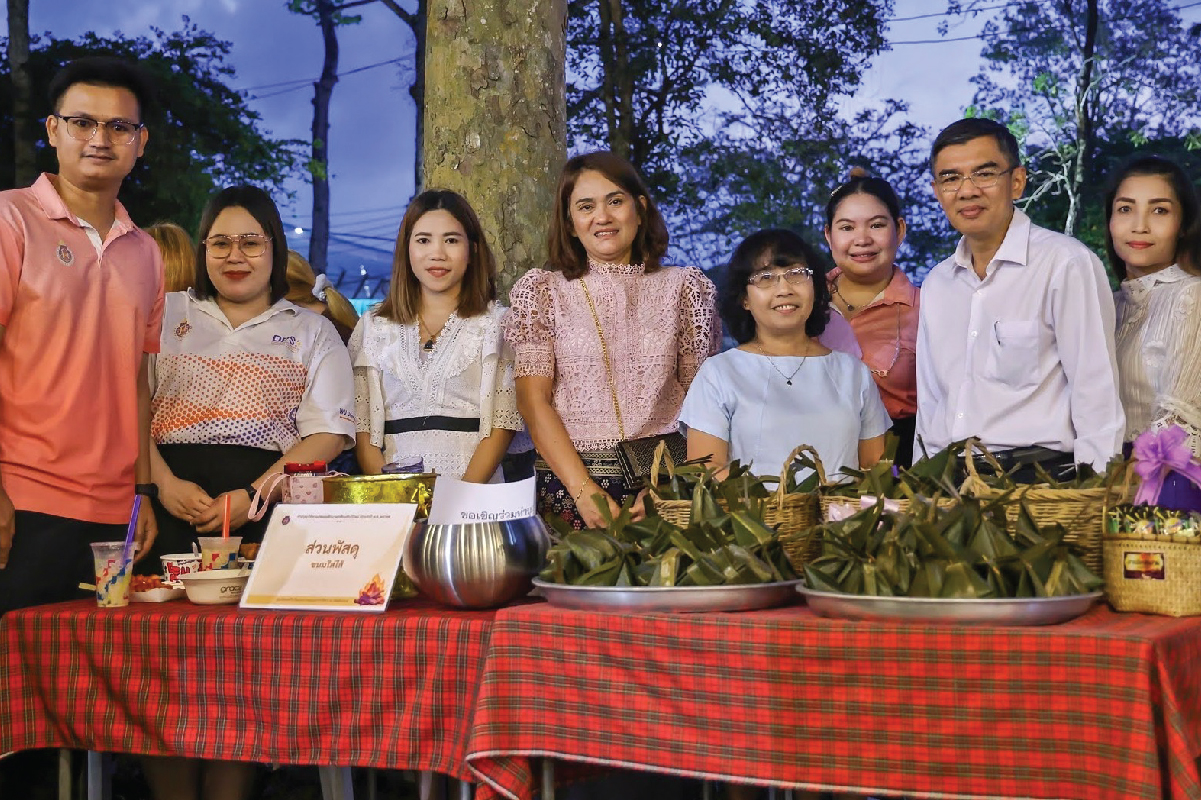
In 2024, Walailak University held the Monastic Fire Offering Ceremony as part of its efforts to prevent hunger among staff. During the event, over 600 staff members participated and received free meals, desserts, and beverages as part of the university’s initiative to provide support and promote well-being.
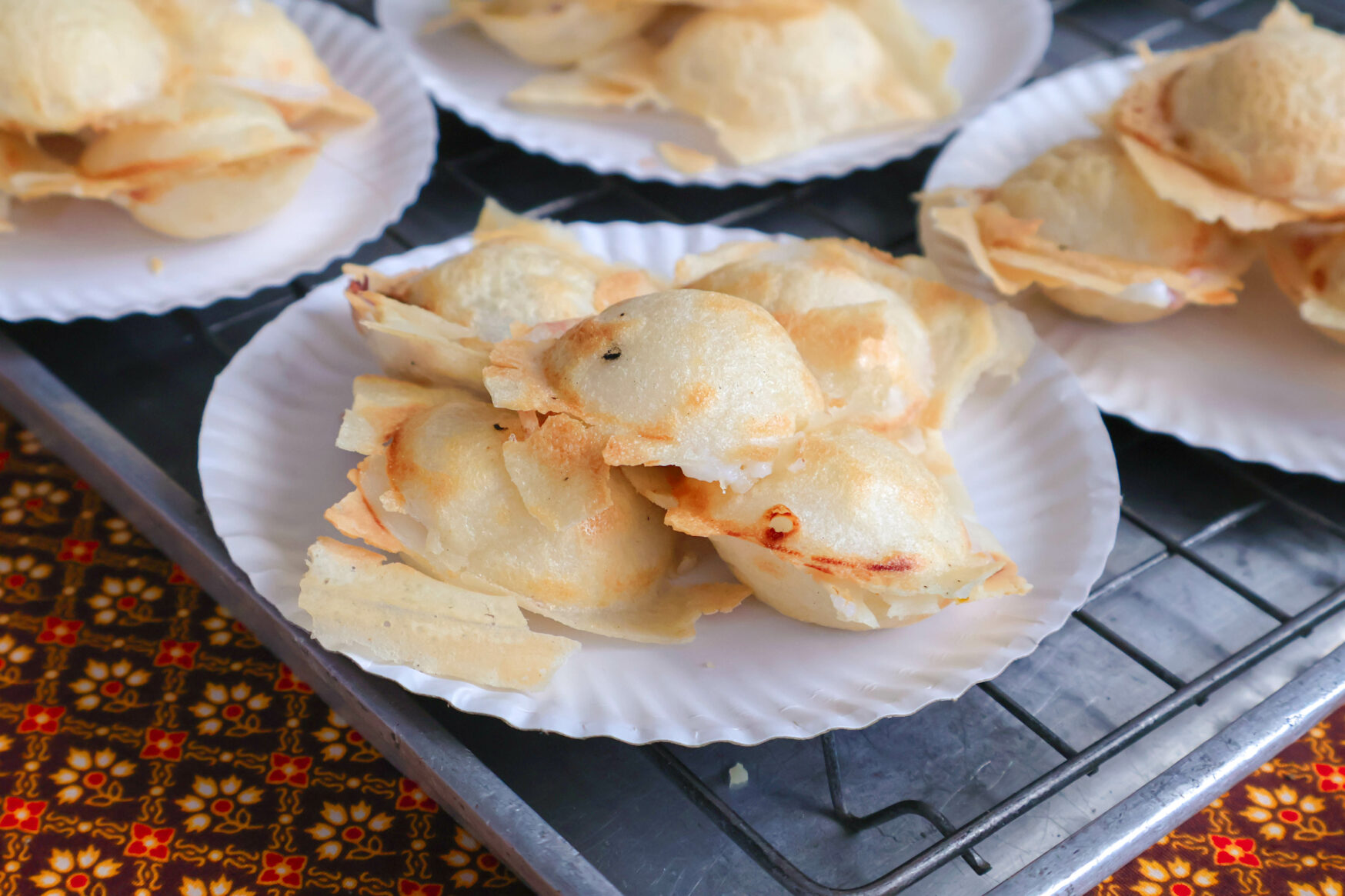
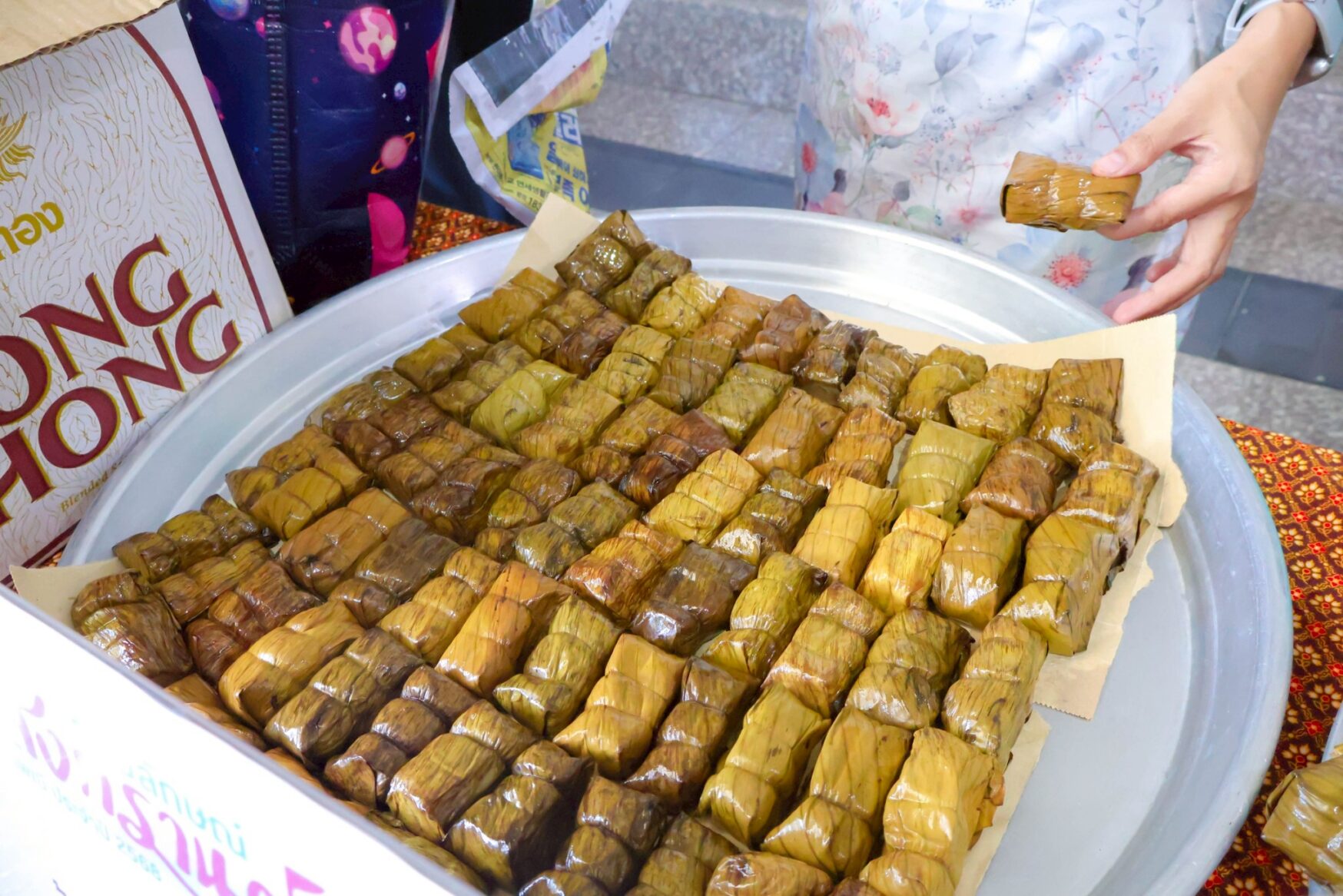
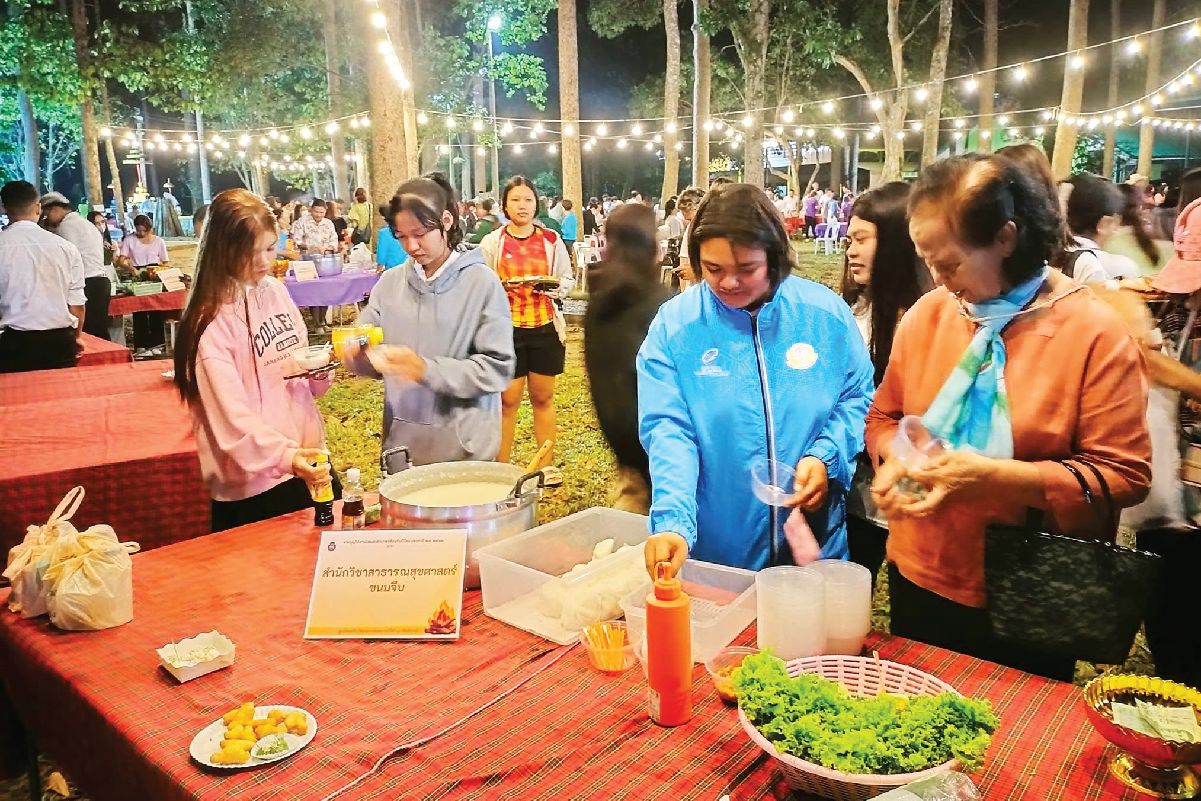
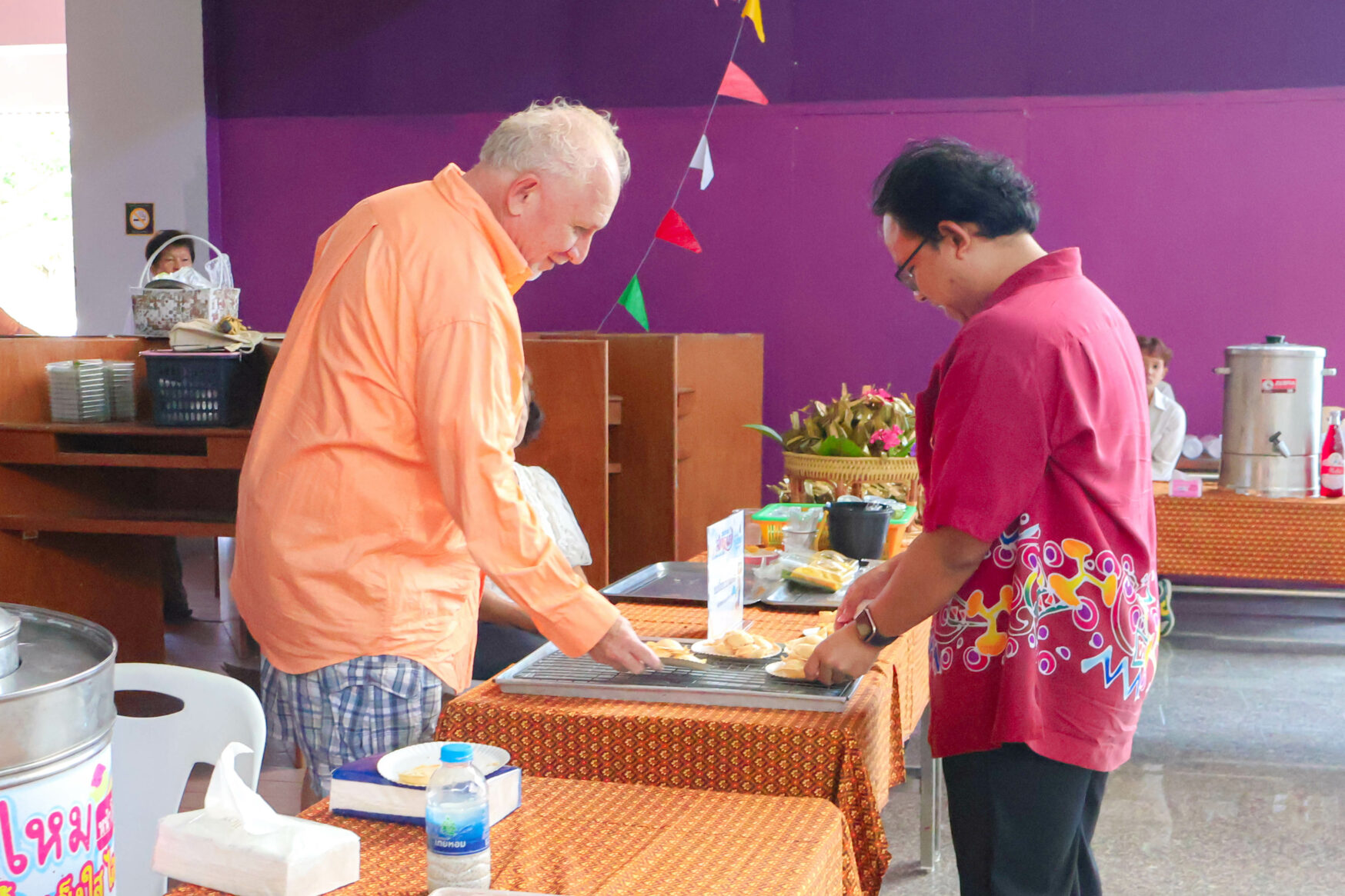
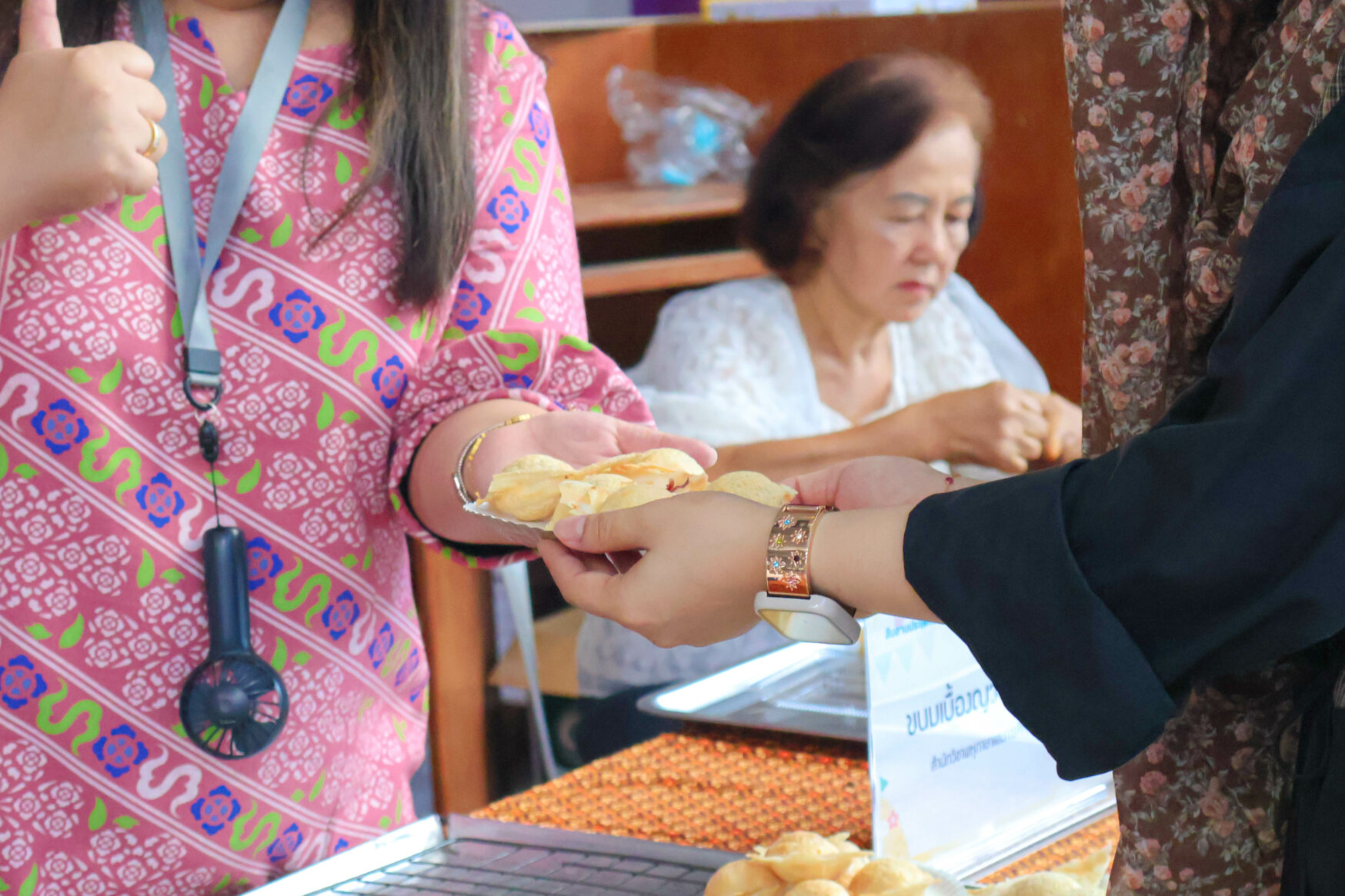
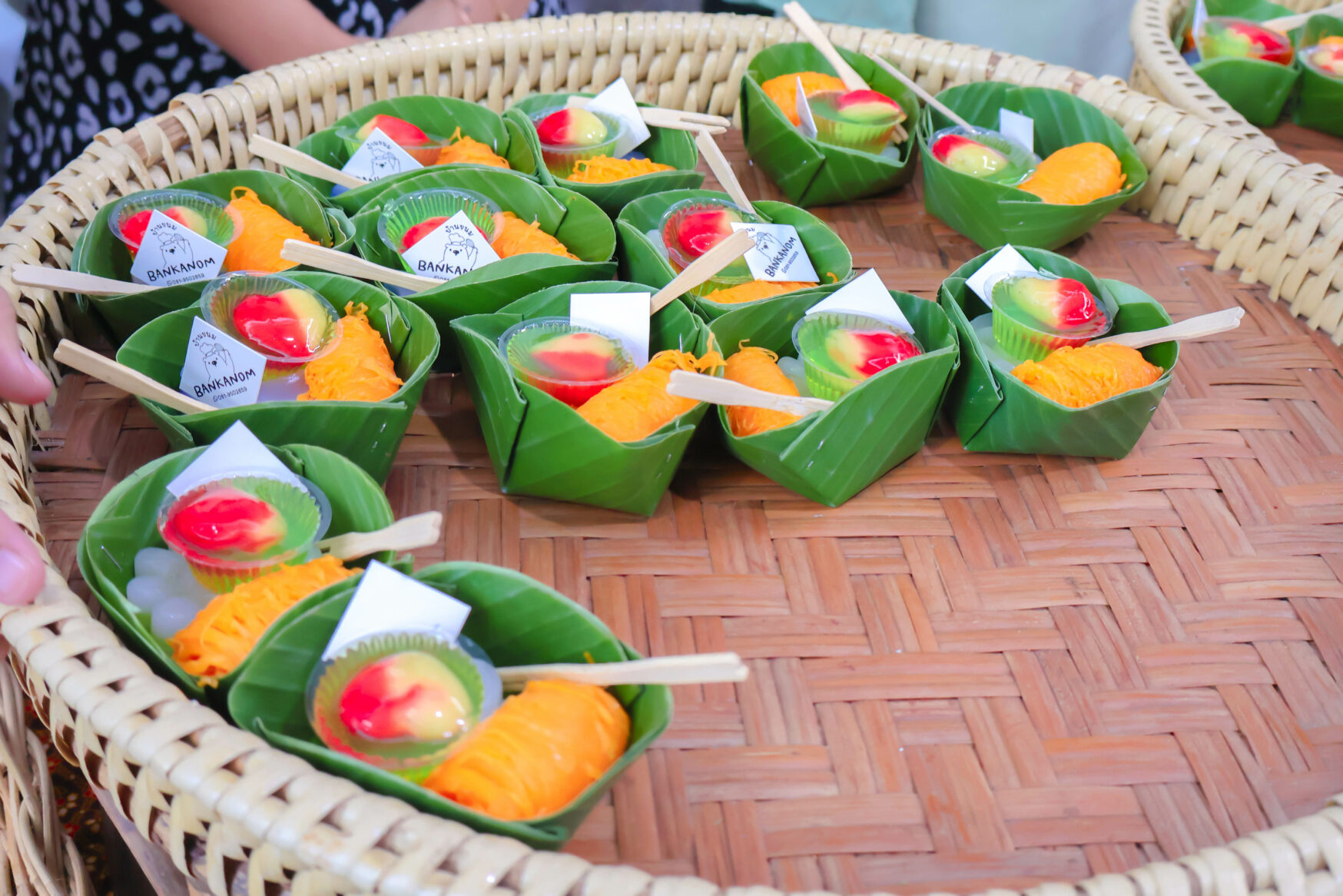
In 2024, Walailak University organized the Songkran Festival, during which free food was provided to staff members to help prevent hunger. The event saw participation from over 500 staff who enjoyed a variety of traditional Thai dishes prepared by various university departments. These included items such as sago desserts and many other delicacies, all offered at no cost. By integrating cultural celebrations with hunger prevention efforts, the university not only enriched the staff’s cultural experience but also supported their nutritional well-being.
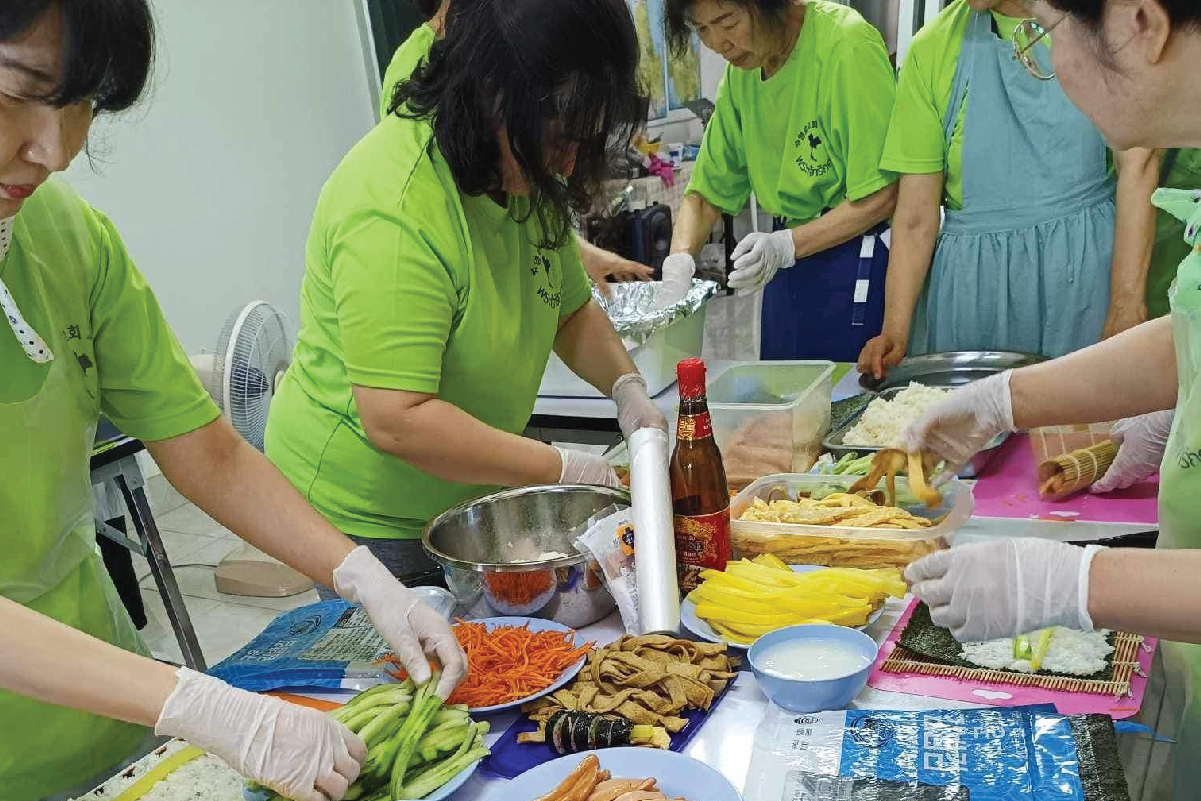
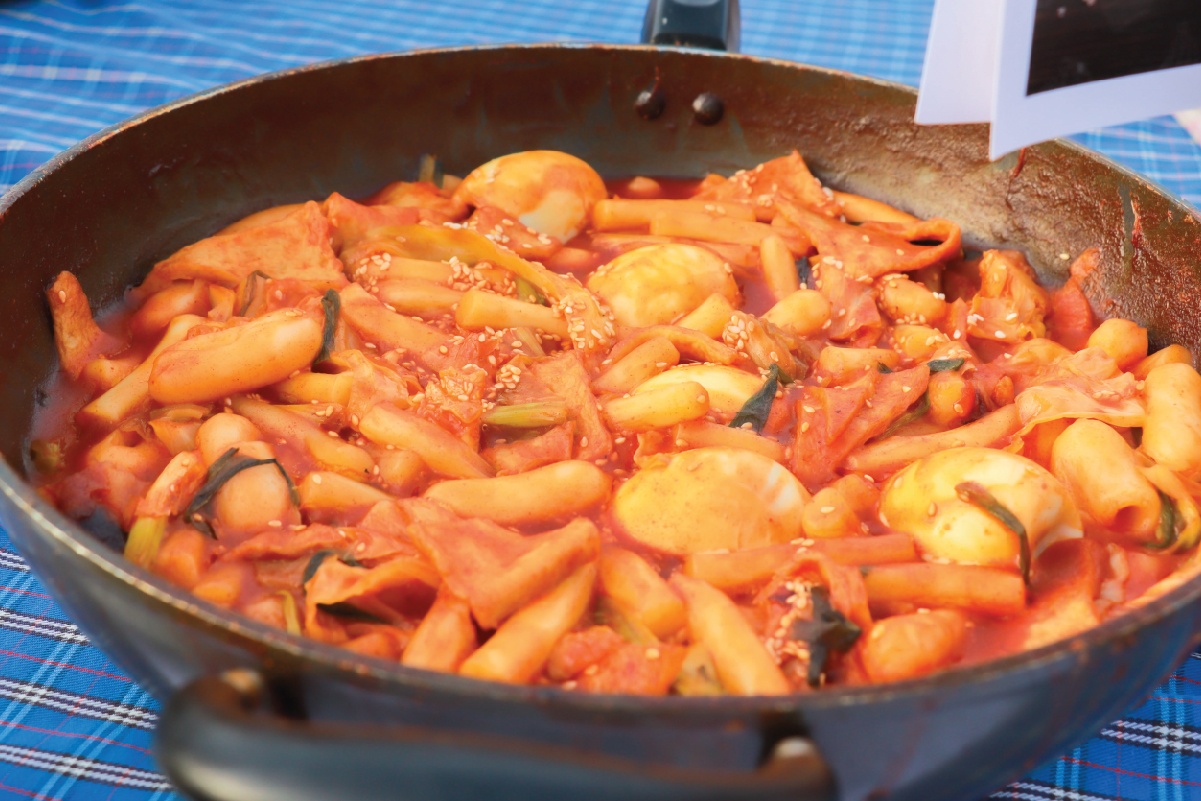
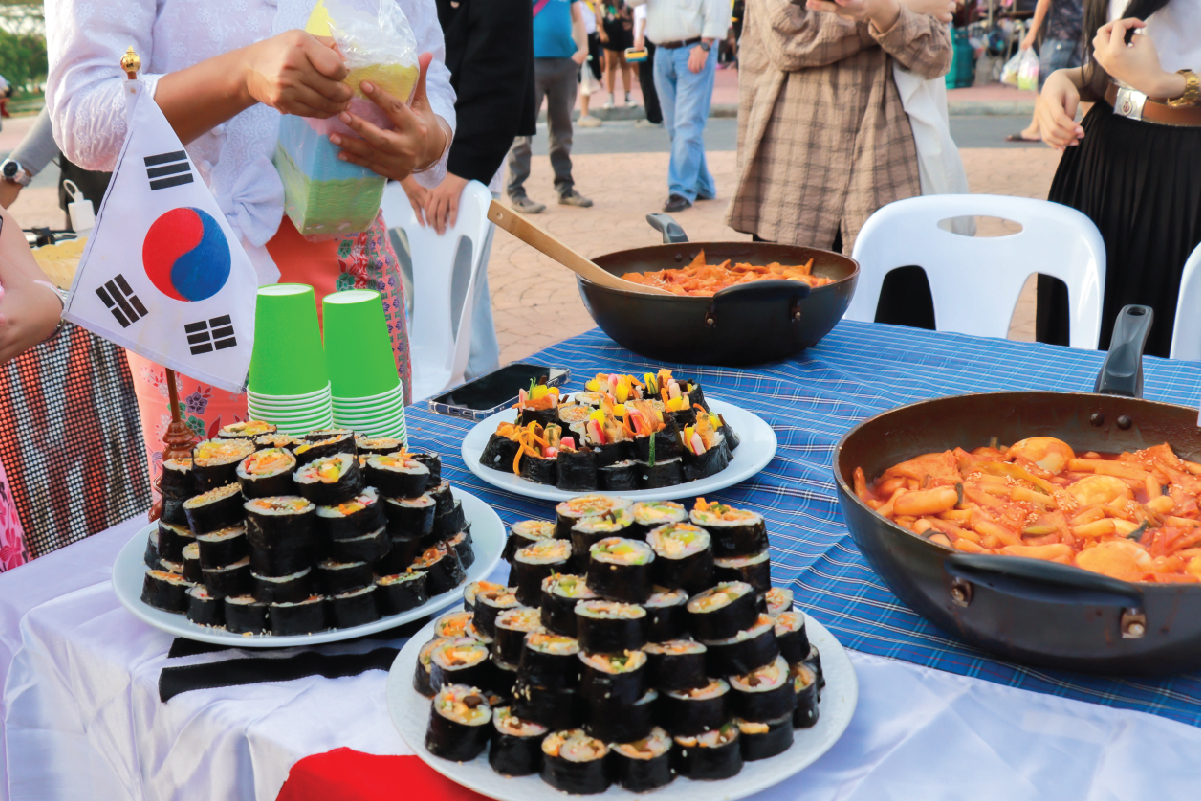
The WU Christian Club organized a cultural exchange activity featuring free tastings of Korean food, including dishes such as kimbap and tteokbokki, at the Chor Pradu Food Center. One of the objectives of this activity is to provide intervention to prevent or alleviate hunger among staff members who are not familiar with Thai food. A variety of food, especially those that are national dishes, must be available.
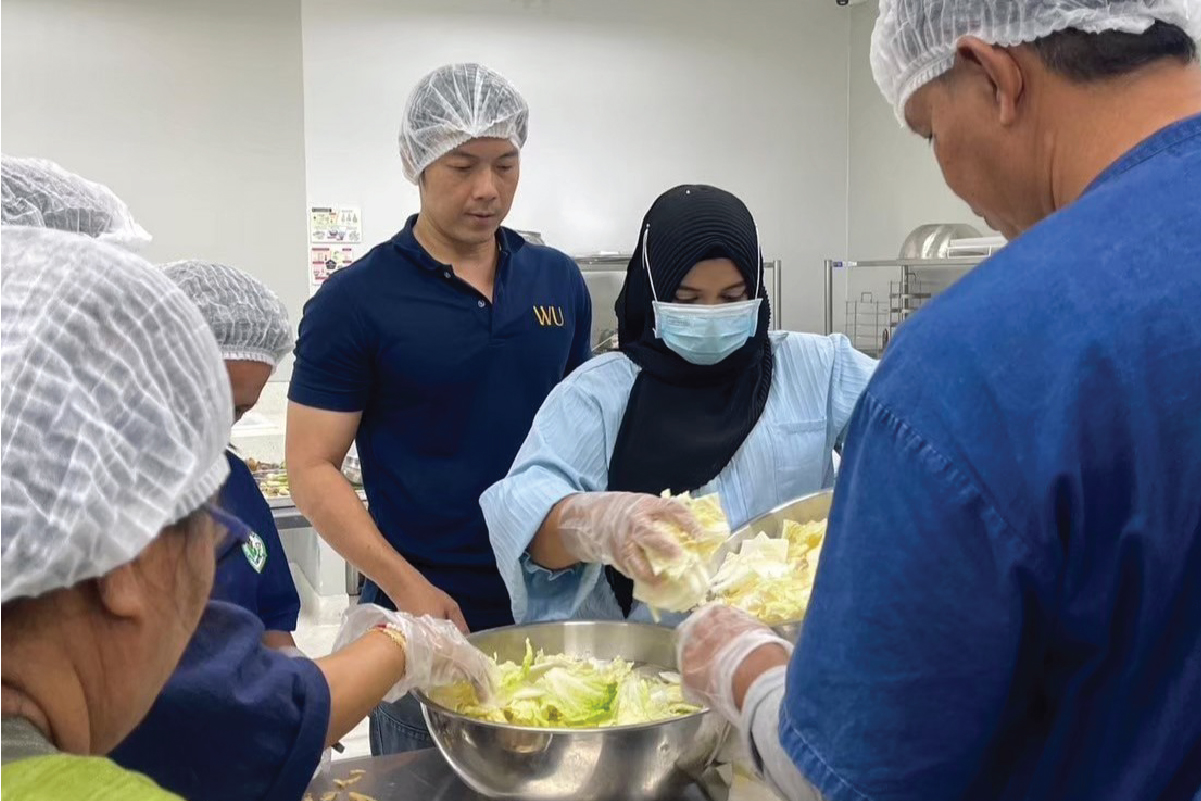
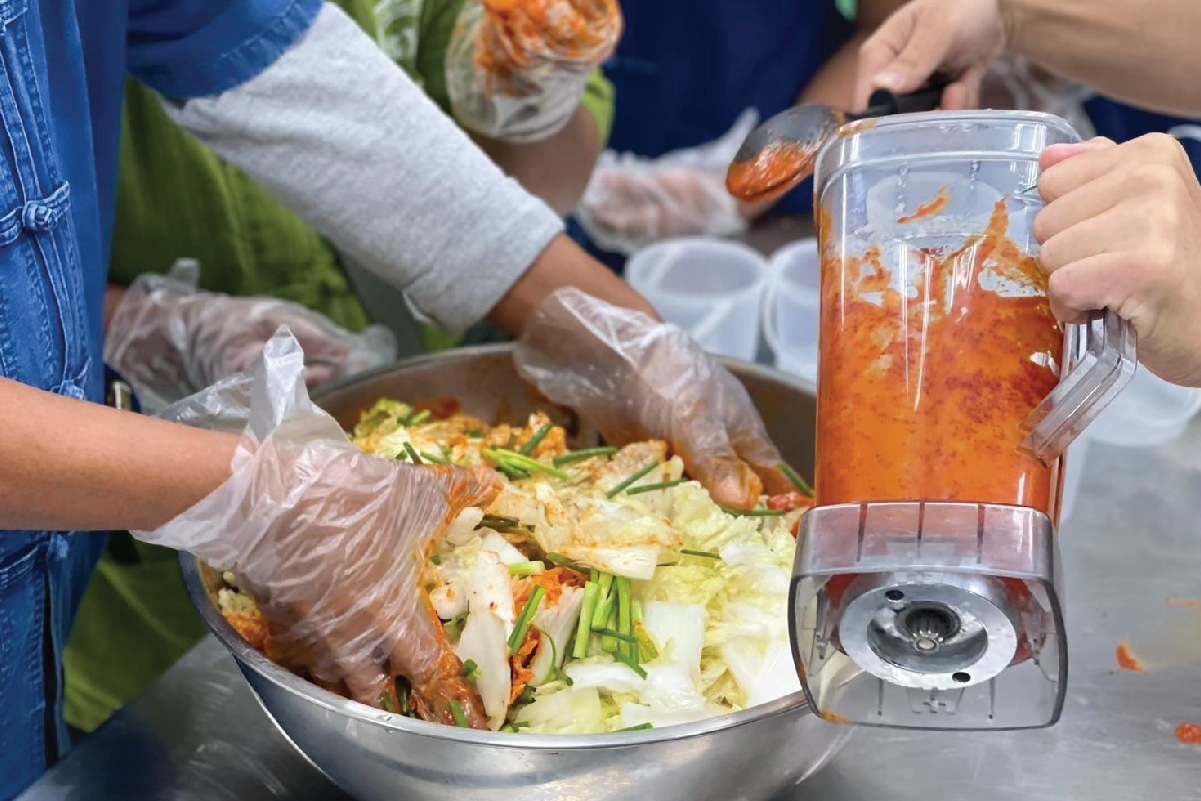
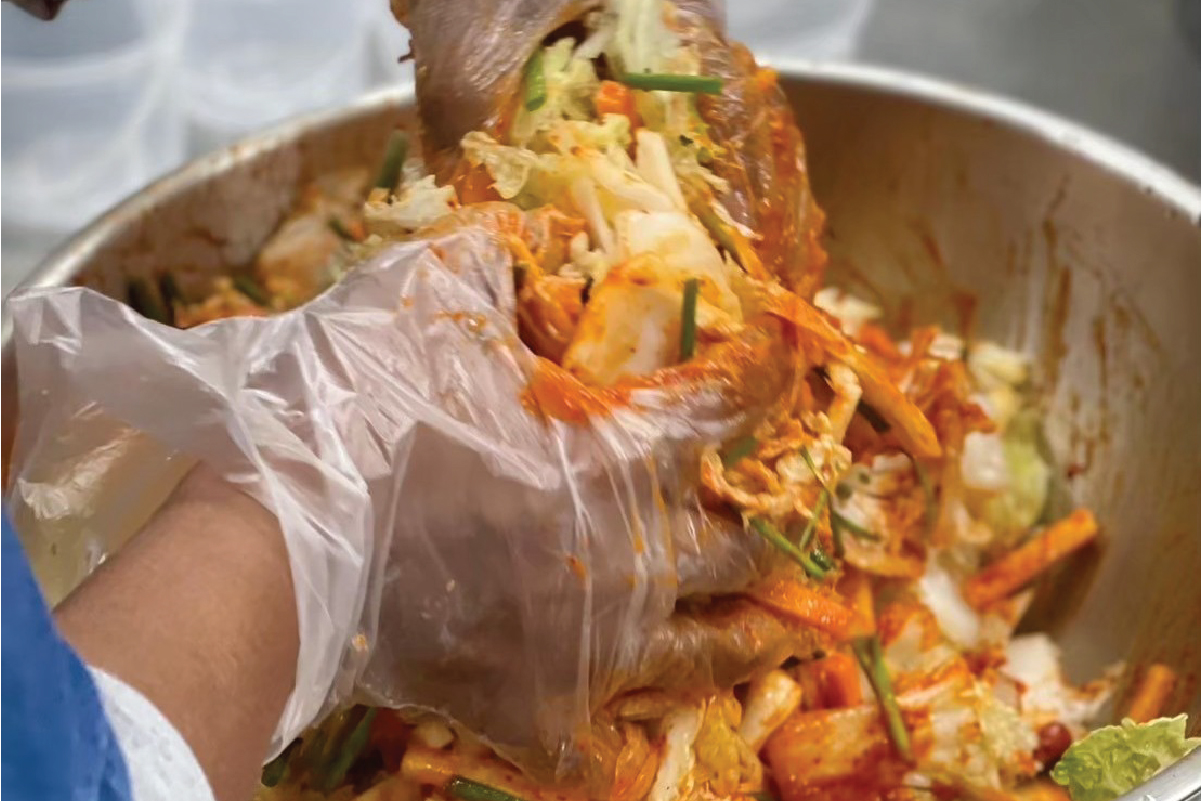
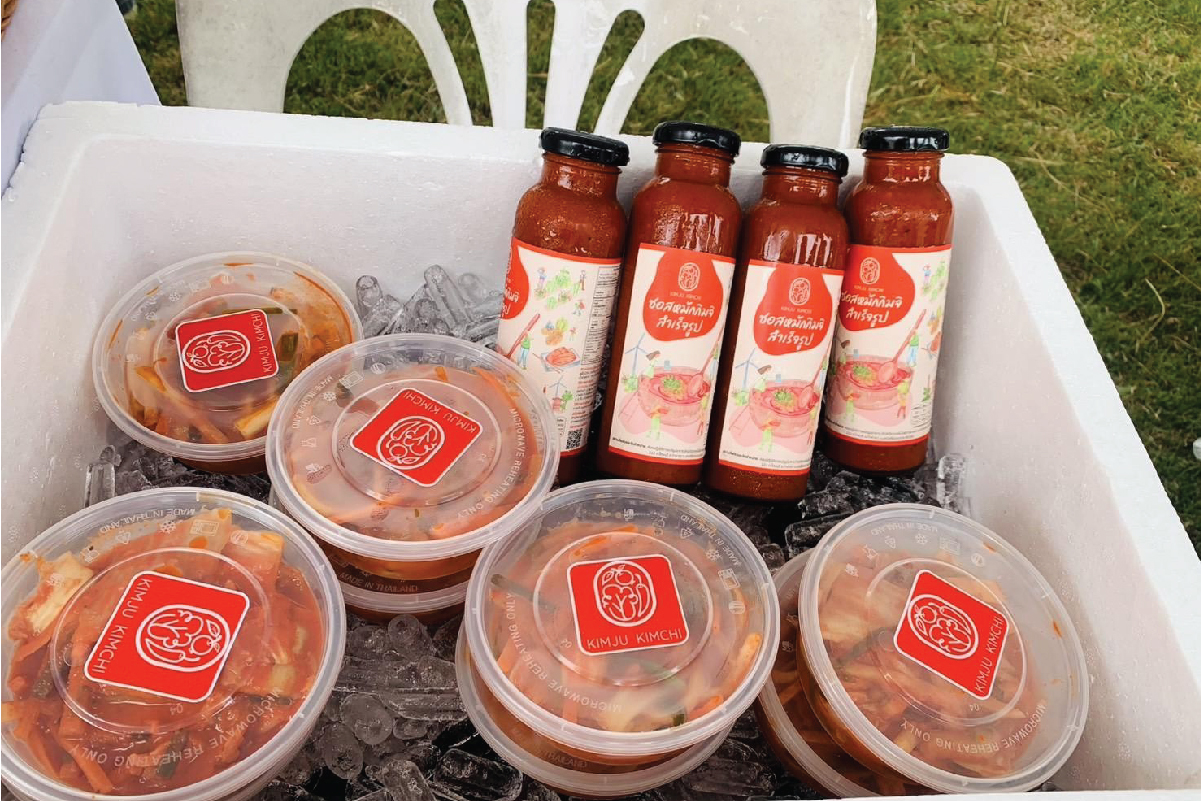
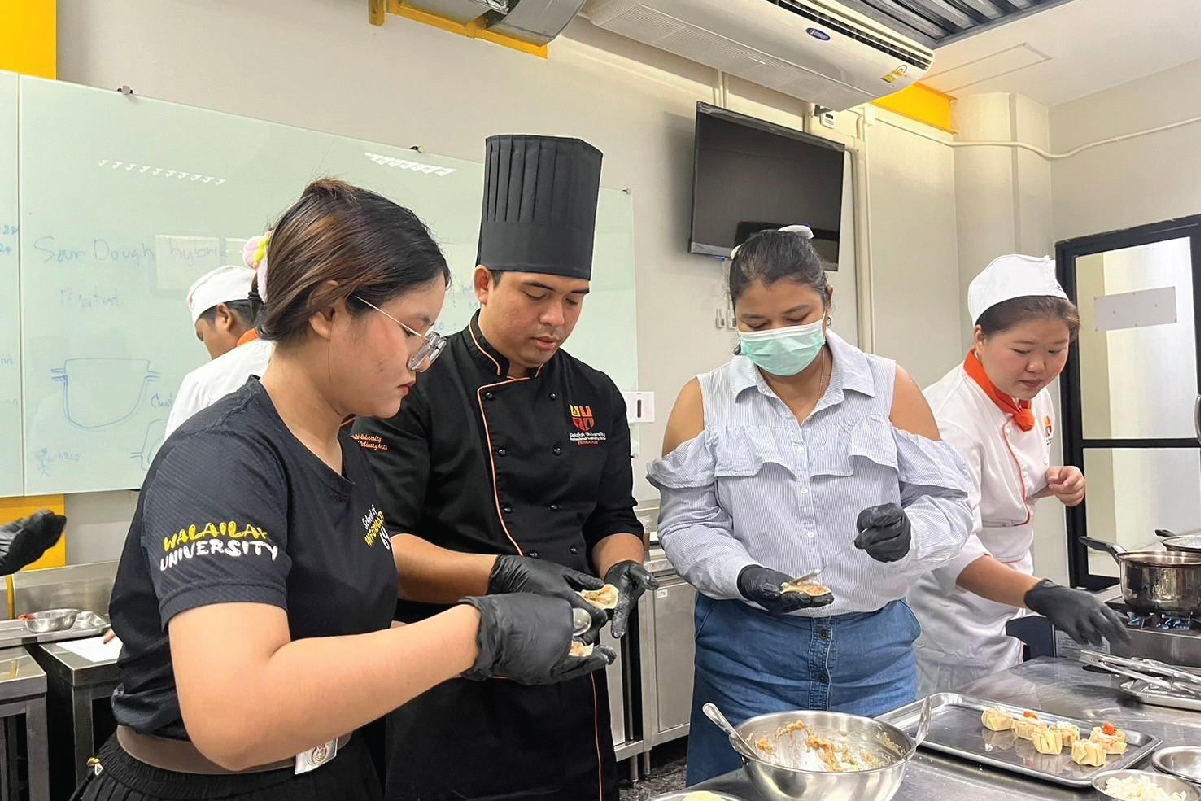
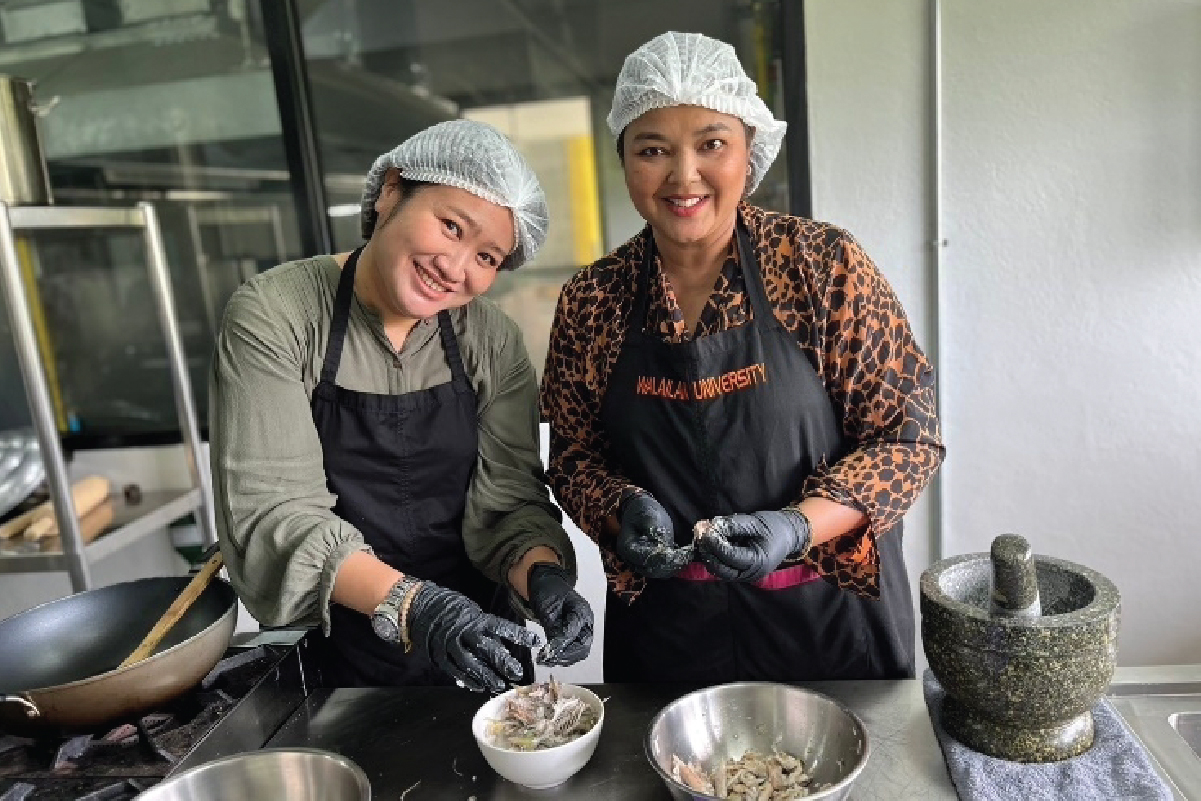
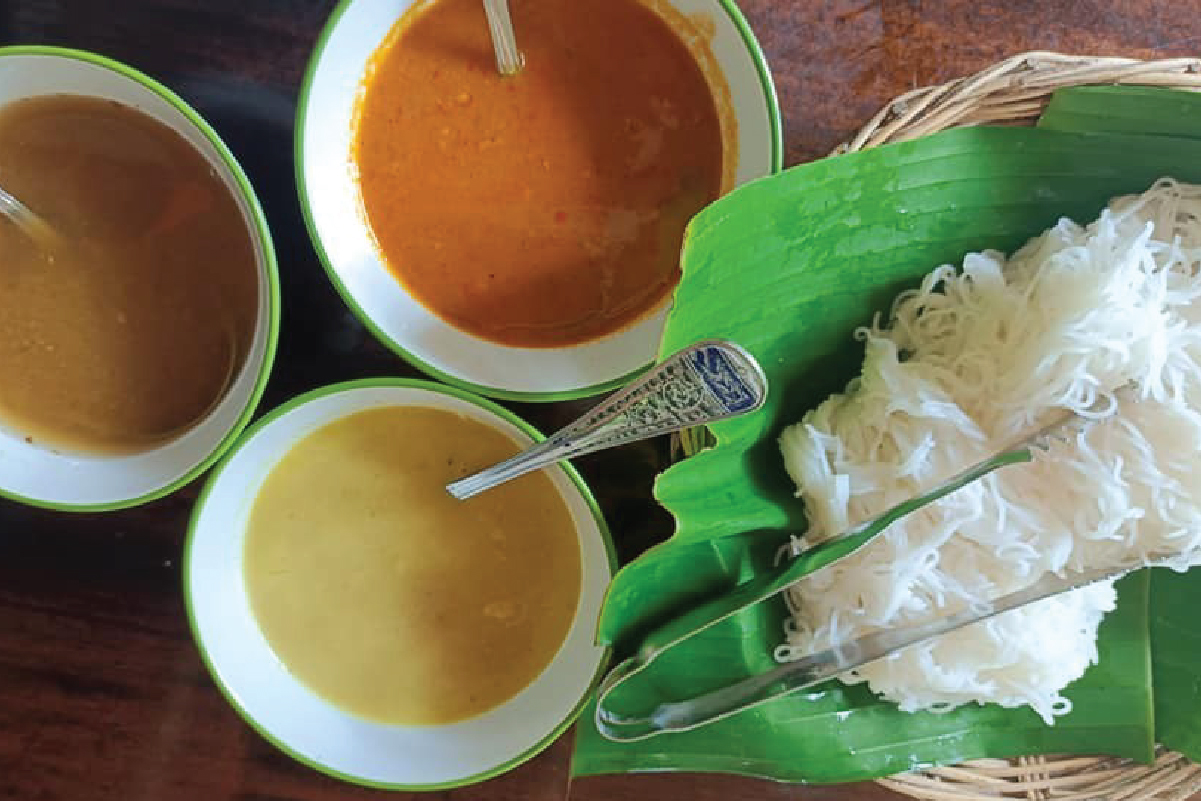
The university has also carried out activities under the Academic Service Project and faculty research projects by organizing training sessions to transfer knowledge in food preparation, such as making kimchi and Thai rice noodle curry (Nam Ya Khanom Jeen). After the training, the prepared food was distributed free of charge to participants, including university staff and the general public.
Based on measurements assessing the impact and effectiveness of the implemented solutions and activities, university staff members have been able to successfully prevent or alleviate hunger through the university’s targeted interventions.