Fostering Local Pride and Sustainability: Walailak University’s Commitment to Sustainable Food Purchases
WU emphasizes fostering local pride and promoting the economy of surrounding communities, which are rich in coastal food production and agricultural resources. The university’s initiatives focus on sustainability and supporting local communities, prioritizing the purchasing of products and services from local, sustainable sources. This approach reduces environmental impact and builds mutually beneficial relationships between the university and local businesses.
Walailak University emphasizes fostering local pride and promoting the economy of surrounding communities, which are rich in coastal food production and agricultural resources. Based on diagnostics of local economic and resource conditions, the university designs initiatives that focus on sustainability and community development. Through active engagement with local producers and businesses, WU prioritizes the purchasing of products and services from local, sustainable sources. Continuous measurement of outcomes ensures that these initiatives not only reduce environmental impact but also strengthen mutually beneficial relationships between the university and local communities.
Supporting Local Sources of Products from Local Entrepreneurs
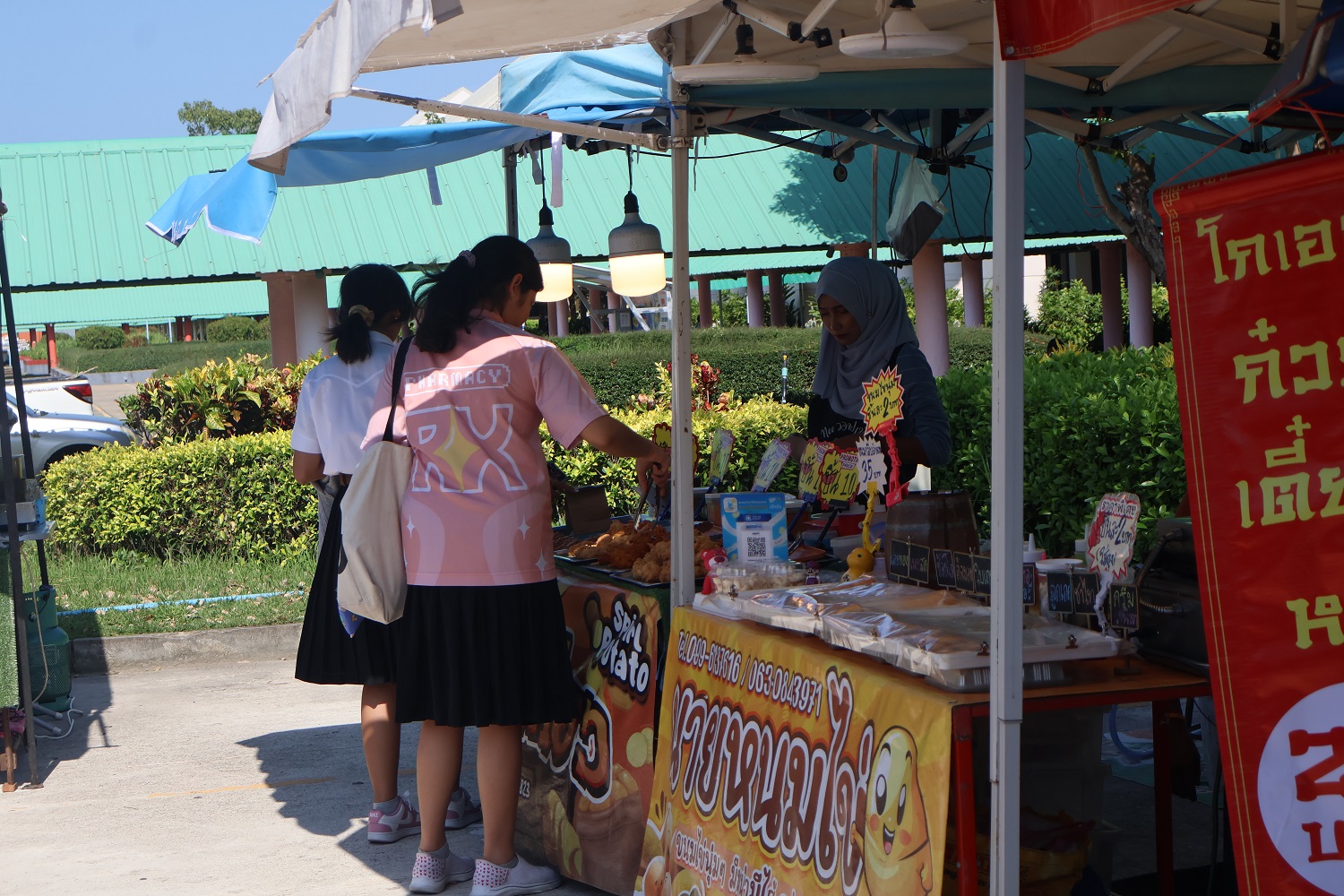
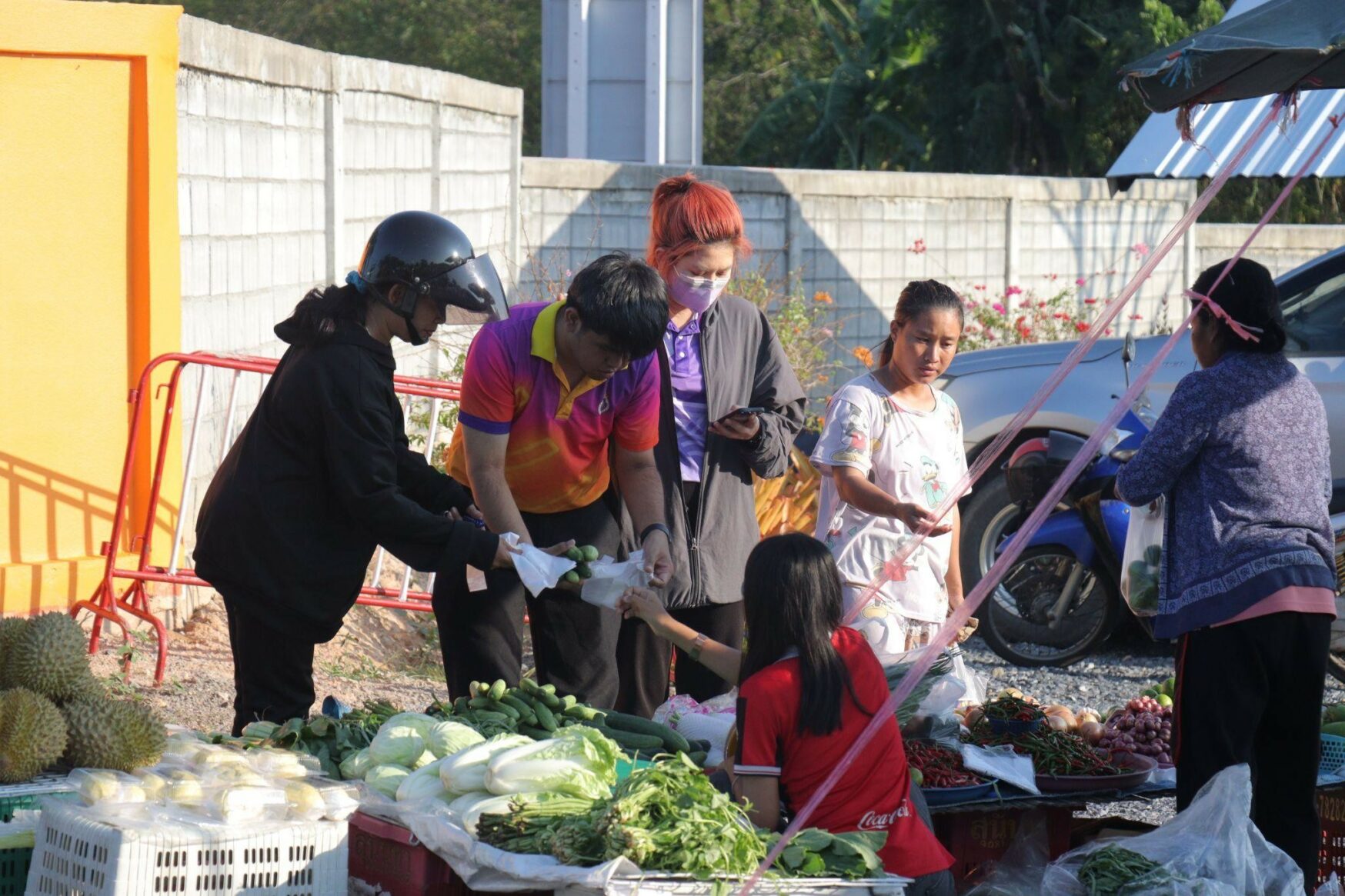
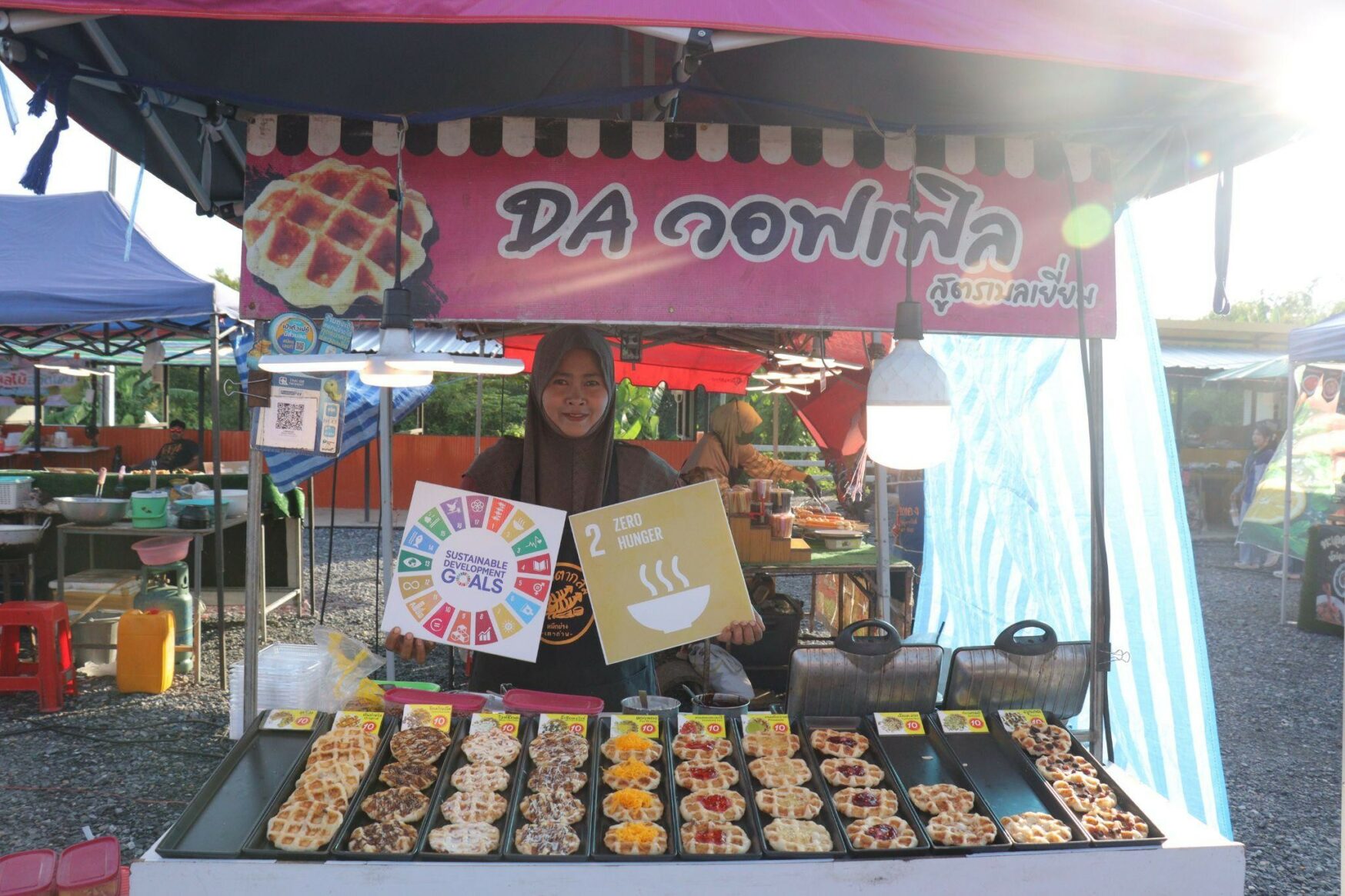
Wu continuously prioritizes the purchase from local sources by providing opportunities for entrepreneurs from surrounding university areas to sell their goods on campus. Consequently, this existence of prioritization allows staff, students, and the general public to conveniently purchase local products while supporting the surrounding community’s economy and generating sustainable income for local entrepreneurs.
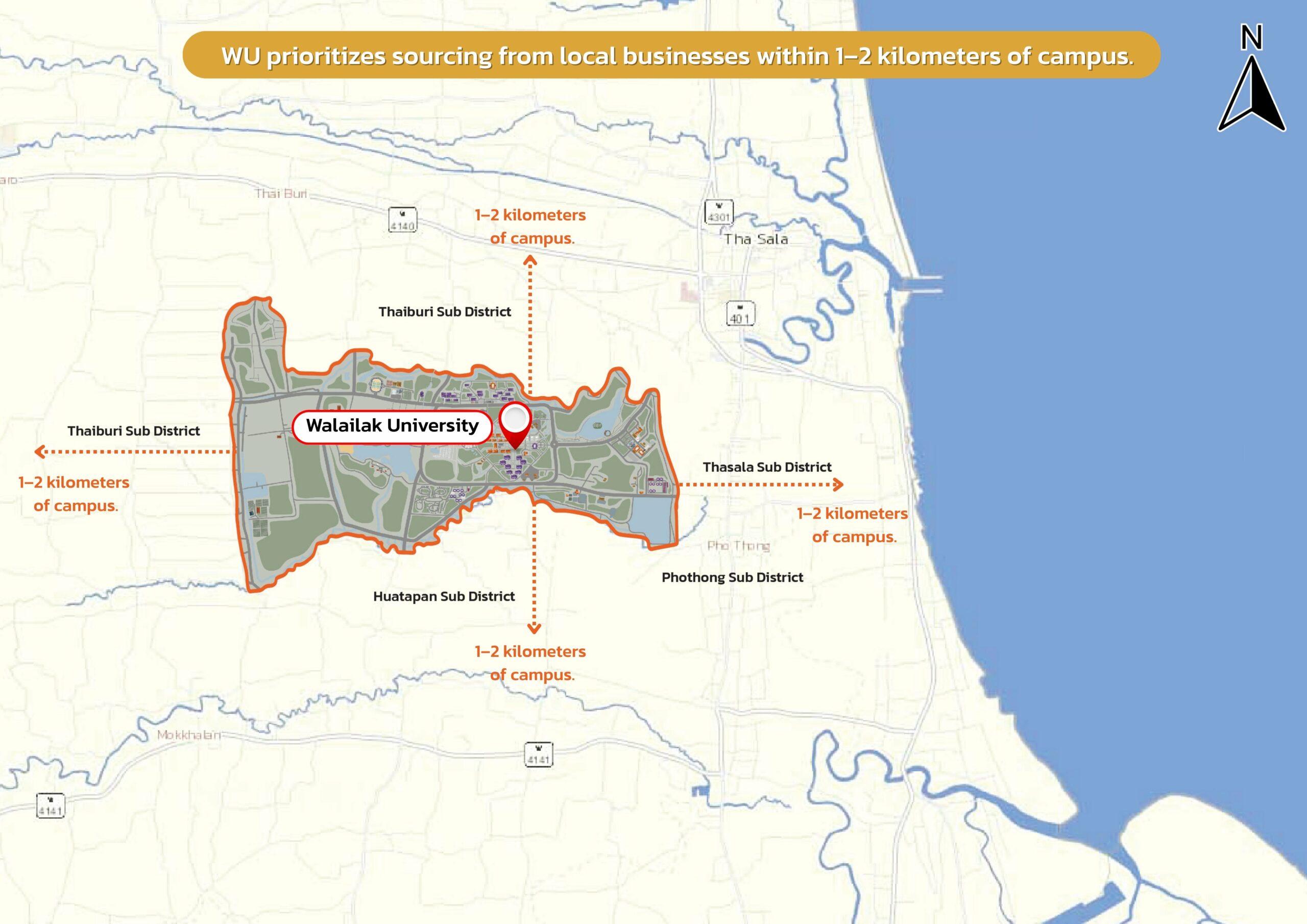
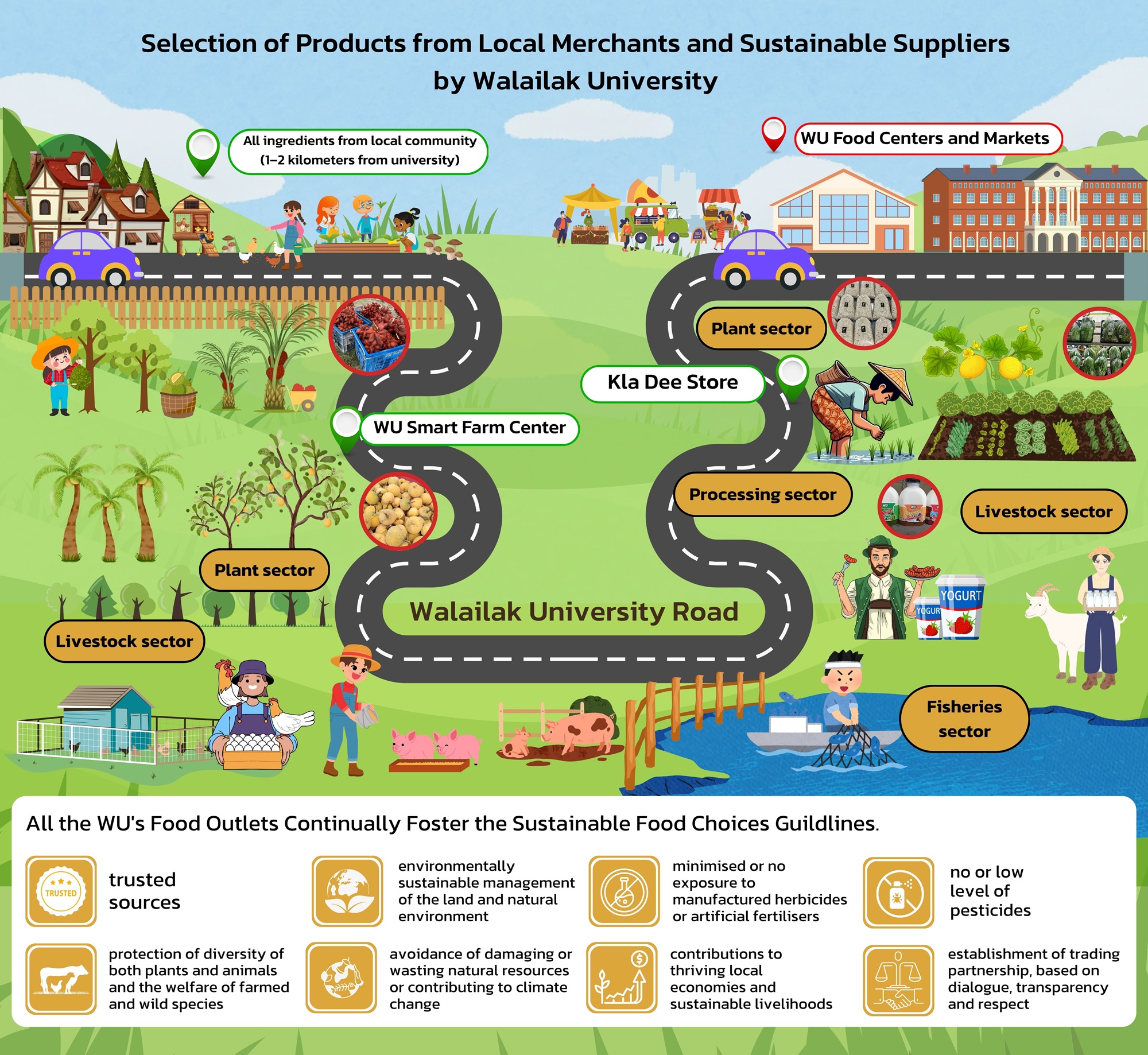
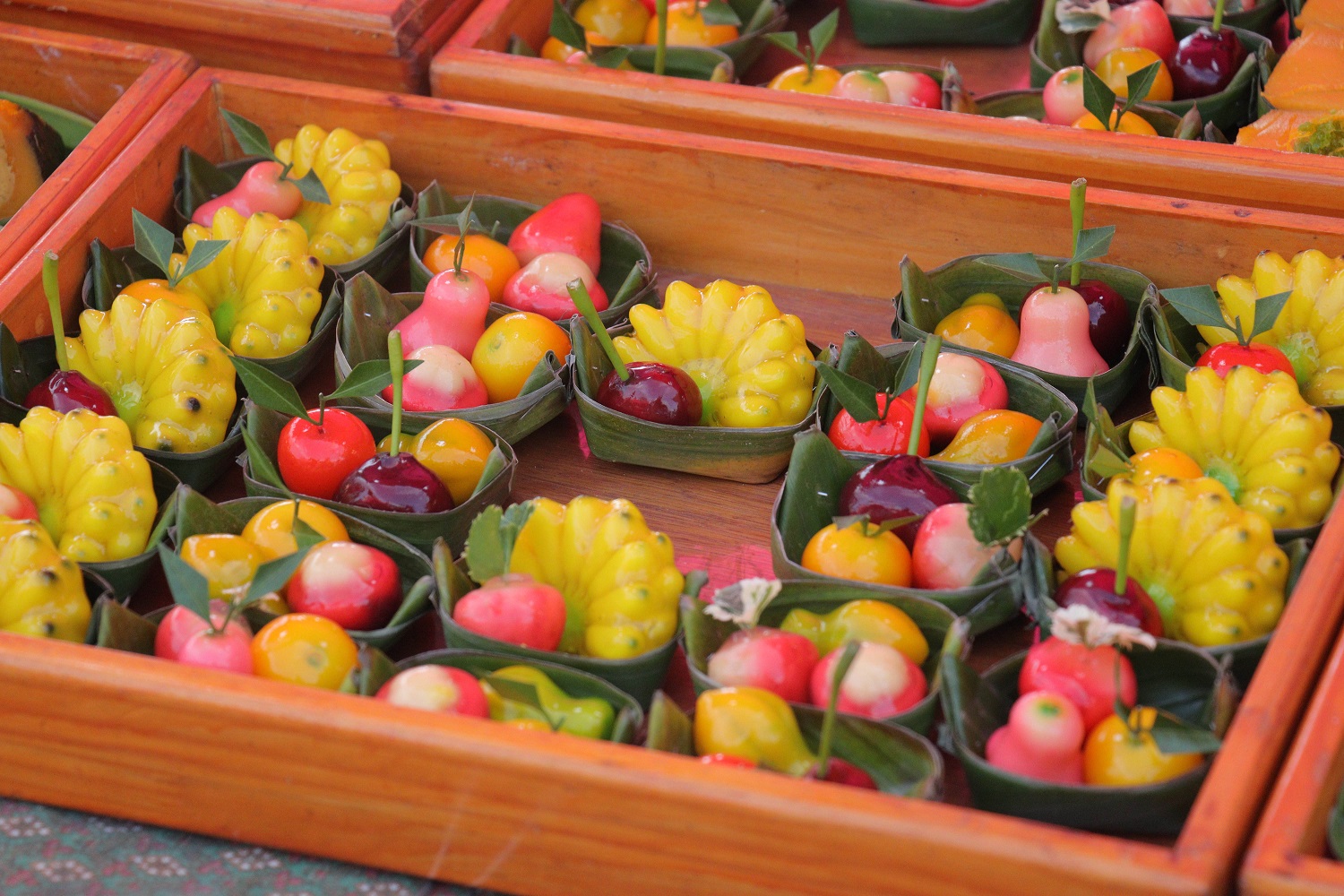
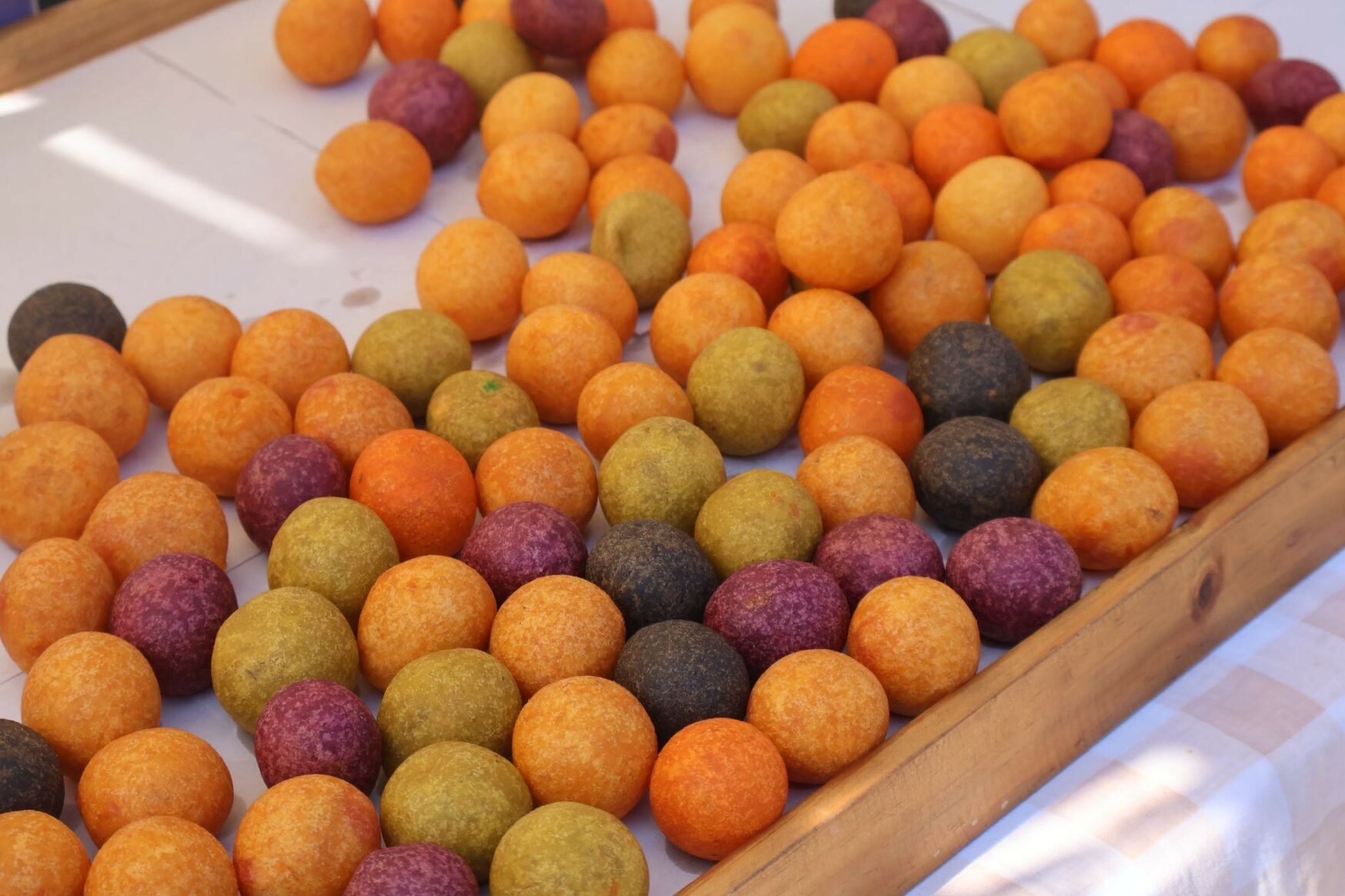
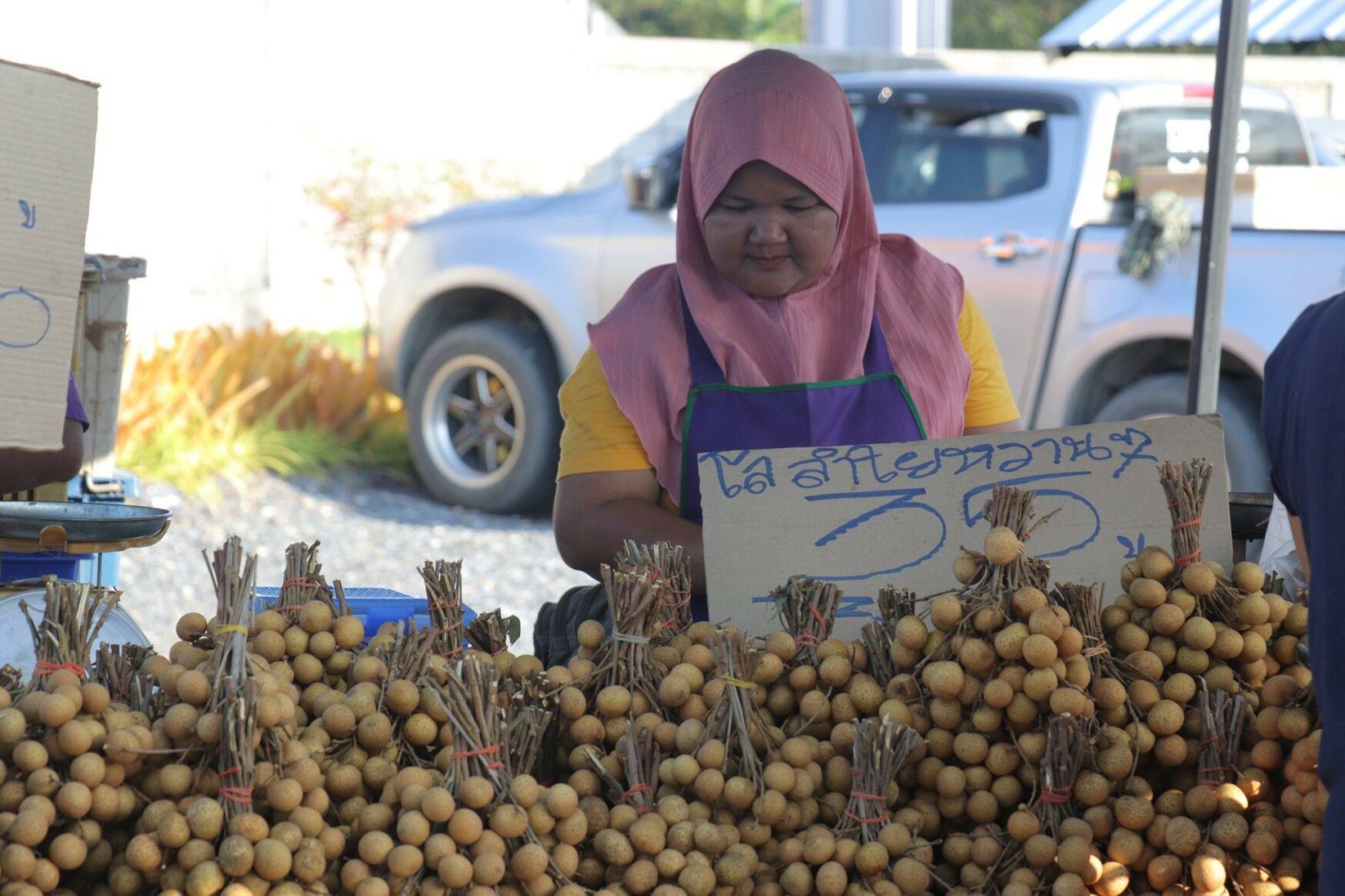
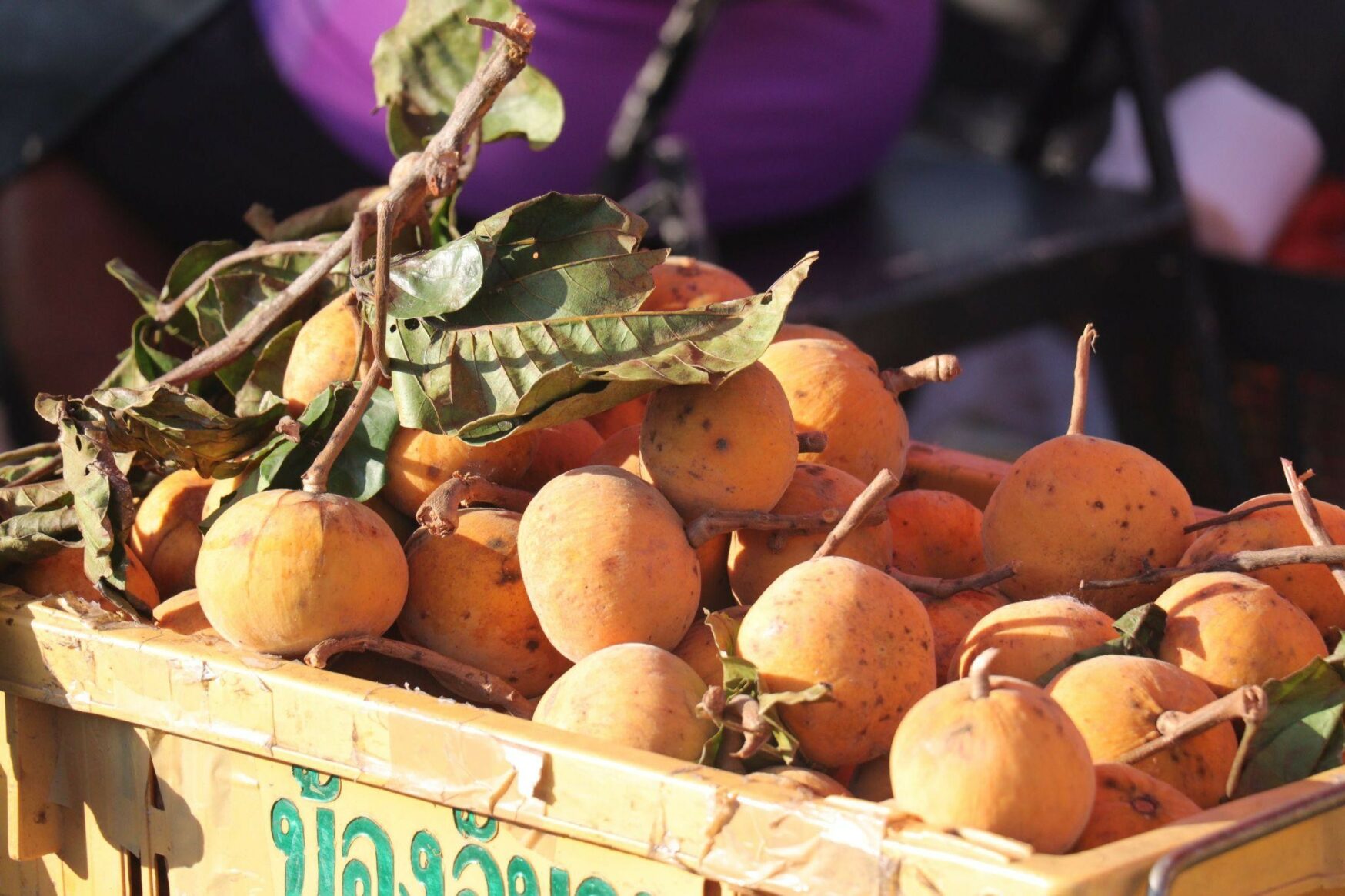
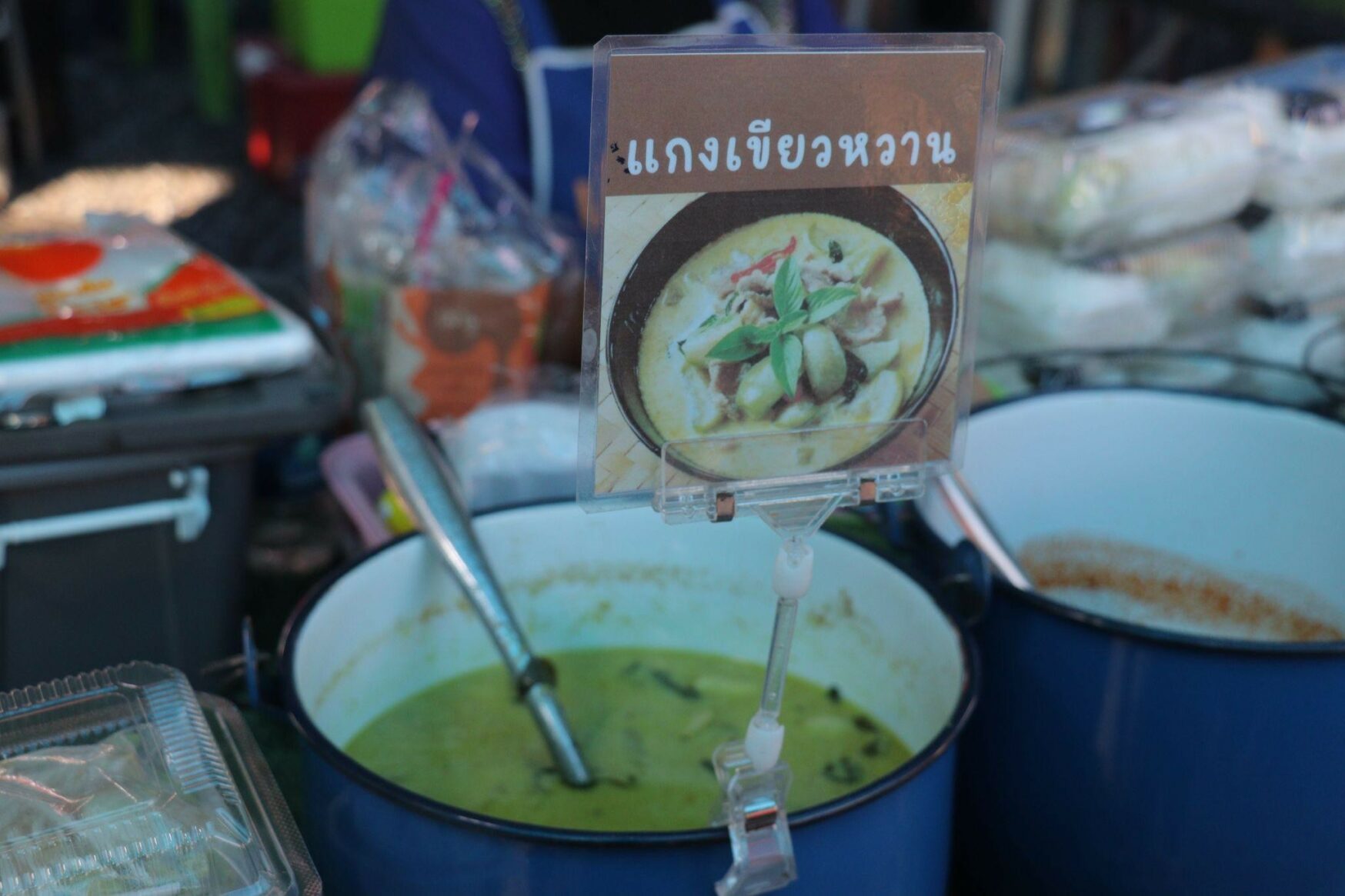
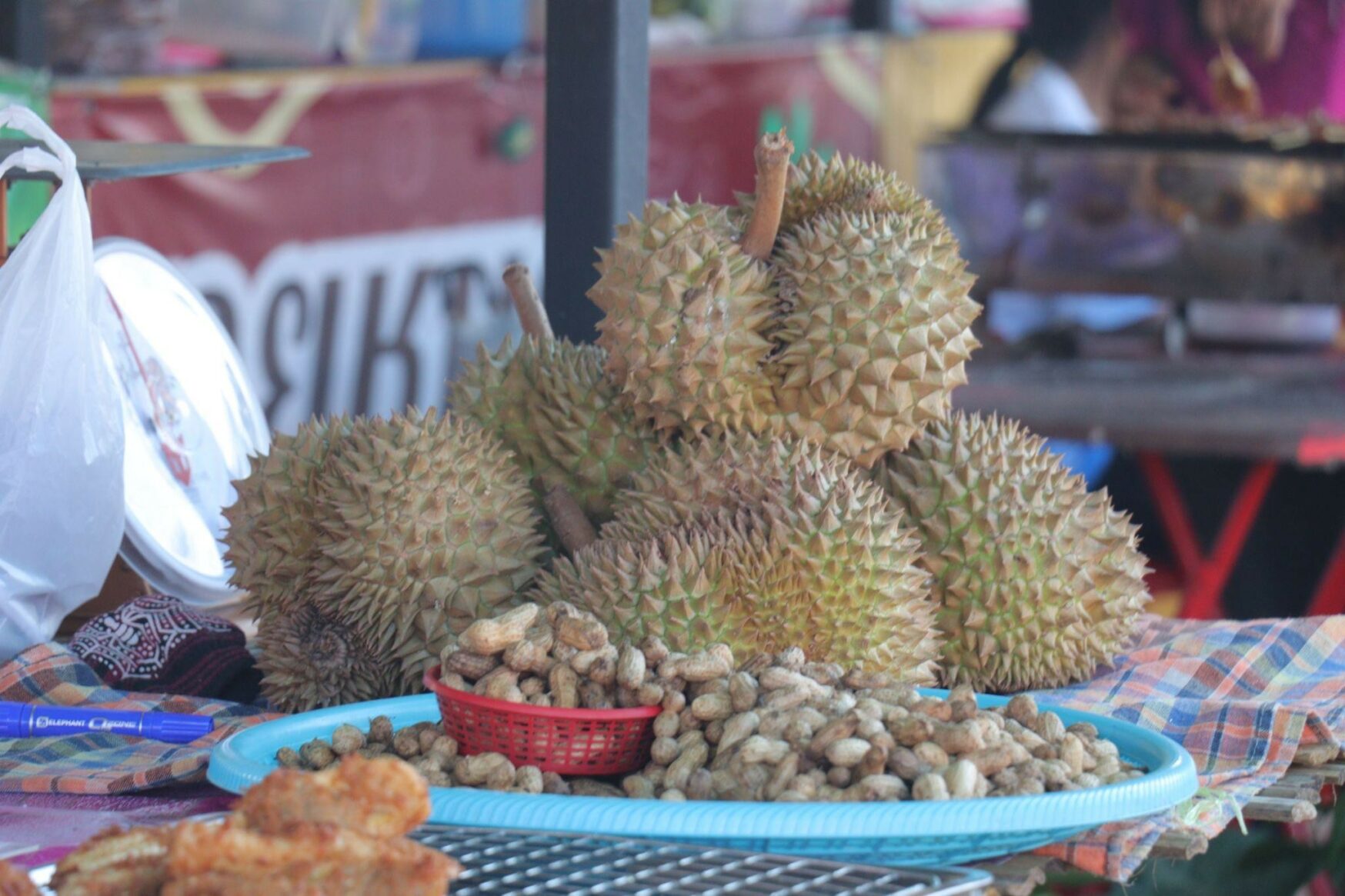
Therefore, the selection criteria for restaurants and vendors within the campus highlight businesses located within 1–2 kilometers, particularly those from Satit Walailak Pattana Community. This community supplies seasonal fruits, native vegetables, traditional desserts, and other products made from local ingredients. Currently, 94.17% of food vendors on campus are local community businesses, with only 5.83% being large-scale businesses from outside the community.
Promoting Product from Sustainable Sources
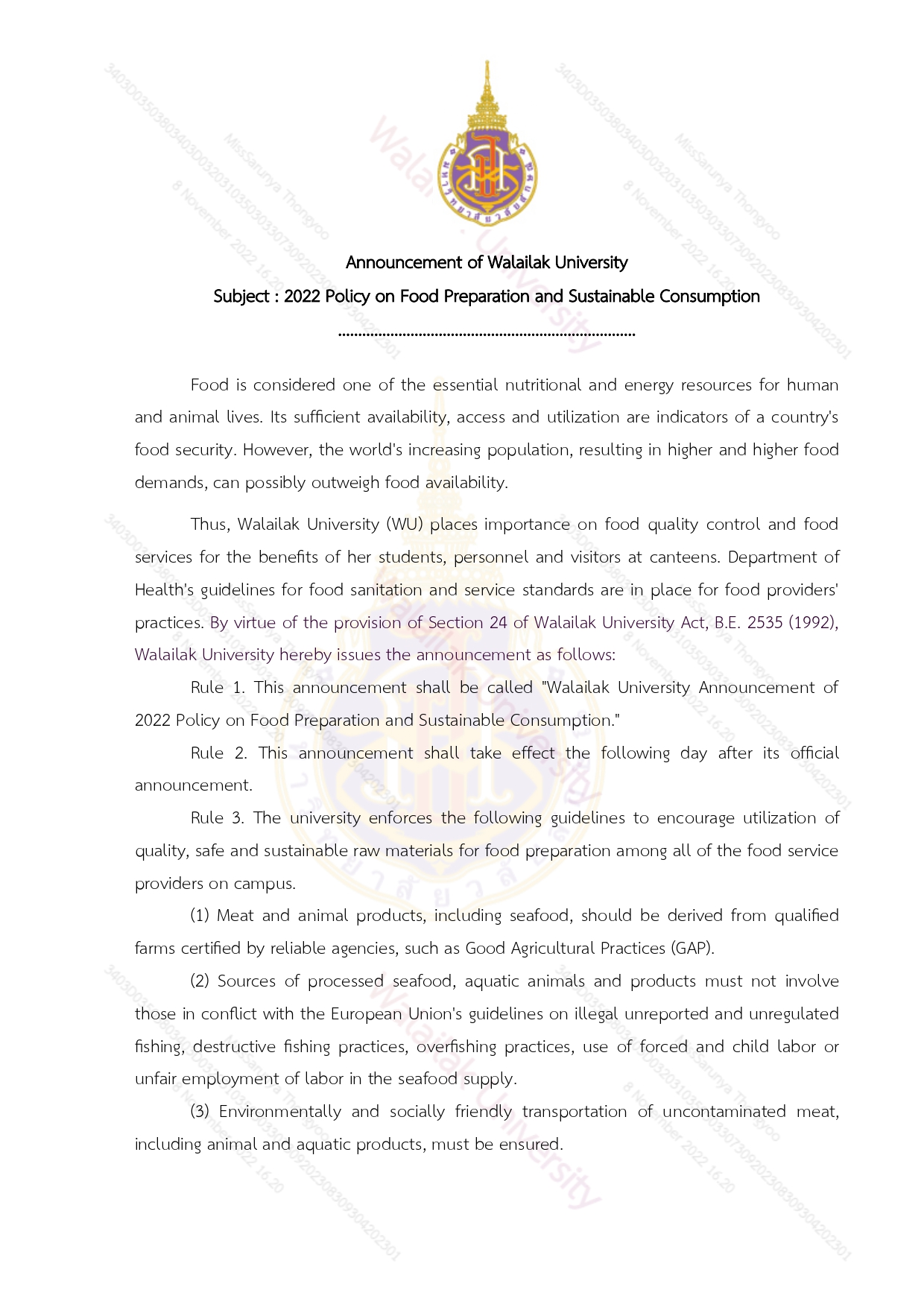
WU prioritizes the purchase of products from sustainable sources by supporting local vendors who use sustainably sourced products. This involves considering trusted sources, environmentally sustainable management of land and natural resources, minimal or no use of manufactured herbicides or artificial fertilizers, low or no pesticide levels, protection of biodiversity in both plants and animals, the welfare of farmed and wild species, avoidance of practices that damage or waste natural resources or contribute to climate change, and contributions to thriving local economies and sustainable livelihoods.
Additionally, selected vendors are encouraged to adopt sustainable practices in producing food and community products. This strategy not only strengthens the economy in surrounding areas but also aligns with environmental conservation goals, fostering a green and sustainable regional economy.
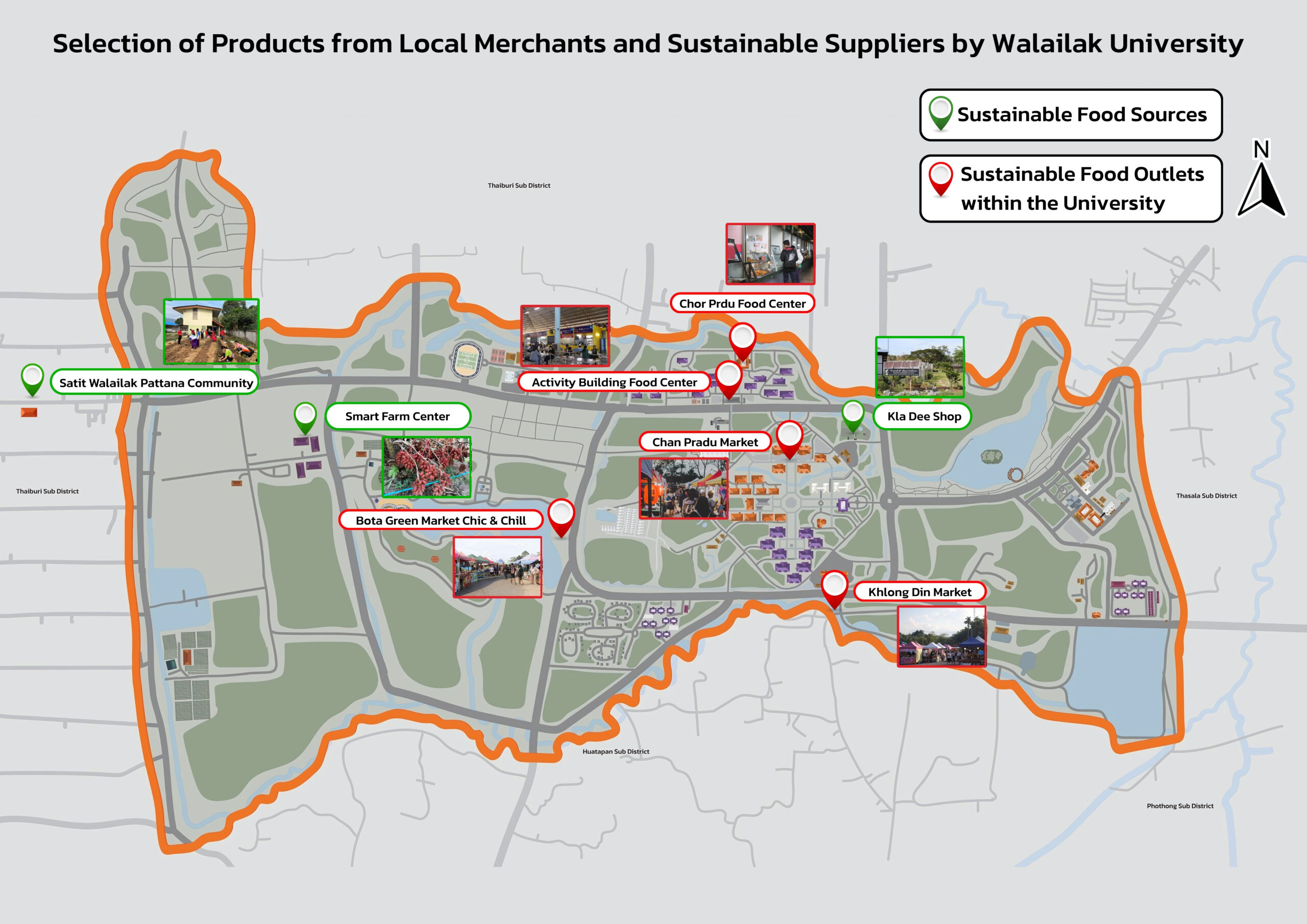
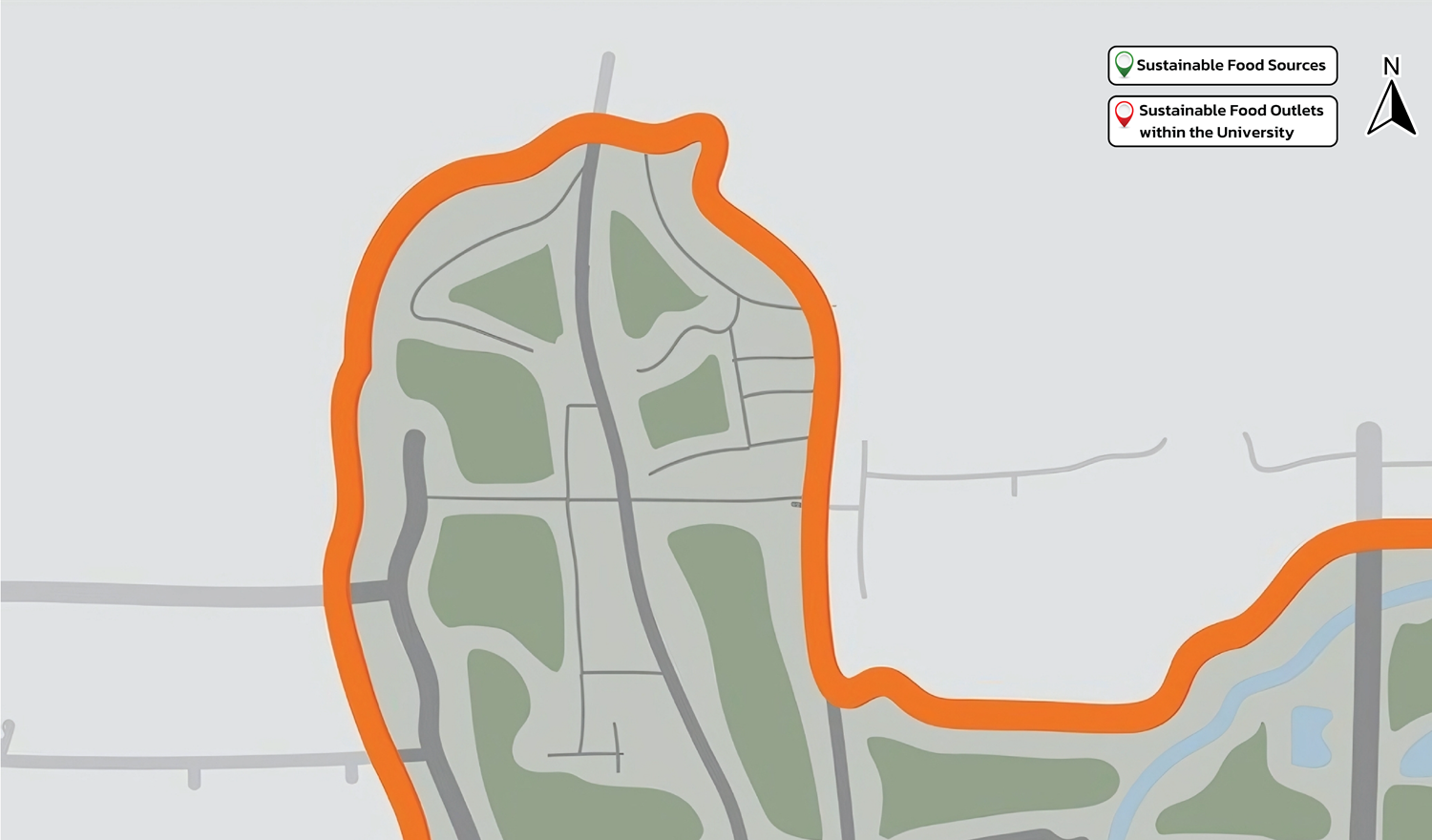
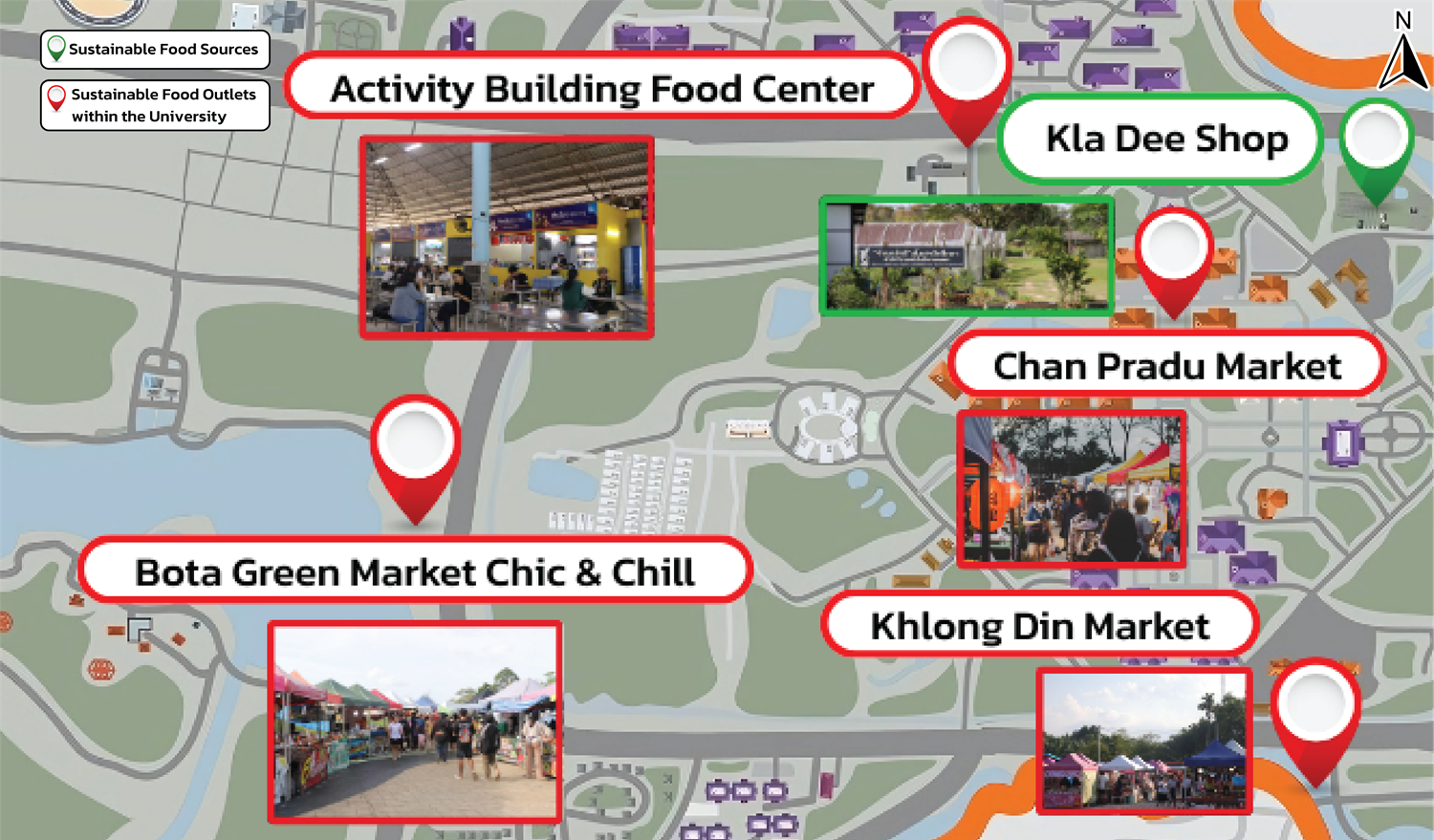
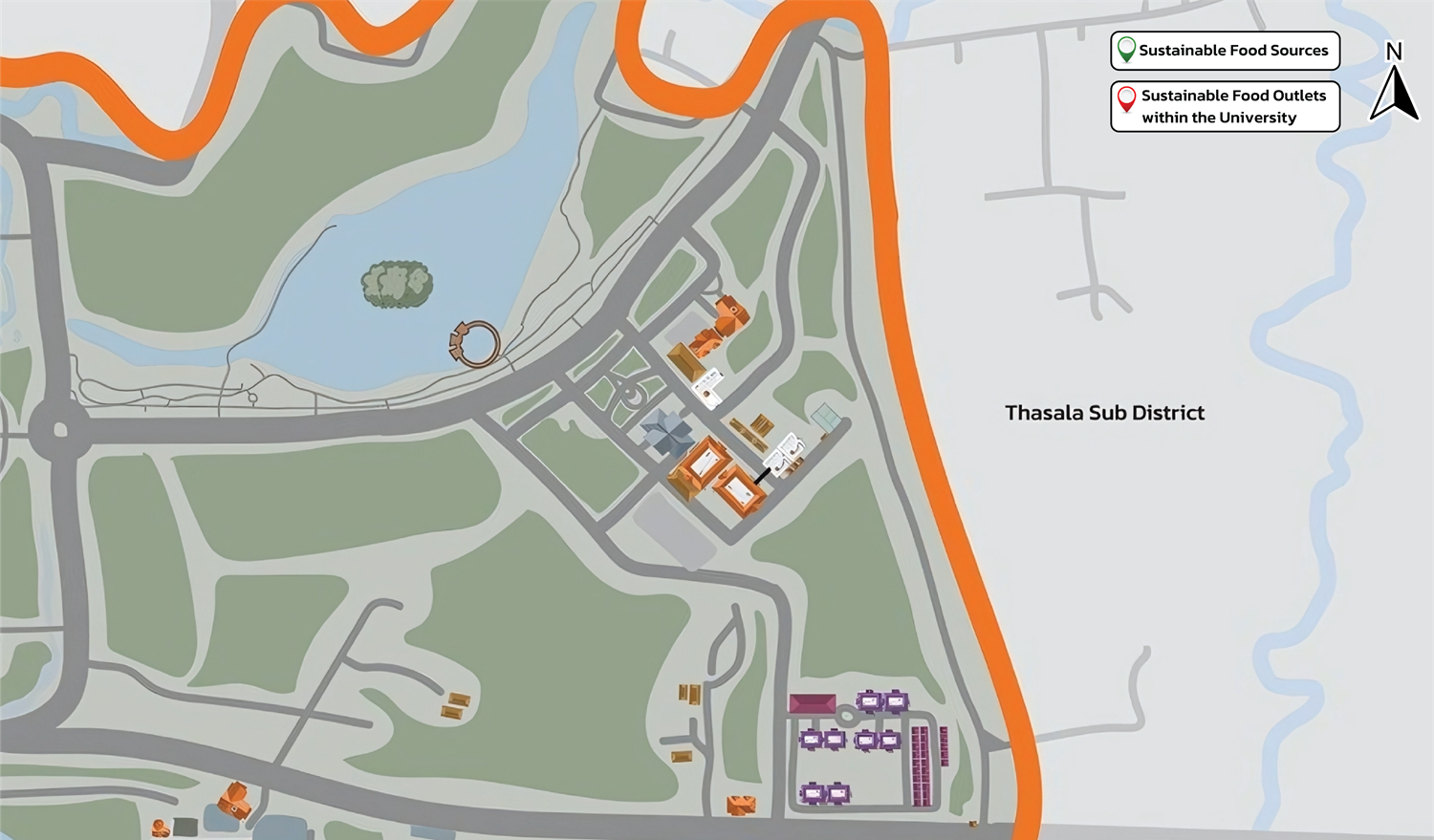
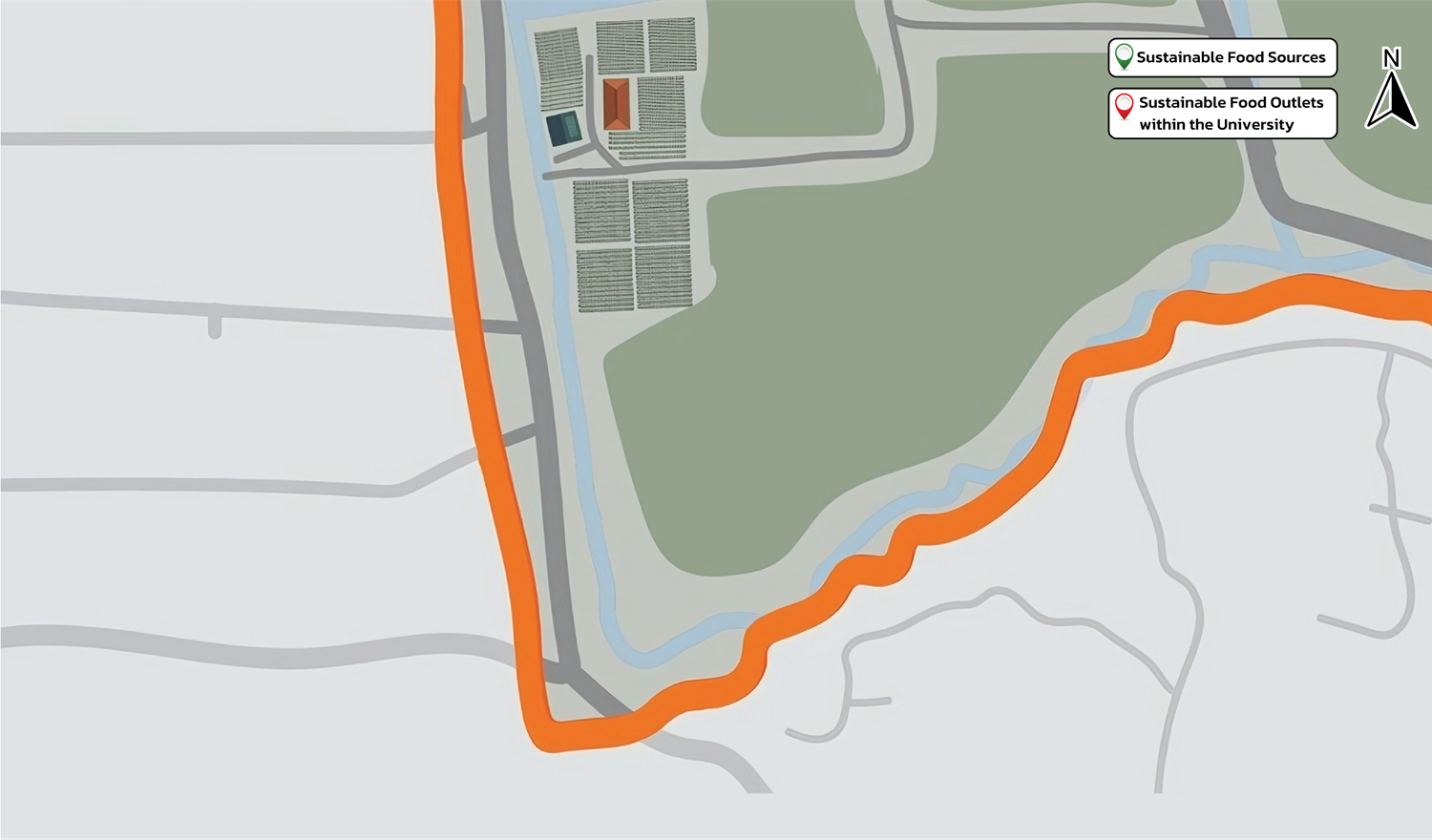
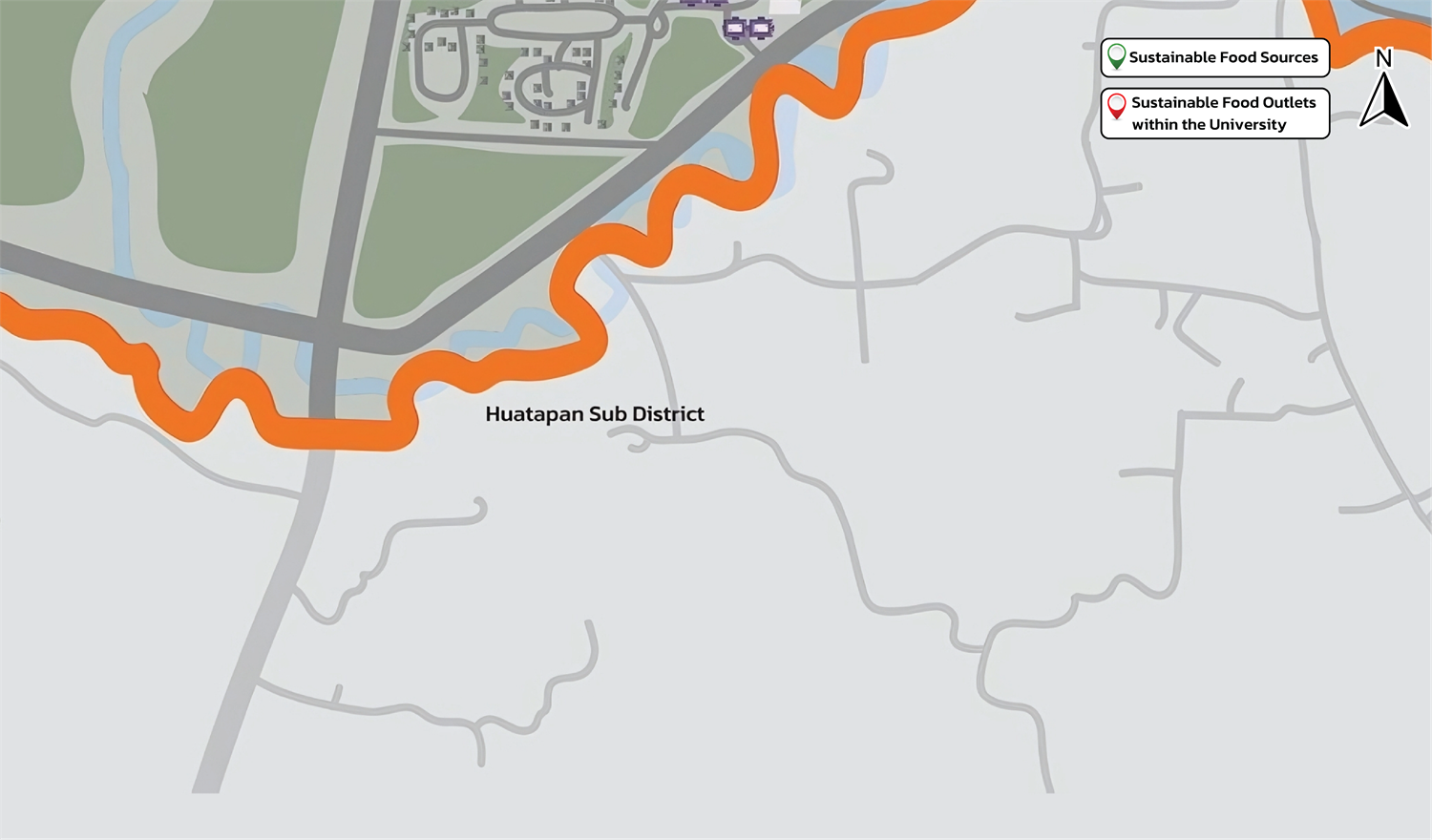
To promote the consumption of high-quality, safe, and environmentally friendly food, the university places great importance on selecting ingredients from sustainable sources areas and supporting standardized food outlets within the campus. These are categorized into two main types as follows:
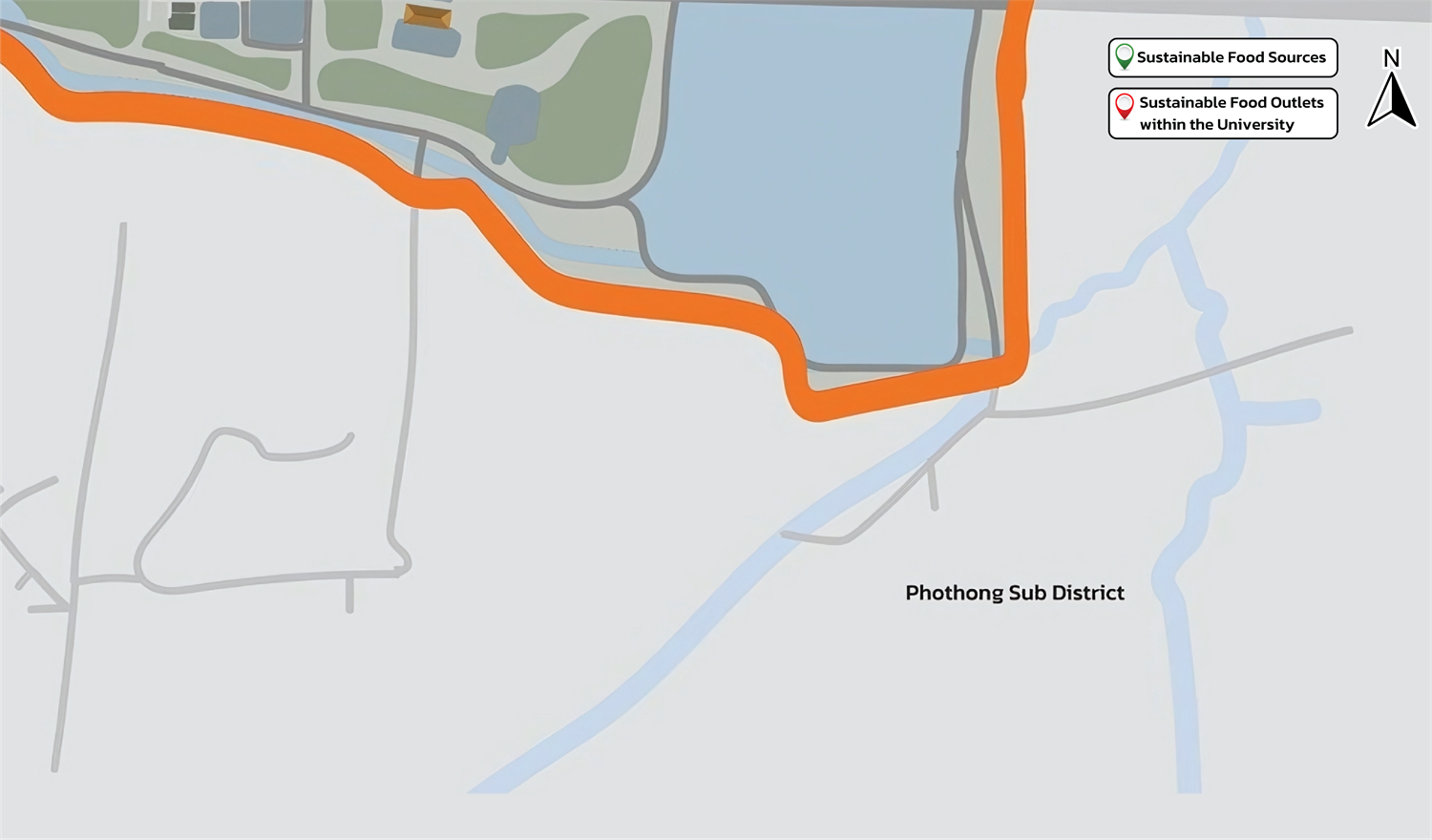
Click on the map for a clearer view with more details.
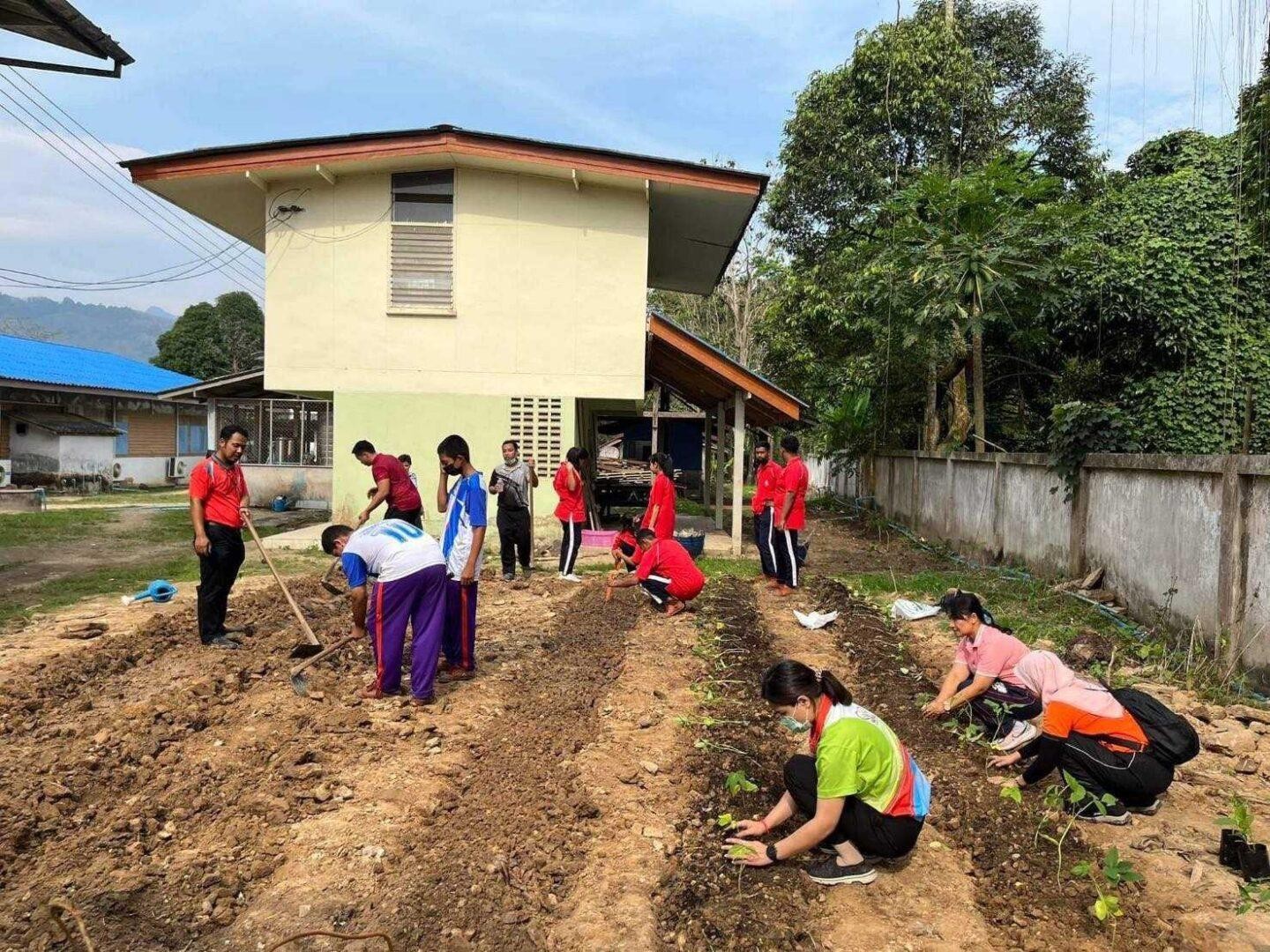
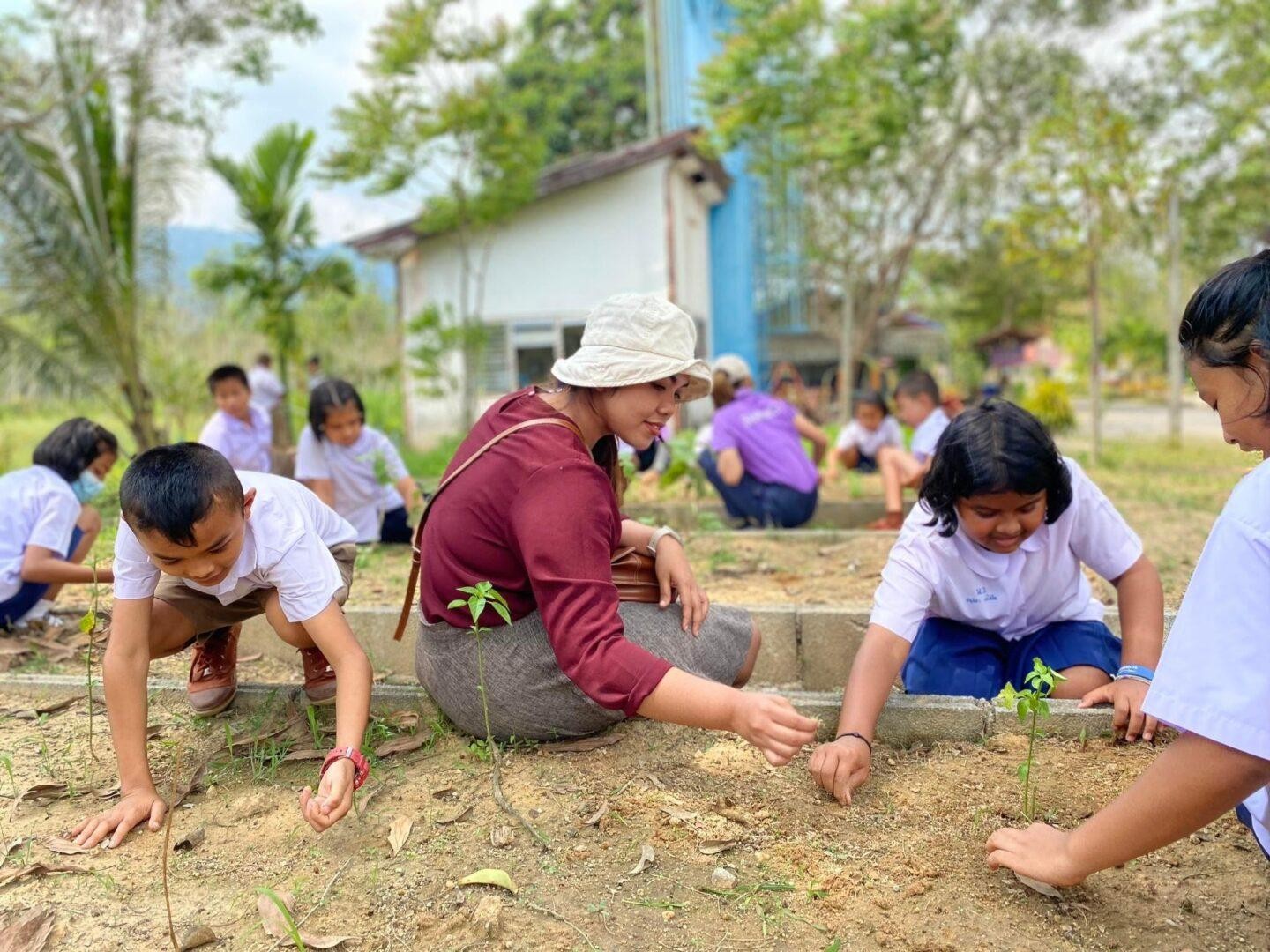
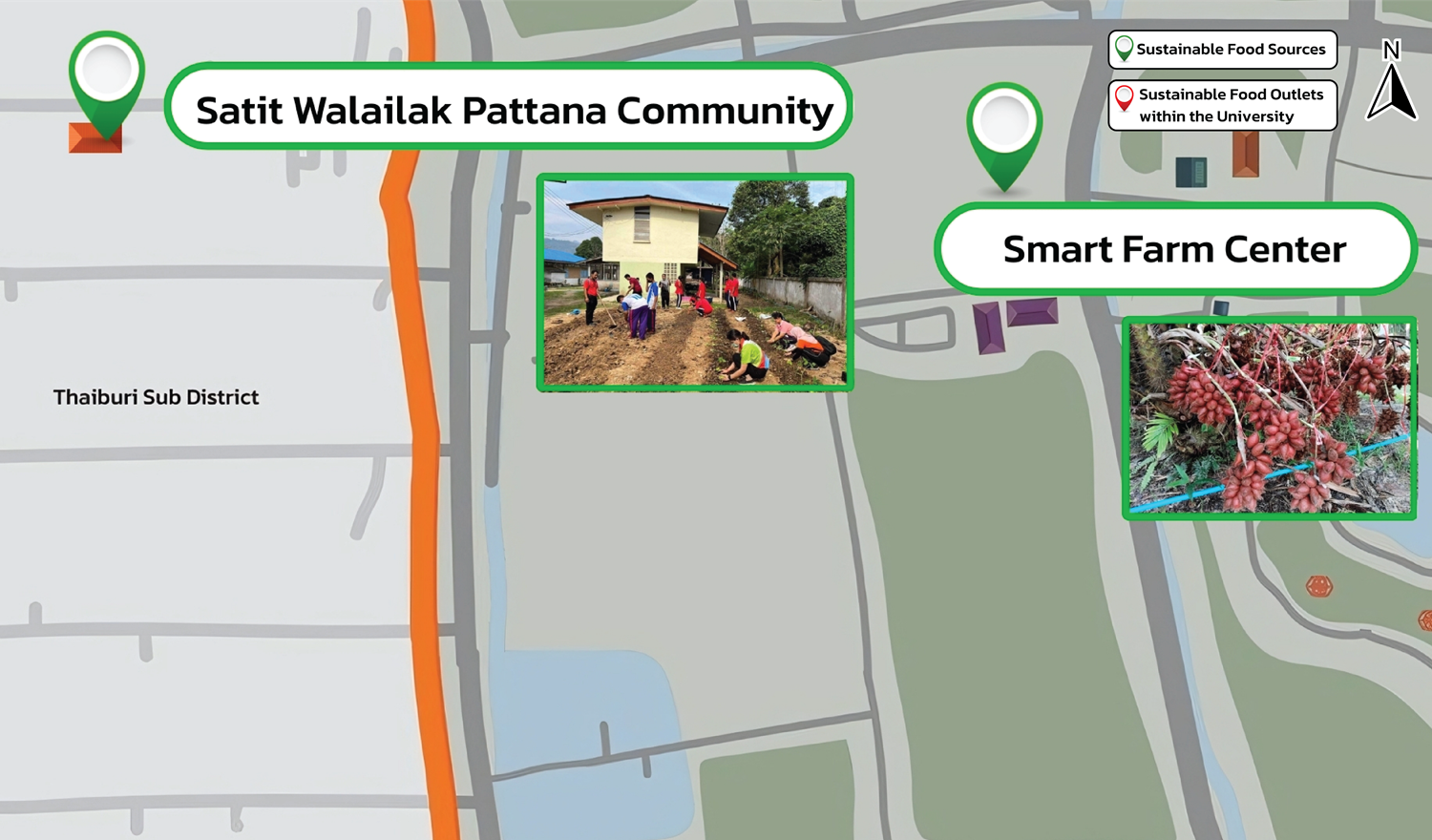
Satit Walailak Pattana Community
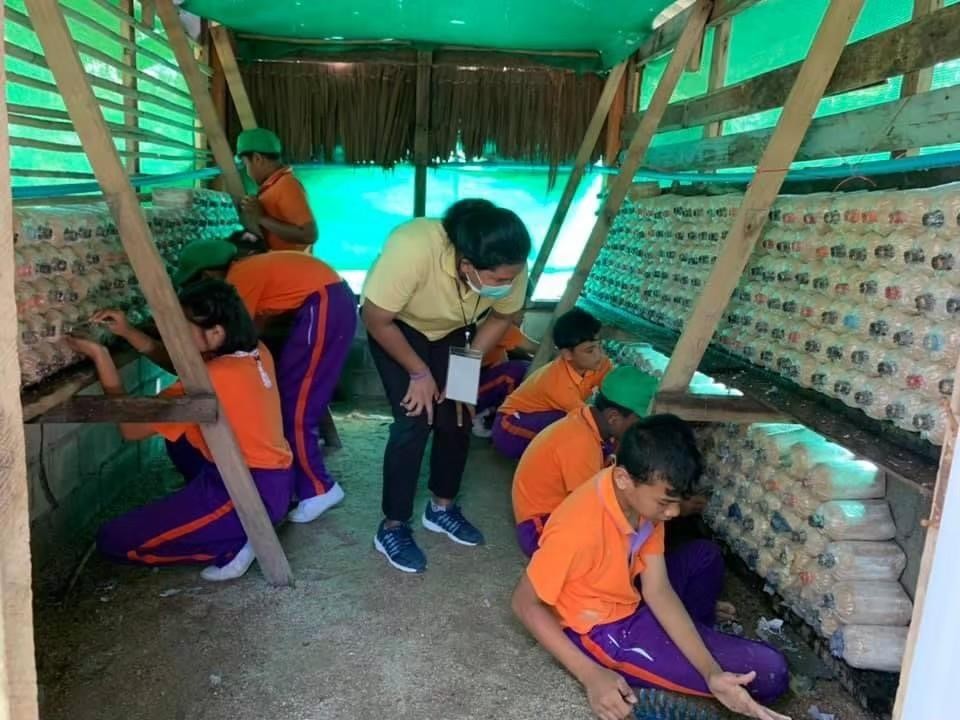
This community is a food production source located next to Walailak University, so the community has been encouraged by the university to practice sufficiency agriculture, including both crop cultivation and livestock farming in a sustainable manner without the use of chemicals–minimised or no exposure to manufactured herbicides or artificial fertilisers, no or low level of pesticides. Instead, they apply bioproducts such as compost and bio-fermented liquid fertilizers in food production.
Smart Farm Center
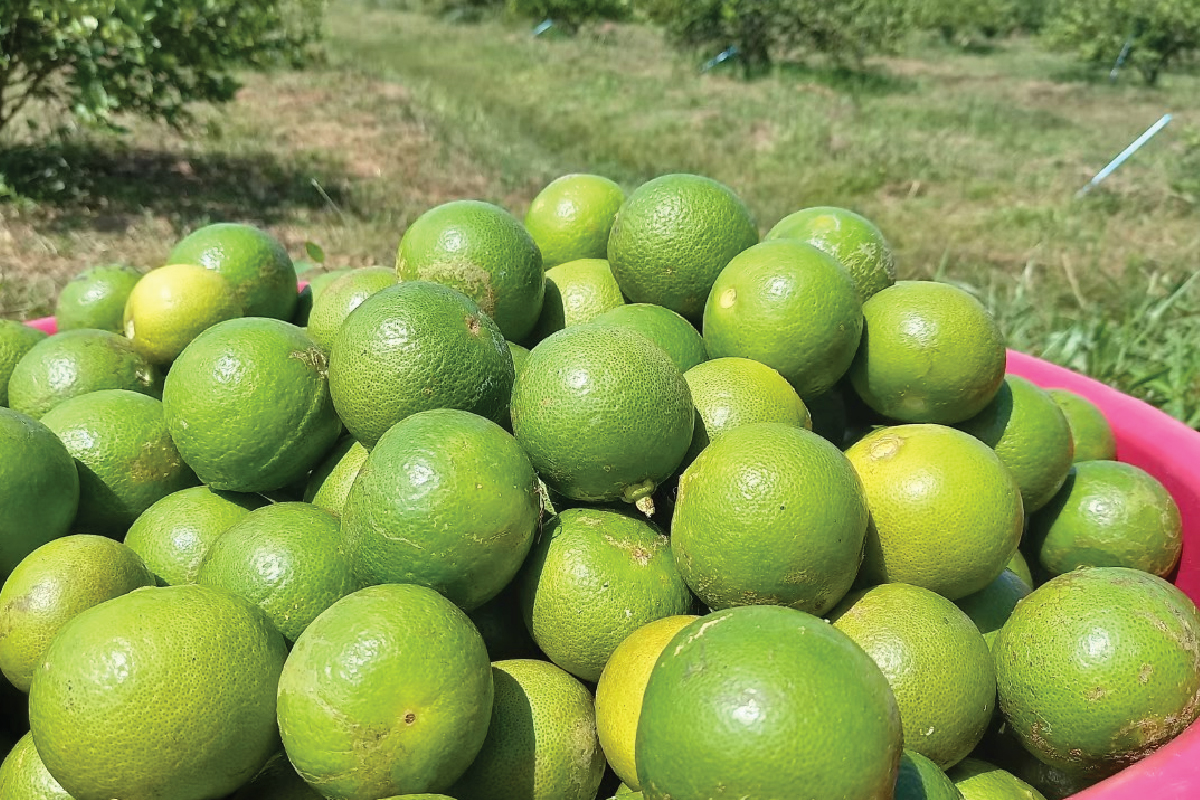
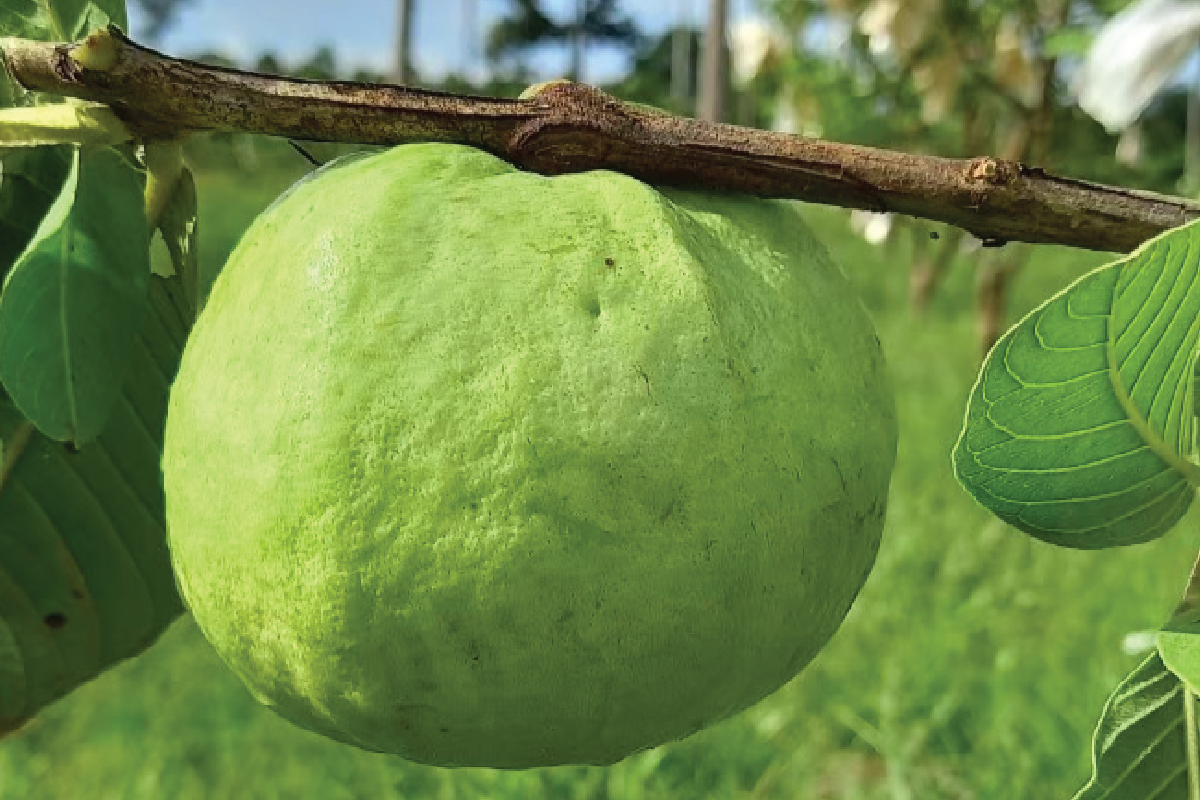
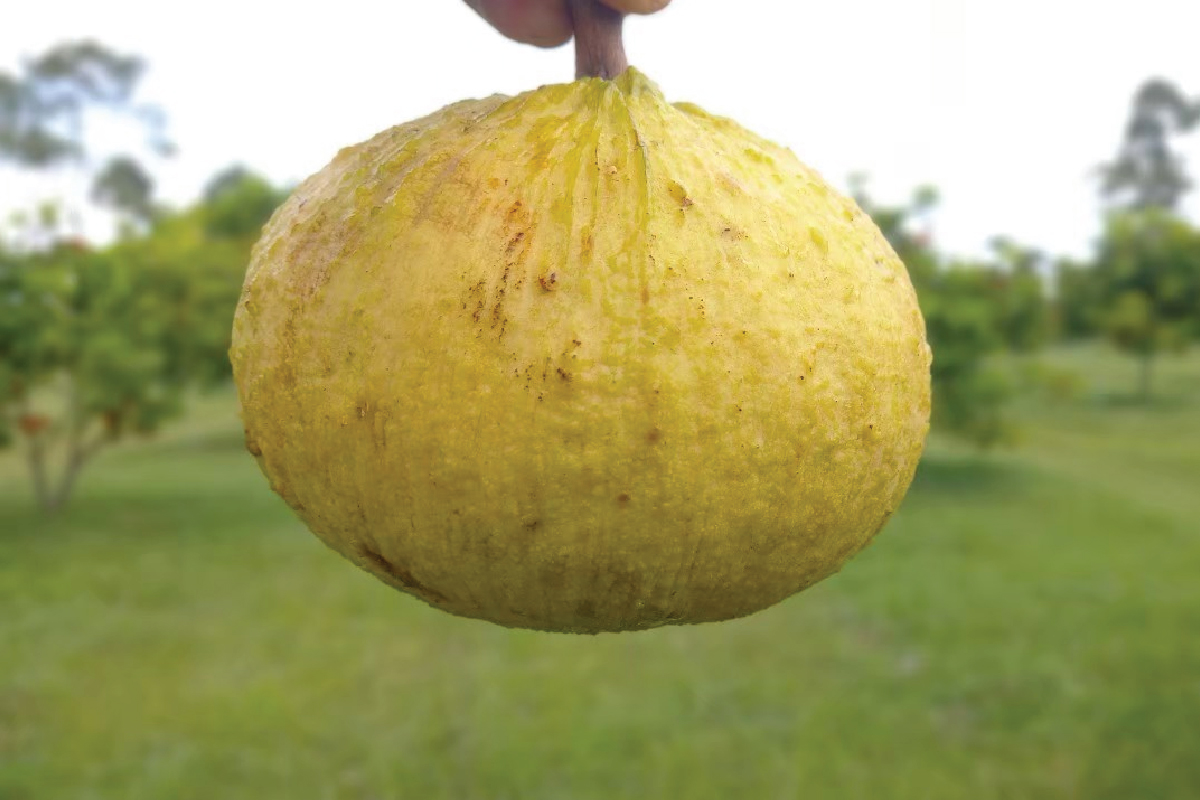
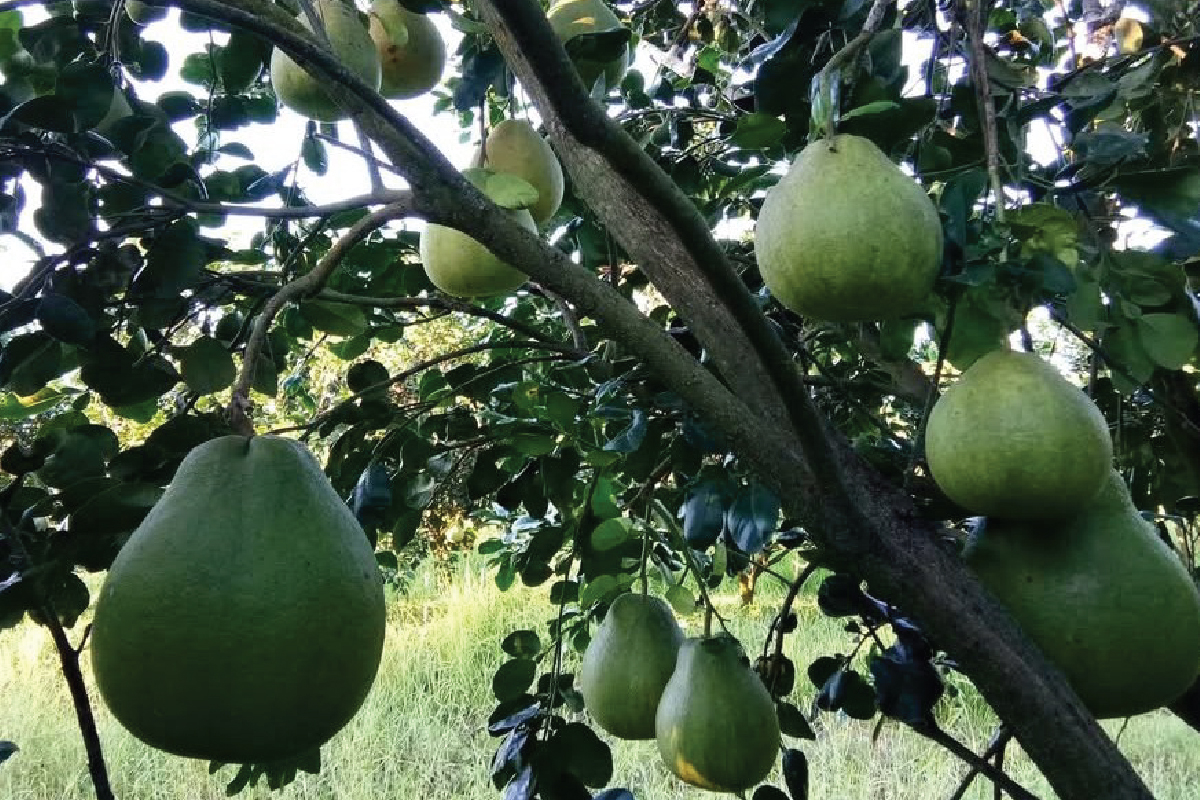
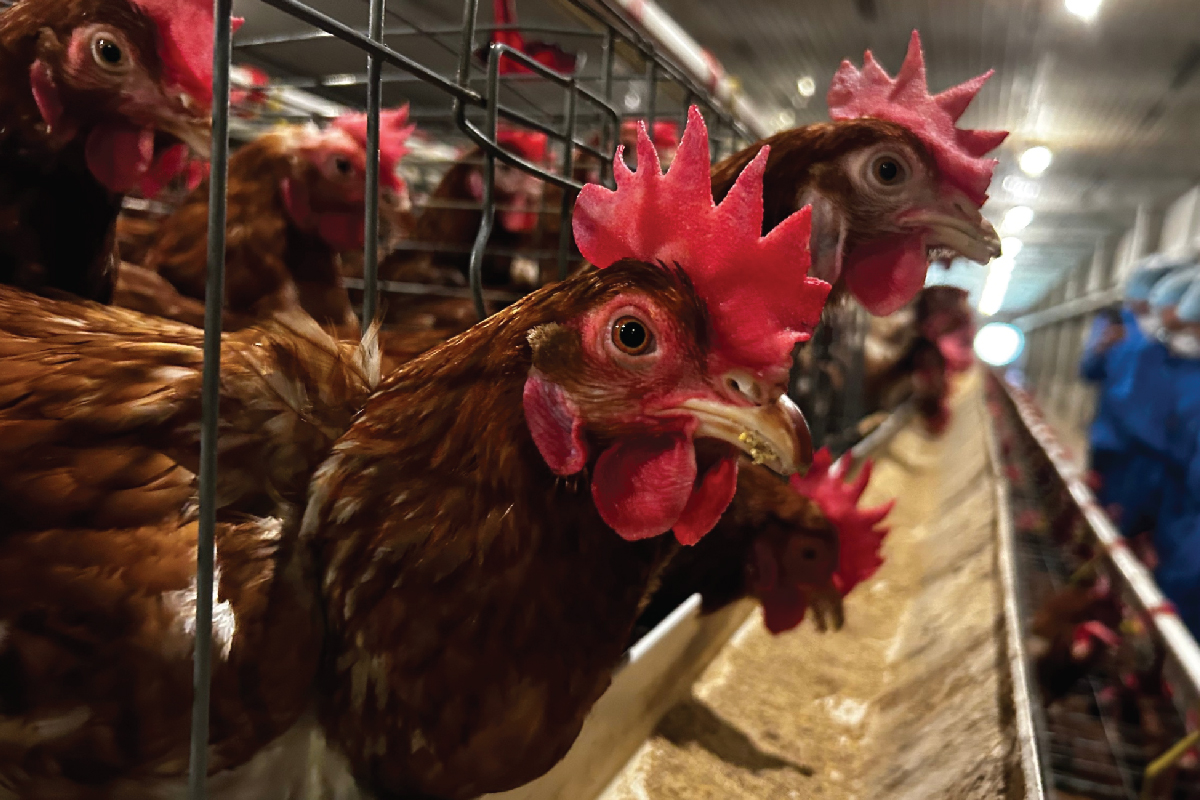
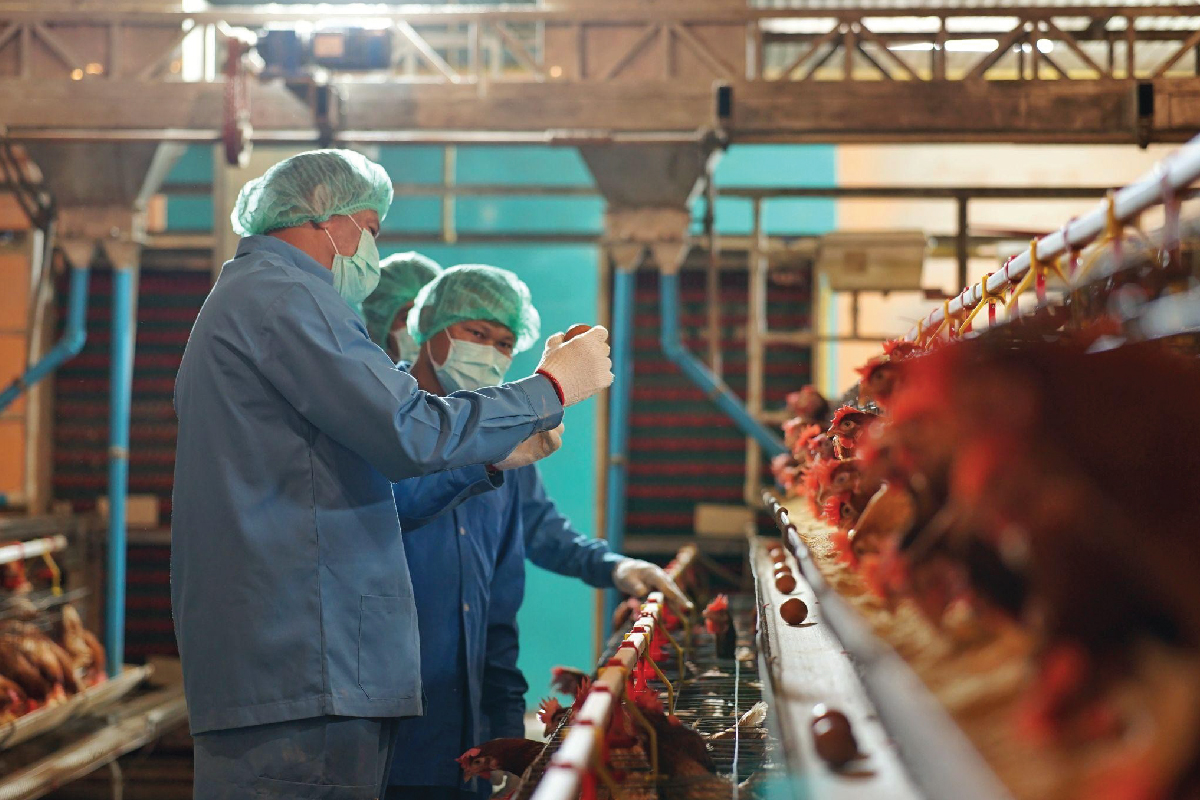
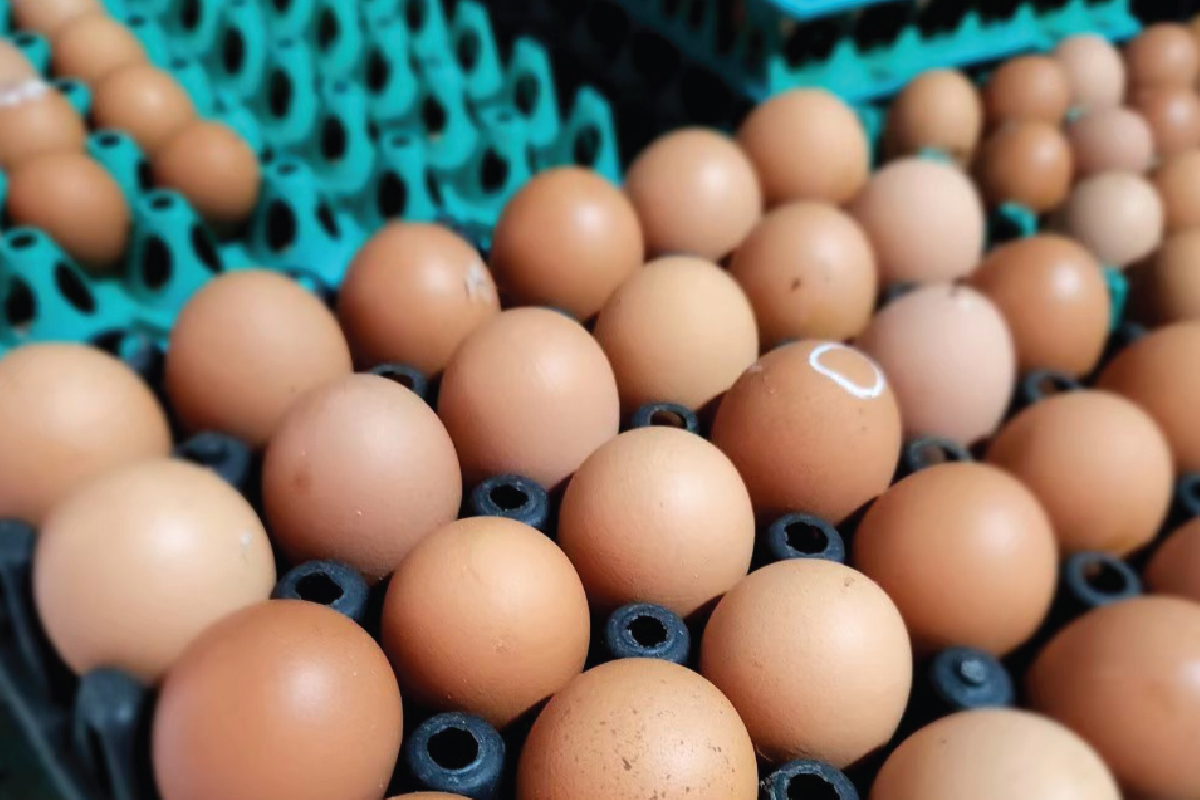
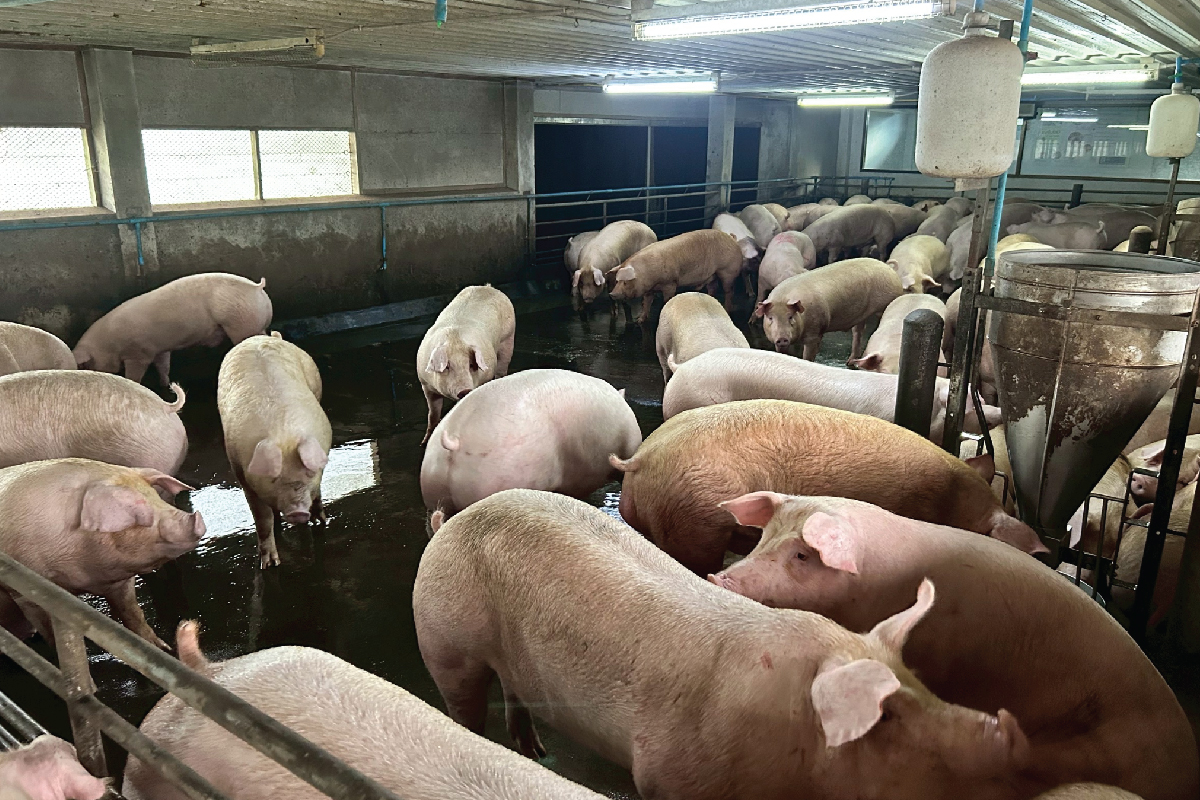
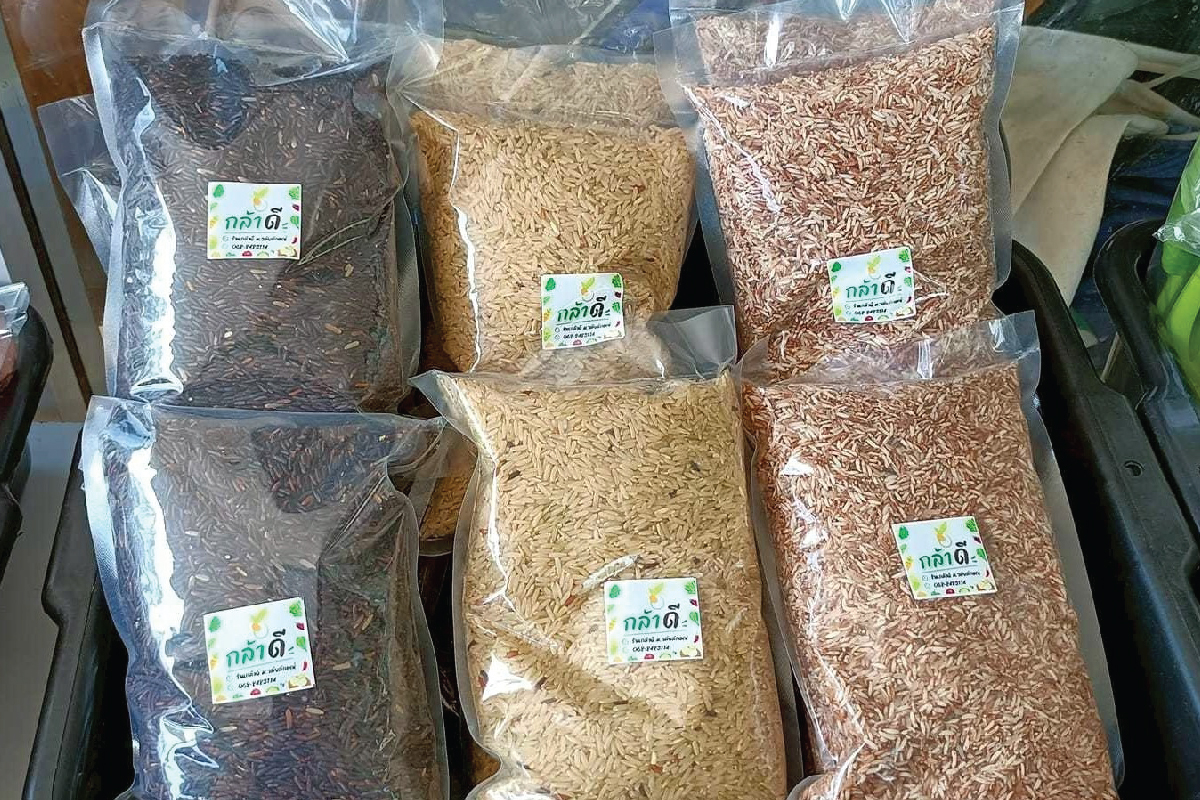
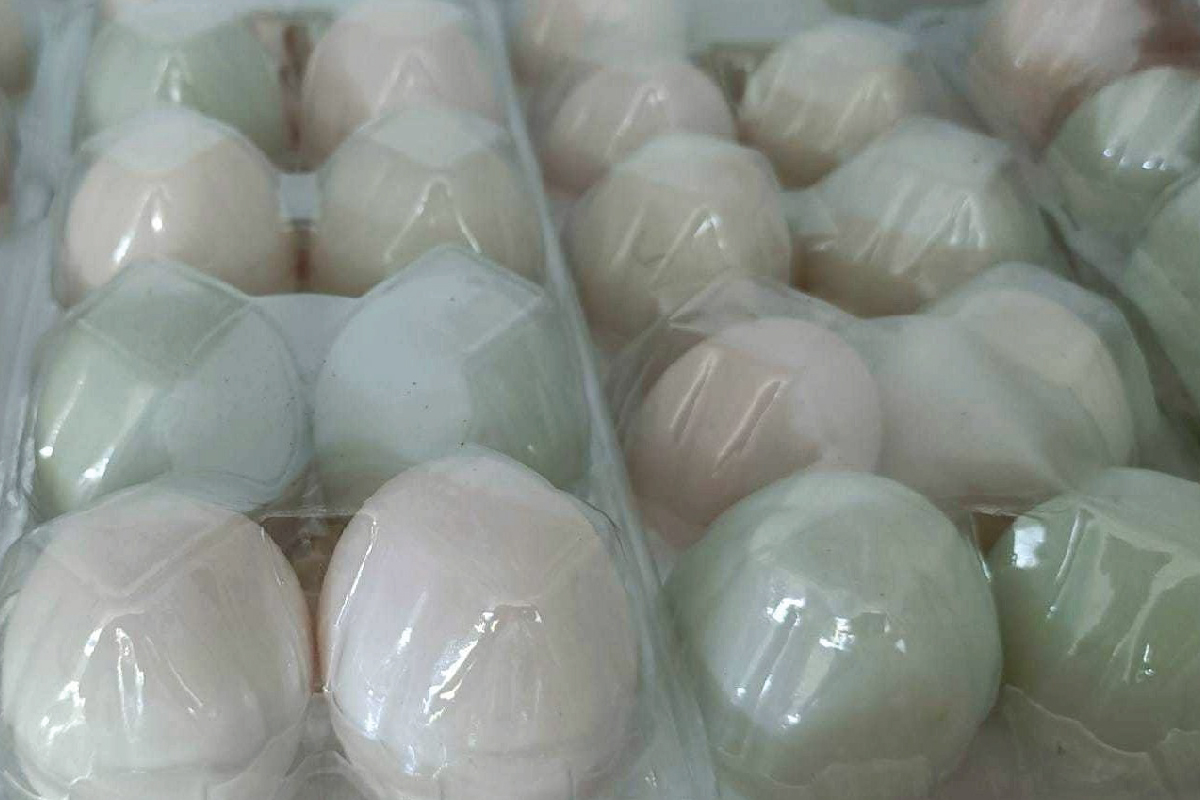
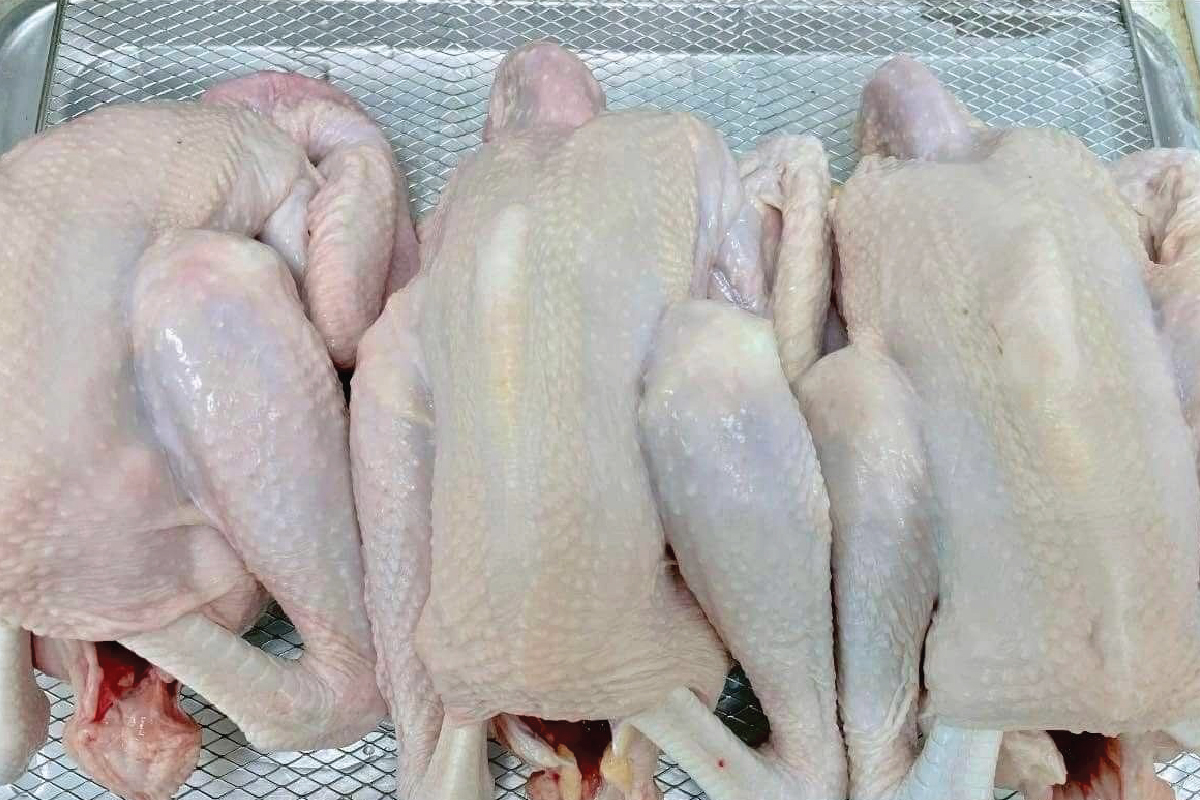
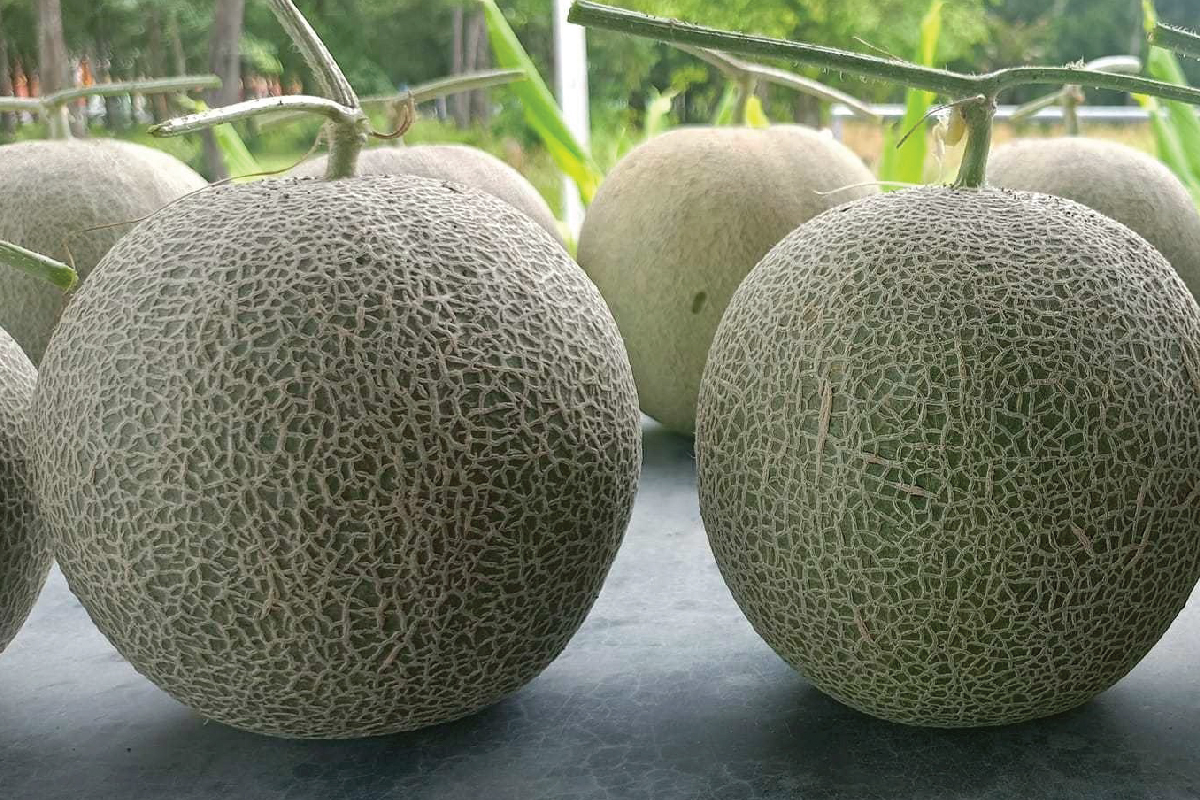
The center is another major food production hub for both fruit crops and livestock, situated on a large area of more than 3,200,000 square meters within the university. The center practices sustainable agriculture by adapting and applying various technologies in food production, such as using Trichoderma as a biocontrol agent instead of chemical substances, producing and applying organic manure from plant residues on campus in place of chemical fertilizers, and utilizing biogas energy to reduce reliance on electricity in livestock houses.
Figure: The sustainable agriculture products from Smart Farm Center
WU Agricultural Innovative Demonstration and Development Center in Honor of Rama IX
The center serves as a food production area within Walailak University, located on 16,000 square meters. The land is divided into the following production sectors:
Crop cultivation
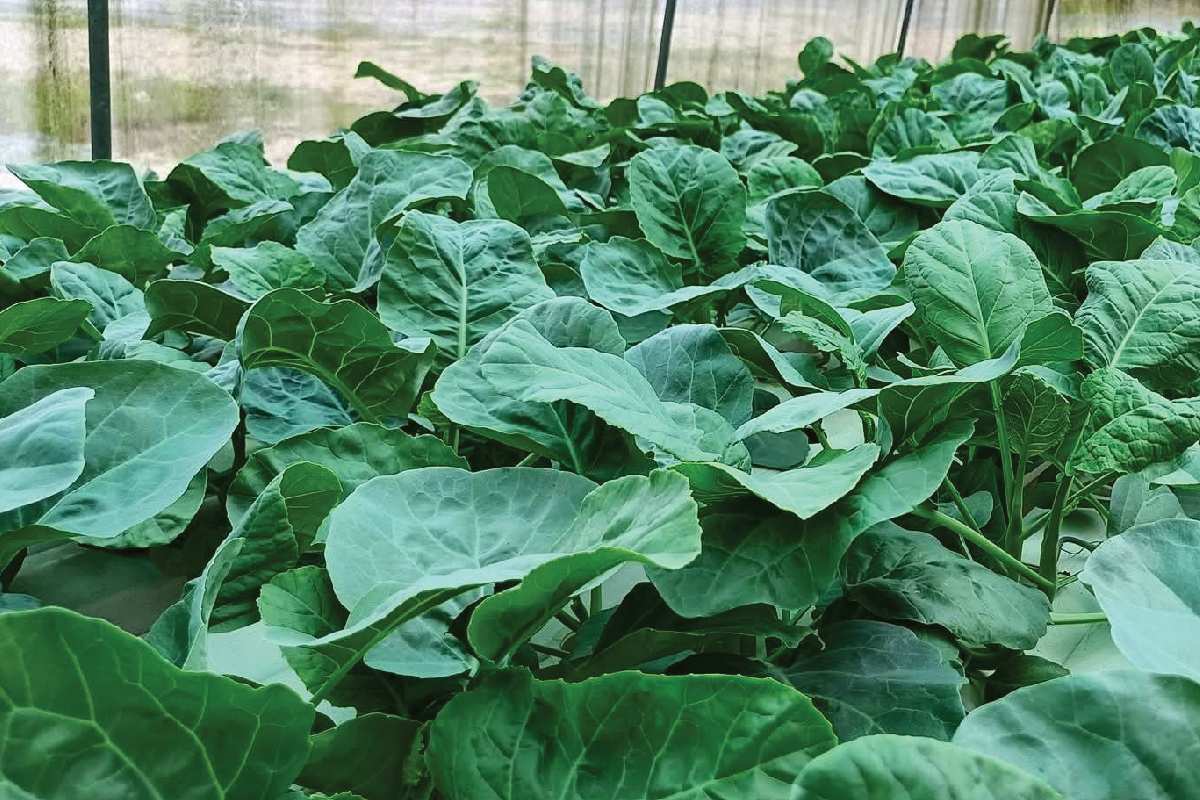
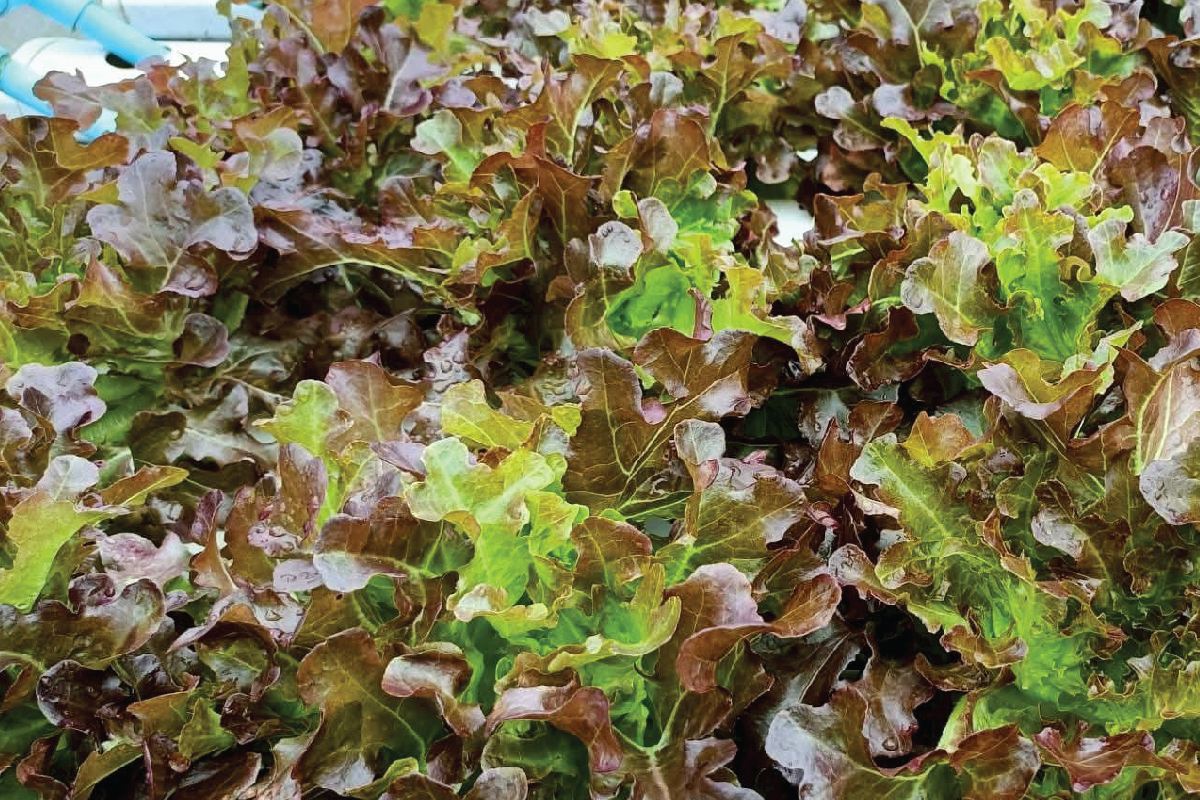
- Organic vegetable farming in net houses
- Vertical farming innovations using planting materials developed from the research of the School of Agricultural Technology and Food Industry
- Low-water rice cultivation
- Organic fruit trees, herbs, passion fruit, grapes, melons, and oil palm
- Seed development and production to protect plant genetic resources, which is essential for food security and biodiversity conservation
Livestock farming
- Rearing of economic animals using organic animal feed
- Pilot projects raising economic animals with organic feed, such as integrating duck farming with fish culture
Fisheries
- Cage culture of red tilapia
- Pilot testing of solar-powered automatic fish feeders
- Integrated aquaponics systems combining plant cultivation with aquaculture
Food processing
- Processing products from the center’s yields for distribution, such as tilapia sausage, salted eggs, fresh vegetables, gac fruit ice cream, gac fruit yogurt, and fruit cider/vinegar.
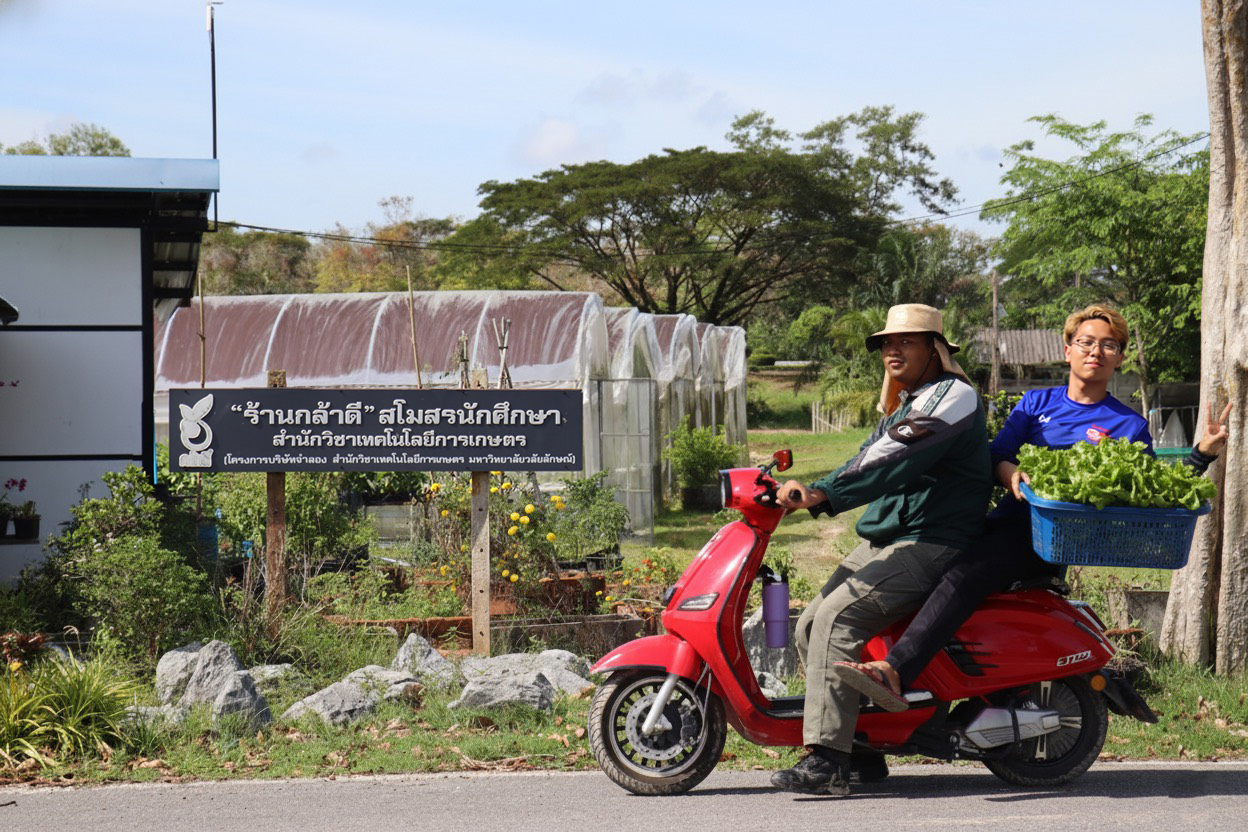
All three of these major food production sites distribute their products through on-campus shops and online platforms, both within and outside the university. Transportation is carried out using electric vehicles to reduce carbon emissions.
Products are sold at fair prices, lower than general agricultural products in the market, to ensure that staff, employees, students, and the public have access to safe and chemical-free food.
The university also promotes sustainable food outlets that prioritize safety, quality, and fair pricing. The university has established management standards to ensure that these outlets are environmentally friendly and help reduce food waste. The key outlets include:
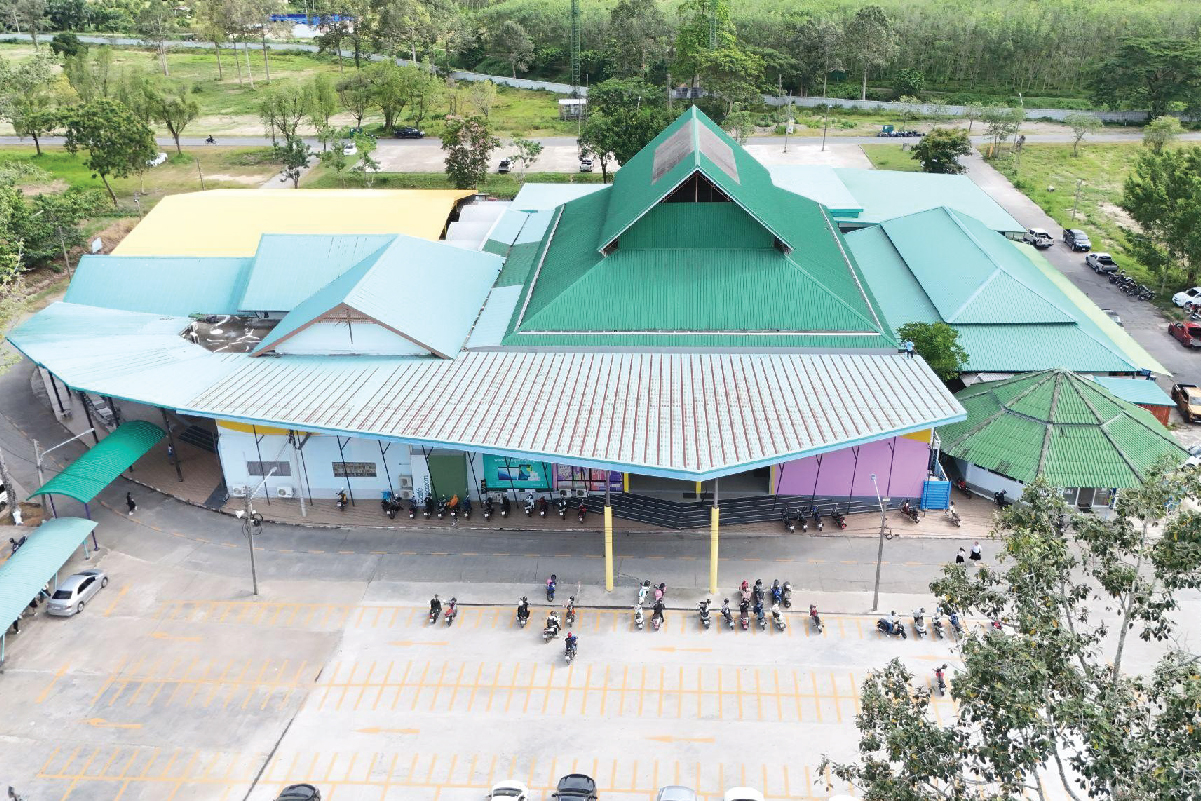
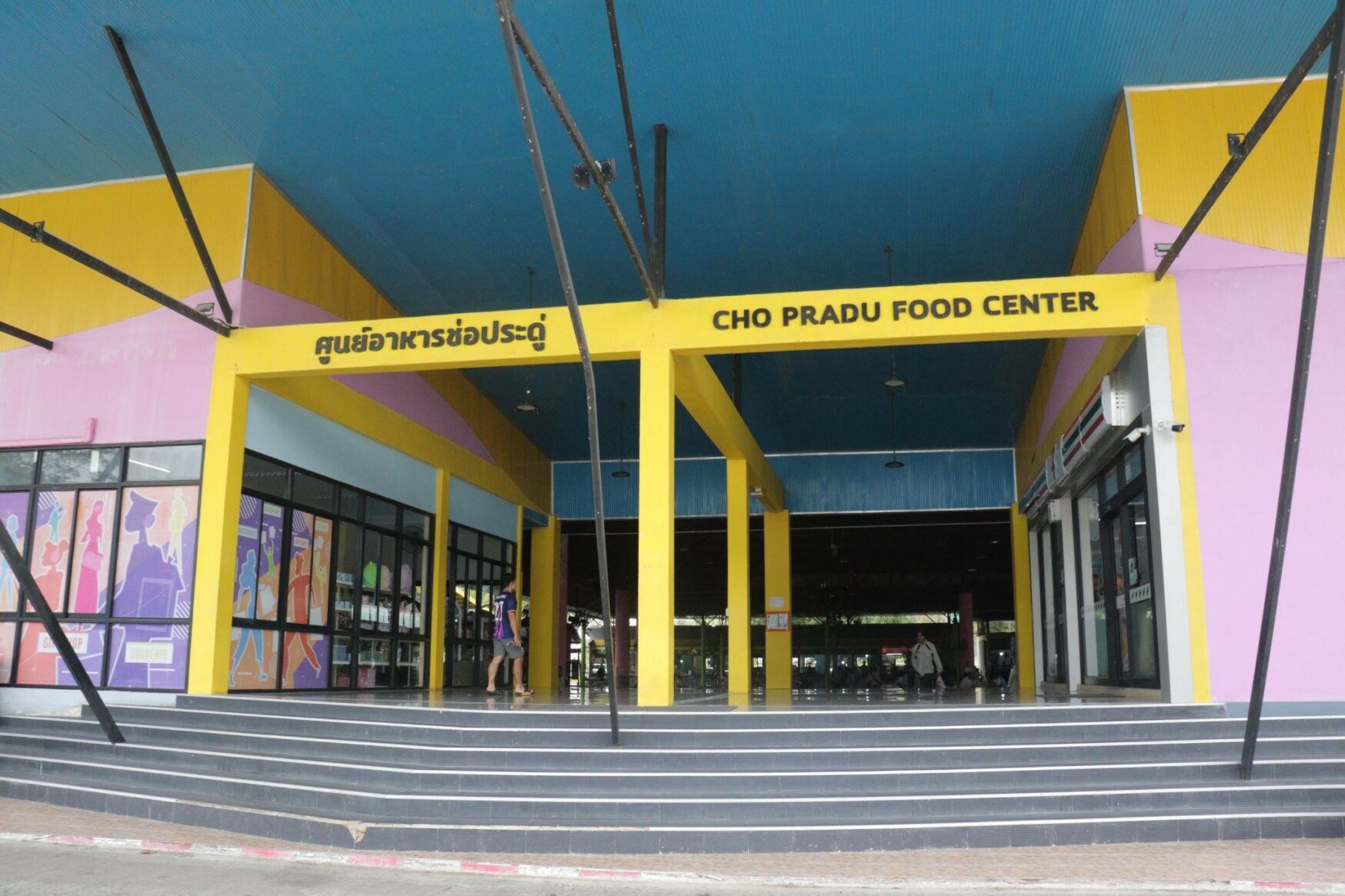
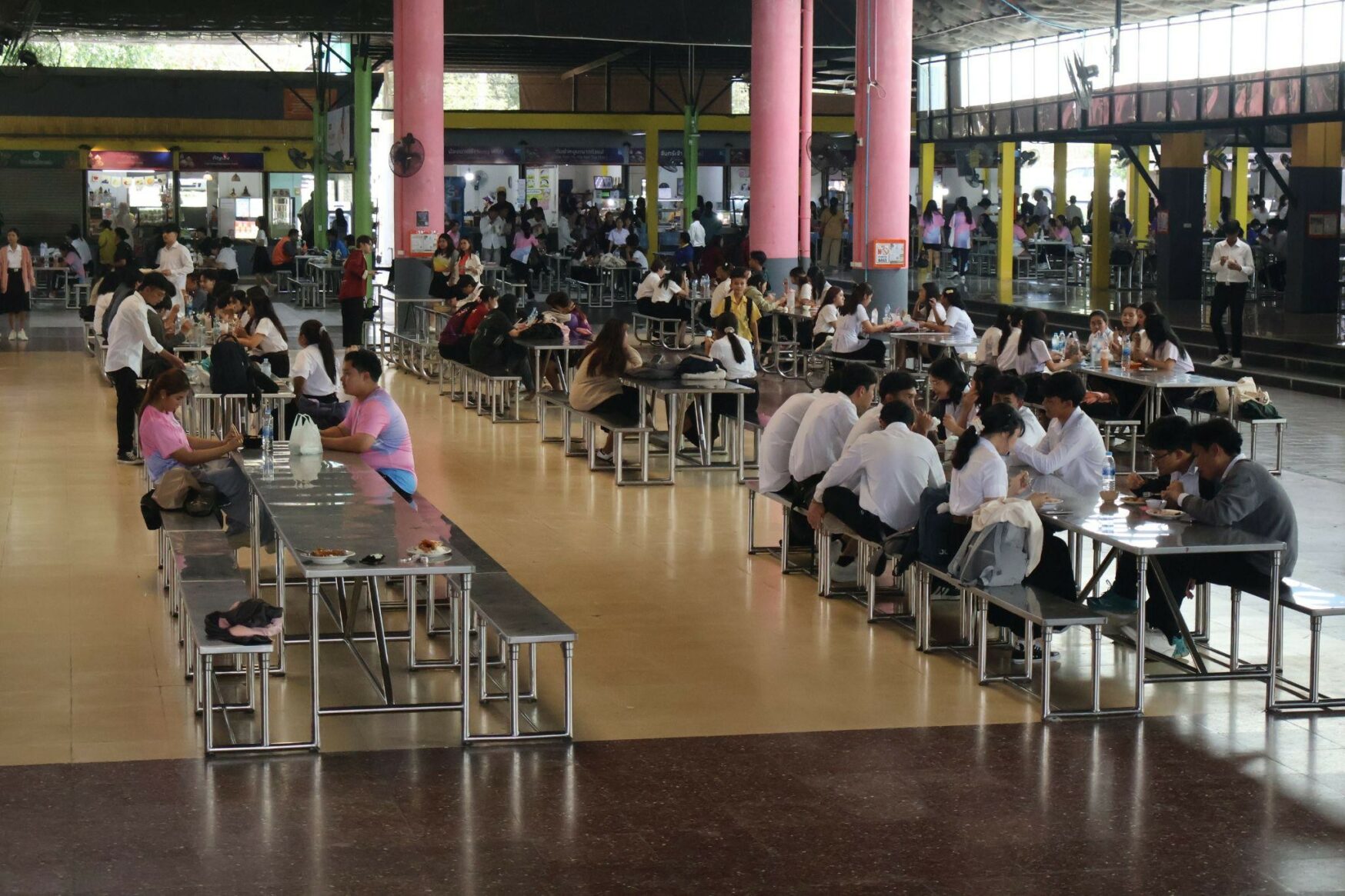
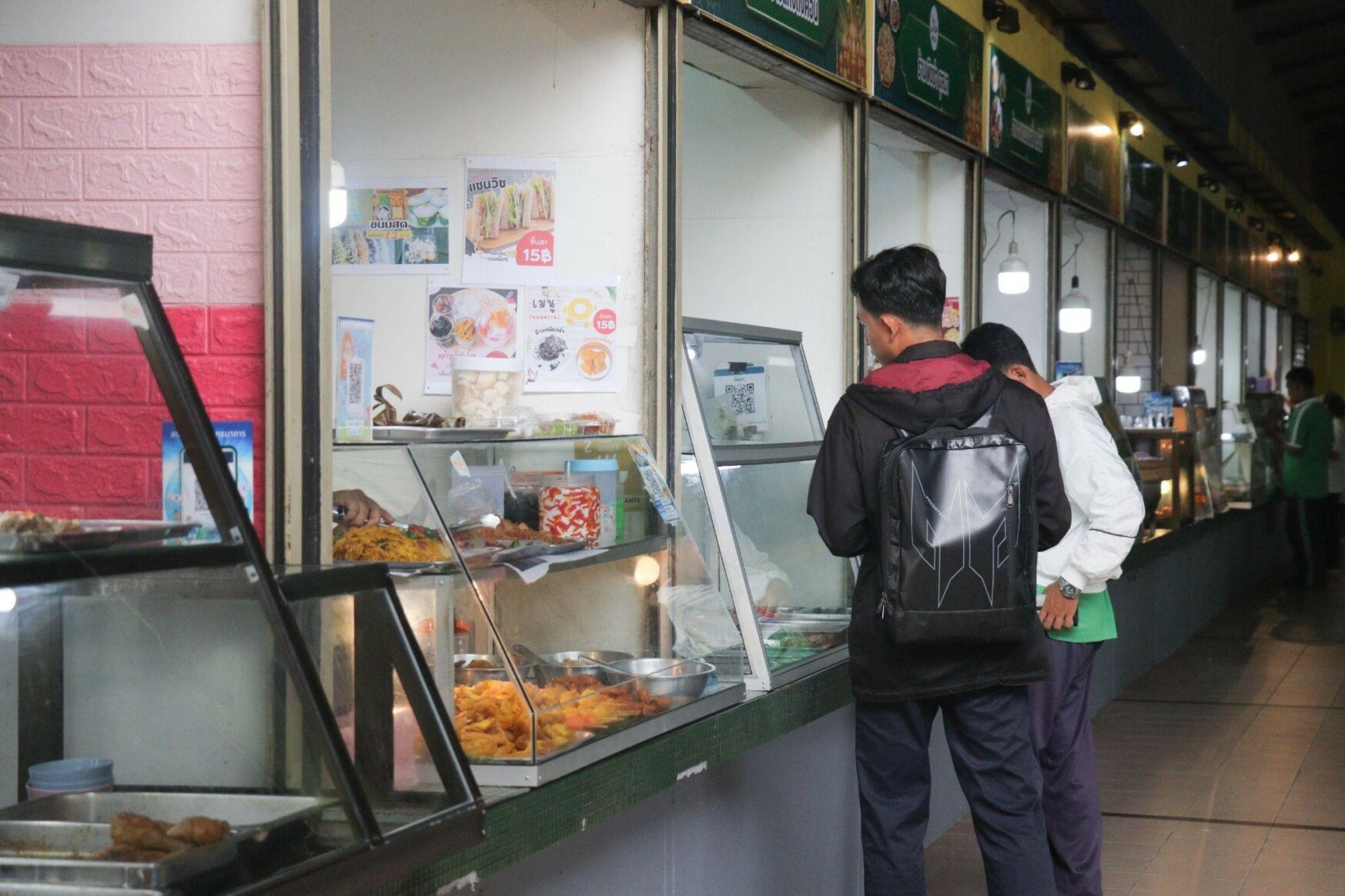
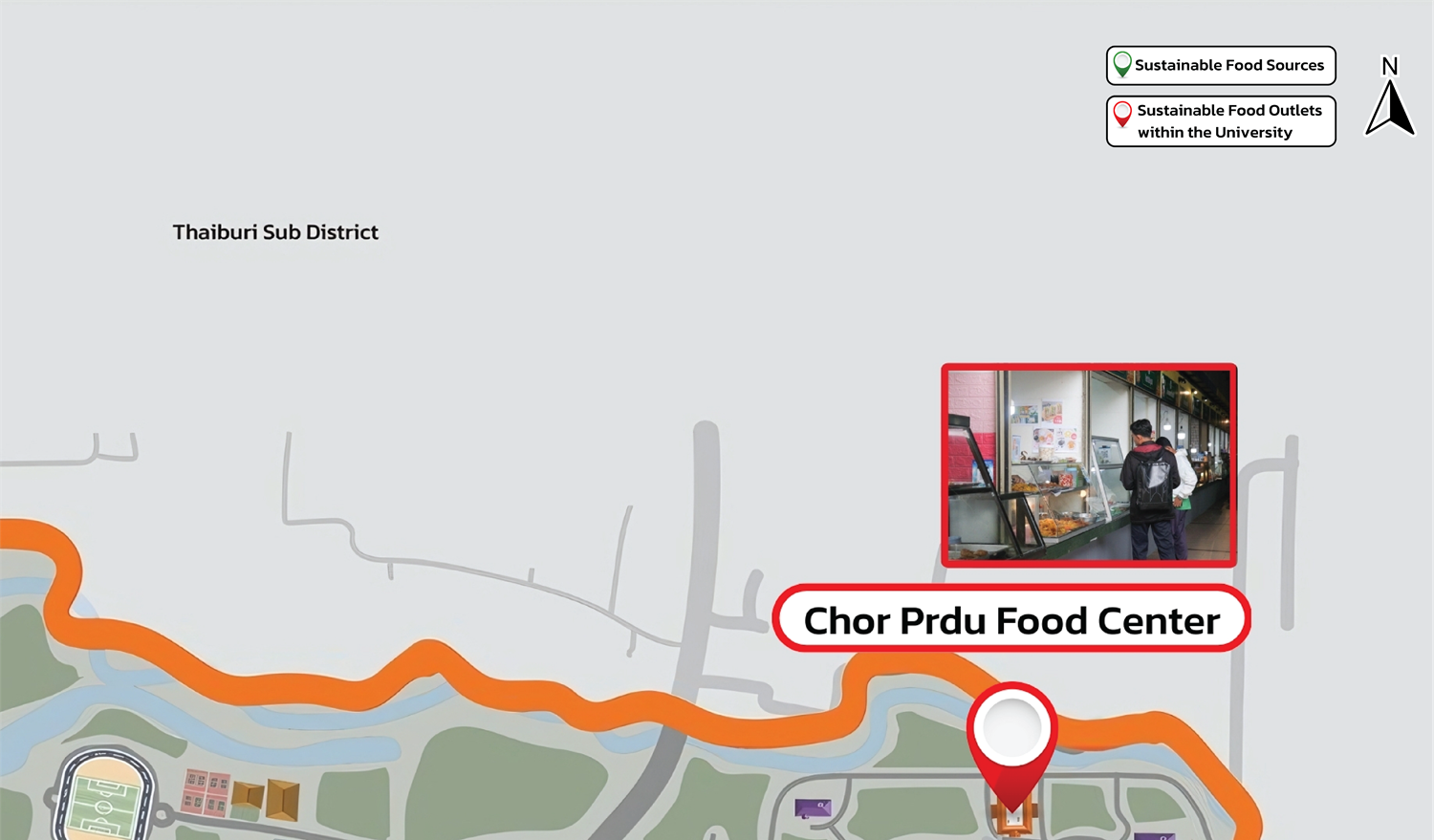
Chor Prdu Food Center
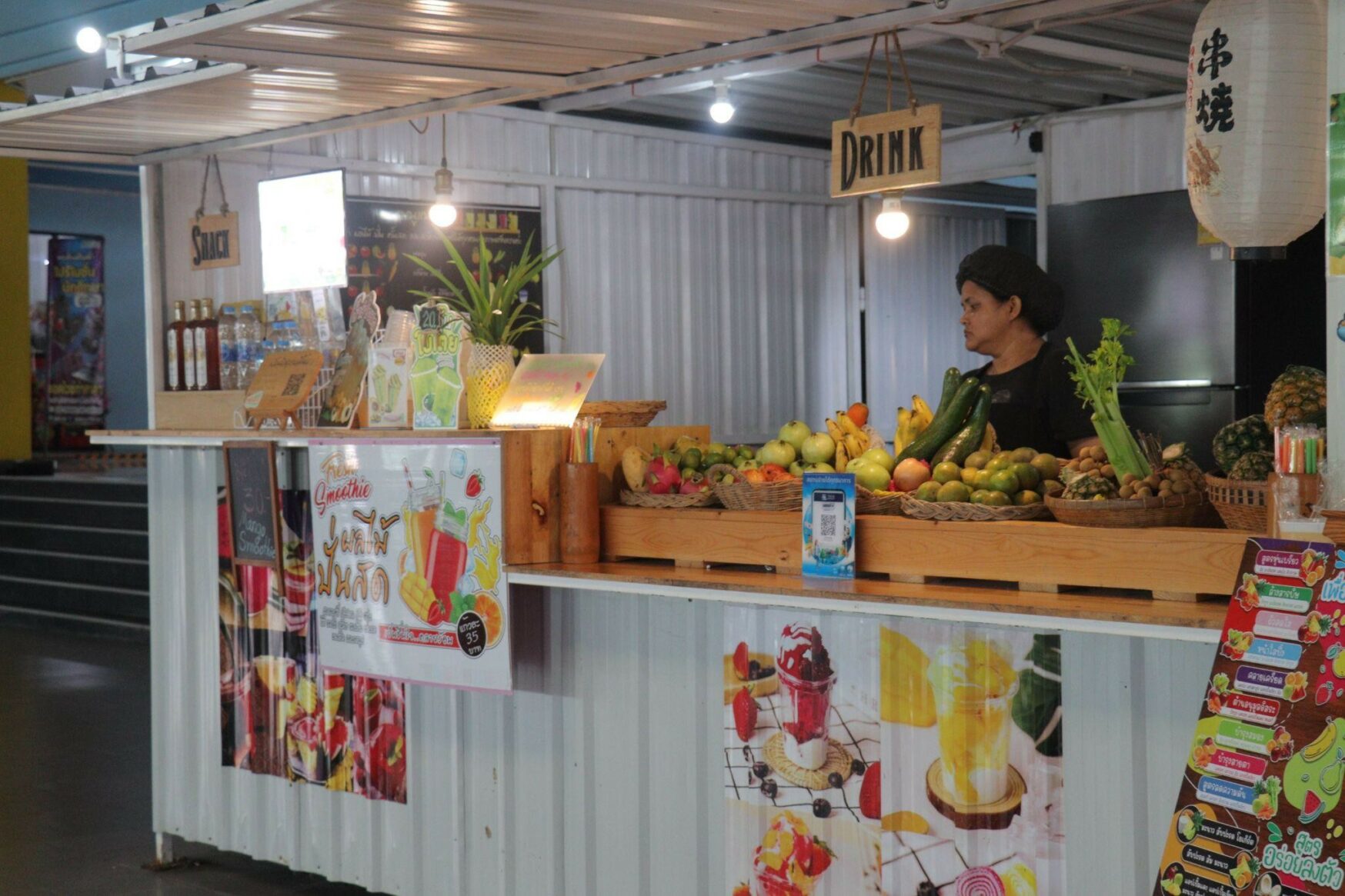
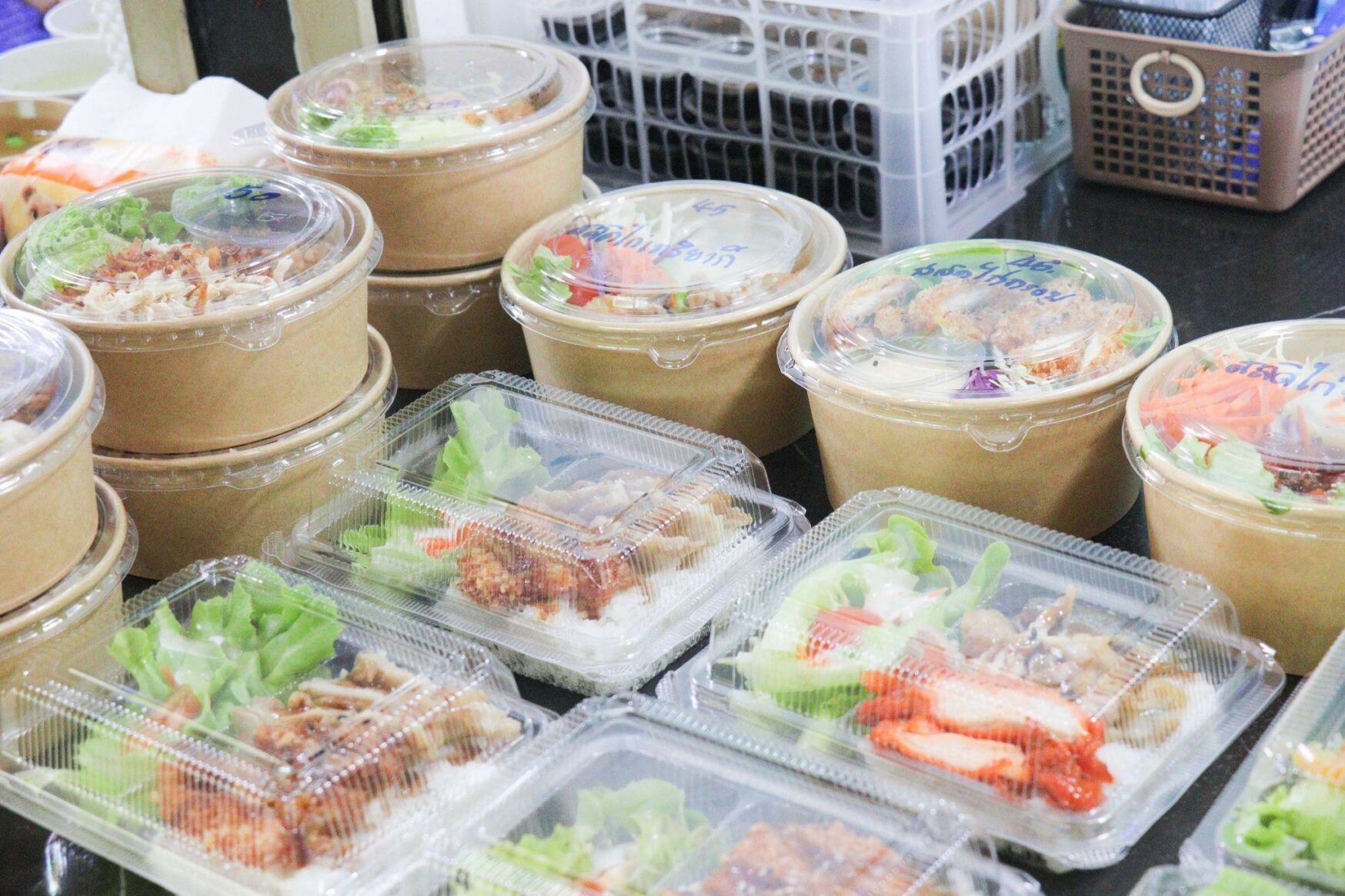
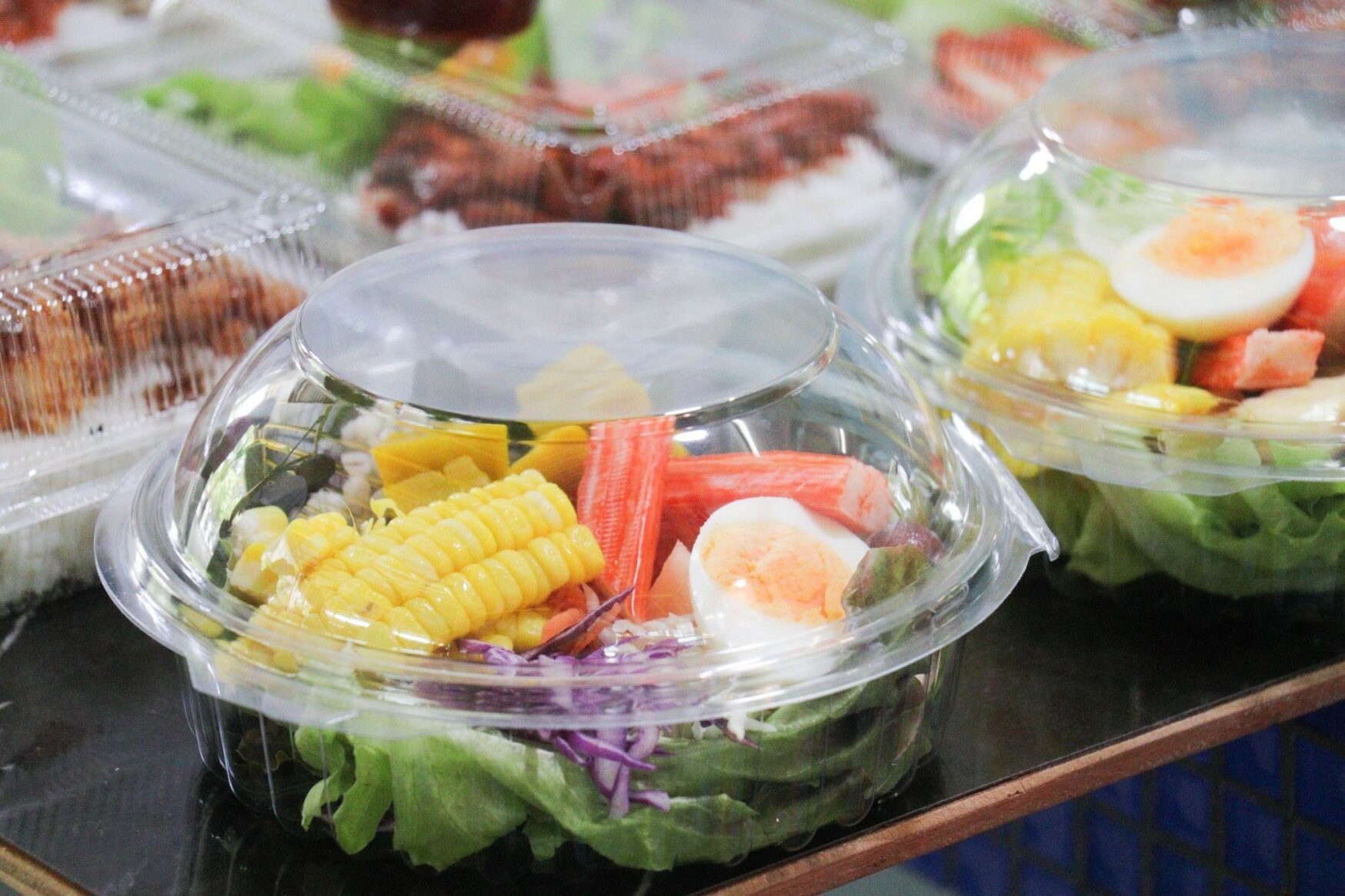
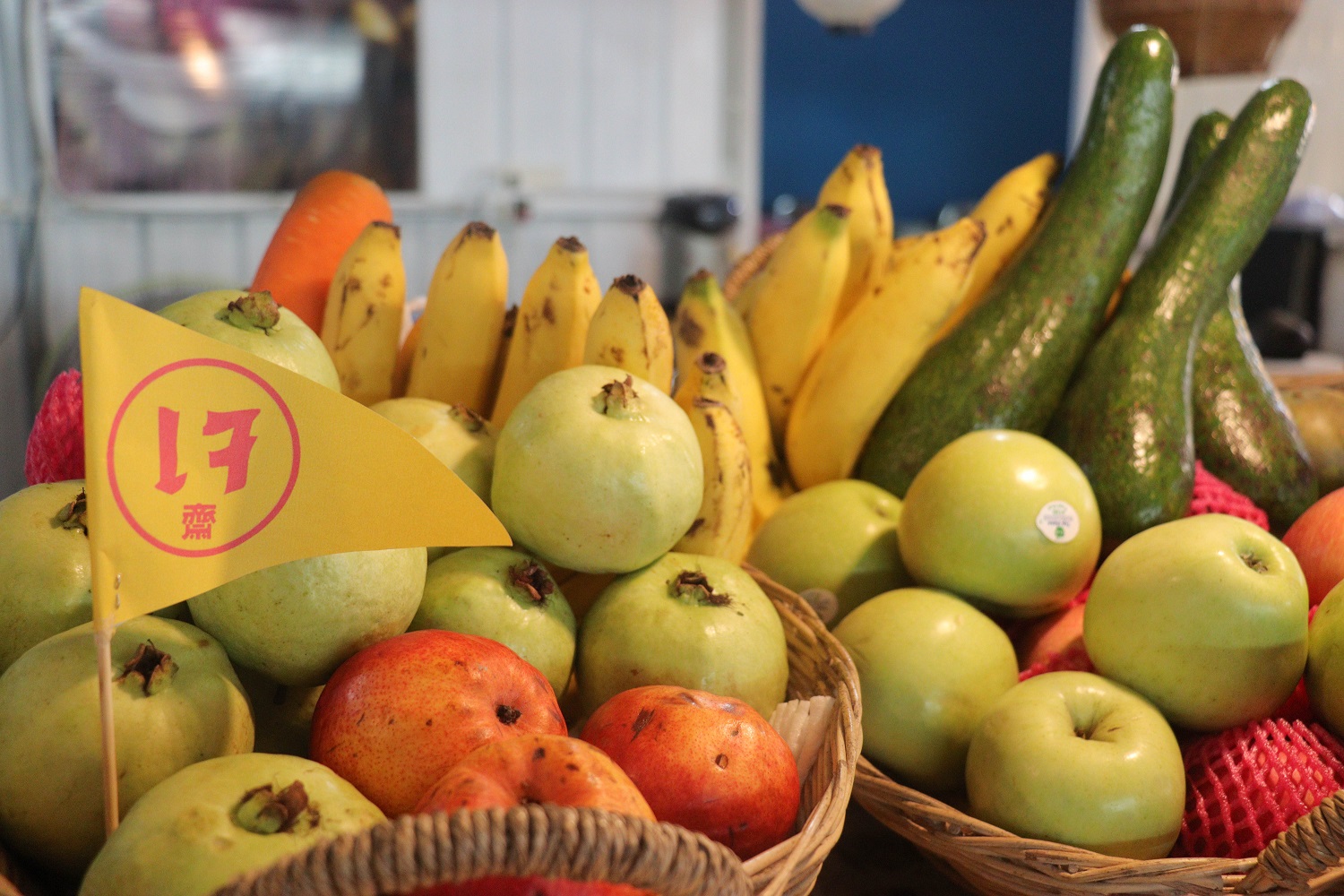
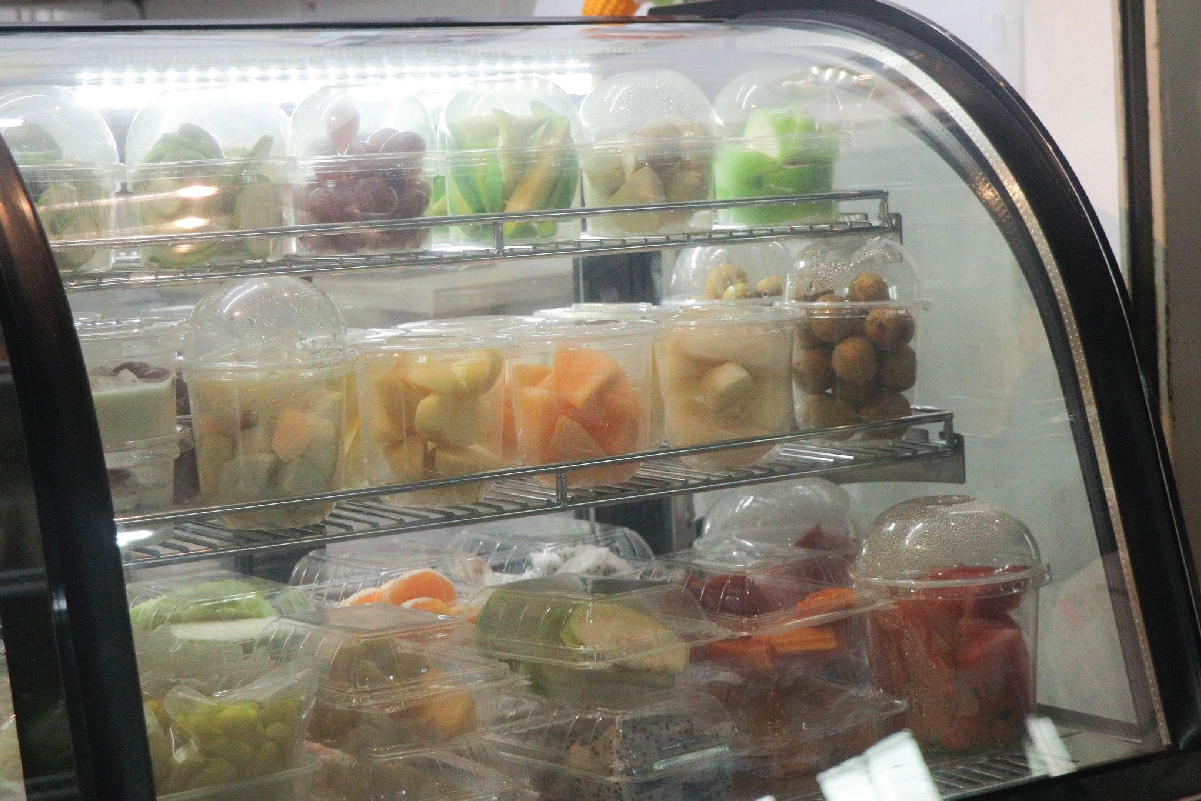
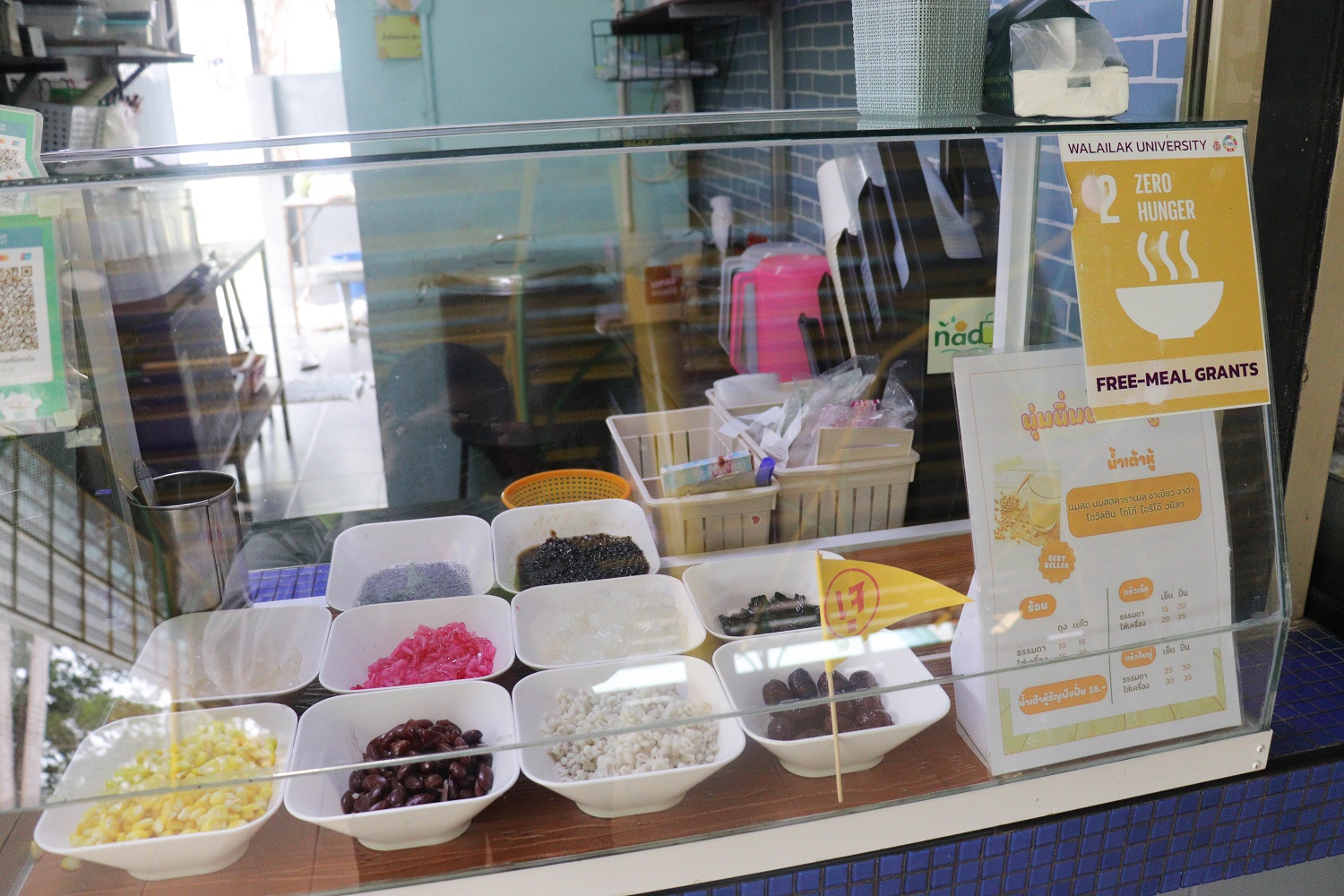
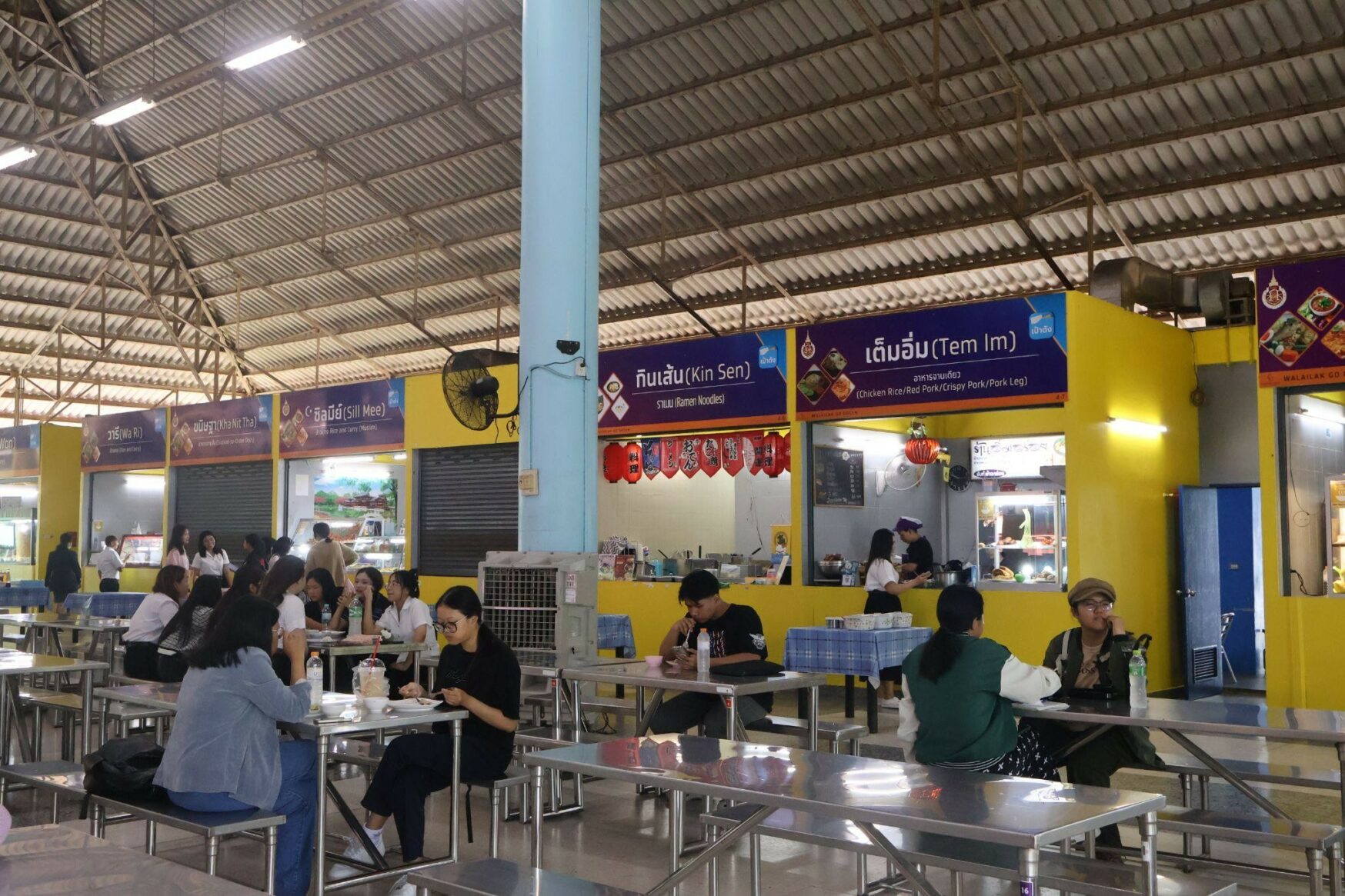
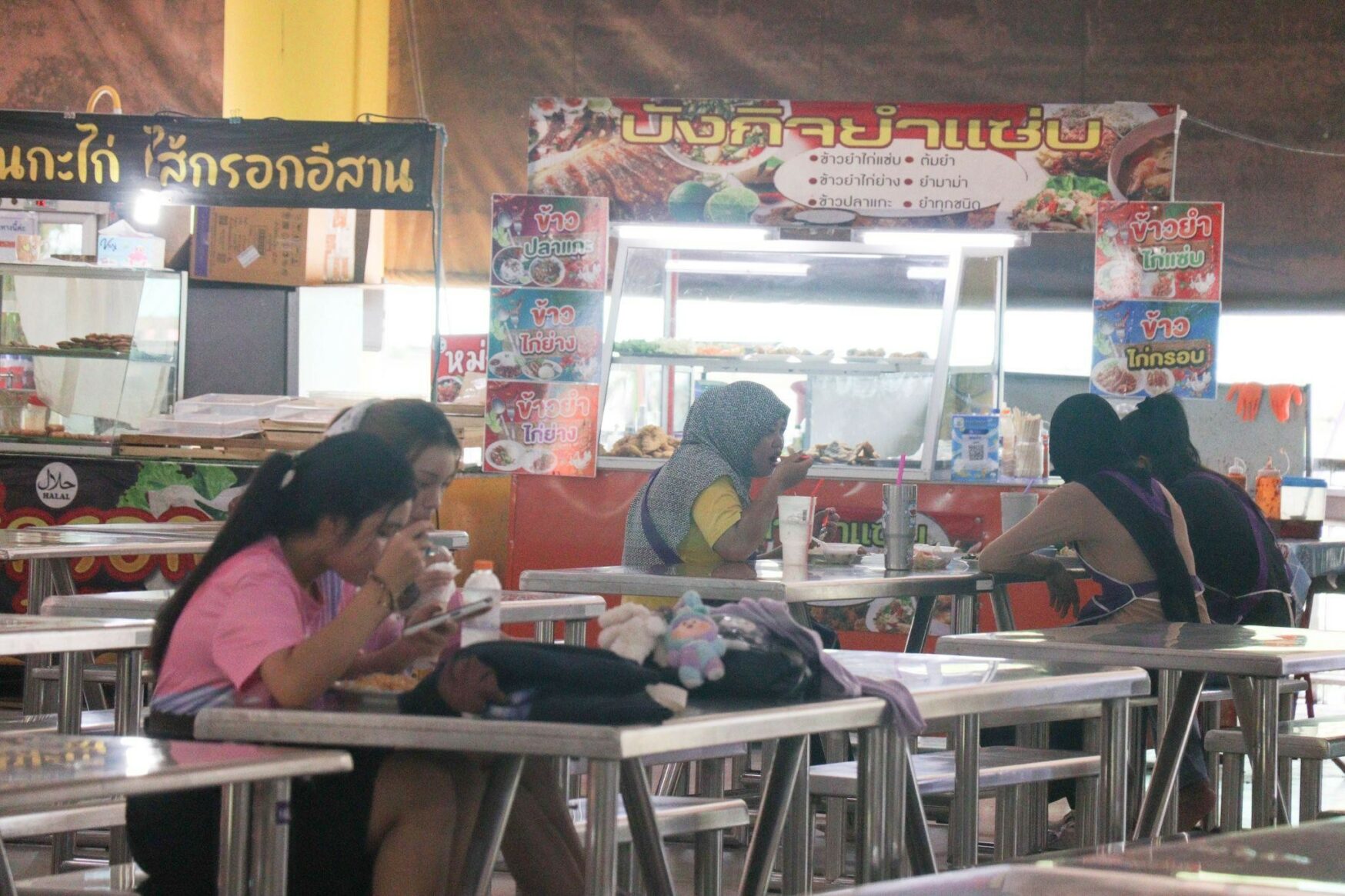
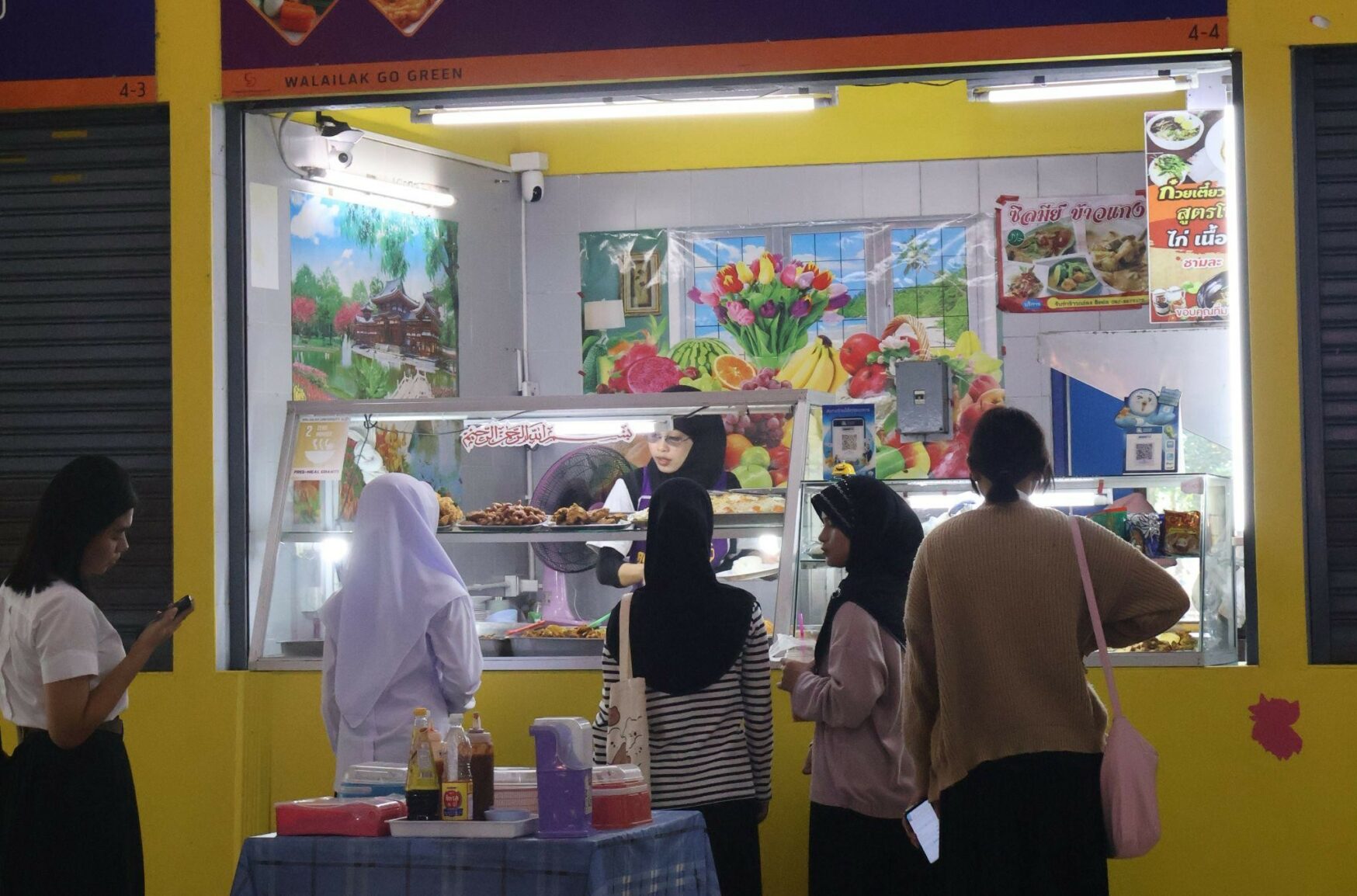
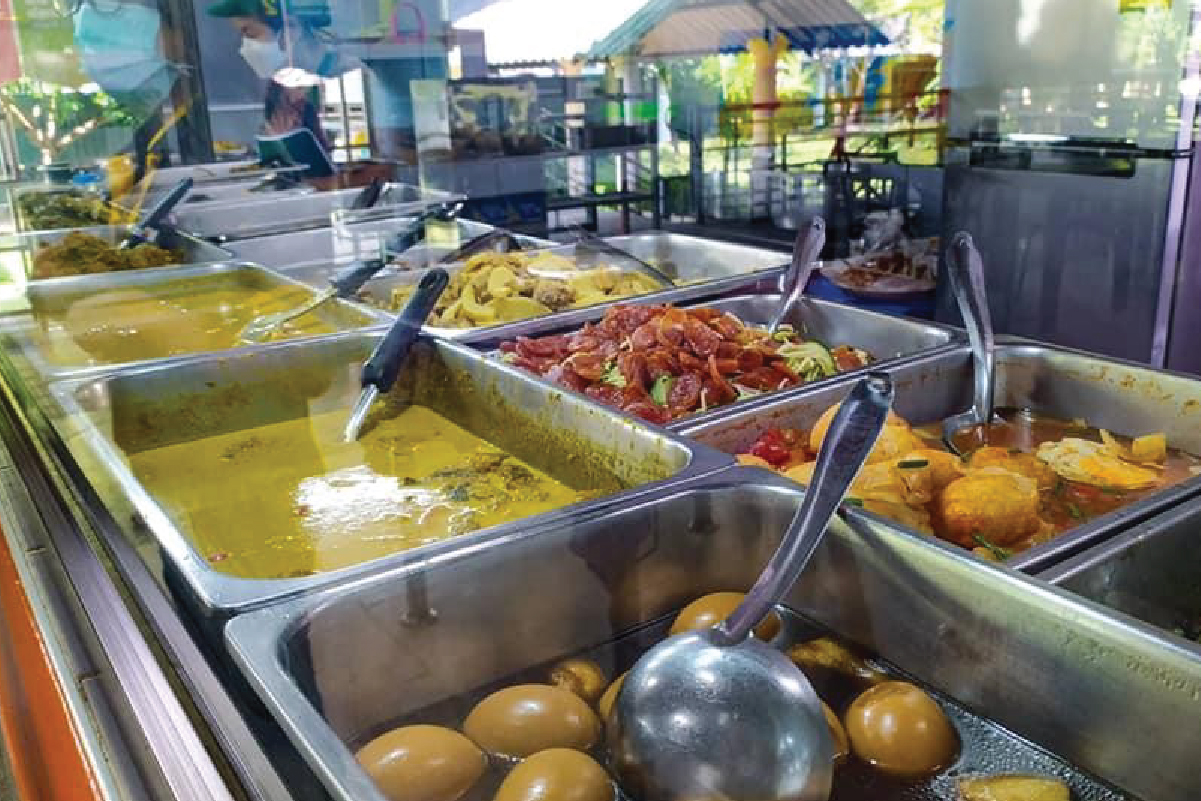
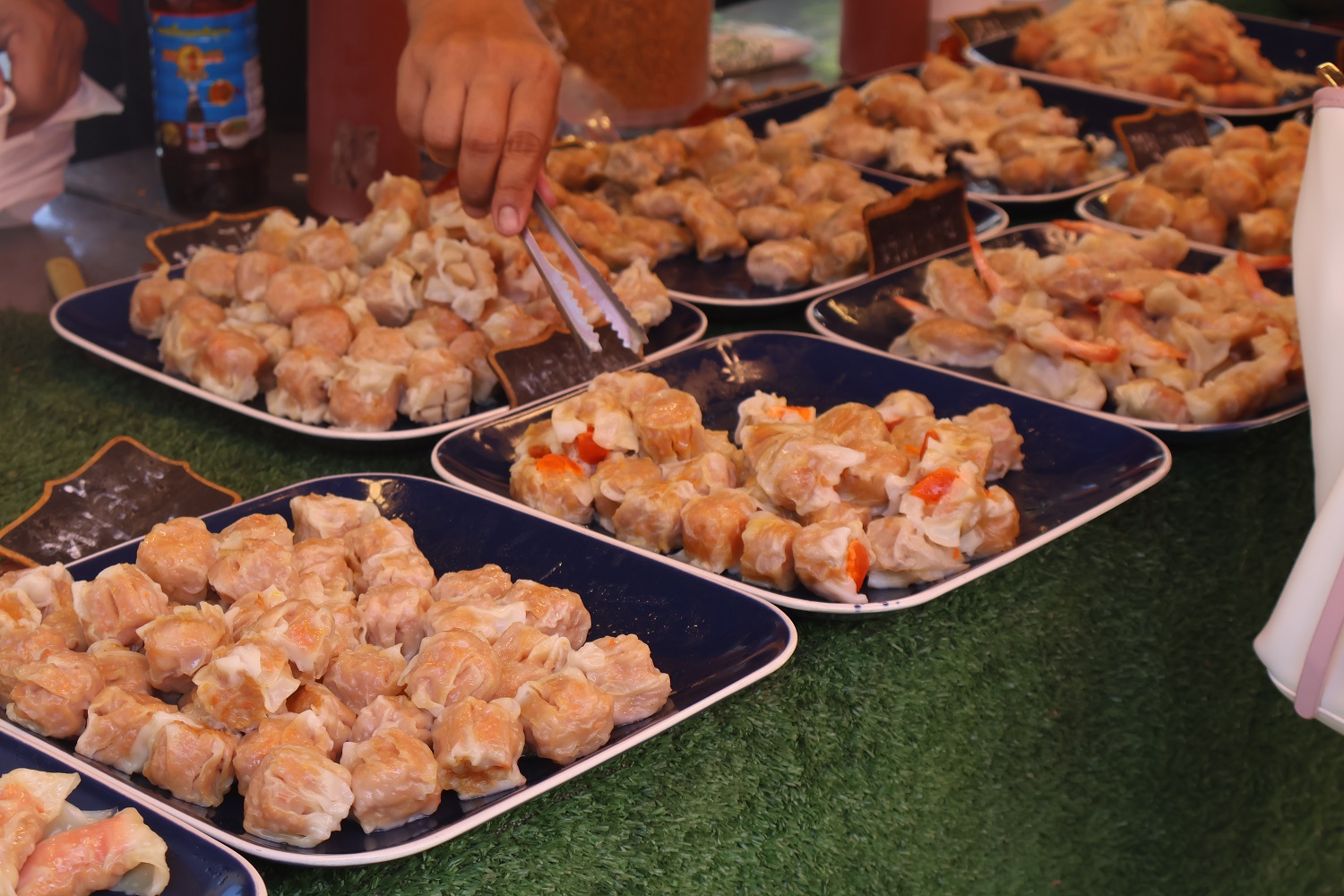
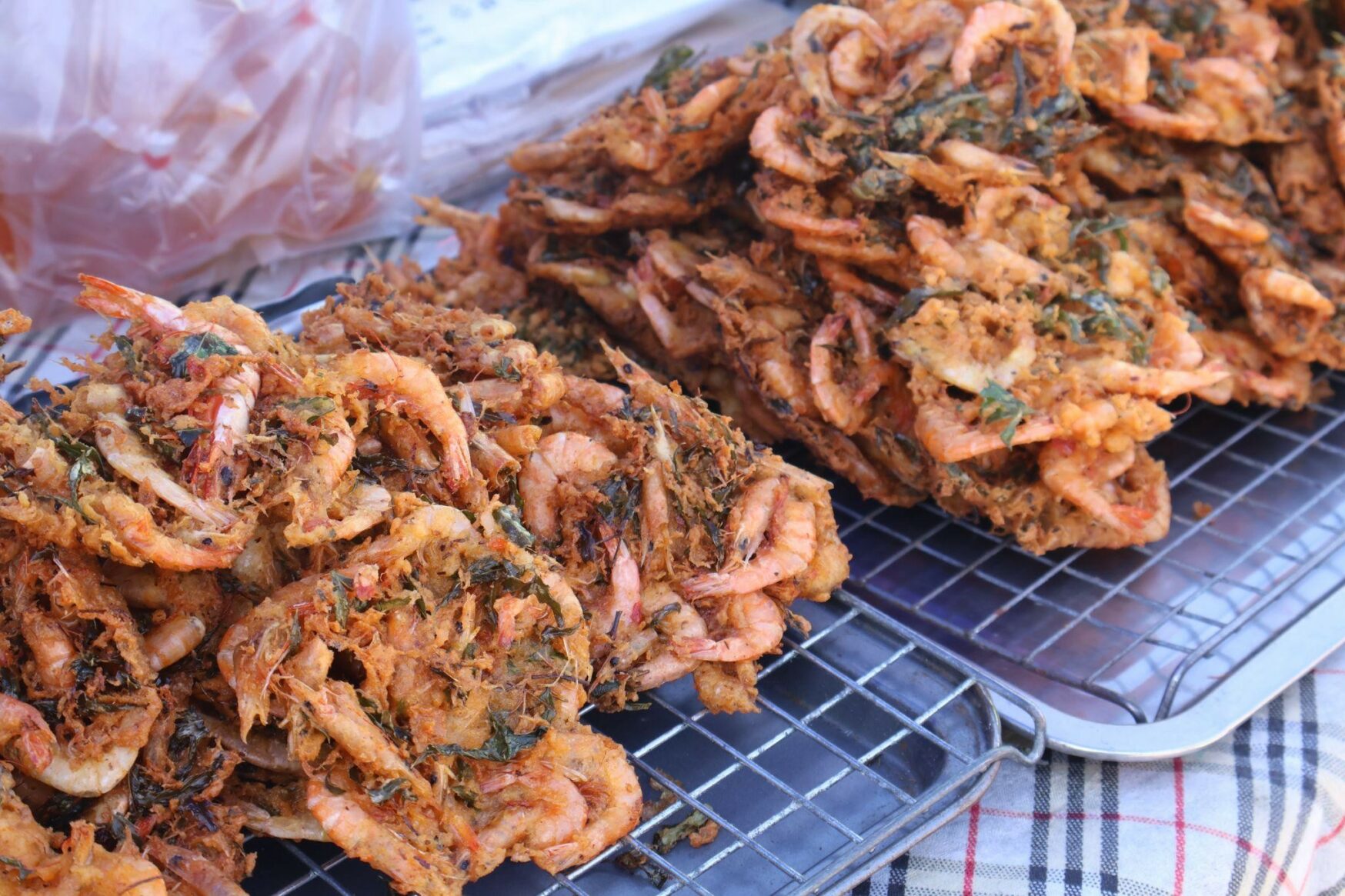
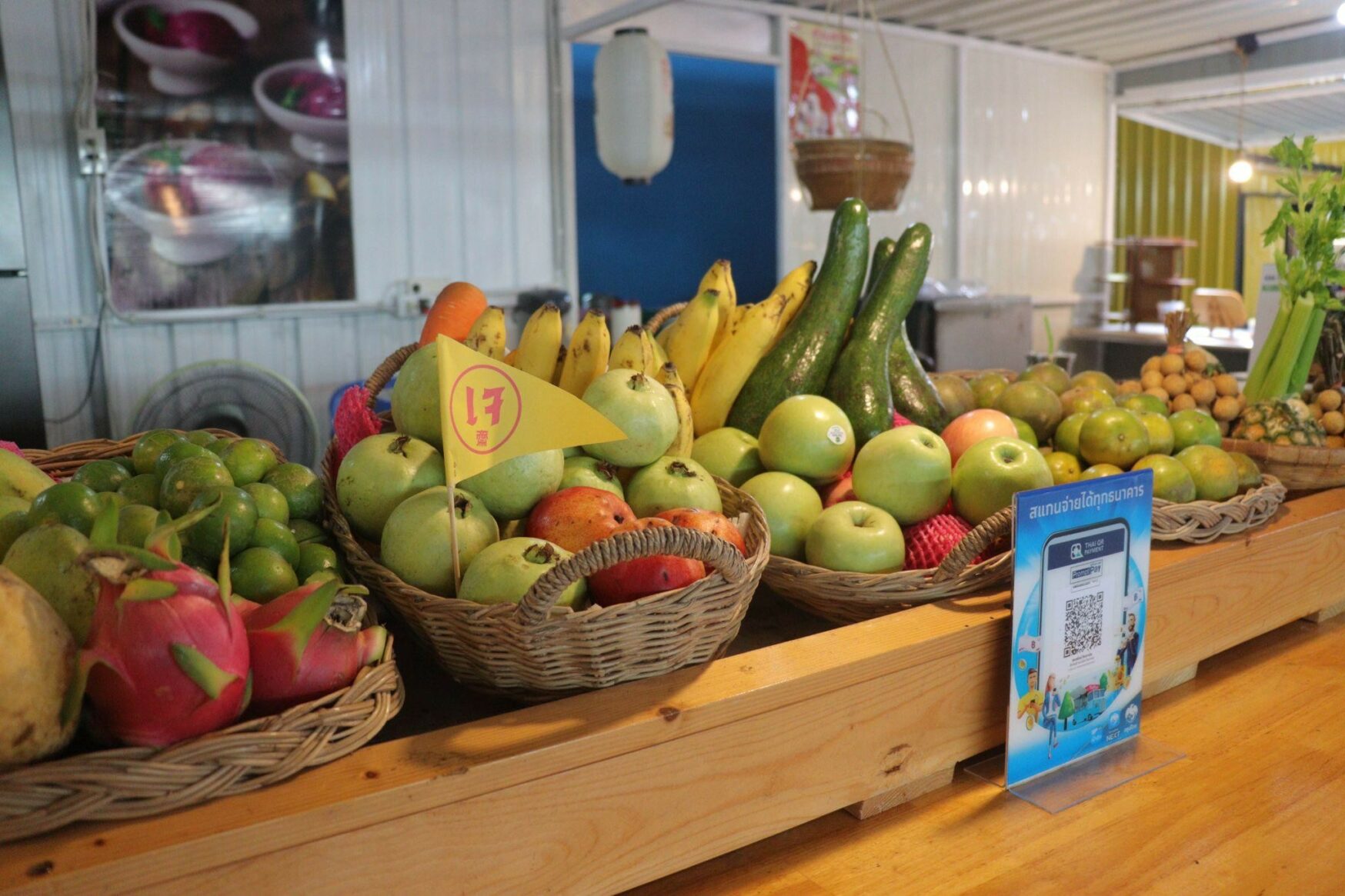
It includes 66 food outlets and 12 local food stalls. Offers halal, vegetarian, vegan food, and fresh fruits.
Figures : Food outlets and food stalls at the Chor Pradu Food Center.
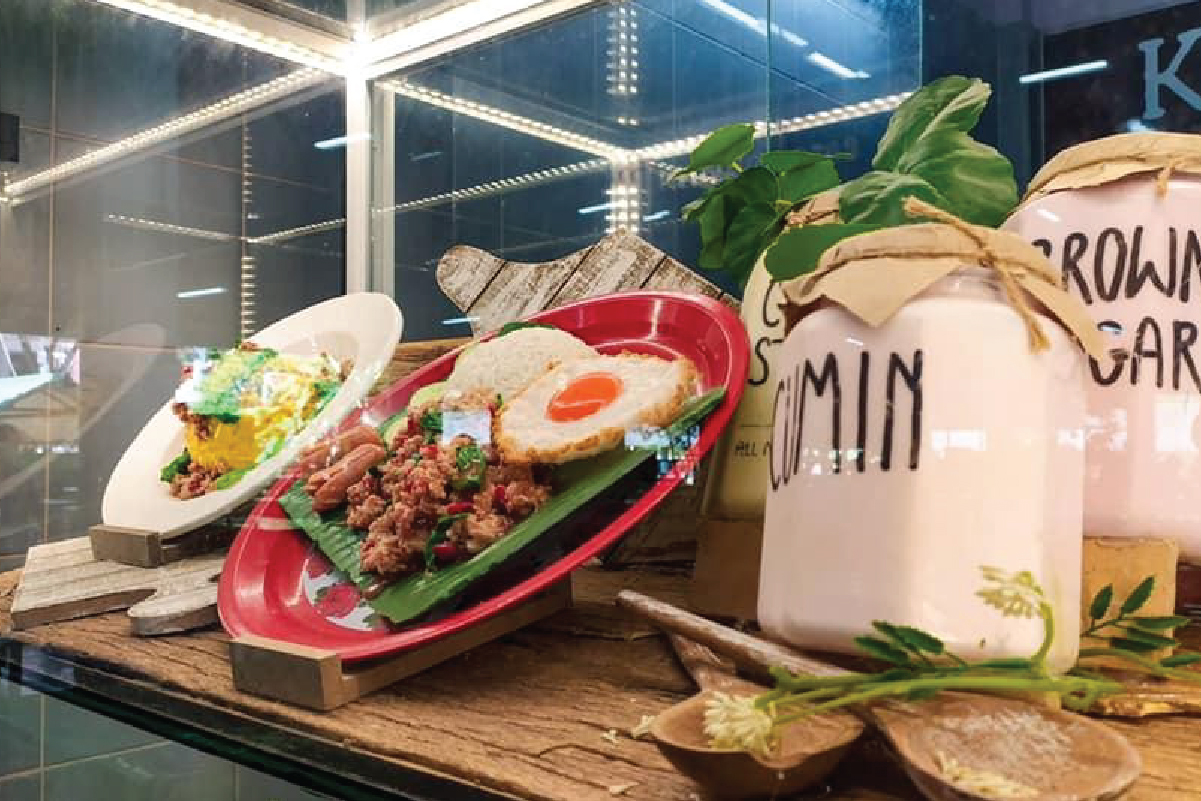
Figures : Vegan and vegetarian food at the Chor Pradu Food Center.
Student Activity Building Food Center
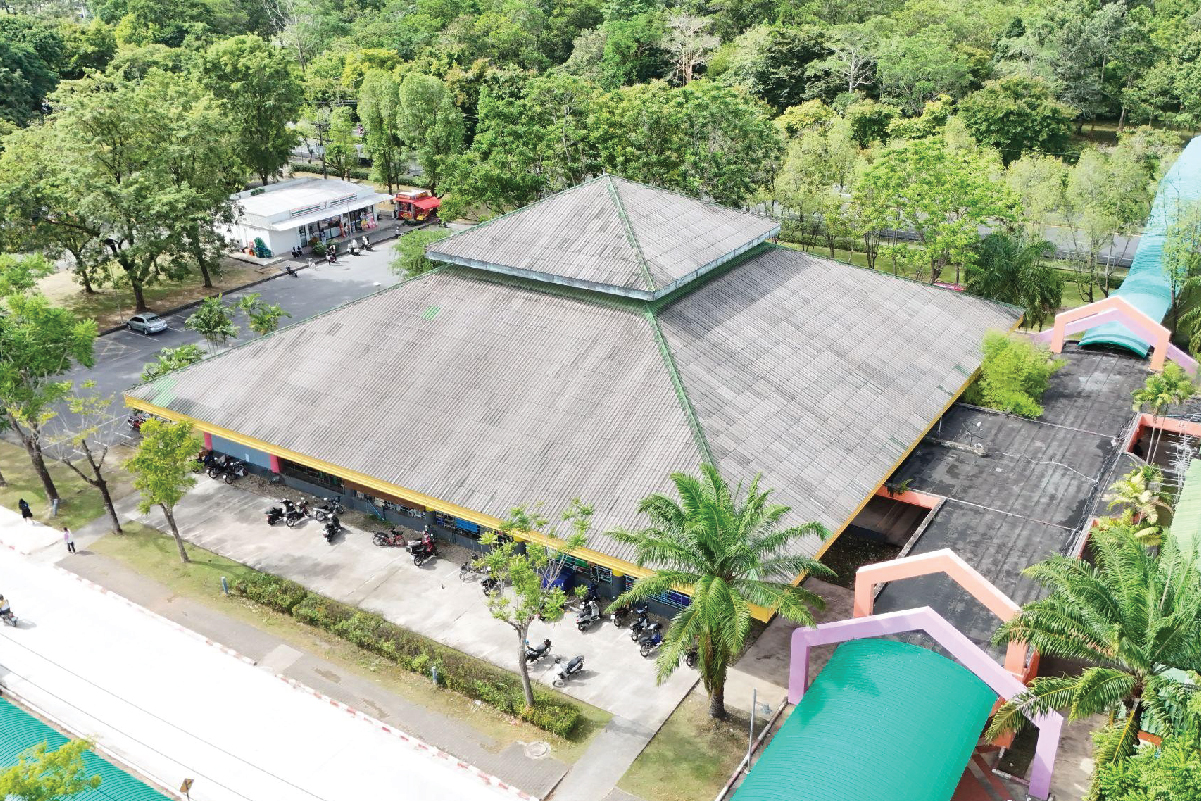
It contains 8 outlets and 9 local food stalls. Offers similar dietary options, including halal and plant-based meals.
Figures : Food outlets and food stalls at the Activity Building Food Center.
Bota Green Market Chic & Chill (Thursdays at Walailak Botanic Park)
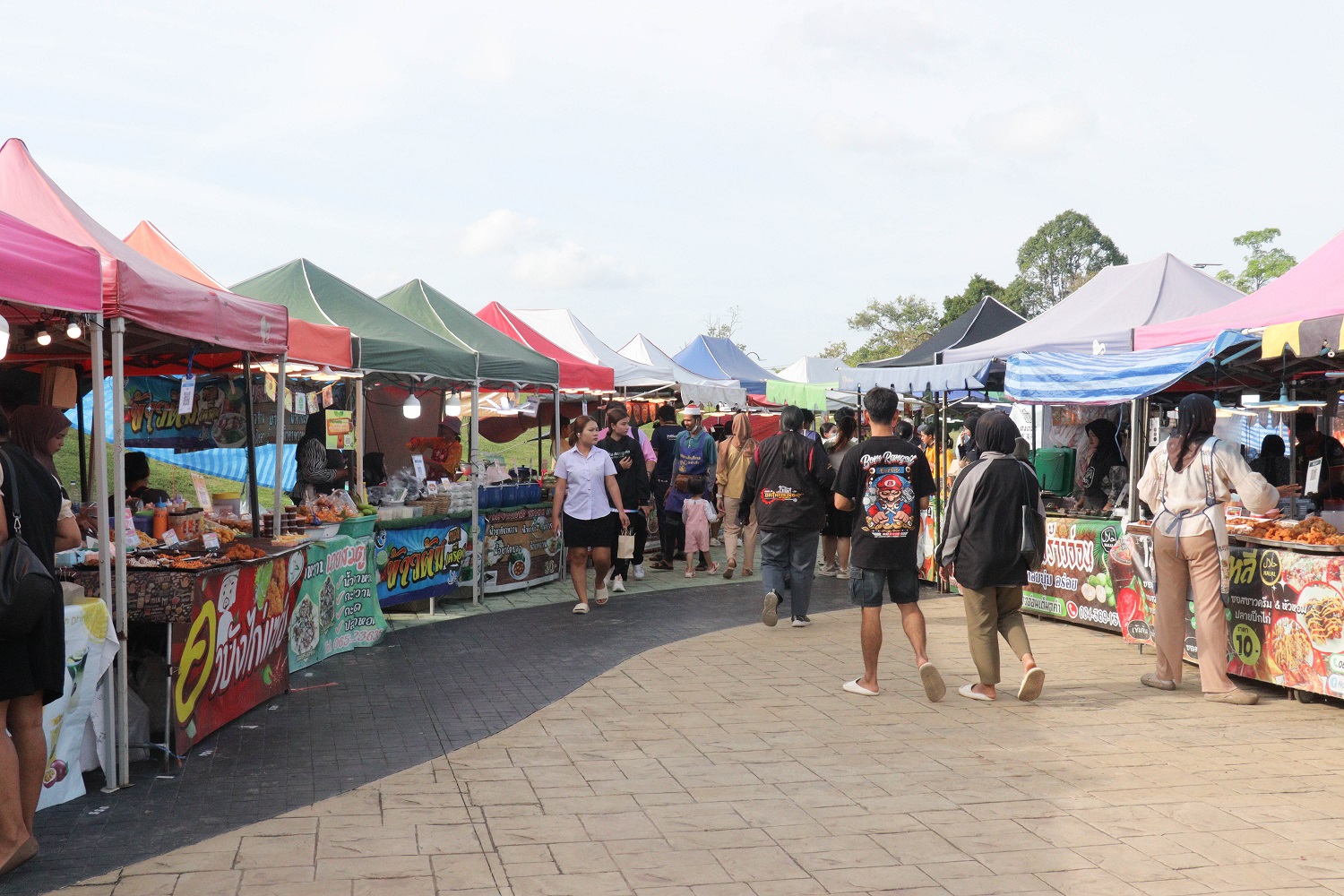
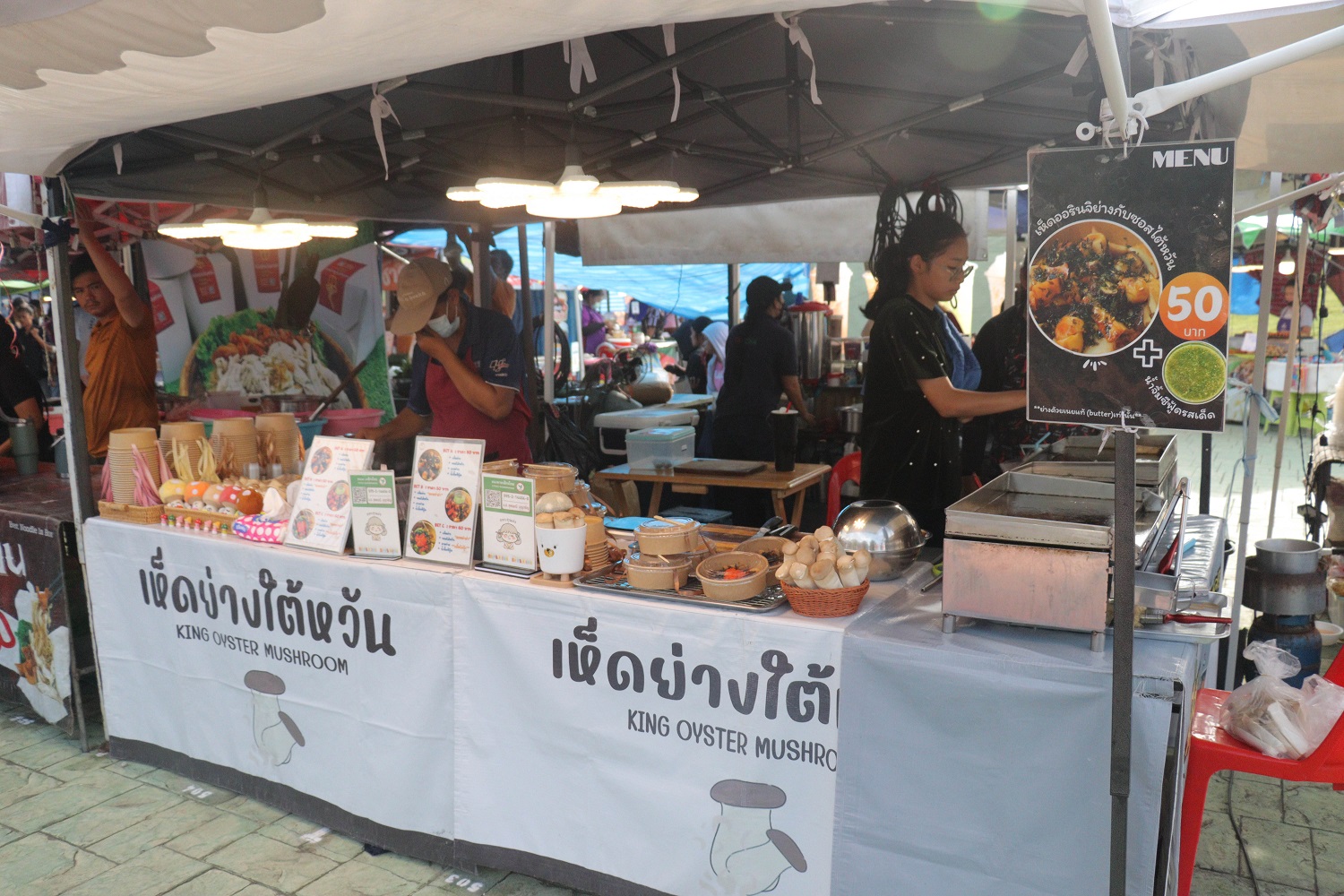
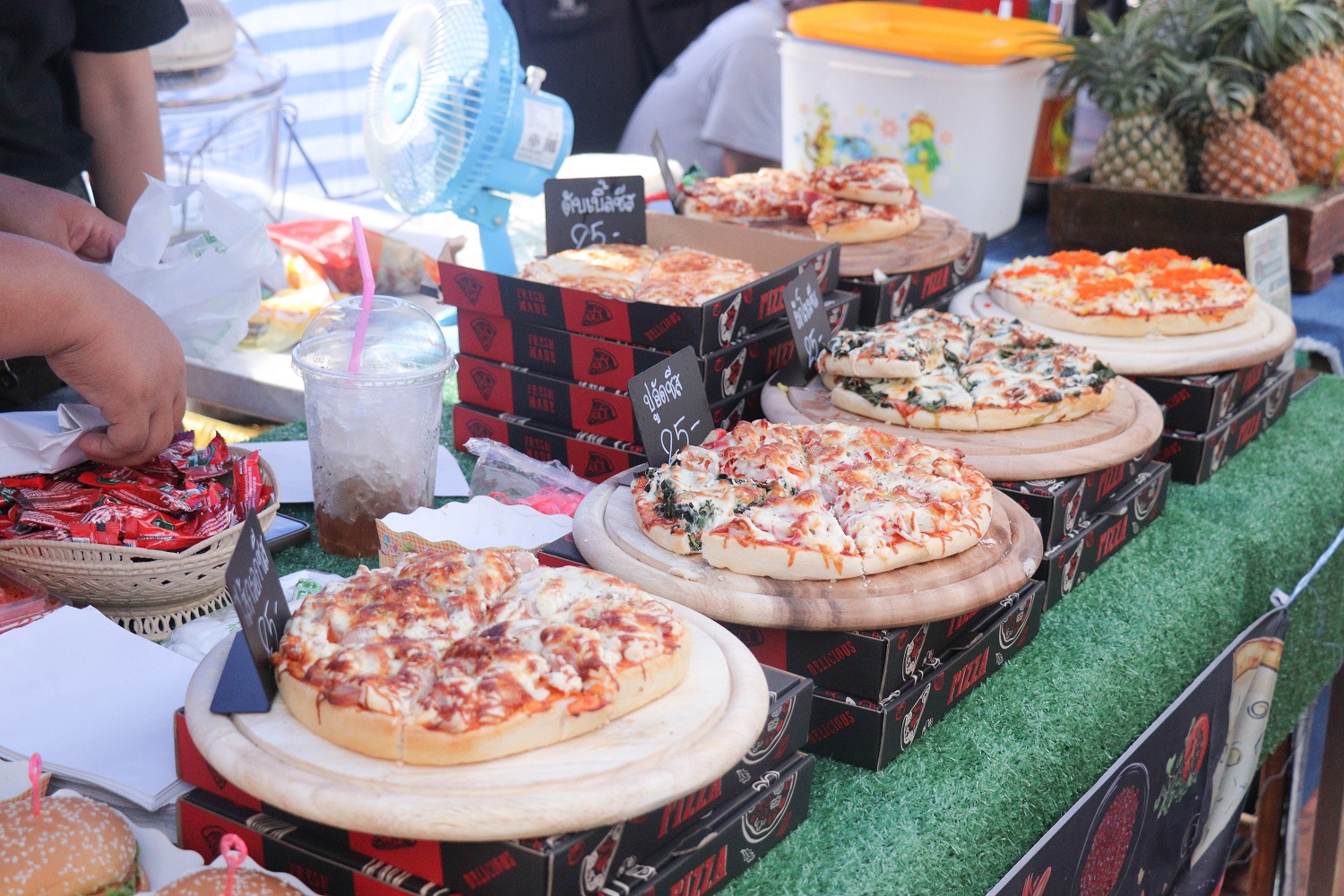
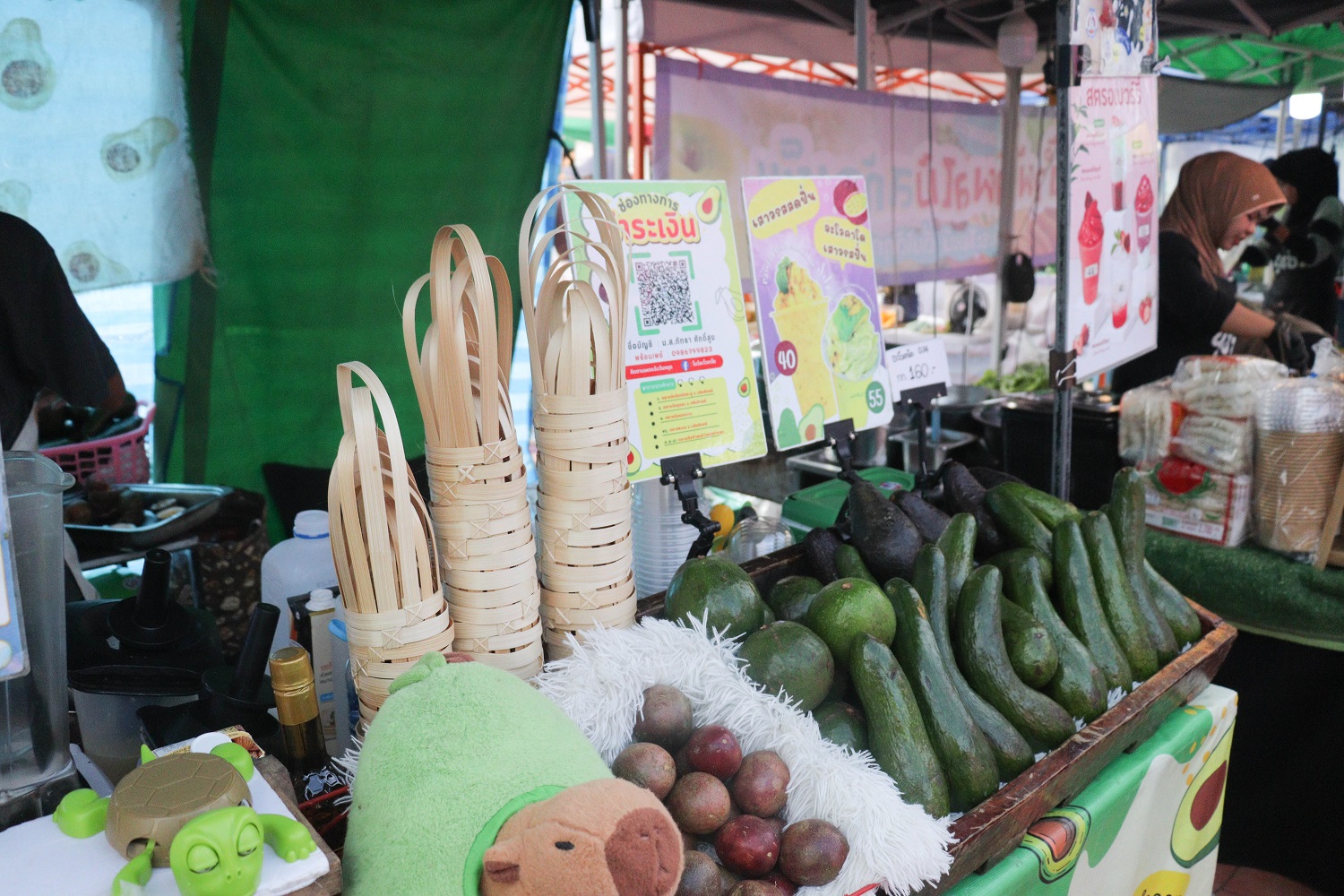
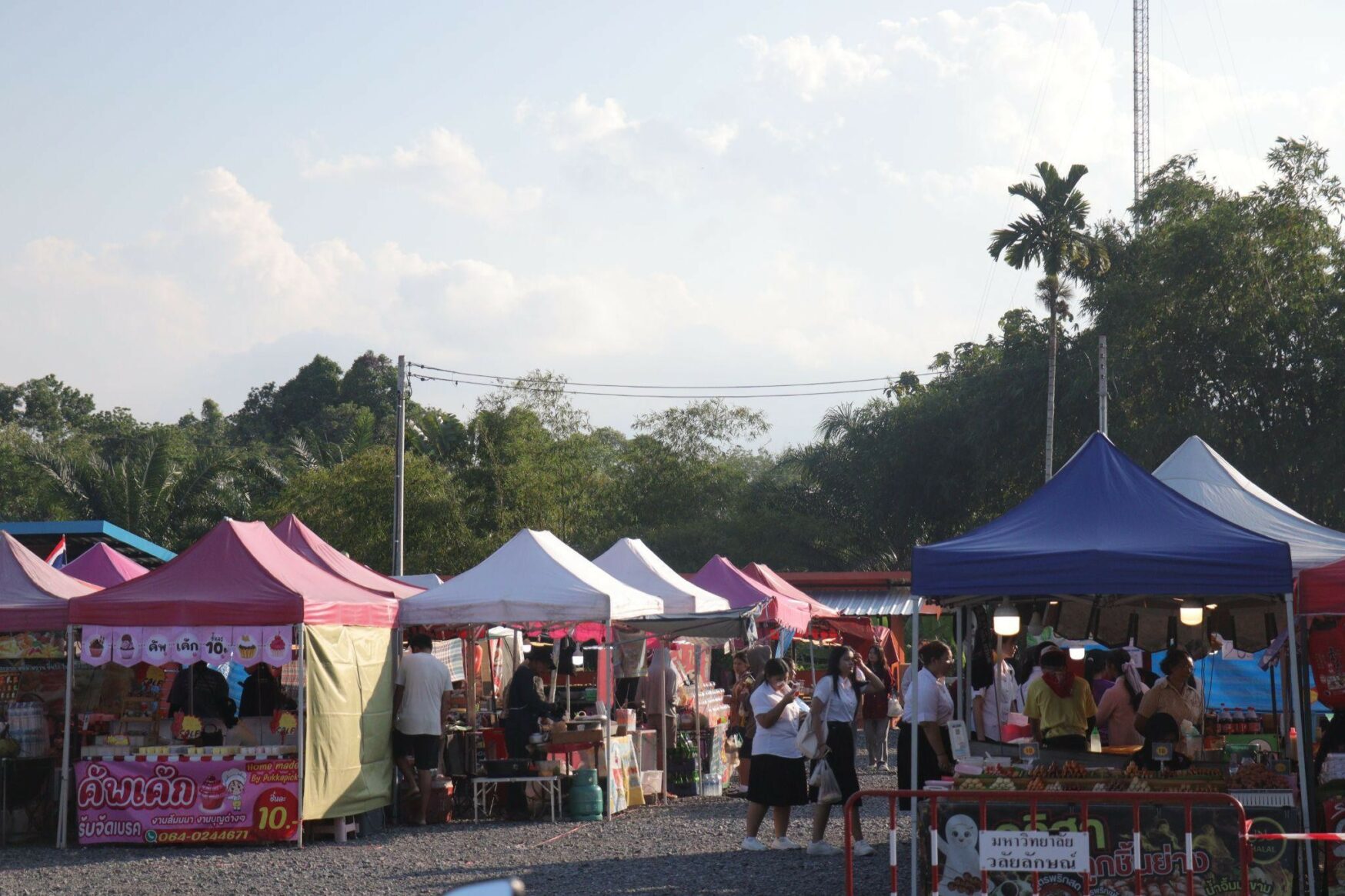
Walailak University Botanic Park has launched the BOTA Green Market, a new standard marketplace aligned with environmental standards to enhance community income and promote sustainable development. Held every Thursday, the market features 175 community-based stalls offering a wide variety of foods with an emphasis on sustainable food choices on campus.
Chan Pradu Market (Mondays near Lecture Buildings 1 and 3)
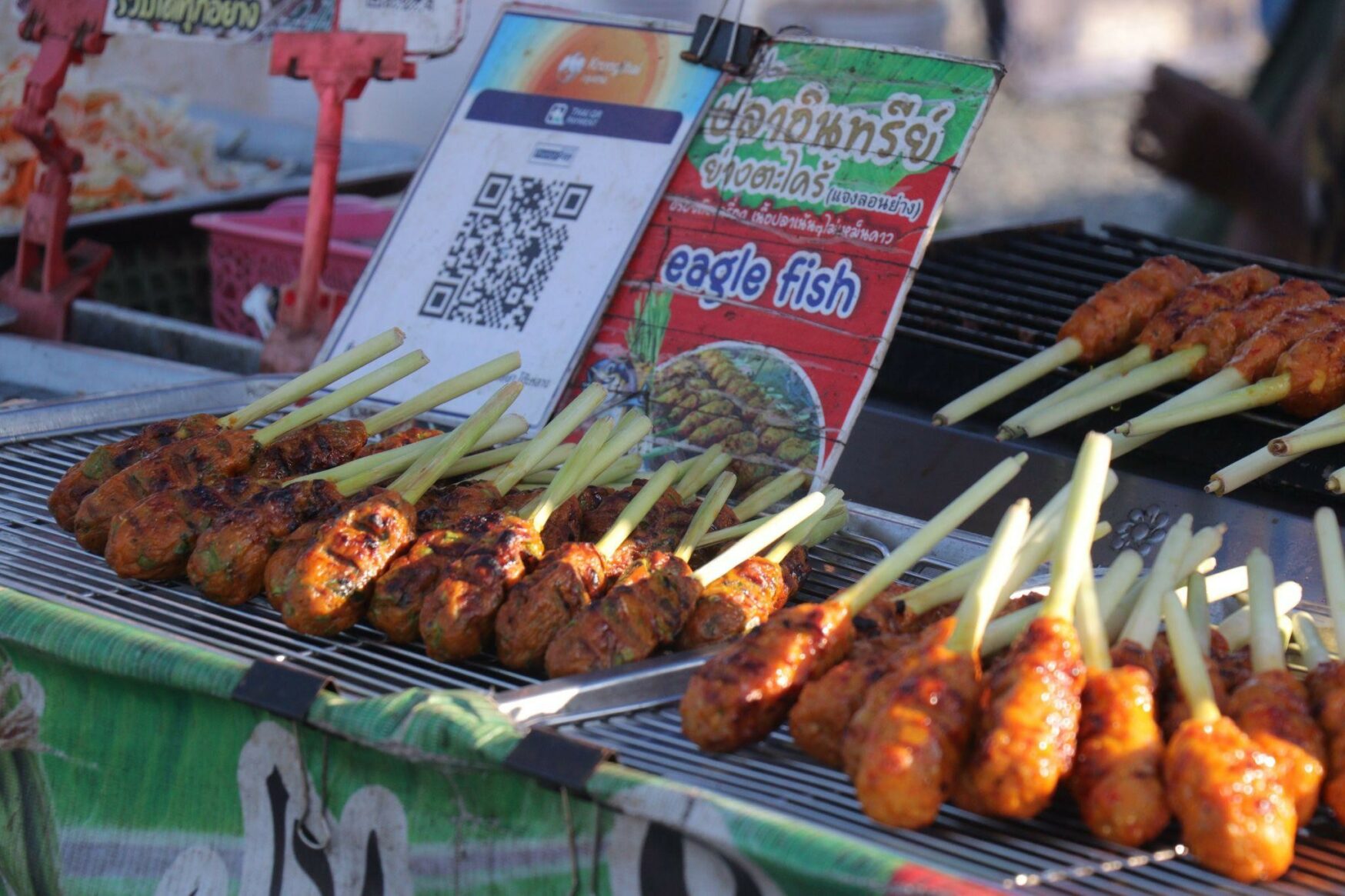
The Chan Pradu Market was initiated by the Walailak University Student Organization, bringing together local vendors and interested sellers to offer a diverse range of foods with an emphasis on sustainable food choices on campus, such as vegetarian and vegan options. The market consists of 174 stalls providing food that is safe from harmful substances, environmentally friendly, and sourced from trusted suppliers.
Khlong Din Market
Khlong Din Market provides an opportunity for local vendors to offer a variety of quality products, ensuring access to sustainable food choices, including food, snacks, and other goods. The market is open every Tuesday from 3:00 p.m. onwards, with a total of 10 stalls.
Linking to Food Sustainability
At Walailak University, food sustainability is deeply connected to sourcing safe, healthy, and environmentally responsible food from local communities. The university prioritizes purchasing from sustainable food sources that emphasize the responsible management of land and natural resources. It supports environmentally friendly production methods, such as utilizing seasonal ingredients to reduce the environmental impact of transportation. Furthermore, the university encourages restaurants and food suppliers that focus on minimizing food waste, aligning its efforts with the United Nations Sustainable Development Goals (SDGs) on responsible consumption and the sustainable management of food resources.

Commitment to Communities and Environmental Conservation
Through its commitment to supporting local sources and promoting sustainable practices, WU demonstrates its dedication to community well-being and environmental conservation. By prioritizing local businesses and encouraging sustainable operations, the university reflects its role as a responsible institution that supports communities and embraces true sustainability.