Walailak University Tracking Access Measures of Female Students’ Application and Acceptance Rates
Walailak University has consistently monitored female student application and acceptance rates. Since its establishment, female students have formed the majority of the student body. The university continues to track these figures to ensure that women maintain equal access to higher education.
Walailak University does not discriminate against women in its admissions process and provides equal support to all female students to help them complete their studies, just as male students do. During the admission process, WU also offers guidance and recommendations to female applicants to ensure they feel safe, welcomed, and supported throughout their academic journey.


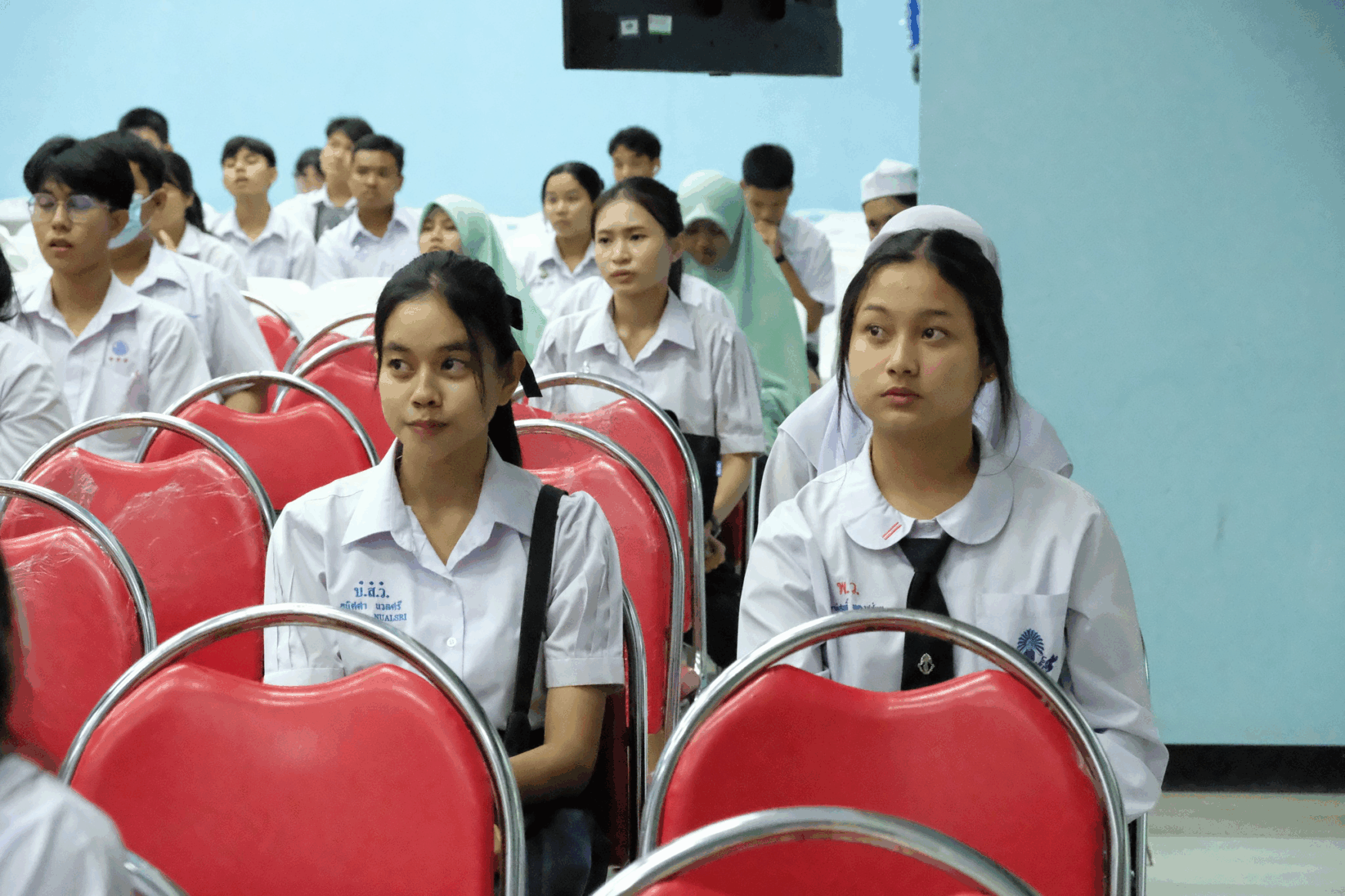
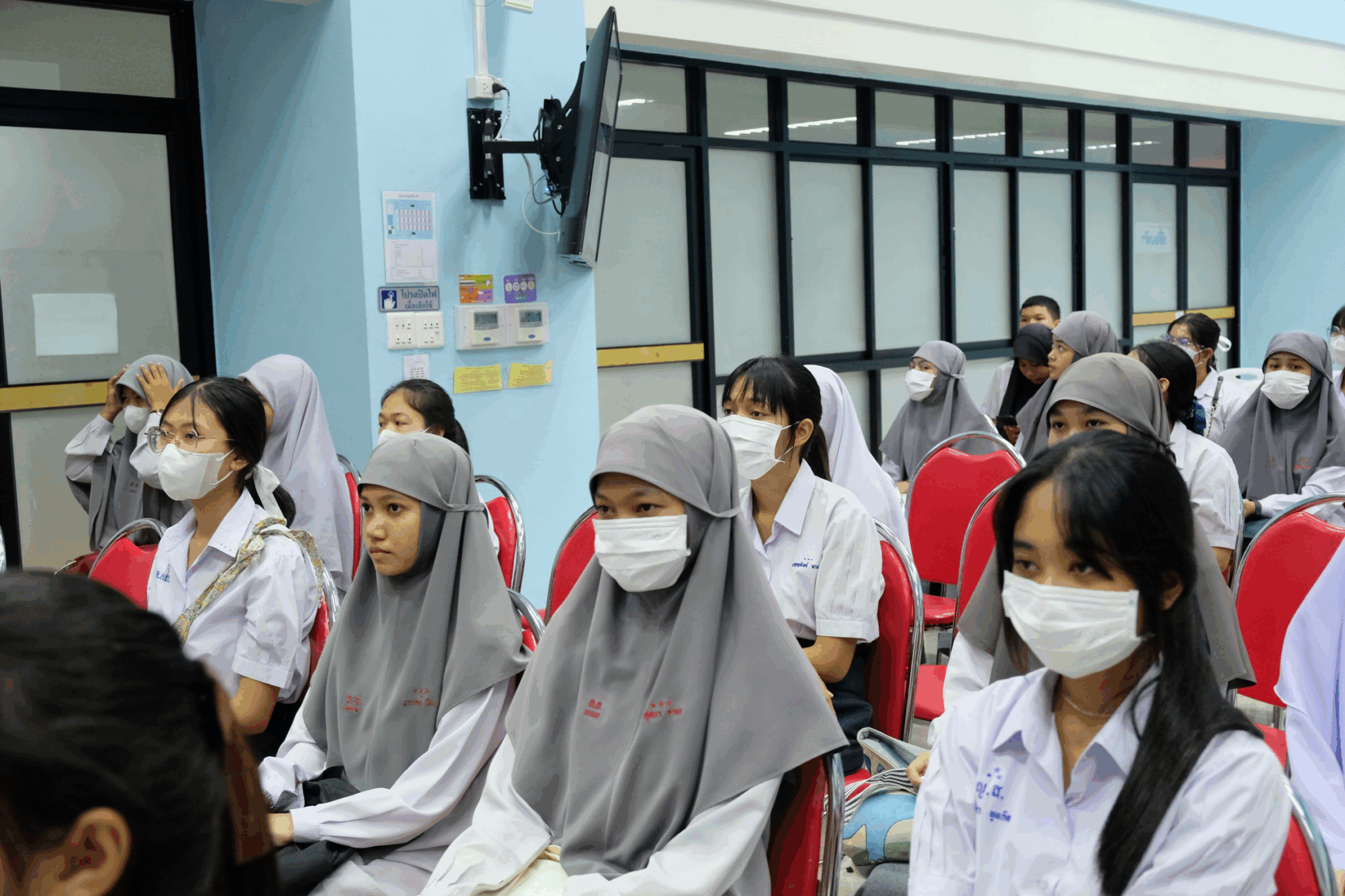
Walailak University, through the Center for Educational Services (CES), is responsible for systematically measuring and tracking women’s application rate, and acceptance or entry rate. The center has a specific division, which is called the “Admission Division” responsible for implementing the mission.
Walailak University recognizes the importance of ensuring equal access to higher education for women. Although internal assessments reveal that women already make up the majority of the university’s student population, WU remains committed to advancing educational opportunities and empowerment for women across all disciplines.
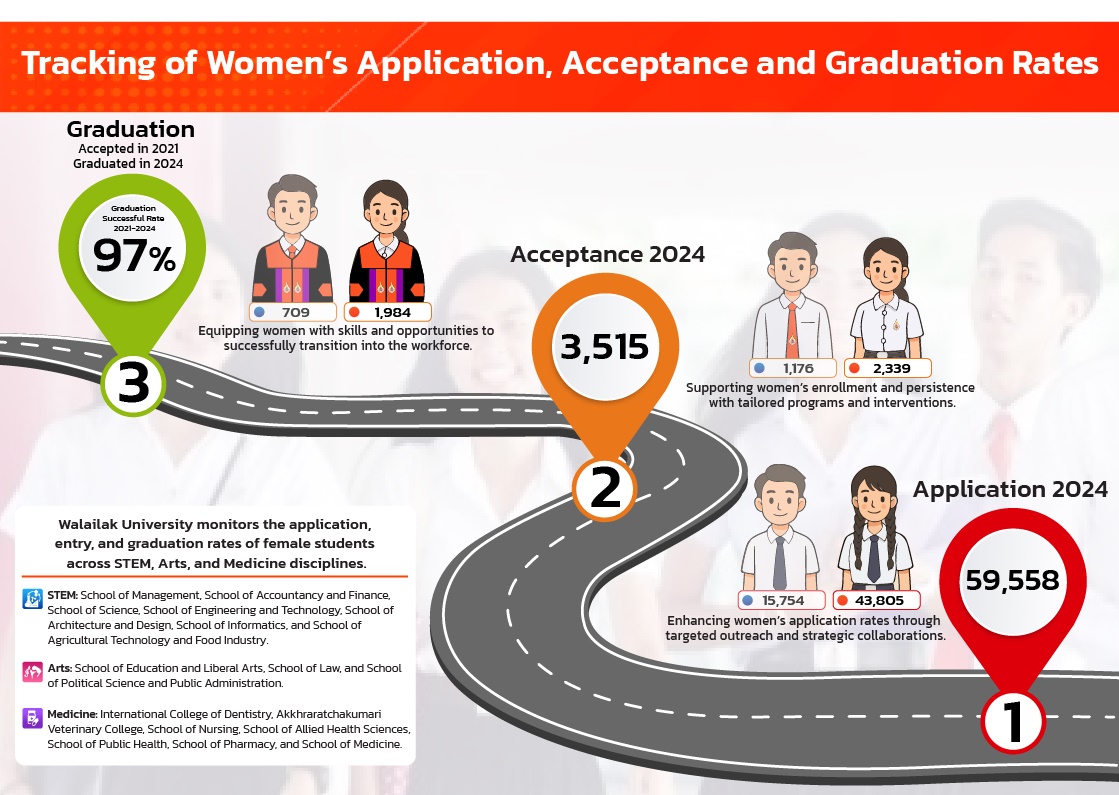
Monitoring and Measuring Women’s Application, Acceptance, and Graduation Outcomes
Walailak University has consistently supported women’s access to higher education, resulting in a higher number of female students compared to male students each year. To ensure transparency and continuous improvement, the university systematically tracks the number of male and female students in every School. The data is organized by academic year and covers applicants, enrolled students, and graduates, allowing the university to clearly identify trends, monitor gender representation, and address any emerging disparities.
Female Application Rate Compared to Male Application (%) from 2022 to 2024
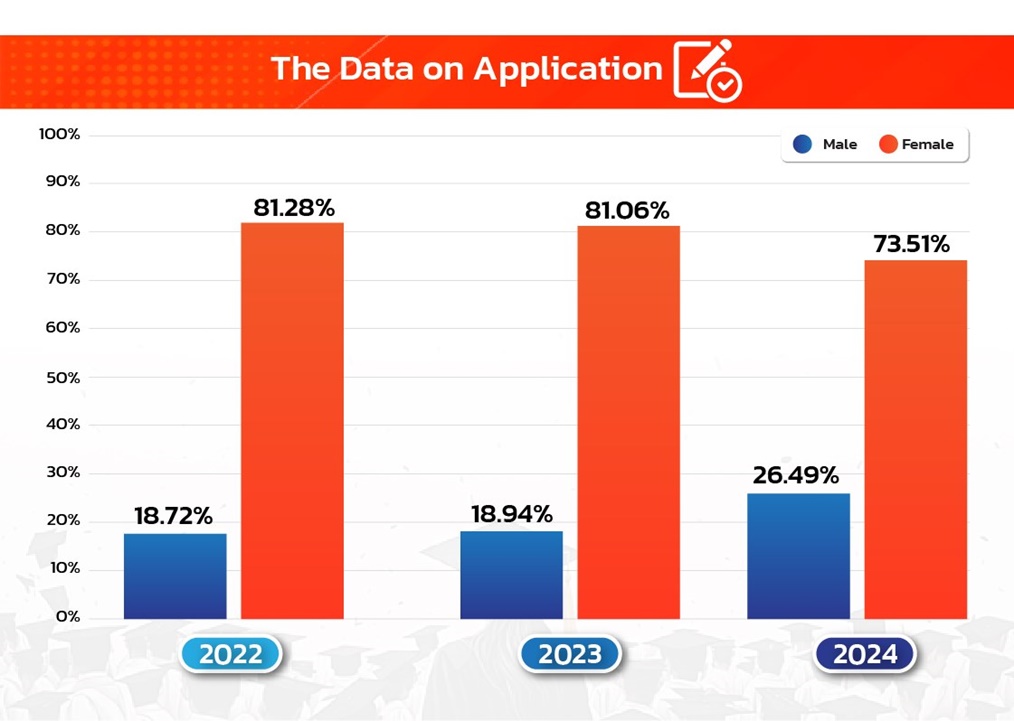
From 2022 to 2024, the proportion of female applicants to Walailak University consistently exceeded that of male applicants. In 2022, female applicants accounted for 81.28% of the total, while male applicants represented only 18.72%. This trend remained stable in 2023, with females making up 81.06% and males 18.94%. In 2024, there was a slight shift as the female applicant percentage decreased to 73.51%, while the male percentage increased to 26.49%, indicating a modest rise in male participation. Overall, female applicants consistently formed the majority of the applicant pool over these three years. Based on the data, it was found that female enrollment in these fields exceeded that of males.
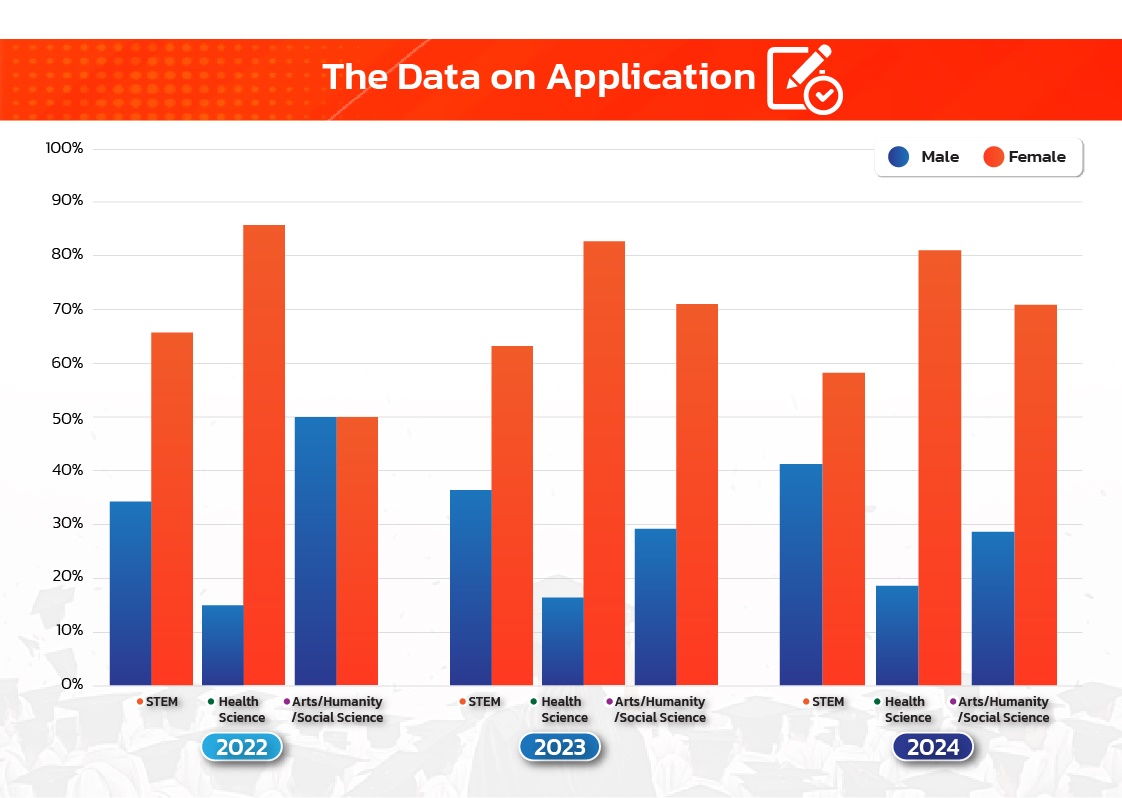
The application data from 2022 to 2024 across STEM, Medicine, and Arts/Humanities/Social Sciences strongly demonstrates that Walailak University does not discriminate against women and, in practice, provides women with full and equitable access to higher education. In every academic discipline and in every year, female applicants consistently outnumber male applicants. For example, in Medicine, women accounted for 85.50% of applicants in 2022, 83.30% in 2023, and 81.27% in 2024. In STEM fields—areas that often show male dominance globally—women still represented the majority, with proportions ranging from 66.14% in 2022 to 58.44% in 2024. The same pattern appears in Arts and related fields, where female applicants increased significantly from 50.00% in 2022 to 71.92% in 2024.
These trends clearly indicate that Walailak University’s admission system ensures equal opportunity for women and actively supports gender diversity across all fields of study. The consistently higher number of female applicants in every discipline shows that women feel welcomed, encouraged, and confident in applying to Walailak University. This also reflects the effectiveness of the university’s gender-inclusive policies, support systems, and outreach efforts, which help remove barriers and promote women’s participation in higher education.
Female Acceptance Rate Compared to Male Acceptance Rate (%)
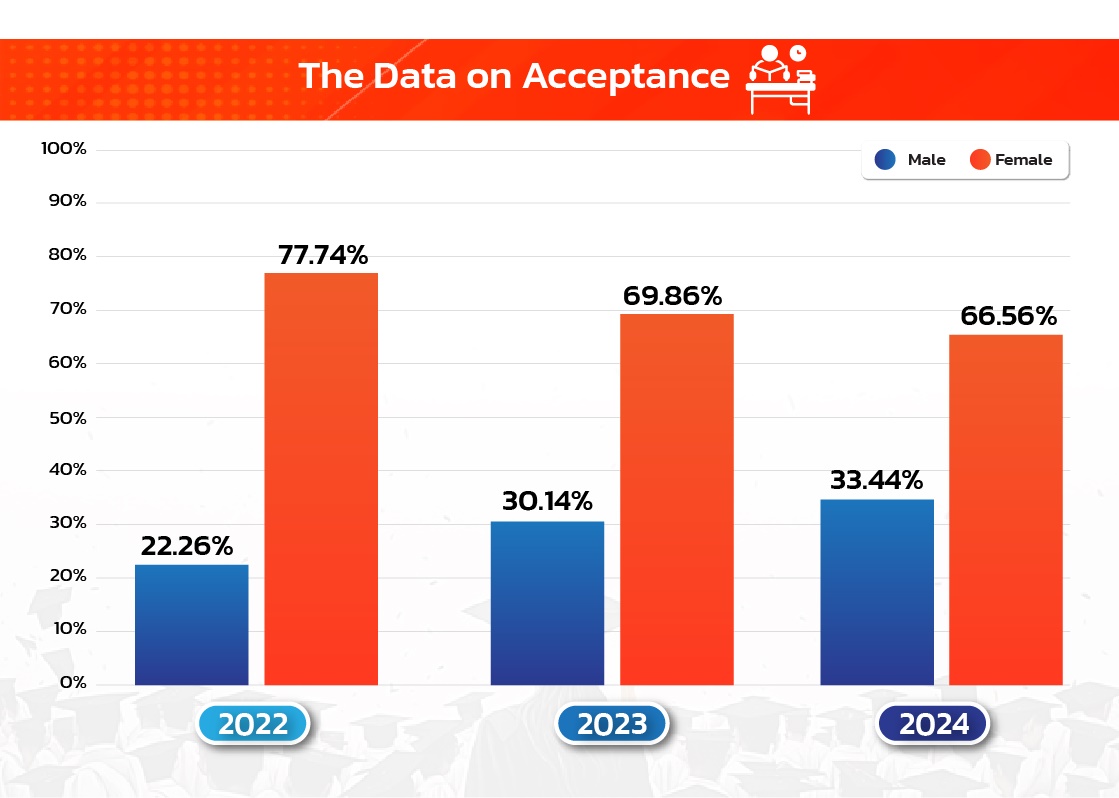
The acceptance rates at Walailak University from 2022 to 2024 demonstrate a consistent trend of female students being accepted at higher proportions than male students, although the gap has gradually narrowed over time.
In 2022, female students represented a significant majority of accepted applicants at 77.74%, compared to 22.26% for male students. In 2023, the proportion of female acceptances decreased to 69.86%, while male acceptances increased to 30.14%, indicating a shift toward more balanced gender representation. By 2024, this trend continued, with female students accounting for 65.56% of accepted applicants and male students rising to 33.44%.
Overall, the three-year data shows a steady increase in the proportion of male student acceptances alongside a gradual decline in female proportions, reflecting a move toward a more balanced gender distribution among newly accepted students at Walailak University.
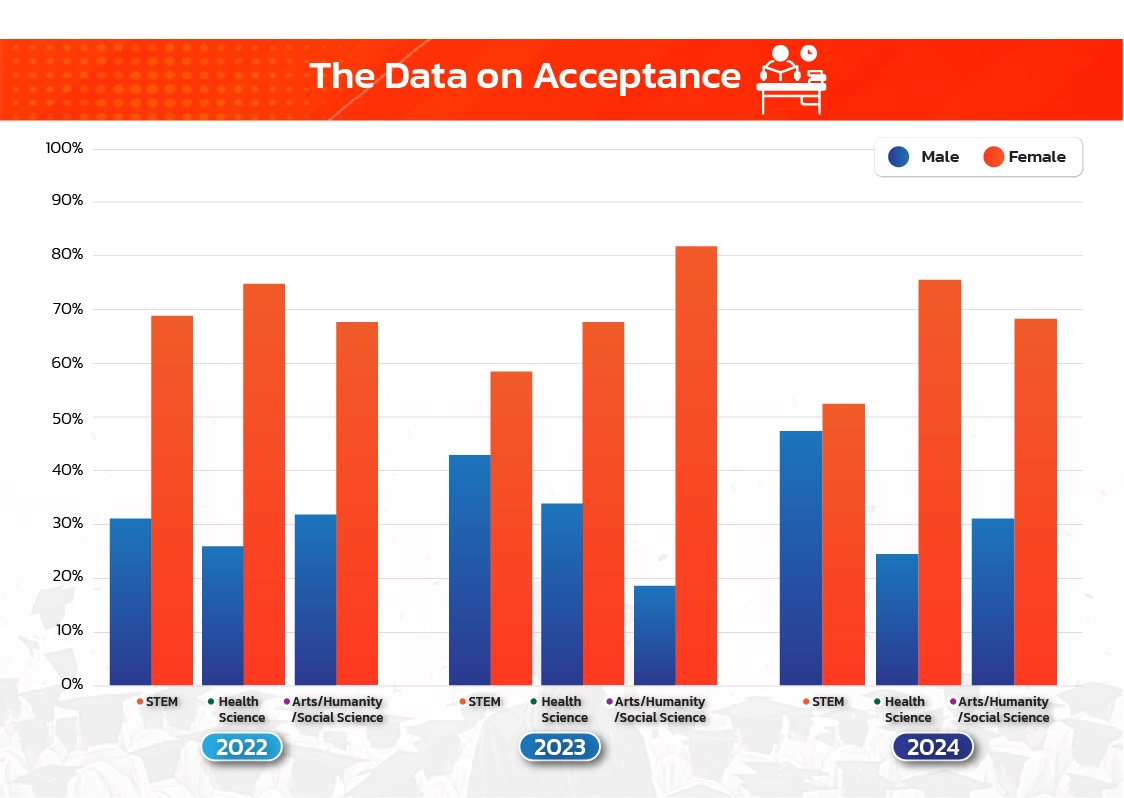
In 2024, Walailak University reaffirmed its commitment to promoting gender equality and enhancing women’s access to higher education across all academic fields. The university’s admission data reflect a notable representation of female students in major disciplines.
In STEM fields, 484 female students were admitted compared to 431 male students, meaning women accounted for 52.9% of STEM admissions. In Medicine, female enrollment was particularly strong, with 732 female students versus 240 males — women represented 75.3% of total admissions in this field. In Arts, Humanities, and Science programs, female students continued to lead, with 1,123 females and 505 males, equivalent to 69.0% female representation.
Walailak University’s Statistical Monitoring System for Gender Diversity in Admissions
According to the diagnostic analysis and reports from the CES, there were 59,558 students across Thailand who applied to Walailak University for the academic year 2024, of which 43,805 were female students. The acceptance rate for the academic year 2024 was 3,515, with 2,339 female students (66.59%) and 1,176 male students (33.41%). This indicated that female students were still the majority among students at Walailak University. However, it is still necessary to track the application and acceptance rates of female students to show the university’s commitment to gender diversity promotion.
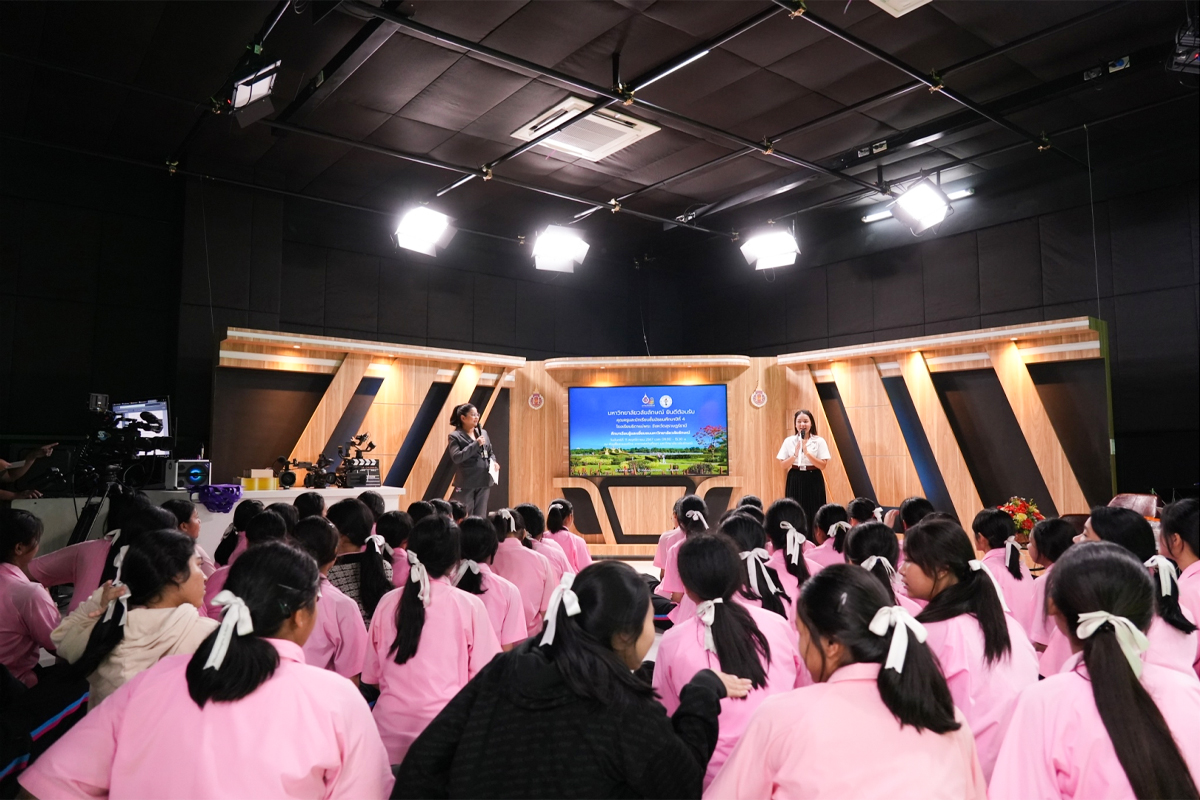
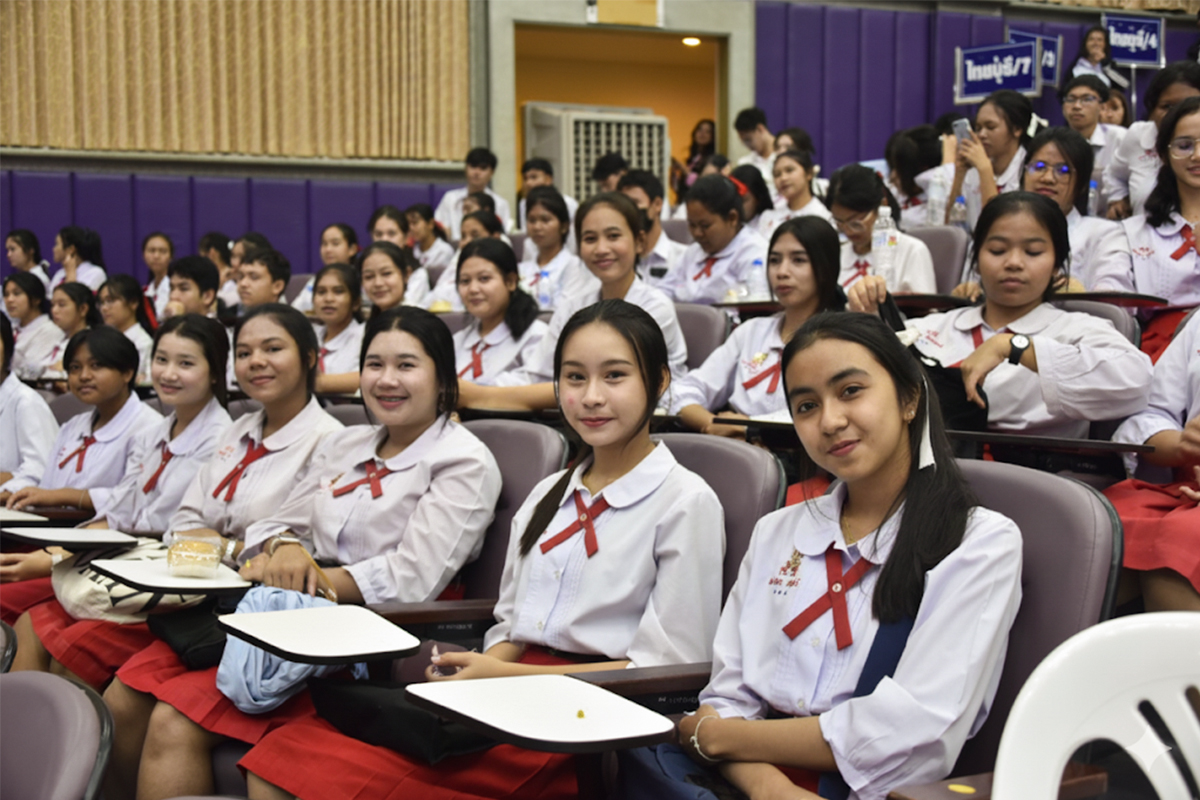
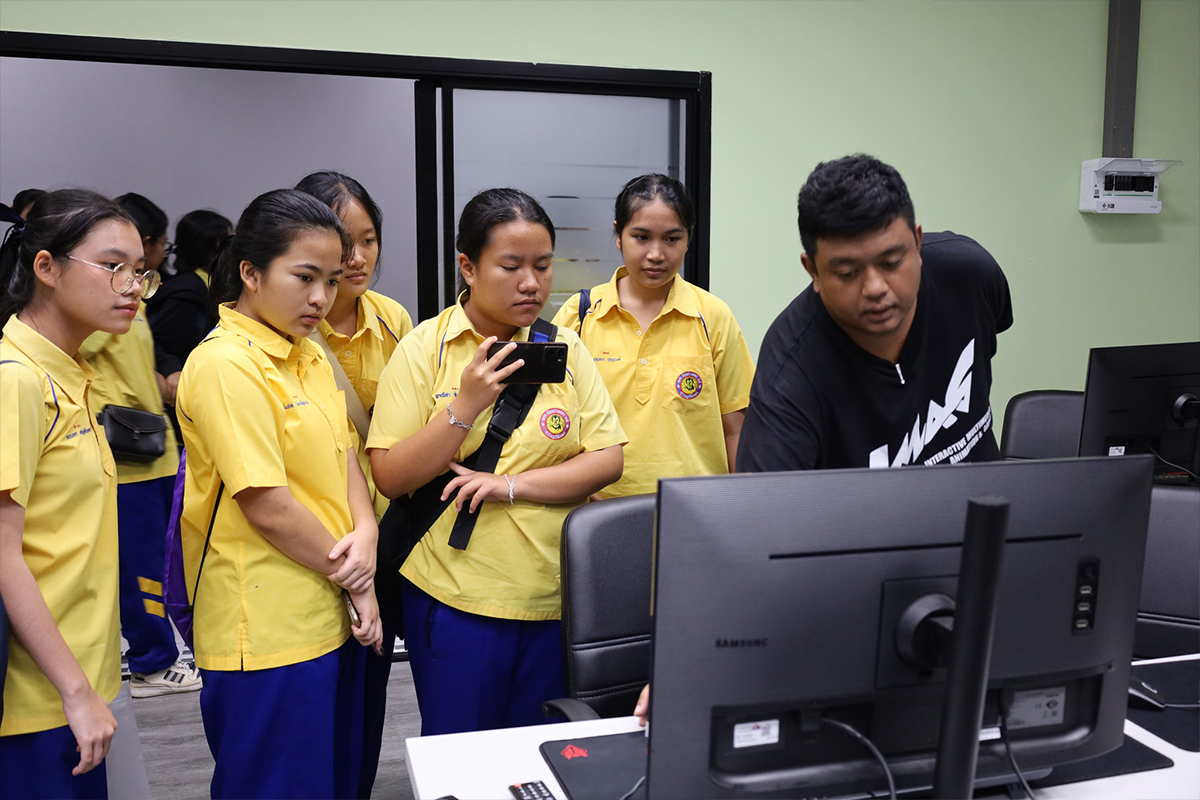

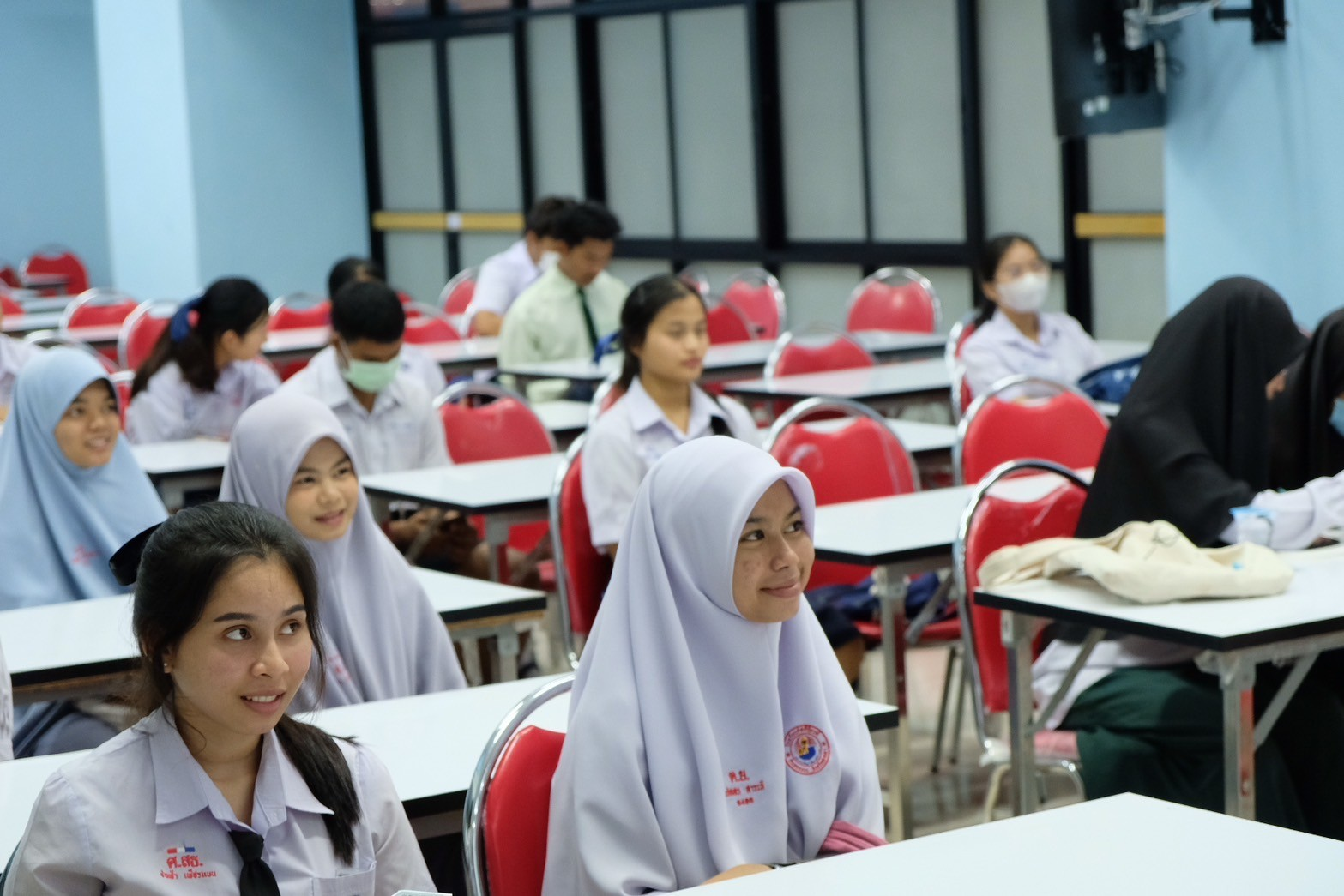
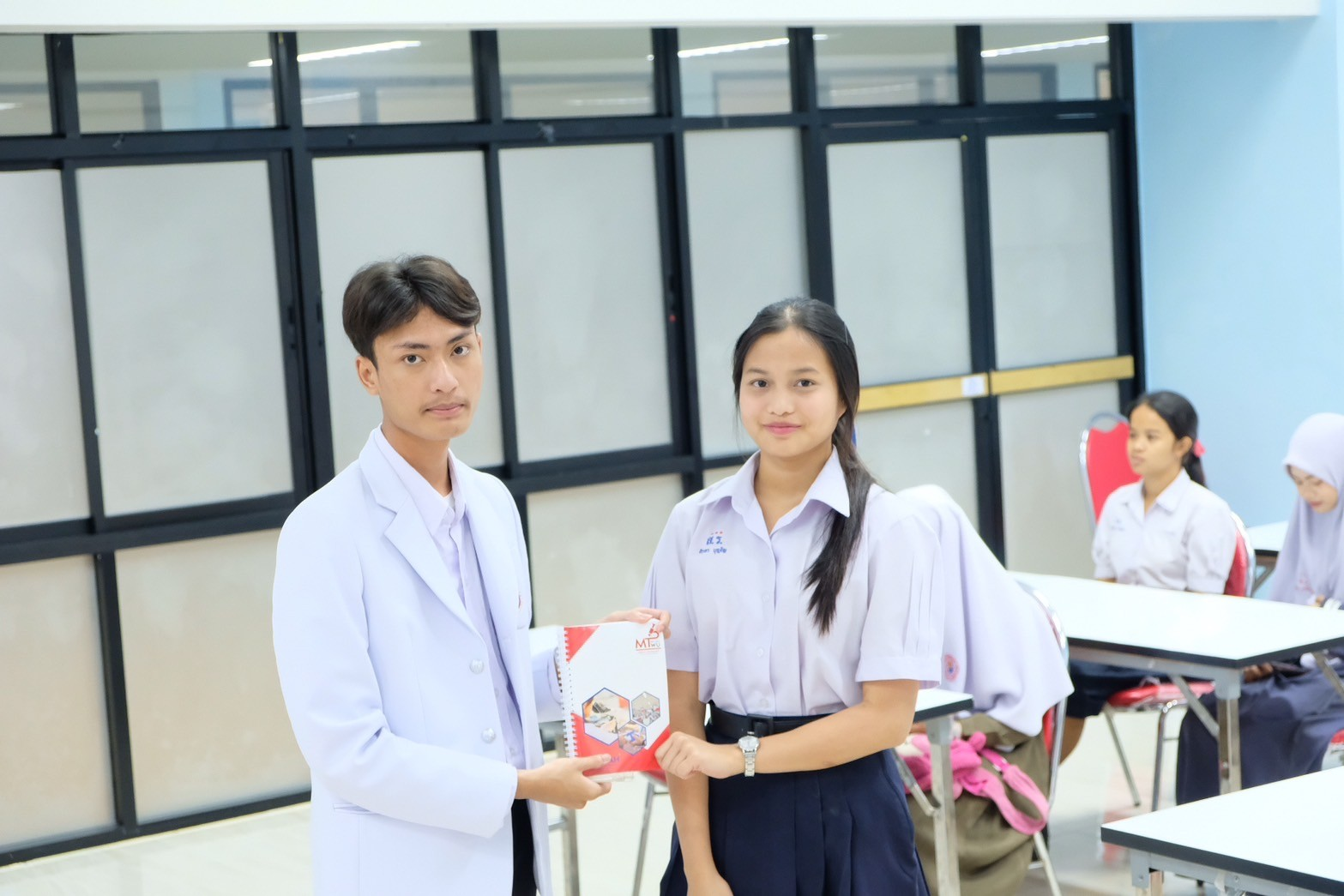
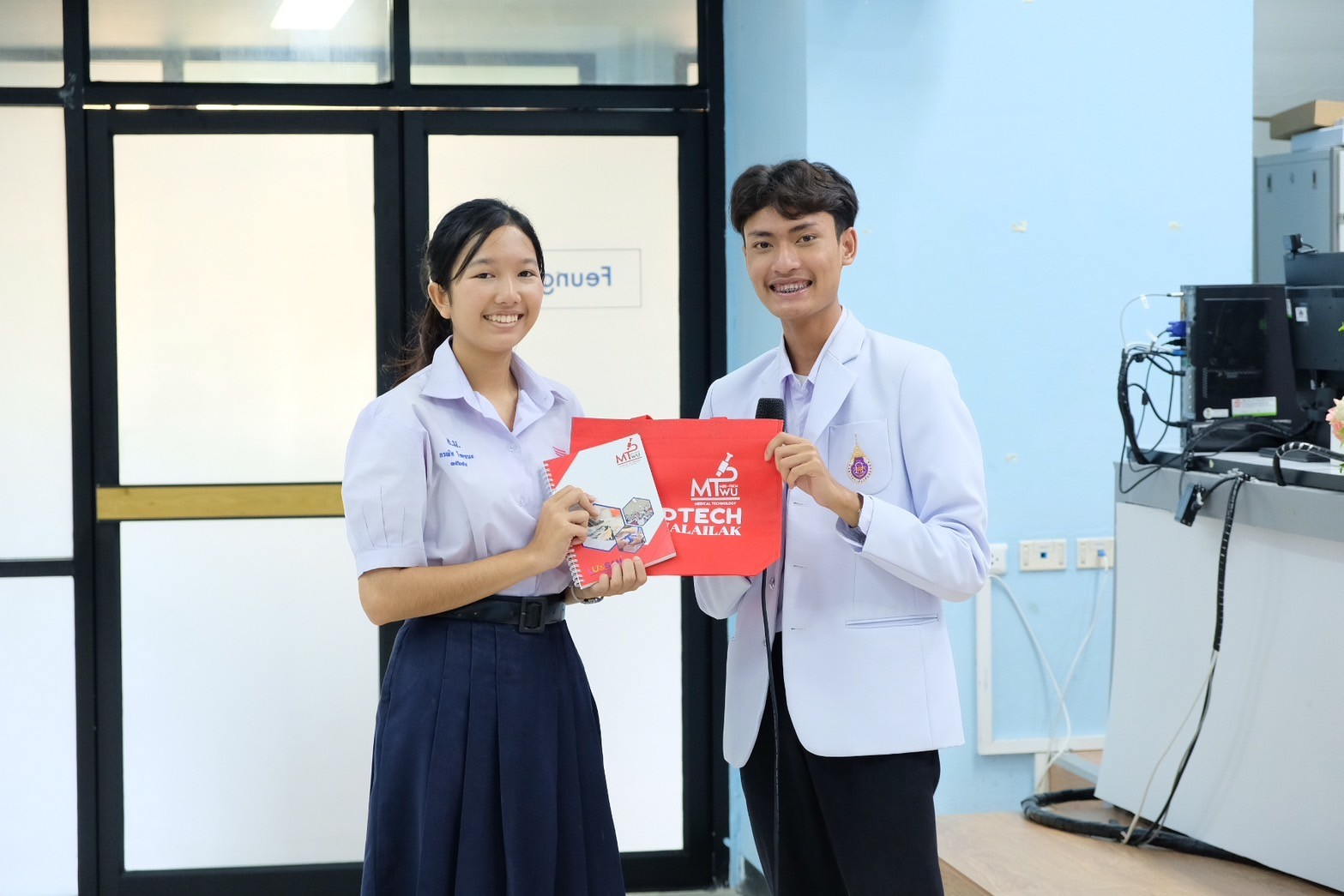
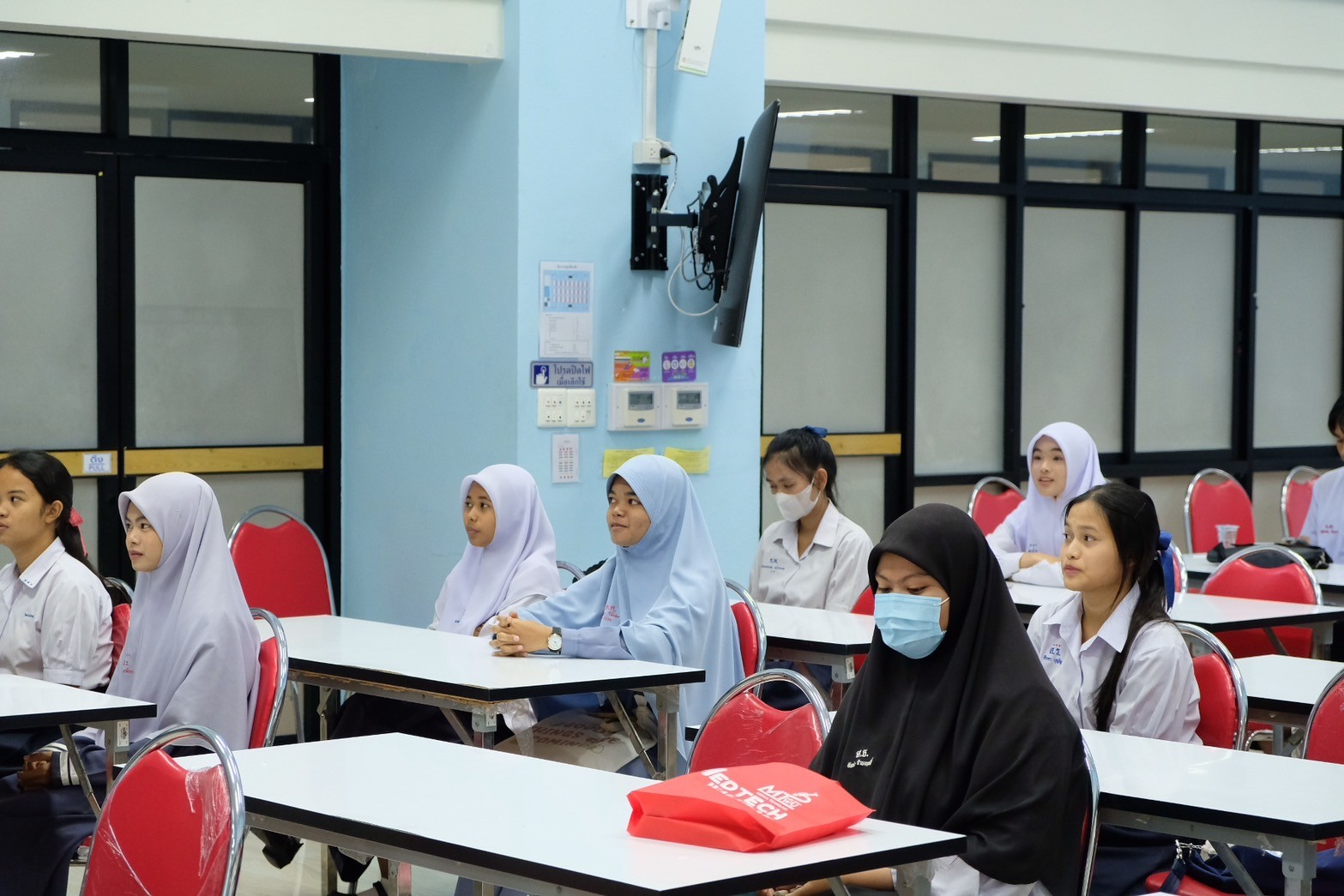
Female students from secondary schools who are interested in applying to Walailak University
The CES has developed a website systematically collecting all the statistical data on SDG 2, SDG 3, SDG 4, and SDG 5, and other relevant statistical data. This website has been developed to show that Walailak University has placed importance on promoting gender diversity and inclusion as the website can provide information to the CES to identify and monitor trends and barriers that may deter women students from applying and participating in higher education. The website shows the number of women students each year and keeps updating the number of women students who have quit or participated at Walailak University. The website of Walailak University showing the data can be reached at https://ces.wu.ac.th/registrar/refer/sdg2.asp?d=&y=2567&lang=
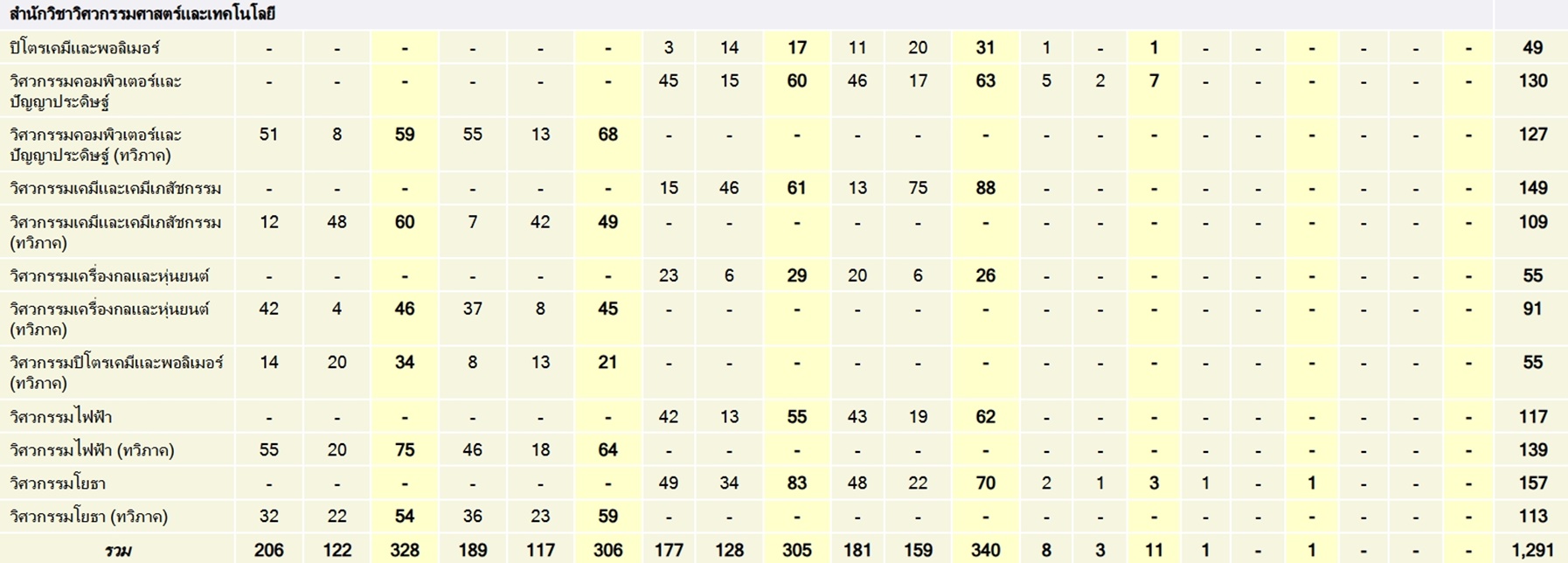
The CES has also launched a separate website that offers more detailed insights into the distribution of male and female students across various programs, categorized by Student Classification each year. The details are useful to the CES staff, who are responsible for tracking the acceptance rate of female students. The website can be reached at https://ces.wu.ac.th/registrar/student_total2.asp
Walailak University affirms that women are never discriminated against in its admissions process, and the university upholds a strict principle of equal opportunity for all applicants, regardless of gender. Female students have long formed the majority of the student body, and this trend reflects the university’s inclusive environment, supportive academic culture, and gender-equitable practices. To ensure transparency and continuous improvement, Walailak University—through the Center for Educational Services (CES) and its Admission Division—systematically measures and tracks women’s application, acceptance, and entry rates every academic year. This rigorous monitoring system enables the university to identify trends, address potential barriers, and strengthen policies that promote women’s access to higher education across all disciplines, including STEM and Medicine. By maintaining a comprehensive and publicly accessible database on gender-related admission statistics, the university demonstrates its ongoing commitment to gender equality, women’s empowerment, and the advancement of fair and inclusive admissions practices.