WU’s Collaborations with Secondary Schools to Encourage the Applications of Female Students in Underrepresented Fields
Walailak University has consistently prioritized gender equality in higher education by collaborating with universities, community groups, government or NGOs in regional or national campaigns to encourage more female students to apply to disciplines where women remain underrepresented.
Walailak University recognizes that women remain underrepresented in certain fields, including engineering, architecture, agriculture, and other STEM-related disciplines. In response, the university has placed strong emphasis on conducting diagnostic analysis and promoting women’s access to higher education in these areas to foster greater gender balance and inclusivity. As a result of ongoing efforts, the proportion of female students at Walailak University has steadily increased over the years, with women now making up the majority of the university’s student population.
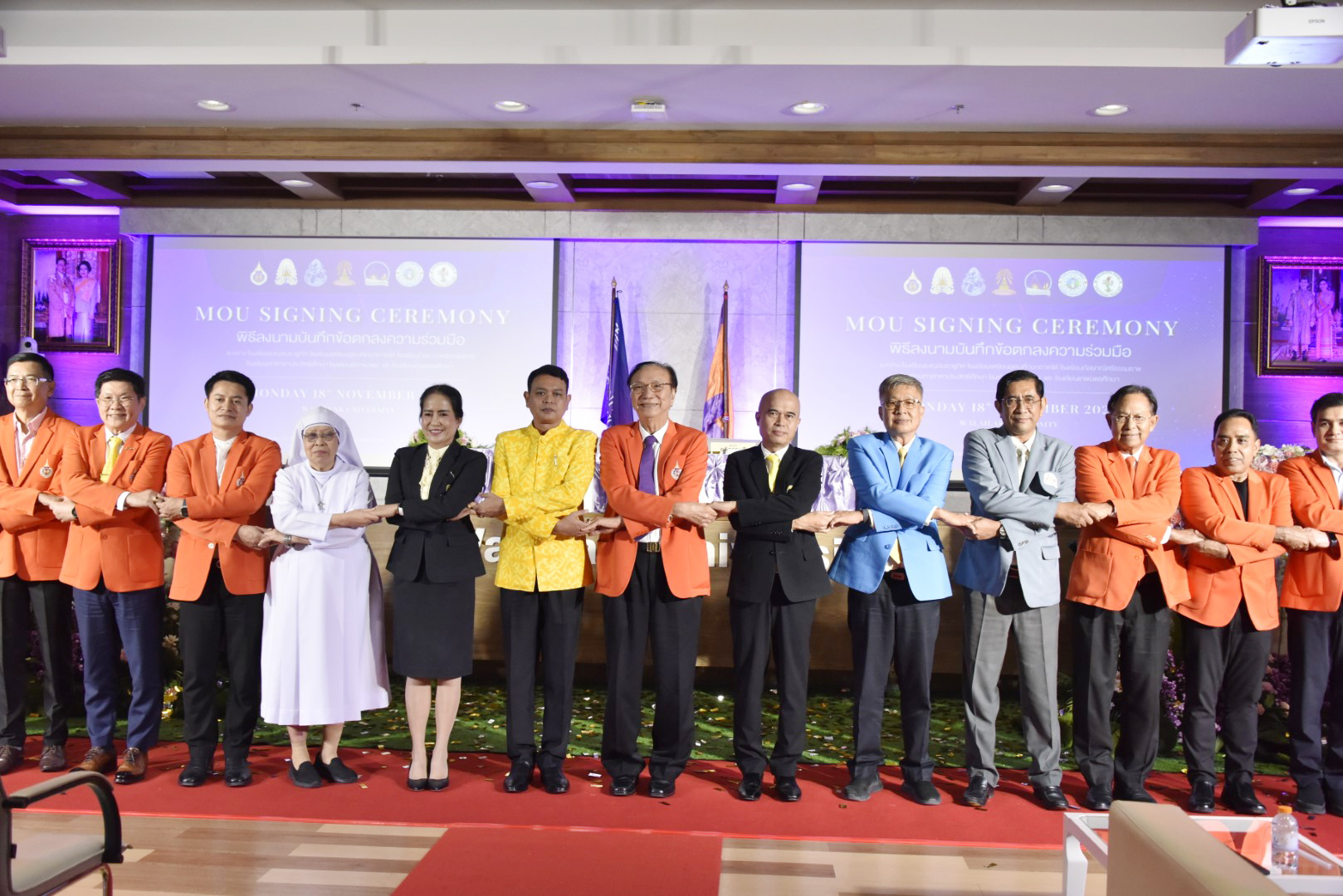
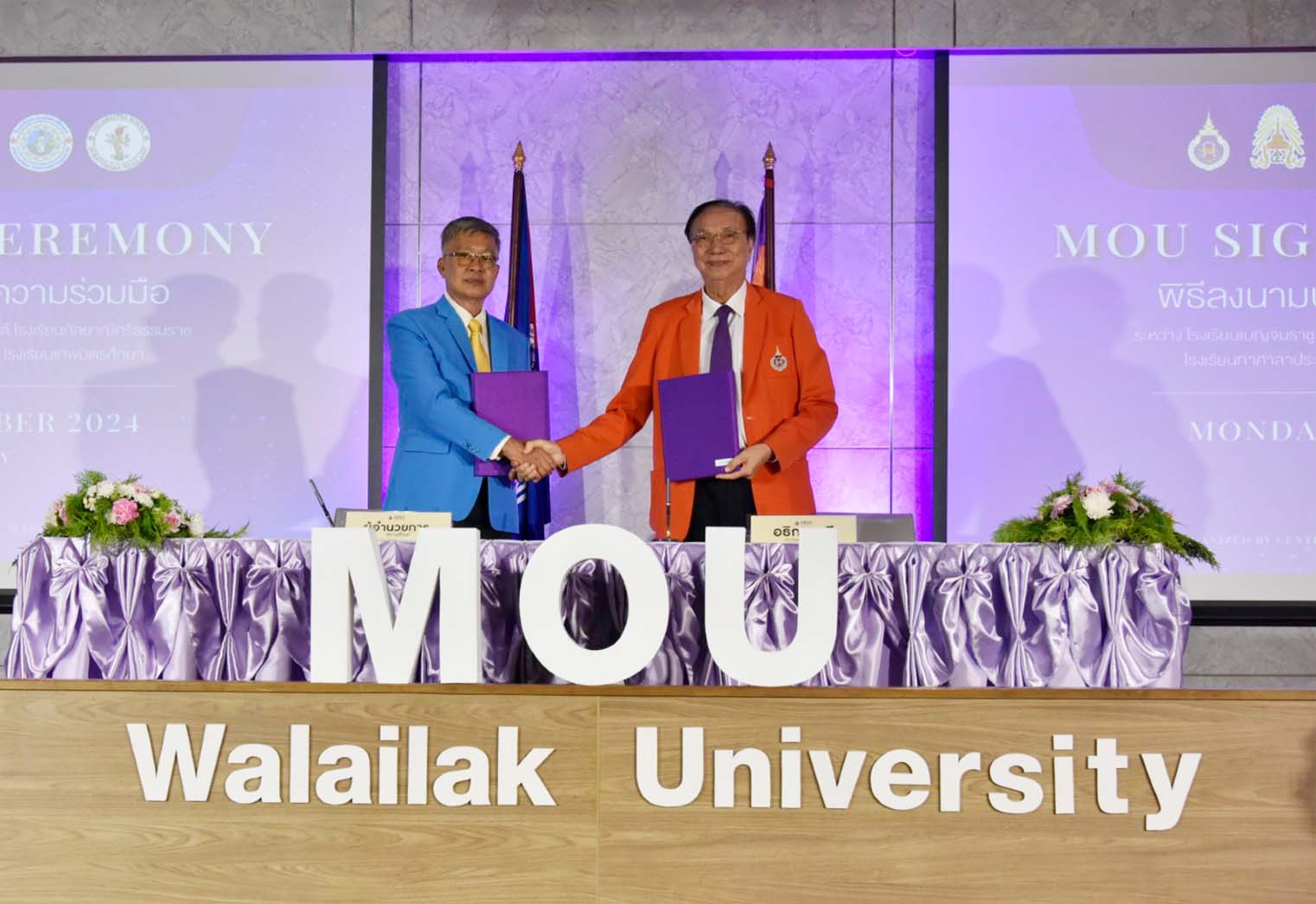
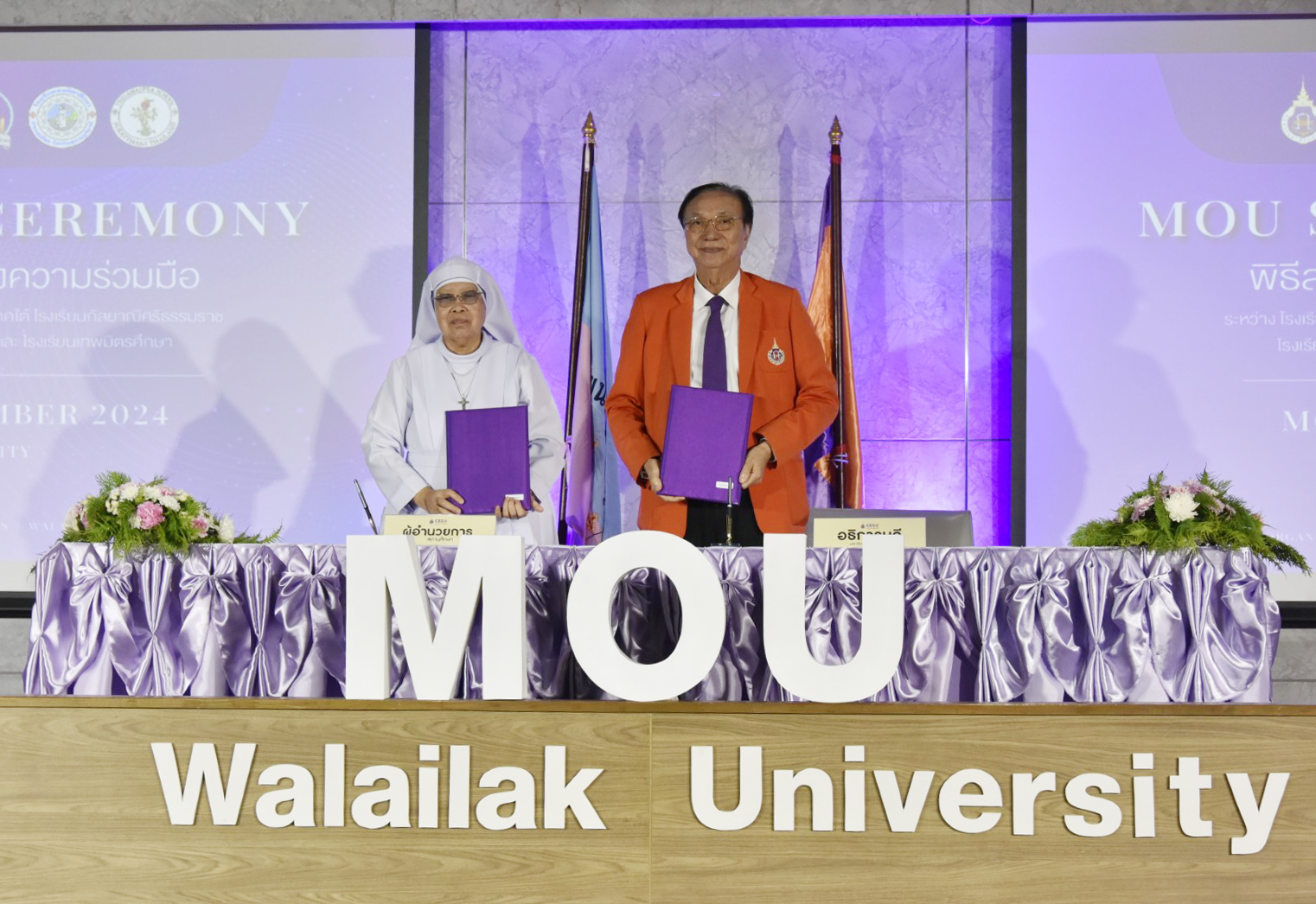
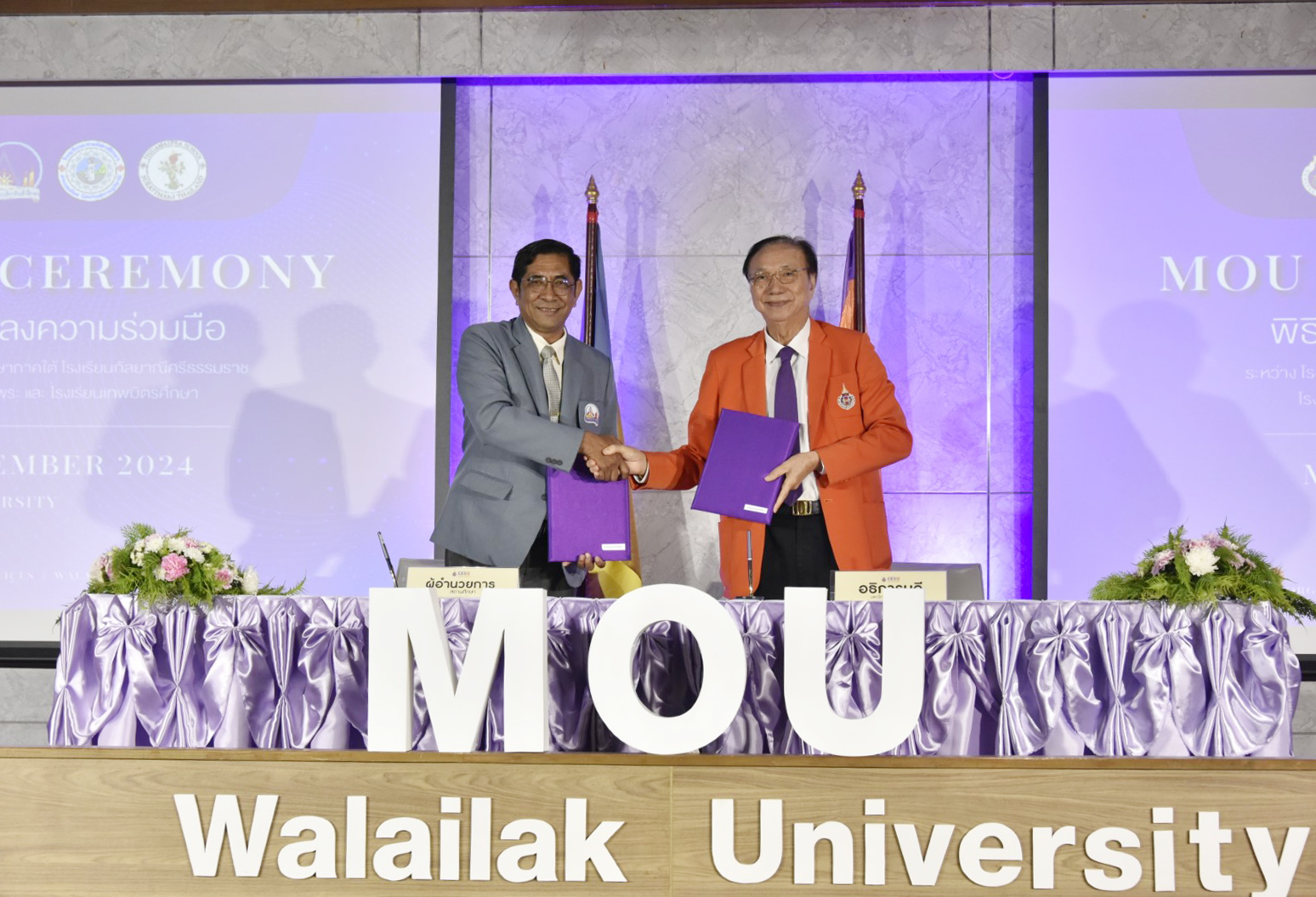
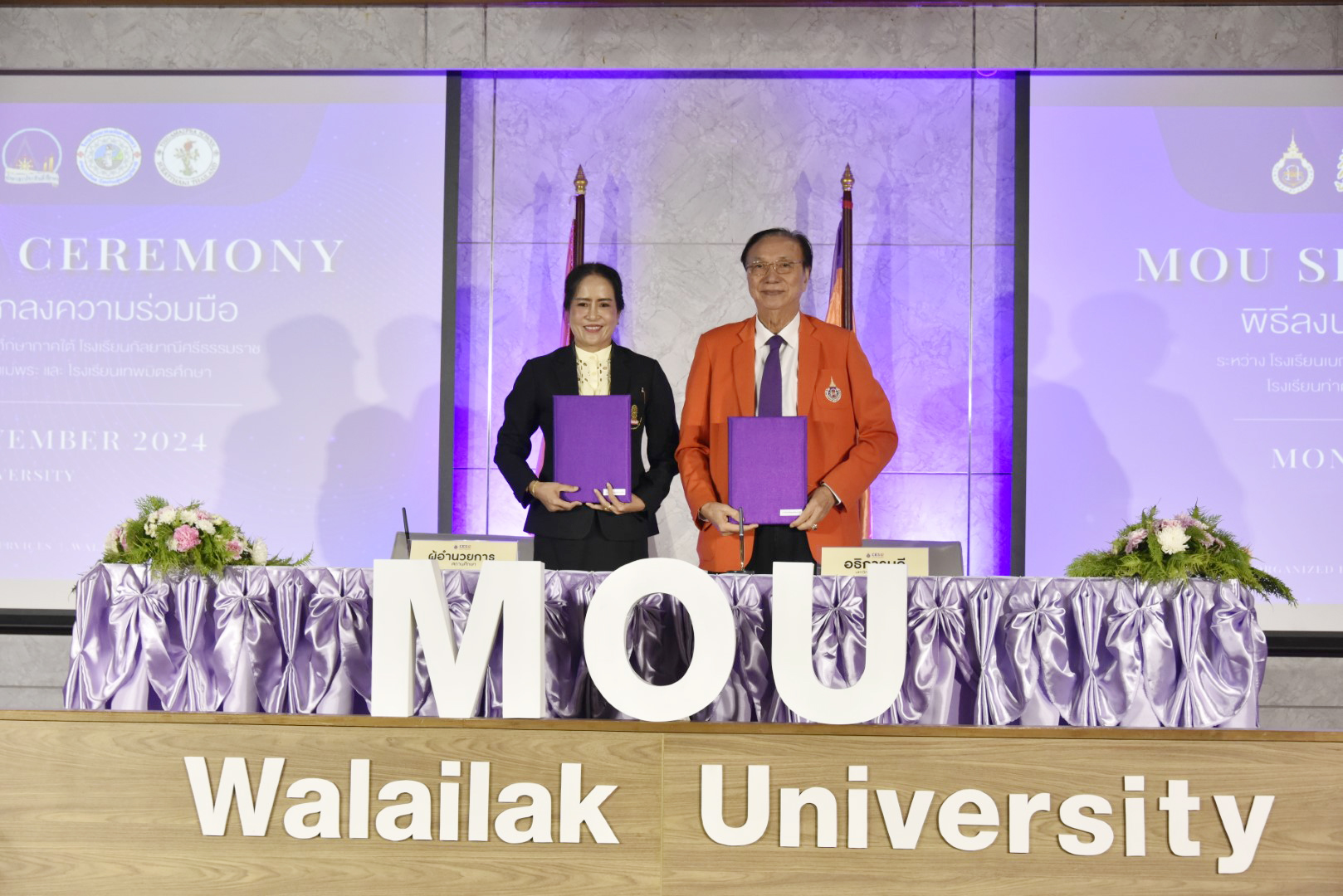
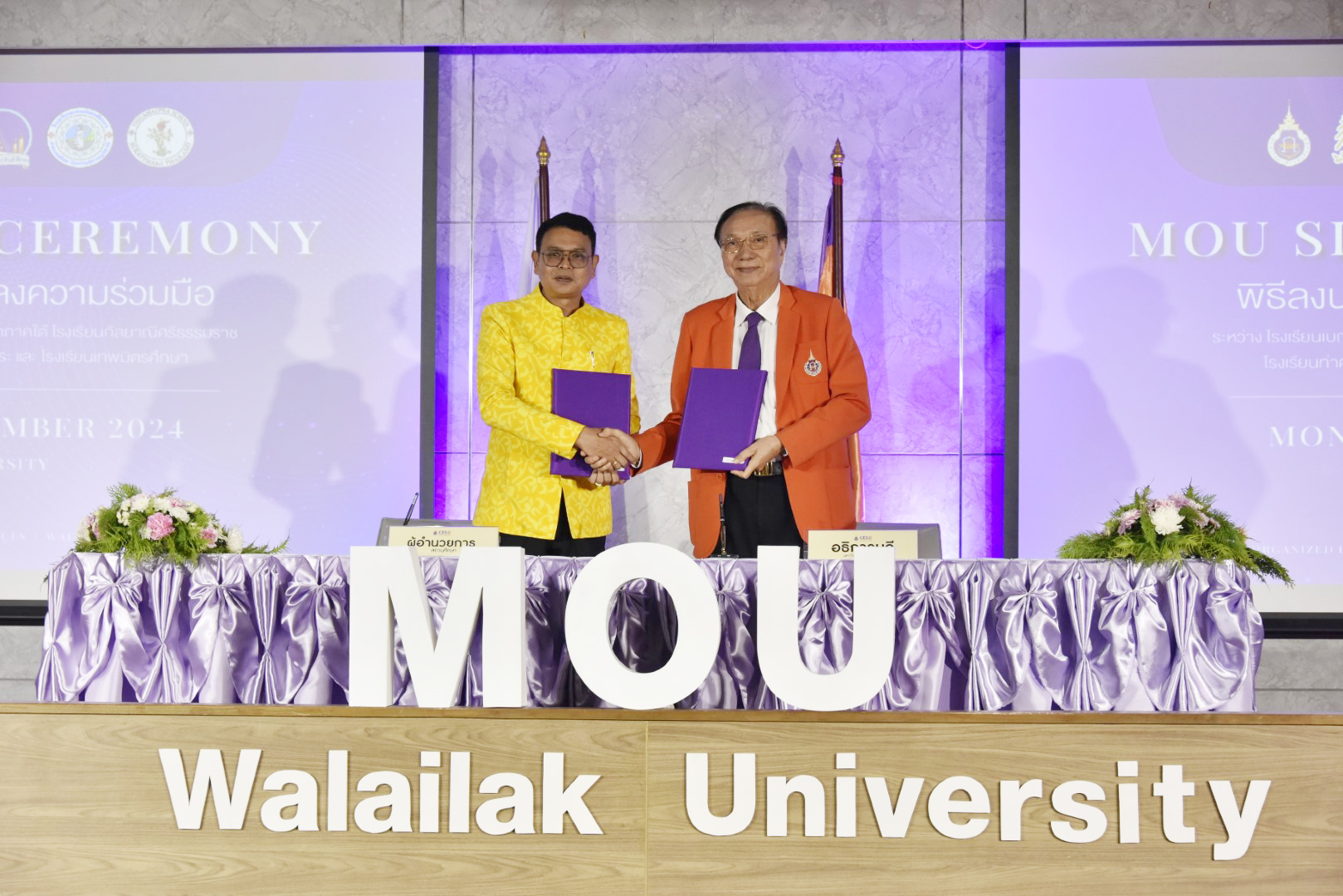
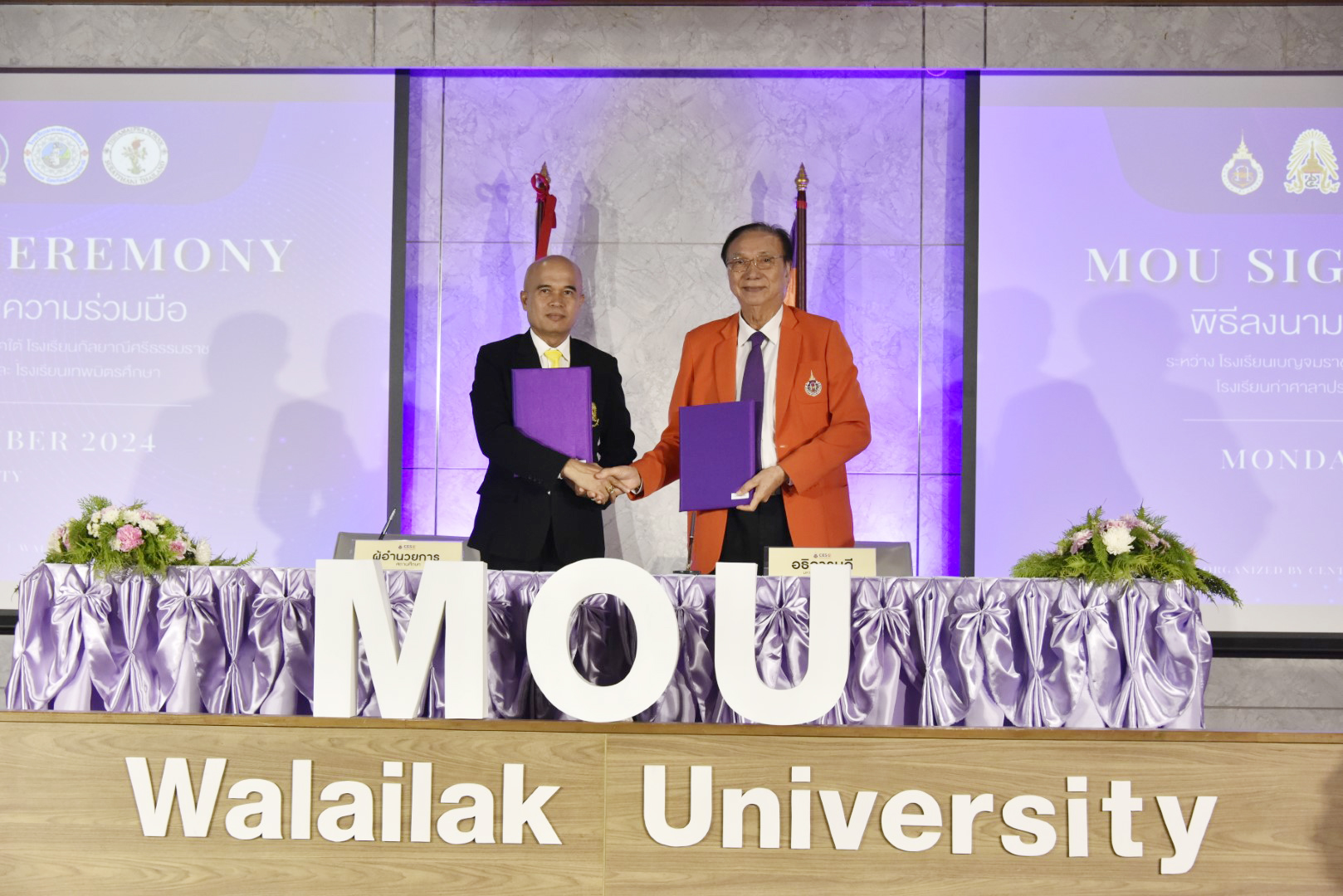
In 2024, Walailak University strengthened this commitment by expanding its partnerships with secondary schools both within Nakhon Si Thammarat Province and in neighboring areas. Through formal agreements and Memoranda of Understanding (MOUs), the university and its partner schools launched targeted outreach projects aimed at promoting awareness and interest in fields traditionally dominated by men. These initiatives reinforce Walailak University’s mission to ensure equal opportunities for women in higher education, comparable to those available to their male counterparts.
Outreach Programs in Collaboration with Secondary Schools to Increase Women’s Applications and Enrollment in Underrepresented Fields
According to UNESCO, too many girls and women are held back by biases, social norms and expectations influencing the quality of the education they receive and the subjects they study. They are particularly under-represented in science, technology, engineering and mathematics (STEM) education – women make up only 35% of STEM graduates, figure unchanged in ten years – and consequently, in STEM careers.
To further address gender disparities, Walailak University has developed and organized a series of outreach activities aimed at inspiring female students to pursue careers in underrepresented fields. WU recognizes that women remain underrepresented in areas such as engineering, architecture, and medicine, partly due to societal perceptions, particularly in Thai culture, that these fields are more suited to men.
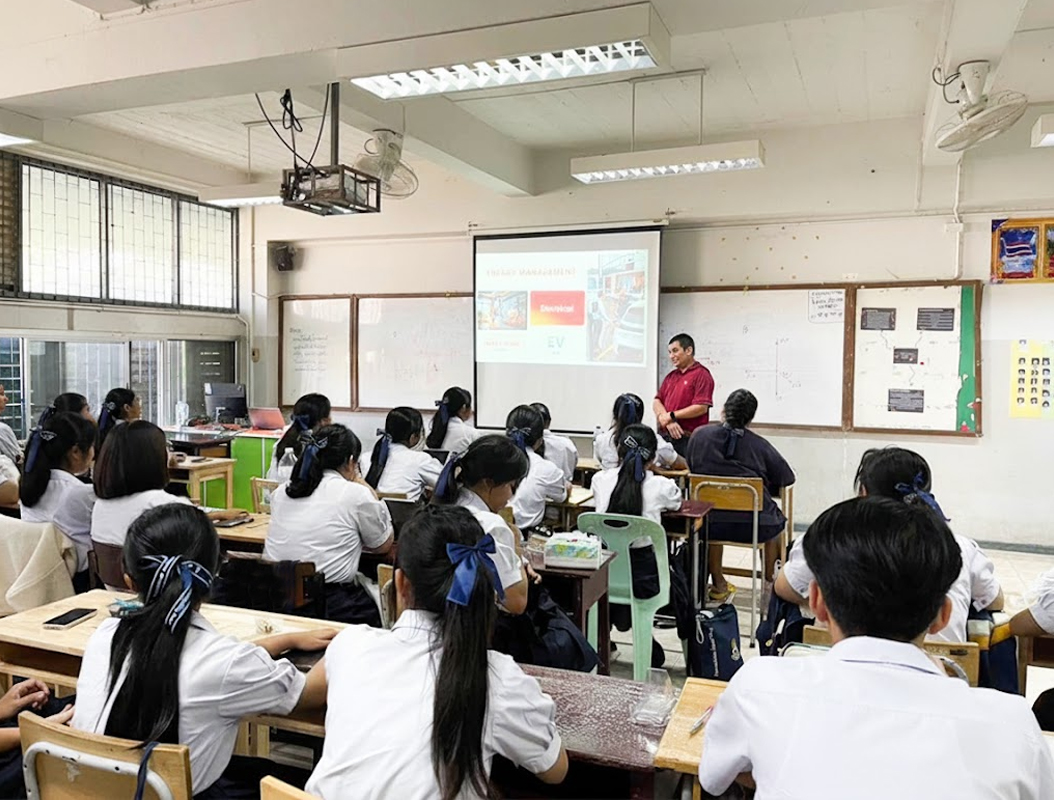
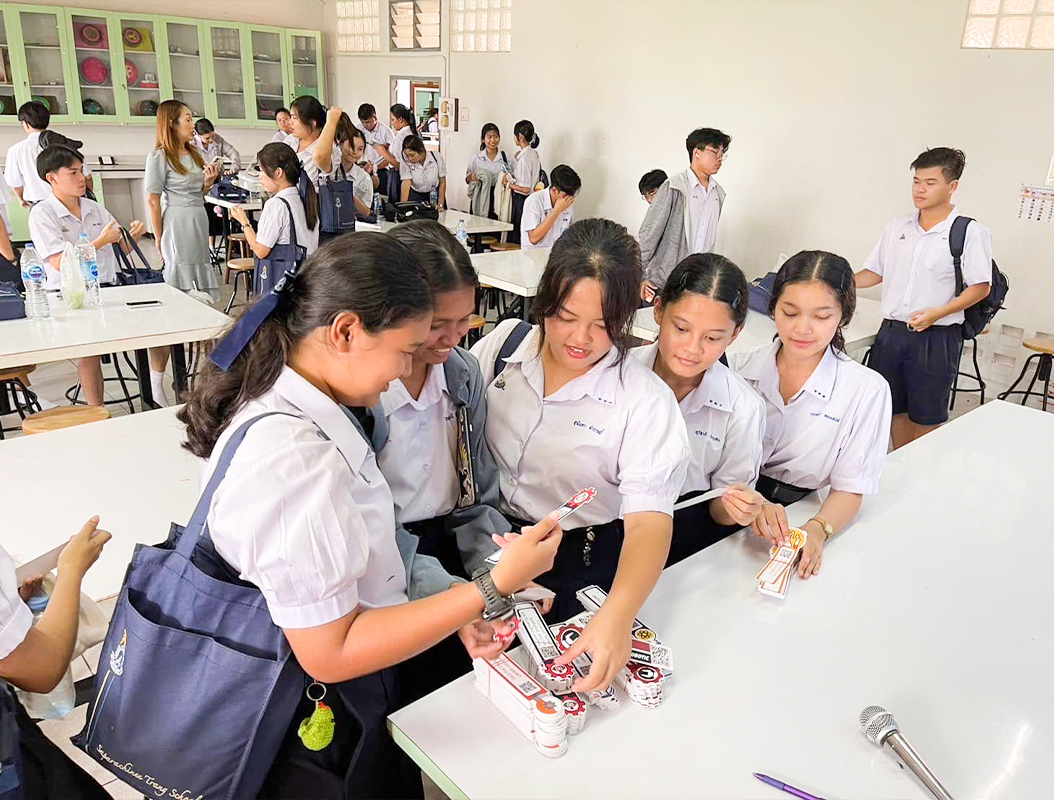
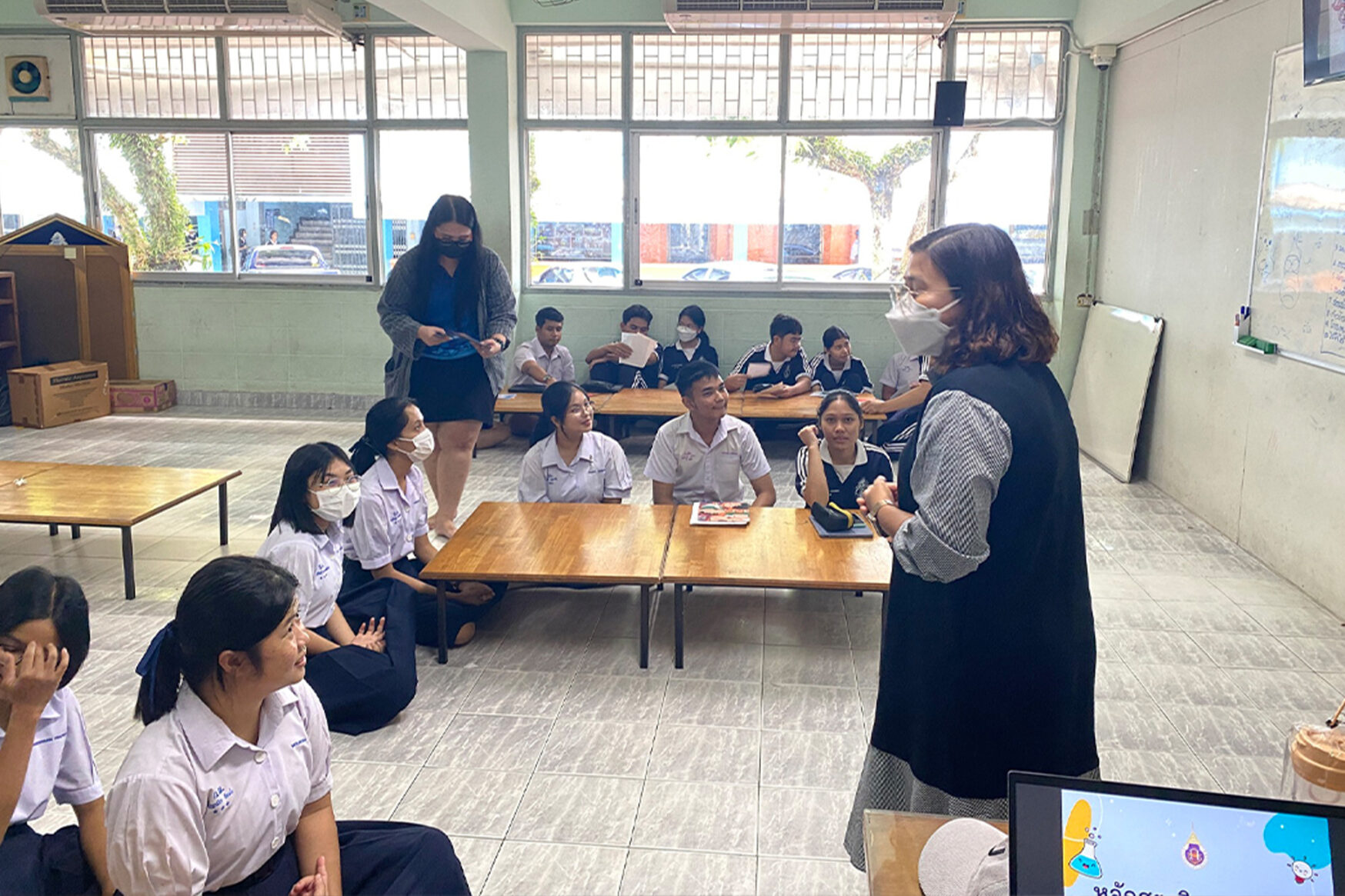
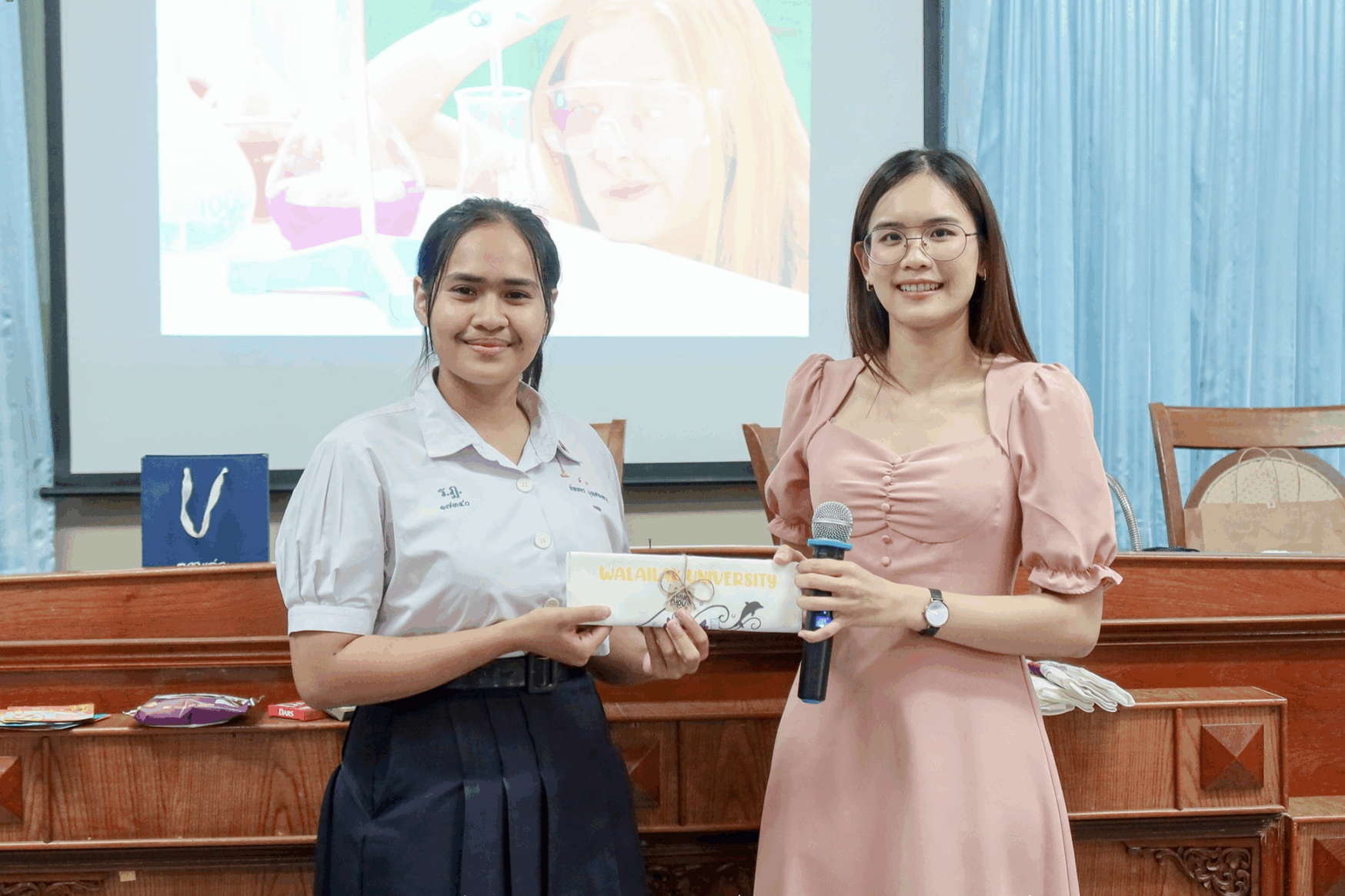
In 2024, Walailak University continued its efforts by engaging with and visiting partner secondary schools to conduct workshops, career talks, and interactive learning sessions. These events featured hands-on experiments, technology demonstrations, and open discussions about academic pathways and professional opportunities in these industries. By providing direct exposure to real-world applications and role models, WU empowers female students to envision themselves thriving in fields where they are traditionally underrepresented, fostering confidence, ambition, and long-term career aspirations.
During these outreach programs, female students were provided with information about the comprehensive support systems available at Walailak University, including academic mentoring programs, leadership development opportunities, gender-responsive facilities, and scholarships specifically aimed at women entering male-dominated fields. The university also shared the achievements of successful female alumni who have excelled in engineering, architecture, and STEM careers, offering role models for aspiring students.
Engineering Field
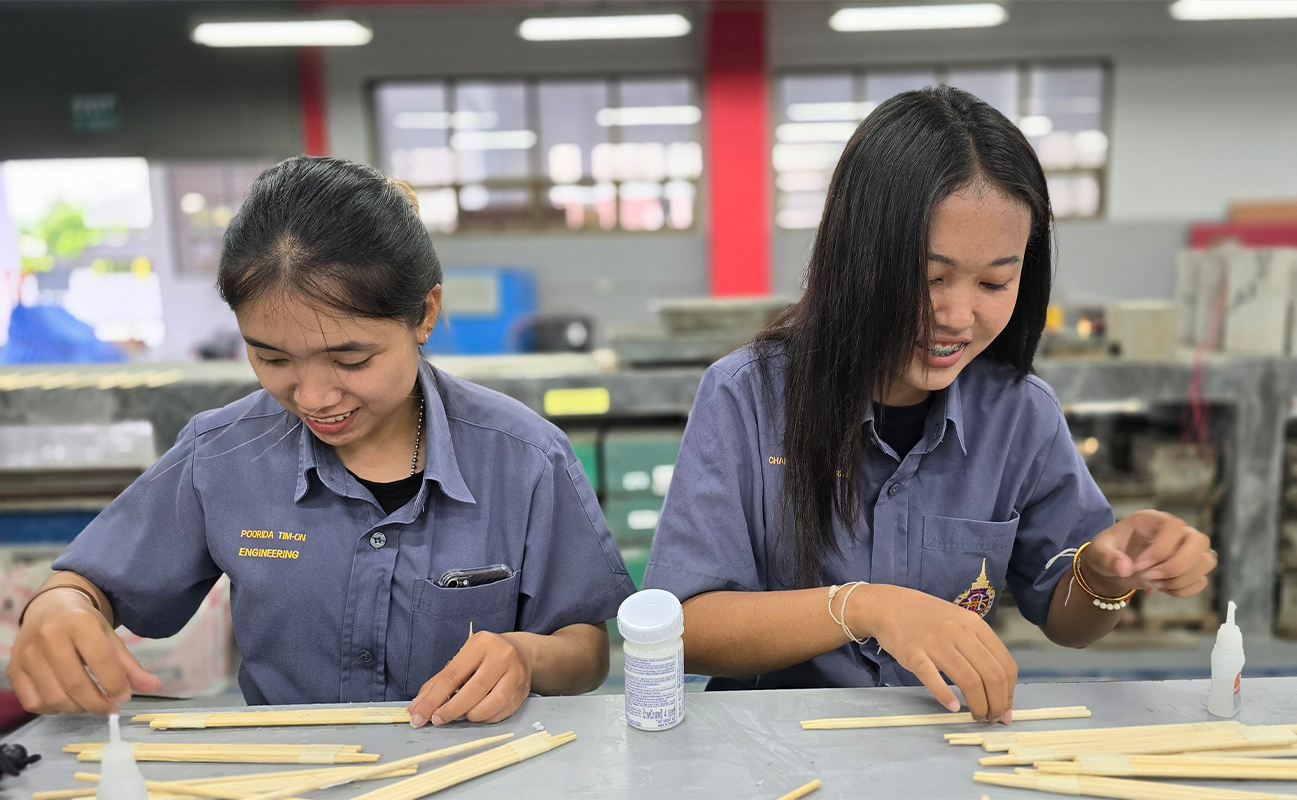
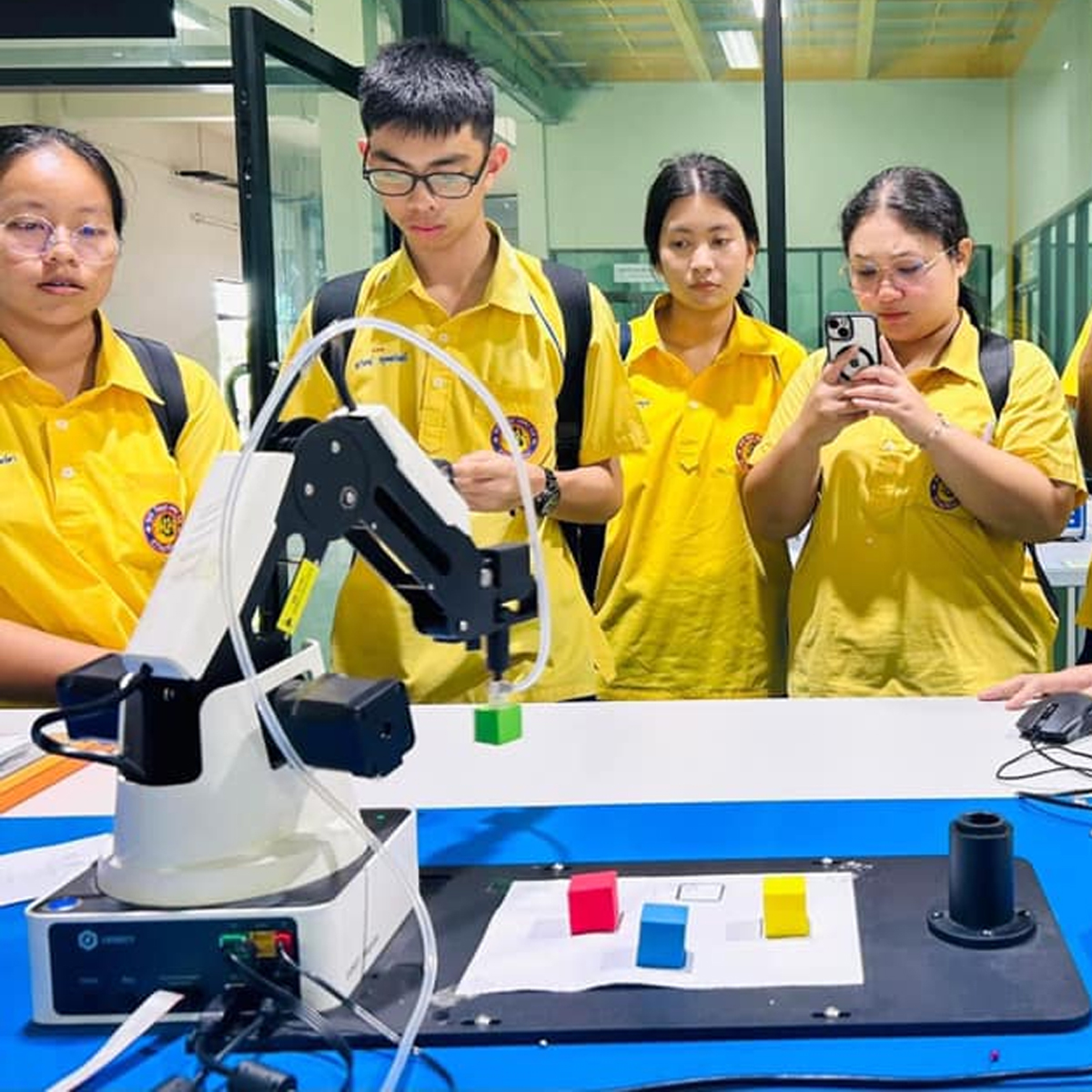
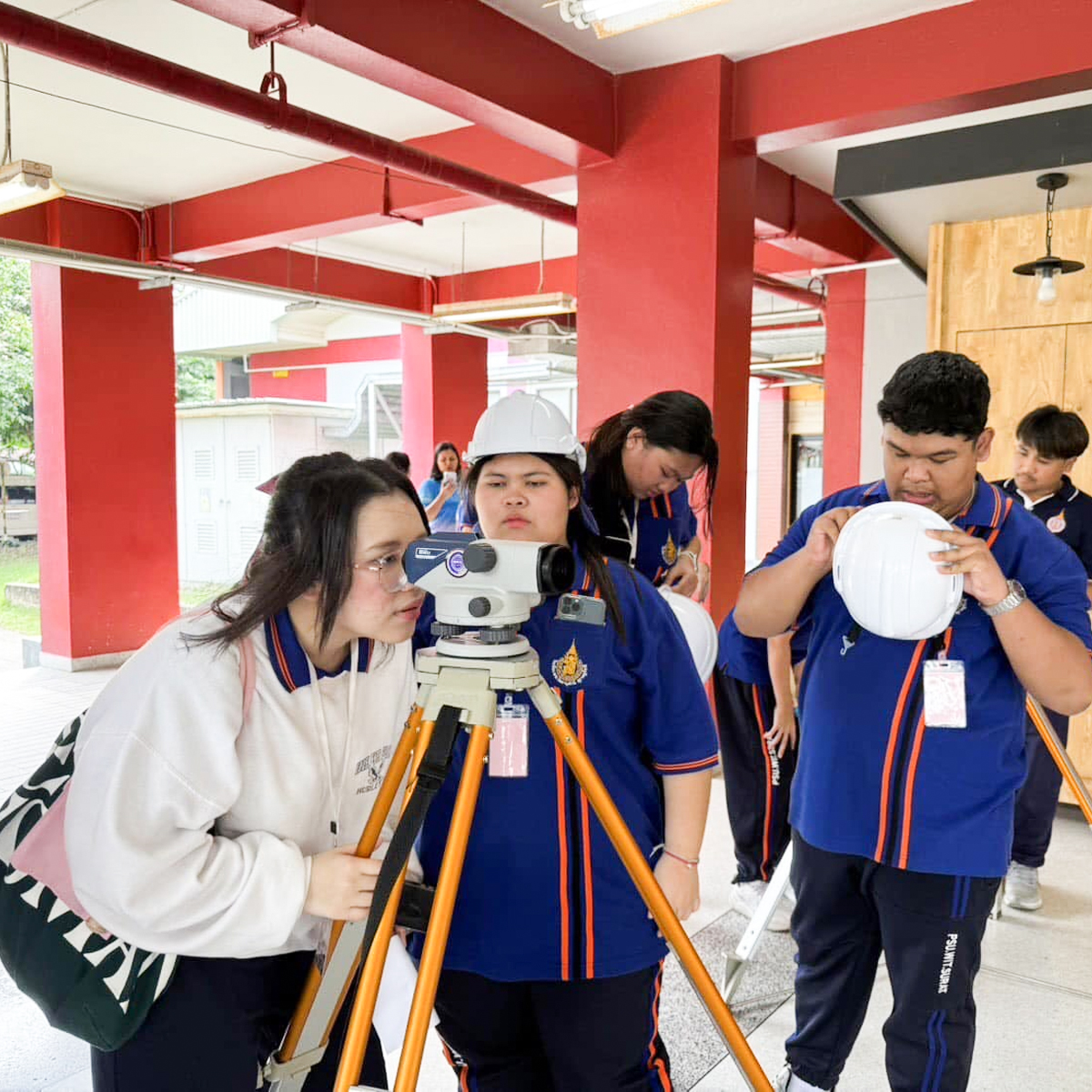
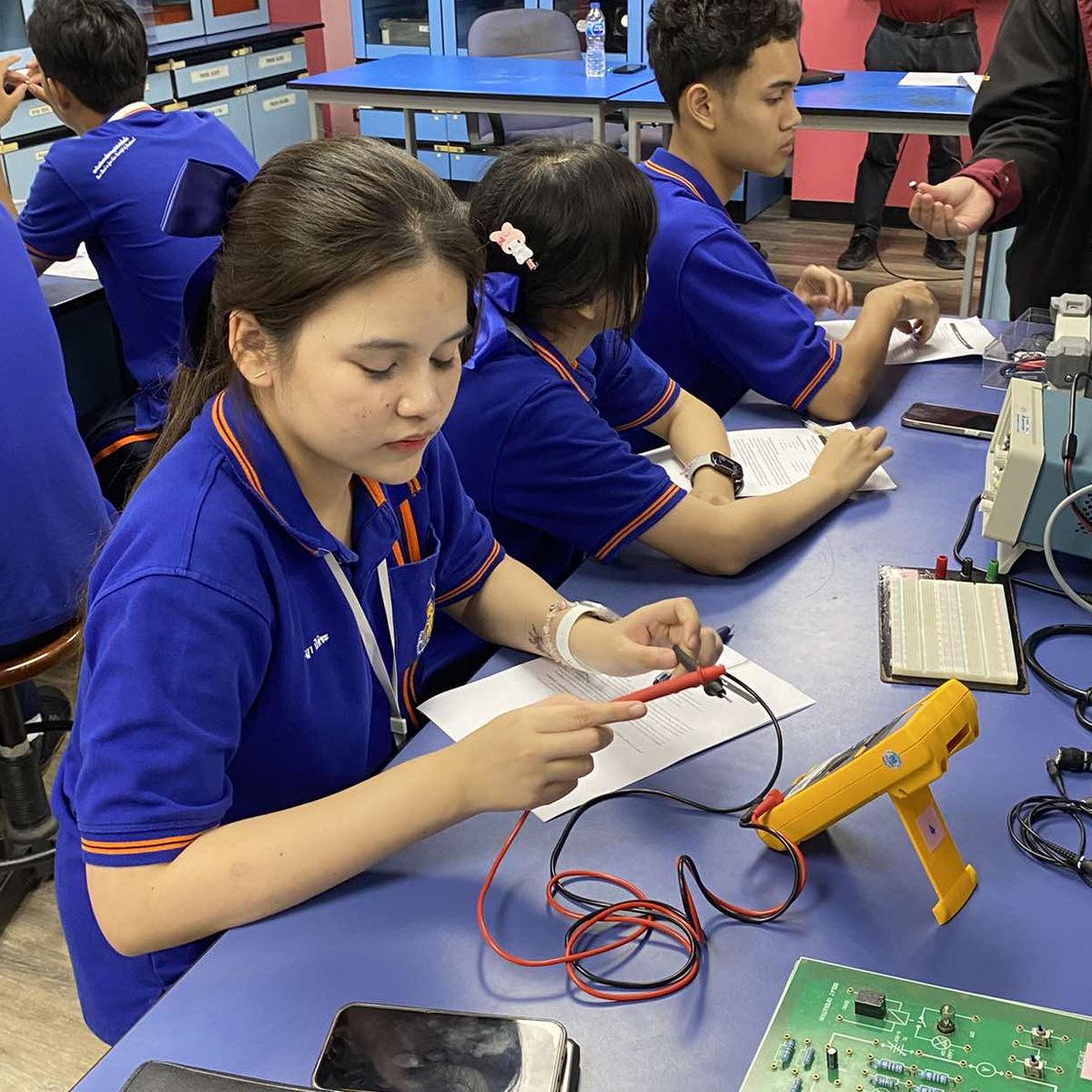
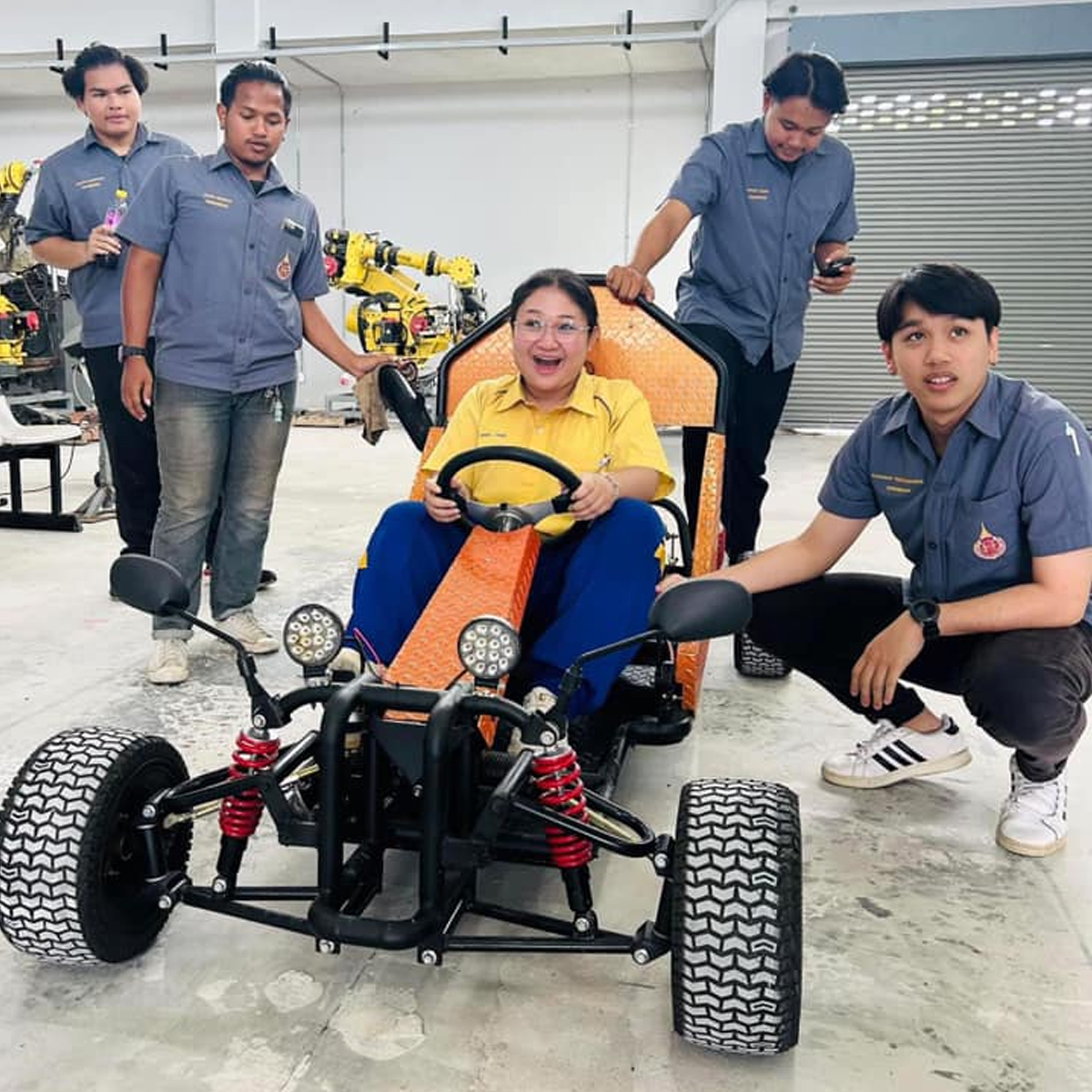
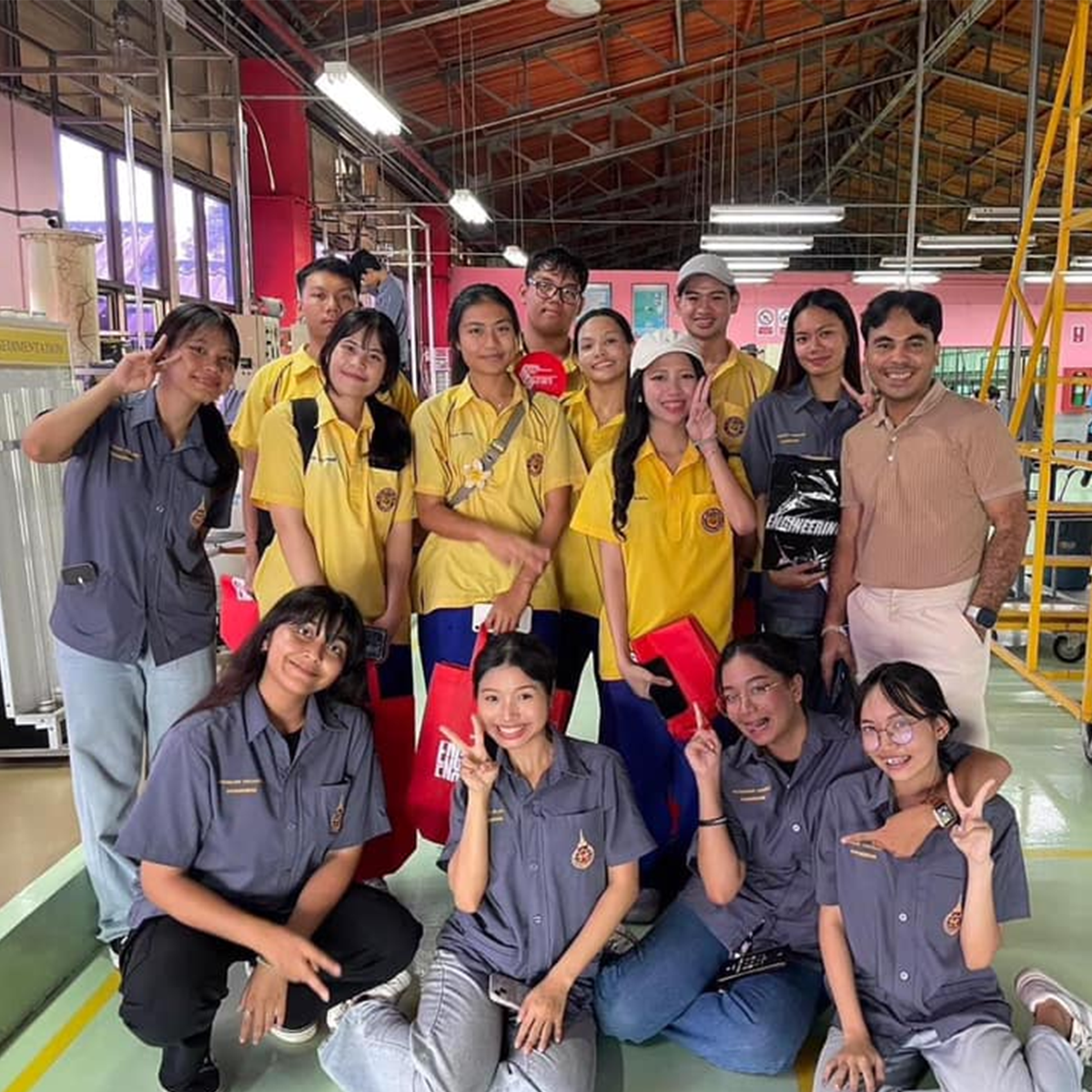
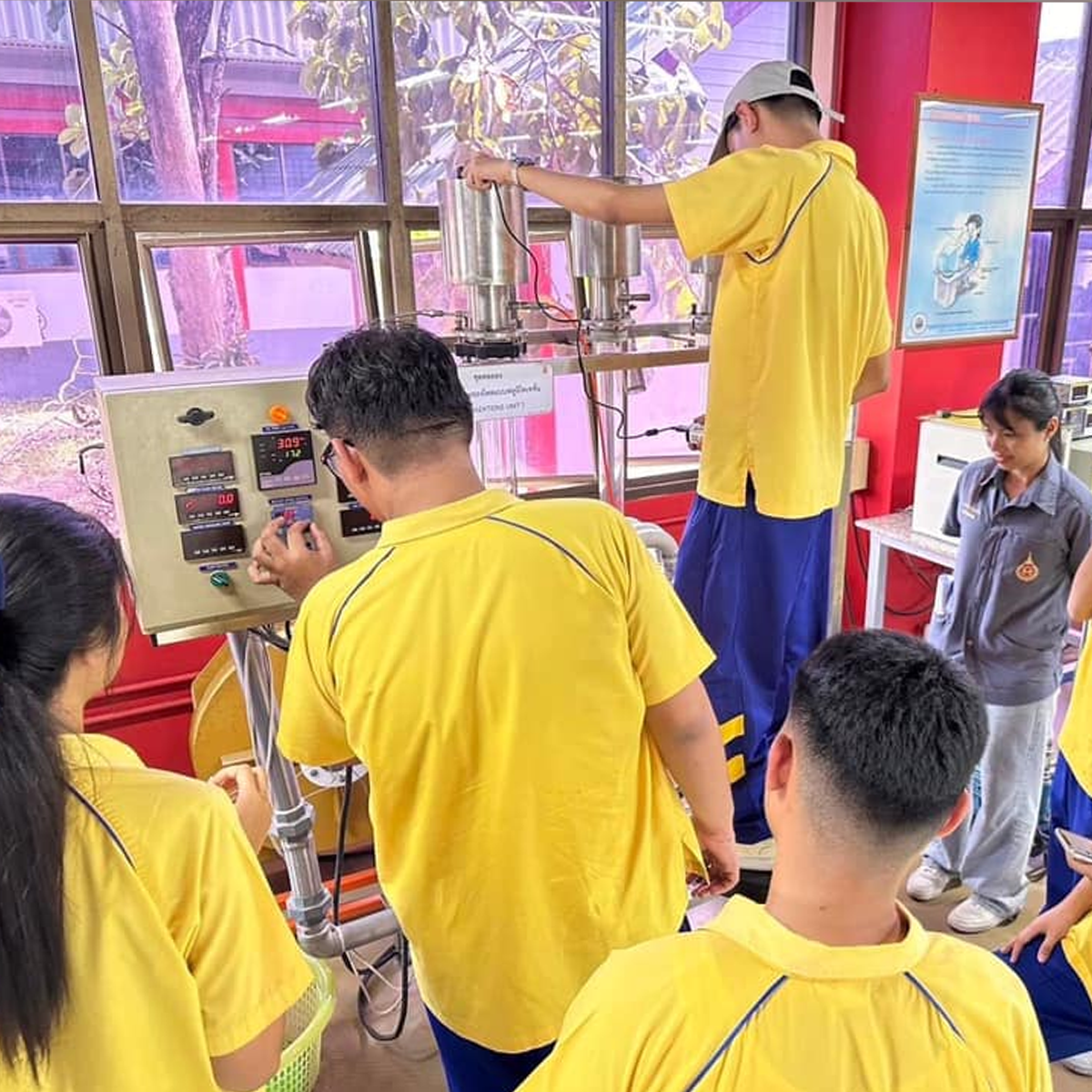
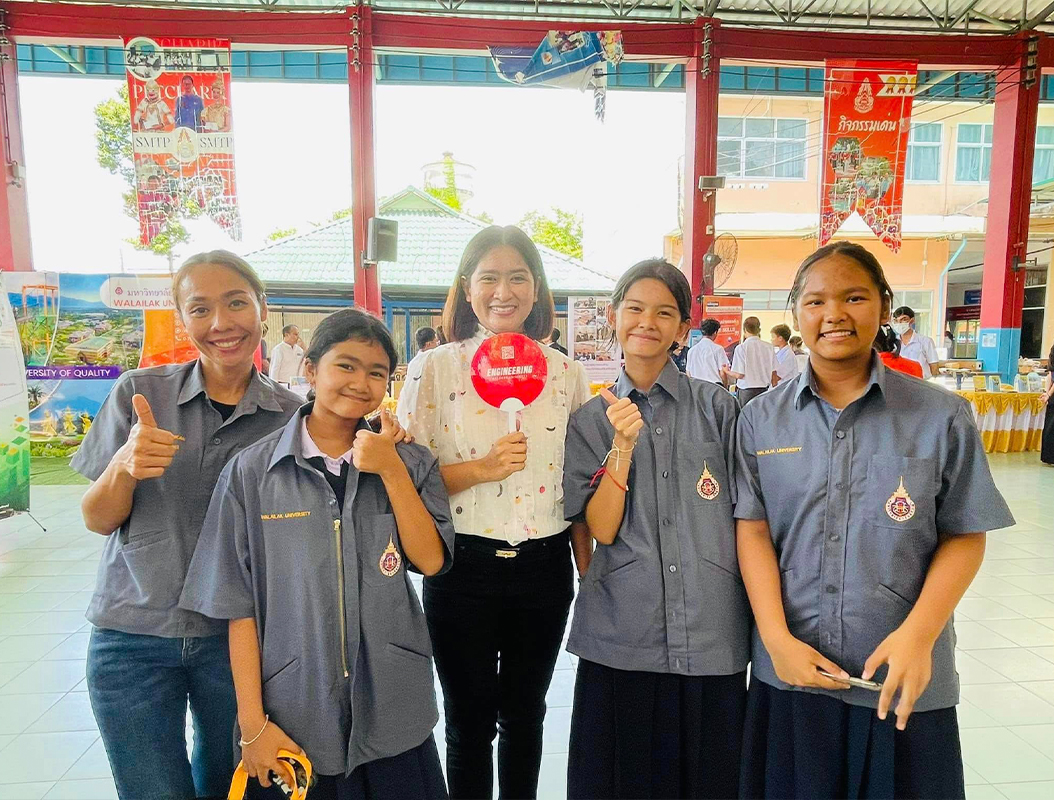
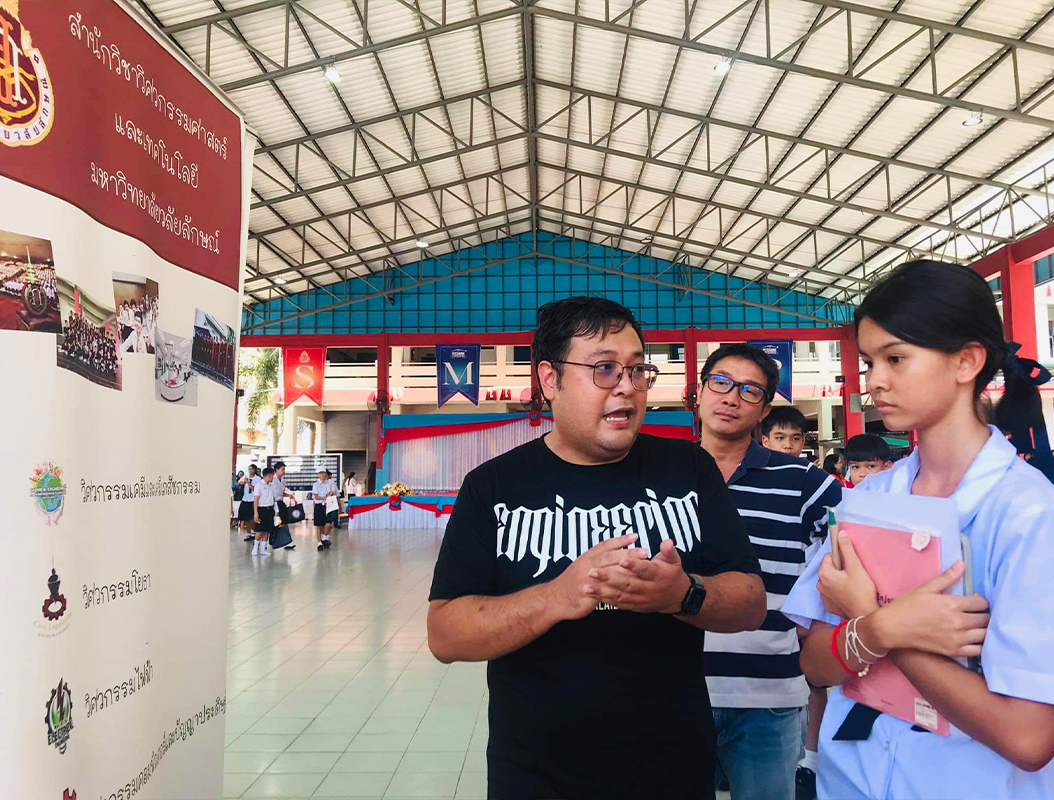
Engineering is a field where women remain significantly underrepresented, often due to long-standing perceptions that it is a male-dominated profession requiring physical strength. To challenge these misconceptions and promote gender equality, Walailak University, through the School of Engineering and Technology, actively organizes outreach programs aimed at inspiring female secondary school students to explore and consider engineering as a viable and rewarding career path.
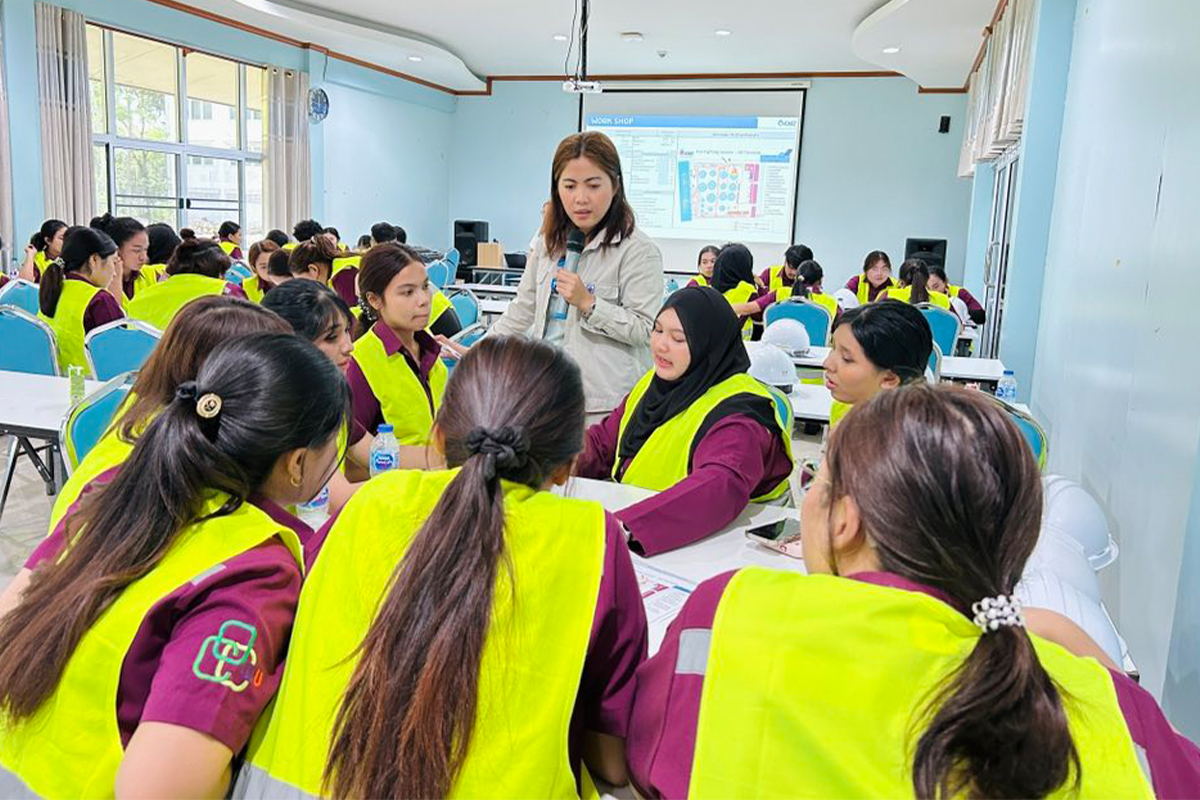
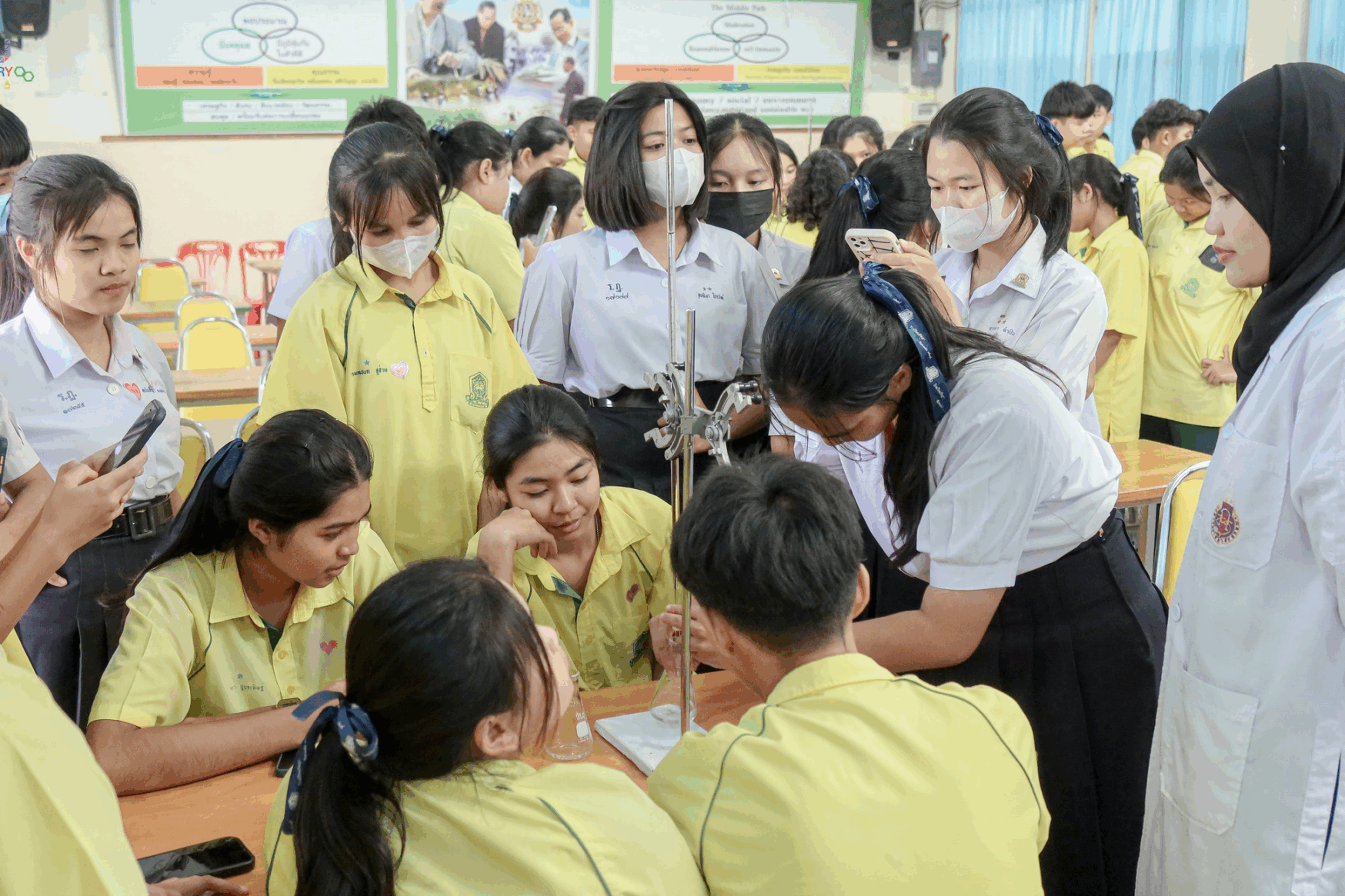
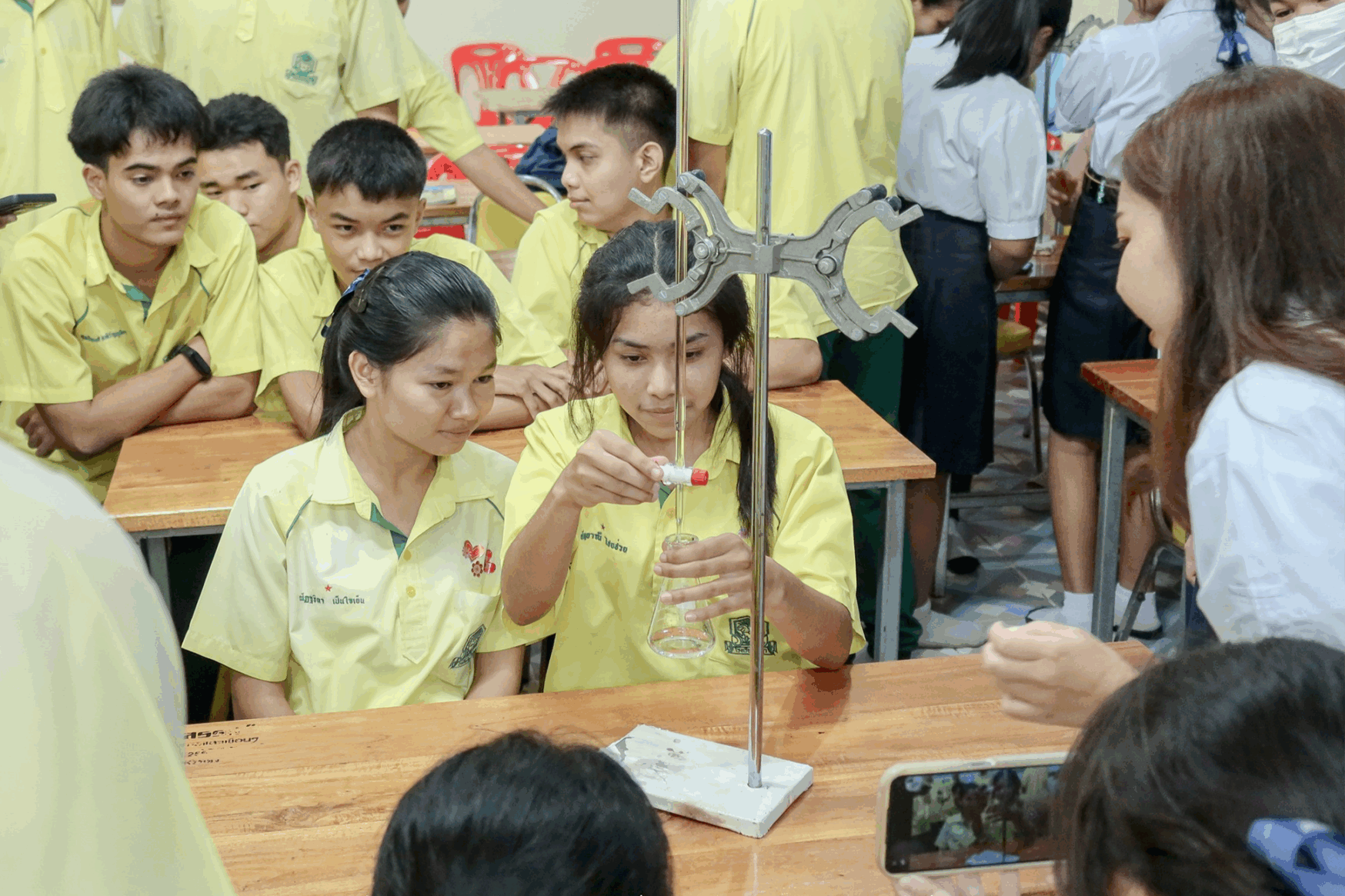
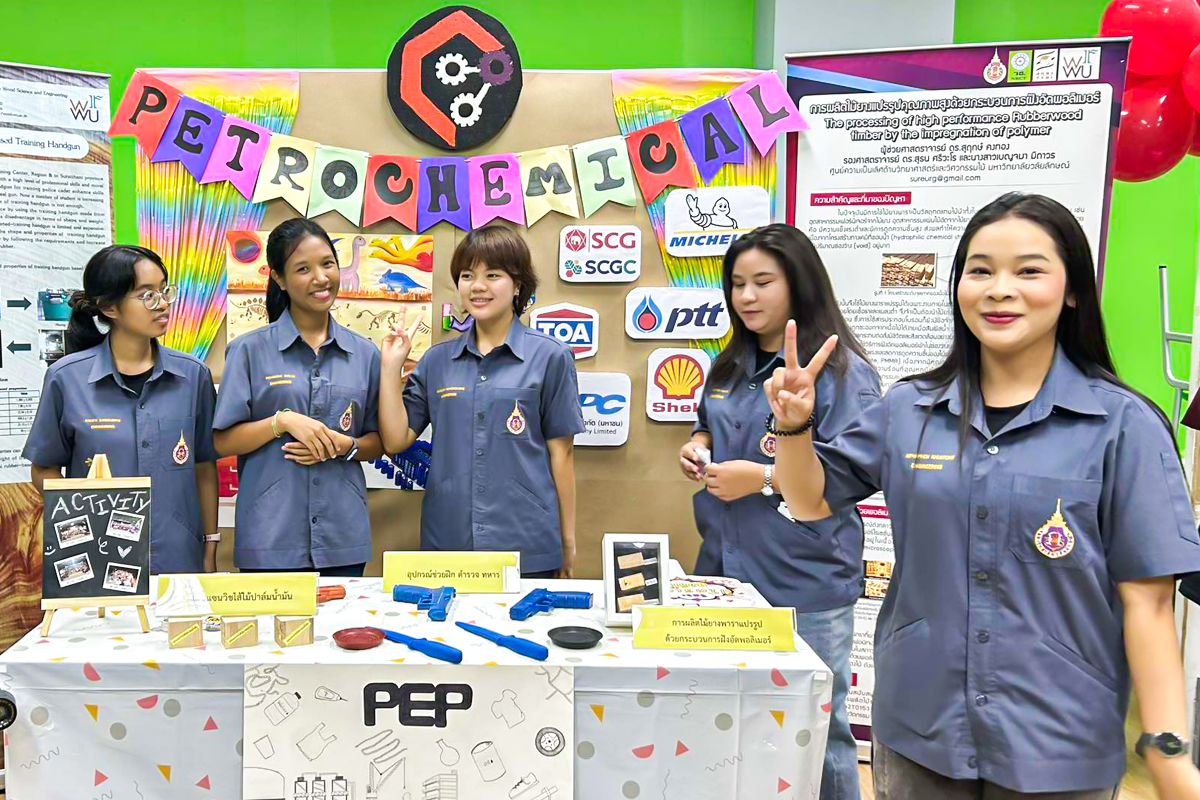
Figure: Secondary female students participating in activities organized by WU to encourage them to apply to the engineering field
During these outreach programs, female students were provided with information about the comprehensive support systems available at Walailak University, including academic mentoring programs, leadership development opportunities, gender-responsive facilities, and scholarships specifically aimed at women entering male-dominated fields. The university also shared the achievements of successful female alumni who have excelled in engineering, architecture, and STEM careers, offering role models for aspiring students.
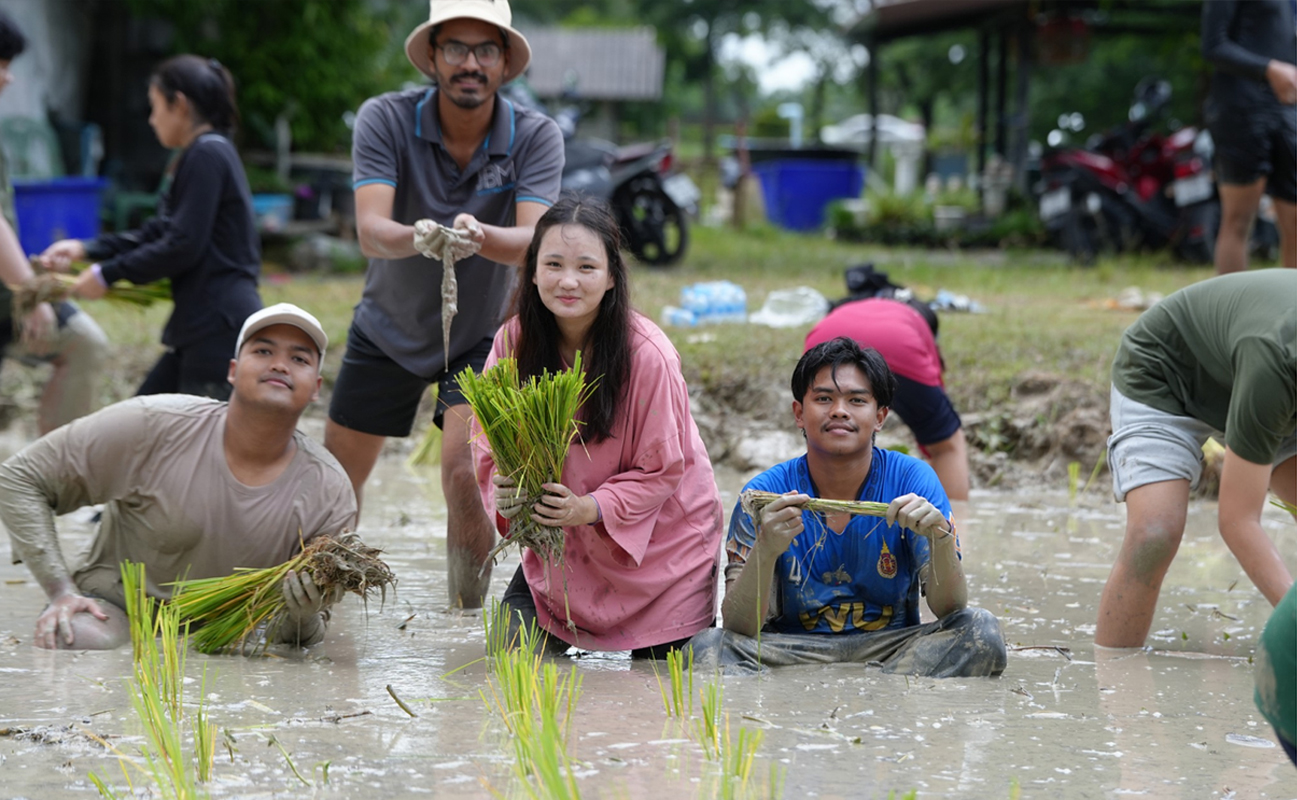
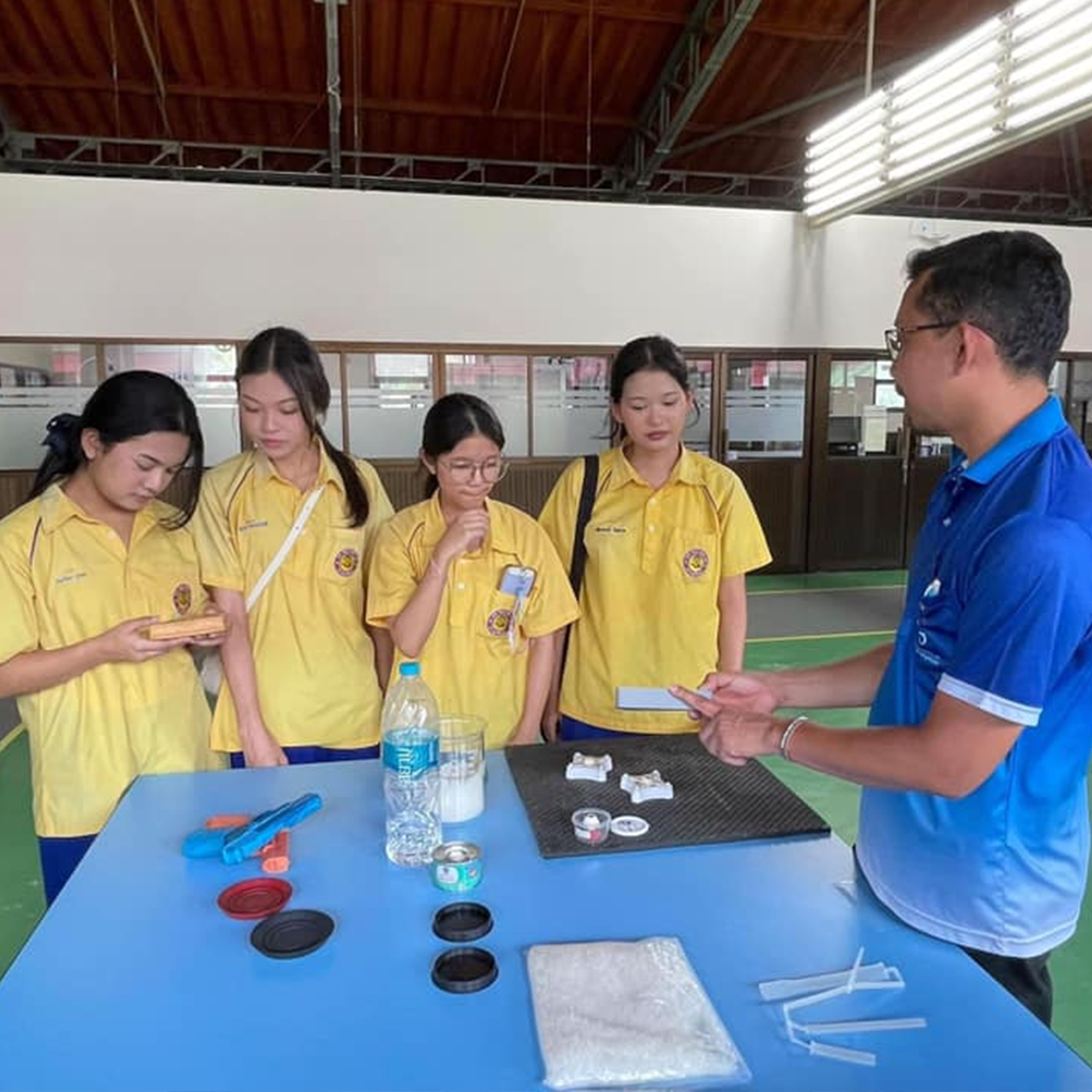
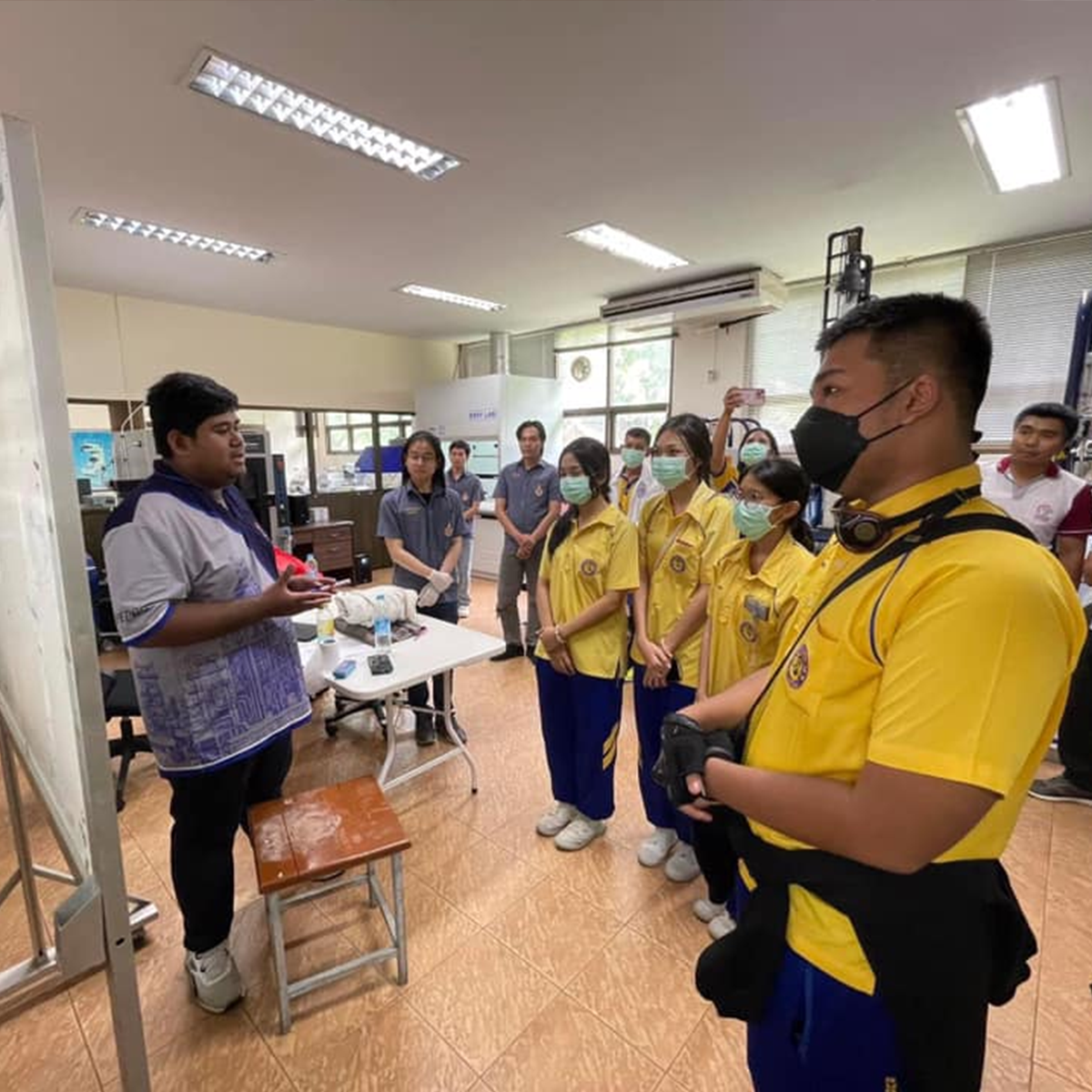
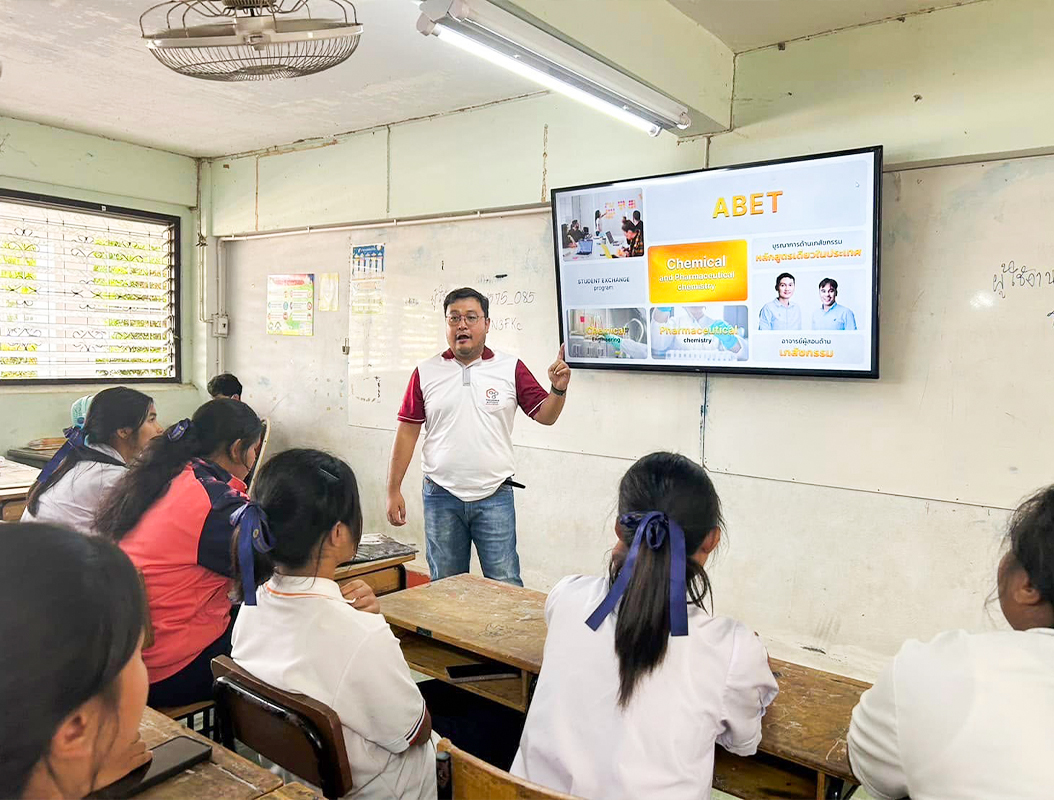
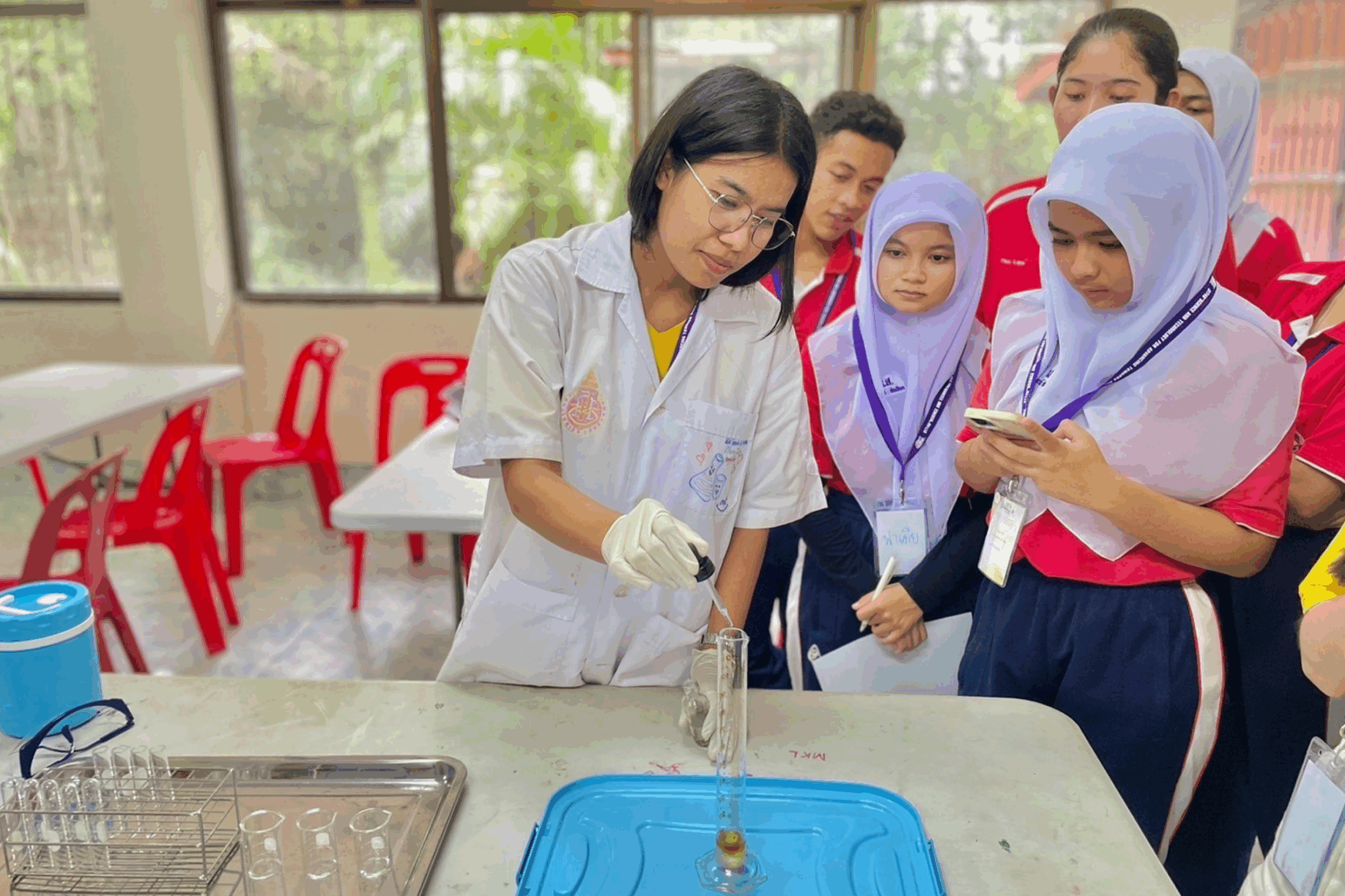
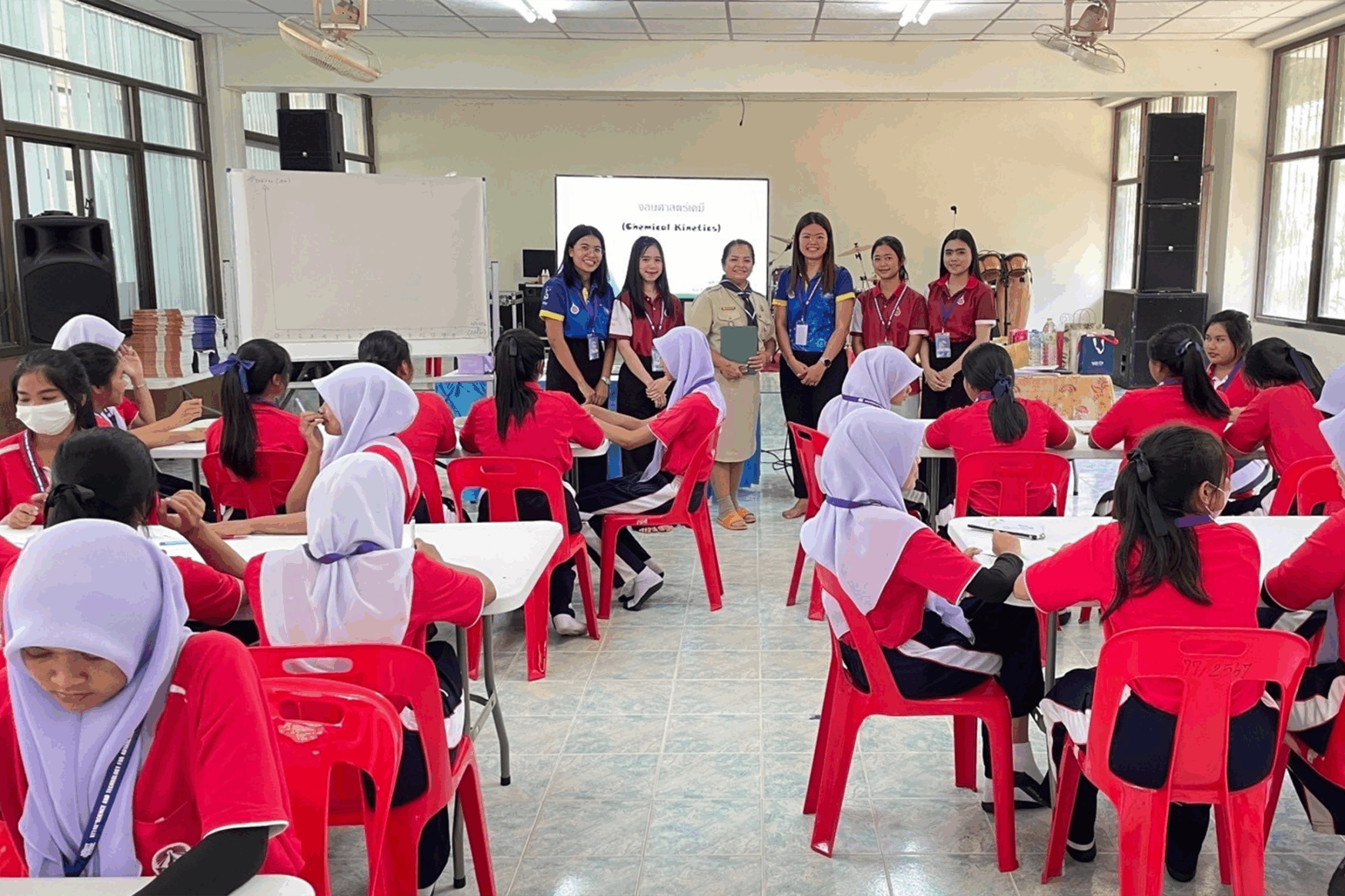
Science fields—particularly computer science, mathematics, and certain branches of chemistry—remain underrepresented among female students due to persistent stereotypes and limited early exposure. To address this gap, the School of Science at Walailak University organizes outreach programs designed to encourage female secondary school students to explore and apply for science-related programs at WU.
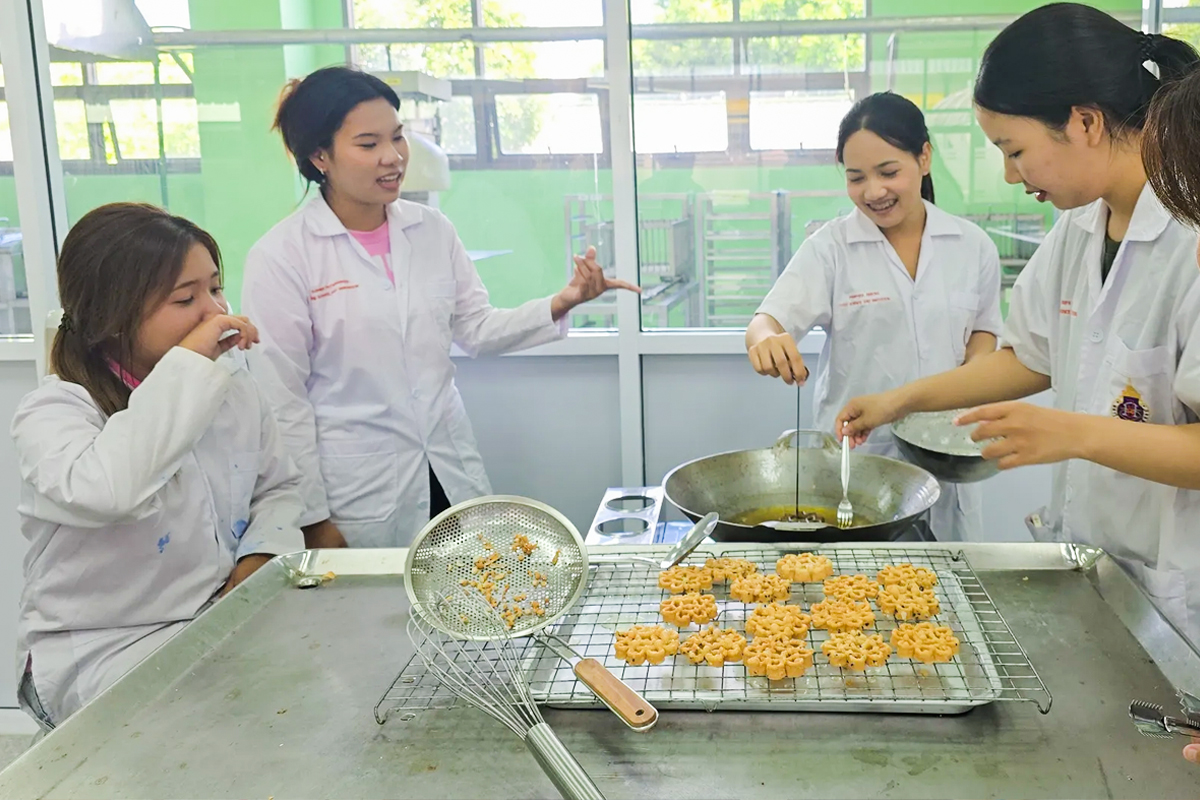
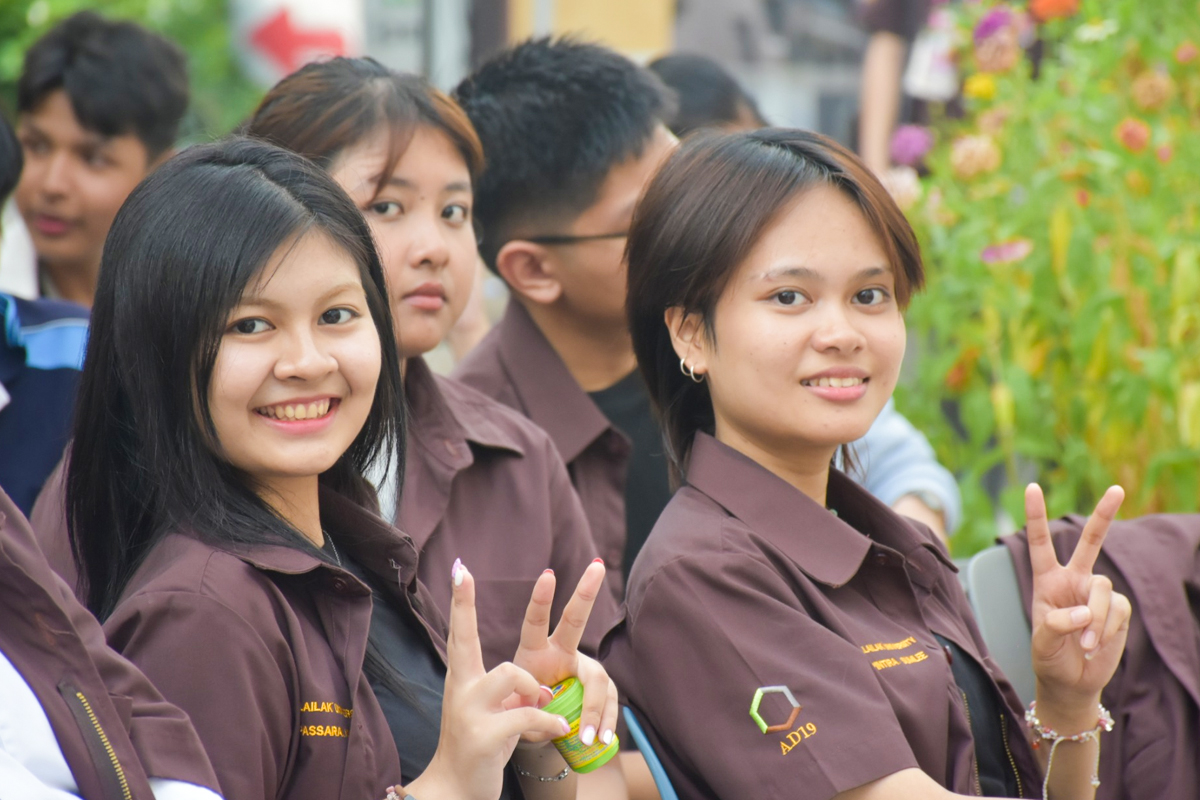
Figures: The School of Science organizing outreach programs and science acitivities to inspire female students to pursue studies in science
Architecture Field
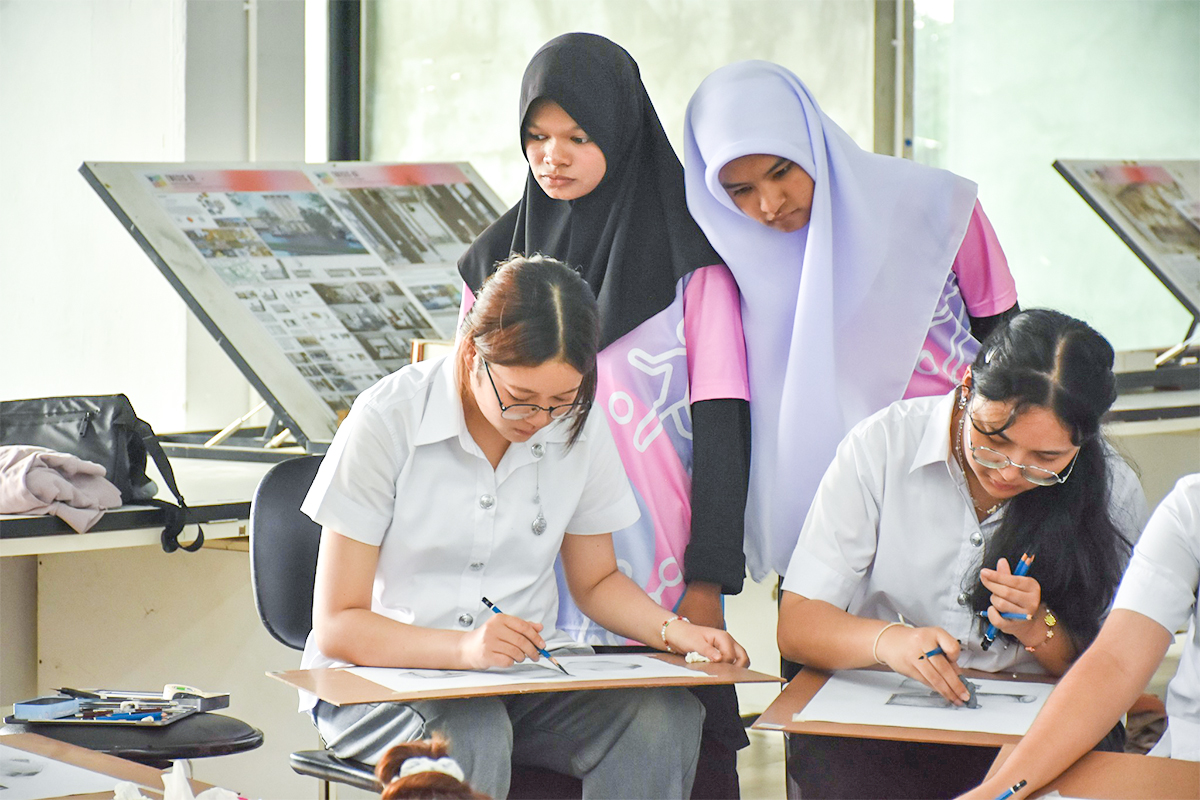
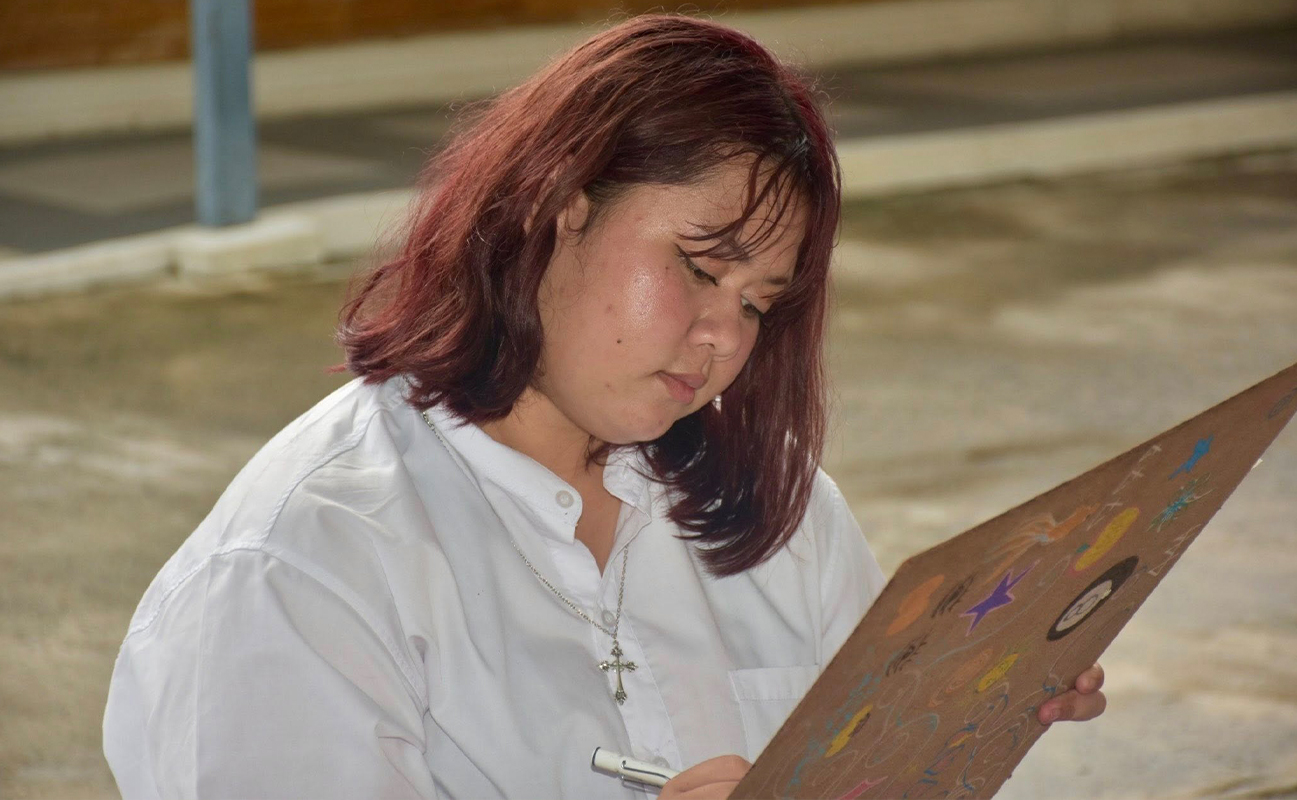
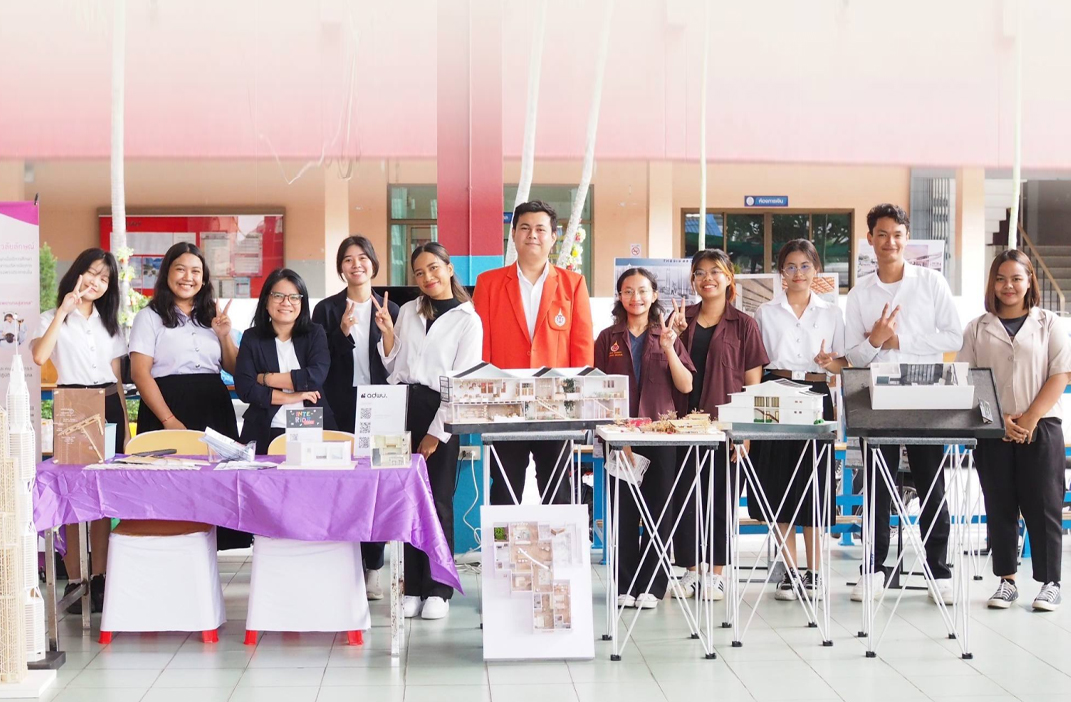
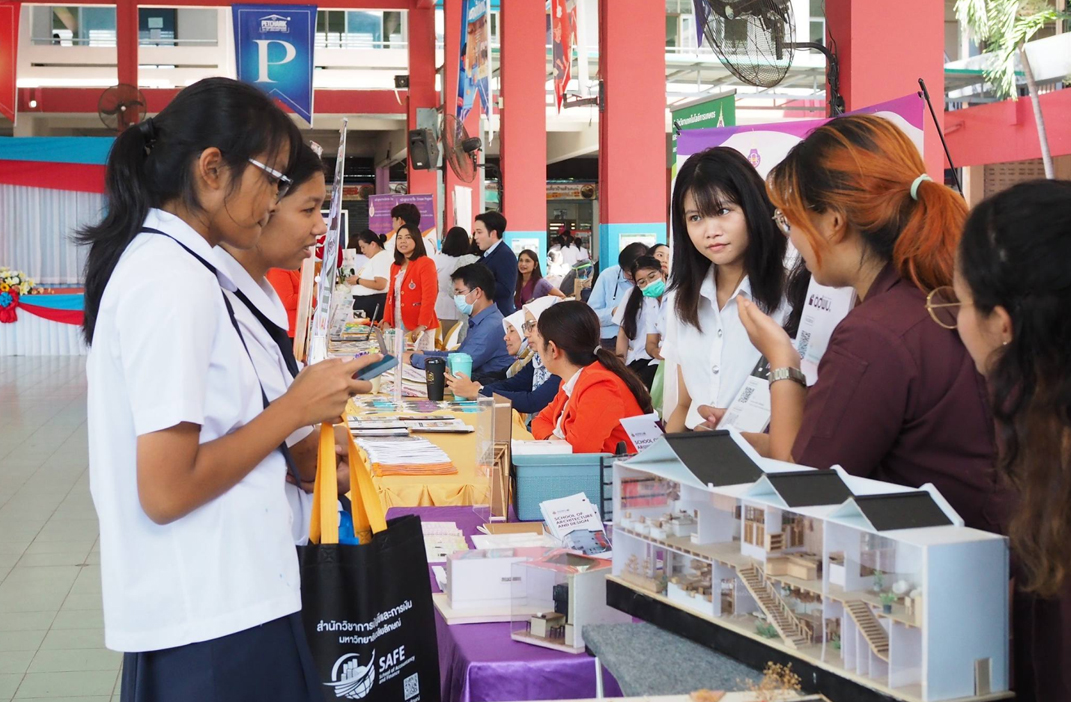
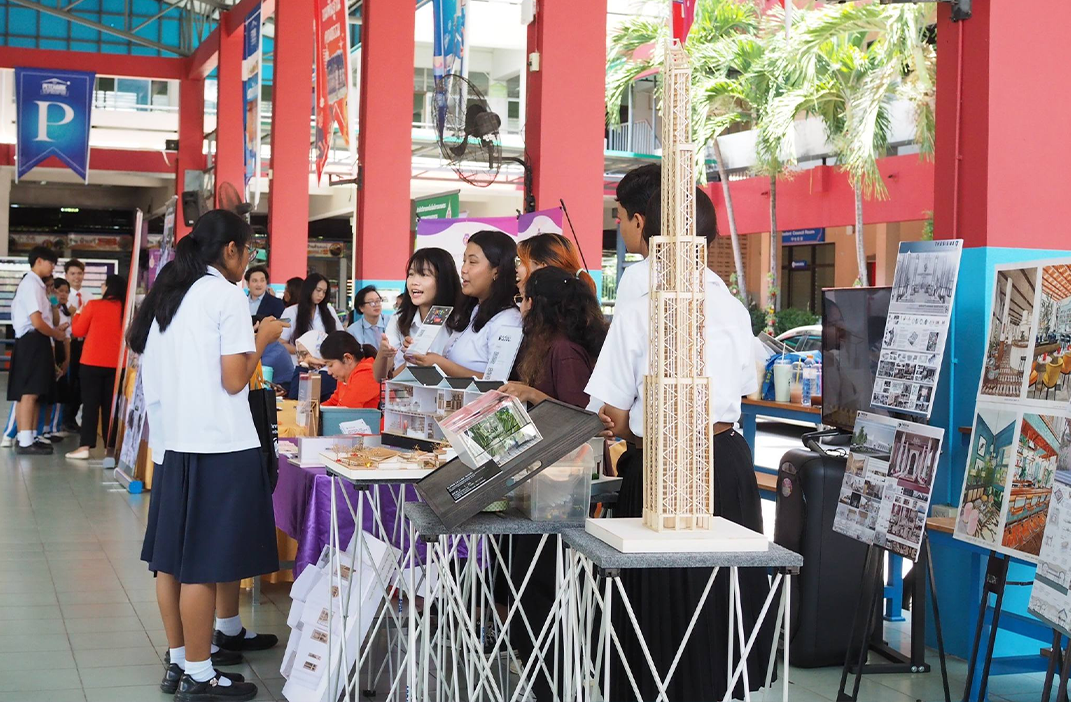
In some cultures, the architecture field is traditionally viewed as “men’s work,” resulting in lower female representation. Social expectations, family pressure, and limited encouragement for women to pursue technical or design-related professions further contribute to the underrepresentation of female students in architecture.
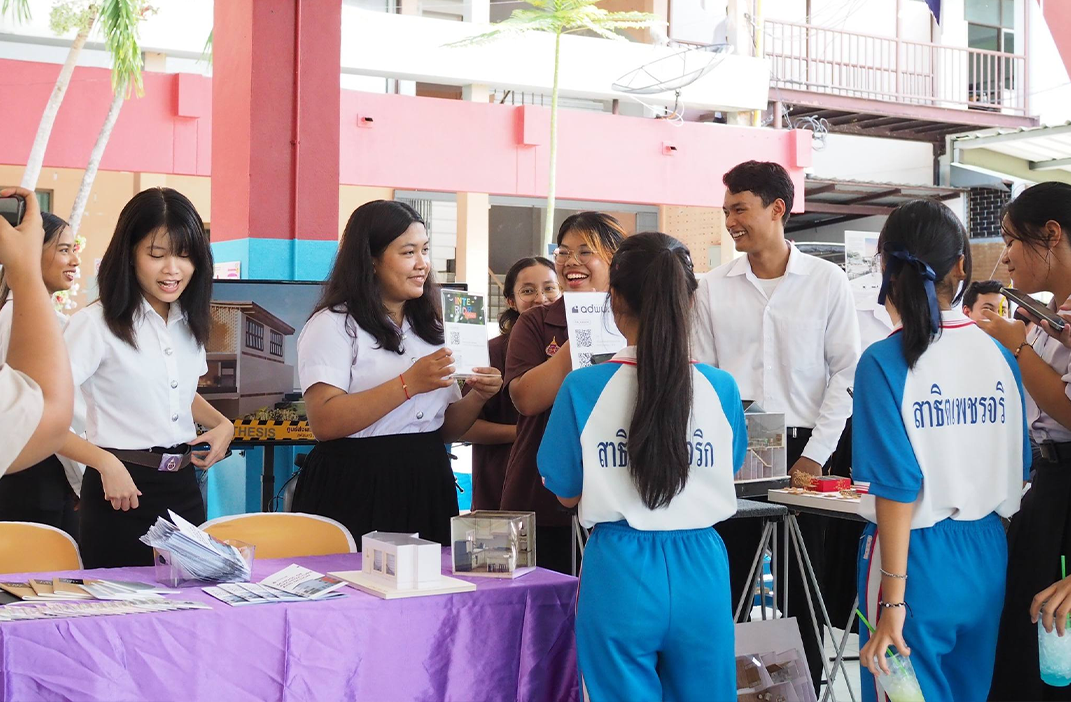
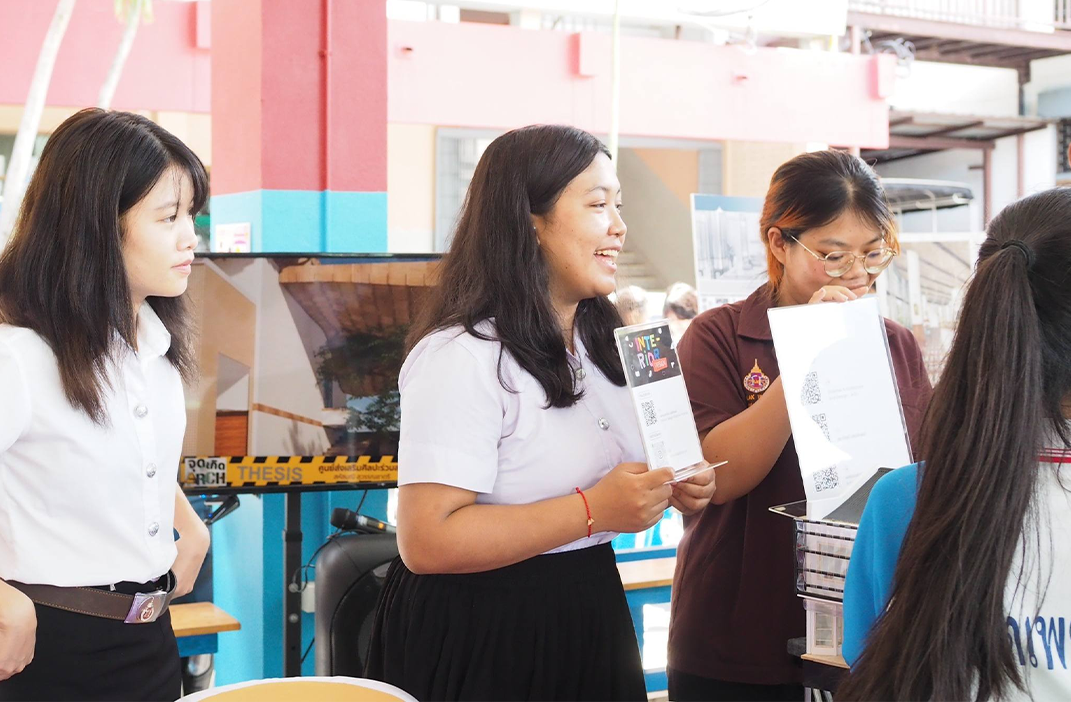
To address this issue, Walailak University actively promotes gender diversity within the architecture field. The university implements outreach activities, provides academic guidance, and highlights successful female architects and alumni to inspire young women to pursue architectural studies. Through these efforts, WU aims to increase female enrollment in architecture and ensure that women are more equitably represented in the profession.
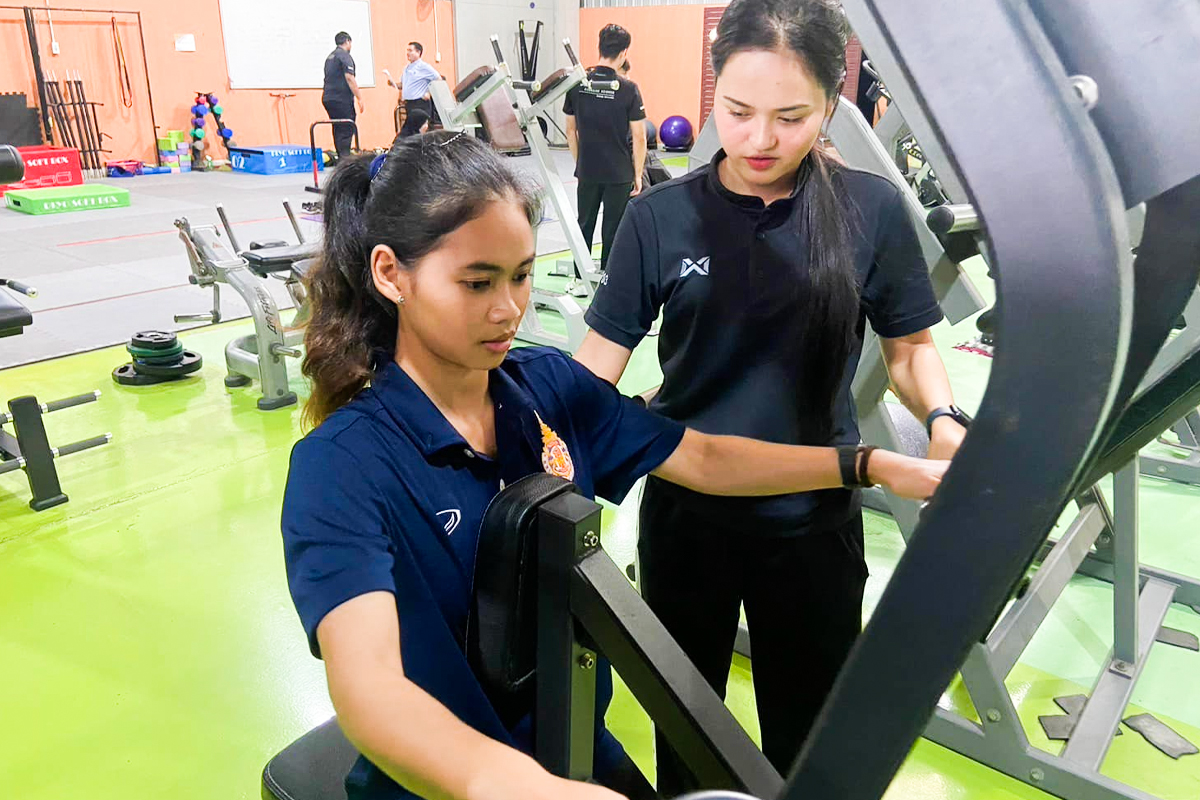
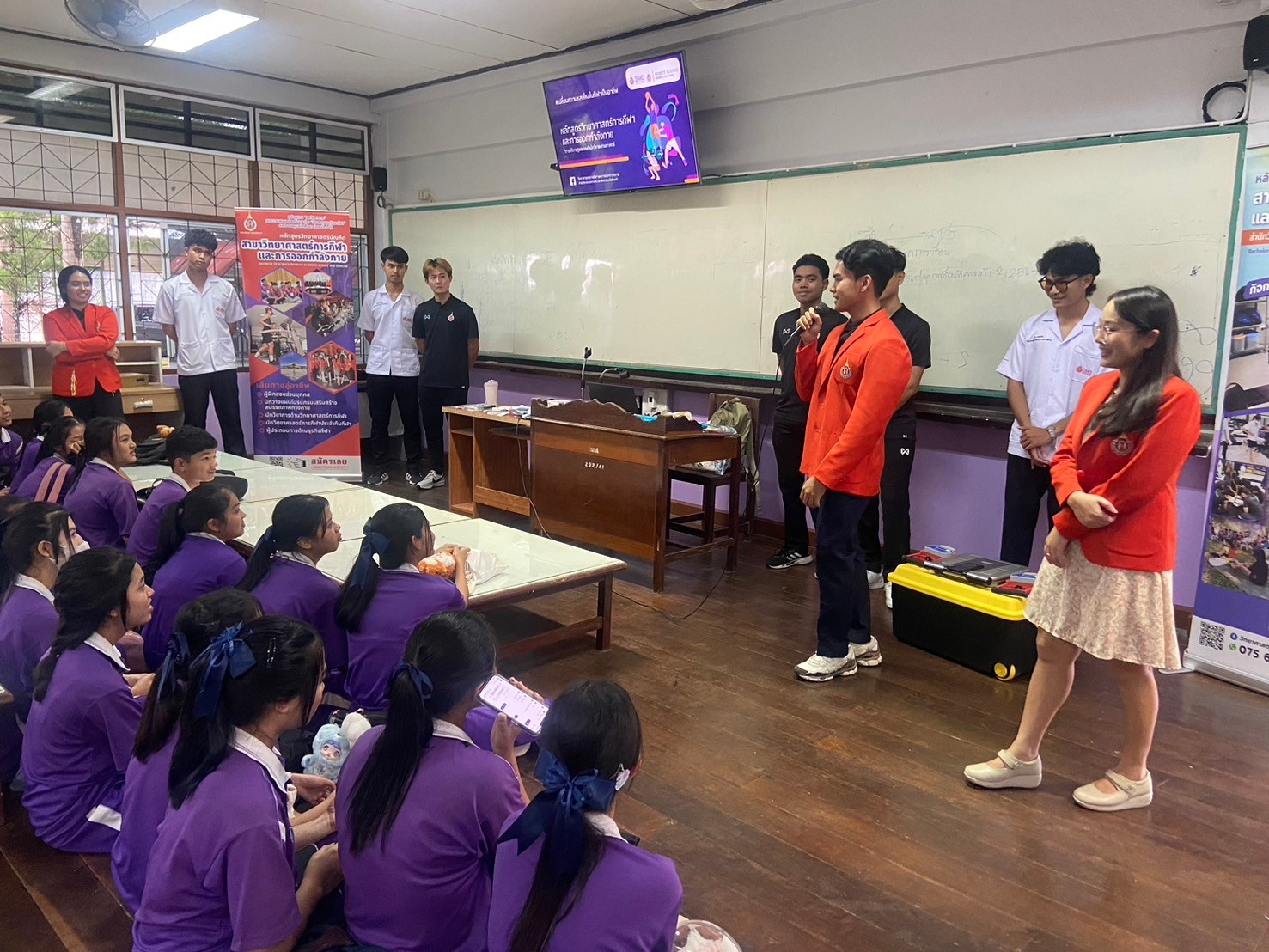
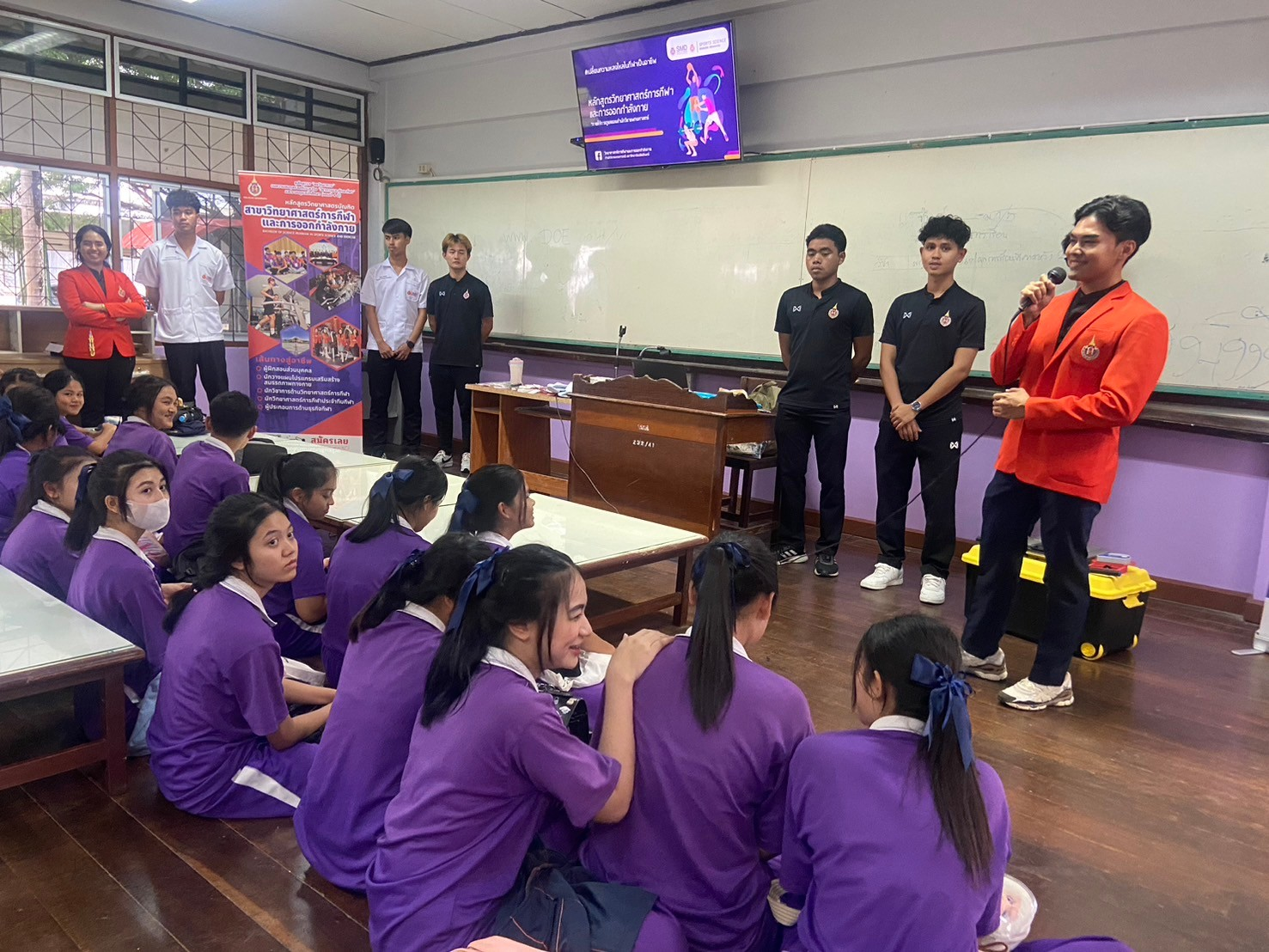
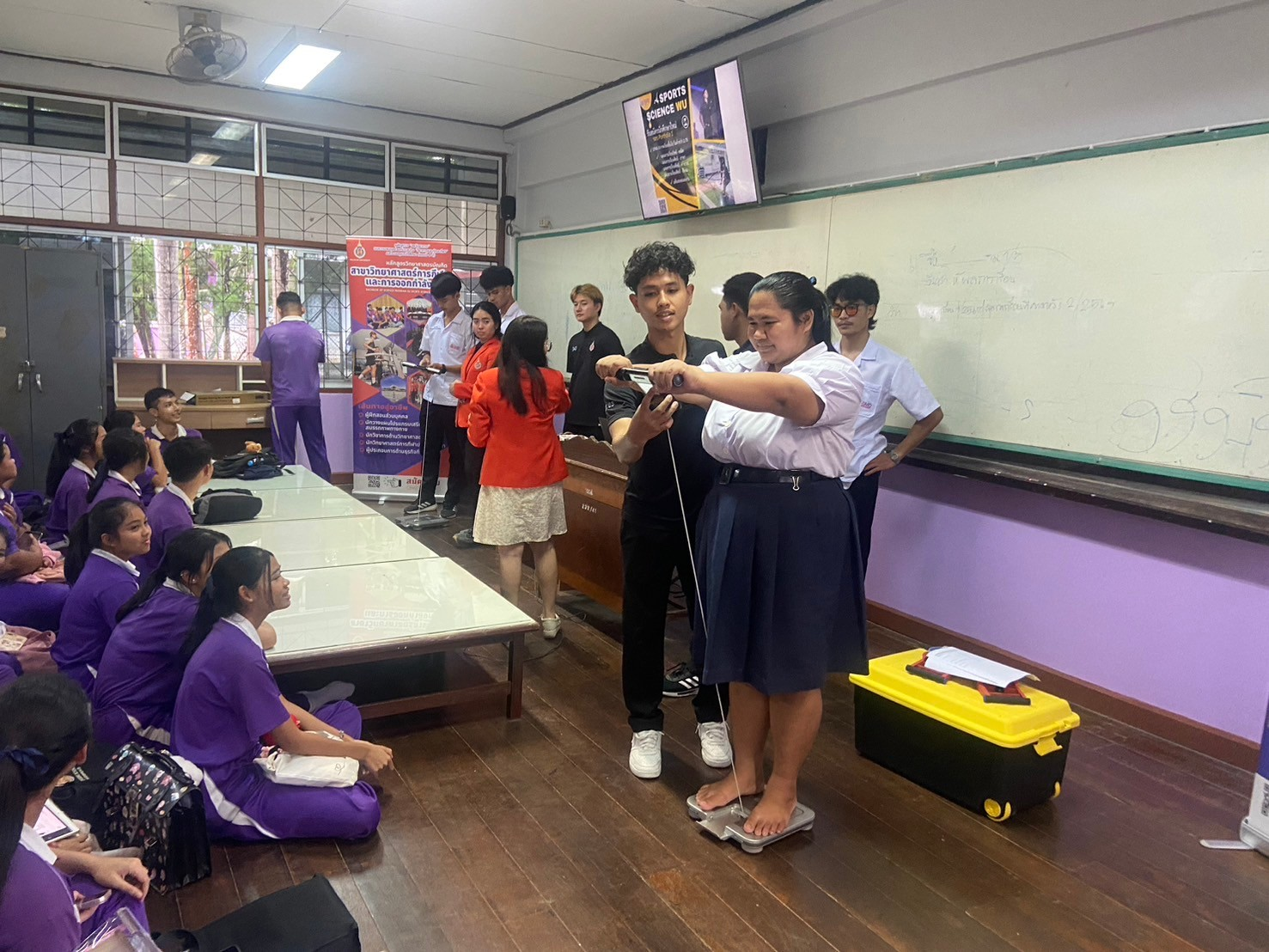
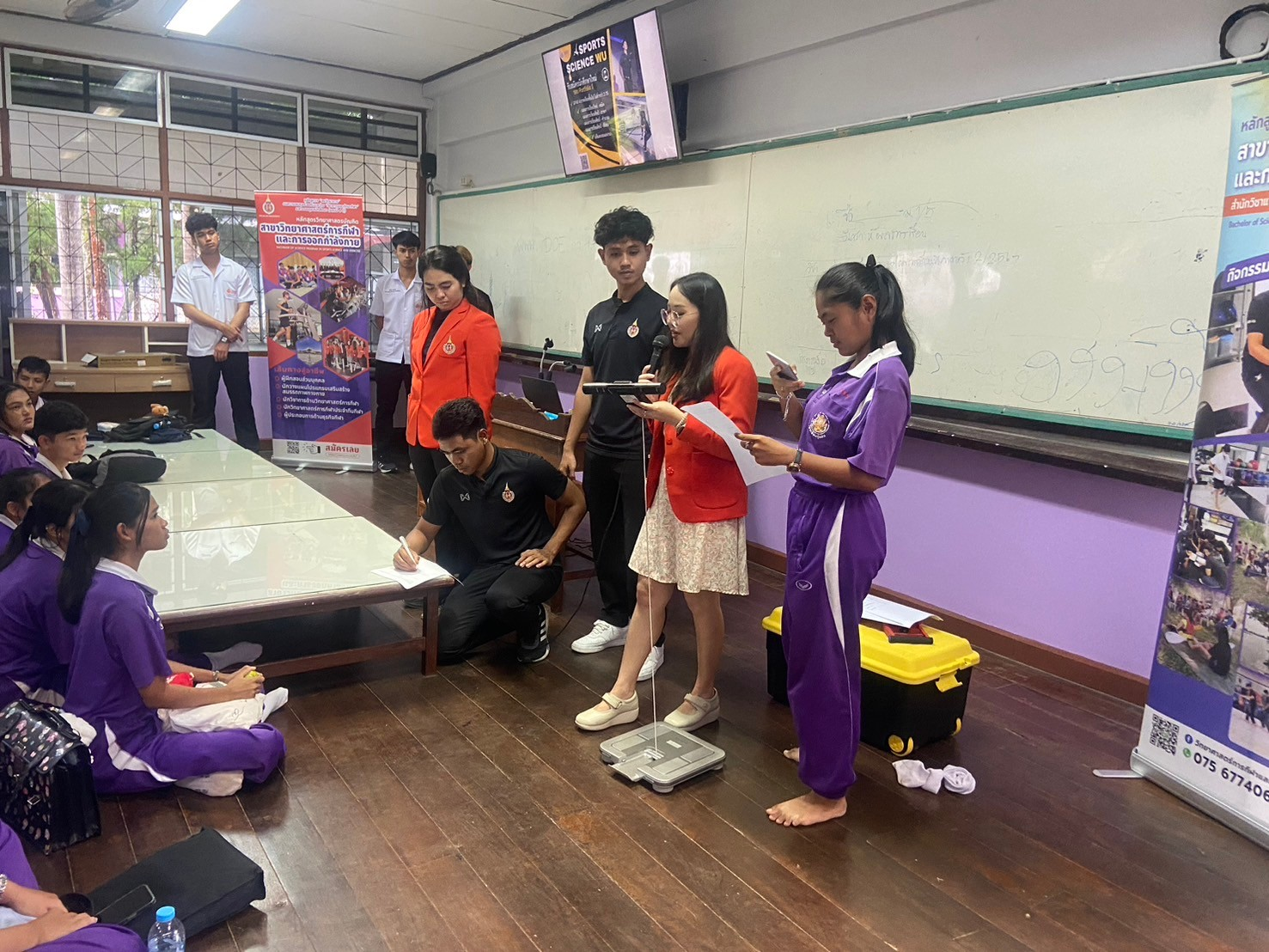
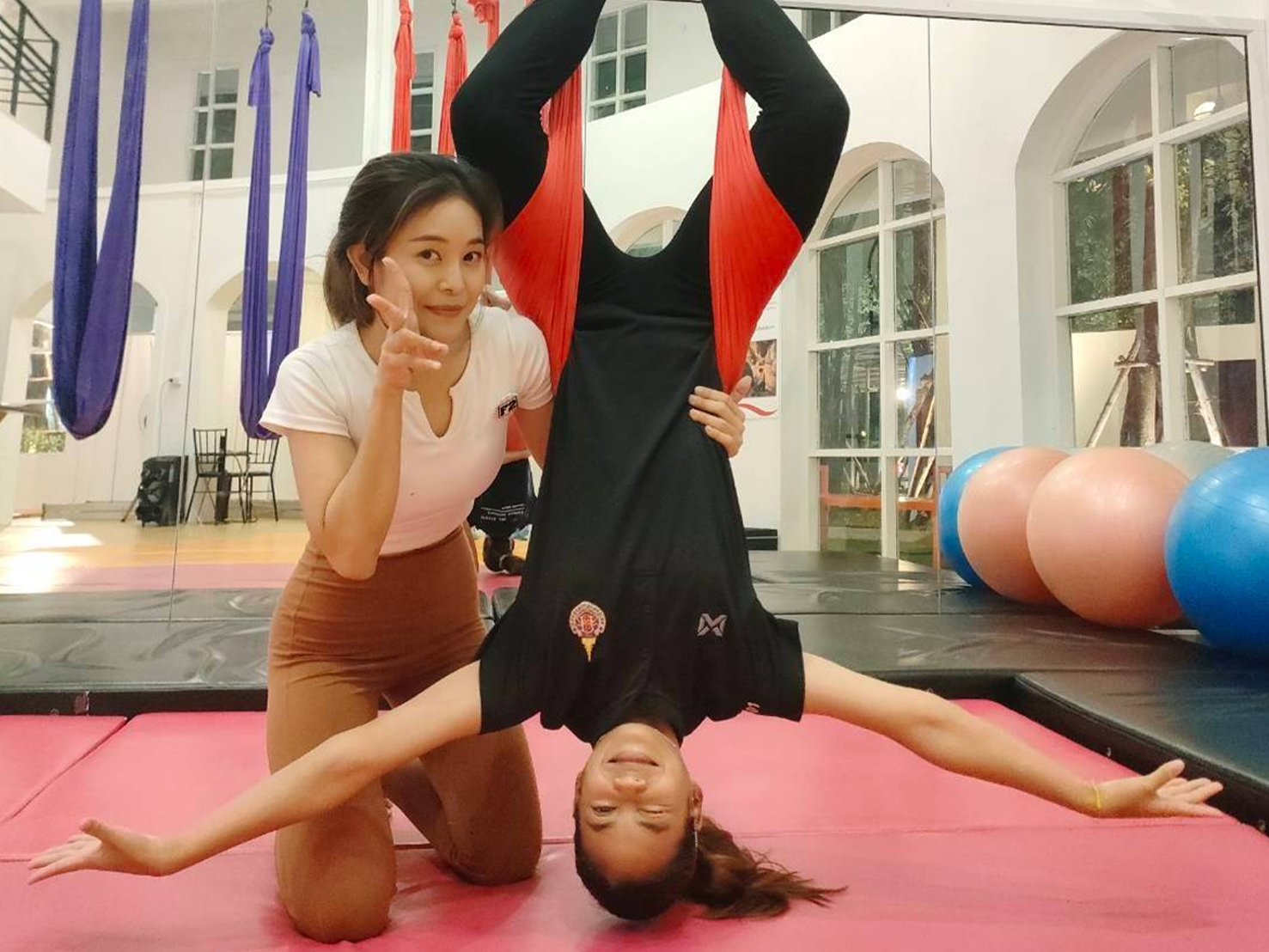
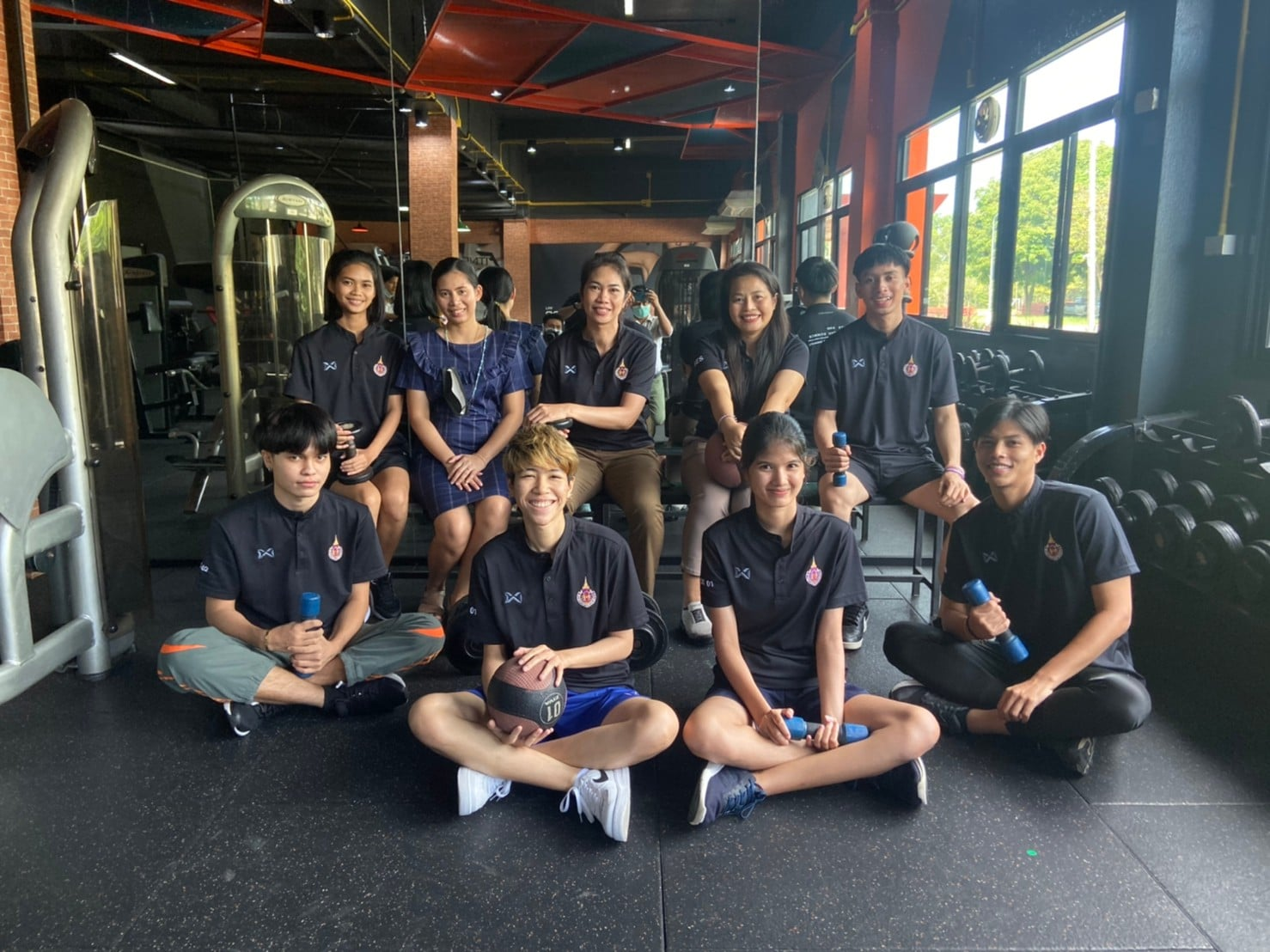
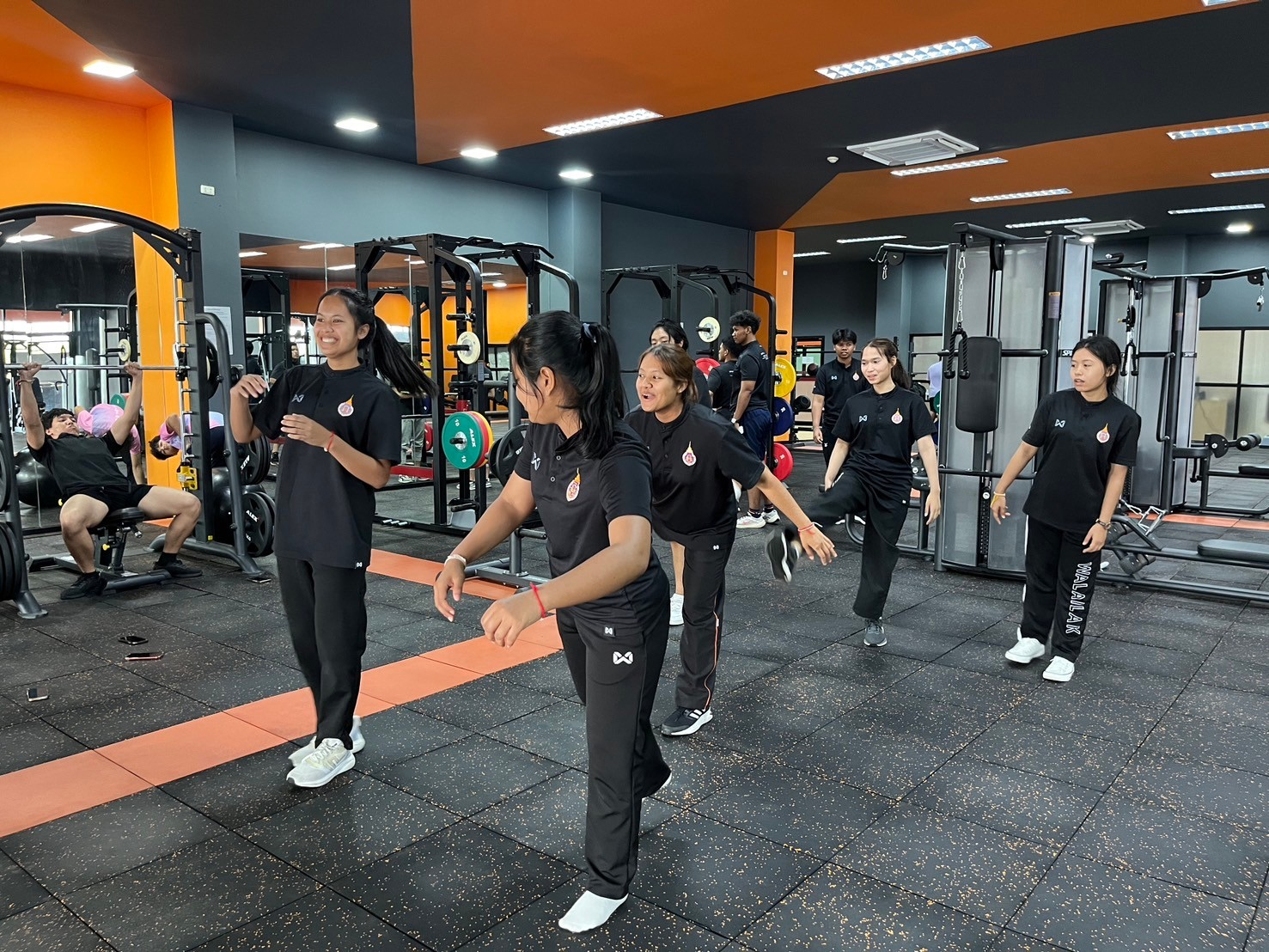
When discussing sports, the focus often centers on men, leading to fewer women entering sports-related fields. Walailak University recognizes this underrepresentation in sports science and actively works to address it. The university promotes and encourages women to pursue sports science through outreach activities that highlight equal opportunities and show that women can thrive in the field just as men do.
These initiatives aim to inspire young women, showcase successful female role models, and demonstrate that women can excel in sports science equally as men, ultimately fostering a more inclusive and diverse academic environment.
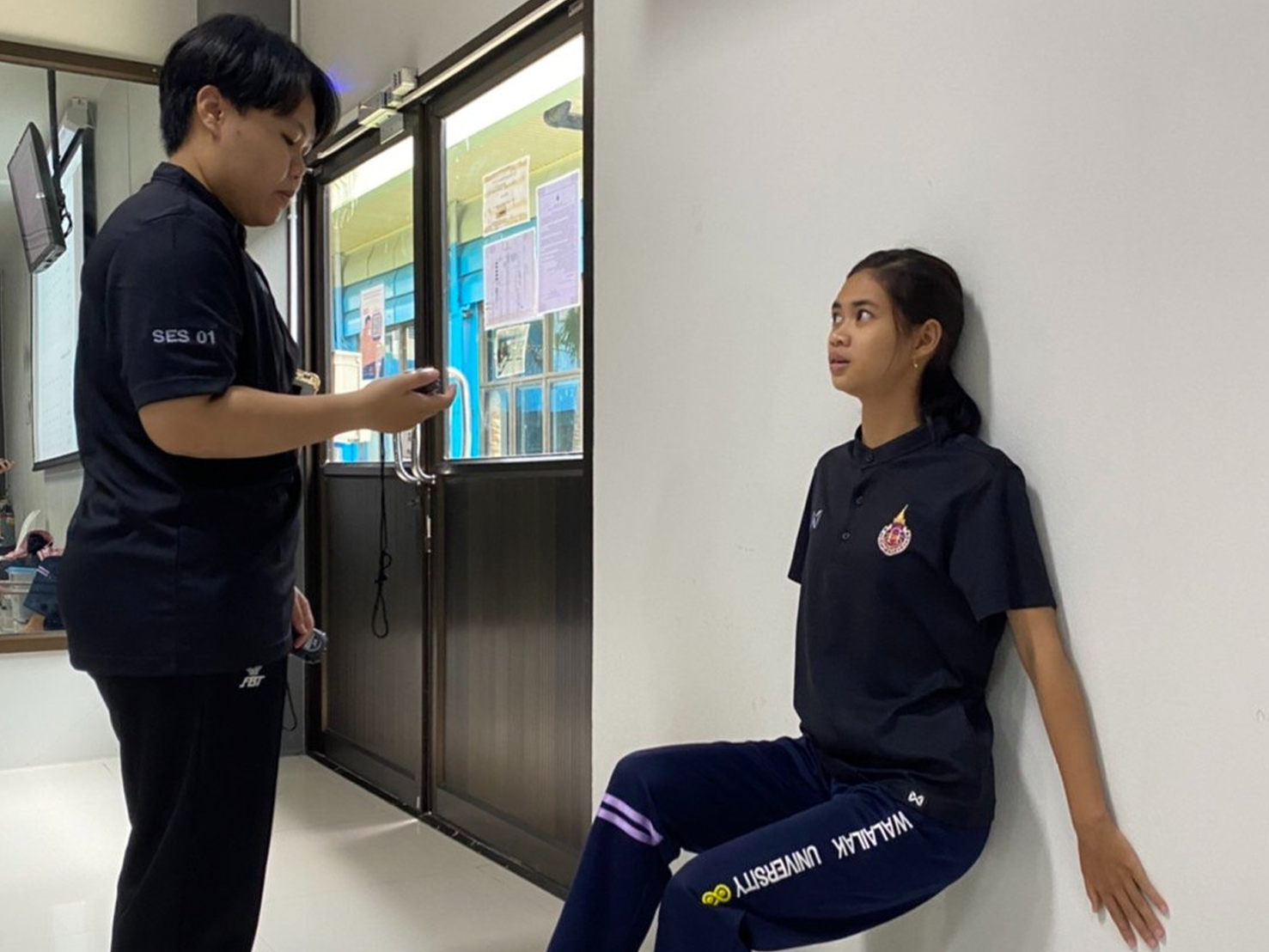
Figures: The School of Medicine (Sports Science) organizing an outreach program at Thungsong School to promote women to study in sports science
According to a 2021 UNESCO report, women represent only 28% of engineering graduates and 40% of graduates in computer science and informatics globally. At Walailak University, Sports Science and Excercise is also identified as a field of the School of Science where women remain underrepresented.
By addressing this gender gap through proactive outreach and institutional support, Walailak University continues to advance Sustainable Development Goal (SDG) 5: Gender Equality, ensuring that women and girls have equal access to quality education and opportunities in all academic and professional sectors.
In 2024, Walailak University signed Memoranda of Understanding (MOUs) with six secondary schools—two private and four public institutions—from Nakhon Si Thammarat and Surat Thani provinces. These schools included Thepmitrsuksa School, Thidamaepra School, Benjamarachutit Nakhon Si Thammarat School, Tha Sala Prasitsuksa School, Triamudom Suksa School of the South, and Kanlayanee Si Thammarat School. The primary objective of these MOUs was to enhance the quality of education in partner schools and prepare students for successful transitions to higher education.
A key focus within this collaborative framework was addressing gender disparities in education by encouraging more female students to pursue careers in fields where they have traditionally been underrepresented. In partnership with these six secondary schools, Walailak University developed initiatives to motivate and support female students to apply for programs in STEM disciplines, architecture, and other technical fields.
This collaboration included organizing outreach programs, university visits, and academic workshops specifically designed to introduce female students to career pathways in these areas. The programs also provided information about the academic and personal support systems available at Walailak University, including scholarships, mentoring opportunities, and gender-responsive facilities, ensuring an inclusive and supportive environment for female students.
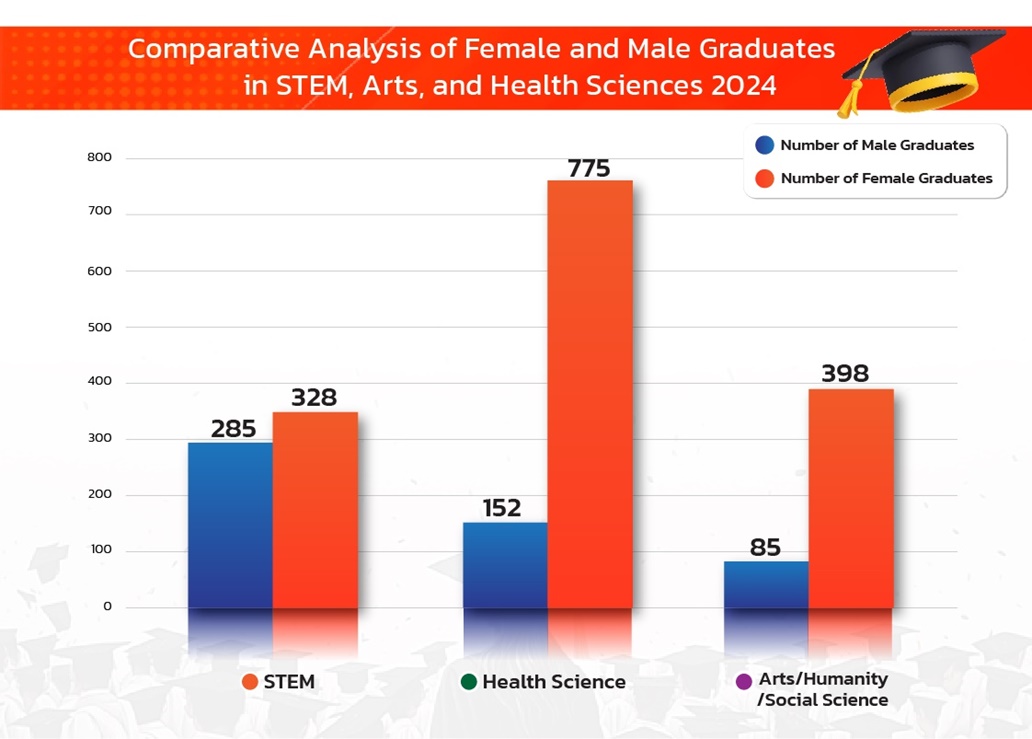
In 2024, Walailak University tracked the number of graduates across three academic fields: STEM, Health Sciences, and Arts/Humanities/Science. The results showed that Health Sciences produced the highest number of graduates. In all three fields, female graduates outnumbered their male counterparts. Specifically, in STEM, there were 613 graduates in total, with females exceeding males by 6.97%. In Health Sciences, there were 927 graduates, with females surpassing males by 67.21%. Meanwhile, in Arts/Humanities/Science, there were 483 graduates, with females outnumbering males by 64.80%.
Monitoring the Acceptance Rate to Promote Women in Underrepresented Fields
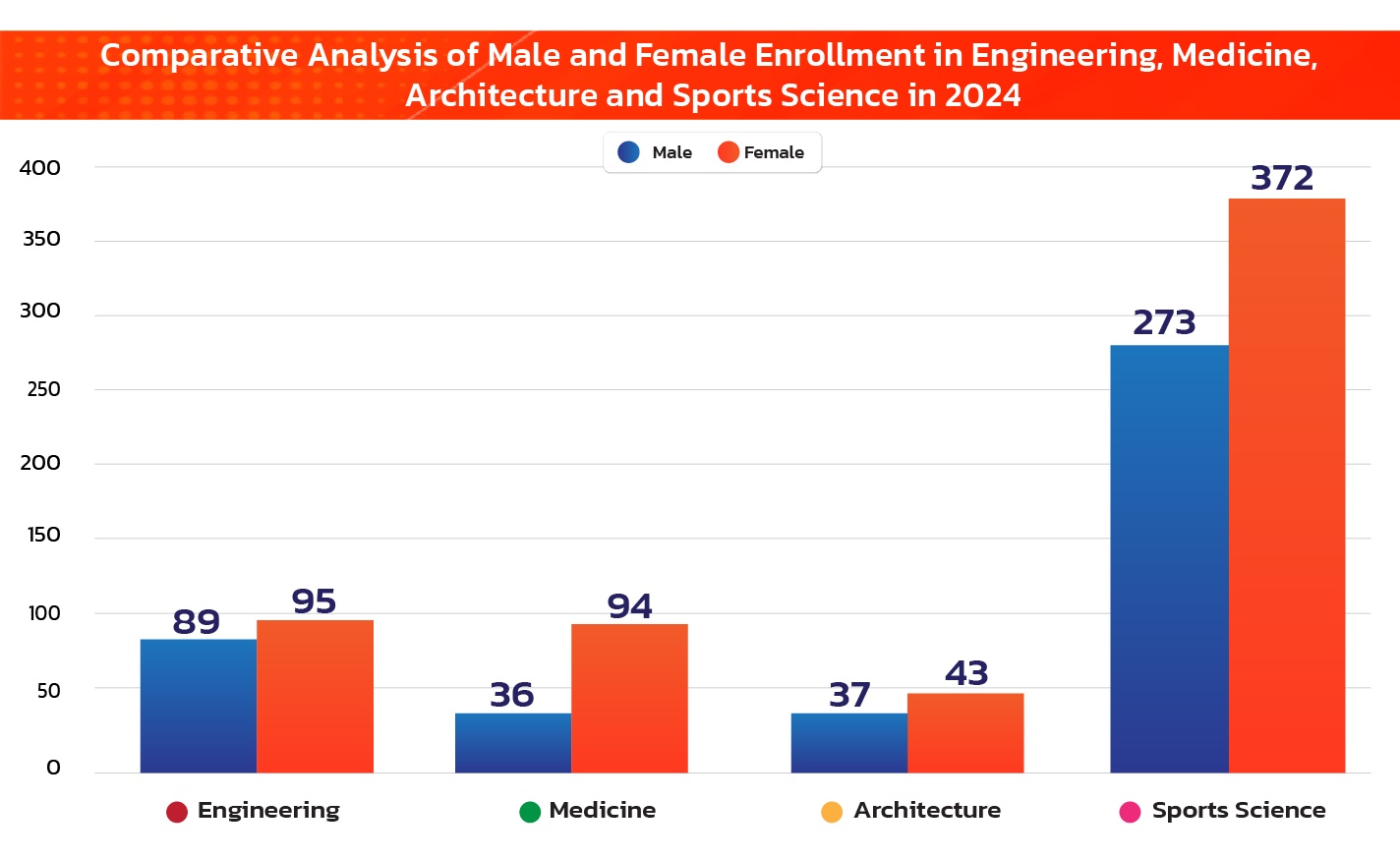
Based on 2024 data, there are 109 female graduates in the School of Engineering and Technology out of 223, 37 in the School of Architecture and Design out of 50, 59 in the School of Science out of 82, 28 in the School of Agricultural Technology and Food Industry out of 35, and 70 in the School of Medicine out of 130. Based on the mentioned numbers, it can be seen that female students are the majority, as WU has been encouraging women to study in those fields.
Walailak University’s collaborations with secondary schools have played a pivotal role in promoting gender equality in higher education, particularly in fields where women have traditionally been underrepresented. By establishing formal partnerships, organizing outreach programs, and providing targeted workshops and mentoring opportunities, the university has successfully encouraged female students to explore and pursue careers in STEM, architecture, agriculture, and other technical disciplines. These efforts not only help address societal perceptions that limit women’s participation in certain fields but also empower female students with the confidence, knowledge, and role models necessary to thrive in these areas.
The measurable outcomes of these initiatives, including the higher proportion of female graduates in STEM, Health Sciences, and Arts/Humanities/Science, demonstrate the tangible impact of WU’s gender-focused outreach. Beyond increasing enrollment and graduation rates, the programs foster long-term benefits such as enhanced career opportunities for women, greater diversity within male-dominated fields, and a strengthened pipeline of skilled professionals who contribute to societal and economic development.