Sustained International Collaboration and Research for Best Practices Development on Blue Swimming Crab Resources
Fishery Improvement Projects (FIPs) are collaborative, multi-stakeholder initiatives designed to enhance fishing practices and management systems, ensuring the long-term sustainability of marine species, ecosystems, and the livelihoods of fishing communities. These projects leverage the influence of the private sector to drive positive changes in fisheries and aim to solidify those improvements through the development of new government policies.
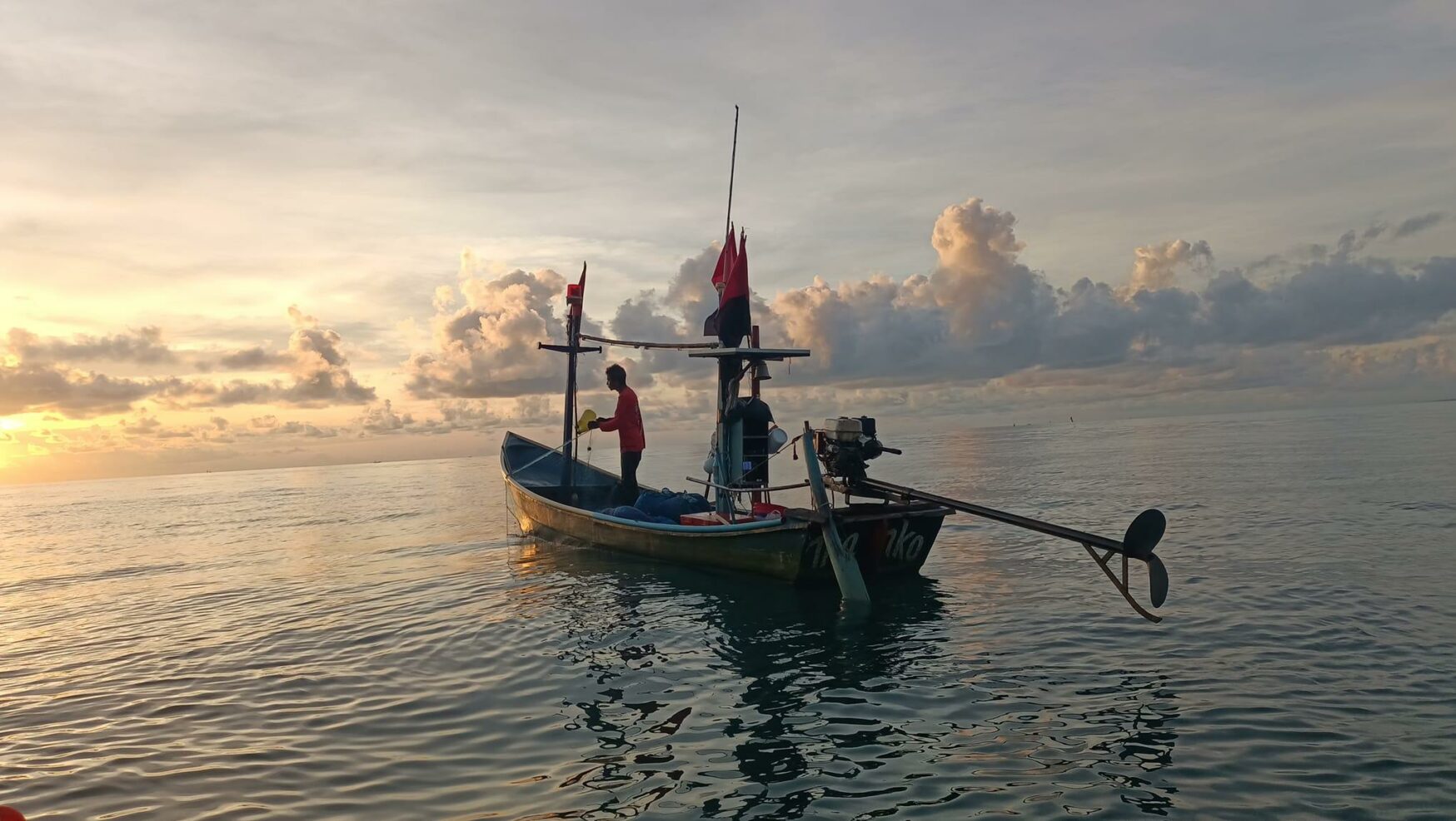
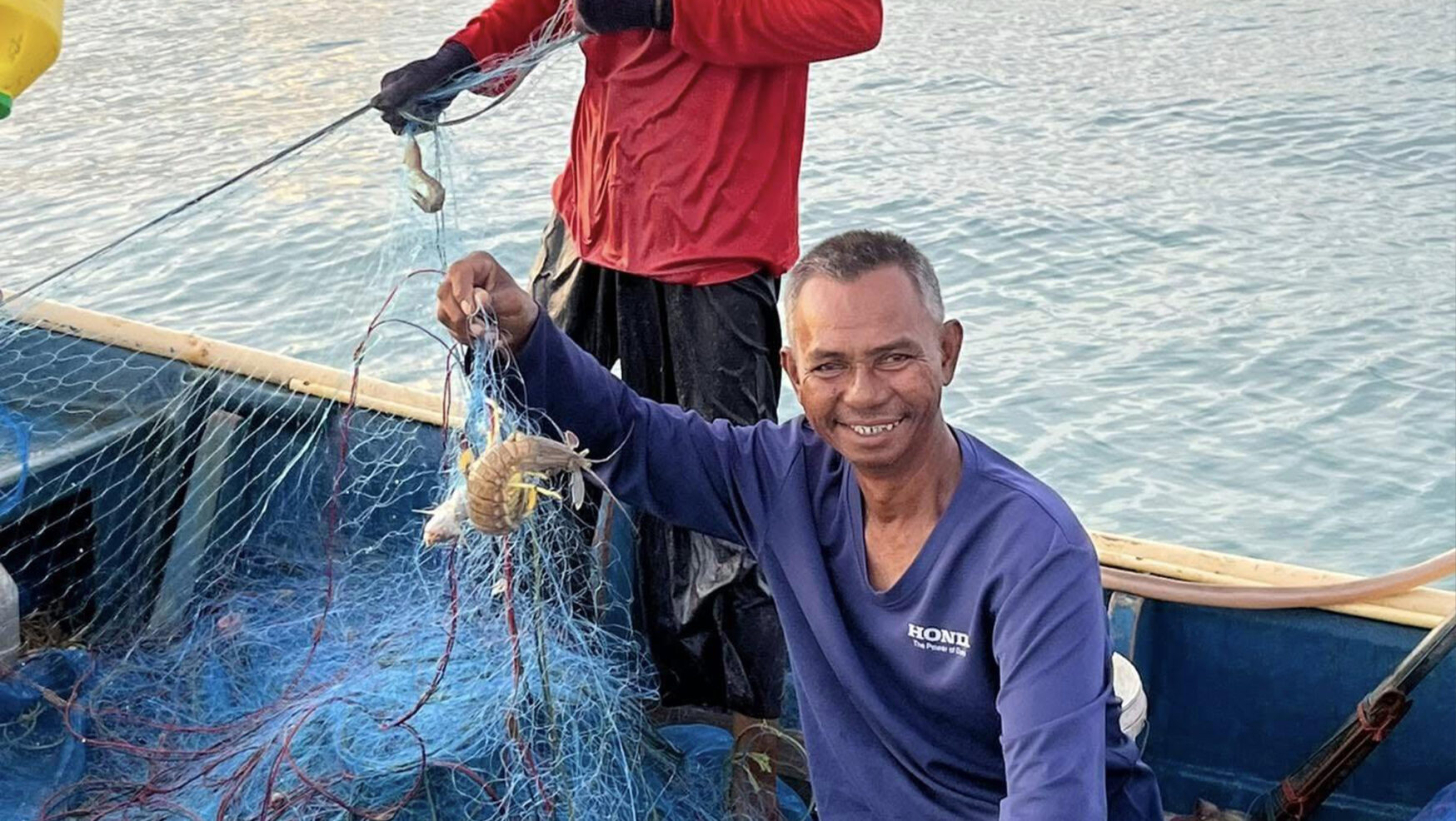
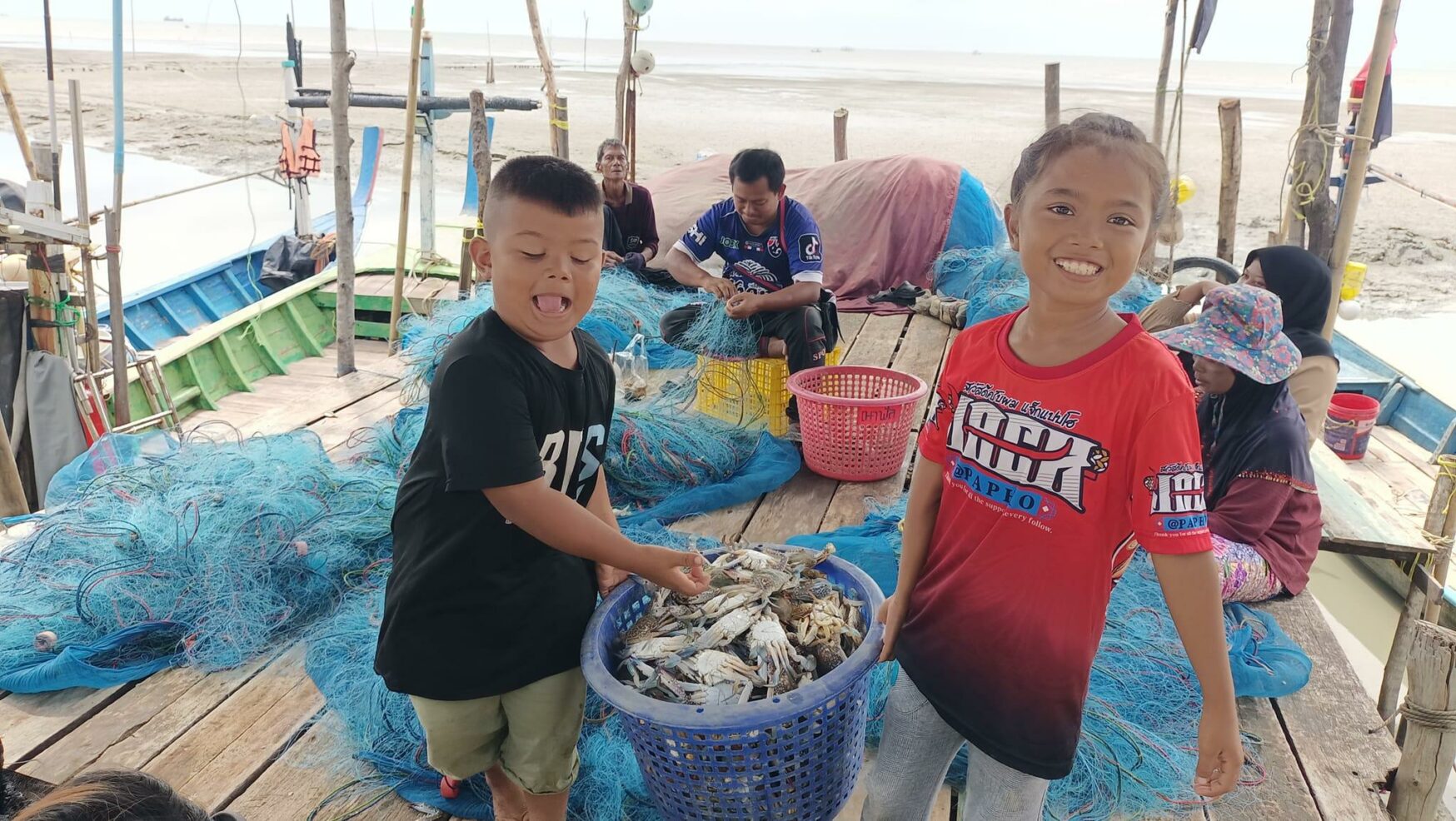
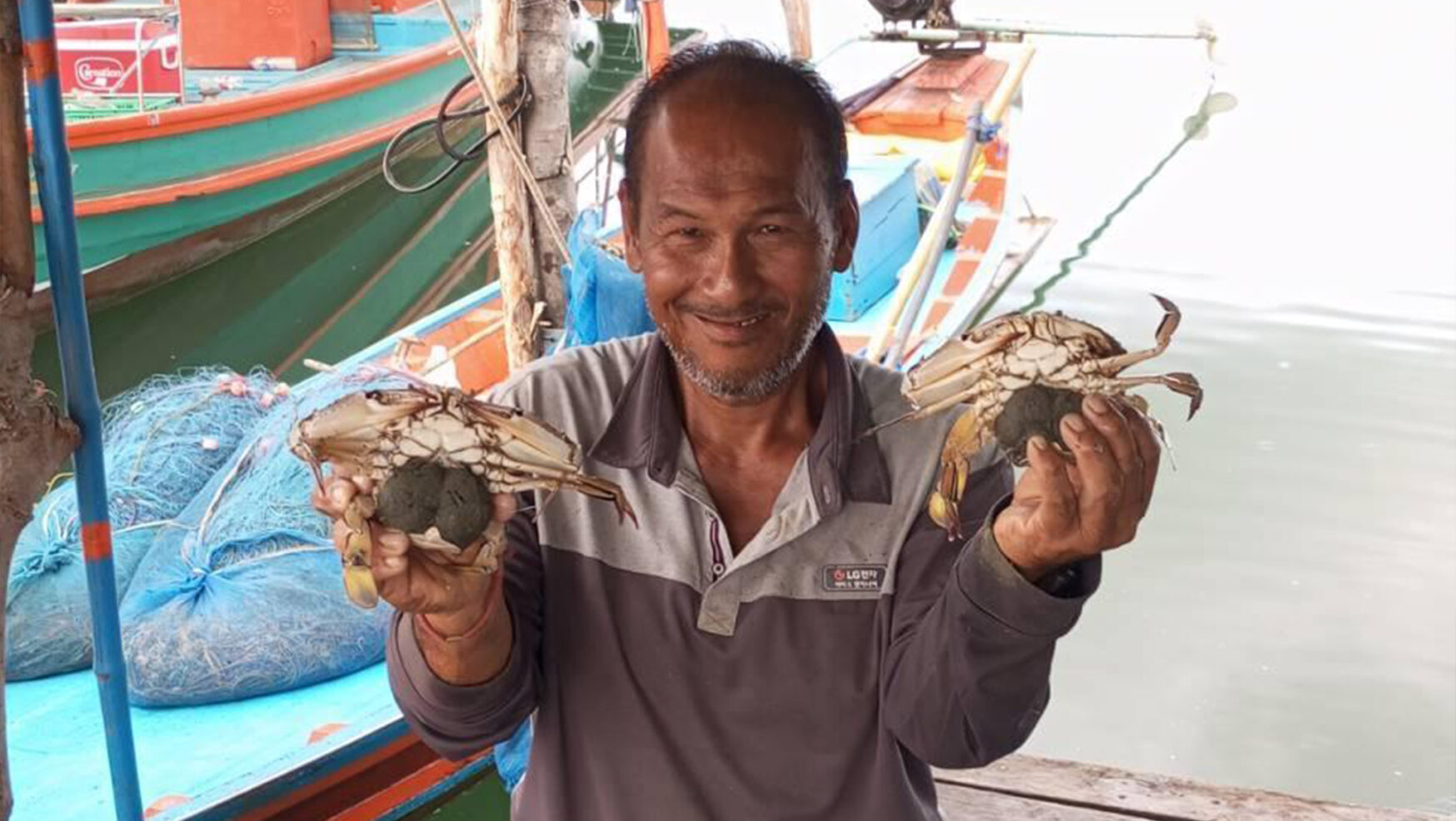
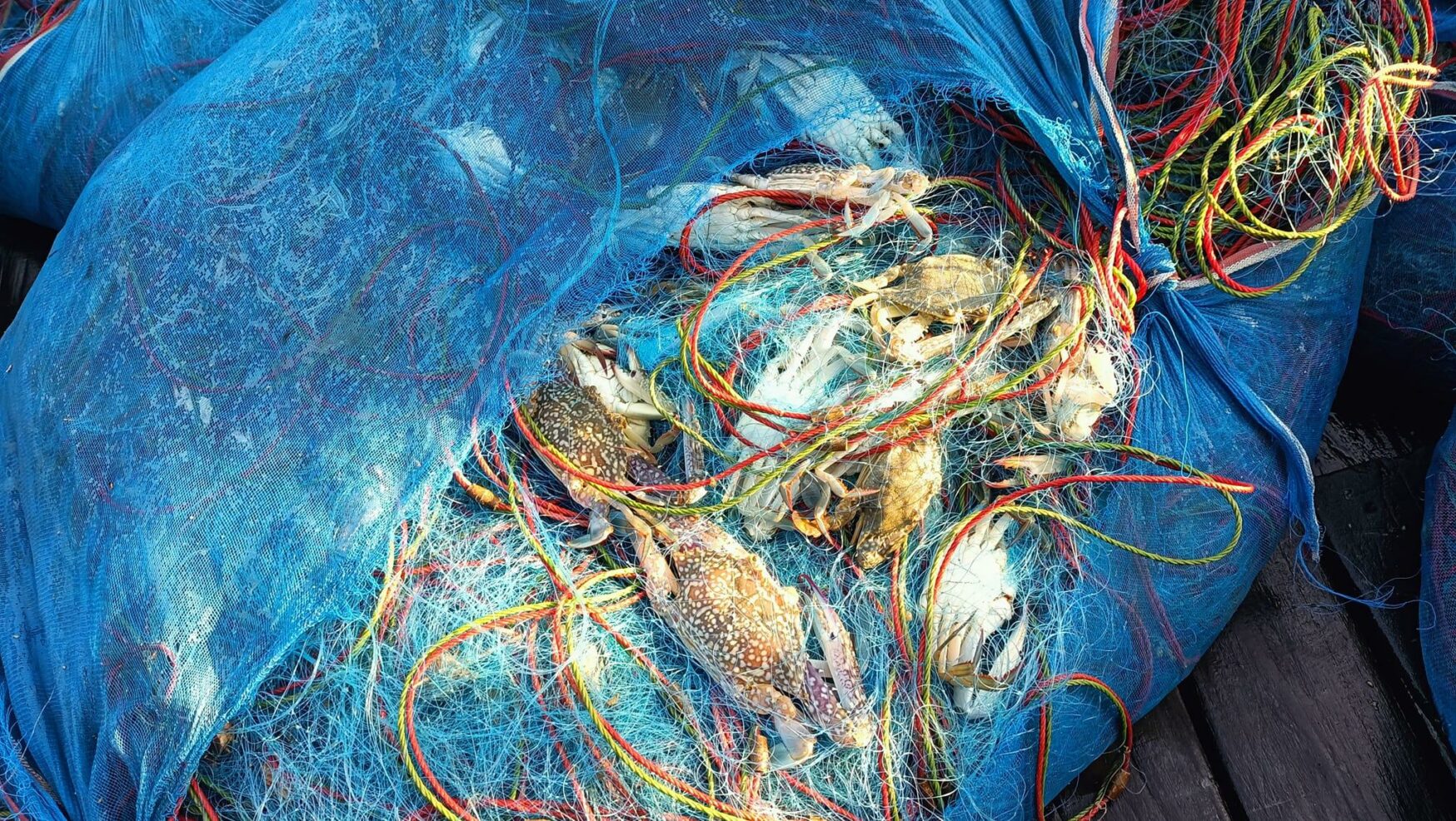
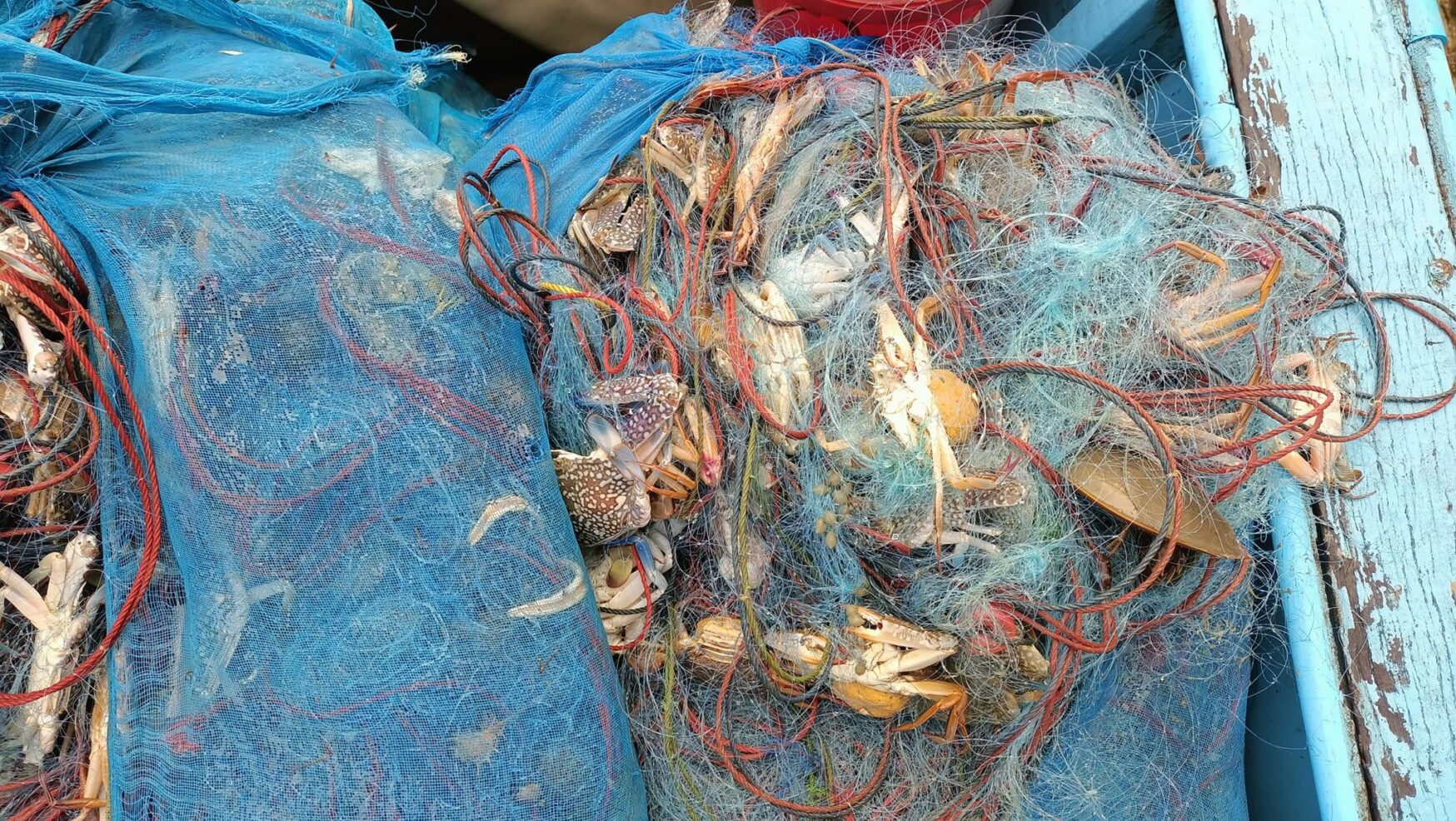
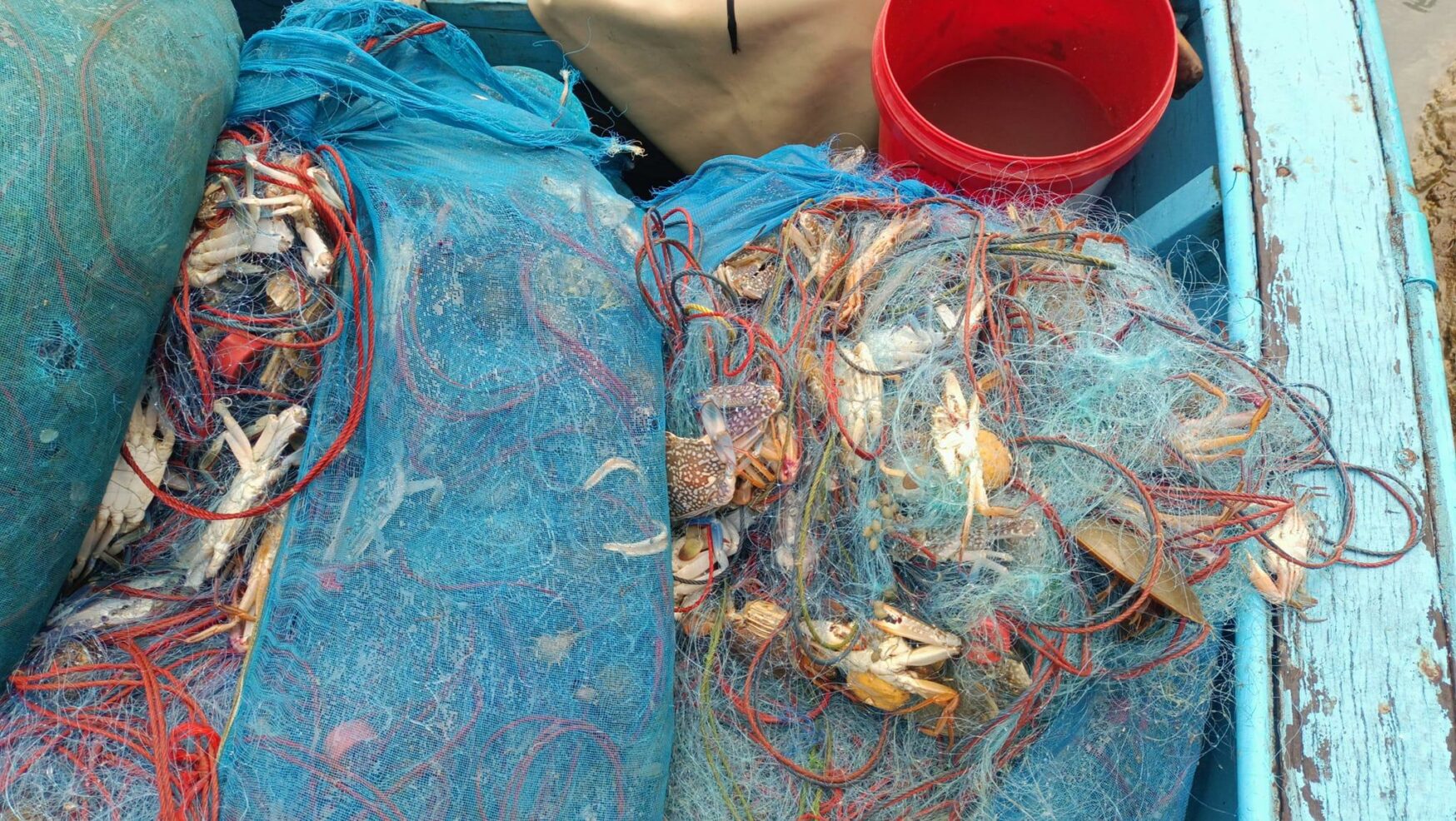
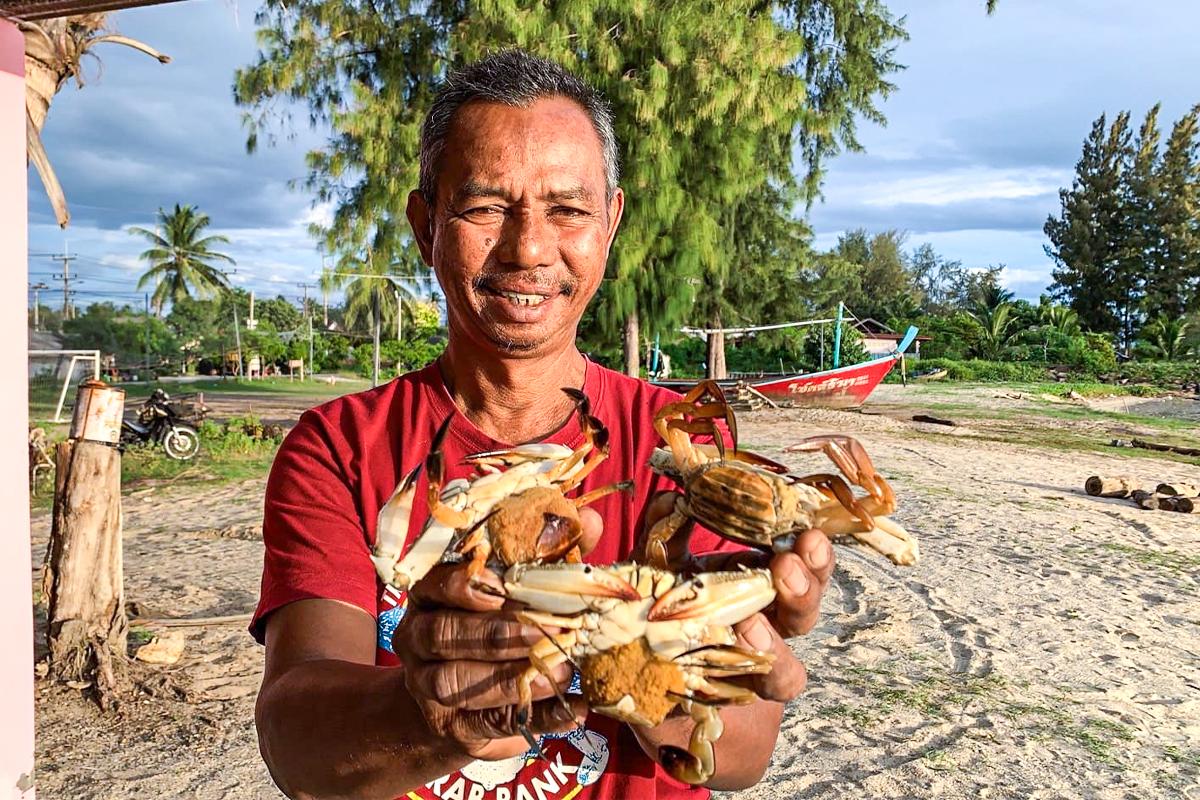
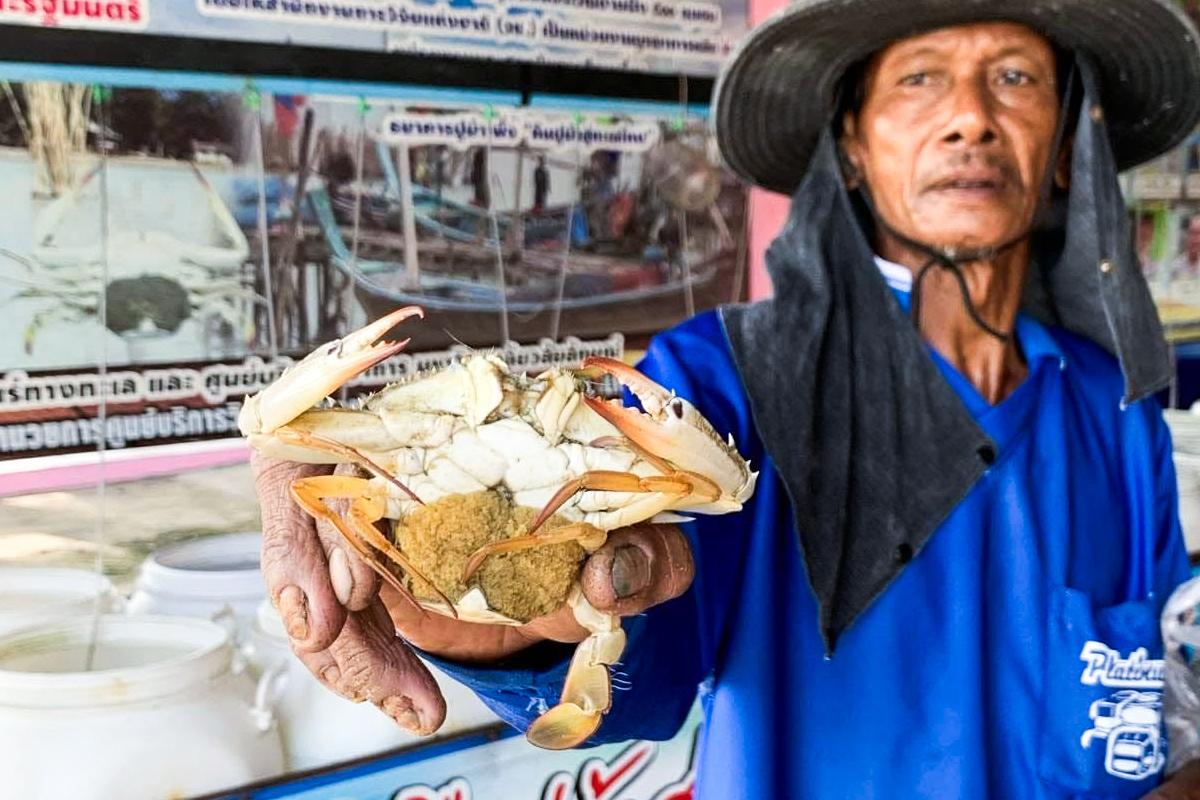
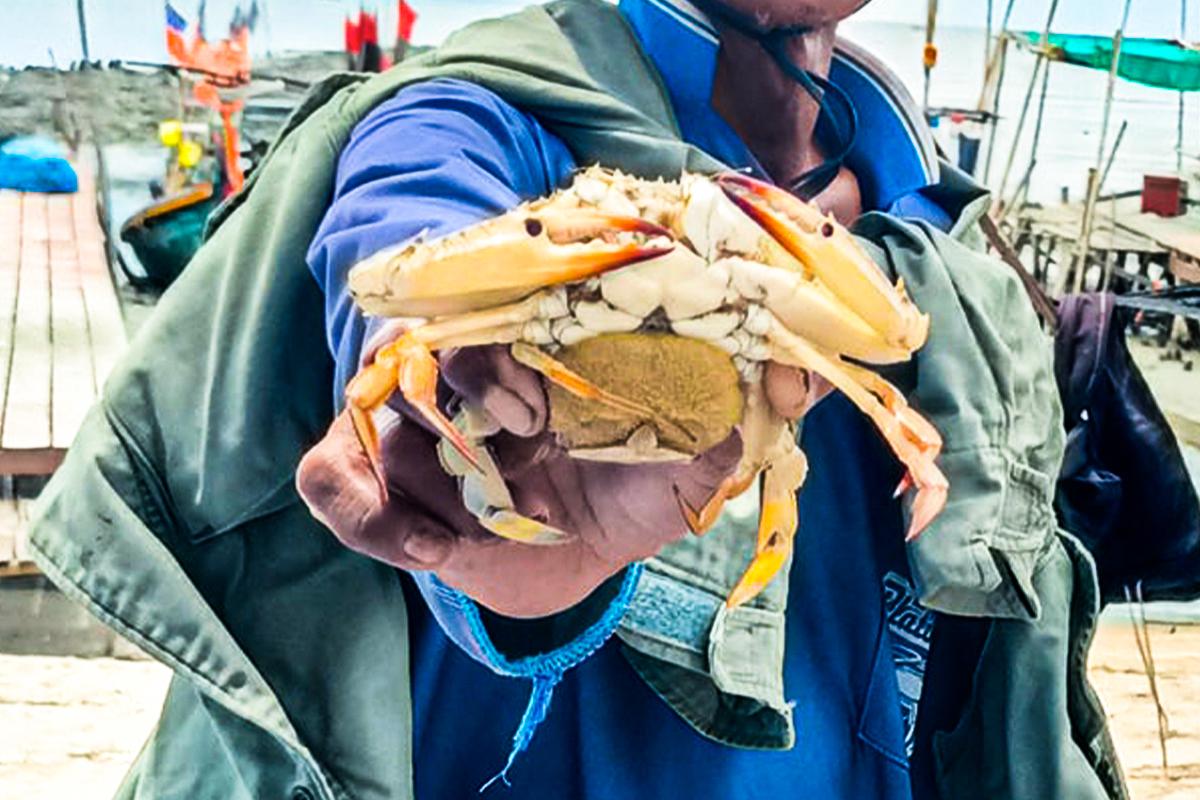
In Ban Don Bay, Surat Thani, Thailand, blue swimming crab populations faced a significant decline prior to the implementation of the FIP, largely due to overfishing in heavily exploited inshore areas, the harvesting of undersized crabs and gravid females, and the absence of effective management plans, harvest strategies, and enforcement mechanisms.
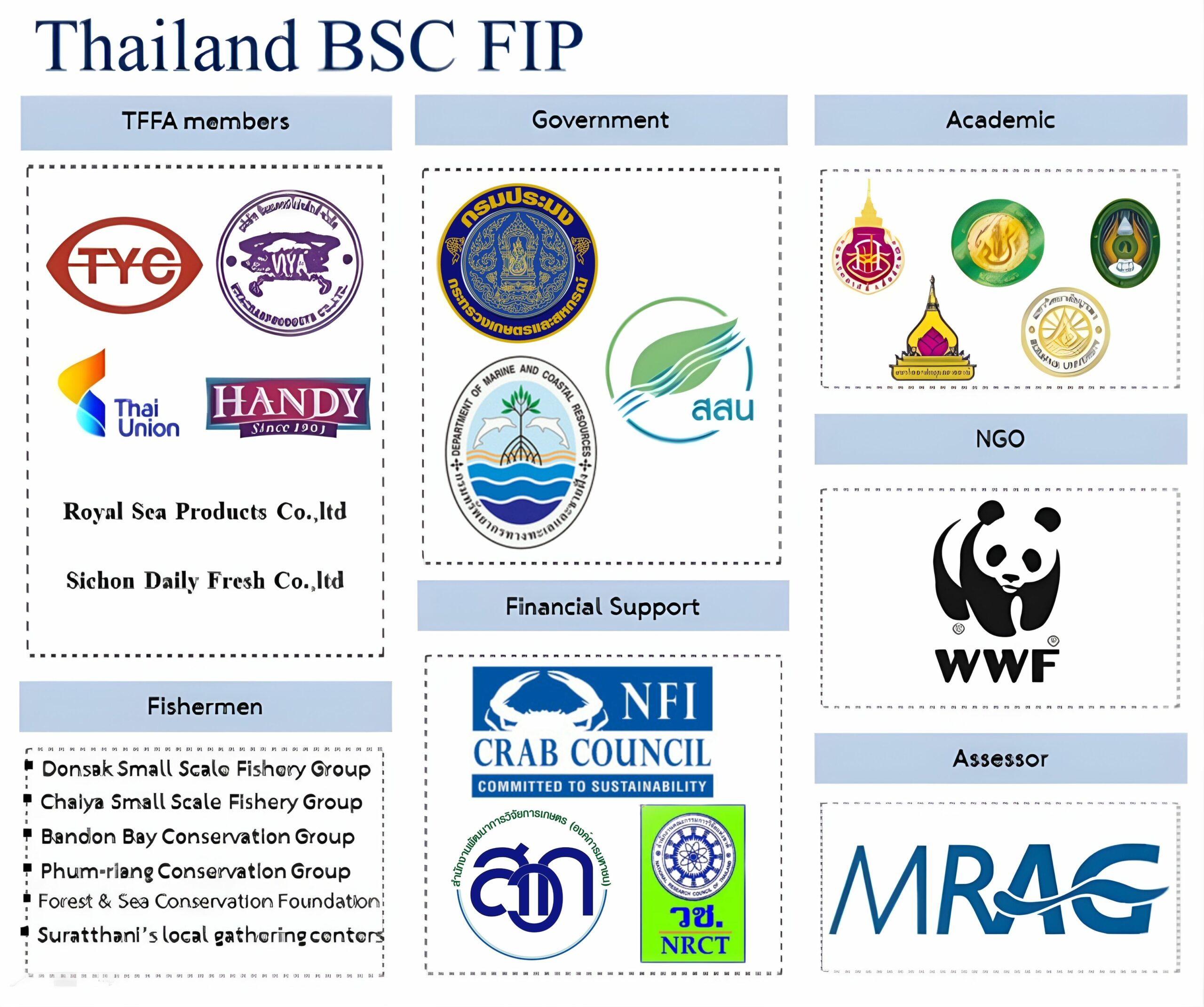
In response, the Thailand Blue Swimming Crab Fishery Improvement Project (Thailand BSC FIP) was established as an international collaboration to develop sustainable management solutions and improve the condition of blue swimming crab resources in Ban Don Bay. A diagnostic assessment of the fishery’s ecological, social, and management conditions was first conducted to identify key challenges such as overfishing, weak enforcement, and habitat degradation. The project integrates diverse research efforts aimed at promoting responsible fisheries and sustainable consumption practices.
This collaborative effort has brought together government agencies, NGOs, private sector groups, and academic institutions both within Thailand and abroad. Key partners include the World Wide Fund for Nature (WWF), the Marine Resources Assessment Group (MREG), the NFI Crab Council (United States), the Department of Fisheries, Thai Frozen Foods Association, local fisheries associations in Surat Thani, the Thai Sea Watch Association, Walailak University, Kasetsart University, and Ubon Ratchathani University.
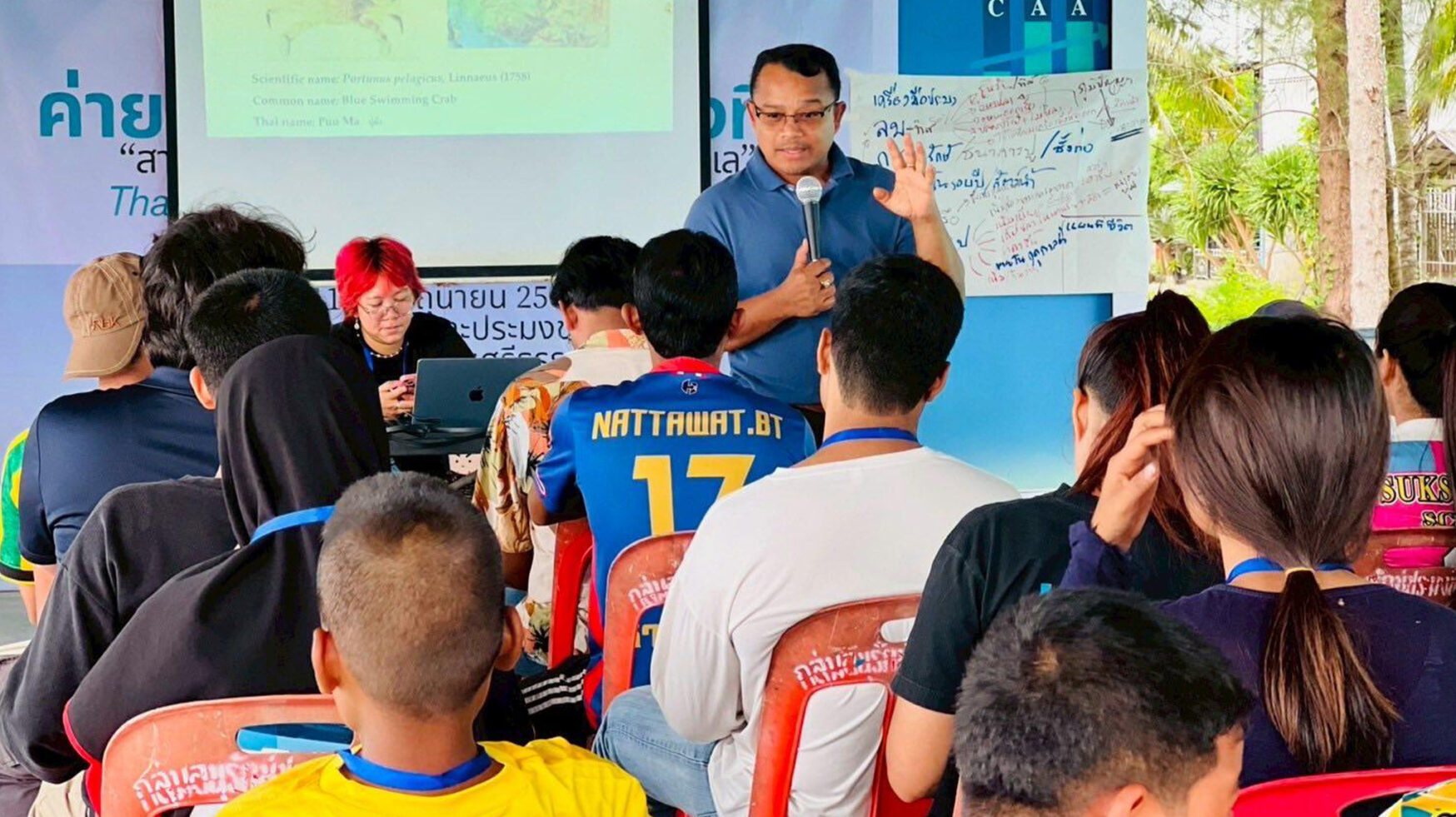
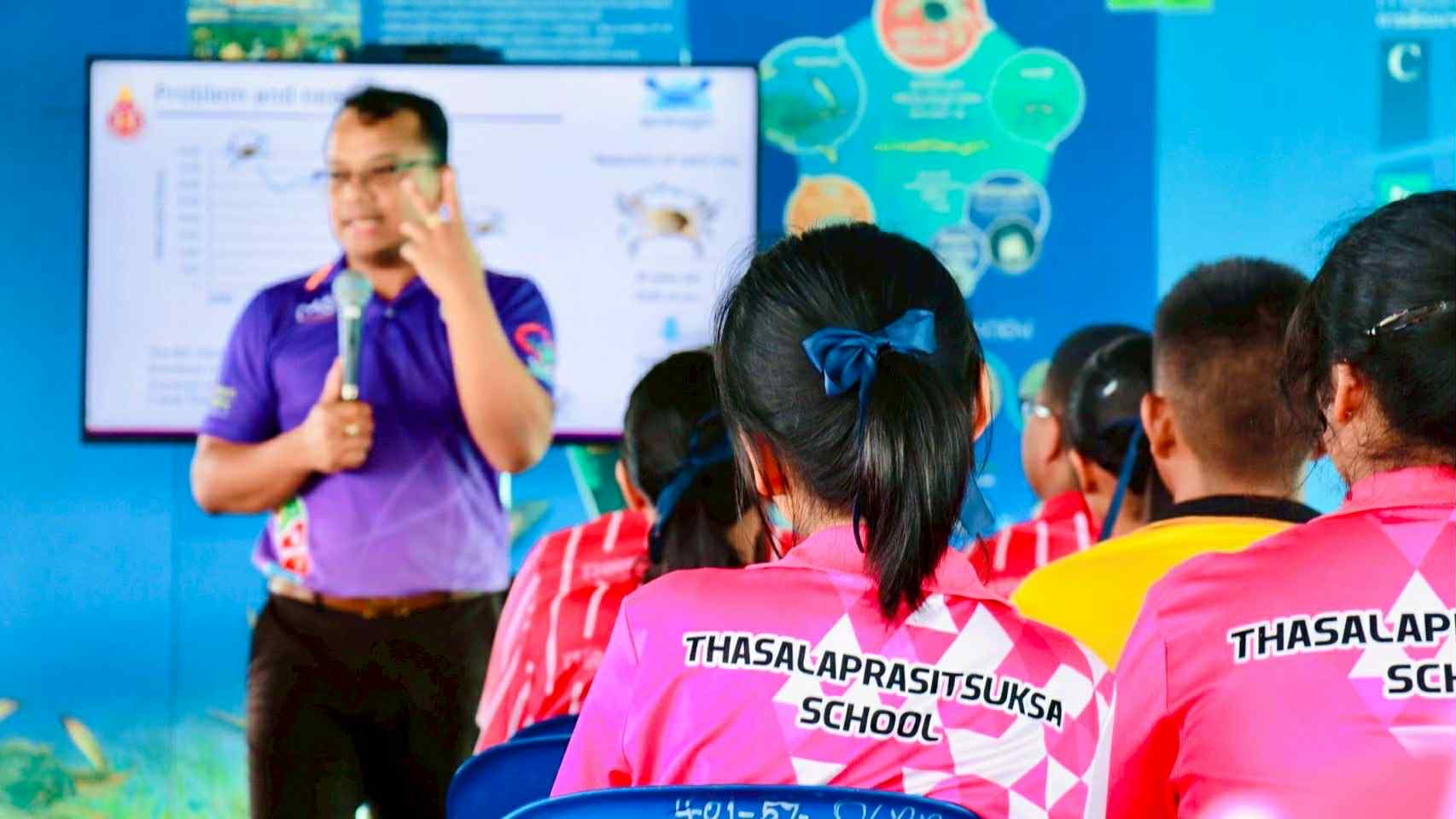
Walailak University, through Asst. Prof. Dr. Amonsak Sawusdee, has played a key role in this international initiative. As a marine scientist with over a decade of experience in blue swimming crab research and coastal community engagement in southern Thailand, Asst. Prof. Dr. Amonsak also serves as a member of the National Scientific and Technical Committee appointed by the Department of Fisheries.
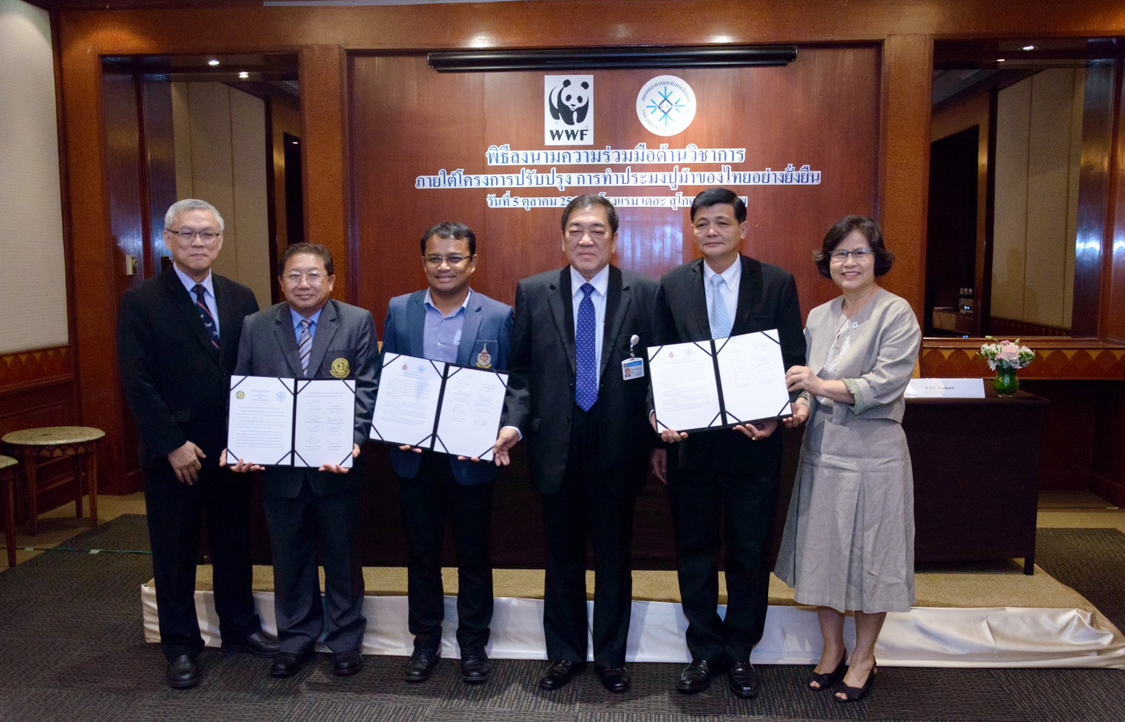
Figure: Asst. Prof. Dr. Amonsak Sawusdee participating in the signing ceremony for academic cooperation under the Thai Blue Swimming Crab Fishery Improvement Project
In 2024, Asst. Prof. Dr. Amonsak Sawusdee, together with international researchers from the Marine Resource Assessment Group (MRAG) and the National Fisheries Institute (NFI) Crab Council, as well as Thai researchers from Kasetsart University and Ubon Ratchathani University, continued the implementation of research activities under the Fishery Improvement Project (FIP) for Thailand’s blue swimming crabs in Ban Don Bay.
Reviewing Comparative Approaches for Best Practice Development
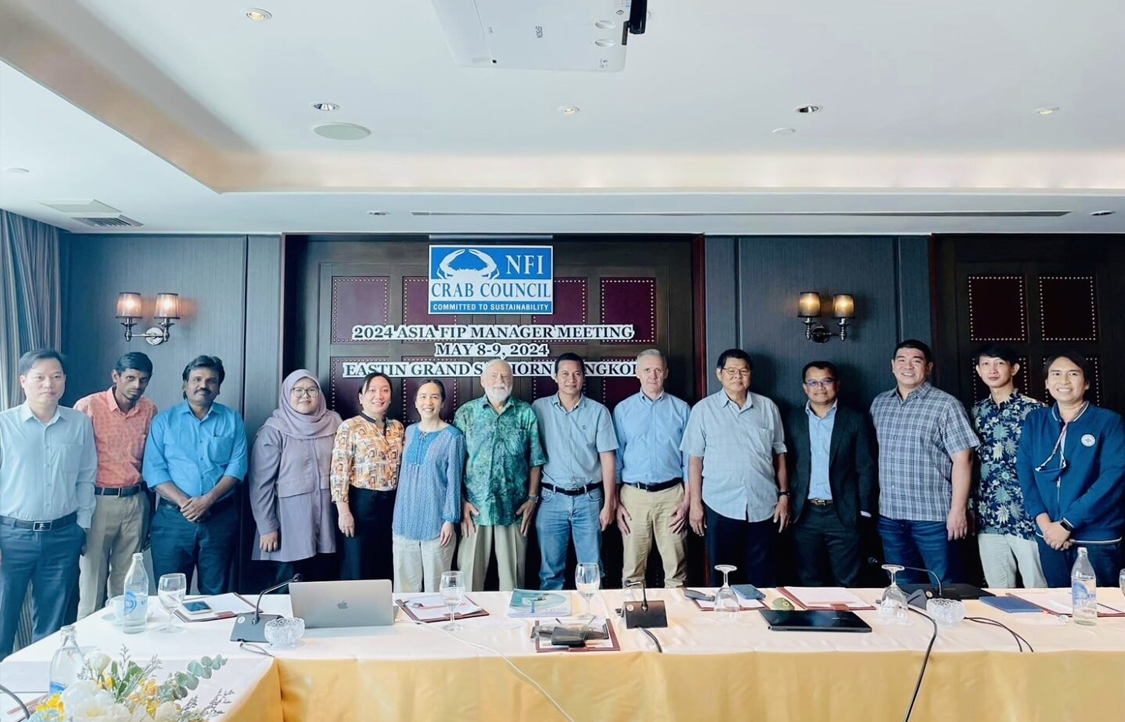
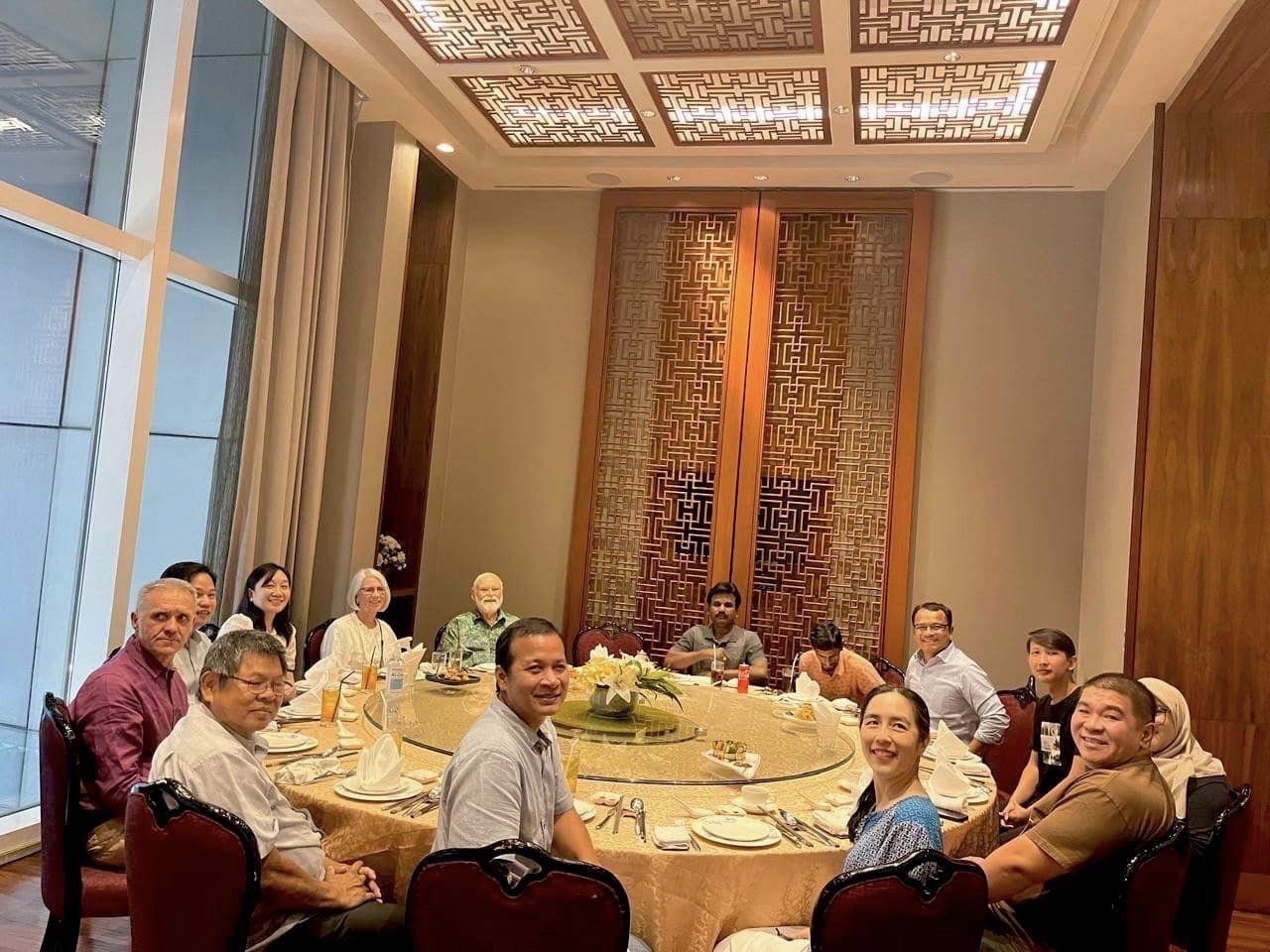
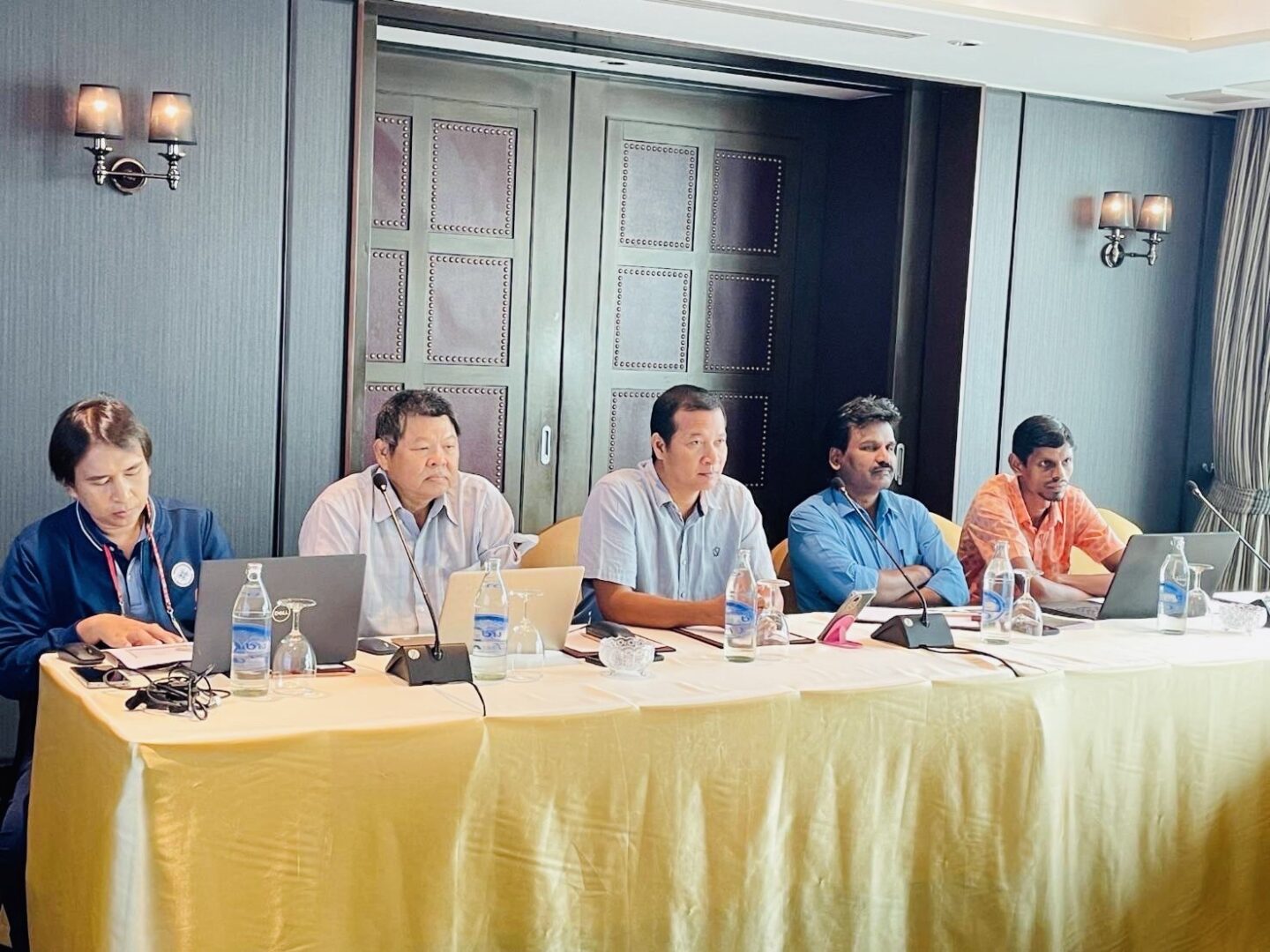
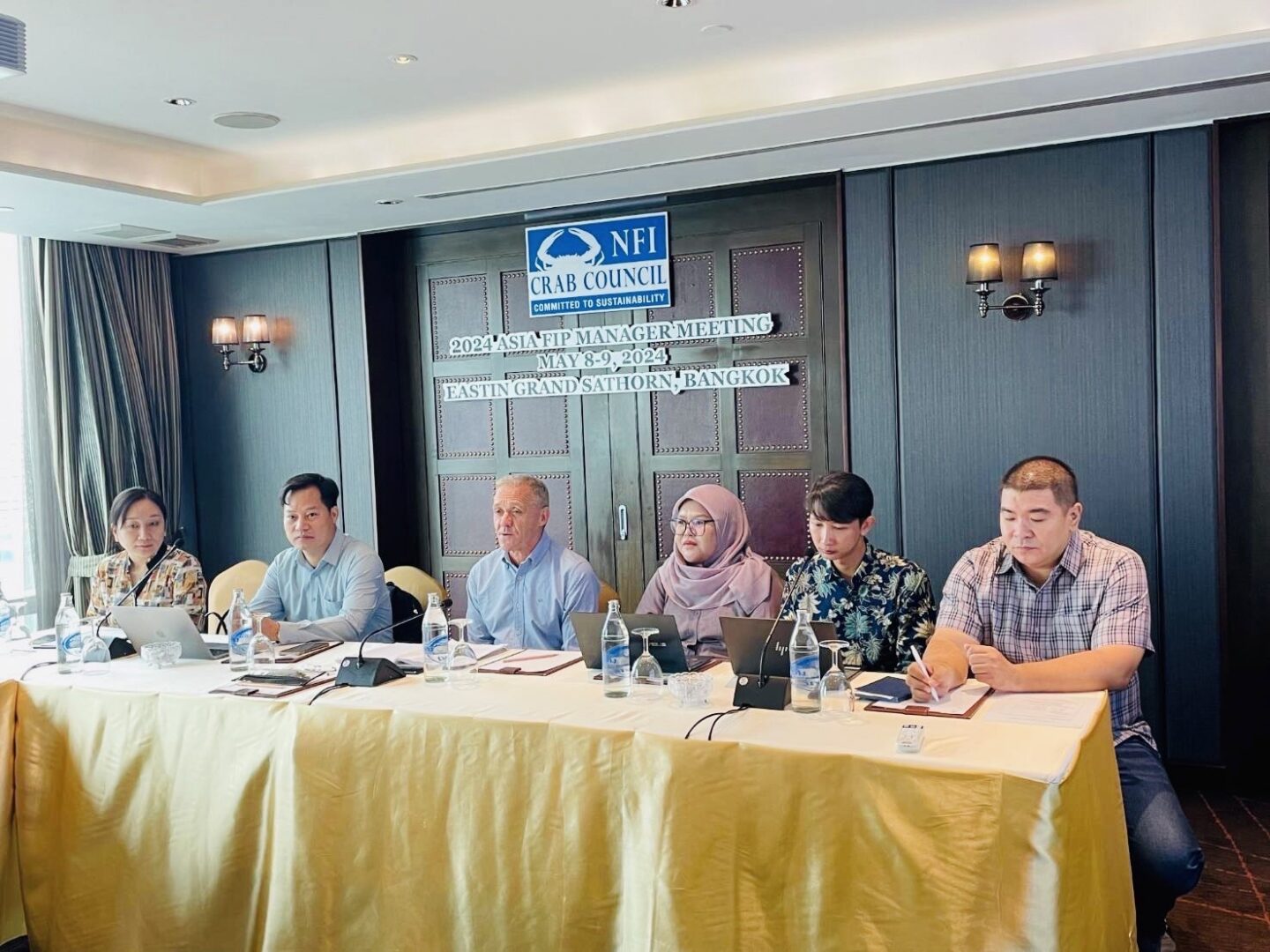
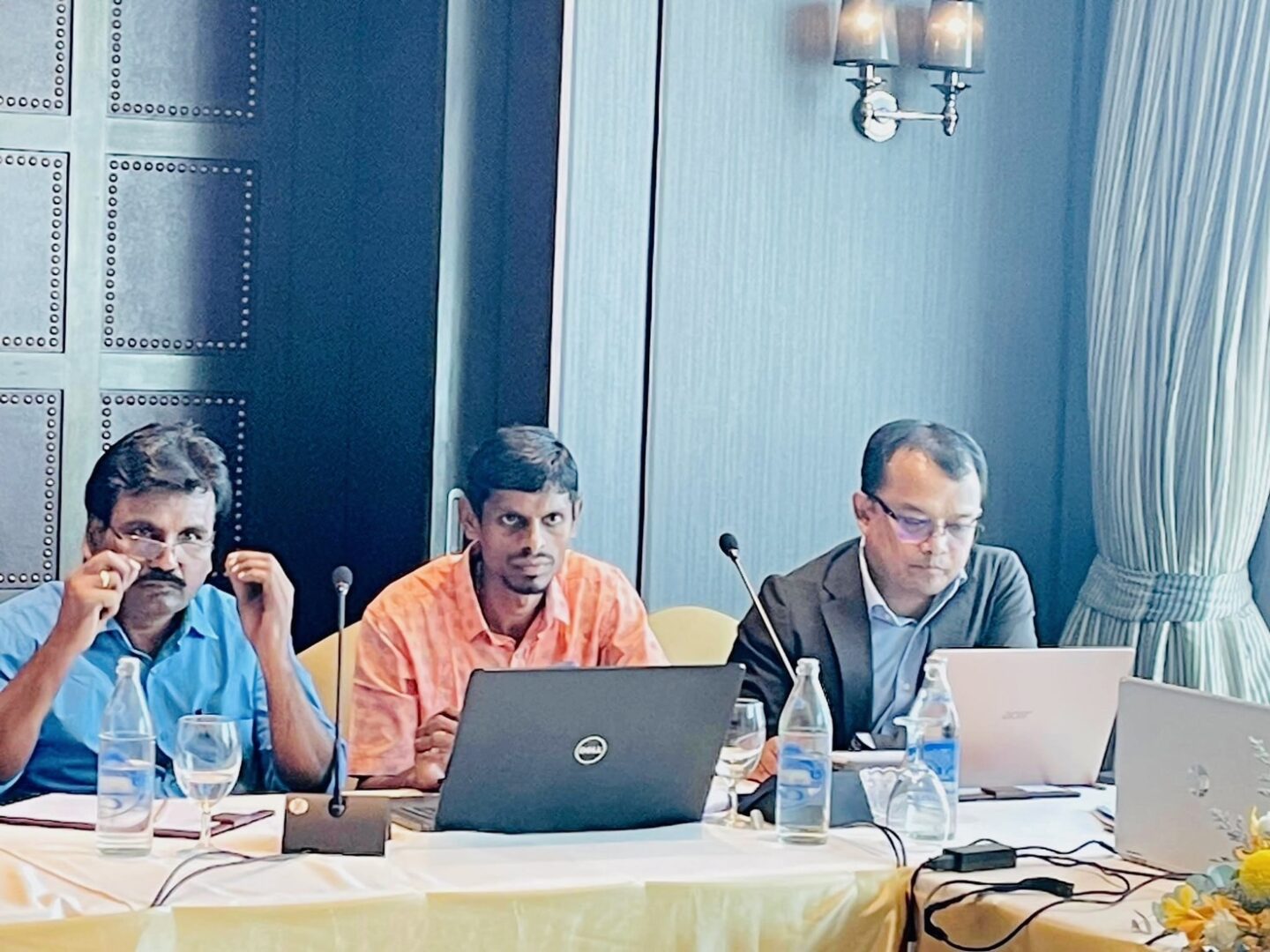
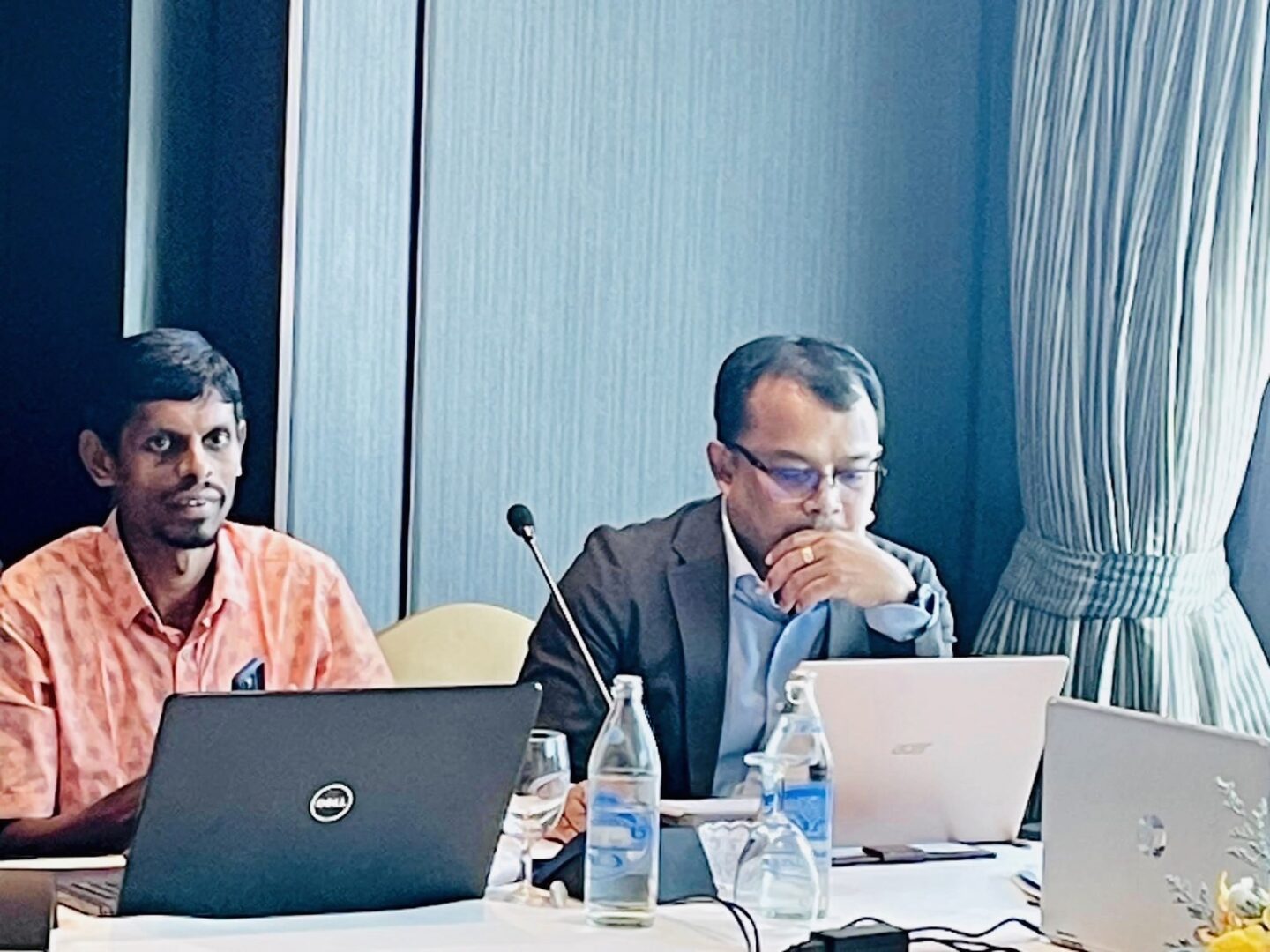
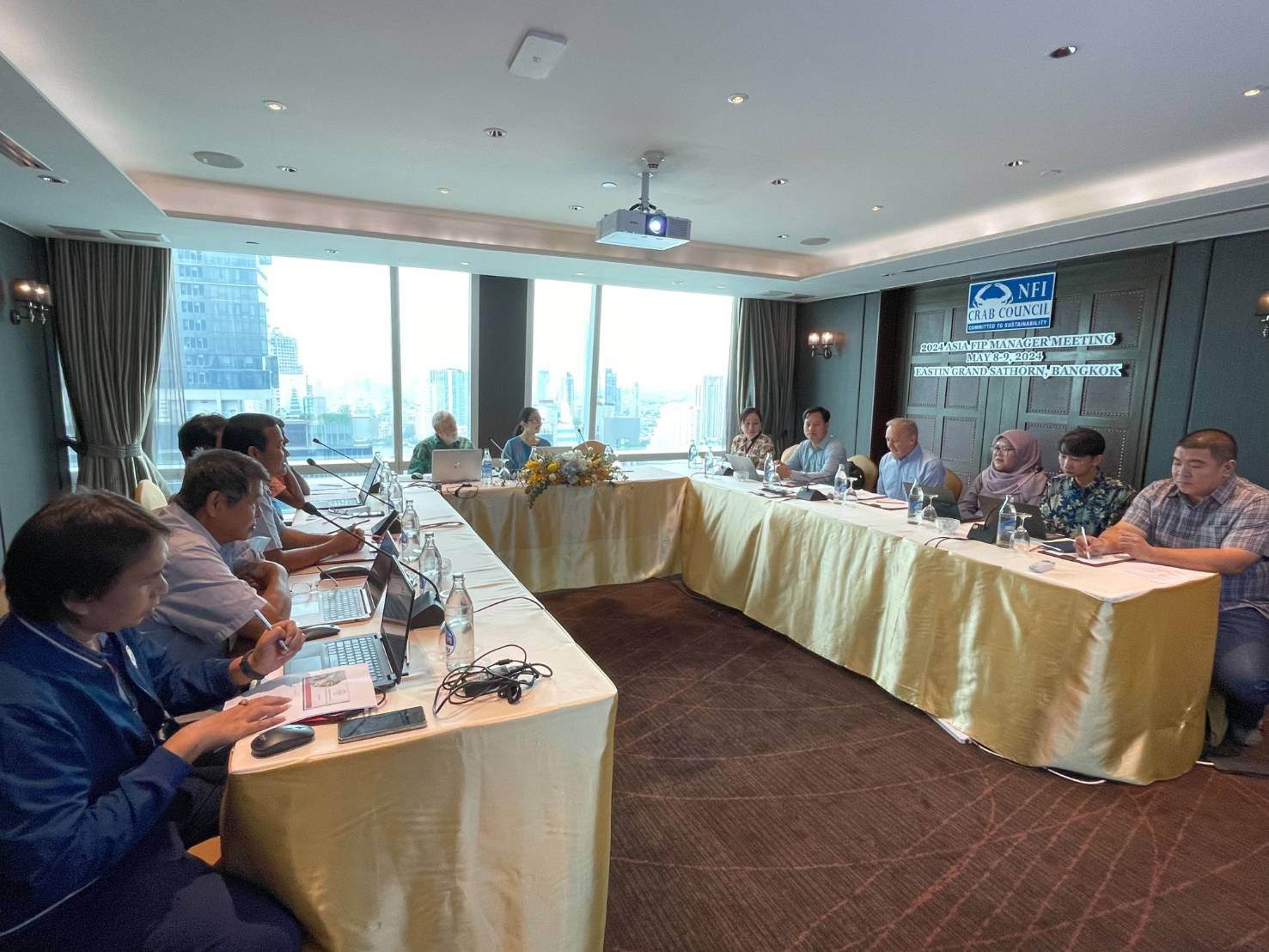
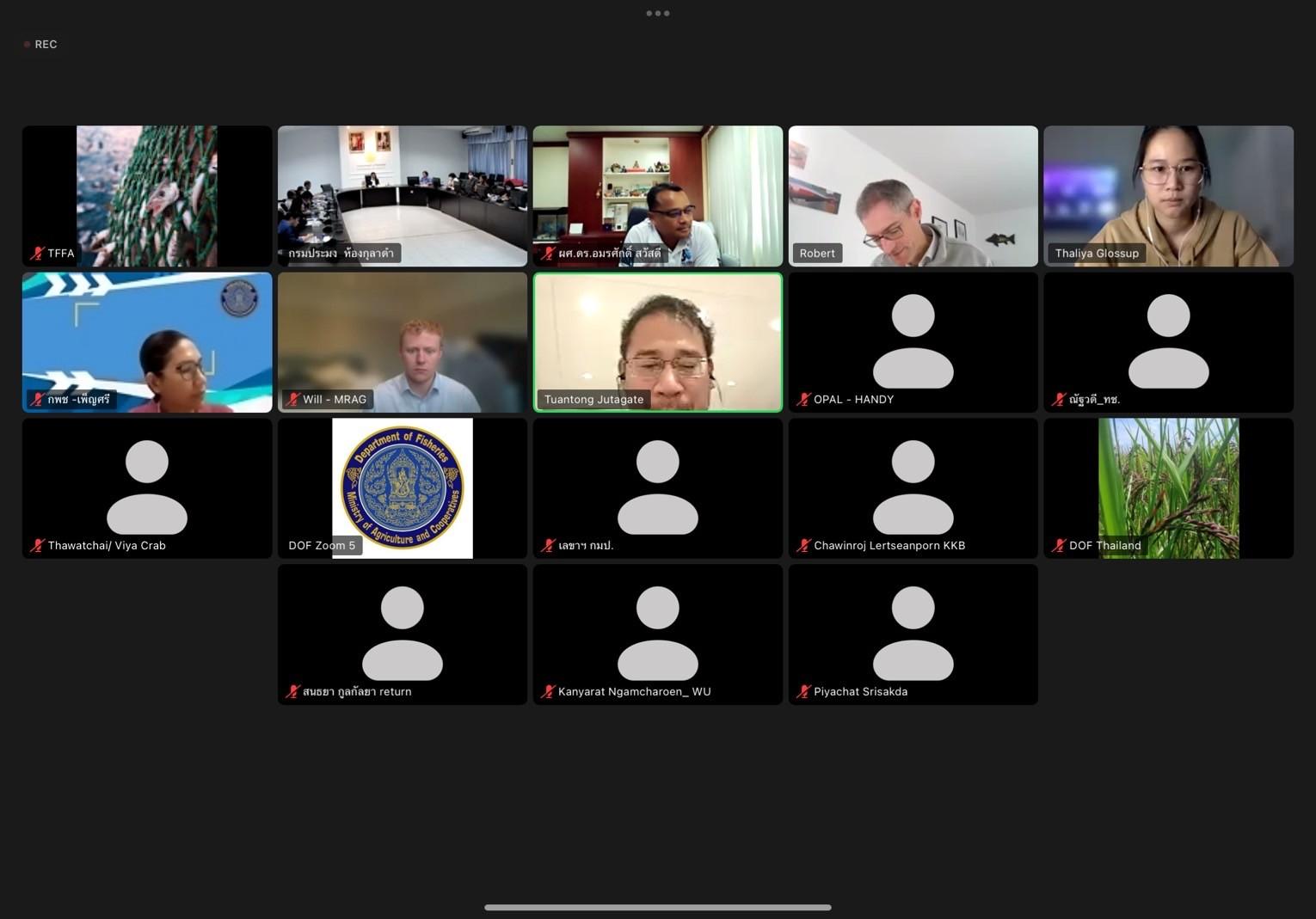
That same year, Asst. Prof. Dr. Amonsak Sawusdee and fellow researchers participated in the international meeting titled “2024 Asia BSC FIP Manager”, organized by the NFI Crab Council. The event brought together FIP researchers and managers from Thailand, Sri Lanka, India, Indonesia, and Vietnam to exchange data, share experiences, and review comparative approaches for sustainable blue swimming crab fisheries. The meeting served as a platform to collaboratively develop best practices for addressing common challenges faced by FIPs across the region.
Notable participants included Asst. Prof. Dr. Amonsak Sawusdee of Walailak University, Dr. Ed Rhodes, Executive Director of the NFI Crab Council, Mr. Pulikesi Senabathi of the Crab Meat Processors’ Association, India, Dr. Jocelyn Drugan from Ocean Outcomes, Dr. Steve Creech, FIP Coordinator, and researchers from MRAG. During the meeting, Dr. Amonsak and his team presented updates on the progress and successful case studies from the Thailand BSC FIP, which has been underway since 2017.
In addition, researchers from India, Sri Lanka, Vietnam, and Indonesia shared their own successful initiatives under their respective FIPs. These included the development of Harvest Control Rules (HCRs) for blue swimming crabs in India, Spawning Potential Ratio (SPR) data analysis methods, documentation of illegal fishing activities, awareness campaigns for the conservation of endangered, threatened, and protected (ETP) species, and habitat protection efforts. Other highlights involved Vietnam’s regulation of bottom gillnet fishing practices, Sri Lanka’s standardization of size at first maturity for blue swimming crabs, Indonesia’s stakeholder engagement strategies for crab conservation, and training programs for fishermen focused on sustainable crab resource management.
Figures: Asst. Prof. Dr. Amonsak Sawusdee participating in the meeting titled “2024 Asia BSC FIP Manager” with international researchers
Best Practices: Development and Application
Asst. Prof. Dr. Amonsak Sawusdee and the research team under the Thailand BSC FIP collaboratively discussed and developed best practices aimed at addressing key challenges and supporting the recovery of blue swimming crab populations. These proposals, built upon insights from the 2024 Asia BSC FIP Manager meeting and other research collaborations, were presented to various Thai national government agencies and local fishery communities. Drawing from both domestic and international comparative approaches, the researchers recommended a range of new solutions, refined strategies, and policy adjustments to improve the sustainability of blue swimming crab fisheries in Thailand.
Proposing the Revision of Section 57 of the Fisheries Act B.E. 2558 (2015)
For several years, the Department of Fisheries has implemented various strategies to prevent the illegal capture of undersized marine animals. These measures include seasonal bay closures during spawning periods, mesh size restrictions of no more than 2.5 centimeters, and fishing bans during nighttime for certain species. These practices have been enforced since the enactment of the Fisheries Act B.E. 2558 (2015).
However, one important measure had yet to be proposed: the revision of Section 57 of the Act. Currently, Section 57 prohibits the capture of small marine animals as defined by the Ministry of Agriculture and Cooperatives’ notifications, but it lacks clear subordinate legislation specifying size limits for individual species such as the blue swimming crab.
To address this gap, Asst. Prof. Dr. Amonsak Sawusdee and the research team conducted a measurement and diagnostic assessment of blue swimming crab populations to determine appropriate size limits for sustainable harvesting. Based on their findings, they proposed amending Section 57 to explicitly define the legal minimum size of marine species that may be harvested, particularly the blue swimming crab. They also recommended the introduction of subordinate regulations under this section to regulate the harvesting of juvenile blue swimming crabs in line with sustainable fishing practices.
The researchers emphasized that the absence of clear regulations under Section 57, including a defined Minimum Landing Size (MLS) for blue swimming crabs, creates regulatory loopholes that could harm marine ecosystems and negatively affect local and national economies through declining marine stocks. Recognizing the potential for conflict among stakeholders—including industrial fishers, local fishing communities, NGOs, and the public—the research team further recommended establishing neutral, inclusive platforms for dialogue in all 22 provinces along the Gulf of Thailand and the Andaman Sea to build consensus on the proposed regulatory changes.
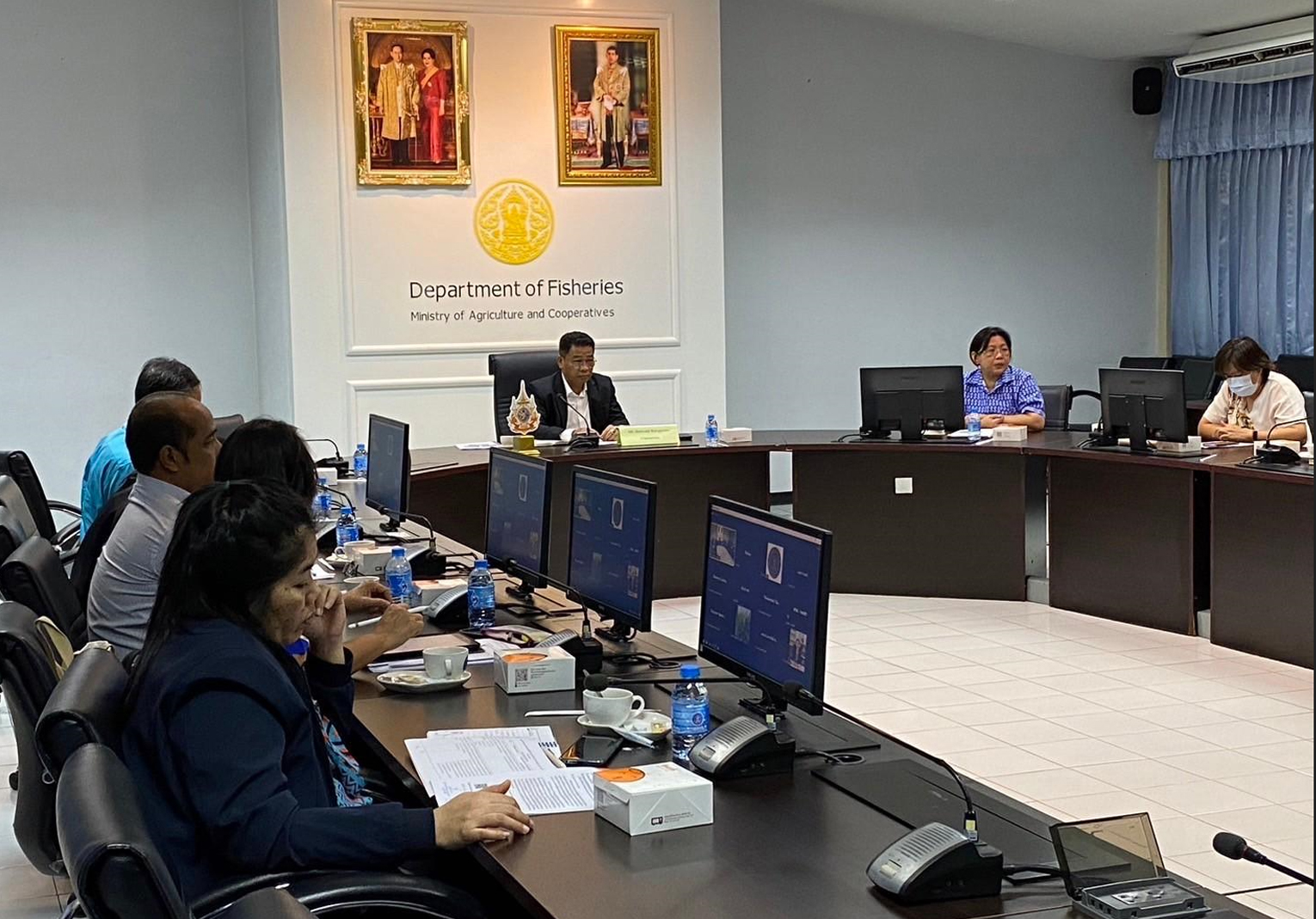
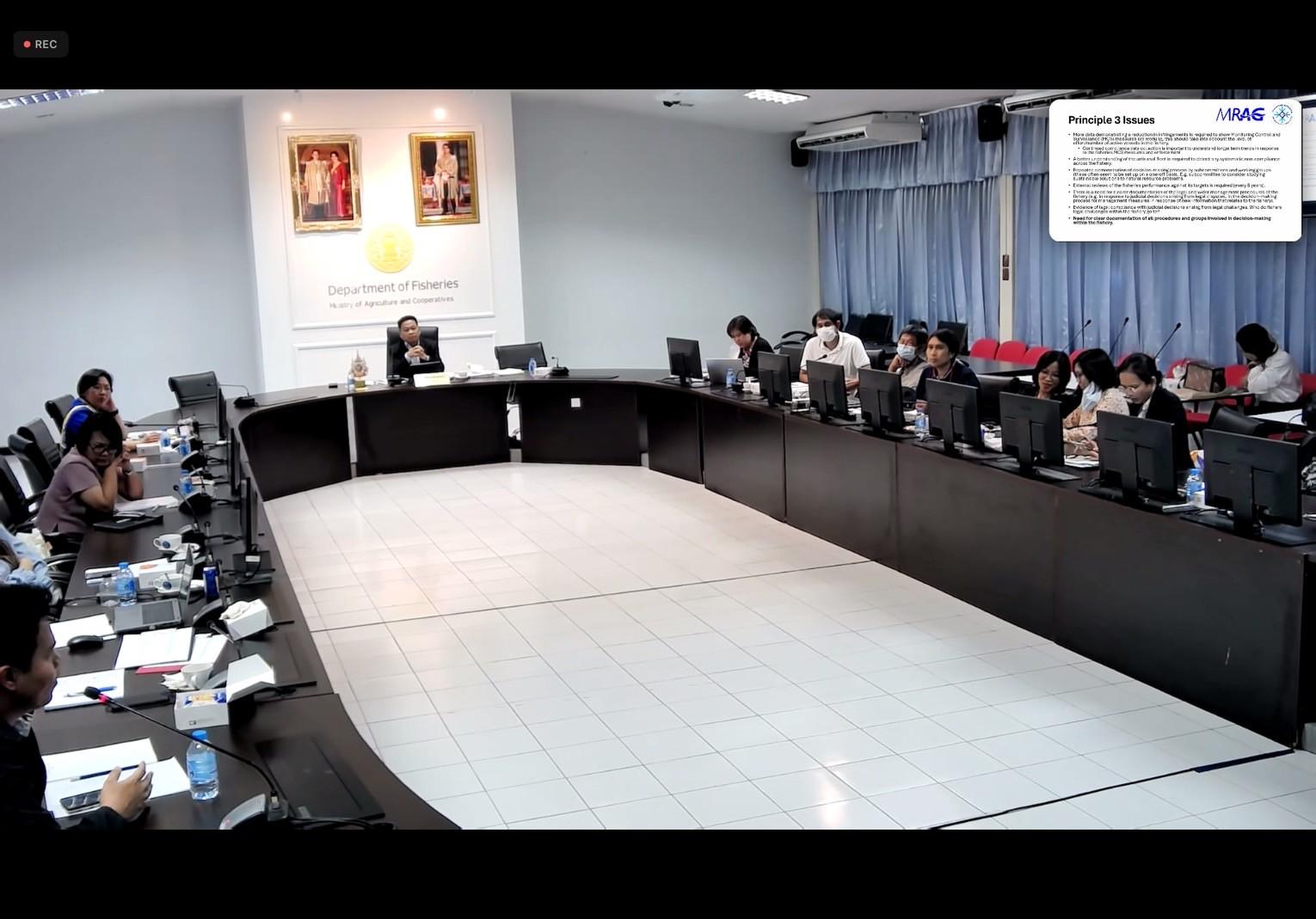
Figures: Asst. Prof. Dr. Amonsak Sawusdee and the international researchers participating in a meeting to discuss the revision of Section 57
The Agreement on the Guidelines for Blue Swimming Crab Resources Management in Surat Thani Province
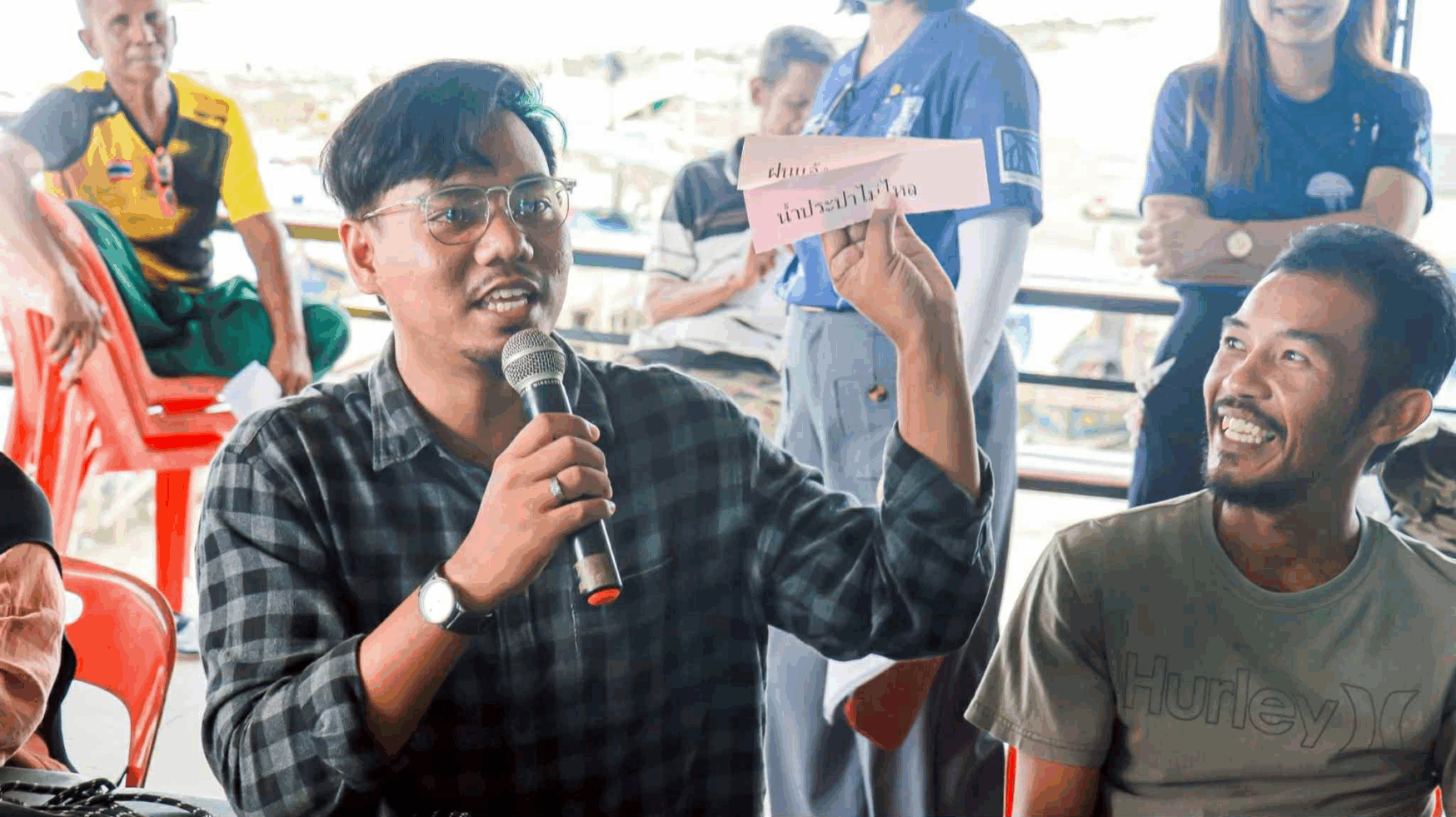
At the early stage of the Fishery Improvement Project (FIP), Asst. Prof. Dr. Amonsak Sawusdee and a team of Thai and international researchers identified numerous unsustainable blue swimming crab fishing practices in Ban Don Bay. These issues stemmed primarily from a lack of awareness among local fishermen regarding sustainable fishing practices. In response, the research team initiated the development of Harvest Control Rules (HCRs) specifically for blue swimming crab resources management in Ban Don Bay, aiming to propose them as a regulatory framework to the Department of Fisheries and the Governor of Surat Thani Province.
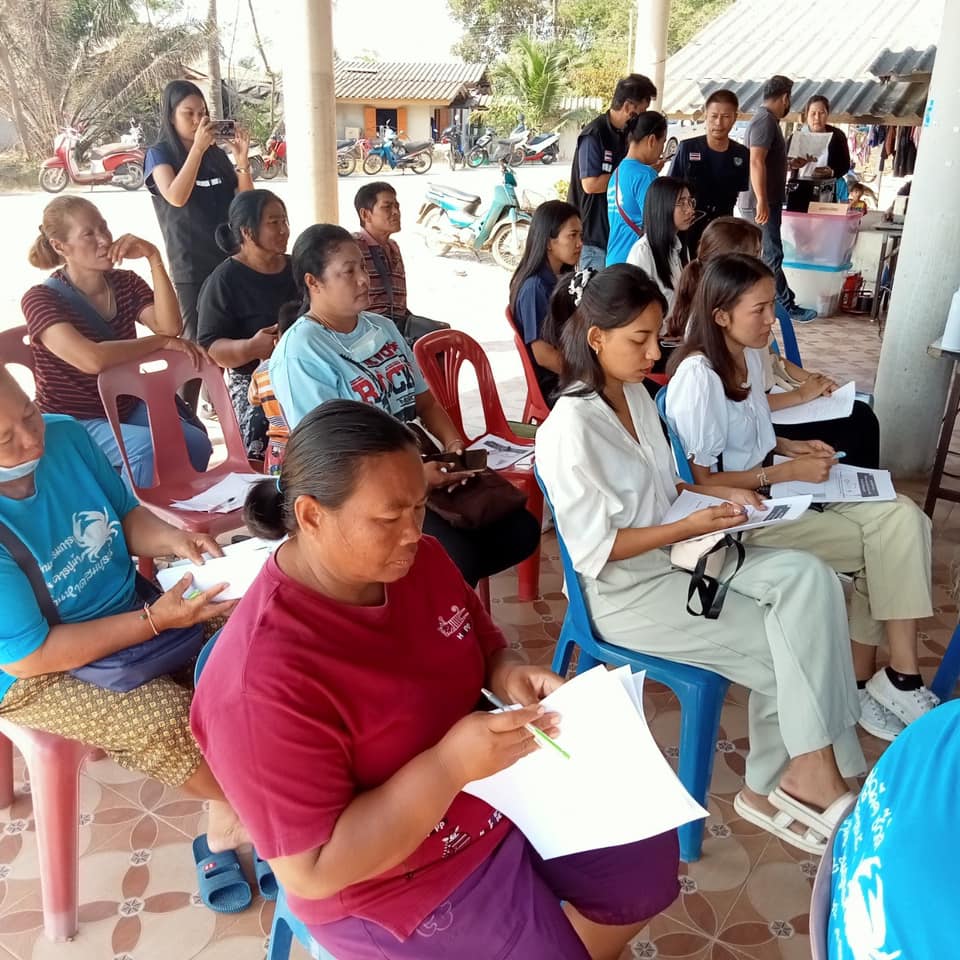
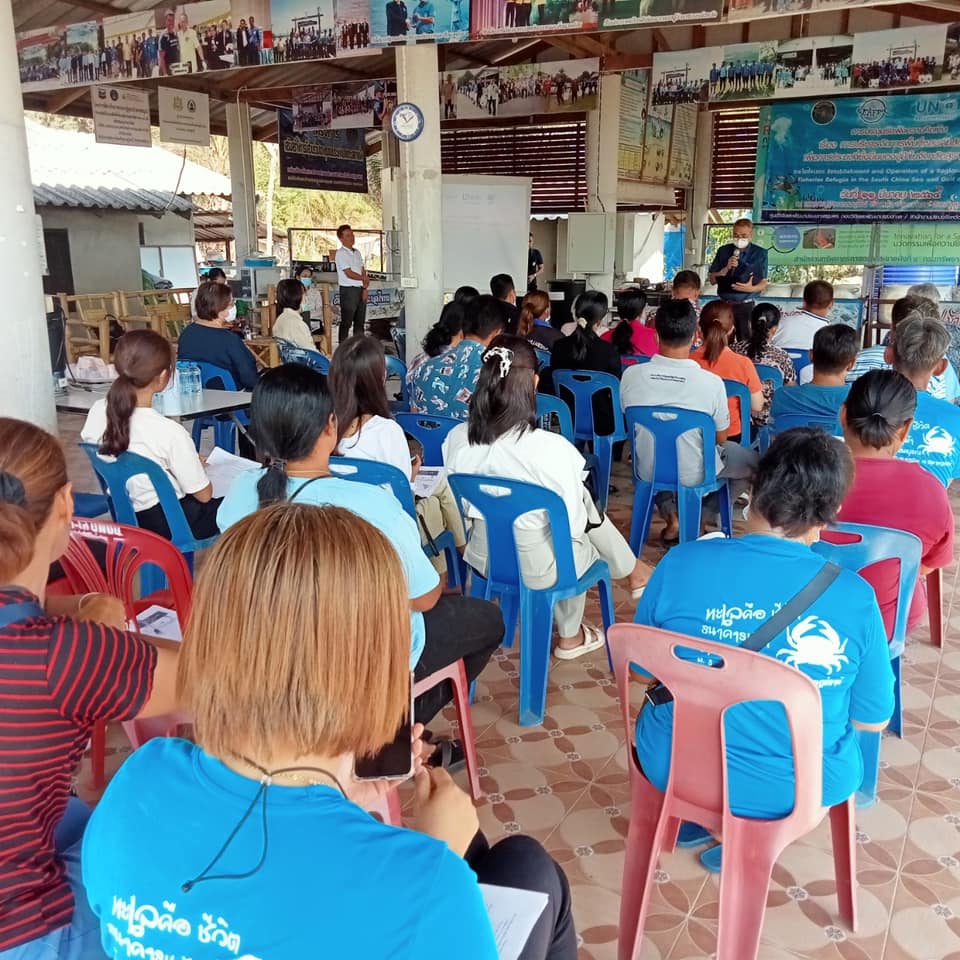
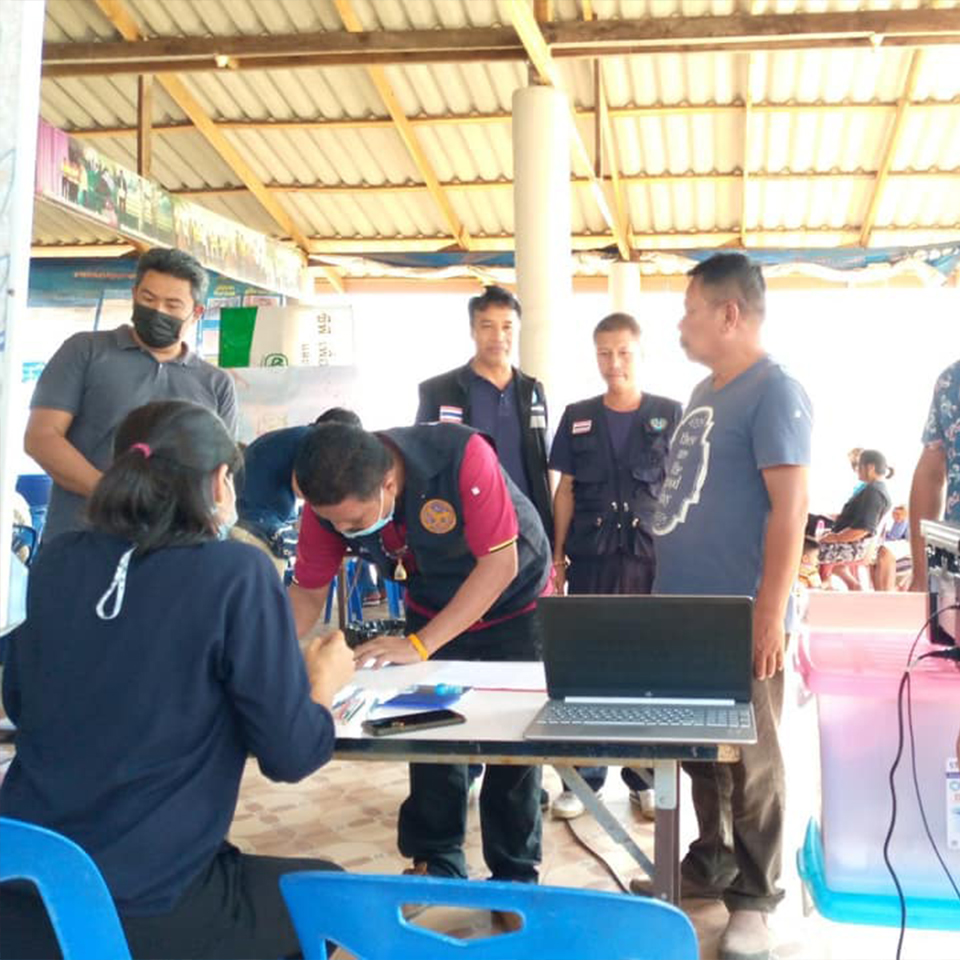
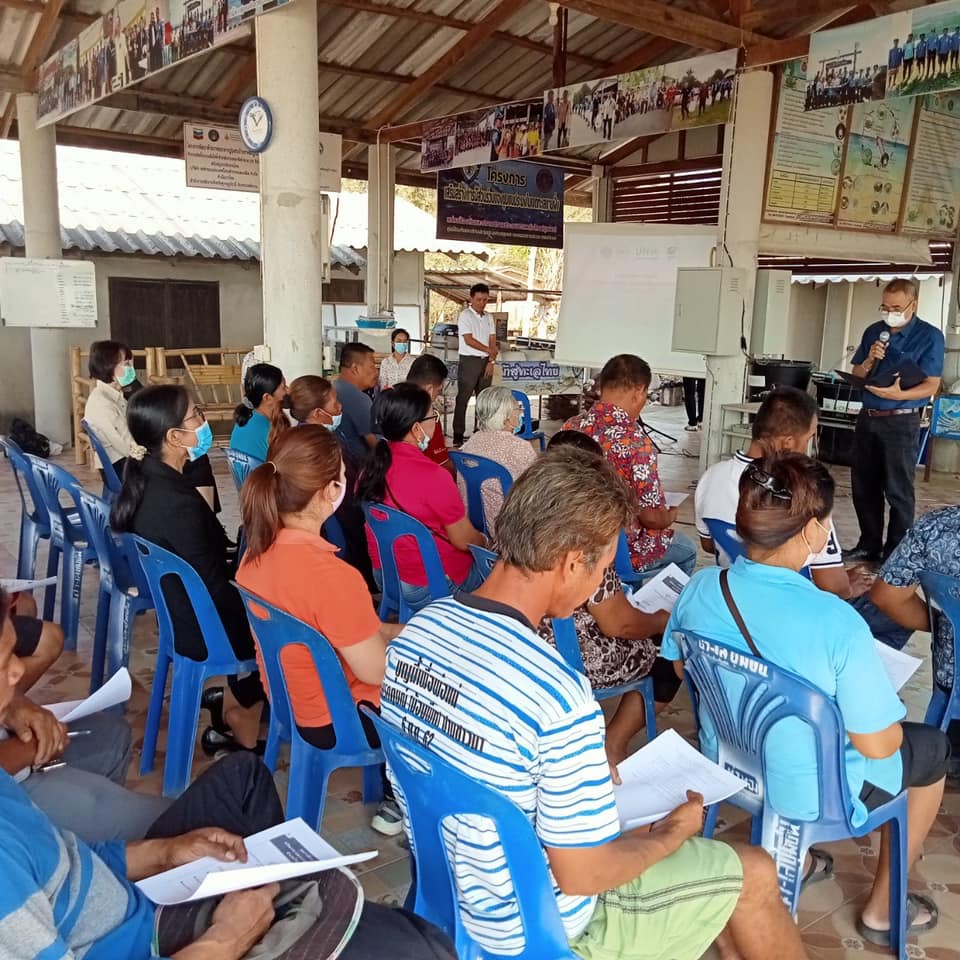
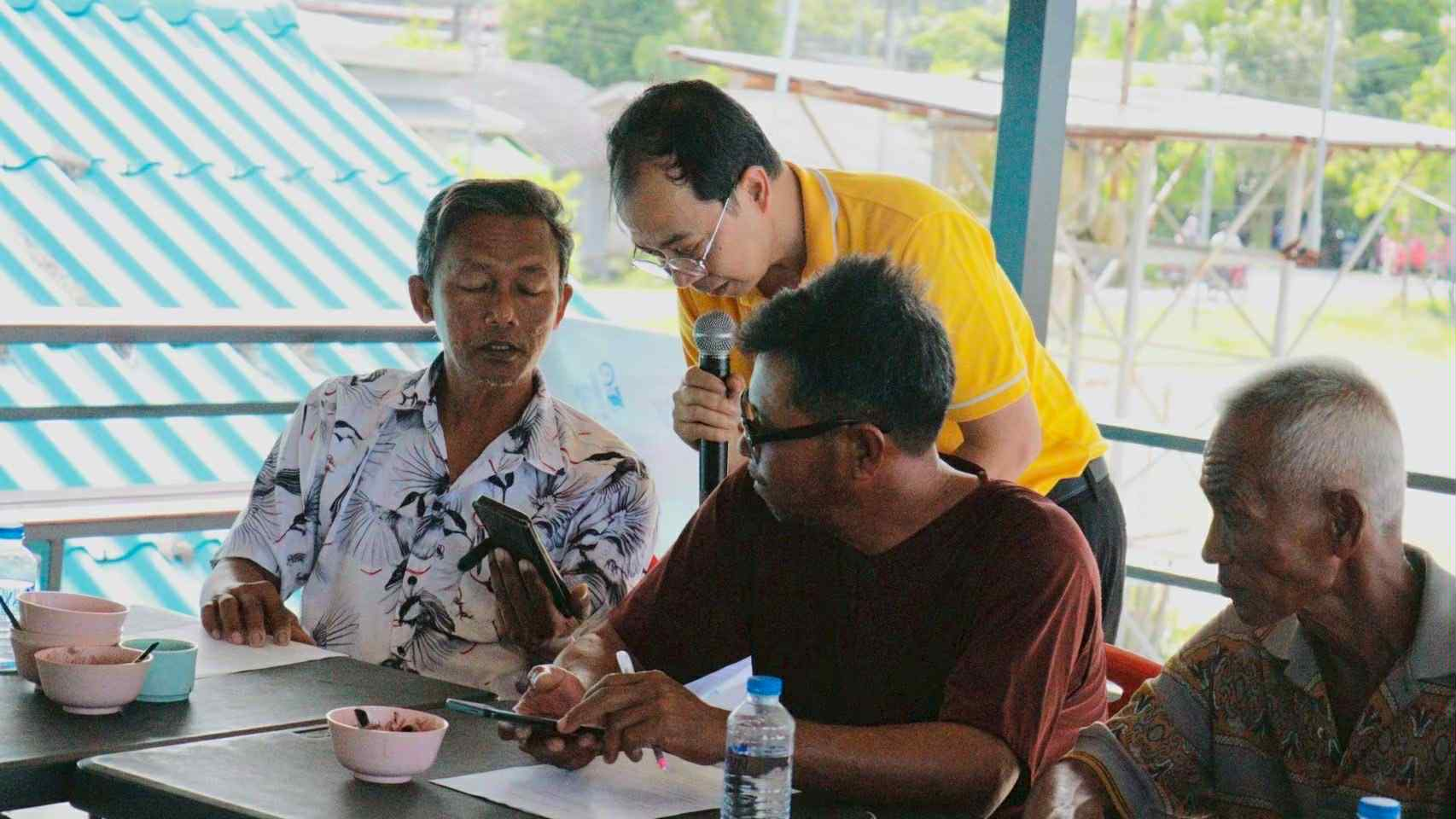
Figure: Local fishermen in Surat Thani attending a public hearing on the development of Harvest Control Rules
The development process spanned approximately three years. During this period, Asst. Prof. Dr. Amonsak Sawusdee, together with the research team, the Thai Frozen Foods Association, and the Department of Fisheries, organized a series of educational and awareness-raising activities. These initiatives included the Blue Swimming Crab Bank Project, the Fish Habitat Construction Project, and free training courses on sustainable fishing practices for local fishermen and community members.
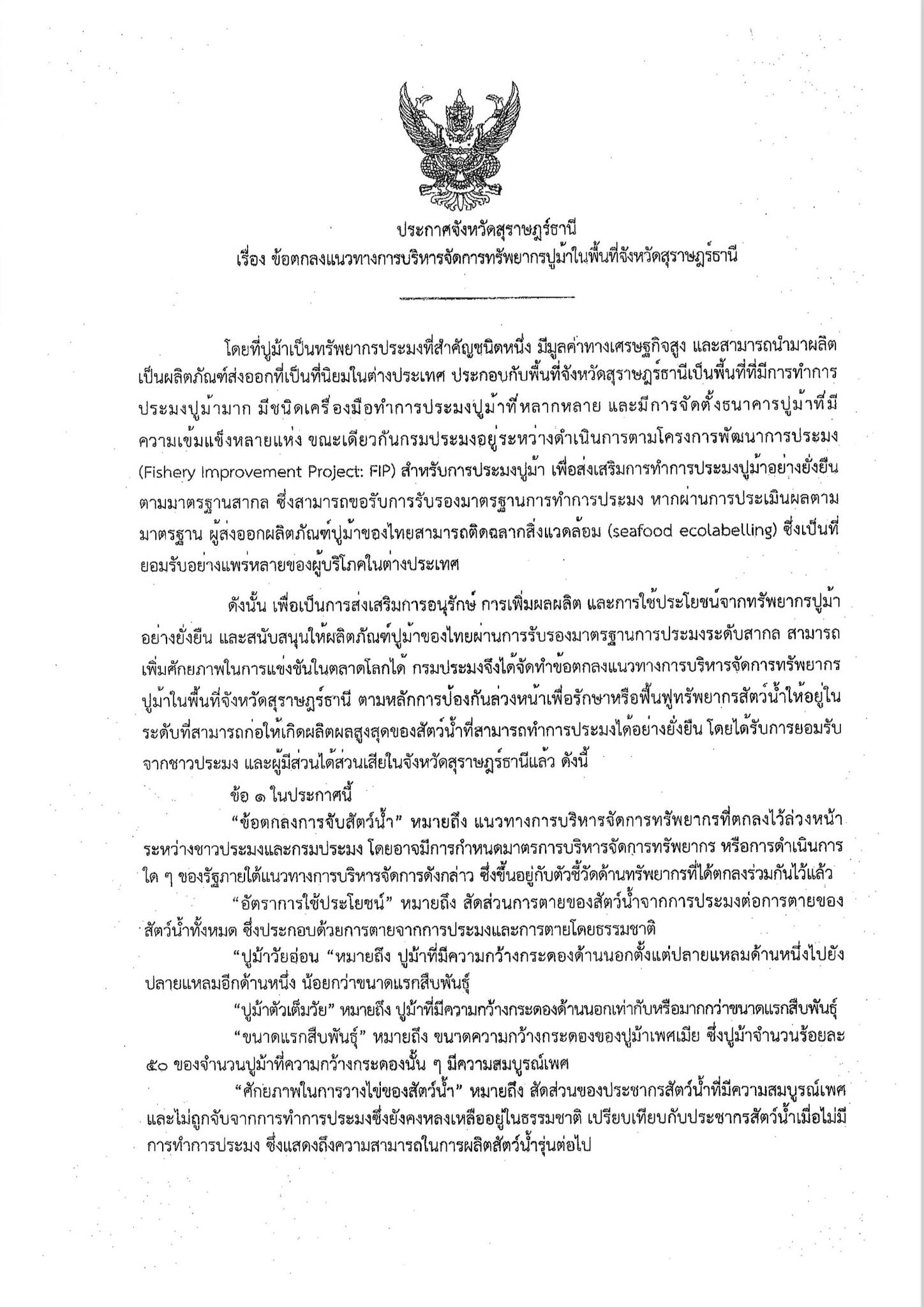
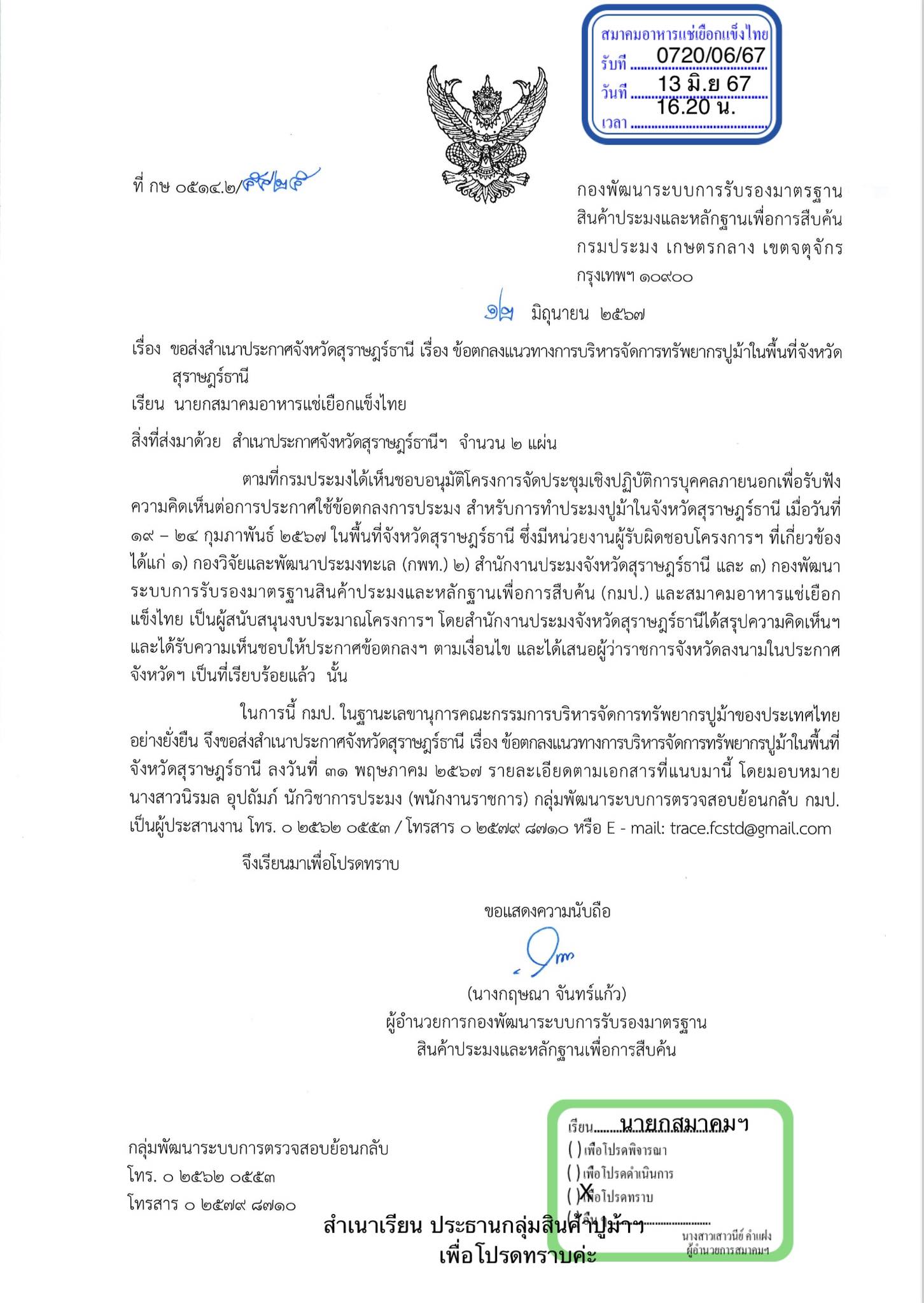
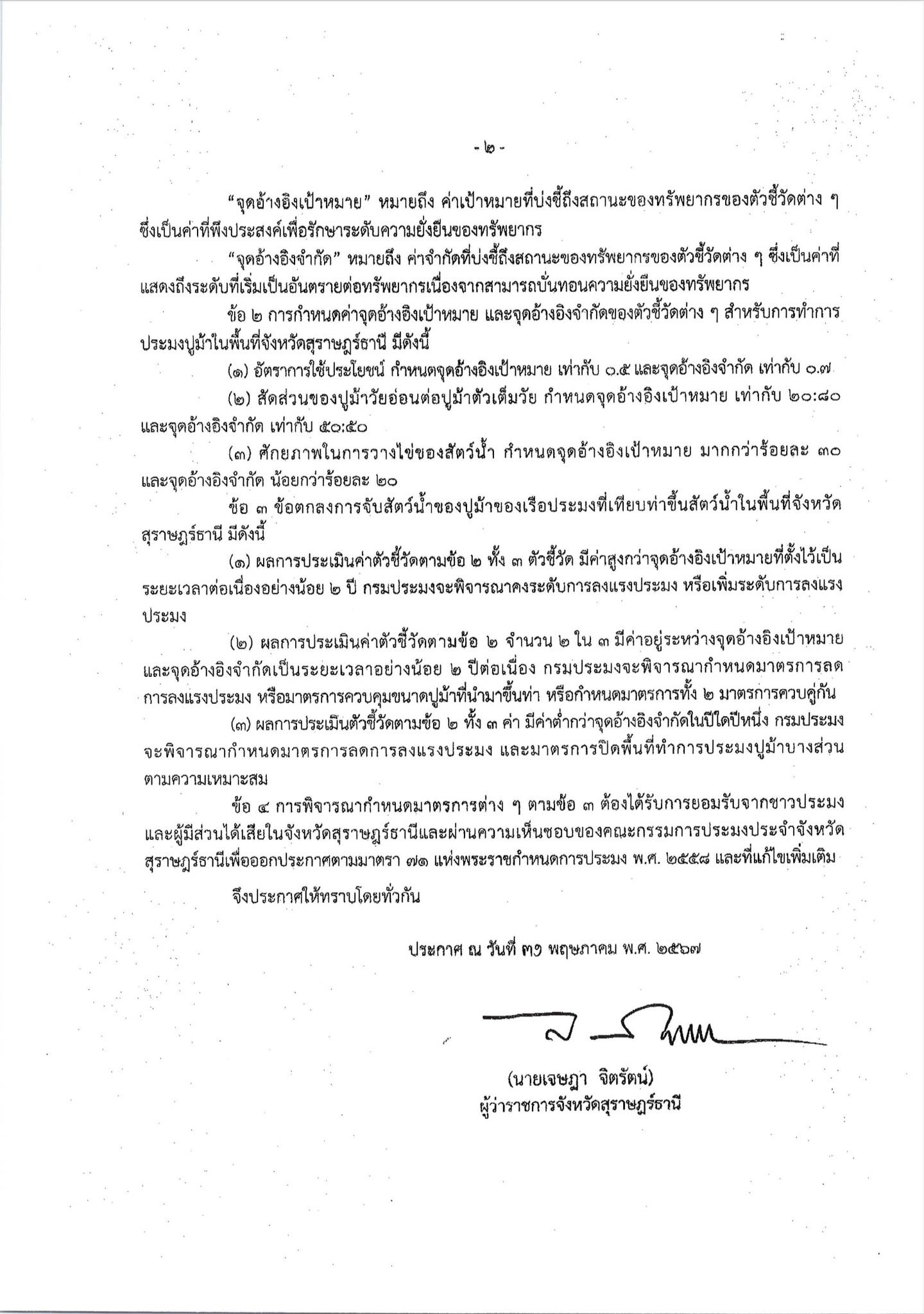
In 2024, the development of the HCRs was successfully completed. Subsequently, on 31 May 2024, Mr. Jessada Chitrat, Governor of Surat Thani Province, officially issued the Agreement on the Guidelines for Blue Swimming Crab Resources Management in Surat Thani Province, thereby enacting the newly developed HCRs.
Figures: the official announcement of the Harvest Control Rules in Surat Thani
Key Provisions of the Agreement:
Utilization Rate:
Target Reference Point (TRP): 0.5
Limit Reference Point (LRP): 0.7
Proportion of Young to Mature Blue Swimming Crabs:
TRP: 20% young : 80% mature
LRP: 50% young : 50% mature
Reproductive Capacity:
TRP: Greater than 30%
LRP: Less than 20%
Implementation Benchmark: The Utilization Rate, the proportion of young to mature blue swimming crabs, and reproductive capacity must show improvement within the first two years following the implementation of the guidelines.
Comprehensive Heat Map Development: Expanding Coverage of Critical Topics
In 2024, Asst. Prof. Dr. Amonsak Sawusdee and a team of international researchers collaborated with the Department of Fisheries and the Thai Frozen Foods Association to enhance the scope and detail of existing heat maps used for fisheries research. Previously, the heat maps primarily focused on limited data sets, omitting several critical aspects necessary for comprehensive blue swimming crab resource management.
Recognizing this gap, all participating researchers agreed to expand the heat maps by incorporating two additional topics:
The Distribution of Different Types of Fishing Gears
Areas with Low Populations of Blue Swimming Crabs
The inclusion of these topics aimed to improve the precision and effectiveness of research and management strategies. Additionally, the research team initiated a complementary study to evaluate the factors affecting blue swimming crab populations both in the wild and on aquaculture farms. The updated heat maps were integrated into this research to help identify the causes contributing to the population decline of blue swimming crabs in specific areas.
Furthermore, the researchers collectively developed and updated the Spawning Potential Ratio (SPR) report for 2024, comparing data from Surat Thani and Nakhon Si Thammarat provinces. The analysis revealed that the Length-Based Spawning Potential Ratio (LB-SPR) values had not significantly changed compared to previous years. However, the study identified a possible factor for the observed decreasing trend in LB-SPR values: unusually high rainfall in 2024. The increased freshwater inflow lowered the pH levels in coastal areas, creating conditions unsuitable for juvenile blue swimming crabs. Consequently, there was a noticeable migration of small crabs from nearshore areas to offshore zones with more favorable environmental conditions.
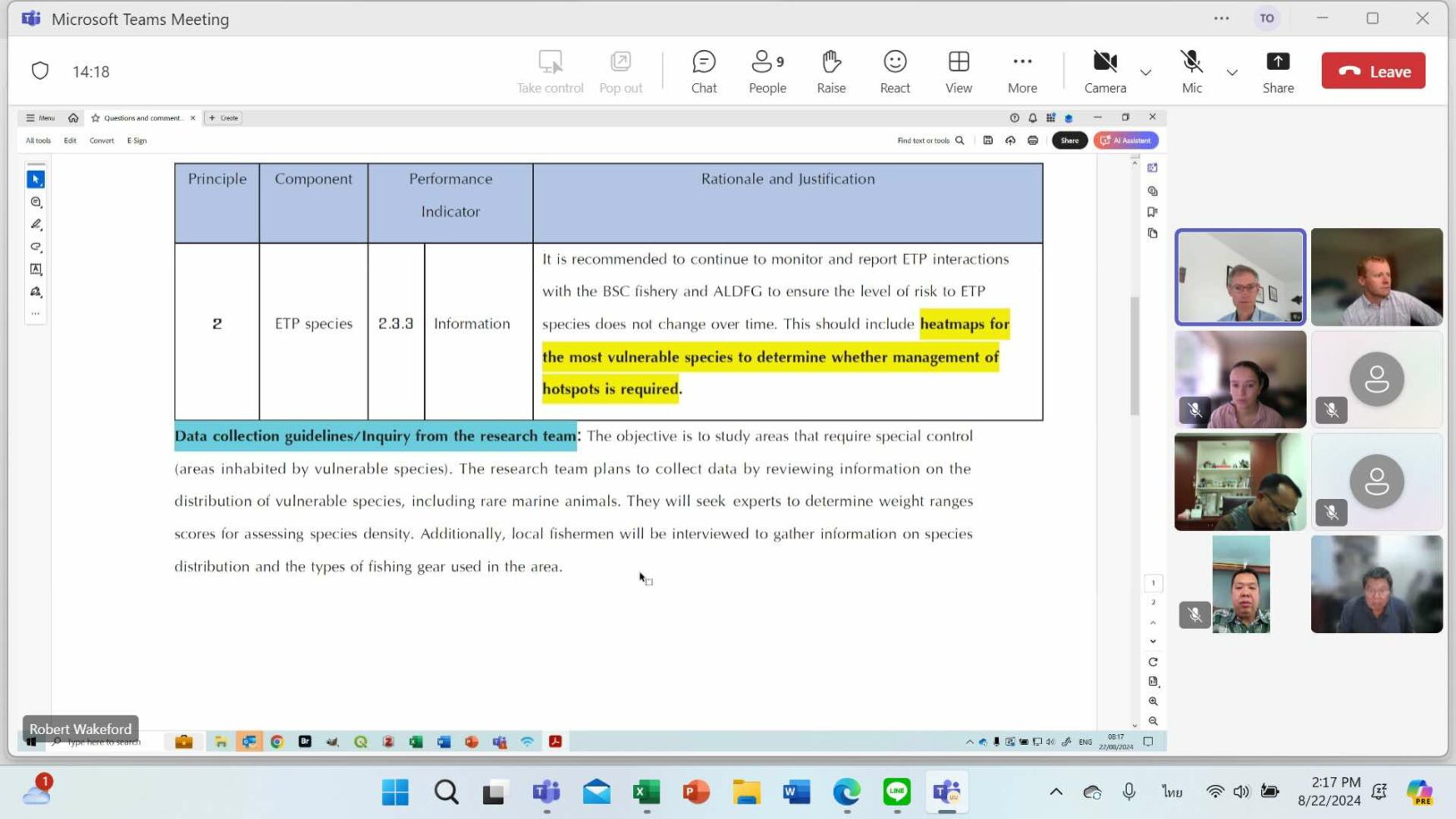
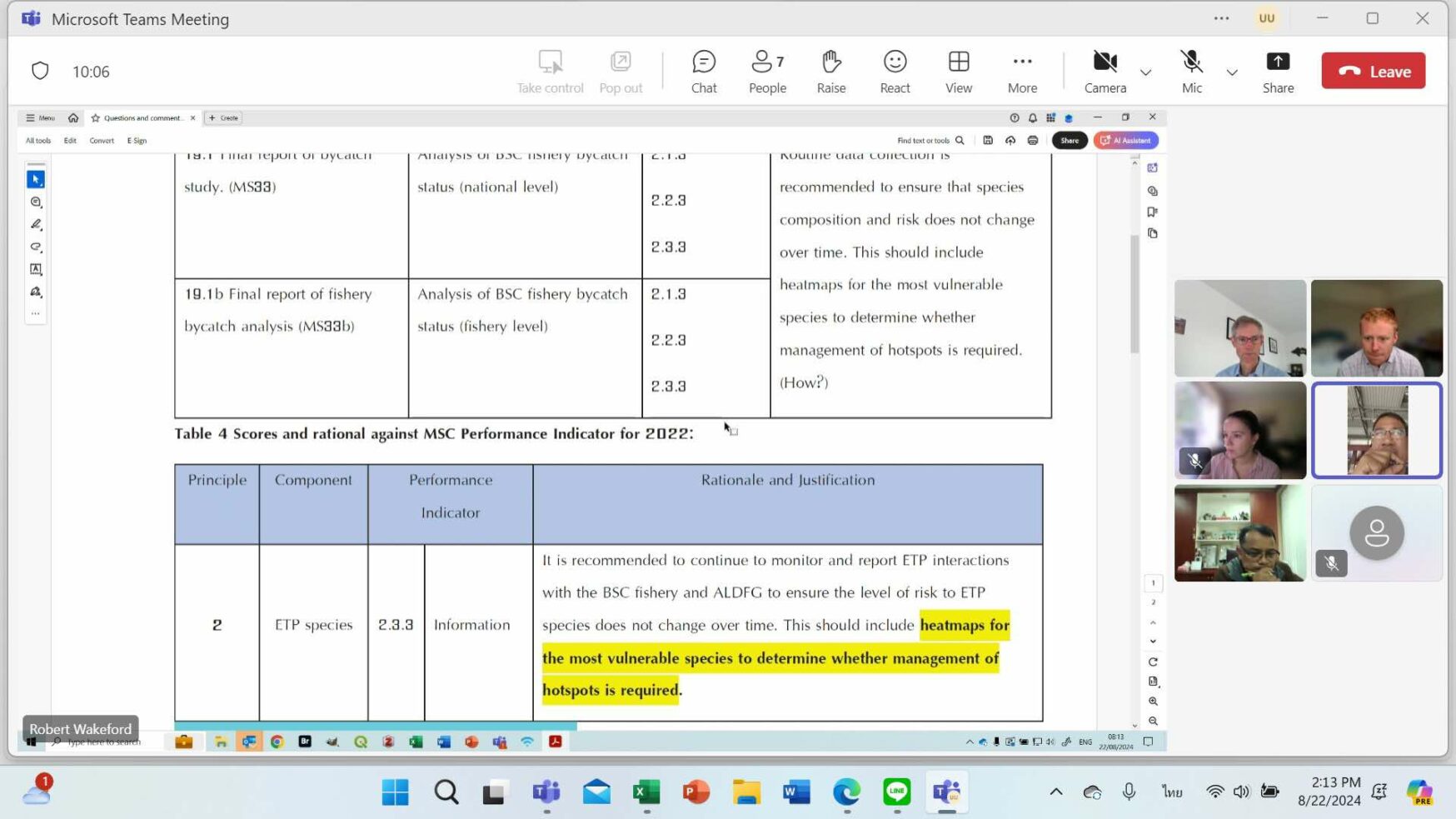
Figures: Asst. Prof. Dr. Amonsak Sawusdee and international researchers discussing the development of heat maps and
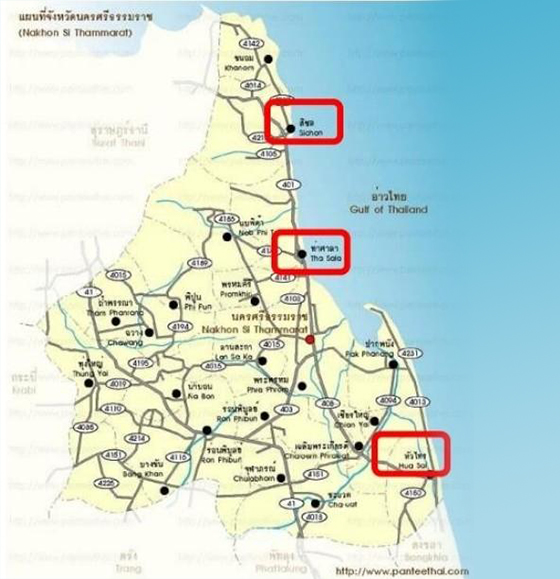
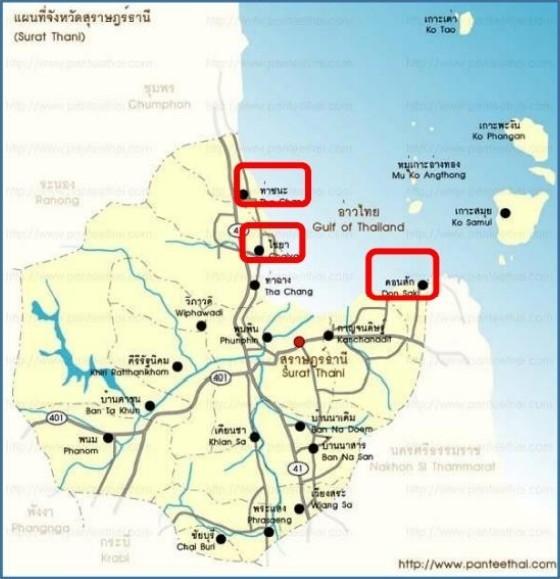
Figures: Maps showing blue swimming crab sampling points in Nakhon Si Thammarat and Surat Thani