Free Educational Outreach Programs on Sustainable Fisheries, Aquaculture, and Tourism
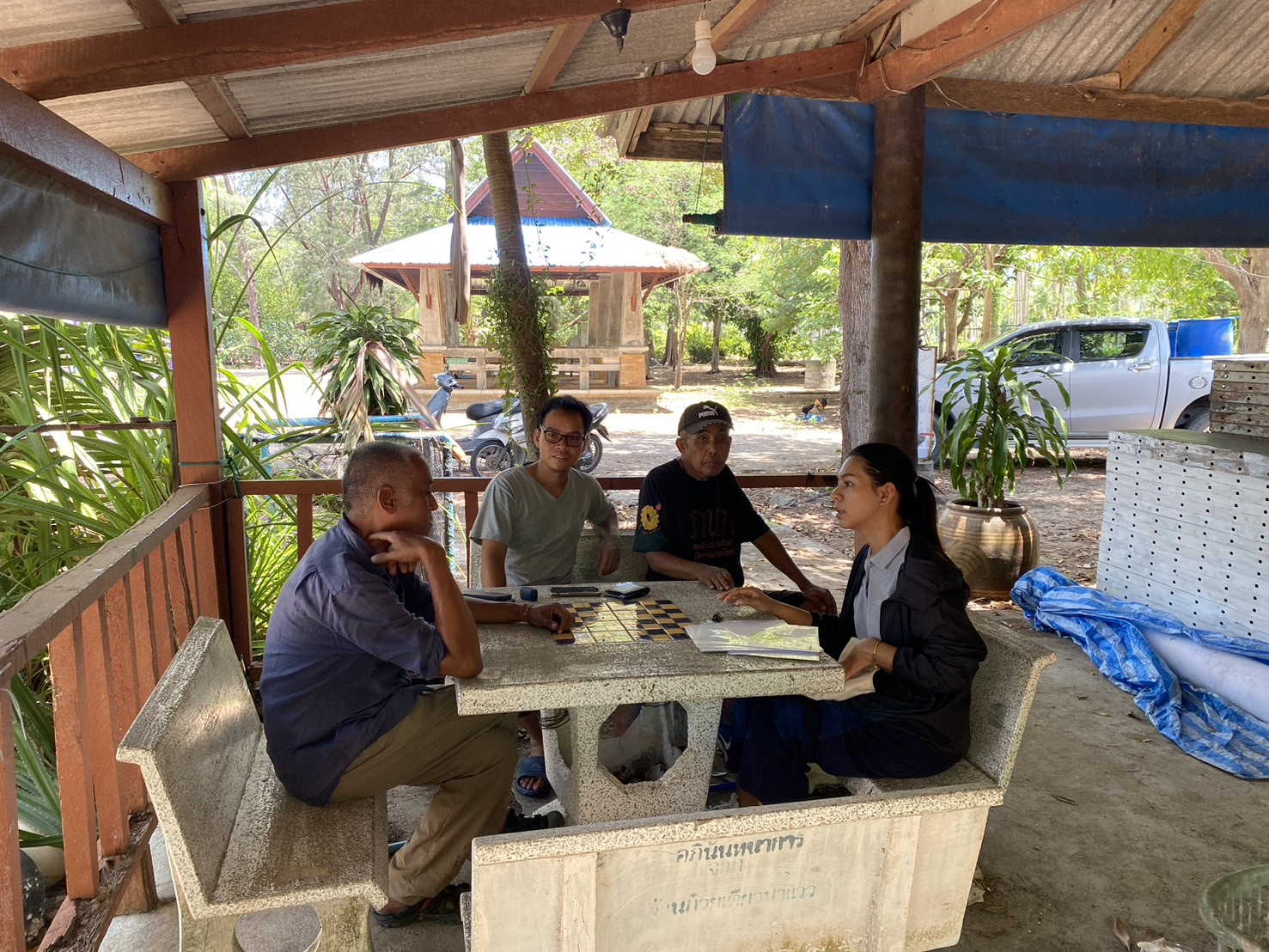
In 2024, Walailak University offered various outreach programs on the sustainable management of fisheries, aquaculture, and tourism for local and national communities. All of the outreach programs were provided to the communities freely without any cost to ensure access to educational opportunities among local agriculturists, aquaculturists, and the general public. The outreach programs include both marine biodiversity and freshwater biodiversity.
Sustainable Management of Blue Swimming Crab Fisheries and Aquaculture
Sustainable Blue Swimming Crab Fisheries
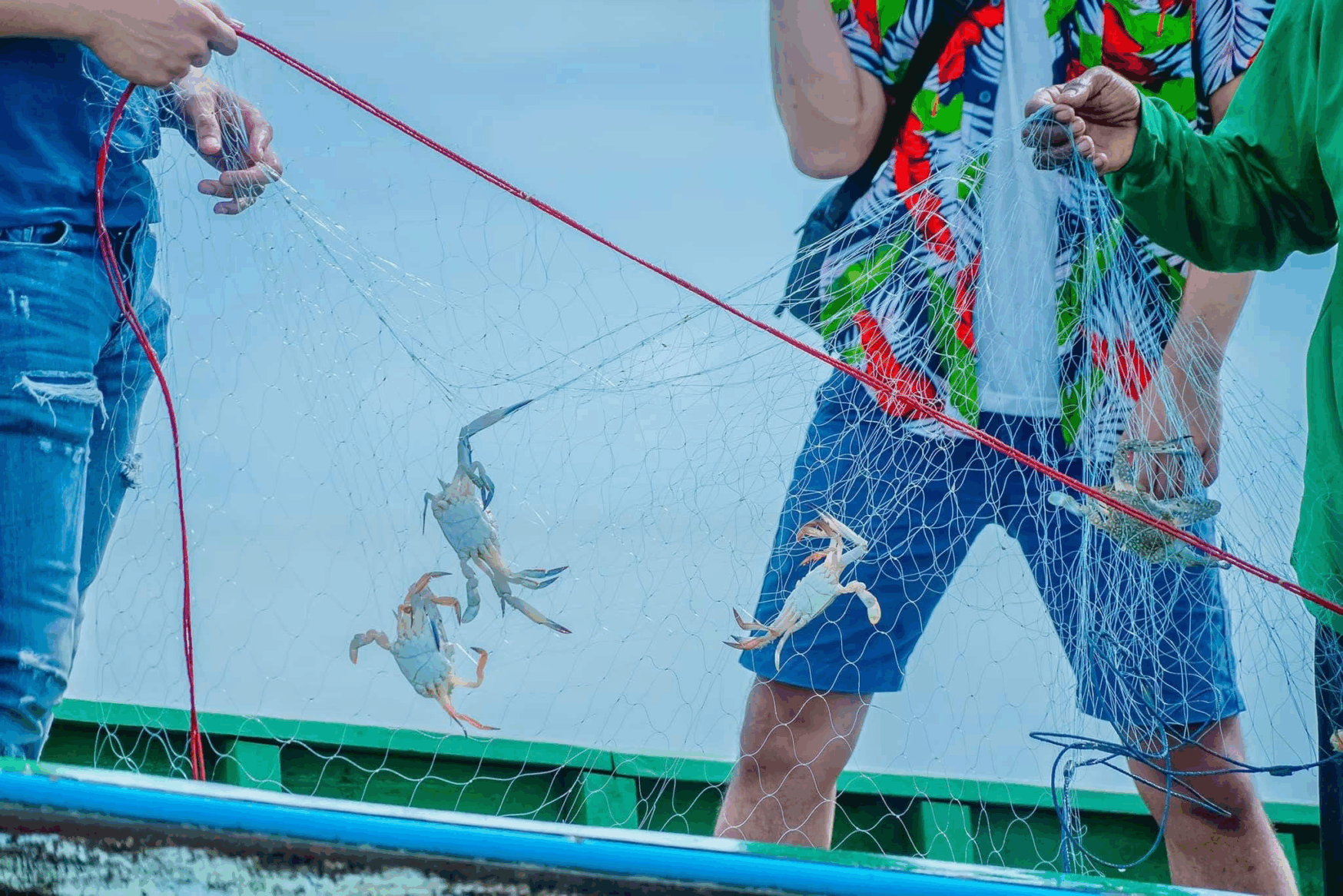
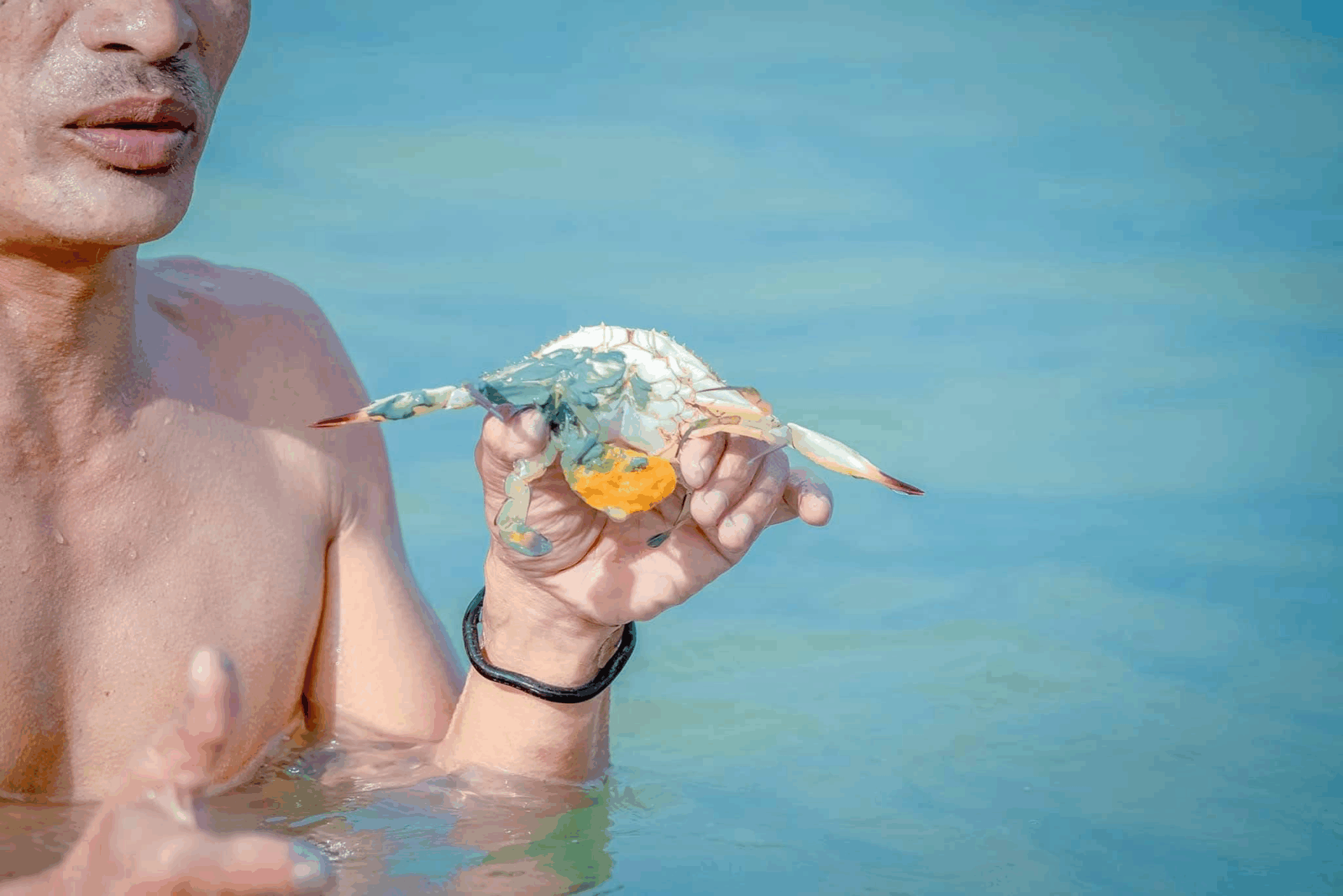
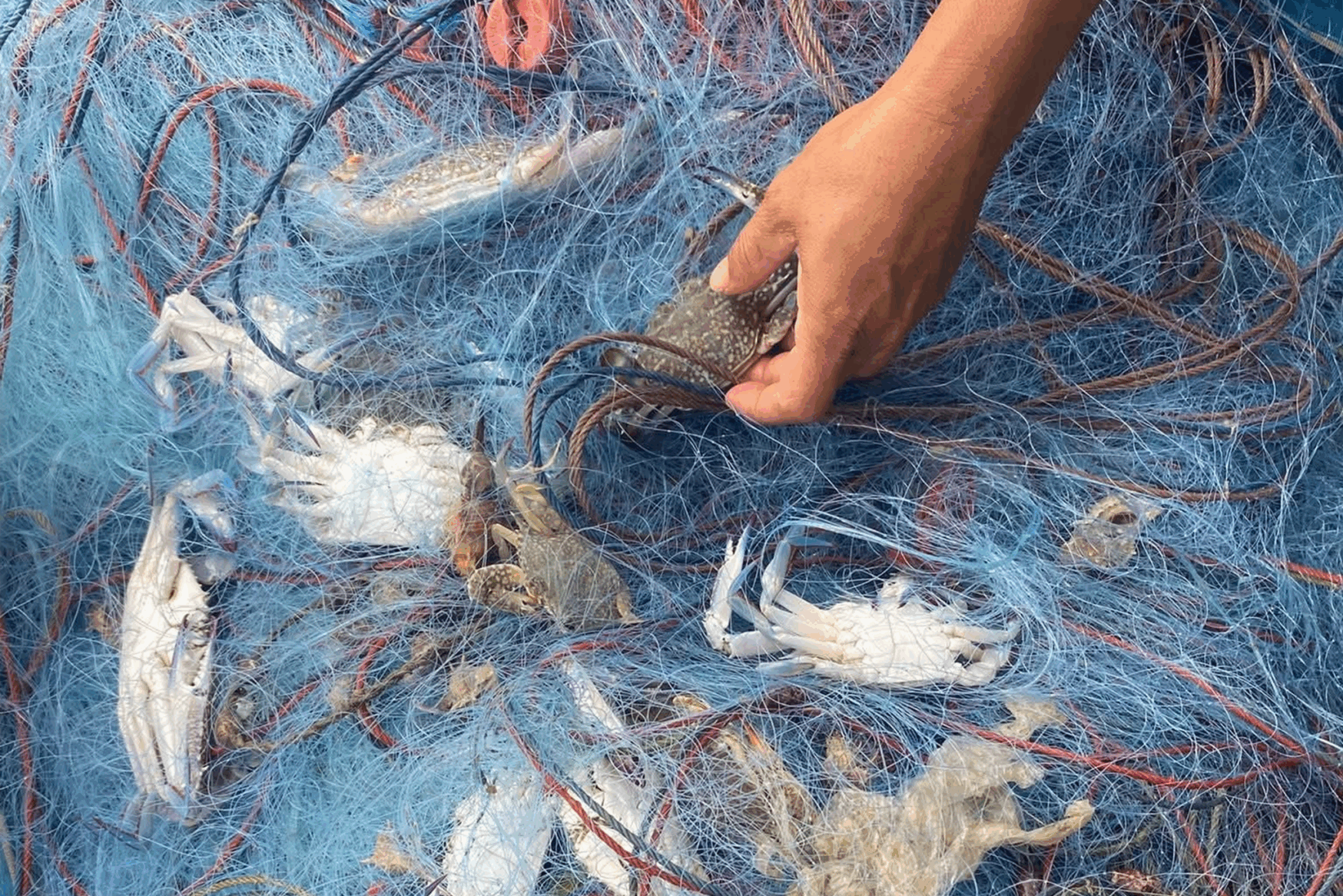
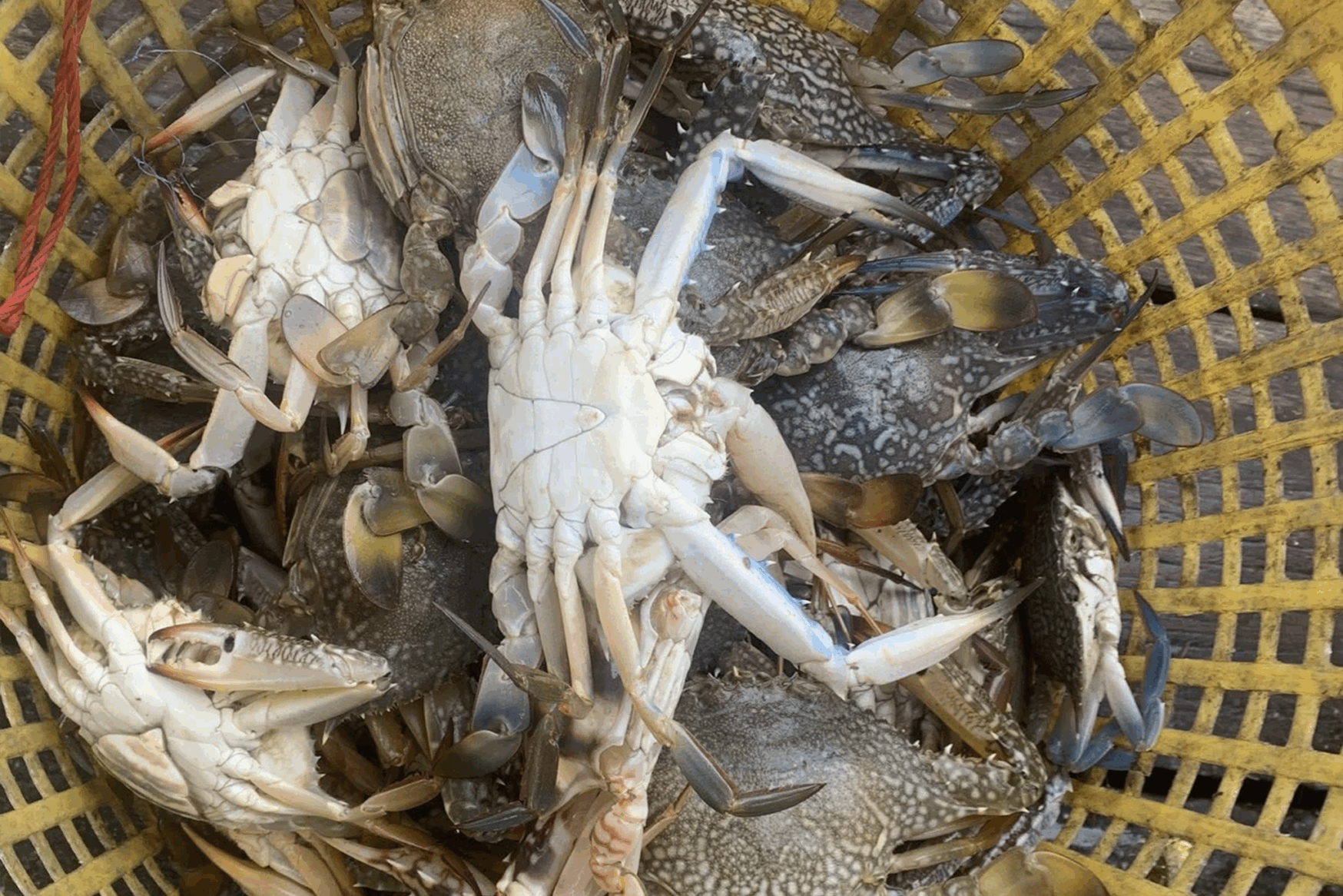
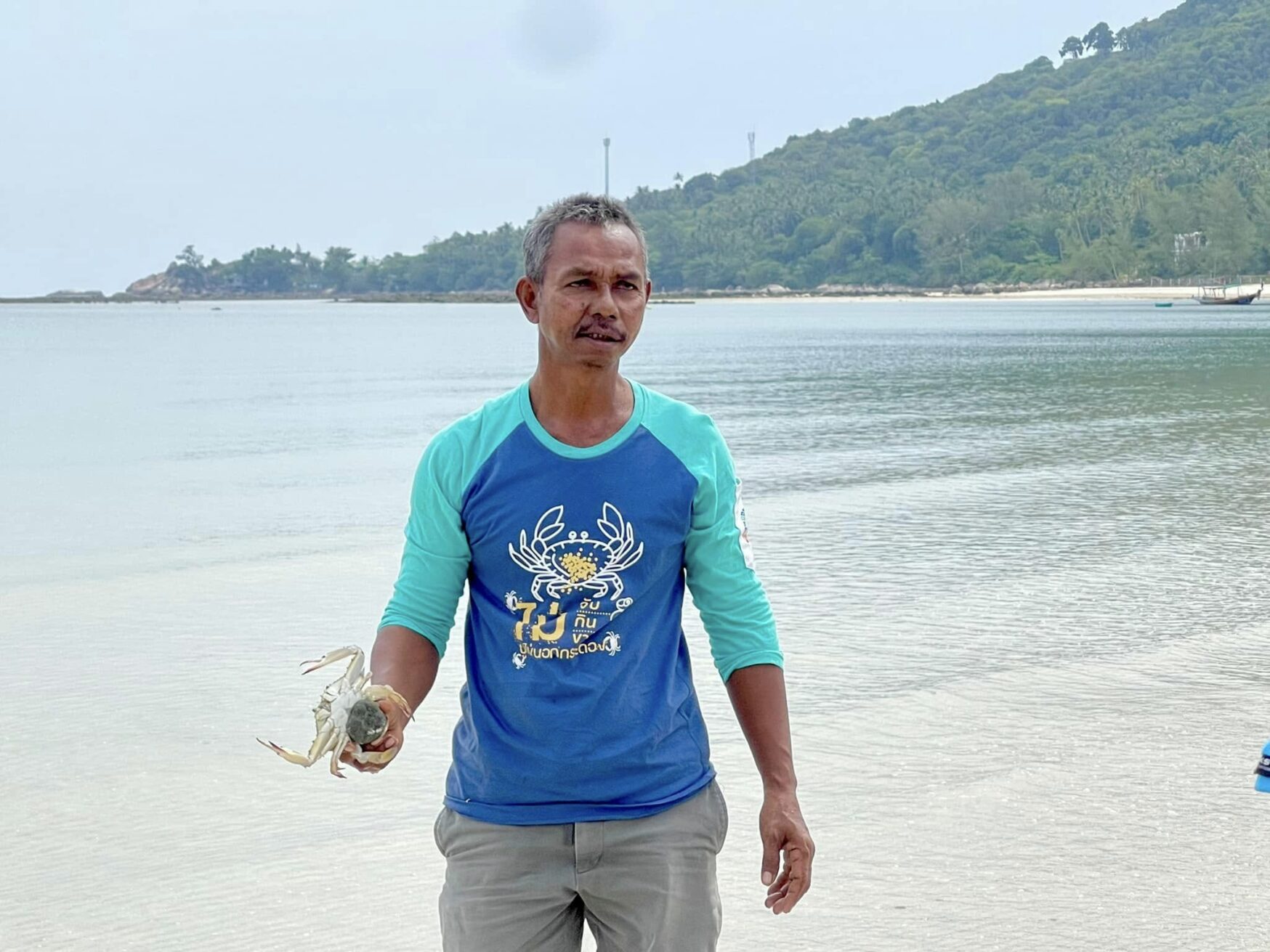
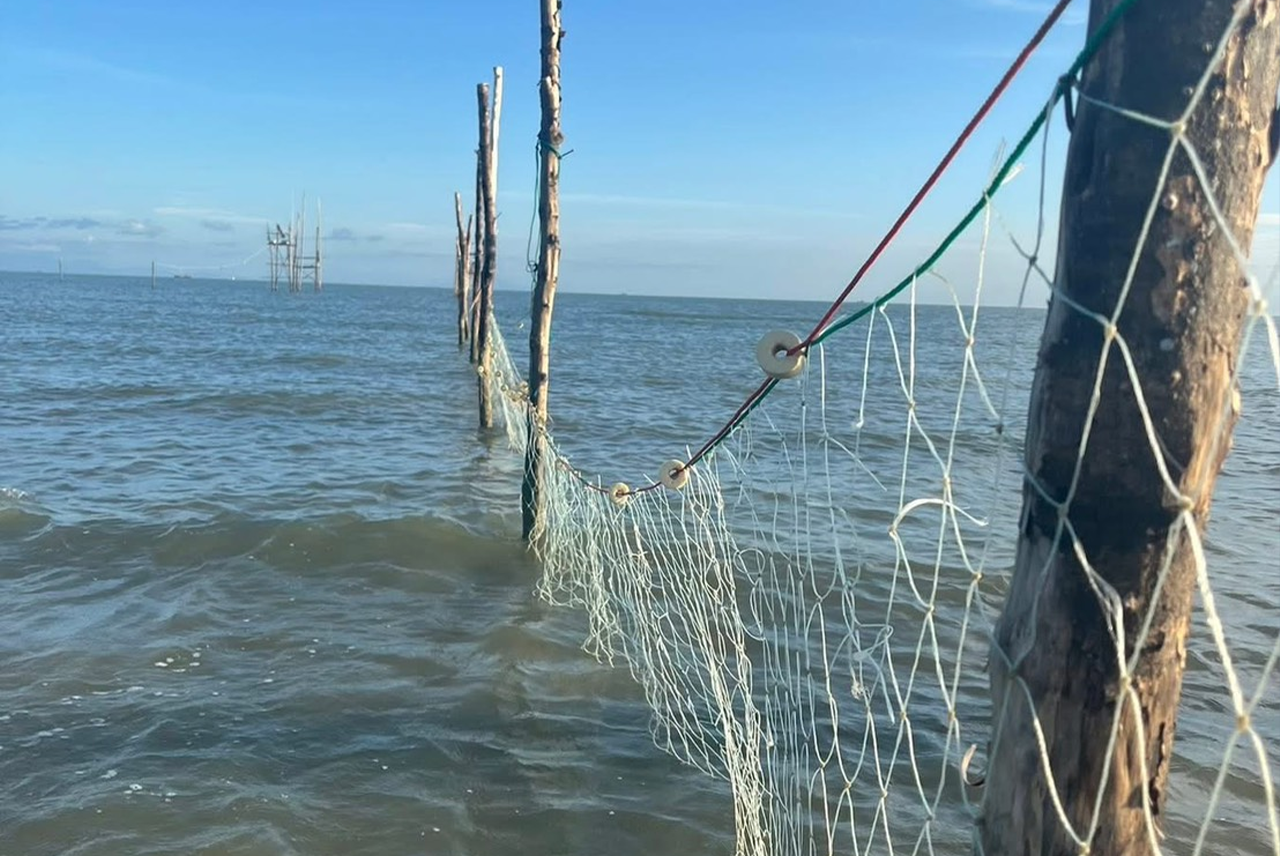
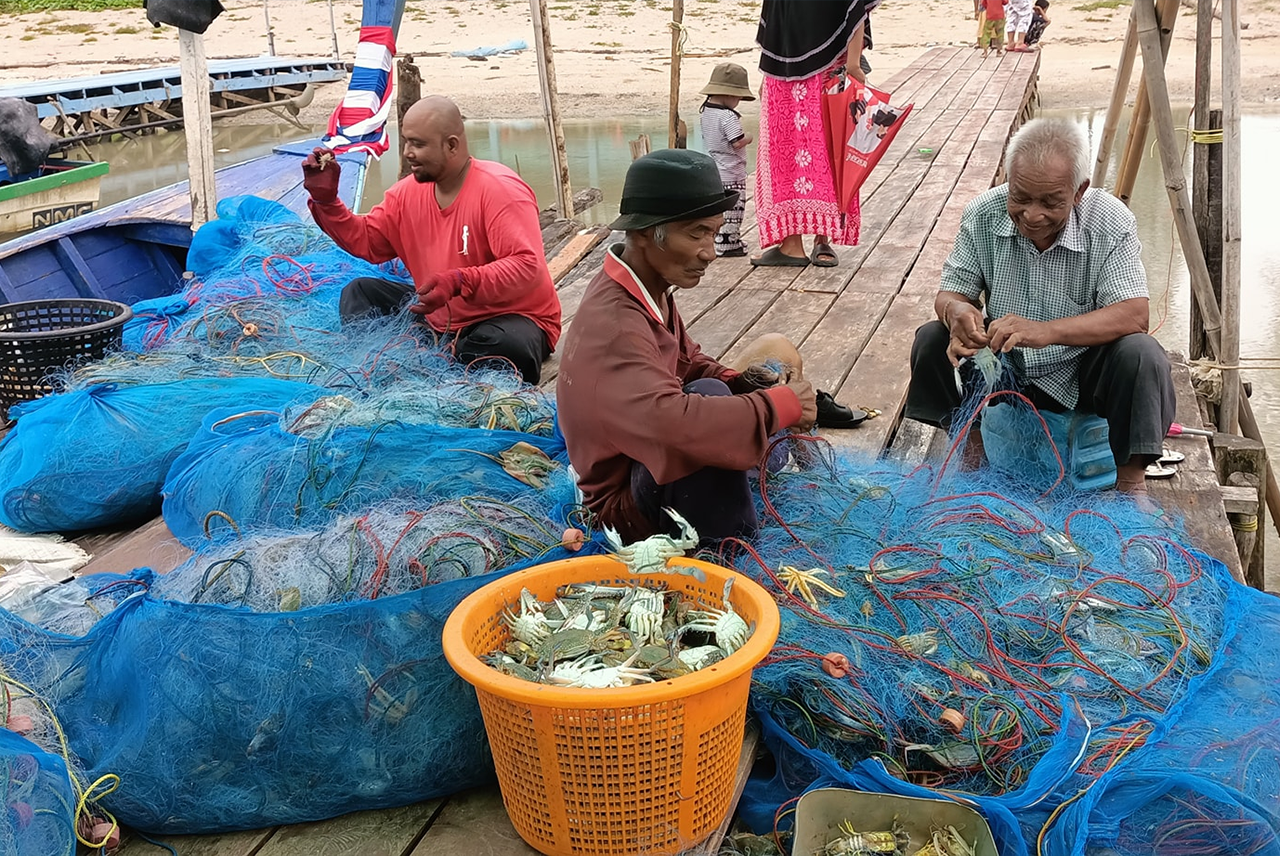
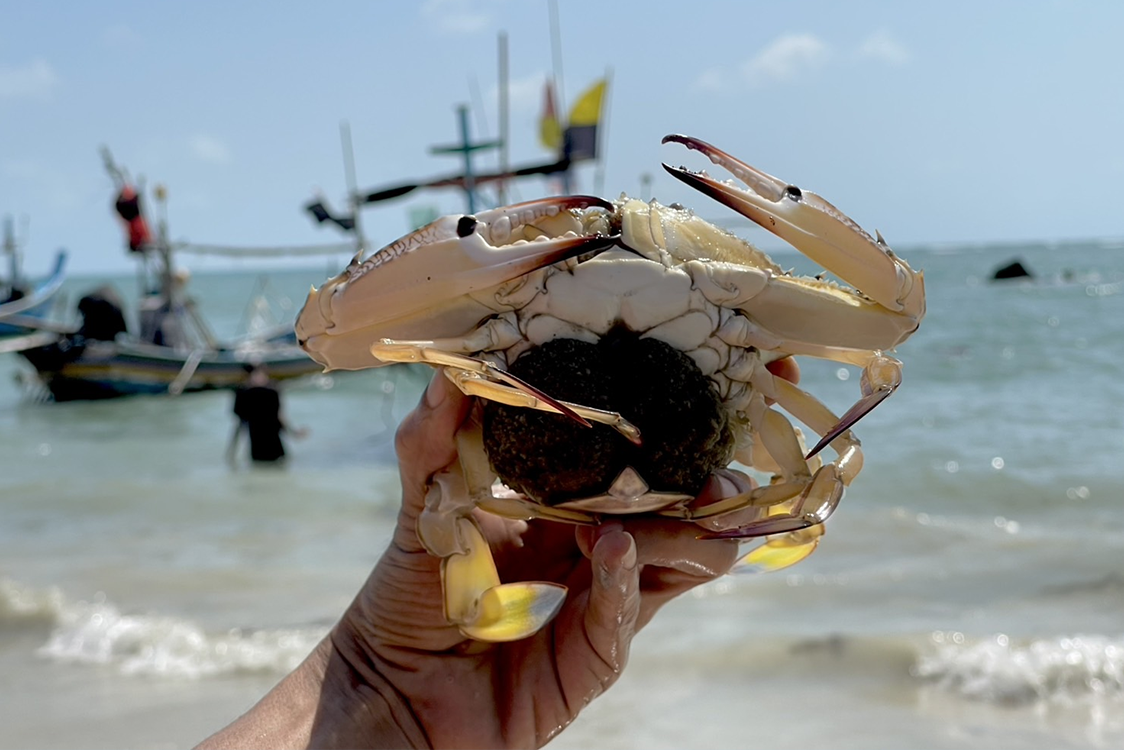
In 2024, Blue swimming crab resources in Nakhon Si Thammarat and Surat Thani were still a predominant issue in the local fishery, as it has served as an economic aquatic animal, contributing to the local fishermen’s income and grassroots economy. Additionally, each year, there are new groups of fishermen who still do not receive the knowledge of the sustainable management of the fishery of the blue swimming crab, which might lead to damage to the marine environment and ecosystems.
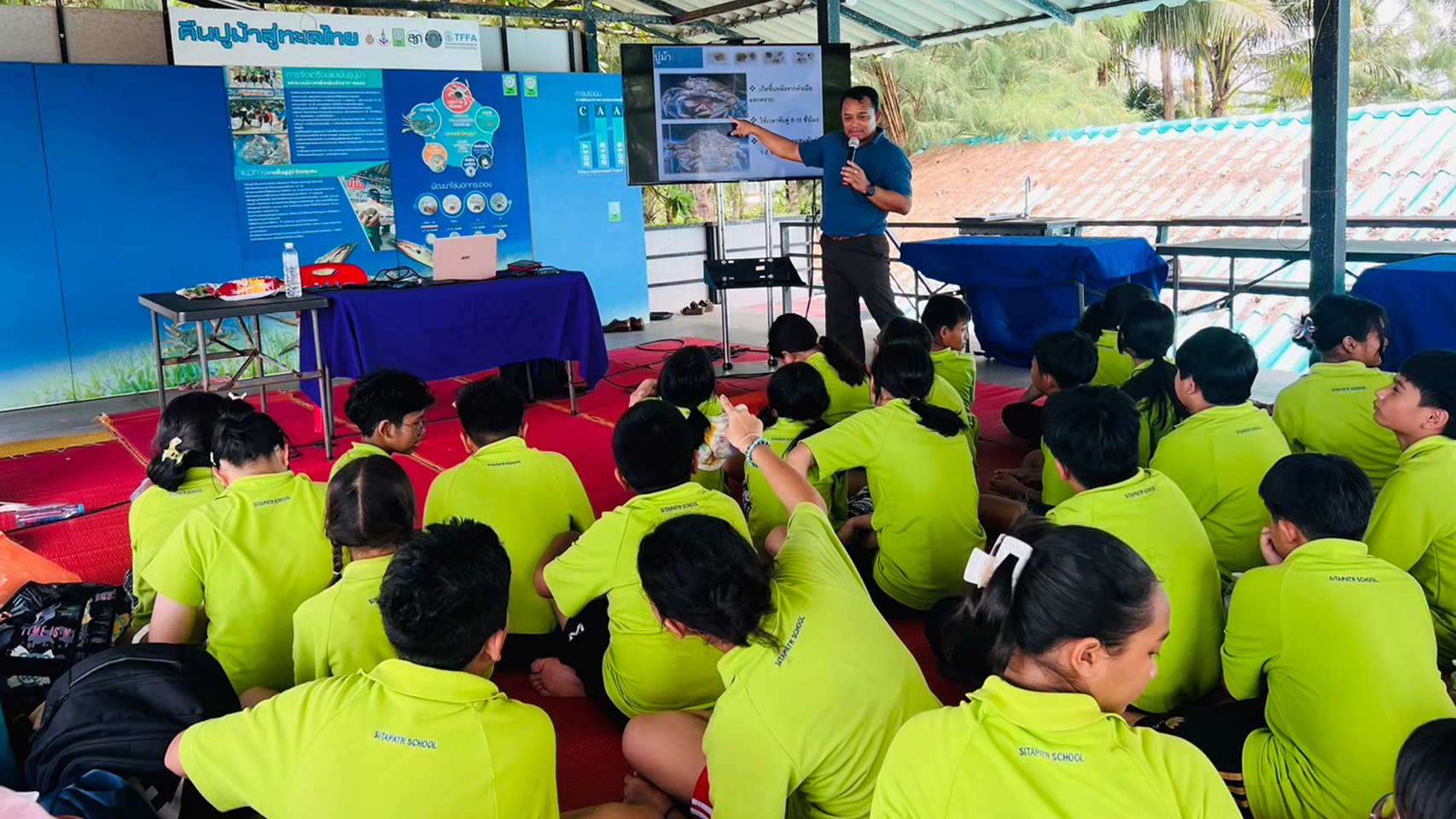
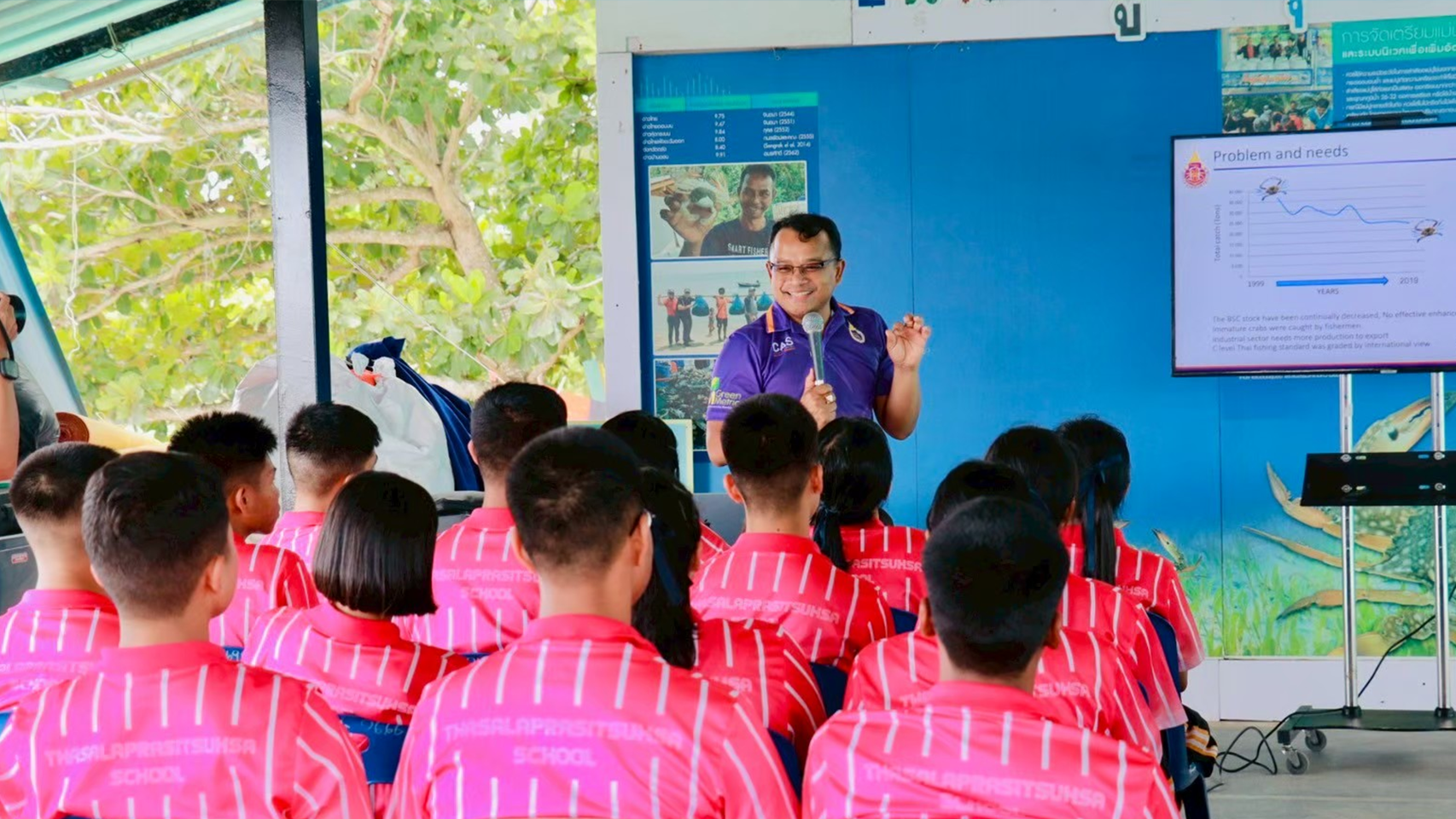
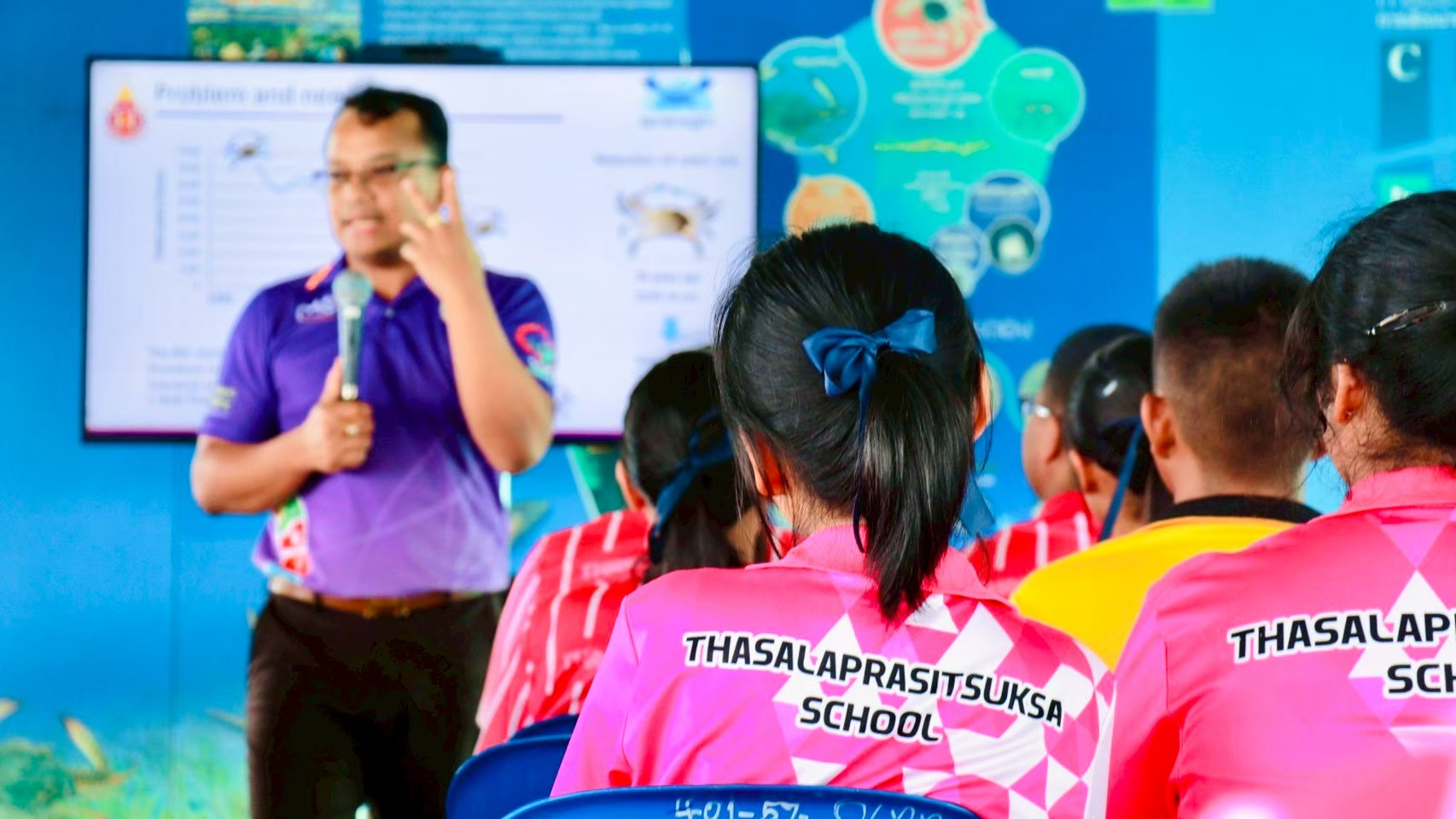
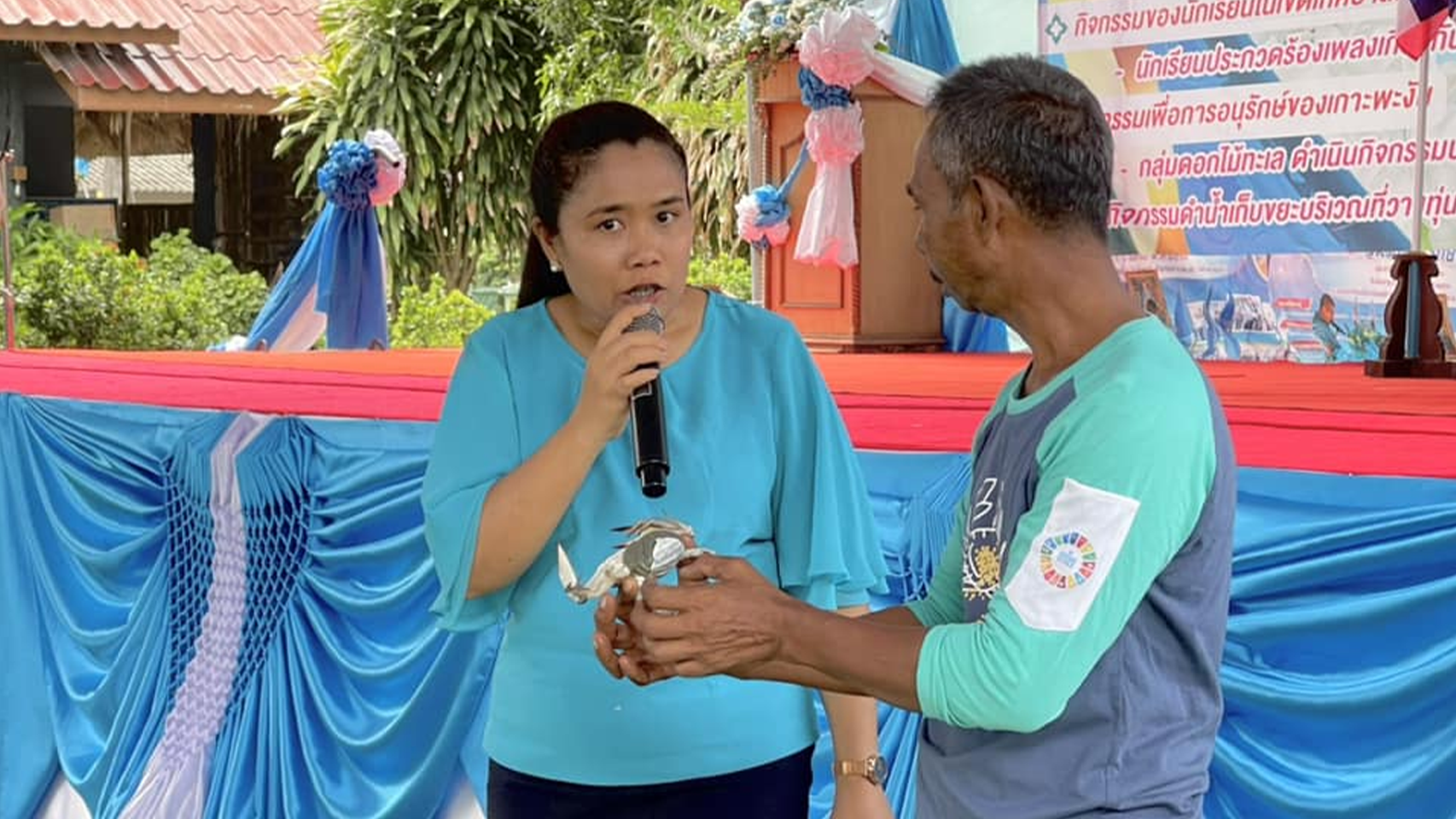
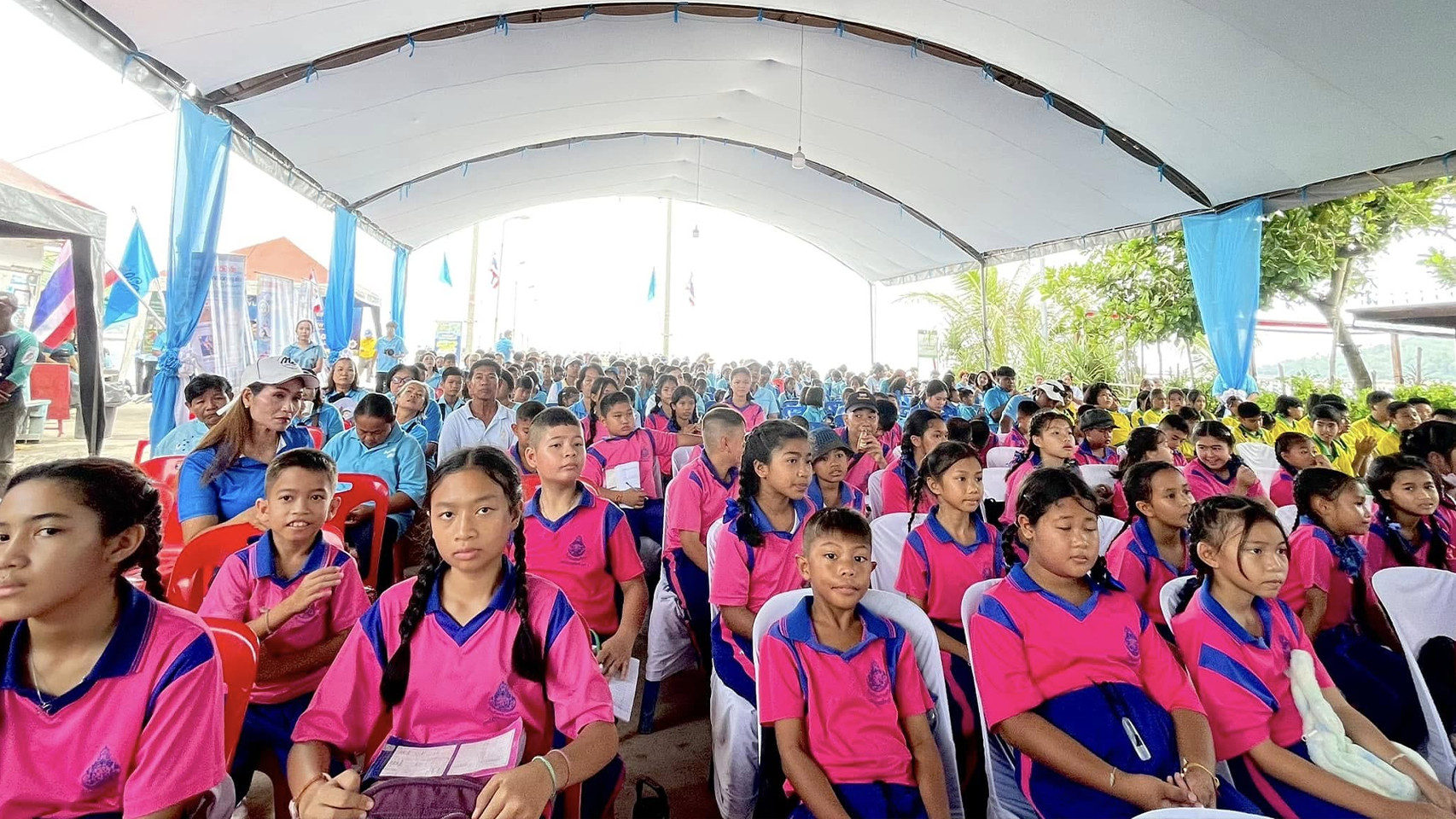
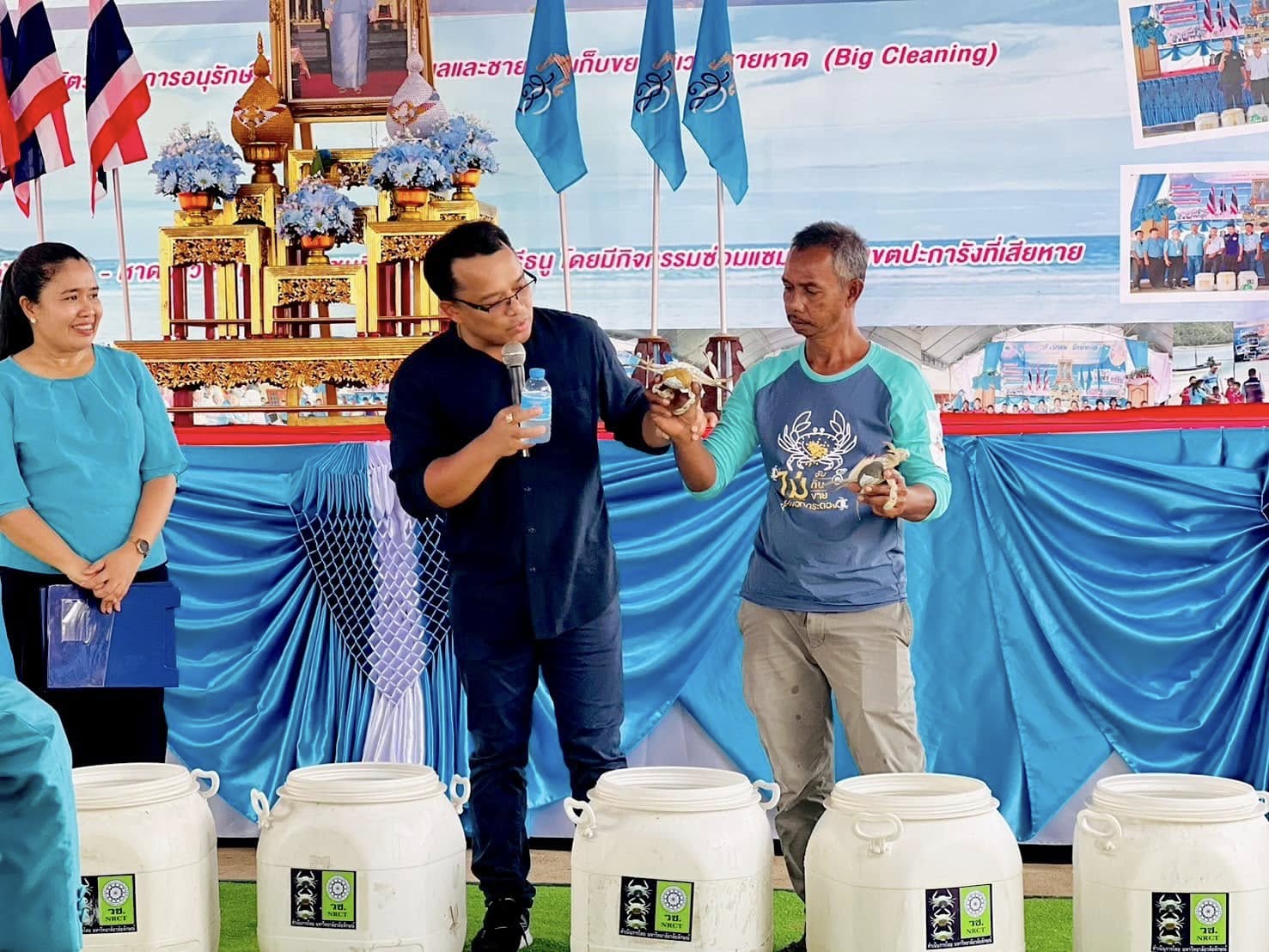
Thus, Walailak University, through Asst. Prof. Dr. Amonsak Sawusdee continued providing educational outreach programs on sustainable management of blue swimming crab fisheries and aquaculture to local fishermen, local government authorities, youth, and the general public. The outreach programs aimed to promote sustainable fishing practices in the provinces to ensure the sustainability of marine resources and guide the local fishermen, local government authorities, youth, and the general public. The knowledge that WU provided included:
The suitable catching size of blue swimming crabs
Relating laws and legal practices for blue swimming crab fishing according to the Department of Fisheries and the International Union for Conservation of Nature
Proper practices for fishing during the spawning season
Using proper fishing gear and knowing what gear not to use can help prevent damage to the marine biodiversity and ecosystems
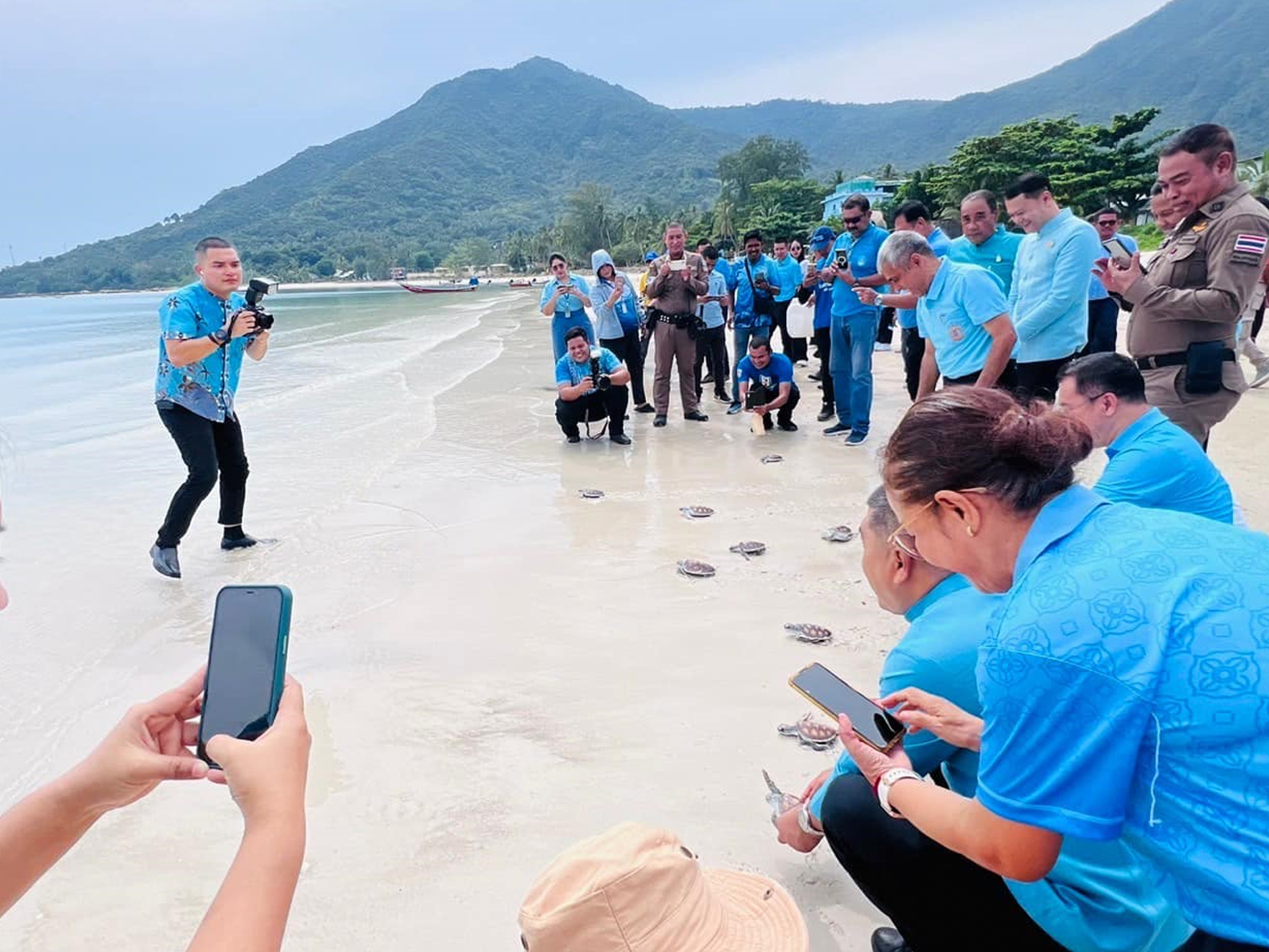
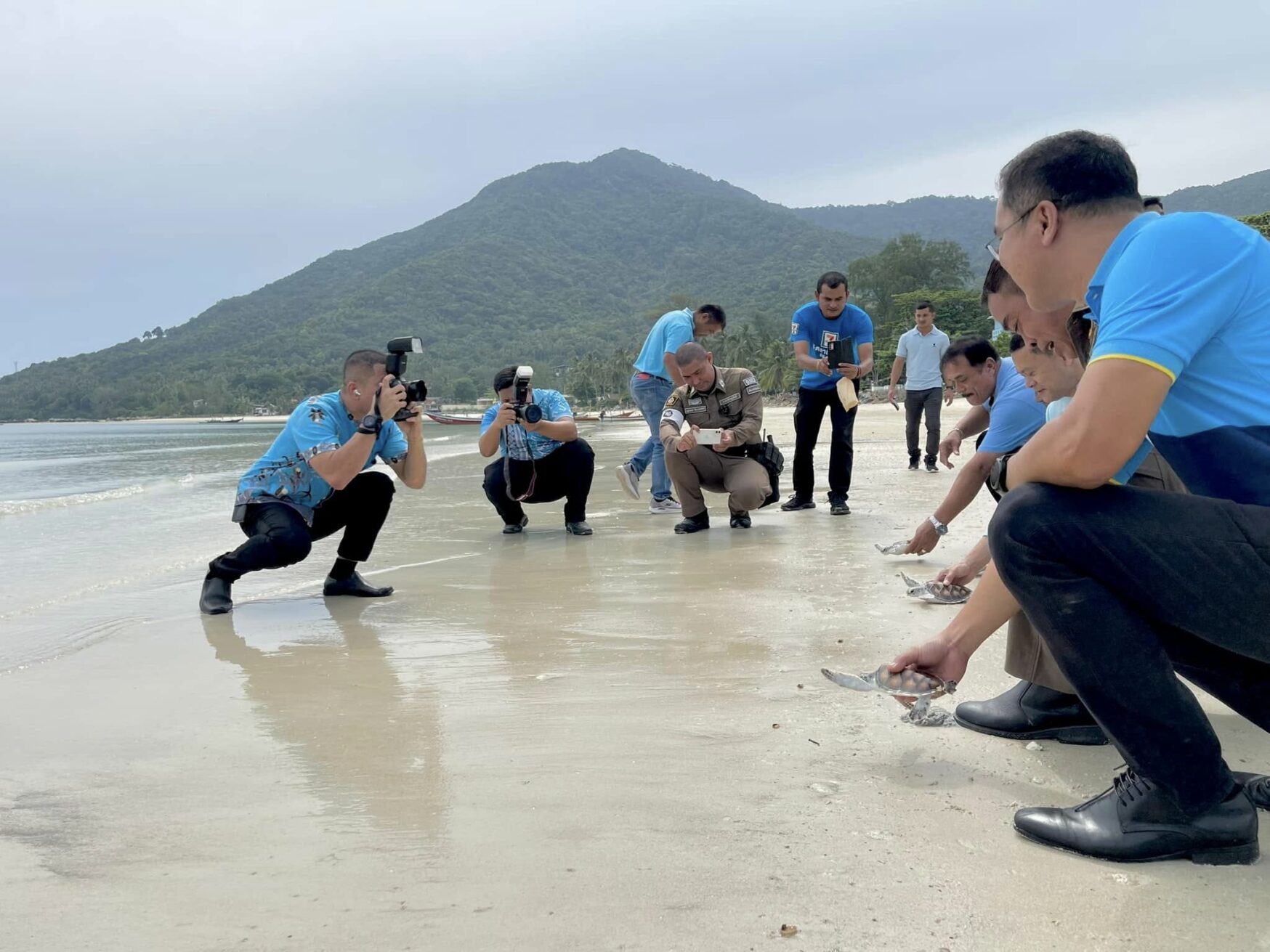
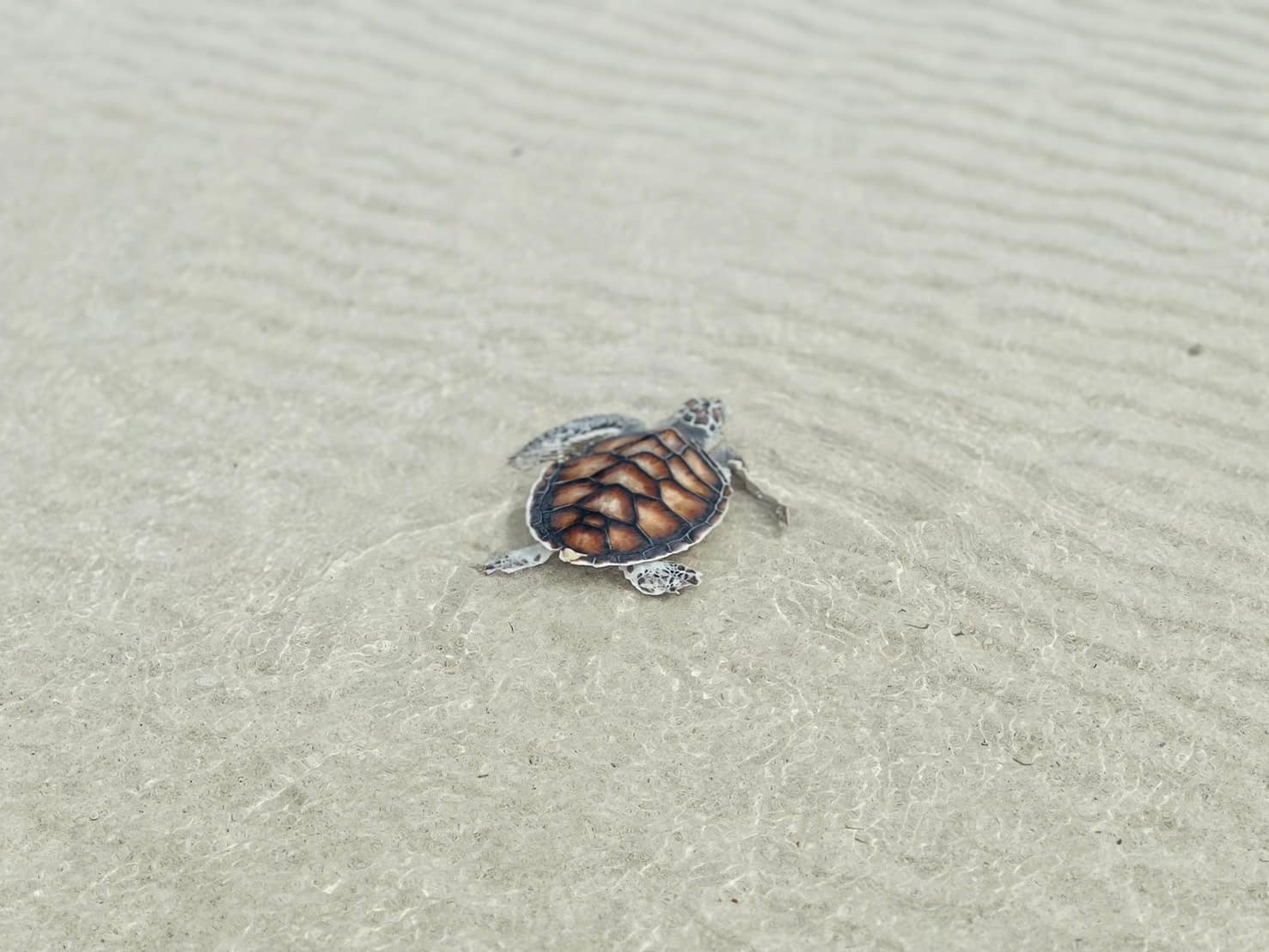
In addition, Walailak University provided knowledge to local fishermen of Ban Wok Tum Blue Swimming Crab Bank, local fishermen, local government authorities, youth, and the general public in Pha Ngan Island, Surat Thani. This educational outreach program aimed to provide knowledge on the sustainable fishing practices of blue swimming crabs. However, due to the distinctiveness of biodiversity in the island, WU also provided the knowledge about the sustainable fishing practices of blue swimming crabs to avoid damage to sea turtles, as the number of sea turtles gradually increased in 2024.
The issues that WU provided on the sustainable fishing practices of blue swimming crabs to avoid damage to sea turtles included:
Promoting and teaching the use of crab traps or nets designed to reduce the bycatch of sea turtles
Advising on fishing at the times and in areas where sea turtles are less likely to be present around the island
Teaching how to properly release a sea turtle when accidentally caught by the crab traps or nets.
Providing the knowledge on the sustainable fishing practices of blue swimming crabs to avoid damage to sea turtles could raise awareness among the local fishermen and the general public to properly implement fishing practices and preserve marine resources.
Sustainable Aquaculture through Blue Swimming Crab Banks
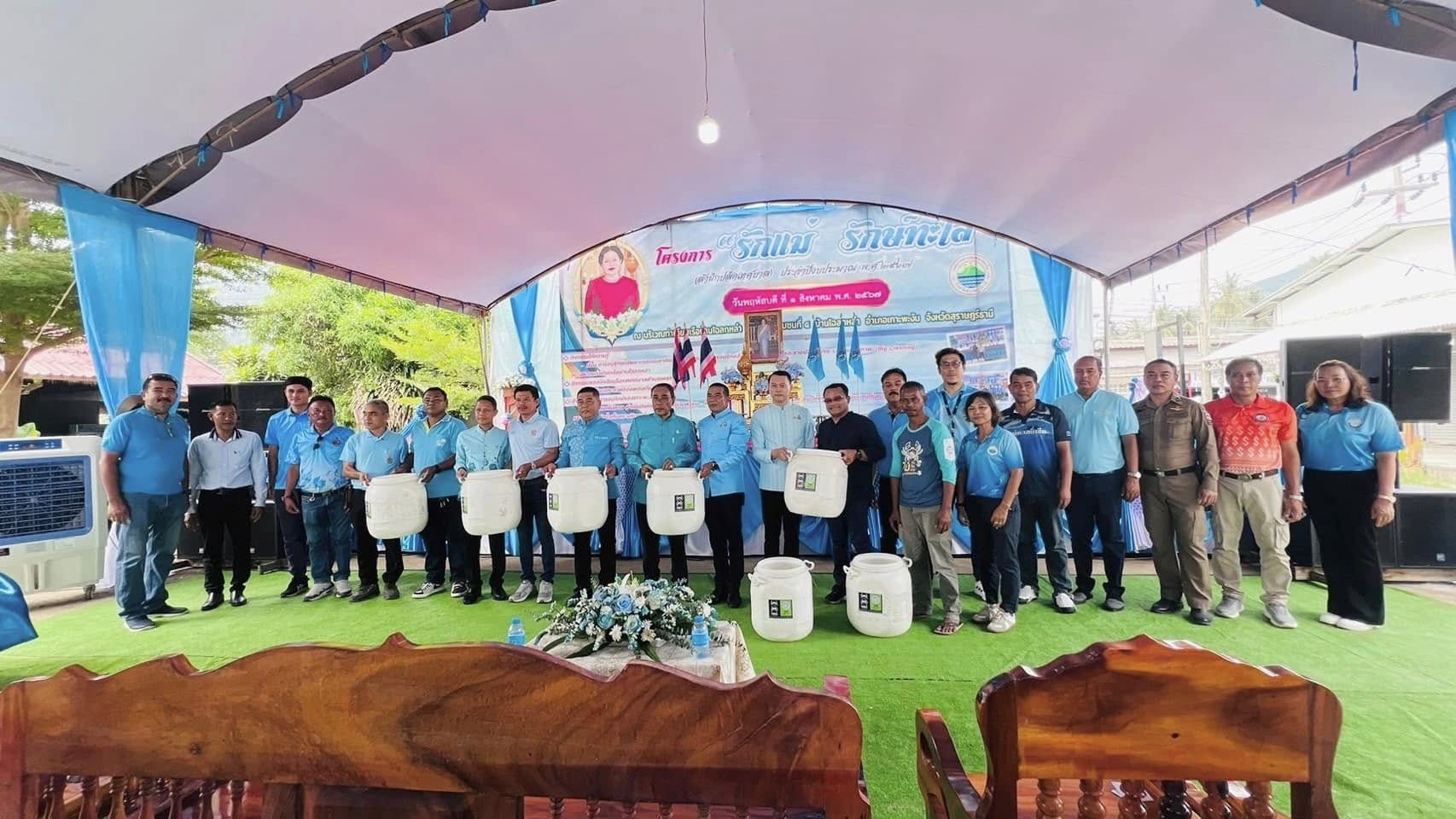
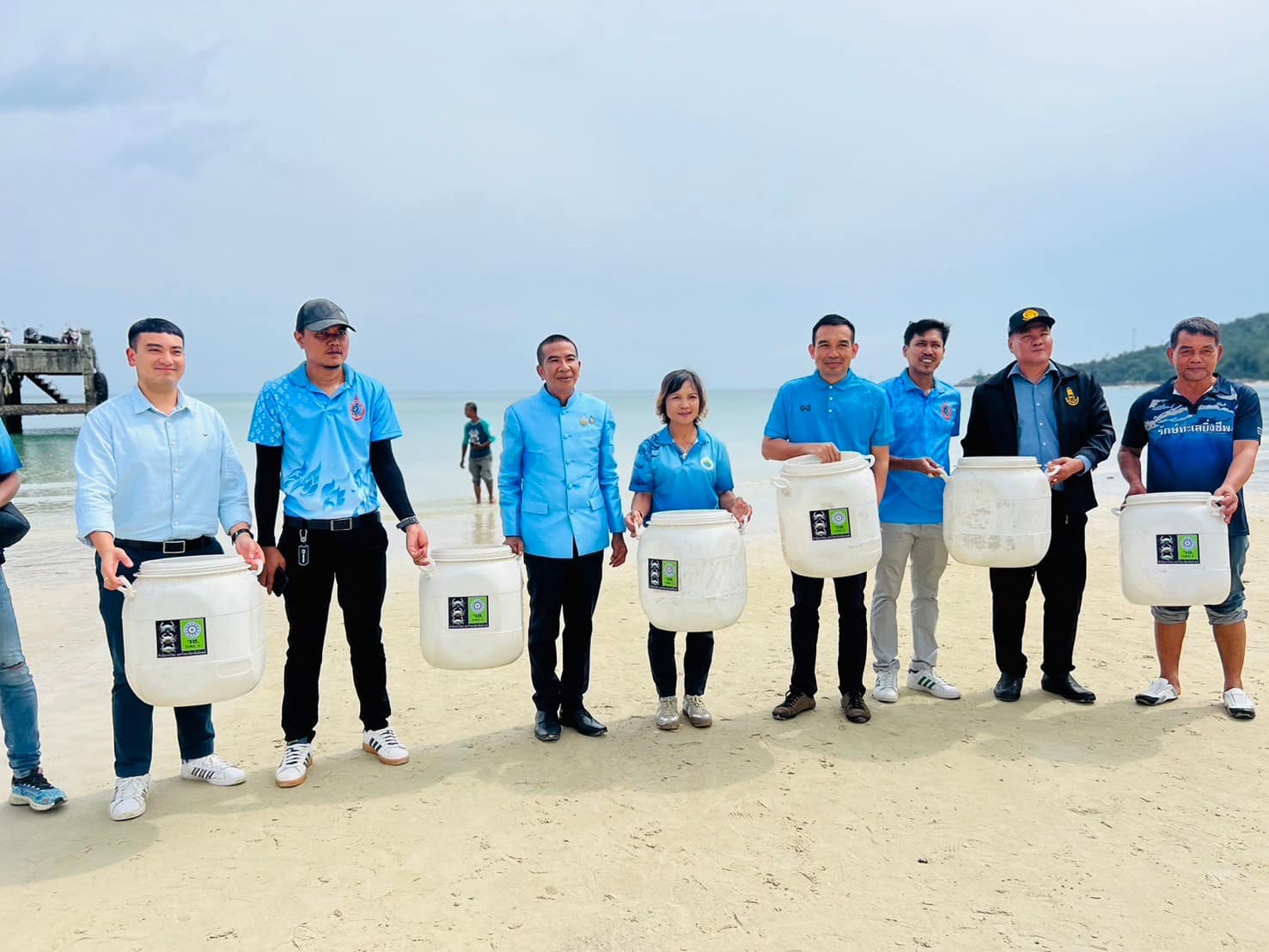
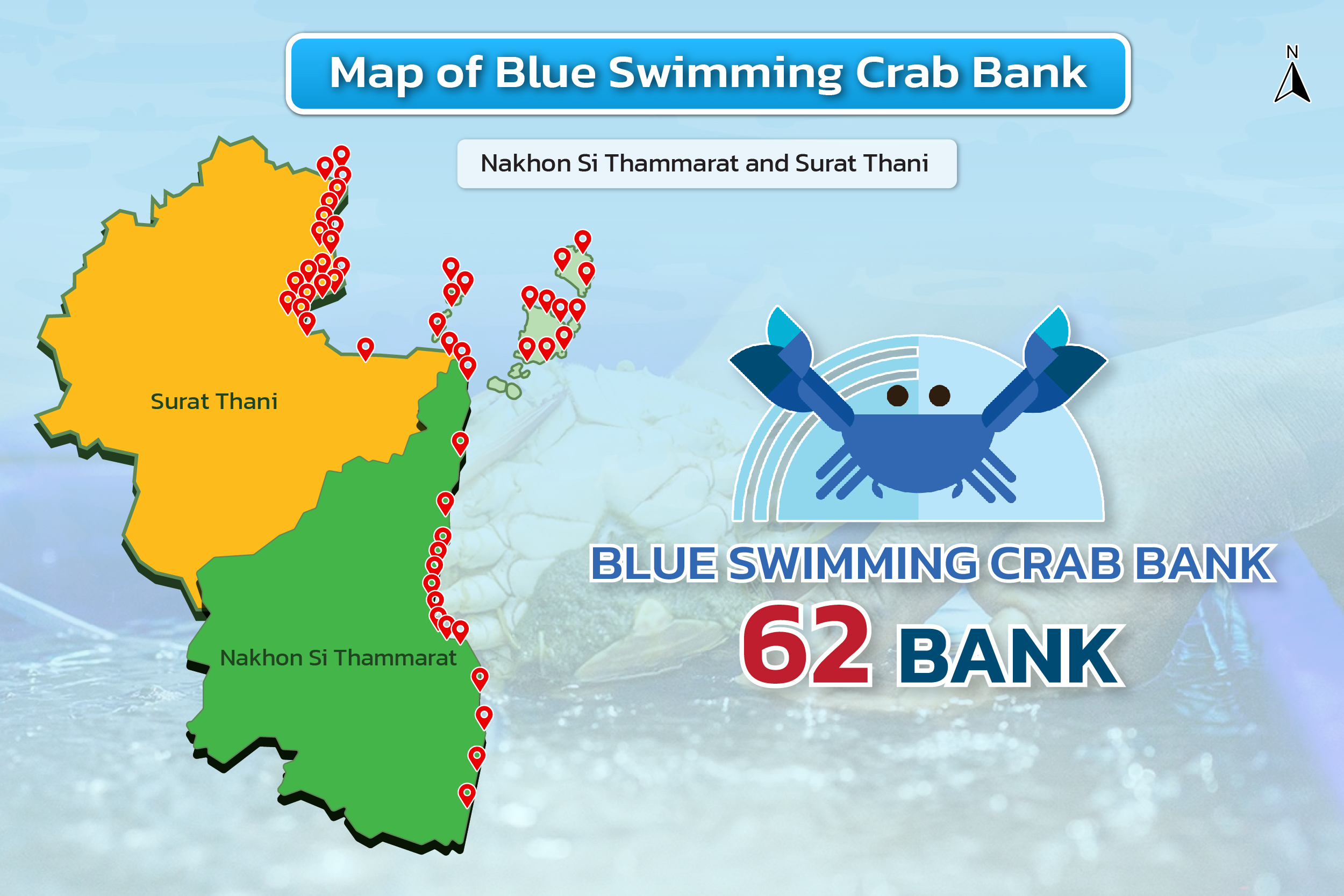
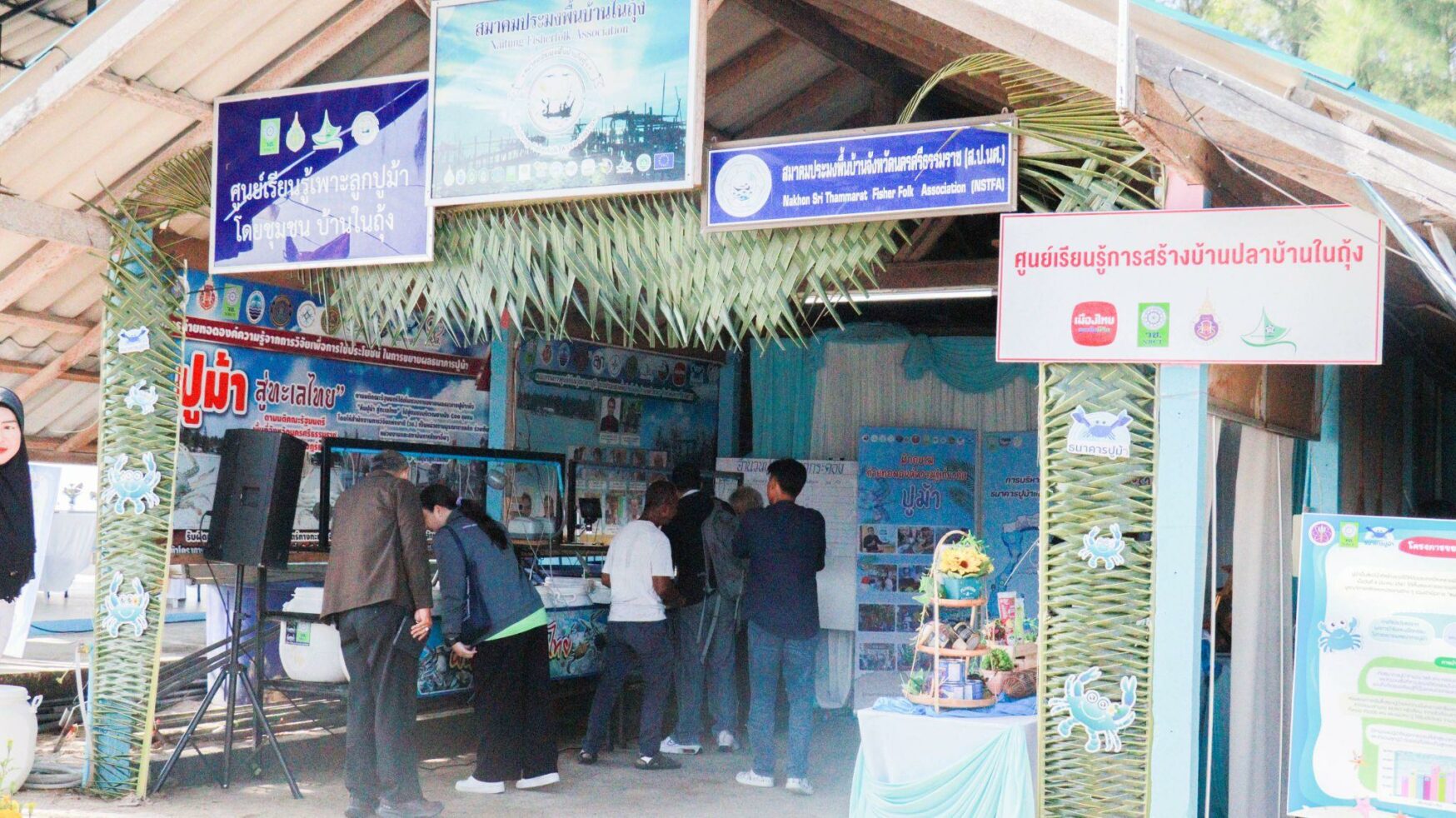
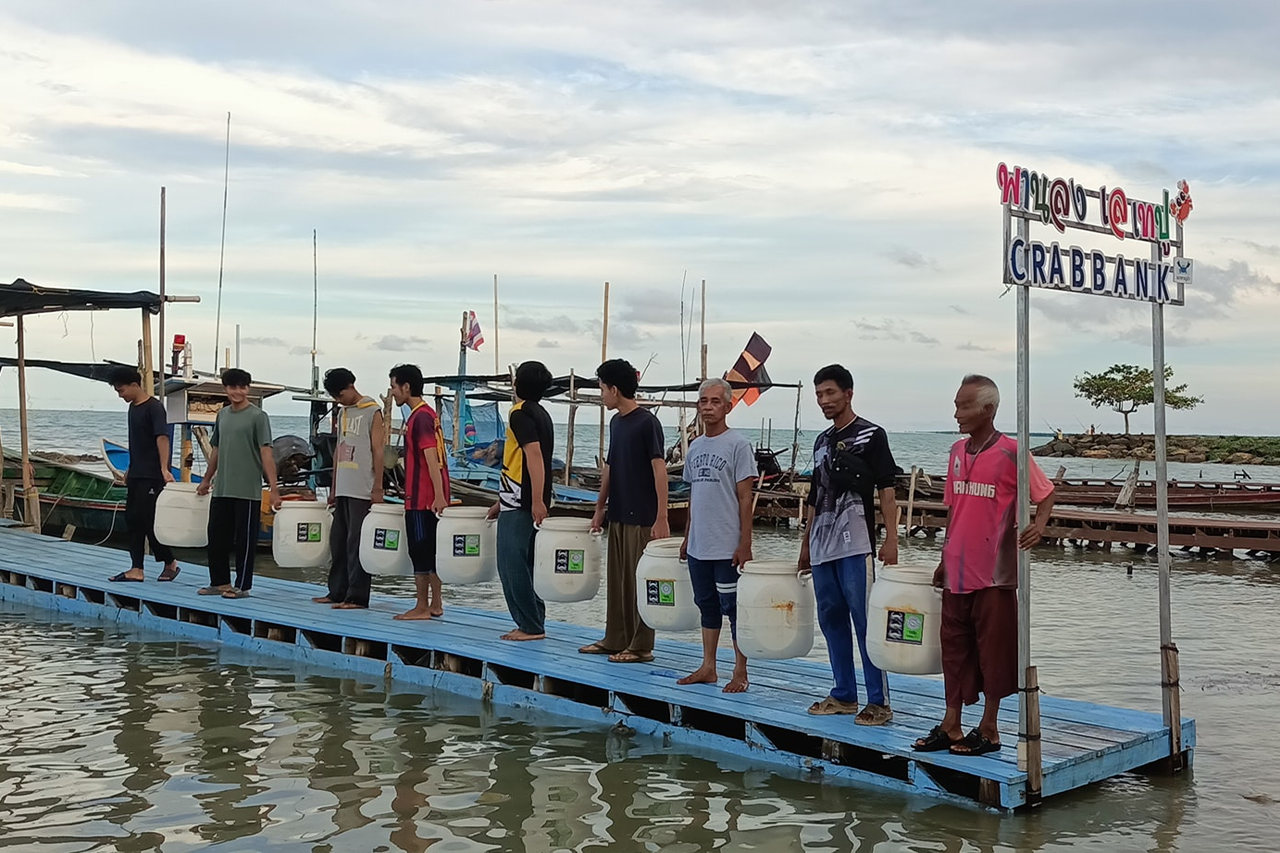
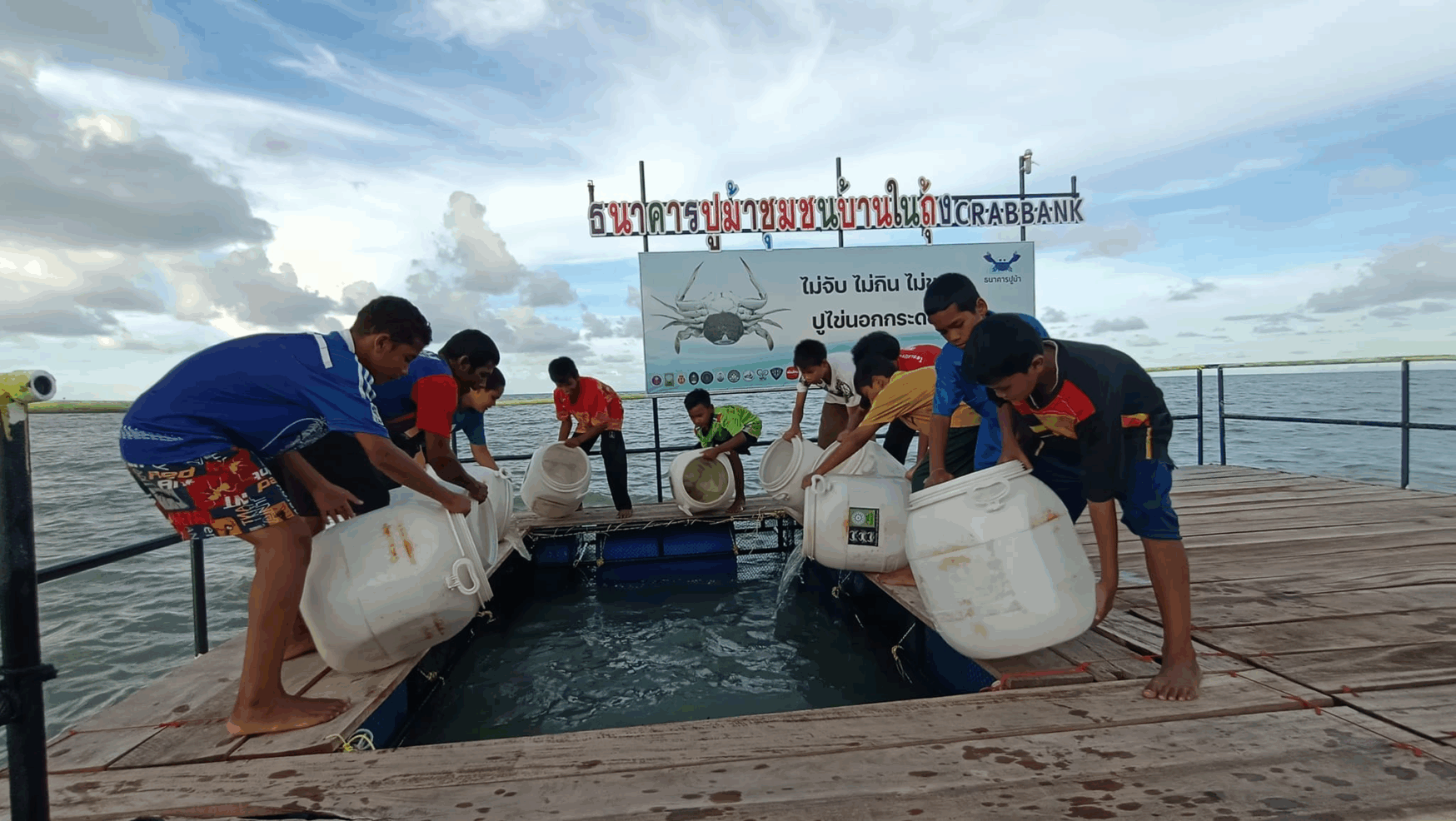
Walailak University continued to support all blue swimming crab banks under the supervision of WU. The number of blue swimming crab banks in 2024 established by Walailak University was 62, scattered throughout Nakhon Si Thammarat and Surat Thani.
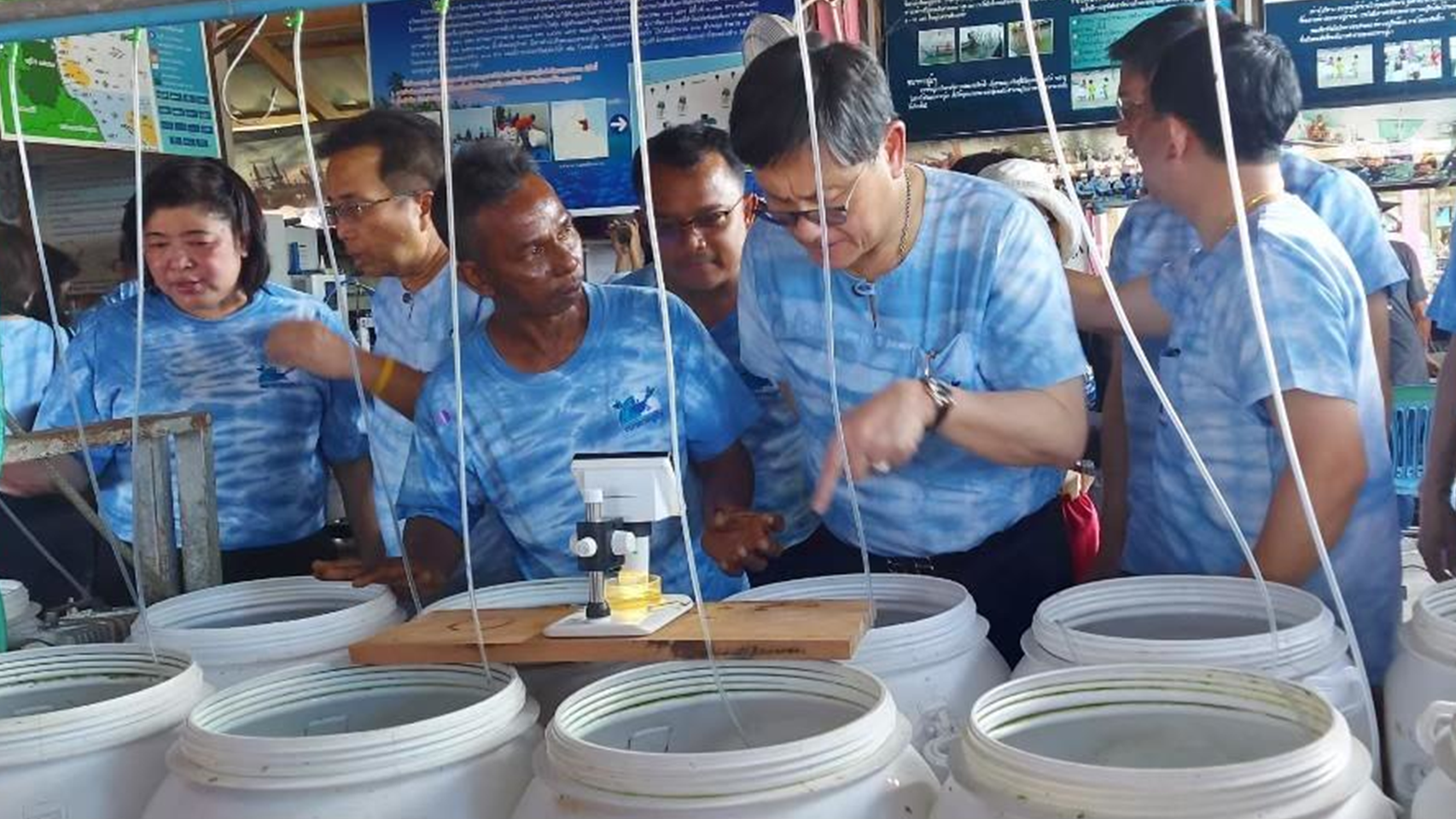
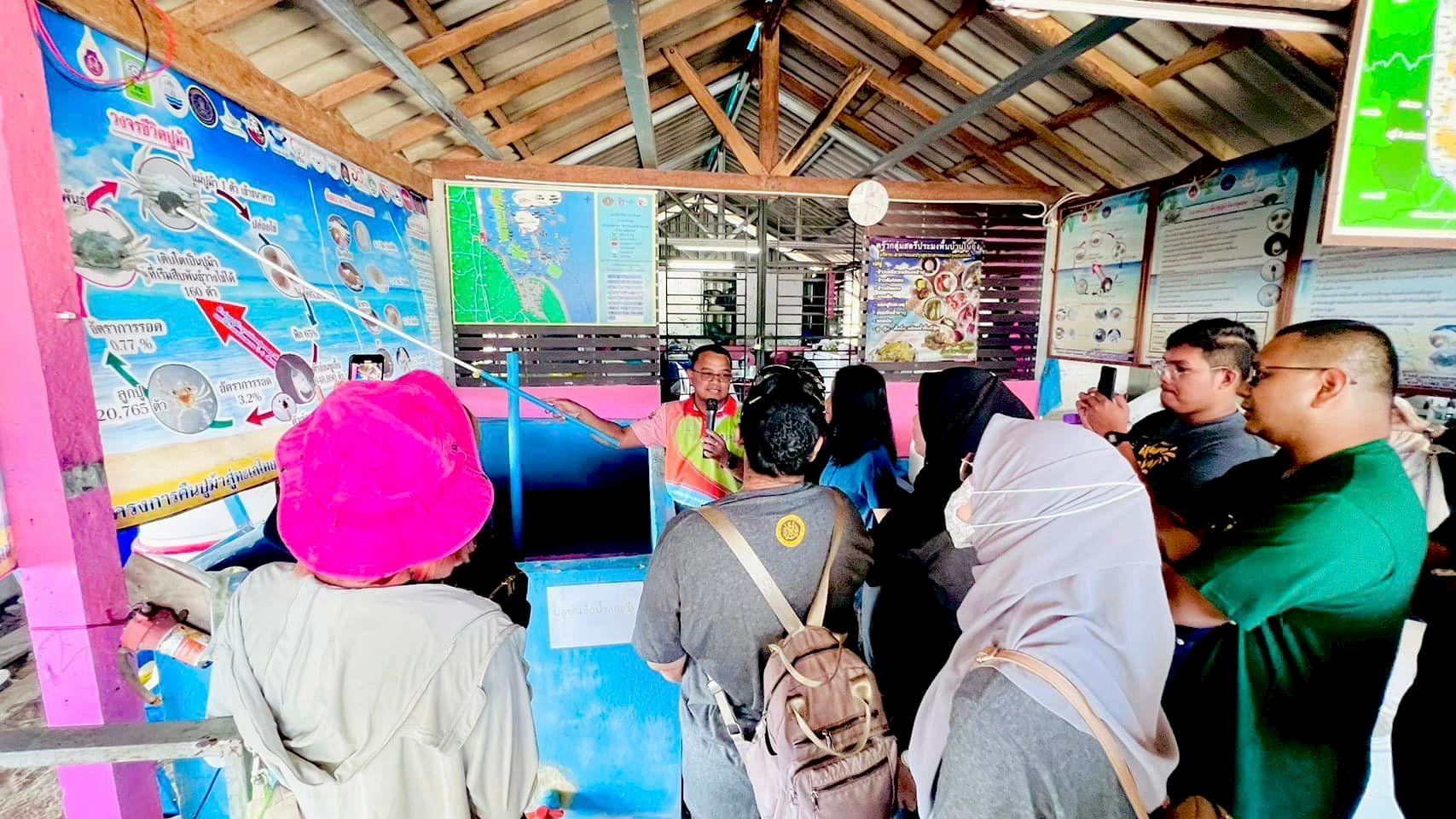
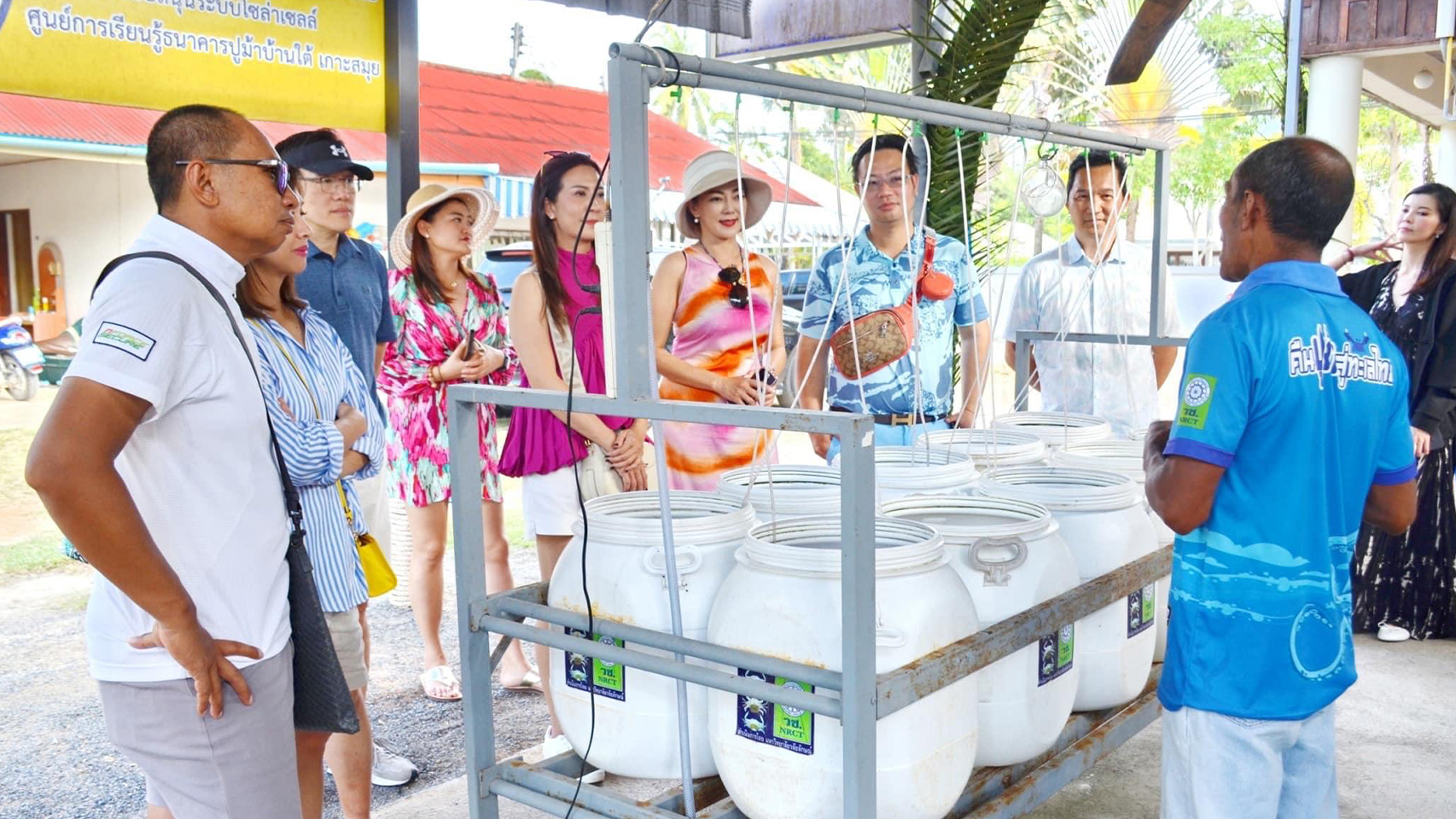
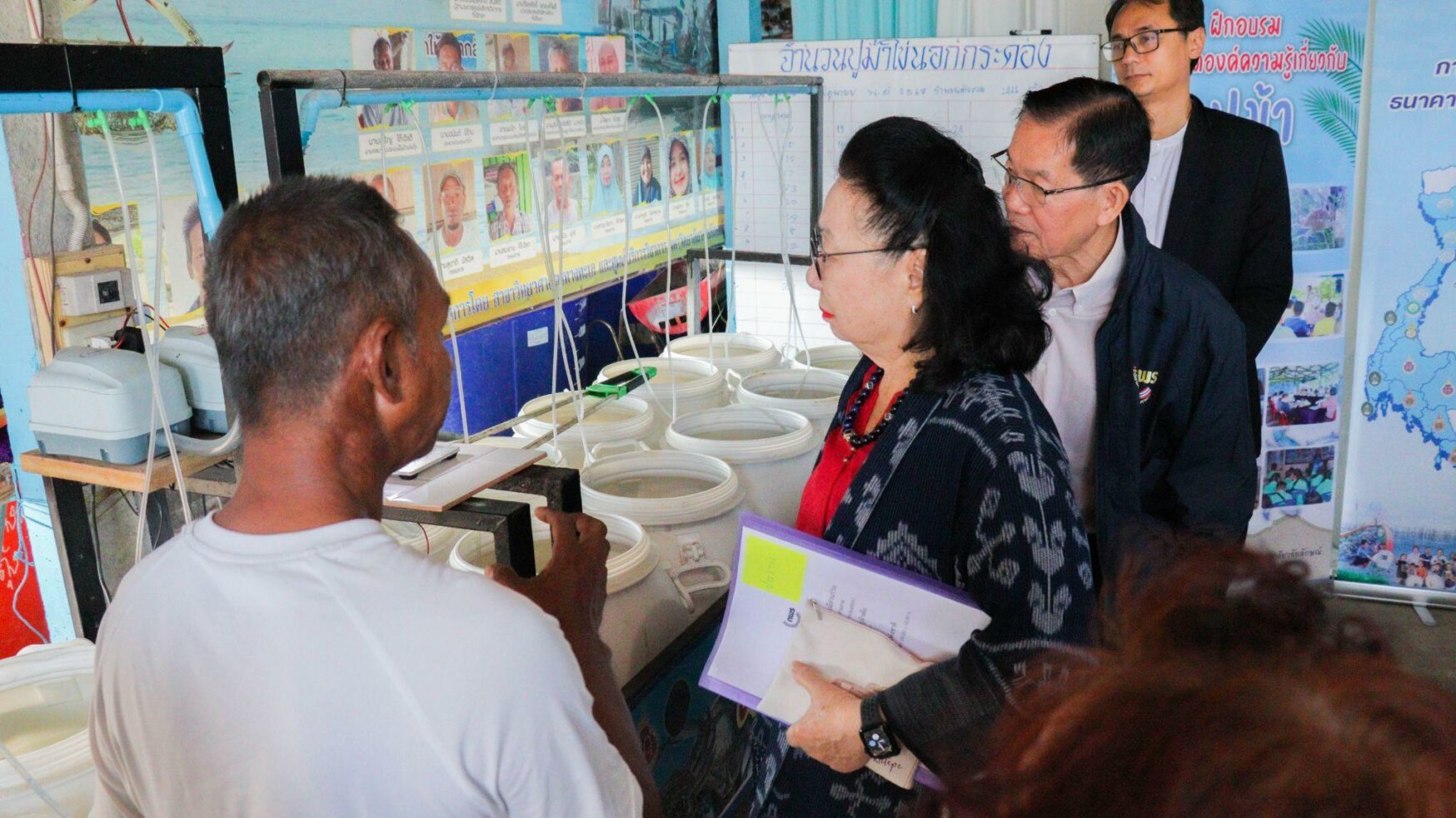
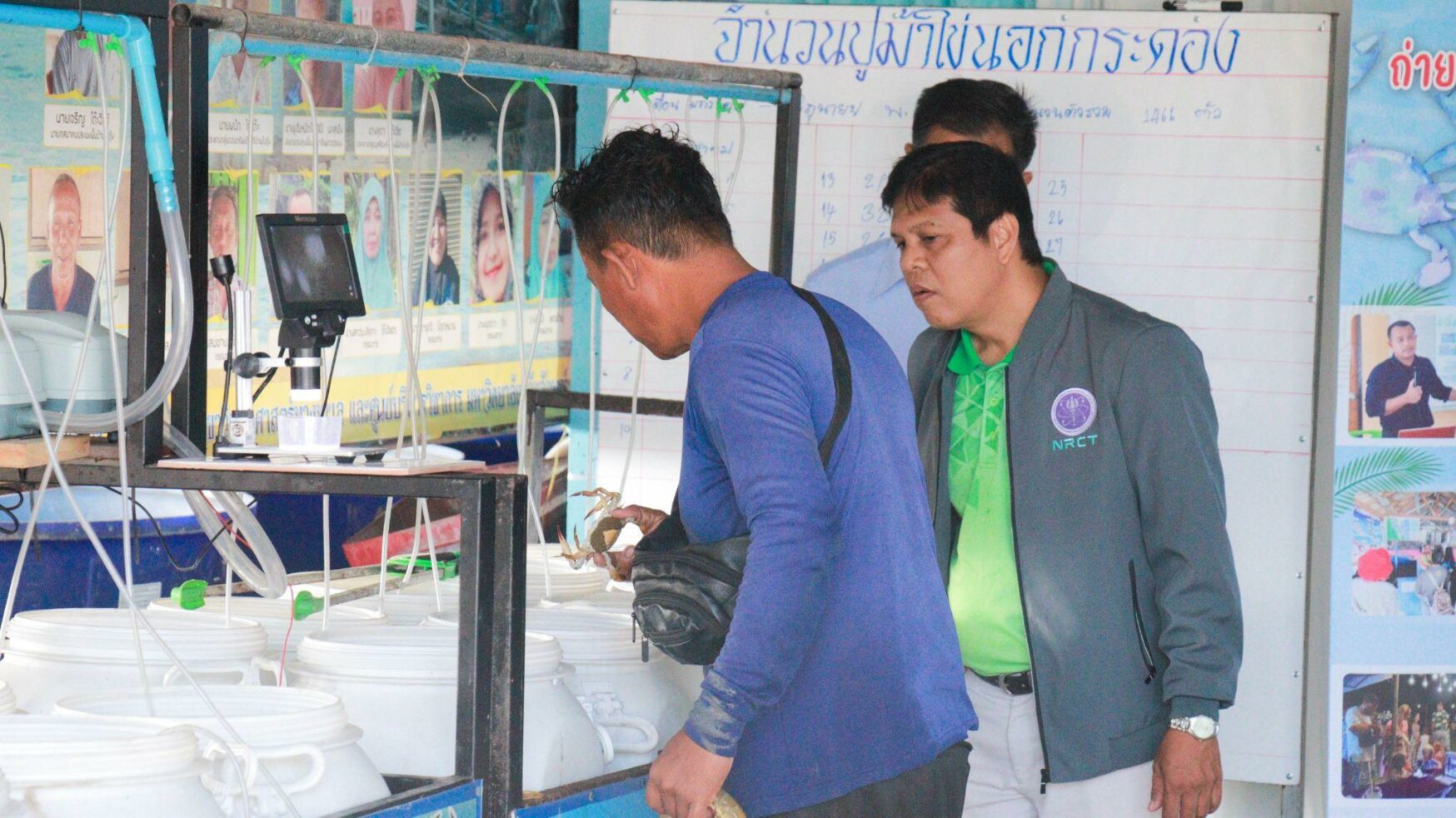
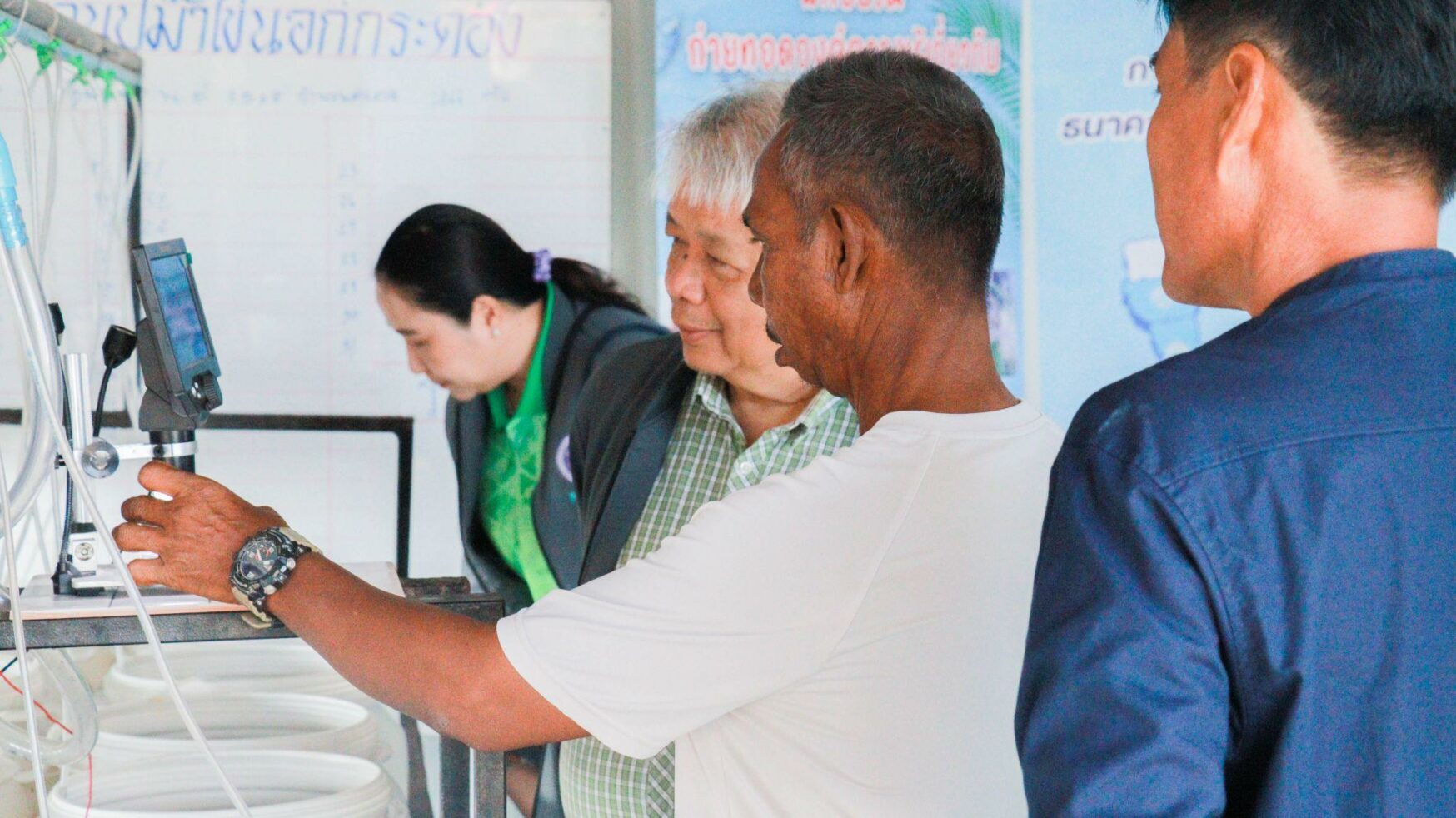
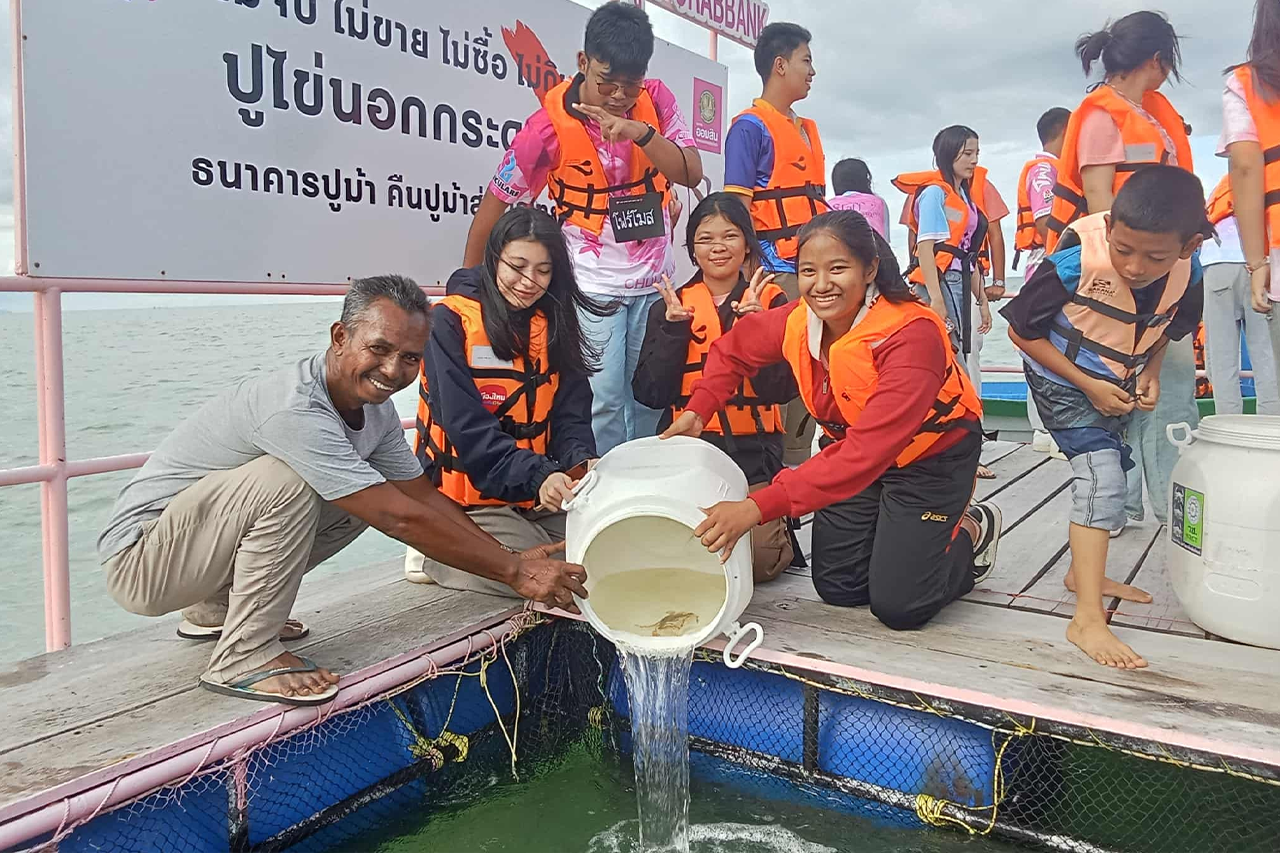
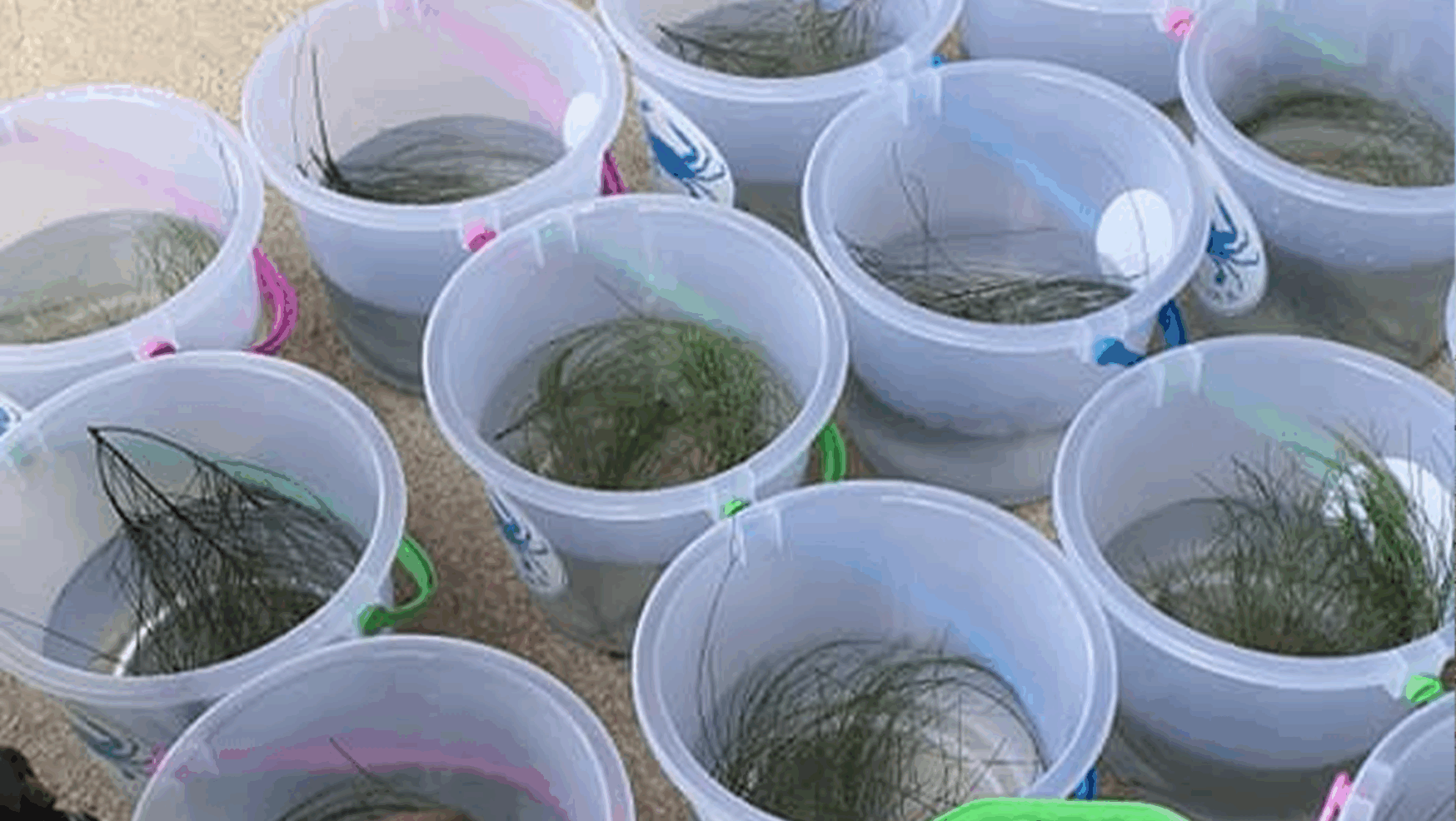
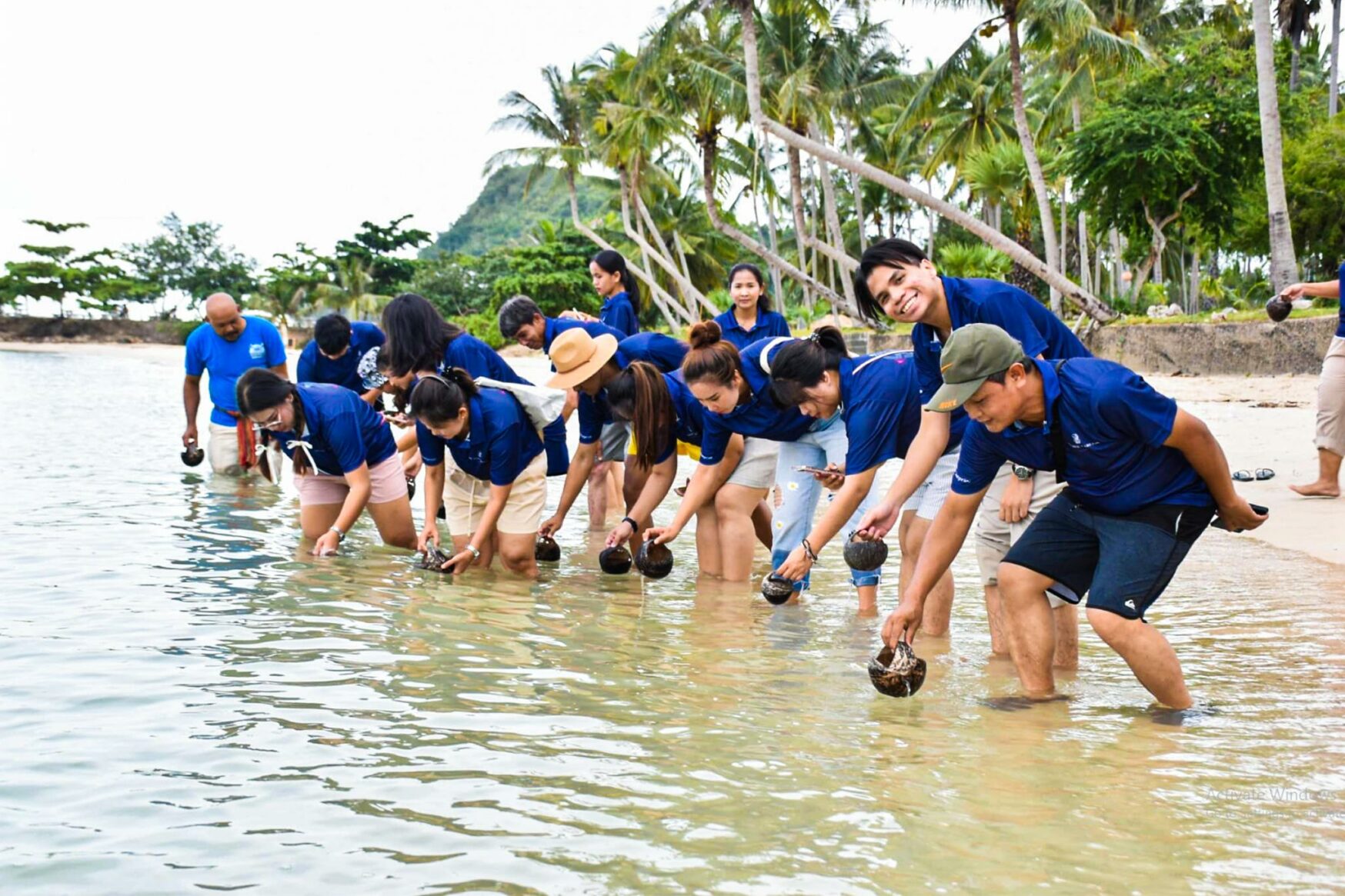
WU utilized the banks to provide knowledge to local fishermen, local government authorities, NGO members, youth, and the general public in Nakhon Si Thammarat and Surat Thani to increase more blue swimming crab population by using sustainable aquaculture practices. The knowledge aspects that WU provided through the banks included hatching and culturing berried female blue swimming crabs and the appropriate farming practices for caring for the crabs from the zoea stage to the berried stage and releasing them into the sea. By participating in this outreach program, the participants could understand issues, such as hatchery conditions and management, suitable water quality, feeding techniques, releasing methods, and survival rate improvement. This program encouraged local fishermen to release berried female blue swimming crabs to the sea, increasing the young crab population in nature.
The Sustainable Management of Sea Cucumber Aquaculture
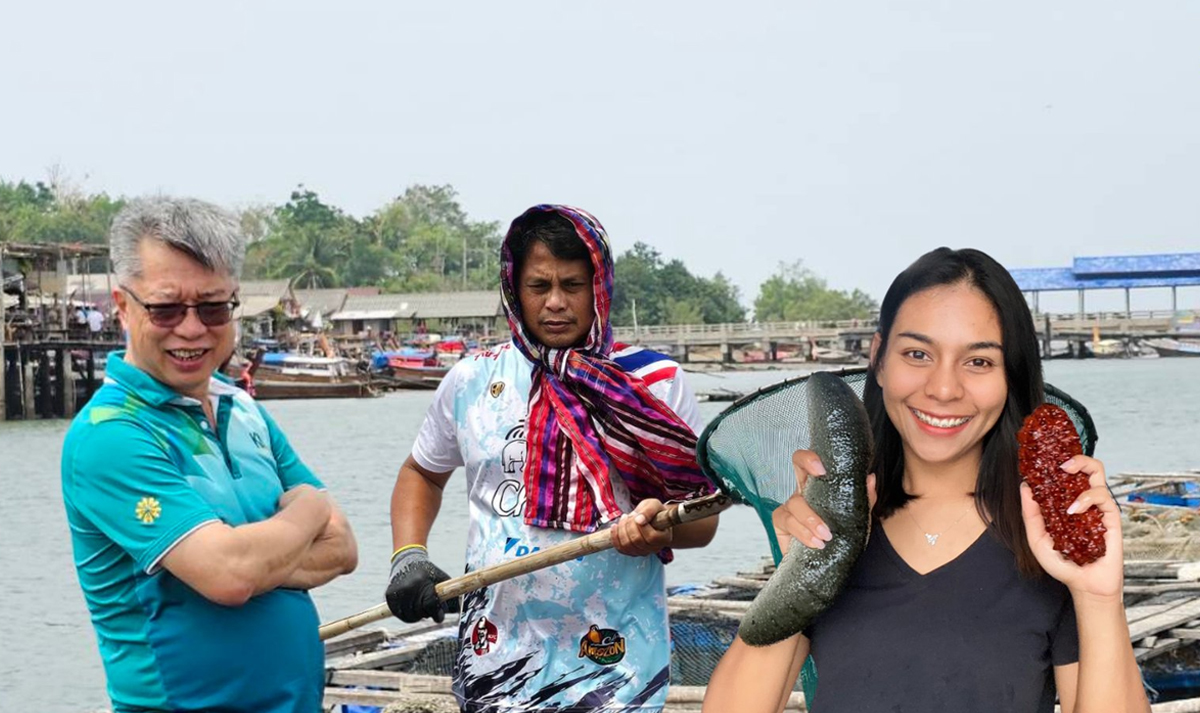
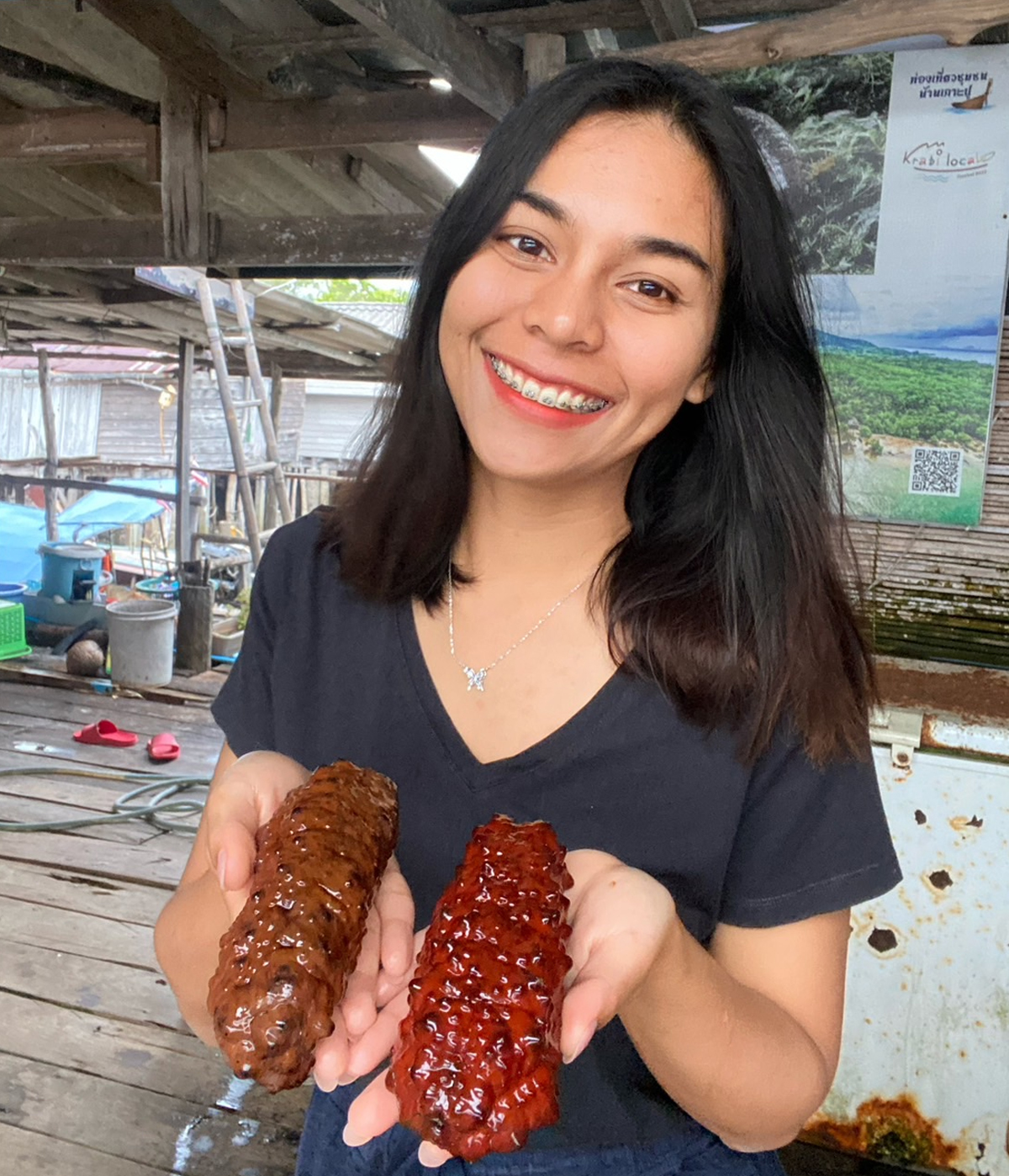
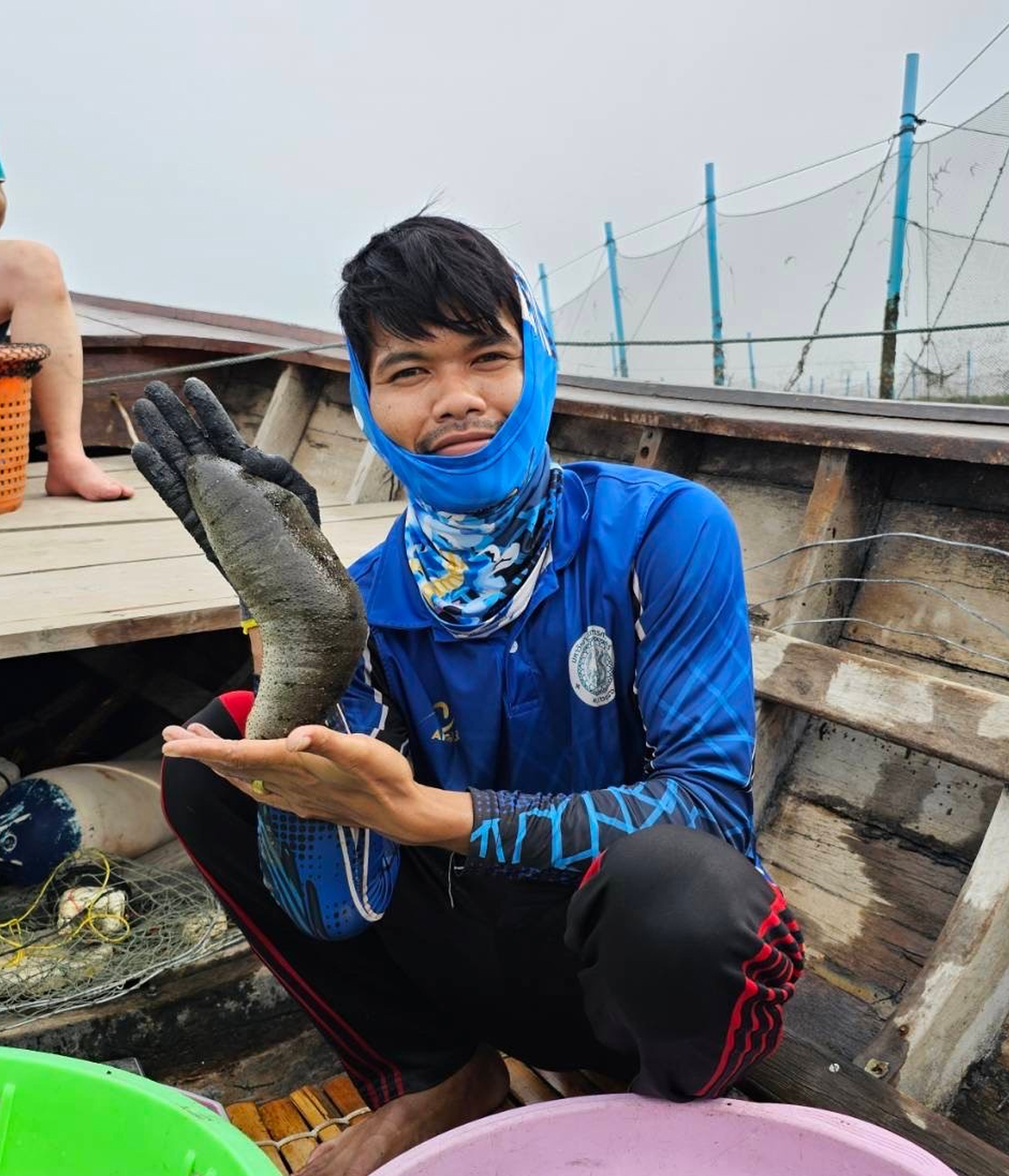
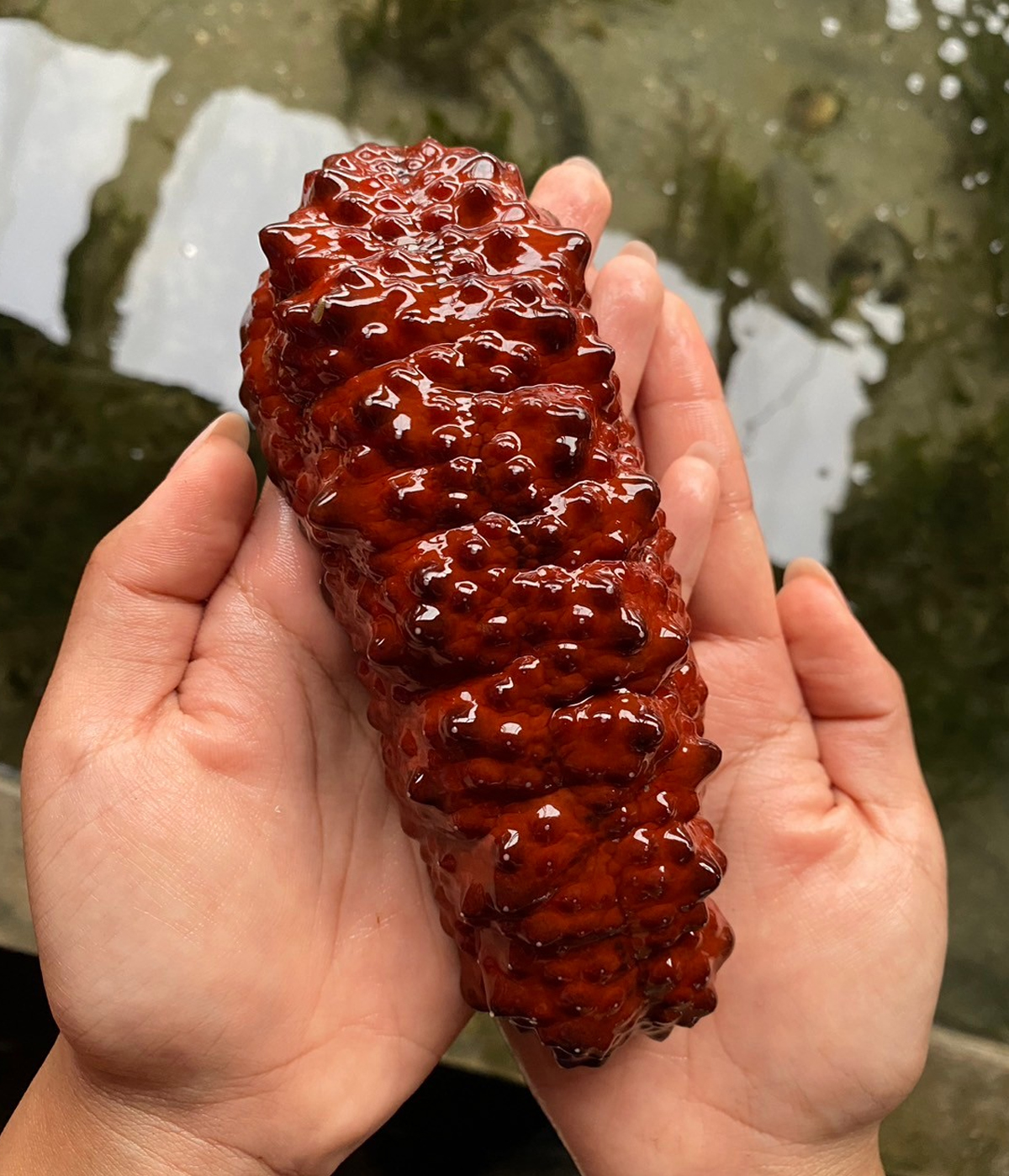
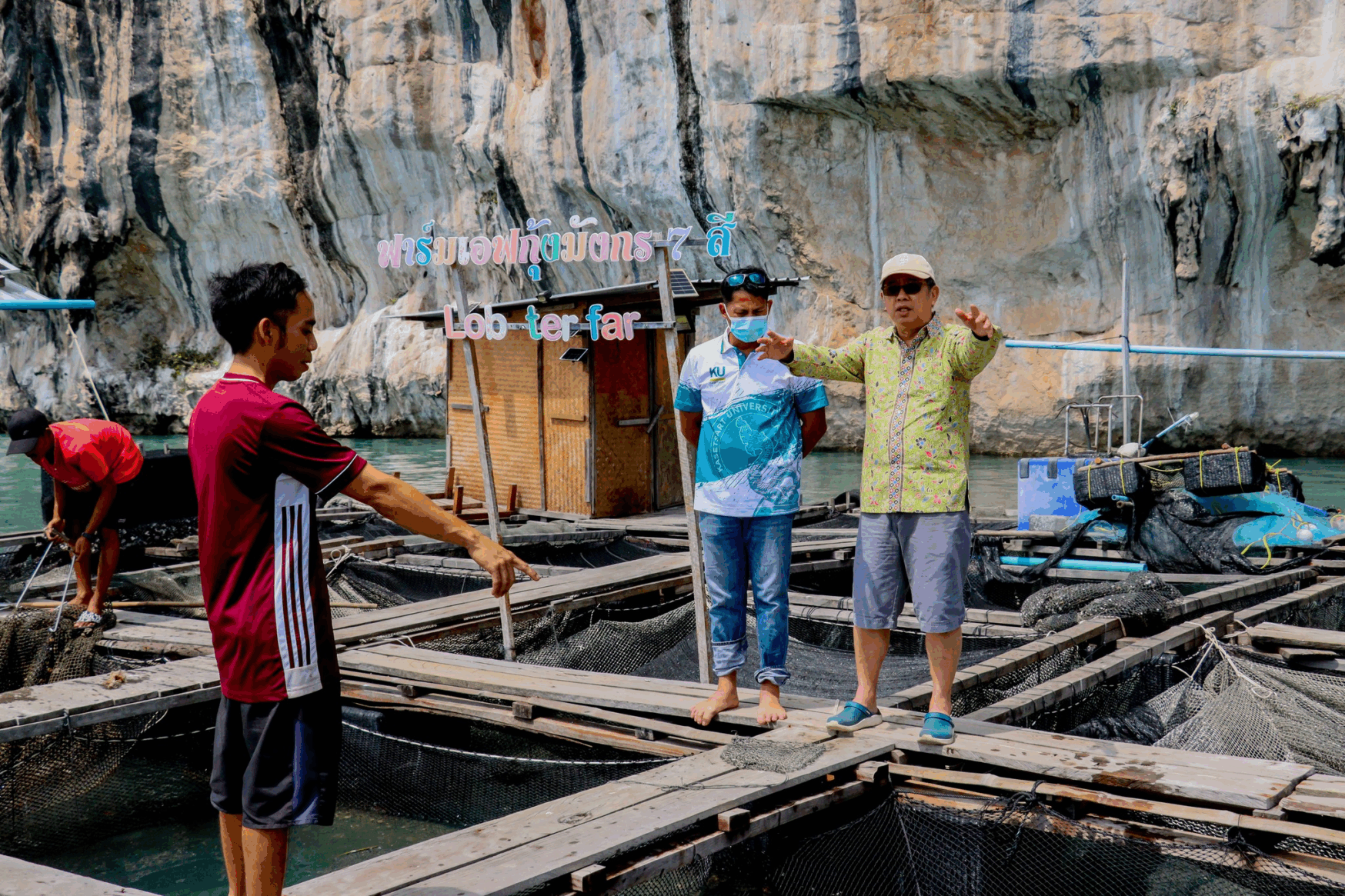
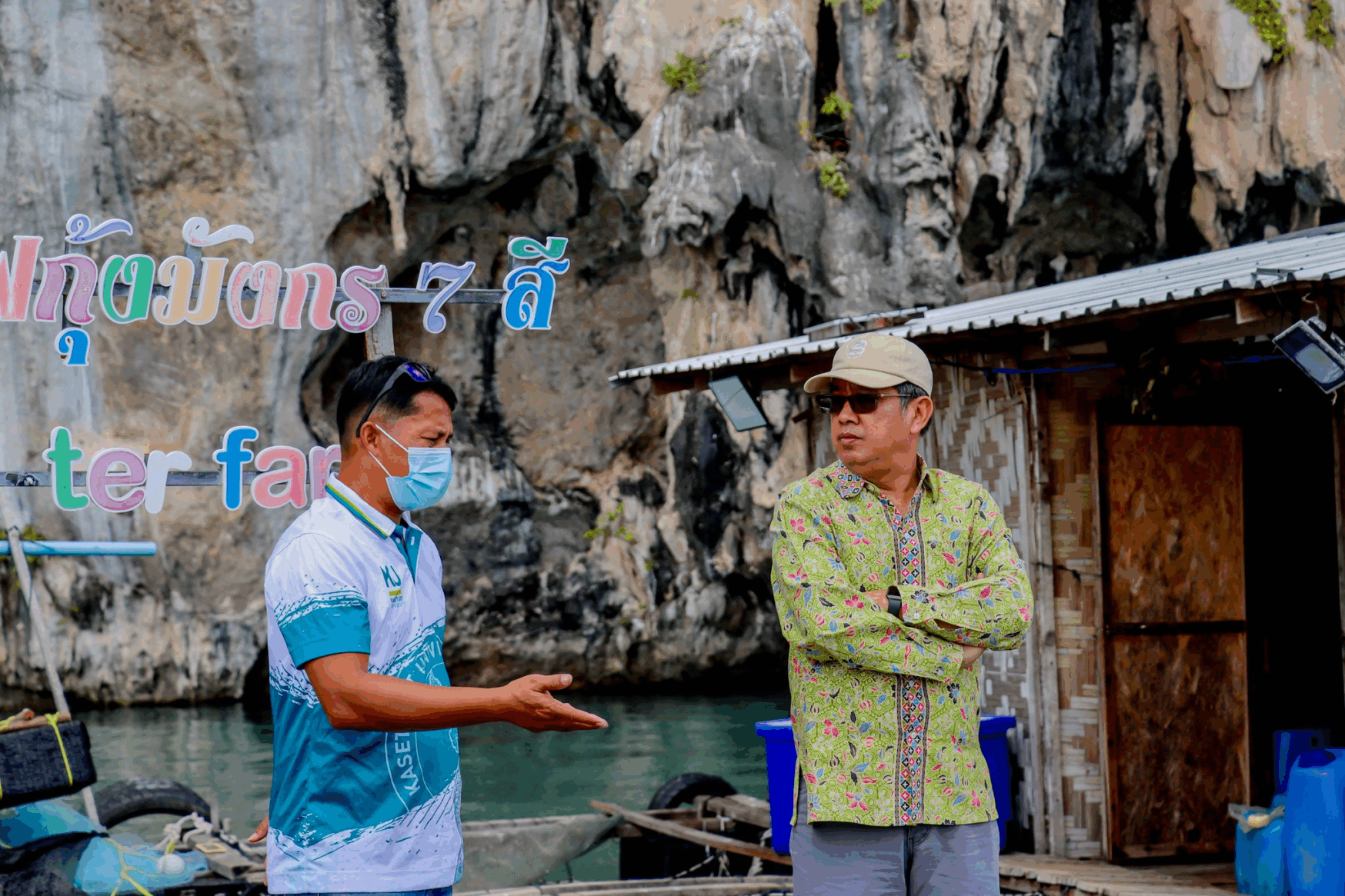
Walailak University has continuously carried out educational outreach activities for local fishermen in Ko Sriboya Subdistrict, Nuea Khlong District, Krabi Province, to strengthen their understanding of sustainable sea cucumber aquaculture. Many fishermen in the area had previously lacked proper techniques and sustainable practices. Through these initiatives, Walailak University shared scientific knowledge and hands-on training focusing on both general sea cucumber farming and the specific cultivation of white sea cucumbers, which require different methods from black sea cucumbers.
The program emphasized environmentally responsible approaches to minimize ecological disturbance and protect coastal biodiversity. Fishermen were trained on the careful selection and use of fishing tools to prevent damage to other marine species, as well as on methods to improve water and soil quality in aquaculture ponds. Technical guidance was also provided on breeding and rearing practices to boost juvenile survival rates, enhance plankton productivity, and establish suitable nursing ponds. Furthermore, the outreach encouraged the creation and maintenance of natural habitats—such as seagrass beds and muddy or sandy bottoms—ideal for the growth of white sea cucumbers.
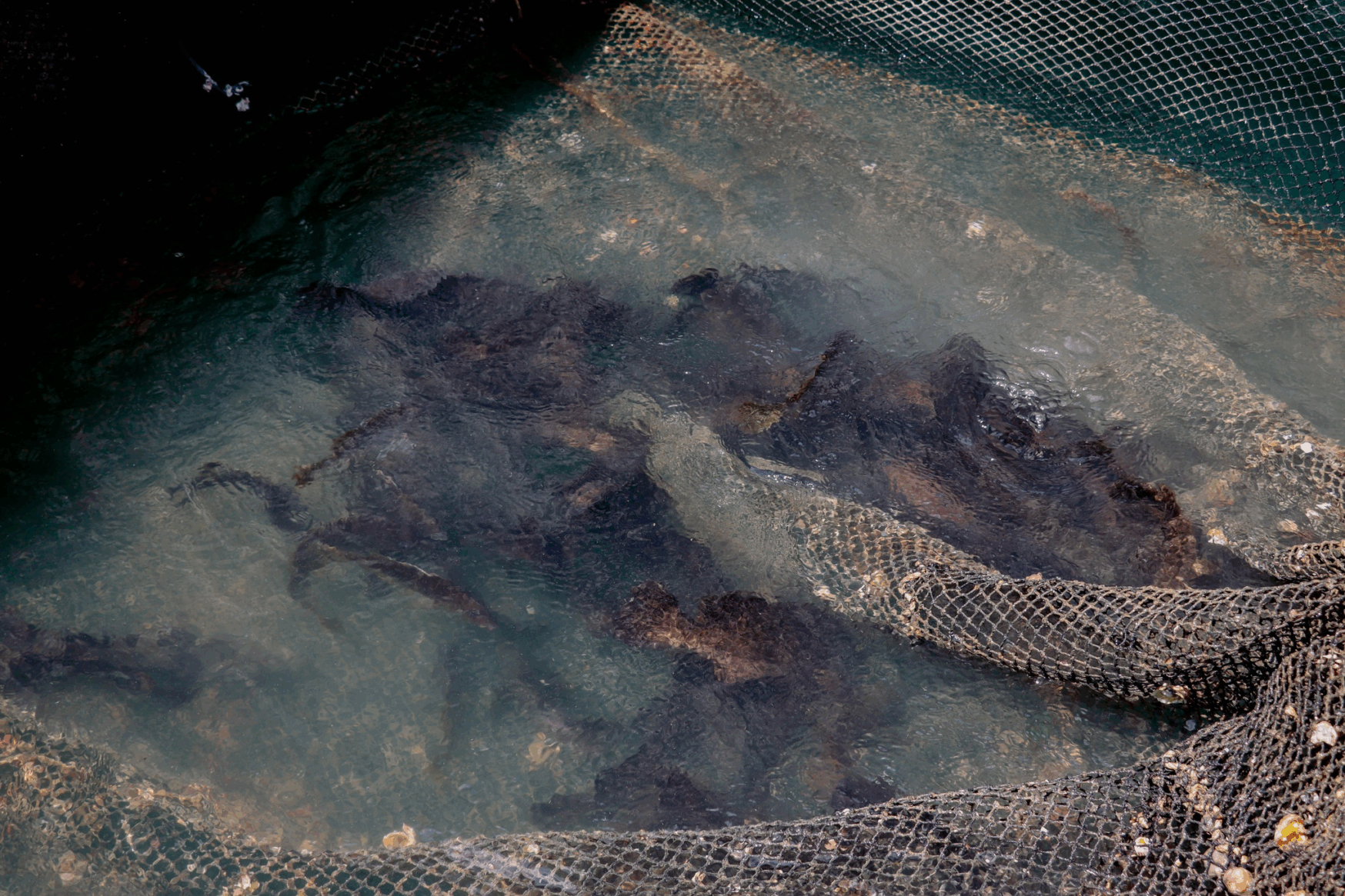
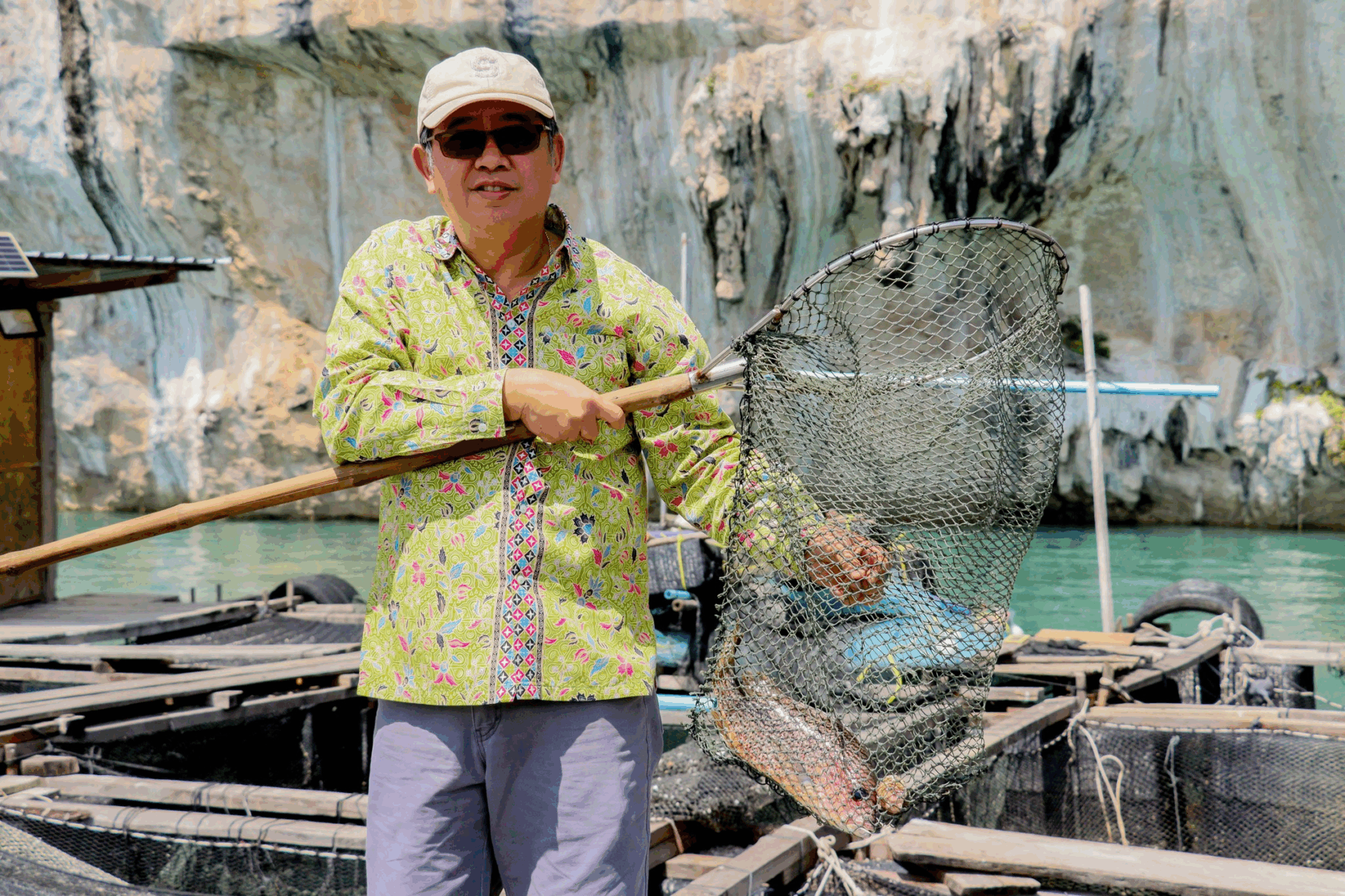
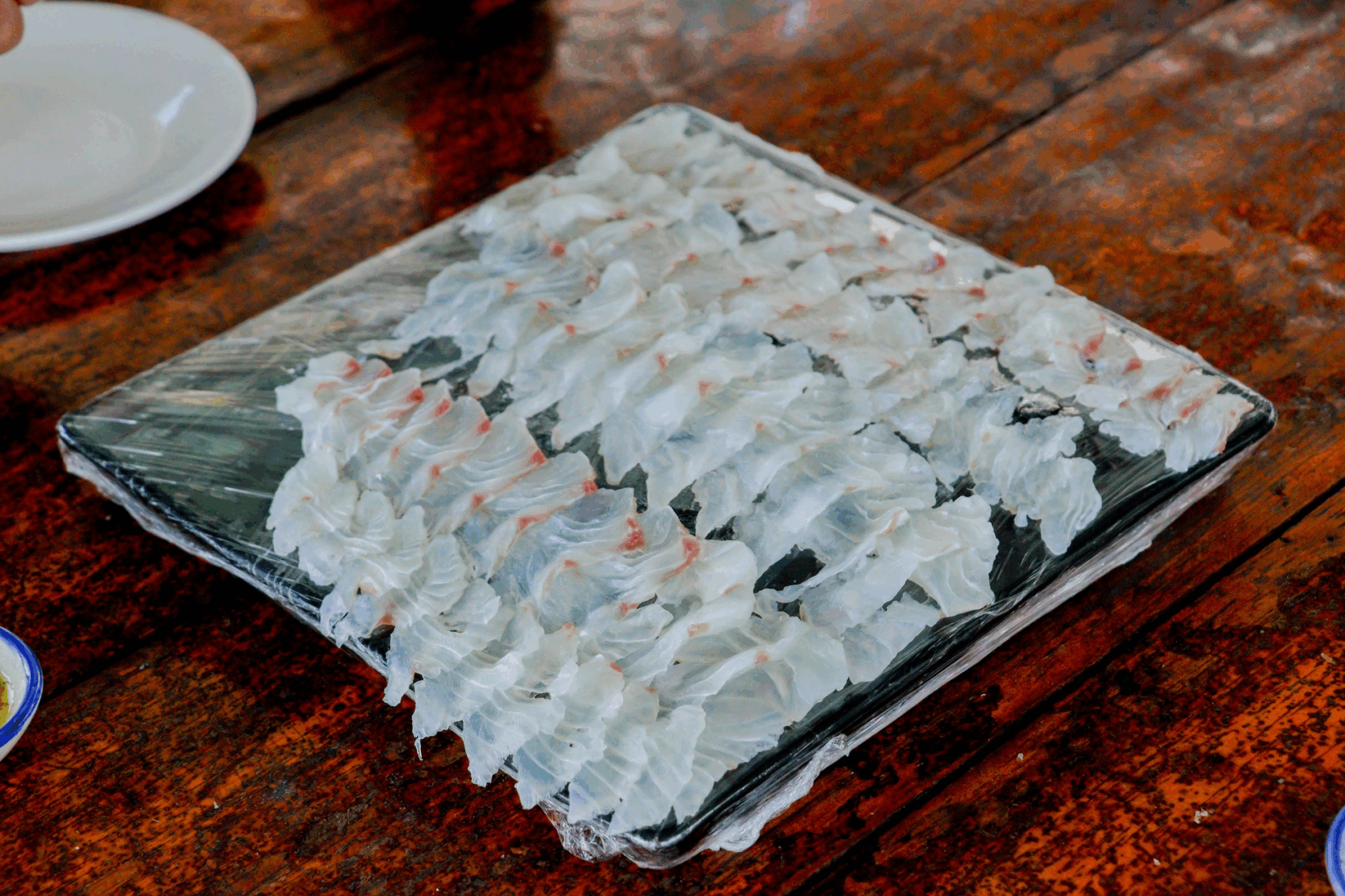
Educational Program on Golden Snapper Fish’s Aquaculture
The monsoon season can impact the nutritional quality of golden snapper fish due to seasonal changes, such as fluctuations in water temperature, salinity, and food availability. These environmental shifts during the monsoon can cause variations in essential nutrient levels, including proteins, lipids, and fatty acids in golden snapper fish.
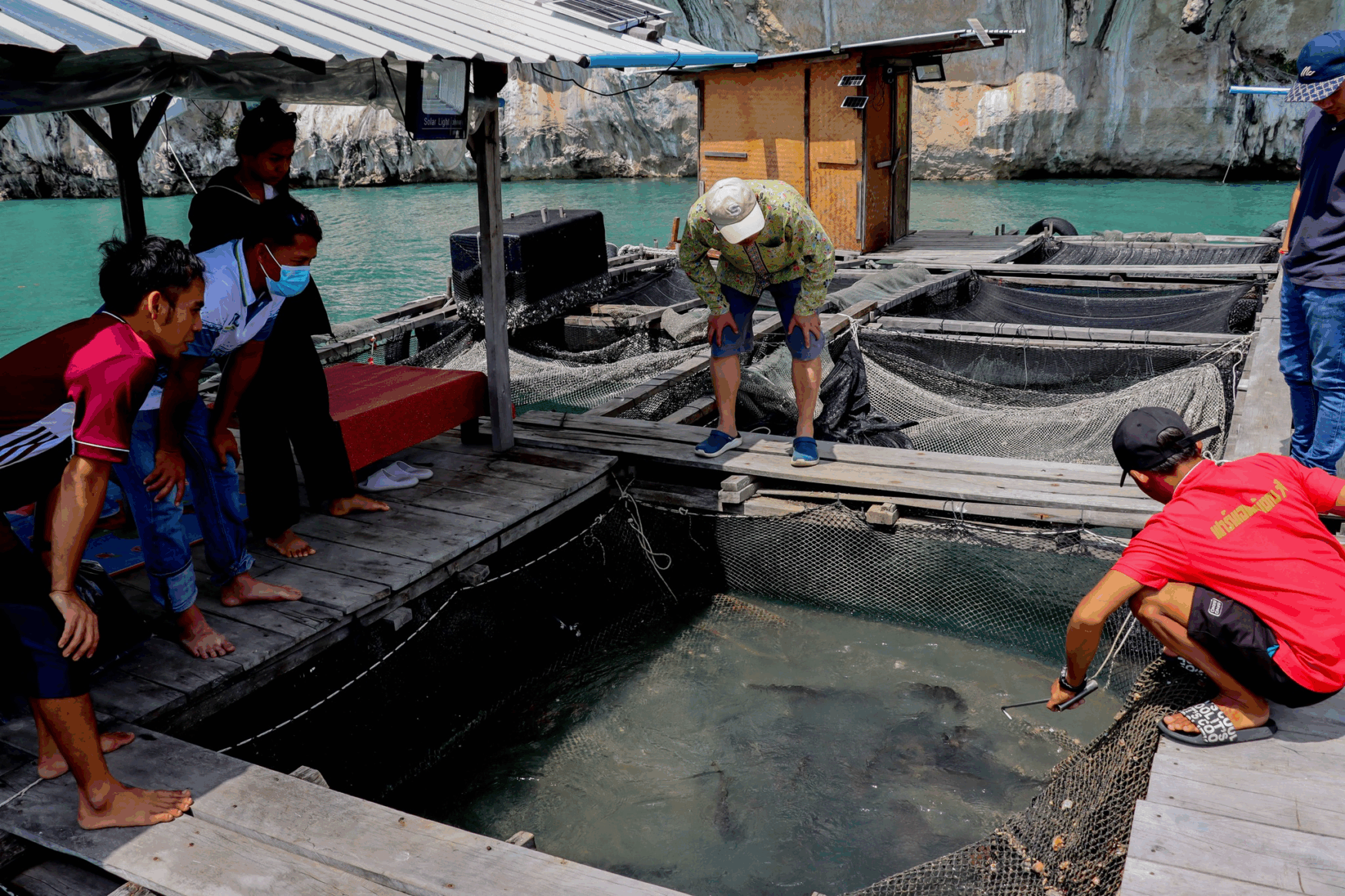
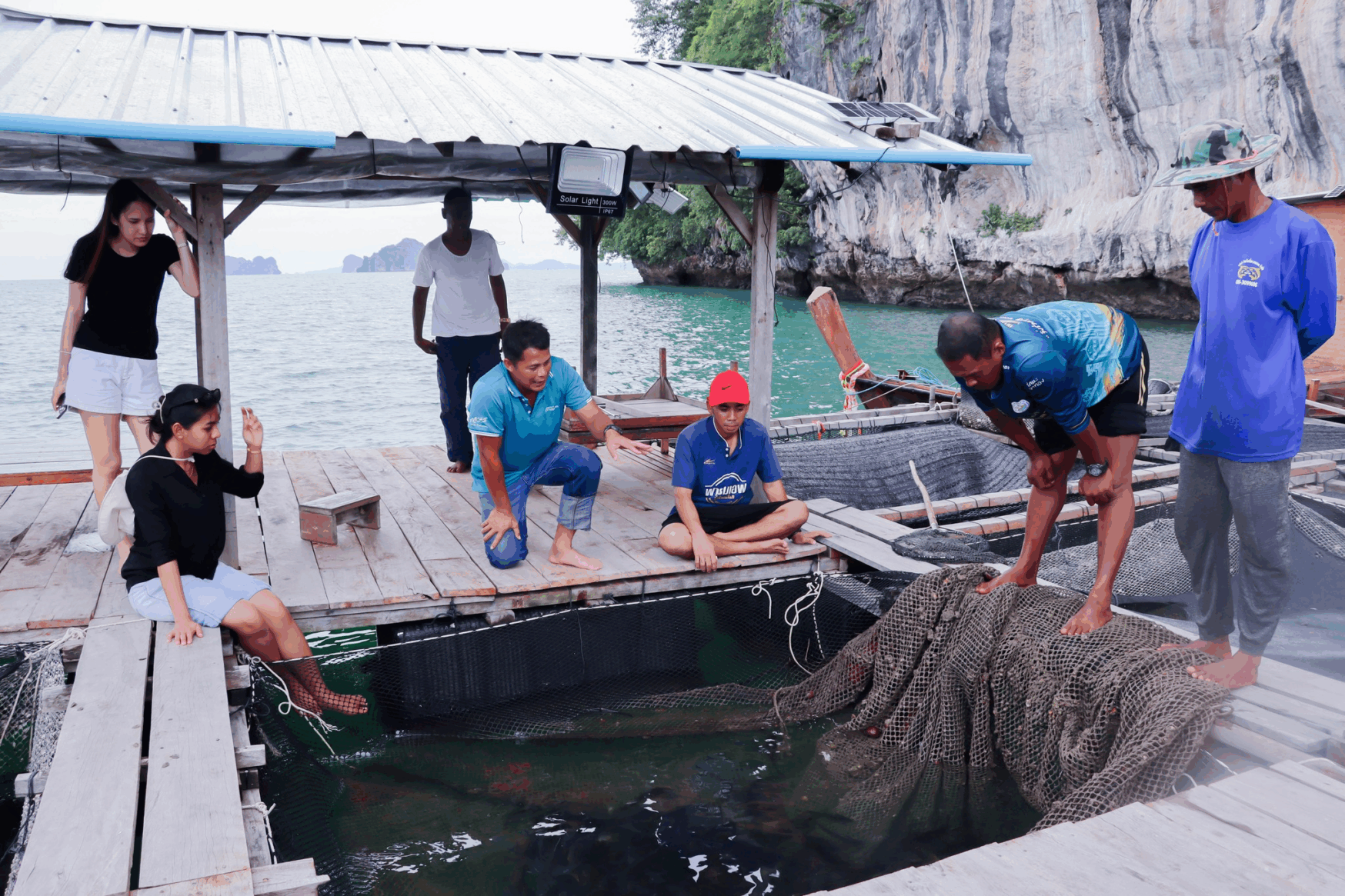
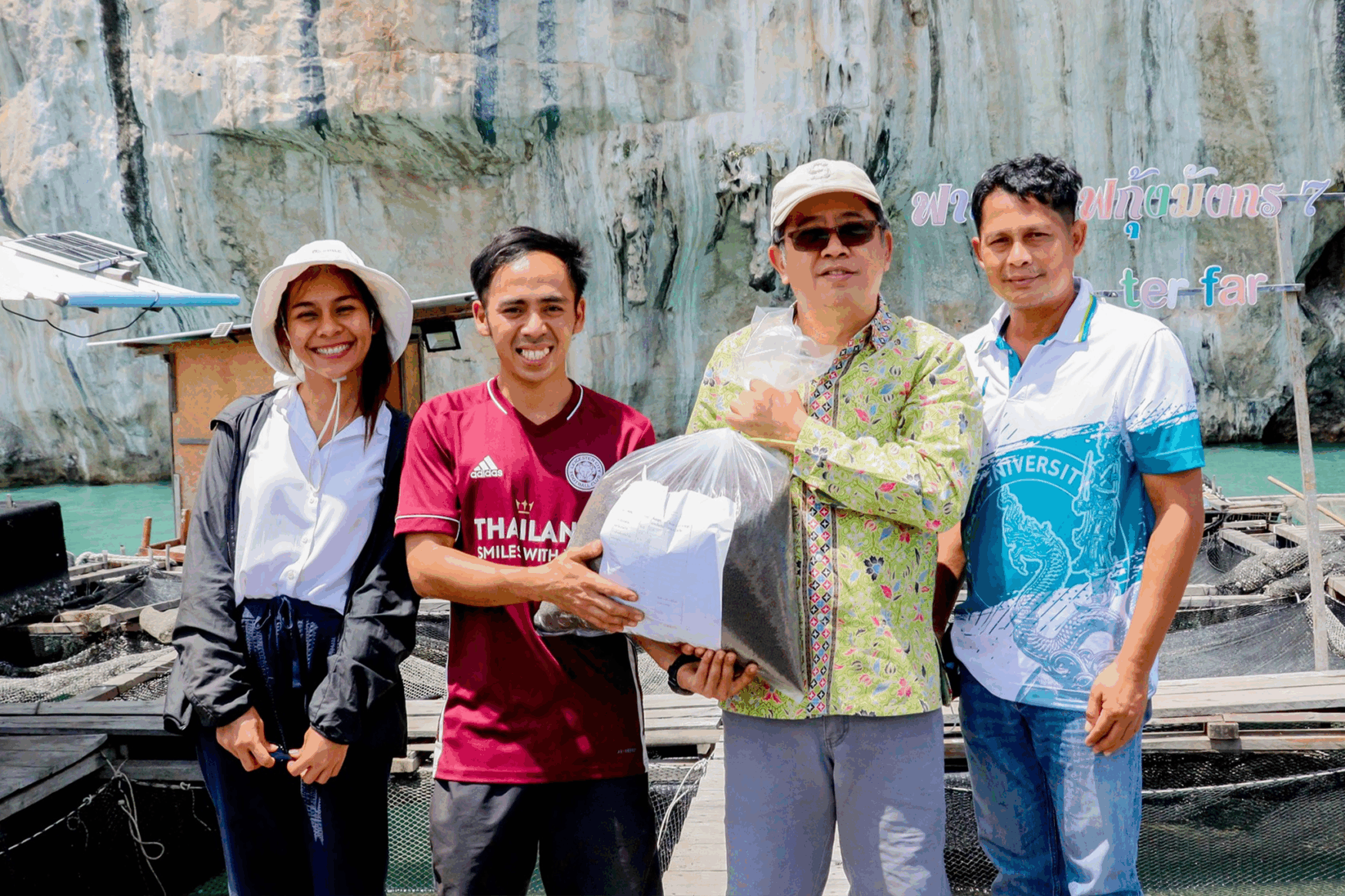
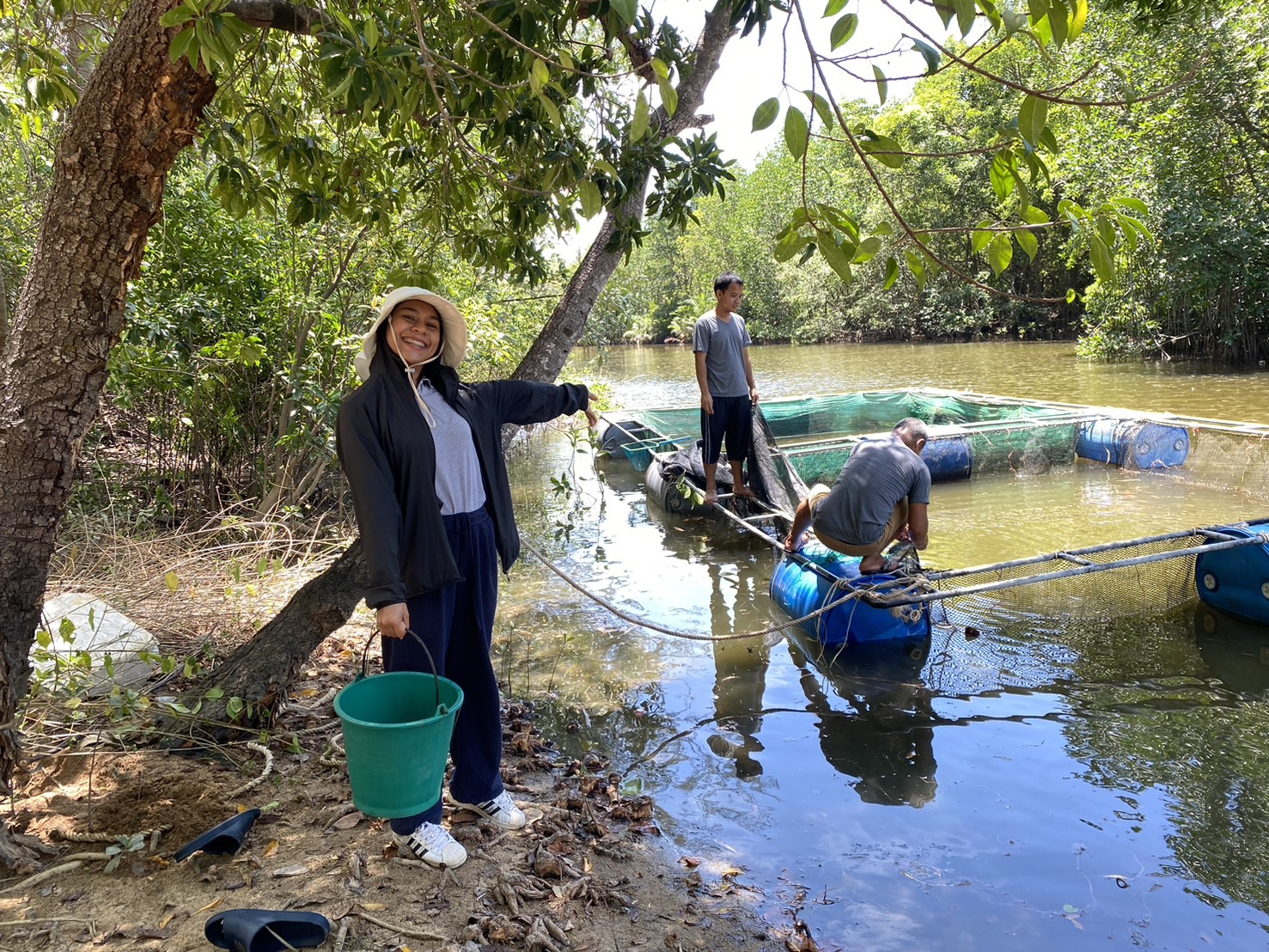
Ban Khao Thong Aquaculturist Local Enterprise Group, a local business farming golden snapper fish in cages in Krabi Province, faced these environmental challenges, leading to reduced fish productivity. Additionally, there were concerns that the group’s fishing practices could harm marine and coastal resources during the monsoon season.
To address these issues, the Science and Technology Park at Walailak University organized an educational outreach program on sustainable golden snapper fish management for the local enterprise group. WU provided valuable insights on appropriate feeding practices, including food formulas and correct portion sizes, to minimize uneaten feed accumulation beneath the cages. This helped prevent nutrient build-up and eutrophication, which can harm marine life and degrade water quality. Furthermore, WU offered guidelines on cage installation to minimize habitat damage for marine animals.
By participating in this local educational program, the enterprise group was able to implement sustainable fishing practices that significantly preserved coastal resources. The adoption of improved feeding techniques and precise cage installation not only mitigated environmental impacts but also enhanced the overall health and yield of the golden snapper fish.
The Sustainable Management of Aquaculture: Red Tilapia Cage Farming
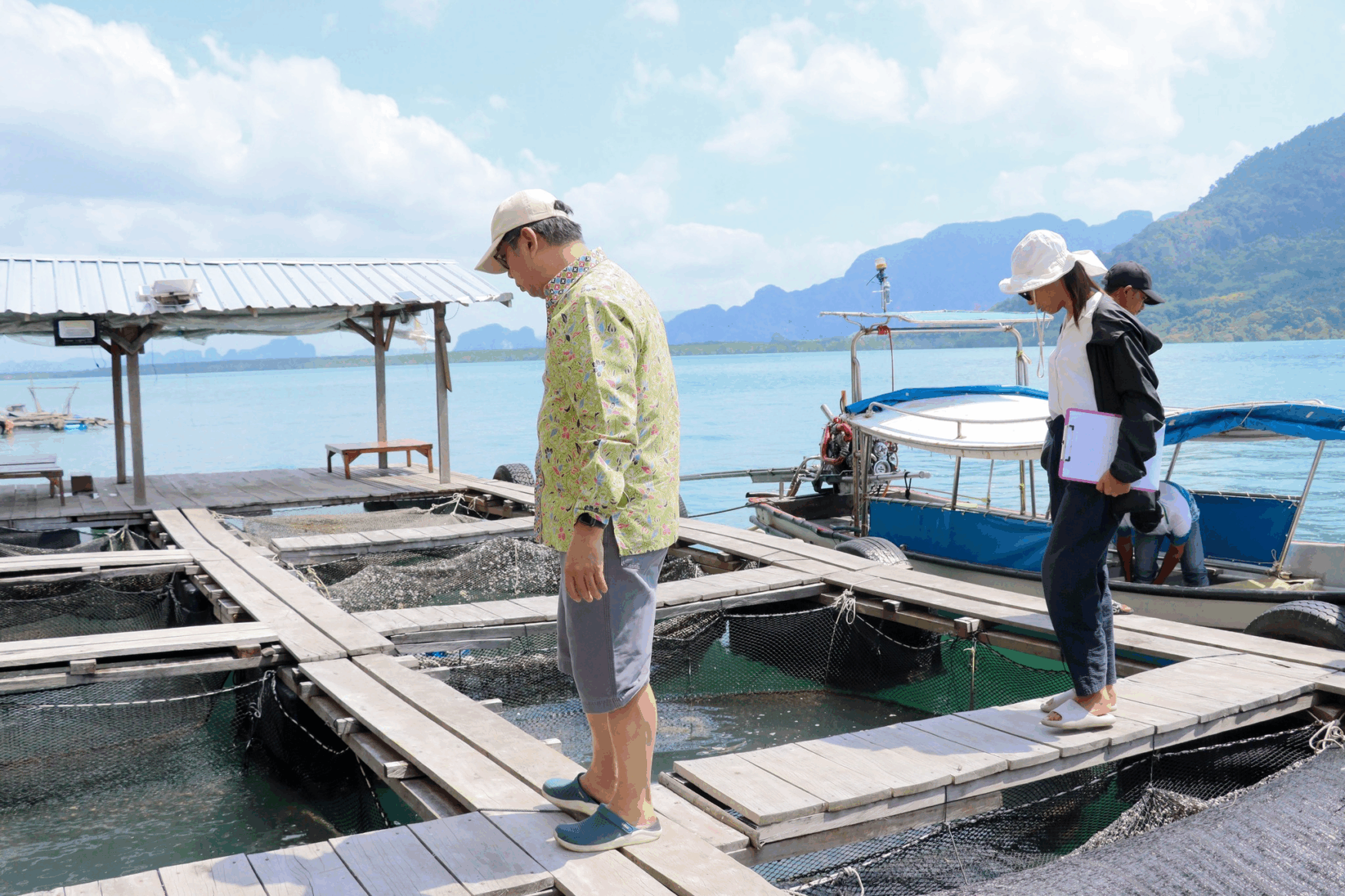
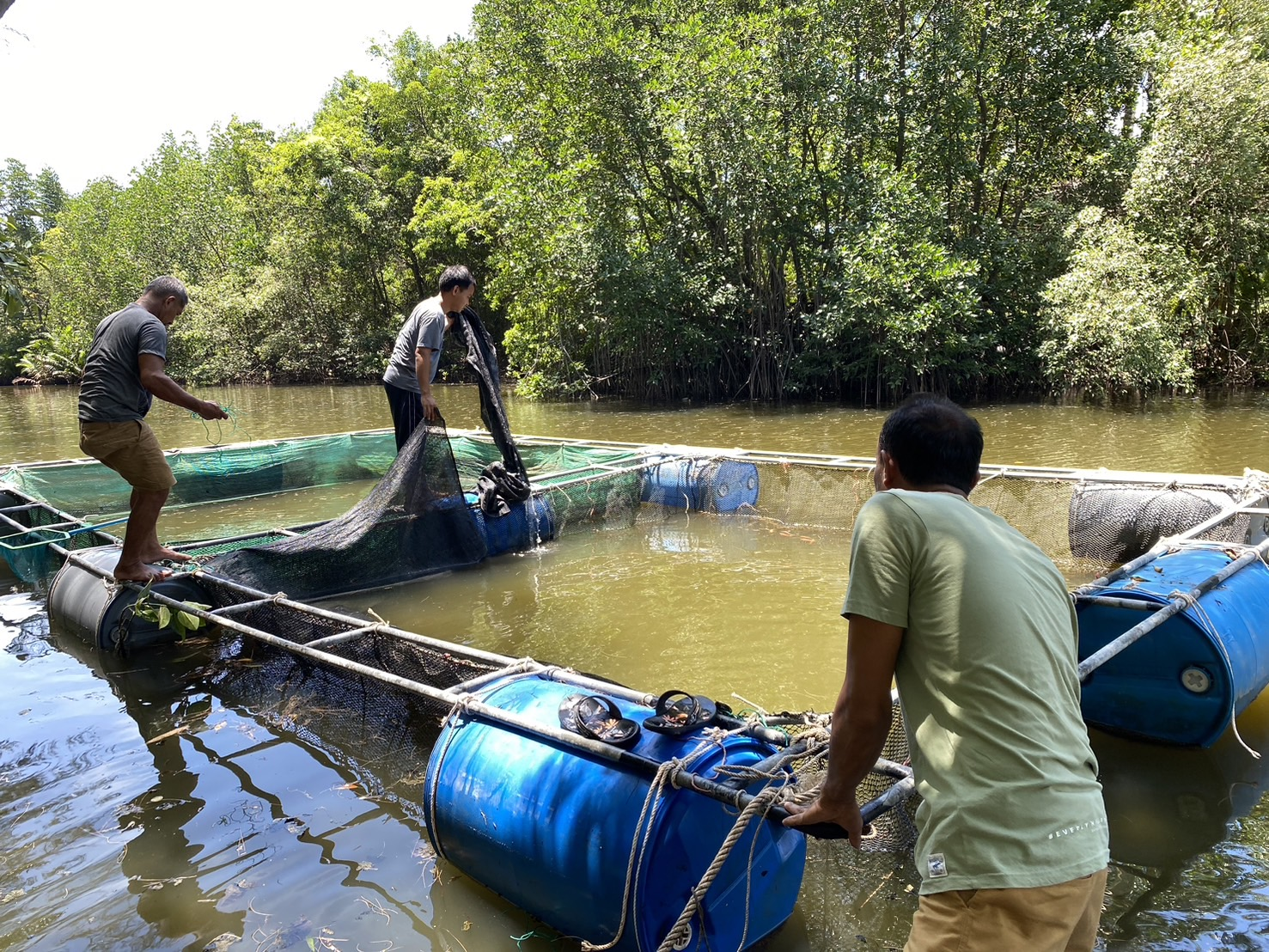
Walailak University continued to deliver targeted educational outreach programs aimed at promoting sustainable seawater cage farming for red tilapia. Focusing on a local community enterprise group on Samui Island, the initiative emphasized both economic efficiency and environmental responsibility in aquaculture practices. Participants received practical guidance on managing cage farming operations to maximize productivity while minimizing ecological impact.
In 2024, the programs highlighted strategies for maintaining optimal water quality, a critical factor in preventing wastewater pollution in the island’s natural waterways. By applying these practices, farmers gained essential knowledge to reduce nutrient runoff and protect the surrounding marine environment.
Additionally, the outreach provided specialized training on monitoring the health of red tilapia, with particular attention to detecting cyanobacteria. These microorganisms can release toxins that threaten human and animal health as well as local ecosystems. By equipping the community with tools to identify potential risks early, Walailak University supported safer and more sustainable aquaculture practices on Samui Island.
Sustainable Fishery Management through Artificial Habitat Construction
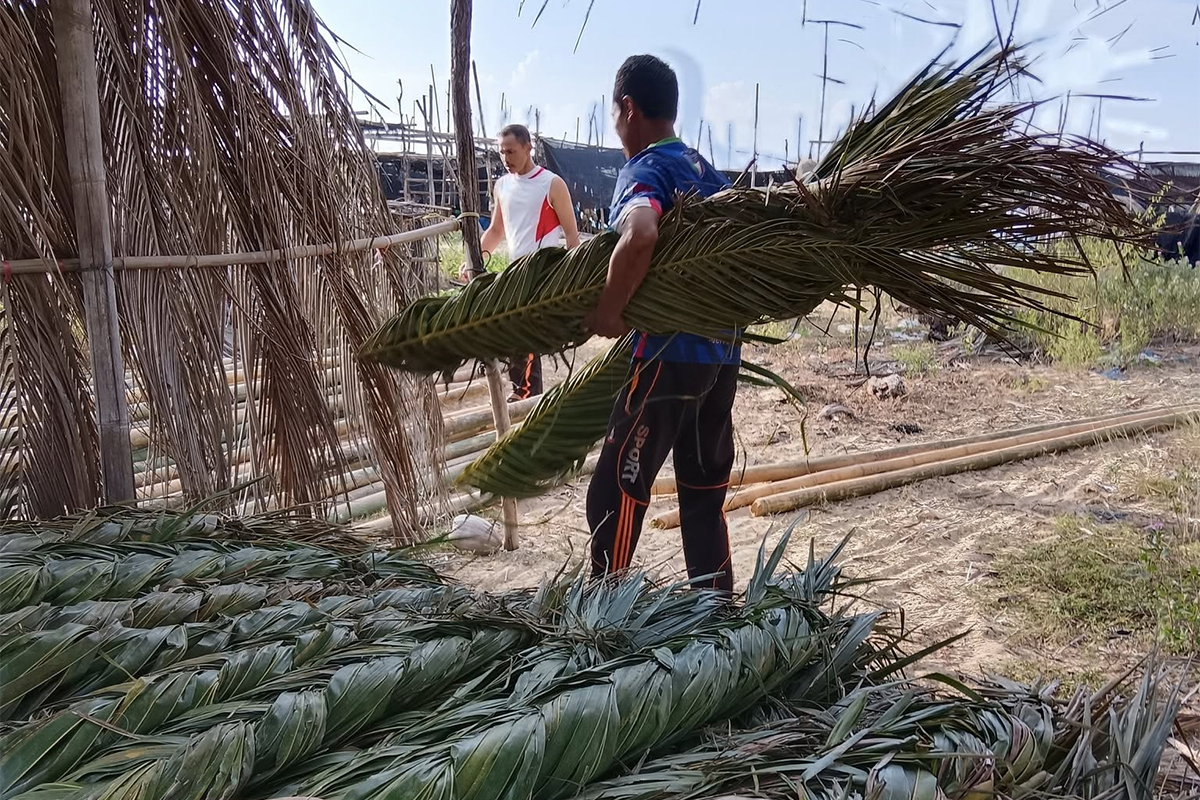
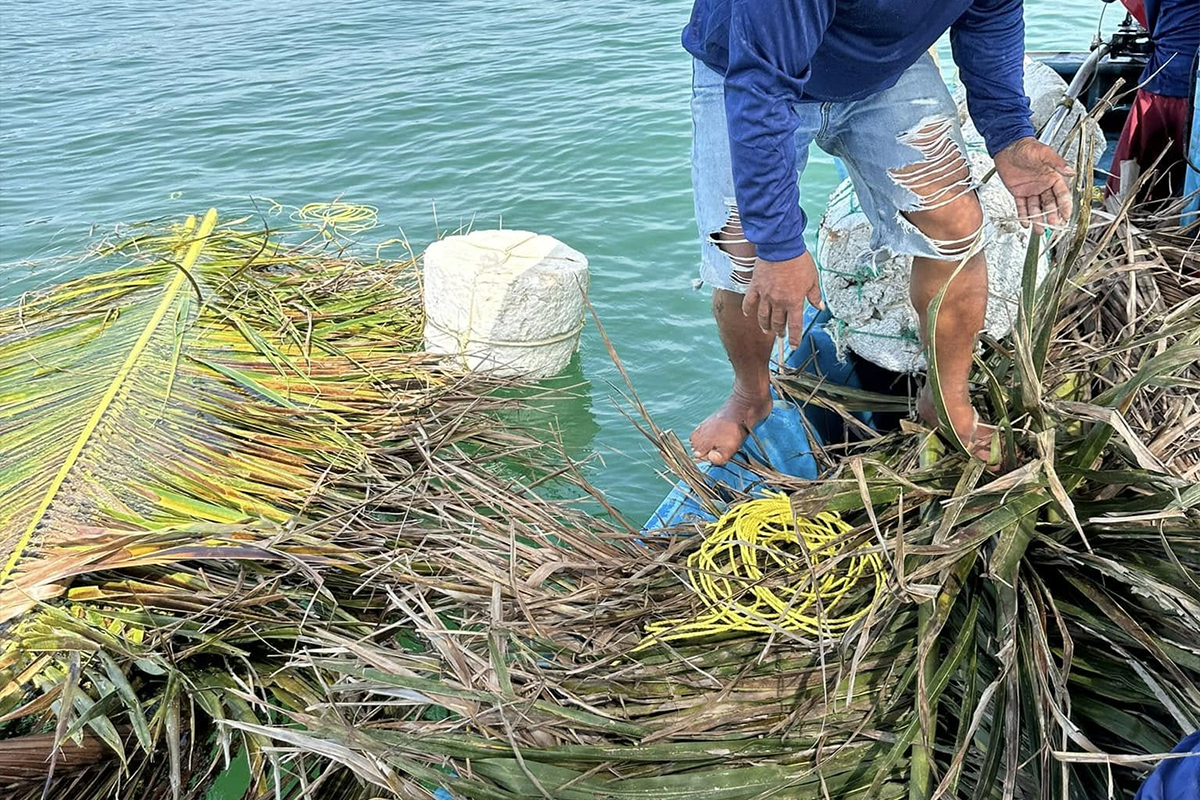
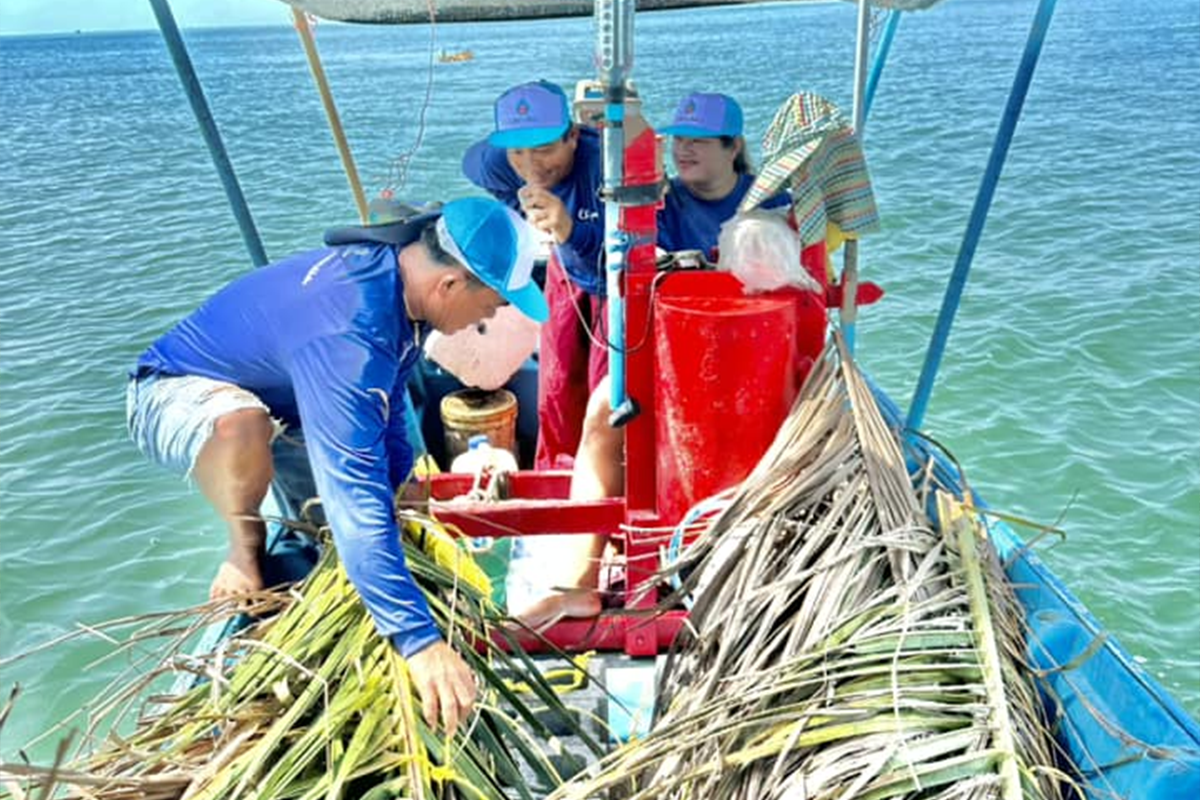
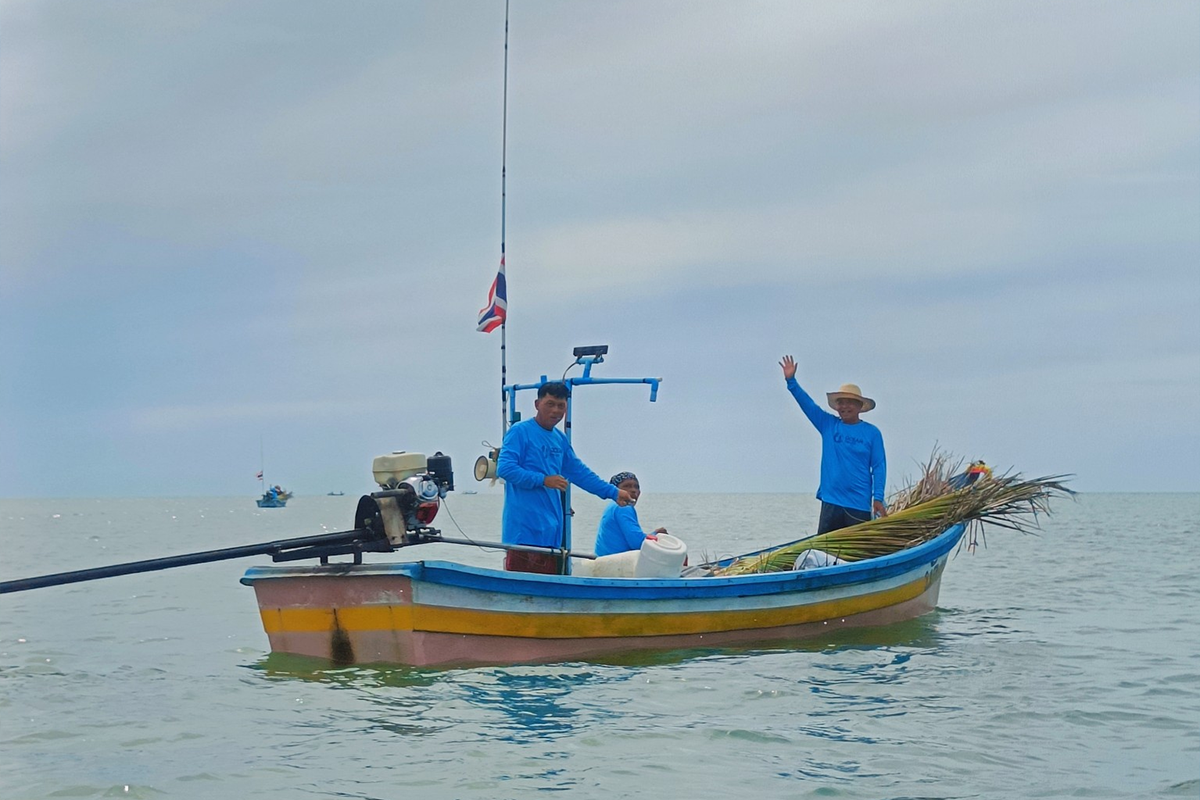
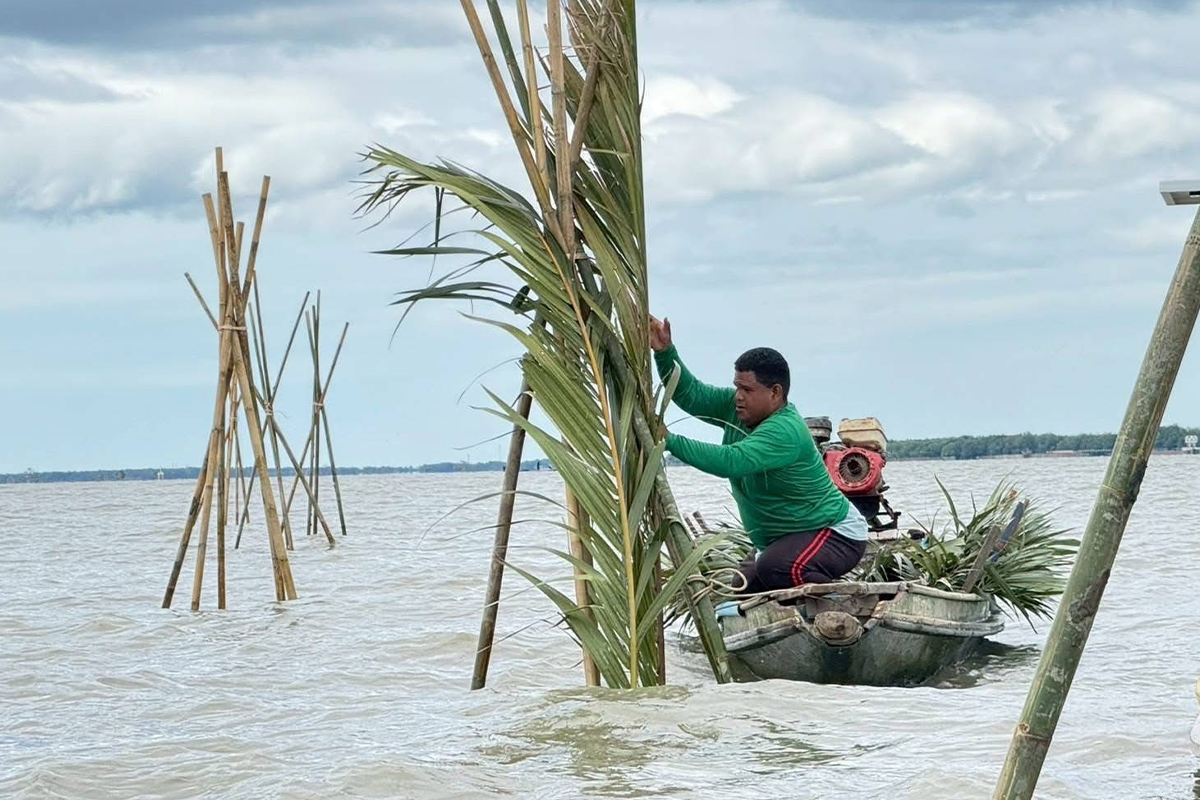
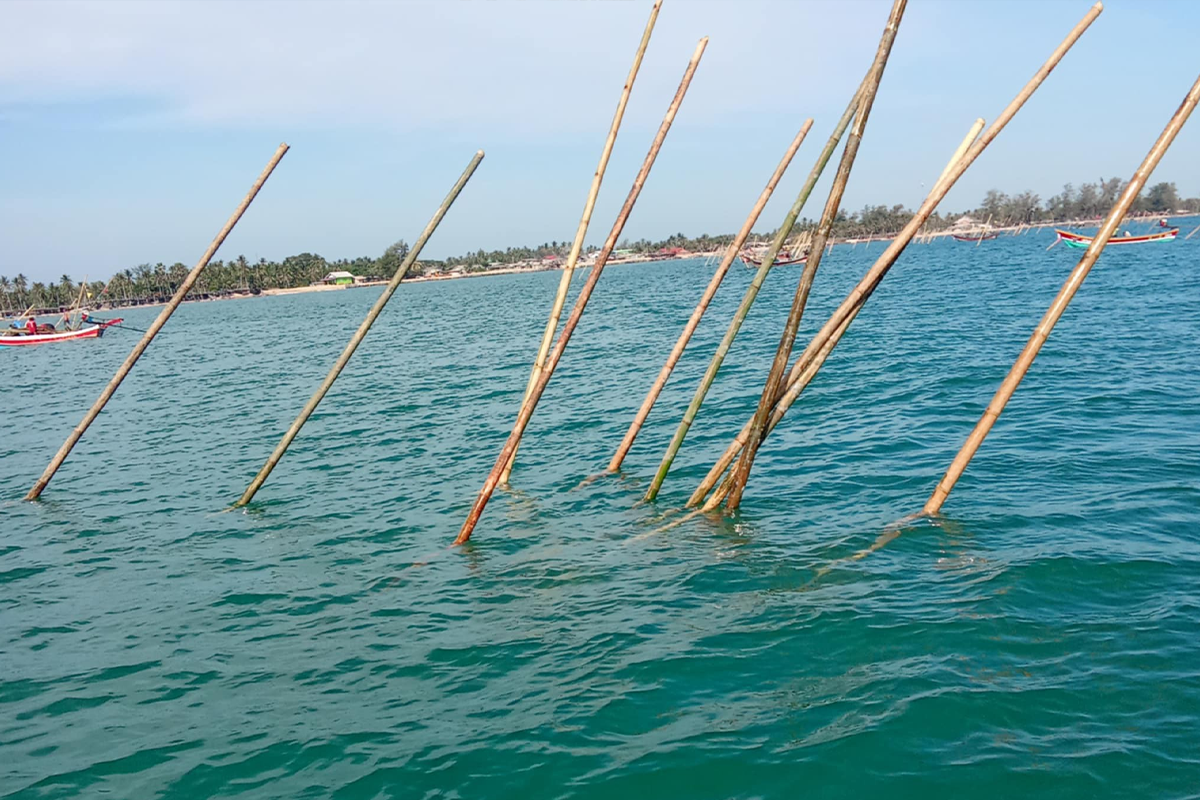
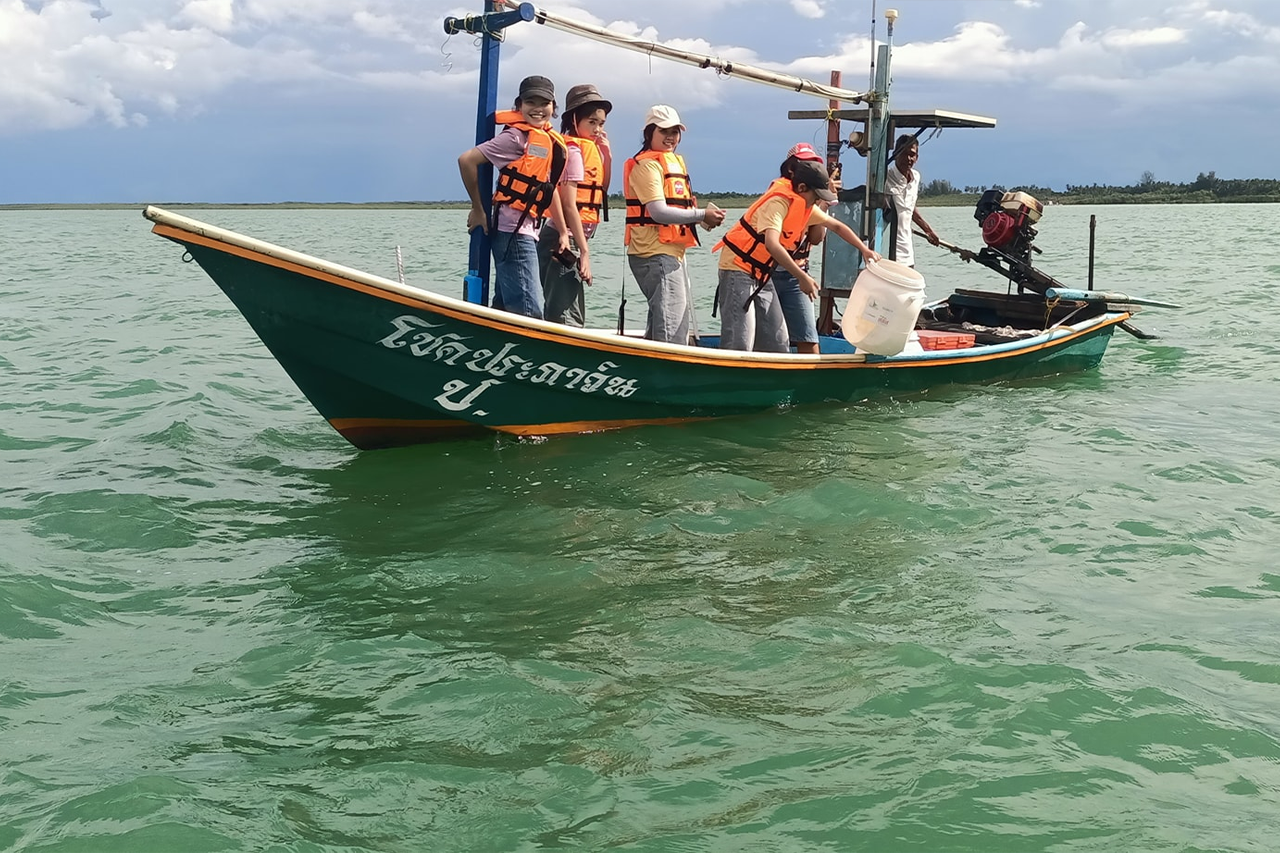
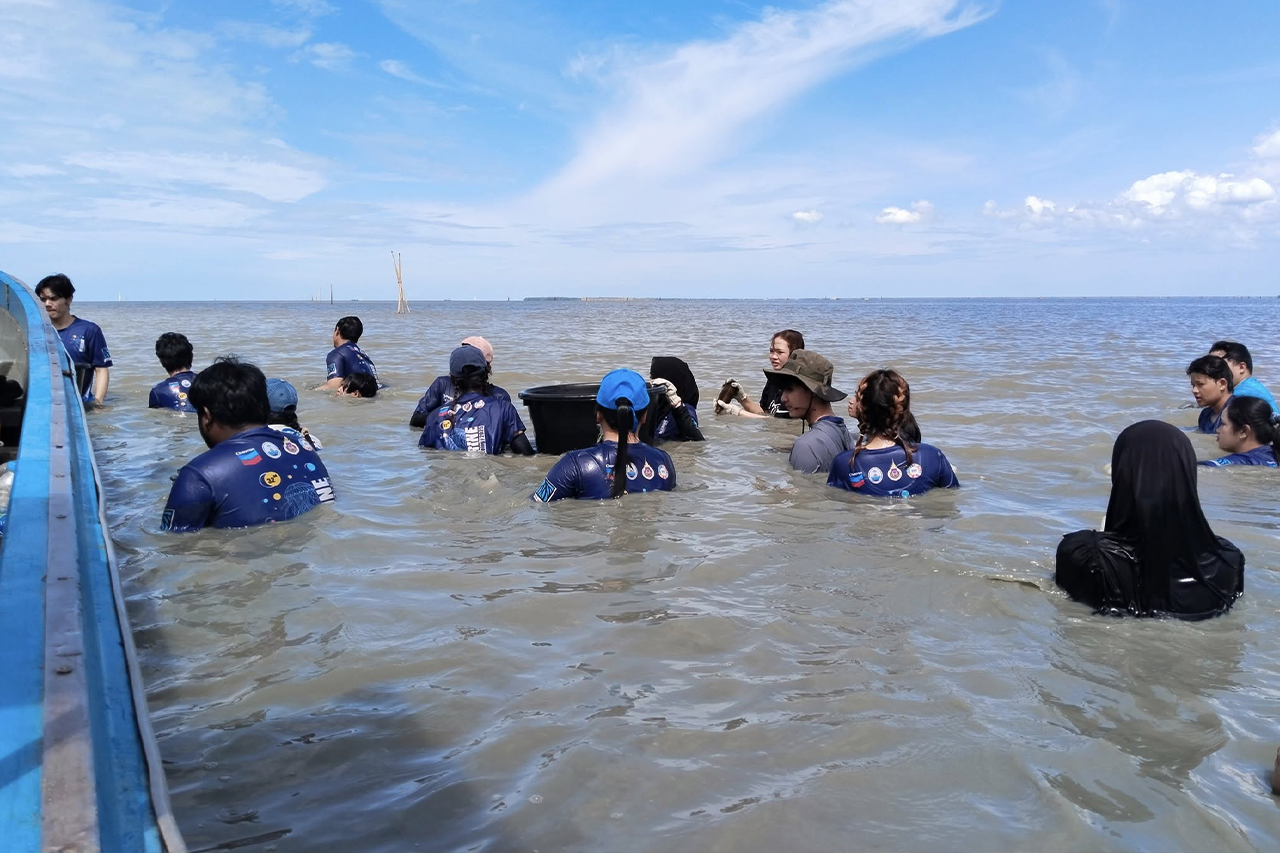
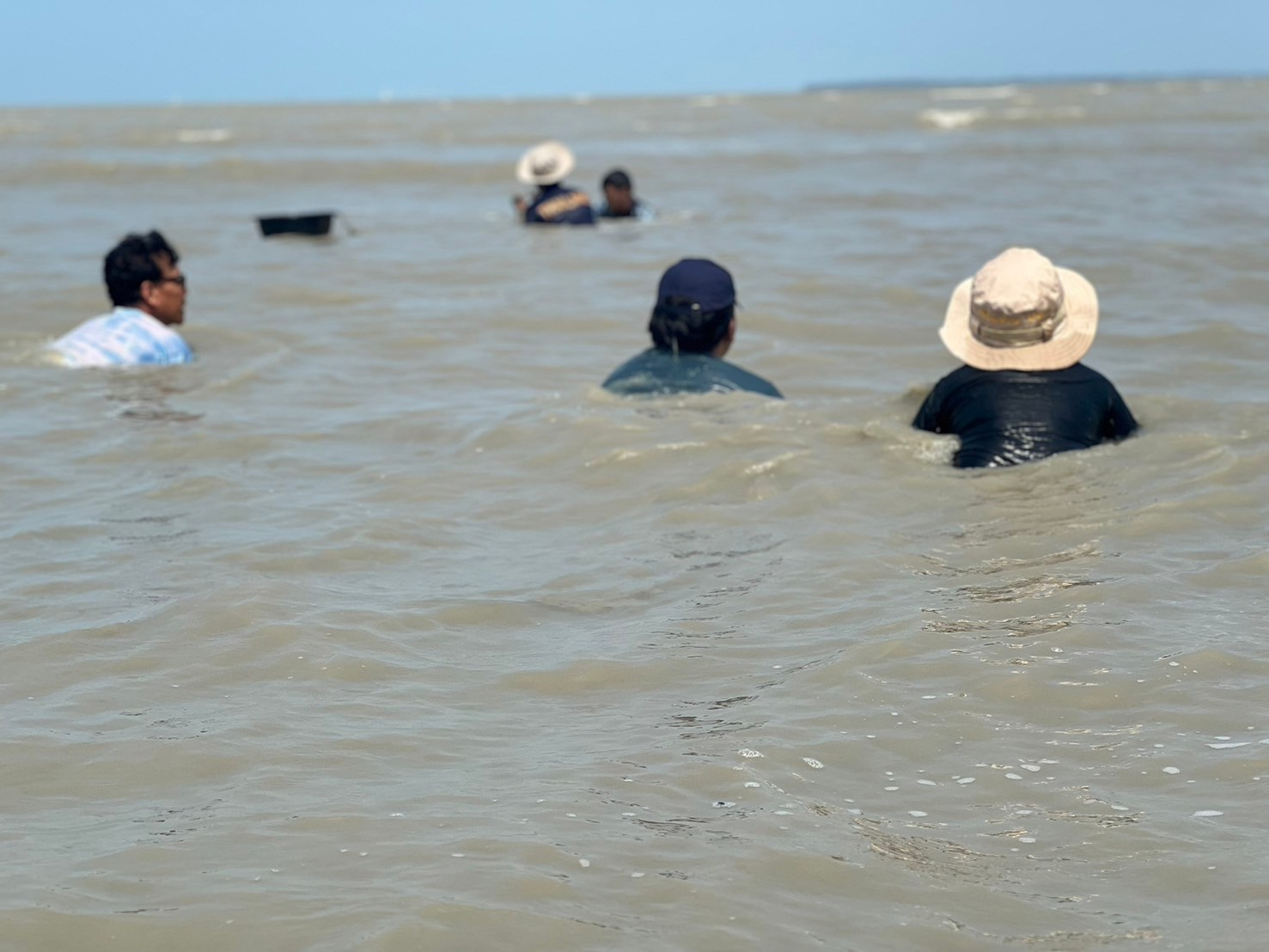
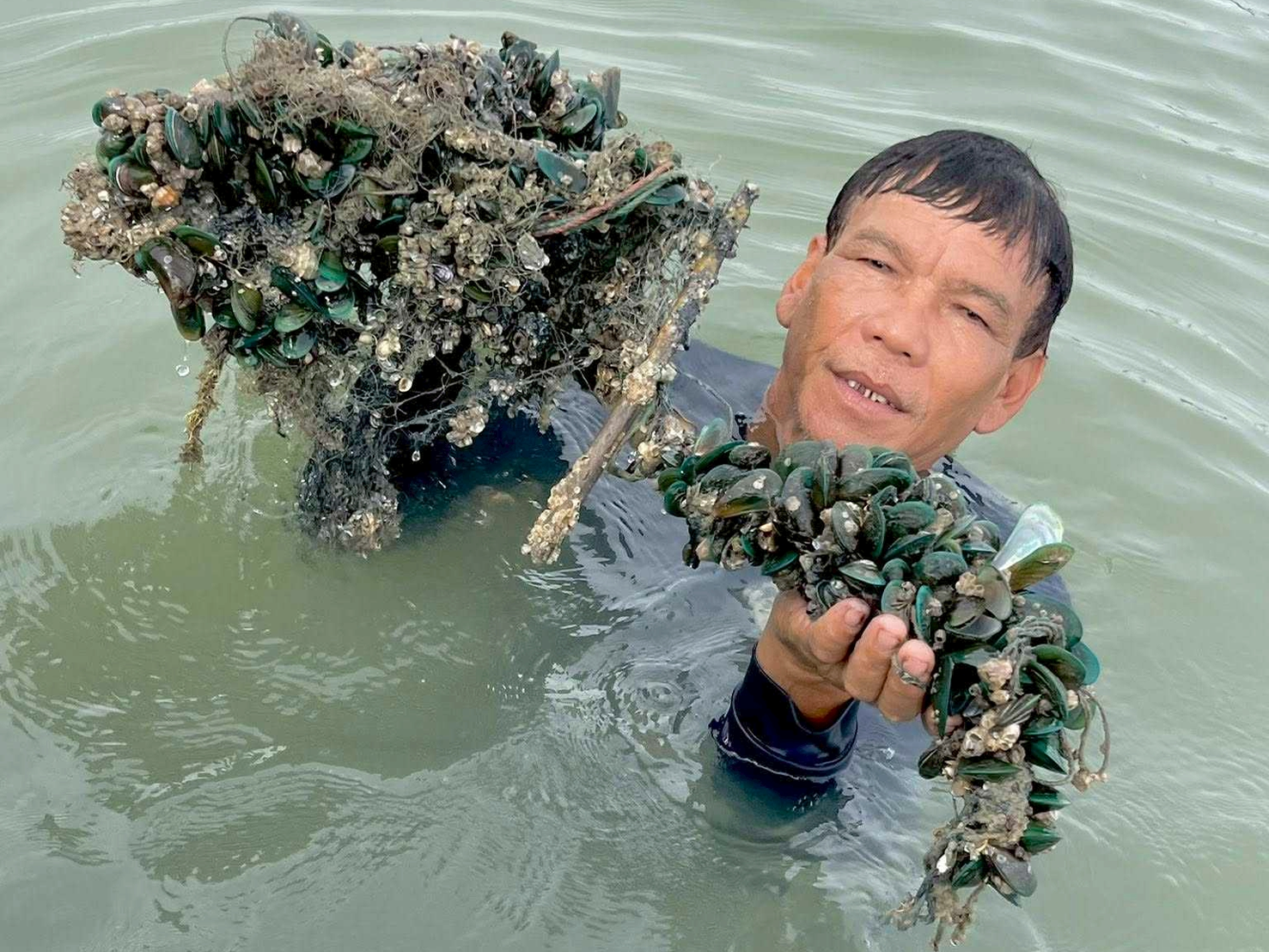
Walailak University continued its educational outreach efforts to promote sustainable marine ecosystems through the construction of artificial habitats and the restoration of fish populations. In 2024, WU expanded the construction of the artificial habitat in Pak Phanang district. The initiative aimed to improve biodiversity and strengthen ecosystem services within local fishing areas. Key activities included building fish houses to create shelter and breeding grounds for aquatic species, releasing juvenile marine animals to support fishery stock recovery, and collecting plastic debris from the sea to reduce microplastic pollution in natural environments.
Gastronomy Tourism Route Development Showcasing Blue Swimming Crab Cuisine and Local Identities in Nakhon Si Thammarat
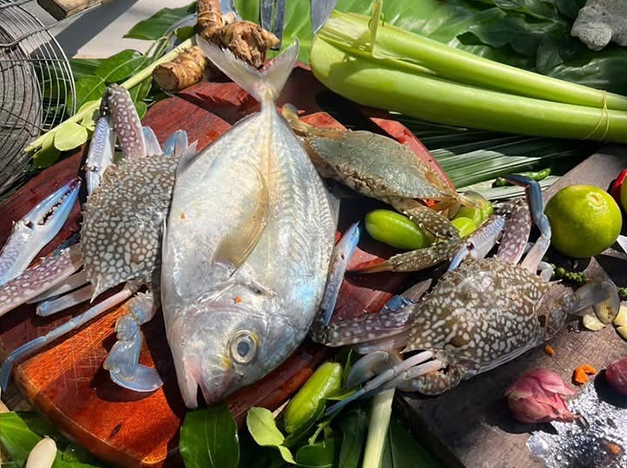
Walailak University has continuously contributed to community-based tourism and sustainable coastal development through free outreach and educational programs for local fishing communities in Nakhon Si Thammarat. One notable initiative focuses on developing gastronomy tourism routes that highlight the blue swimming crab cuisine as a symbol of the province’s rich cultural identity, while promoting the conservation of marine ecosystems and sustainable crab fishing practices.
Through participatory engagement, Walailak University collaborated with local fishermen, tourism entrepreneurs, government tourism officers, hotel operators, and community members to establish the Nakhon Si Thammarat Blue Crab Bank Tourism Club. This community-based organization serves as a key driver in implementing a range of tourism and conservation activities.
The program aims to promote environmentally responsible tourism, reduce ecological impacts, and create unique culinary experiences rooted in local traditions. These efforts also seek to enhance livelihoods, support sustainable resource management, and raise public awareness of marine and environmental conservation as essential elements of sustainable tourism.
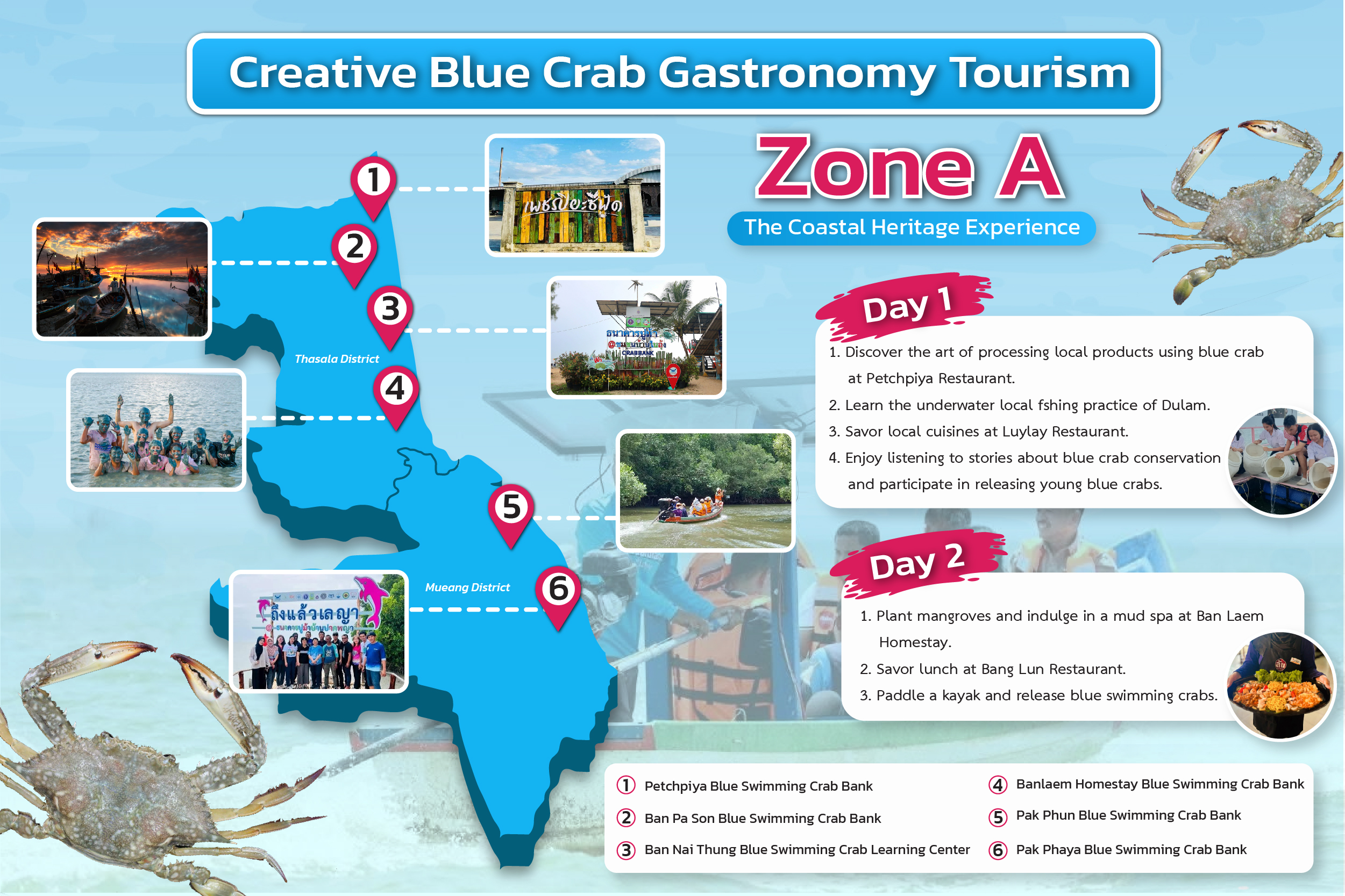
In 2024, Walailak University further developed the gastronomy tourism route by redesigning existing itineraries and introducing new destinations across the province. The route is divided into three main zones—Zone A, Zone B, and Zone C—each offering distinctive experiences that connect visitors to local ways of life, blue swimming crab culture, and marine biodiversity.
Zone A: The Coastal Heritage Experience
Zone A features six routes across six destinations:
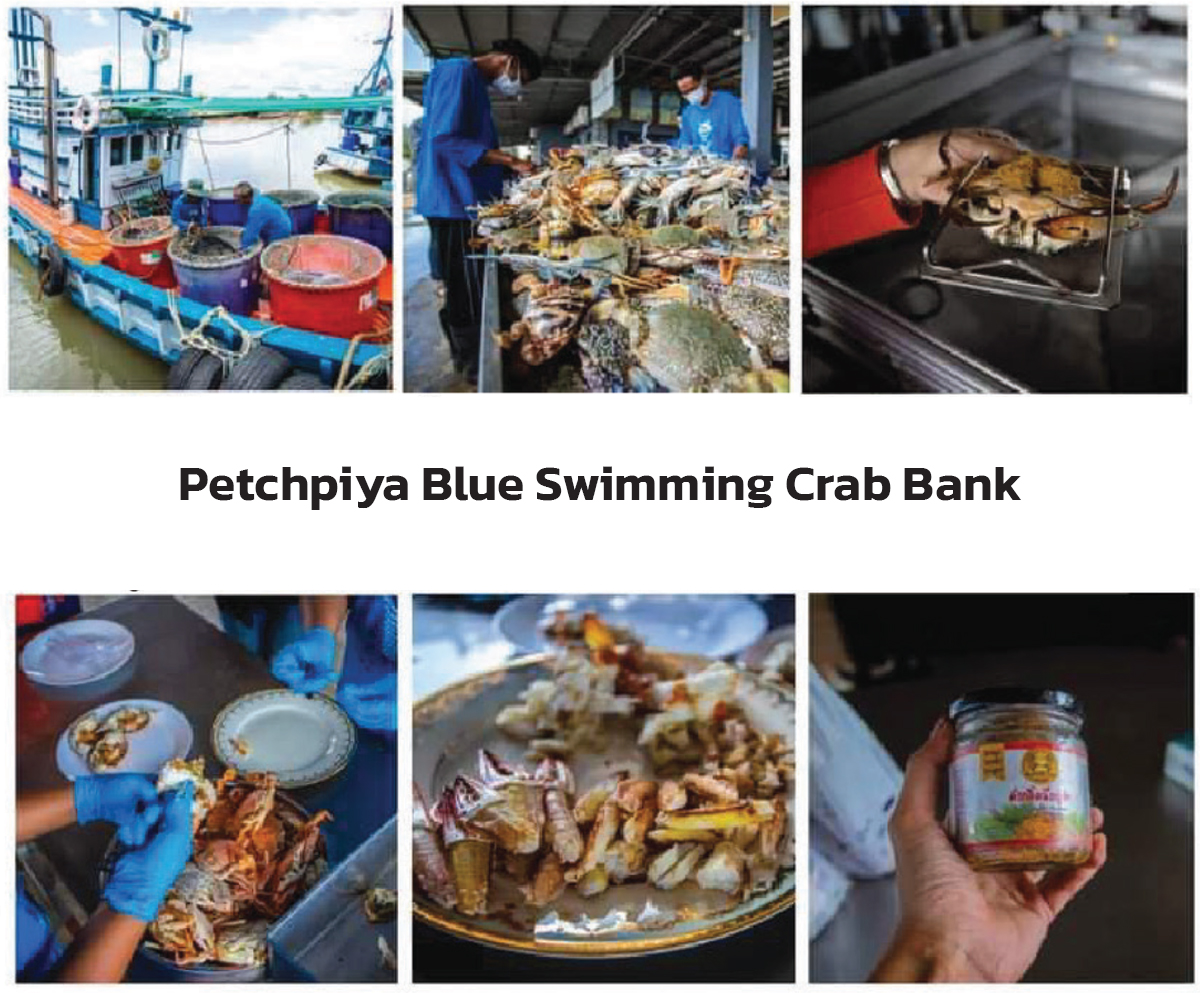
Petchpiya Blue Swimming Crab Bank
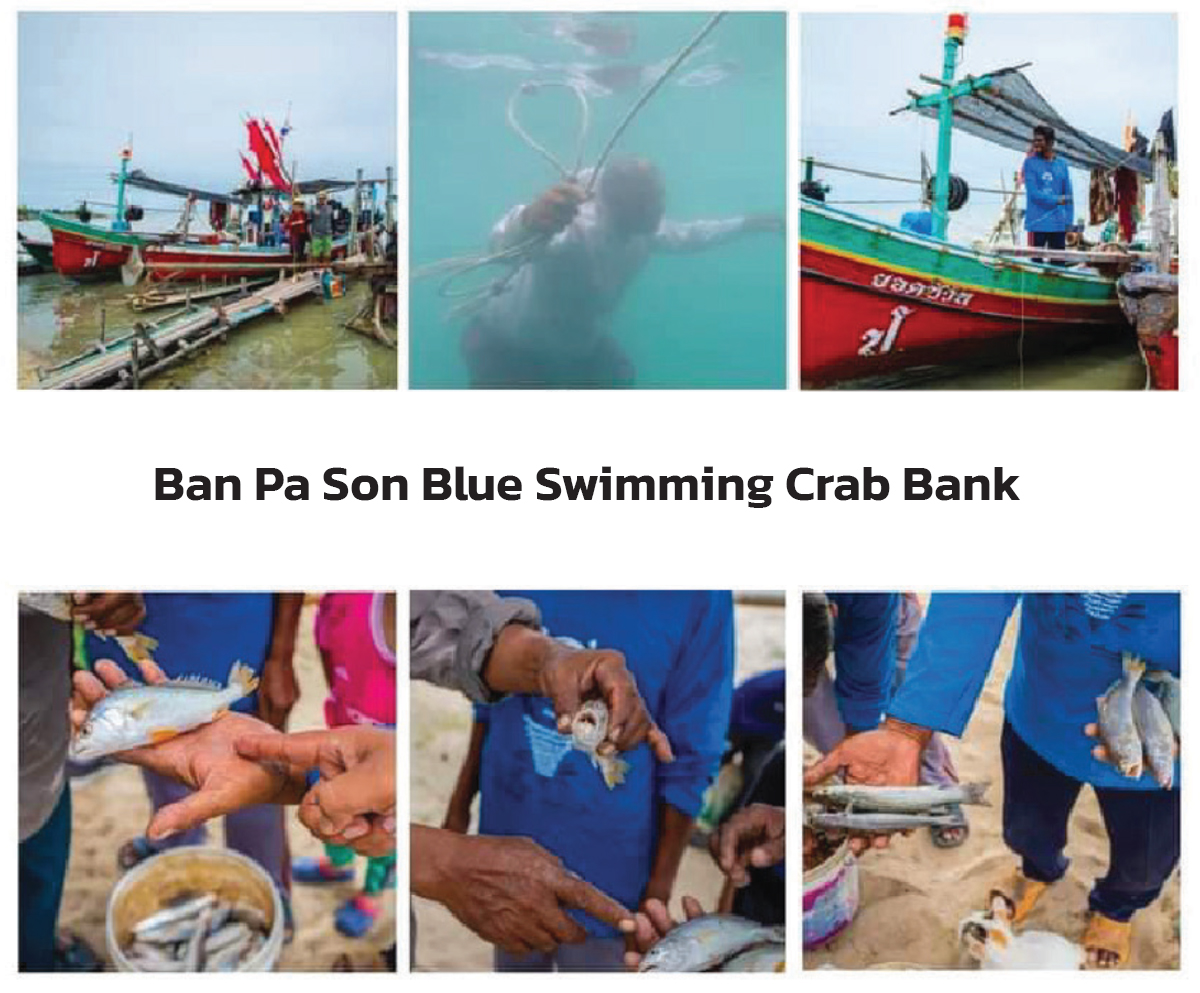
Ban Pa Son Blue Swimming Crab Bank
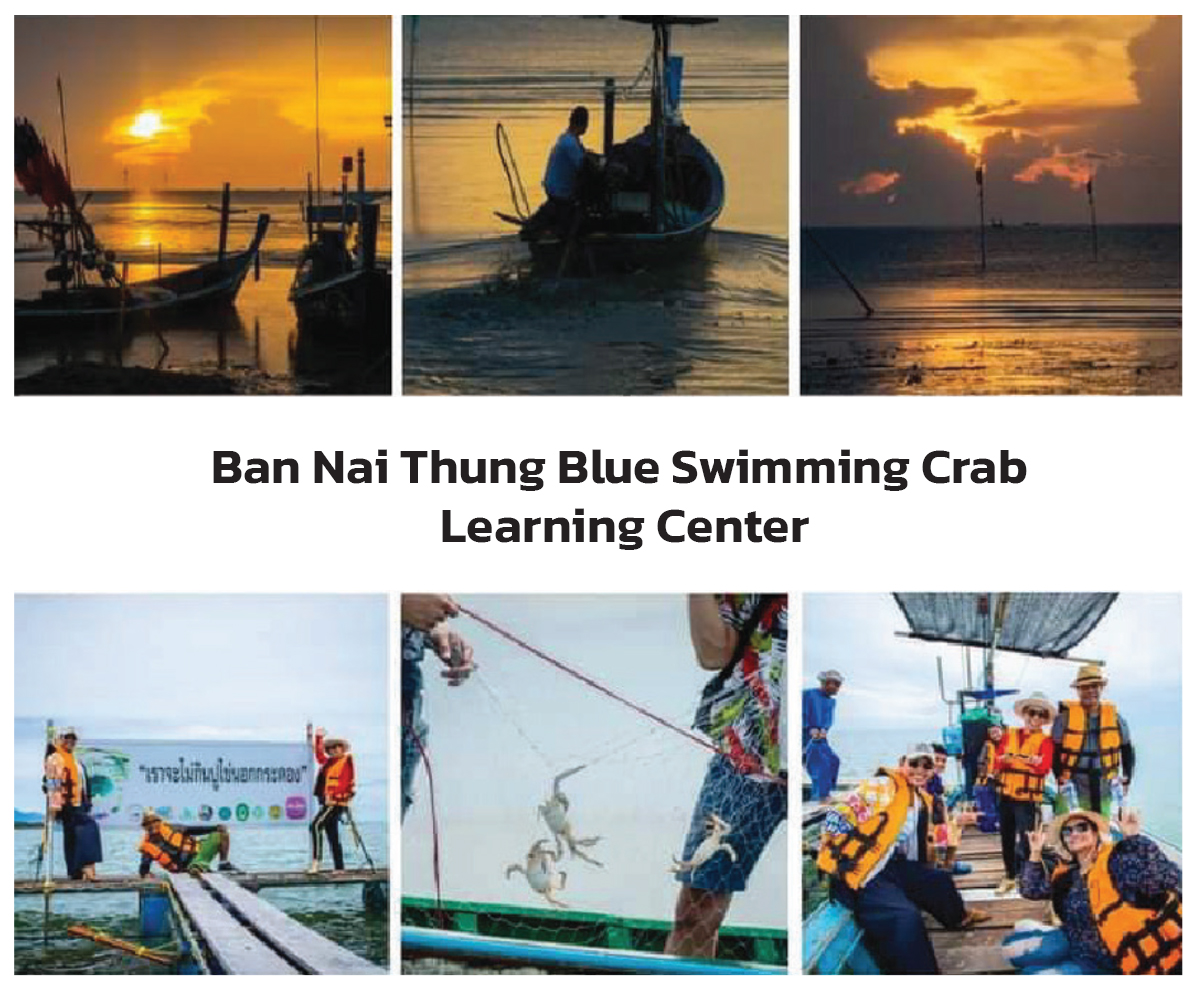
Ban Nai Thung Blue Swimming Crab Learning Center
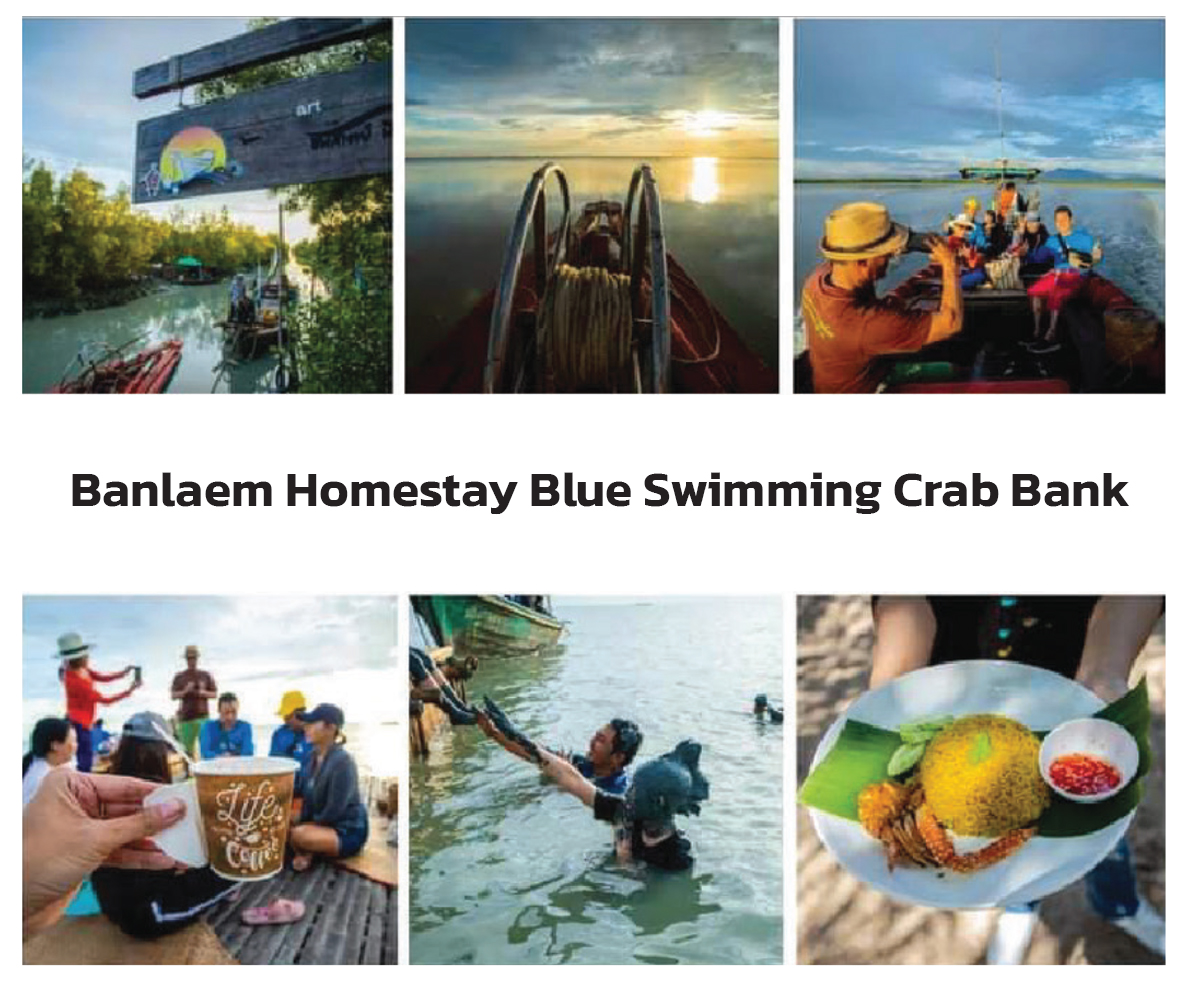
Banlaem Homestay Blue Swimming Crab Bank
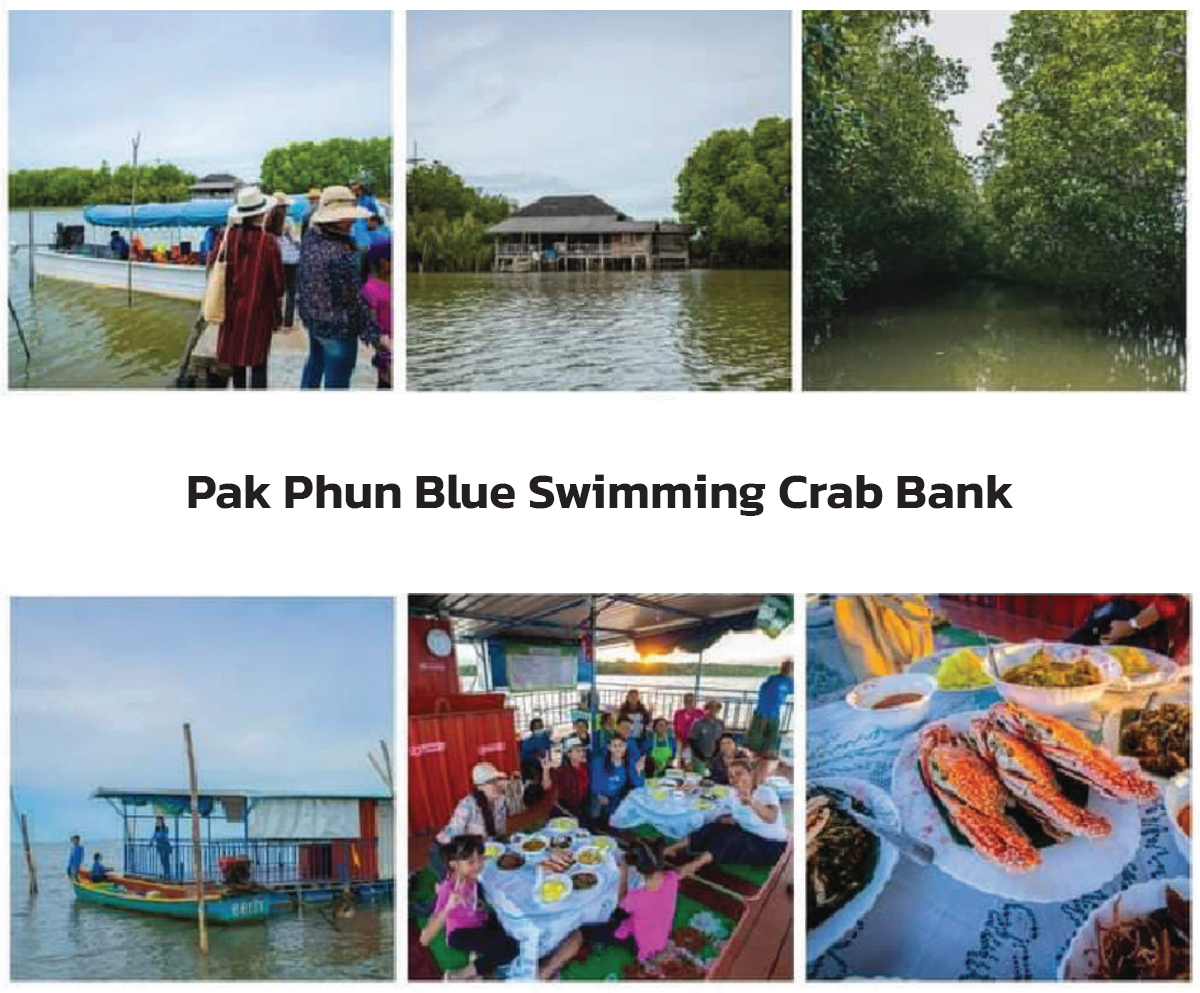
Pak Phun Blue Swimming Crab Bank
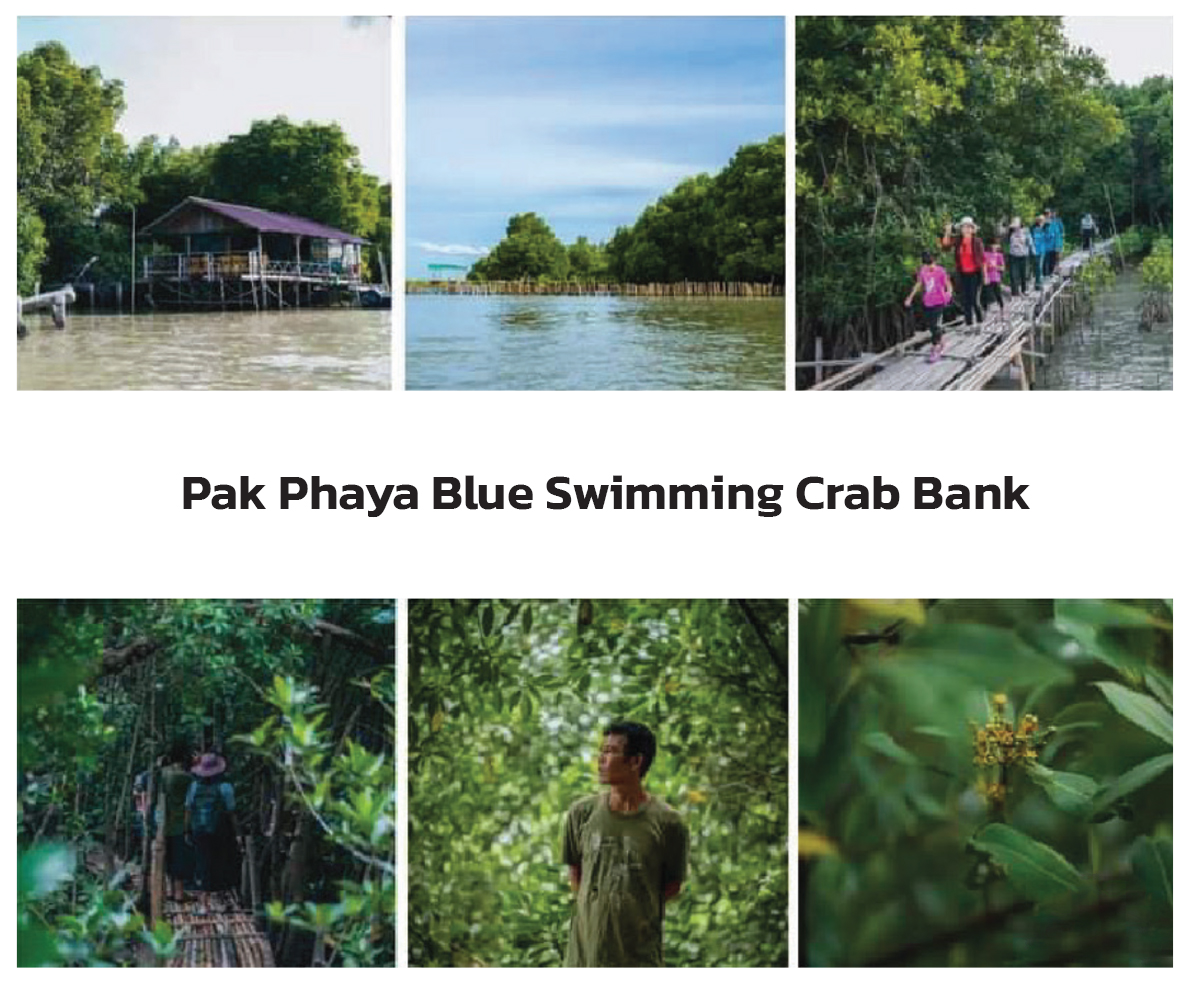
Pak Phaya Blue Swimming Crab Bank
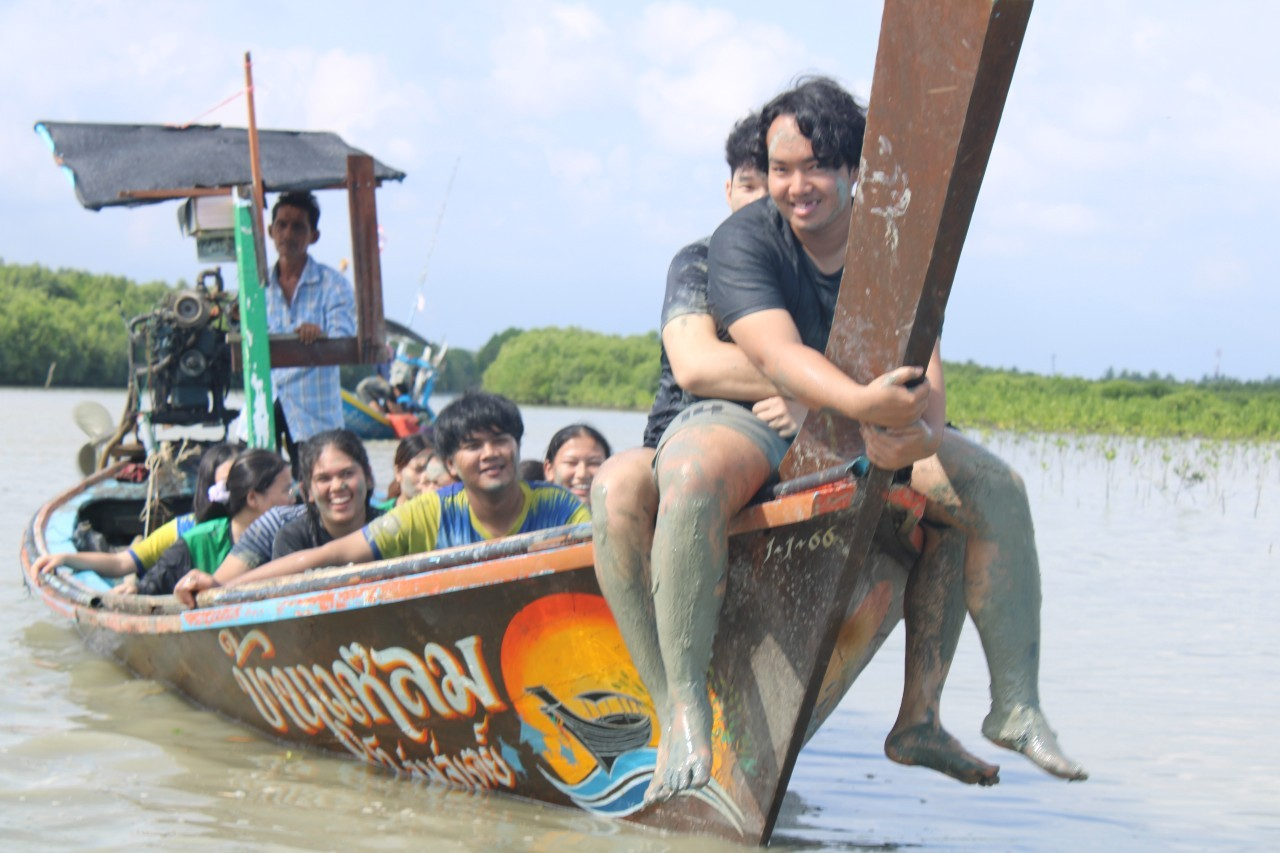
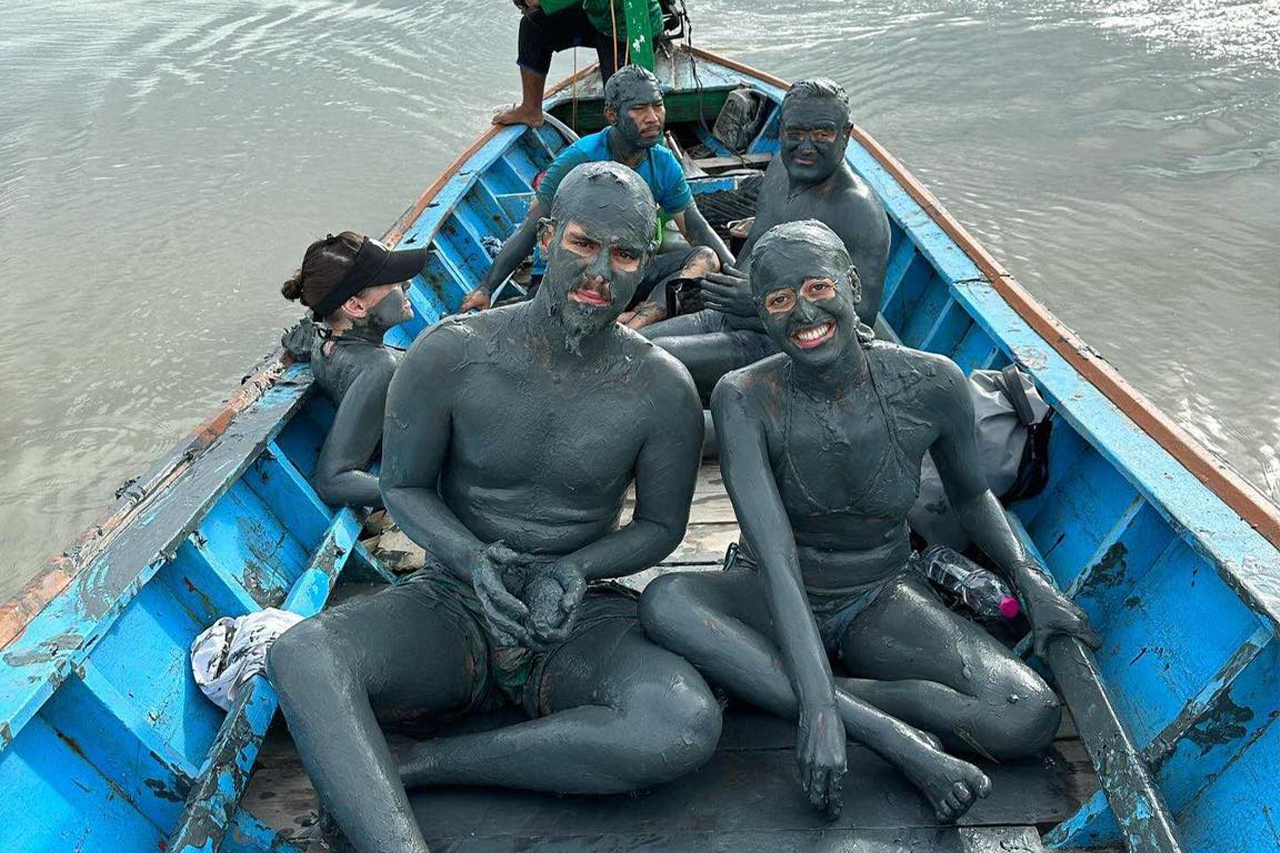
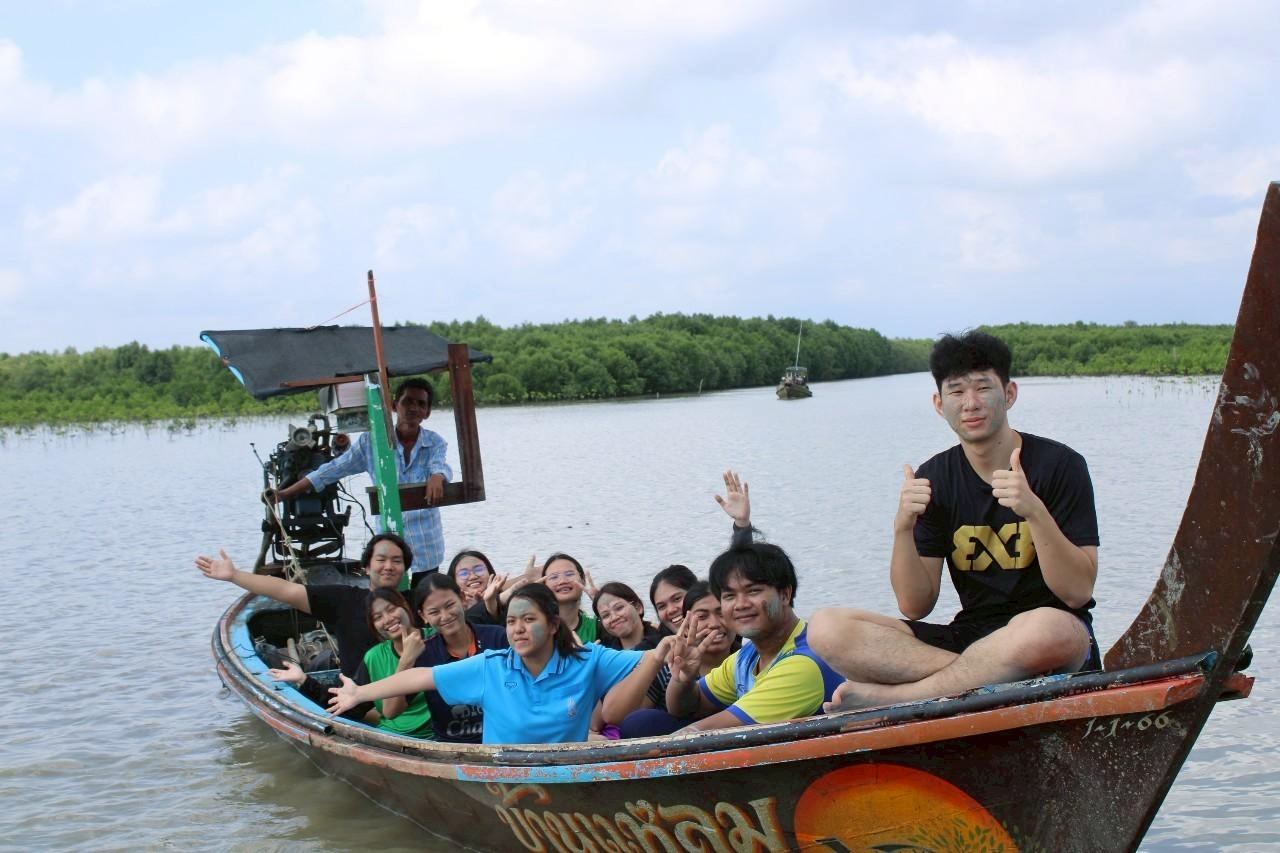
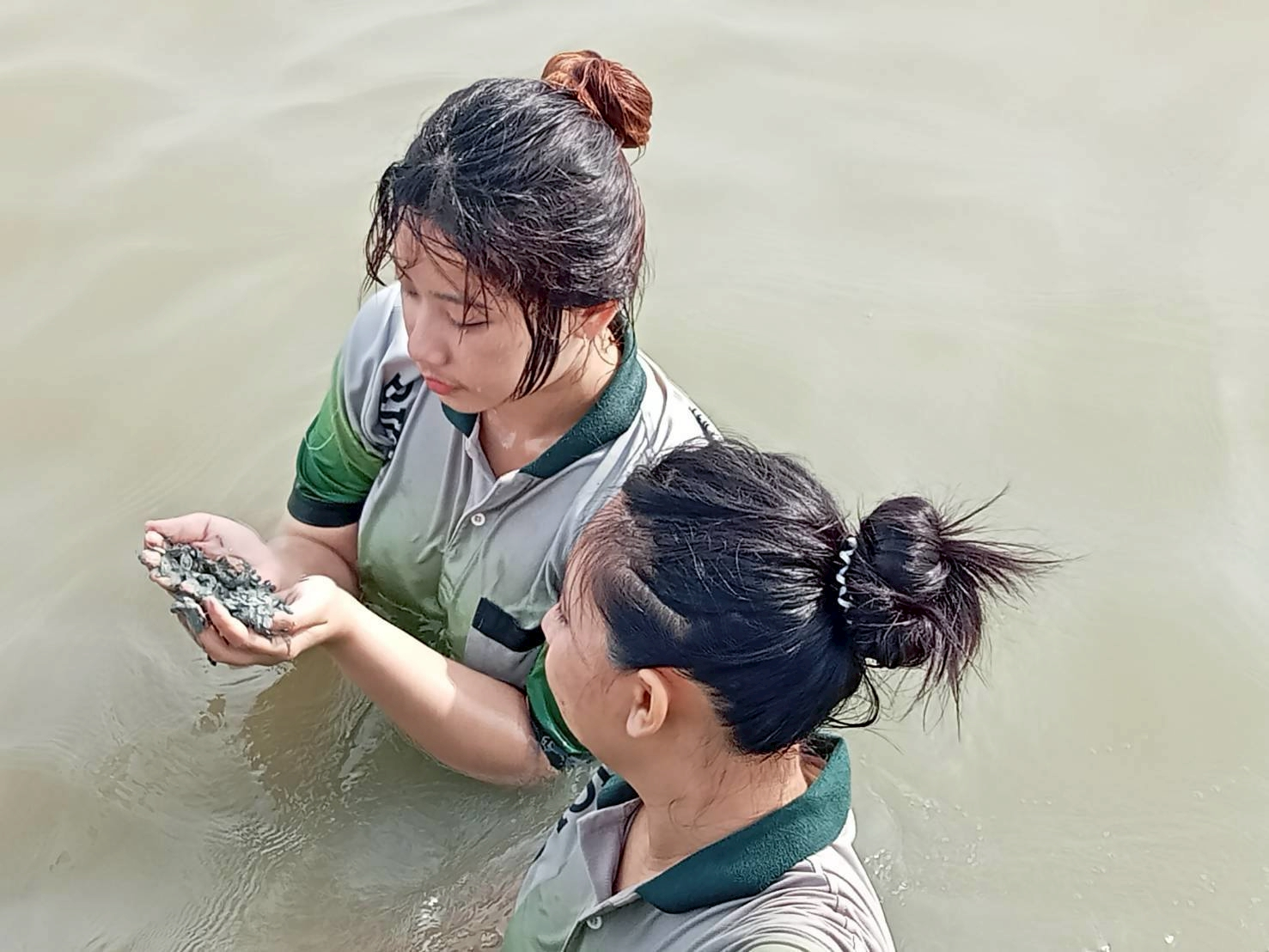
Visitors can enjoy immersive coastal experiences such as mud baths, underwater nature observation, and blue swimming crab tasting sessions. Activities also include learning about the processing of local seafood products, traditional fishing methods, and community-based marine conservation practices.
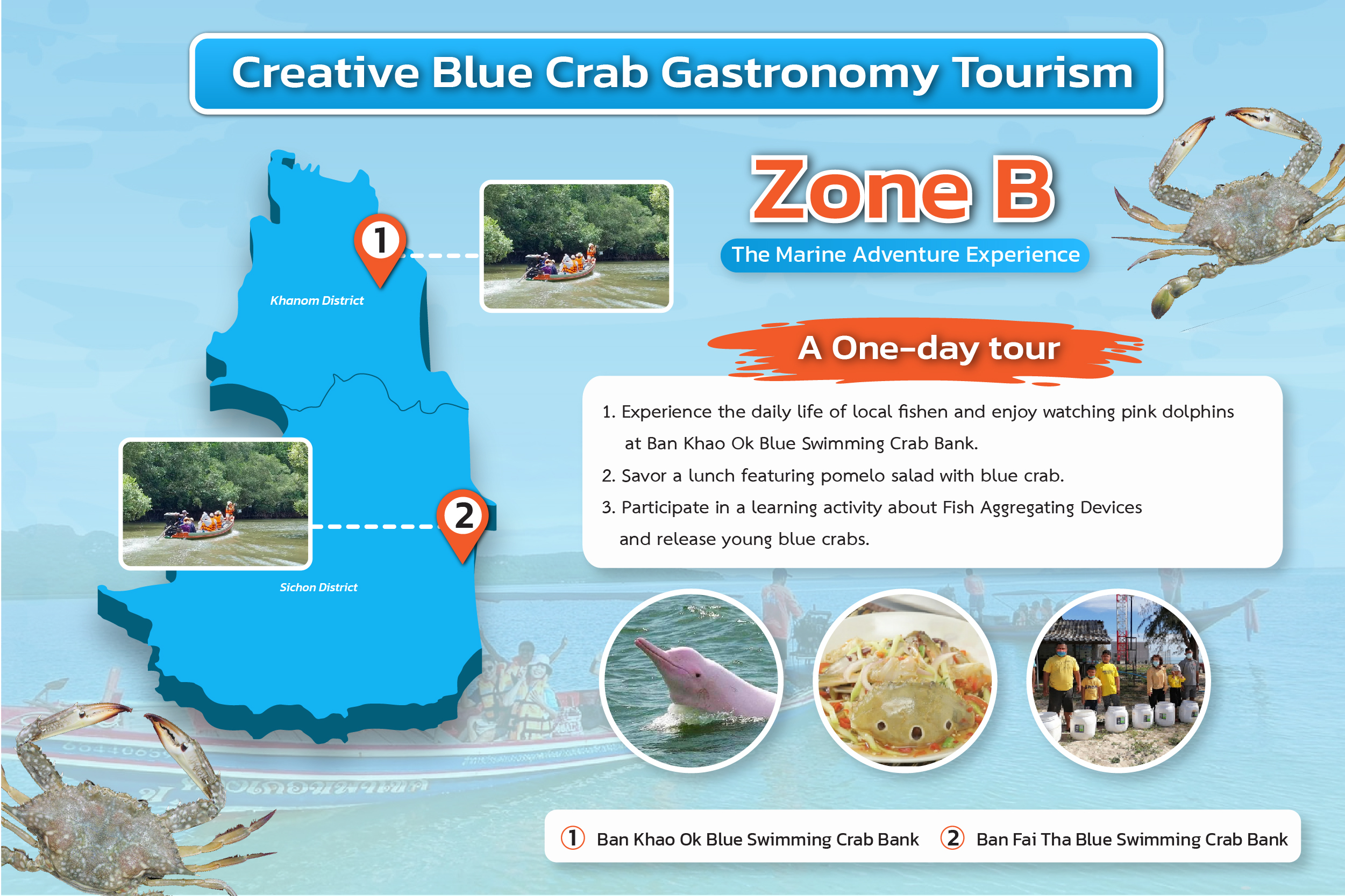
Zone B: The Marine Adventure Experience
Zone B consists of two routes:
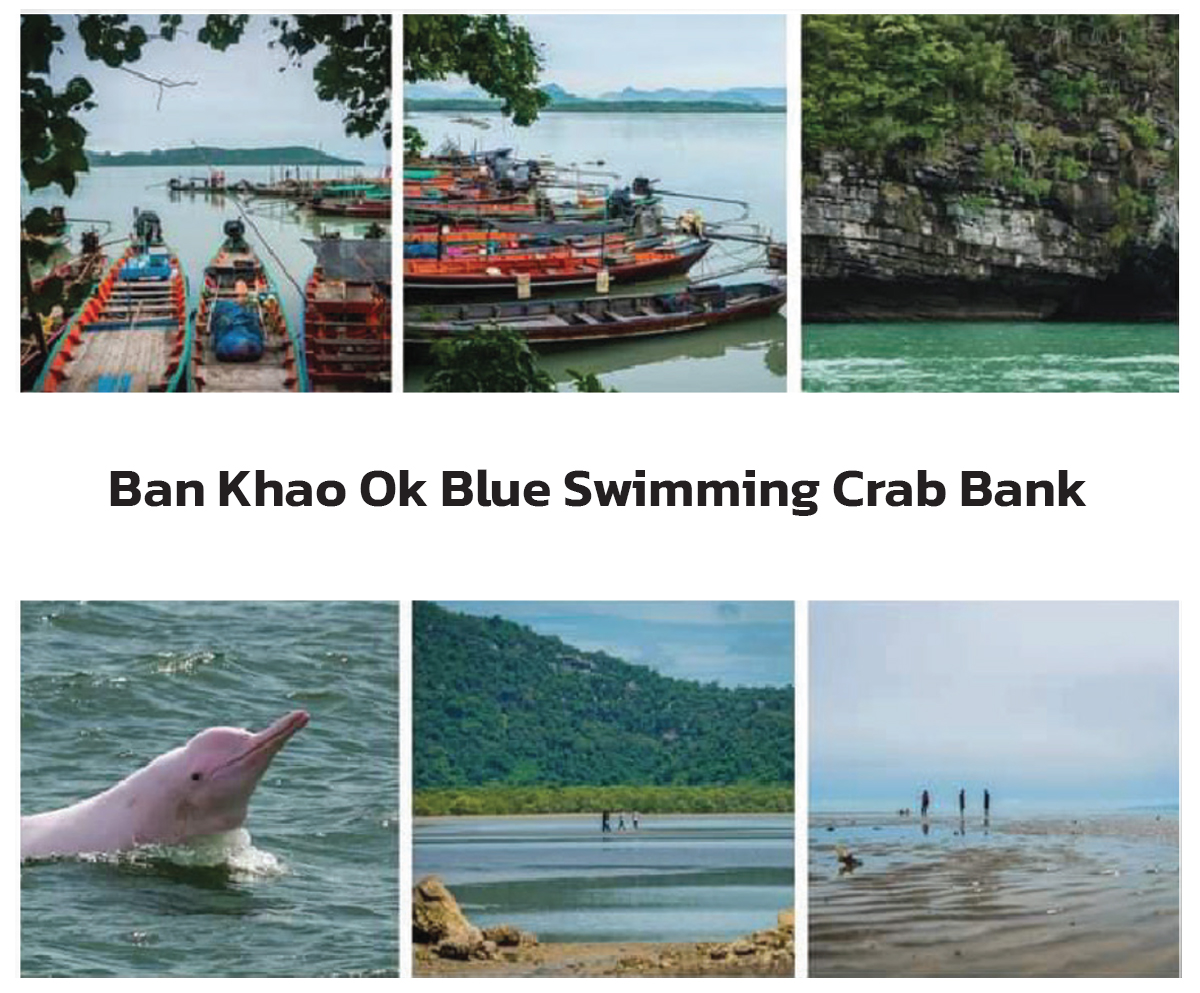
Ban Khao Ok Blue Swimming Crab Bank
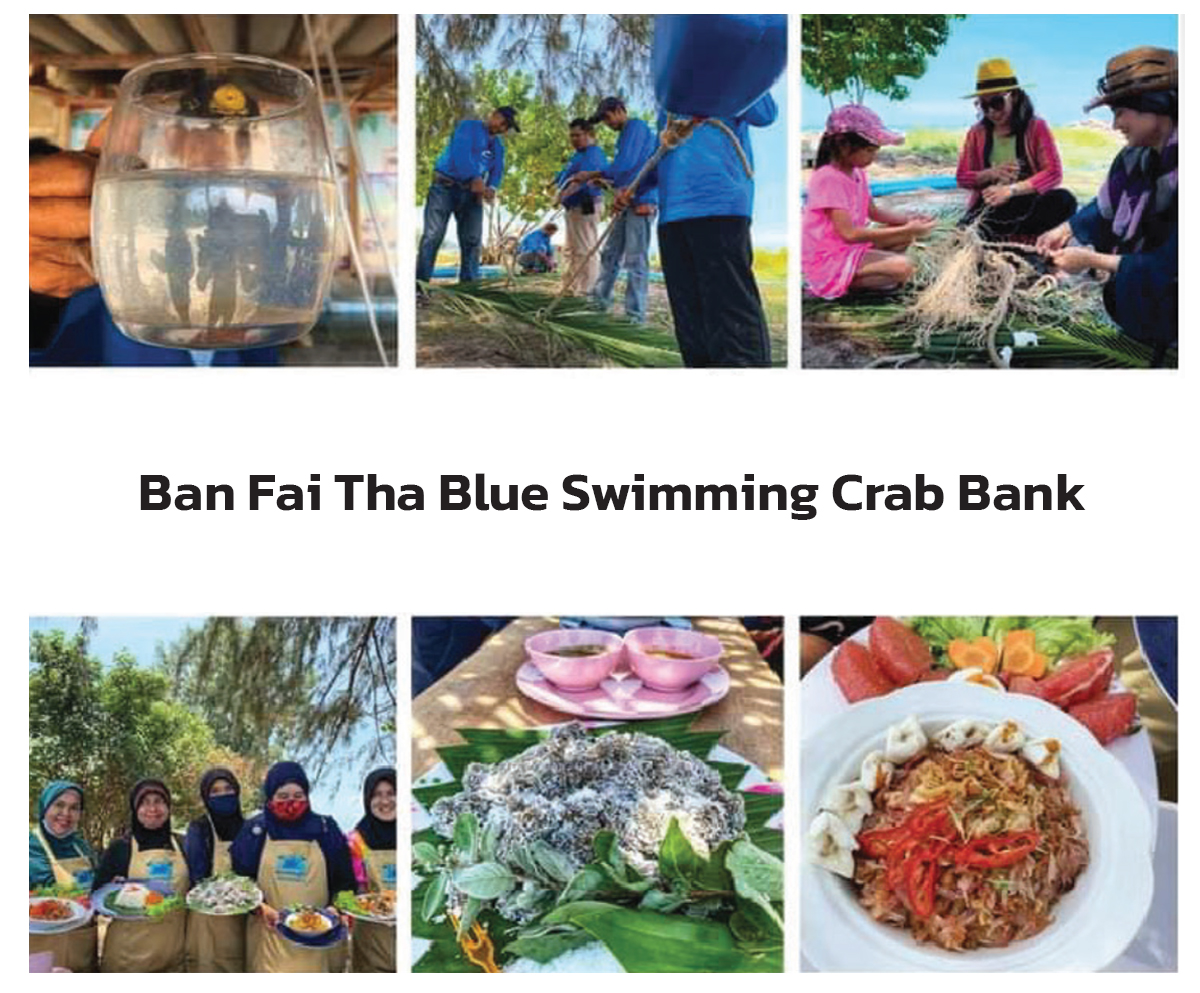
Ban Fai Tha Blue Swimming Crab Bank
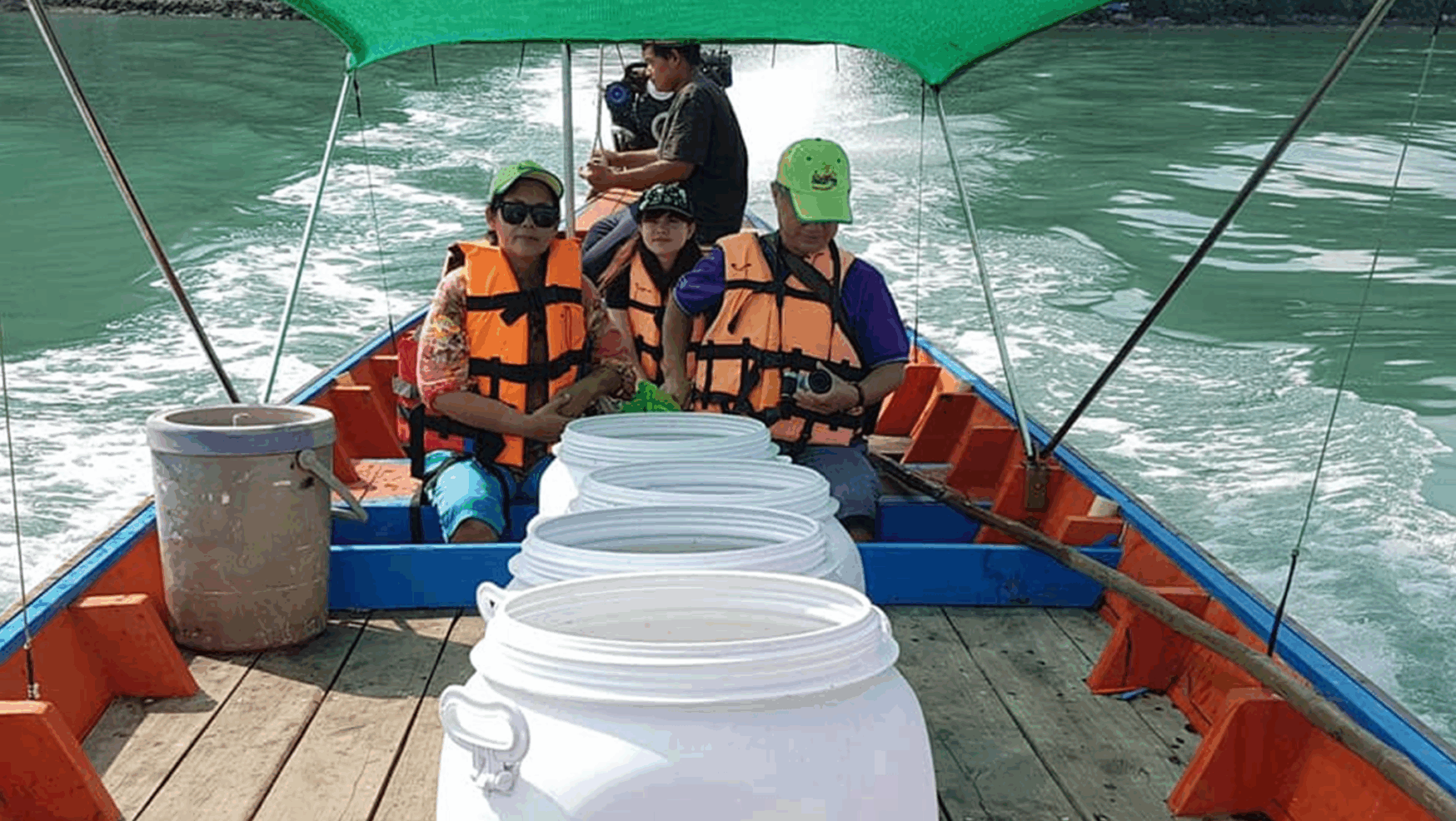
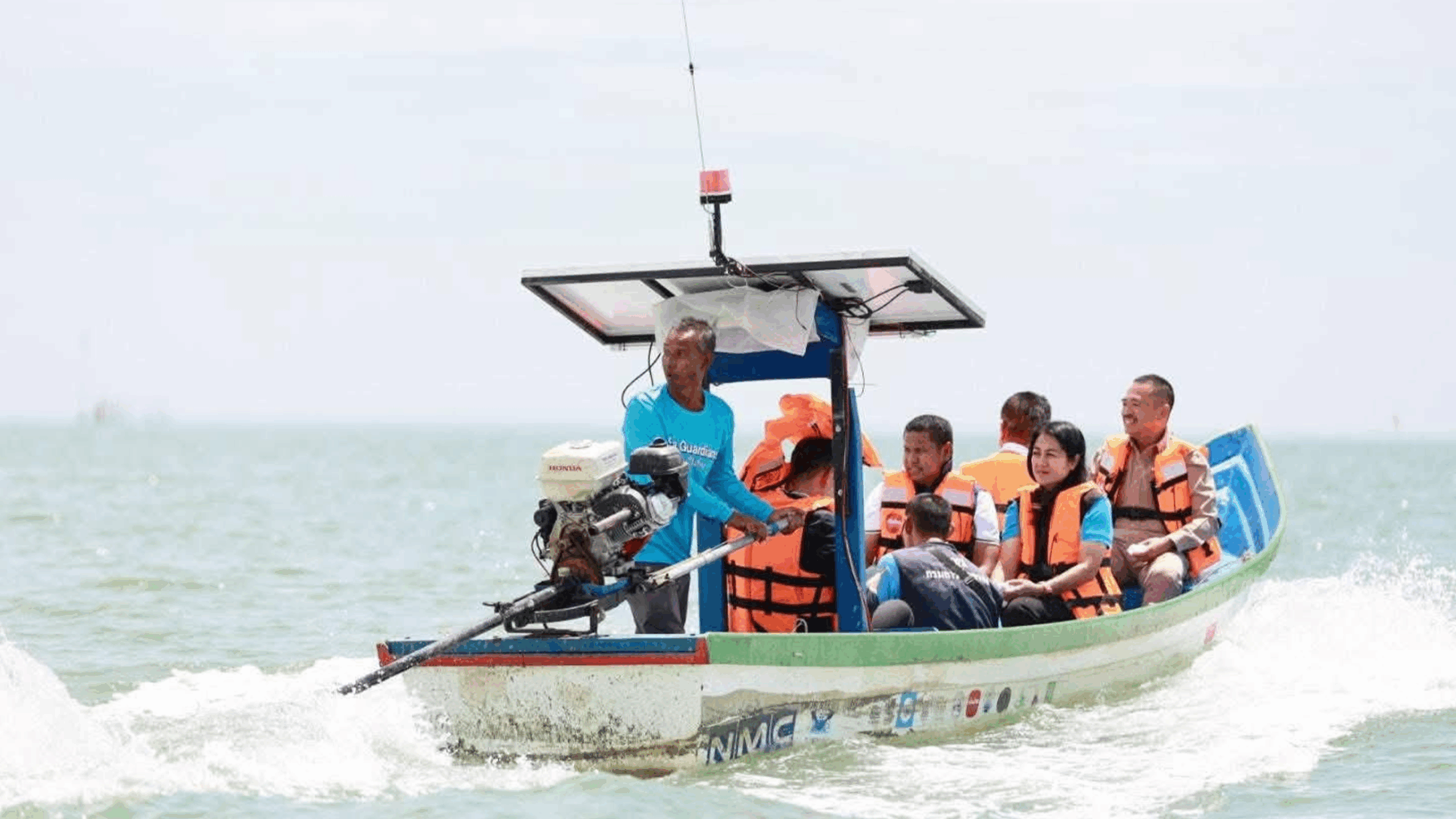
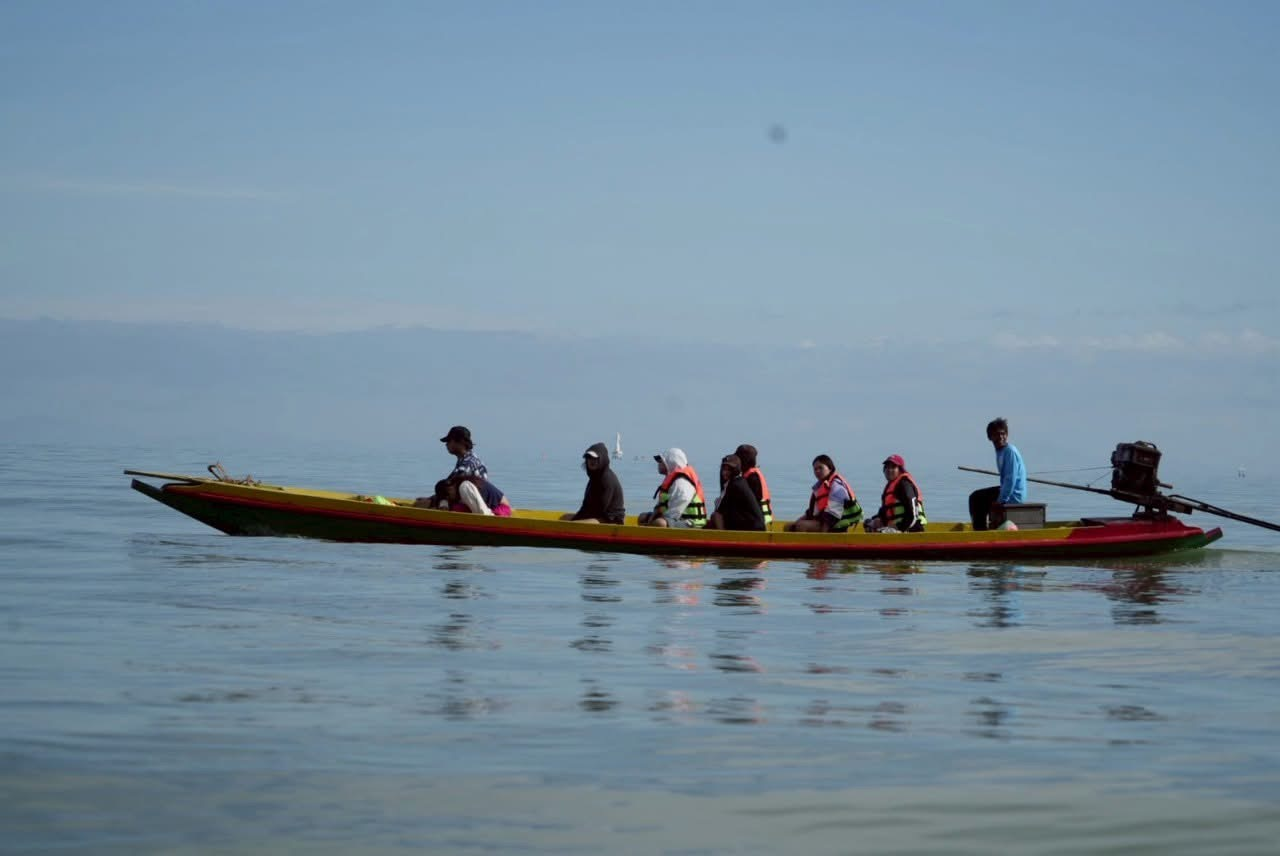
In this zone, visitors can embark on scenic boat trips across Khanom Sea, explore the construction of artificial fish habitats, and savor authentic local seafood dishes. The activities emphasize harmony between tourism and marine ecosystem restoration.
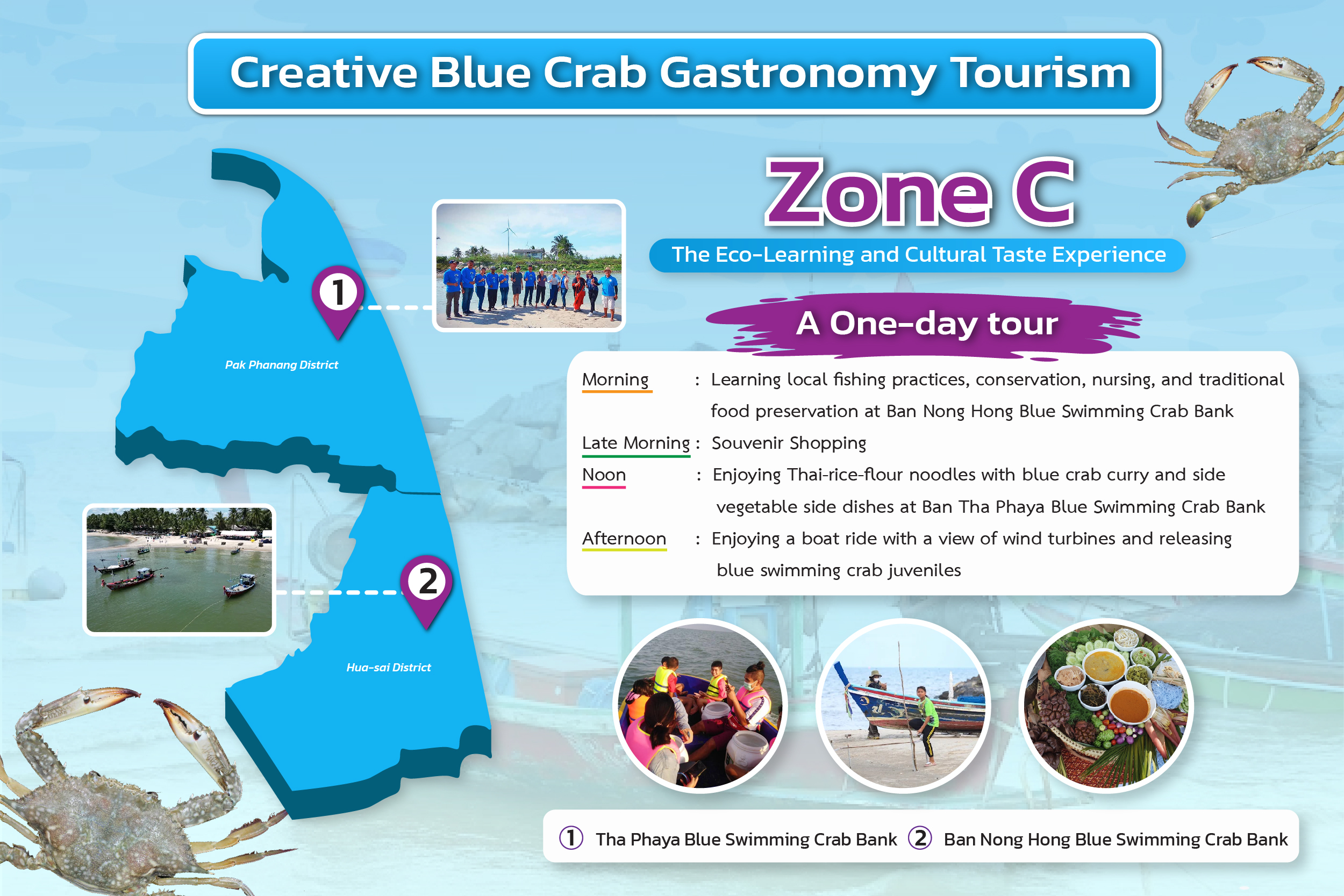
Zone C: The Eco-Learning and Cultural Taste Experience
Zone C includes two destinations:
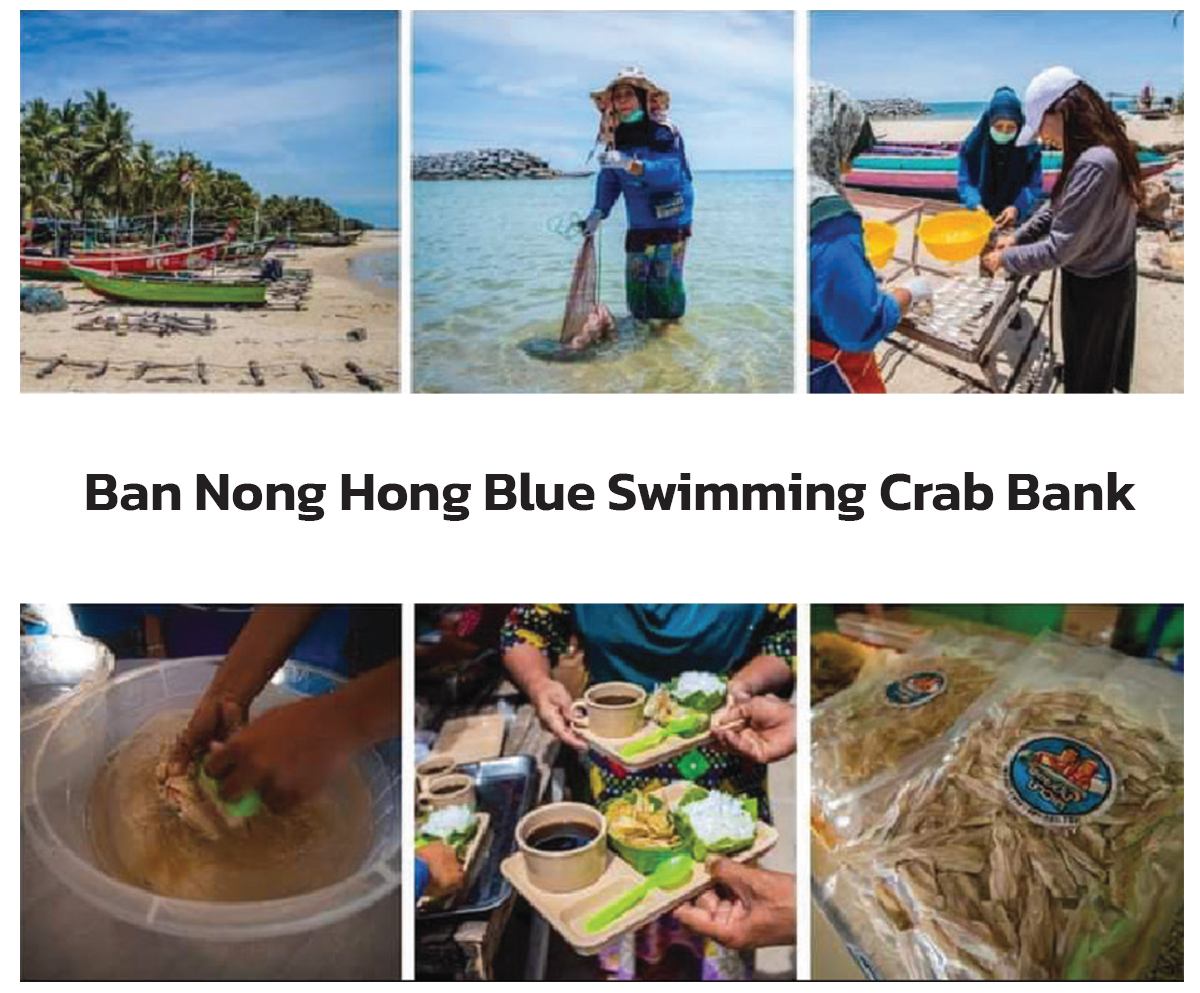
Ban Nong Hong Blue Swimming Crab Bank
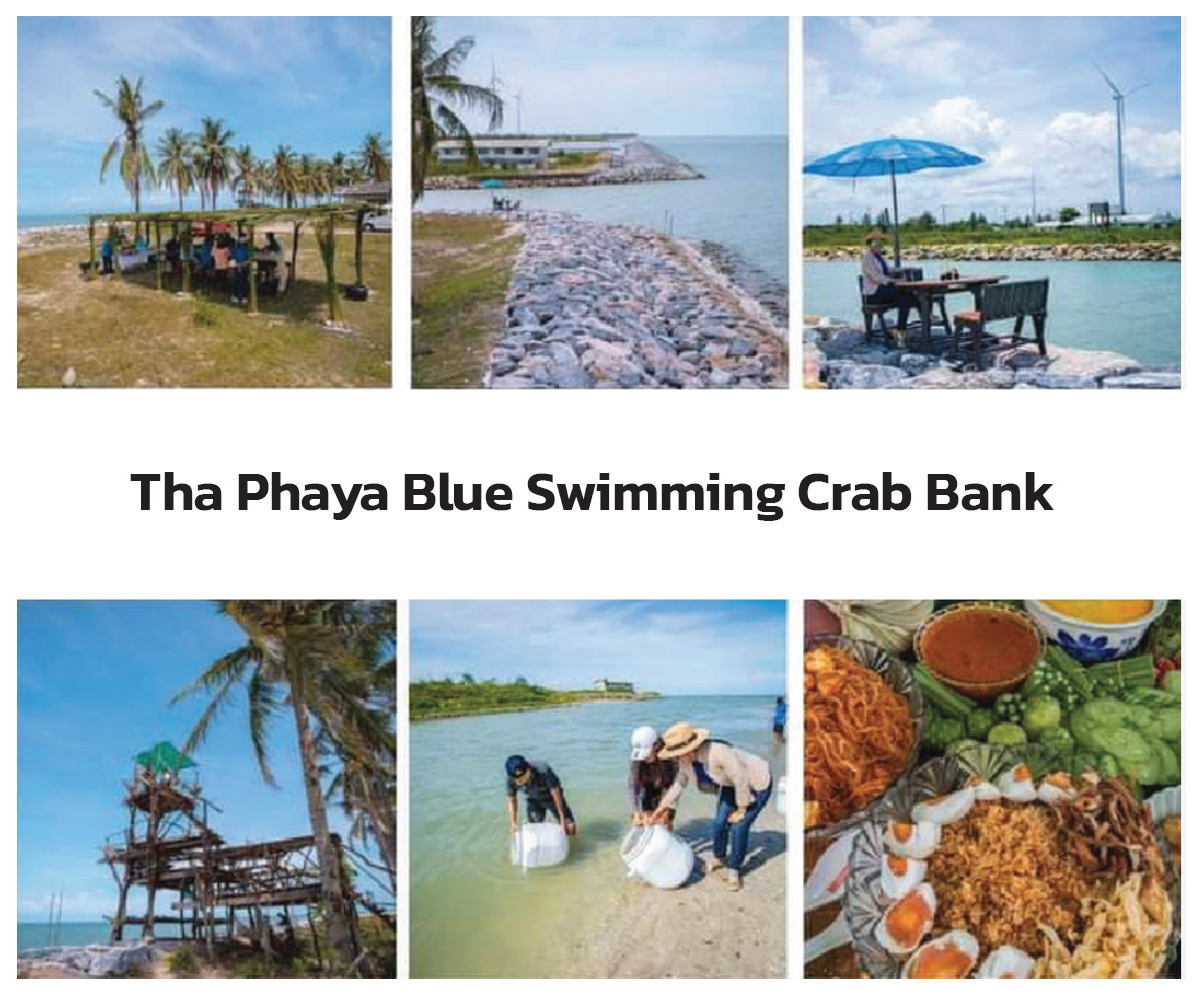
Tha Phaya Blue Swimming Crab Bank
Activities in this zone focus on aquatic animal breeding and nursing demonstrations, tasting signature Thai rice noodles with blue crab curry, and rafting tours with panoramic views of coastal windmills. These experiences blend education, gastronomy, and eco-tourism in one comprehensive journey.
Overall, the Gastronomy Tourism Route Development Project not only enriches the visitor experience through cultural and culinary exploration but also strengthens community resilience, supports sustainable livelihoods, and promotes Nakhon Si Thammarat as a leading model for sustainable coastal gastronomy tourism in Thailand.
Low-Carbon Tourism Route Development
Recognizing the potential of Nakhon Si Thammarat’s coastal areas as local tourism destinations, Walailak University (WU) is spearheading efforts to promote sustainable, low-carbon tourism. These initiatives align with broader climate change mitigation strategies while enhancing local livelihoods and fostering environmental awareness.
WU researchers have identified that these coastal regions possess significant potential for eco-tourism, attracting both domestic and international visitors while bolstering the local economy through community-driven tourism.
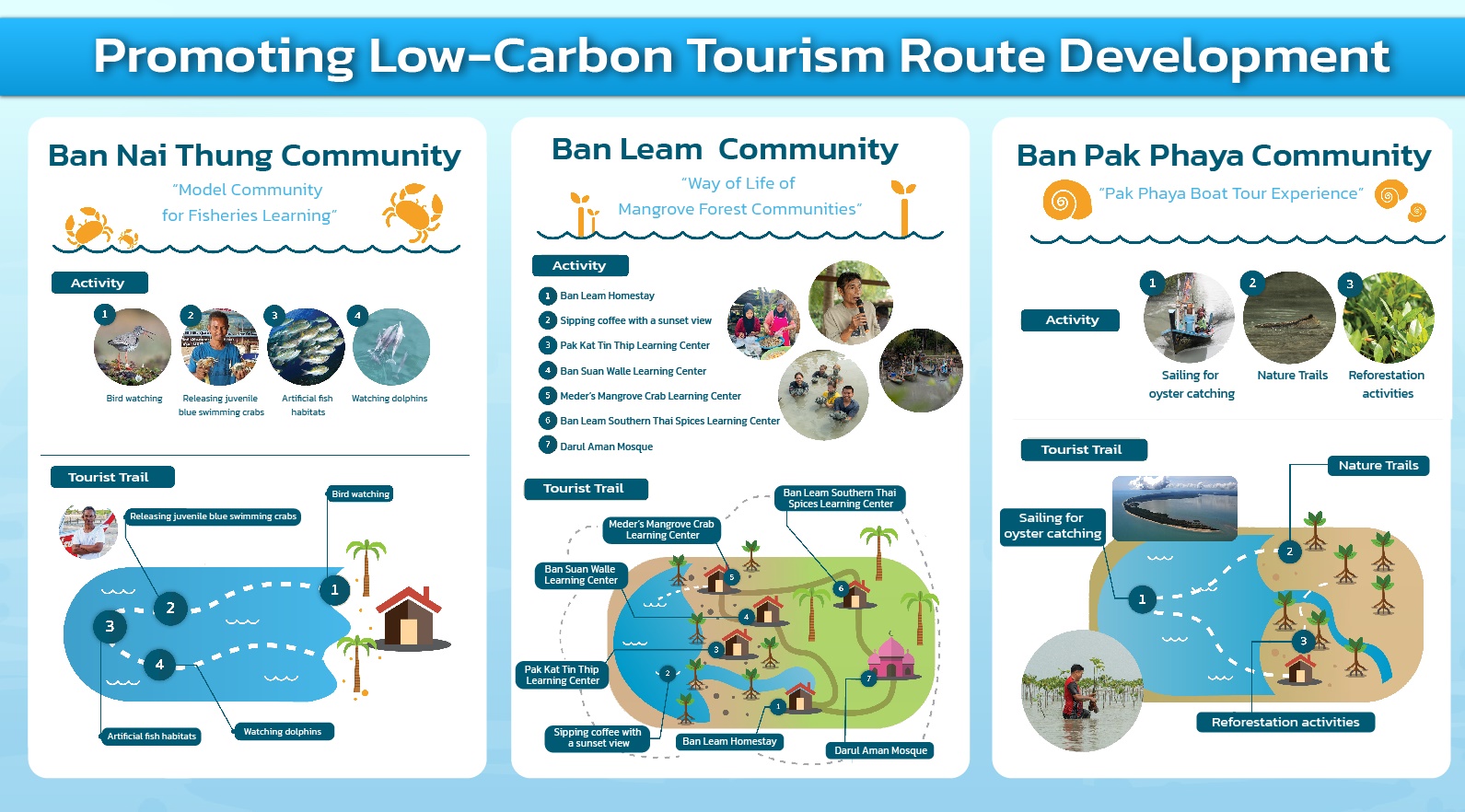
In 2024, Walailak University conducted extensive assessments and identified four coastal communities capable of being transformed into model low-carbon tourism destinations: Pak Phaya, Pak Phun, Ban Leam Homestay, and Ban Nai Thung. These communities have been strategically developed as demonstration sites for sustainable tourism, emphasizing environmentally friendly travel, carbon footprint reduction, and cultural preservation.
Developing Sustainable Low-Carbon Tourism Models
In collaboration with local communities, Walailak University has implemented comprehensive educational programs aimed at shaping these locations into a one-day low-carbon tourism model. These programs integrate hands-on activities that promote the sustainable management of fisheries, responsible aquaculture practices, and greenhouse gas (GHG) emission reduction. Key activities include:
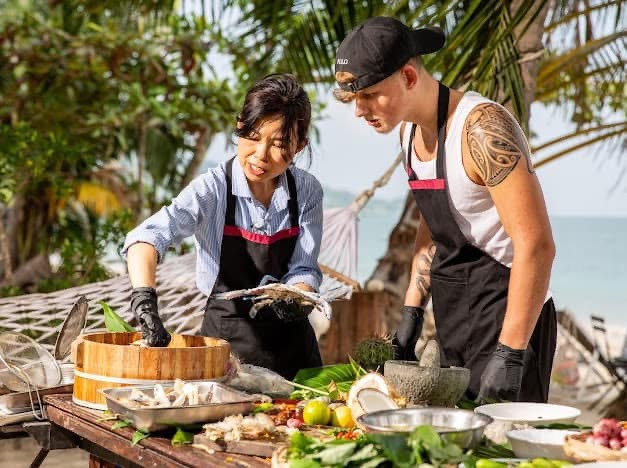
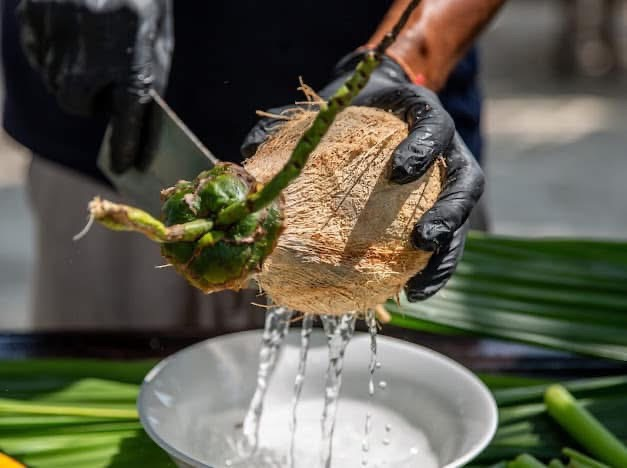
Culinary experiences – Tourists sample traditional local food made from sustainably sourced seafood, highlighting the region’s culinary heritage.
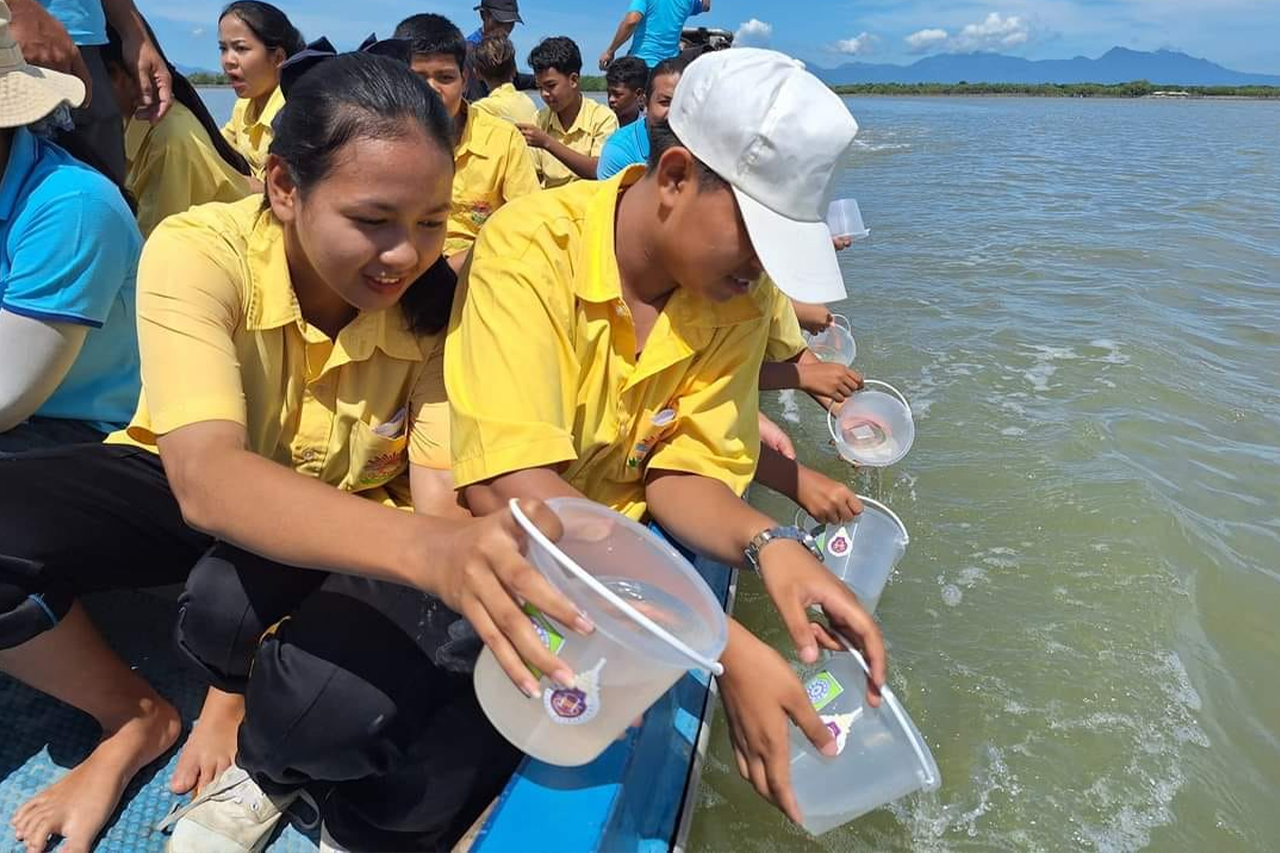
Marine conservation – Participants release juvenile blue swimming crabs to help replenish marine populations.
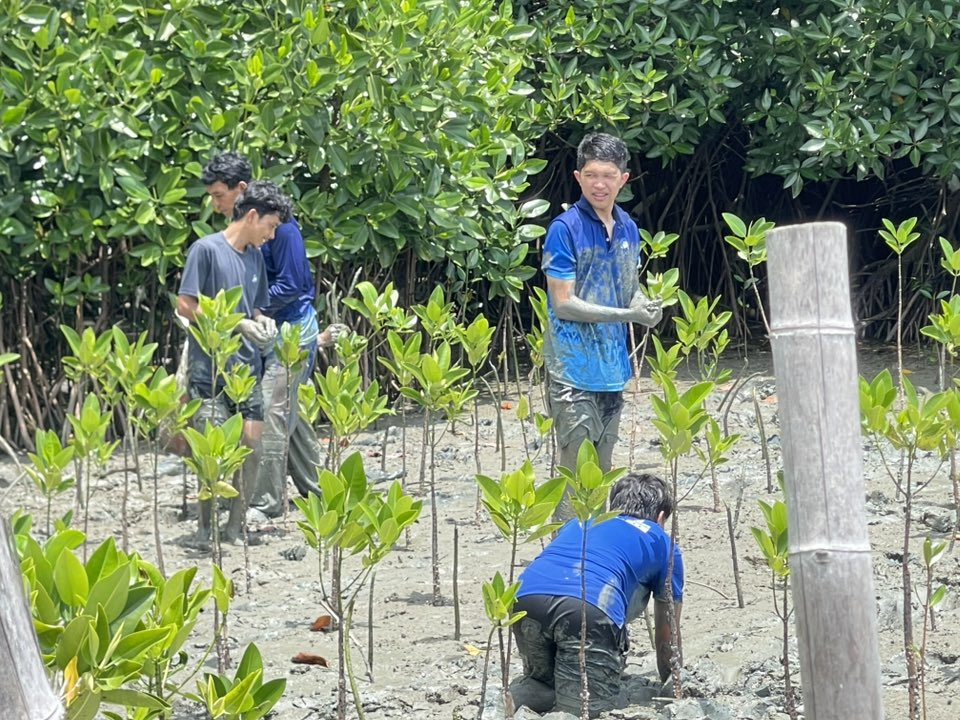
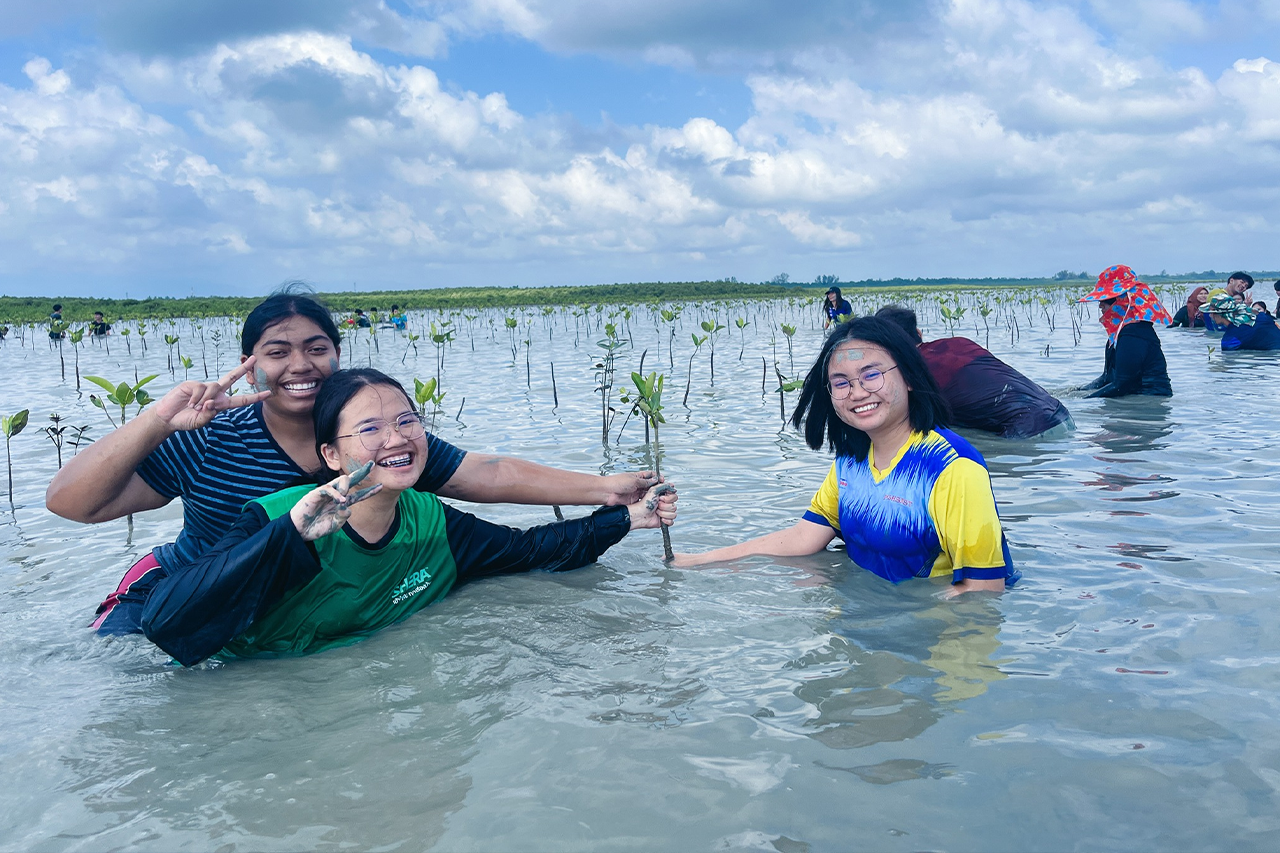
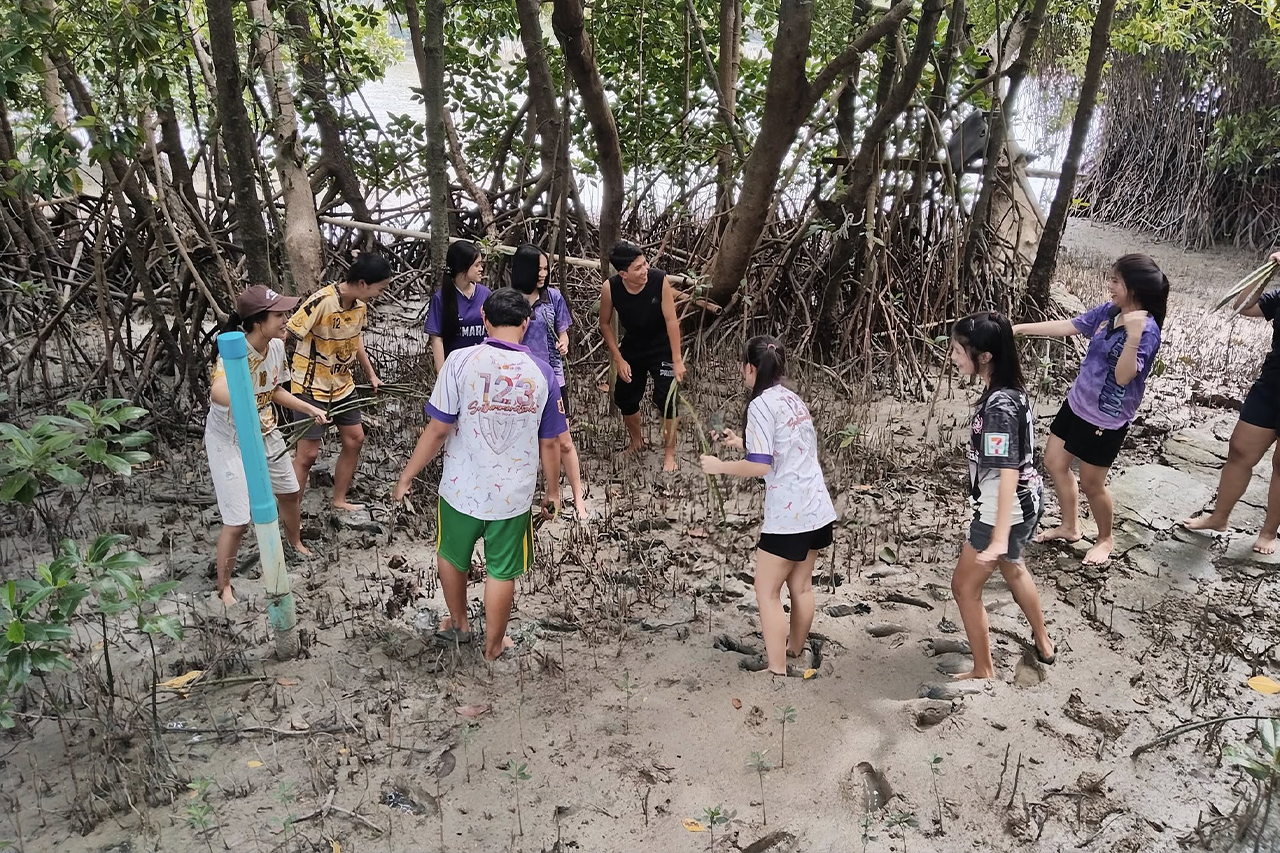
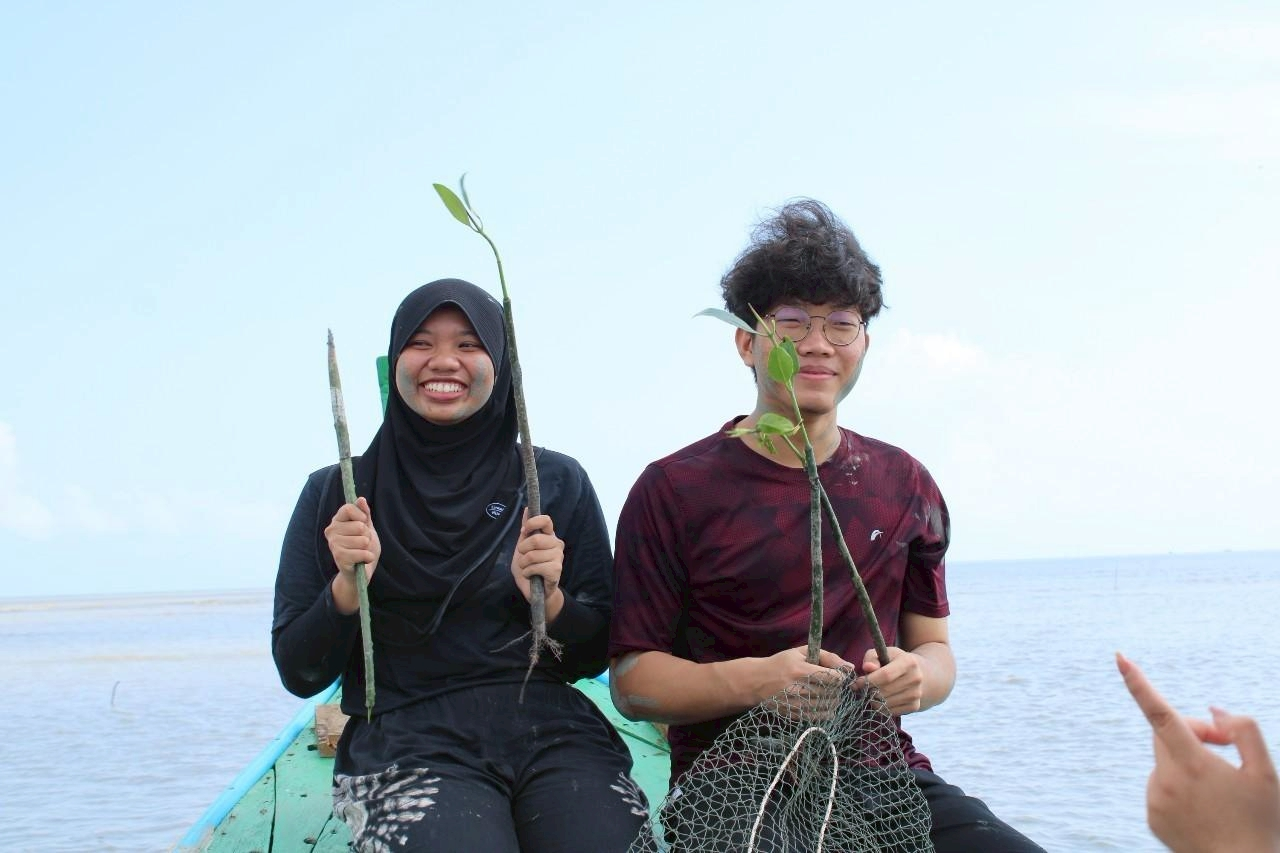
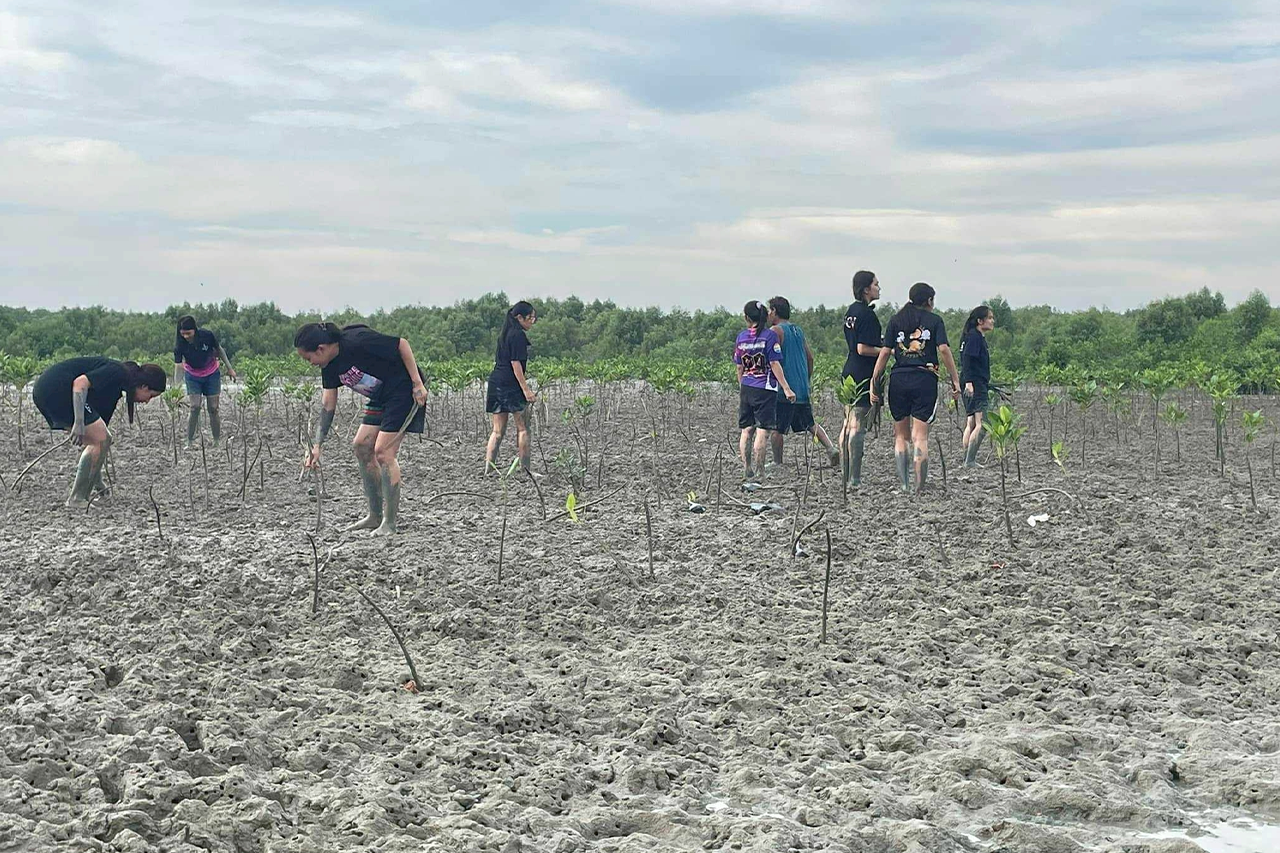
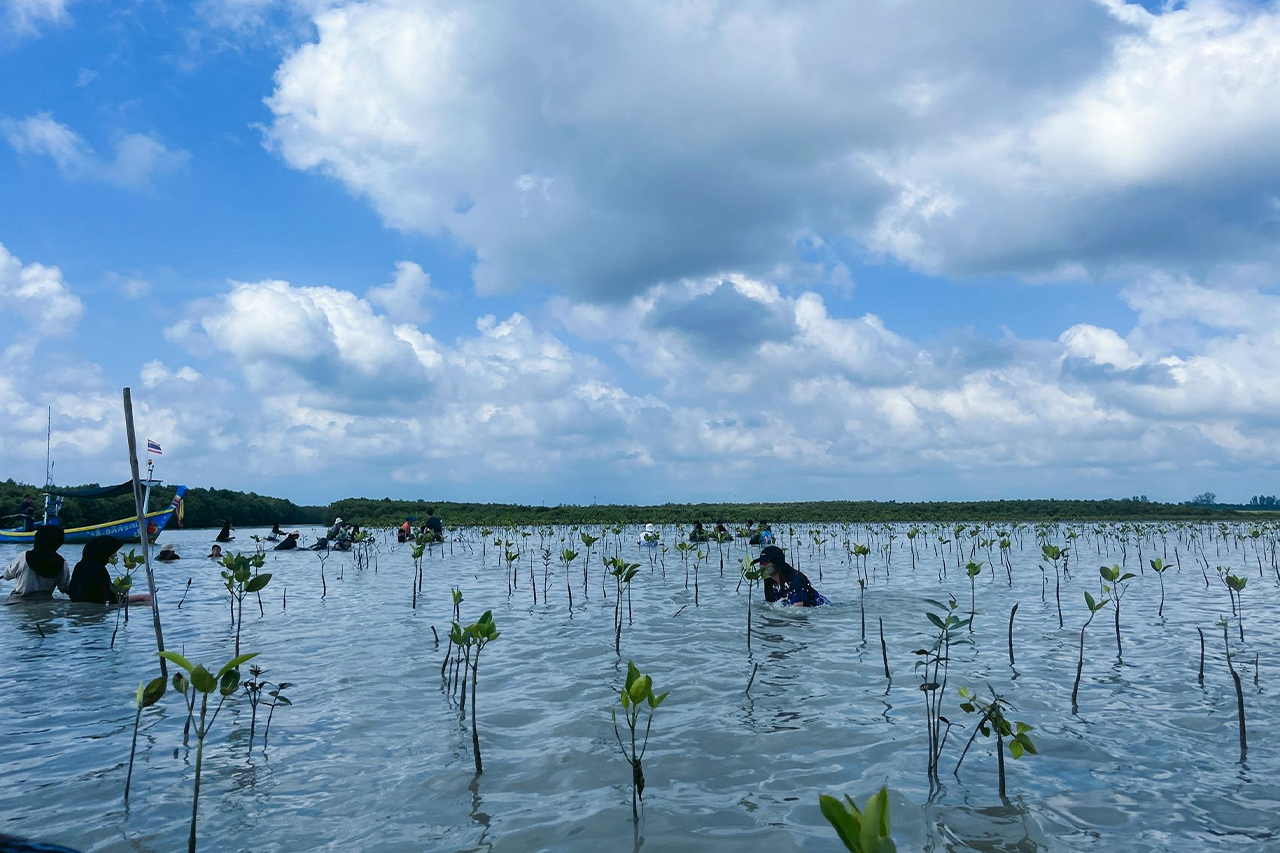
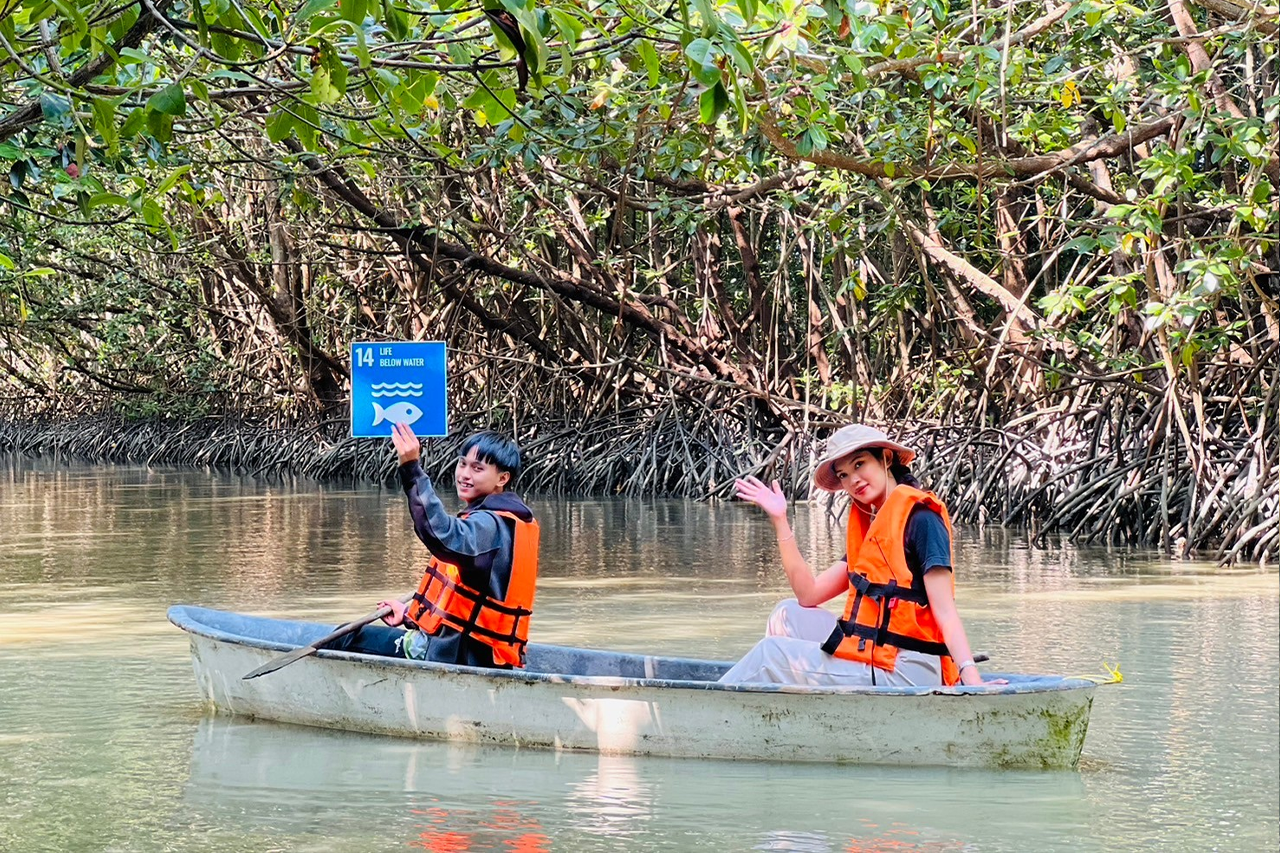
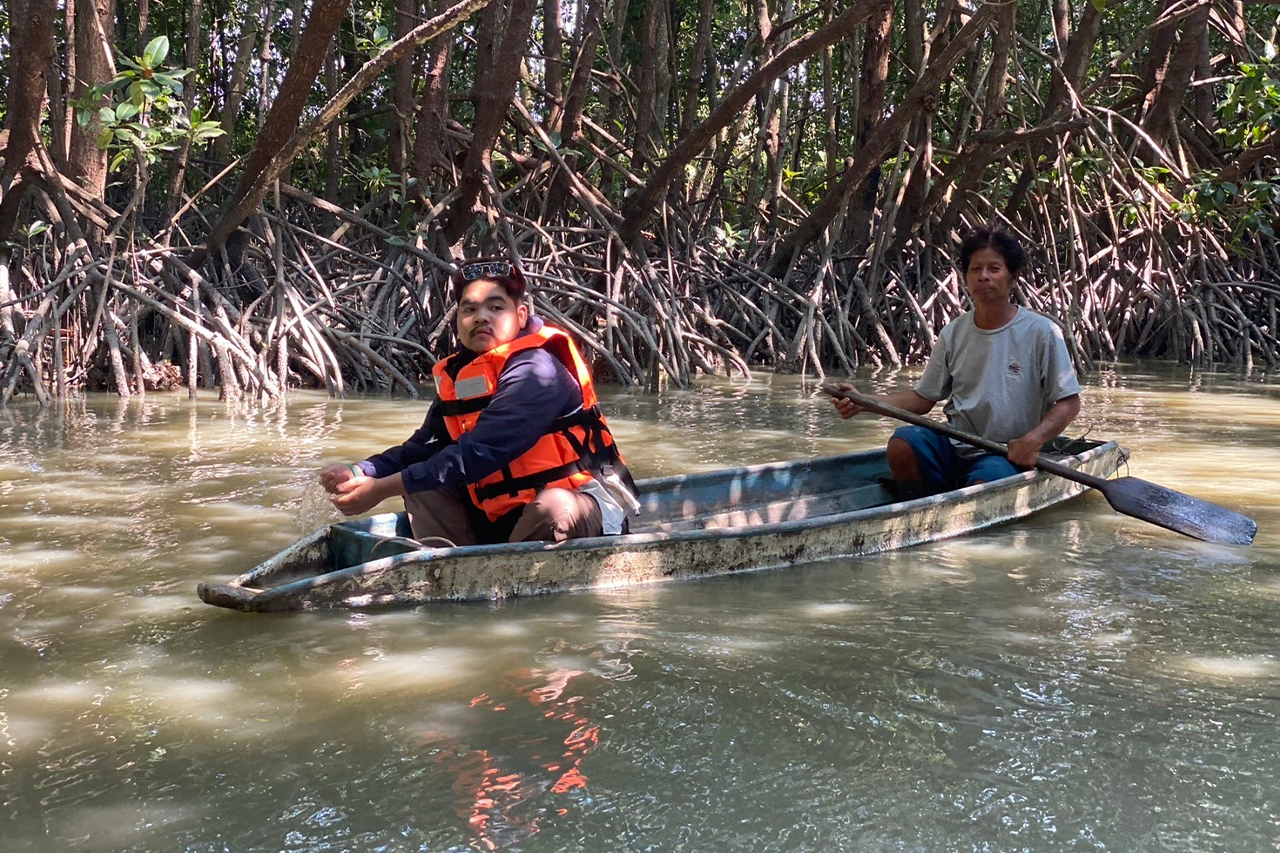
Mangrove restoration – Visitors plant mangrove trees, enhancing coastal resilience against erosion and providing habitats for marine life.
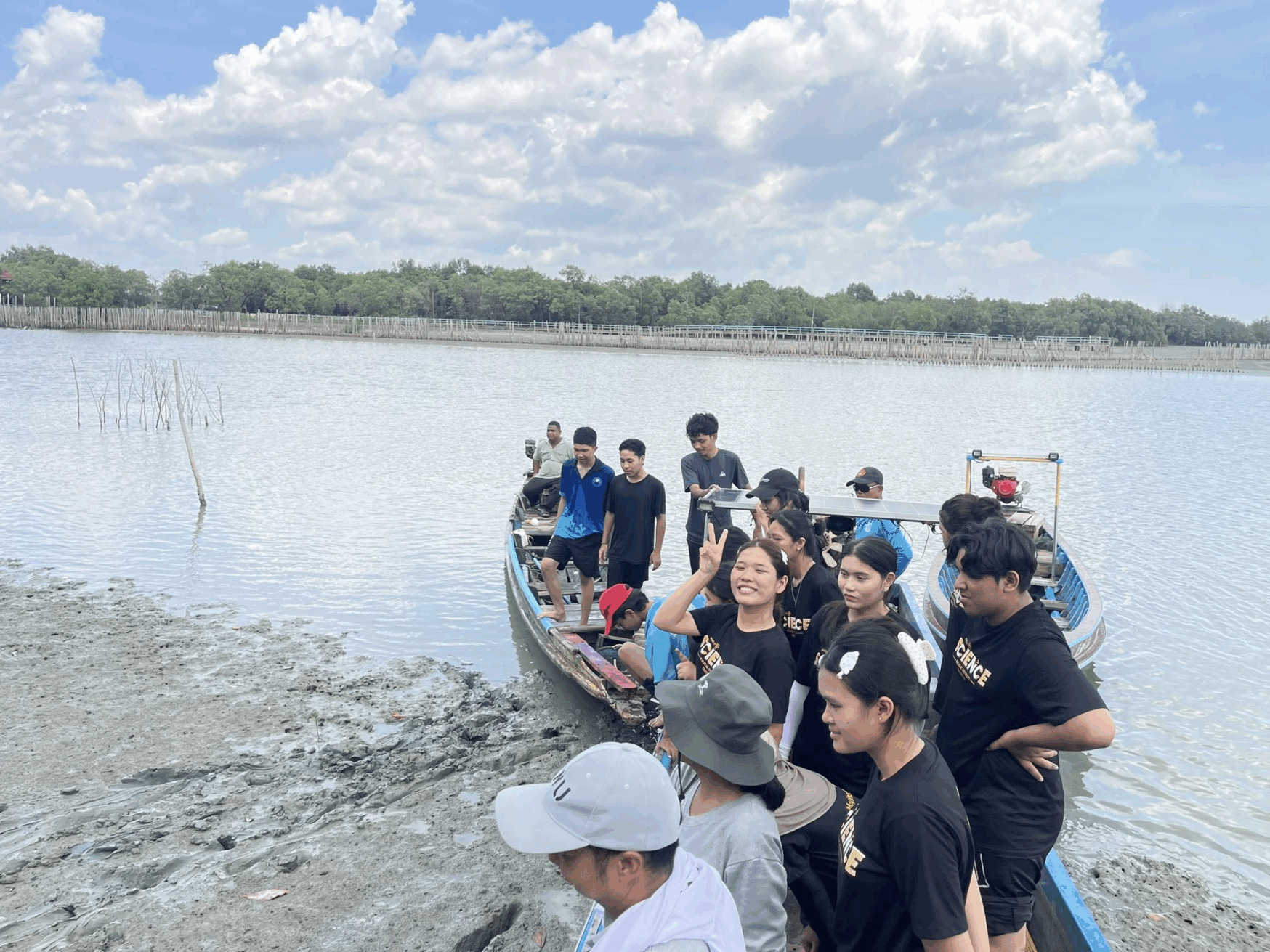
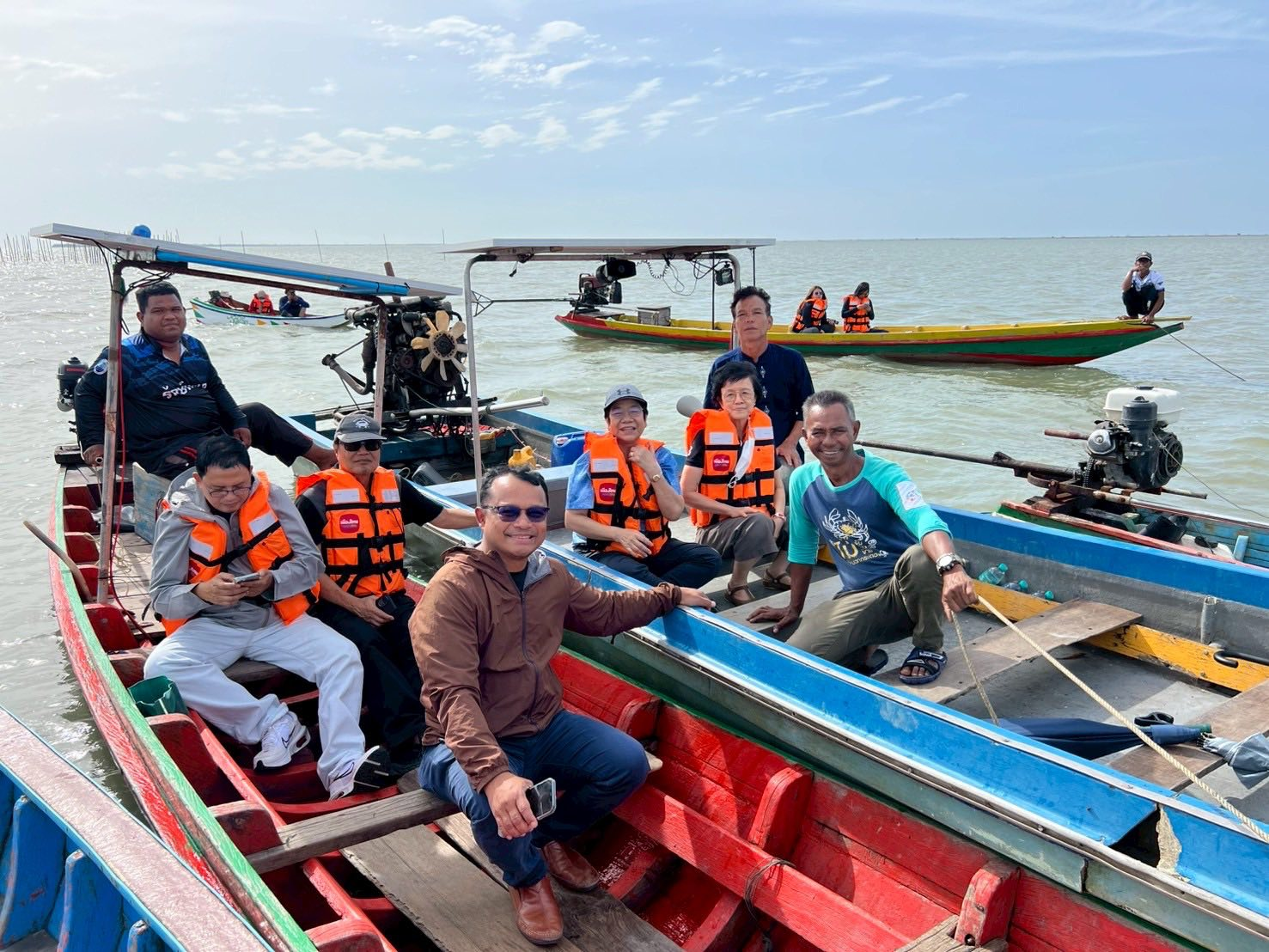
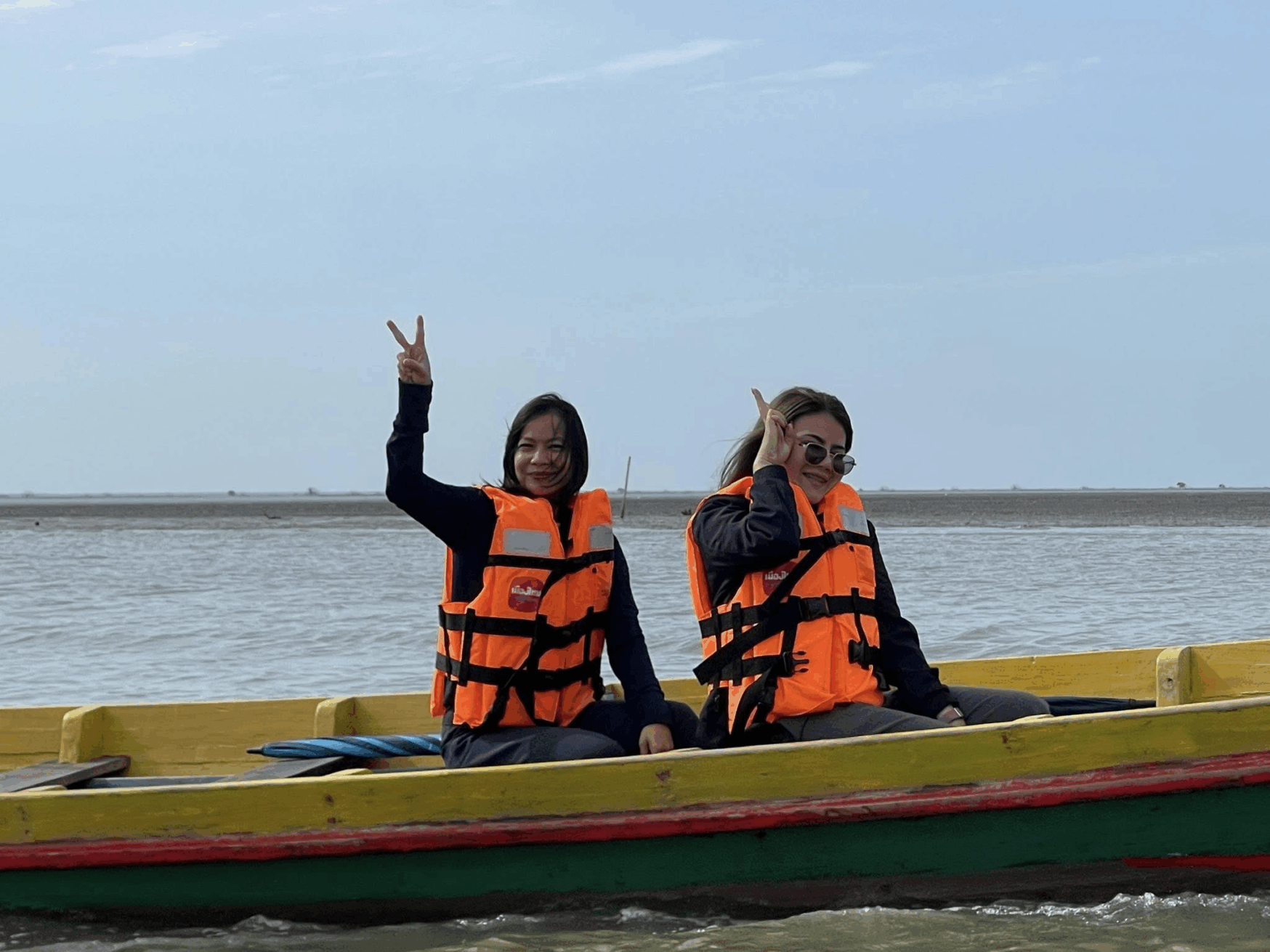
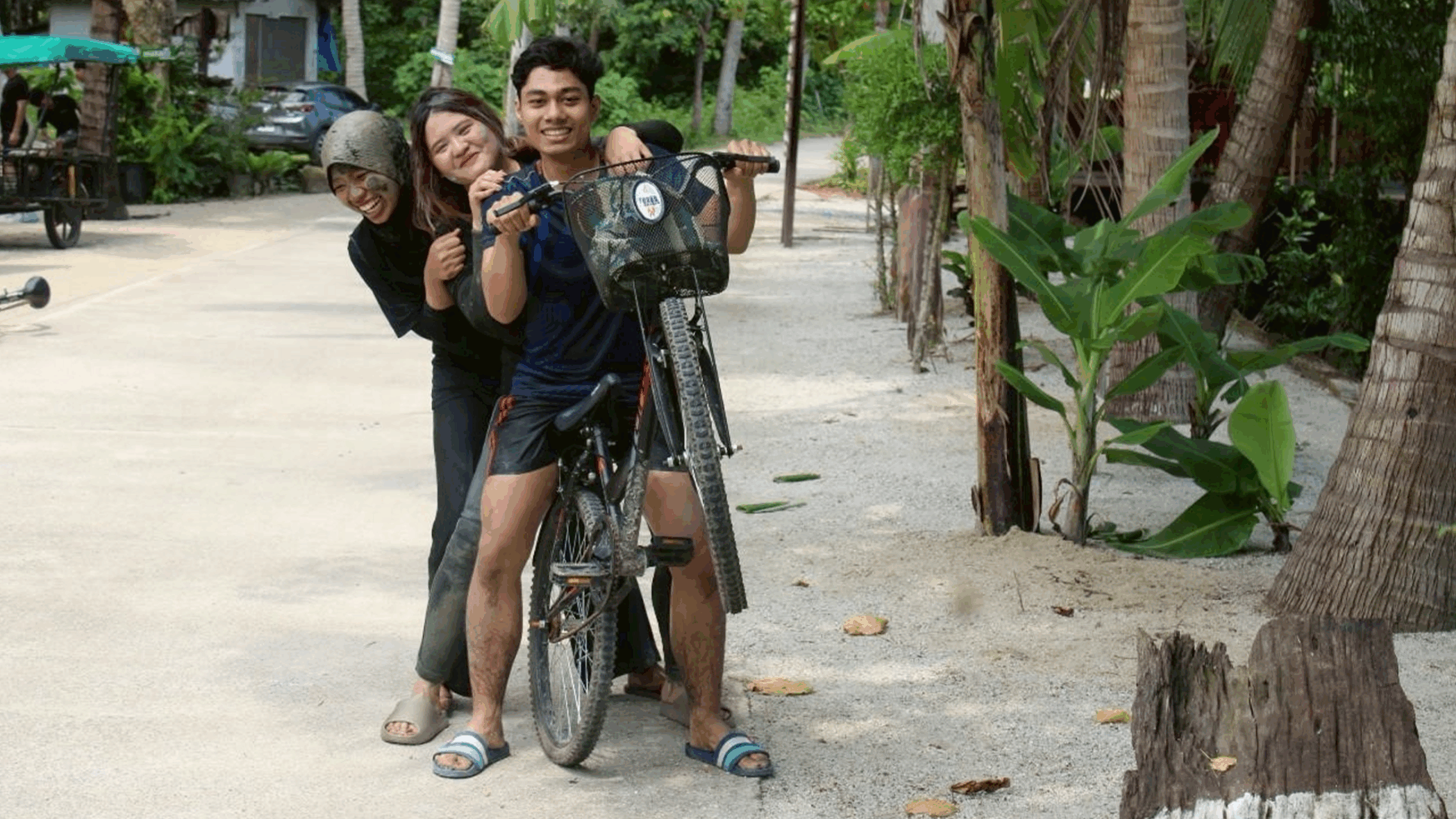
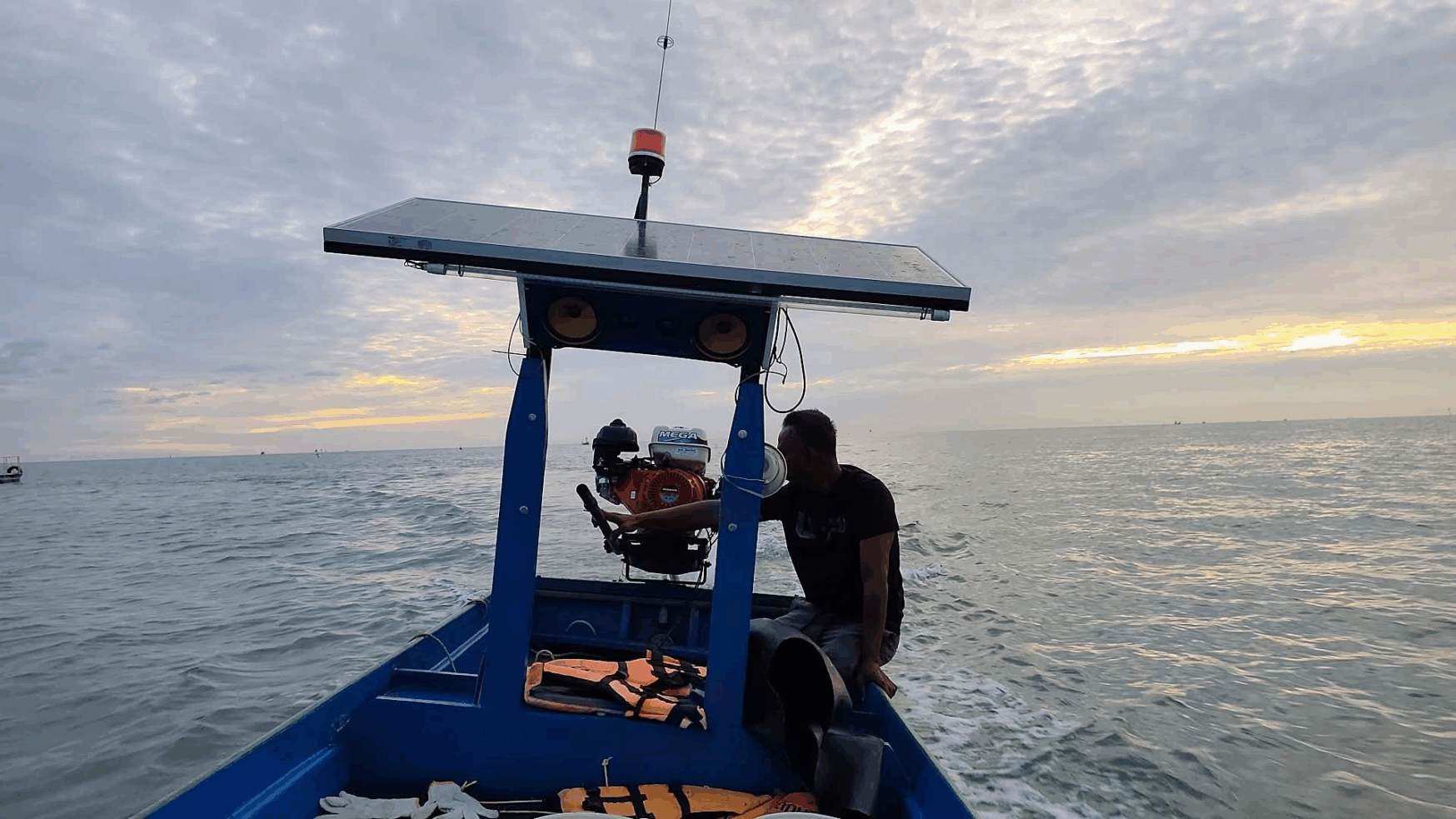
Eco-friendly transportation – Cycling tours through the communities and solar-powered boat rides offer sustainable travel options while reducing carbon emissions.
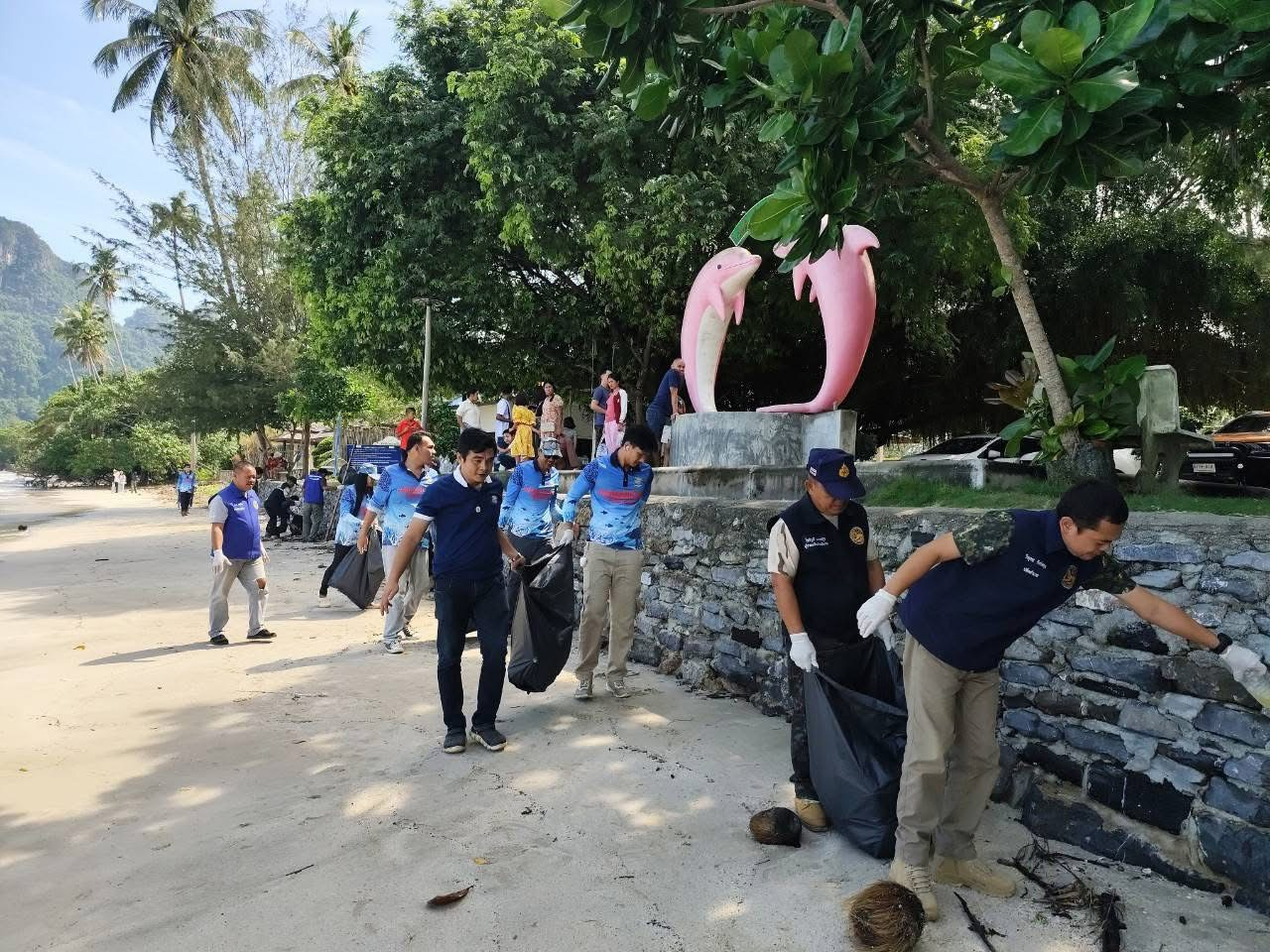
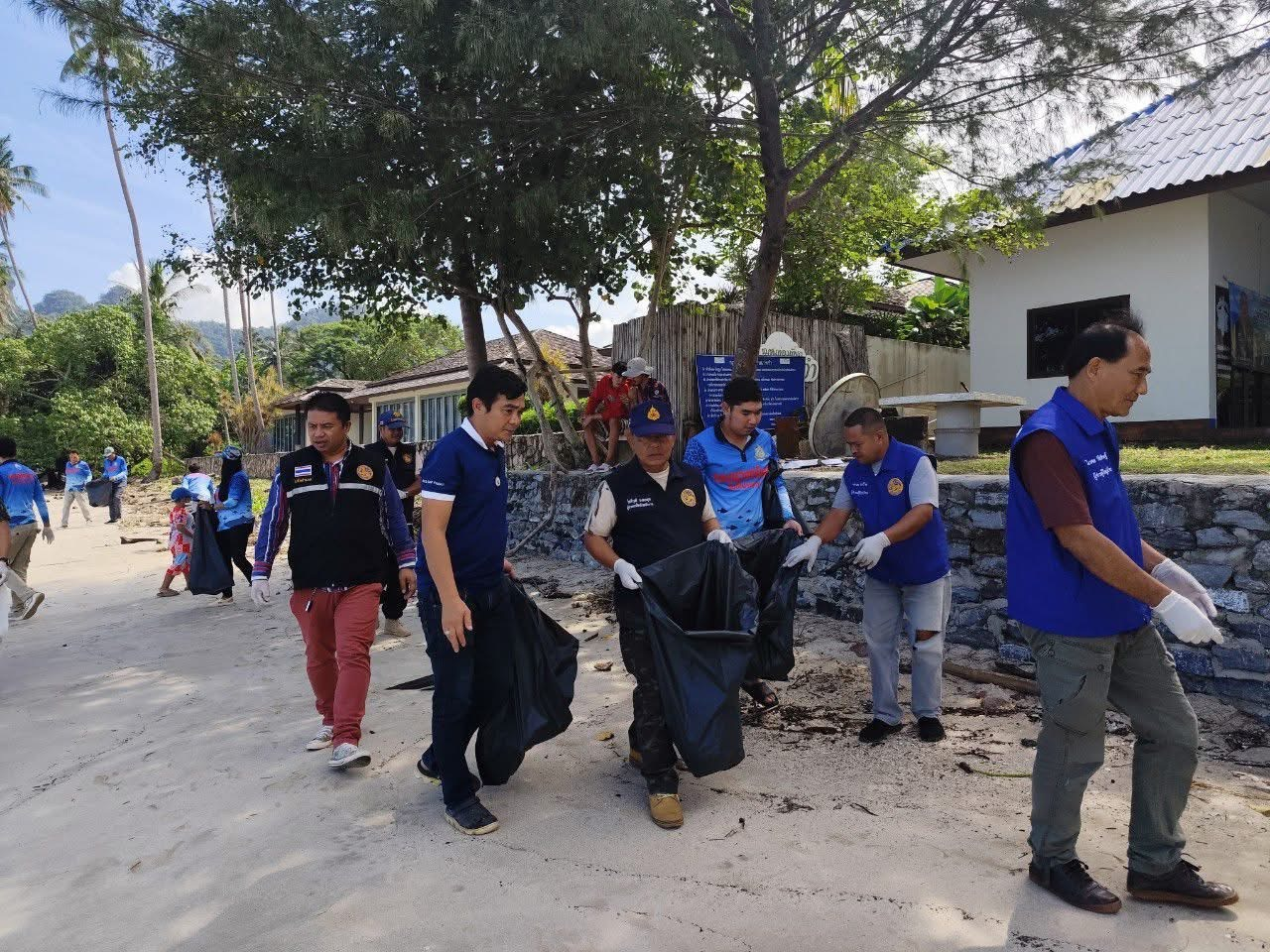
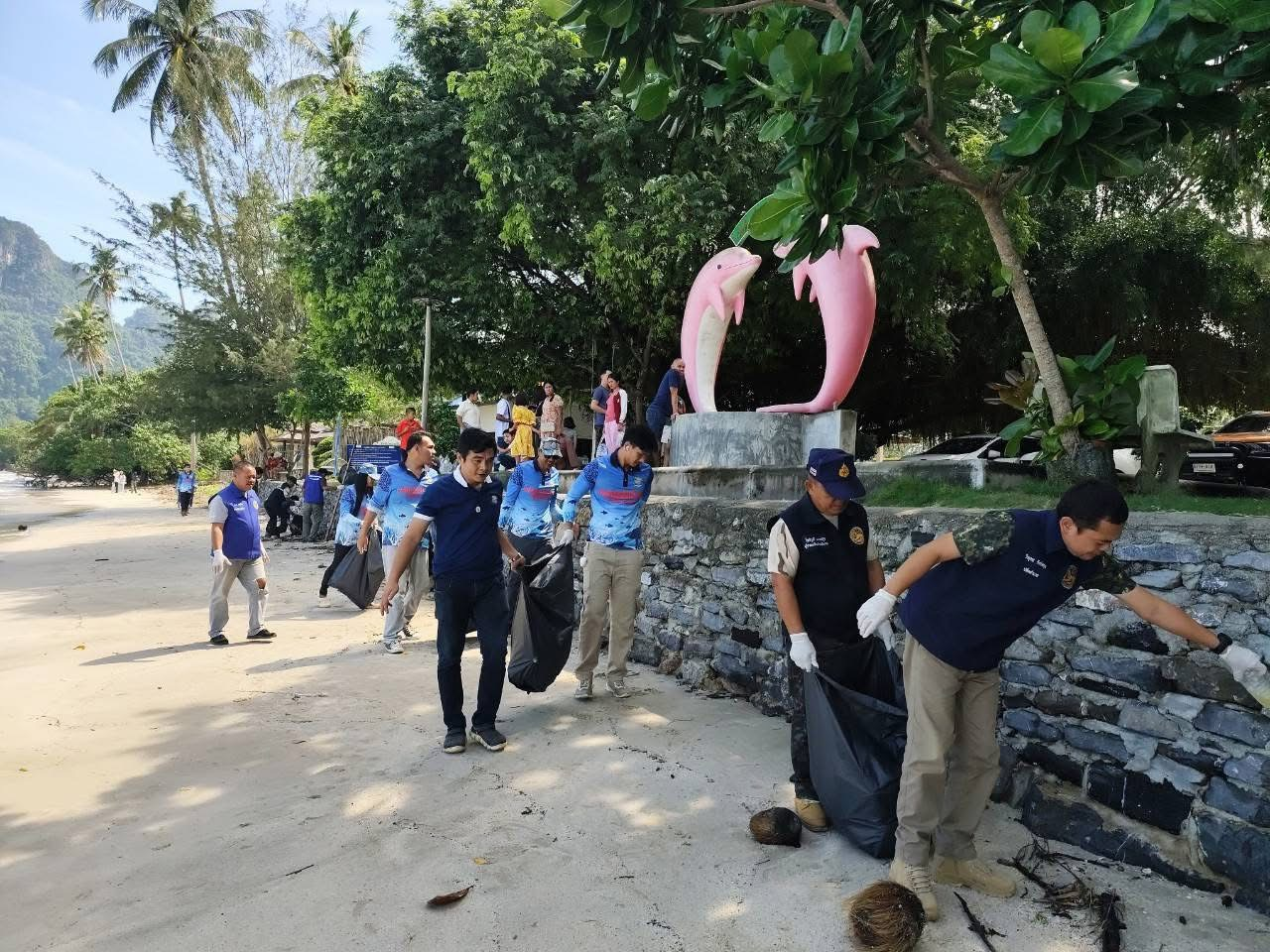
Waste management and clean-ups – Tourists and locals work together to collect waste from coastal areas, raising awareness of marine pollution and its impact.
Educational trails and workshops – Guided eco-tours educate visitors on local biodiversity, sustainable fishing methods, and the importance of mangrove forests in carbon sequestration.
Traditional aquaculture learning – Guests explore local aquaculture practices that integrate indigenous knowledge with modern sustainability principles.
Fishermen’s lifestyle immersion – Visitors engage with local fishermen, learning about their traditional ways of life and how they are adapting to sustainable fisheries management.
These initiatives are designed to offer tourists an immersive experience that deepens their appreciation of marine conservation and sustainable tourism. By actively participating in hands-on activities, visitors gain firsthand knowledge of environmental stewardship and the importance of preserving fragile coastal ecosystems.
Economic and Environmental Impact
Walailak University’s low-carbon tourism model not only promotes eco-conscious travel but also drives economic growth in coastal communities. By attracting sustainability-minded tourists, local businesses, homestays, and community-led enterprises experience increased income opportunities. Furthermore, the initiatives empower residents by providing training in sustainable resource management, eco-tourism entrepreneurship, and climate-resilient livelihoods.
By pioneering this initiative, Walailak University demonstrates how academia, local communities, and tourism stakeholders can work together to create a replicable model of low-carbon tourism that supports environmental conservation while enhancing economic resilience.
Sustainable Management of Fisheries: Collaboration in Promoting Sustainable Fishing for National and International Communities
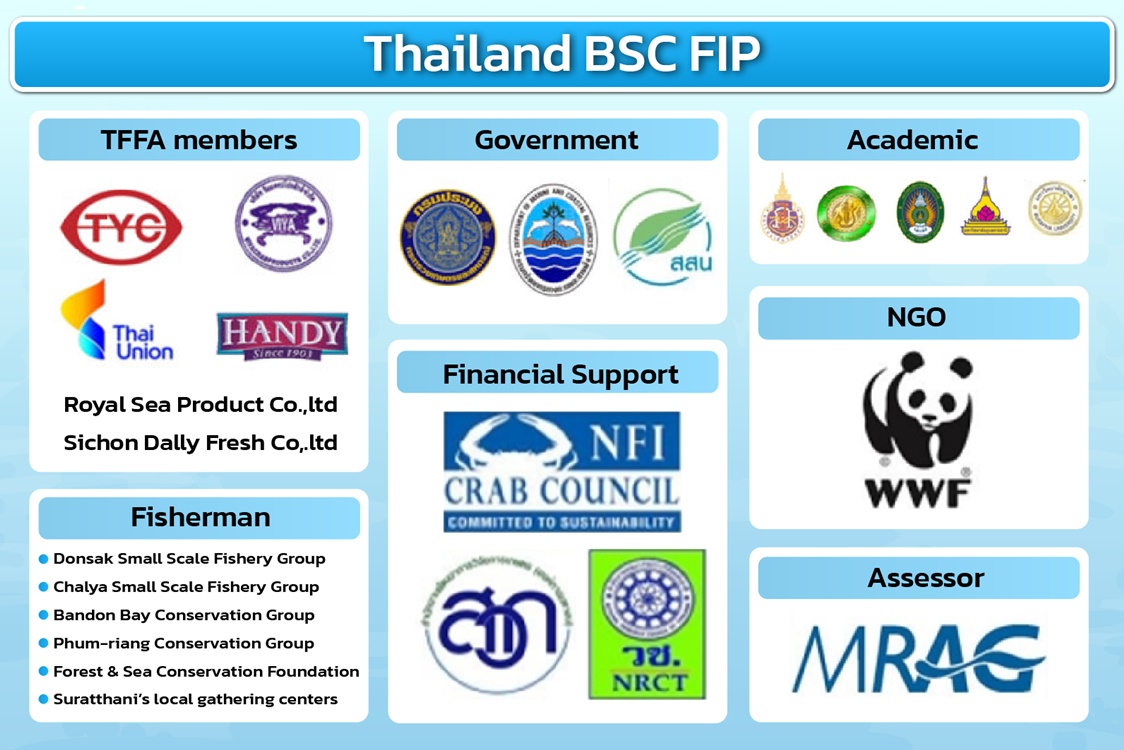
Walailak University has reaffirmed its leading role in marine resource research through active collaboration with NGOs and international organizations under the Thailand Blue Swimming Crab Fishery Improvement Project (Thailand BSC FIP). Partnering with the World Wide Fund for Nature (WWF), the Marine Resources Assessment Group (MRAG), and the National Fisheries Institute (NFI) Crab Council, the university continues to advance evidence-based solutions for the sustainable management of blue swimming crab populations in Ban Don Bay, Surat Thani Province.
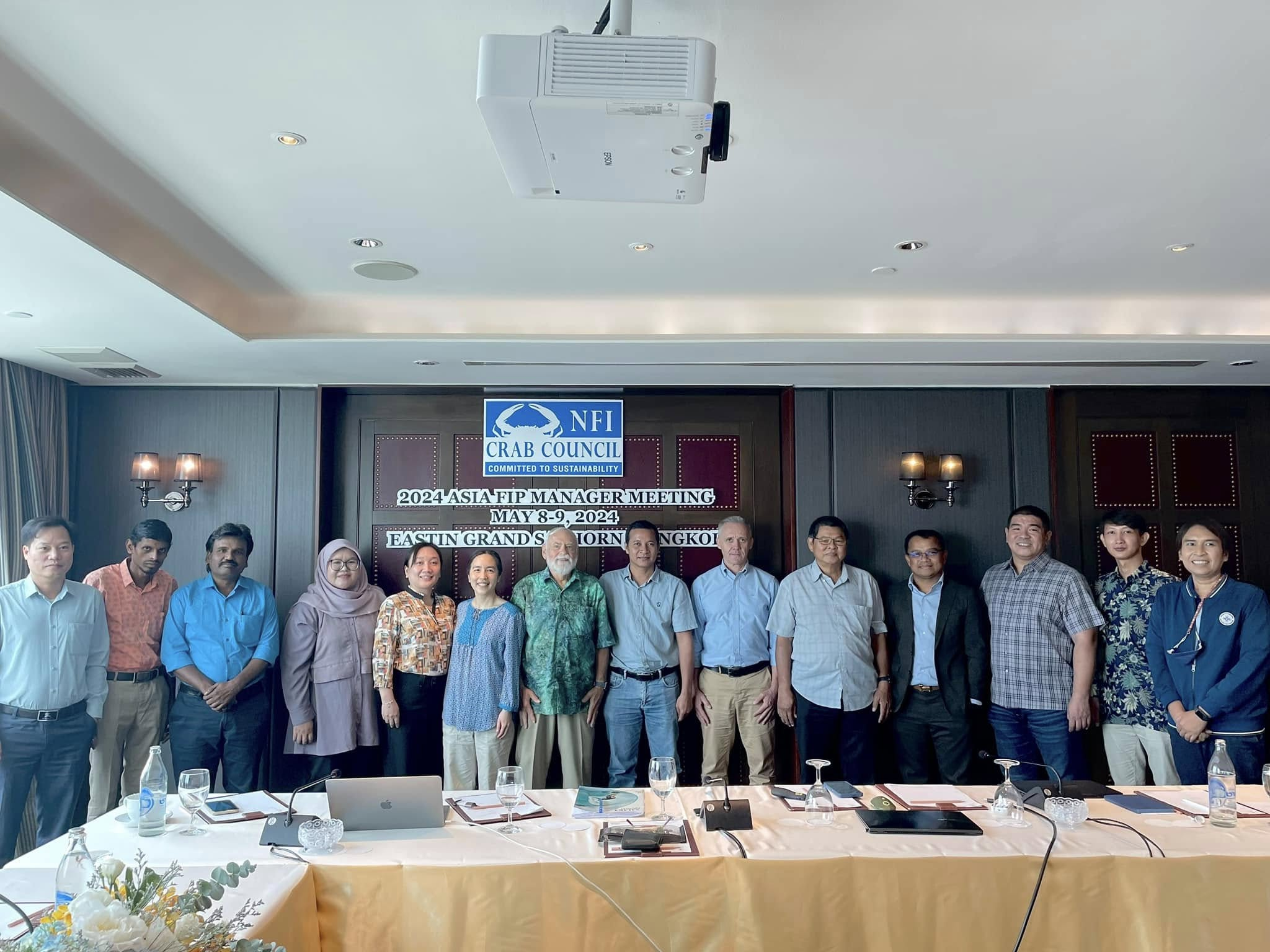
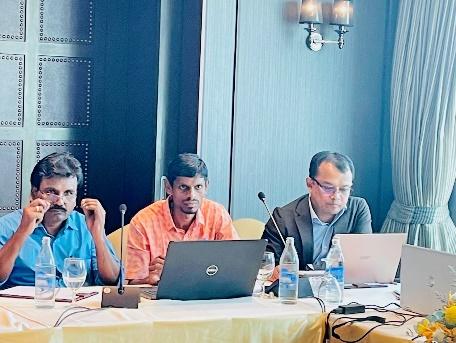
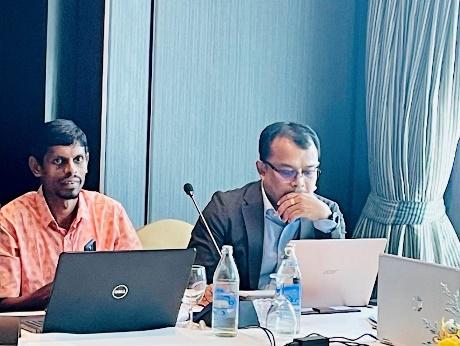
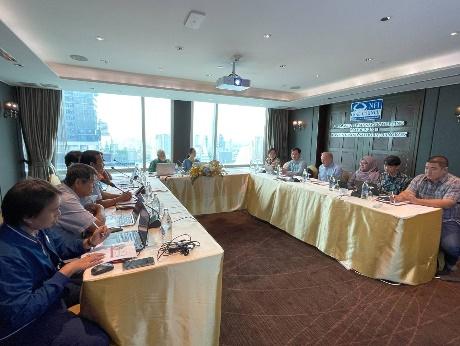
A major outcome of this collaboration has been the joint development of best practices for sustainable fisheries management, integrating findings from domestic research and regional knowledge-sharing platforms. In 2024, Asst. Prof. Dr. Amonsak Sawusdee of Walailak University participated in the Asia BSC FIP Manager Meeting organized by the NFI Crab Council, where researchers and NGO representatives from Thailand, India, Sri Lanka, Vietnam, and Indonesia exchanged data, discussed challenges, and worked together to strengthen regional fisheries governance.
During the meeting, Walailak University showcased Thailand’s progress through successful initiatives such as the Blue Swimming Crab Bank Project, fish habitat restoration programs, and community education campaigns promoting responsible fishing practices. These achievements contributed to broader discussions on replicable and context-sensitive strategies for improving fisheries management across Asia.
Based on the shared insights, participating stakeholders collectively outlined key best practices for blue swimming crab fisheries management. These included:
The application of harvest control rules (HCRs) tailored to local ecological and socio-economic conditions;
The establishment of minimum legal size limits and seasonal fishing closures to protect spawning and juvenile crabs;
The promotion of gear selectivity enhancements to minimize bycatch and the capture of undersized species.
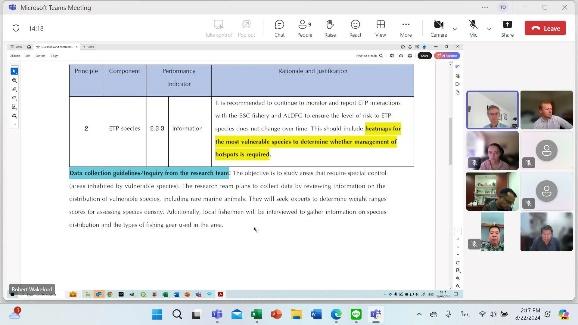
Additional recommendations emphasized the importance of community-driven crab bank initiatives to replenish crab stocks, awareness and training programs for fishers, processors, and local residents, and the use of heat maps and spatial monitoring tools to track fishing activities, habitat quality, and crab population trends.
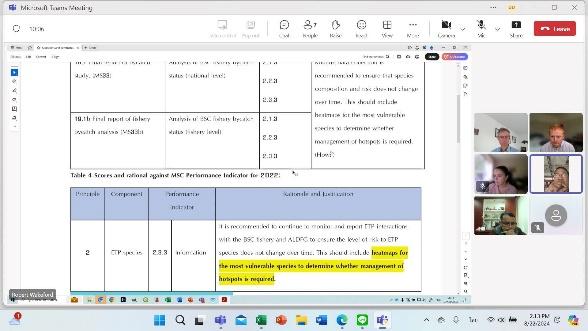
Figures: Asst. Prof. Dr. Amonsak Sawusdee and international researchers discussing the development of heat maps and other related issues
Walailak University, working in collaboration with NGOs and government agencies, also proposed an amendment to Section 57 of the Fisheries Act B.E. 2558 (2015) to formally establish size-specific harvesting regulations for blue swimming crabs. This proposal emerged as one of the key policy recommendations resulting from joint research activities and best practice consultations under the Thailand Blue Swimming Crab Fishery Improvement Project.
Through these coordinated efforts, Walailak University and its partners have reinforced the scientific and regulatory framework supporting sustainable blue swimming crab fisheries in Thailand. By aligning local initiatives with regional best practices and incorporating evidence from international Fishery Improvement Projects (FIPs), the project stands as a strong model for collaborative, science-based marine resource management in Southeast Asia.
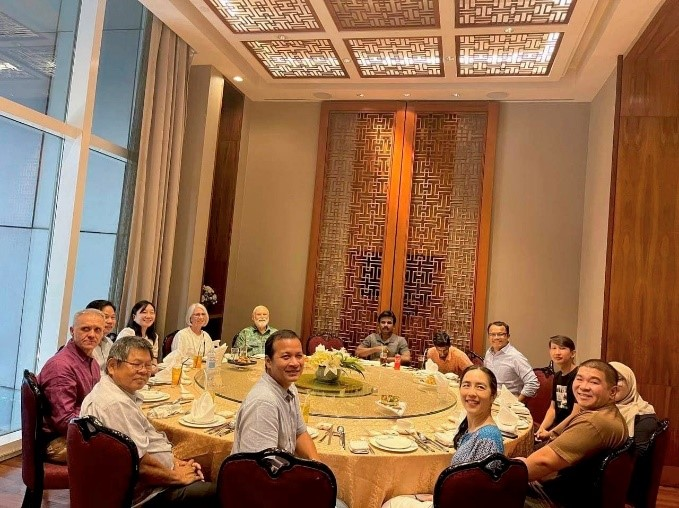
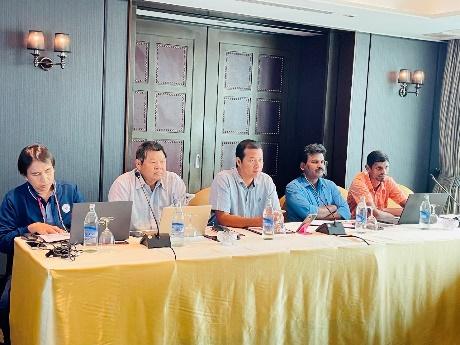
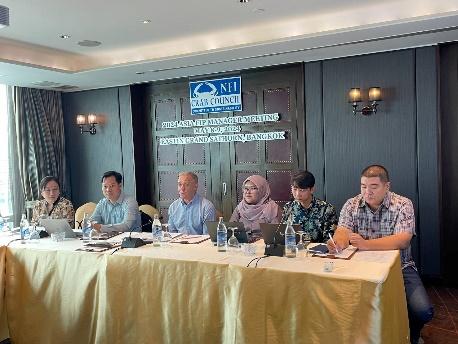
Figures: Asst. Prof. Dr. Amonsak Sawusdee participating in the meeting titled “2024 Asia BSC FIP Manager” with international researchers
The extensive outreach and collaborative initiatives led by Walailak University in 2024 have generated measurable and long-term benefits for both local communities and marine ecosystems. Through its free educational programs on sustainable fisheries, aquaculture, and tourism, the university has empowered local fishermen, youth, and government authorities with practical knowledge and scientific understanding necessary for responsible resource management. The programs’ impact is evident in the increased adoption of sustainable fishing techniques, the expansion of 62 blue swimming crab banks across Nakhon Si Thammarat and Surat Thani, and the active participation of coastal communities in crab conservation and aquaculture practices. These actions have not only strengthened marine biodiversity but also enhanced the livelihoods and economic stability of small-scale fishermen.
The collaborative efforts under the Thailand Blue Swimming Crab Fishery Improvement Project (Thailand BSC FIP) have further contributed to policy-level improvements and regional governance. The proposal to amend Section 57 of the Fisheries Act B.E. 2558 (2015) represents a significant step toward institutionalizing sustainable crab harvesting through size-specific regulations. This legal enhancement, supported by evidence-based research from Walailak University and its partners, ensures that conservation measures are embedded within Thailand’s national fisheries framework. Furthermore, the integration of regional best practices—such as harvest control rules, seasonal closures, and community-led crab banks—has established a replicable model for sustainable fisheries management across Southeast Asia.
In addition to fisheries and aquaculture, Walailak University’s initiatives in gastronomy and low-carbon tourism have delivered both environmental and socio-economic benefits. The development of blue swimming crab gastronomy routes and low-carbon tourism models has not only diversified local income sources but also raised public awareness of marine conservation, responsible tourism, and climate action. These initiatives demonstrate how academic institutions can serve as catalysts for sustainable development—bridging science, community engagement, and policy reform to achieve tangible progress toward the Sustainable Development Goals (SDGs).