Policy for Preventing and Reducing Marine Pollution
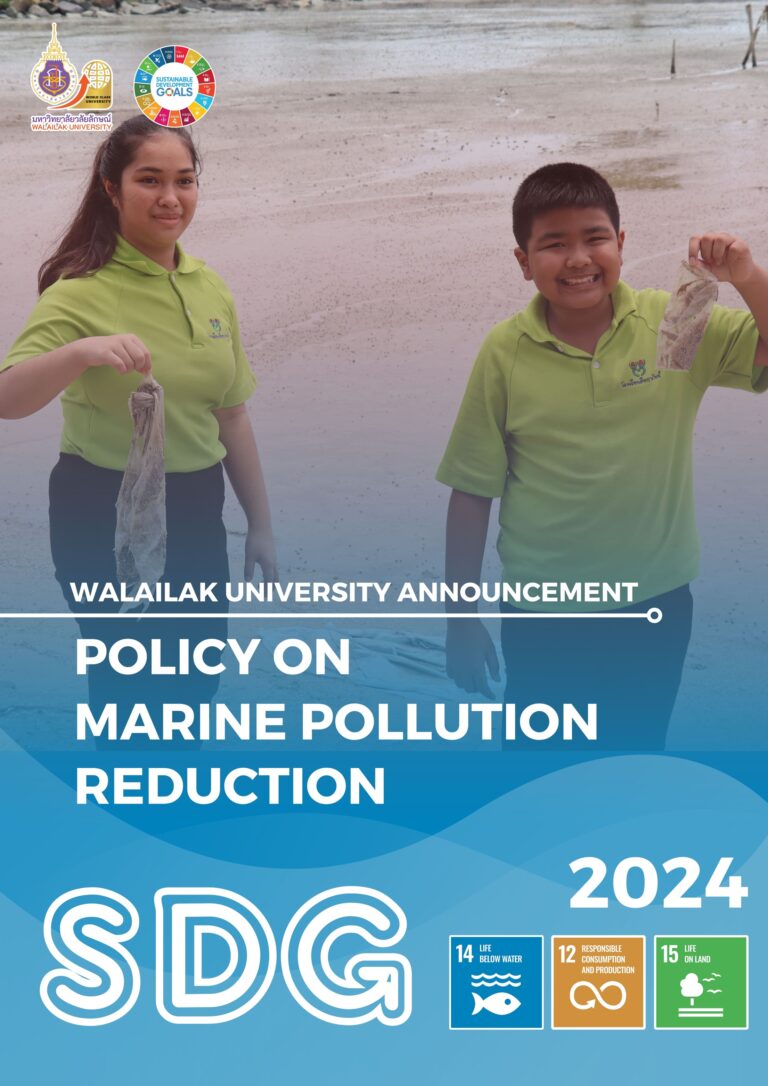
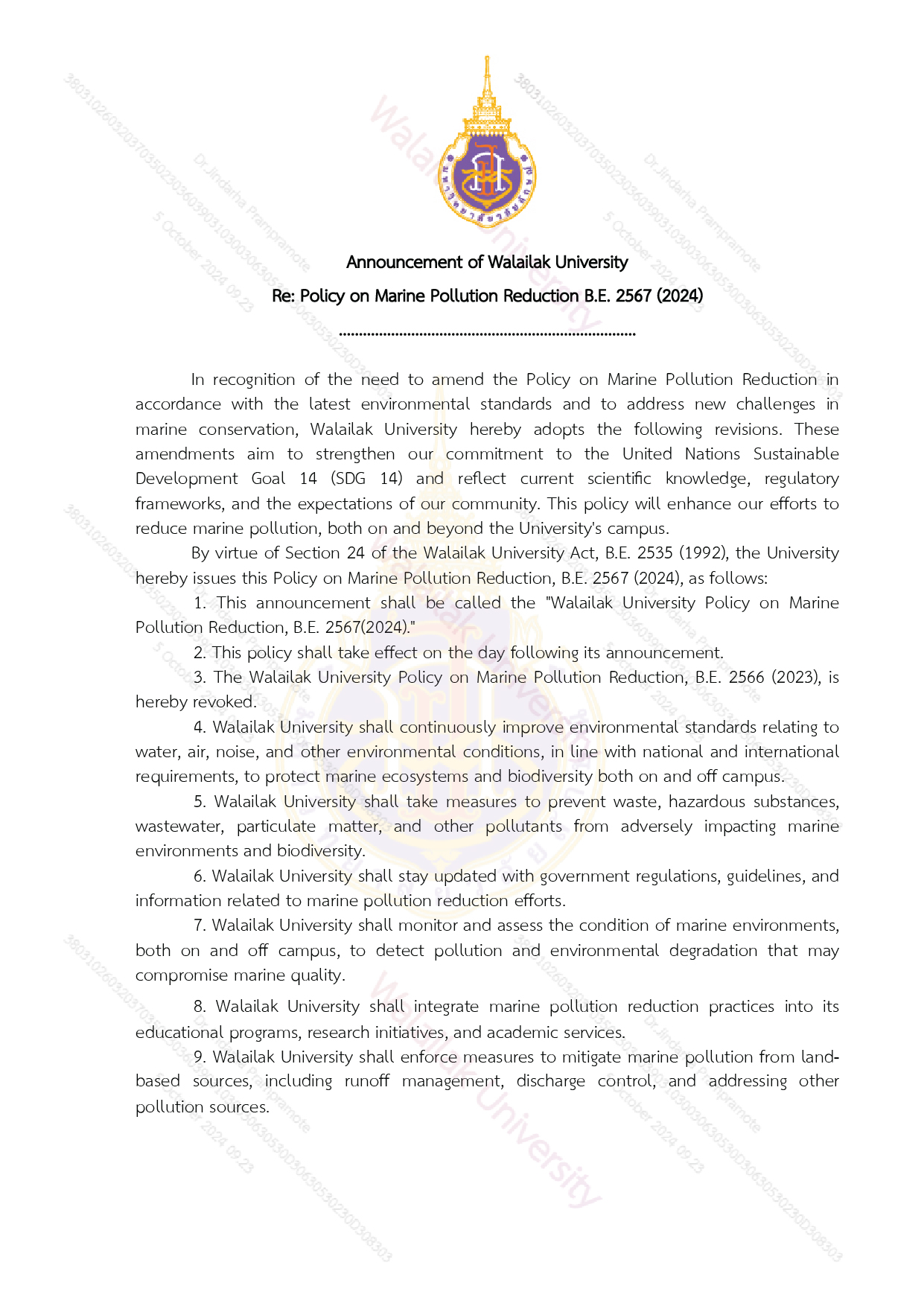
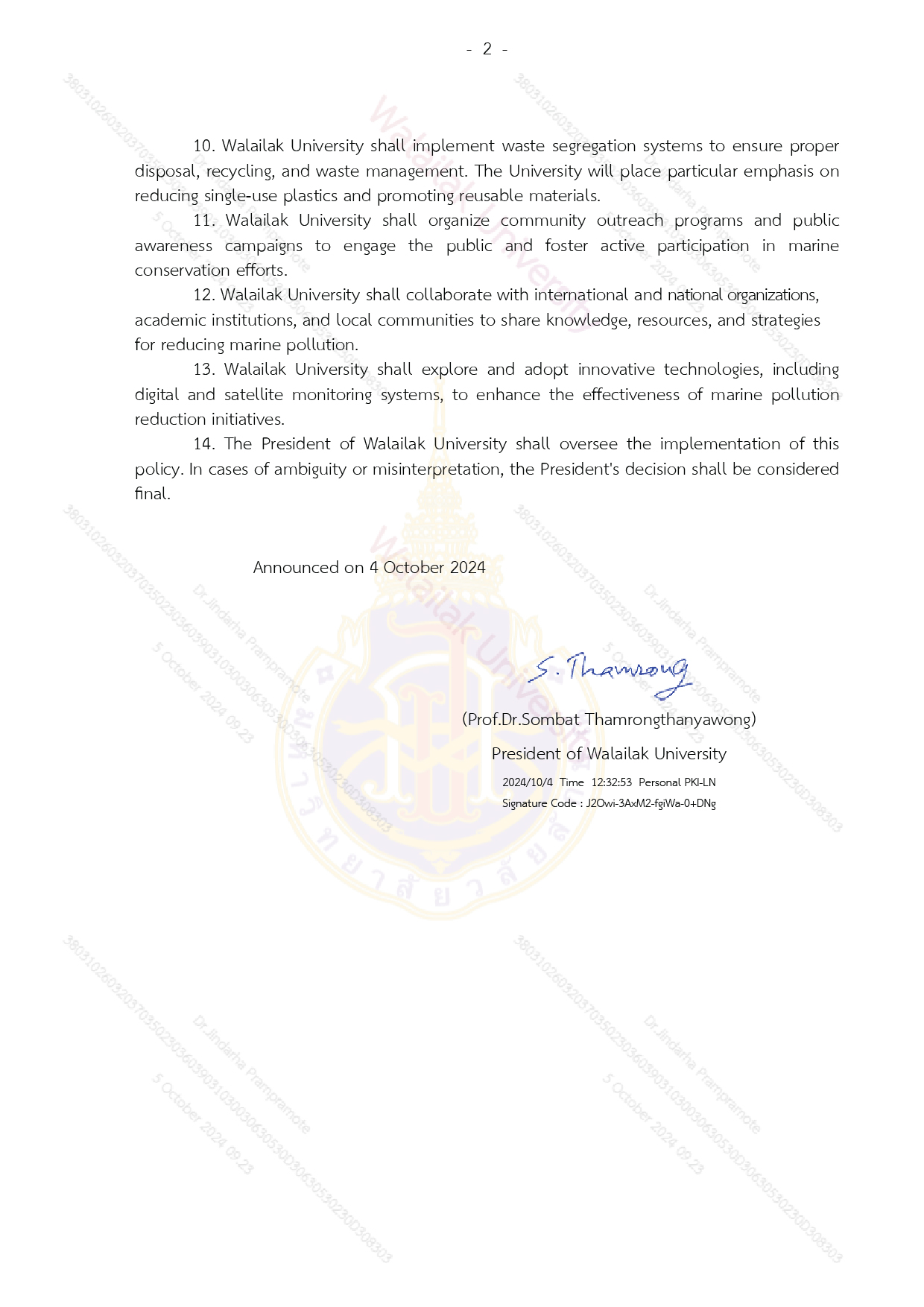
In 2024, Walailak University issued its policy on marine pollution reduction to strengthen measures aimed at preventing and mitigating pollution from all sources, particularly land-based activities. The policy, titled “Policy on Marine Pollution Reduction B.E. 2567 (2024),” demonstrates the university’s commitment to responsible environmental stewardship on and off campus.
As a leading educational institution in Thailand, Walailak University recognizes its role in modeling best practices in environmental management and supporting the United Nations Sustainable Development Goal 14 (SDG 14) on life below water. The policy provides a clear framework for monitoring and addressing marine pollution, ensuring compliance with national and international regulations, and protecting vital marine ecosystems that sustain biodiversity and the livelihoods of coastal communities.
Beyond regulatory compliance, the university emphasizes education and community engagement. By integrating marine pollution reduction practices into curricula and outreach programs, Walailak University fosters environmental awareness and encourages students, staff, and local communities to actively participate in conservation initiatives.
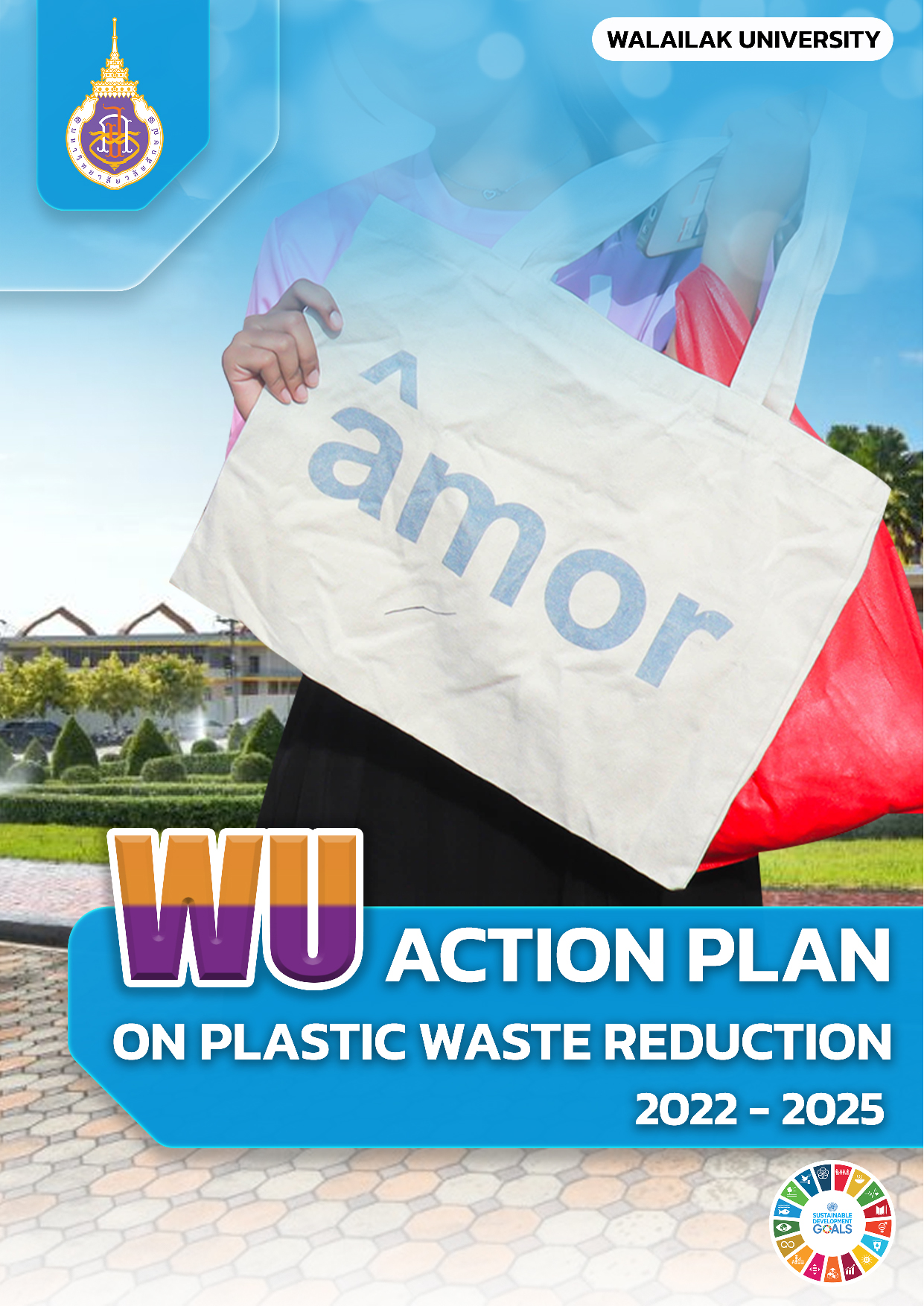
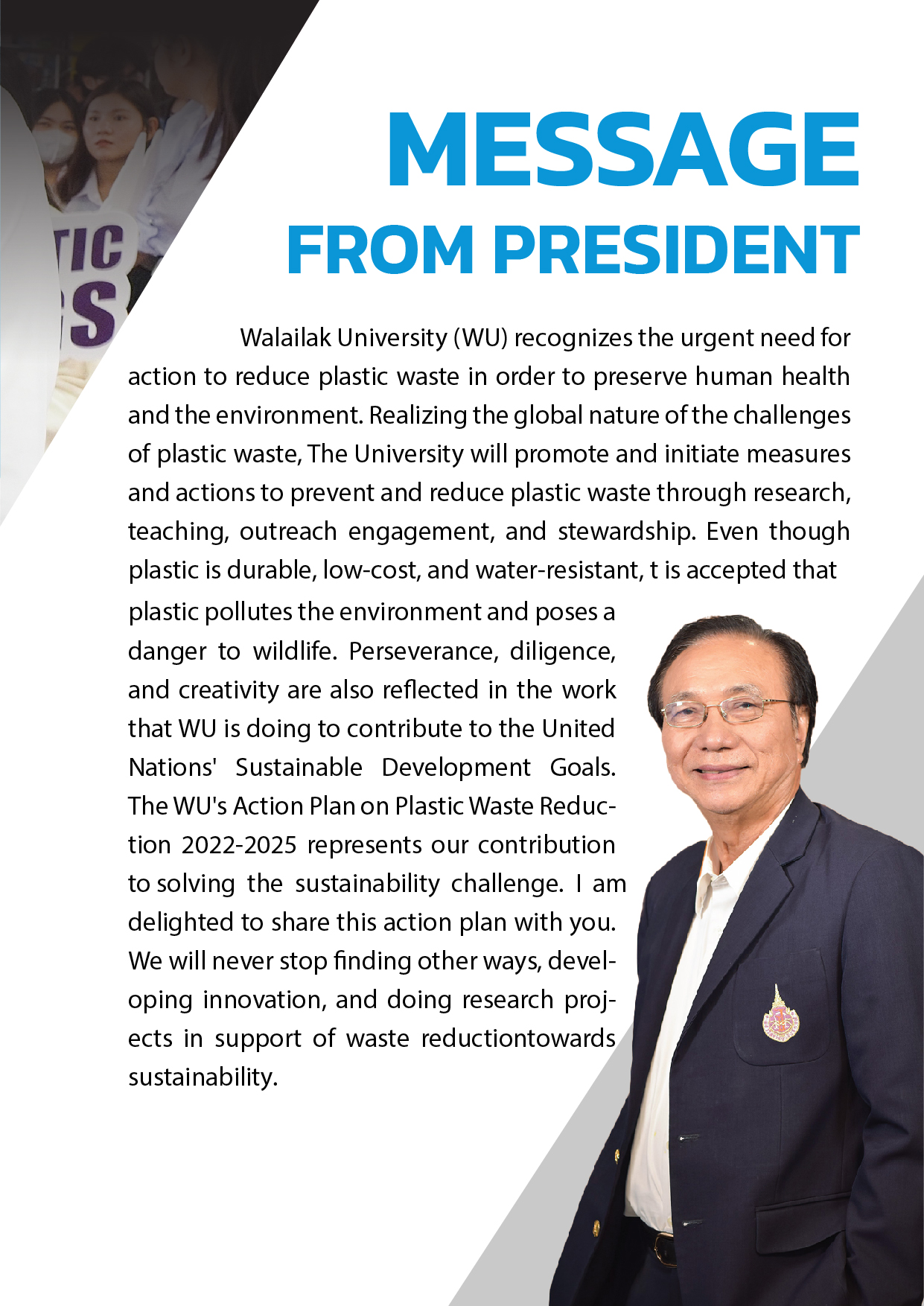
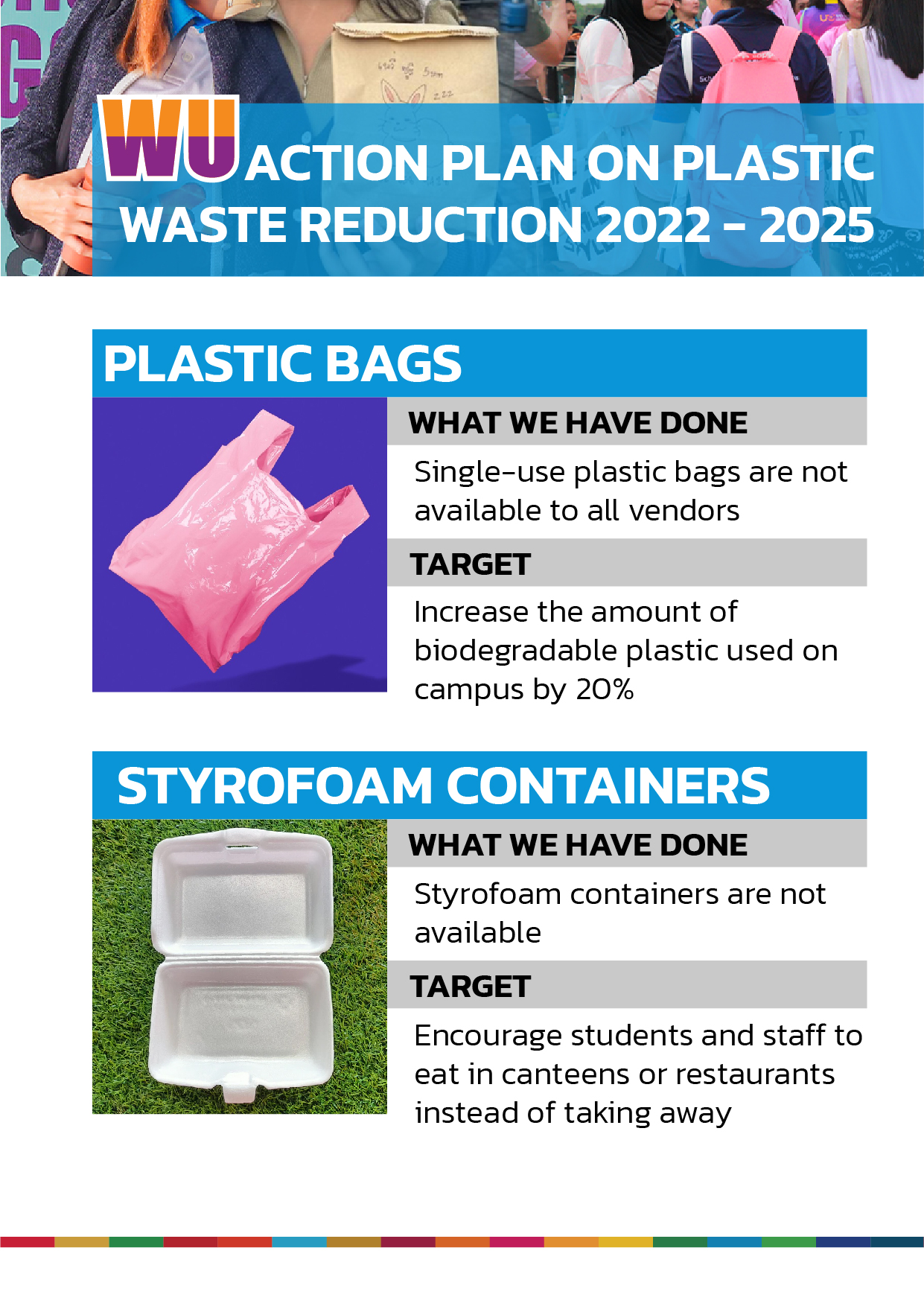
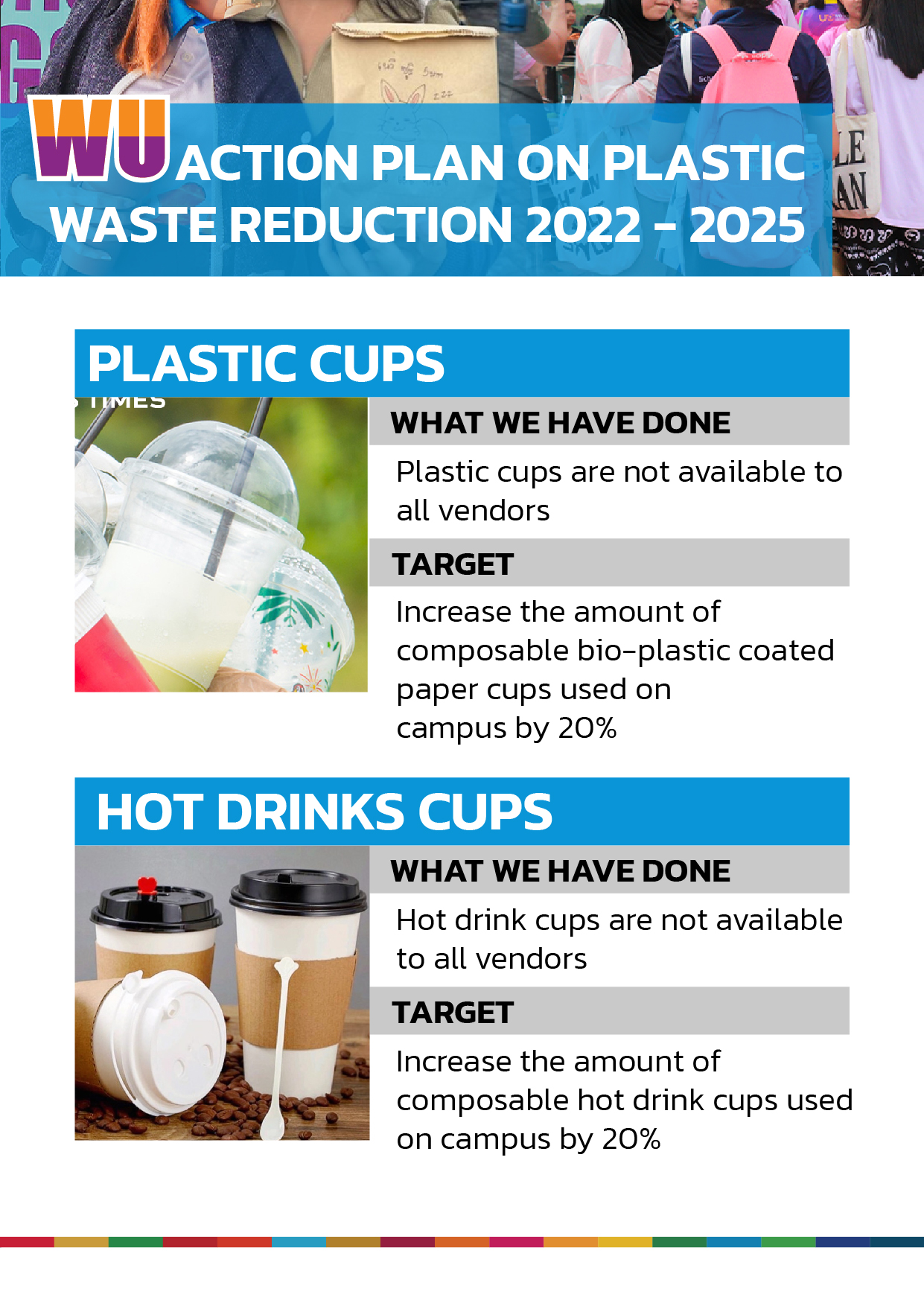
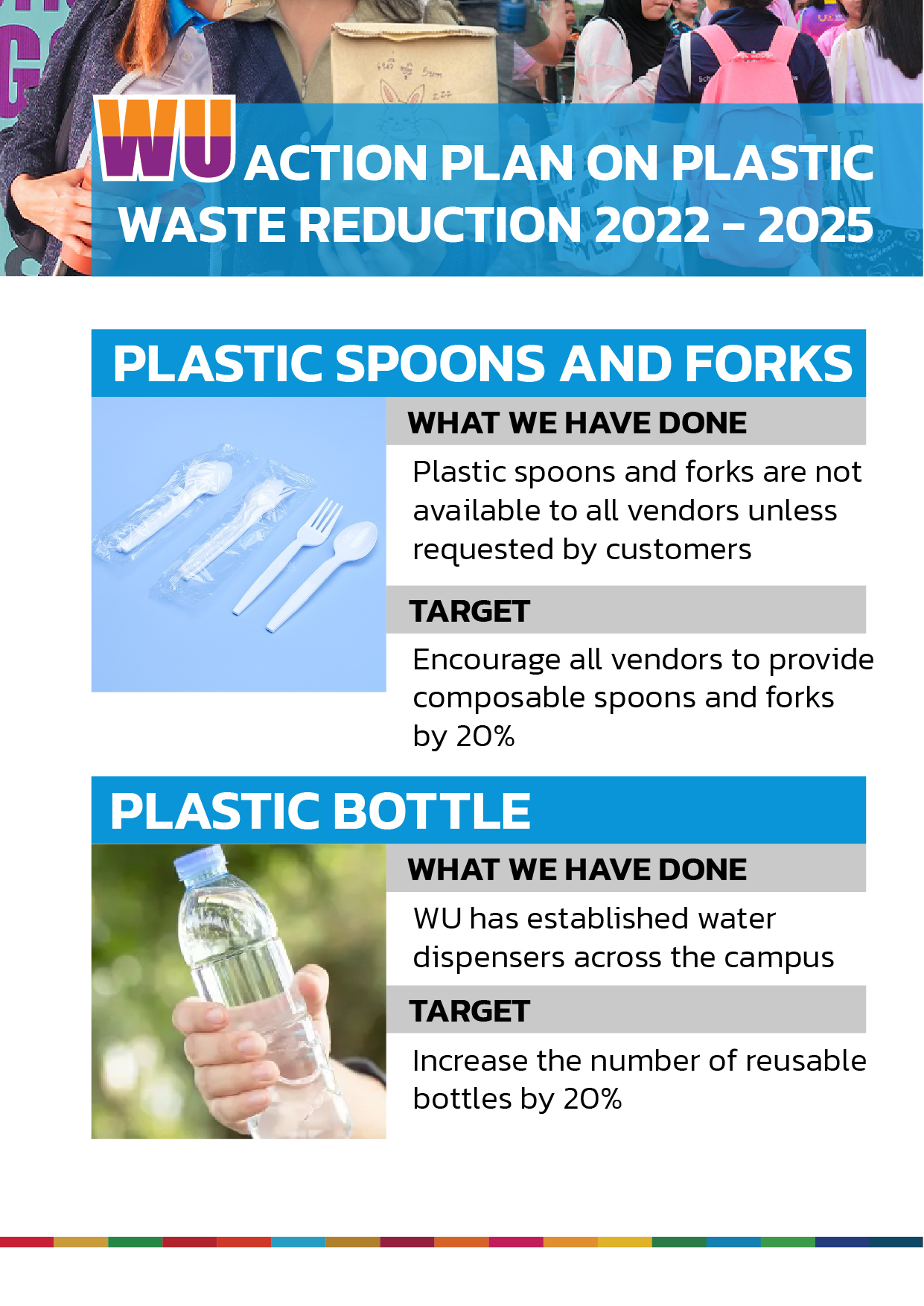
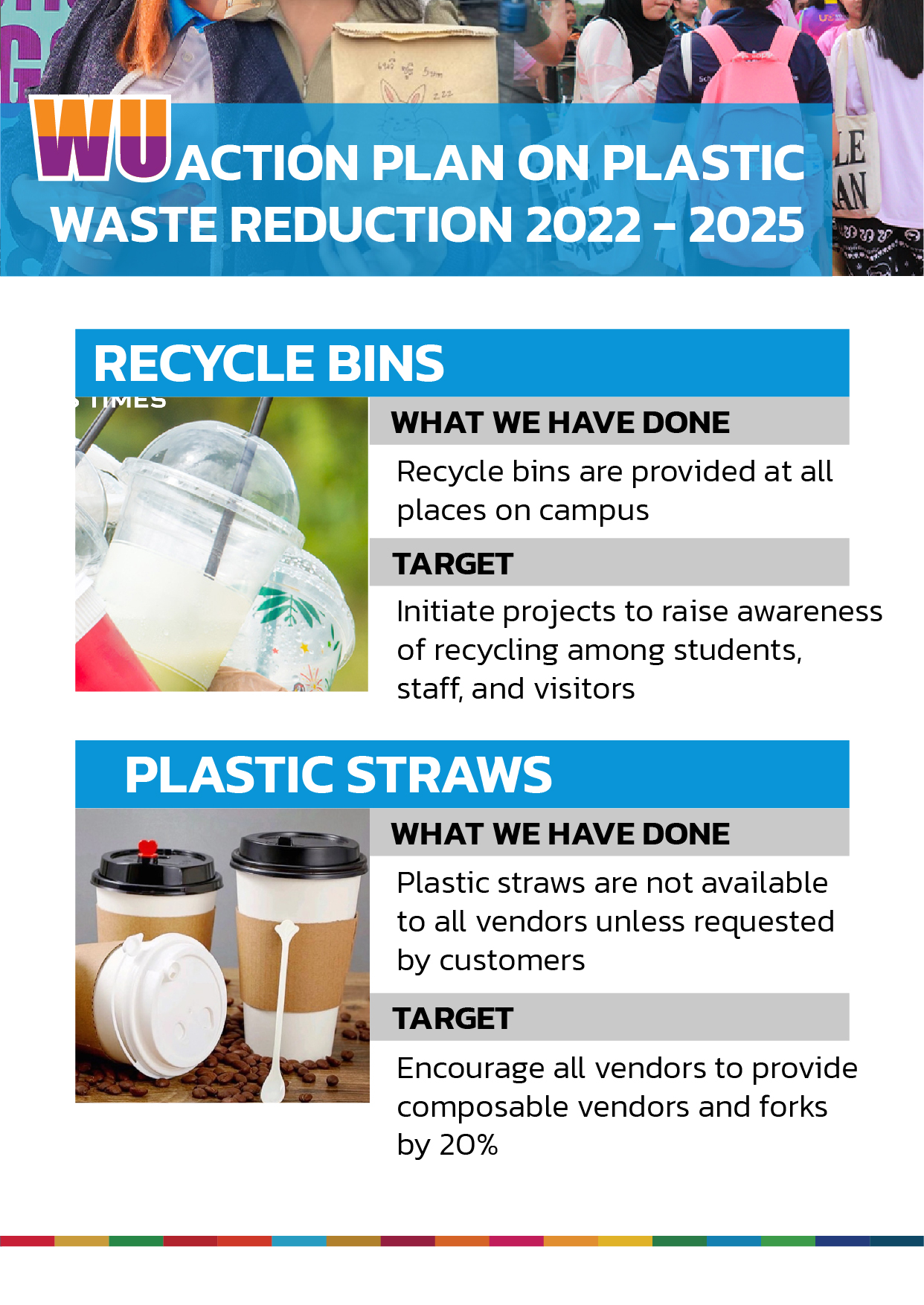
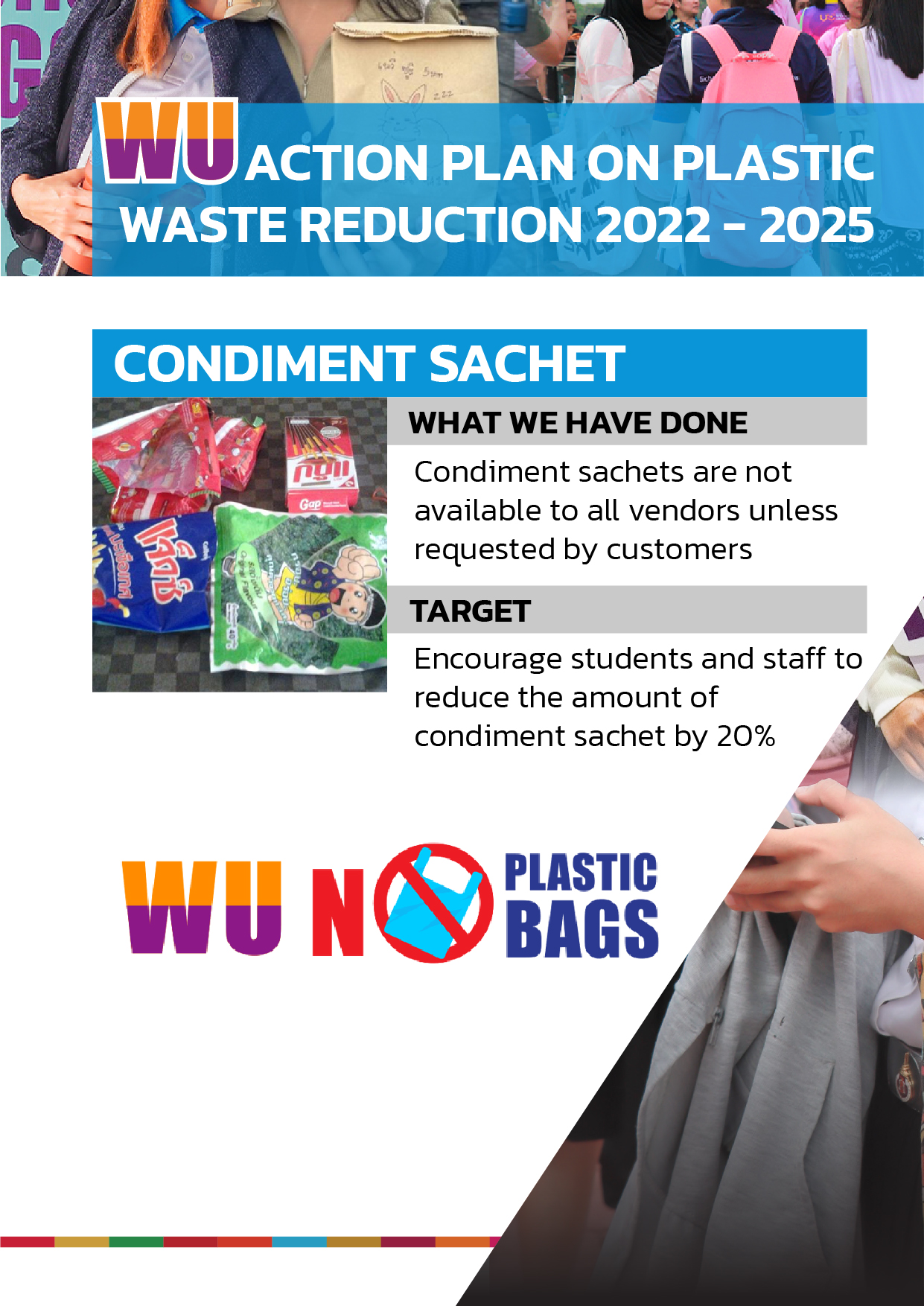
Action Plan on Plastic Waste Reduction 2022-2025
Walailak University recognizes that a well-defined action plan is crucial for effectively preventing and reducing all forms of marine pollution on campus, particularly from land-based sources. In 2022, the university launched the Action Plan on Plastic Waste Reduction 2022–2025, highlighting both its achievements to date and the targets set for 2025. This plan establishes a structured framework for minimizing the university’s plastic footprint and promoting sustainable practices within the campus community.
By setting measurable goals and tracking progress, the action plan supports long-term environmental impact while fostering a culture of responsibility among students and staff. It empowers the university community to actively engage in conservation initiatives, contributing to the protection of marine ecosystems. Through this initiative, Walailak University demonstrates leadership in sustainability and reinforces its commitment to tackling urgent environmental challenges.
Promoting Zero-Waste Practices and Reducing Plastic Use
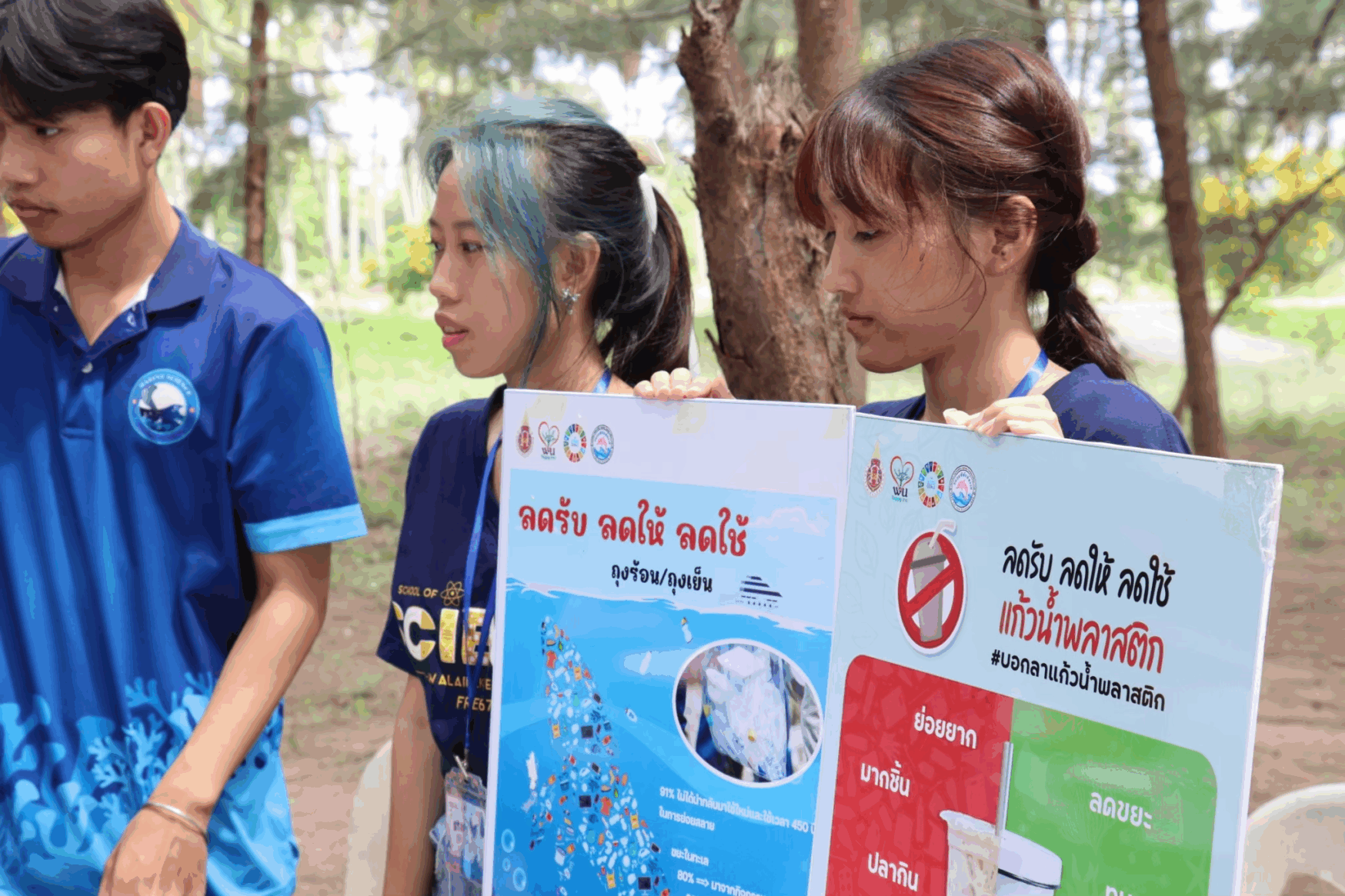
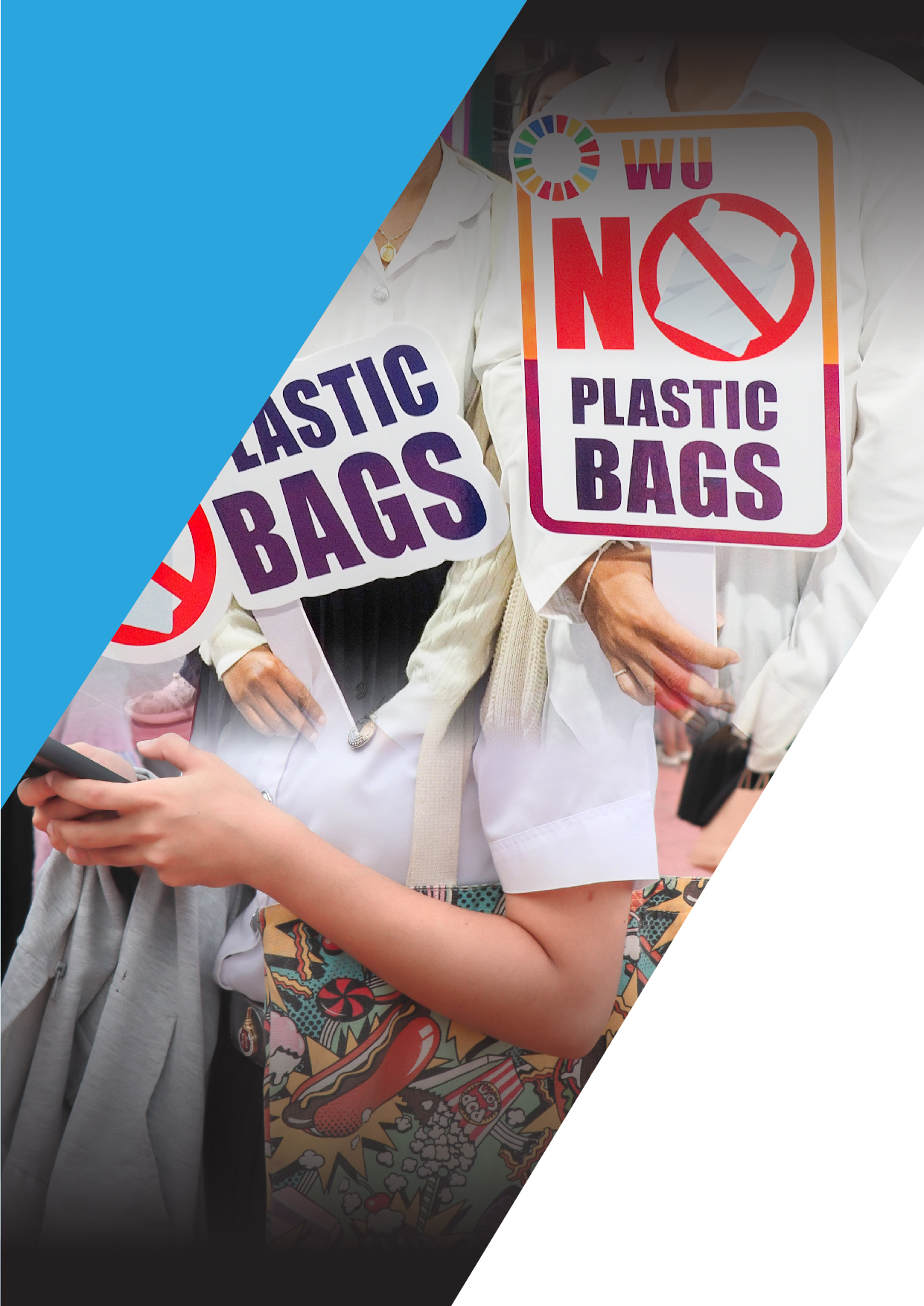
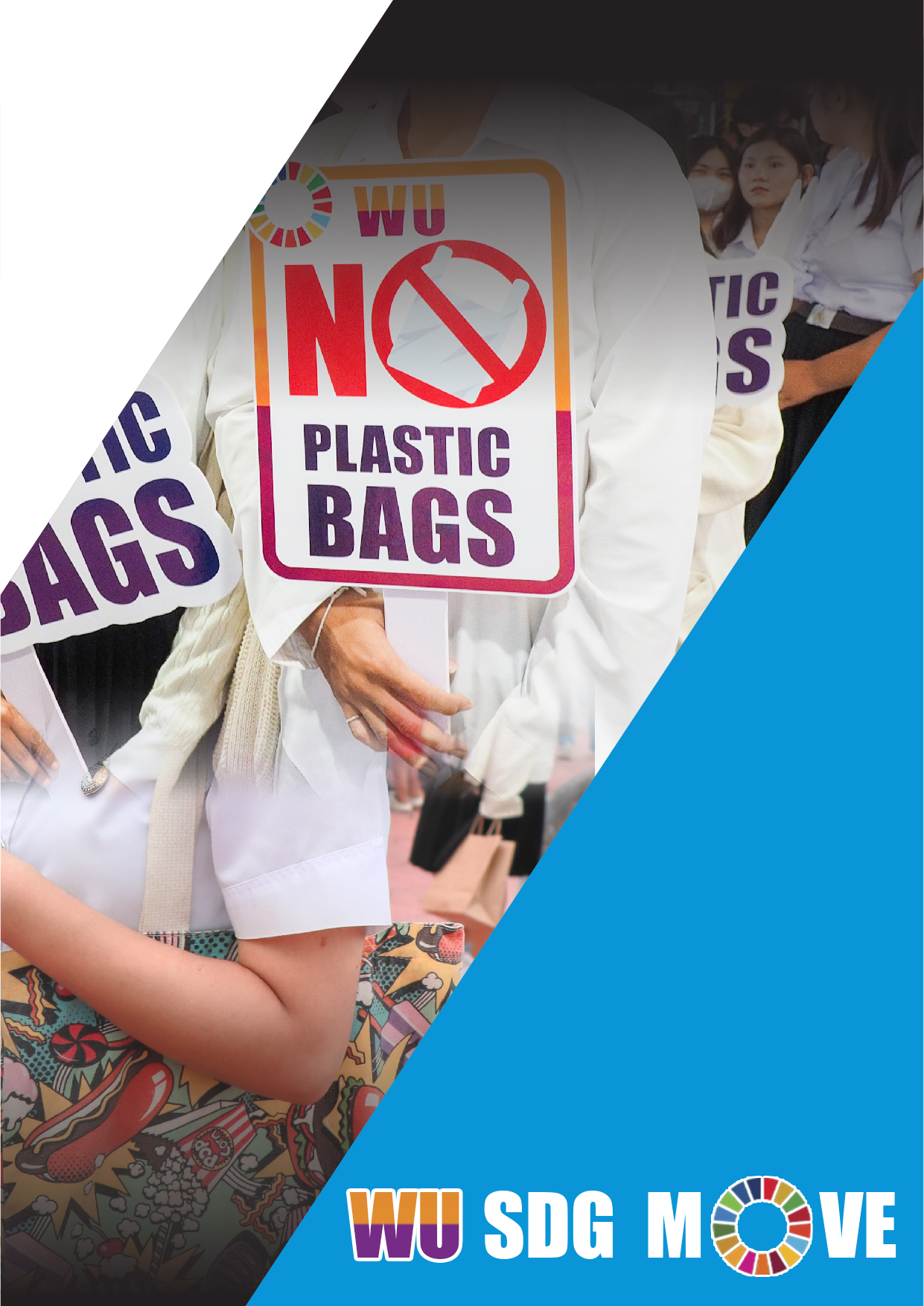
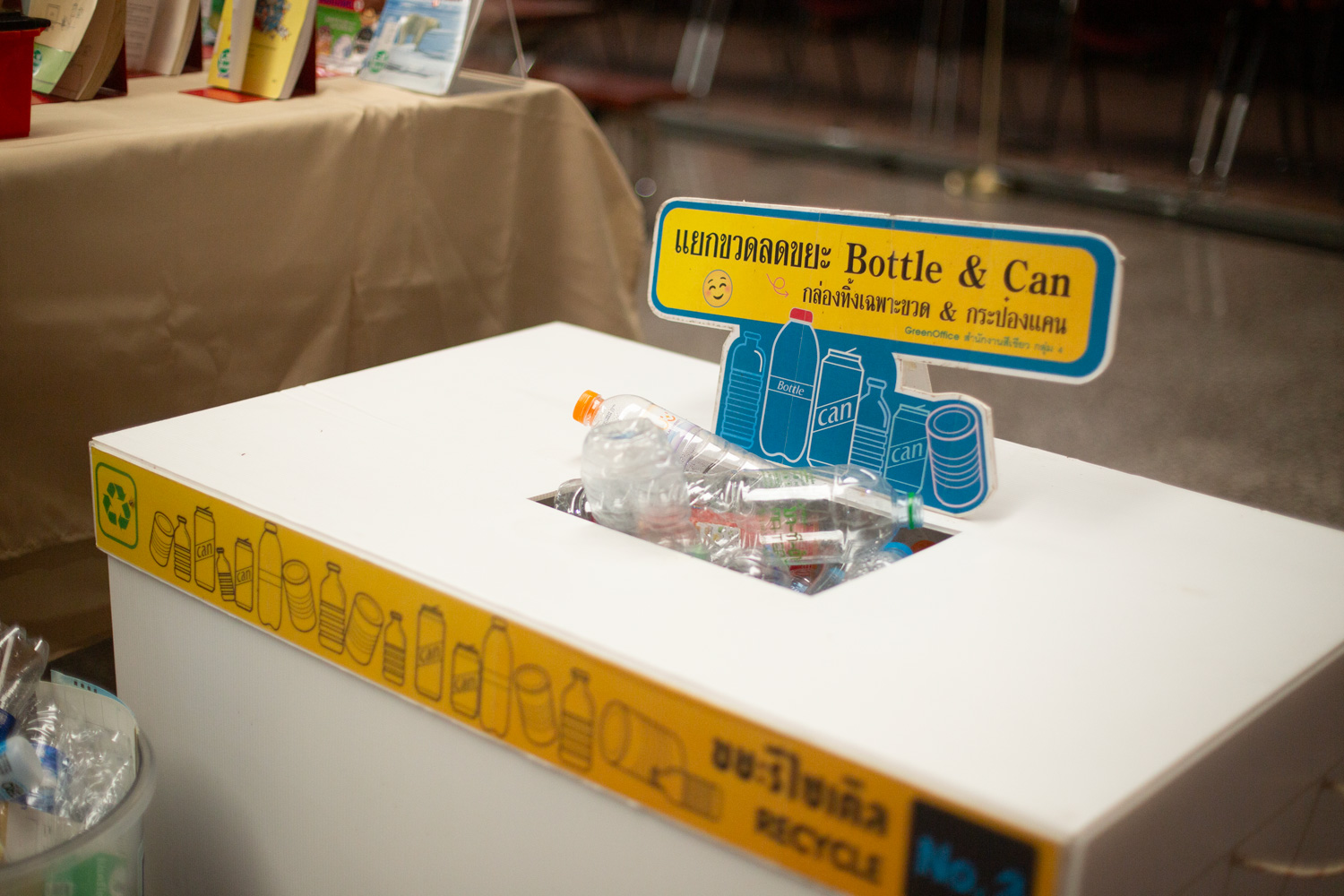
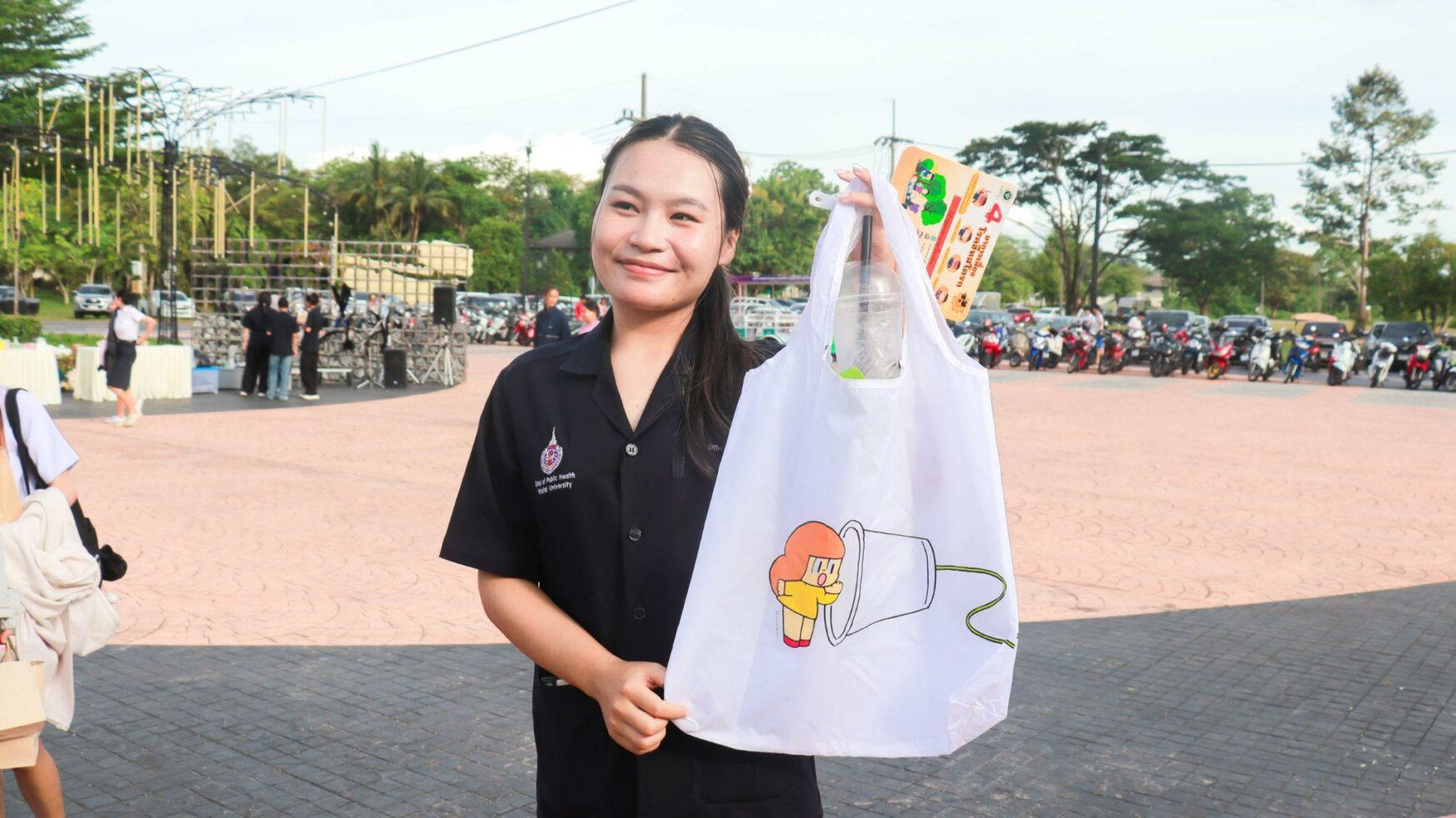
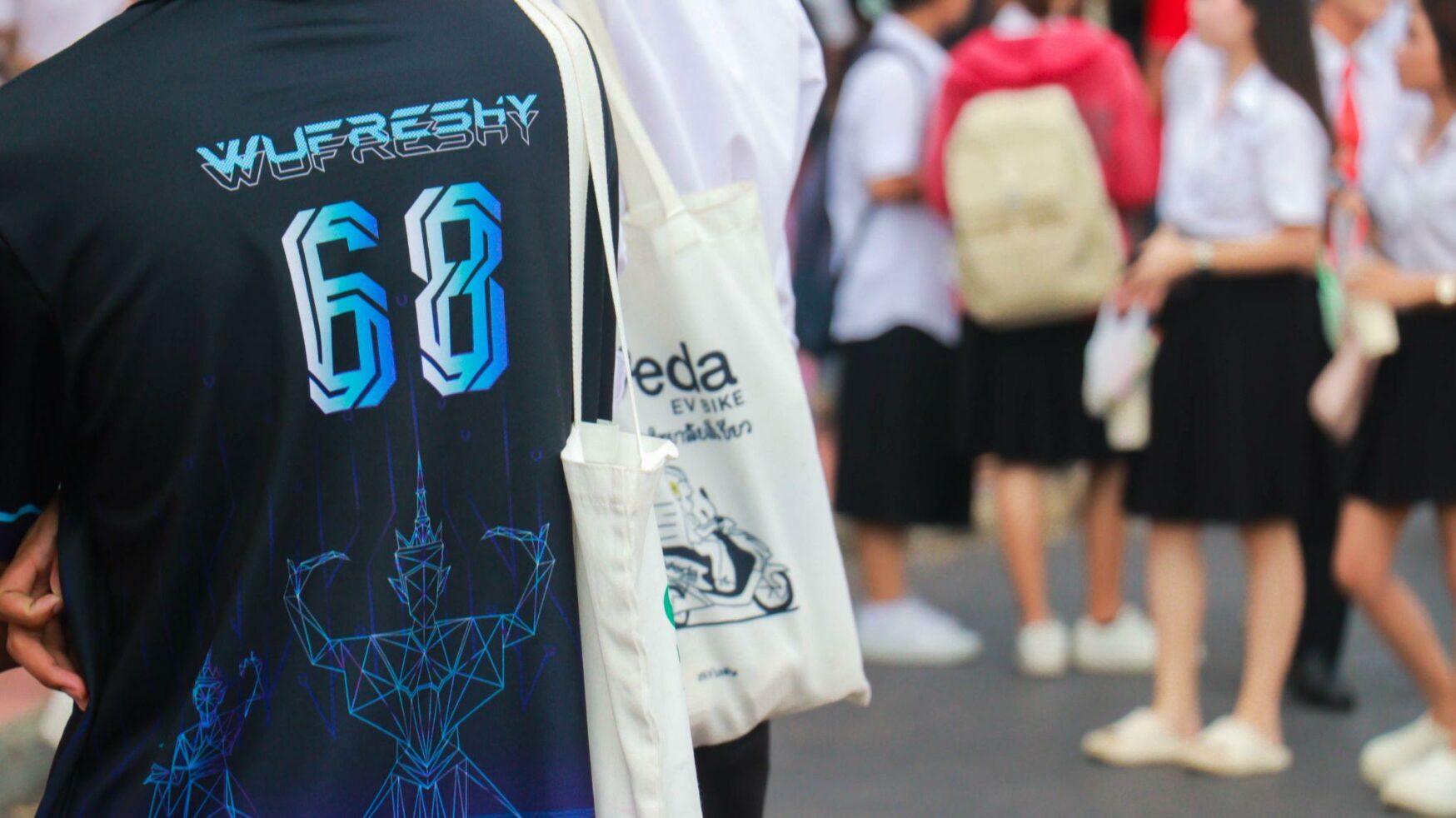
Walailak University actively promotes a zero-waste mindset among students, staff, and visitors, encouraging the rejection of single-use plastic bags to reduce and prevent marine pollution on campus. The university advocates for the use of cloth or other reusable alternatives instead of disposable plastic items.
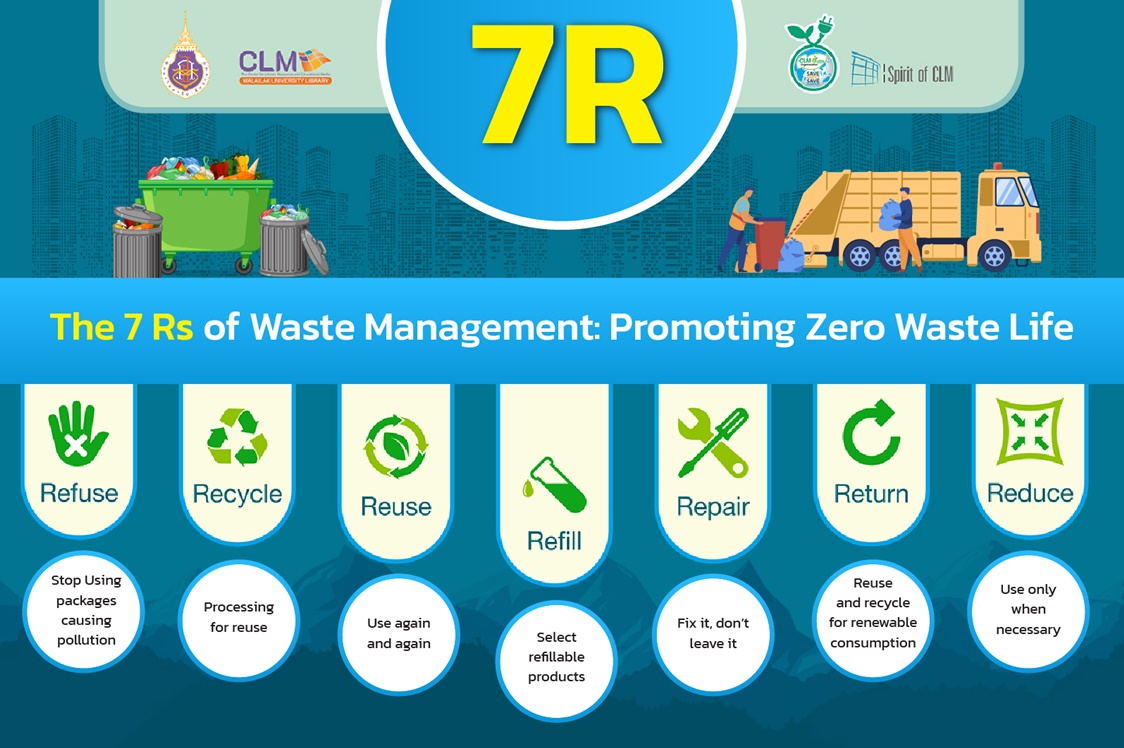
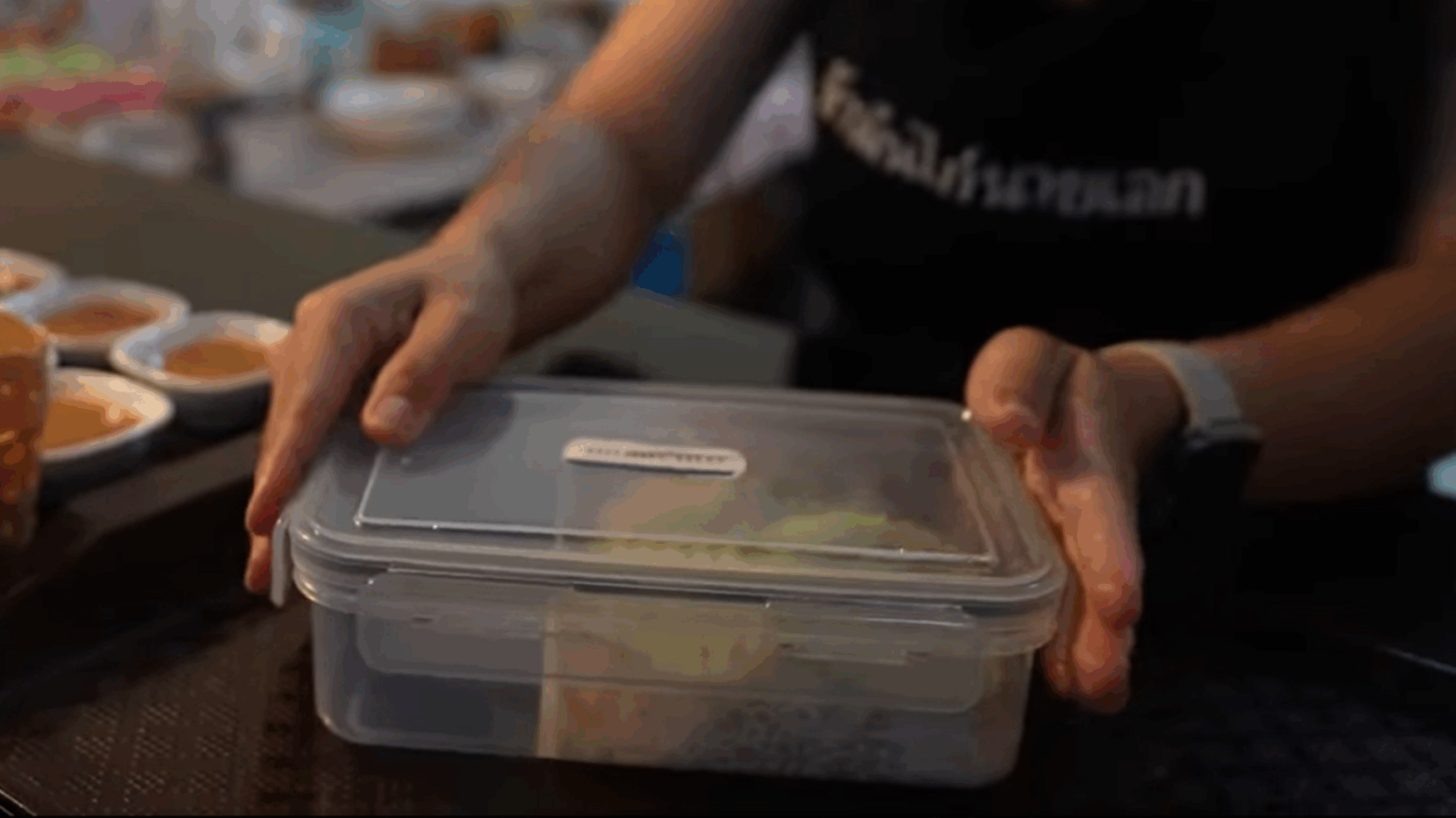
In 2024, Walailak University further integrated the 7R principles—Refuse, Recycle, Reuse, Refill, Repair, Return, and Reduce—into daily campus practices, aiming to minimize waste wherever possible. Through these initiatives, the university reaffirms its commitment to environmental sustainability and to preserving a cleaner, healthier world for future generations.
Student-Led Initiatives to Prevent Marine Pollution
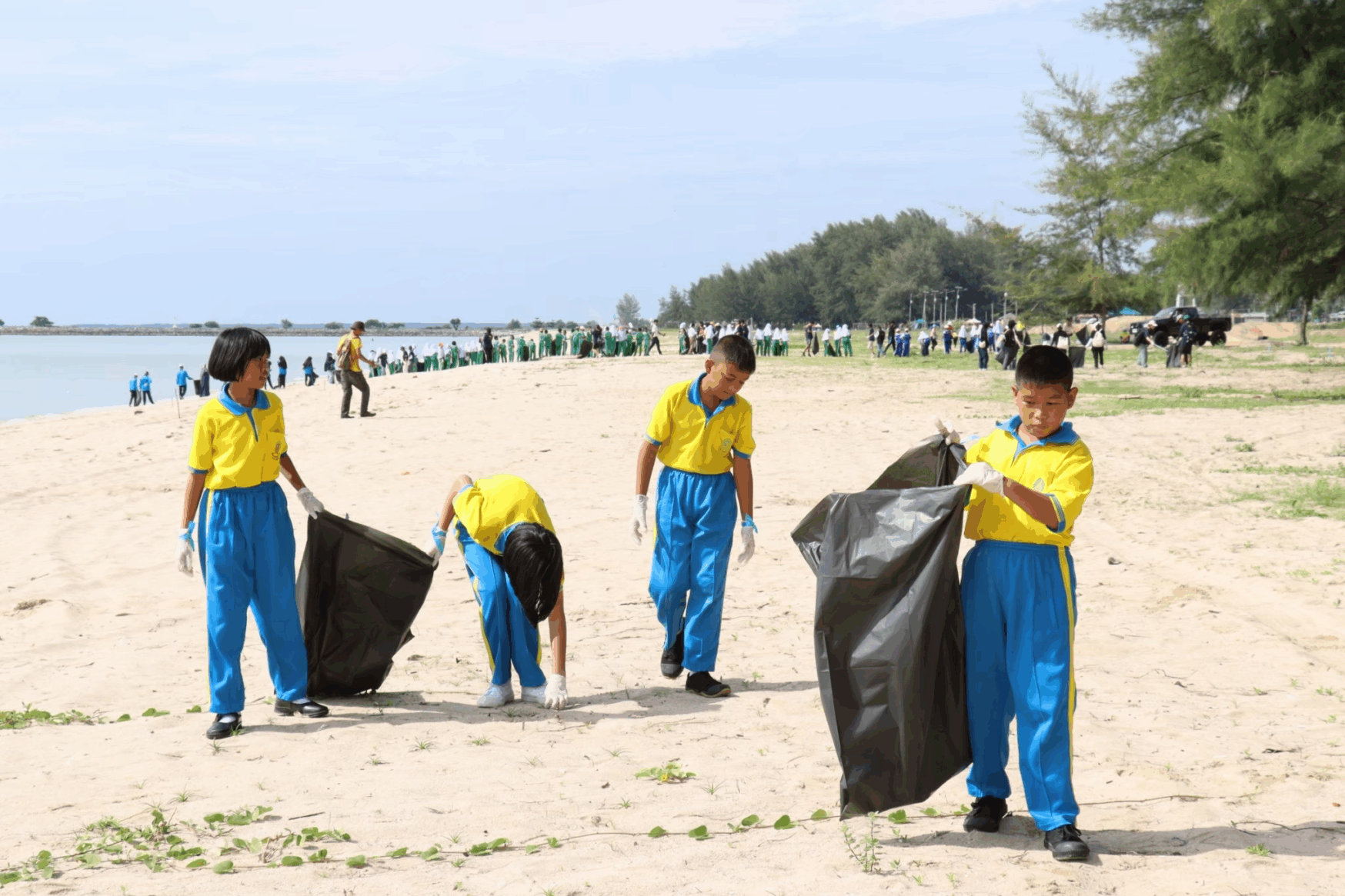
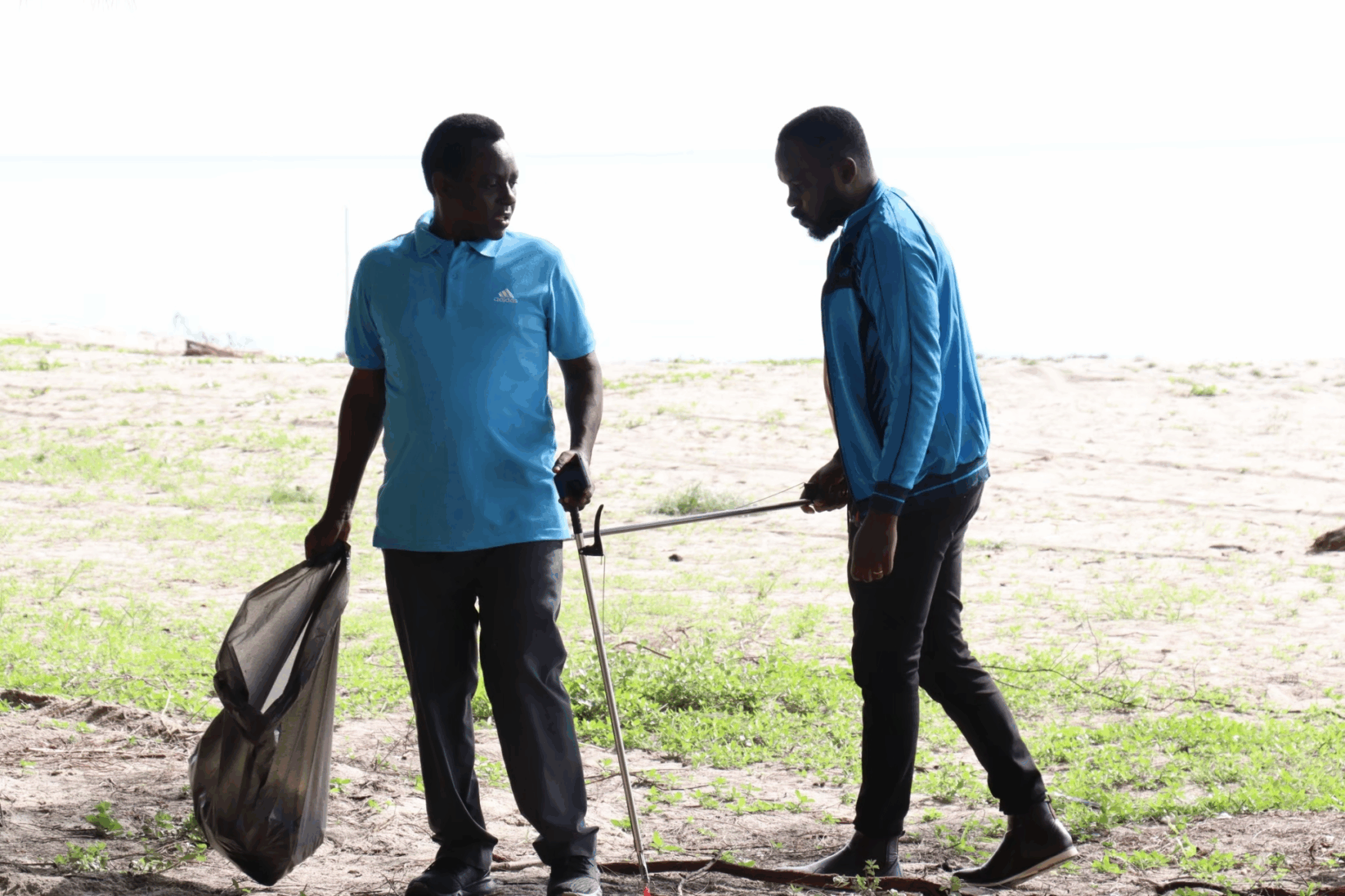
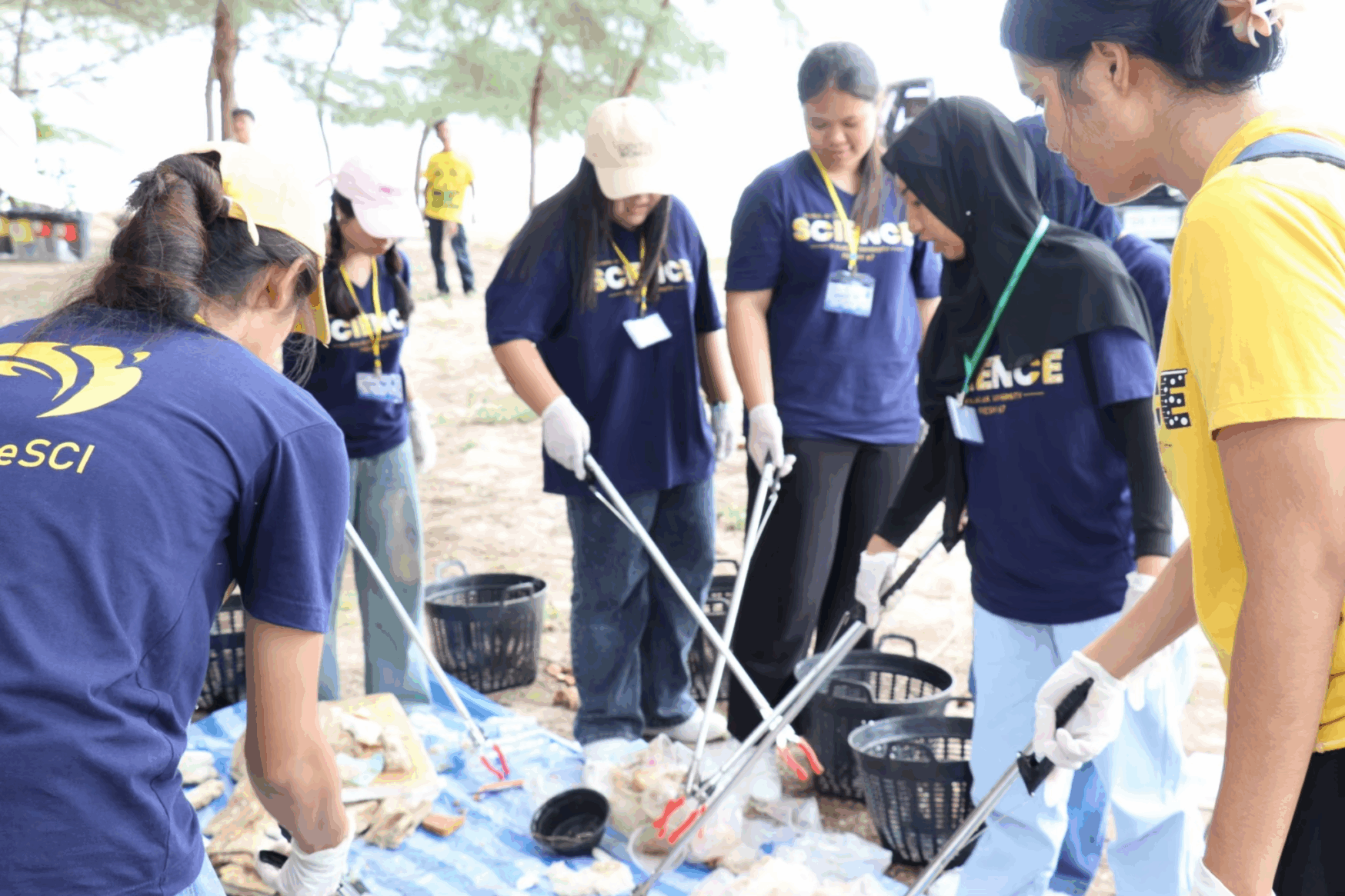
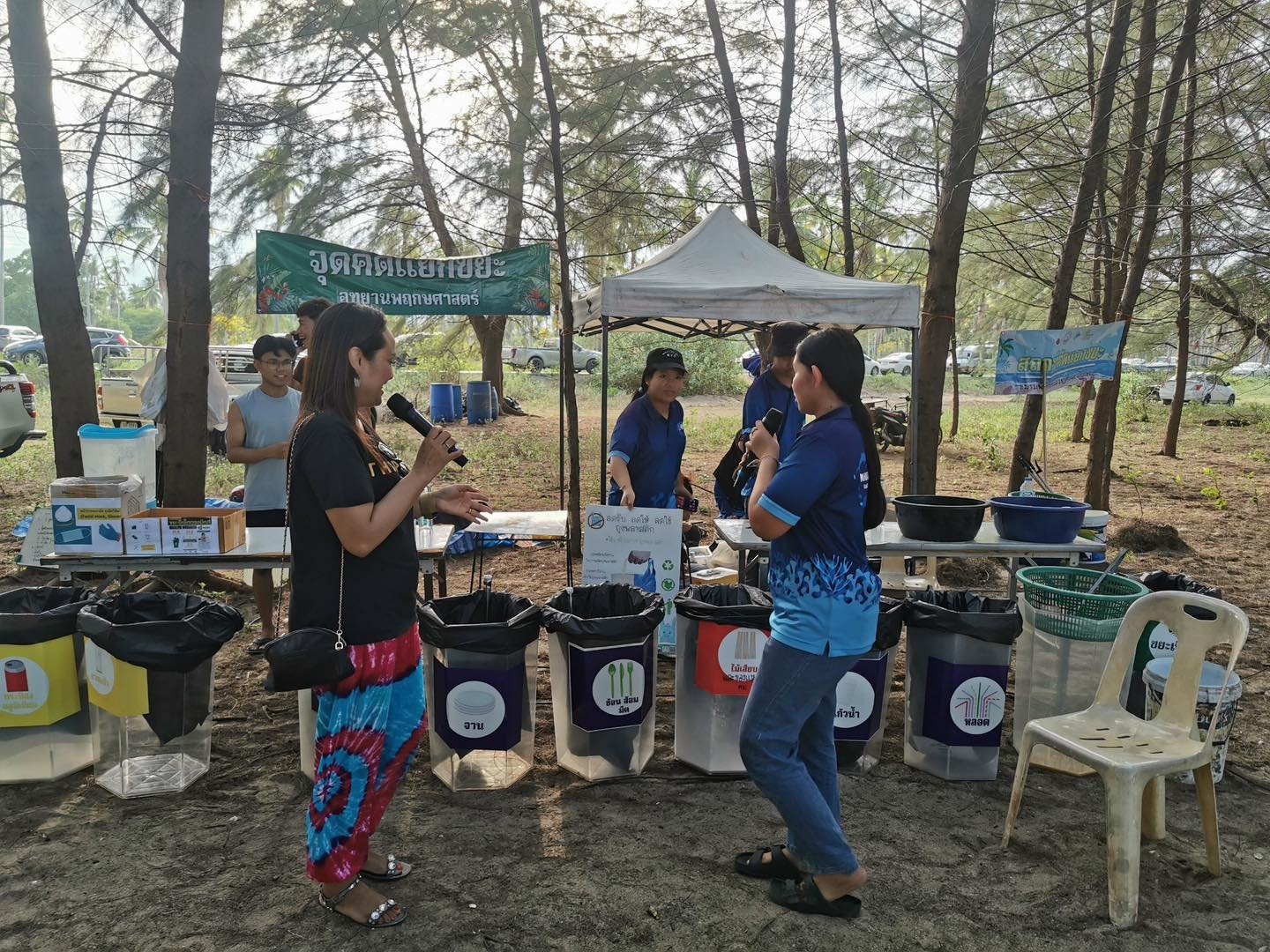
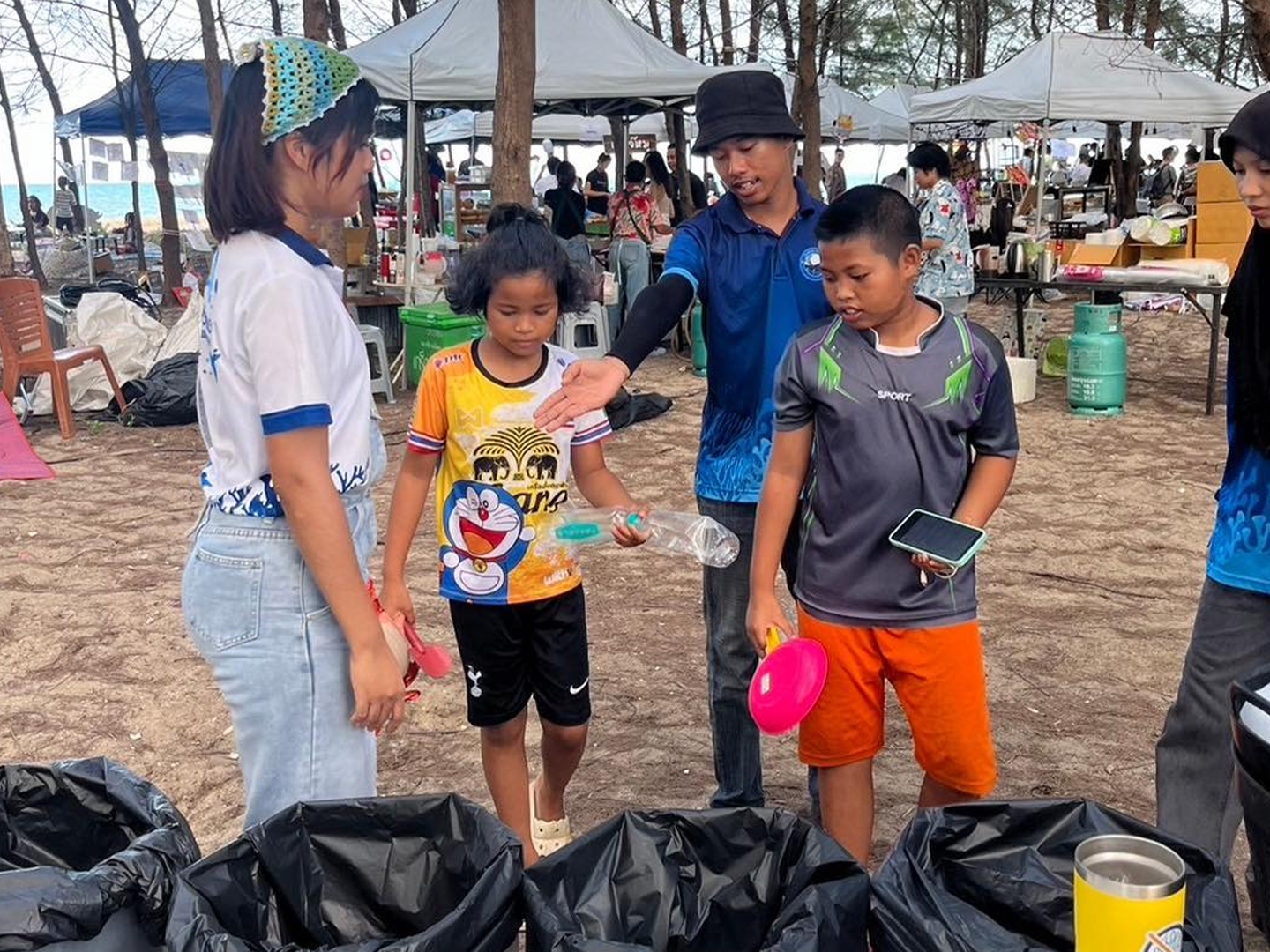
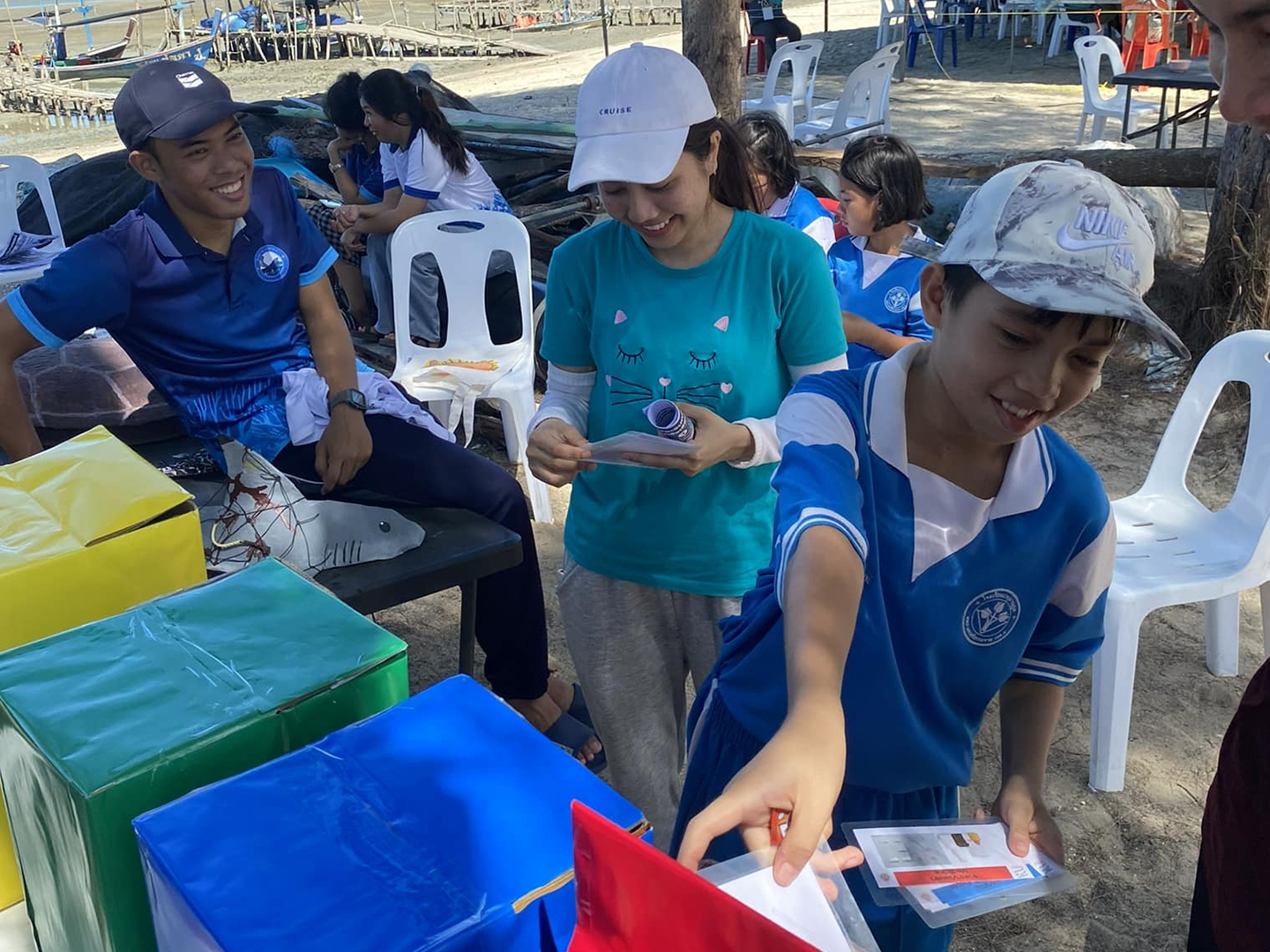
The Walailak University Marine Conservation Club is a student-led volunteer organization founded by students from the School of Science (Marine Science Program). The club actively implements initiatives to reduce and prevent marine pollution, with a particular focus on minimizing plastic waste both on and off campus. Through practical activities, educational outreach, and cleanup campaigns, the club contributes to the protection of local marine environments while fostering a strong sense of environmental stewardship among students.
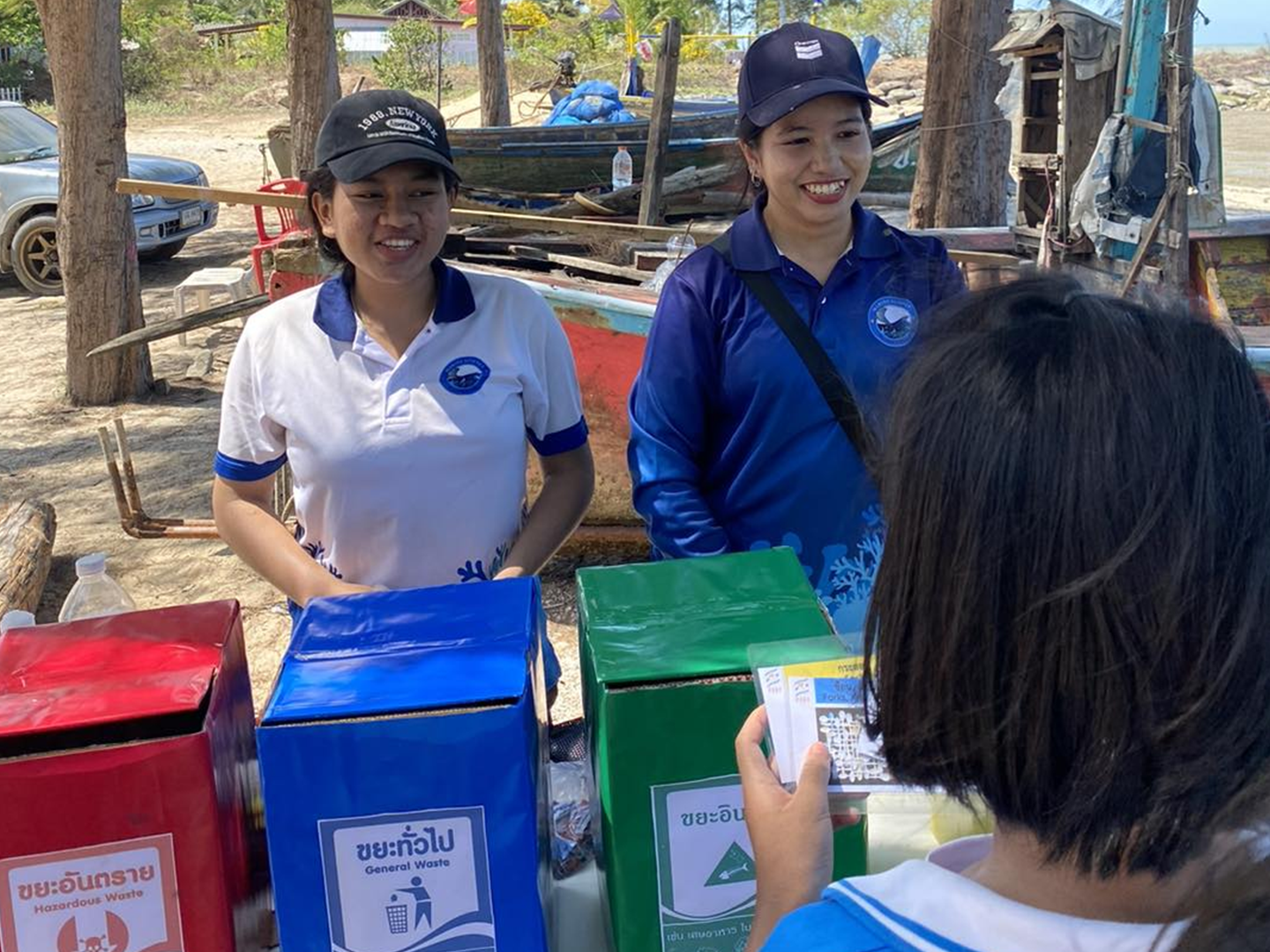
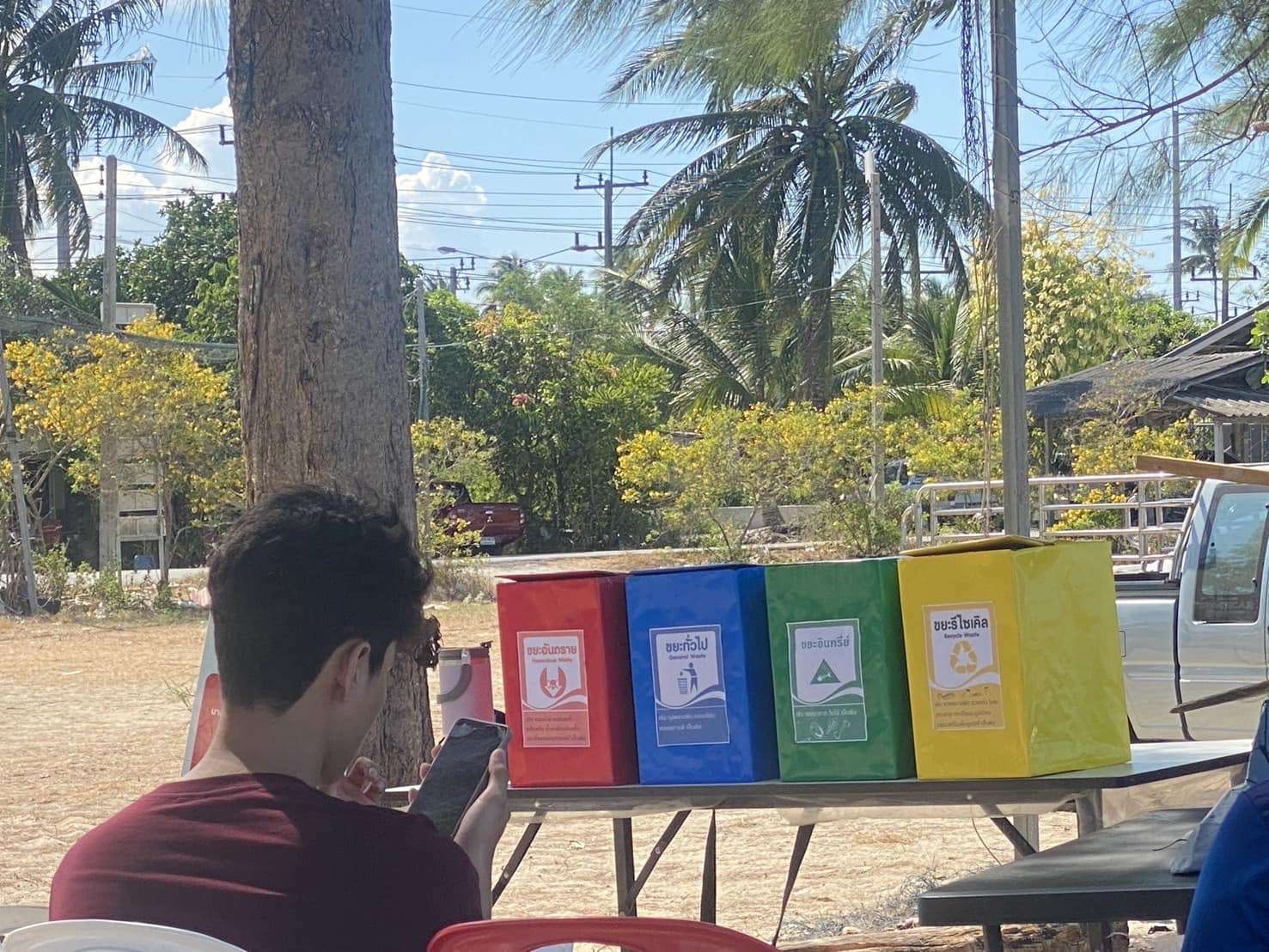
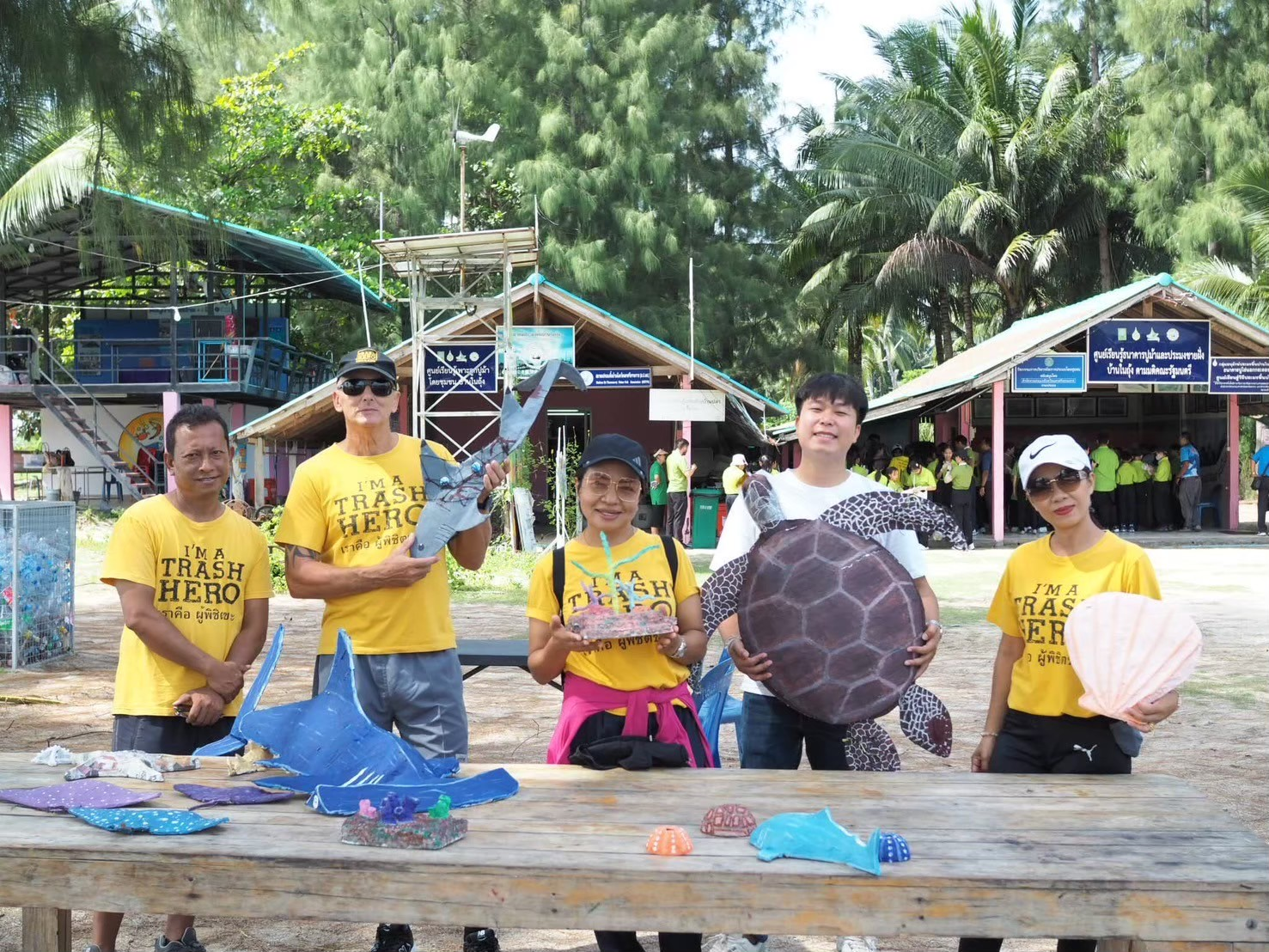
In 2024, the club continued to conduct educational outreach programs for local communities on and off campus to raise awareness about plastic waste management and its impact on marine ecosystems. It also organized off-campus projects aimed at reducing plastic pollution in water sources surrounding the university and the Gulf of Thailand. One notable ongoing effort is the Local Waste Collection Initiative, organized in collaboration with Trash Hero, local communities, and government agencies, which has been successfully maintained for several years.