Monitoring Aquatic Ecosystem Health through Technology and Community Engagement
Walailak University (WU) is committed to safeguarding and monitoring the health of aquatic ecosystems in its surrounding areas through advanced scientific approaches. Strategically situated near key marine and freshwater resources, WU actively tracks ecosystem conditions to support sustainable management. The university employs cutting-edge technologies, including Geographic Information Systems (GIS), remote sensing, CTD sensor networks, and unmanned aerial vehicles (UAVs), to collect and analyze environmental data. The following highlights WU’s ecosystem monitoring efforts in Bandon Bay and the coral reef areas of Phuket.
Monitoring Bandon Bay with GIS and Remote Sensing
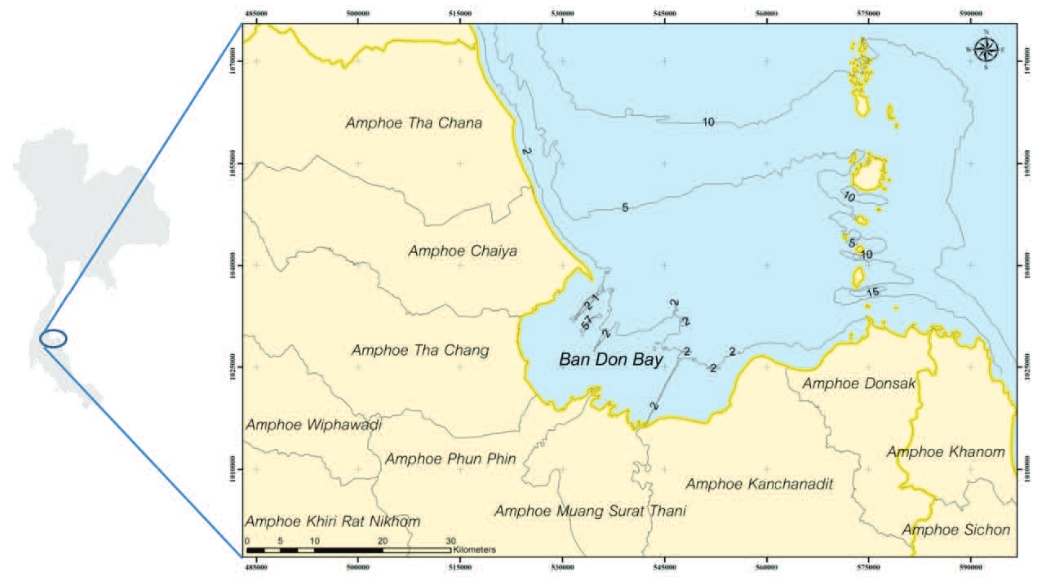
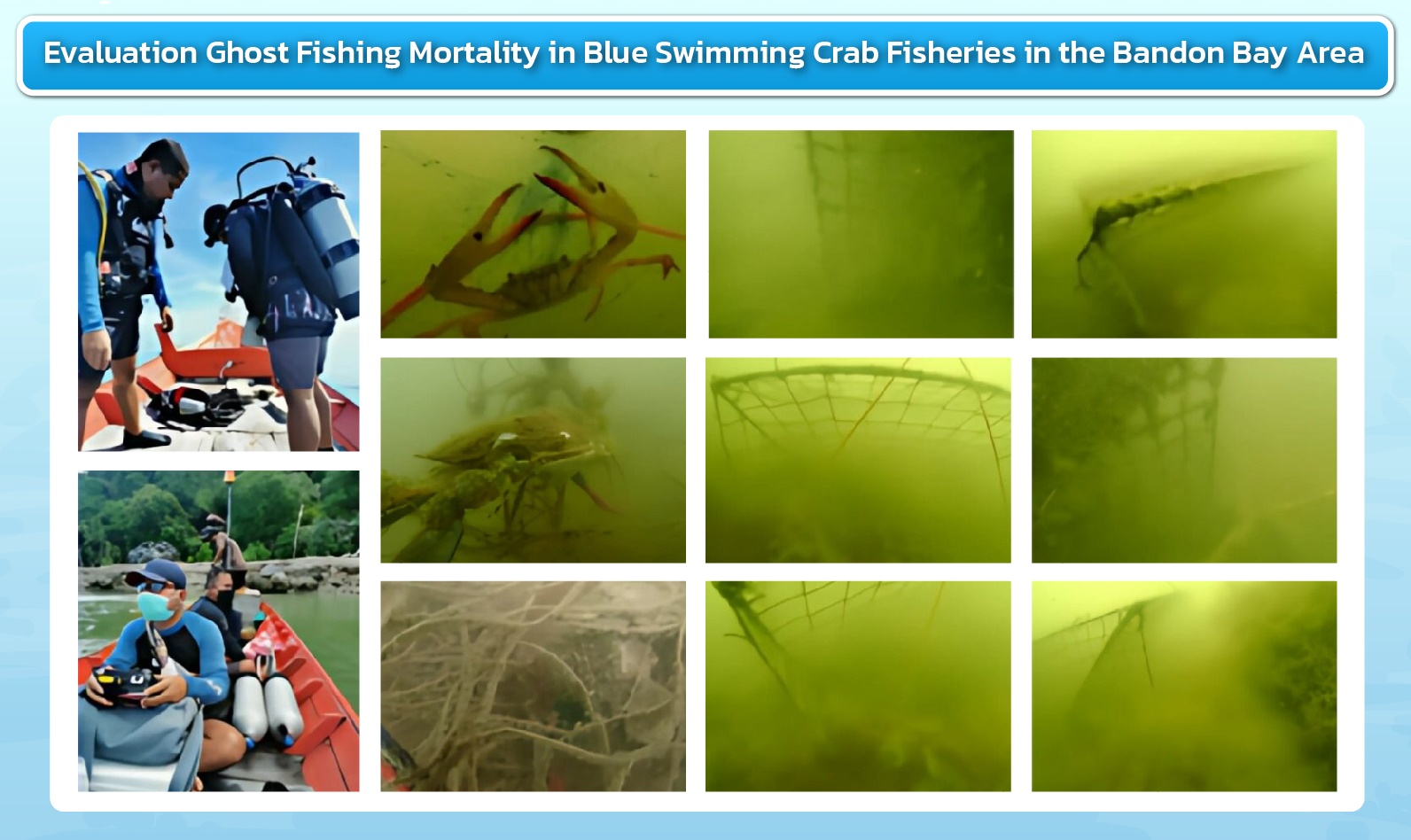
Bandon Bay, adjacent to WU, plays a critical role in supporting both local communities and marine biodiversity. To protect this vital ecosystem, WU researchers collaborate with government agencies and industry partners, including the Thai Frozen Foods Association (TFFA). Funded by the National Research Council of Thailand and ARDA, the research program evaluates water and sediment quality, fishing practices, and surrounding land use from agricultural and industrial activities.
Figures : Location of the Ban Don Bay
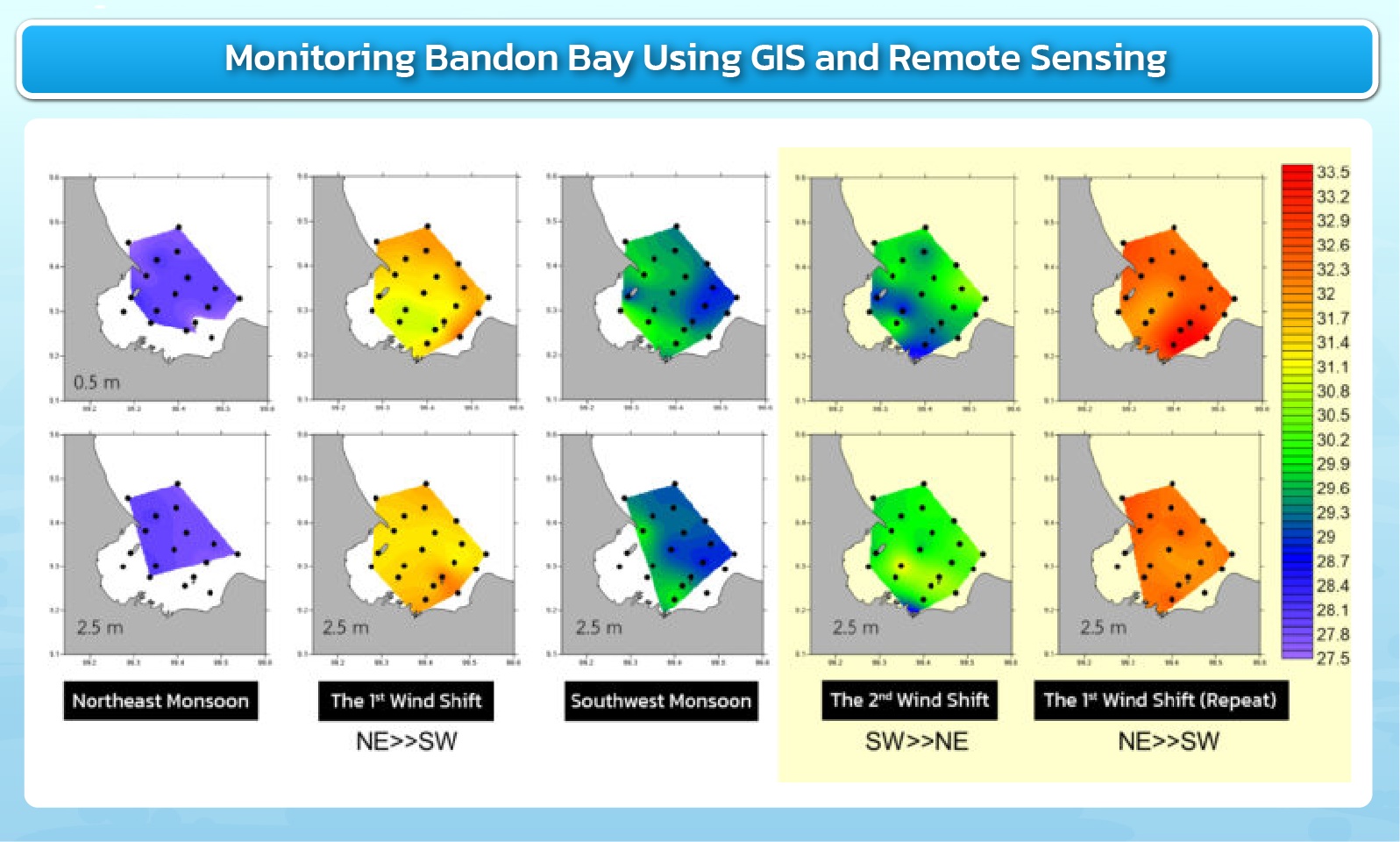
By integrating GIS and remote sensing technologies, the research team generates detailed maps that indicate environmental sensitivity across different zones of Bandon Bay. These data-driven insights allow for timely interventions and informed decision-making, contributing to the sustainable management and conservation of this important aquatic ecosystem.
Monitoring Marine Animal Populations in Ban Don Bay
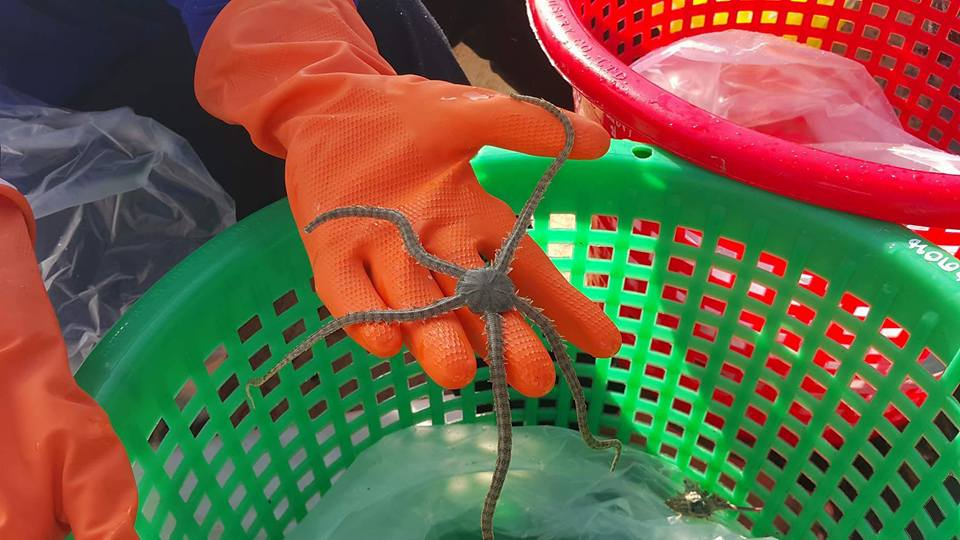
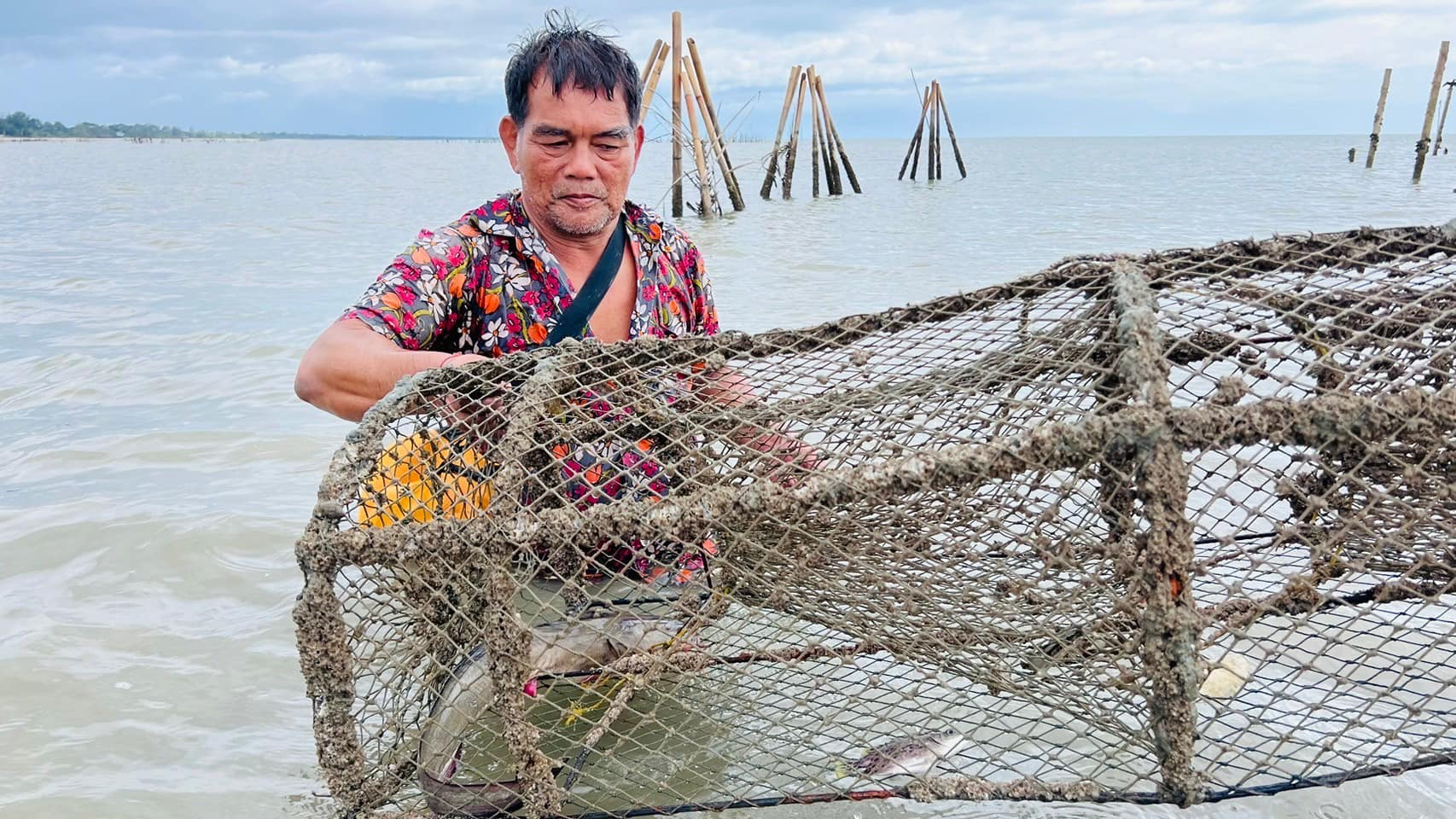
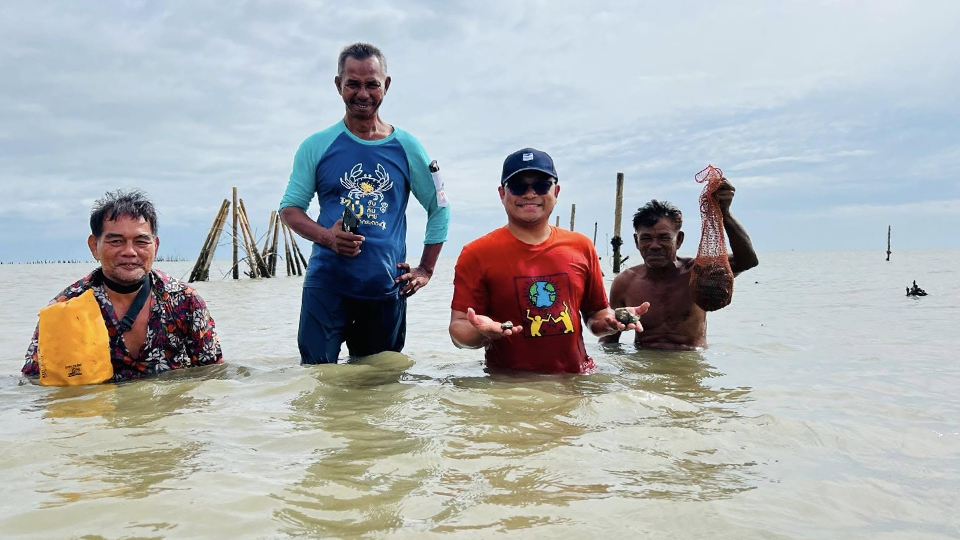
In 2024, Walailak University conducted an in-depth study of the marine animal populations in Ban Don Bay to assess the overall health of the ecosystem. Alongside GIS technology for spatial analysis, researchers focused on monitoring key species that indicate ecosystem health.
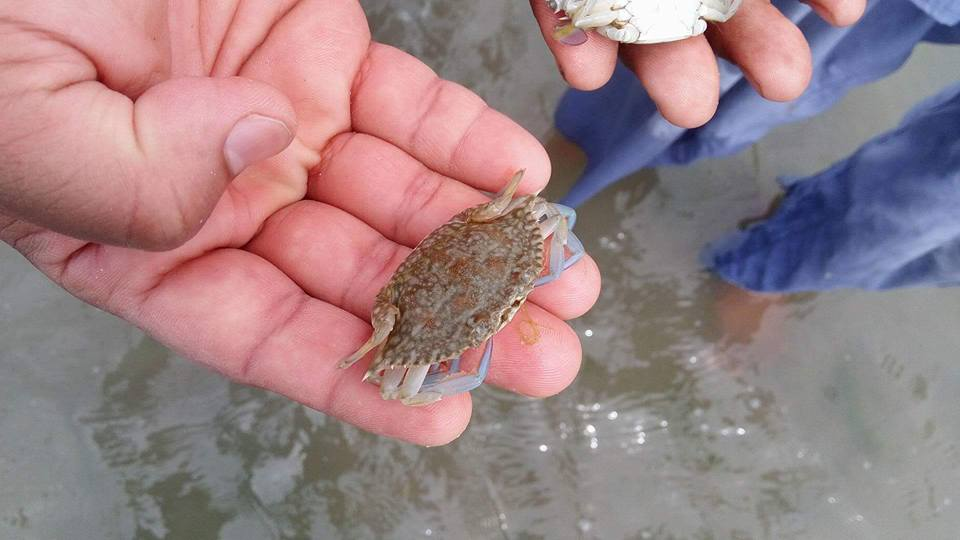
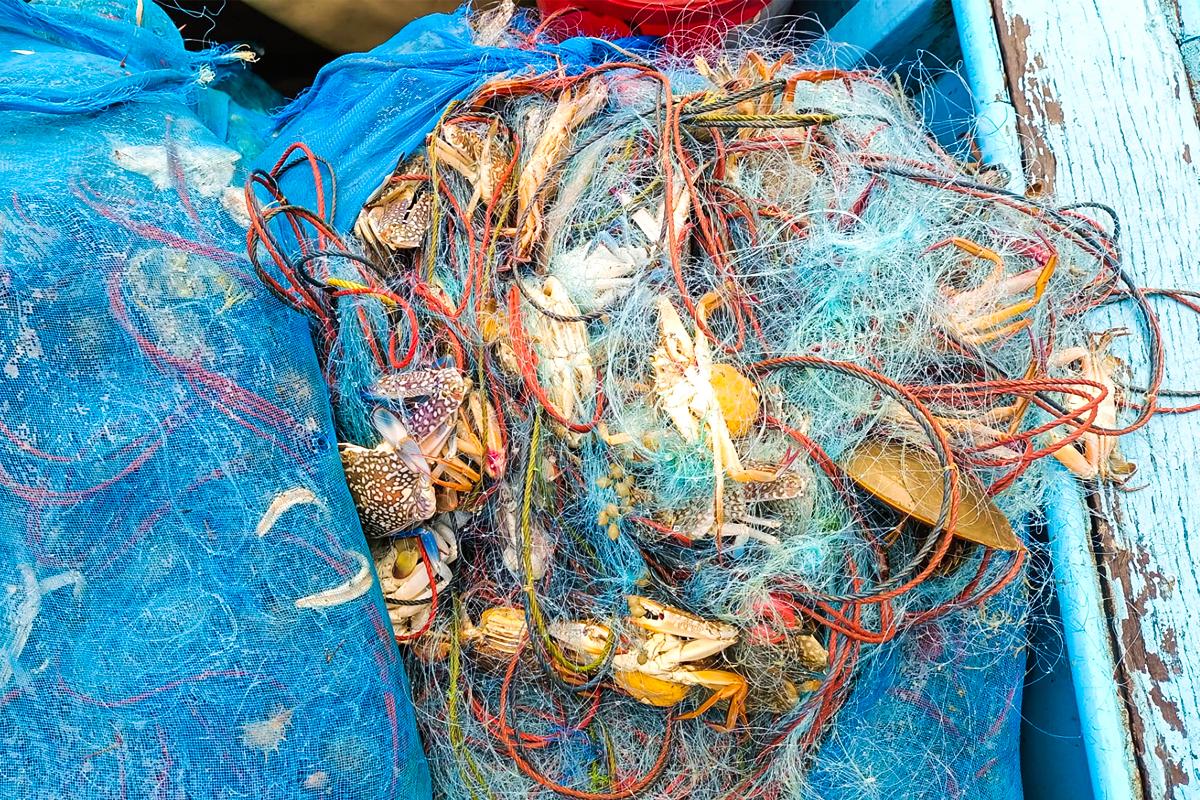
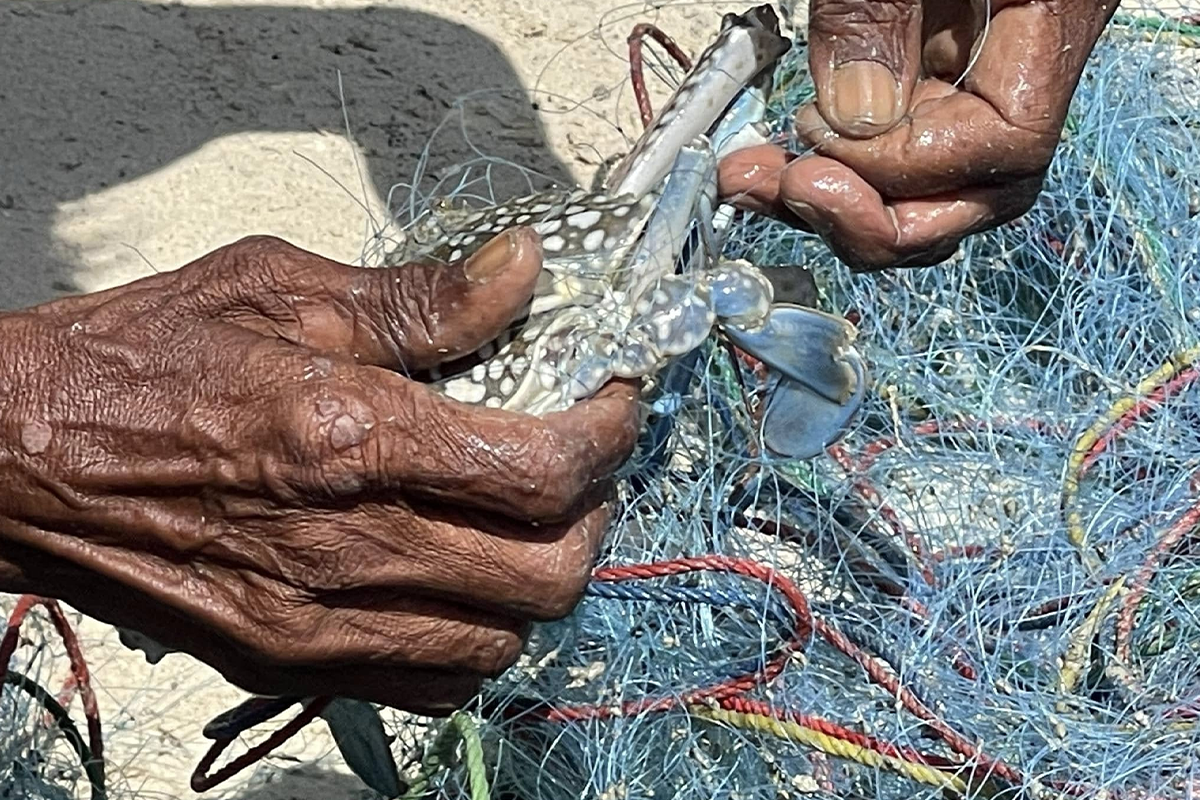
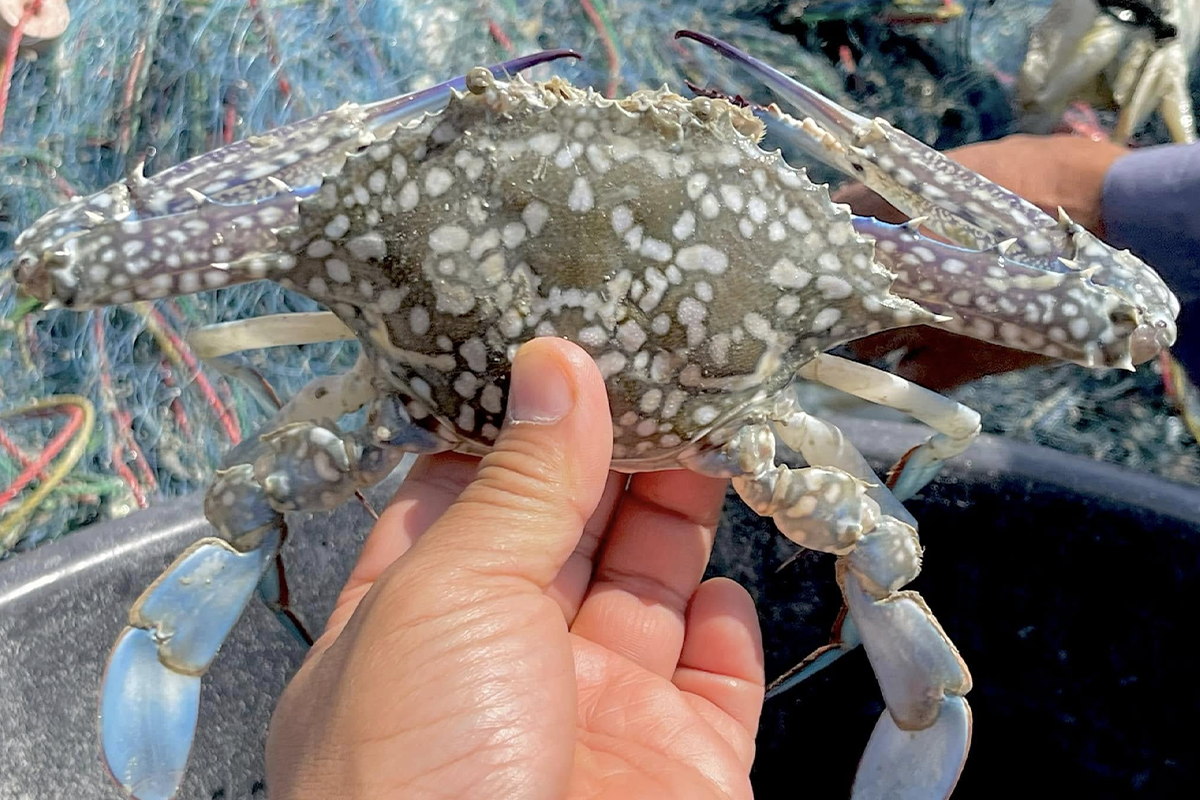
The study revealed a significant increase in the population of blue swimming crabs during the megalopa stage. This positive trend is attributed to Walailak University’s targeted conservation efforts, including the establishment of blue swimming crab banks, the release of juvenile crabs, and the reintroduction of berried female crabs into the bay.
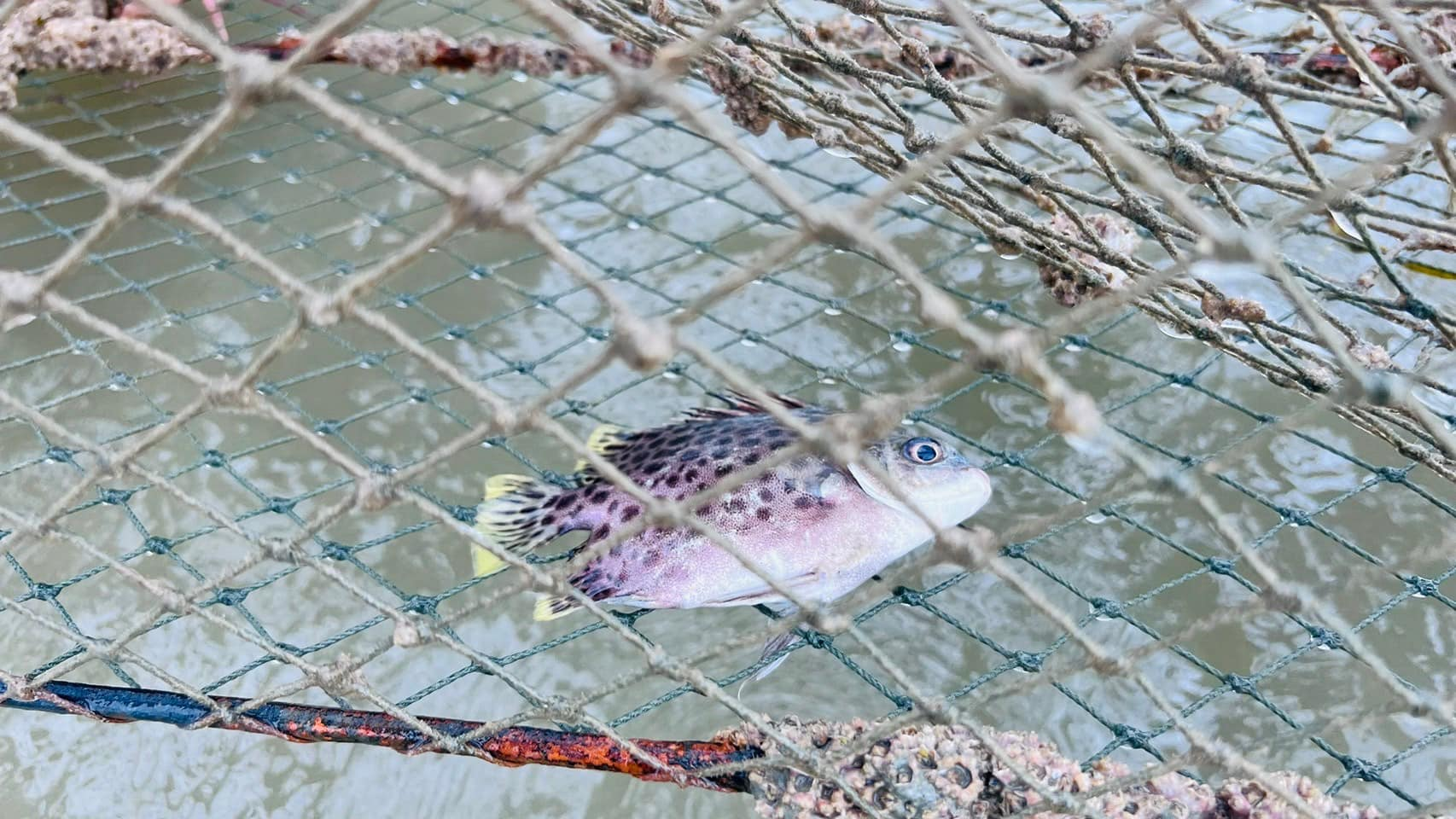
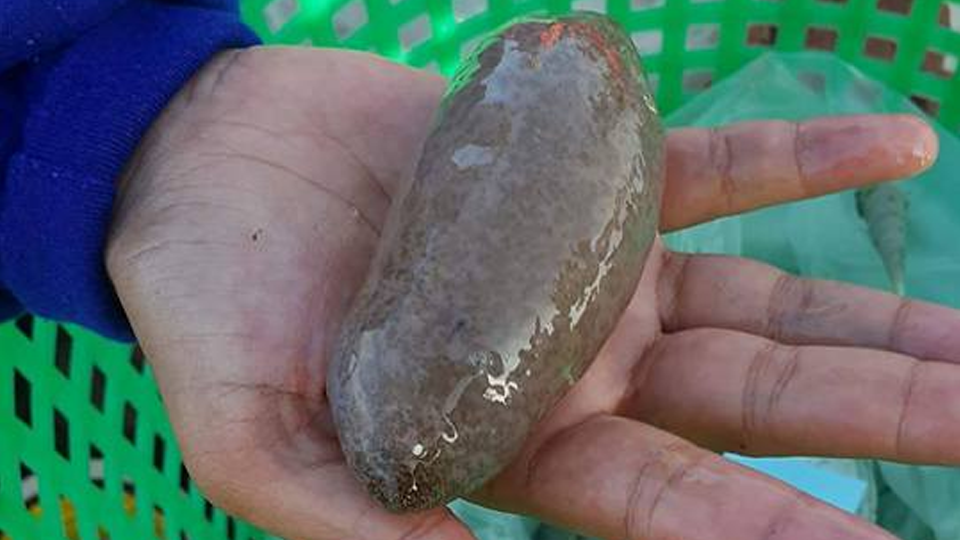
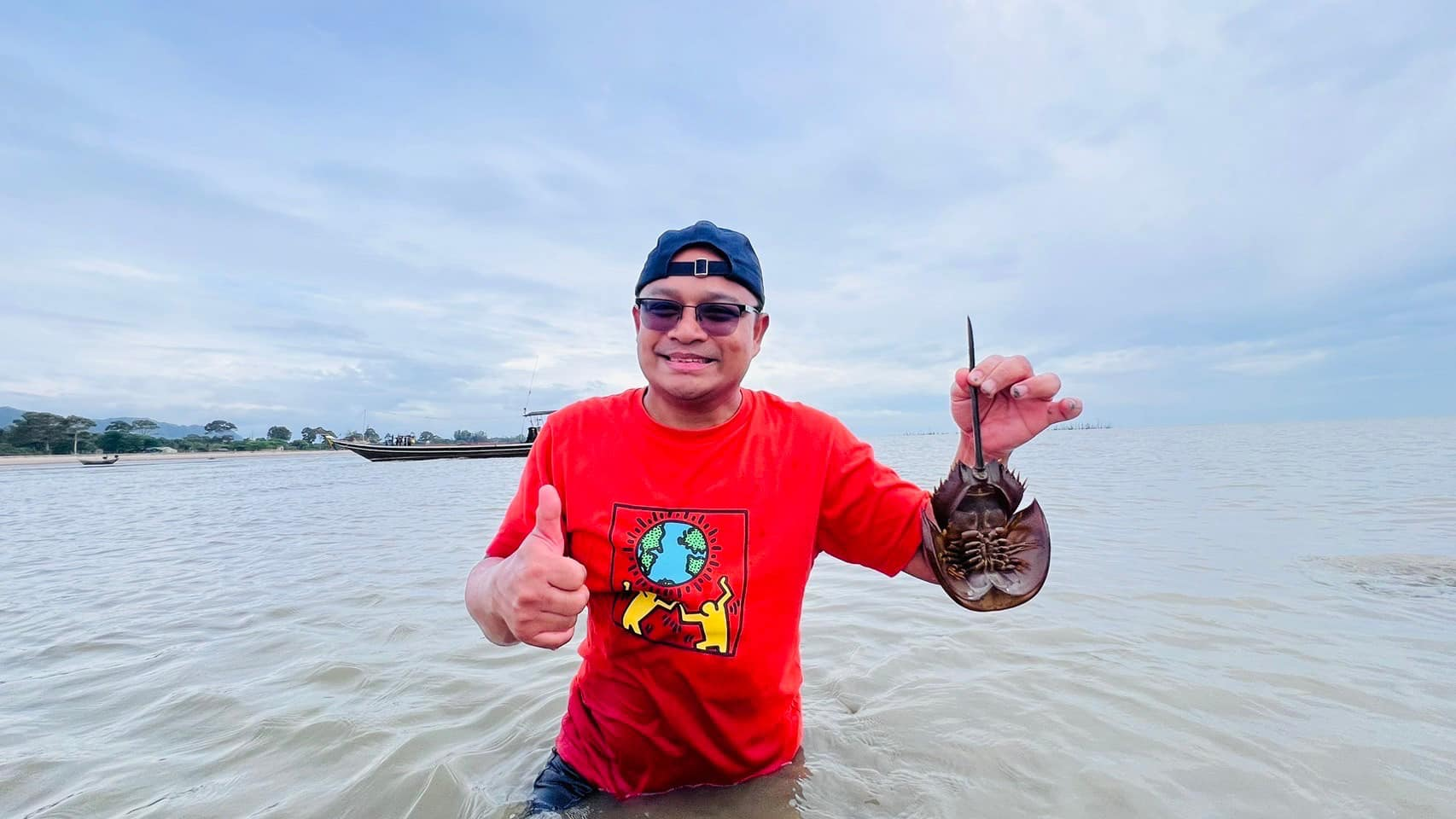
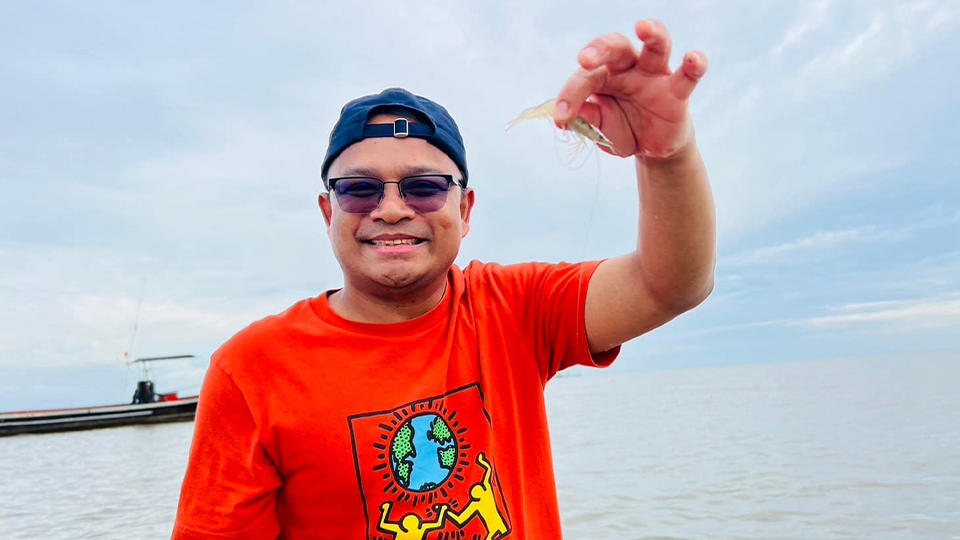
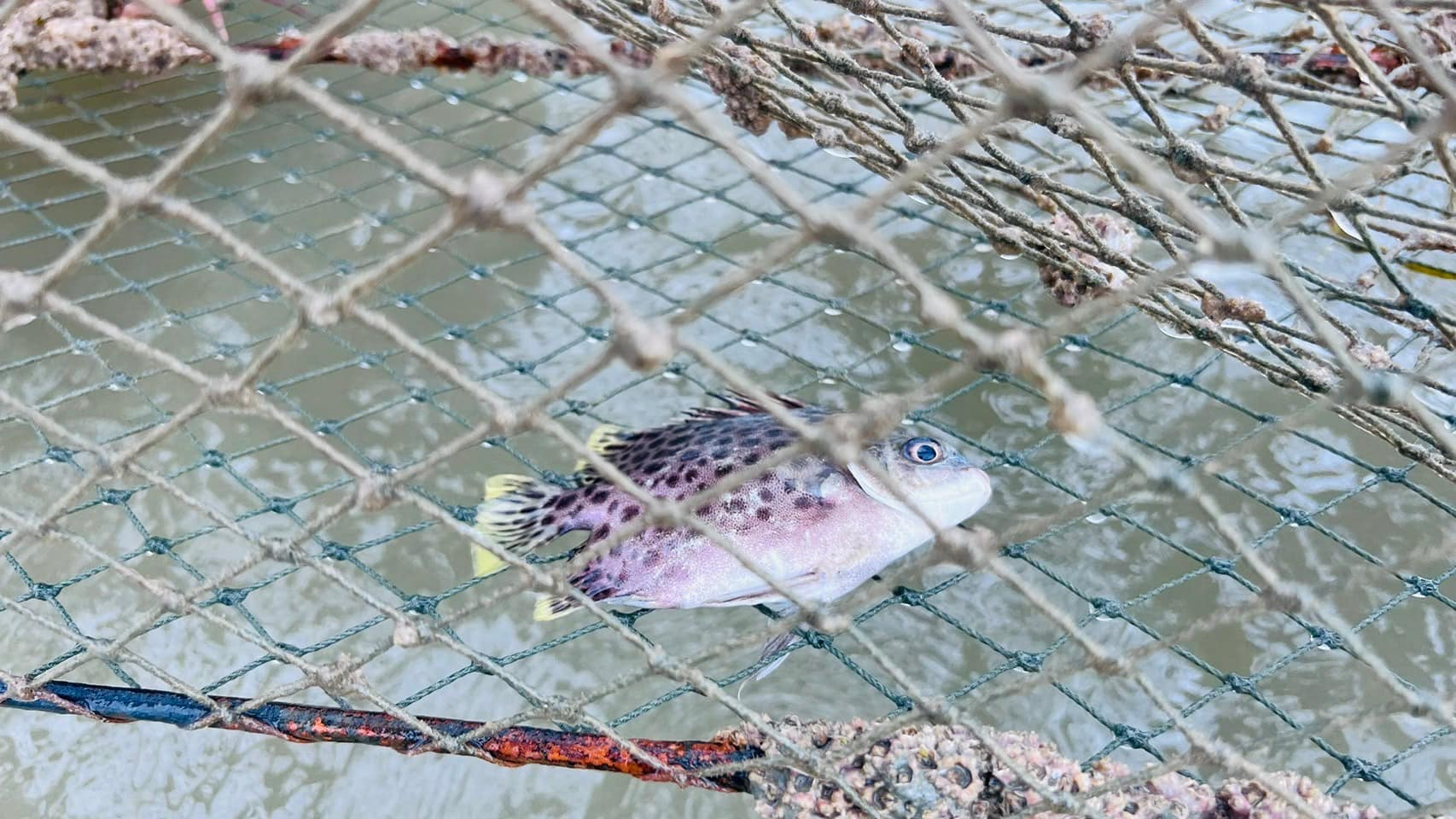
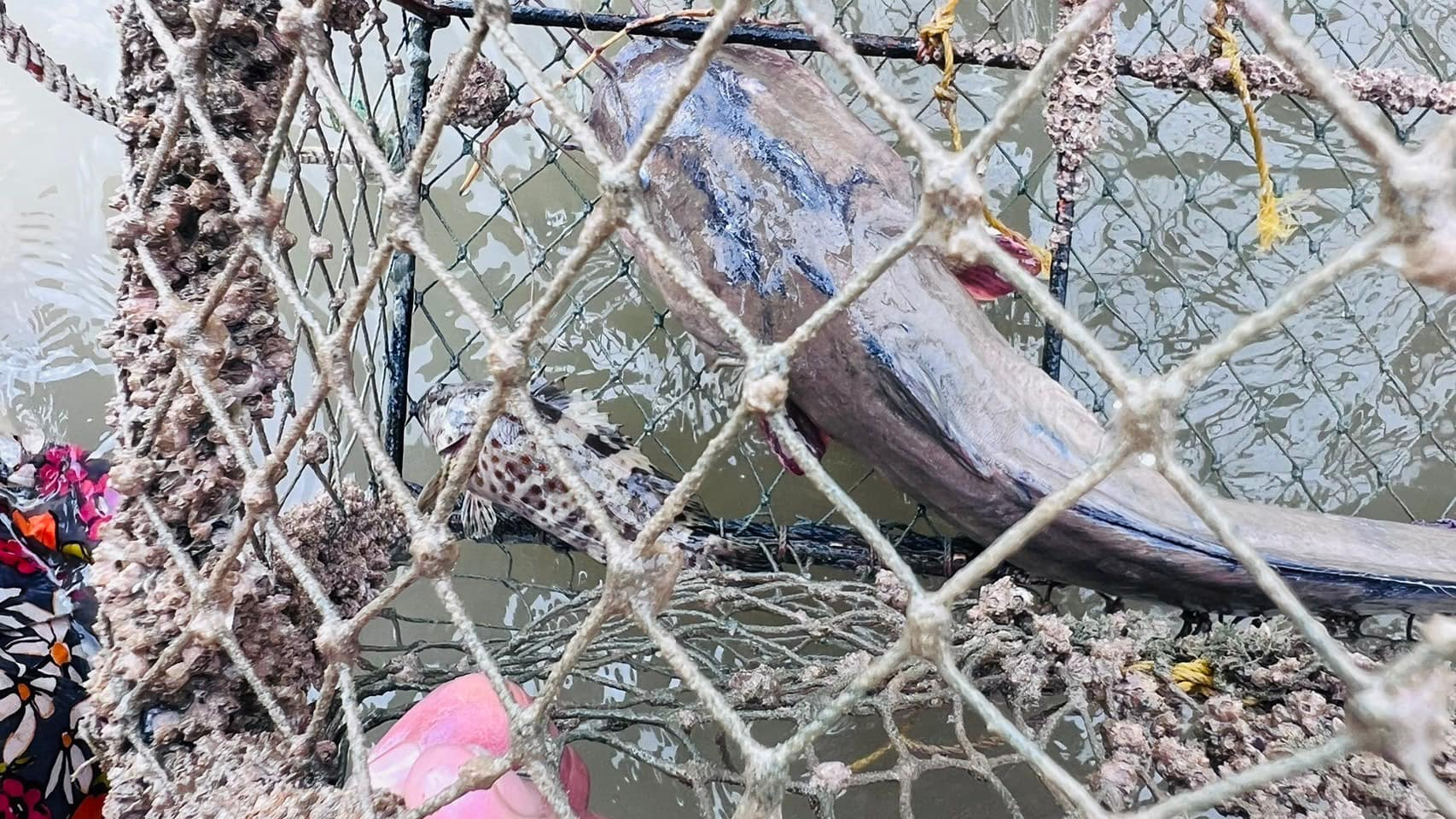
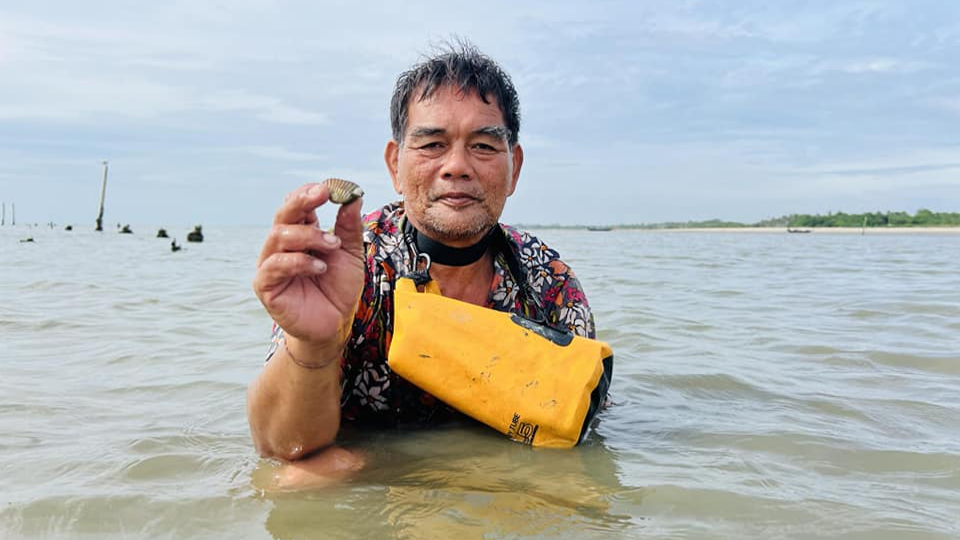
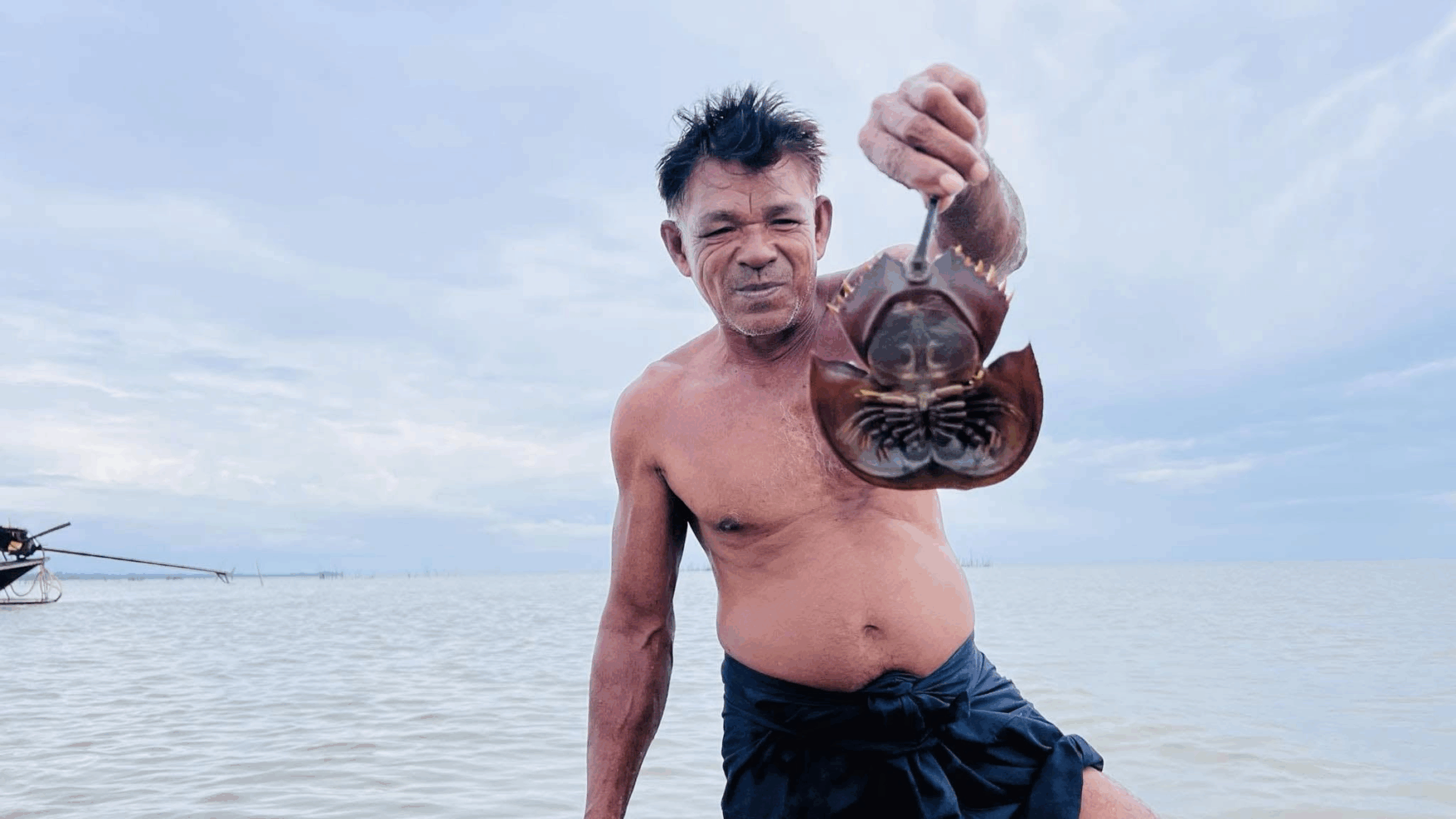
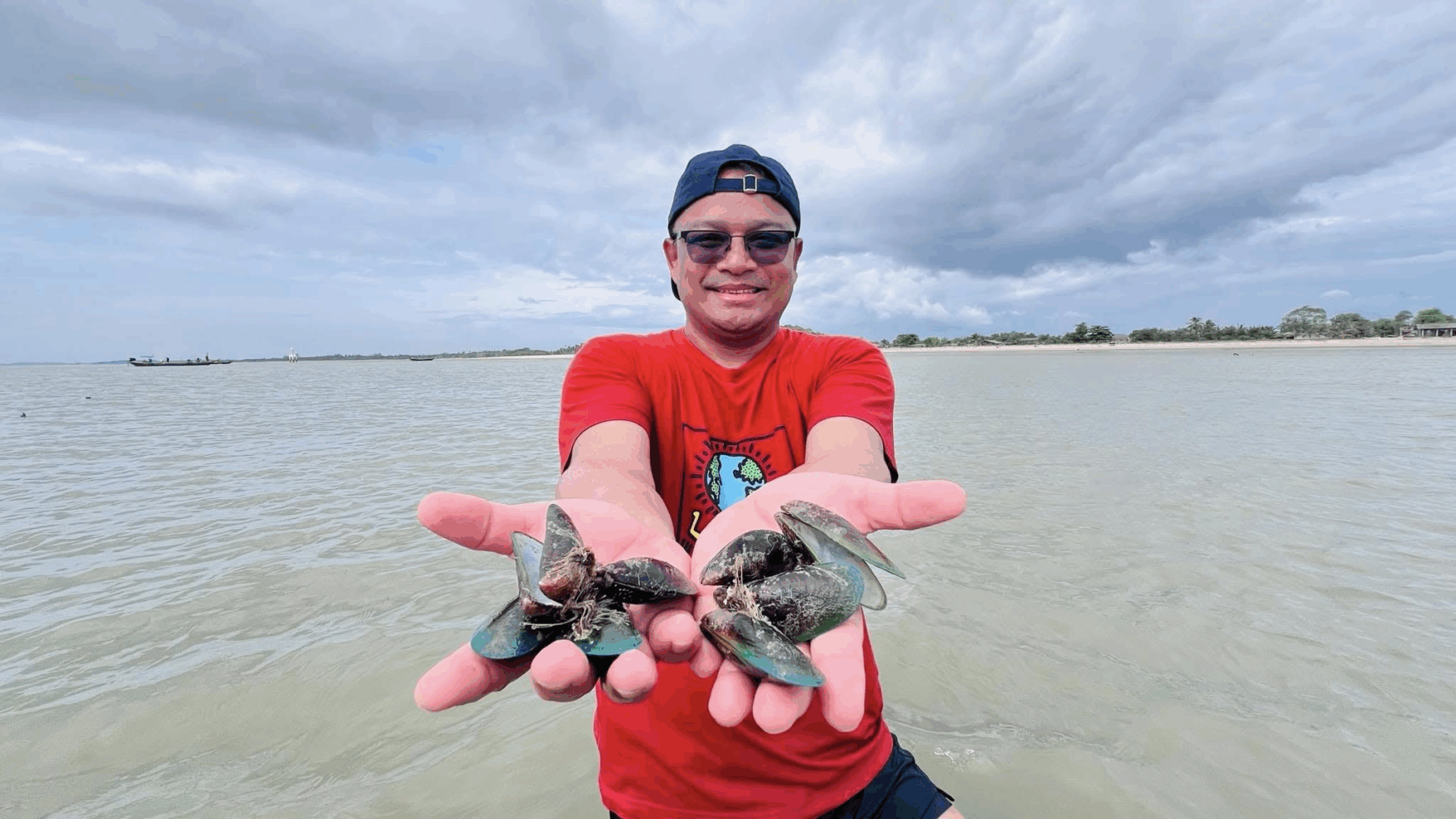
Additionally, the abundance of other marine species also improved following the installation of artificial fish habitats. Species such as blood clams, horseshoe crabs, mussels, scatophagus, and Pacific white shrimp showed measurable increases, indicating that habitat restoration and species-support initiatives are contributing to the recovery and sustainability of the bay’s marine ecosystem.
These findings highlight the effectiveness of Walailak University’s integrated approach, combining species restoration, habitat enhancement, and technological monitoring to support marine biodiversity and ecosystem resilience.
Coral Reef Health Monitoring in Phuket Using CTD Sensor Networks
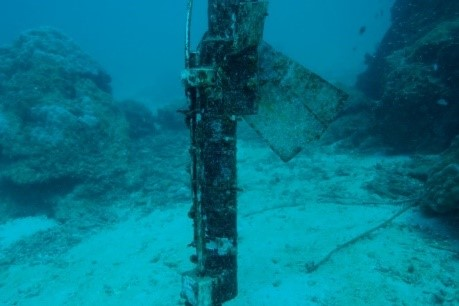
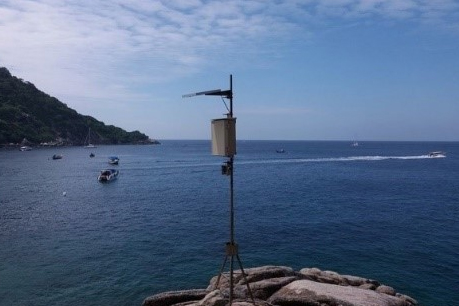
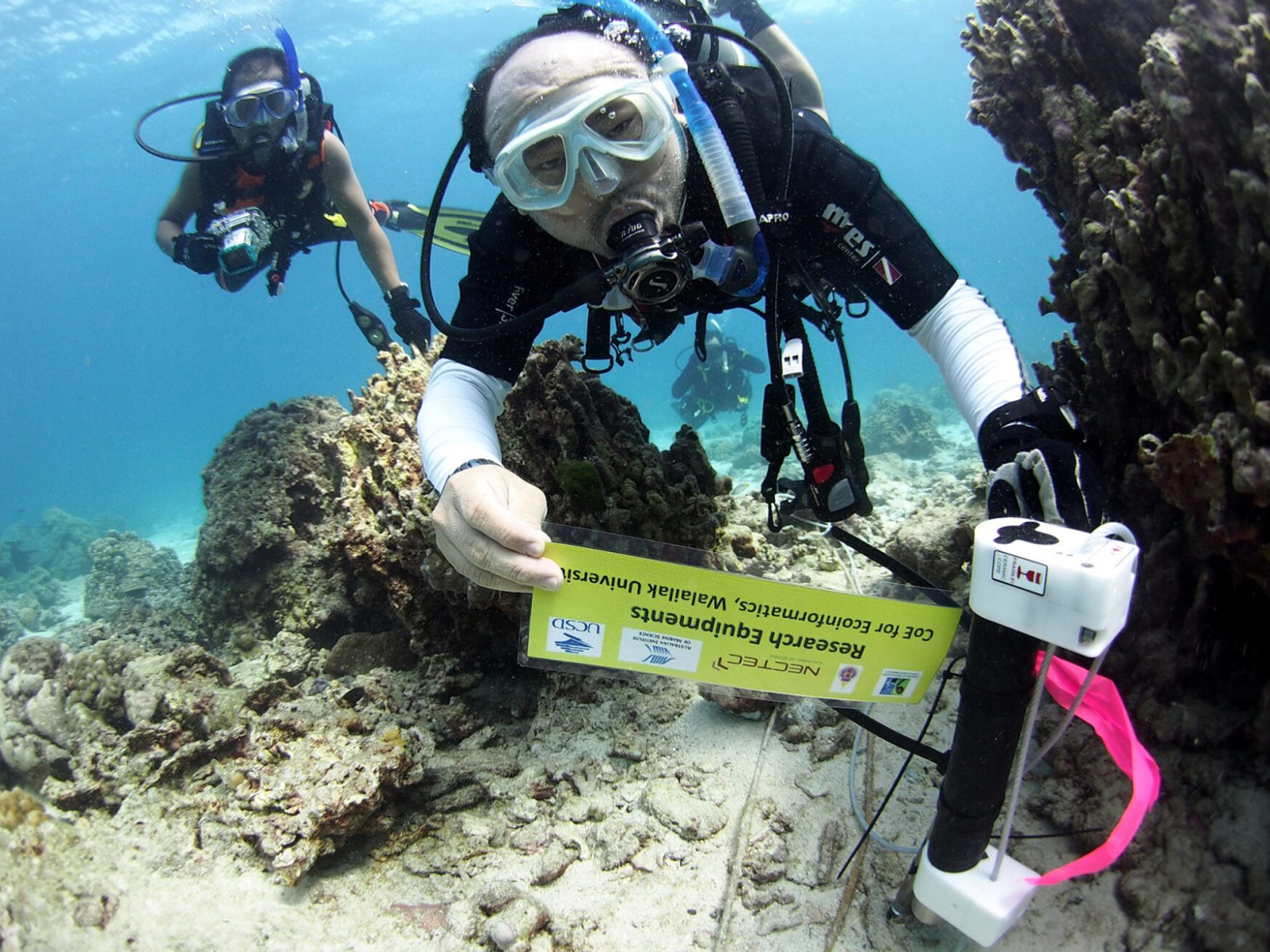
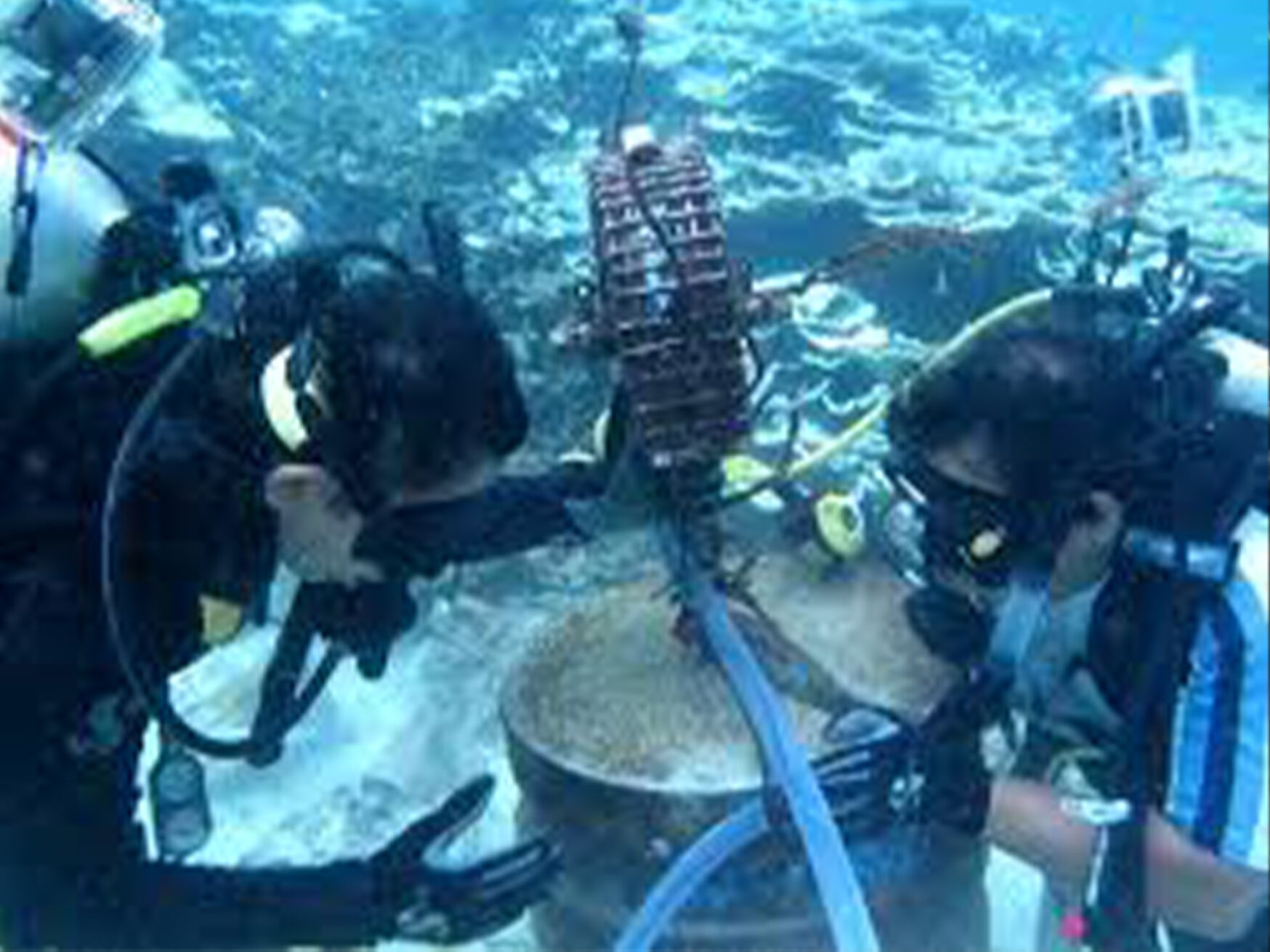
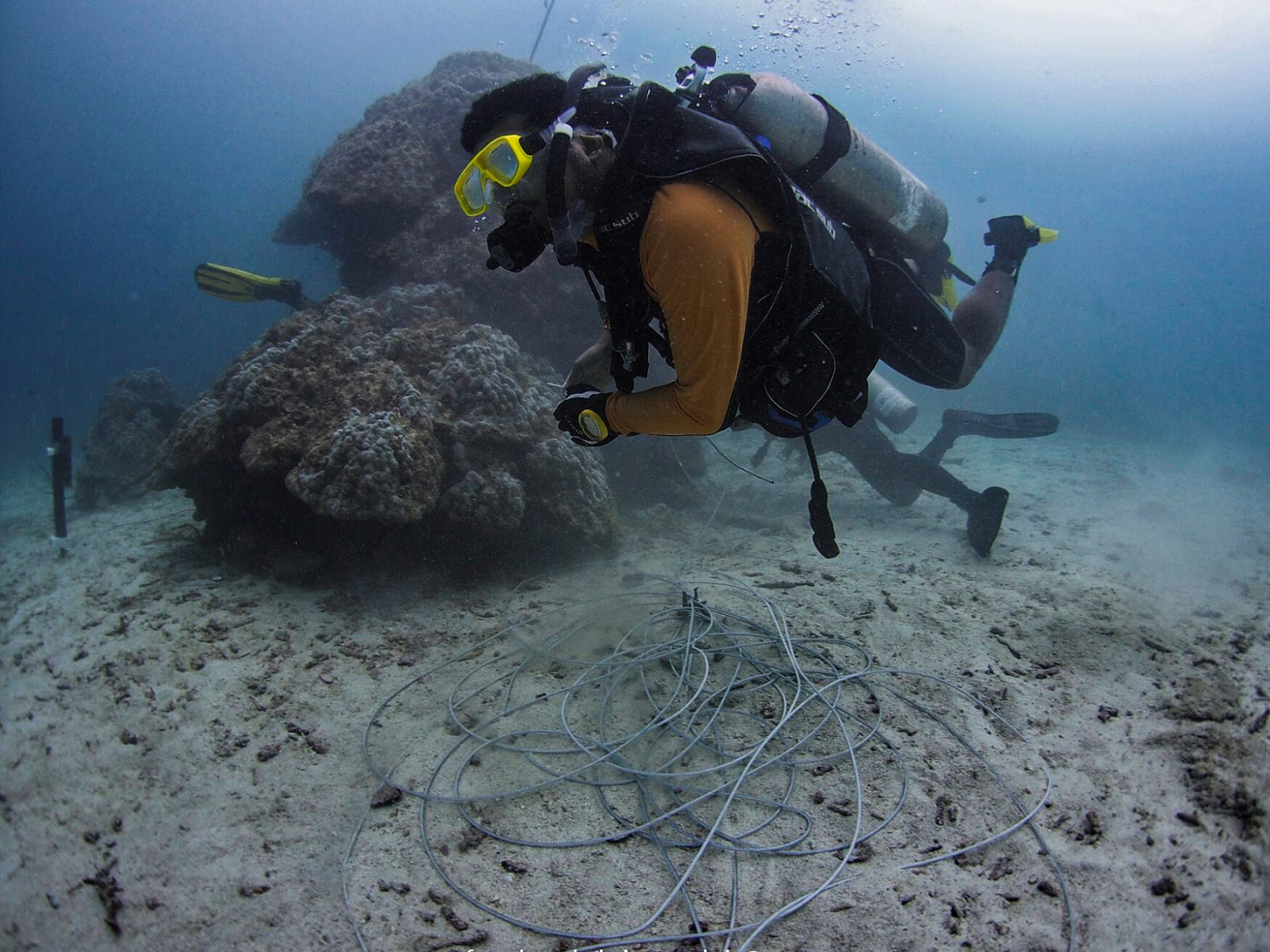
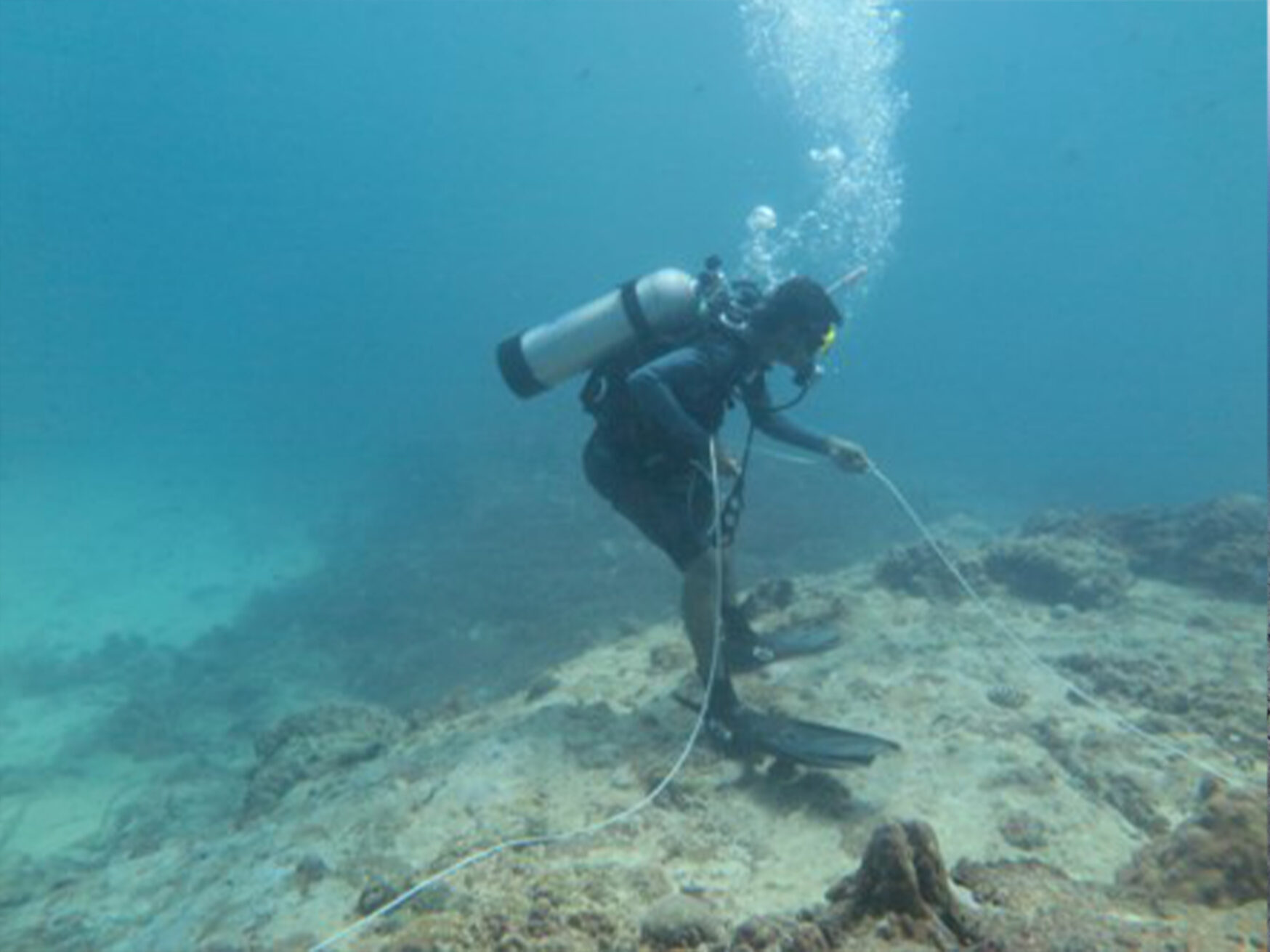
Coral reefs are essential for maintaining marine biodiversity but are increasingly threatened by coral bleaching and rising sea temperatures. Walailak University (WU) has spearheaded a coral reef monitoring initiative employing CTD (Conductivity, Temperature, and Depth) sensor networks to track environmental changes around Racha Island, Phuket.
Under WU’s guidance, the project has implemented in Khon Khae Bay and Patok Bay, providing continuous, real-time data on the physical, chemical, and biological conditions of the surrounding waters. This monitoring allows researchers and policymakers to identify stressors affecting coral reef health and to develop evidence-based conservation strategies. By integrating advanced sensor technology with marine research, WU contributes to the long-term resilience and sustainable management of Phuket’s reef ecosystems.
Monitoring Aquatic Animals in Wider Communities
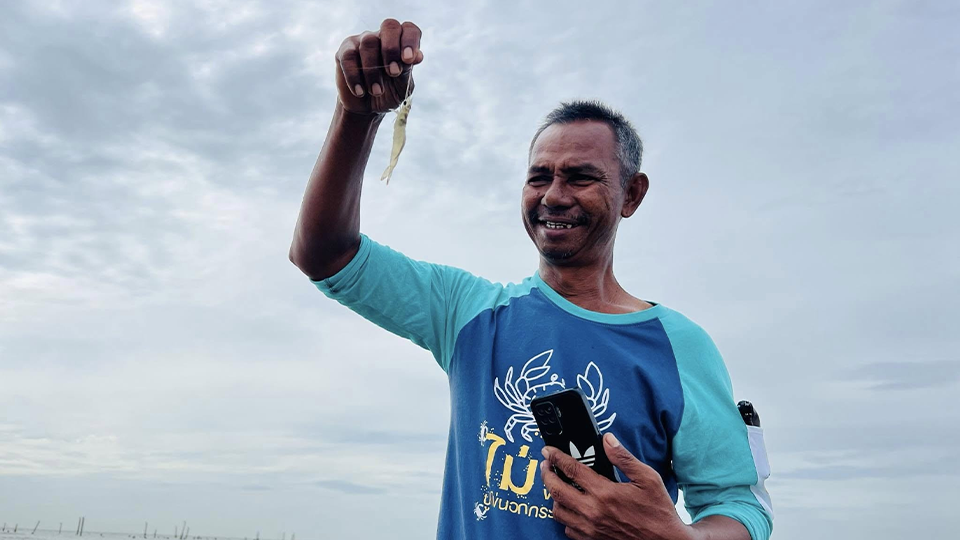
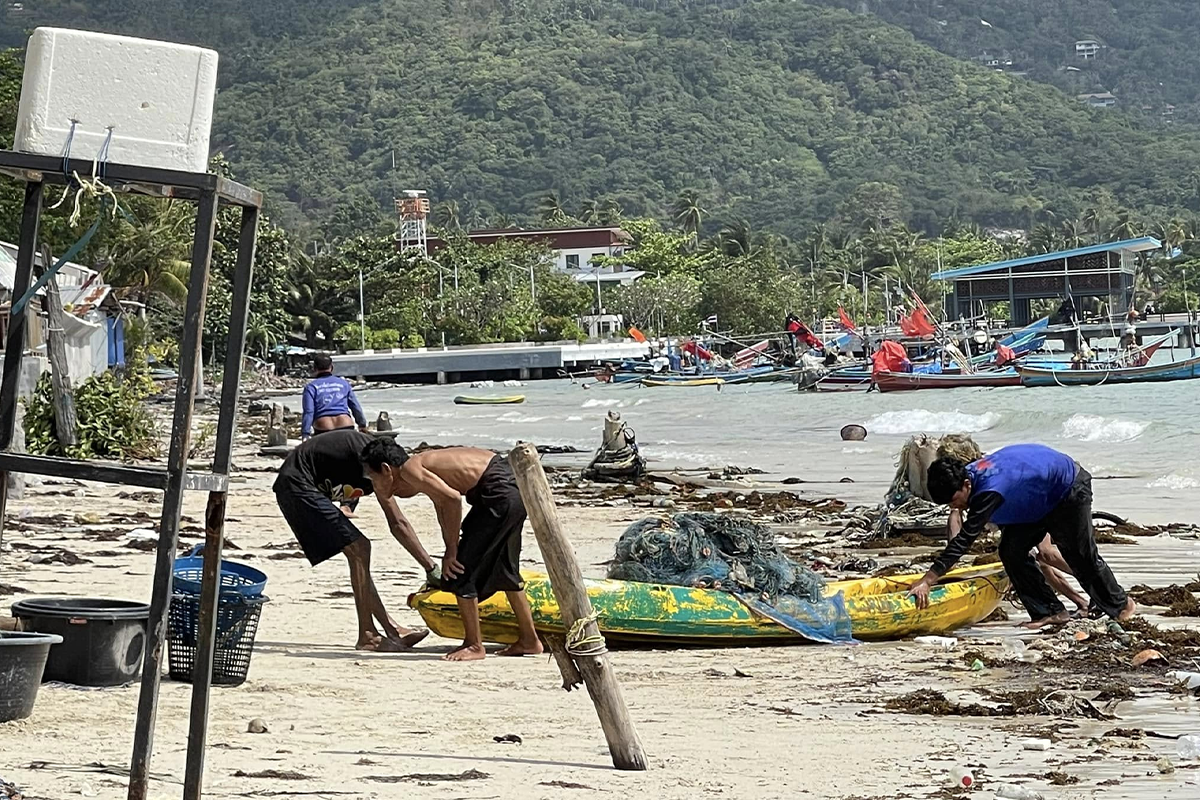
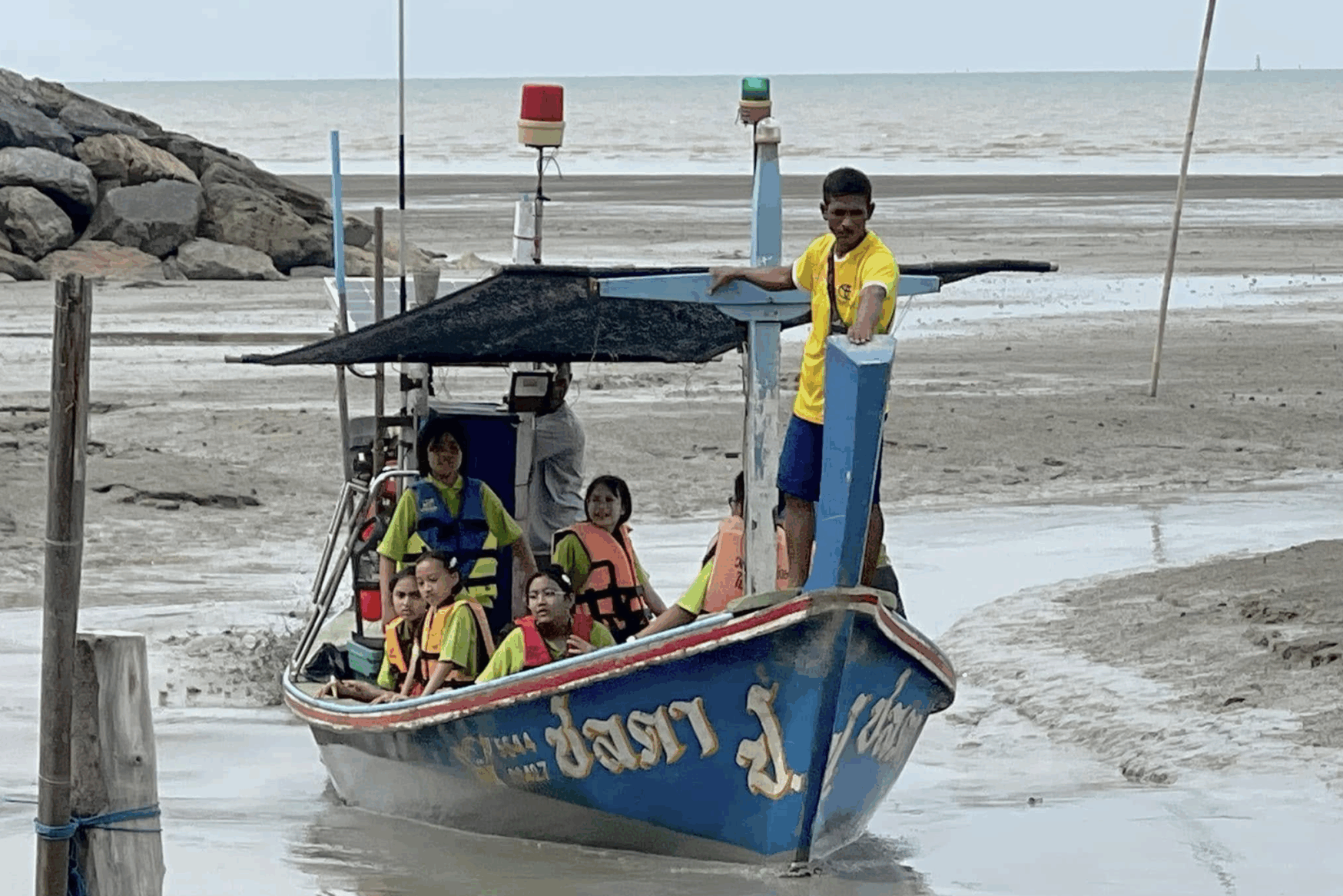
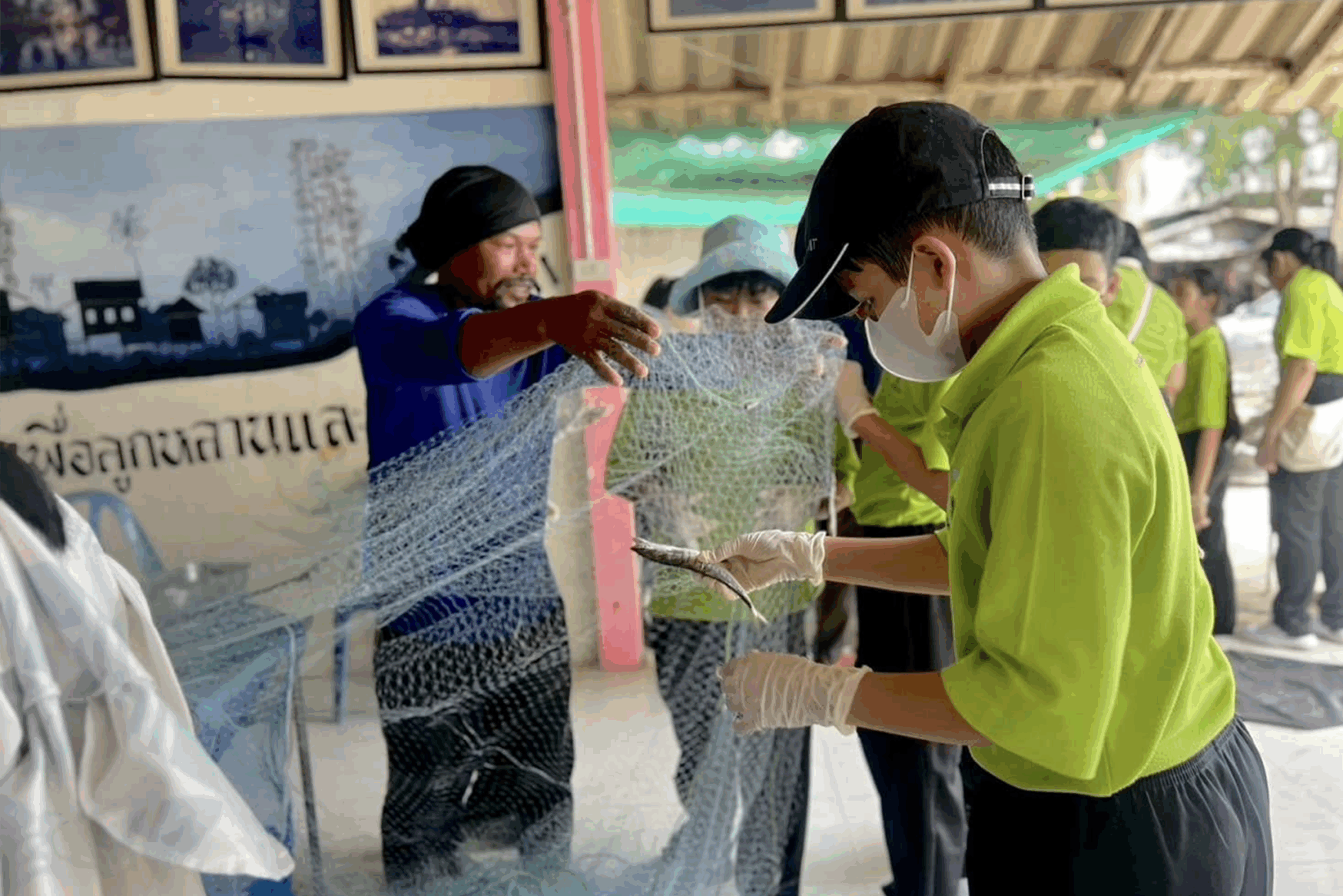
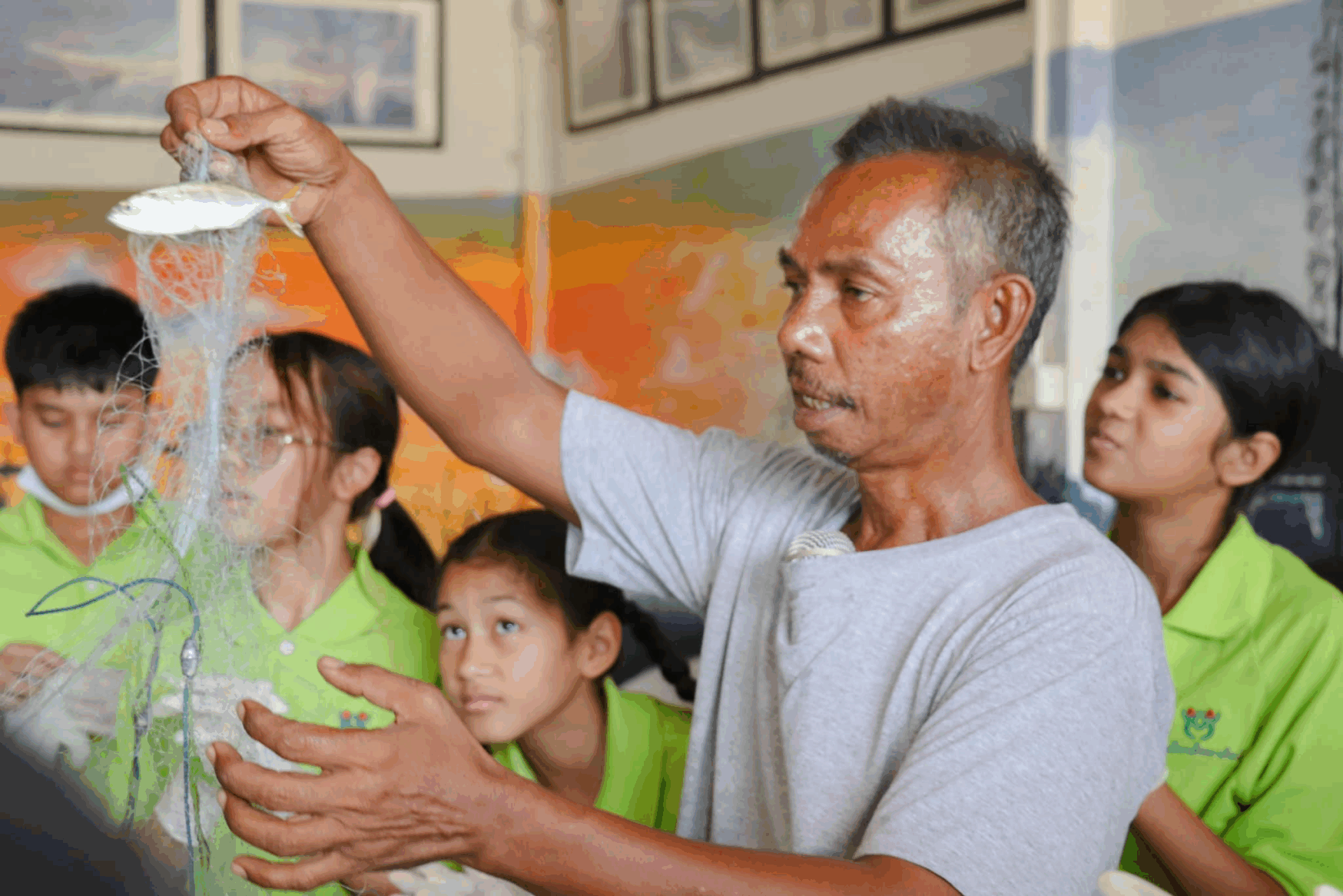
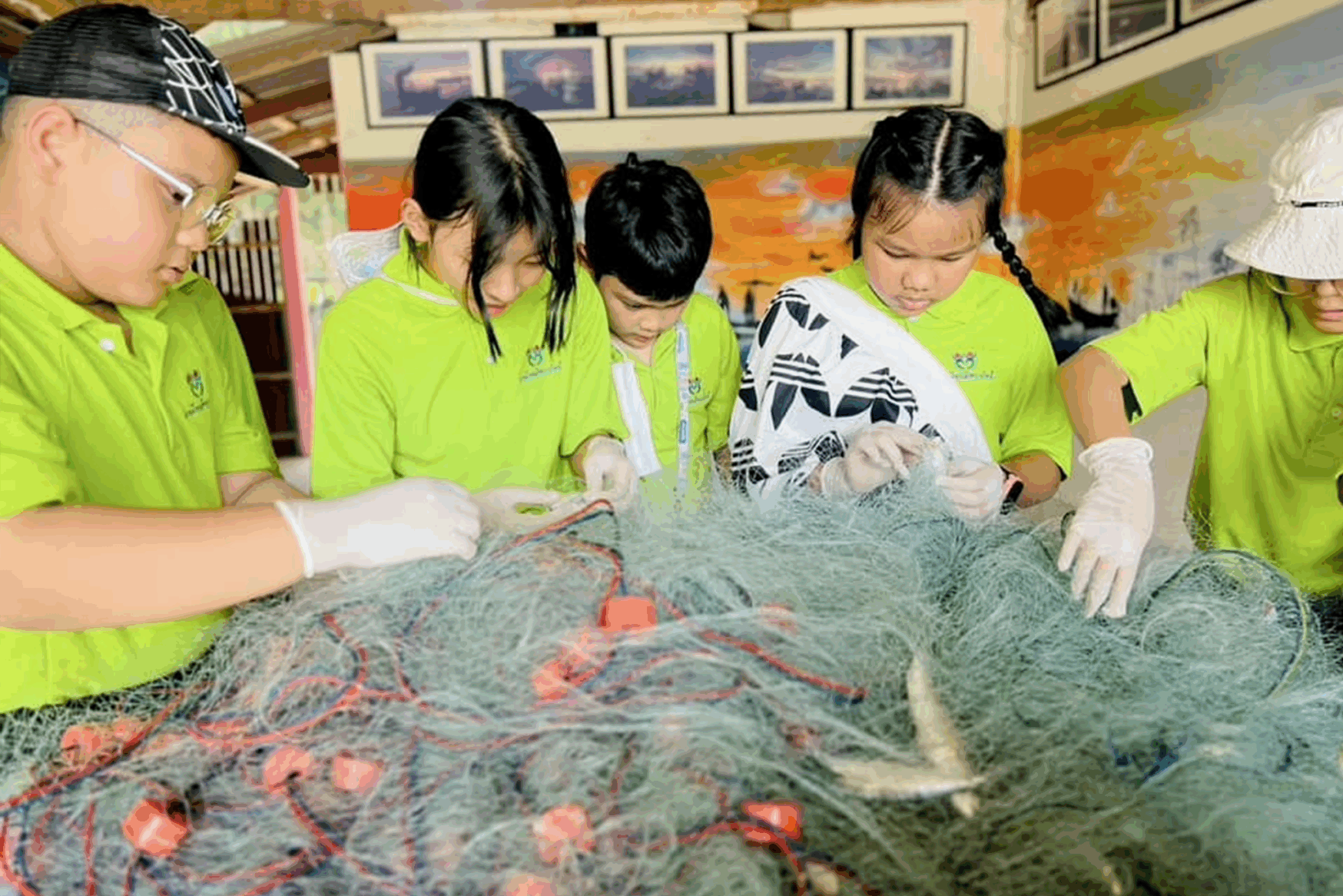
In 2024, Walailak University (WU) collaborated with 62 coastal fishing communities in Nakhon Si Thammarat to monitor crab and fish populations—key biological indicators of aquatic ecosystem health. A central component of this initiative is the establishment of community-based crab-hatching stations, which has contributed to significant increases in crab populations and overall biodiversity, helping to maintain a balanced marine food web.
The project has also had a measurable economic impact on local fishing communities. Prior to the implementation of the crab bank program in 2018, fishers reported an average daily catch of 5 kg per boat. Within one year, this increased to 8 kg per boat per day, and with the program’s gradual expansion across more coastal areas, average catches have risen to 10–15 kg per boat per day. Similar positive trends have been observed in commercial fisheries, with daily catches increasing from 40–60 kg to 80–100 kg per boat, occasionally exceeding 100 kg during peak seasons.
These consistent improvements demonstrate the success of the crab bank initiative in enhancing local livelihoods, supporting sustainable fisheries, and fostering resilient marine ecosystems through community-driven conservation efforts
Living Weir Project for Improving and Monitoring Freshwater Aquatic Ecosystems
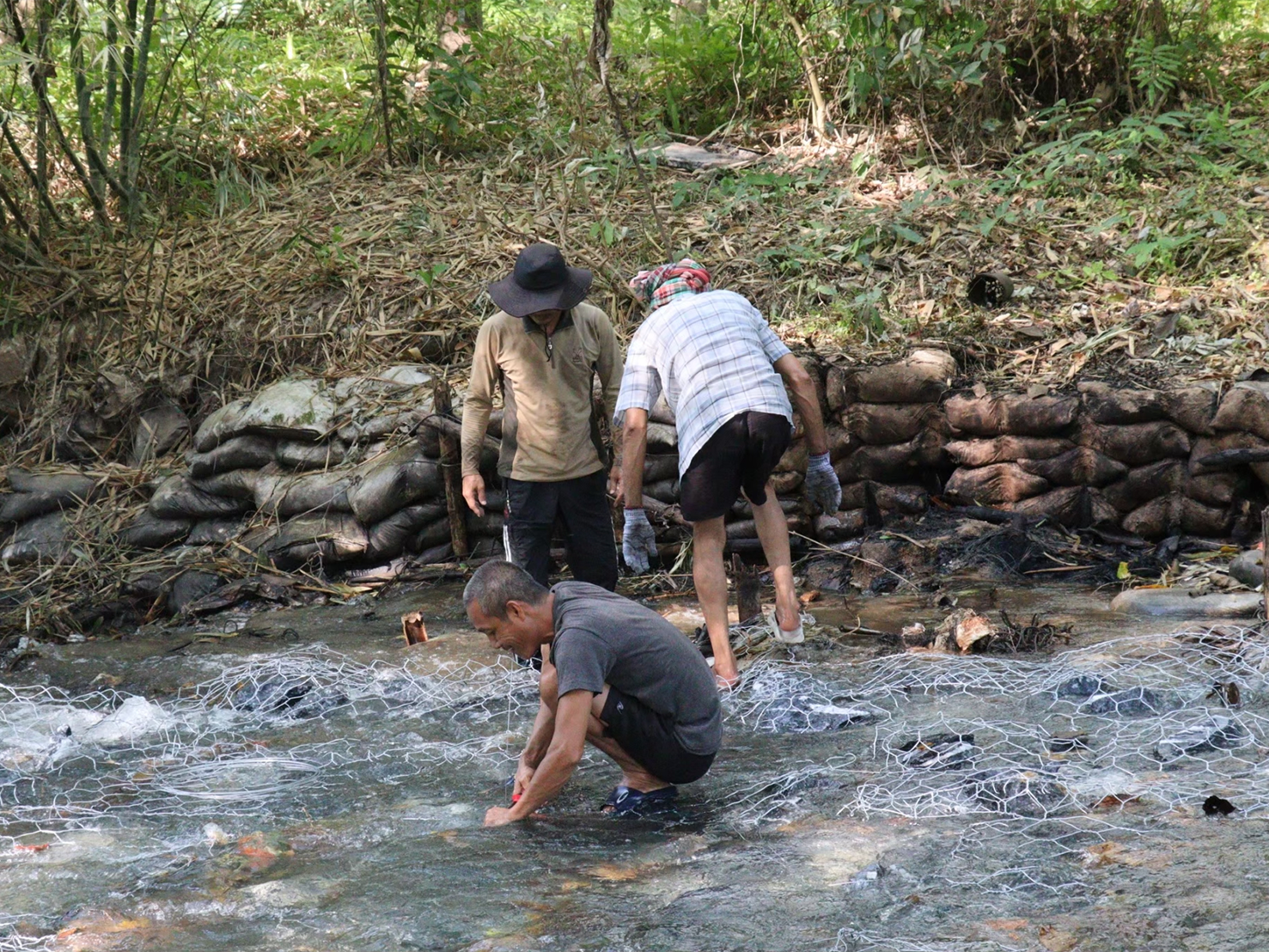
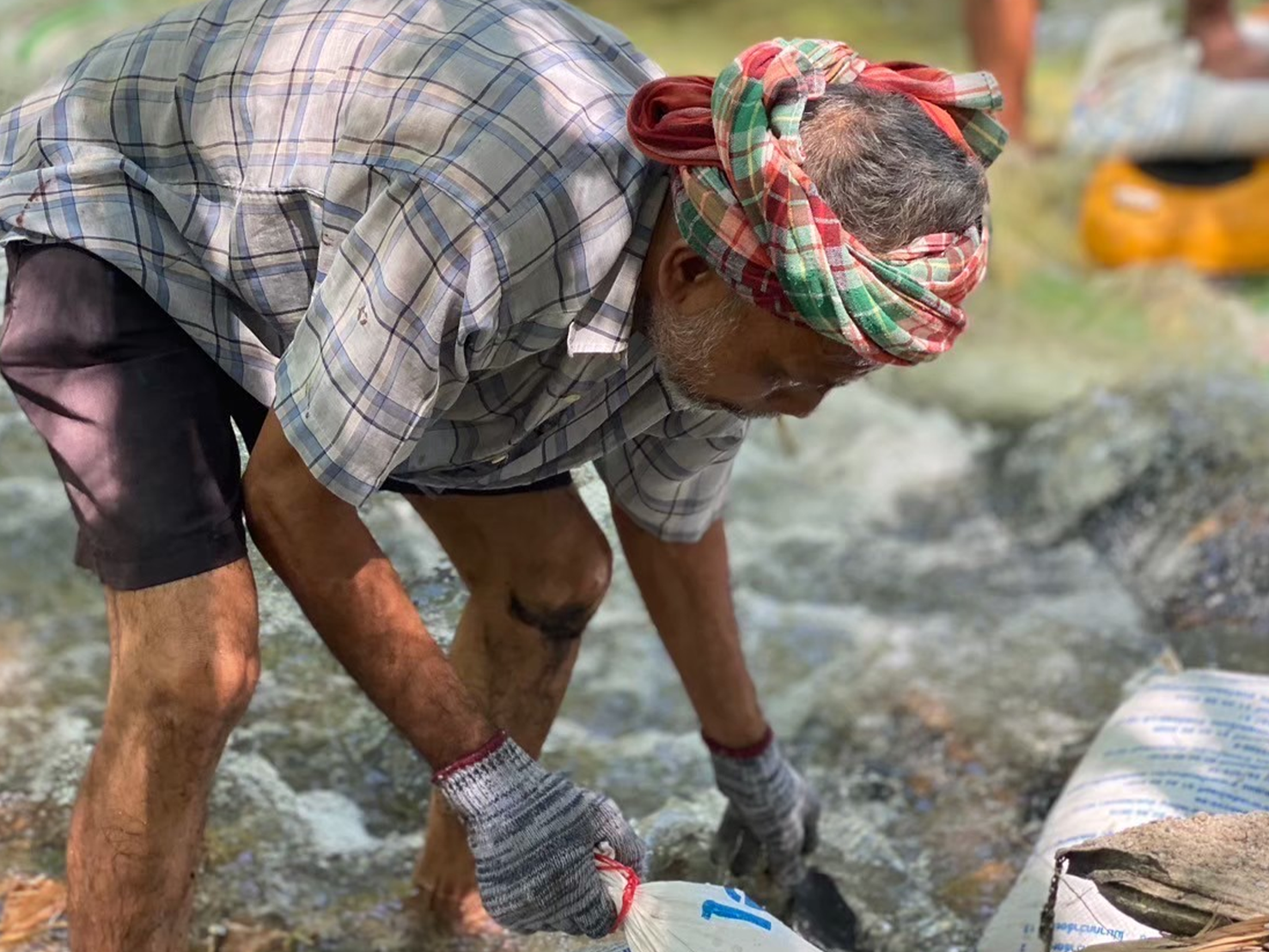
In 2024, Walailak University (WU) continued the implementation of the “Living Weir” project in the Na Mai P้hai subdistrict of Thung Song District, Nakhon Si Thammarat Province, addressing critical water shortages affecting local agricultural communities. The project is a collaborative effort involving community members, local and regional government agencies, and the general public, aimed at establishing a sustainable and resilient water conservation system.
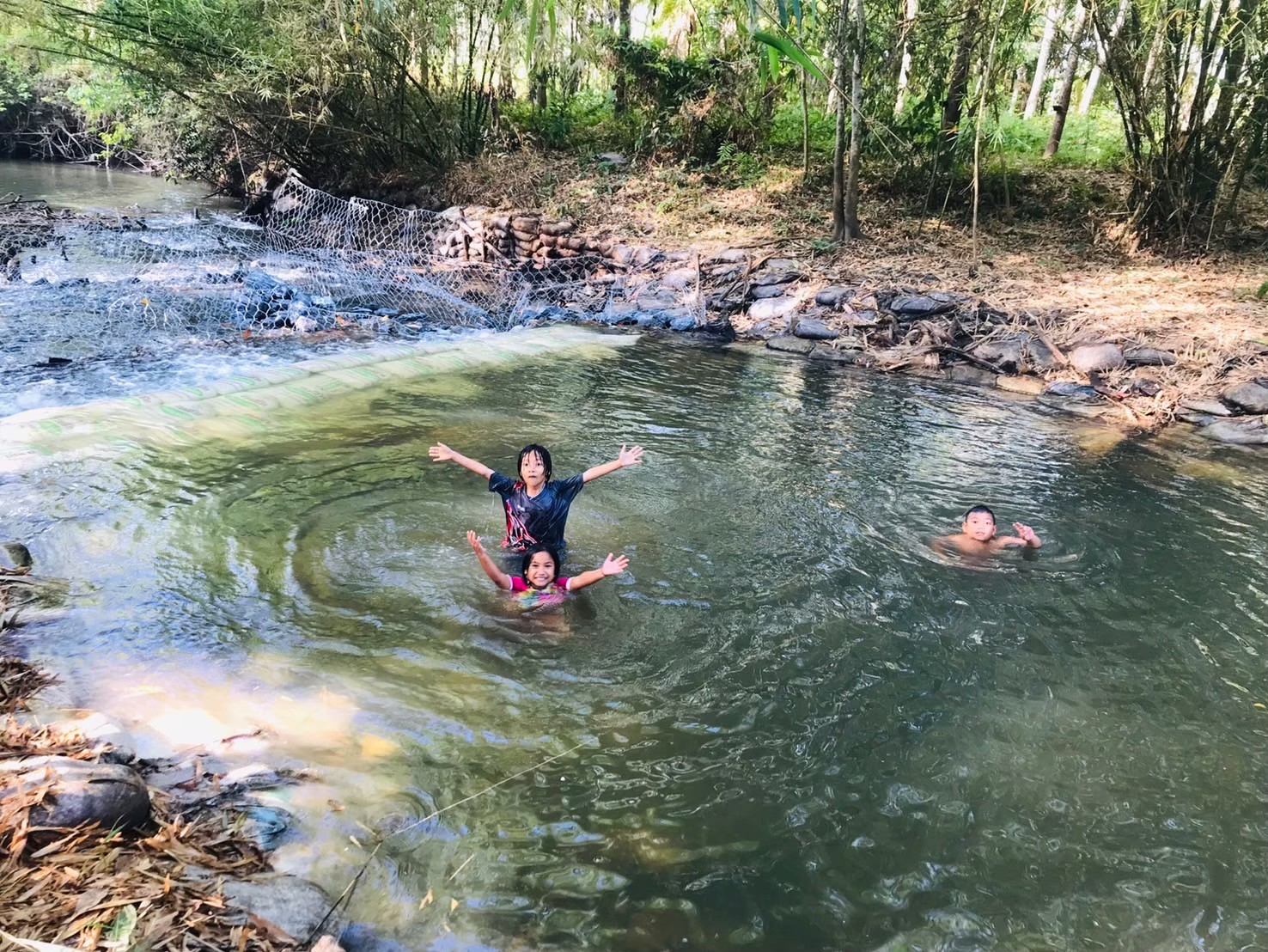
Strategically constructed in the midstream of the Wang Hip River, the living weir is designed according to ecosystem-based adaptation principles, integrating local knowledge with the sufficiency economy philosophy. A digital monitoring system has been incorporated to assess ecological and hydrological outcomes, including river restoration, environmental impacts, and community benefits.
The project has delivered significant positive impacts:
Water Conservation: Ensuring a reliable water supply for agriculture and daily use.
Erosion Control: Reducing physical riverbank erosion through structural and ecological stabilization.
Biodiversity Enhancement: Creating aquatic habitats that support diverse species and strengthen ecosystem health.
Community Resilience: Providing resources and knowledge to help communities adapt to climate variability and mitigate flood risks.
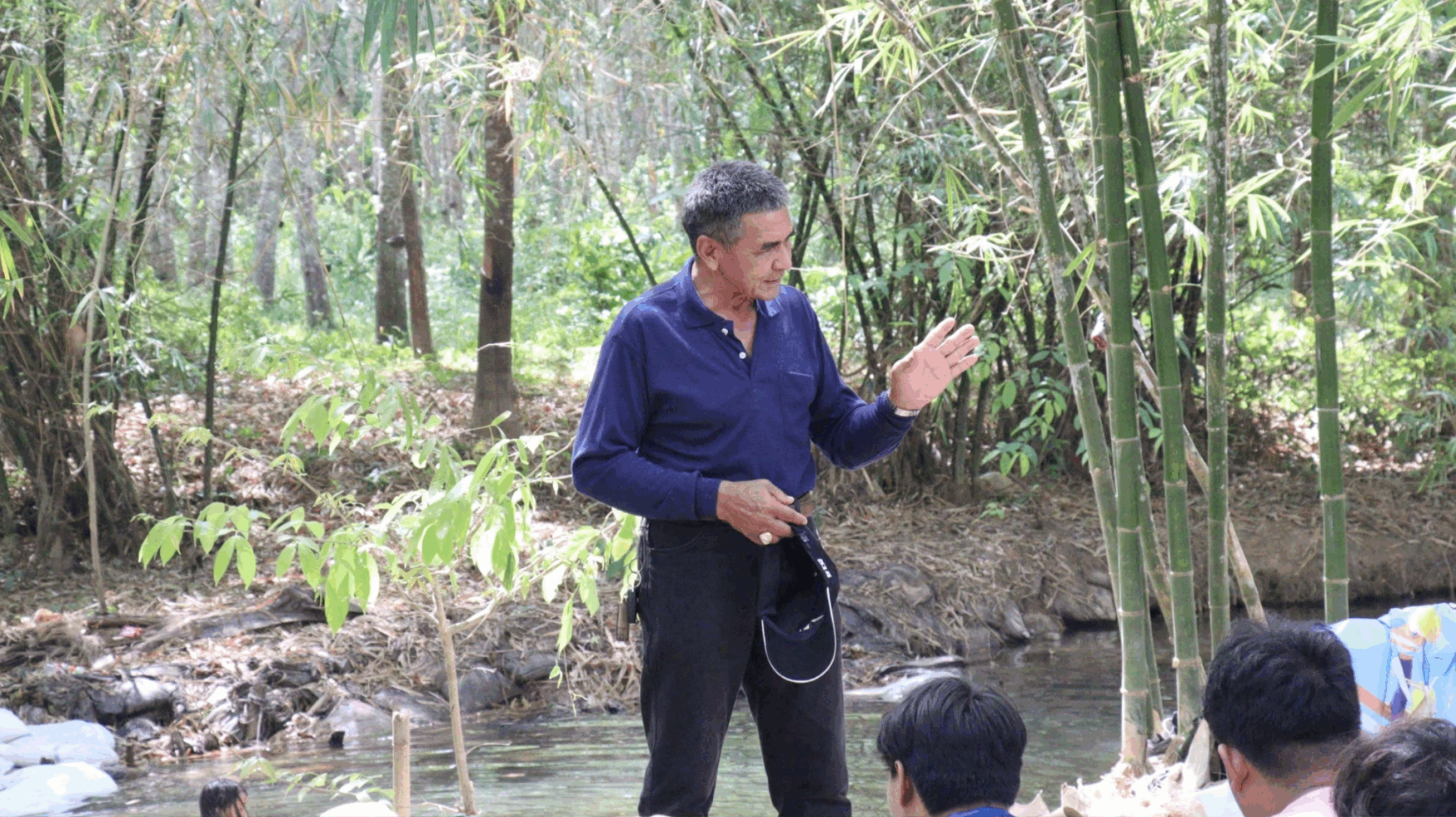
Beyond physical infrastructure, WU integrates educational programs on water conservation and disaster preparedness for local communities, reflecting the university’s commitment to sustainable water management and capacity-building in surrounding areas.
Monitoring and Evaluation of Ecosystem Health
Walailak University carried out a comprehensive ecological monitoring program following the renovation and reconstruction of the weir to evaluate changes in biodiversity and environmental health. The assessment employed two main approaches:
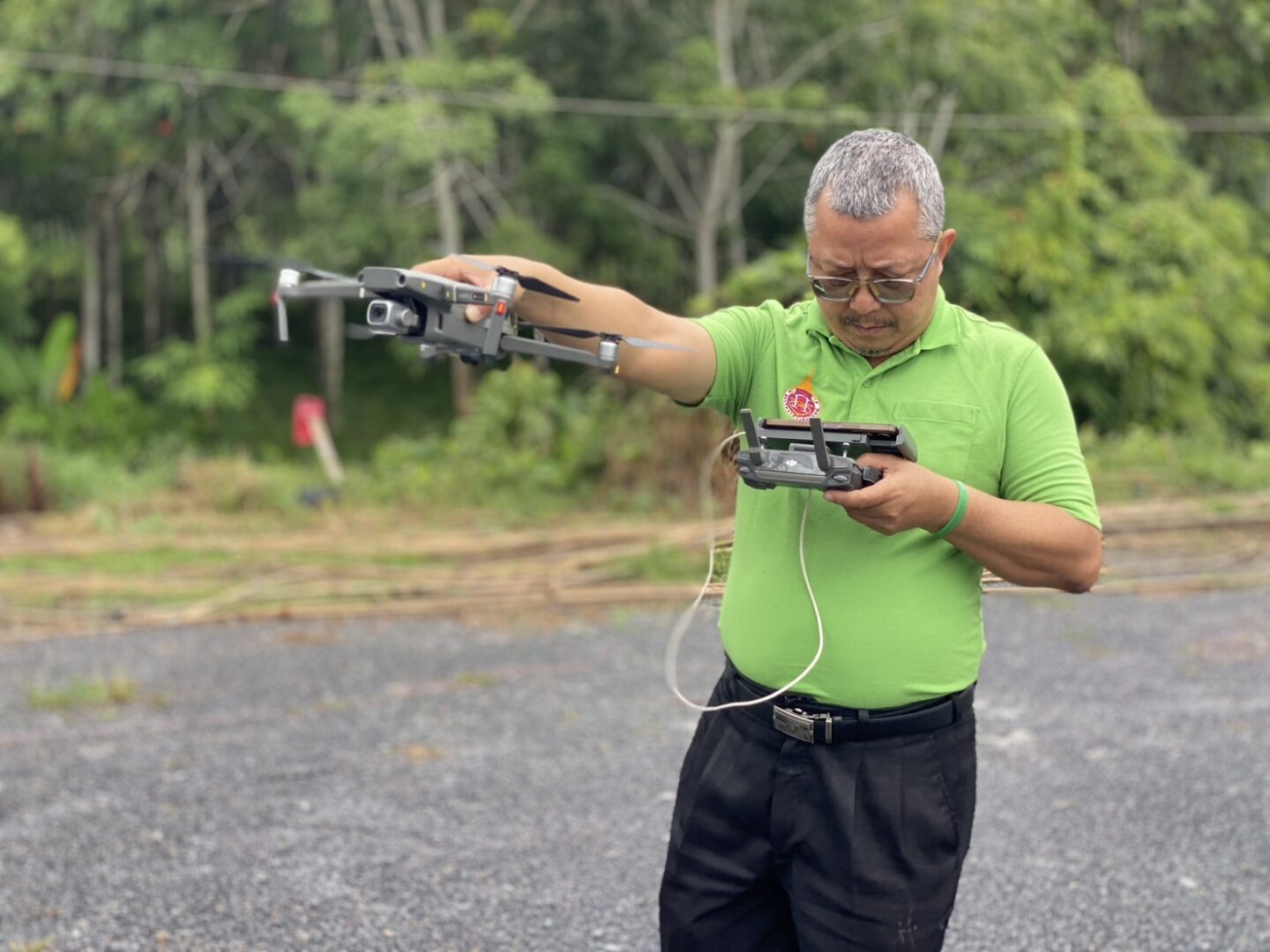
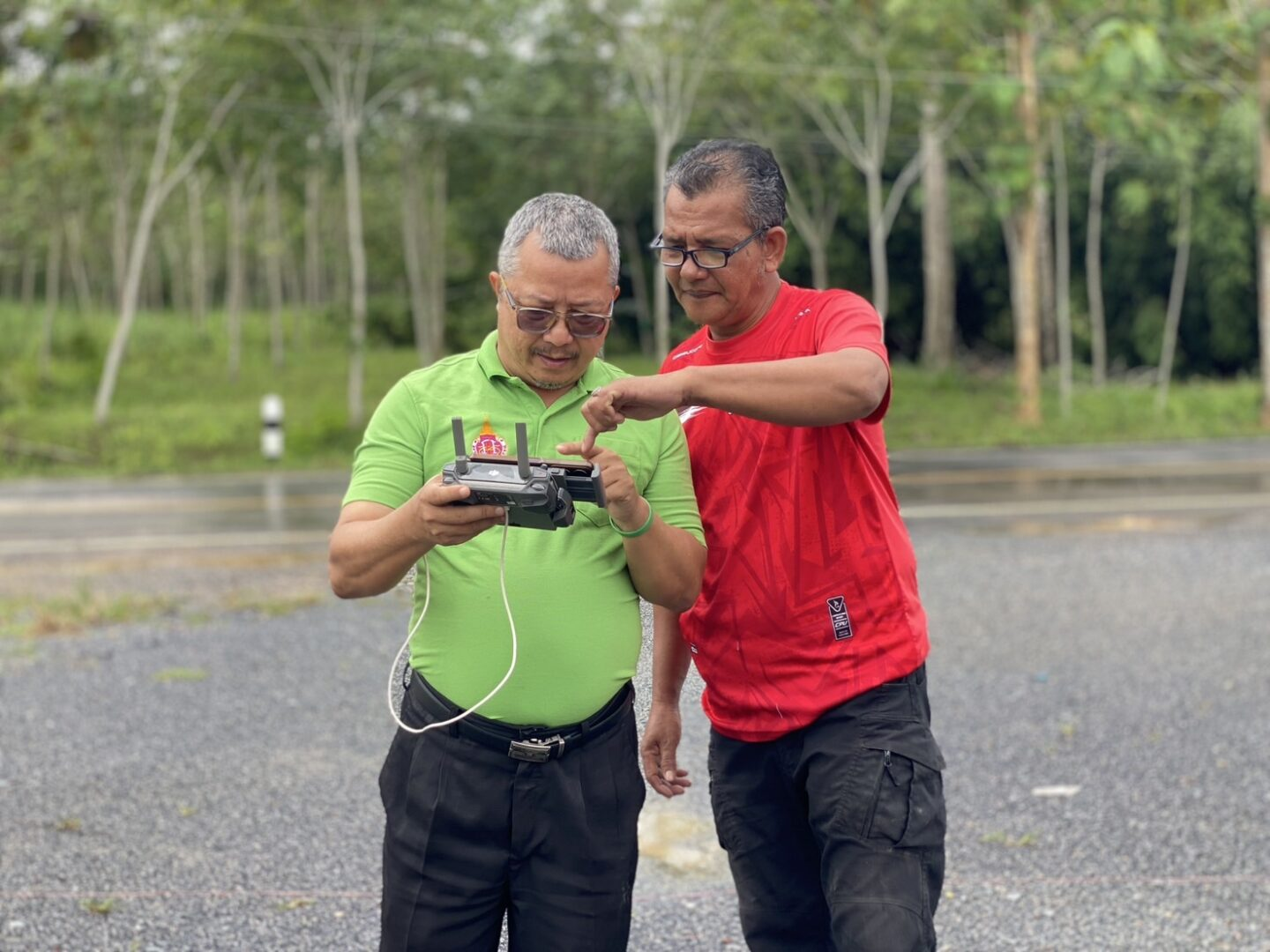
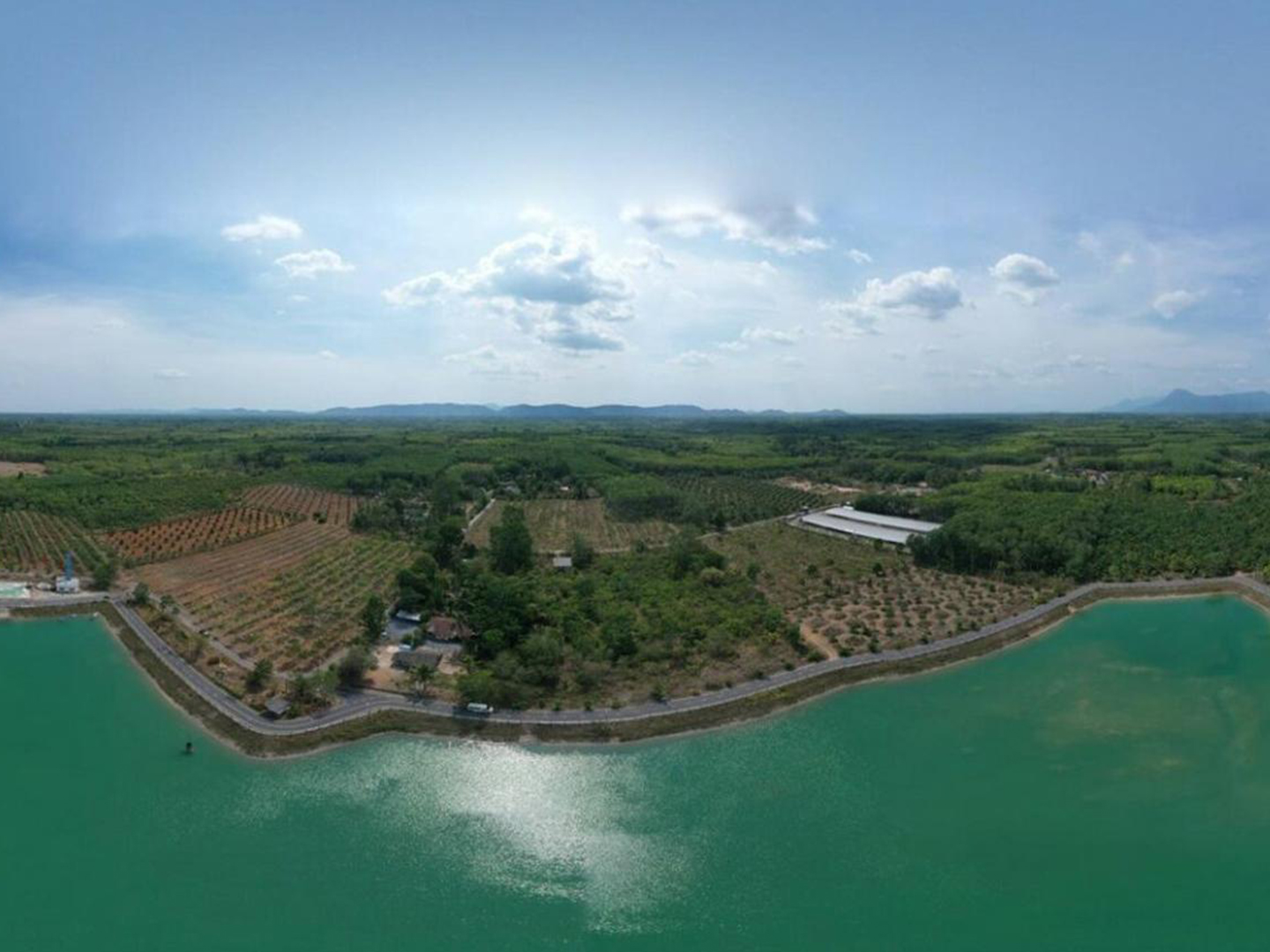
1. Aerial photography and bird’s-eye imaging to compare physical changes between the stream with the restored weir and a nearby stream without one.
Figures : WU using a drone for aerial photography in monitoring the weir
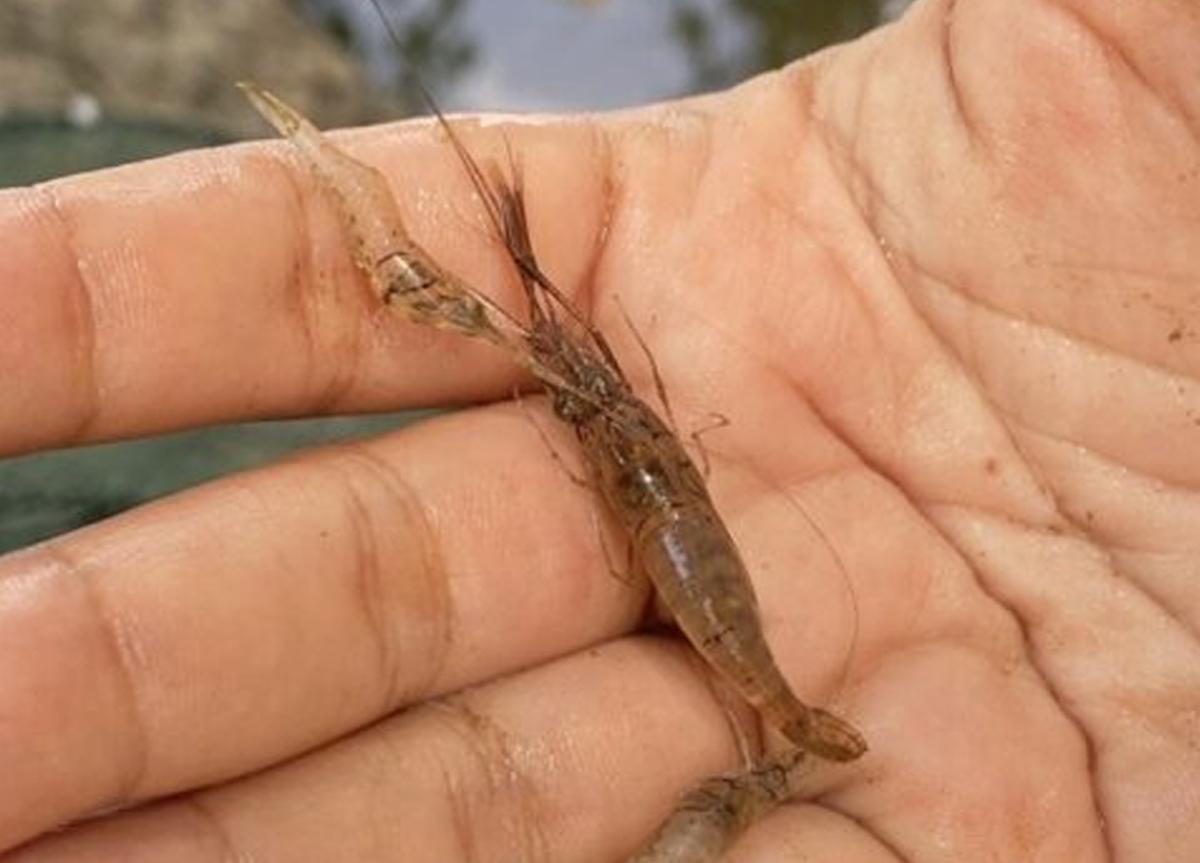
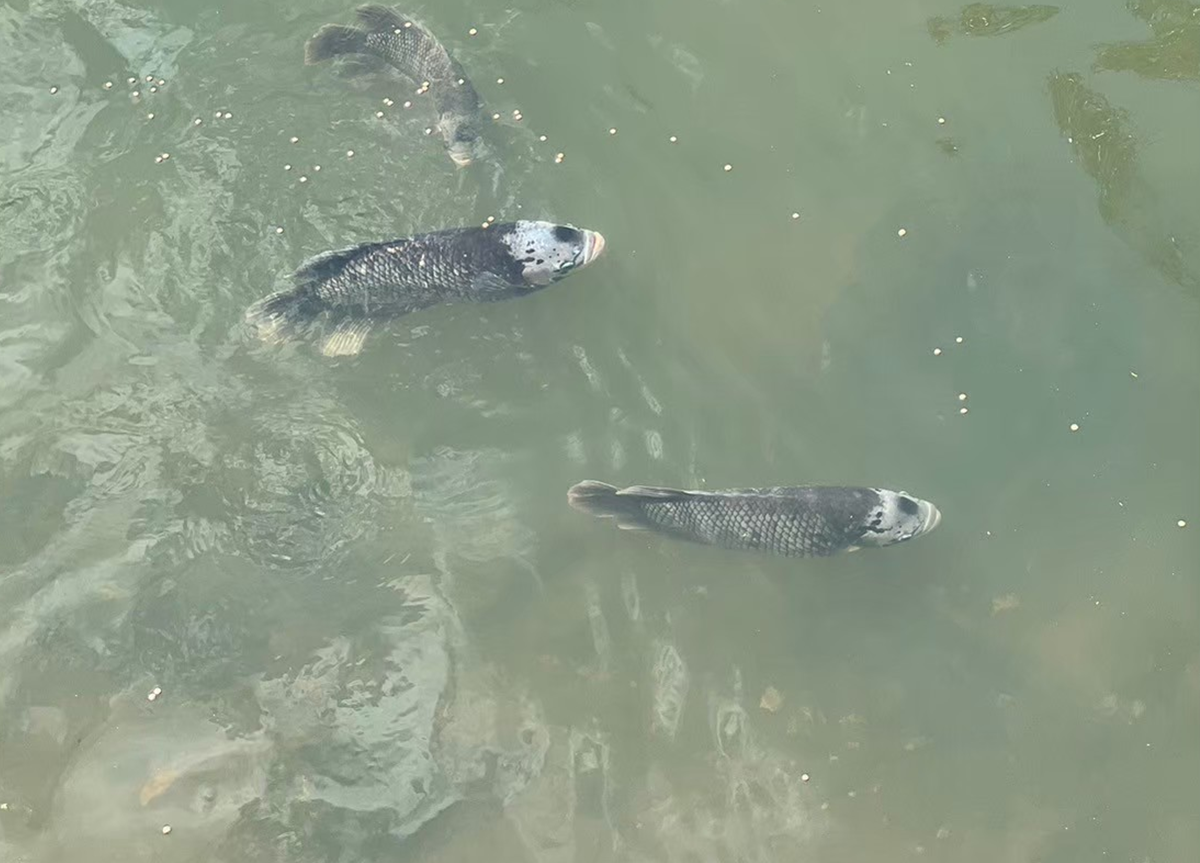
2. Field surveys to track the abundance and diversity of aquatic species in the area.
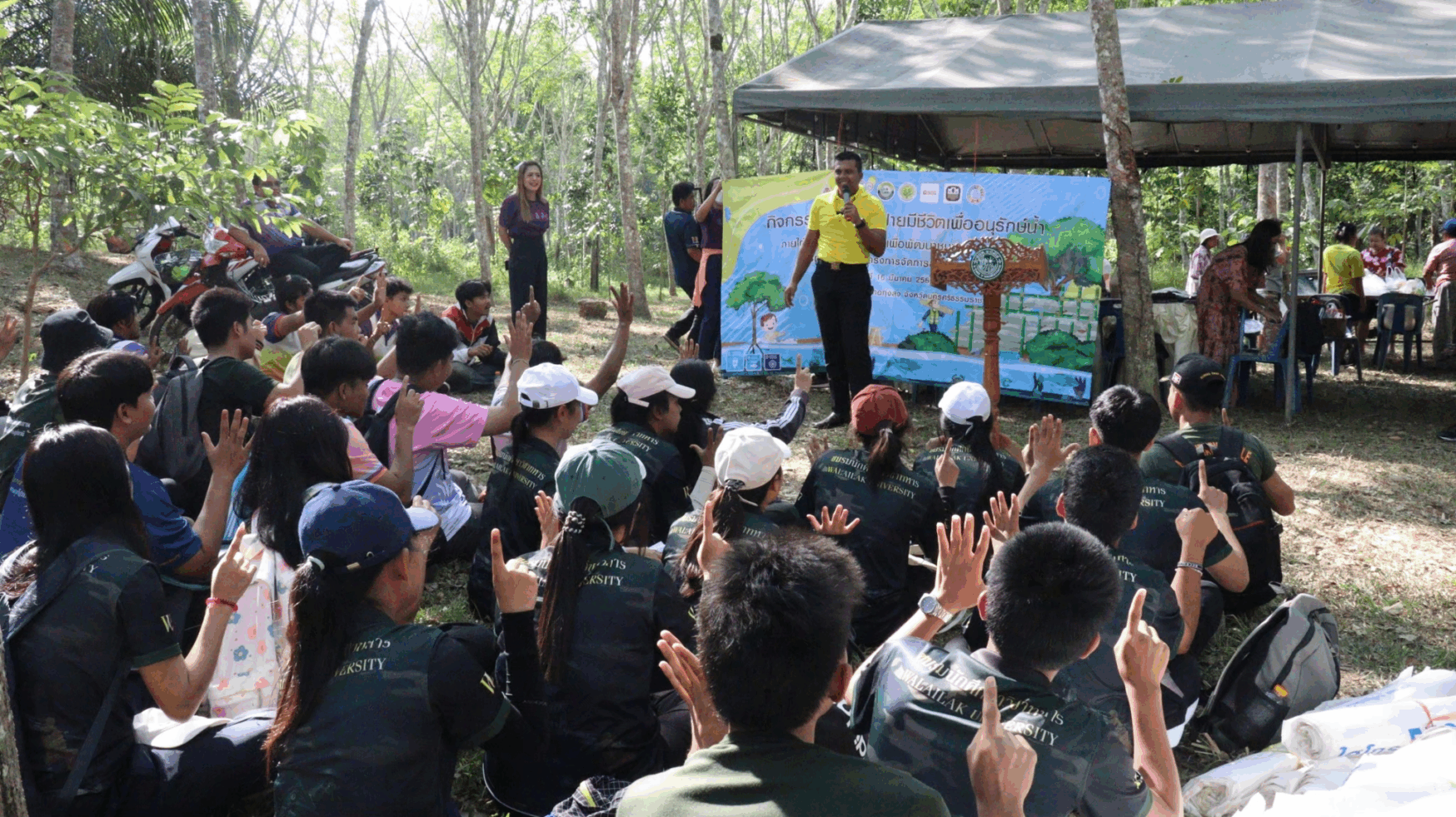
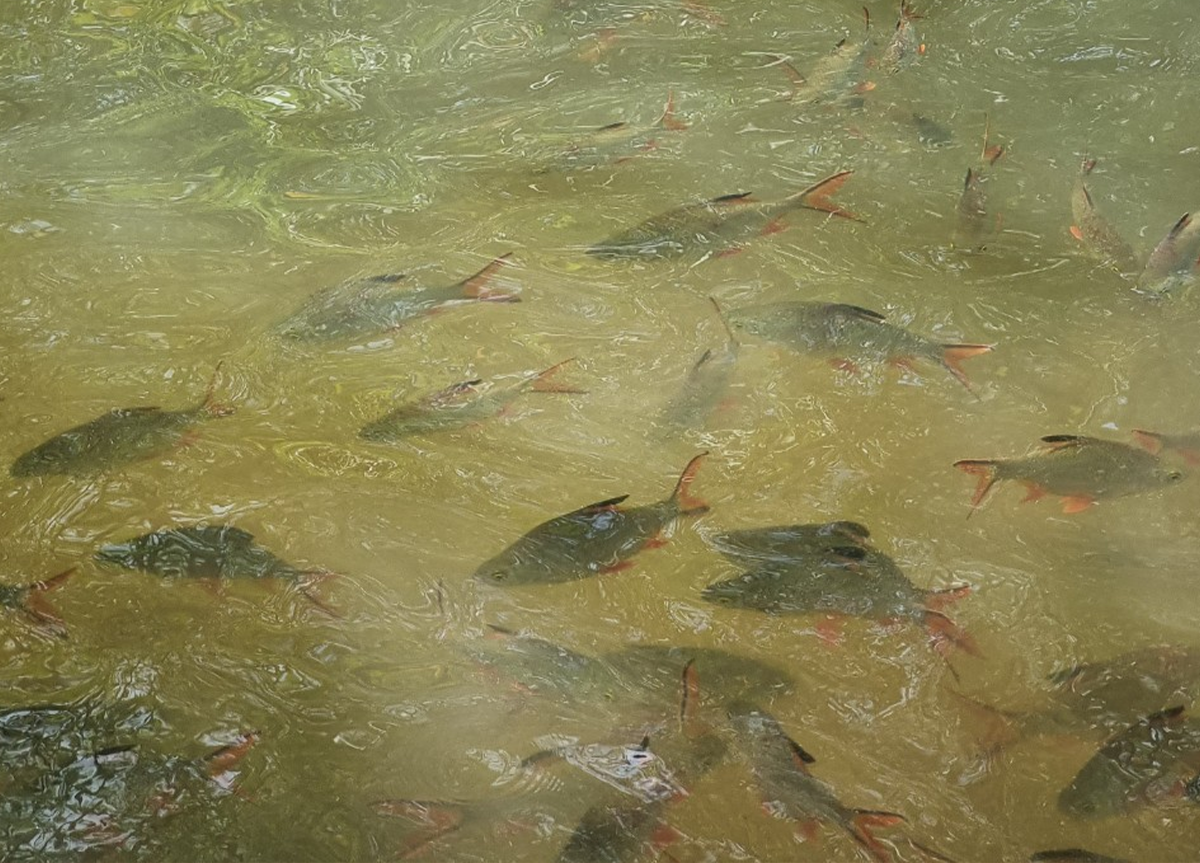
Figures : WU monitoring the abundance of aquatic animals upon the renovation of the weir
The monitoring results revealed a gradual recovery of aquatic biodiversity. Species such as tiny freshwater shrimp, minnows, and snails became increasingly abundant near the weir, reflecting improvements in aquatic habitats. The staircase structure of the weir slowed water flow, creating calm zones that serve as microhabitats for small organisms. These areas also offered safe breeding and feeding grounds for native fish species, which had previously migrated elsewhere due to strong currents.