Ongoing Programs Promoting Good Aquatic Stewardship Practices
Walailak University (WU) continues to play an active role in advancing sustainable fisheries and aquaculture practices, fostering environmental stewardship in alignment with international standards and national priorities. Through long-term projects that combine scientific innovation, government collaboration, and community participation, WU supports both ecological preservation and local livelihoods. Two flagship ongoing programs—the Blue Swimming Crab Fishery Project and the Tilapia Aquaculture Program—illustrate the university’s leadership in promoting good aquatic stewardship.
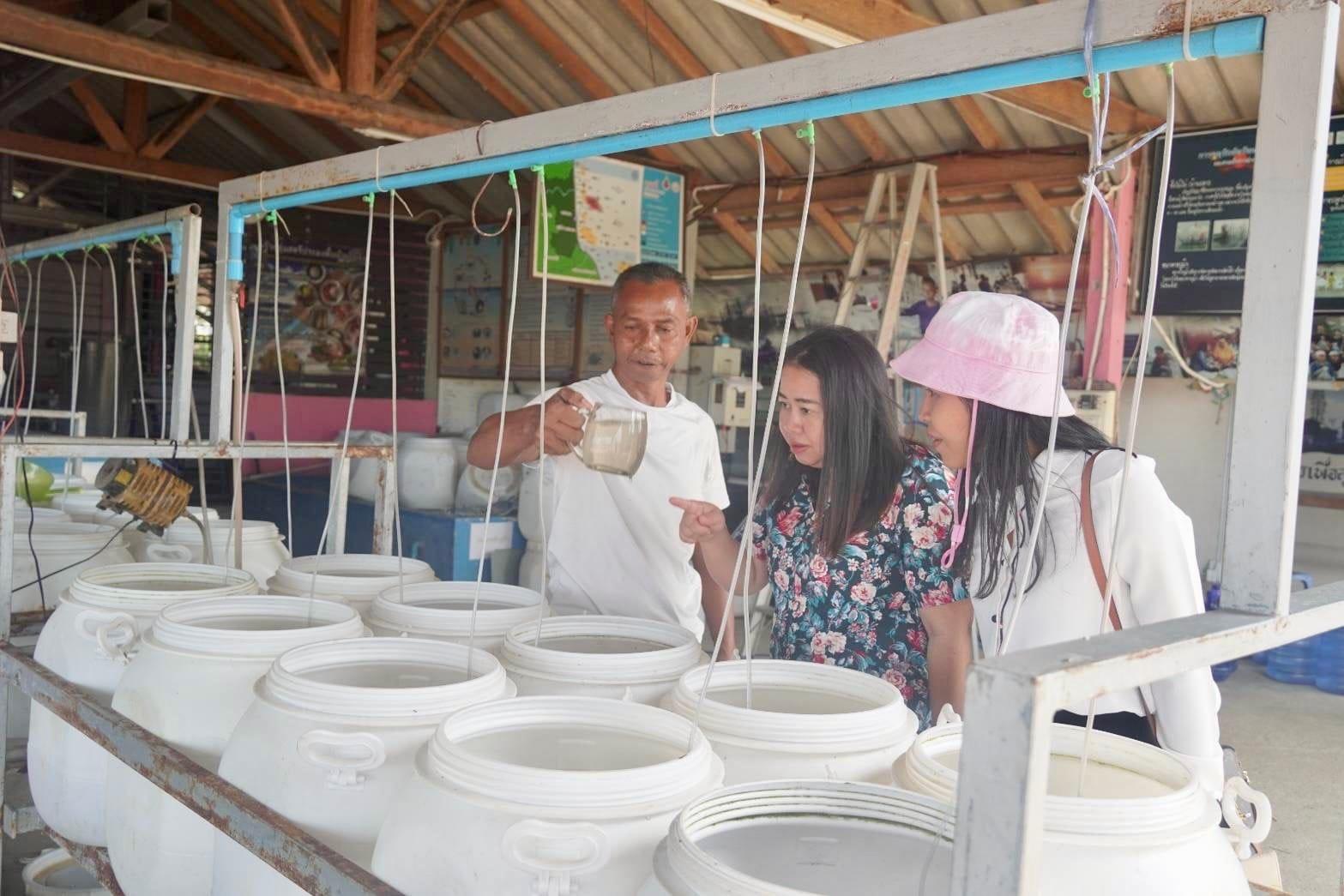
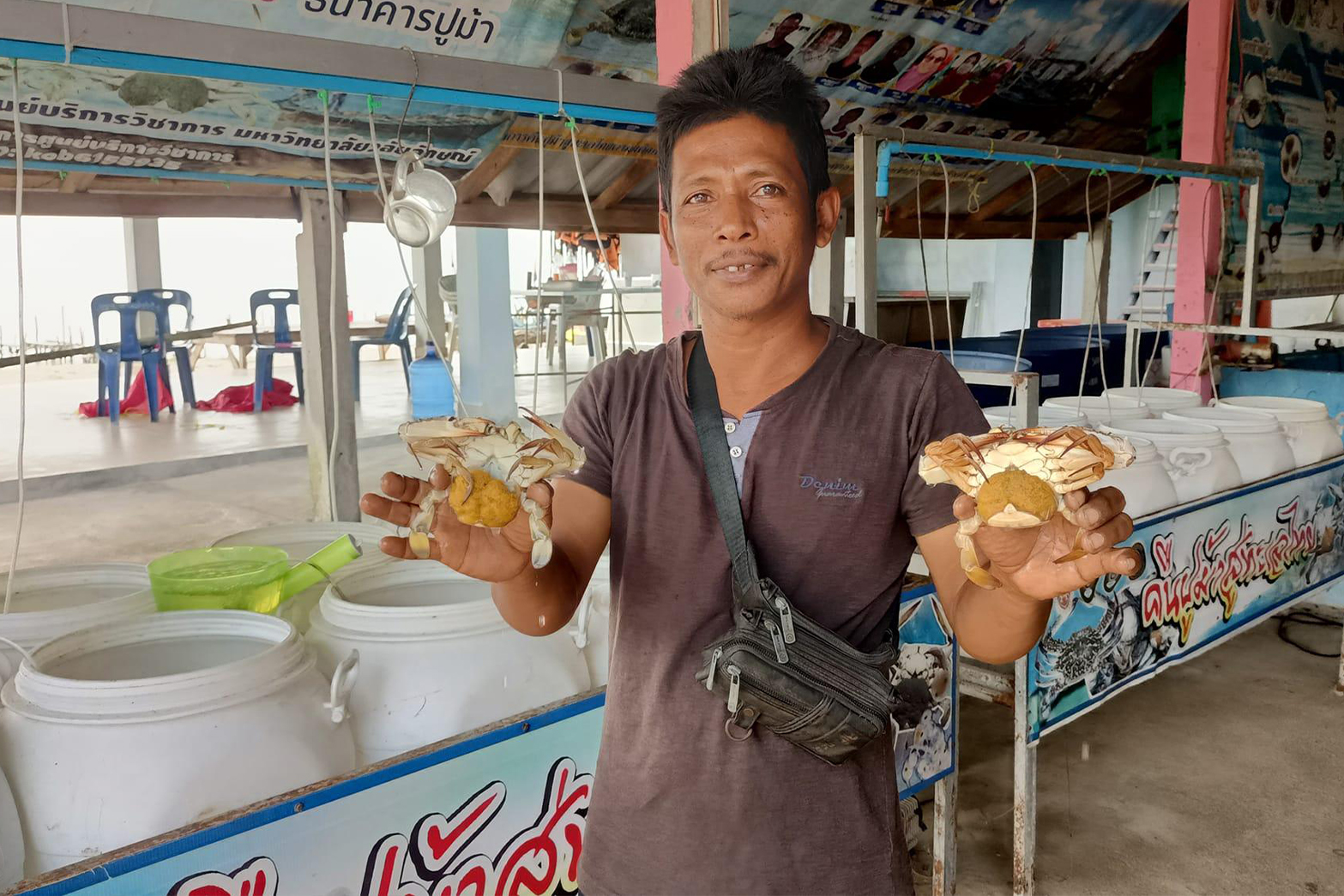
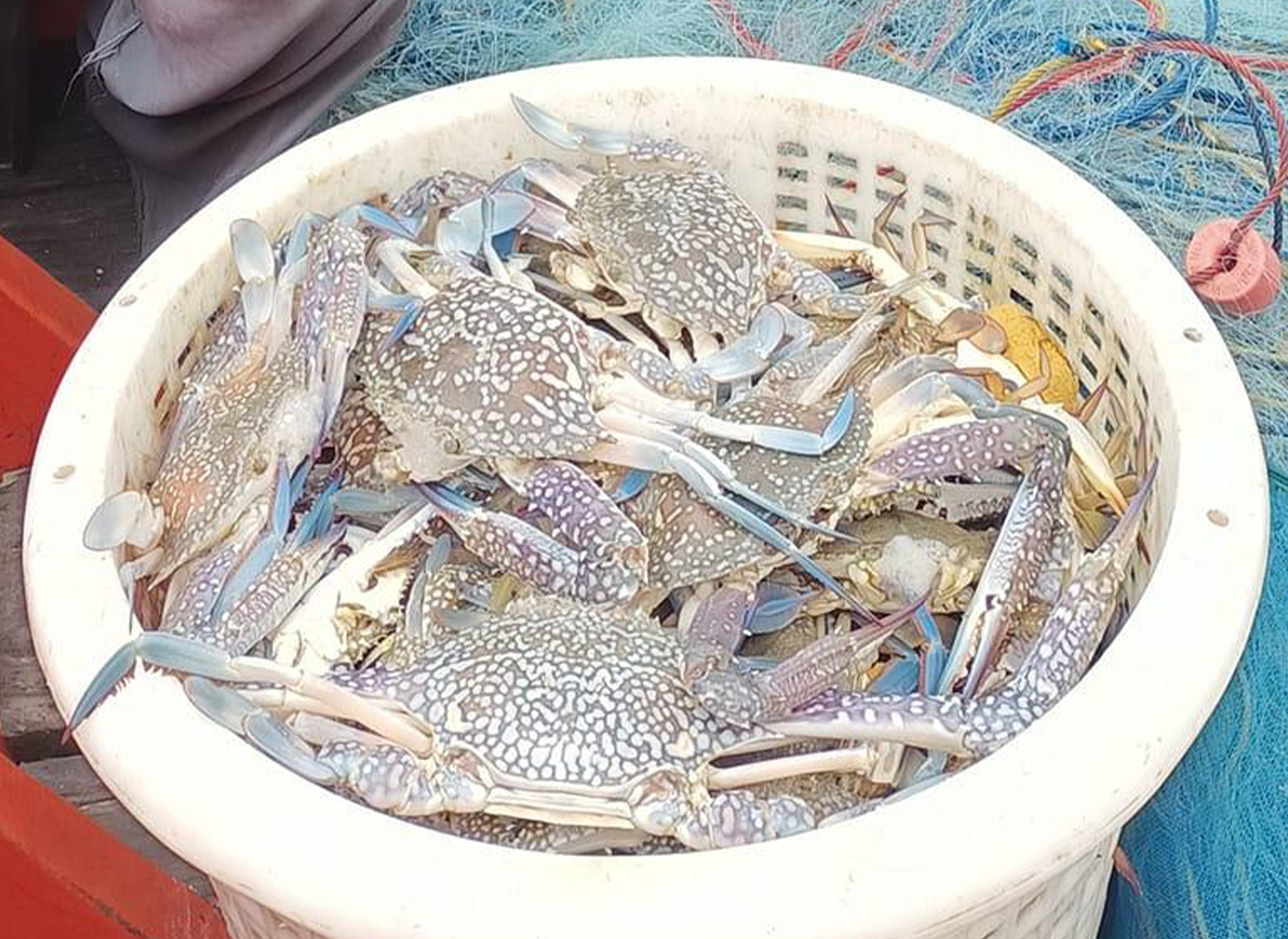
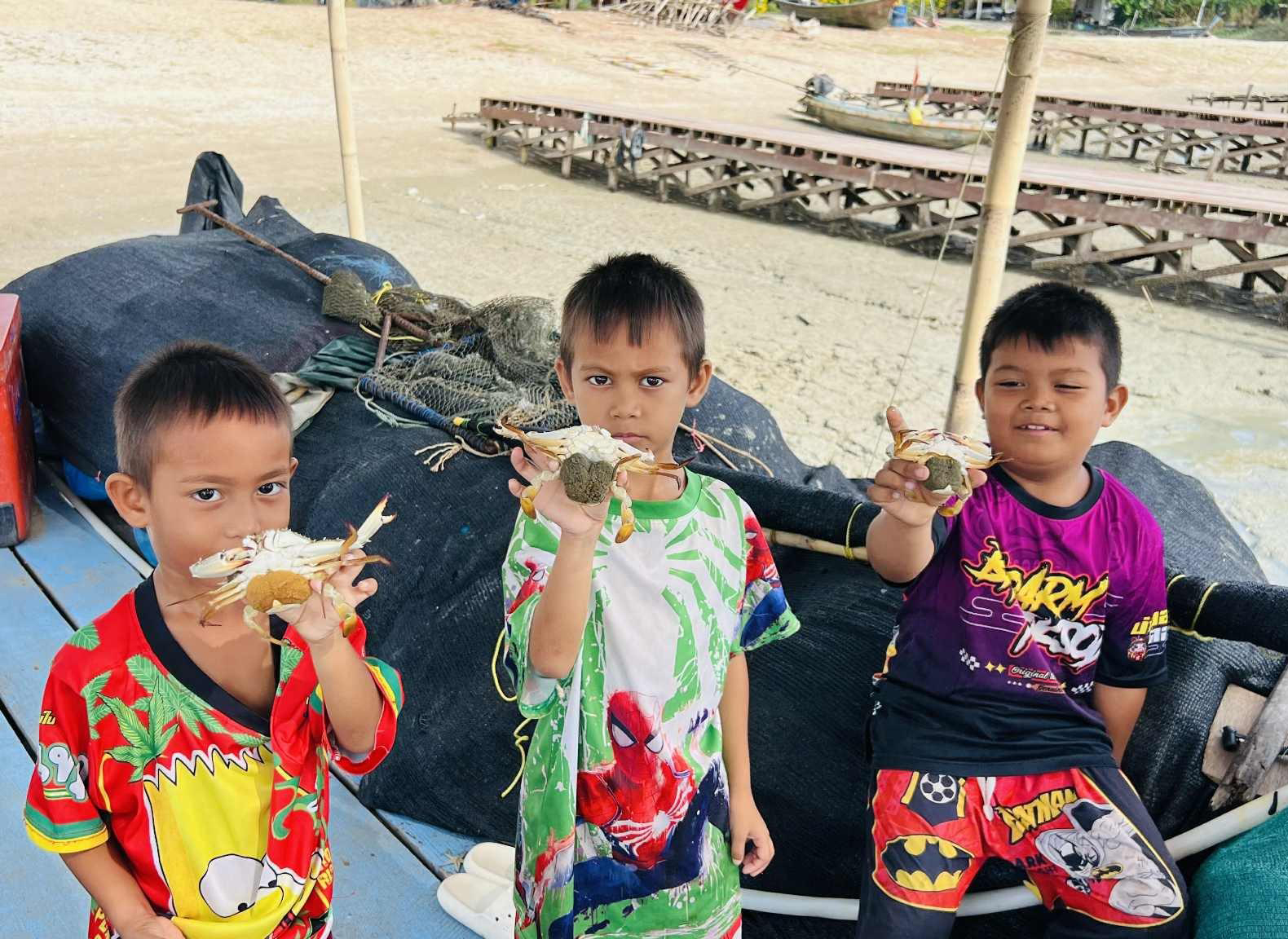
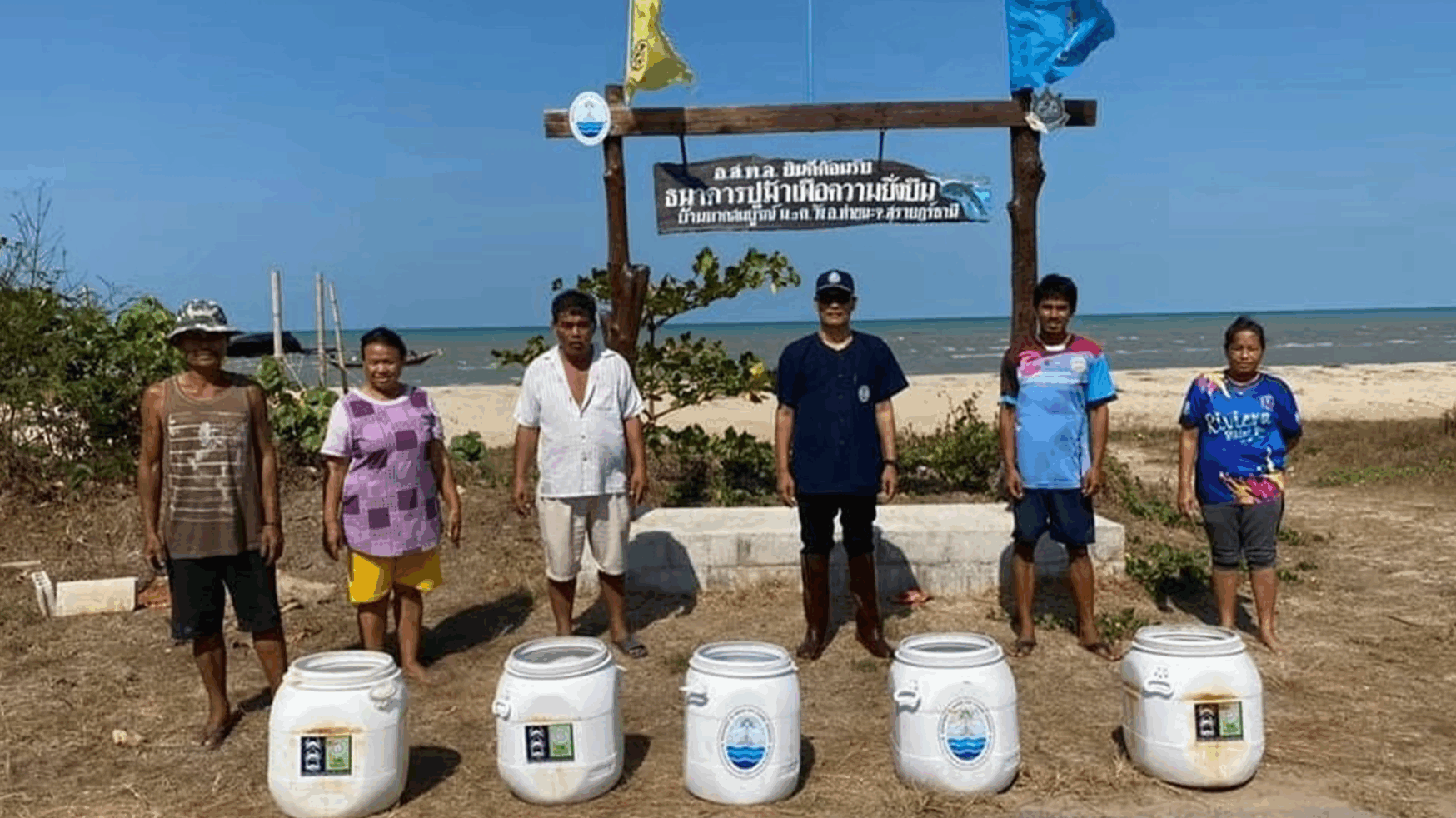
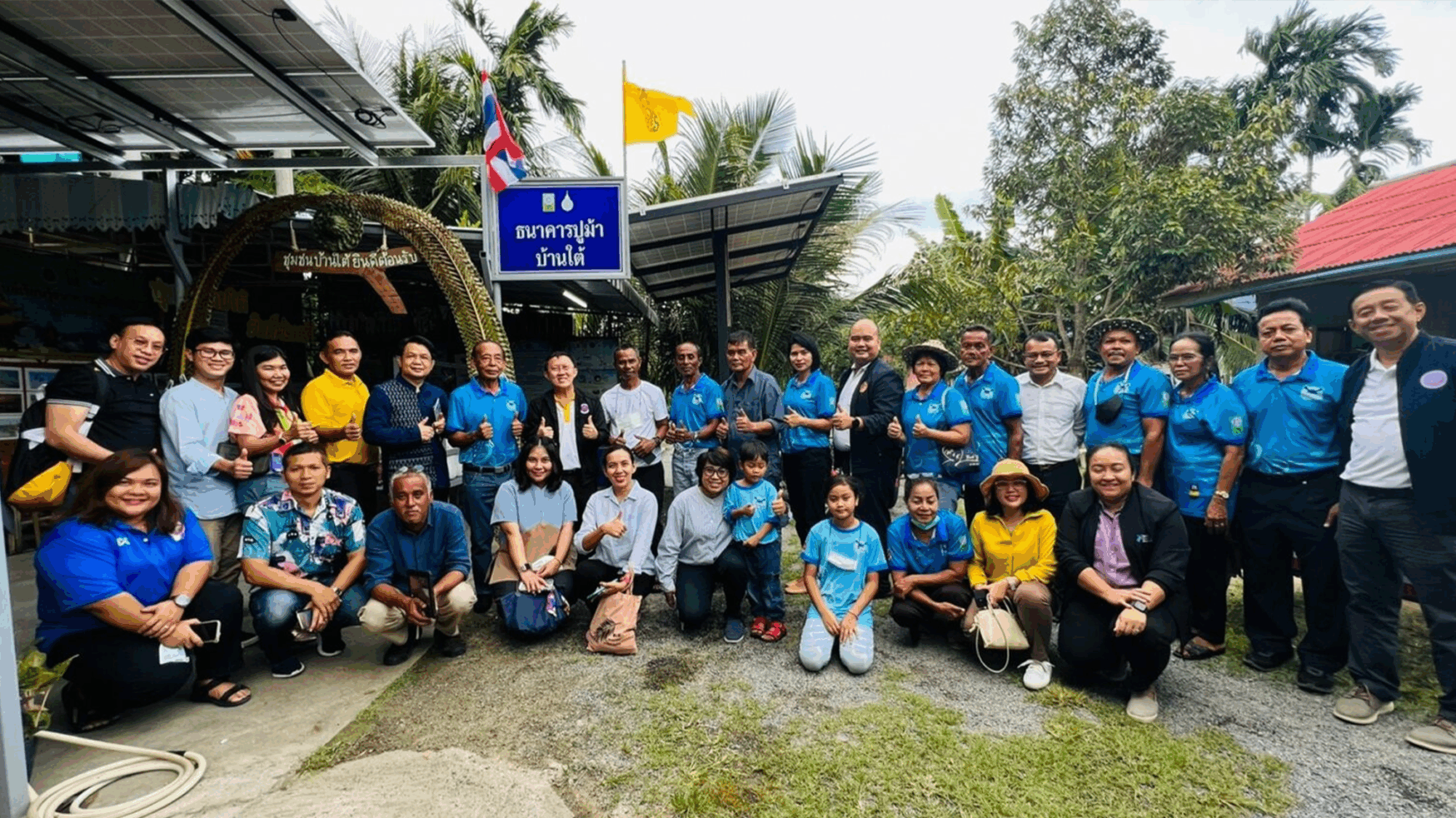
Blue Swimming Crab Fishery: Advancing Sustainable Practices in Aquatic Restoration
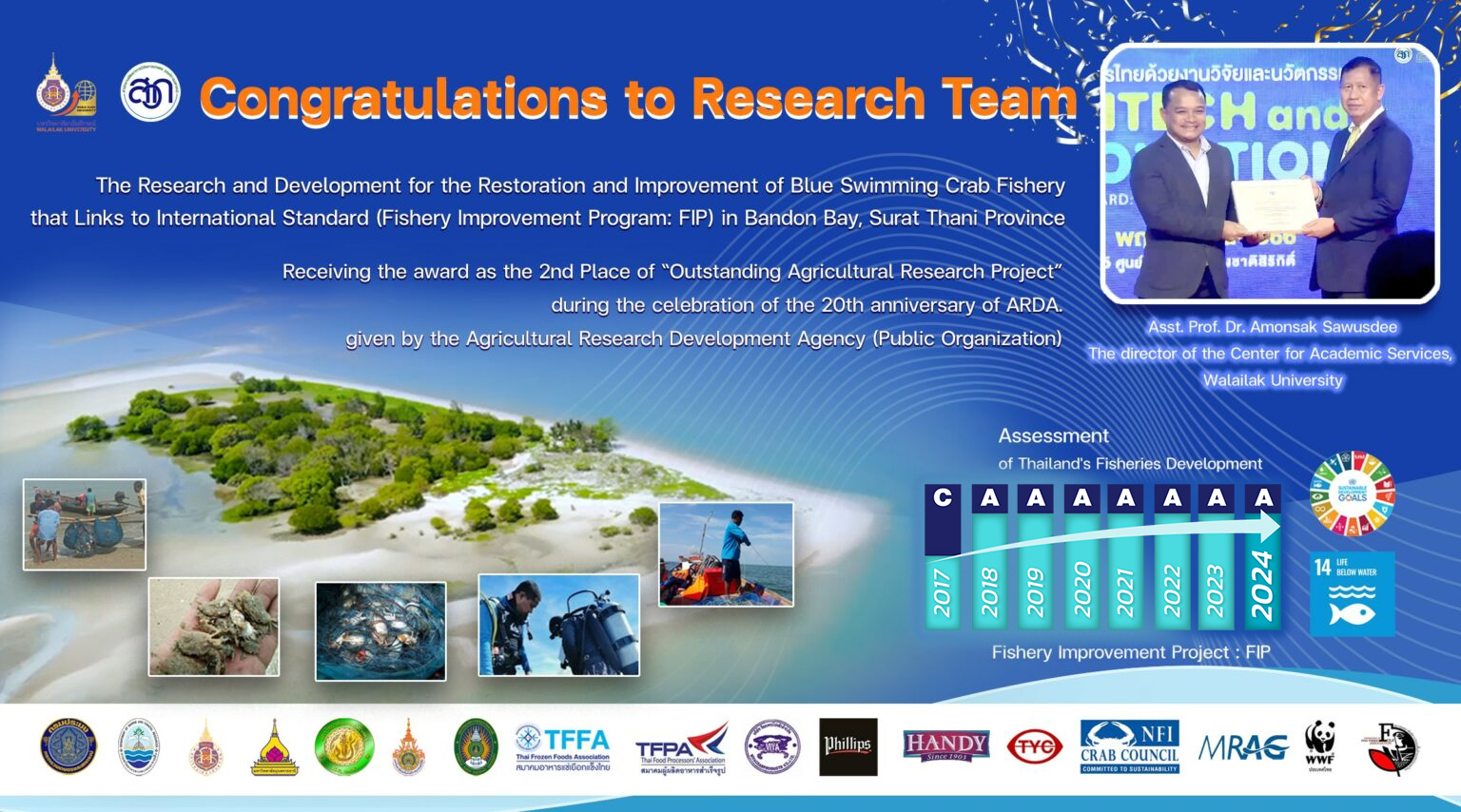
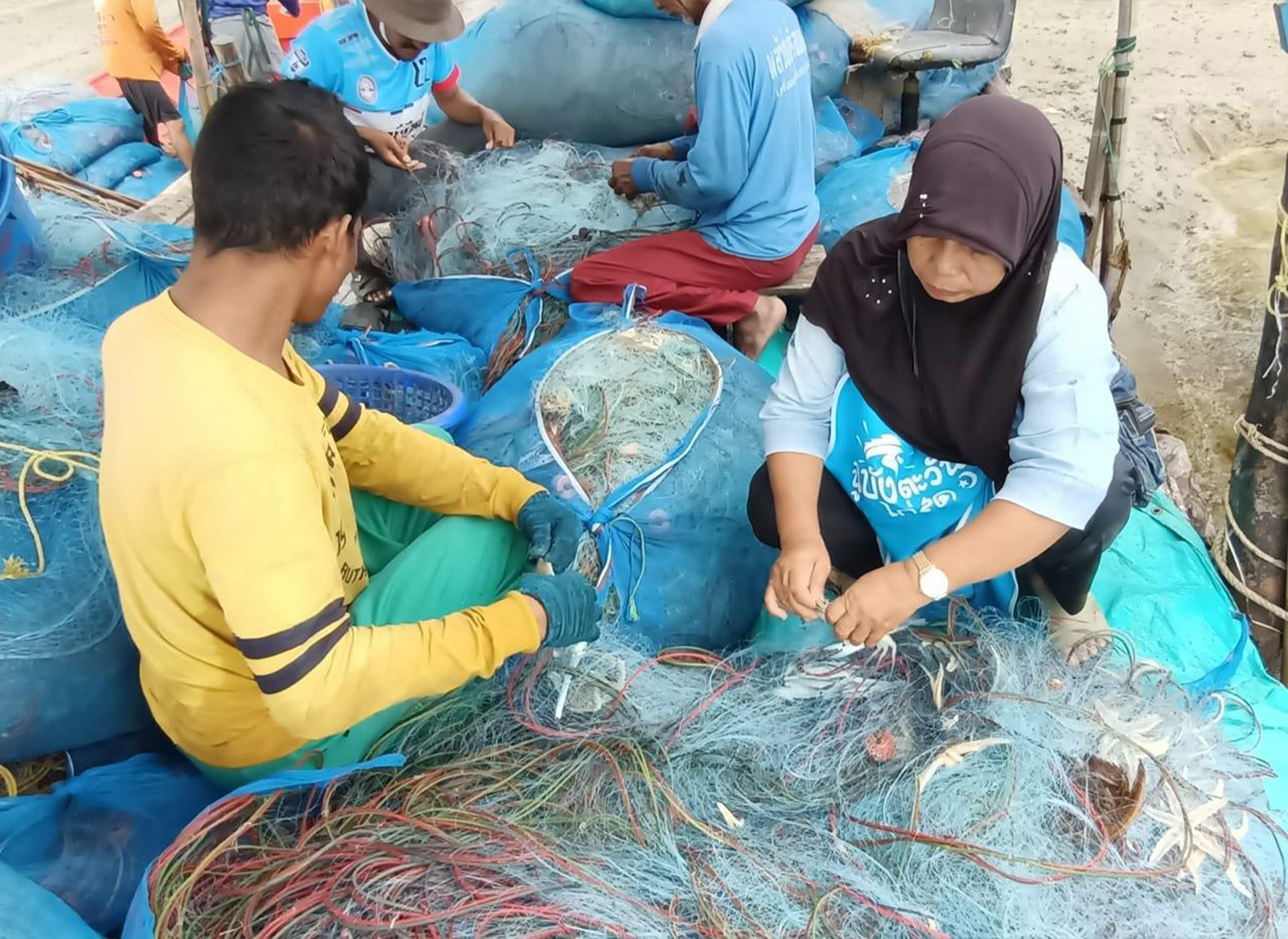
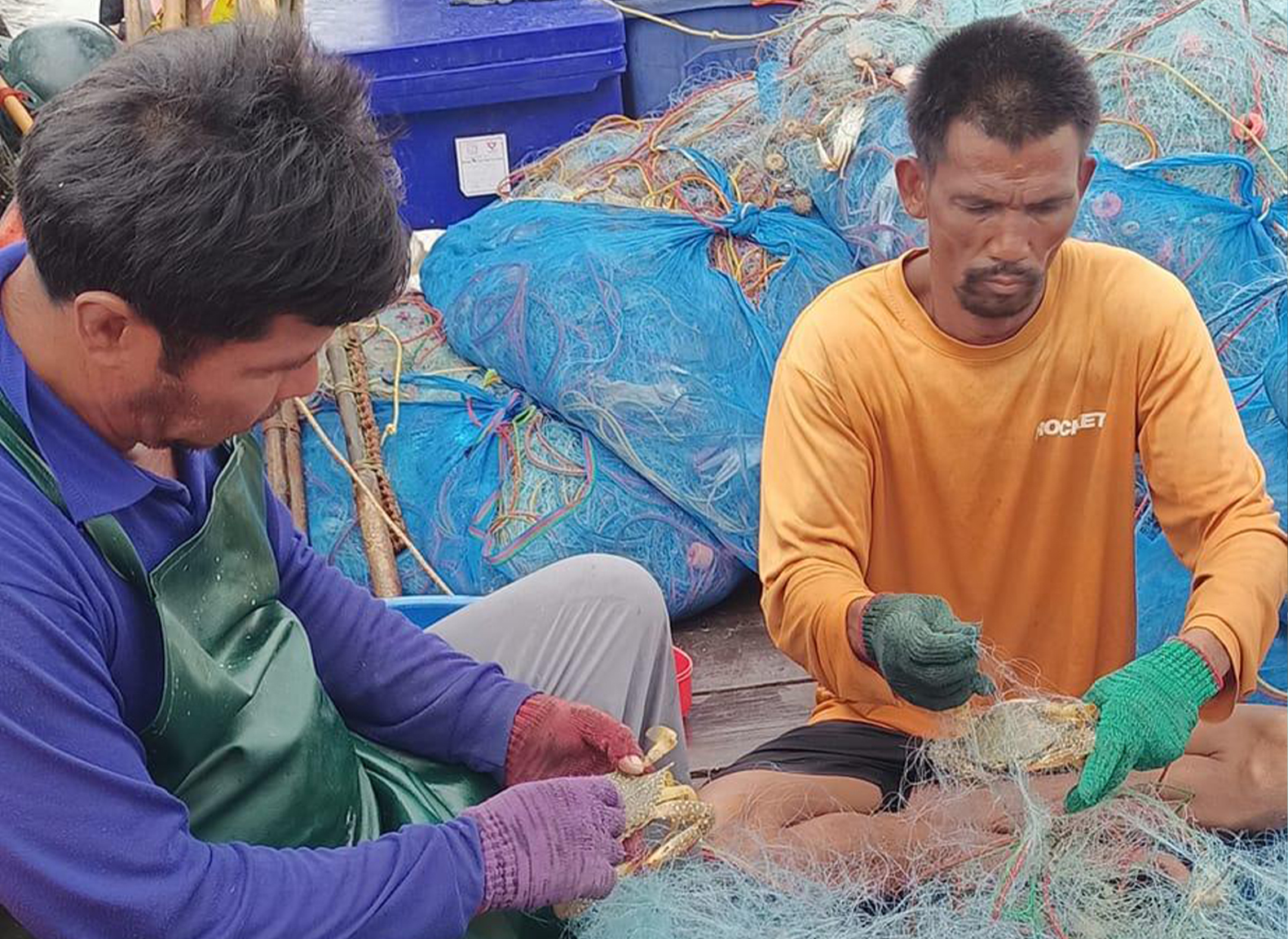
From 2018 to 2024, WU has spearheaded an ongoing project to rehabilitate blue swimming crab populations in Bandon Bay under the leadership of Asst. Prof. Dr. Amonsak Sawusdee. This initiative has made remarkable progress in elevating Thailand’s fishery standards in accordance with the Fishery Improvement Program (FIP) framework. Endorsed by the Agricultural Research Development Agency (ARDA) and the Ministry of Agriculture and Cooperatives, the project was recognized as one of the best national projects in 2023 and 2024.
The program reflects WU’s strong network of collaboration with domestic and international partners, including the Department of Fisheries, the Hydro-Informatics Institute, the Thai Frozen Foods Association, the Marine Resources Assessment Group (MRAG), and the NFI Crab Council. Together, these partnerships have strengthened scientific research, resource management, and stakeholder participation.
Key Achievements:
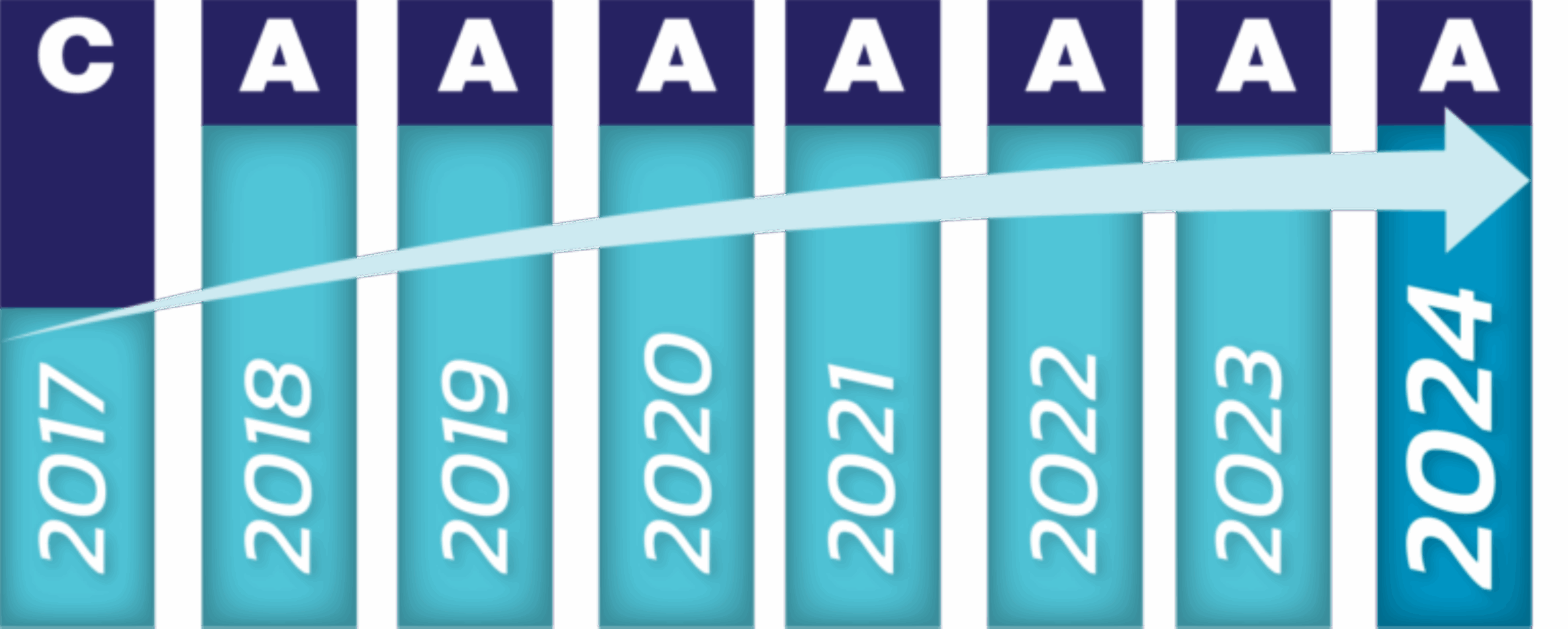
Fishery Rating Improvement: Thailand’s blue swimming crab fishery improved from a “C” rating in 2017 to an “A” rating by 2024 under MRAG’s FIP standards.
Enhanced Crab Yields: Average yields increased from 5 kg per boat per day in 2018 to more than 10–15 kg in subsequent years.
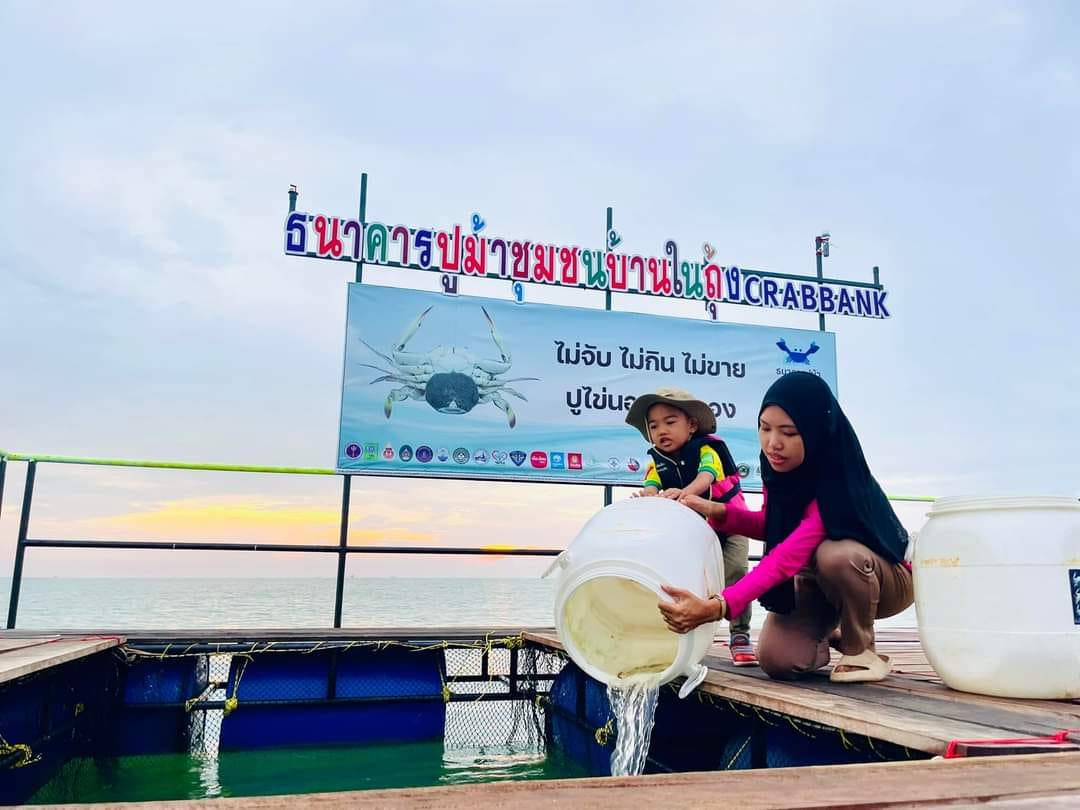
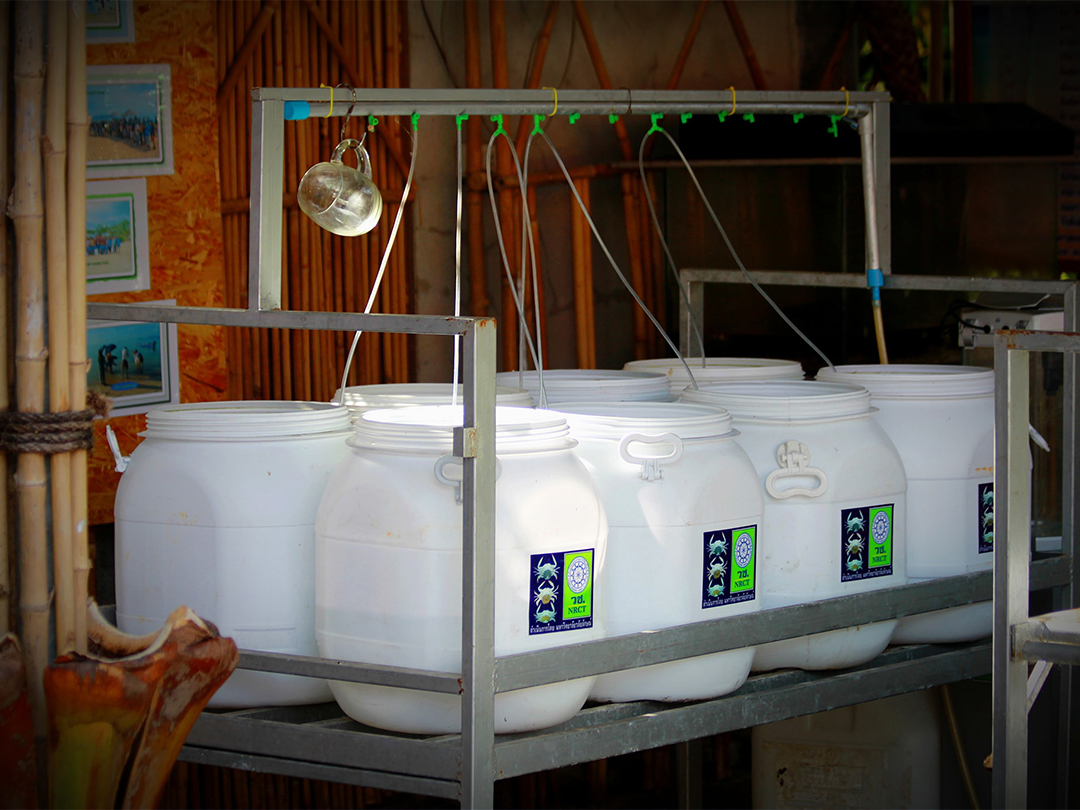
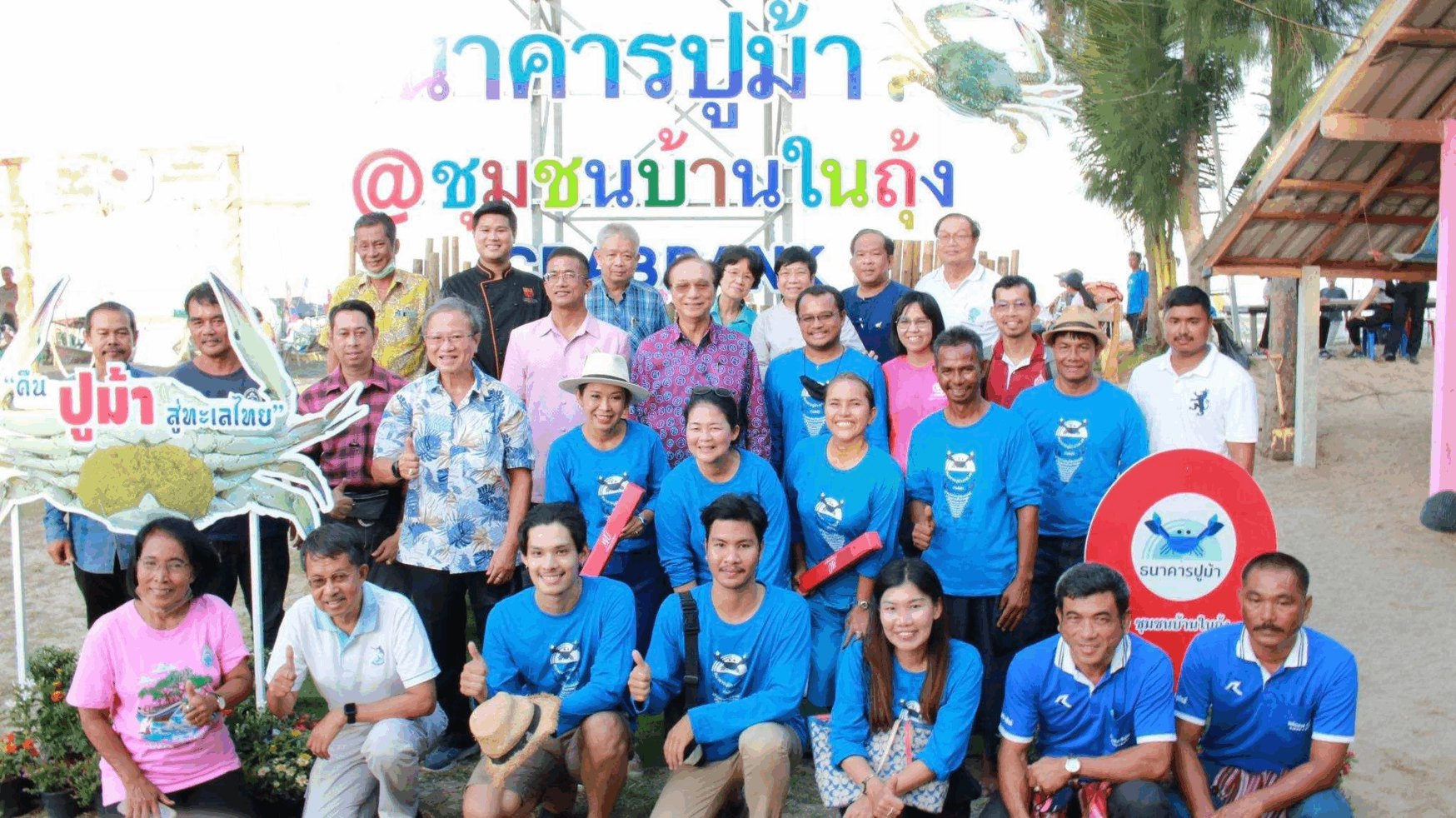
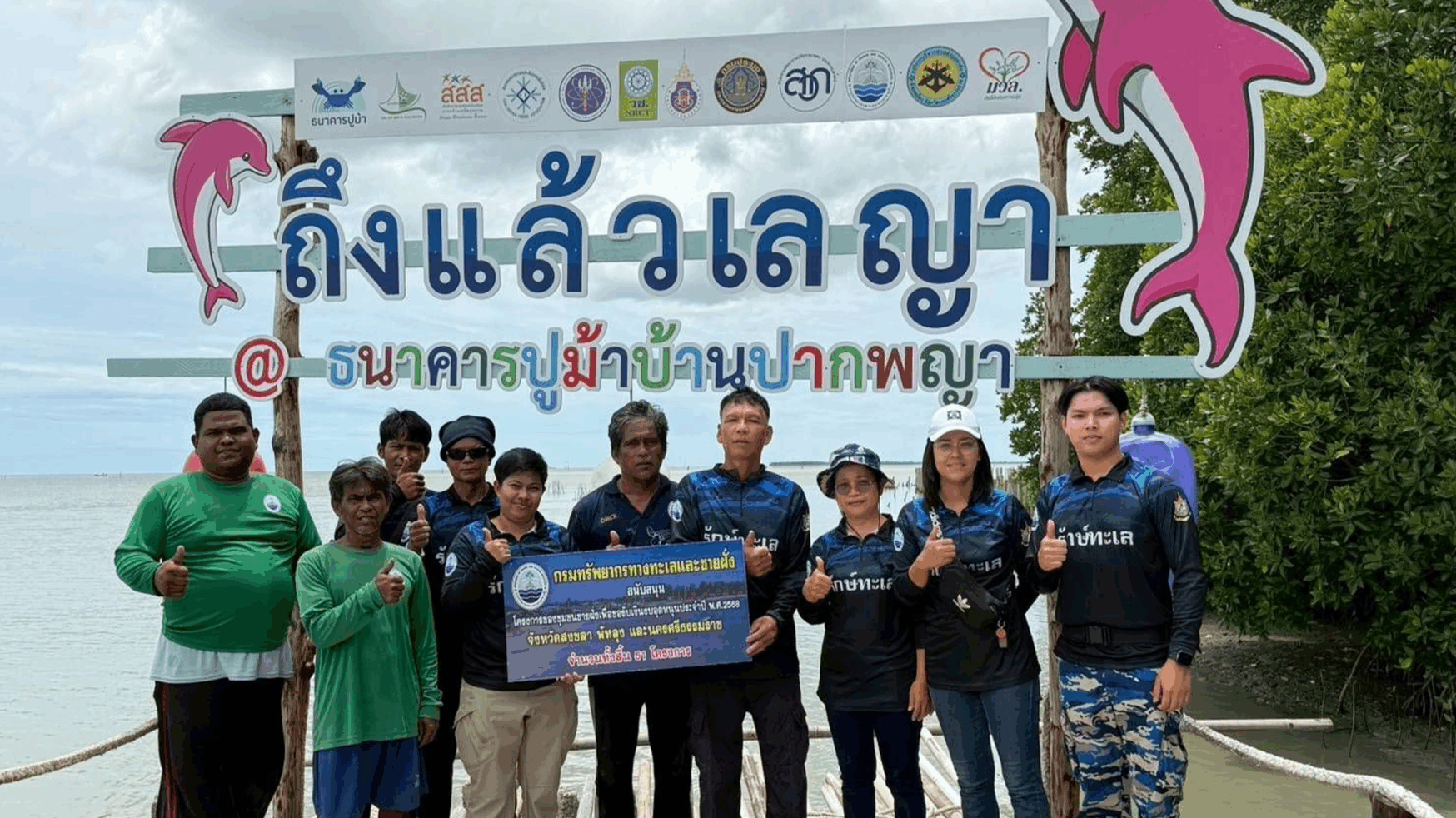
Crab Banks and Aquatic Refuges: Establishment of blue crab banks, aquatic refuge areas, and designated release points to enhance survival and reproduction rates.
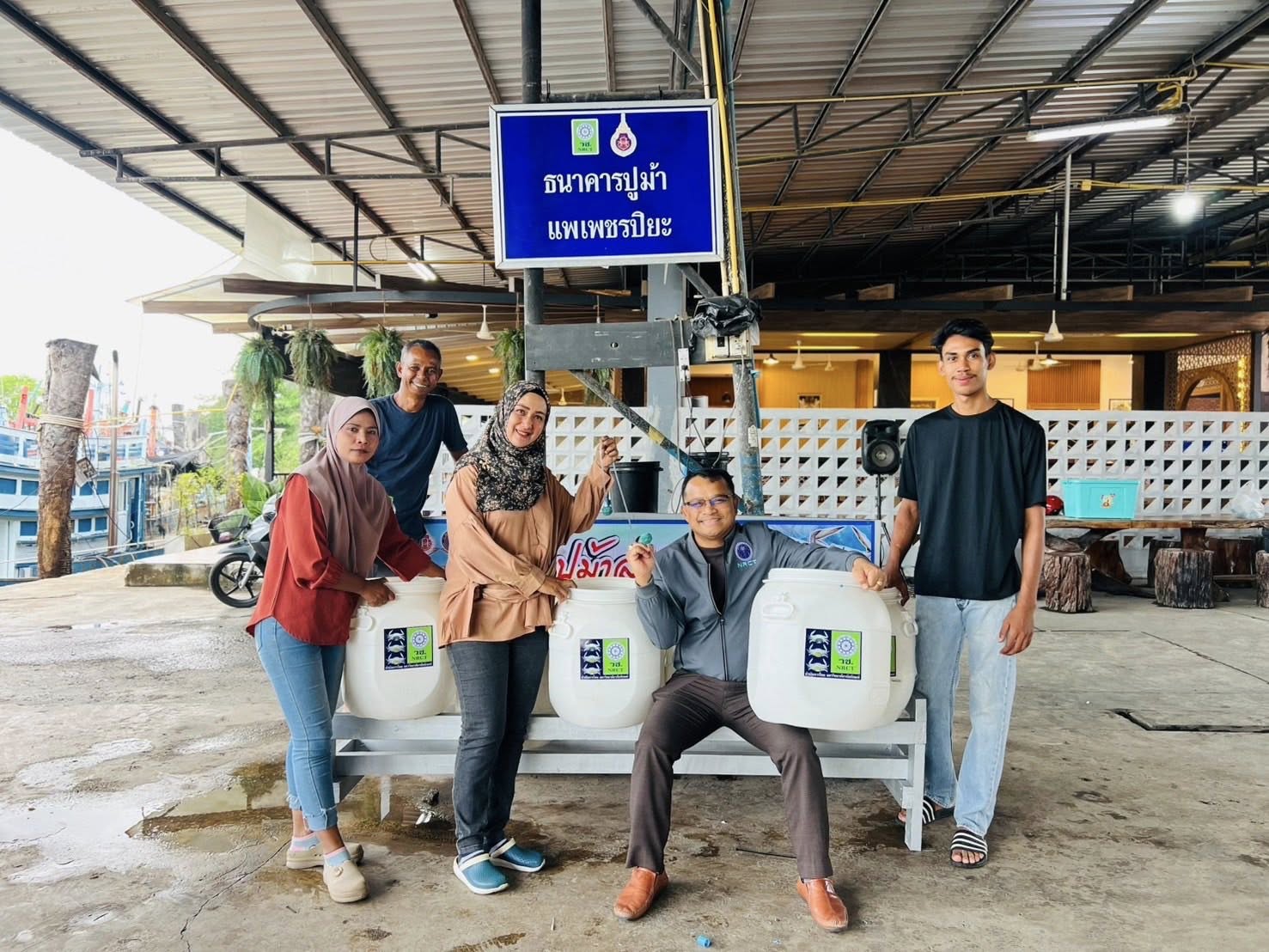
Community Engagement: In 2023, under the “Returning Blue Swimming Crab to Nature” initiative, WU and its partners set up 62 blue crab stations across Nakhon Si Thammarat and Surat Thani provinces, releasing larvae and juveniles into the sea.
The economic and social impacts of these efforts have been transformative. Local small-scale fishers, who once caught only 5 kg per day, now report daily catches of 10–15 kg, while commercial vessels have seen their yields rise from 40–60 kg to 80–100 kg per day, occasionally surpassing 100 kg in peak seasons. These outcomes highlight the program’s dual success: strengthening local fisheries while ensuring the long-term sustainability of Thailand’s blue swimming crab resources.
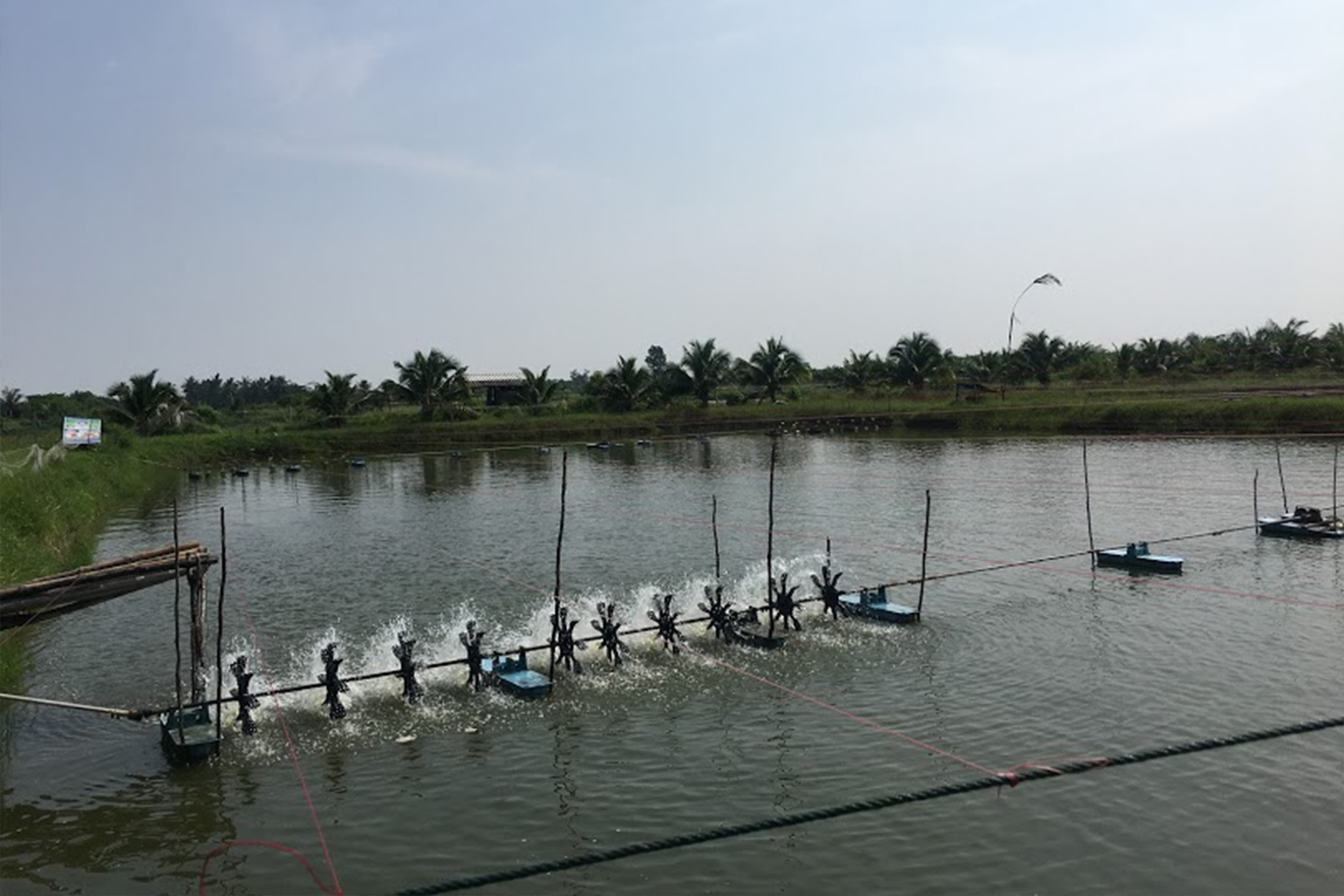
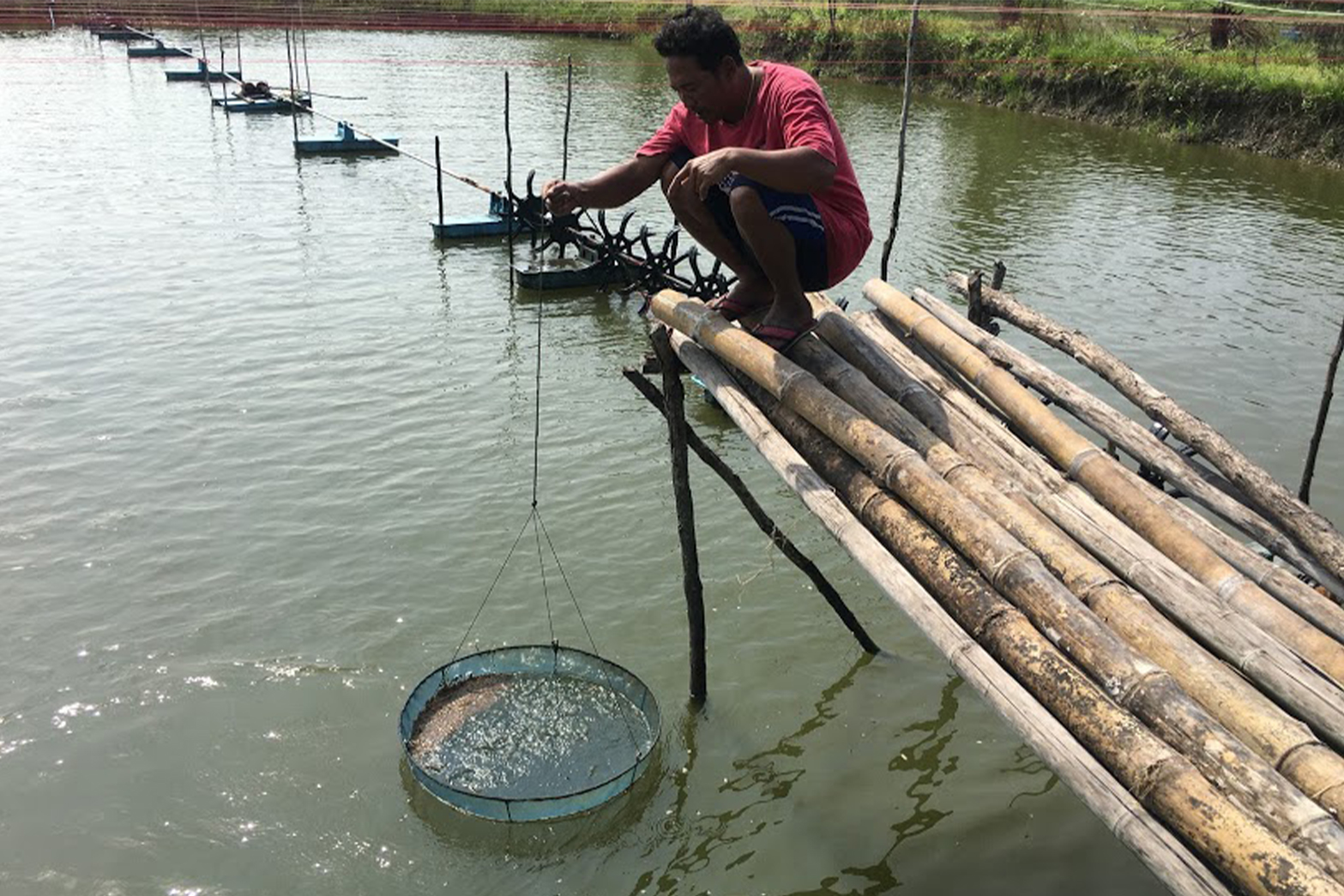
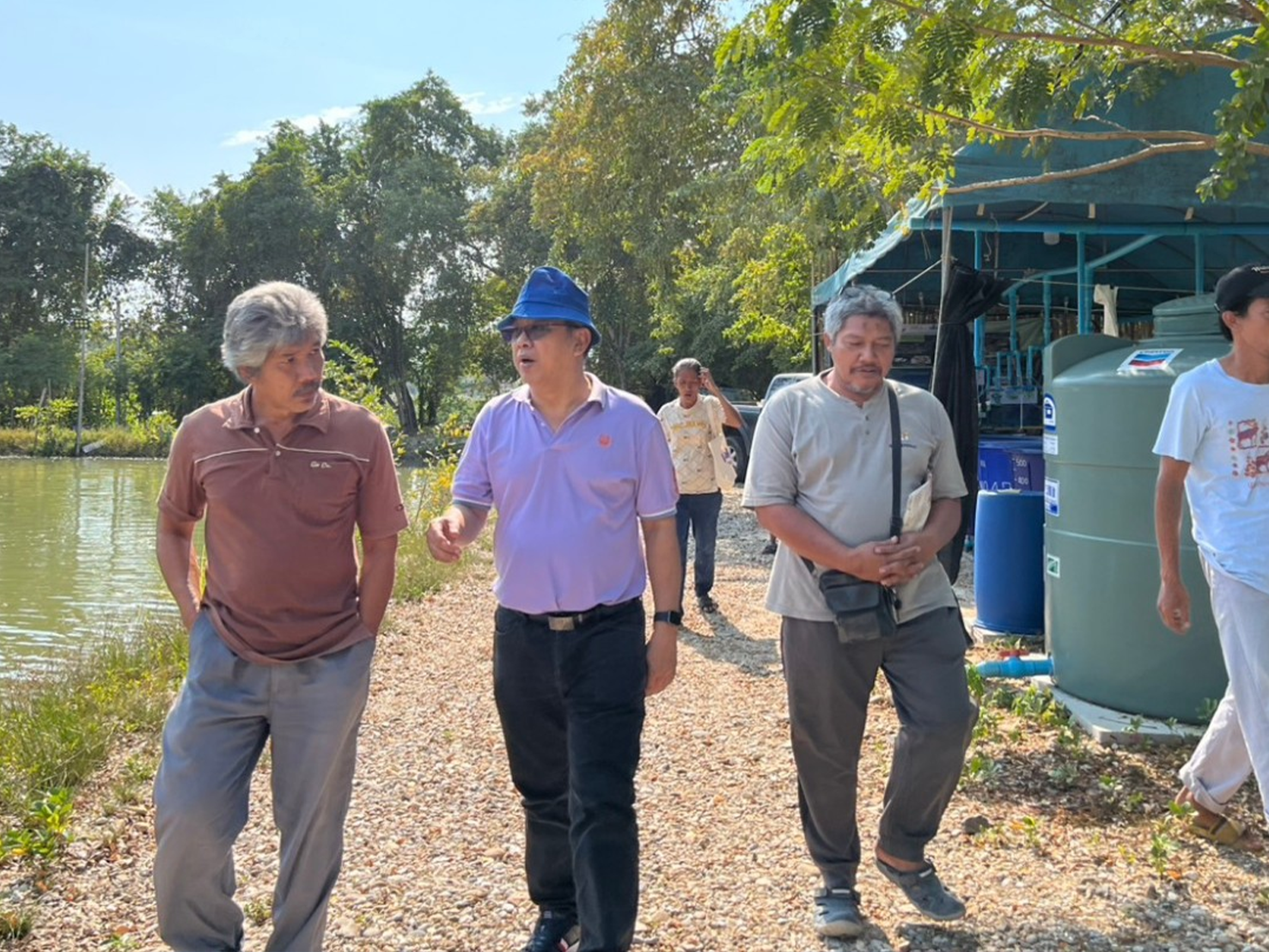
Sustainable Tilapia Aquaculture: Repurposing Shrimp Ponds for GAP-Compliant Farming
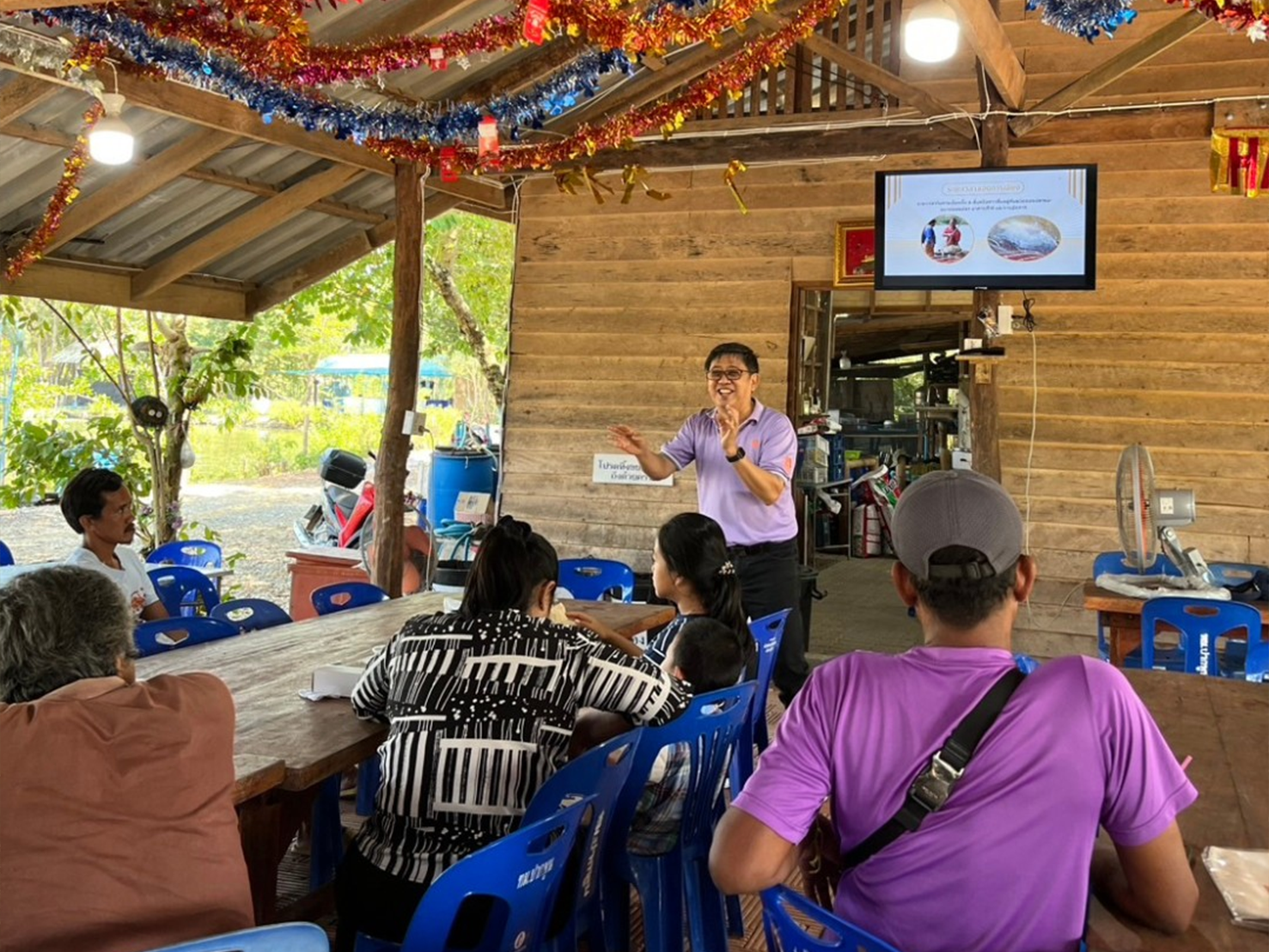
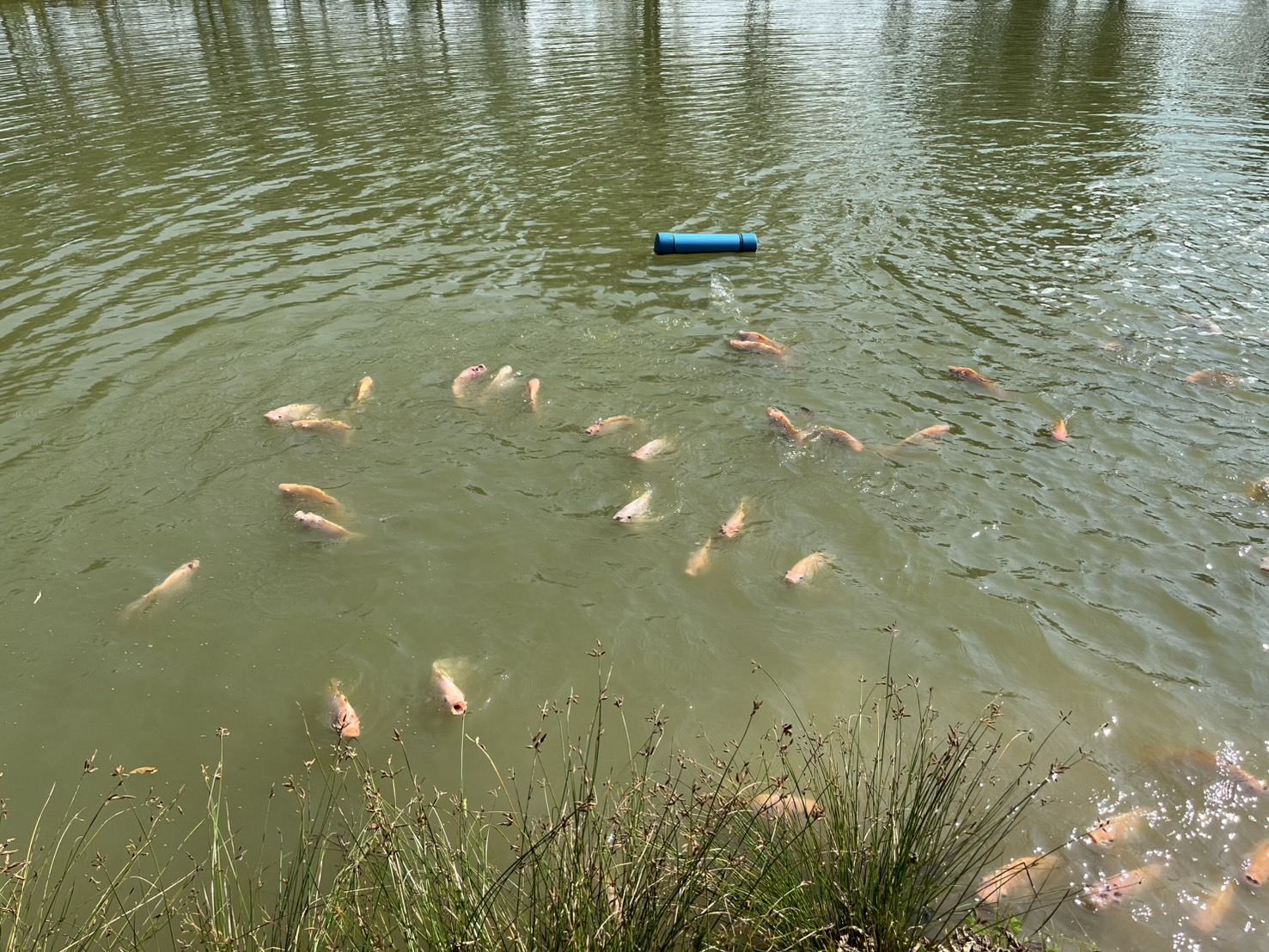
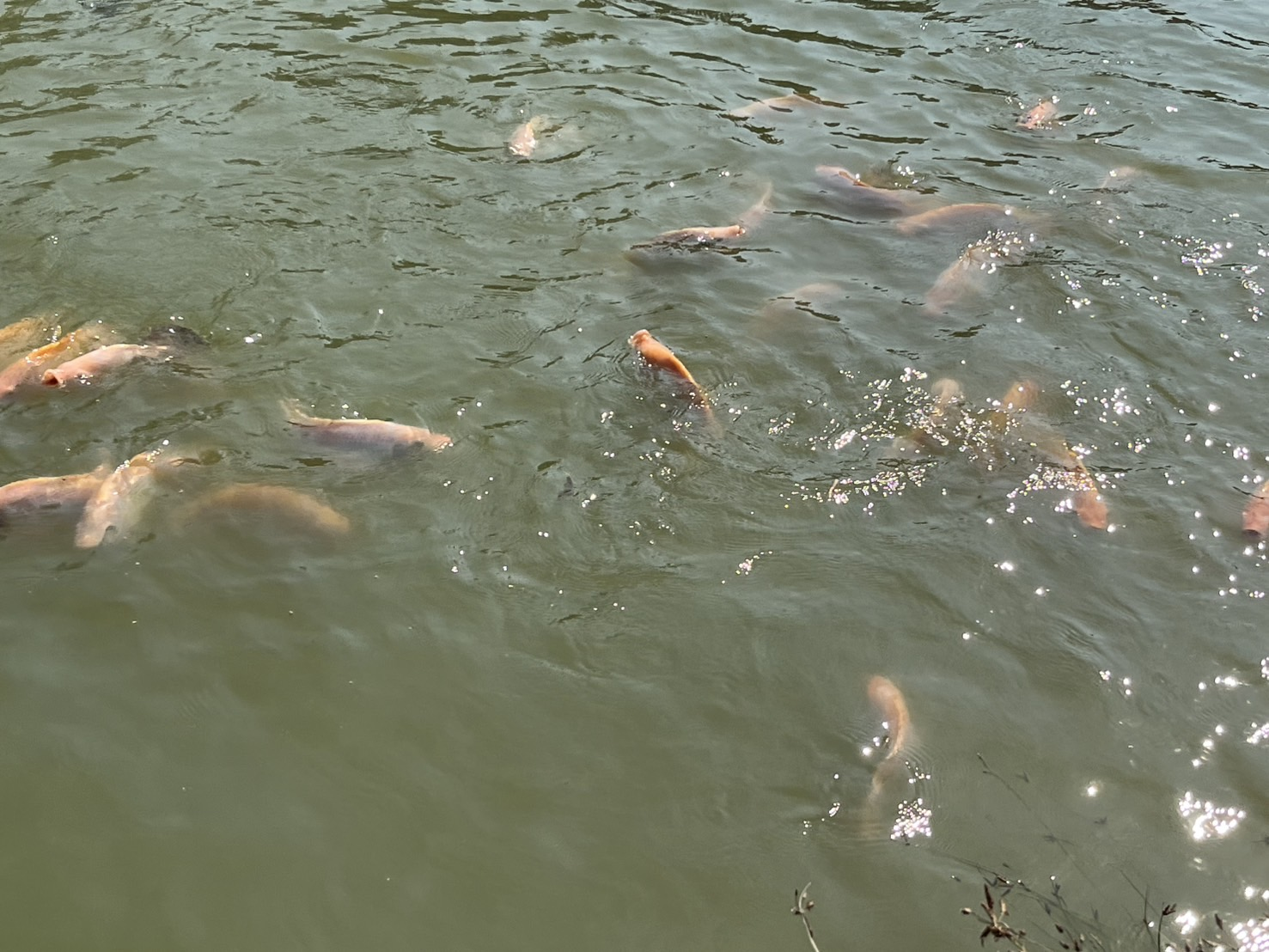
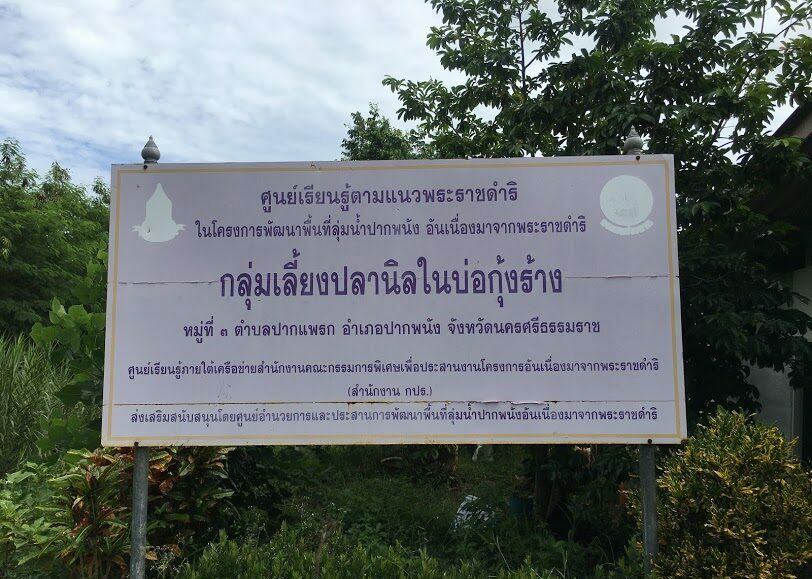
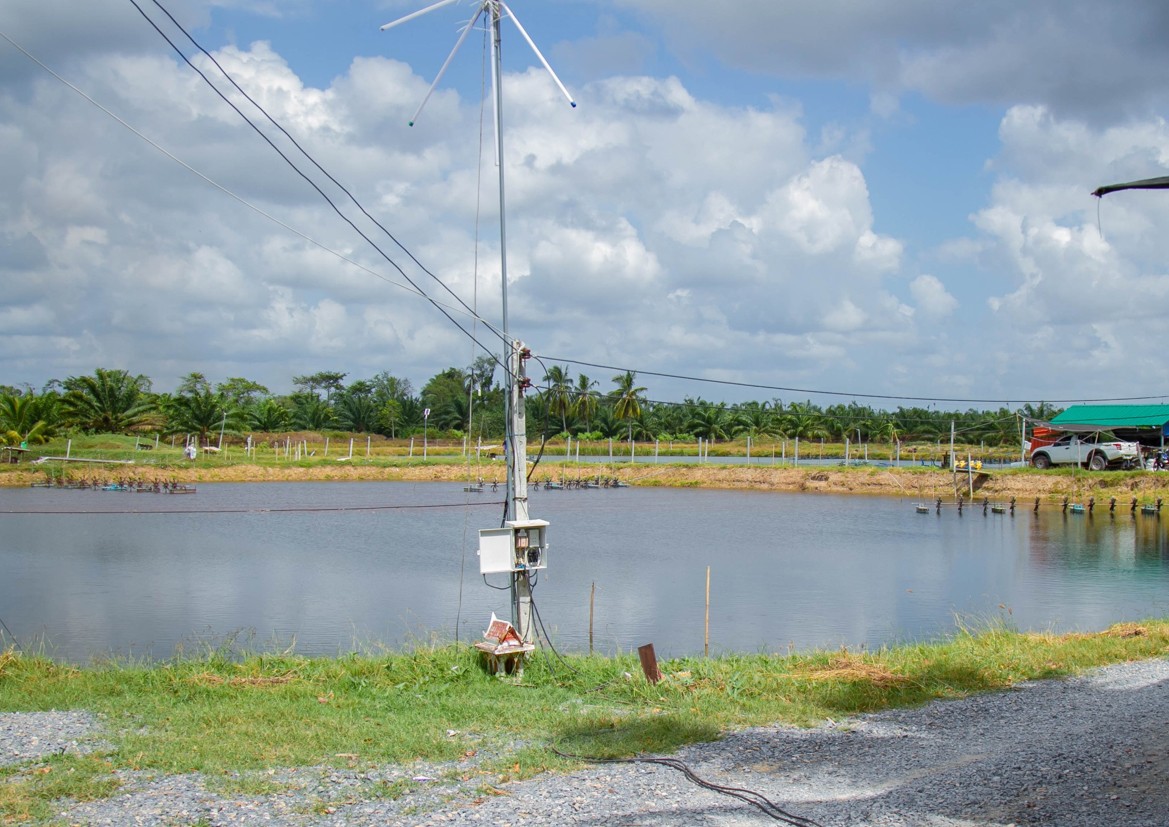
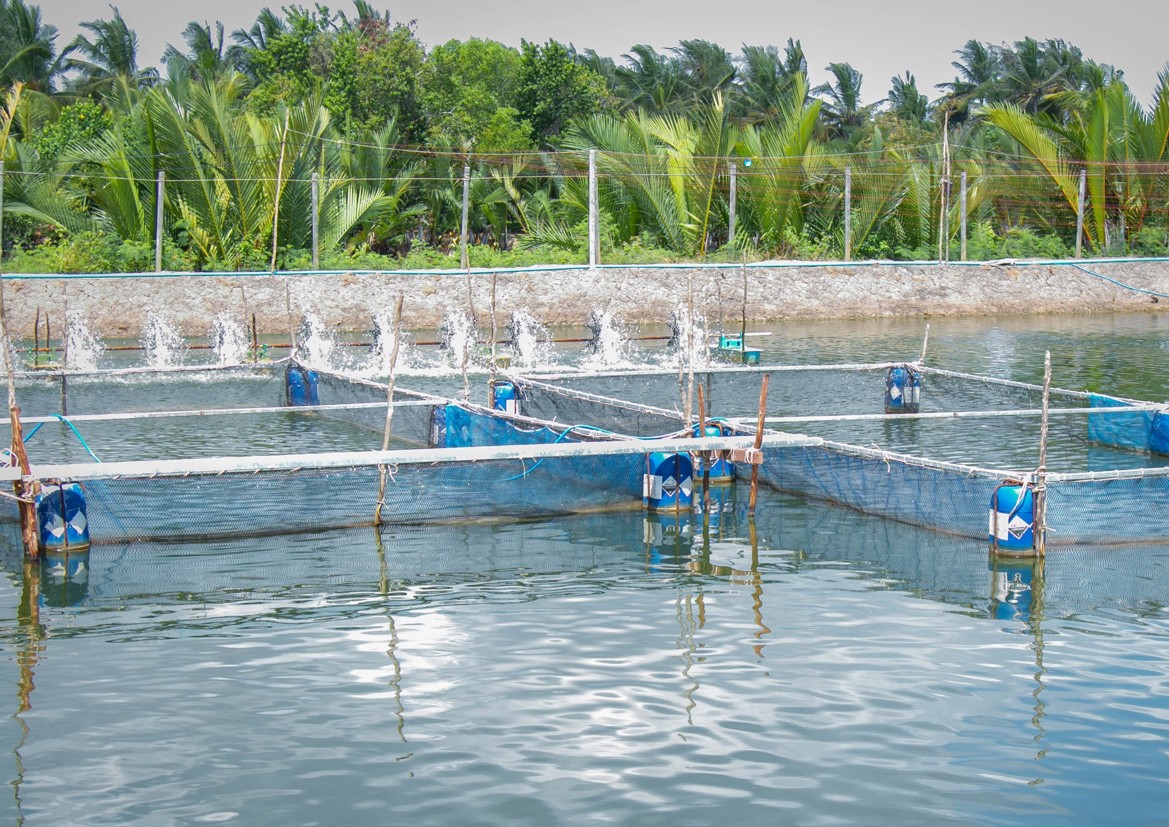
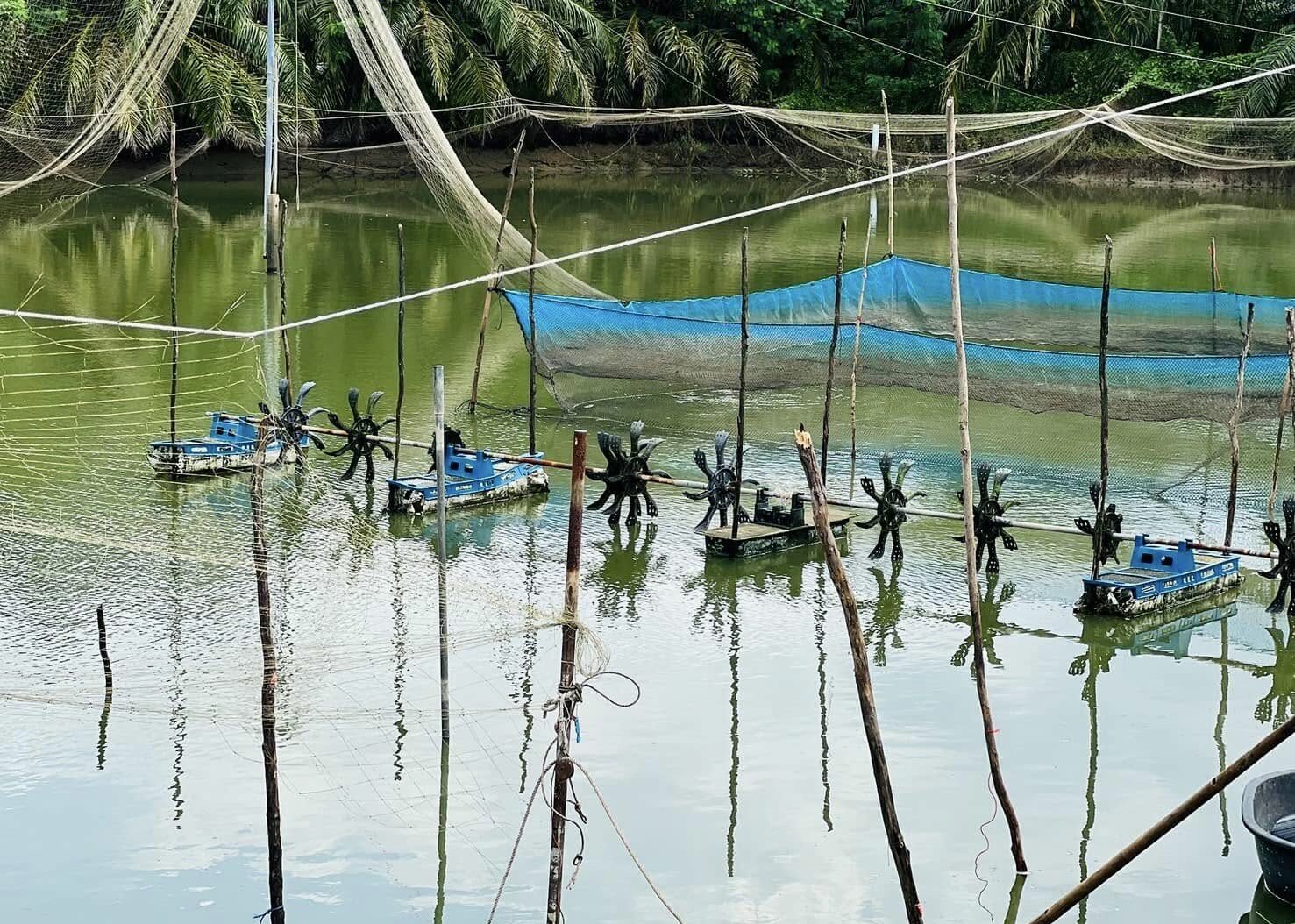
In 2024, WU continued implementing a program promoting sustainable aquaculture in collaboration with the Nakhon Si Thammarat Provincial Fisheries Office and the Ministry of Agriculture and Cooperatives. This ongoing initiative assists local farmers in converting abandoned or underutilized shrimp ponds in Pak Phanang District into productive tilapia farms that comply with Good Agricultural Practices (GAP).
The program emphasizes environmental sustainability, food safety, and social responsibility while also revitalizing local economies. Training provided by WU covers GAP principles such as:
Microbial Risk Reduction: Ensuring water quality and safe aquaculture environments.
Water Treatment Systems: Reducing environmental impacts and improving pond management.
Labor Standards: Promoting social equity, including strict adherence to laws prohibiting child labor.
By transforming old shrimp ponds into sustainable tilapia farms, the program supports ecological restoration while creating new economic opportunities for farming communities. It not only reduces environmental risks associated with shrimp farming but also ensures a more balanced and sustainable use of aquatic resources.
Collaboration on Awareness Creation of Marine Pollution for Protecting the Marine Ecosystems in Tha Sala District
Tha Sala District, where Walailak University is located, is abundant in marine resources due to its proximity to the Gulf of Thailand. As a key institution in the area, Walailak University has actively engaged with local communities to promote and sustain responsible aquatic stewardship, encouraging the protection and sustainable use of the district’s valuable marine resources.
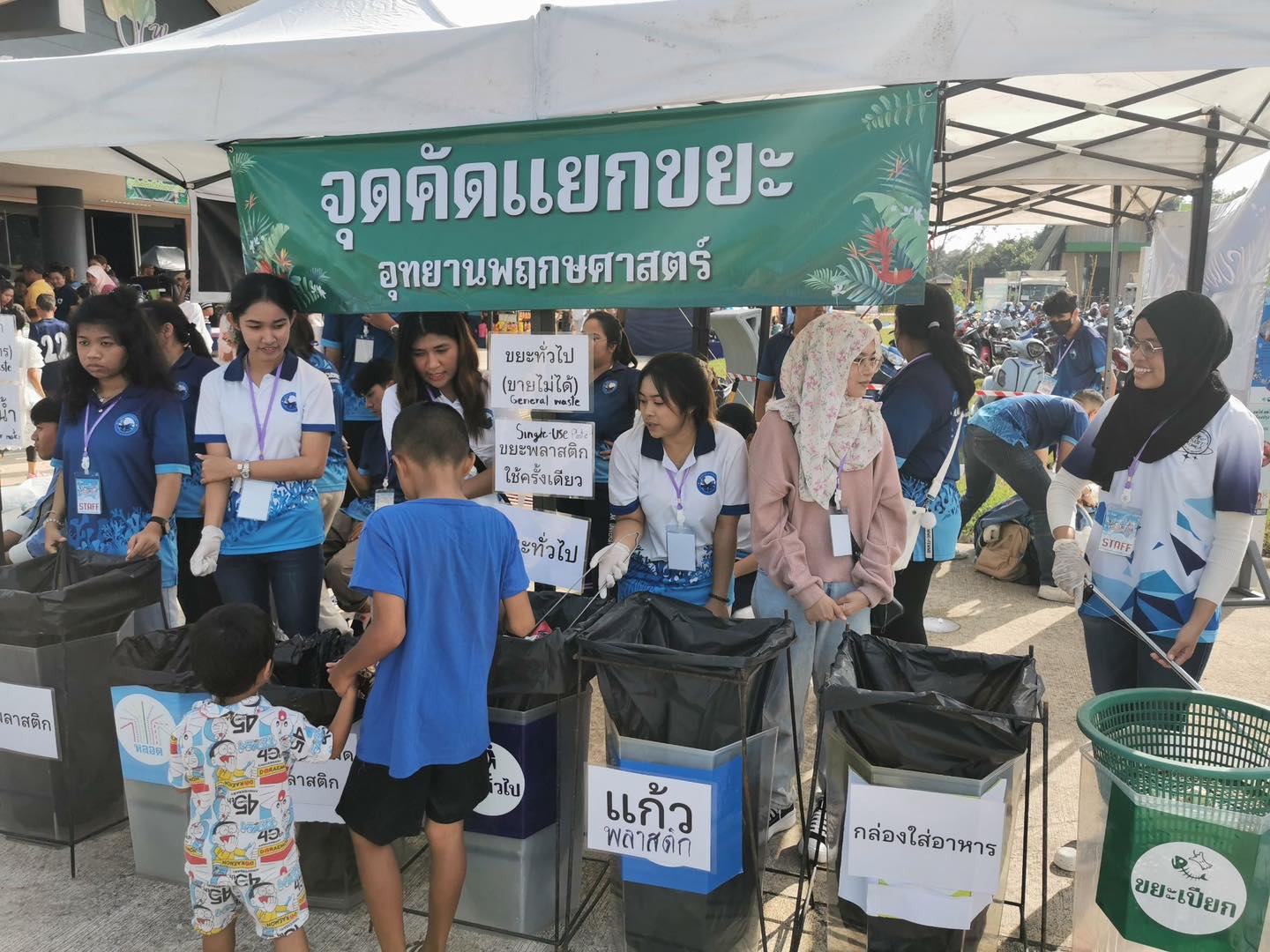
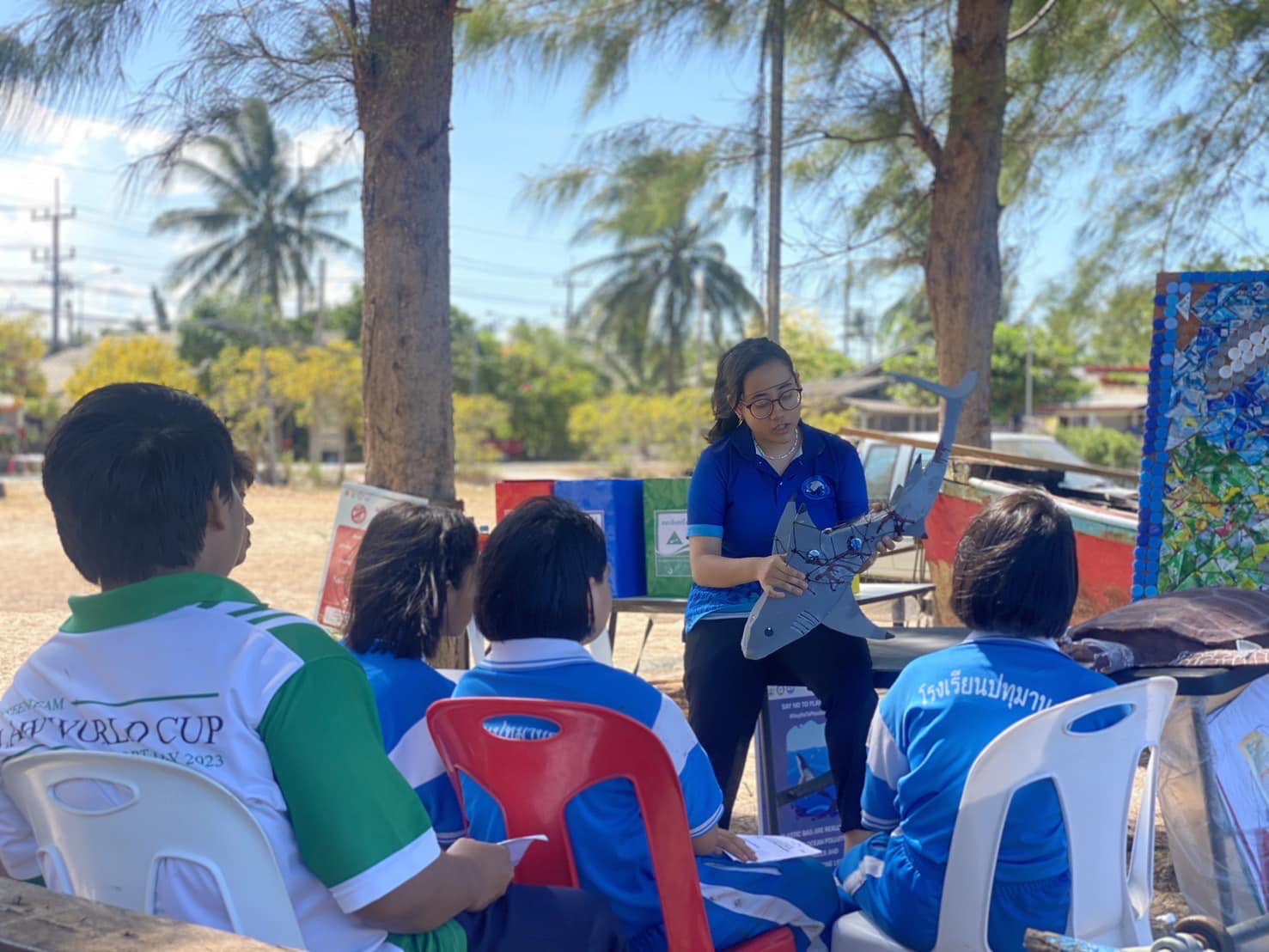
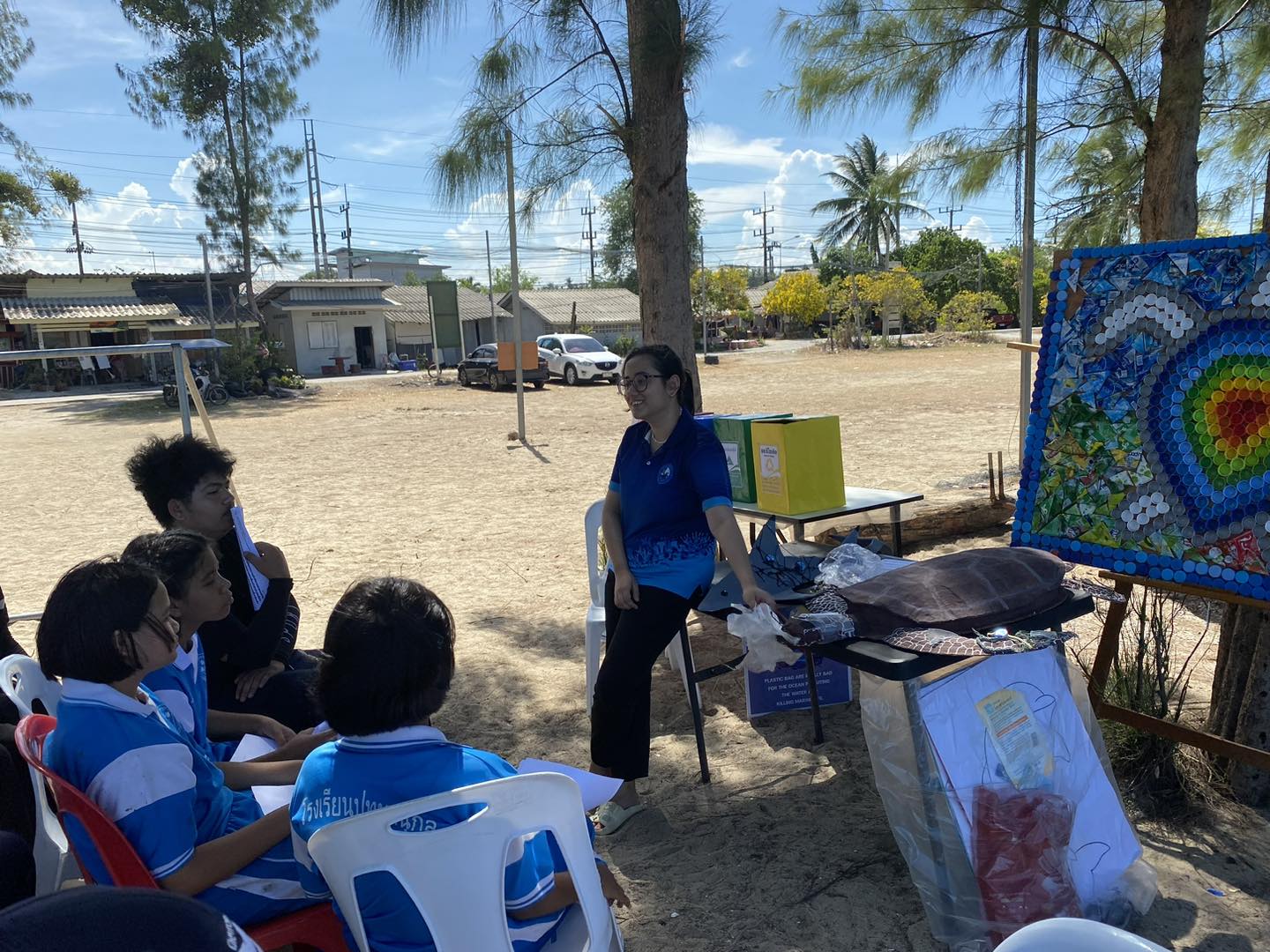
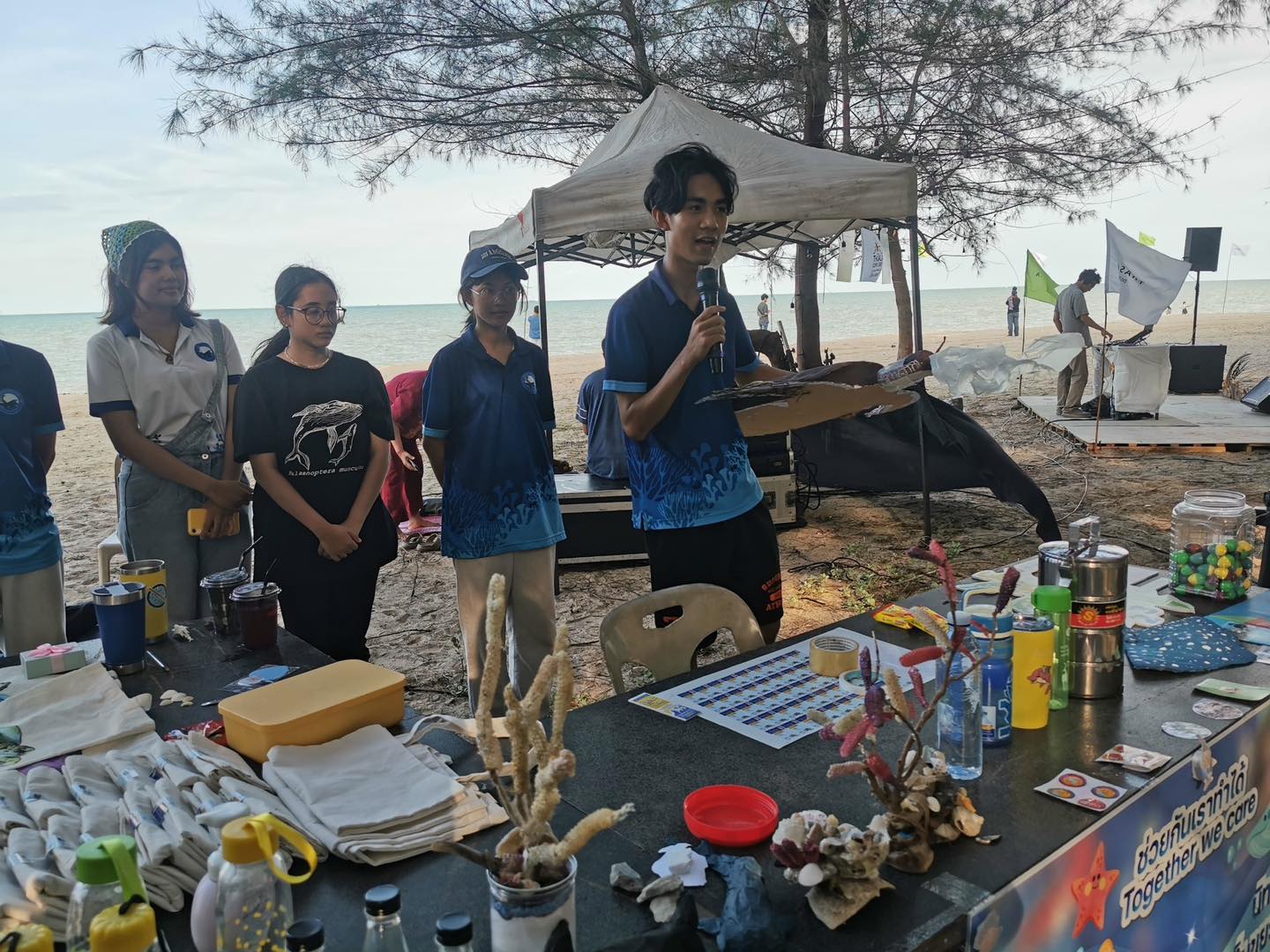
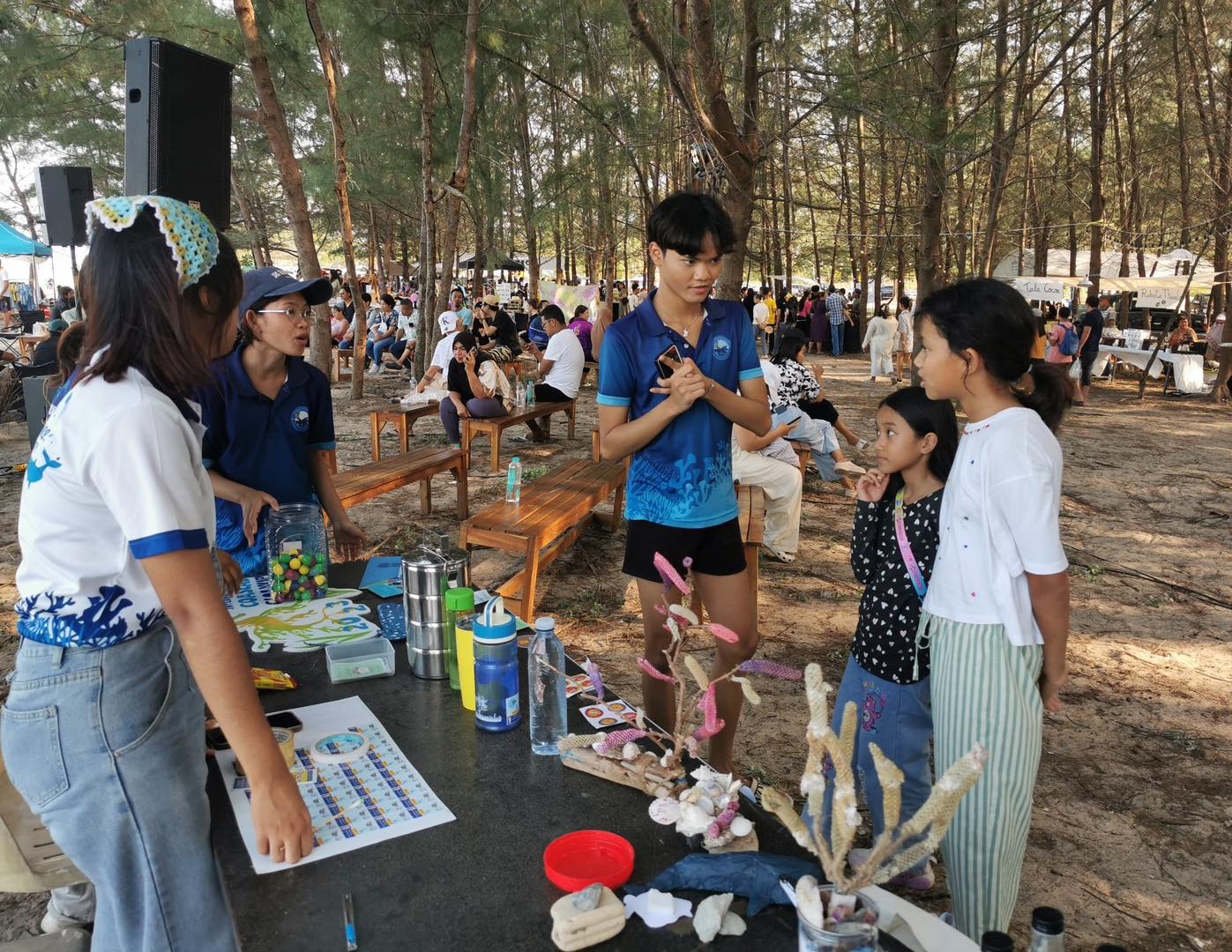
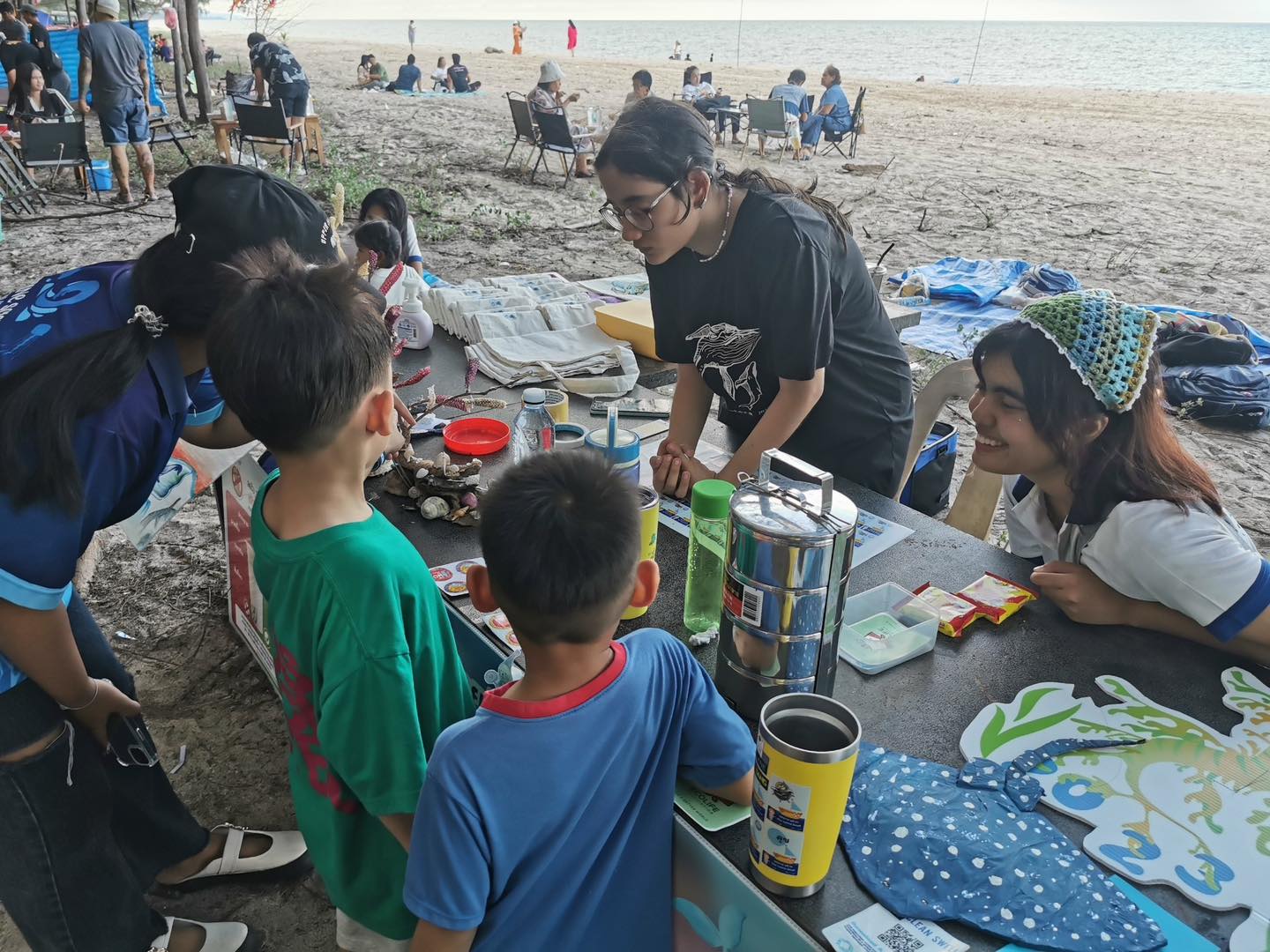
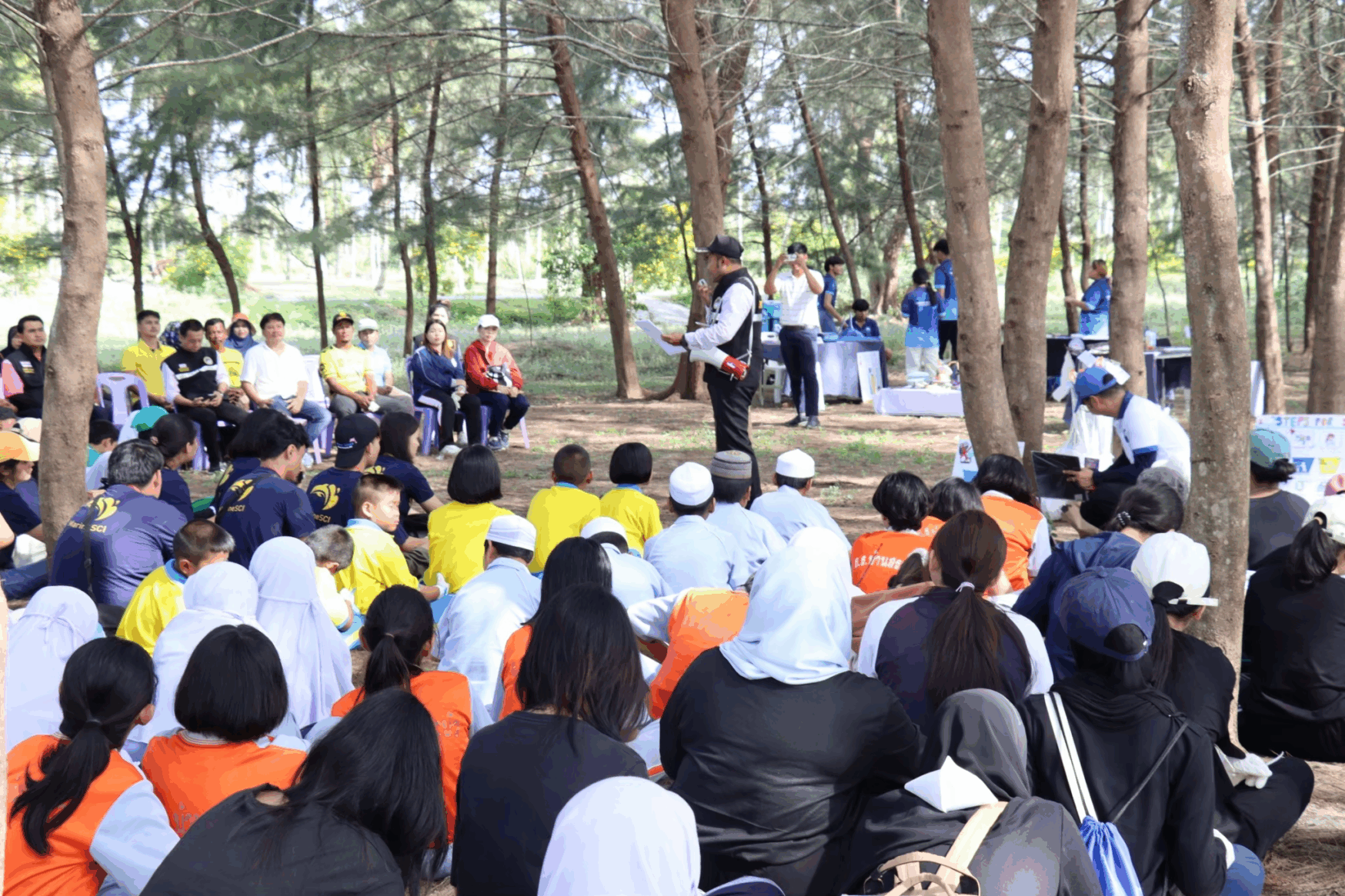
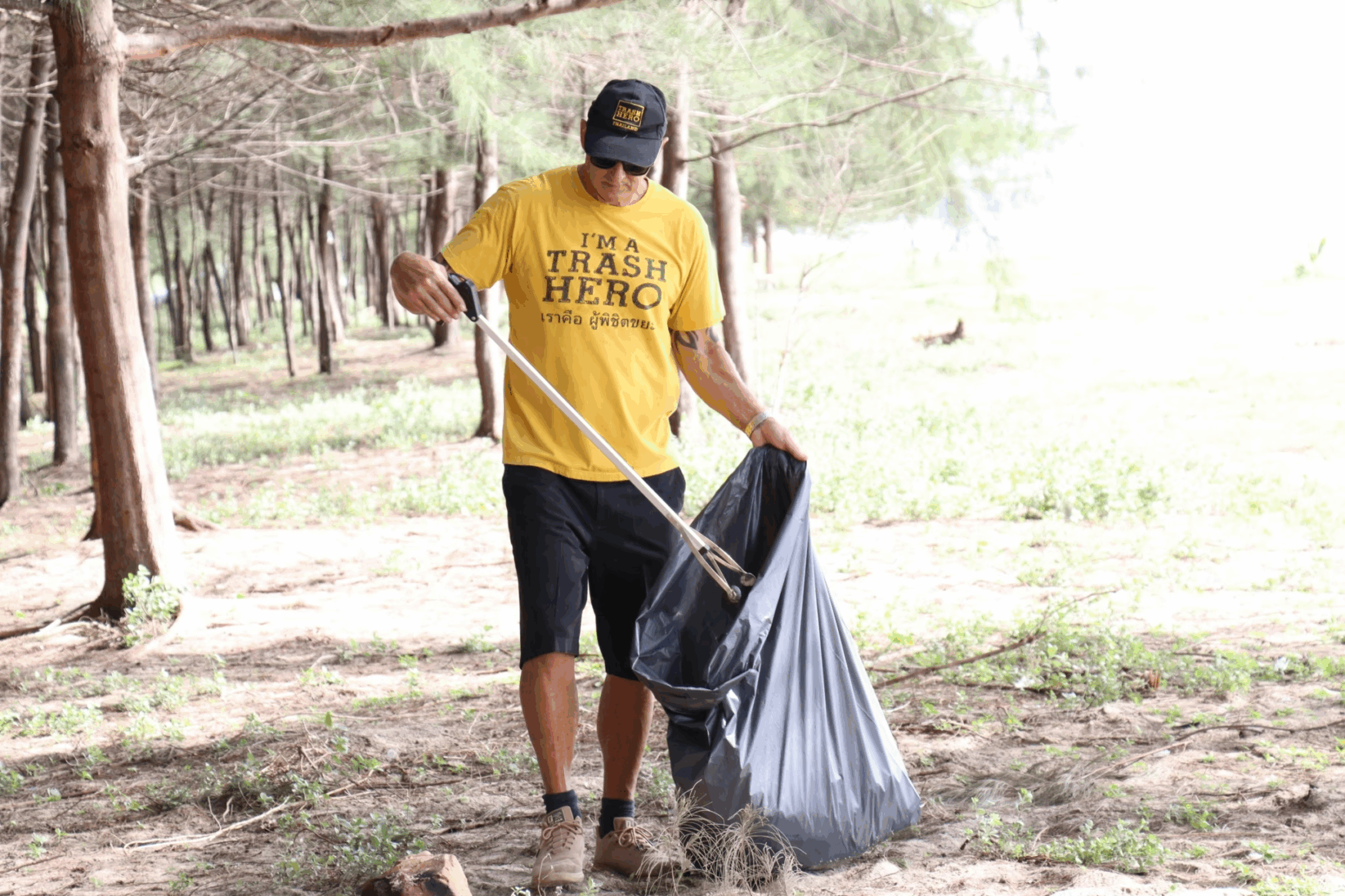
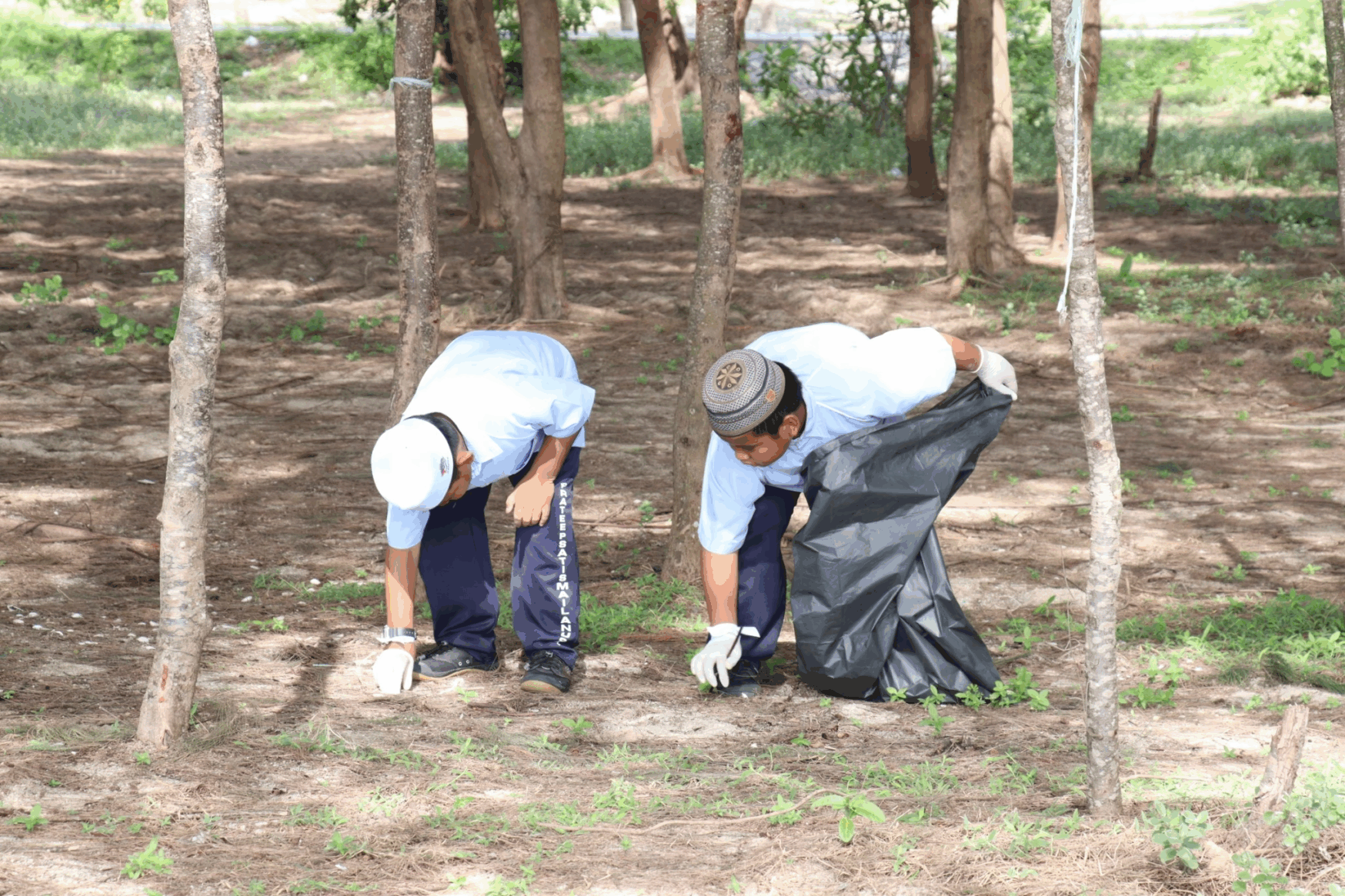
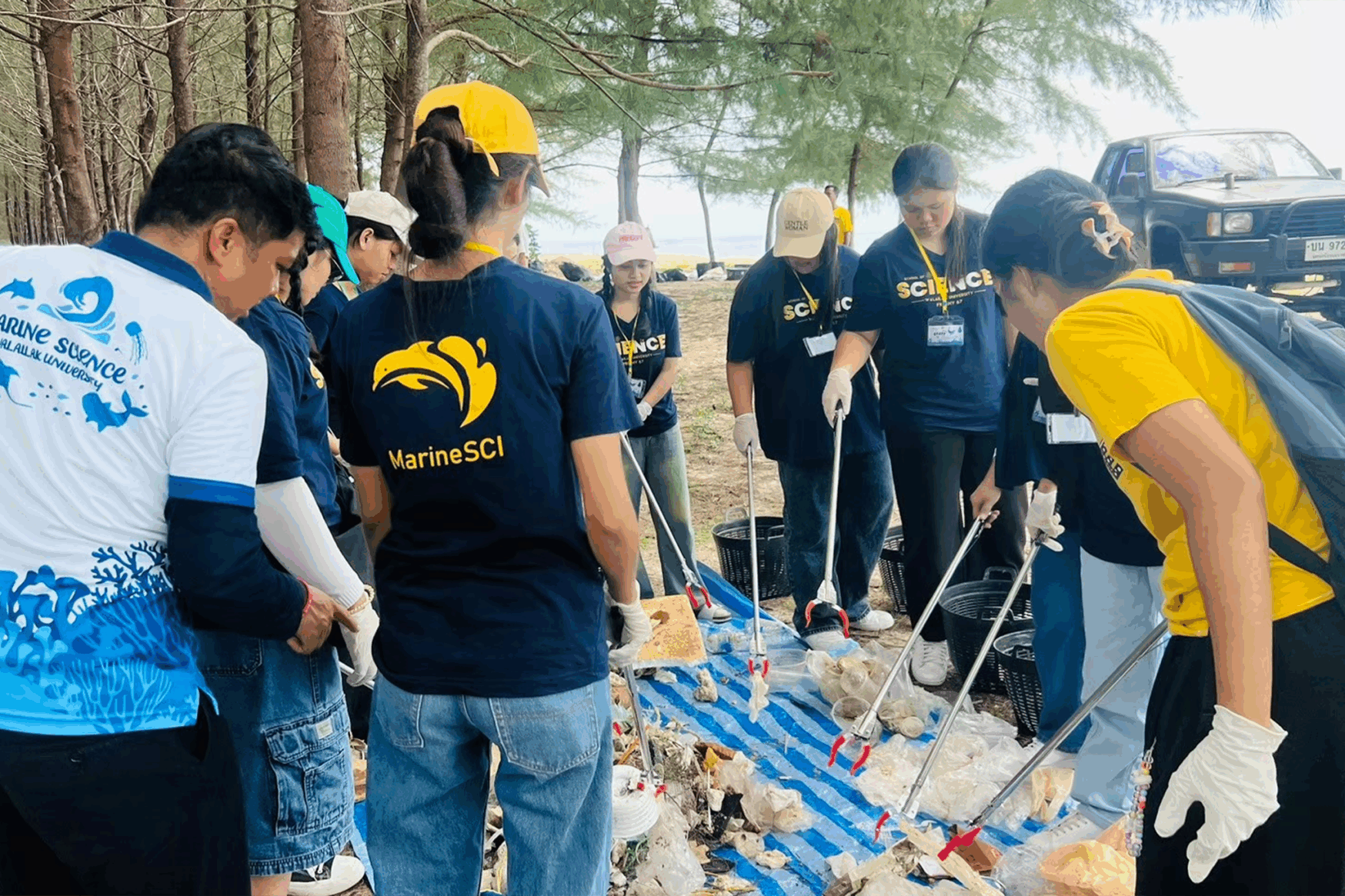
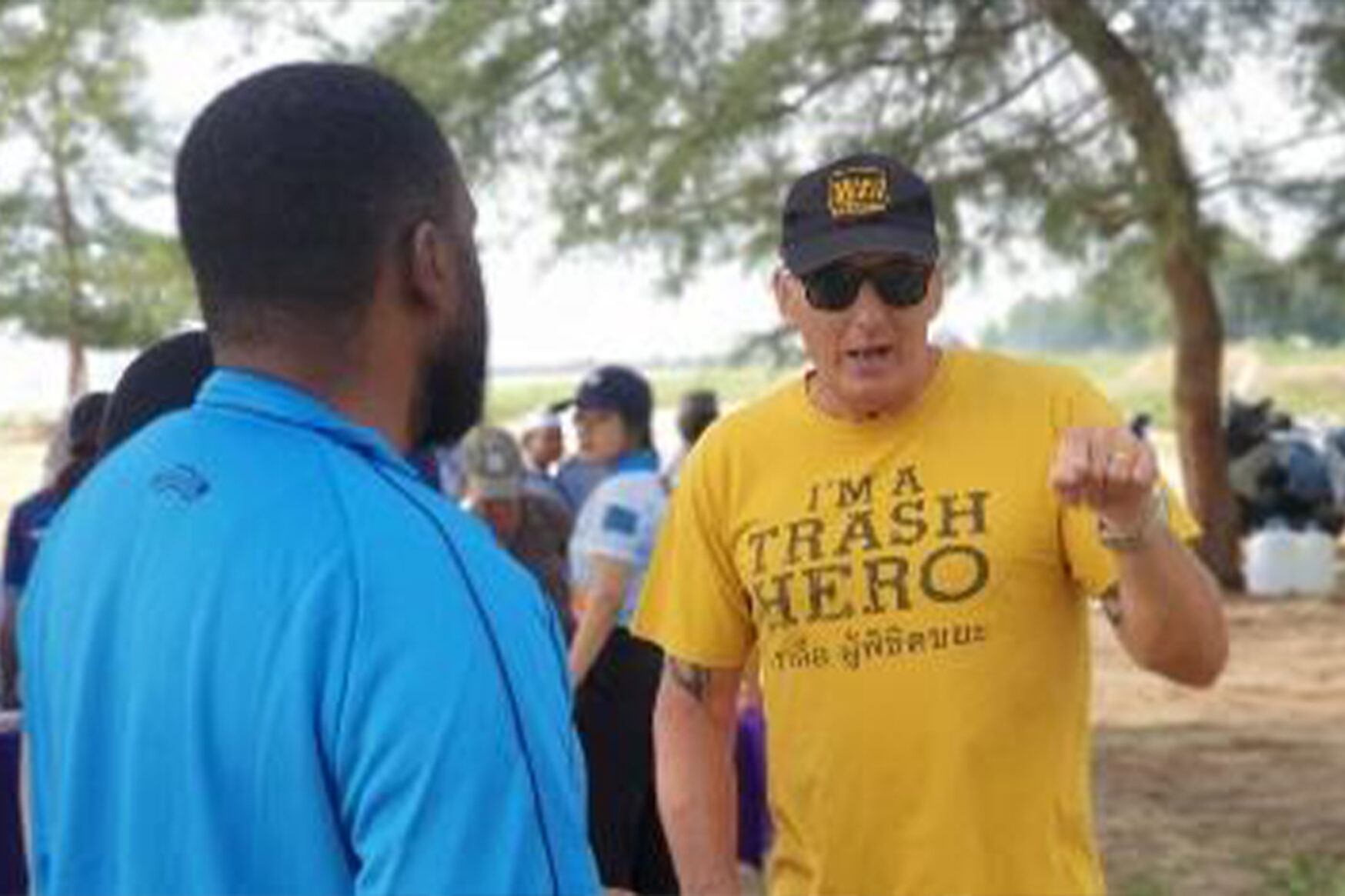
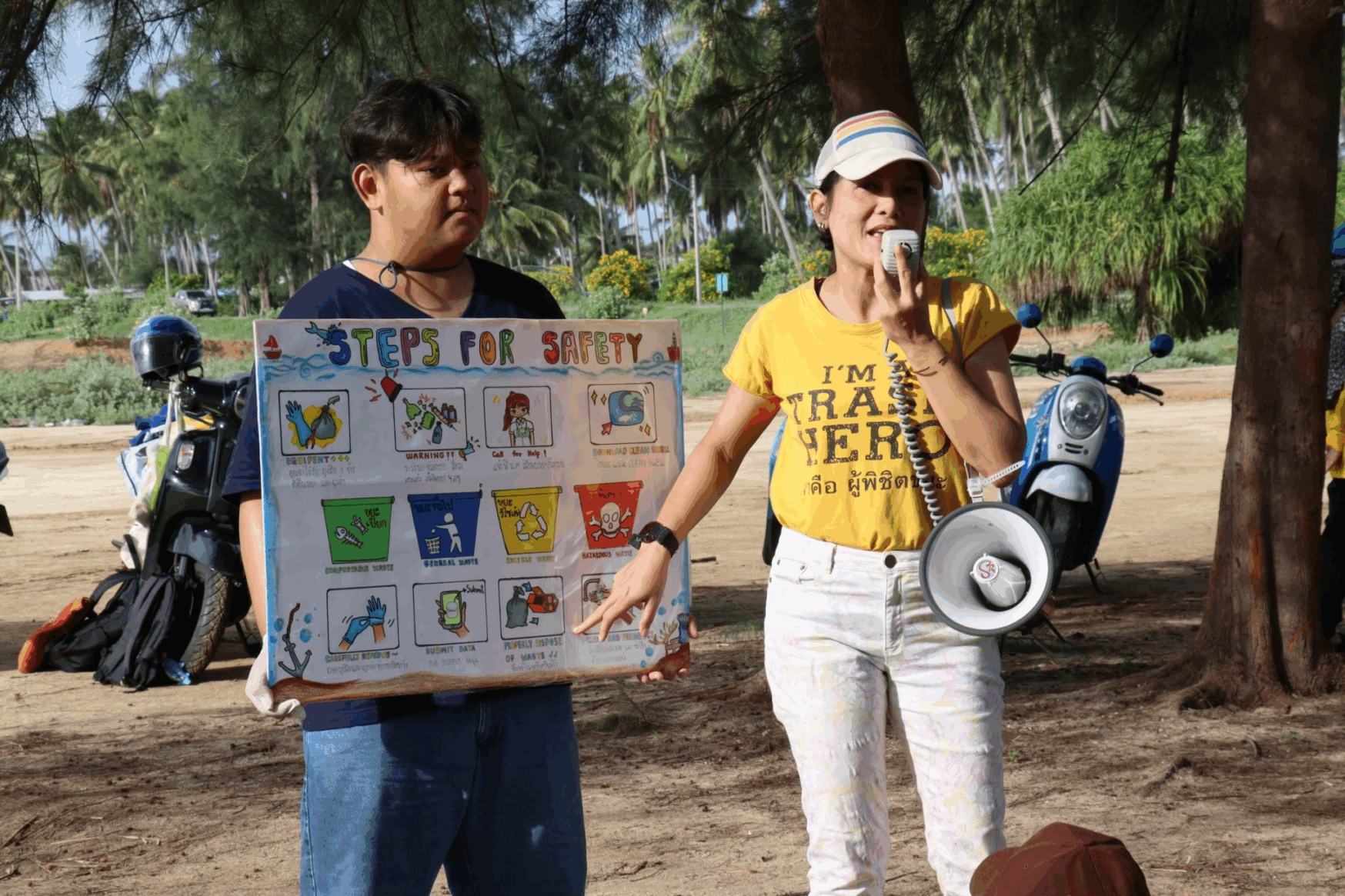
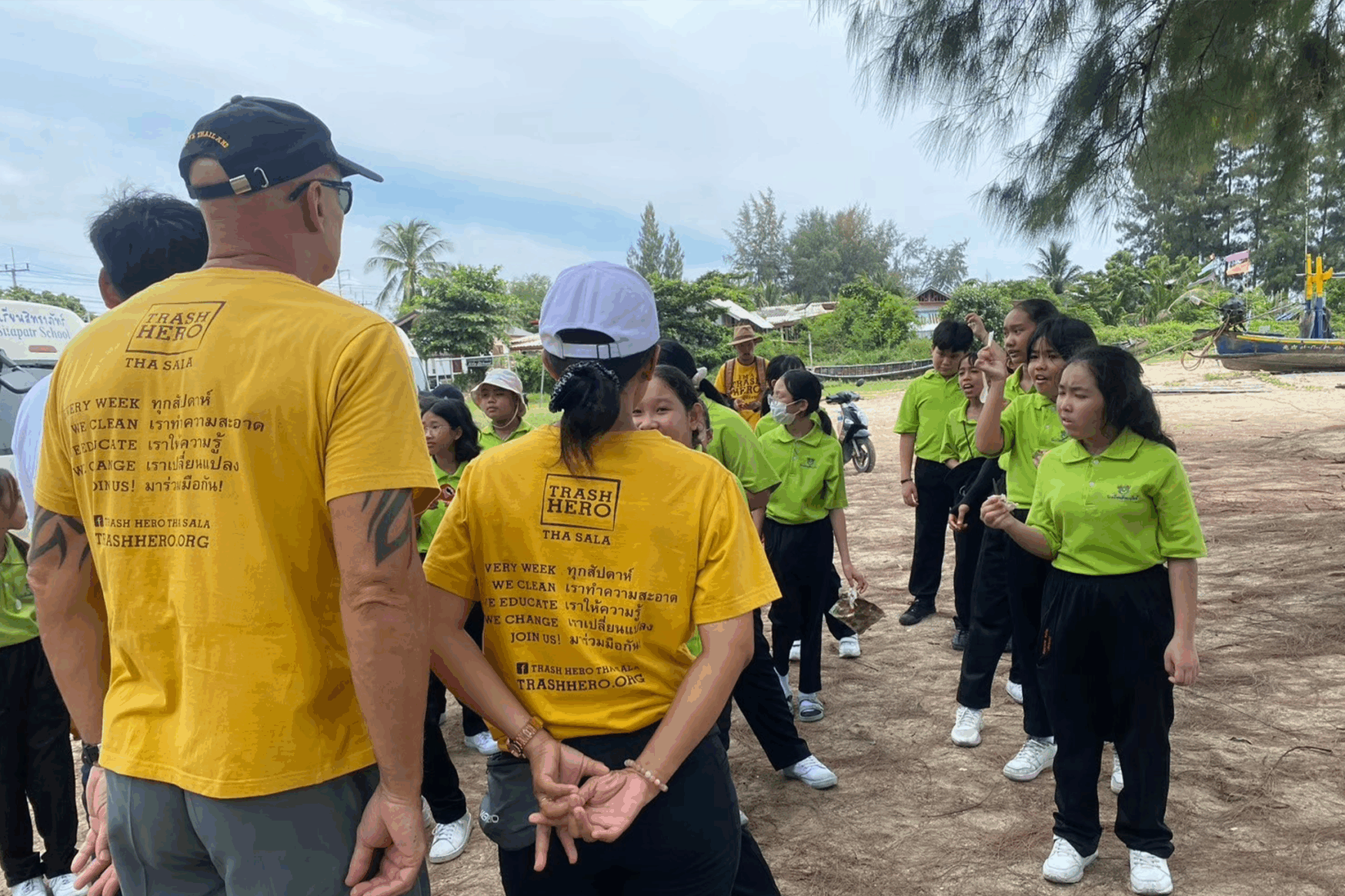
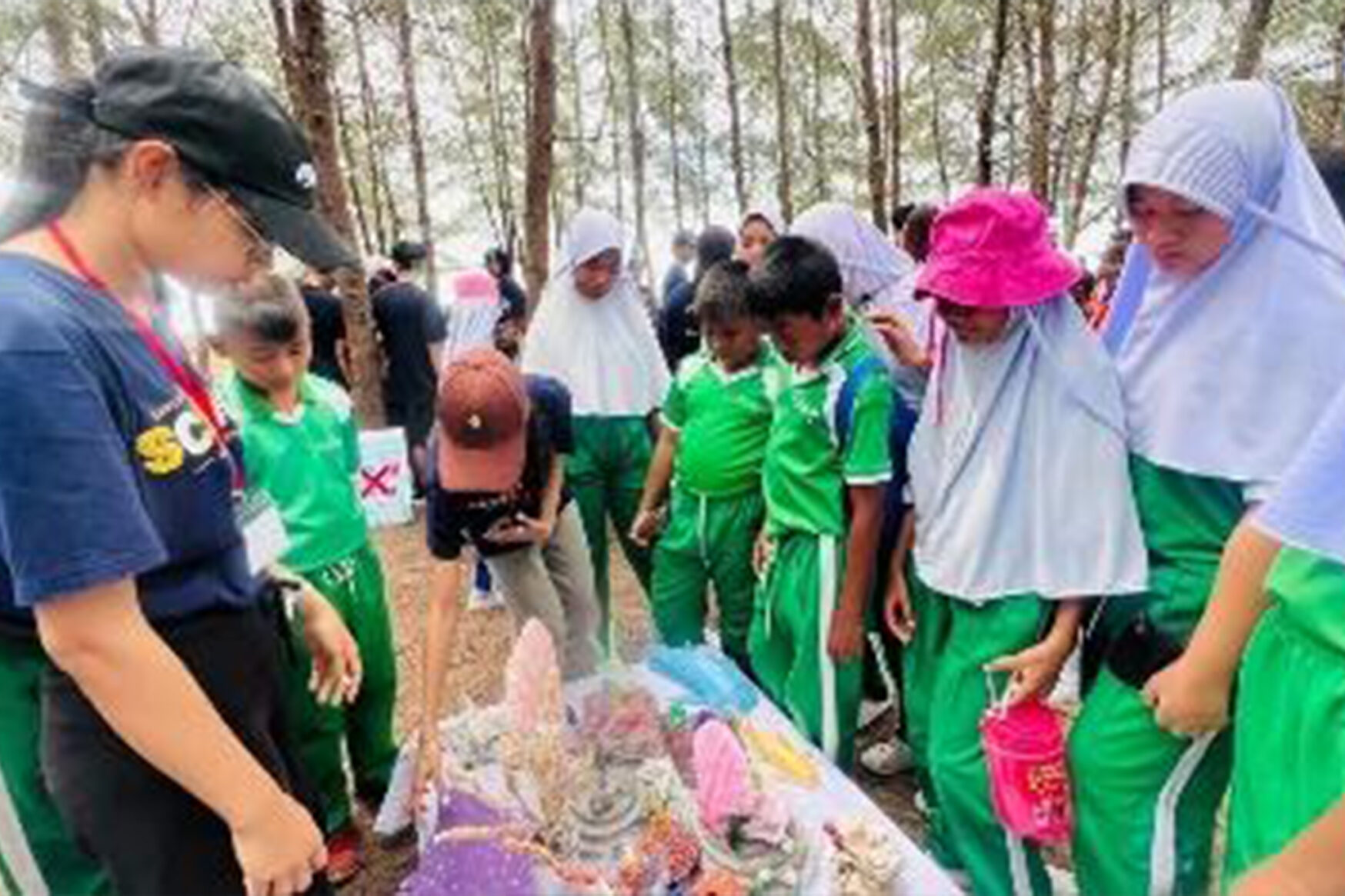
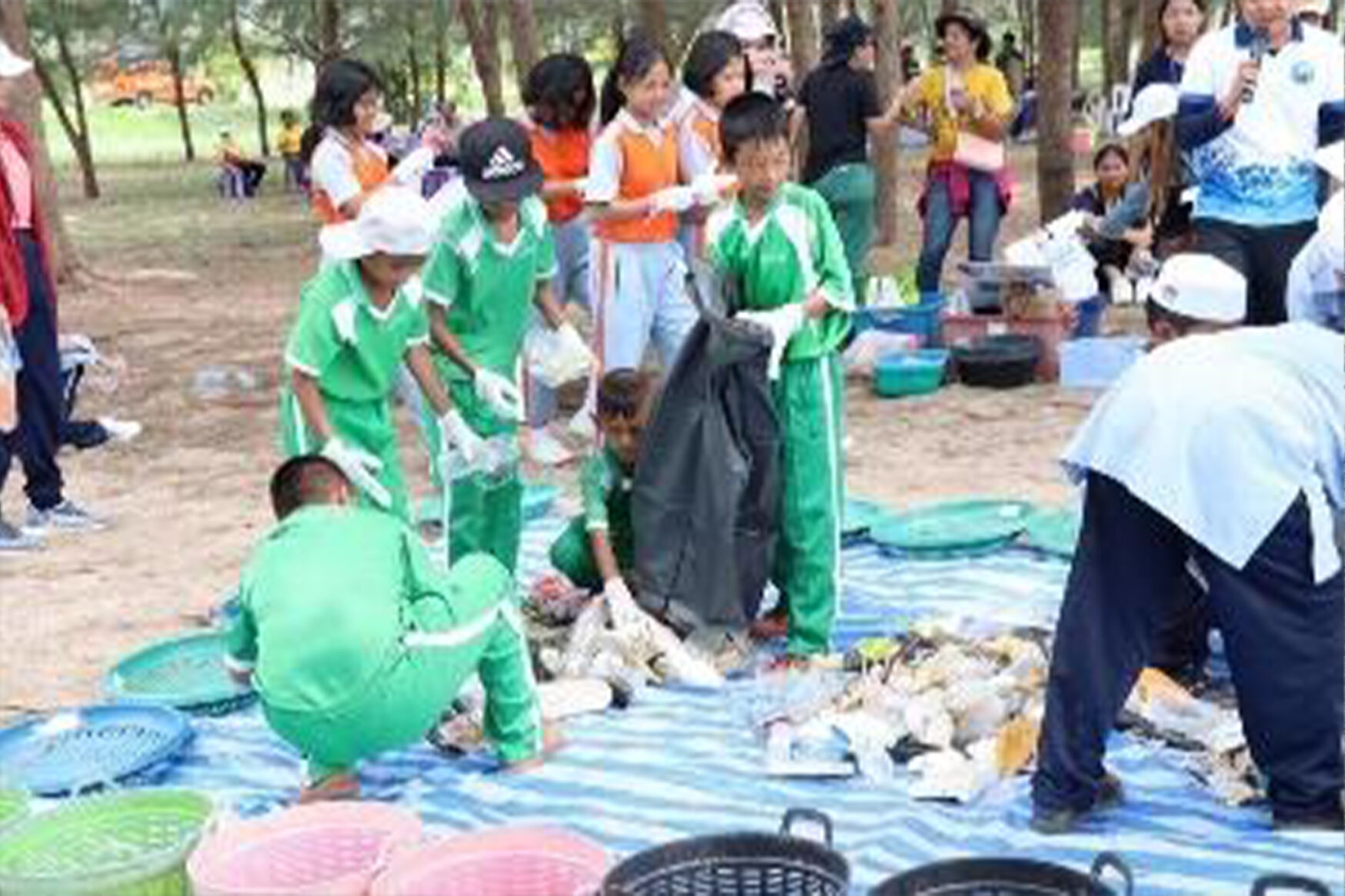
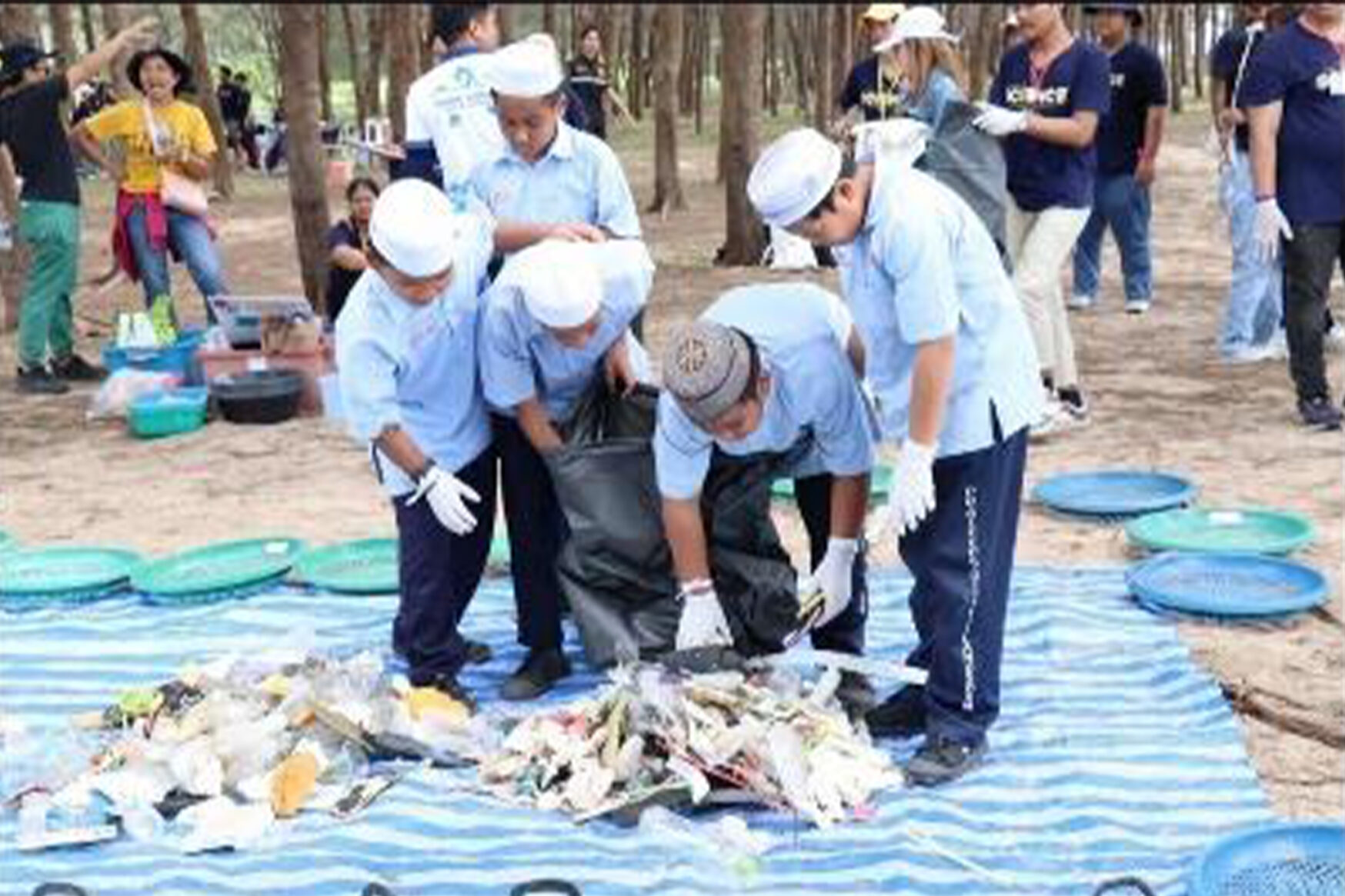
In 2024, Walailak University (WU), through the WU Marine Conservation Club in collaboration with Trash Hero Tha Sala, organized a series of free community engagement activities aimed at raising awareness of marine pollution among local people and students in Tha Sala District. These activities included beach clean-up campaigns, educational sessions on the impacts of marine litter, and workshops on waste sorting and reduction.
Figures : WU students who are members of the Walailak University Marine Conservation Club, implementing various activities to raise awareness about marine environment protection among the younger generation.
The events sought to inspire behavioral change and strengthen a collective sense of responsibility toward protecting marine resources—such as oceans, coastal areas, and rivers—that are vital to sustaining local livelihoods, particularly for fishing communities. Participants included local fishermen, students, youth groups, community members, and representatives from non-governmental organizations (NGOs), all working together to restore and maintain the health of the marine environment.
Figures : The Walailak University Marine Conservation Club and Trash Hero Tha Sala organizing the Coastal Cleanup Initiative in 2024 at Bo Non Beach of Tha Sala District
Through its continued efforts in sustainable fisheries, aquaculture development, and marine conservation, Walailak University has made a substantial contribution to both environmental sustainability and community well-being. The university’s integrated approach—linking research, education, and local engagement—has strengthened aquatic ecosystems while improving the economic stability of coastal communities.
The Blue Swimming Crab Fishery Project has revitalized crab populations and elevated Thailand’s fishery standards to international levels. By integrating scientific innovation with community-based management, the project has significantly increased crab yields, strengthened livelihoods for small-scale fishers, and enhanced the country’s reputation for responsible seafood production.
Similarly, the Tilapia Aquaculture Program has transformed environmental challenges into sustainable opportunities. By converting abandoned shrimp ponds into productive, GAP-compliant tilapia farms, the initiative not only supports ecological restoration and food security but also generates new income streams for local farmers, advancing sustainable rural development.
At the community level, the Marine Pollution Awareness Program in Tha Sala District has empowered local residents and students to take active roles in marine protection. These initiatives have fostered environmental consciousness, encouraged responsible behavior, and inspired collective action toward cleaner and healthier coastal environments.