Planning, implementation, monitoring and/or evaluation of all programs related to Water Management through the utilization of Information and Communication Technology (ICT)
Planning, implementation, monitoring and/or evaluation of all programs related to Water Management through the utilization of Information and Communication Technology (ICT)
Walailak University places a strong emphasis on integrating Information and Communication Technology (ICT) into all stages of its water management programs — from planning and implementation to monitoring and evaluation. This strategic integration enhances efficiency, accuracy, and sustainability in the management of water resources across the campus.
• Planning
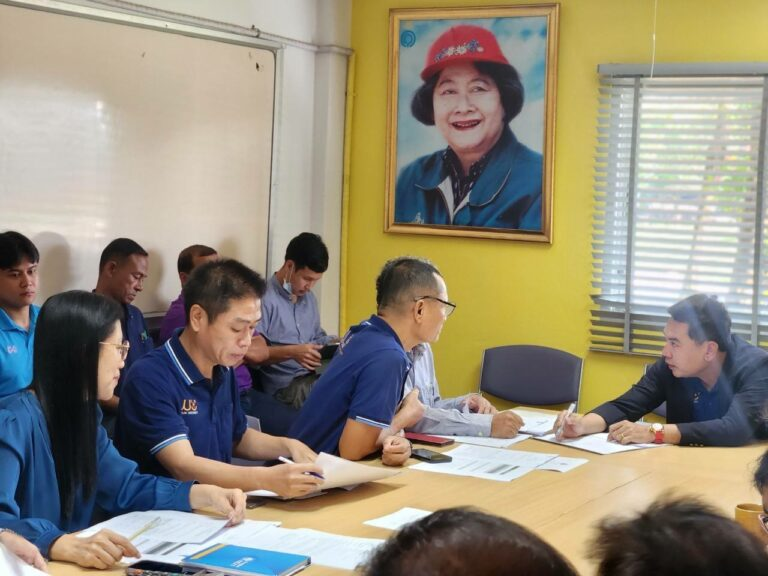
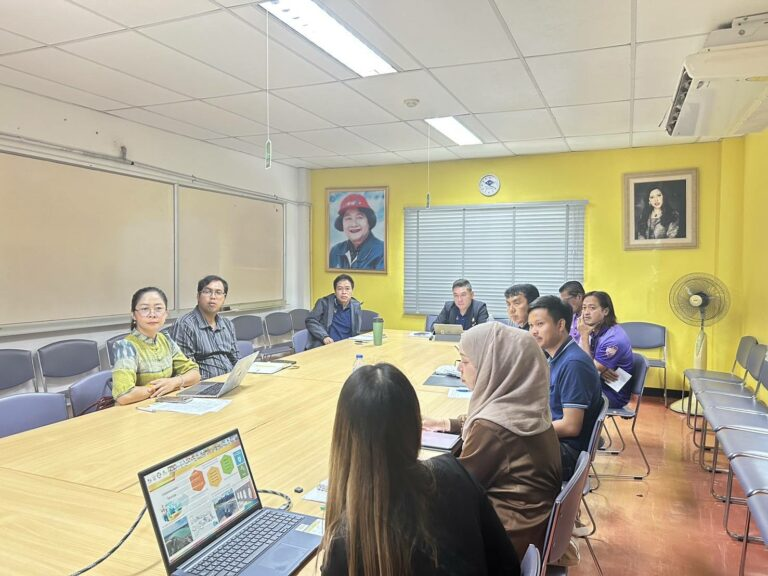
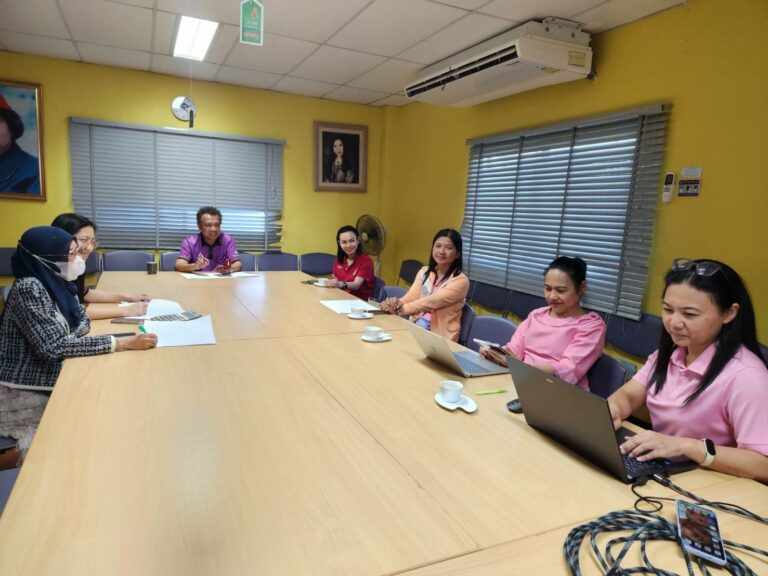
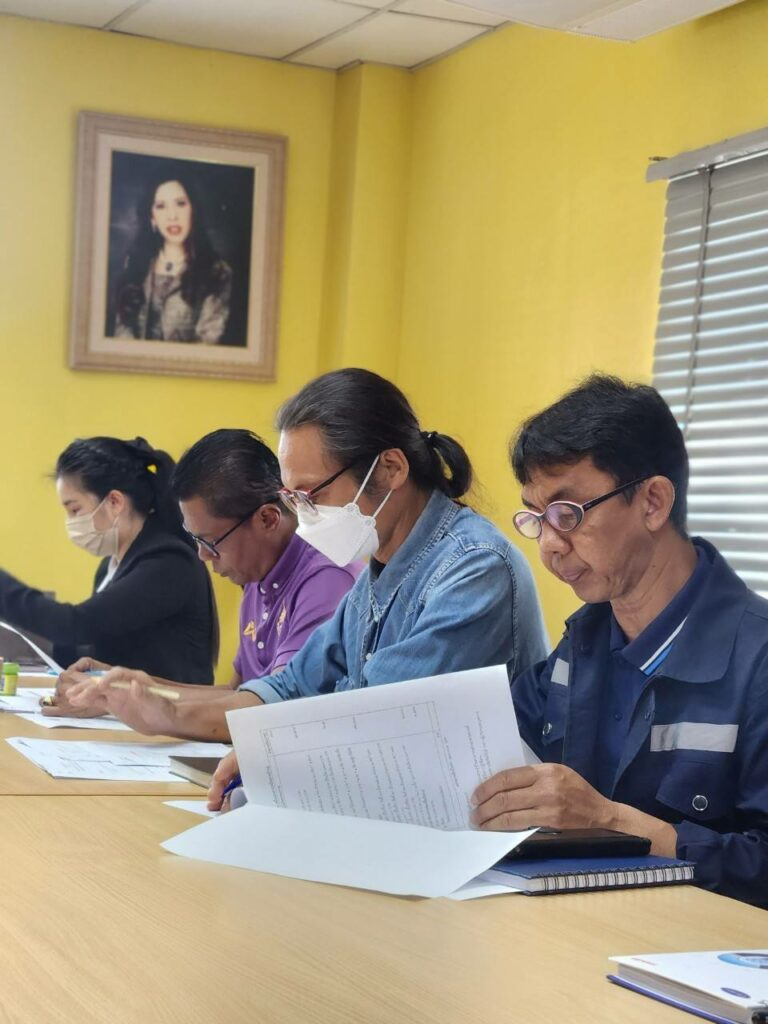
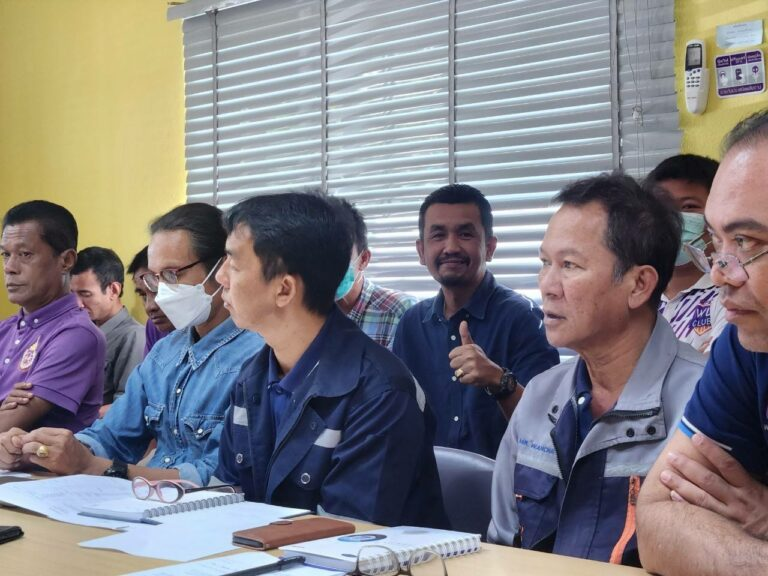
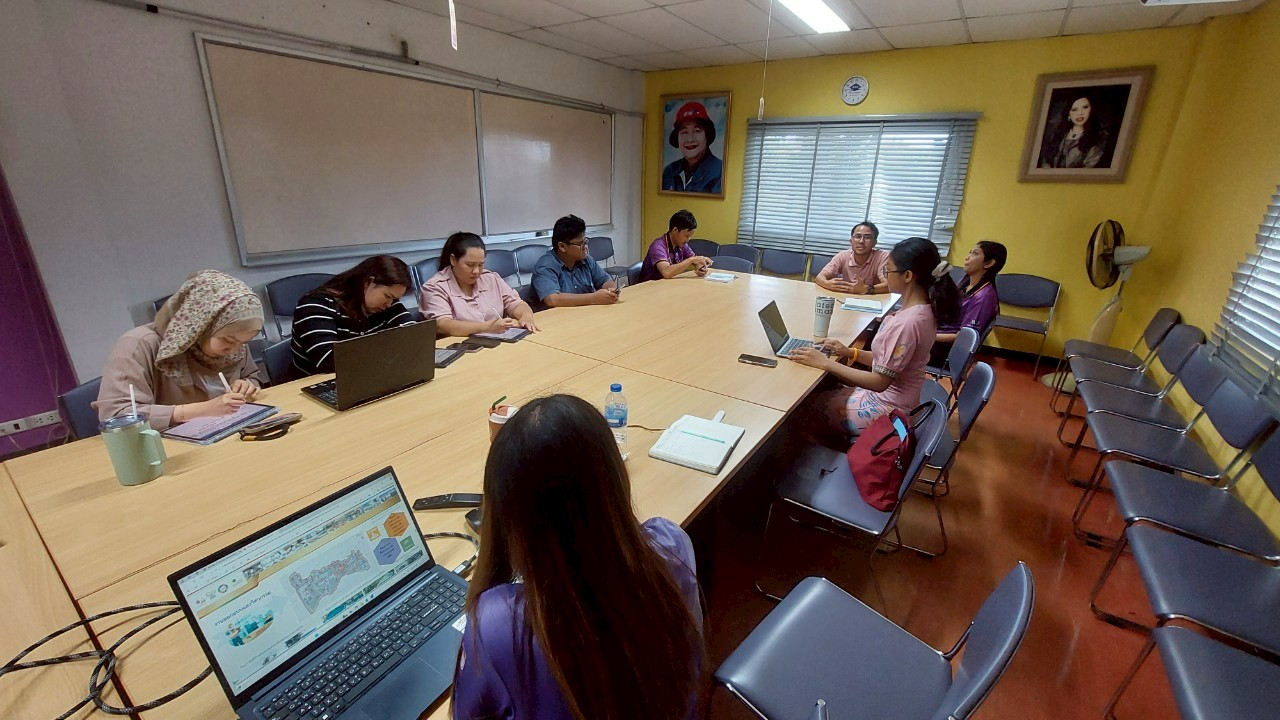
Figures: Coordination meetings to plan and analyze the university’s water management system, covering water demand, building water use, and wastewater management. (Walailak University, Thailand)
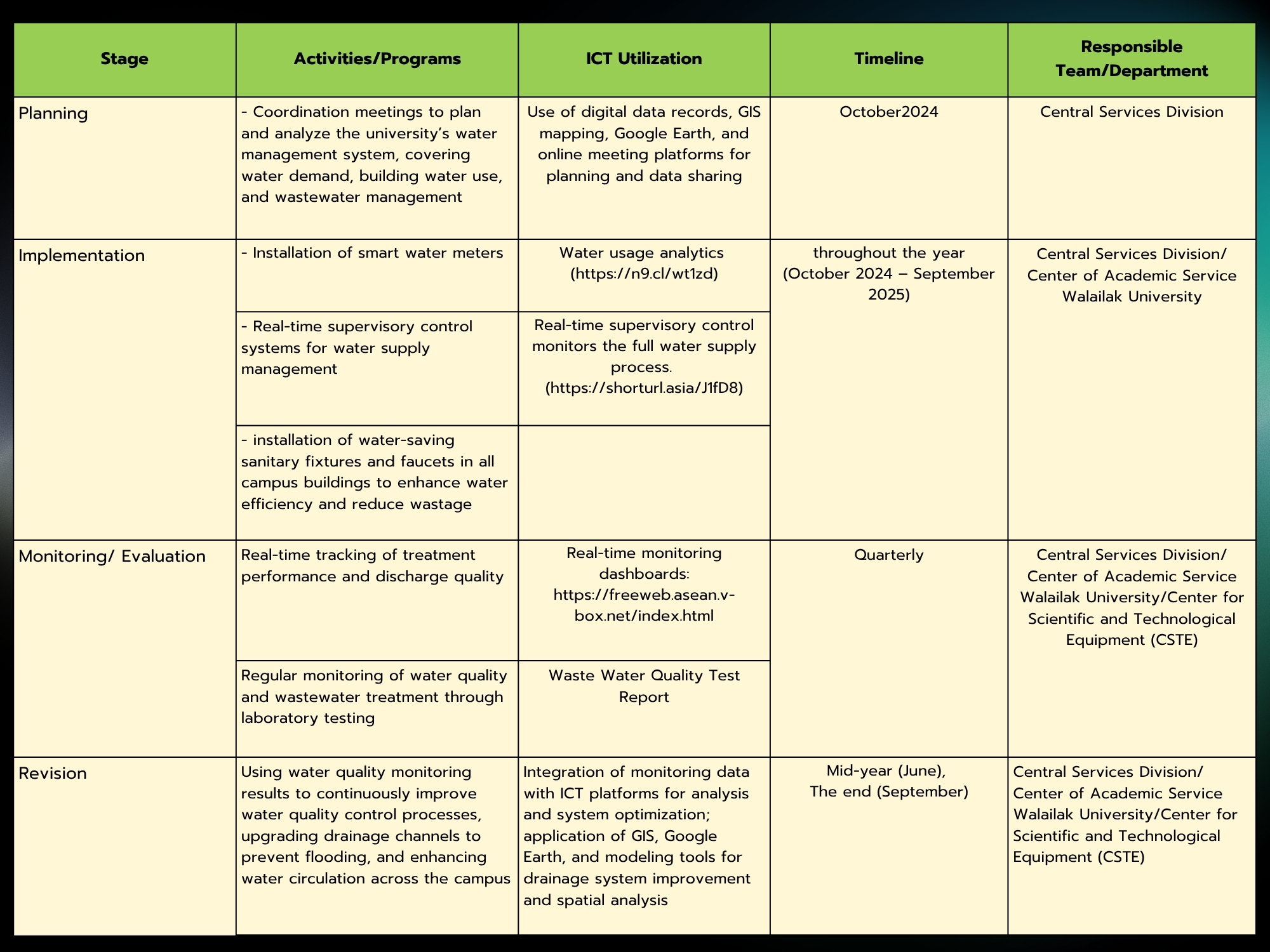
The university conducts coordination meetings to plan and analyze the entire water management system, encompassing water demand, usage in campus buildings, and wastewater treatment processes. ICT tools, including digital data records, GIS mapping, Google Earth, and online meeting platforms, are employed to support spatial analysis, facilitate remote collaboration, and ensure data-driven planning and decision-making. These efforts are led by the Central Services Division, starting from October 2024.
• Implementation
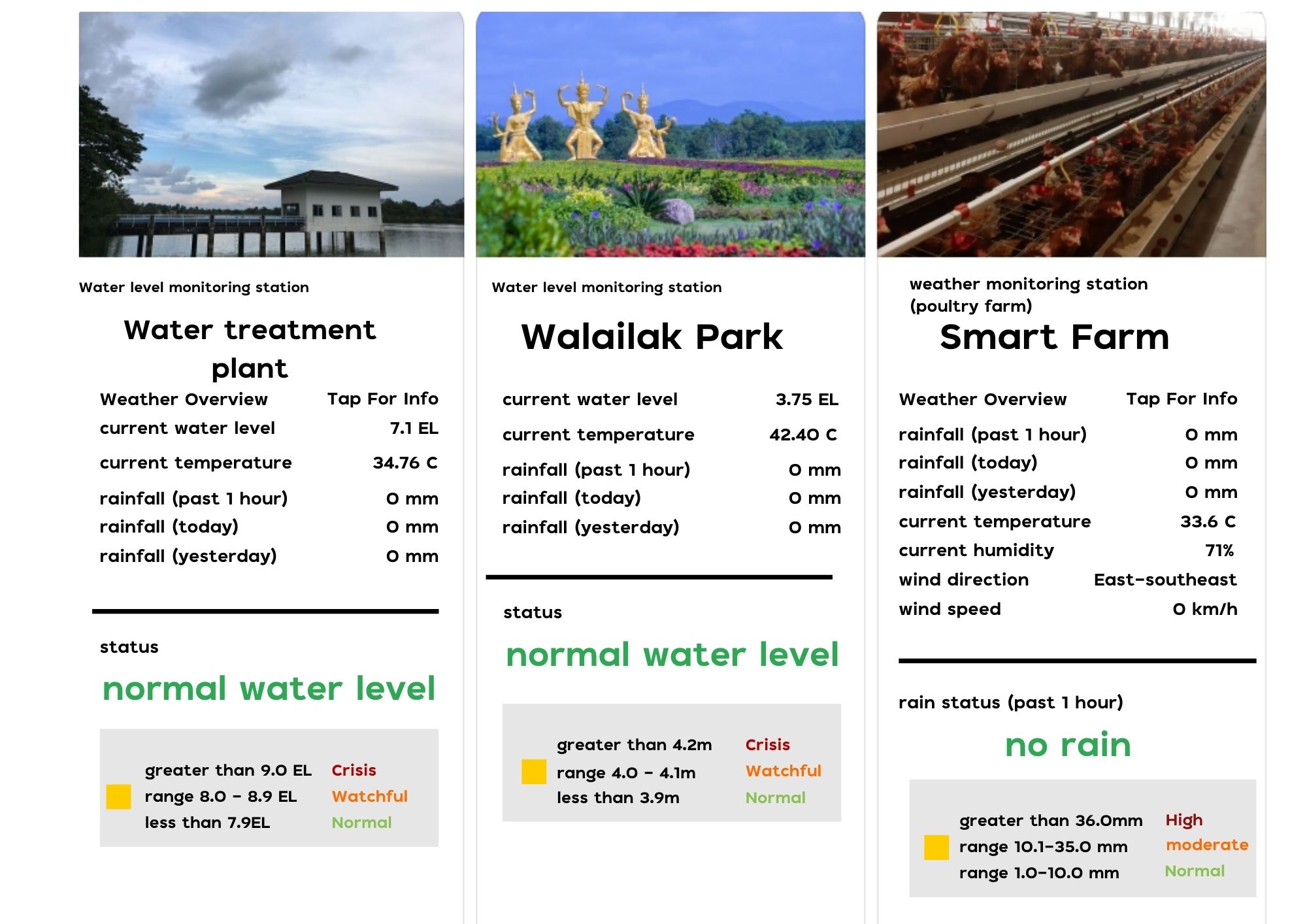
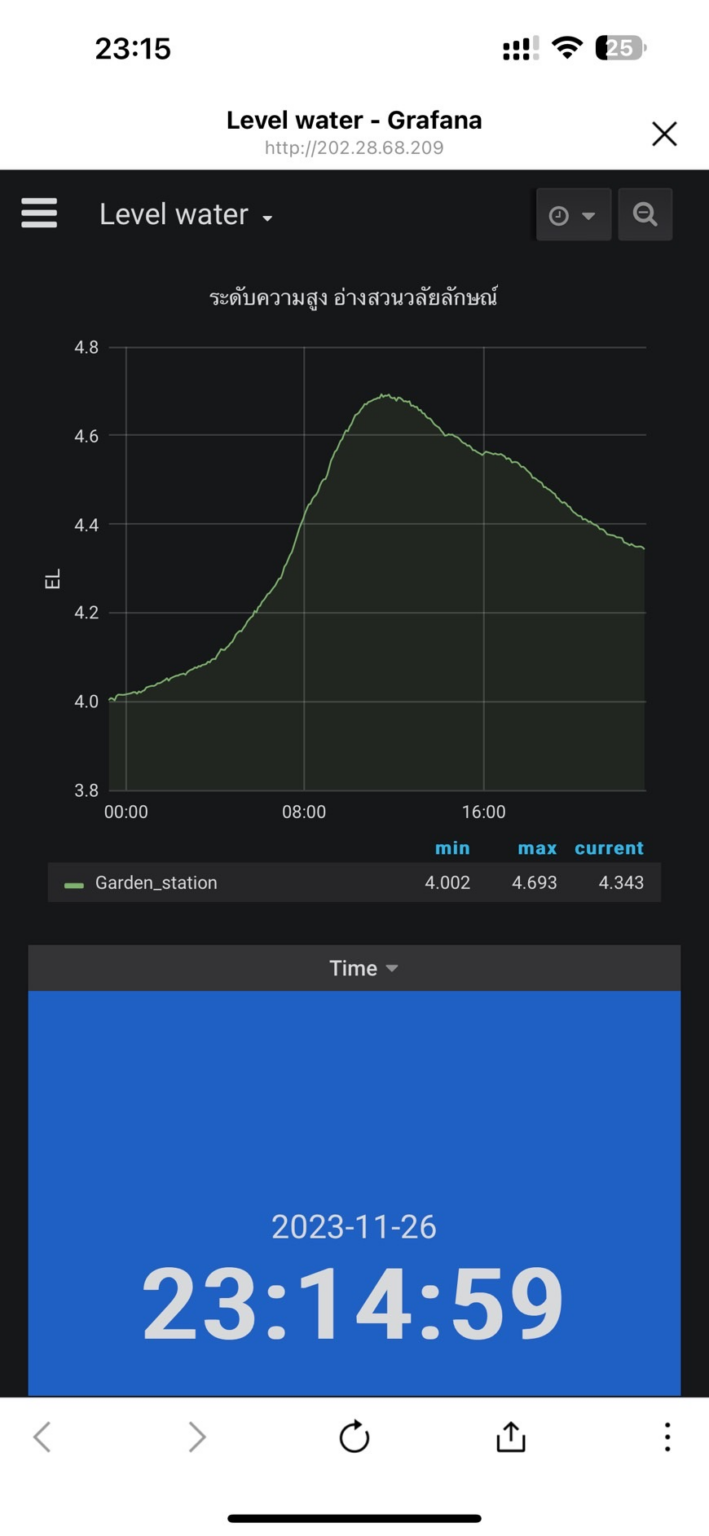
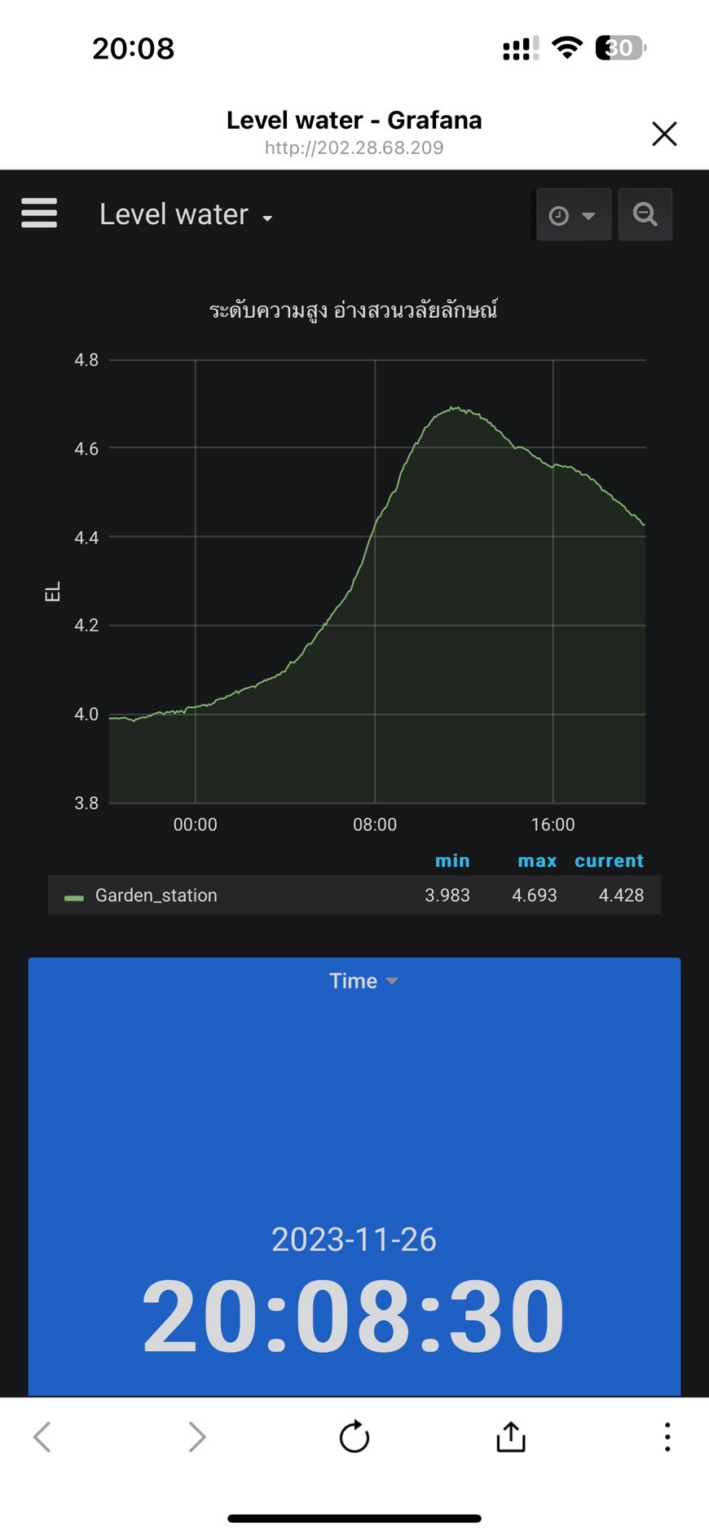
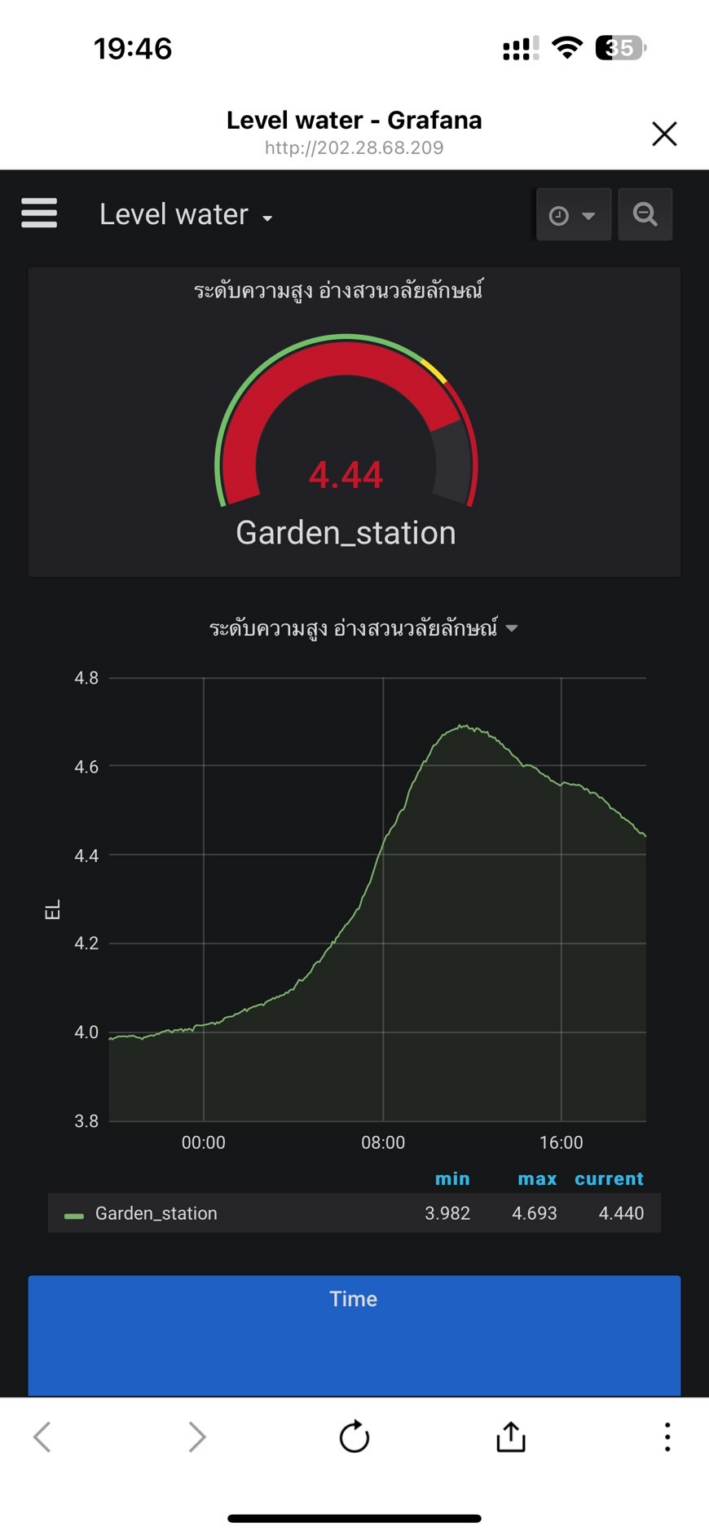
Figures: Mobile Application for the flood alert system. (Bot CDT) (Walailak University, Thailand)
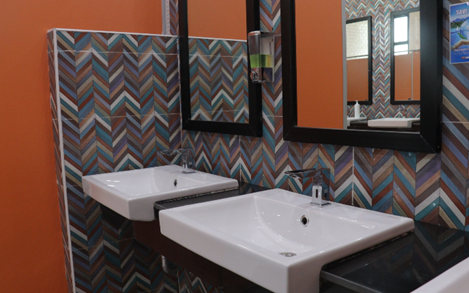
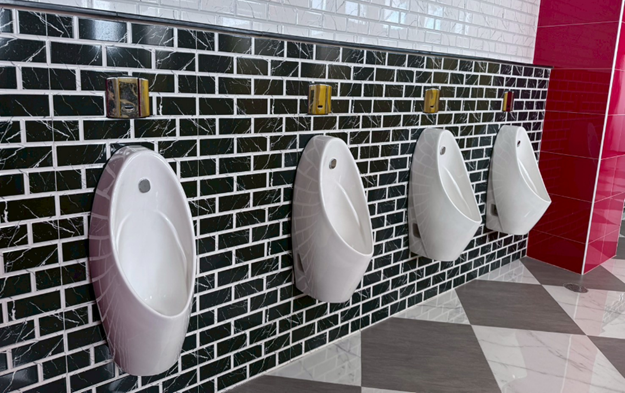
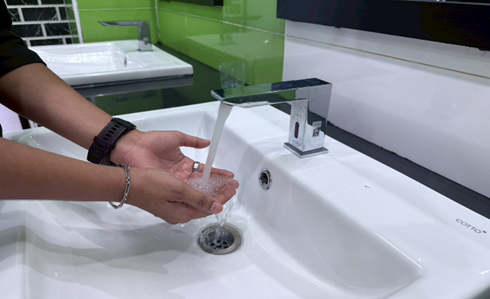
During implementation, ICT is leveraged to enable smart and efficient water management. Smart water meters are installed across campus to enable real-time water usage analytics, providing continuous data for consumption tracking and leak detection. In addition, a real-time supervisory control system manages the full water supply process, ensuring consistent water distribution and efficiency. The university also implements water-saving sanitary fixtures and faucets in all buildings to reduce water wastage. These initiatives are managed collaboratively by the Central Services Division and the Center of Academic Service throughout the year (October 2024 – September 2025).
• Monitoring and Evaluation
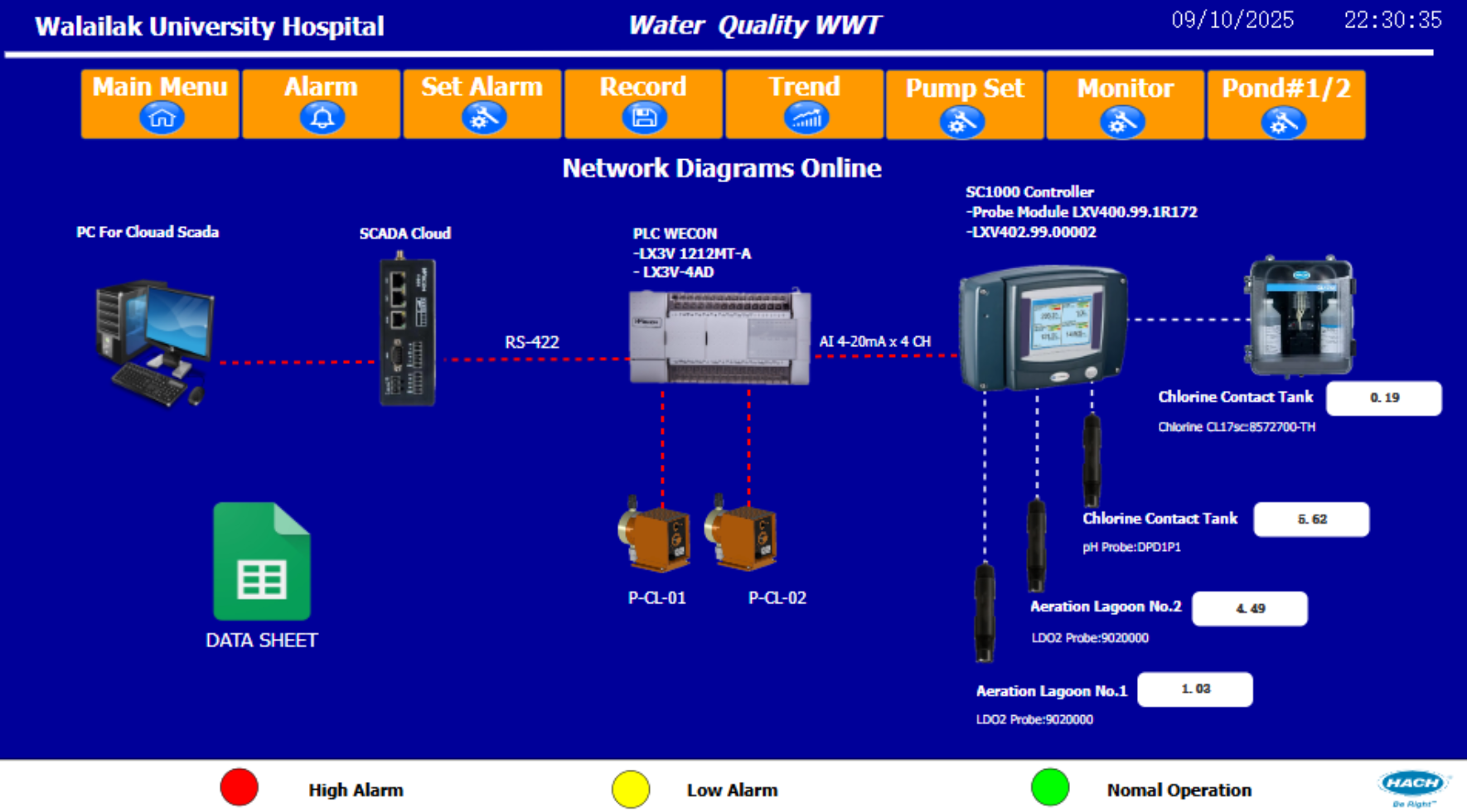
Continuous monitoring of water quality and treatment performance is carried out through real-time dashboards that track discharge quality and treatment system efficiency. In addition, regular laboratory testing of wastewater is performed, with results compiled into the university’s Waste Water Quality Test Reports. These activities ensure that water quality remains compliant with environmental standards and are jointly managed by the Central Services Division, the Center of Academic Service, and the Center for Scientific and Technological Equipment (CSTE), quarterly.
• Revision / Continuous Improvement
Based on monitoring outcomes, the university continually improves its water management strategies. ICT platforms are used to integrate monitoring data for performance analysis and system optimization. Tools such as GIS, Google Earth, and hydraulic modeling software assist in refining drainage system design, preventing flooding, and enhancing water circulation across campus. Revisions are conducted mid-year (June) and at the end of the fiscal year (September) by the Central Services Division, the Center of Academic Service, and the CSTE.
Through the use of ICT, Walailak University ensures transparent, efficient, and sustainable water management that supports long-term environmental goals and aligns with the university’s Green University strategy under the UI GreenMetric framework.
Program has been implemented, evaluated, and is currently revised.