3R (Reduce, Reuse and Recycle) Program for University Waste
3 R Programs in Walailak University
“Walailak University advances a university-wide 3R framework
Reduce, Reuse, and Recycle by integrating circular economy principles into campus policies, infrastructure, and daily practices. Through 38 active programs covering more than 75% of the university, the institution demonstrates a strong and systematic commitment to sustainable waste management.”
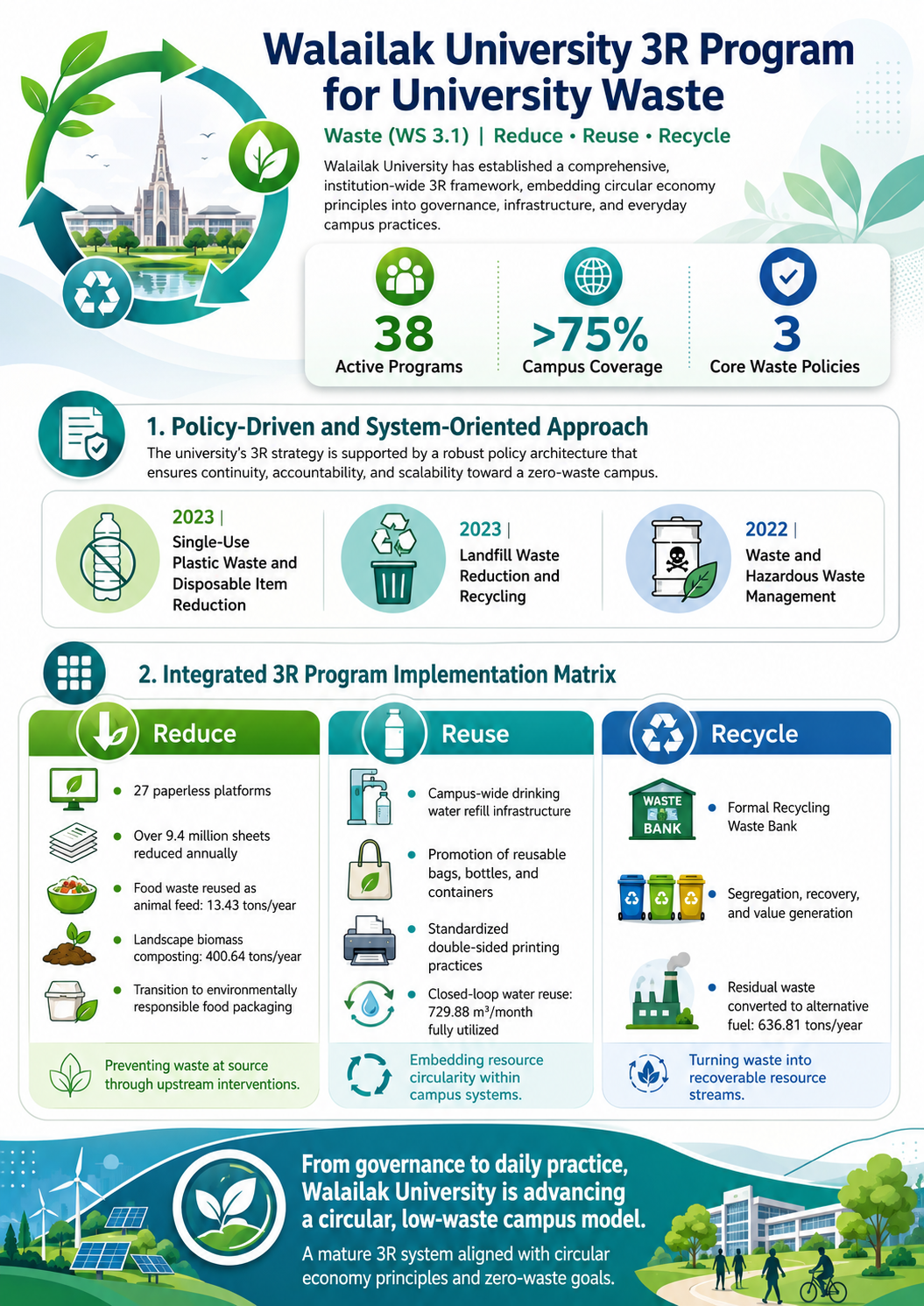
Figure 1 Currently, Walailak University has fully implemented 41 3R program
University's Waste Management Policy and Goals.
Walailak University remains firmly committed to implementing a comprehensive waste management system as outlined in its Green University Policy. With a resolute focus on achieving zero waste, the university takes into account economic, social, and environmental factors, aligning with the Sustainable Development Goals (SDGs).
The university has actively promoted awareness and engagement among its faculty, students, and staff to reduce waste at the source. Key policies driving these efforts include:
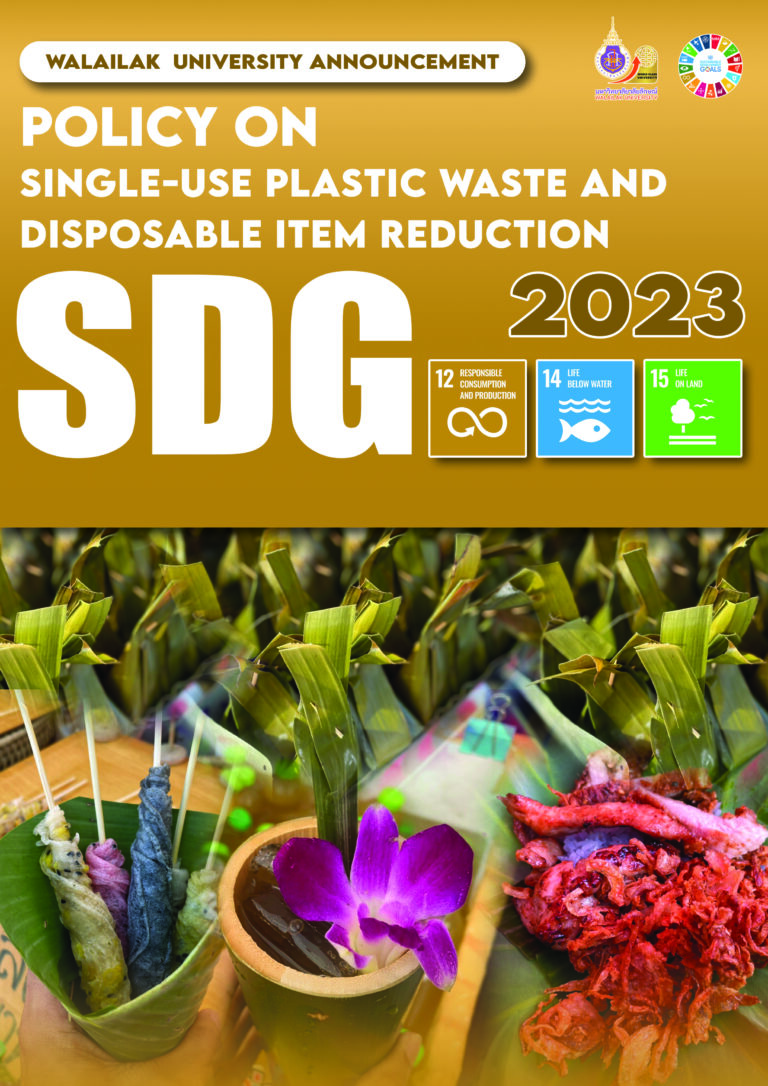
- Announcement of Walailak University Subject: Policy on Single–Use Plastic Waste and Disposable Item Reduction B.E. 2566: This policy aims to reduce the use of single-use plastics and disposable items on campus.
- Announcement of Walailak University Subject: Policy on Landfill Waste Reduction and Recycling B.E. 2566: This policy focuses on minimizing the amount of waste sent to landfills and promoting recycling.
- Announcement of Walailak University Subject: Waste and Hazardous Waste Management B.E. 2565: This policy provides a comprehensive framework for managing all types of waste, including hazardous waste.
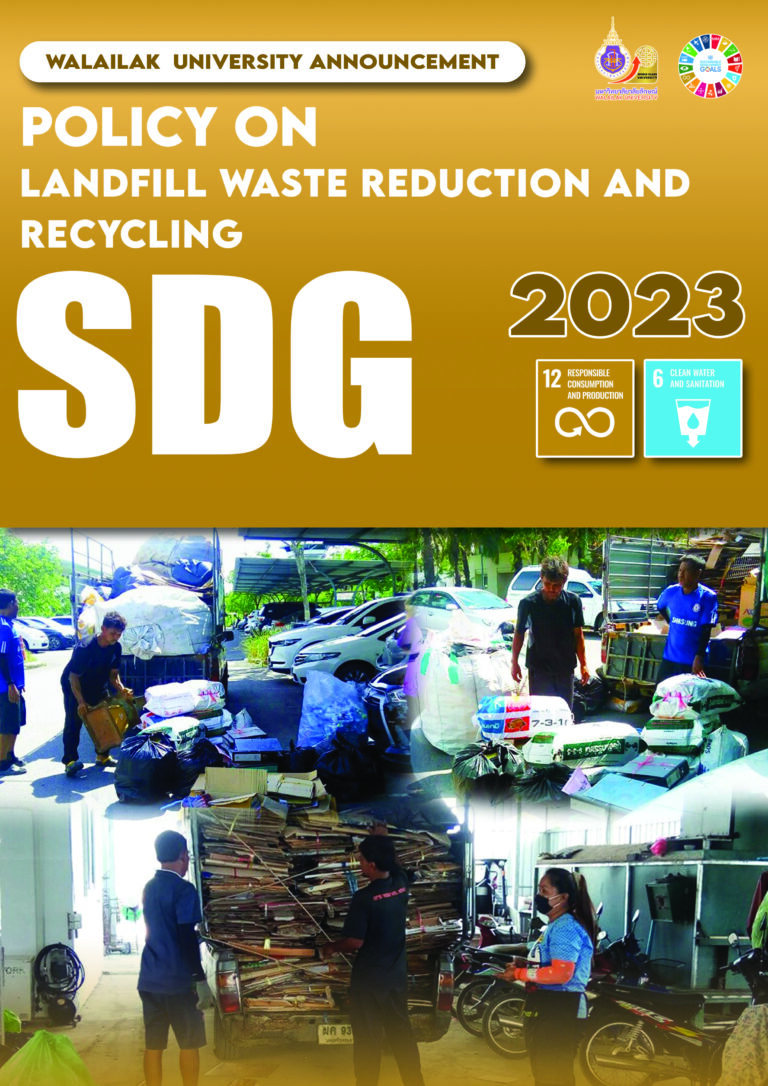
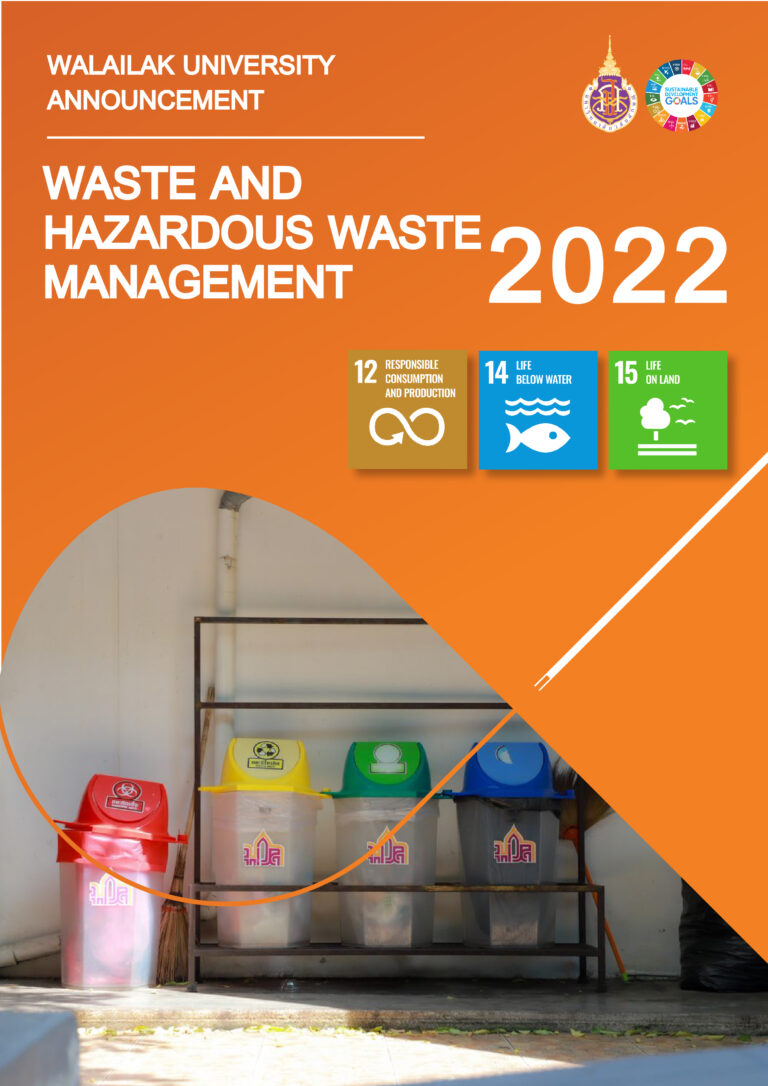
3R Waste Management Practices at the University.
Reduce : There are a total of 32 Reduce programs.
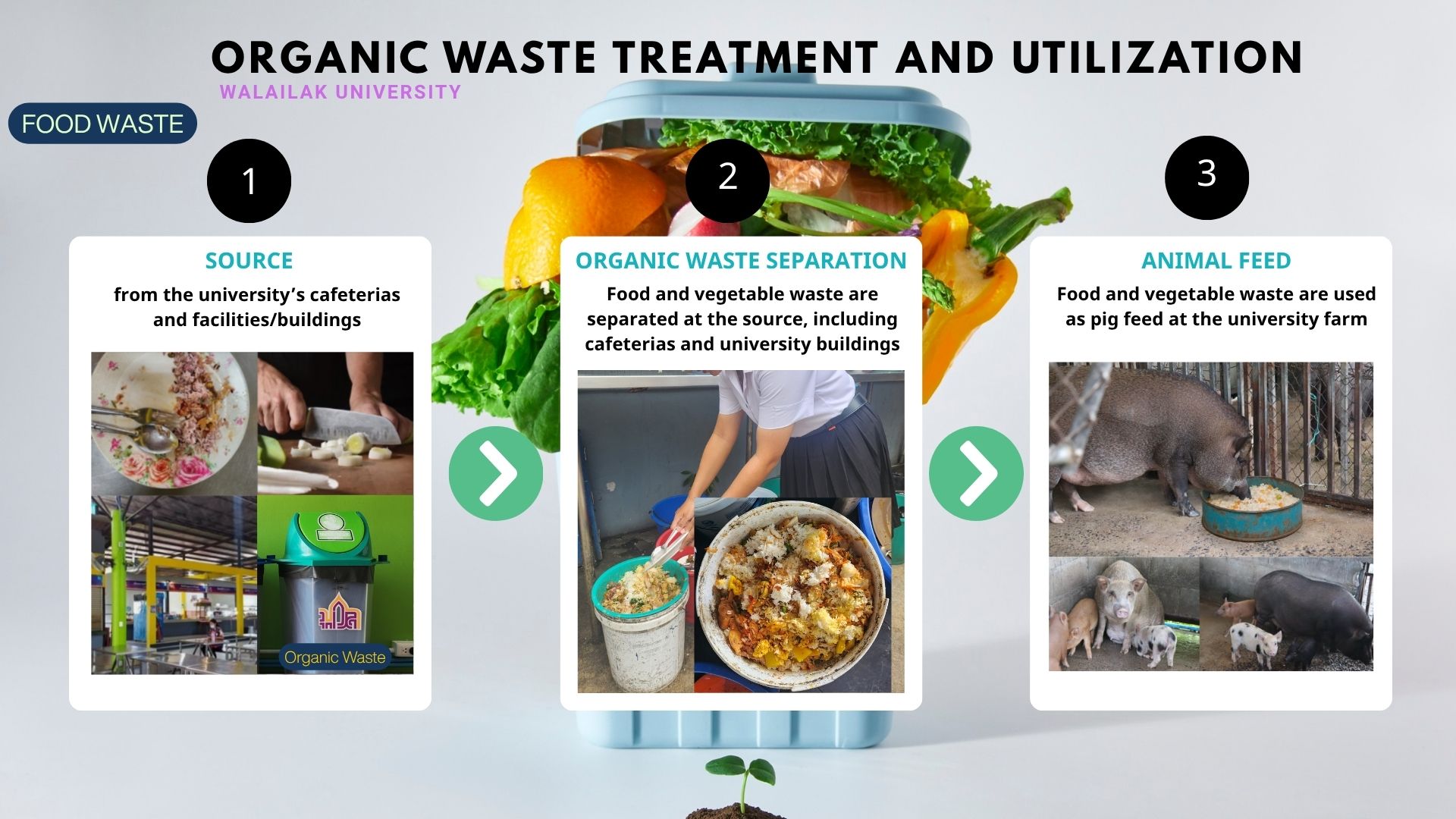
- Food waste from the cafeteria is reduced by using food scraps as animal feed.
The university has a farm where pigs are raised, and organic waste is used as animal feed. This initiative reduces waste and lowers the cost of animal feed production.
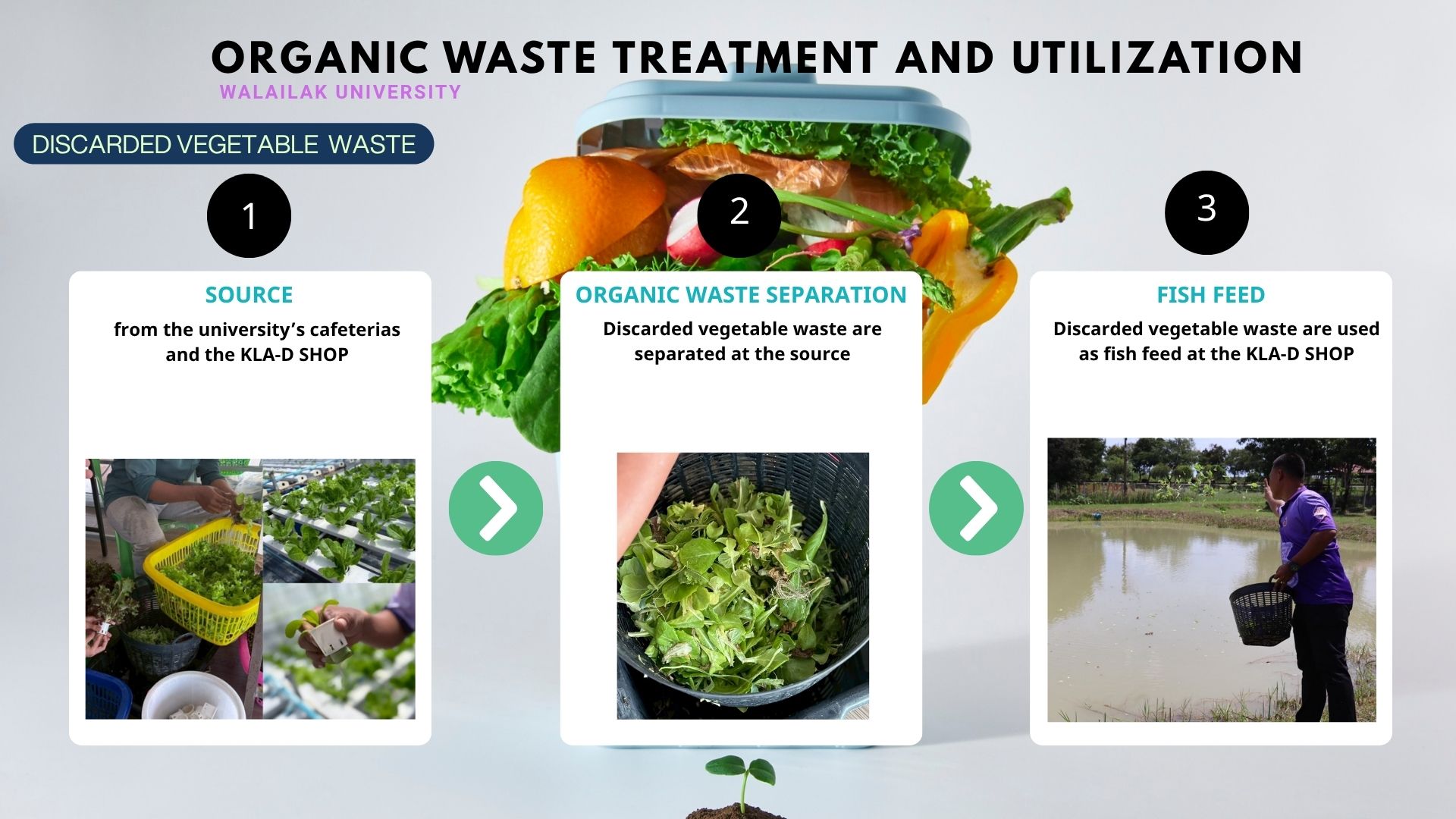
- Discarded vegetable reduced by using as fish feed
While trimmings and leftover vegetables from vegetable seedlings are utilized as feed for Nile tilapia and silver barb in the university’s KIA-D Demonstrative Farm
- Composting.
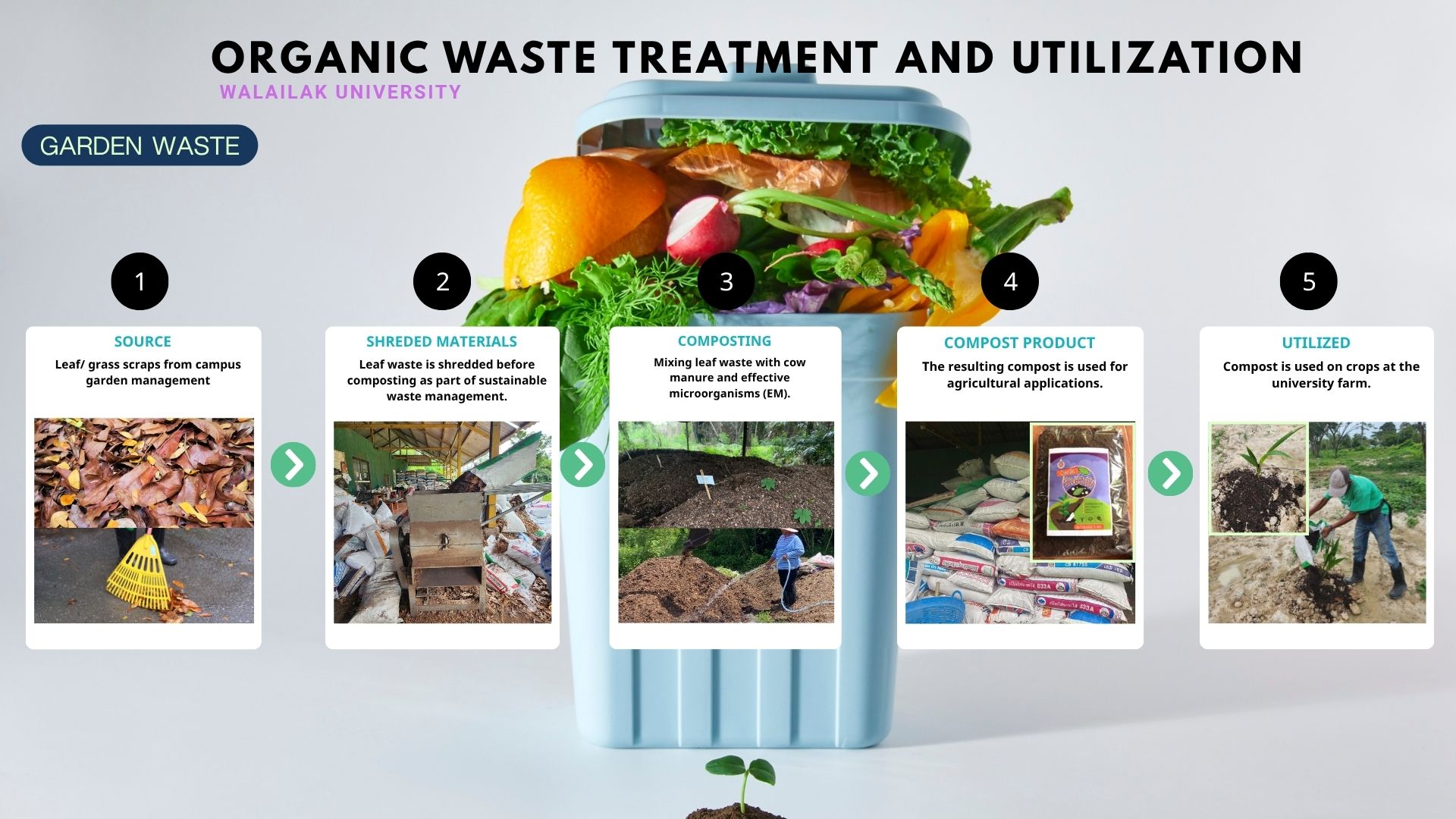
The university has established a unit or project to promote composting by converting collected organic waste into compost for use in university gardens and plots. The compost is produced by composting leaves, twigs, and grass clippings to nourish campus trees. This initiative aims to address the high cost of commercial fertilizers and add value to organic materials generated from pruning, mowing, and leaf cleaning. The composting process is based on research and the formulation of compost recipes to ensure quality. The resulting compost undergoes quality testing to meet compost standards before use.
- Develop an information system that fully utilizes an electronic document man agreement system 27 Programs like the DOMs system for intra– and inter–university correspondence.
This project aims to significantly reduce paper consumption within the organization by developing a comprehensive digital document management system. This system will handle all types of documents from creation, storage, sharing, and retrieval, eliminating the need for physical copies. This will result in reduced paper usage, lower printing and storage costs,
- Paperless Initiatives under “WU INNOVATION DAY 2025”
Promote innovations that can reduce paper usage in work processes
- Eco–friendly Food Packaging
The use of eco-friendly food packaging helps reduce the amount of plastic waste
- Reuse : There are a total of 4 Reuse programs.
- A plastic reduction campaign is encouraging staff and students to bring reusable bags and personal water bottles to reduce single–use plastic packaging.
This project encourages staff and students to use reusable bags and personal water bottles to reduce single-use plastic waste, a major contributor to plastic pollution. It aligns with the university’s green initiative, aiming to conserve the environment and promote sustainability by decreasing plastic waste on campus.
- Water dispensers have been installed to decrease the use of plastic water bottles.
This project aims to reduce the use of plastic water bottles by providing clean drinking water dispensers for staff, students, and visitors across the university. This initiative ensures convenient and safe access to clean drinking water, reducing reliance on single-use plastic bottles.
- The campaign promotes the use of both sides of paper to conserve resources.
This project aims to reduce paper consumption by encouraging staff and students to use both sides of paper. This initiative will significantly decrease the amount of paper used on campus.
- Utilize treated wastewater for car washing, garbage bin cleaning, and campus landscaping.
This project aims to reuse treated wastewater for various on-campus activities such as car washing, garbage bin cleaning, and watering plants. By recycling treated wastewater, we can reduce our consumption of water supply, lower water procurement costs, and conserve water resources.
- Recycle : There are a total of 2 Recycle programs.
- The Recycling Waste Bank Project.
The Walailak University Recycling Waste Bank Project aims to promote sustainable waste management within the university. The primary goals are to reduce the amount of waste sent to landfills and to encourage recycling through waste segregation. By collaborating with recycling companies, the project generates revenue for the university. This initiative aligns with the concept of a Green University and is part of the implementation of the UI GreenMetric principles.
- Converting waste into fuel reduces the gas costs of incineration.
This project aims to maximize the utilization of waste by converting non-recyclable materials into alternative fuels. Instead of direct incineration which requires additional fuel, this process reduces the consumption of gaseous fuels.
- 3R (Reduce,Reuse,Recycle) : There are a total of 3 programs.
- Programs and activities supporting the Single–Use Plastic policy at Walailak University
Students and staff actively participate by bringing their own reusable bags and water bottles to campus.
- WU Graduates 2024 “ Green Gifts for a Better Future”
Plastic waste reduction achieved from graduation activities
- A plastic reduction campaign is encouraging staff and students to bring reusable bags and personal water bottles to reduce single–use plastic packaging.
This project encourages staff and students to use reusable bags and personal water bottles to reduce single-use plastic waste, a major contributor to plastic pollution. It aligns with the university’s green initiative, aiming to conserve the environment and promote sustainability by decreasing plastic waste on campus.
Figure 2 Currently, Walailak University has 41 active 3R programs, fully implemented to encourage staff and students to participate.
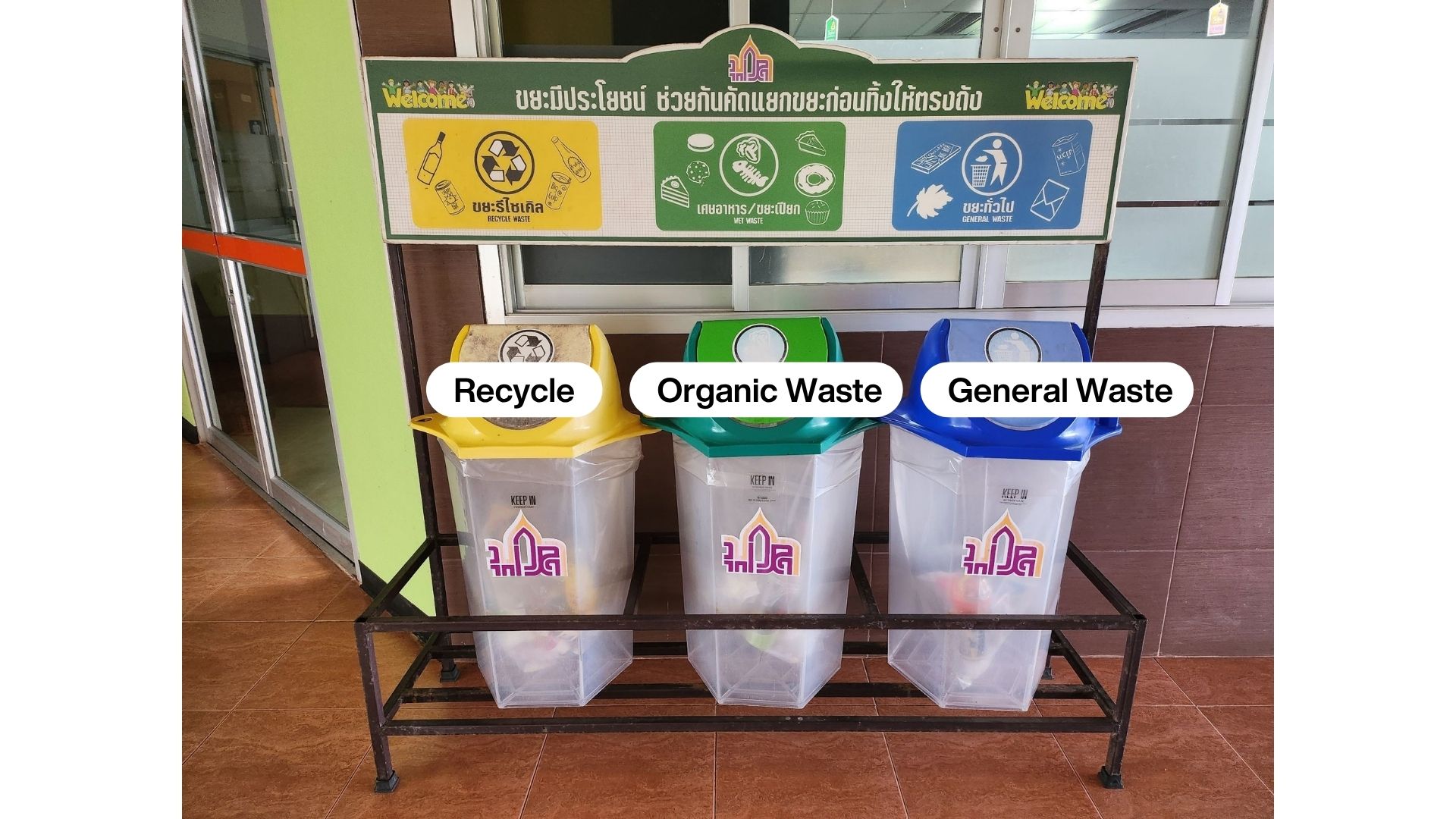
Figure 3 Waste is separated from the source, with a trash can provided for each type of waste.
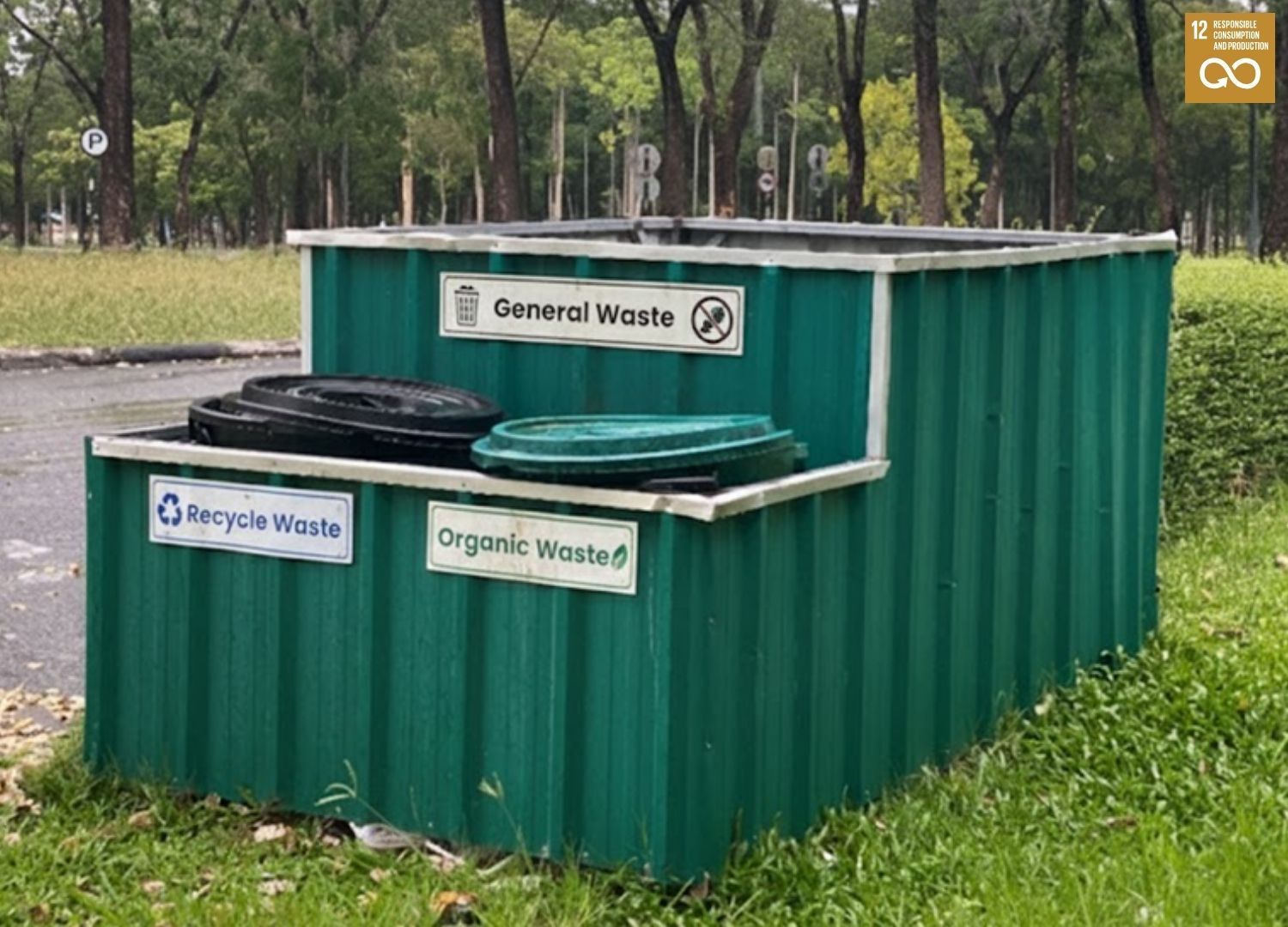
Figure 4 A central waste bin is provided for the collection of waste prior to scheduled pick-up by garbage trucks.
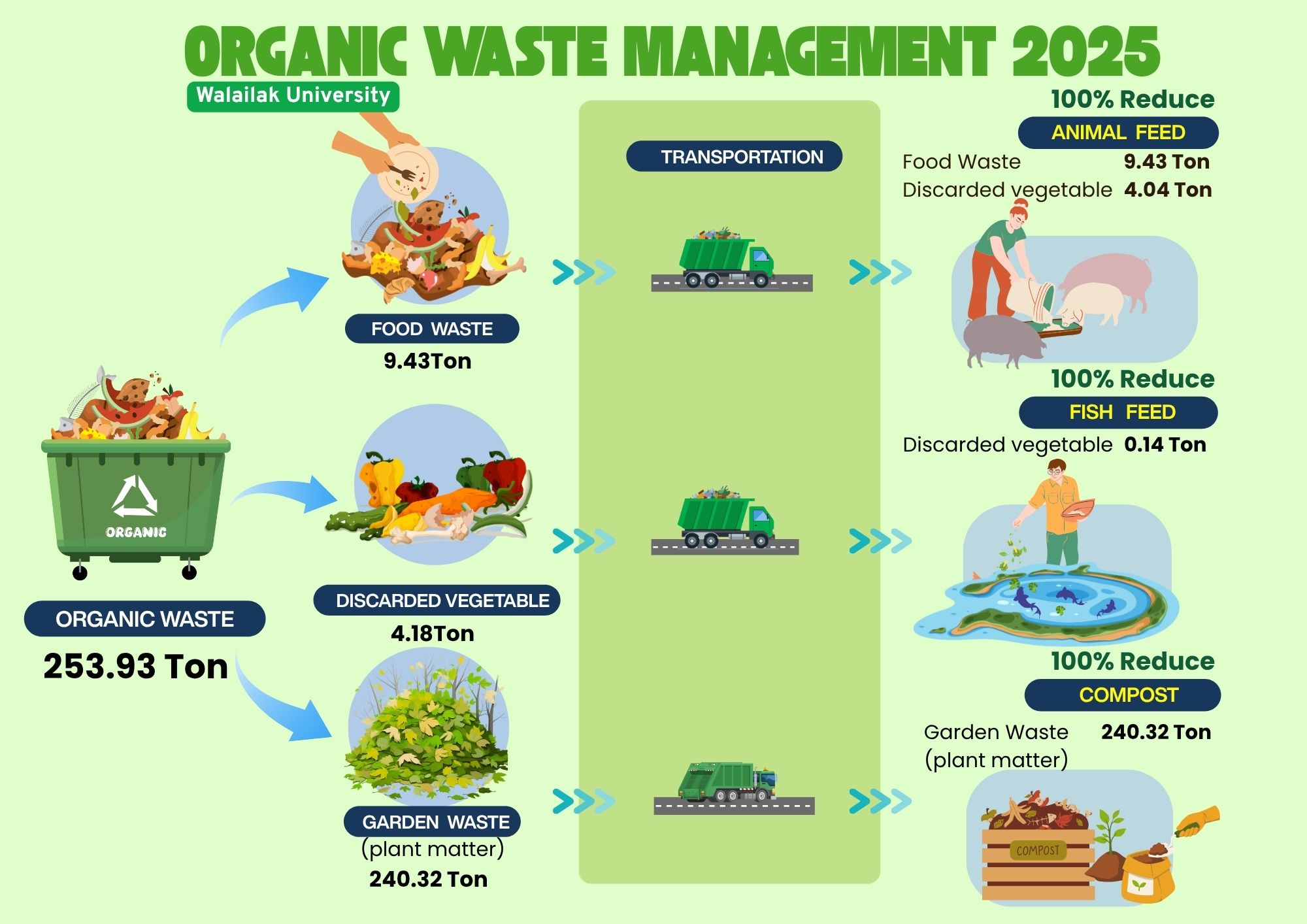
Figure 5 The university has established a comprehensive organic waste management process.
Food Waste Utilization: Used as animal feed on the university farm
Discarded vegetable Utilization: Used as fish feed on the KIA-D Demonstrative Farm
Garden Waste (plant matter) Utilization: Used as compost for crops on the university farm
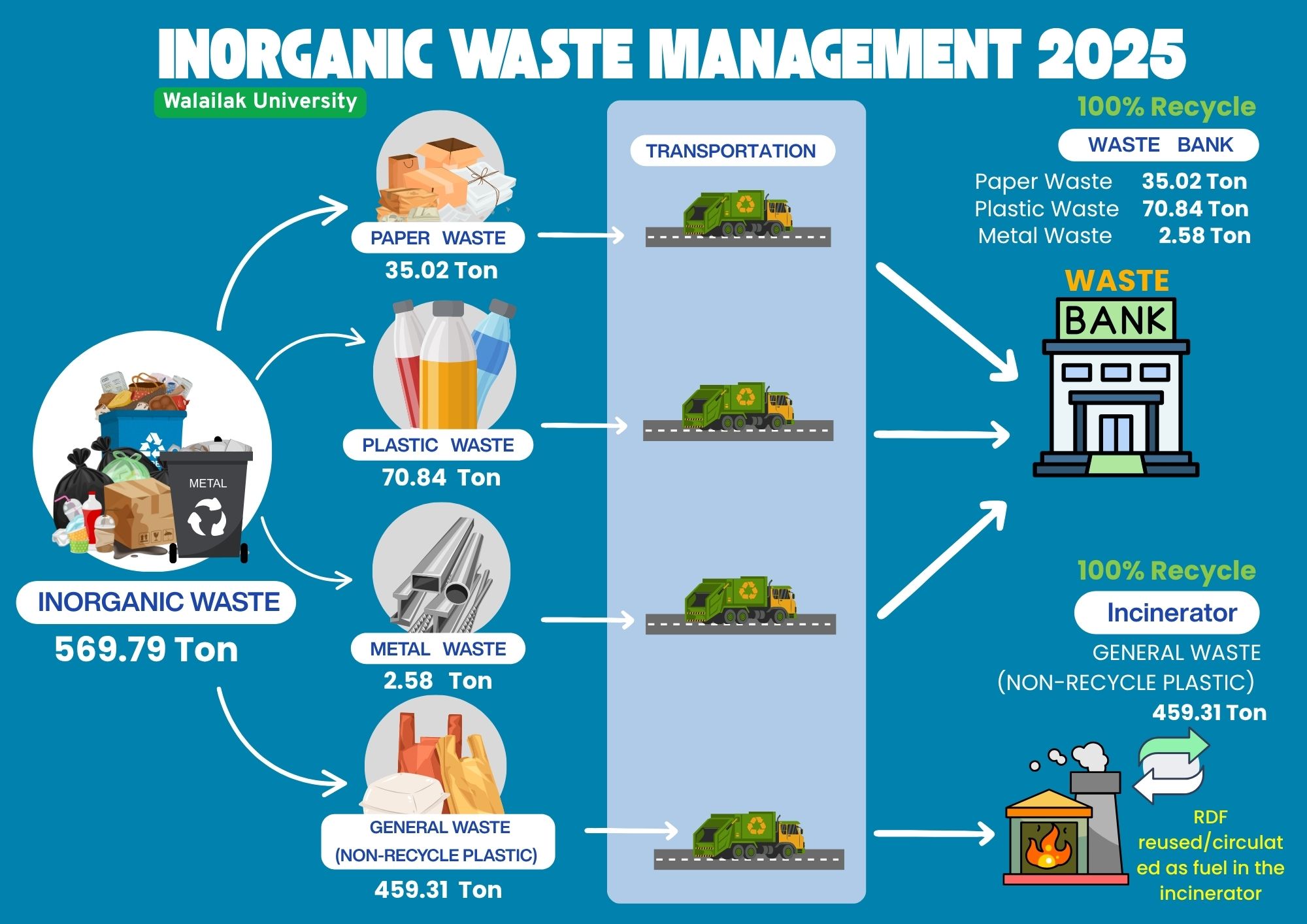
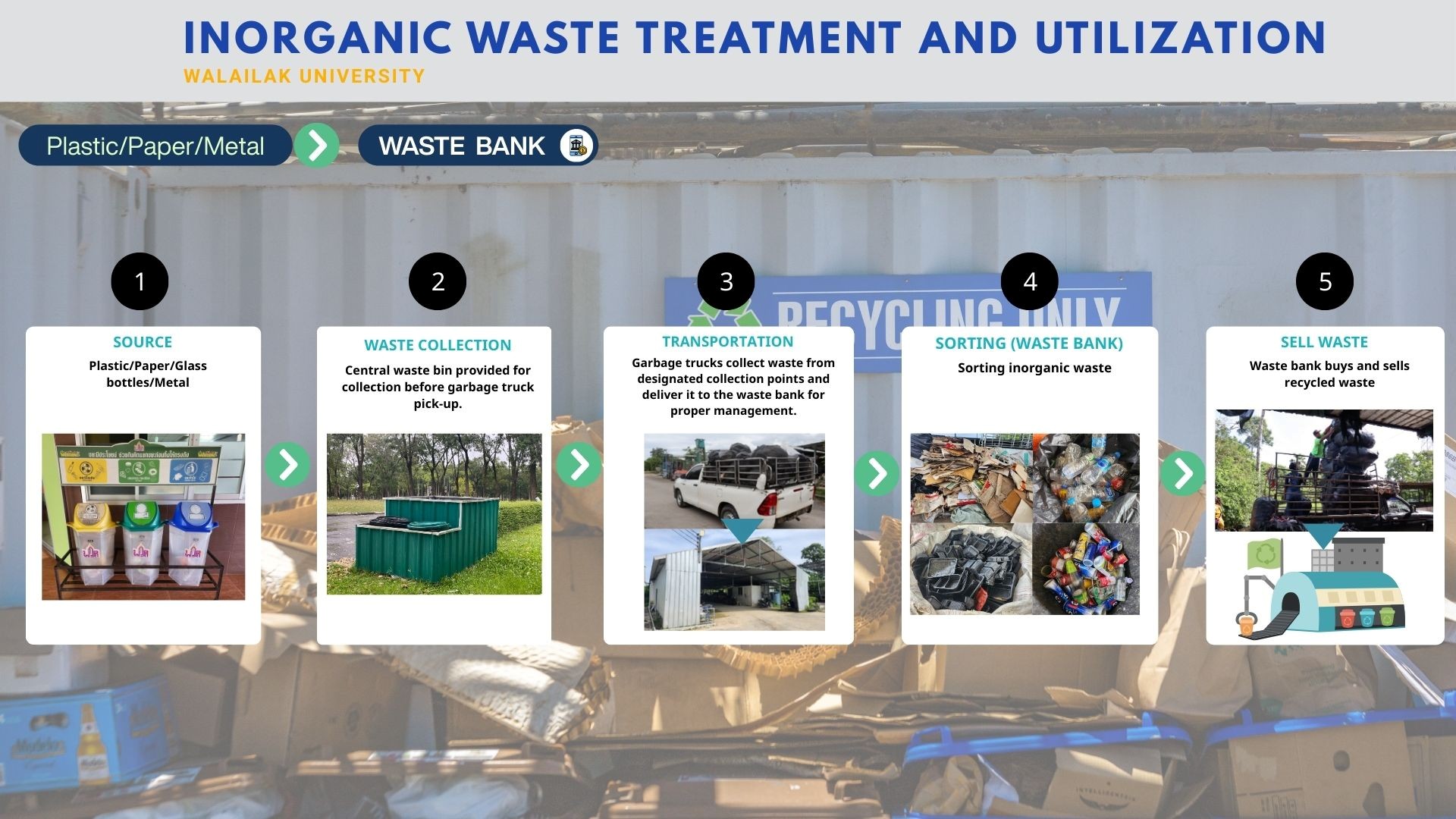
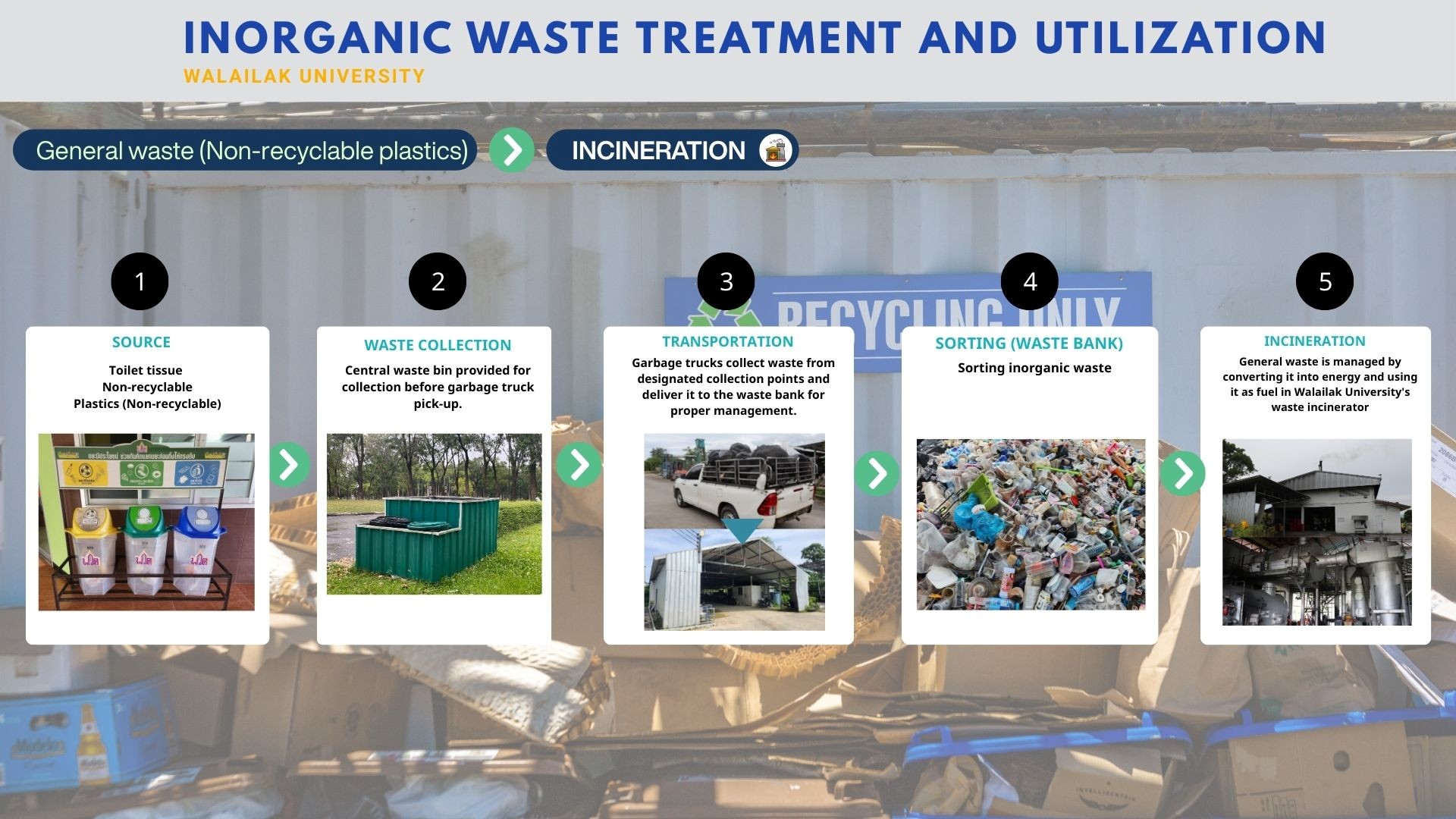
Figure 6 The university has established a comprehensive inorganic waste management process.
Recyclable inorganic waste is directed to the waste bank at the university for proper management.
General waste is converted into energy and used as fuel in Walailak University’s incinerator.
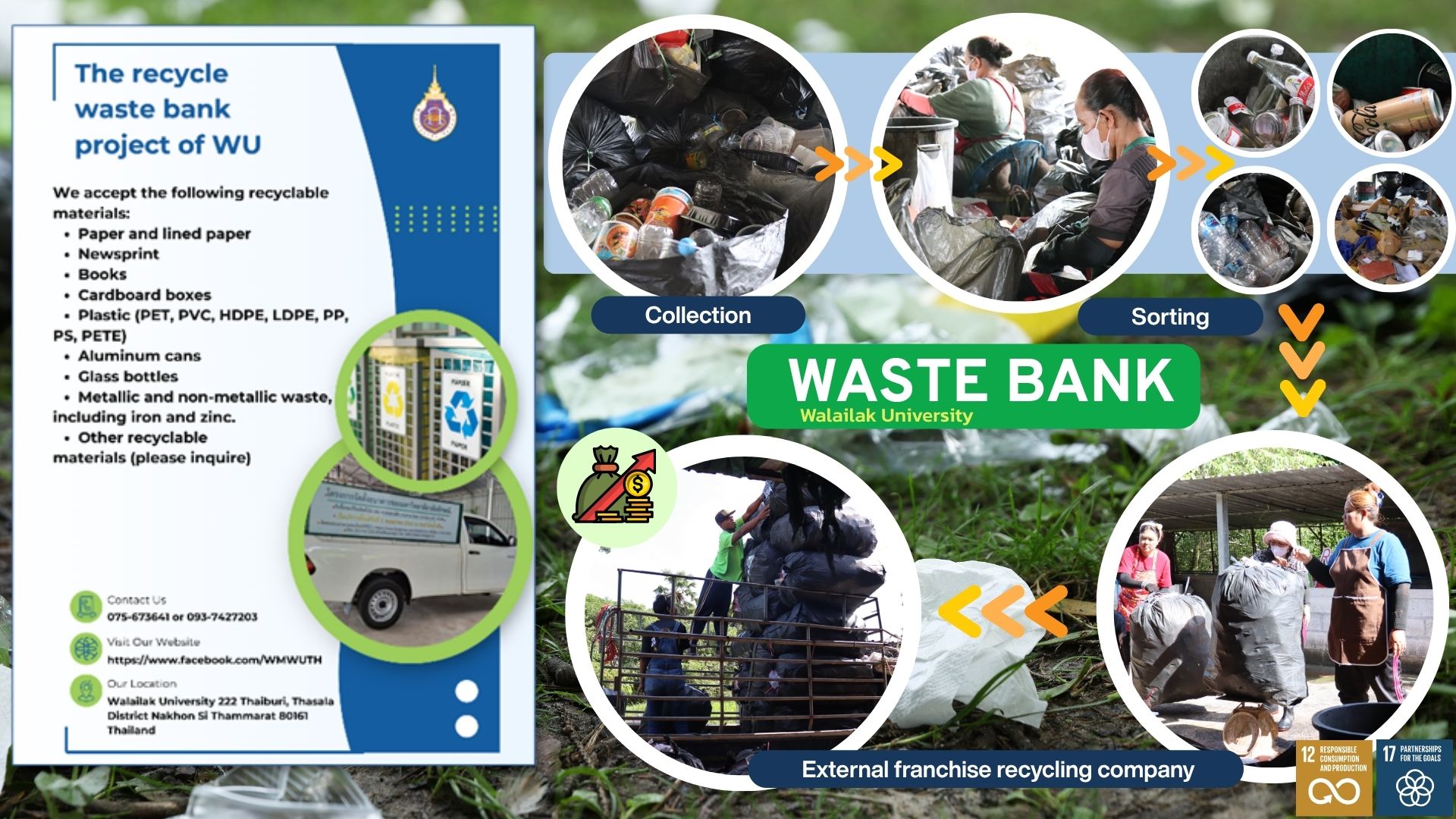
Figure 7 The university has a waste bank for managing recyclable waste.
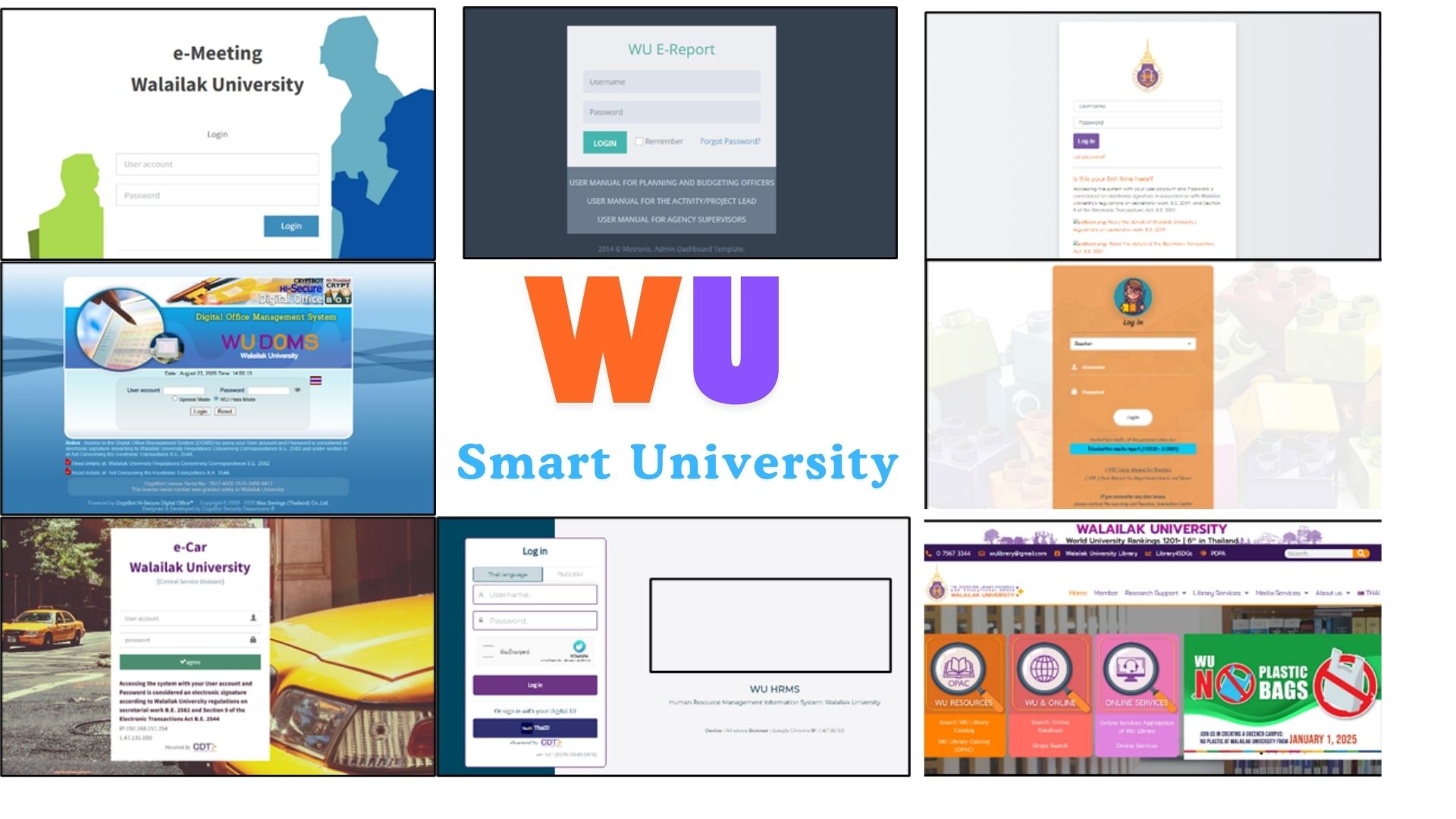
Figure 8 Paperless project at Walailak University for staff and student using digital platforms to reduce paper 27 project
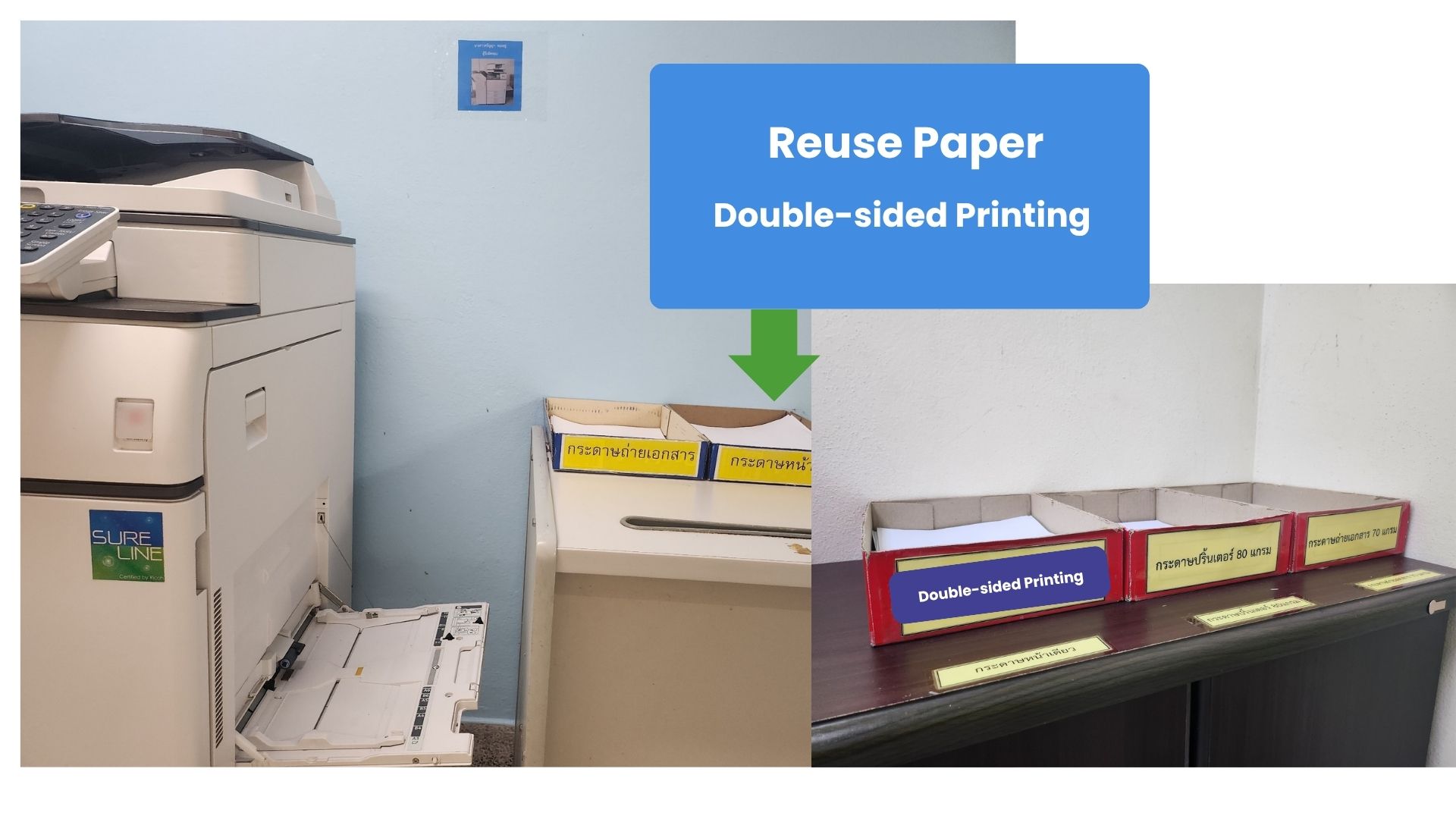
Figure 9 The campaign promotes the using of both sides of paper to conserve resources.
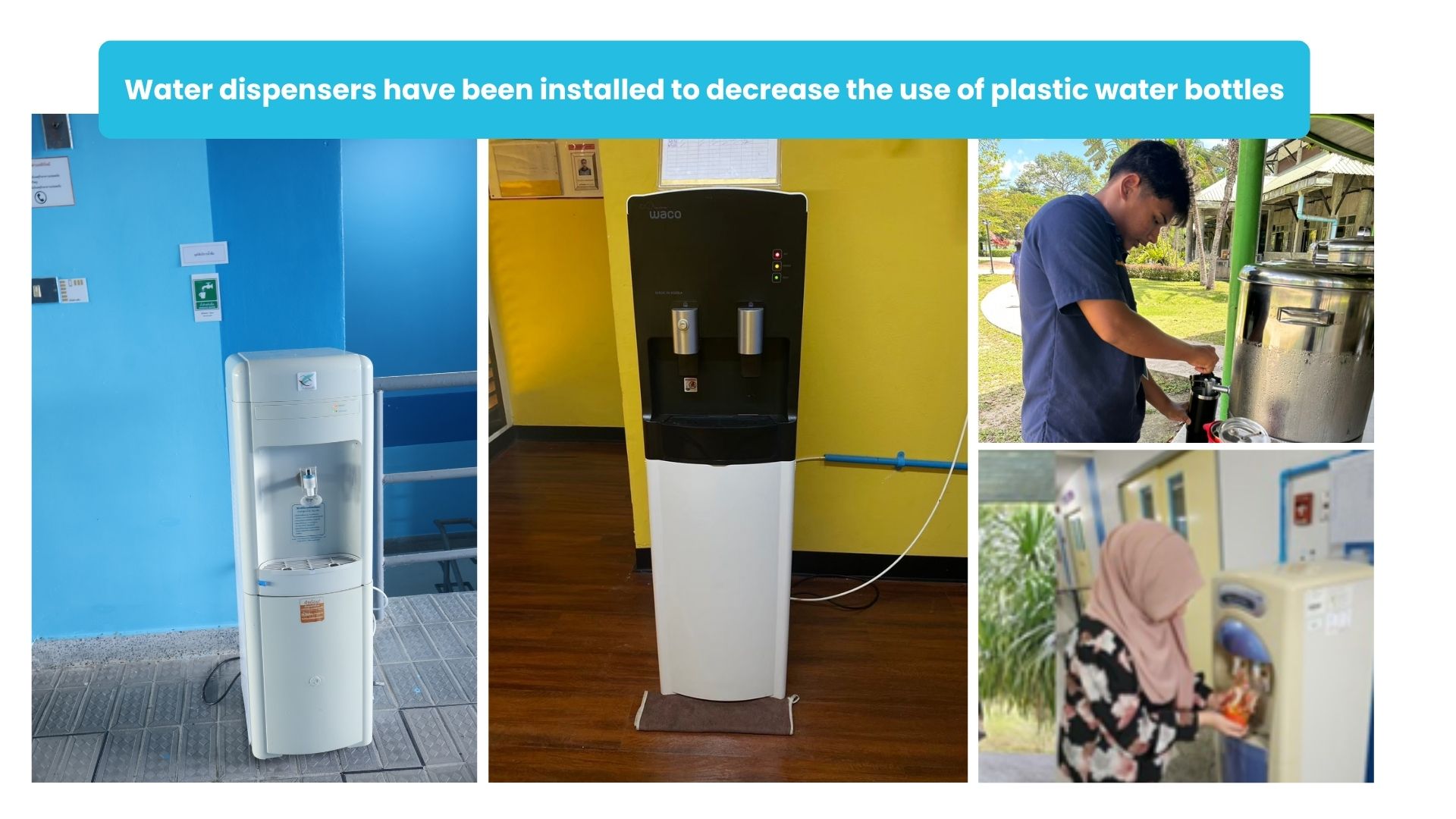
Figure 10 Water dispensers have been installed to decrease the use of plastic water bottles
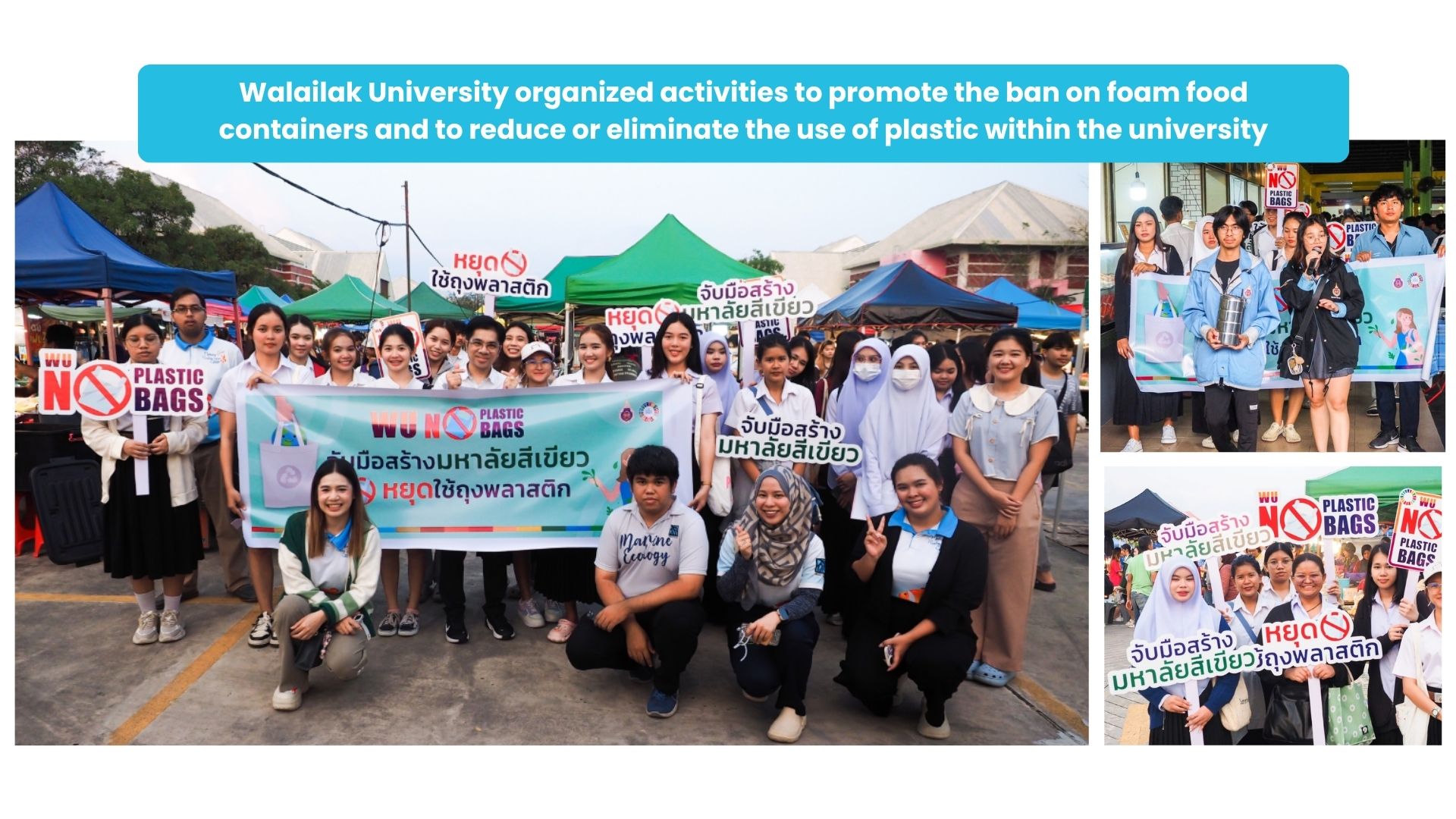
Figure 11 Staff and students campaigned to ban foam food containers and reduce plastic use at Chor Pradu Cafeteria and Chan Pradu Market
Conclusion
Walailak University has fully implemented its 3R programs, achieving a 100% implementation rate, which exceeds the 75% benchmark.