Program to Reduce the Use of Paper and Plastic on Campus
Program to Reduce the Use of Paper and Plastic on Campus
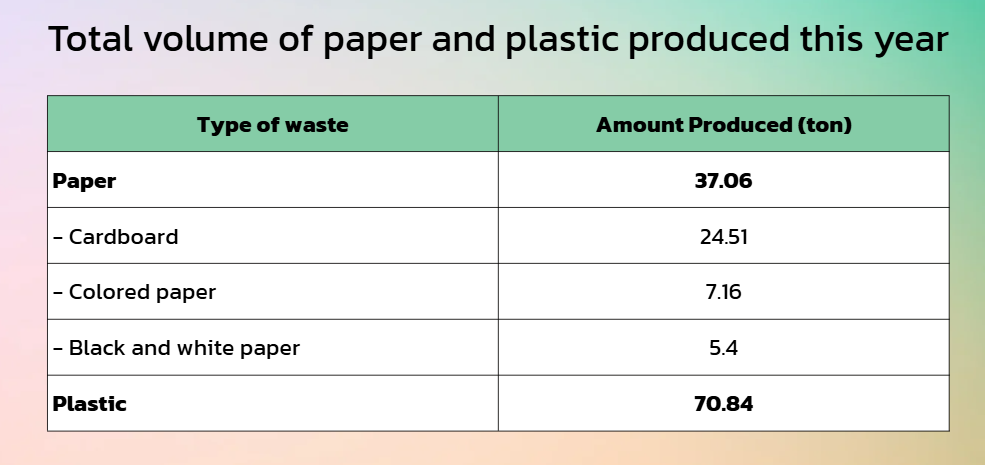
Figure 1 Total volume of paper and plastic produced this year
The total amount of paper and plastic at Walailak University is 107.9 tons, divided as follows:
1.The paper has a total quantity of 37.06 tons, categorized as follows:
- Cardboard: 24.51 tons
- Colored paper: 7.16 tons
- Black and white paper: 5.40 tons
2.The plastic has a total quantity of 70.84 tons
Walailak University has continuously collected and monitored data on the volume of waste generated from on-campus activities and operations. This information serves as a fundamental basis for planning resource management and minimizing environmental impacts. According to the monitoring results, the total paper waste generated amounted to 37.06 tons, comprising 24.51 tons of cardboard , 7.16 tons of colored paper and 5.40 tons of black and white paper, while the total plastic waste generated throughout the year amounted to 70.84 tons.
Paper waste primarily originates from office operations, academic units, document printing, and instructional materials. In contrast, plastic waste is mainly derived from food and beverage packaging, plastic bottles, plastic bags, and other wrapping materials resulting from consumption and daily activities within the university.
Walailak University remains strongly committed to reducing both paper and plastic waste in the coming years through the 3Rs approach (Reduce, Reuse, Recycle). This effort is reinforced by fostering active participation from students, staff, and all university units, thereby establishing an efficient and environmentally friendly waste management system that aligns with the university’s sustainability goals.
These initiatives not only help mitigate environmental impacts but also play a crucial role in supporting the achievement of the Sustainable Development Goals (SDGs). Through such efforts, Walailak University demonstrates its strong commitment to fostering an environmentally friendly and sustainable campus environment, while positioning itself as a model for other higher education institutions both nationally and internationally.
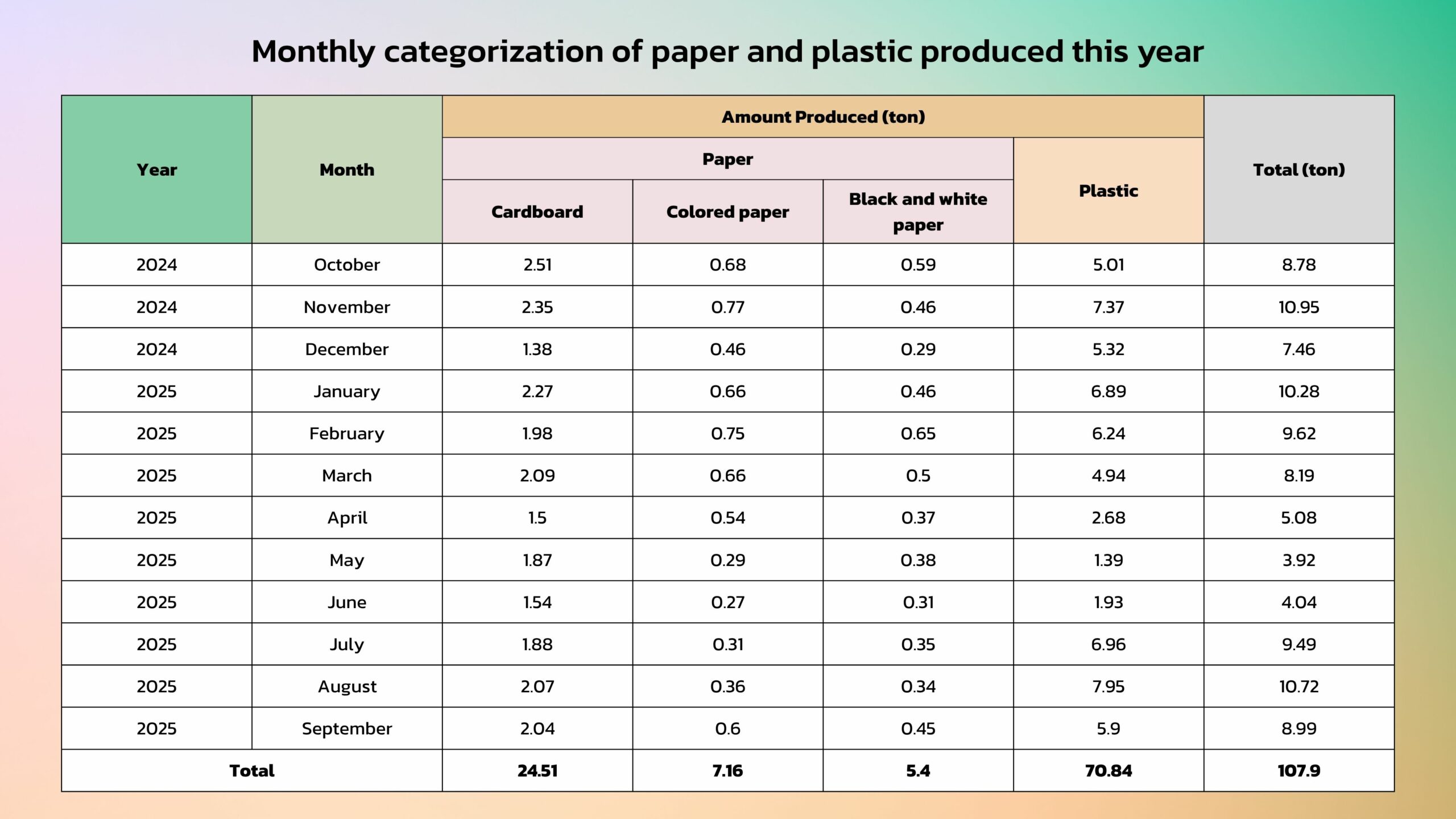
Figure 2 Monthly categorization of paper and plastic produced this year.
Policies and Programs to Reduce the Use of Paper and Plastic at Walailak University
Walailak University has established formal policies and implemented a variety of concrete programs to reduce the use of paper and plastic within the campus. These policies are aligned with the university’s sustainability framework, the UI GreenMetric criteria, and the United Nations Sustainable Development Goals (SDGs). The university has issued official announcements and circular letters to promote digital transformation, eco–friendly practices, and the minimization of single–use plastics.
The university has introduced more than 32 structured programs that are actively implemented across departments and student activities, includings at Walailak University :
1. Paper Reduction Program within the University
Walailak University has implemented the Paperless Project with the objective of reducing paper usage in administrative operations, teaching and learning, and other academic and administrative activities. The project aims to minimize environmental impacts, promote efficient use of resources, and encourage the integration of digital technology across all dimensions of the university. The initiative is divided into programs specifically designed for both staff and students.
- Paperless Projects for Staff
Walailak University places strong emphasis on reducing paper consumption in administrative and academic operations by developing digital platforms that streamline work processes across all departments. Guided by the principle of “Smart Office – Green University,” the university has introduced comprehensive paperless initiatives that not only conserve resources but also enhance efficiency, transparency, and accountability. These initiatives are fully aligned with the university’s Paperless Policy and the UI GreenMetric sustainability framework.
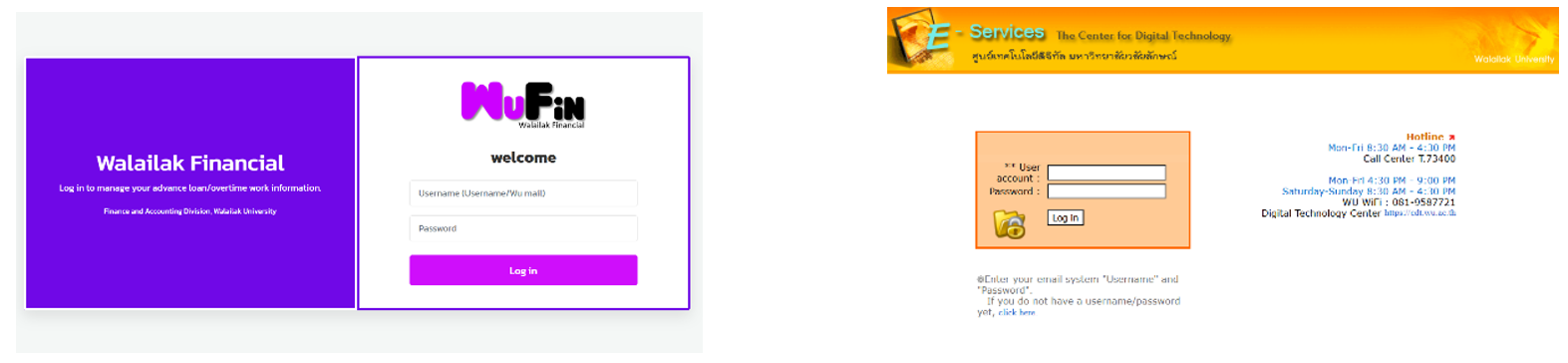
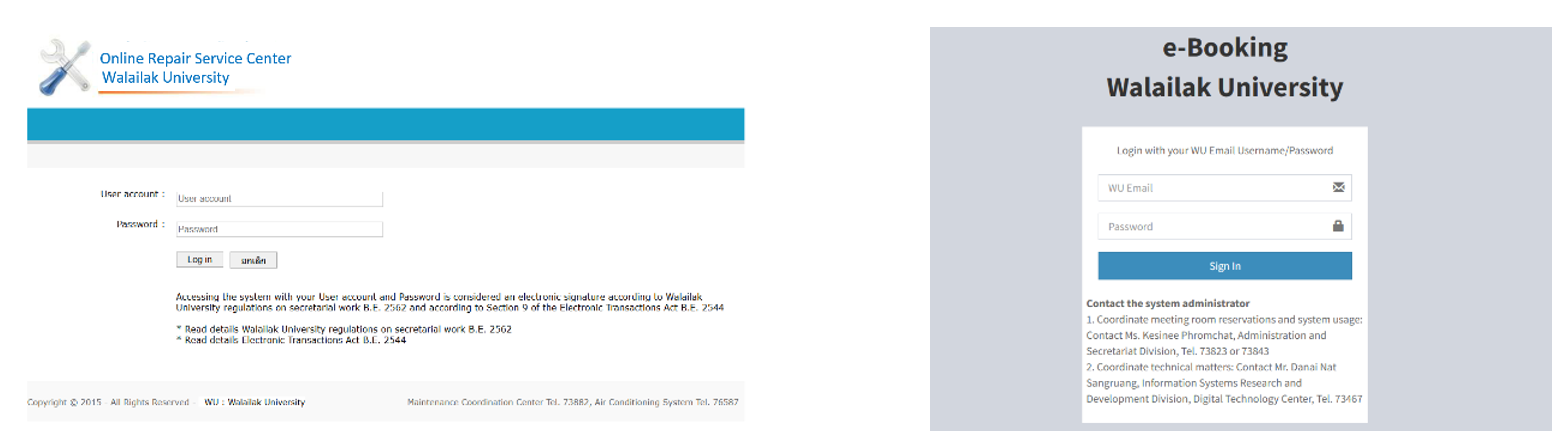
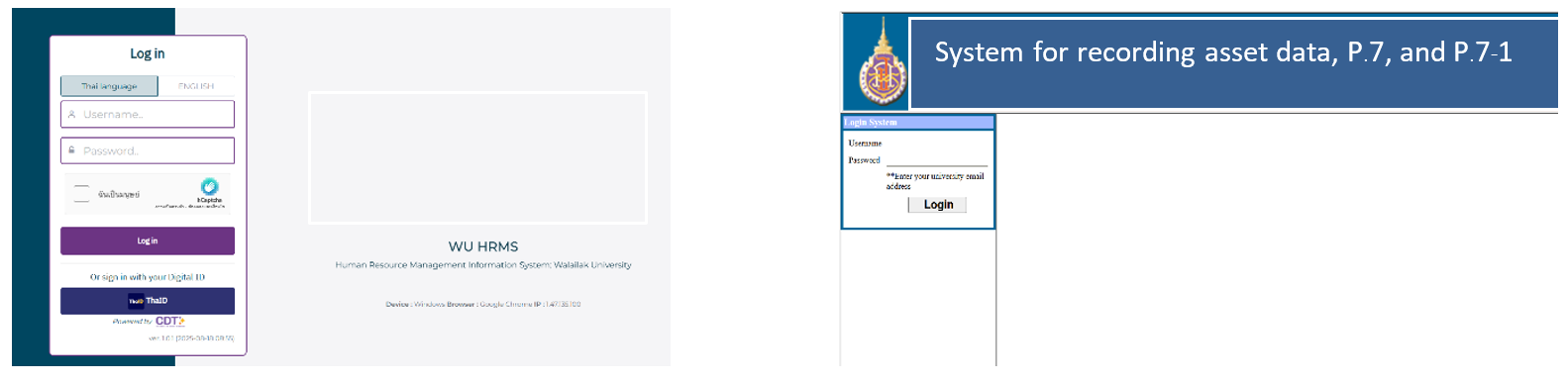
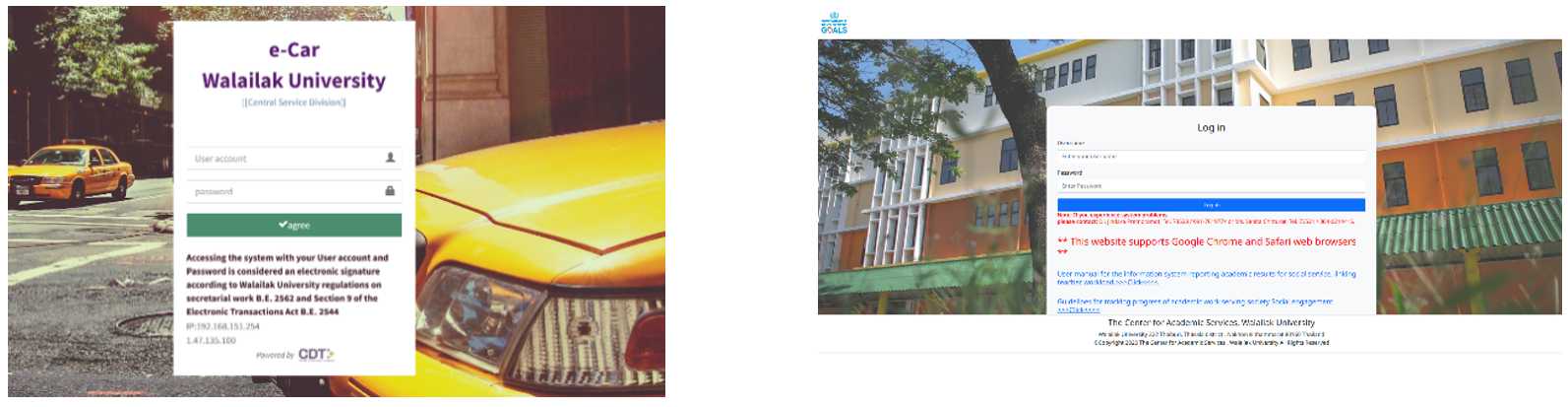
At present, the university has implemented more than 20 Paperless Projects including,
- WU DOMS Digital Office
- WU E–Meeting
- WU FINANCIAL
- E–Service The Center for Digital Technology
- WU E–Service buildings and utilities
- WU E–Booking
- WU–HRMS
- System for recording asset data, P.7, and P.7–1
- WU E–Car
- Academic Service Information System
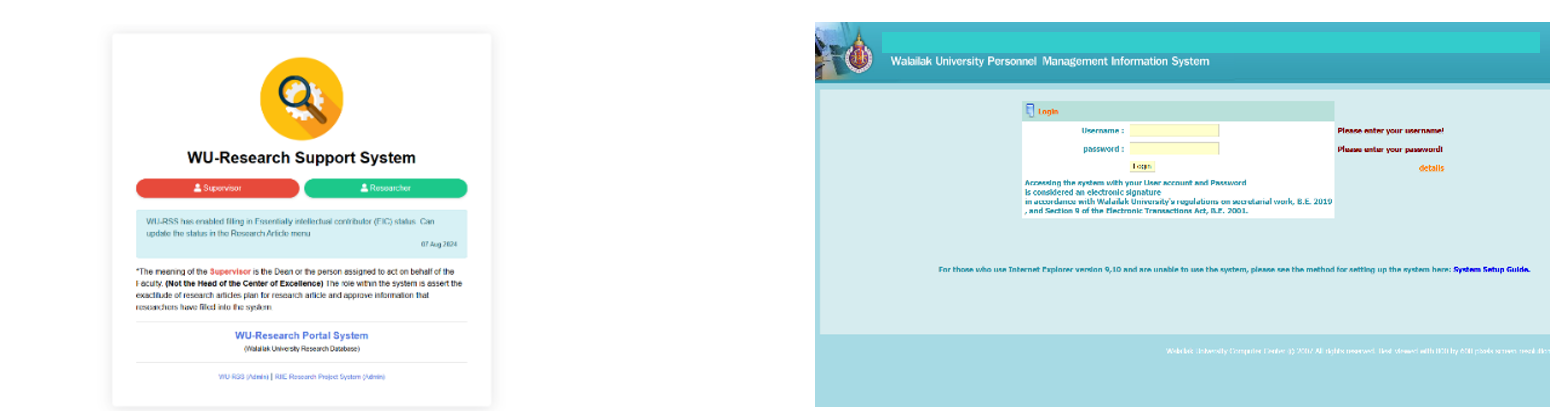
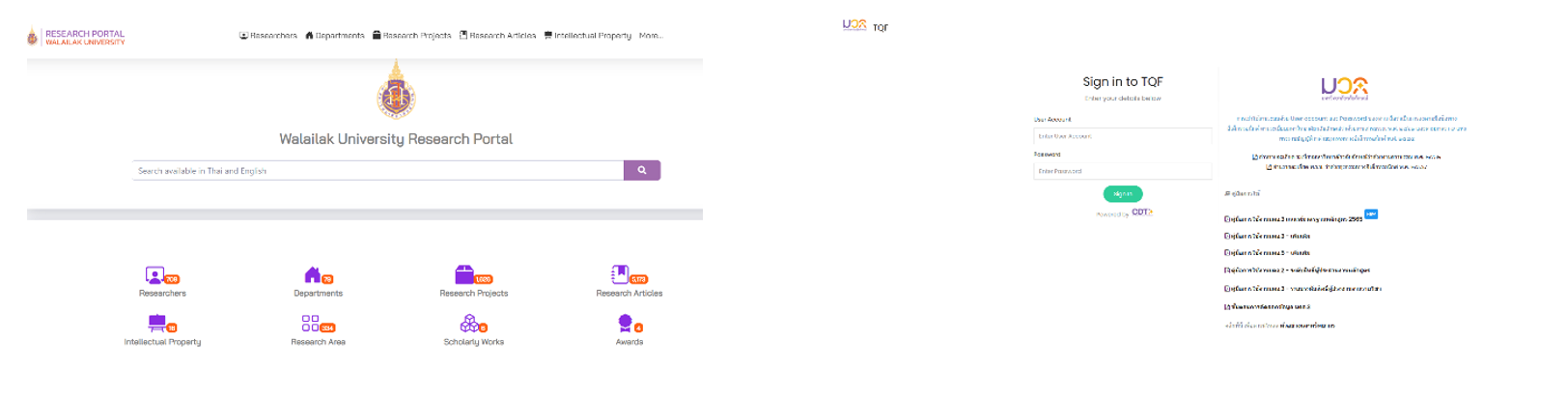
- U–Research Support System
- Walailak University Personel Management Information System
- WU E– Report
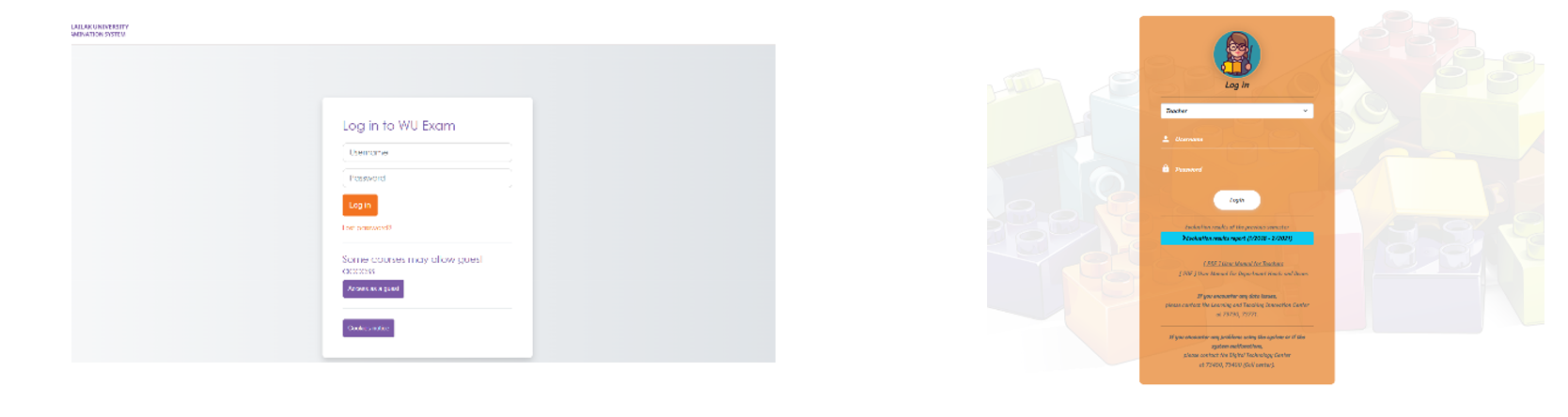
- Document and exam production service system
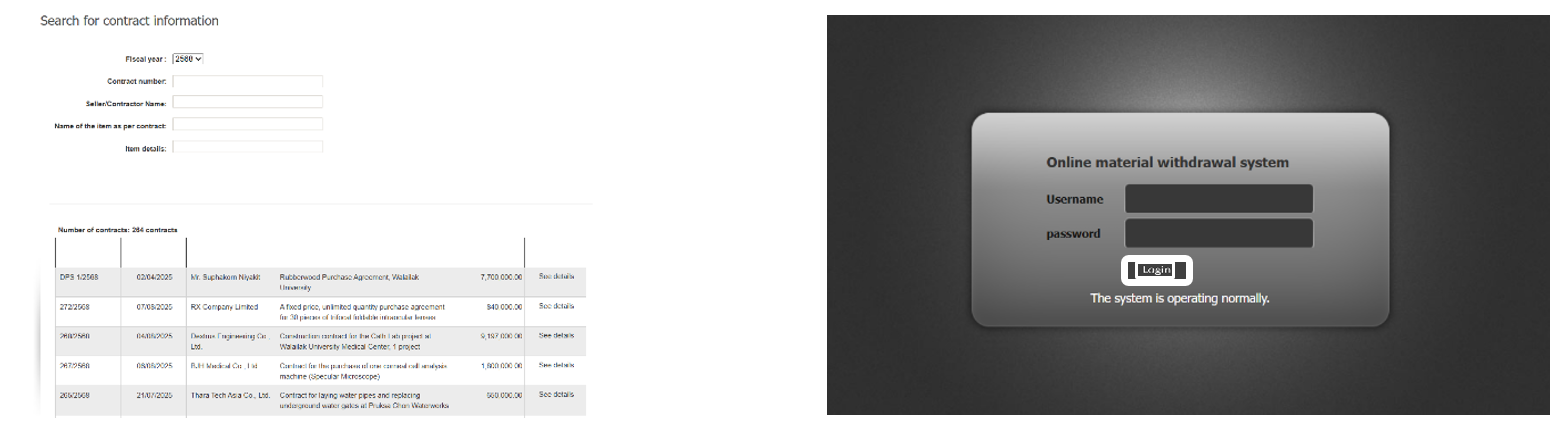
- E–Contract
- Online material requisition system
- BOTAHOME management system
- Course management system
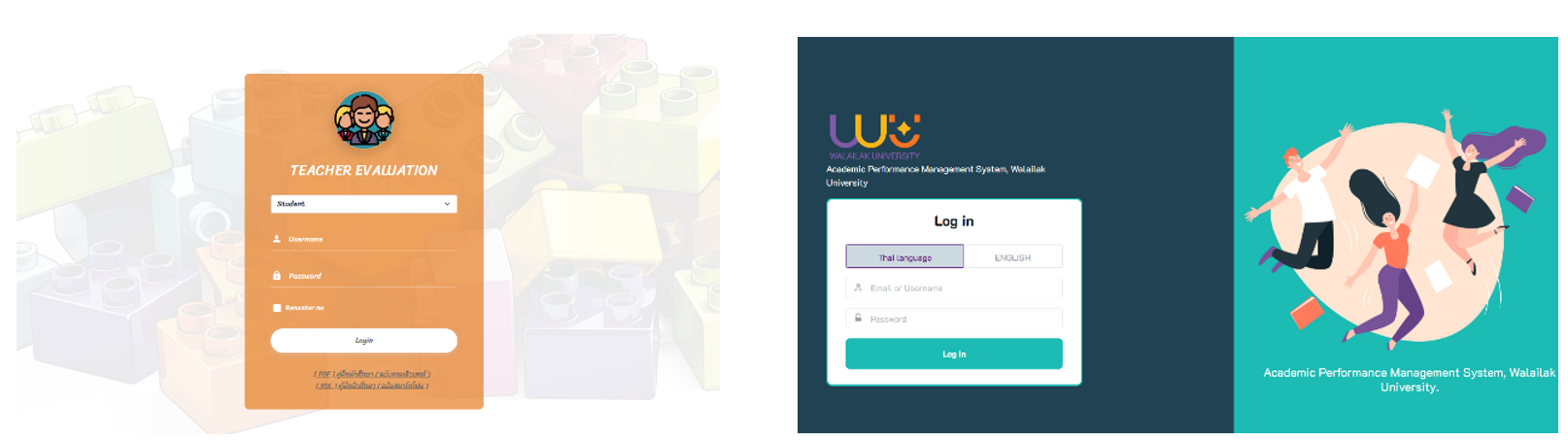
- Teaching Evaluation System
- Walailak University Academic Works Information System (AWIS)
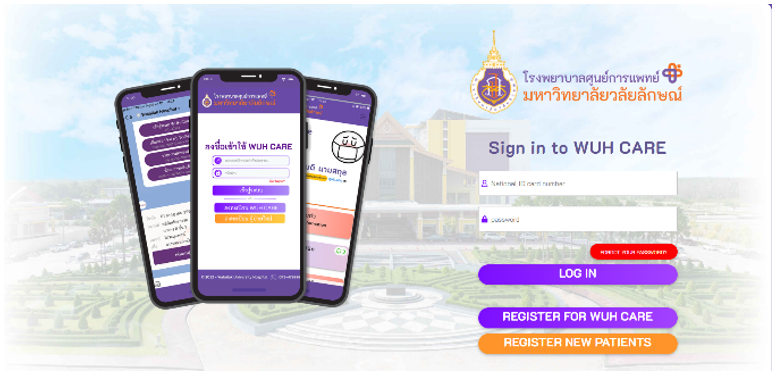
- WUH Care Application for Registration and Appointment Booking at Walailak University Hospital
For Staff
Paperless project at Walailak University for staff using digital platforms to reduce paper, comprising 21 programs.
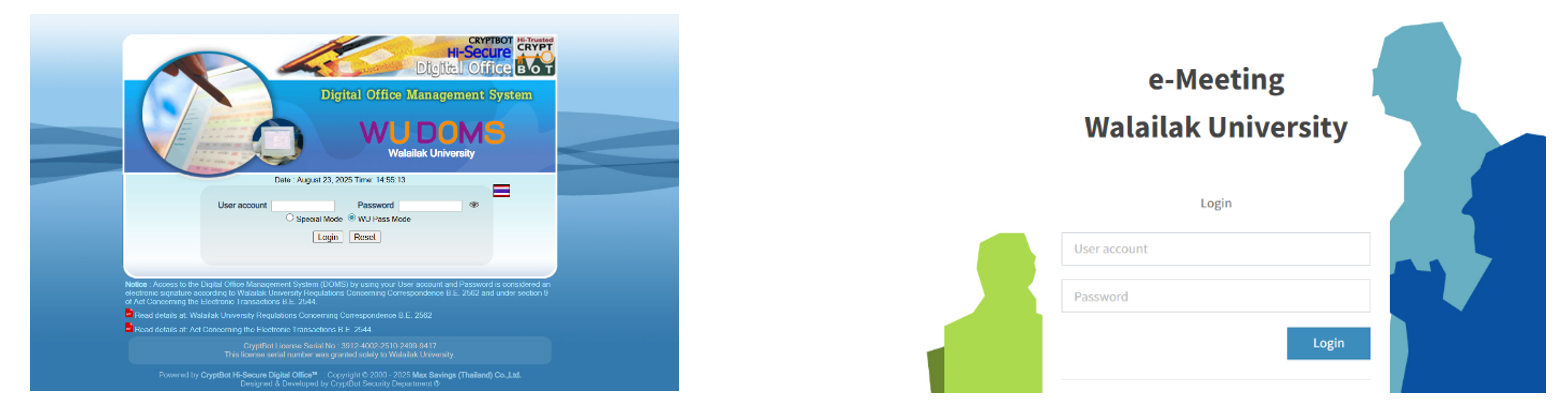
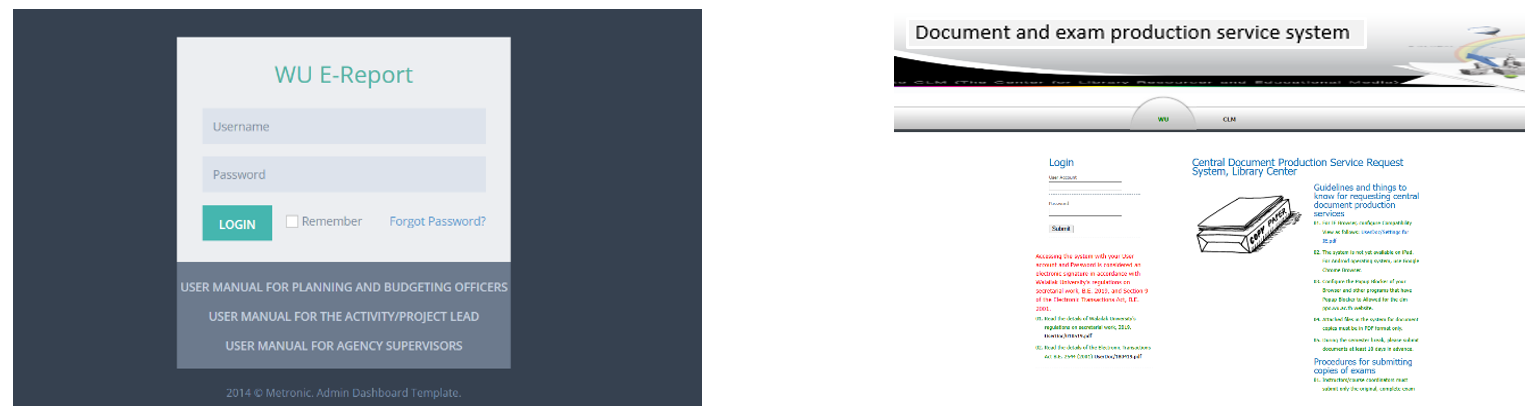
Document and exam production service system
For Student
Paperless project at Walailak University for student using digital platforms to reduce paper, comprising 6 programs.
- Paperless Projects for Students
Walailak University has actively promoted the Paperless Policy not only for staff operations but also for student learning and engagement. By integrating digital platforms into academic services and learning activities, the university aims to reduce paper usage, optimize resource efficiency, and create a more sustainable learning environment. These initiatives also enhance accessibility, convenience, and interactivity for students, while aligning with the university’s vision of becoming a Smart & Green University.
Currently, the university has developed five major Paperless Projects for students, including
- WU eLearning
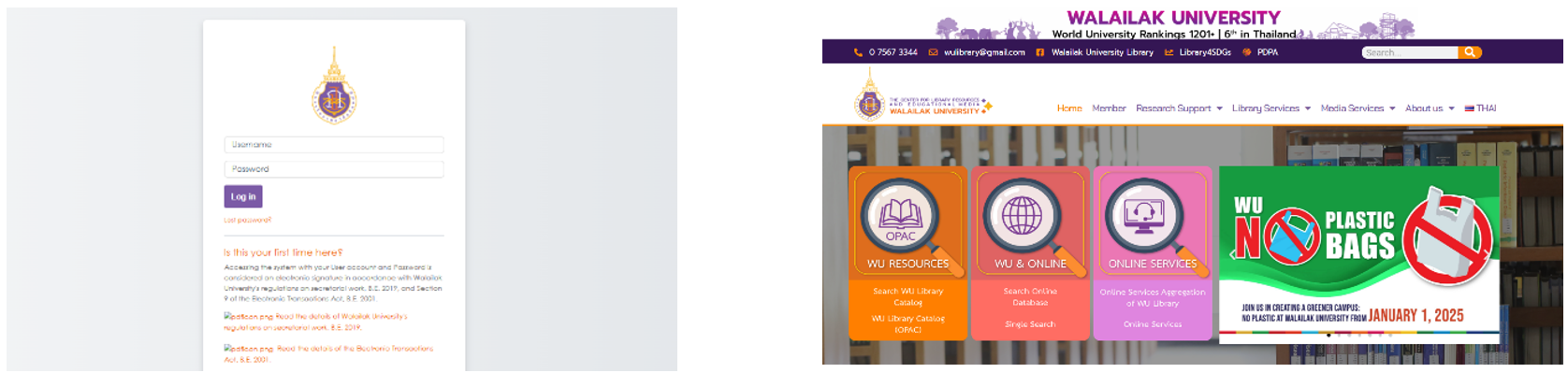
- Library and Educational Media Production
- Student Email Registration
- Teaching Feedback System
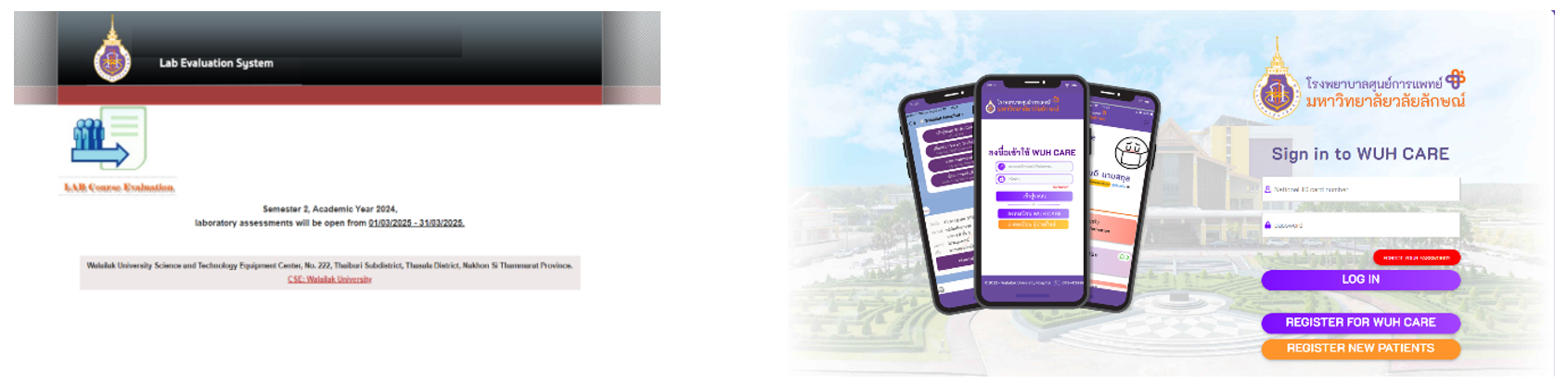
- Laboratory Course Evaluation System – Science and Technology Instrumentation Center
- WUH Care Application for Registration and Appointment Booking at Walailak University Hospital
- WU INNOVATION DAY 2025
Walailak University organized “WU INNOVATION DAY 2025” as a platform to showcase innovative ideas and initiatives developed by internal departments. The objective of this event is to enhance work efficiency and foster the development of the university into a high-performance organization. It also provides an opportunity for staff members to present their innovations under the LEAN concept, which emphasizes reducing processes, saving time, and optimizing costs through creative problem-solving.
Many of the innovations presented during the event not only improved the efficiency and effectiveness of departmental operations but also significantly contributed to paperless usage. This was achieved through the development of digital systems, online platforms, and electronic data management, which replaced traditional paper-based processes. The outcomes of these innovations therefore extend beyond operational improvements to also support environmental sustainability and align with the university’s vision of becoming a sustainable and high-performance institution
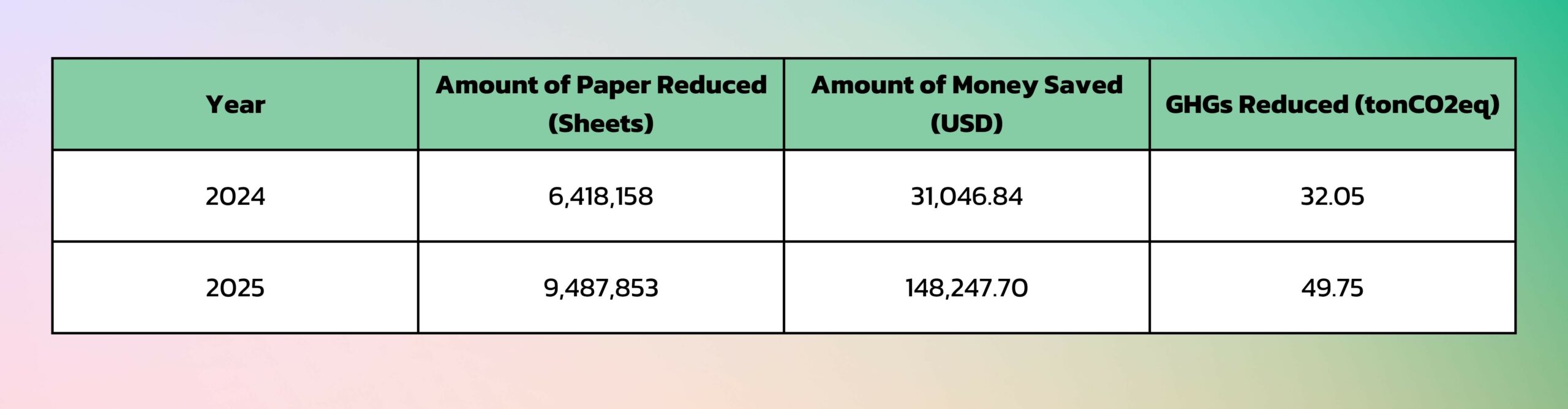
After we collaborated to implement the program to reduce the use of paper on campus, the outcomes of utilizing the WU Digital Office Management System (DOMS) and E–meeting at Walailak University in 2025 are shown in this table.
Note: Emission Factor (CFP) based on the Thai National LCI Database, TIIS–MTEC–NSTDA
- The Emission Factor (CFP) used for calculating GHGs is based on the Thai National LCI Database from TIIS–MTEC–NSTDA. This implies that the calculations were made using local emission data for accuracy.
- Amount of Paper Reduced: 9,487,853 sheets of paper were saved.
- Amount of Money Saved: This led to a cost savings of 148,247.70 USD.
- Greenhouse Gases (GHGs) Reduced: The reduction in paper usage resulted in the mitigation of 49.75 tons of CO₂ equivalent (tonCO₂eq) emissions
2. Plastic Reduction Program within the University
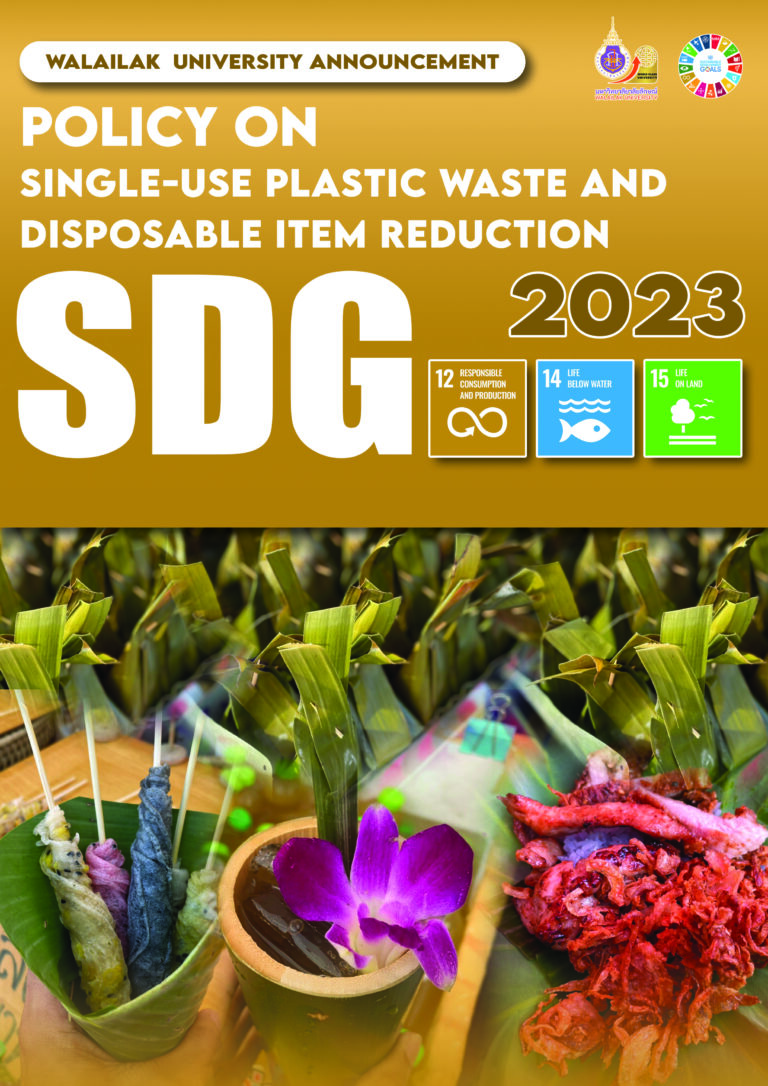
- Policy on Single–Use Plastic Waste and Disposable Item Reduction
Walailak University has actively implemented a Single–use Plastic Policy, supported by the “Say No Plastic” campaign, to raise environmental awareness and promote sustainable plastic use across the university community. A variety of programs and activities have been designed to support this initiative.
Currently, the university has implemented numerous key projects and activities supporting the Single–Use Plastic policy, including:
- Global recycling day activities
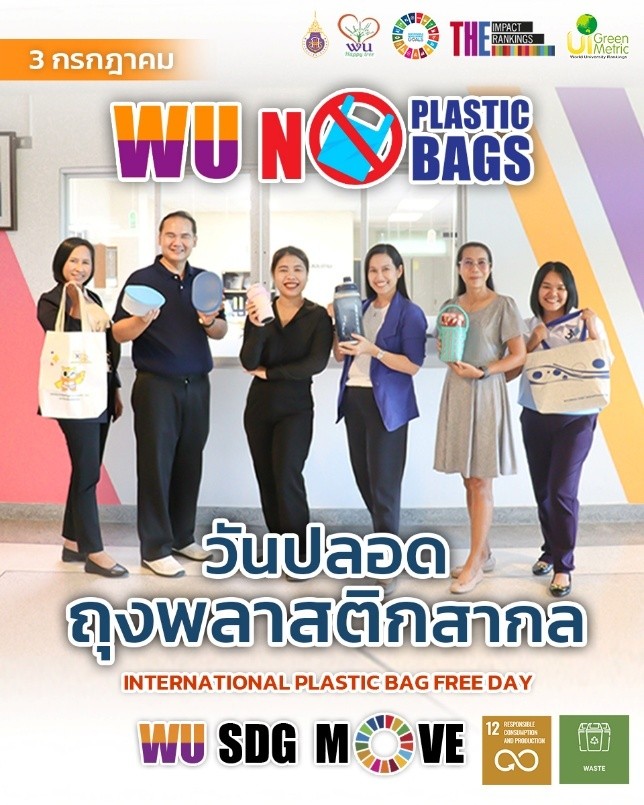
- International plastic bag free day activity
- WU No plastic bag(Walailak University, Thailand)
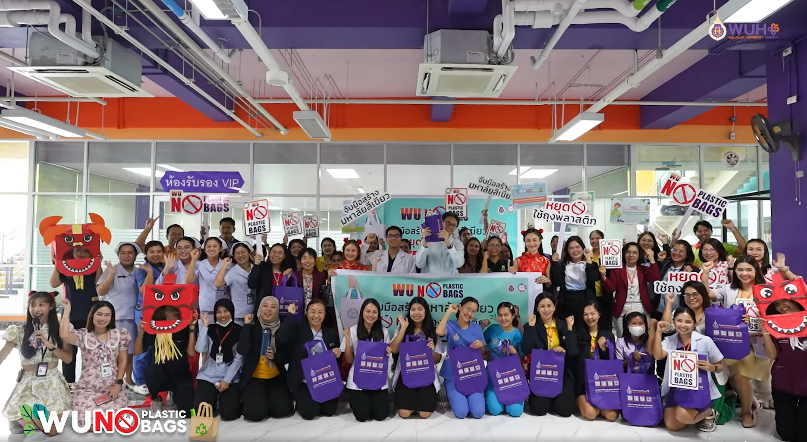
- Campaign Activities to “WU No plastic bag”
- Programs and activities supporting the Single–Use Plastic policy at Walailak University
- Reducing plastic use in meetings by using reusable packaging
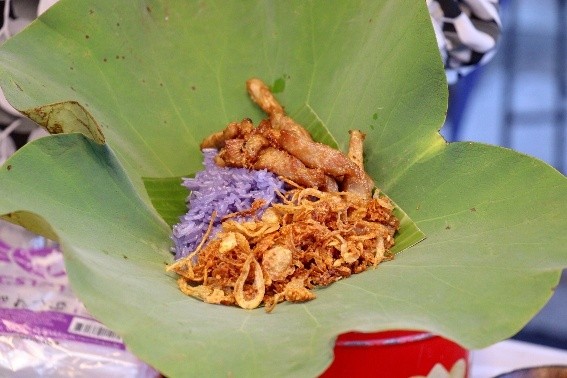
- Eco–friendly Food Packaging
- WU Graduates 2024 “ Green Gifts for a Better Future”
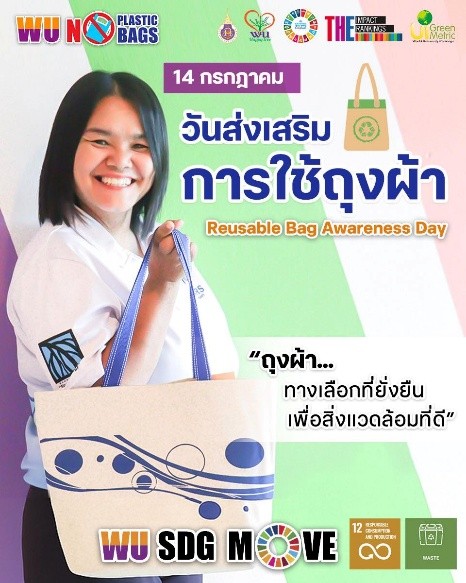
- Reusable Bag Awareness Day
- Reuse paper double–sided and printing necessary print
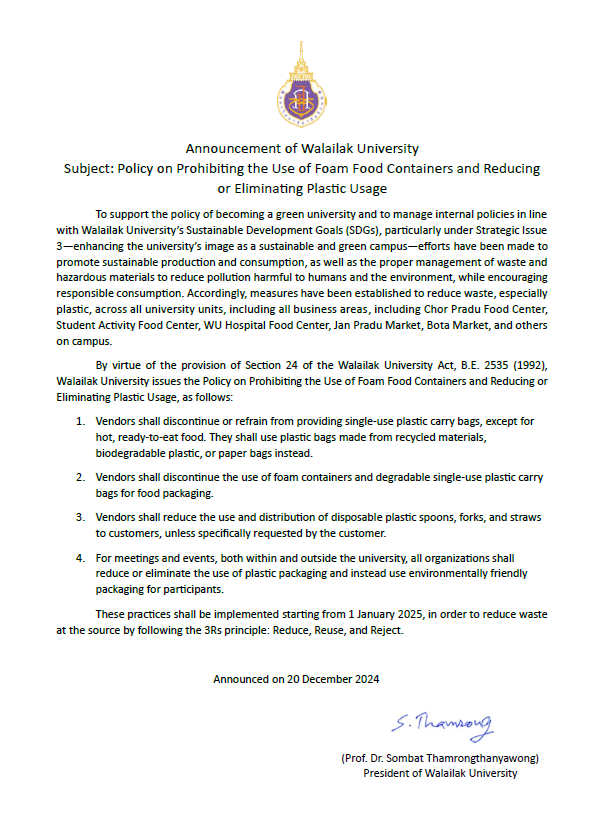
- Policy on Prohibiting the Use of Foam Food Containers and Reducing or Eliminating Plastic Usage
To support the policy of becoming a green university and to manage internal policies in line with Walailak University’s Sustainable Development Goals (SDGs), particularly under Strategic Issue enhancing the university’s image as a sustainable and green campus—efforts have been made to promote sustainable production and consumption, as well as the proper management of waste and hazardous materials to reduce pollution harmful to humans and the environment, while encouraging responsible consumption. Accordingly, measures have been established to reduce waste, especially plastic, across all university units, including all business areas, including Chor Pradu Food Center, Student Activity Food Center, WU Hospital Food Center, Jan Pradu Market, Bota Market, and others on campus. as follows:
1.Vendors shall discontinue or refrain from providing single–use plastic carry bags, except for hot, ready–to–eat food. They shall use plastic bags made from recycled materials, biodegradable plastic, or paper bags instead.
2. Vendors shall discontinue the use of foam containers and degradable single–use plastic carry bags for food packaging.
3. Vendors shall reduce the use and distribution of disposable plastic spoons, forks, and straws to customers, unless specifically requested by the customer.
4. For meetings and events, both within and outside the university, all organizations shall reduce or eliminate the use of plastic packaging and instead use environmentally friendly packaging for participants.
Policy on Single-Use Plastic Waste and Disposable Item Reduction
Policy on Prohibiting the Use of Foam Food Containers and Reducing or Eliminating Plastic Usage
3. The recycle waste bank project
Walailak University has established the Recyclable Waste Bank Project in collaboration with the external recycling franchise, Wongpanit Company, to ensure that all recyclable waste is properly managed and reintegrated into sustainable utilization processes. Waste is systematically sorted into categories including steel, plastic, glass bottles, kraft paper, aluminum cans, used paper unsuitable for reuse, zinc, and other recyclable materials.
This initiative not only reduces the volume of waste requiring disposal but also generates economic value through the sale of recyclable materials to partner companies. The revenue generated is reinvested into the university’s environmental and sustainability activities.
The project exemplifies Walailak University’s commitment to environmental stewardship and aligns with the Sustainable Development Goals (SDGs) as well as the UI GreenMetric Waste Management assessment criteria, reflecting best practices in waste reduction, resource efficiency, and sustainable campus management.
Programs and activities supporting the Single-Use Plastic policy at Walailak University
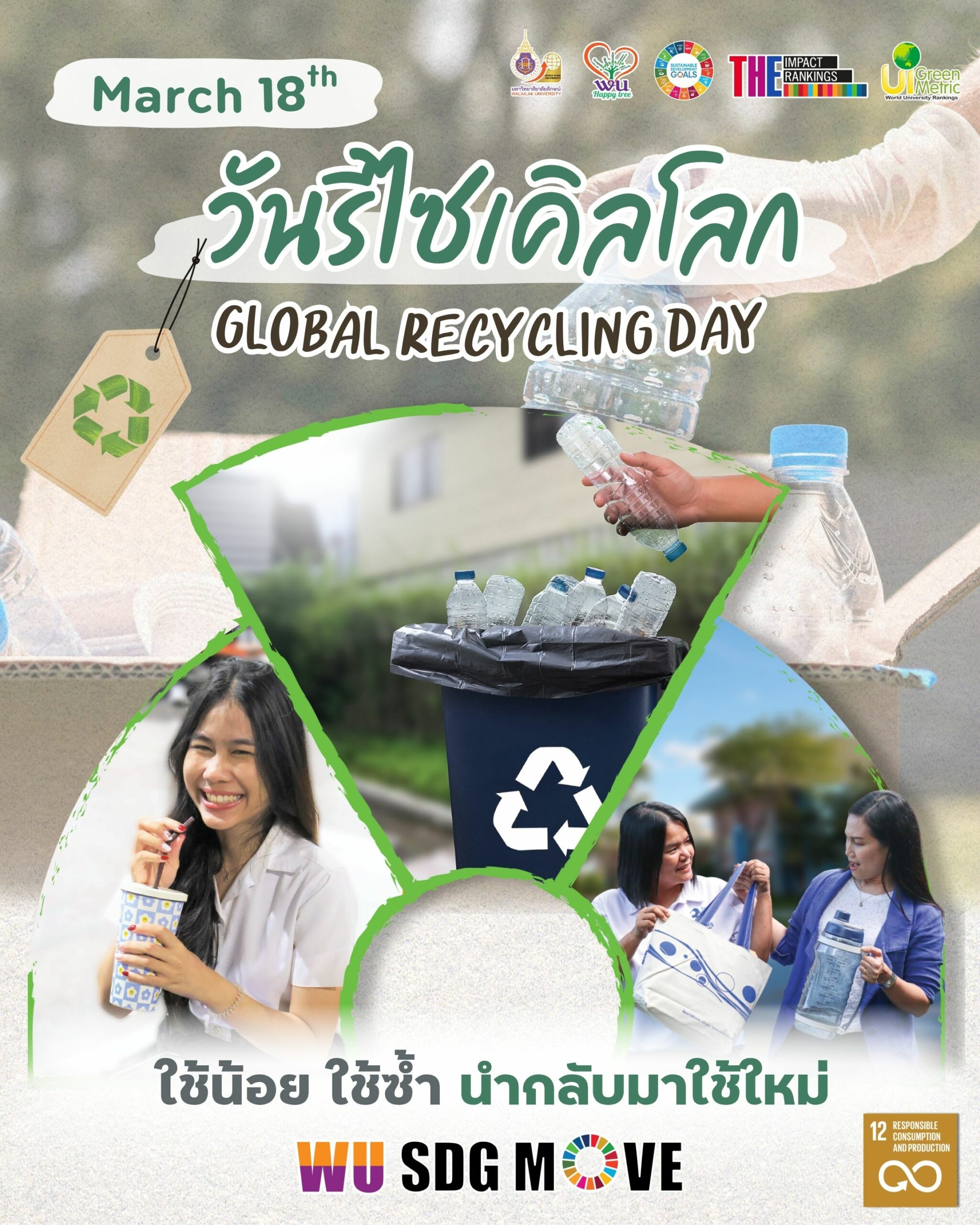
Global recycling day activities
International plastic bag free day activity (the use of tumblers)
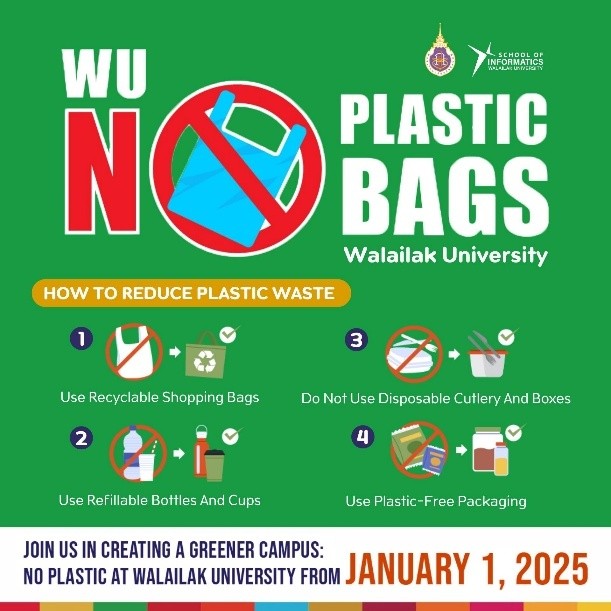
WU No plastic bag
Campaign Activities to “WU No plastic bag”
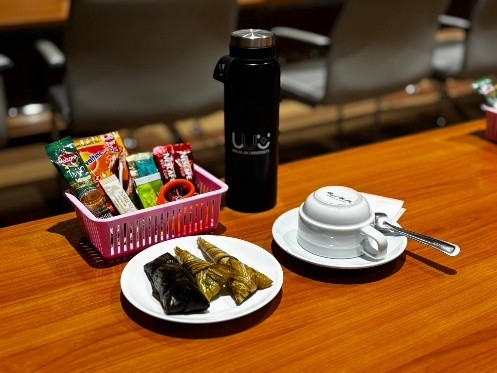
Reducing plastic use in meetings by using reusable packaging
Eco-friendly Food Packaging
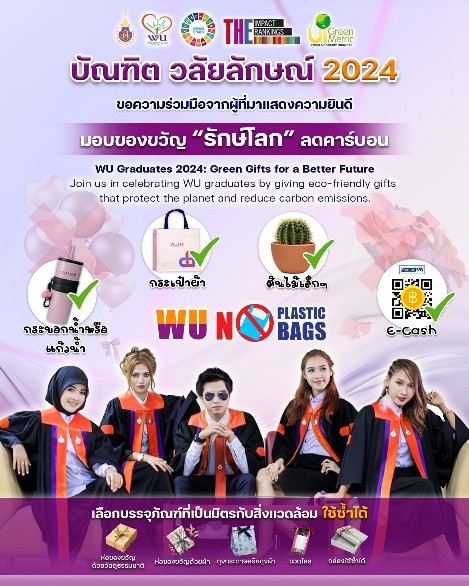
WU Graduates 2024 “ Green Gifts for a Better Future”
Reusable Bag Awareness Day
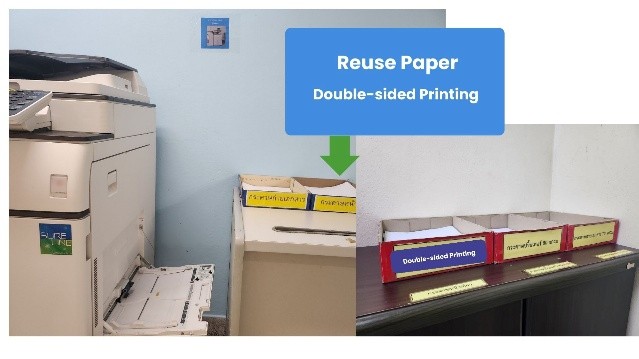
Reuse paper double-sided and printing necessary print
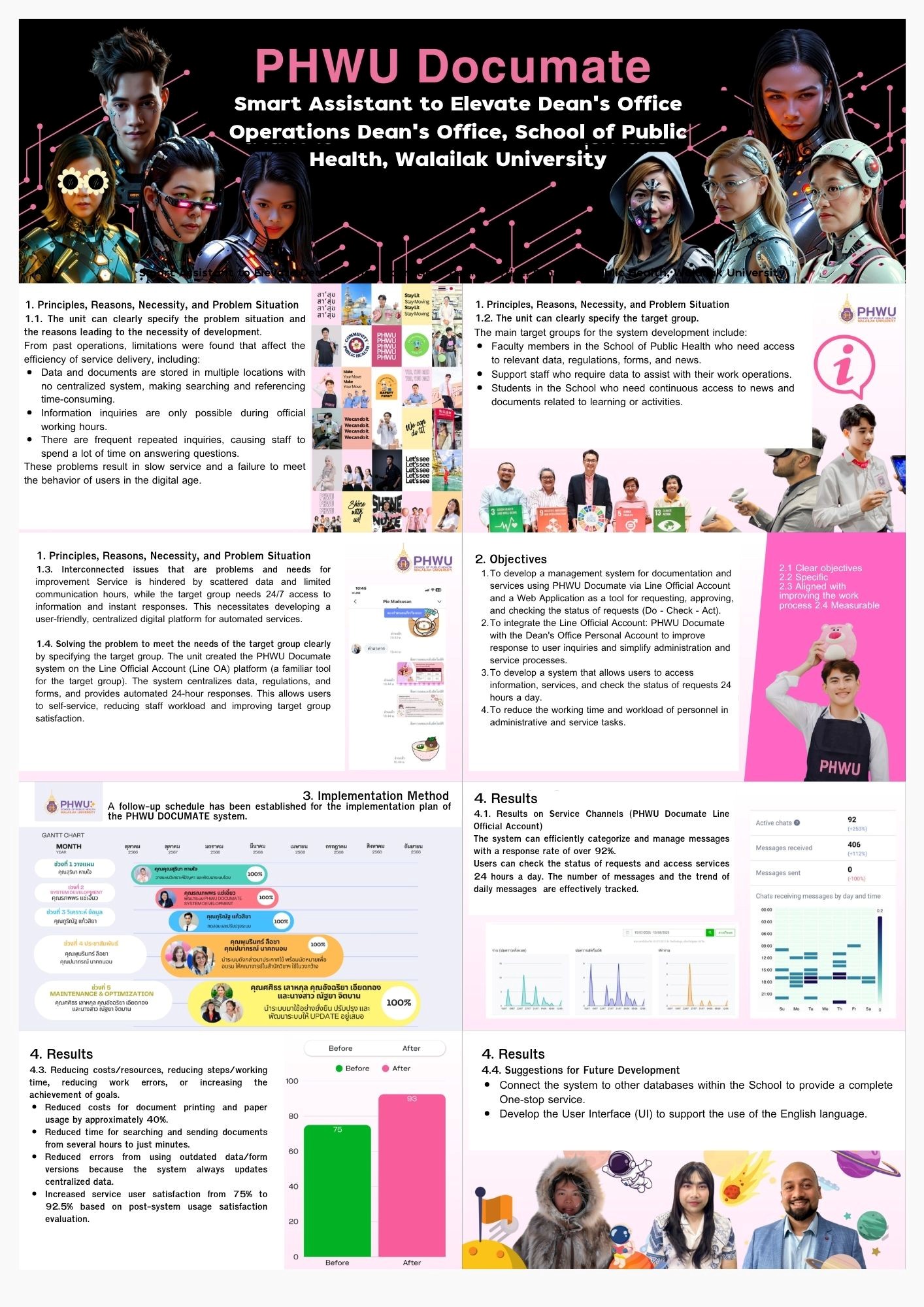
Paperless Initiatives under “WU INNOVATION DAY 2025”
Example “Smart Assistant to Elevate Dean’s Office Operations Dean’s Office, School of Public Health”- Reduced costs for document printing and paper usage by approximately 40%.
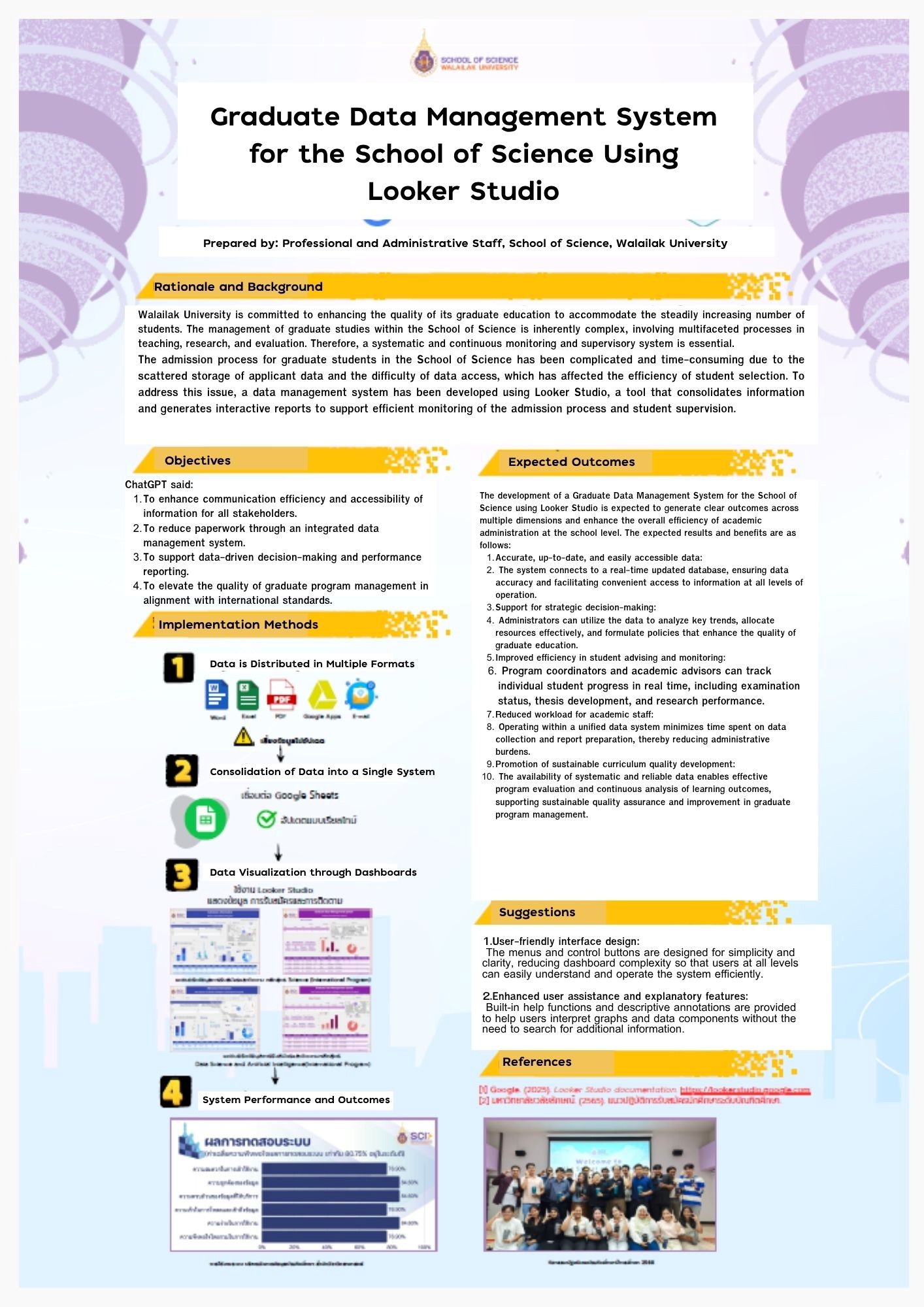
Paperless Initiatives under “WU INNOVATION DAY 2025”
Example “Graduate Data Management System for the School of Science Using Looker Studio”- Paperless usage in administrative work through an integrated data management system
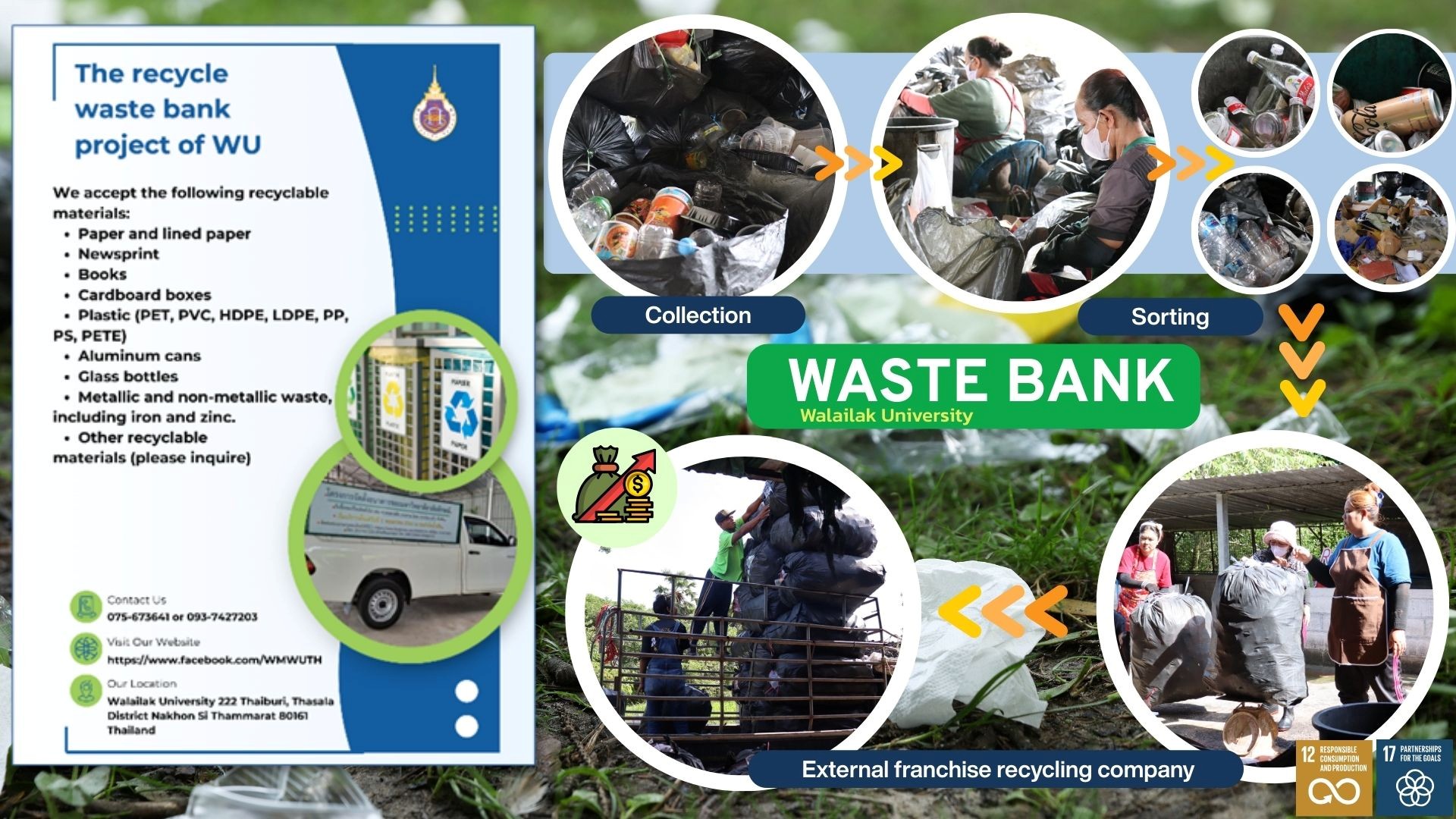
The Recycle Waste Bank Project at Walailak University.
Through the implementation of comprehensive policies and diverse programs to reduce the use of paper and plastic, Walailak University has achieved tangible outcomes in resource efficiency, cost savings, and greenhouse gas reduction. These initiatives have not only improved administrative and academic efficiency but also cultivated greater environmental awareness among staff and students. Moreover, projects such as the Recyclable Waste Bank and the “Say No Plastic” campaign have strengthened the university’s role as a model for sustainable campus management. Collectively, these efforts demonstrate Walailak University’s strong commitment to sustainability and its vision of becoming a Smart & Green University in alignment with global sustainability goals.
Conclusion
There are a total of 32 programs to reduce the use of paper and plastic on campus, of which more than 10 programs are currently active.