Organic Waste Treatment
Organic Waste Treatment
Organic waste Generation in University
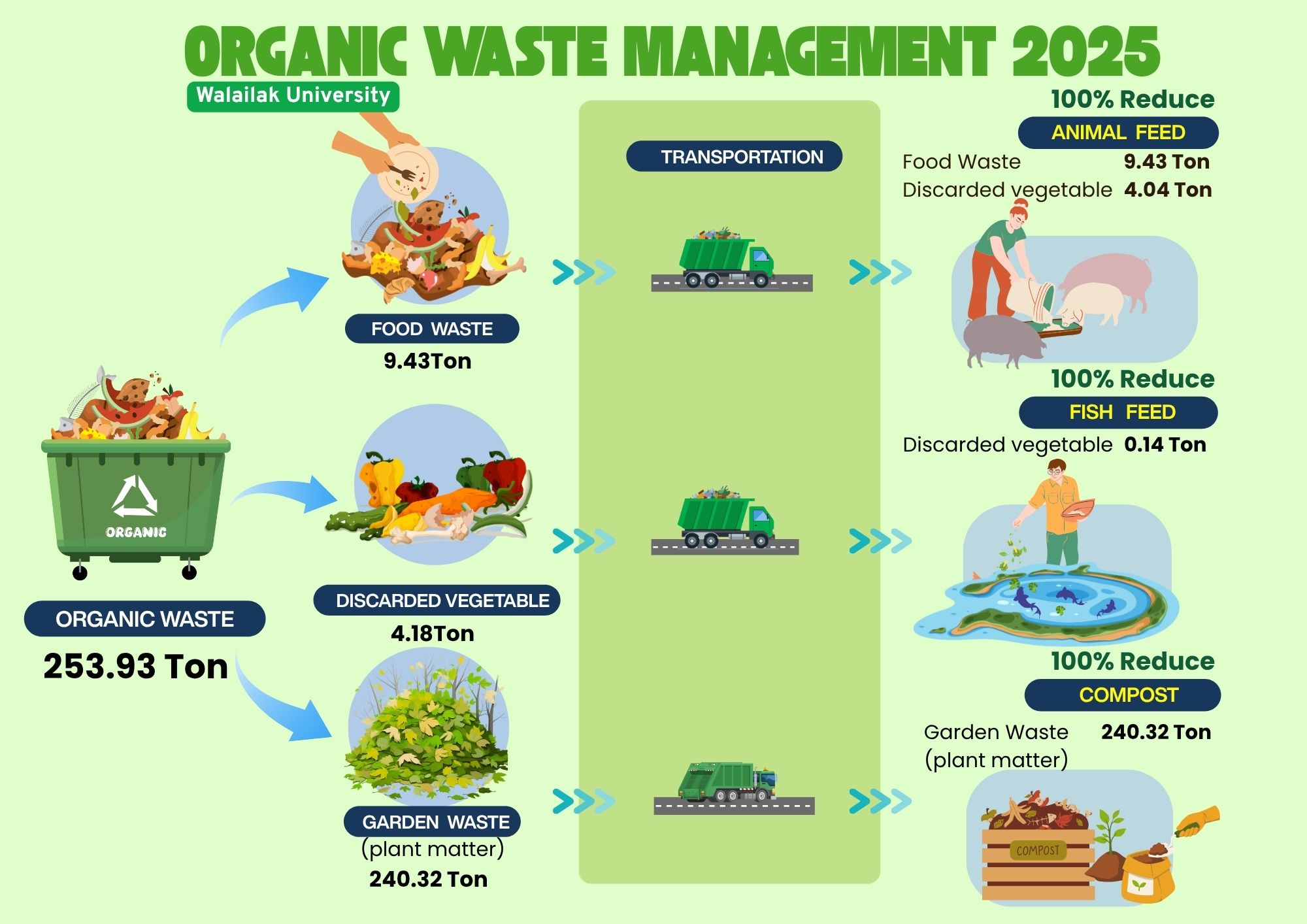
Walailak University generated a total of 253.9 tons of organic waste in this year . This organic waste can be classified into three main categories as follows:
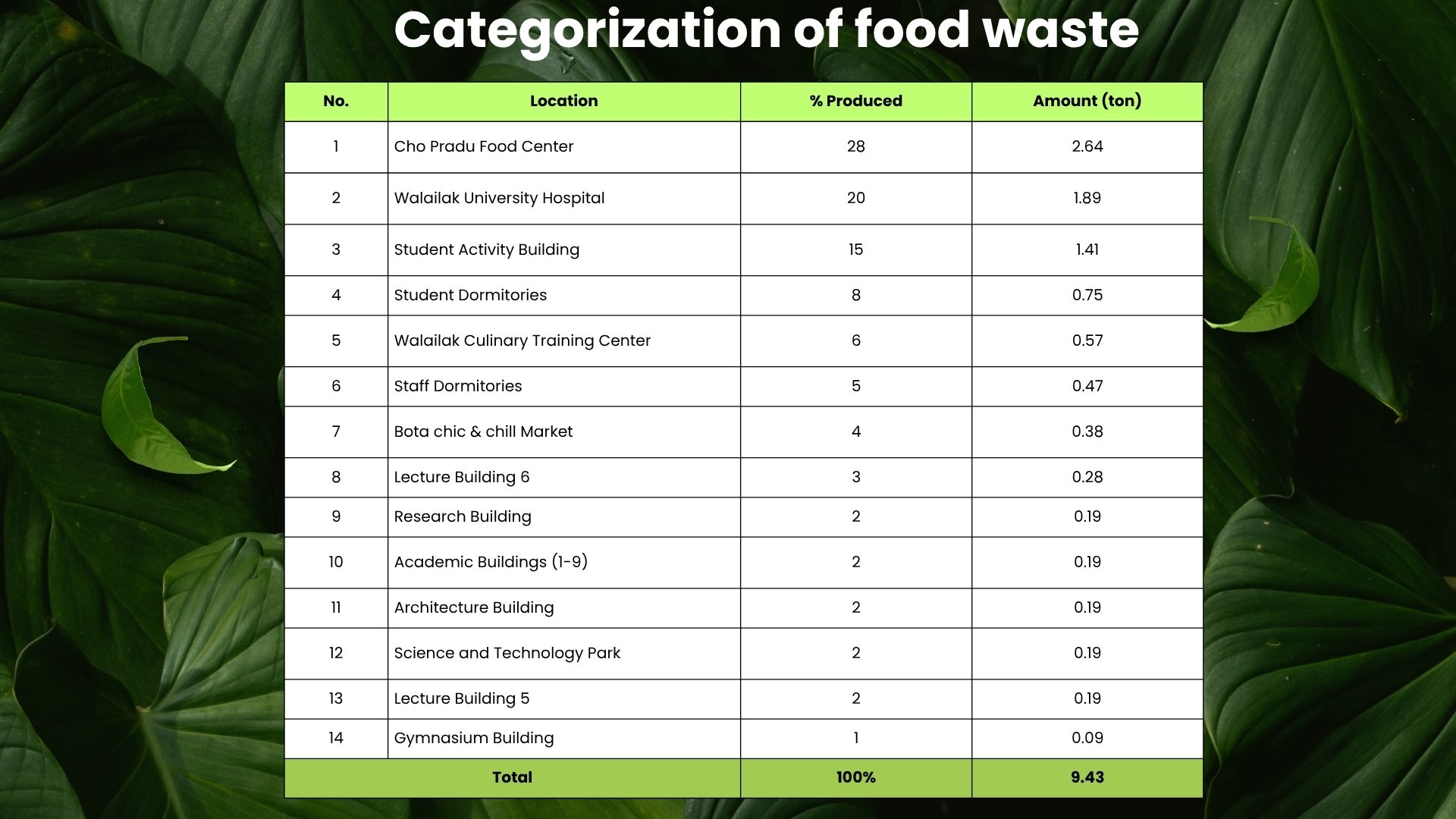
- Food Waste: Generated from canteens and other food service points within the university, totaling 9.40 tons.
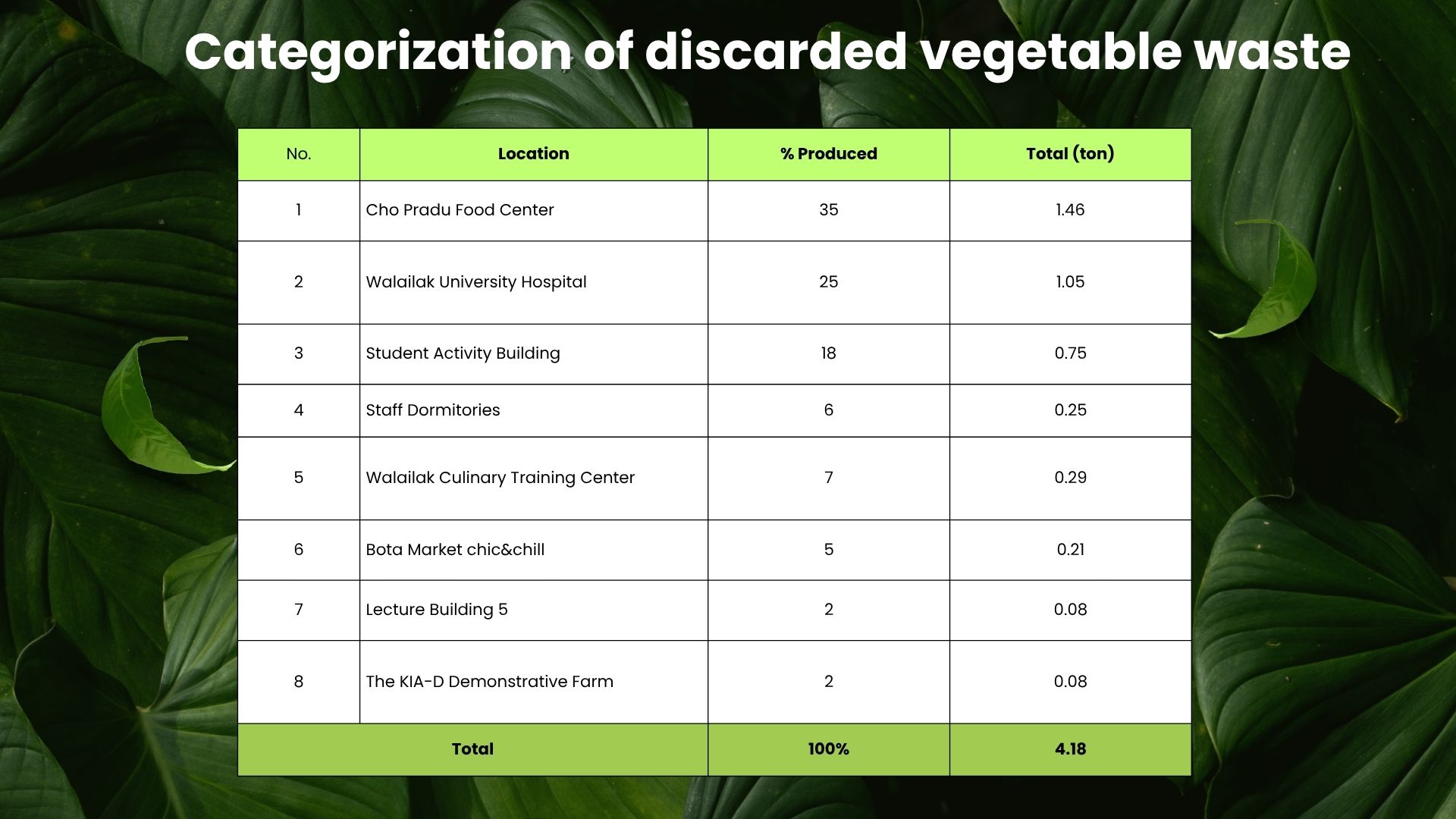
- Discarded Vegetables: Vegetable residues from canteens and the KIA-D Demonstrative Farm within the university, totaling 4.17 tons.
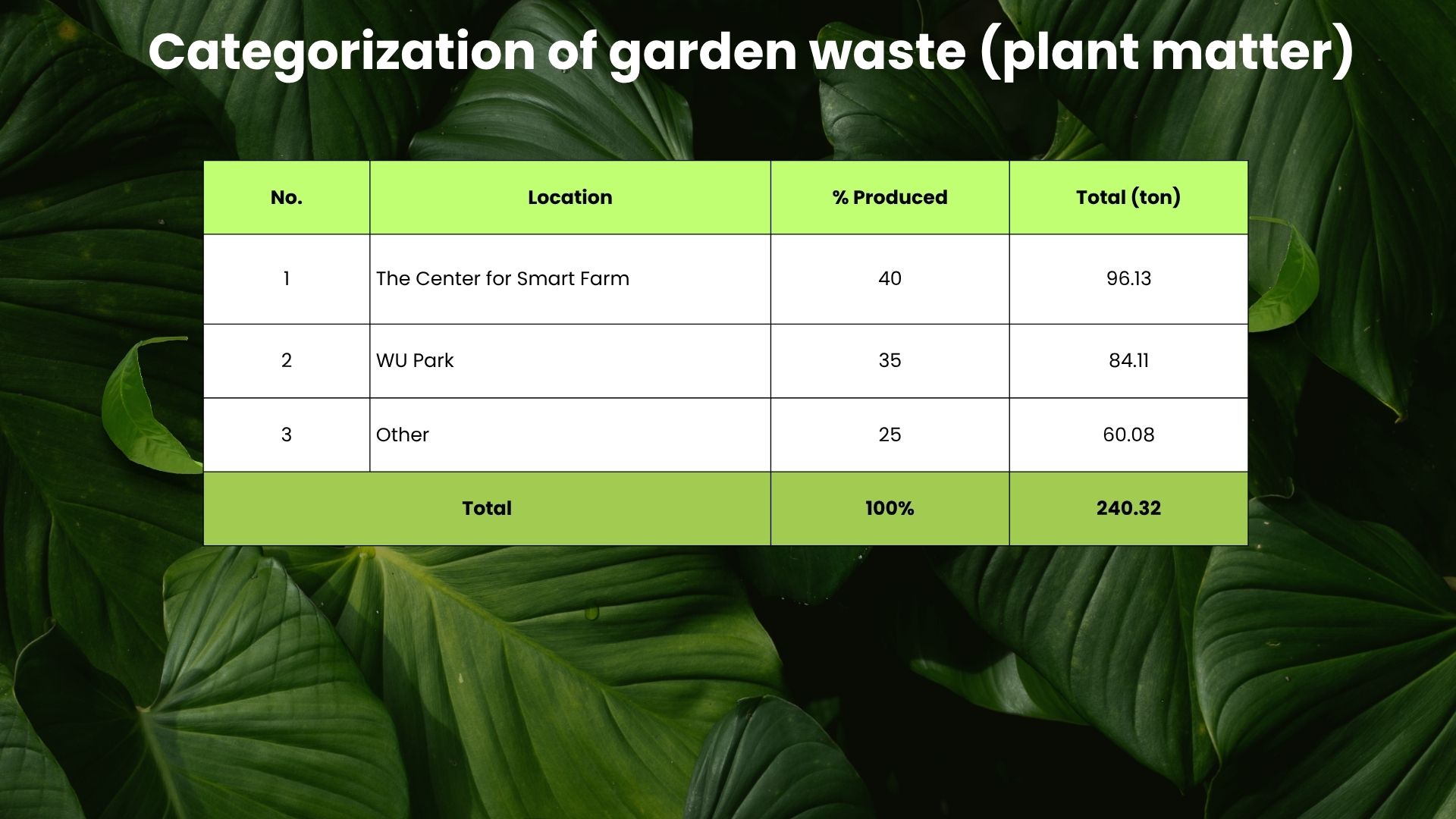
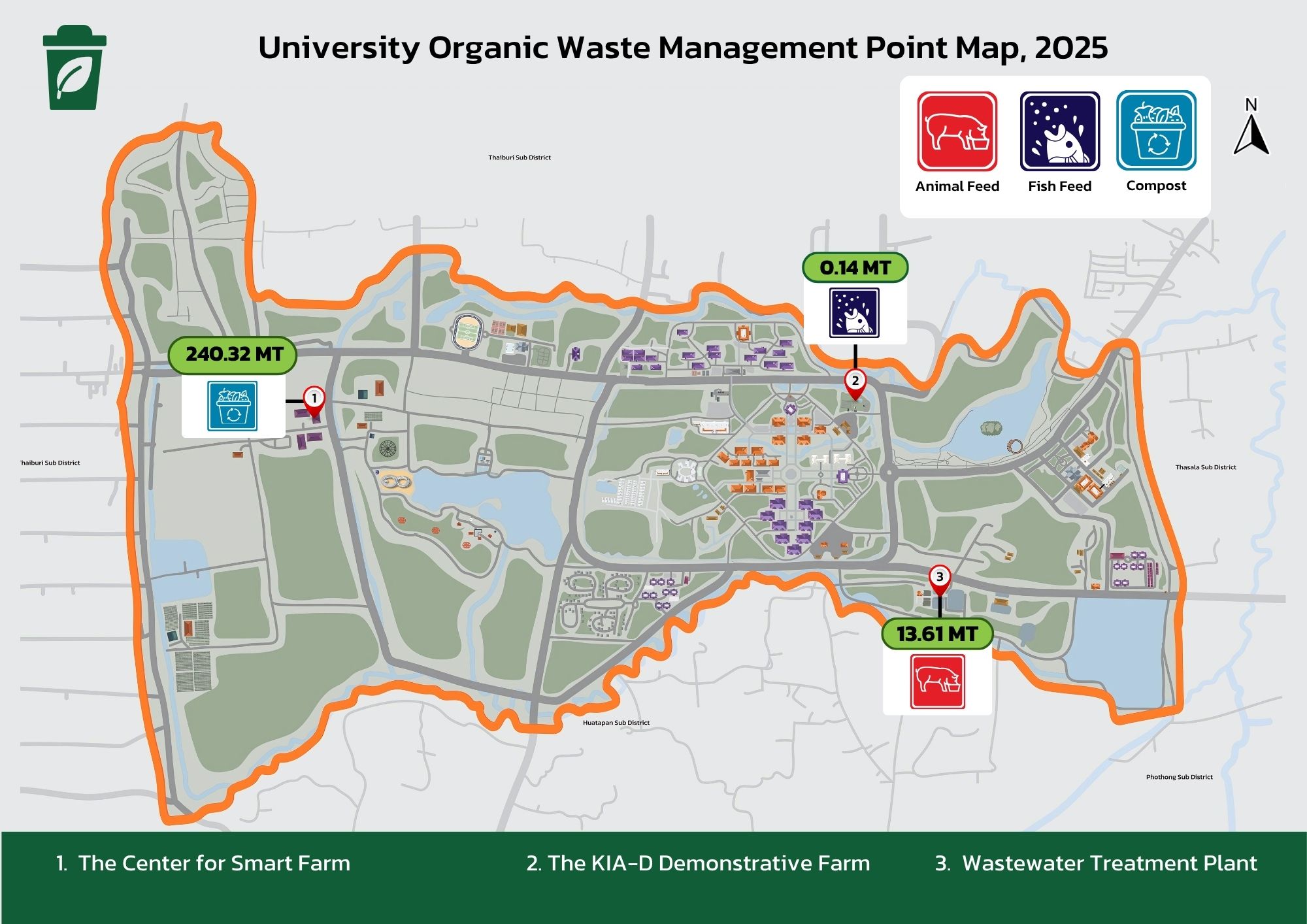
- Garden waste (plant matter): Generated from gardens and landscaped areas of the university, including fallen leaves, pruned branches, and other plant residues, totaling 240.32 tons.
Figure 1: Total volume of paper and plastic produced this year
Figure 2: Monthly categorization of organic waste
Categorization of organic waste, classified by sources of origin within the university
The total amount of organic waste at Walailak University originated from various campus activities, covering food services, landscape maintenance, and general environmental management operations. This organic waste is categorized into three primary types as follows:
1. Food Waste
This category includes leftover food, raw material residues, and biodegradable organic matter generated during food preparation and consumption within canteens and other food service points across the university.
2.Discarded Vegetables
This category consists of inedible parts of vegetables and fruits, such as peels, rejected or spoiled items, trimming residues, and other by-products from food processing activities.
3.Garden waste (plant matter)
This category is derived from green space and garden maintenance activities within the university, including fallen leaves, trimmed branches, and other plant residues resulting from landscape upkeep.
The method of organic waste treatment in university
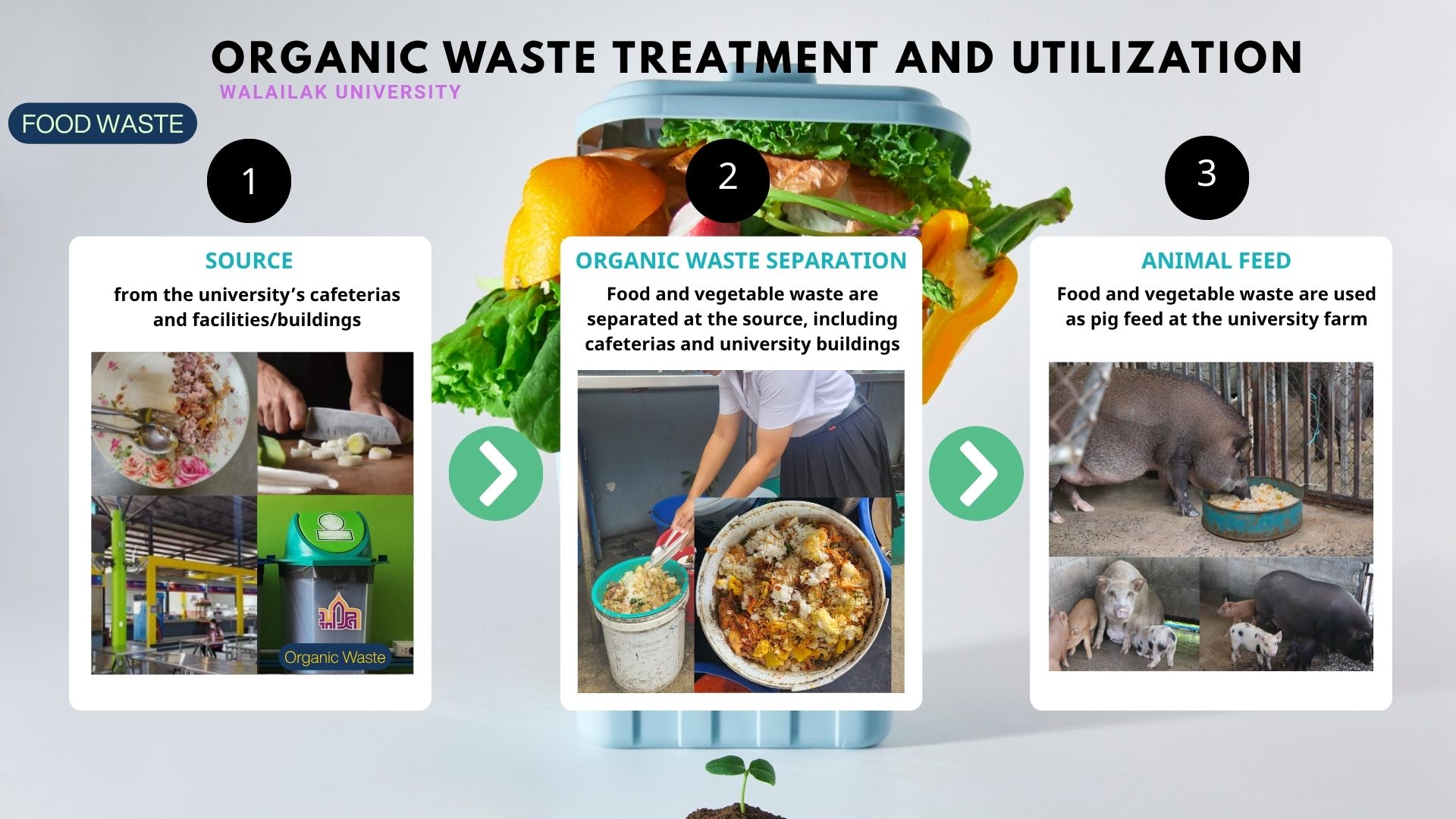
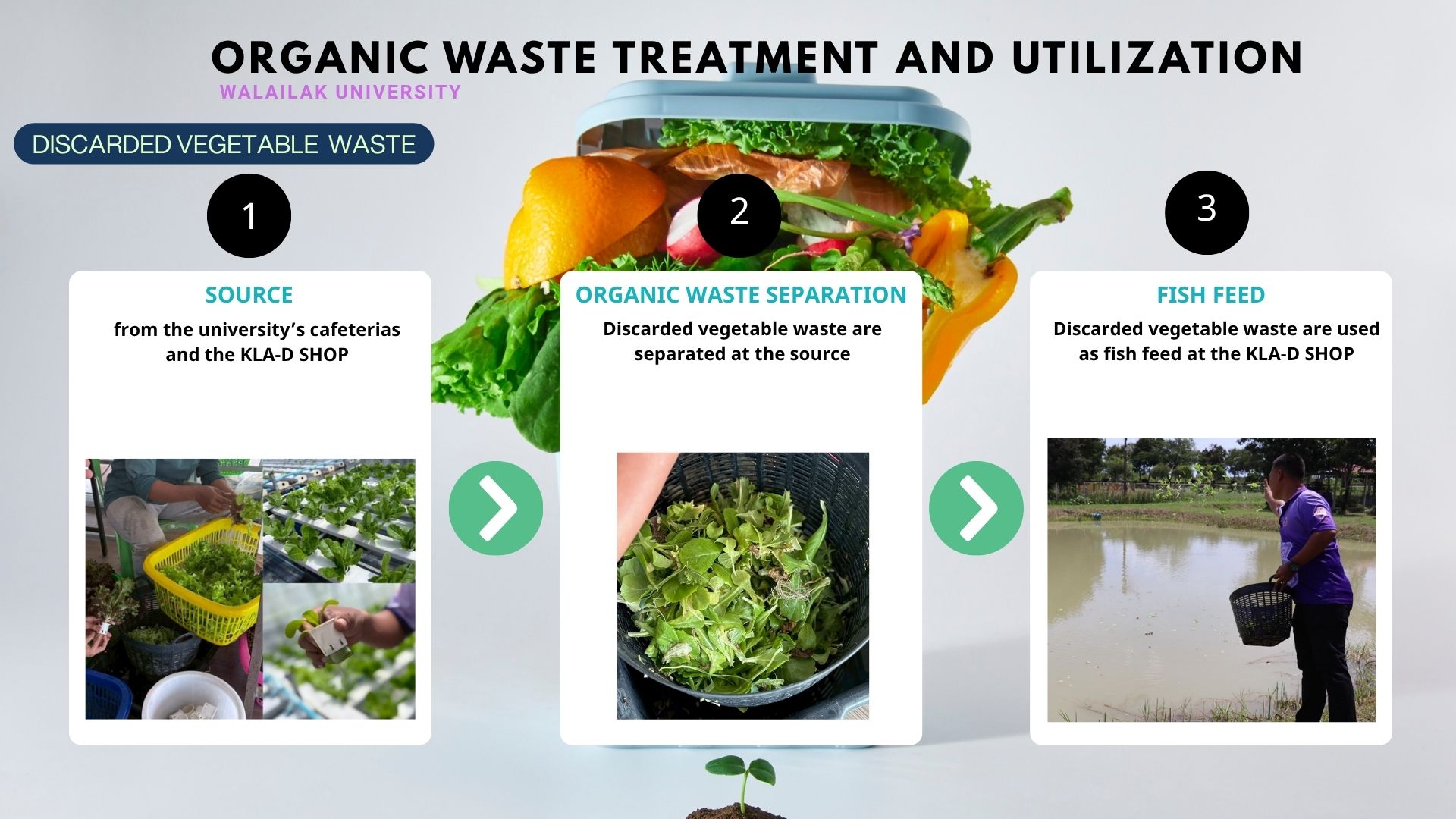
Figure 3: Organic Waste Treatment and Utilization.
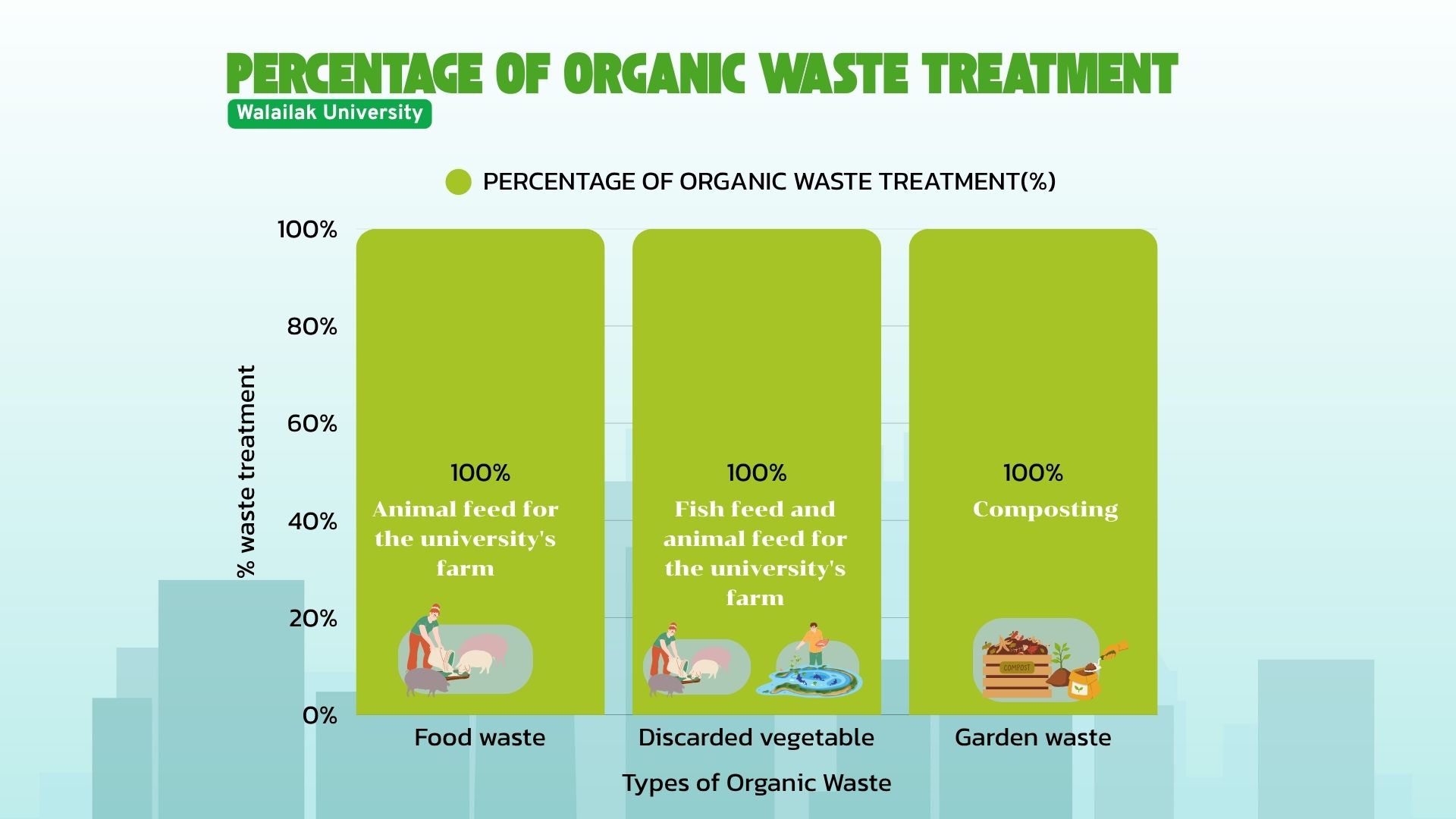
Figure 4.1 : Percentage of organic waste treatmaent 100% this year
Figure 4.2 Percentage of Organic Waste Treatment = 100%
On-Campus Organic Waste Separation
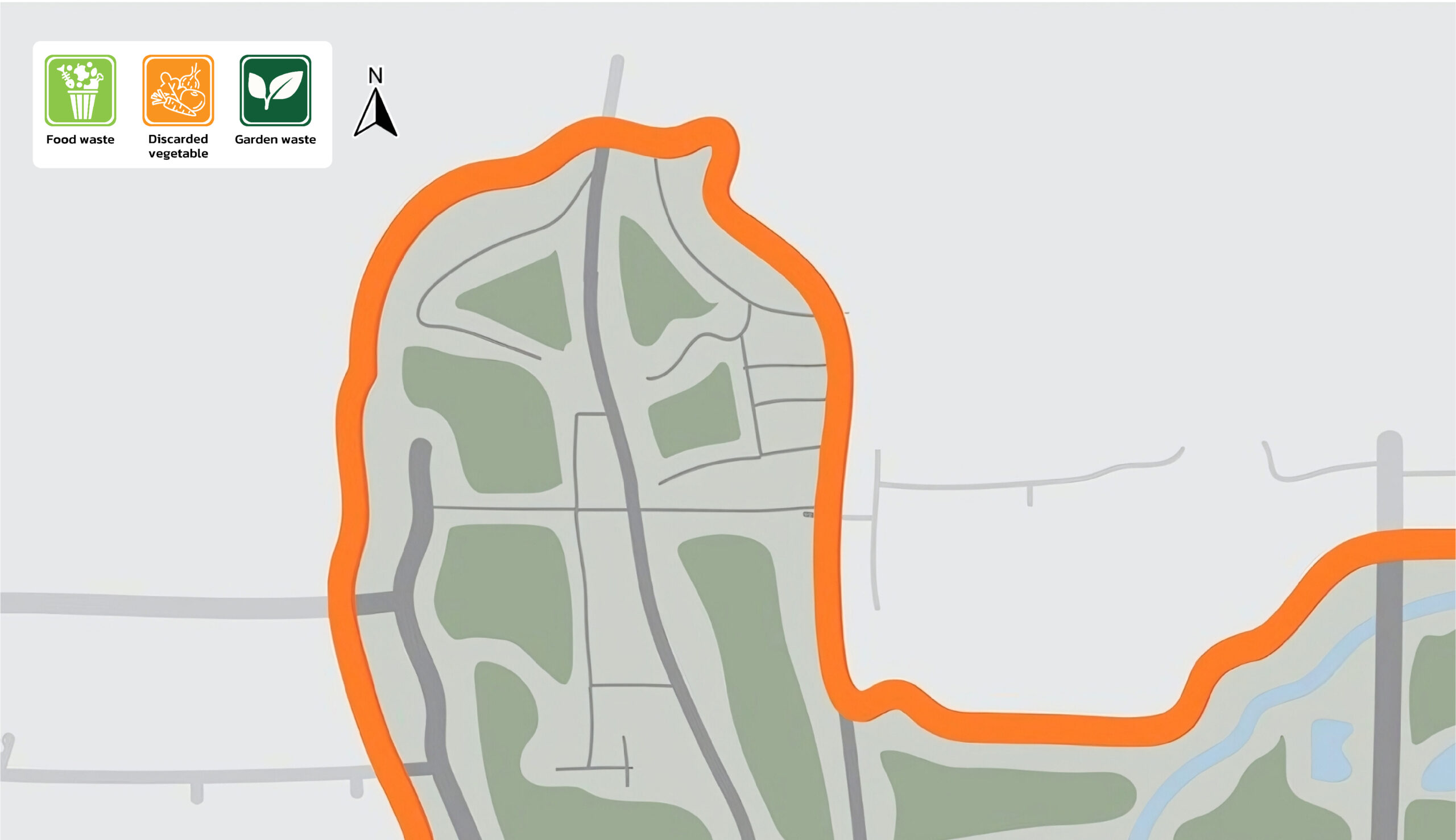
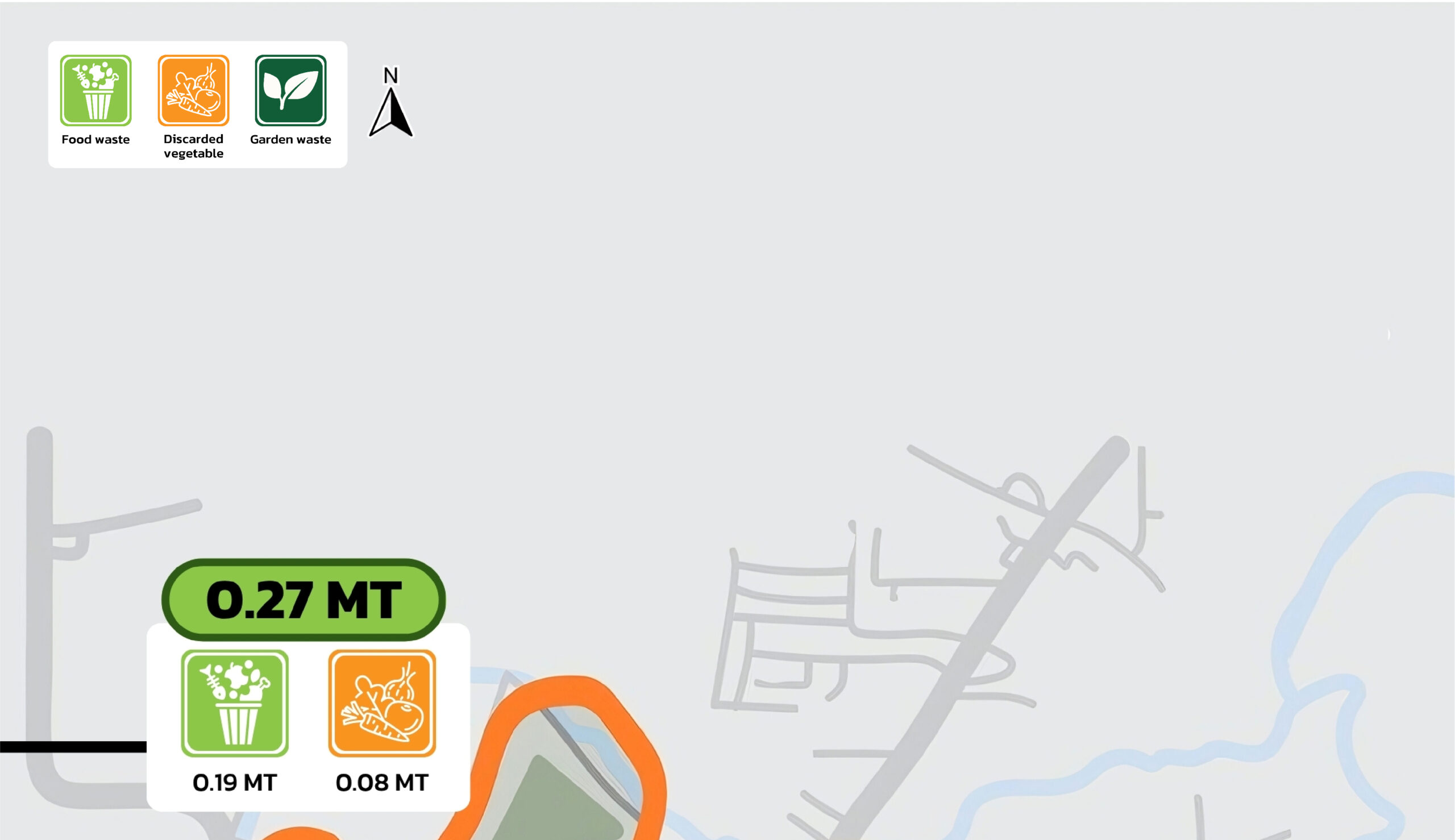
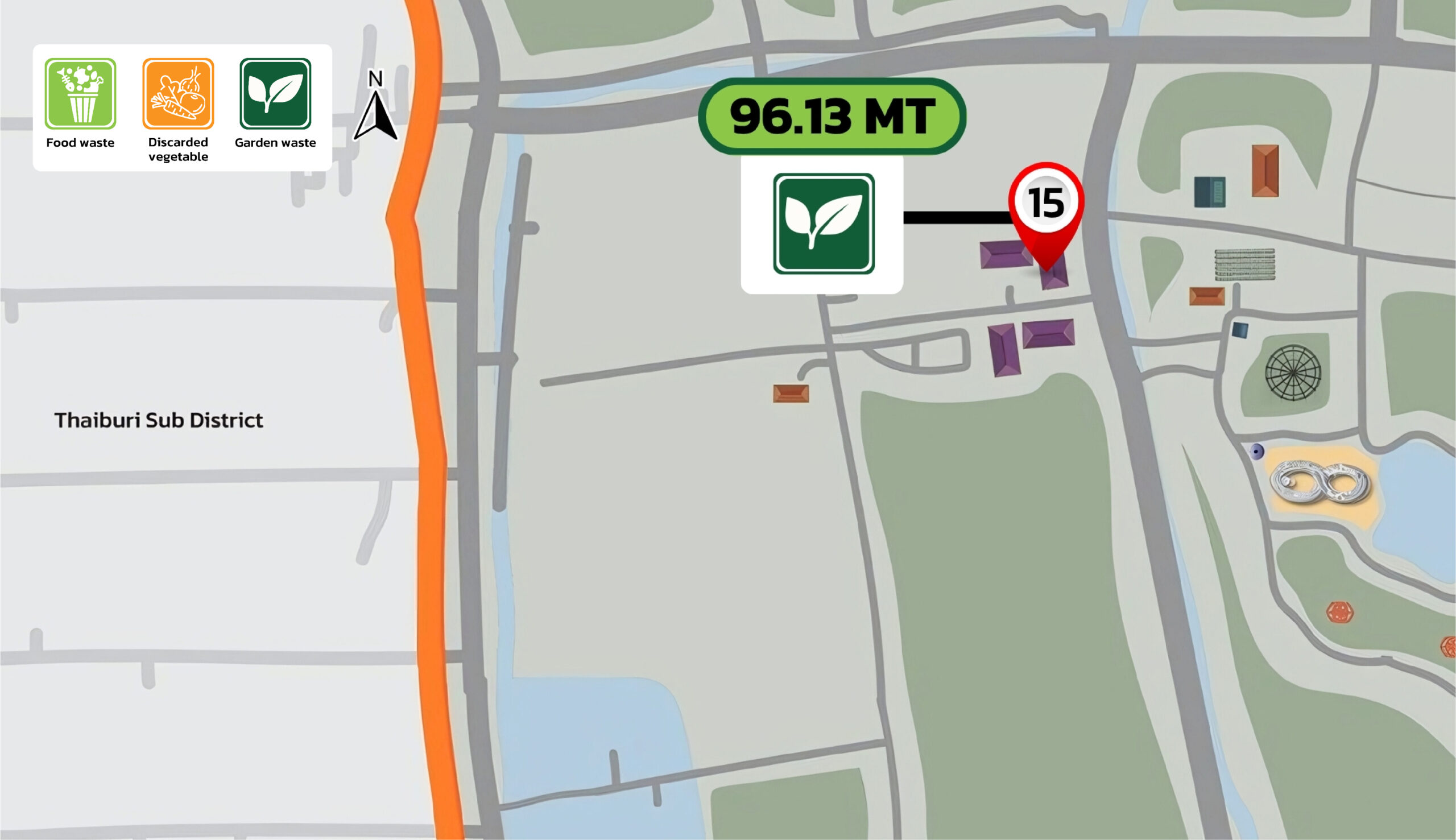
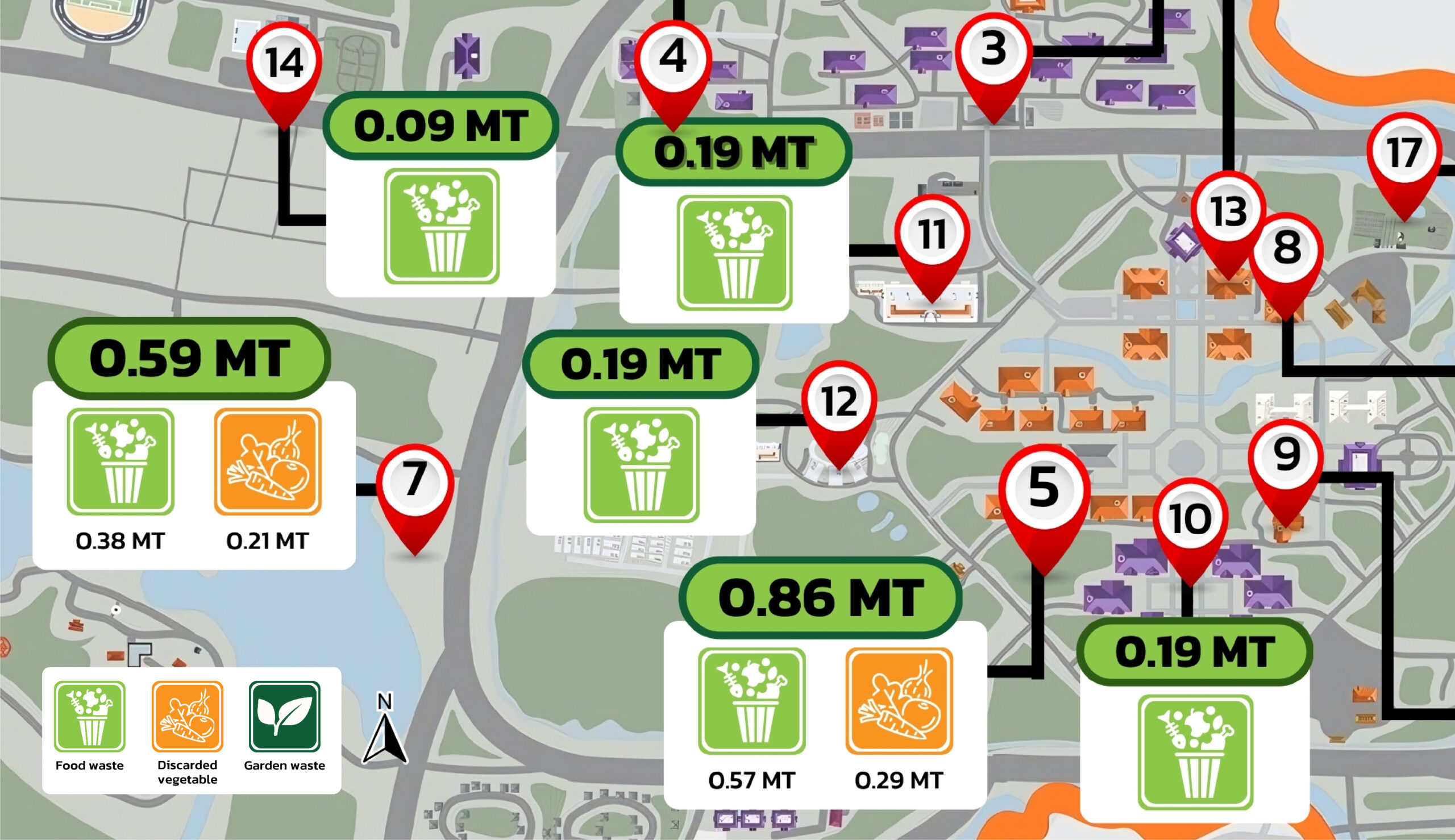
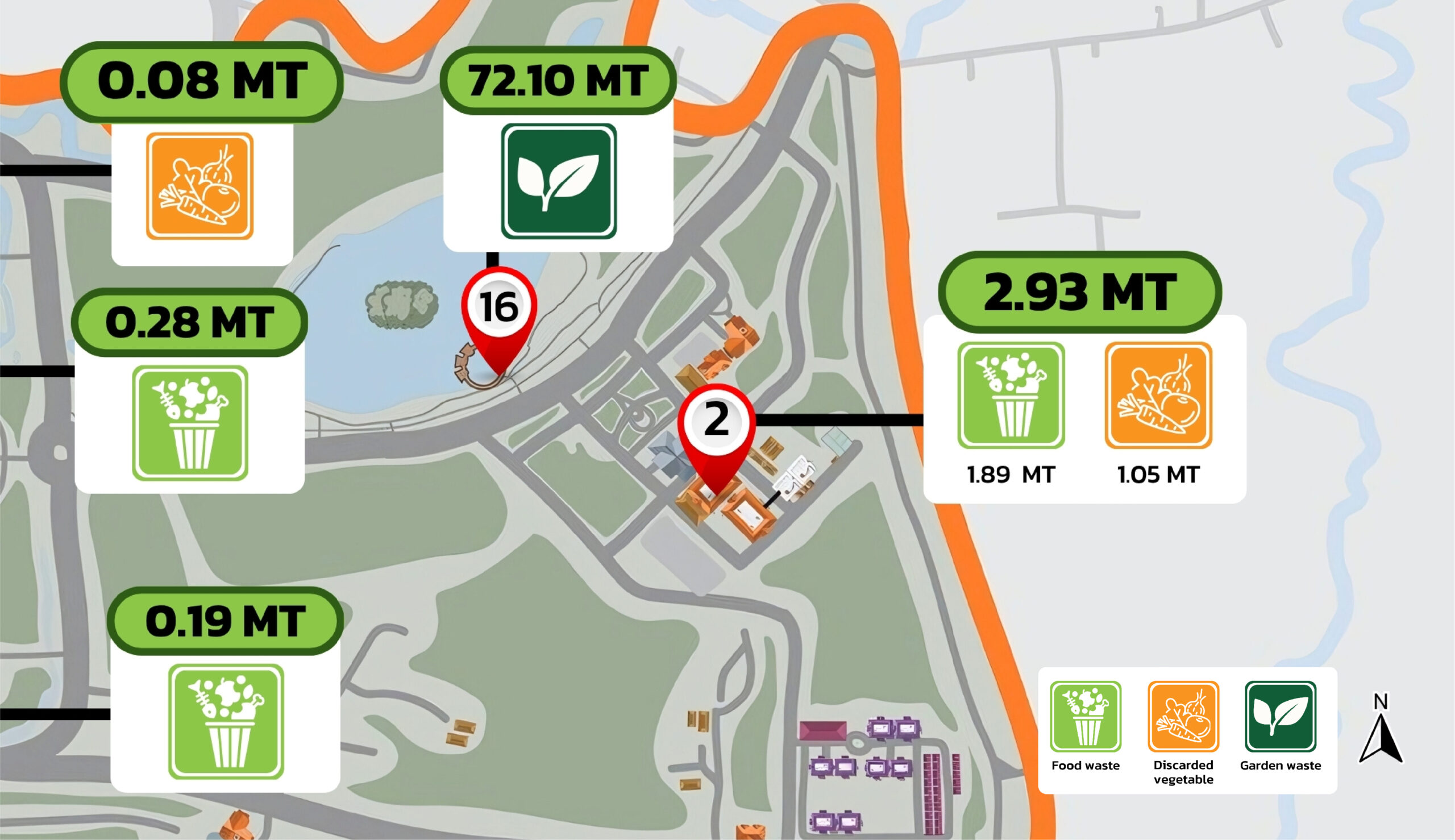
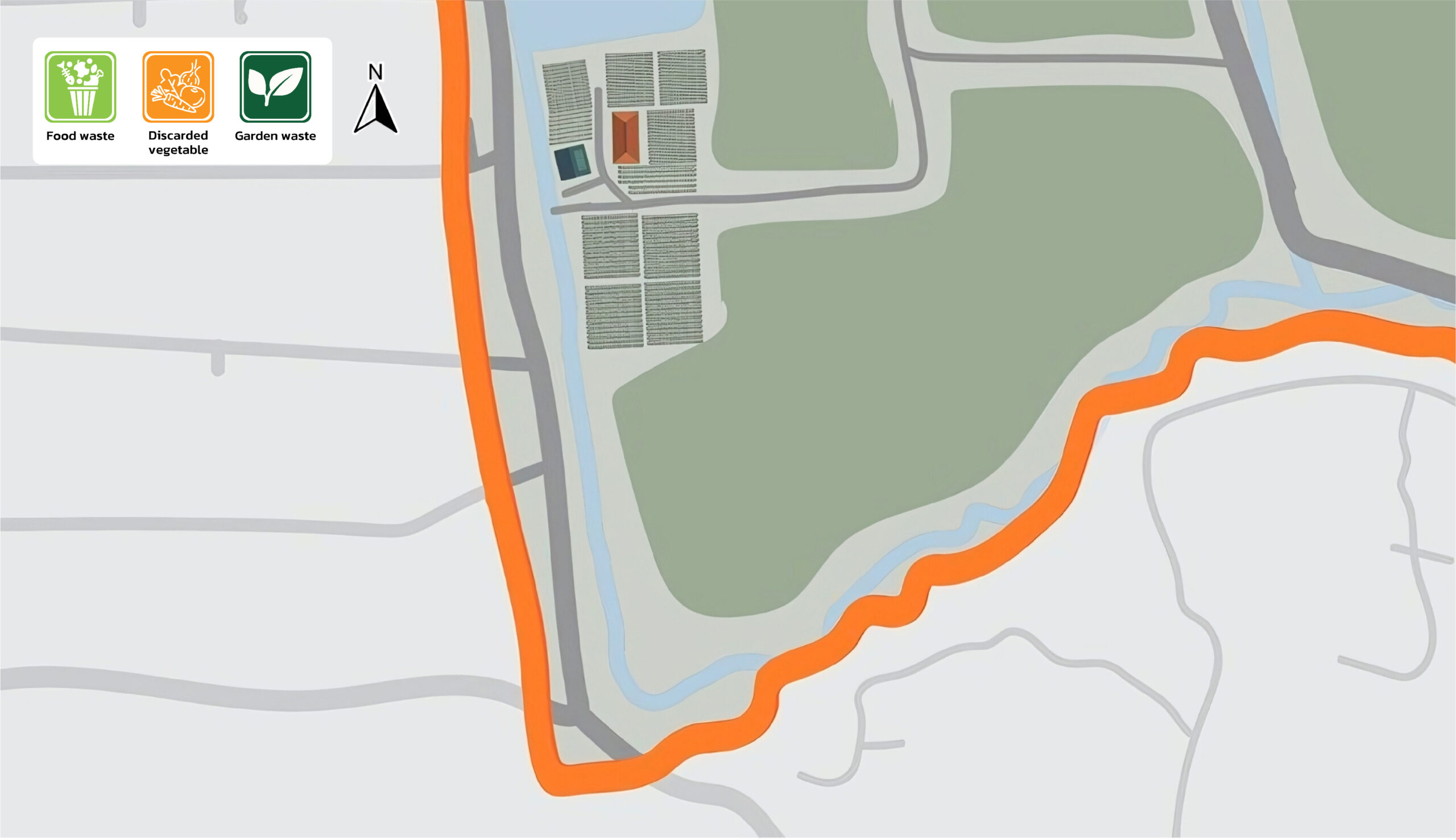
Figure 5 Map Depicting the Sources of Organic Waste within Walailak University
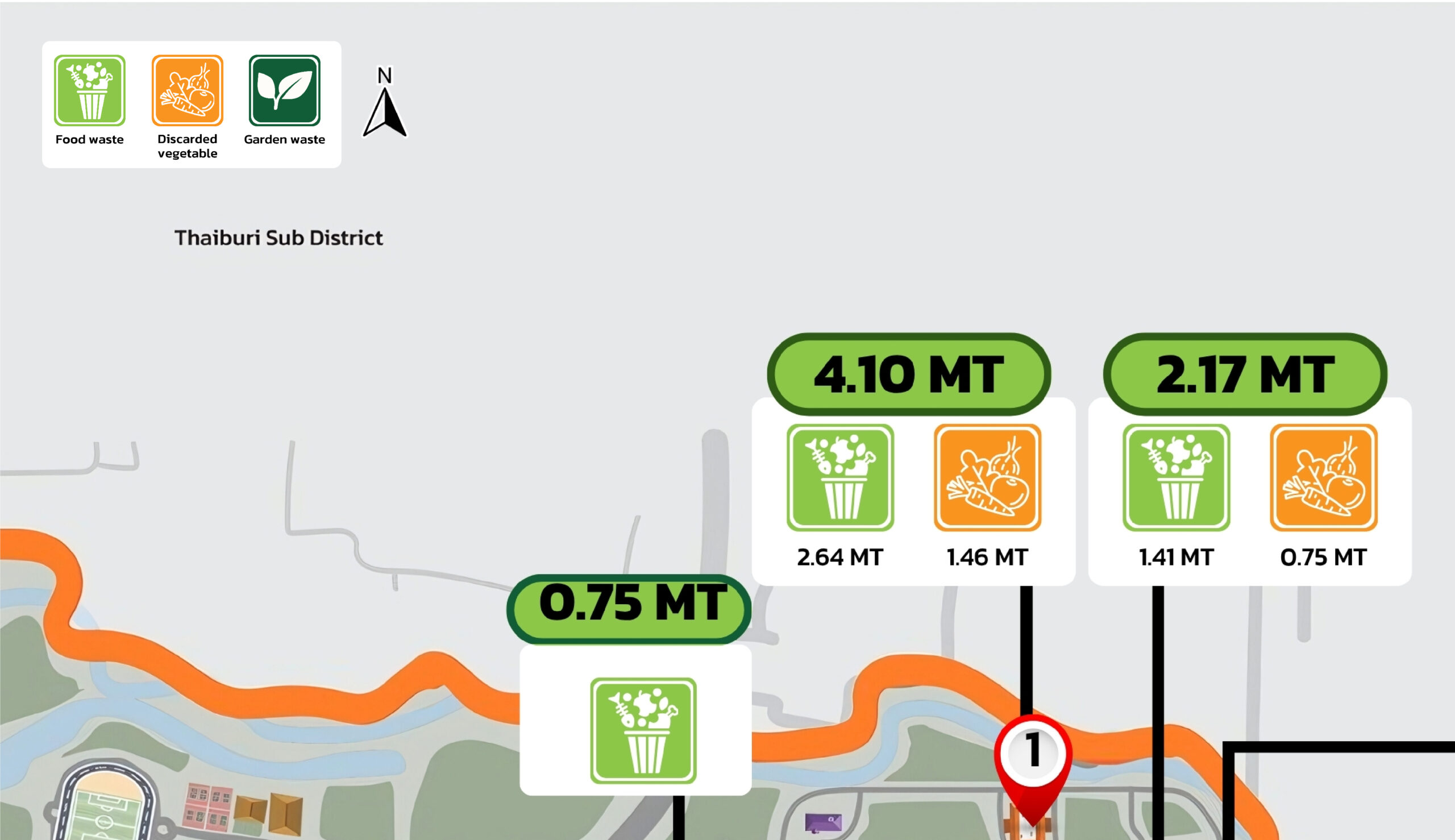
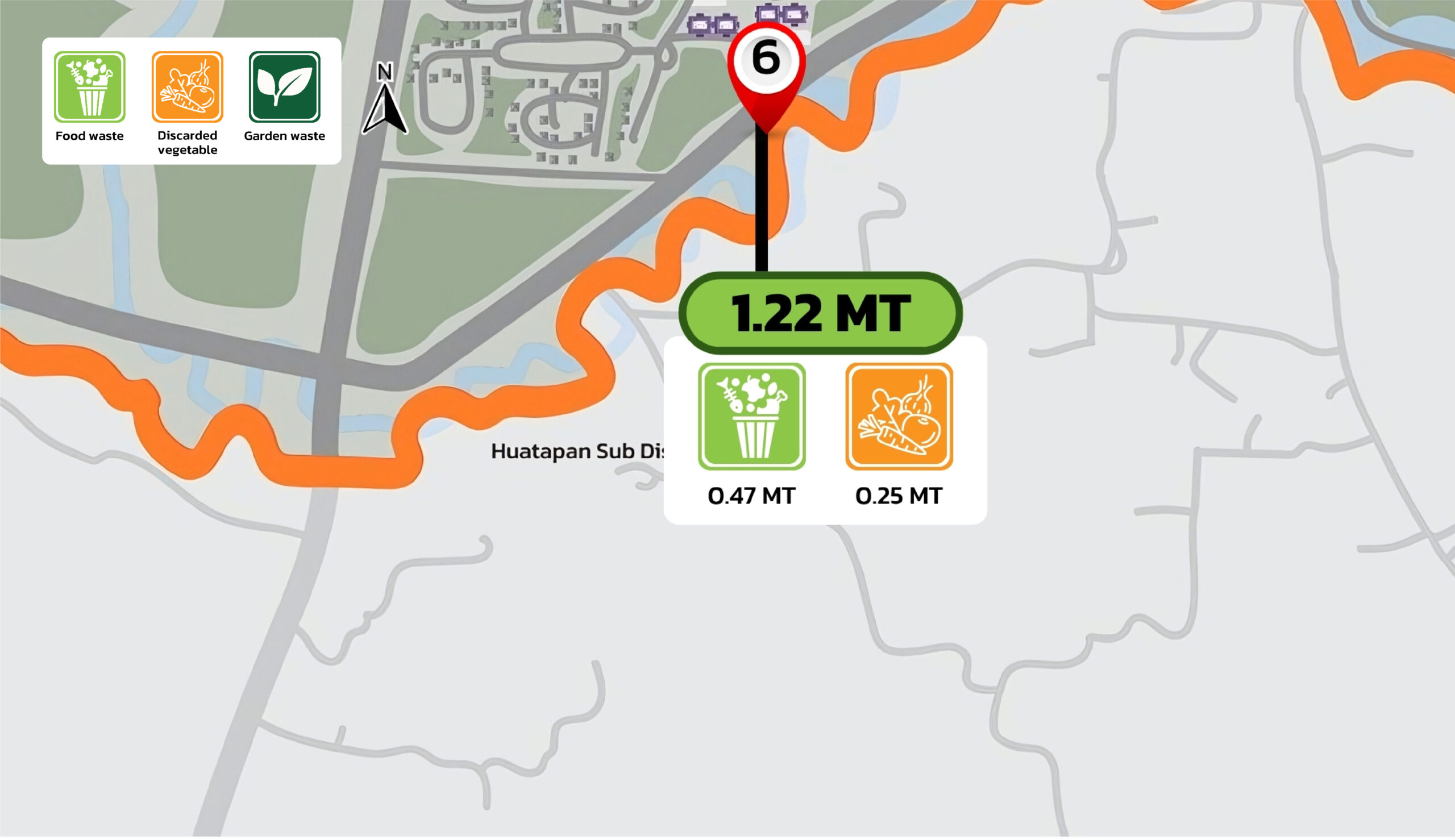
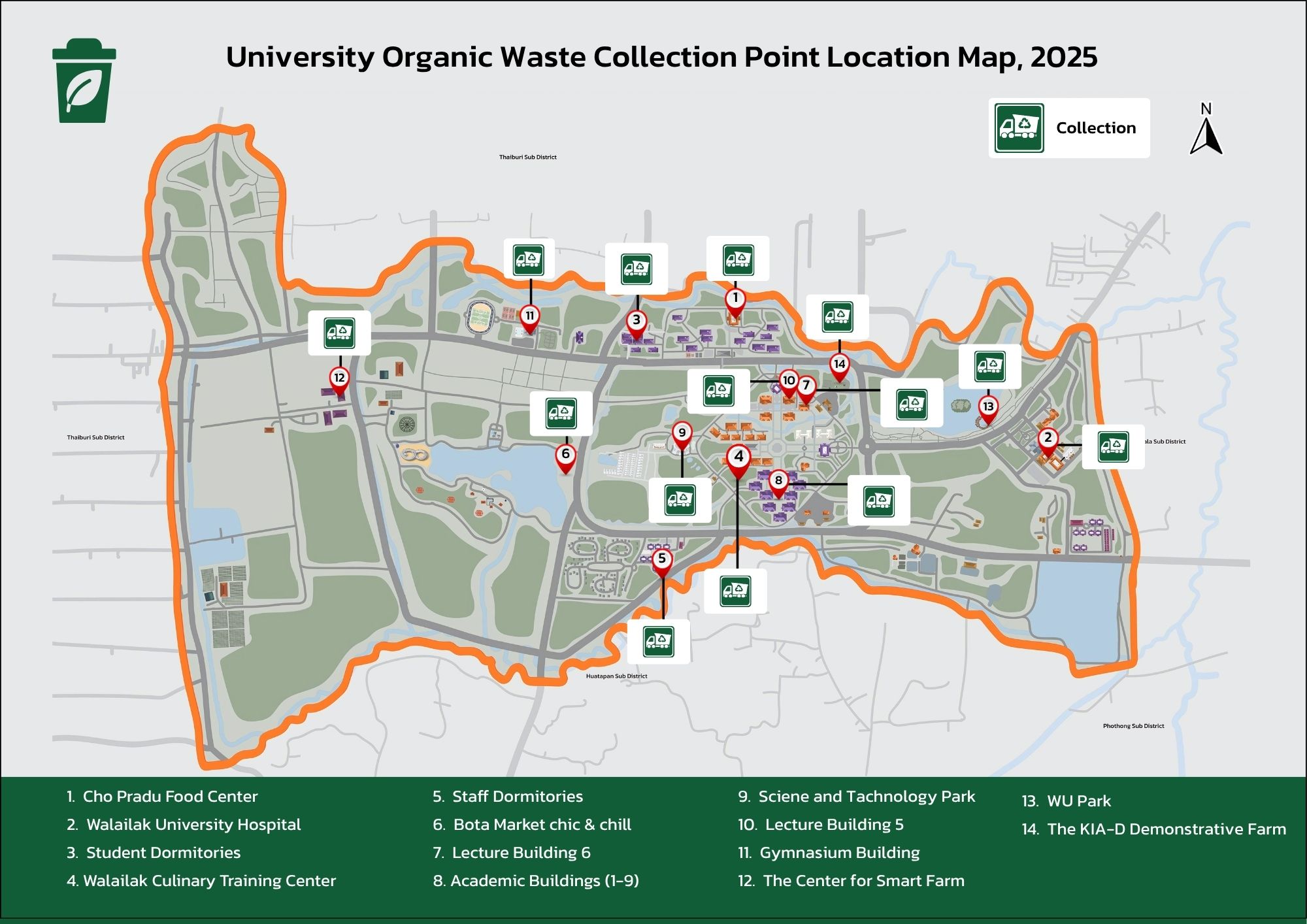
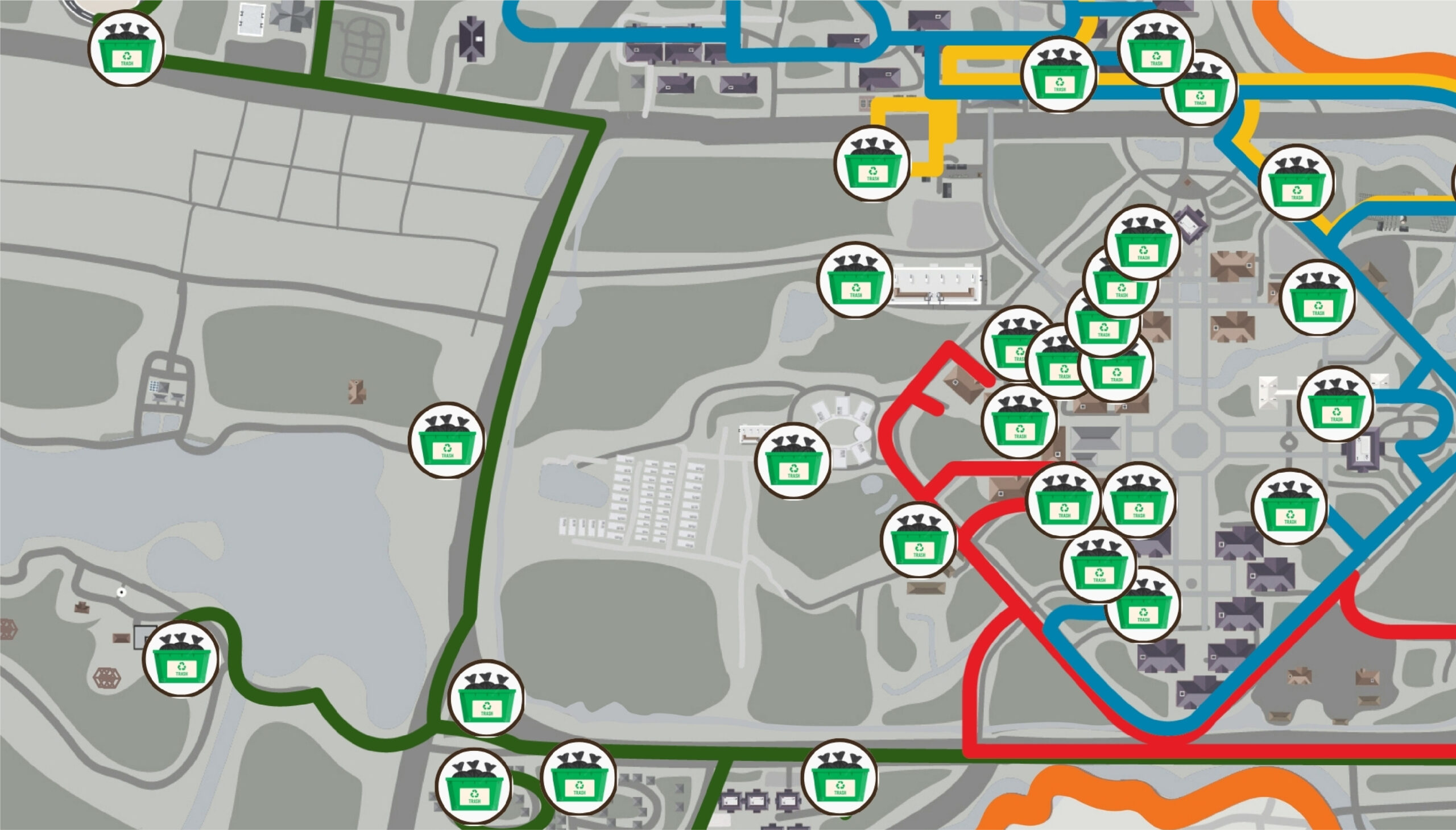
Figure 6 University Organic Waste Collection Point Location Map
Figure 7 University Inorganic Waste Management Point Map
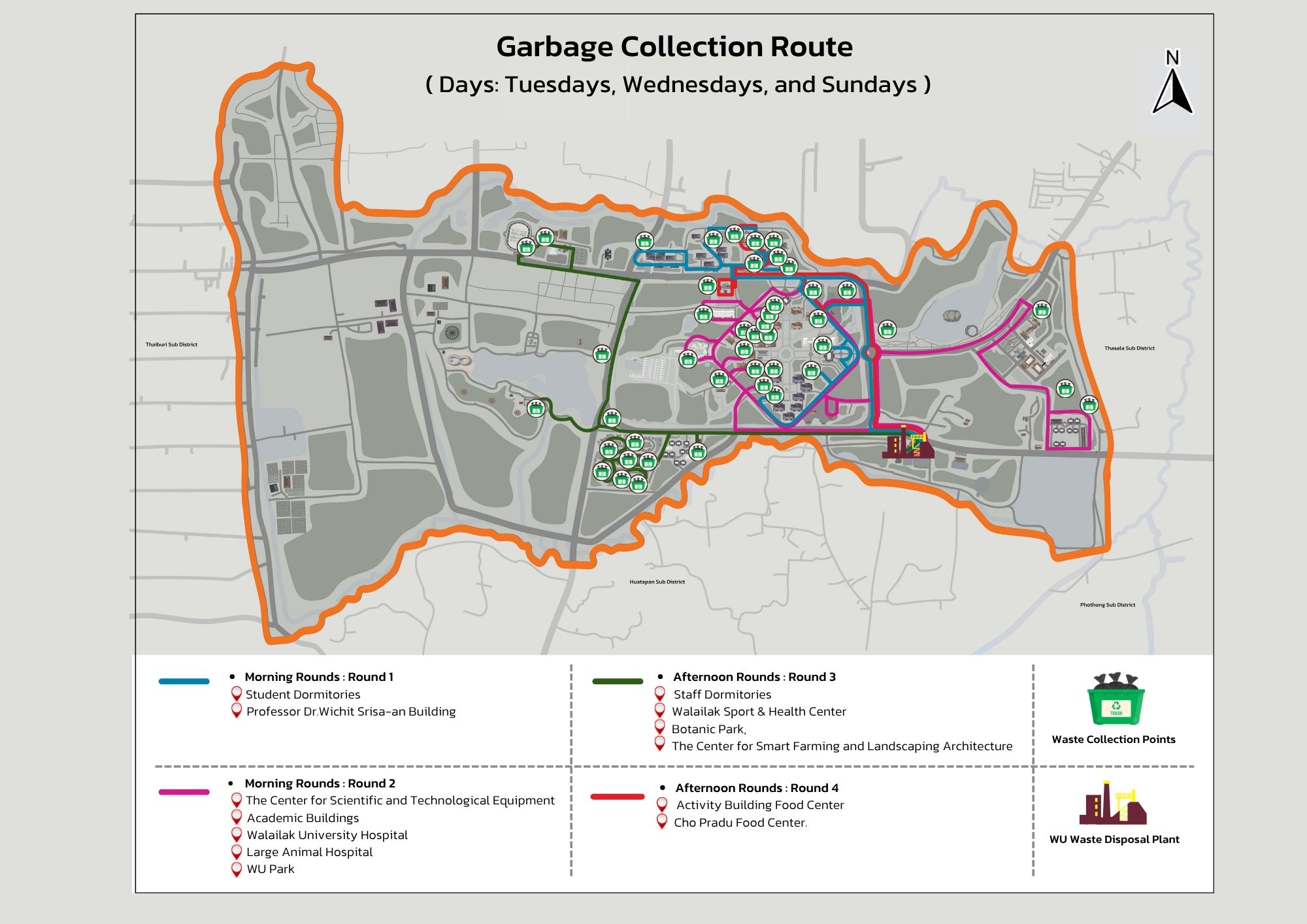
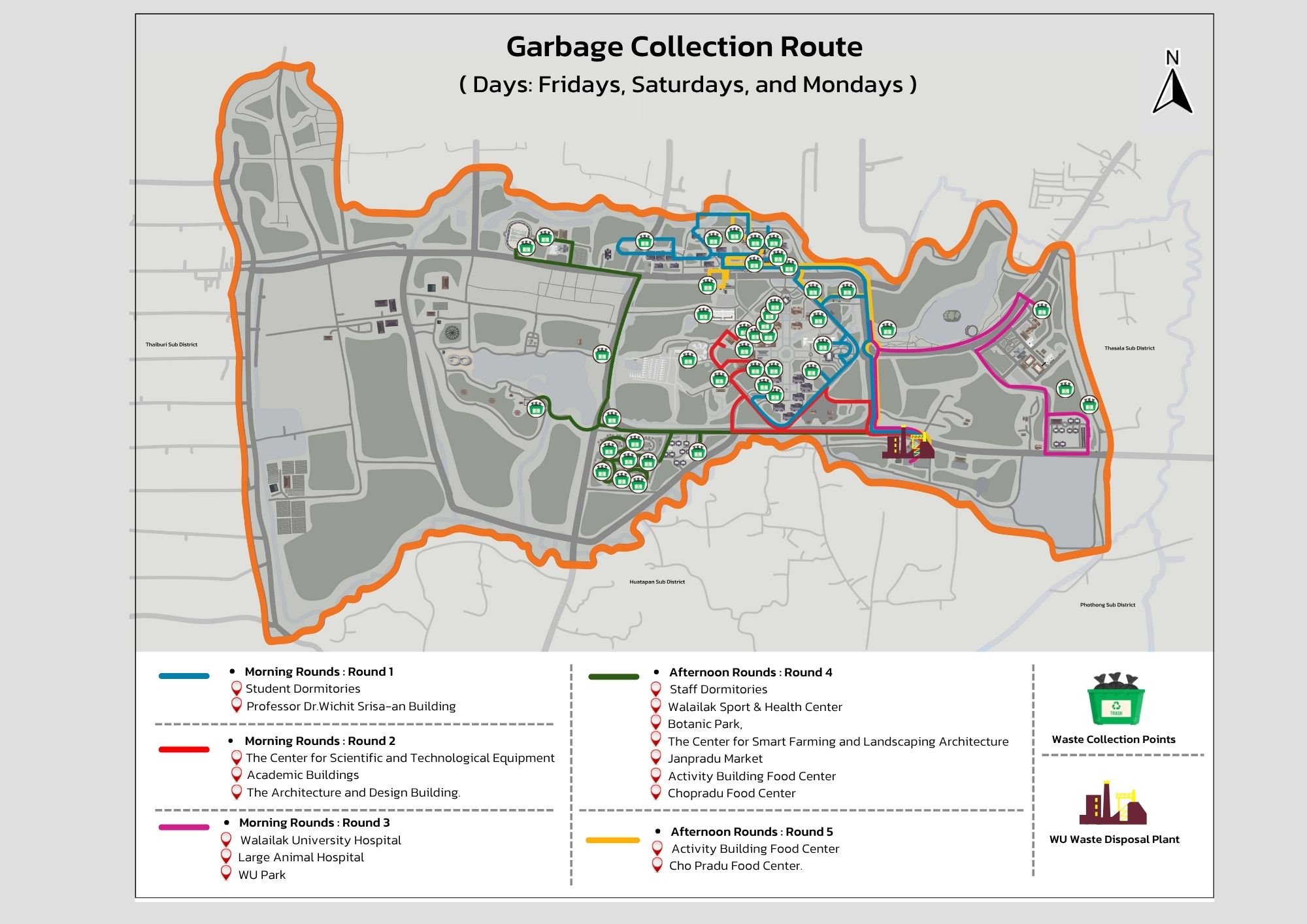
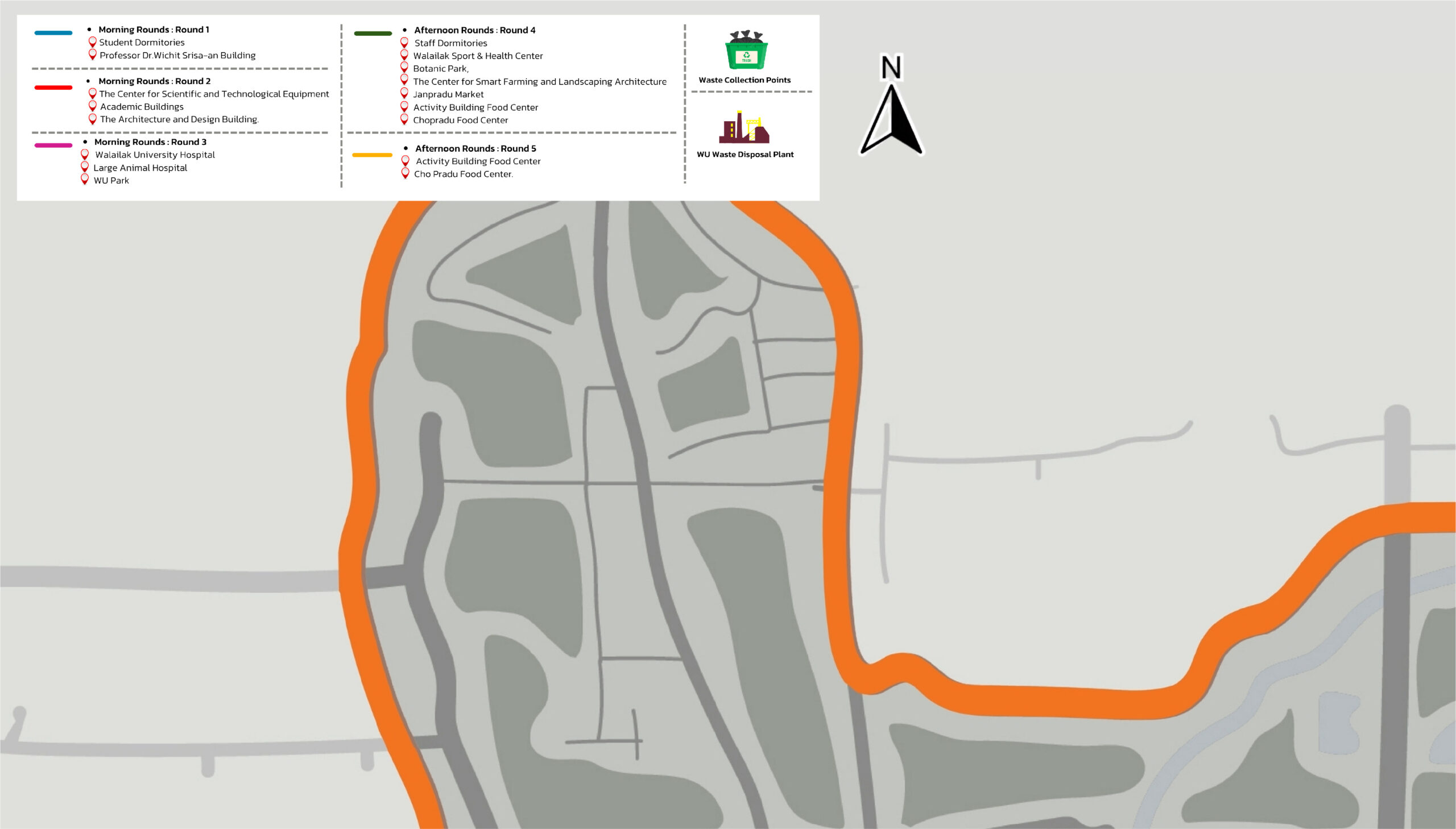
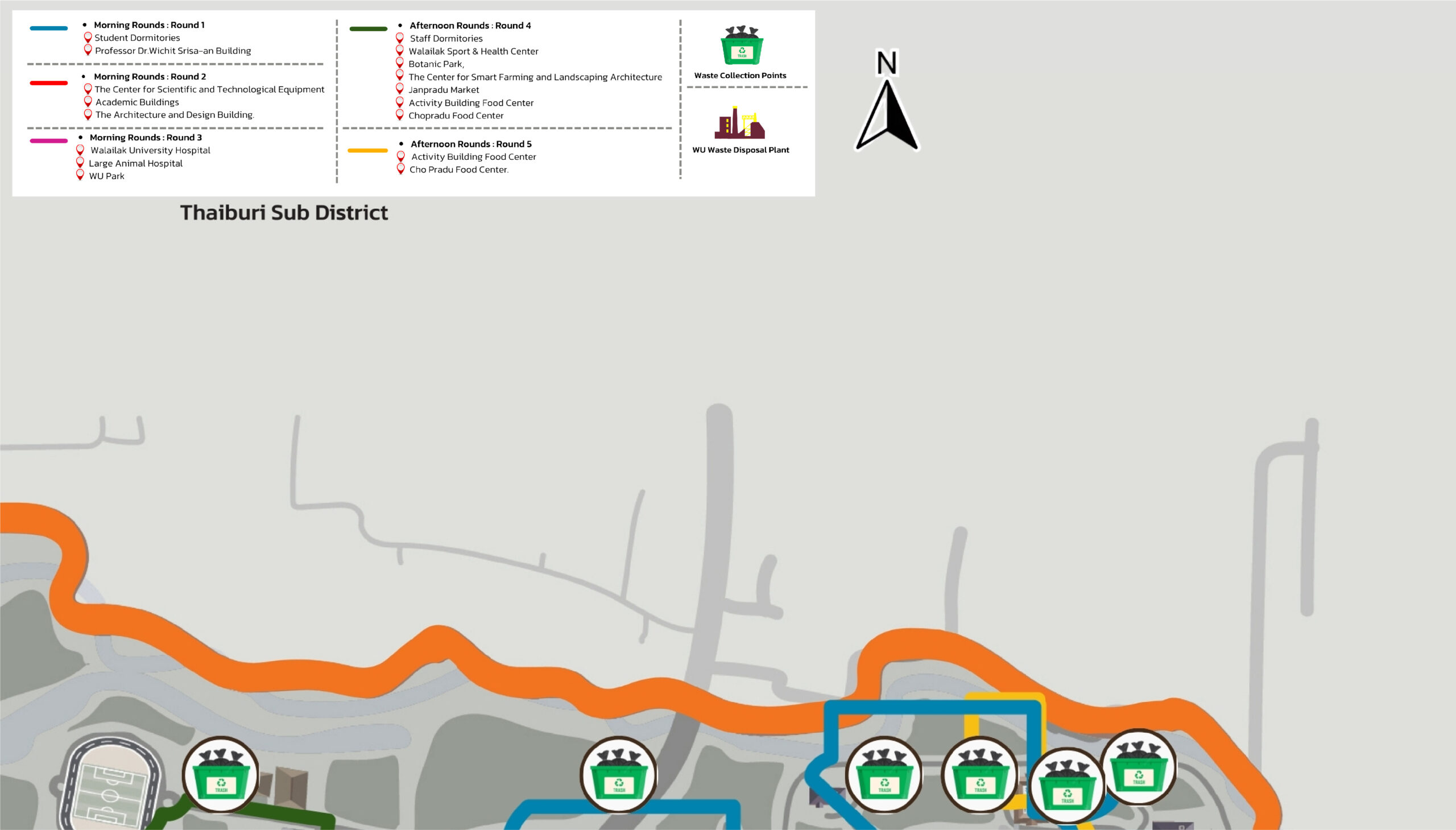
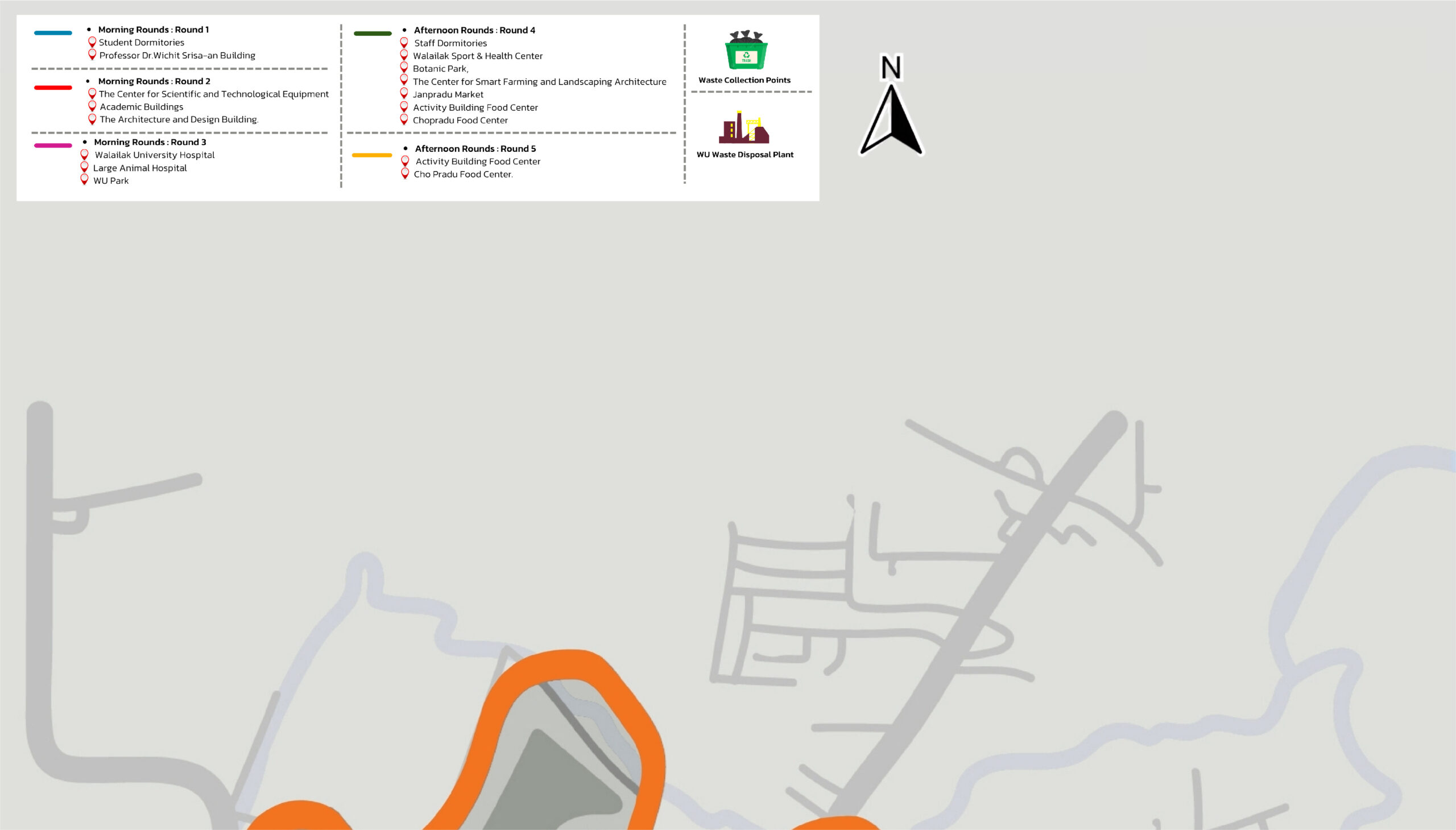
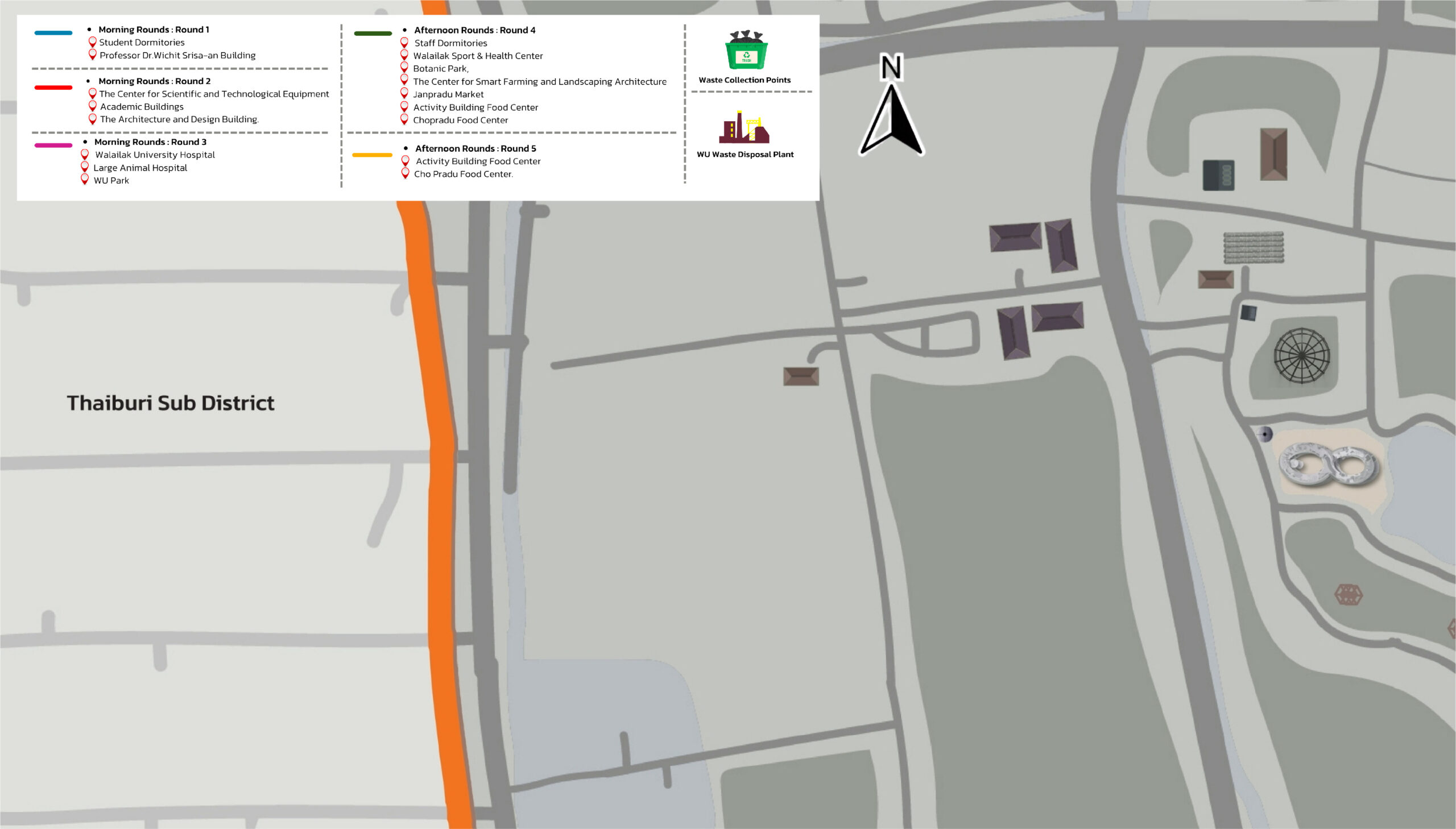
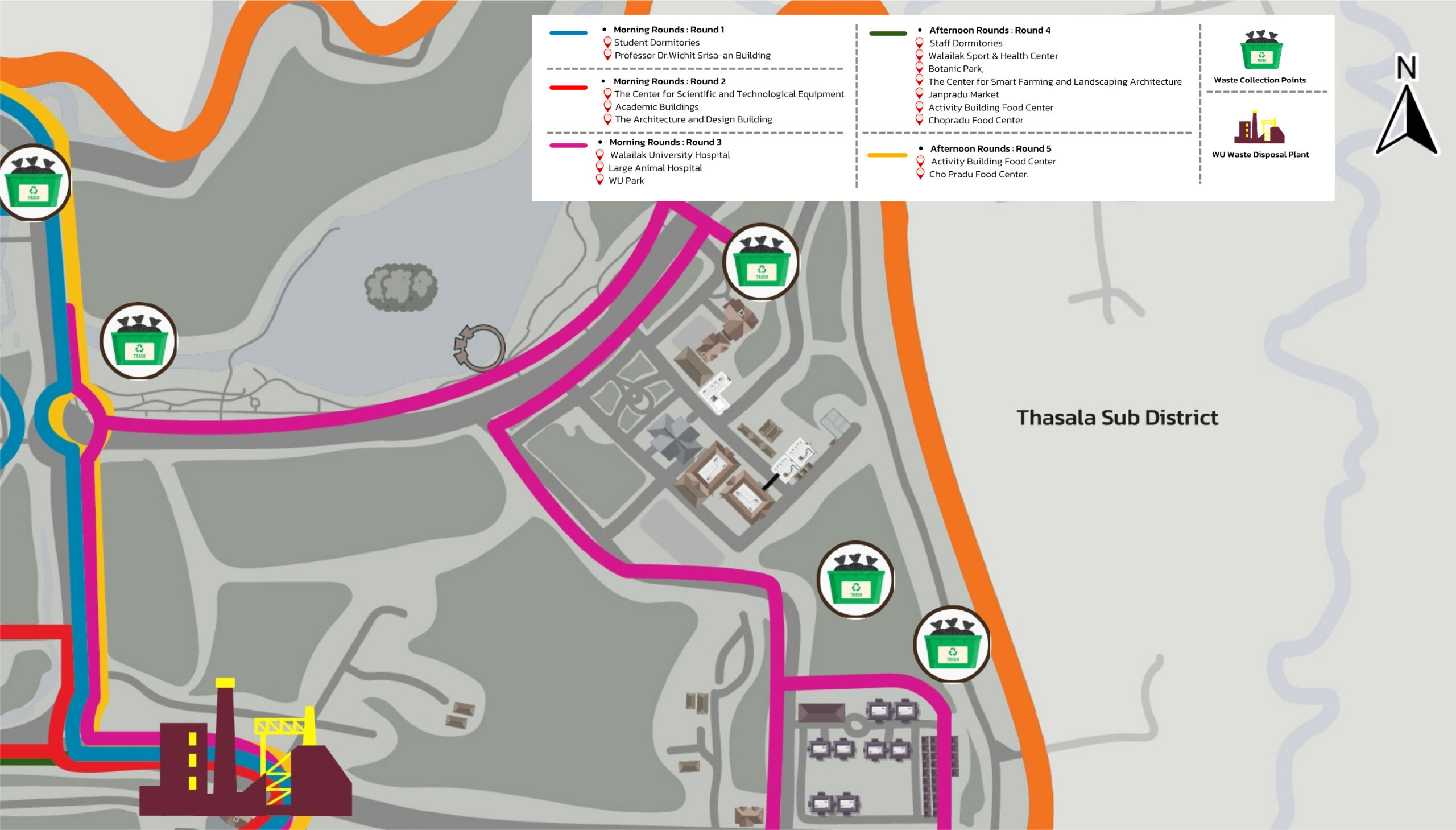
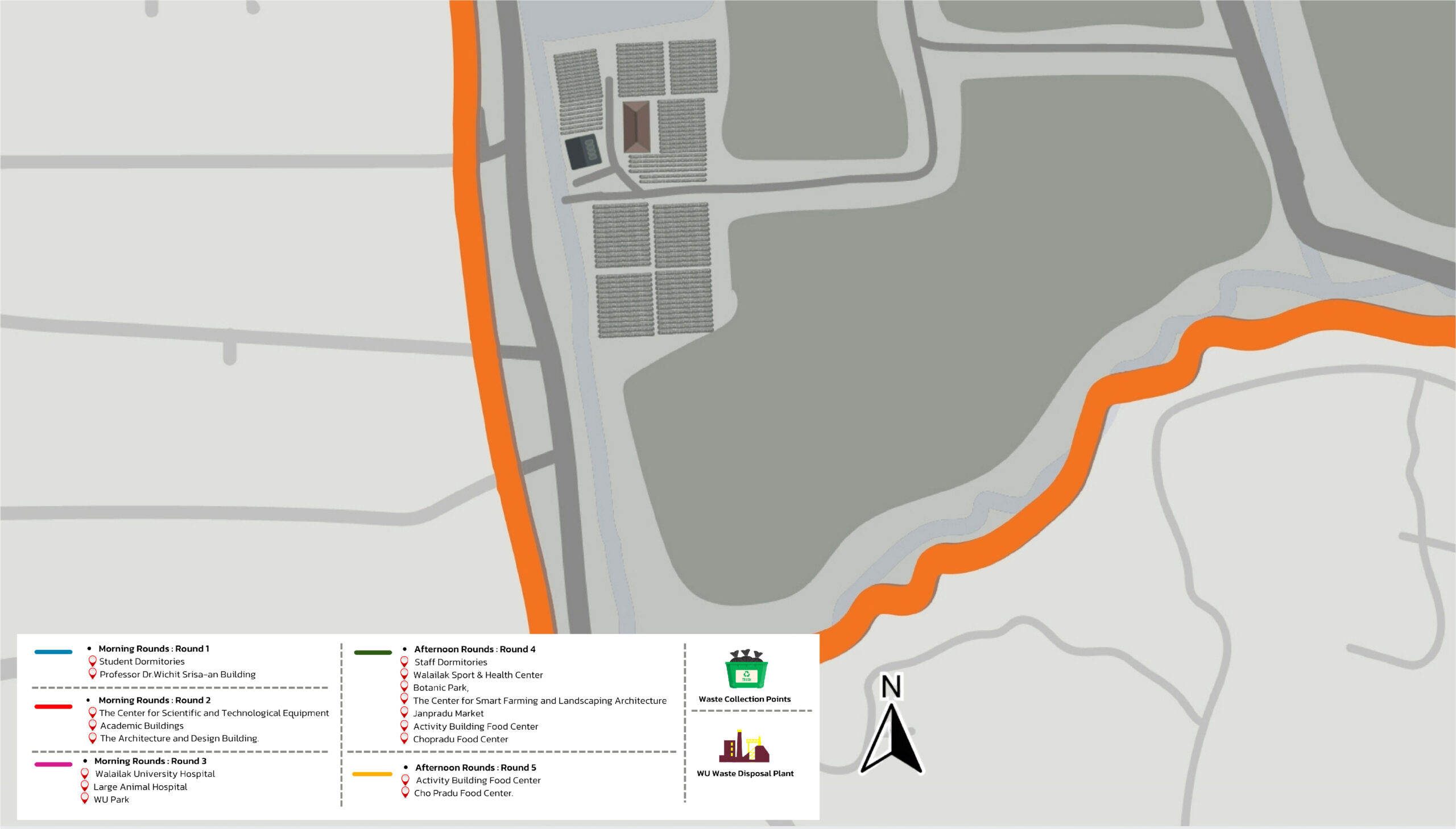
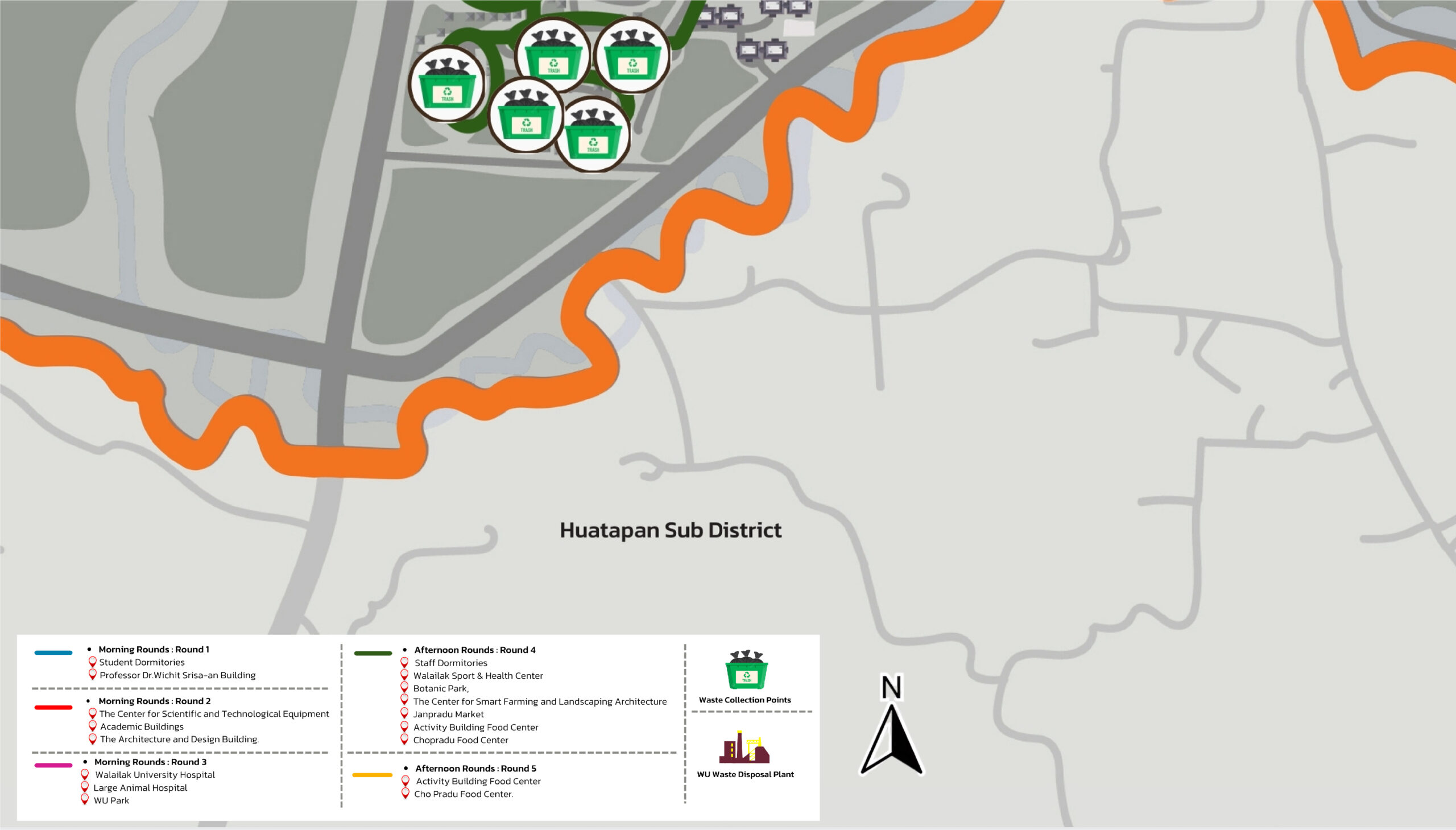
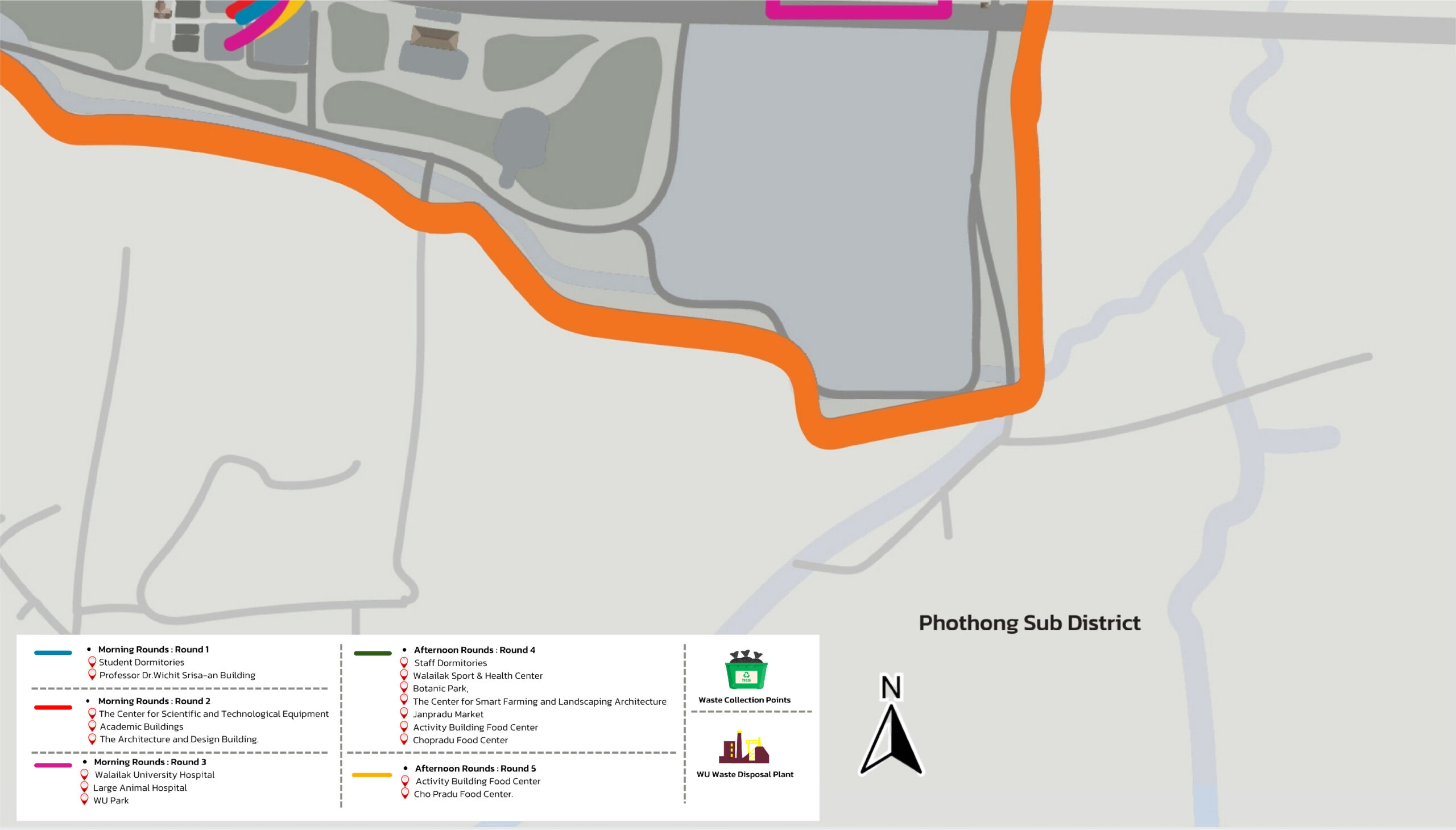
Figure 8 Garbage Collection Route
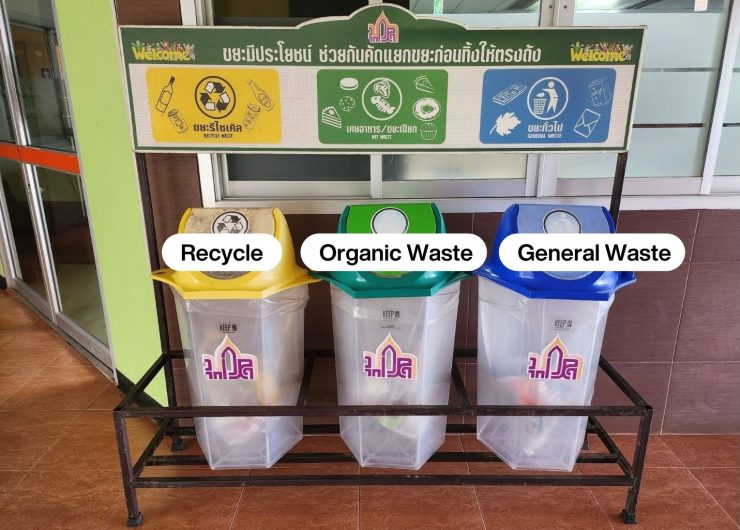
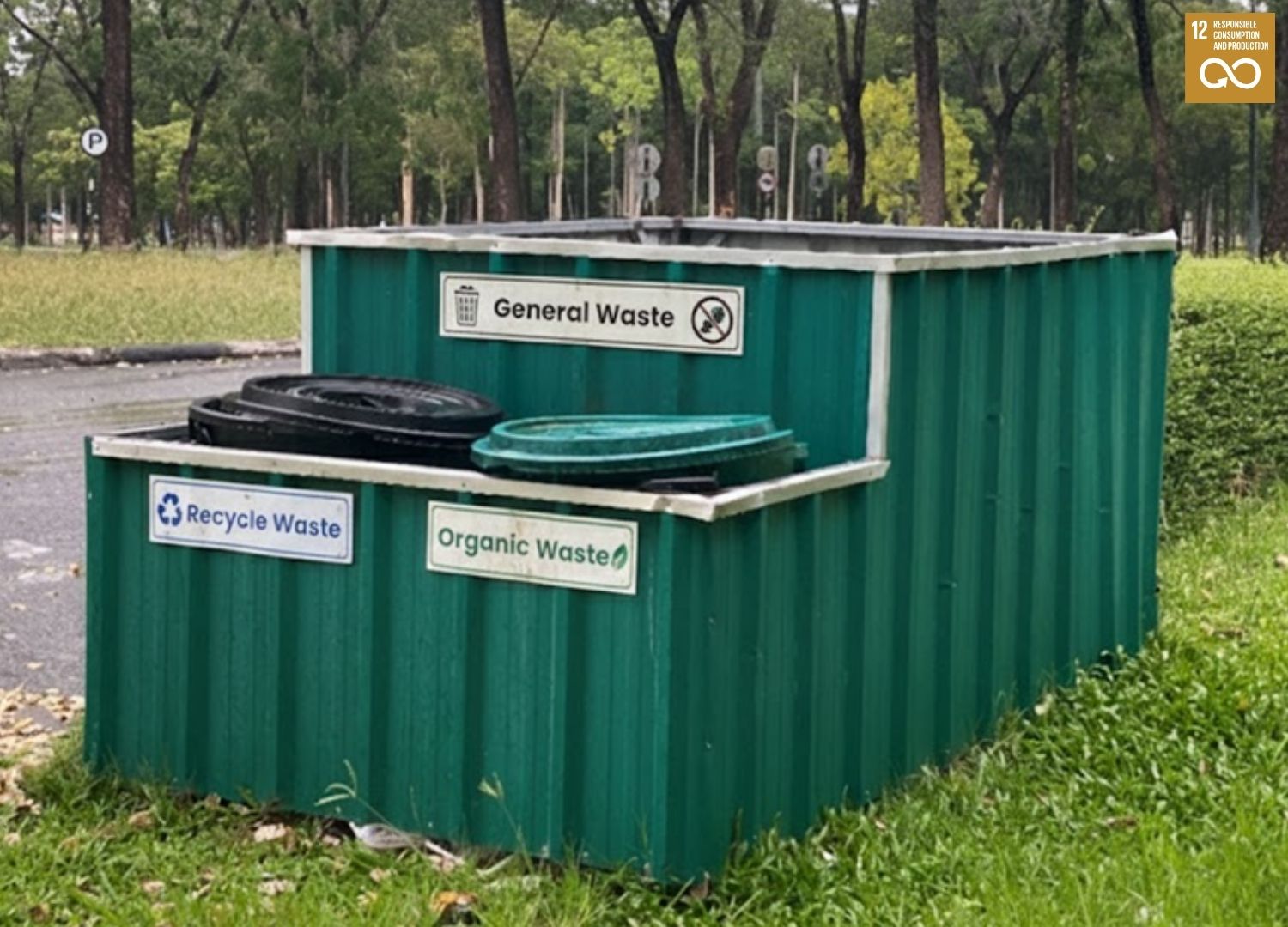
Figure 9 Waste is separated from the source, with a trash can provided for each type of waste.
Figure 10 A central waste bin is provided for the collection of waste prior to scheduled pick-up by garbage trucks.
- Food Waste Management
Food waste at the university amounts to approximately 9.43 tons per year, primarily originating from cafeterias and campus buildings. The management process includes:
- Source Separation: Food waste is separated at the point of generation in collaboration with food vendors and staff, using green bins provided by the university.
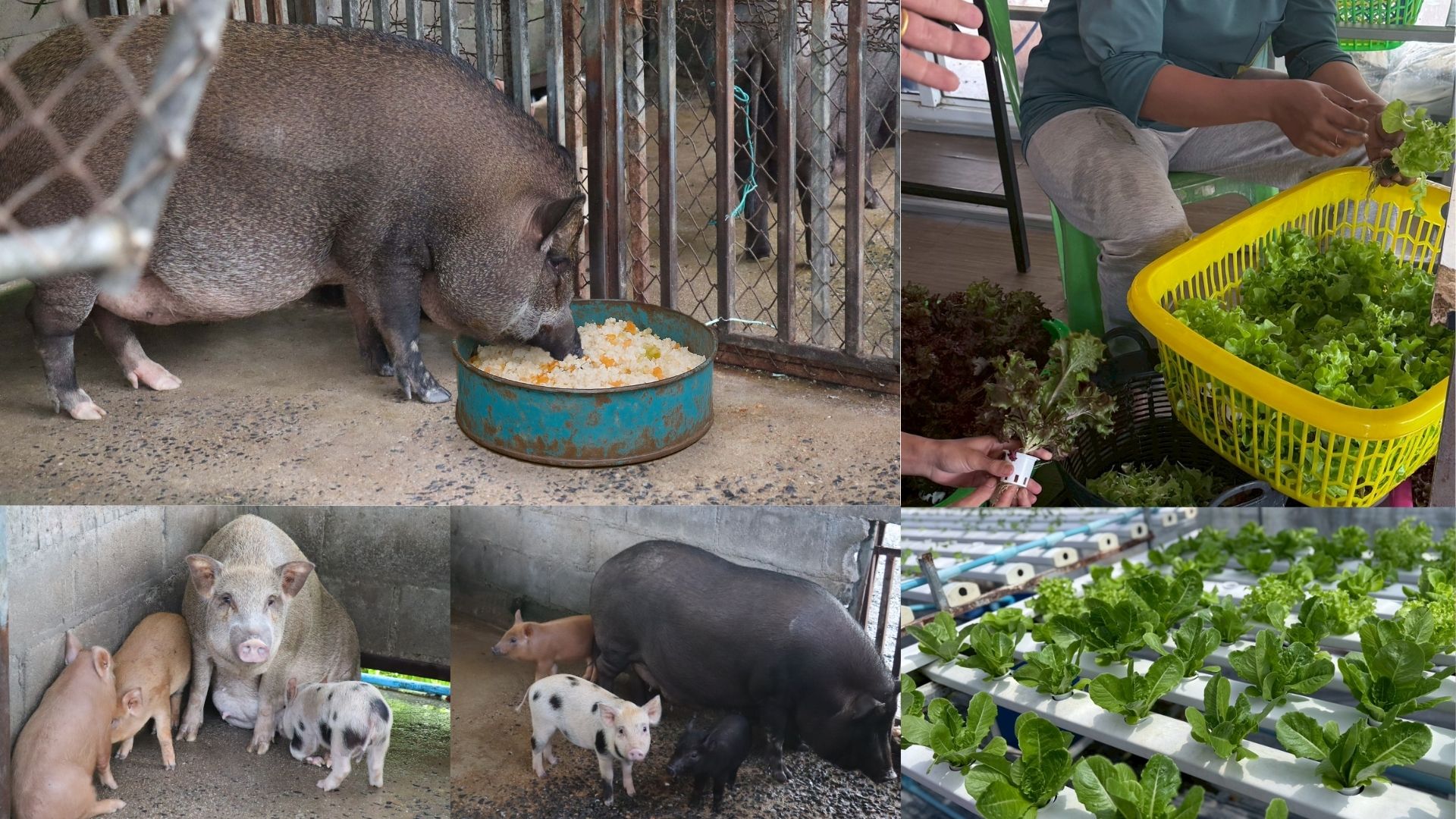
- Utilization: All collected food waste is transported to the university farm, where it is used as animal feed. This practice reduces the volume of waste sent to landfills and transforms waste into valuable resources
Discarded vegetable Waste Management
· Source Separation: Discarded vegetables are separated at the point of generation in collaboration with food vendors and staff, using designated green bins provided by the university.
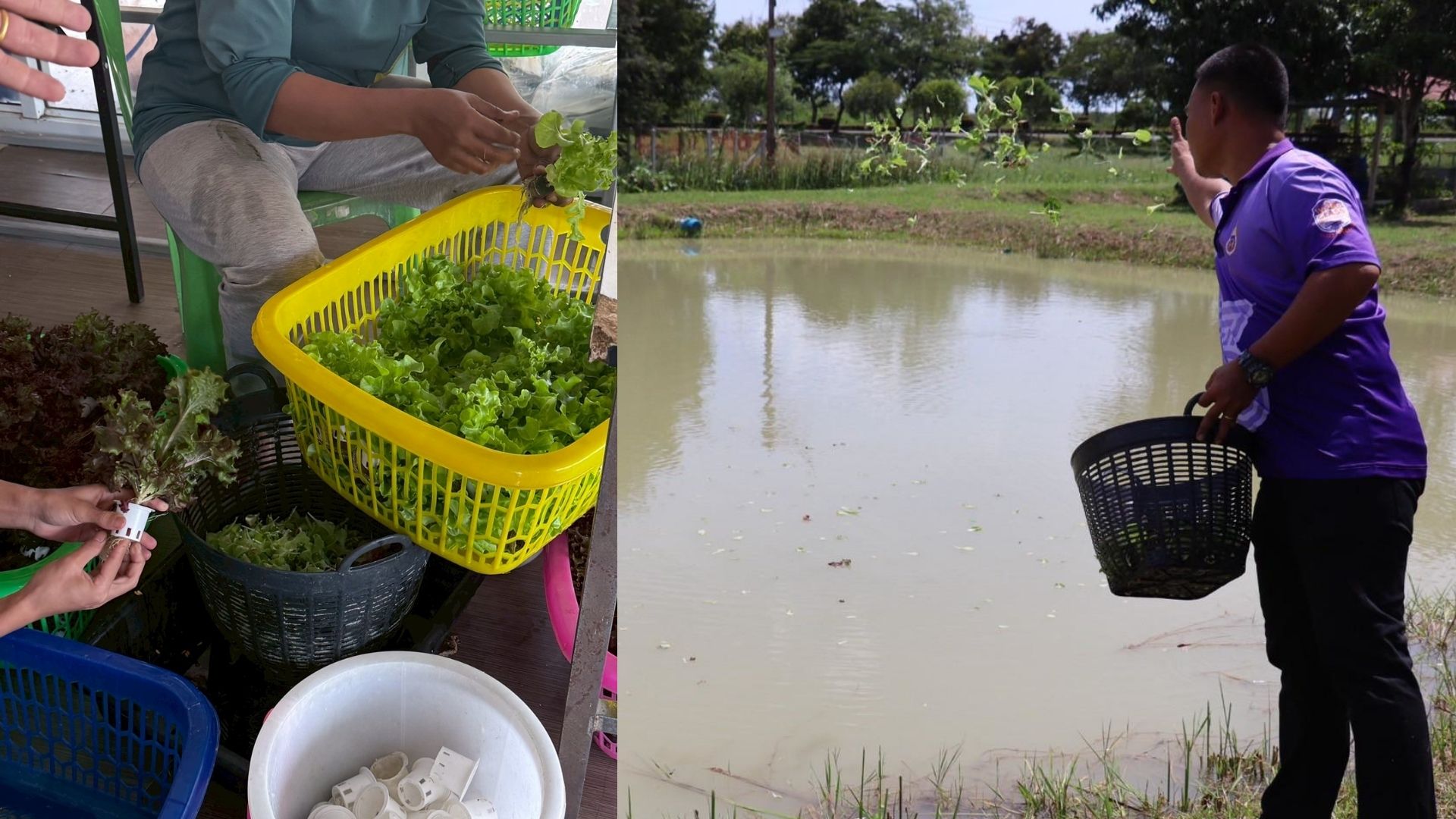
- Utilization: The collected vegetables are divided into two streams: the first portion is transported to the university farm to be used as animal feed 4.04 ton, while the second portion is processed into fish feed 0.14 ton. This approach reduces the amount of waste sent to landfills and converts discarded vegetables into valuable resources.
Utilization of Food Waste as Animal Feed
Figure 11: Food Waste Utilization: Used as animal feed and fish feed on the university farm.
Food Waste and Discarded vegetable Management
Food waste at the university amounts to approximately 9.43 tons per year, primarily originating from cafeterias and campus buildings. The management process includes:
Source Separation: Food waste is separated at the point of generation in collaboration with food vendors and staff, using green bins provided by the university.
Utilization: All collected food waste is transported to the university farm, where it is used as animal feed. This practice reduces the volume of waste sent to landfills and transforms waste into valuable resources
Discarded vegetable Waste Management
· Source Separation: Discarded vegetables are separated at the point of generation in collaboration with food vendors and staff, using designated green bins provided by the university.
Utilization: The collected vegetables are divided into two streams: the first portion is transported to the university farm to be used as animal feed 4.04 ton, while the second portion is processed into fish feed 0.14 ton. This approach reduces the amount of waste sent to landfills and converts discarded vegetables into valuable resources.
Utilization of Garden Waste as compost for crops on the university farm .
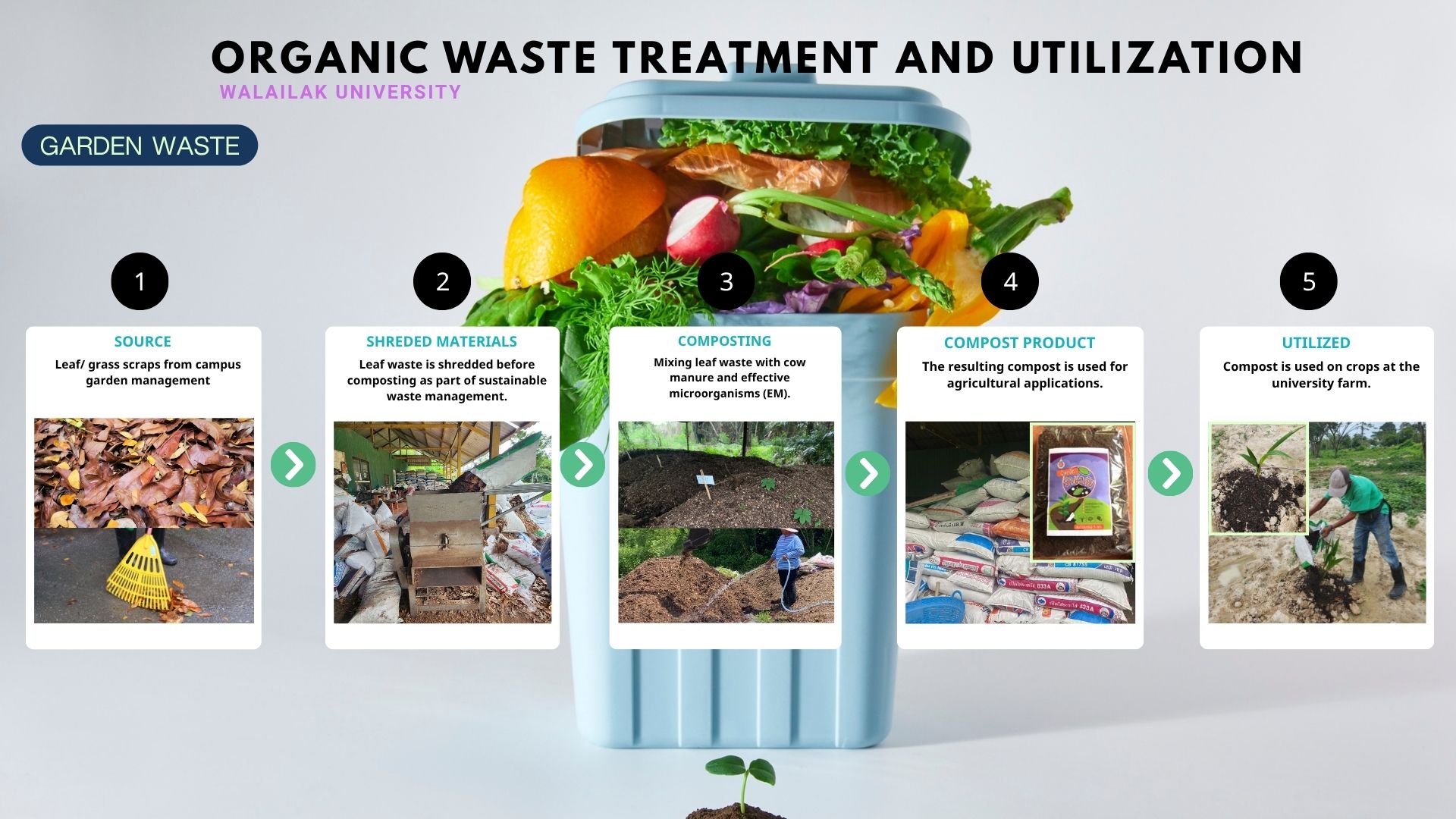
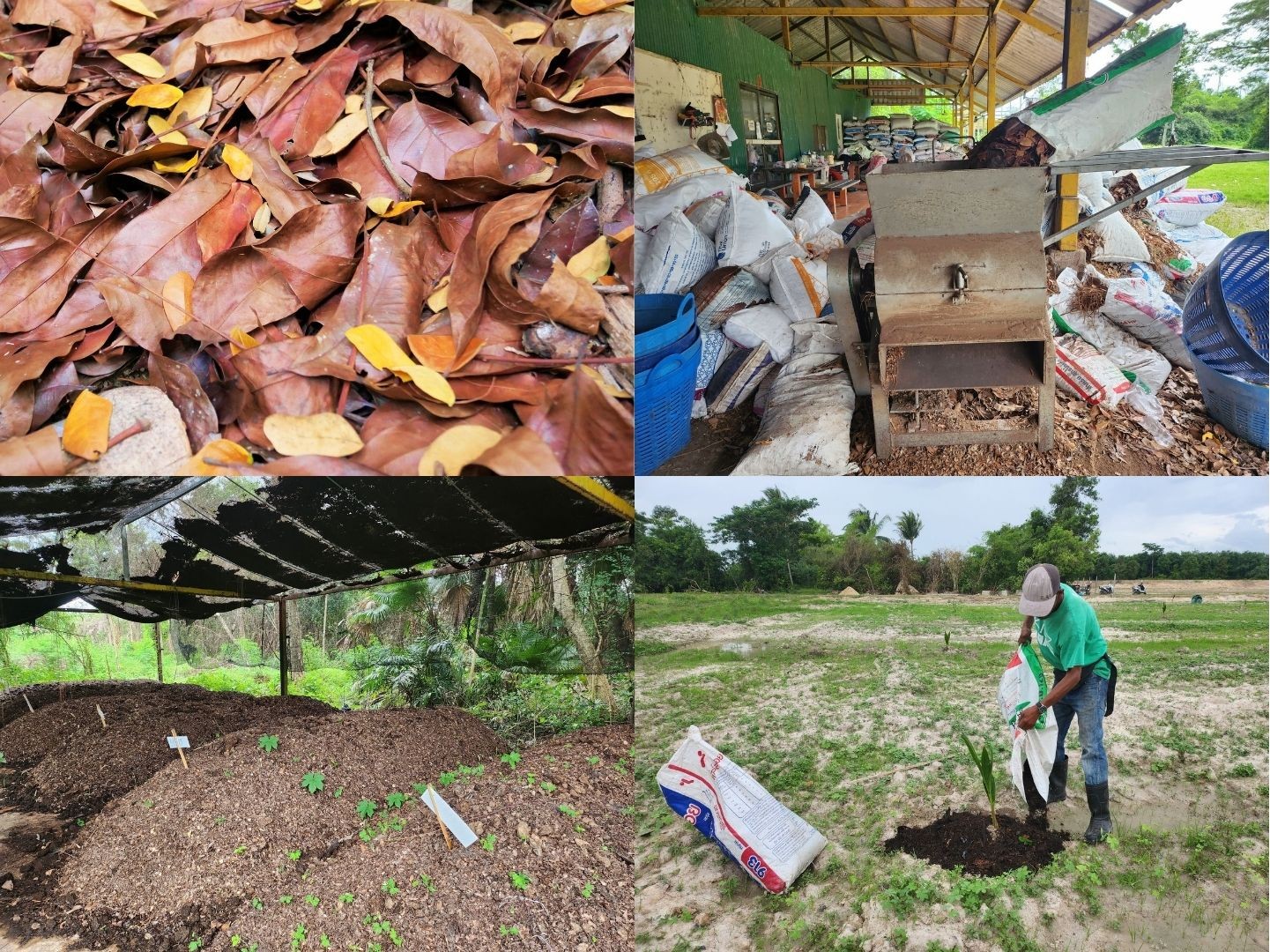
Figure 12 Garden Waste Utilization: Used as compost for crops on the university farm |
Composting Initiative
The university has demonstrated a strong commitment to sustainable organic waste management through the systematic implementation of a composting initiative. Organic materials, such as leaves, branches, and grass clippings, are collected and combined with animal manure before undergoing a controlled composting process based on academic knowledge and standardized procedures. The resulting high-quality compost is utilized to maintain and enhance green spaces within the university, including public gardens, lawns, and landscape projects.
This initiative plays a critical role in reducing reliance on chemical and commercial fertilizers with high costs, while simultaneously enhancing soil fertility, promoting biodiversity, and contributing to long-term ecological balance. The university has established a continuous monitoring system to assess the quality and nutrient content of the compost, ensuring that the produced material meets standards and provides genuine environmental benefits.
From a policy and strategic perspective, the composting initiative exemplifies the integration of Circular Waste Management principles and aligns with the UI GreenMetric framework by transforming organic waste into valuable resources. It serves as a model of sustainability practice within the university and acts as a hands-on learning platform for students and researchers to develop environmental innovations and technologies, there by supporting the creation of a sustainable future.
Environmental Impact and Alignment with UI GreenMetric Goals
Walailak University’s organic waste management practices have a substantial positive impact on the environment and demonstrate strong alignment with the UI GreenMetric framework by prioritizing waste reduction, resource efficiency, and sustainable campus operations. Key initiatives, including composting and the conversion of food waste into animal feed, enable the university to meet and exceed established sustainability benchmarks.
The composting program contributes directly to greenhouse gas mitigation by diverting organic waste from landfills, which are a significant source of methane emissions. Additionally, the application of compost on campus reduces reliance on synthetic fertilizers, further decreasing the university’s overall carbon footprint. In 2025, the utilization of organic waste as animal feed contributed to a reduction of approximately 34.44 ton CO₂eq in greenhouse gas emissions. Moreover, by segregating organic materials such as branches, leaves, and weeds for compost or soil conditioner production, the university achieved an additional reduction of approximately 785.85 ton CO₂eq, demonstrating a tangible commitment to environmental stewardship and sustainability.
In 2025:
– the utilization of organic waste for animal feed and fish feed resulted in a reduction of 34.44 tonCO2eq
– By separating organic waste such as branches, leaves, and weeds to produce compost or soil conditioners, this process not only helps reduce waste volume but also lowers greenhouse gas emissions by 785.85 tonCO2eq. (Walailak University, Thailand)
Overall, Walailak University’s organic waste treatment initiatives exemplify a holistic approach to sustainability. They integrate education, resource efficiency, and innovative practices while fostering continuous improvement. By transforming organic waste into valuable resources, the university not only minimizes environmental impacts but also establishes a model of sustainable resource management that can be replicated within the academic community.
Conclusion
Walailak University treatment 100% of its organic waste; therefore, Extensive (> 85% treated).
Follow up through the dashboard
Figure 13 A quantitative data collection system has been established to enable real-time analysis and visualization through a dashboard.