Toxic Waste Treatment
Toxic Waste Treatment
Inorganic waste Generation in University
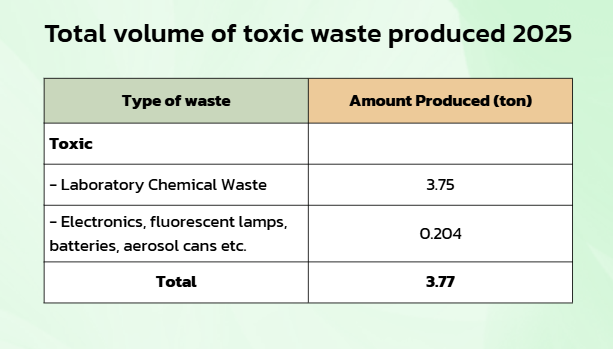
Figure 1.1 Total volume of toxic waste produced in this year
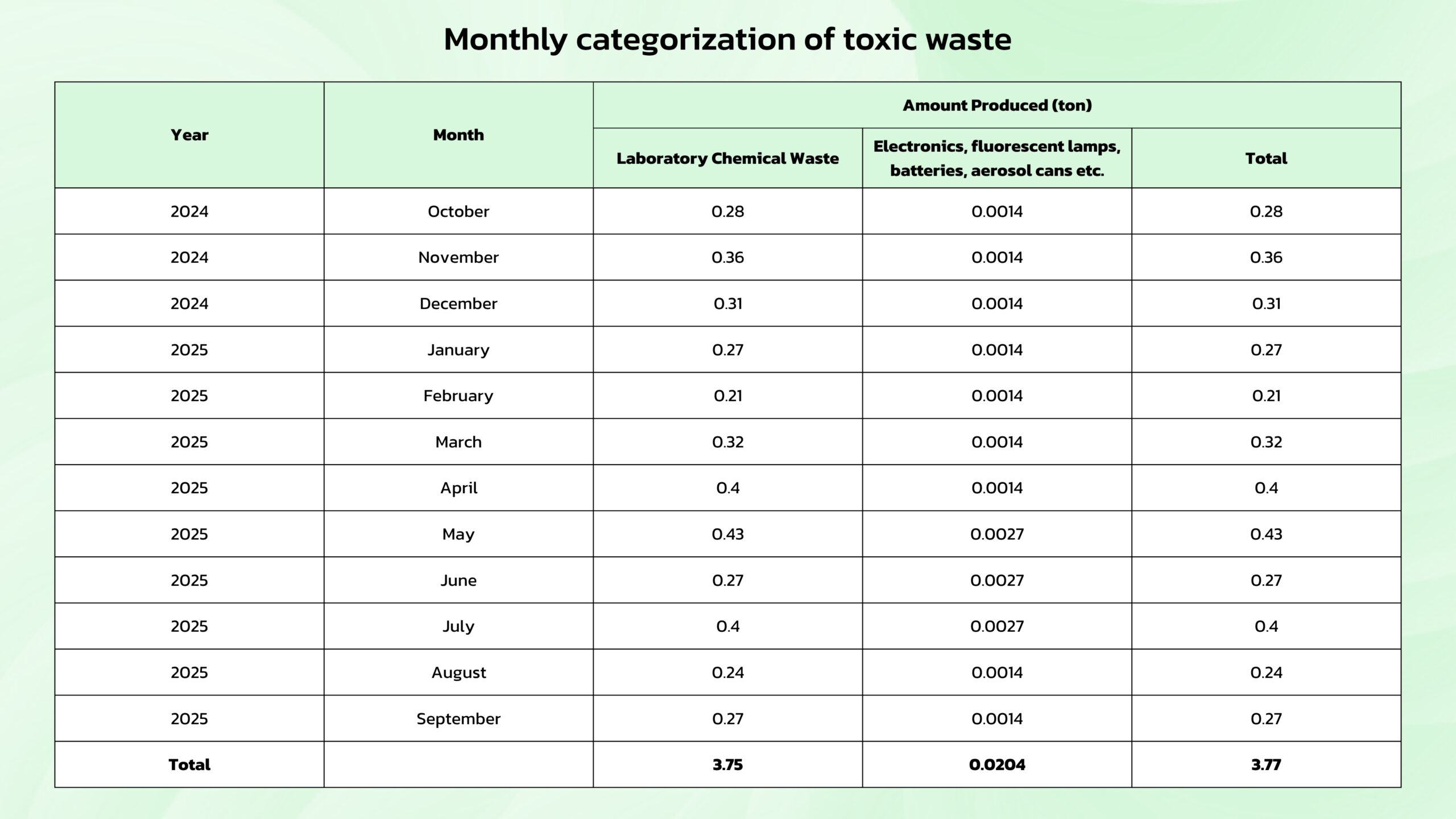
Figure 1.2 Total volume of toxic waste produced in this year
The total volume of toxic waste produced at Walailak University 3.77 tons per year.
In assessing toxic waste production at Walailak University, the total volume for 2025 amounted to 3.77 tons. The toxic waste produced consists of several categories:
- Laboratory Chemical Waste: This includes chemical by–products from research and academic activities in the university’s laboratories. The total generated from this source was 3.75 tons.
- Other Toxic Waste: This smaller category includes waste such as electronics, fluorescent lamps, batteries, and aerosol cans. The total waste from this group was 0.02 tons.
Walailak University places great importance on raising environmental awareness among staff and students through campaigns and active participation in hazardous waste separation at the source. This strategy plays a crucial role in fostering long–term environmental and safety consciousness.
The university’s hazardous waste management practices align with the UI GreenMetric framework, emphasizing the reduction of hazardous waste generation, safe collection and disposal, and efficient use of resources. Moreover, these practices are consistent with the Sustainable Development Goals (SDGs) by fully integrating hazardous waste management into the university’s operational systems.
Through systematic implementation, Walailak University not only mitigates environmental and health impacts but also strengthens its role as a higher education institution driving sustainability, serving as a model for hazardous waste management for other universities at both national and international levels.
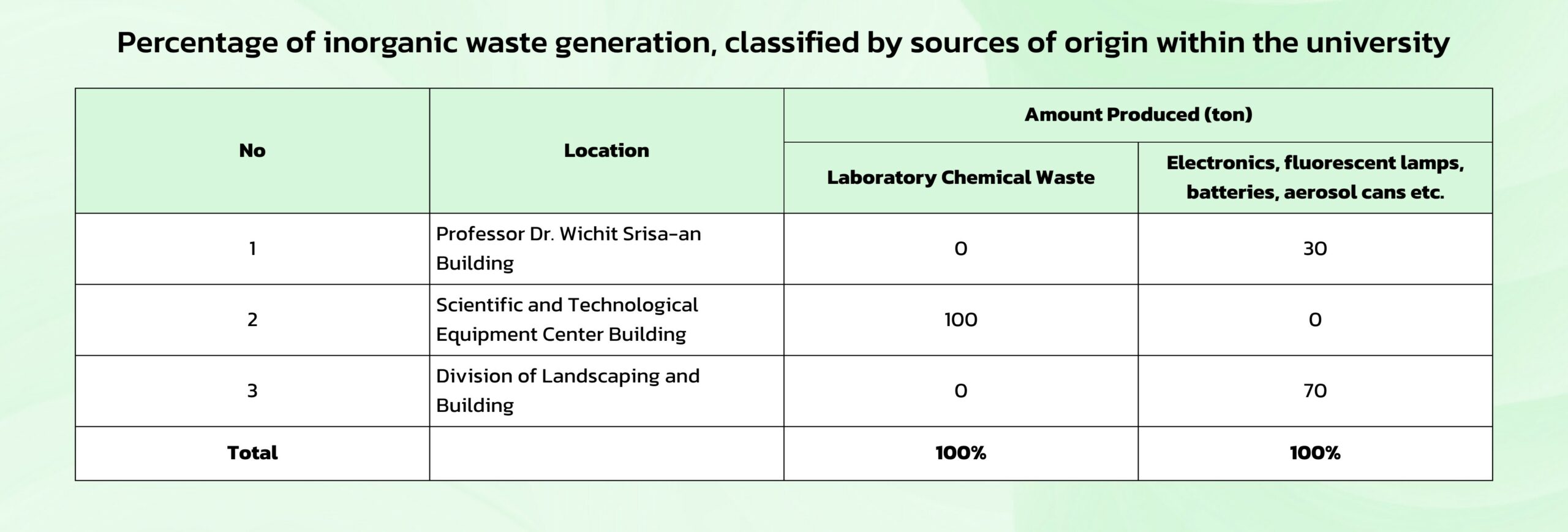
Figure 2 Percentage of inorganic waste generation, classified by sources of origin within the university
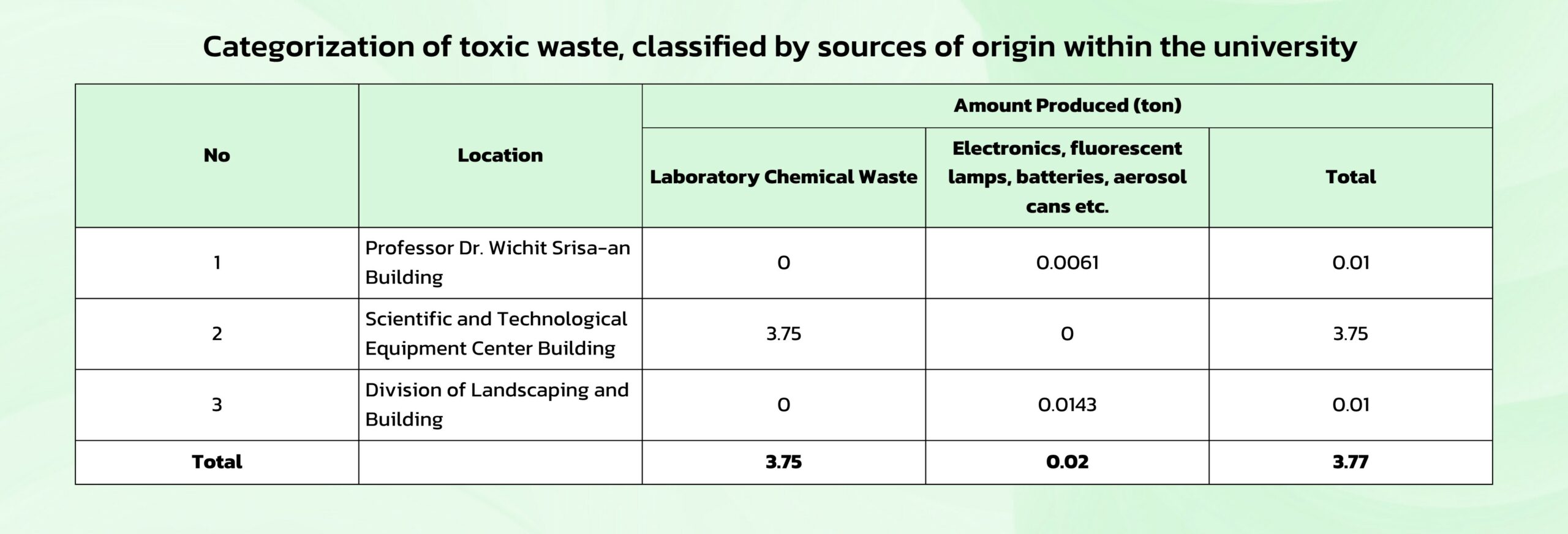
Figure 3 Categorization of toxic waste, classified by sources of origin within the university
The method of organic waste treatment in university
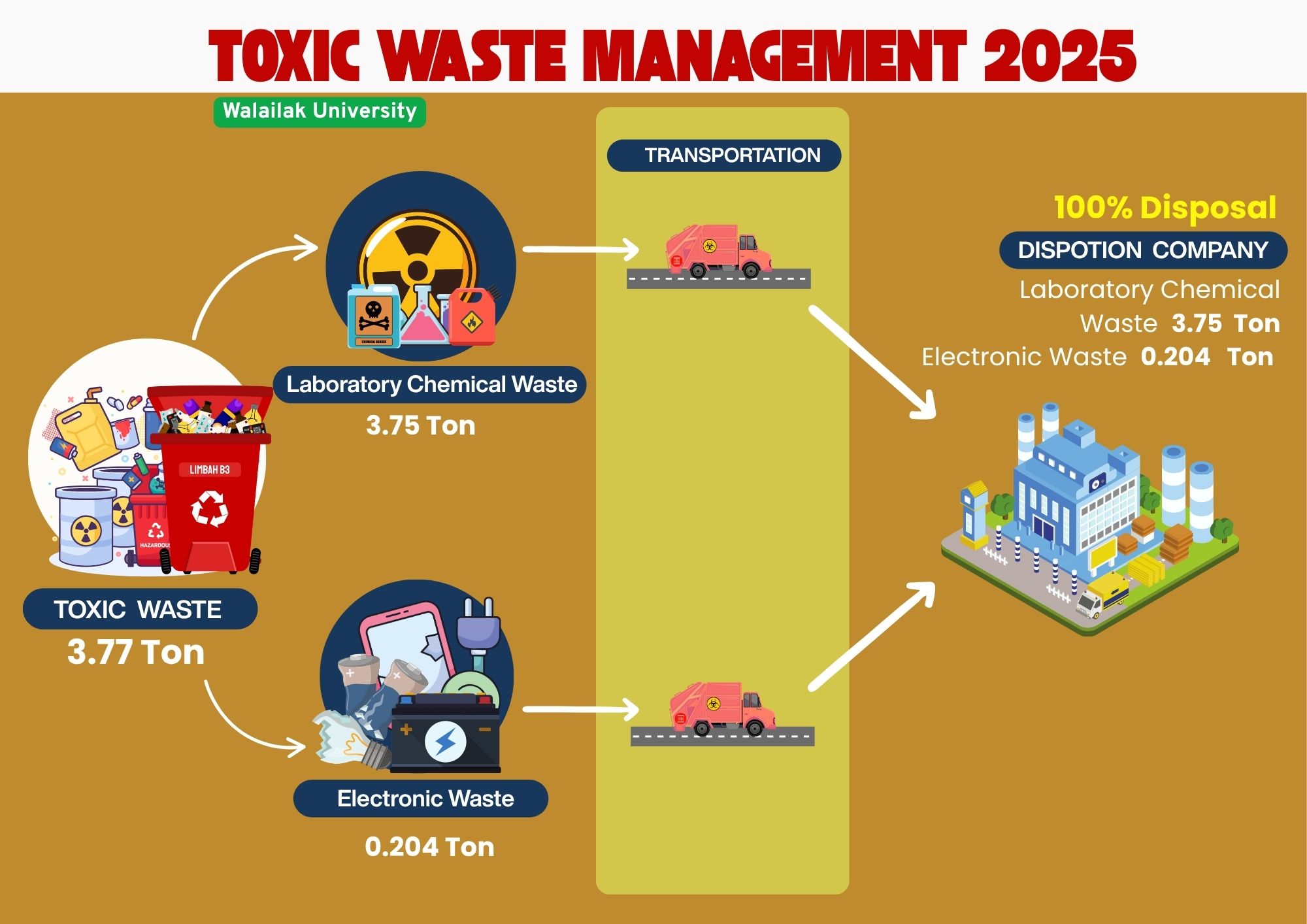
Figure 4 Toxic waste treatment and utilization this year
Walailak University has effectively managed hazardous waste. In 2025, the university handled a total of 3.77 tons of toxic waste, divided into the following main categories:
1. Laboratory Chemical Waste: 3.75 tons per year
Chemical waste generated from research and teaching activities in the university’s laboratories is collected and managed by a certified laboratory waste disposal company to ensure safe disposal in compliance with safety standards and to minimize environmental impact.
2. Other Toxic Waste: 0.02 tons per year
Smaller hazardous waste items, including electronic equipment, fluorescent lamps, batteries, and aerosol cans, are managed by disposal company to ensure safe disposal in compliance with safety standards and to minimize environmental impact. , ensuring proper and safe disposal.
Walailak University employs specialized hazardous waste disposal methods that comply with environmental and safety standards, effectively reducing environmental impacts. These practices align with the UI GreenMetric goals for waste management, efficient resource utilization, and sustainable development.
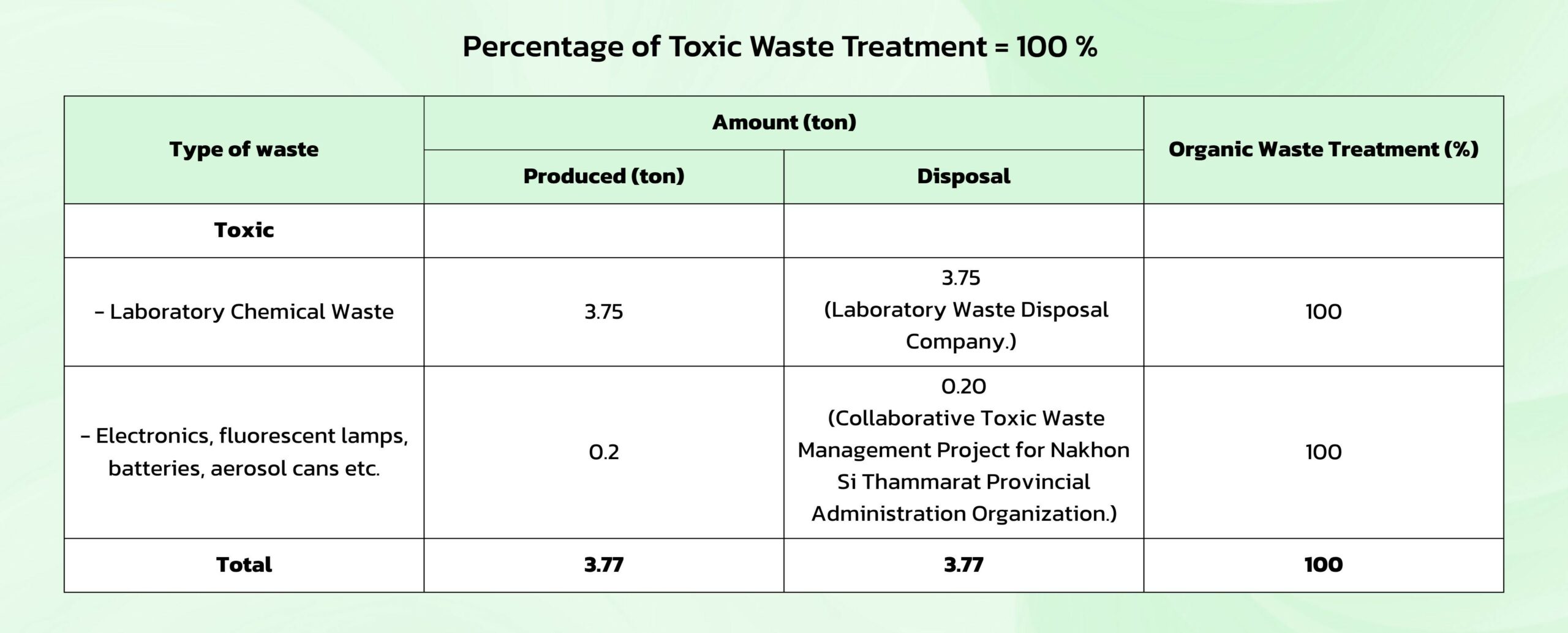
Figure 5 Percentage of Toxic Waste Treatment = 100 %
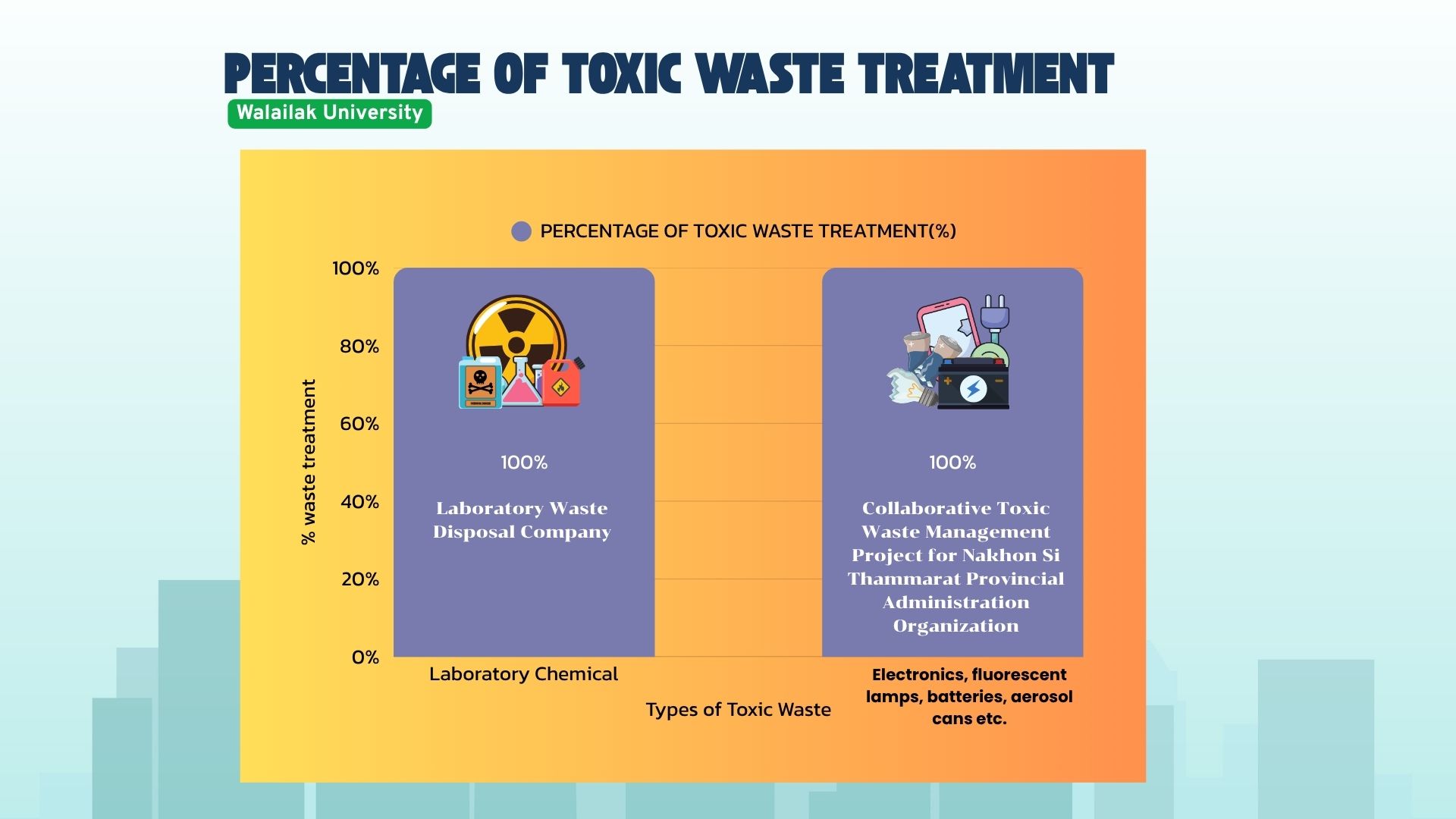
Figure 6 Percentage of Toxic Waste Treatment = 100 %
On-Campus Inorganic Waste Separation
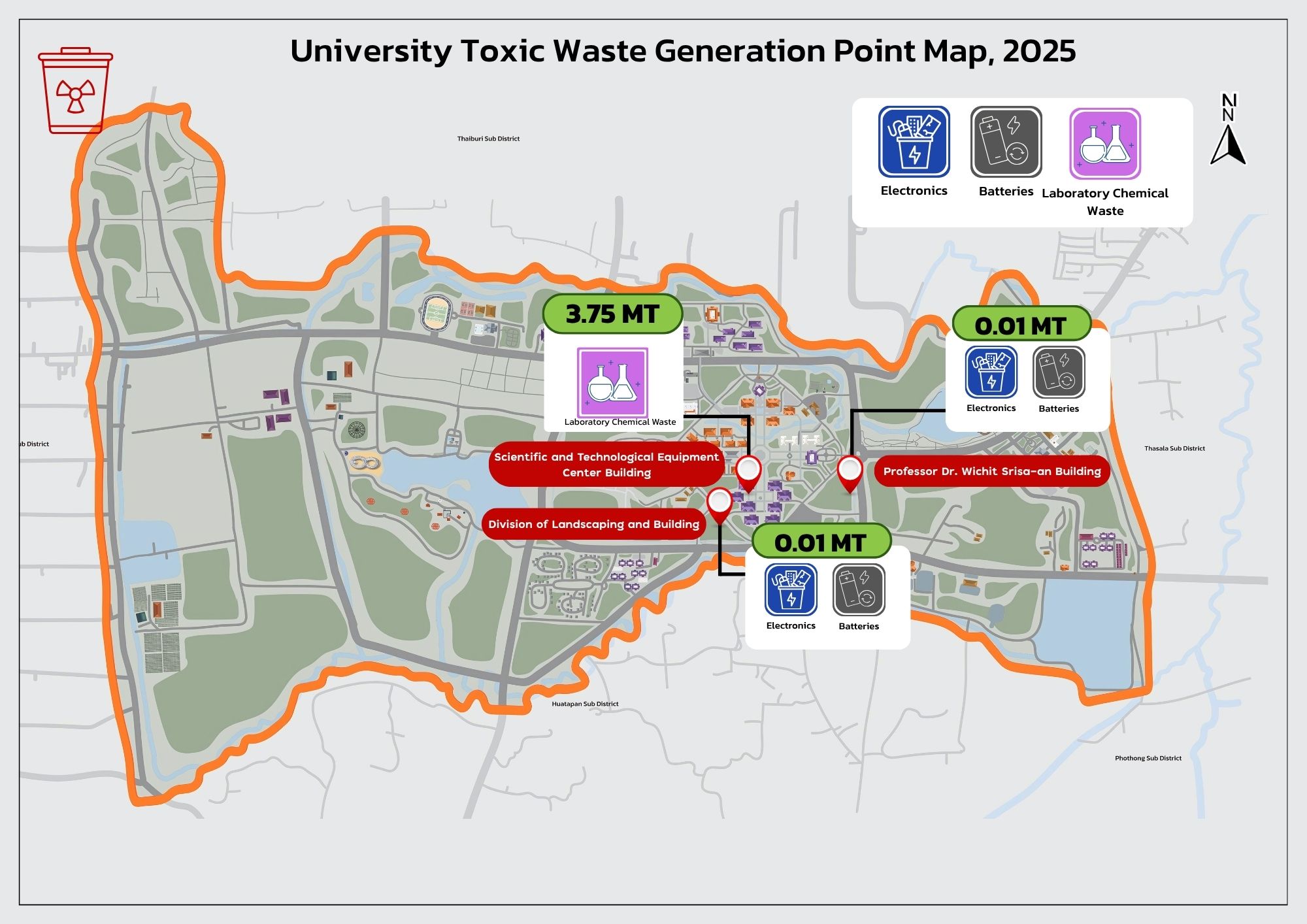
Figure 7 Map Depicting the Sources of Toxic Waste within Walailak University
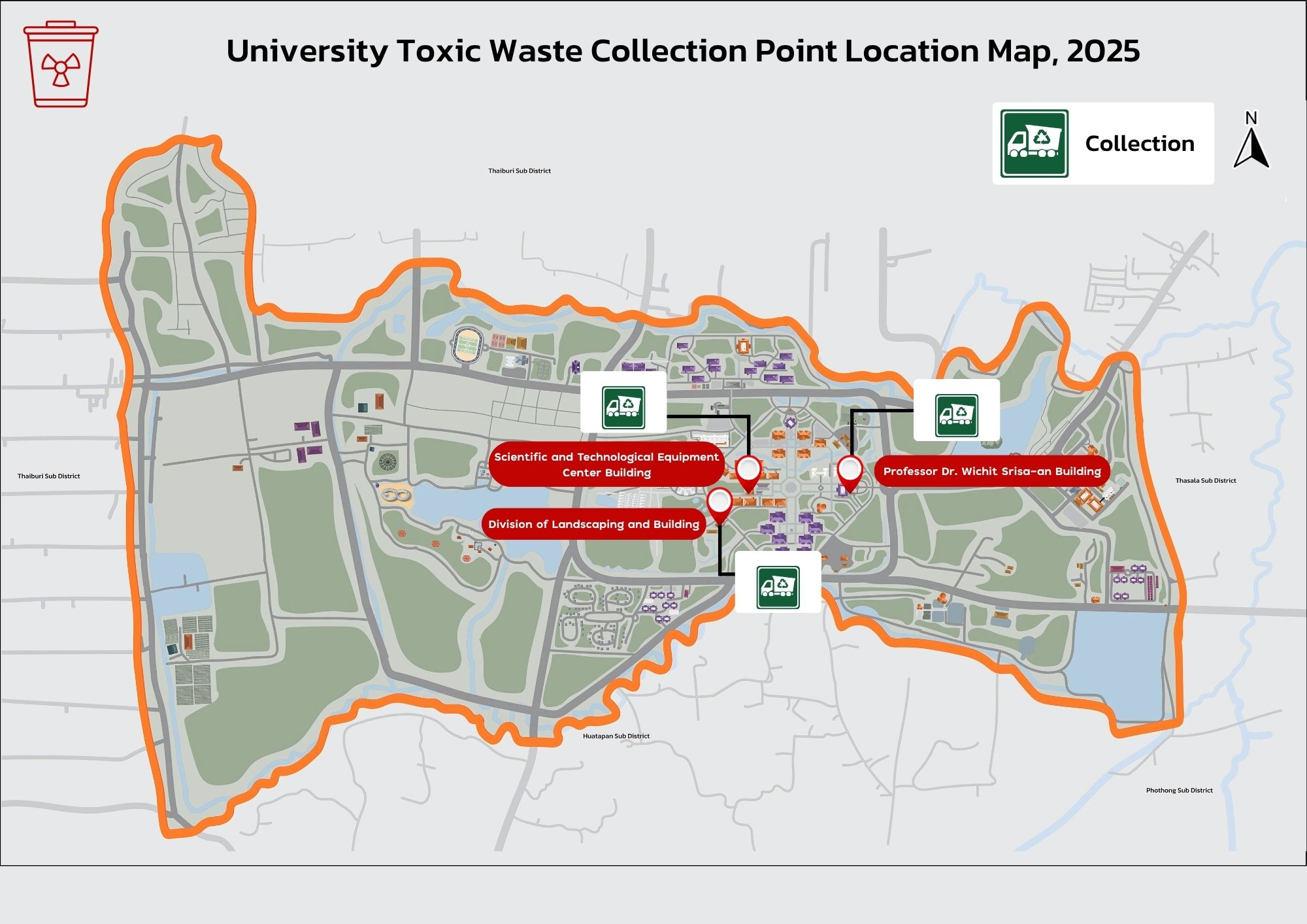
Figure 8 University Inorganic Waste Collection Point Location Map.
Figure 9 Separating Toxic waste at the source.
Toxic Waste Management at Walailak University
Walailak University places the highest priority on toxic waste management by implementing strict measures to ensure that all processes are conducted safely, scientifically, and in compliance with environmental regulations.
- Current Condition : Extensive 100% impremented treate
- Types of Toxic Waste
- Laboratory Chemical Waste : Extensive 100% impremented treate
- Electronics, fluorescent lamps, batteries, aerosol cans etc.: Extensive 100% impremented treate
- Toxic Waste Management System
The toxic waste management system at Walailak University is structured and systematic, ensuring that all types of toxic waste are handled safely, in compliance with legal requirements, and according to environmental standards. The management process is divided into the following key steps:
Source Separation
Toxic waste is segregated at the point of generation to prevent contamination and minimize risks to personnel and the environment. The measures include:
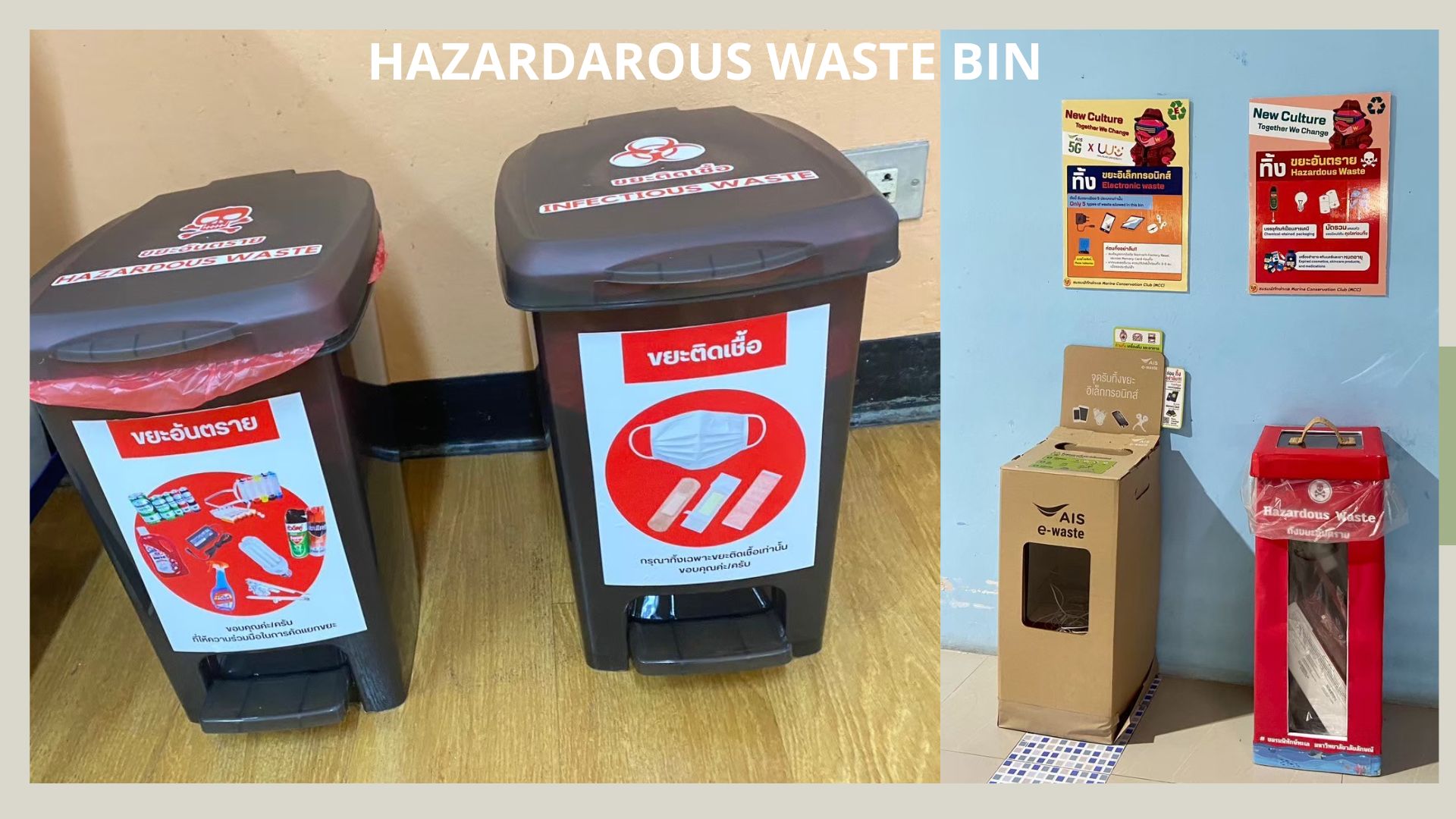
- Establishing designated toxic waste bins for specific waste categories.
- Segregating waste according to location, including laboratories, faculties, and administrative buildings.
- Clearly labeling waste containers to enable accurate and proper segregation by staff.
Temporar Storage
After segregation, toxic waste is collected and stored in secure areas within the university. The measures include:
- Storing waste in appropriate containers, such as certified glass bottles or plastic drums.
- Clearly labeling containers with the type and quantity of waste.
- Designing temporary storage facilities to prevent leaks or contamination and to strictly control access.
Transfer and Disposal
The University ensures that all toxic wastes are handled separately and transferred to certified third–party waste management companies for proper treatment and disposal in compliance with legal and environmental standards. Key measures include:
- Classification and source segregation of all toxic wastes to ensure proper handling according to type and risk level.
- Transferring waste only to authorized and certified toxic waste management operators, ensuring safe treatment and disposal.
- Maintaining contracts and certificates of toxic waste management for verification and regulatory compliance.
- Monitoring and confirming that all toxic wastes are processed and disposed of by licensed operators, minimizing environmental and health risks.
Monitoring and Record Keeping
To ensure the effectiveness of toxic waste management, the university has implemented a monitoring and record–keeping system:
- Preparing annual reports on the volume of toxic waste.
- Recording the transfer of waste to waste management companies.
- Monitoring and auditing all management processes to ensure compliance with safety standards and legal requirements.
This systematic approach ensures the safe, responsible, and legally compliant management of toxic waste, supporting the university’s commitment to environmental sustainability.
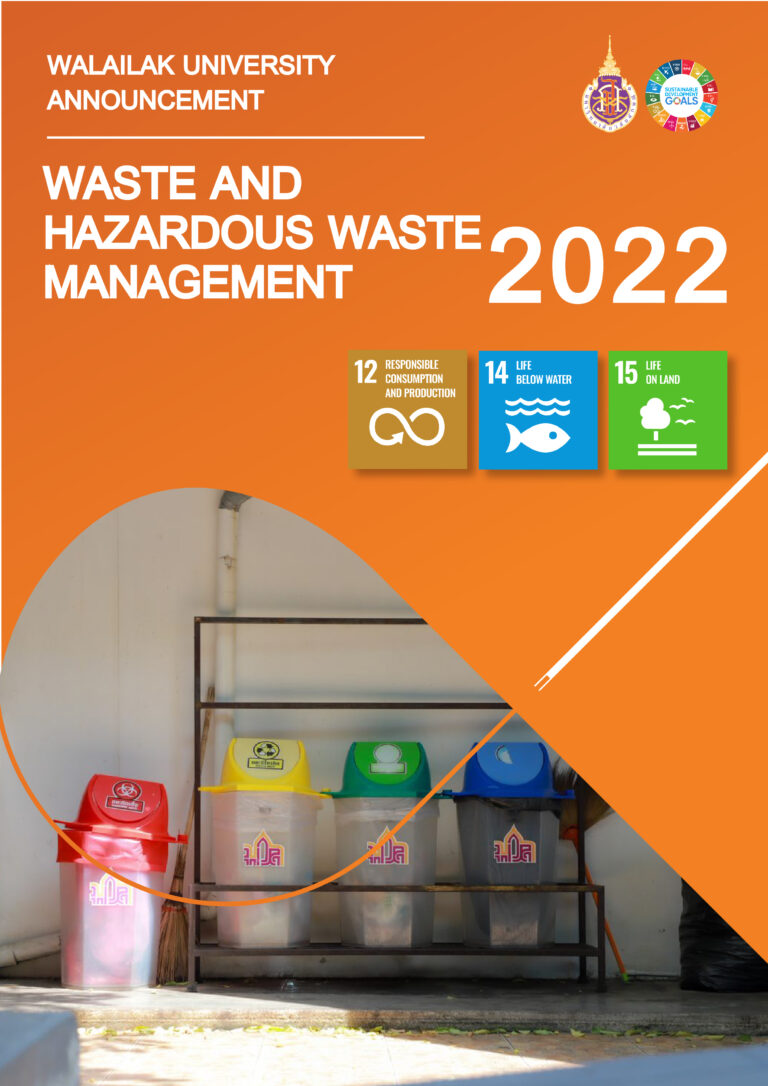
Figure 11 Waste management manual
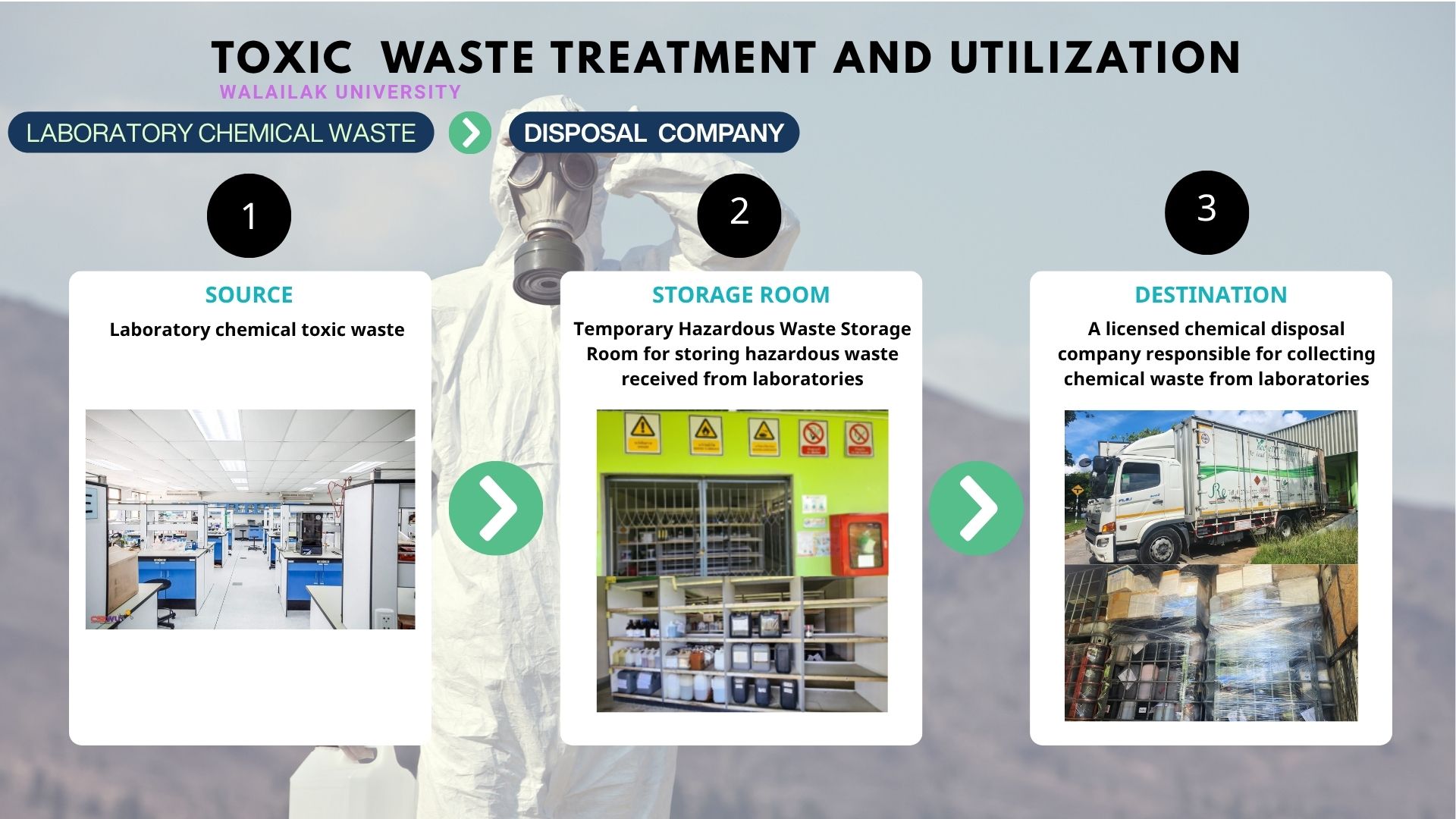
Figure 12 A chemical disposal company that has received a business license receives chemicals to bring toxic Waste from the labs into the correct management system.
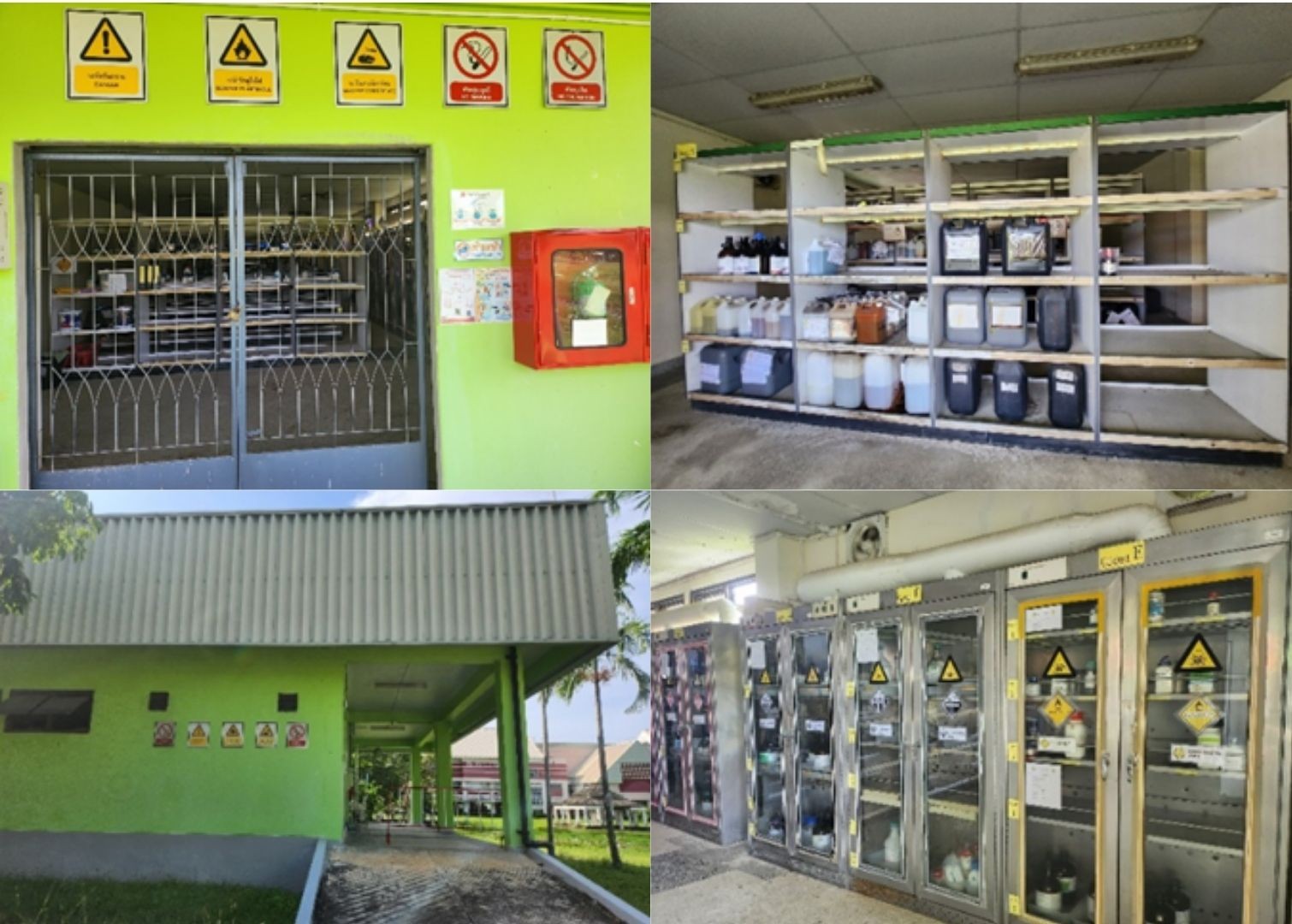
Figure 12 Temporary Waste Storage to safely store the Toxic Waste received from the labs where they are originated until they are picked up from the authorized Company.
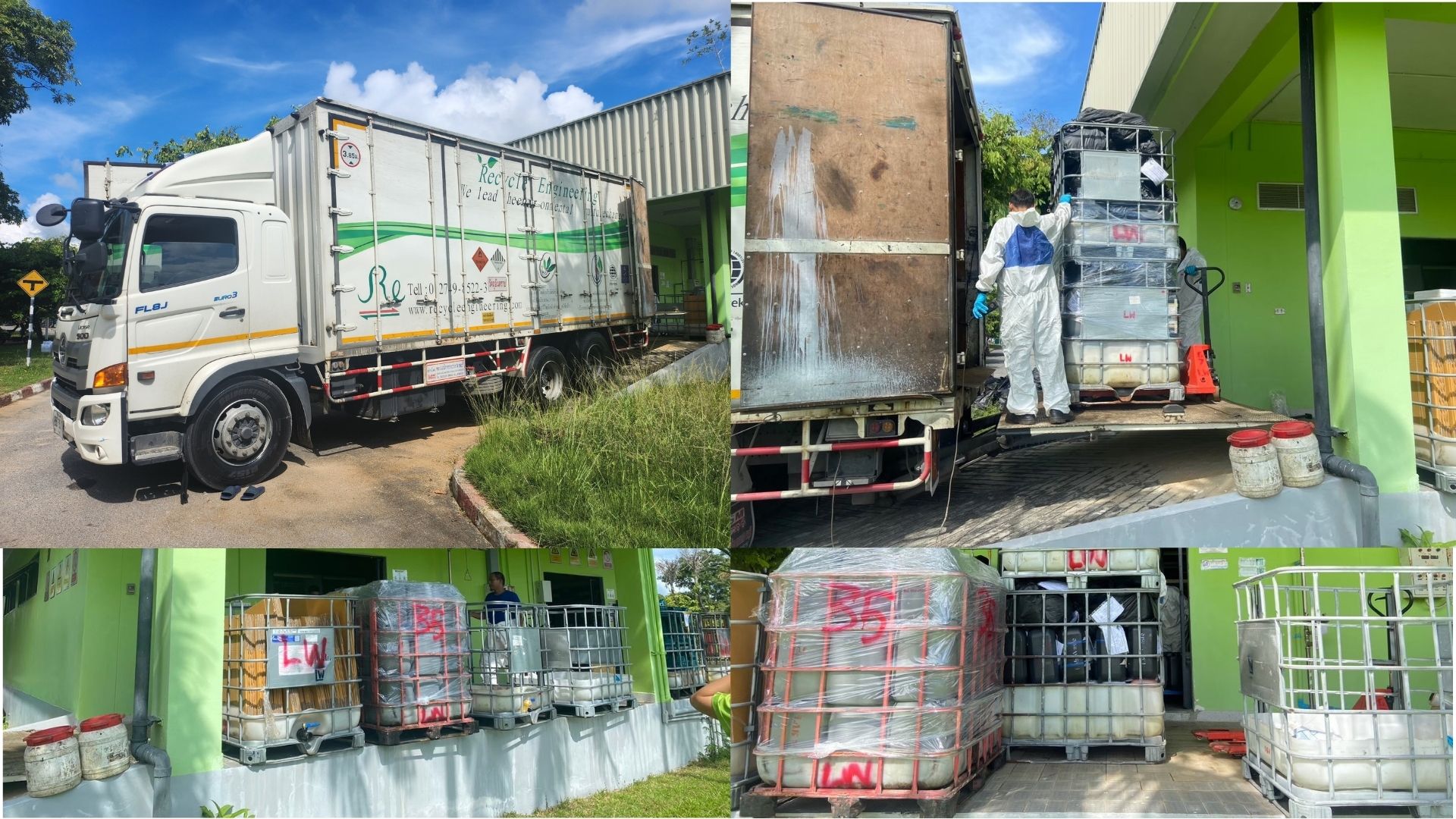
Figure 12 A chemical disposal company that has received a business license receives chemicals to bring toxic Waste from the labs into the correct management system.
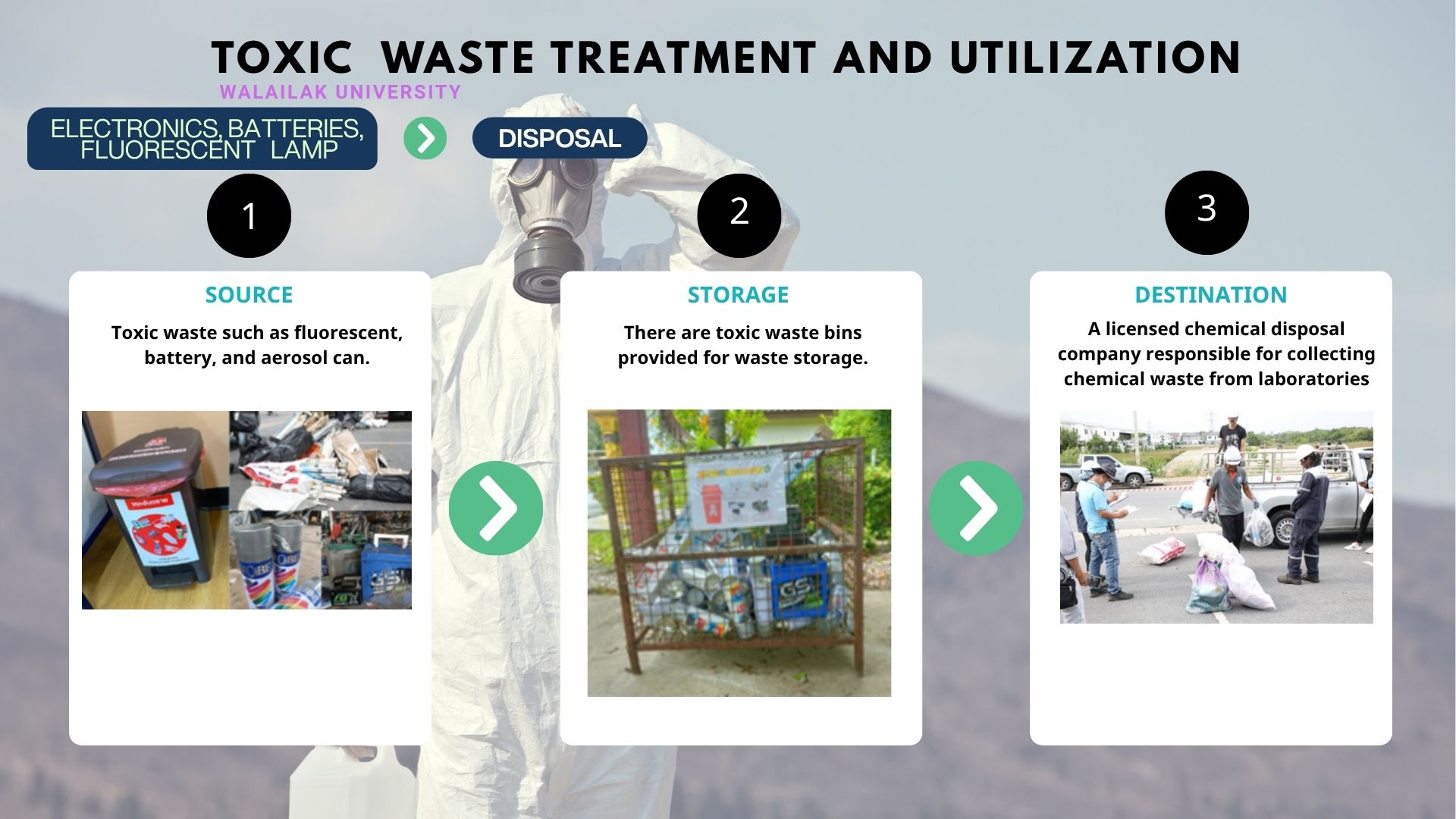
Figure 13 Collaborative Toxic Waste Management Project for Nakhon Si Thammarat Provincial Administration Organization.
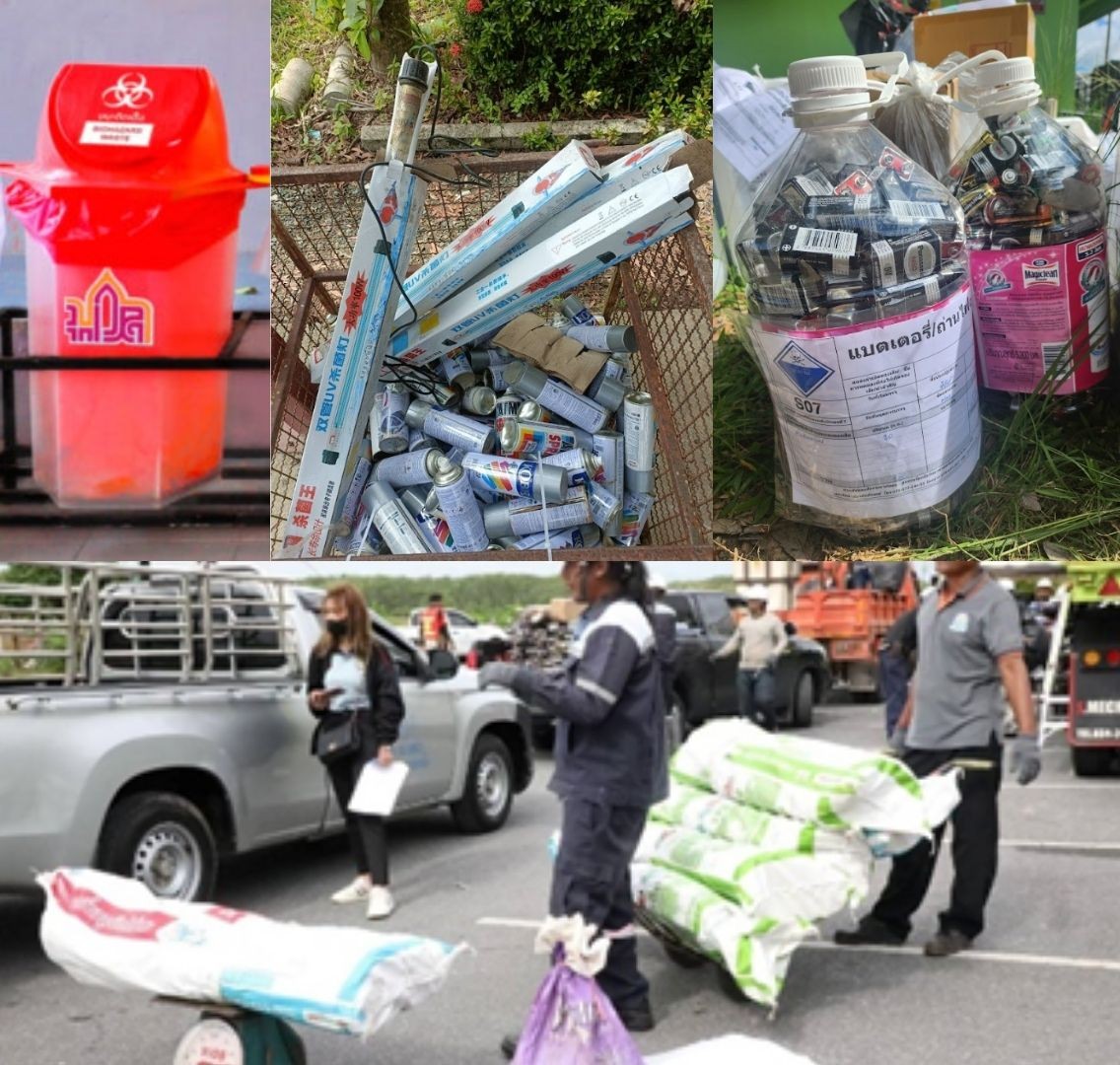
Figure 13 Collaborative Toxic Waste Management Project for Nakhon Si Thammarat Provincial Administration Organization.
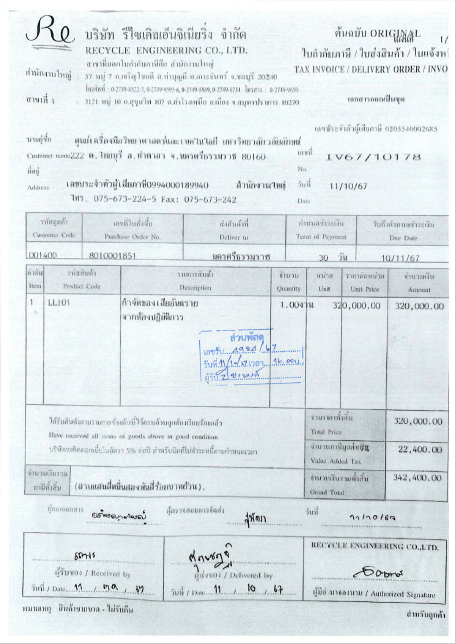
Figure 14 Tax invoice evidence for waste disposal from laboratories at Walailak University, contracted to Recycle Engineering Co., Ltd.
Follow up through the dashboard
Figure 15 A quantitative data collection system has been established to enable real-time analysis and visualization through a dashboard.
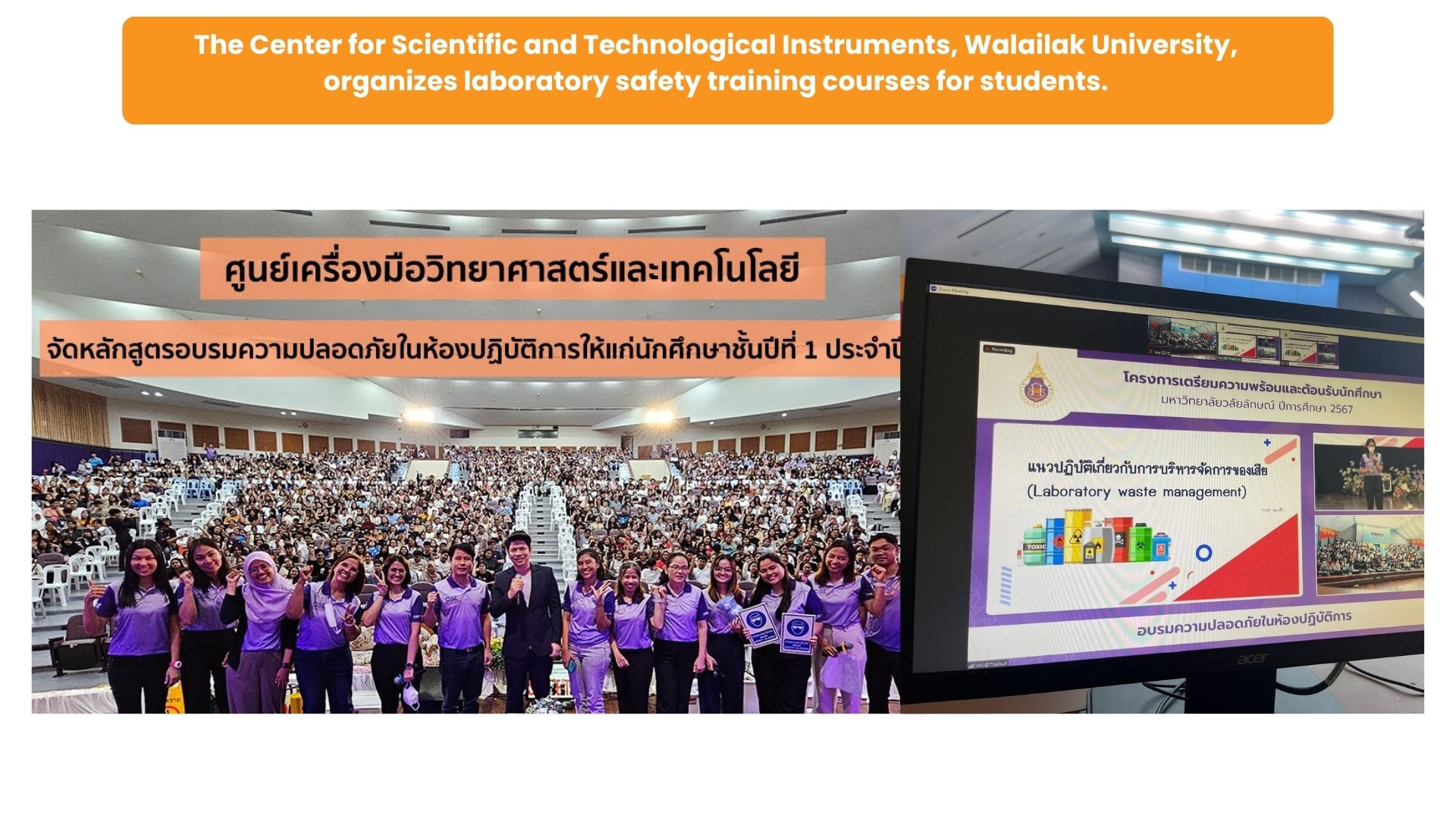
Figure 16 The Center for Scientific and Technological Instruments, Walailak University, organizes laboratory safety training courses for students.
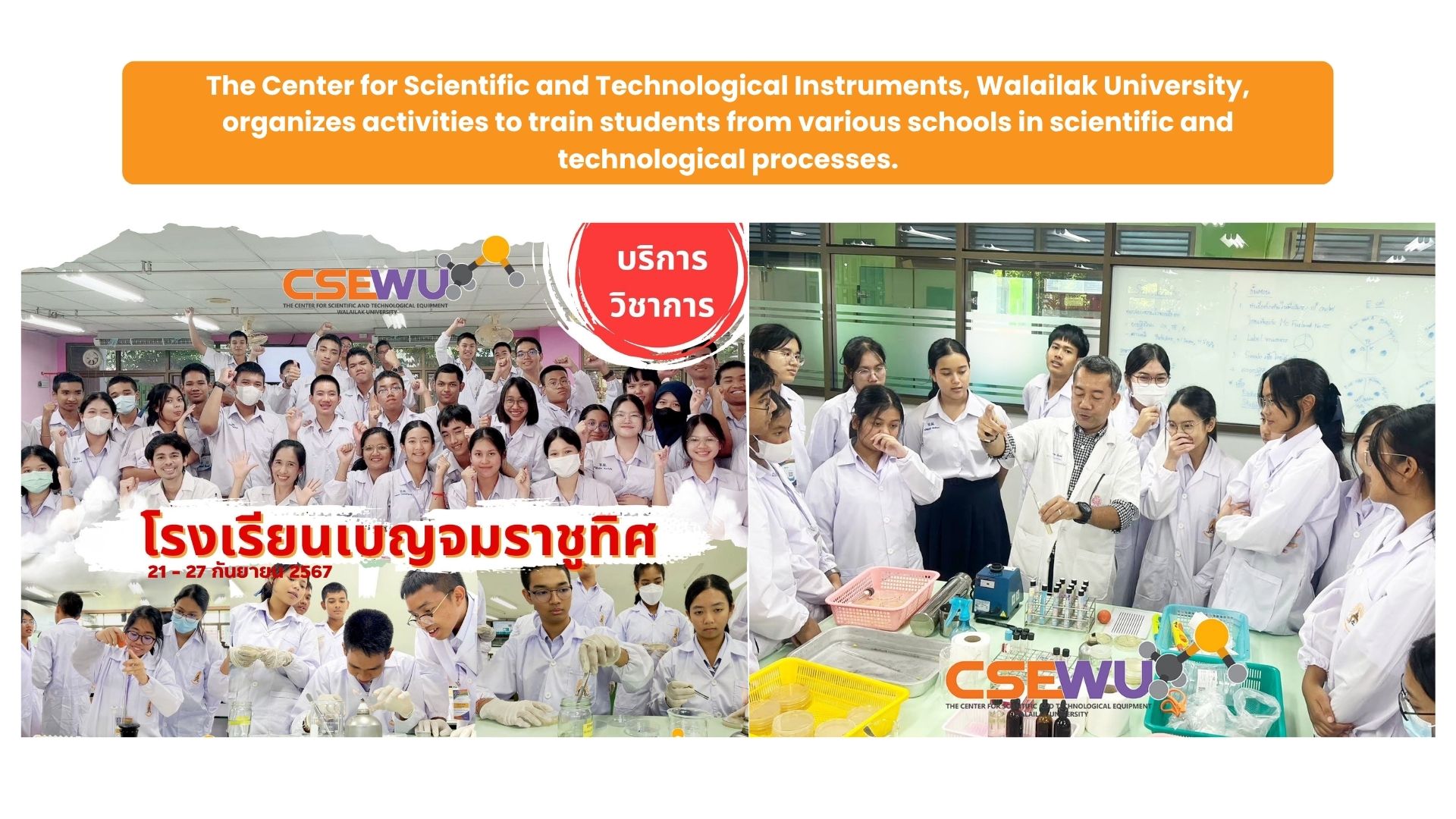
Figure 17 The Center for Scientific and Technological Instruments, Walailak University, organizes activities to train students from various schools in scientific and technological processes.
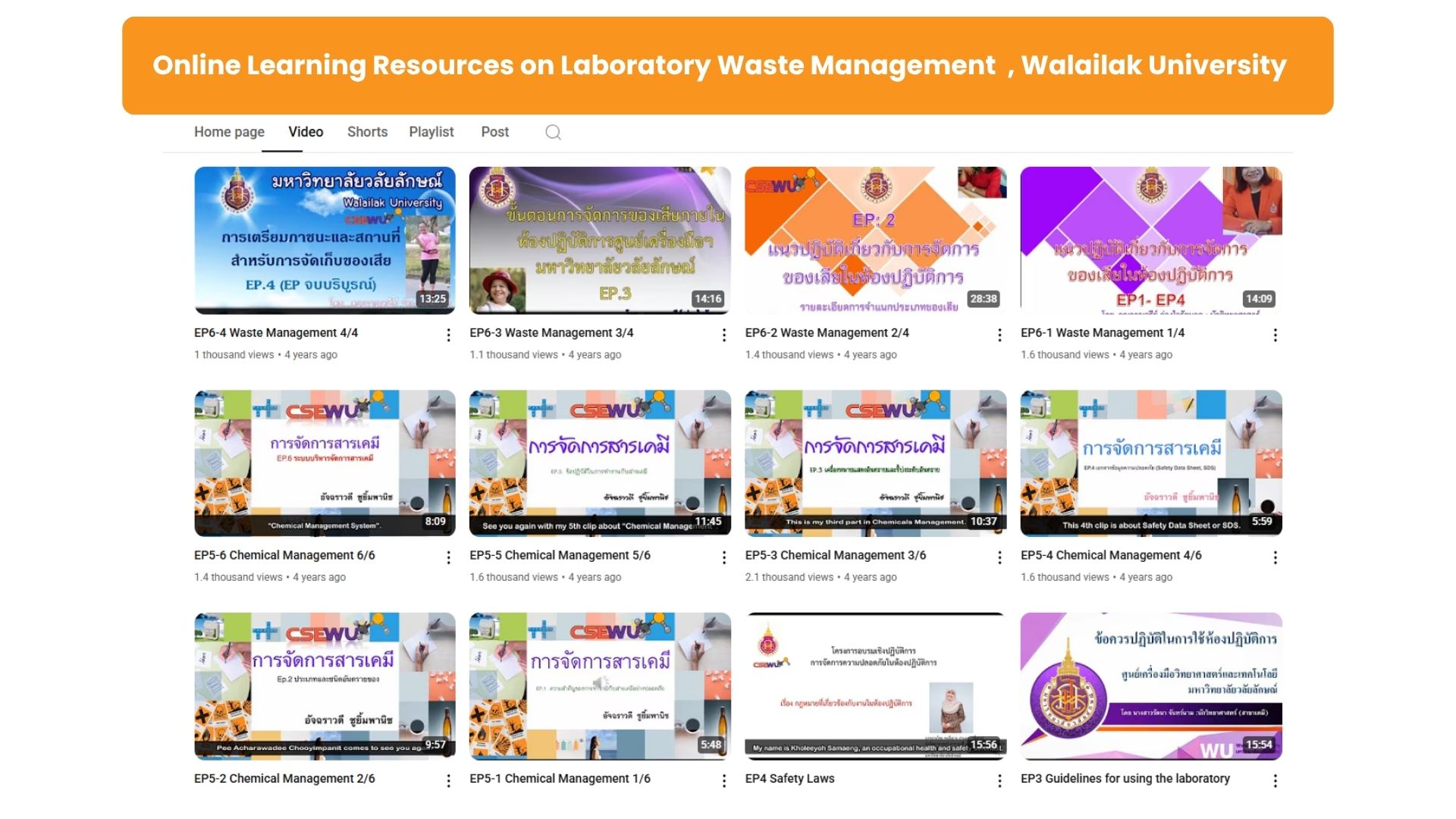
Figure 18 Online Learning Resources on Laboratory Waste Management