Facilities for Safety, Health, and Accessibility on Campus
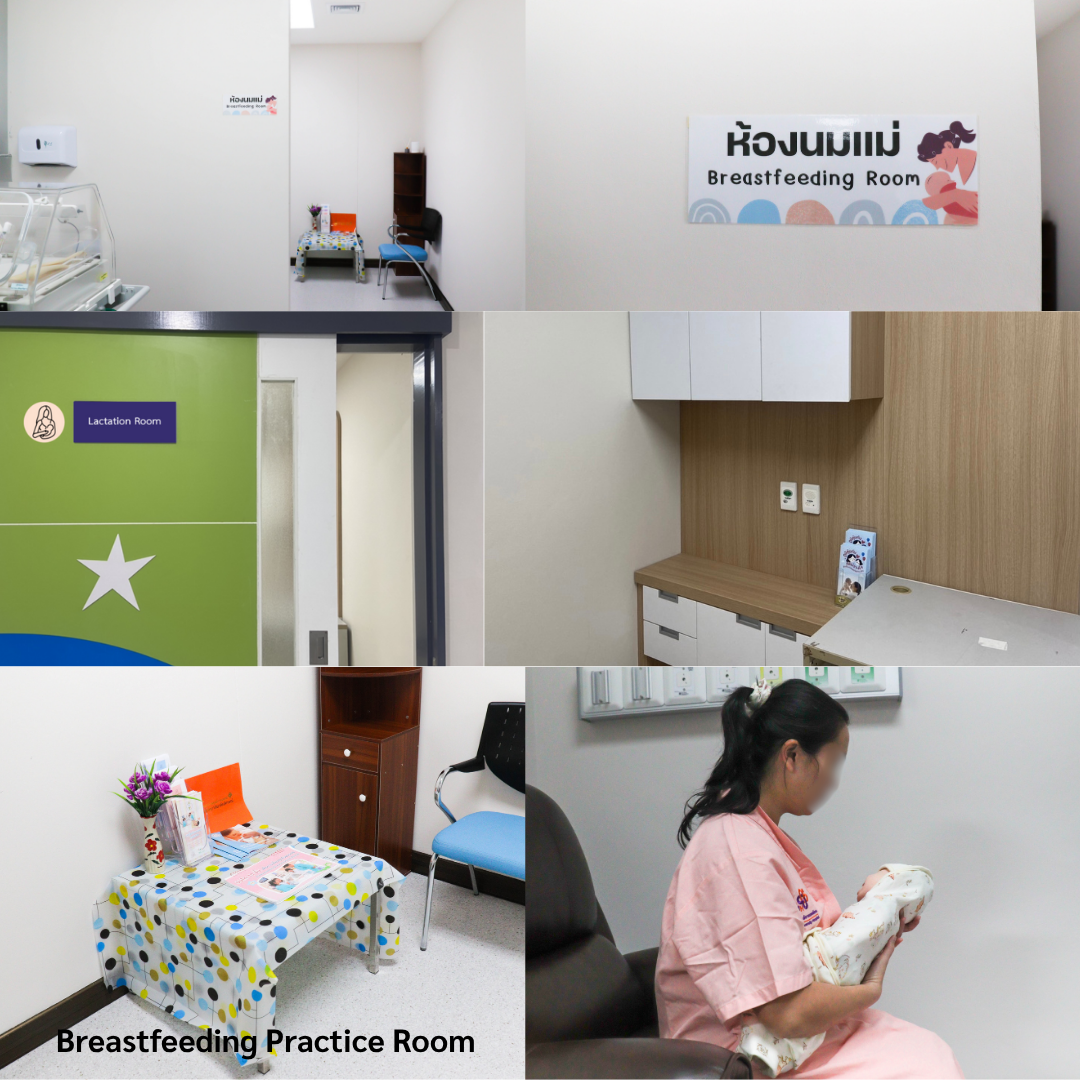
Campus facilities for disabled, special needs, and/or maternity care
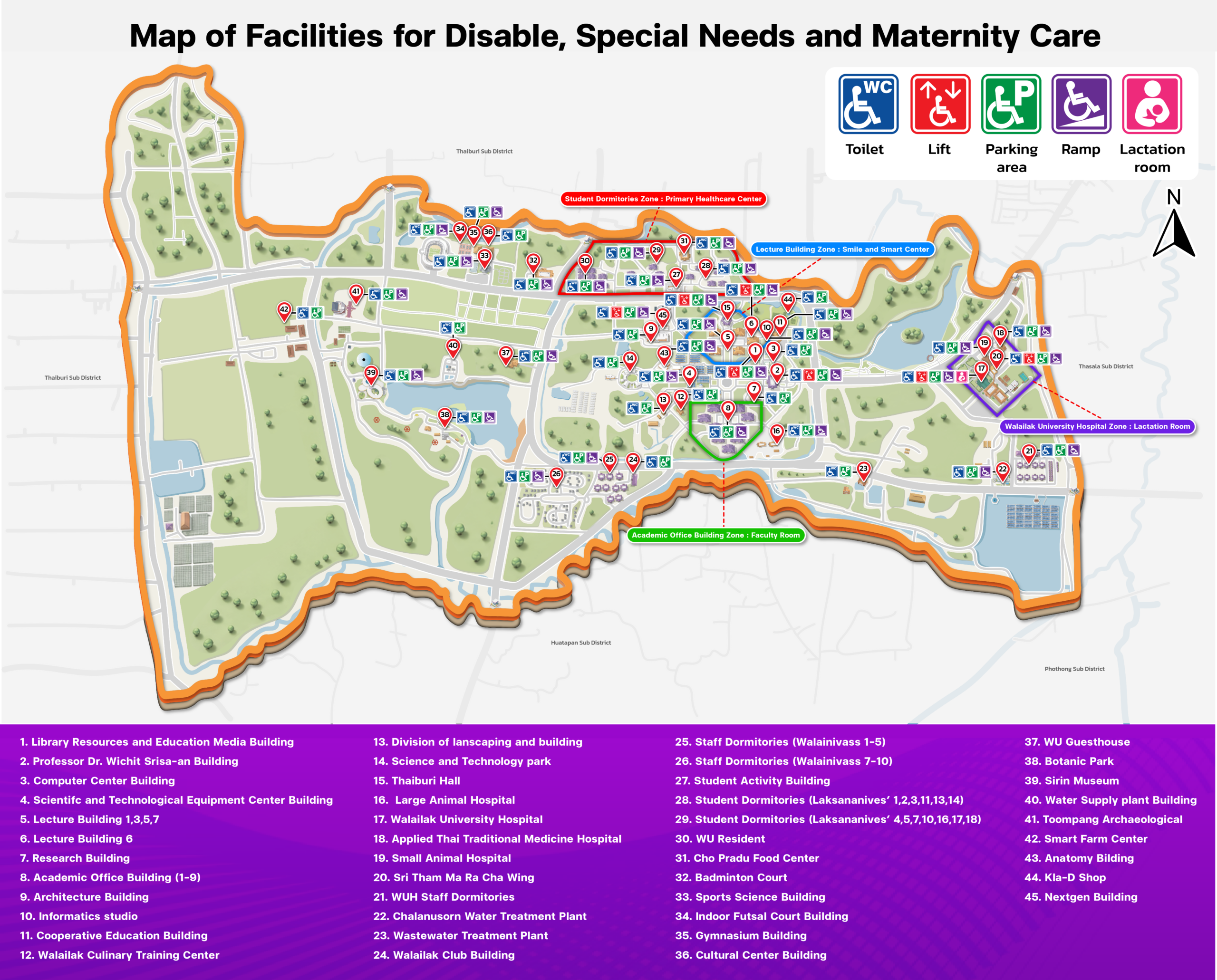
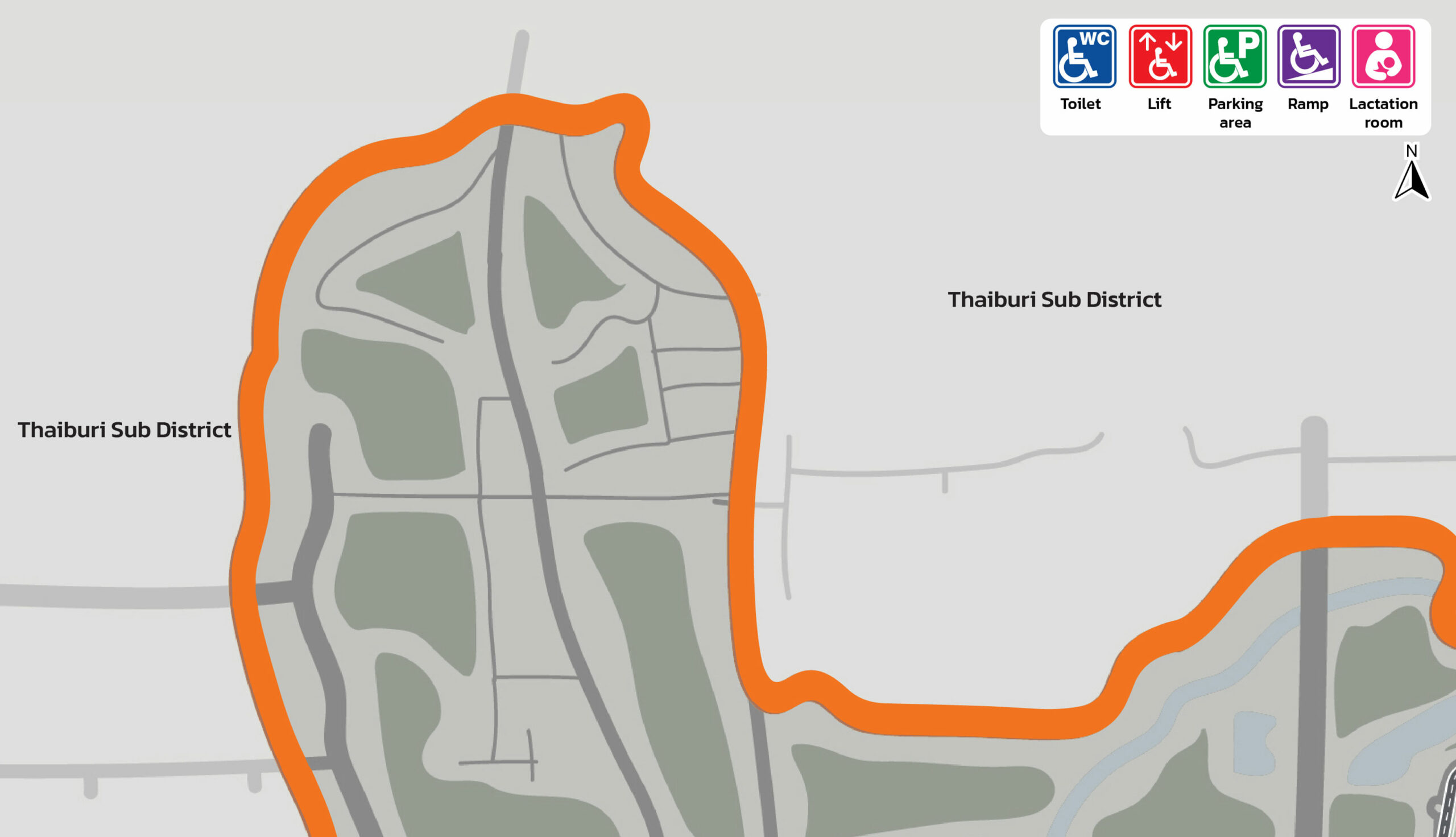
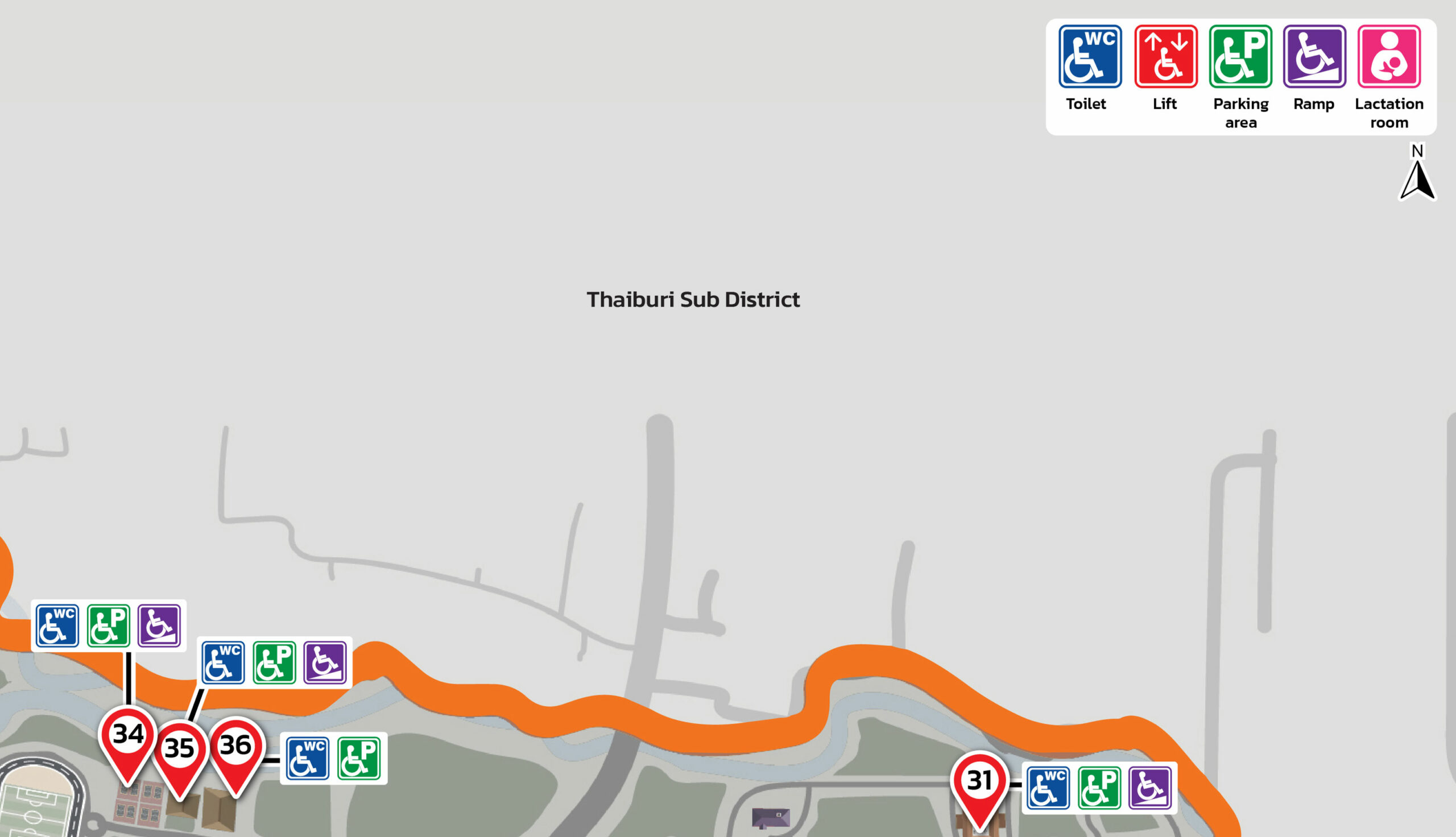
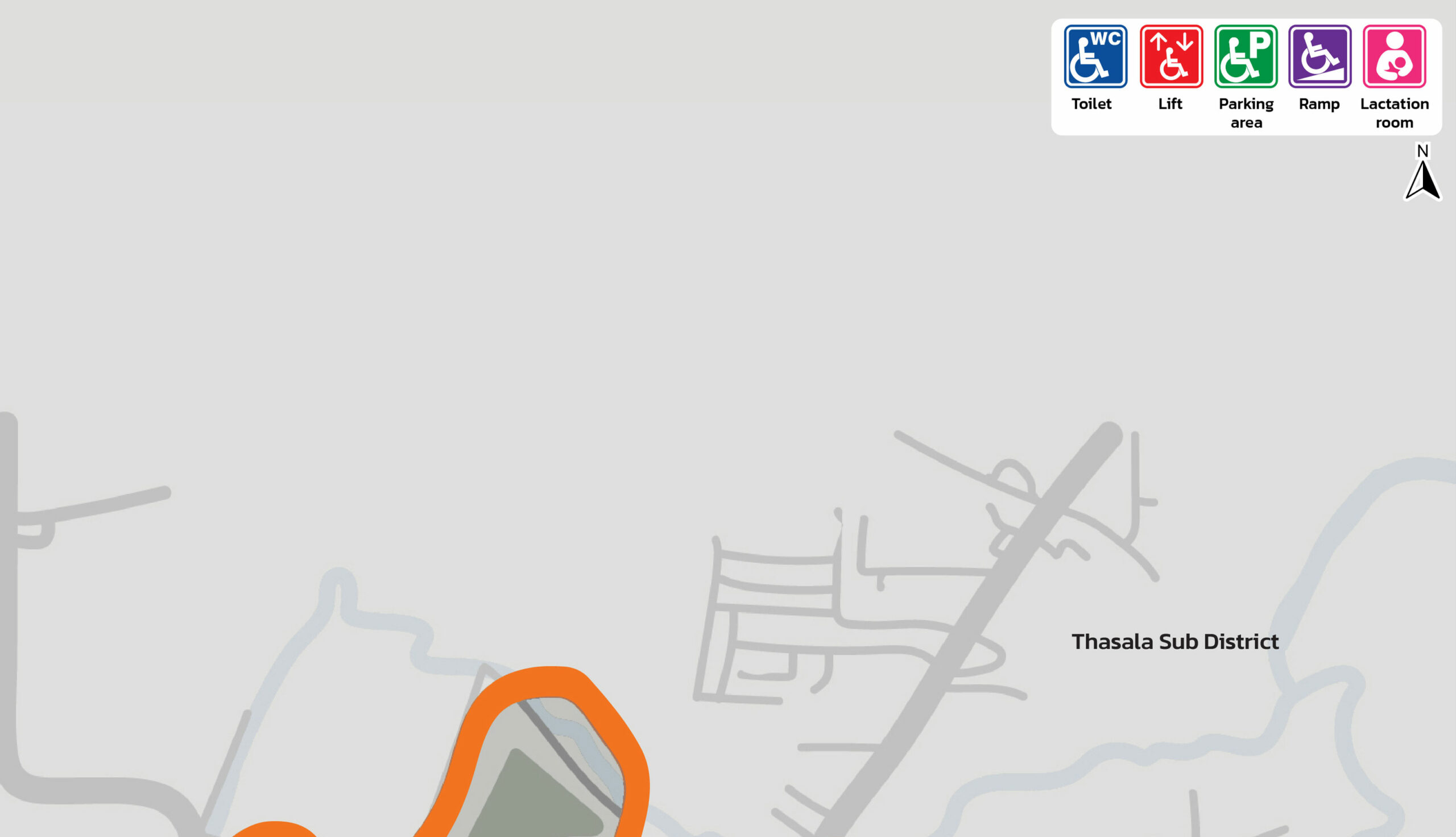
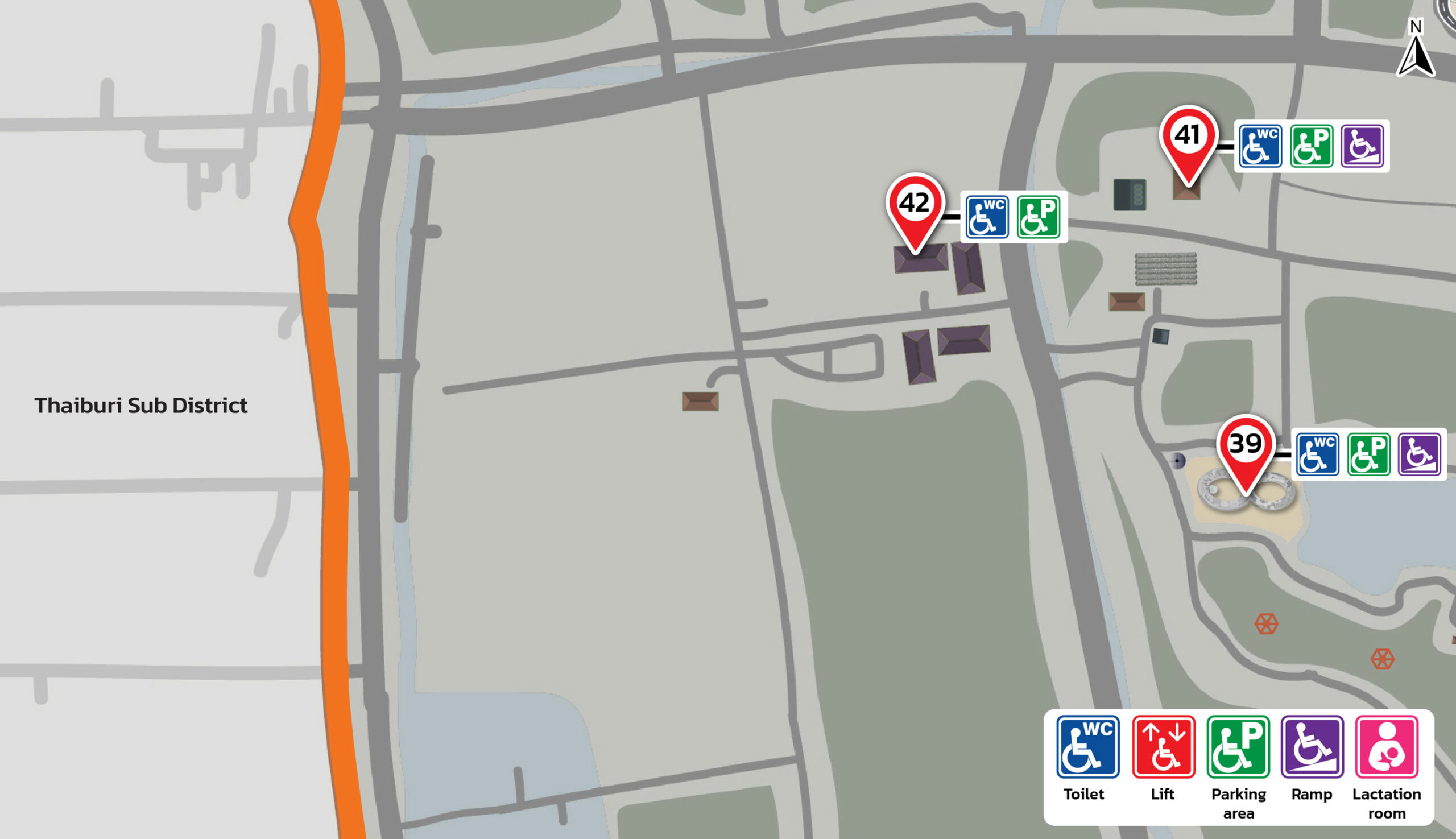
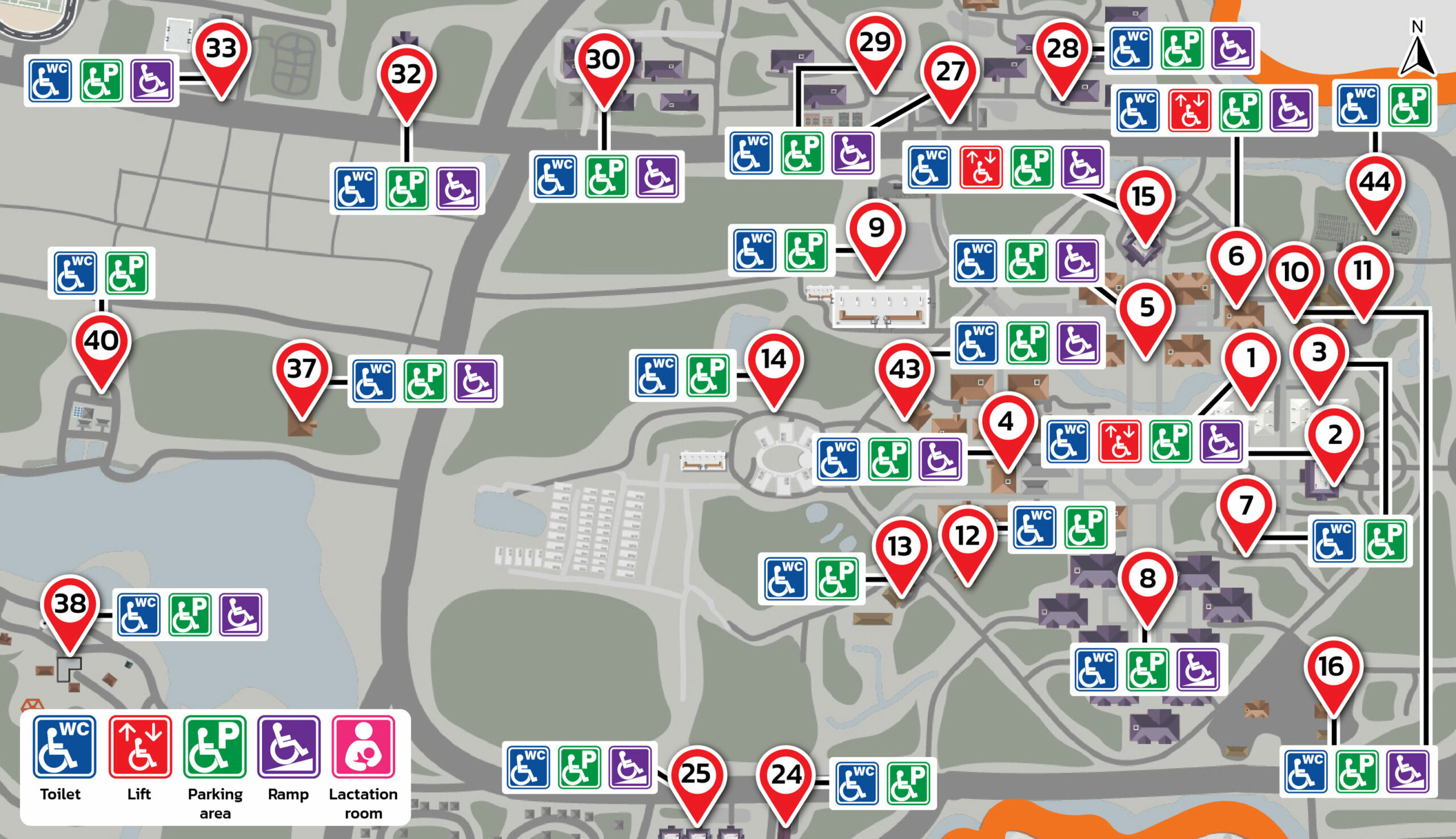
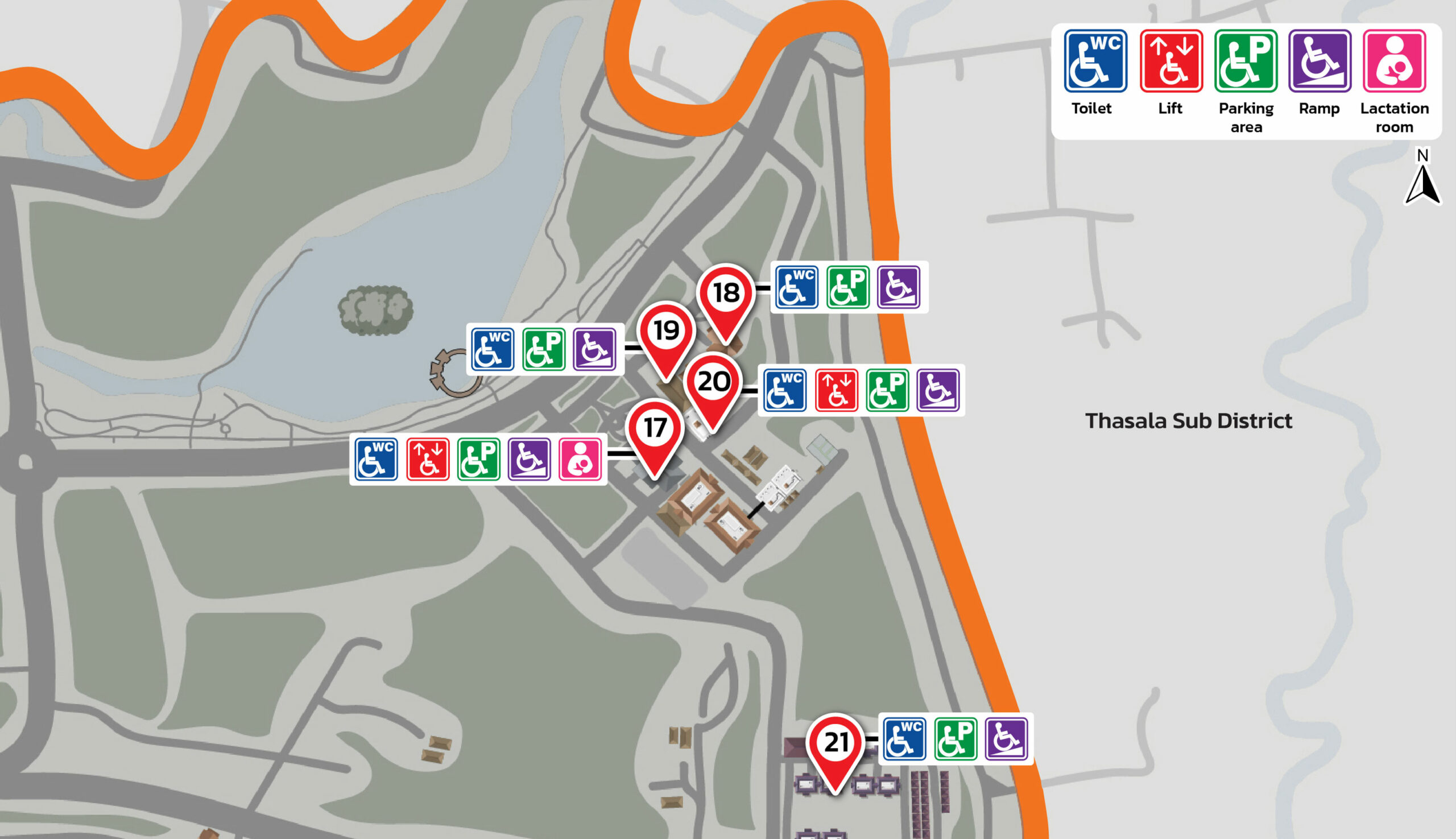
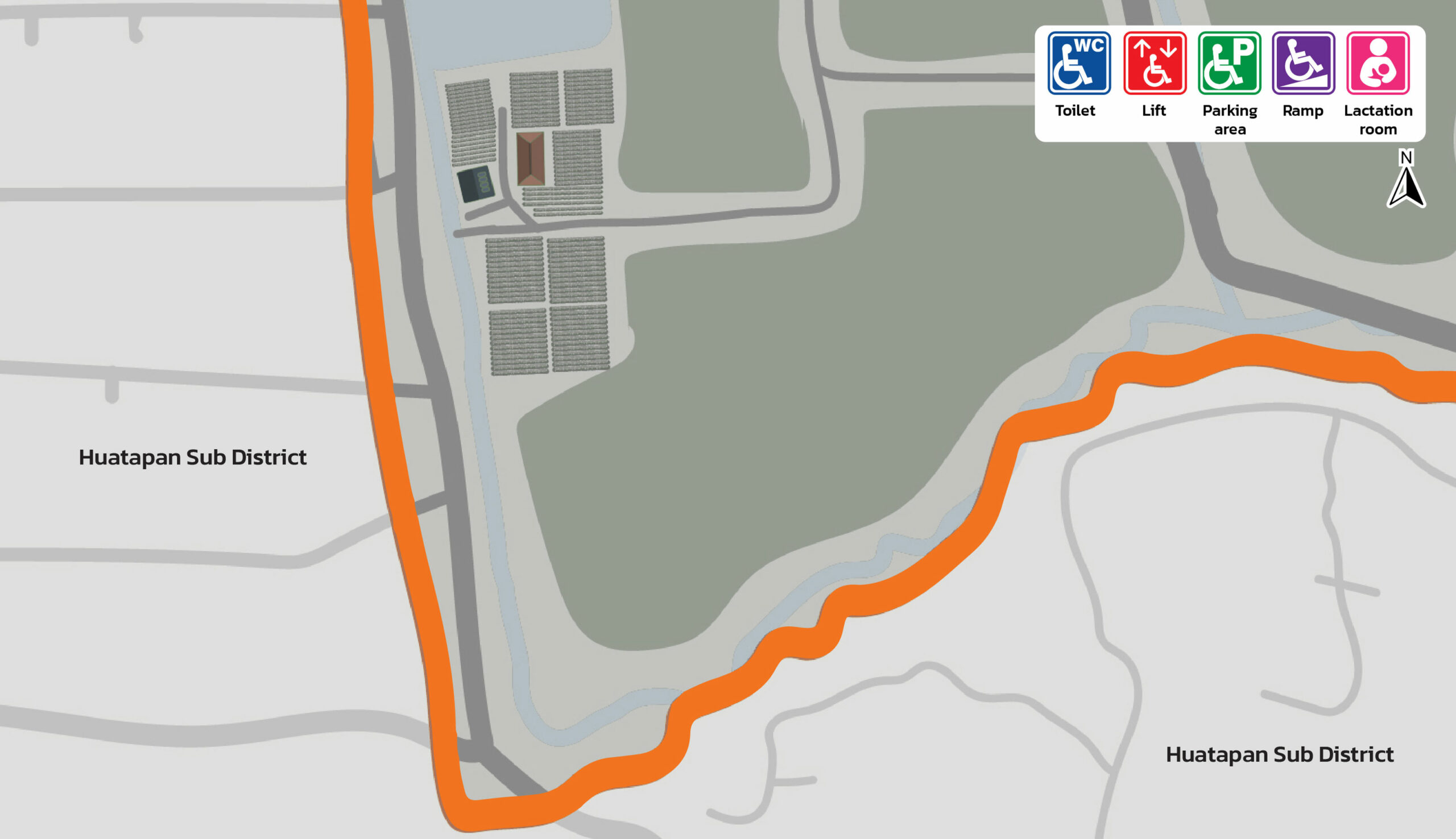
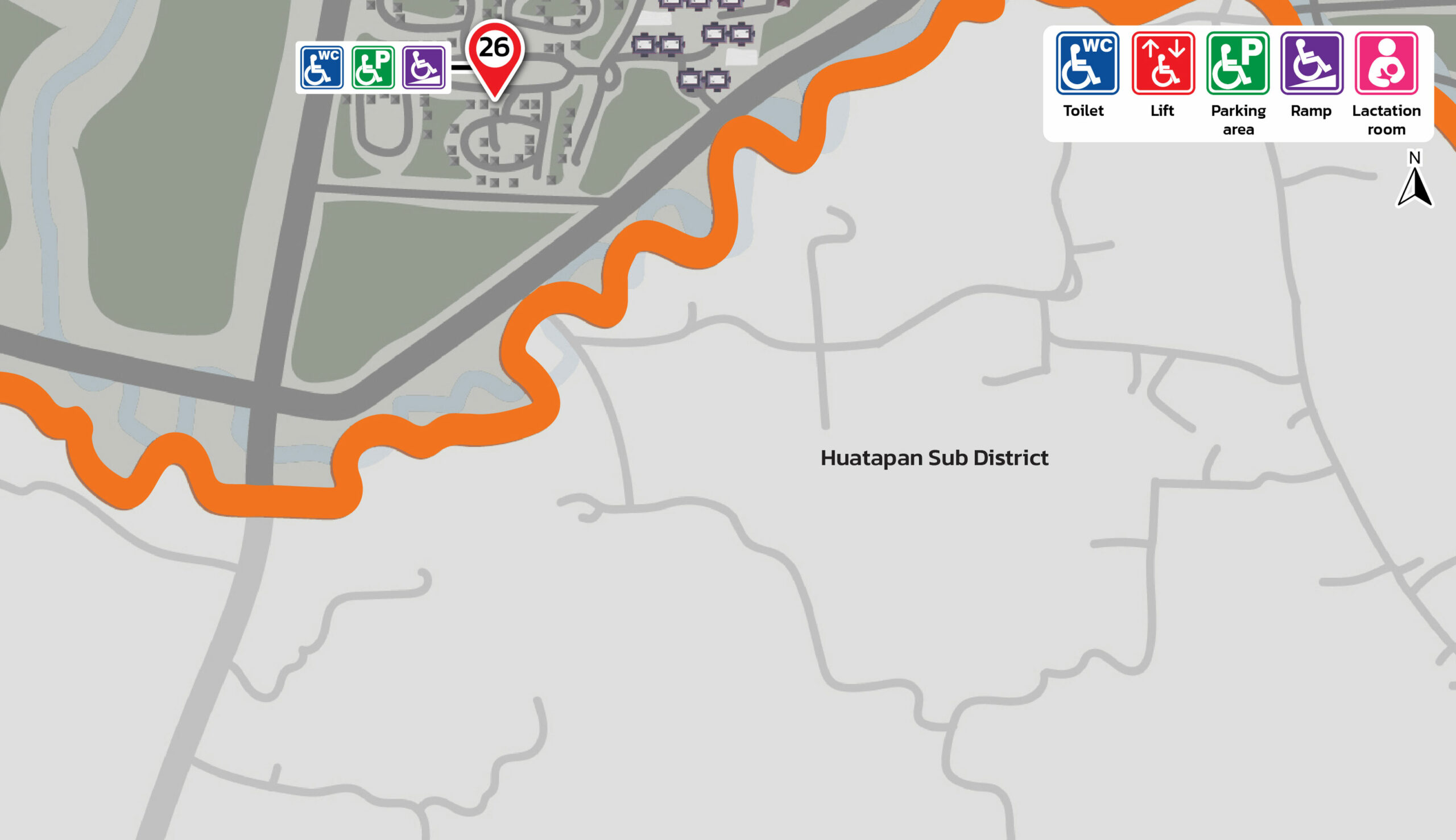
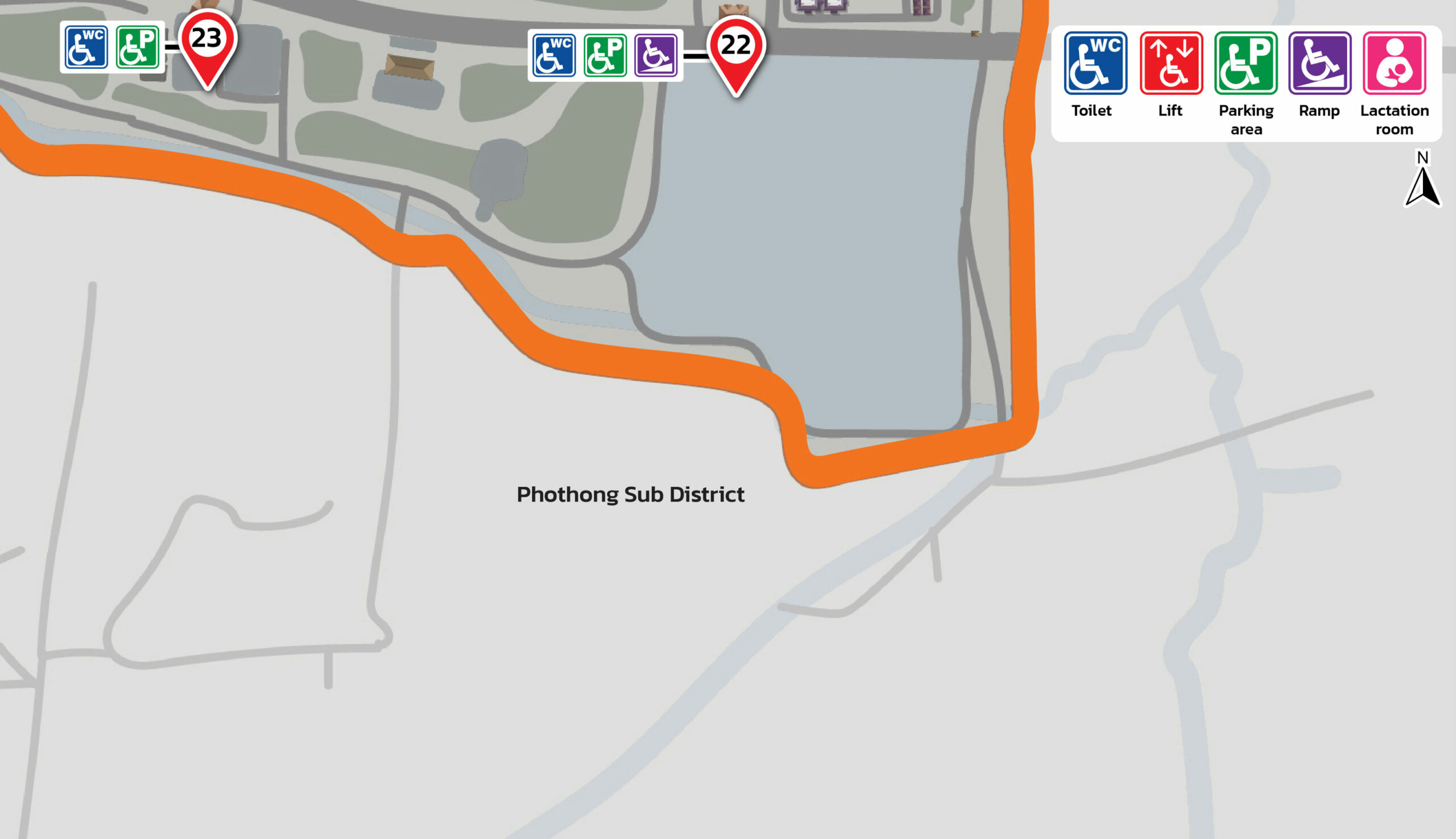
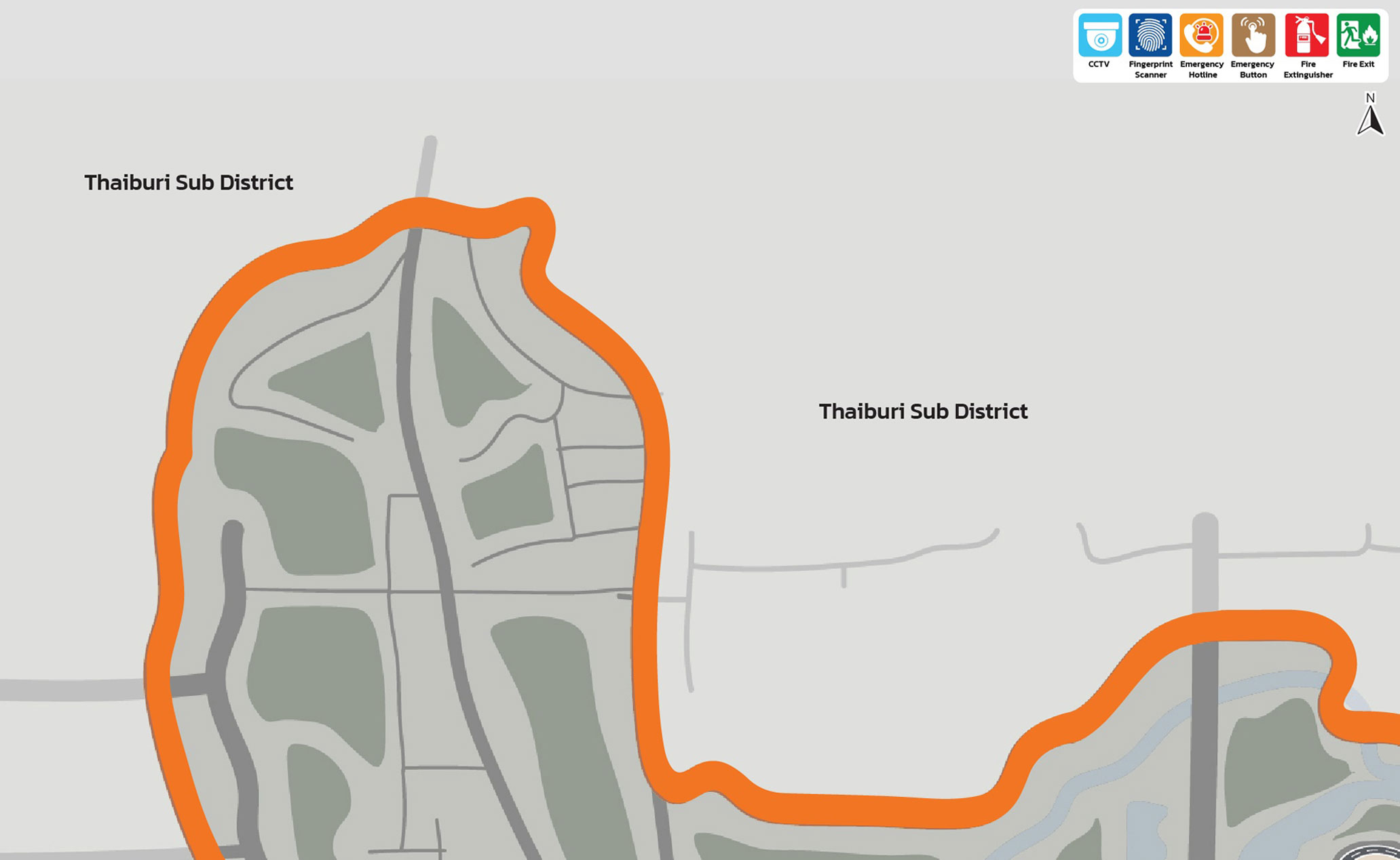
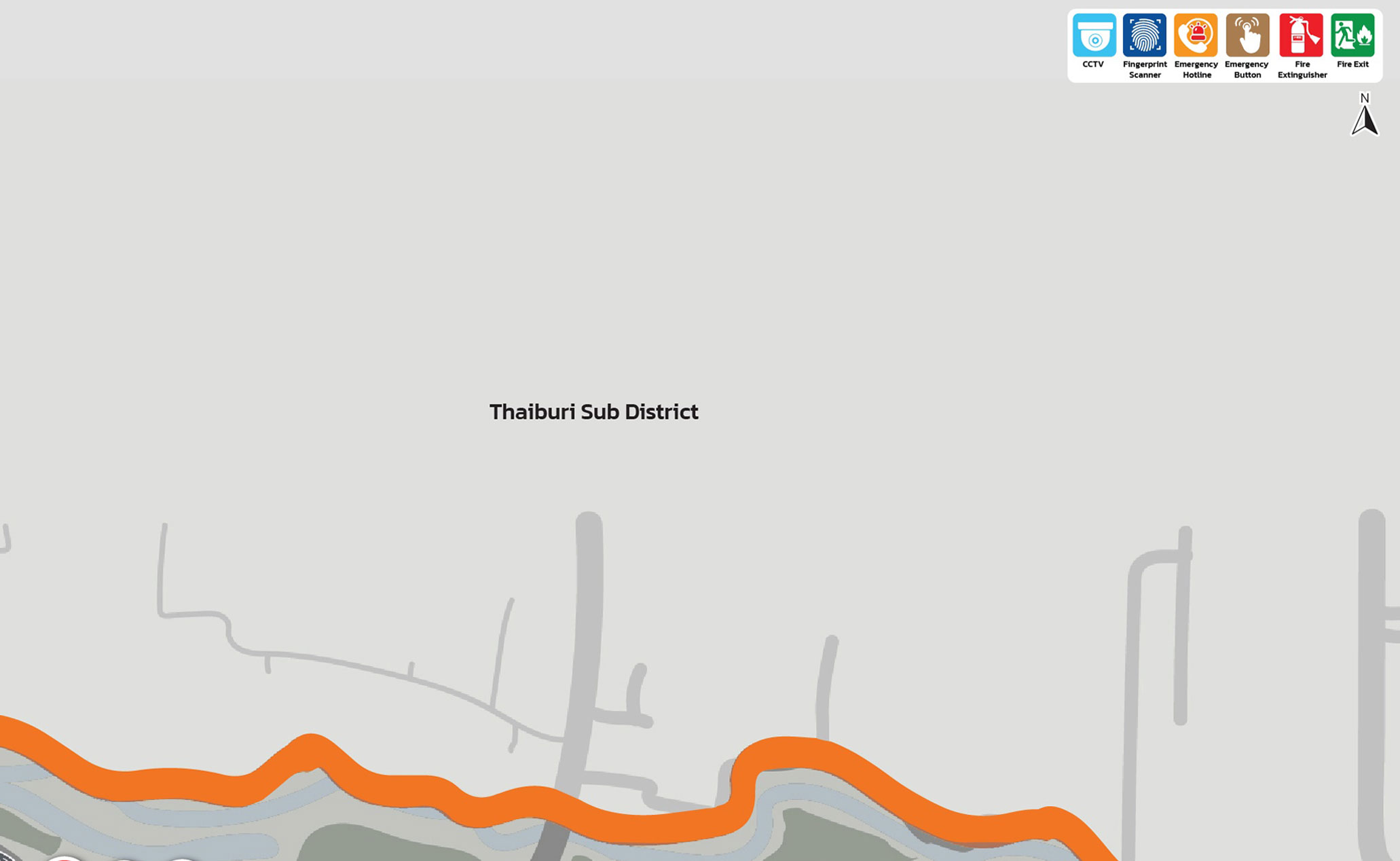
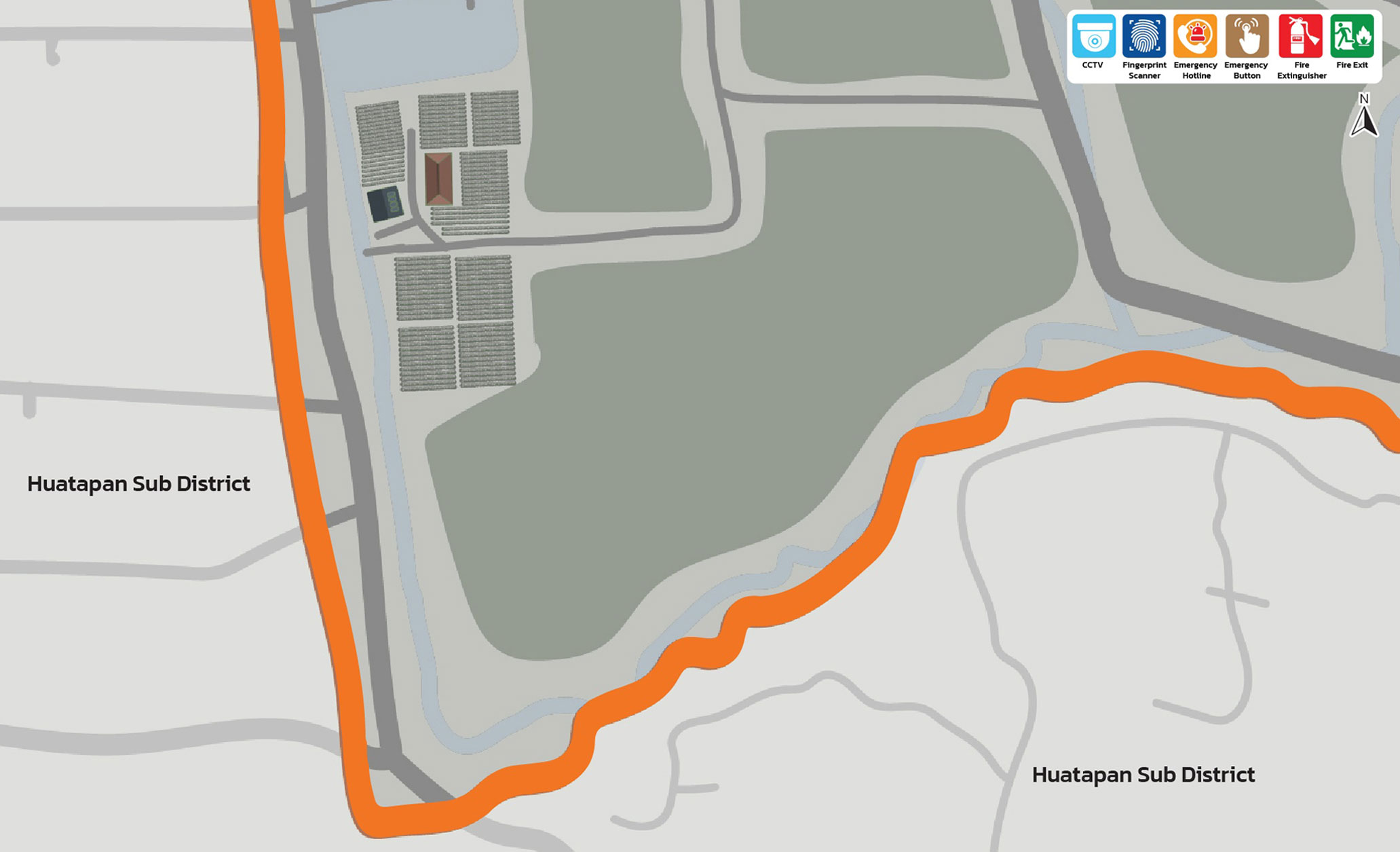
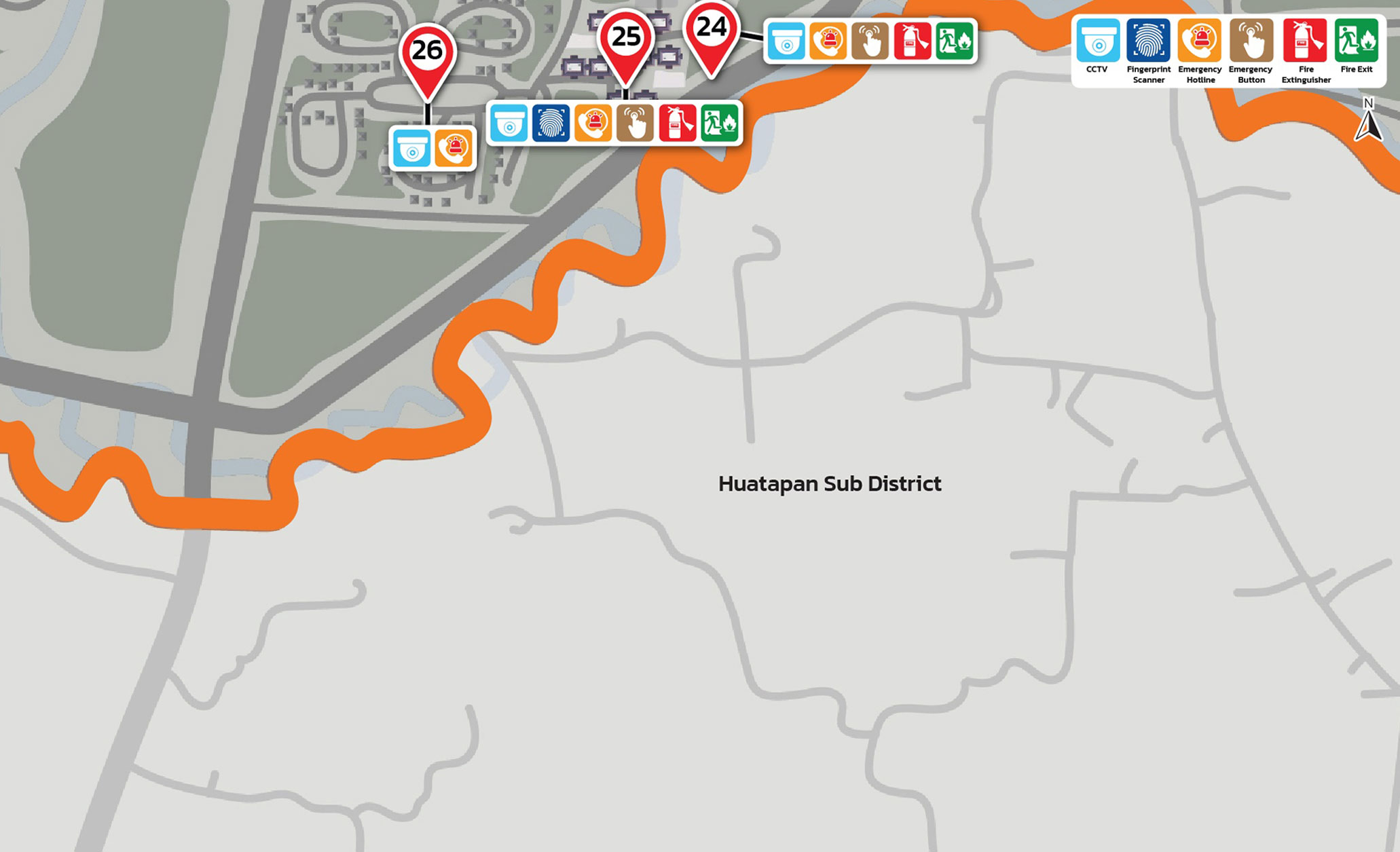
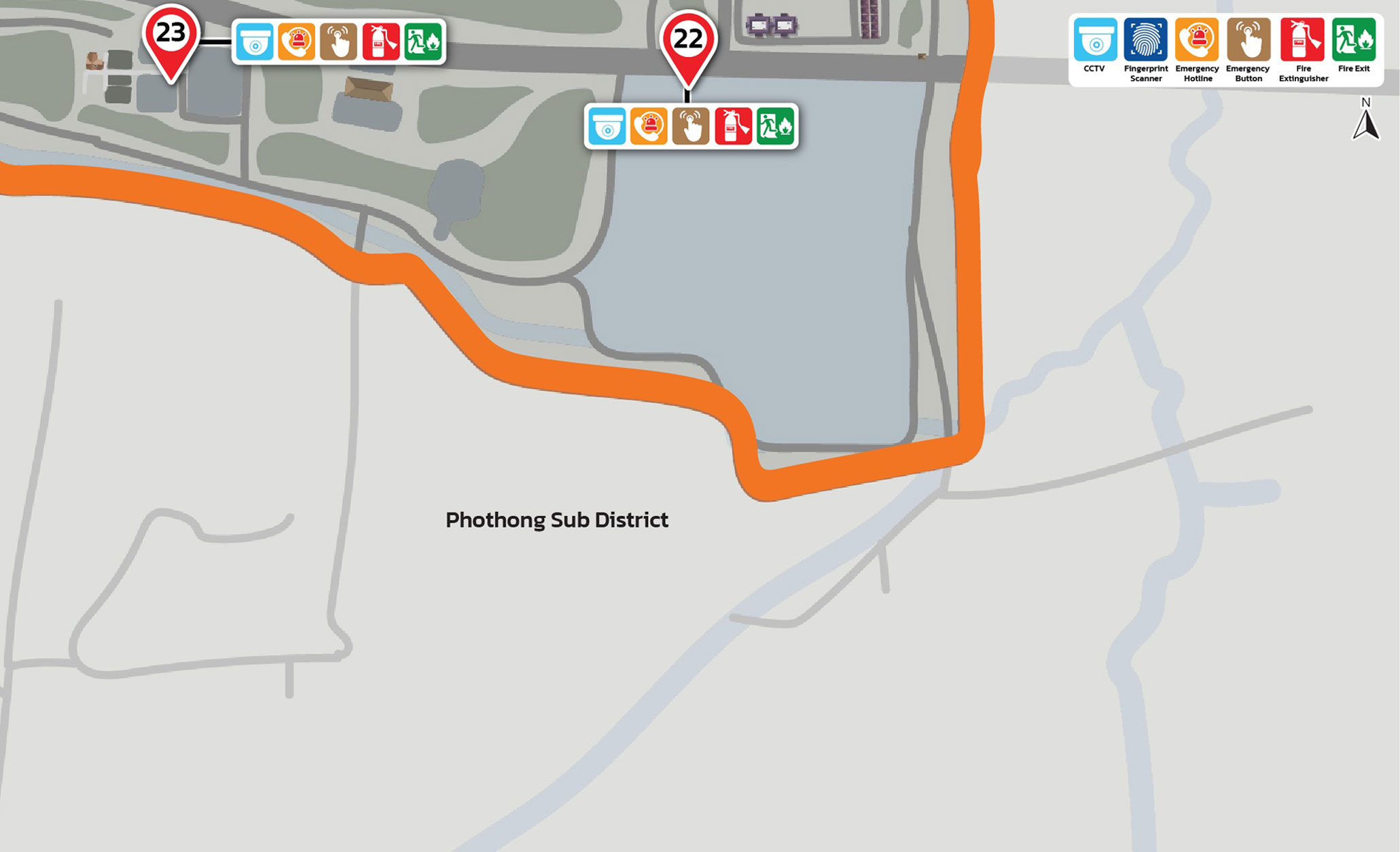
Map of Facilities for Disable, Special Needs and Maternity Care (Walailak University, Thailand)
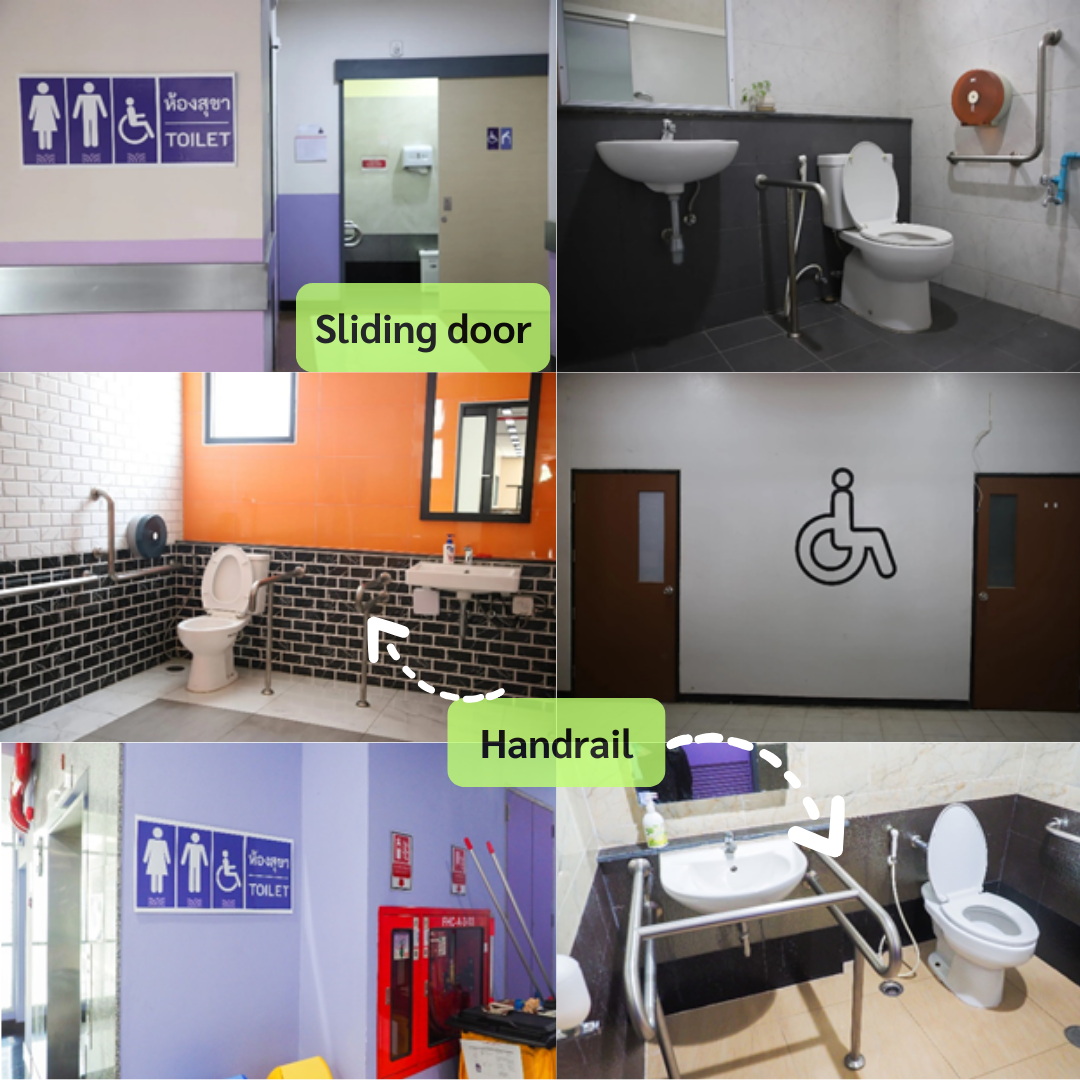
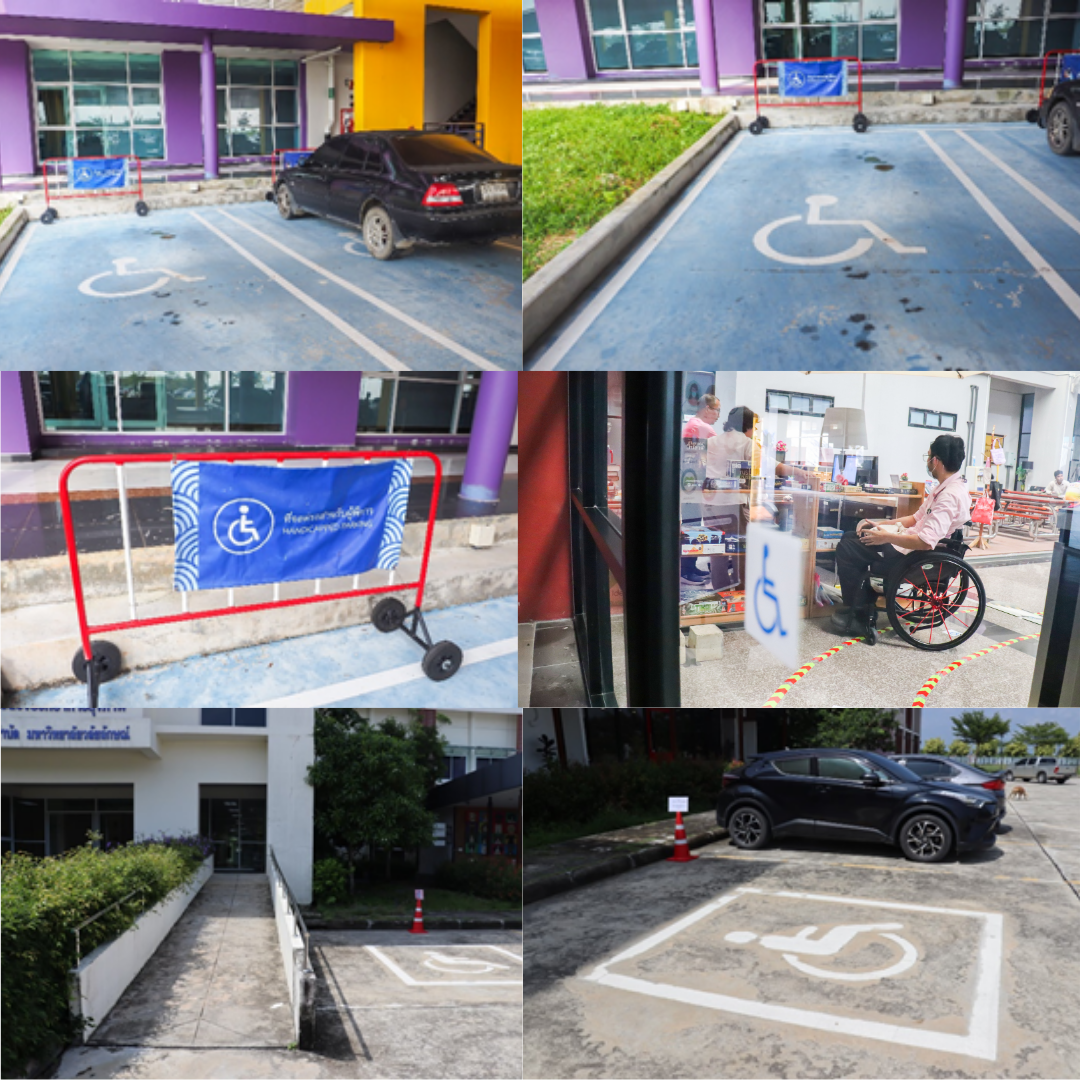
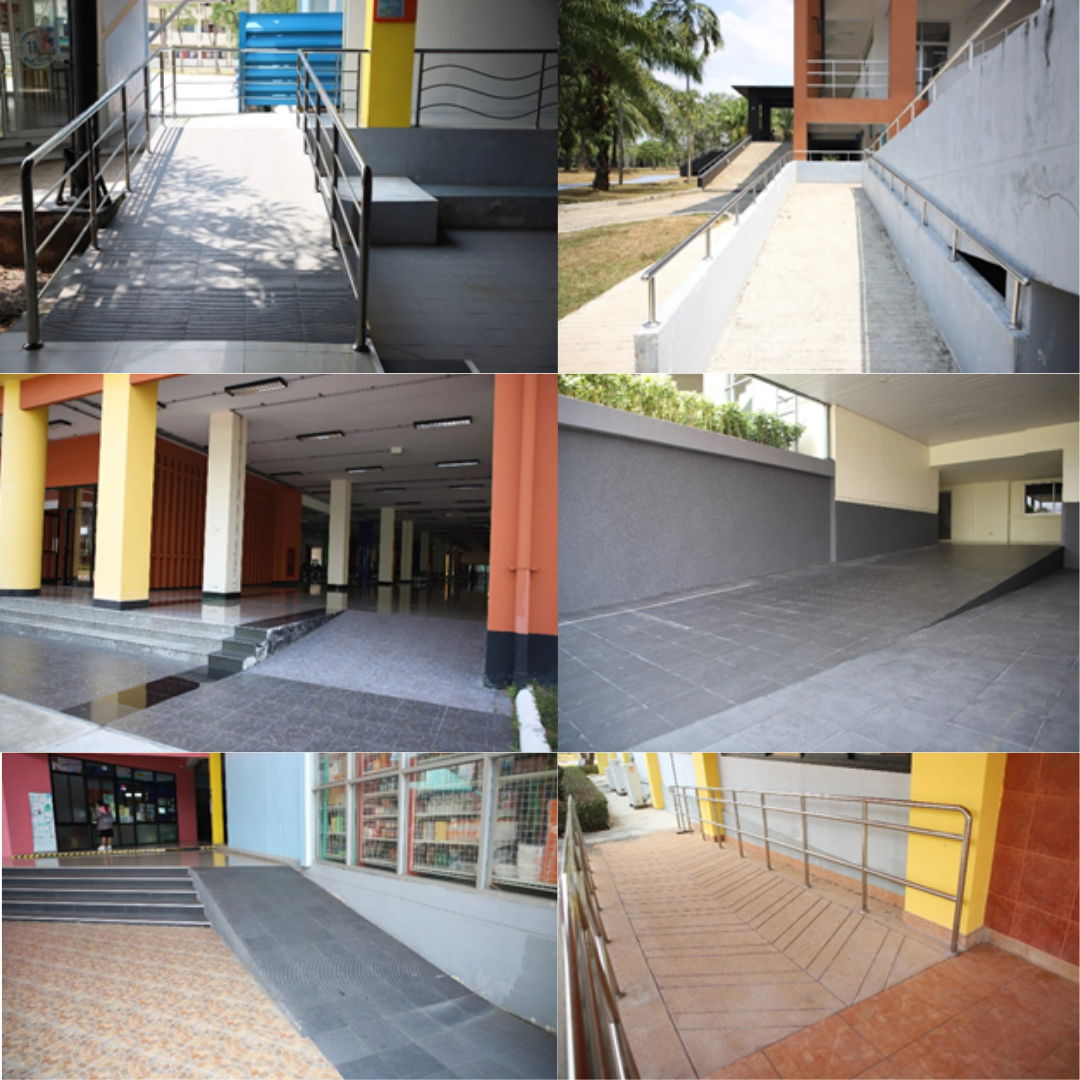
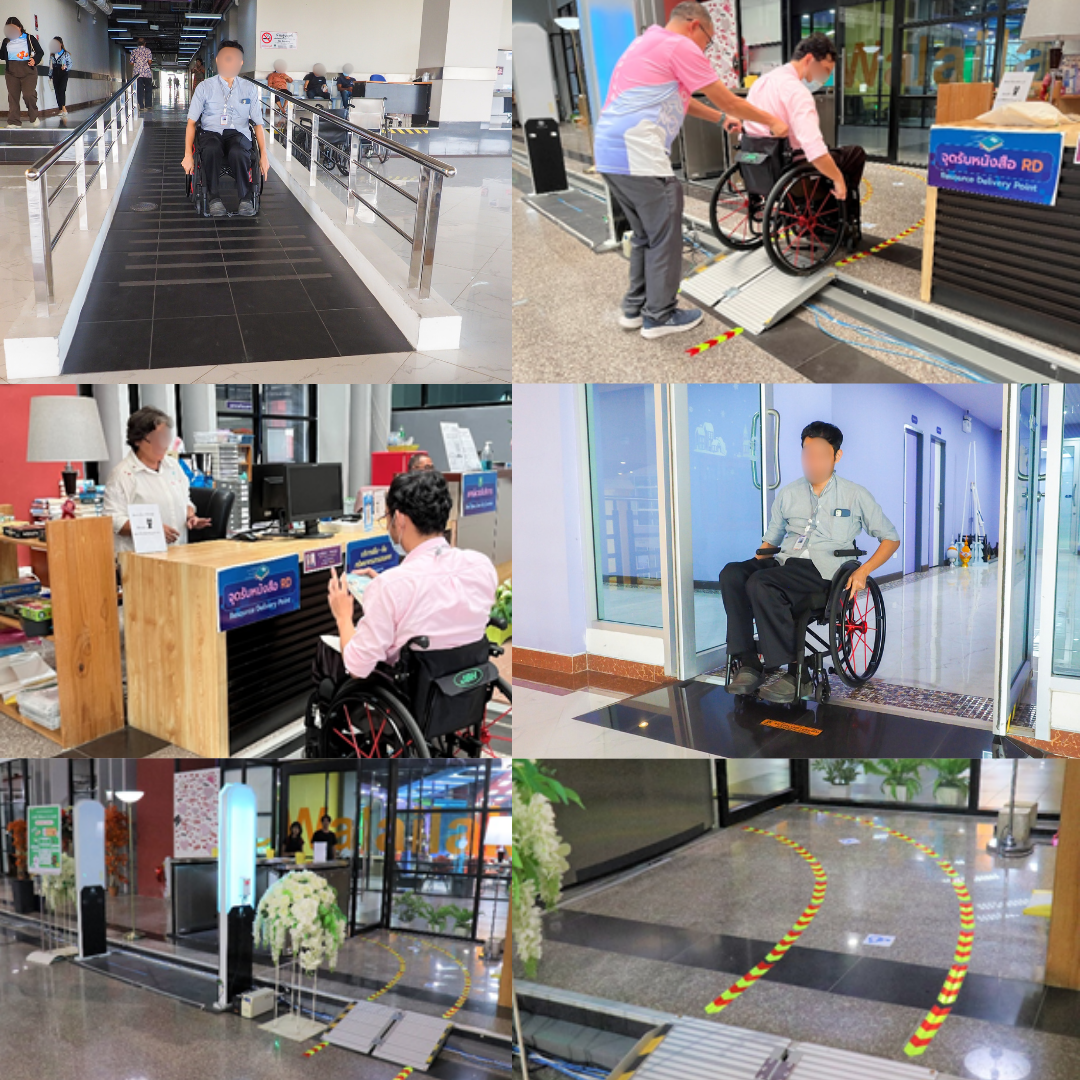
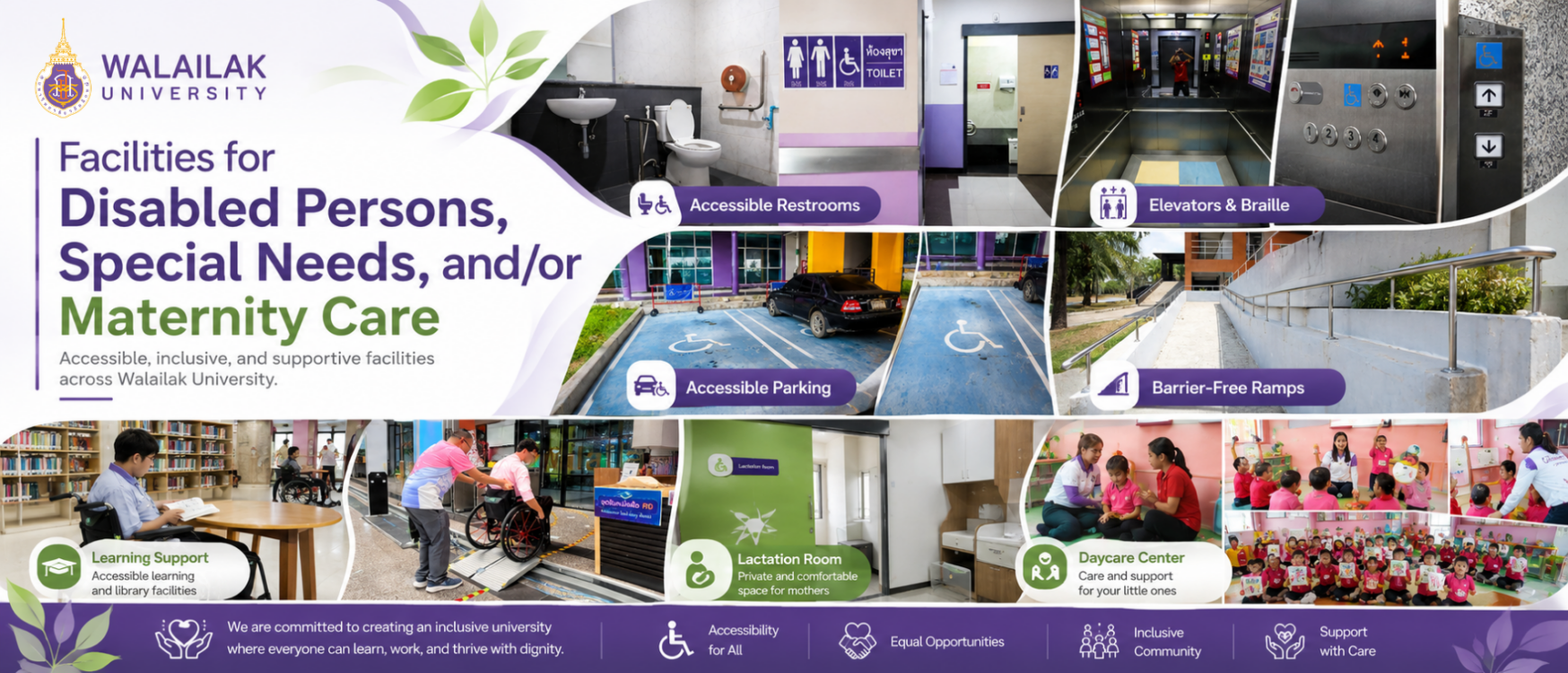
Walailak University provides fully functional, accessible facilities in all campus buildings for students, staff, persons with disabilities, individuals with special needs, and pregnant or postpartum women. All main buildings—including academic buildings, administrative offices, residential halls, recreational facilities, and the university hospital—are equipped to ensure safety, convenience, and universal accessibility.
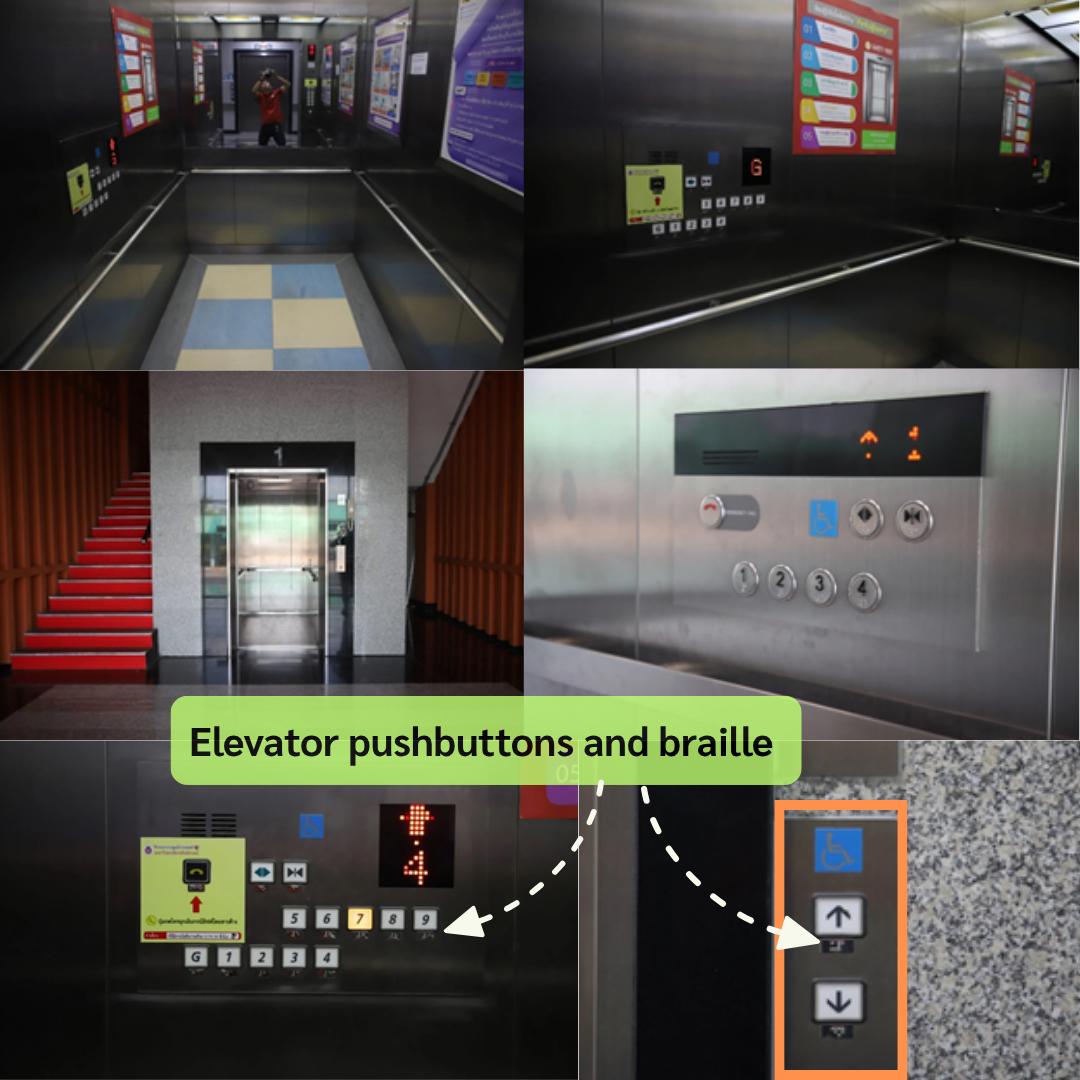
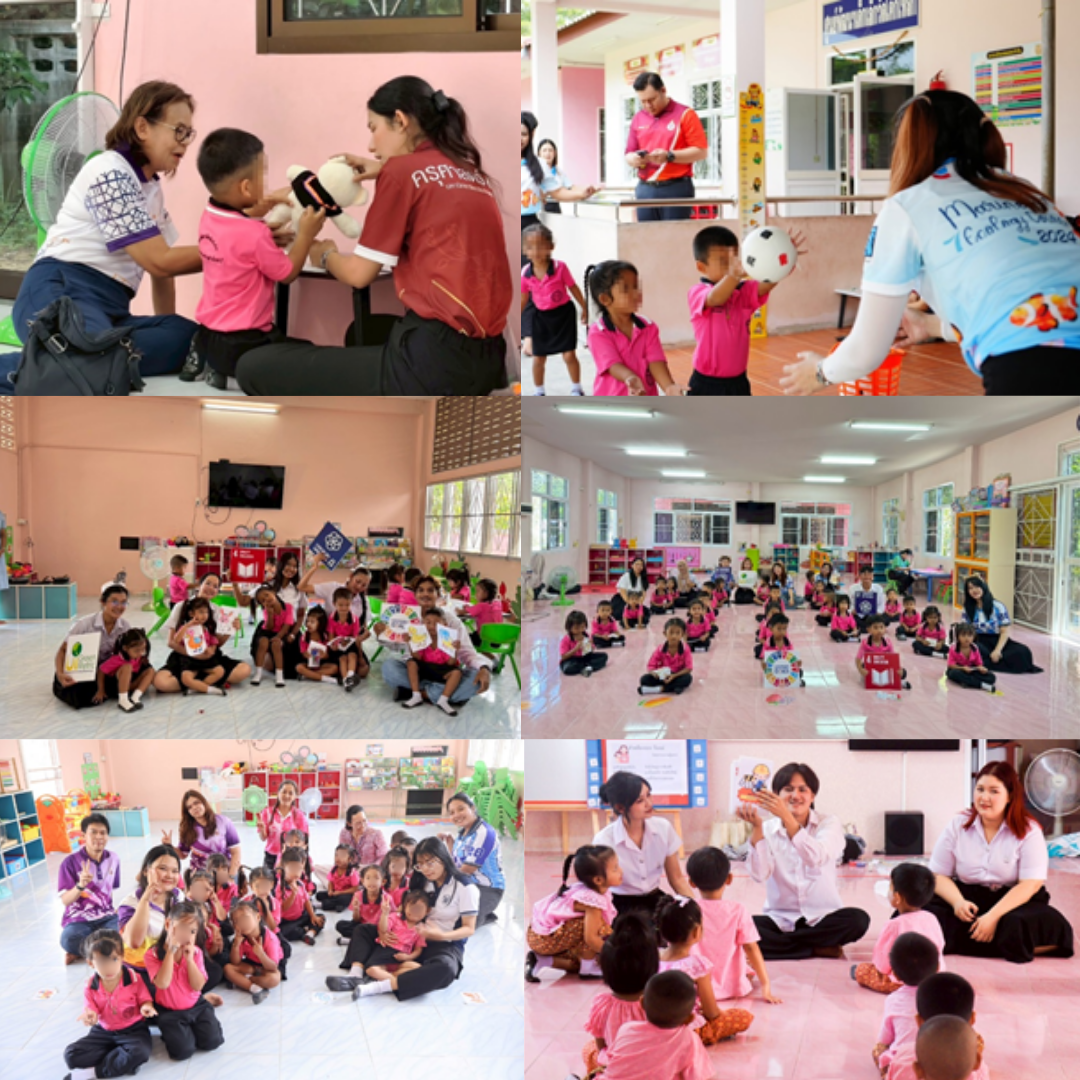
The university also operates Daycare Centers to support students and staff with young children, allowing them to fully access services and facilities. These initiatives reflect Walailak University’s commitment to creating an inclusive environment that promotes learning, work, and sustainable living. Key accessibility facilities include: Accessible building entrances and ramps in all main buildings Elevators and restrooms designed for persons with disabilities, equipped with handrails and sufficient space Lactation rooms On-campus transportation services for persons with disabilities and individuals with special needs.
Security and safety facilities
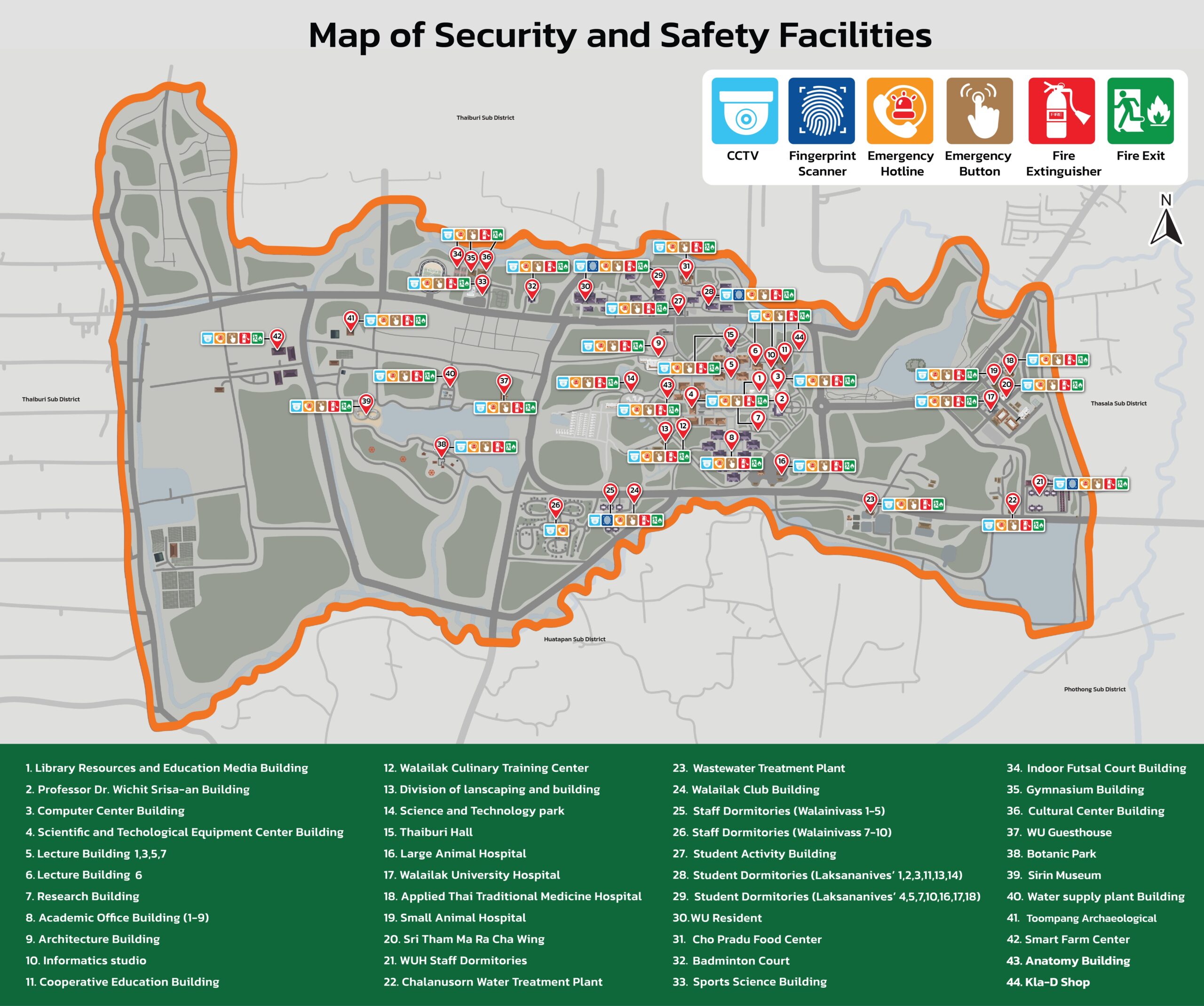
Security and Safety: Accidents and Emergencies
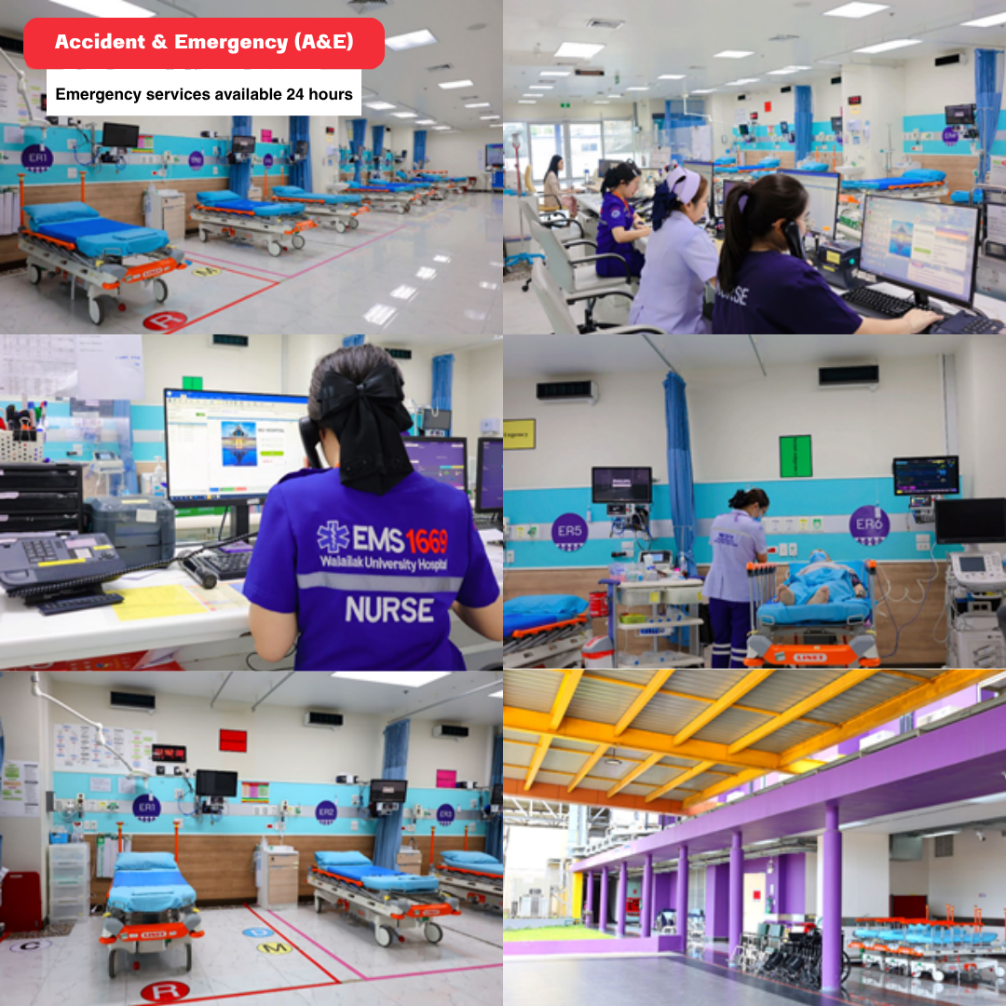
- Accident and Emergency Operations Center: Provides 24-hour emergency assistance for accidents or unexpected incidents occurring on campus, including follow-up reports and post-treatment monitoring.
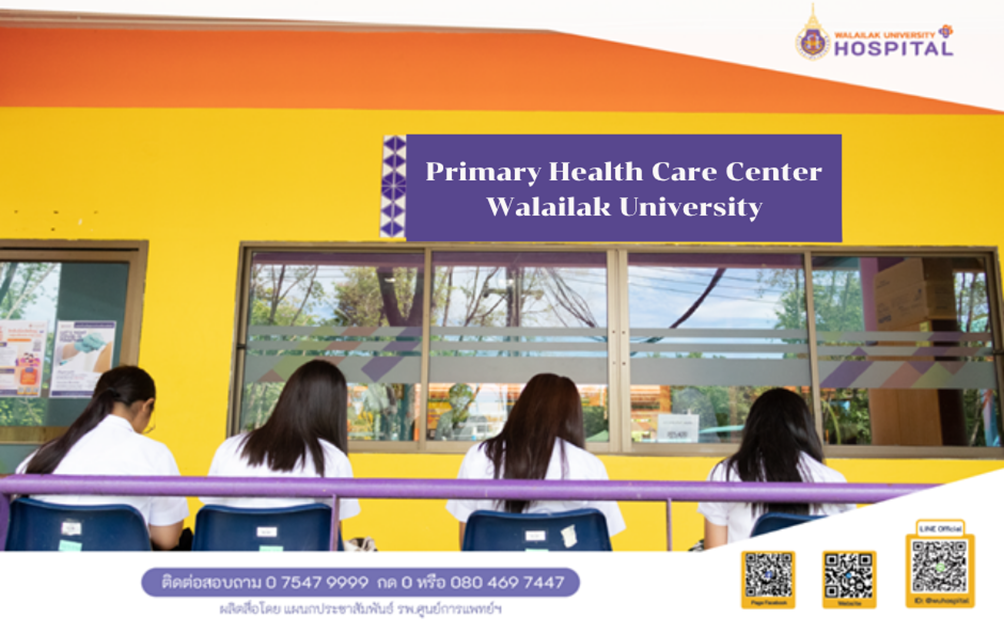
- Primary Health Care Services: On-campus primary health center provides first aid and initial medical treatment in case of accidents.
- Walailak University Medical Center Hospital: Operates 24 hours a day to provide emergency and specialized medical services.
- Laboratory Safety: Safety protocols and emergency support are available for students working in science laboratories, with incident tracking and post-incident follow-up.
- Traffic Safety: The University enforces a strict 100% helmet-wearing policy within the campus, promotes safe driving campaigns, and designates parking-only zones to reduce accidents and enhance safety.
Security and Safety: Crime Prevention
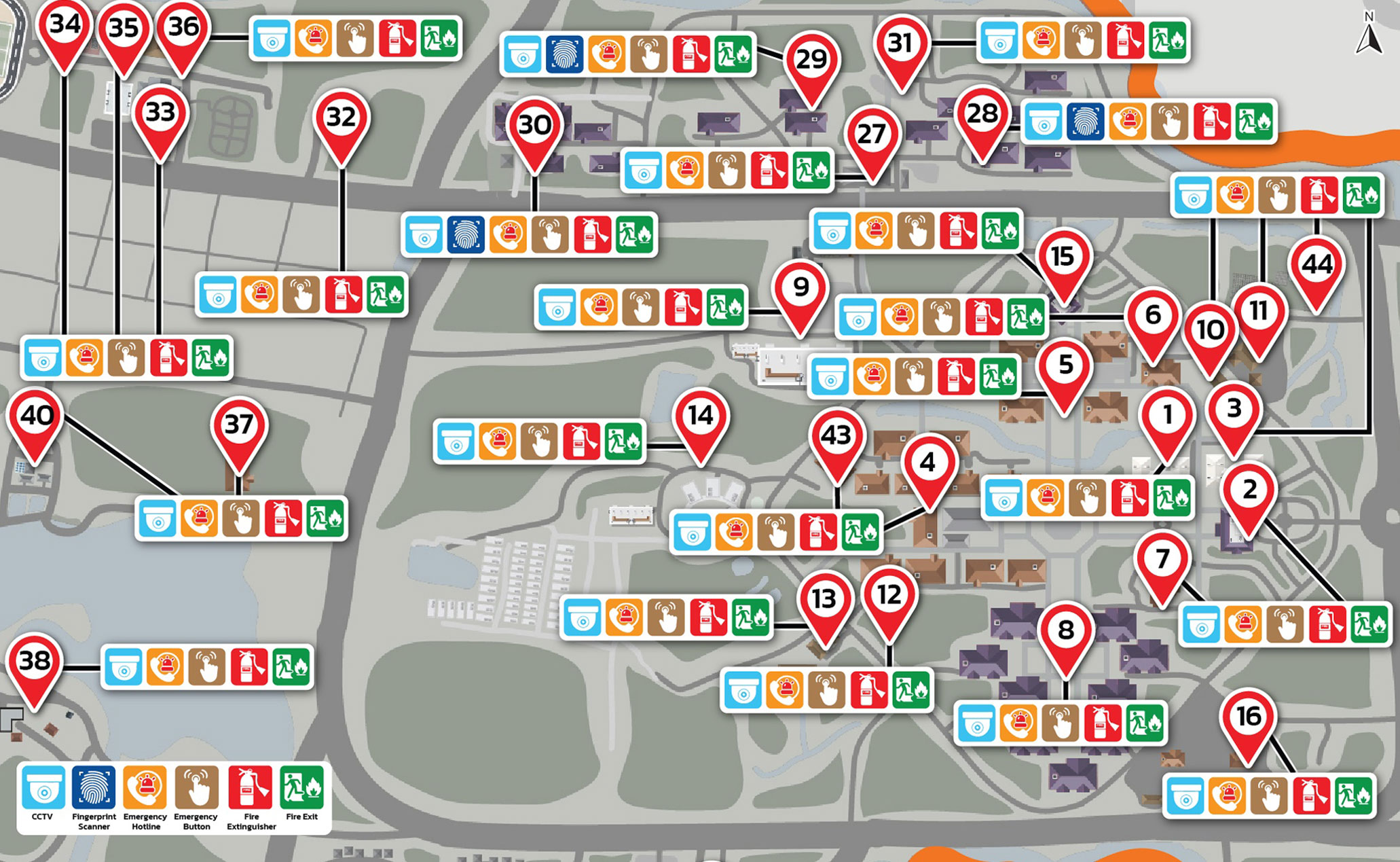
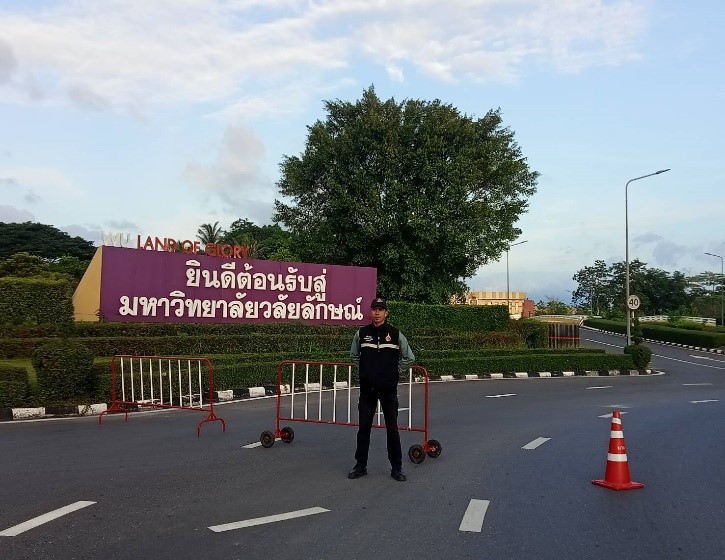
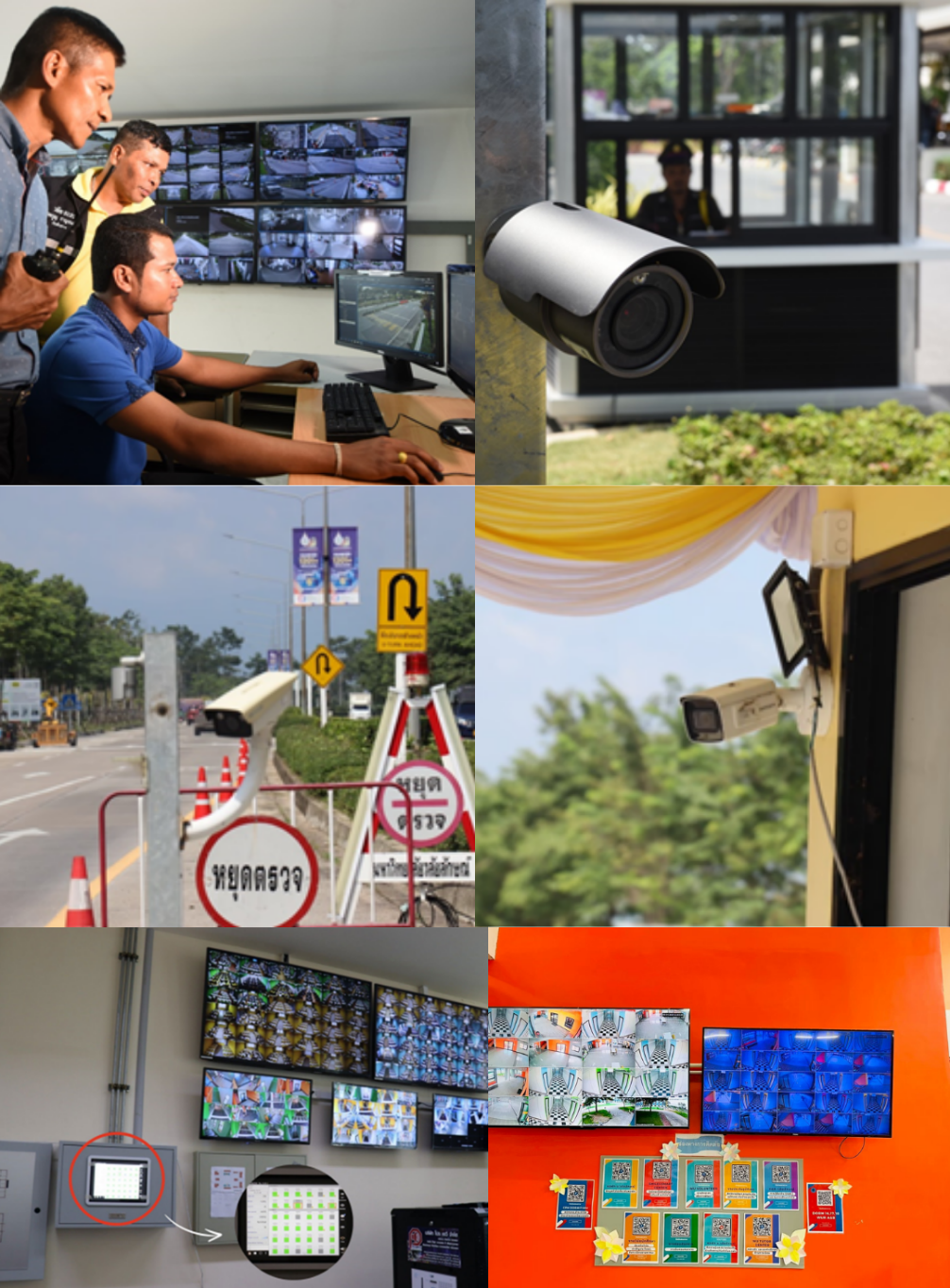
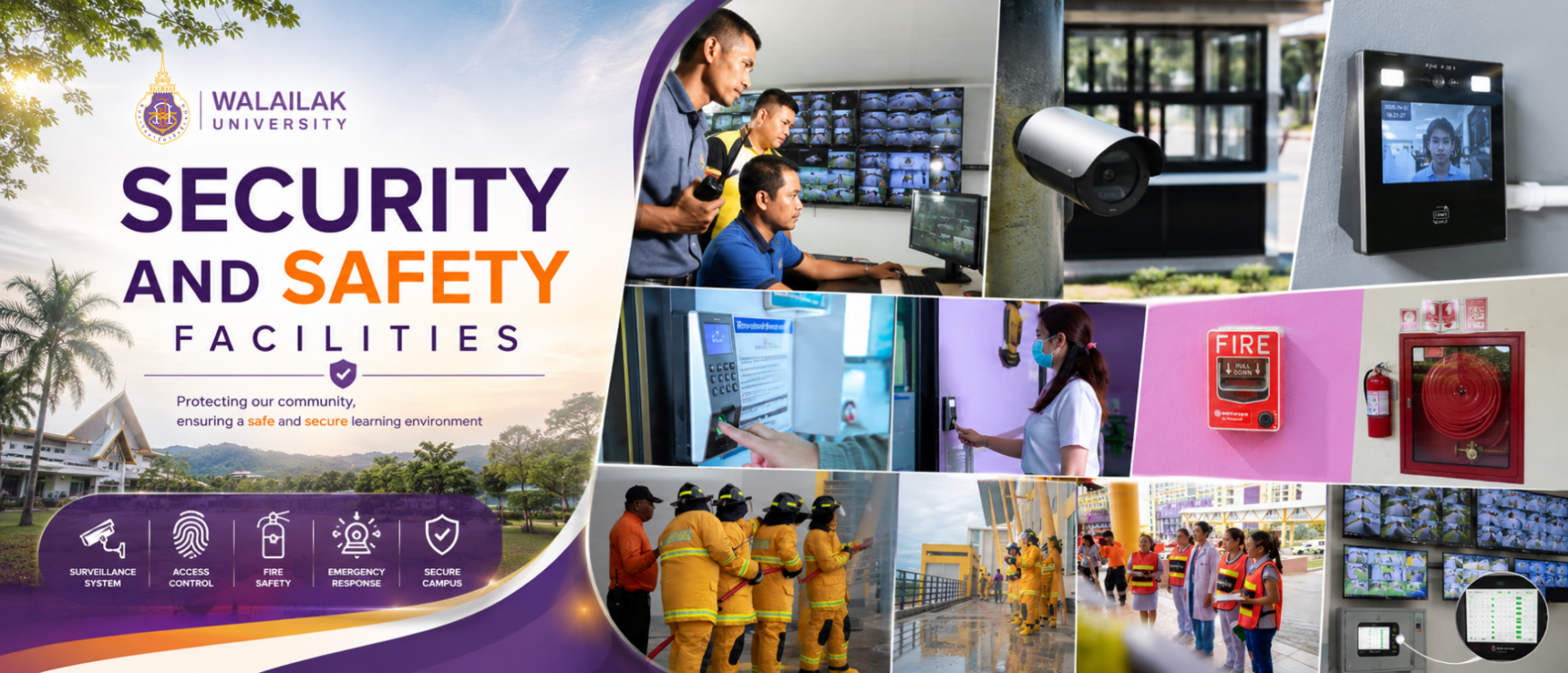
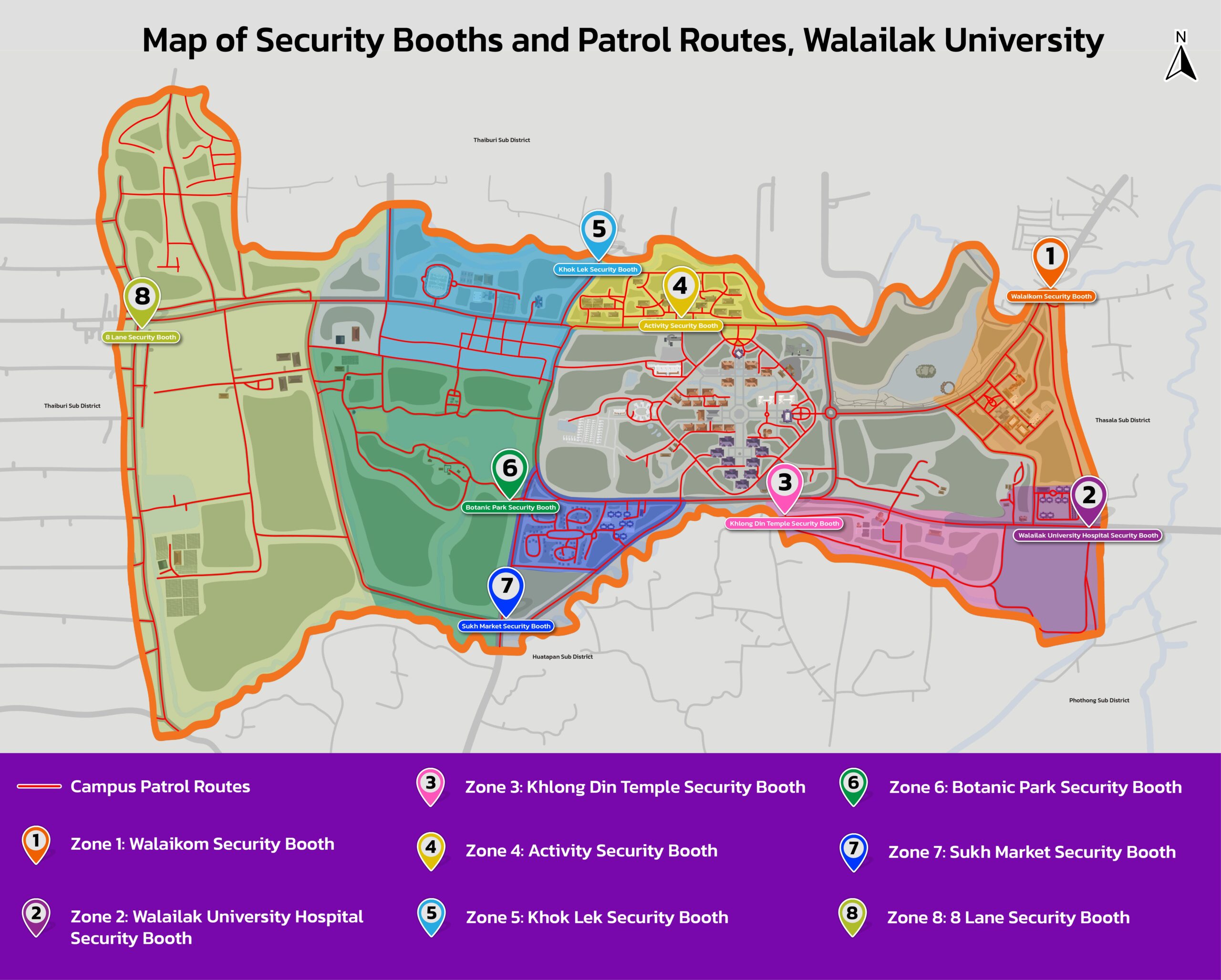
- Security Personnel: The University divides the campus into five security zones, each patrolled and monitored by trained guards stationed at key locations, operating 24 hours a day.
- Checkpoints and Access Control: Security checkpoints are located at the main entrances to regulate the entry and exit of vehicles and external visitors.
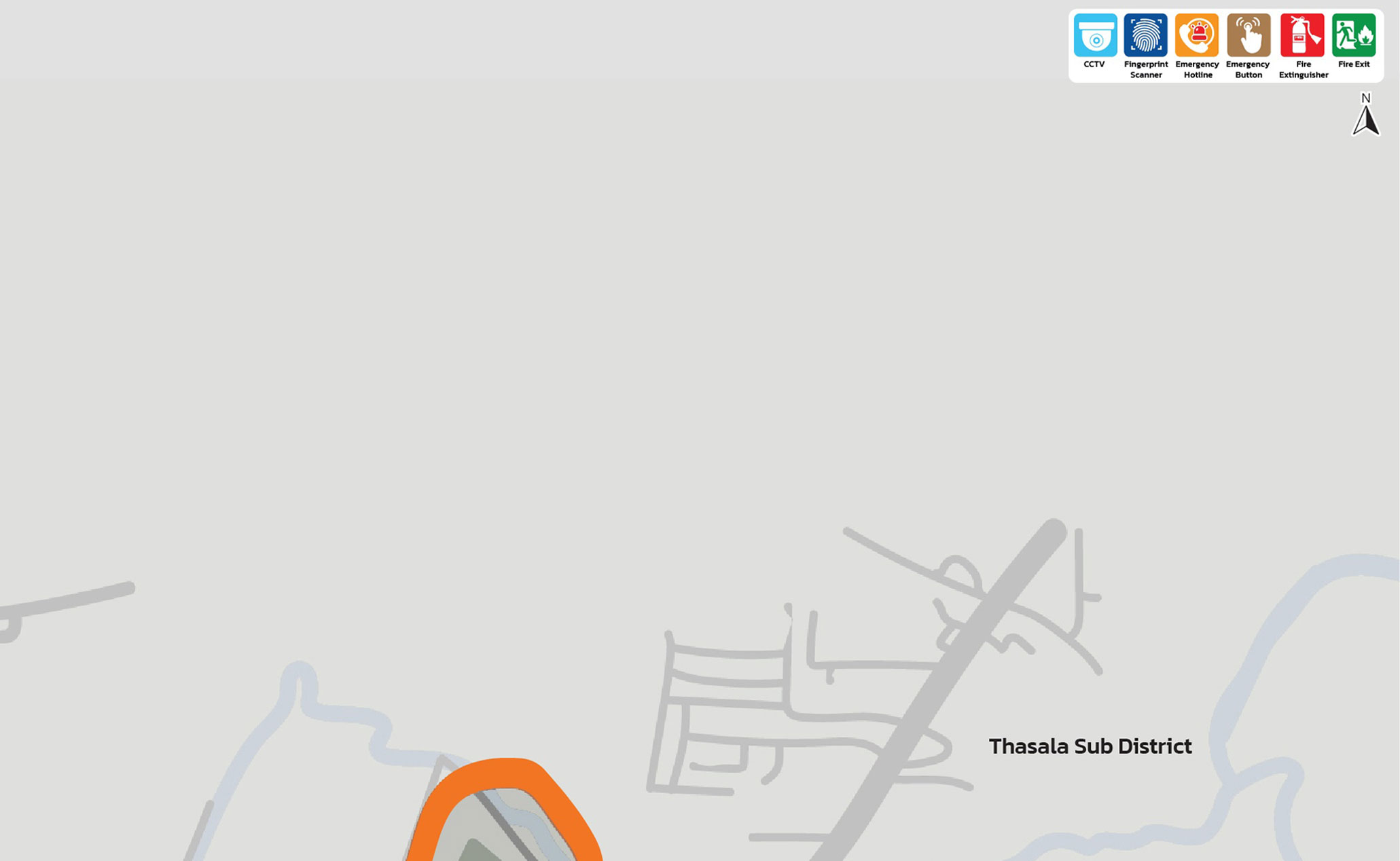
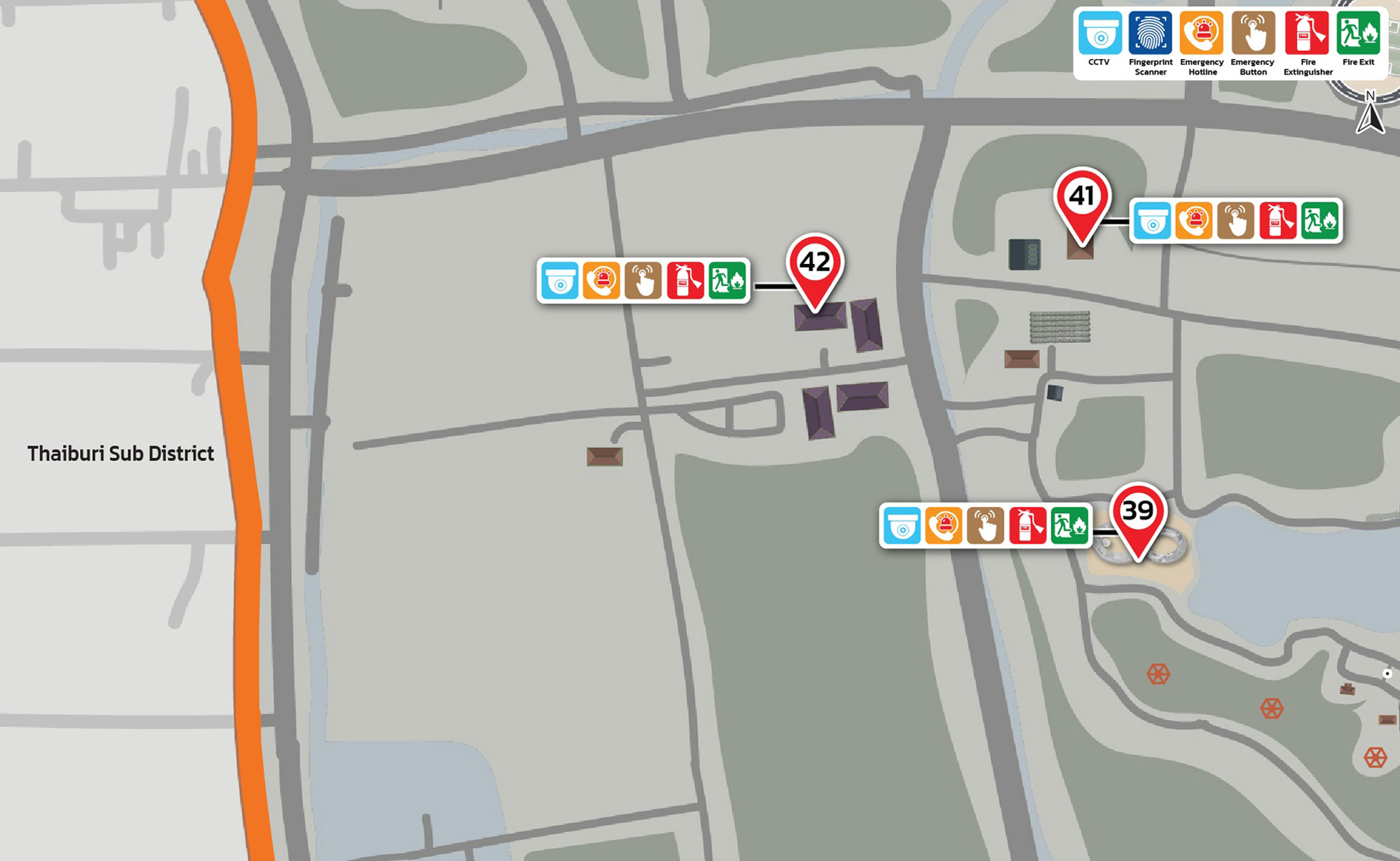
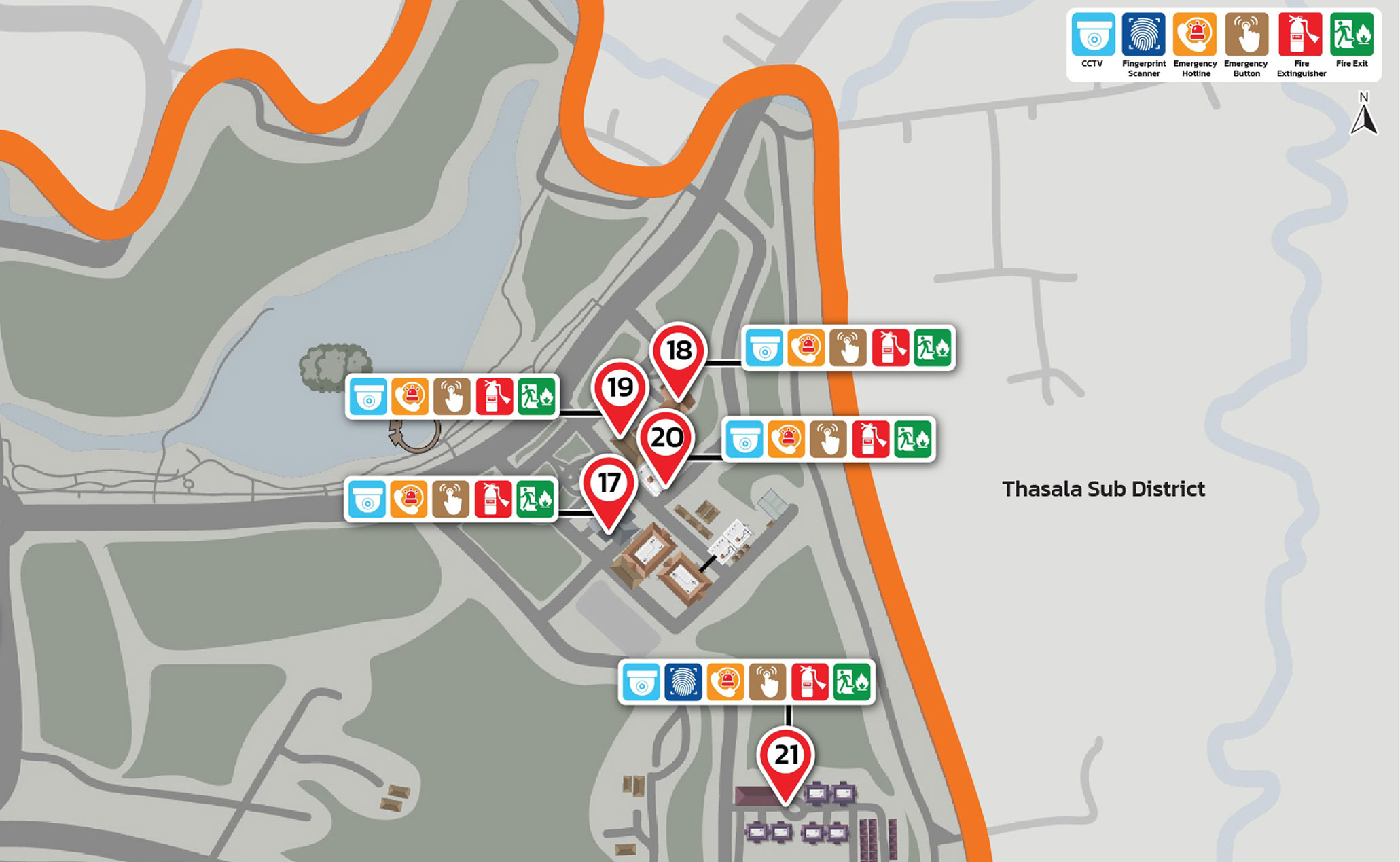
- Closed-Circuit Television (CCTV): Over 50 CCTV cameras are installed across the campus, covering academic buildings, dormitories, walkways, parking lots, and high-risk areas to prevent and monitor incidents.
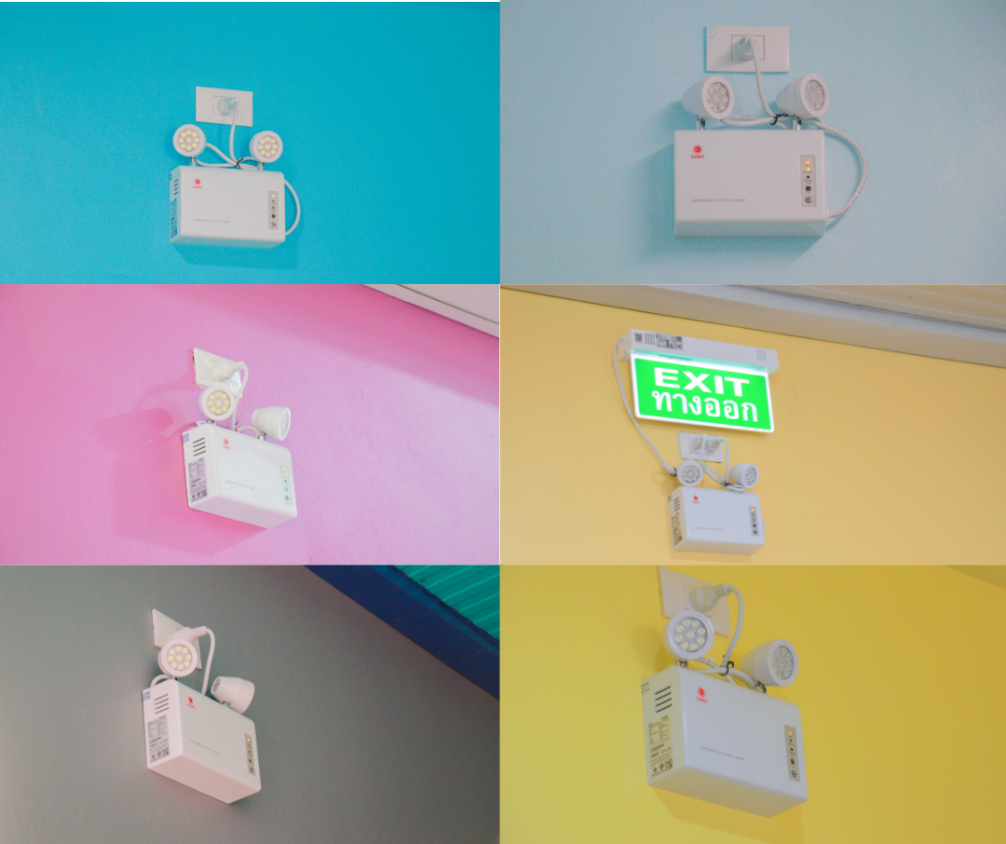
- Lighting System: Adequate lighting is provided in public areas, particularly along walkways, parking areas, and blind spots, to minimize risks of accidents and criminal activities.
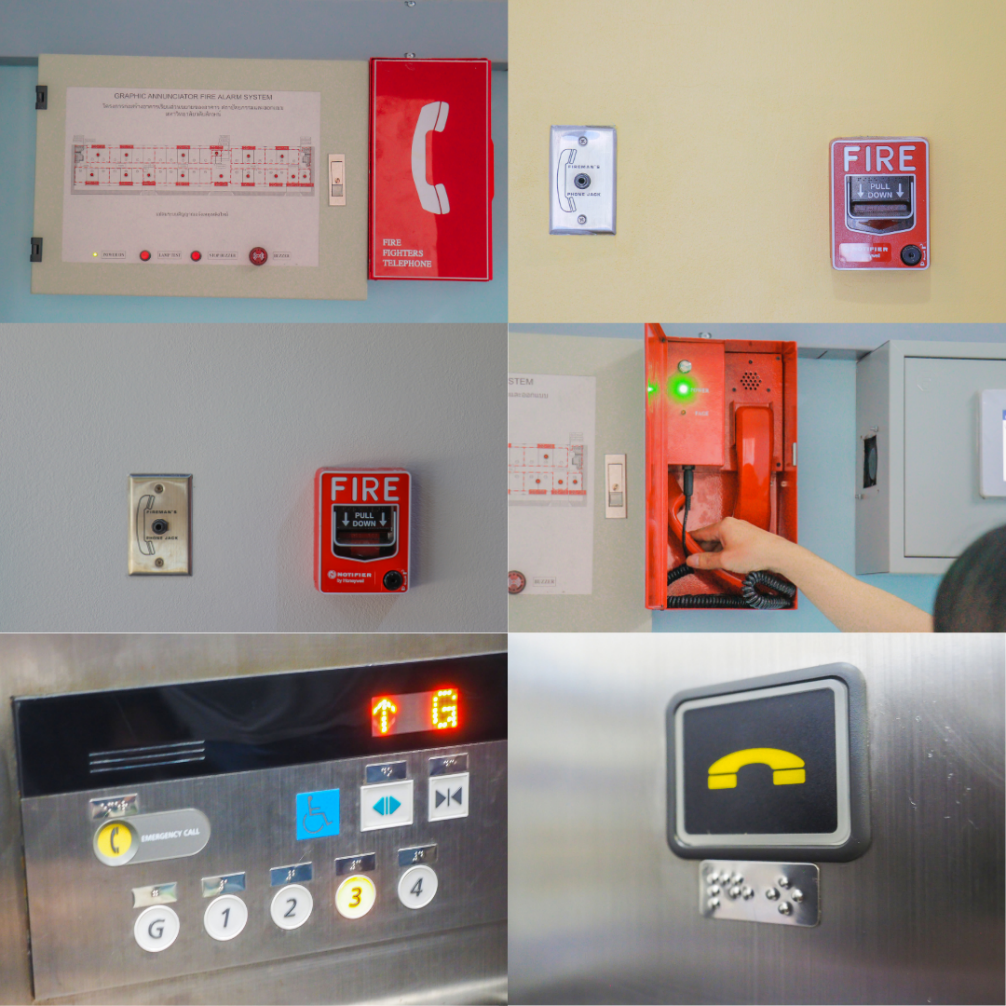
- Emergency Buttons and Hotlines: Installed in strategic locations to ensure immediate access to emergency assistance.
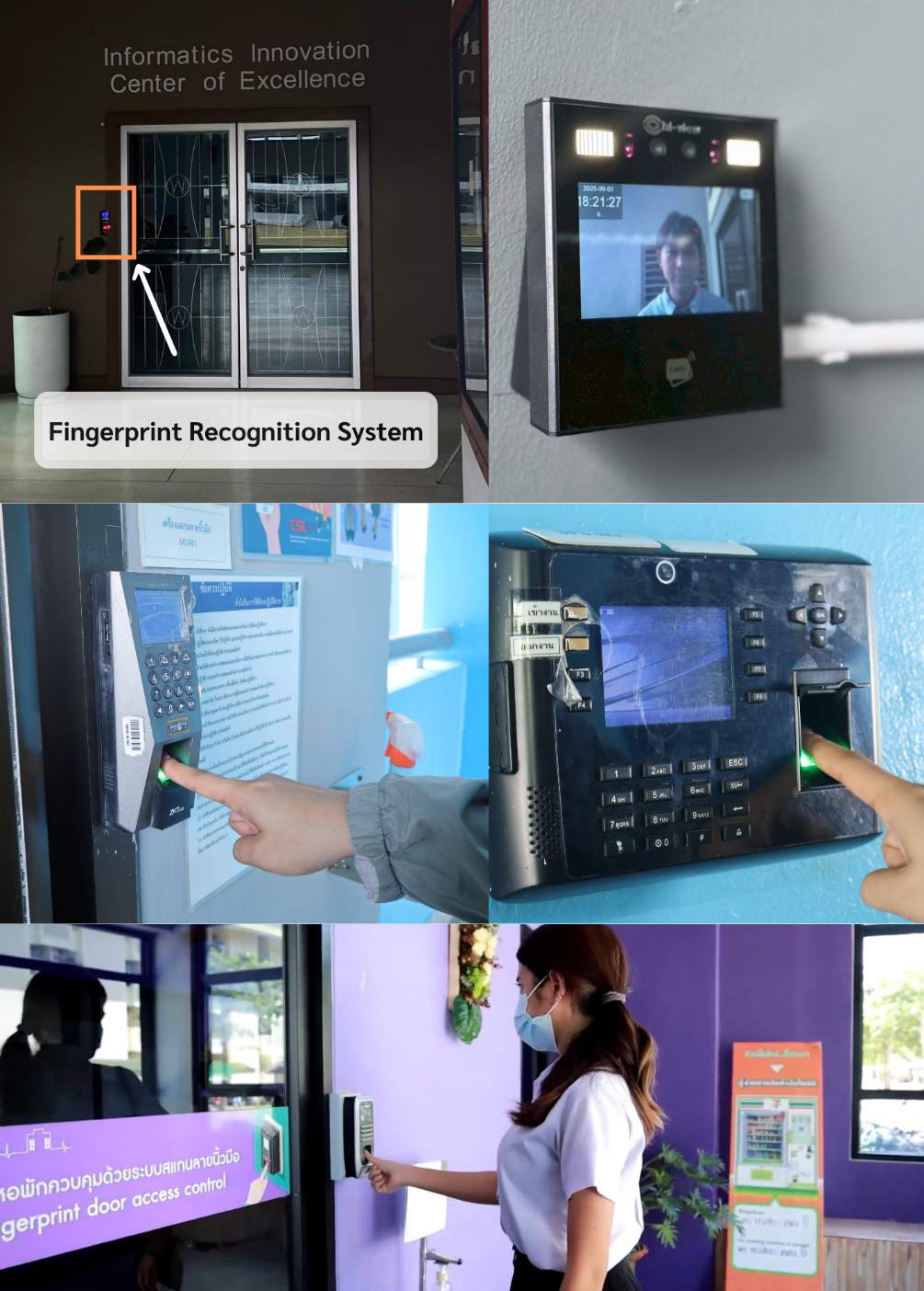
- Dormitory Security System: Student dormitories are equipped with access control systems, 24-hour on-duty security guards, and fingerprint scanning for residents.
- Safety Orientation: New students receive safety orientation sessions covering personal safety, travel guidance, and proper use of public spaces on campus.
Security and Safety: Fire Prevention and Response
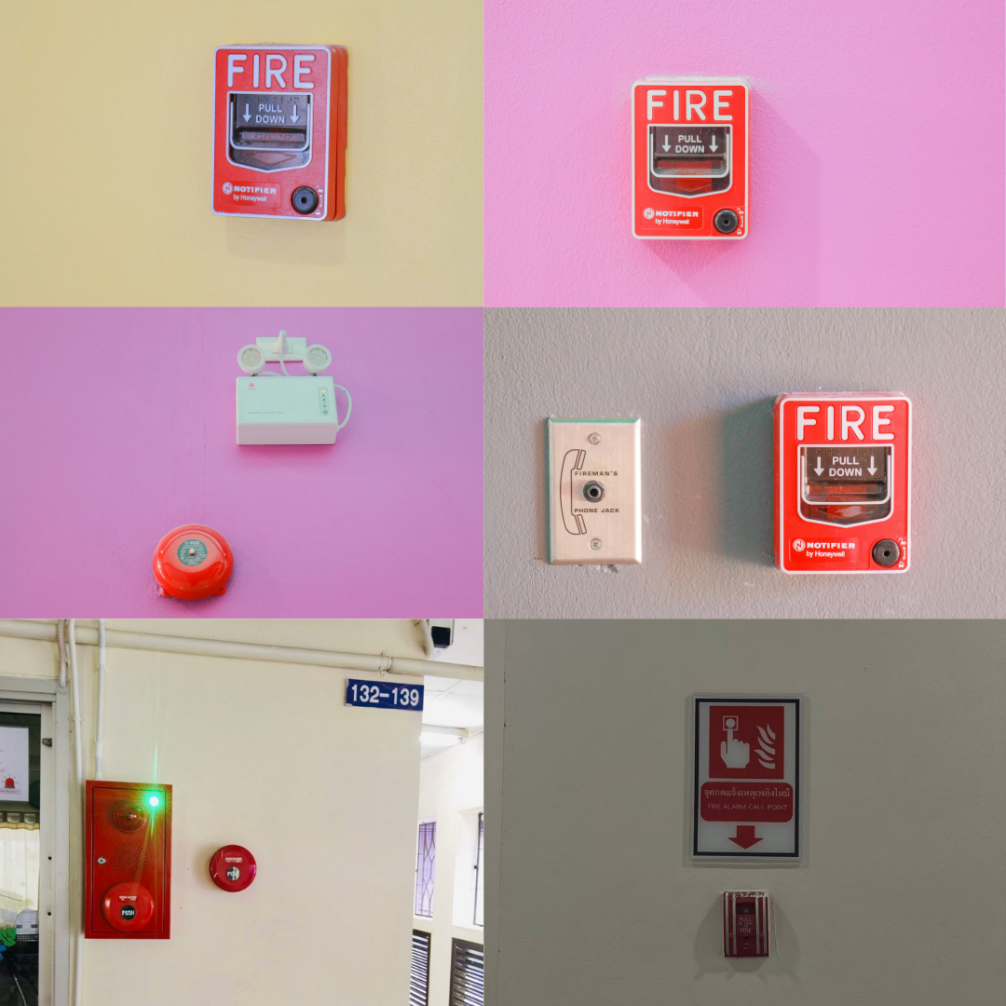
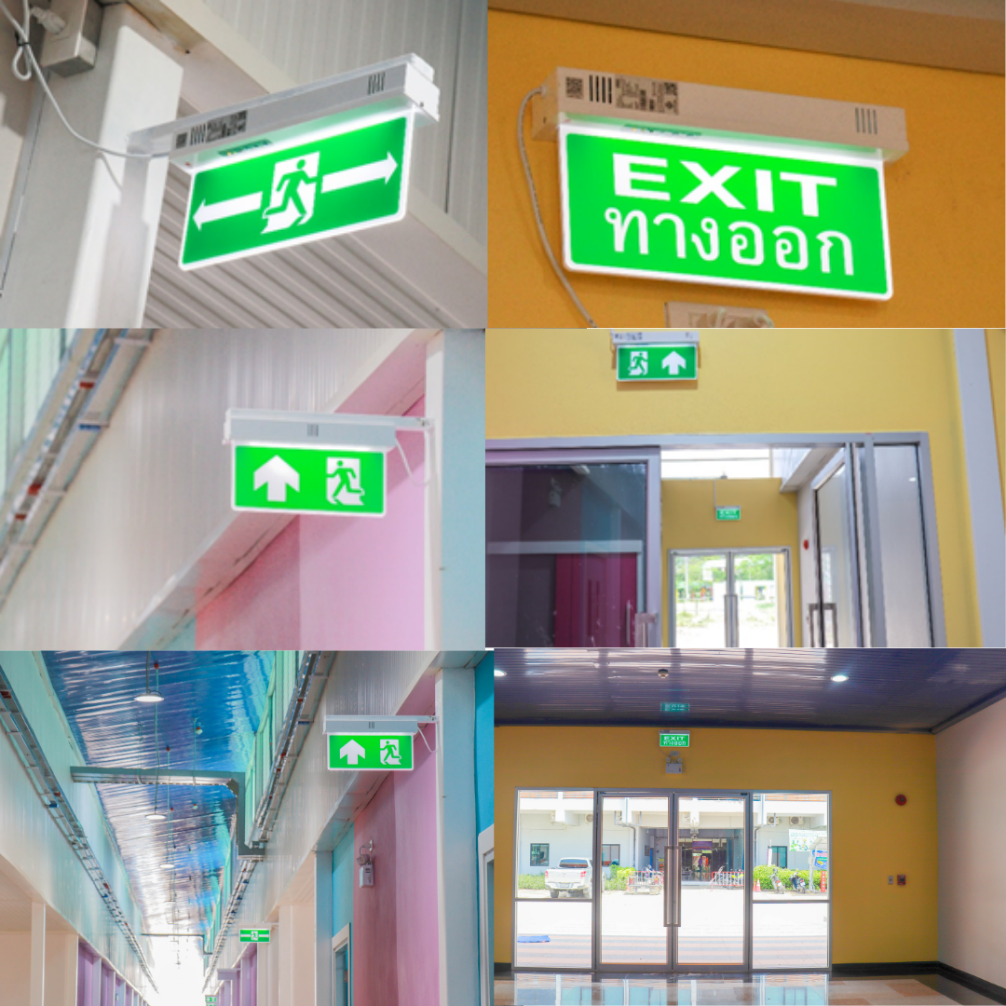
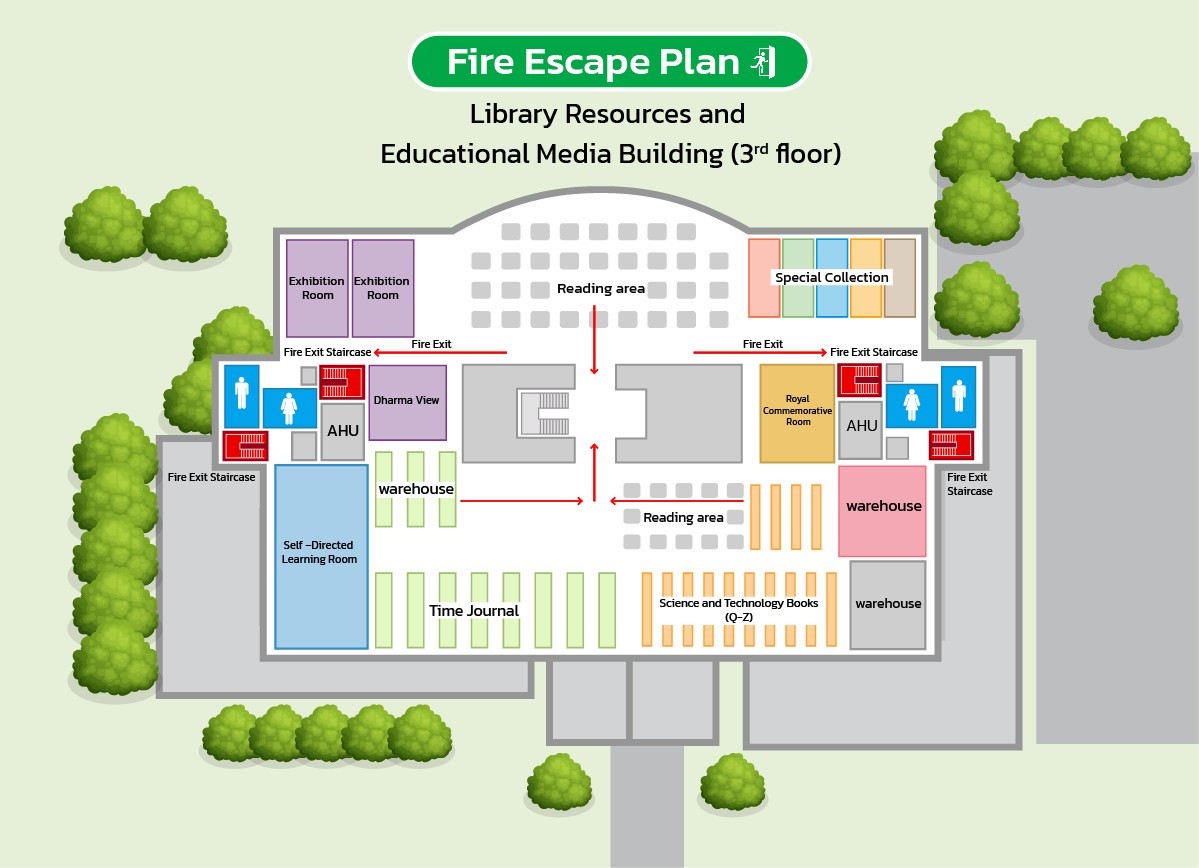
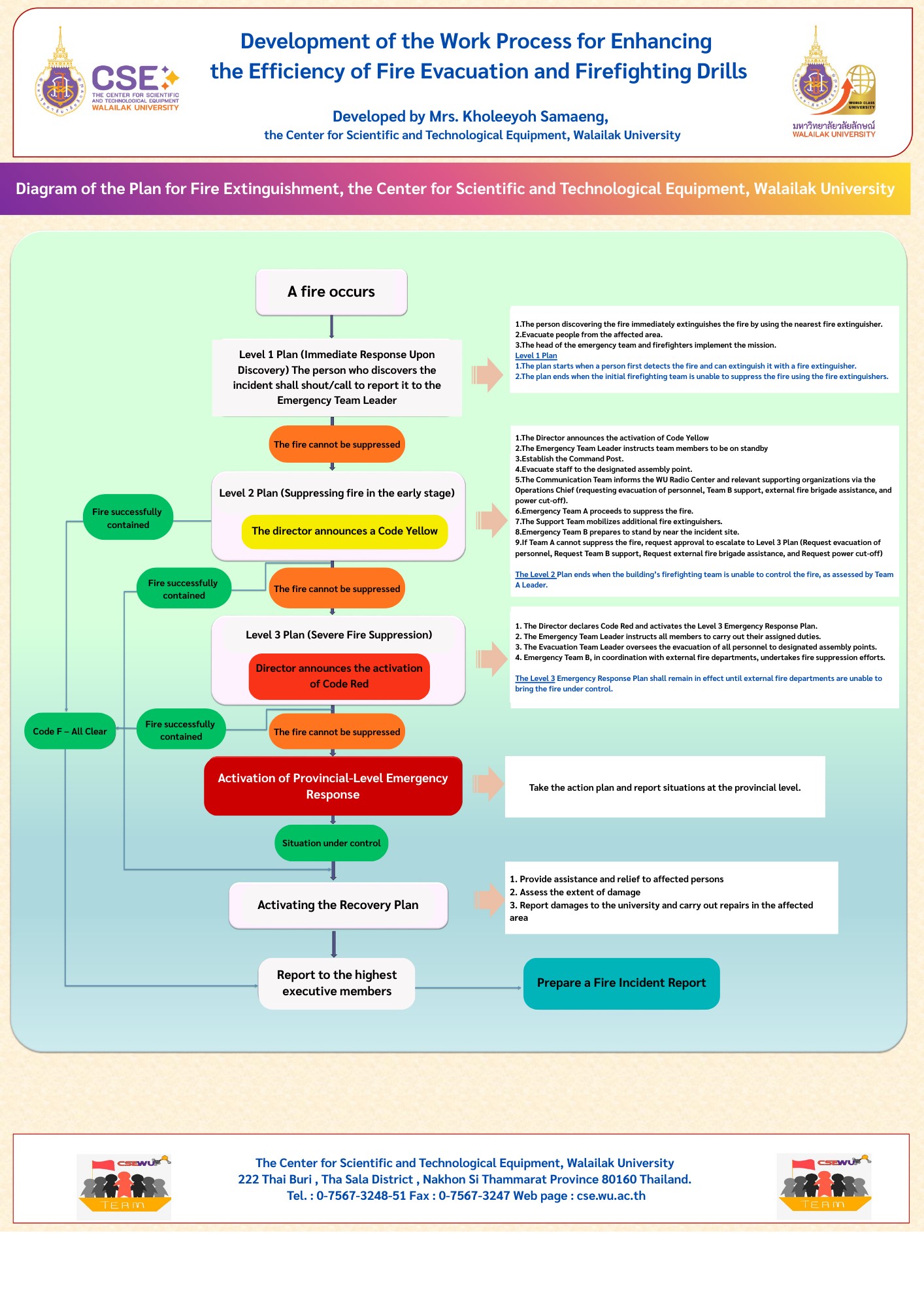
- Evacuation Plans: Fire evacuation routes and plans are posted in every building.
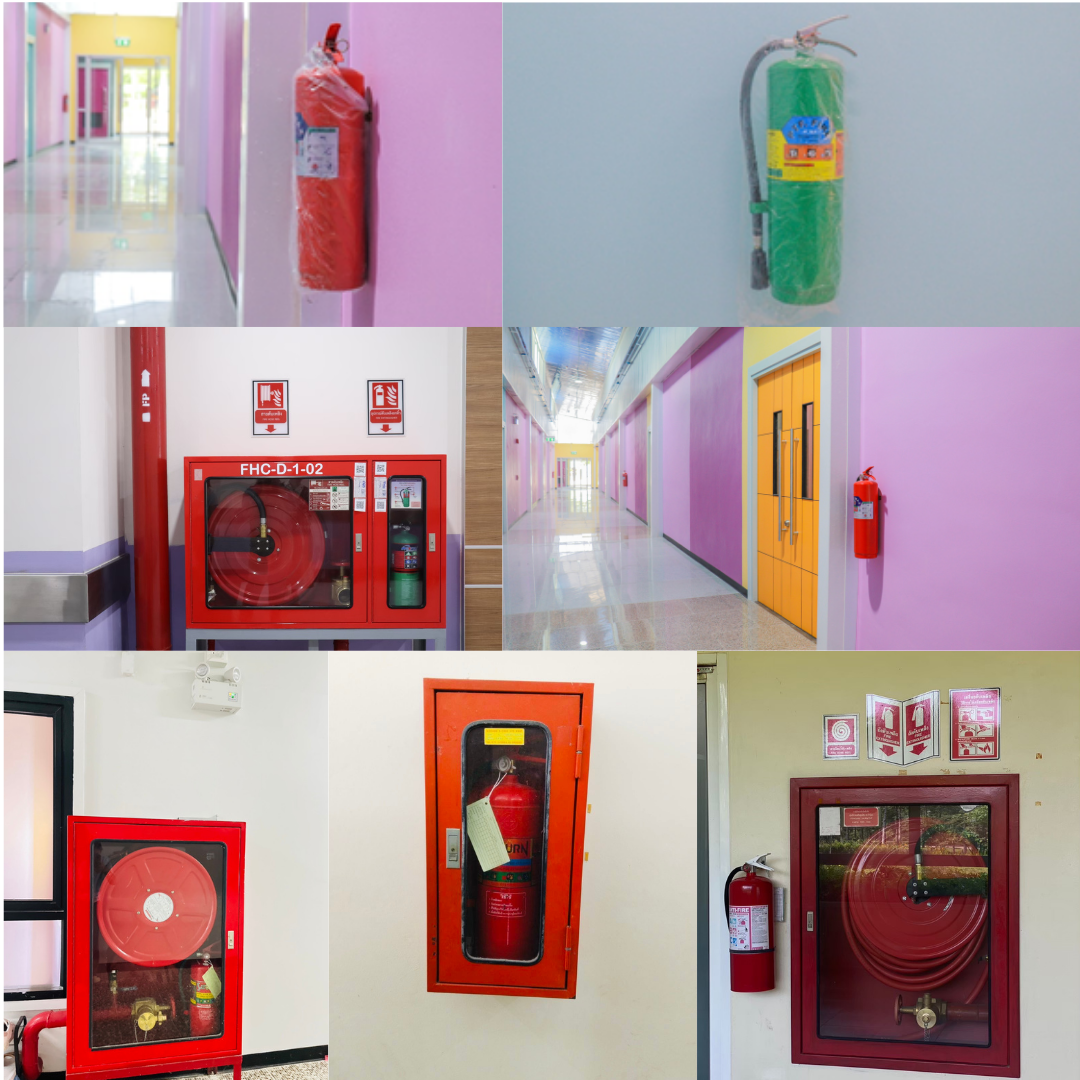
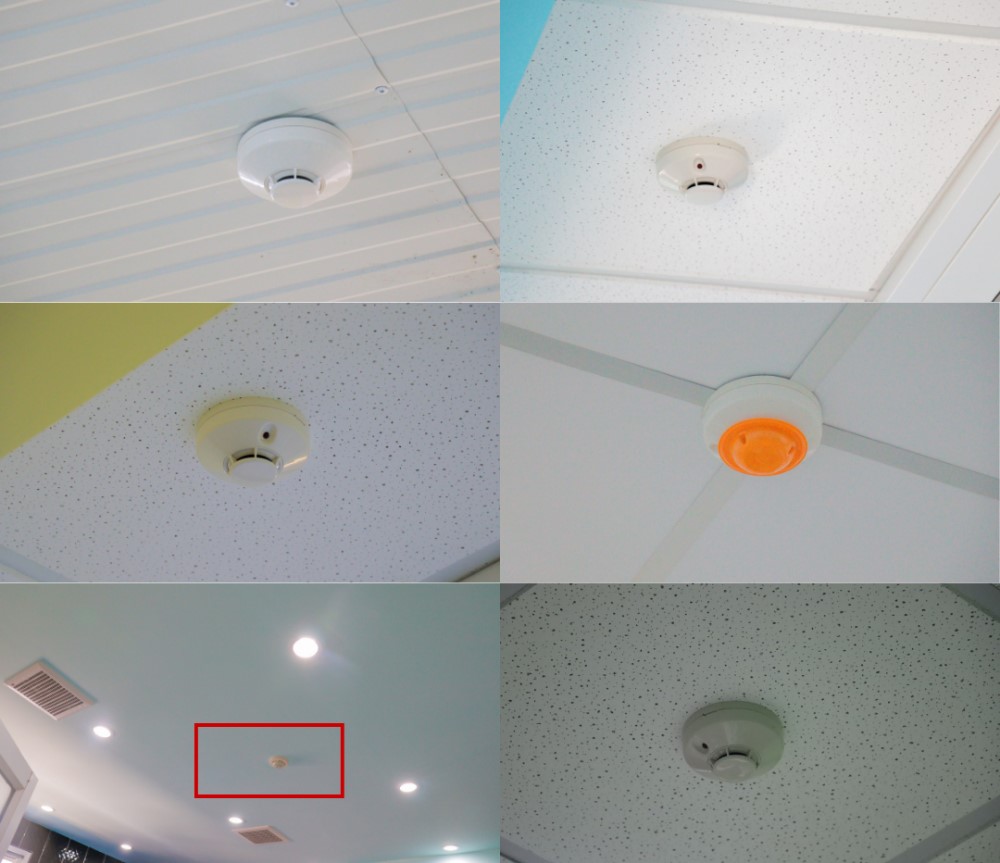
- Fire Safety Equipment: All fire extinguishers and hydrants are regularly inspected and fully functional.
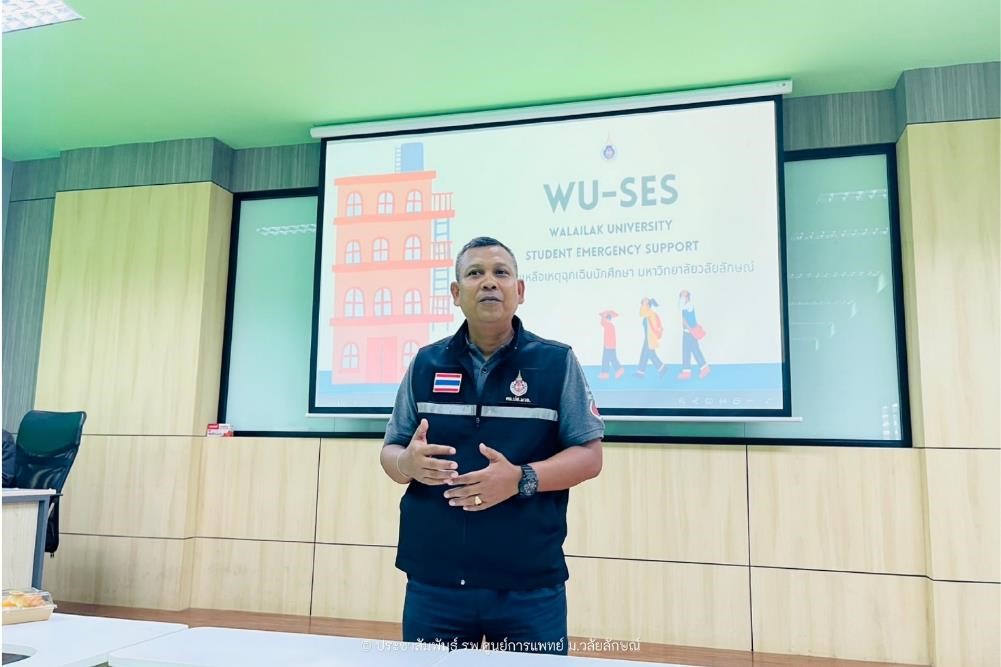
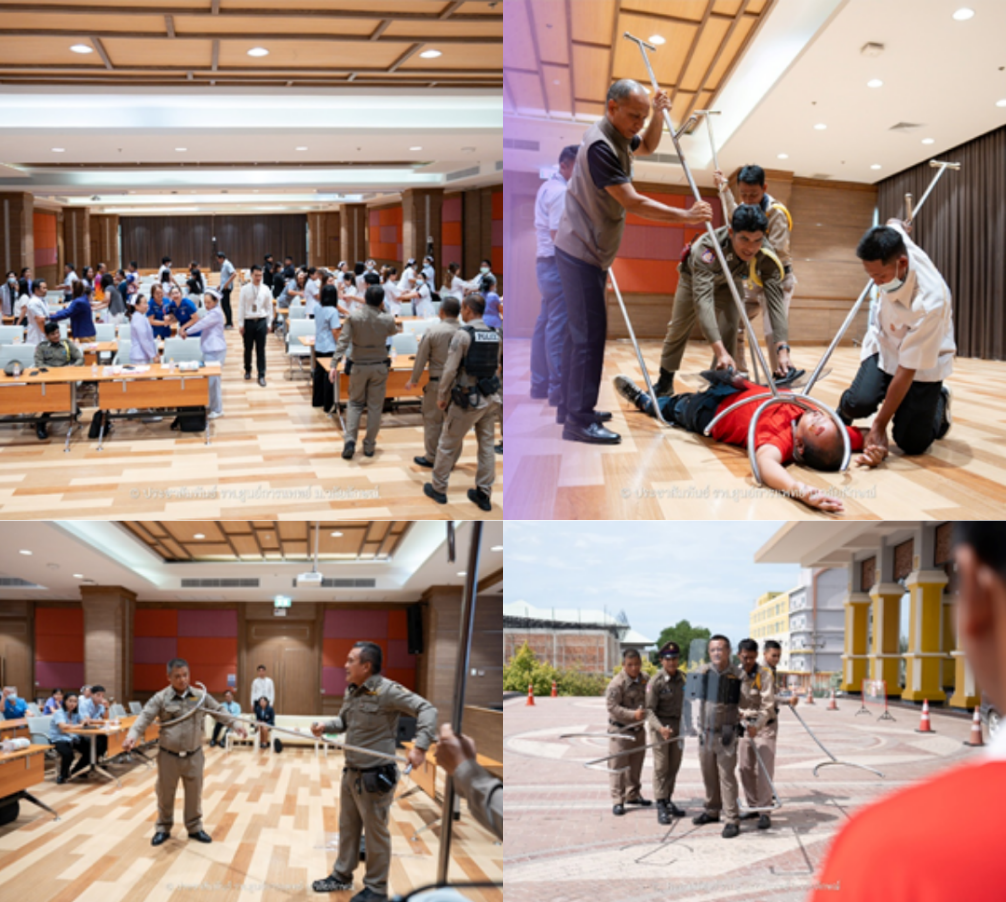
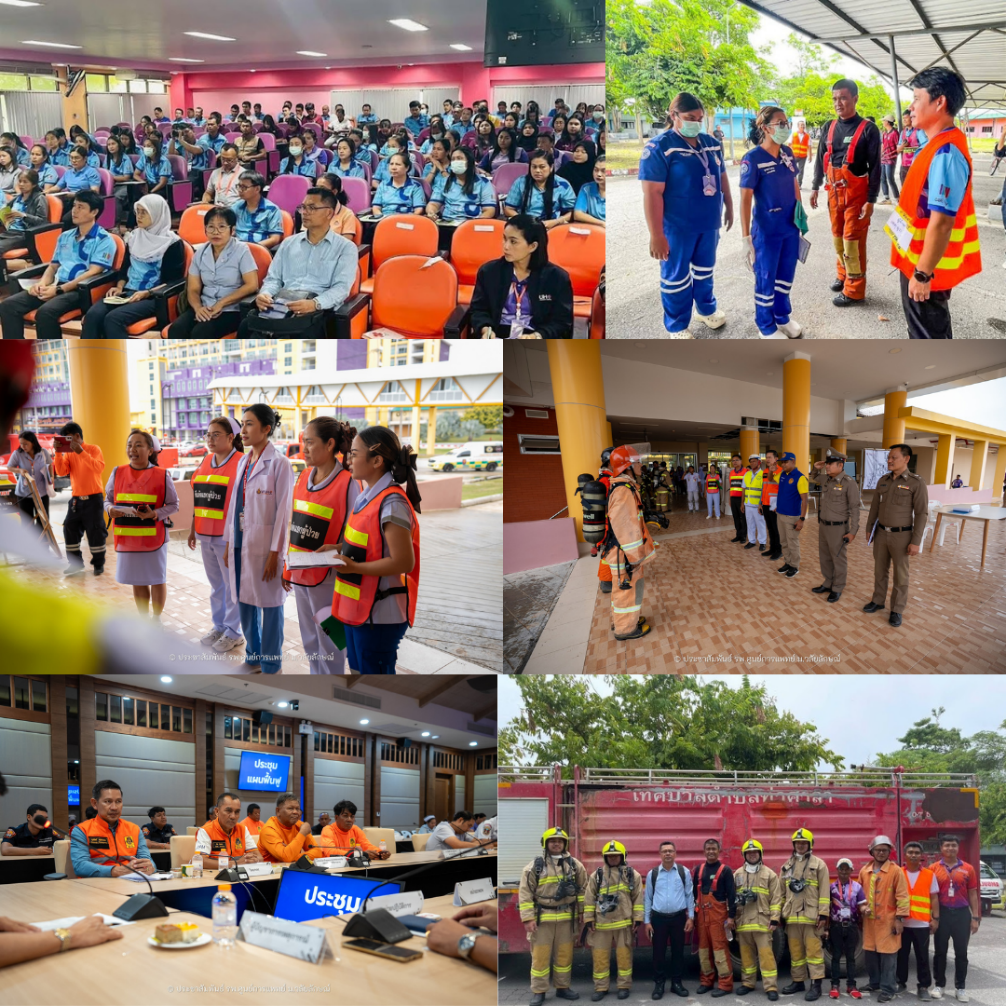
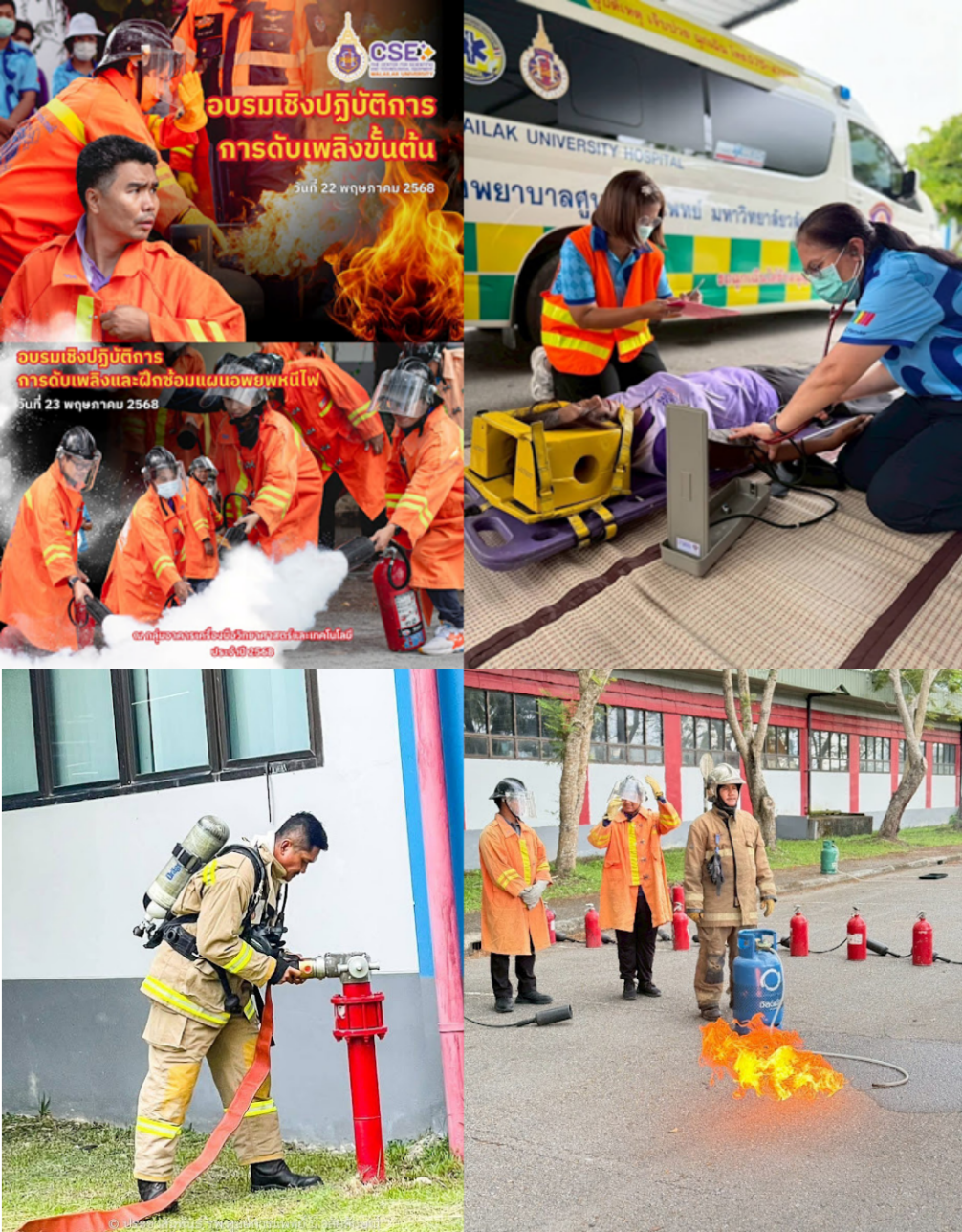
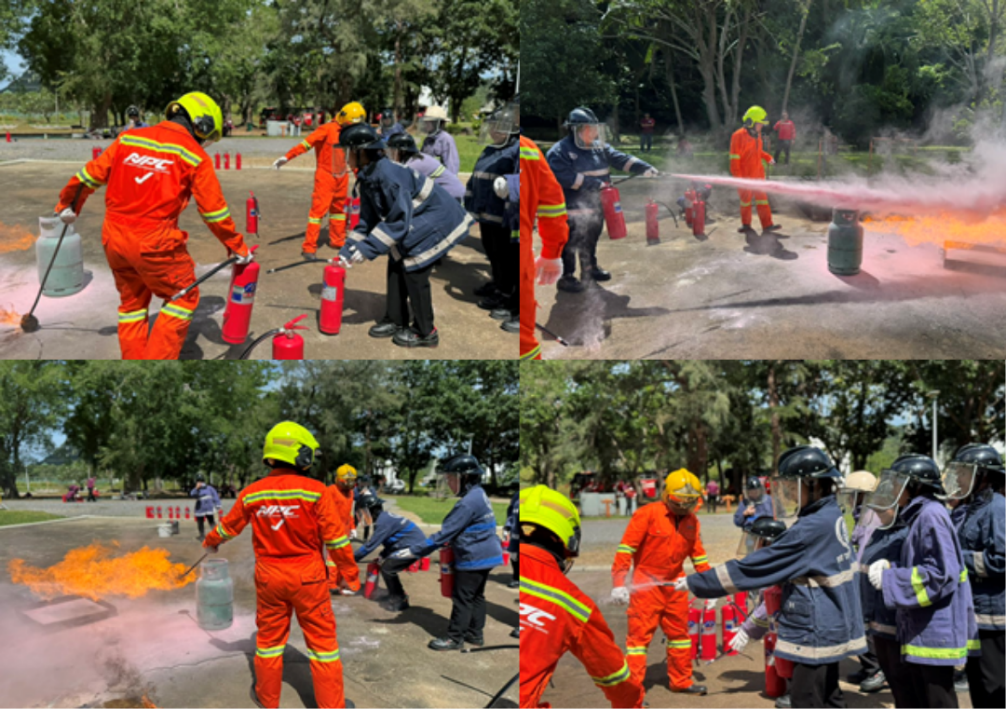
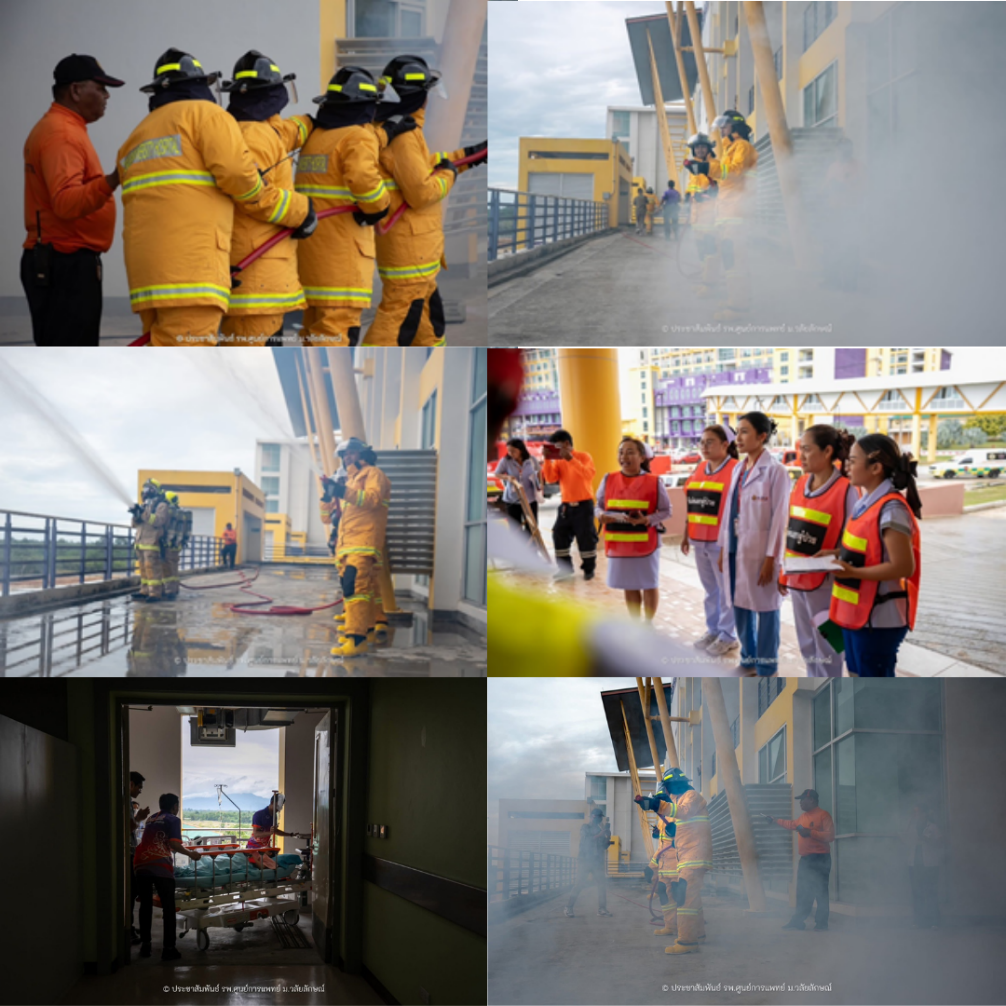
- Annual Fire Drill and Training: Annual fire safety training and evacuation drills are conducted with participation from students and staff. These activities are organized by units such as the Science and Technology Equipment Center, the Occupational Health and Safety Program, and Walailak University Hospital. The response time for emergency situations is consistently less than five minutes, with drill reports recorded for monitoring and improvement.
Security and Safety: Natural Disasters
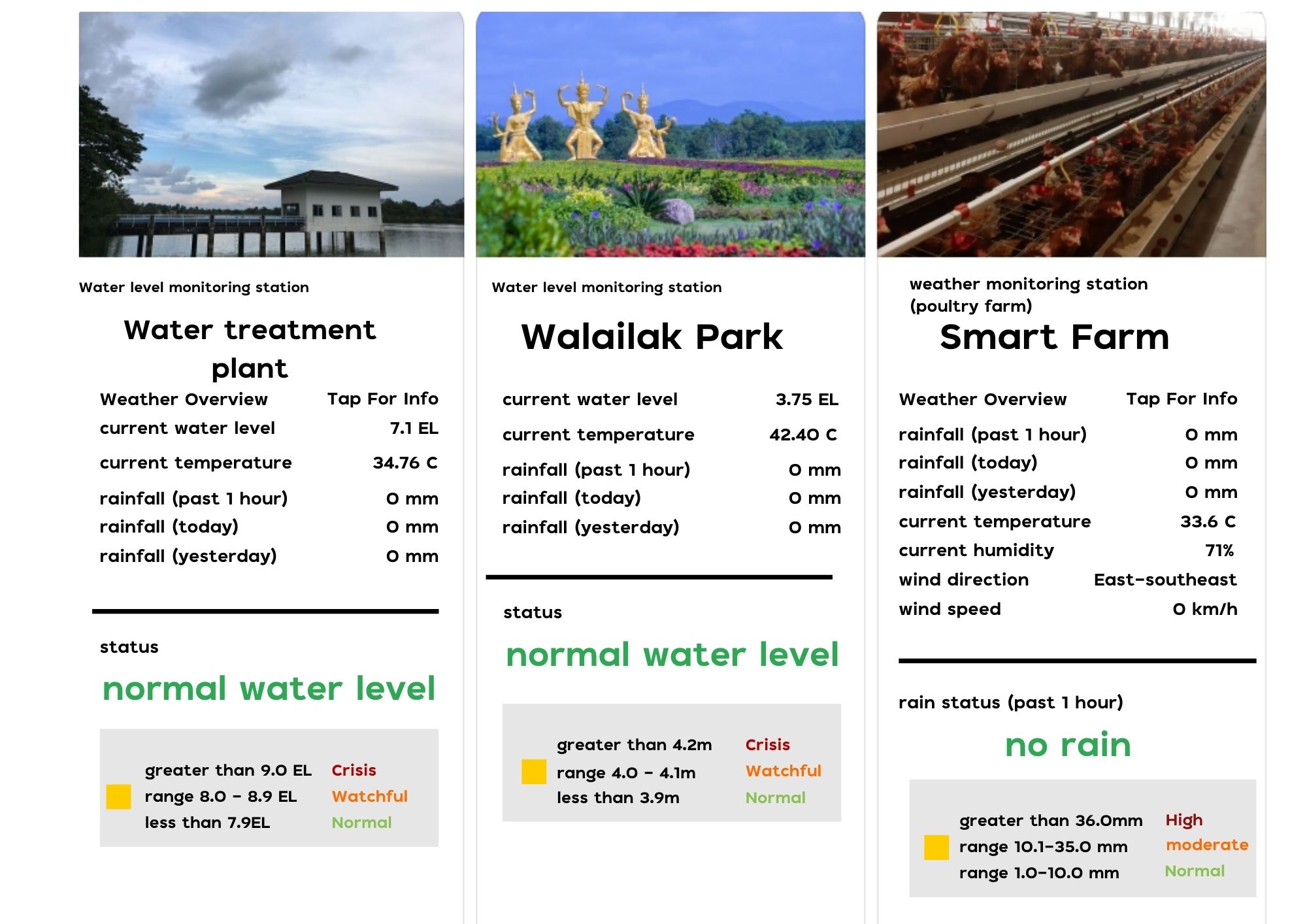
- Flood Alert Application (Bot CDT): A real-time flood monitoring and alert system that provides up-to-date information to campus residents.
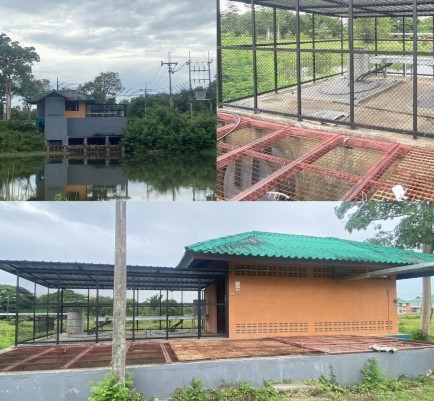
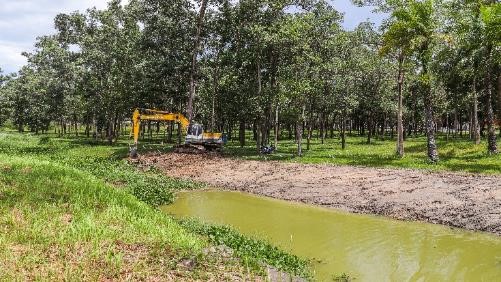
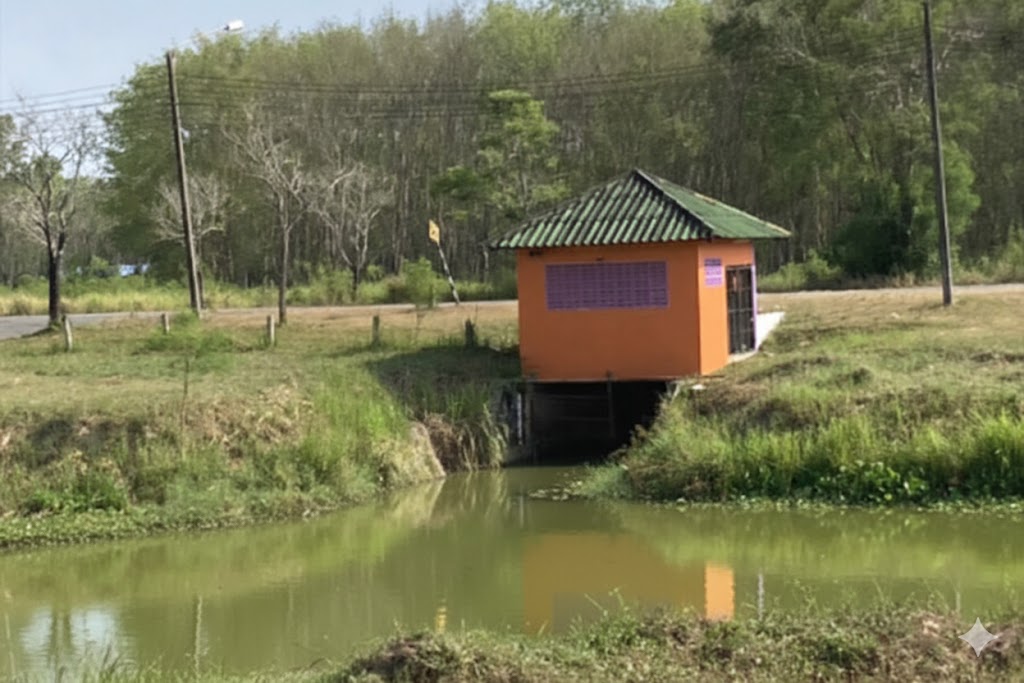
- Water Pumping Systems: Installed across flood-prone areas to manage and mitigate flooding effectively.
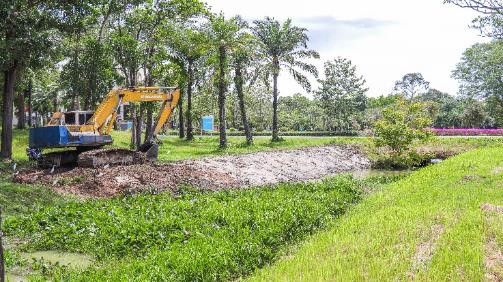
- Drainage Improvement Projects: Ongoing development of campus drainage systems to reduce flood risk and enhance water flow efficiency.
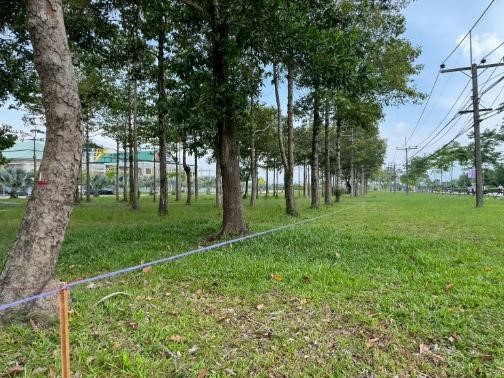
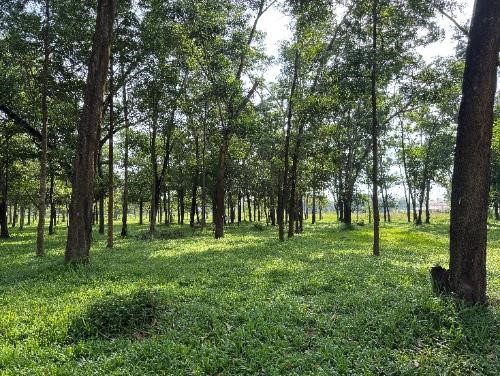
- Landscape and Tree Management: Regular maintenance and pruning of trees and windbreak zones to prevent damage during storms and ensure campus safety.
Walailak University maintains a robust and fully functional security and safety infrastructure, supported by modern technologies, well-trained personnel, and comprehensive emergency management systems. The University ensures rapid response to all types of emergencies, integrates medical and disaster preparedness services, and continuously enhances its safety measures. These efforts reinforce the University’s commitment to providing a secure, sustainable, and resilient campus environment for all.
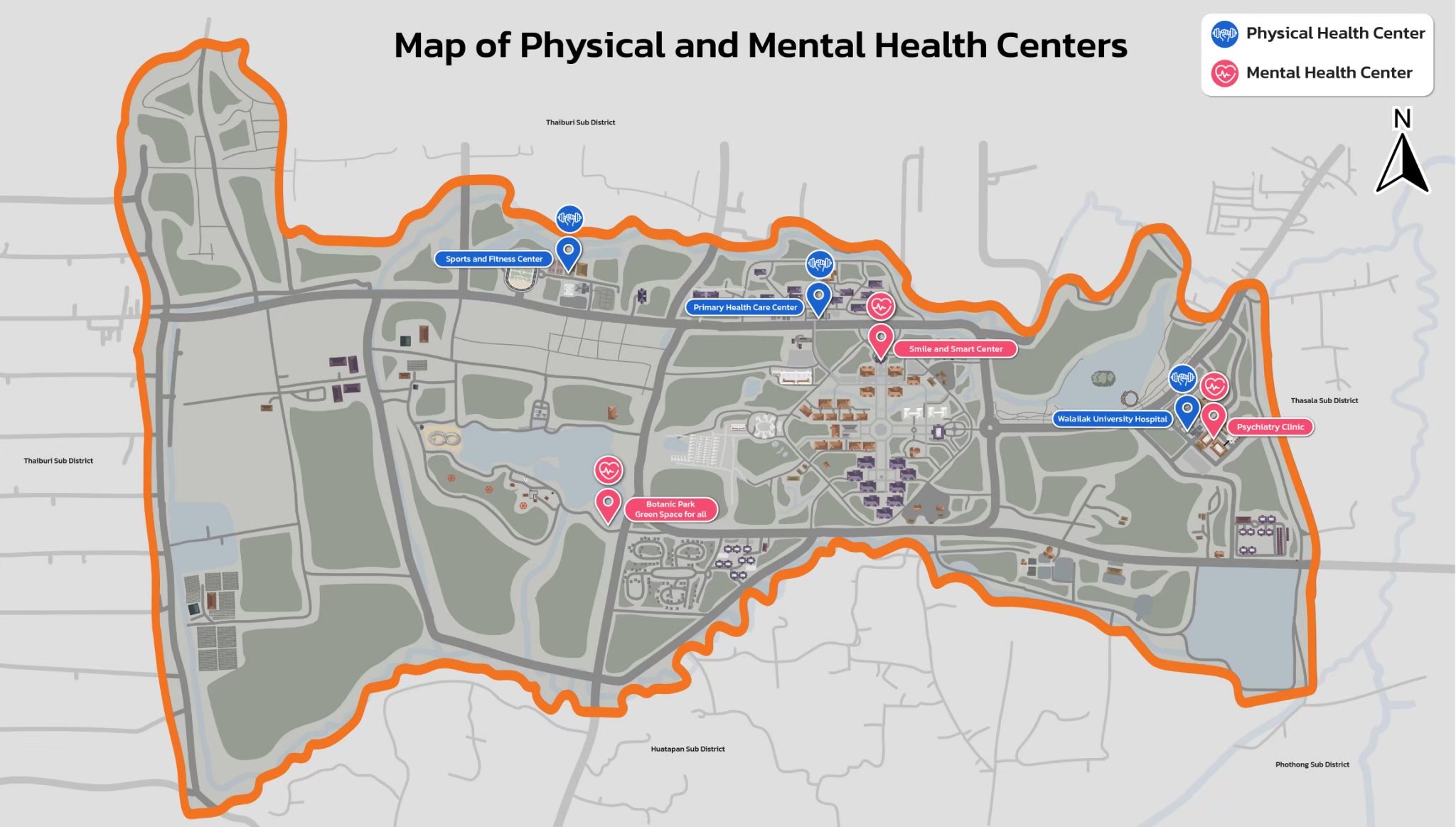
Health infrastructure facilities for students, academics, and administrative staff’s well-being
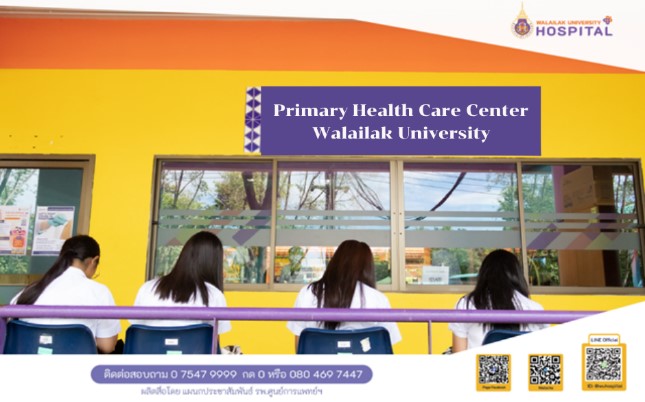
First Aid & Primary Care
The Walailak University Primary Care Center, located in the student dormitory zone, provides free daily healthcare services to all students residing on campus. The center offers basic medical treatment, general health check-ups, and health consultations, ensuring that students have convenient access to primary healthcare within the university premises.
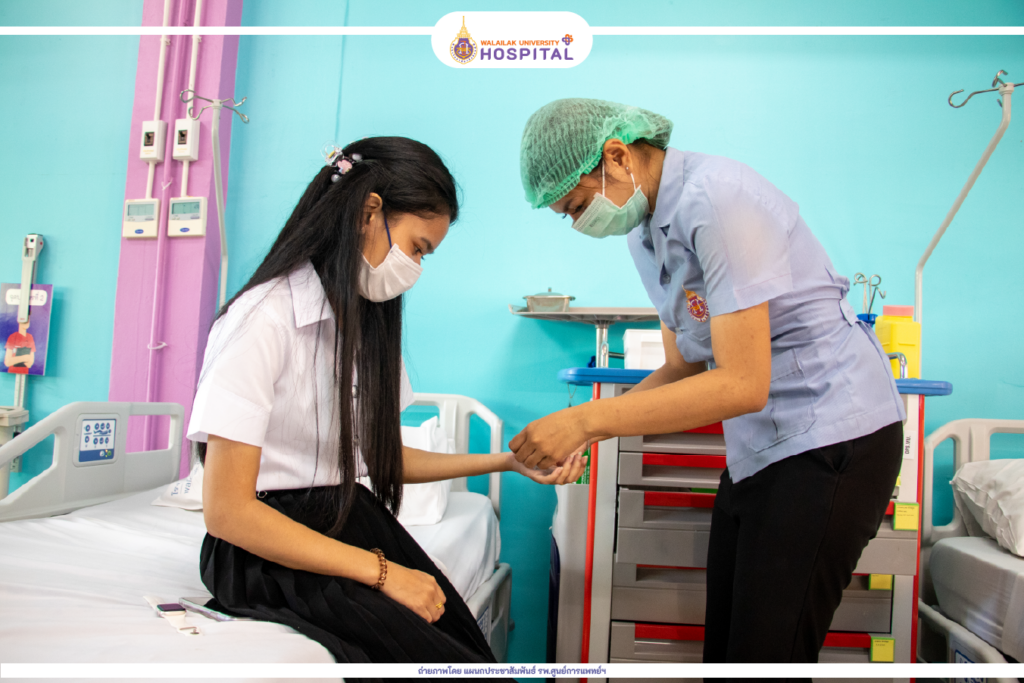
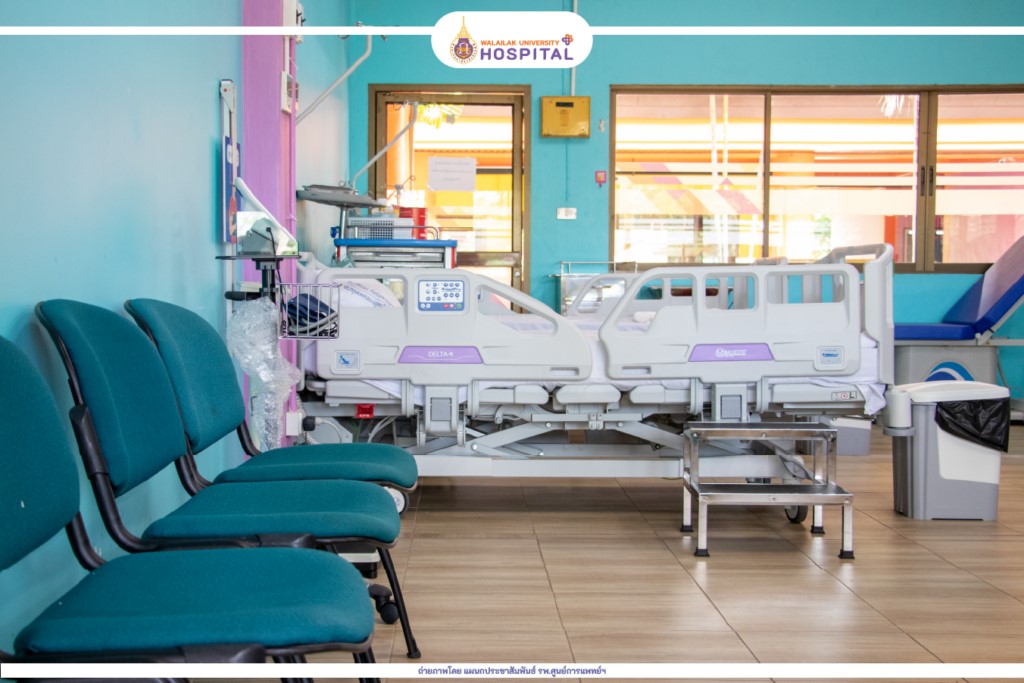
Emergency room & Clinical Services
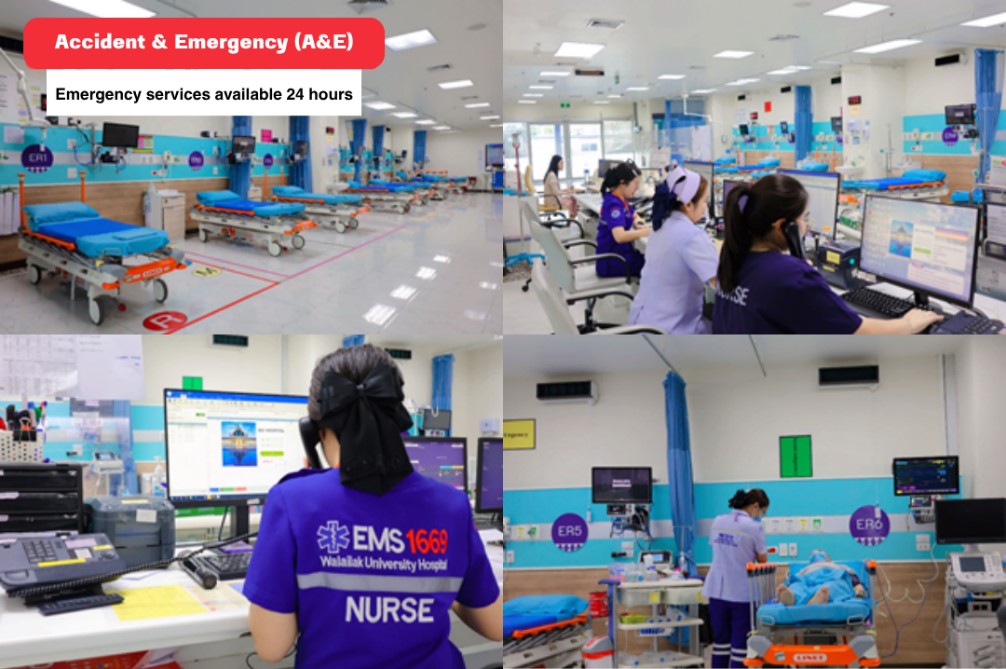
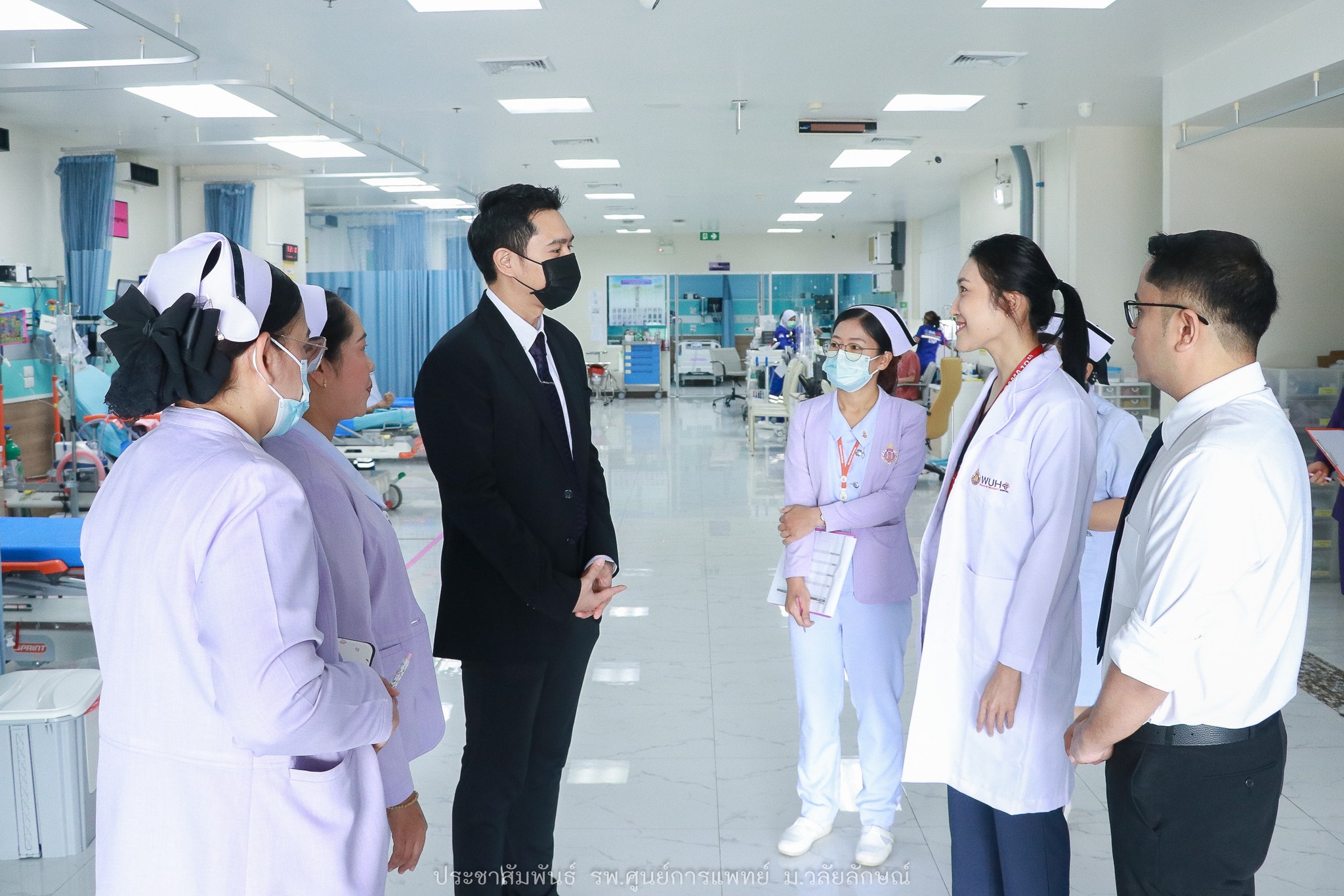
The 24-hour Emergency Room at Walailak University Medical Center Hospital provides round-the-clock emergency medical services for all types of patients, including those in critical condition. The unit is staffed with qualified medical professionals, including emergency physicians, nurses, and support staff, and is equipped with modern medical technologies such as rapid diagnostic systems, advanced life support (ALS) systems, and ambulances for patient transfer to specialized departments or other hospitals when necessary.
Hospital
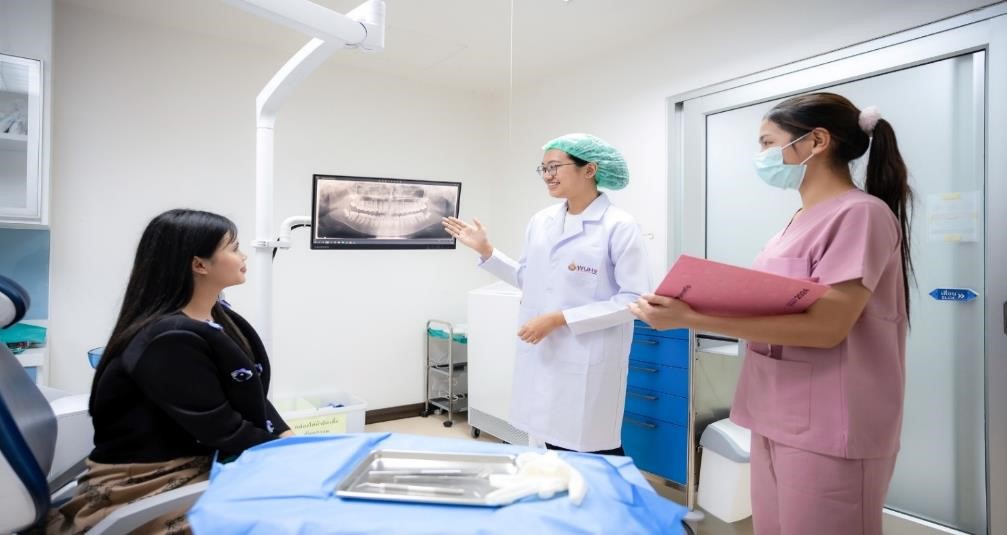
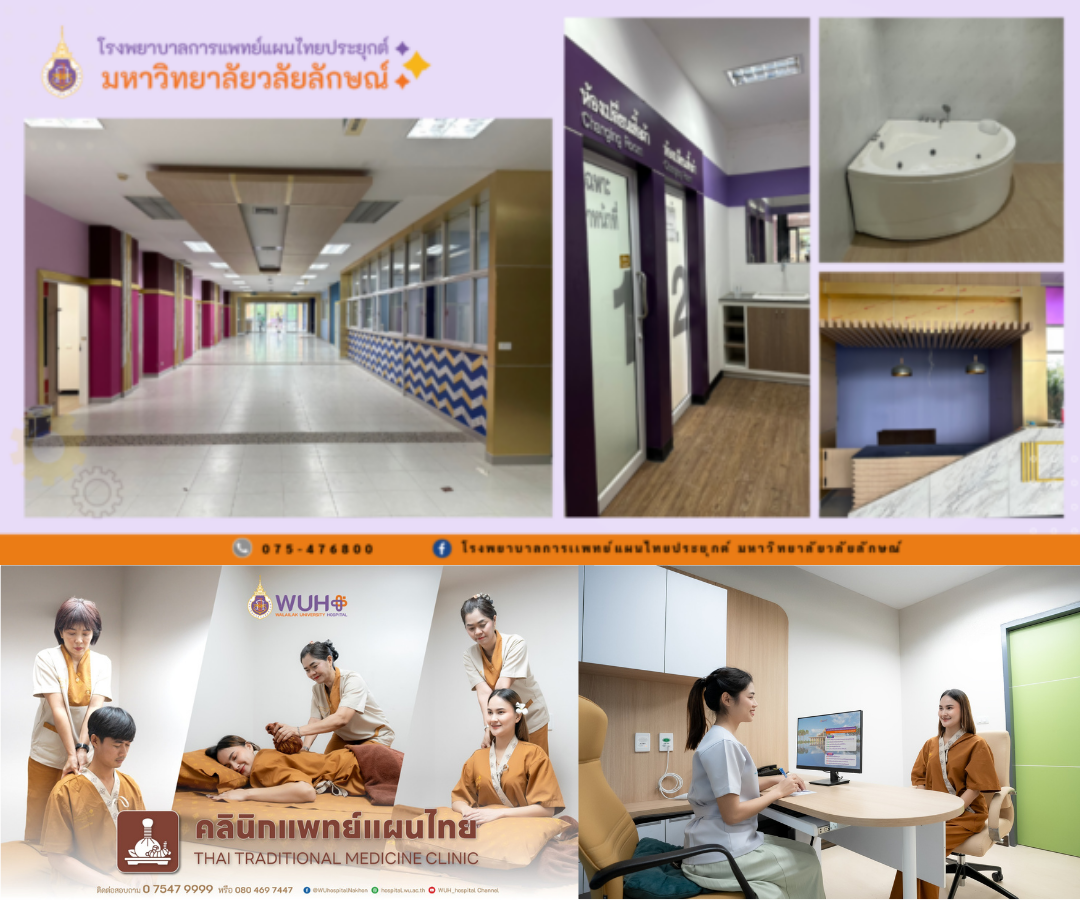
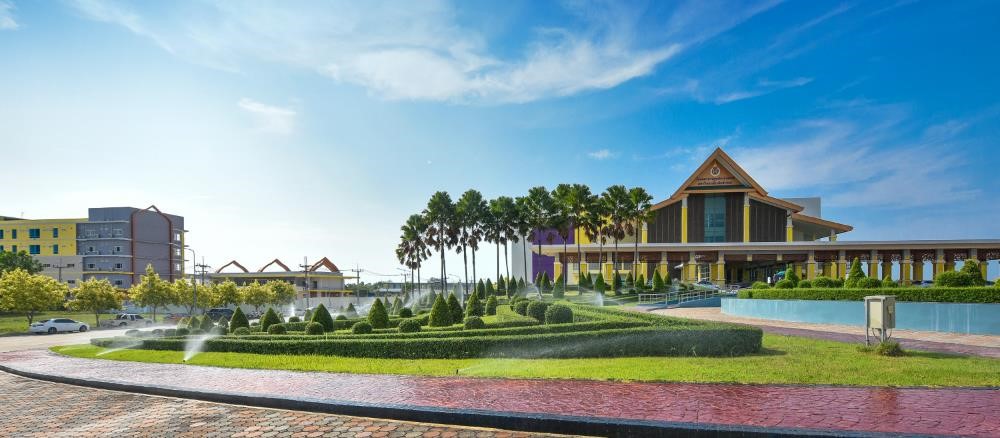
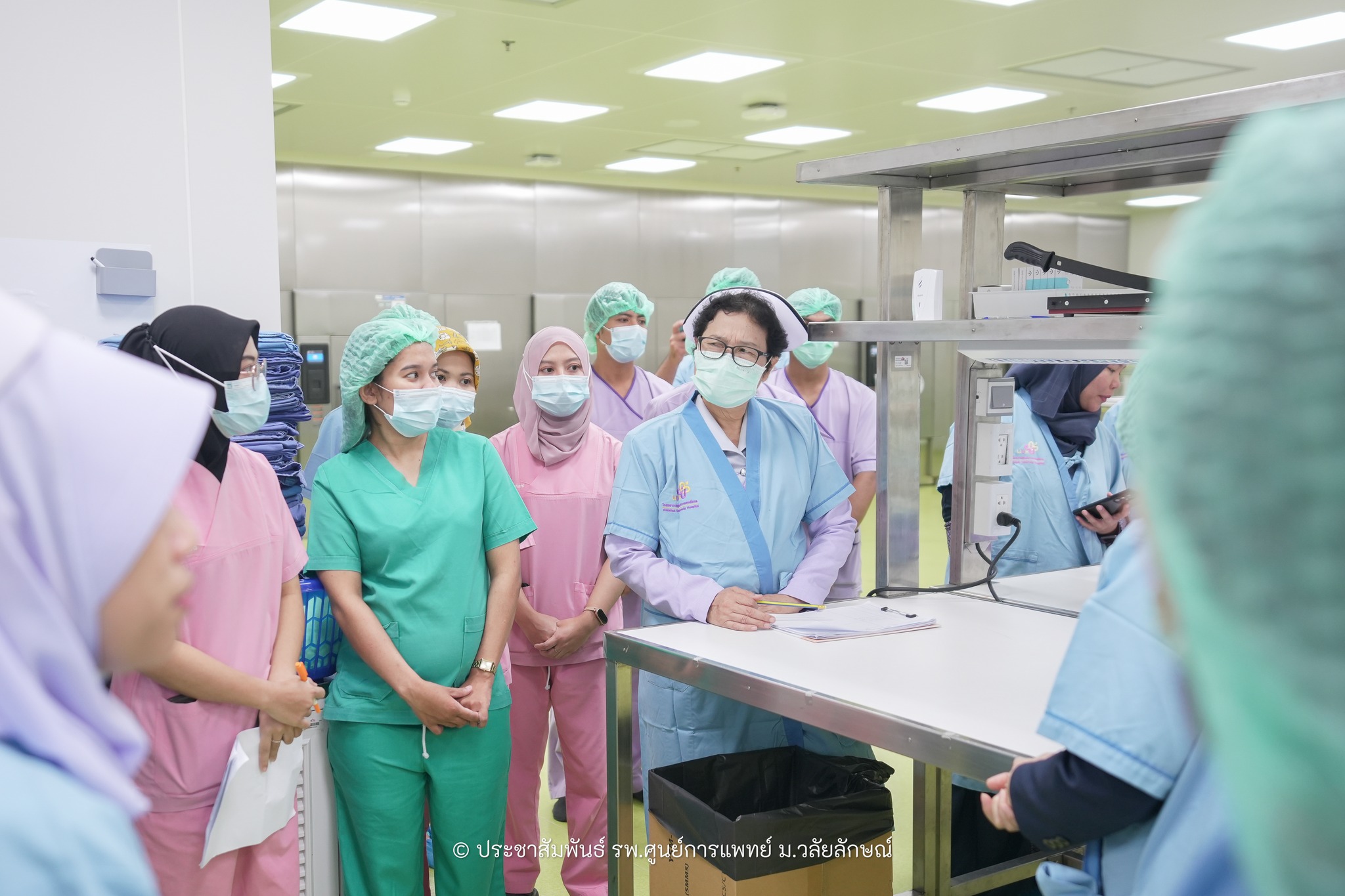
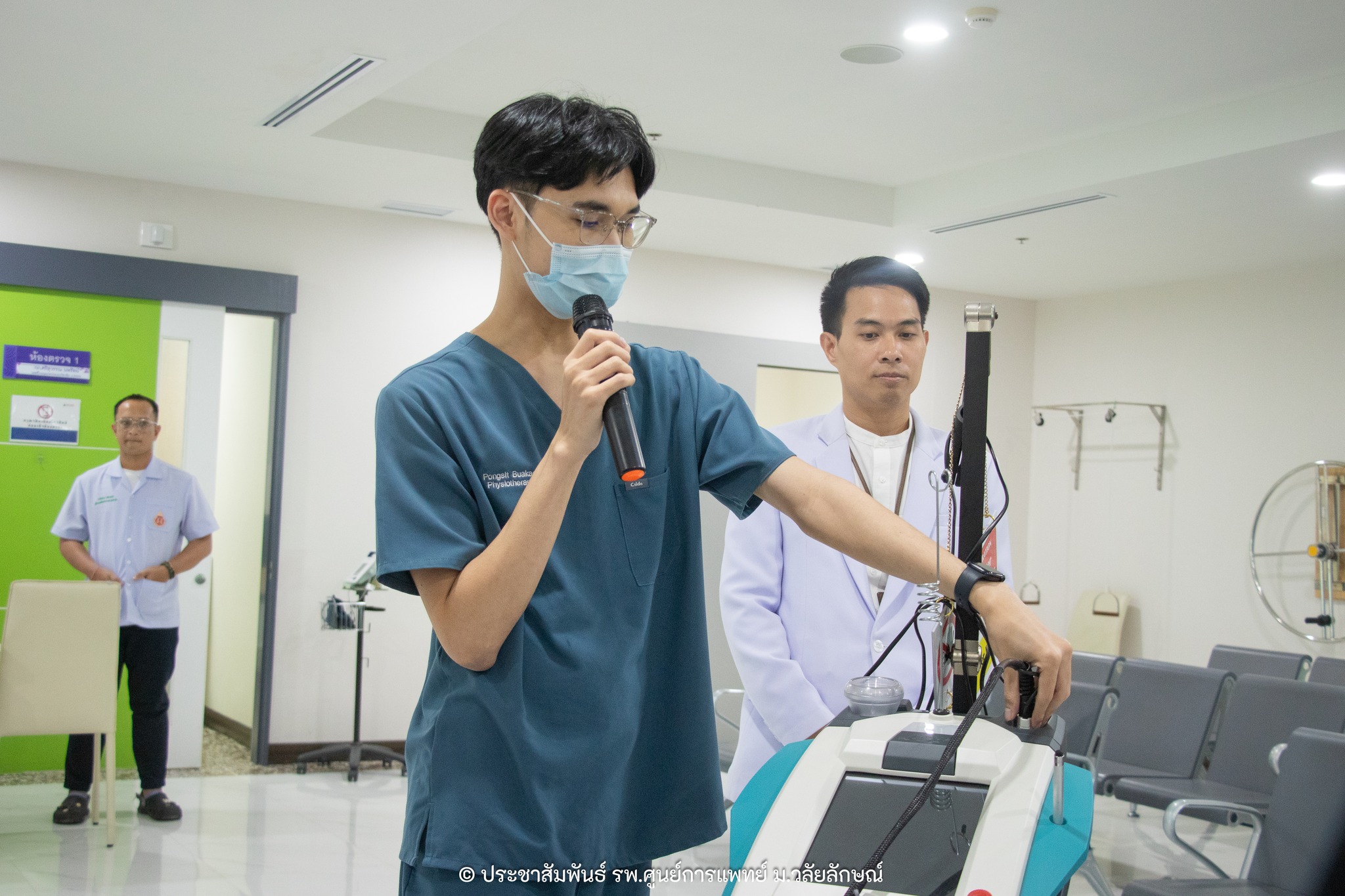
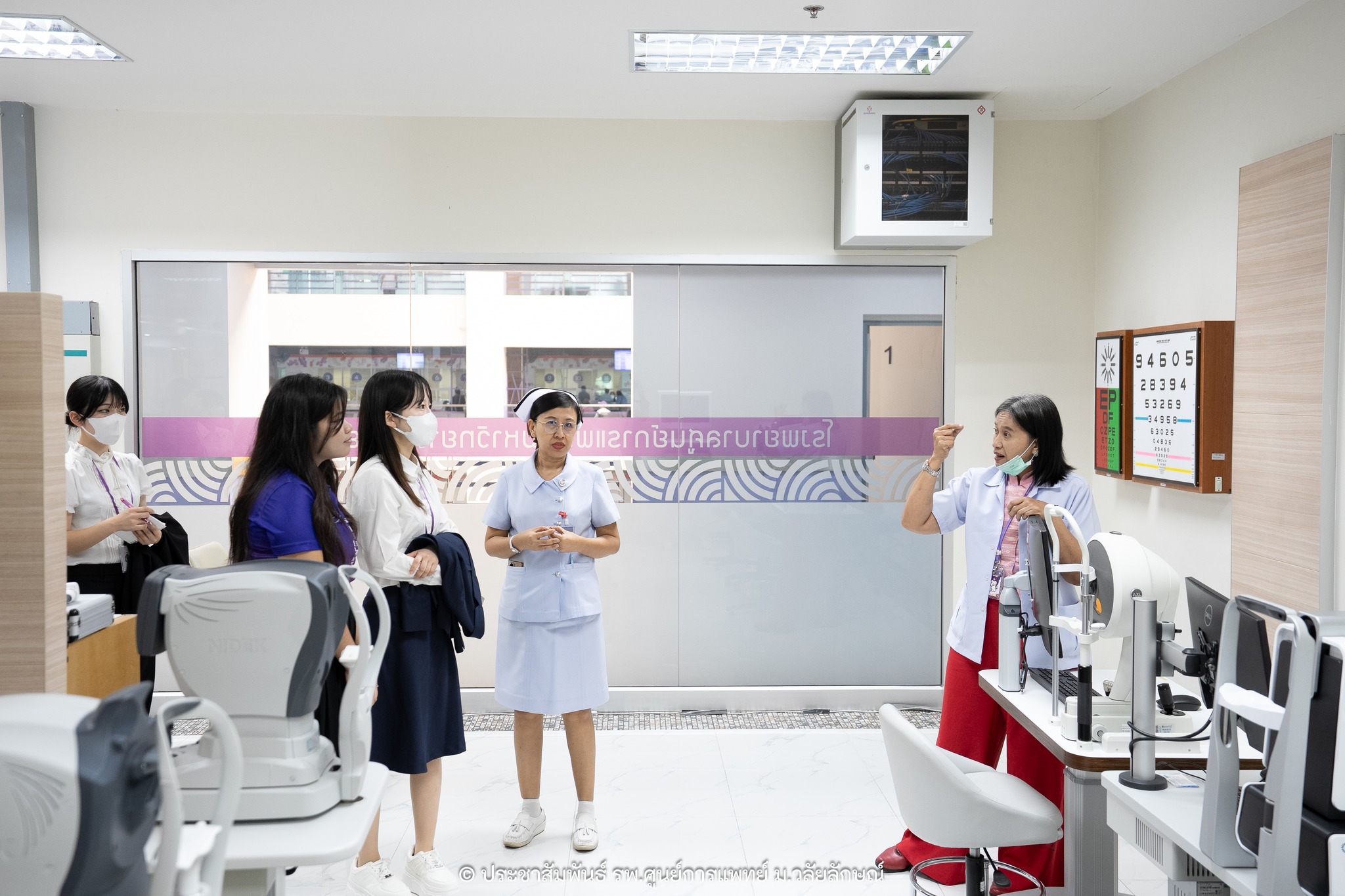
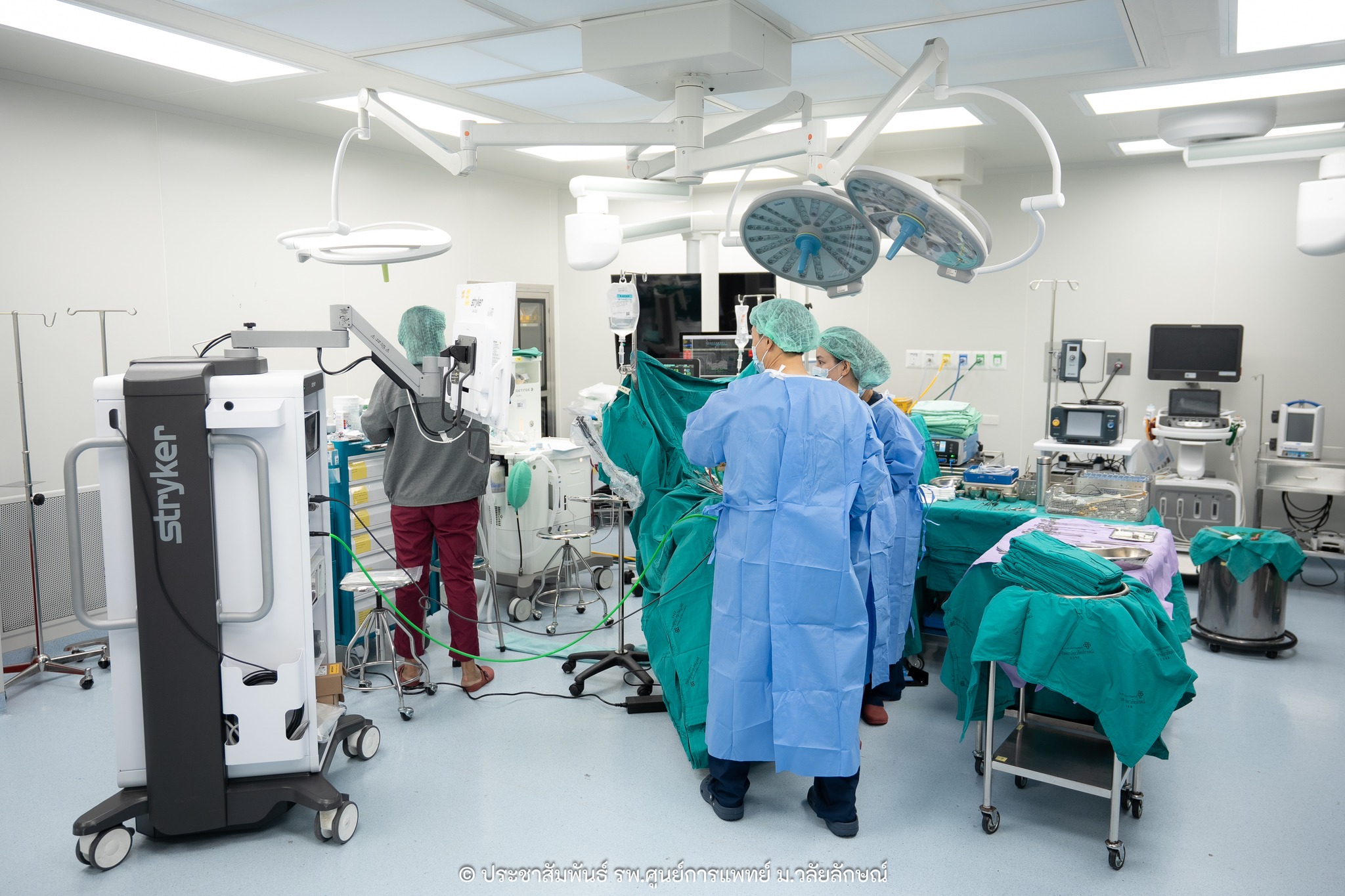
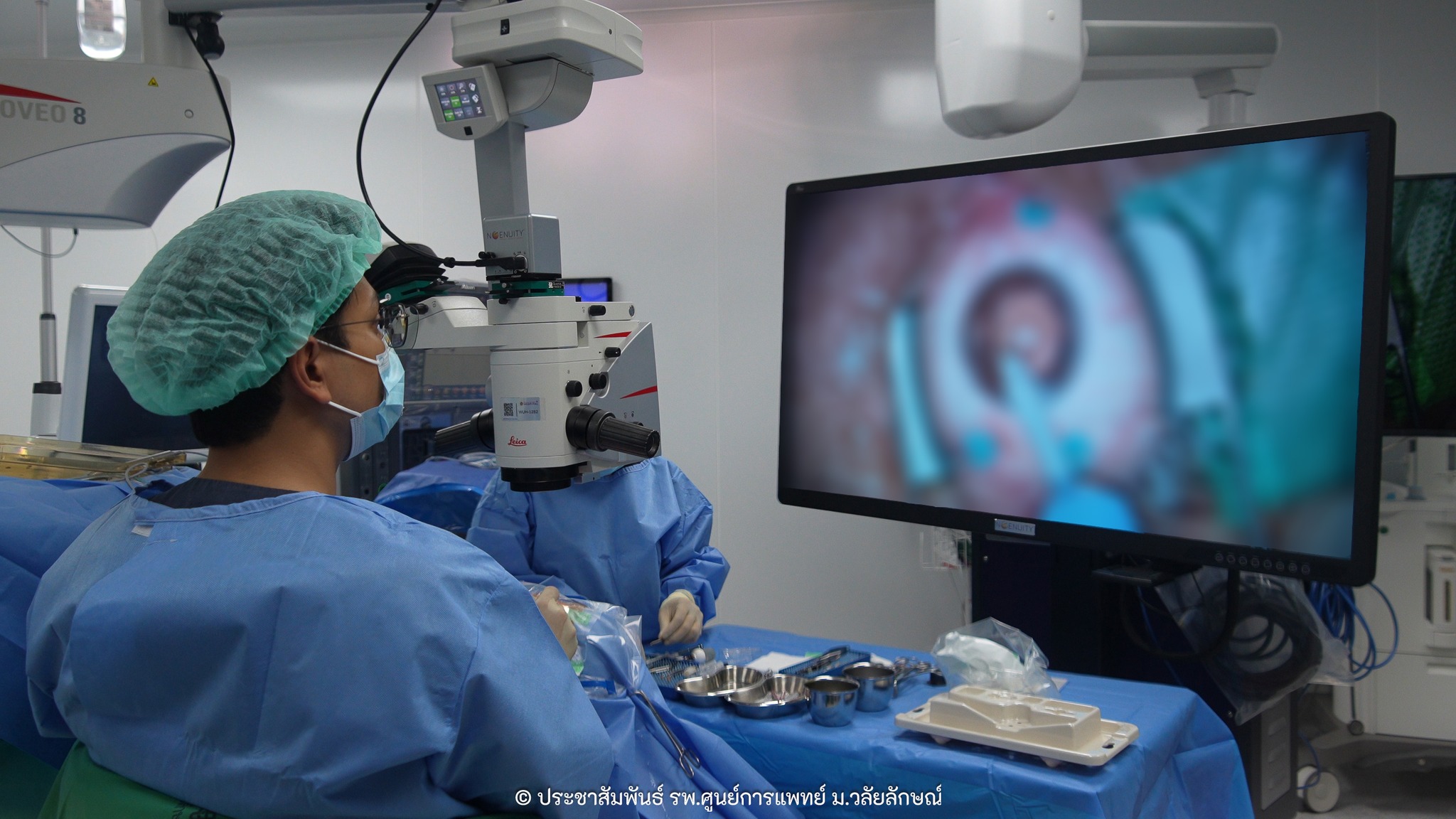
Walailak University Medical Center is a large tertiary care hospital serving the upper southern region of Thailand. Currently, it operates 426 beds, with plans to expand to 750 beds. The hospital’s buildings and facilities are designed to international standards, supporting outpatient, inpatient, and critical care. Advanced medical technology is used, including smart operating rooms, radiotherapy centers, and advanced diagnostic laboratories.
Services: The hospital operates 24 hours a day, providing general and specialized medical care for students, staff, and the public. Emergency medical teams, ambulances, and on-call physicians are available around the clock. System and accessible for public.
Certified Personnel
Walailak University Hospital Achieves Level 3 Healthcare Accreditation from HAI A Major Milestone Toward Becoming a Leading Advanced Tertiary Care Hospital Walailak University Hospital proudly announces its successful achievement of Level 3 Healthcare Accreditation from the Healthcare Accreditation Institute (HAI), following an official survey conducted on May 19–20, 2025. This accomplishment marks a significant milestone in the hospital’s ongoing journey toward excellence in healthcare service delivery.
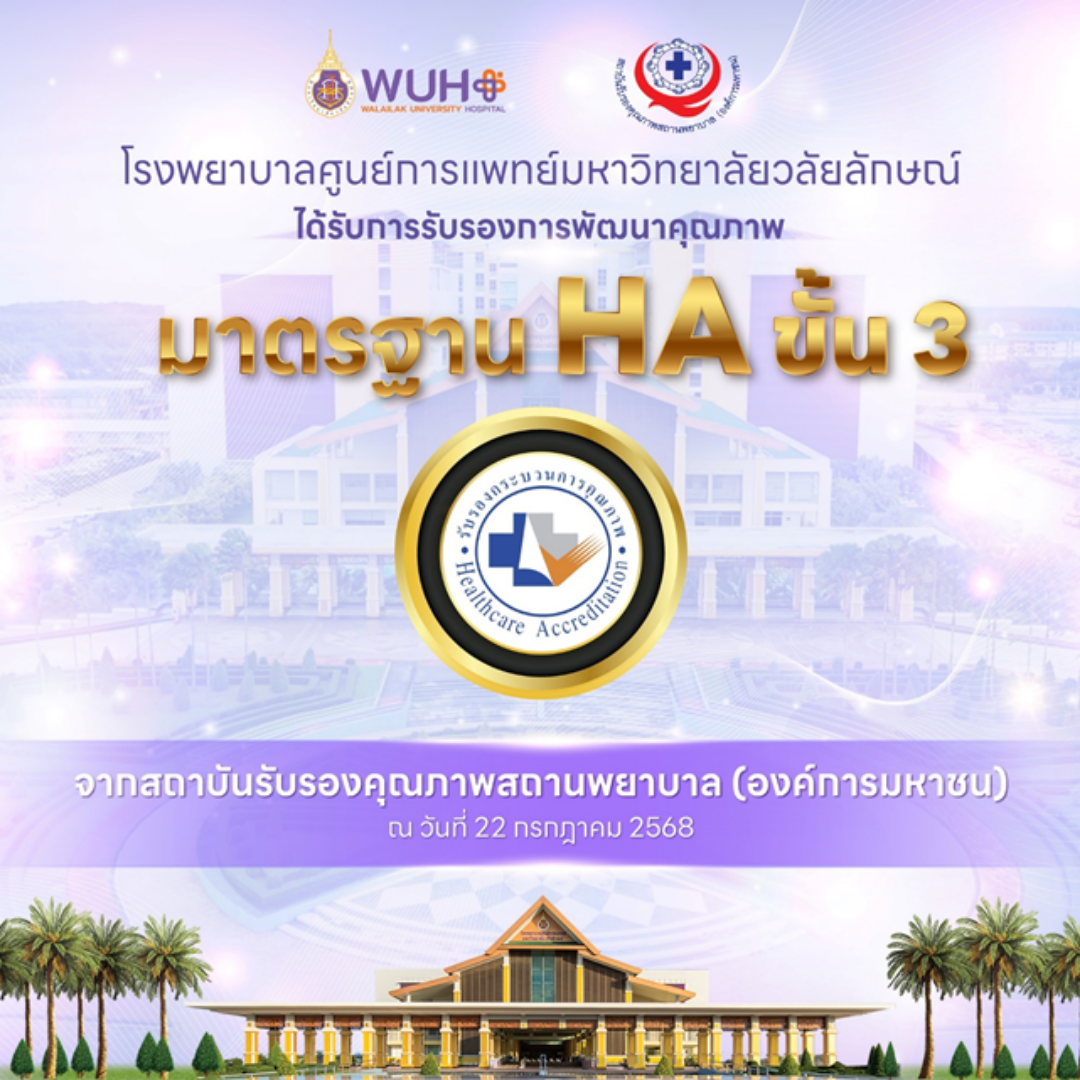
Certified for Hospital Accreditation (HA) Standard Level 3 (Walailak University, Thailand)
Mental Health & Well-being Support
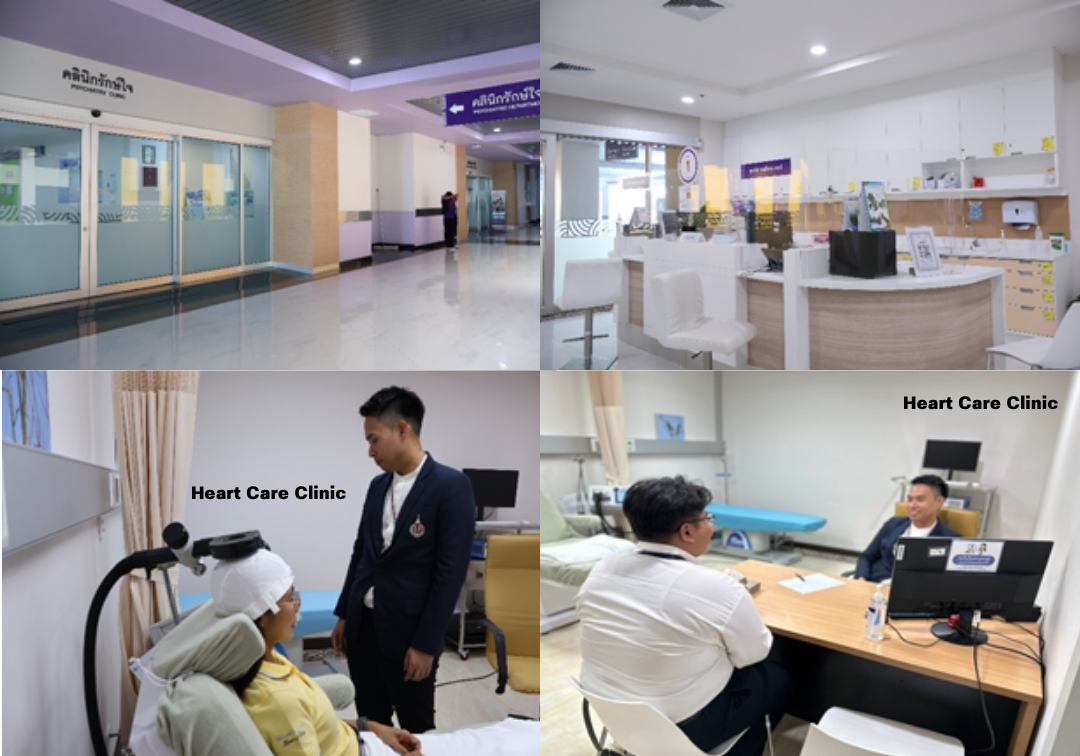
- Mental Health Clinics: The mental health units at Walailak University Medical Center provide professional services through the Rak Jai Clinic, specializing in counseling and communication with children and adolescents. The clinic also offers guidance for parents to help them understand and properly care for their children. The clinic has particular expertise in child and adolescent psychiatry.
- Counseling Services / Activities:
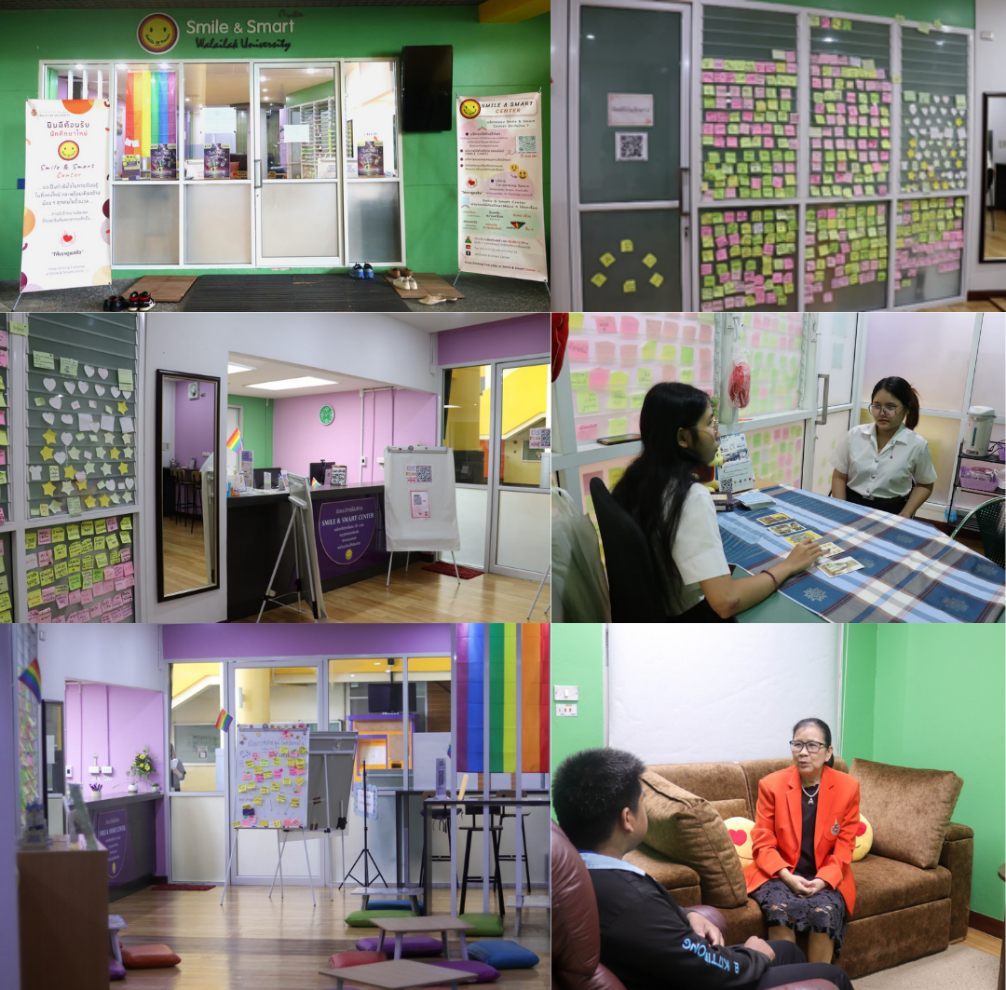
- Counselling Center (“Smile & Smart Center”): Provides individual and group counseling for mental health issues, stress, and anxiety. The center also serves as a relaxation space for students on campus. Counseling is provided by psychiatrists, psychologists, psychiatric nurses, and counseling specialists, with a network for external support when needed.
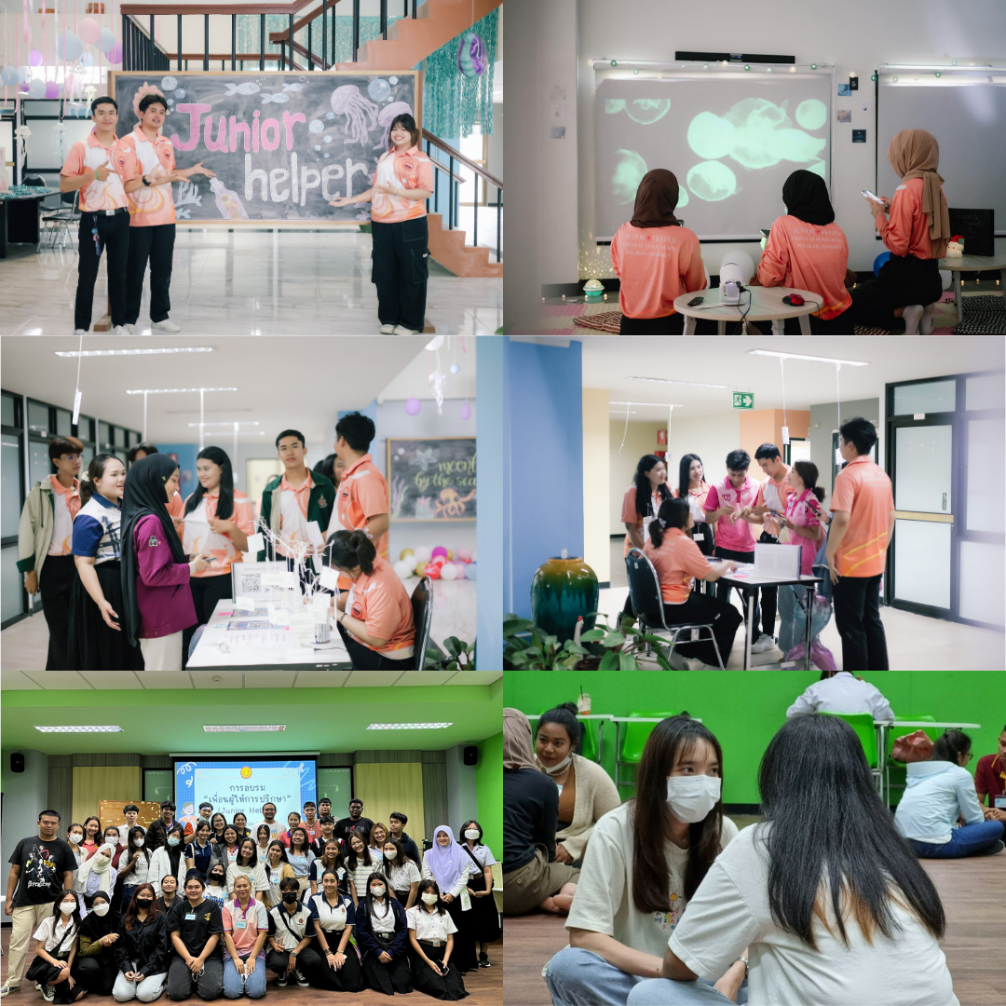
- Helper Program: The “Sang-Suk” team organizes activities and training to develop the skills of Helpers, including student and faculty volunteers from various faculties. Junior Helpers gain knowledge and skills to take care of themselves and others, support fellow students’ well-being, and create a peer-to-peer care network. This program includes referral pathways in collaboration with faculty advisors and the Smile & Smart Center.
- Preventive Health and Wellness Programs:
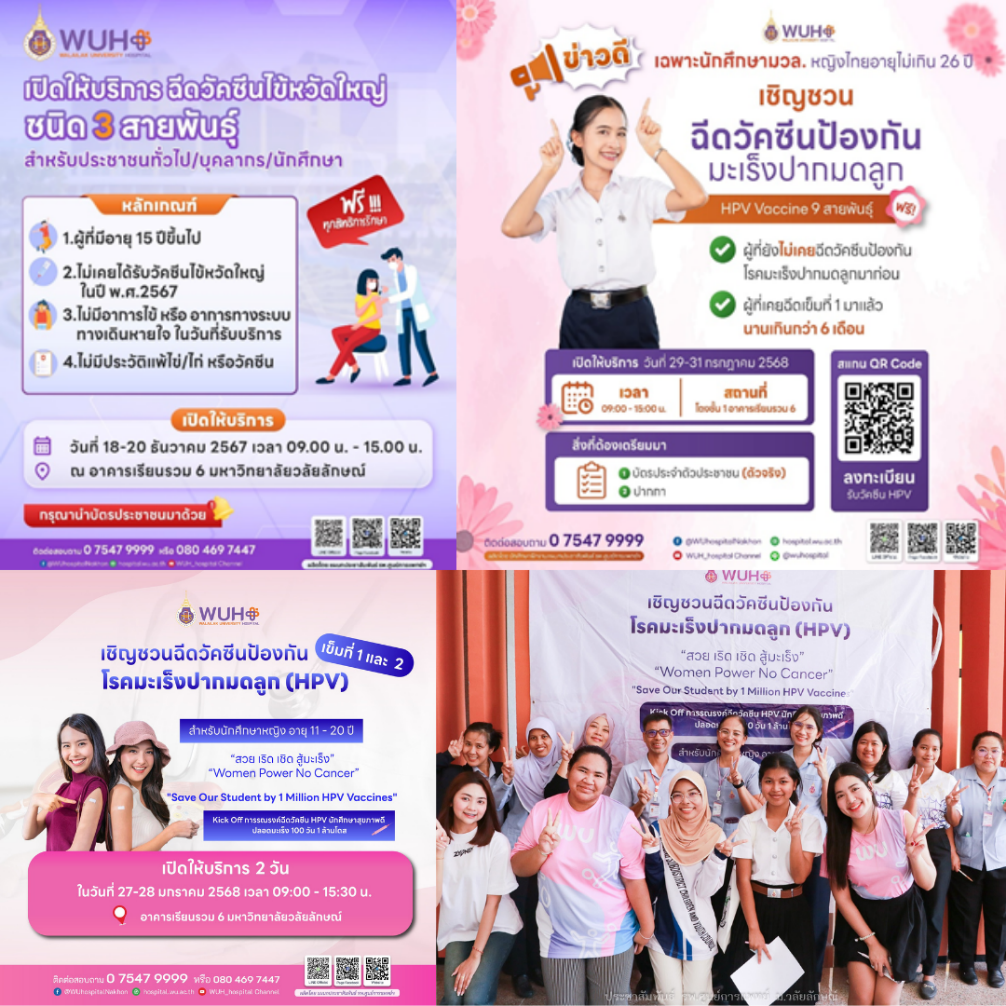
- Free vaccination programs for students, including influenza and HPV vaccines.
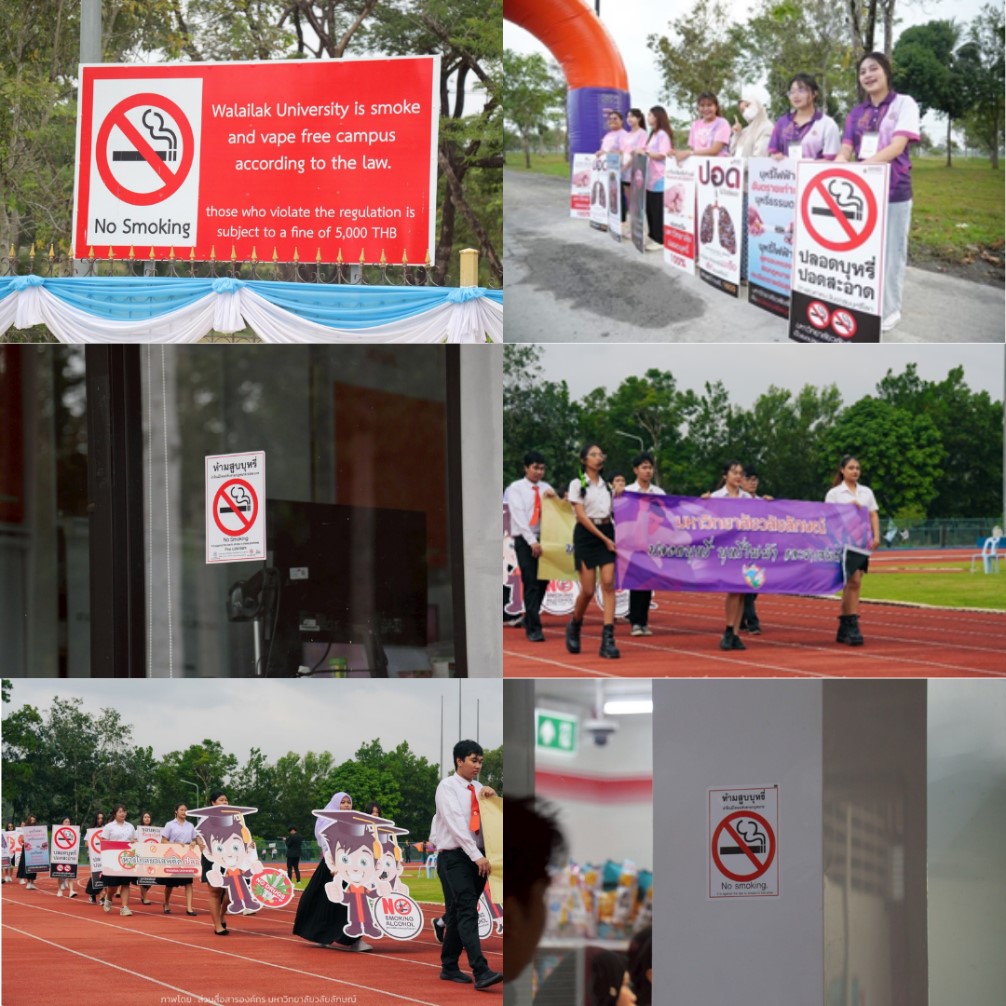
- Health promotion campaigns, including communicable disease prevention, smoking cessation, nutrition education, and general health awareness.
Health Promotion Infrastructure
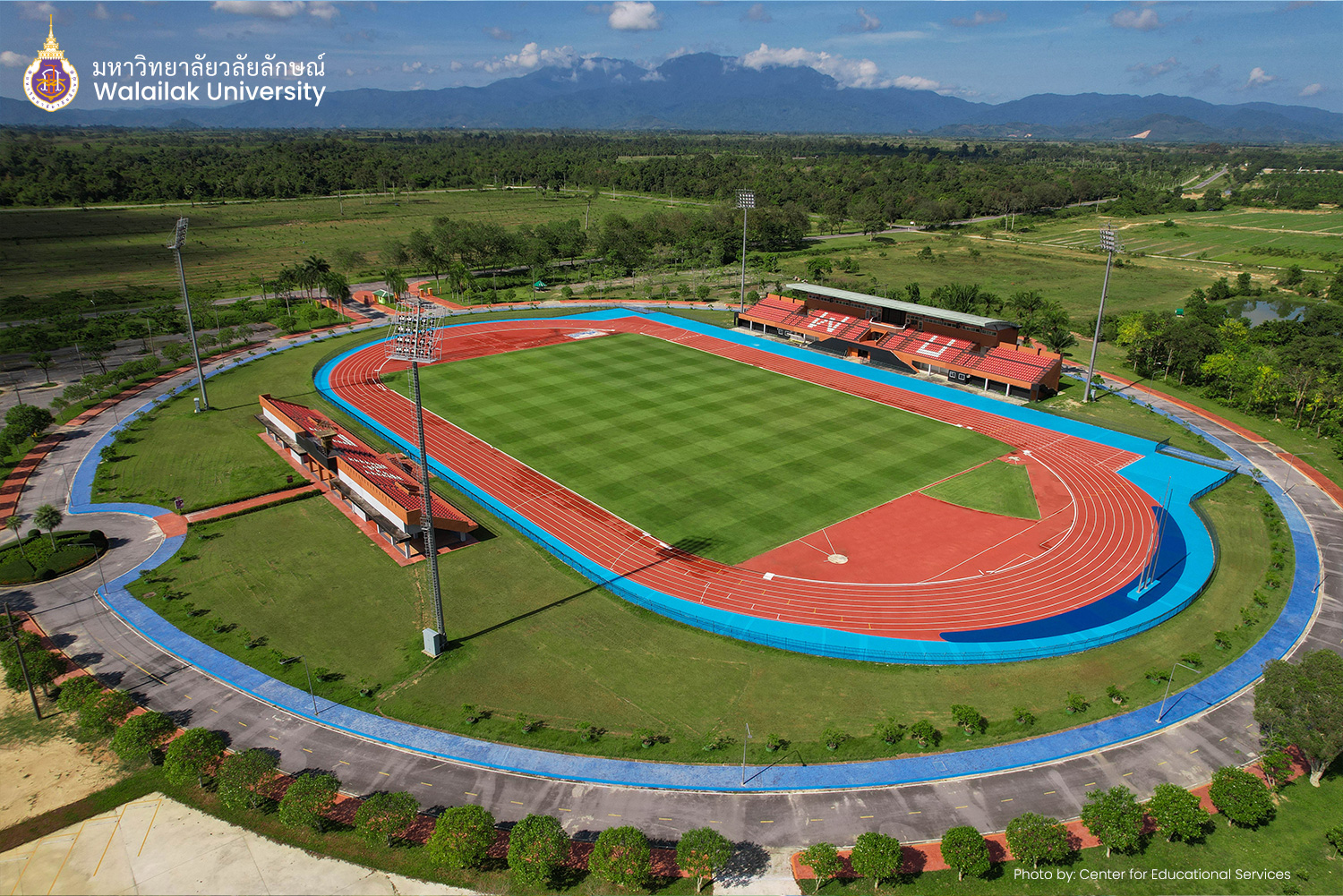
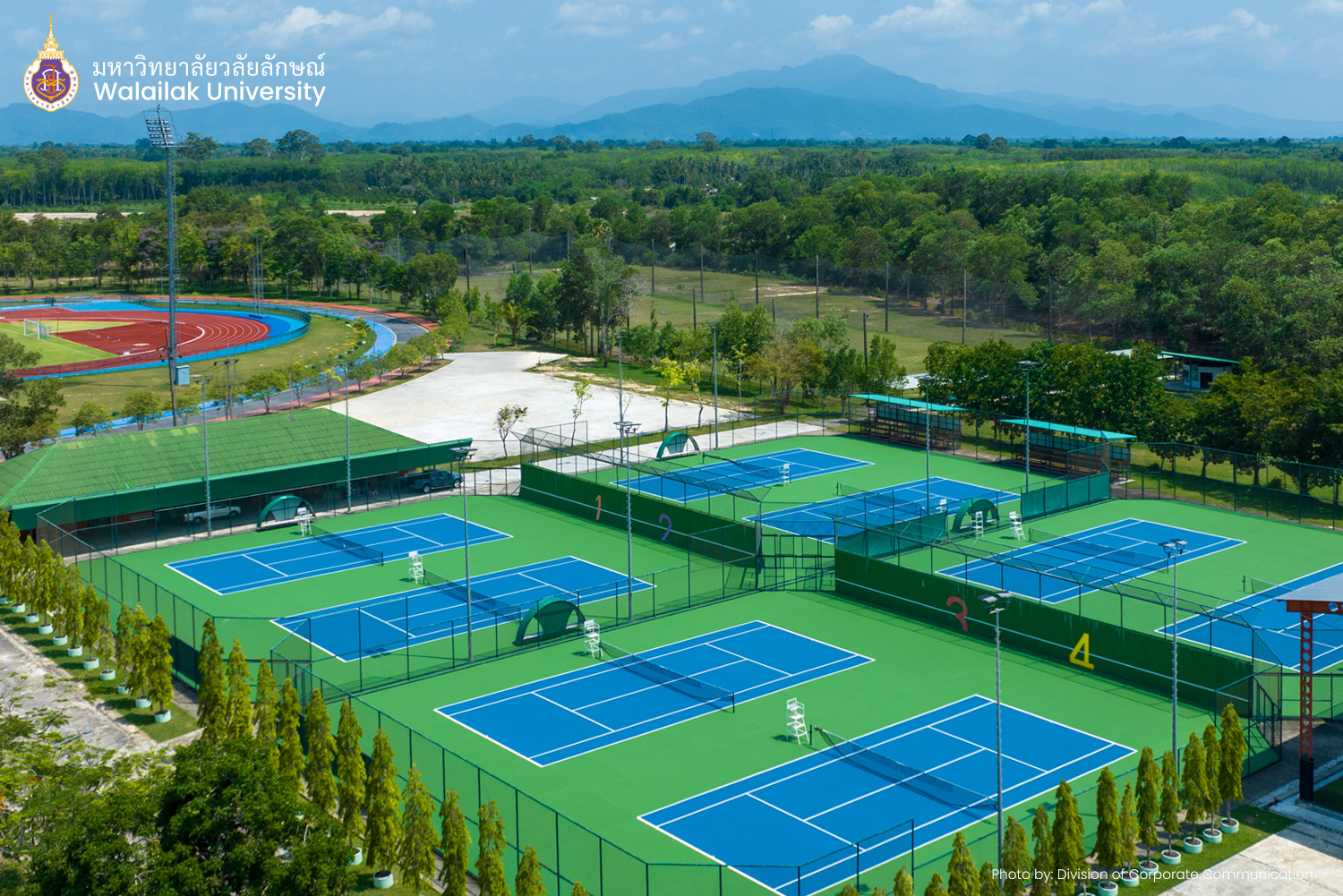
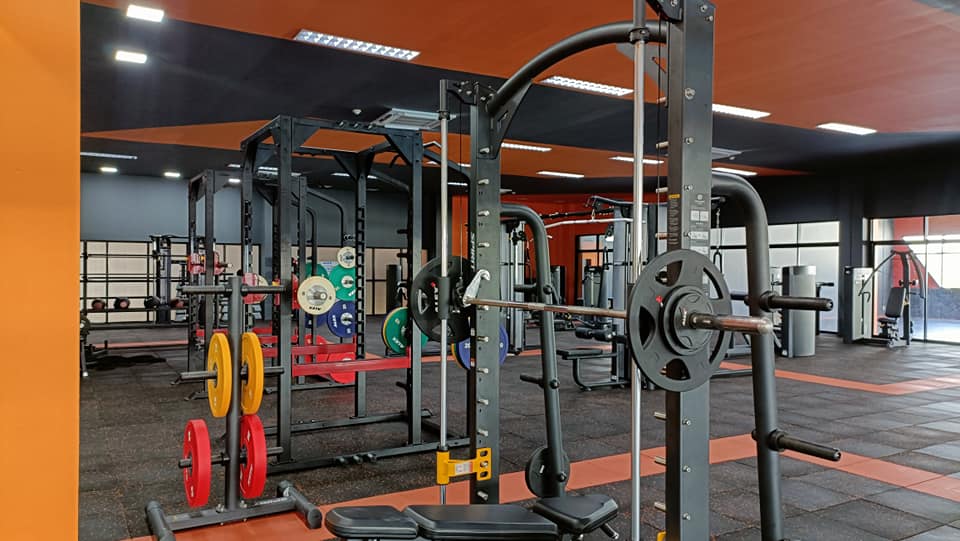
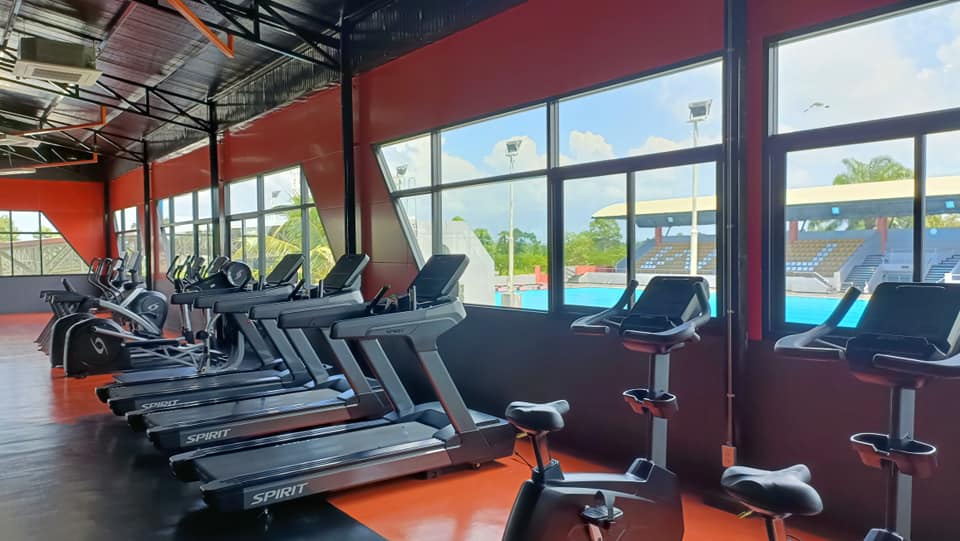
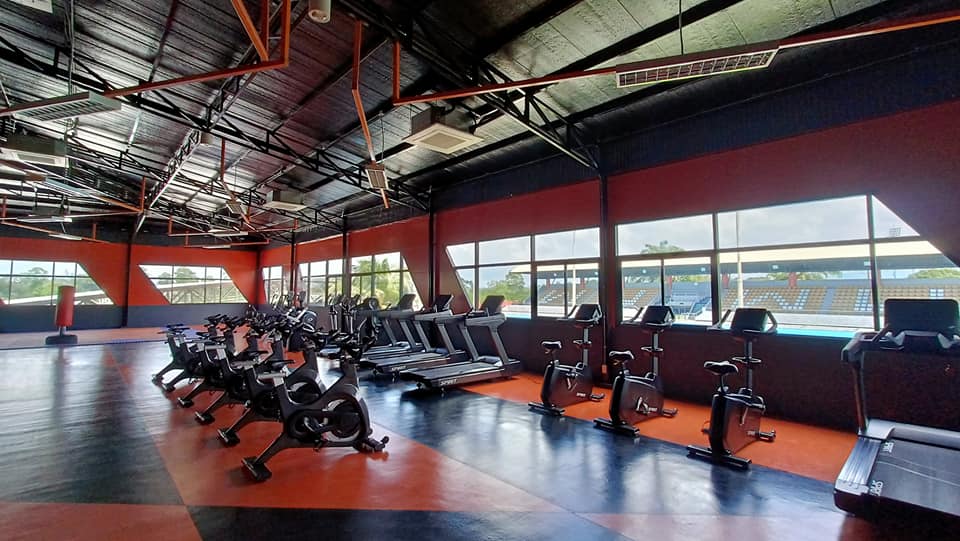
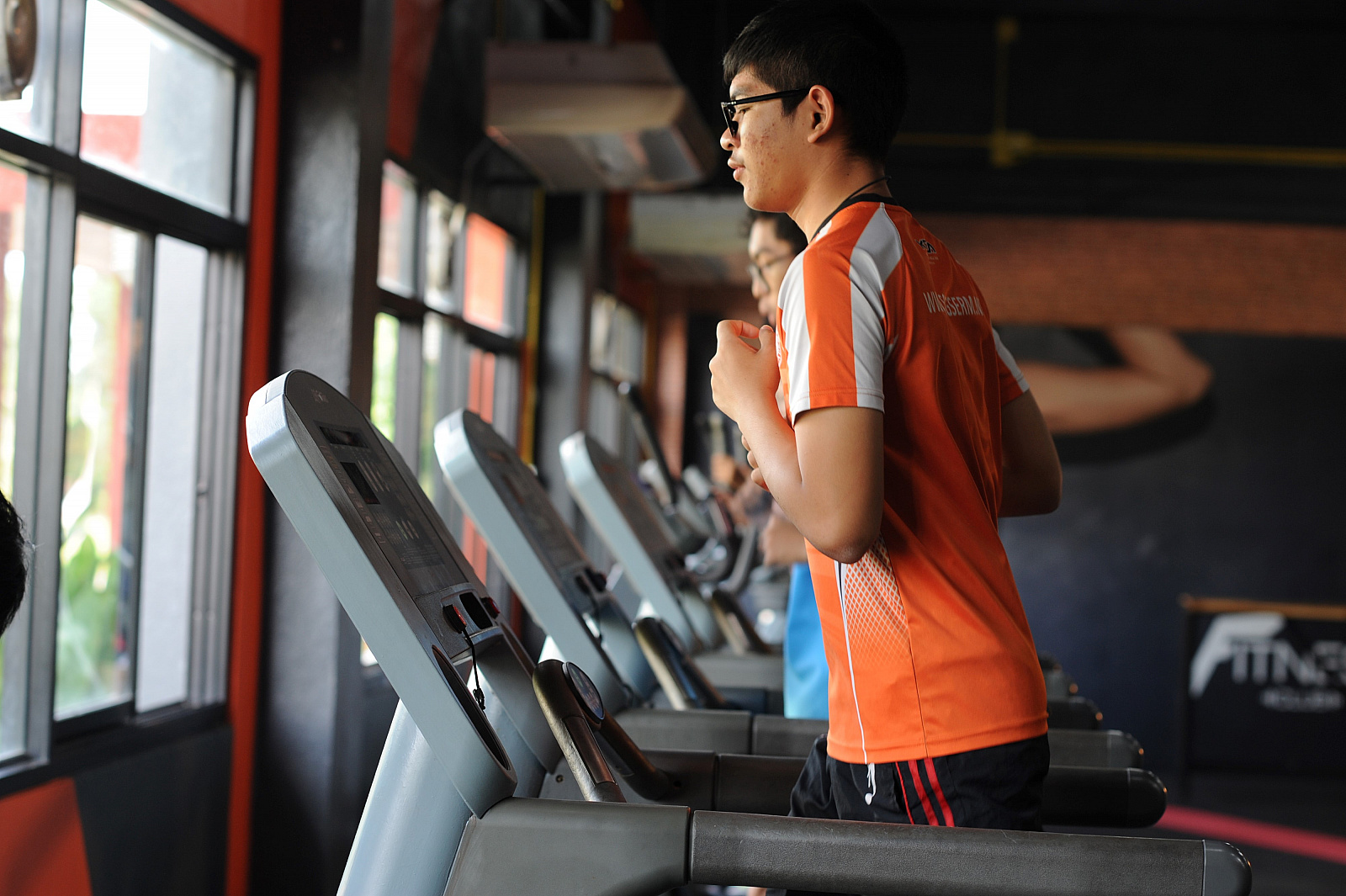
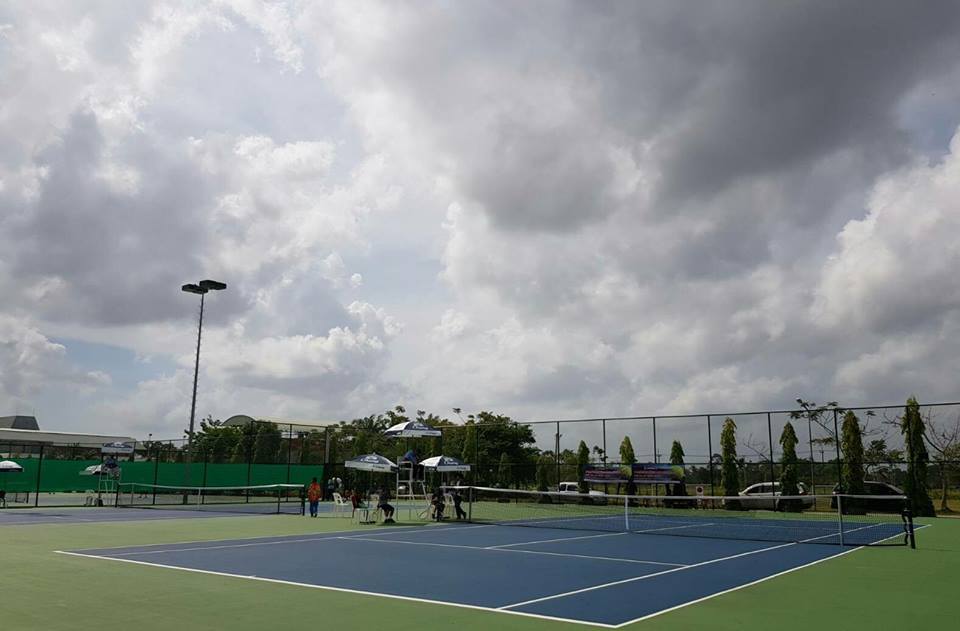
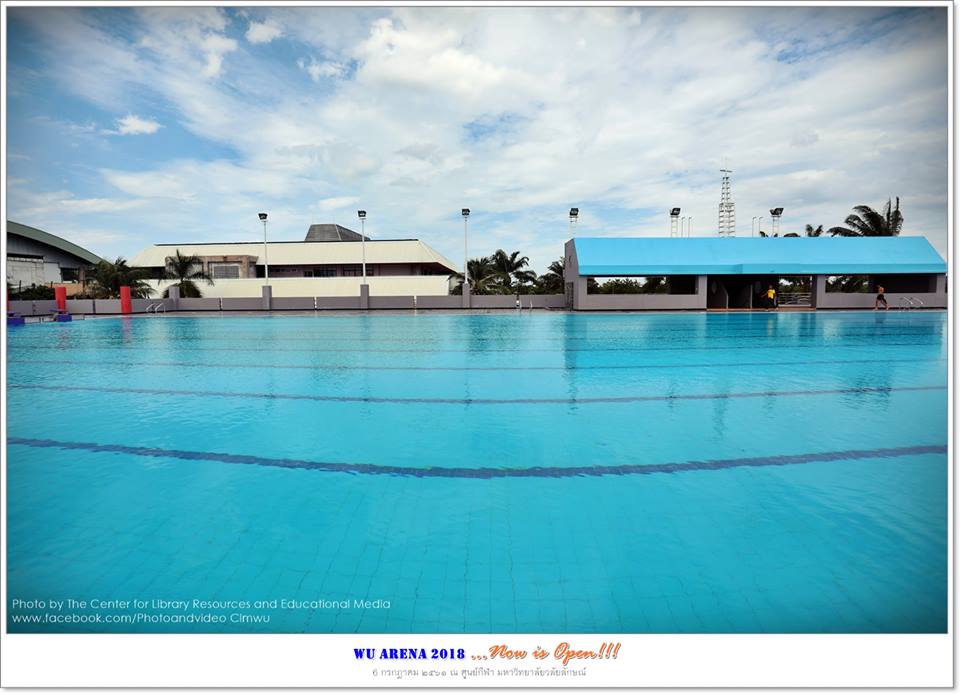
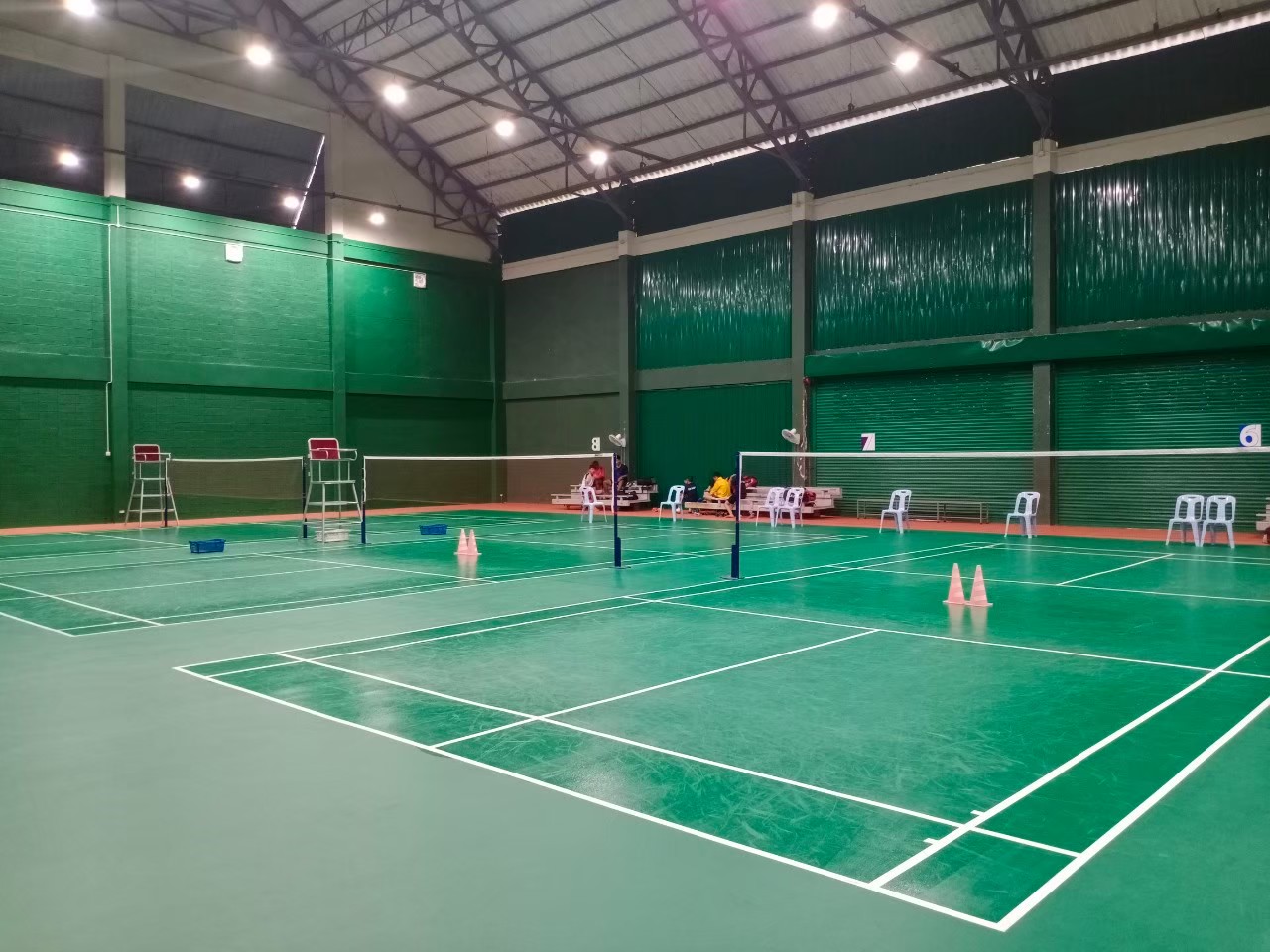
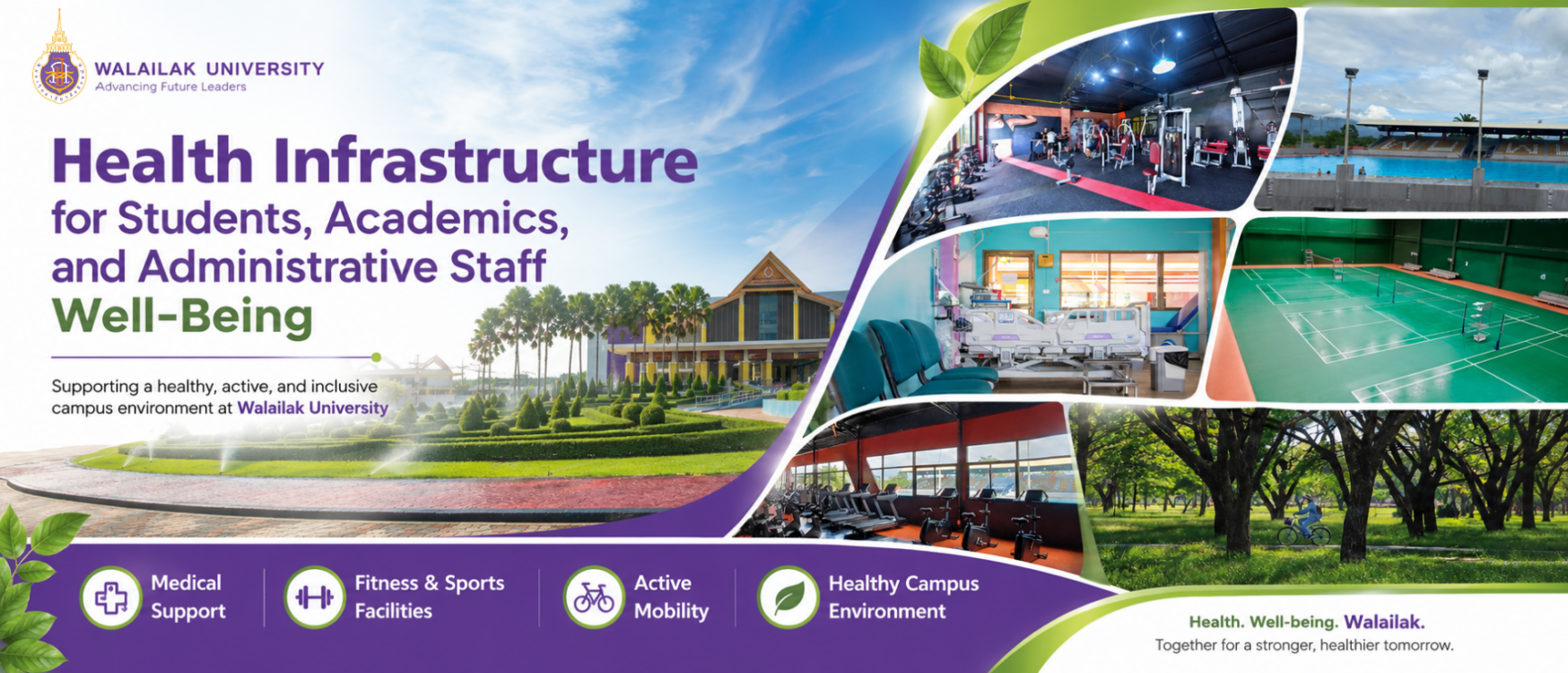
- Sports Complex & Fitness Center: Equipped with modern and safe facilities to support physical exercise for students and staff, including stadiums, badminton and tennis courts, swimming pools, and gyms.
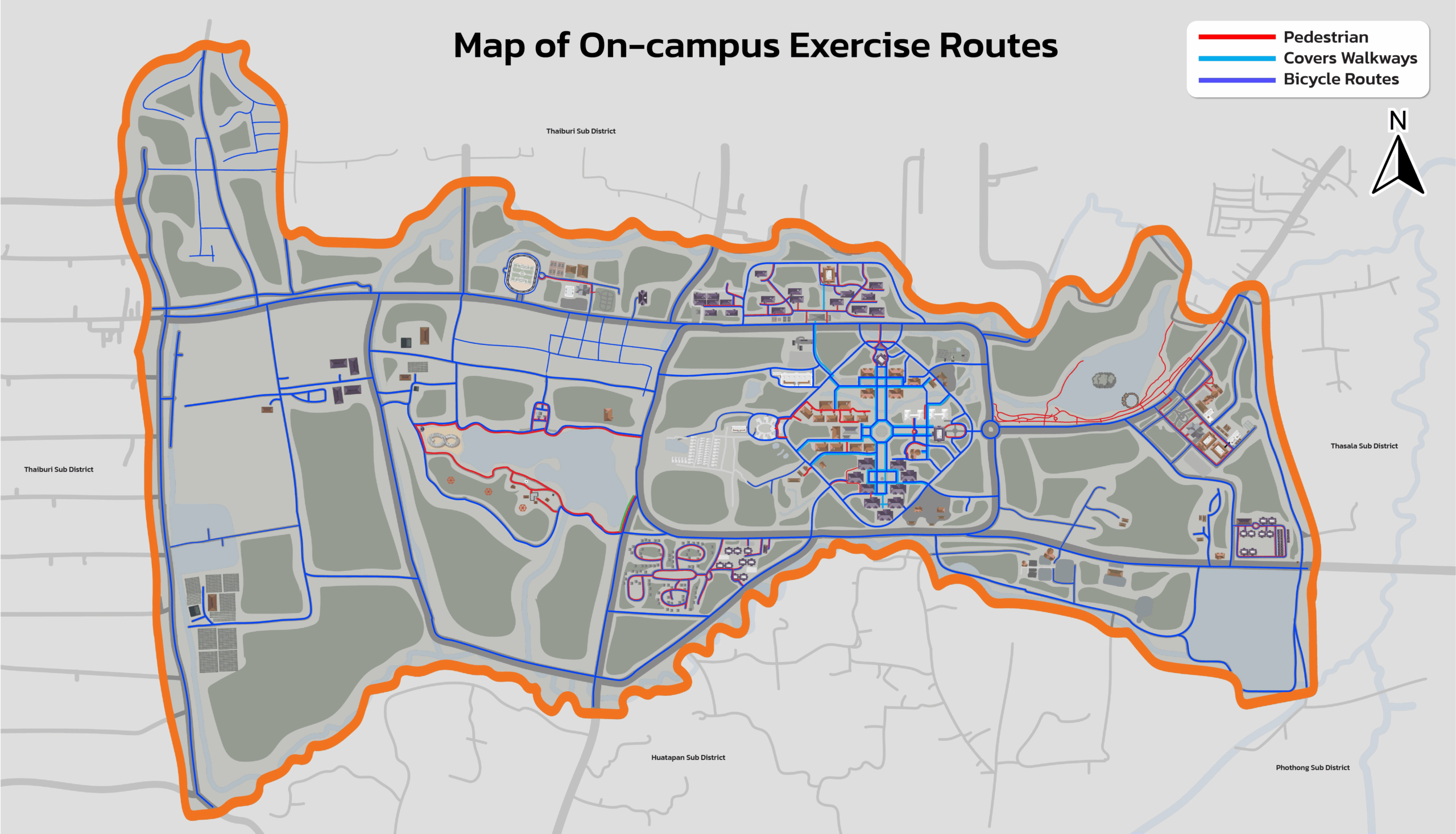
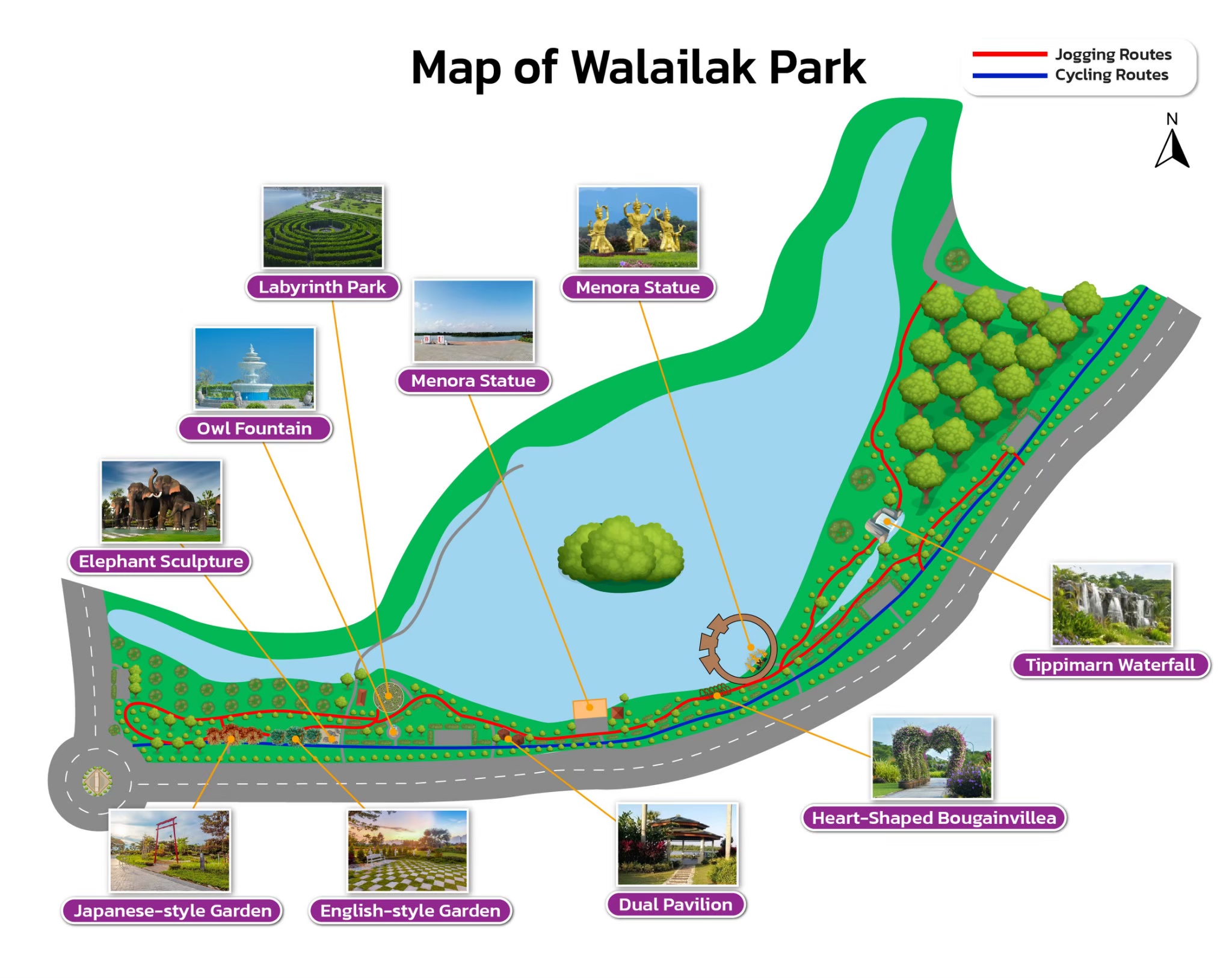
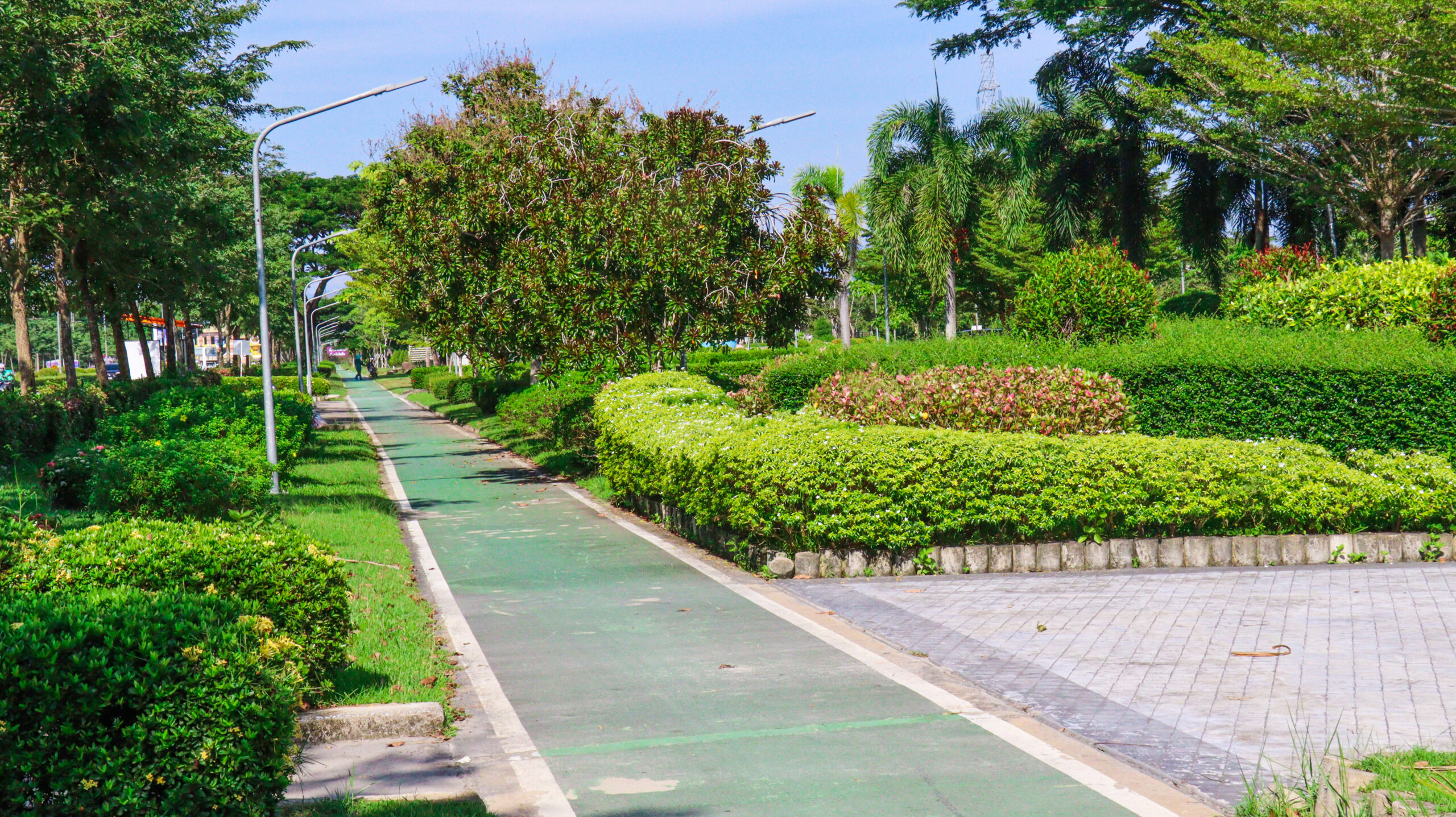
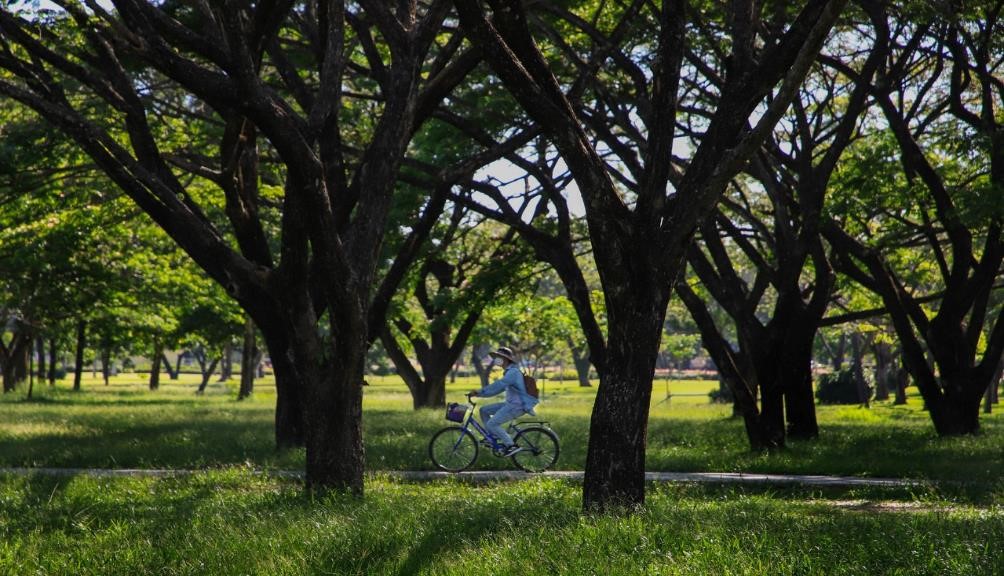
- Walking and Cycling Trails: On-campus routes designed to encourage safe physical activity in a healthy environment.
- Green Spaces & Herbal Gardens: Including botanical gardens and herb trails, providing relaxation, stress reduction, and restorative environments for students and staff.
Walailak University has developed a comprehensive health infrastructure, ranging from first aid and emergency care to specialized clinics and a tertiary care hospital with certified medical personnel. These facilities are equally accessible to students, staff, and the public, promoting both physical and mental well-being. Through medical services, mental health support, and fitness facilities, the university fosters a healthy, safe, and sustainable campus environment that supports learning and overall quality of life.