Water Pollution Prevention in campus area
Water Pollution Prevention in campus area
1. Hazardous Waste Management from University Laboratories
The university has implemented a systematic process for managing hazardous laboratory waste to prevent environmental contamination, particularly of water resources. Waste is first classified and documented by type and source, followed by an assessment of concentration levels and hazard characteristics. It is then safely stored and segregated to prevent leakage or cross-contamination. The waste is collected and transferred to the university’s central storage facility, where it is handled in accordance with strict safety protocols. It is then disposed of by licensed contractors authorized by government agencies, ensuring compliance with environmental standards.
Figures: Hazardous Waste Management from University Laboratories. (Walailak University, Thailand)
Hazardous Waste Management Manual from University Laboratories. (Walailak University, Thailand)
2. Food Waste Management
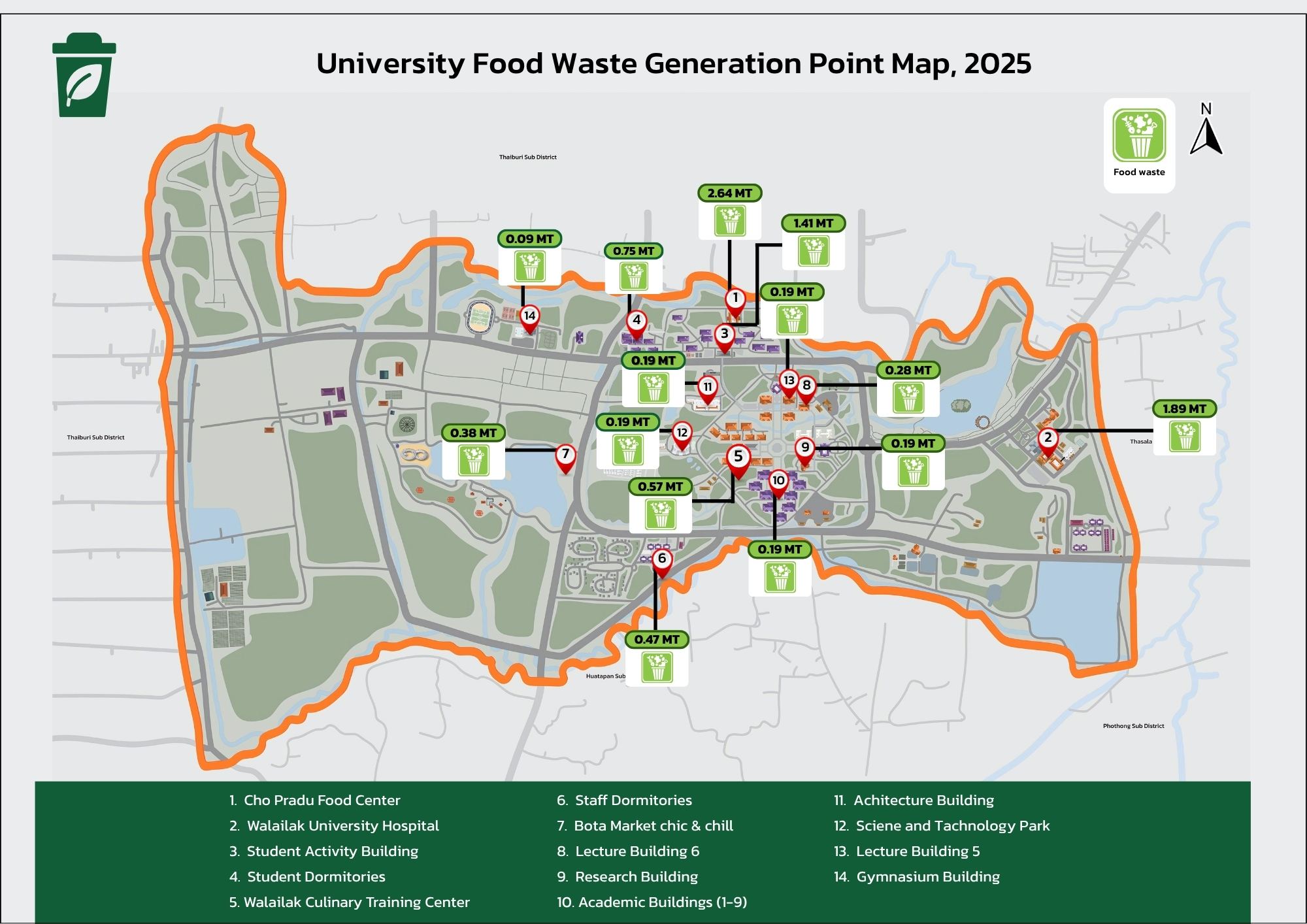
Walailak University generates approximately 9.43 tons of food waste annually, primarily from cafeterias and campus facilities. Food waste is separated at the source with the cooperation of vendors and staff using green bins. The collected food waste is transported to the university farm, where it is utilized as animal feed, thereby reducing landfill disposal and converting waste into useful resources.
Figures: Sources of food waste contributing to grease and oil generation at Walailak University
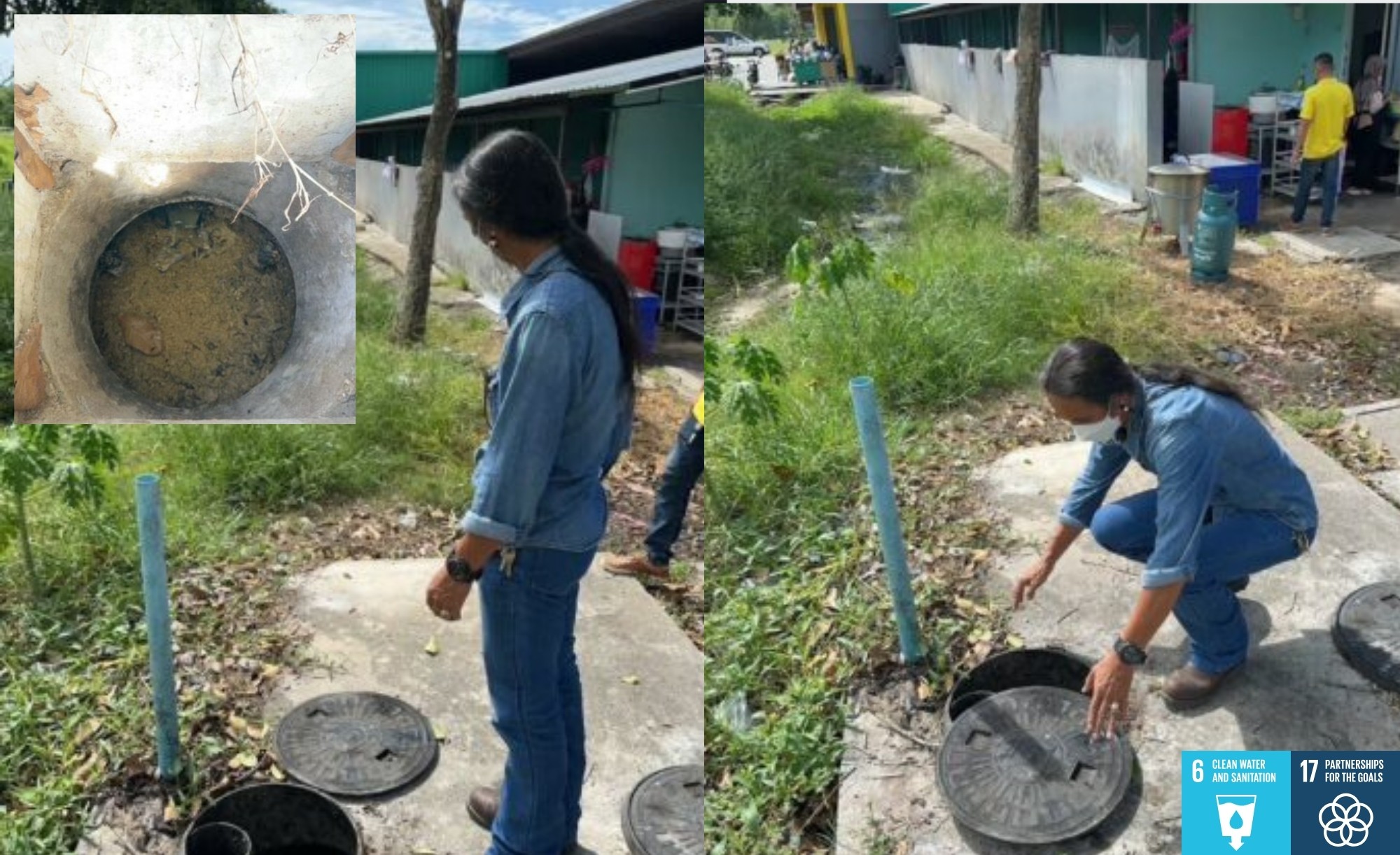
To further prevent wastewater contamination from food residues, the university has installed grease traps in all food-generating buildings, such as cafeterias and academic buildings with kitchens. These traps capture oil, grease, and food particles before wastewater enters the central treatment system, ensuring improved water quality at the initial stage.
Figures: Grease trap separating fats and oils from wastewater, preserving initial water quality before further treatment. (Walailak University, Thailand)
3. Installation of Septic Tanks in All Buildings
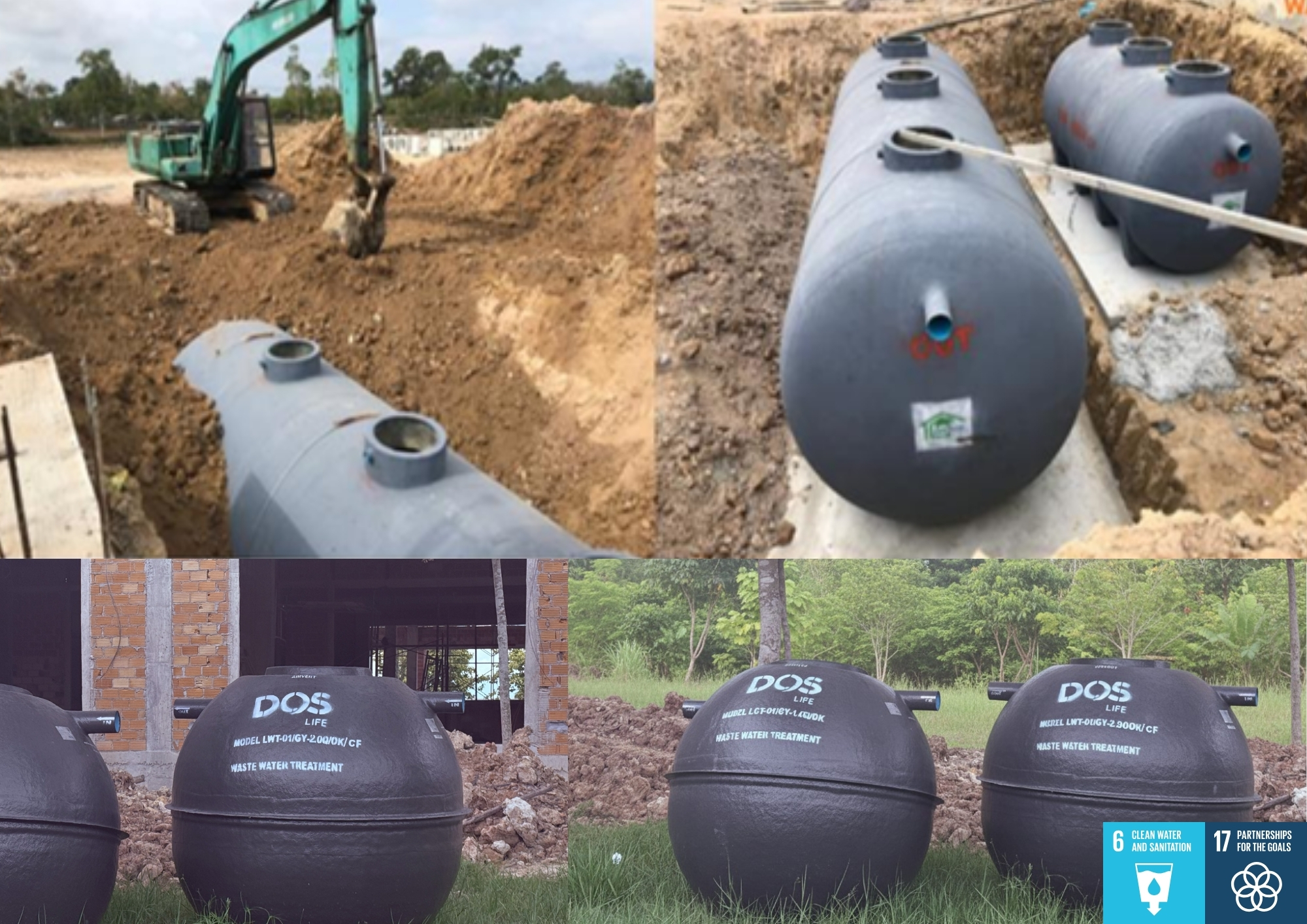
Walailak University has installed septic tanks in all buildings to manage wastewater from restrooms and sanitation systems. Septic tanks allow solids to settle and undergo preliminary biological decomposition before wastewater is conveyed to the central treatment system. This measure reduces the burden on the main treatment facilities and minimizes risks of environmental contamination.
Figures: Septic tanks installed in all buildings to manage restroom wastewater and reduce environmental risks. (Walailak University, Thailand)
4. Management of Oil/Grease Pollution and Promotion of Electric Vehicles
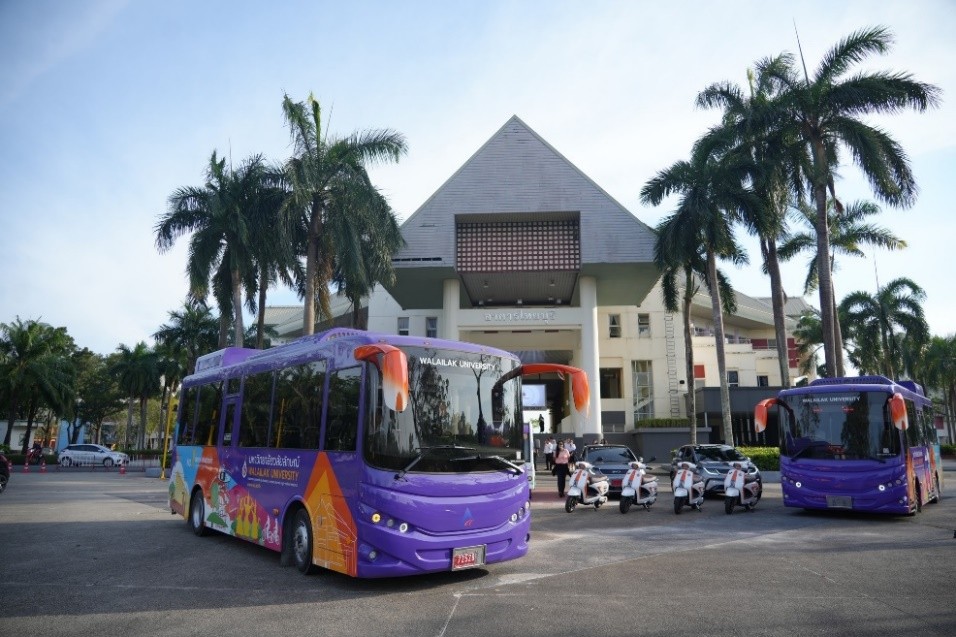
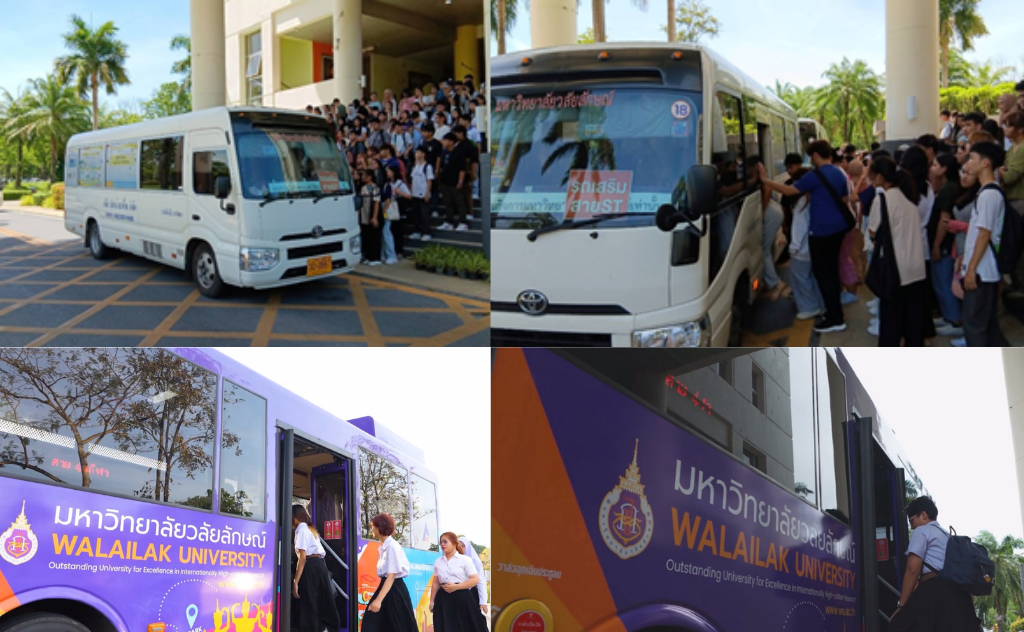
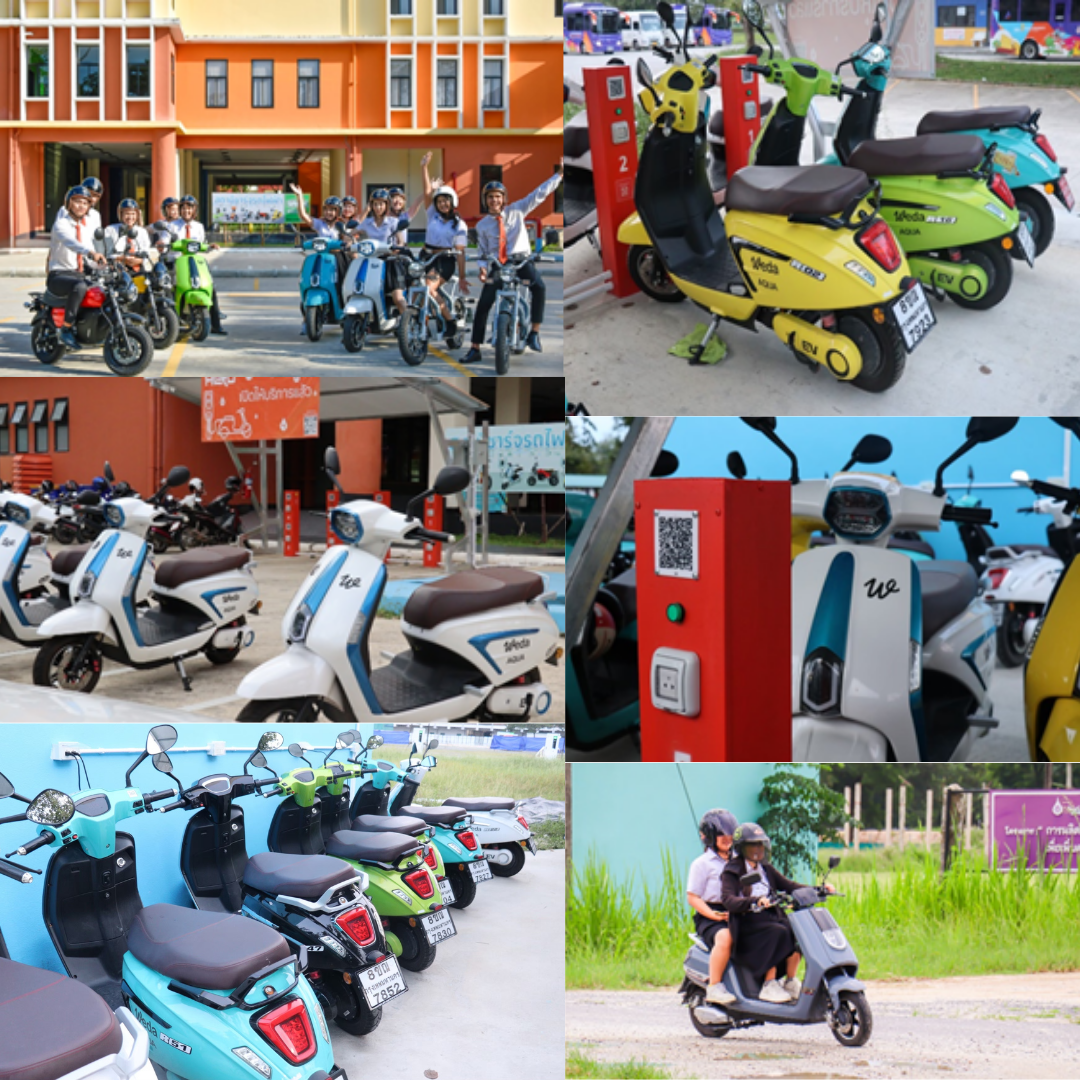
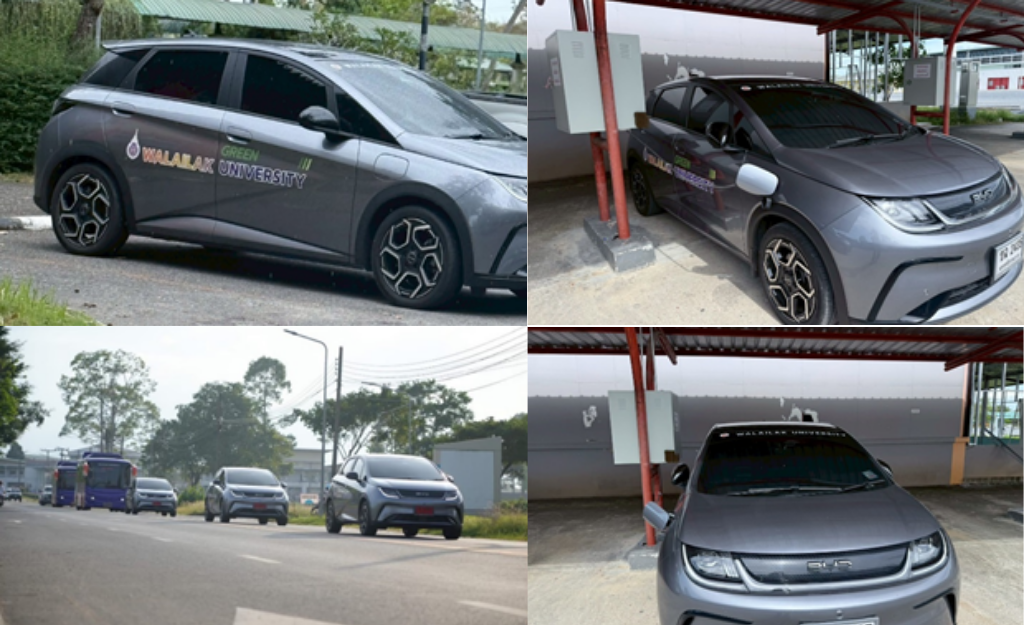
The university prioritizes the prevention of oil and grease contamination from parking areas that may otherwise enter the drainage system. Measures include the installation of oil and grease traps, along with regular collection and maintenance. At the same time, the university promotes sustainable mobility by providing electric shuttle buses, dedicated parking spaces, and charging stations for electric cars and motorcycles. These initiatives help reduce both water pollution and greenhouse gas emissions.
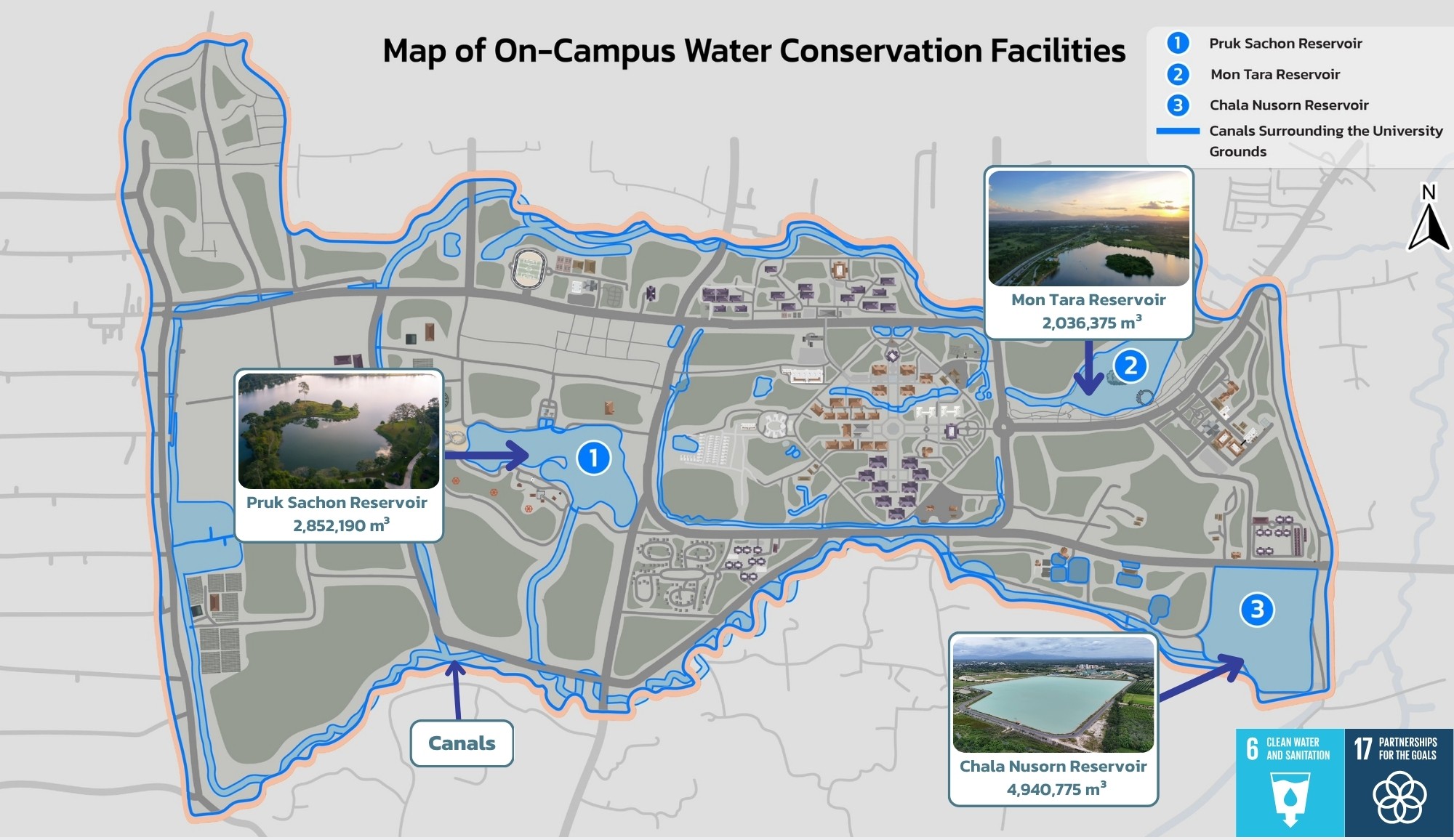
5. Monkey Cheek Project (Reservoirs for Water Management)
This project addresses flooding during the rainy season, drought in the summer, and rising water demand on campus. Constructed reservoirs reduce reliance on groundwater, support agricultural activities, and serve as raw water sources for potable water production. Monthly water quality monitoring ensures that the reservoirs remain free from chemical and biological contamination.
6. Flood Control Gate Construction
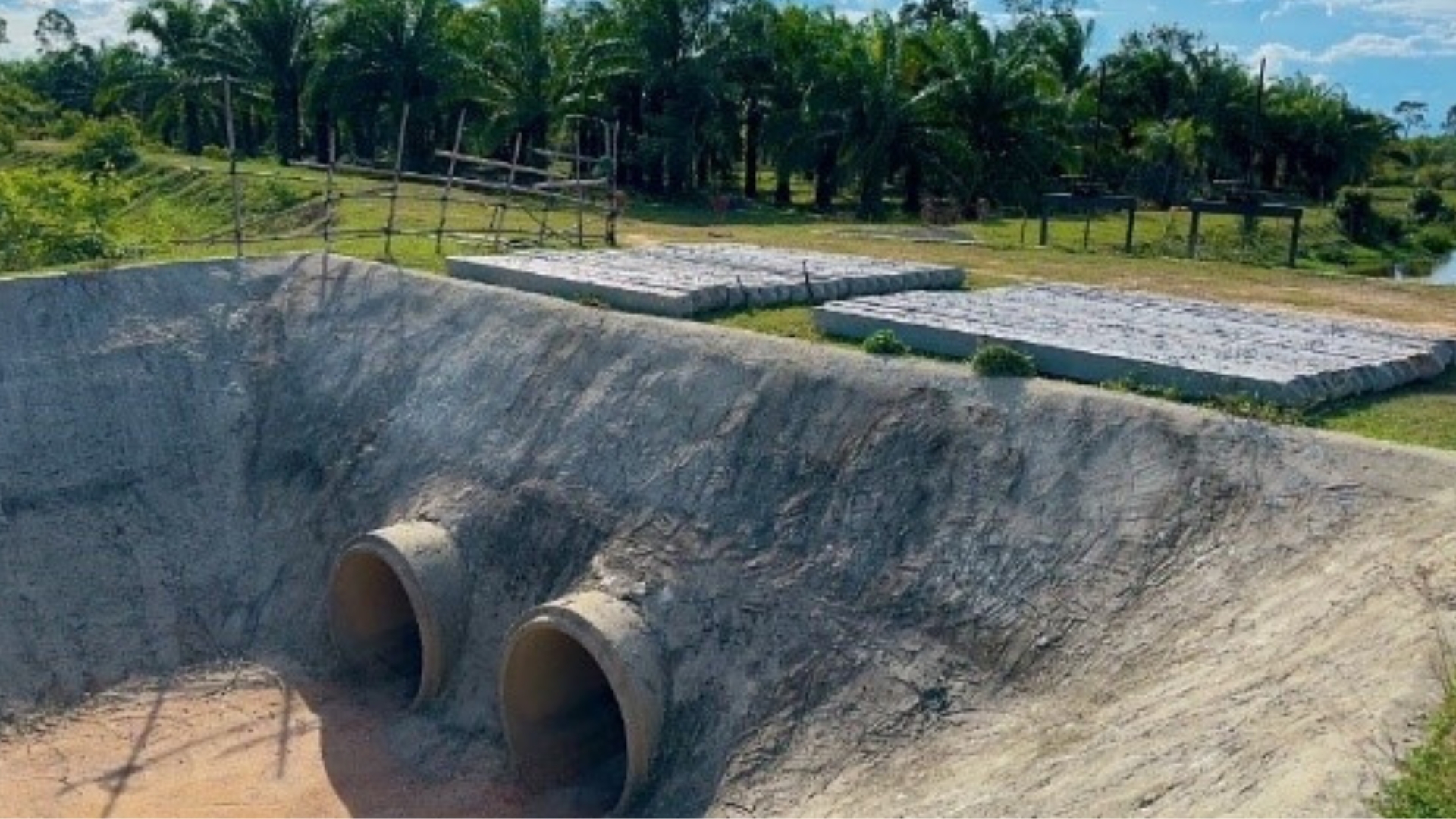
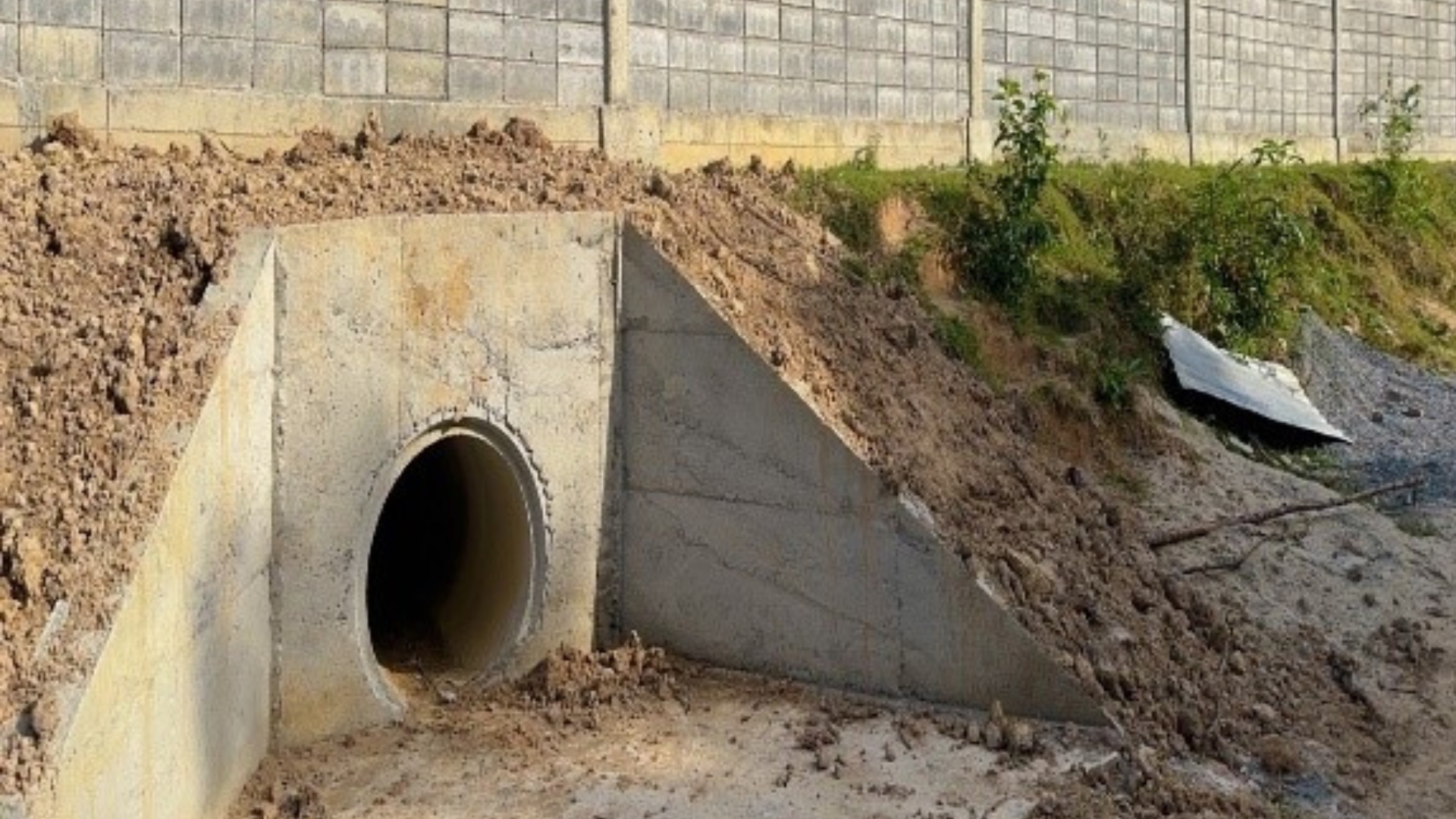
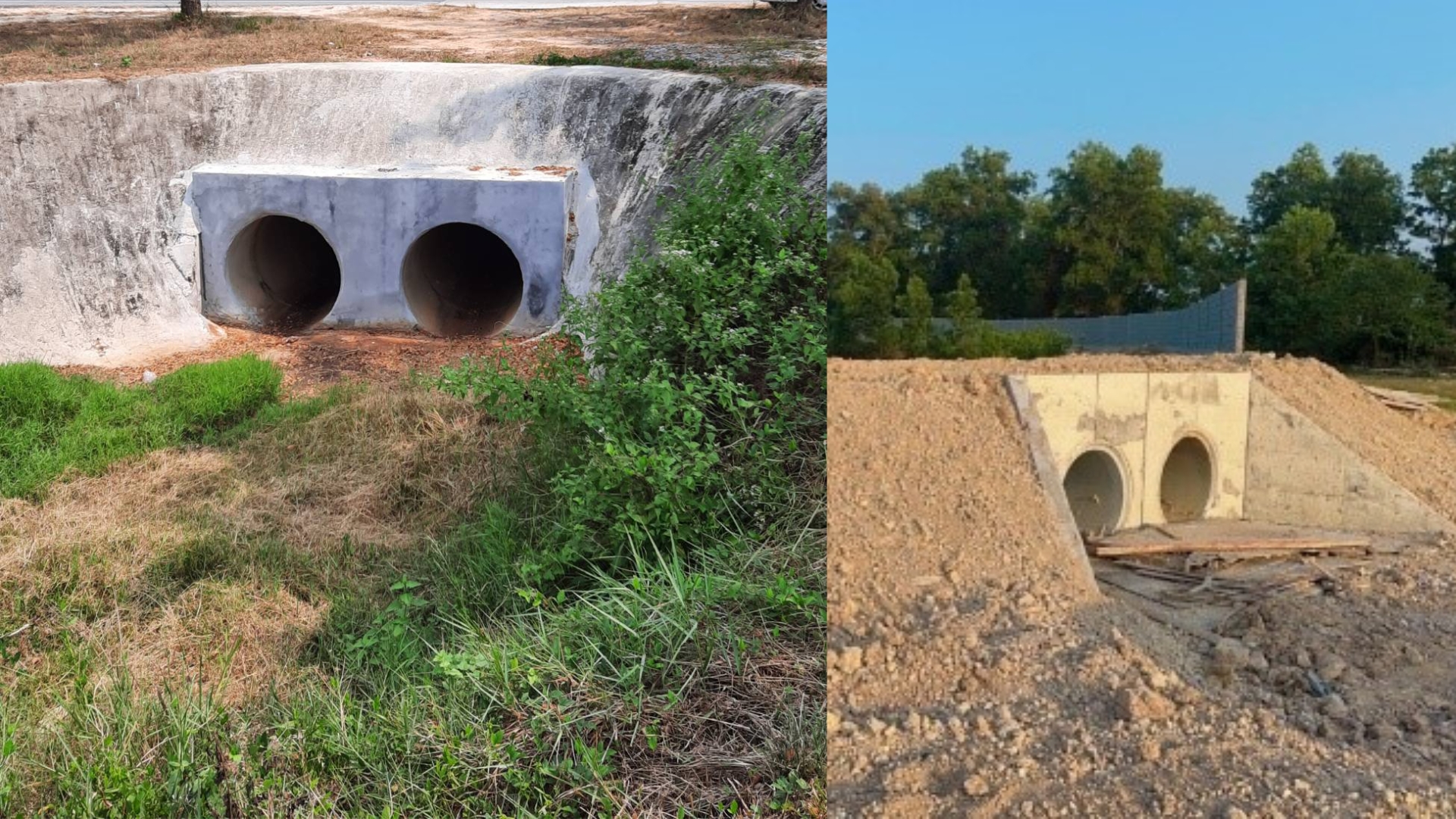
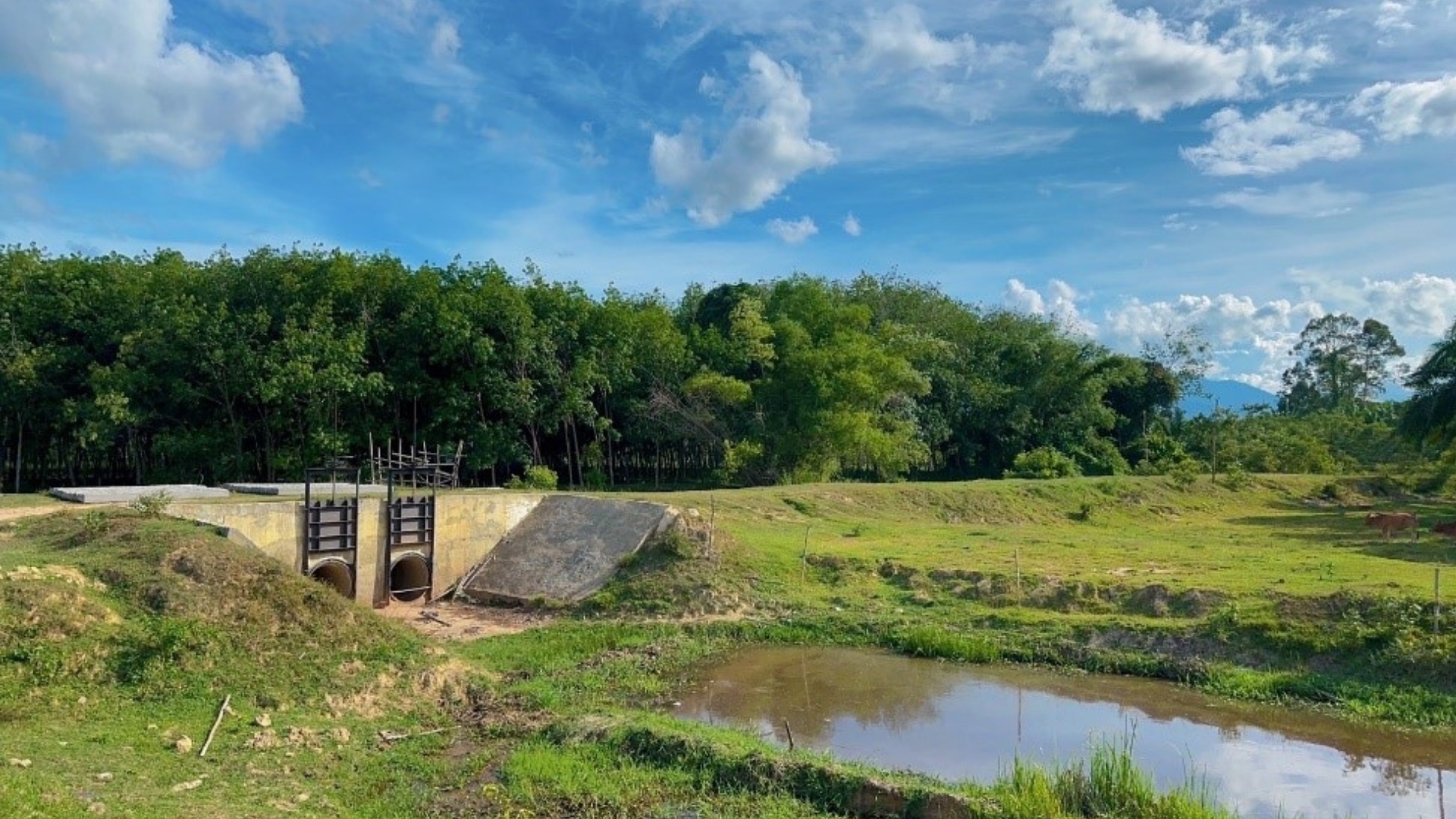
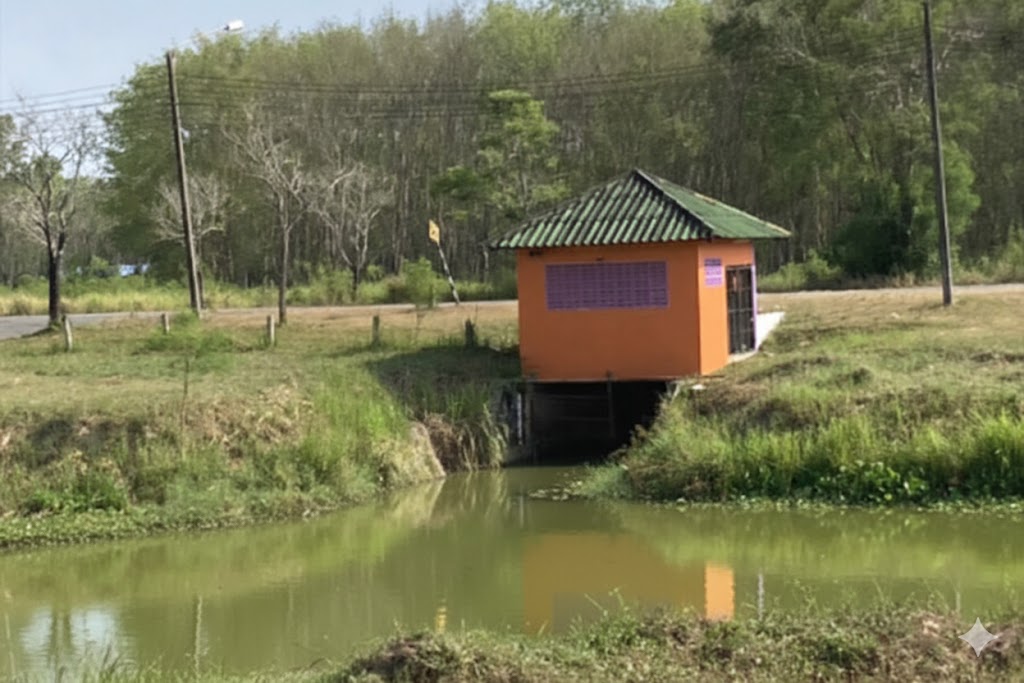
Preventive measures include constructing embankments, water control structures, and pumping stations, along with dredging and expanding canals. In addition, flood control gates have been constructed at key drainage points to regulate water levels, control stormwater runoff, and prevent backflow from external water sources into the campus.
These gates function as adjustable barriers that can be opened or closed depending on hydrological conditions, ensuring optimal water management during both dry and rainy seasons. By integrating flood control gates with embankments and pumping stations, the university enhances its ability to prevent flooding, protect wastewater treatment systems from overflow, and reduce the risk of untreated water being discharged into natural ecosystems.
Figures: Flood Control Gate Construction to regulate water levels, prevent flooding, and reduce the risk of untreated wastewater discharge into the environment. (Walailak University, Thailand)
7. Pump Stations for Drainage
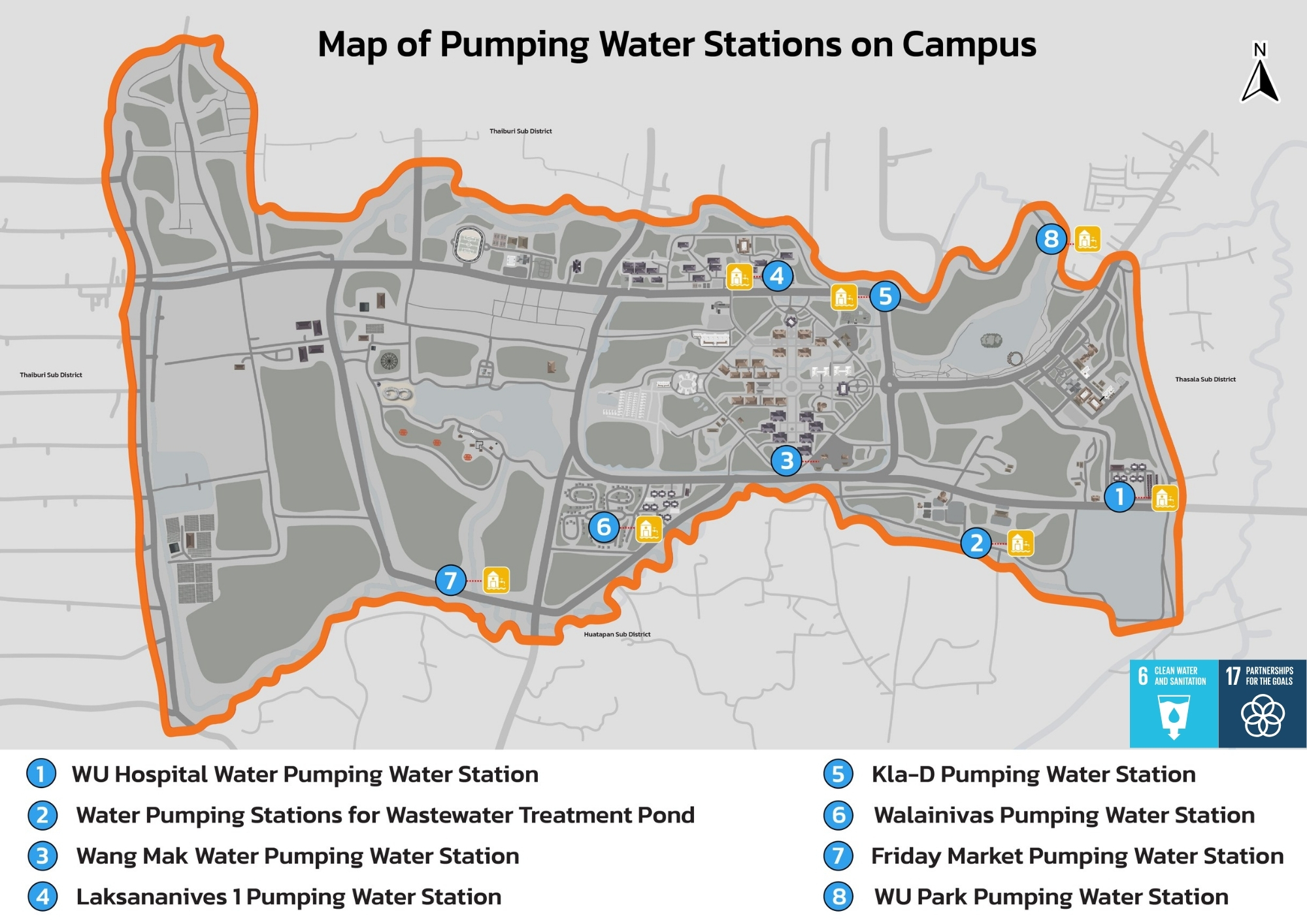
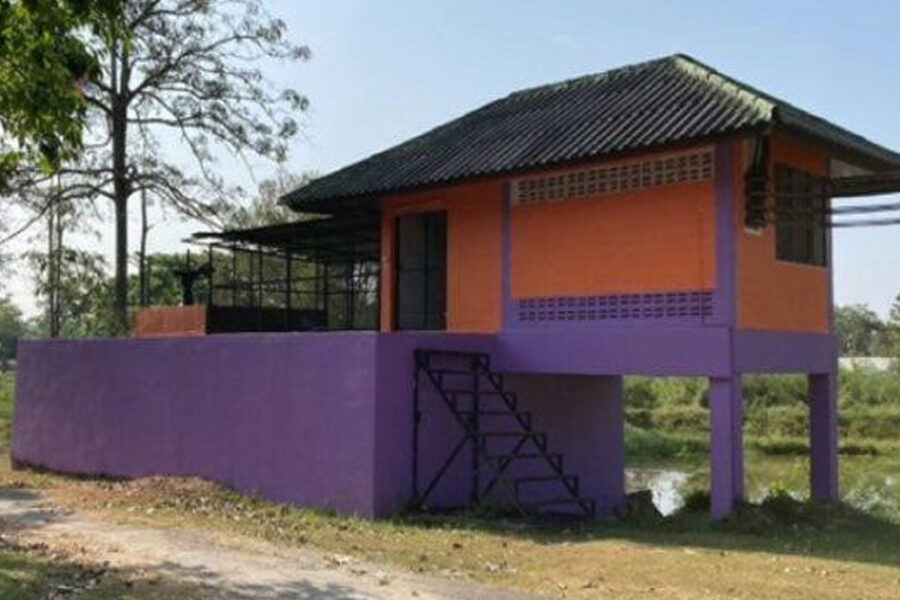
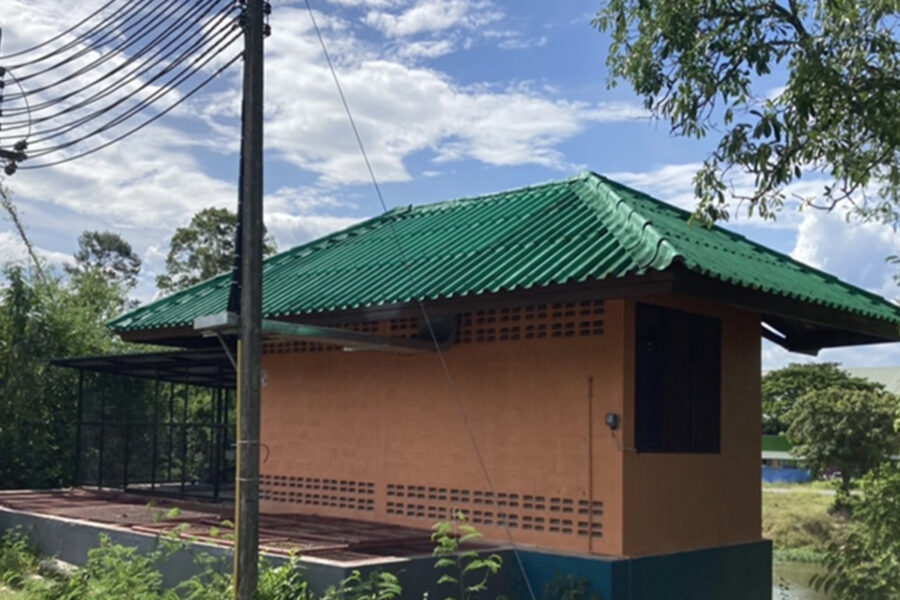
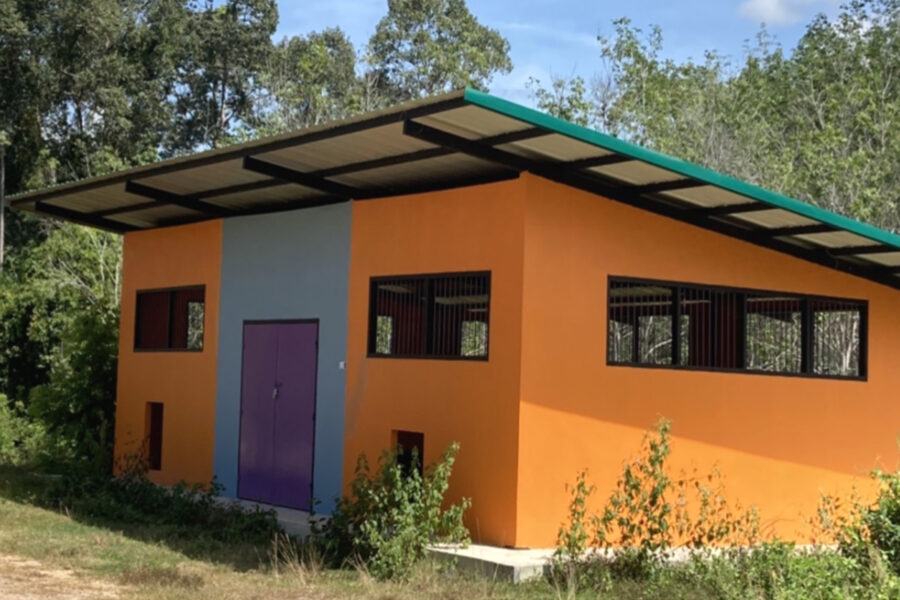
The university operates multiple pumping stations to manage stormwater and prevent polluted water from contaminating clean water systems. For instance, the Eastern Canal pumping station is equipped with two engine-driven pumps (capacity of 1.0 m³/s) along with supplementary electric pumps in the academic and reservoir zones.
Figures: Pump Stations for Drainage help manage stormwater and prevent polluted water from contaminating clean water systems. (Walailak University, Thailand)
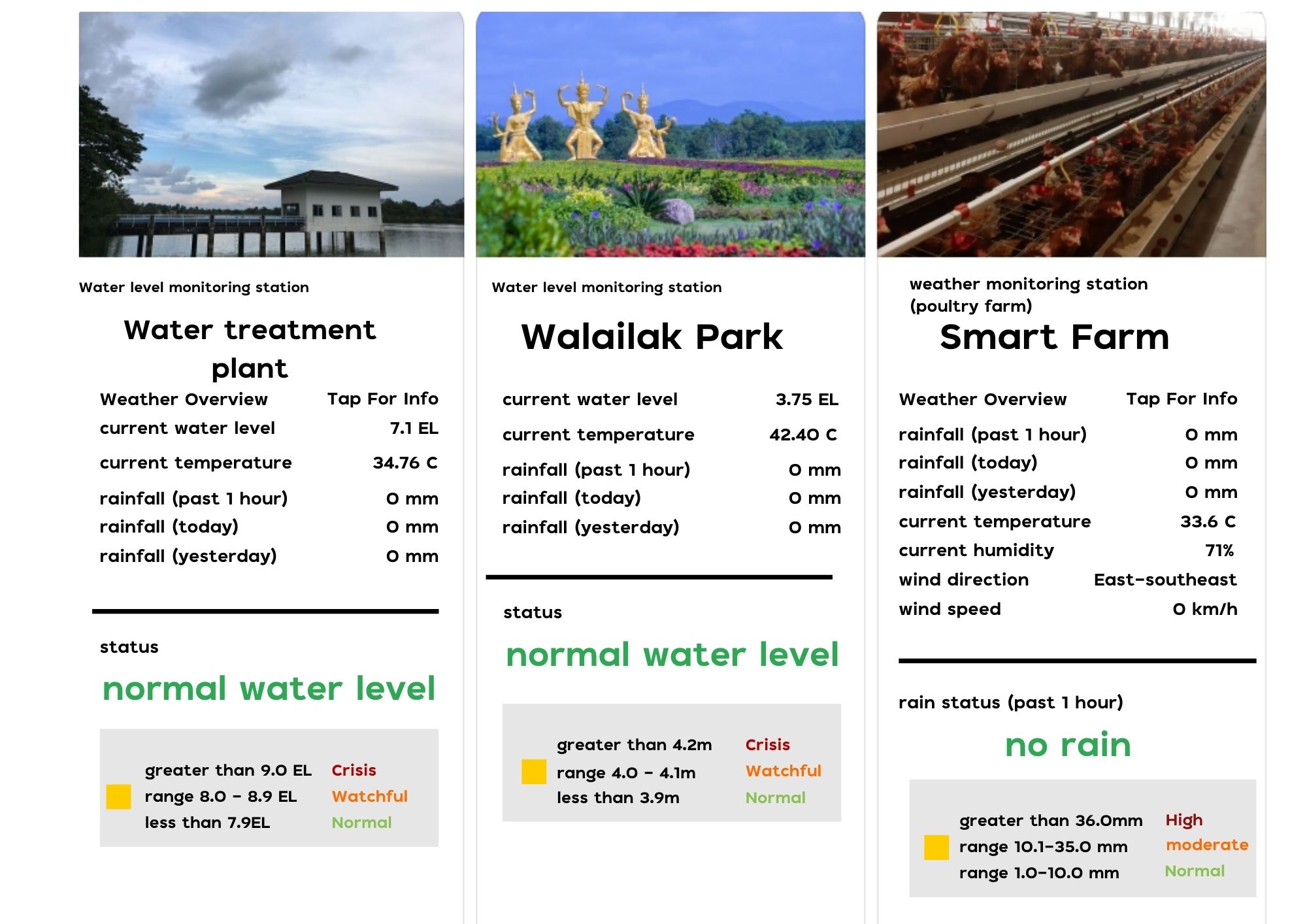
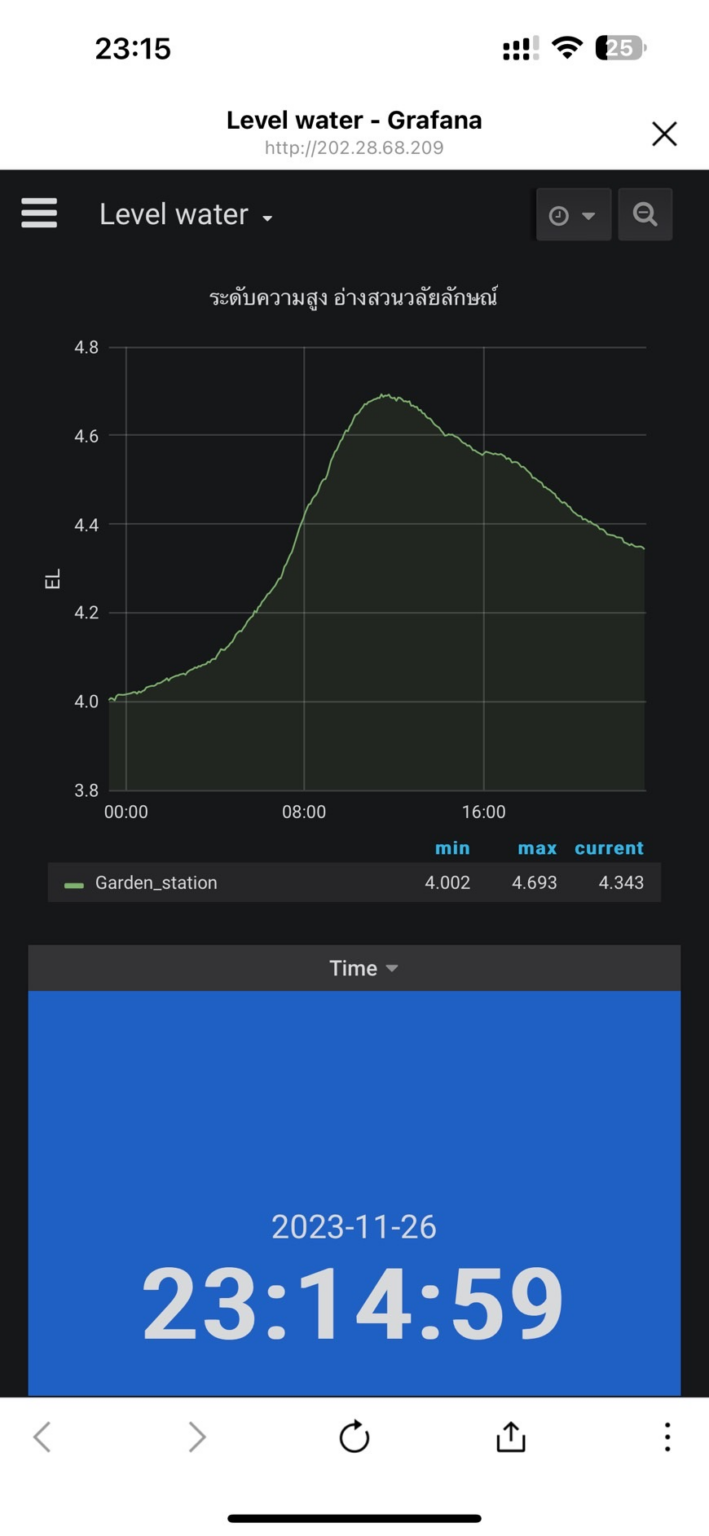
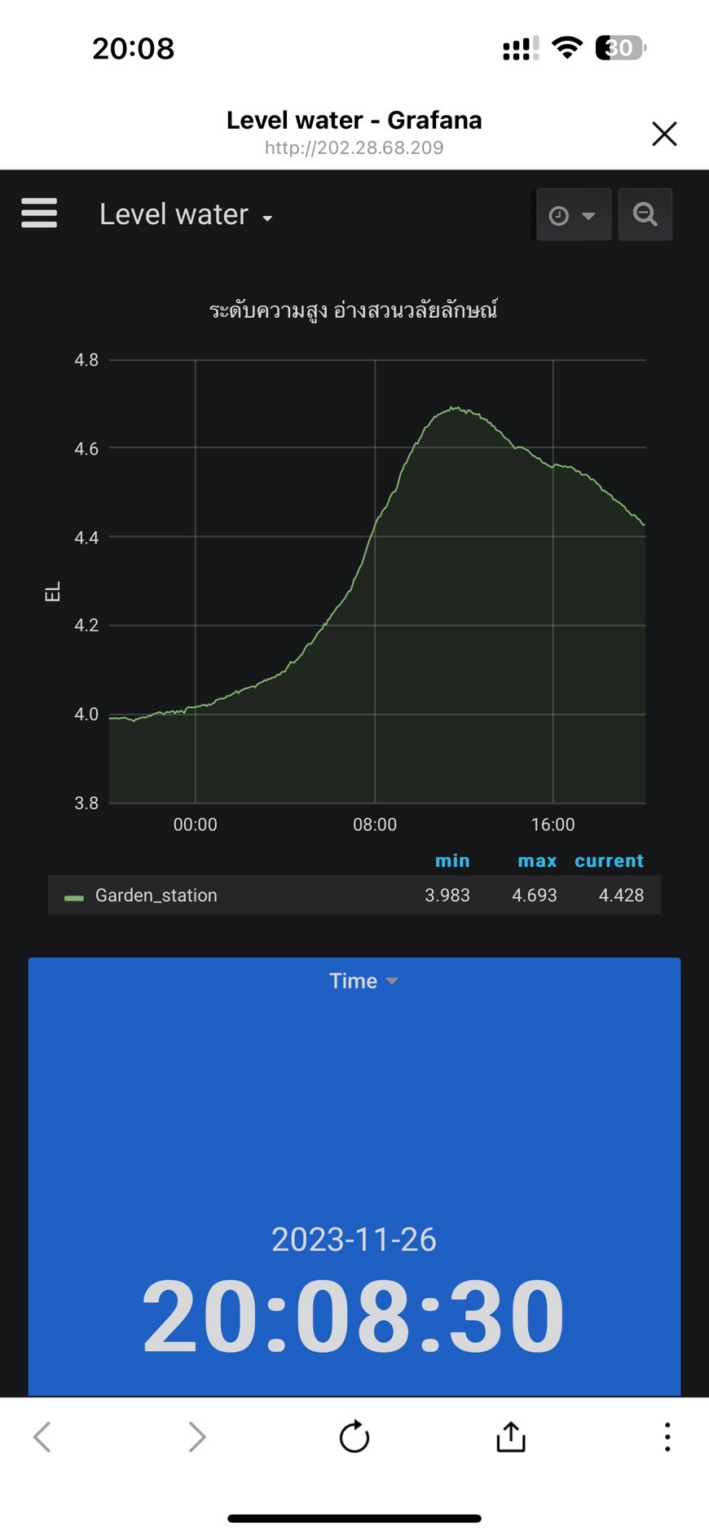
8. Mobile Application Bot CDT
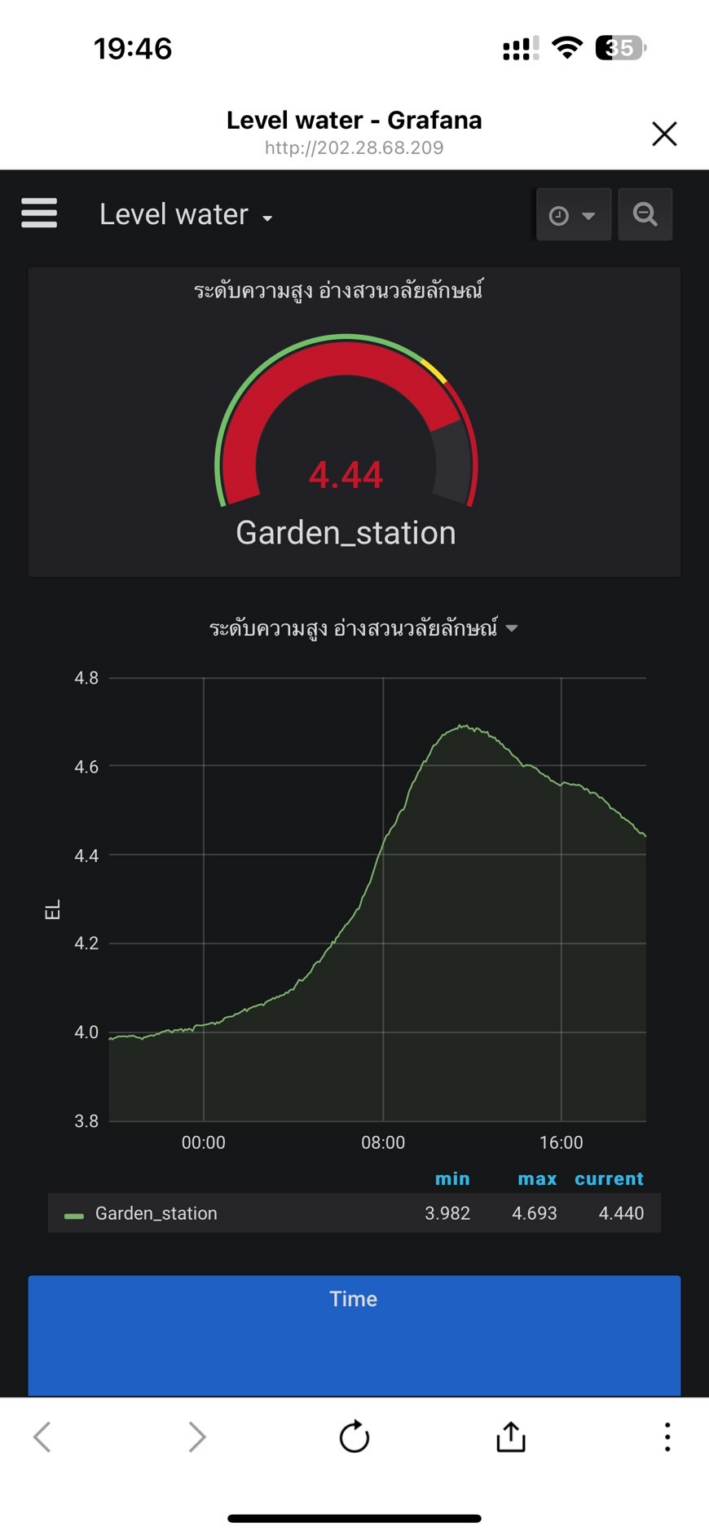
The Bot CDT mobile application provides real-time data on rainfall, drainage, and flood situations, enabling timely interventions to minimize flood damage and prevent polluted water from entering water systems.
Figures: Bot CDT Mobile Application provides real-time data on rainfall, drainage, and flood situations to reduce damage and prevent polluted water from entering water systems. (Walailak University, Thailand)
9. Embankments and Flood Walls
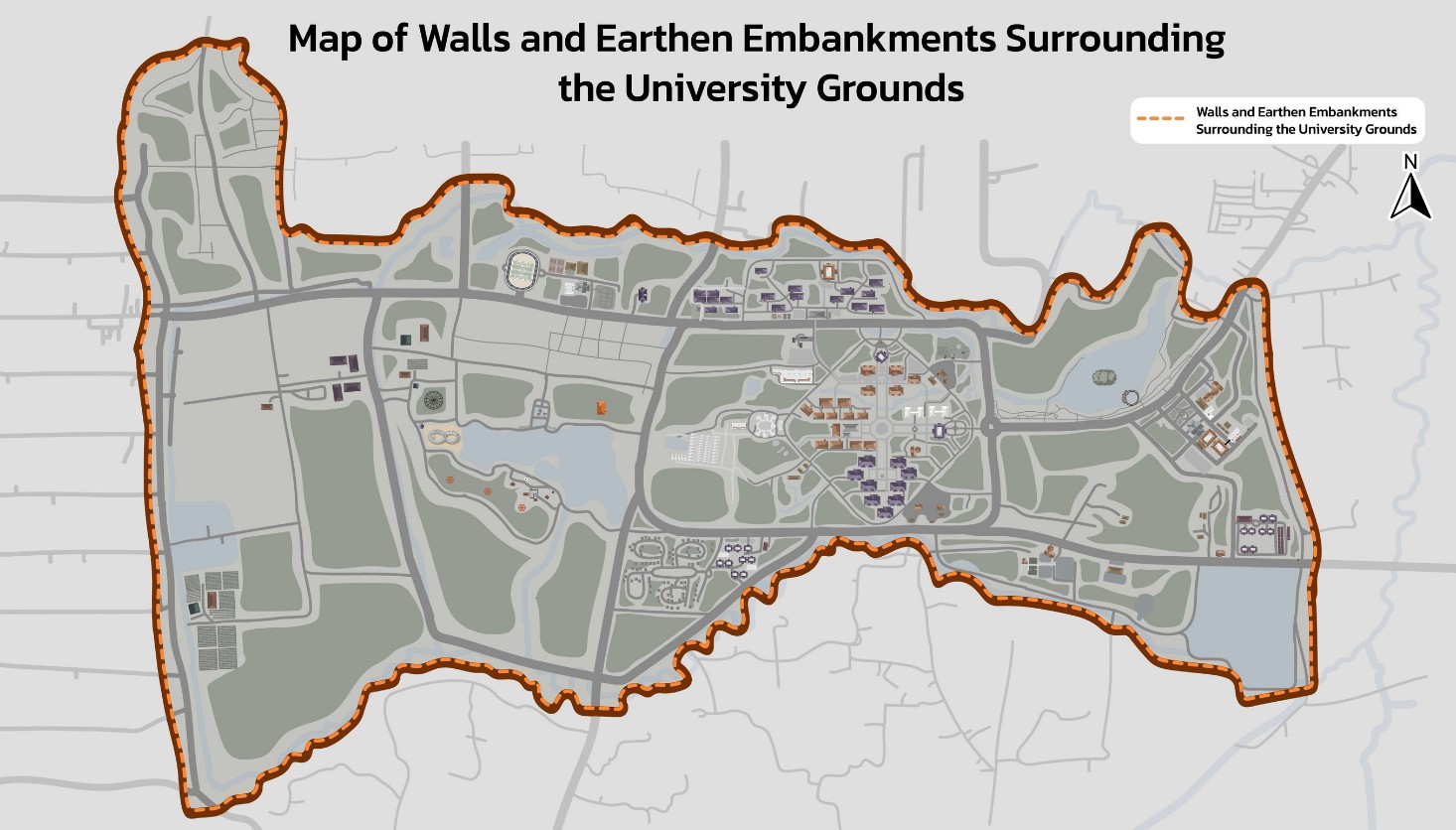
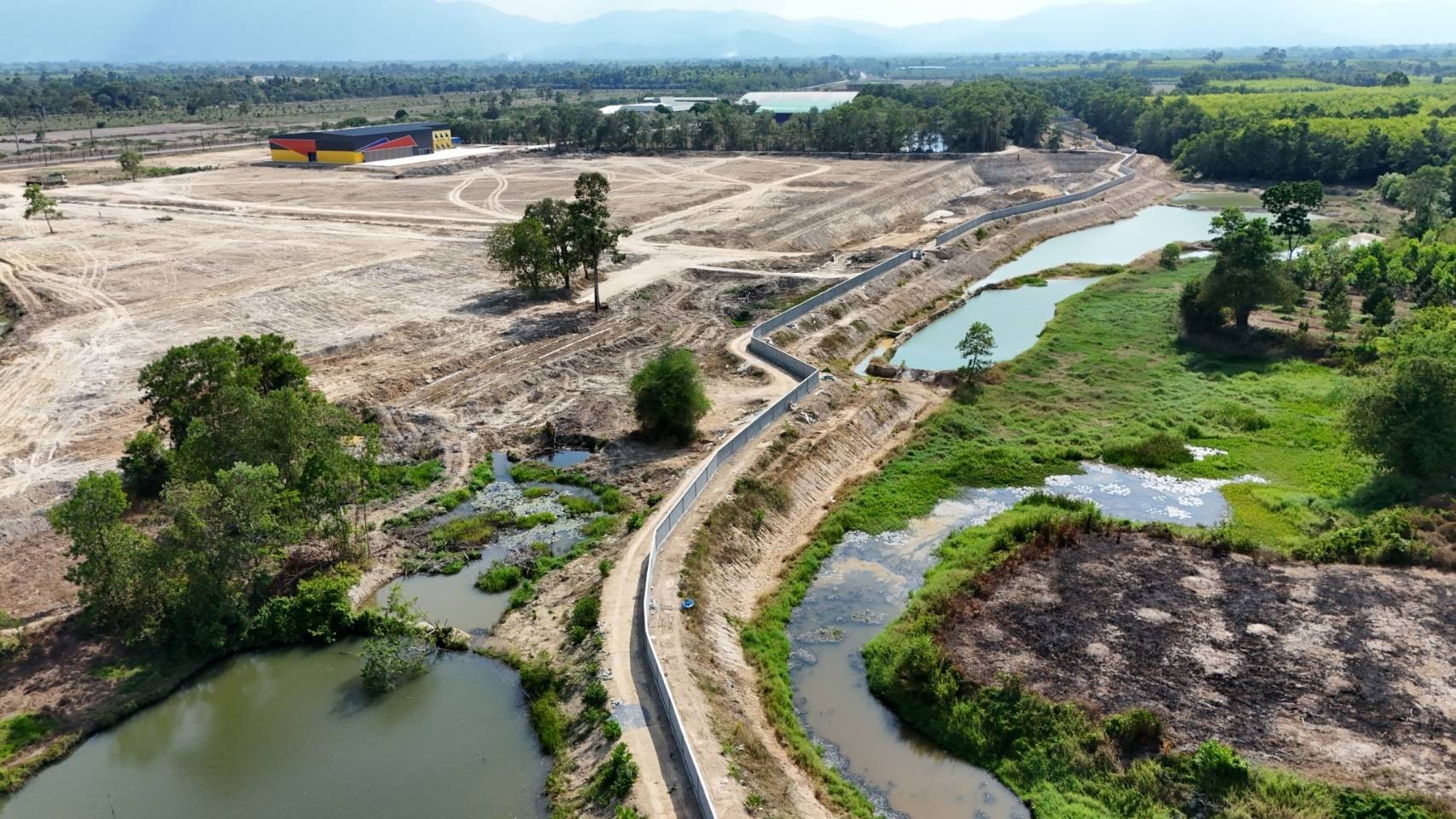
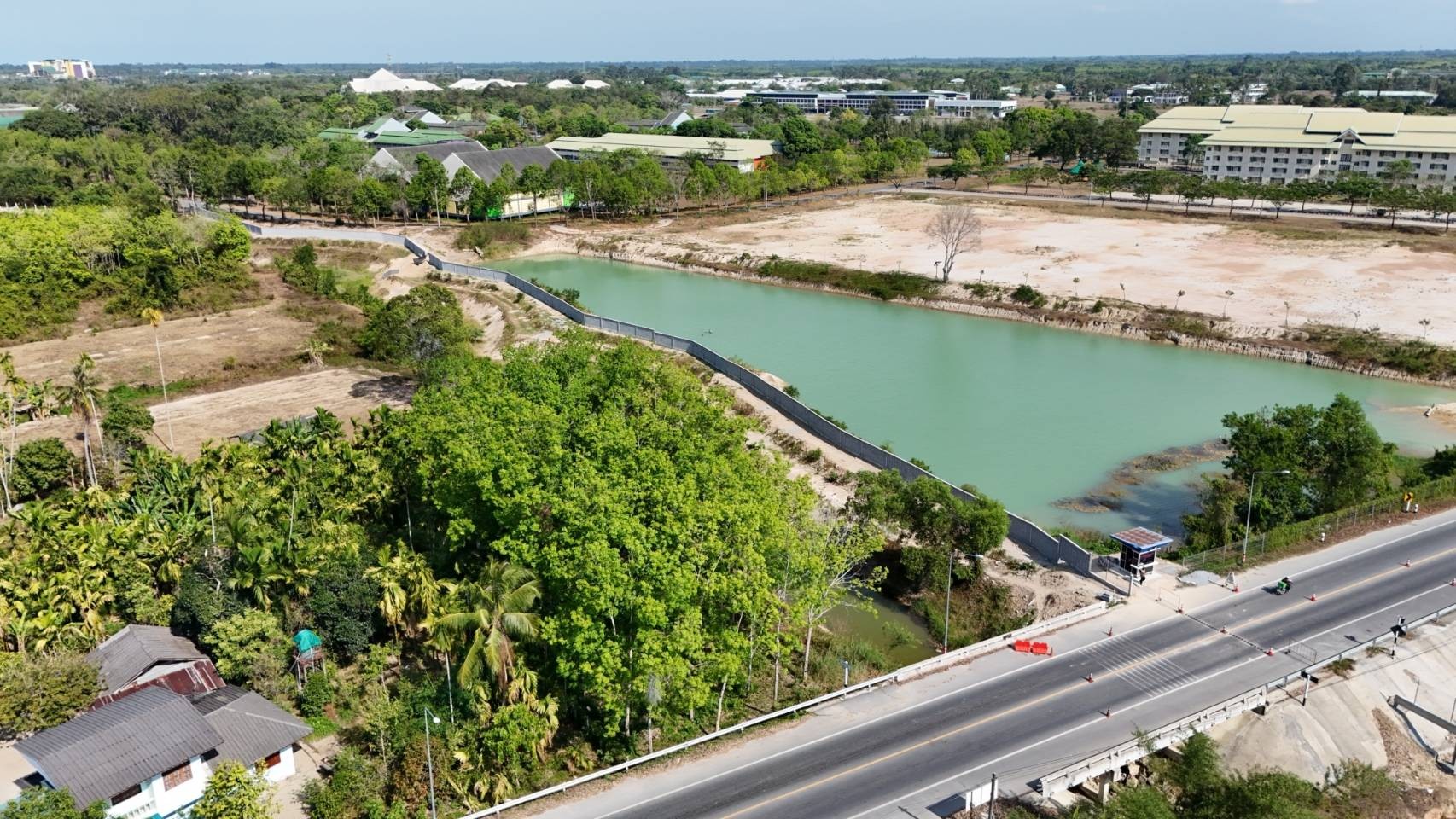
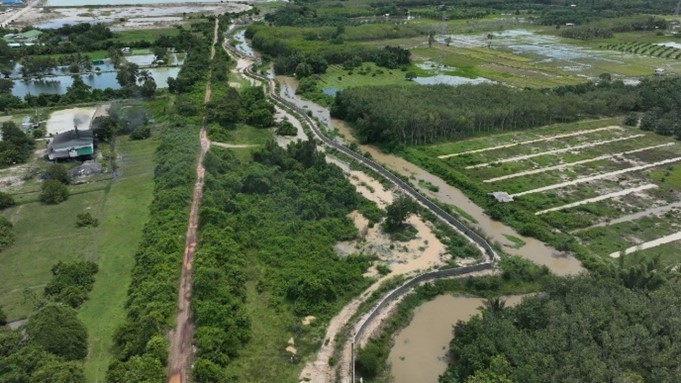
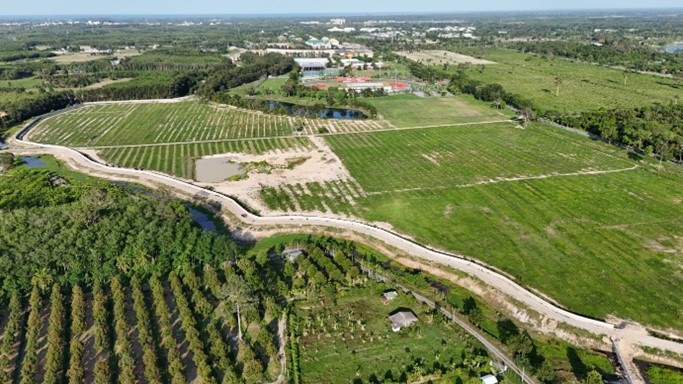
To protect the university’s water production system, flood embankments and walls have been constructed around the campus. These structures help store water and prevent external polluted water from entering the university’s water production areas.
Figures: Embankments and Flood Walls protect the university’s water production system by storing clean water and preventing external polluted water from entering production areas. (Walailak University, Thailand)
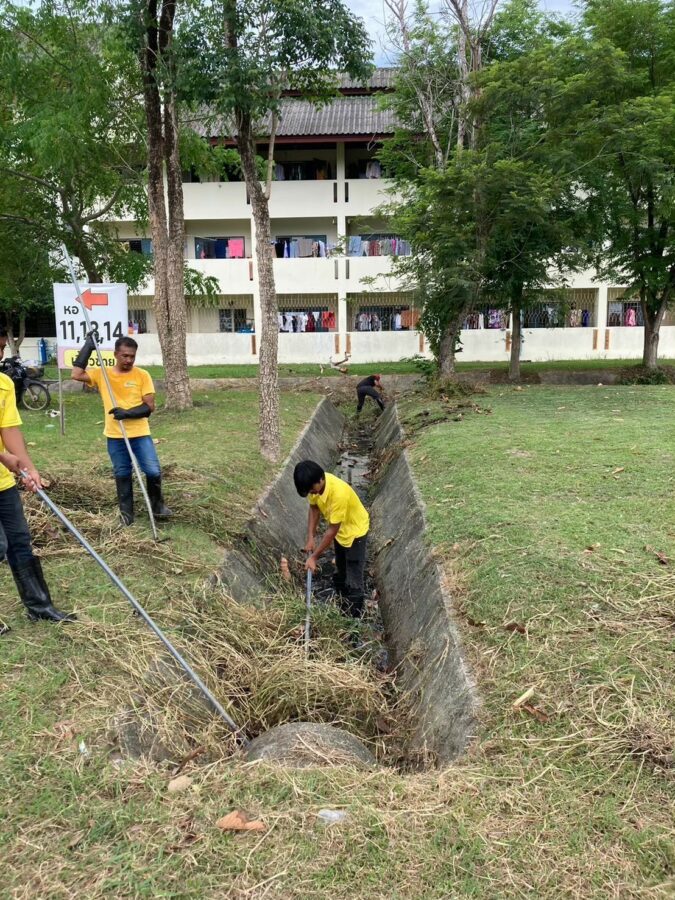
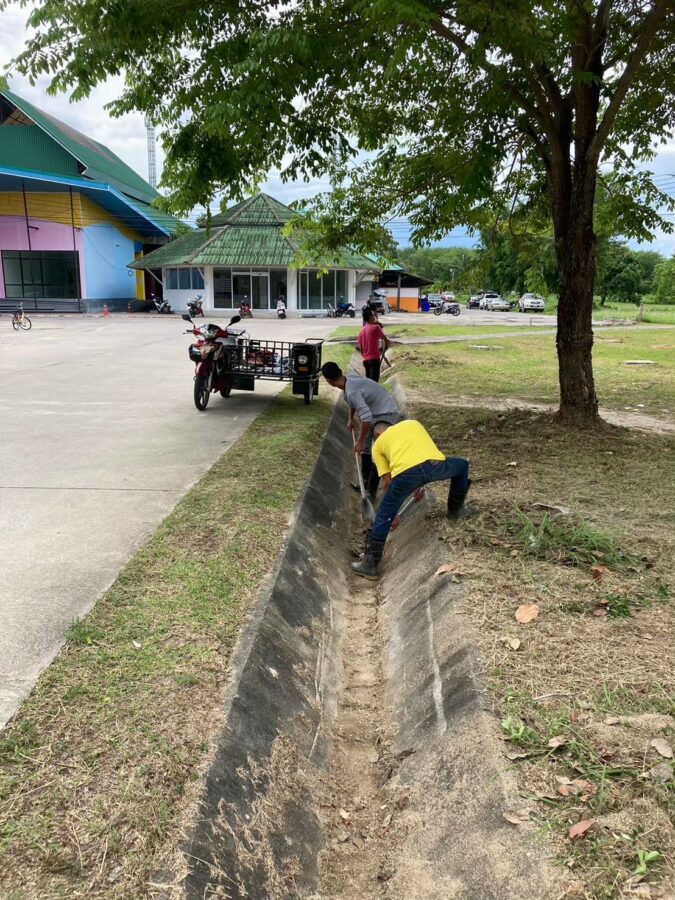
10. Ditch Digging and Improvement
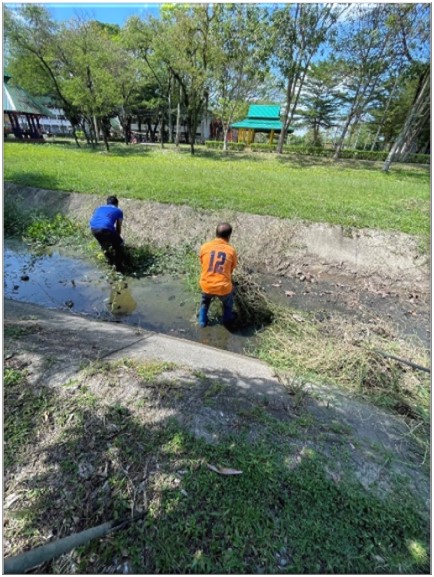
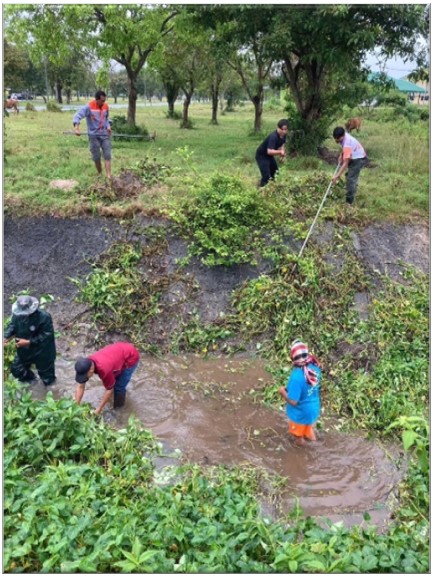
Seasonal ditches are dug and improved to regulate stormwater flow and prevent infiltration into water production areas.
Figures: Ditch Digging and Improvement to regulate stormwater flow and prevent infiltration into water production areas. (Walailak University, Thailand)
11. Water Supply System Maintenance
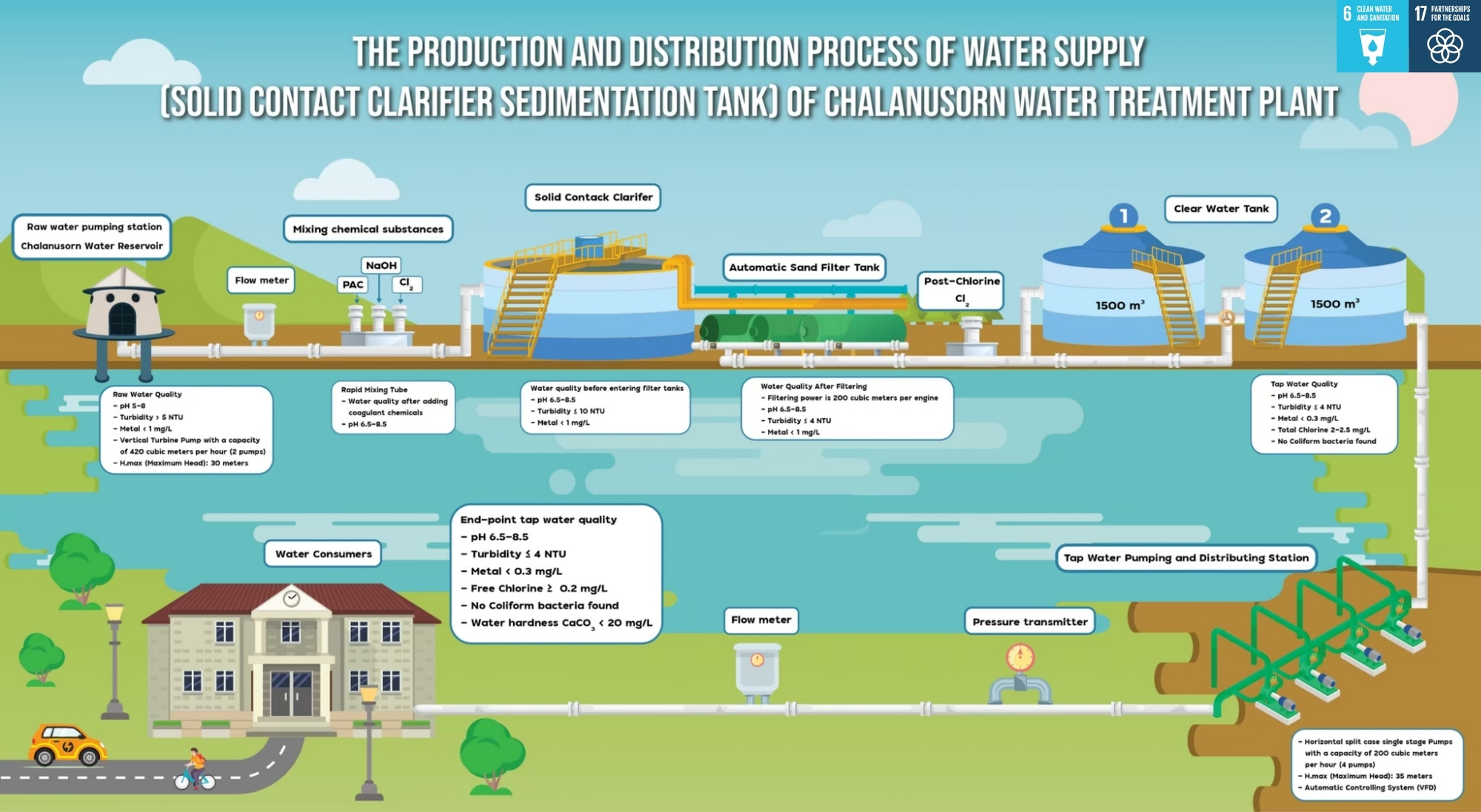
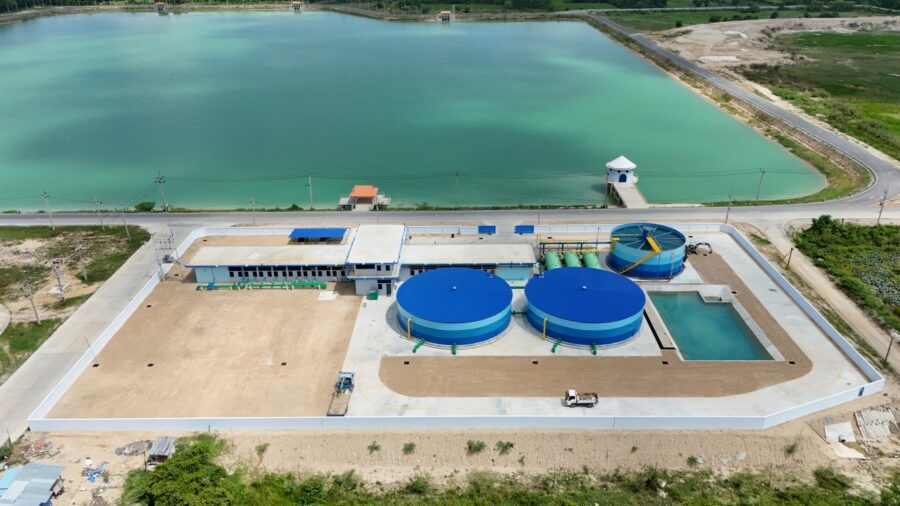
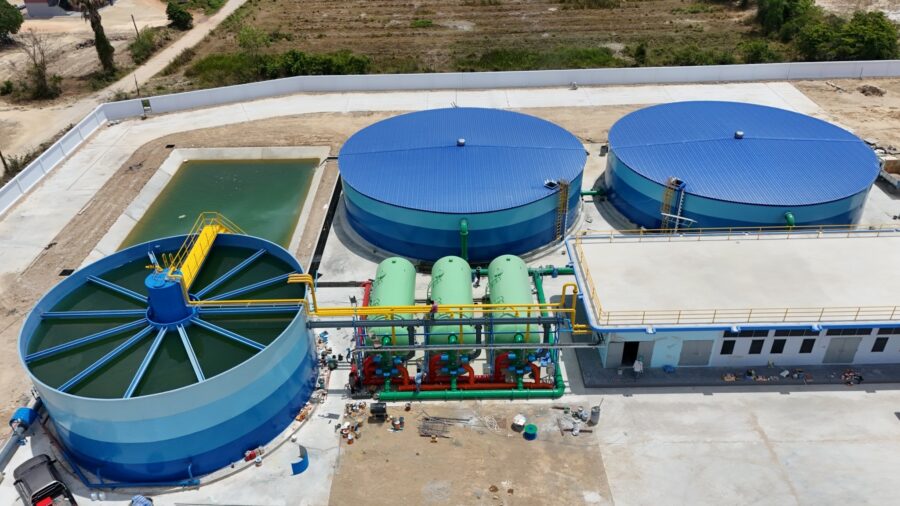
Walailak University operates its Chalanusorn Water Treatment Plant, a prefabricated system with a production capacity of 400 cubic meters per hour, using surface water stored in the Chalanusorn Reservoir, which covers 208 rai and stores 2.4 million cubic meters of raw water. The plant integrates pollution control measures with water supply system maintenance to ensure safe, sustainable, and high-quality potable water.
Figures: The potable water production process at Chala Nusorn Water Supply Plant for campus consumption at Walailak University. (Walailak University, Thailand)
Raw Water Protection and Pollution Control:
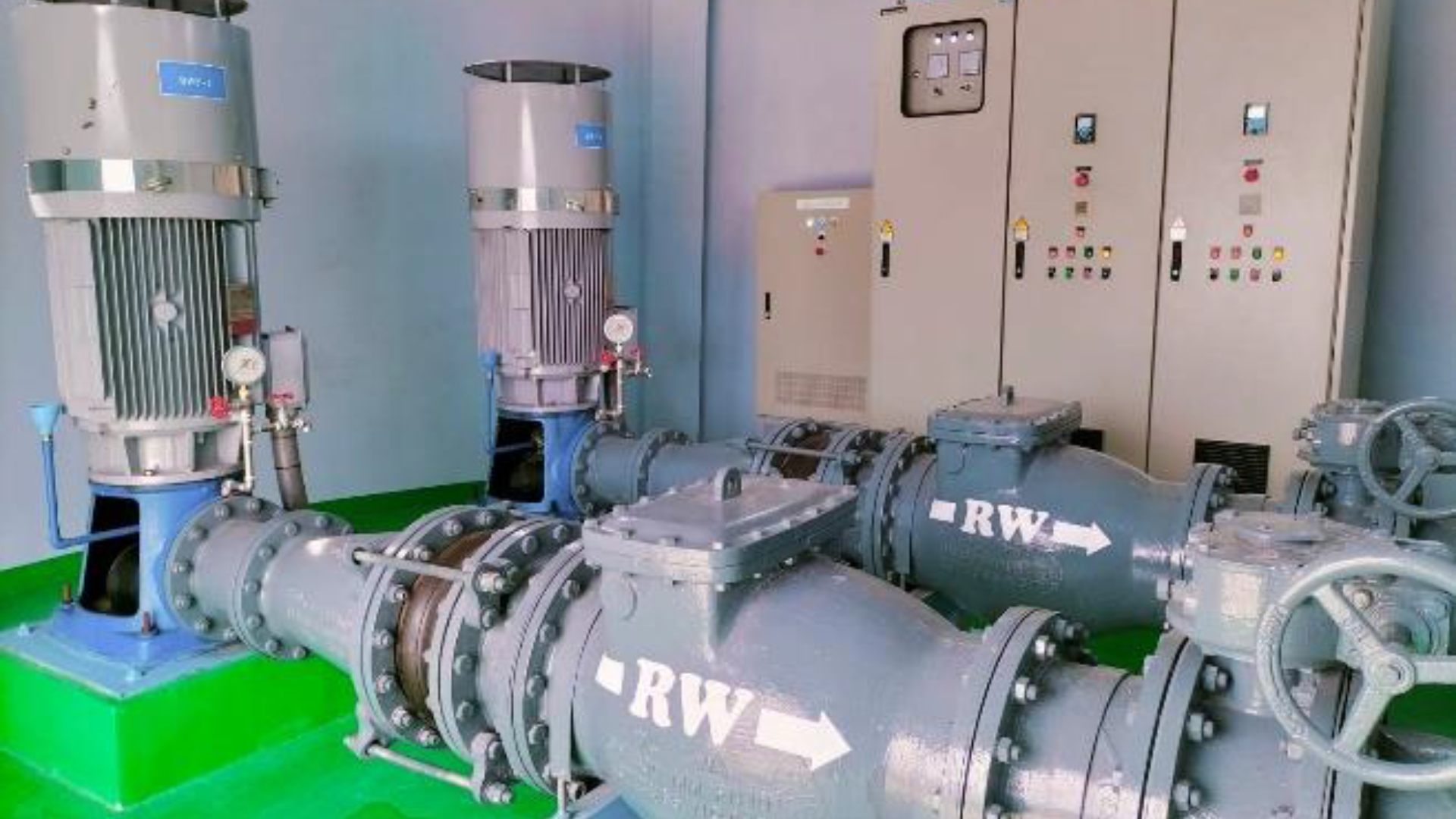
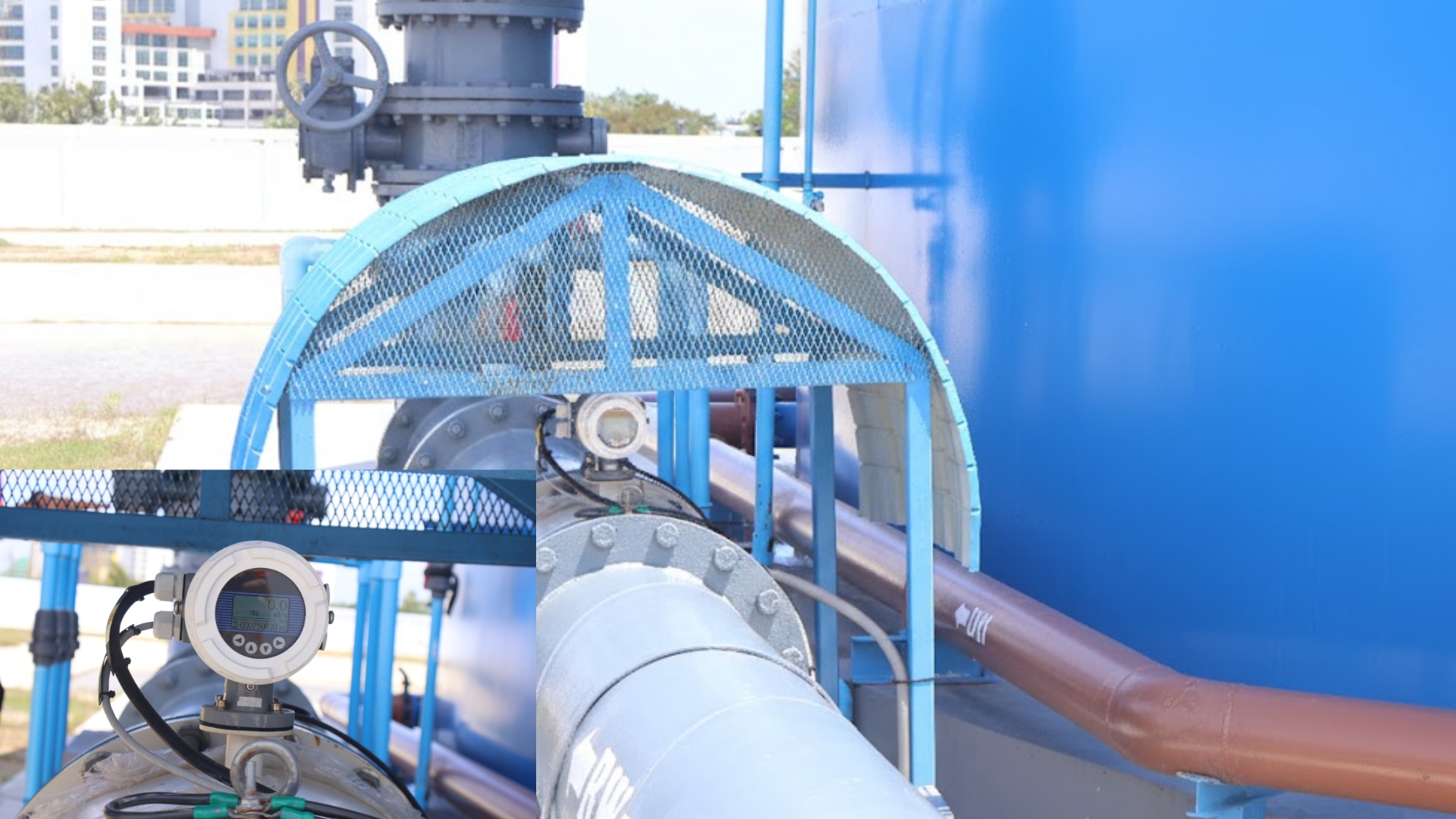
- Vertical Turbine Pumps (420 m³/hr) transport raw water from the reservoir, passing through an electromagnetic flow meter to monitor flow and prevent abnormalities.
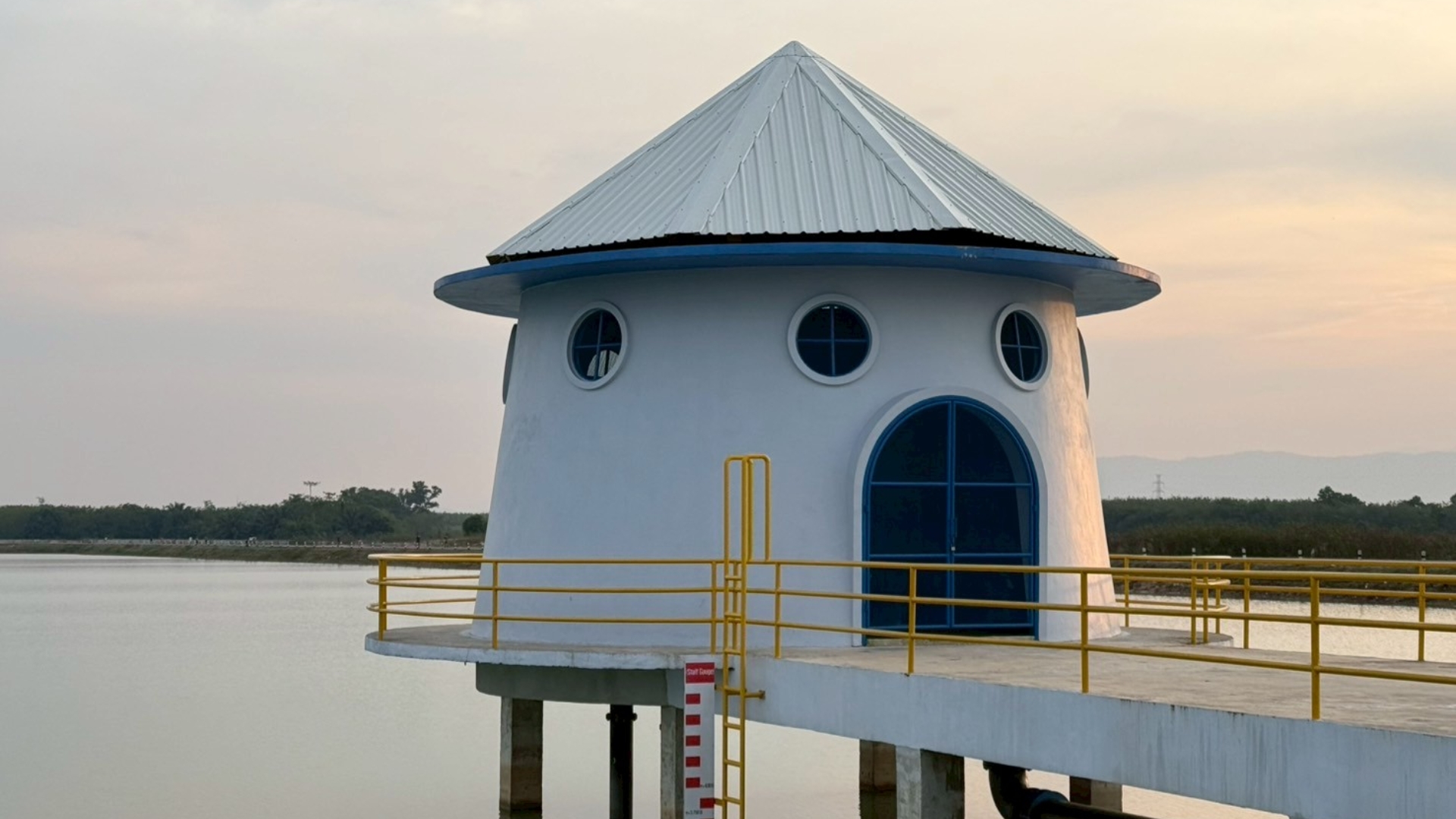
Figures: Raw Water Pumping Station, Raw Water Pump and Flow Meter (Walailak University, Thailand)
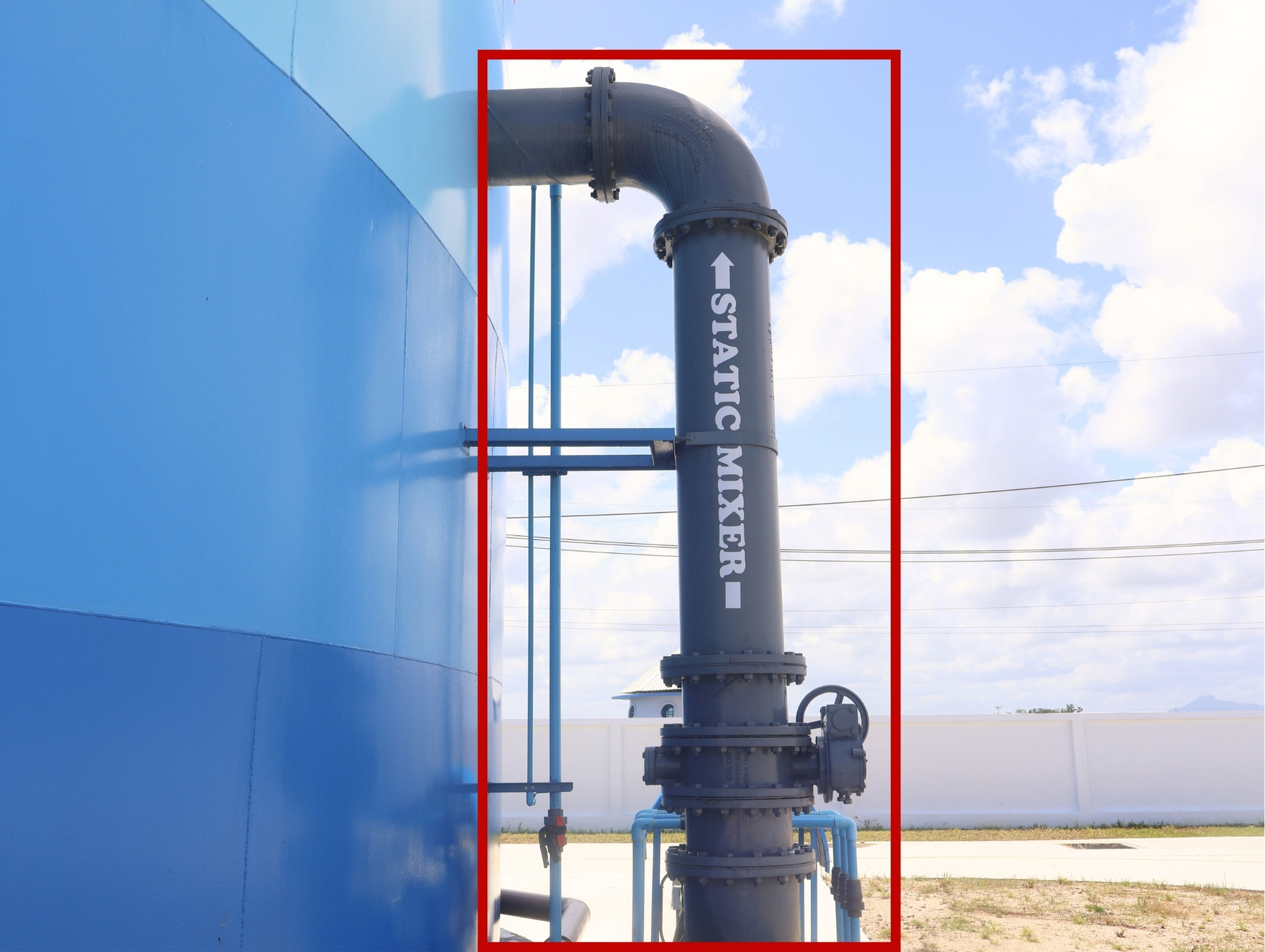
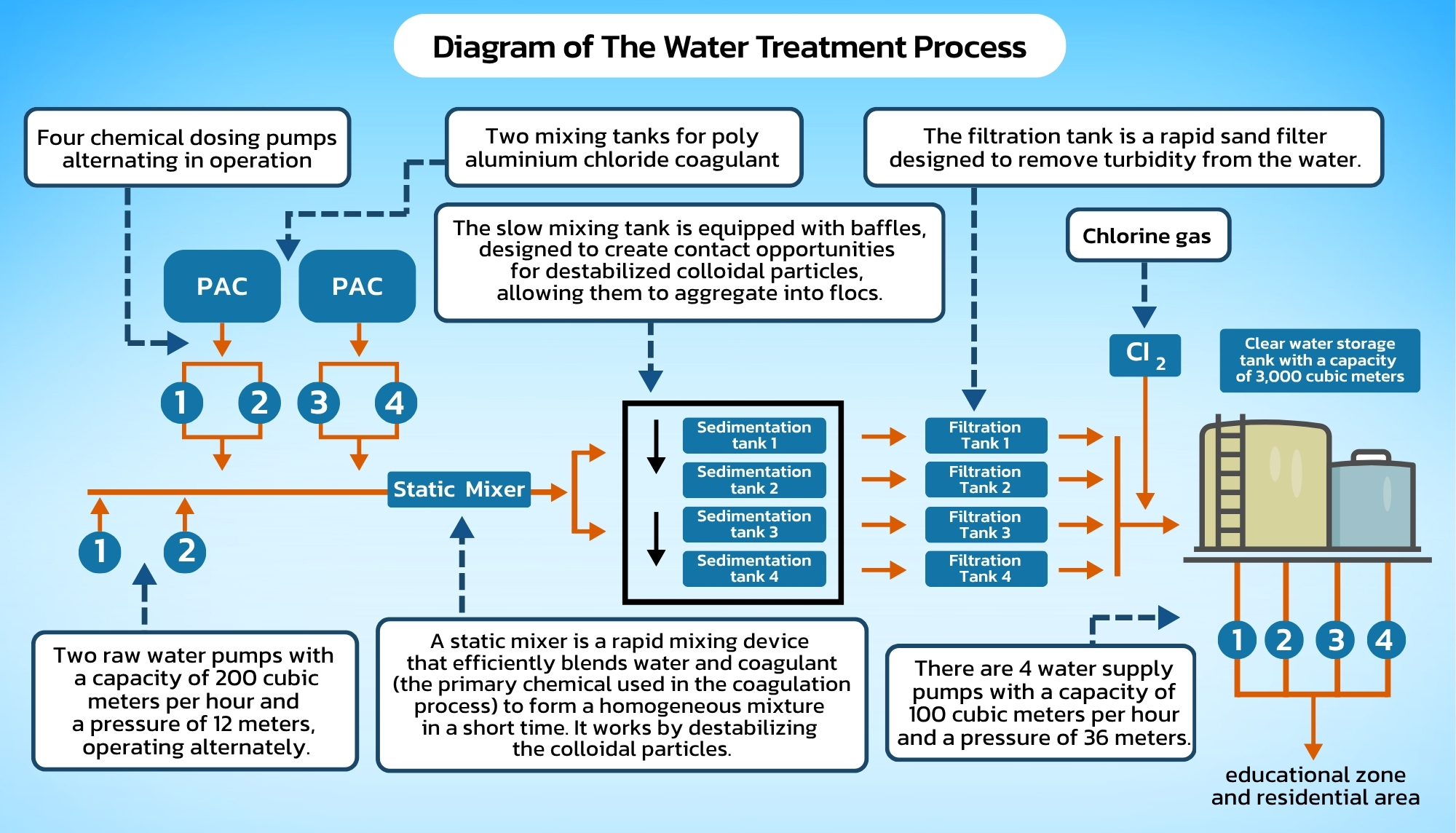
- A static mixer adds chemicals such as poly aluminium chloride (PAC) for coagulation, soda ash for pH adjustment, and pre-chlorination to control microbial growth, preventing polluted or unsuitable water from entering the treatment system.
Water Treatment Process:
Figures: Diagram of the Water Treatment Process showing the sequence from raw water intake, chemical dosing, coagulation, sedimentation, filtration, and chlorination to the distribution of clean water for residential and educational areas. (Walailak University, Thailand)
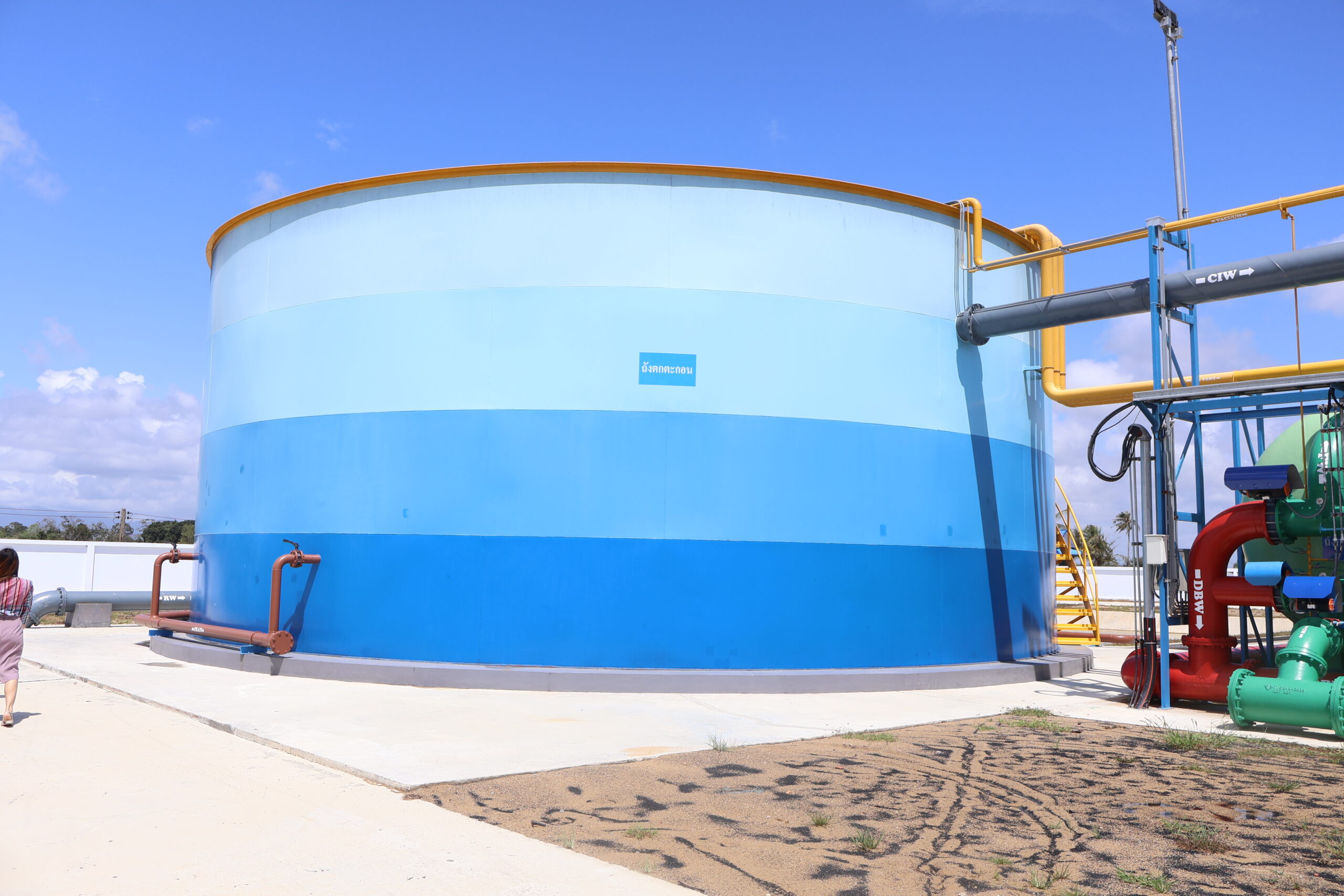
- Sedimentation Tanks (Solid Contact Clarifier, Pulsator Type) combine coagulation, flocculation, and sedimentation in one unit, with automatic sludge discharge every hour to avoid accumulation of pollutants.
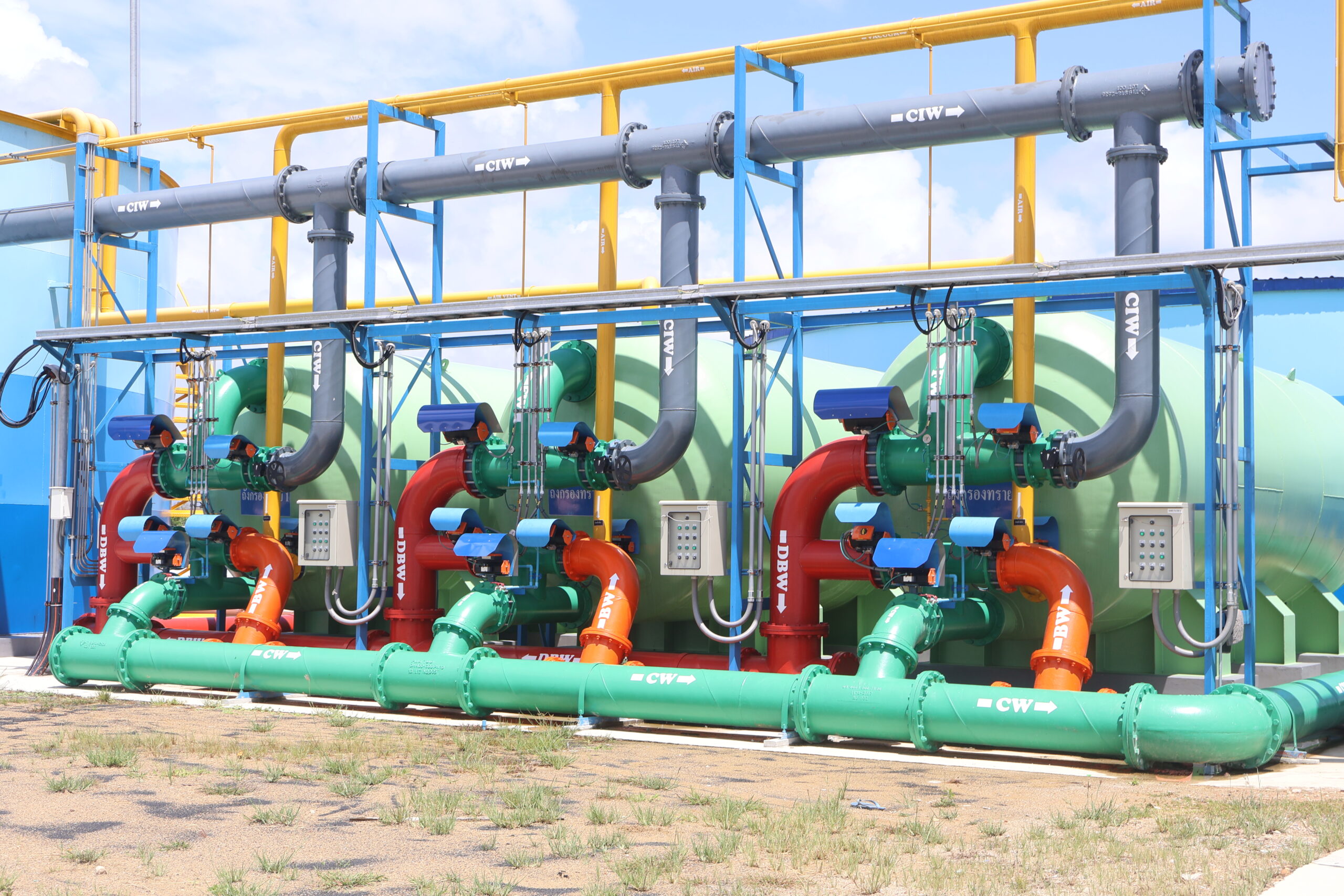
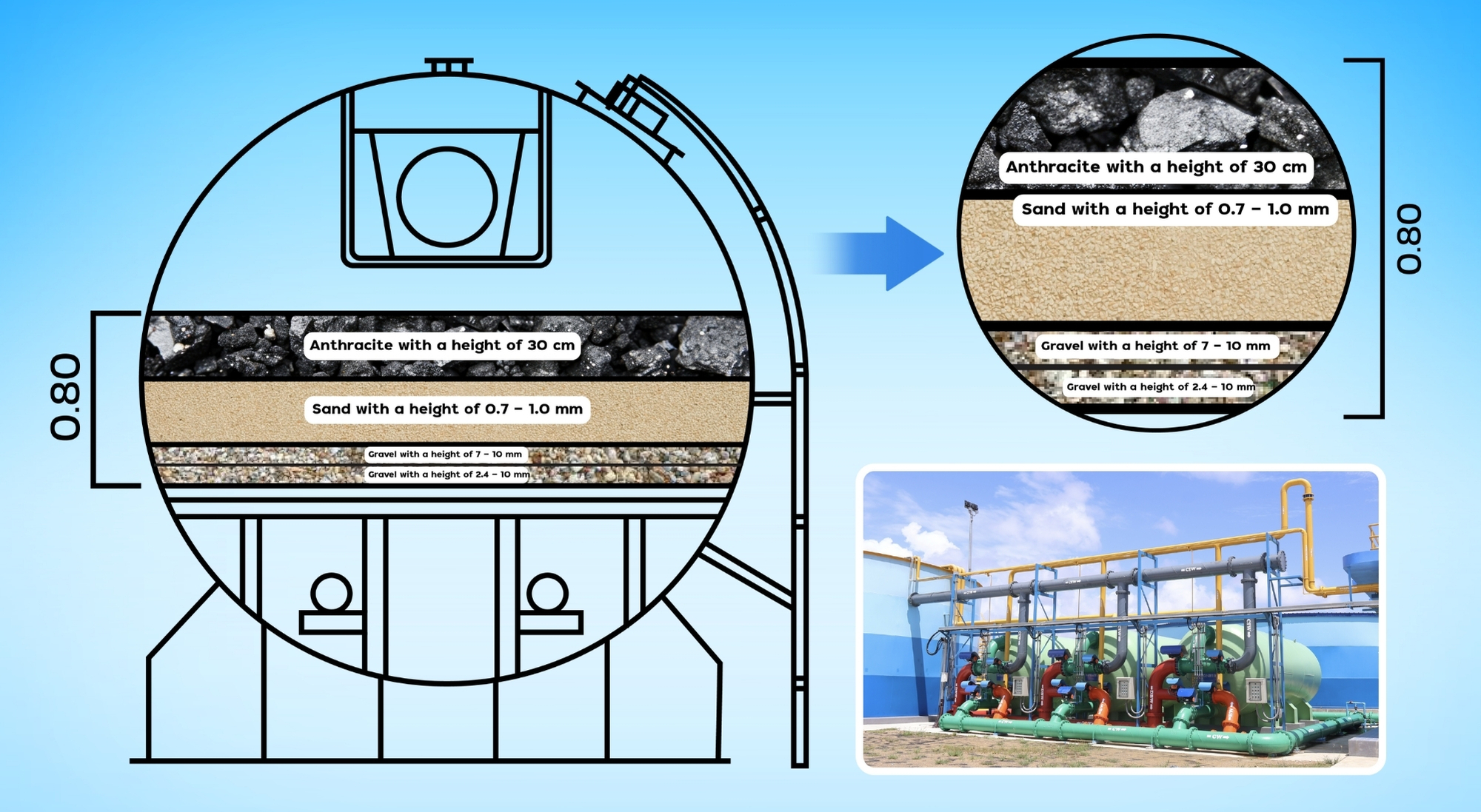
- Sand Filtration Units (Horizontal Sand Filters) consist of gravel, sand, and anthracite layers, with automatic backwashing to prevent clogging and maintain efficiency.
Figures: Cross-sectional view of a filtration tank showing multi-layer media including anthracite, sand, and gravel, used for turbidity removal and water clarification in the treatment process. (Walailak University, Thailand)
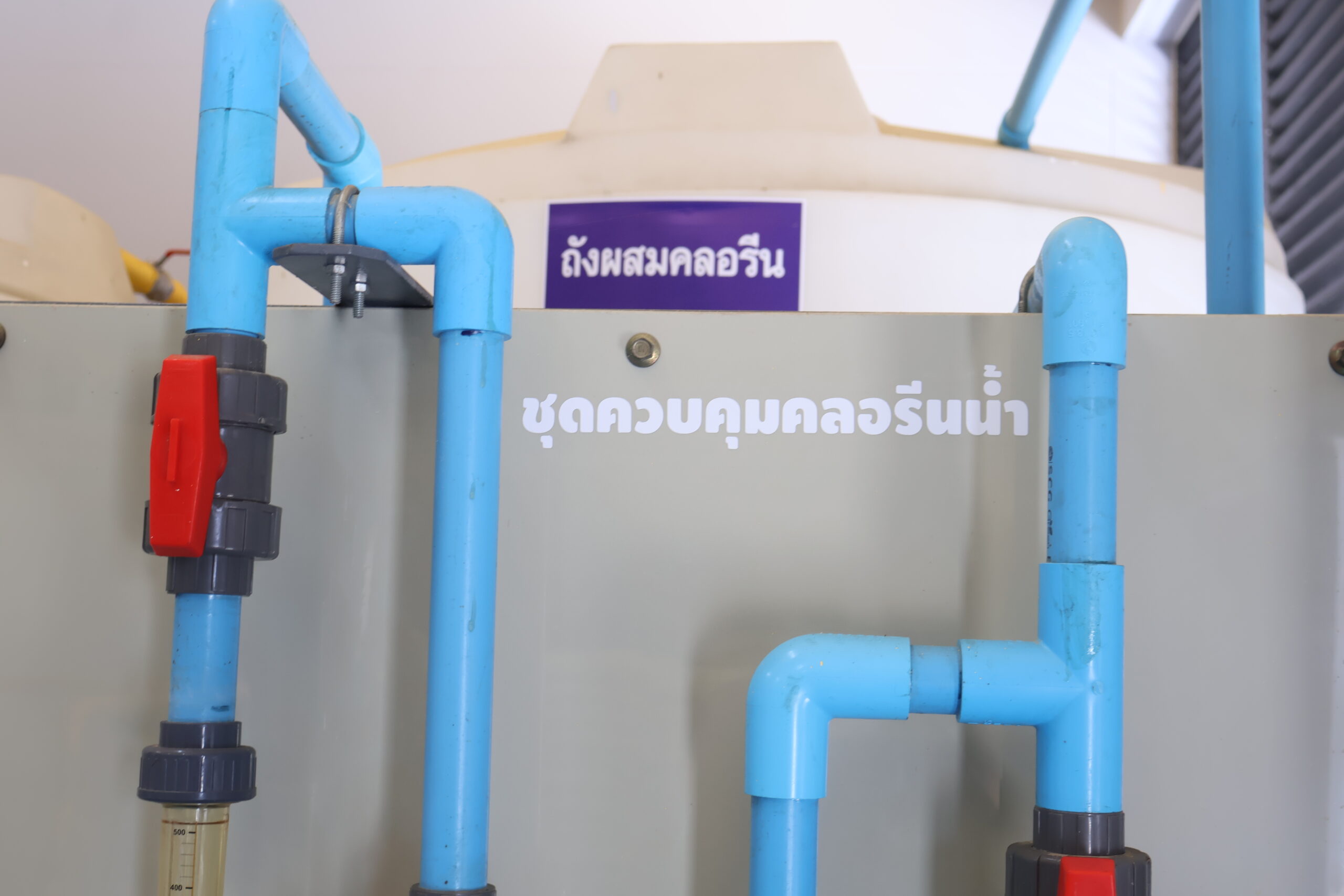
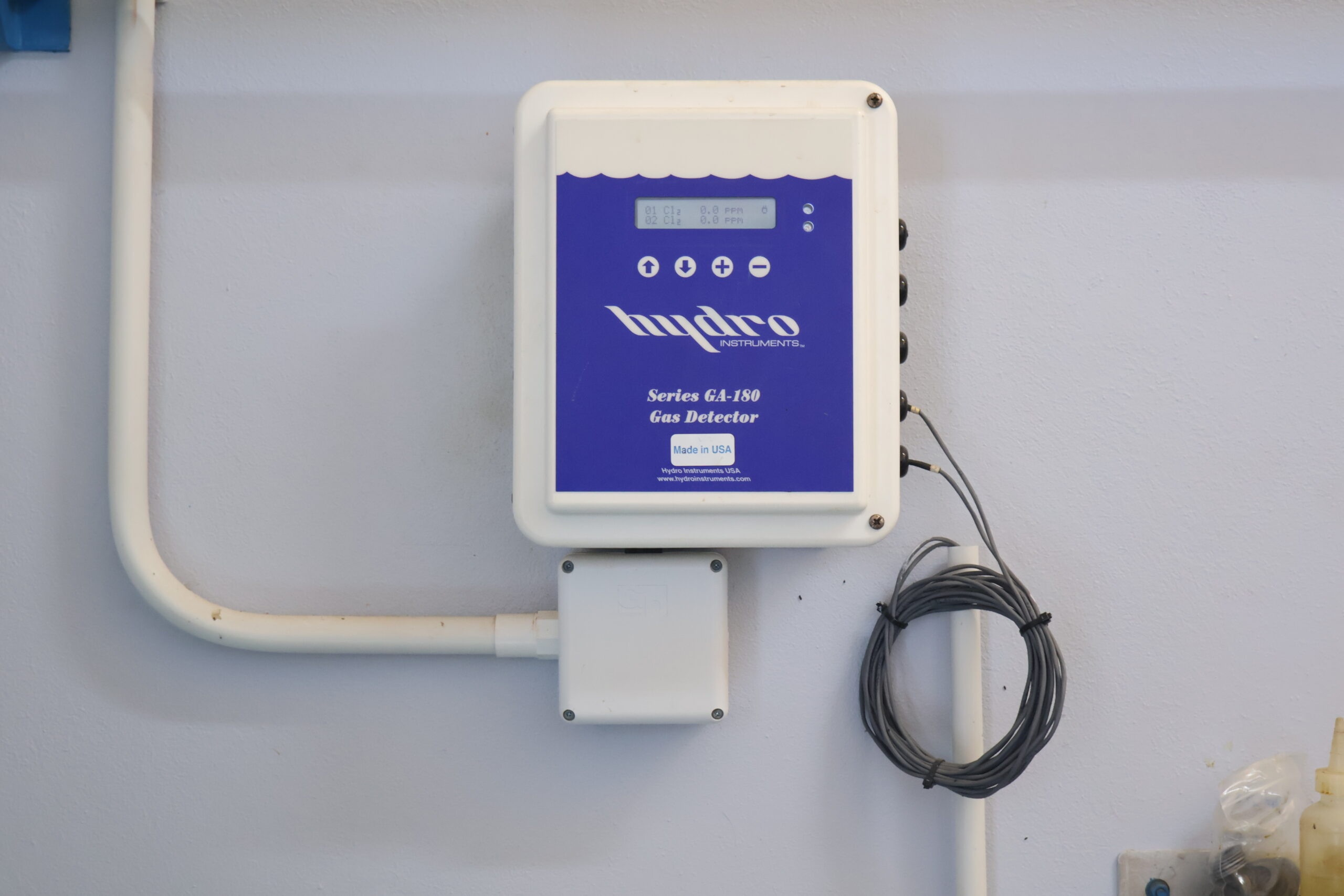
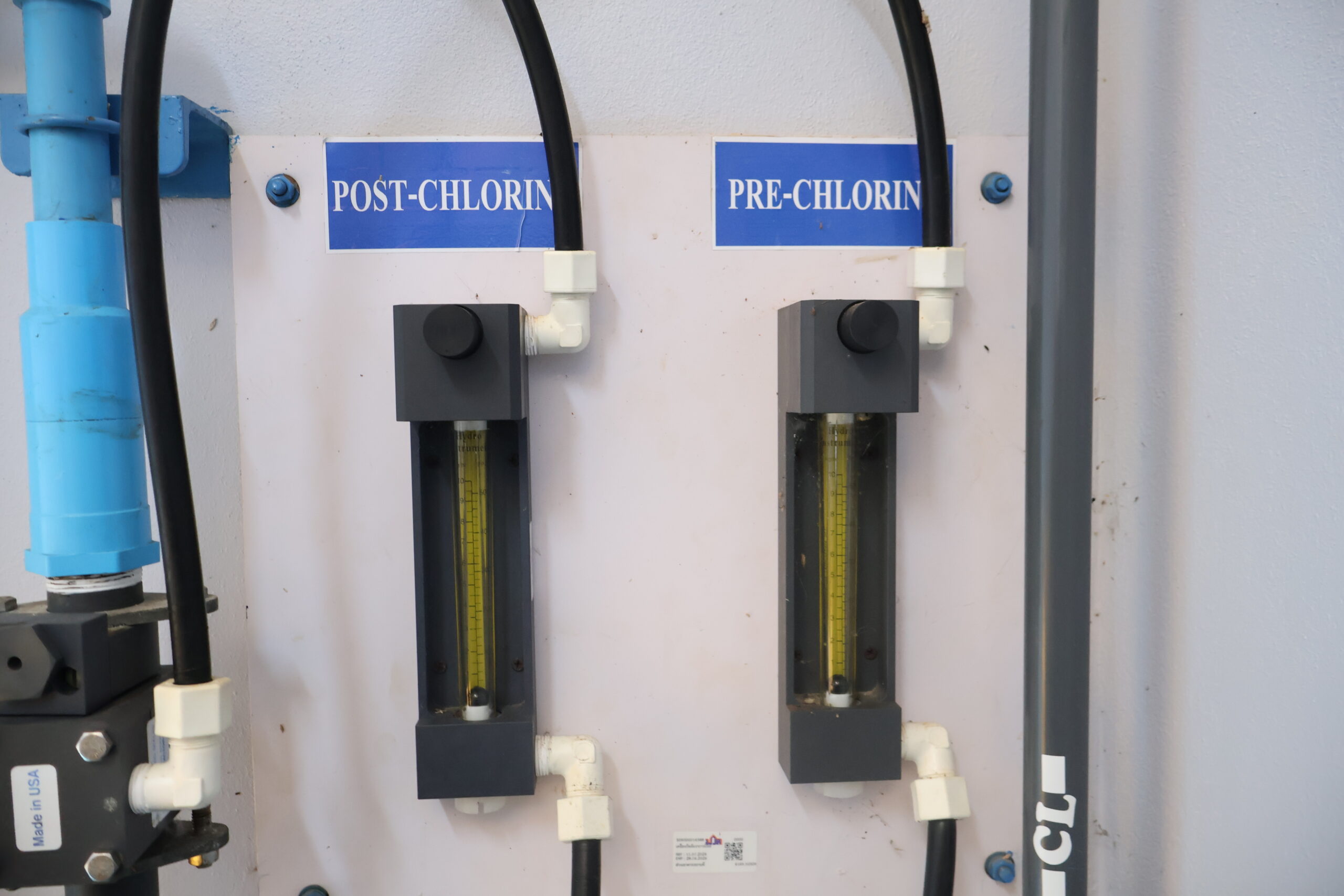
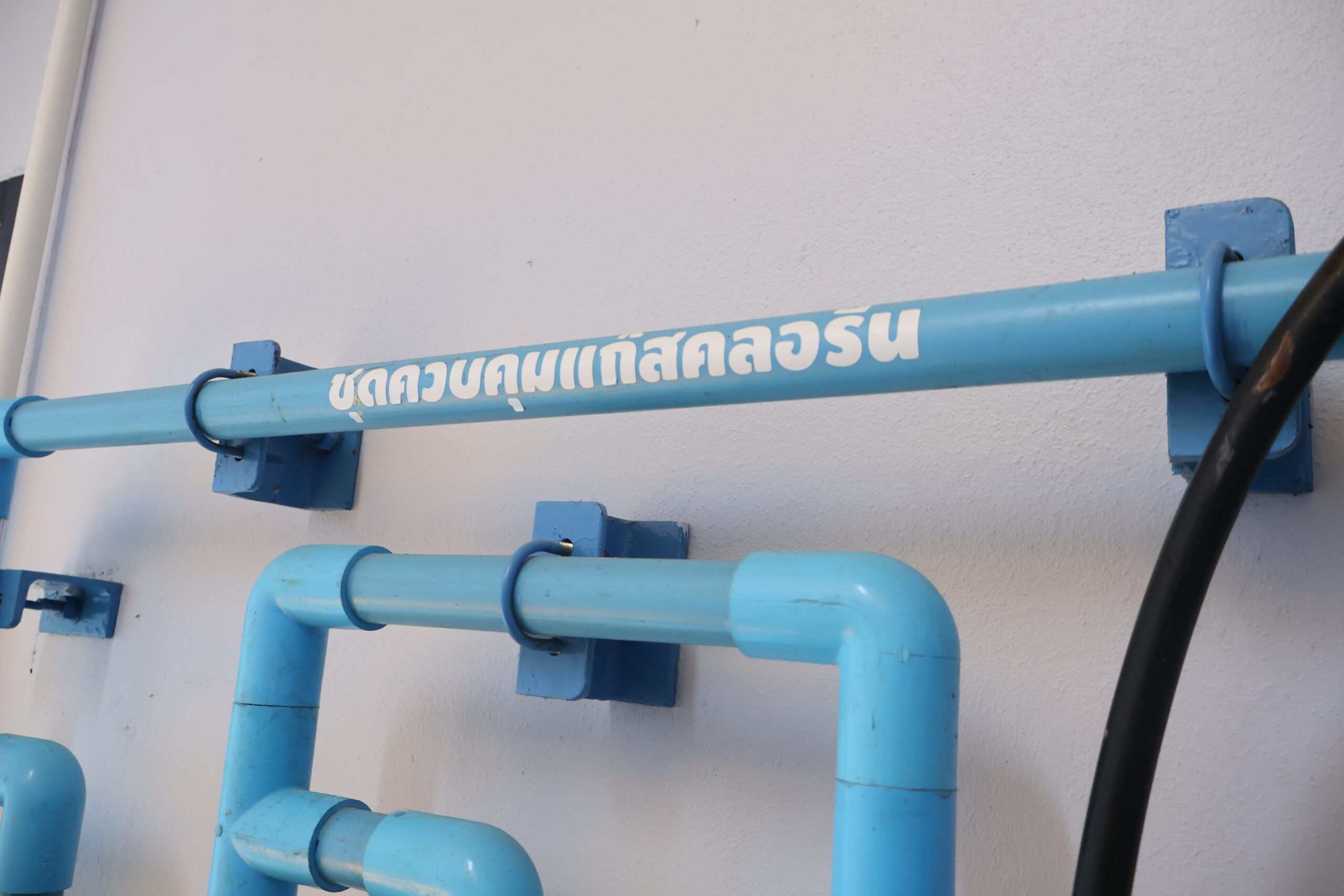
- Chlorination System (vacuum-regulated, max 10 kg/hr) ensures final disinfection of pathogenic microorganisms.
Figures: Chlorination System (Walailak University, Thailand)
Storage and Distribution:
- Treated water is stored in clear water tanks (1,500 m³ each, epoxy-coated with corrosion protection) equipped with radar level sensors and balance tanks for maintenance.
- Distribution is carried out through four water supply pumps (200 m³/hr at 35 m head, Siemens-driven with VFD control) to educational and residential zones.
Water Supply System Maintenance:
- The university continuously produces 400 m³/hr of potable water, with filters regularly backwashed to maintain performance.
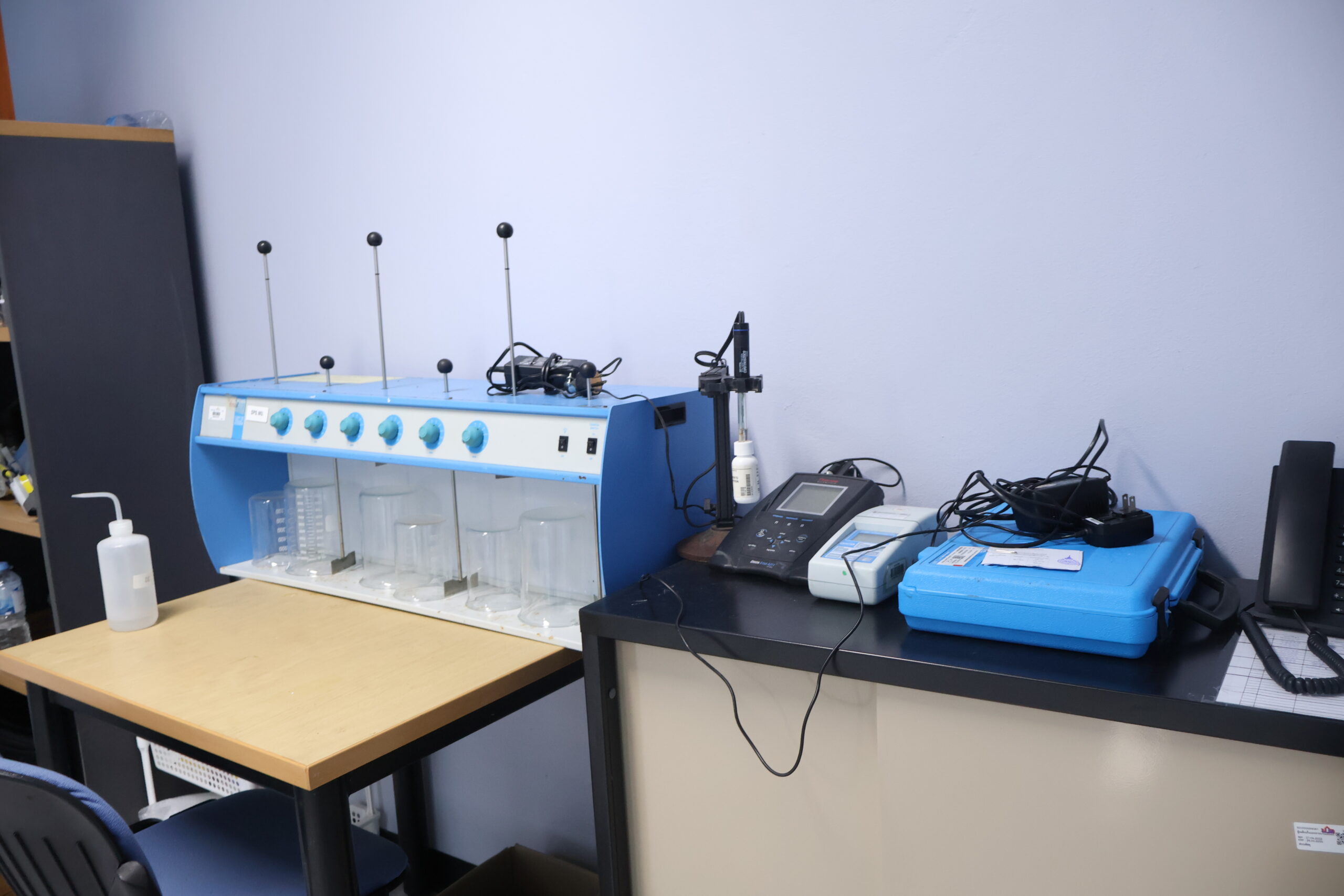
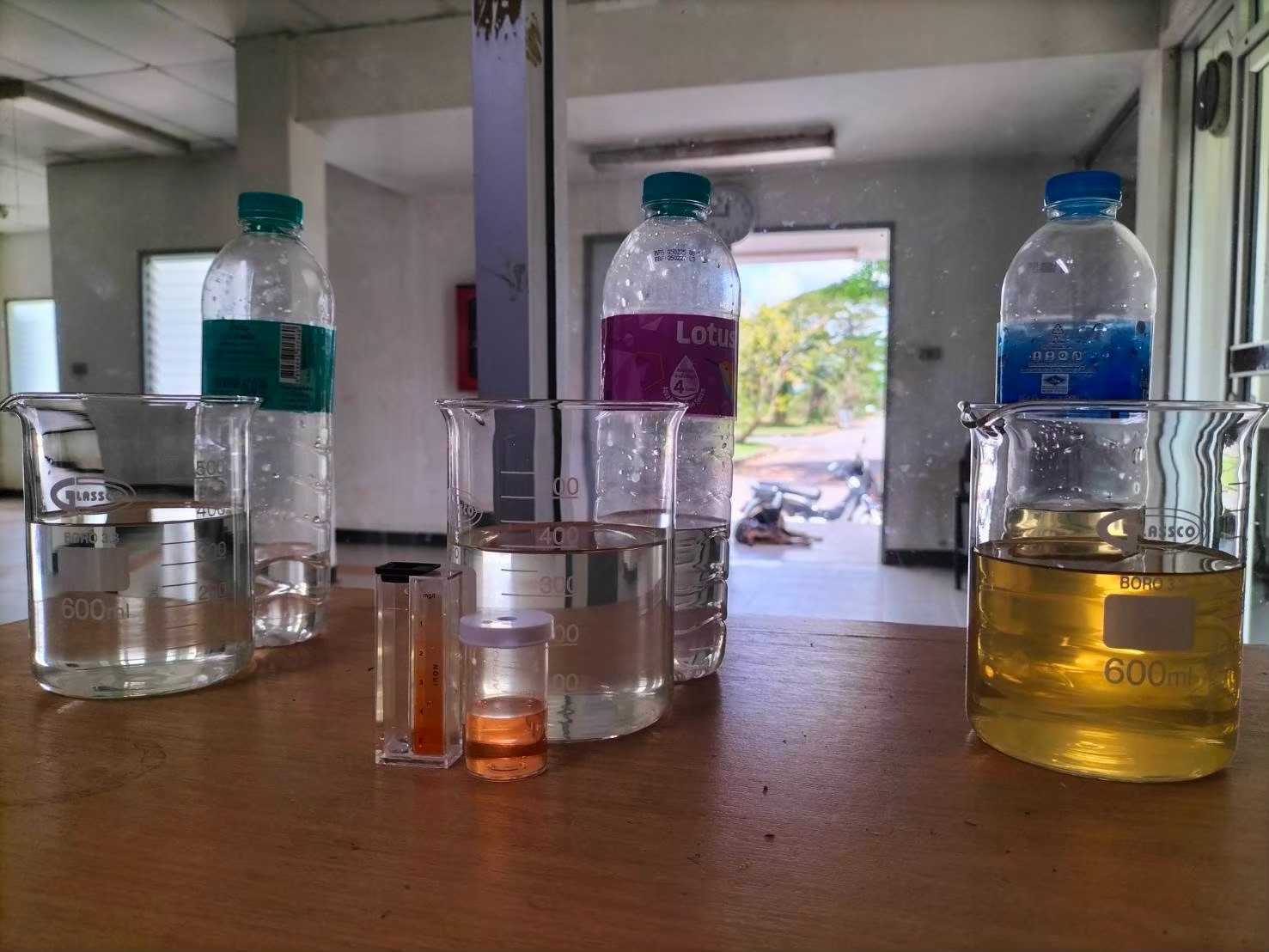
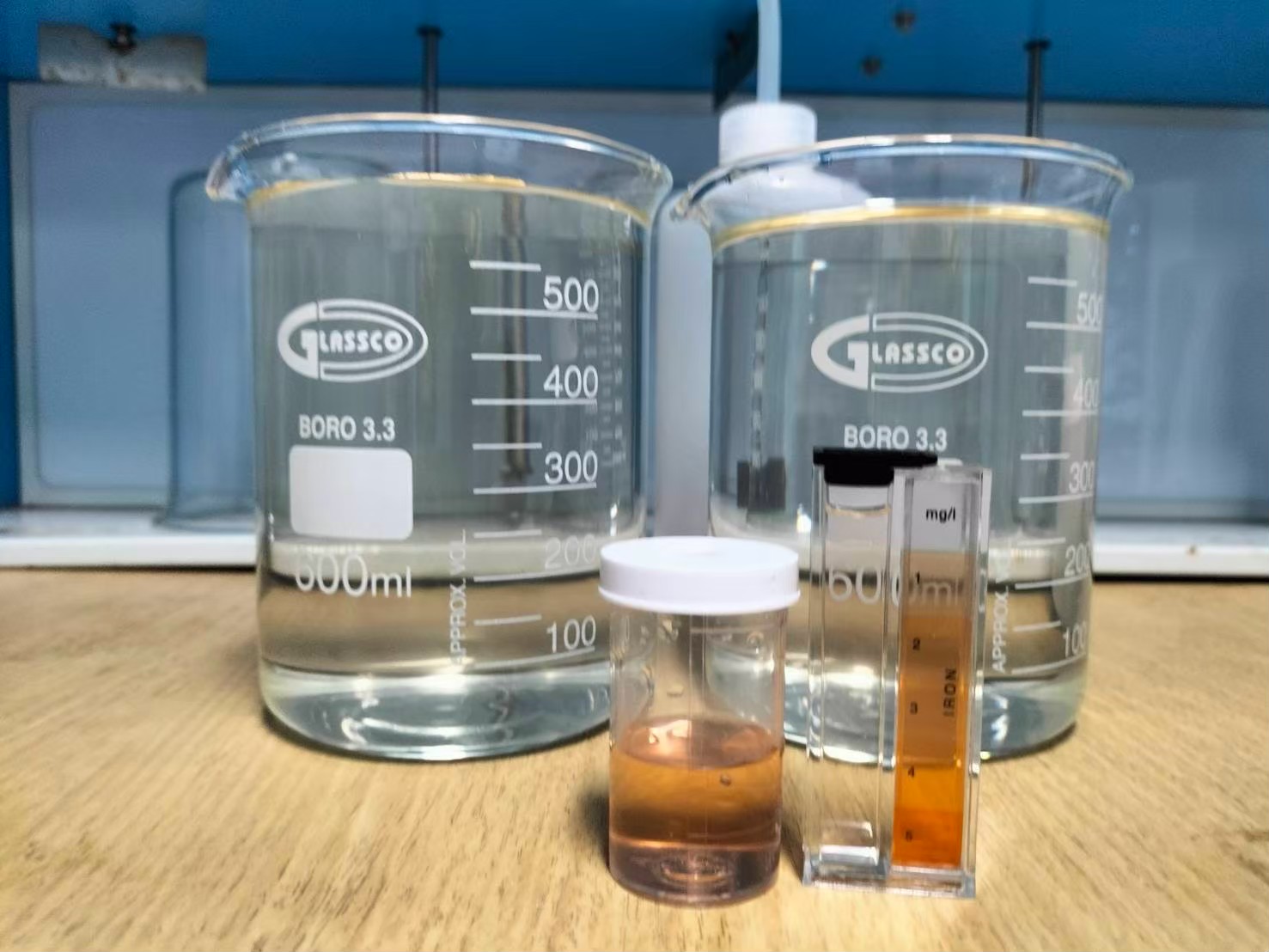
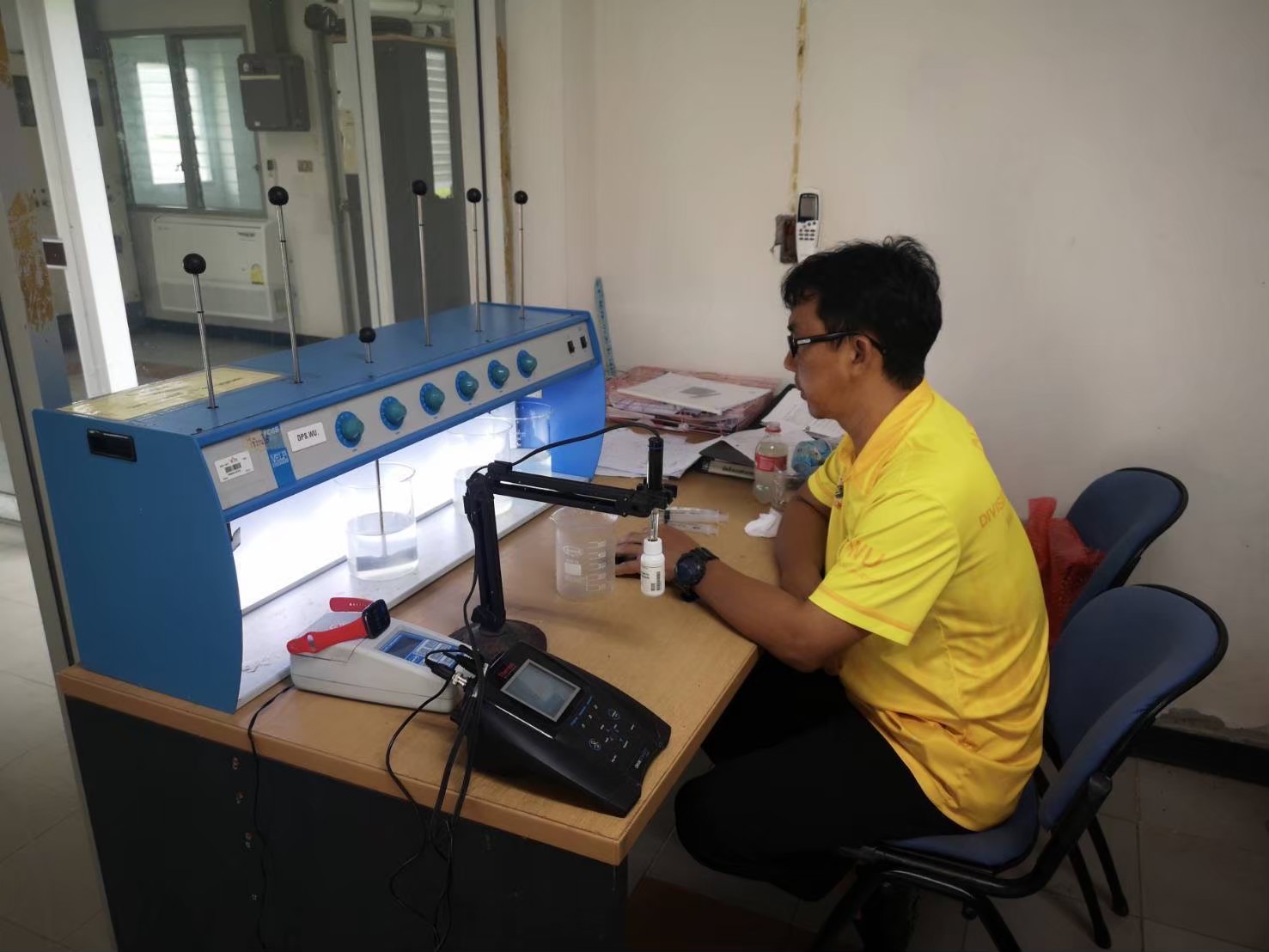
- Continuous monitoring of pH, turbidity, and color ensures compliance with national water quality standards.
- Backup generators, pumps, and pipelines undergo preventive maintenance for reliability.
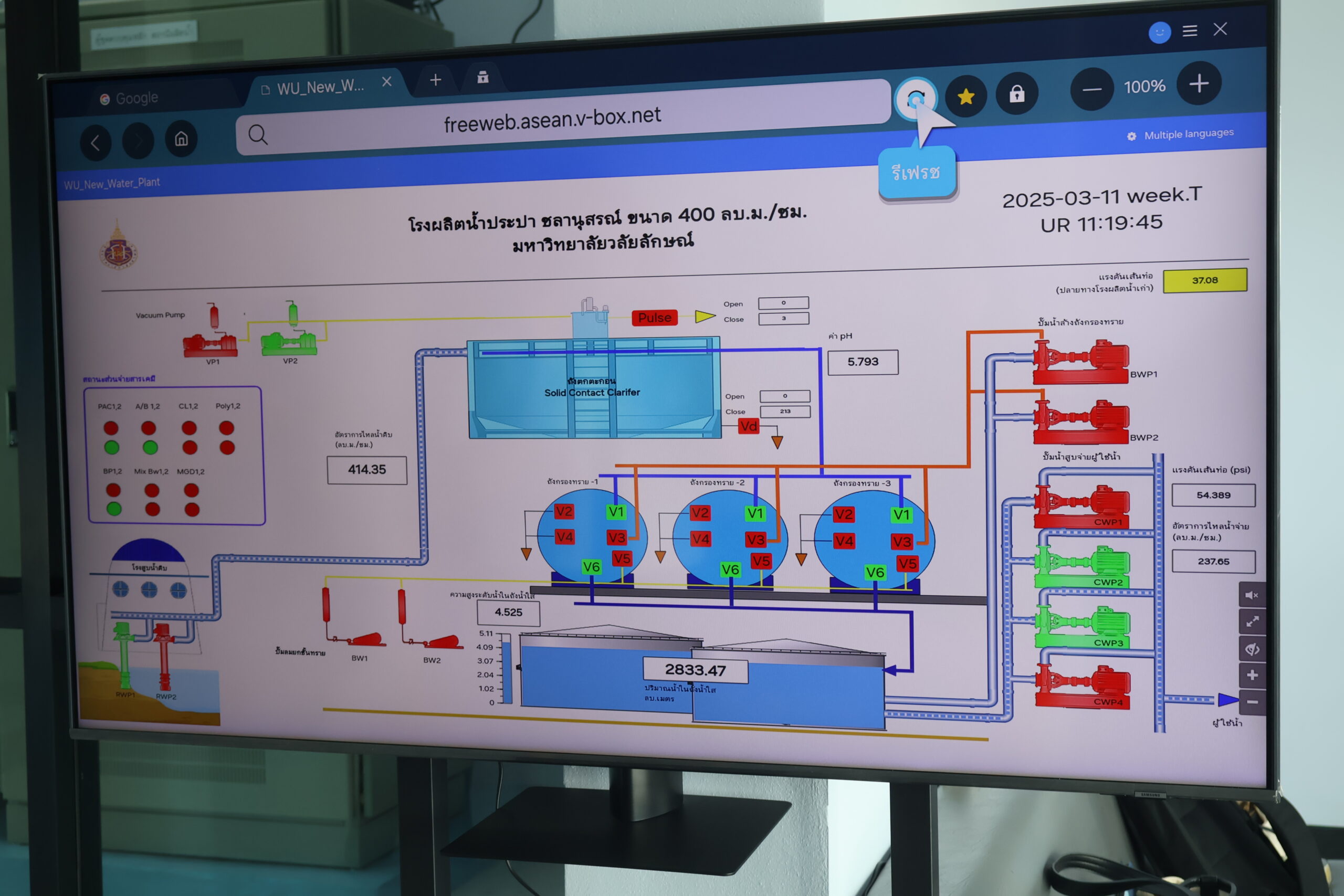
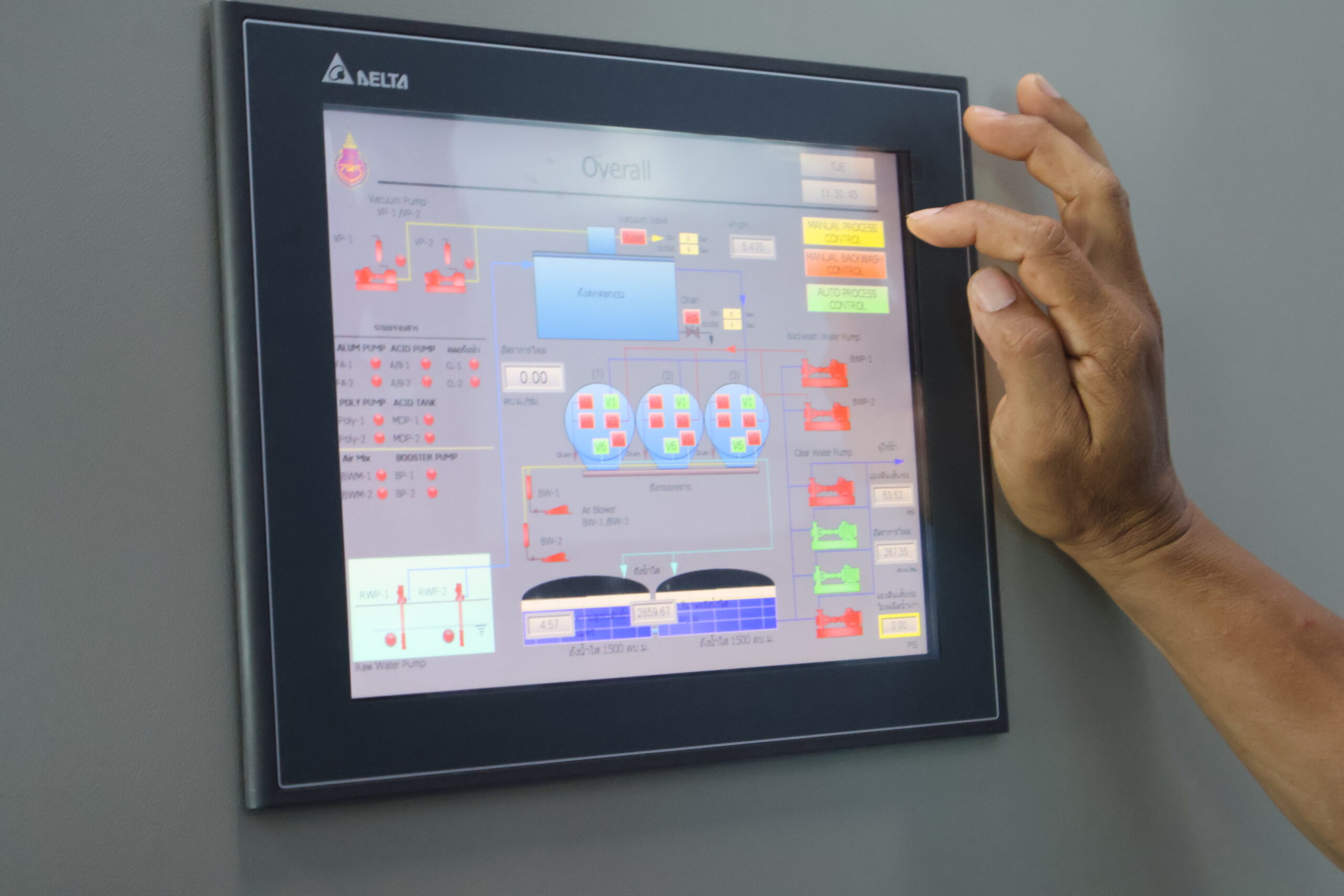
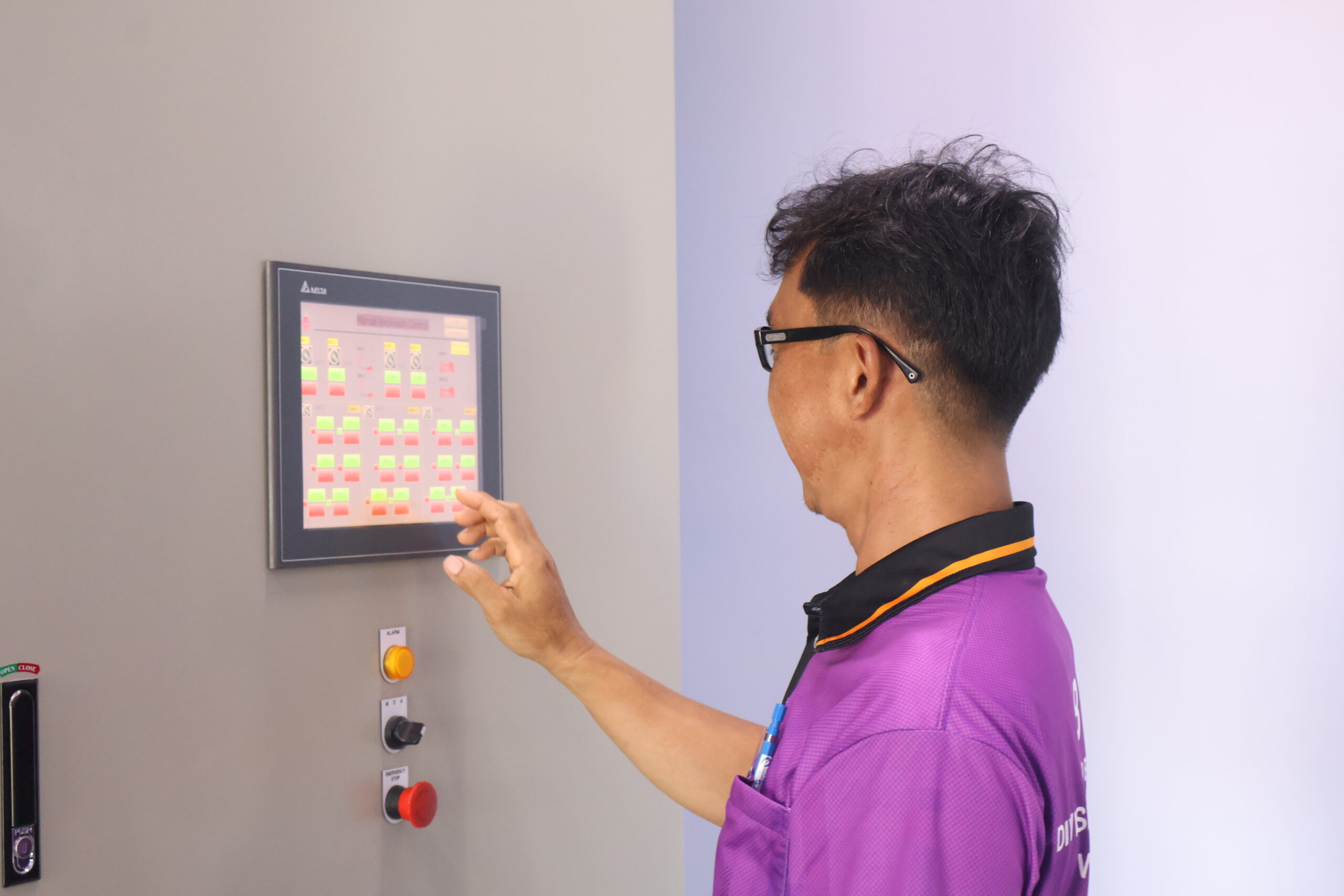
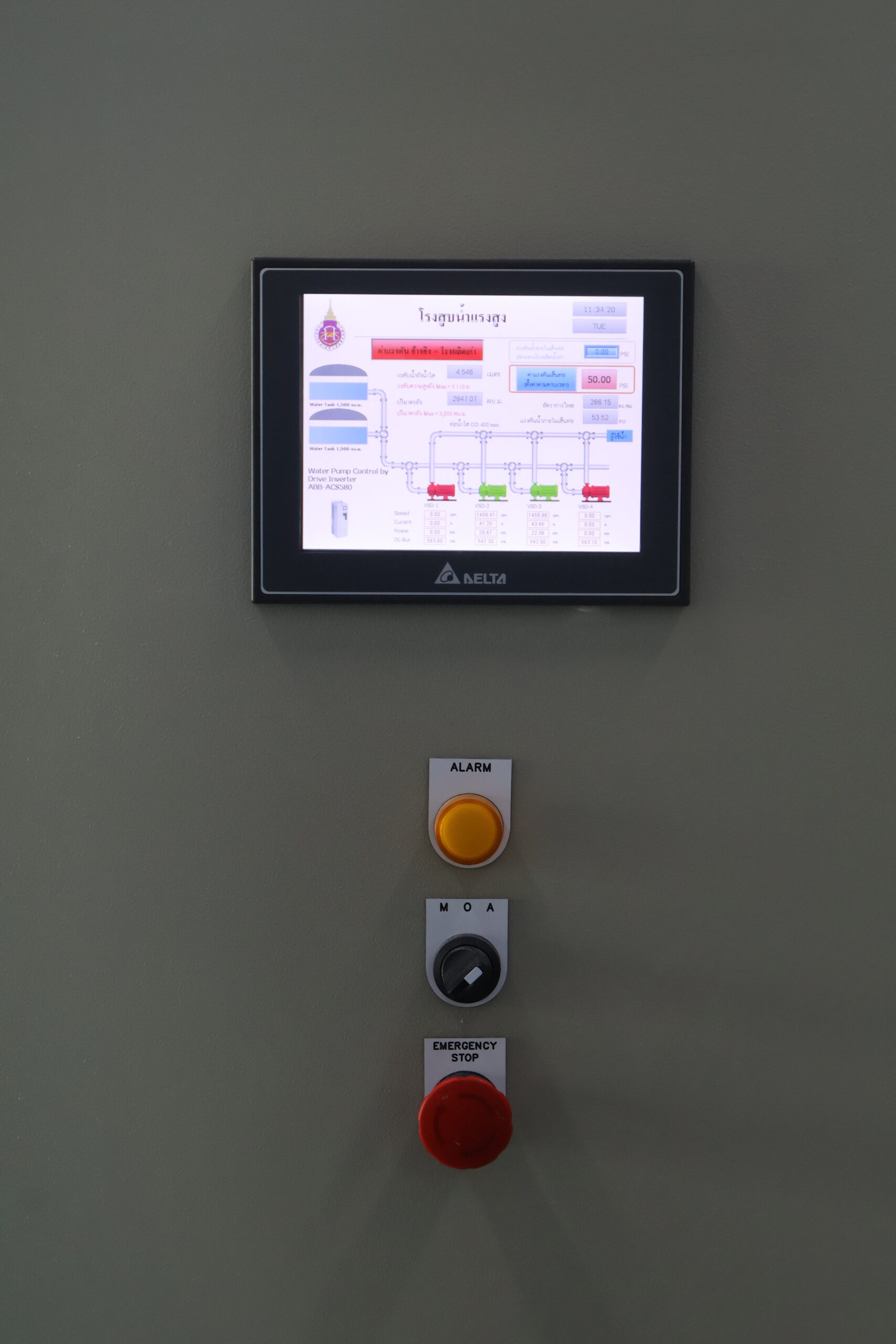
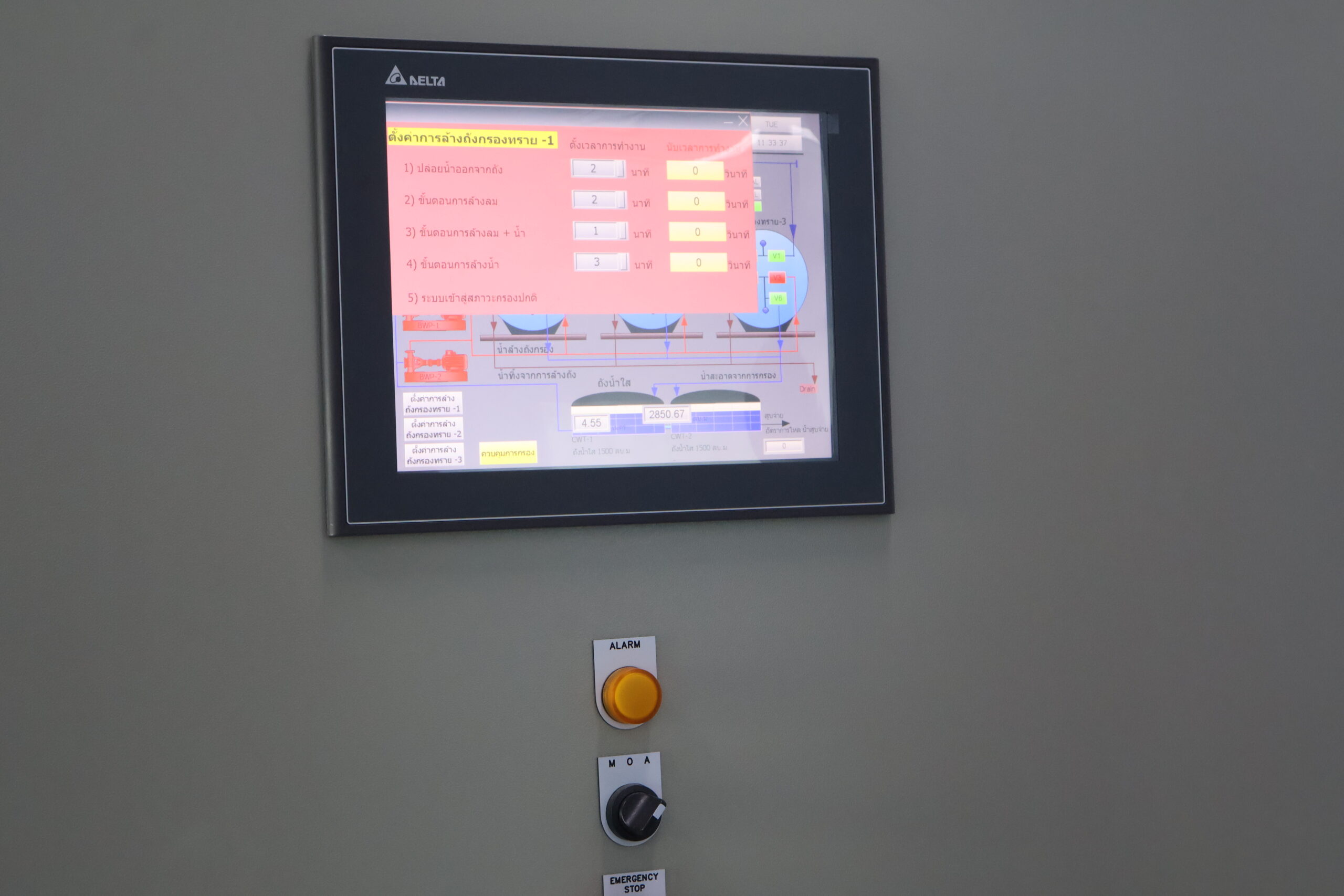
- The automation and PLC control room provides both automatic and manual operation modes for operational safety.
Figures: The automation and PLC control room.
Figures: Wastewater Treatment Plant of Walailak University.