
The Plans for Energy-Efficient Upgrades
Inefficient energy use is a key barrier to achieving Green University status, which represents environmental responsibility and sustainable innovation. WU, however, leads this shift with 80.80% of its infrastructure now classified as Smart Buildings. By integrating advanced technologies to boost efficiency, cut carbon emissions, and optimize operations, WU has plans to upgrade existing buildings to higher energy efficiency and sets a model for sustainability in higher education.
Smart Buildings & Energy Efficiency Enhancements
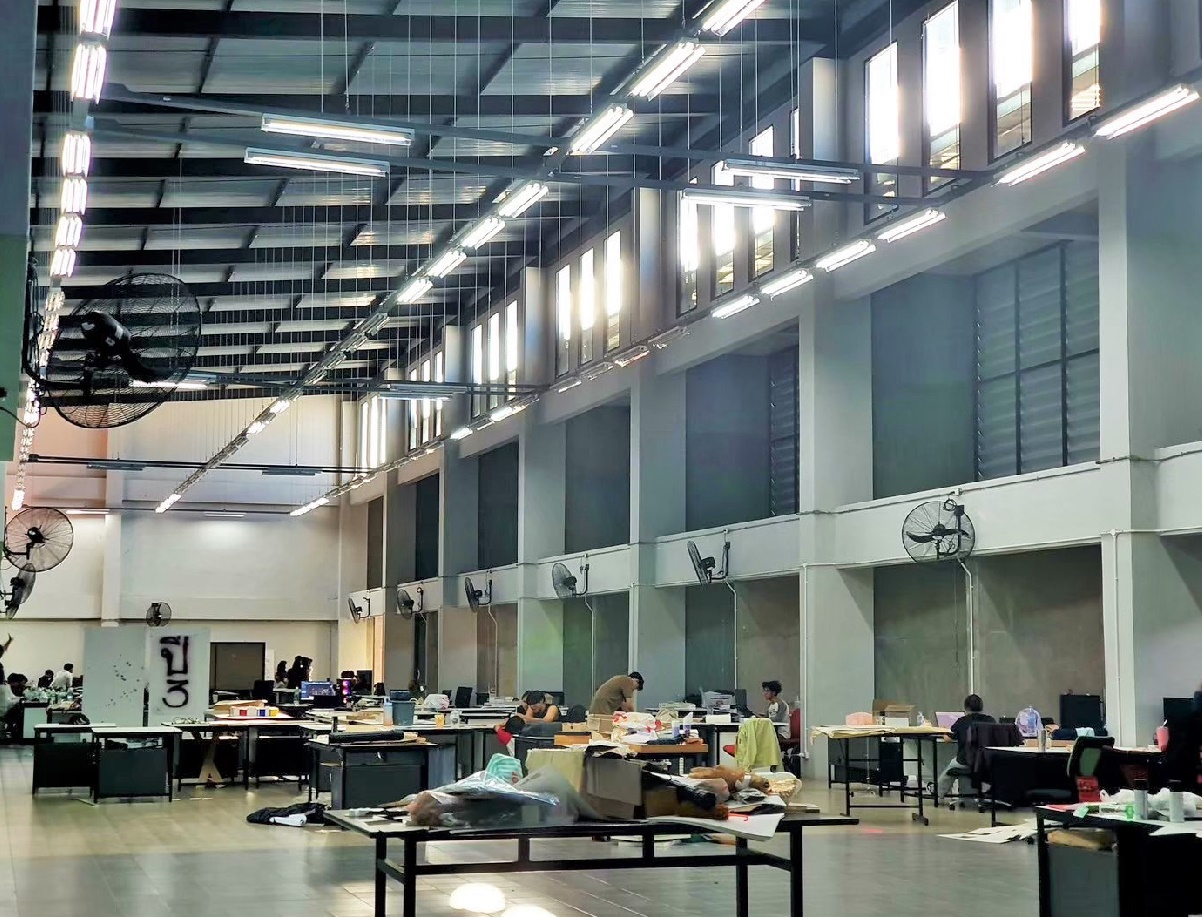
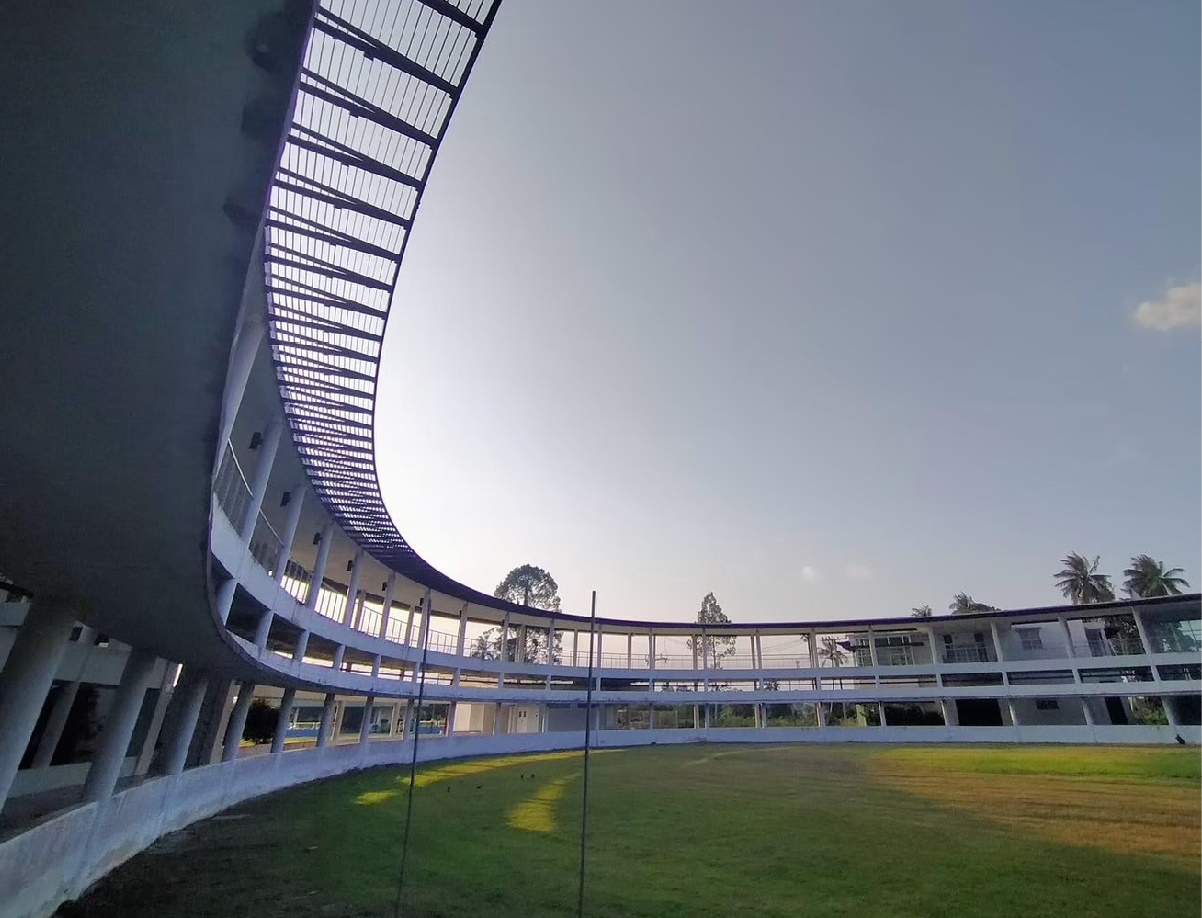
The university has implemented various energy-saving plans, including automated lighting and climate control systems that adjust based on real-time occupancy, significantly cutting energy waste. Real-time energy monitoring ensures continuous optimization, while fire suppression and security systems operate efficiently without compromising safety. Additionally, the adoption of LED lighting, motion sensors, and natural light utilization further reduces overall energy demand.
Strategic Energy Efficiency Upgrades
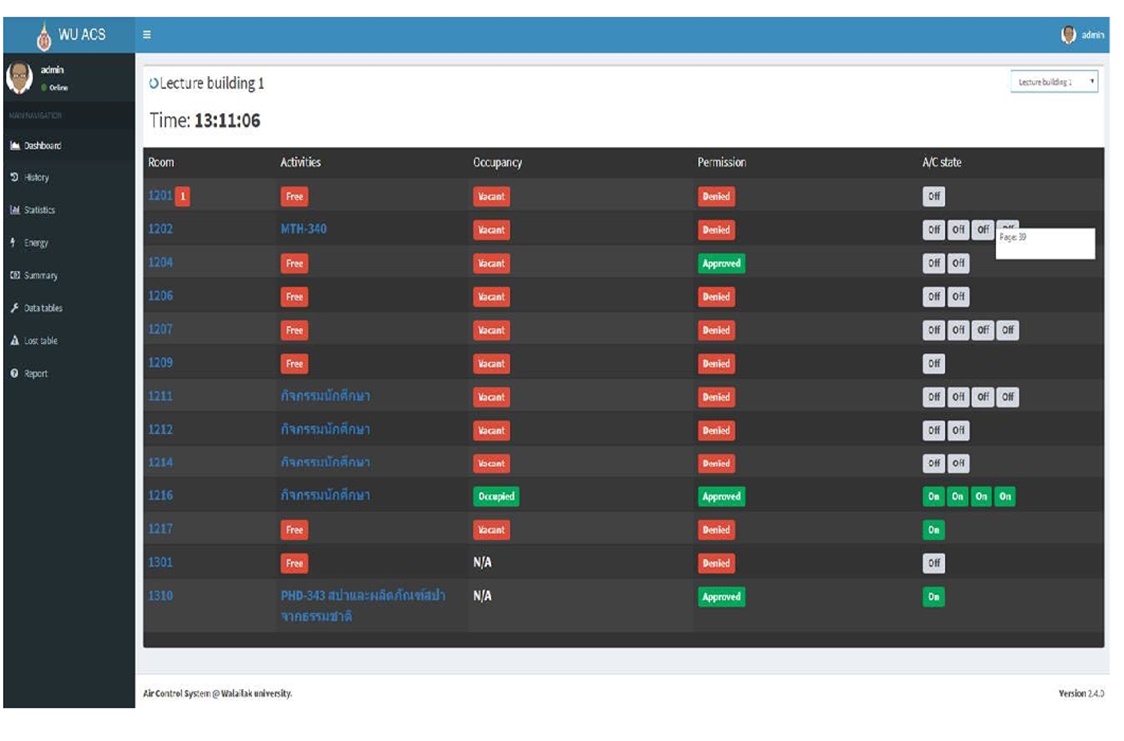
To advance sustainability, The university is upgrading its infrastructure with Wi-Fi-controlled air conditioning that adjusts to real-time conditions, supported by regular maintenance and expanded automated climate control. The Smart Campus System is also being strengthened through digital correspondence (DOMs), the E-Car System for green transportation, and HRMS to streamline processes and reduce energy use.
Renewable Energy Integration & ICT-Driven Sustainability
WU is planning on the use of renewable energy through real-time solar power monitoring and AI-driven energy management system, while new solar projects further reduce reliance on non-renewable sources.
The integration of Information and Communication Technology (ICT) is central to the university’s energy and climate initiatives. The Carbon Neutrality Steering Committee leverages ICT tools for data-driven decision-making to cut emissions. Additionally, Wi-Fi-based air conditioning scheduling and smart energy management platforms ensure optimal energy efficiency through real-time tracking and control. This helps reduce electricity wastage on campus, contributing to the fight against climate change.

Goal 1: No Poverty
Goal 4: Quality education
Goal 17: Partnerships for the Goals