
Energy Efficiency Plan for a Sustainable Future
Despite WU’s advancements in energy-efficient infrastructure, these efforts alone are insufficient to achieve the institution’s ambitious energy consumption targets. Thus, WU continually has an energy efficiency plan in place to reduce overall energy consumption, aiming to lower energy usage of the campus annually and foster a culture of conservation across campus by combining appliance upgrades, renewable energy adoption, and smart energy management systems in the year 2024. WU remains steadfast to sustainability and reducing energy consumption in alignment with the Energy Efficiency Development Plan.
Upgrading to Energy-Efficient Appliances
A key component of WU’s plan involves replacing outdated equipment with energy-efficient models. The university has completed a full transition to LED lighting, reducing energy consumption for lighting by 80%. Additionally, 100% of WU’s air conditioning units have been replaced with high-efficiency inverter models that cut electricity usage by 40% while offering advanced temperature control. To further enhance efficiency, all university computers are now Energy Star-certified, ensuring 20-30% energy savings compared to conventional devices.
Renewable Energy Integration
WU has embraced renewable energy to diversify its energy sources and reduce reliance on fossil fuels. Solar panels have been installed across the campus to harness clean and sustainable energy. Waste management practices have been enhanced by converting refuse into Refuse Derived Fuel, which is used to generate electricity and thermal energy. The university also utilizes wind and biomass energy, aligning with its goals of carbon neutrality and sustainability.

Renewable Energy (Biogas)
Smart Energy Management Systems
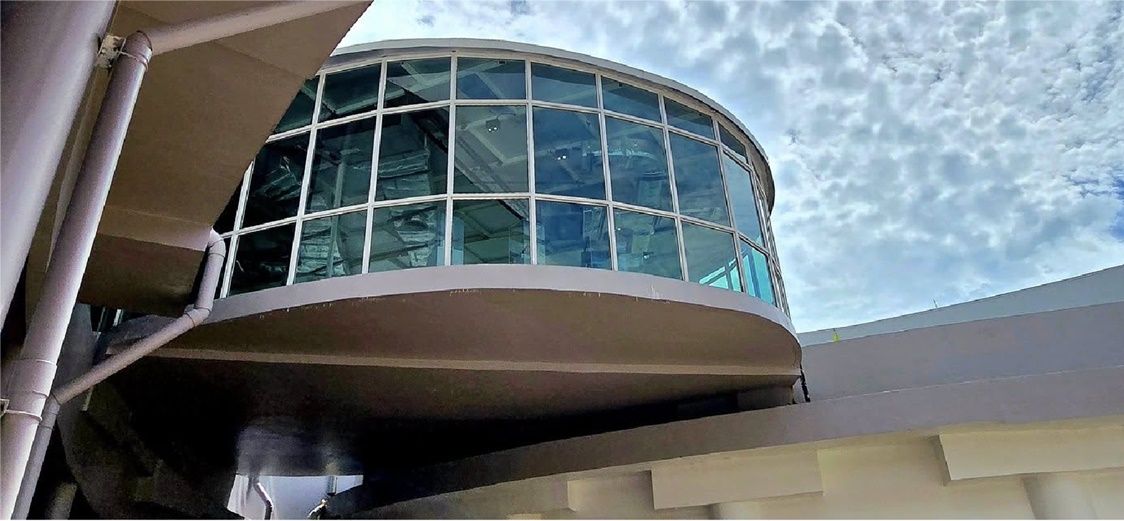
Advanced energy management technologies play a critical role in reducing consumption. Automated air conditioning controls ensure units operate only when rooms are in use, optimizing energy usage. Building designs have been updated to include features such as heat-reducing windows, translucent roofs, and sensor-operated lighting, improving overall energy efficiency across the campus.
Impact on Overall Energy Consumption
According to the energy efficiency plan, the implementation of these energy efficiency measures has resulted in a significant reduction in WU’s electricity usage compared to its baseline year (2016). The university successfully decreased its electricit consumption by approximately 3,127 gigajoules (GJ), representing a 5.64% reduction. In 2016, WU’s total electricity consumption was 55,401 GJ, which has now decreased to 52,274 GJ in 2024.
WU’s energy efficiency plan has already yielded substantial results. In 2024, the university’s appliance and lighting upgrades are expected to reduce greenhouse gas emissions by 7,926.252 tons of CO2 equivalent, marking significant progress toward the university’s sustainability target.



Goal 7: Affordable and Clean Energy