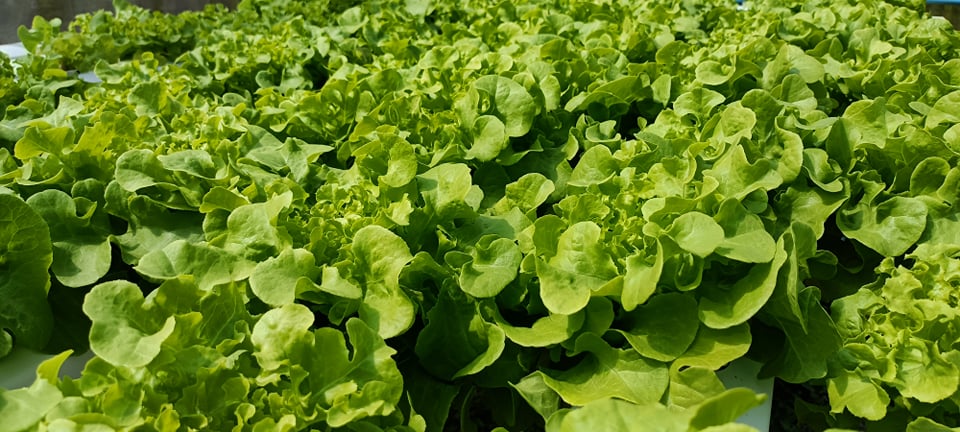
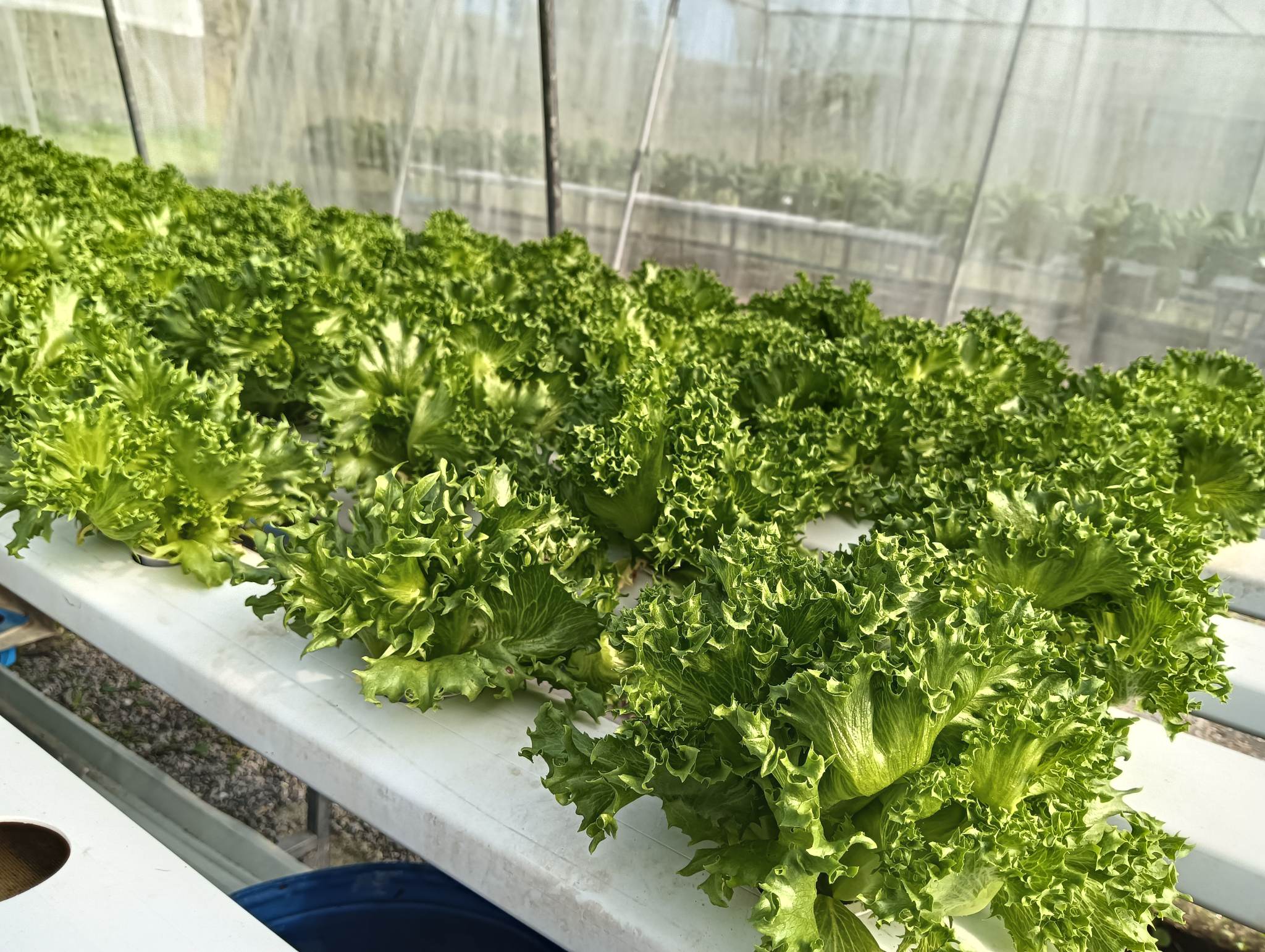
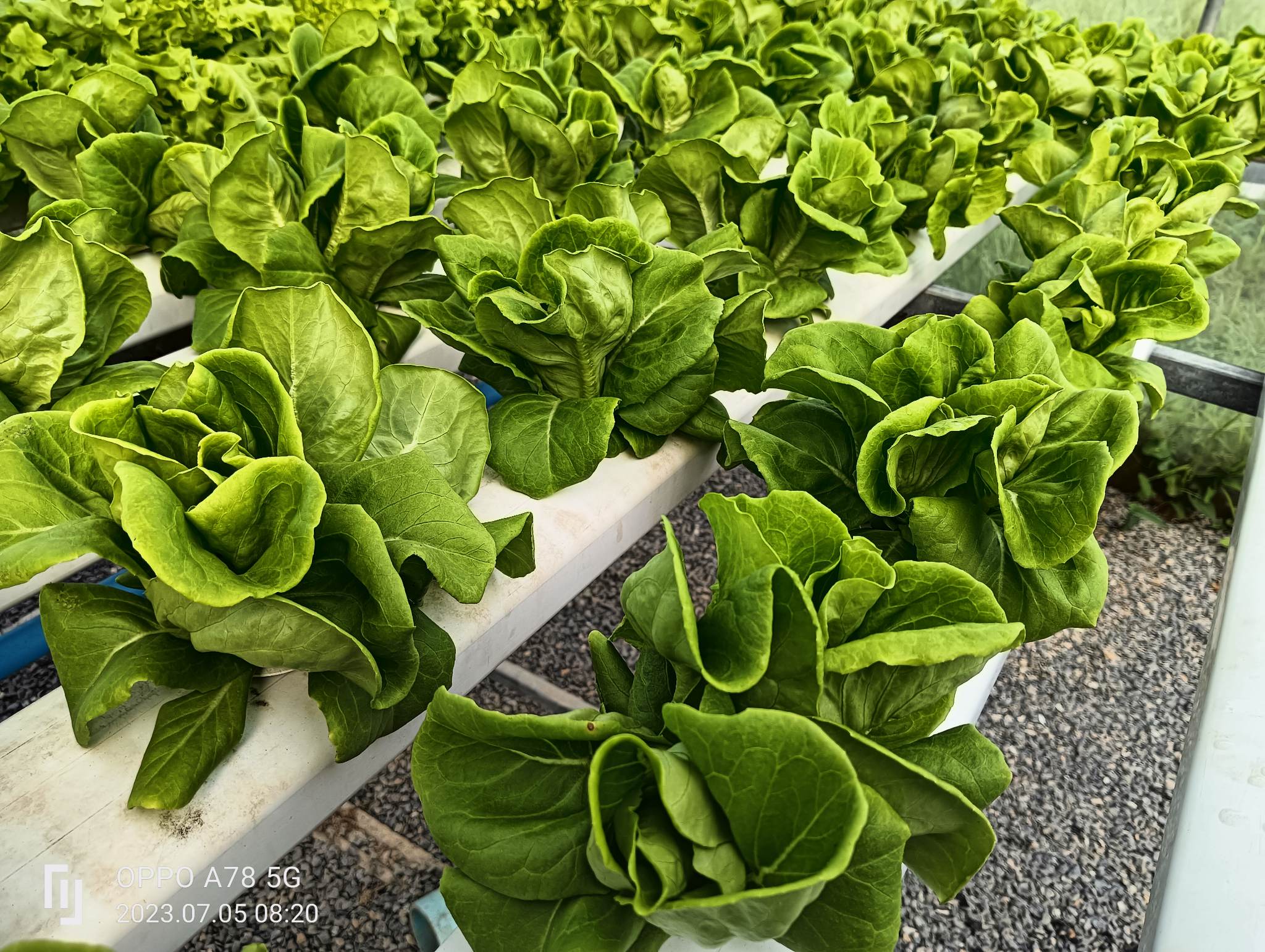
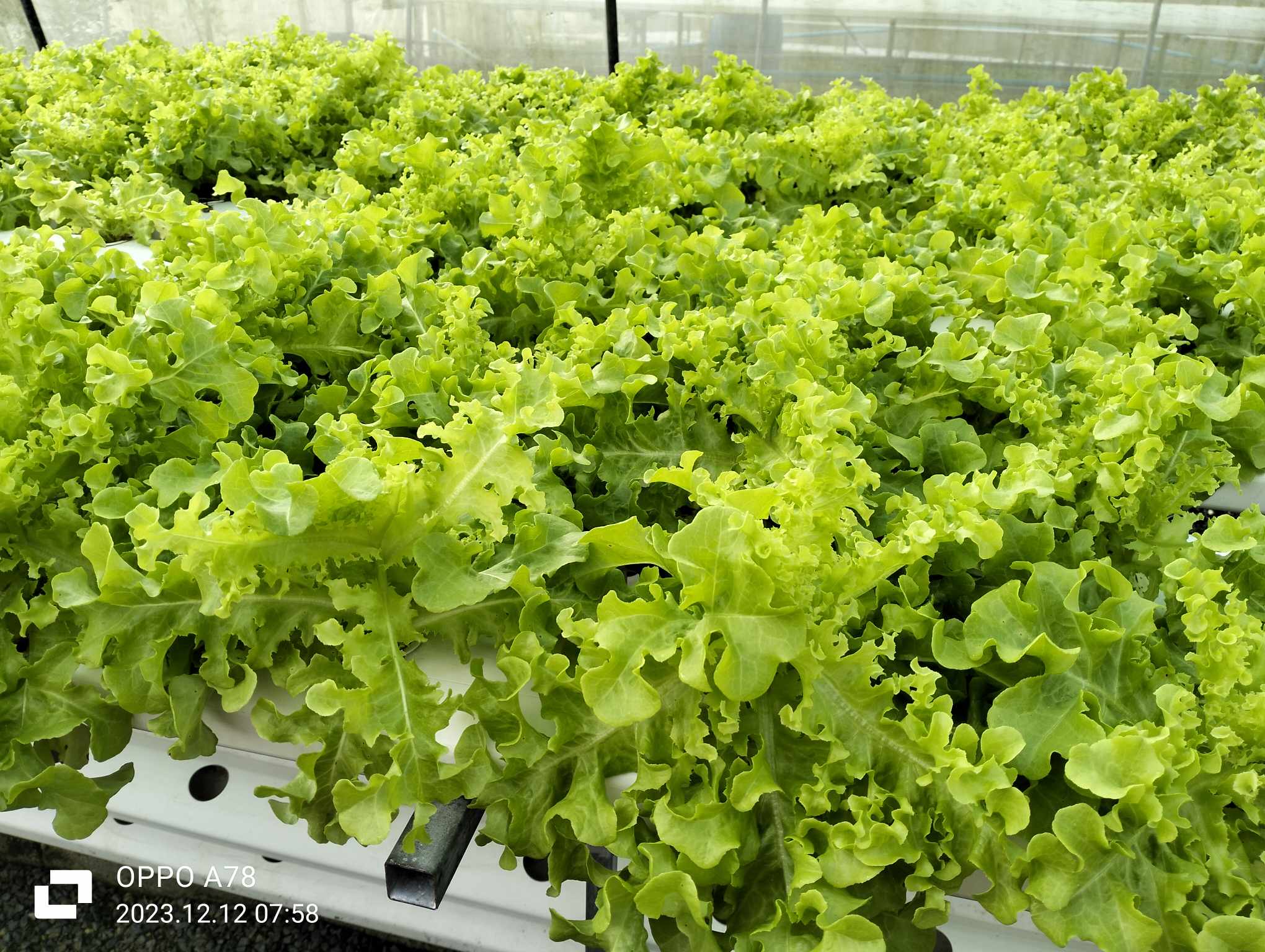
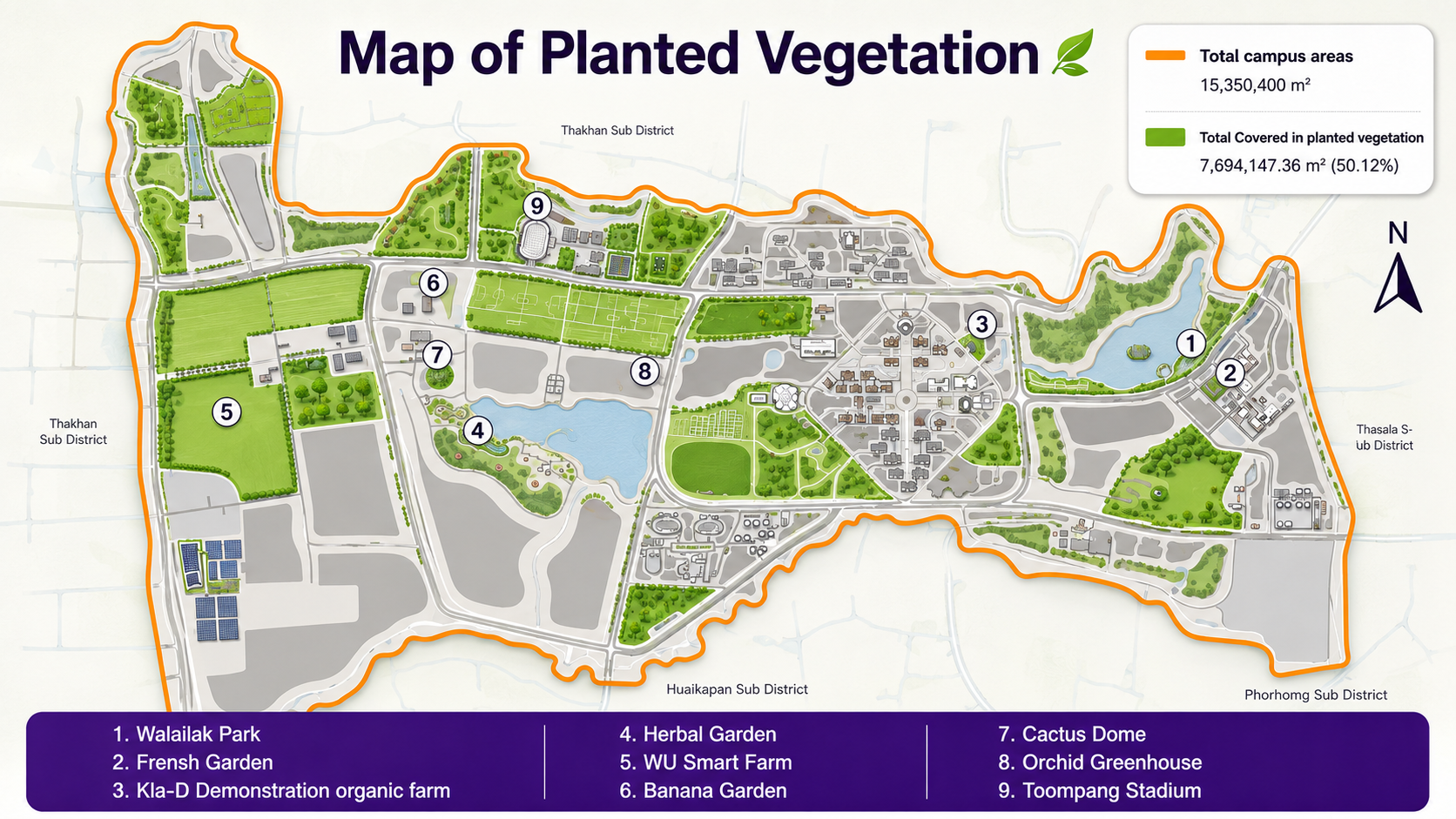
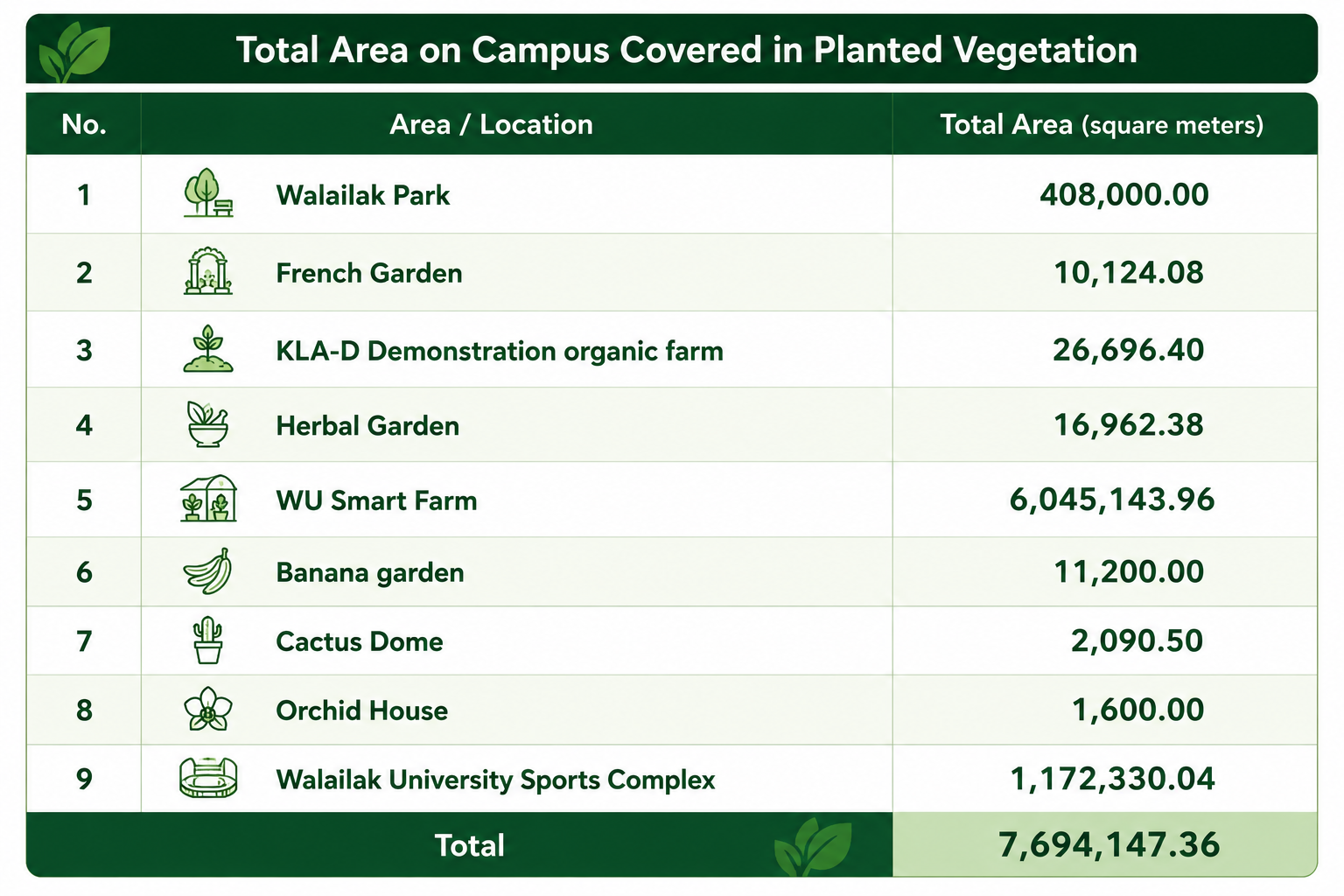
Total area on campus covered in planted vegetation
Total area on campus covered in planted vegetation
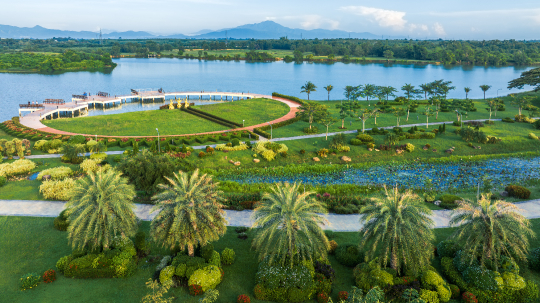
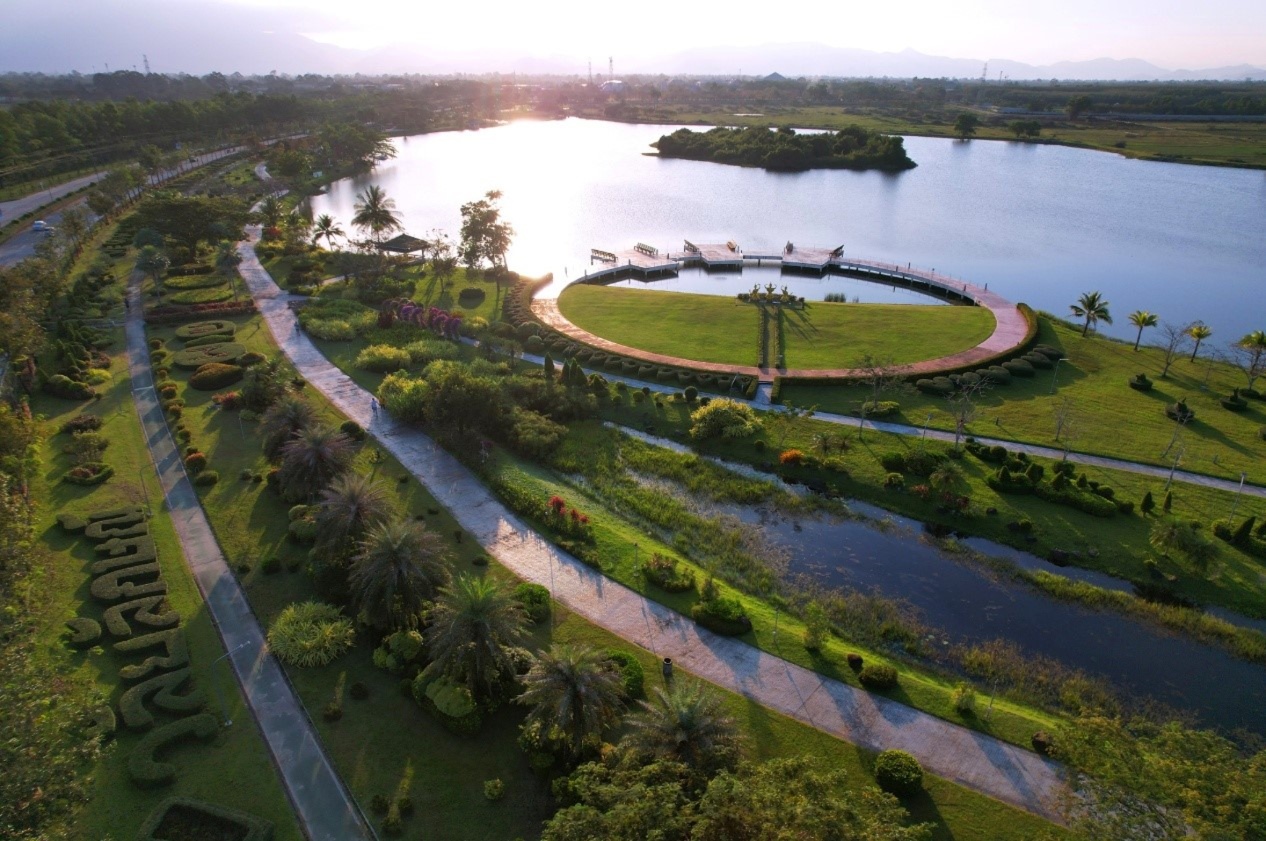
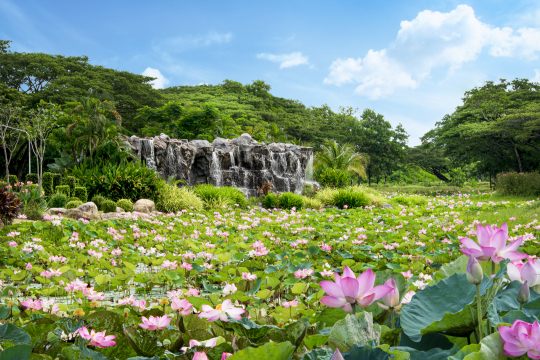
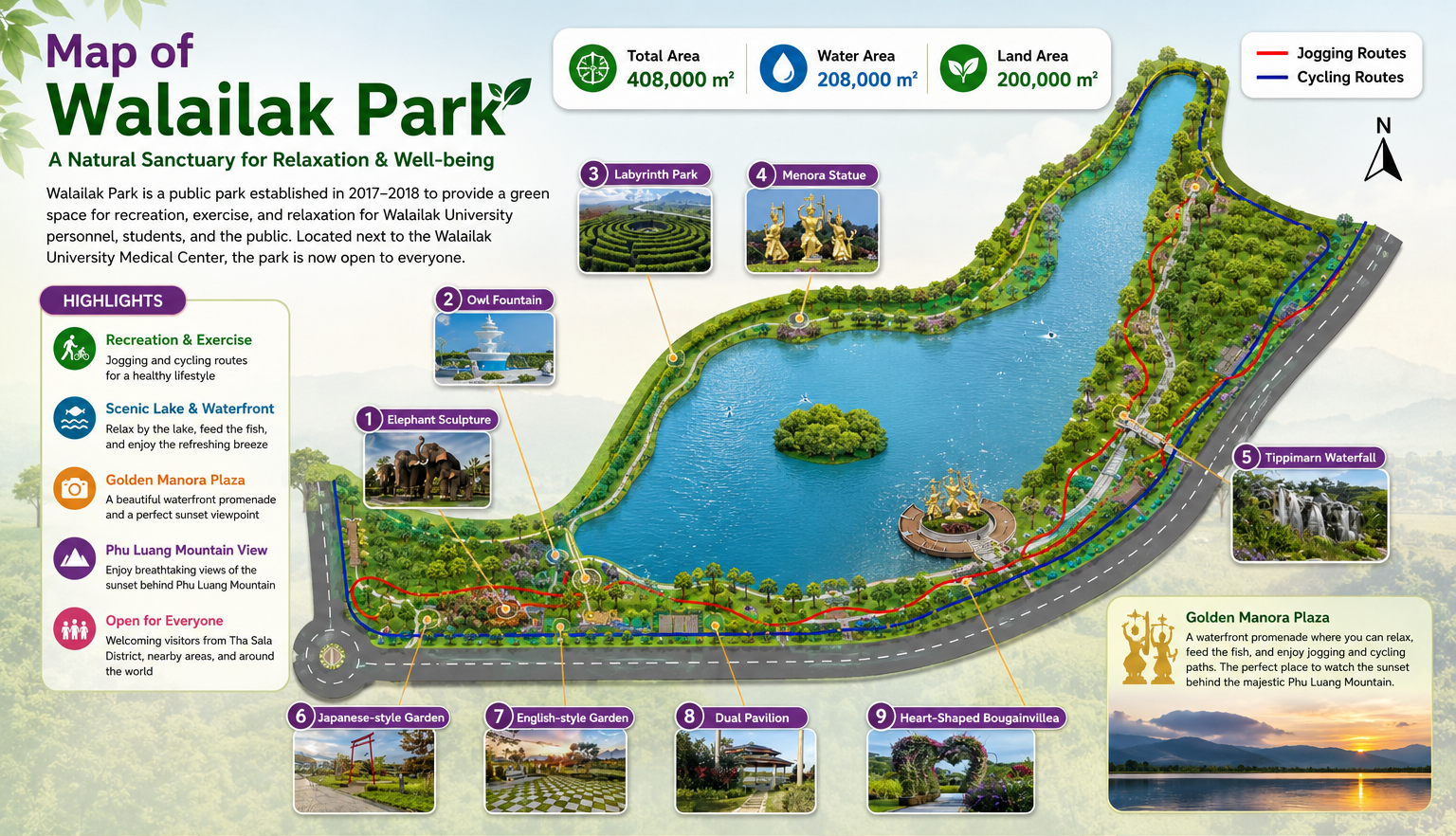
1. Walailak Park
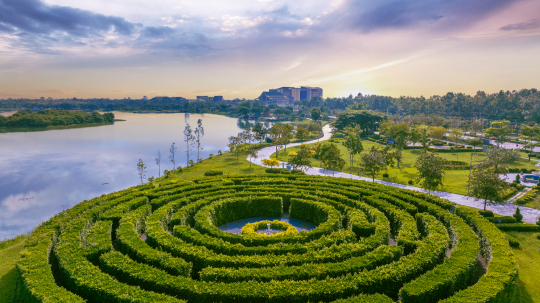
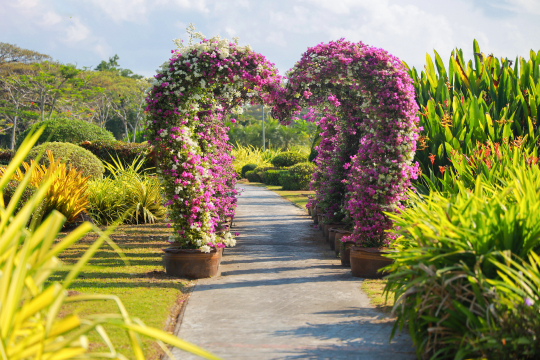
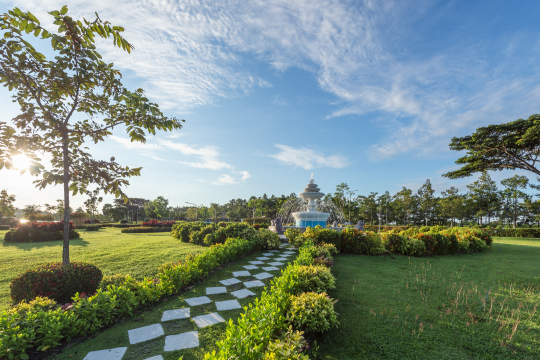
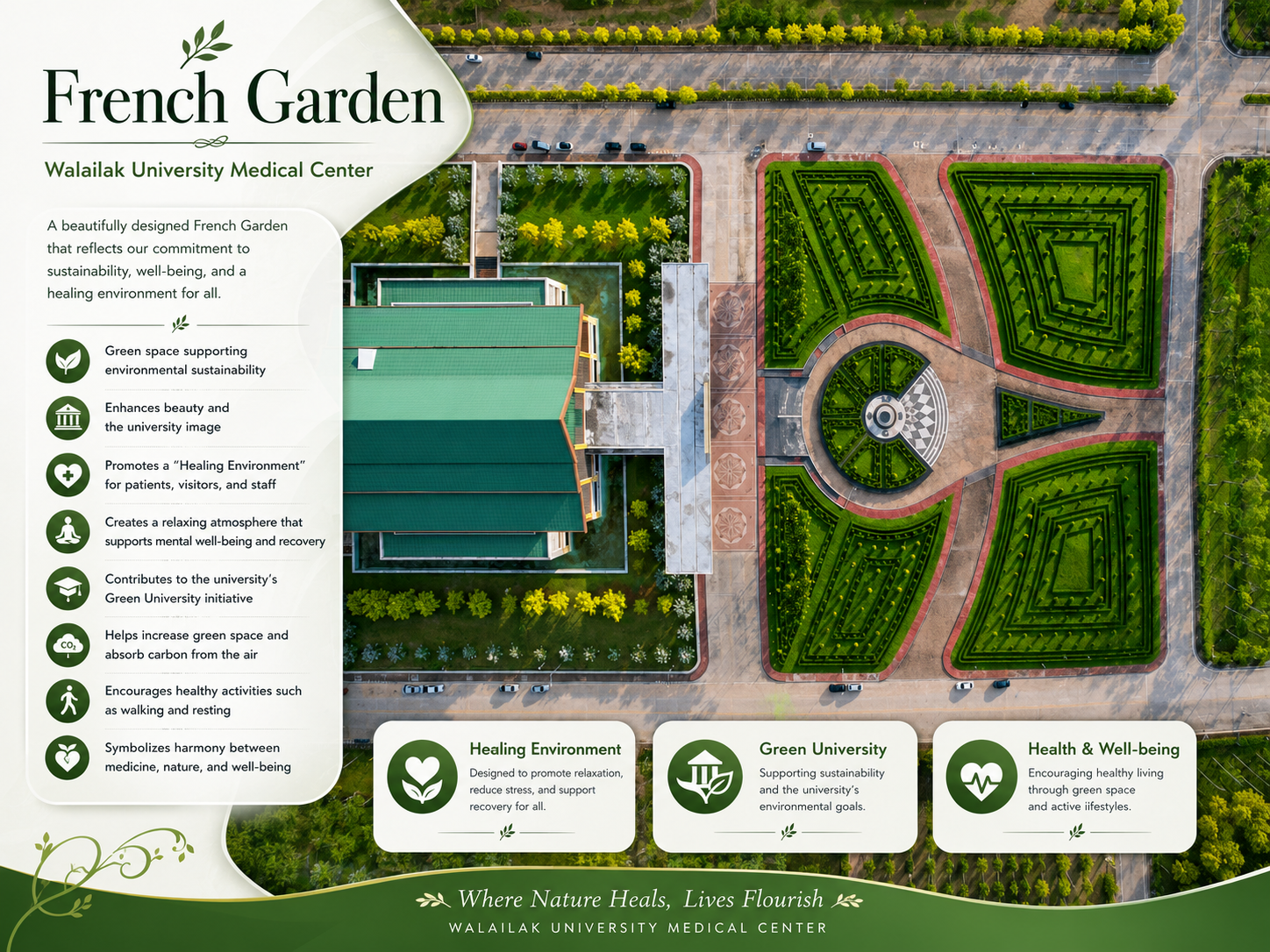
2. The French Garden
3. KLA-D Demonstration organic farm
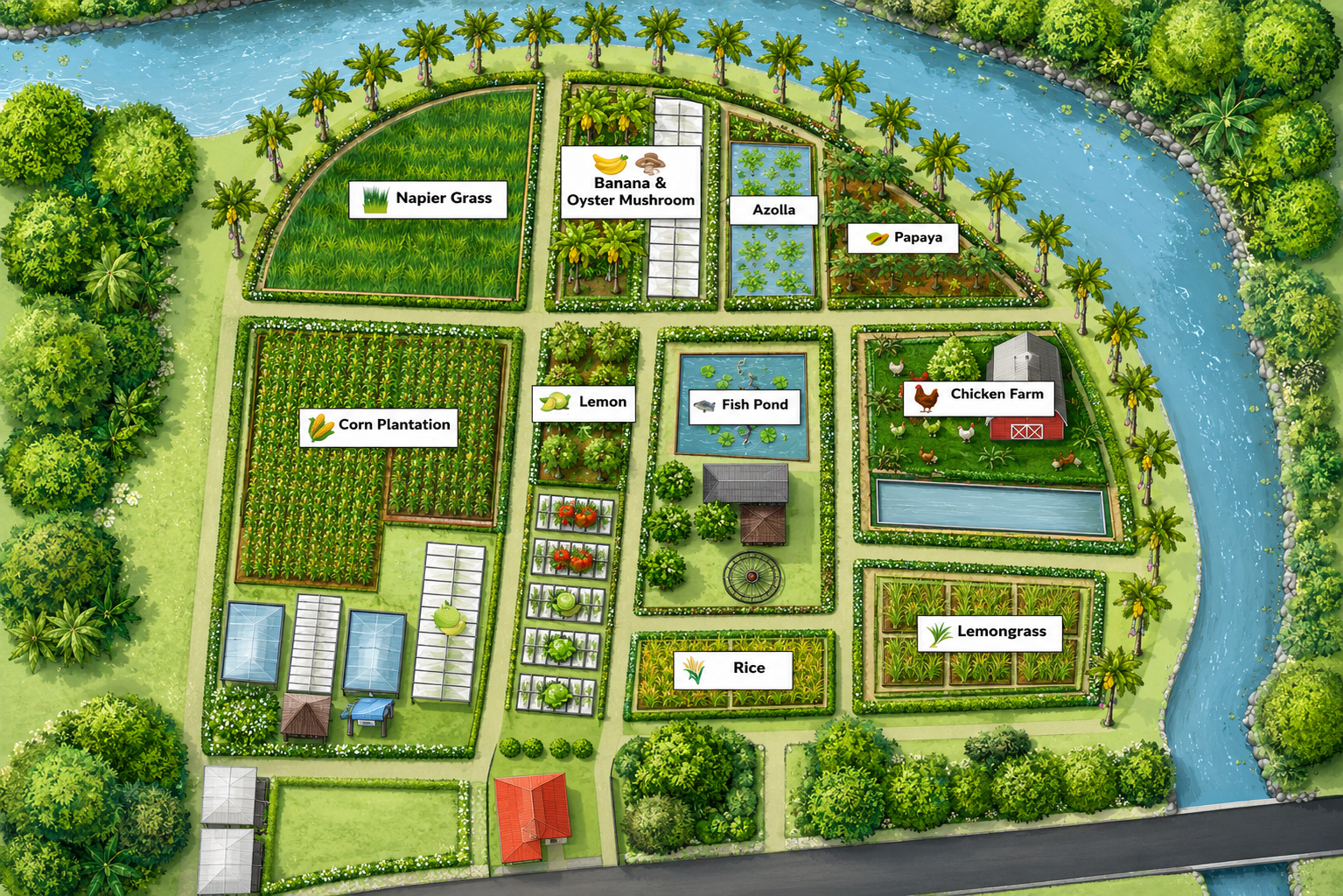
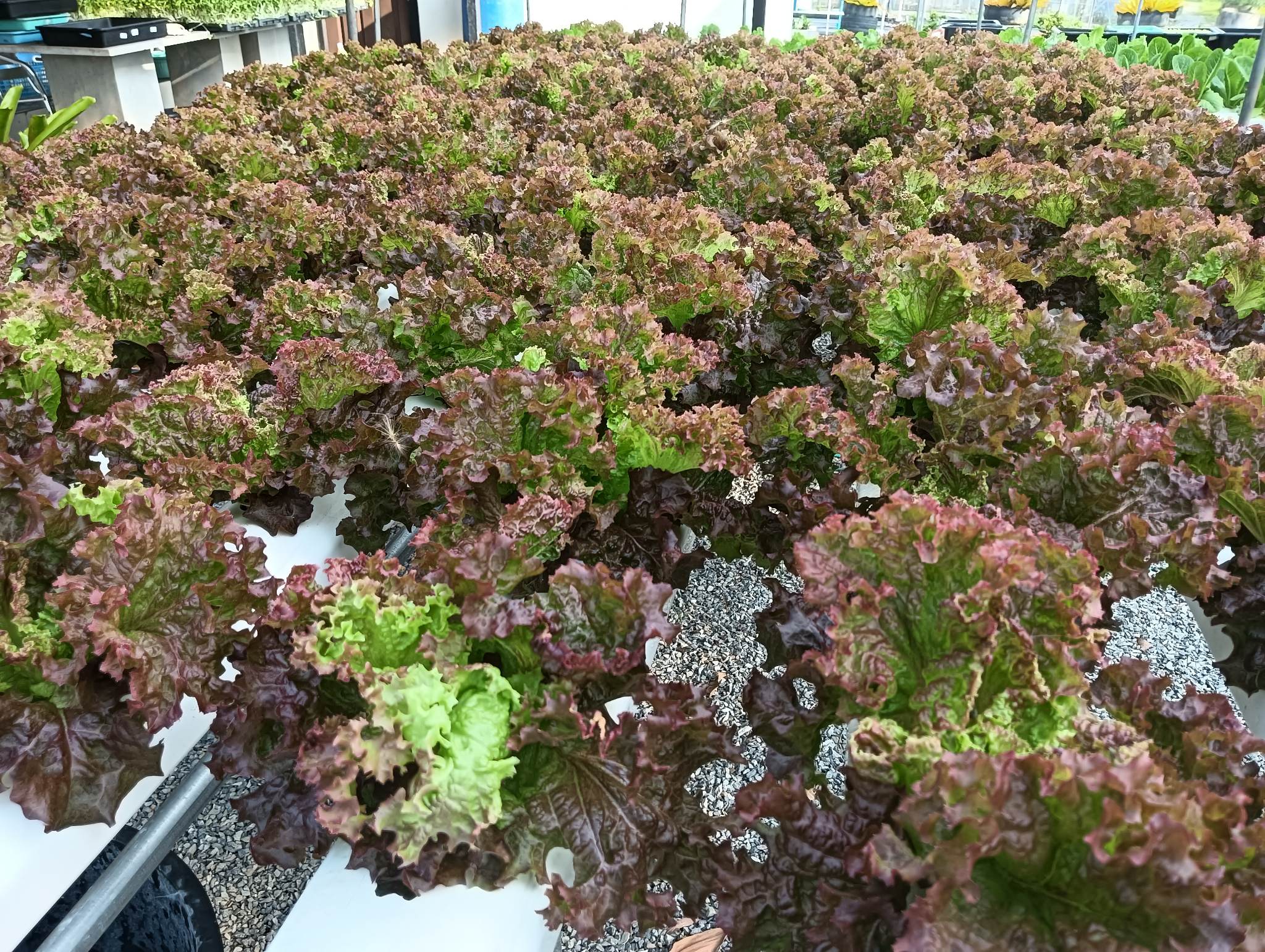
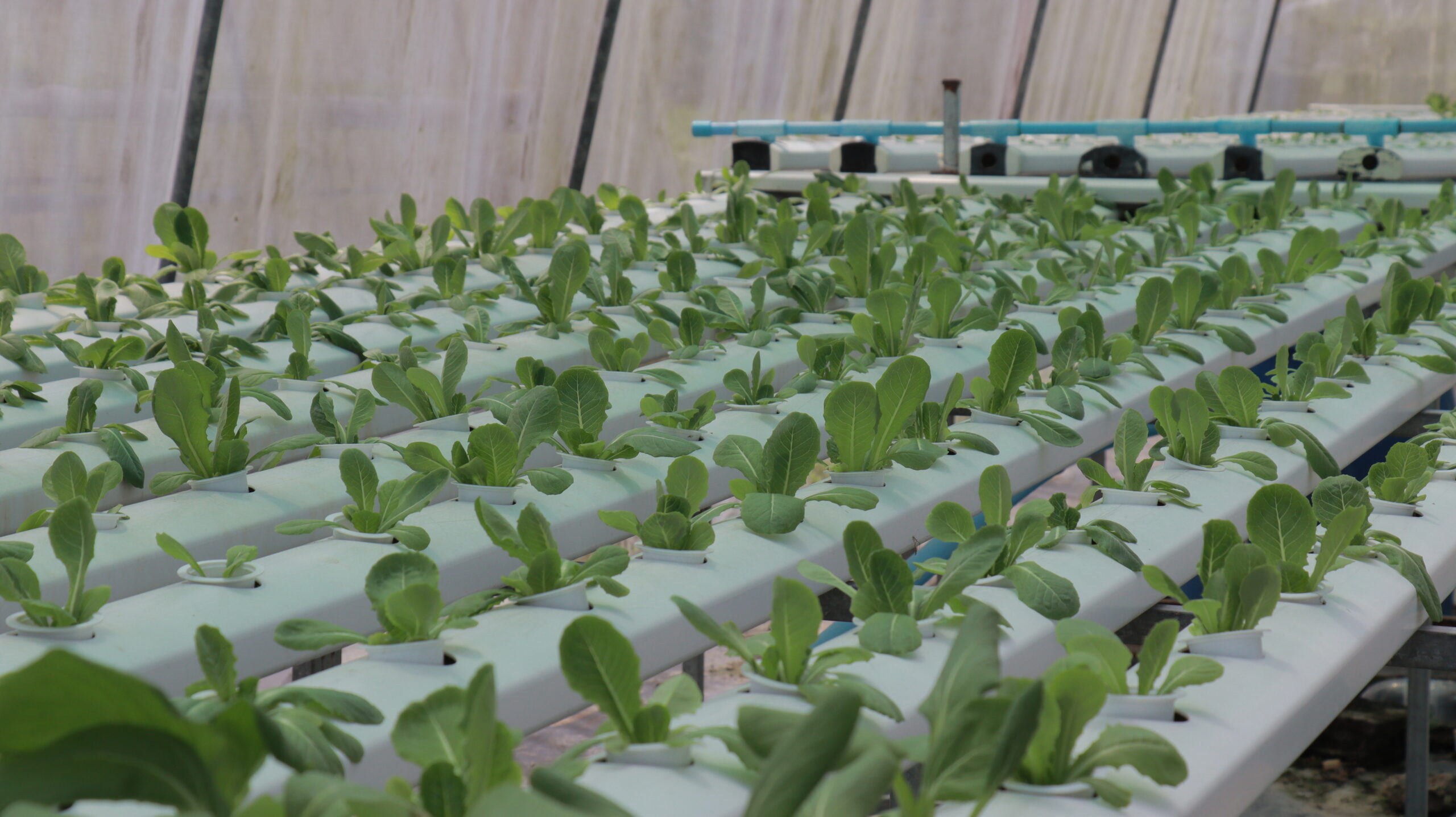
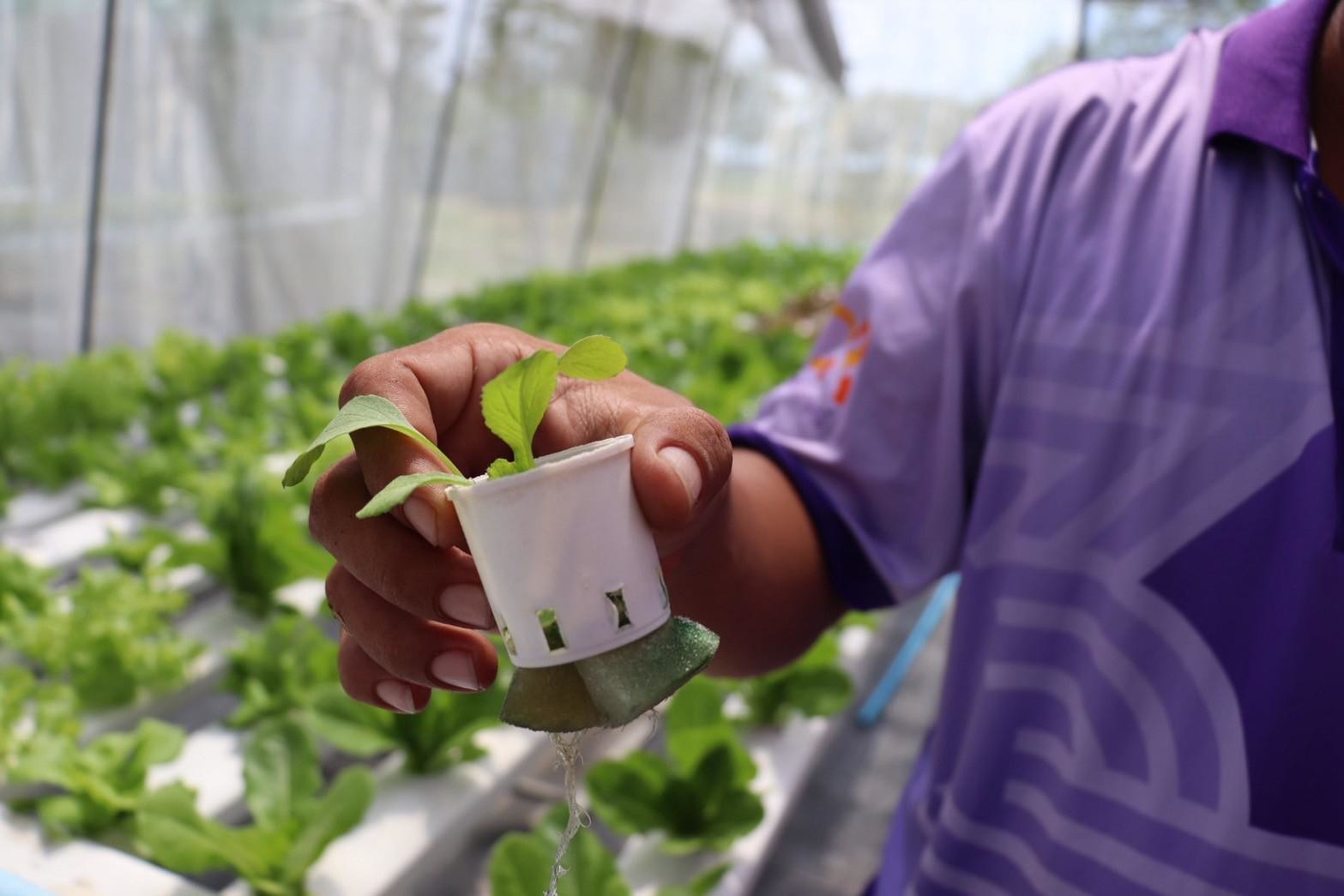
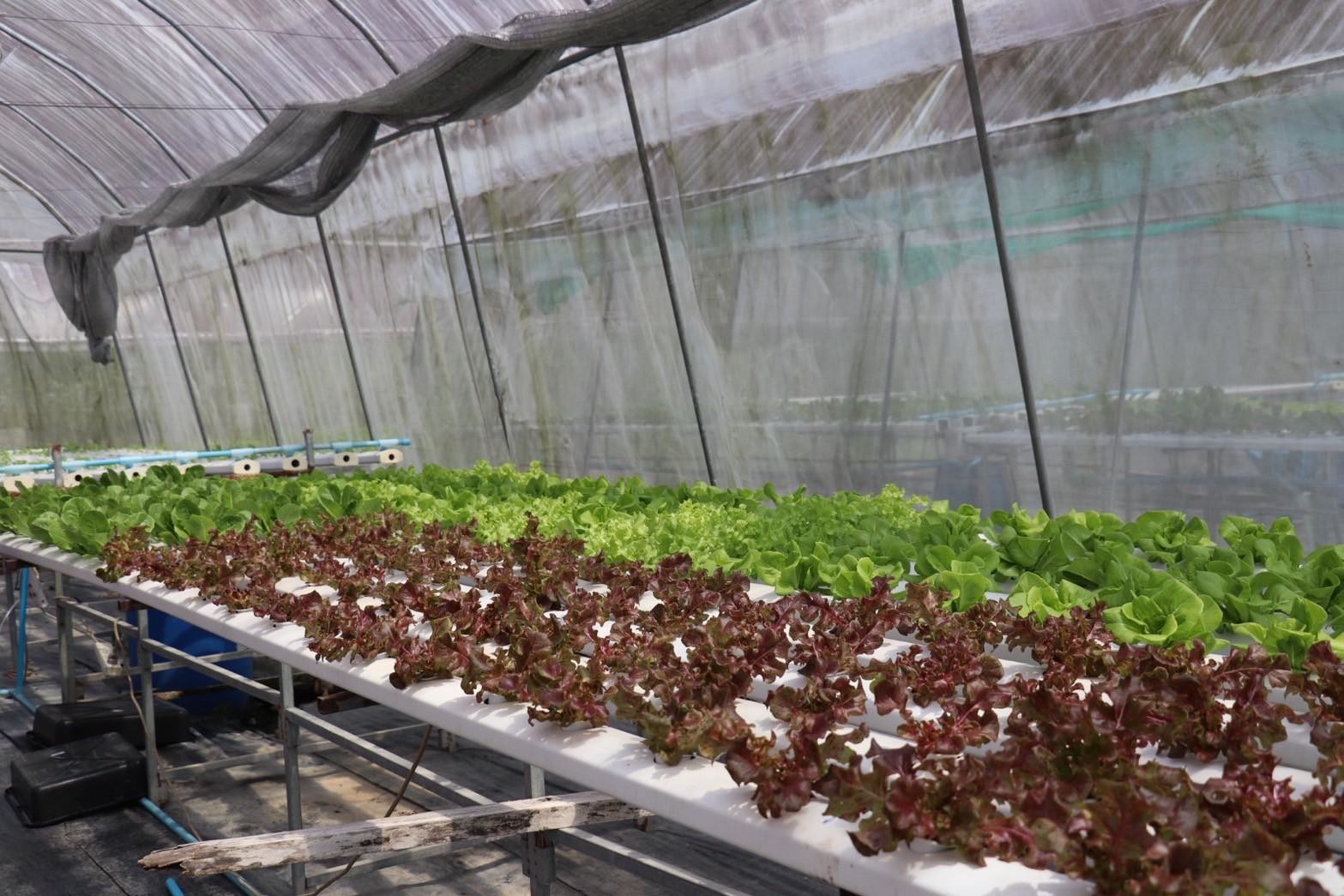
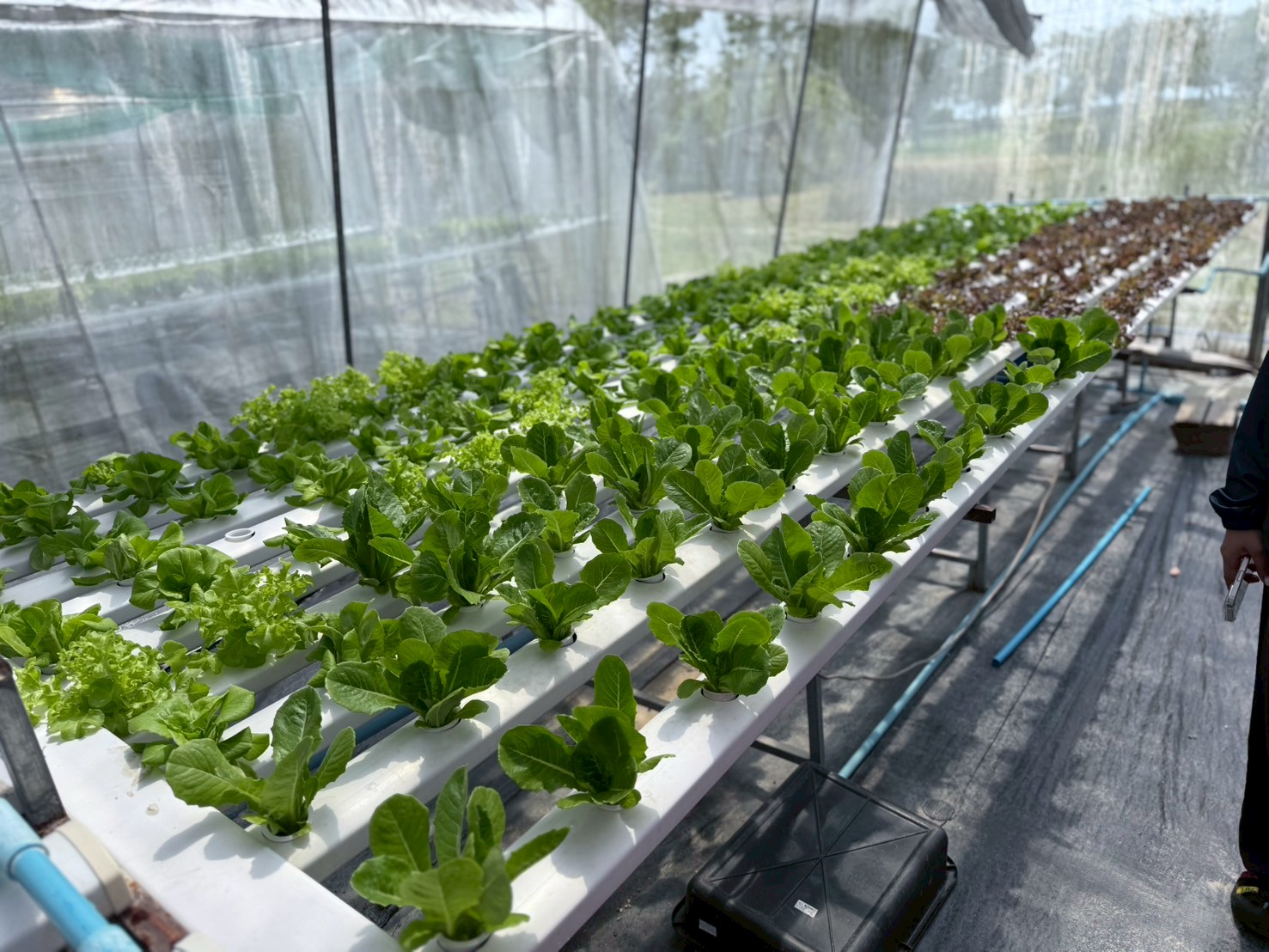
KLA-D Demonstration organic farm The Center for Agricultural Innovation Demonstration and Development in Honor of King Rama IX, also known as “Kla Dee”, is located within Walailak University, covering an area of more than 16,000 square meters. The Center was established to translate the Royal Initiatives of His Majesty King Rama IX in agriculture into tangible practices, while integrating agricultural innovations and semi-innovations that align with the national development framework and directions. The Center’s operations focus on organic agricultural production, together with post-harvest management, product processing, and marketing, in order to generate appropriate and sustainable income. It also promotes collaboration with agricultural networks interested in production and marketing systems.
In addition, the Center serves as an educational and study hub in agriculture for farmers, students, and surrounding communities. Through training activities, hands-on learning, and knowledge exchange, the Center encourages the application of the New Theory Agriculture based on the Royal Initiatives, thereby fostering sustainable livelihoods and advancing agricultural development in the long term.
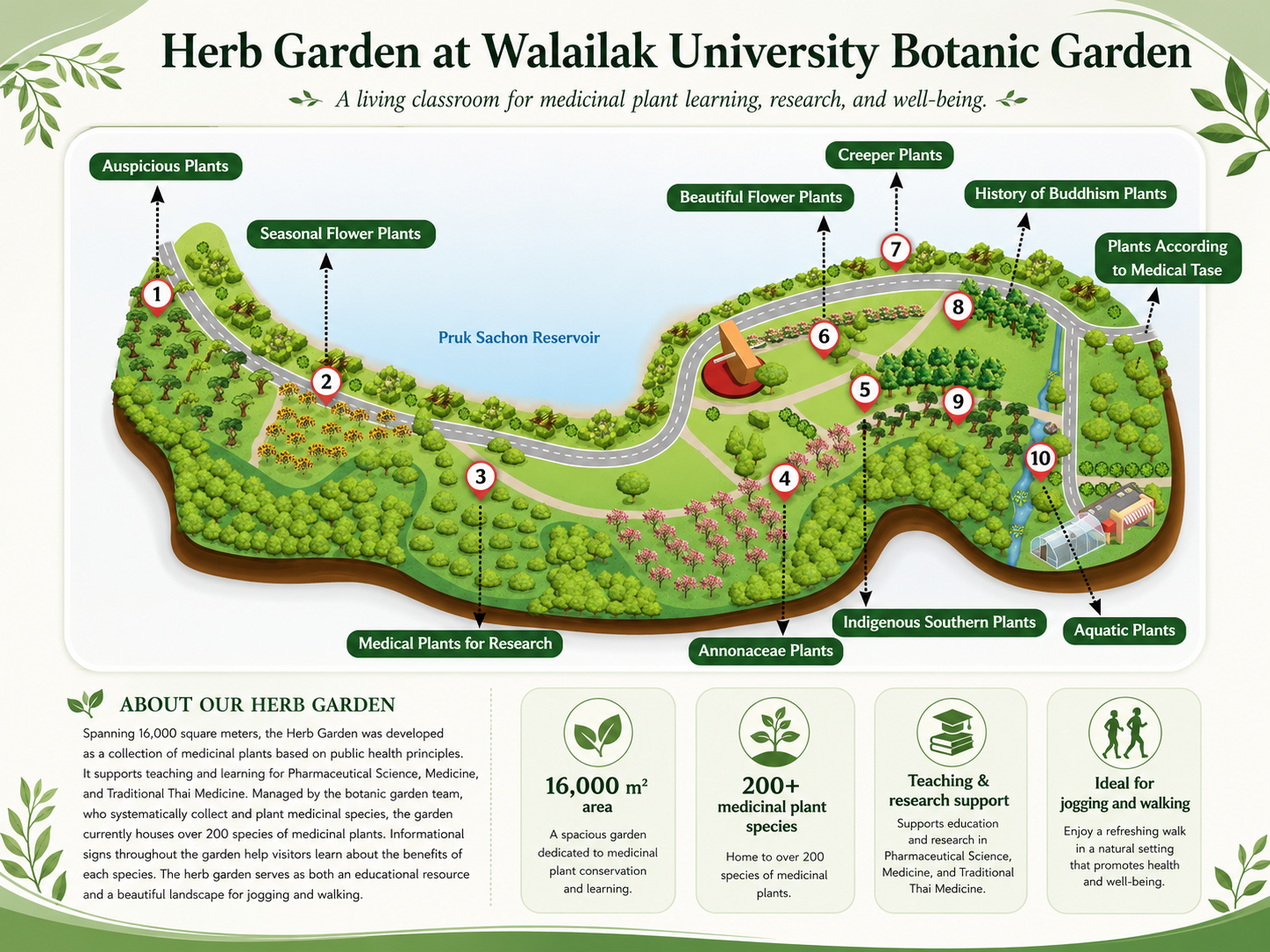
4. The Herb Garden
5. The Walailak University Smart Farm Center
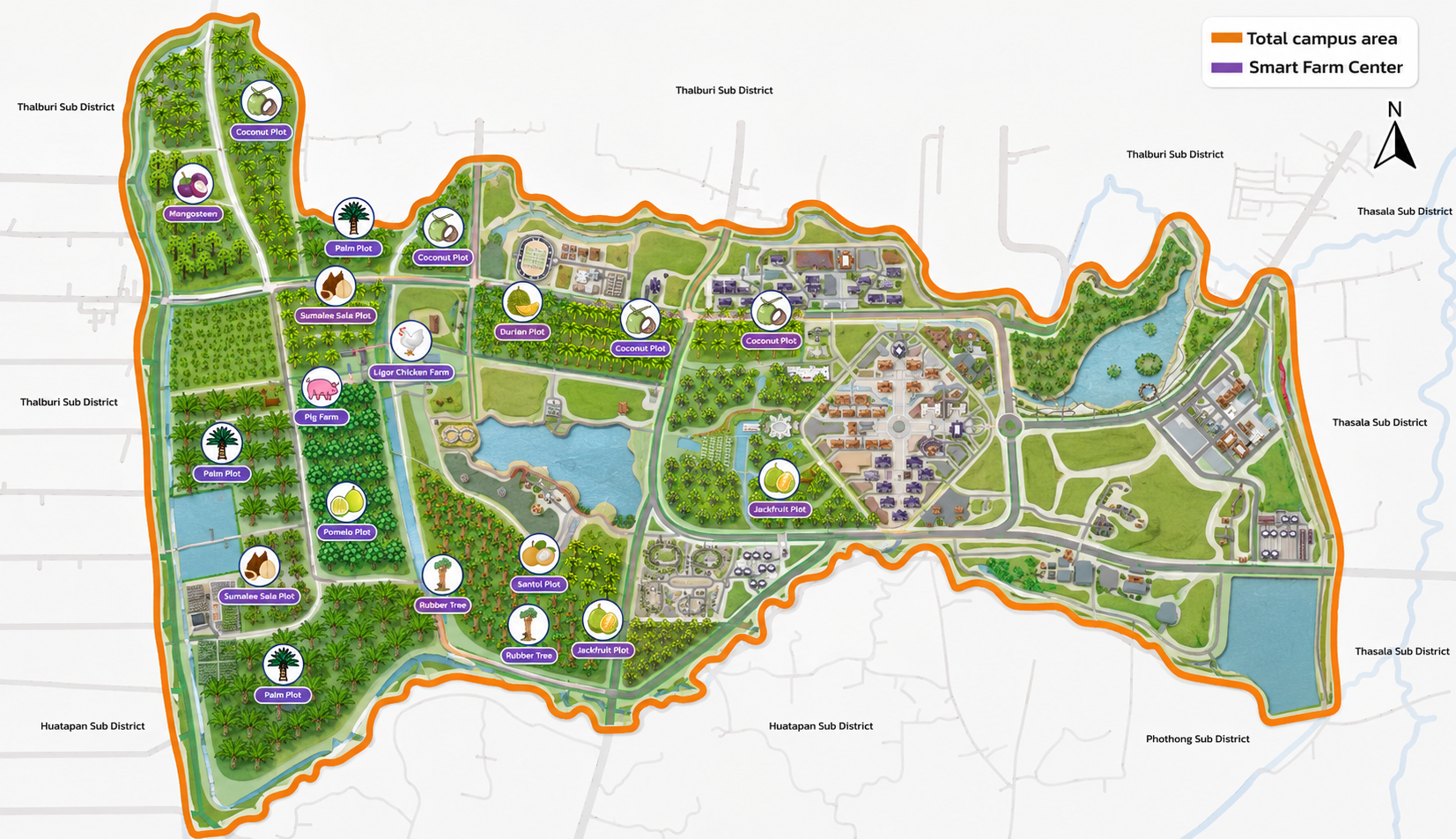
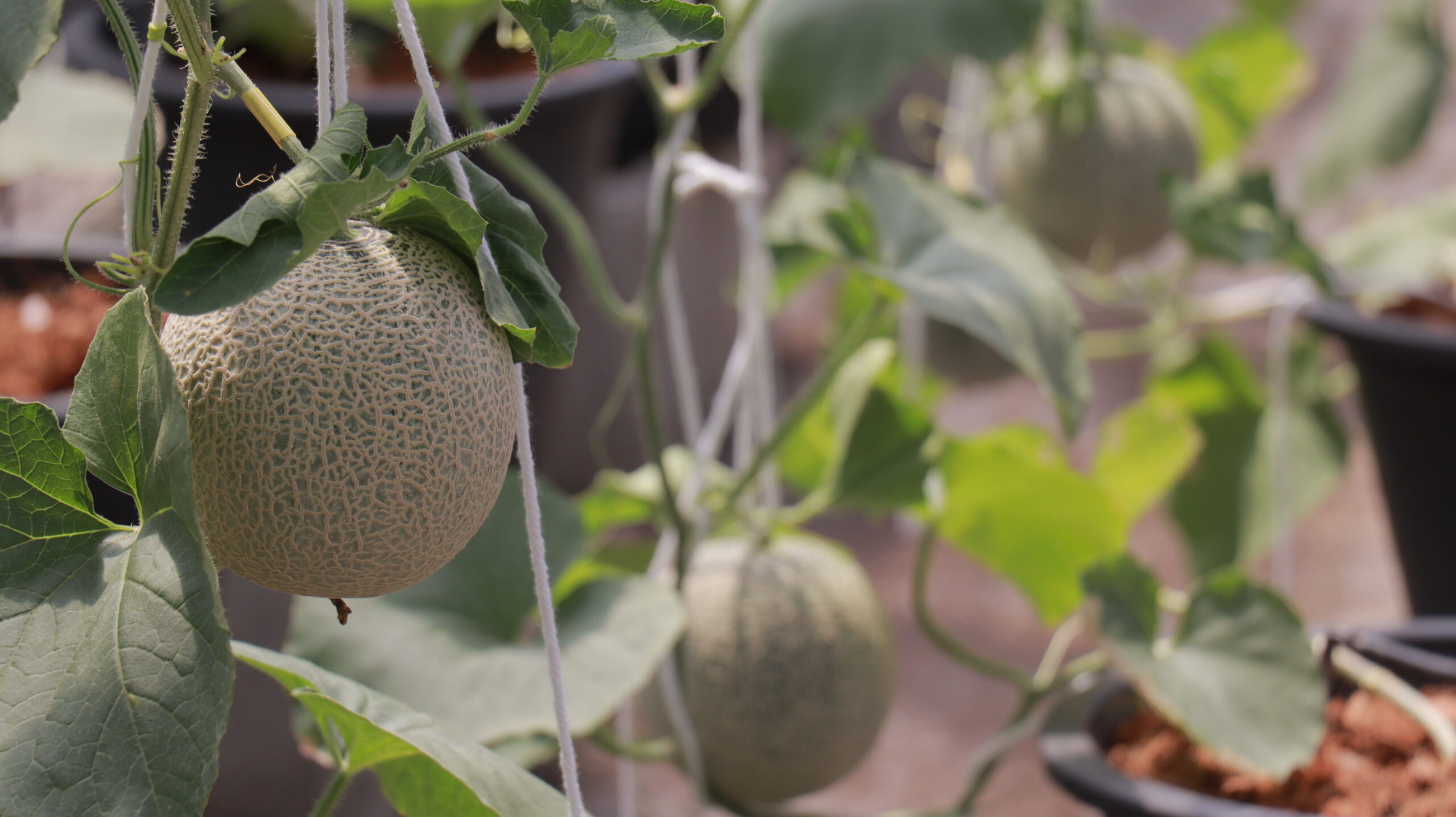
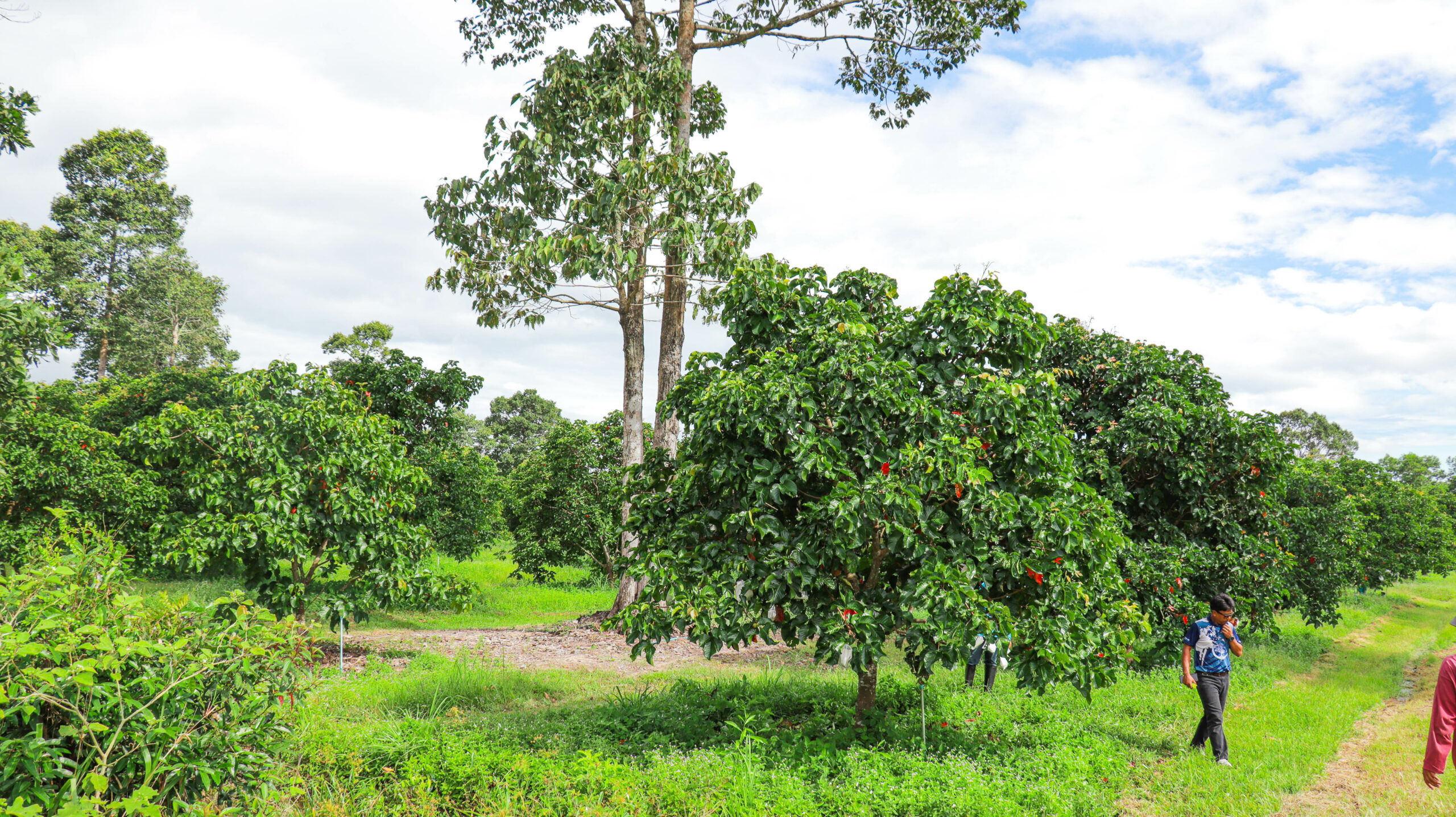
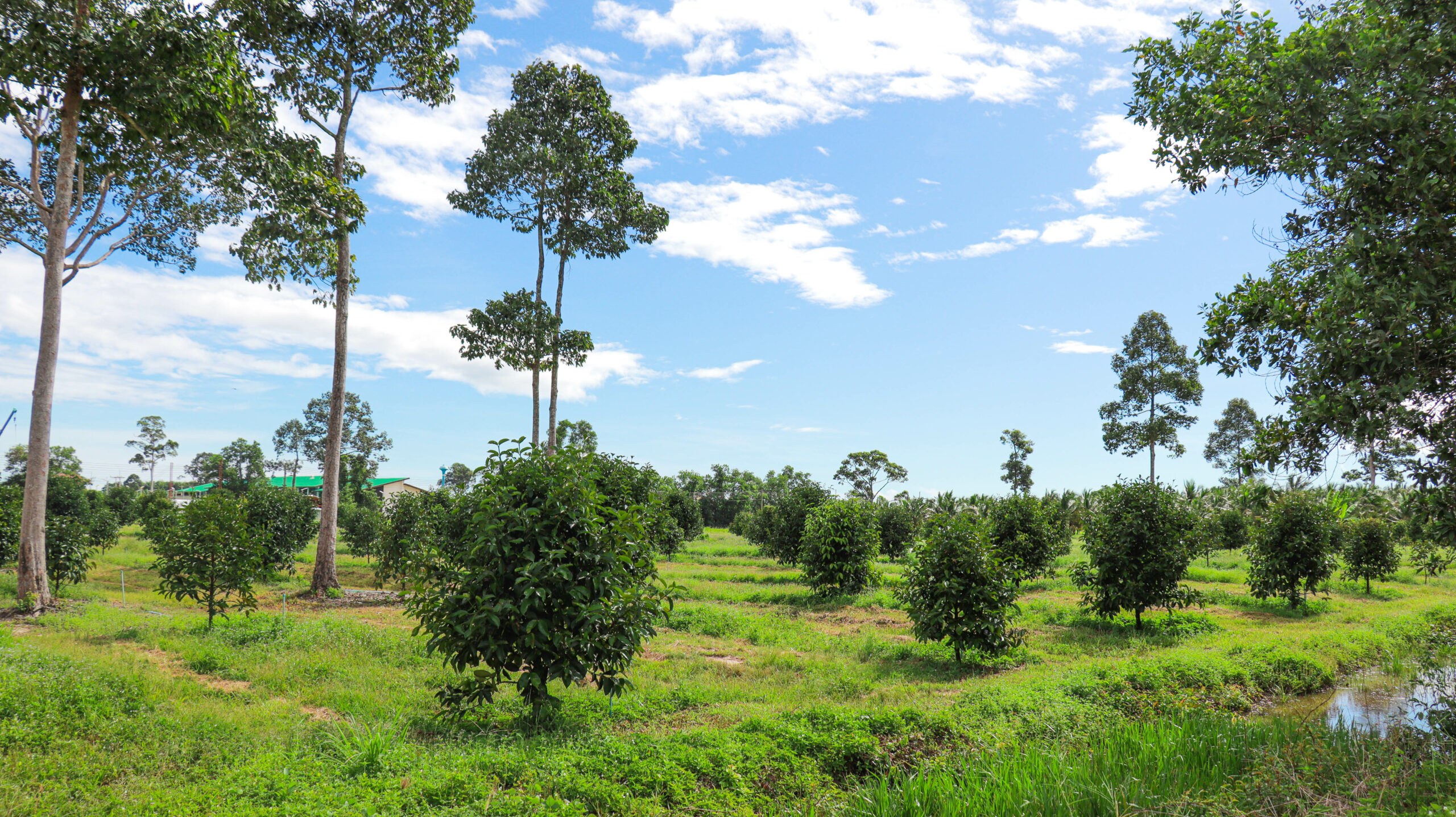
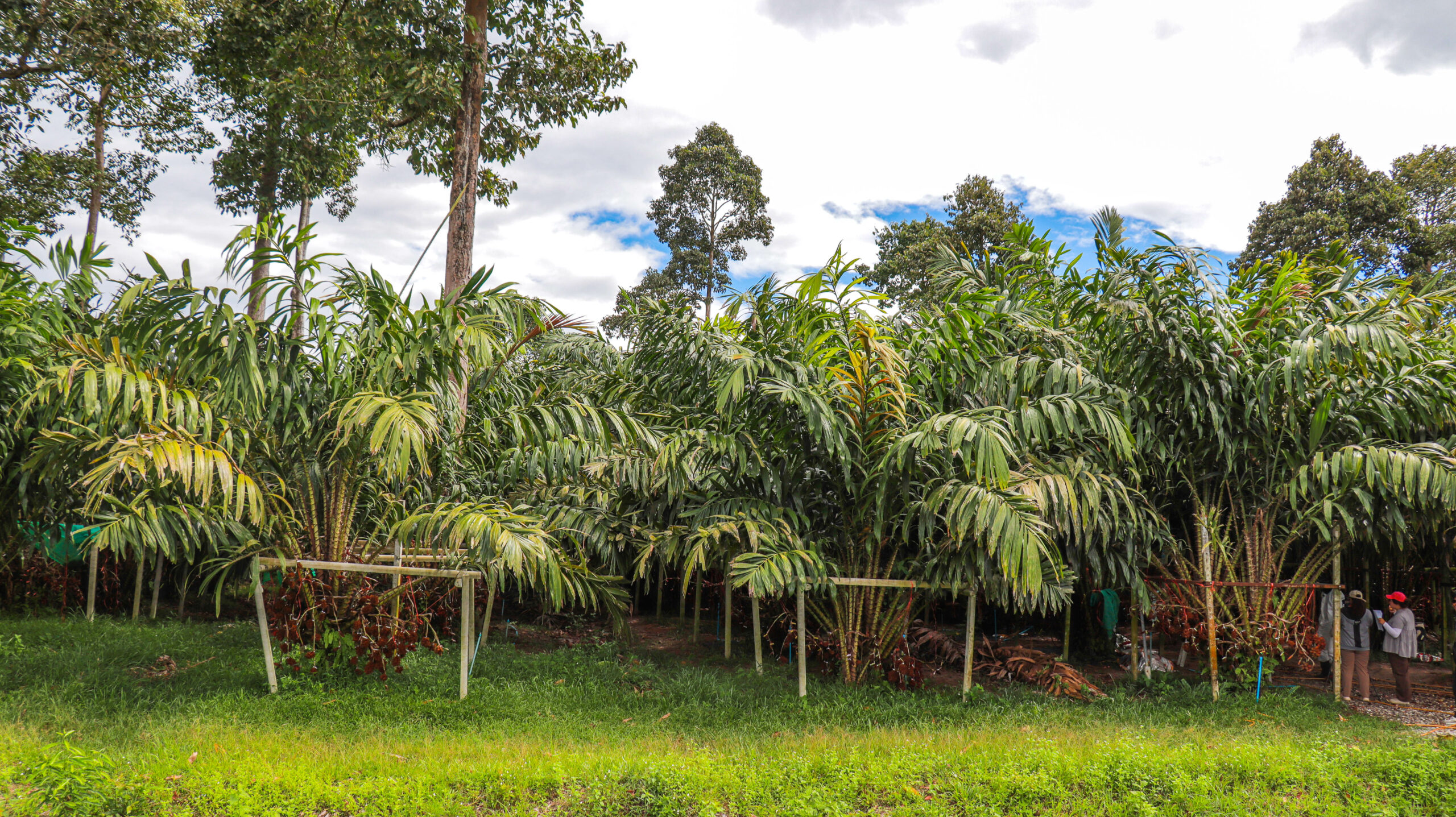
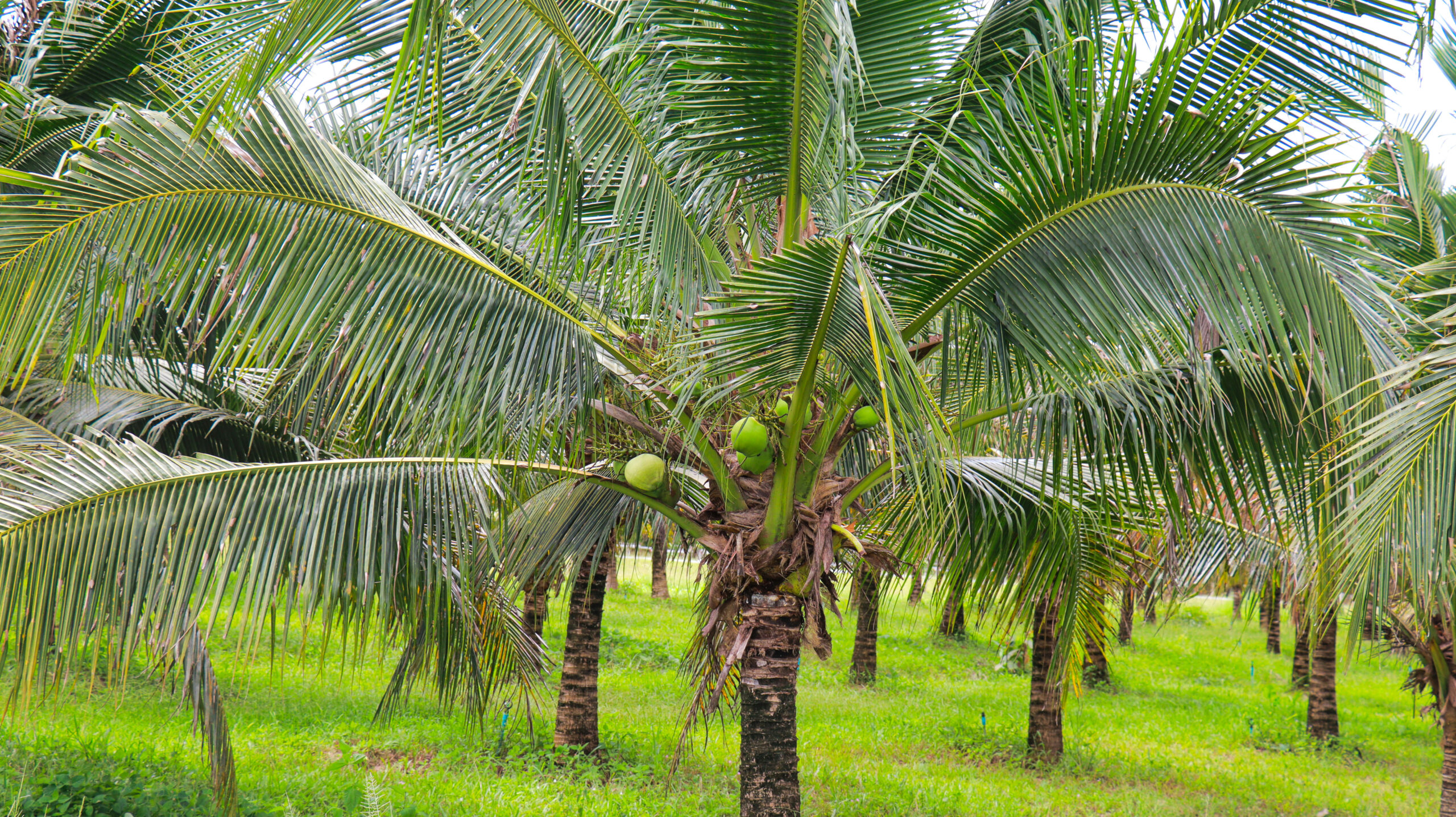
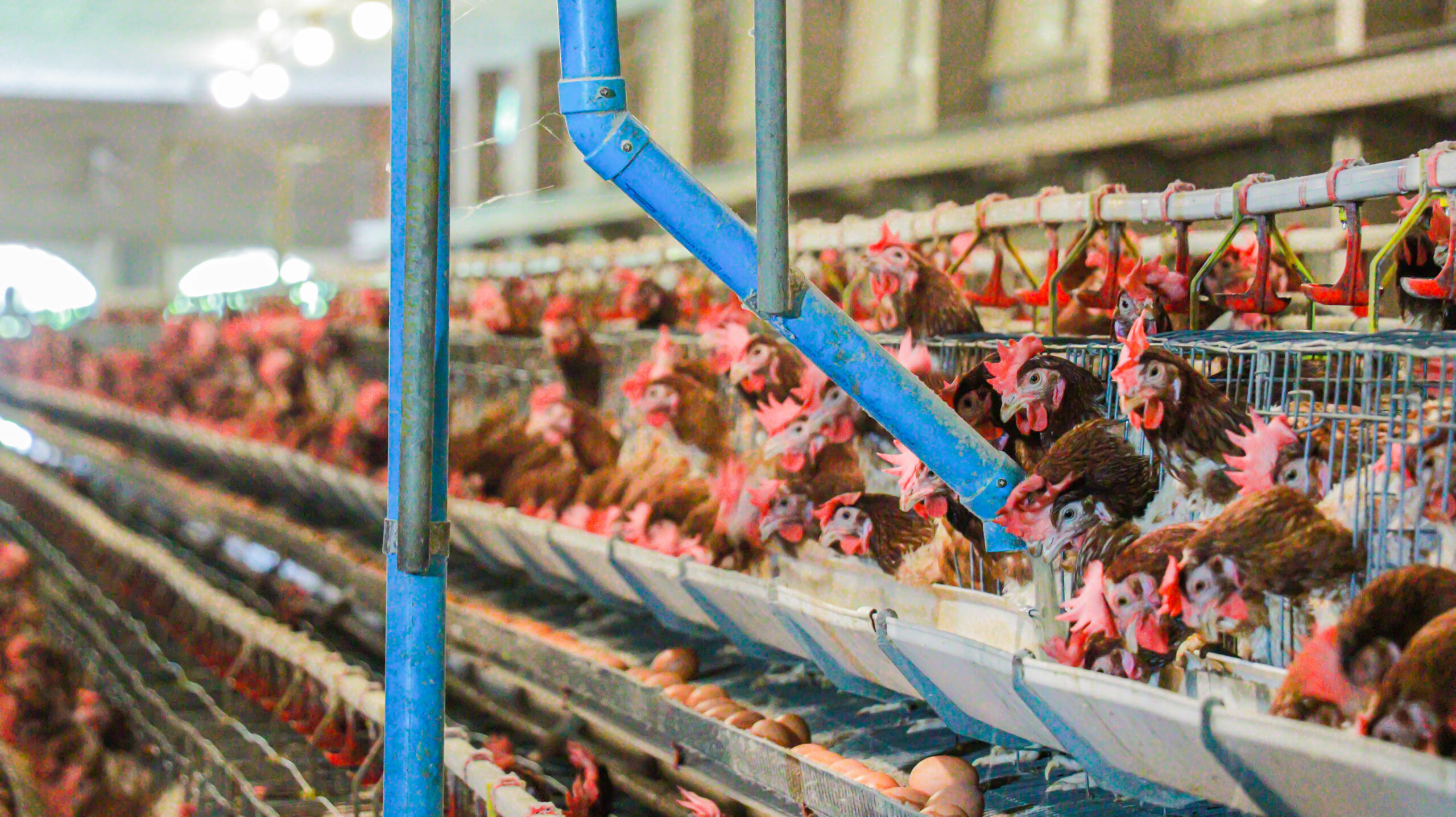
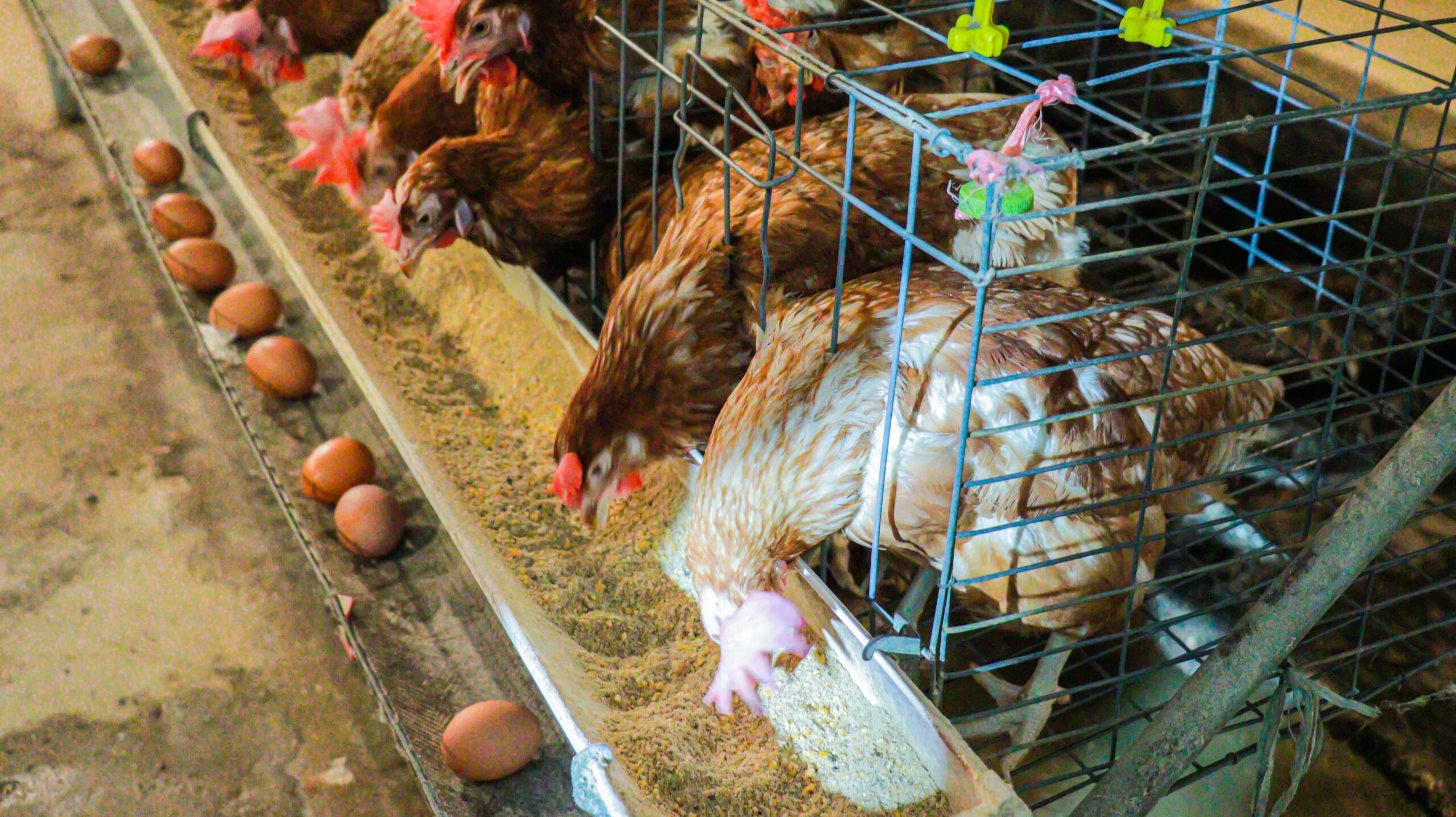
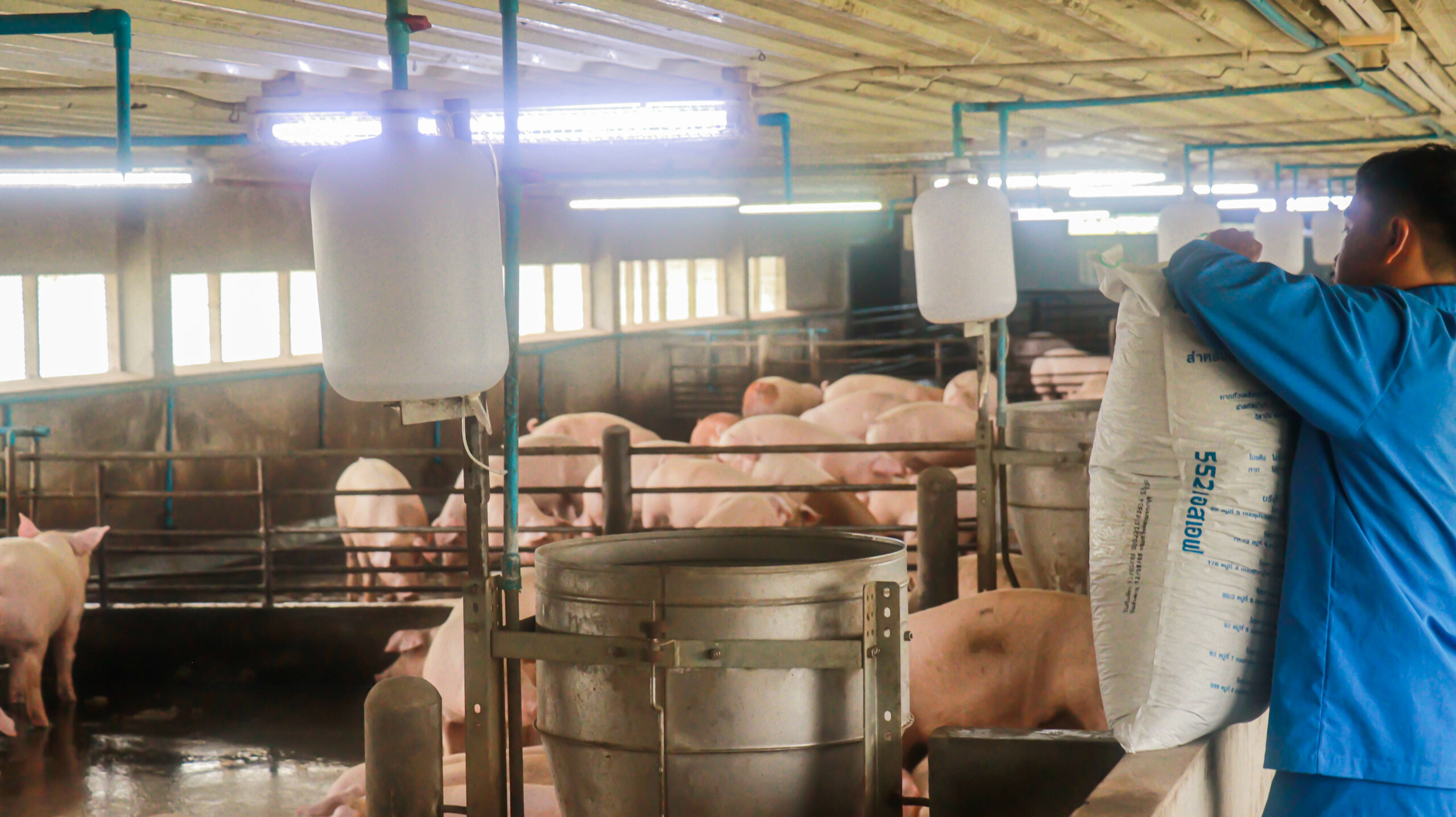
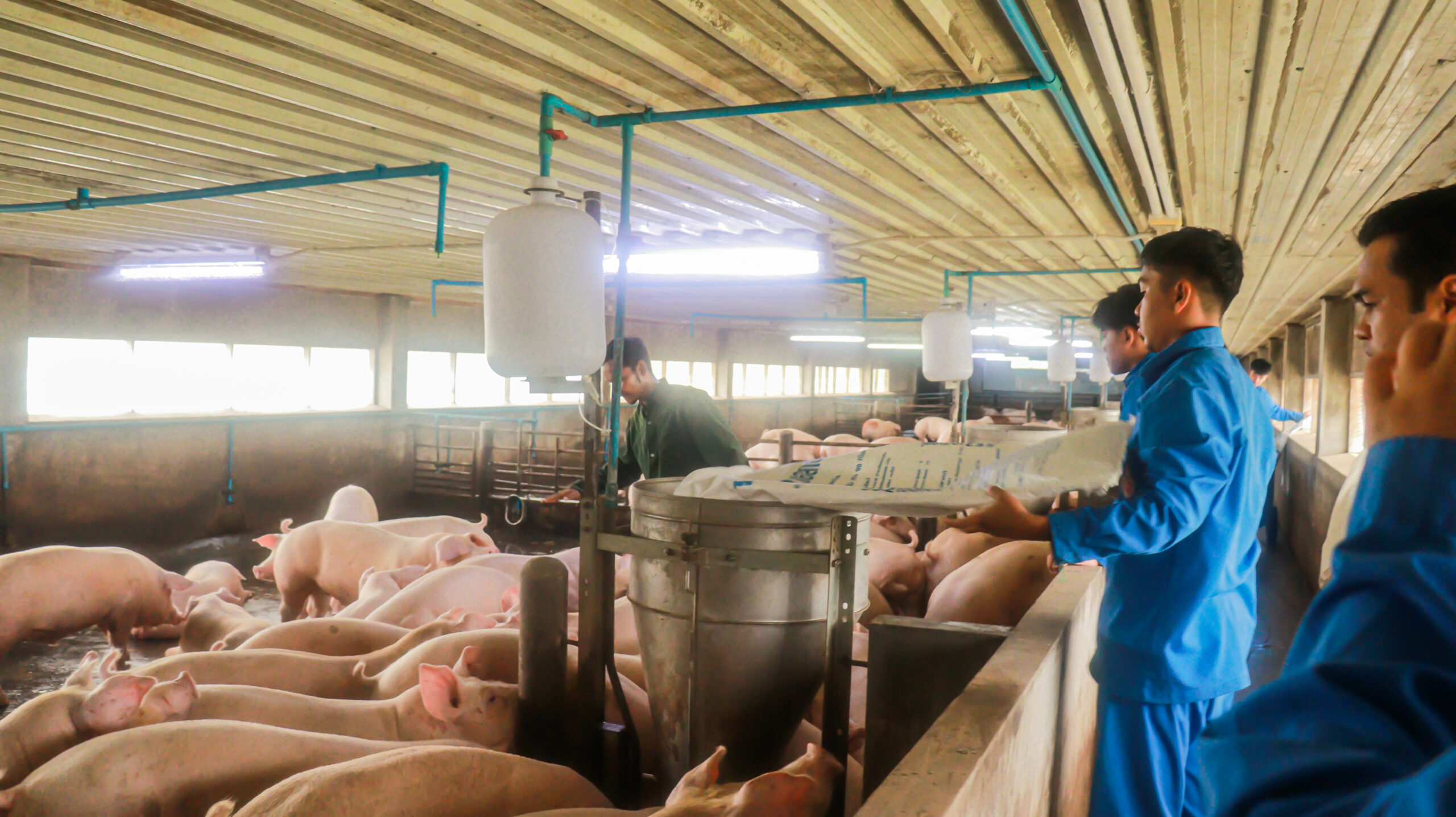
The Walailak University Smart Farm is located on an area of approximately 6,509,668.04 square meters and aims to serve as an integrated center for modern agricultural knowledge. Its scope encompasses crop production, animal husbandry, technology development, and practical agricultural innovations. The farm functions as a learning hub for Walailak University students, students from other higher education institutions, and relevant personnel, supporting the university’s core missions in teaching, research, and community services. This contributes to enhancing academic capacity and developing practical skills efficiently and effectively.
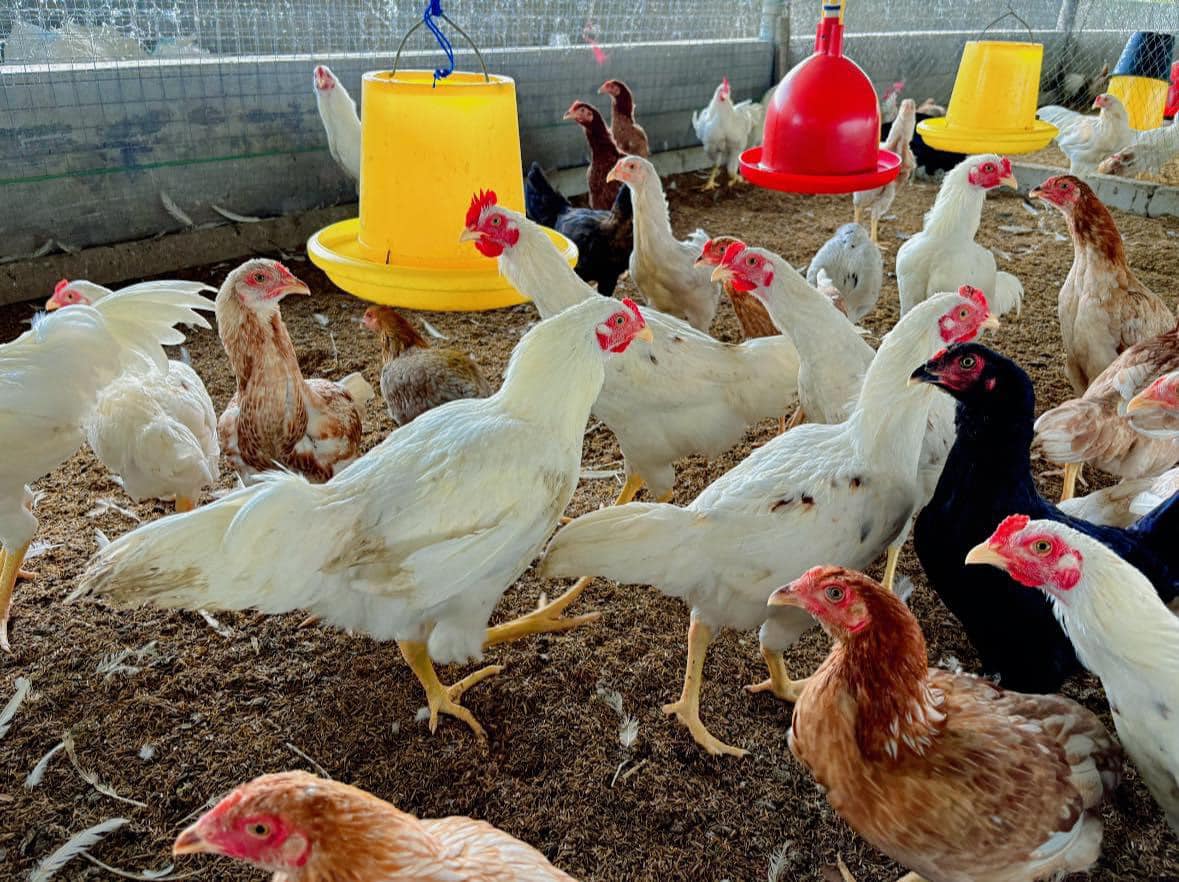
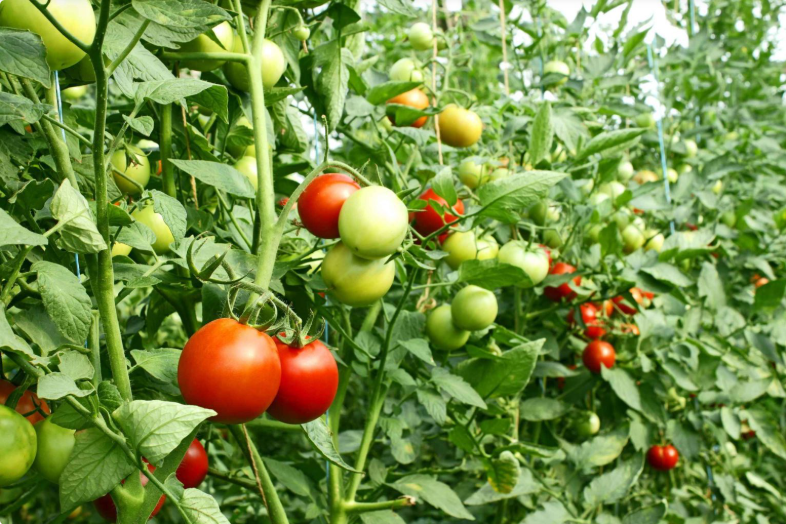
In terms of crop production, the Smart Farm cultivates economically significant and regionally important fruit crops, including durian, jackfruit, santol, Ban Phaeo aromatic coconut, and salacca. The farm manages its production systematically to support education, experimental research, and commercial development. Meanwhile, in the field of animal production, the farm raises layer chickens and swine under hygienic and standardized farm management practices, supporting agricultural science education, research, and community service. Furthermore, the Smart Farm emphasizes the application of innovations and advanced technologies in farm management, positioning itself as a model of modern sustainable agriculture.
6. The Banana Garden
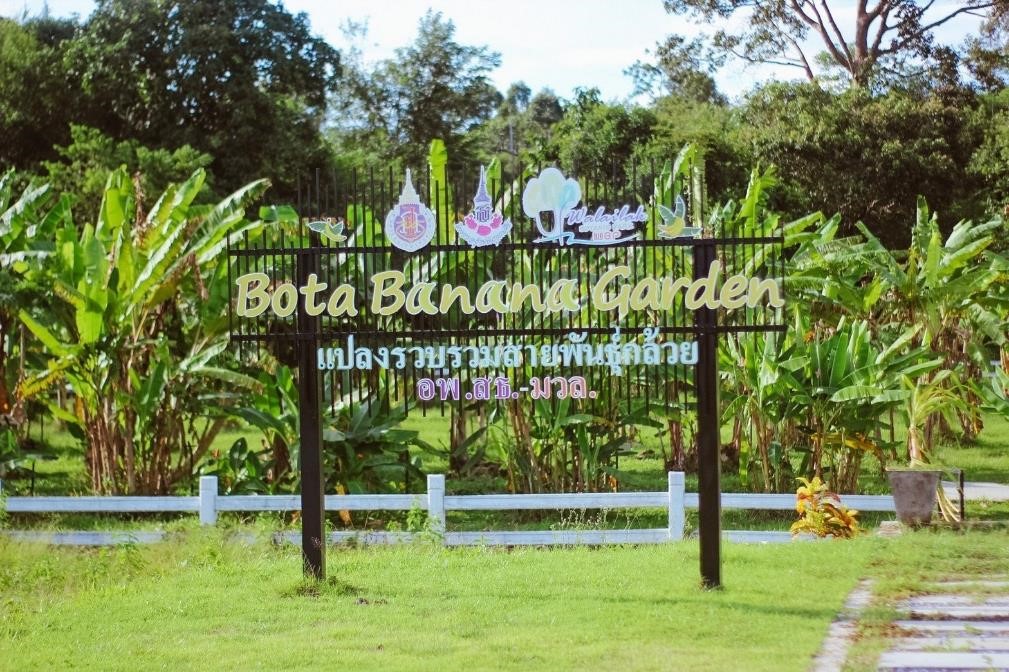
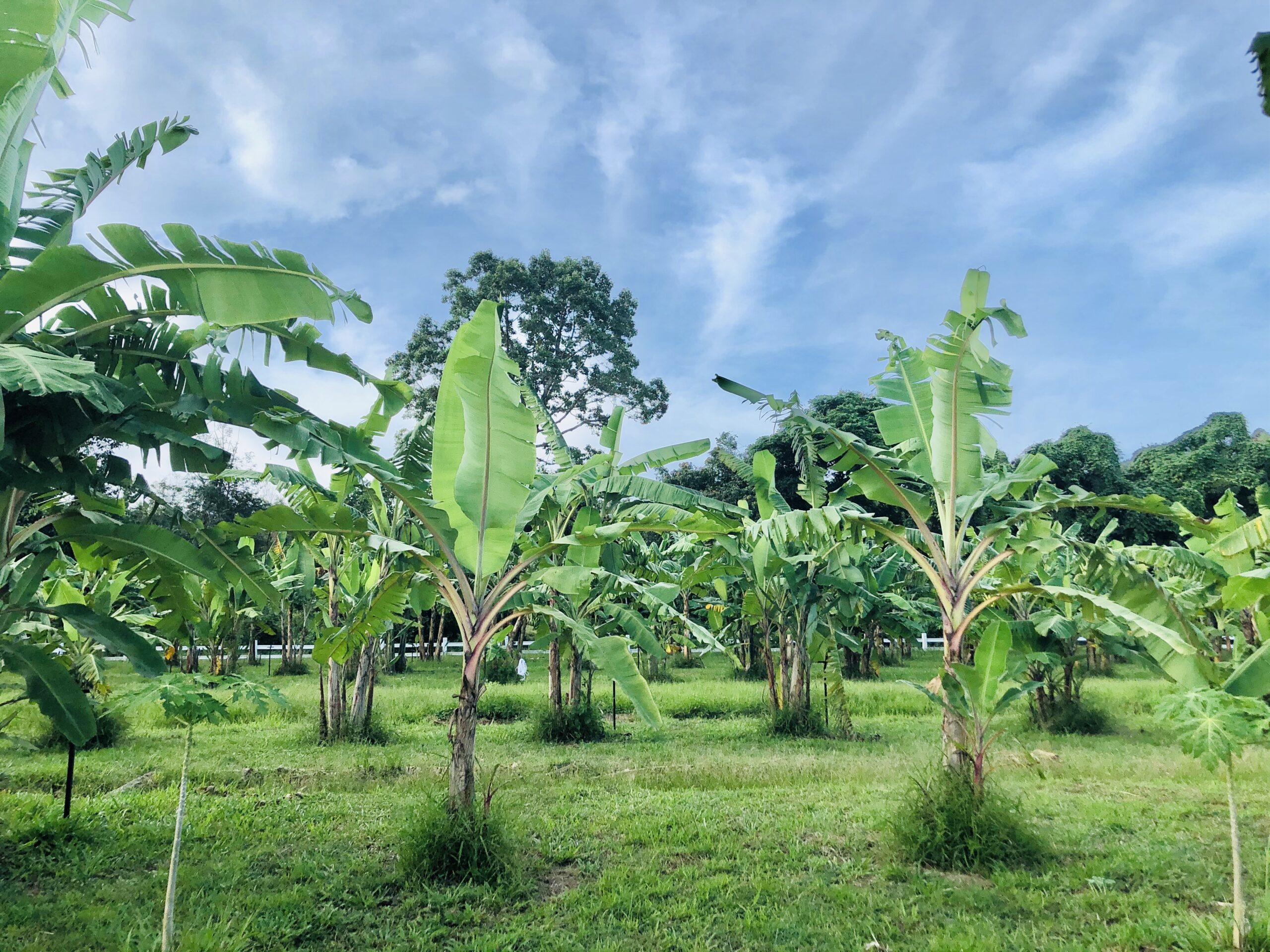
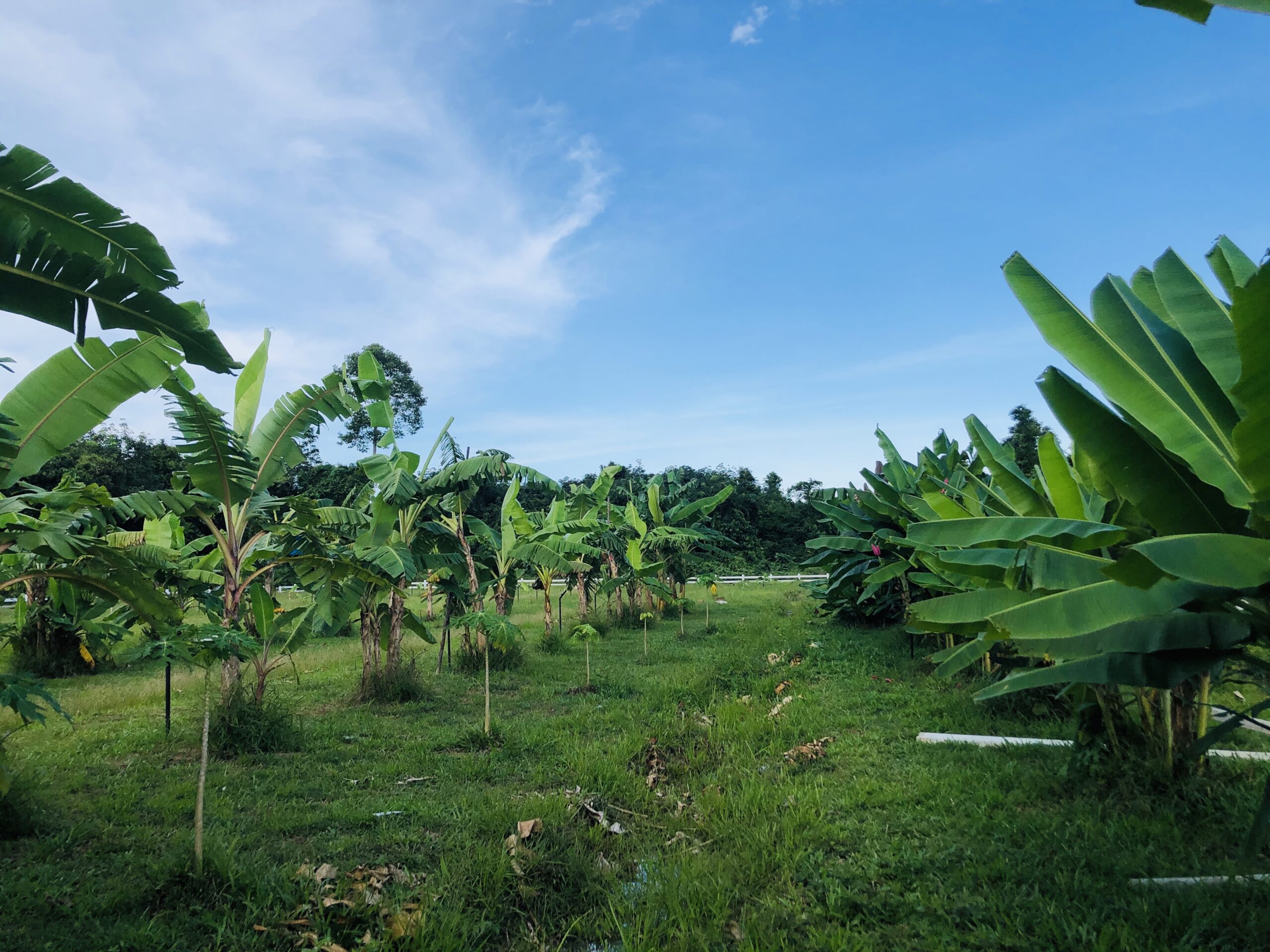
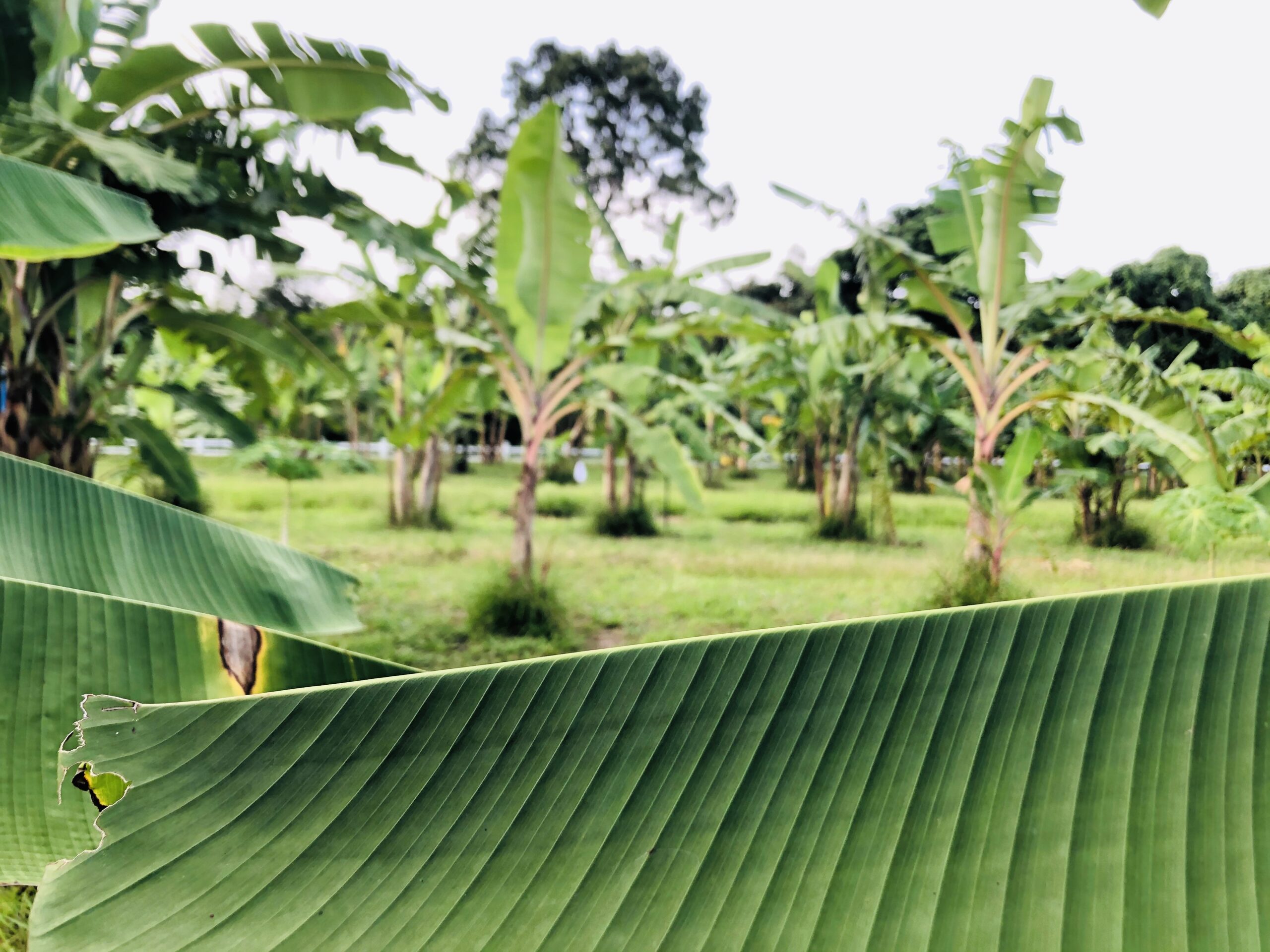
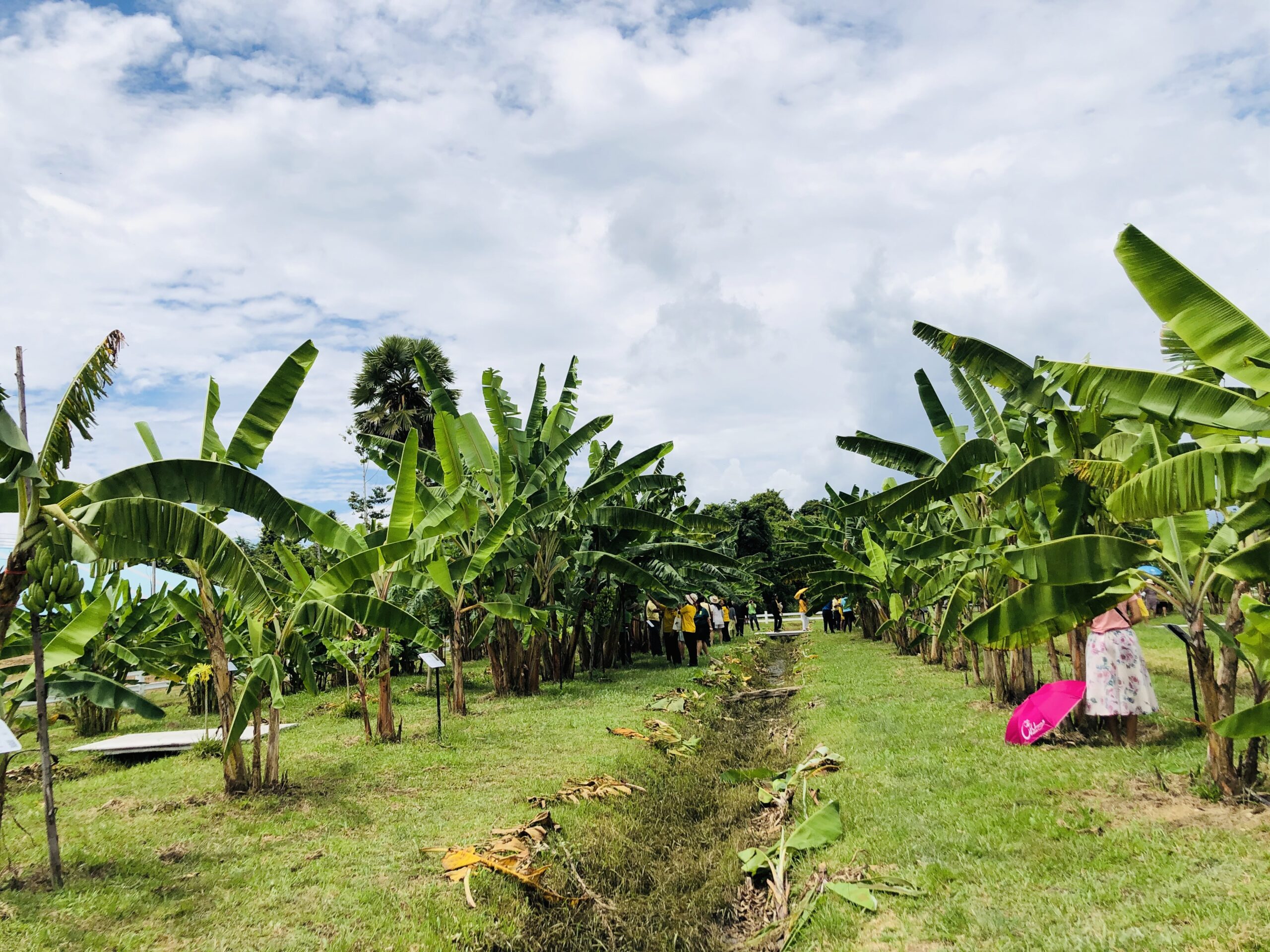
The Banana Garden located within the Walailak University Botanic Garden serves as a collection center for over 100 varieties of bananas. The banana varieties planted and showcased in this garden include ornamental bananas such as Orange Lotus Banana and Dara Rassamee Banana, which feature beautiful, colorful blossoms, as well as bananas for consumption. Some of the edible bananas include those that can be eaten fresh, such as Naa-Wa Banana, Sao Krathip Hor Banana, Egg Banana, and Gold Banana. Throughout the garden, informative signs are placed to identify each banana variety. Visitors can scan the QR codes on these signs to access more in-depth details about each type of banana. Additionally, the garden also offers for sale banana saplings of various types, which visitors can purchase to plant and propagate, helping to spread these banana varieties to local communities.
7. The Cactus Dome
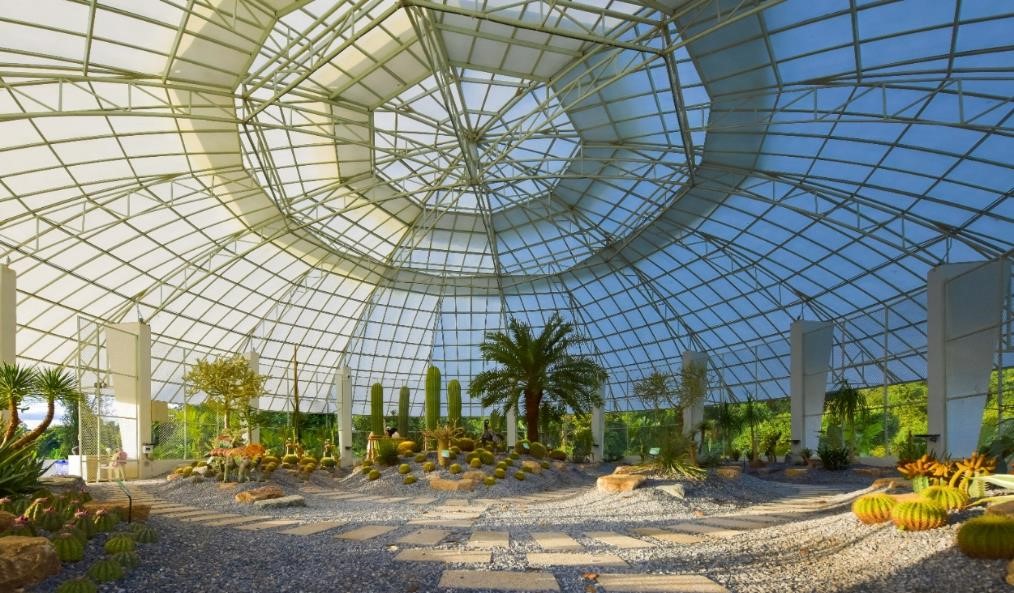
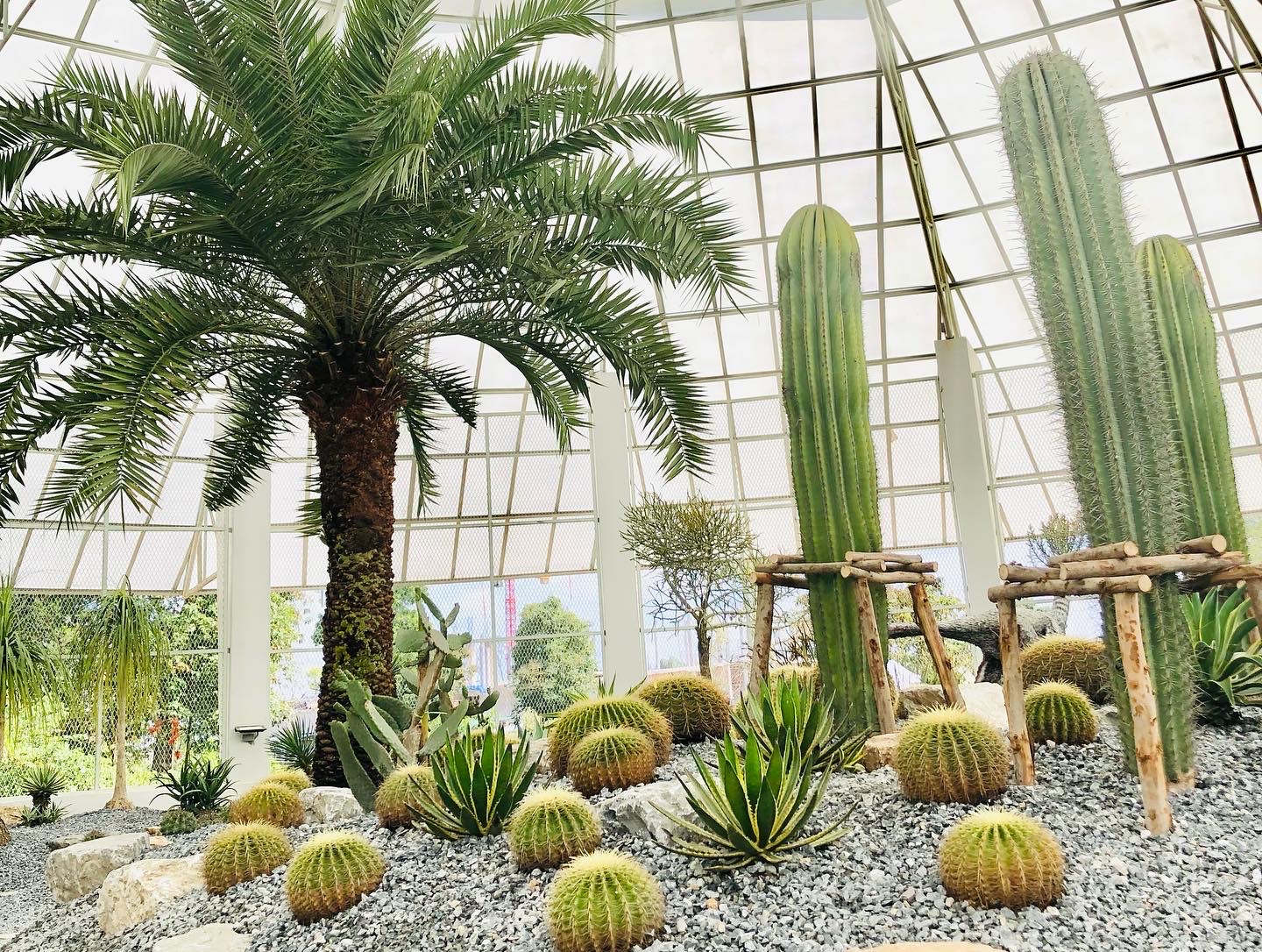
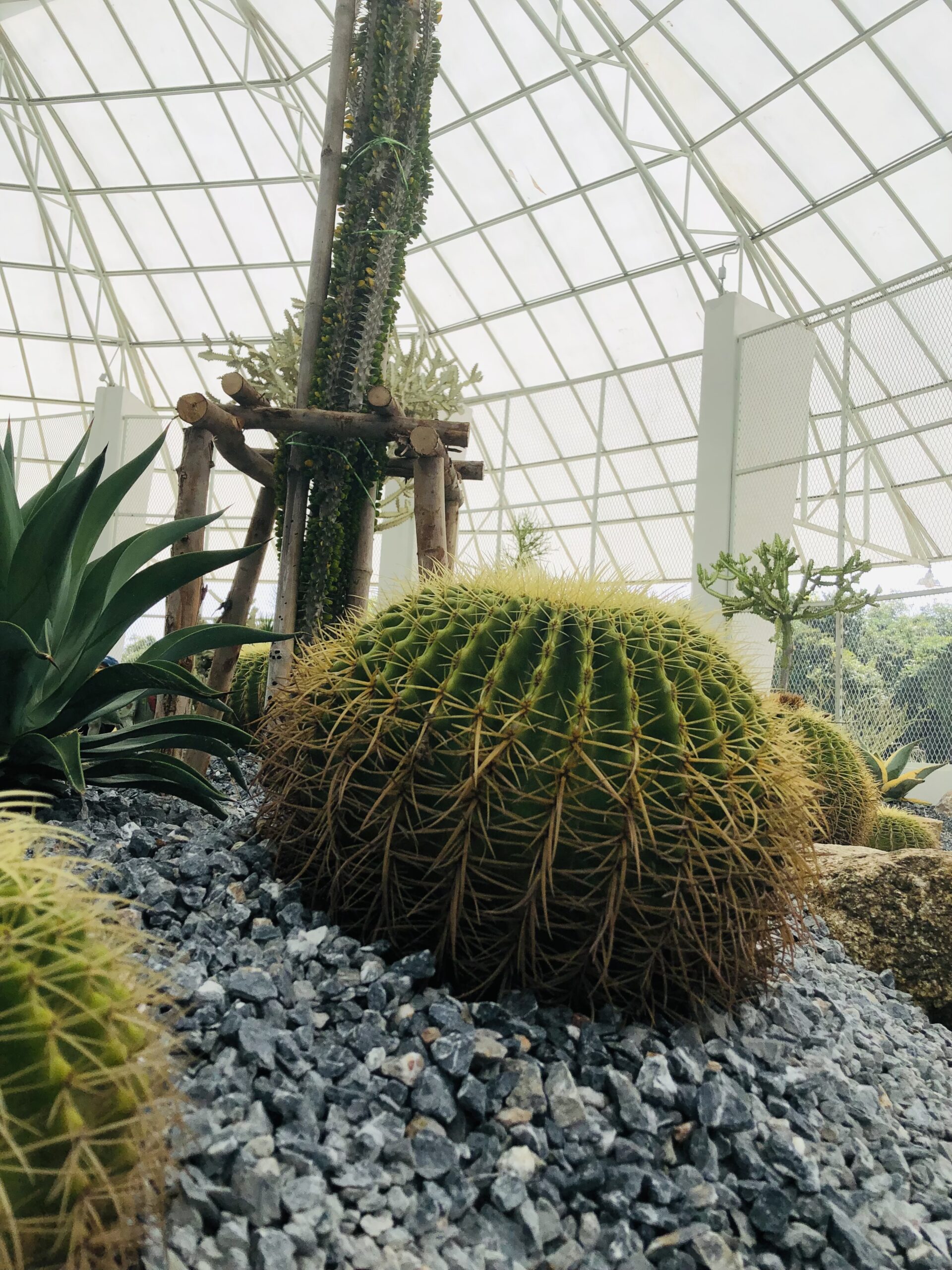
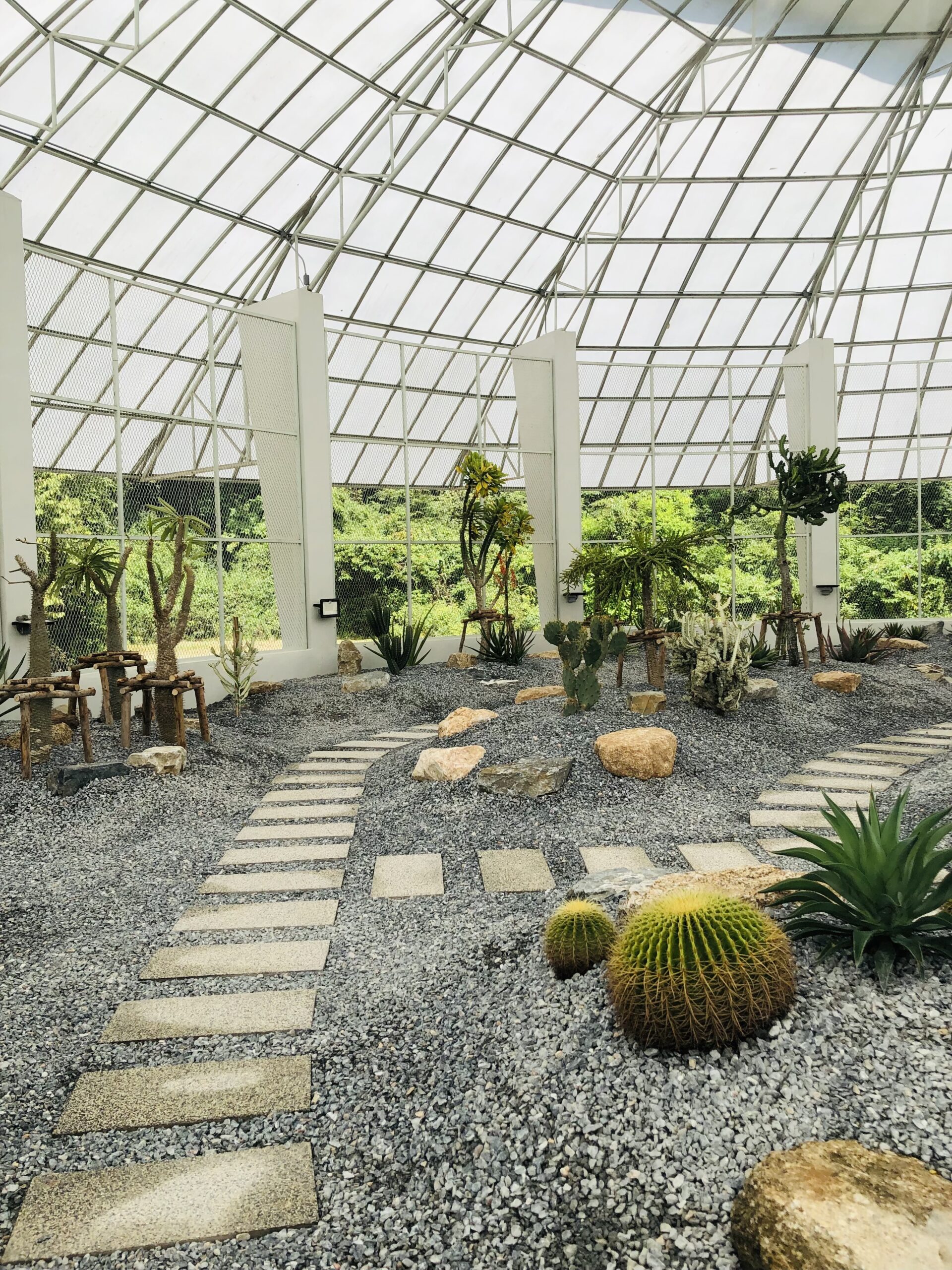
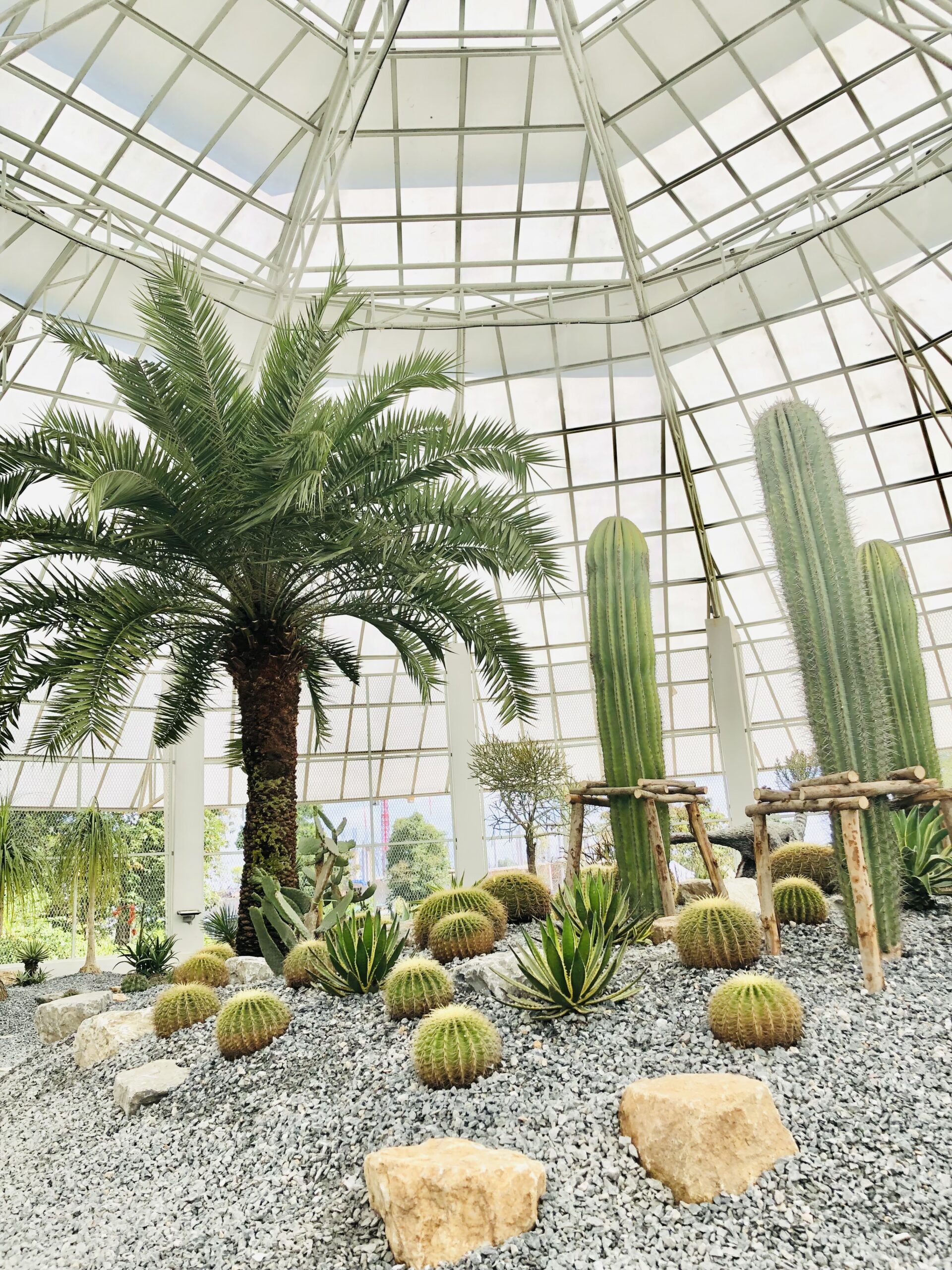
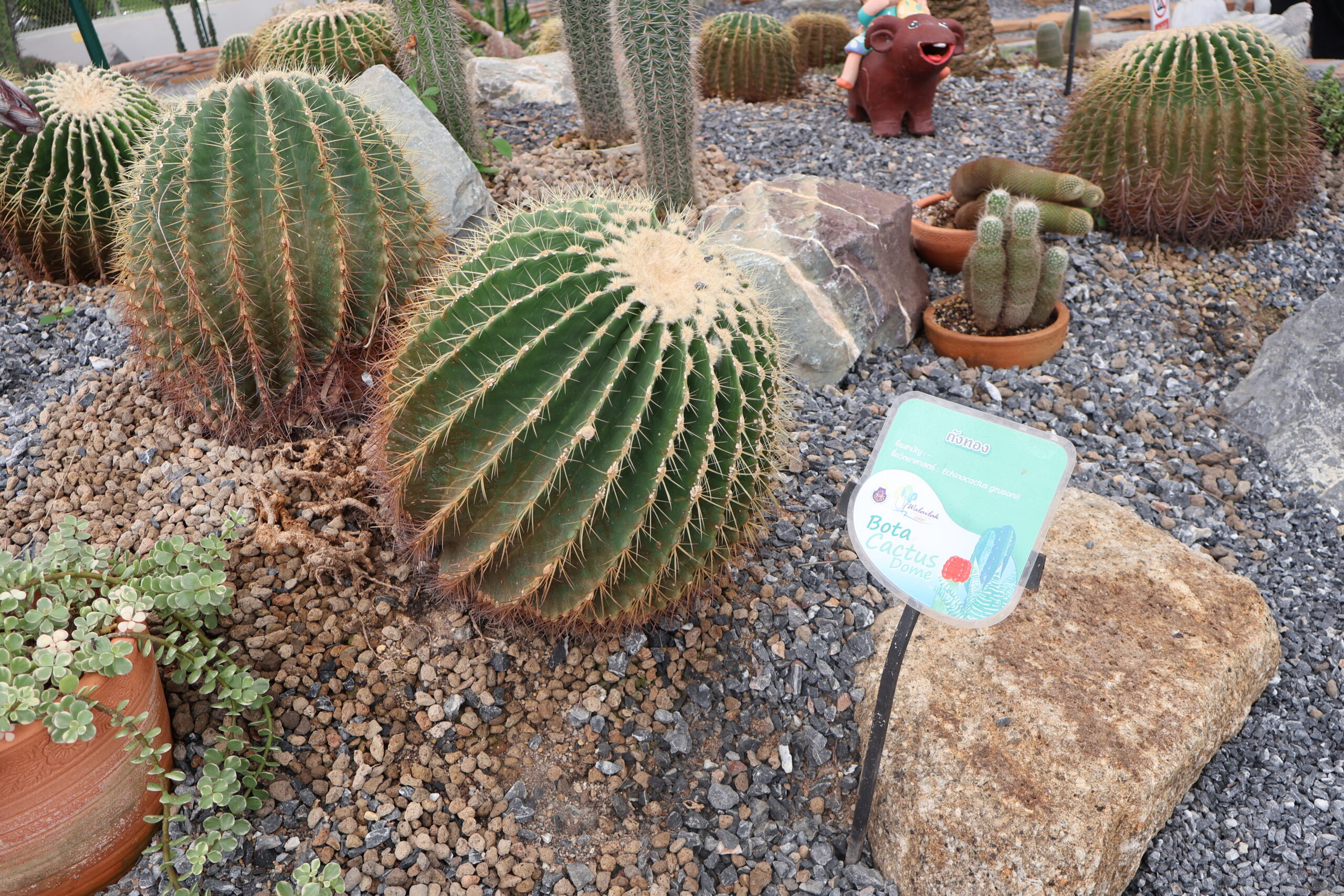
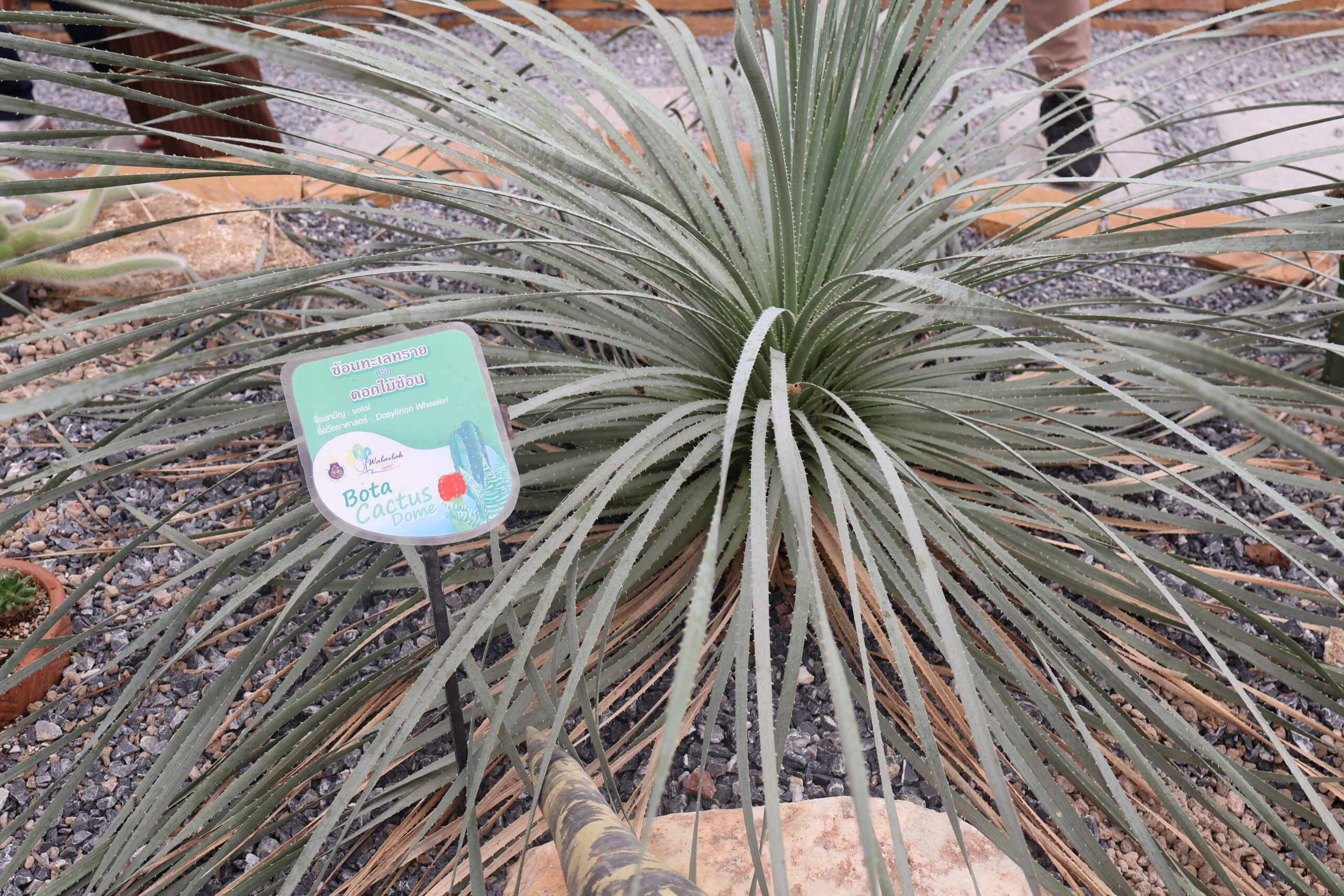
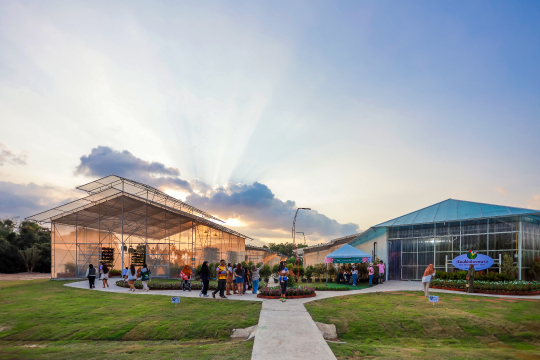
The Cactus Dome, located within the Walailak University Botanical Garden and covering an area of 1,600 square meters, is recognized as the largest cactus dome in Southern Thailand. It was established as a center for the collection and exhibition of cacti, drought-tolerant plants, and succulents, serving as an important botanical learning hub for the region. The dome provides opportunities for students, staff, nearby schoolchildren, and the general public to study, explore, and expand their knowledge of plant diversity. The Cactus Dome houses a collection of more than 200 plants, including: 22 species of cacti 3 species of succulents 12 species of drought-tolerant plants In addition, the dome has received generous contributions of plant species from Nong Nooch Tropical Botanical Garden, including: 1 olive tree 34 species of palms 3 tamarind creepers The plant collections displayed within the Cactus Dome thus serve not only as a repository of drought-tolerant and rare plant species from various families but also as a vital center for conservation, knowledge dissemination, and support for botanical education and research in Southern Thailand.
8. The Orchid House
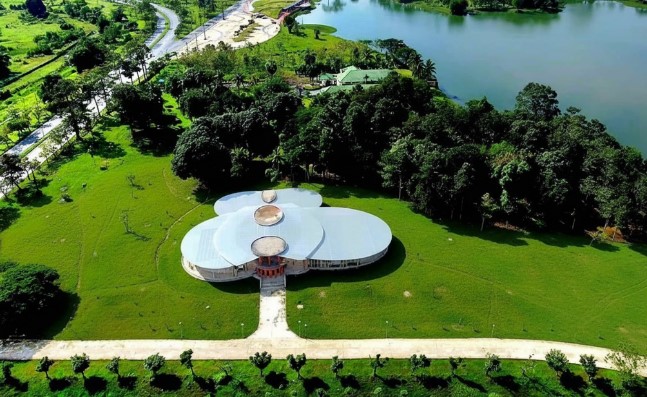
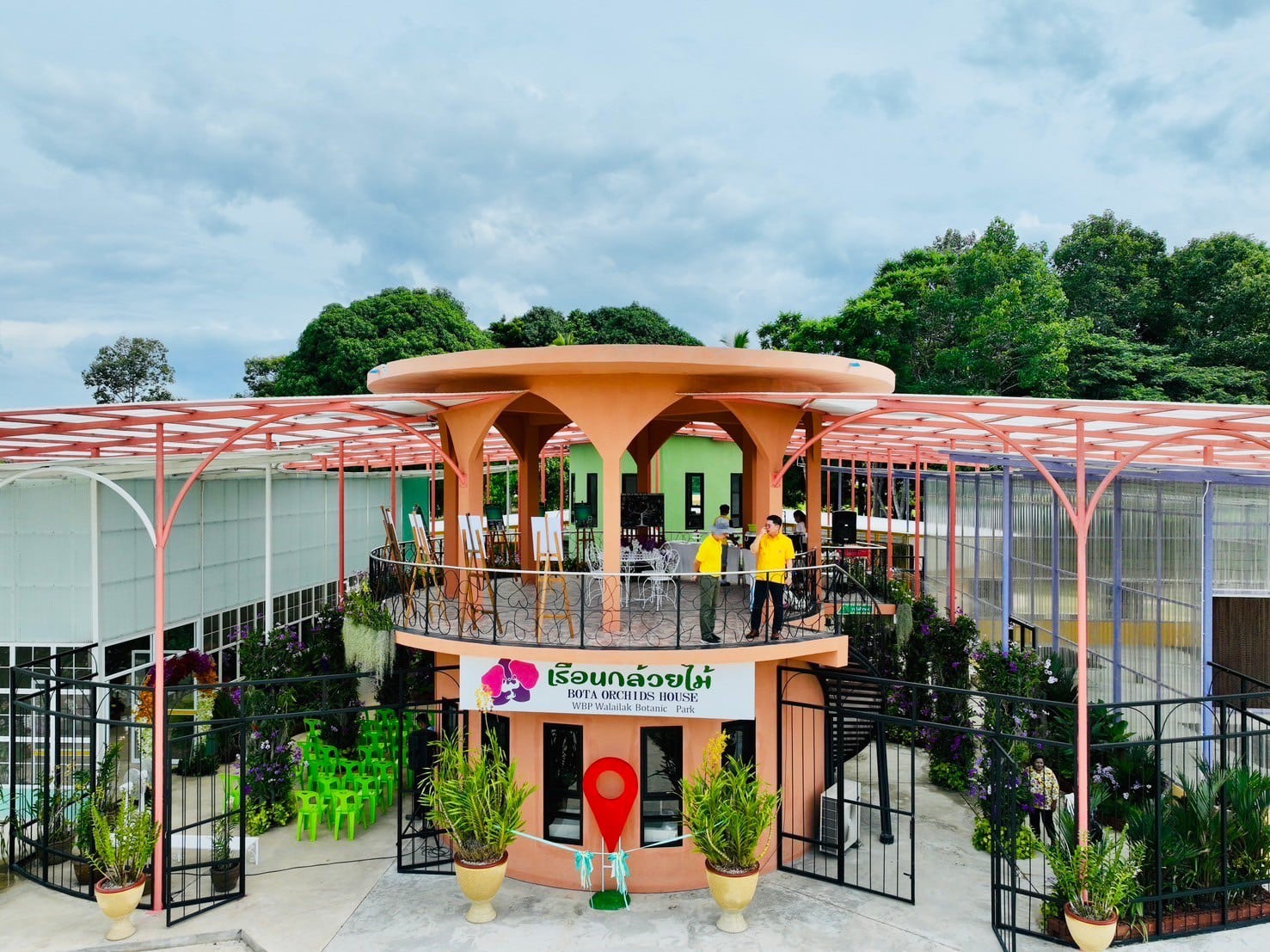
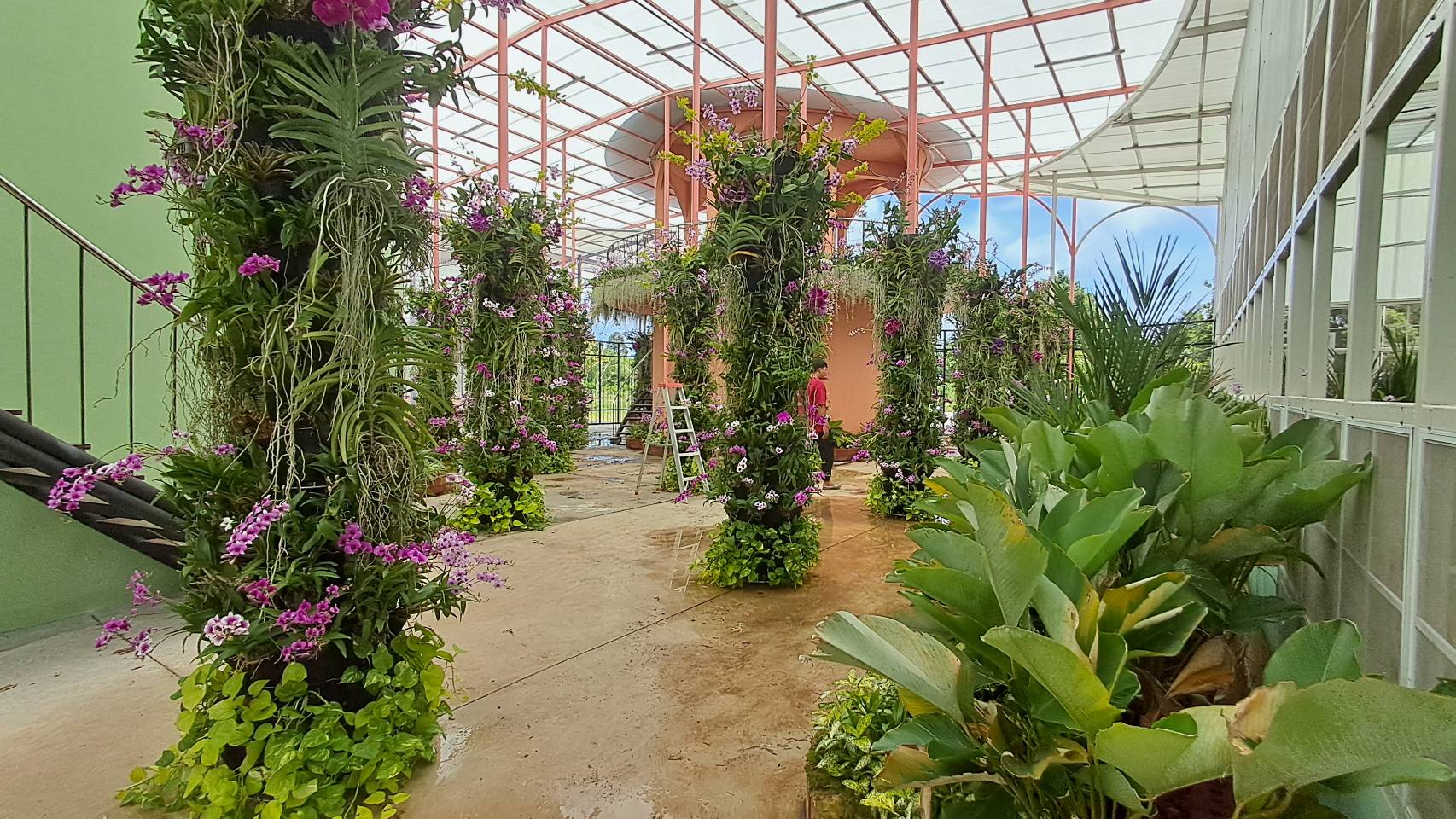
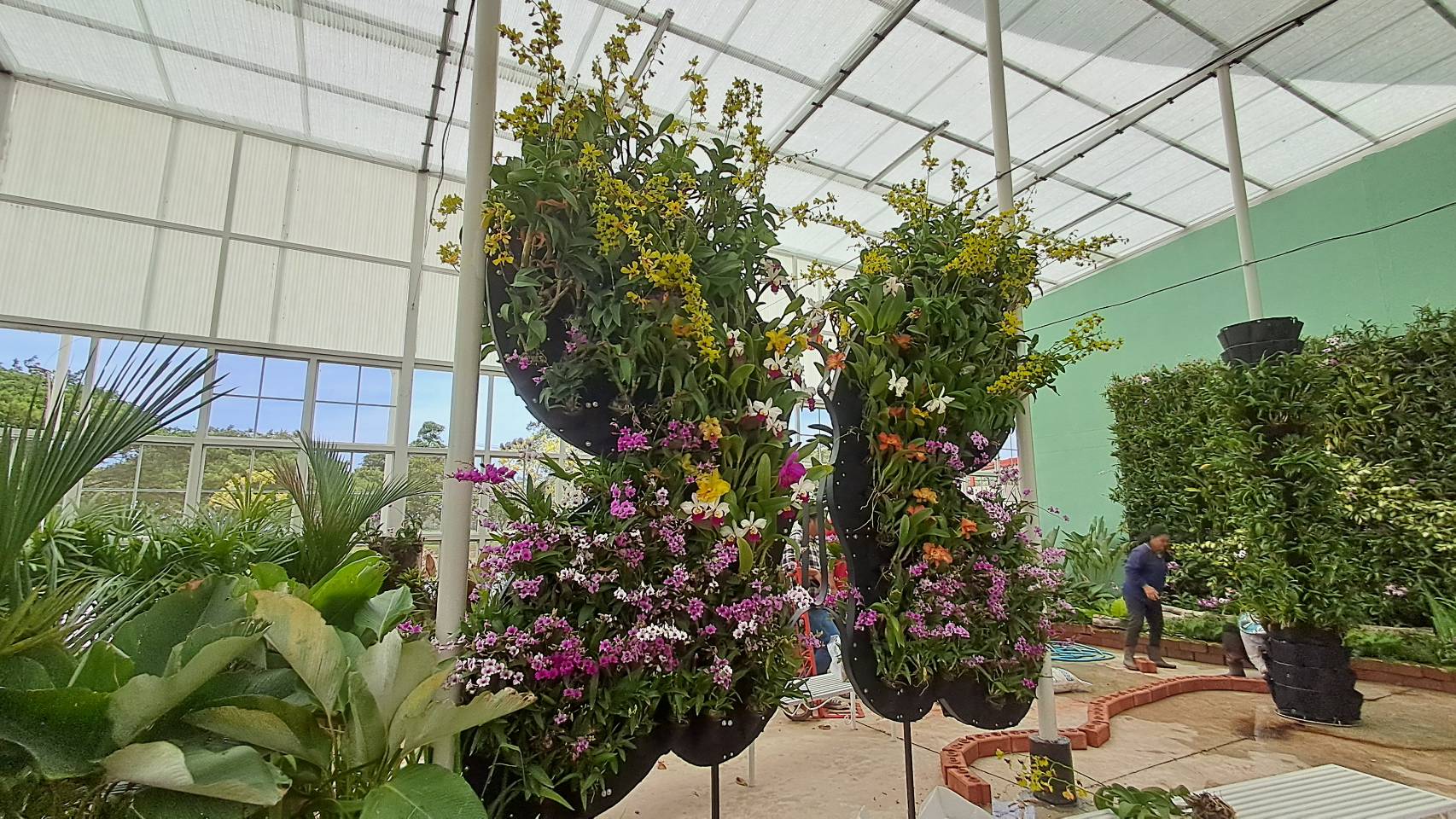
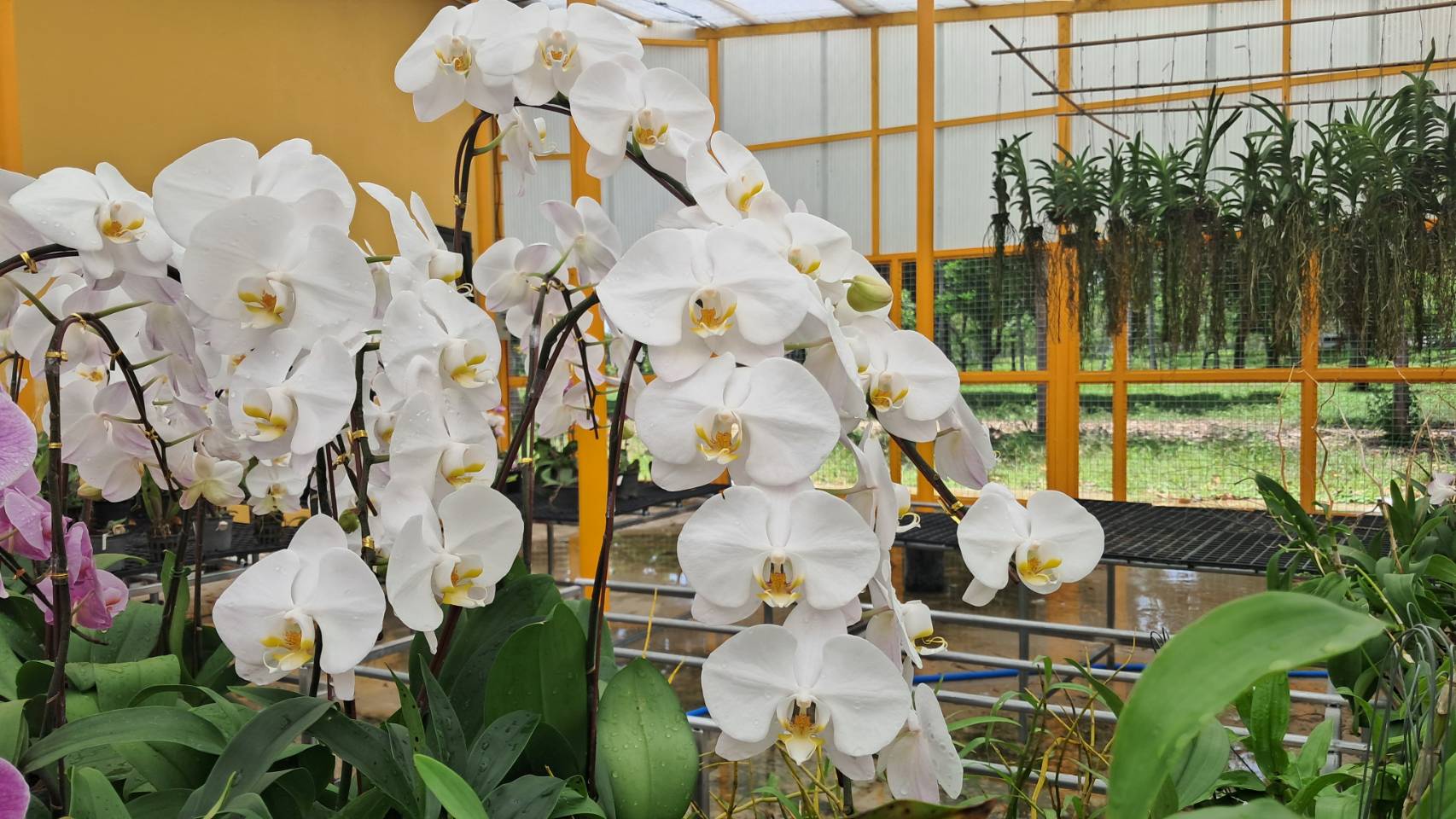
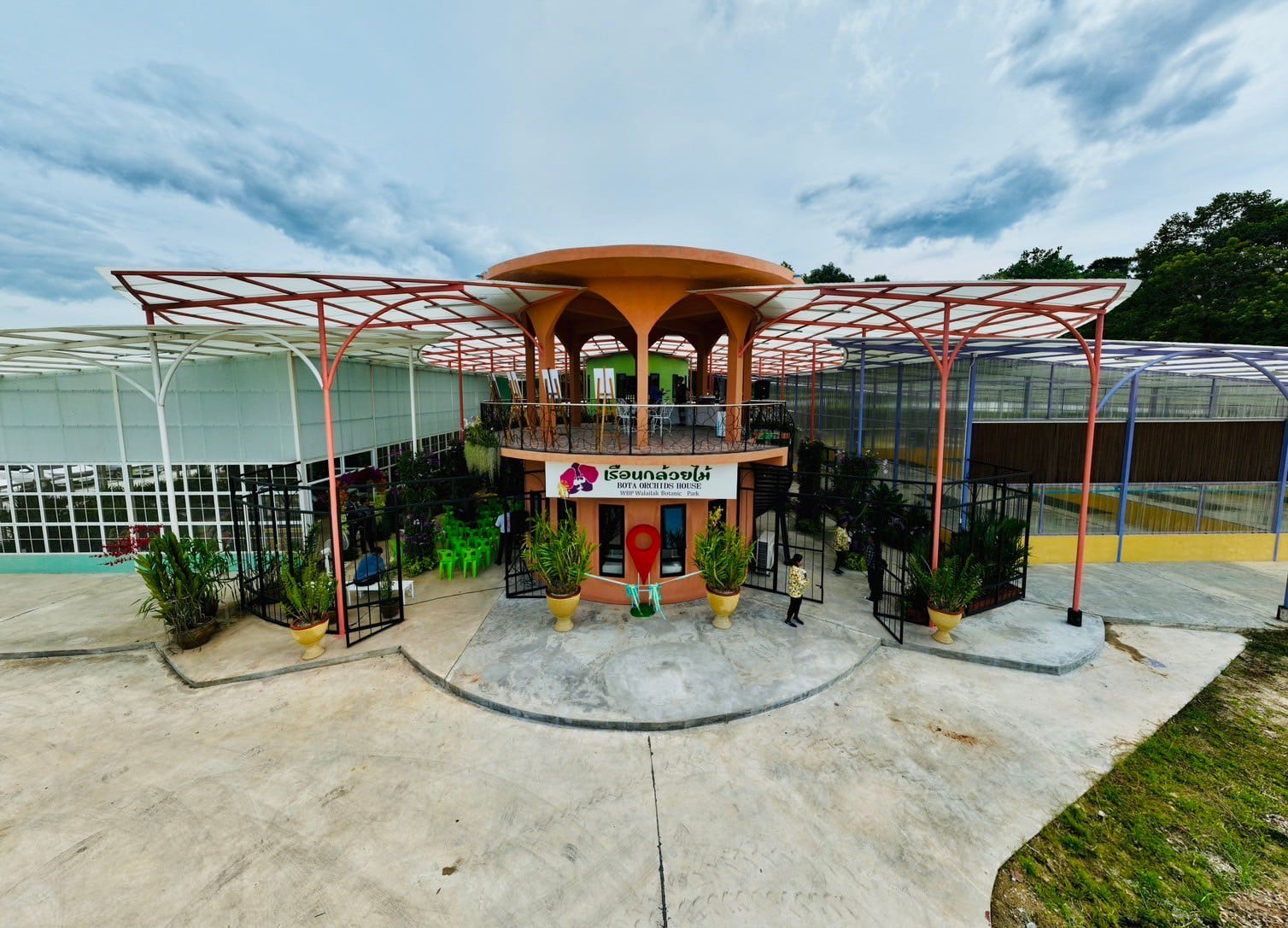
The Orchid House is located within the Walailak University Botanical Garden, covering an area of 1,600 square meters. It houses a collection of over 55 species of native Southern Thai orchids, rare orchids, and hybrid orchids, such as Hangkhaing Puek, a native Southern Thai orchid recognized as the largest orchid in the world, as well as hybrid orchids with distinctive features, such as Phalaenopsis, known for its elegant flower shapes. These exceptional orchid varieties inspired the design of the Orchid House’s roof structure. The interior of the Orchid House is divided into two main zones: Zone A features sculptural orchid displays, including butterfly orchid gardens and vertical orchid gardens. Zone B features sculptural orchids and a rooftop garden. In addition to serving as a botanical learning center, the Orchid House is also an important and visually appealing visitor attraction for students, staff, and visitors to Walailak University.
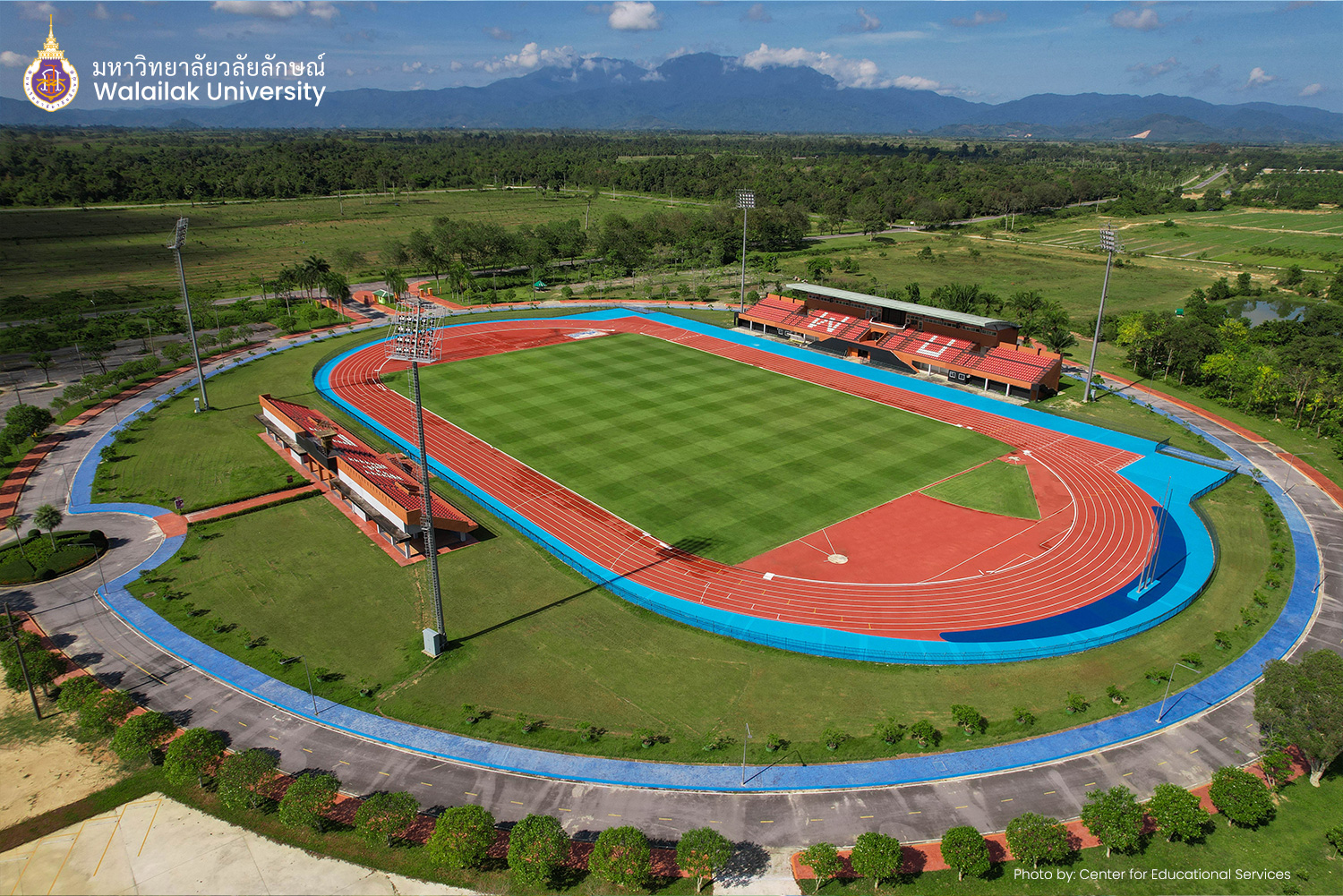
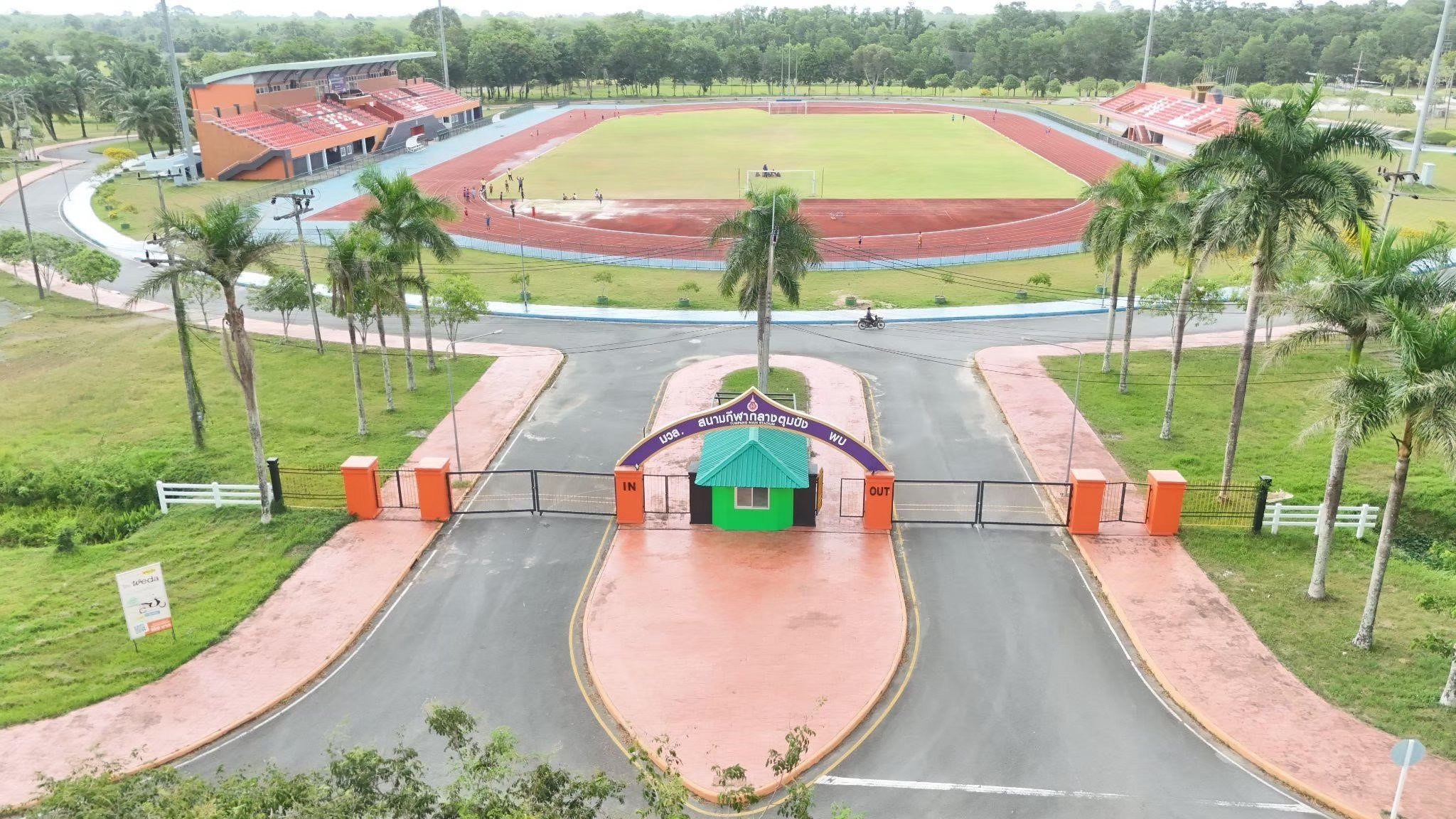
9. Walailak University Sports Complex
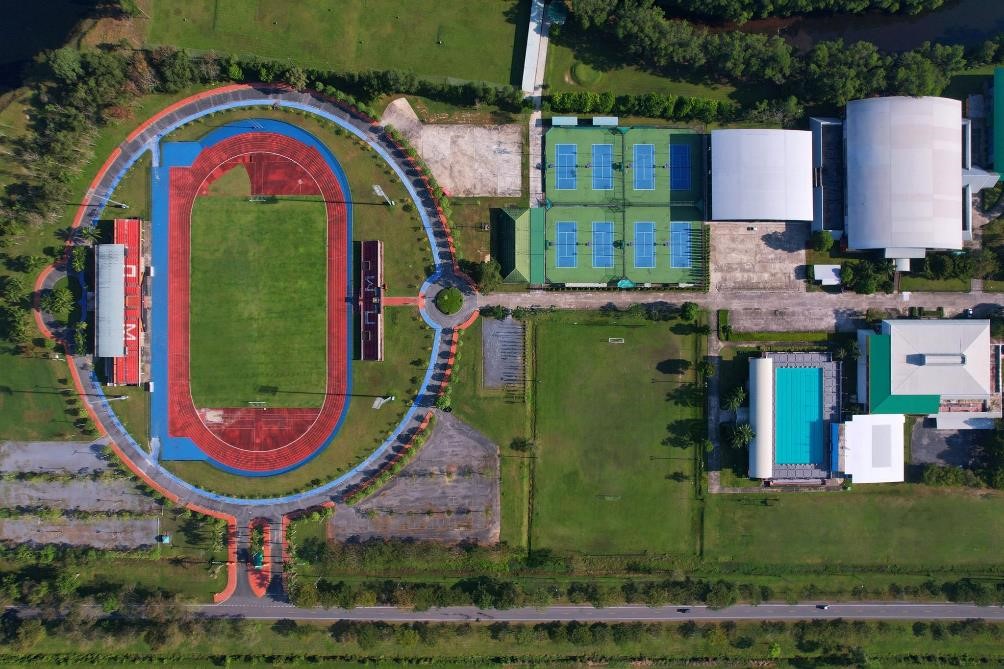
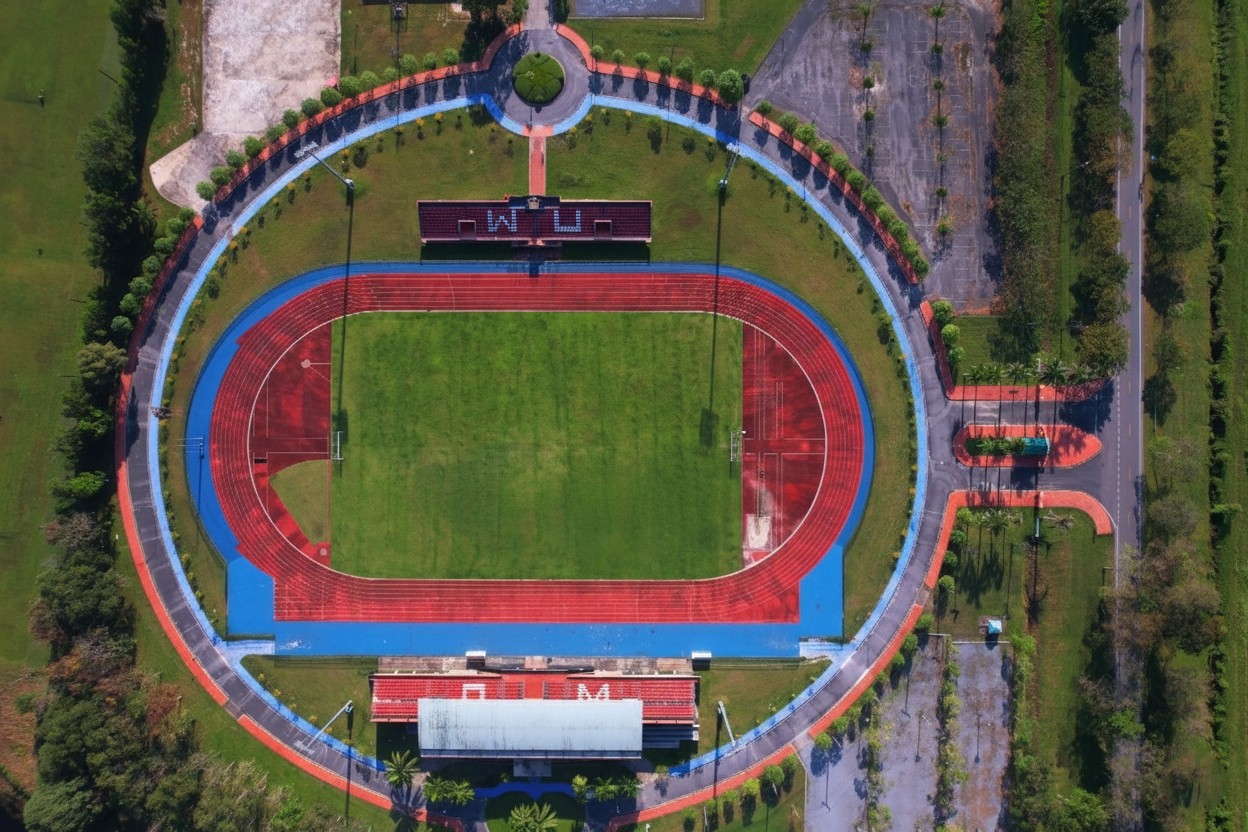
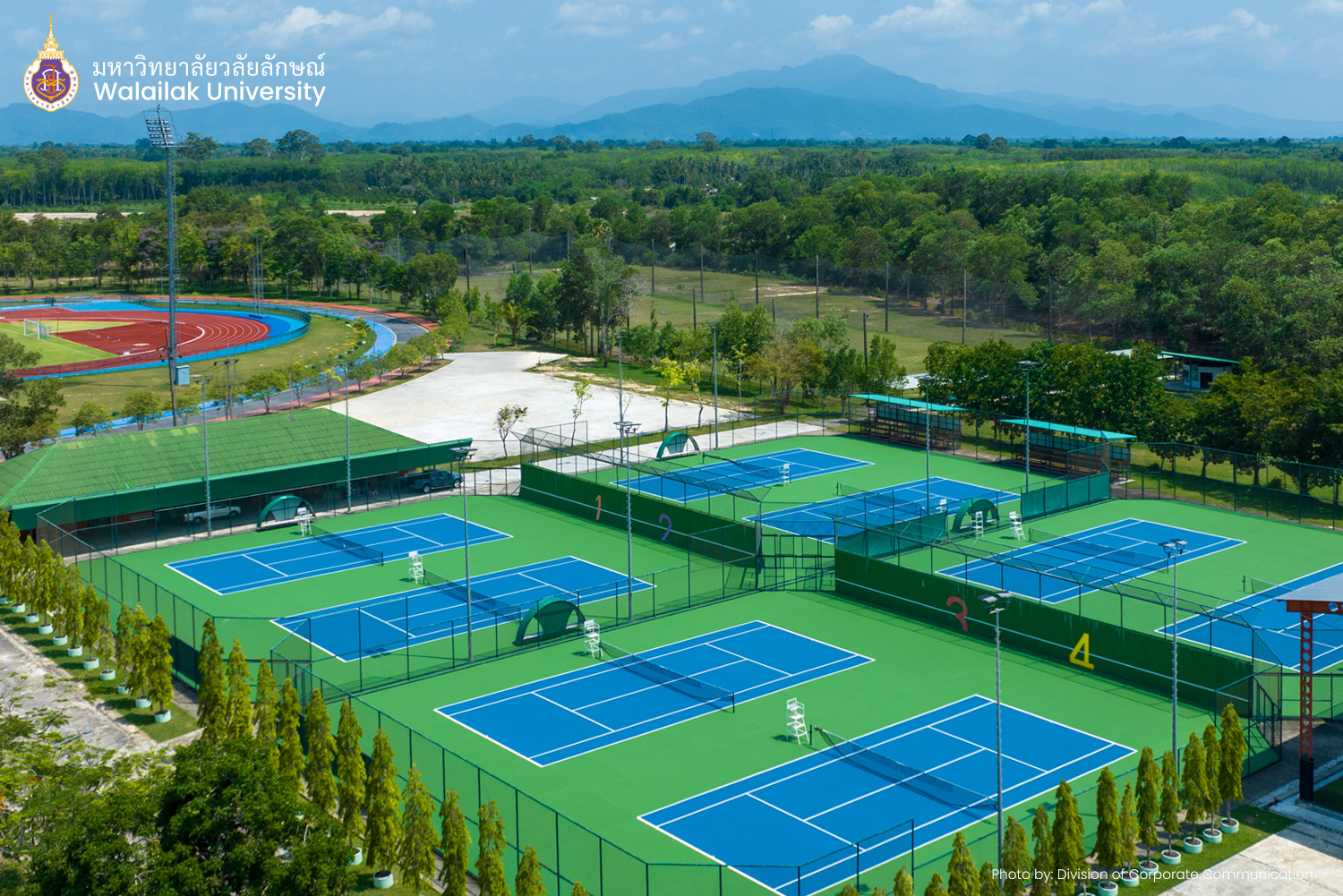
Walailak University Sports Complex Walailak University recognizes the importance of sports and health development, and therefore promotes well-being through the systematic integration of sports science and sports management. The Sports Complex serves as a comprehensive and modern hub for sports science and health rehabilitation, making it the most advanced facility in Southern Thailand and one of the most complete in the country and the region.
In addition, the Sports Complex functions as a training center for developing and restoring the performance of national and international athletes, and also serves as a venue for sporting competitions in collaboration with universities across the country. Surrounded by grass fields and trees, the complex provides a natural, refreshing environment that supports both physical activities and relaxation.
Total Area: 15,350,400.00 m2
Total area on campus covered in planted vegetation: 7,694,147.36 m2
Percentage area: 50.12 %