Green Building Elements 2: Environmental Quality
Element 2 Indoor Environmental Quality
- Environmental Tobacco Smoke (ETS) Control
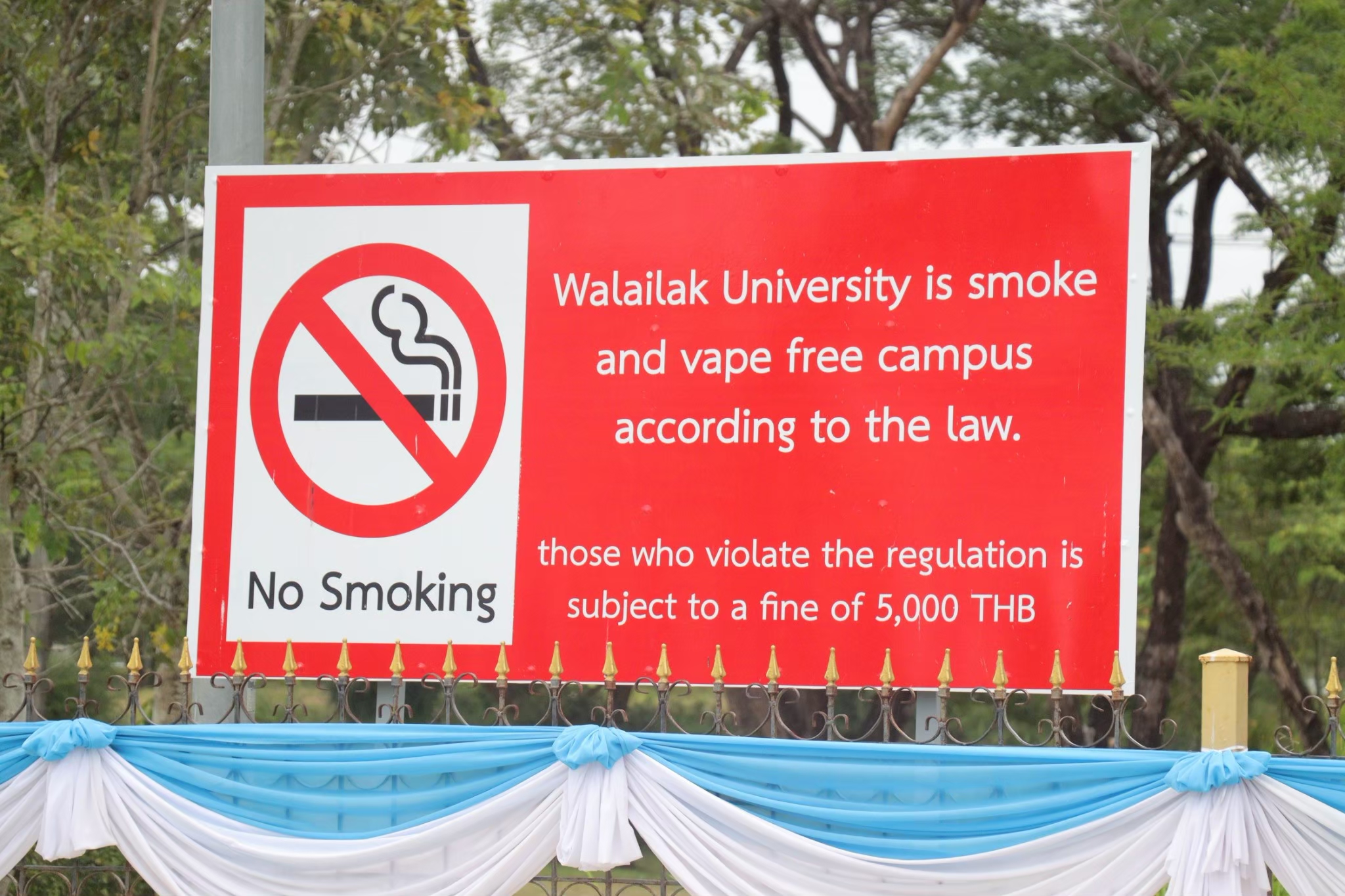
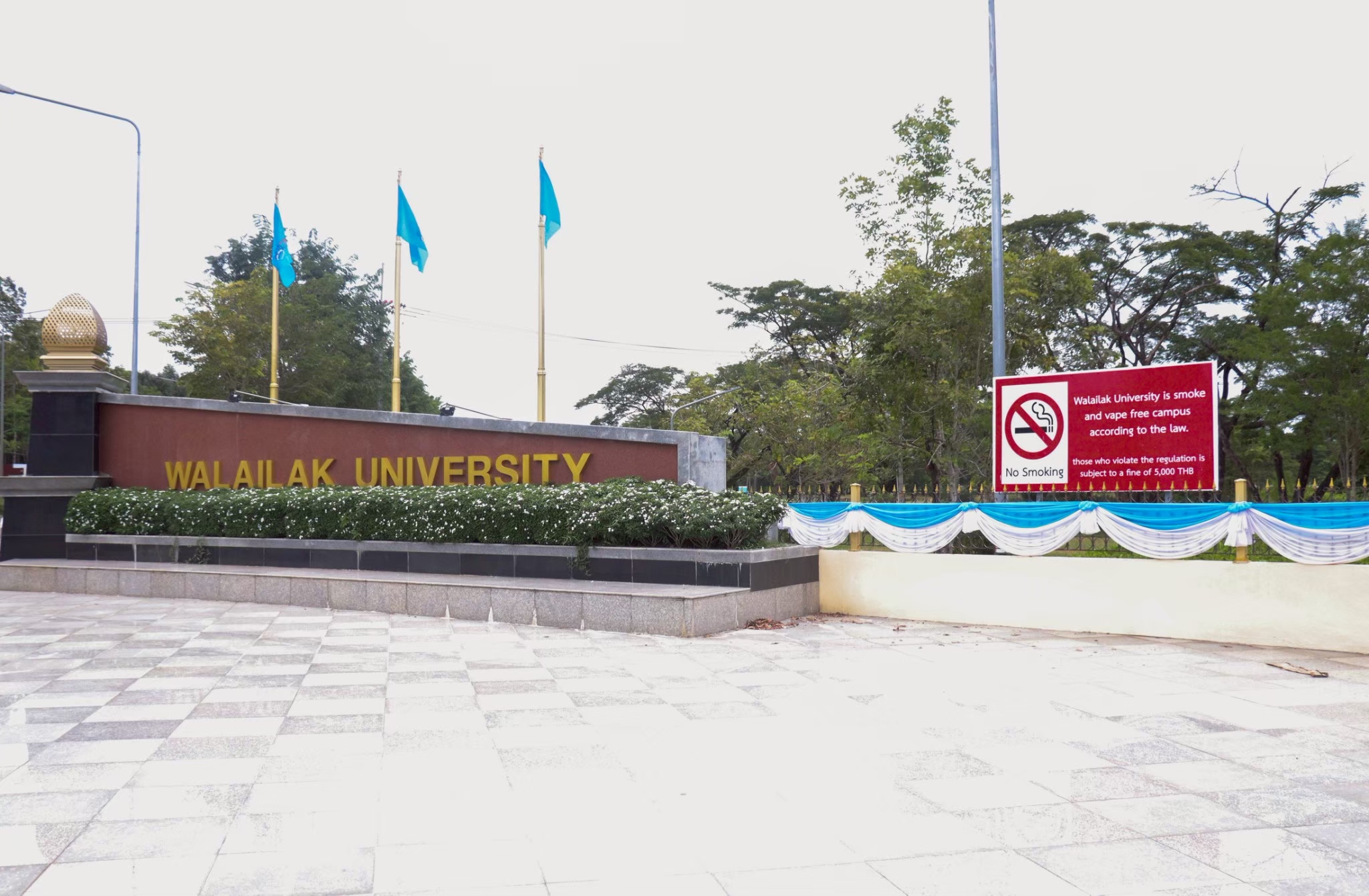
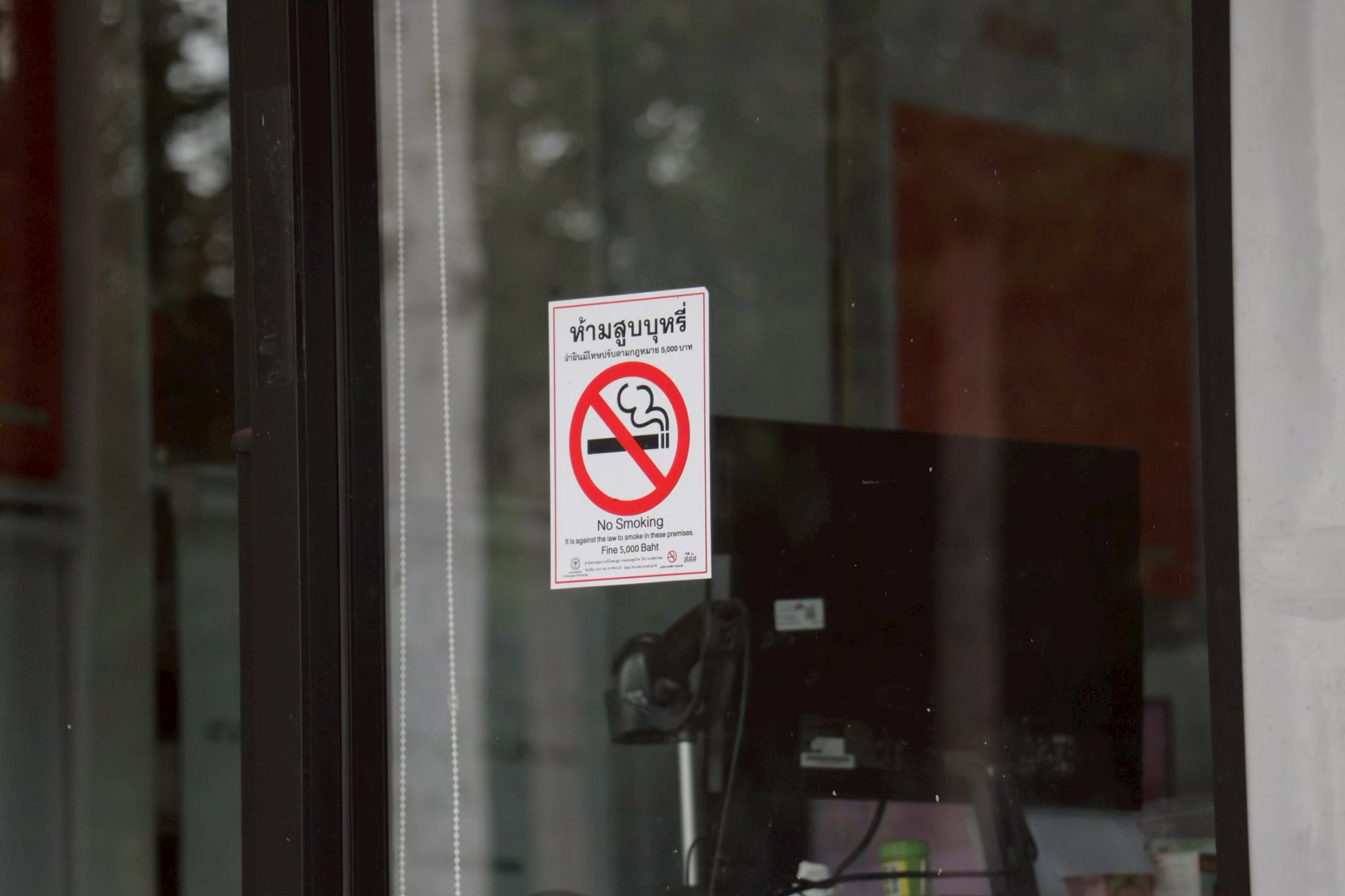
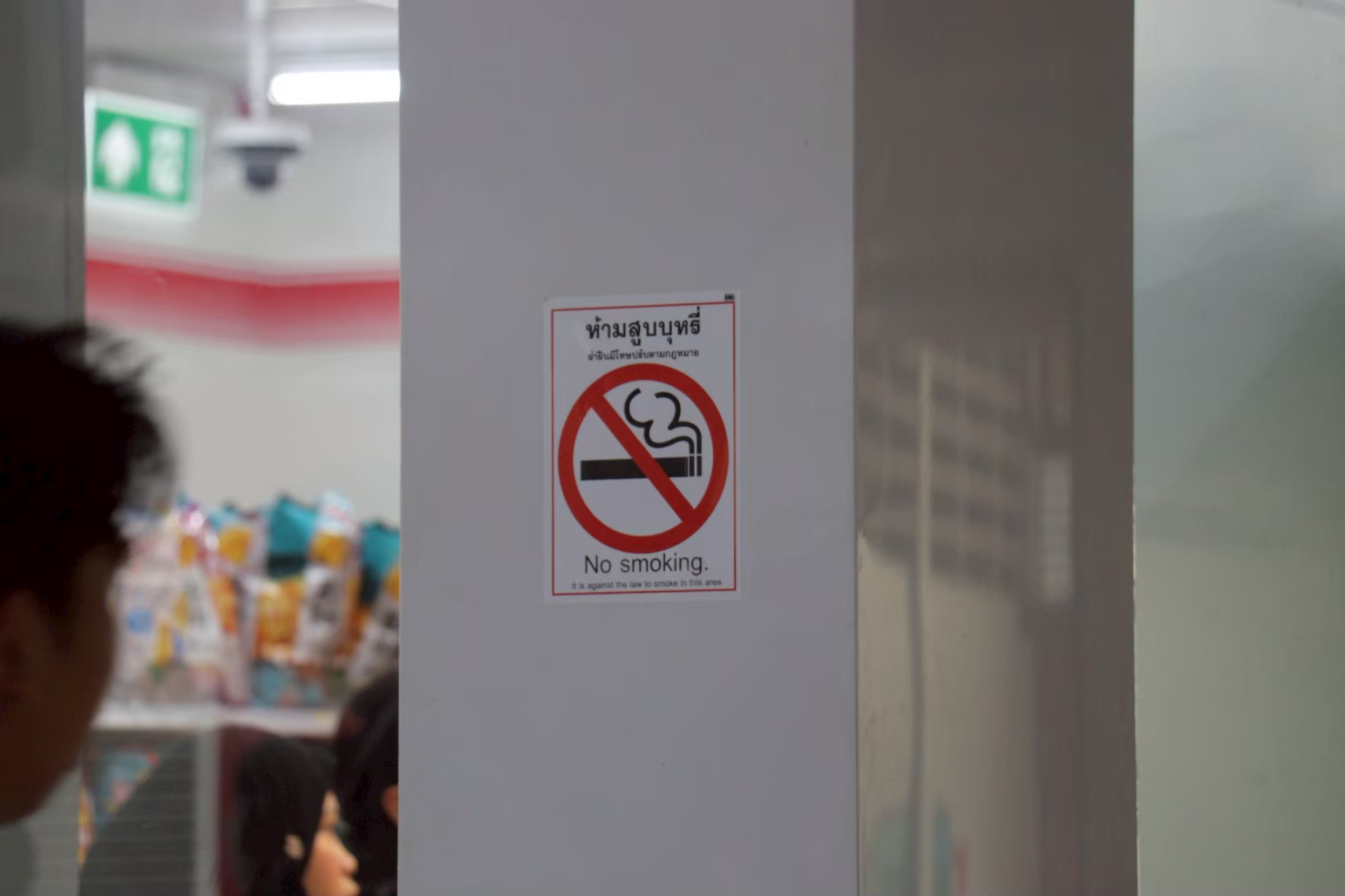
Walailak University is designated as a smoke-free campus, implementing strict Environmental Tobacco Smoke (ETS) control measures to maintain high indoor and outdoor environmental quality. Smoking is prohibited in all indoor and outdoor areas, including offices, classrooms, laboratories, common halls, and outdoor spaces.
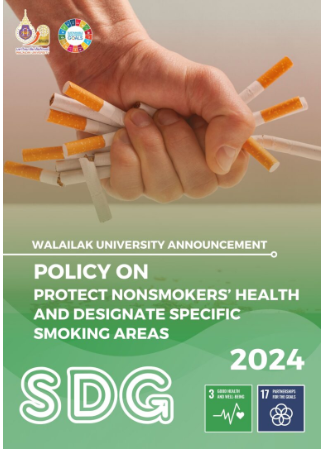
Figures: Policy on Non-Smoker Protection, Designated Smoking Areas, and Vaping Prohibition
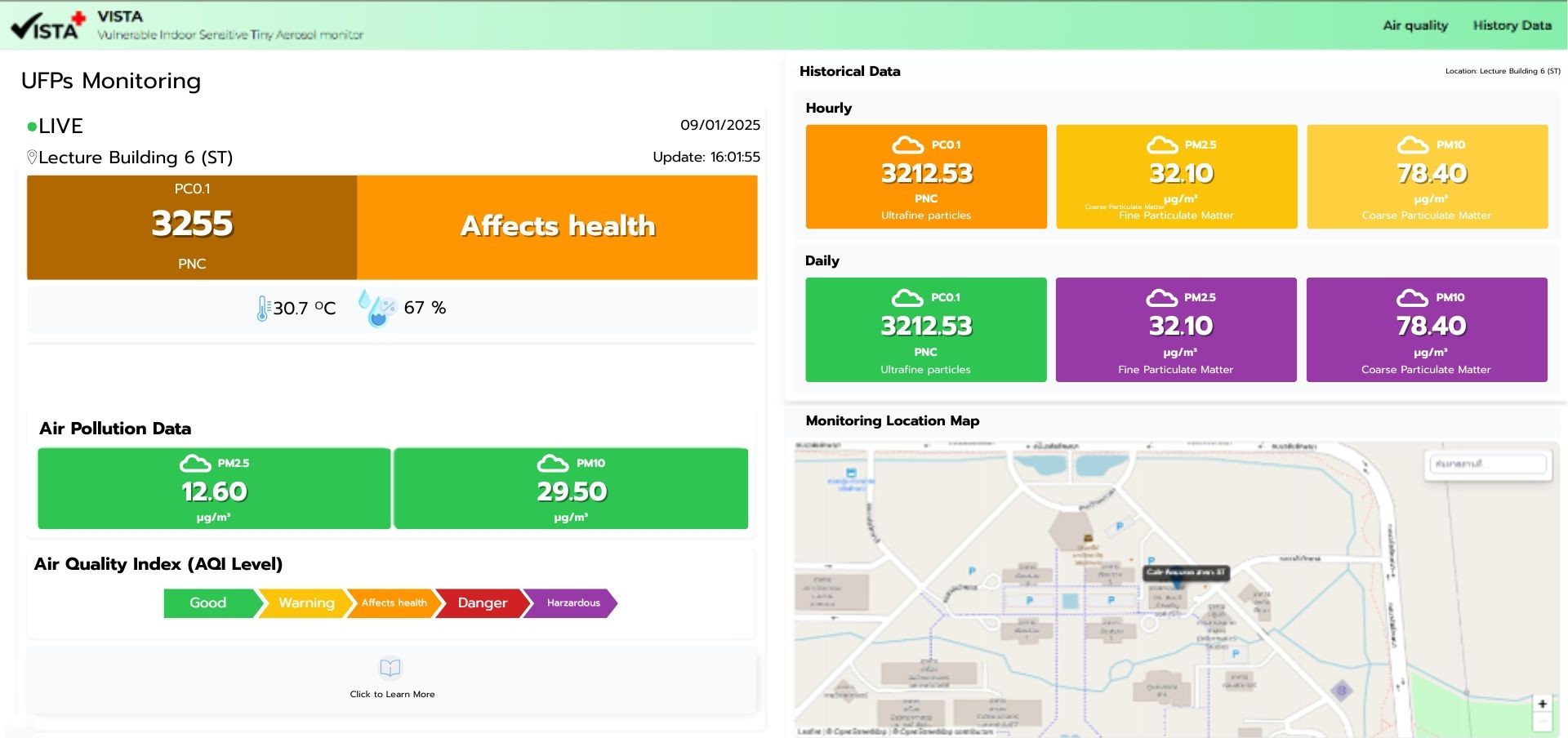
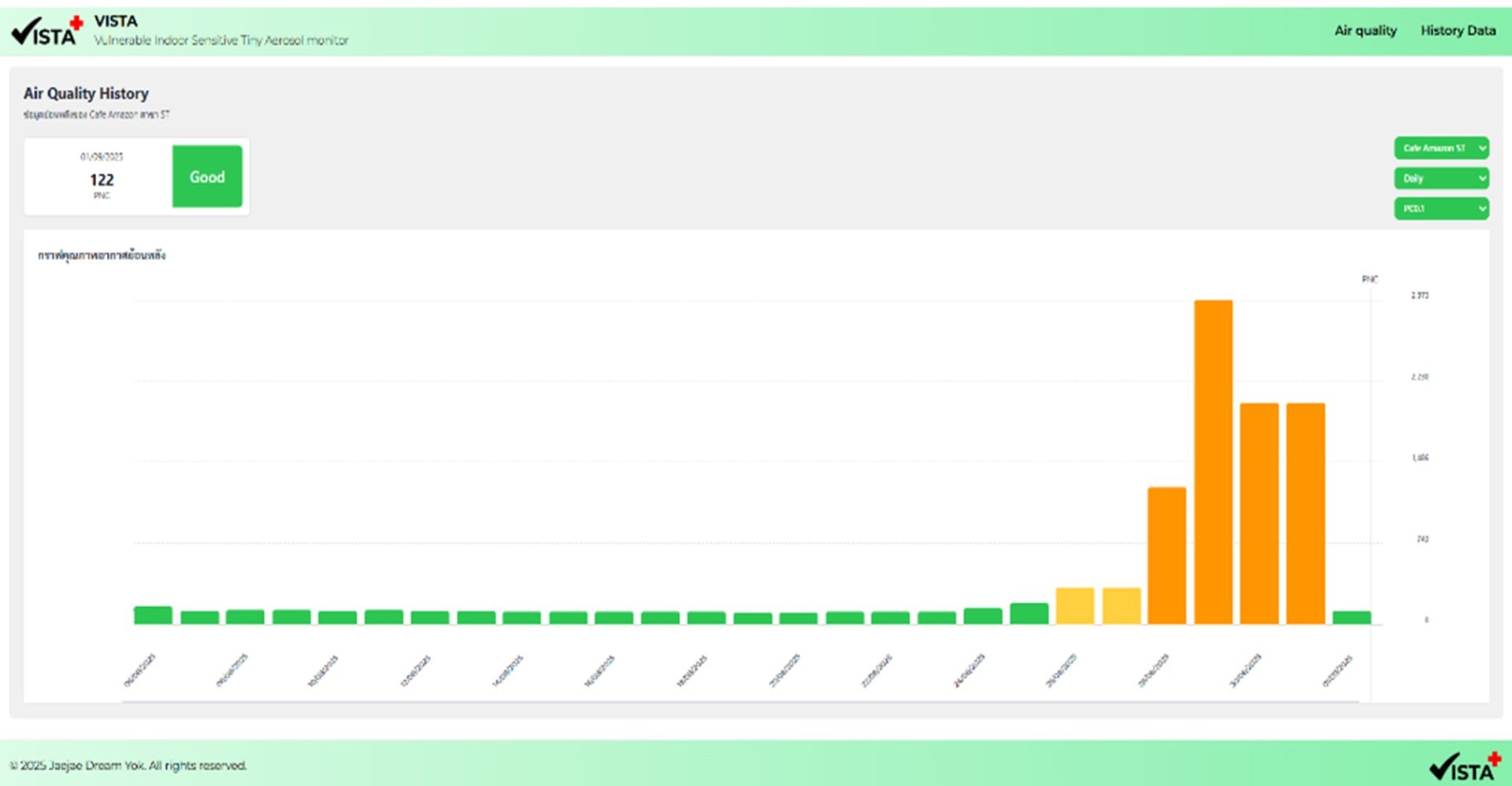
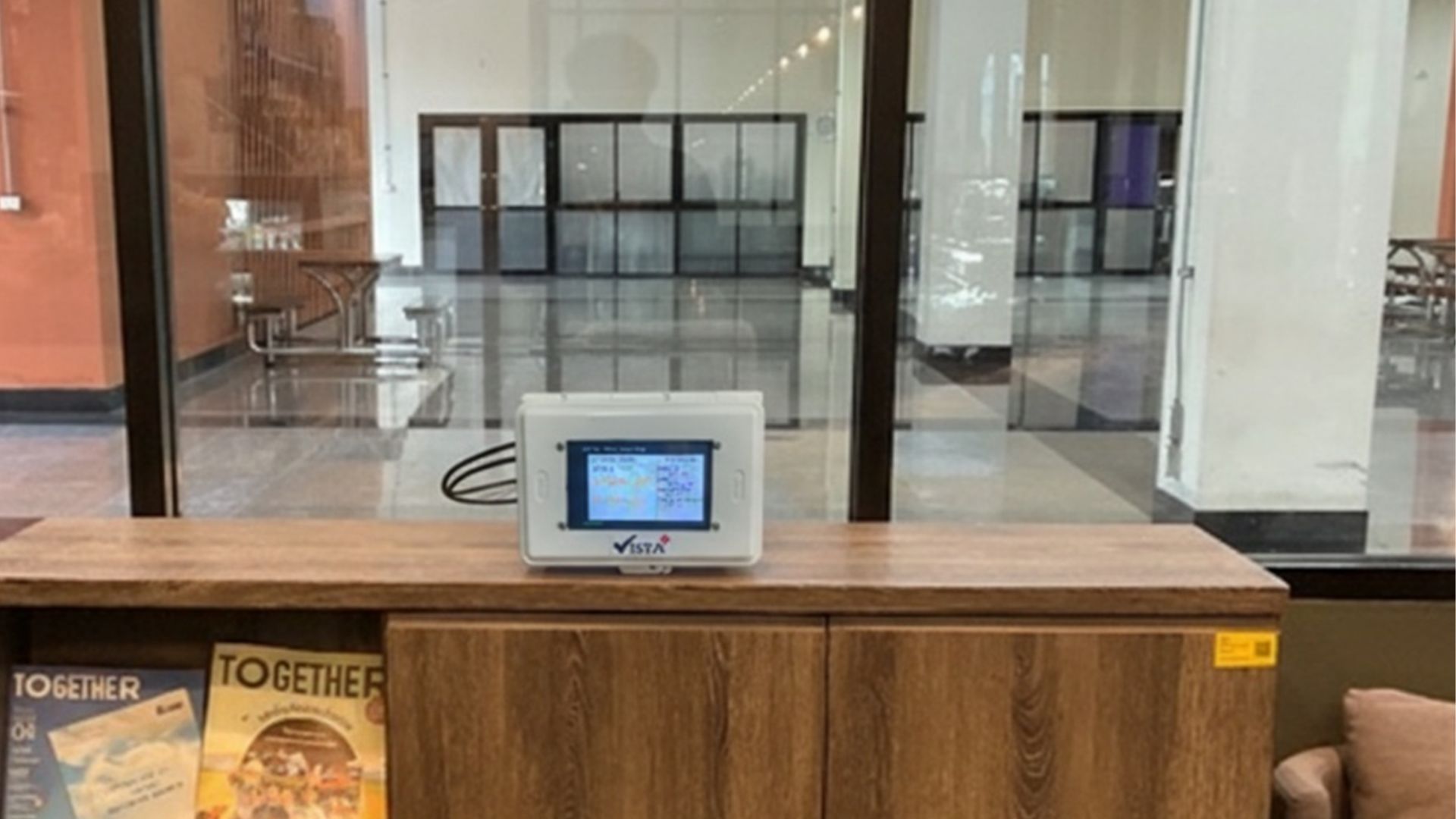
- Indoor Air Pollutants (AI-powered system monitors indoor ultrafine particles to raise awareness of air quality and health impacts.)
Walailak University has developed an indoor air pollutant monitoring system that measures concentrations of various particle sizes, including ultrafine particles, utilizing machine learning and Artificial Intelligence technologies. The system operates through both a device and a web application to predict and monitor indoor air quality, promoting environmental and health awareness among staff and students.
Figures: AI-powered system monitors indoor ultrafine particles to raise awareness of air quality and health impacts.
- Thermal Comfort
Controllability of Systems. In classrooms, air conditioning systems are managed according to the class schedule to ensure energy efficiency and comfort. Moreover, students and staff can adjust the air conditioner’s temperature settings, creating a balance between user comfort and sustainable energy use.
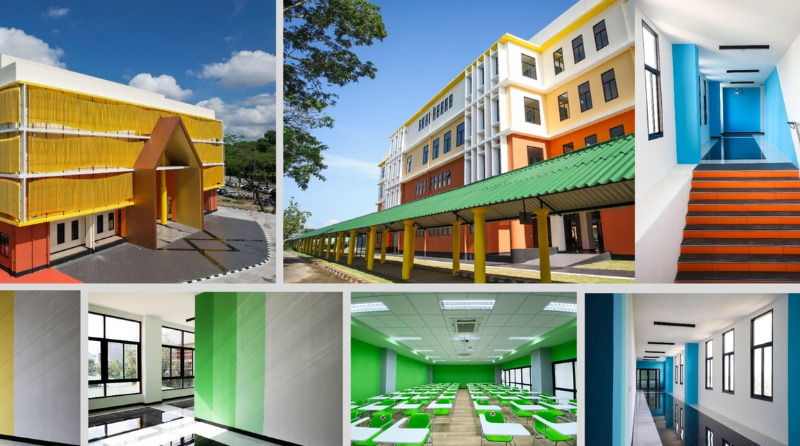
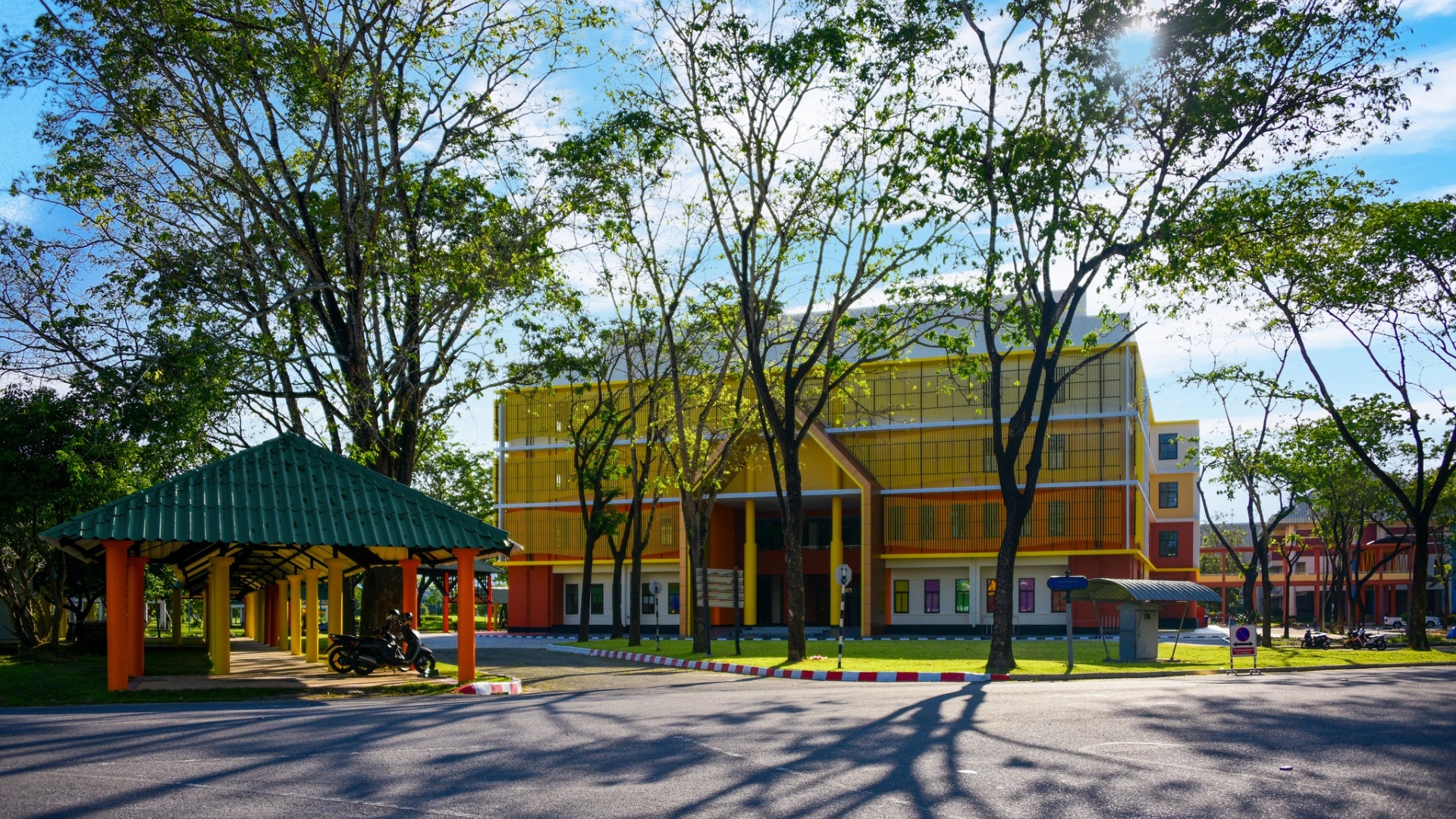
Figures: Heat-reflective eco-paint for cooler and energy-efficient buildings.
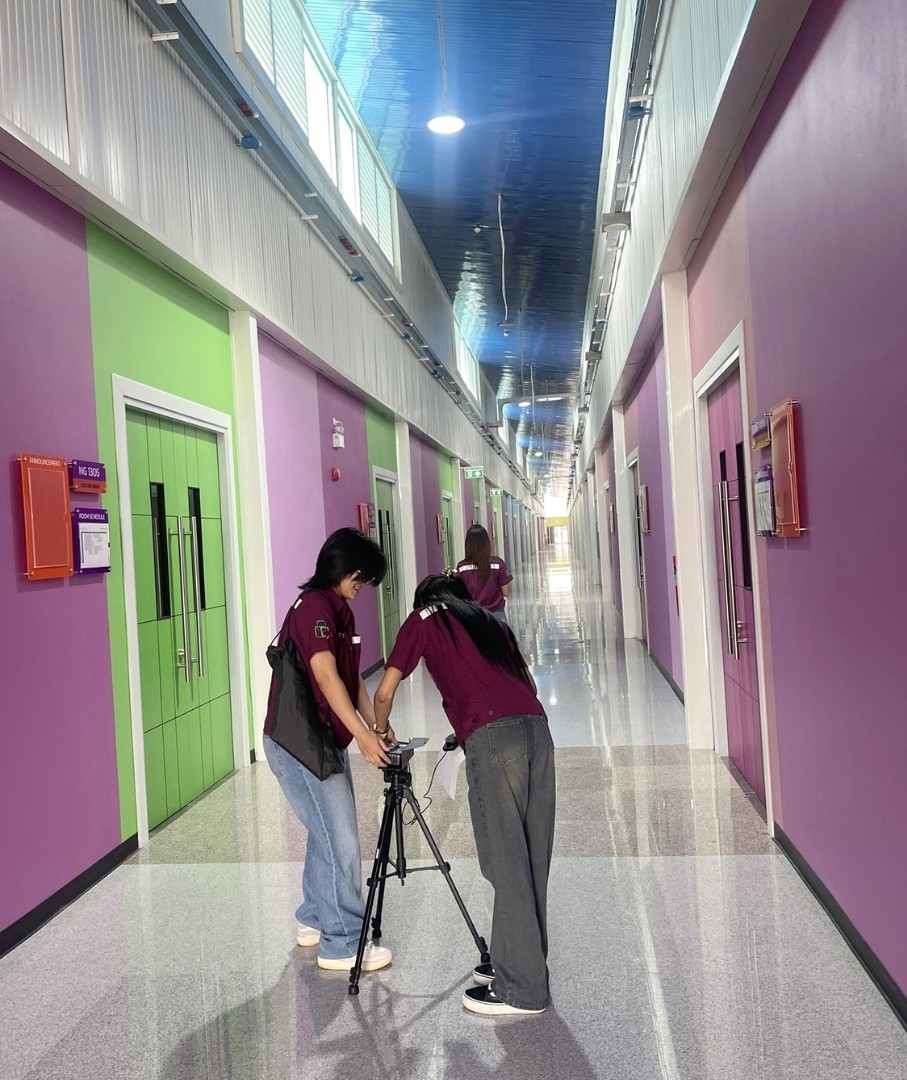
Walailak University enhances indoor thermal comfort and energy efficiency through the selection of heat-reflective and eco-friendly paint colors for its buildings. These paints help reduce heat absorption, lowering indoor temperatures naturally while reducing reliance on air conditioning. This practice not only improves occupant comfort but also supports sustainable energy management and aligns with the university’s green building initiatives.
- Air Change Effectiveness
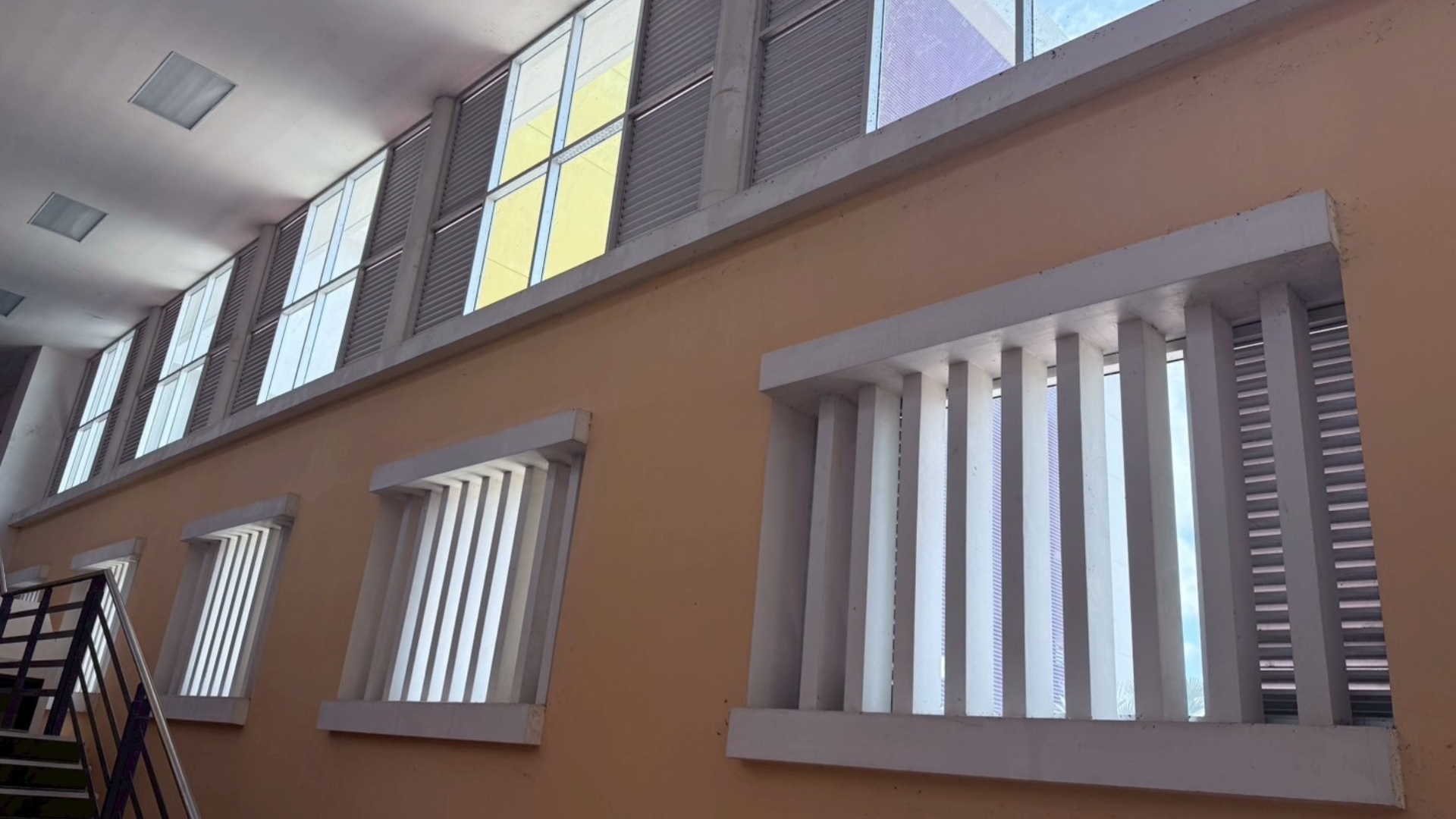
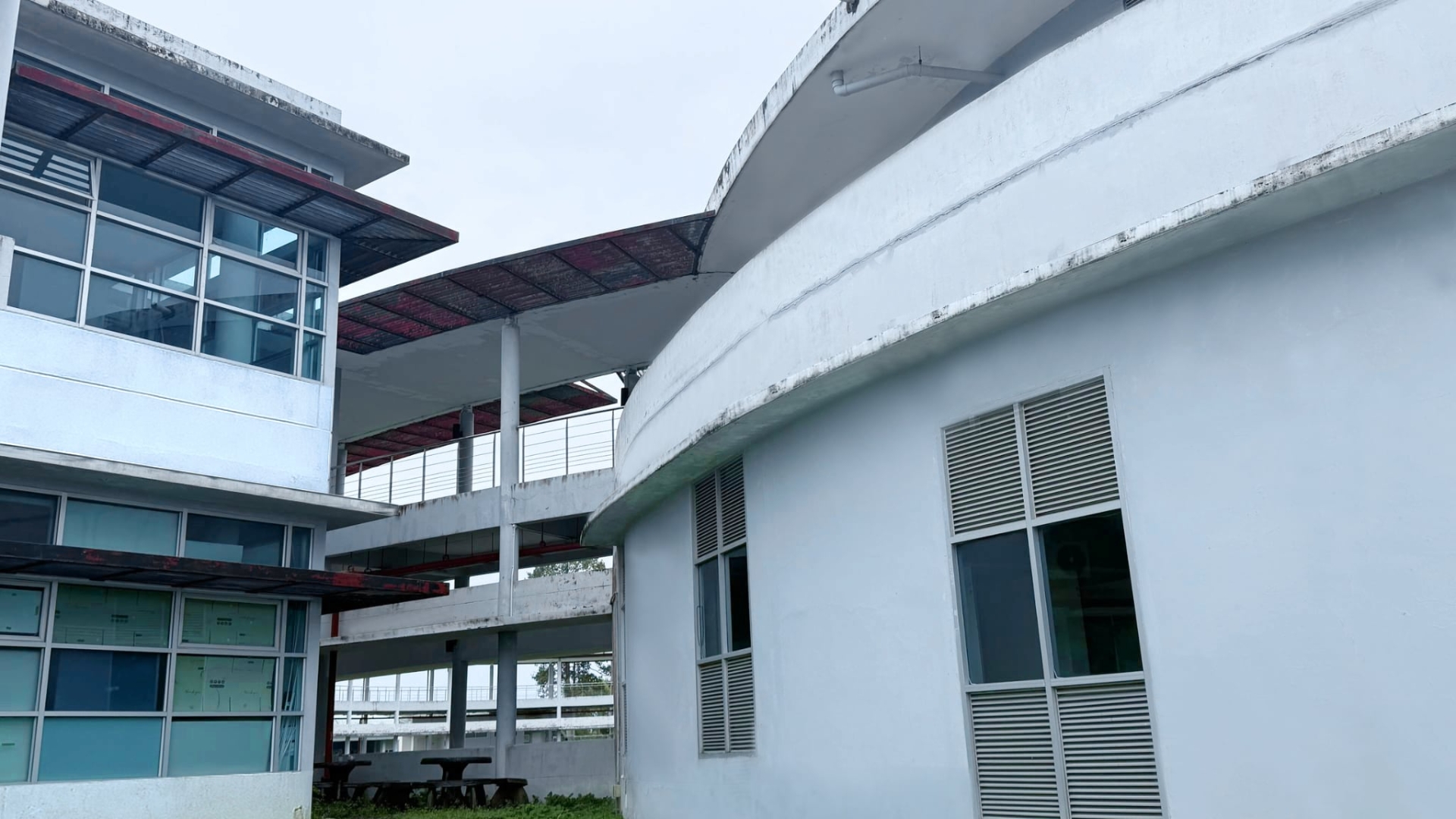
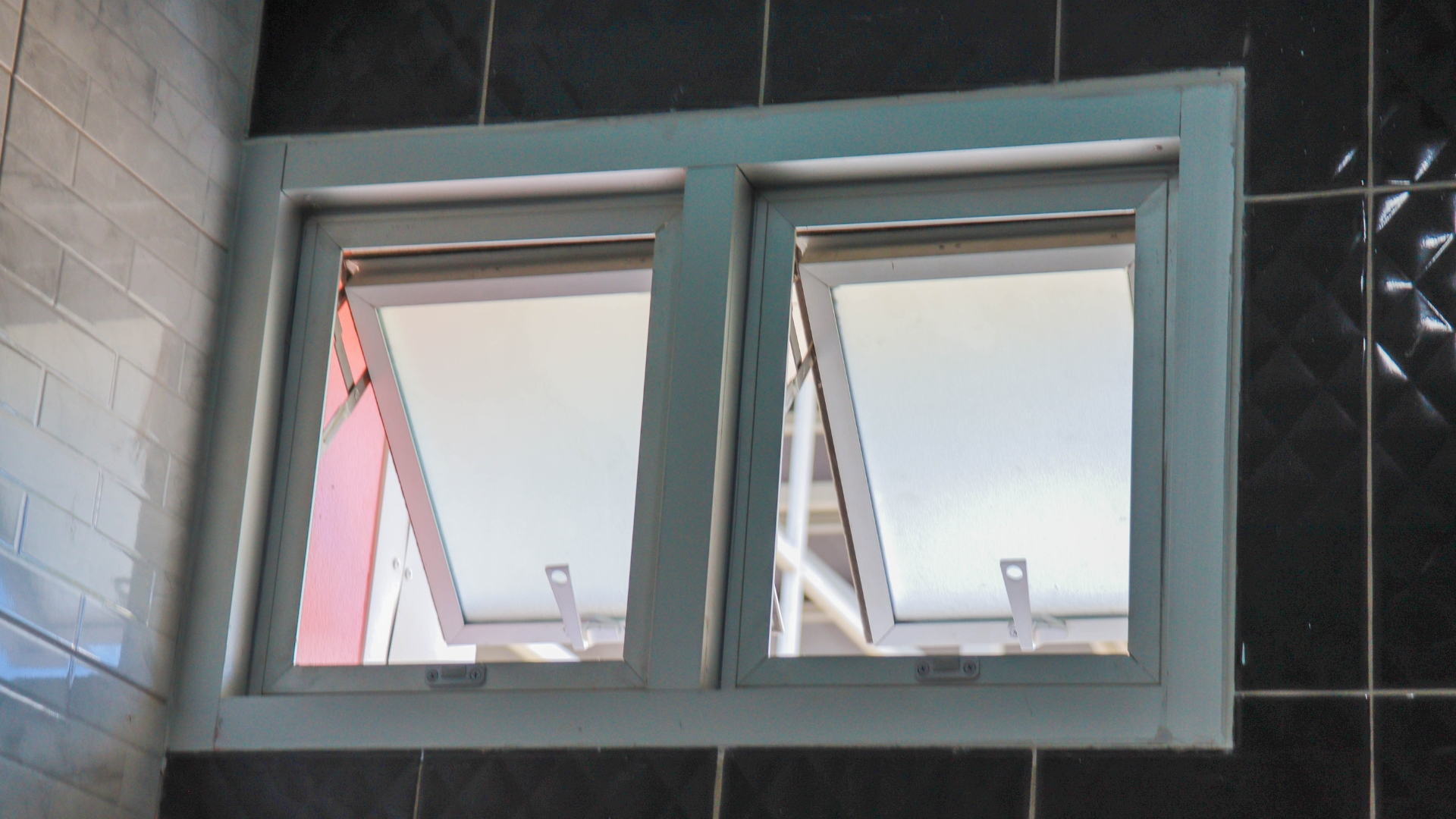
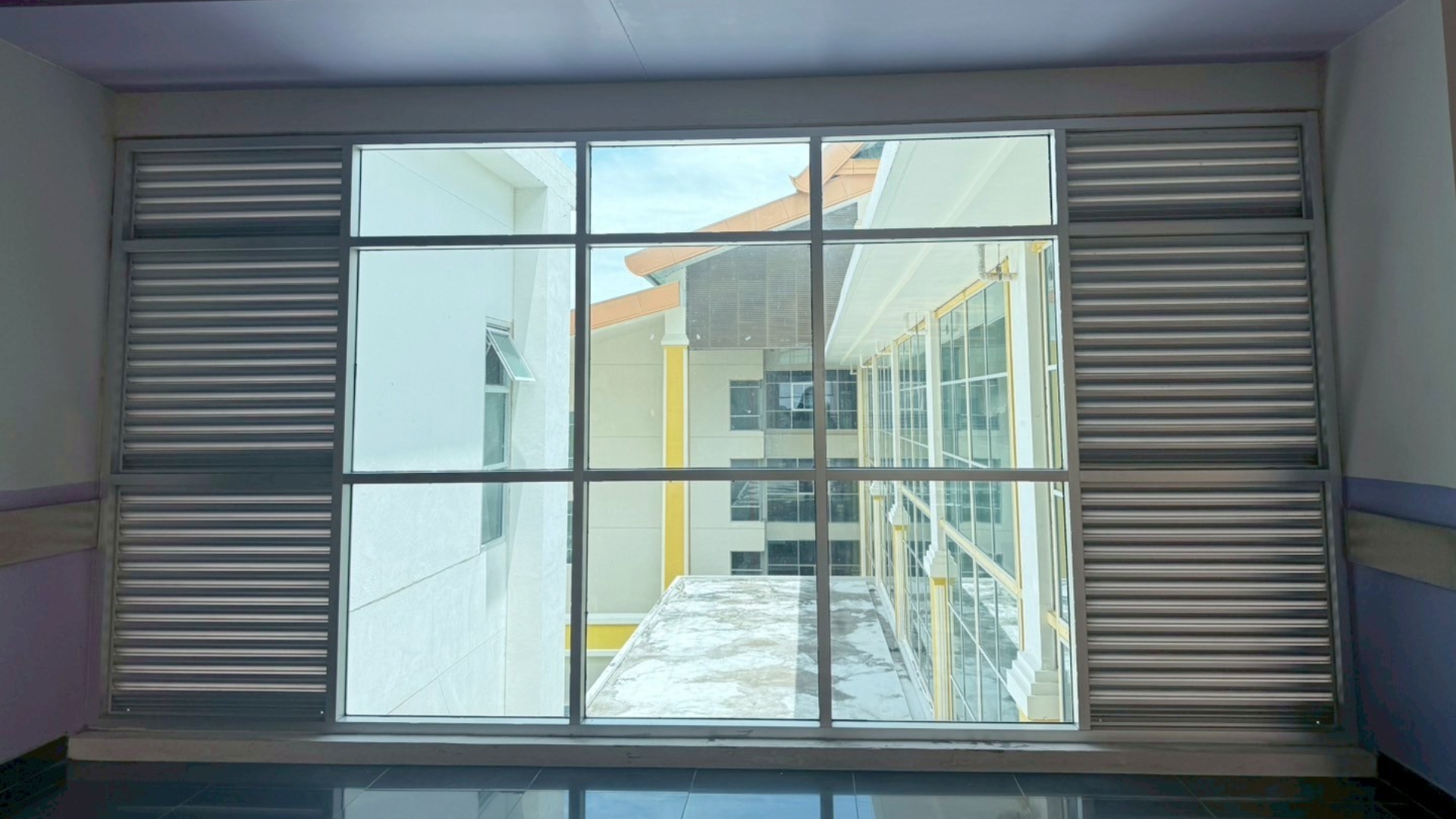
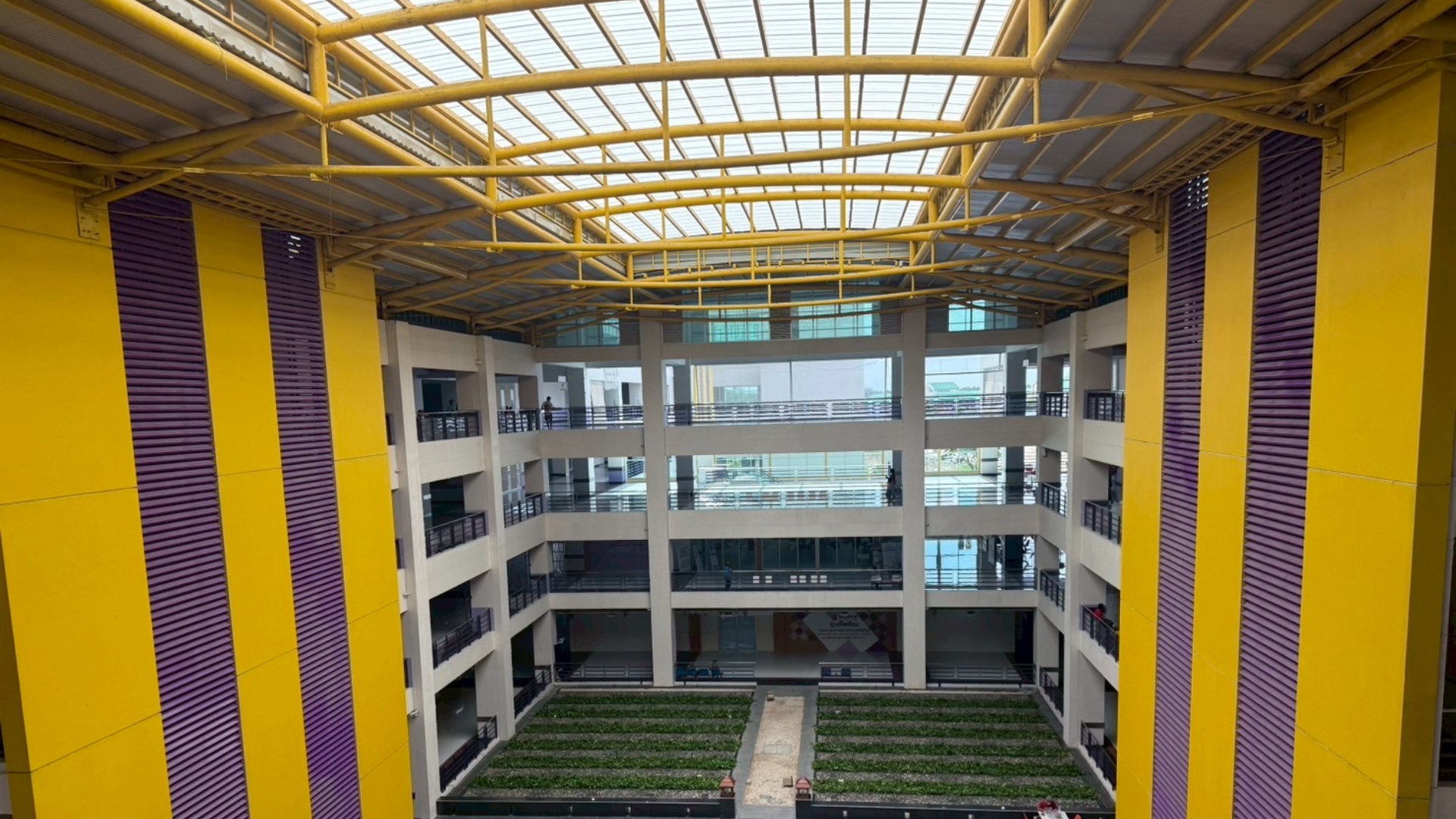
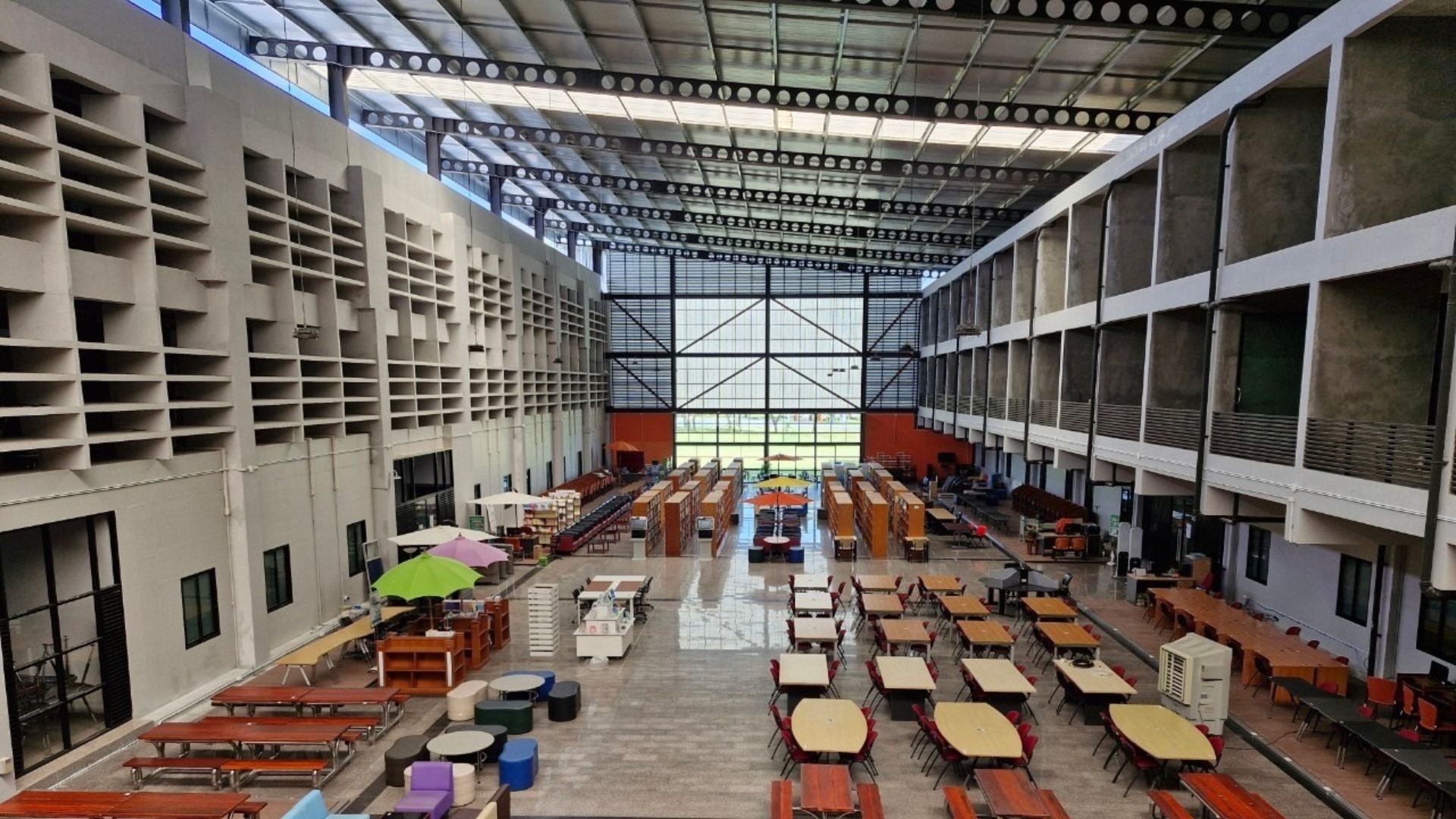
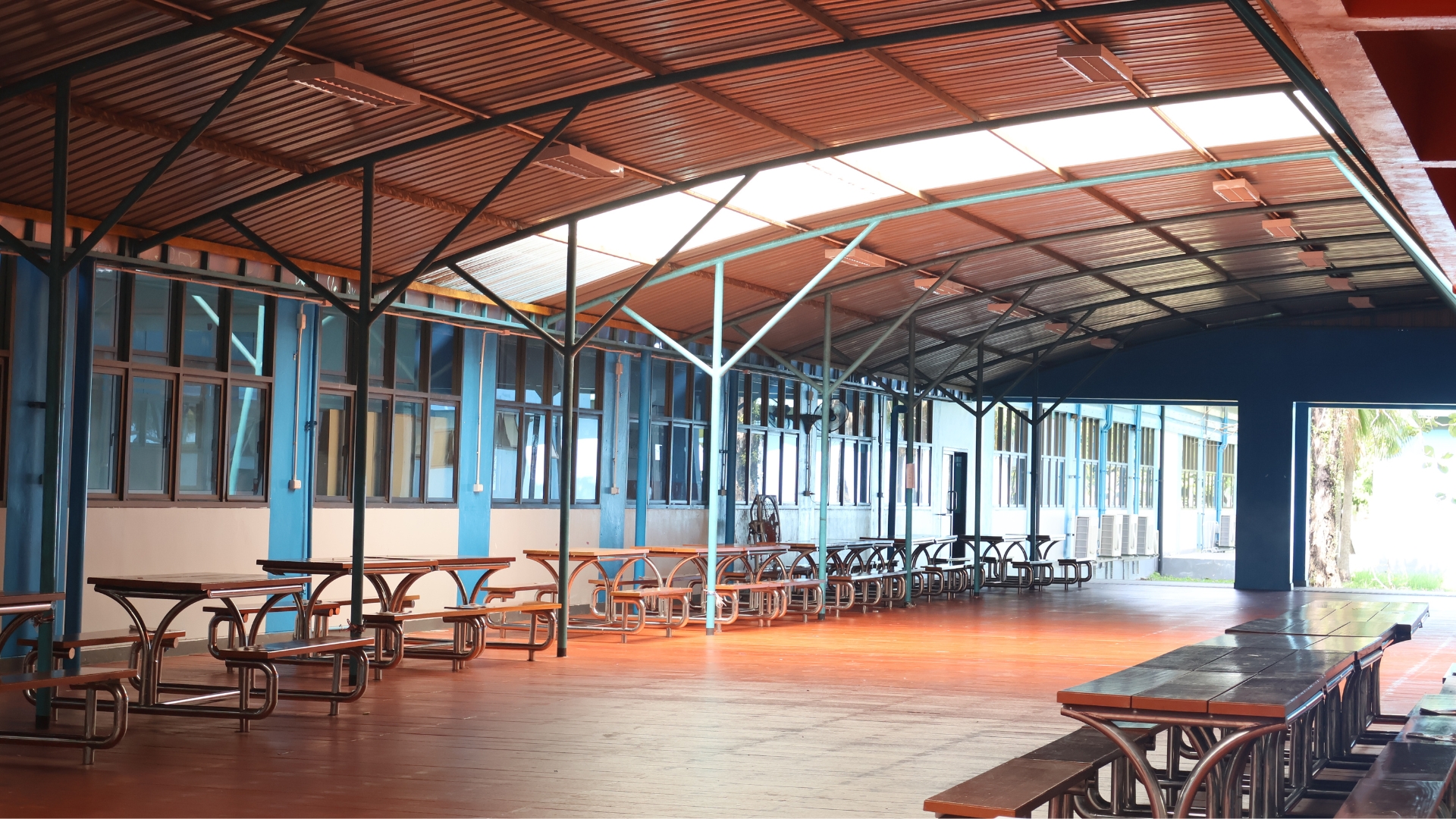
Walailak University integrates natural ventilation design into its buildings to enhance indoor environmental quality. The architectural design incorporates openings, such as windows, ventilation slots, and air passages, that allow for fresh air circulation, thereby reducing dependence on mechanical cooling systems. This approach not only enhances thermal comfort for occupants but also promotes energy conservation and sustainable building practices.
- Daylighting
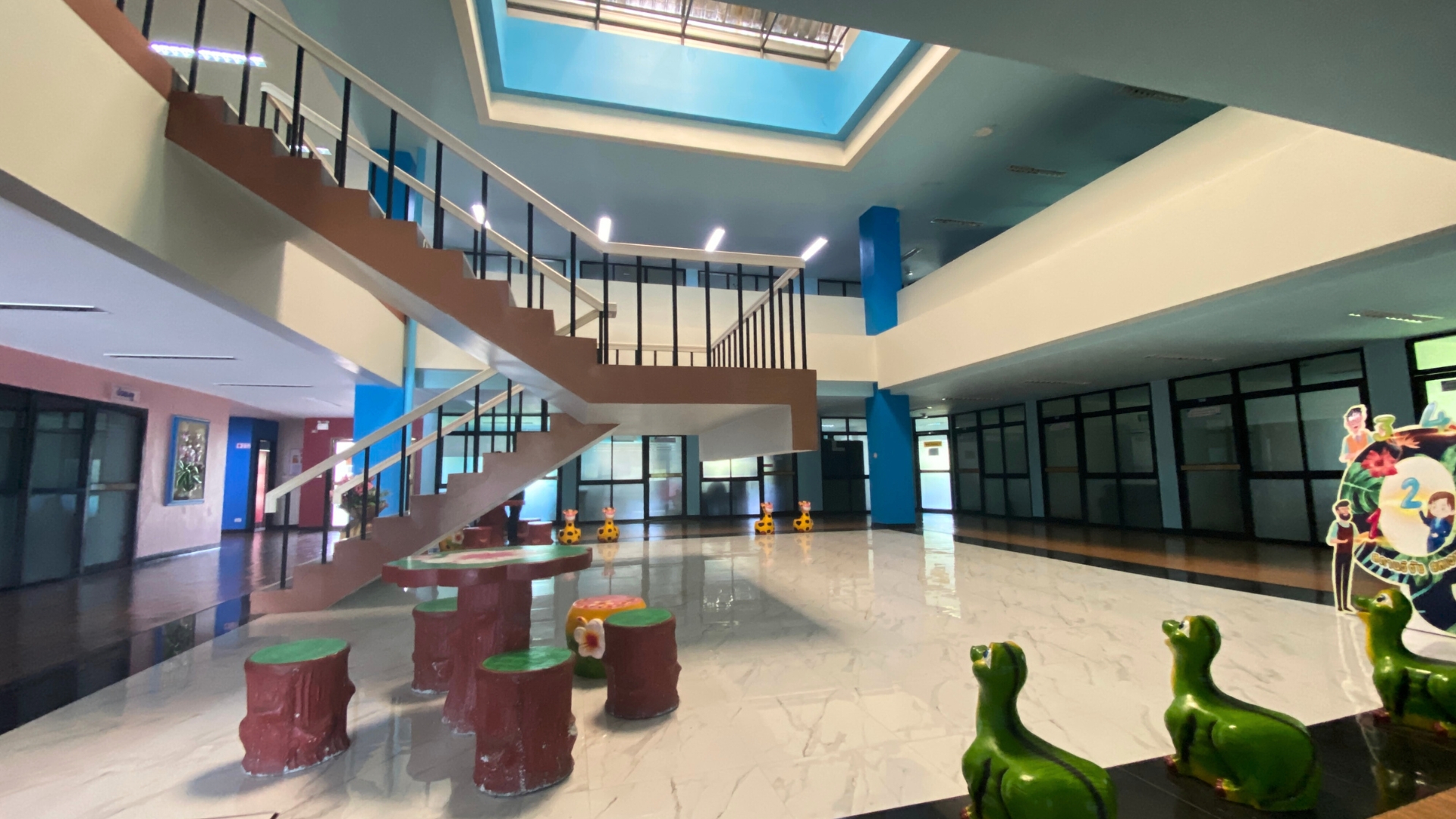
Walailak University enhances indoor environmental quality by installing polycarbonate panels that allow natural daylight to enter buildings. This design makes indoor spaces brighter and more open while reducing electricity consumption and supporting sustainable energy use.
- External Views
Walailak University integrates tree shading into its building surroundings as part of sustainable landscape design. Trees are strategically planted around academic and office buildings to provide natural shading, reducing heat gain and improving thermal comfort for occupants. This green element not only lowers the reliance on air conditioning, leading to reduced energy consumption, but also enhances the campus environment by improving air quality and creating pleasant outdoor spaces for students and staff.
- Internal Noise Levels
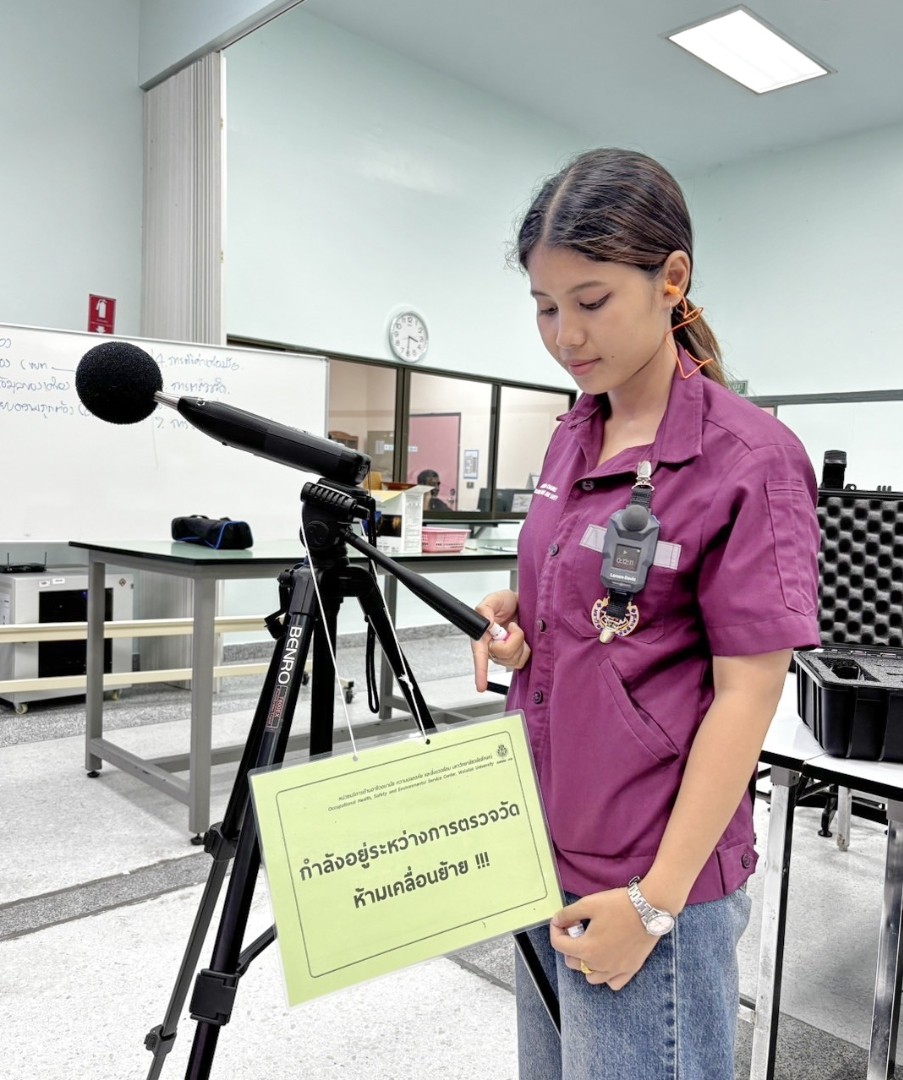
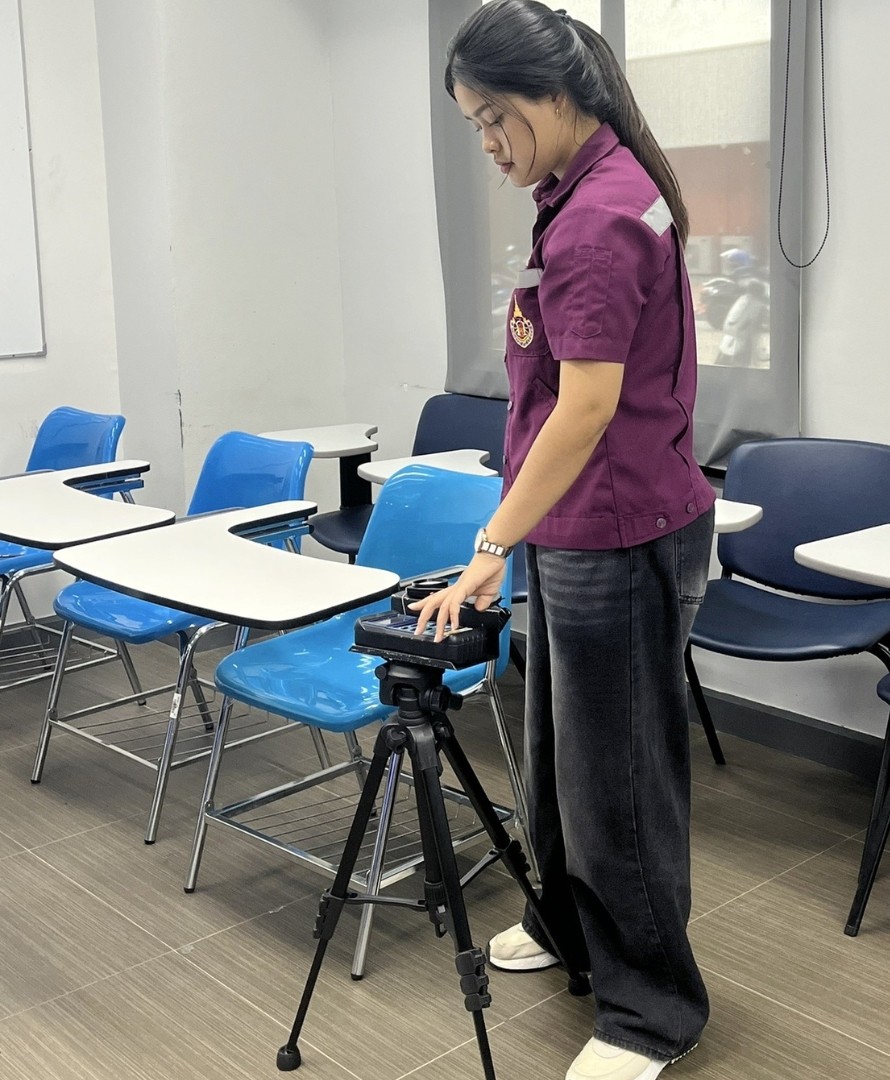
Walailak University maintains low internal noise levels in its buildings to enhance acoustic comfort, supporting focused learning, productive work, and a pleasant indoor environment for students and staff. Students also have annual courses to practice measuring and monitoring indoor sound quality, integrating hands-on learning with sustainability practices.