Program for reducing greenhouse gas in Scope 1
Program for reducing greenhouse gas in Scope 1
• Stationary Combustion
Walailak University has implemented a greenhouse gas emission reduction program under Scope 1 by replacing conventional diesel fuel with Diesel B7 in all backup generators across the campus. Diesel B7 contains up to 7% biodiesel derived from renewable biological sources, providing biogenic carbon that is part of the natural carbon cycle. This substitution significantly reduces the net carbon dioxide (CO₂) emissions from fuel combustion, as the biogenic portion of the carbon is considered carbon-neutral under international GHG accounting standards. In 2025, this transition resulted in an estimated reduction of 2.28 tCO₂e/year.
Figures: Walailak University replaces conventional diesel with Diesel B7 containing biogenic carbon for backup generators. (Walailak University, Thailand)
The University has transitioned to electric vehicles for its fleet, including minibuses, delivery vans, and security vehicles, significantly reducing reliance on combustion fuels. In 2025, Walailak University successfully reduced greenhouse gas emissions by 39.07 tCO₂e/year through the use of electric vehicles.


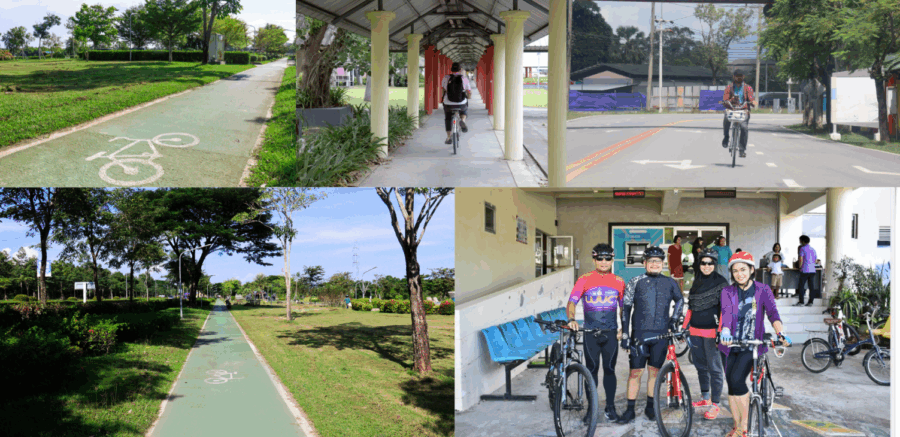
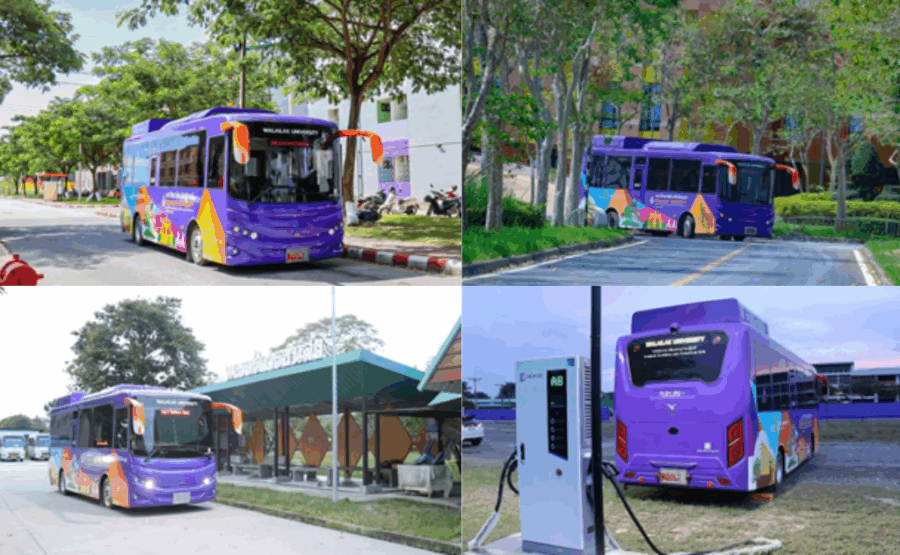


Figures: Reduce fuel consumption for university vehicles by using electric vehicles. (Walailak University, Thailand)
• Process emissions
Walailak University has implemented a Greenhouse Gas (GHG) Emission Reduction Program in water production by optimizing chemical processes to minimize direct emissions from treatment reactions.
The transition from the Phueksa Chon Water Supply Plant (Conventional Sedimentation Tank, 200 m³/hr) to the Chalanu Son Water Supply Plant (Solid Contact Clarifier with Vacuum-Type Pulsator, 400 m³/hr) significantly improved water quality and operational efficiency. The previous plant required excessive chlorine for both pre- and post-chlorination due to high iron (Fe) content and turbidity in raw water, leading to increased direct GHG emissions from chlorine-related chemical reactions.
The new system utilizes cleaner raw water, reducing the need for coagulants (PAC), pH adjusters (NaOH), and chlorine. Automated Pressure Filters with PLC control optimize backwashing, reducing chemical oxidation and process waste.
Through Safe Chemical Use and improved sedimentation efficiency, the university reduced treatment chemical use in 2025, achieving an estimated GHG emission reduction of 21.71 tCO₂e/year from chemical reactions. This reflects Walailak University’s strong commitment to sustainable, low-emission water management and pollution control.
Figures: Reduction in Chemical Usage after Transitioning from Pruk Sachon Waterworks plant to Chala Nusorn Waterworks plant. (Walailak University, Thailand)
• Fugitive Emissions
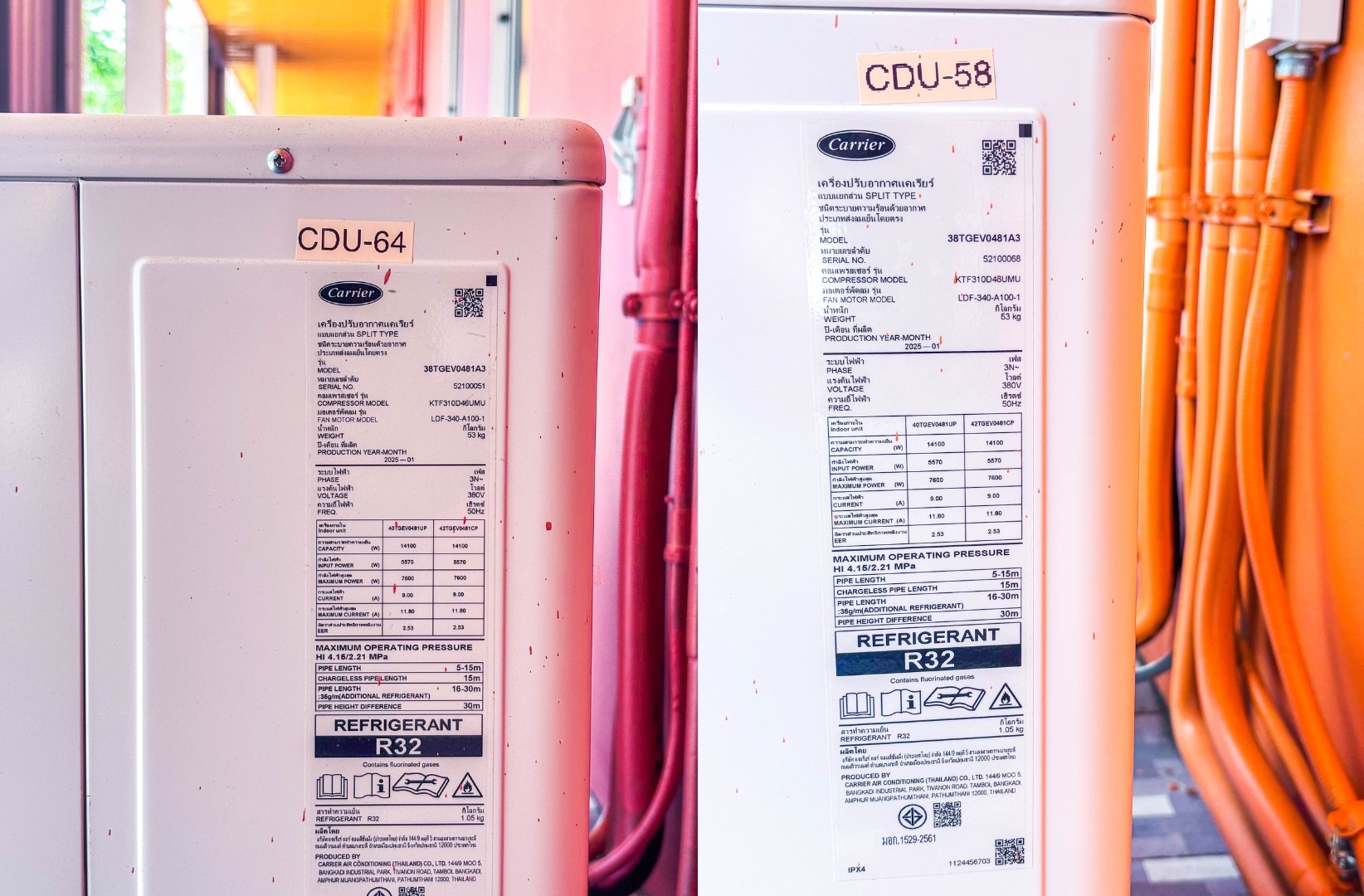
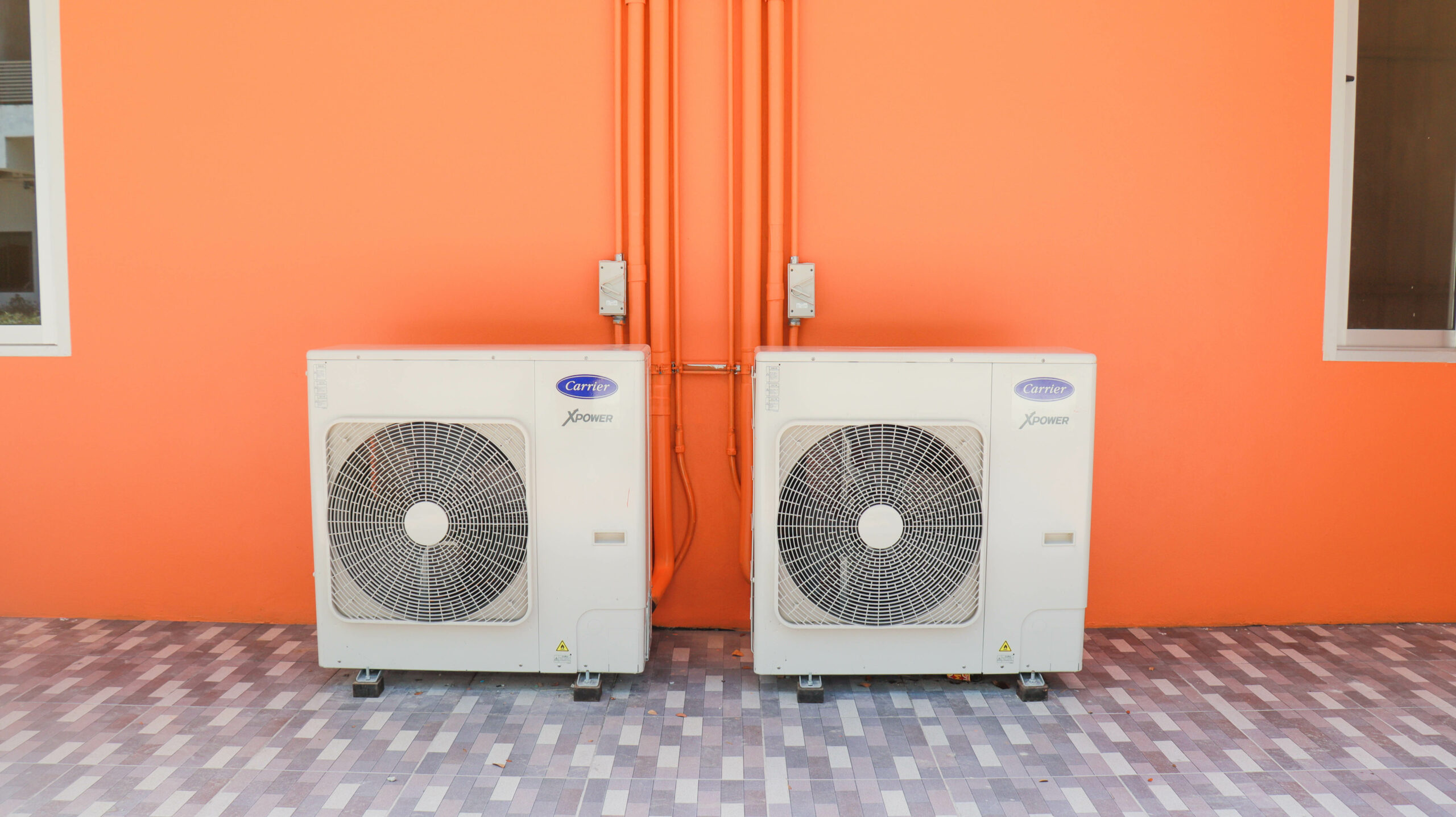
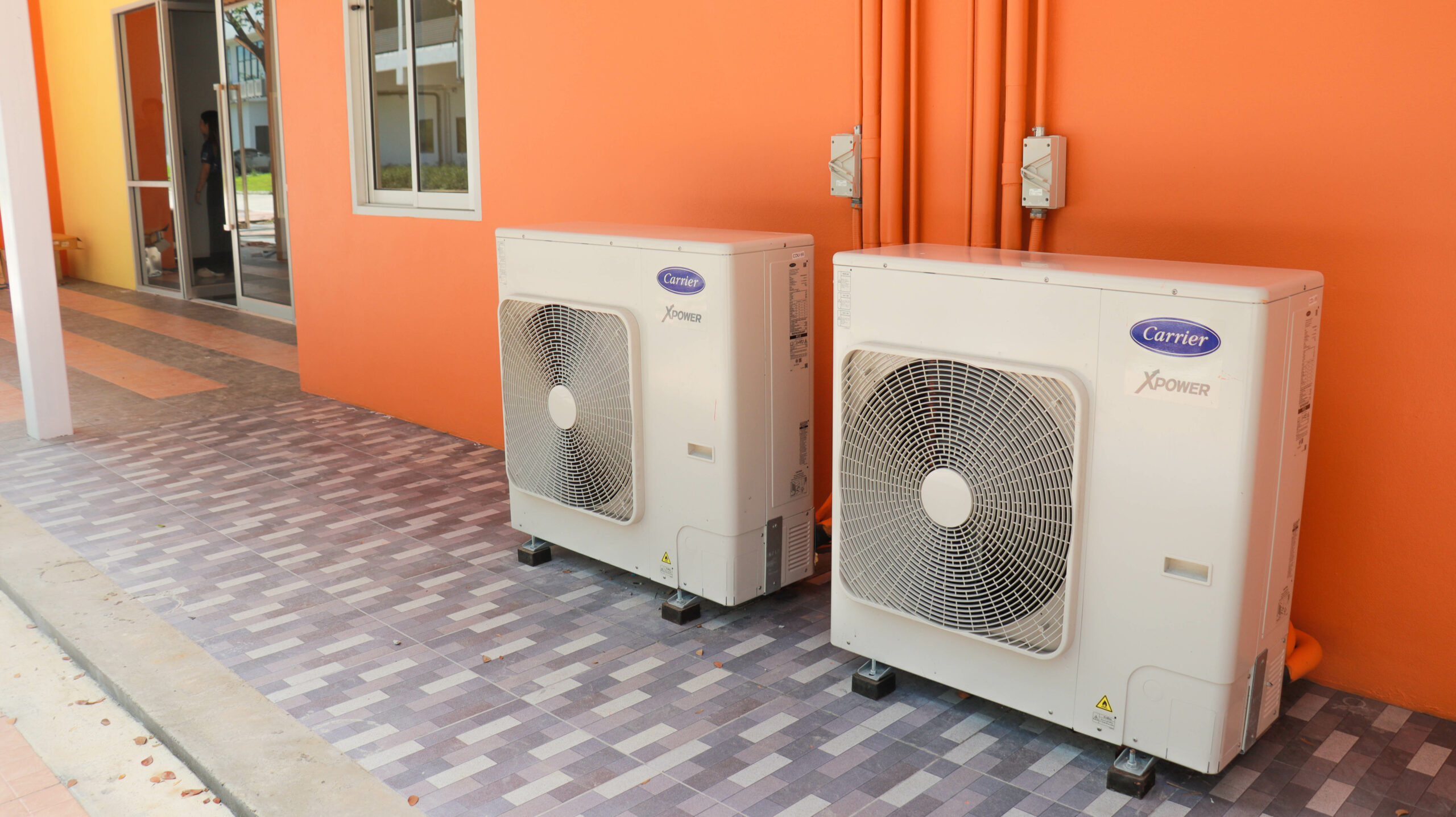
Walailak University has adopted R-32 refrigerant as an alternative to conventional refrigerants such as R-22 and R-410A. Unlike R-22, which has ozone depletion potential (ODP > 0), and R-410A, which has a high global warming potential (GWP ≈ 2,088), R-32 offers significant environmental benefits. With zero ozone depletion potential (ODP = 0) and a much lower GWP (≈ 675), R-32 reduces the impact on climate change while maintaining high cooling efficiency and energy savings.